The chain is fine...but I ordered the wrong size. Nine links of the chain I ordered equals six of the size I wanted. My error...
How can I straighten out the springs? I can't use them coil uo as is.
Your payment information is processed securely. We do not store credit card details nor have access to your credit card information.
Get fitment advice & recommendations
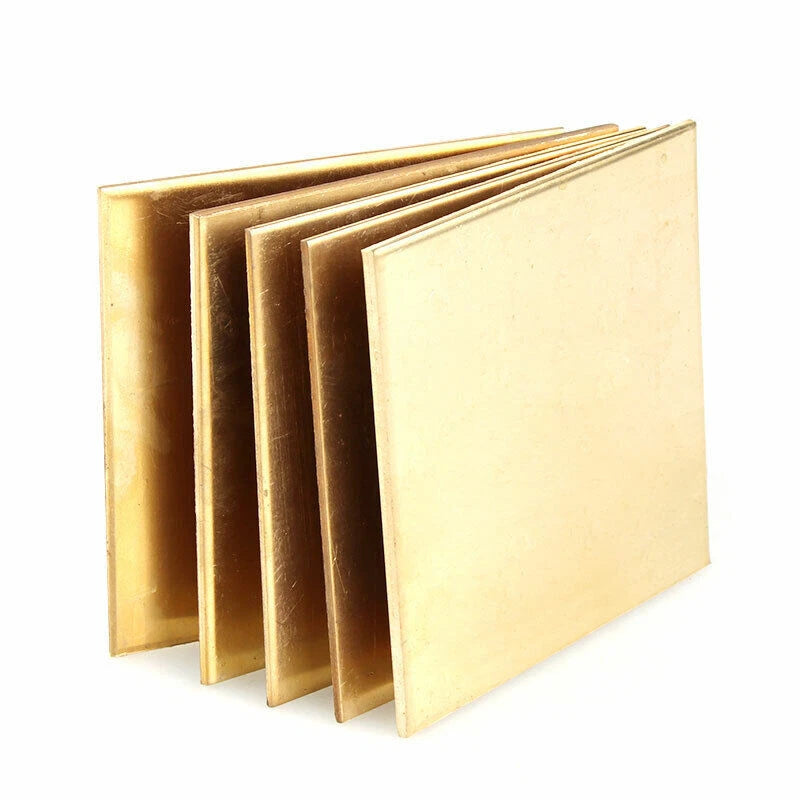
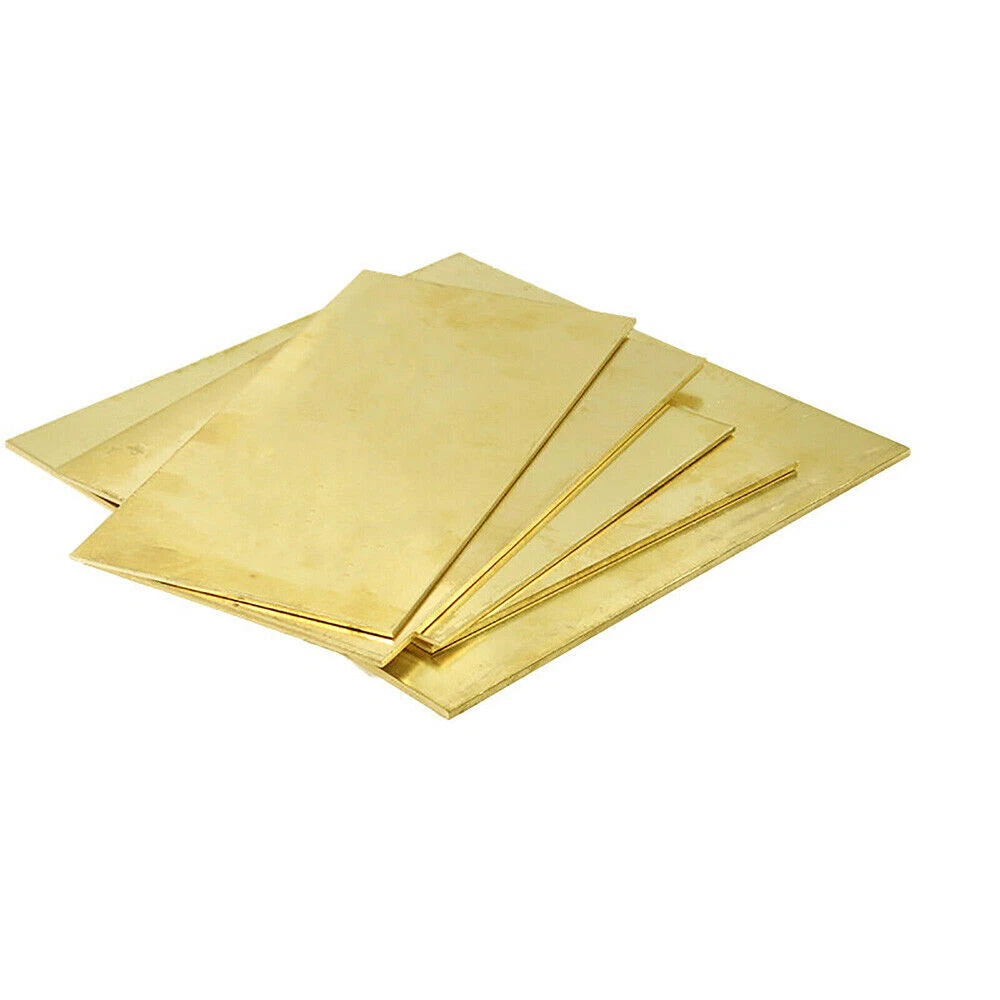
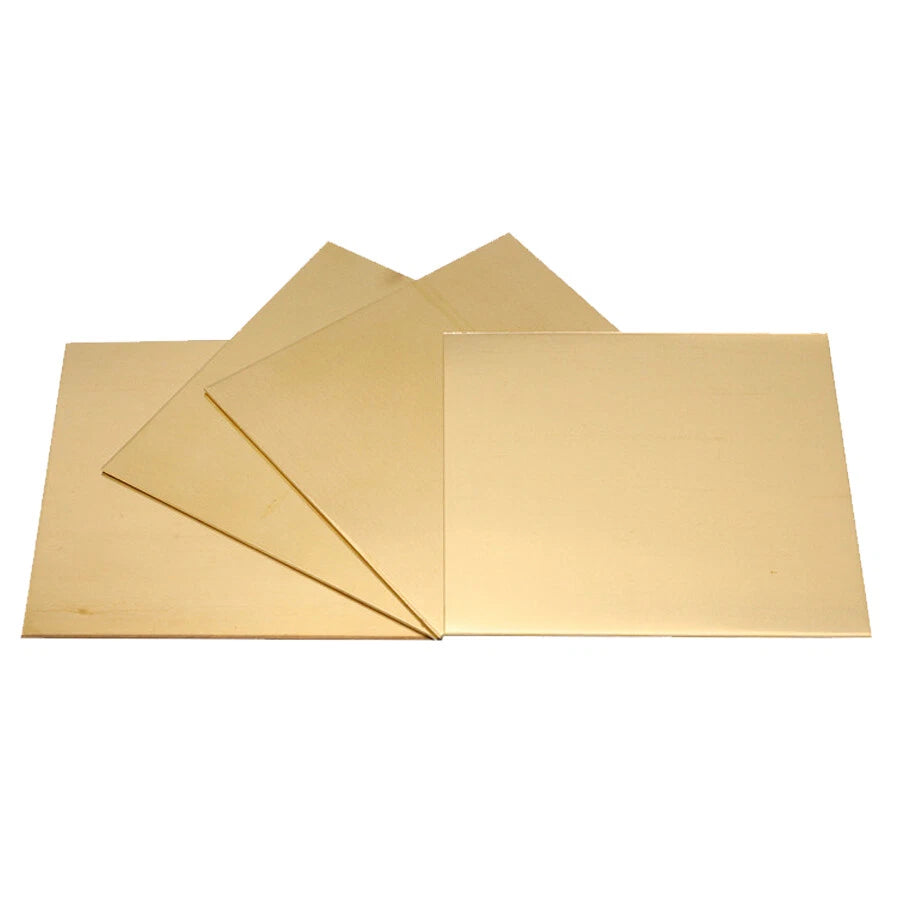
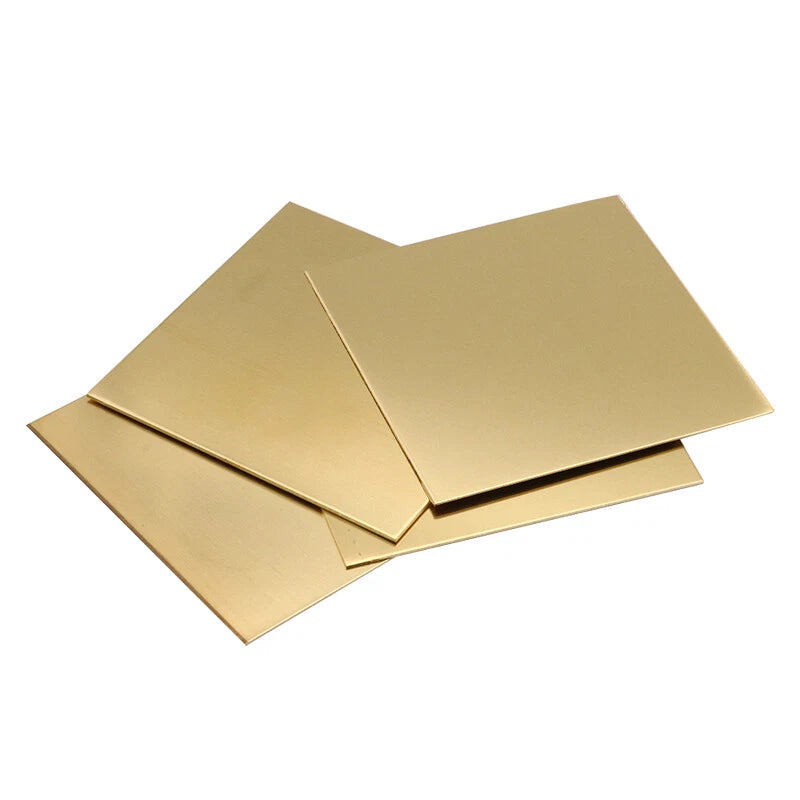
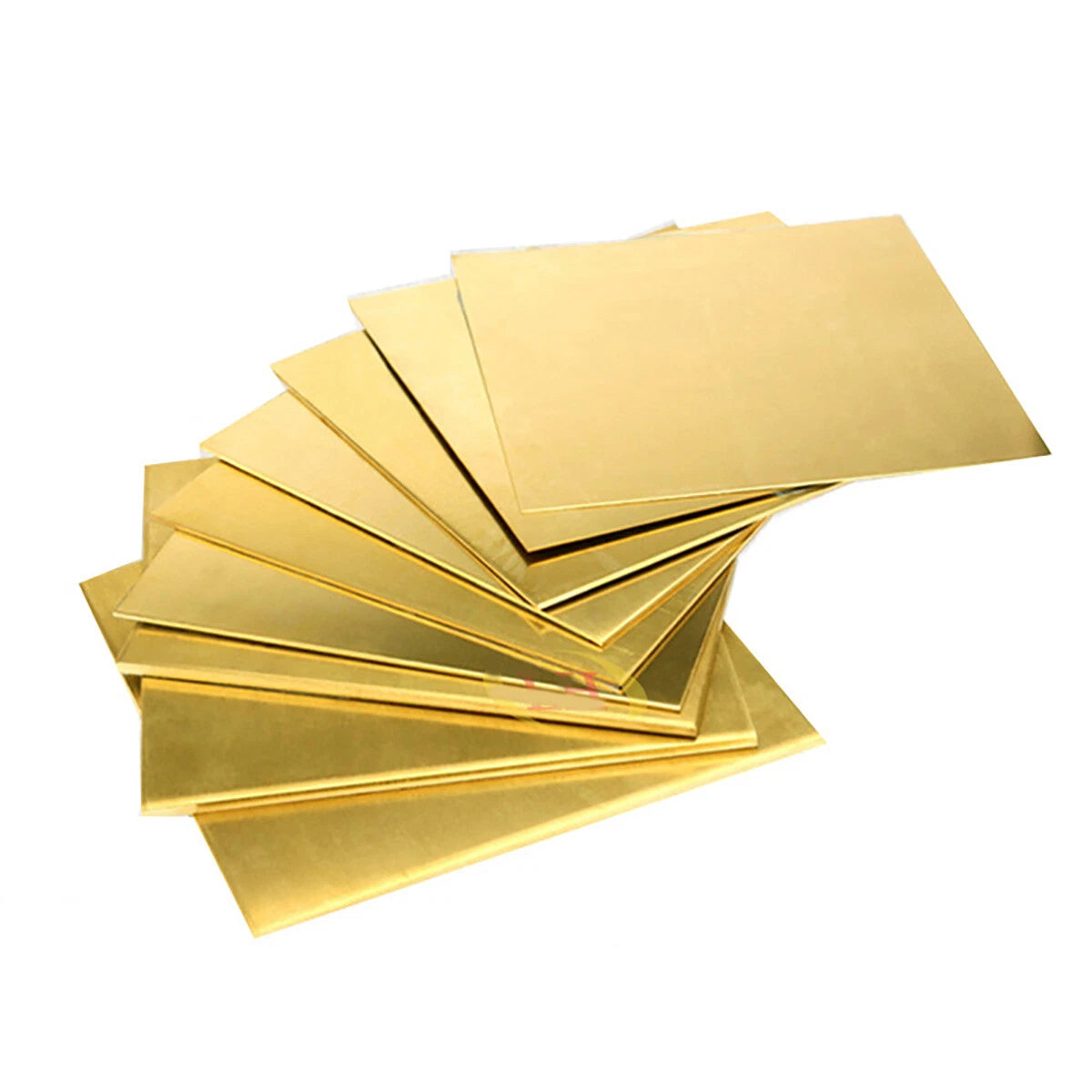
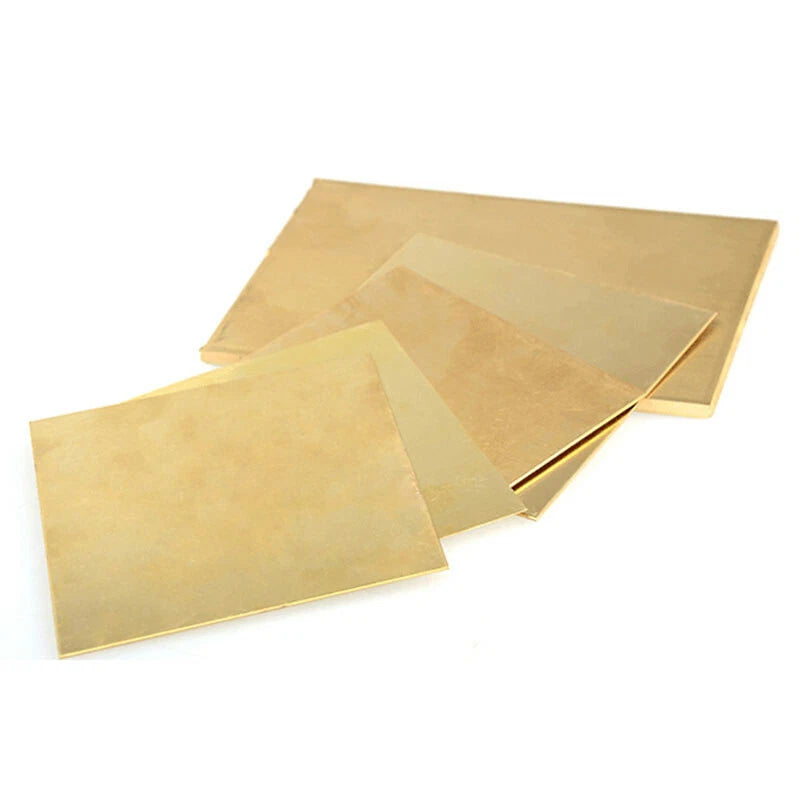
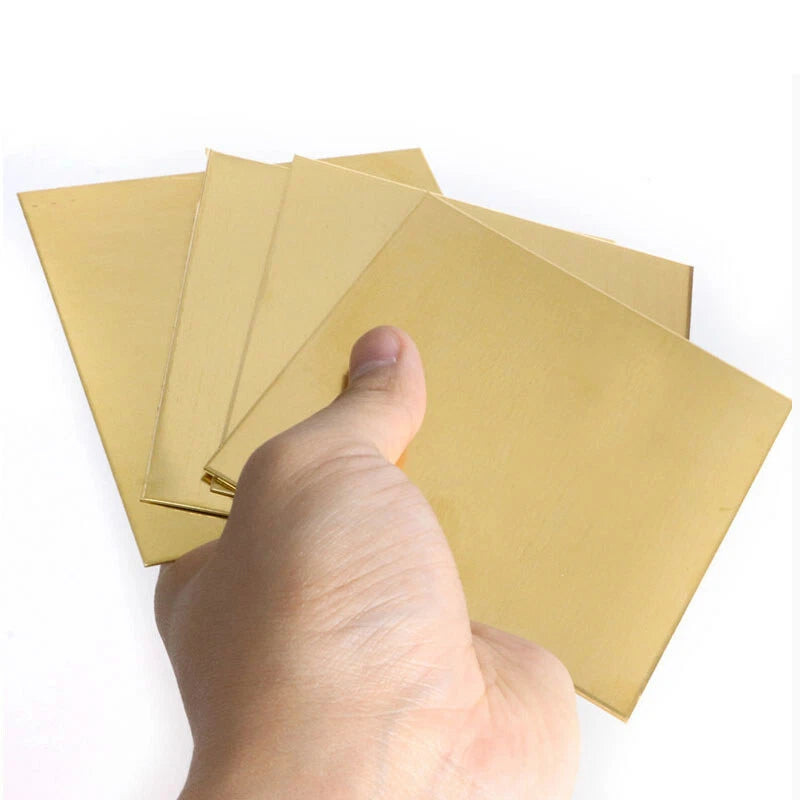
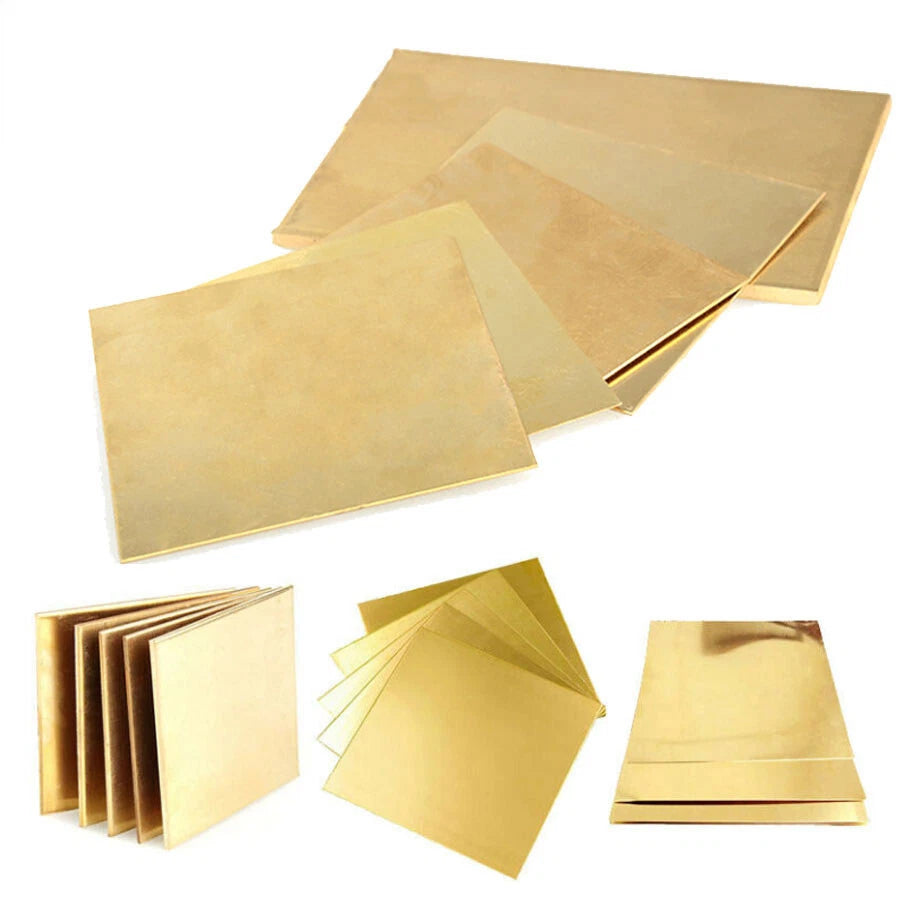
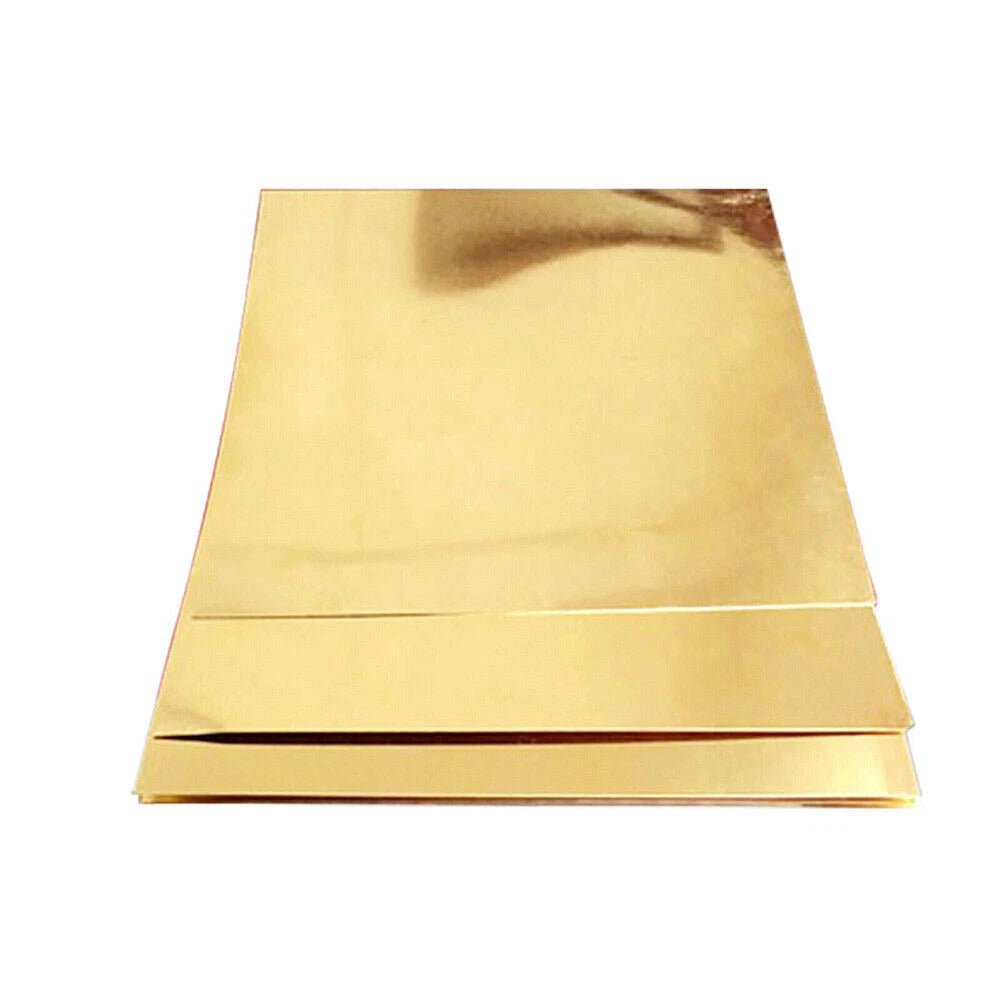
When your project demands a flat metal sheet that machines cleanly, solders reliably, and holds tight dimensional tolerances, finding the right brass stock in the exact size you need can be a real challenge. Whether you are a hobbyist machinist, a jewellery maker, an electronics fabricator, or a workshop professional, these CuZn40 H62 brass flat plates are stocked in a wide range of sizes and thicknesses so you can order exactly what your build requires — no cutting waste, no oversized offcuts.
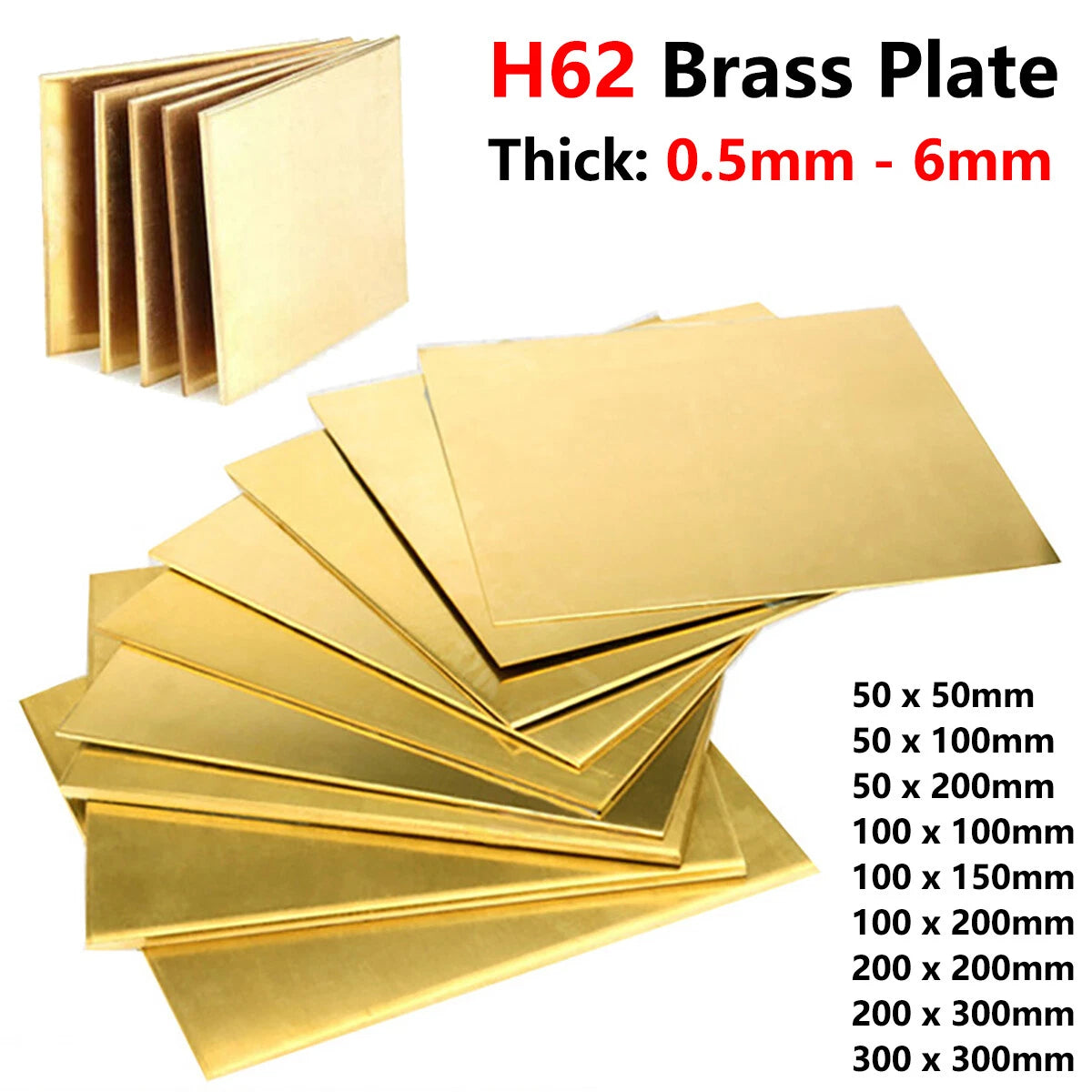
Each sheet is made from CuZn40 (H62) brass alloy — a copper-zinc composition with approximately 60% copper and 40% zinc — offering a balanced combination of machinability, corrosion resistance, and warm golden appearance. Sizes range from 50 mm × 50 mm up to 300 mm × 300 mm (approximately 2" × 2" to 11.8" × 11.8"), with thickness options spanning 0.5 mm to 6 mm (approximately 0.020" to 0.236"). All pieces are supplied as flat stock with smooth, sheared edges.
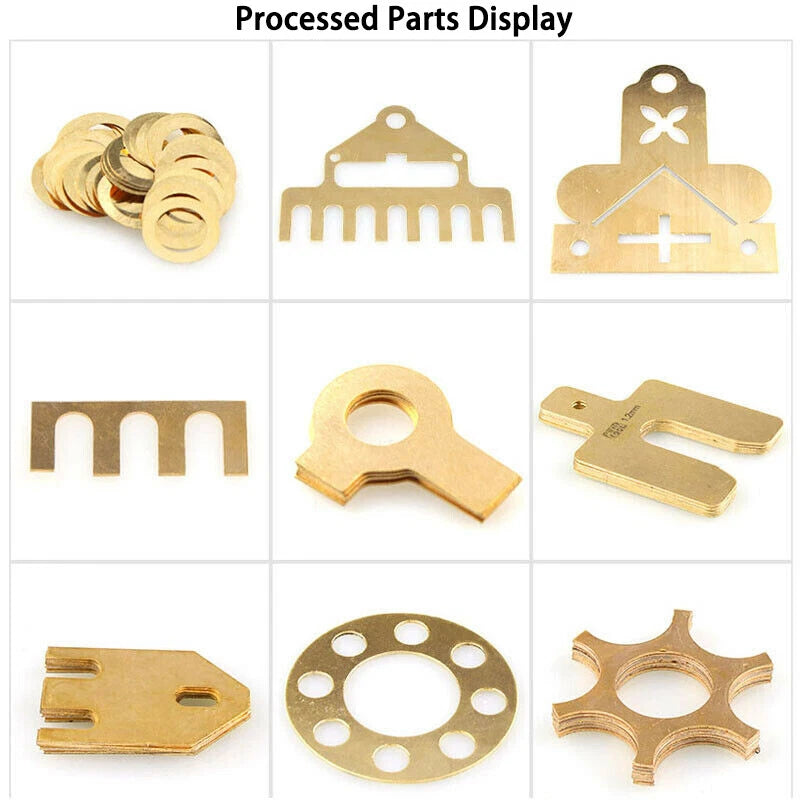
Typical applications include RF and EMI shielding panels for electronics enclosures, engraving blanks for signage and nameplates, bearing shim stock and spacer plates in mechanical assemblies, decorative inlay work in woodworking and furniture making, and custom gasket or bracket fabrication in light engineering. Search terms such as "brass shim sheet metalworking", "H62 brass plate engraving blank", and "CuZn40 flat stock DIY" describe exactly what this product delivers.
| Material / Alloy | CuZn40 H62 Brass (approx. 60% Cu, 40% Zn) |
|---|---|
| Item Type | Metal Sheet / Flat Plate |
| Size Range (Width × Length) | 50×50 mm, 50×100 mm, 50×200 mm, 100×100 mm, 100×150 mm, 100×200 mm, 200×200 mm, 200×300 mm, 300×300 mm |
| Thickness Range | 0.5 mm, 0.8 mm, 1 mm, 1.2 mm, 1.5 mm, 2 mm, 2.5 mm, 3 mm, 4 mm, 5 mm, 6 mm |
| Size Range (Inches approx.) | ~2"×2" to ~11.8"×11.8" |
| Thickness Range (Inches approx.) | ~0.020" to ~0.236" |
| Surface Finish | Mill finish, flat sheared edges |
| Colour / Appearance | Golden yellow brass |
| Machinability | Good — compatible with HSS and carbide tooling |
| Solderability | Excellent — accepts soft solder and silver solder |
| Electrical Conductivity | Good — suitable for EMI shielding and grounding applications |
| Packing Quantity | 1 piece per order (select size and thickness above) |
| Weight | See variant options |
For thin decorative work, engraving blanks, or shim stock, thicknesses of 0.5 mm–1 mm are typically sufficient. For structural brackets, spacer plates, or load-bearing components, 2 mm–6 mm is more appropriate. If you are unsure, consider the bending radius and the forces the part will experience — thicker stock resists deformation but is harder to cut and form by hand.
CuZn40 (H62) is a Chinese standard designation for a 60/40 copper-zinc brass alloy. It is closely comparable to C27200 (yellow brass) in the ASTM system and C2700 in the JIS system. It is not the same as C26000 cartridge brass (70/30), which has higher copper content and greater ductility. H62 is optimised for machinability and general fabrication rather than deep drawing.
Yes. Thinner sheets (0.5 mm–1.5 mm) can be cut with tin snips, aviation shears, or a guillotine. Thicker sheets (2 mm and above) are best cut with a hacksaw, angle grinder with a metal-cutting disc, jigsaw with a bi-metal blade, or a milling machine. Brass cuts cleanly and does not work-harden as aggressively as stainless steel, so standard HSS tooling works well.
H62 brass has good resistance to atmospheric corrosion and will develop a natural patina (darkening or greening) over time when exposed to outdoor conditions. For applications requiring a bright finish, periodic polishing or a clear lacquer coating is recommended. In marine or high-humidity environments, consider whether a more corrosion-resistant alloy such as naval brass or stainless steel would be more appropriate for your specific use case.
Yes. Brass is an effective conductor for electromagnetic shielding applications. Thinner sheets (0.5 mm–1 mm) are commonly used for EMI shielding enclosures, Faraday cage panels, and RF gasket stock. The sheet can be cut, bent, and soldered to form enclosures or shielding barriers. For high-frequency RF applications above several GHz, consult your shielding effectiveness requirements to confirm the appropriate thickness.
Yes. H62 brass accepts soft solder (tin-lead or lead-free) and silver solder (hard solder / brazing) readily. Clean the surface with flux before soldering to remove any oxide layer. Avoid overheating, as prolonged high temperatures can cause dezincification in some brass alloys. For structural joints, silver brazing at 600–800°C provides a much stronger bond than soft soldering.
Order the next size up from your finished part dimensions to allow for saw kerf, edge cleanup, and any fixturing allowance. For example, if your finished part is 90 mm × 90 mm, the 100 mm × 100 mm sheet gives you adequate material. If you need multiple parts from one sheet, calculate the total area required and select the sheet size that accommodates your nesting layout with minimal waste.