The chain is fine...but I ordered the wrong size. Nine links of the chain I ordered equals six of the size I wanted. My error...
How can I straighten out the springs? I can't use them coil uo as is.
Your payment information is processed securely. We do not store credit card details nor have access to your credit card information.
Get fitment advice & recommendations
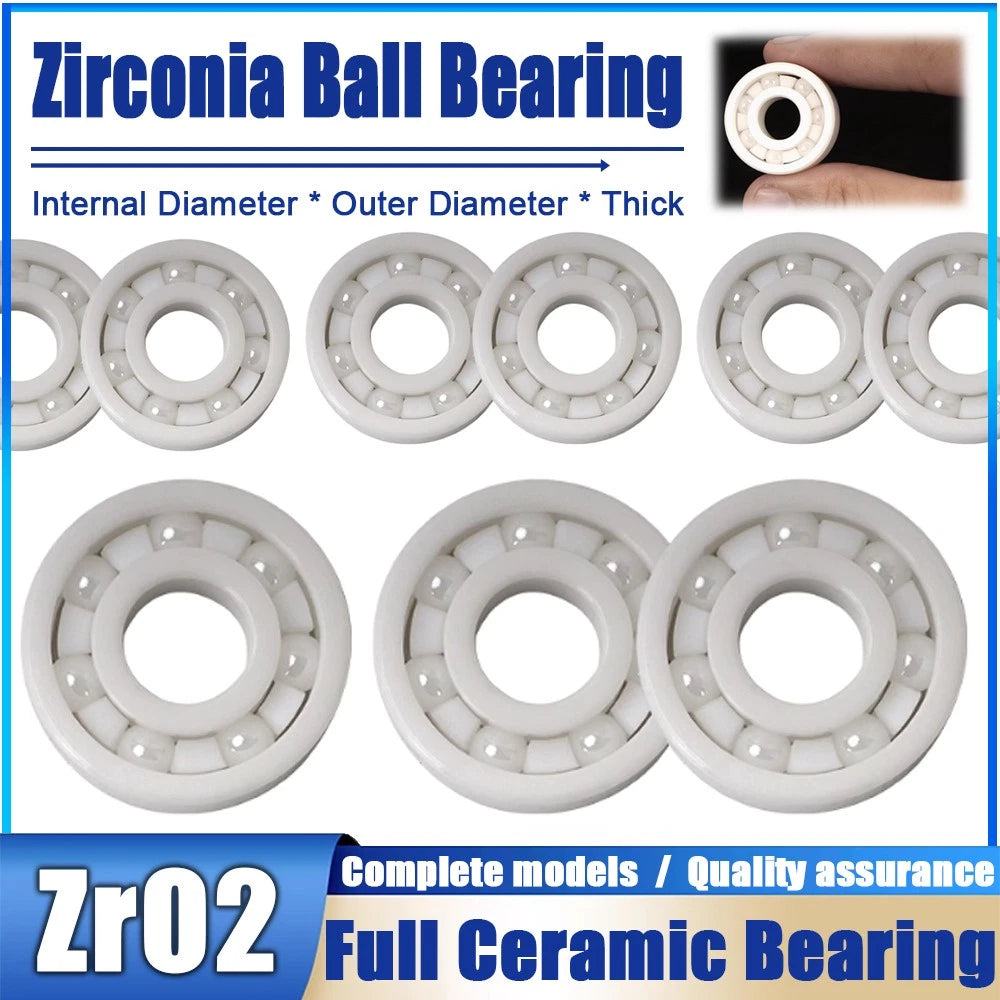
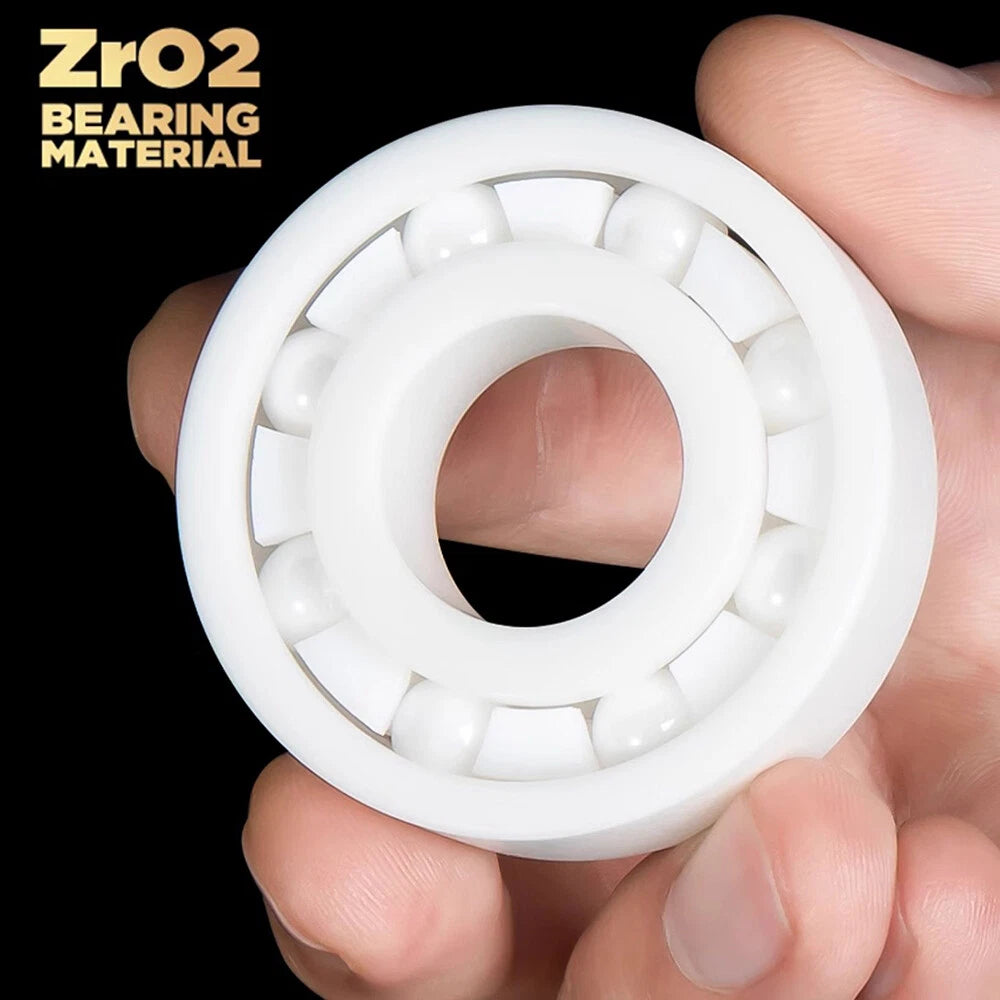
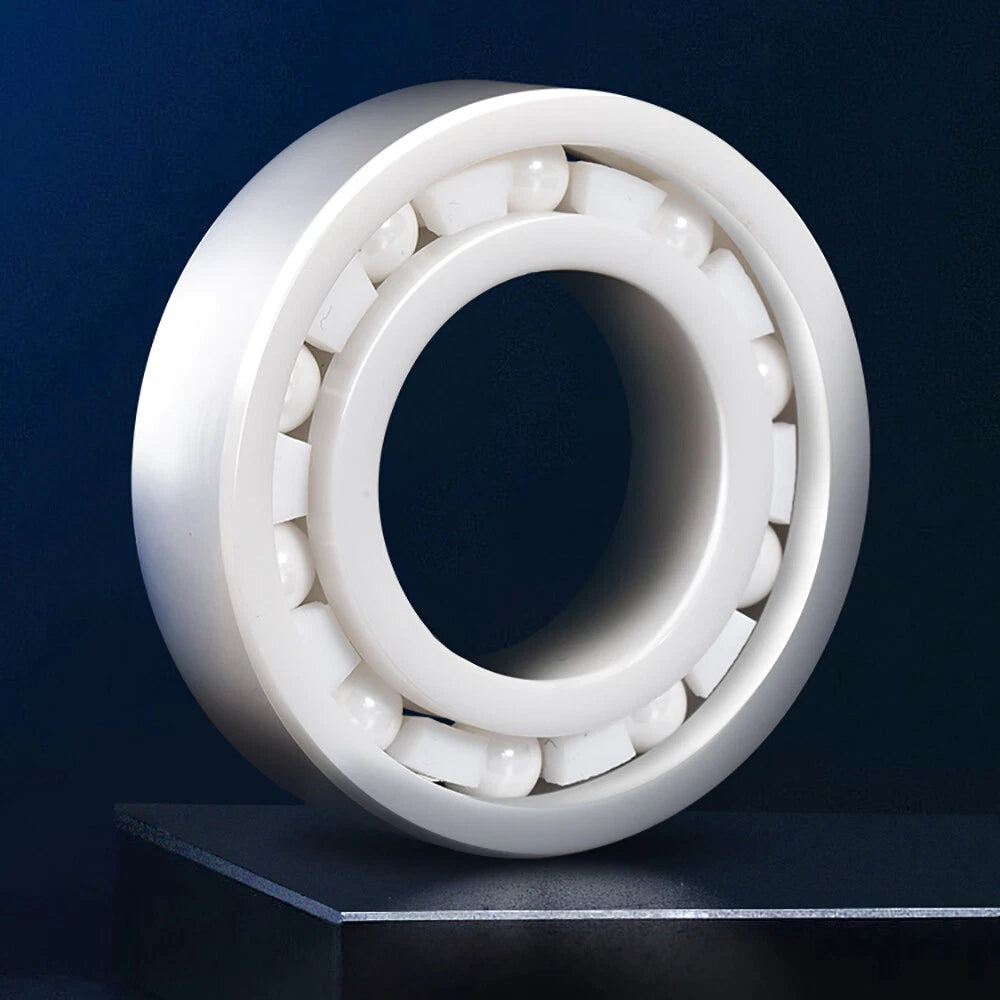
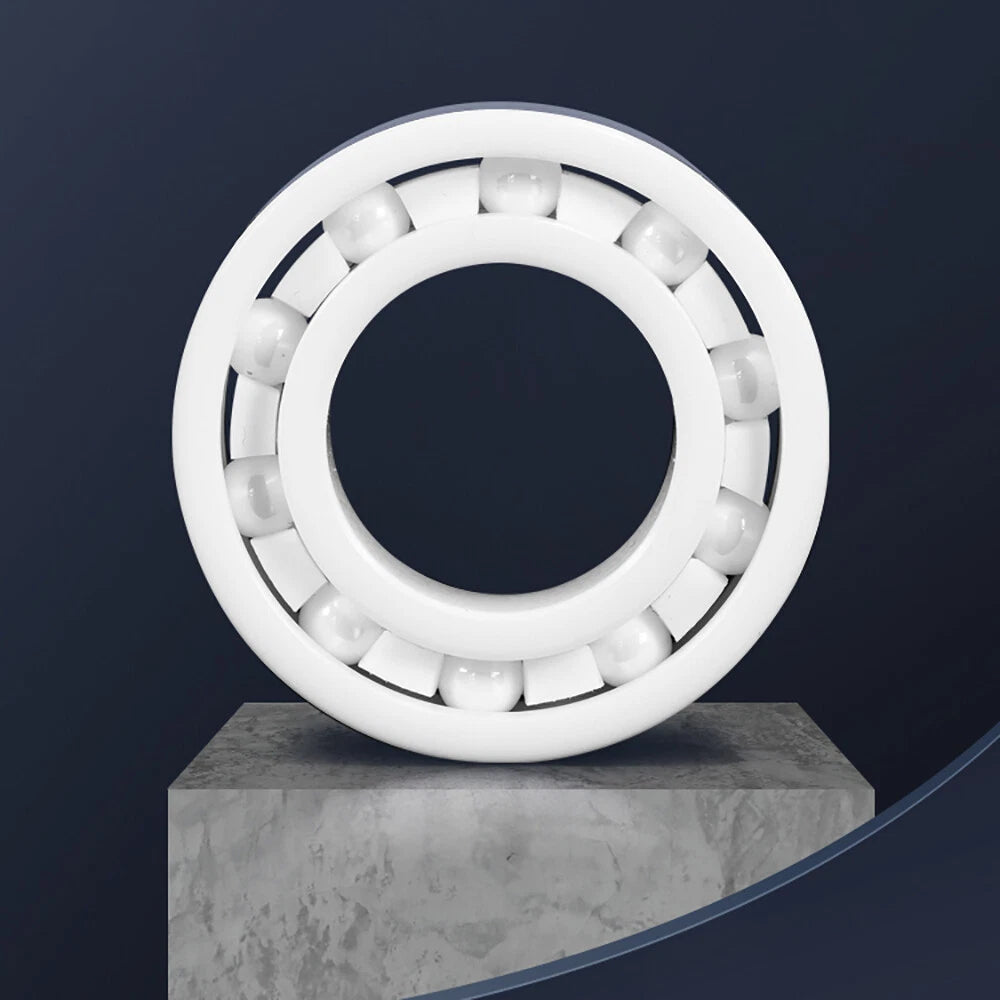
When standard steel bearings corrode, seize, or interfere with sensitive electronics, engineers and DIY builders turn to full ceramic ball bearings. These ZrO2 zirconia bearings are built for applications where moisture, chemicals, electrical conductivity, or magnetic interference would compromise a steel or hybrid bearing — from saltwater-exposed marine hardware to medical devices and high-speed spindles.
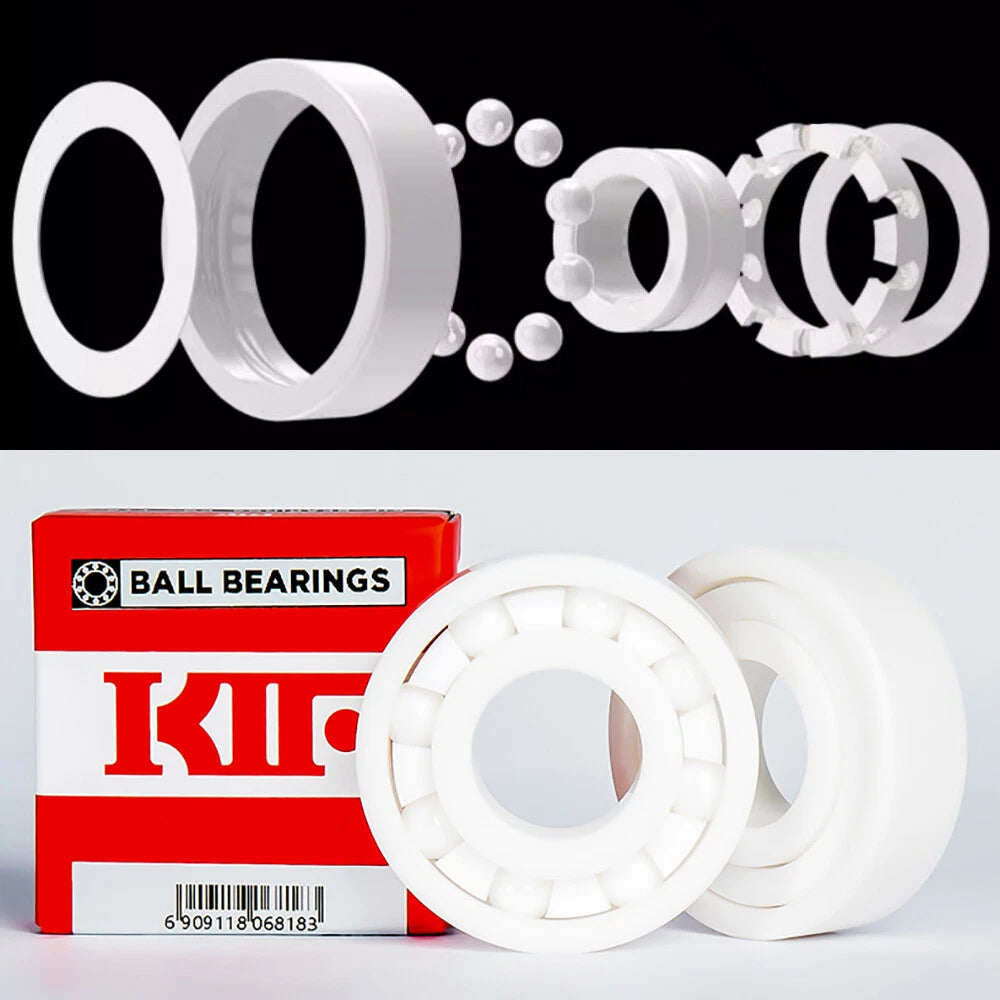
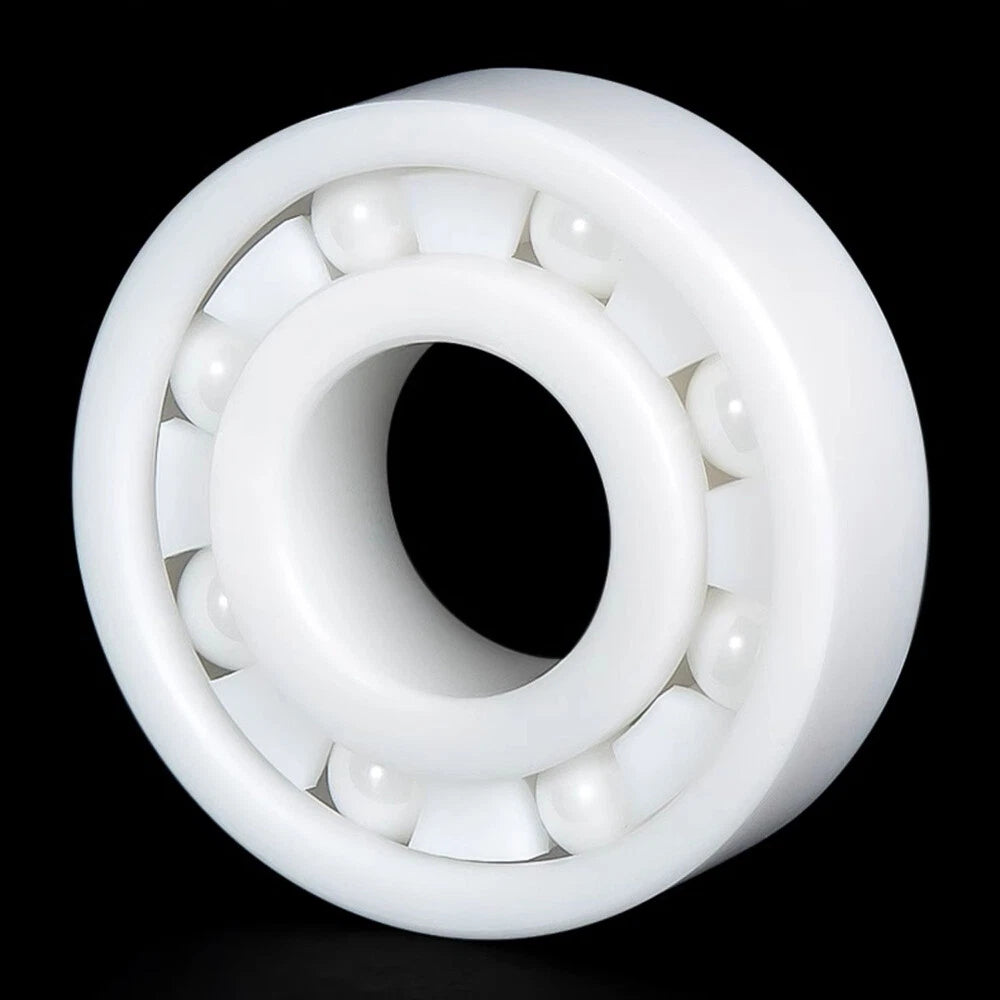
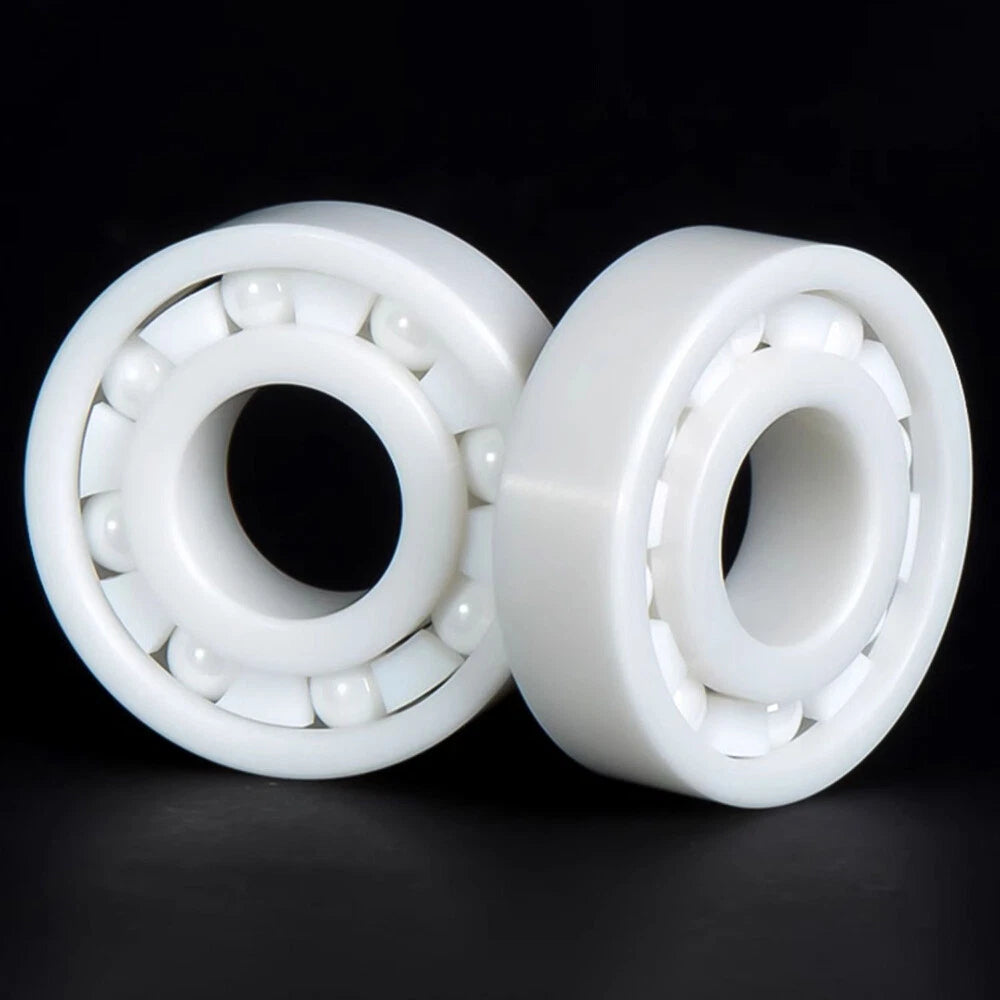
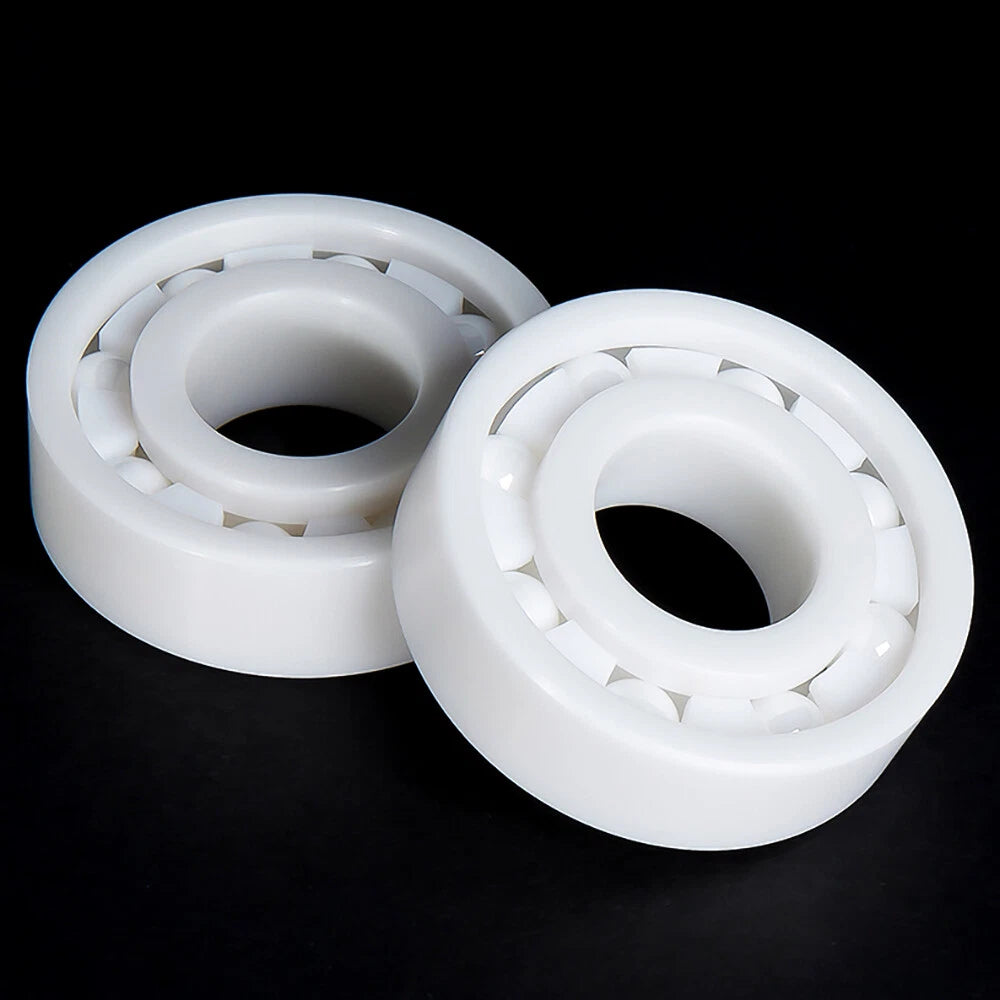
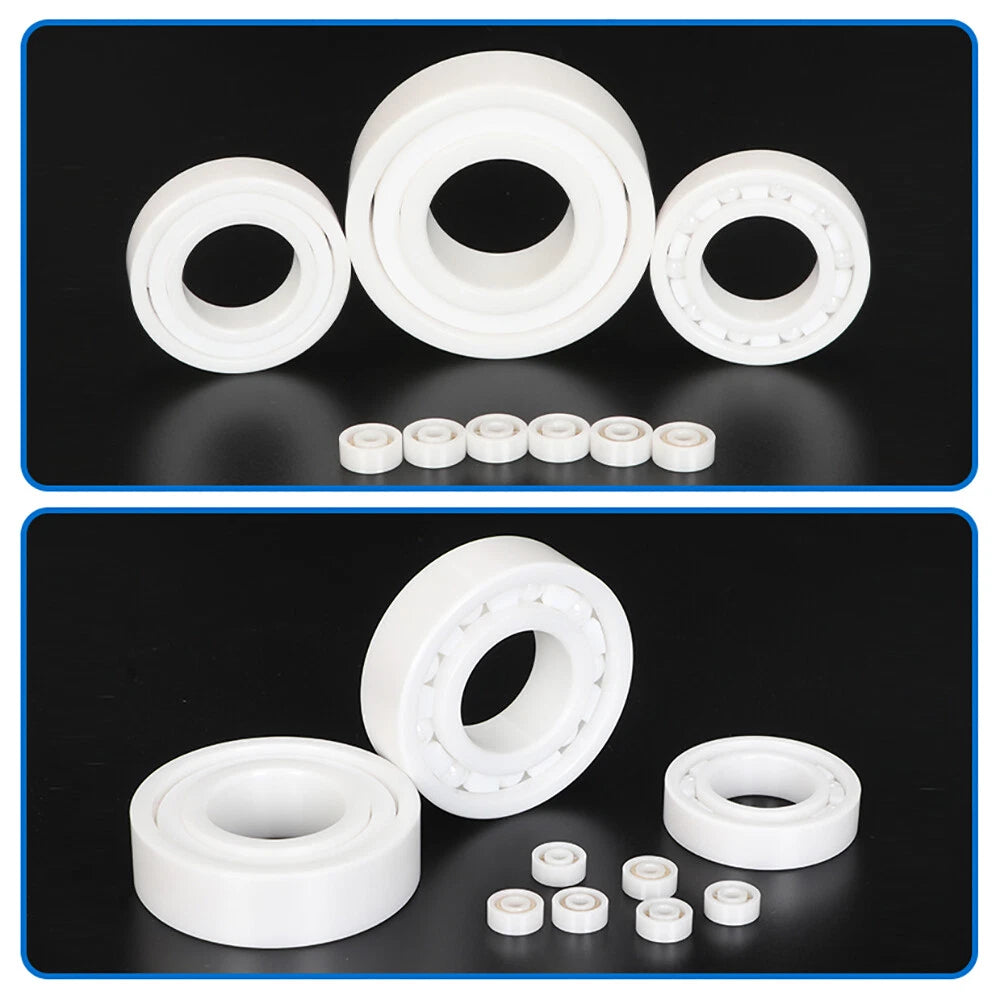
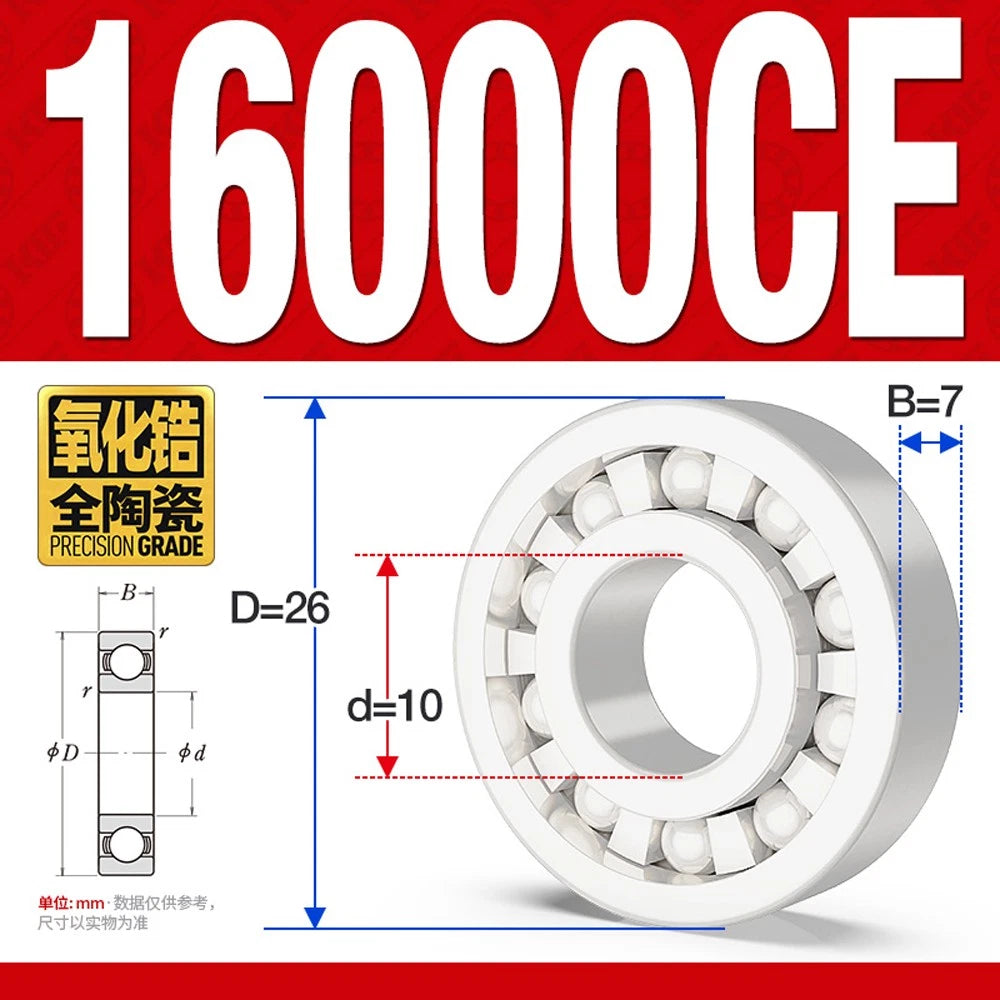
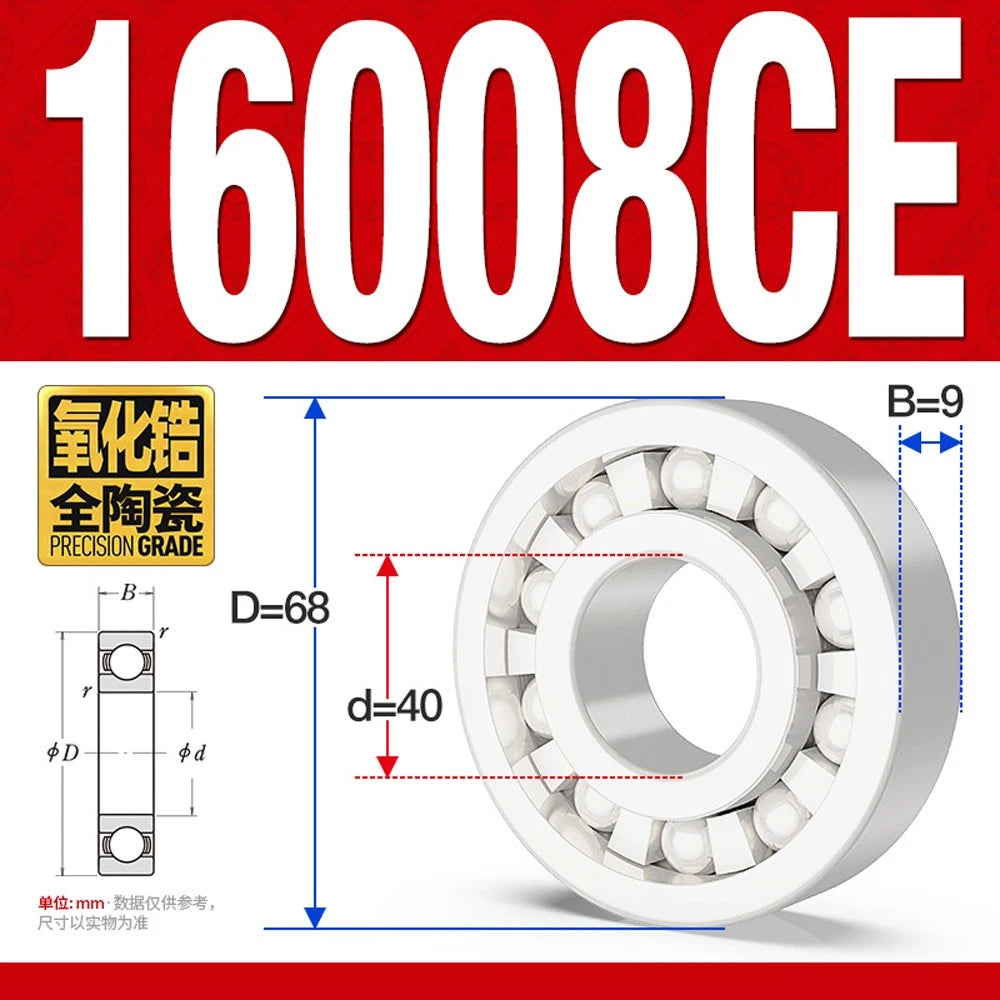
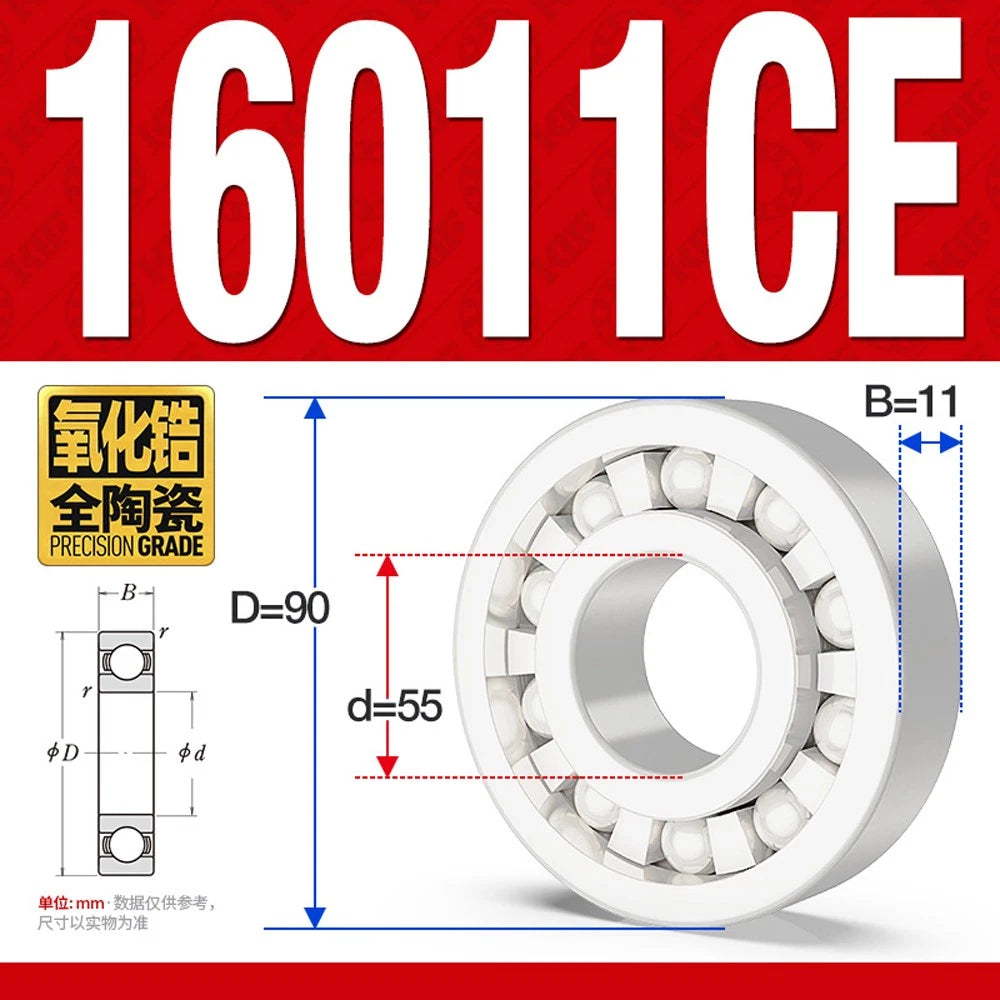
Each bearing in this series is constructed entirely from zirconium dioxide (ZrO2) ceramic — races, balls, and cage — with no steel components. Available in 14 sizes spanning the 16000 through 16013 series, bore diameters range from 10 mm (0.394 in) to 65 mm (2.559 in), outer diameters from 26 mm (1.024 in) to 100 mm (3.937 in), and widths from 7 mm (0.276 in) to 11 mm (0.433 in).
Typical use cases include food-processing conveyor rollers where washdown chemicals are routine, RC car and drone motor shafts requiring lightweight low-friction rotation, laboratory centrifuge spindles demanding electrical isolation, and coastal or marine equipment exposed to salt spray. The open, unshielded design allows easy lubrication access for high-speed or high-temperature cycling applications.
Races, rolling elements, and cage are all zirconium dioxide — eliminating every steel component and the corrosion risk that comes with it. Suitable for acid, alkali, and saltwater environments where steel bearings fail within weeks.
ZrO2 ceramic is an electrical insulator, making these bearings essential for motor test rigs, MRI-adjacent equipment, and any application where stray currents or electromagnetic interference must be blocked at the bearing point.
Zero ferrous content means zero magnetic signature. Ideal for compass housings, magnetic resonance environments, and precision instruments where even trace magnetism distorts readings or attracts debris.
ZrO2 maintains dimensional stability from approximately −40 °C to +300 °C (−40 °F to +572 °F), outperforming standard steel bearings in both cryogenic and elevated-temperature cycling conditions.
Ceramic is roughly 40% lighter than bearing steel by volume, reducing rotational inertia and centrifugal load at high RPM — a measurable advantage in drone motors, high-speed spindles, and precision robotics joints.
Bore diameters from 10 mm to 65 mm cover a wide range of shaft sizes. Each variant is labeled with exact d×D×B dimensions so you can match your housing without guesswork.
| Series | 16000 CE through 16013 CE |
|---|---|
| Material | Zirconium Dioxide (ZrO2) — full ceramic, all components |
| Bore Diameter (d) | 10 mm – 65 mm (0.394 in – 2.559 in) |
| Outer Diameter (D) | 26 mm – 100 mm (1.024 in – 3.937 in) |
| Width (B) | 7 mm – 11 mm (0.276 in – 0.433 in) |
| Bearing Type | Deep groove ball bearing, open (unshielded) |
| Cage Material | ZrO2 ceramic |
| Electrical Conductivity | Non-conductive (insulating) |
| Magnetic Properties | Non-magnetic |
| Operating Temperature | −40 °C to +300 °C (−40 °F to +572 °F, approximate) |
| Corrosion Resistance | Resistant to acids, alkalis, and saltwater |
| Lubrication | See variant options |
| Load Rating (dynamic/static) | See variant options |
| Quantity per Order | 1 piece (select variant) |
Match the bore diameter (d) to your shaft diameter, the outer diameter (D) to your housing bore, and the width (B) to your available axial space. Each variant name lists all three dimensions in the format d×D×B (mm). Measure your existing bearing or housing with calipers before ordering — a 1 mm mismatch will prevent proper seating.
ZrO2 ceramic has a compressive strength exceeding 2,000 MPa and hardness around 8–8.5 on the Mohs scale, making it harder than most bearing steels. However, ceramic is more brittle under sharp impact loads compared to steel. These bearings are well-suited for steady radial and axial loads but should not be used in applications with frequent shock or impact loading without engineering review.
ZrO2 ceramic has lower surface friction than steel and can run dry in light-load, low-speed applications. For sustained high-speed or high-load use, a PTFE-based or ceramic-compatible grease is recommended. Avoid petroleum-based greases that may degrade at elevated temperatures. The open (unshielded) design makes re-lubrication straightforward.
Yes. ZrO2 ceramic is chemically inert to most acids, alkalis, and salt solutions that would corrode steel or stainless steel bearings. They are widely used in marine hardware, food-processing equipment, and chemical pump assemblies for this reason. Verify compatibility with any specific aggressive chemical (e.g., hydrofluoric acid) before use.
No. ZrO2 is both non-magnetic and electrically non-conductive. These bearings produce no magnetic field and will not conduct stray currents between shaft and housing — making them suitable for use near Hall-effect sensors, encoders, MRI equipment, and precision measurement instruments.
Hybrid bearings use ceramic balls in steel races — they offer improved speed and reduced wear over all-steel bearings but still corrode and conduct electricity through the steel races. Full ceramic bearings (like these ZrO2 units) eliminate all metal, providing complete corrosion resistance, electrical isolation, and non-magnetic properties. Choose full ceramic when the operating environment or application specifically requires those characteristics; choose hybrid when cost is the primary constraint and the environment is not corrosive.
Silicon nitride (Si3N4) bearings are harder, lighter, and rated for higher speeds and temperatures than zirconia (ZrO2). ZrO2 bearings offer superior fracture toughness — they are less brittle and more forgiving under moderate impact — and are typically more cost-effective. ZrO2 is the practical choice for corrosion resistance and electrical isolation at moderate speeds; Si3N4 is preferred for extreme-speed spindles and aerospace applications.