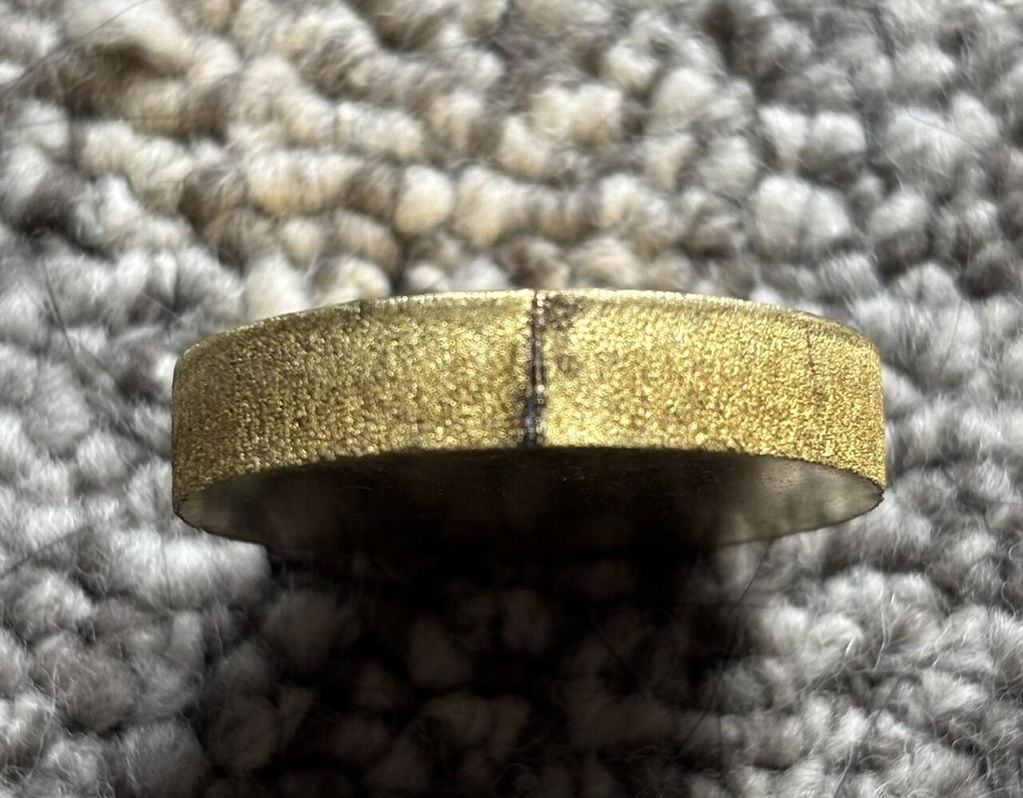
The chain is fine...but I ordered the wrong size. Nine links of the chain I ordered equals six of the size I wanted. My error...
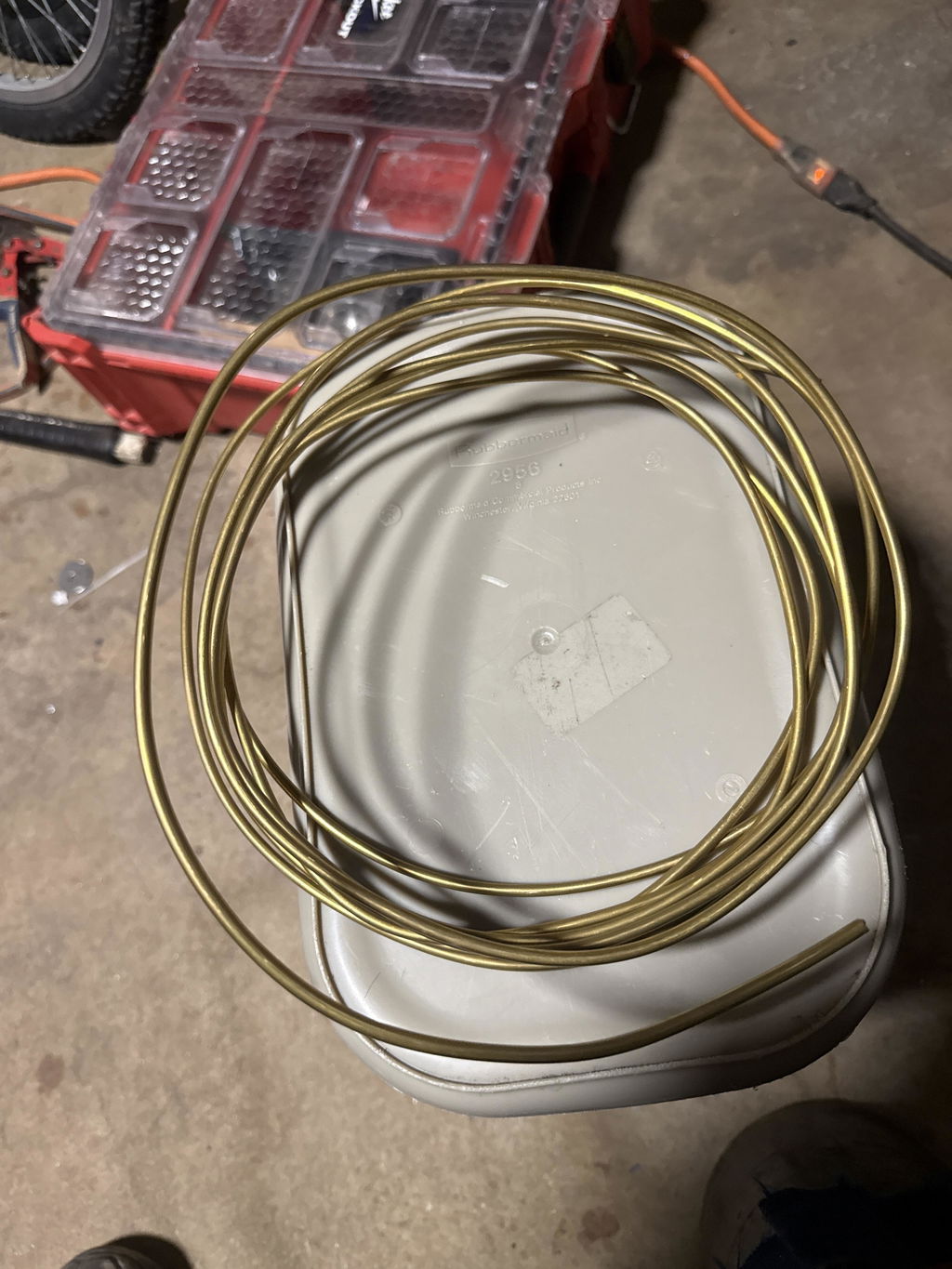
How can I straighten out the springs? I can't use them coil uo as is.
Your payment information is processed securely. We do not store credit card details nor have access to your credit card information.
Get fitment advice & recommendations
When a worn or undersized ball causes vibration, noise, or premature bearing failure, the root cause is almost always dimensional inconsistency. Engineers, maintenance technicians, and DIY machine builders who need a reliable replacement or upgrade turn to G10 grade Gcr15 steel balls because the tolerance band is tight enough to matter in real-world assemblies.
Each ball in this listing is manufactured from Gcr15 high-carbon chromium bearing steel — the same alloy specified in GB/T 308 and widely cross-referenced to AISI 52100. Diameters span 6.35 mm (¼ in) through 28 mm (1.102 in), covering both metric and common inch-series sizes. G10 grade means the diameter deviation and sphericity error are held within 0.25 µm, making these balls suitable for precision-grade bearing assemblies.
Typical use cases include replacement rolling elements in deep-groove ball bearings, recirculating balls in linear guide carriages and ball screws, load-distributing balls in check valves and hydraulic fittings, and anti-friction media in rotary indexing tables and spindle assemblies.
| Material | Gcr15 high-carbon chromium bearing steel (cross-ref: AISI 52100) |
|---|---|
| Precision Grade | G10 (per ISO 3290-1) |
| Diameter Range | 6.35 mm – 28 mm (¼ in – 1.102 in) |
| Diameter Deviation | ≤ 0.25 µm |
| Sphericity Error | ≤ 0.25 µm |
| Surface Roughness (Ra) | ≤ 0.010 µm (typical for G10) |
| Hardness | 60 – 66 HRC (after heat treatment) |
| Surface Finish | Bright, uncoated |
| Packing Quantity | 1 / 5 / 50 / 100 / 200 pcs (see variant options) |
| Application Standard | ISO 3290-1, GB/T 308 |
Measure the bore (inner diameter) and outer diameter of the bearing, then consult the bearing's datasheet or use a micrometer to measure a worn ball directly. The ball diameter is typically listed in the bearing designation suffix or in the manufacturer's dimensional table. For inch-series bearings, common sizes include 6.35 mm (¼ in), 7.938 mm (5/16 in), 9.525 mm (3/8 in), and 25.4 mm (1 in) — all available in this listing.
G10 is a precision grade defined by ISO 3290-1. It specifies that the diameter deviation and sphericity error of each ball must not exceed 0.25 µm. G10 is appropriate for precision bearings, ball screws, and linear guides where dimensional consistency directly affects noise, vibration, and service life. For general-purpose or low-speed applications, a lower grade (G16 or G40) may be sufficient, but G10 is the standard choice for machine tool and instrumentation work.
Yes. Gcr15 is the Chinese GB designation for a high-carbon chromium bearing steel that is chemically and mechanically equivalent to AISI 52100 (USA), 100Cr6 (DIN/EN), and SUJ2 (JIS). All four designations describe a steel with approximately 0.95–1.05% carbon and 1.30–1.65% chromium, heat-treated to 60–66 HRC. Parts specified to any of these standards can be substituted with Gcr15 balls.
Gcr15 / AISI 52100 is a through-hardened carbon steel and is not inherently corrosion-resistant. In humid, wet, or chemically aggressive environments, surface rust can develop without lubrication or protective coating. For corrosive environments, consider stainless steel balls (AISI 440C) instead. In standard dry or lightly lubricated indoor applications, Gcr15 balls perform reliably when kept clean and lightly oiled.
Yes, provided the diameter matches the recirculating ball channel specification of your ball screw or linear guide. Measure the existing balls with a micrometer before ordering. Ball screws and linear guides are sensitive to ball diameter variation — using balls that are even a few micrometres oversized can cause binding, while undersized balls increase backlash. G10 grade is the appropriate precision level for most ball screw and linear guide applications.
Store balls in a clean, dry environment away from moisture and contaminants. Handle with clean, lint-free gloves or non-metallic tweezers to avoid transferring skin oils or particles that can initiate surface corrosion. Before installation, clean the balls with a lint-free cloth and apply a thin film of bearing-grade grease or oil appropriate for your application's speed and load conditions.
Count the number of balls in the bearing you are replacing — this is typically listed in the bearing's datasheet under "number of balls" or can be counted directly after disassembly. Order that quantity plus a few spares. For production or maintenance stock, the 100-piece or 200-piece packs offer a lower per-unit cost. For single-bearing repairs or prototyping, the 1-piece or 5-piece options let you order exactly what you need.