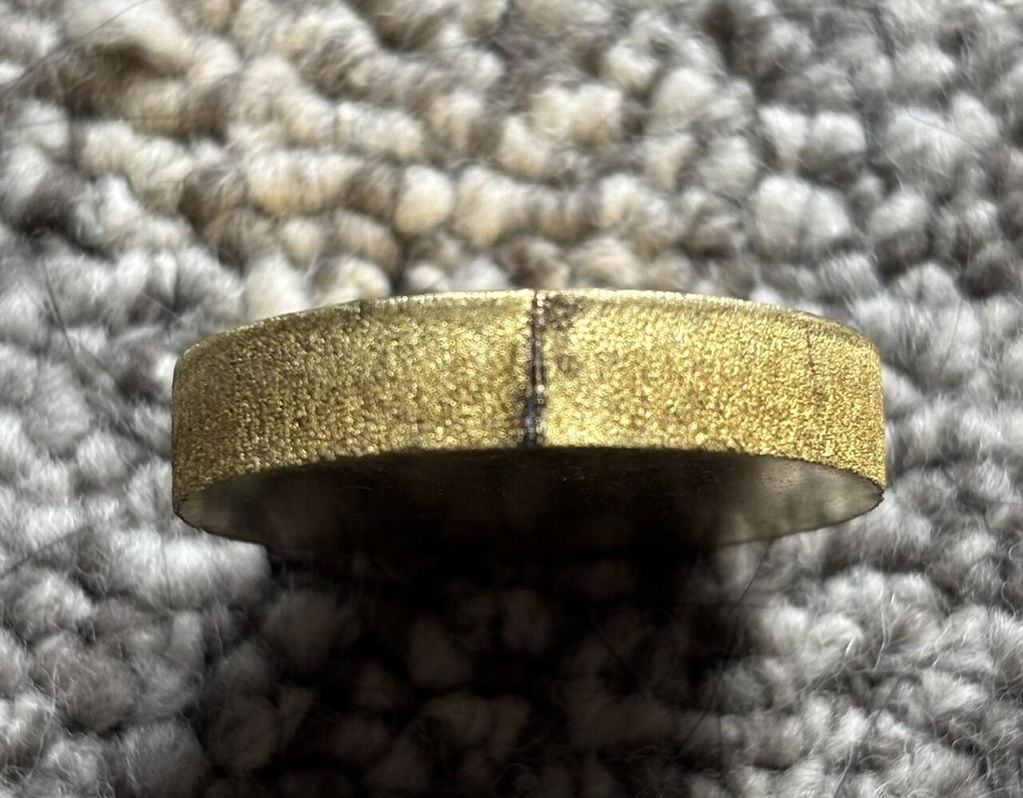
The chain is fine...but I ordered the wrong size. Nine links of the chain I ordered equals six of the size I wanted. My error...
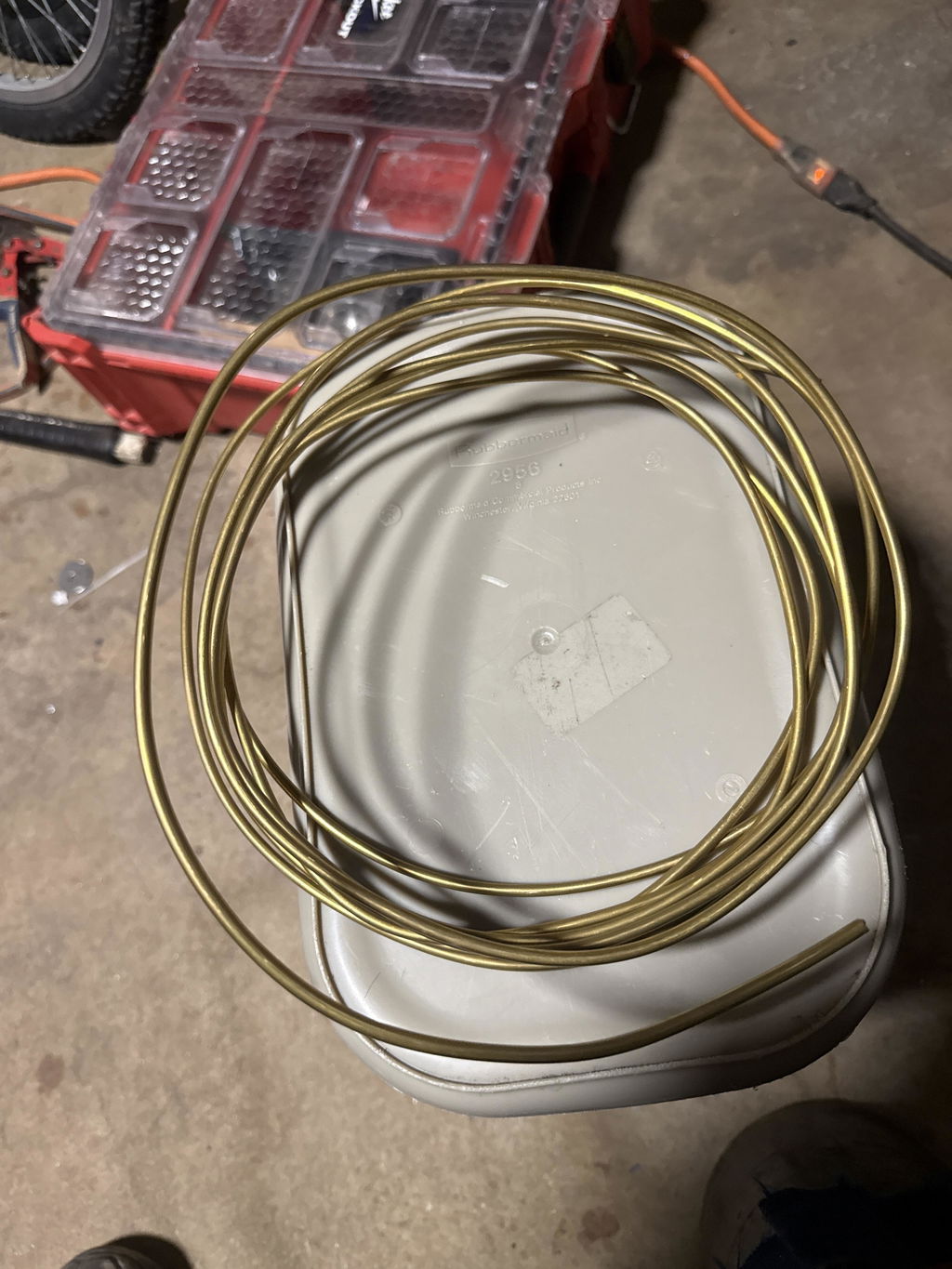
How can I straighten out the springs? I can't use them coil uo as is.
Your payment information is processed securely. We do not store credit card details nor have access to your credit card information.
Get fitment advice & recommendations
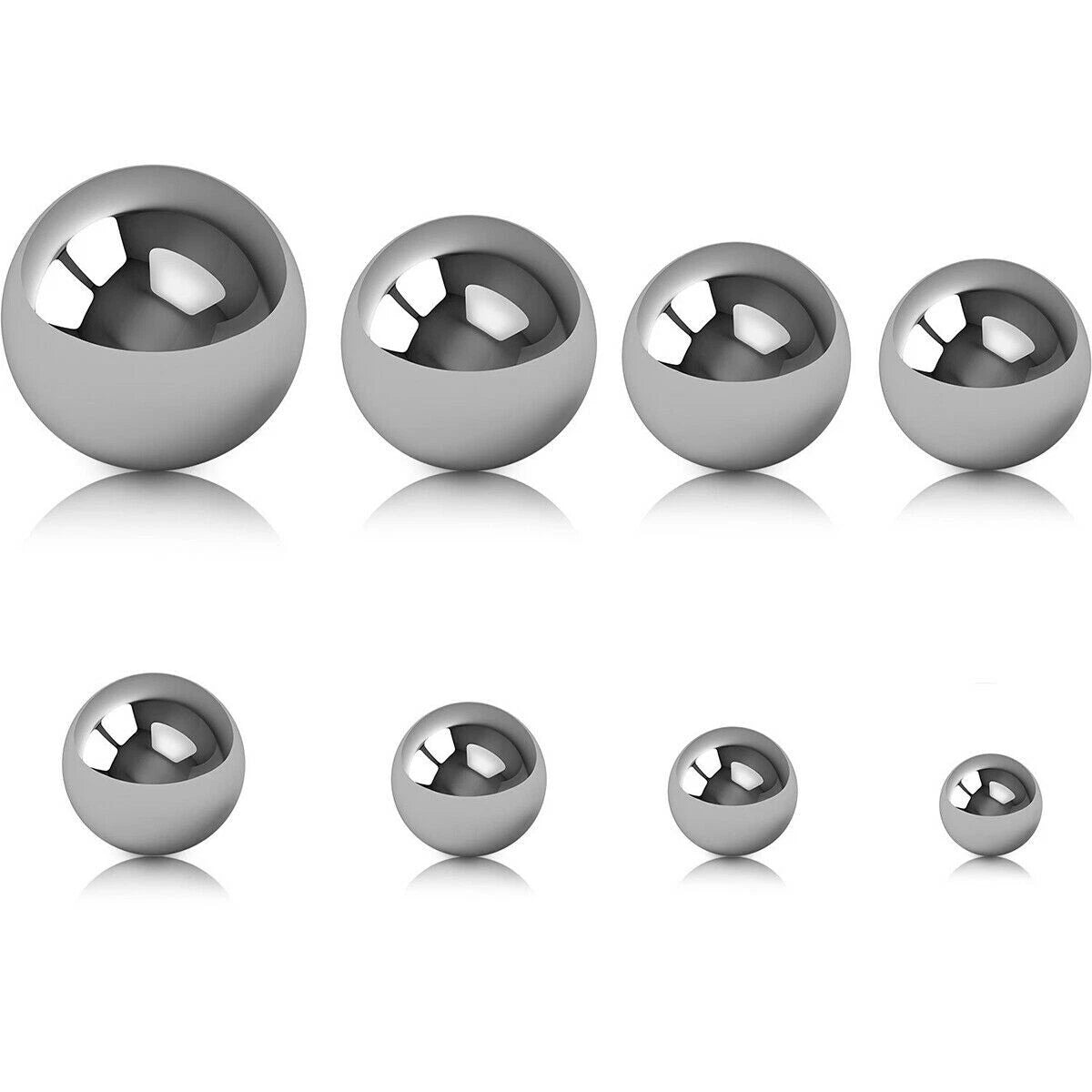
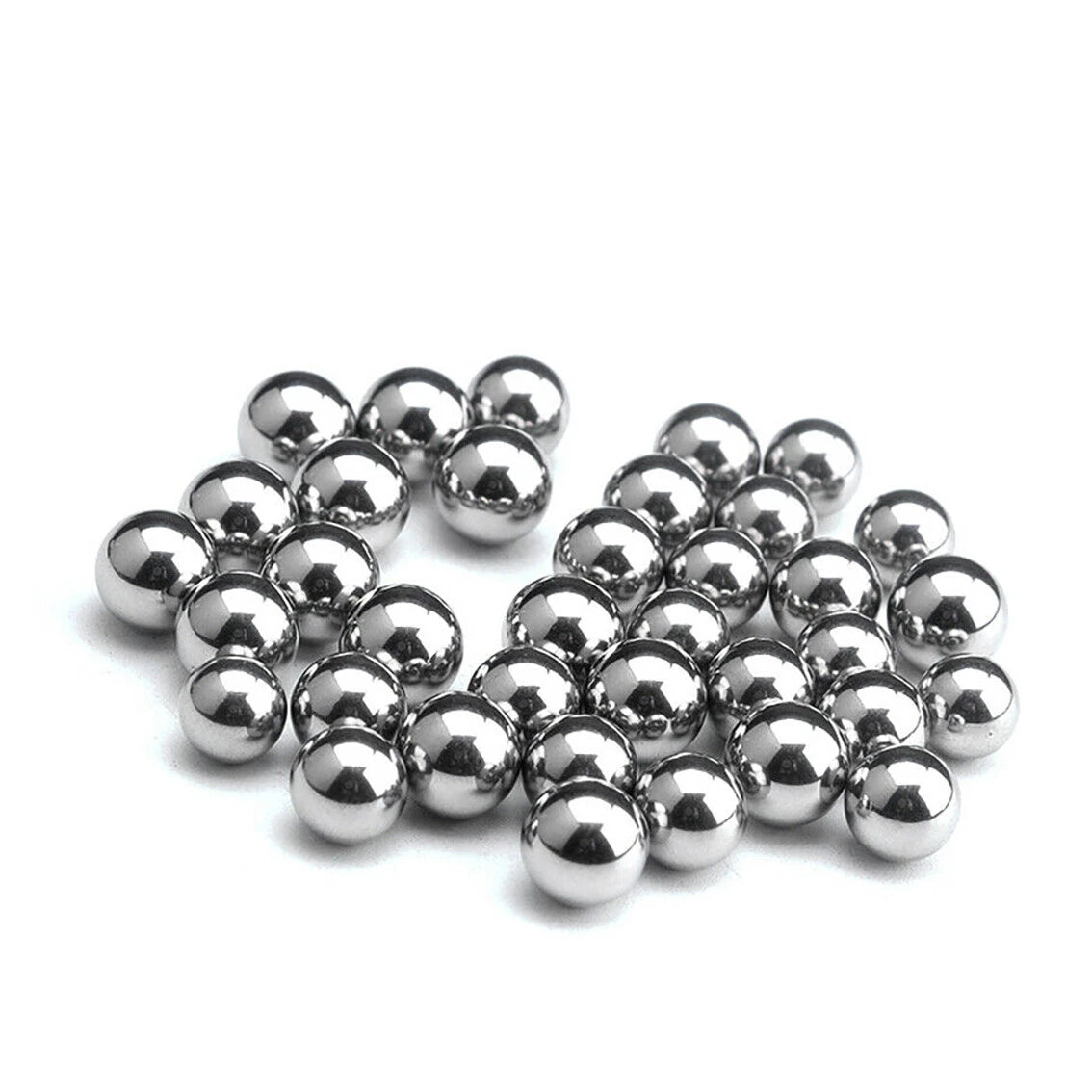
When a worn or pitted ball bearing causes your wheel to wobble, your bottom bracket to grind, or your industrial spindle to run rough, the fix starts with sourcing the right replacement. These G10 loose steel ball bearings are sized for cyclists, mechanics, and makers who need reliable, drop-in replacements without hunting through hardware bins for the right diameter.
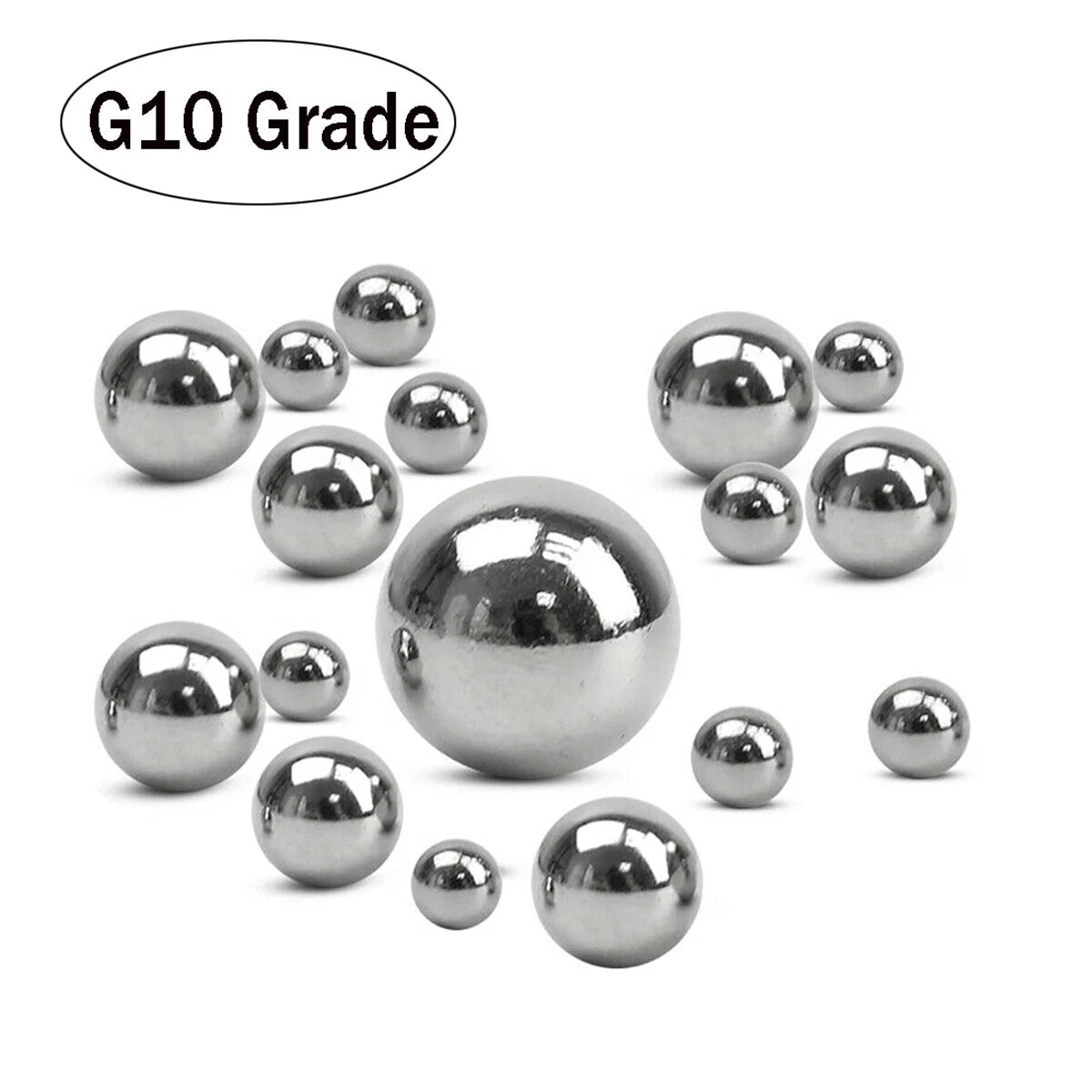
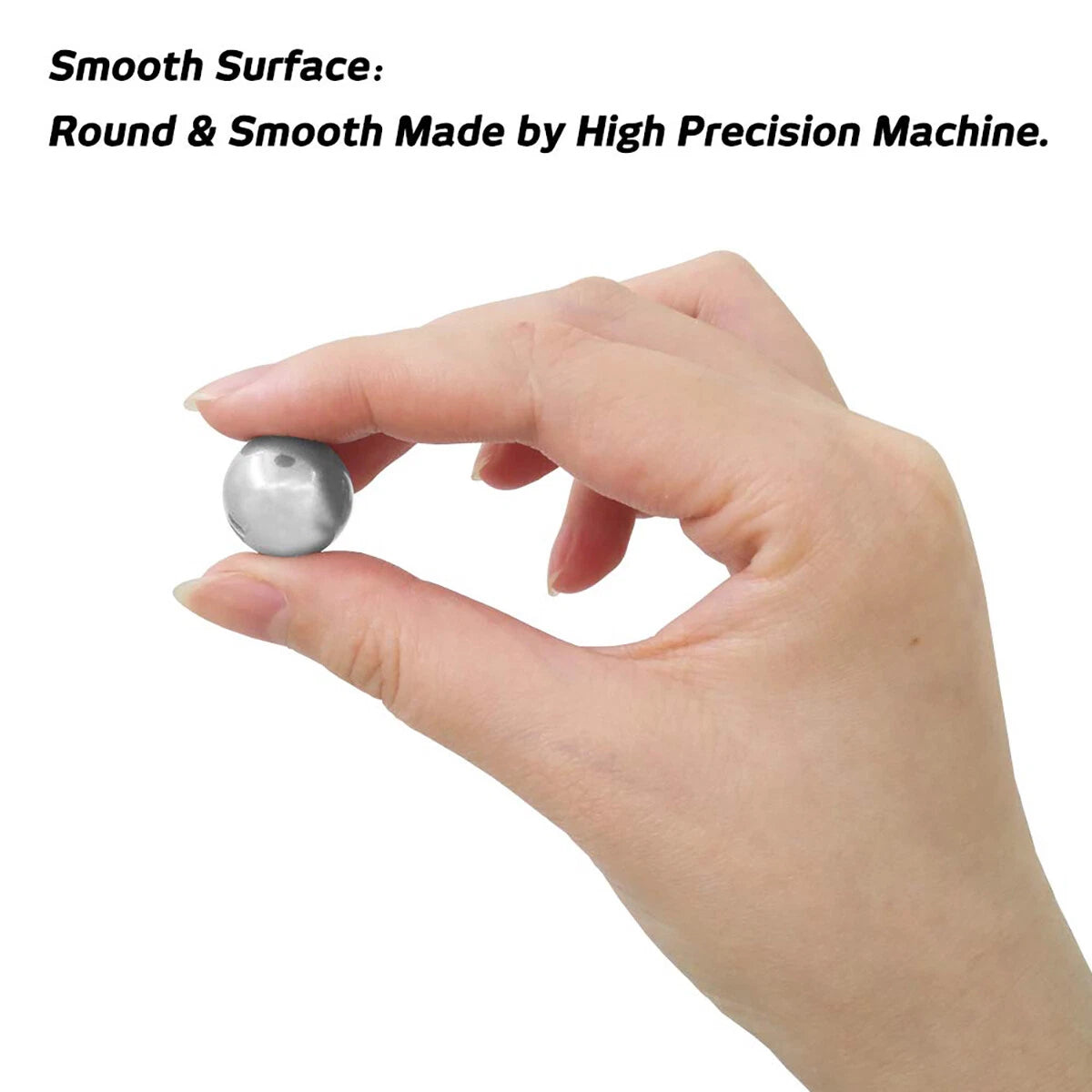
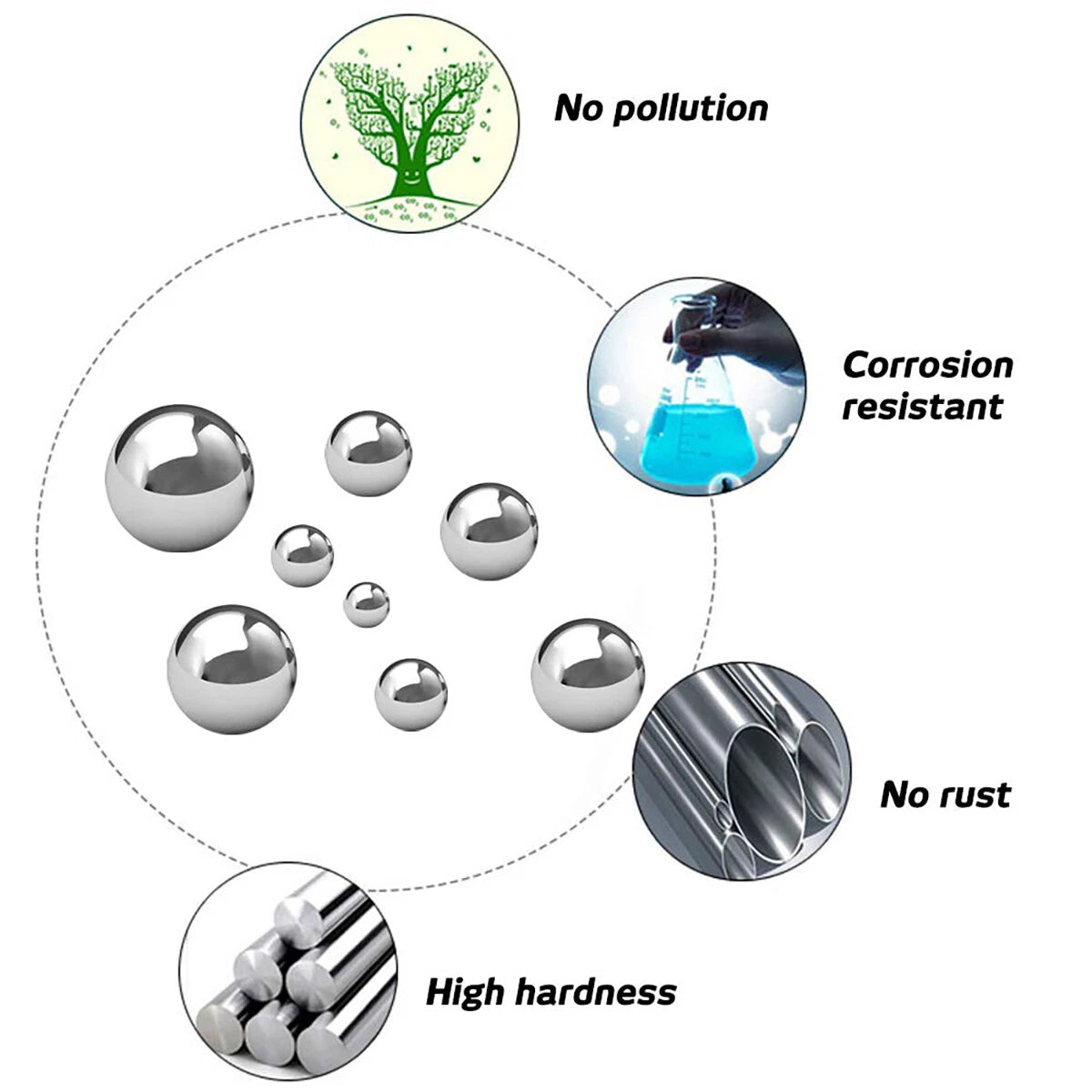
Each ball is manufactured to G10 grade tolerance from hardened carbon steel, delivering consistent roundness and surface finish across every piece in the pack. Available in four fractional inch diameters — 5/32" (≈3.97 mm), 3/16" (≈4.76 mm), 7/32" (≈5.56 mm), and 1/4" (≈6.35 mm) — with pack quantities from 10 to 300 pieces to suit single repairs or bulk stocking.
Typical applications include loose-ball bicycle front and rear hubs, threaded cone-and-cup headsets, bottom bracket cups, vintage derailleur pivots, and light-duty machinery spindles or drawer slides requiring fractional-inch loose balls.
| Grade | G10 |
|---|---|
| Material | Hardened Carbon Steel |
| Available Diameters | 5/32" (≈3.97 mm) / 3/16" (≈4.76 mm) / 7/32" (≈5.56 mm) / 1/4" (≈6.35 mm) |
| Finish | Polished / Bright |
| Pack Quantity | 10 / 25 / 50 / 100 / 300 pieces |
| Hardness | See variant options |
| Surface Roughness | See variant options |
| Application | Bicycle hubs, headsets, bottom brackets, light machinery spindles |
| Bearing Type | Loose (uncaged) |
Remove the axle and cone from your hub, then count and measure the existing balls with a digital caliper. Most road bike rear hubs use 1/4" balls, front hubs commonly use 3/16", and older or smaller hubs may use 5/32" or 7/32". When in doubt, measure — a ball that is even 0.1 mm too large will bind in the race.
G10 grade hardened carbon steel balls are the standard specification used in OEM loose-ball bicycle hubs worldwide. They handle the compressive loads of normal road and trail riding. For extreme downhill or heavy cargo loads, inspect and replace balls more frequently as part of routine maintenance.
Carbon steel balls will oxidize if left ungreased and exposed to moisture. Always pack your hub cups and cones with a waterproof bearing grease before assembly. With proper greasing and periodic regreasing, these balls perform reliably in wet-weather riding.
Yes. G10 loose balls are used in light-duty machinery spindles, drawer slides, and other applications that use fractional-inch loose-ball races. Verify the race diameter and load rating of your application before use. For heavy industrial loads, consult your equipment's bearing specification sheet.
A standard front hub typically uses 10 balls per side (20 total), and a rear hub uses 9 balls per side (18 total), though this varies by manufacturer. Check your hub's service manual or count the existing balls before ordering. The 25-piece pack covers most single-hub rebuilds with a few spares.
Yes. Threaded (cup-and-cone) headsets and older threaded bottom bracket cups use loose balls in the same fractional-inch sizes. 3/16" is the most common headset ball size; bottom brackets vary — measure your existing balls or consult the component manufacturer's spec.
The grade number refers to the maximum allowable deviation in diameter and roundness, measured in ten-millionths of an inch. G10 is tighter than G25 or G100, meaning more consistent sizing across the pack. For bicycle and light machinery use, G10 provides a good balance of precision and value.