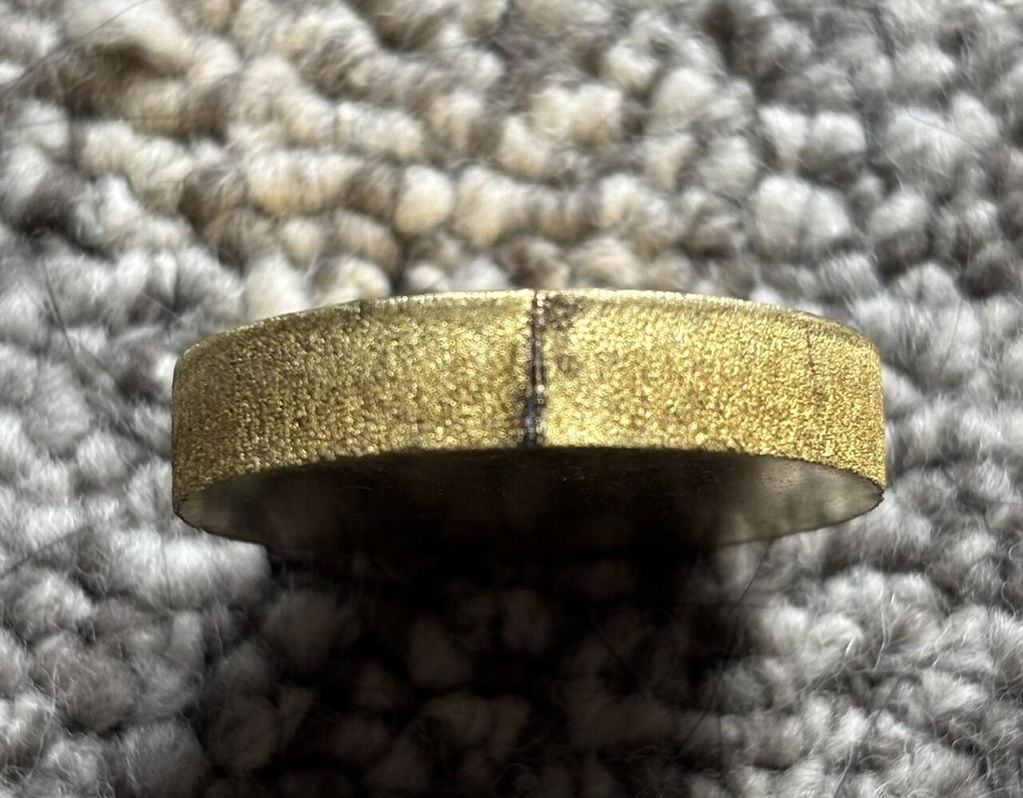
The chain is fine...but I ordered the wrong size. Nine links of the chain I ordered equals six of the size I wanted. My error...
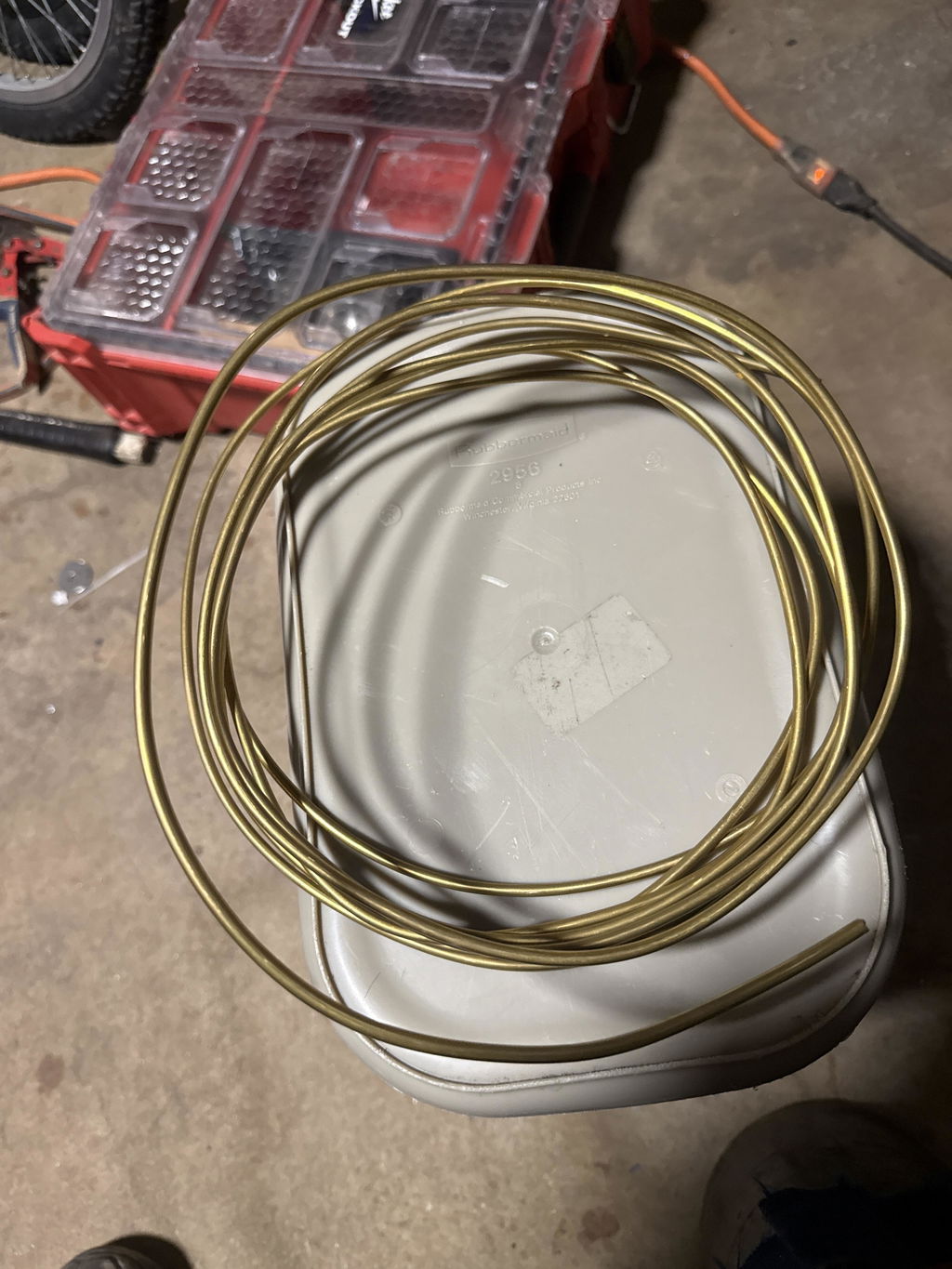
How can I straighten out the springs? I can't use them coil uo as is.
Your payment information is processed securely. We do not store credit card details nor have access to your credit card information.
Get fitment advice & recommendations
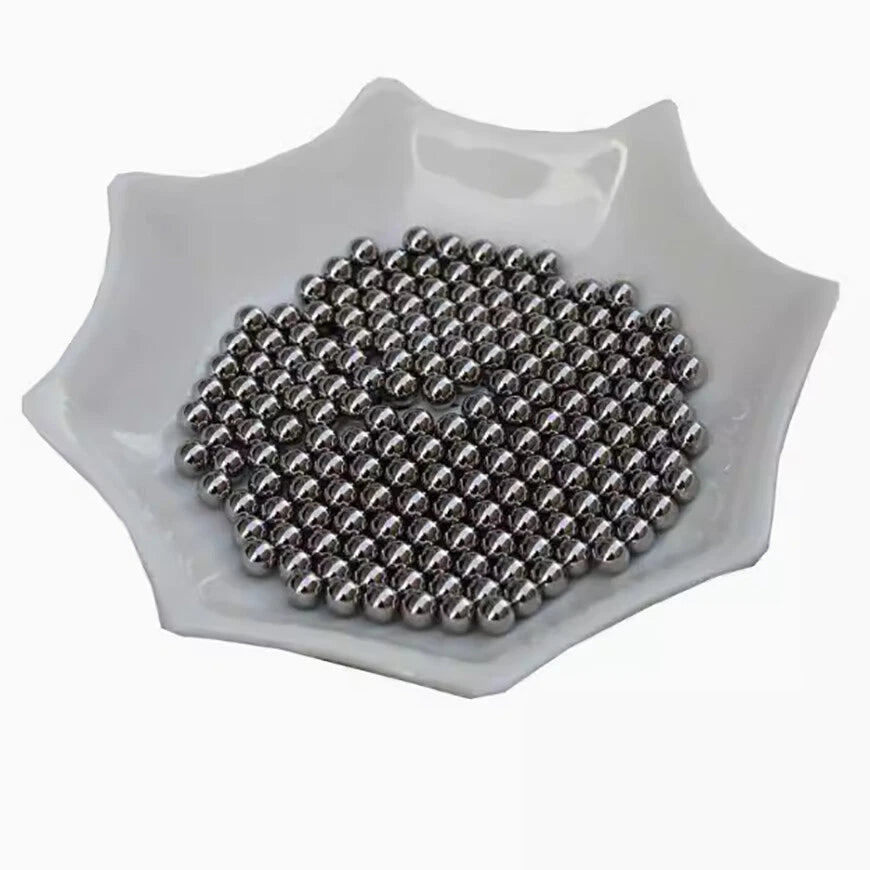
When a worn or undersized ball causes vibration, noise, or premature bearing failure, finding a replacement that meets the original dimensional spec is non-negotiable. Engineers, maintenance technicians, and precision-equipment rebuilders rely on GCr15 steel ball bearings in G10 grade to restore bearing assemblies to factory performance without the cost of a full replacement unit.
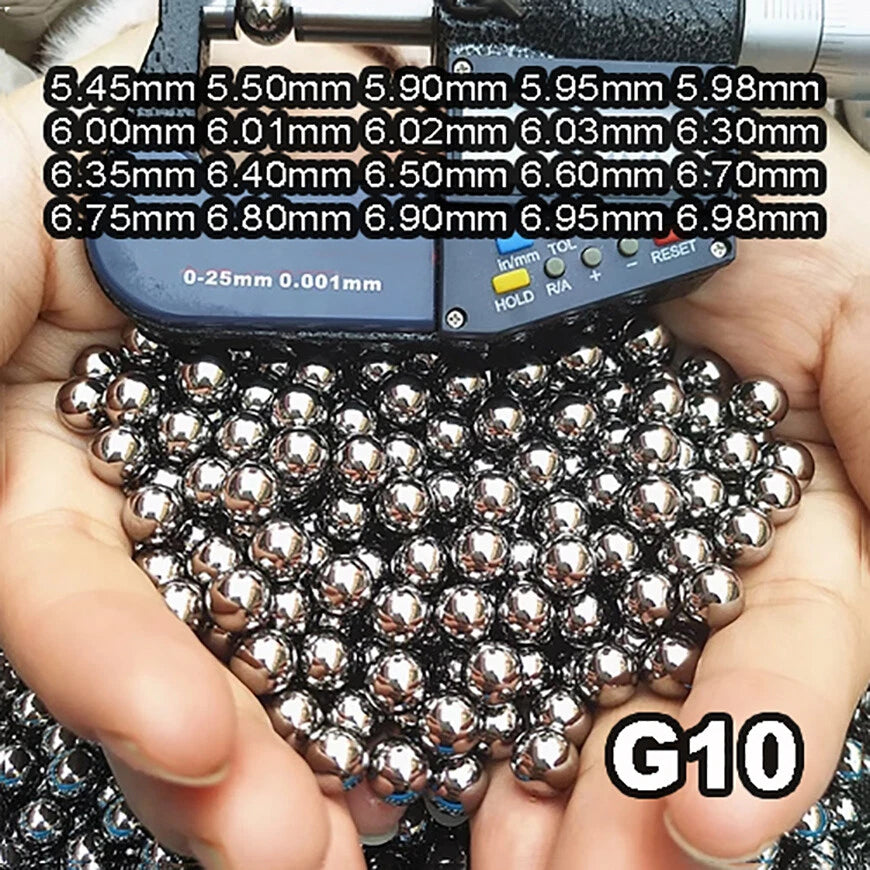
Each 1 kg pack contains GCr15 high-carbon chromium bearing steel balls finished to ISO 3290 G10 precision grade. Available diameters span 5.45 mm (0.215 in) to 6.98 mm (0.275 in) across 20 discrete sizes. Surface roughness is typically Ra ≤ 0.010 µm, with diameter deviation and spherical error held within G10 tolerances (≤ 0.25 µm deviation per ISO 3290).
Typical use cases include radial ball bearing rebuilds in electric motors and gearboxes, linear guide carriage replacement in CNC machines and 3D printers, and load-bearing assemblies in automotive steering columns and bicycle hubs where consistent ball diameter is critical to preload and service life.
| Material | GCr15 high-carbon chromium bearing steel (equivalent to AISI 52100 / DIN 100Cr6) |
|---|---|
| Precision Grade | G10 (ISO 3290) |
| Diameter Range | 5.45 mm – 6.98 mm (0.215 in – 0.275 in) |
| Diameter Deviation | ≤ 0.25 µm (G10 per ISO 3290) |
| Spherical Error | ≤ 0.25 µm (G10 per ISO 3290) |
| Surface Roughness (Ra) | Typically ≤ 0.010 µm |
| Hardness | Typically 60–66 HRC (after through-hardening) |
| Operating Temperature | Approx. −20 °C to +120 °C (standard lubricated assembly) |
| Packing Quantity | 1 kg net per pack |
| Finish | Bright polished, no coating |
| Applicable Standards | ISO 3290, ABMA Std 10 |
| Typical Applications | Deep-groove bearings, angular-contact bearings, thrust bearings, linear guides |
| Diameter (per variant) | See variant options |
Remove one ball from the bearing and measure it with a micrometer or digital caliper. Record the diameter to the nearest 0.01 mm. Match that measurement to the variant options above. If the measured diameter falls between two listed sizes, select the size that matches your original OEM specification — do not upsize, as an oversized ball will increase preload and may cause premature race wear.
ISO 3290 defines ball precision grades from G3 (tightest) to G1000 (loosest). G10 specifies a maximum diameter deviation and spherical error of 0.25 µm each. For most industrial and hobbyist bearing rebuilds, G10 is the standard grade used in deep-groove and angular-contact bearings. Tighter grades (G5, G3) are reserved for spindle bearings and precision instruments where noise and runout are critical.
GCr15 (52100) is a through-hardened bearing steel, not a stainless steel. It offers good resistance to wear and fatigue but will rust if exposed to moisture without lubrication. For wet or corrosive environments, apply a compatible bearing grease or oil, or consider stainless steel balls (AISI 440C) instead. These GCr15 balls are best suited for dry or lubricated indoor applications.
Yes. GCr15 G10 balls are dimensionally and materially compatible with angular-contact and thrust bearing races, provided the ball diameter matches the bearing's specification. Always verify the required ball diameter from the bearing manufacturer's datasheet or by direct measurement before ordering.
The count varies by diameter. As a reference, a 6.00 mm GCr15 steel ball weighs approximately 0.888 g, so a 1 kg pack contains roughly 1,126 balls at that size. Smaller diameters yield more balls per kilogram; larger diameters yield fewer. If you need an exact count for a specific diameter, contact us and we can provide an estimate.
For most applications, a lithium-based NLGI #2 grease or a light mineral oil (ISO VG 32–68) is appropriate. High-speed applications may benefit from a lower-viscosity oil to reduce heat buildup. Avoid water-based lubricants with GCr15 steel to prevent rust. Always clean the bearing race before installing new balls to remove debris that could cause abrasive wear.
Yes, provided the diameter matches your carriage's ball specification. Many linear guide carriages (e.g., HGH, MGN series) use balls in the 3–7 mm range. Select the exact diameter listed in your carriage's service manual. G10 grade is generally acceptable for linear guide replacement; some high-precision carriages specify G5 — check your OEM documentation before ordering.