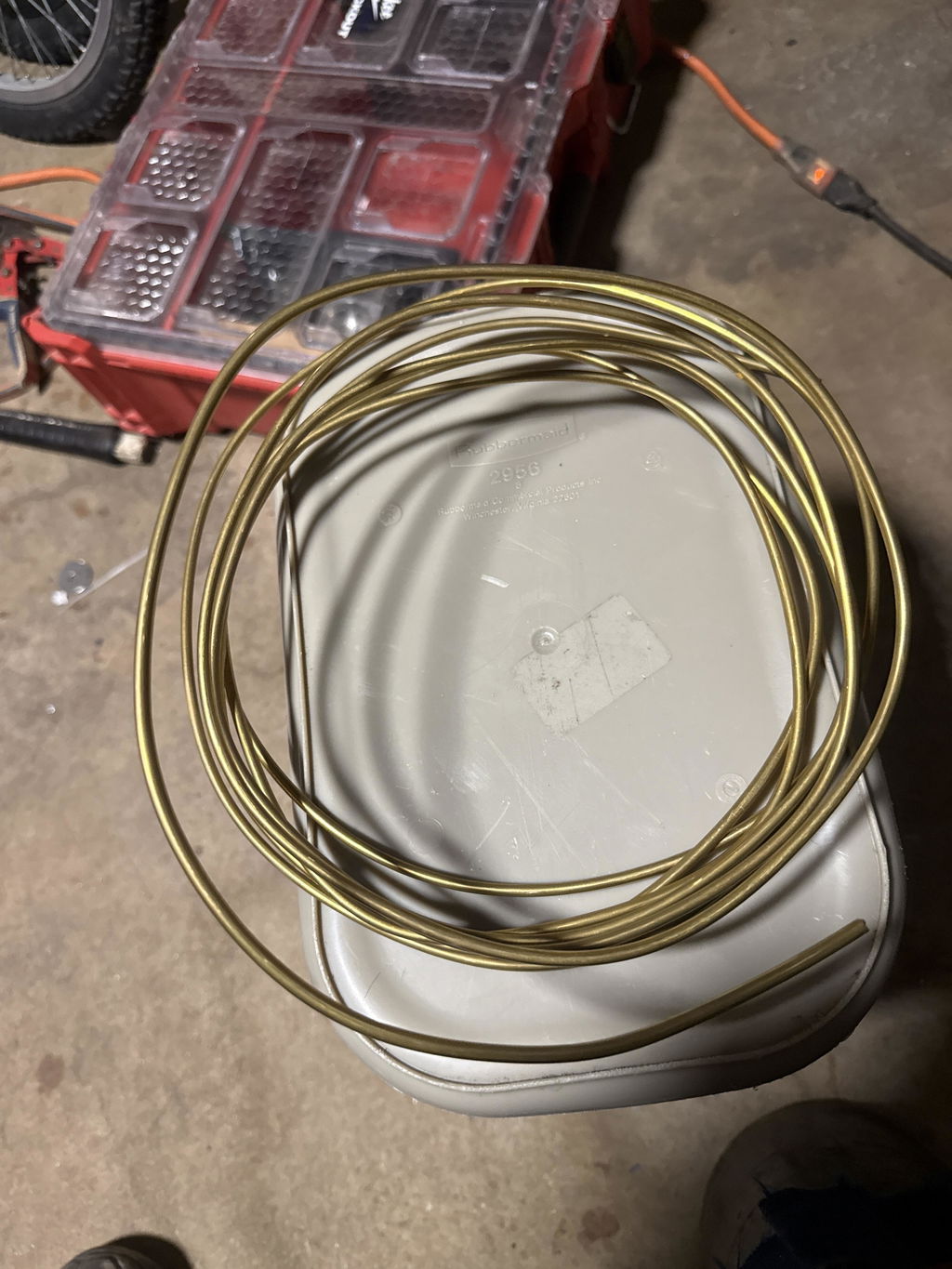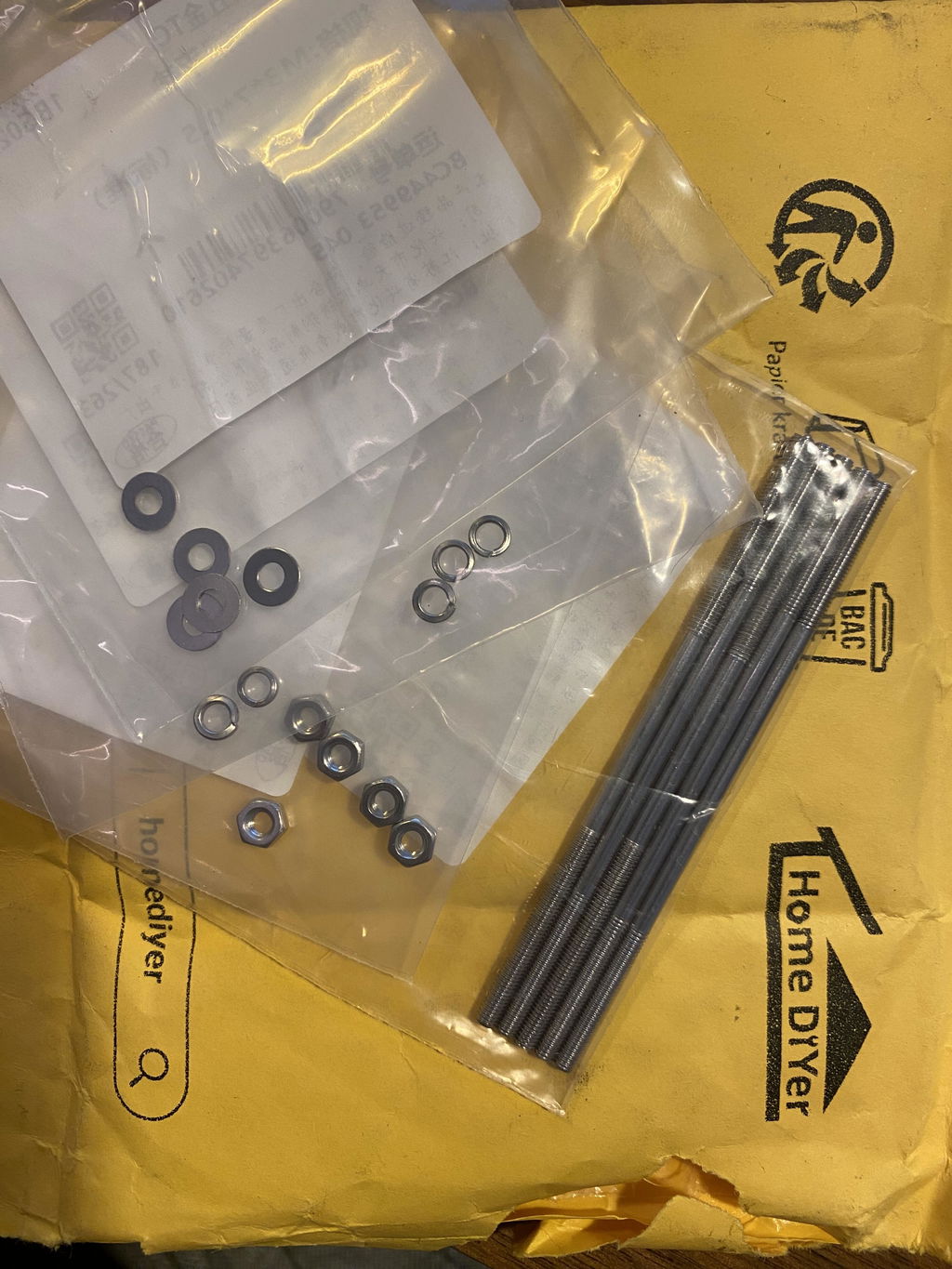
The chain is fine...but I ordered the wrong size. Nine links of the chain I ordered equals six of the size I wanted. My error...
How can I straighten out the springs? I can't use them coil uo as is.
Your payment information is processed securely. We do not store credit card details nor have access to your credit card information.
Get fitment advice & recommendations
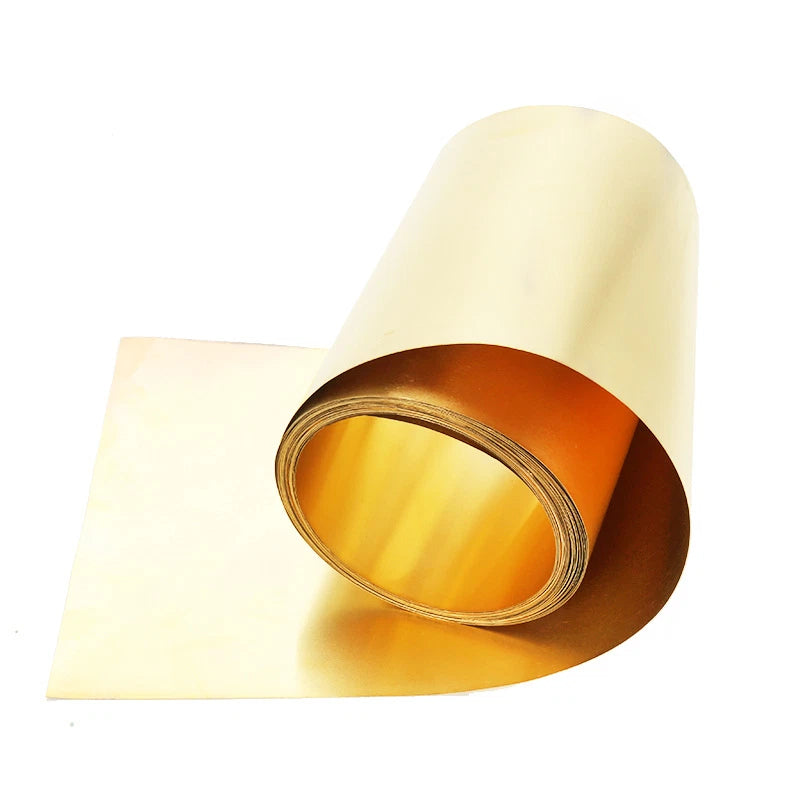
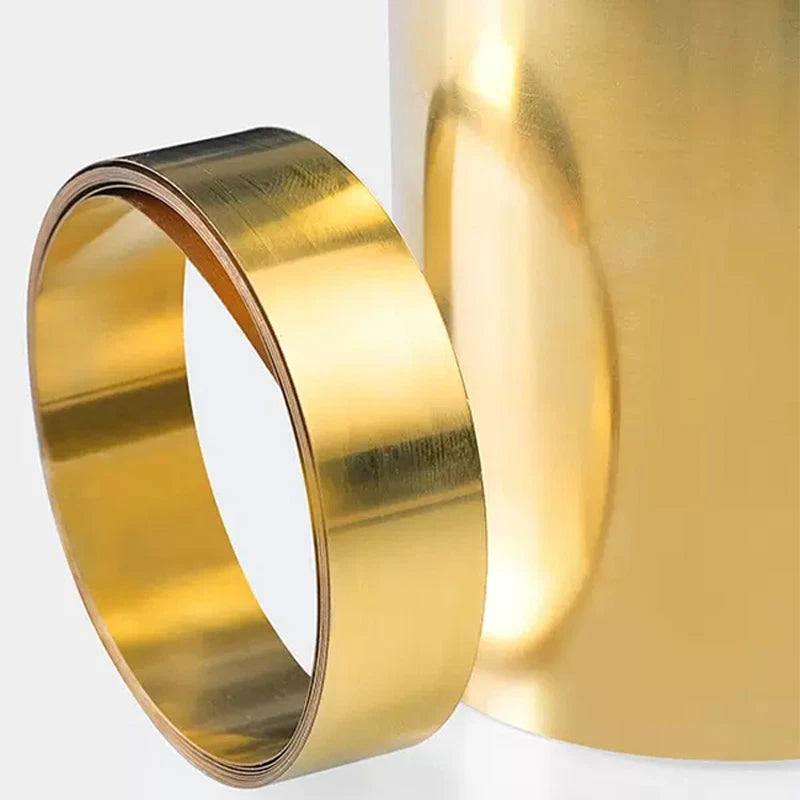
When a project demands exact material thickness — whether you're shimming a bearing housing, fabricating a custom gasket, or sourcing stock for electrical contacts — guessing with off-spec sheet metal wastes time and money. H62 brass sheet is the go-to choice for engineers, hobbyists, and fabricators who need a copper-zinc alloy that machines cleanly, solders reliably, and holds tight dimensional tolerances across the full roll.
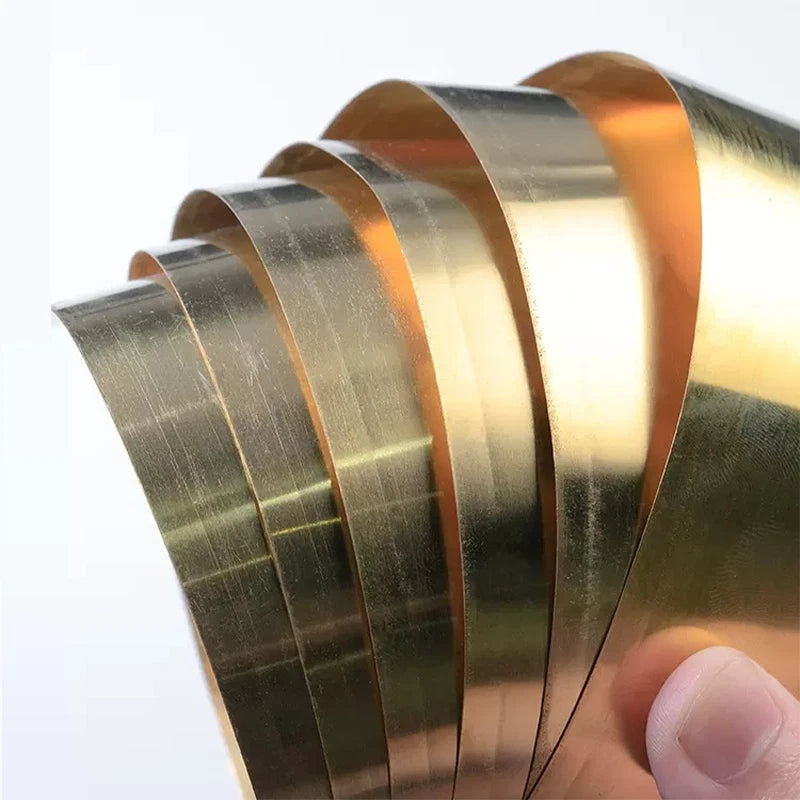
This H62 brass sheet is available in thicknesses from 0.01 mm to 1 mm (approximately 0.0004 in to 0.039 in) and widths of 100 mm, 200 mm, 300 mm, and 305 mm (roughly 3.9 in to 12 in). Length options run from 1 m up to 50 m per roll, giving you the flexibility to order exactly what a job requires without excess offcuts.
Typical applications include precision shim stock for mechanical assemblies, flexible bus bars and electrical connector blanks, decorative inlay strips for woodworking and jewelry, and thin-wall heat-exchanger fins where the H62 alloy's thermal conductivity and corrosion resistance outperform mild steel alternatives.
Covers 0.01 mm through 1 mm in a single product family, letting you source shim foil and structural sheet from one listing without switching suppliers.
60–63% copper content delivers a balance of machinability, electrical conductivity (~15 MS/m), and corrosion resistance suitable for both indoor and mildly humid environments.
Choose 100 mm, 200 mm, 300 mm, or 305 mm widths to match standard stock sizes or minimize trimming waste on your specific part geometry.
Available from 1 m to 50 m per roll so you can order a short trial length or a full production run without committing to more material than the job needs.
The mill-finish surface accepts standard flux-core solder and silver brazing alloys without pre-treatment, reducing prep steps in electrical and plumbing assemblies.
Consistent hardness across the roll width means clean shear edges on thinner gauges and predictable laser kerf on thicker stock, reducing secondary deburring time.
| Alloy Grade | H62 (C27200 equivalent) |
|---|---|
| Composition | Cu 60–63%, Zn balance |
| Thickness Range | 0.01 mm – 1 mm (0.0004 in – 0.039 in) |
| Width Options | 100 mm / 200 mm / 300 mm / 305 mm |
| Length Options | 1 m / 2 m / 3 m / 5 m / 10 m / 20 m / 30 m / 50 m |
| Surface Finish | Mill finish (bright rolled) |
| Temper | See variant options |
| Tensile Strength | Typically 340–490 MPa (varies by thickness) |
| Electrical Conductivity | Approx. 15 MS/m (26% IACS) |
| Thermal Conductivity | Approx. 116 W/(m·K) |
| Density | Approx. 8.5 g/cm³ |
| Form | Flat sheet / foil strip roll |
| Product Type | Brass Sheet / Foil / Strip |
For shim stock and precision gap-filling, thicknesses of 0.01–0.05 mm are typical. Gaskets and flexible electrical contacts generally use 0.1–0.3 mm. Structural brackets, decorative strips, and heat-exchanger fins usually call for 0.5–1 mm. If you're unsure, measure the gap or consult your engineering drawing tolerance before ordering.
H62 brass offers good corrosion resistance in dry and mildly humid indoor conditions. For prolonged outdoor or salt-spray exposure, consider applying a clear lacquer or protective coating after fabrication. Dezincification can occur in aggressive chloride environments, so C26000 (cartridge brass) or naval brass may be a better choice for fully marine applications.
Yes. H62 brass solders readily with standard rosin-core or water-soluble flux solder (60/40 or lead-free). It also accepts silver brazing alloys (e.g., BAg-7) with appropriate flux. Clean the surface with isopropyl alcohol or a mild acid flux before joining to remove any surface oxidation for a reliable bond.
Thickness tolerances follow standard rolled brass strip practices. For ultra-thin foil grades (0.01–0.05 mm), expect tolerances in the range of ±10–15% of nominal thickness. For thicker gauges (0.1–1 mm), tolerances are typically tighter at ±5–8%. If your application requires certified tight-tolerance material, please contact us to confirm before ordering.
For foil under 0.1 mm, use sharp metal shears or a craft knife with a steel ruler on a firm cutting mat. Laser cutting works well for 0.1 mm and above. Avoid bending the foil sharply at the cut line before cutting — keep it flat and supported. For CNC routing, use a single-flute carbide upcut bit at high RPM with a sacrificial backer board.
H62 brass is used in electrical contacts, bus bars, and connector blanks due to its conductivity and solderability. It is not a direct substitute for copper clad laminate (CCL) used in PCB etching, but it is suitable for stamped or machined electrical terminals, spring contacts, and RF shielding enclosures where a copper-zinc alloy is acceptable per your design spec.
The listed variants cover the most common sizes. If you need a width or thickness outside the available options — such as 150 mm wide or 0.08 mm thick — please use the Contact Us page to describe your requirement. Custom cuts may be available depending on minimum order quantity.