The chain is fine...but I ordered the wrong size. Nine links of the chain I ordered equals six of the size I wanted. My error...
How can I straighten out the springs? I can't use them coil uo as is.
Your payment information is processed securely. We do not store credit card details nor have access to your credit card information.
Get fitment advice & recommendations
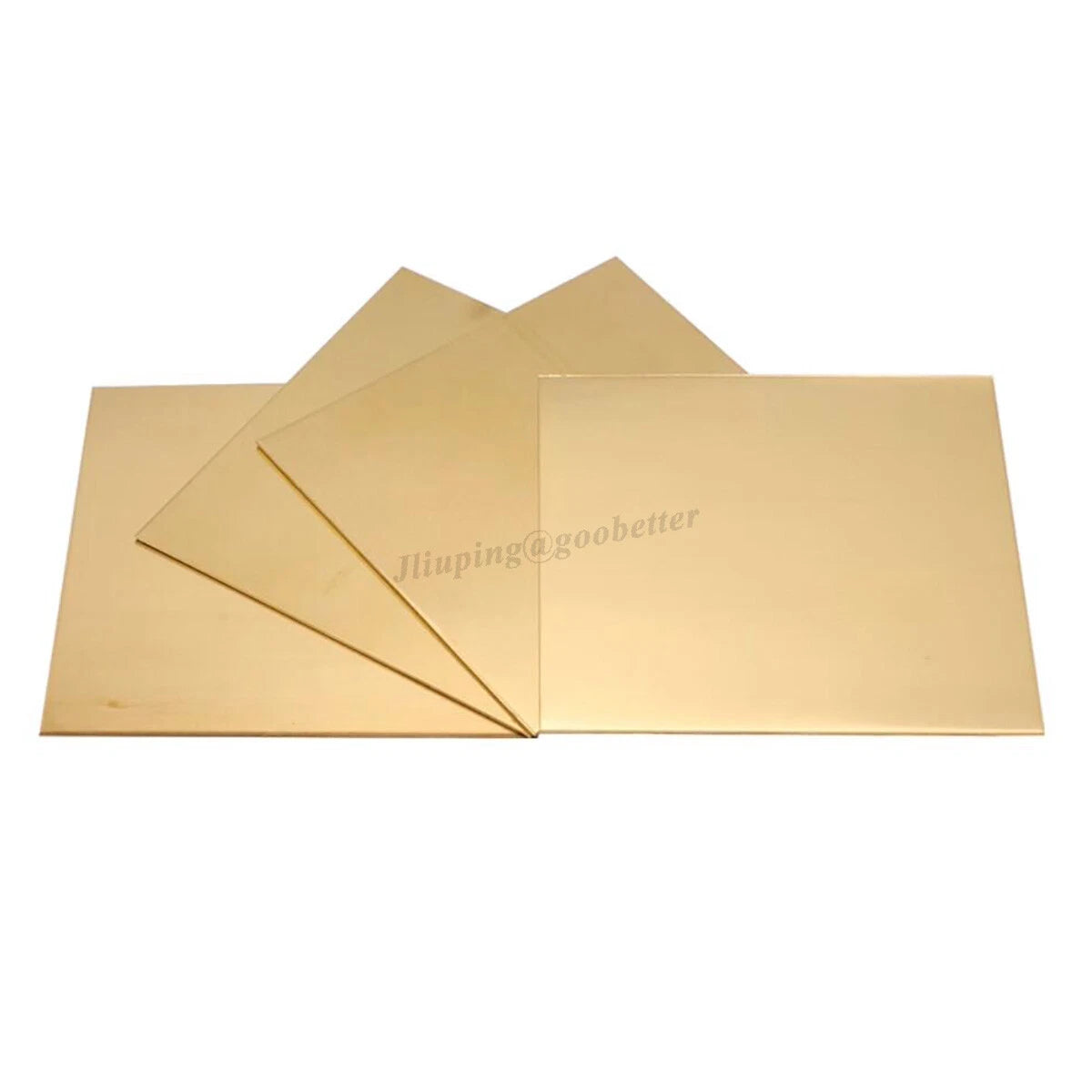
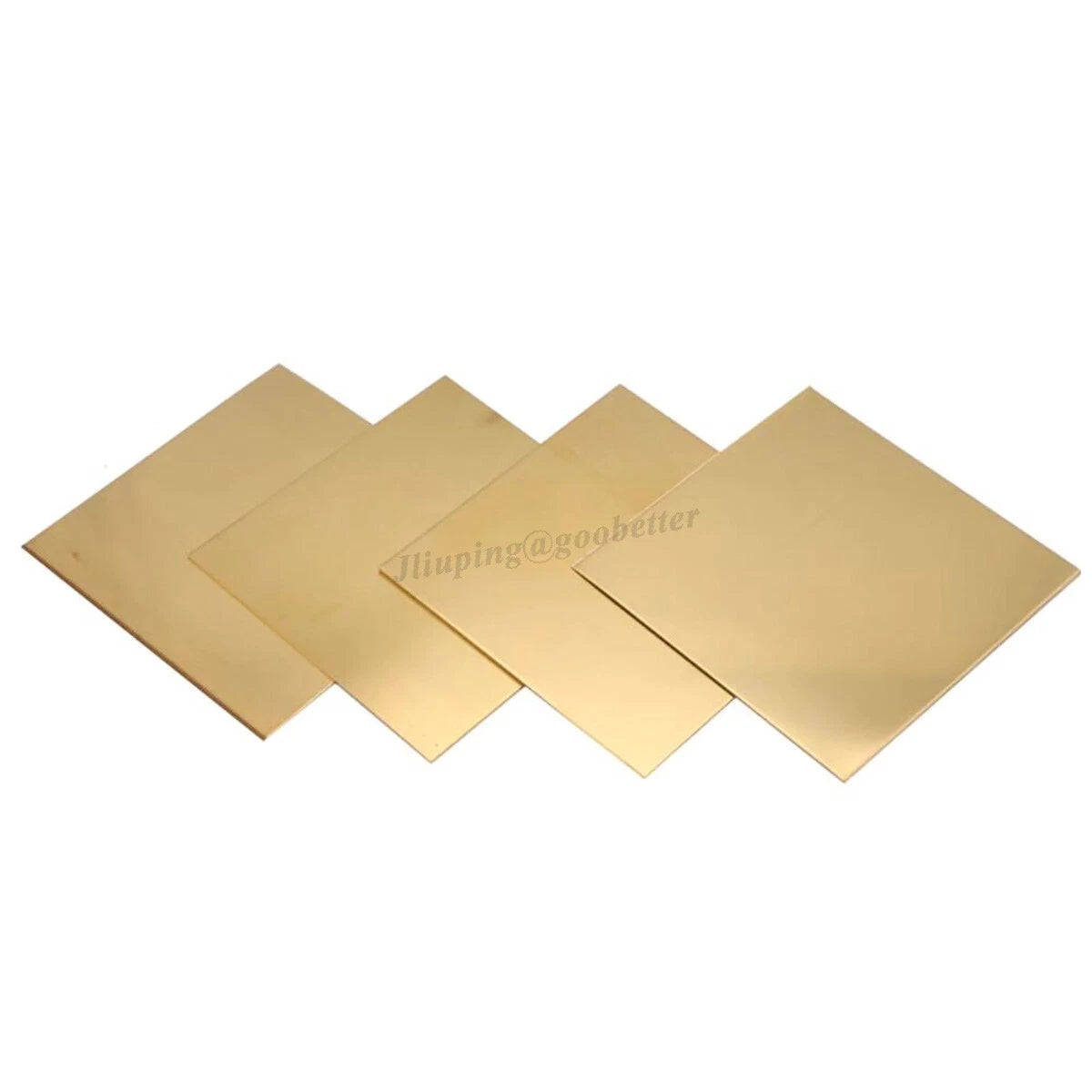
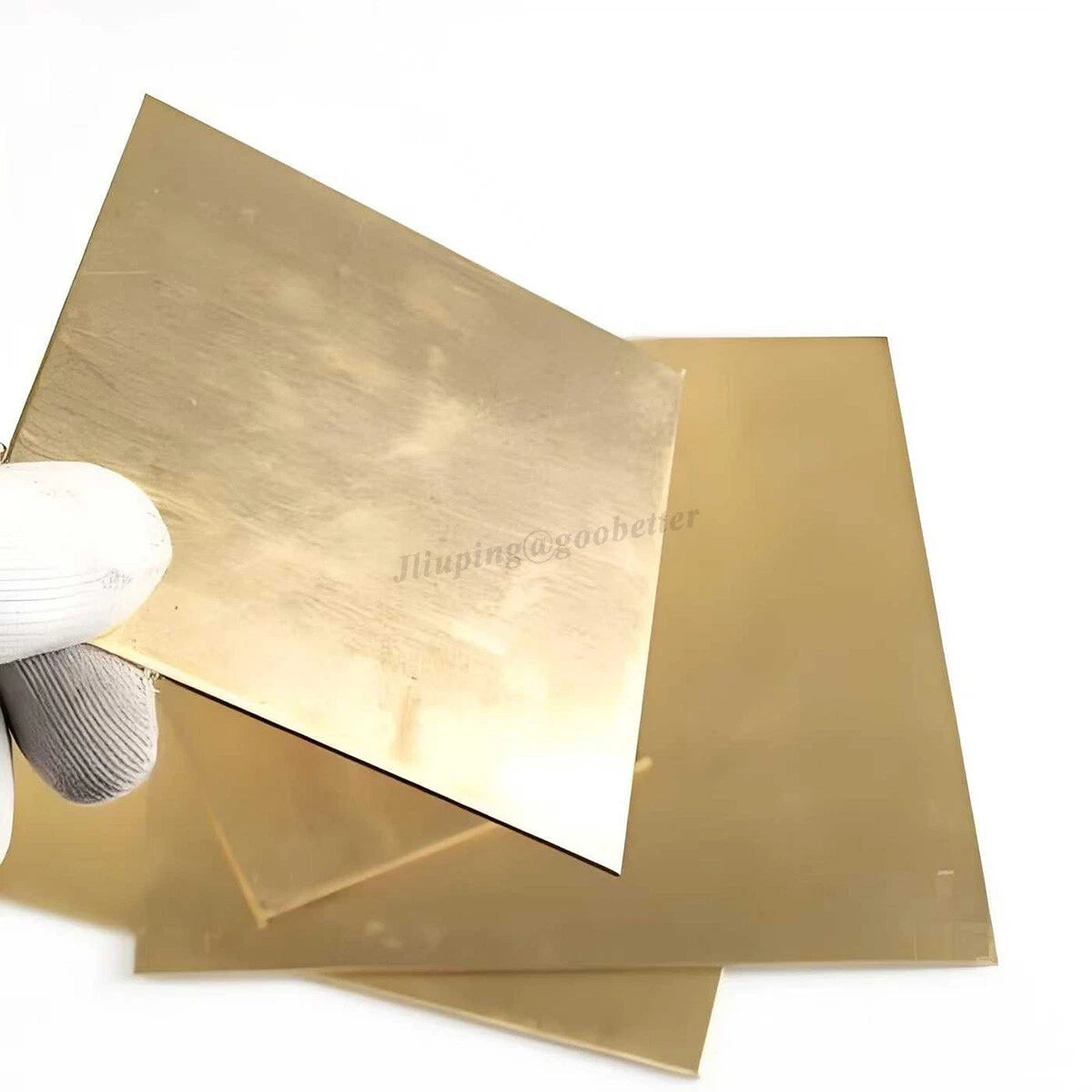
When your project demands a metal that machines cleanly, solders reliably, and resists corrosion without constant maintenance, a generic sheet simply won't do. Makers, hobbyists, and repair technicians who work with tight tolerances need a brass sheet they can trust to stay flat, cut true, and hold its finish. This H62 brass sheet plate is stocked specifically for those builds.
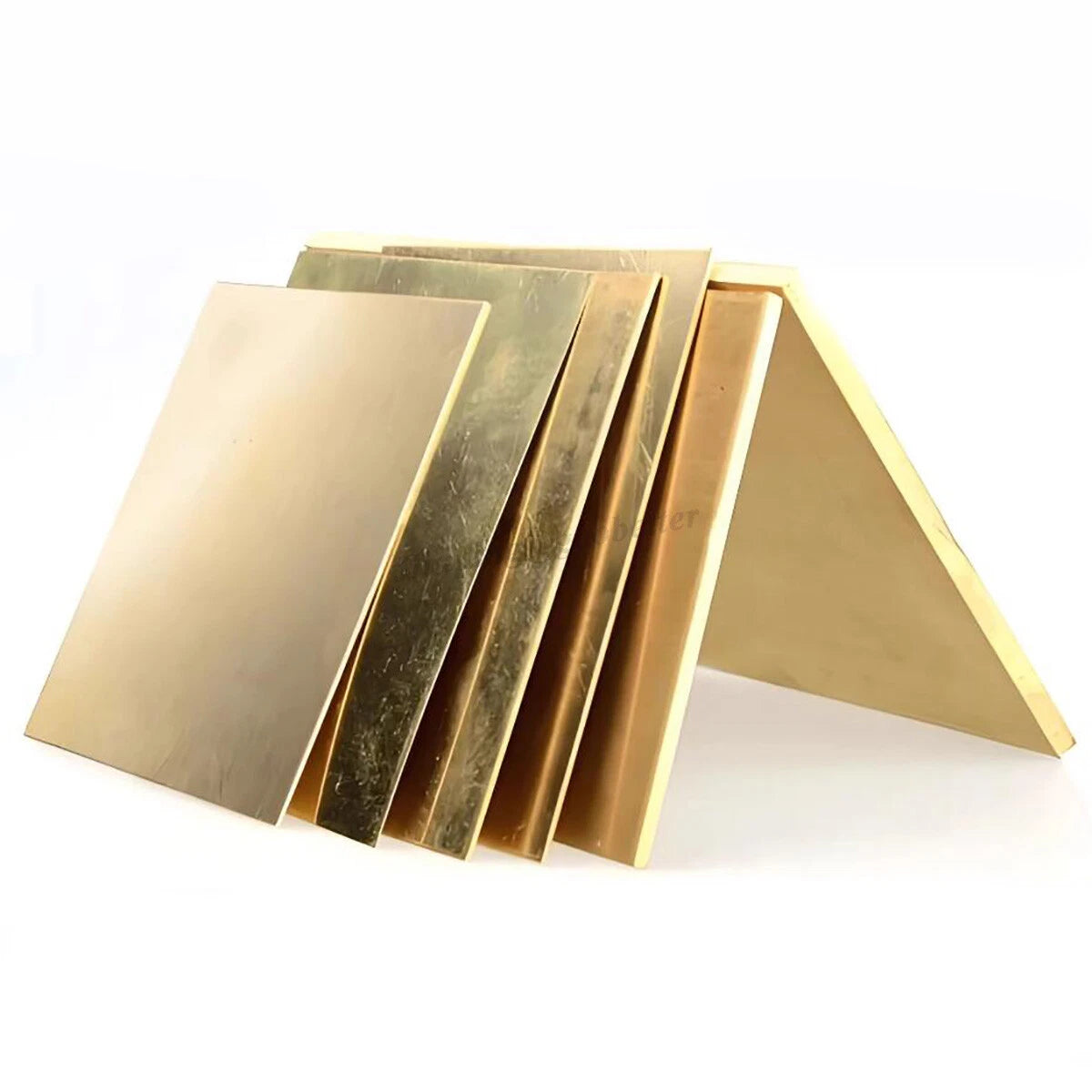
Each panel is cut from H62-grade brass alloy — a copper-zinc composition (approximately 62% copper) known for its balance of machinability, moderate strength, and warm golden appearance. Panels are available in two footprints: 200 × 200 mm (approx. 7.87 × 7.87 in) and 200 × 300 mm (approx. 7.87 × 11.81 in), with thickness options spanning 0.3 mm to 6 mm (approx. 0.012 in to 0.236 in) to suit everything from thin shim stock to structural blanks.
Typical applications include RF and EMI shielding panels in electronics enclosures, decorative inlay and engraving blanks for woodworking and jewelry, replacement shim stock for mechanical assemblies, and custom bracket or gasket fabrication for restoration and repair work. The consistent thickness and flat surface make it well-suited for laser engraving, CNC routing, and hand-tool finishing.
| Material | H62 Brass Alloy (Cu-Zn, approx. 62% copper) |
|---|---|
| Form | Flat sheet / plate, solid (not hollow) |
| Panel Size Options | 200 × 200 mm (7.87 × 7.87 in) / 200 × 300 mm (7.87 × 11.81 in) |
| Thickness Options | 0.3 mm / 0.5 mm / 0.6 mm / 0.8 mm / 1 mm / 1.2 mm / 1.5 mm / 2 mm / 2.5 mm / 3 mm / 4 mm / 5 mm / 6 mm |
| Surface Finish | Mill finish (smooth, uncoated) |
| Tensile Strength (typical) | Approximately 330–420 MPa (varies by thickness and temper) |
| Hardness (typical) | Approximately 60–90 HB |
| Machinability Rating | Good — suitable for drilling, cutting, threading, and engraving |
| Solderability | Excellent with standard flux-core or silver solder |
| Packing Quantity | 1 piece per order (select quantity at checkout) |
| Weight per Piece | See variant options (varies by size and thickness) |
For shim stock, gaskets, or thin decorative inlay, 0.3–0.8 mm is typically sufficient. For structural brackets, RF shielding panels, or parts that will be drilled and tapped, 1.5–3 mm provides better rigidity. Thicknesses of 4–6 mm are suited to heavy-duty blanks, engraving plates, or applications requiring significant material removal during machining.
H62 brass has a typical tensile strength of approximately 330–420 MPa, which is adequate for light-to-moderate mechanical applications such as brackets, spacers, and bushings. It is not recommended for high-stress structural components where steel or bronze alloys would be more appropriate. For decorative, shielding, and precision-fit applications it performs reliably.
H62 brass naturally develops a thin oxide layer that slows further surface degradation. In dry indoor environments, visible tarnishing is gradual. In humid or outdoor conditions, the surface will develop a darker patina over time. Applying a clear lacquer or wax coating after fabrication will preserve the original warm-gold appearance if that is important for your application.
Yes. H62 brass has excellent solderability. Standard flux-core electrical solder, silver solder, and brazing rods all bond well to the surface. Clean the area with isopropyl alcohol or fine abrasive before soldering to remove any surface oxidation and ensure a strong joint.
H62 brass can be marked with fiber laser engravers and CO₂ lasers equipped with a metal-marking spray (such as Cermark). Fiber lasers at appropriate power settings will engrave directly into the surface. The smooth mill finish provides a consistent base for clean, high-contrast engraving results.
The 200 × 200 mm panel is a square format suited to compact projects, small enclosure panels, or applications where material waste needs to be minimized. The 200 × 300 mm panel provides a larger rectangular blank, useful when you need to cut multiple smaller pieces from one sheet or when your part layout requires the extra length. Both sizes are available in the same thickness range.
Thinner variants (0.3–1 mm) can be cut with aviation snips or heavy-duty scissors. Thicknesses from 1.2 mm upward are best handled with a jigsaw fitted with a metal-cutting blade, a hacksaw, or a CNC router. Drilling is straightforward with standard HSS drill bits; use cutting fluid to extend bit life and achieve cleaner holes.