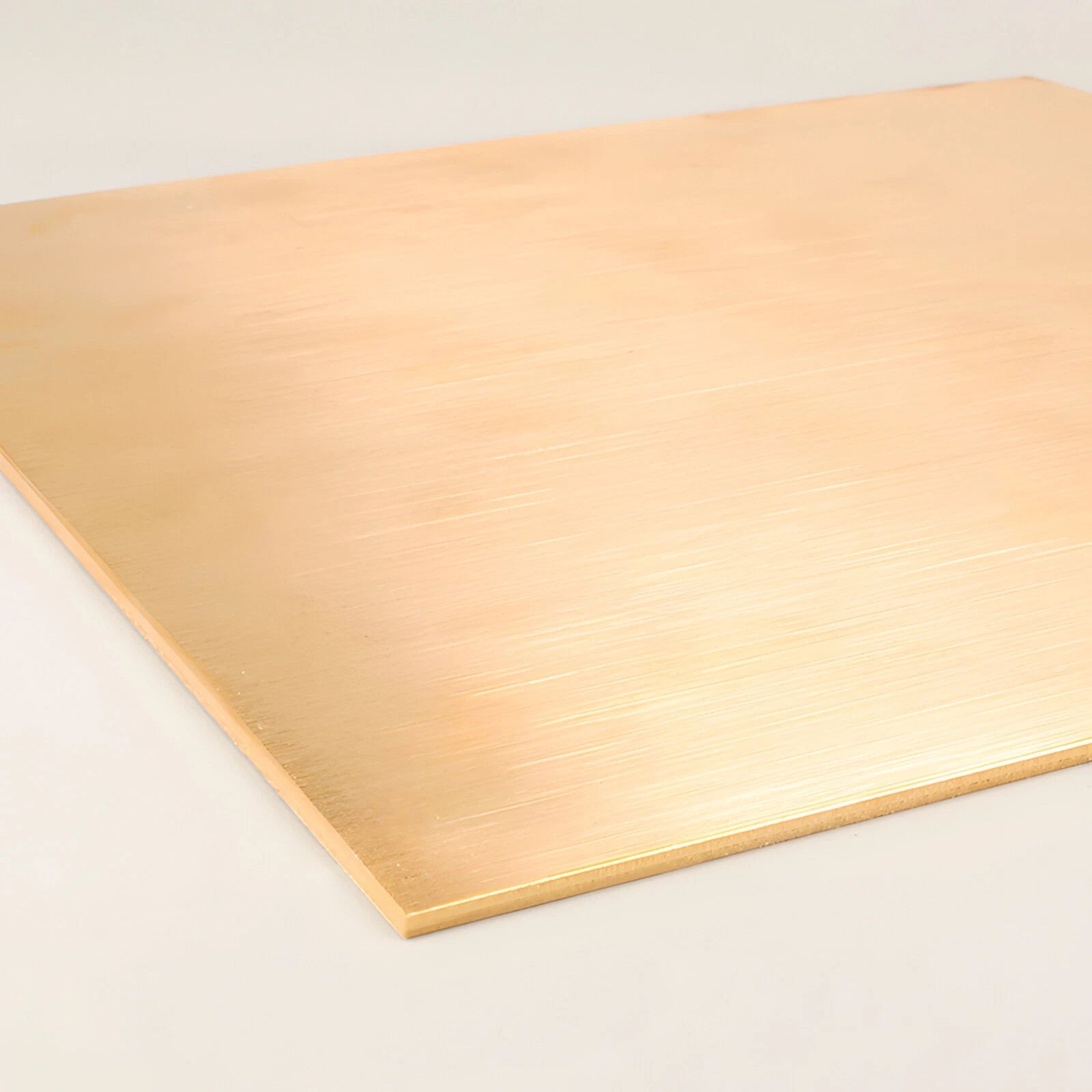
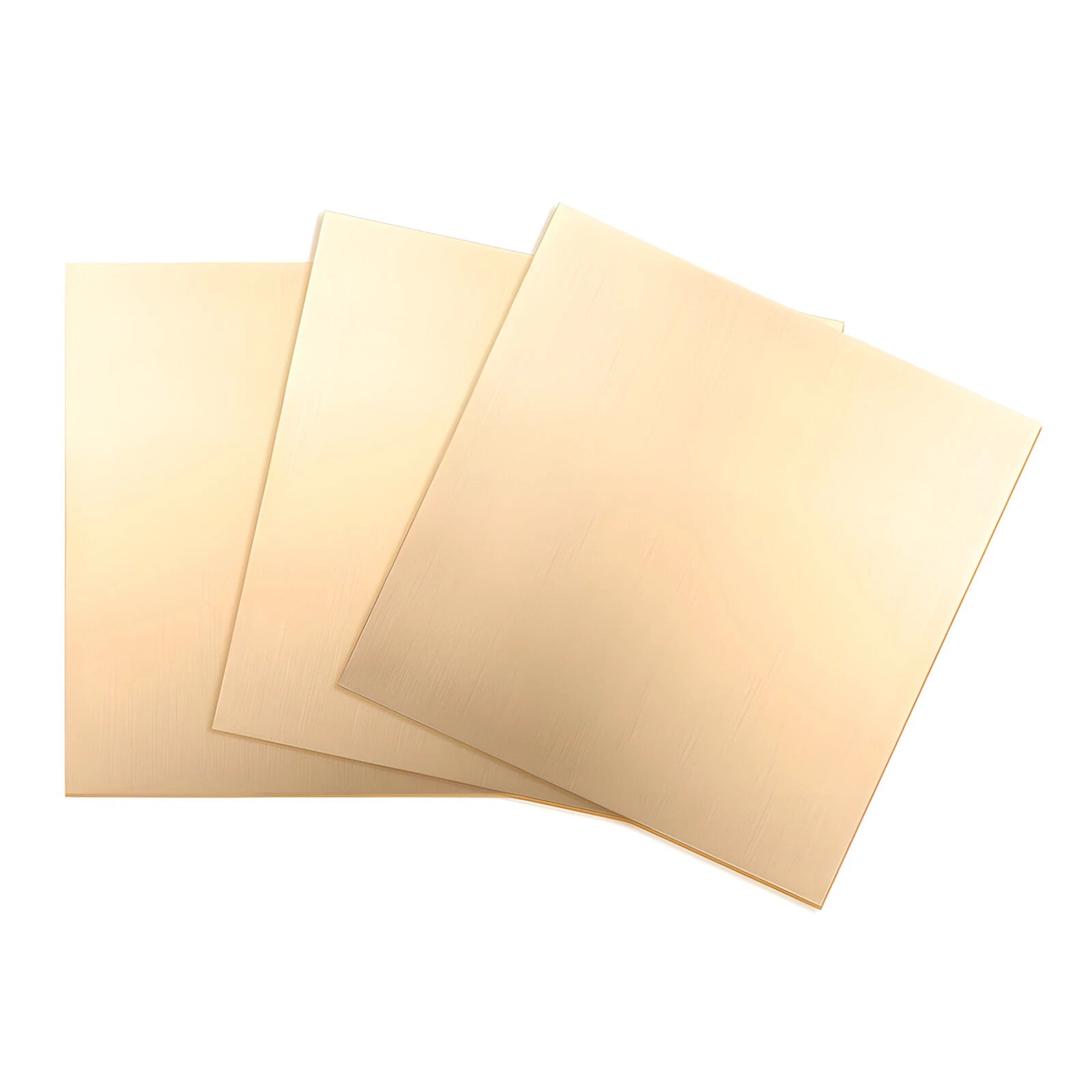
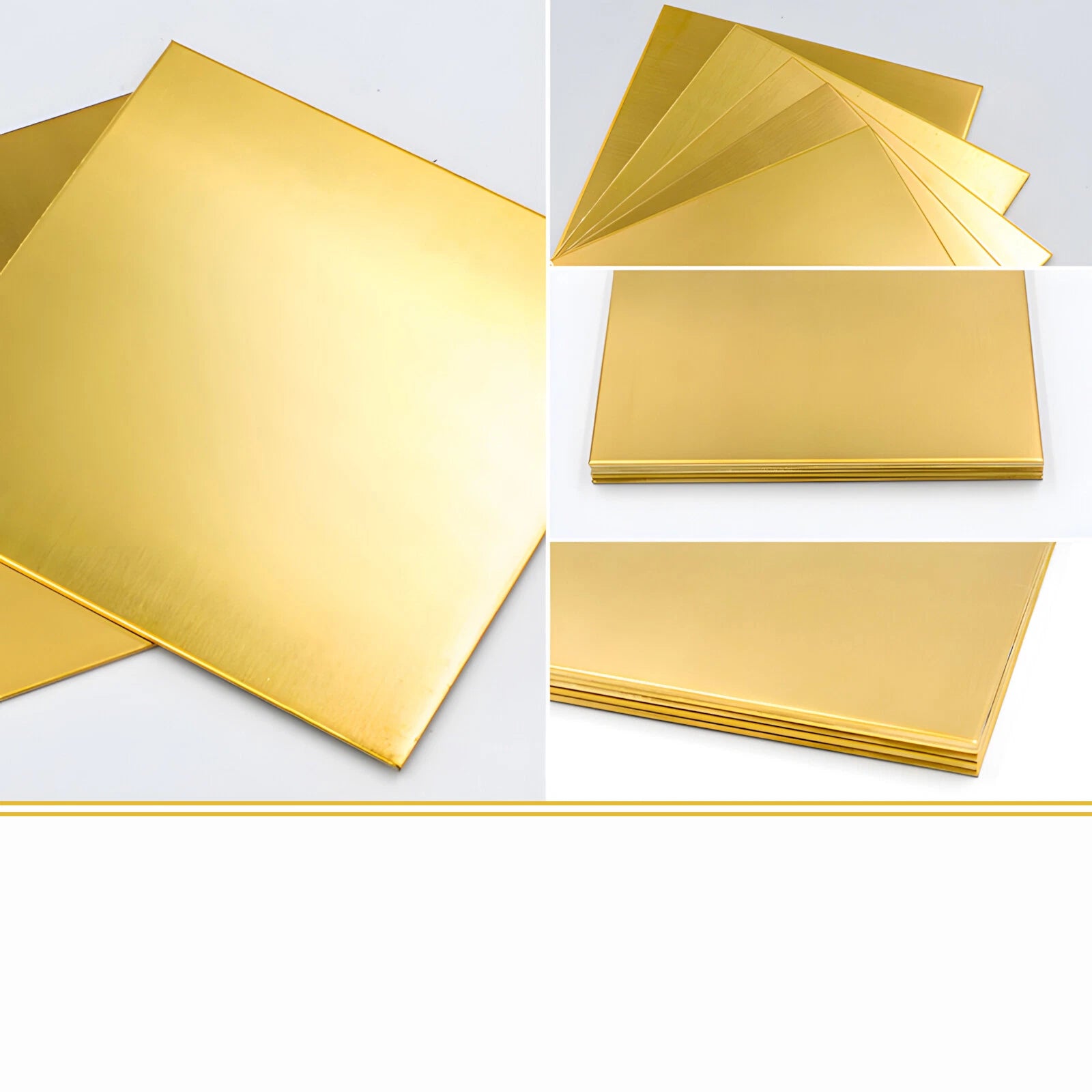
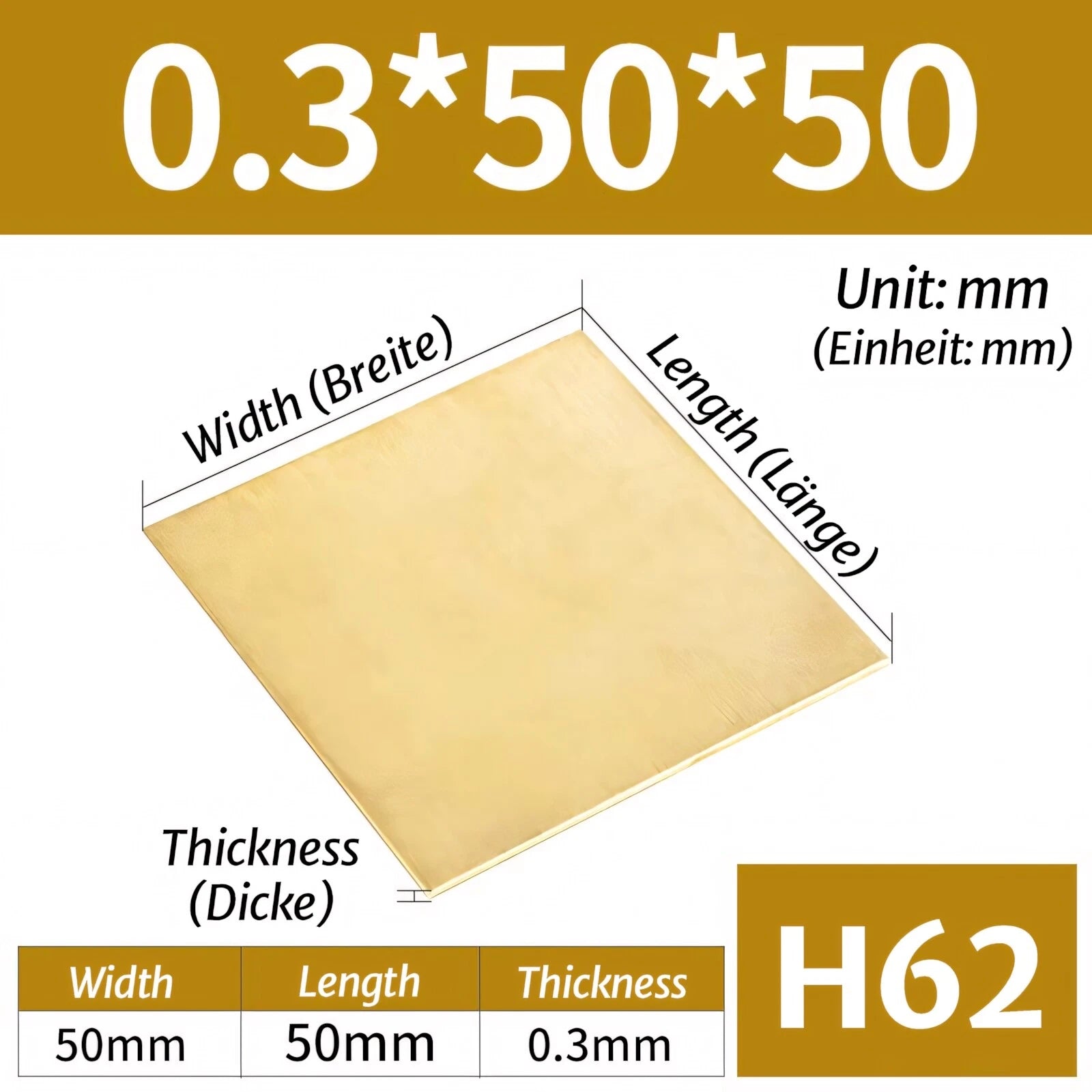
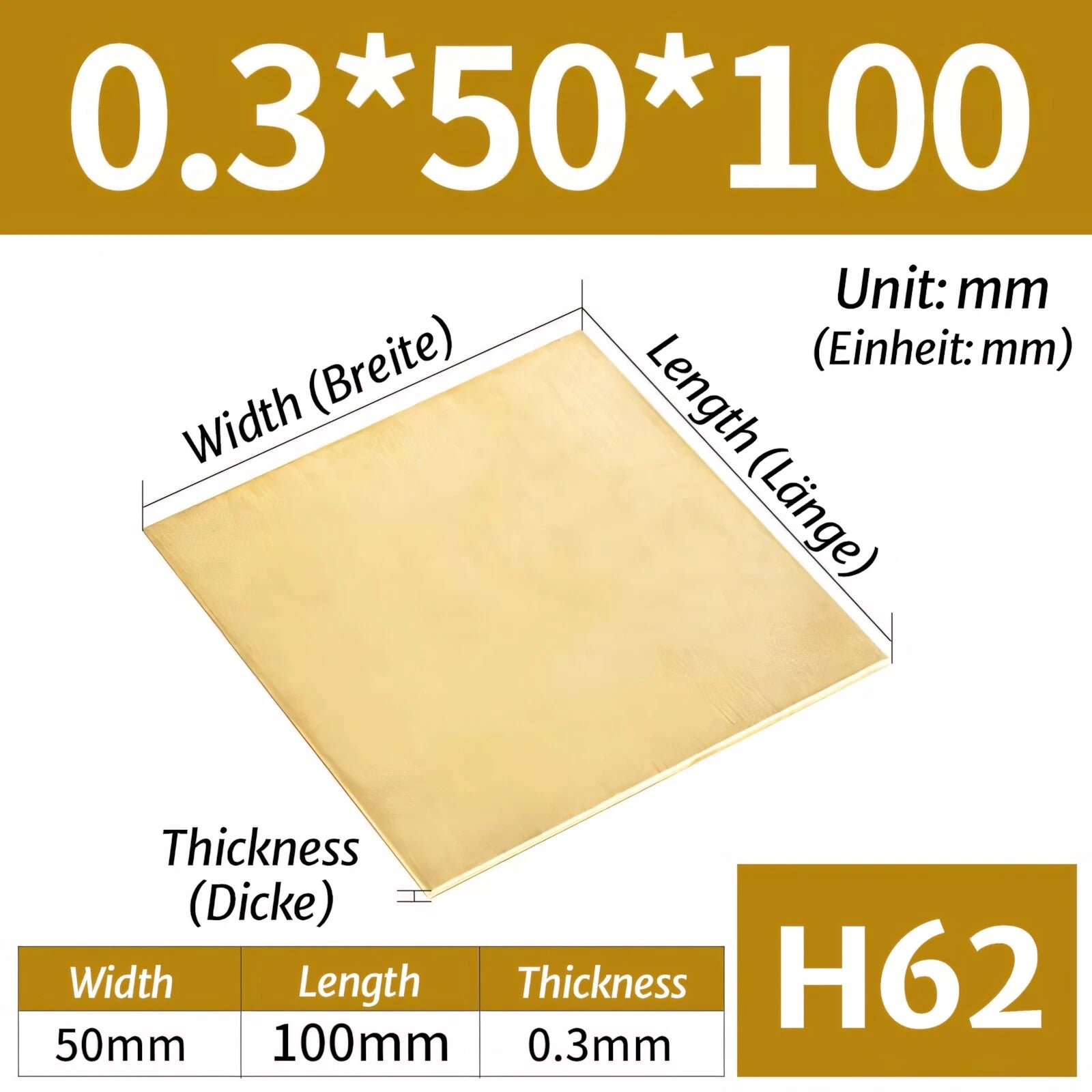
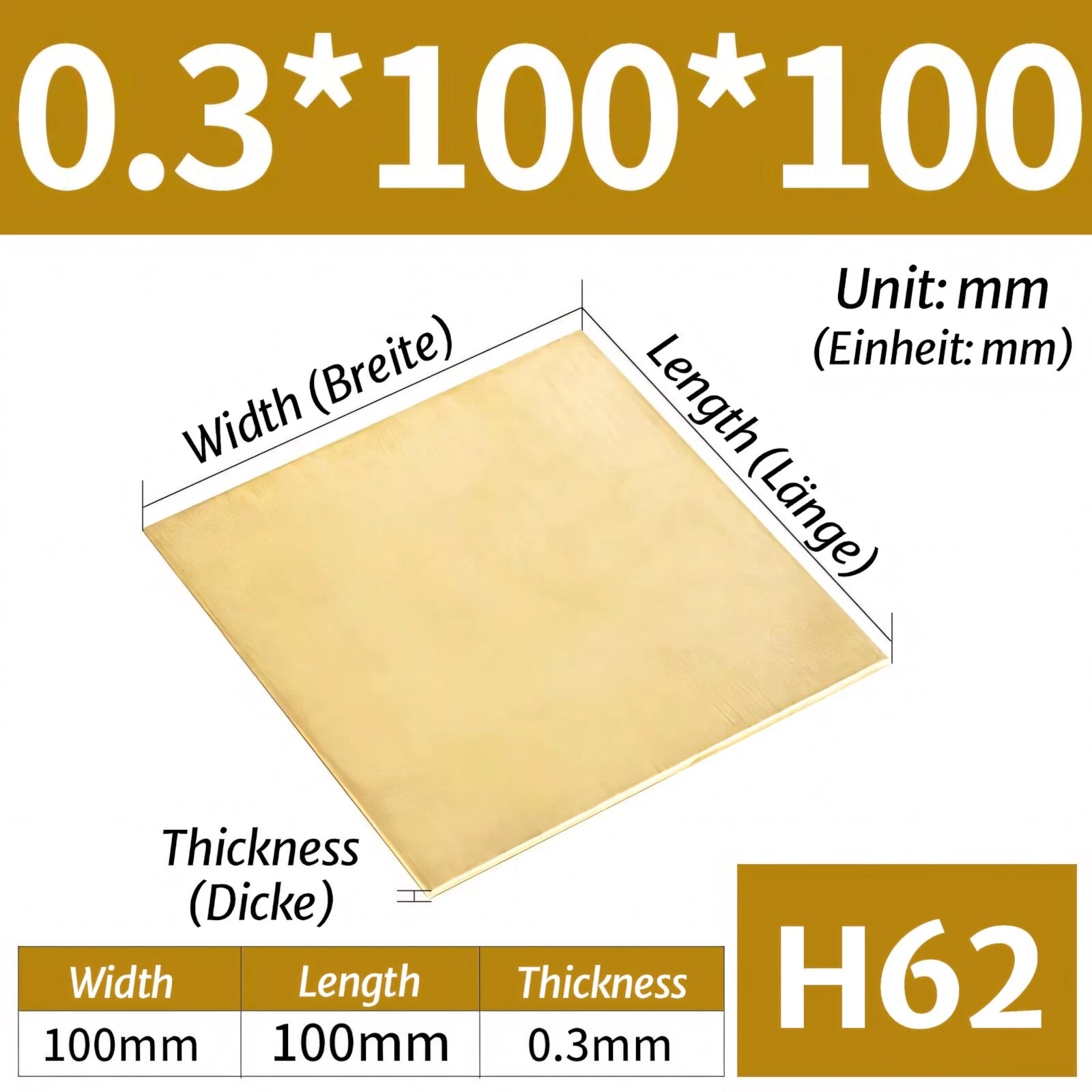
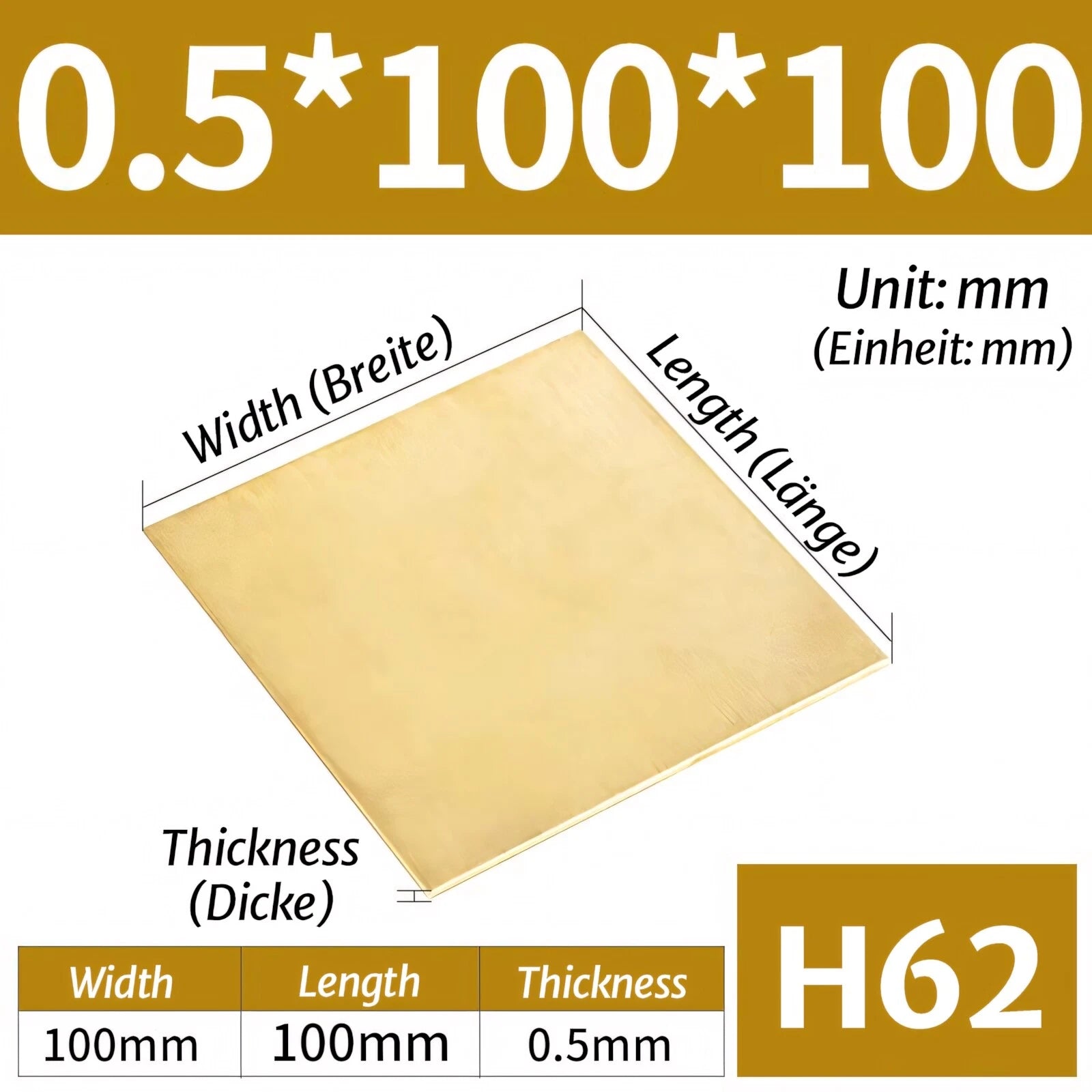
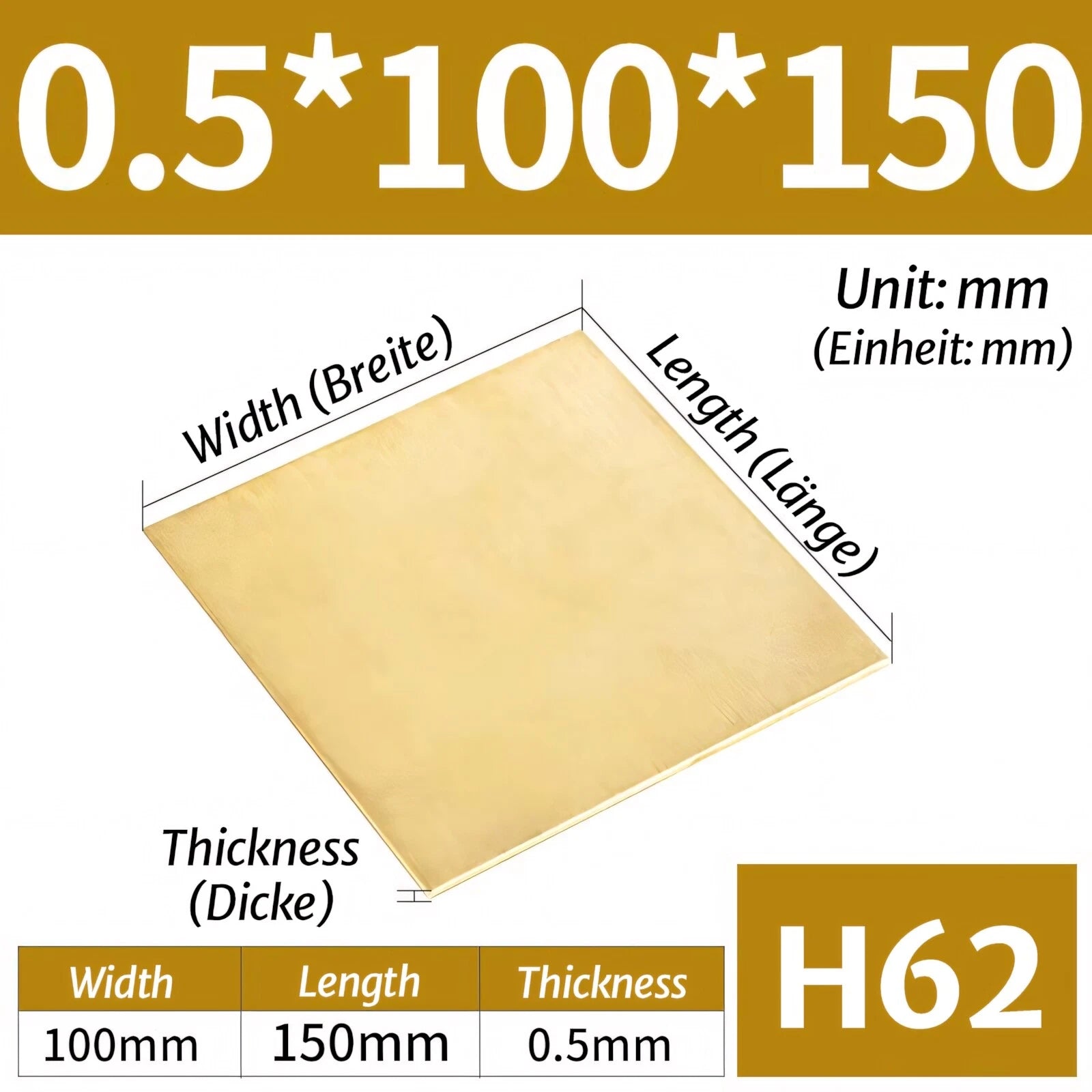
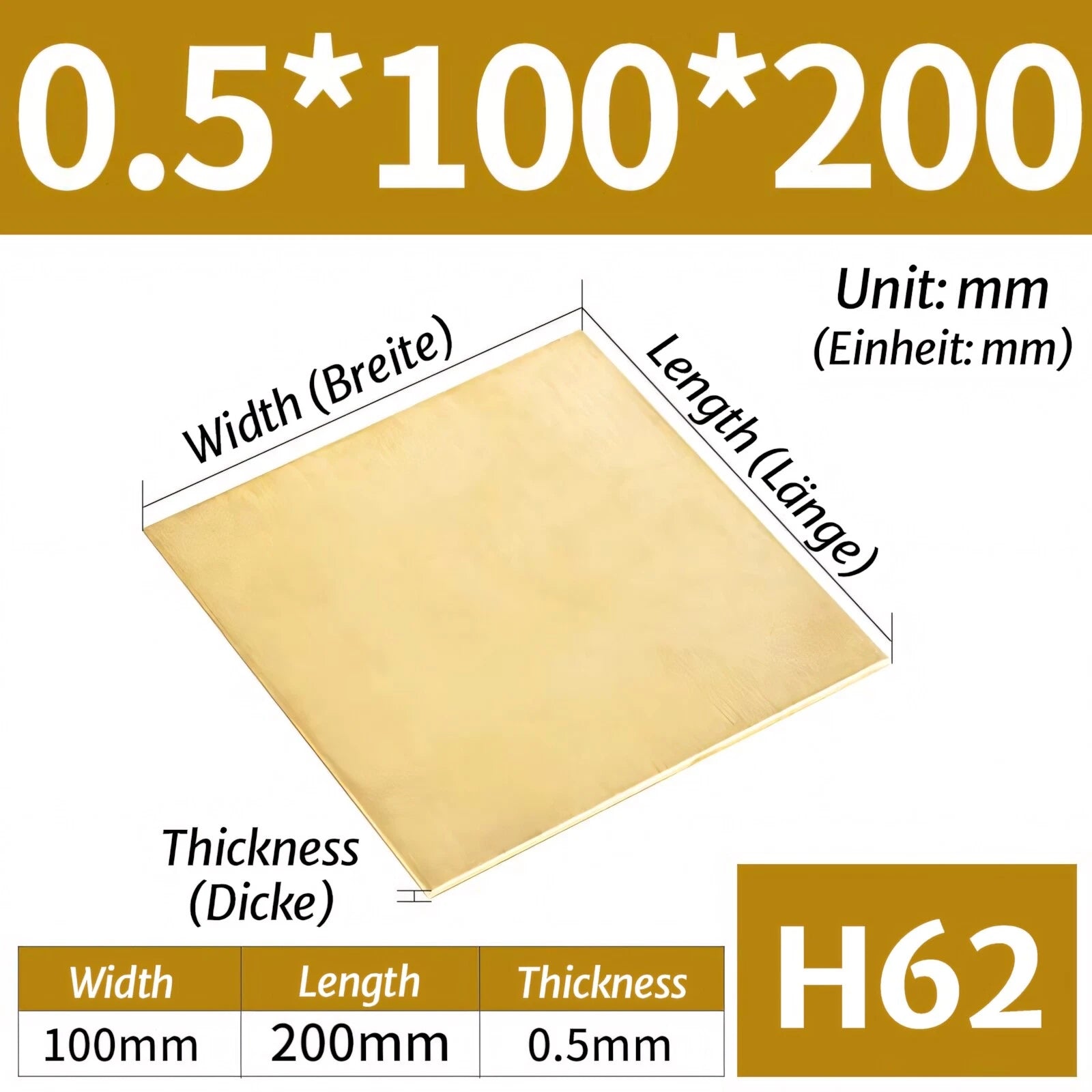
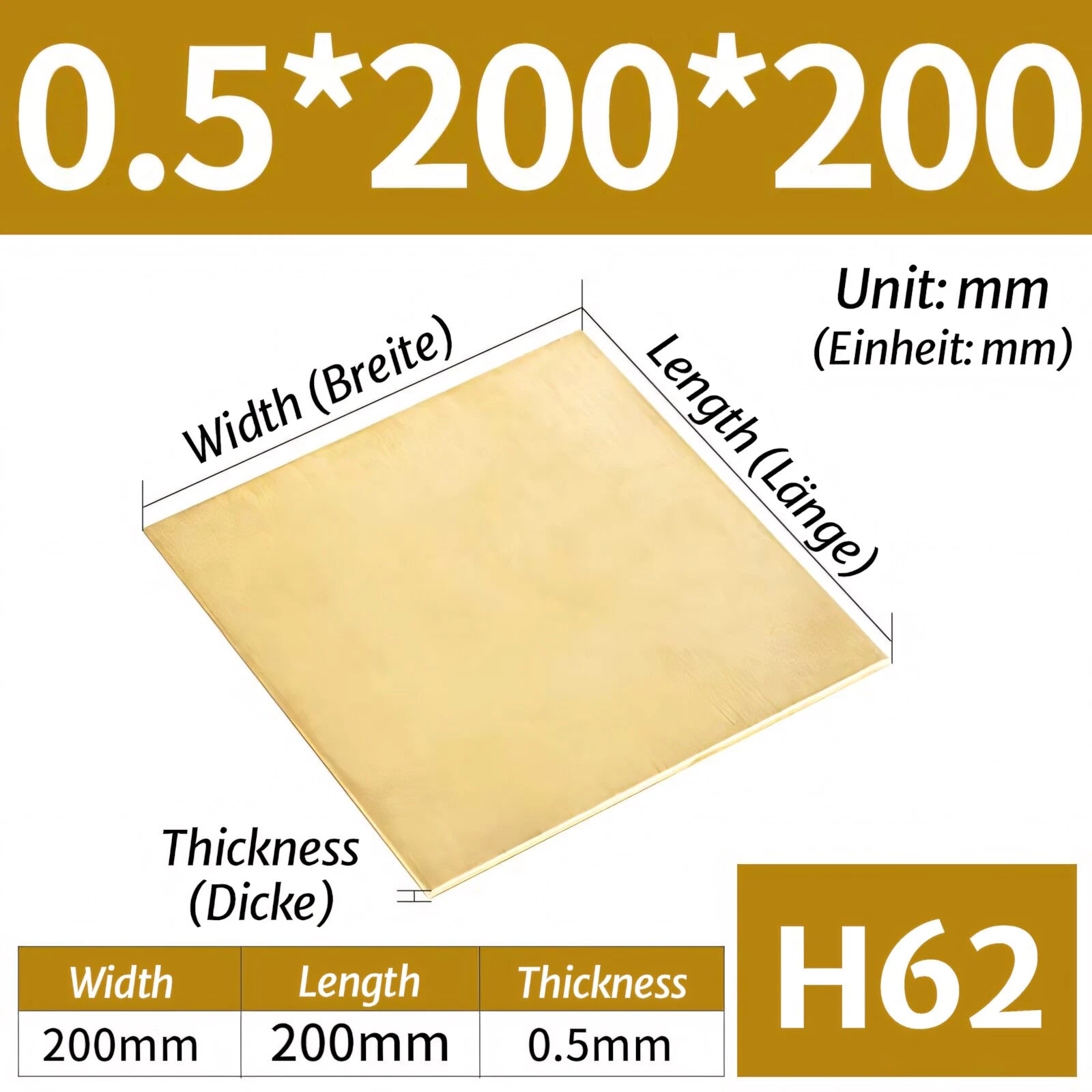
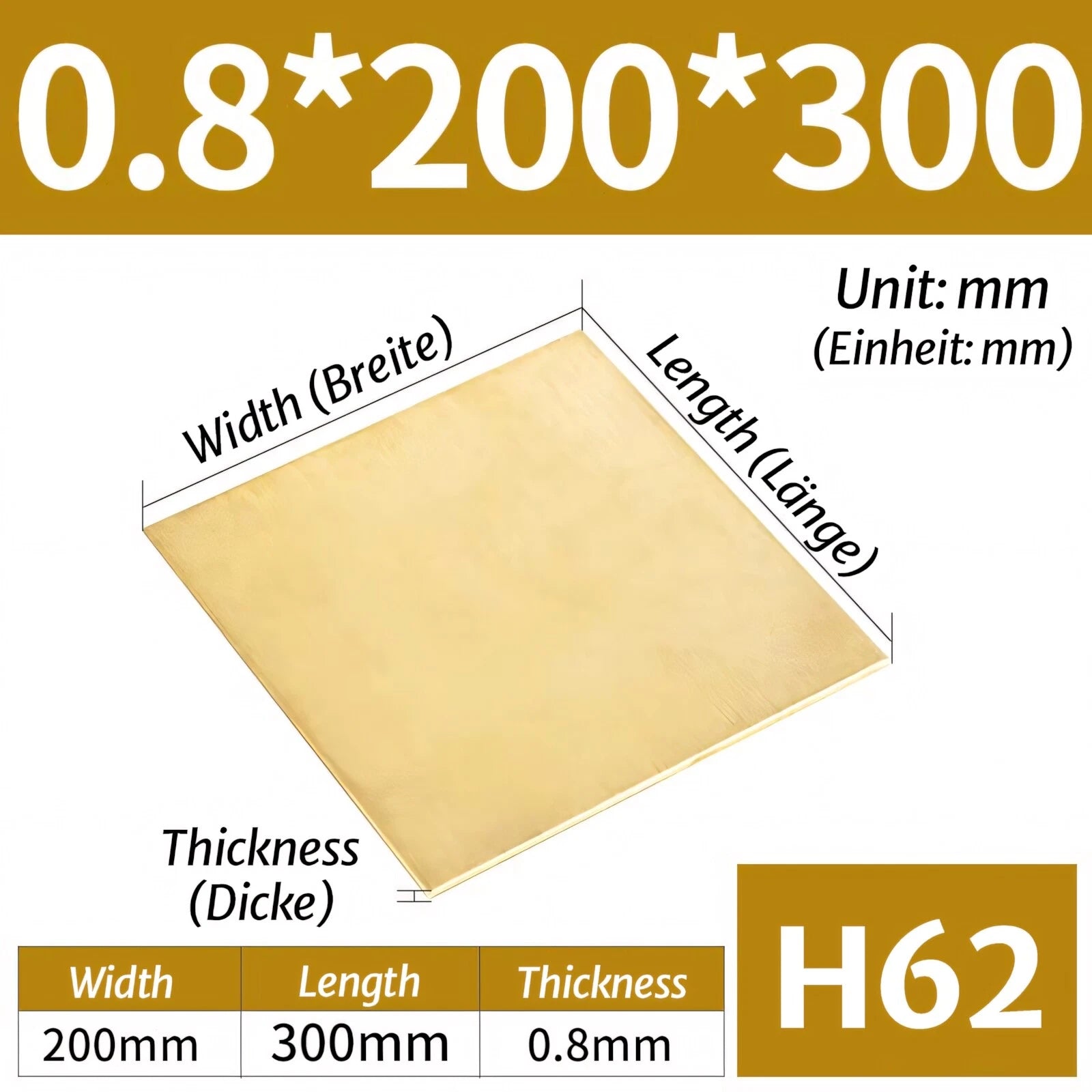
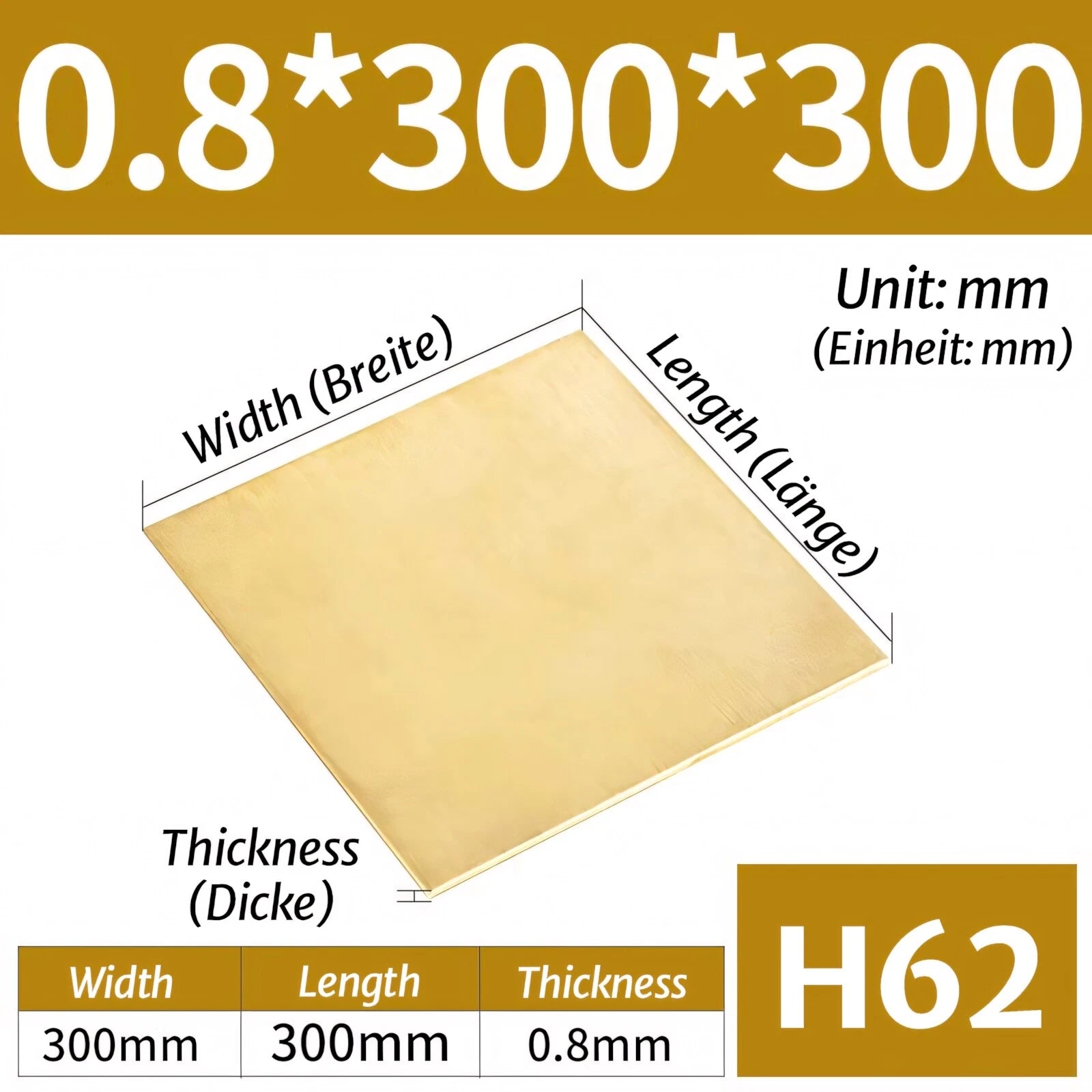
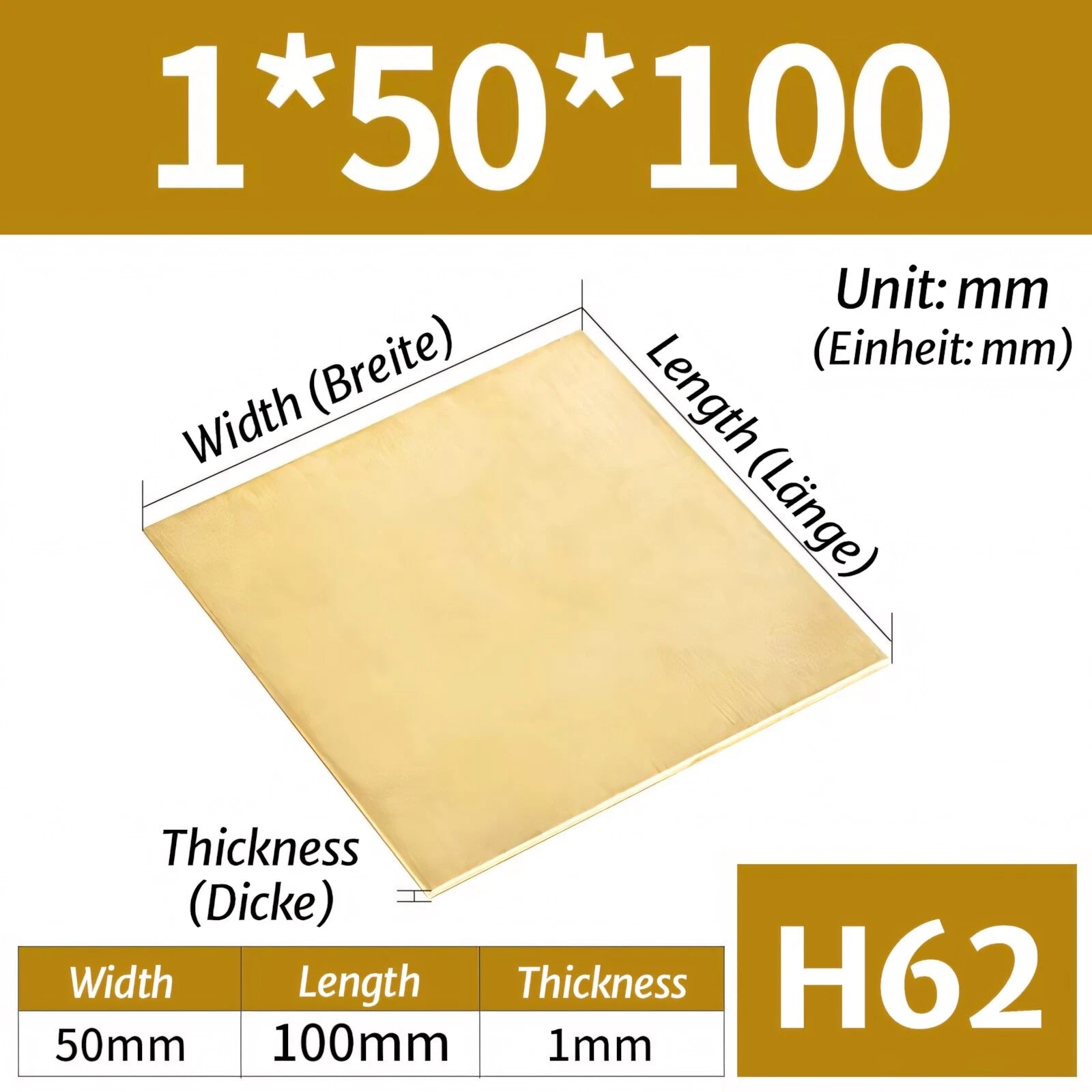
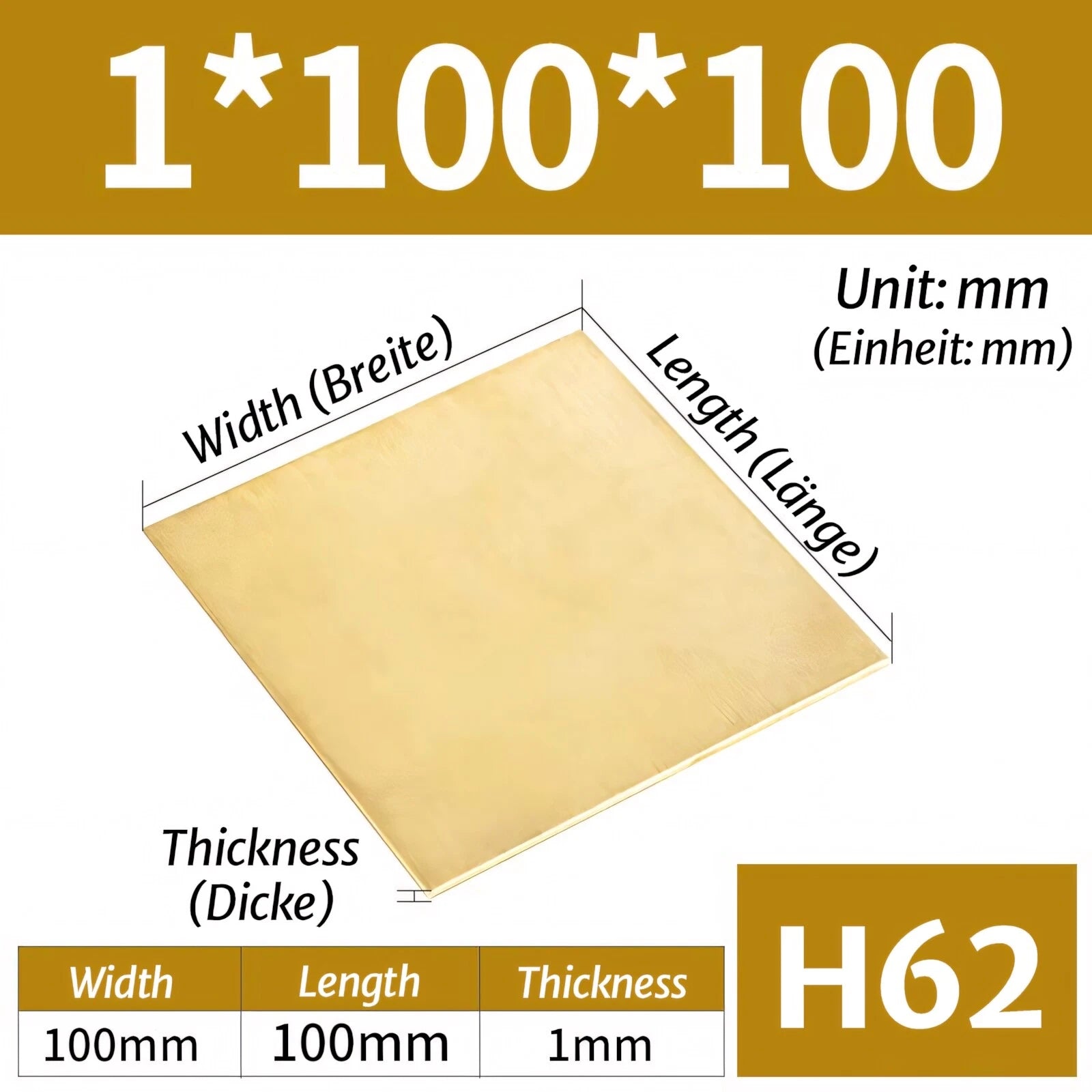
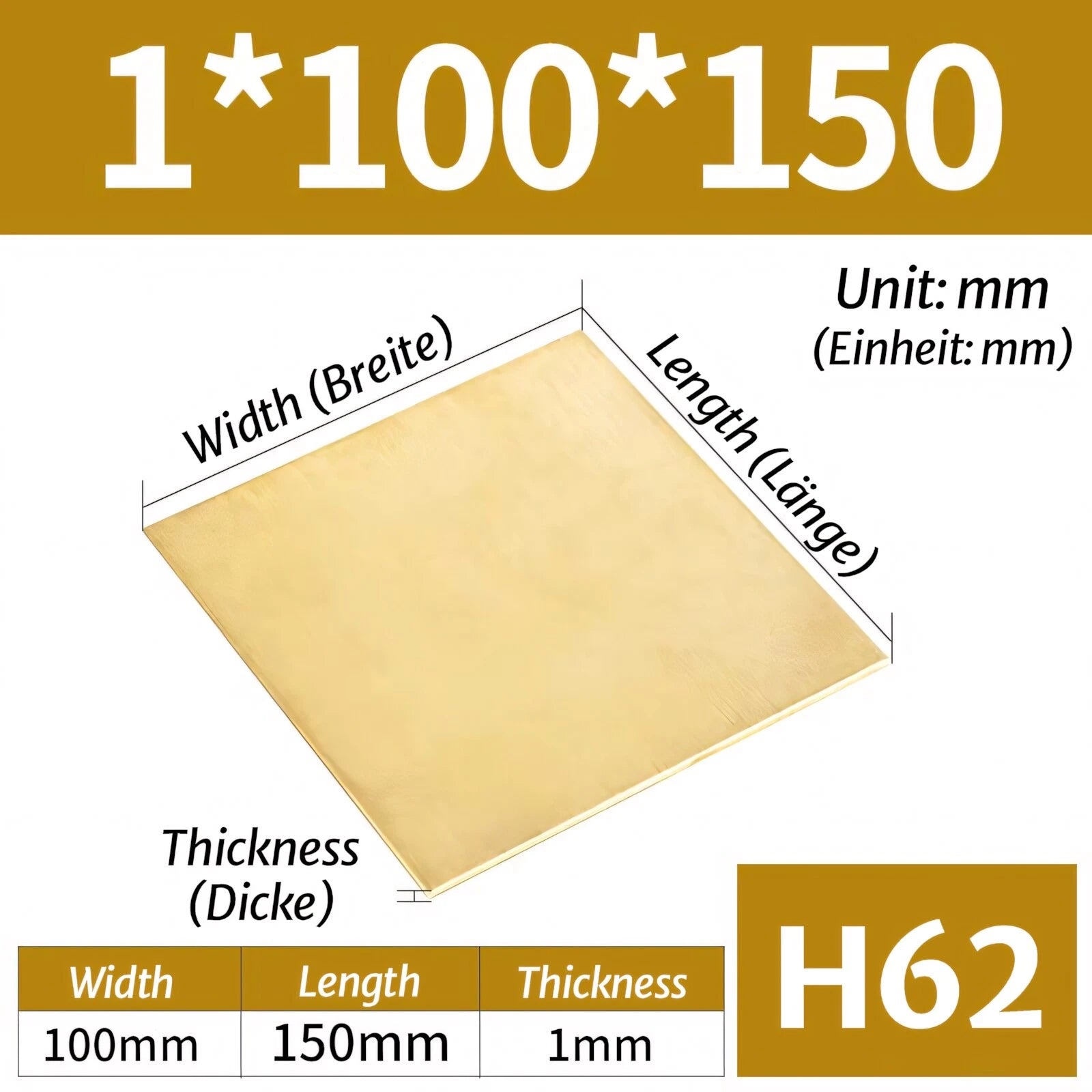
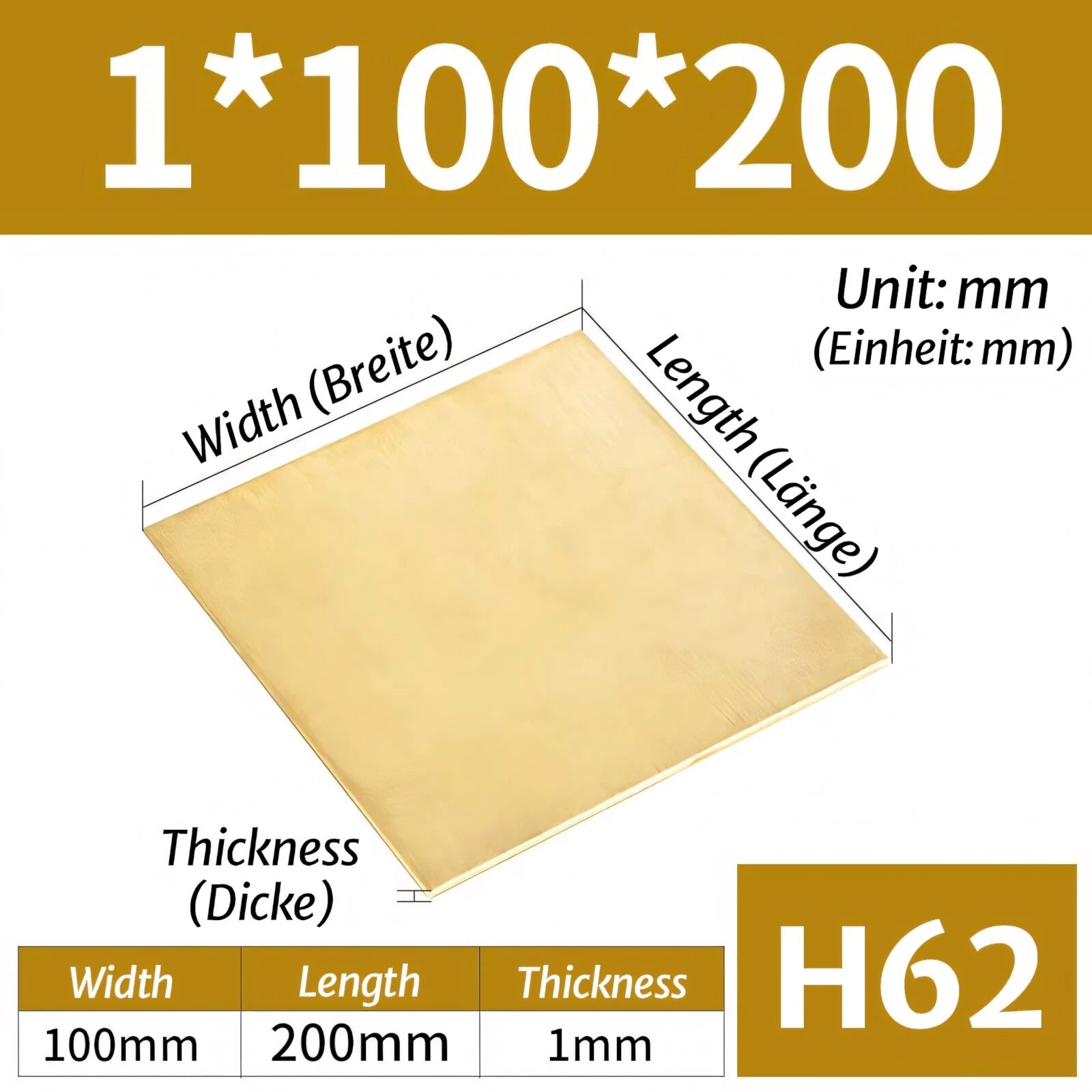
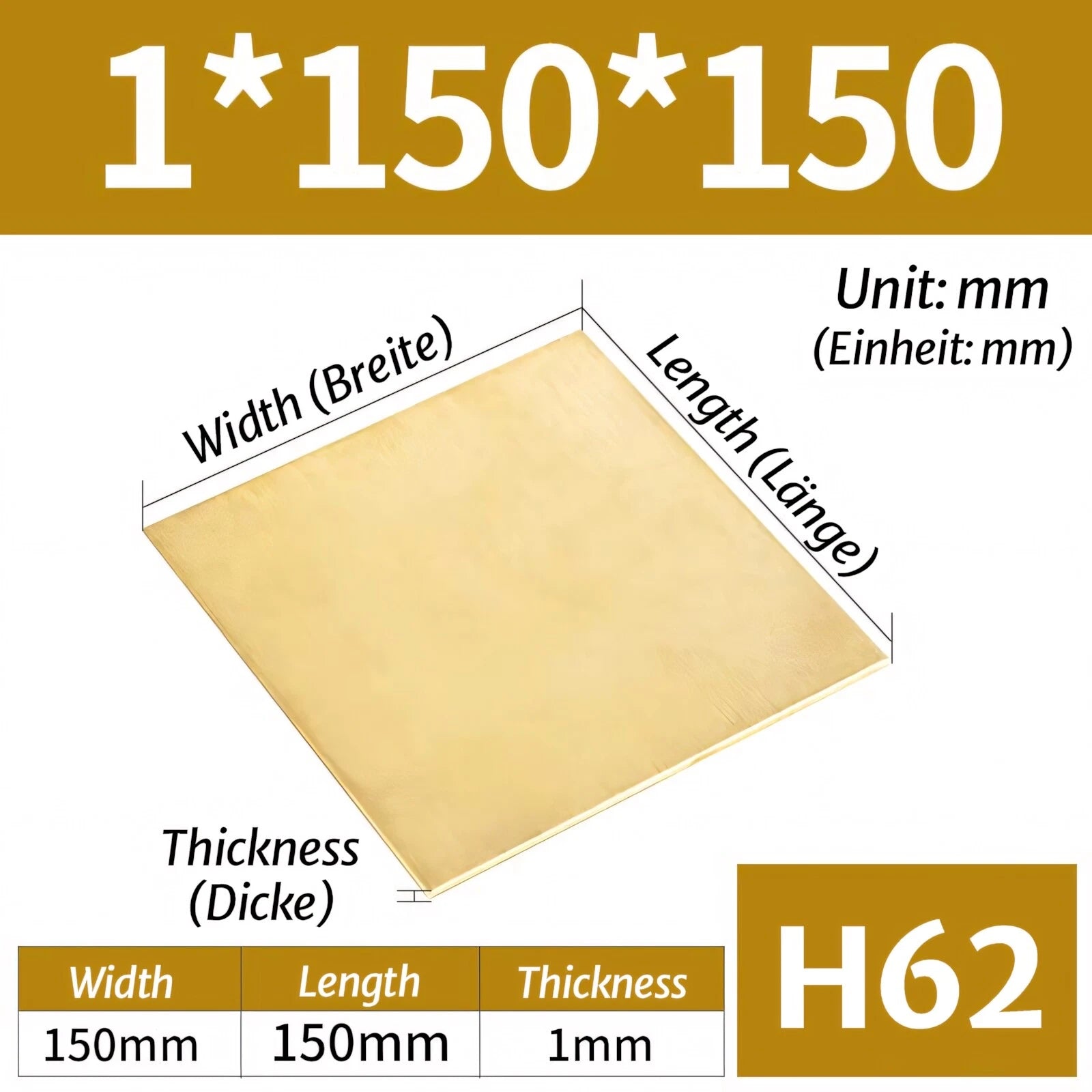
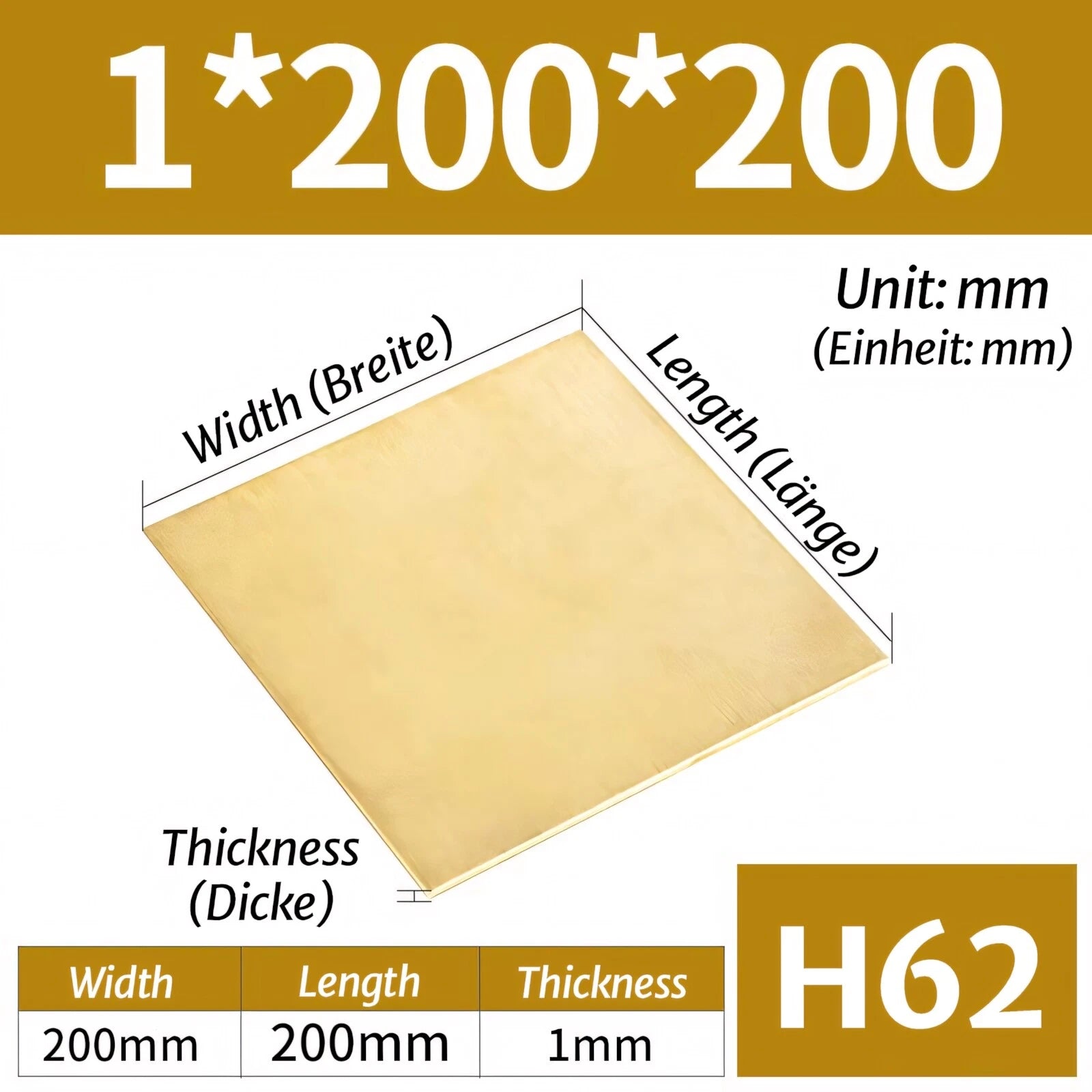
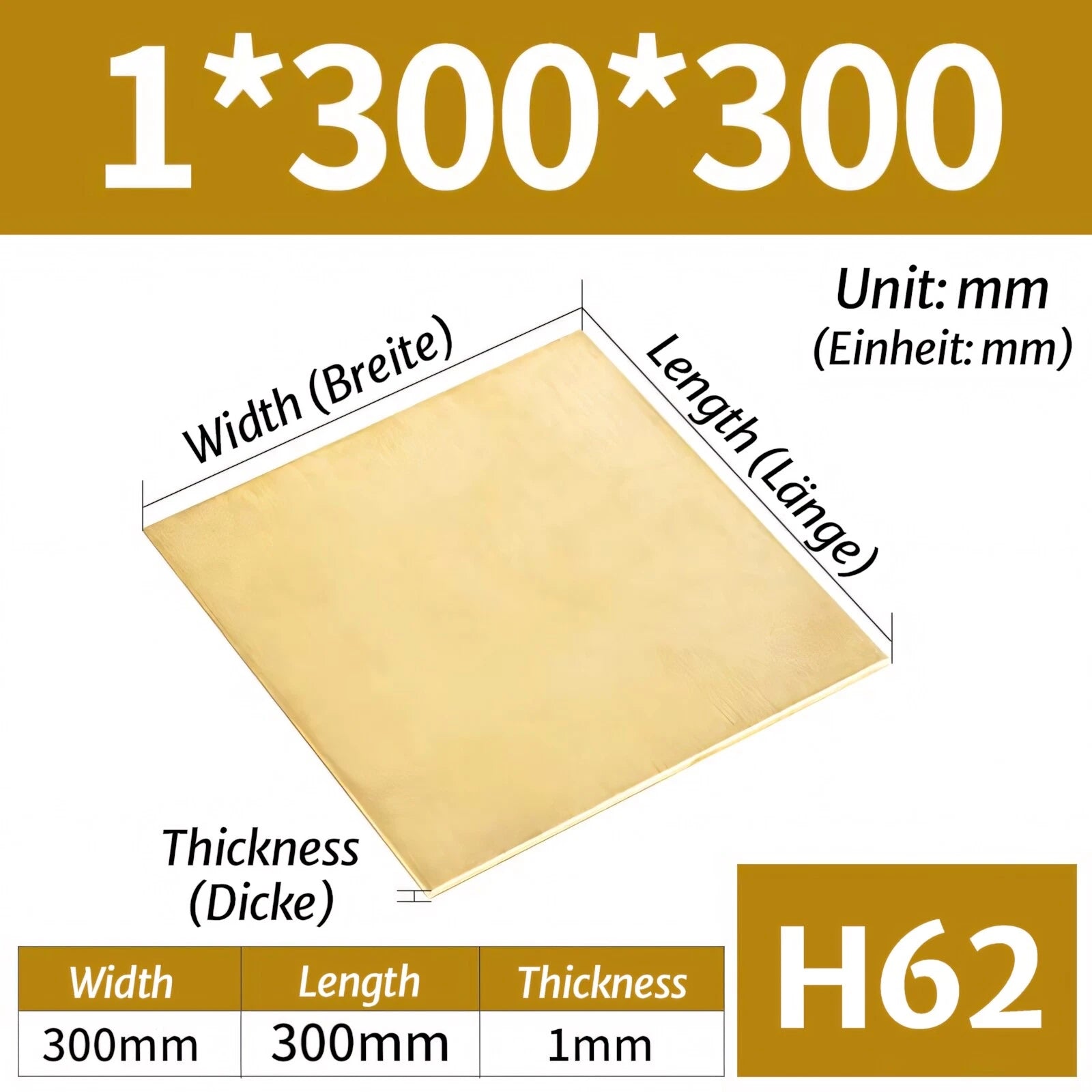
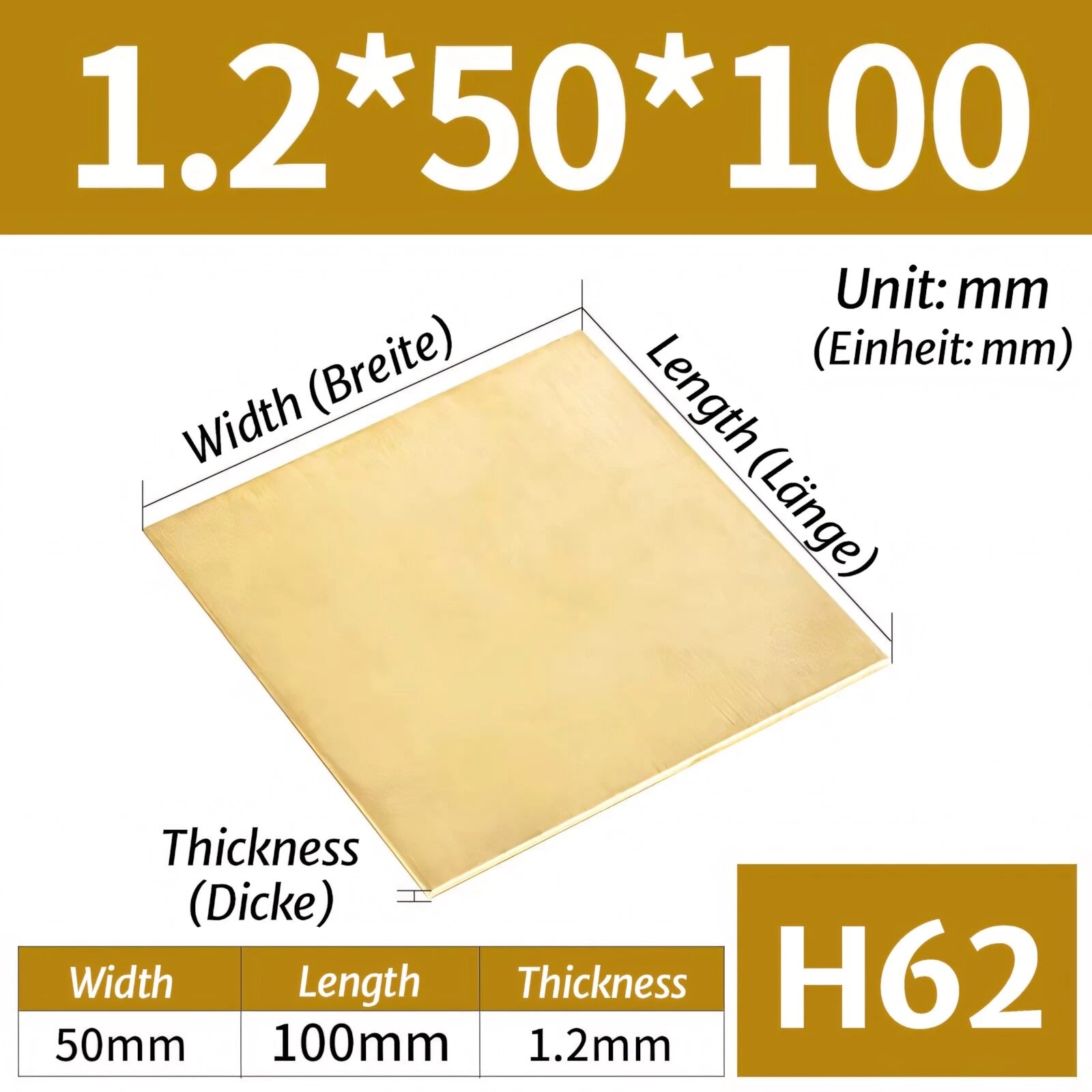
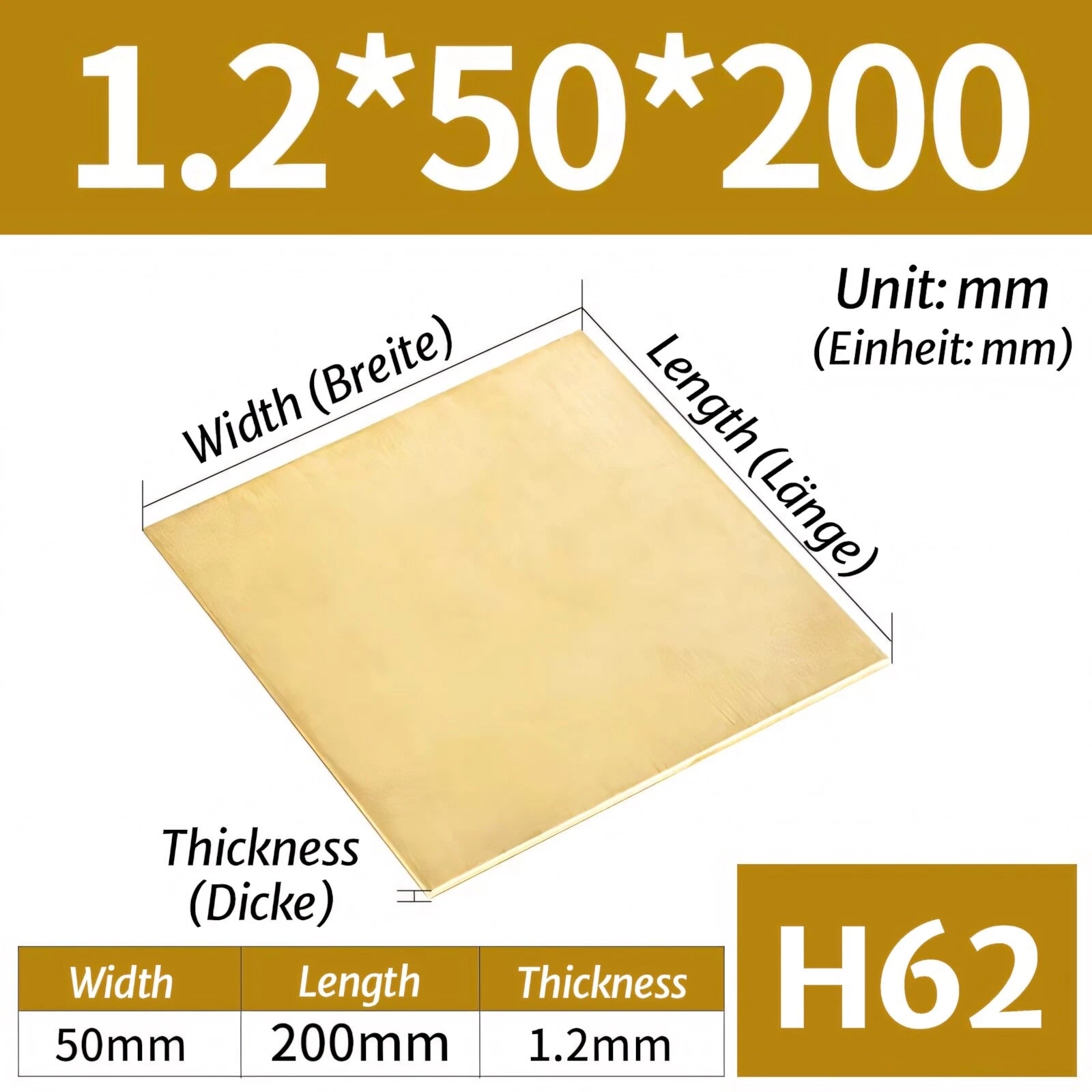
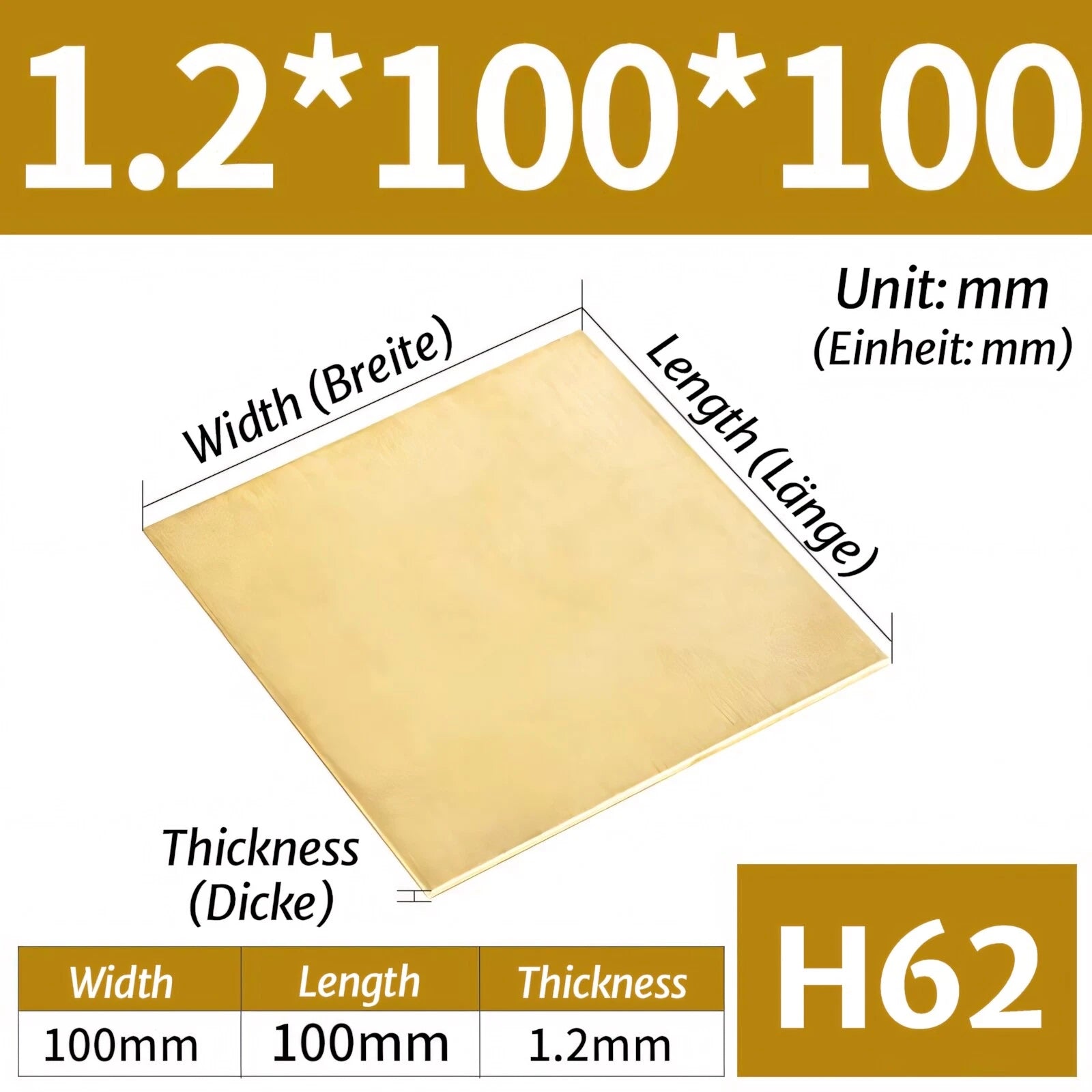
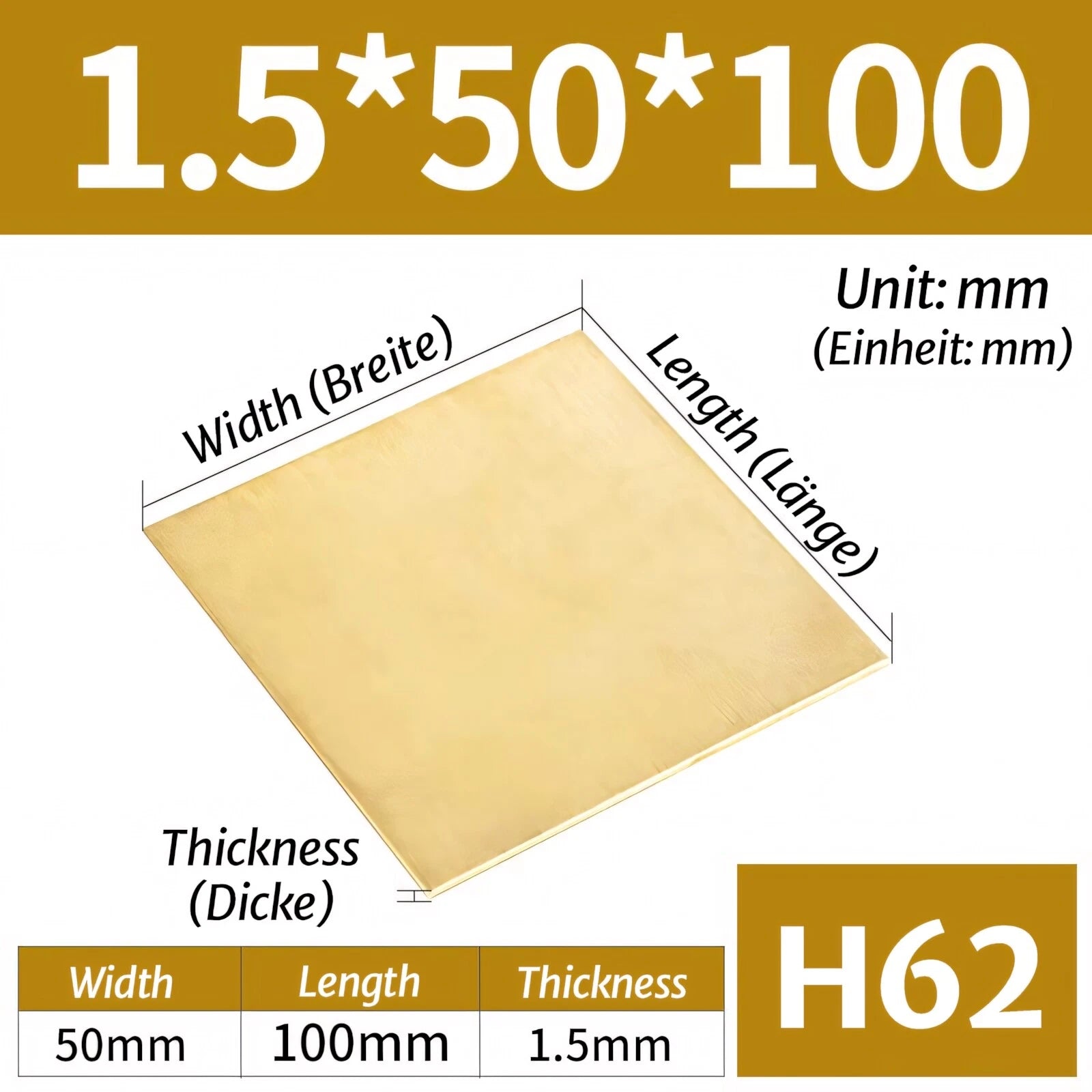
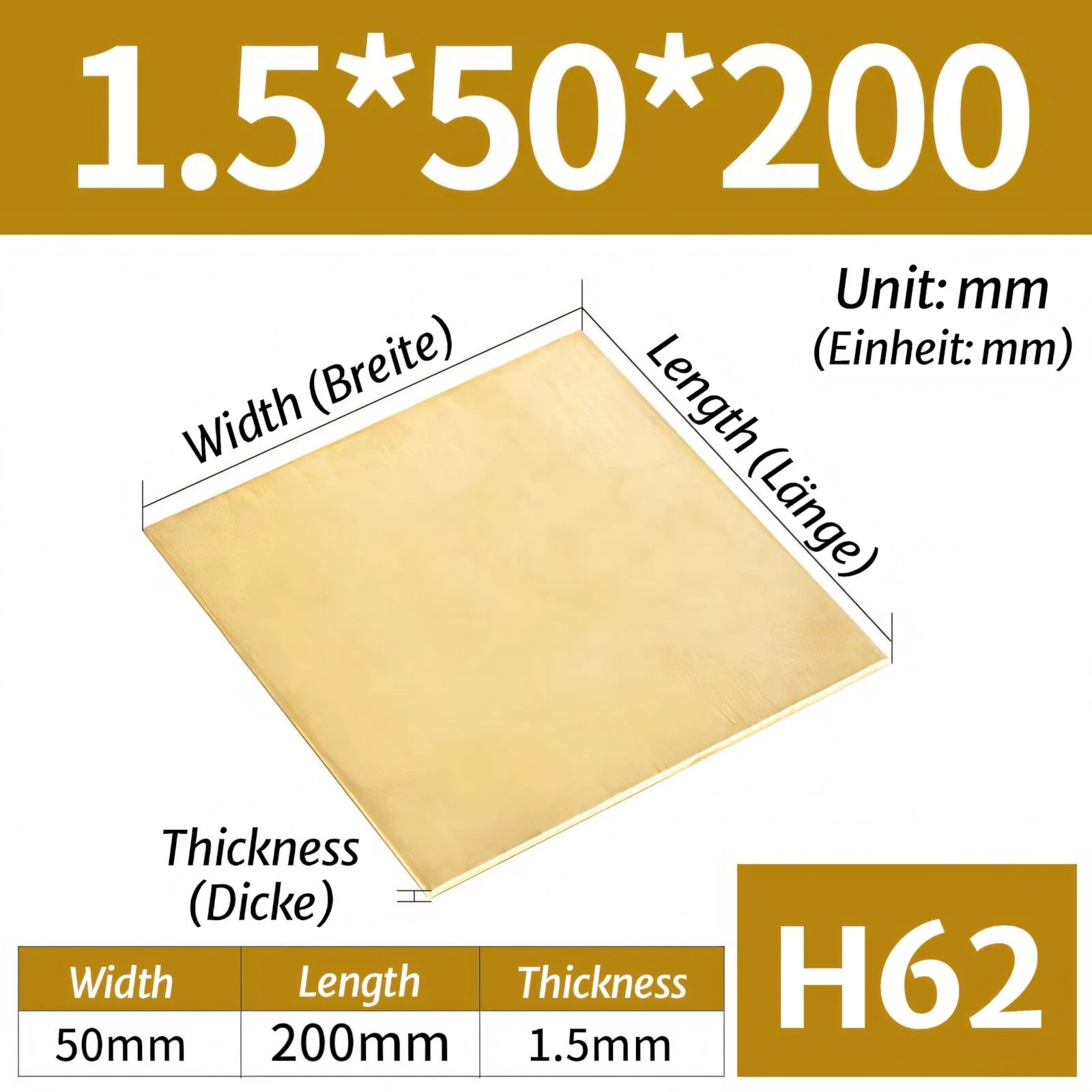
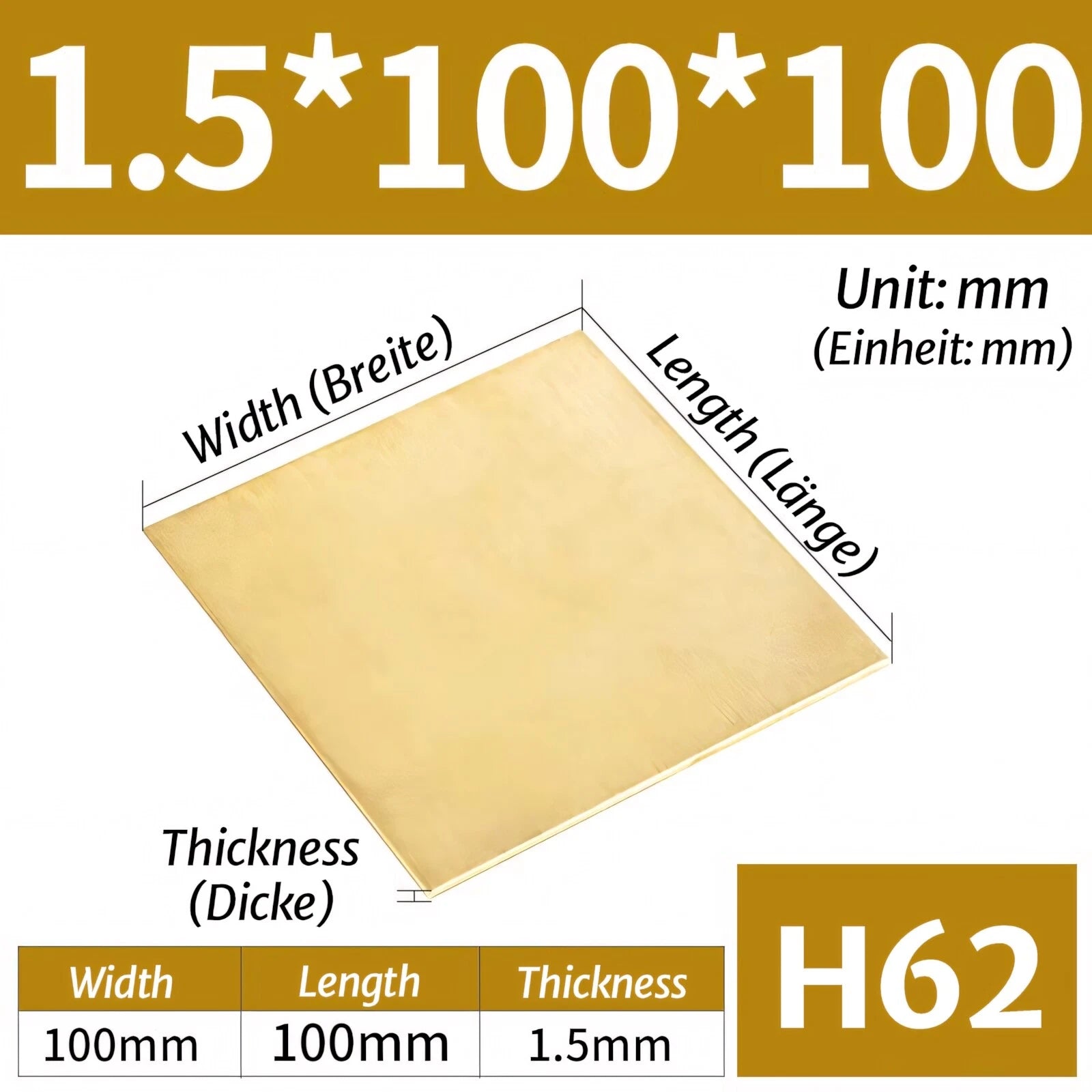
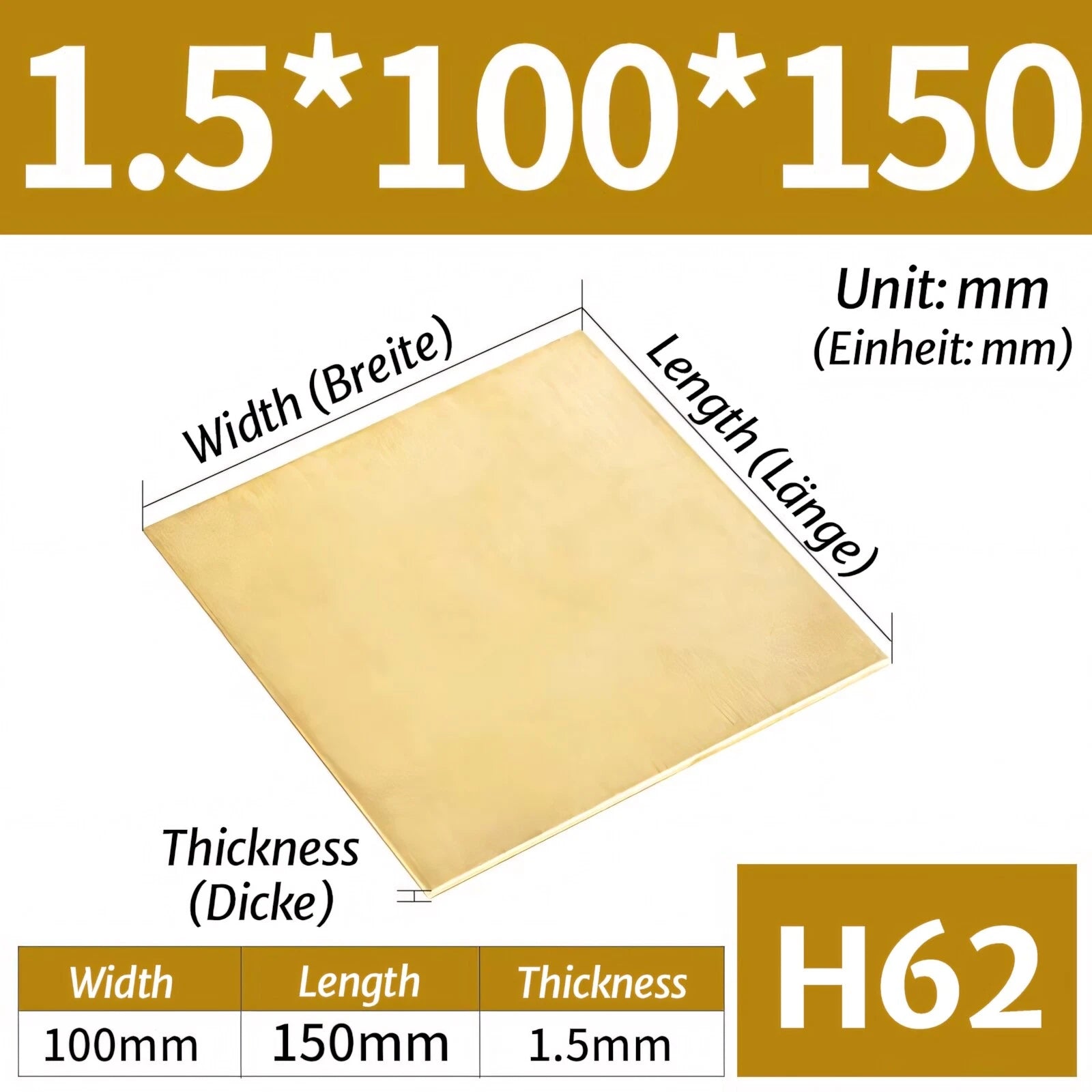
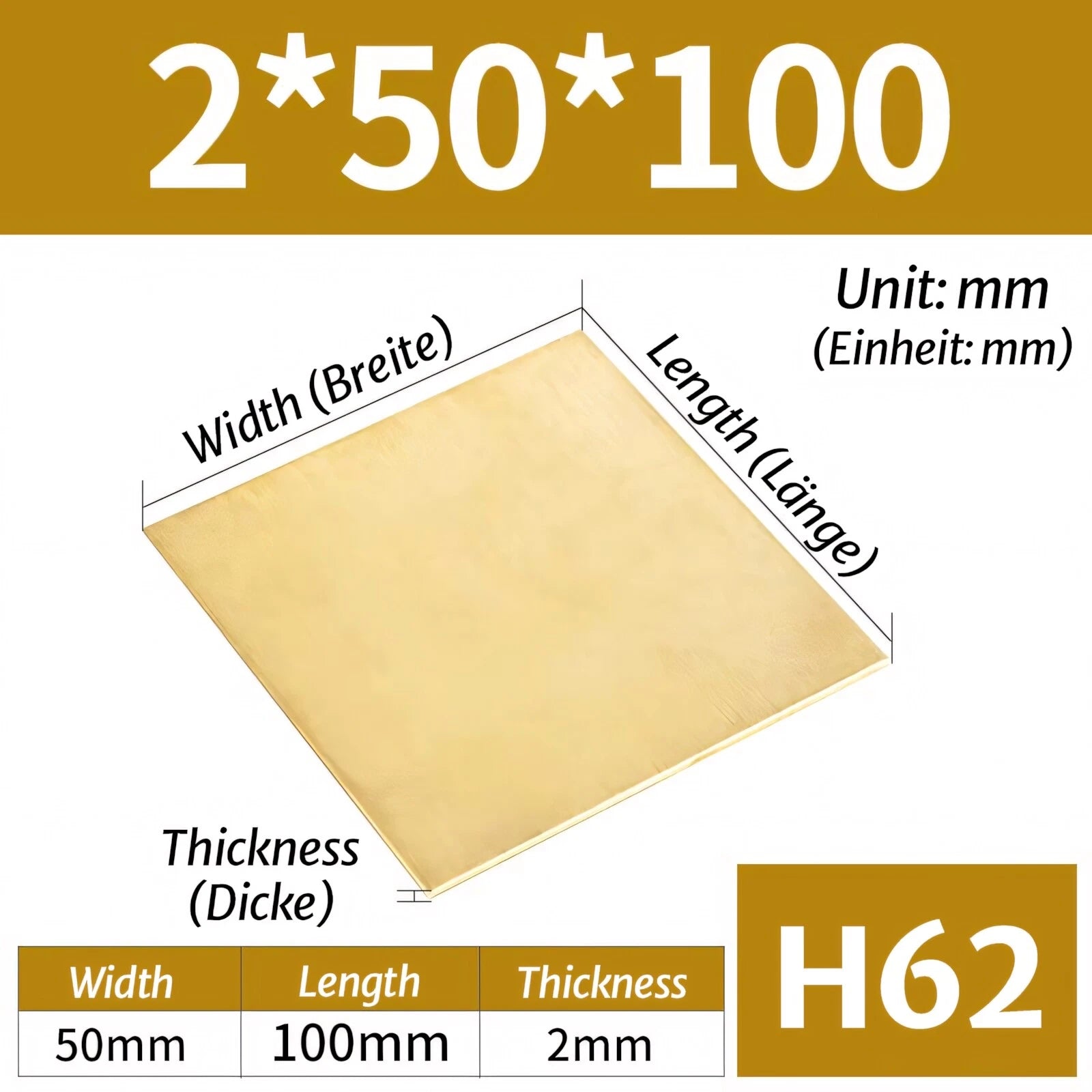
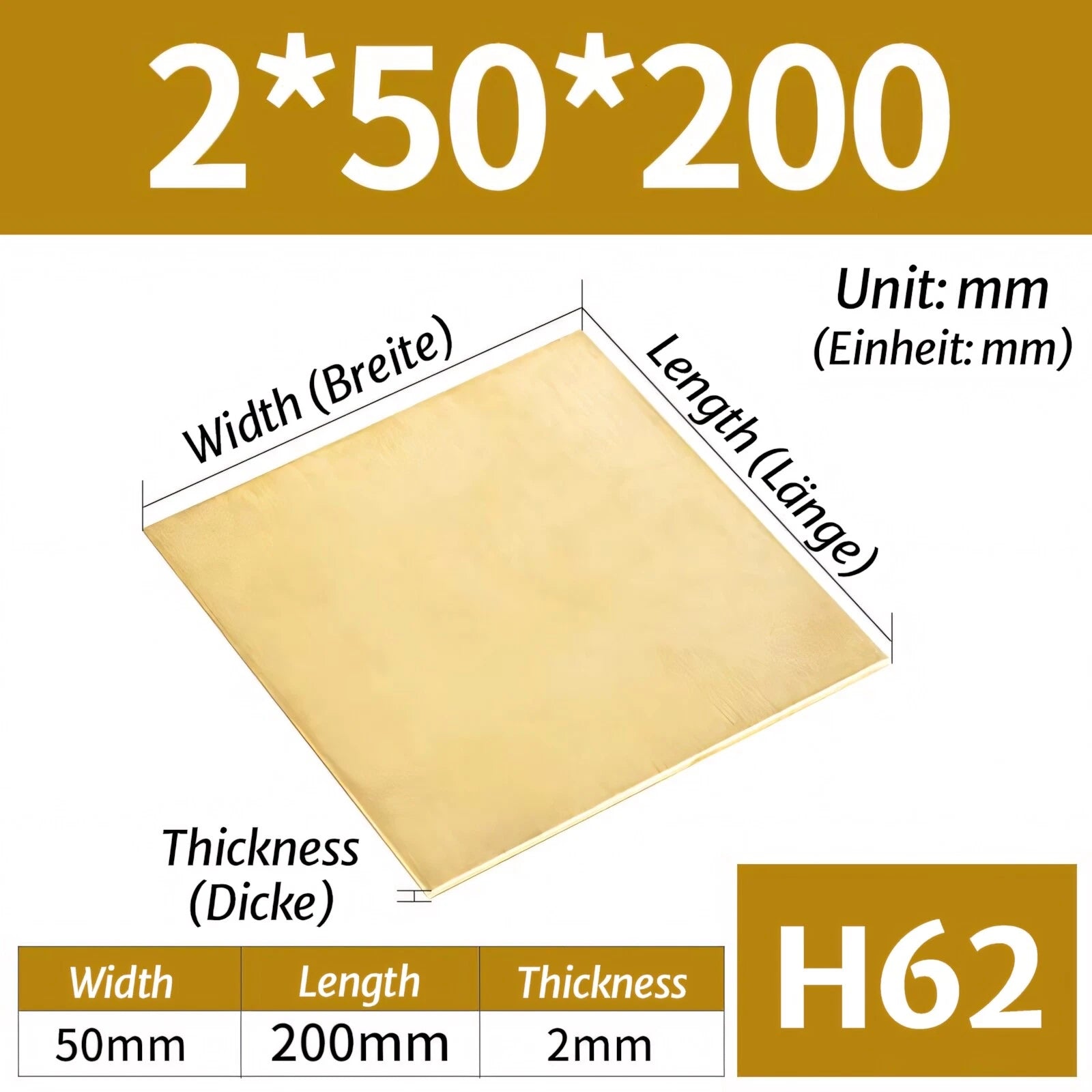
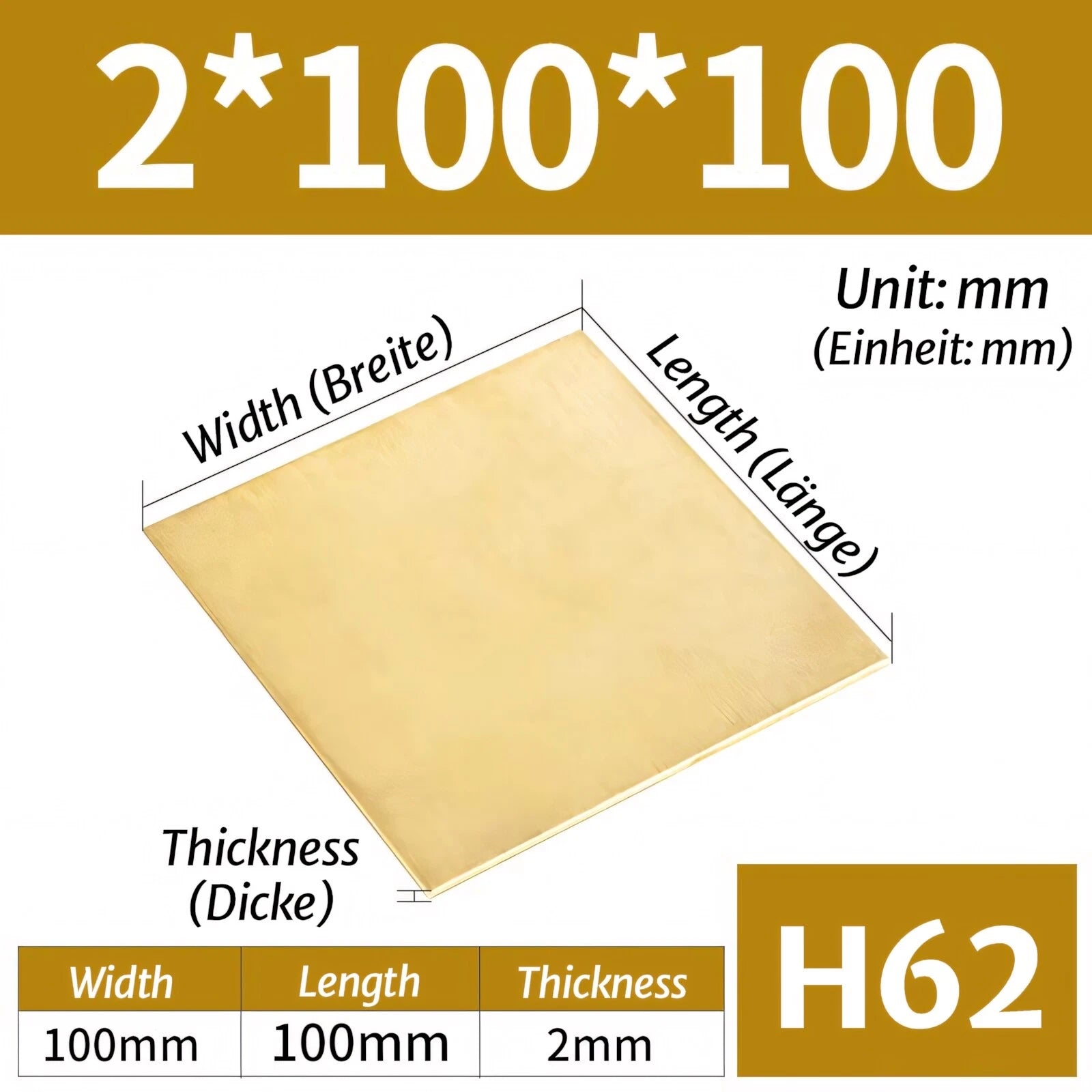
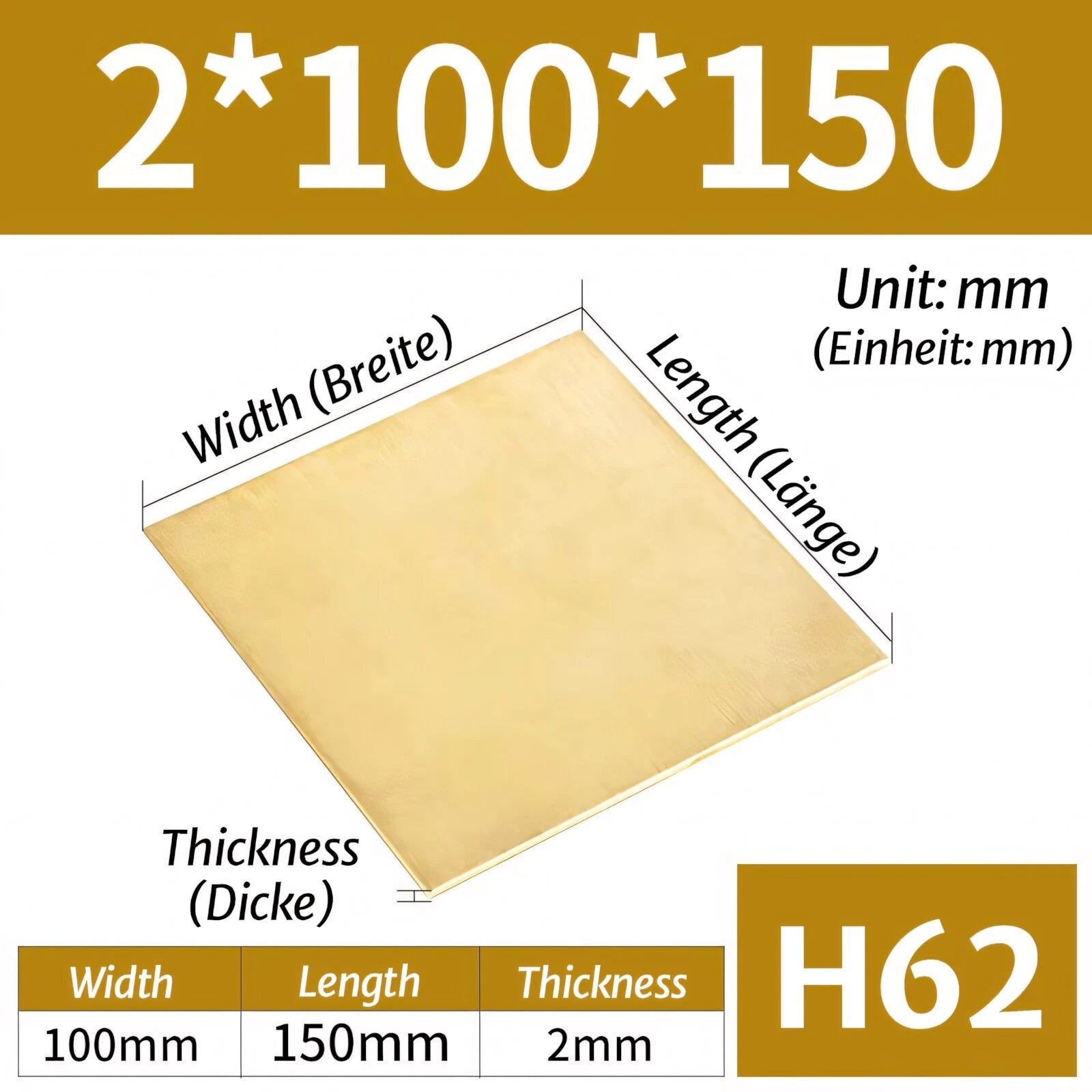
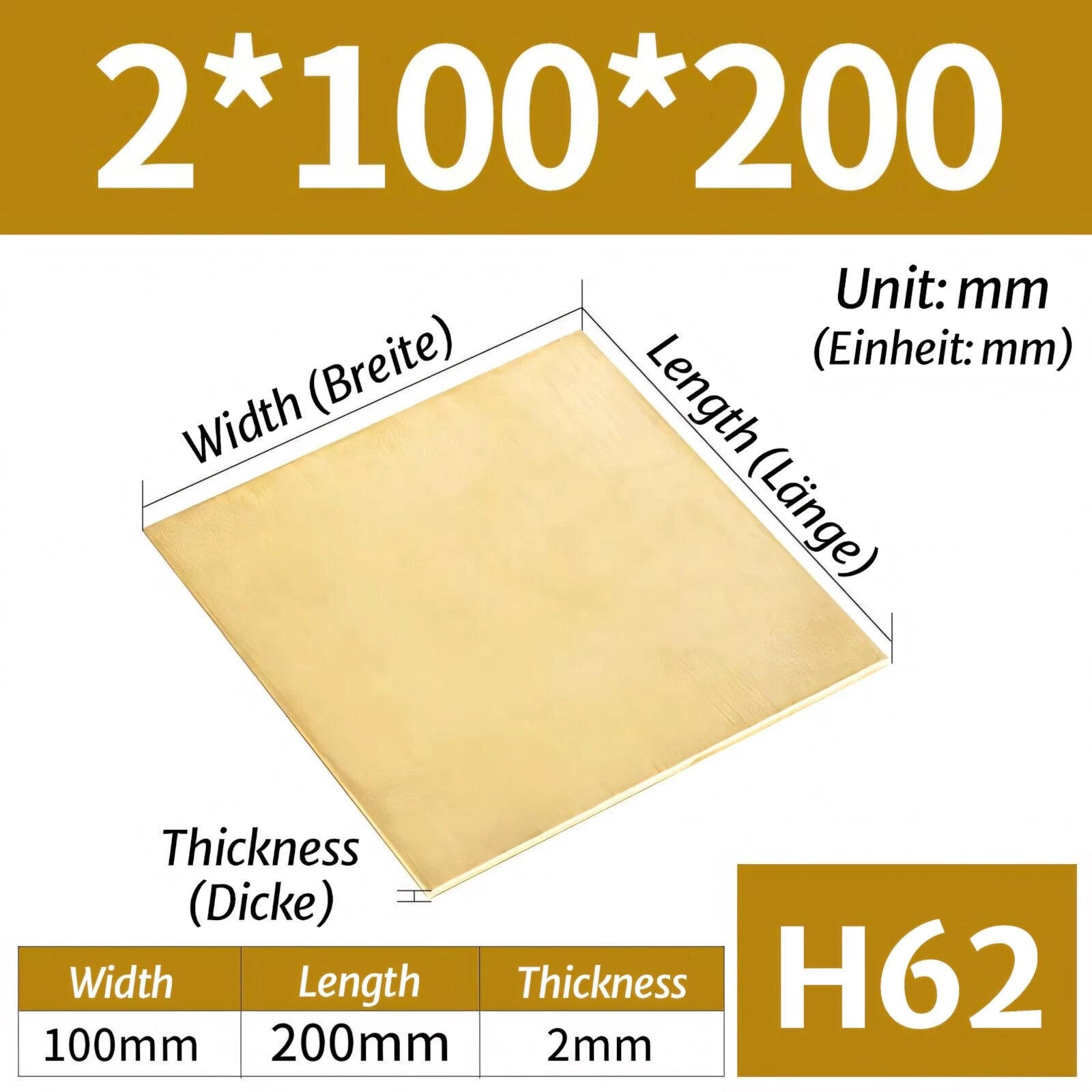
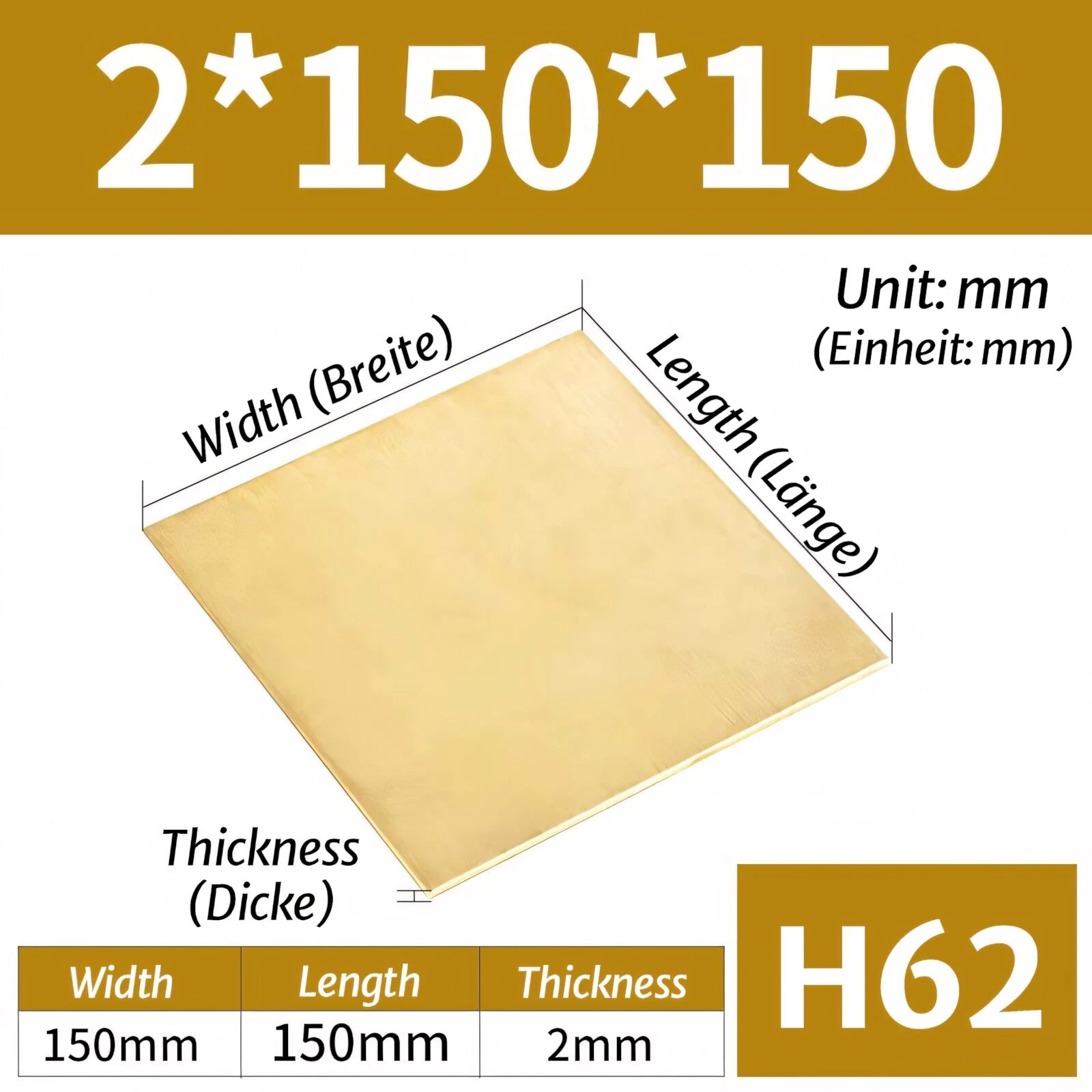
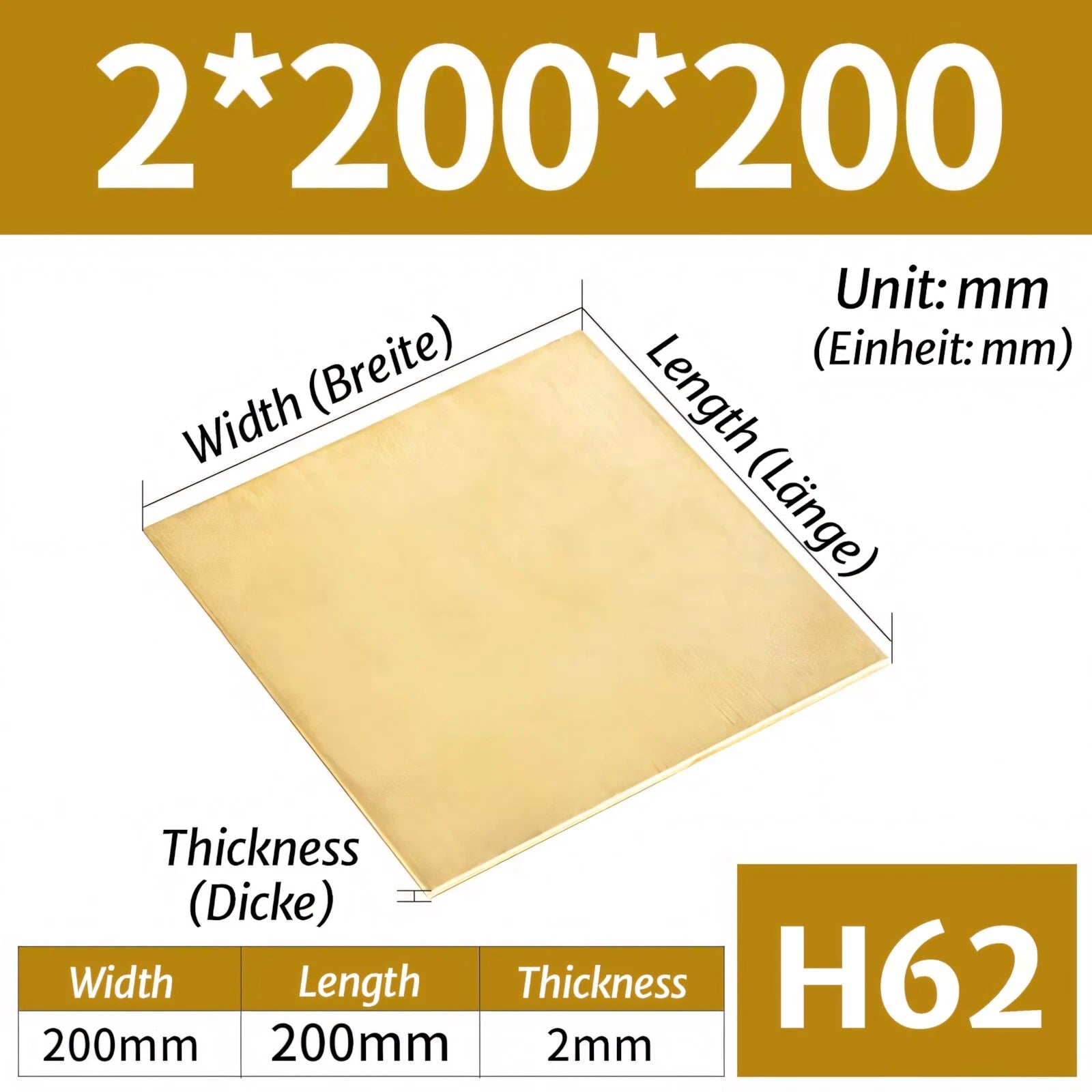
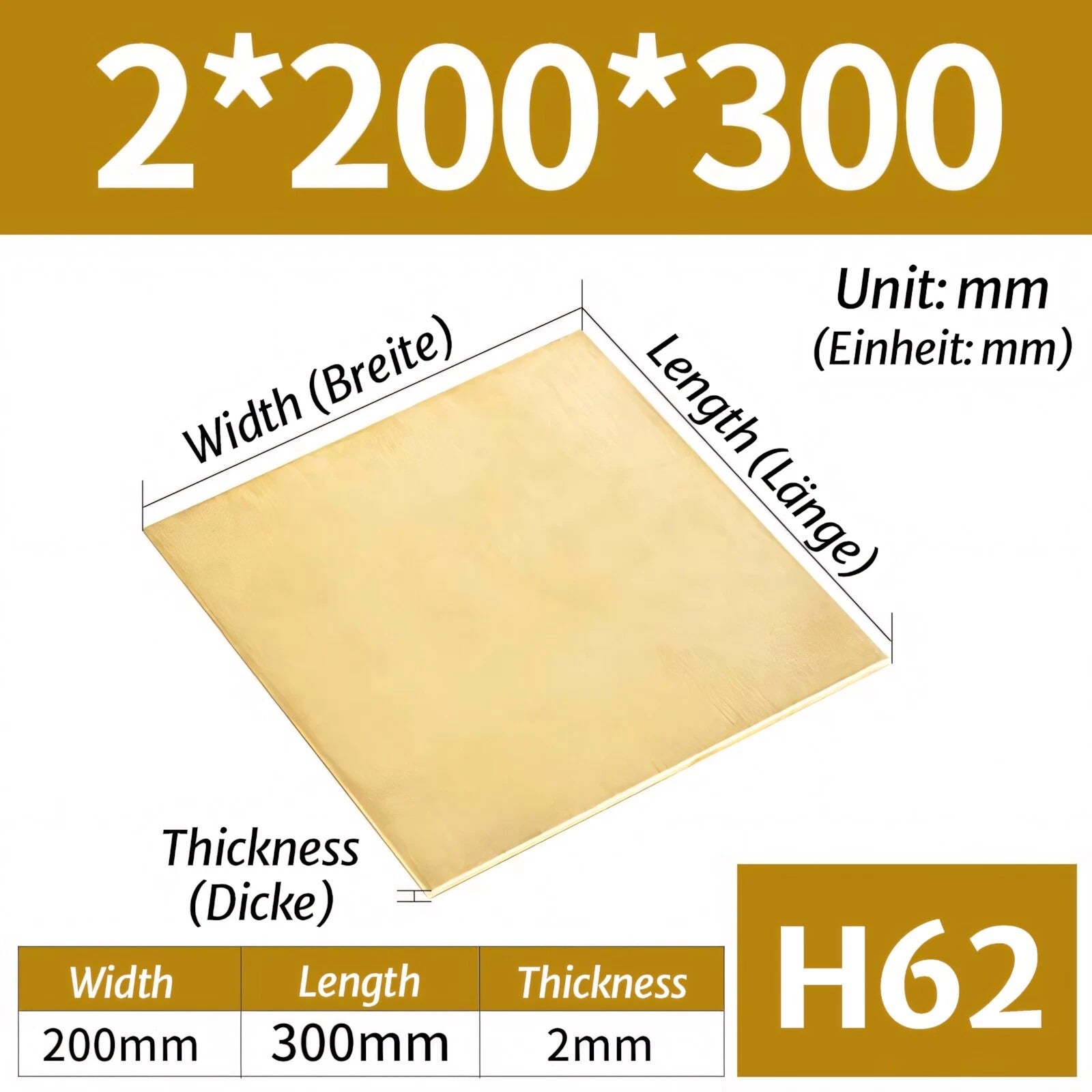
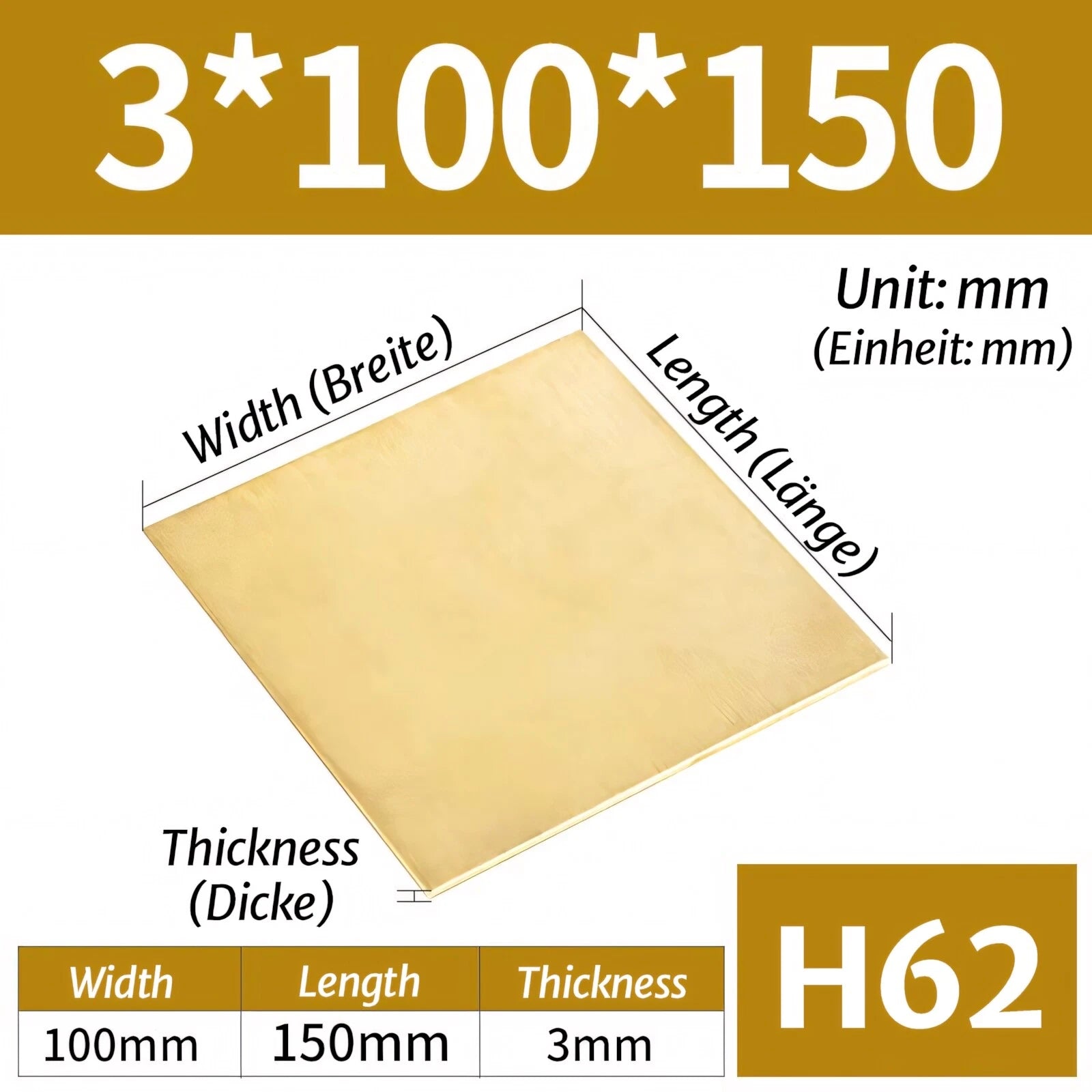
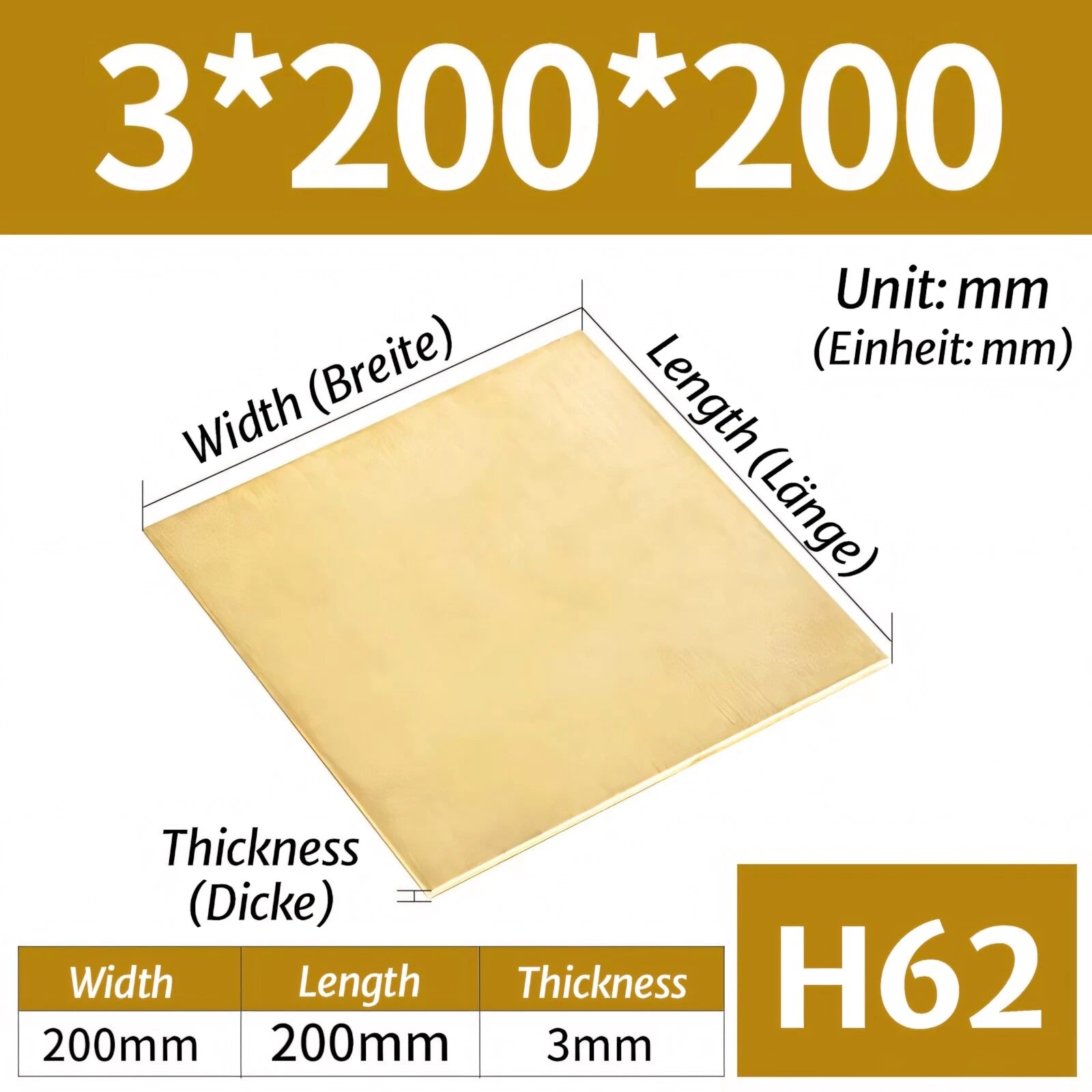
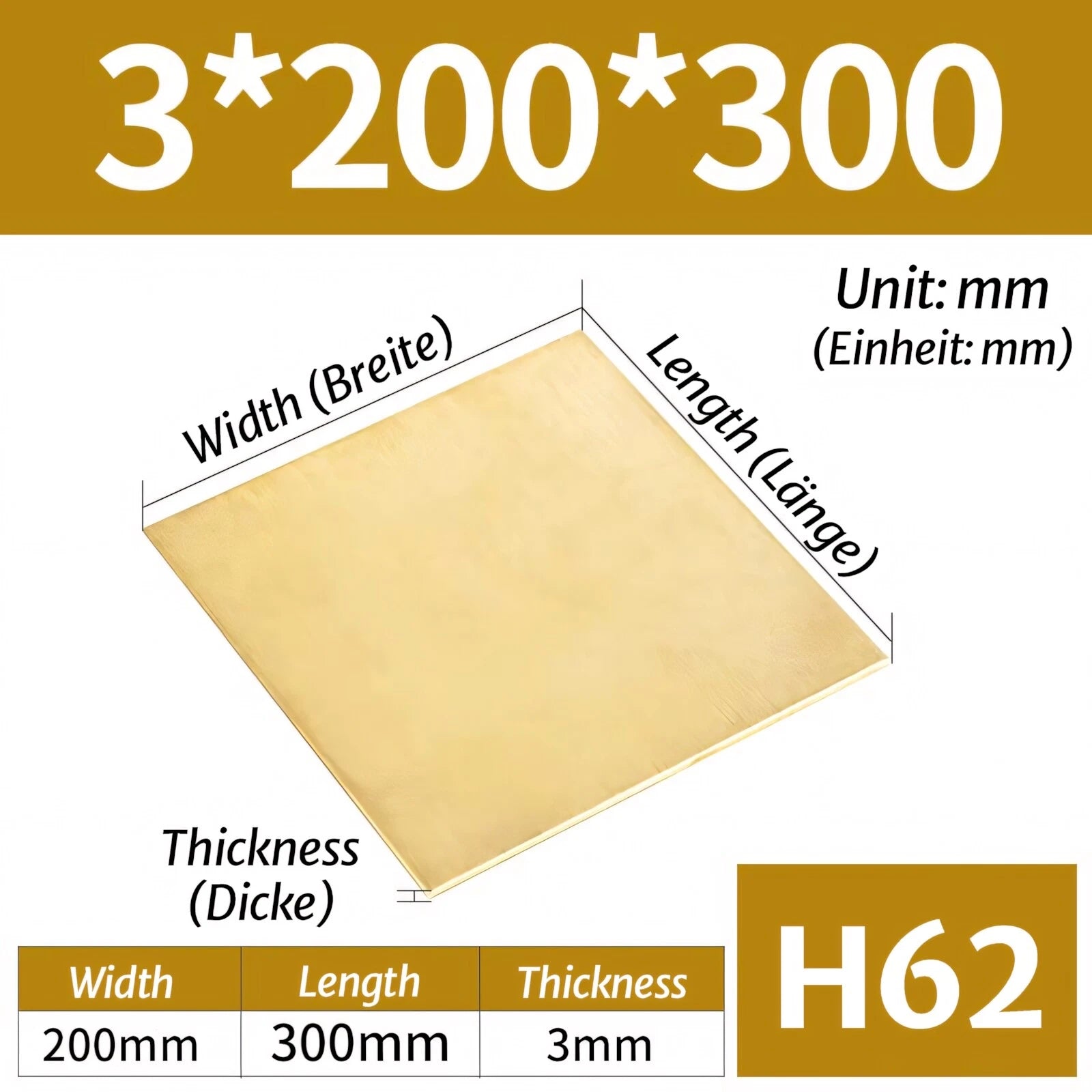
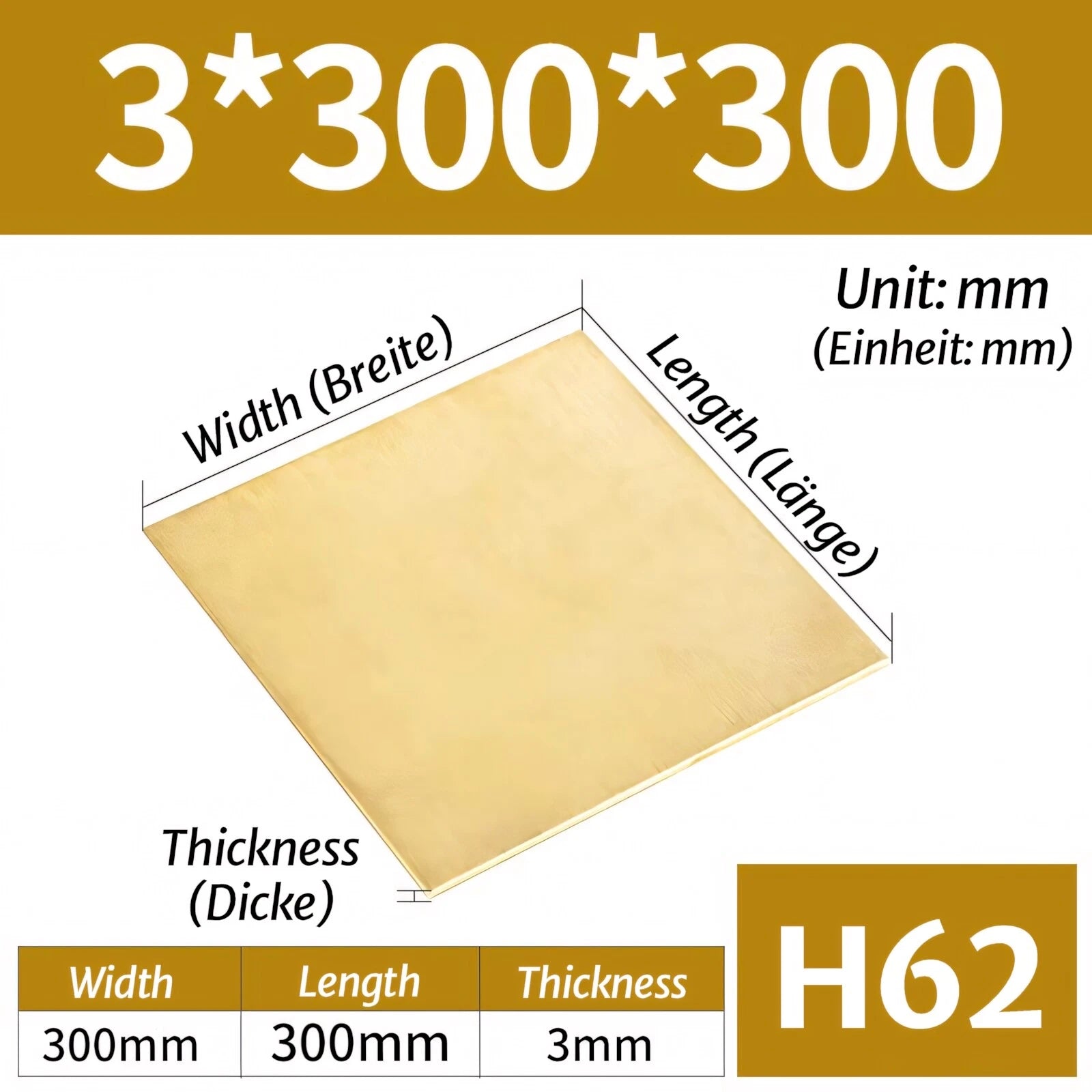
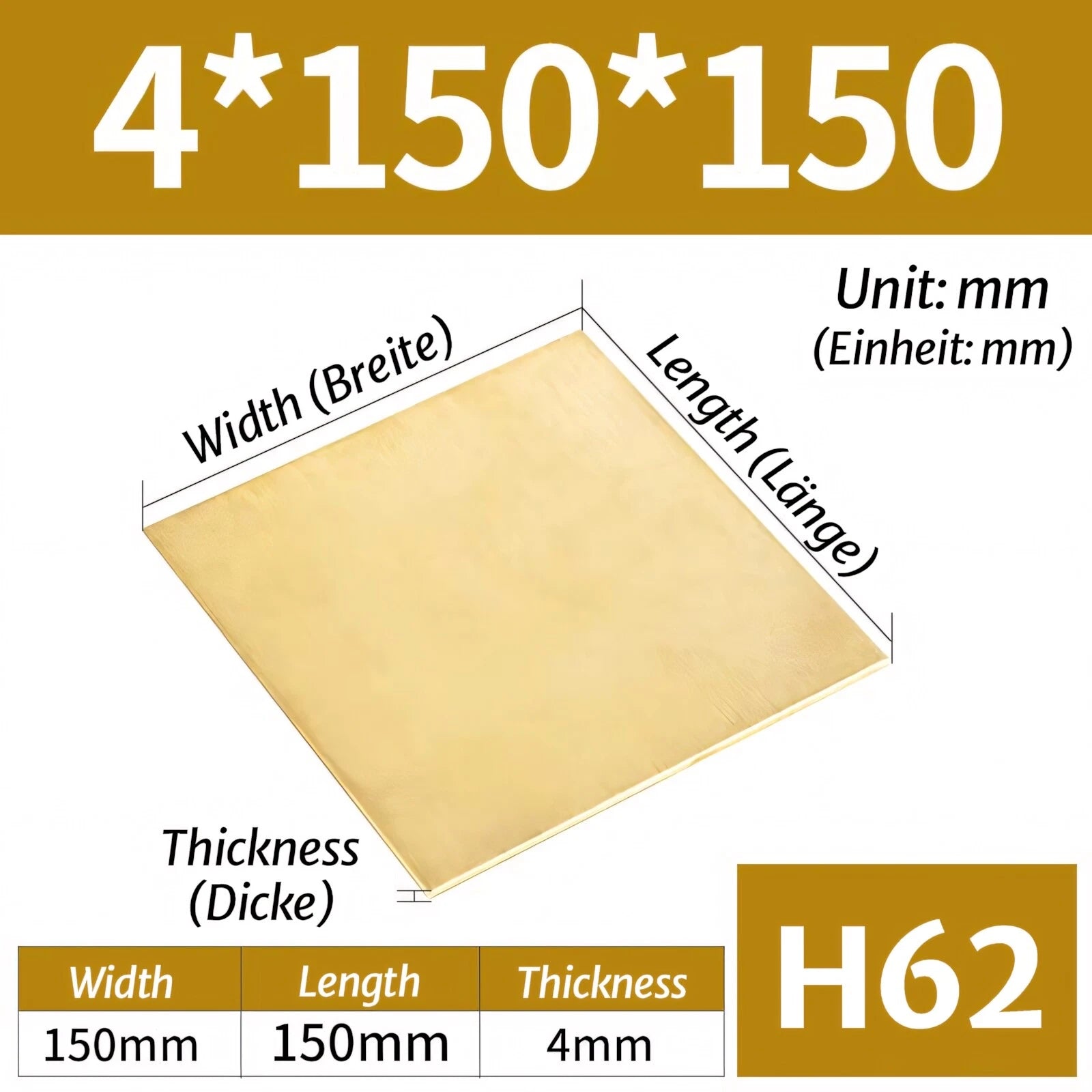
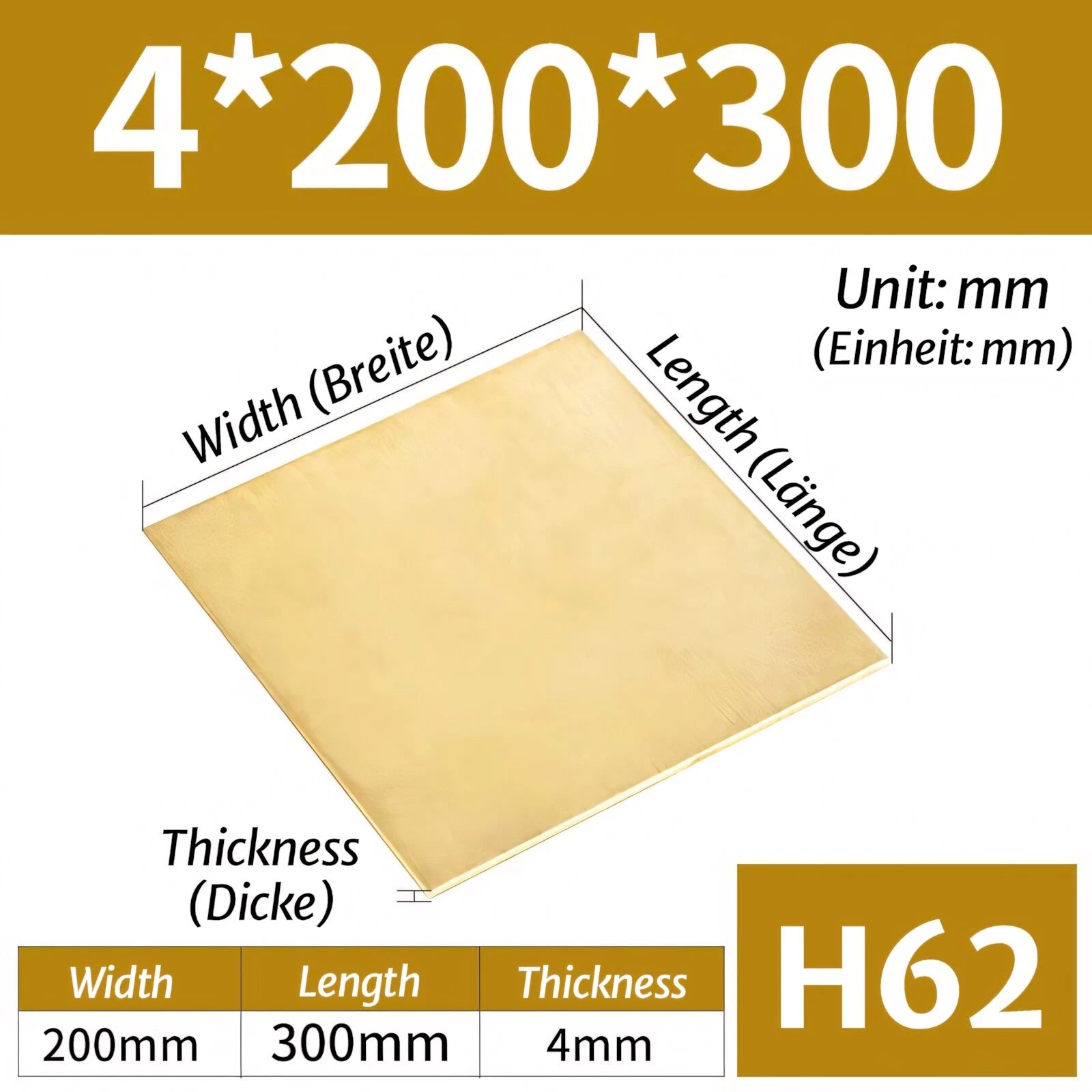
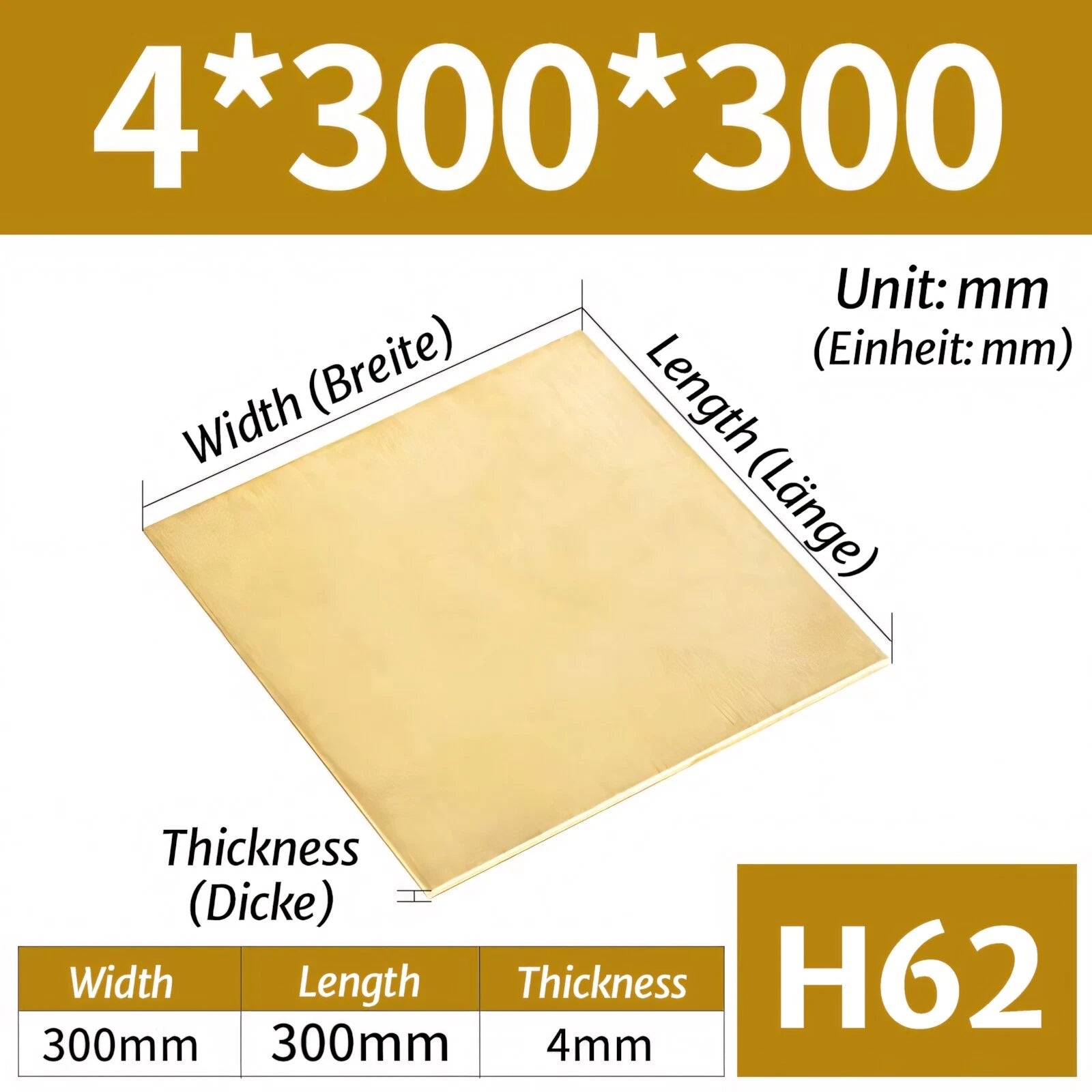
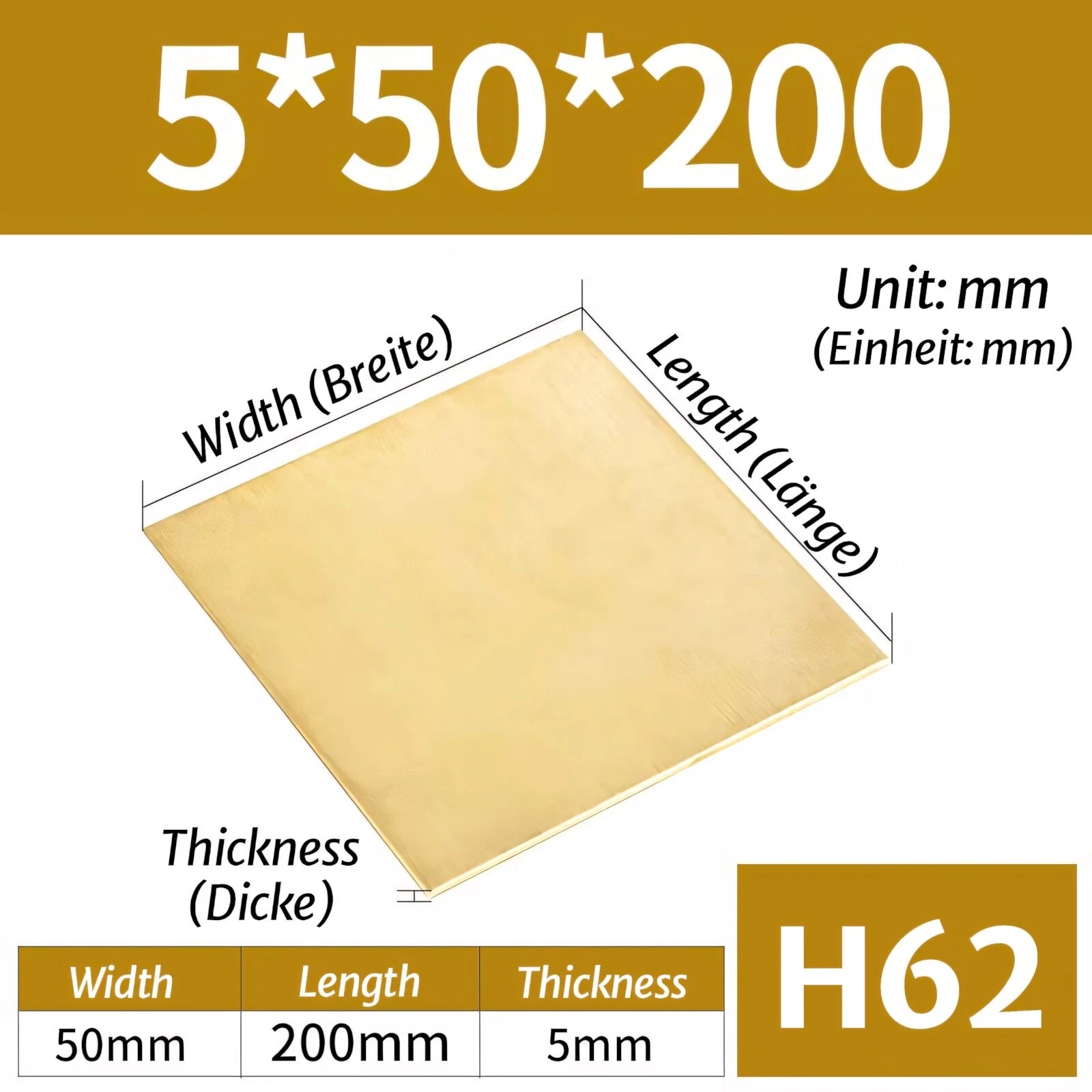
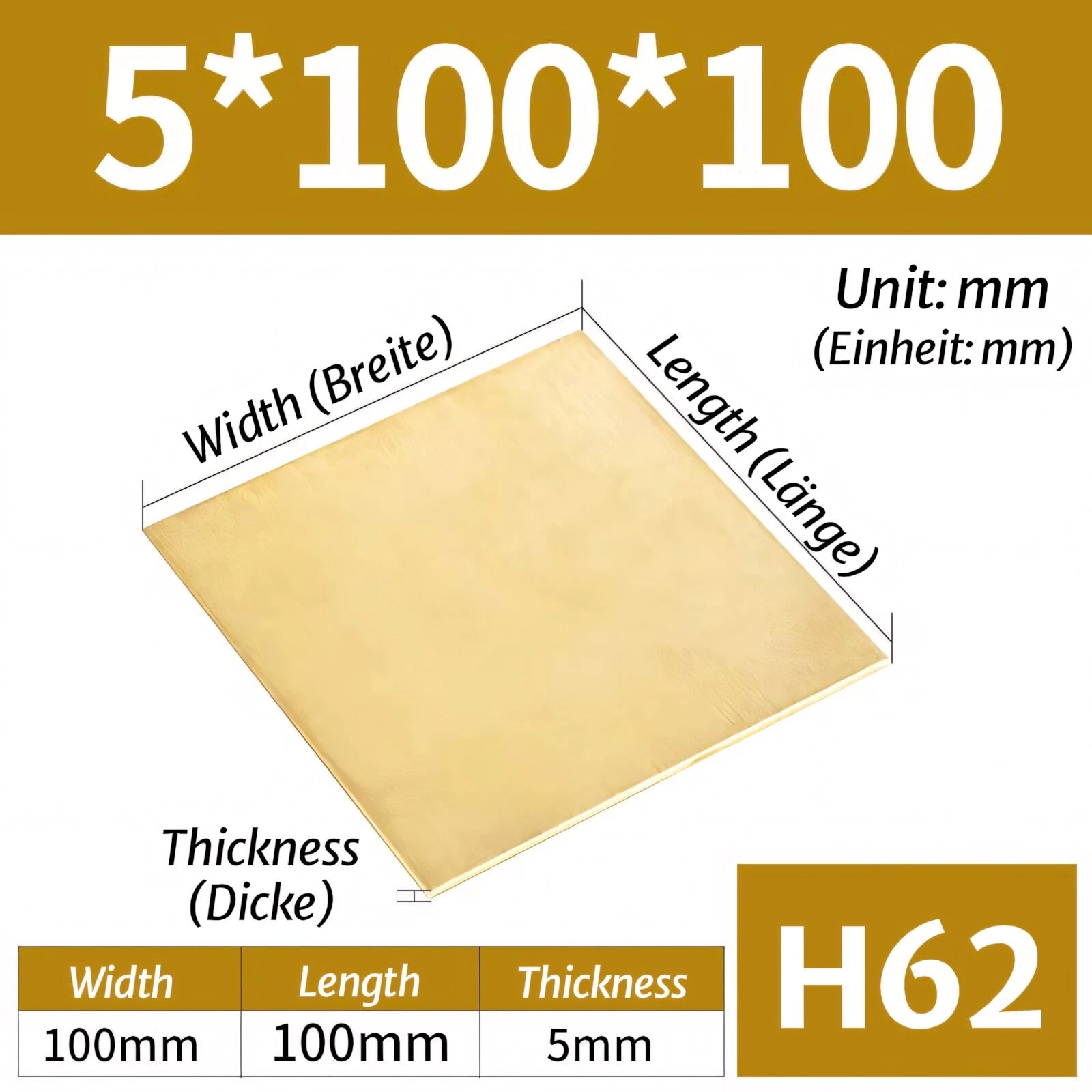
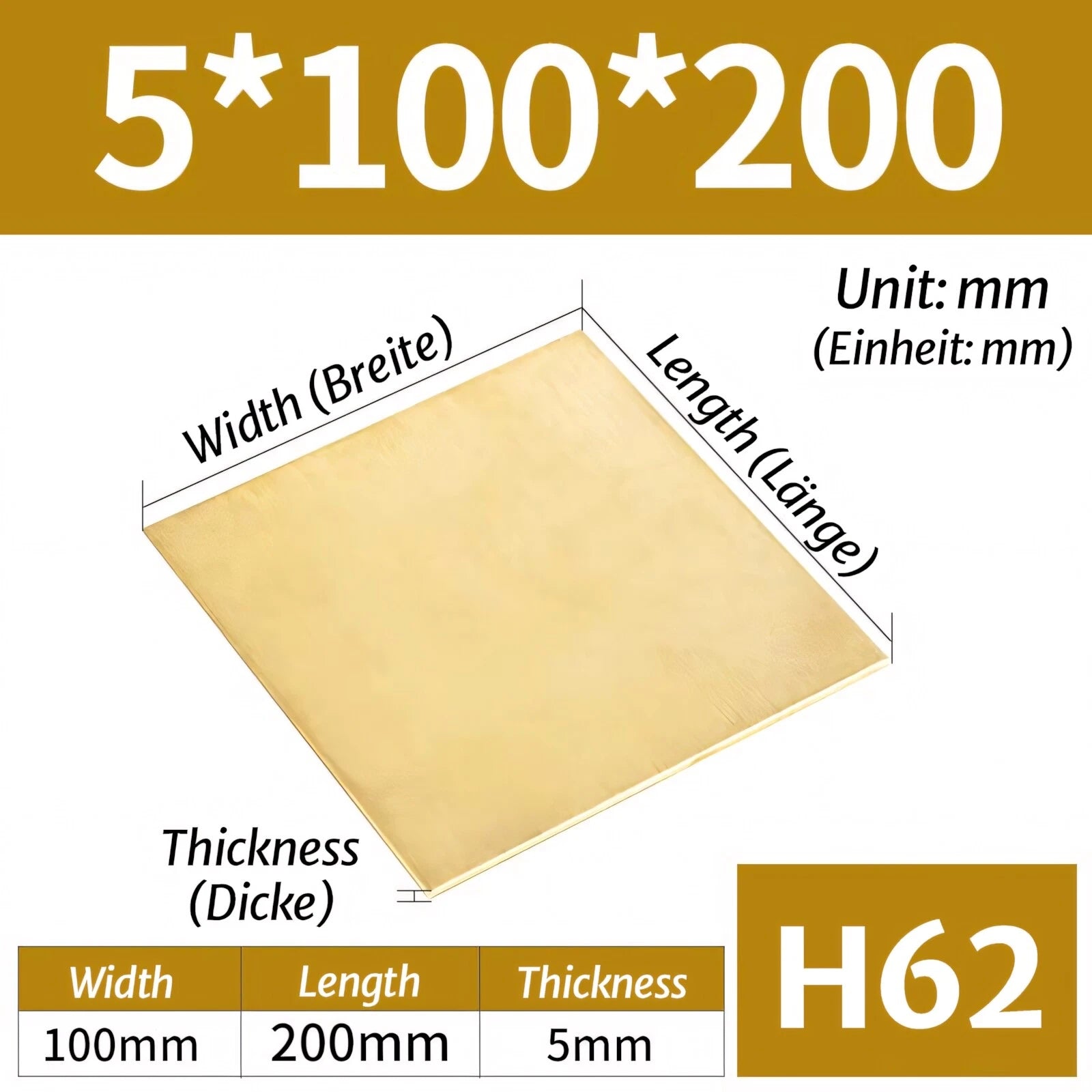
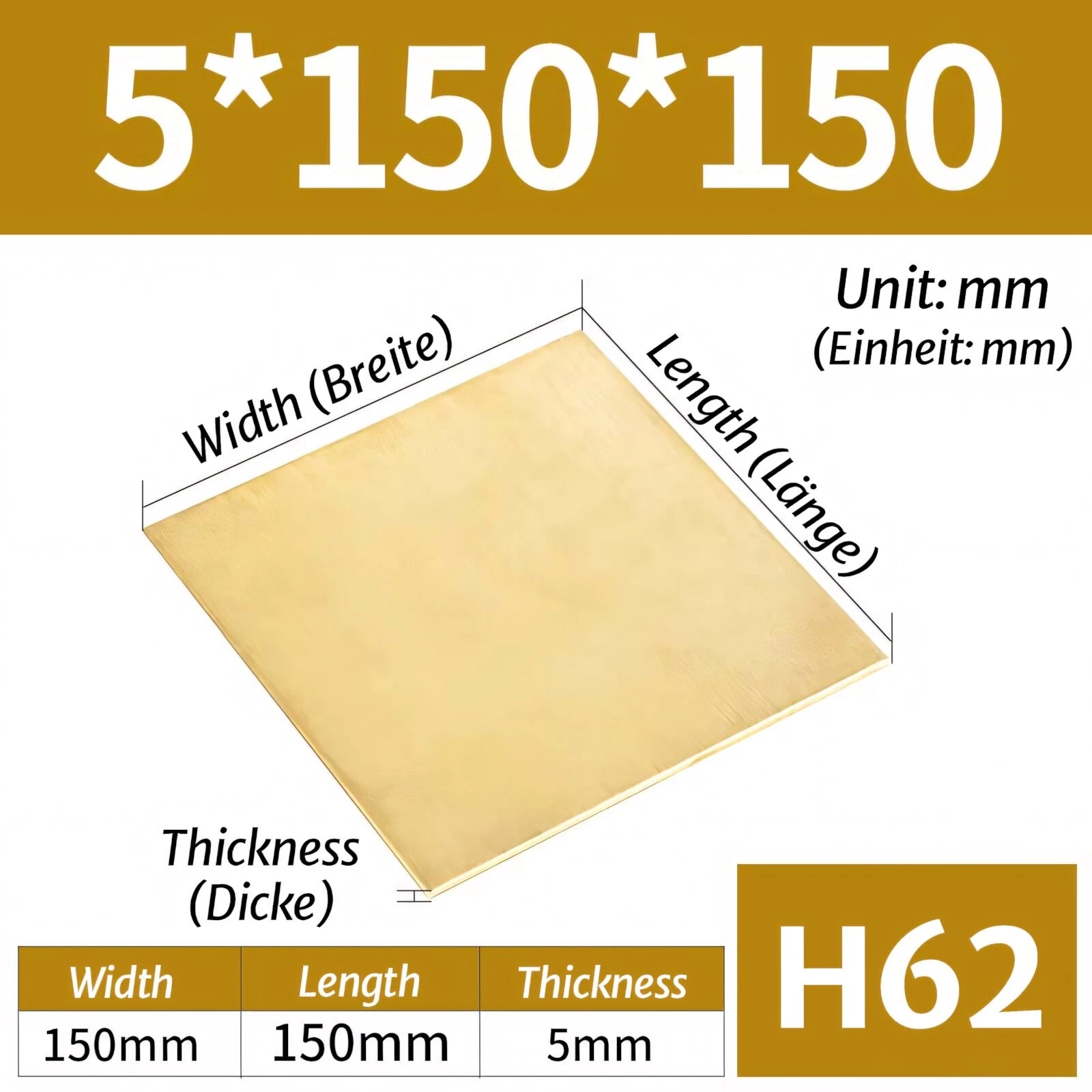
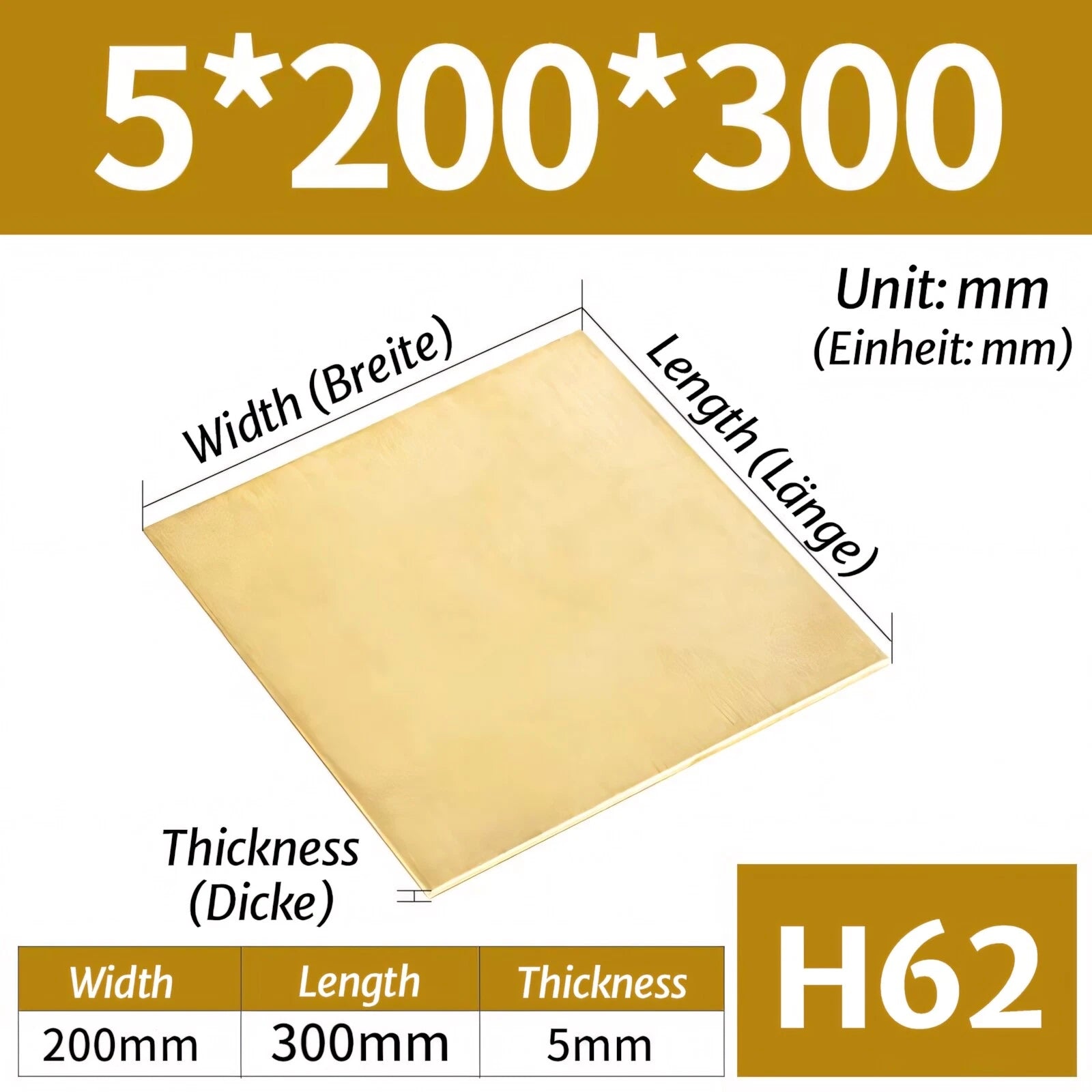
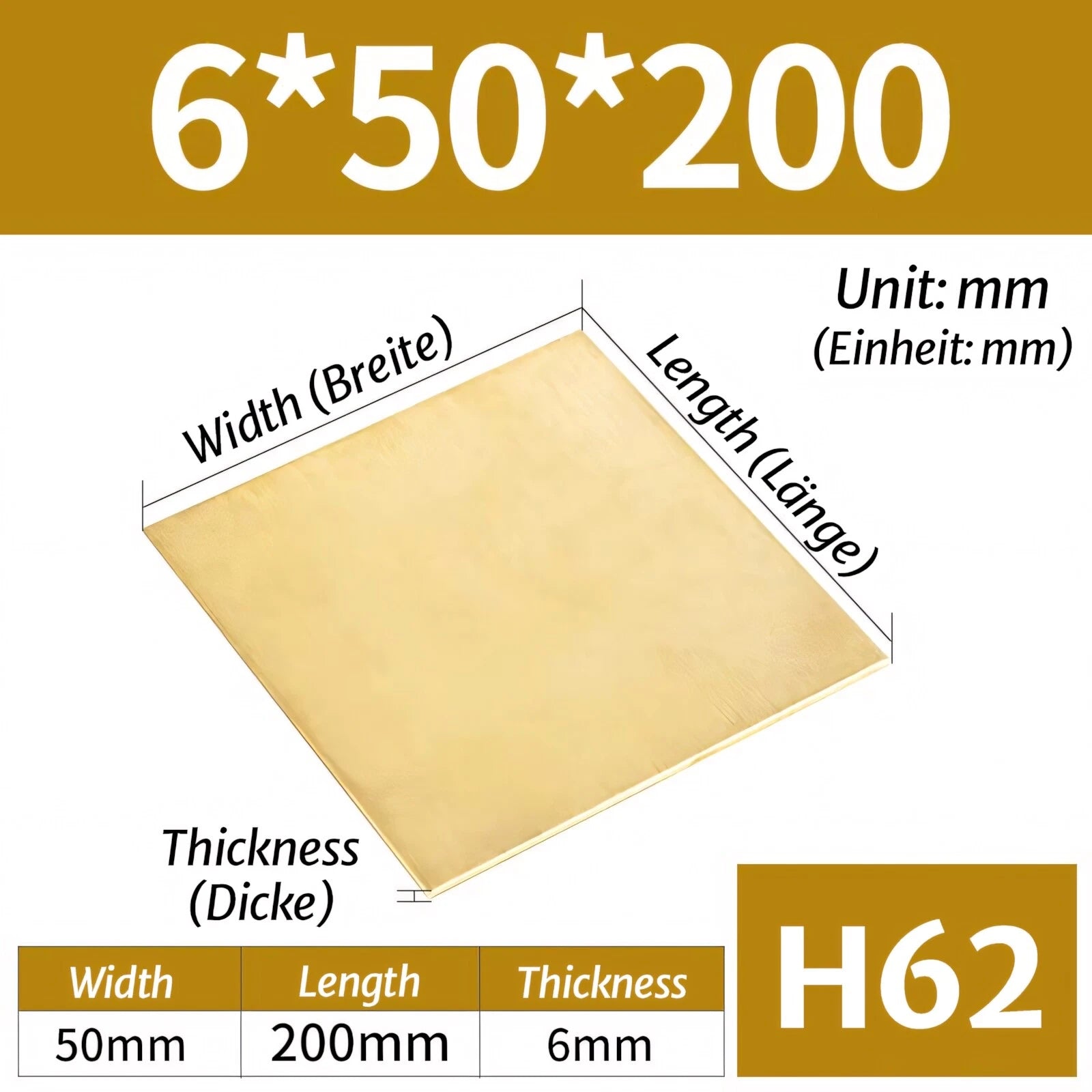
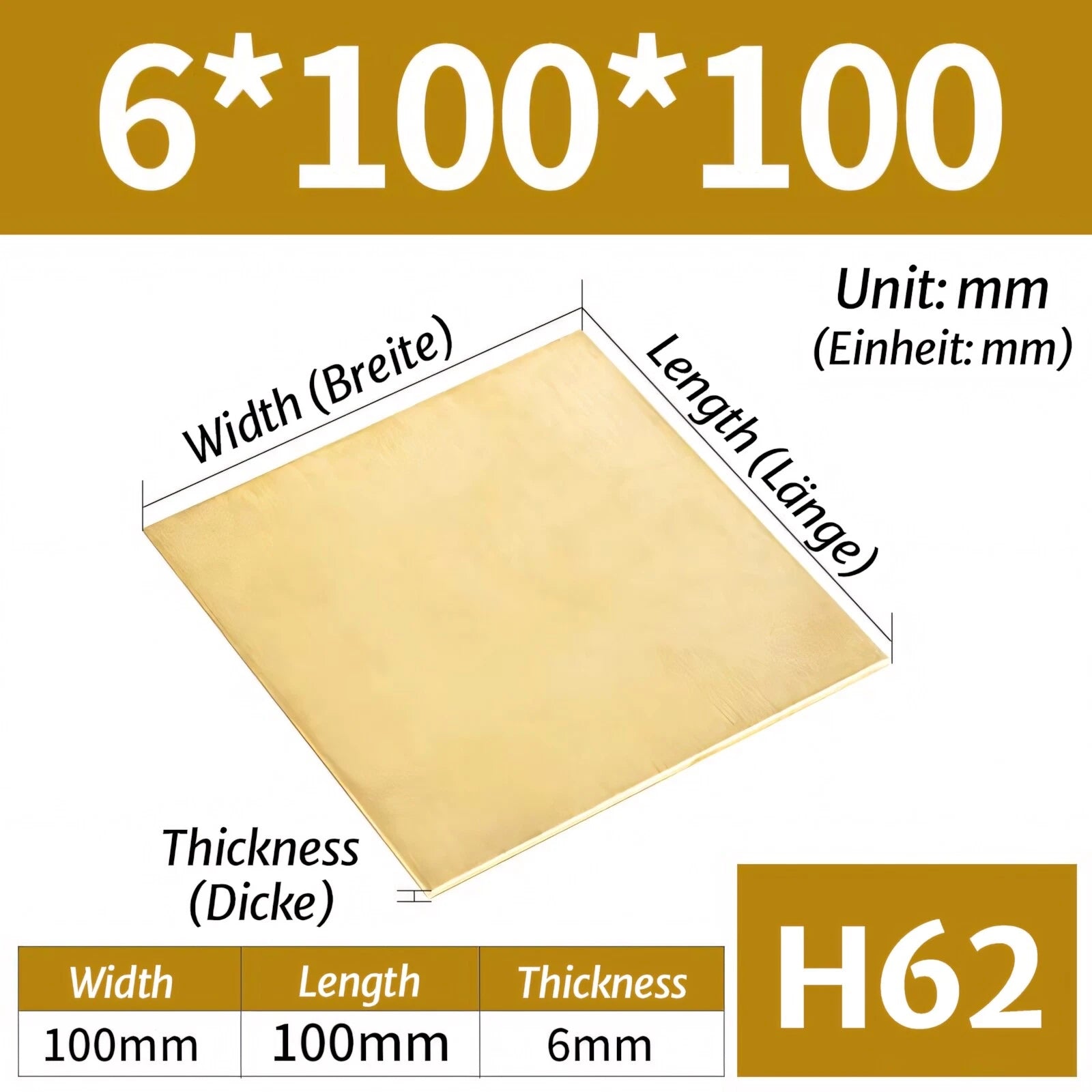
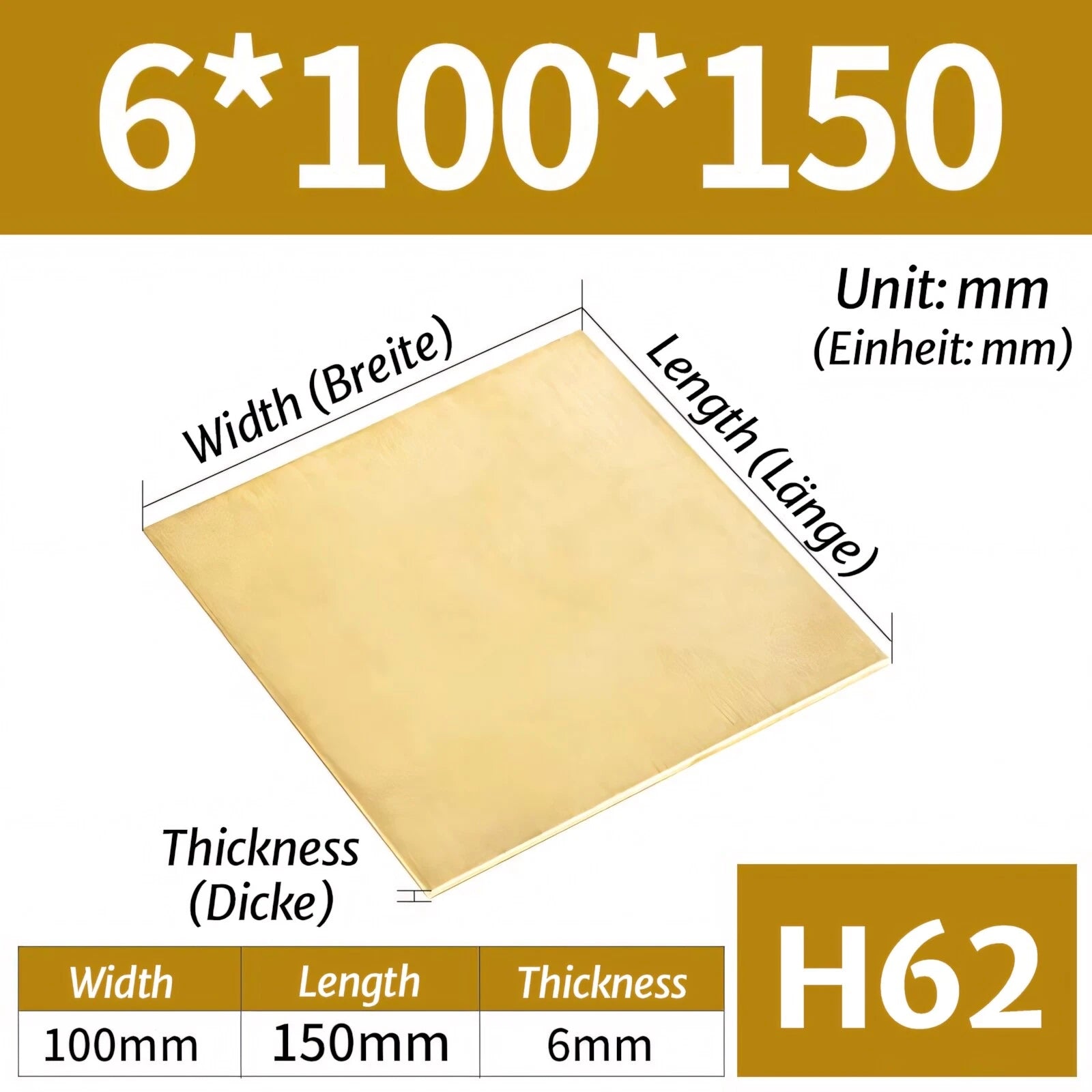
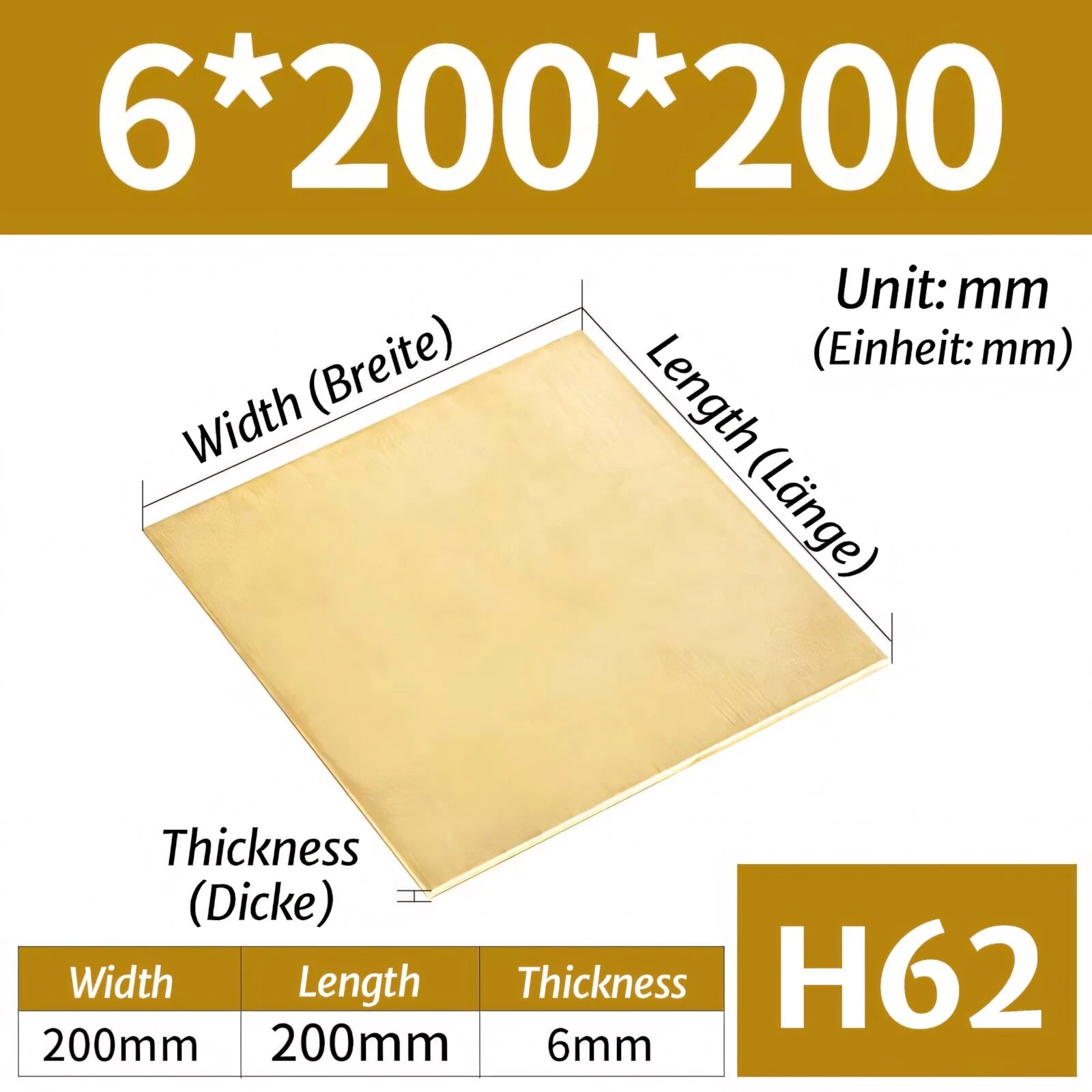
H62 Brass Sheet Plate Guillotine Offcuts, Various Multiple Sizes 0.3mm-8mm Thick

No reviews

Price:
Sale price$7.18 USD
Stock:
In stock (500 units), ready to be shipped

Payment & Security

Ach Direct Debit Amazon American Express Apple Pay Bancontact BLIK Diners Club Discover EPS Google Pay iDEAL Wero JCB Maestro Mastercard Multibanco MobilePay PayPal Przelewy24 Shop Pay Twint Union Pay USDC Visa

Your payment information is processed securely. We do not store credit card details nor have access to your credit card information.

Limited Offer — Spend More, Save More
Spend $55+
Save $5
Spend $100+
Save $10
Spend $200+
Save $25
HomeDIYer DIY Expert Support

DIY Expert Support

Get fitment advice & recommendations

Mon–Fri  8:30 AM – 8:00 PM
24-Hour Fast Ship
Arrives in 3–14 Days
Worldwide Shipping
30-Day Returns
1 tree planted with every purchase

Description

H62 Brass Sheet Plate Guillotine Offcuts — Versatile Flat Stock for Makers & Metalworkers

When your project demands a reliable, machinable flat metal stock and you can't justify buying a full sheet, these H62 brass sheet plate guillotine offcuts are exactly what you need. Designed for hobbyists, model engineers, jewellers, and small-workshop fabricators who want precise, ready-to-use pieces without the waste of oversized stock.

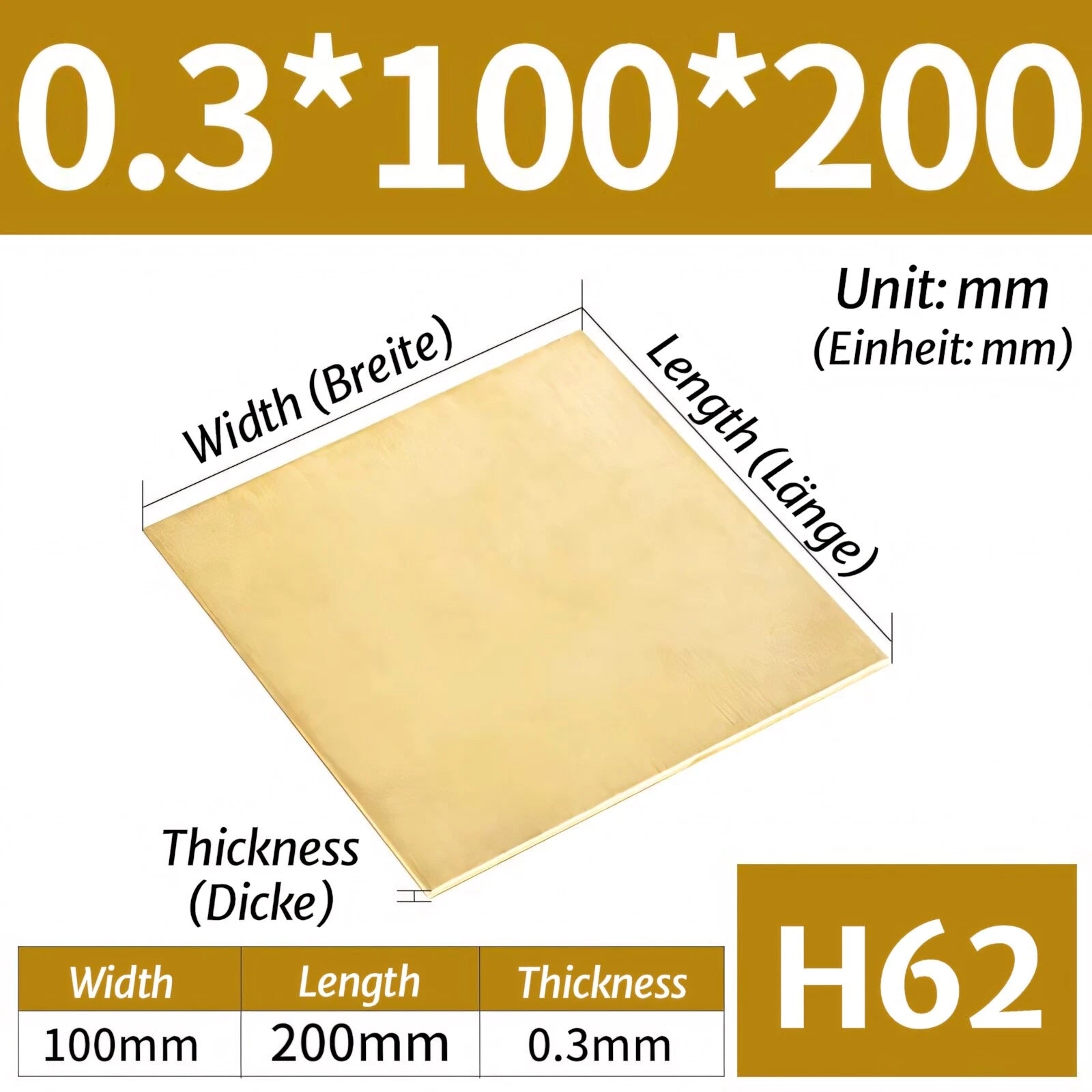
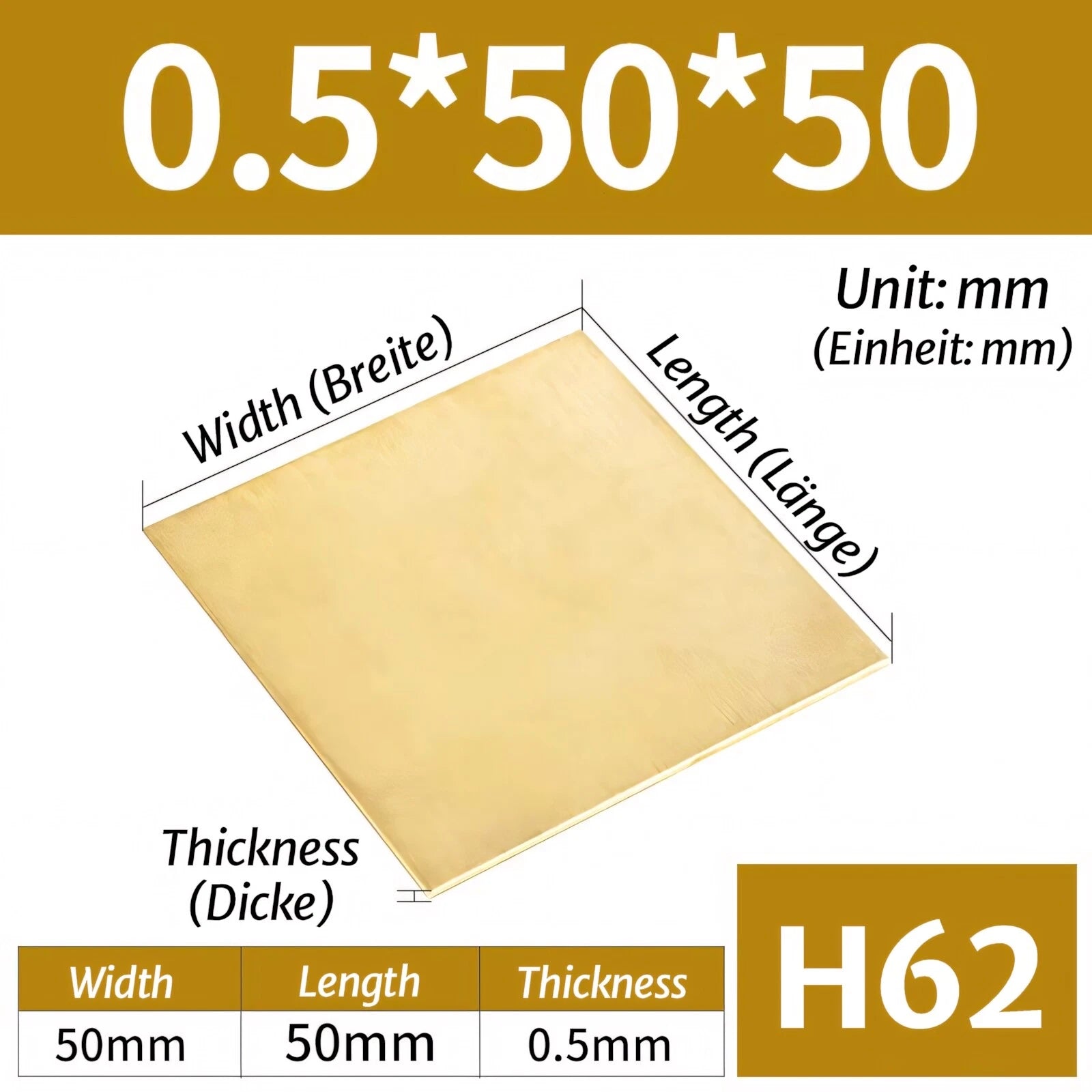
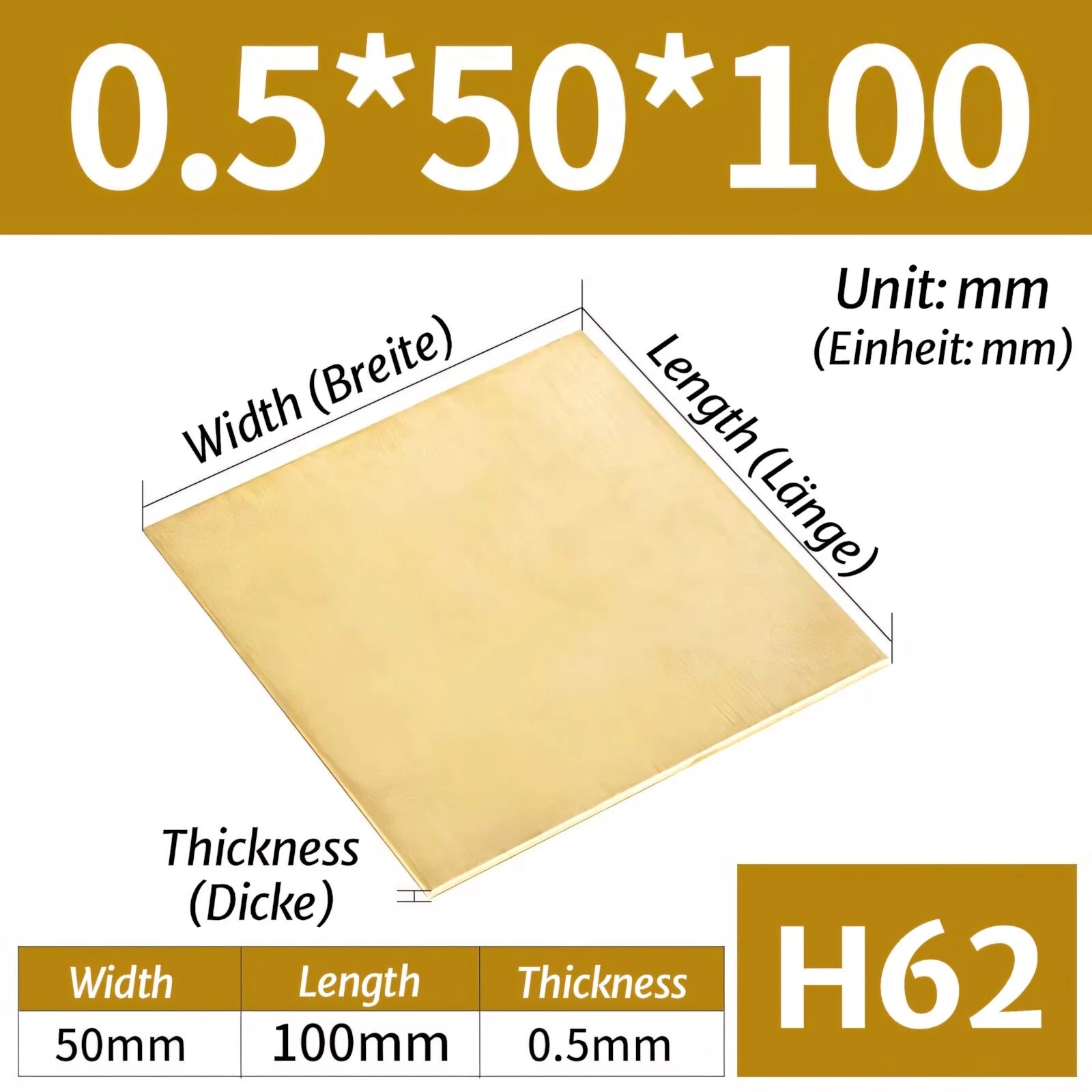
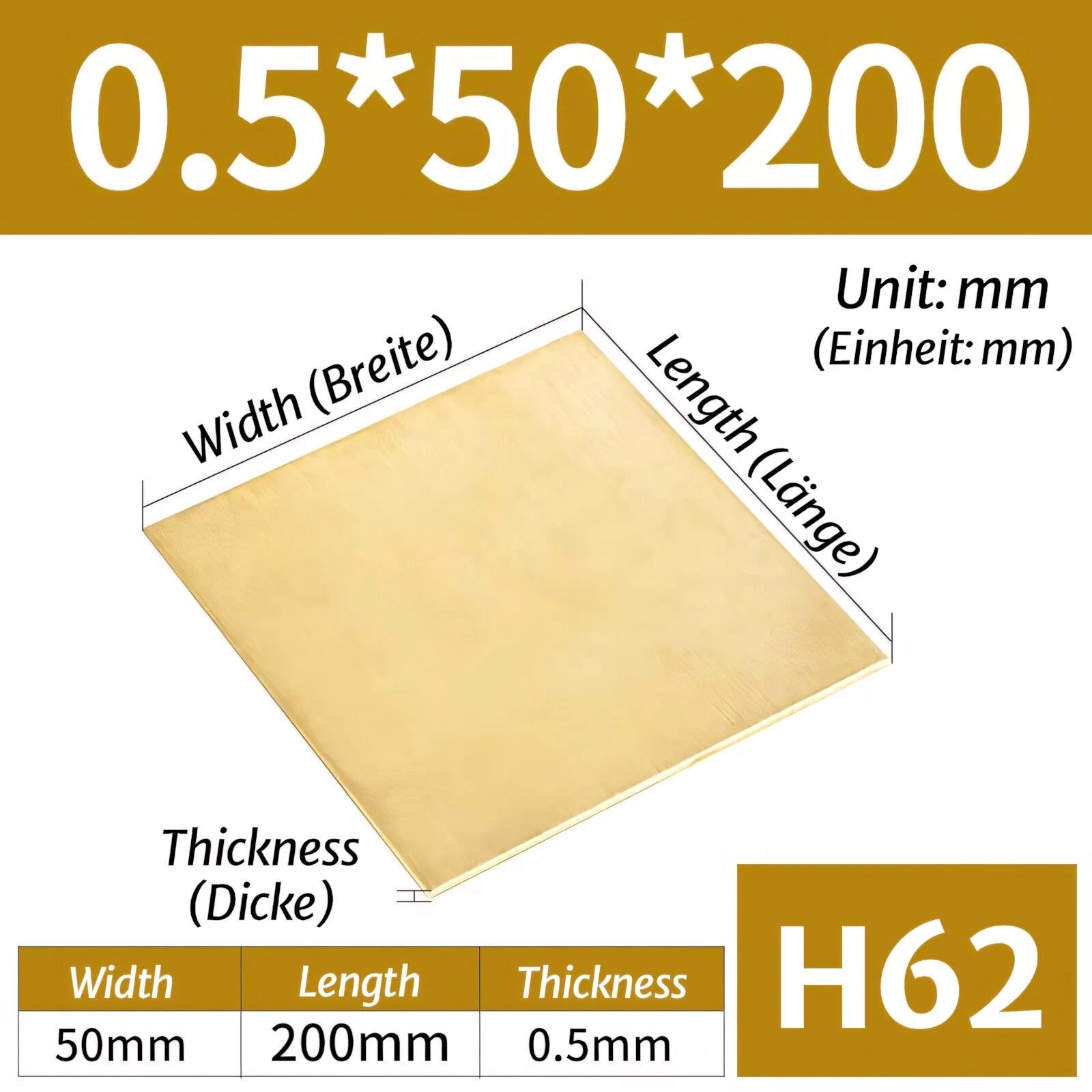
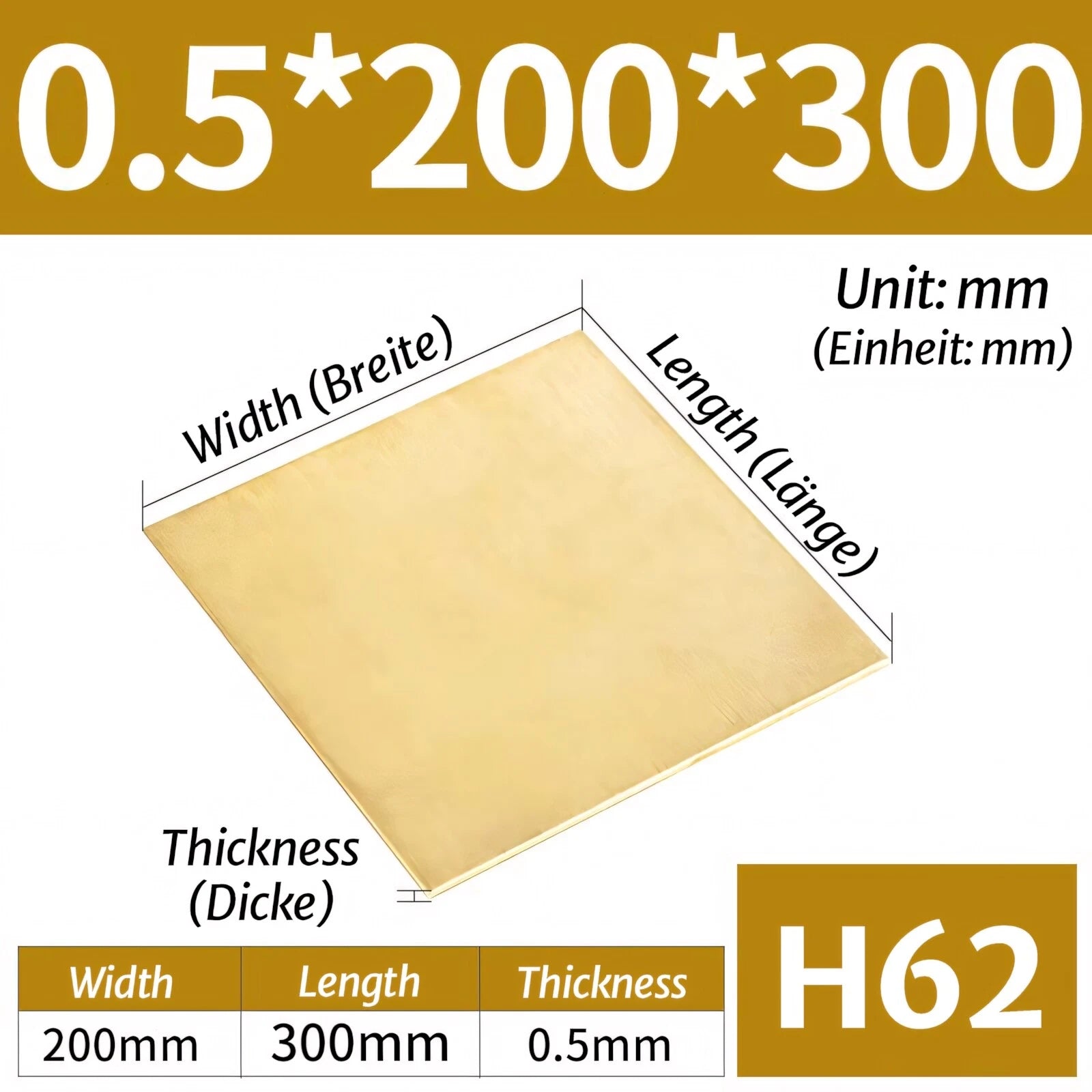
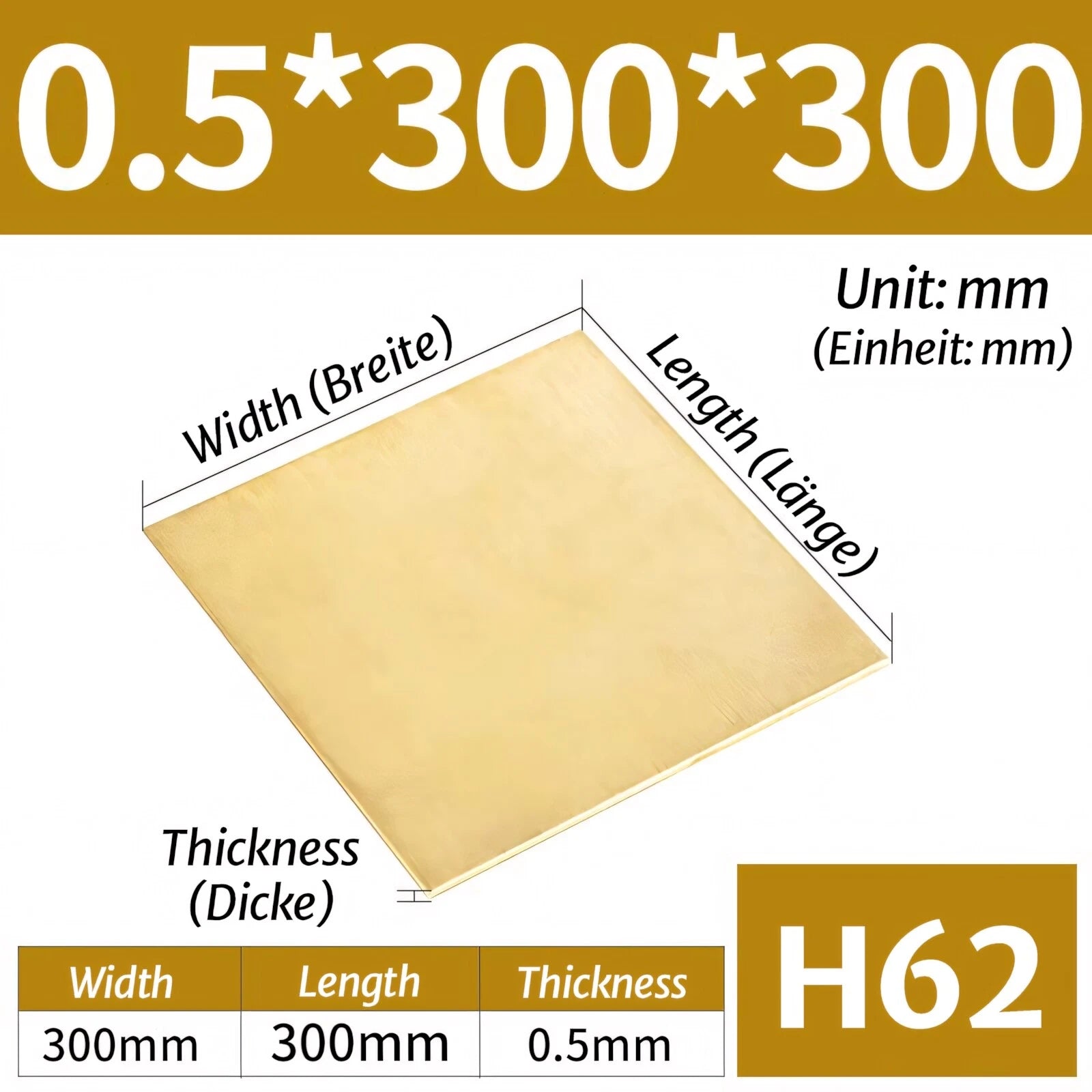
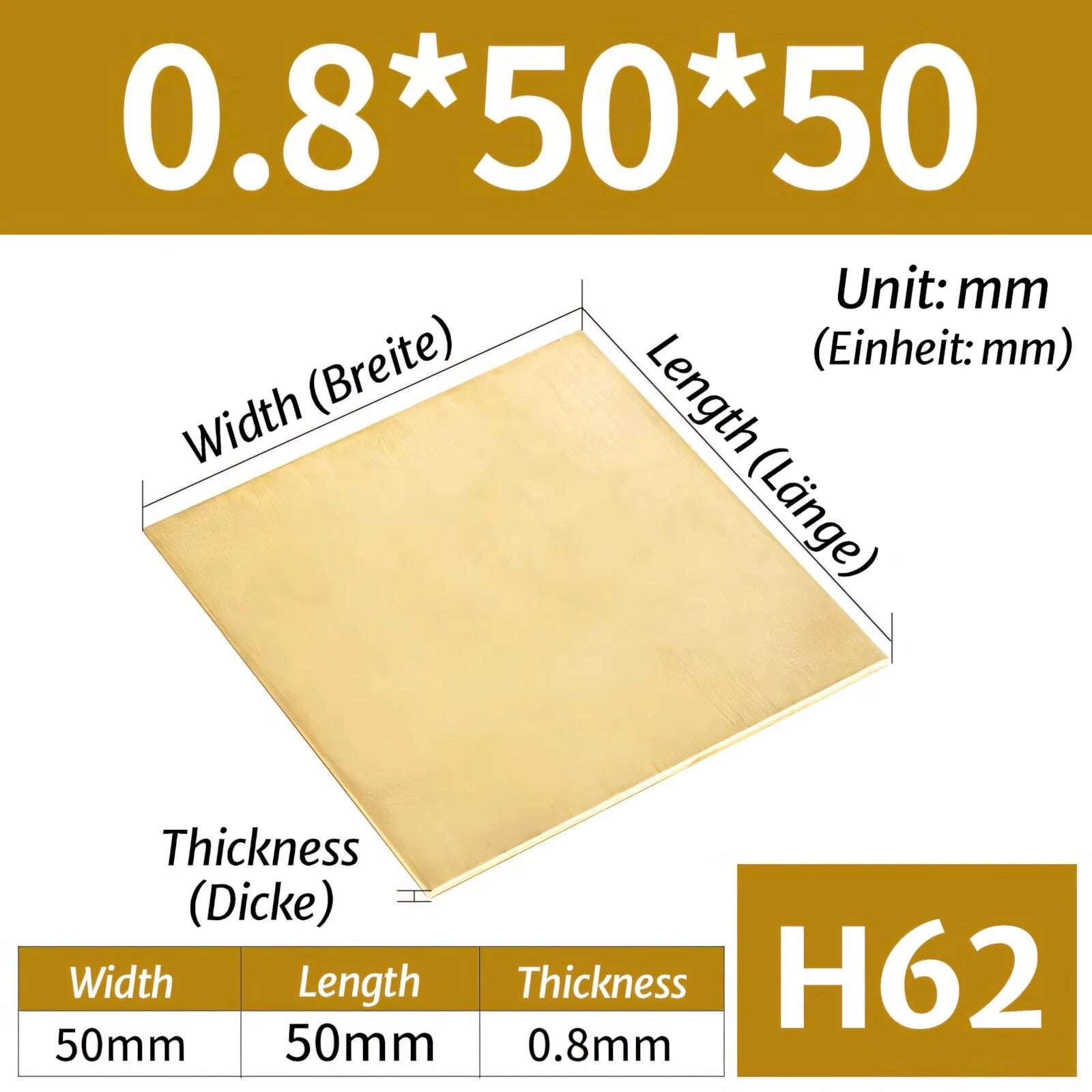
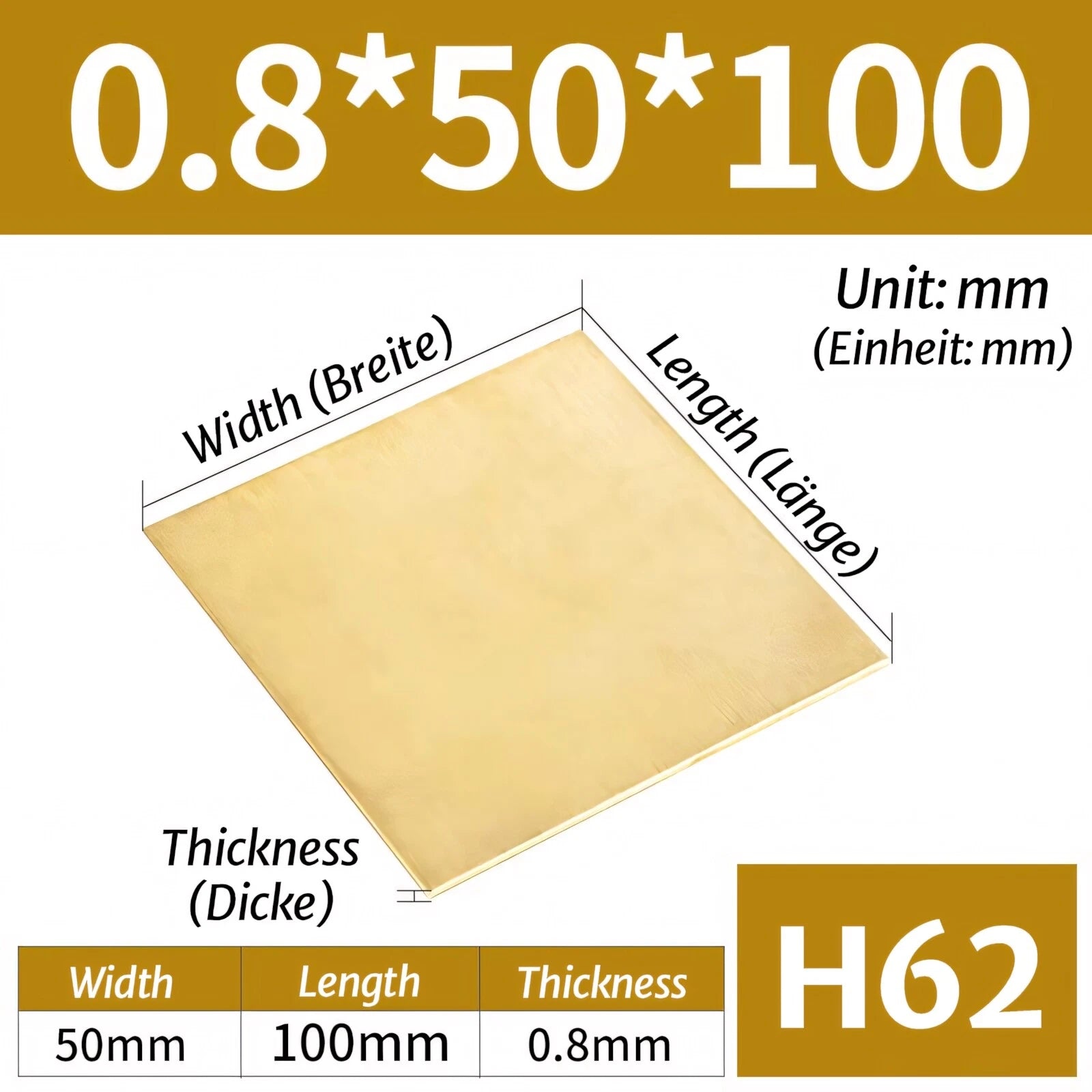
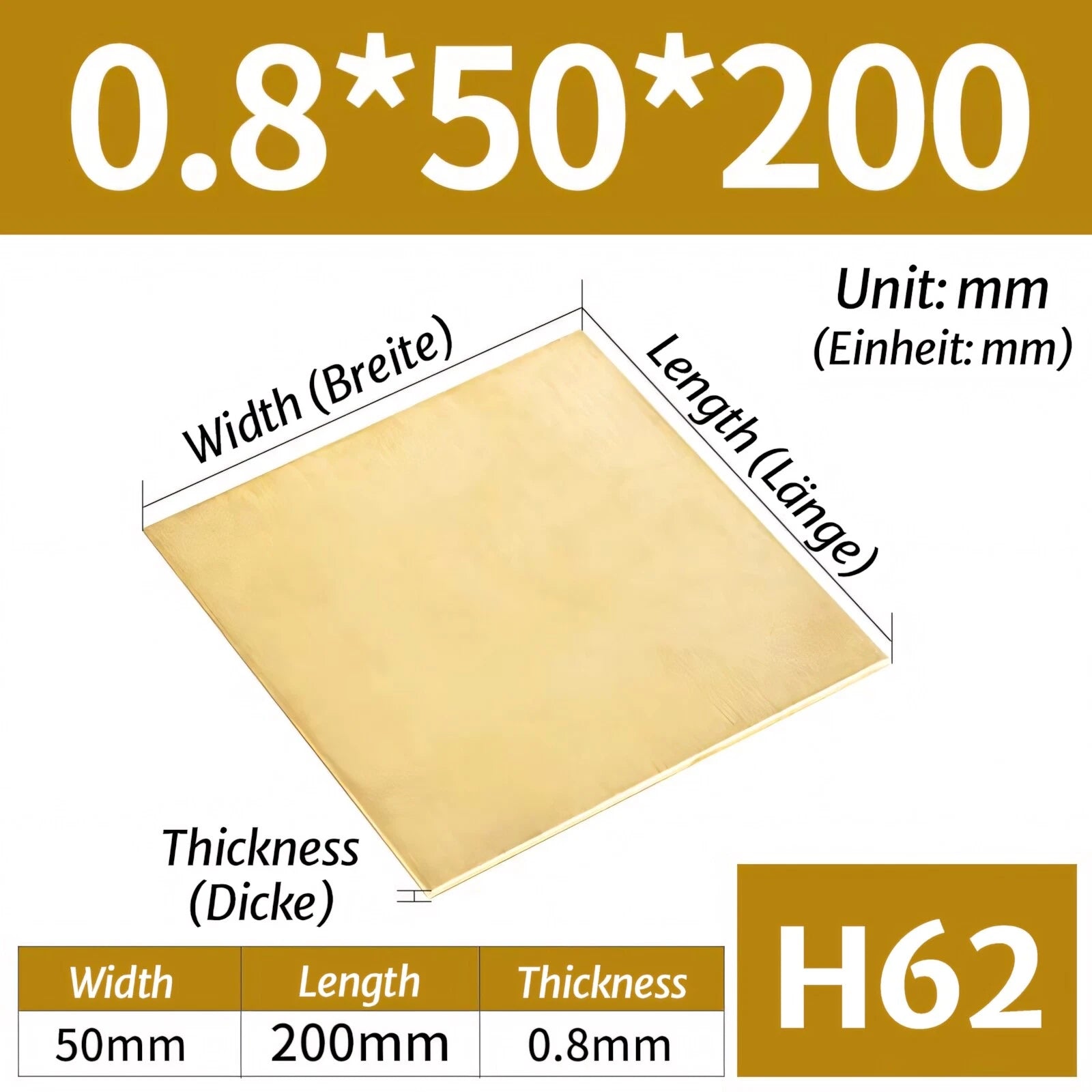
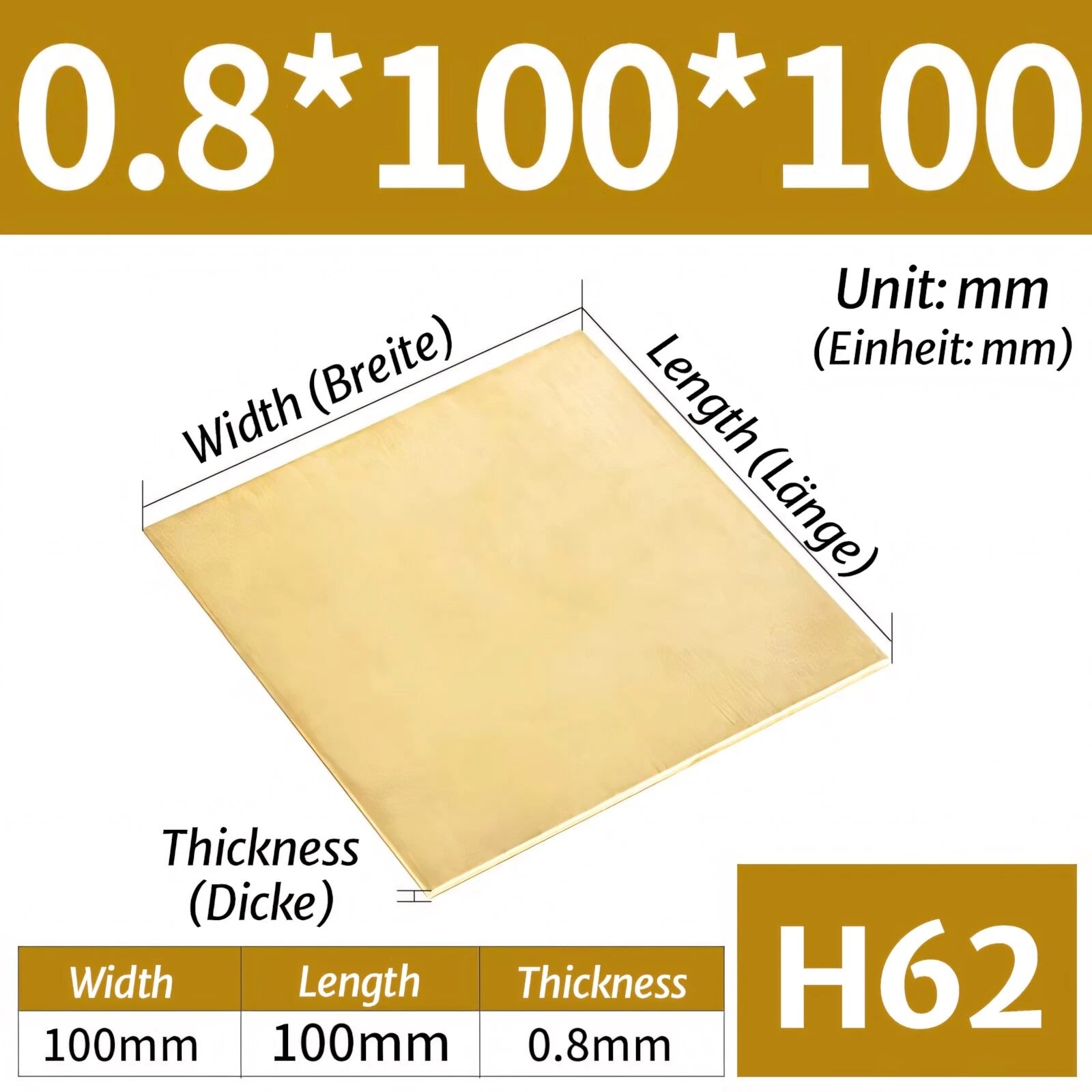
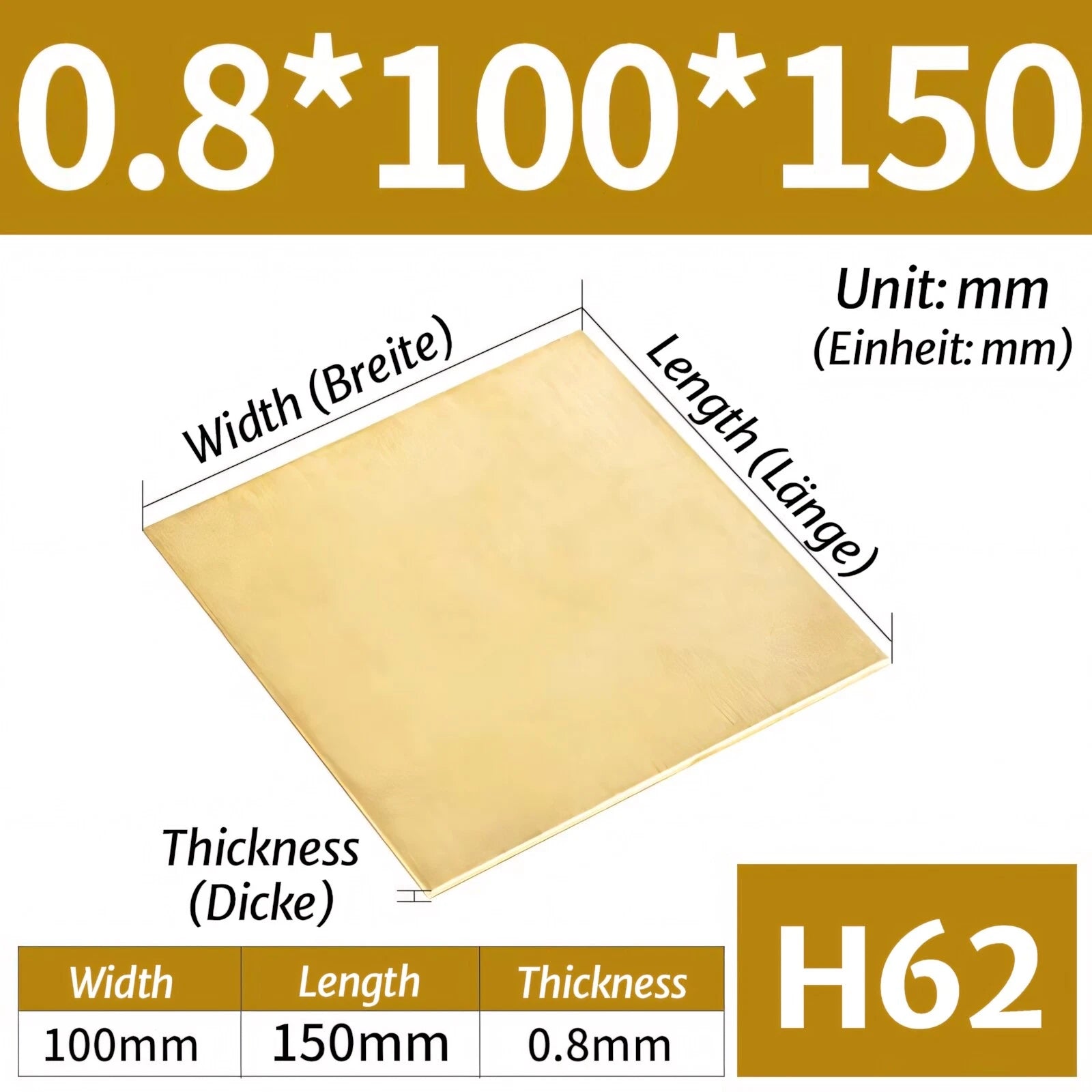
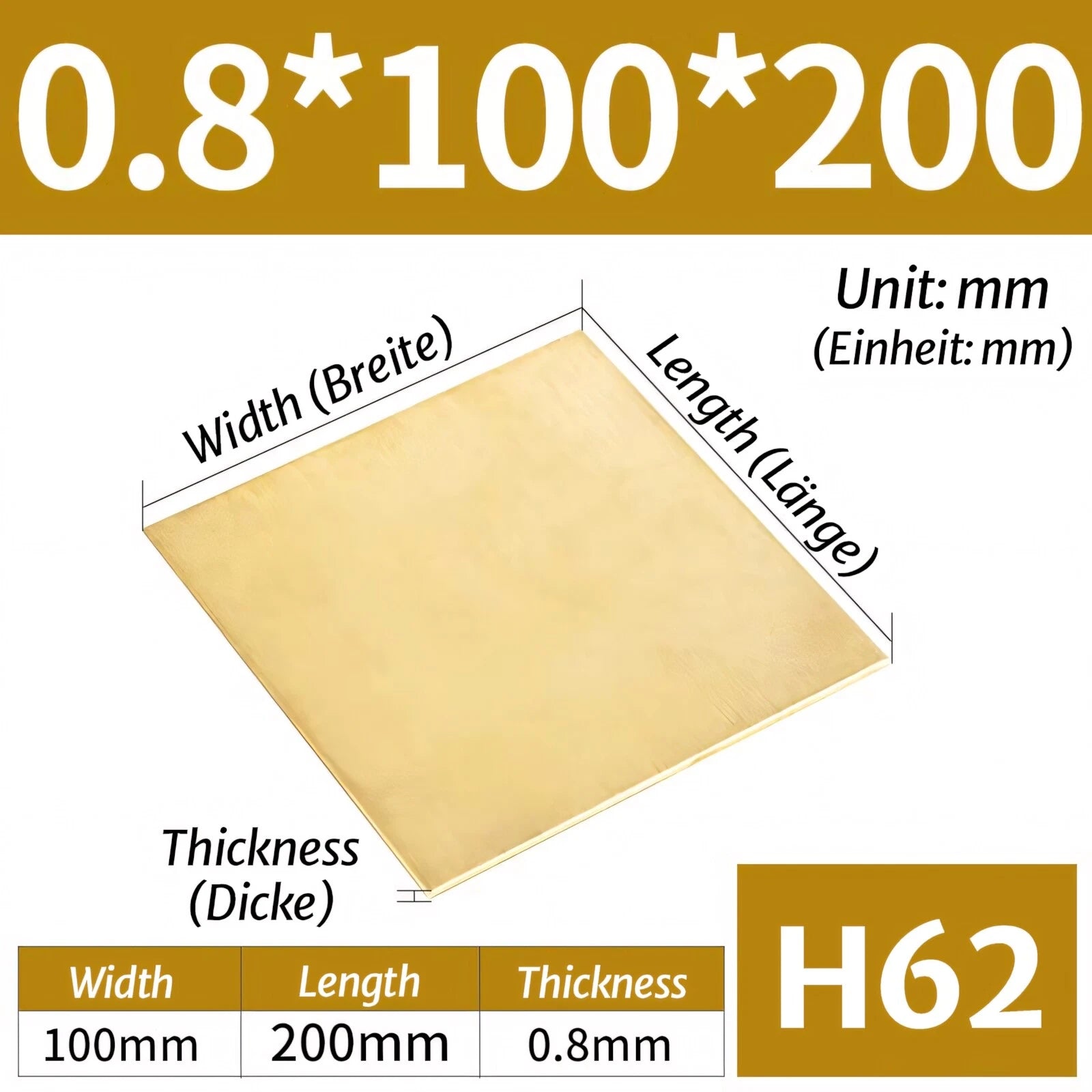
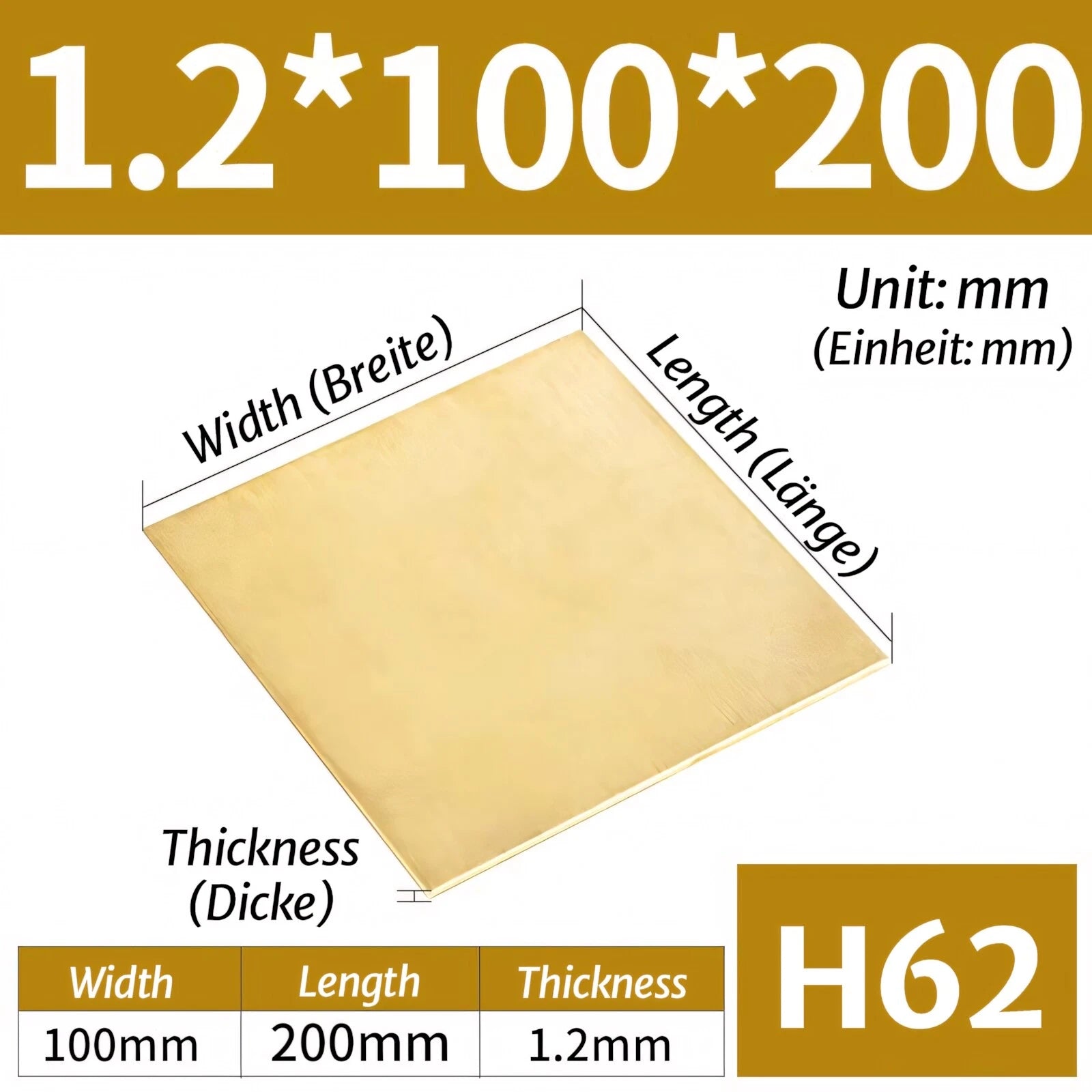
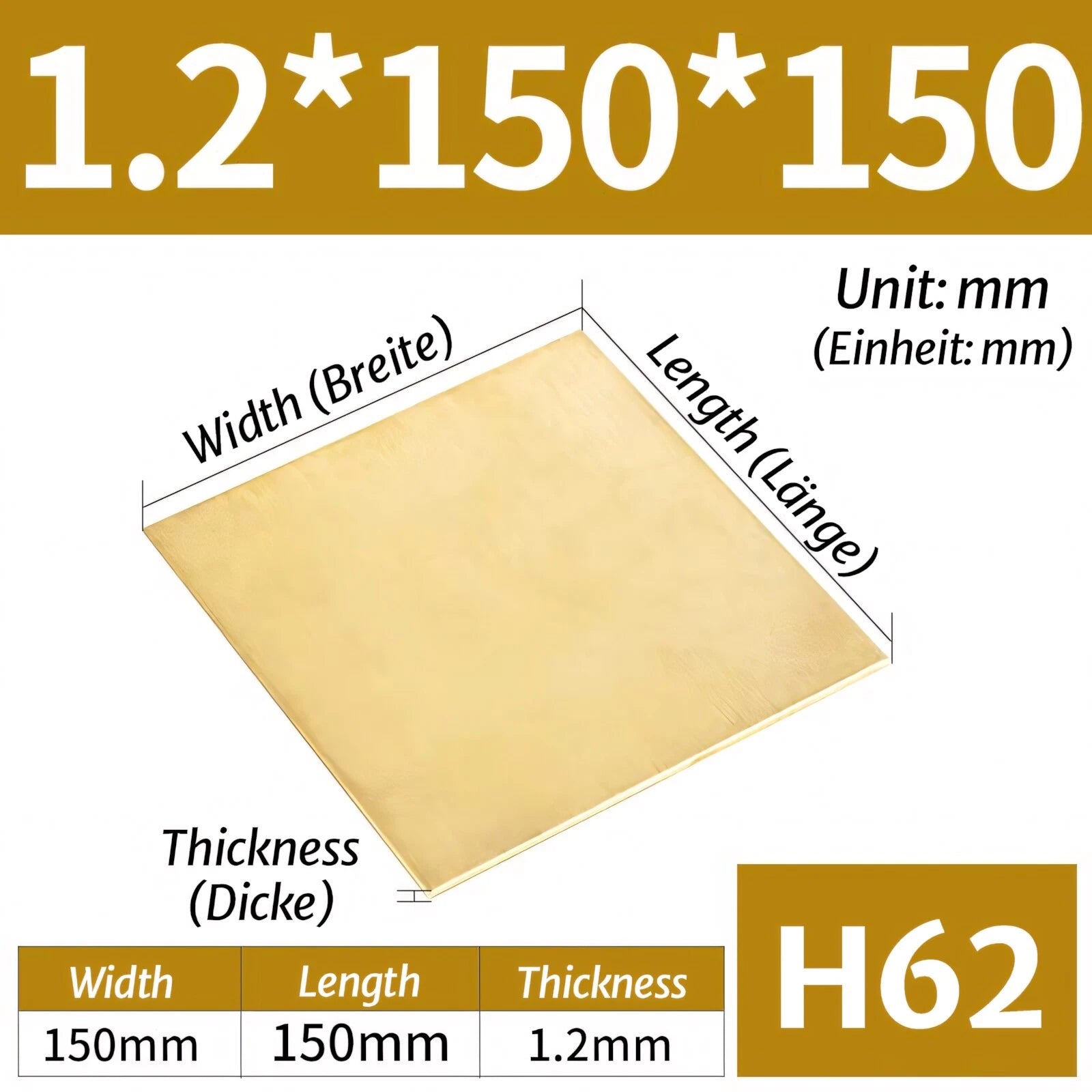
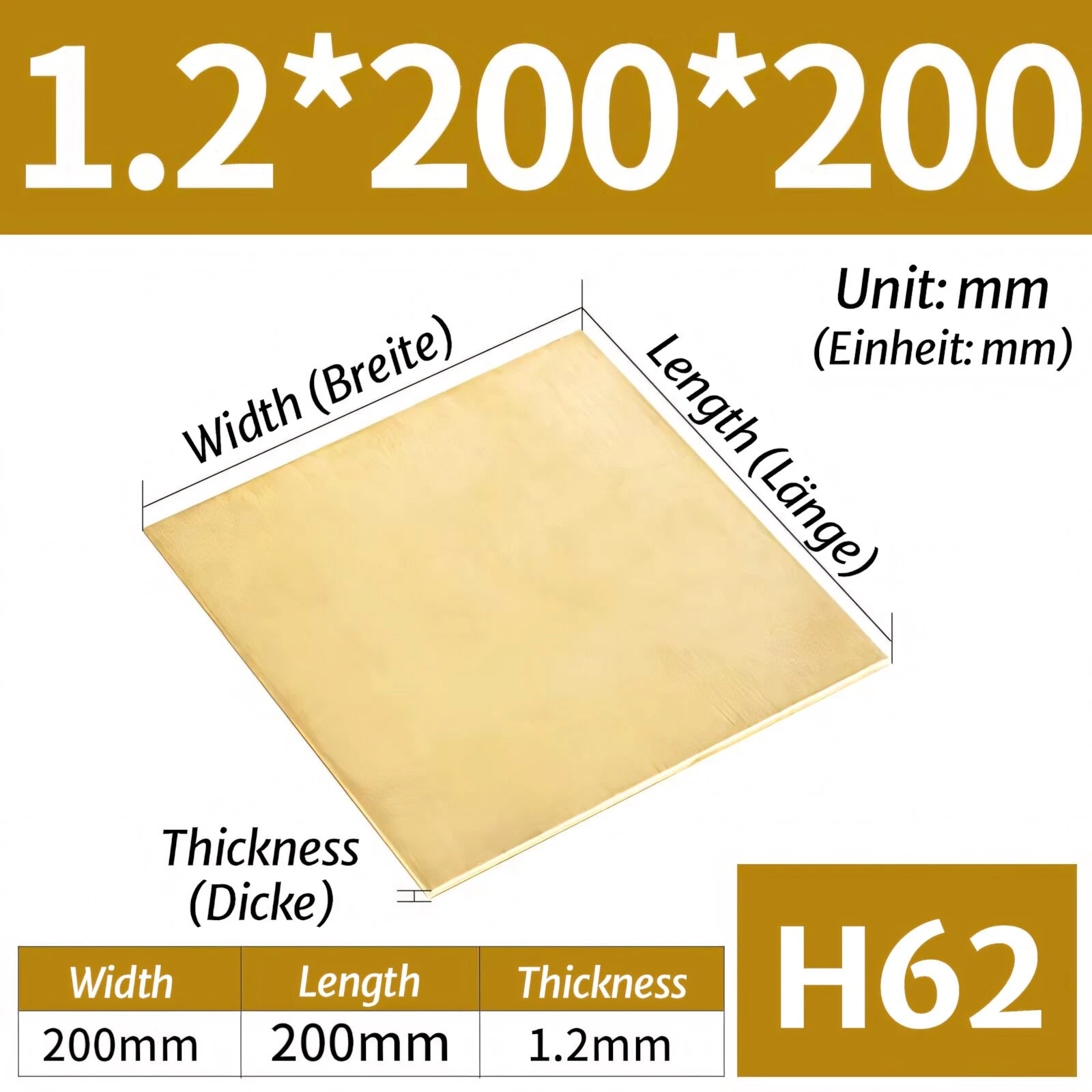
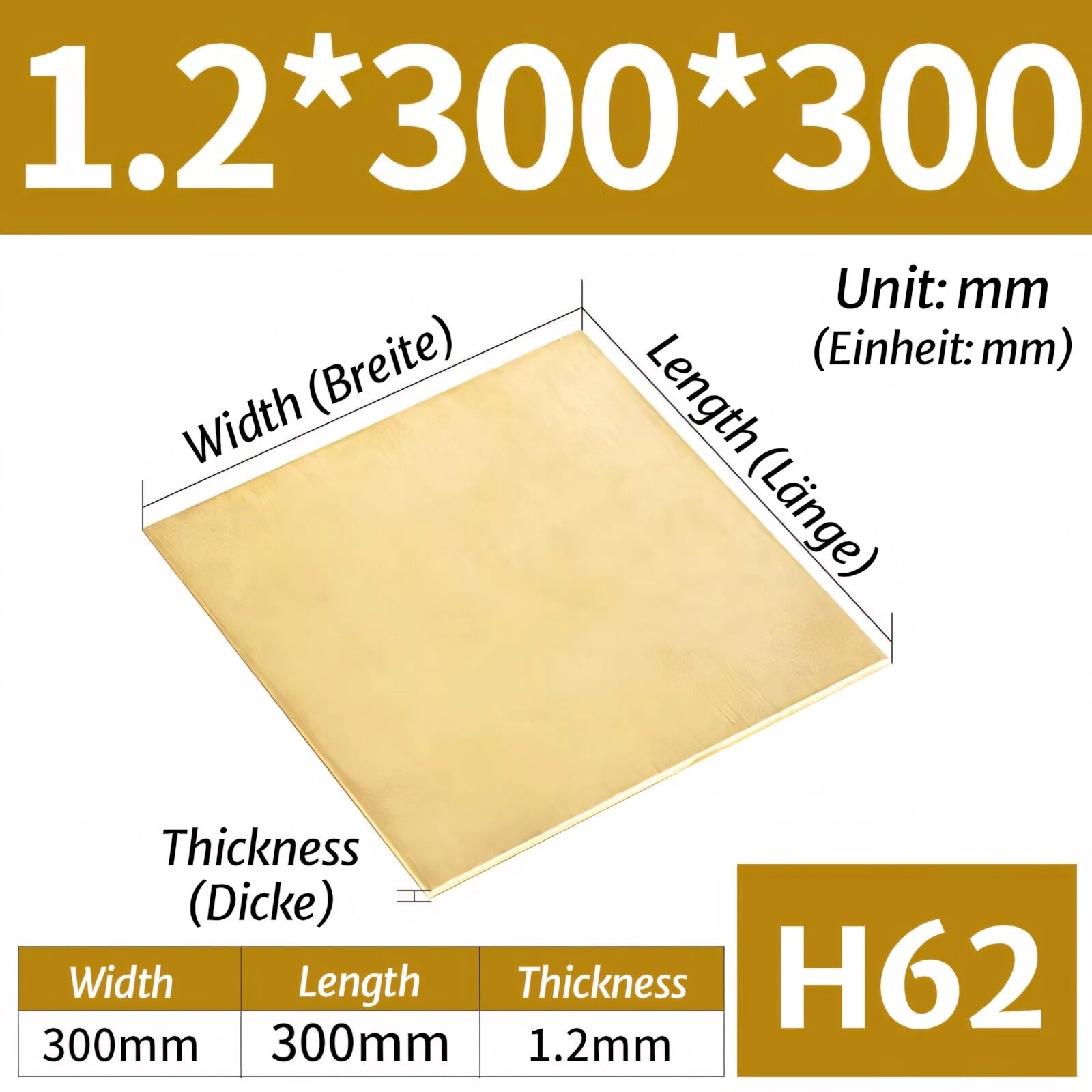
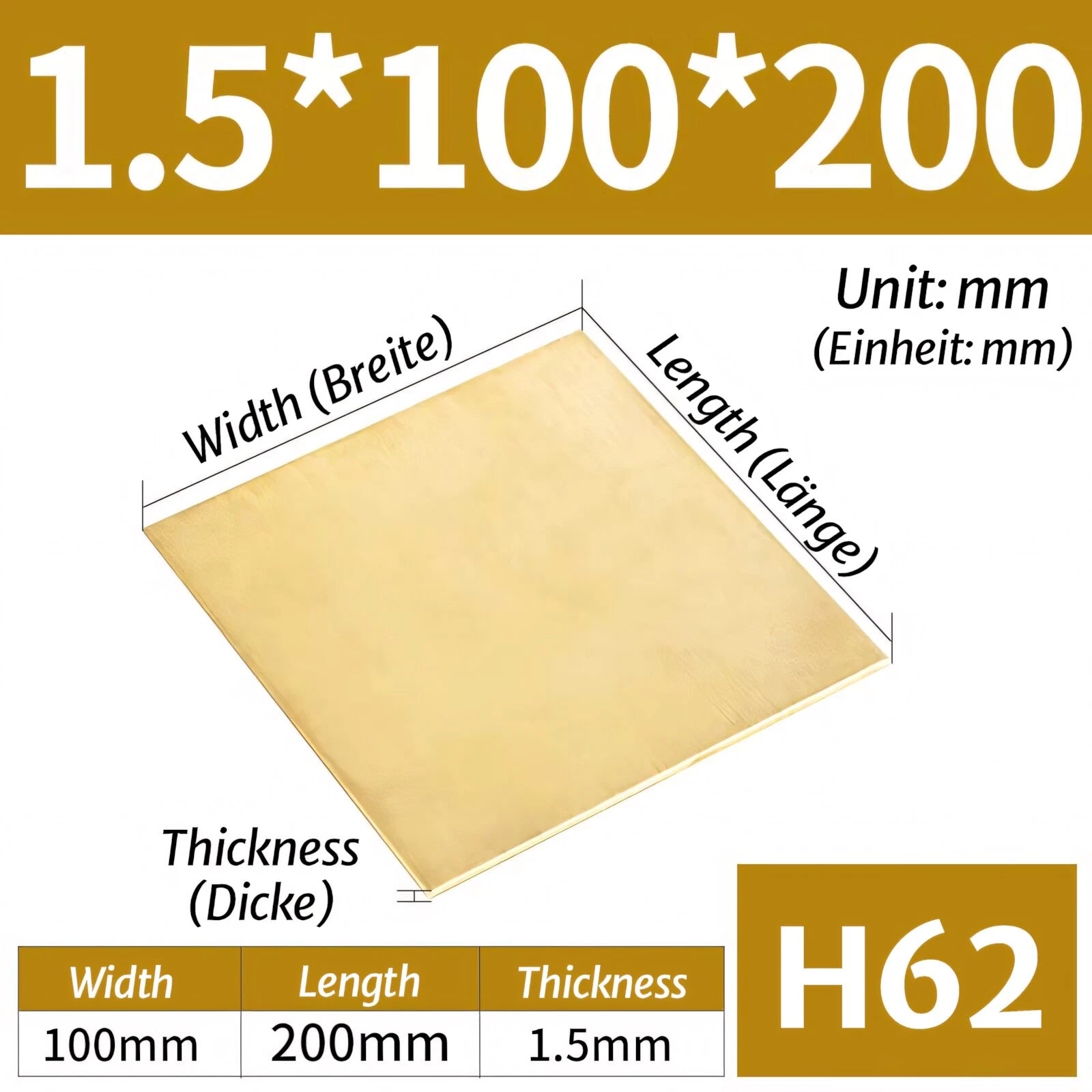
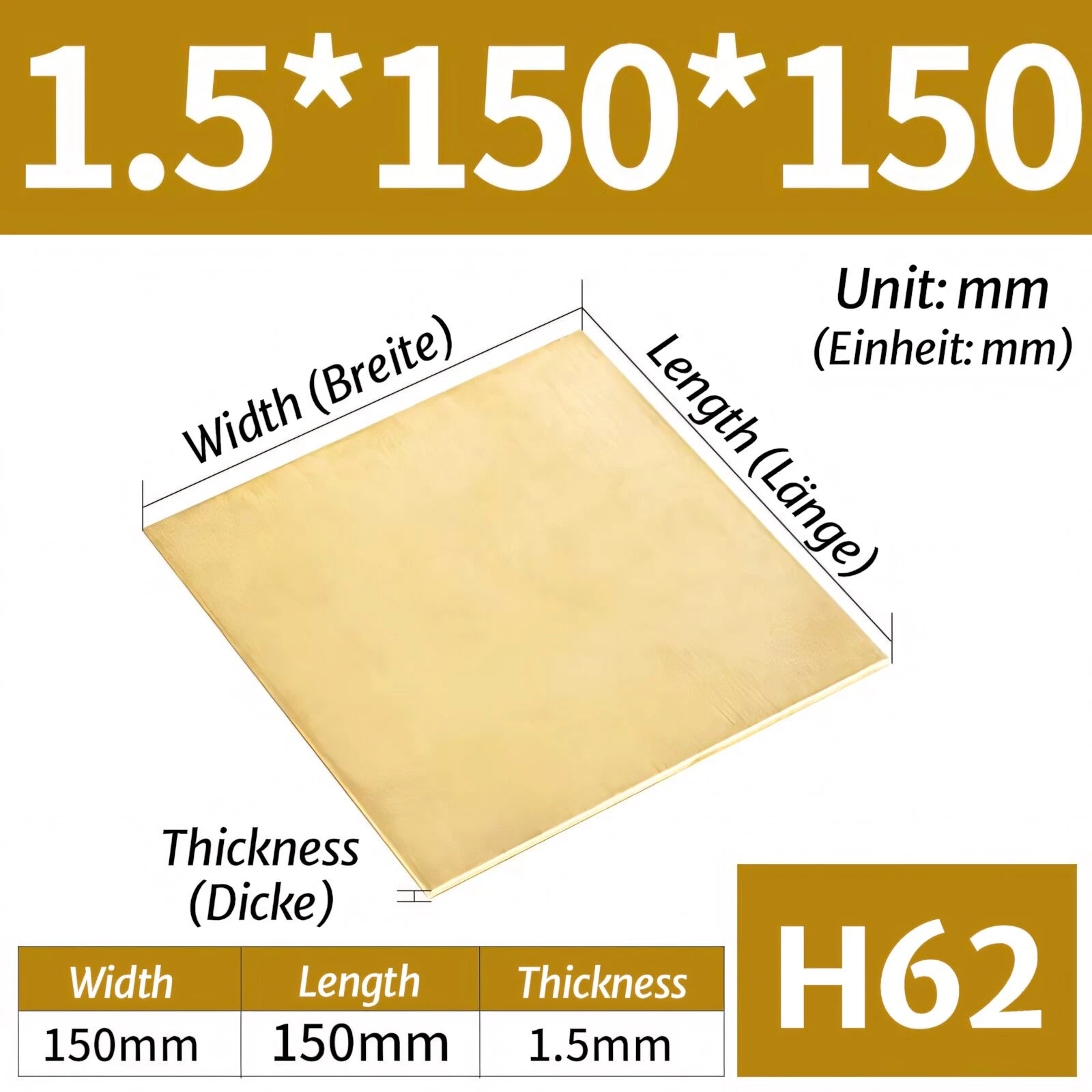
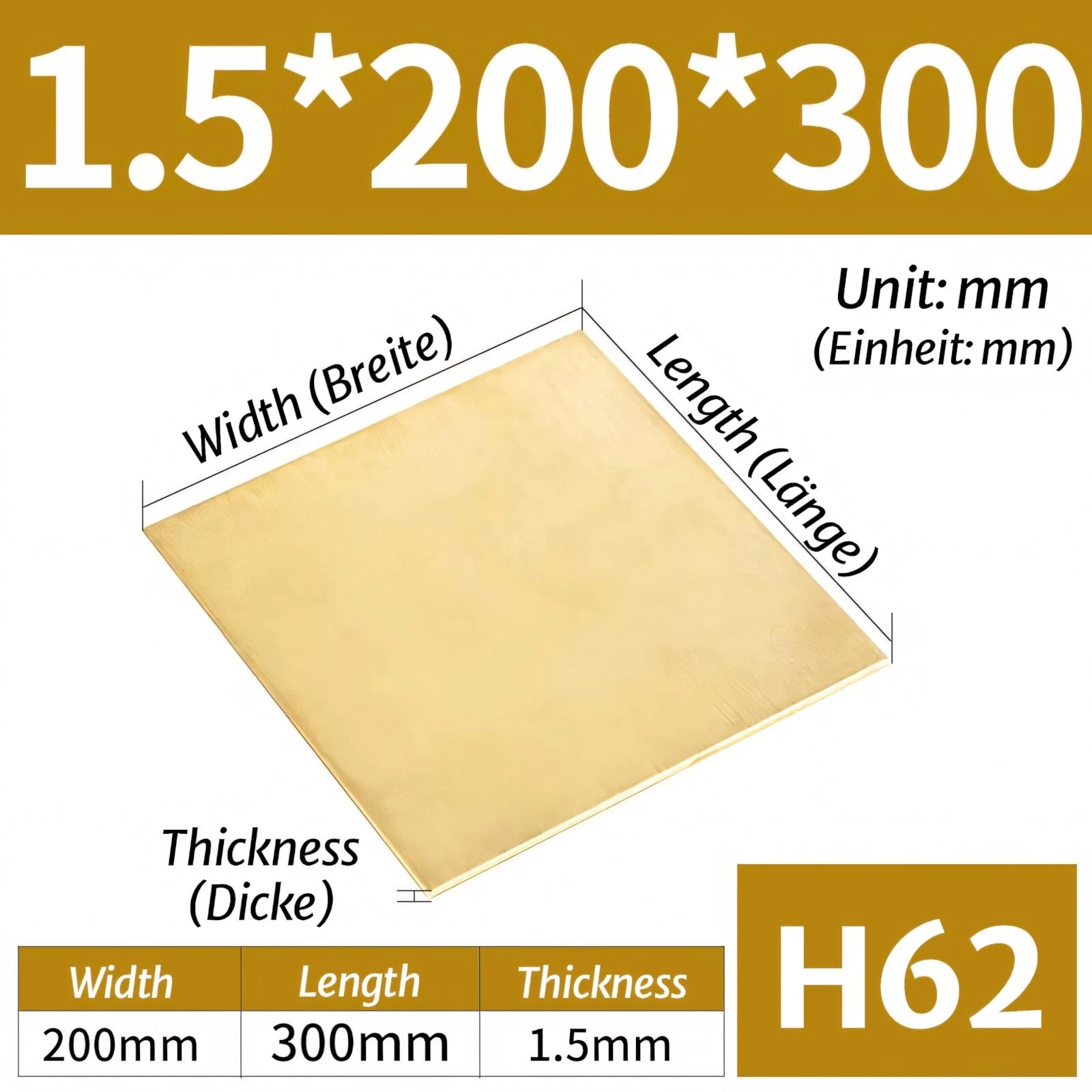
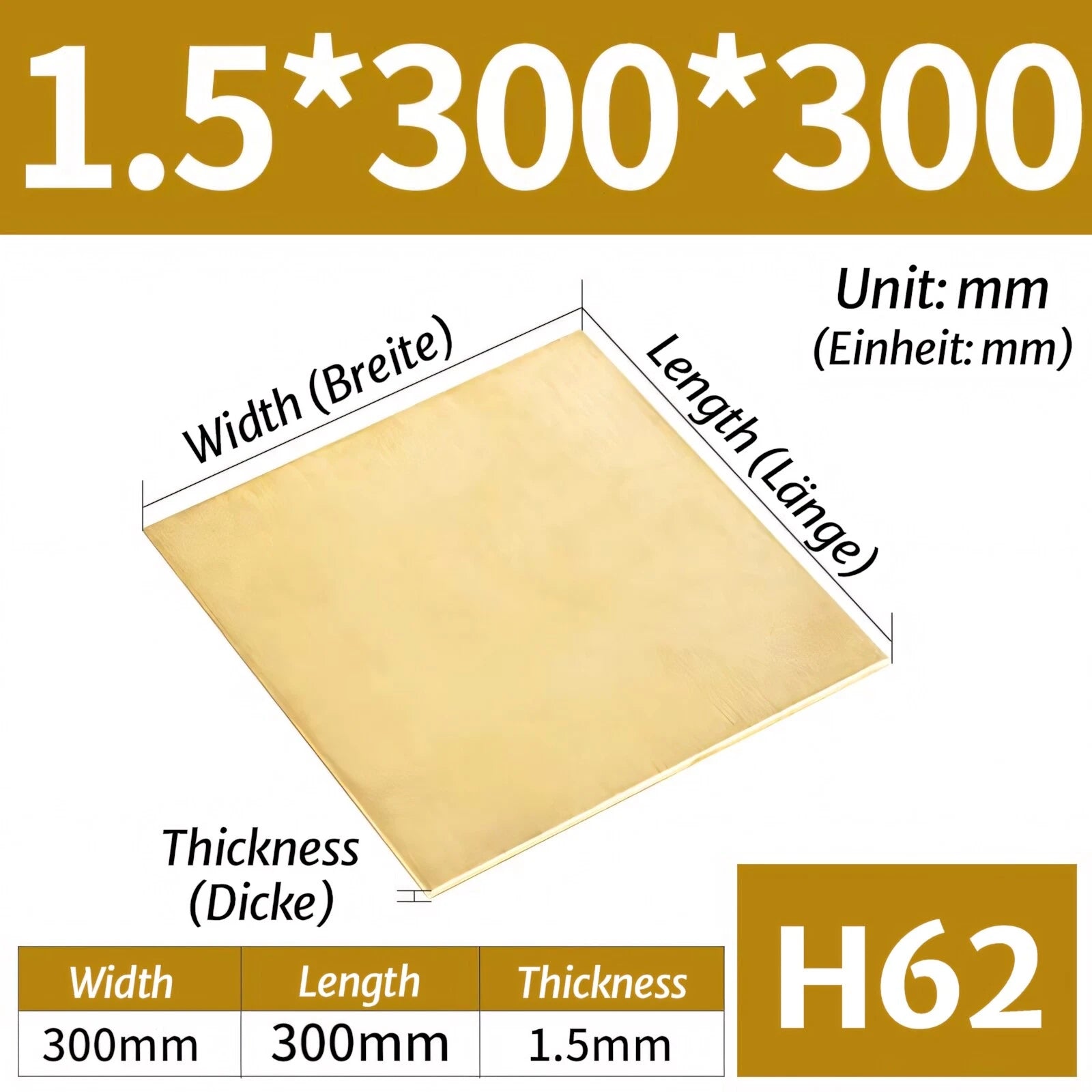
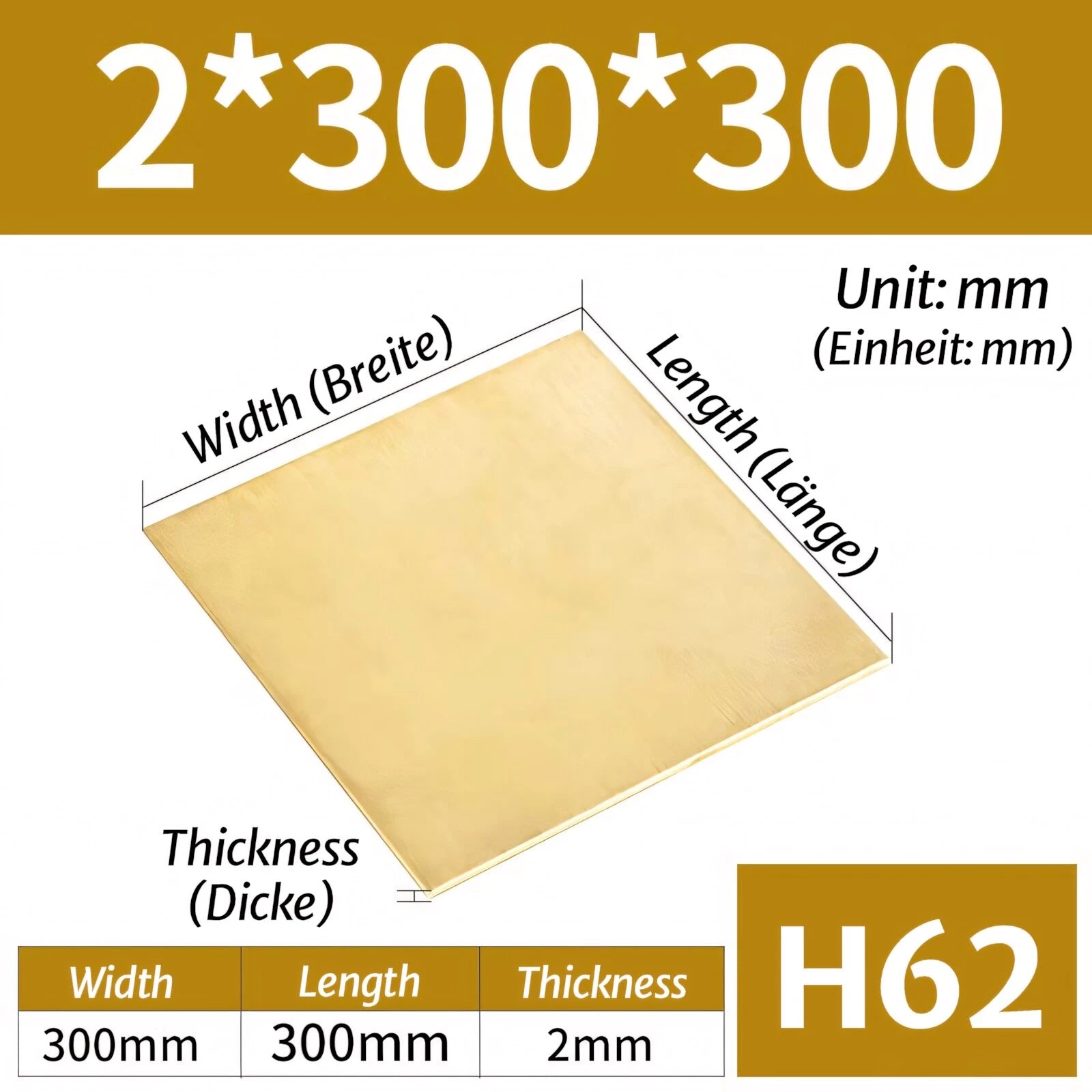
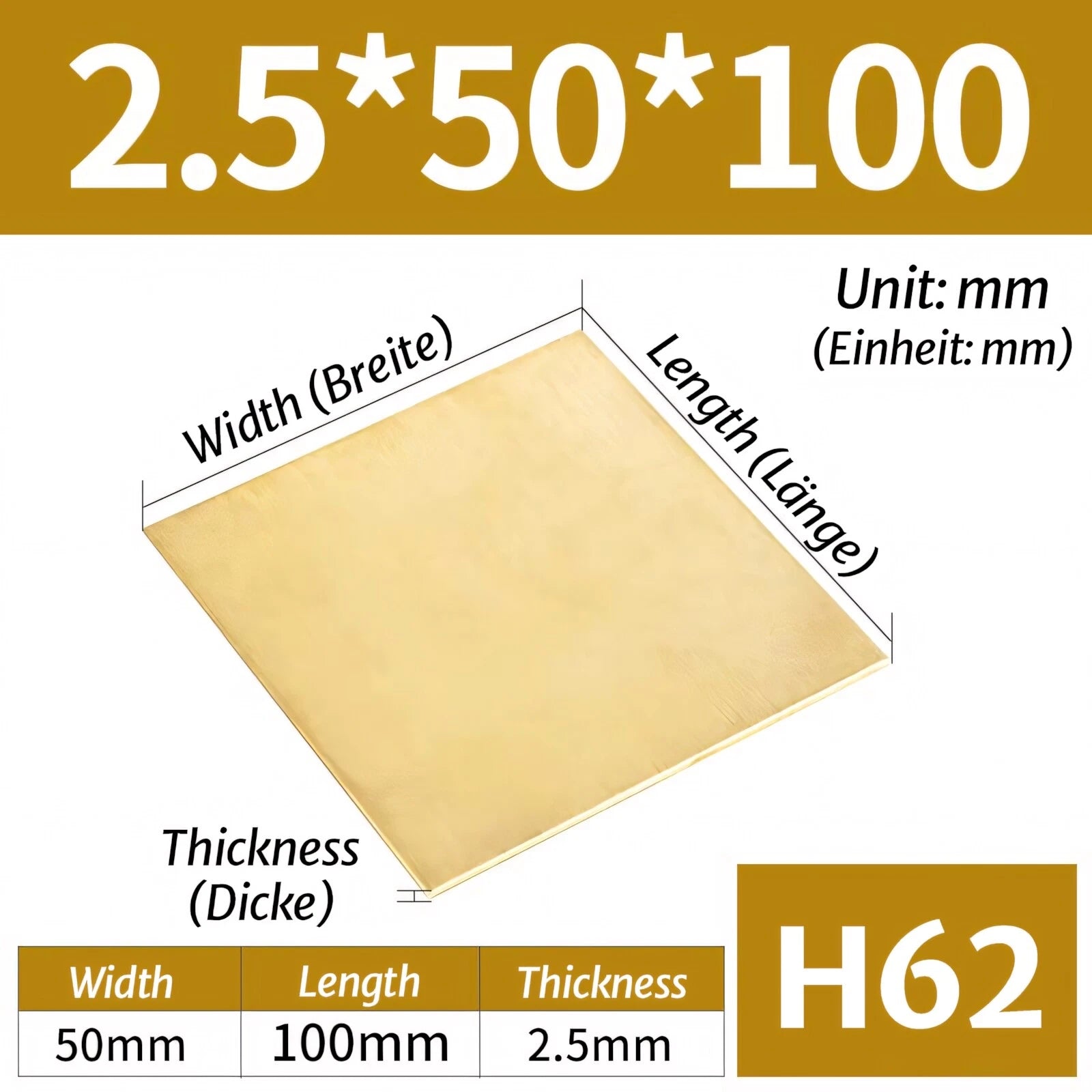
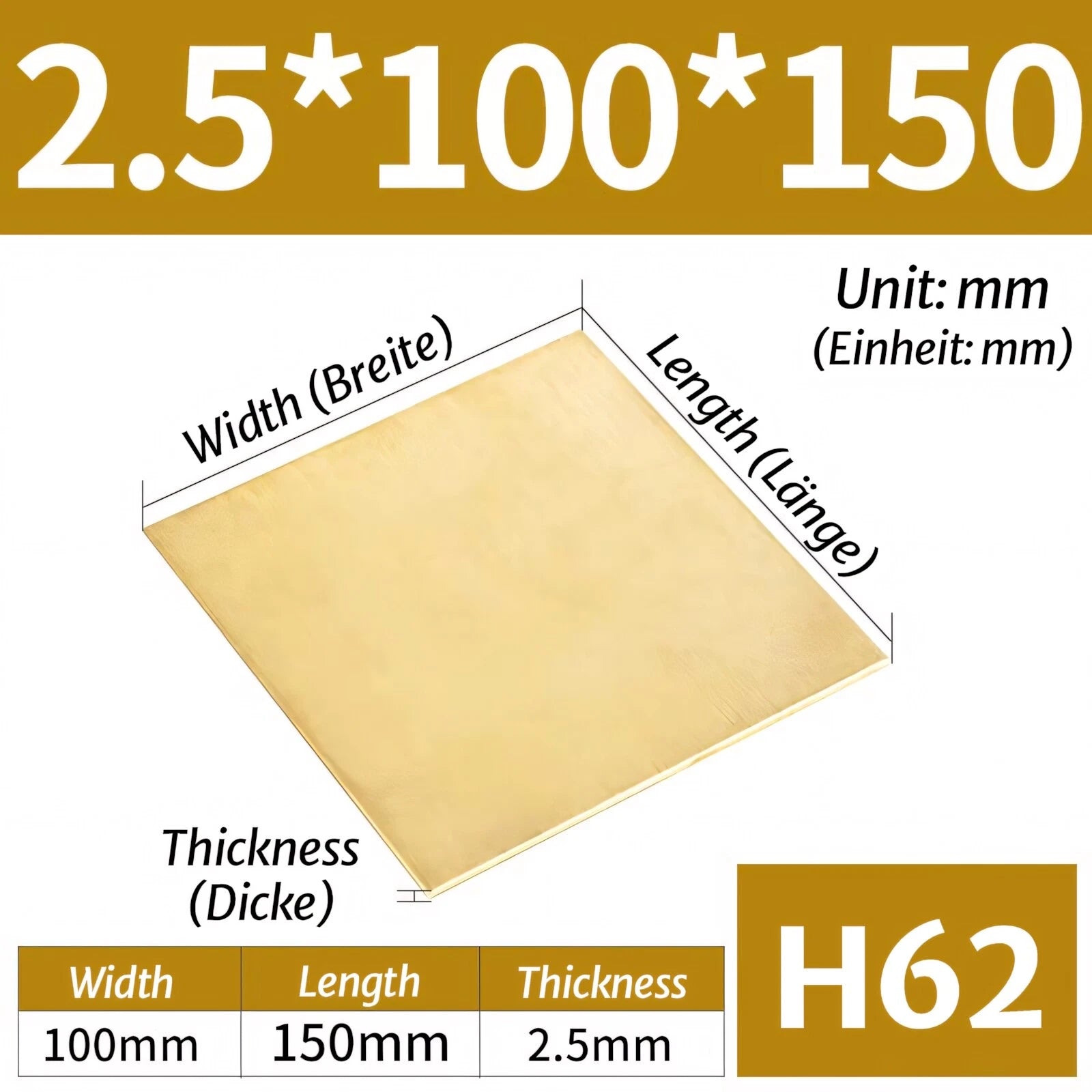
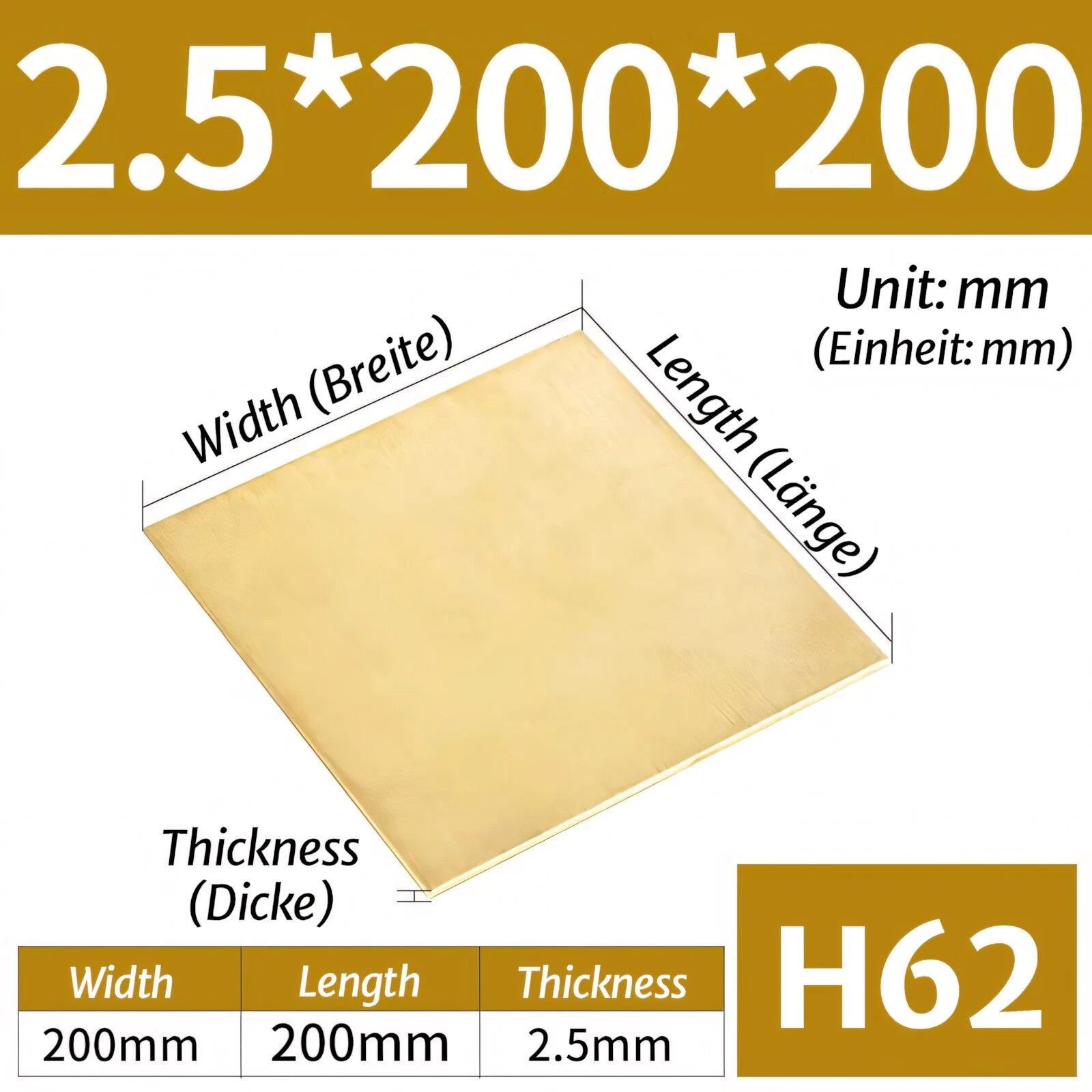
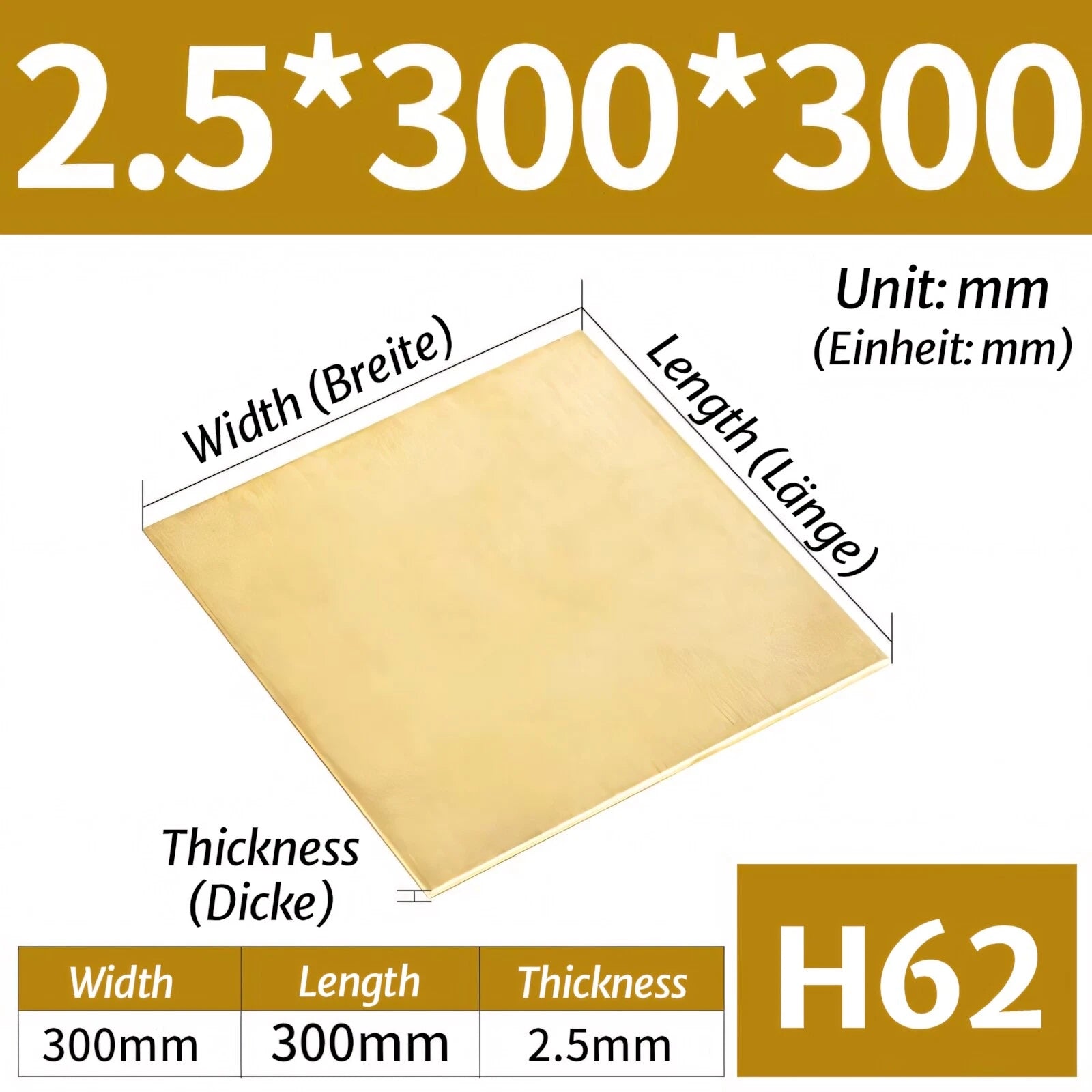
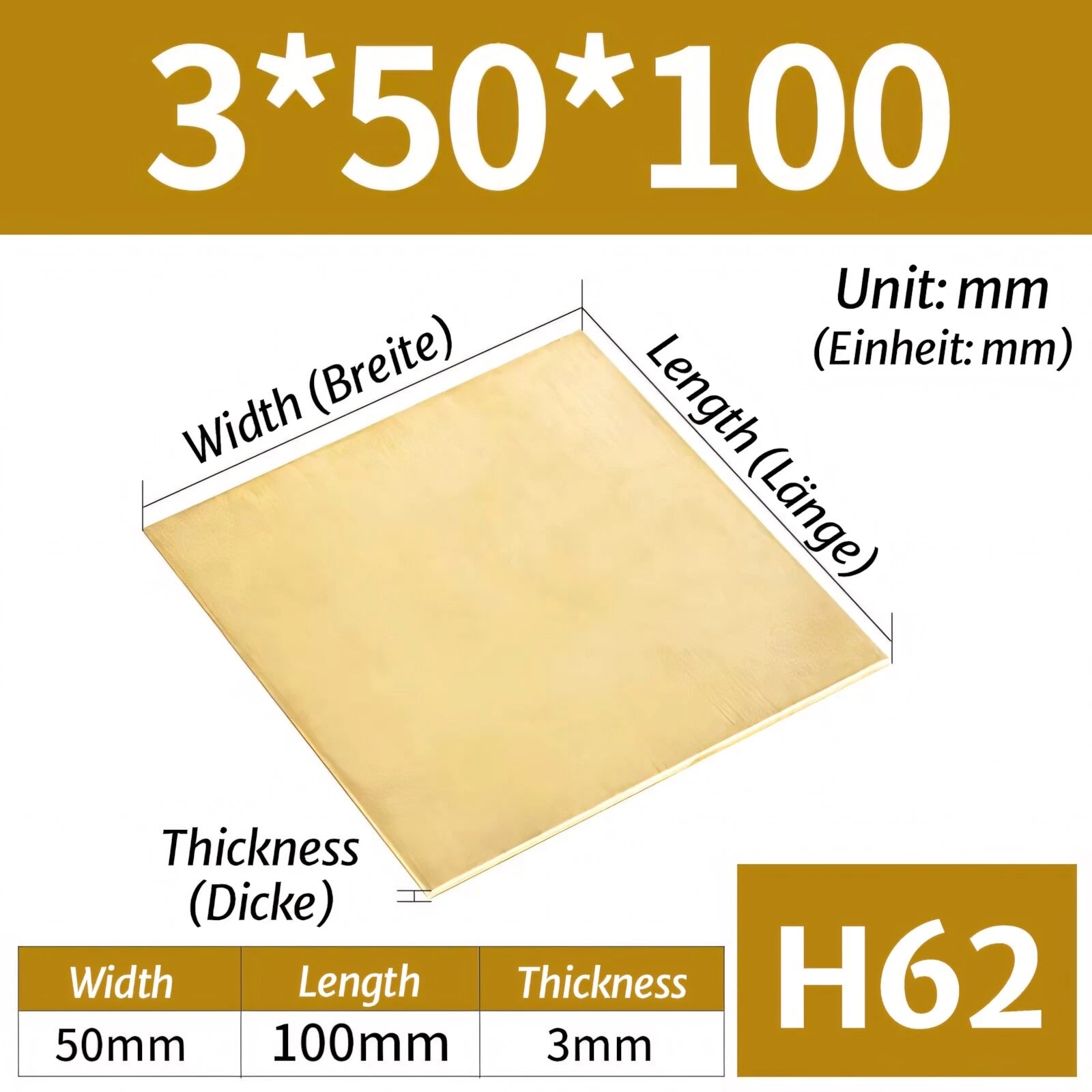
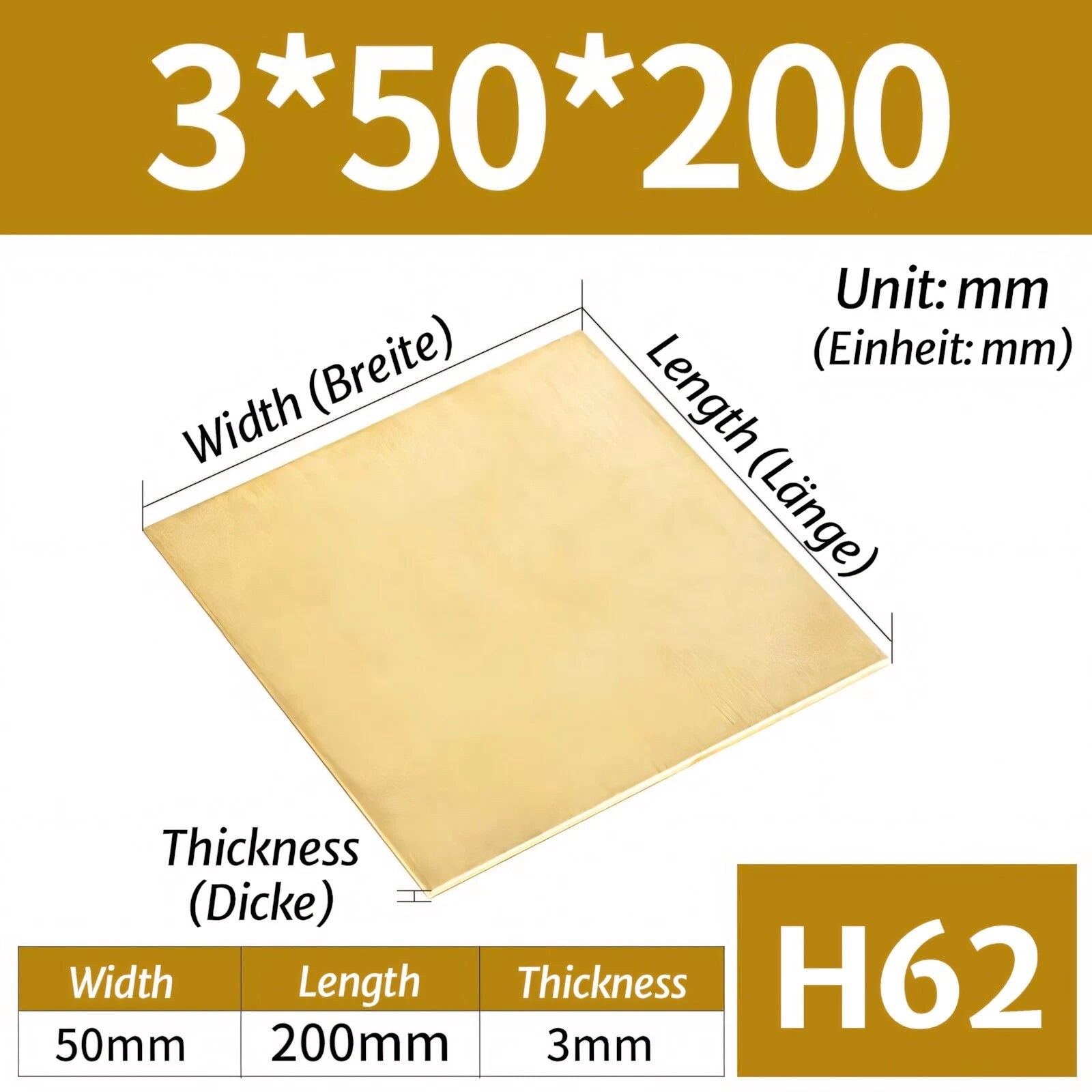
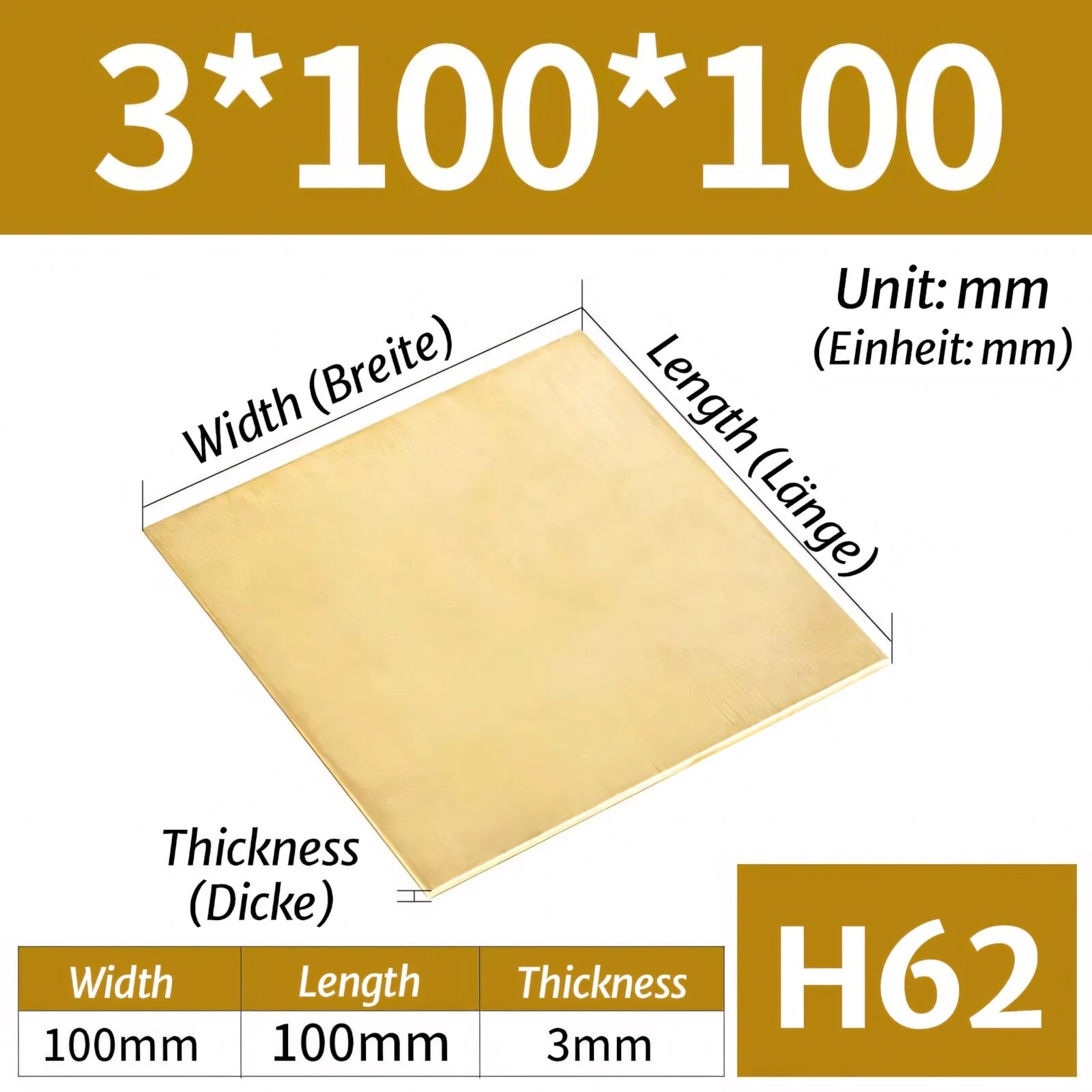
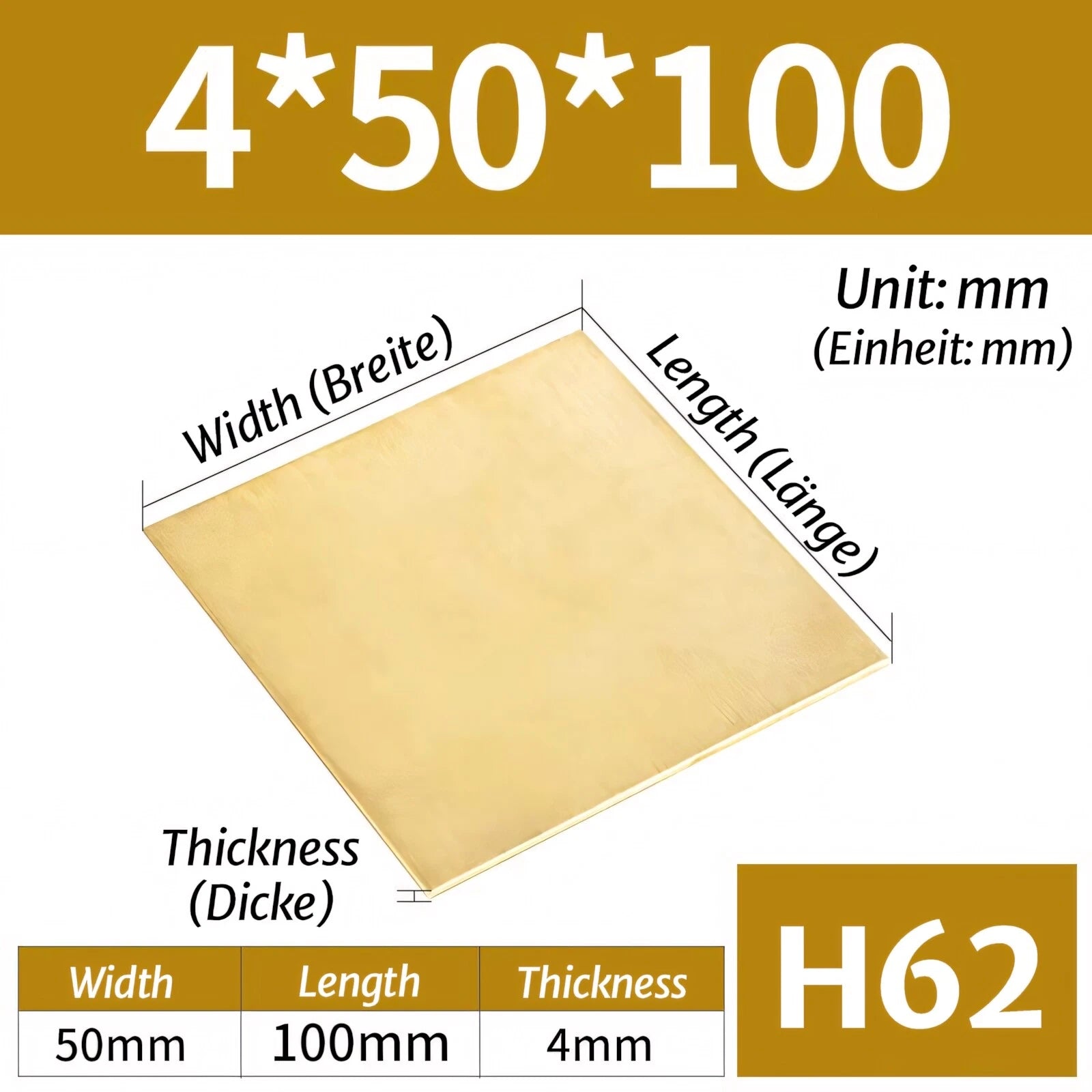
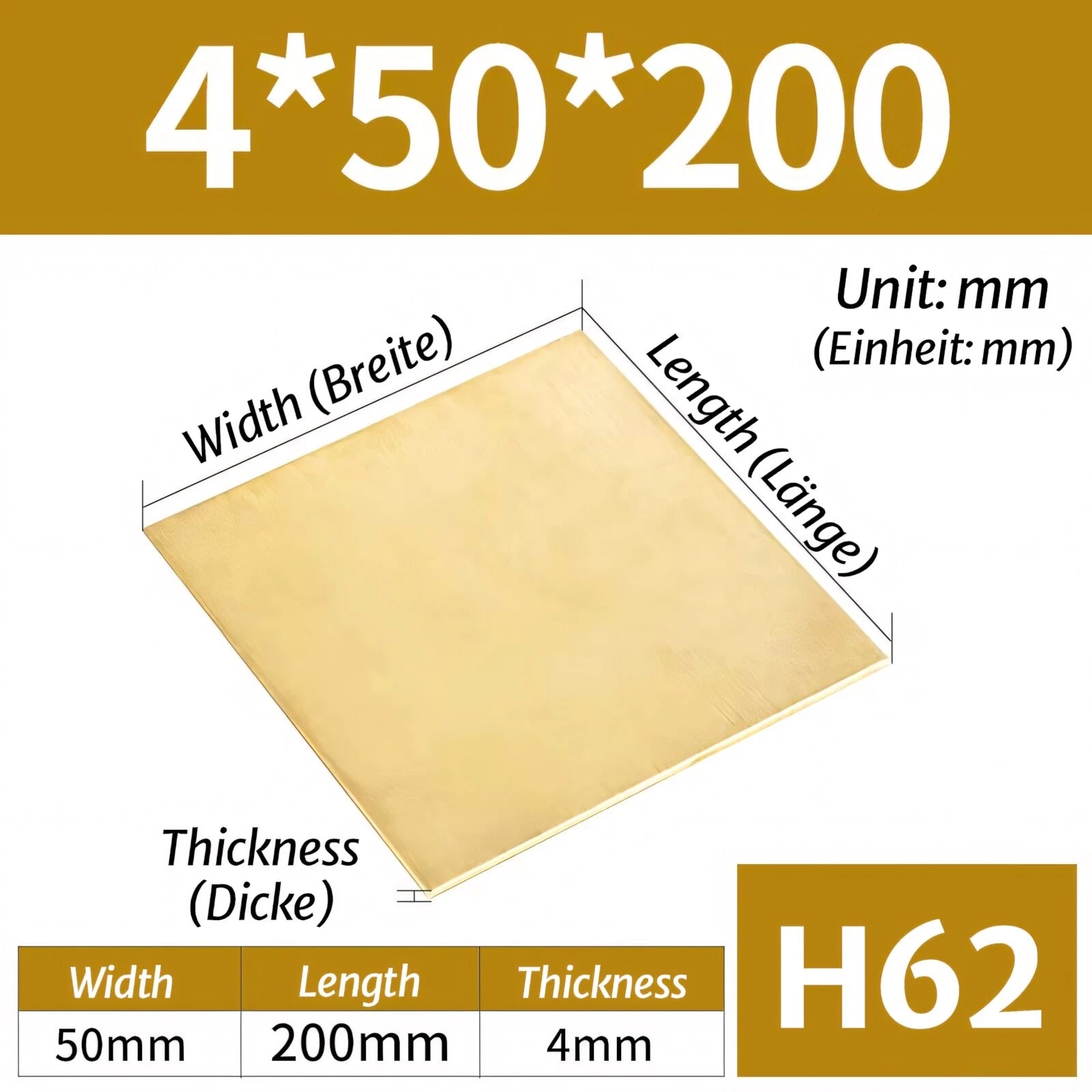
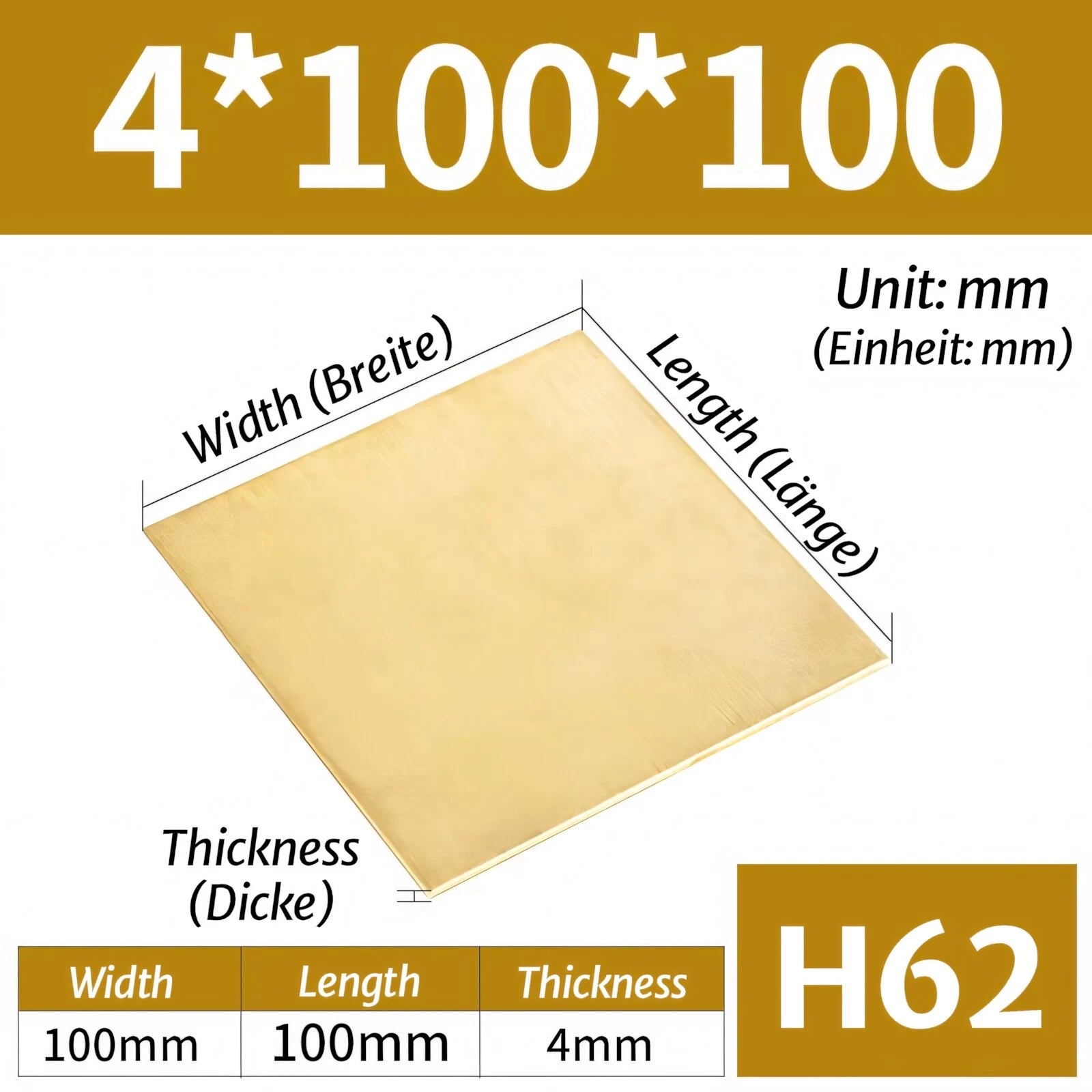
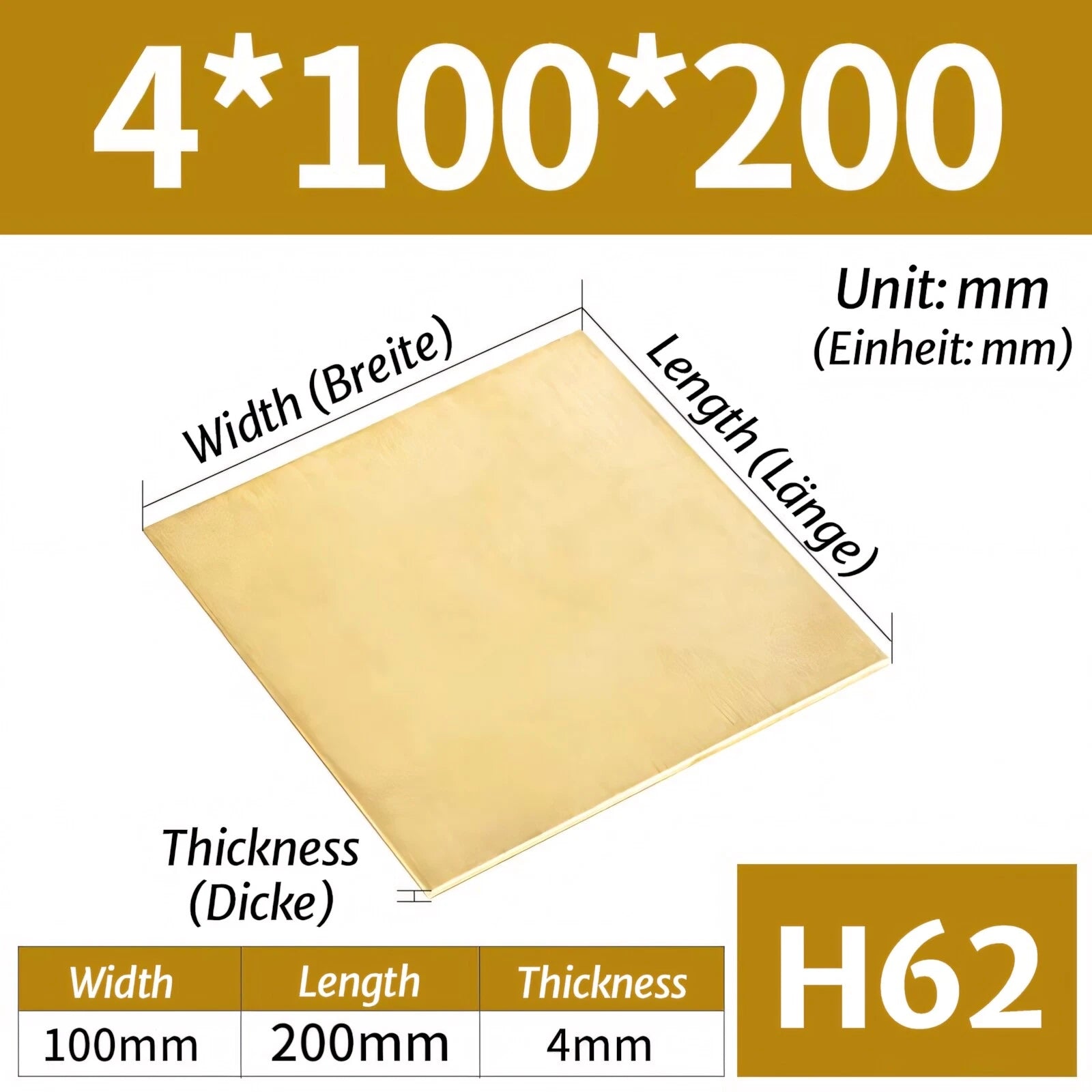
Each piece is cut from H62 brass alloy — a copper-zinc alloy known for its good machinability, moderate strength, and warm golden appearance. Thickness options range from 0.3 mm (approx. 0.012 in) up to 8 mm (approx. 0.315 in), with flat dimensions spanning from 50 mm × 50 mm (approx. 2 in × 2 in) up to 300 mm × 300 mm (approx. 11.8 in × 11.8 in). Quantity options of 1, 2, or 4 pieces per order let you buy exactly what you need.

Typical applications include DIY electrical contact shims and spacers, decorative inlay work for woodworking and knife-making, small enclosure panels and brackets for electronics projects, and precision shimming in mechanical assemblies where a non-ferrous, corrosion-resistant flat stock is required.

🔧 Compatible with standard metalworking tools — suitable for cutting, drilling, filing, soldering, and light milling. Works with most adhesives and surface finishes.

✅ Key Features of These H62 Brass Sheet Plate Offcuts

🟡 H62 Brass Alloy — Copper-zinc composition delivers good machinability, moderate tensile strength, and a distinctive warm golden finish that polishes well.
📐 Wide Size Range — Thickness from 0.3 mm to 8 mm; flat dimensions from 50 × 50 mm up to 300 × 300 mm, covering a broad spectrum of project needs.
✂️ Guillotine-Cut Edges — Shear-cut for straight, consistent edges that reduce prep time compared to saw-cut or rough-trimmed offcuts.
🛡️ Corrosion Resistance — Brass naturally resists oxidation in typical indoor and light outdoor environments, making it suitable for decorative and functional applications alike.
🔢 Flexible Quantity Options — Order 1, 2, or 4 pieces per variant so you can match your exact project requirement without over-buying.
⚙️ Workshop-Ready Stock — Suitable for drilling, tapping, soldering, bending (thinner gauges), and surface finishing including lacquering or patination.

📐 Technical Specifications — H62 Brass Sheet Plate

Material H62 Brass (Copper-Zinc Alloy)
Thickness Range 0.3 mm – 8 mm (approx. 0.012 in – 0.315 in)
Flat Dimensions 50×50 mm up to 300×300 mm (see variant options)
Cut Method Guillotine (shear cut)
Surface Finish Mill finish (unpolished)
Colour Golden yellow (natural brass)
Quantity per Order 1 Pcs / 2 Pcs / 4 Pcs (see variant options)
Corrosion Resistance Good — suitable for indoor and light outdoor use
Machinability Good — drillable, fileable, solderable, light milling
Weight See variant options

❓ Frequently Asked Questions

How do I choose the right thickness for my project?

Thinner gauges (0.3 mm – 1 mm) are ideal for shims, gaskets, decorative inlays, and flexible bending applications. Mid-range thicknesses (1.2 mm – 3 mm) suit brackets, small panels, and structural tabs. Thicker stock (4 mm – 8 mm) is suited to machined blocks, heavy-duty spacers, and parts requiring tapping or threading. If you are unsure, select the variant closest to your required finished dimension, allowing for any machining stock removal.

How strong is H62 brass compared to other metals?

H62 brass has a tensile strength typically in the range of 330–470 MPa depending on temper, which is adequate for most light structural, decorative, and functional applications. It is softer than steel but significantly easier to machine, solder, and finish. For applications requiring higher strength, consider thicker variants or consult a materials engineer.

Will brass corrode or tarnish over time?

Brass naturally develops a patina (surface oxidation) over time when exposed to air and moisture, shifting from bright gold to a darker amber or brown tone. This is a normal characteristic of the alloy and does not affect structural integrity. To maintain a bright finish, apply a clear lacquer or metal polish after cleaning. For outdoor or high-humidity environments, periodic maintenance is recommended.

Are these pieces compatible with soldering and brazing?

Yes. H62 brass solders readily with standard soft solders (tin-lead or lead-free) using an appropriate flux. It can also be silver-brazed for higher-strength joints. Ensure the surface is clean and free of oxidation before soldering. Avoid overheating thin gauges (under 0.5 mm) as they can warp or develop pinholes.

Can I drill and tap threads into these brass sheets?

Drilling is straightforward on all thicknesses using standard HSS drill bits — use a slow feed rate and cutting fluid for clean holes. Tapping is practical on thicknesses of 2 mm and above, depending on the thread size required. For very thin sheets (under 1 mm), consider using rivets, adhesive, or through-bolts with a backing plate instead of tapped threads.

How do I decide between ordering 1, 2, or 4 pieces?

The quantity option lets you match your exact project needs. Order 1 piece for a single prototype or repair. Choose 2 pieces if you need a matched pair (e.g., symmetrical brackets or test and production parts). Select 4 pieces for small batch projects, to have spares for practice cuts, or when working on repetitive assemblies. Pricing per piece generally decreases with higher quantities in the same size.

What is the difference between the flat dimensions listed (e.g., 50×100 mm vs 100×100 mm)?

The two flat dimensions refer to the length and width of the sheet piece. For example, 50×100 mm gives you a rectangular piece approximately 2 in × 4 in, while 100×100 mm gives a square piece approximately 4 in × 4 in. Choose the shape that best fits your layout to minimise waste. All pieces are guillotine-cut with straight edges on all four sides.

🛒 Select your thickness, size, and quantity above, then add to cart.


You may also like

Recently viewed