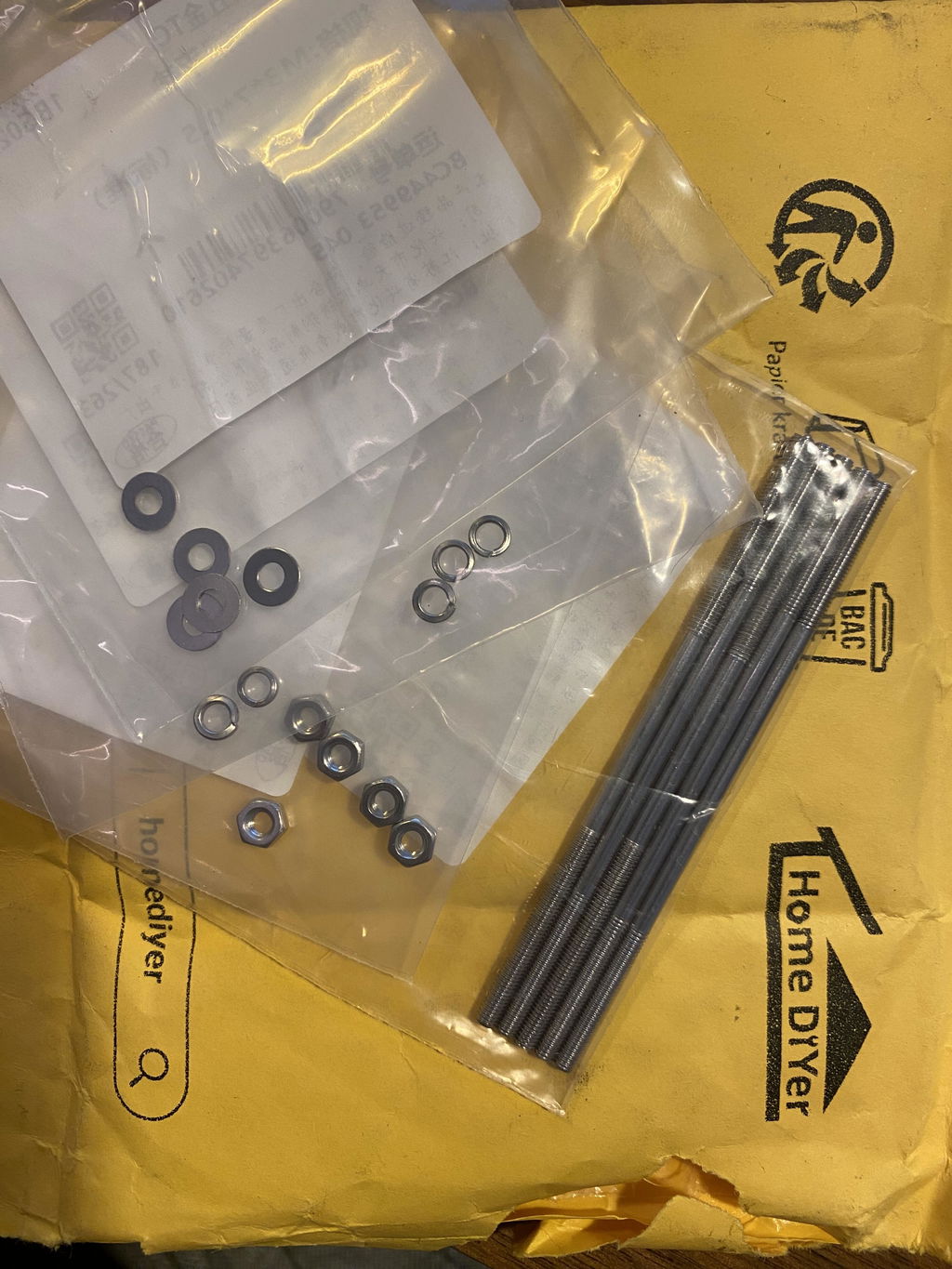
The chain is fine...but I ordered the wrong size. Nine links of the chain I ordered equals six of the size I wanted. My error...
How can I straighten out the springs? I can't use them coil uo as is.
Your payment information is processed securely. We do not store credit card details nor have access to your credit card information.
Get fitment advice & recommendations
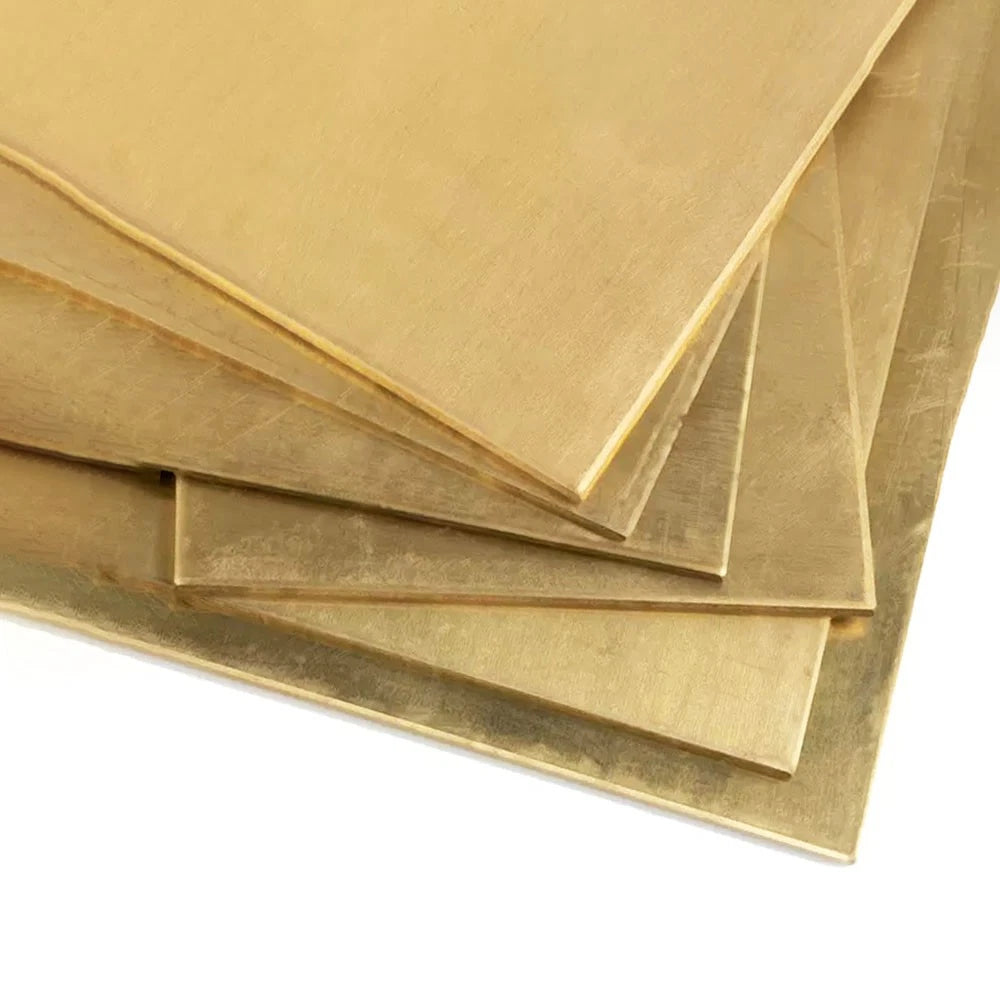
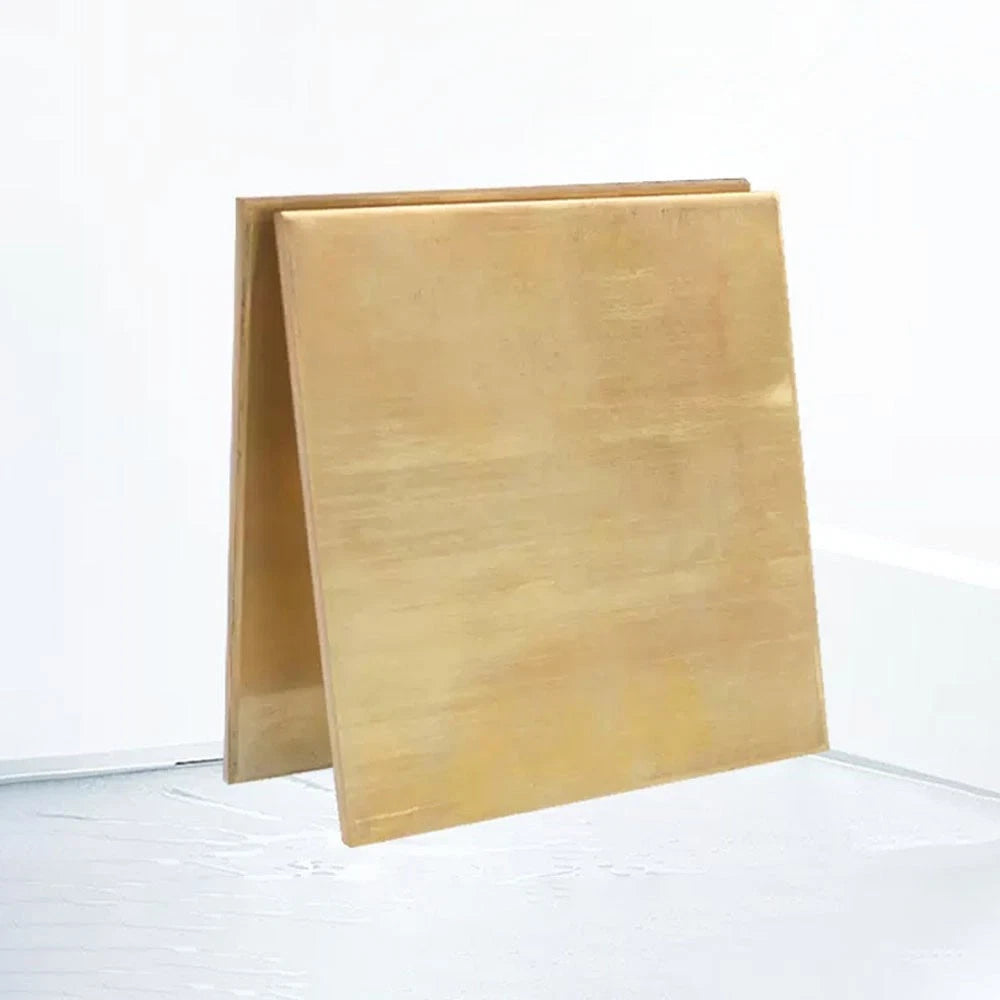
When your project demands a metal that balances workability, corrosion resistance, and a clean golden finish, finding the right sheet stock in the exact size you need can be a real challenge. Whether you are a maker, hobbyist, or small-shop fabricator, this H62 brass sheet plate is stocked in a wide range of thicknesses and dimensions so you can order exactly what your build calls for — no cutting waste, no oversized offcuts.
Each piece is made from H62 grade brass alloy, a copper-zinc composition (approximately 62% copper) known for its good machinability, solderability, and moderate strength. Thickness options span from 0.5 mm (0.020 in) up to 6 mm (0.236 in), and width-by-length combinations range from compact 50 mm × 50 mm (1.97 in × 1.97 in) squares up to 300 mm × 300 mm (11.8 in × 11.8 in) panels, with several intermediate sizes available.
Typical applications include DIY engraving blanks and name plates, RF shielding and electrical grounding strips, decorative inlays for woodworking and furniture, custom gaskets and shim stock for mechanical assemblies, and small-batch prototype parts for electronics enclosures. Long-tail search terms that describe this product well include "thin brass sheet for engraving", "H62 brass plate cut to size", and "small brass sheet metal for DIY projects".
| Material | H62 Brass (Copper-Zinc Alloy, ~62% Cu) |
|---|---|
| Thickness | 0.5 mm / 0.8 mm / 1 mm / 1.2 mm / 1.5 mm / 2 mm / 2.5 mm / 3 mm / 4 mm / 5 mm / 6 mm |
| Width × Length | 50×50 mm up to 300×300 mm (see variant options) |
| Surface Finish | Mill finish (unpolished) |
| Colour | Golden yellow |
| Tensile Strength | Typically 330–420 MPa (varies by thickness) |
| Hardness | See variant options |
| Electrical Conductivity | Approx. 26% IACS |
| Machinability Rating | Good (relative to free-cutting brass) |
| Solderability | Excellent |
| Weight | See variant options |
| Quantity per Order | 1 piece |
For shim stock, gaskets, or thin decorative inlays, 0.5 mm – 1 mm is typically sufficient. For engraving blanks and name plates, 1 mm – 2 mm provides a solid feel without excessive weight. For structural brackets, spacers, or parts that will be machined, 2.5 mm – 6 mm offers the rigidity needed. If you are unsure, start with 1.5 mm — it is the most versatile option for general DIY use.
H62 brass has a tensile strength of approximately 330–420 MPa, which is adequate for light-duty brackets, spacers, and non-load-bearing structural parts. For high-stress mechanical applications, thicker gauges (3 mm and above) are recommended. H62 is not intended for heavy structural or high-temperature applications.
H62 brass does not rust (it contains no iron), but it will develop a natural patina — a darker golden-brown or greenish tinge — when exposed to moisture and air over time. For outdoor use, applying a clear lacquer or wax coating will preserve the original finish. In indoor environments, no additional treatment is typically required.
Yes. Sheets up to 1.5 mm can be cut with heavy-duty tin snips or a sharp utility knife and straight edge. Thicker sheets (2 mm and above) are best cut with a band saw, jigsaw with a metal blade, or angle grinder with a cutting disc. Laser cutters and CNC routers also work well across all thicknesses. Always wear appropriate eye and hand protection when cutting metal.
Yes. H62 brass has excellent solderability and can be joined using standard rosin-core or acid-core solder with a soldering iron, or brazed using silver brazing alloys and a torch. Clean the surface with fine sandpaper or flux before soldering to ensure a strong bond. It is also compatible with most common adhesives used in metalwork.
For standard name plates and desk signs, the 100 mm × 150 mm or 100 mm × 200 mm sizes in 1 mm – 1.5 mm thickness are the most popular choices. For smaller tags or labels, 50 mm × 100 mm works well. If you need a custom shape, order a size slightly larger than your finished dimensions to allow for trimming and edge finishing.
H62 brass has an electrical conductivity of approximately 26% IACS, which is sufficient for RF shielding enclosures, grounding straps, and EMI suppression applications in hobby electronics and small-scale prototyping. For high-frequency shielding above 1 GHz, thinner sheets (0.5 mm – 1 mm) are typically used to balance conductivity and weight. Ensure good electrical contact at all seams and joints for effective shielding.