
The chain is fine...but I ordered the wrong size. Nine links of the chain I ordered equals six of the size I wanted. My error...
How can I straighten out the springs? I can't use them coil uo as is.
Your payment information is processed securely. We do not store credit card details nor have access to your credit card information.
Get fitment advice & recommendations
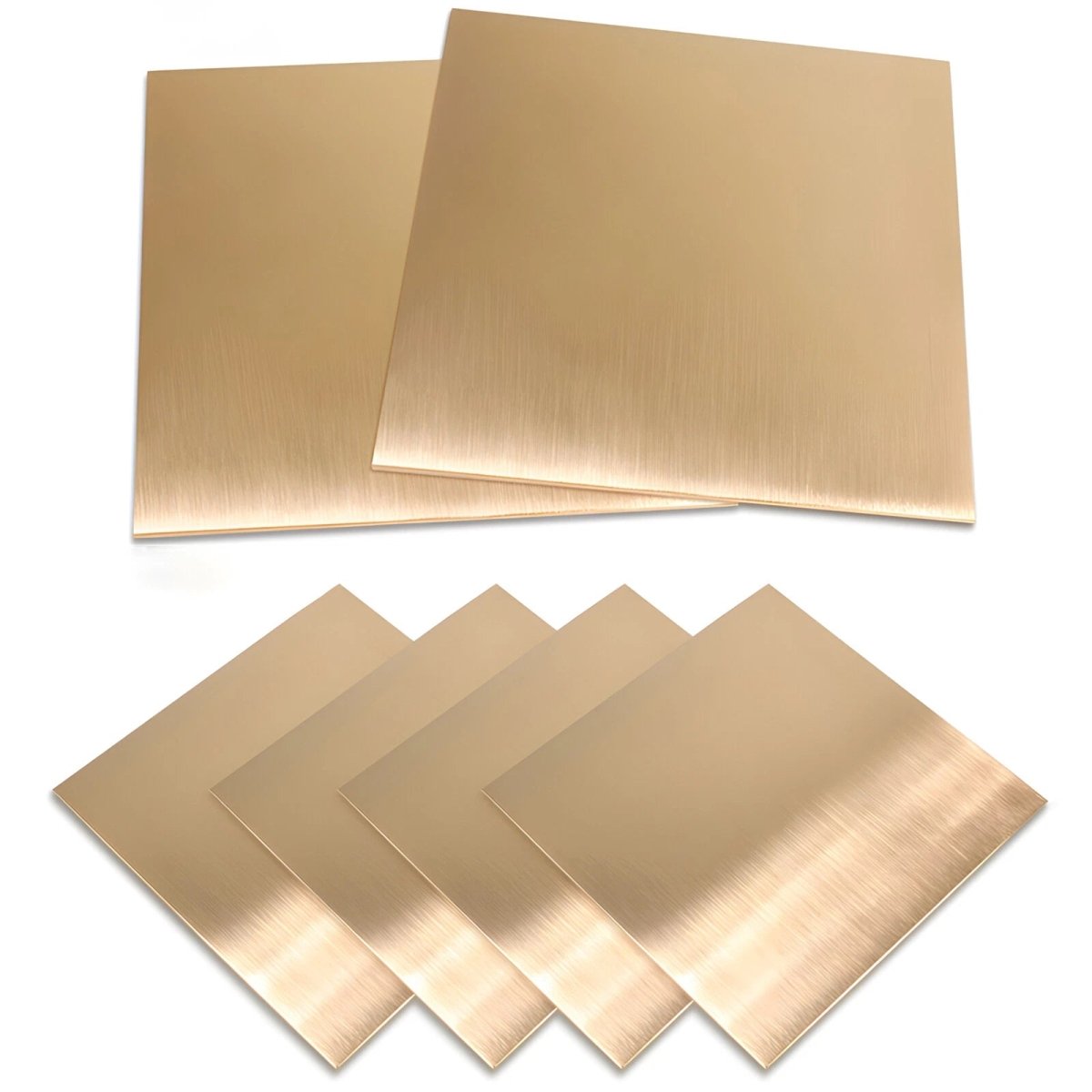
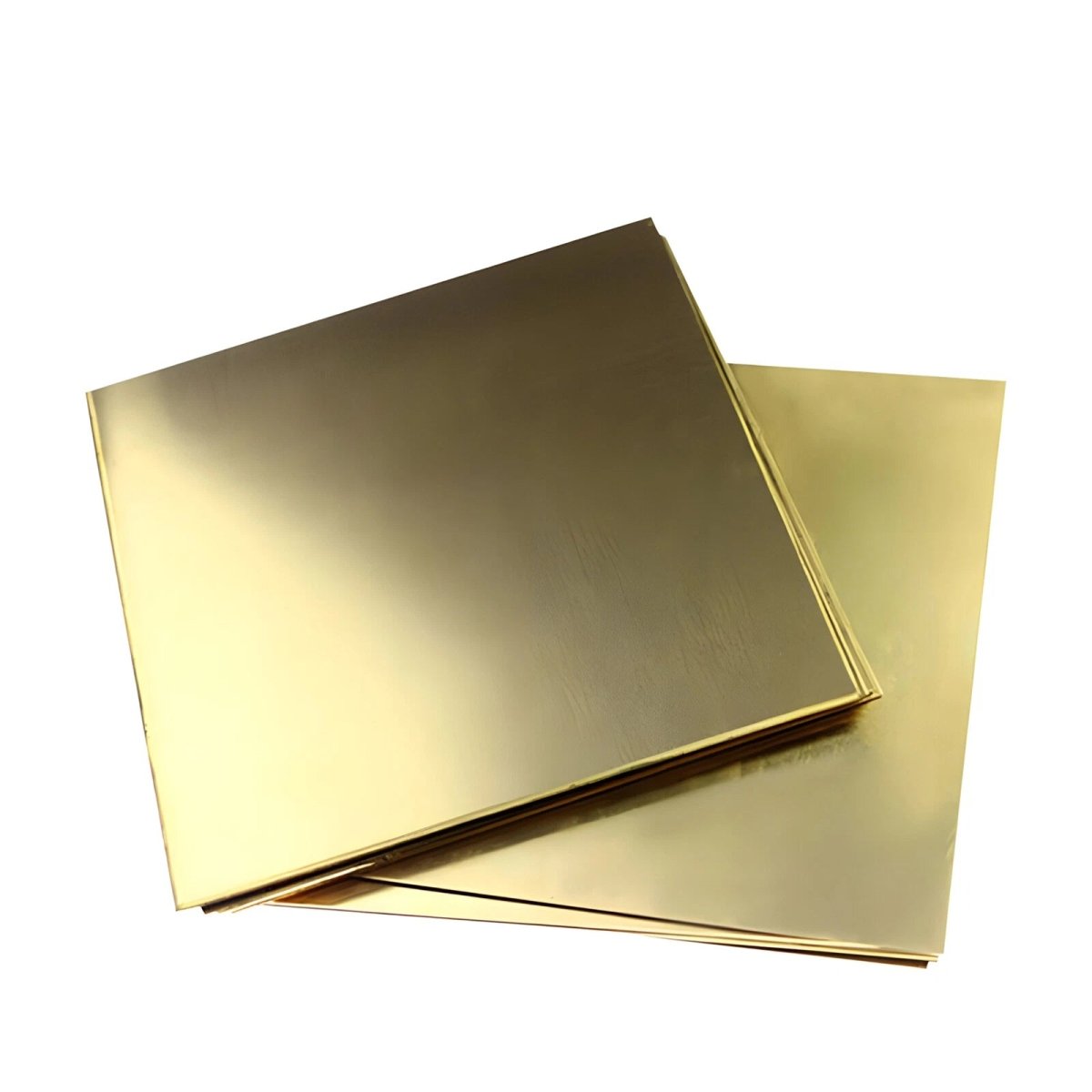
When a project demands a metal that machines cleanly, solders reliably, and holds its shape under fine detail work, finding the right flat stock in the exact thickness you need can be a real challenge. Whether you are a scale modeller chasing tight tolerances, a jeweller forming bezels and backplates, or a maker building custom brackets and decorative panels, this H62 brass sheet is stocked in the dimensions you actually need — not just the sizes that are easy to cut.
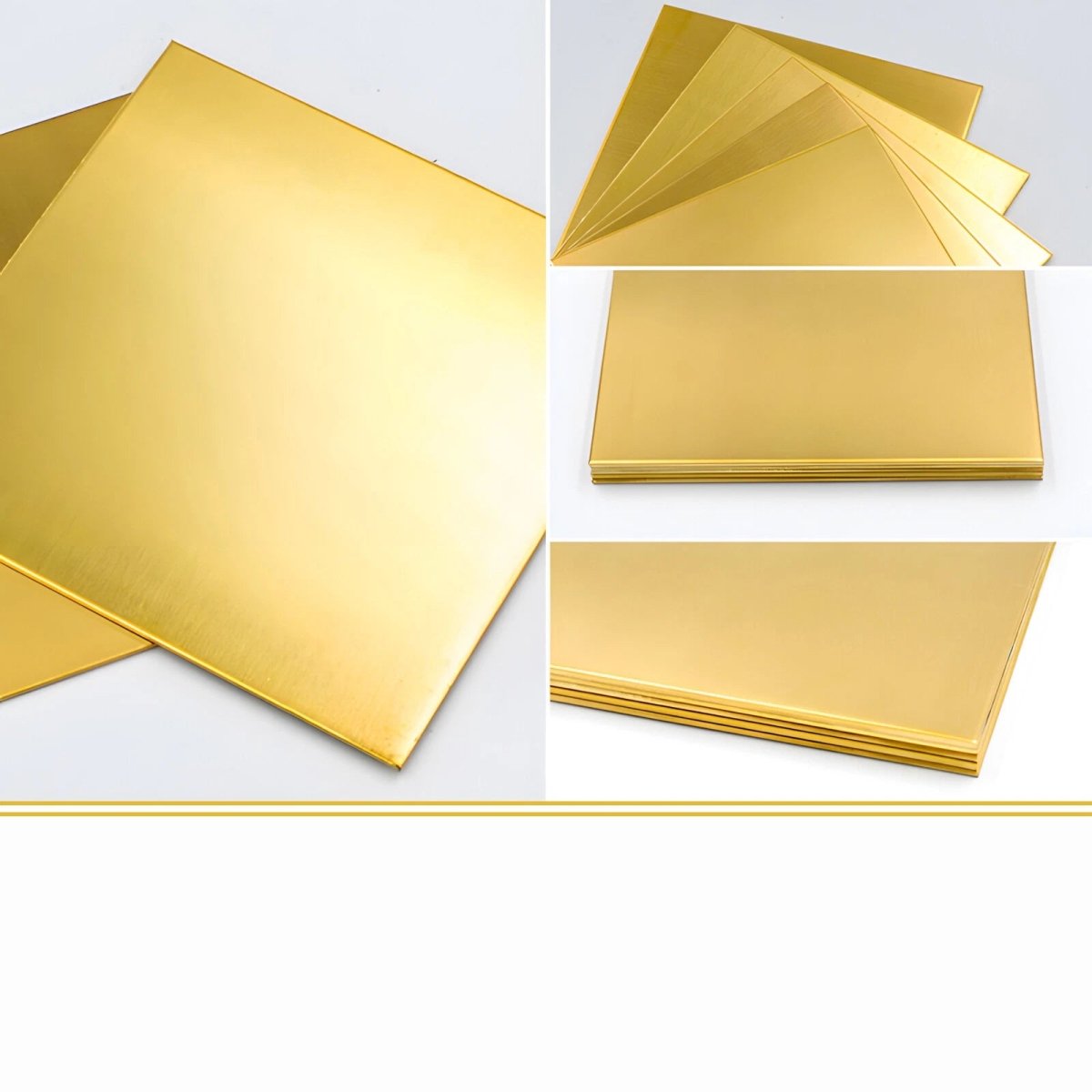
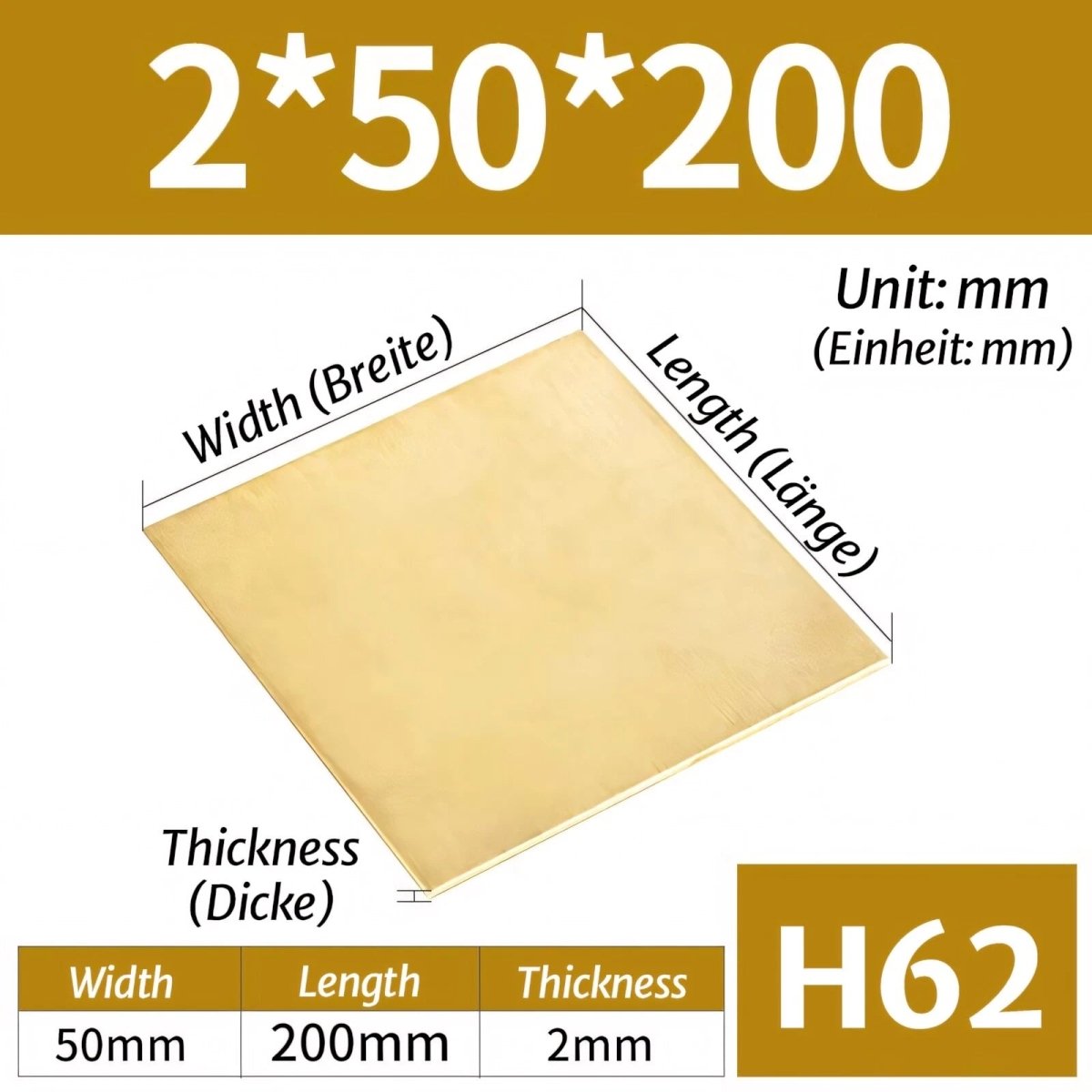
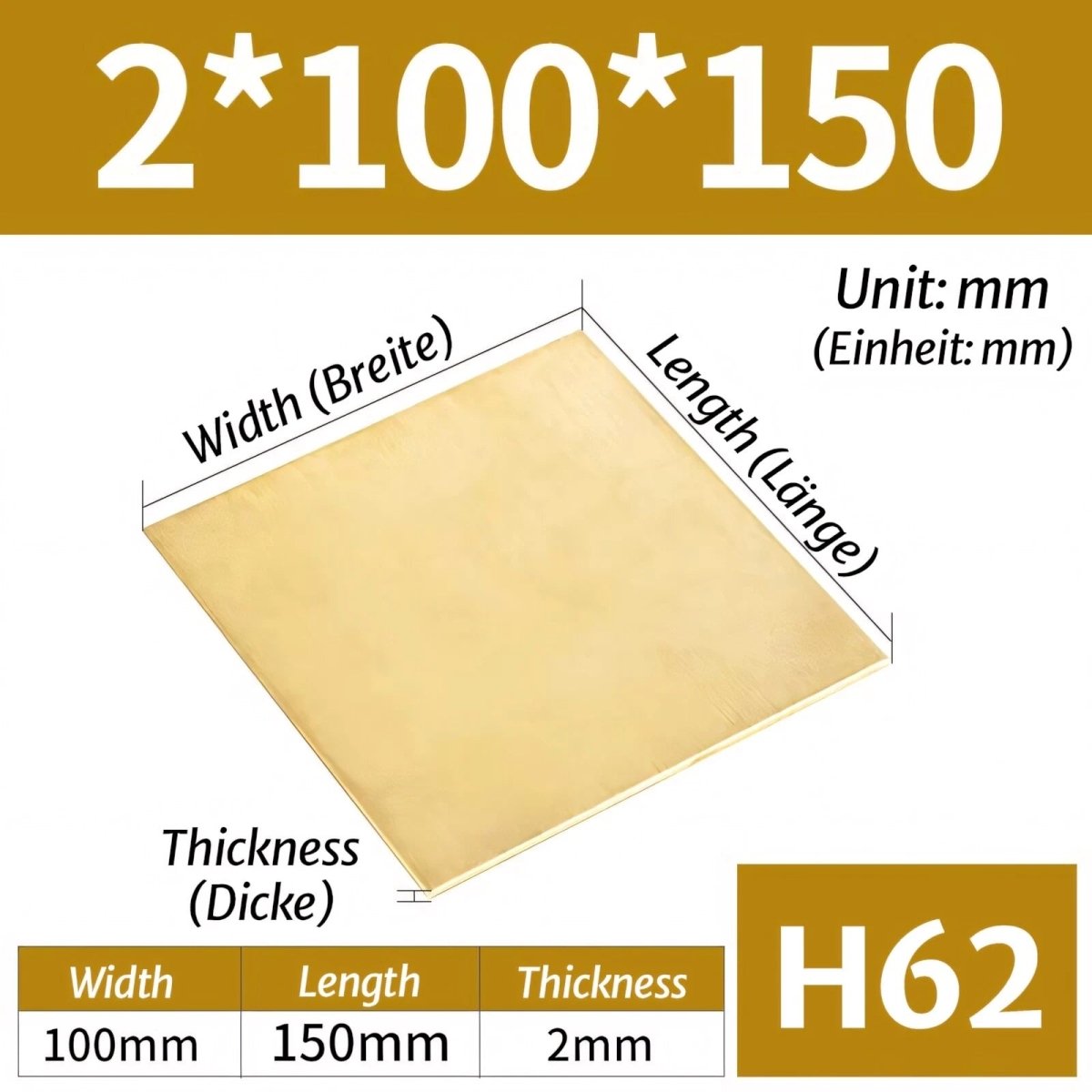
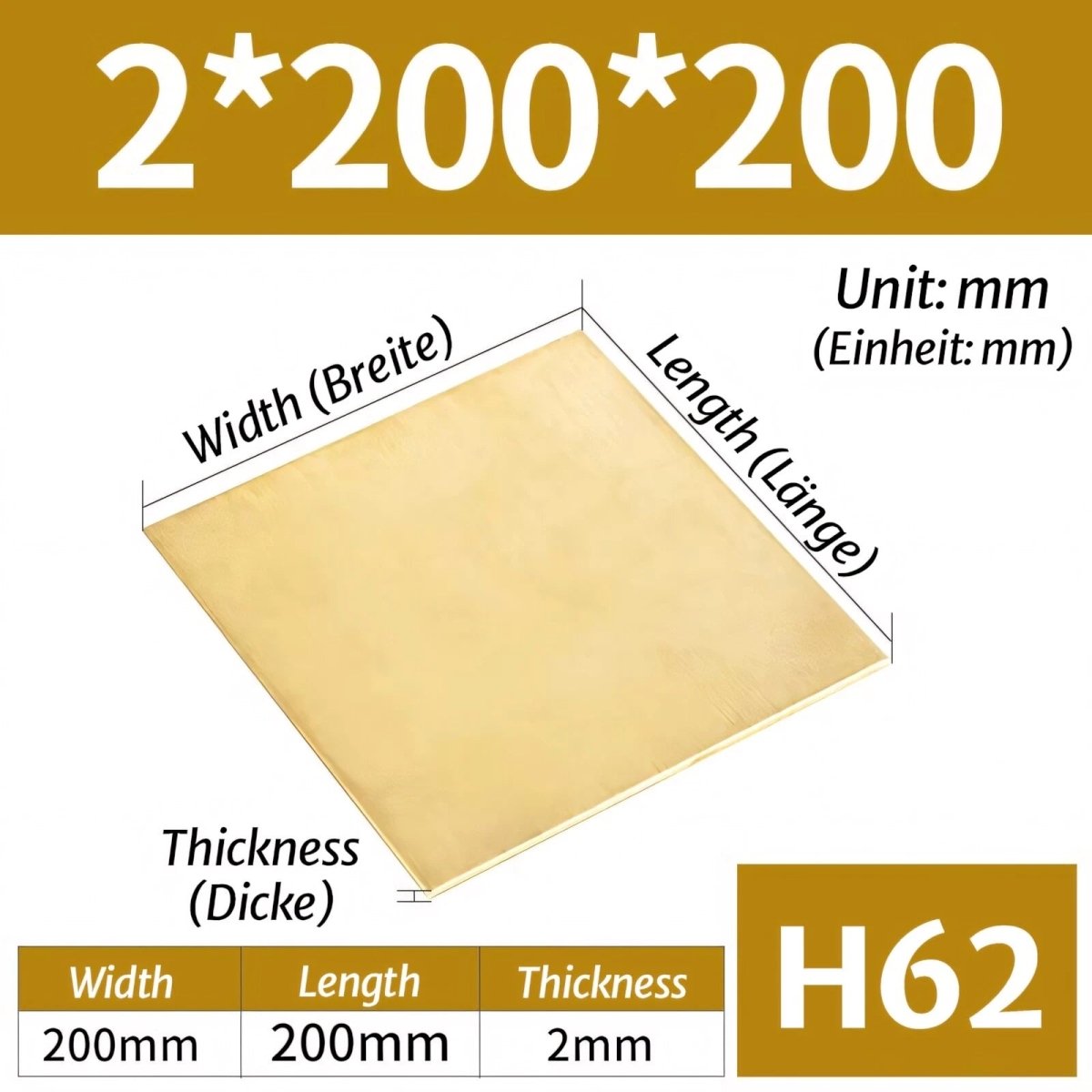
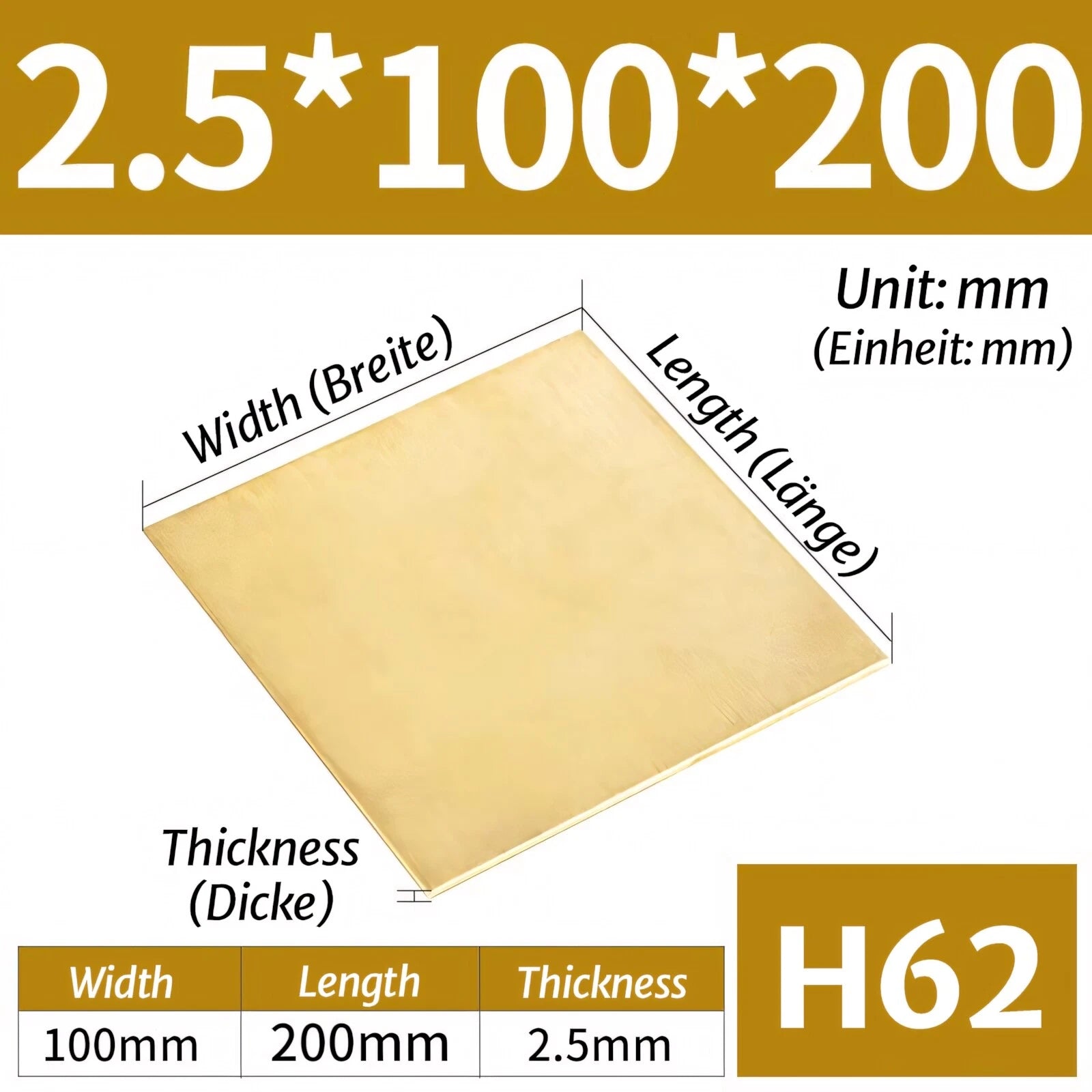
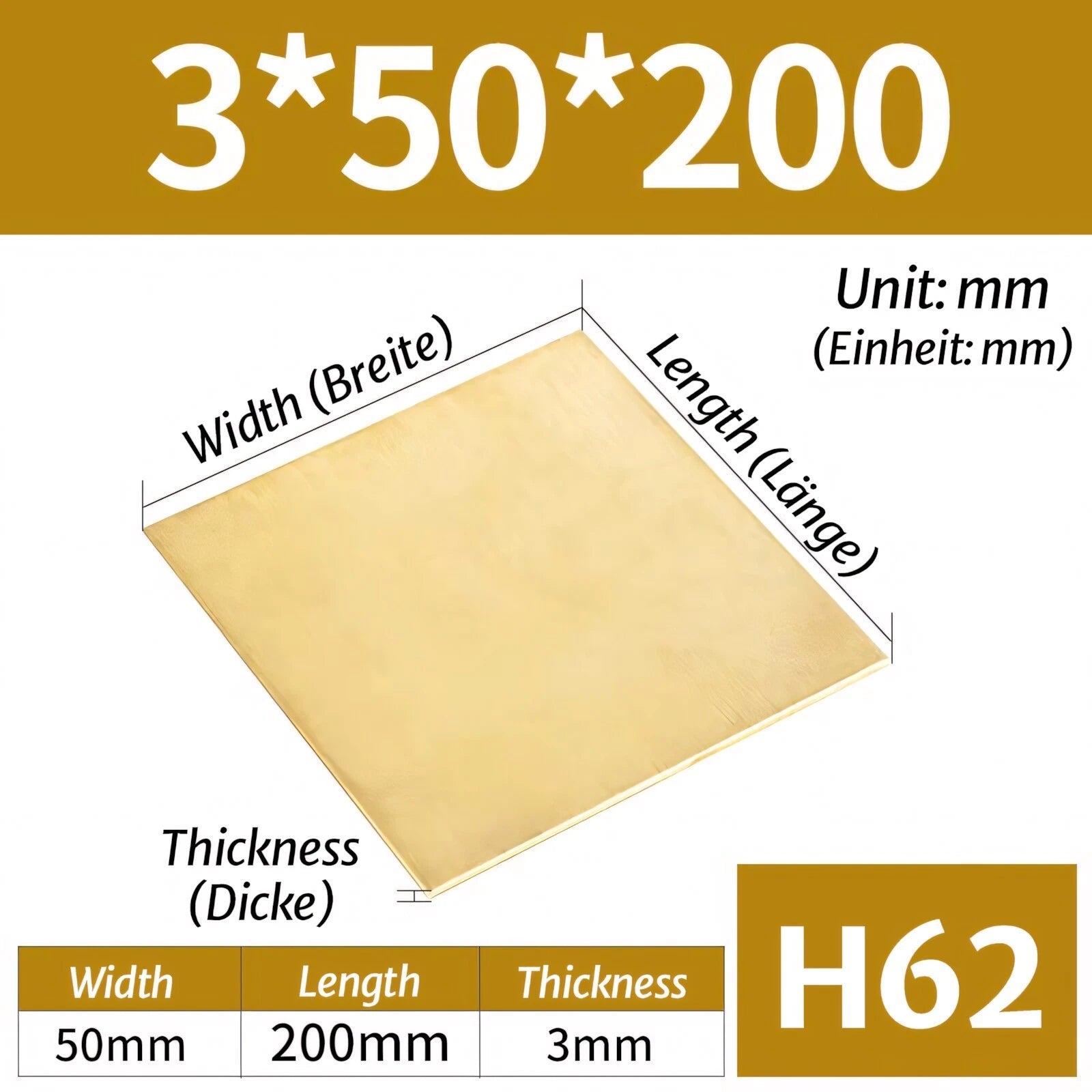
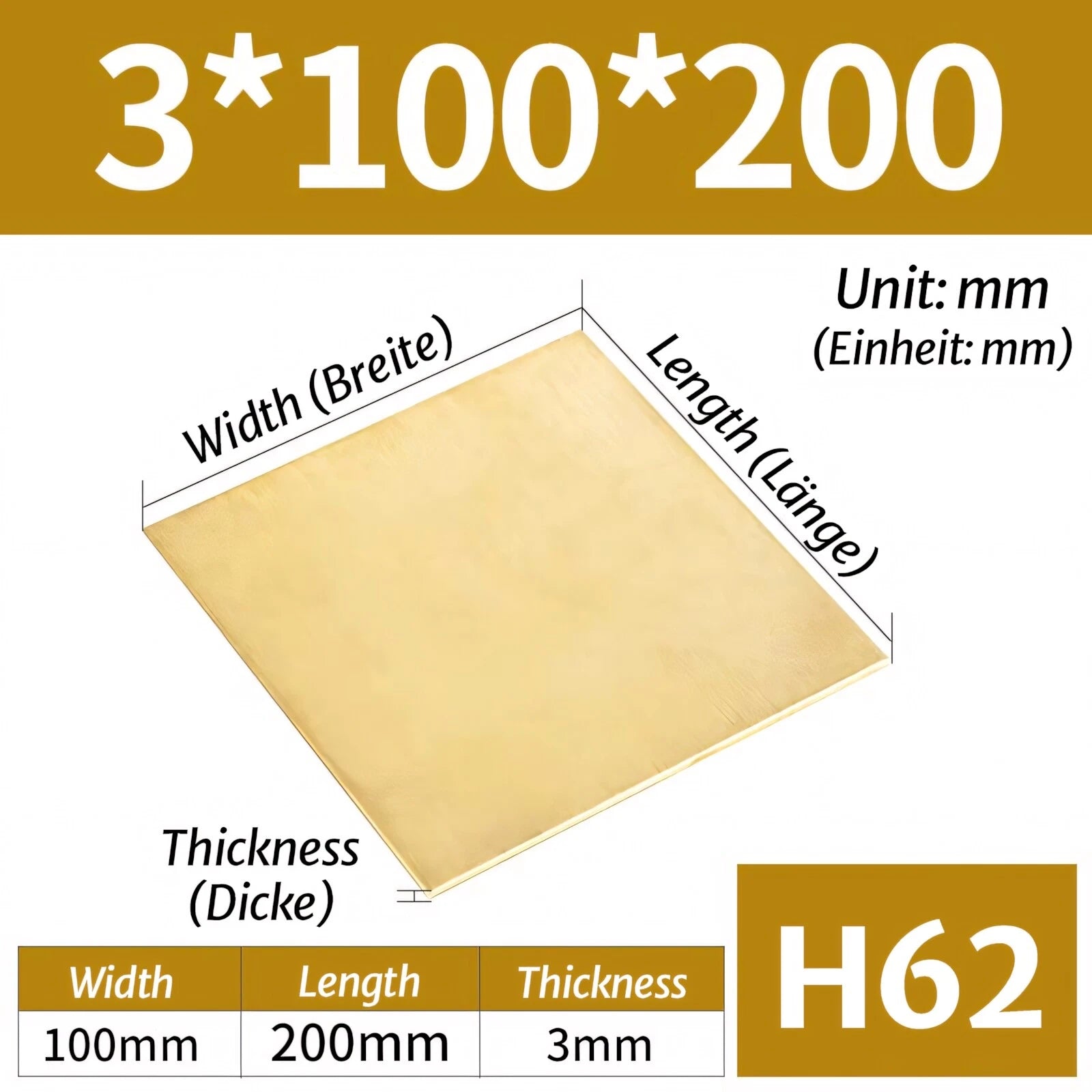
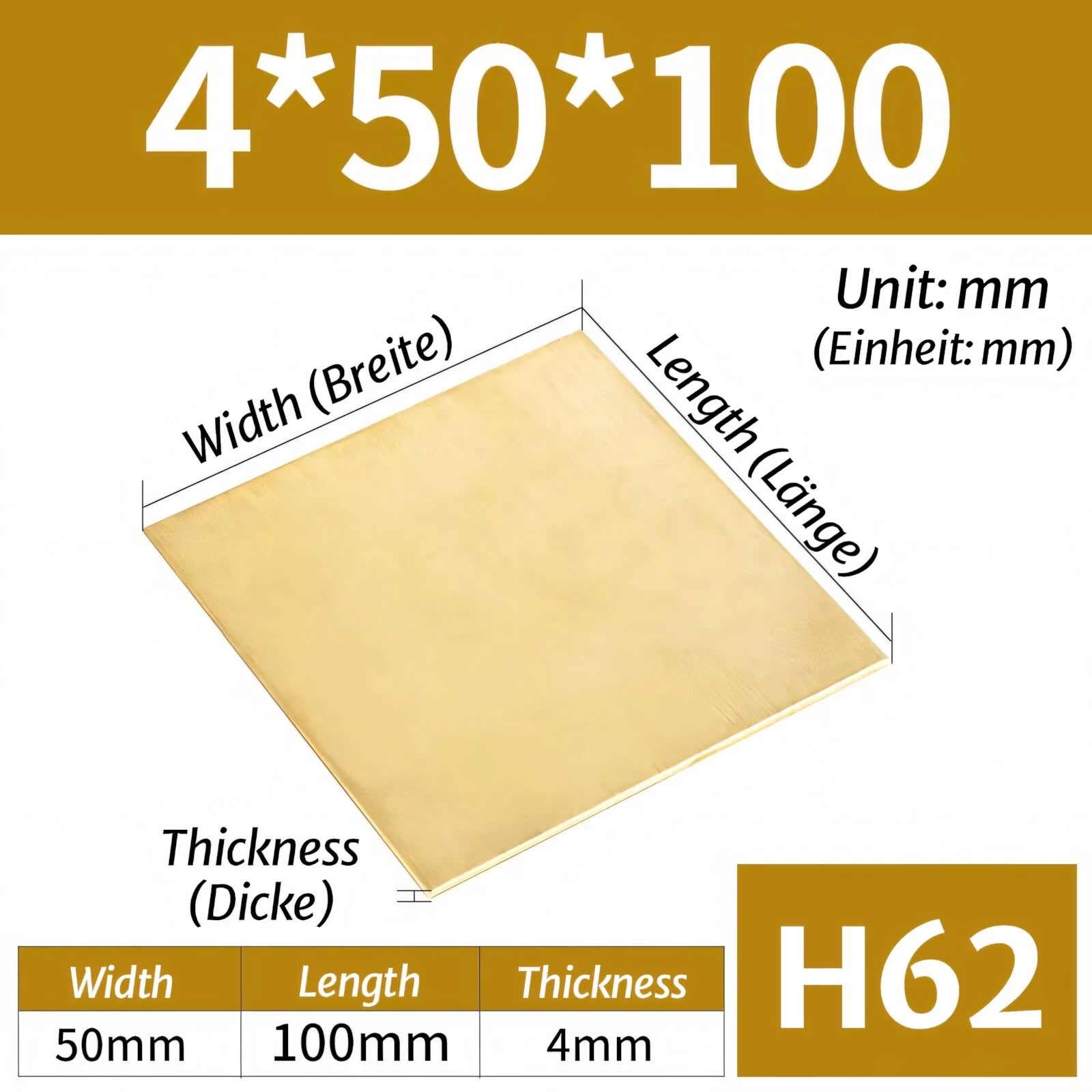
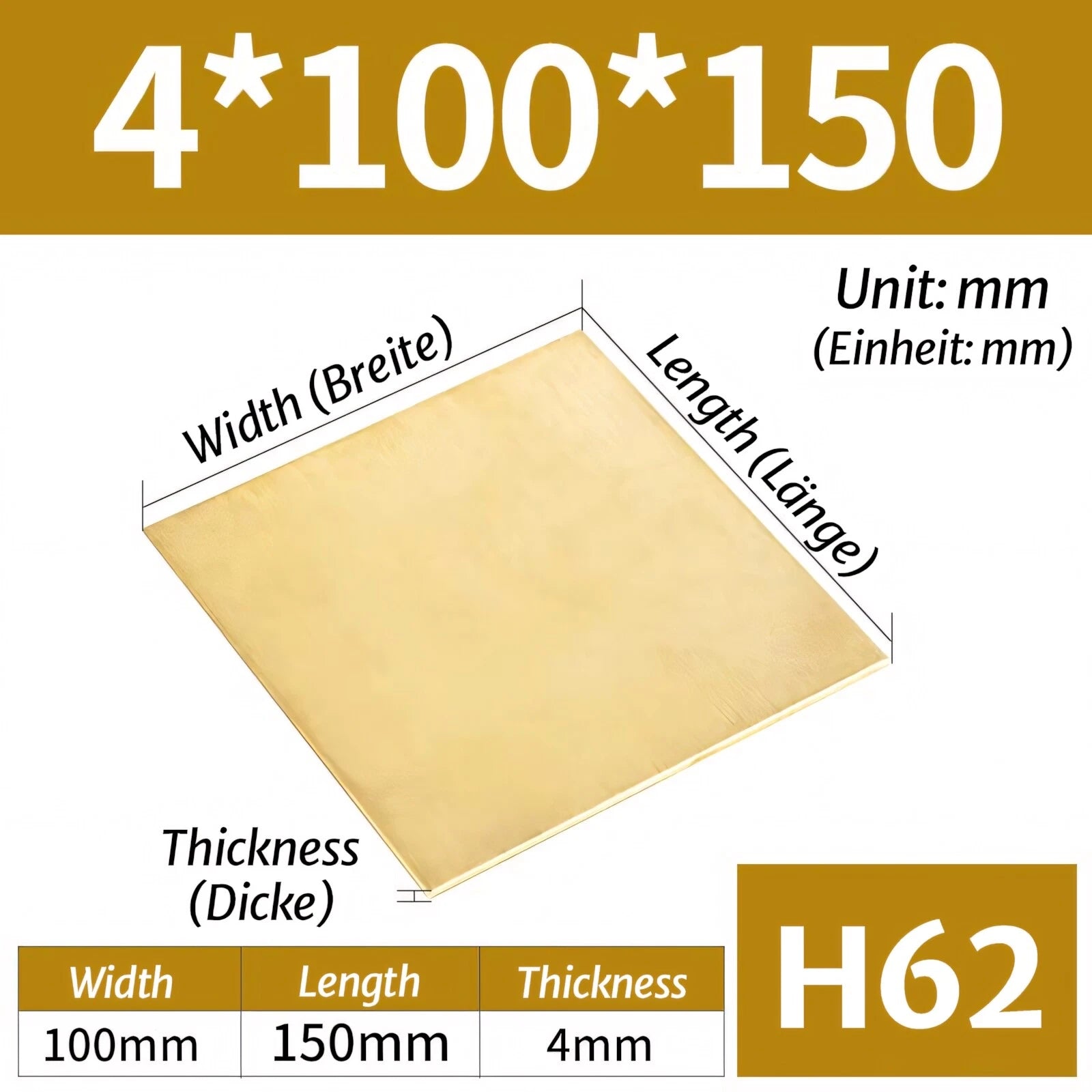
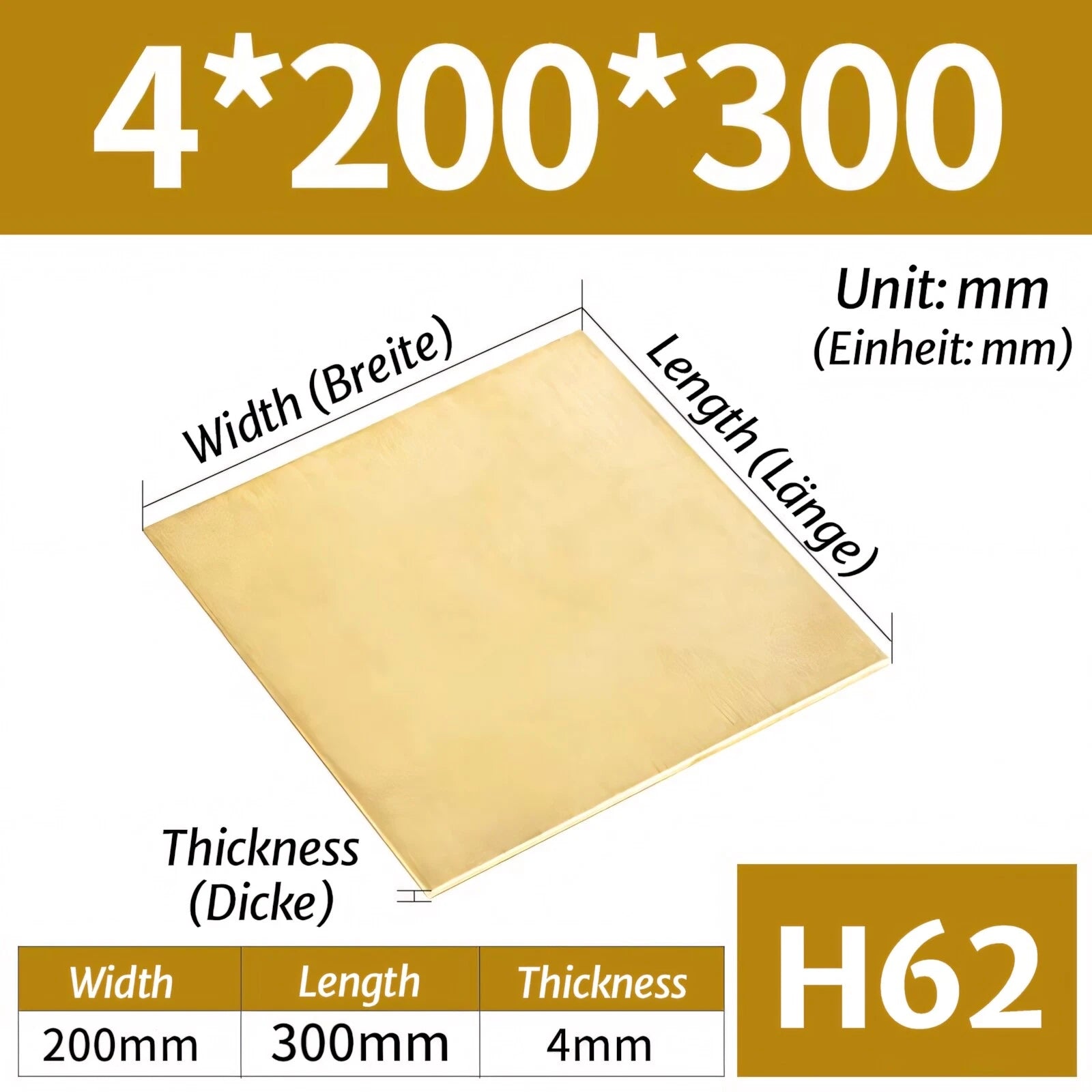
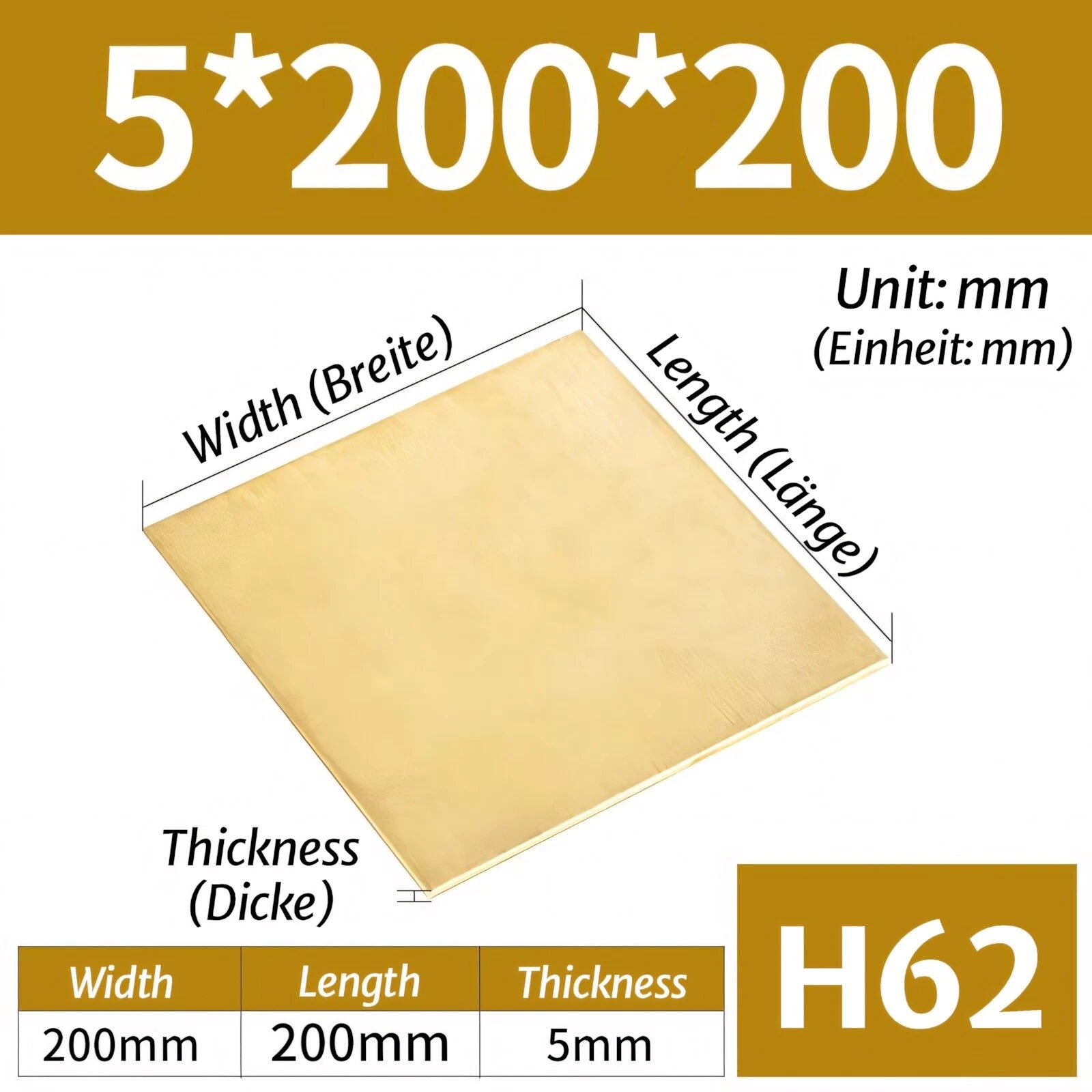
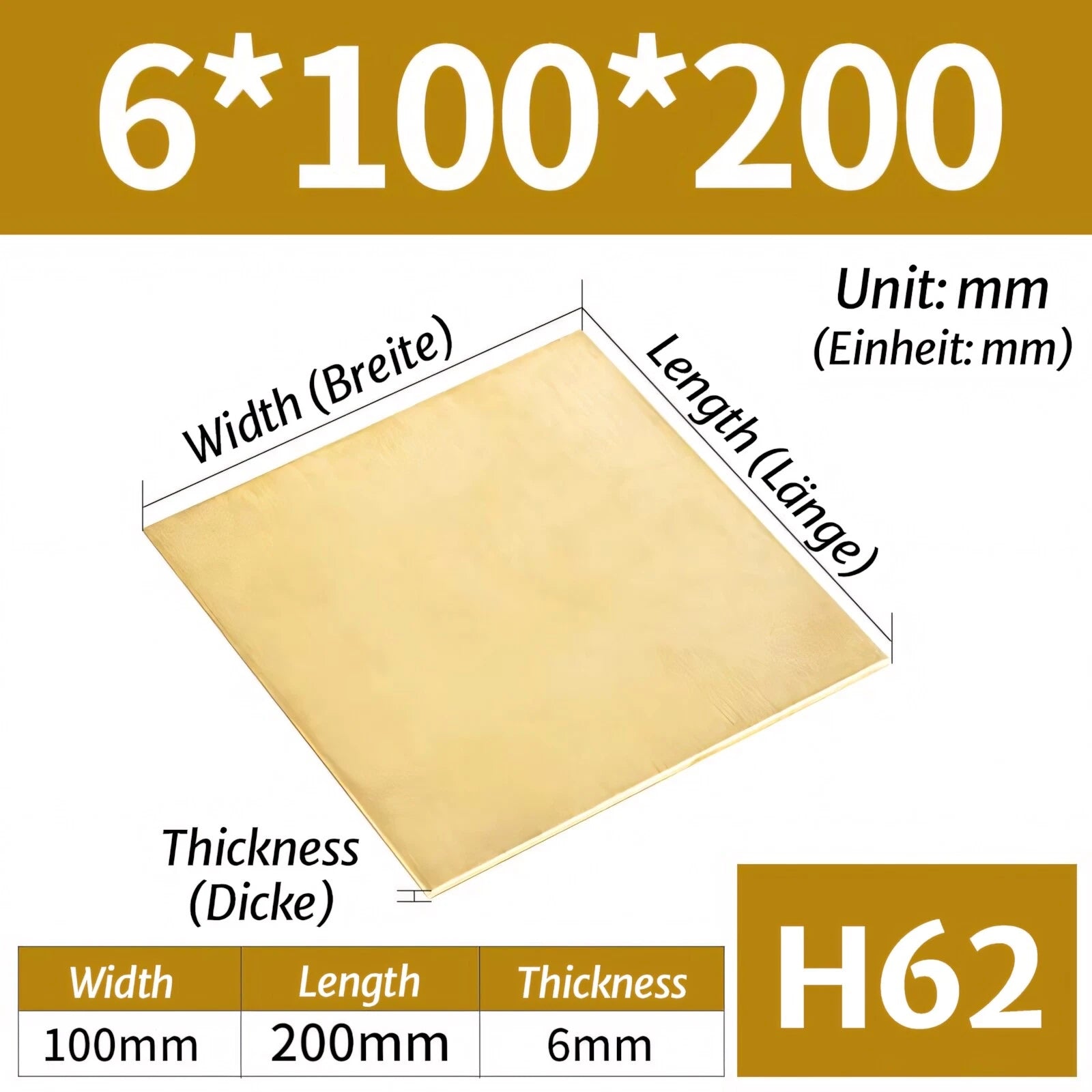
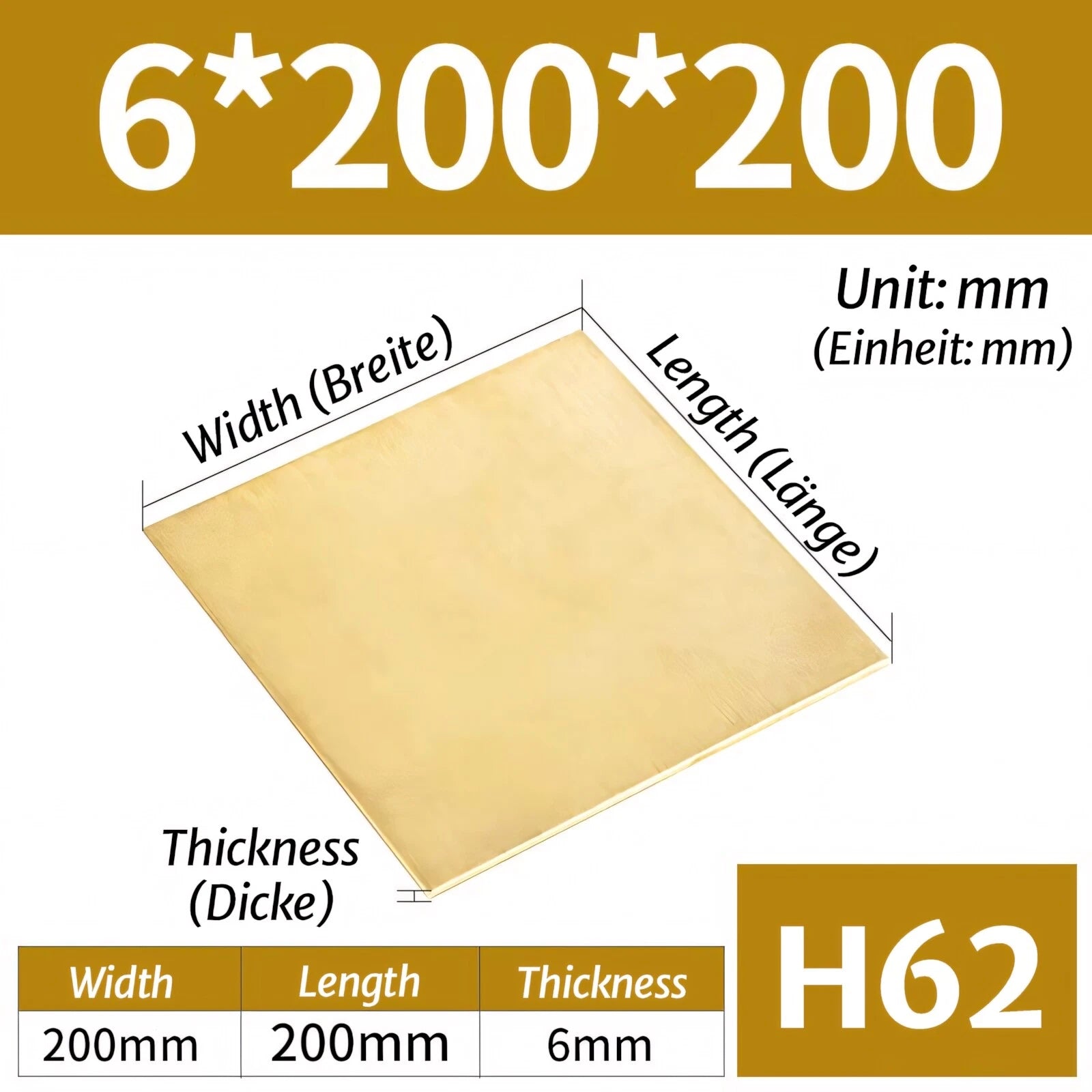
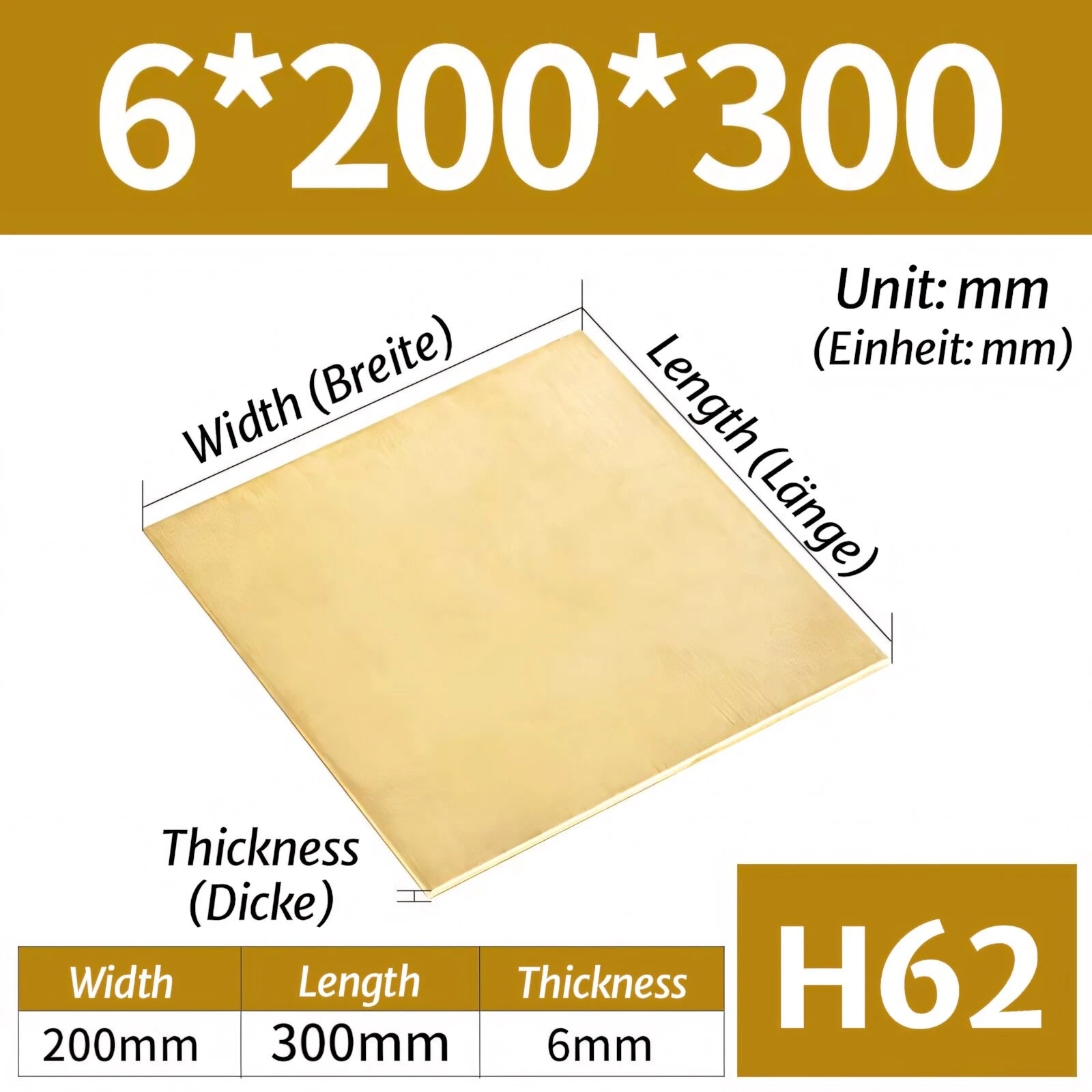
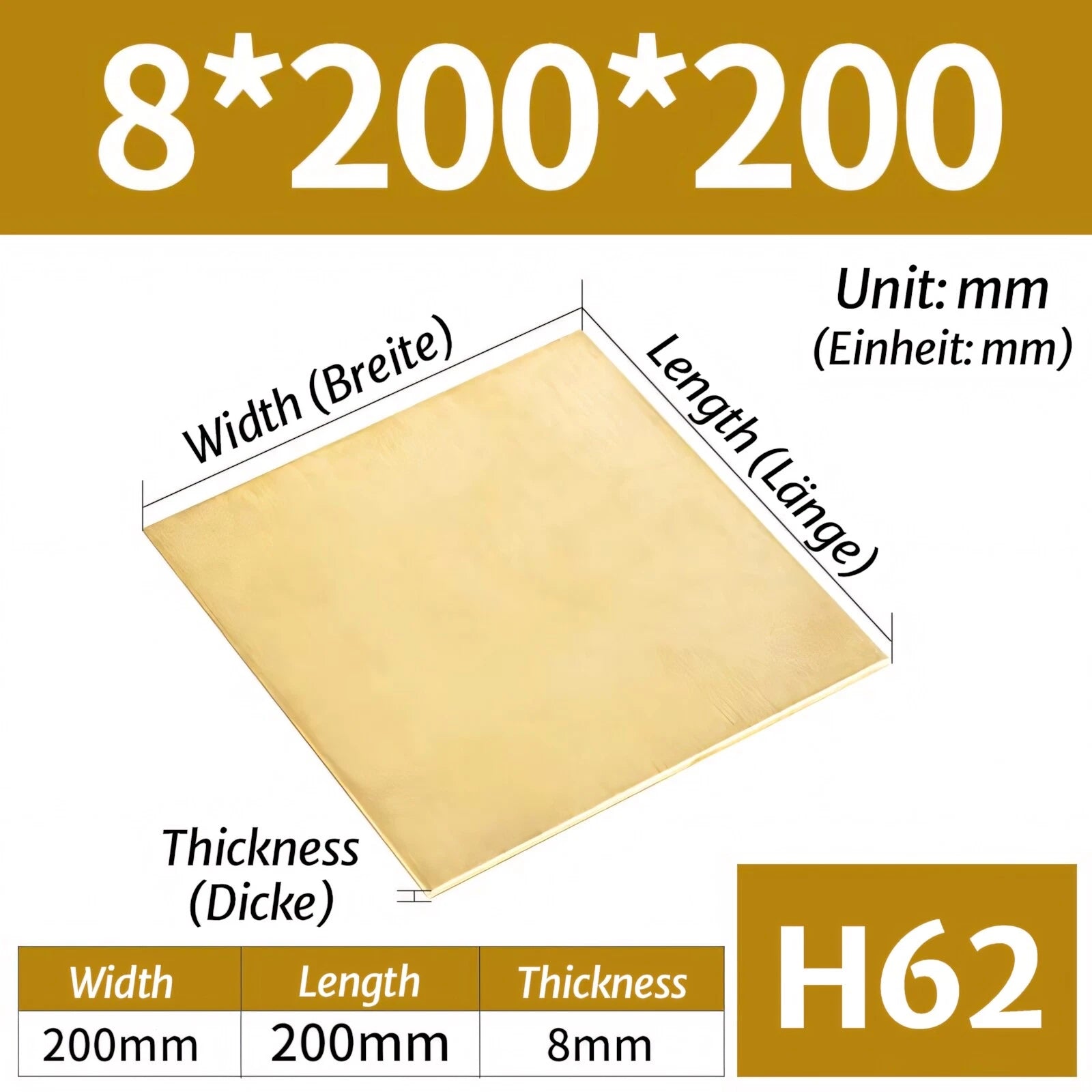
Each piece is cut from H62 grade brass, an alloy composed primarily of copper (approximately 62%) and zinc, valued for its balance of workability and structural integrity. Sheets are available in thicknesses from 2mm to 8mm (approximately 0.079 in to 0.315 in) and in flat dimensions ranging from 50×100mm (approx. 2×4 in) up to 300×300mm (approx. 11.8×11.8 in). Surface finish is a standard mill finish consistent with flat-rolled brass stock.
Typical applications include architectural scale models and diorama detailing where precise cutting and etching are required, jewellery making tasks such as forming sheet metal rings, pendants, and structural backings, and general DIY metalwork including custom hinges, shims, electrical contact plates, and decorative inlays. The consistent thickness across each sheet makes it well-suited for CNC routing, laser cutting, and hand-tool fabrication alike.
Composed of approximately 62% copper and 38% zinc, H62 offers a reliable combination of machinability, solderability, and corrosion resistance suitable for both indoor decorative and functional applications.
Available from 2mm through 8mm thick (approx. 0.079 in–0.315 in), covering light decorative sheet work up to structural flat stock — all in one product listing.
Flat dimensions span from 50×100mm (approx. 2×4 in) to 300×300mm (approx. 11.8×11.8 in), giving you the flexibility to select the closest size to your project requirement and minimise waste.
Mill-finished surface with uniform thickness tolerance across the sheet, making it suitable for precision marking, scribing, and machining without additional surface preparation.
Thinner gauges (2mm–3mm) are ideal for jewellery sheet work, bezel forming, and fine detail cutting. Thicker gauges (4mm–8mm) suit structural model components, brackets, and load-bearing decorative elements.
Order as a single piece for prototyping or select 2-piece or 5-piece packs for ongoing projects, batch production, or workshop stock — with per-unit savings on larger quantities.
| Material | H62 Brass (Cu~62%, Zn~38%) |
|---|---|
| Thickness Range | 2mm – 8mm (approx. 0.079 in – 0.315 in) |
| Sheet Dimensions | 50×100mm up to 300×300mm (see variant options) |
| Surface Finish | Mill finish (flat-rolled) |
| Colour | Yellow brass |
| Corrosion Resistance | Moderate; suitable for indoor and low-humidity environments |
| Machinability | Good; compatible with sawing, drilling, routing, and laser cutting |
| Solderability | Good; suitable for soft soldering and low-temperature brazing |
| Quantity per Order | 1 Pcs / 2 Pcs / 5 Pcs (see variant options) |
| Weight | See variant options |
For jewellery making tasks such as sheet rings, pendants, and bezels, 2mm–3mm thickness is typically sufficient and easy to cut with a jeweller's saw or tin snips. For structural model components, brackets, or decorative panels that need to hold their shape under handling, 4mm–6mm is a more practical choice. The 8mm option is suited to heavier-duty applications where rigidity is the primary requirement.
H62 is a Chinese standard designation for a common alpha-beta brass alloy containing approximately 62% copper and 38% zinc. Compared to higher-copper grades such as H70 or H80, H62 is slightly harder and more machinable, making it well-suited for cutting, drilling, and forming. It is widely used in models making, decorative metalwork, and general fabrication where a balance of workability and strength is needed.
H62 brass has moderate corrosion resistance and will develop a natural patina (oxidation) when exposed to moisture and air over time. For outdoor applications, a clear lacquer or protective coating is recommended to maintain the original finish. For consistently wet or marine environments, a more corrosion-resistant alloy such as naval brass or stainless steel would be a better choice.
Yes. Thinner sheets (2mm–3mm) can be cut with quality tin snips, a jeweller's saw, or a fine-tooth hacksaw. Thicker sheets (4mm–8mm) are best handled with a bandsaw, angle grinder with a metal cutting disc, or CNC router. The material is also compatible with laser cutting, though cutting parameters will vary by machine and thickness. Always use appropriate personal protective equipment when cutting metal.
As with standard flat-rolled metal stock, minor dimensional tolerances are normal. Thickness and flat dimensions may vary slightly from the stated values — typically within ±0.1mm to ±0.2mm depending on the size. If your application requires tight tolerances, we recommend measuring the received piece before final cutting and allowing a small margin in your design.
If you are prototyping or testing a design, start with a single piece (1 Pcs) in the smallest size that covers your pattern — this minimises cost while letting you confirm fit and finish. Once your design is finalised, the 2-piece or 5-piece packs offer better value for repeat cuts or batch production. When in doubt, order slightly larger than your minimum requirement to allow for layout and cutting margins.
Yes. H62 brass has good solderability and is compatible with standard soft soldering using rosin-core or acid-core solder, as well as low-temperature silver brazing. Clean the surface with fine abrasive paper or flux before soldering to ensure a strong bond. Avoid high-temperature torch brazing without proper ventilation, as zinc vapour can be released at elevated temperatures.





