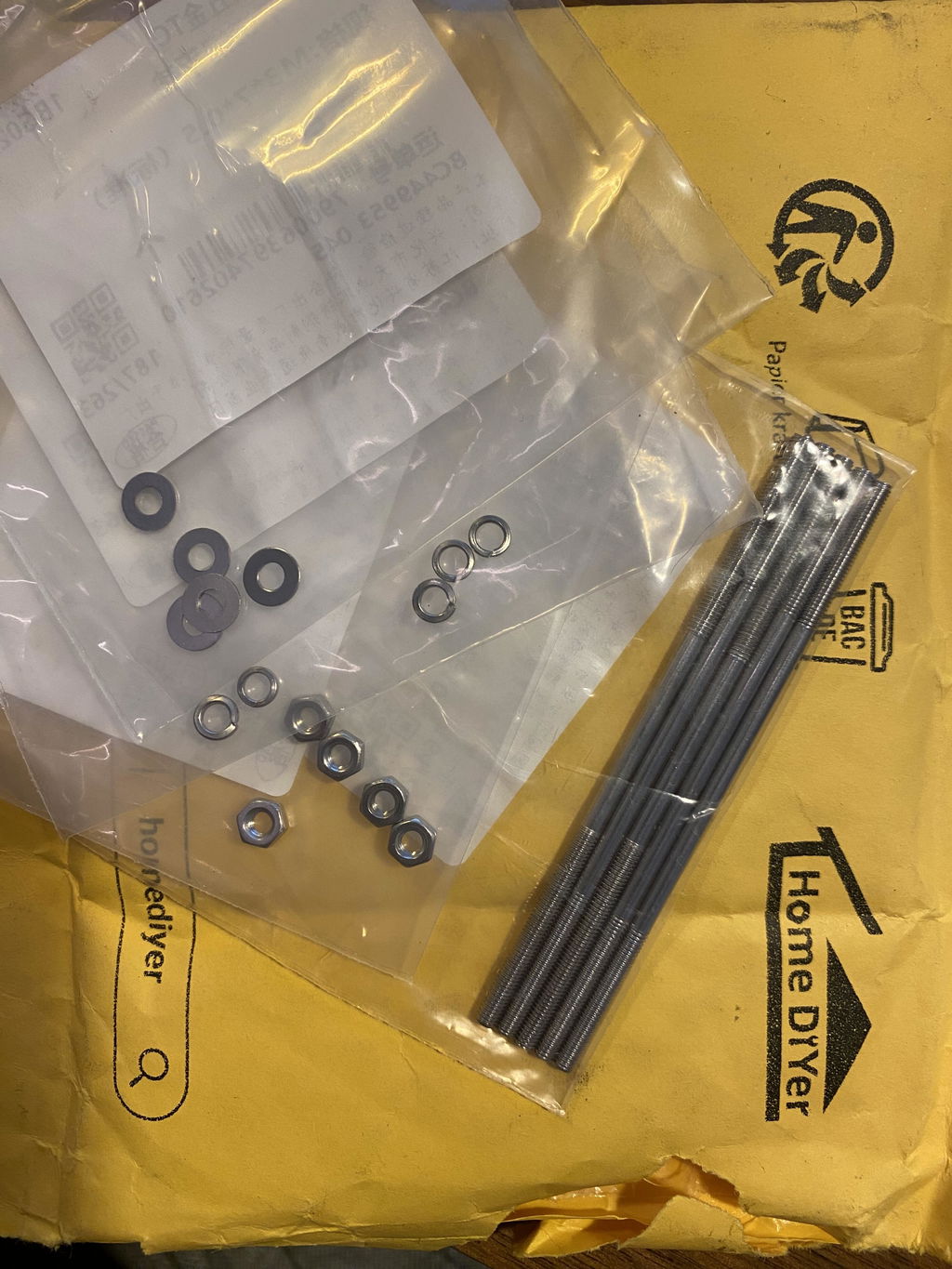
The chain is fine...but I ordered the wrong size. Nine links of the chain I ordered equals six of the size I wanted. My error...
How can I straighten out the springs? I can't use them coil uo as is.
Your payment information is processed securely. We do not store credit card details nor have access to your credit card information.
Get fitment advice & recommendations
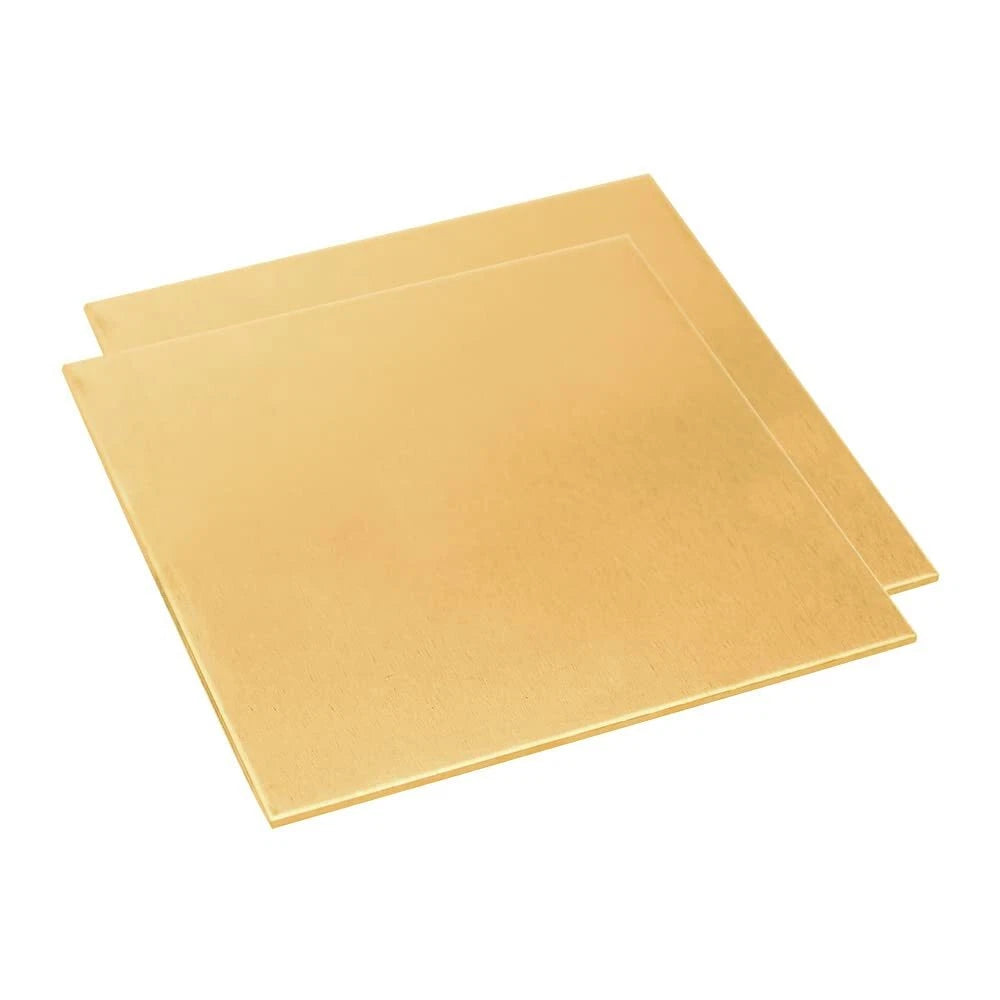
When your project demands exact tolerances and a material that holds its shape under pressure, finding the right metal shim sheet can be a real challenge. Whether you are a scale model builder, a mechanical hobbyist, or a workshop technician who needs reliable gap-filling material, these H62 brass shim sheets are engineered to meet your precision requirements without compromise.
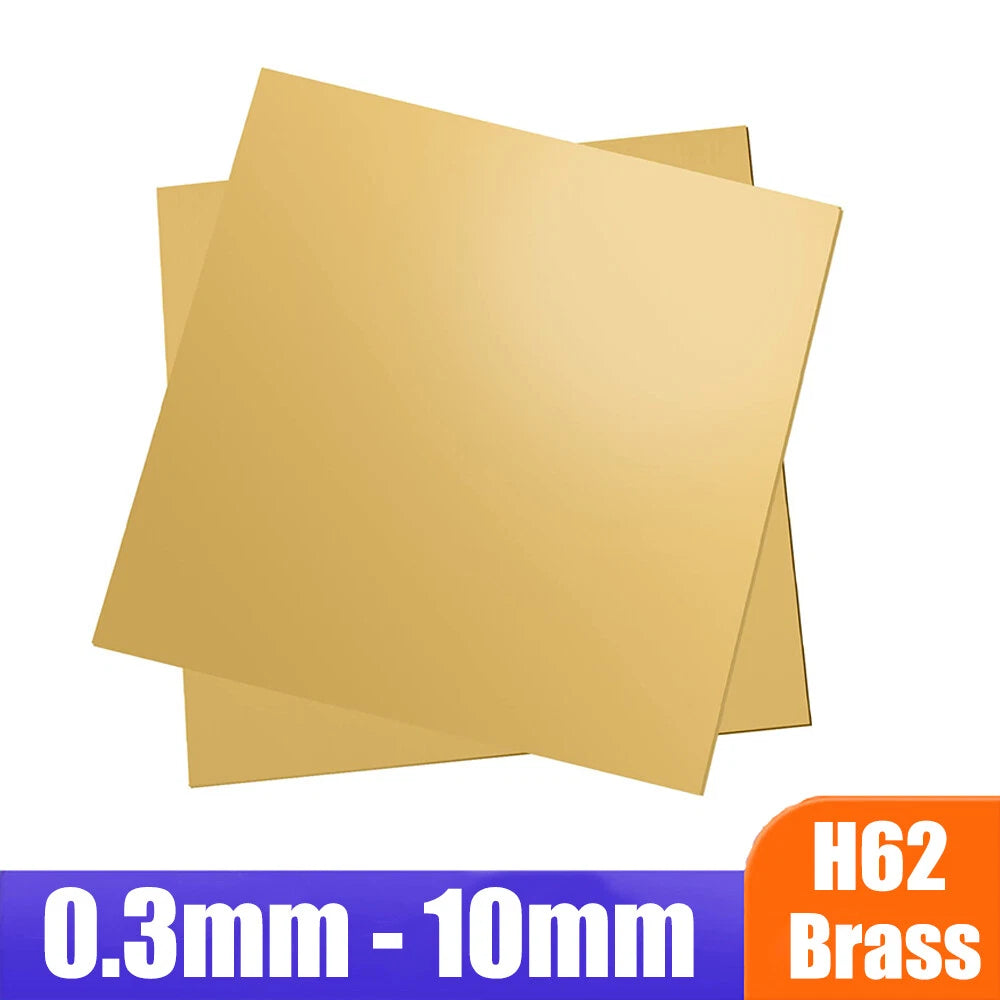
Each sheet is cut from H62 brass alloy — a copper-zinc composition known for its excellent machinability, corrosion resistance, and consistent thickness. Available in thicknesses ranging from 0.3 mm to 10 mm (approximately 0.012 in to 0.394 in) and in a variety of sheet sizes from 50 mm × 50 mm up to 300 mm × 300 mm (roughly 2 in × 2 in to 11.8 in × 11.8 in), you can select exactly the dimensions your application requires.
These H62 brass shim sheets are widely used for model making and scale dioramas where fine detail work demands thin, workable metal; for mechanical shimming and bearing preload adjustment in small engines and gearboxes; and for crafting custom gaskets, spacers, and heat shields in automotive restoration and electronics enclosure fabrication.
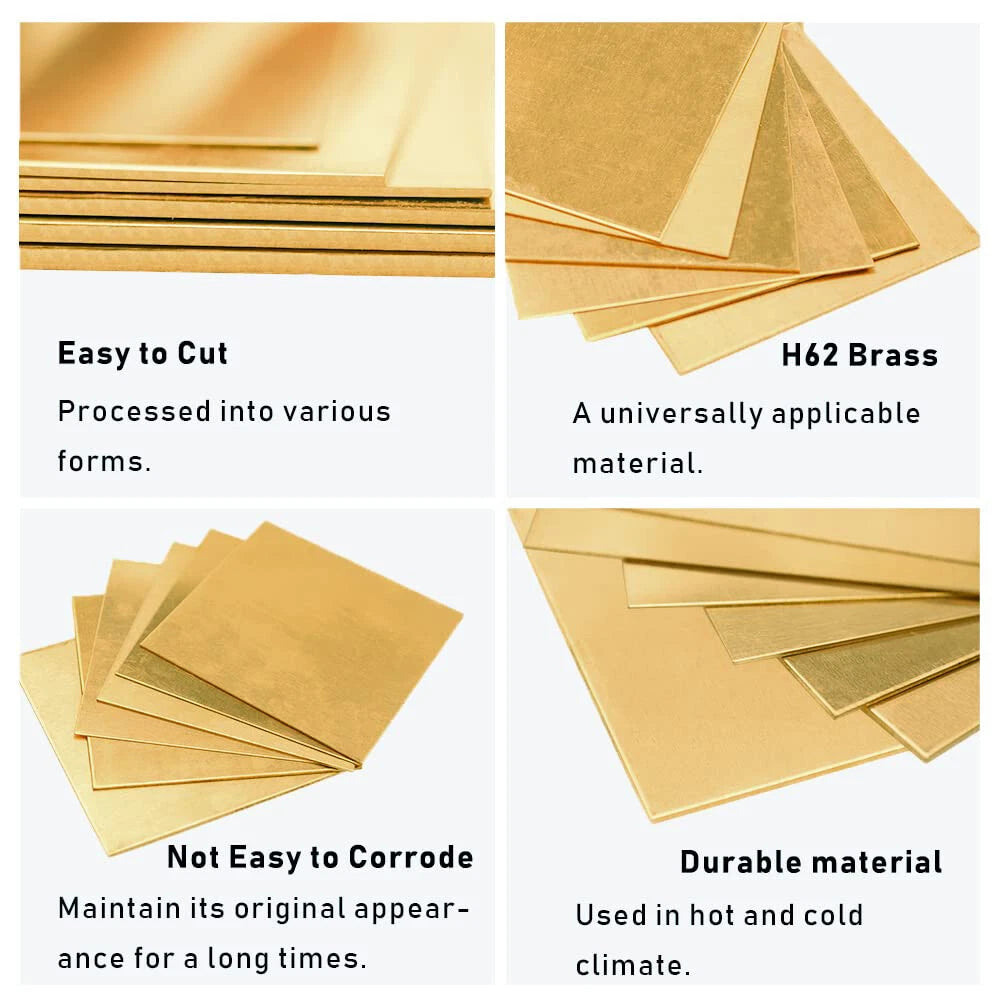
Made from H62 copper-zinc brass, delivering a balance of strength, ductility, and corrosion resistance that outperforms mild steel shims in humid or chemically active environments.
Fourteen thickness options from ultra-thin 0.3 mm foil to solid 10 mm plate, covering everything from delicate model work to structural shimming tasks.
Ten size options from 50 mm × 50 mm to 300 mm × 300 mm let you order only the material you need, reducing waste and keeping your project cost-efficient.
H62 brass machines cleanly with standard tools — drill bits, snips, files, and saws — making it easy to trim, punch, or shape on-site without specialist equipment.
The natural oxide layer of brass provides inherent resistance to moisture and mild chemicals, making these sheets suitable for both indoor workshop use and light outdoor applications.
Smaller sizes are available in multi-piece packs (2 or 4 pcs) for convenience, while larger sheets are supplied individually — so you get the right quantity for your build.
| Material | H62 Brass (Copper-Zinc Alloy) |
|---|---|
| Thickness Range | 0.3 mm – 10 mm (0.012 in – 0.394 in) |
| Sheet Size Options | 50×50 mm, 50×100 mm, 50×200 mm, 100×100 mm, 100×150 mm, 100×200 mm, 150×150 mm, 200×200 mm, 200×300 mm, 300×300 mm |
| Surface Finish | See variant options |
| Hardness | See variant options |
| Tensile Strength | Typically 330–420 MPa (H62 brass standard range) |
| Elongation | Typically 30–40% (annealed condition) |
| Density | Approx. 8.43 g/cm³ |
| Melting Point | Approx. 900–940 °C (1652–1724 °F) |
| Packing Quantity | 1 pcs / 2 pcs / 4 pcs (depends on size selected) |
| Product Type | Copper / Brass Sheet |
For ultra-fine shimming, gap filling, or decorative model work, start with 0.3 mm – 0.5 mm. For structural spacers, bearing preload shims, or gaskets that need to withstand moderate clamping force, 0.8 mm – 2 mm is a common choice. Thicker options (3 mm – 10 mm) are suited for machined blocks, standoffs, and load-bearing applications. When in doubt, measure the gap you need to fill and select the nearest thickness above that measurement.
Yes. H62 brass has a tensile strength typically in the range of 330–420 MPa, which is adequate for most shimming, spacer, and gasket applications in light to medium-duty mechanical assemblies. It is not recommended for high-load structural applications where steel or titanium shims would be more appropriate, but for model engines, gearboxes, and precision instruments it performs reliably.
Brass does not rust (rust is specific to iron-based metals). H62 brass forms a stable oxide patina over time that actually slows further corrosion. In normal indoor workshop conditions the sheets will remain serviceable for many years. In humid or salt-air environments, a light coat of clear lacquer or machine oil will extend the surface appearance. Brass is not recommended for prolonged contact with ammonia-based compounds, which can cause stress corrosion cracking.
Yes. Thin sheets (0.3 mm – 1 mm) can be cut with sharp metal snips, a craft knife, or a laser cutter. Sheets from 1 mm upward are best cut with a hacksaw, angle grinder, or CNC router. Drilling is straightforward with standard HSS drill bits — use a slow speed and cutting fluid for thicker pieces to prevent work-hardening. Brass files and sandpaper work well for deburring edges.
Ten sheet sizes are available, from 50 mm × 50 mm (about 2 in × 2 in) up to 300 mm × 300 mm (about 11.8 in × 11.8 in). Measure the area you need to cover or cut from, then select the smallest sheet size that fits your requirement — this minimises waste. For long, narrow strips (e.g., 50 mm × 200 mm), the rectangular options are ideal. For square patches or blanks, the square sizes work well.
Yes. H62 brass solders and brazes very well. For soft soldering, use a rosin-core or acid-core solder with a standard soldering iron or torch. For silver brazing, use a silver-bearing brazing alloy and flux appropriate for brass. Clean the surface with fine abrasive paper or flux before joining to ensure a strong bond. Avoid overheating, as prolonged high heat can cause zinc fuming — work in a ventilated area.
Yes. Certain smaller sizes (such as 50 mm × 50 mm and 50 mm × 100 mm) are available in packs of 2 or 4 pieces, which is convenient when you need multiple identical shims for a symmetrical assembly or want spares on hand. Larger sheet sizes are supplied as single pieces. The packing quantity is shown in the variant selector — simply choose the combination of thickness, size, and quantity that suits your project.