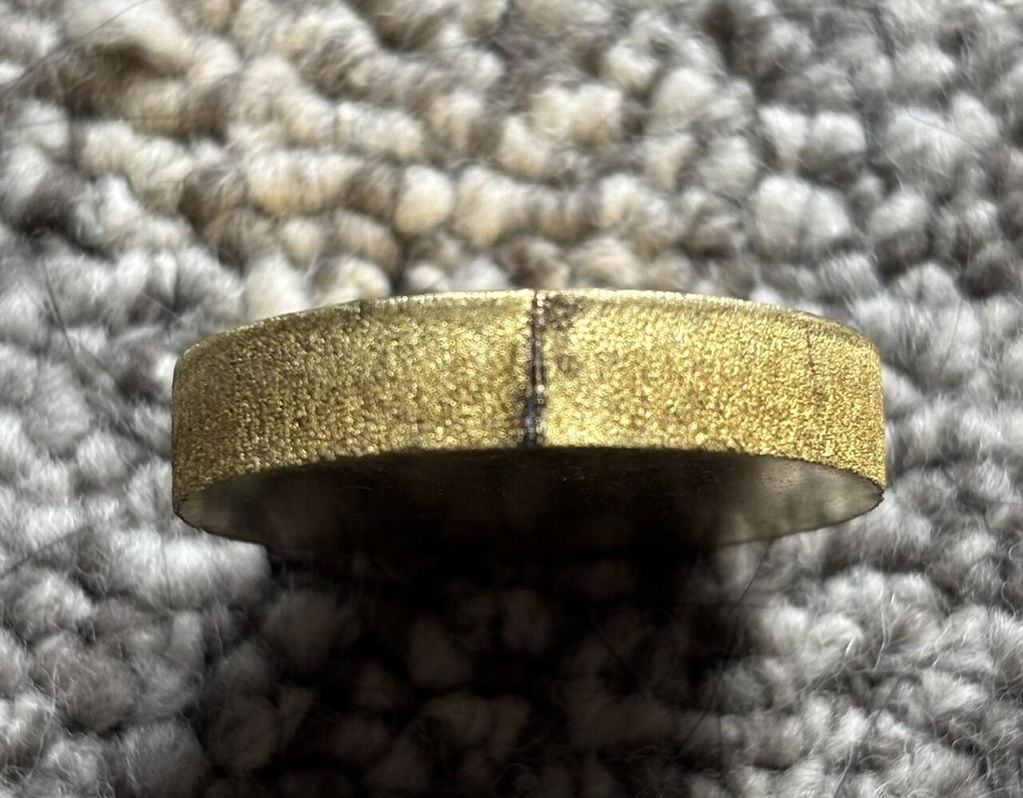
The chain is fine...but I ordered the wrong size. Nine links of the chain I ordered equals six of the size I wanted. My error...
How can I straighten out the springs? I can't use them coil uo as is.
Your payment information is processed securely. We do not store credit card details nor have access to your credit card information.
Get fitment advice & recommendations
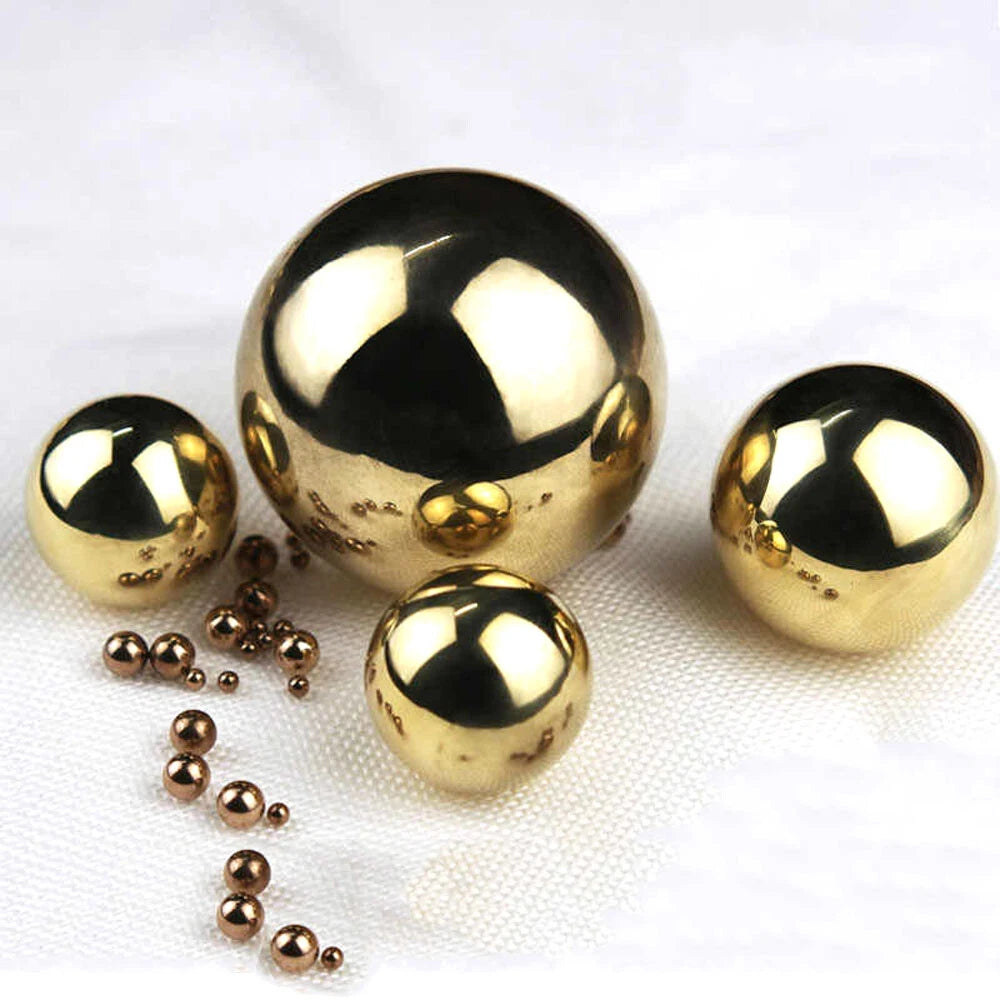
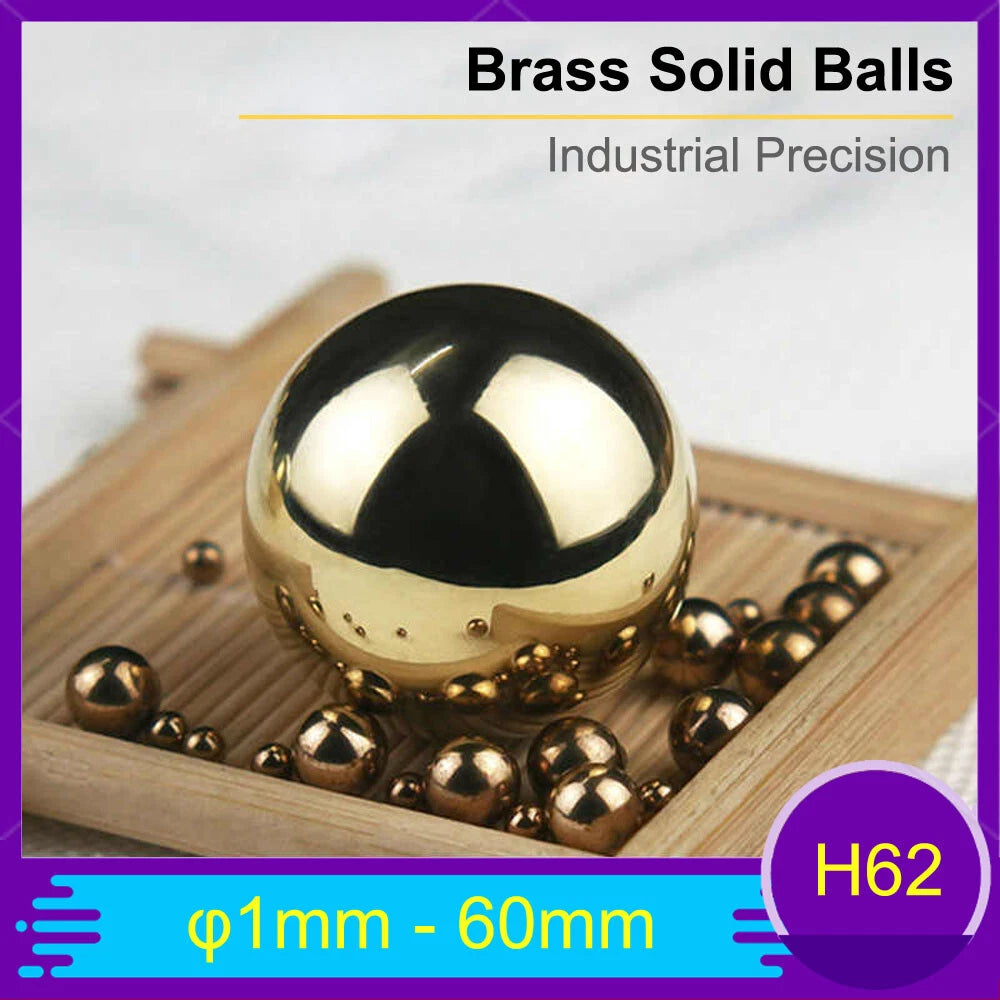
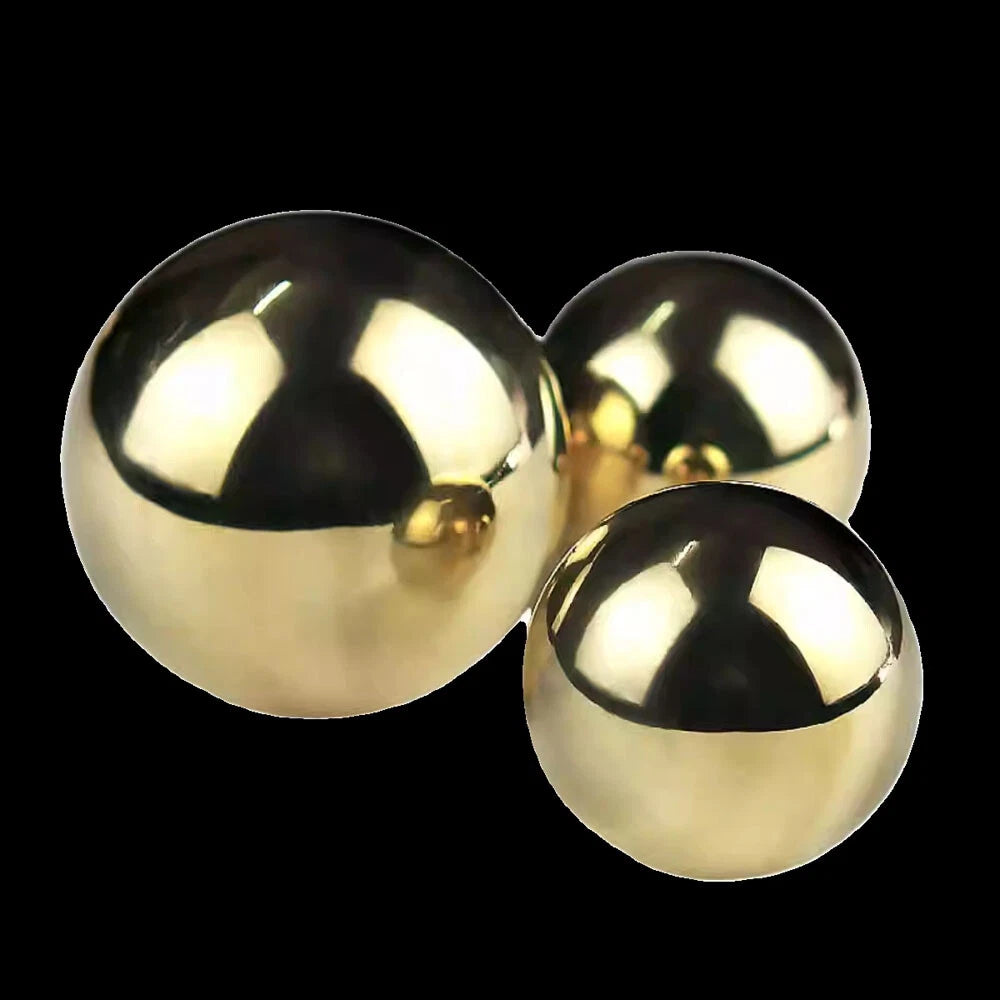
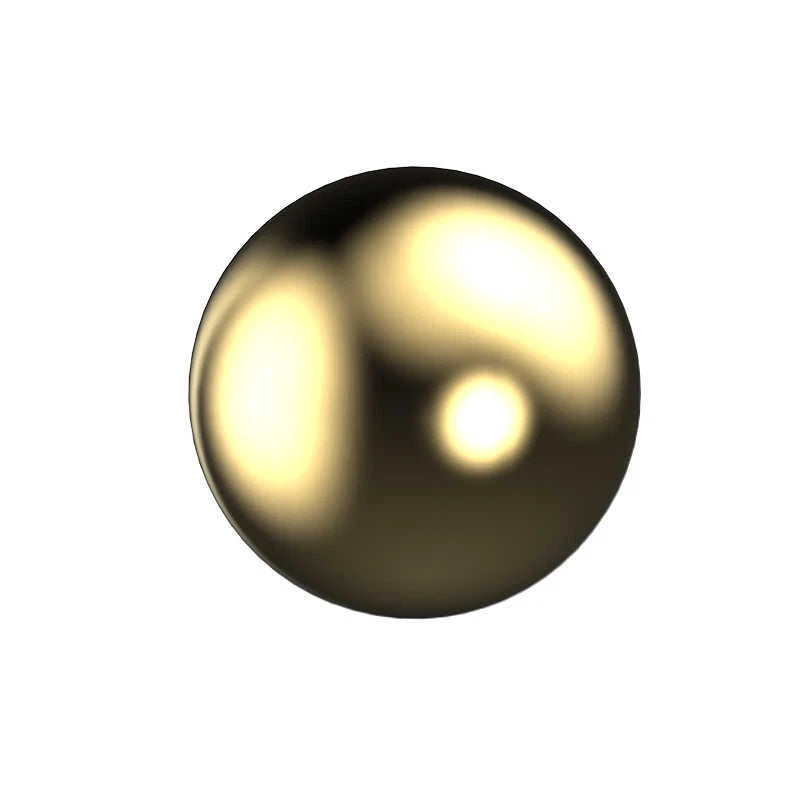
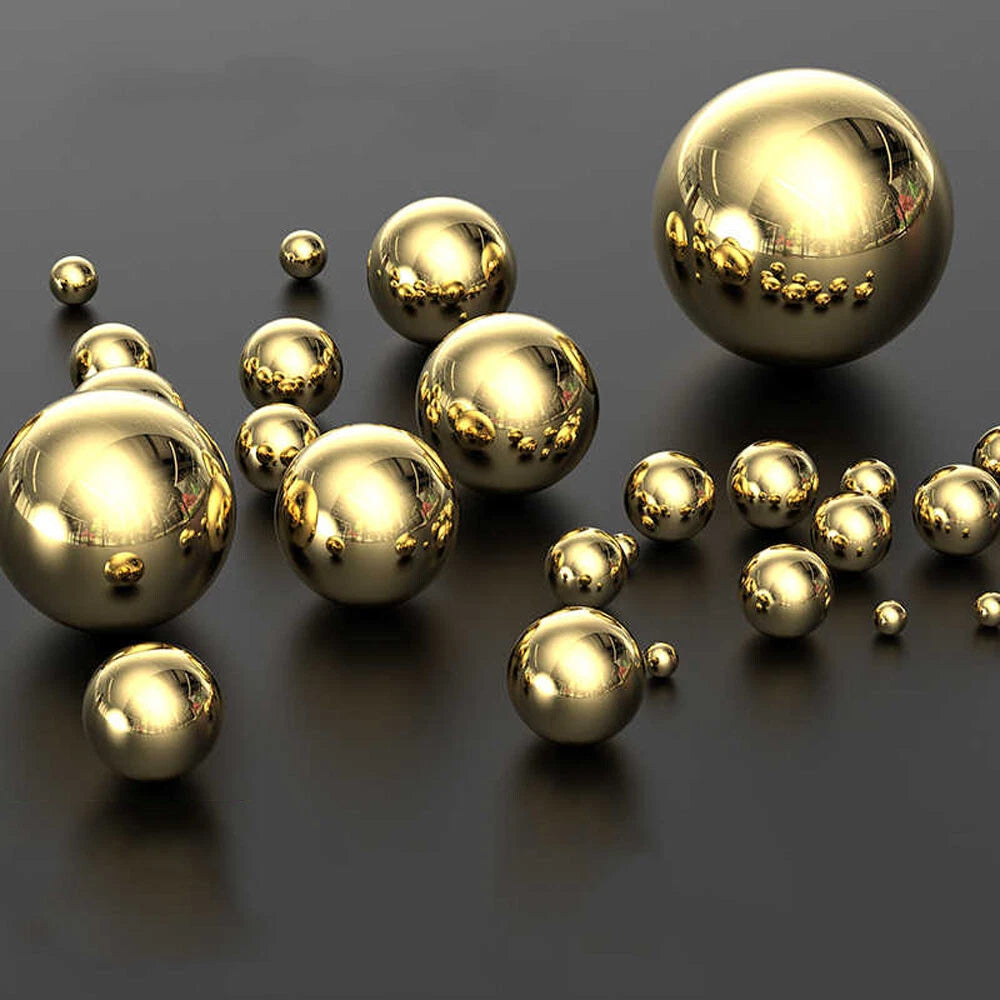
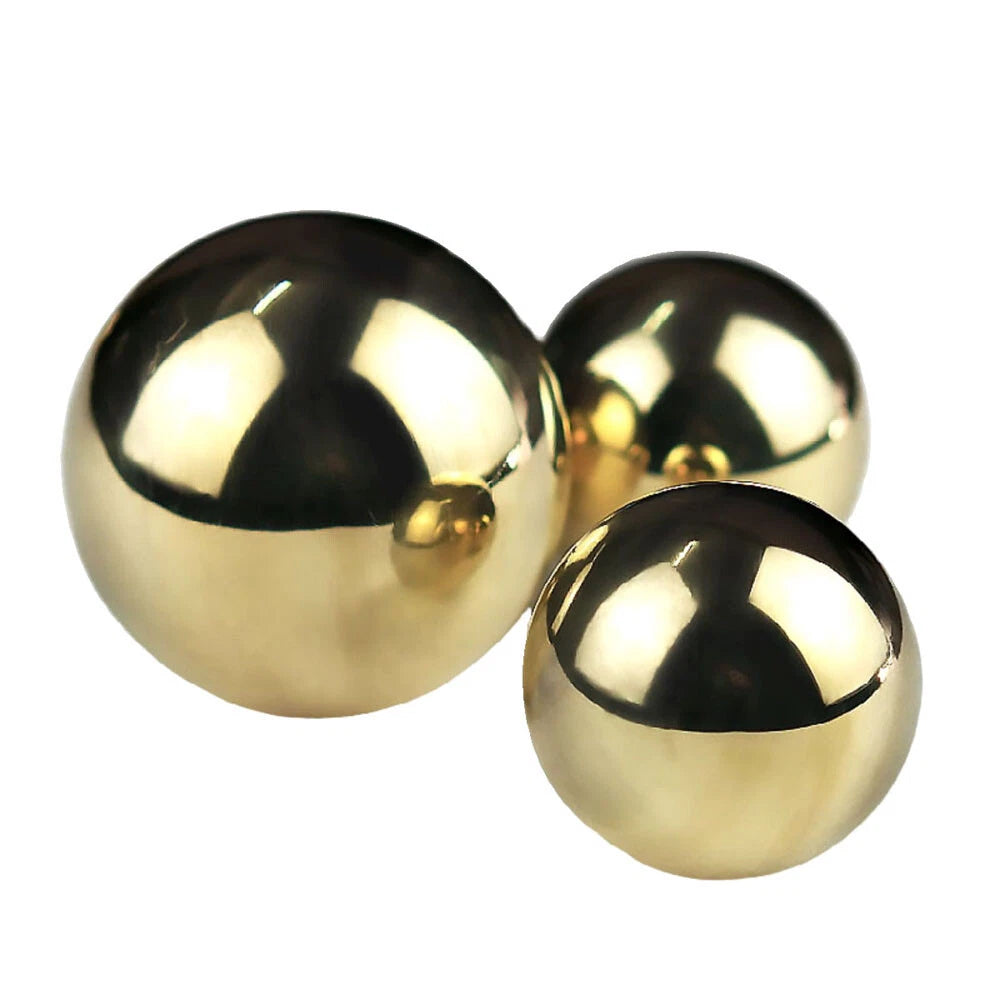
Engineers, machinists, and repair technicians who work with fluid valves, check valves, bearings, and precision assemblies know the frustration of sourcing the exact ball diameter they need. A ball that is even 0.1mm off can cause leakage, uneven load distribution, or premature wear. These H62 brass solid balls are stocked across a continuous diameter range — from 1mm (0.039") up to 60mm (2.362") — so you can match the specification without compromise.
Each ball is machined from H62 brass alloy, a copper-zinc composition known for its balance of machinability, corrosion resistance, and moderate hardness. Diameters span metric standards (1mm, 2mm, 3mm … 60mm) as well as fractional-inch equivalents (2.381mm = 3/32", 3.969mm = 5/32", 6.35mm = 1/4", 7.938mm = 5/16", 9.525mm = 3/8", 12.7mm = 1/2", 15.875mm = 5/8", 19.05mm = 3/4", 25.4mm = 1"). Pack quantities scale with diameter — smaller balls ship in 50-piece or 10-piece packs; larger diameters in 5-, 2-, or 1-piece counts.
Typical applications include ball valve seats and check valve assemblies requiring non-ferrous balls, low-load bearing races in instruments and gauges, decorative or craft hardware where brass finish is specified, and jig-and-fixture locating elements in light manufacturing. The non-magnetic, non-sparking nature of brass also makes these balls suitable for use near sensitive electronics or in environments where ferrous contamination must be avoided.
| Material | H62 Brass (Copper-Zinc Alloy) |
|---|---|
| Diameter Range | 1mm–60mm (0.039"–2.362") |
| Available Diameters | 1, 1.5, 1.8, 2, 2.2, 2.381, 3, 3.5, 3.969, 4, 4.5, 4.76, 5, 5.556, 6, 6.35, 7, 7.144, 7.938, 8, 9.525, 10, 12, 12.7, 15, 15.875, 19.05, 20, 25, 25.4, 30, 40, 50, 60 mm |
| Pack Quantity Options | 1 Pcs / 2 Pcs / 5 Pcs / 10 Pcs / 50 Pcs (varies by diameter) |
| Surface Finish | Turned and spherically finished |
| Magnetic Properties | Non-magnetic |
| Spark Properties | Non-sparking |
| Corrosion Resistance | Resistant to water, oil, and mild chemicals |
| Typical Applications | Ball valves, check valves, instrument bearings, decorative hardware, locating elements |
| Weight (per piece) | See variant options |
Measure the seat bore diameter of your valve or bearing race with calipers. The ball diameter should match the seat specification — typically the ball is sized to create a positive seal or a defined clearance fit. If you have a fractional-inch specification (e.g., 3/8"), select the equivalent metric size (9.525mm). When in doubt, contact us with your application details and we can help confirm the correct size.
H62 brass has a tensile strength of approximately 330–420 MPa and is commonly used in low-to-medium pressure valve applications (typically up to 10–16 bar depending on valve design). For high-pressure systems above these thresholds, or for applications requiring hardened steel or stainless steel balls, please confirm your pressure rating and consult your valve manufacturer's specification before ordering.
H62 is a standard brass alloy composed of approximately 60–63% copper and the remainder zinc. It offers good machinability, moderate strength, and reliable corrosion resistance in water and oil environments. Compared to H59 (lower copper content, slightly harder), H62 provides better corrosion resistance. Compared to H68 or H70 (higher copper), H62 is more cost-effective while maintaining adequate mechanical properties for most valve and bearing ball applications.
Brass naturally develops a patina (surface oxidation) when exposed to air over time, which does not affect mechanical performance. In water and oil environments, H62 brass resists corrosion well. However, brass is not suitable for contact with strong acids, ammonia-based compounds, or highly alkaline solutions, which can cause dezincification or stress corrosion cracking. For aggressive chemical environments, stainless steel or ceramic balls may be more appropriate.
H62 brass contains lead in trace amounts depending on the specific batch composition, and standard brass alloys may not meet NSF/ANSI 61 or food-grade certifications without specific testing. If your application involves potable water or food contact, please contact us to confirm material certification before ordering. For certified food-grade applications, stainless steel balls are typically the safer choice.
Pack quantities are set based on typical usage patterns for each diameter. Small diameters (1mm–4mm) are available in 50-piece packs, suitable for batch assembly or repair work. Mid-range diameters (4.5mm–12.7mm) come in 10-piece packs. Larger diameters (15mm–19.05mm) are available in 5- or 2-piece packs, and diameters 20mm and above are sold individually. If you need a custom quantity, contact us before placing your order.
Yes. Several variants are stocked in fractional-inch equivalents expressed in millimeters: 2.381mm (3/32"), 3.969mm (5/32"), 6.35mm (1/4"), 7.144mm (9/32"), 7.938mm (5/16"), 9.525mm (3/8"), 12.7mm (1/2"), 15.875mm (5/8"), 19.05mm (3/4"), and 25.4mm (1"). Select the variant that matches your inch specification directly — no conversion needed.