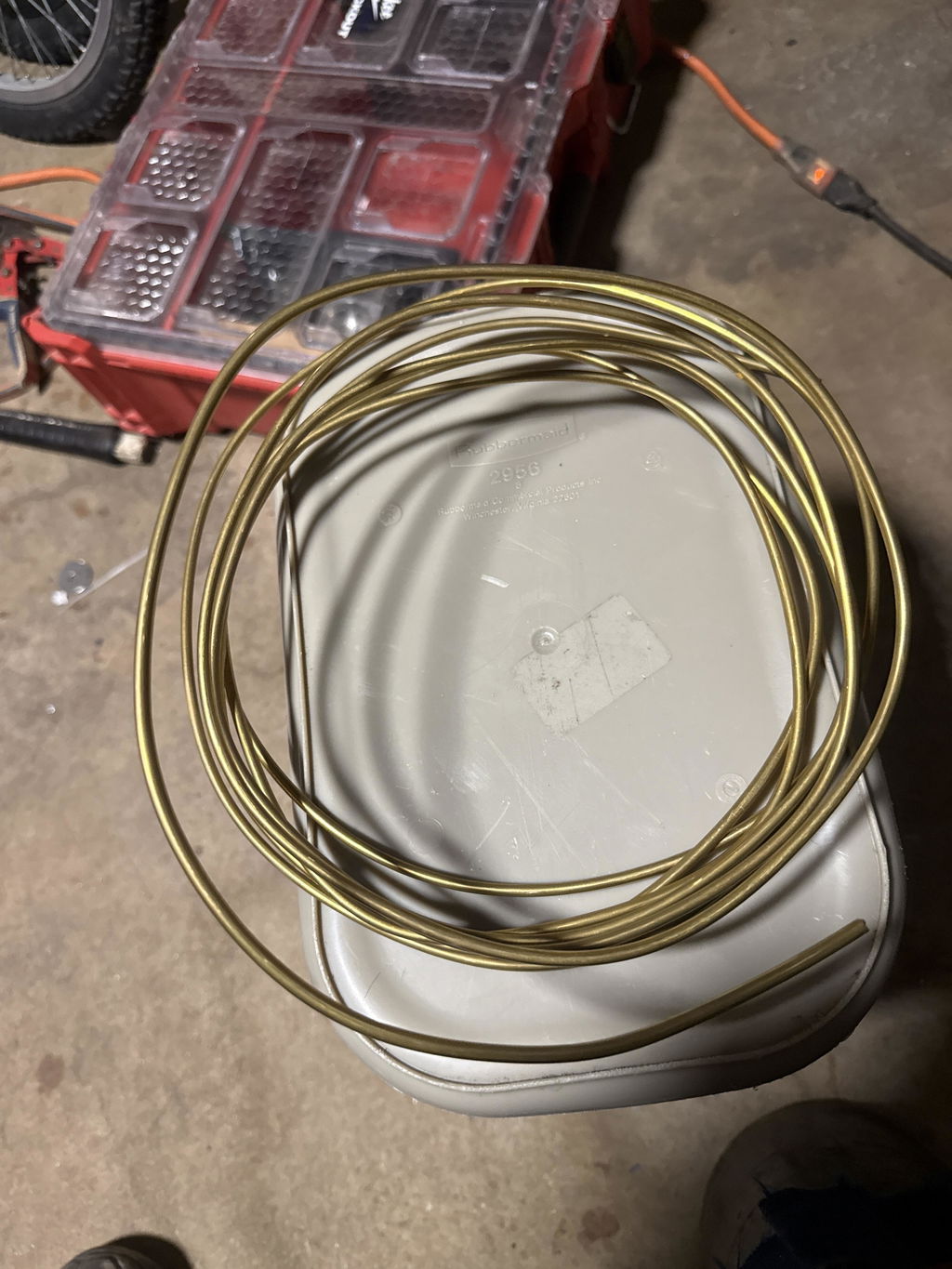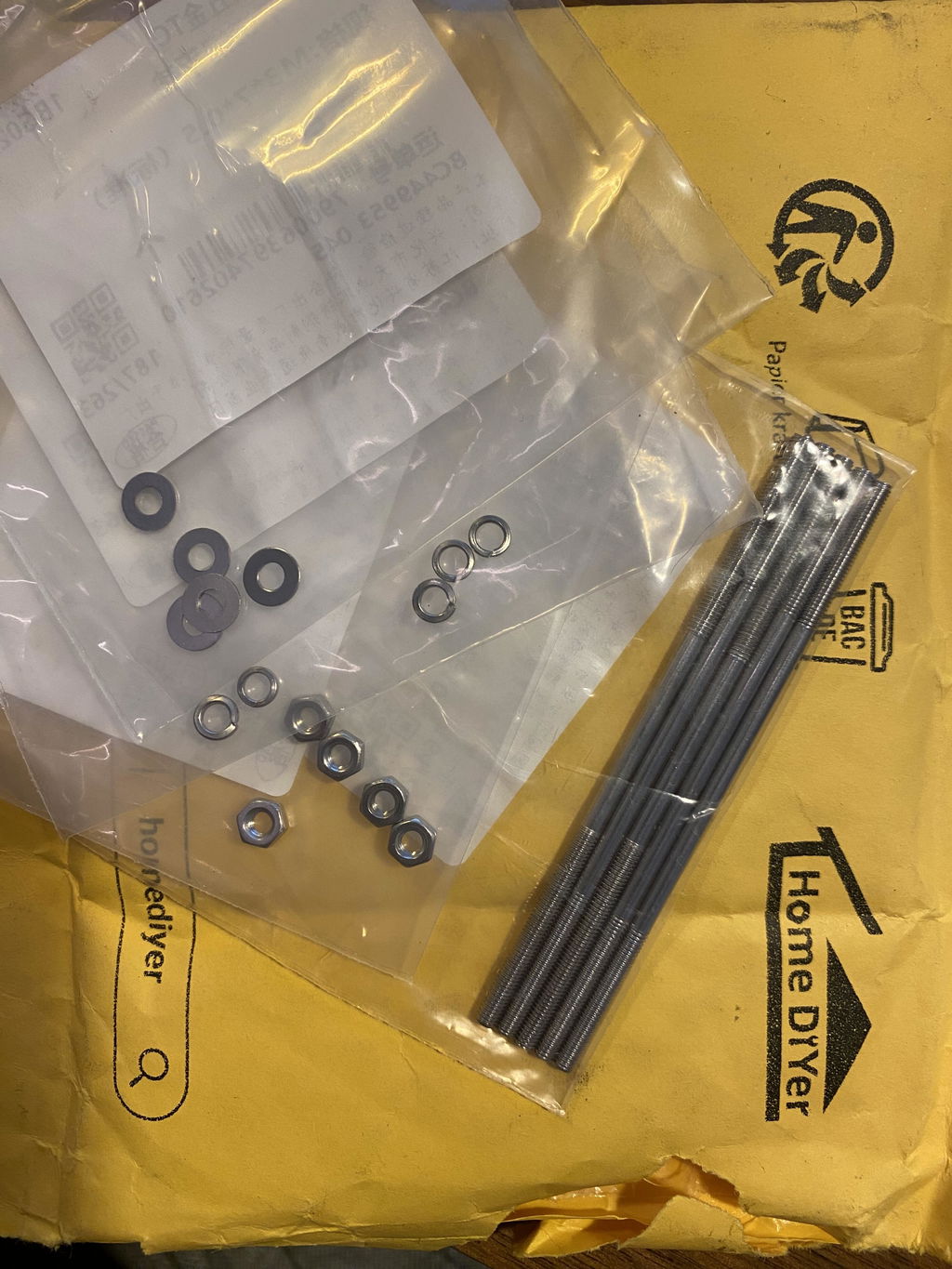
The chain is fine...but I ordered the wrong size. Nine links of the chain I ordered equals six of the size I wanted. My error...
How can I straighten out the springs? I can't use them coil uo as is.
Your payment information is processed securely. We do not store credit card details nor have access to your credit card information.
Get fitment advice & recommendations
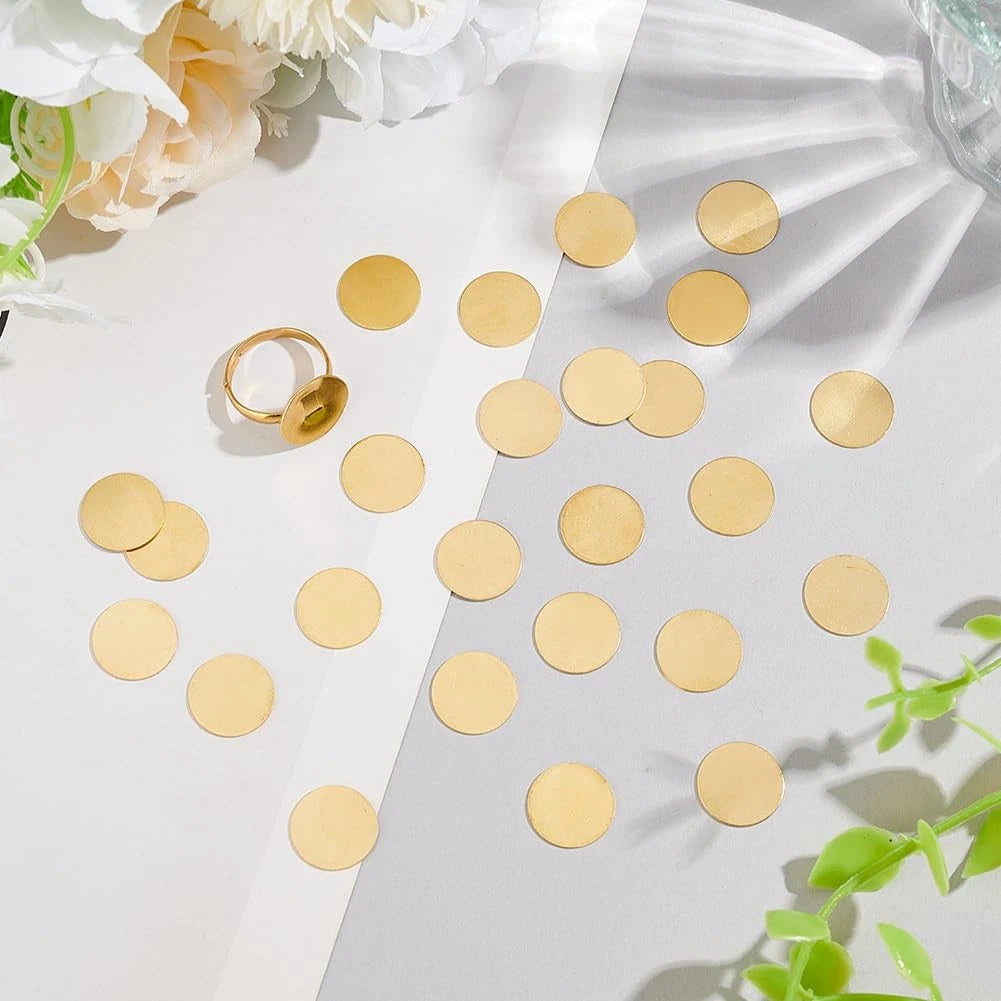
When your project demands a material that machines cleanly, solders reliably, and holds its finish over time, finding the right flat brass blank in the exact size you need can be a real challenge. Whether you are a jeweler cutting custom pendants, a maker building instrument components, or an engineer fabricating spacers and shims, these H62 solid brass disc blanks give you a ready-to-use starting point without the waste of cutting from sheet stock.
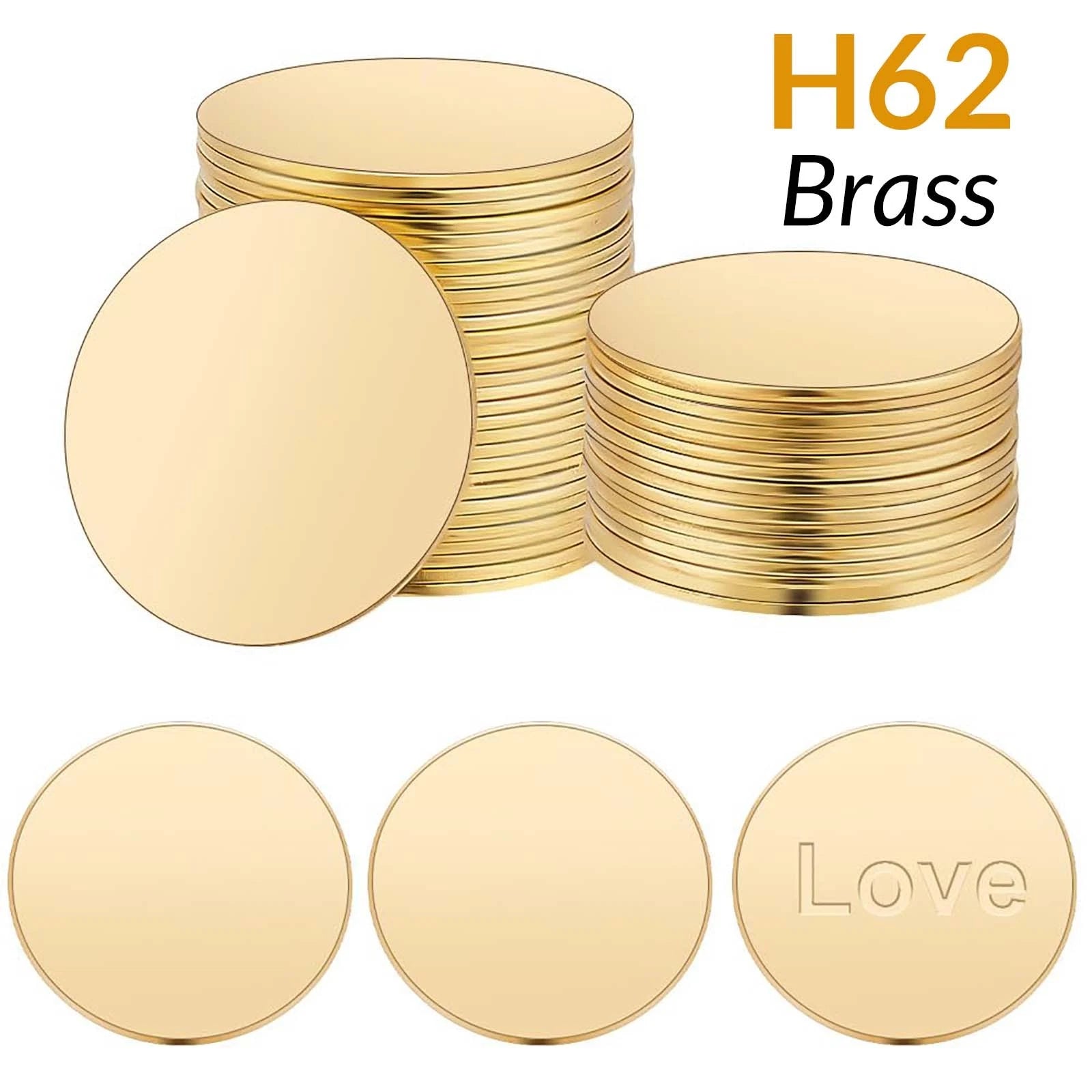
Each disc is cut from H62 brass alloy — a copper-zinc composition known for its balance of machinability and corrosion resistance. Diameters range from 10mm (approx. 0.39 in) to 300mm (approx. 11.81 in), and thickness options span 0.3mm (approx. 0.012 in) to 5mm (approx. 0.197 in), covering both ultra-thin shim stock and solid blanks suitable for turning on a lathe. Surfaces are flat and smooth, with edges that are consistent across the diameter.
Typical applications include brass disc blanks for jewelry making and metal stamping, round shim stock for mechanical assemblies and gap filling, flat brass blanks for engraving and etching projects, and custom spacer discs for electronics enclosures and instrument panels.
Made from H62 copper-zinc brass, offering a reliable combination of workability, electrical conductivity, and resistance to atmospheric corrosion — well-suited for both indoor and outdoor applications.
Diameter options from 10mm to 300mm and thickness from 0.3mm to 5mm let you select the exact blank for your project without cutting down larger stock, reducing material waste.
Each disc arrives with flat faces and uniform thickness across the diameter, making them ready for immediate use in stamping dies, engraving fixtures, or lathe chucks without additional facing.
H62 brass responds well to drilling, tapping, turning, and milling. It also solders and brazes cleanly with standard flux and filler materials, making it a versatile choice for fabrication work.
The natural brass surface resists oxidation in typical workshop and indoor environments. For outdoor or humid conditions, a clear lacquer or patina treatment can extend the appearance further.
Available in packs of 1, 2, or 4 pieces depending on the size selected, so you can order exactly what your project requires without committing to bulk quantities.
| Material | H62 Brass (Copper-Zinc Alloy) |
|---|---|
| Shape | Round / Disc |
| Diameter Range | 10mm – 300mm (0.39 in – 11.81 in) |
| Thickness Range | 0.3mm – 5mm (0.012 in – 0.197 in) |
| Surface Finish | Flat, smooth mill finish |
| Tolerance | See variant options |
| Pack Quantity | 1 pcs / 2 pcs / 4 pcs (varies by size) |
| Hardness | See variant options |
| Conductivity | Electrically conductive (brass alloy) |
| Corrosion Resistance | Good in dry and indoor environments |
Select the diameter closest to your finished part size — you can always machine or file down to a smaller dimension, but you cannot add material. For thickness, choose a value that gives you enough stock to face off any surface marks while still meeting your final dimension. Thin options (0.3mm–0.8mm) suit shims and gaskets; thicker options (2mm–5mm) are better for turned parts, spacers, and structural blanks.
H62 brass has a tensile strength typically in the range of 300–420 MPa depending on temper, which is adequate for most light mechanical applications such as spacers, bushings, decorative hardware, and instrument components. It is not intended for high-load structural applications where steel or bronze would be more appropriate.
Brass naturally develops a patina when exposed to air and humidity over time. In dry indoor environments, the surface remains bright for extended periods. For outdoor use or humid conditions, applying a clear lacquer, wax, or brass-specific sealant will significantly slow tarnishing. The H62 alloy also resists most common chemicals encountered in workshop environments.
Yes. H62 brass solders and brazes readily using standard rosin or acid flux with soft solder (tin-lead or lead-free), or silver brazing alloy for higher-temperature joints. Clean the surface with fine abrasive or flux before soldering to ensure a strong bond. Avoid overheating, as prolonged high heat can cause dezincification in some brass alloys.
Yes. H62 brass machines well with standard HSS (high-speed steel) drill bits and taps. Use a slow to moderate speed with light cutting oil or lubricant to prevent work hardening and achieve clean threads. For larger diameters, a drill press or lathe will give more accurate results than hand drilling.
Thin discs (0.3mm–0.8mm) are primarily used as shim stock, gaskets, decorative inlays, and metal stamping blanks where flexibility and low profile matter. Thicker discs (1mm–5mm) are suited for machined parts, turned components, engraving blanks, and structural spacers where rigidity and material depth are required. Choose based on your final part thickness and the operations you plan to perform.
Pack quantity varies by the size combination selected. Smaller diameter discs are typically available in packs of 2 or 4 pieces, while larger diameters are sold individually (1 piece per pack). The quantity is shown in the variant selector labeled "Quantity (pcs)" before you add to cart.