The chain is fine...but I ordered the wrong size. Nine links of the chain I ordered equals six of the size I wanted. My error...
How can I straighten out the springs? I can't use them coil uo as is.
Your payment information is processed securely. We do not store credit card details nor have access to your credit card information.
Get fitment advice & recommendations
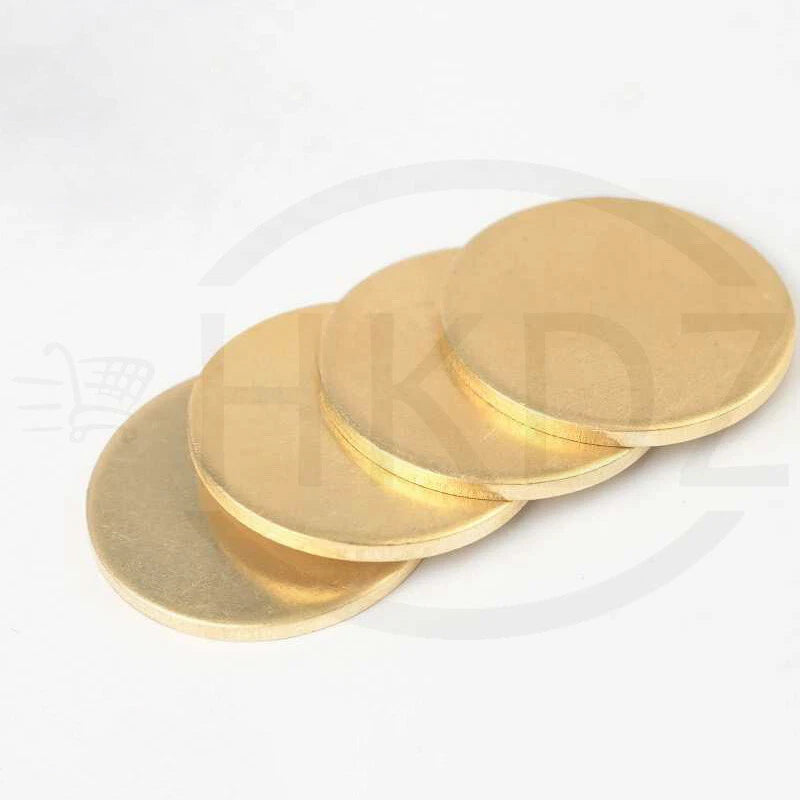
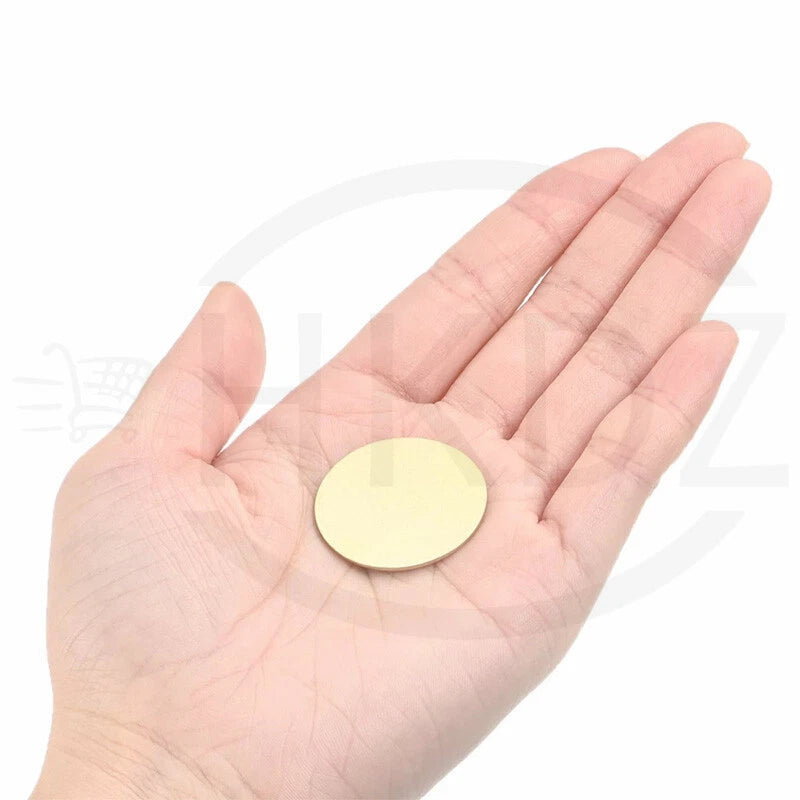
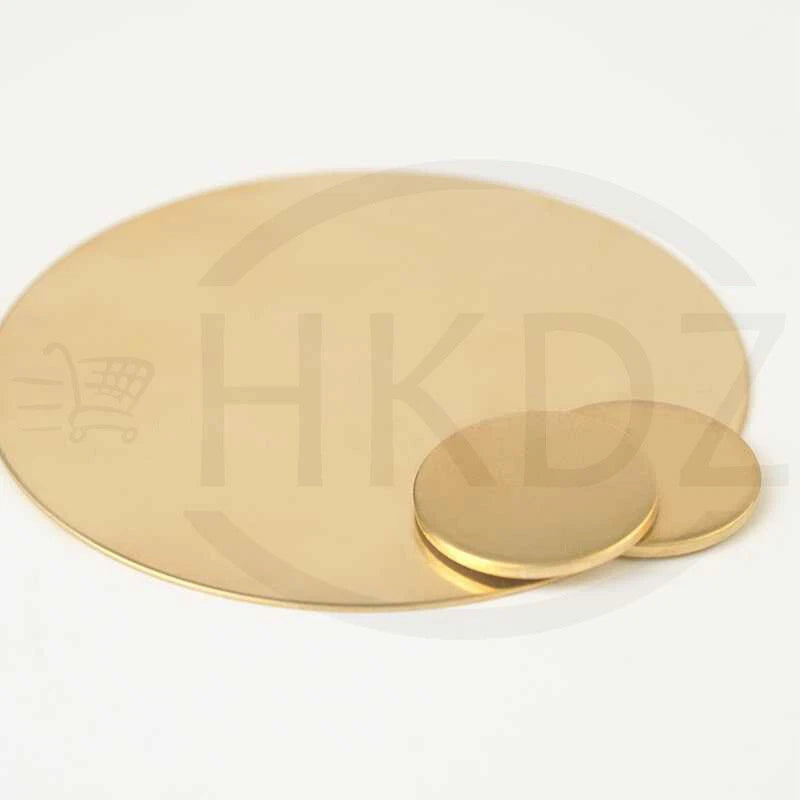
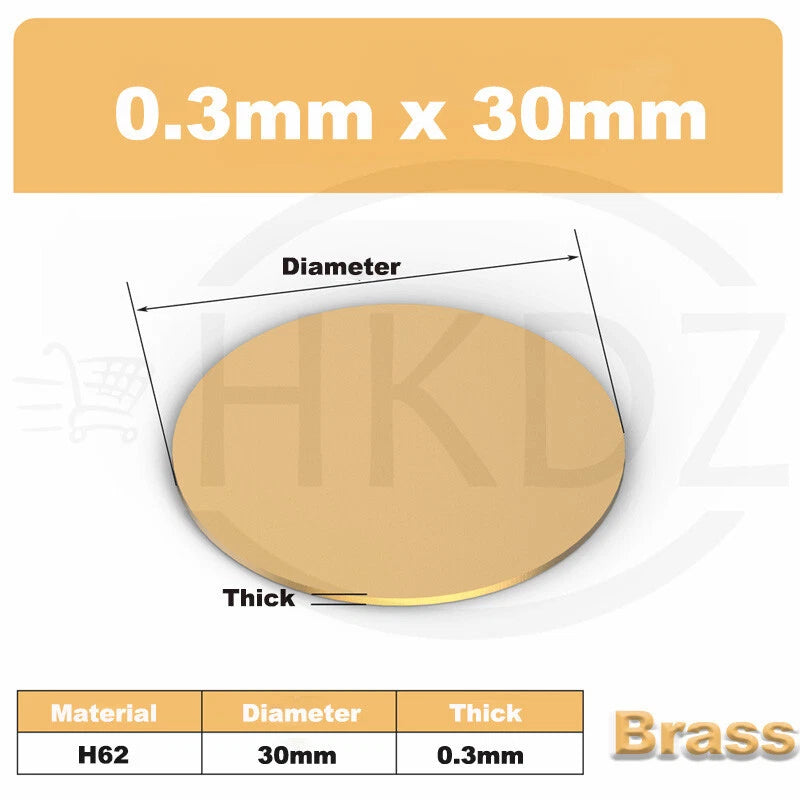
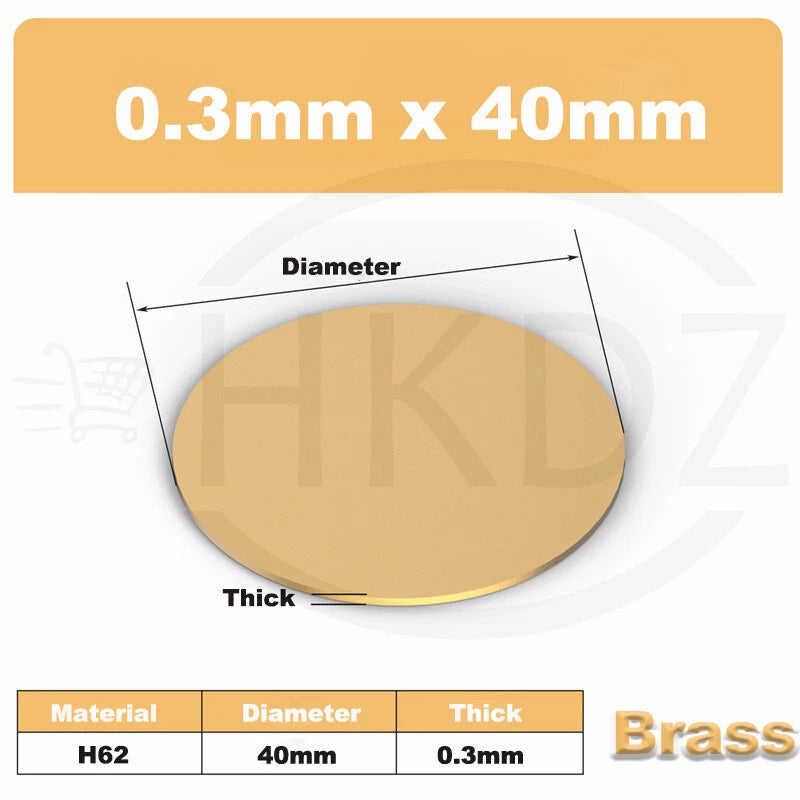
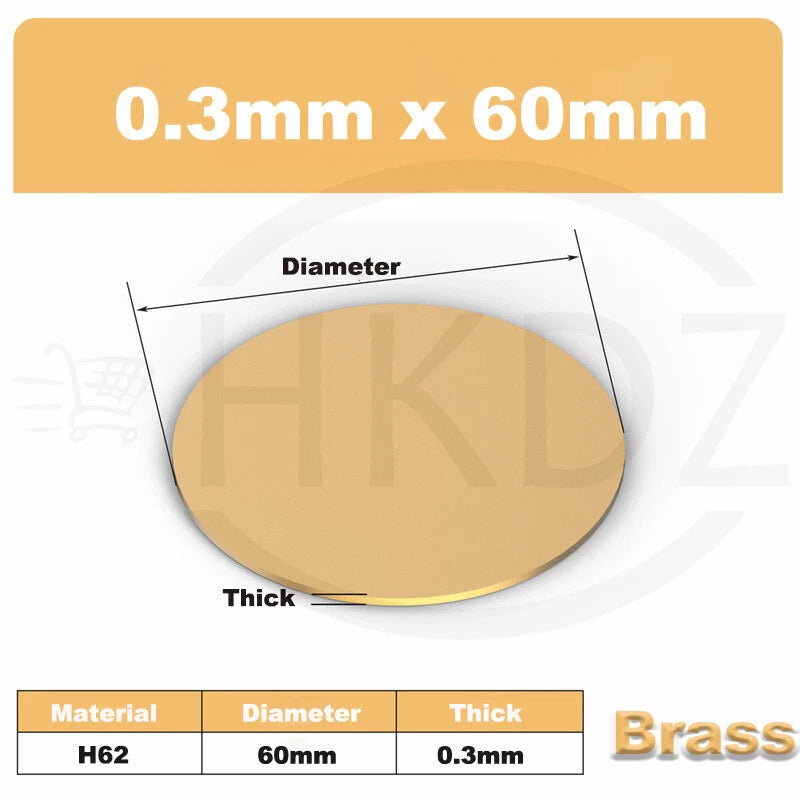
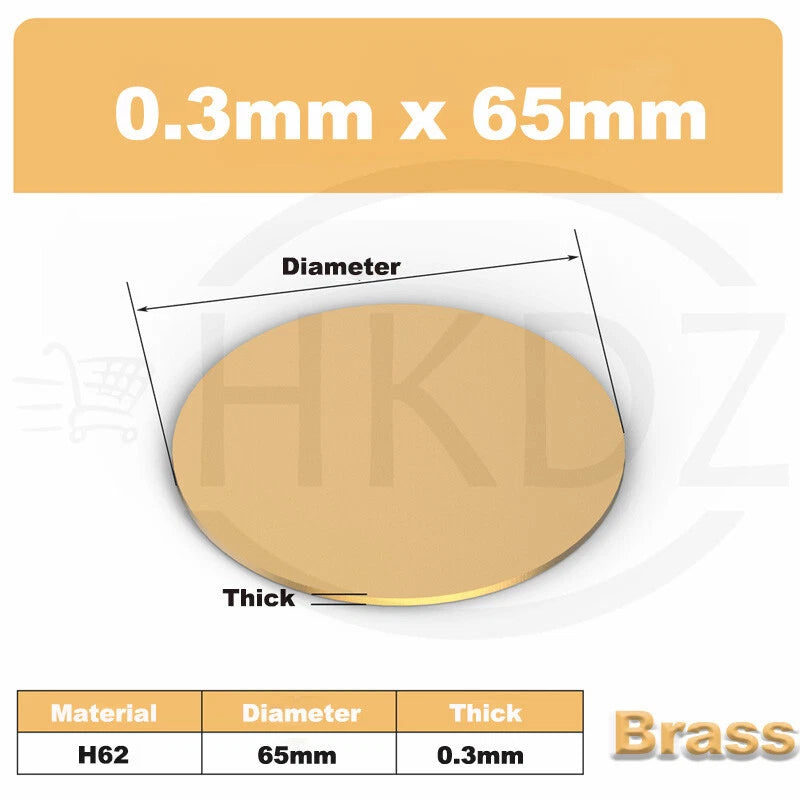
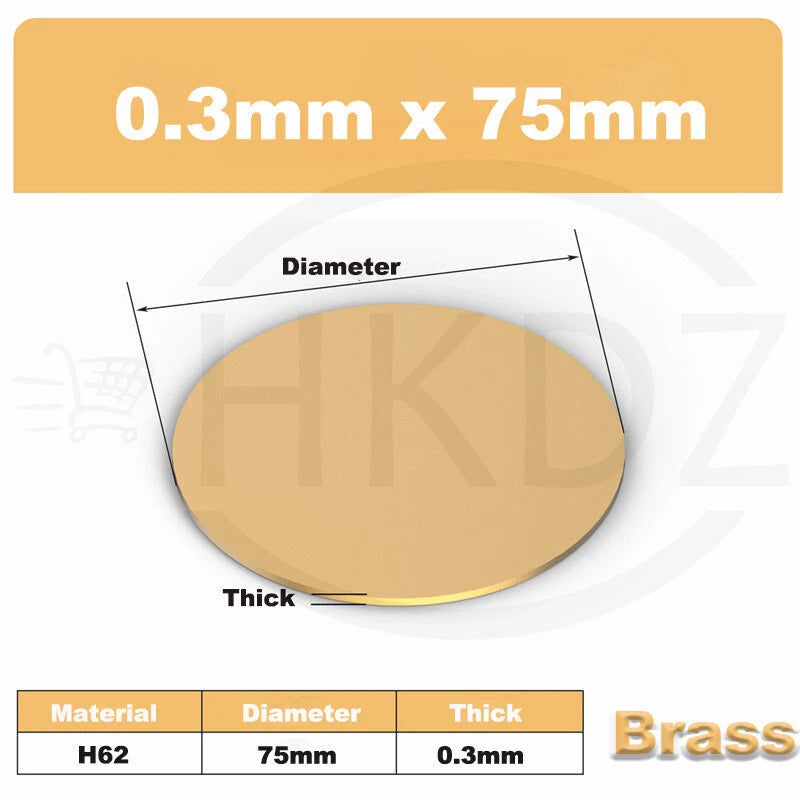
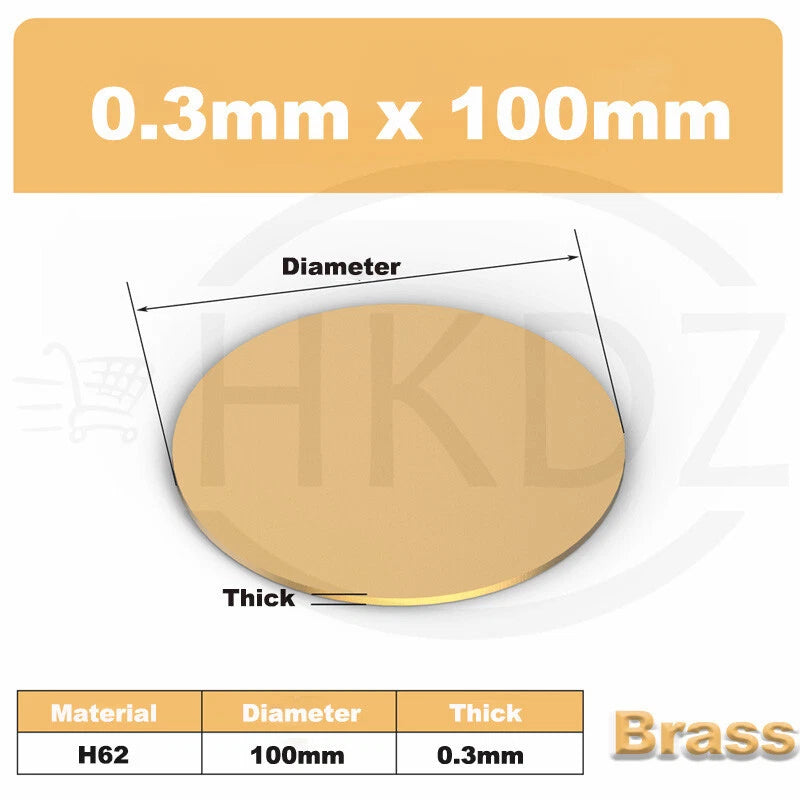
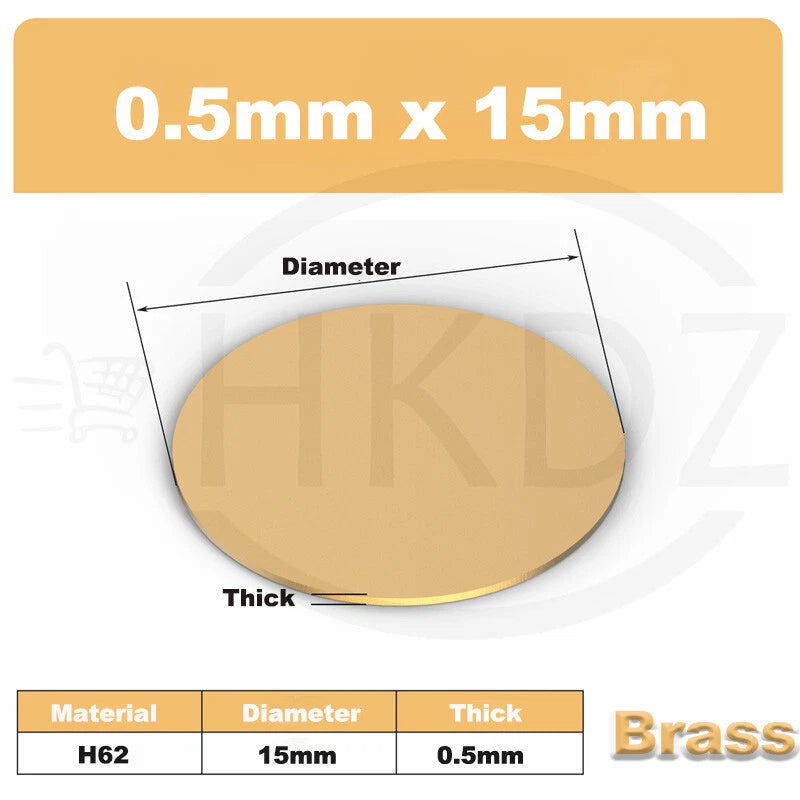
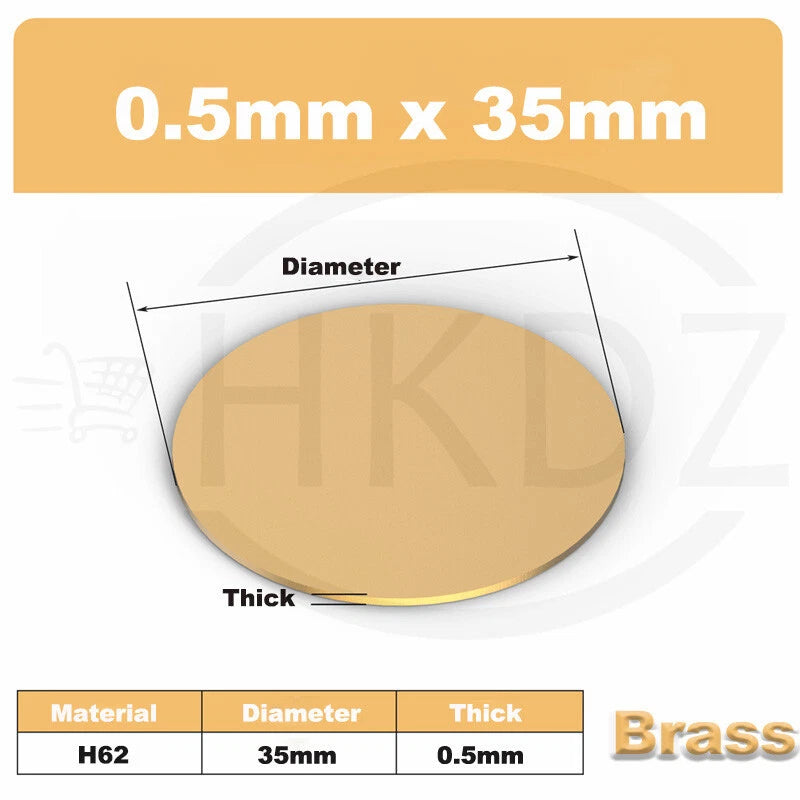
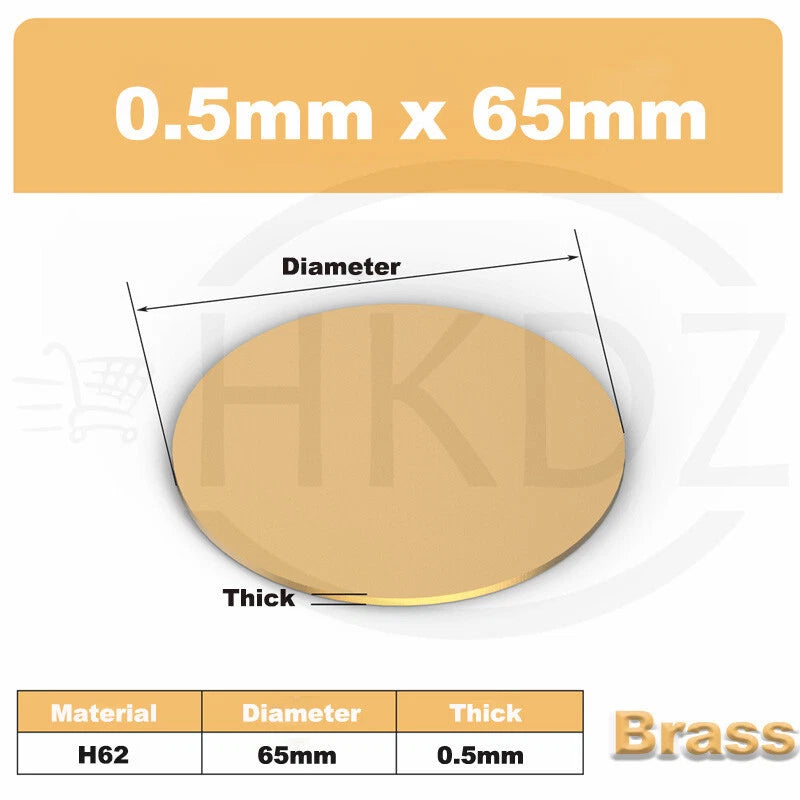
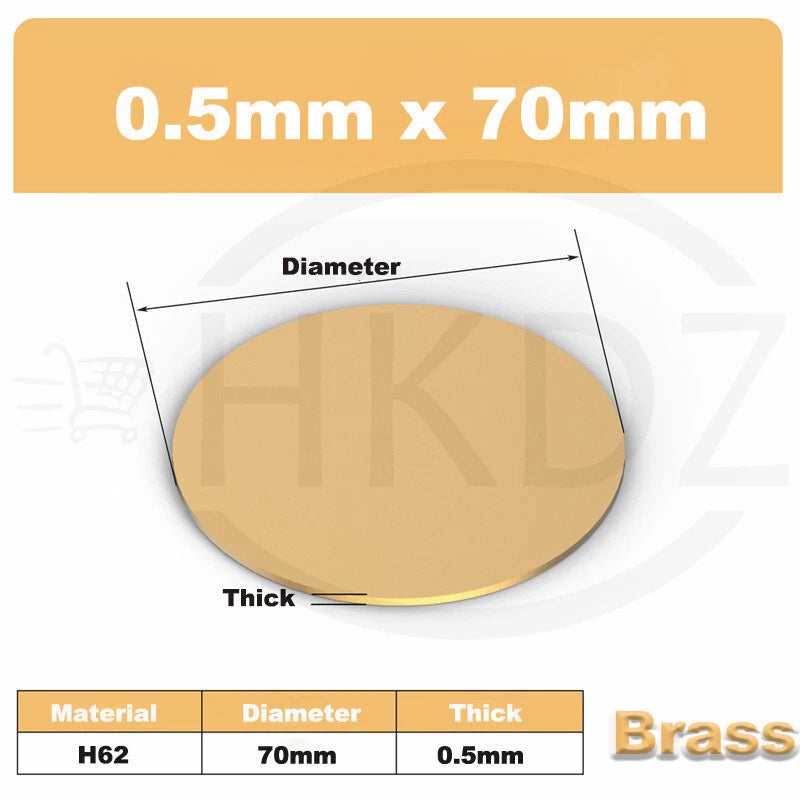
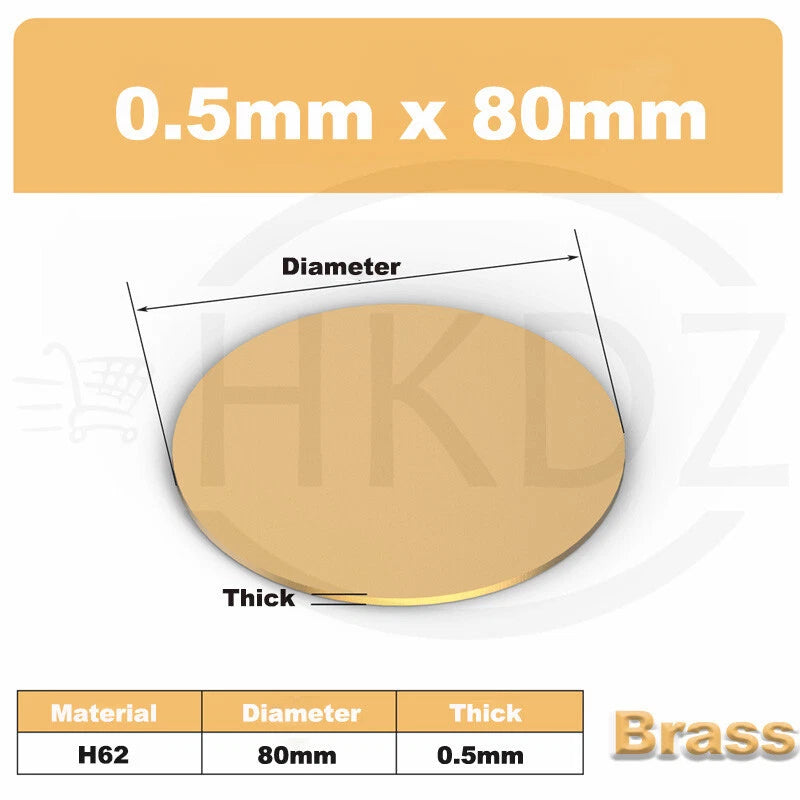
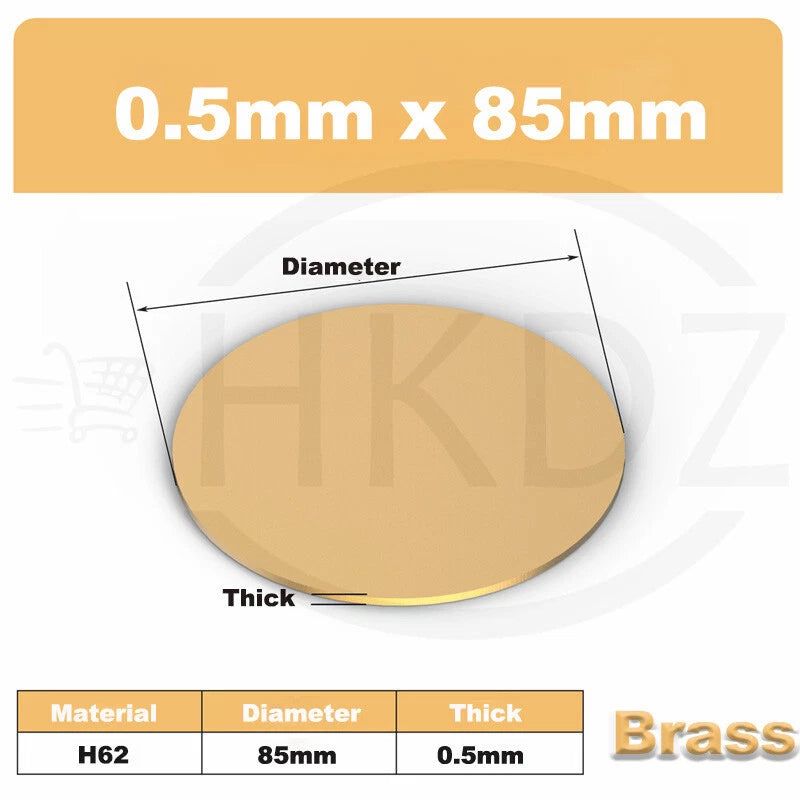
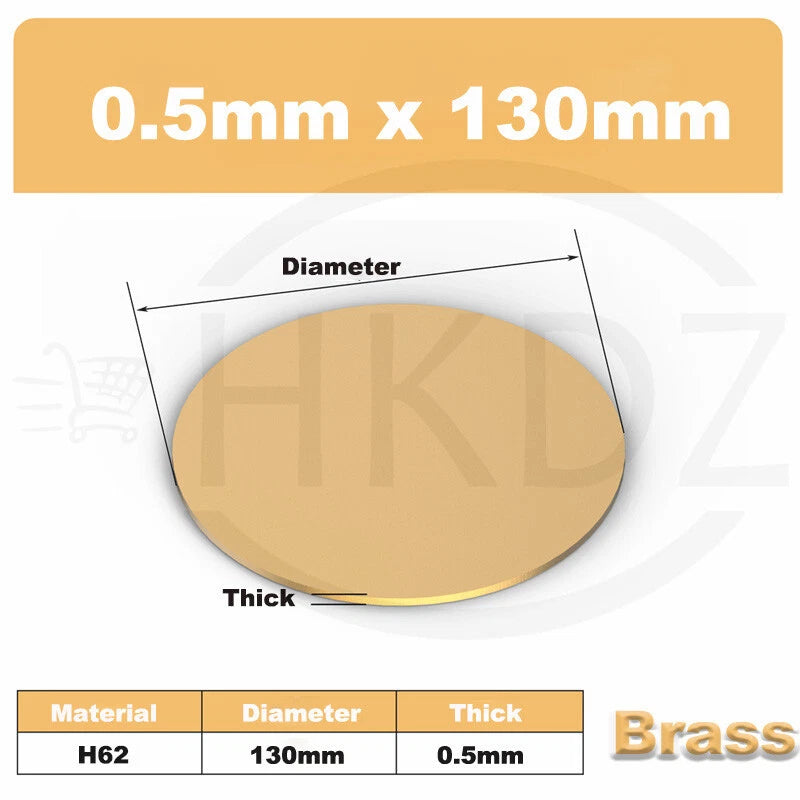
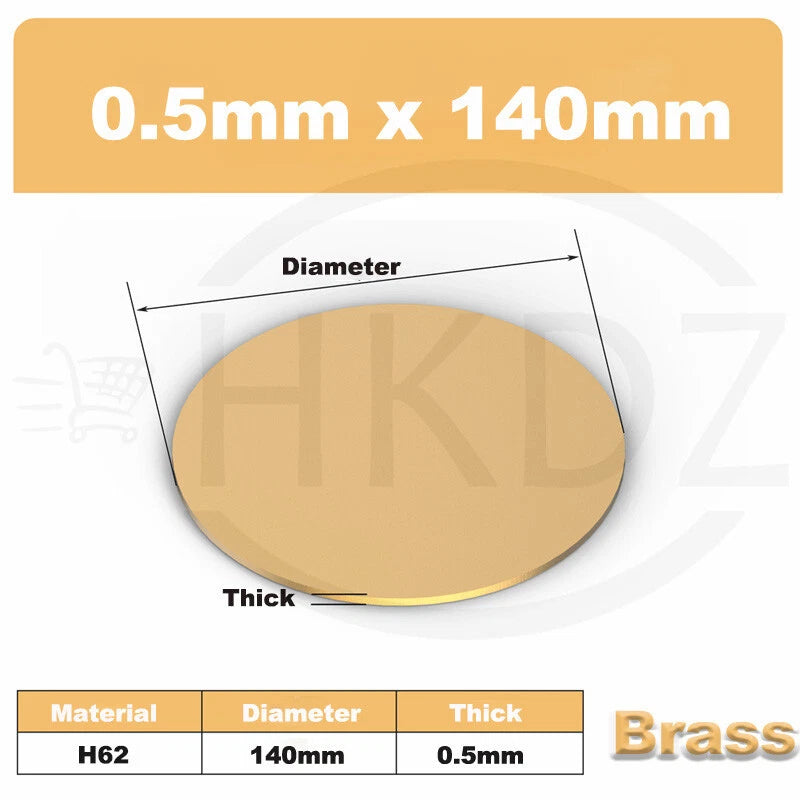
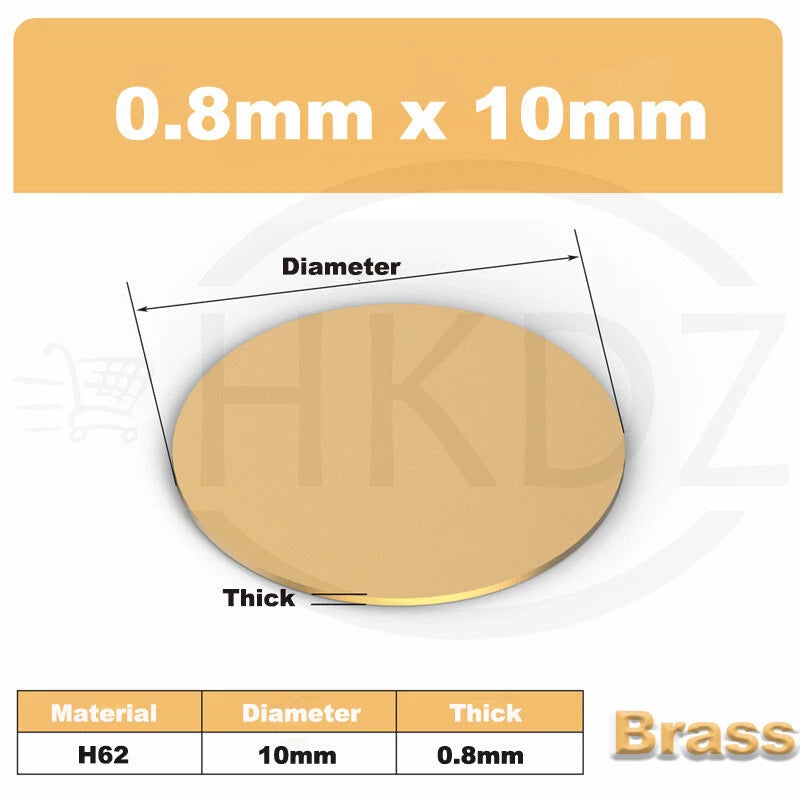
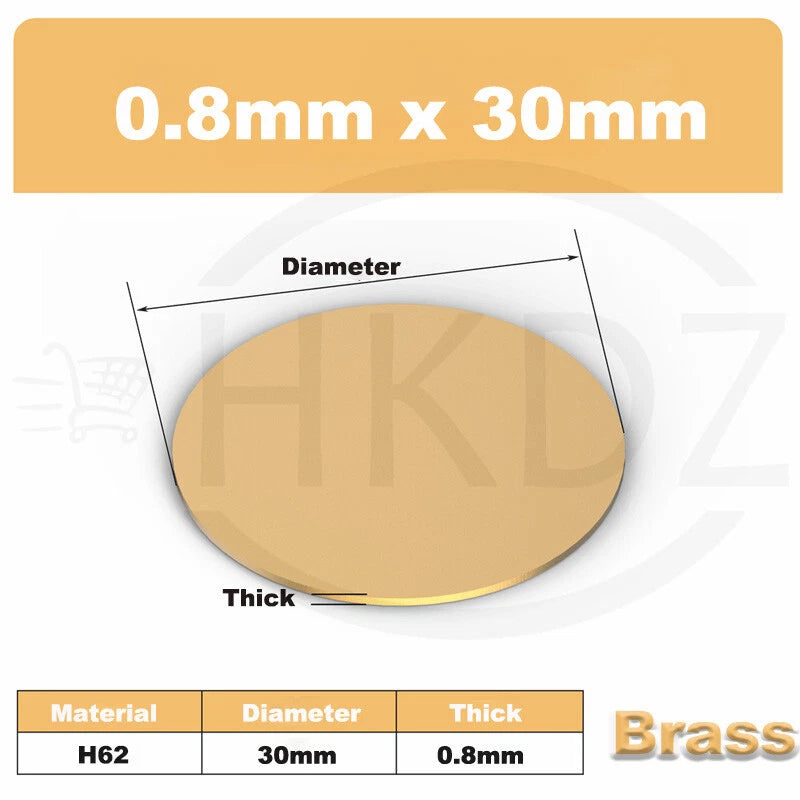
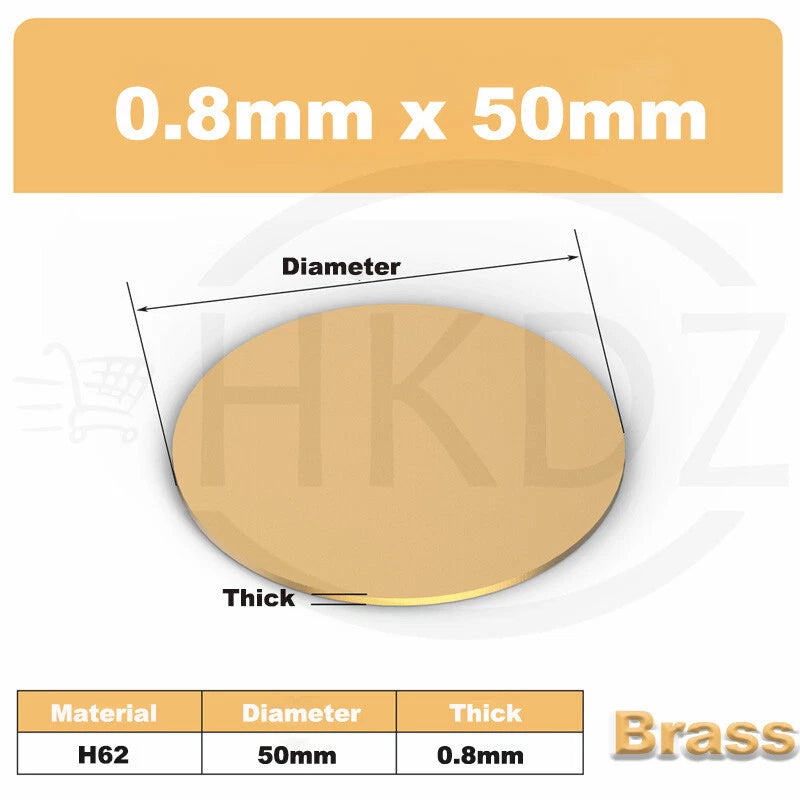
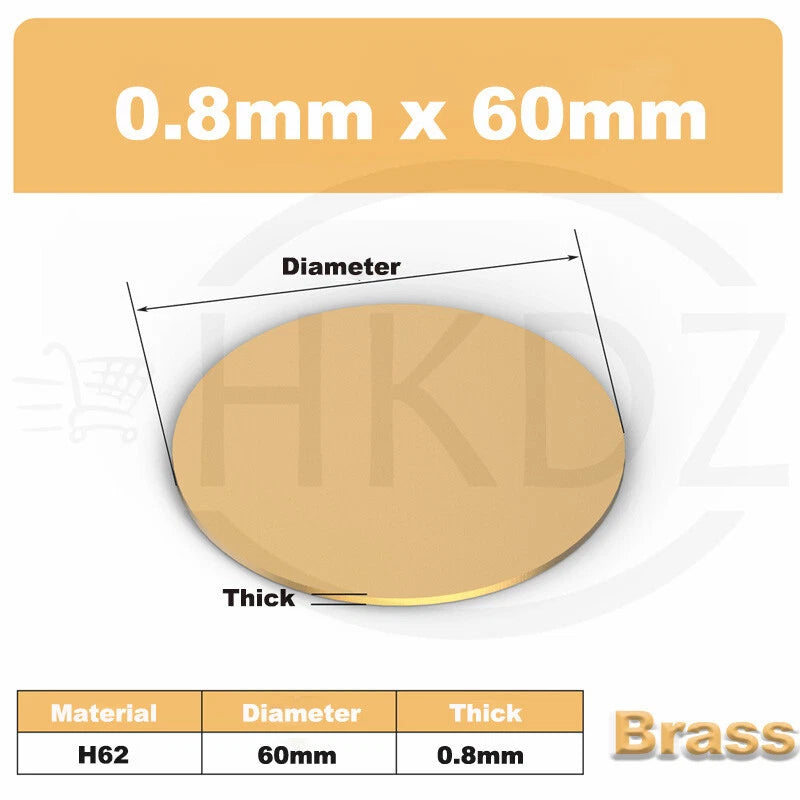
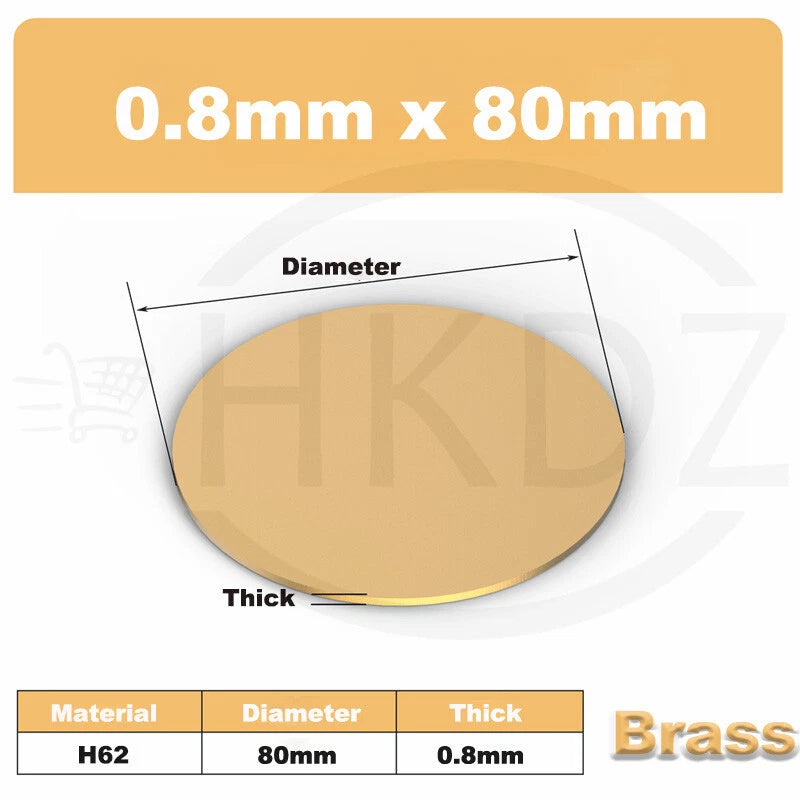
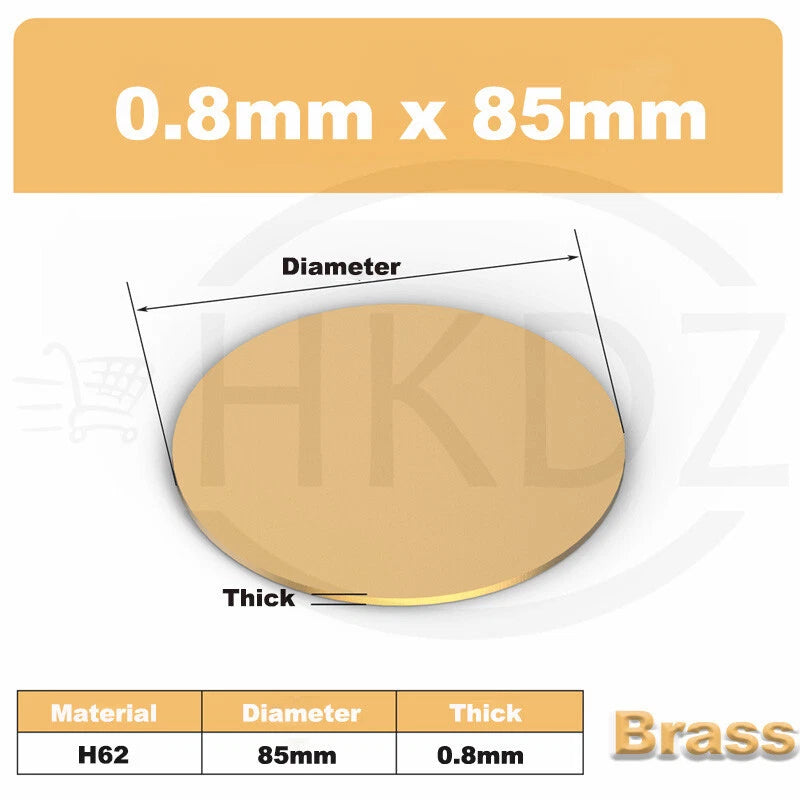
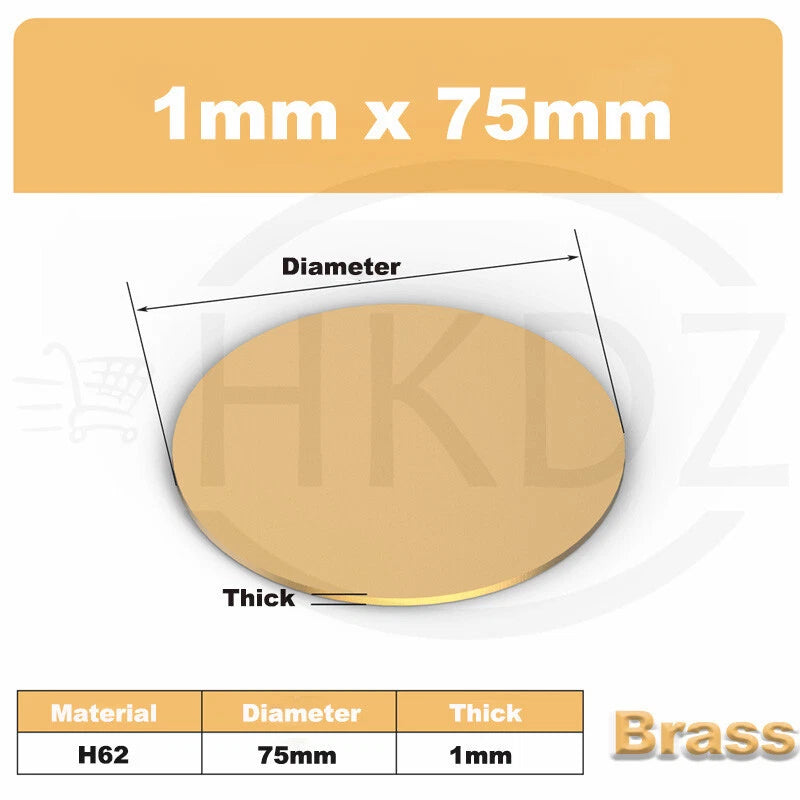
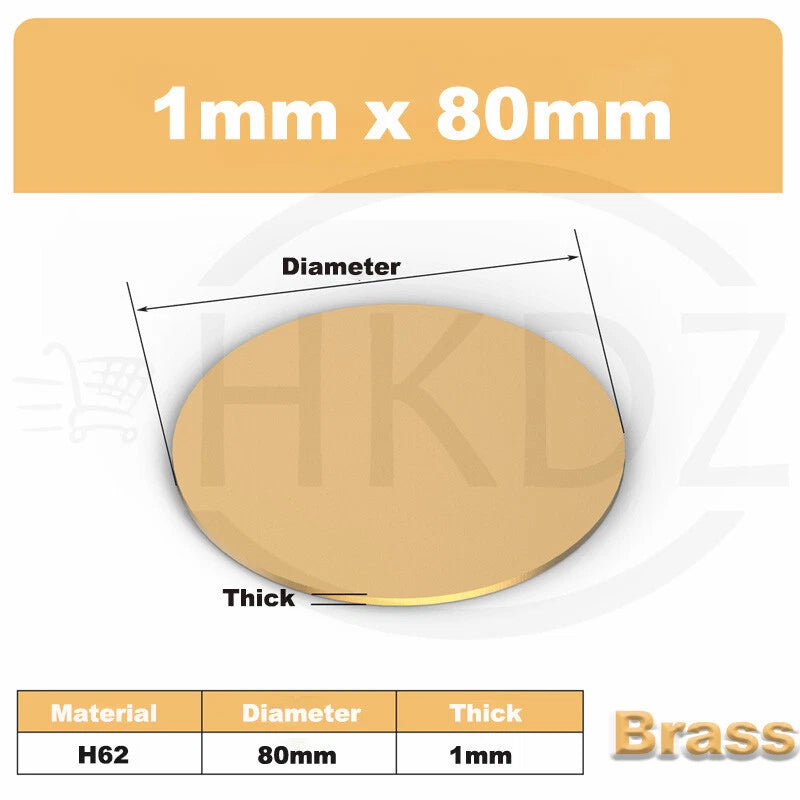
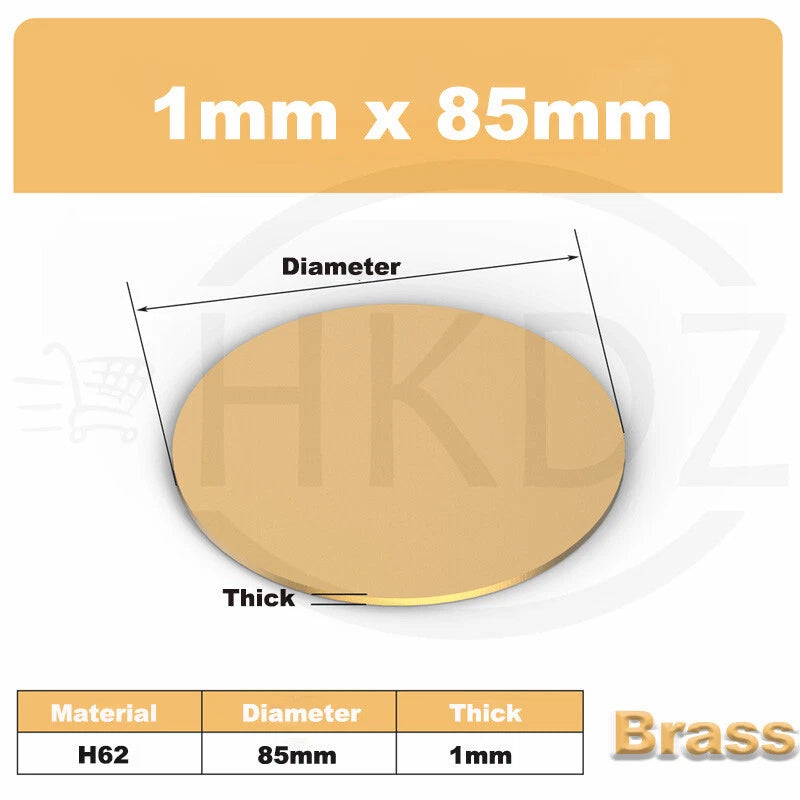
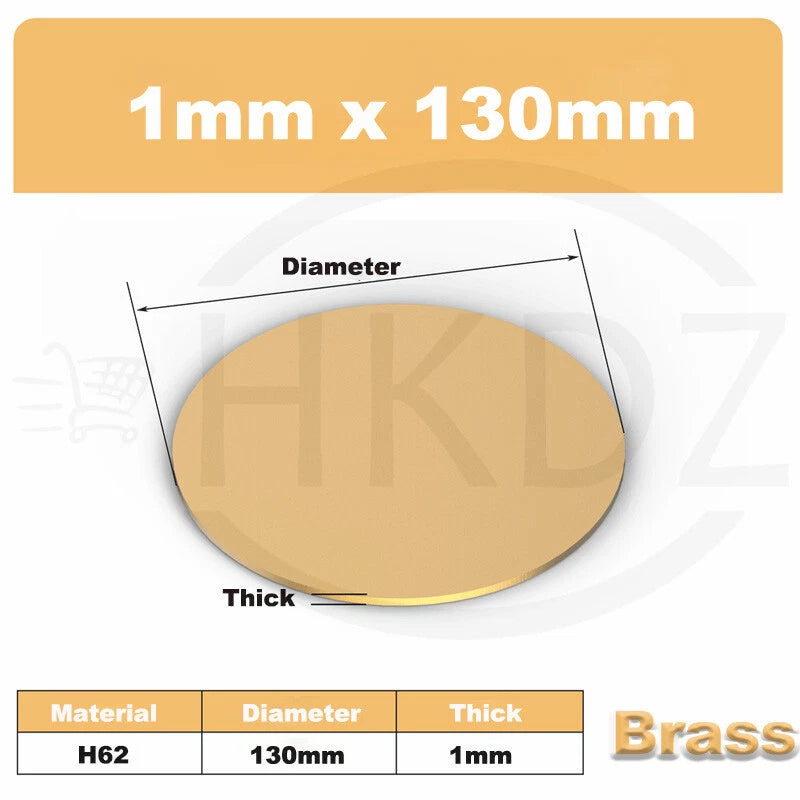
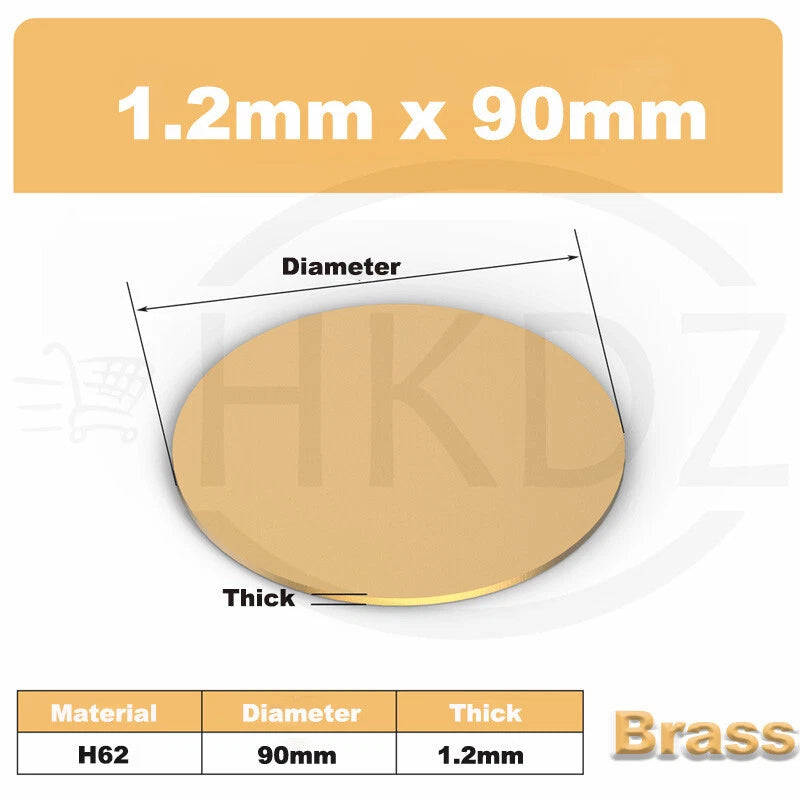
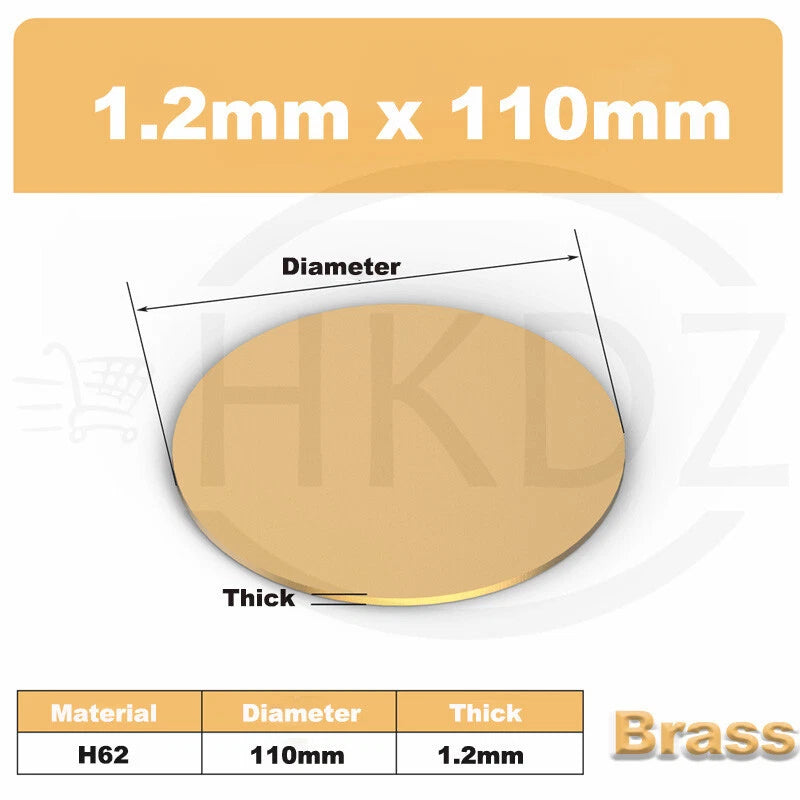
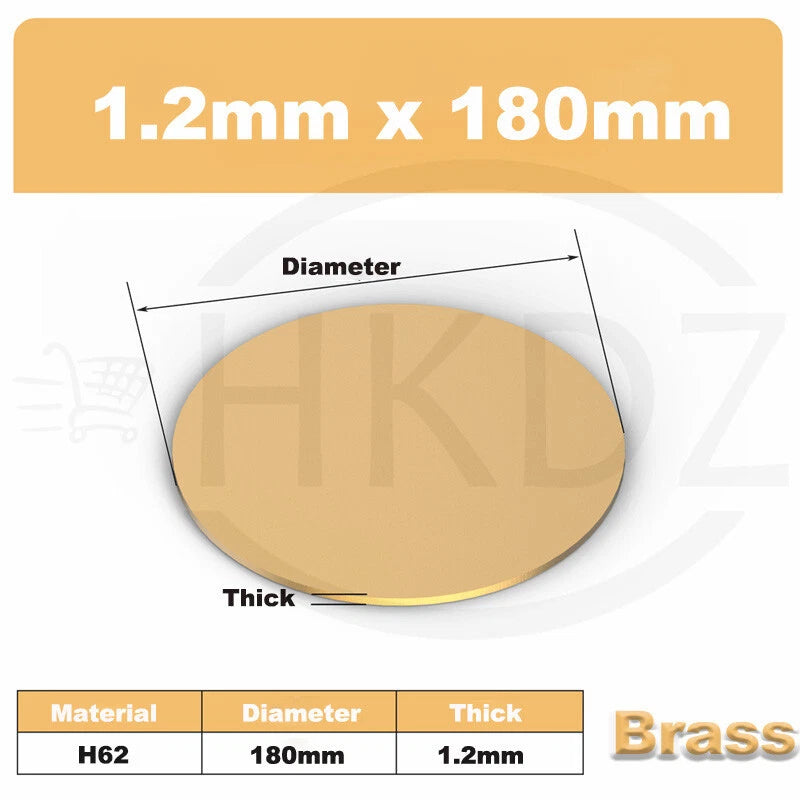
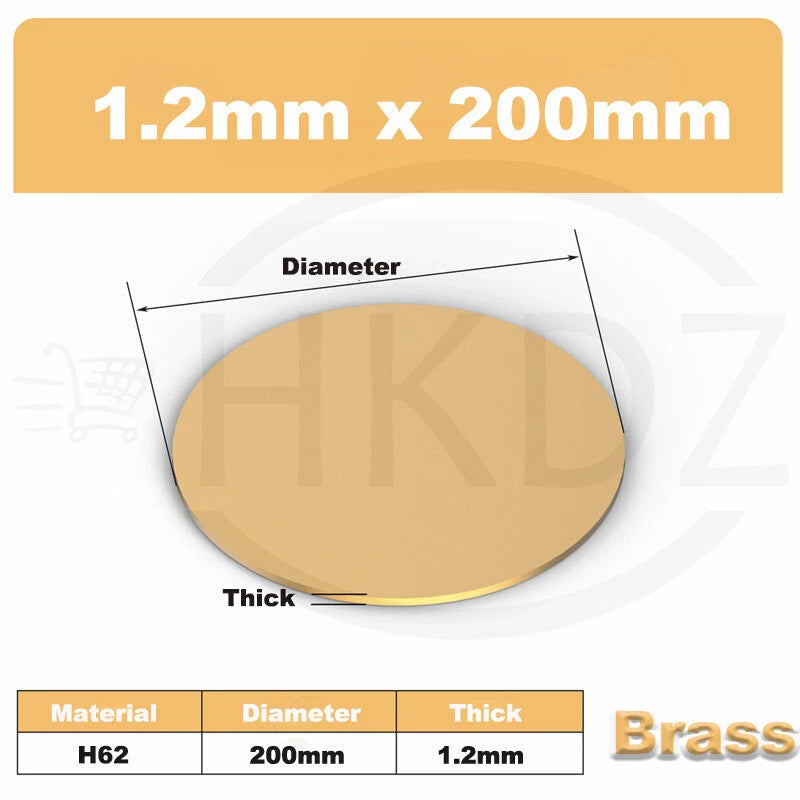
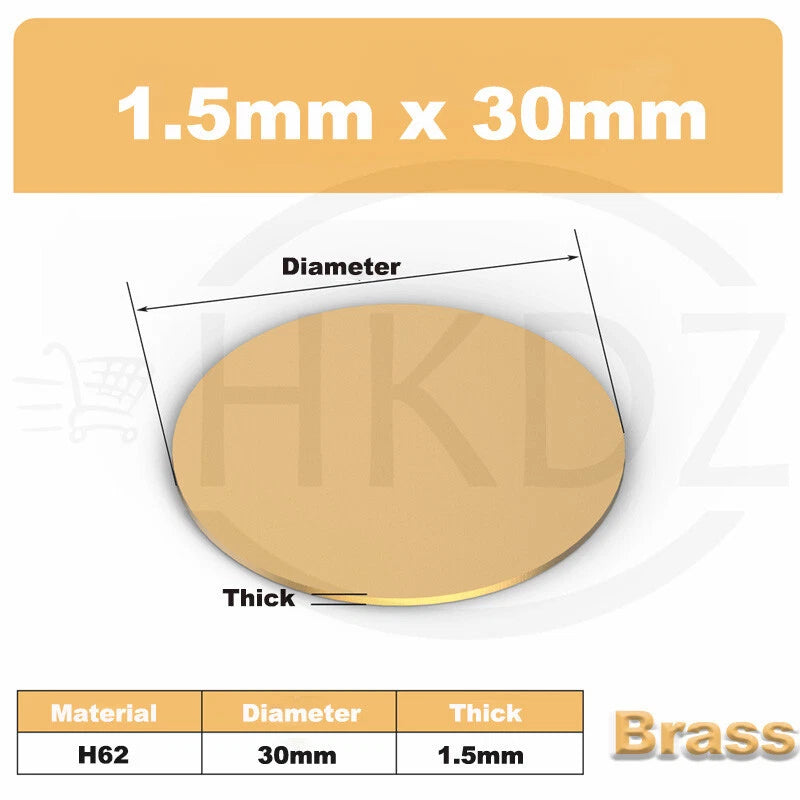
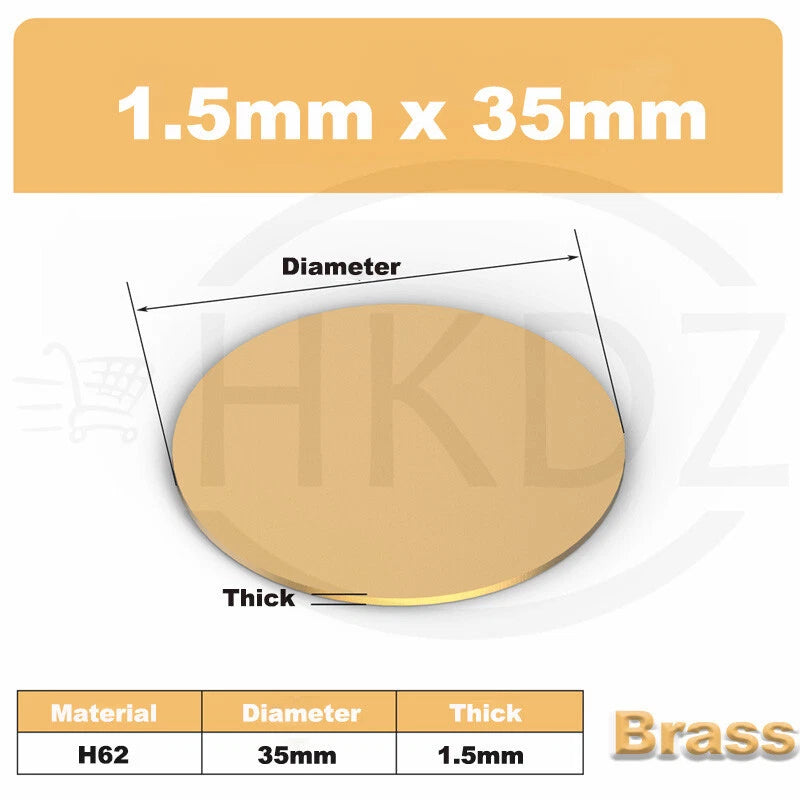
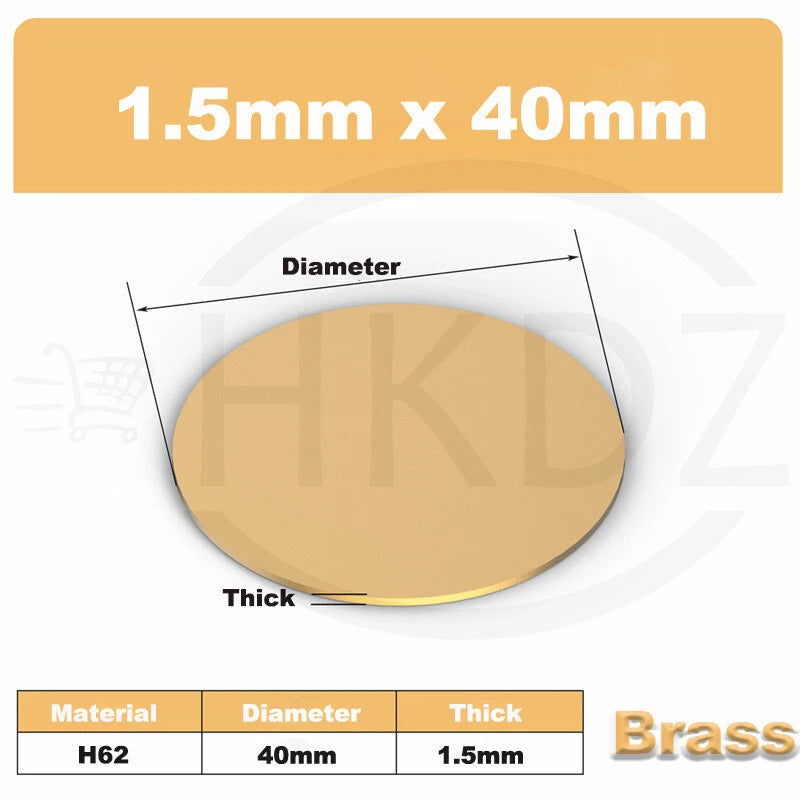
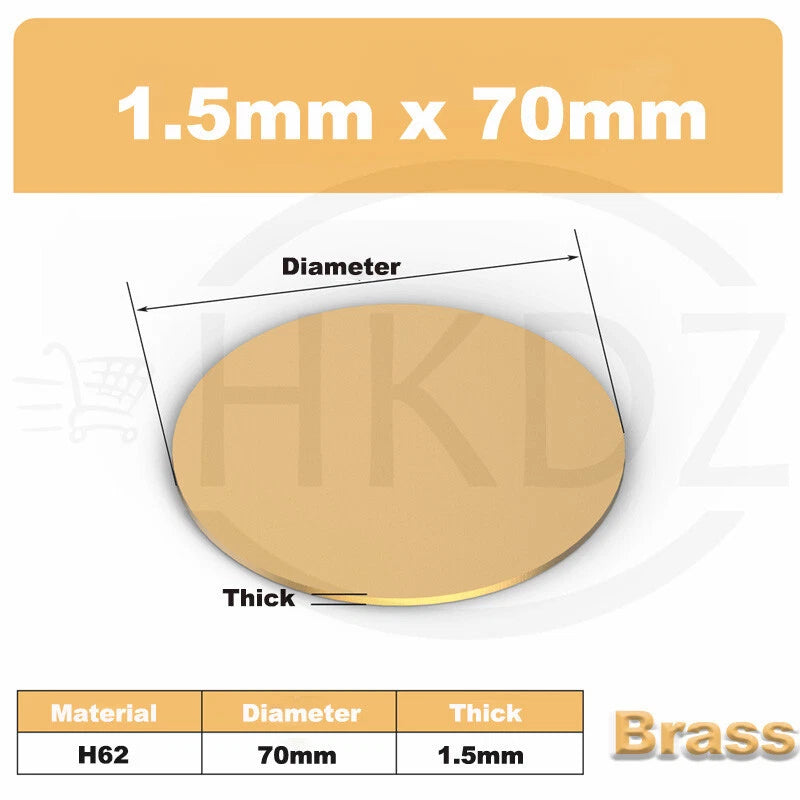
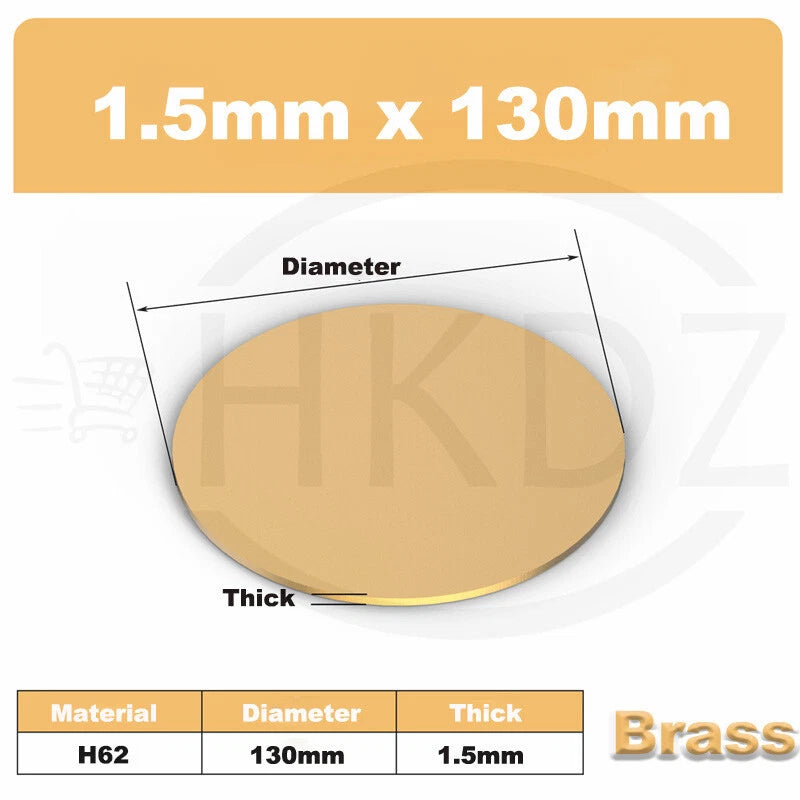
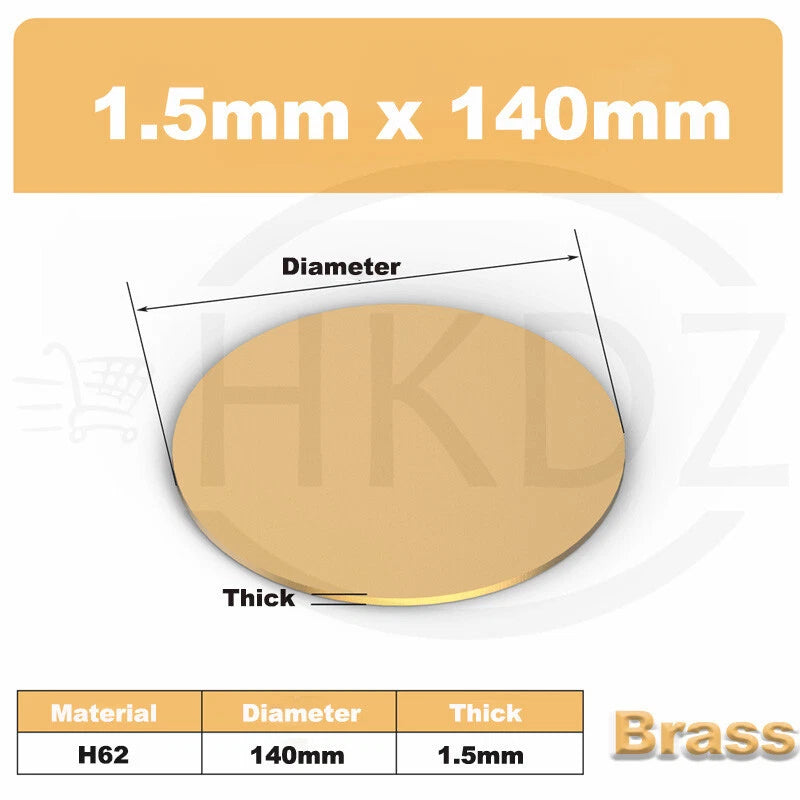
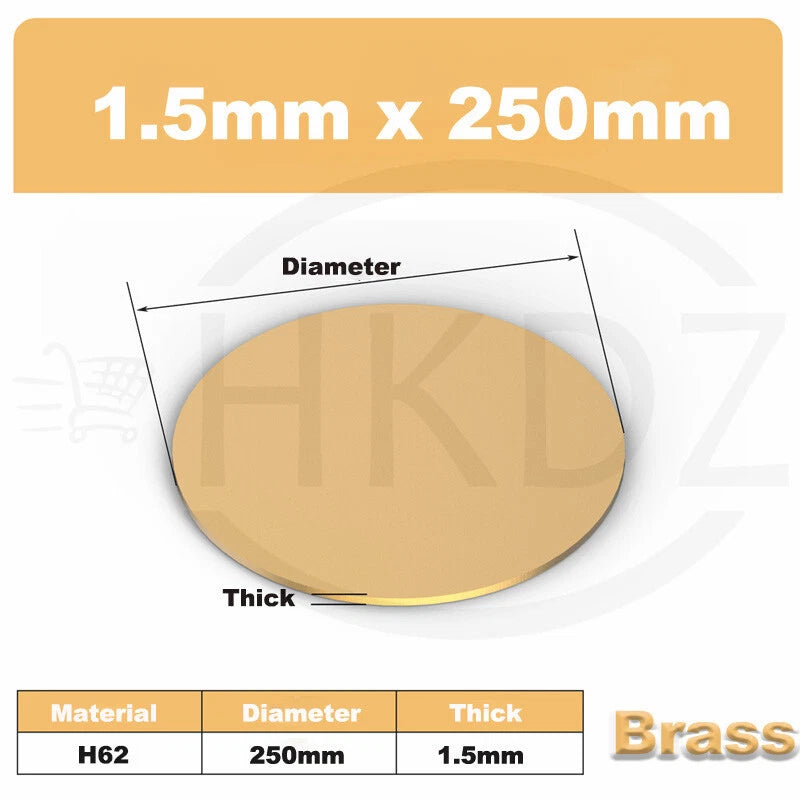
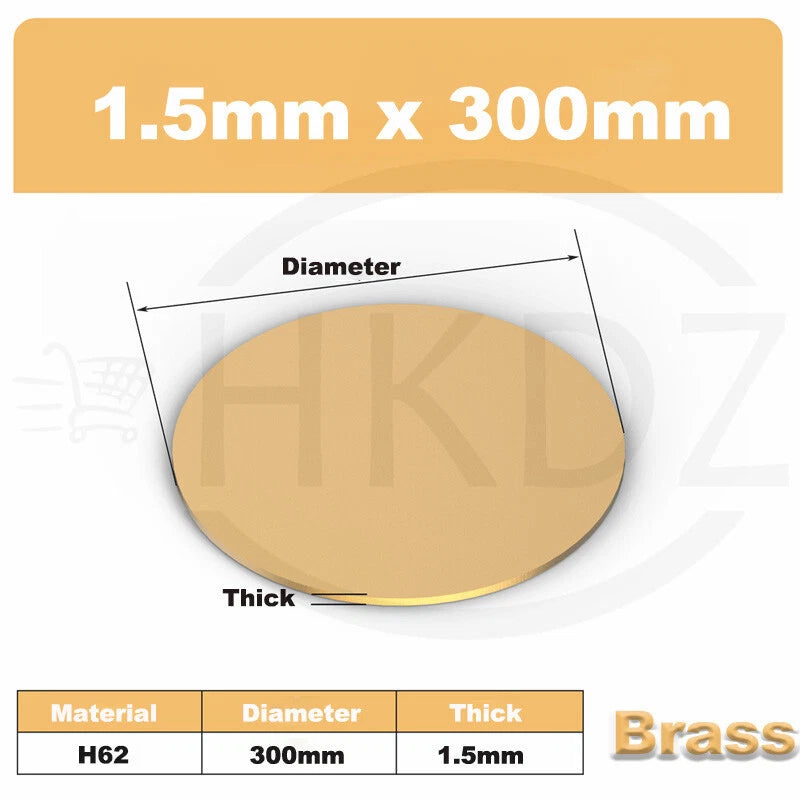
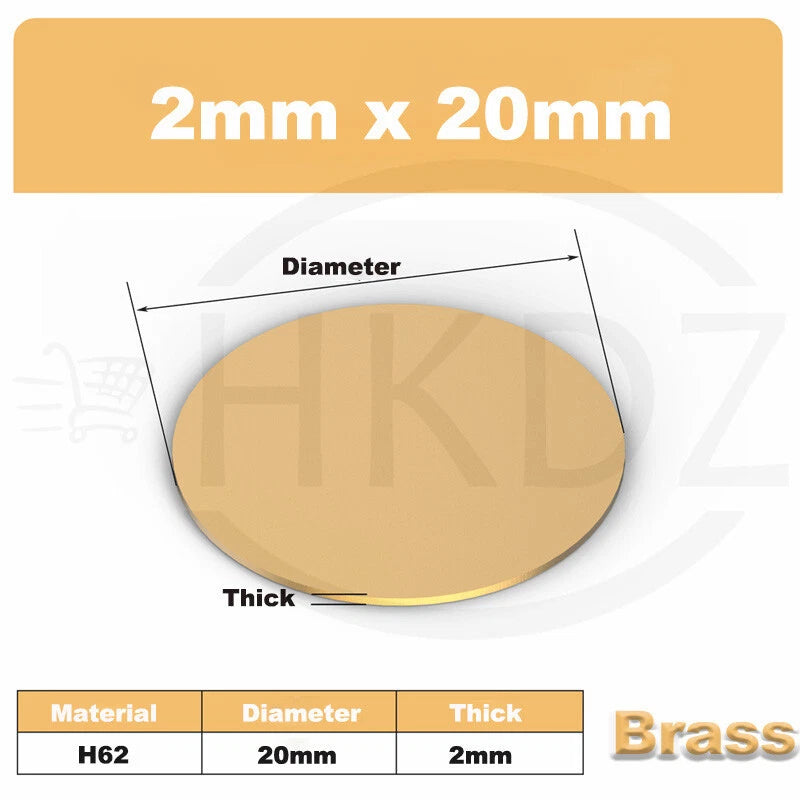
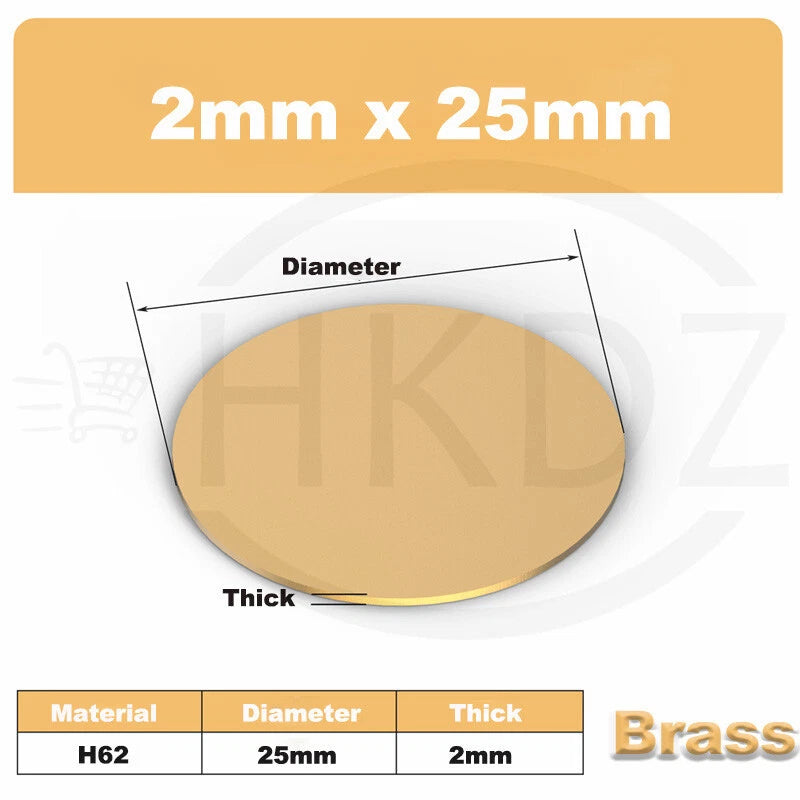
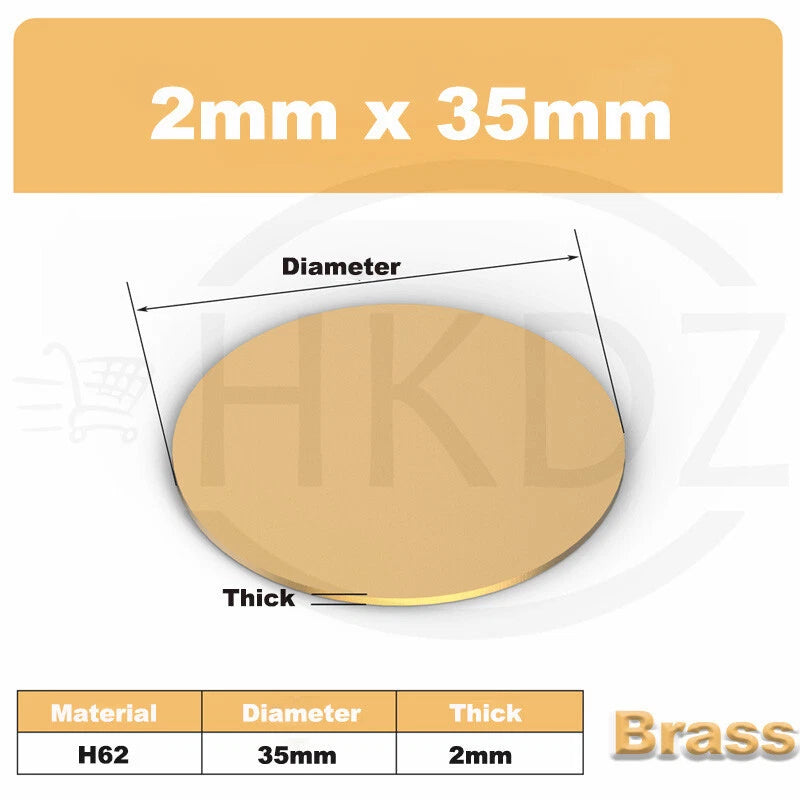
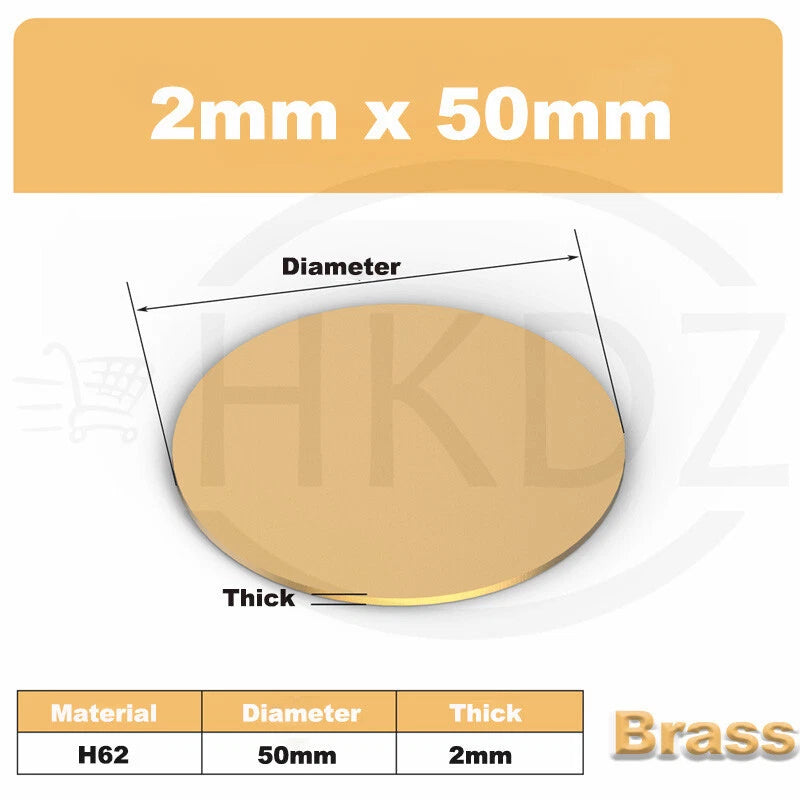
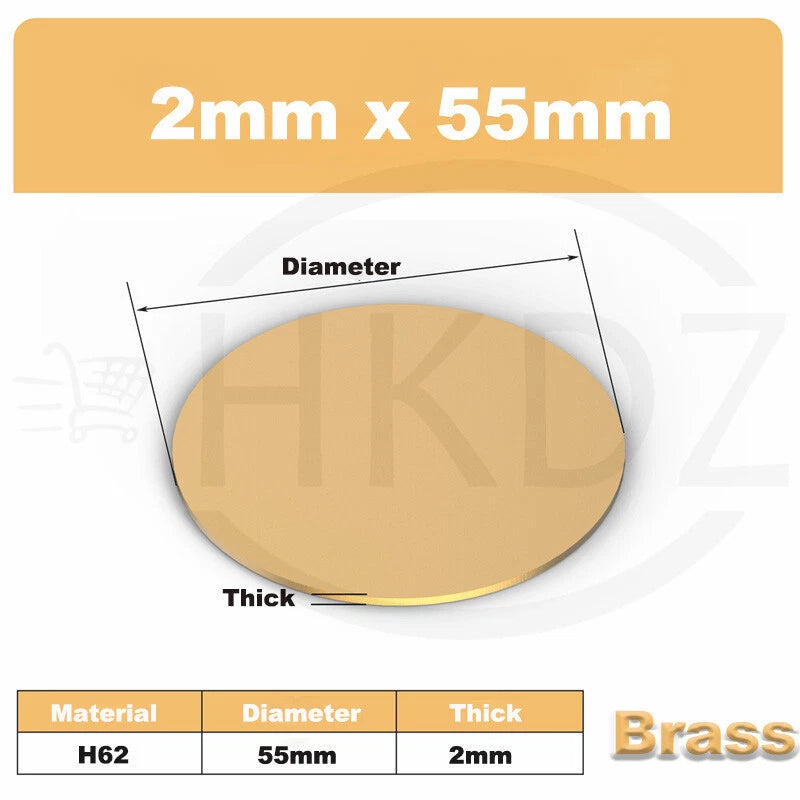
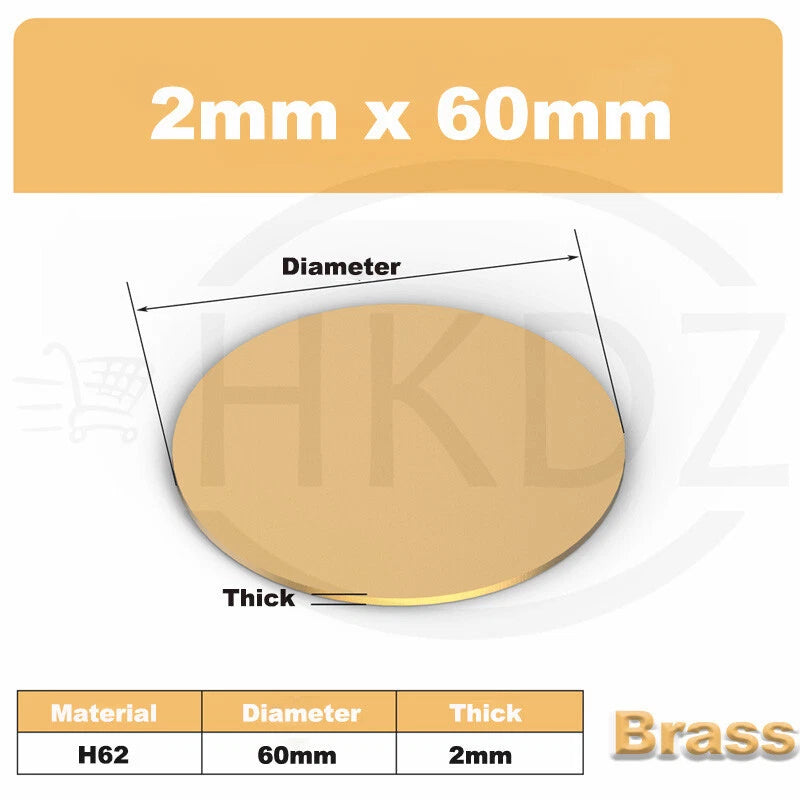
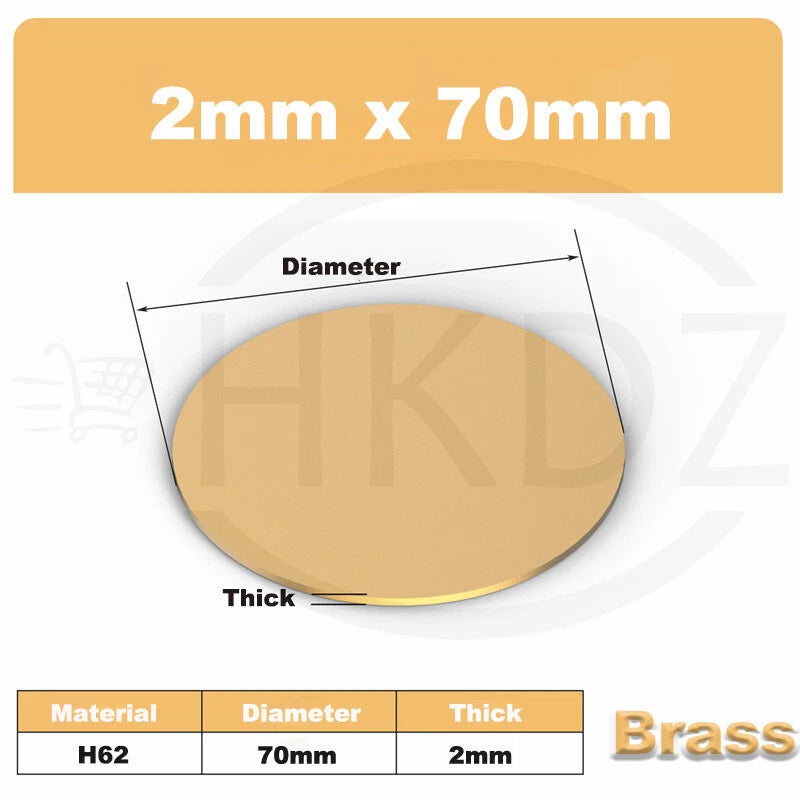
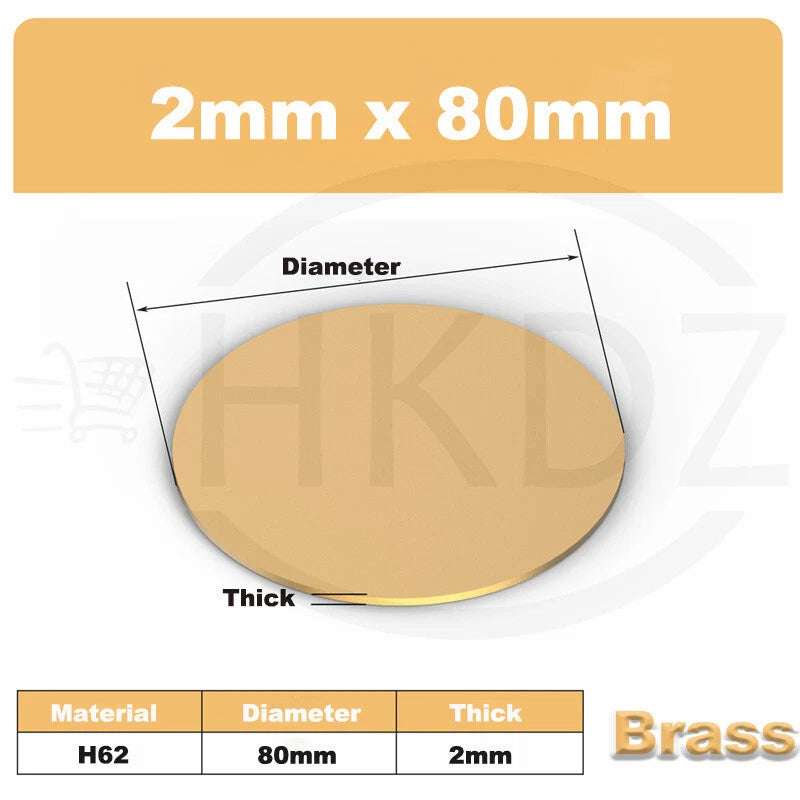
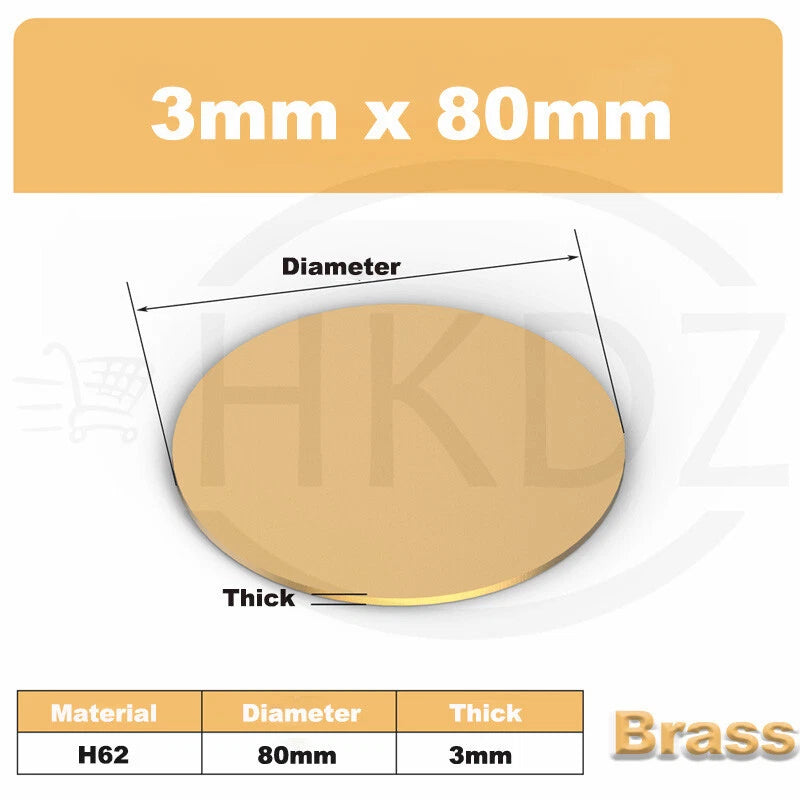
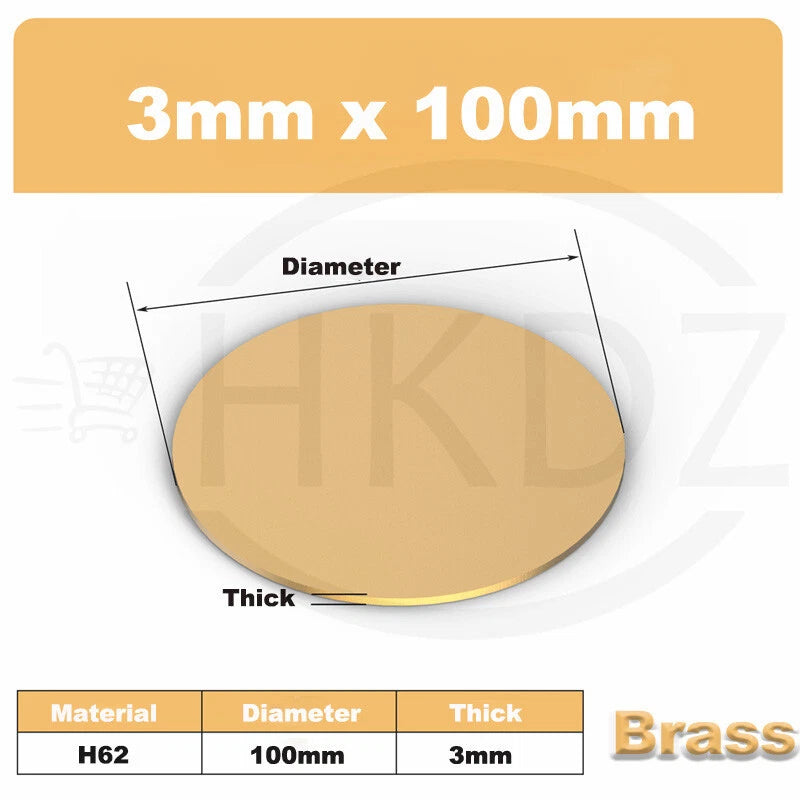
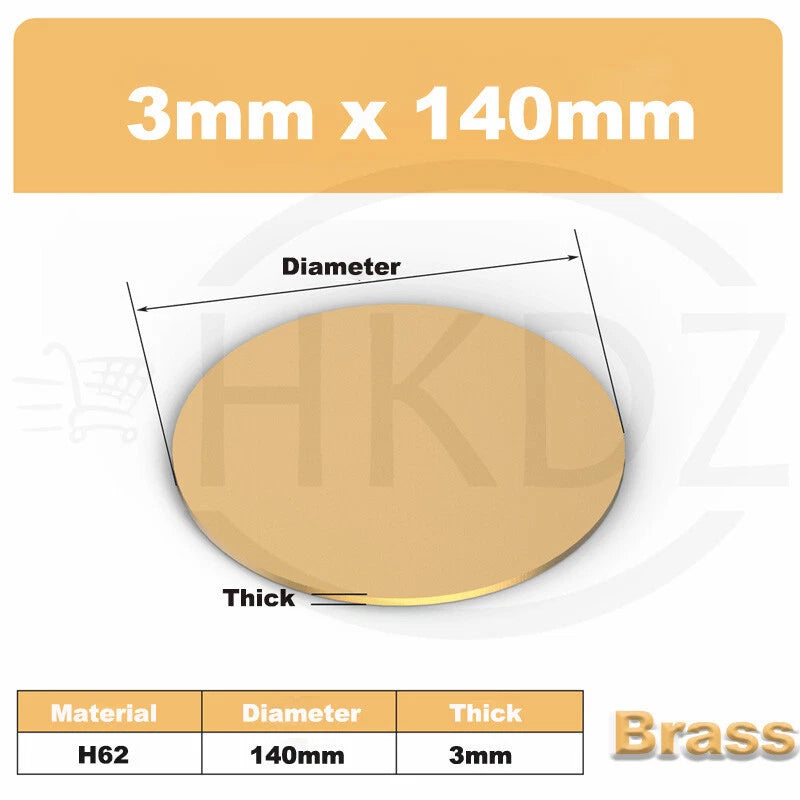
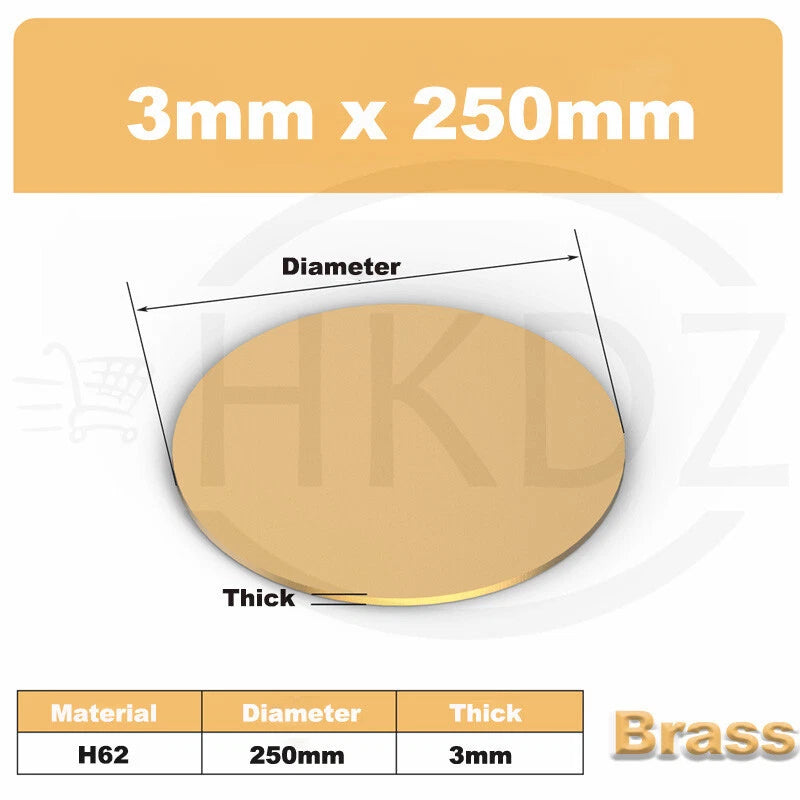
When a project demands a flat, corrosion-resistant metal blank that machines cleanly and solders without fuss, finding the right thickness and diameter in one place is rarely straightforward. These H62 solid brass discs are stocked in a wide matrix of sizes specifically for makers, machinists, jewellers, and engineers who need to cut to the chase and get the right piece first time.
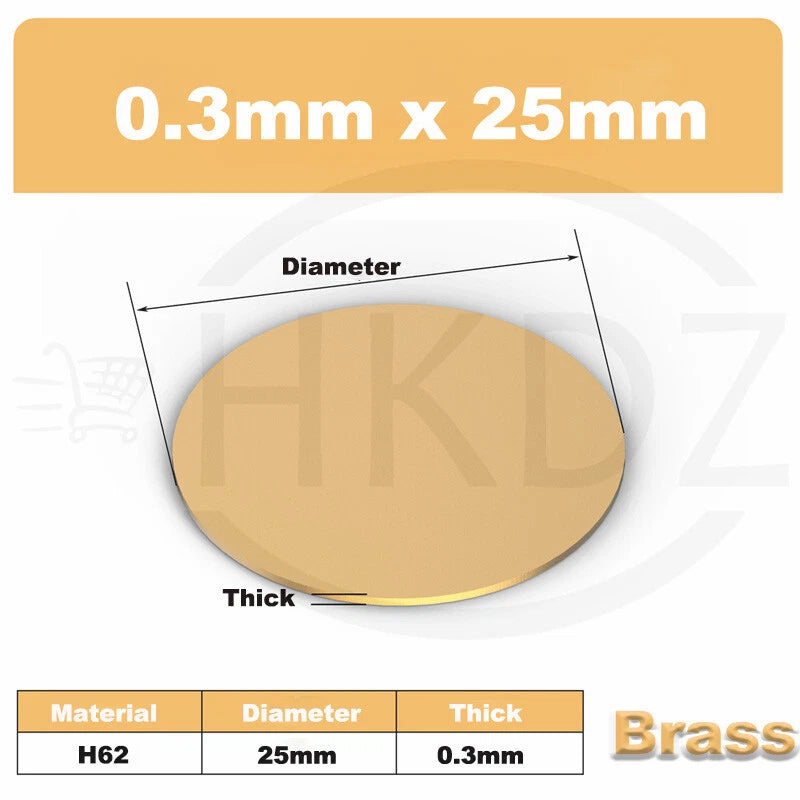
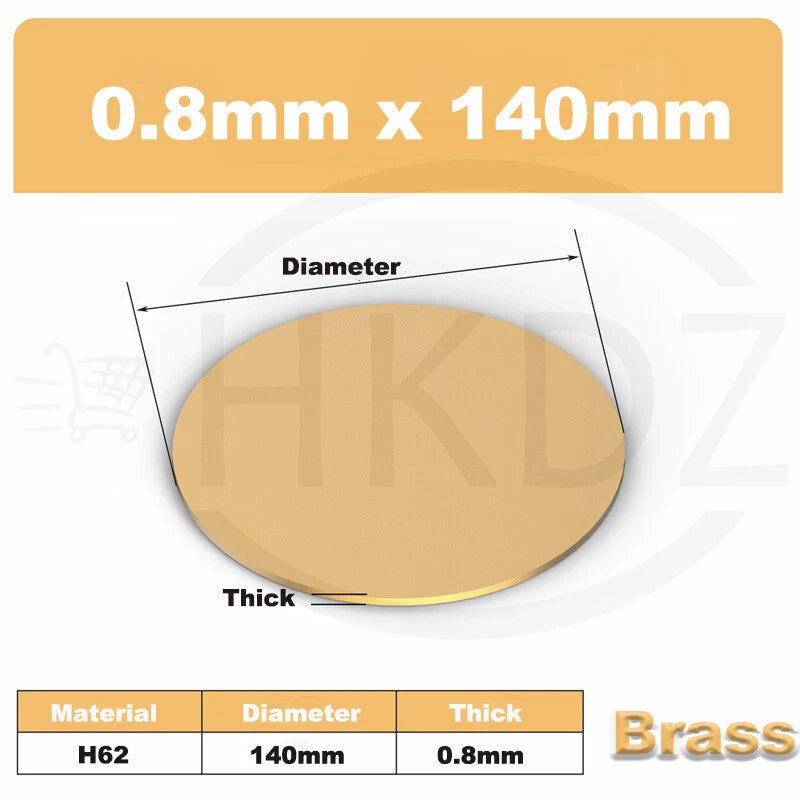
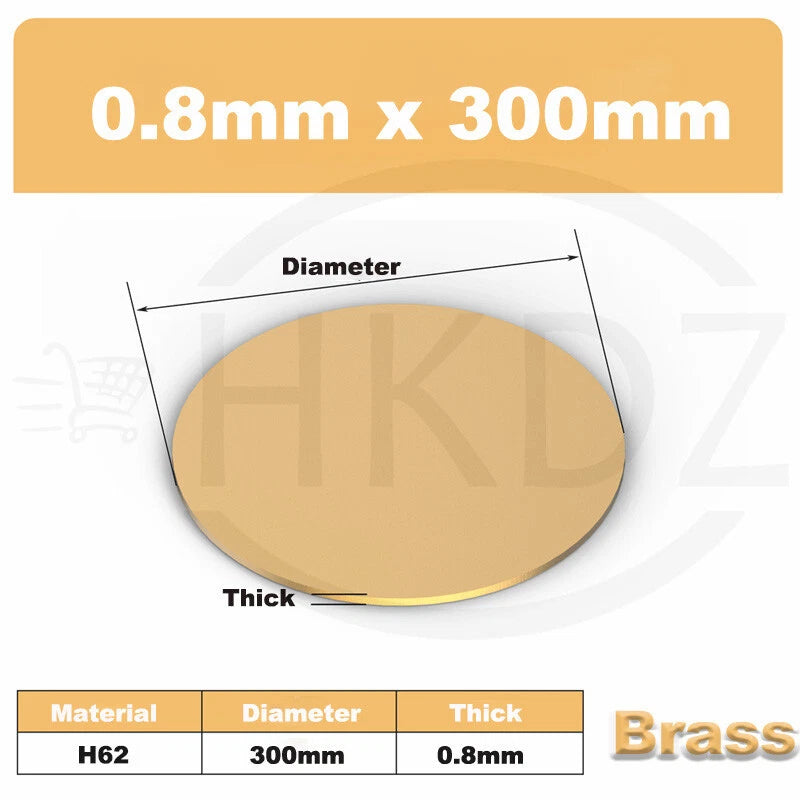
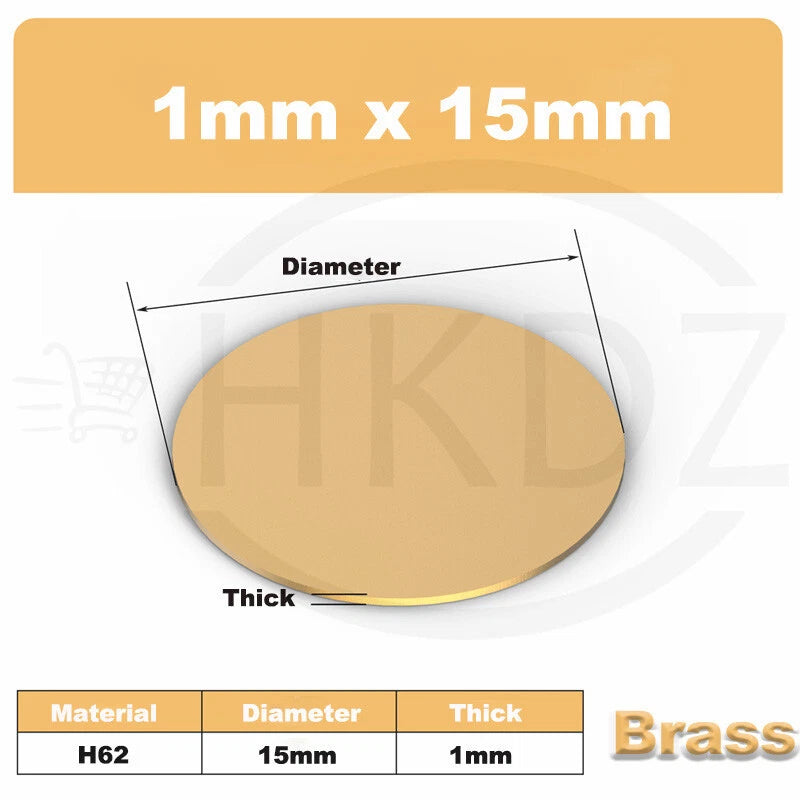
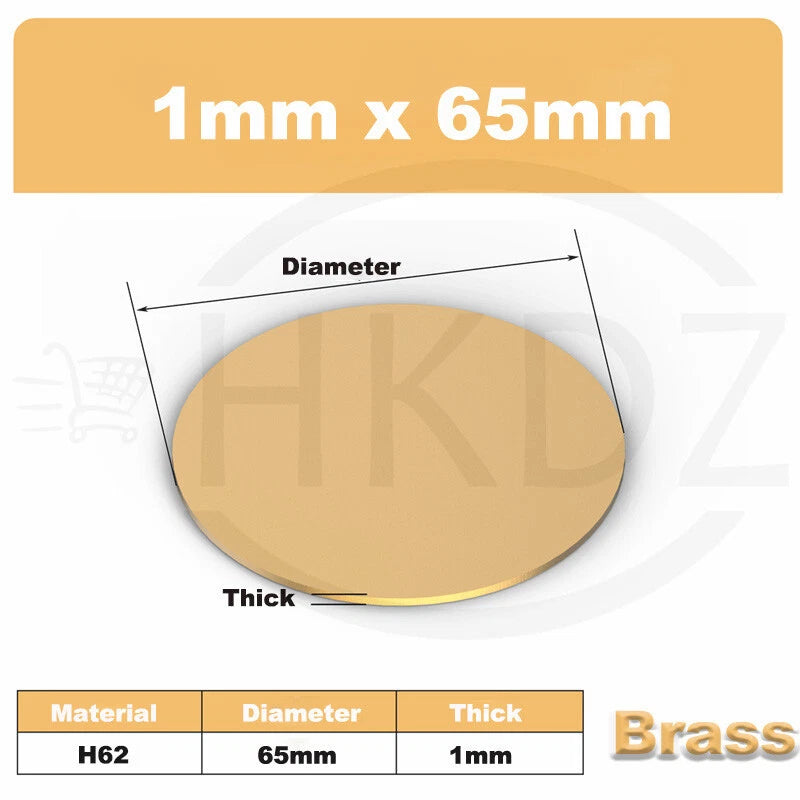
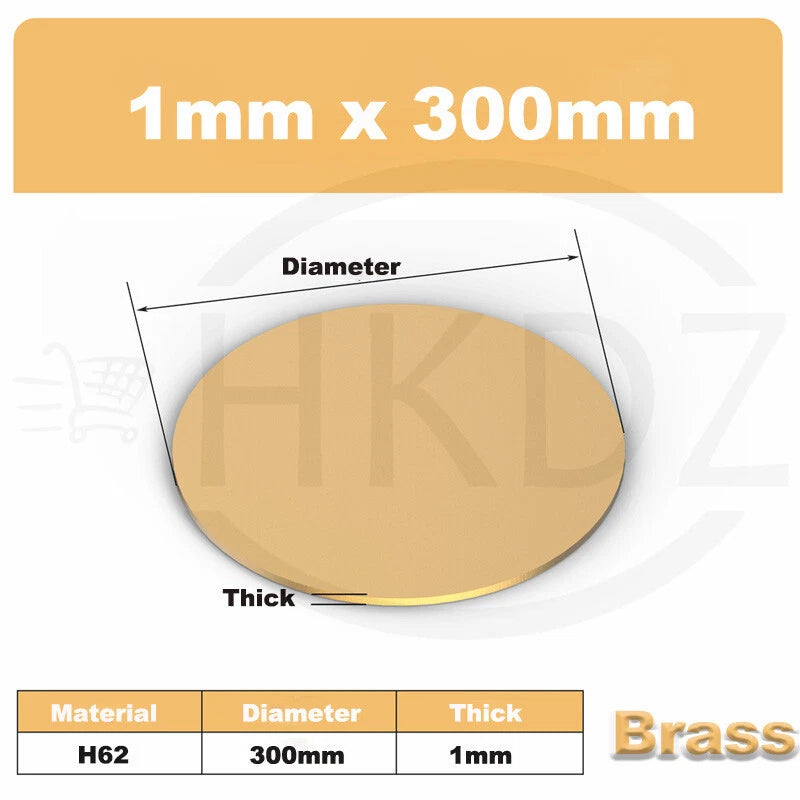
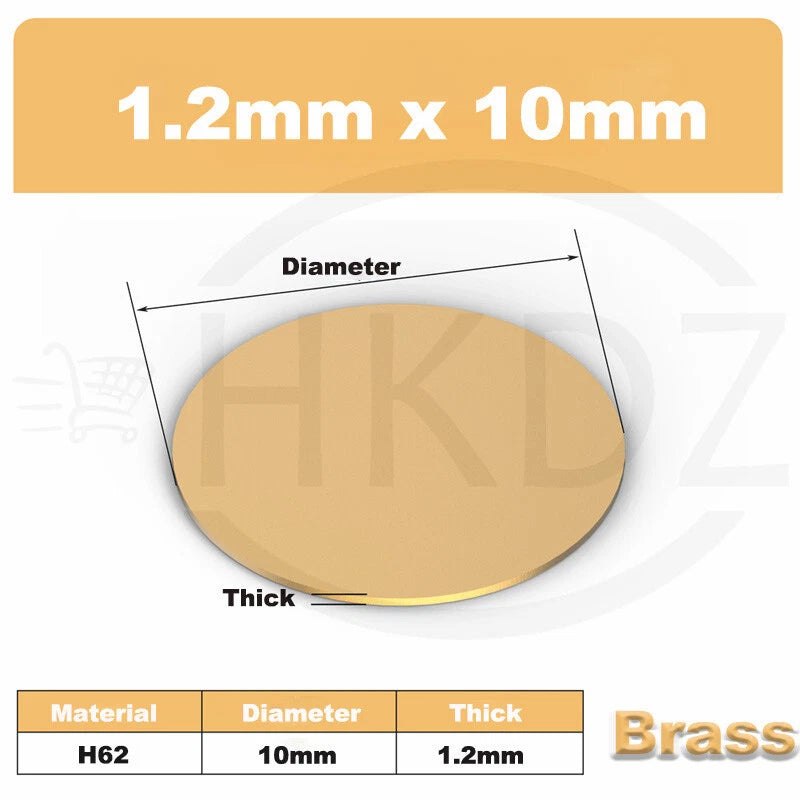
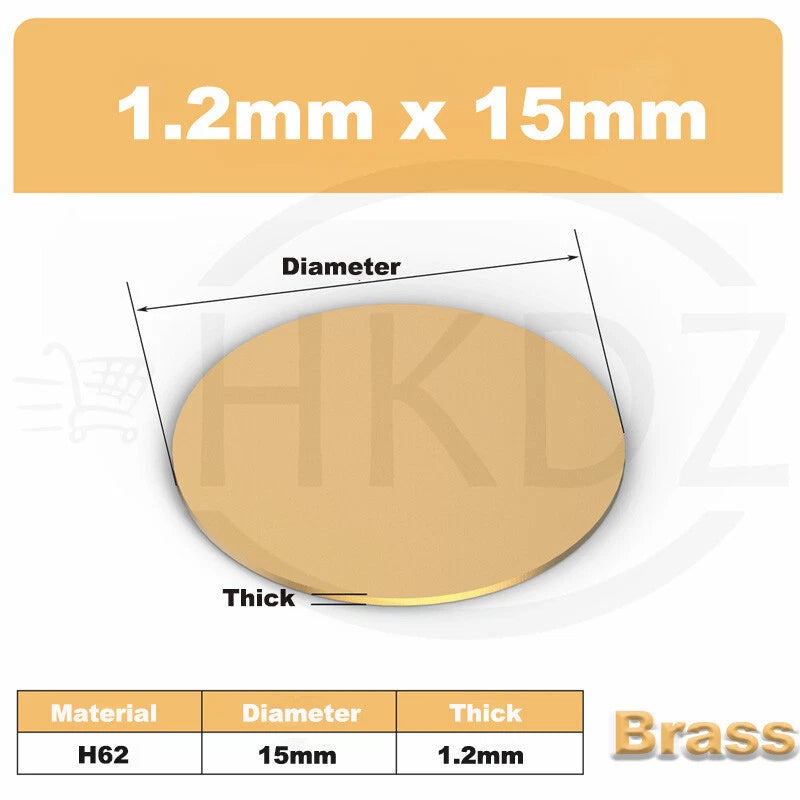
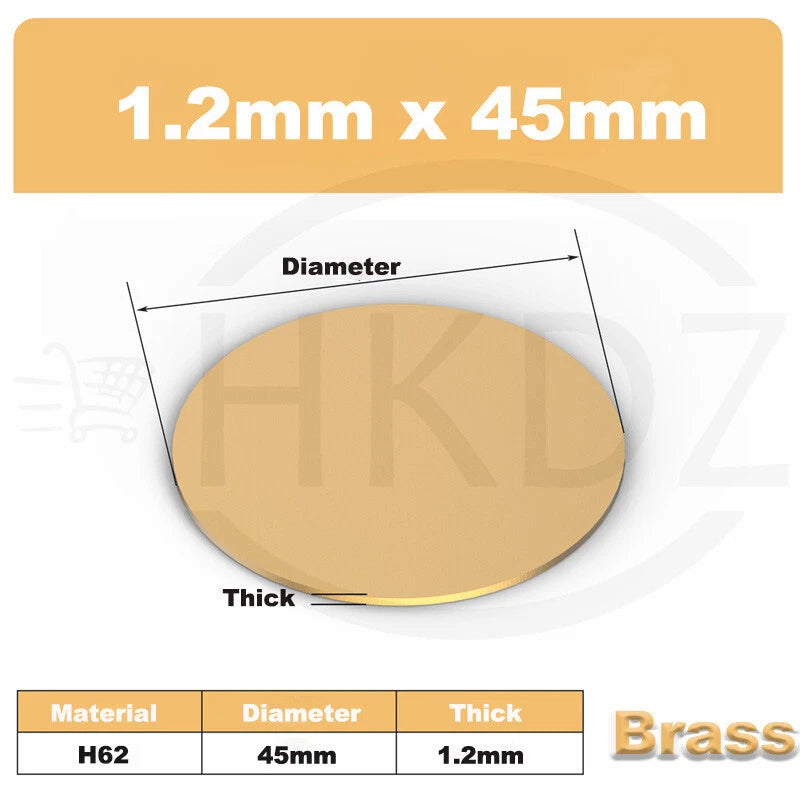
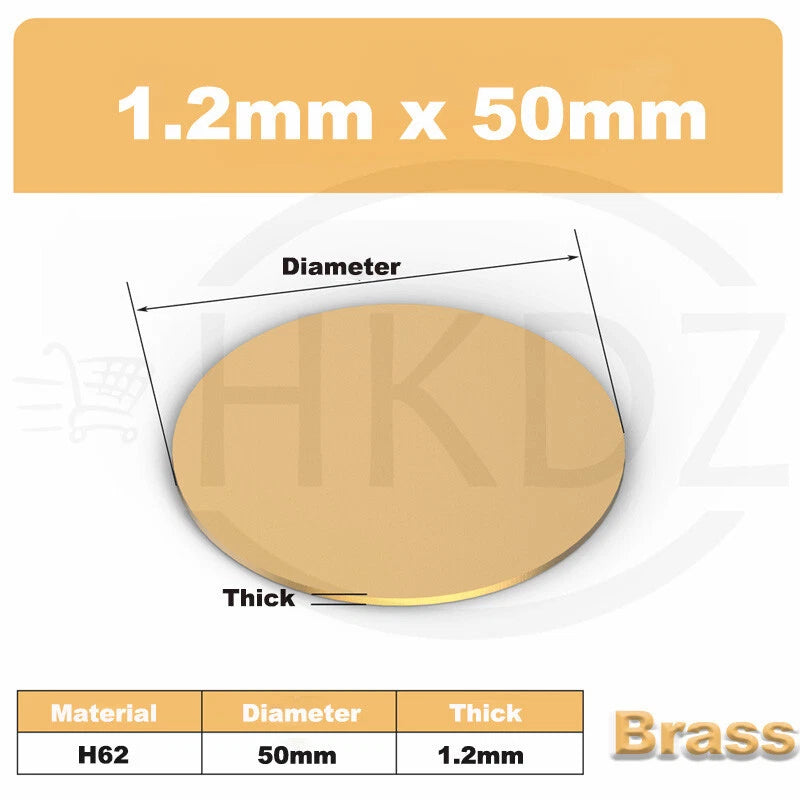
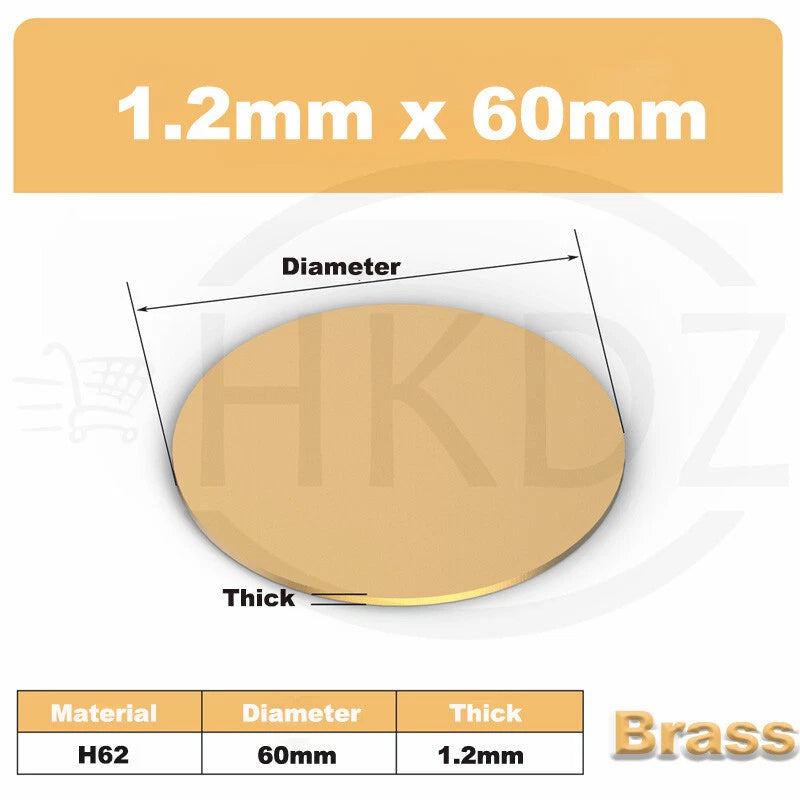
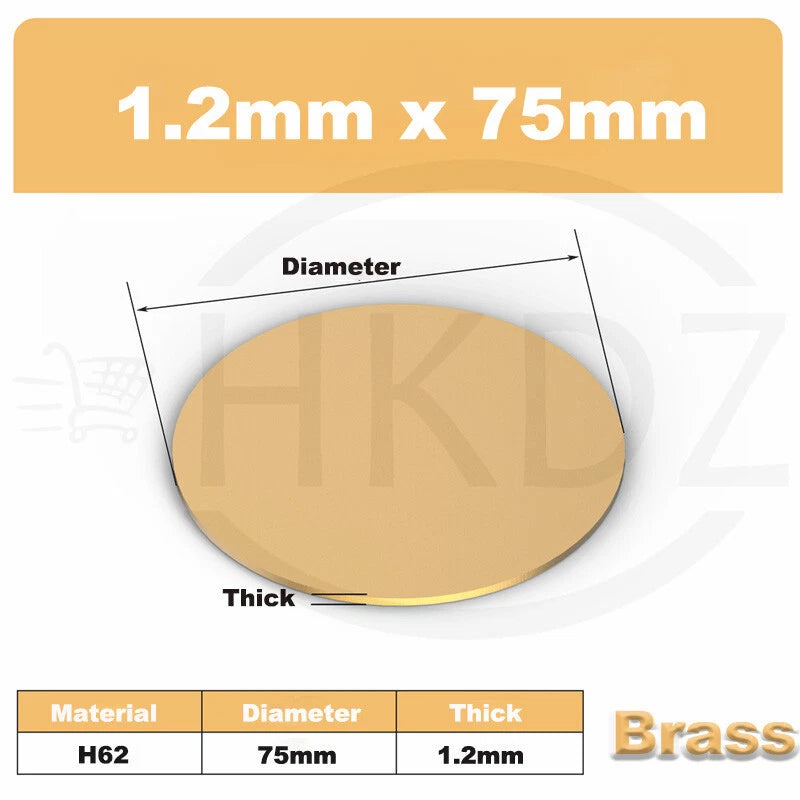
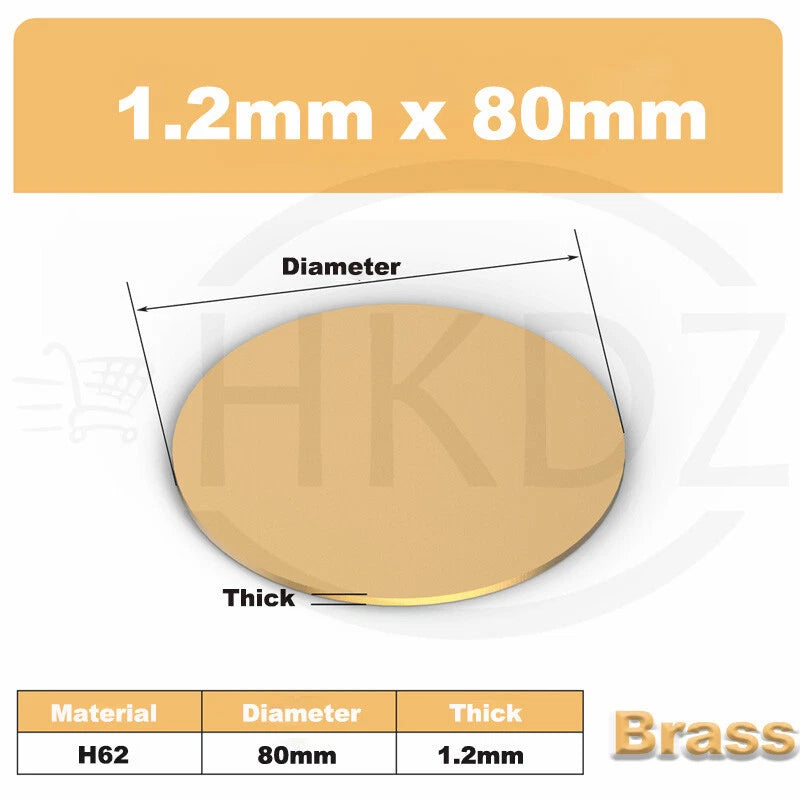
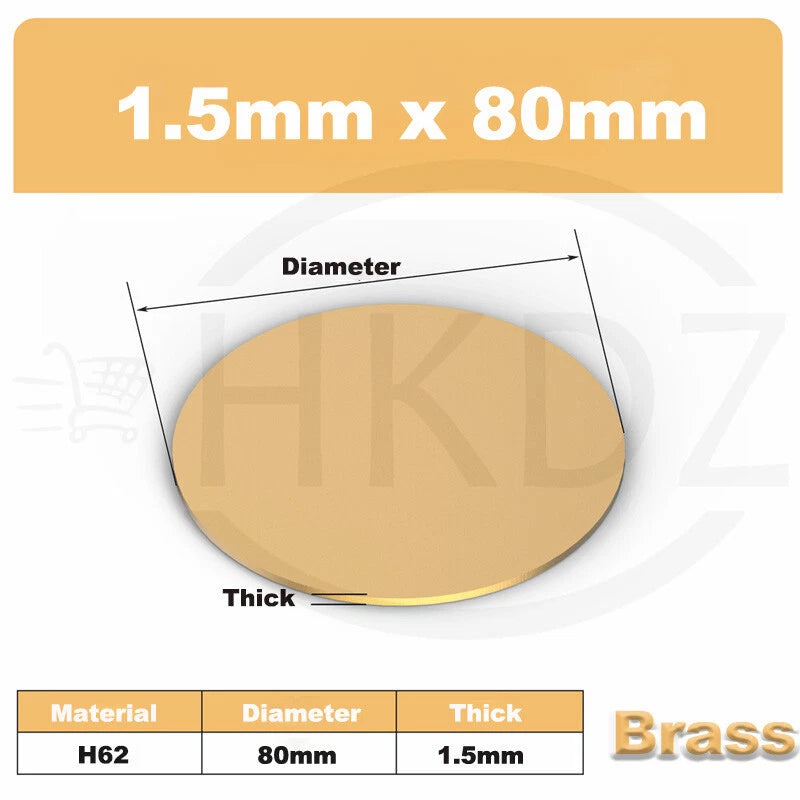
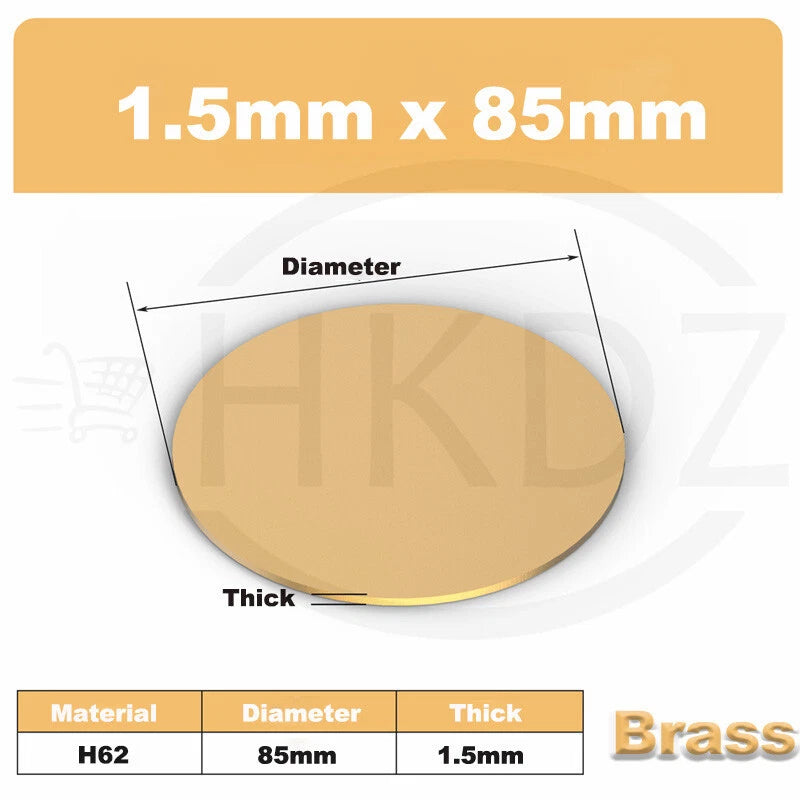
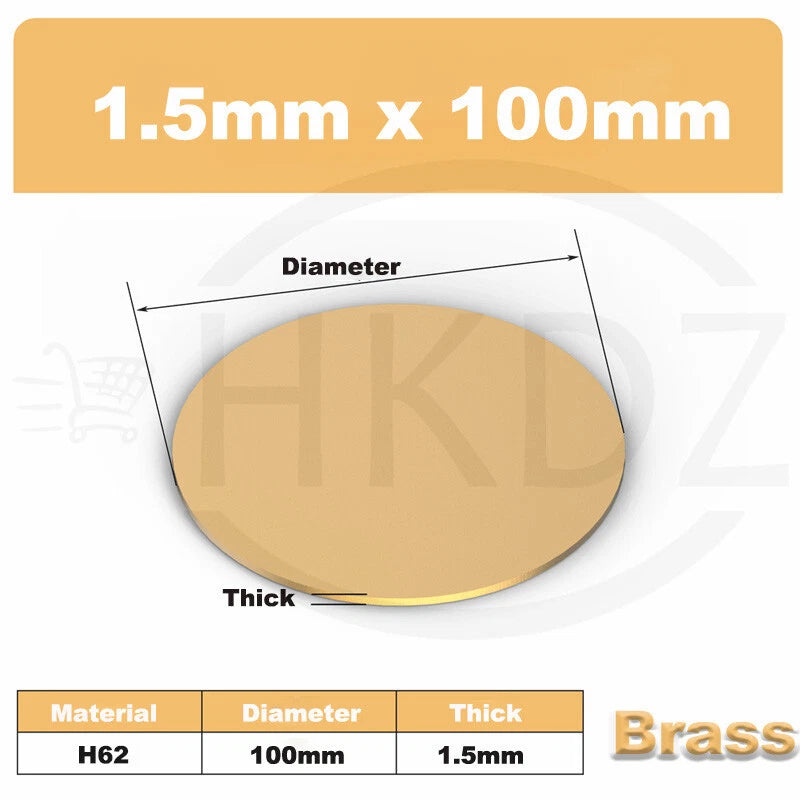
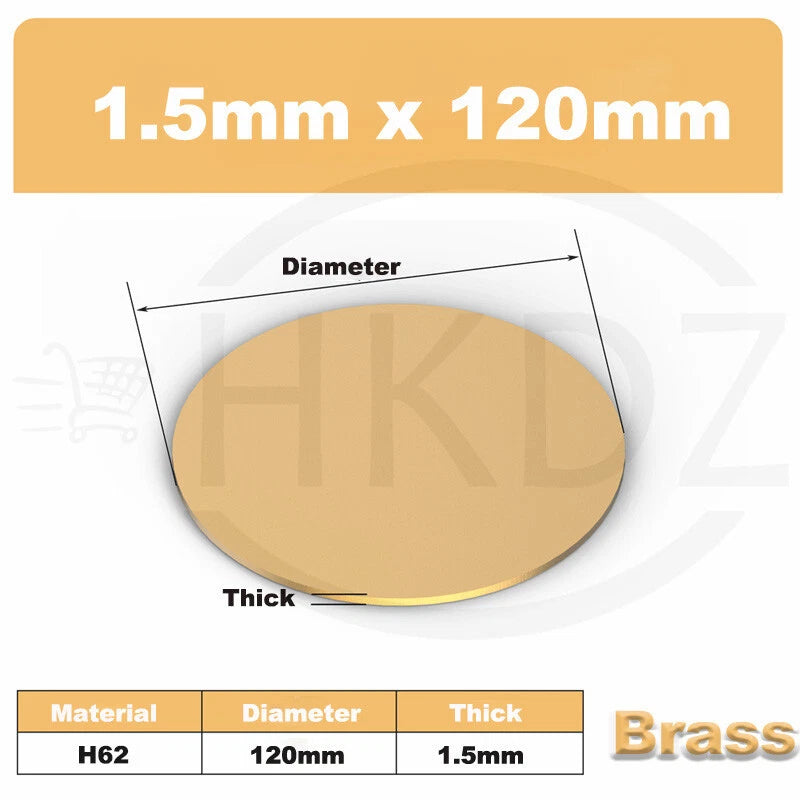
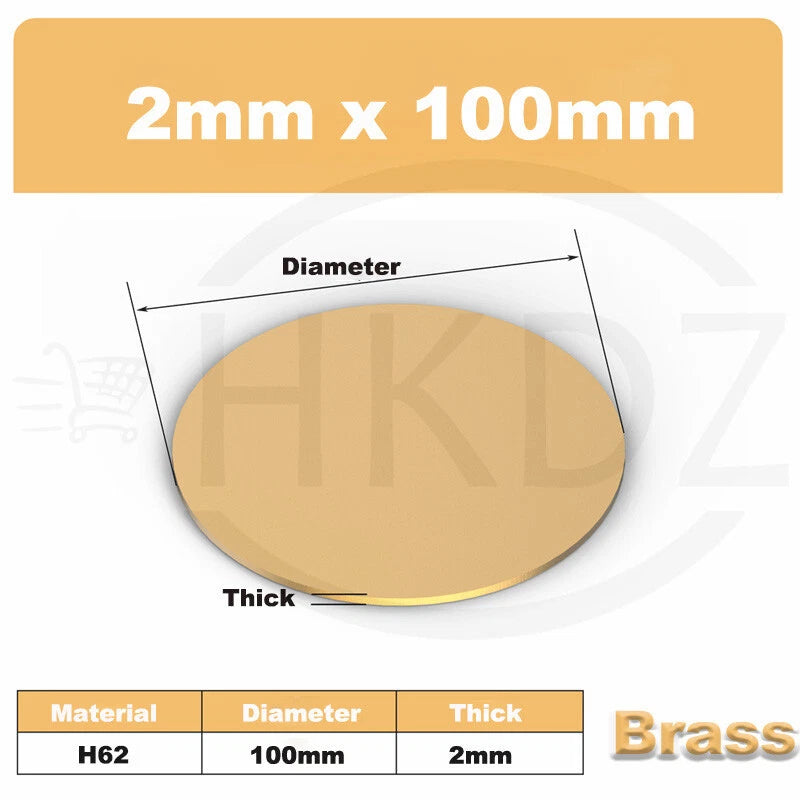
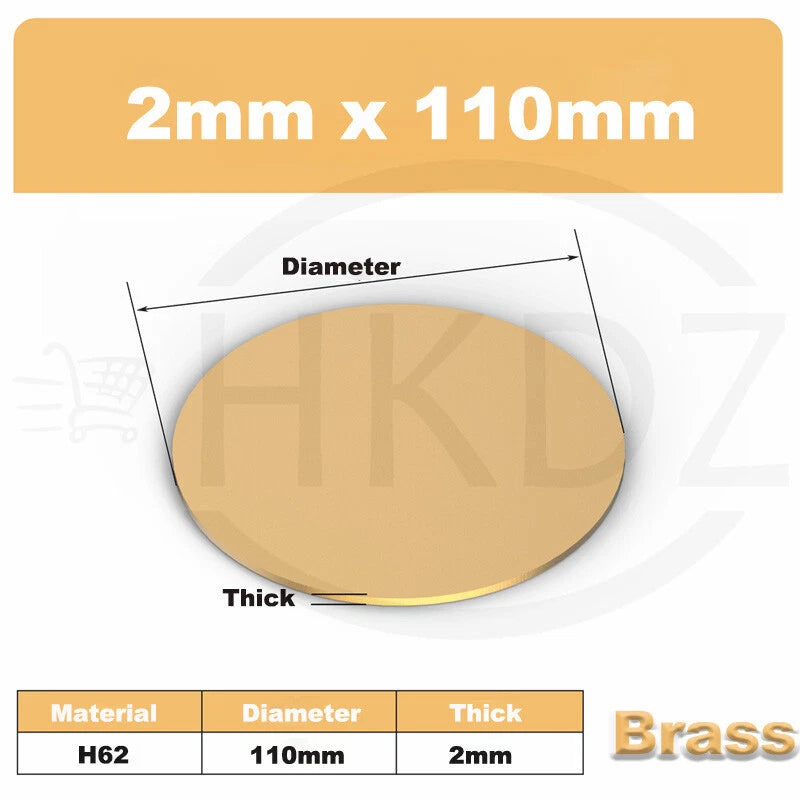
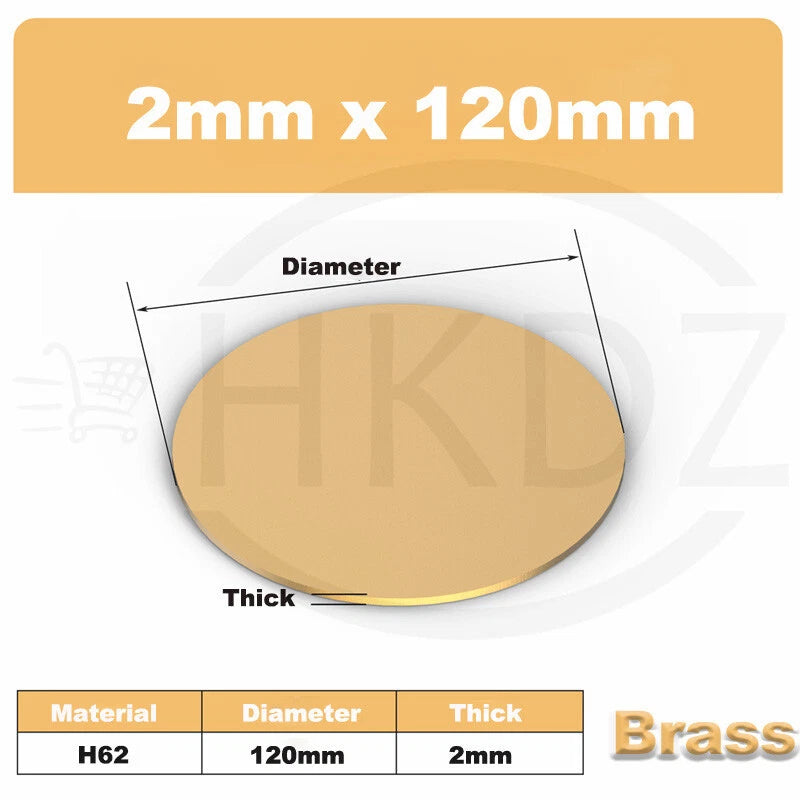
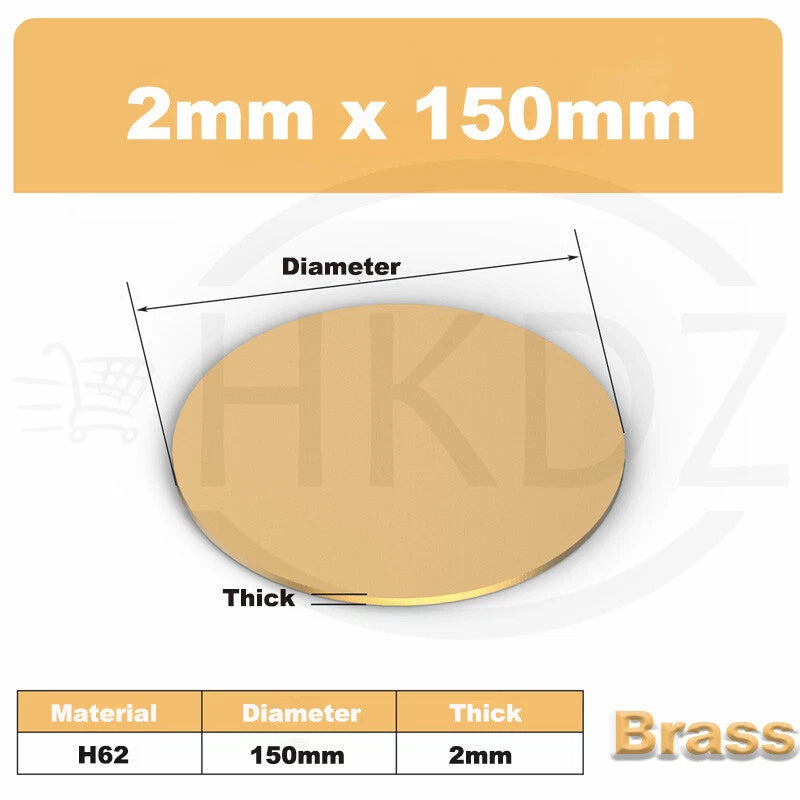
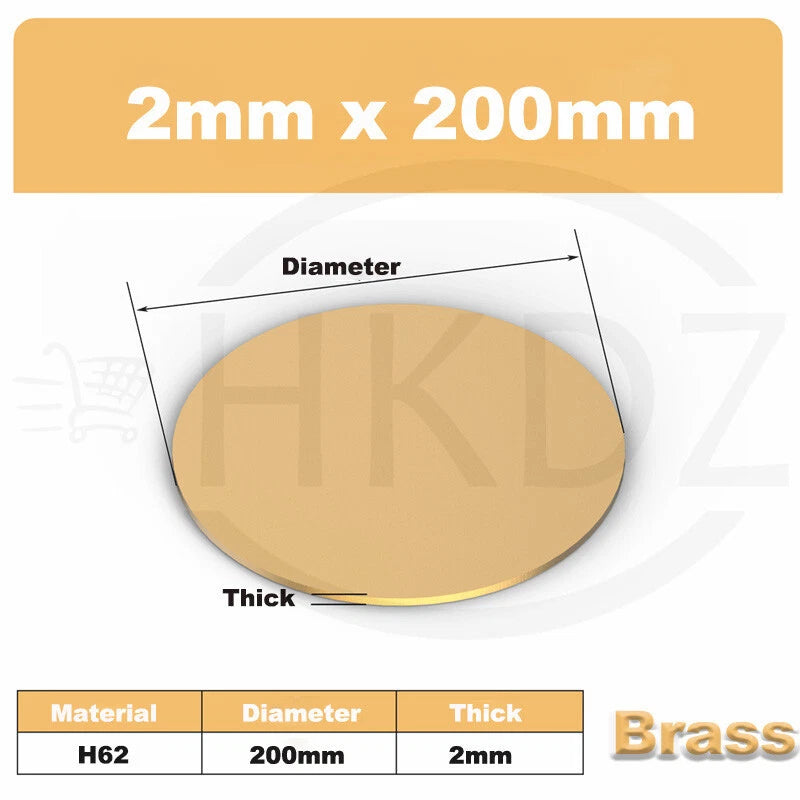
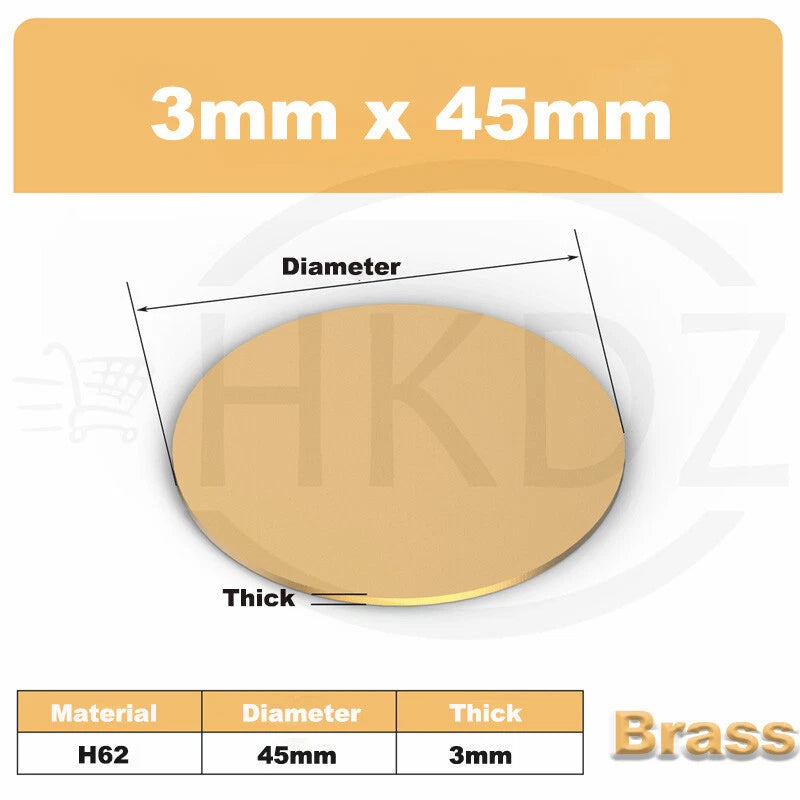
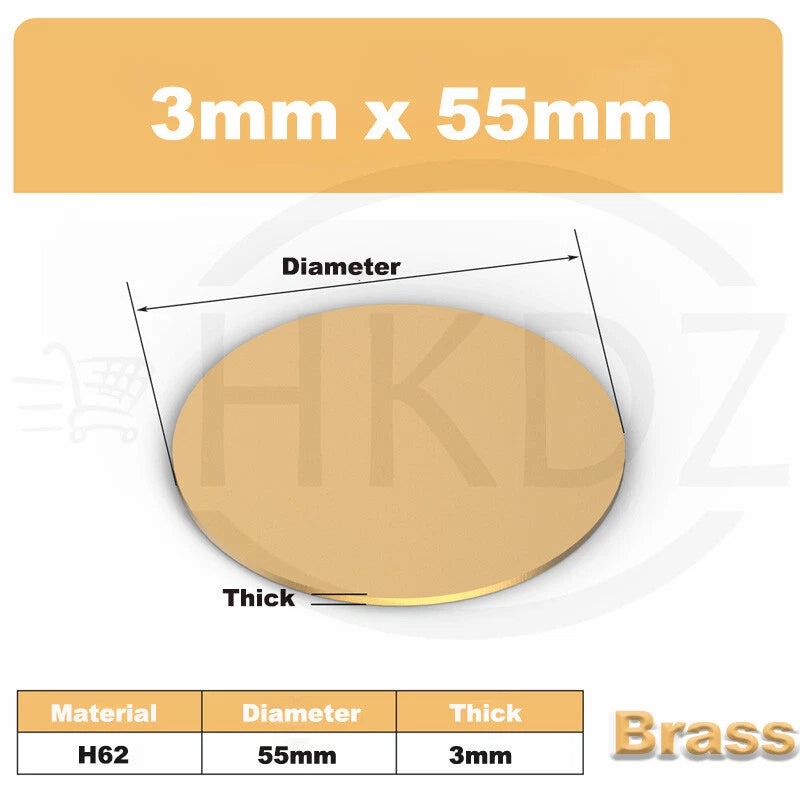
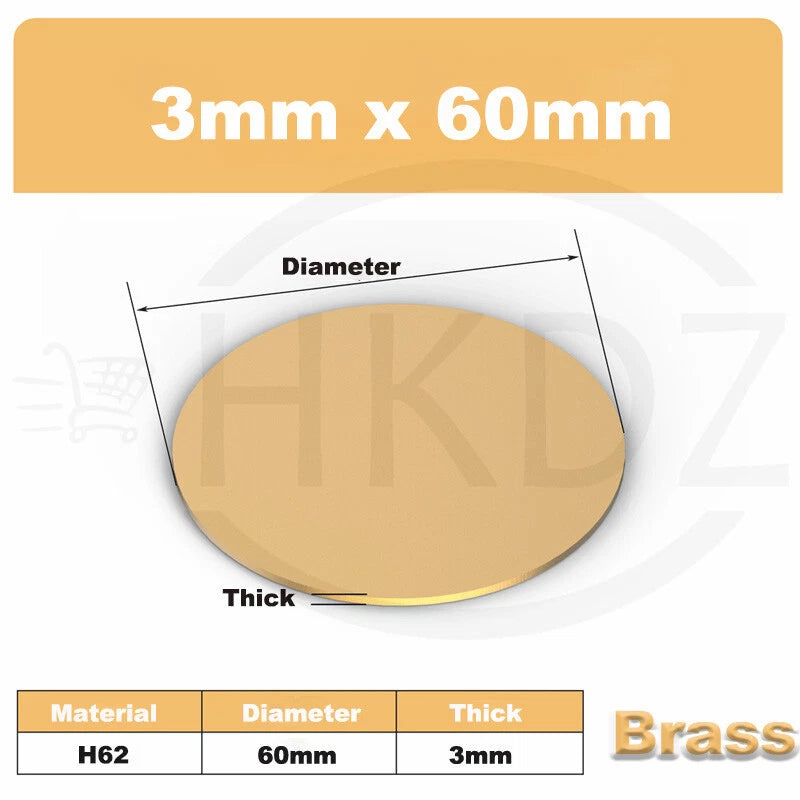
Each disc is cut from H62 brass alloy — a copper-zinc composition (roughly 62% copper) known for its balance of workability and structural integrity. Thickness options run from 0.3mm to 3mm (approximately 0.012" to 0.118"), and diameters span 10mm to 300mm (approximately 0.39" to 11.81"). Edges are sheared or turned to a consistent round profile; faces are flat-rolled with a smooth mill finish.
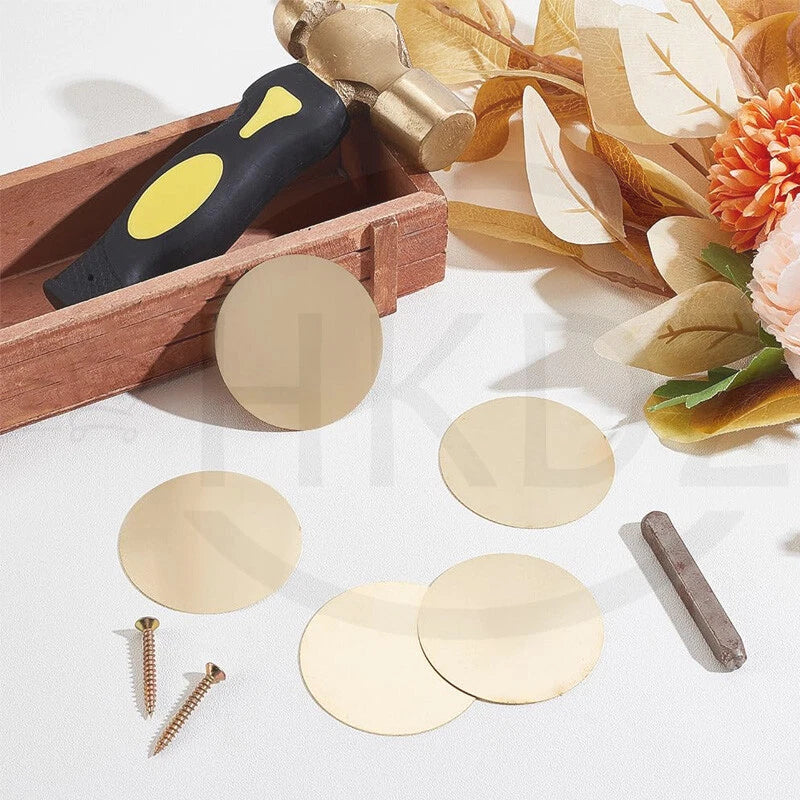
Typical applications include gasket blanks and shim stock in mechanical assemblies, decorative inlays and medallions in woodworking or leatherwork, electrical contact blanks and grounding pads in electronics prototyping, and custom washers or spacers where standard hardware sizes fall short. The combination of diameter and thickness variants makes these H62 brass round sheets a practical single-source solution for multi-size projects.
Copper-zinc alloy with approximately 62% copper content, offering reliable machinability, good electrical conductivity, and resistance to atmospheric corrosion.
Thickness from 0.3mm to 3mm; diameter from 10mm to 300mm — covering thin shim applications through to substantial structural blanks in a single product listing.
Faces are flat-rolled for consistent thickness across the disc. Surface is smooth mill finish, suitable for further machining, polishing, or plating without pre-treatment.
H62 brass forms a stable oxide layer that resists rust and atmospheric degradation, making these discs suitable for both indoor and sheltered outdoor use without coating.
Responds well to soft soldering, brazing, drilling, turning, and milling. Low work-hardening rate means thinner gauges (0.3mm–0.8mm) can be cut with shears or a craft knife.
Available in packs of 1, 2, or 4 pieces depending on size — allowing you to order exactly what a single project requires without committing to bulk quantities.
| Material | H62 Brass (Cu-Zn alloy, ~62% copper) |
|---|---|
| Form | Flat disc / round sheet, unthreaded, undrilled |
| Thickness Range | 0.3mm – 3mm (0.012" – 0.118") |
| Diameter Range | 10mm – 300mm (0.39" – 11.81") |
| Surface Finish | Flat-rolled mill finish |
| Tolerance (thickness) | See variant options |
| Tolerance (diameter) | See variant options |
| Hardness | See variant options |
| Pack Quantity | 1 pcs / 2 pcs / 4 pcs (varies by size) |
| Colour | Golden yellow (natural brass) |
| Applicable Standards | See variant options |
For shim and gasket use, 0.3mm–0.5mm is typically sufficient for fine gap adjustment. For decorative inlays or medallions, 0.8mm–1.5mm provides enough rigidity to hold shape without bending under light handling. For structural blanks, spacers, or parts that will be drilled and tapped, 2mm–3mm is recommended. If you are unsure, select the next thickness up — it is easier to remove material than to add it.
H62 brass has a tensile strength typically in the range of 330–420 MPa in the annealed state, which is adequate for light-to-medium mechanical applications such as custom washers, spacers, and bearing retainer blanks. It is not recommended for high-stress structural components where steel or bronze alloys would be more appropriate. For decorative, electrical, and light mechanical uses, H62 performs reliably.
H62 brass resists rust because it contains no iron. In dry indoor environments, the surface will develop a warm patina over time but will not pit or flake. In humid or marine environments, brass can develop verdigris (green oxidation) on the surface; this is cosmetic and does not compromise structural integrity. Applying a clear lacquer or wax after polishing will preserve the bright finish if required.
Thinner gauges (0.3mm–0.8mm) can be cut with heavy-duty scissors, aviation snips, or a craft knife and straight edge. Gauges from 1mm upward are best cut with a jeweller's saw, angle grinder with a thin metal disc, or a lathe for precise circular profiles. Drilling is straightforward with standard HSS drill bits — use cutting fluid and a slow feed rate to avoid work-hardening the surface around the hole.
These are undrilled flat blanks, so they do not come pre-sized for any specific fastener. However, the diameter range (10mm–300mm) and thickness range (0.3mm–3mm) cover the most common custom washer and spacer dimensions used with M3 through M20 metric fasteners. You will need to drill or punch the centre hole to your required clearance diameter.
Pack quantity varies by size and is shown in the Qty(pcs) variant selector. Smaller diameters (10mm–25mm) in thinner gauges are often available in packs of 4, which suits prototyping or applications where multiple identical pieces are needed. Larger diameters and thicker gauges are typically sold individually or in pairs. Order the quantity that matches your project requirement — there is no minimum order beyond the listed pack size.
H62 is a standard Chinese GB designation for a copper-zinc alloy with approximately 60–63% copper. It is comparable to CW508L (CuZn37) in European EN standards and C27200 in ASTM. Compared to H68 (higher copper content), H62 is slightly harder and less ductile but more cost-effective for flat stock applications. Compared to leaded free-cutting brass (HPb59-1), H62 is lead-free, making it suitable for applications with food contact or environmental compliance requirements.