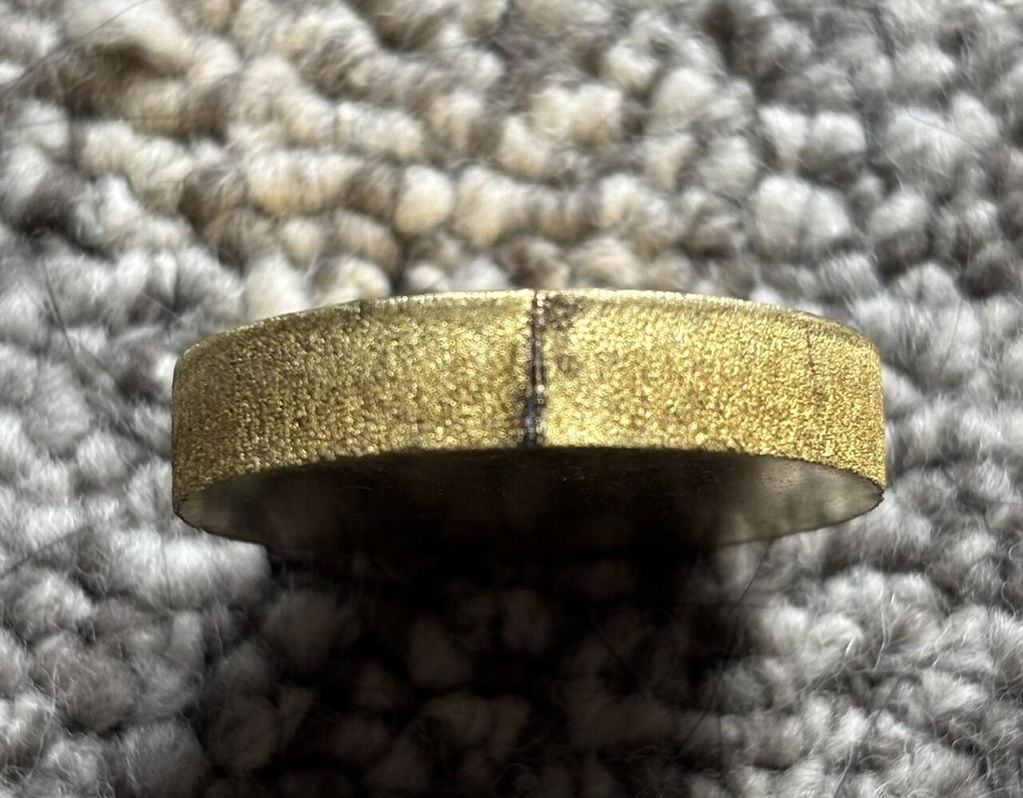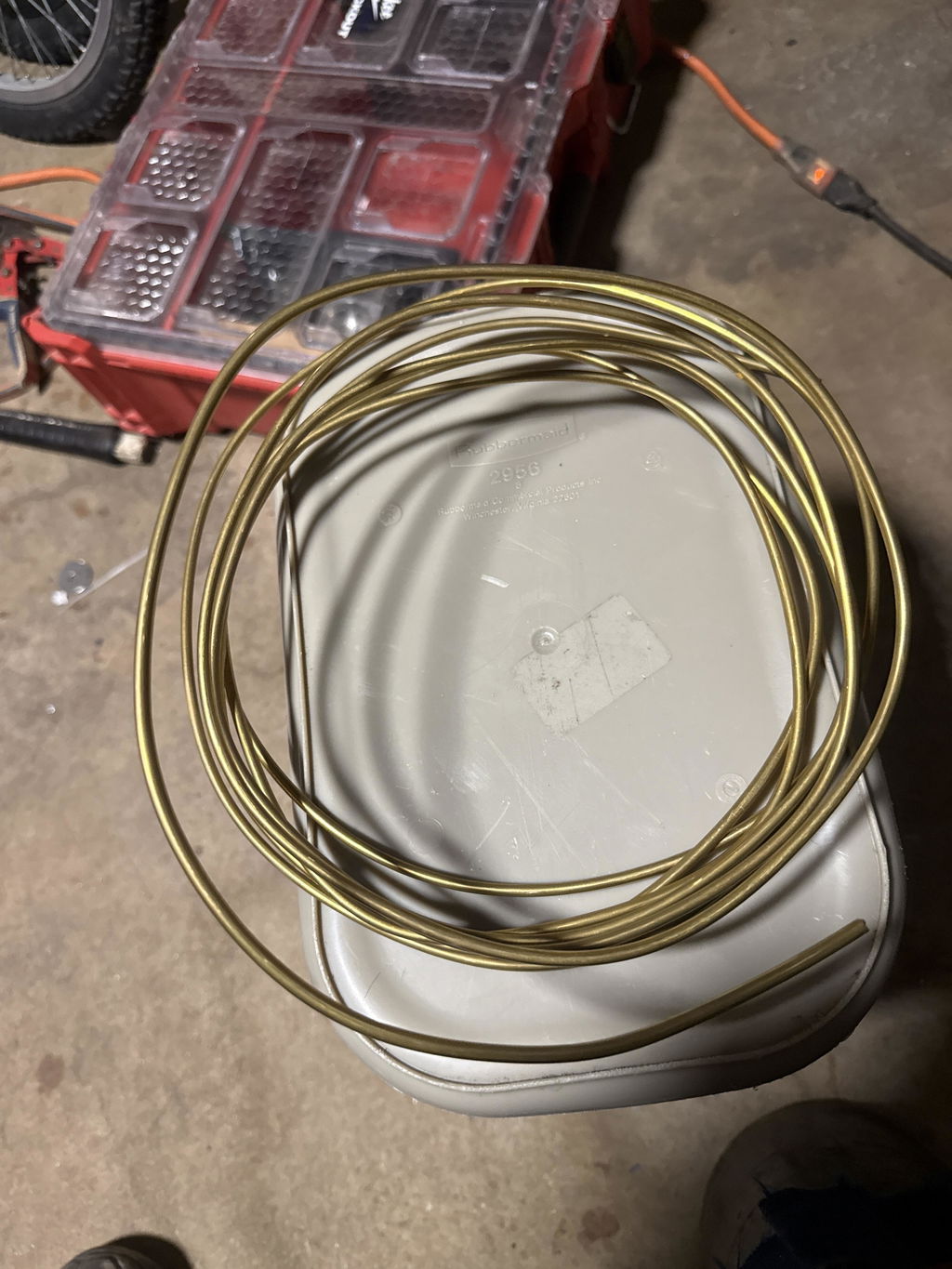
The chain is fine...but I ordered the wrong size. Nine links of the chain I ordered equals six of the size I wanted. My error...
How can I straighten out the springs? I can't use them coil uo as is.
Your payment information is processed securely. We do not store credit card details nor have access to your credit card information.
Get fitment advice & recommendations
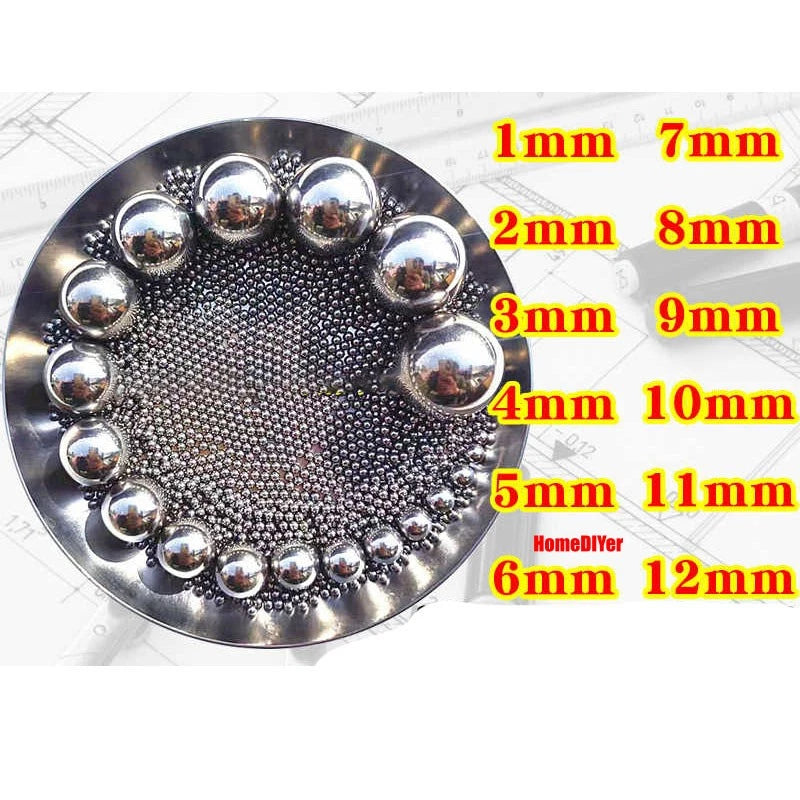
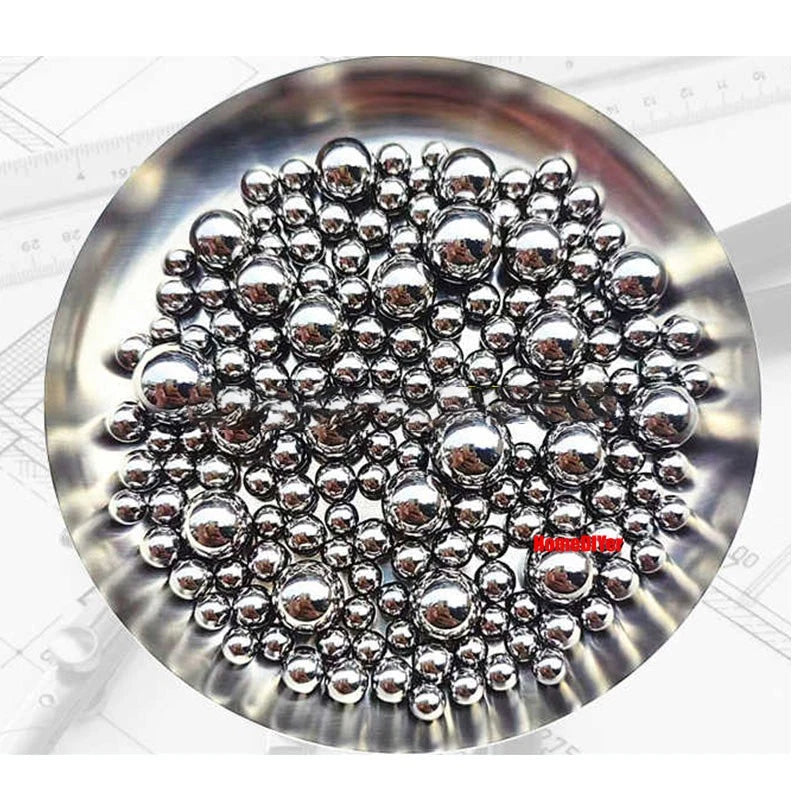
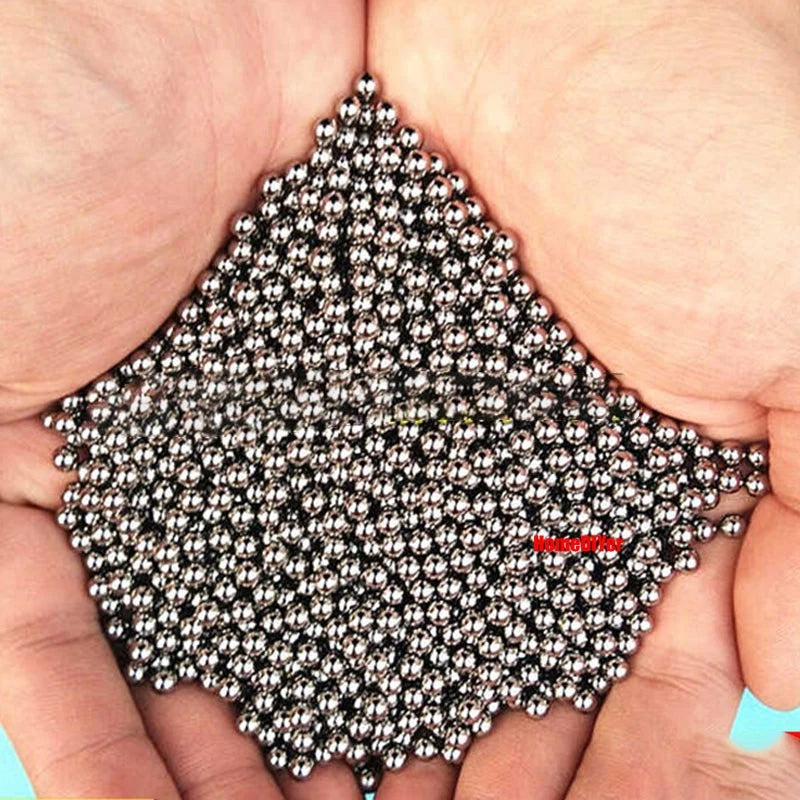
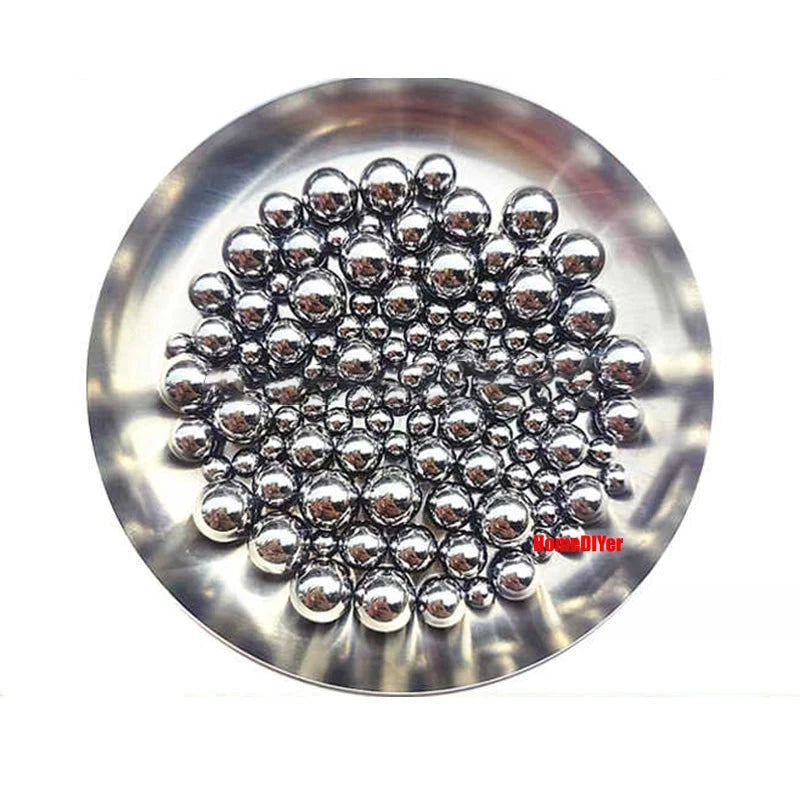
When a worn bearing seat, a sticking valve, or a custom linear rail demands a replacement ball that fits exactly right, guessing on grade or diameter costs time and money. Machinists, maintenance technicians, and serious DIY builders who need dimensionally accurate rolling elements in small-to-medium quantities will find this listing covers the widest practical size range in one place — 1 mm through 12.5 mm, including fractional inch equivalents such as 1/16" (1.588 mm), 3/8" (9.525 mm), and 3/4" (19.05 mm).
Each precision steel ball is manufactured from either Carbon Steel or Bearing Steel (GCr15 / 52100 equivalent). Carbon Steel balls offer solid hardness and economy for general-purpose use, while Bearing Steel balls deliver tighter roundness tolerances, higher surface hardness, and superior fatigue resistance for load-bearing and high-cycle applications. Diameters span 1 mm to 12.5 mm (approximately 0.039" to 0.492"), with both metric and fractional inch sizes available as separate variant options.
Typical use cases include replacing rolling elements in miniature ball bearings and linear guides, acting as check-ball seats in hydraulic and pneumatic valves, serving as pivot points in precision instruments and jigs, and functioning as grinding media or decorative hardware in custom fabrication projects. Bulk pack options (10, 30, 50, 100, or 300 pieces) let you stock exactly what a repair run or production batch requires.
| Product Type | Solid Precision Steel Ball |
|---|---|
| Material Options | Carbon Steel / Bearing Steel (GCr15 / 52100 equivalent) |
| Diameter Range | 1 mm – 12.5 mm (approx. 0.039" – 0.492"); fractional inch sizes included |
| Surface Finish | Smooth ground; free of visible seams or flat spots |
| Hardness (Bearing Steel) | Typically HRC 60–66 (contact us to confirm for specific diameter) |
| Hardness (Carbon Steel) | See variant options |
| Roundness Tolerance | See variant options |
| Available Quantities | 10 / 30 / 50 / 100 / 300 PCS per order |
| Typical Applications | Ball bearings, linear guides, check valves, hydraulic seats, precision instruments |
| Corrosion Resistance | Moderate (suitable for lubricated/sealed environments; not for prolonged wet exposure) |
Measure the existing ball with a micrometer or caliper, or check the bearing's datasheet for the ball diameter specification. The diameter is typically listed in the bearing's internal geometry table. If you are replacing balls in a standard deep-groove ball bearing (e.g., 608, 6200 series), the ball diameter is fixed by the bearing standard — match it exactly. For fractional inch applications, look for the equivalent metric size listed in our variant options (e.g., 1/16" = 1.588 mm, 3/8" = 9.525 mm).
Carbon Steel balls are made from medium-to-high carbon steel and offer good hardness and economy, making them suitable for general-purpose applications such as casters, drawer slides, and low-load pivots. Bearing Steel balls (GCr15 / AISI 52100 equivalent) are manufactured to tighter tolerances, achieve higher surface hardness (typically HRC 60–66), and have superior fatigue resistance under cyclic loading — making them the correct choice for precision ball bearings, linear guides, and hydraulic check valves where long service life matters.
Both Carbon Steel and Bearing Steel balls have moderate corrosion resistance. They perform well in grease-packed, oil-lubricated, or sealed environments. However, they are not recommended for prolonged exposure to water, salt spray, or aggressive chemicals without protective lubrication. For wet or corrosive environments, stainless steel balls (e.g., AISI 316 or 440C) would be a more appropriate choice. Contact us if you need stainless alternatives.
Ball grade (G10, G25, G100, etc.) defines the roundness, surface roughness, and diameter variation tolerance per ISO 3290. Lower G-numbers indicate tighter tolerances. For standard bearing replacement and valve seat applications, G25–G100 is typically sufficient. For ultra-precision spindles or optical instruments, G10 or better may be required. If your application specifies a particular G-grade, please contact us to confirm availability before ordering.
Yes. Solid steel balls are a common check-ball material in hydraulic and pneumatic valve bodies. Select the diameter that matches your valve seat bore — the ball must seat cleanly against the valve seat to form a reliable seal. Bearing Steel balls are generally preferred for valve applications due to their higher hardness and better surface finish, which improves sealing contact. Verify the pressure rating and fluid compatibility of your system before installation.
For a single bearing repair or prototype build, a 10-piece pack provides enough balls with a few spares. A 30- or 50-piece pack suits a small maintenance kit or a short production run. The 100- and 300-piece packs offer a lower per-unit cost and are practical for recurring maintenance schedules, assembly lines, or resale. Check the per-piece price across pack sizes on the variant selector — larger packs typically reduce the cost per ball significantly.