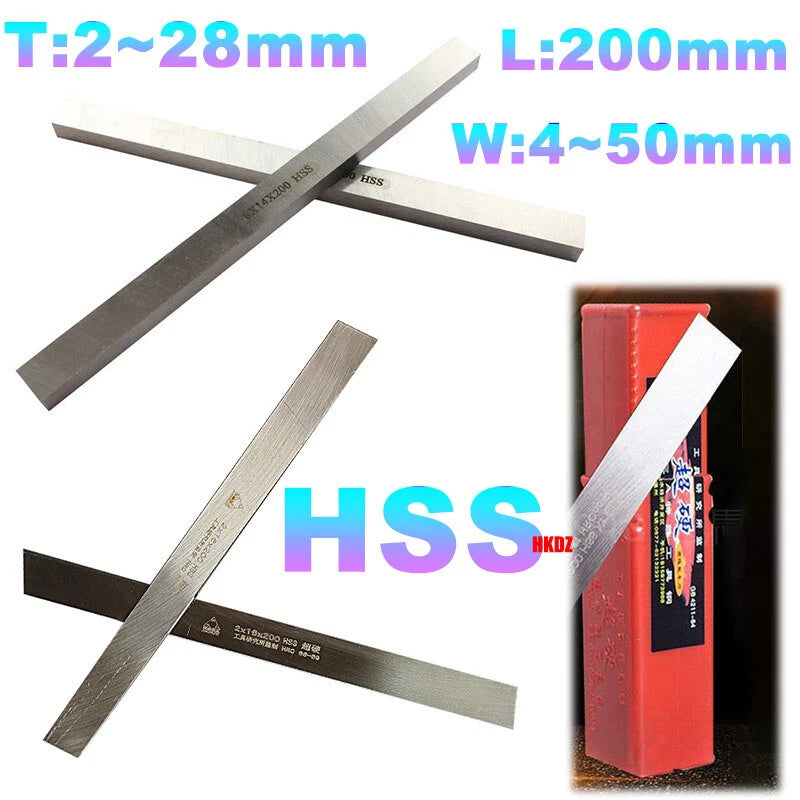
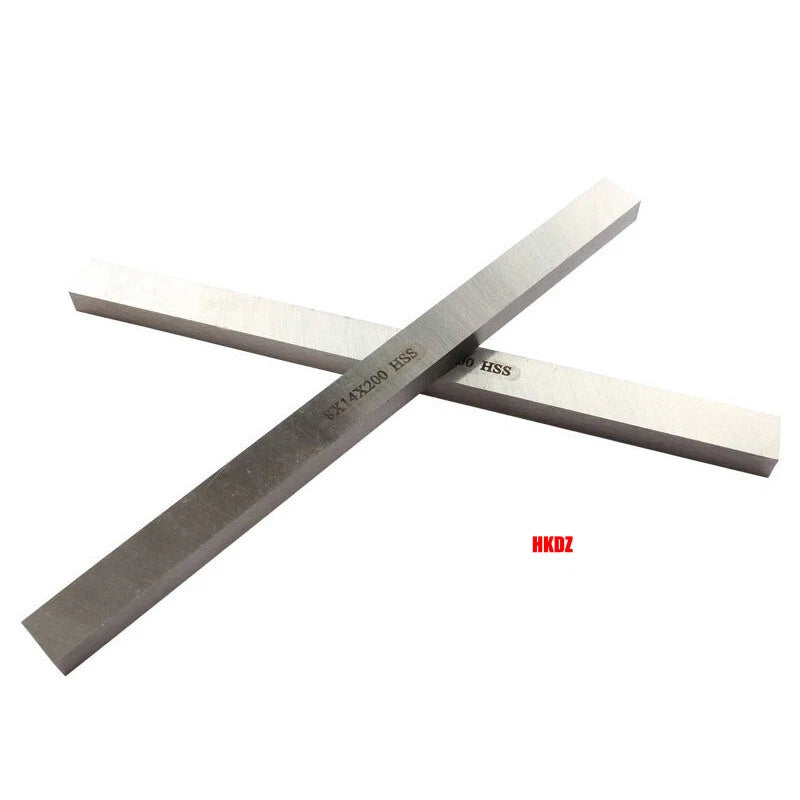
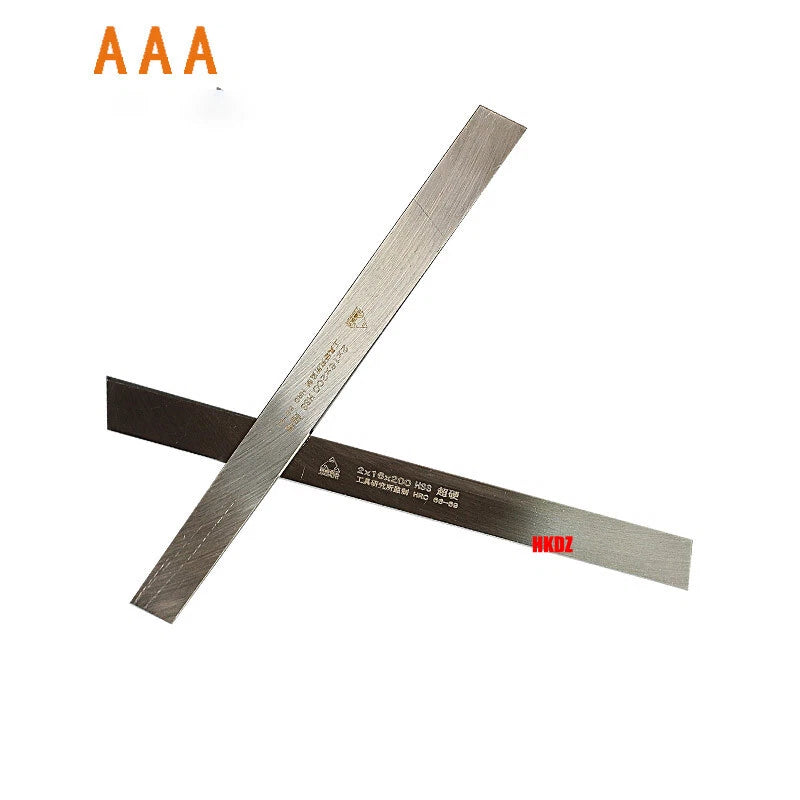
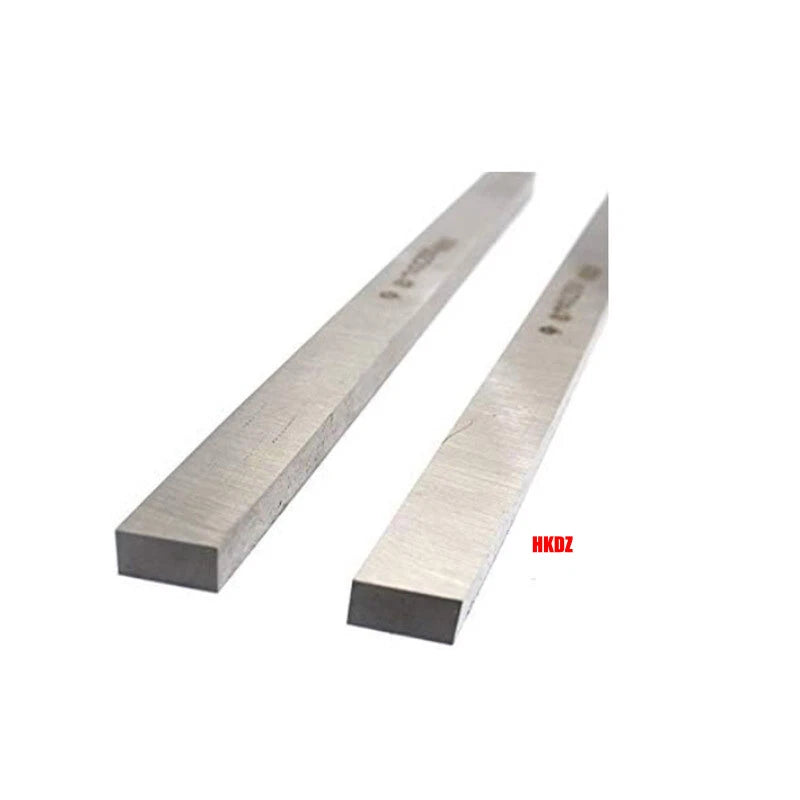
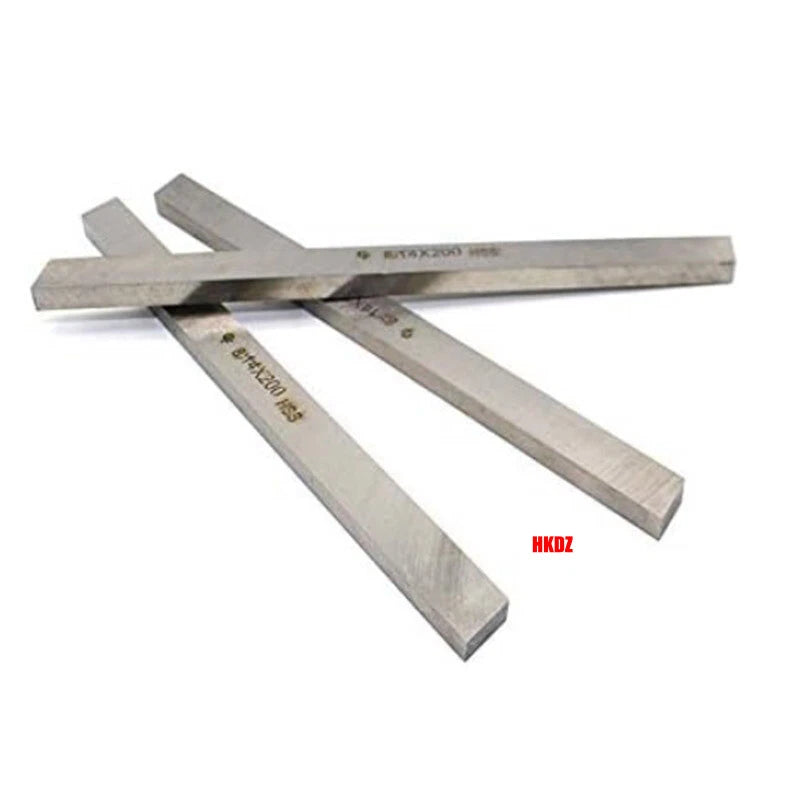
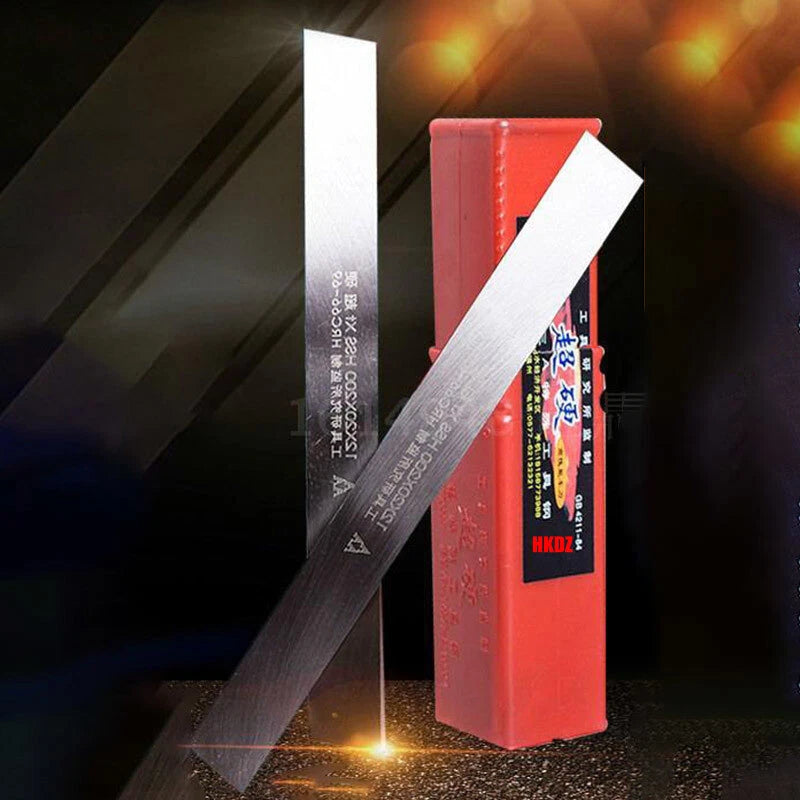
HSS Steel Flat Bar Strip Metal Plate Lathe Turning Tools 2~28mm Thick 200mm Long

No reviews

Price:
Sale price$6.80 USD
Stock:
In stock (500 units), ready to be shipped

Payment & Security

Ach Direct Debit Amazon American Express Apple Pay Bancontact Diners Club Discover Google Pay iDEAL Wero Mastercard PayPal Shop Pay USDC Visa

Your payment information is processed securely. We do not store credit card details nor have access to your credit card information.

Quantity Discount Promotion
🎯 BULK DISCOUNT: Buy More, Save More!
Buy 2 Items
5% OFF
Buy 4 Items
10% OFF
Buy 6 Items
15% OFF
Expert

DIY Expert Support

Get fitment advice & recommendations

Mon-Fri, 8:30AM-8PM
24-Hour Fast Ship
🚚
Arrives in 3-14 days
🌍
Global Reach
↩️
30-Day Returns
🌱 1 tree planted with every purchase

Description

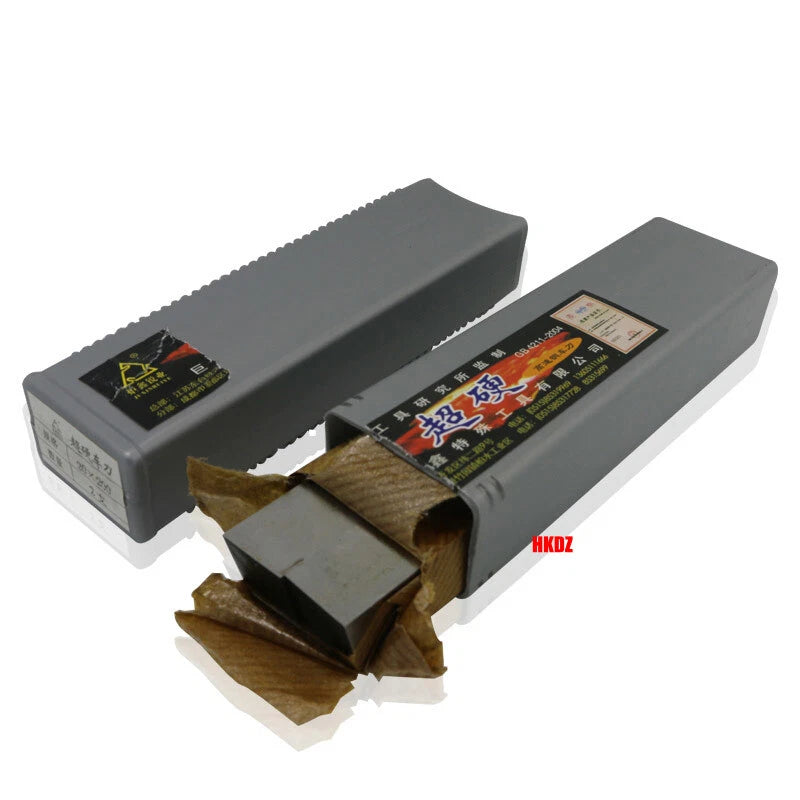
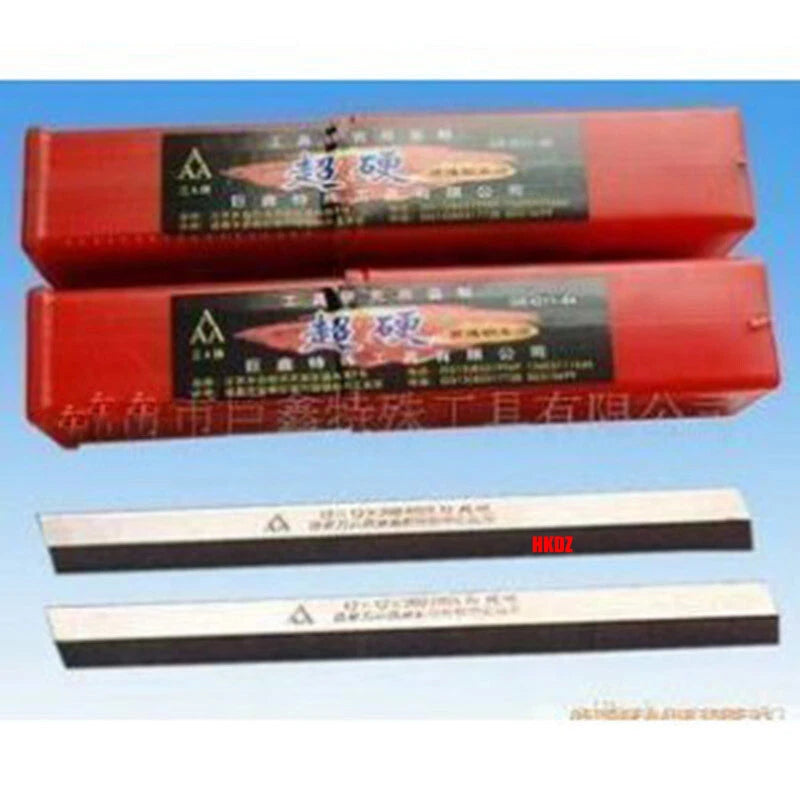
HSS Steel Flat Bar Strip — Precision-Cut Metal Plate for Lathe Turning & Machining

When a project demands a tool blank or stock piece that holds an edge under heat and friction, standard mild steel falls short. Machinists, toolmakers, and serious DIYers who work with lathes, mills, or grinders need HSS steel flat bar strip that stays dimensionally stable and resists wear through extended cutting cycles. This HSS steel flat bar strip is stocked in a wide range of cross-sections to match the exact tool geometry your setup requires.

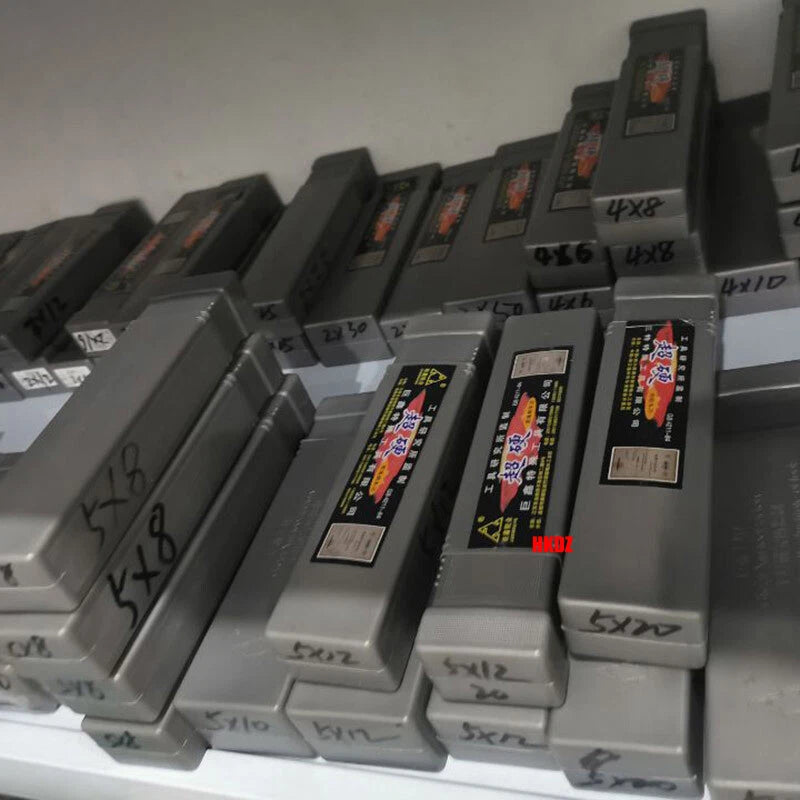
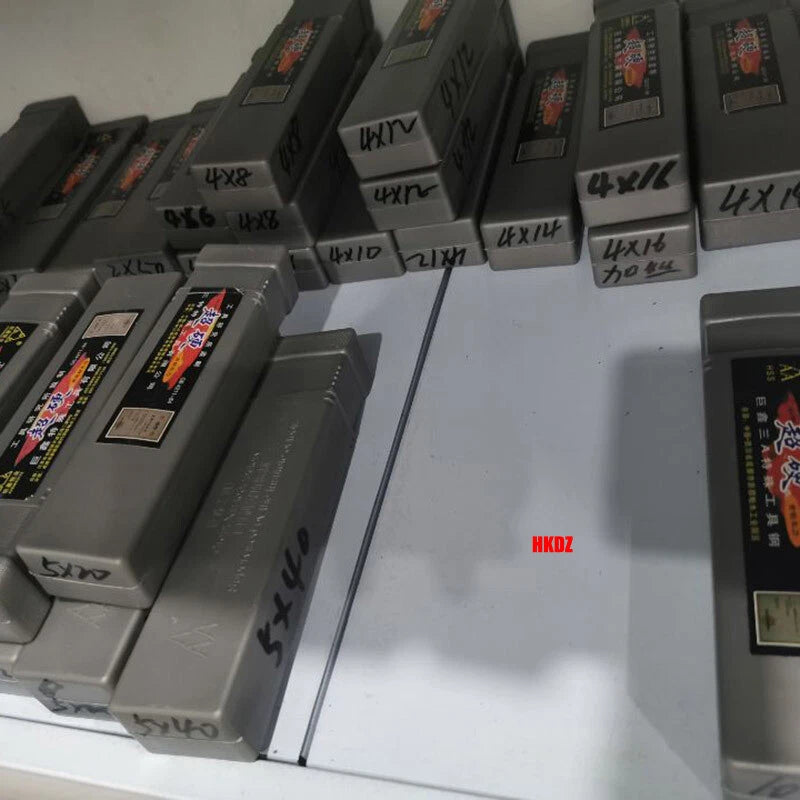
Each bar is cut from high-speed steel (HSS) stock and supplied as a flat rectangular strip. The format is Thickness × Width × Length (T×W×L), with thickness options from 2 mm (~0.08 in) up to 28 mm (~1.10 in), widths from 4 mm (~0.16 in) up to 50 mm (~1.97 in), and a standard length of 200 mm (~7.87 in) — with one 300 mm (~11.81 in) option available for the 20×20 cross-section. Sold individually (1 PCS per order).

Typical applications include grinding custom lathe turning tools and boring bars, fabricating form tools for repetitive turning operations, and producing small cutting inserts or scraper blades for metalworking and toolroom use. The consistent cross-section makes it straightforward to grind HSS flat bar to a specific rake and clearance angle without removing excess material.

⚙️ Compatibility: Suitable for use with standard tool holders and grinder rests sized for the selected cross-section. Verify your tool post or holder slot dimensions against the T×W size before ordering.

✅ Key Features of These HSS Steel Flat Bar Strips

  • 🔩High-Speed Steel Construction — Made from HSS material, which retains hardness at elevated temperatures, making it suitable for grinding into lathe tools, form cutters, and scraper blades that operate under friction and heat.
  • 📐Wide Size Matrix — Available in thickness × width combinations ranging from 2×6 mm up to 28×28 mm (plus a 20×20×300 mm option), giving you the flexibility to match the exact cross-section your tool design calls for.
  • ✂️Flat Rectangular Profile — The flat bar format provides two broad faces and two narrow edges, simplifying clamping in a surface grinder magnetic chuck or a bench vise while you grind the cutting geometry.
  • 📏Consistent 200 mm Length — The standard 200 mm (~7.87 in) length gives enough stock to grind a full tool blank with a shank, while keeping the piece manageable on a bench grinder or surface grinder.
  • 🔄Single-Piece Ordering — Each variant is sold as 1 PCS, so you can order exactly the size you need without committing to a bulk pack — useful when trialing a new tool geometry or replacing a single worn blank.
  • 🛠️Versatile Toolroom Stock — Beyond lathe turning tools, these bars can be ground into boring bars, parting blades, fly-cutter bits, and form tools for milling — anywhere a rigid, wear-resistant HSS blank is needed.

📐 Technical Specifications — HSS Steel Flat Bar Strip

Material High-Speed Steel (HSS)
Profile Flat rectangular bar (T × W × L)
Thickness (T) 2 mm – 28 mm (see variant options)
Width (W) 4 mm – 50 mm (see variant options)
Length (L) 200 mm (~7.87 in); 300 mm available for 20×20 cross-section
Quantity per Order 1 PCS
Surface Condition See variant options
Hardness See variant options / Contact us to confirm
Tolerance See variant options

❓ Frequently Asked Questions

How do I choose the right thickness and width for my lathe tool?

Match the T×W cross-section to your tool post or holder slot. A common starting point for small hobby lathes is 8×8 mm or 10×10 mm square; larger industrial lathes often use 12×12 mm up to 20×20 mm. For form tools or parting blades, a thin, wide bar (e.g., 3×20 mm or 4×25 mm) gives the blade geometry you need. When in doubt, measure your existing tool blanks or the slot in your quick-change tool post.

Is HSS strong enough for turning hardened steel or stainless steel?

HSS retains its hardness at temperatures up to approximately 600 °C (1112 °F), which makes it capable of cutting mild steel, aluminium, brass, and many grades of stainless steel at moderate cutting speeds. For very hard materials or high-speed production runs, carbide inserts are typically preferred. HSS excels in toolroom and low-to-medium volume applications where re-grinding is practical.

Does HSS flat bar rust, and how should I store it?

HSS is not stainless — it will develop surface rust if stored in a humid environment without protection. After receiving the bar, wipe it with a light machine oil or rust-preventive spray and store it in a dry location. If surface rust appears before grinding, it can be removed with fine abrasive paper without affecting the bulk material properties.

Can I use these bars in a CNC milling machine or only on a lathe?

These are raw stock bars intended to be ground into cutting tools — they are not finished end mills or inserts. Once you grind the appropriate geometry, the resulting tool can be used in a lathe, manual mill, fly cutter, or boring head. The flat bar format is particularly convenient for grinding single-point turning tools and form tools.

What grinder wheel should I use to shape HSS flat bar?

A standard aluminium oxide (grey or white) grinding wheel rated for tool steel works well for HSS. White aluminium oxide wheels run cooler and are preferred for HSS to avoid overheating the cutting edge. Use a coarse grit (46–60) for bulk material removal and a finer grit (80–120) for finishing the edge. Always quench the bar in water frequently to prevent overheating, which can soften the steel.

Why are there both rectangular (T≠W) and square (T=W) size options?

Square cross-sections (e.g., 8×8, 10×10, 12×12 mm) are the standard format for single-point lathe turning tools and fit most quick-change tool post holders directly. Rectangular bars (e.g., 3×20, 4×30 mm) are used for parting blades, form tools, and scraper blades where a thin, wide profile is mechanically advantageous. Choose based on the tool geometry you intend to grind.

Is the 300 mm length option available for all sizes?

Currently, the 300 mm length is available only for the 20×20 mm cross-section. All other size combinations are supplied at the standard 200 mm length. If you need a longer bar in a different cross-section, please contact us to confirm availability.

🛒 Select your Size (T×W×L) above, then add to cart.

You may also like

Recently viewed