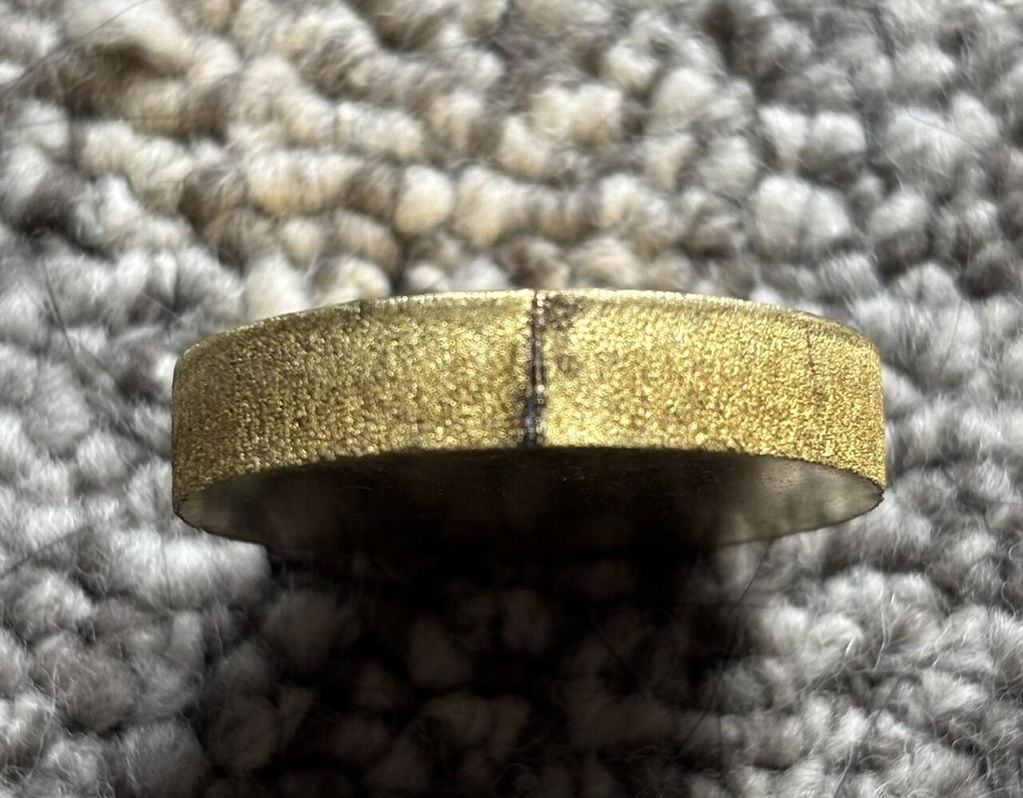
The chain is fine...but I ordered the wrong size. Nine links of the chain I ordered equals six of the size I wanted. My error...
How can I straighten out the springs? I can't use them coil uo as is.
Your payment information is processed securely. We do not store credit card details nor have access to your credit card information.
Get fitment advice & recommendations
When a worn or corroded ball causes uneven load distribution, vibration, or premature bearing failure, finding a dimensionally accurate replacement matters. Machinists, maintenance technicians, and serious DIYers who need to restore bearing assemblies, linear slides, drawer runners, or ball-screw mechanisms to spec rely on consistent, tightly toleranced steel balls to get the job done right.
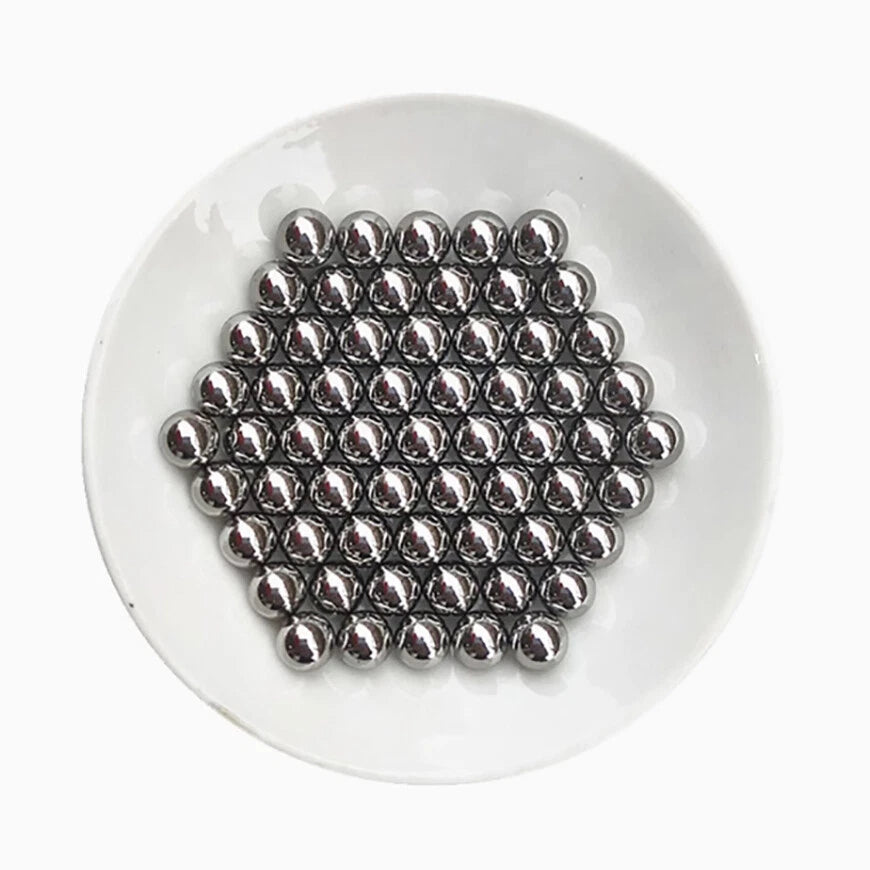
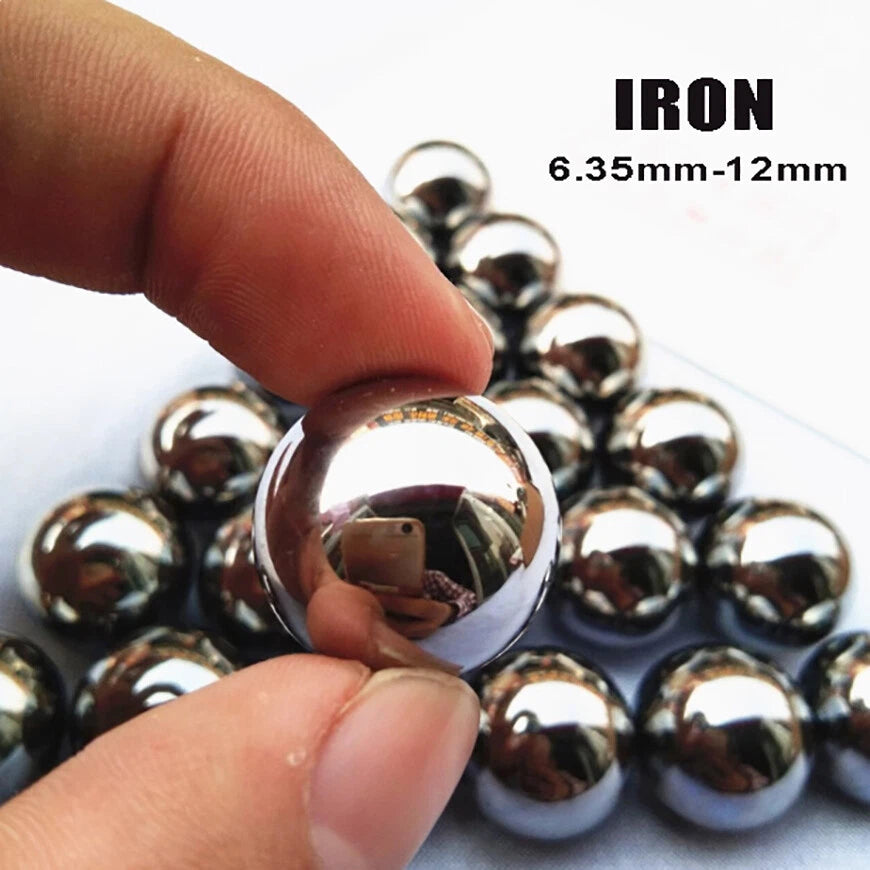
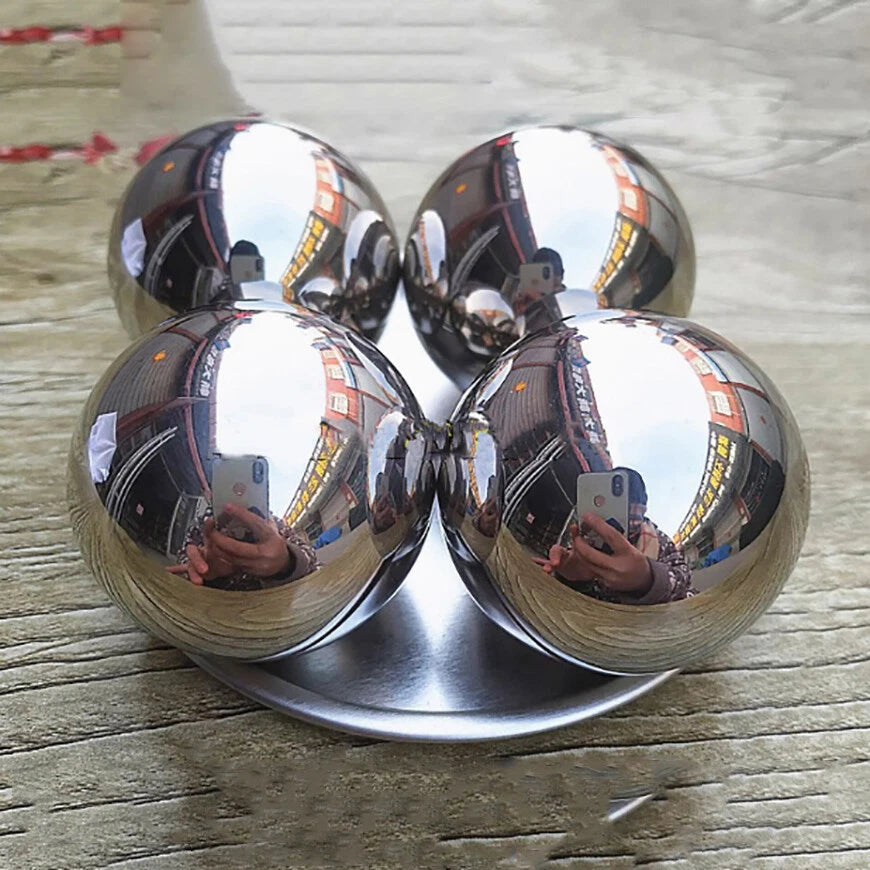
These iron steel ball bearings are manufactured from carbon steel and finished to a bright, smooth surface. Available in diameters from 6.35 mm (¼ in) to 12 mm (approximately 15/32 in), each ball is sold by weight in 1 kg packs, giving you a practical quantity for both single-unit repairs and batch replacements. The oil-free surface finish means they are ready to install into dry-lube or grease-packed assemblies without pre-cleaning.
Typical use cases include replacing rolling elements in deep-groove ball bearings, restoring ball-transfer units on conveyor tables, replenishing ball-screw or ball-spline assemblies in CNC equipment, and refilling ball-detent mechanisms in tooling fixtures. The consistent diameter across each pack supports even load sharing and smooth, low-noise operation after installation.
| Material | Carbon steel (iron-based) |
|---|---|
| Surface Finish | Bright, smooth, oil-free |
| Diameter Range | 6.35 mm – 12 mm (¼ in – ~15/32 in) |
| Available Diameters | 6.35 mm, 7 mm, 7.5 mm, 8 mm, 8.5 mm, 9 mm, 9.5 mm, 10 mm, 11 mm, 12 mm |
| Pack Weight | 1 kg per pack |
| Tolerance Grade | See variant options |
| Hardness | See variant options |
| Corrosion Resistance | Standard carbon steel; recommend dry or grease-lubricated environments |
| Recommended Use | Ball bearings, ball-transfer units, ball screws, drawer slides, detent mechanisms |
Measure the existing balls with a micrometer or digital caliper before ordering. The ball diameter must match the bearing's internal geometry exactly — even a 0.5 mm deviation can cause uneven load distribution or prevent the retainer from seating correctly. If the original balls are worn, check the bearing manufacturer's datasheet for the specified ball diameter.
Yes. Carbon steel balls provide the compressive strength and surface hardness needed for rolling contact under radial and axial loads in standard bearing assemblies. For applications involving very high impact loads or elevated temperatures, confirm the required hardness grade against your equipment specifications before ordering.
Carbon steel is susceptible to oxidation in humid or wet environments. For dry indoor applications, the oil-free finish is sufficient. For environments with moisture exposure, apply a compatible bearing grease or anti-corrosion oil after installation. If corrosion resistance is a primary requirement, consider stainless steel balls instead.
These balls are replacement rolling elements intended for open bearings or assemblies where the balls are accessible for replacement. Sealed and shielded bearings are typically not designed for field ball replacement — if the rolling elements in a sealed bearing are worn, replacing the entire bearing unit is usually the correct approach.
The quantity per pack depends on the diameter selected. Smaller diameters (e.g., 6.35 mm) yield significantly more balls per kilogram than larger diameters (e.g., 12 mm). As a rough guide: a 1 kg pack of 6.35 mm balls contains approximately 1,800–2,000 pieces, while a 1 kg pack of 12 mm balls contains approximately 270–300 pieces. Exact counts vary slightly with manufacturing tolerances.
Ball screws and ball splines require balls with tight diameter tolerances and specific hardness grades. These carbon steel balls may be suitable for lower-precision or maintenance-grade ball-screw assemblies, but for precision CNC ball screws, verify the required tolerance grade (typically G10–G100) and hardness specification against your screw manufacturer's documentation before use.
Carbon steel balls (like these) offer higher hardness and are generally more cost-effective for dry or grease-lubricated indoor applications. Stainless steel balls provide better corrosion resistance for wet, food-grade, or chemically exposed environments, but typically at a higher cost. Choose based on your operating environment and load requirements.