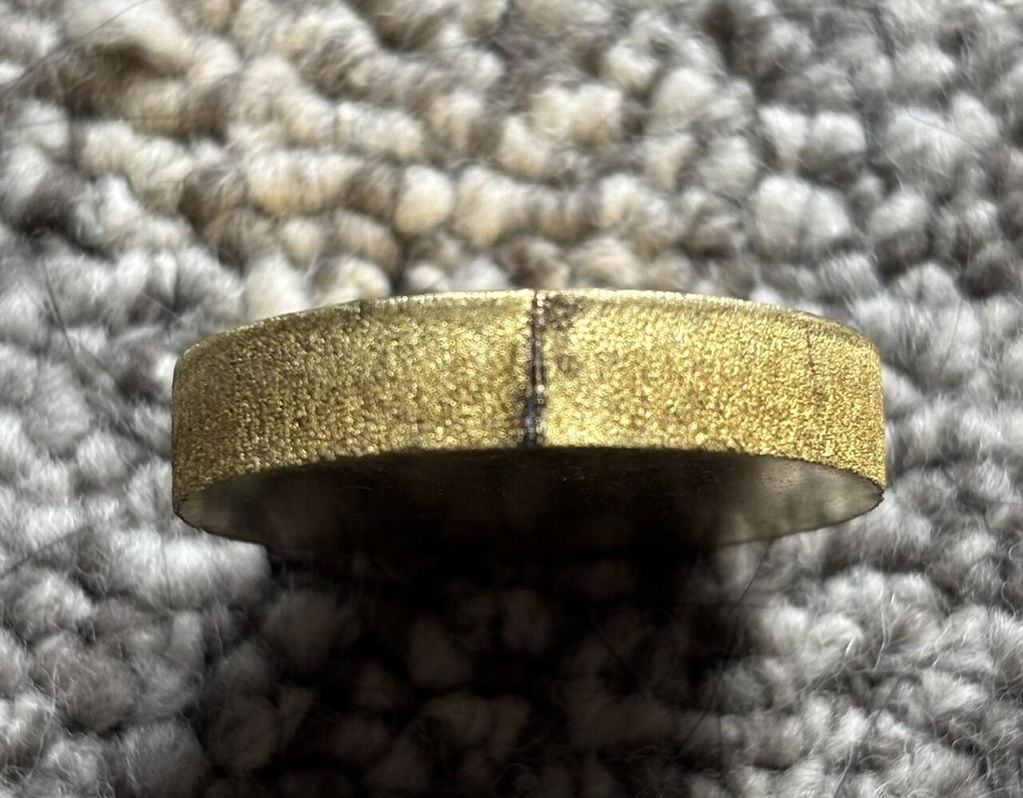
The chain is fine...but I ordered the wrong size. Nine links of the chain I ordered equals six of the size I wanted. My error...
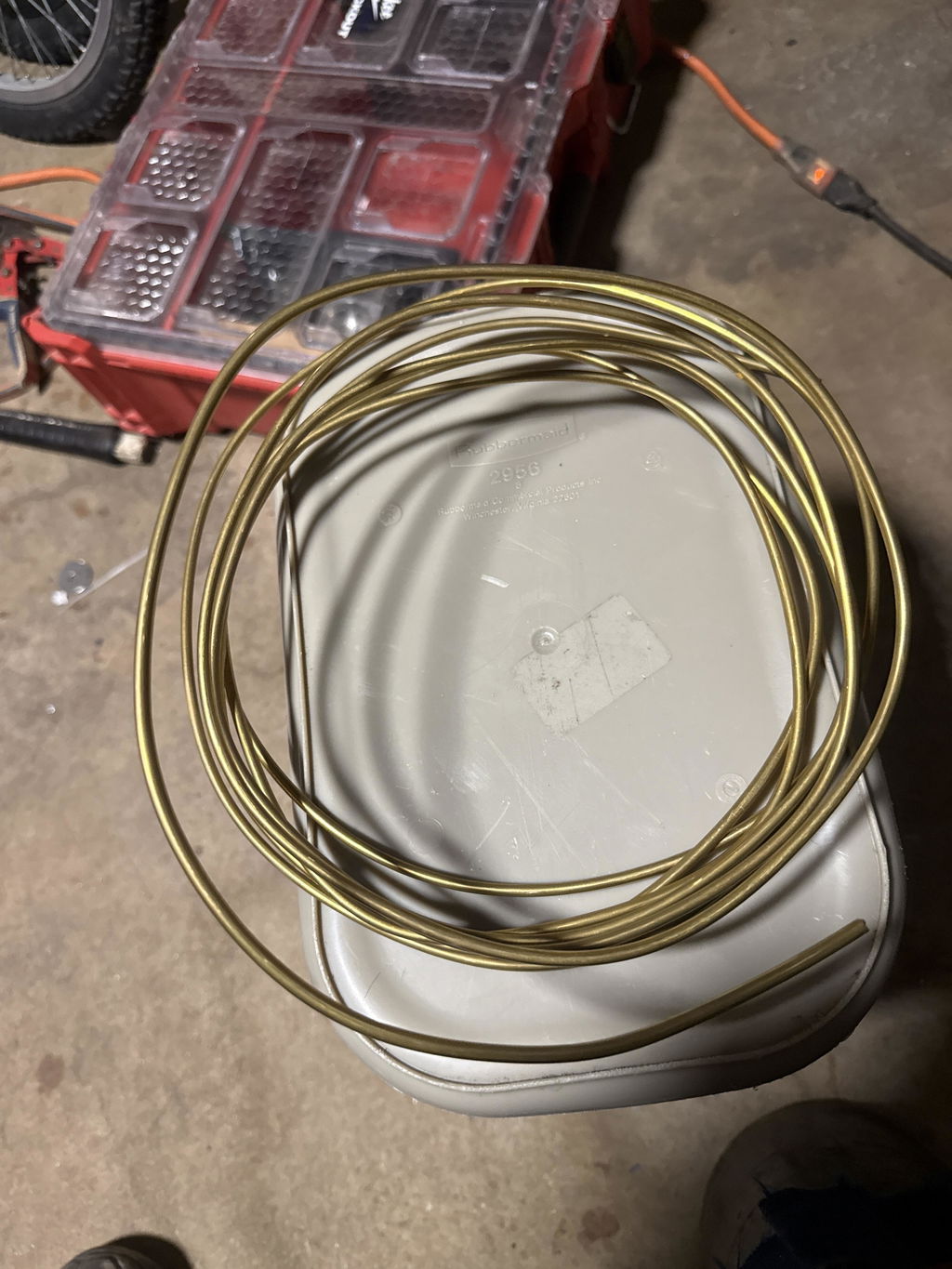
How can I straighten out the springs? I can't use them coil uo as is.
Your payment information is processed securely. We do not store credit card details nor have access to your credit card information.
Get fitment advice & recommendations
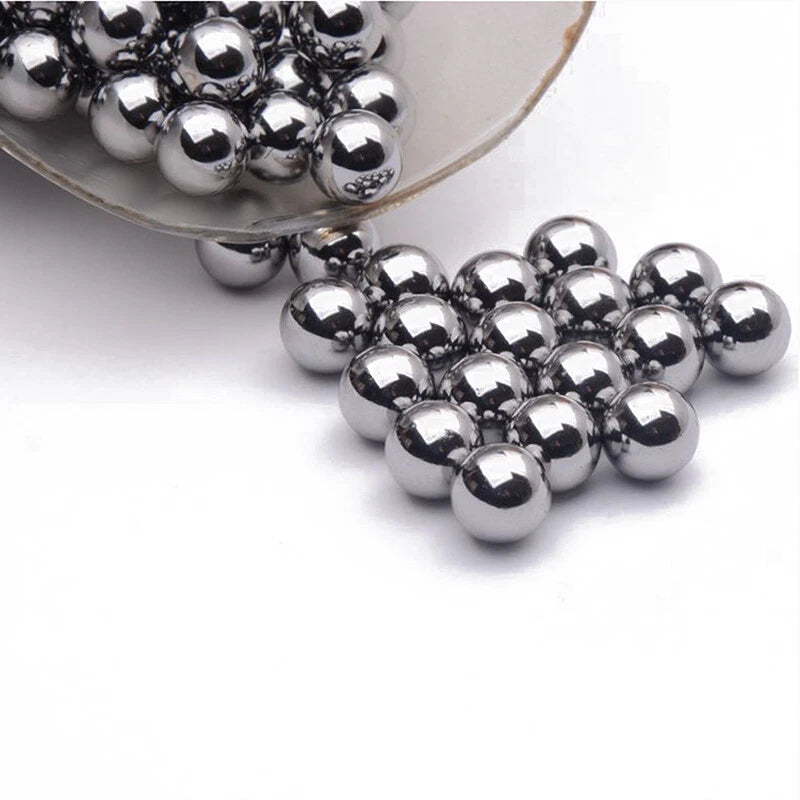
When a worn bearing seat, a custom rebuild, or a tight-tolerance assembly demands an exact replacement diameter, finding the right loose ball bearing quickly matters. These chrome steel Grade 100 loose ball bearings are stocked across a wide diameter range — from 5.46 mm (0.215 in) to 8.1 mm (0.319 in) — so engineers, machinists, and serious DIYers can match the spec without compromise.
Each ball is manufactured from through-hardened chrome steel (equivalent to AISI 52100 / GCr15) and finished to ABEC Grade 100 roundness and surface tolerances. Diameters span 5.46 mm through 8.1 mm (approximately 0.215 in – 0.319 in), with increments as fine as 0.01 mm to cover both metric and inch-derived sizes such as 6.35 mm (1/4 in) and 7.938 mm (5/16 in). Each order ships in a pack of 100 balls.
Typical use cases include replacement rolling elements in deep-groove ball bearings, linear slide assemblies, and precision instrument pivots; load-distribution media in ball screws and recirculating ball guides; and custom bearing builds for robotics, RC drivetrains, and small-engine governor assemblies where off-the-shelf bearing sizes are unavailable.
| Material | Chrome steel (AISI 52100 / GCr15 equivalent) |
|---|---|
| Grade | Grade 100 (ISO 3290) |
| Diameter Range | 5.46 mm – 8.1 mm (approx. 0.215 in – 0.319 in) |
| Diameter Increments | As fine as 0.01 mm; see variant options for all sizes |
| Surface Hardness | Typically 60–66 HRC |
| Roundness Deviation | ≤ 2.5 µm (Grade 100 per ISO 3290) |
| Surface Finish (Ra) | ≤ 0.025 µm (typical) |
| Finish / Coating | Bright (uncoated), lightly oiled for corrosion protection during storage |
| Quantity per Pack | 100 pieces |
| Recommended Lubrication | See variant options / Contact us to confirm for specific applications |
| Operating Temperature | See variant options |
Measure the existing balls with a calibrated micrometer or ball gauge. Alternatively, check the bearing manufacturer's datasheet — the ball diameter is listed as a component dimension. If replacing worn balls, measure the race groove width and cross-reference with standard ball sizing charts. A 0.01 mm error in diameter selection will alter bearing preload and can shorten service life.
ISO 3290 grades define the maximum allowable roundness deviation and lot diameter variation. Grade 100 allows a roundness deviation of ≤ 2.5 µm and is suitable for standard industrial bearings, ball screws, and general precision assemblies. Grades 10 and 25 offer tighter tolerances for ultra-precision spindles and instrument bearings, while Grade 200 and above are used in lower-precision or high-load bulk applications.
Chrome steel (AISI 52100) is not inherently stainless. The balls are lightly oiled at the factory to prevent surface oxidation during storage and transit. For wet, humid, or chemically exposed environments, apply a compatible bearing grease or oil after installation, or consider stainless steel Grade 100 balls (AISI 440C) for your application. Contact us if you need guidance on material selection.
Yes — loose ball replacement is a common maintenance procedure for open-style or separable bearings. Disassemble the bearing, clean the races thoroughly, install the new balls with the correct diameter and quantity, and re-lubricate before reassembly. Ensure the replacement balls match the original diameter exactly; even a 0.01 mm oversize ball can cause excessive preload and premature race wear.
These chrome steel Grade 100 balls are used in deep-groove and angular contact ball bearings, recirculating ball screws, linear ball guides, precision instrument pivots, RC vehicle drivetrains, small-engine governor assemblies, and custom bearing builds. They are not recommended for food-contact, medical implant, or highly corrosive chemical environments without additional protective measures.
Bearing balls are manufactured to exact diameters because even a 0.01 mm difference changes the fit class within a bearing race. Fine increments allow you to select an oversize replacement ball to compensate for a worn race groove, or to achieve a specific preload in a custom assembly. Inch-derived sizes such as 6.35 mm (1/4 in) and 7.938 mm (5/16 in) are also included to cover legacy imperial-dimensioned bearings.
For most bearing applications, a lithium-based NLGI Grade 2 grease is appropriate. For high-speed spindles or instrument bearings, a low-viscosity oil (ISO VG 10–32) reduces drag. For ball screw applications, use a dedicated ball screw grease. Always clean the factory protective oil from the balls before applying your chosen lubricant to avoid compatibility issues.