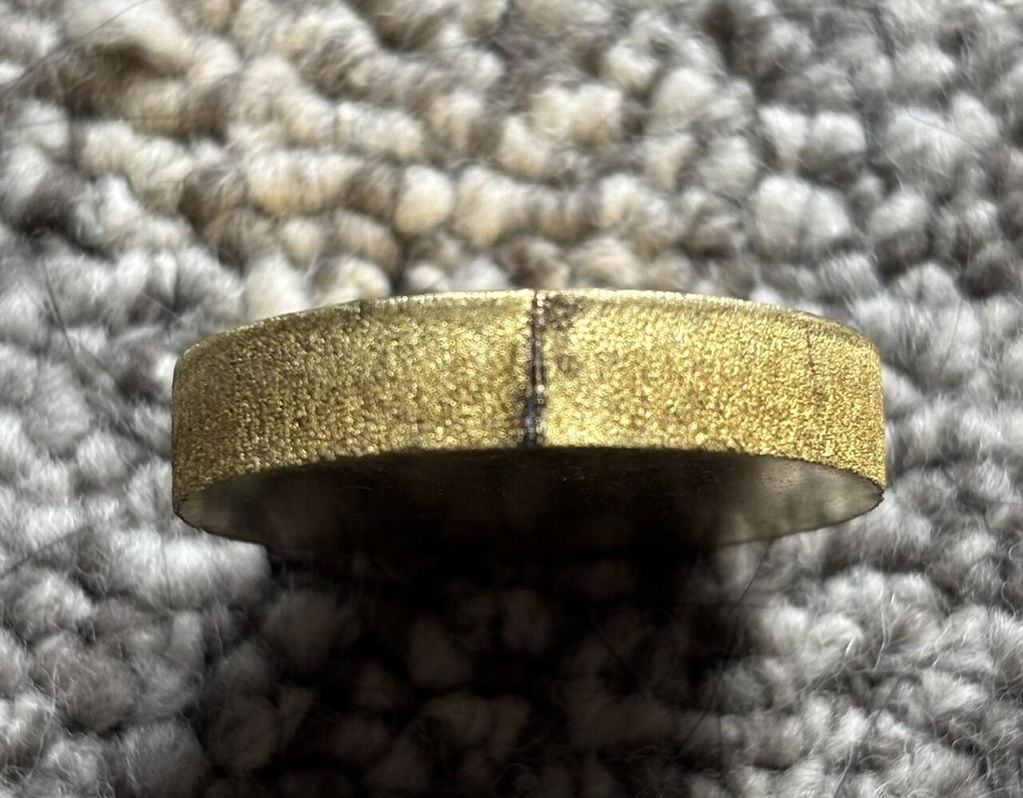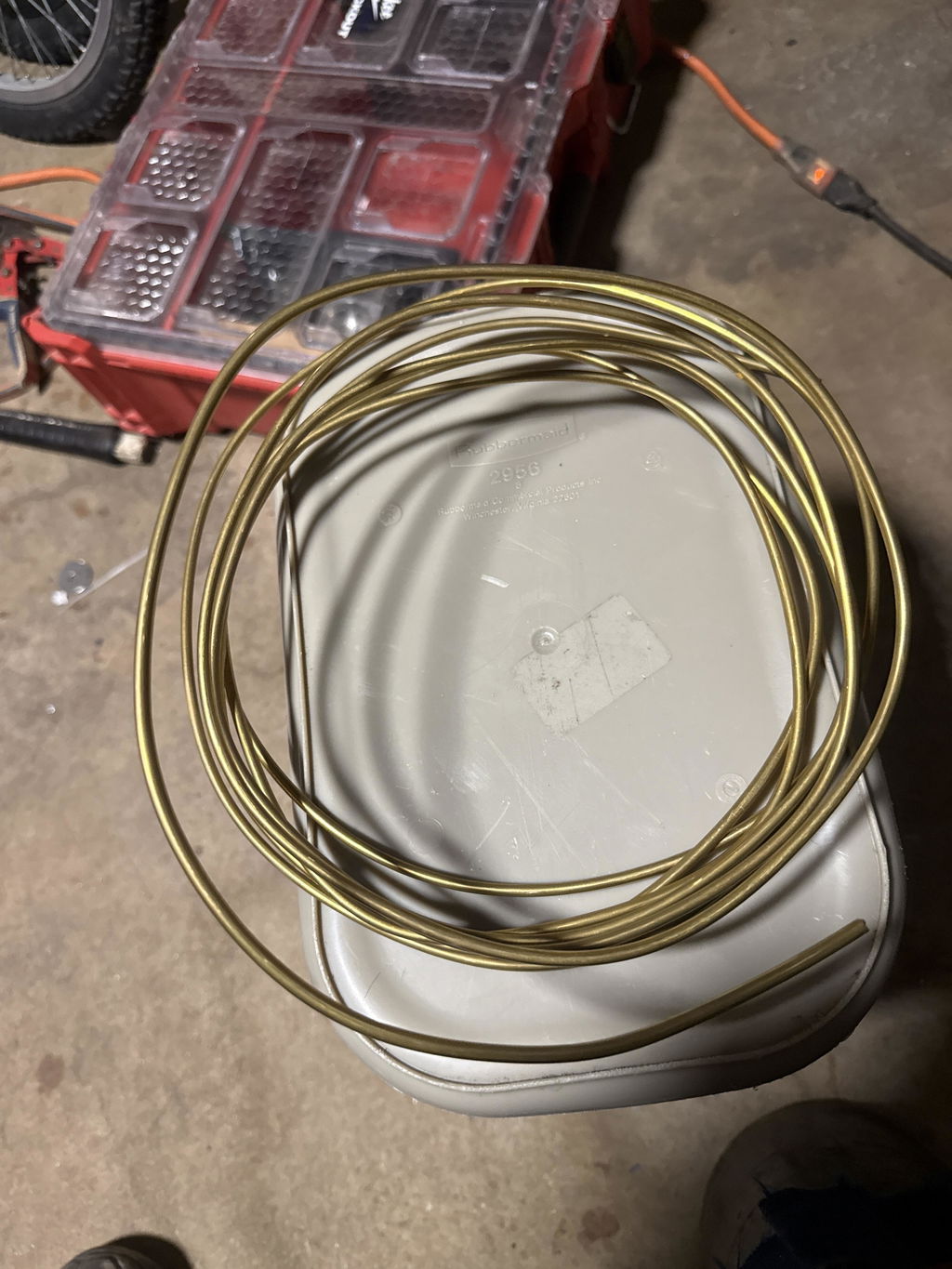
The chain is fine...but I ordered the wrong size. Nine links of the chain I ordered equals six of the size I wanted. My error...
How can I straighten out the springs? I can't use them coil uo as is.
Your payment information is processed securely. We do not store credit card details nor have access to your credit card information.
Get fitment advice & recommendations
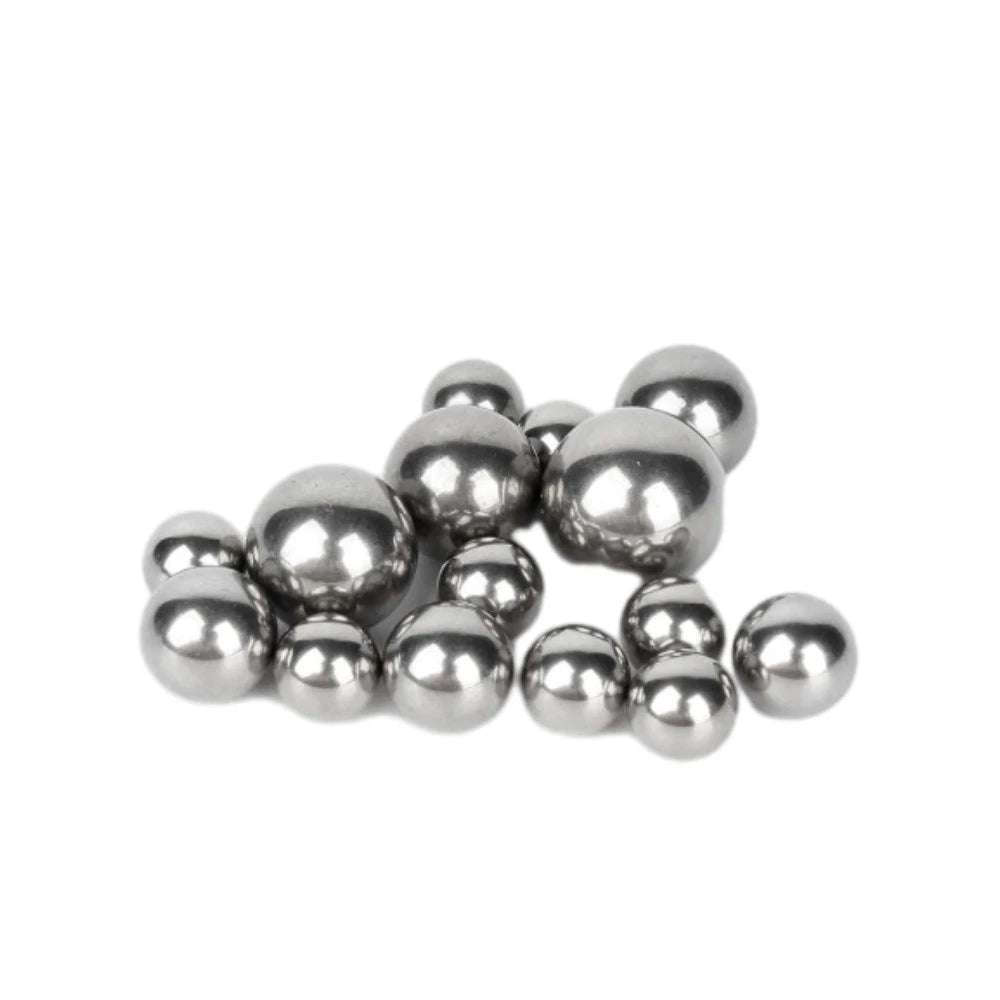
When a worn or undersized ball causes vibration, noise, or premature failure in a bearing assembly, finding the exact replacement diameter is the difference between a lasting repair and a recurring problem. Engineers, machinists, and maintenance technicians who need loose steel ball bearings in precise, non-standard diameters rely on a catalog that covers the full spectrum — from sub-2mm instrument balls to 30mm heavy-load spheres.
These loose ball bearings are manufactured from carbon steel to Grade 10 tolerances, meaning each sphere holds a diameter deviation of ≤0.25 µm and a roundness deviation of ≤0.25 µm. Diameters span 1.0mm (≈0.039 in) through 30mm (≈1.181 in), with both metric and fractional inch sizes available across 228 variants. Sold in quantities from 1 piece to 500 pieces per order to match prototype, maintenance, and production-run needs.
Typical use cases include radial and thrust bearing replacement, check-valve and ball-valve seats, precision jigs and fixtures, ball-screw and linear-guide assemblies, and hobbyist or educational mechanical projects requiring certified-grade rolling elements.
| Material | Carbon Steel (through-hardened) |
|---|---|
| Grade | Grade 10 (ABMA/ISO) |
| Diameter Range | 1.0mm – 30mm (≈0.039 in – 1.181 in) |
| Diameter Deviation | ≤0.25 µm |
| Roundness Deviation | ≤0.25 µm |
| Surface Finish | See variant options |
| Hardness | See variant options |
| Available Quantities | 1, 5, 10, 20, 50, 100, 200, 500 Pcs |
| Size System | Metric and fractional inch |
| Application | Bearings, valves, linear guides, ball screws, fixtures |
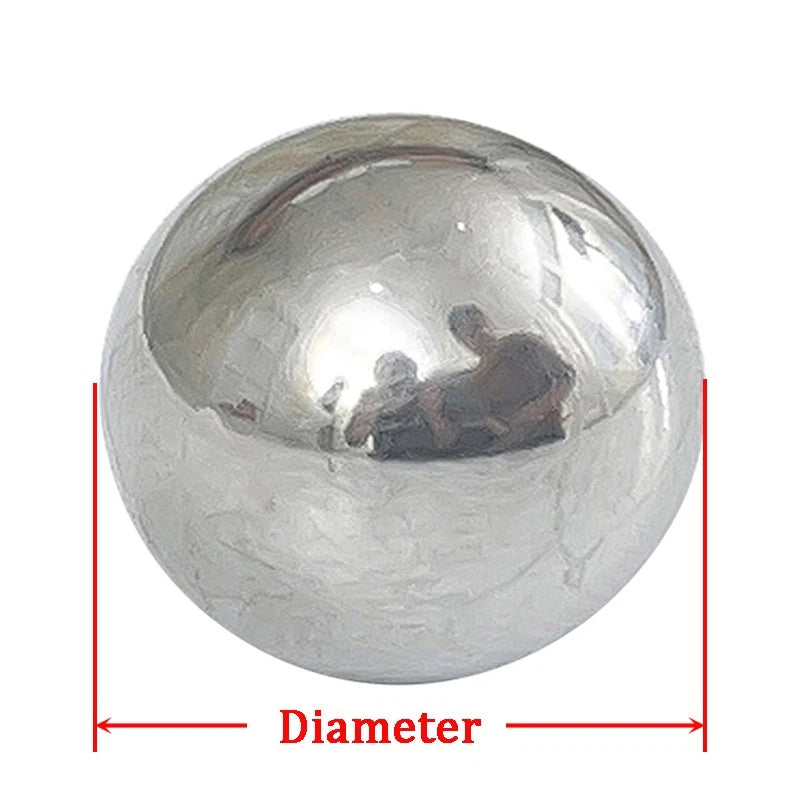
Measure the existing ball with a micrometer or use the bearing manufacturer's specification sheet. The nominal ball diameter must match the bearing's complement specification. For replacement applications, measure across the worn ball at multiple axes and select the next standard size up if the ball is undersized. Fractional-inch sizes (e.g., 3.175mm = 1/8", 4.763mm = 3/16") are common in imperial-spec equipment.
Grade 10 is defined by ABMA Standard 10 and ISO 3290. It specifies that the diameter deviation (difference between the largest and smallest measured diameter of a single ball) and the roundness deviation are each ≤0.25 µm (0.00001 in). Grade 10 balls are suitable for precision instrument bearings, high-speed spindles, and applications where noise and vibration must be minimized.
These balls are manufactured from carbon steel, which provides excellent hardness and load capacity but has limited corrosion resistance compared to stainless steel. For wet, humid, or chemically exposed environments, apply a compatible lubricant or consider stainless steel alternatives. For dry, controlled-environment applications such as instrument bearings or enclosed assemblies, carbon steel Grade 10 balls perform reliably.
Yes. Carbon steel balls are widely used in check valves, ball valves, and pump seats where the fluid is non-corrosive (e.g., oils, hydraulic fluids, dry gases). Confirm that the ball diameter matches the valve seat bore and that the hardness rating is compatible with the seat material. For water, acids, or aggressive media, stainless steel balls are typically preferred.
Cross-reference the bearing part number with the manufacturer's ball complement specification, which lists the nominal ball diameter and quantity. Alternatively, disassemble the bearing, measure an existing ball with a calibrated micrometer, and match the diameter from the variant list. Grade 10 balls are interchangeable with Grade 10 or lower-grade (higher number) housings of the same nominal diameter.
For single-bearing repair or prototype work, 1–10 pieces is typically sufficient. For scheduled maintenance programs covering multiple machines, 50–100 pieces per diameter provides a practical buffer. Production-run applications benefit from 200–500-piece packs, which reduce per-unit cost and minimize reorder frequency. Select the quantity that matches your consumption rate to avoid long-term storage of unlubricated steel balls.
Metric sizes (e.g., 1.0mm, 2.5mm, 5.0mm, 10mm) follow ISO standards common in European and Asian equipment. Fractional-inch equivalents (e.g., 3.175mm = 1/8", 6.35mm = 1/4", 9.525mm = 3/8", 12.7mm = 1/2", 19.05mm = 3/4", 25.4mm = 1") are standard in North American and legacy imperial-spec machinery. Both are available in this catalog — select by the diameter value that matches your application's specification.