The chain is fine...but I ordered the wrong size. Nine links of the chain I ordered equals six of the size I wanted. My error...
How can I straighten out the springs? I can't use them coil uo as is.
Your payment information is processed securely. We do not store credit card details nor have access to your credit card information.
Get fitment advice & recommendations
When a worn bearing seat, a seized linear rail, or a custom-built rotary fixture brings your project to a halt, sourcing the exact ball diameter quickly is what separates a one-hour fix from a multi-day delay. Machinists, maintenance engineers, and serious DIYers who work with precision assemblies know that a mismatched ball diameter — even by a fraction of a millimeter — can compromise load distribution and shorten service life.
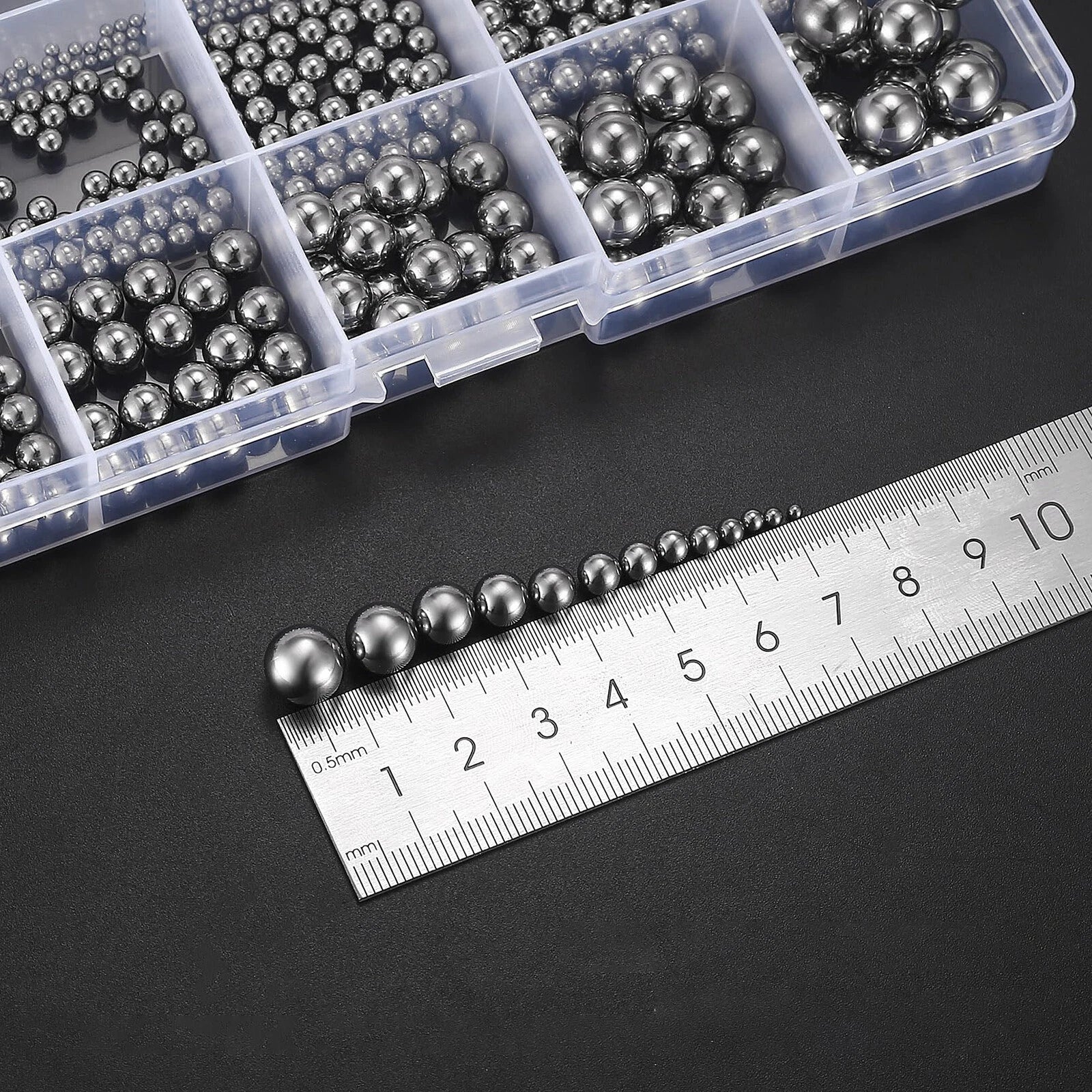
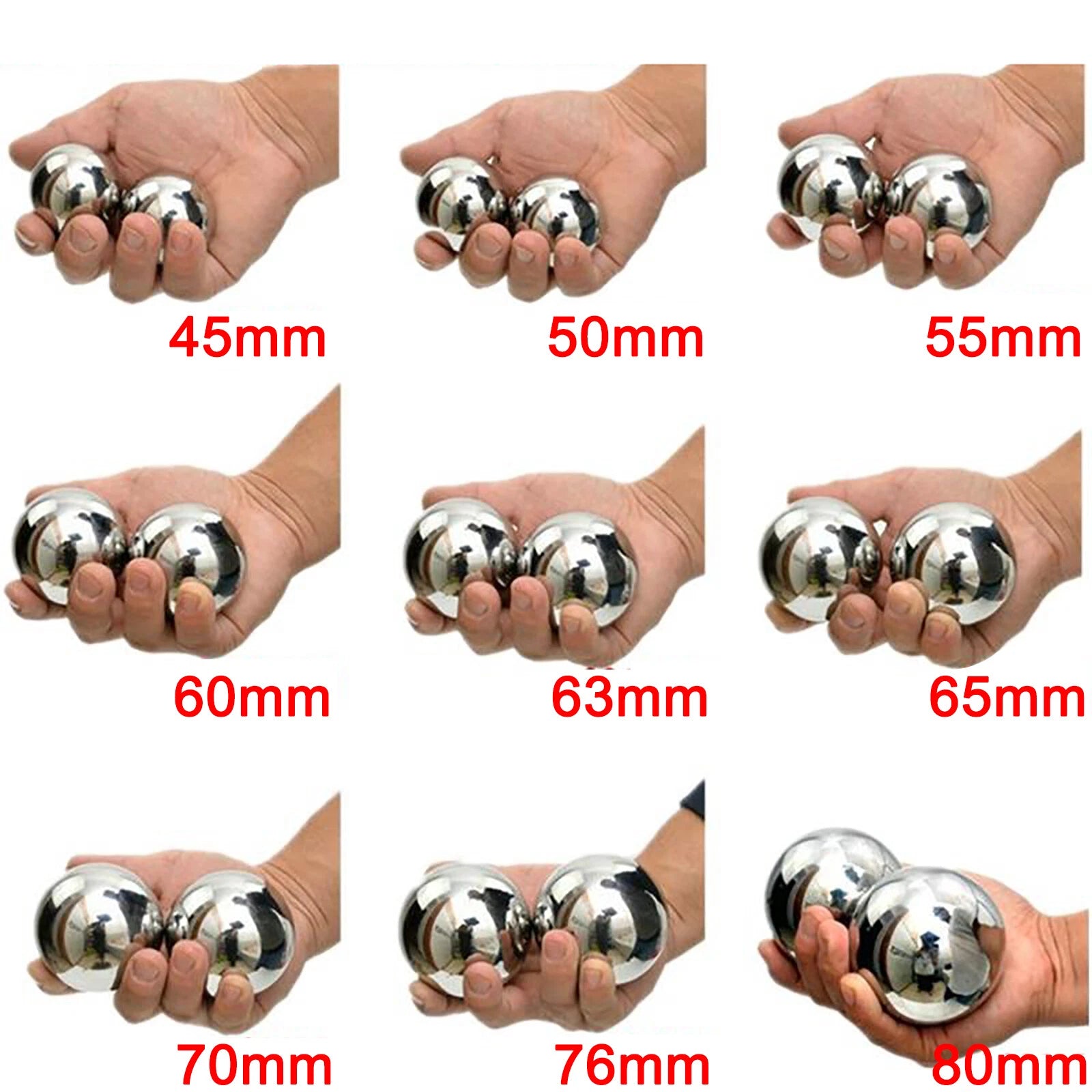
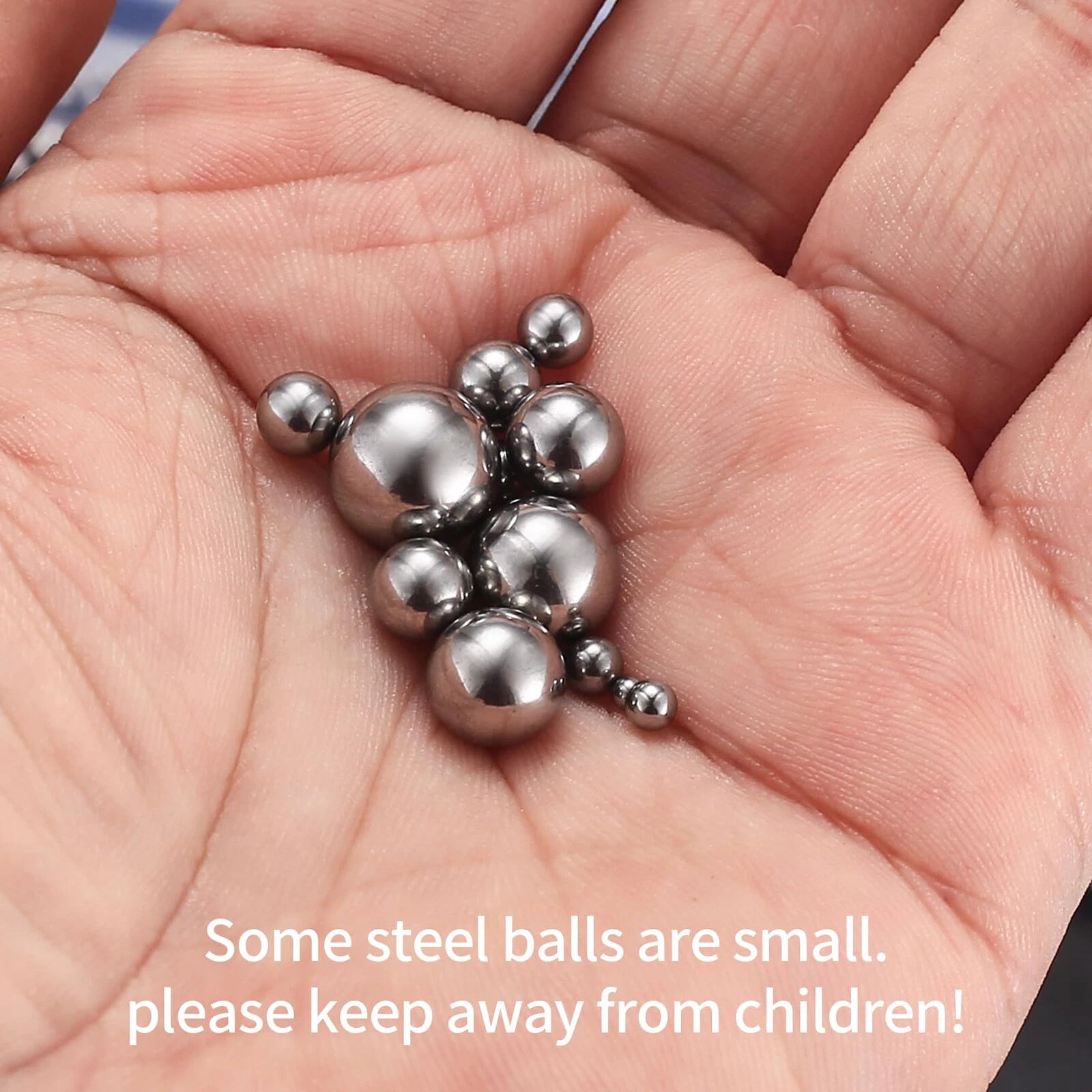
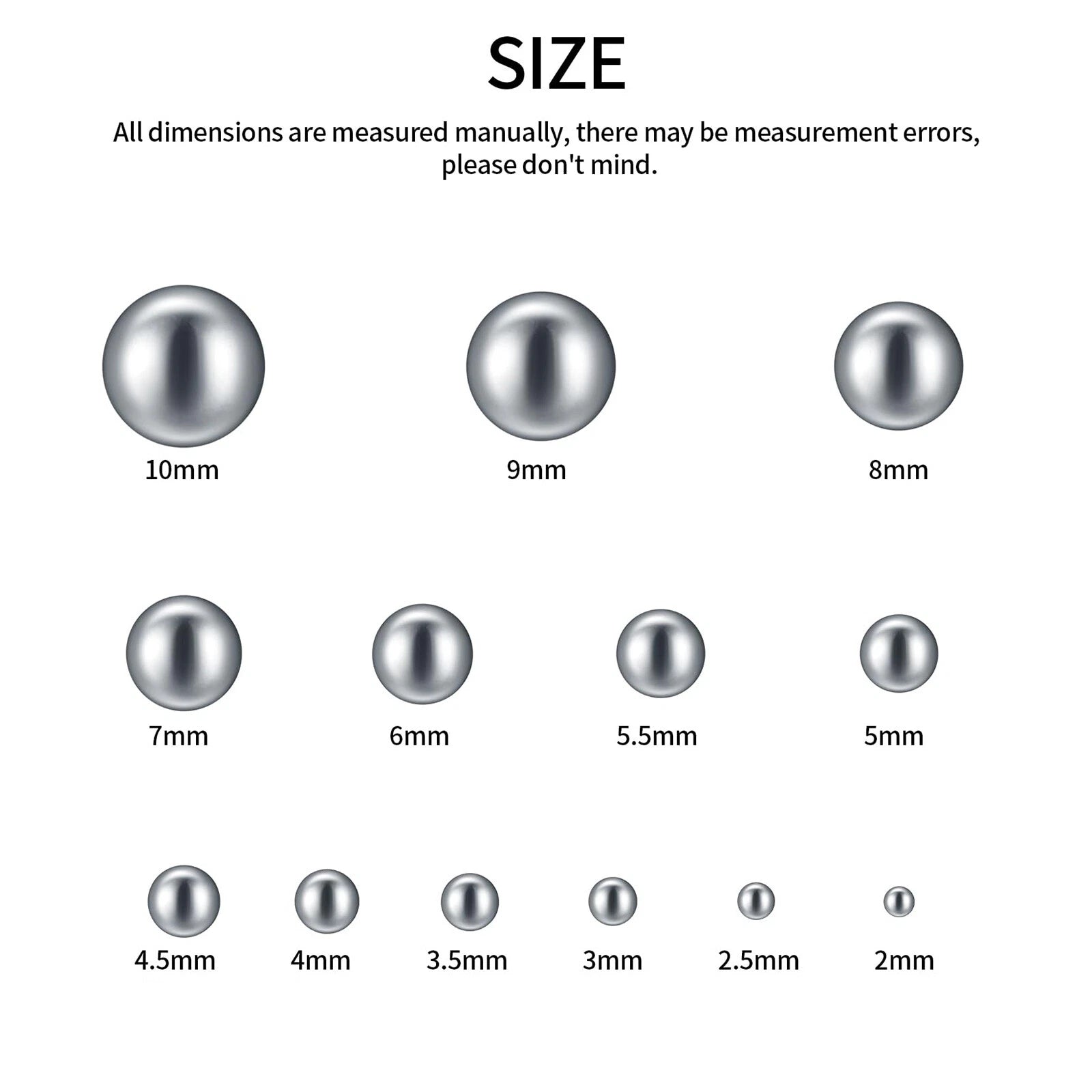
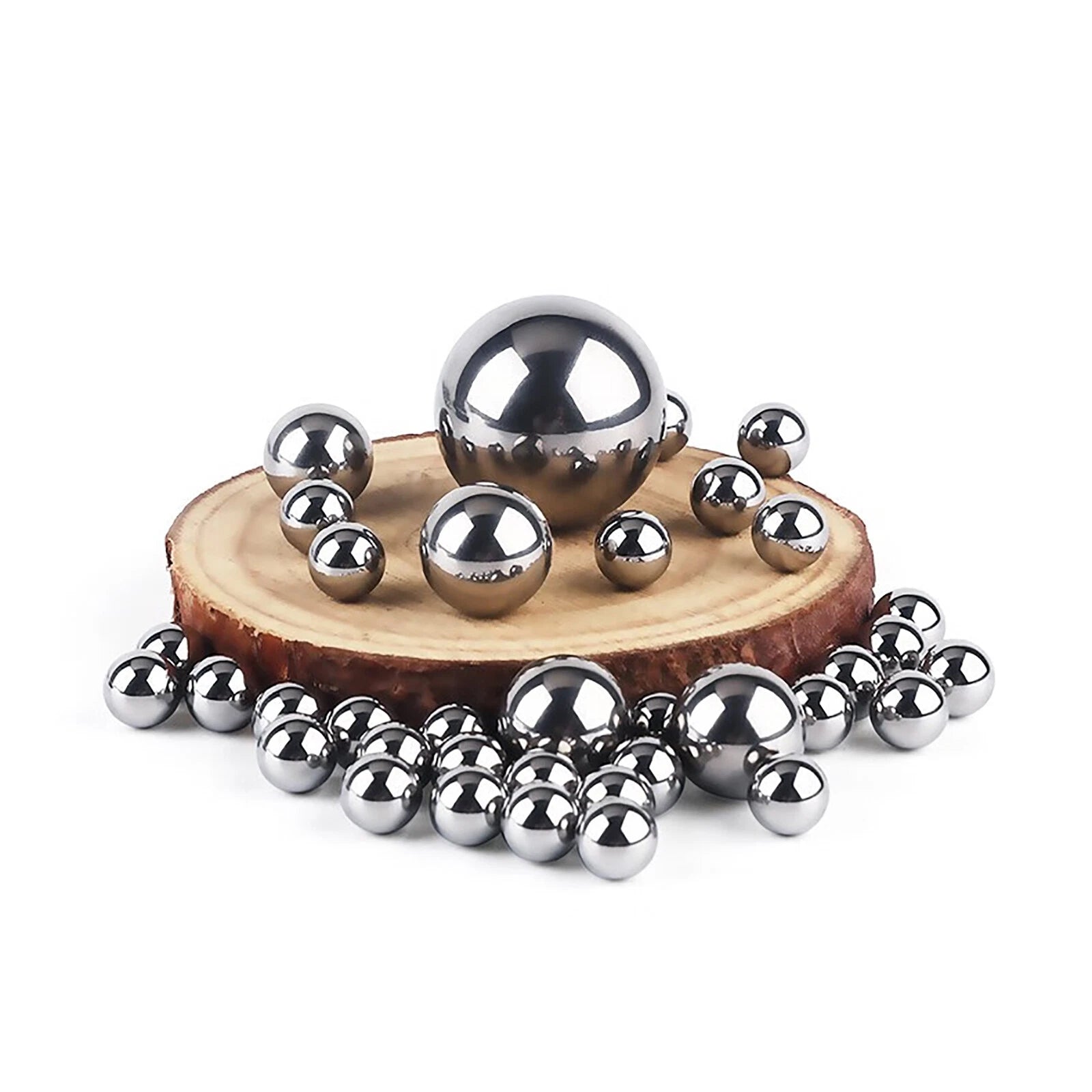
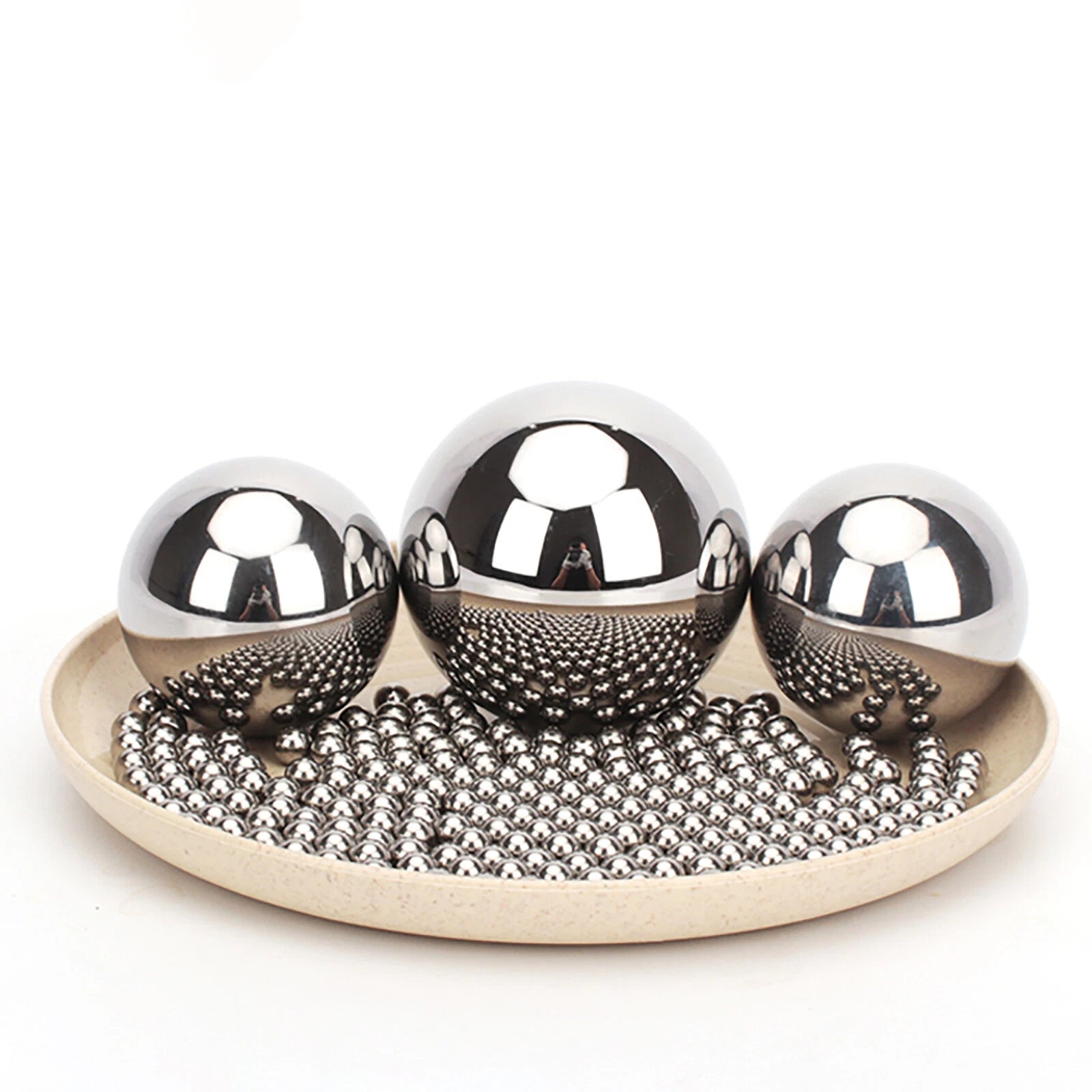
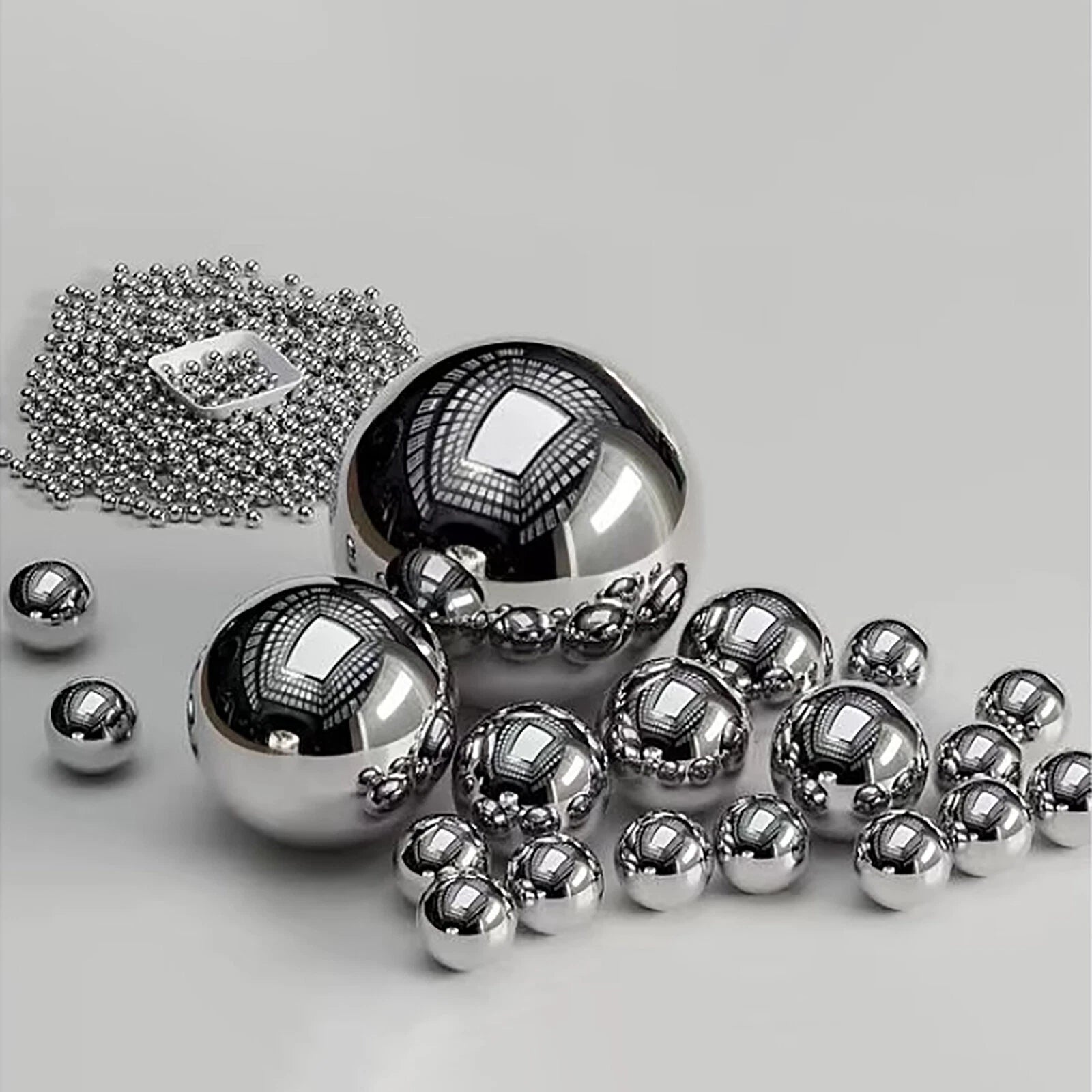
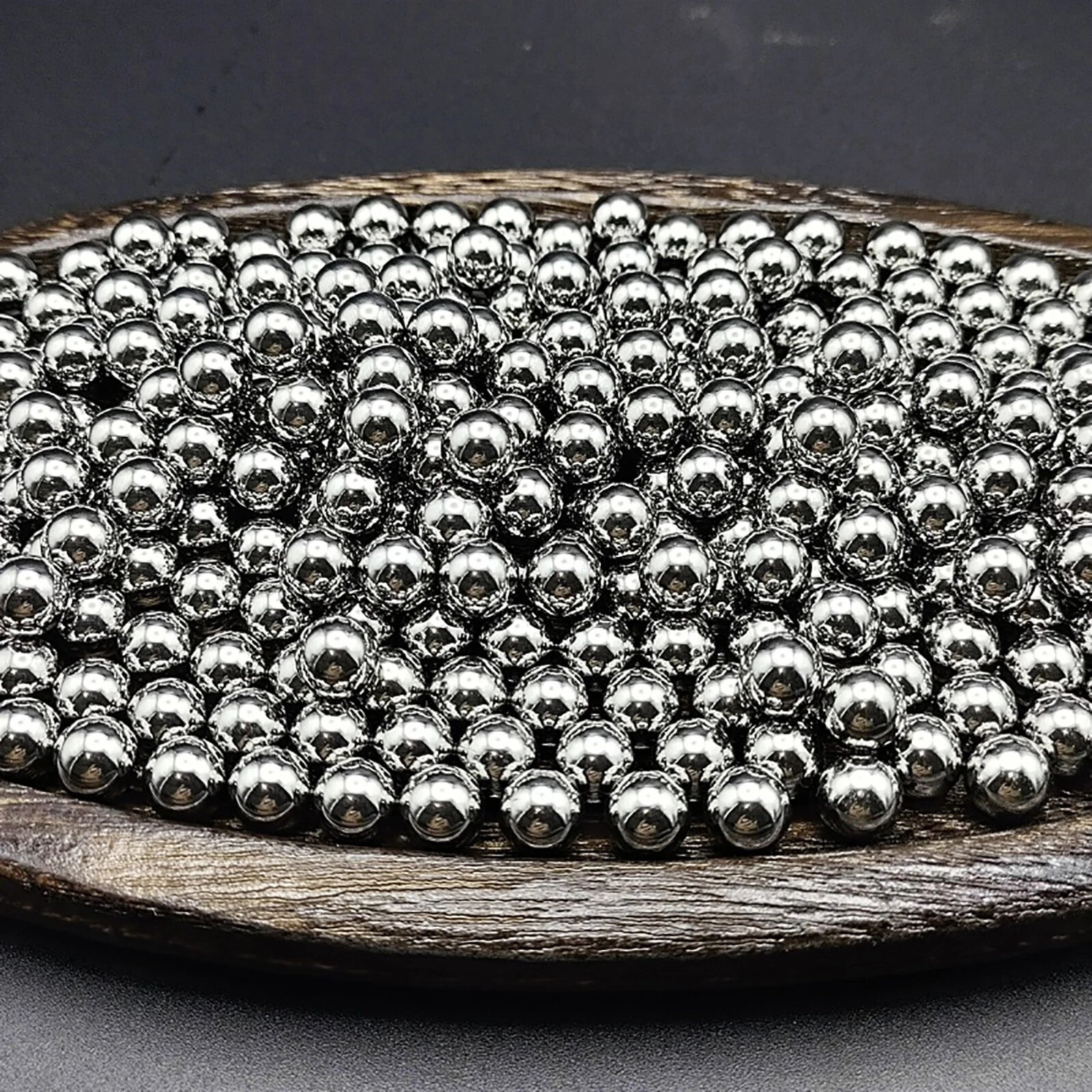
These stainless steel loose ball bearings are solid, precision-ground spheres manufactured from corrosion-resistant stainless steel. Available in diameters ranging from 0.8 mm (approx. 0.031 in) to 100 mm (approx. 3.937 in), with both metric and inch-fractional sizes represented across the range. Surface finish is smooth and consistent, with roundness tolerances suitable for general-purpose and semi-precision applications.
Typical use cases include replacement rolling elements in ball bearing assemblies, load-distributing balls in ball screws and linear guides, check valve seats in hydraulic and pneumatic circuits, and decorative or functional balls in custom DIY mechanisms. The broad diameter range makes this listing a single source for prototype builders who need to trial multiple sizes before committing to a final design.
| Material | Stainless Steel |
|---|---|
| Ball Type | Solid, loose (unmounted) |
| Diameter Range | 0.8 mm – 100 mm (approx. 0.031" – 3.937") |
| Available Sizes | See variant options |
| Surface Finish | Precision-ground, smooth |
| Roundness Tolerance | See variant options |
| Hardness | See variant options |
| Pack Quantity | 1 / 2 / 5 / 10 / 20 / 50 / 100 / 200 pcs (see variant options) |
| Application | Ball bearings, ball screws, linear guides, check valves, custom assemblies |
| Mounting | Loose balls only — no races or housings included |
Measure the existing ball with a micrometer or digital caliper for the most accurate result. If you are replacing balls in a standard bearing, the ball diameter is typically listed in the bearing's datasheet alongside the bore, OD, and width. For custom assemblies, the ball diameter should be matched to the housing bore with the appropriate clearance for your load and speed requirements.
These are general-purpose and semi-precision stainless steel balls. They are appropriate for moderate load and moderate speed applications such as light machinery, DIY mechanisms, check valves, and replacement in standard bearings. For high-speed spindle bearings or heavy radial/axial load applications requiring a specific ABEC or ISO grade, please contact us to confirm grade availability before ordering.
Stainless steel provides good resistance to rust and corrosion in humid, wet, and mildly corrosive environments. They are suitable for food-adjacent equipment, marine hardware, and outdoor applications where standard carbon steel balls would corrode. For highly acidic or chloride-rich environments (e.g., saltwater immersion or chemical processing), verify the specific alloy grade is compatible with your media.
No. These are loose balls only — individual spheres sold without any races, cages, retainers, or housings. They are intended for use as replacement rolling elements in existing bearing assemblies, as valve seats, or as components in custom-built mechanisms where you supply the housing.
Match the ball diameter to the system your assembly was designed for. Metric sizes (e.g., 1 mm, 2 mm, 5 mm, 10 mm) are standard in most modern machinery and European equipment. Inch-fractional sizes (e.g., 1/8" = 3.175 mm, 3/16" = 4.763 mm, 1/4" = 6.35 mm, 3/8" = 9.525 mm, 1/2" = 12.7 mm) are common in North American and legacy equipment. The variant list includes both — select by the millimeter value that matches your measurement.
The number of balls in a standard bearing varies by bearing type and size. A typical deep-groove ball bearing (e.g., 608, 6200 series) contains 7–9 balls. Larger bearings may use 10–15 or more. If you are replacing all balls in a single bearing, order the quantity that matches or slightly exceeds the ball count in your bearing. For ongoing maintenance stock, the 50- or 100-piece packs offer better per-unit value for frequently serviced equipment.
Yes. Stainless steel balls are commonly used as valve seats in check valves, ball valves, and hydraulic or pneumatic circuits where a smooth, hard, corrosion-resistant seating surface is required. Select the diameter that matches your valve seat specification. For high-pressure hydraulic applications, confirm the pressure rating and ball grade with your system designer.