
The chain is fine...but I ordered the wrong size. Nine links of the chain I ordered equals six of the size I wanted. My error...
How can I straighten out the springs? I can't use them coil uo as is.
Your payment information is processed securely. We do not store credit card details nor have access to your credit card information.
Get fitment advice & recommendations
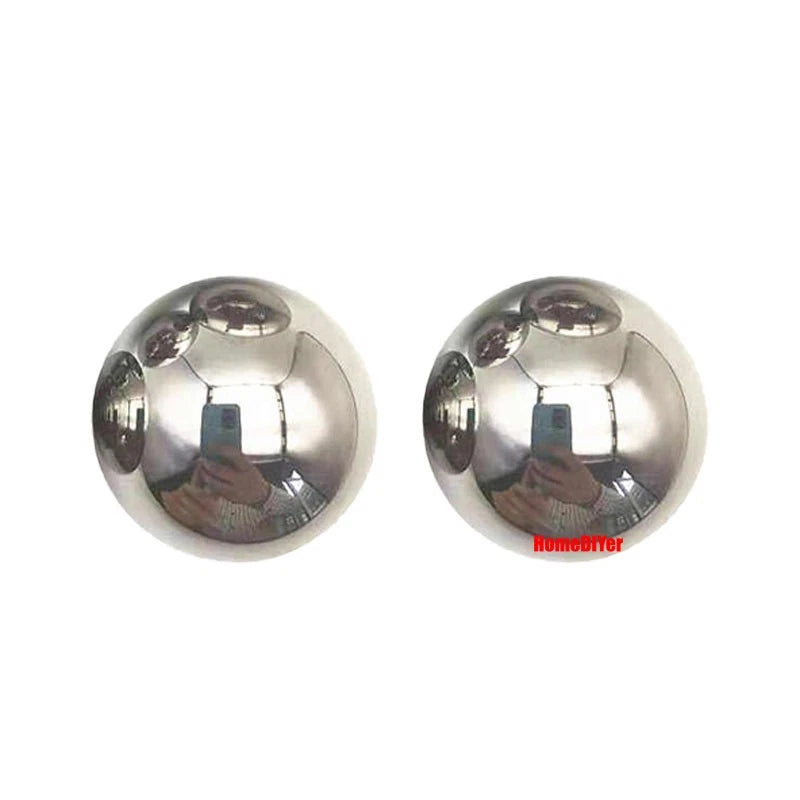
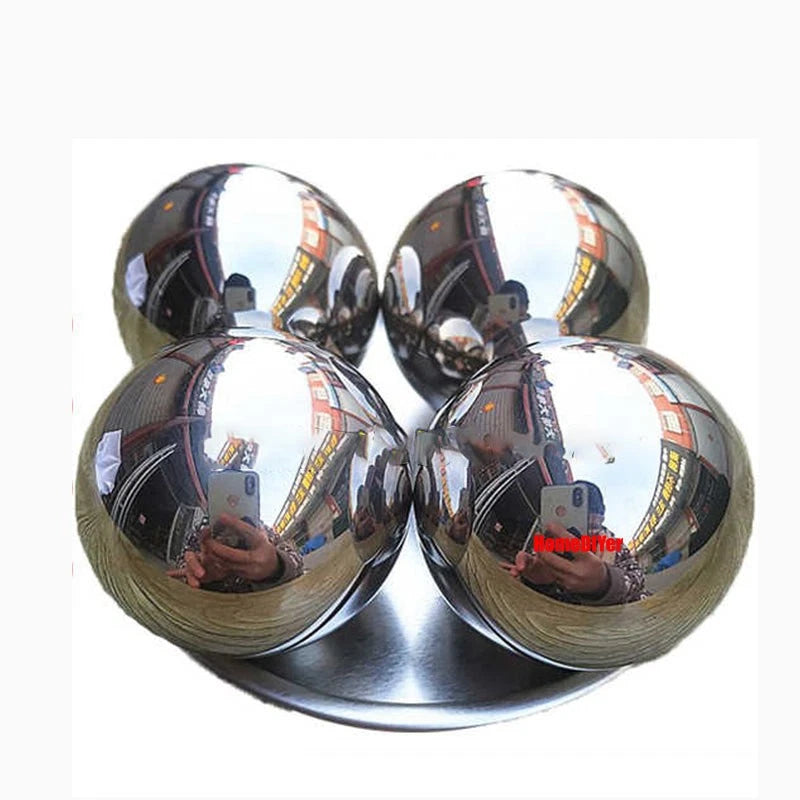
When a worn or undersized rolling element causes vibration, noise, or premature bearing failure, finding the exact replacement diameter is critical. Engineers, maintenance technicians, and serious DIYers who work with large-bore bearings, linear slides, ball screws, and custom mechanical assemblies need a reliable source for precision loose steel ball bearings in the 40–50.8 mm range — a size bracket that most hardware stores simply don't stock.
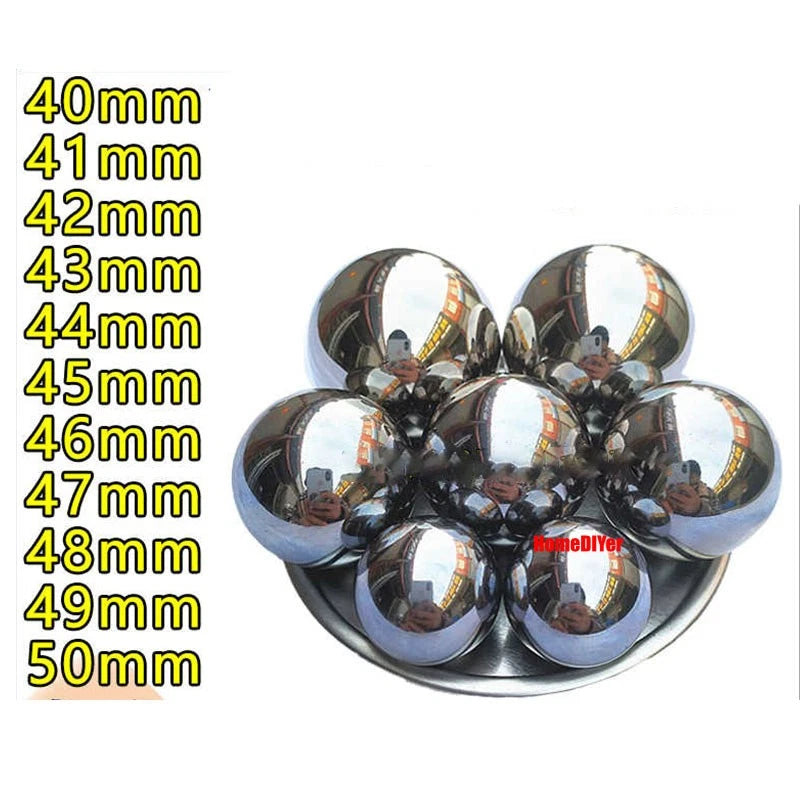
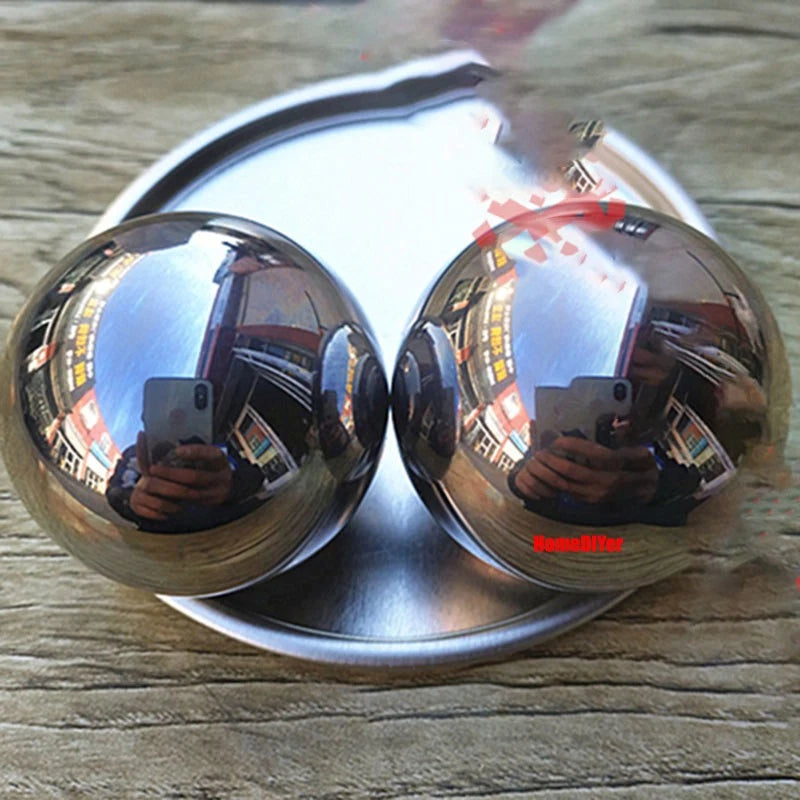
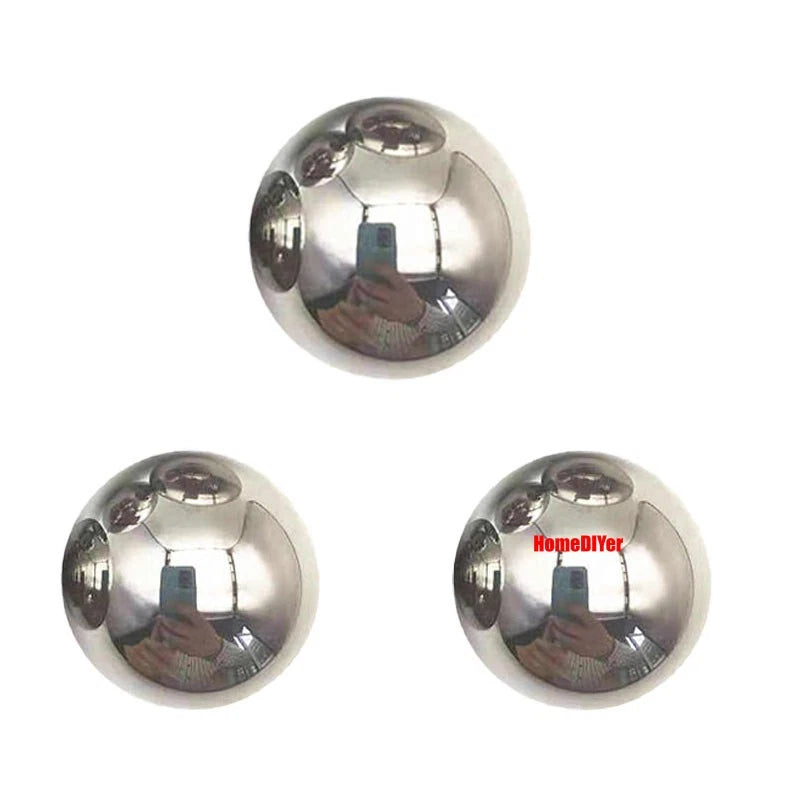
These loose steel ball bearings are machined from solid carbon steel stock and cover 24 distinct diameters from 40 mm (≈ 1.575 in) up to 50.8 mm (≈ 2.0 in), including fractional inch equivalents such as 41.275 mm (1-5/8 in), 44.45 mm (1-3/4 in), 47.625 mm (1-7/8 in), and 50.8 mm (2 in). Each ball is ground to a consistent spherical form with a smooth surface finish suited for rolling contact applications.
Typical use cases include replacing loose steel ball bearings in heavy-duty thrust bearings and slewing rings, filling ball-transfer units on conveyor tables, acting as grinding media in small batch mills, and serving as precision spacers or detent elements in custom jigs and fixtures. The multi-piece quantity options (1–5 pcs per order) let maintenance teams stock exactly what they need without over-ordering.
| Material | Carbon steel |
|---|---|
| Form | Solid sphere (loose, unassembled) |
| Diameter Range | 40 mm – 50.8 mm (≈ 1.575 in – 2.0 in) |
| Available Diameters | 40, 40.1, 40.2, 40.5, 41, 41.275, 41.5, 42, 42.5, 42.863, 43, 44, 44.45, 45, 46, 47, 47.625, 48, 48.4, 49, 49.2, 49.5, 50, 50.8 mm |
| Surface Finish | Ground spherical surface |
| Quantity per Order | 1 PCS / 2 PCS / 3 PCS / 4 PCS / 5 PCS (see variant options) |
| Bearing Grade / Tolerance | Contact us to confirm |
| Corrosion Resistance | See variant options |
| Weight (per ball) | See variant options |
Measure the inner diameter of the bearing retainer or housing pocket that holds the ball, using a digital caliper. The ball diameter should match that measurement within the tolerance your application allows. If you are replacing a worn ball in an existing bearing, measure a known-good ball from the same set rather than the worn one. For critical applications, contact us to confirm the required tolerance grade before ordering.
These balls are machined from solid carbon steel, which provides the hardness and compressive strength needed for typical rolling contact loads in thrust bearings, ball-transfer units, and similar mechanisms. For applications with very high dynamic loads or shock loading, confirm the steel grade and hardness specification with us before use, as load capacity depends on both ball grade and the surrounding bearing design.
Carbon steel balls are susceptible to surface oxidation when exposed to moisture or corrosive environments without protection. For indoor, dry, or lightly lubricated applications this is generally manageable with a light oil coating. If your application involves water, chemicals, or outdoor exposure, consider stainless steel balls instead, or contact us to discuss corrosion-resistant options for your specific diameter requirement.
These are loose rolling elements sold without a race or retainer. They are dimensionally compatible with any bearing housing or retainer designed for the same nominal ball diameter. However, bearing grade (ABEC 1 through ABEC 7, or ISO equivalents) affects dimensional tolerance and surface finish — if your application requires a specific grade, please contact us to confirm availability before ordering.
Yes, solid steel balls in this size range are commonly used as grinding media in small batch ball mills for pigments, ceramics, and similar materials. The solid carbon steel construction provides the mass and hardness needed for effective grinding. Ensure the mill drum material is compatible with steel contact, and note that grinding abrasive or chemically aggressive materials may accelerate ball wear.
Order 1 PCS if you need a single replacement ball for a repair. Order 2–5 PCS if you are refilling a ball-transfer unit (which typically uses multiple balls of the same diameter), stocking spares for ongoing maintenance, or need balls for a custom assembly that requires more than one rolling element. The per-unit price decreases slightly with larger quantities, making multi-piece orders more economical for recurring needs.
The fractional-inch diameters are metric conversions of standard inch sizes: 41.275 mm = 1-5/8 in, 44.45 mm = 1-3/4 in, 47.625 mm = 1-7/8 in, and 50.8 mm = 2 in. These are included because many older or North American-standard bearings, ball-transfer units, and machinery use inch-based ball sizes. If your equipment documentation lists a ball size in inches, select the corresponding mm equivalent from the variant options.