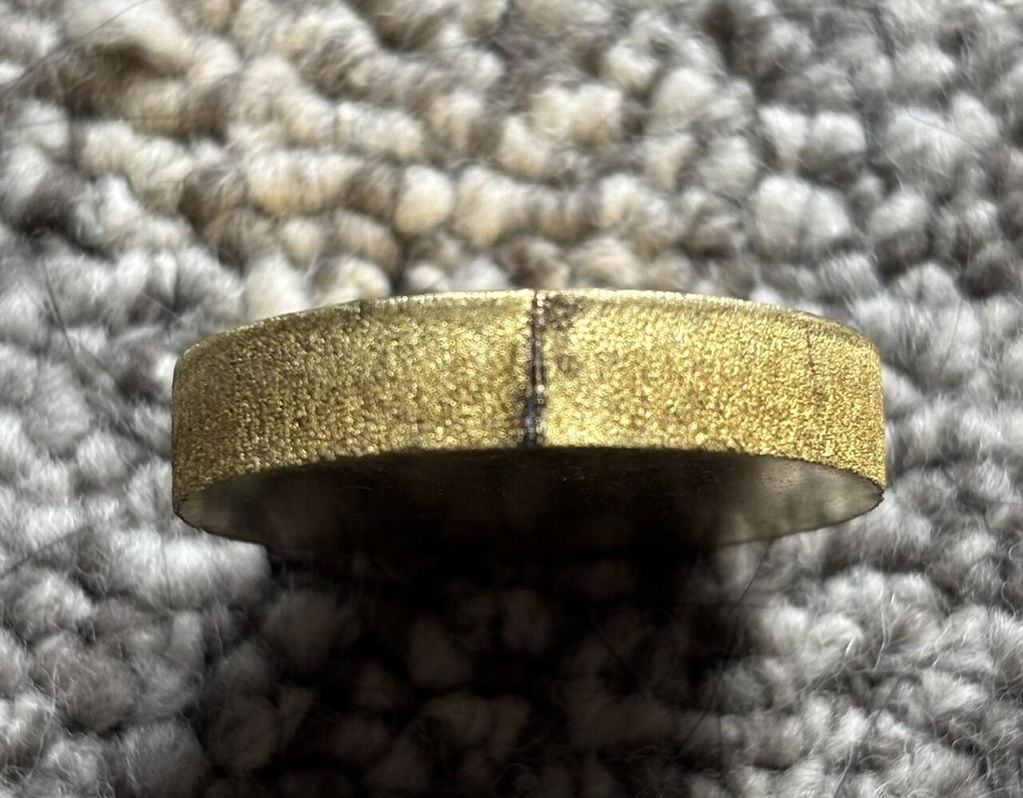
The chain is fine...but I ordered the wrong size. Nine links of the chain I ordered equals six of the size I wanted. My error...
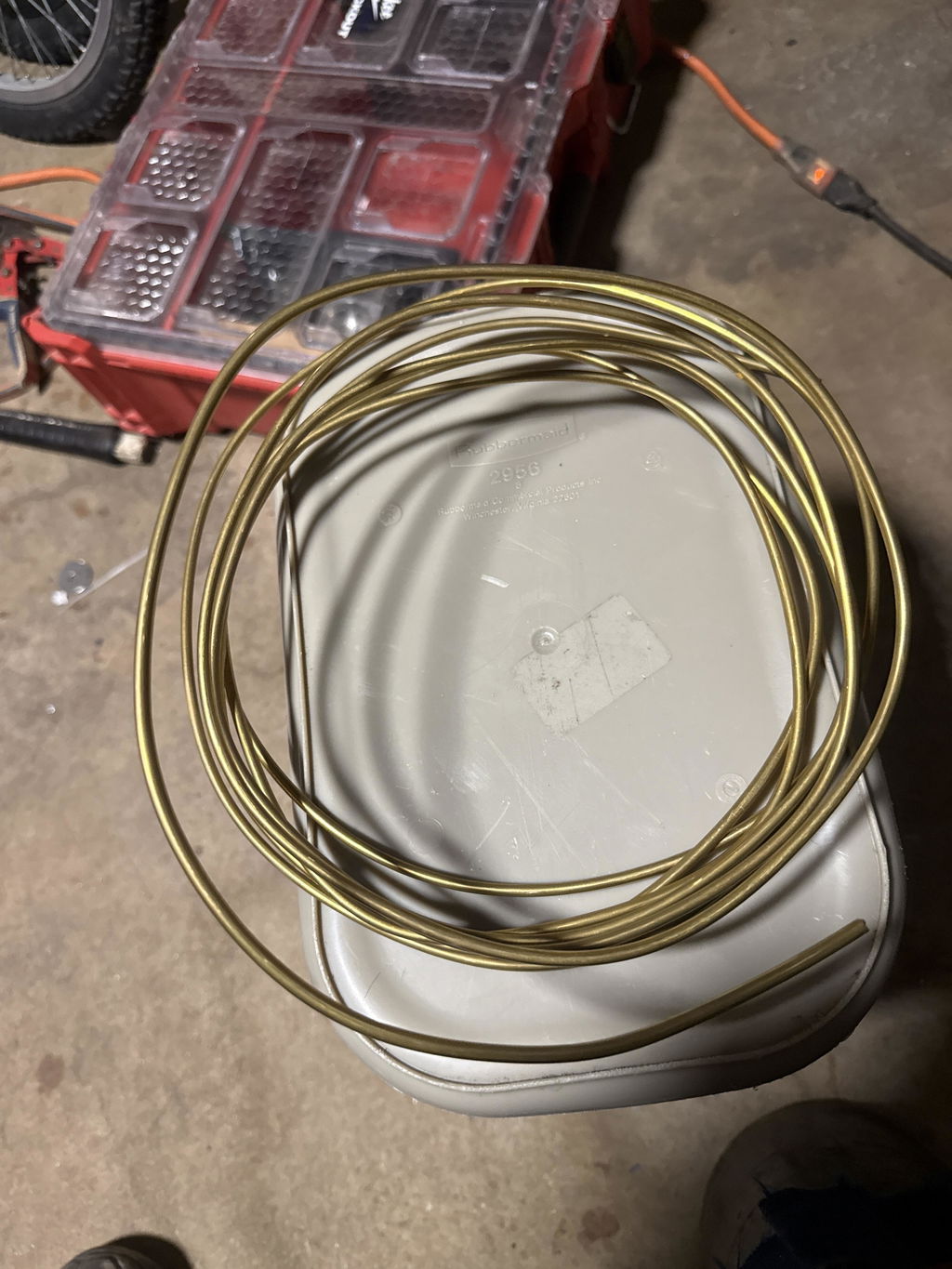
How can I straighten out the springs? I can't use them coil uo as is.
Your payment information is processed securely. We do not store credit card details nor have access to your credit card information.
Get fitment advice & recommendations
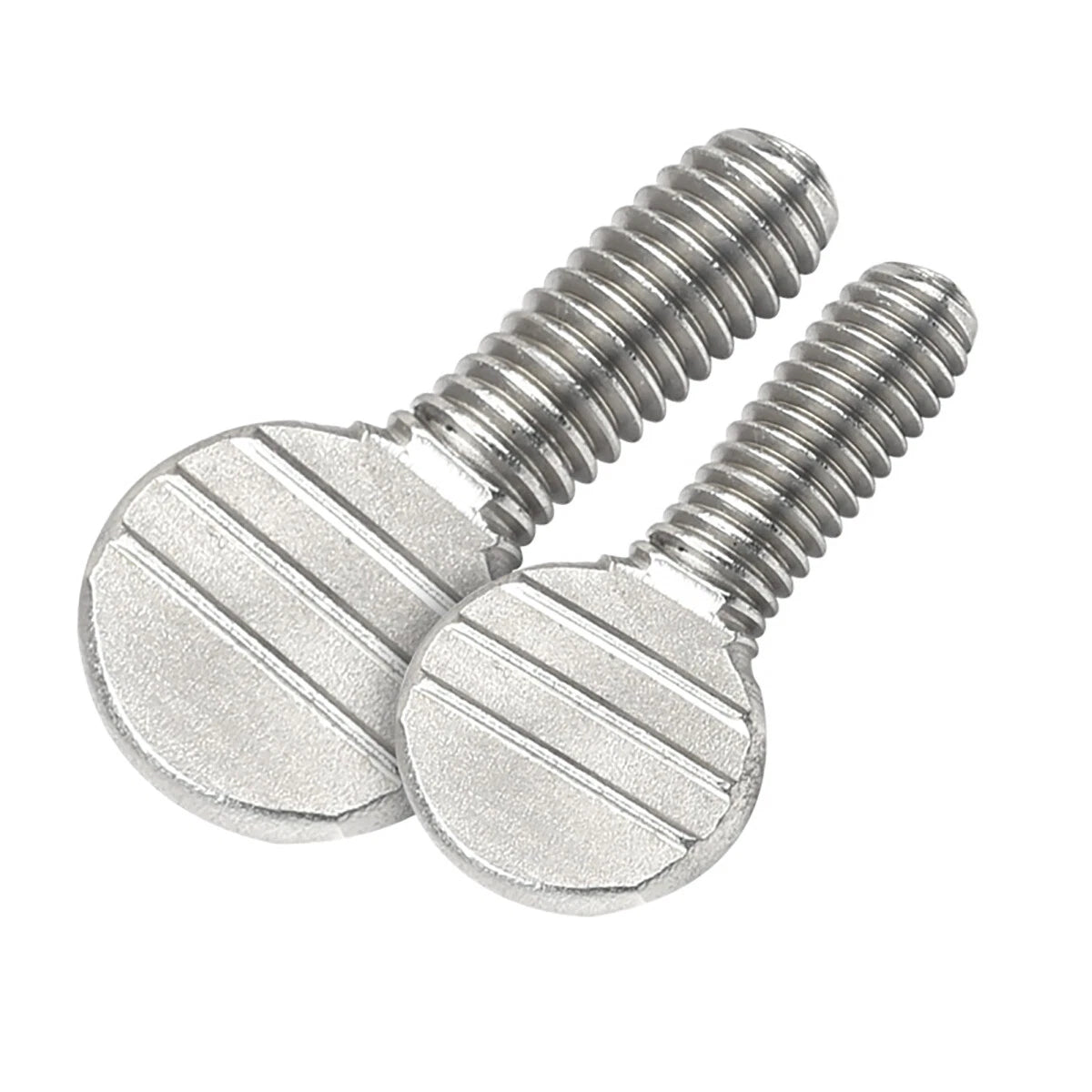
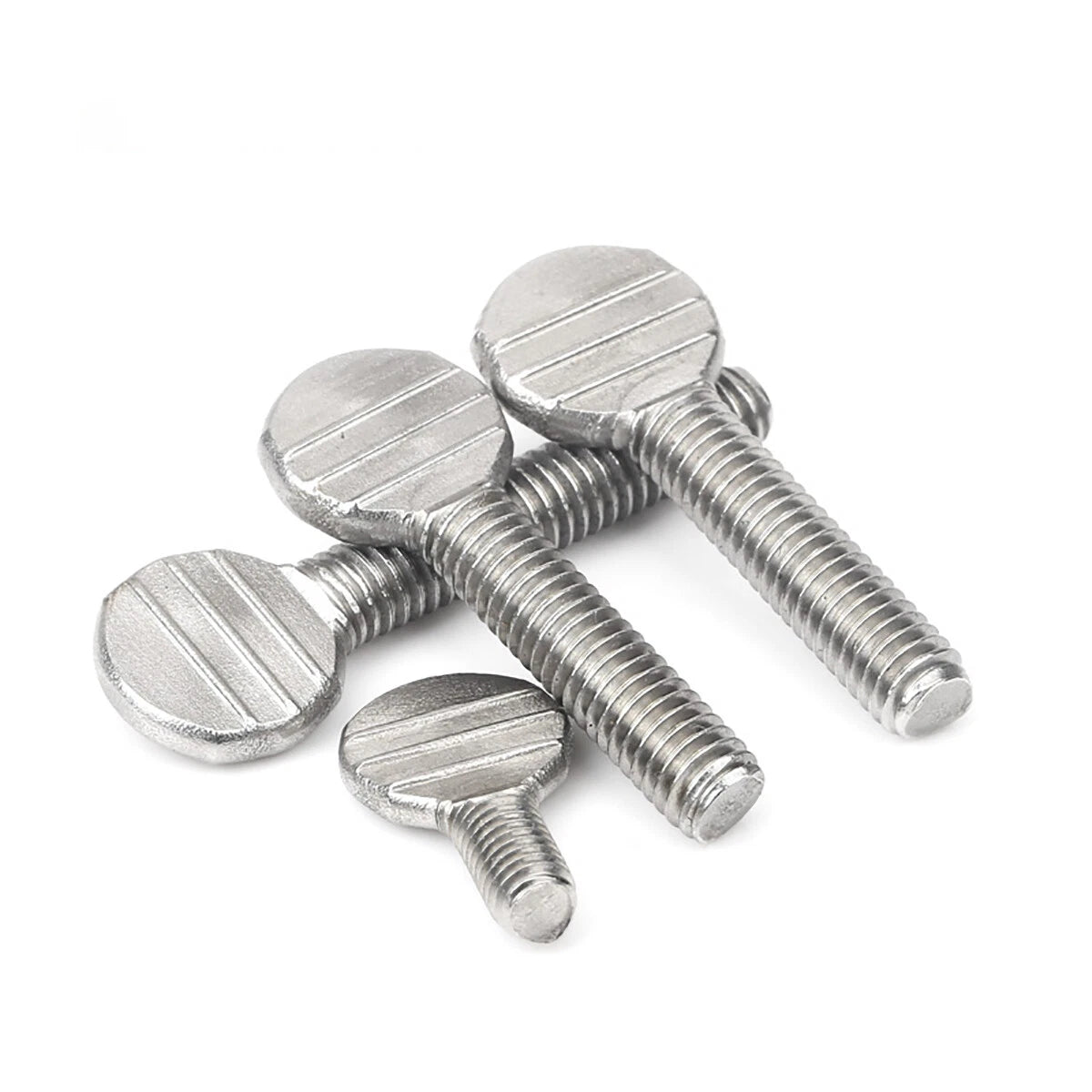
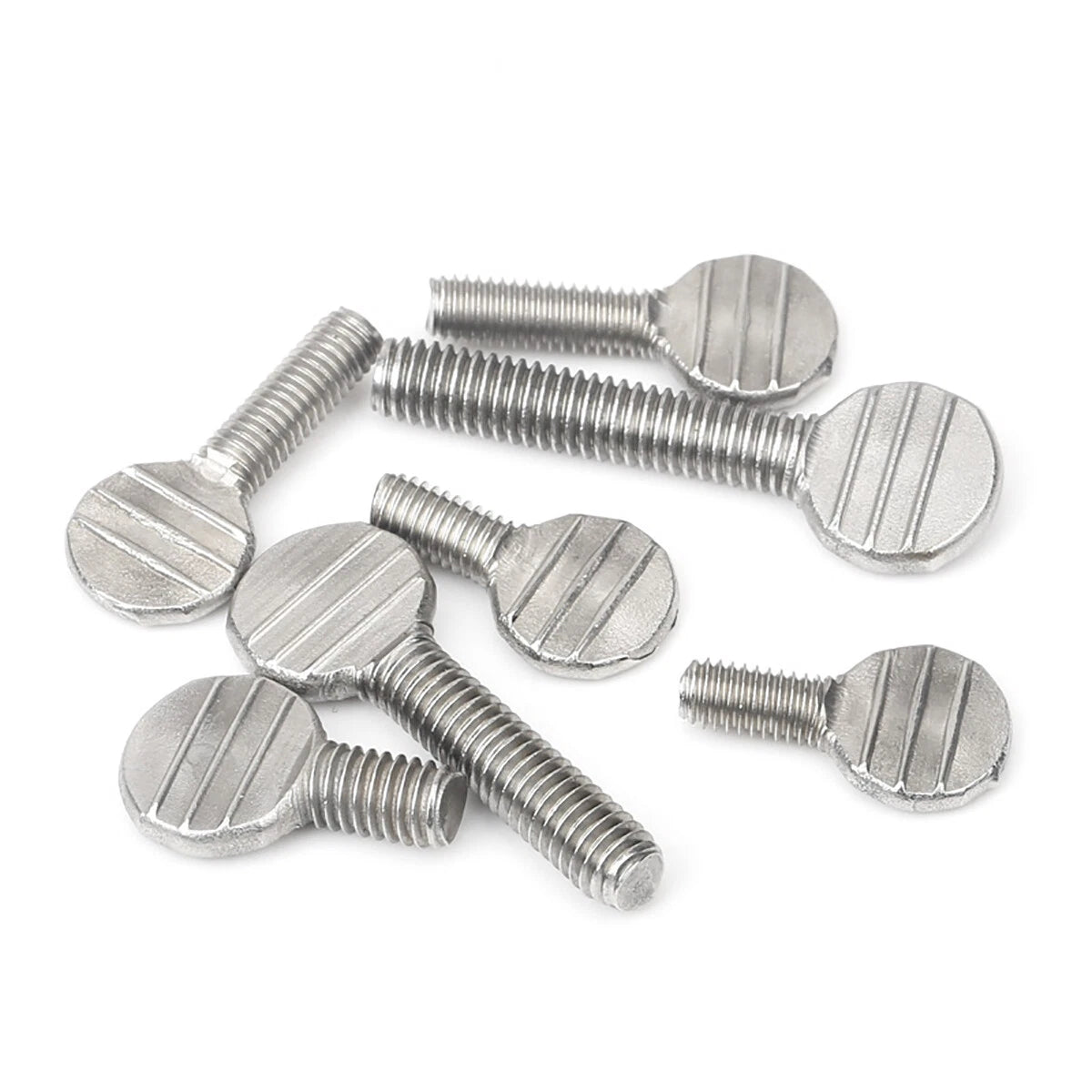
When you need a fastener you can tighten and release by hand — without reaching for a screwdriver — standard hex bolts slow you down. Makers, workshop builders, and equipment assemblers who need quick-access panels, jigs, or enclosures rely on thumb screws to keep workflows moving. These M5 and M6 spade-head thumb screws are built for exactly that job.
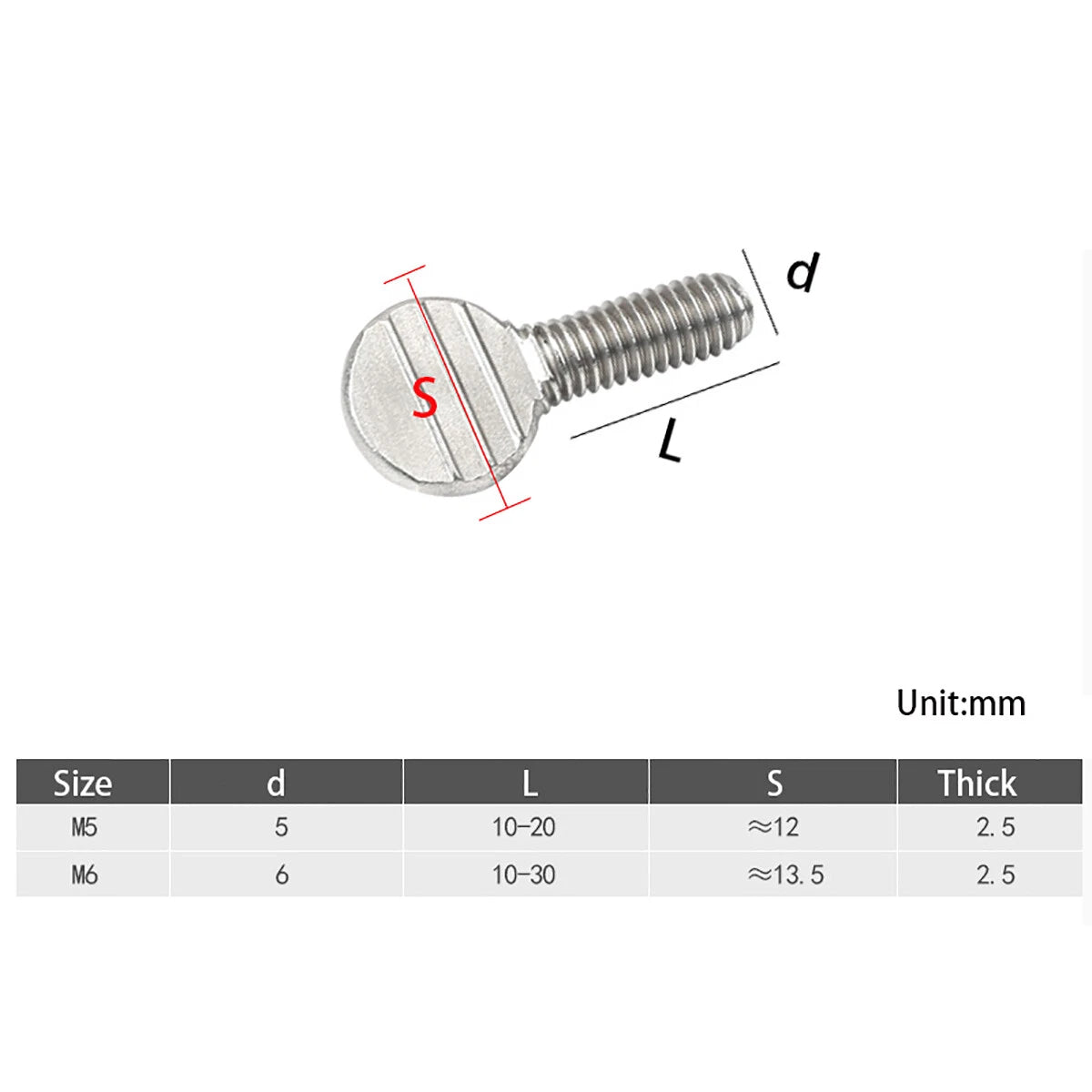
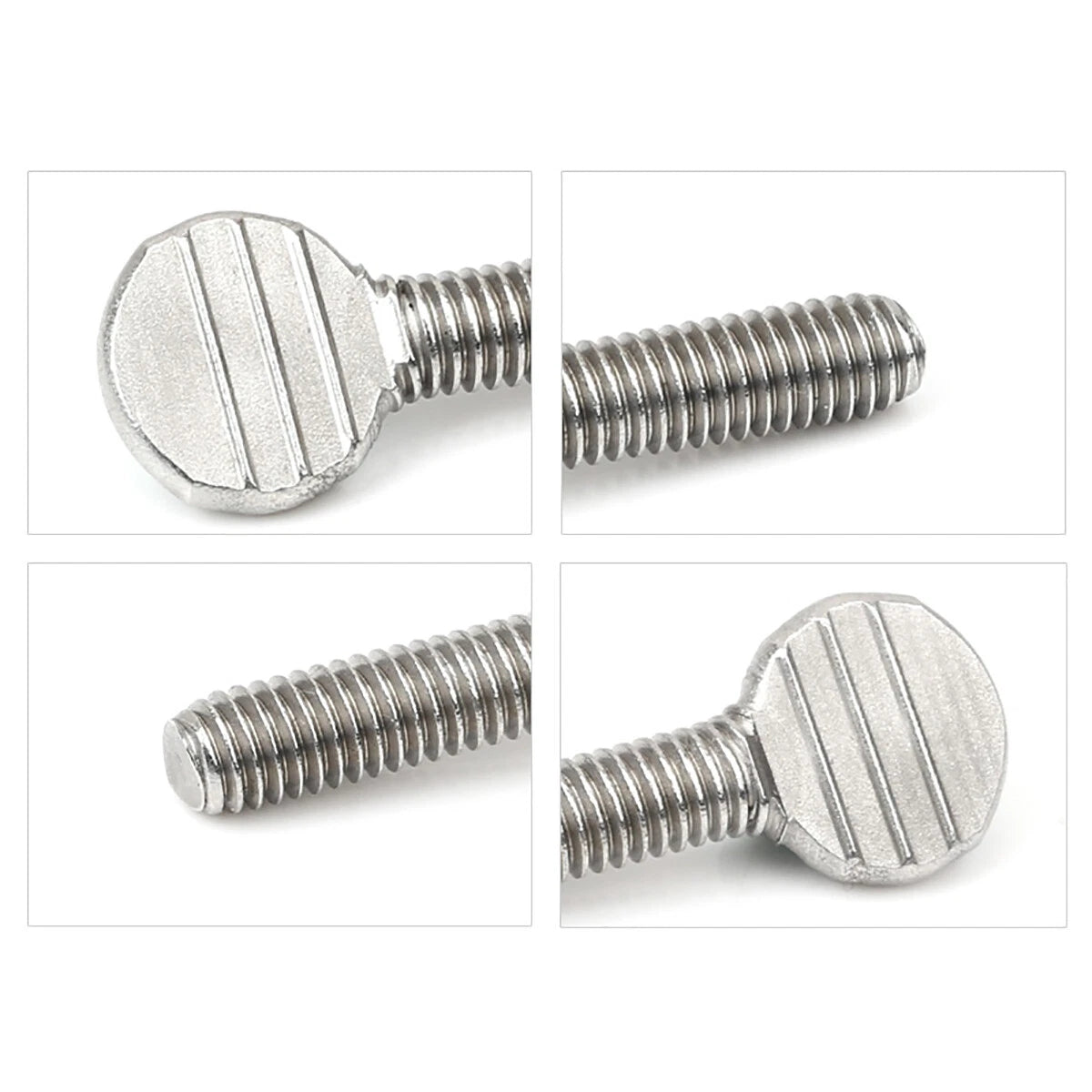
Each screw is machined from A2 304 stainless steel, combining a fully threaded shank with a wide, flat spade-style head that gives your fingers real grip. Available in M5 and M6 thread diameters with shank lengths ranging from 10 mm to 30 mm (approximately 0.39 in to 1.18 in), they cover the most common metric fastening needs in a single product family.
Typical applications include securing access panels on electronic enclosures, clamping jigs and fixtures on CNC routers and laser cutters, assembling DIY furniture frames, and fastening guards or covers on workshop machinery — anywhere hand-tightened metric thumb screws for stainless steel panels are the right call.
| Material | A2 304 Stainless Steel |
|---|---|
| Head Style | Spade / Flat Wing |
| Drive Style | Hand-tightened (no tool required) |
| Thread Standard | Metric (M5, M6) |
| Thread Pitch | See variant options |
| Thread Diameter | M5 (5 mm / 0.197 in) or M6 (6 mm / 0.236 in) |
| Shank Length Range | 10 mm – 30 mm (0.39 in – 1.18 in) |
| Available Sizes | M5×10, M5×12, M5×16, M5×20, M6×10, M6×12, M6×16, M6×20, M6×25, M6×30 |
| Finish | Natural Stainless (uncoated) |
| Quantity per Pack | 5 / 10 / 20 / 50 / 100 PCS |
| Corrosion Resistance | Suitable for indoor and light outdoor use |
| Weight per Piece | See variant options |
Match the thread diameter to your tapped hole or nut. M5 has a 5 mm nominal diameter and is common in lighter-duty panels and electronics enclosures. M6 has a 6 mm nominal diameter and is used where slightly more clamping force or shear strength is needed, such as machinery guards and structural jigs. Measure your existing hole or check your design drawings before ordering.
Choose a shank length that is equal to or slightly longer than the total thickness of the material being clamped, plus any nut or insert depth. For example, if you are clamping a 10 mm panel into a tapped hole, an M6×12 or M6×16 gives you enough thread engagement without bottoming out. Avoid lengths that are too short to achieve full thread engagement (typically at least 1× the thread diameter in depth).
A2 304 stainless steel thumb screws are designed for hand-tightened, low-torque applications such as access panels, covers, and jig clamping — not for high-load structural joints. If your application requires significant tensile or shear loads, consider using a hex bolt with a torque wrench instead. For typical enclosure and fixture work, these screws provide reliable, repeatable fastening.
A2 (304) stainless steel offers good resistance to oxidation and mild corrosion in indoor environments and light outdoor exposure. It is not recommended for continuous salt-spray or marine environments — for those conditions, A4 (316) stainless steel is a better choice. For workshop, garage, and general industrial use, A2 performs well and will not rust under normal conditions.
Yes. These thumb screws work with any standard metric M5 or M6 nut (coarse pitch assumed). This is a common setup for clamping panels where tapping is not practical — simply pass the screw through a clearance hole and thread on a matching nut from the back. Use a nylon-insert lock nut if vibration is a concern.
Hand-tightened torque varies by user, but typical finger-tightening generates approximately 0.5–2 Nm depending on the head size and grip. This is sufficient for securing lightweight panels, covers, and jig components. If you need higher clamping force, these are not the right fastener — use a hex socket cap screw with a torque wrench instead.
For a single enclosure or panel with 4–8 fastening points, a pack of 5 or 10 is usually sufficient. For workshop jigs or production fixtures where you need spares or are building multiple units, packs of 20, 50, or 100 offer better per-piece value. Bulk packs of 50 or 100 are ideal if you are stocking a workshop or fulfilling repeat builds.