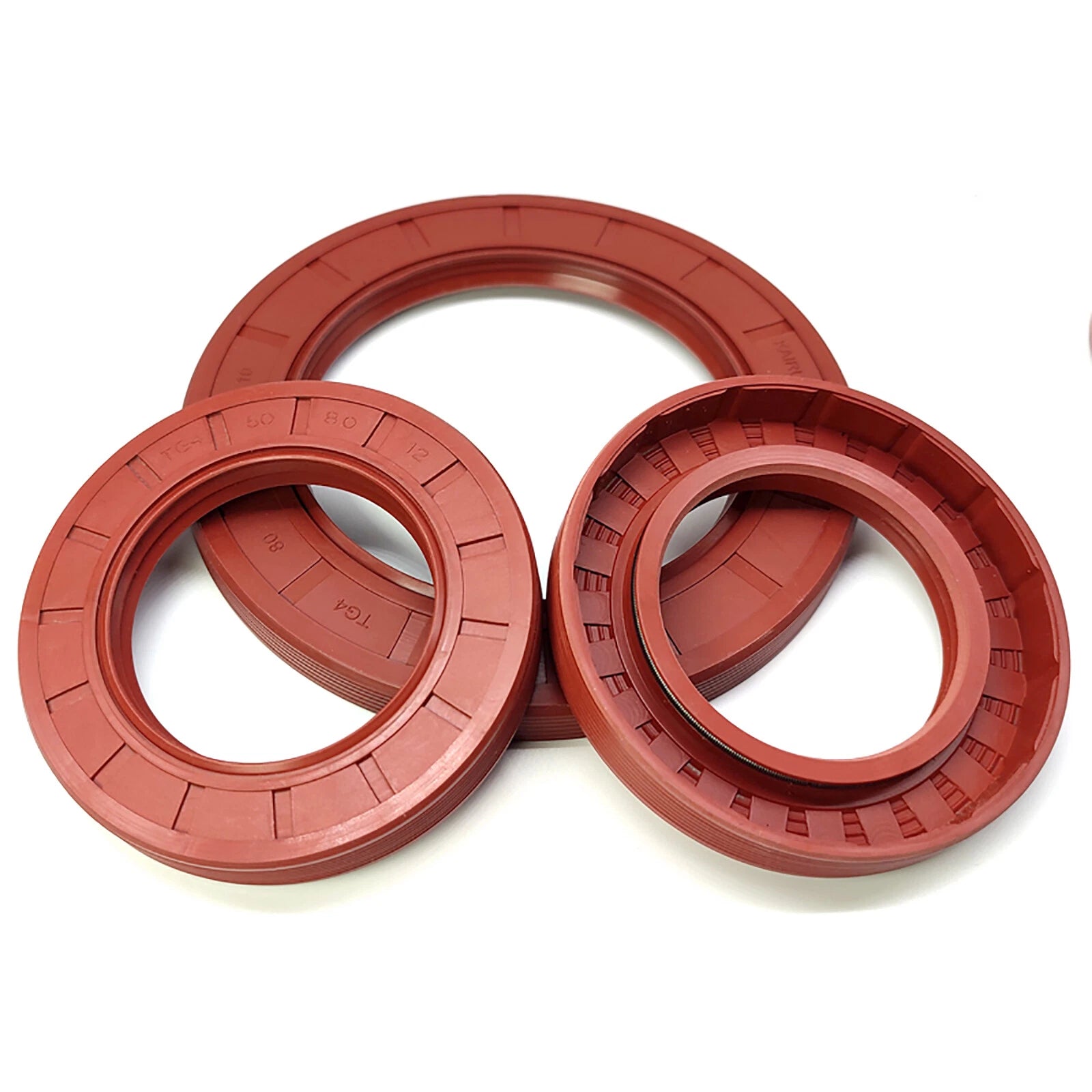

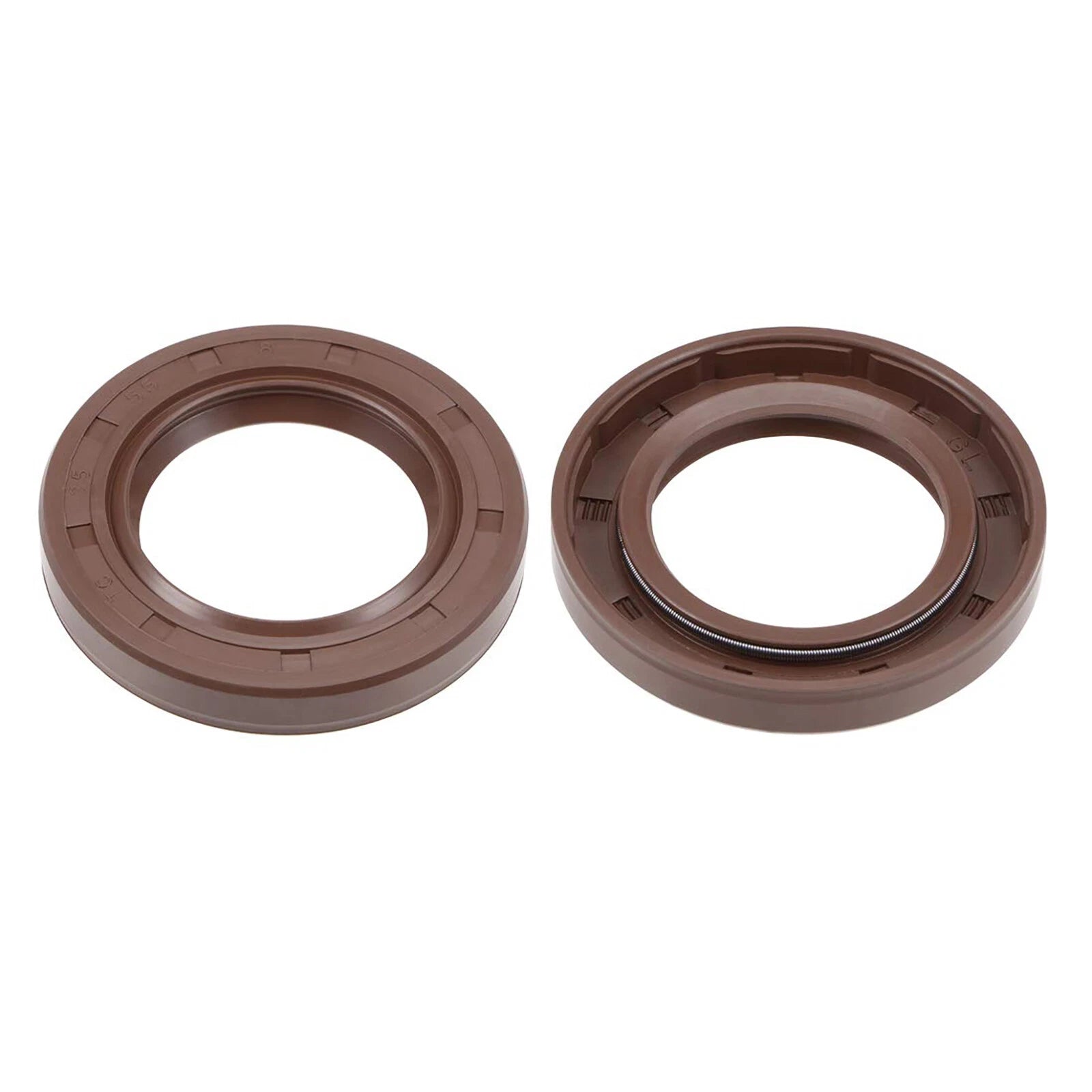
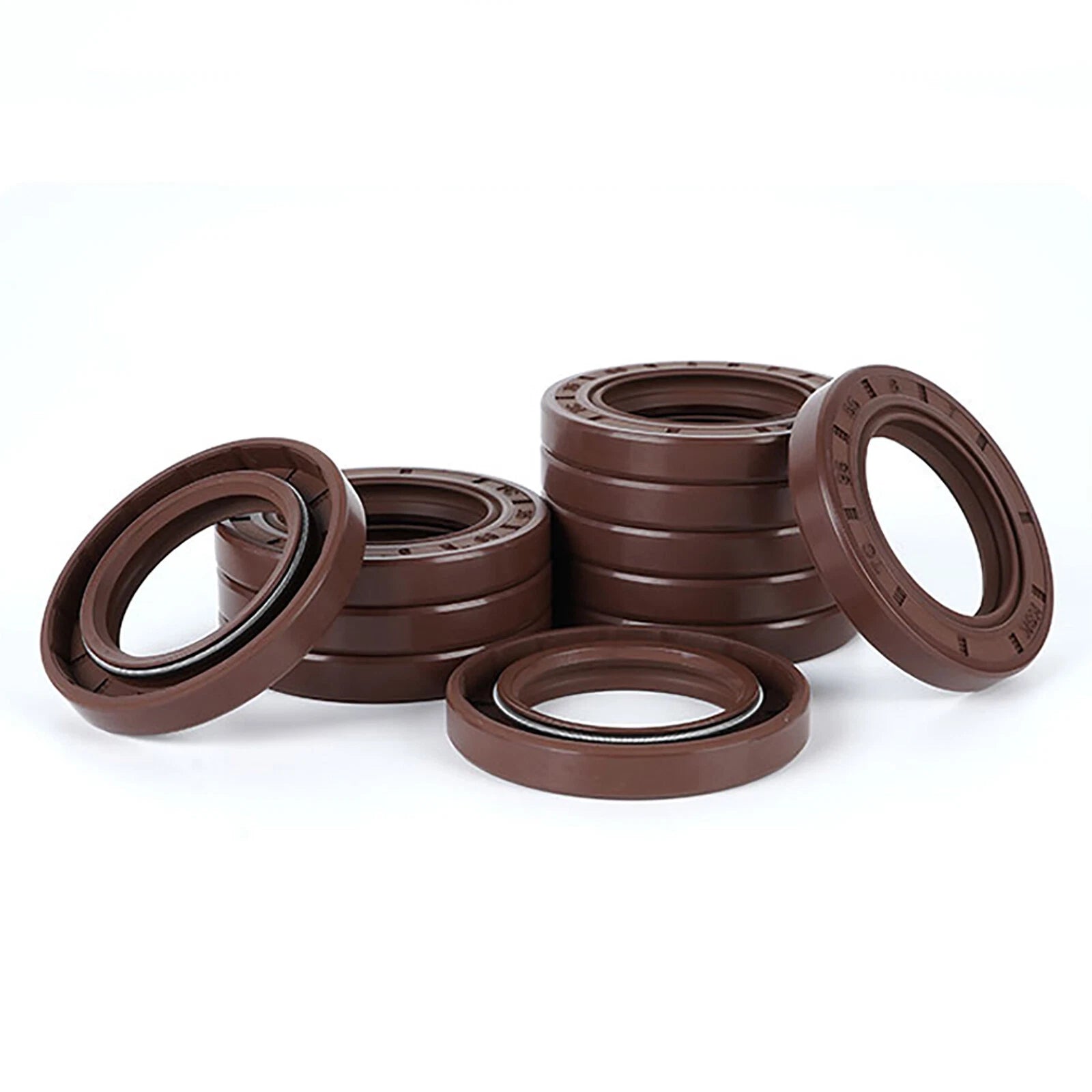
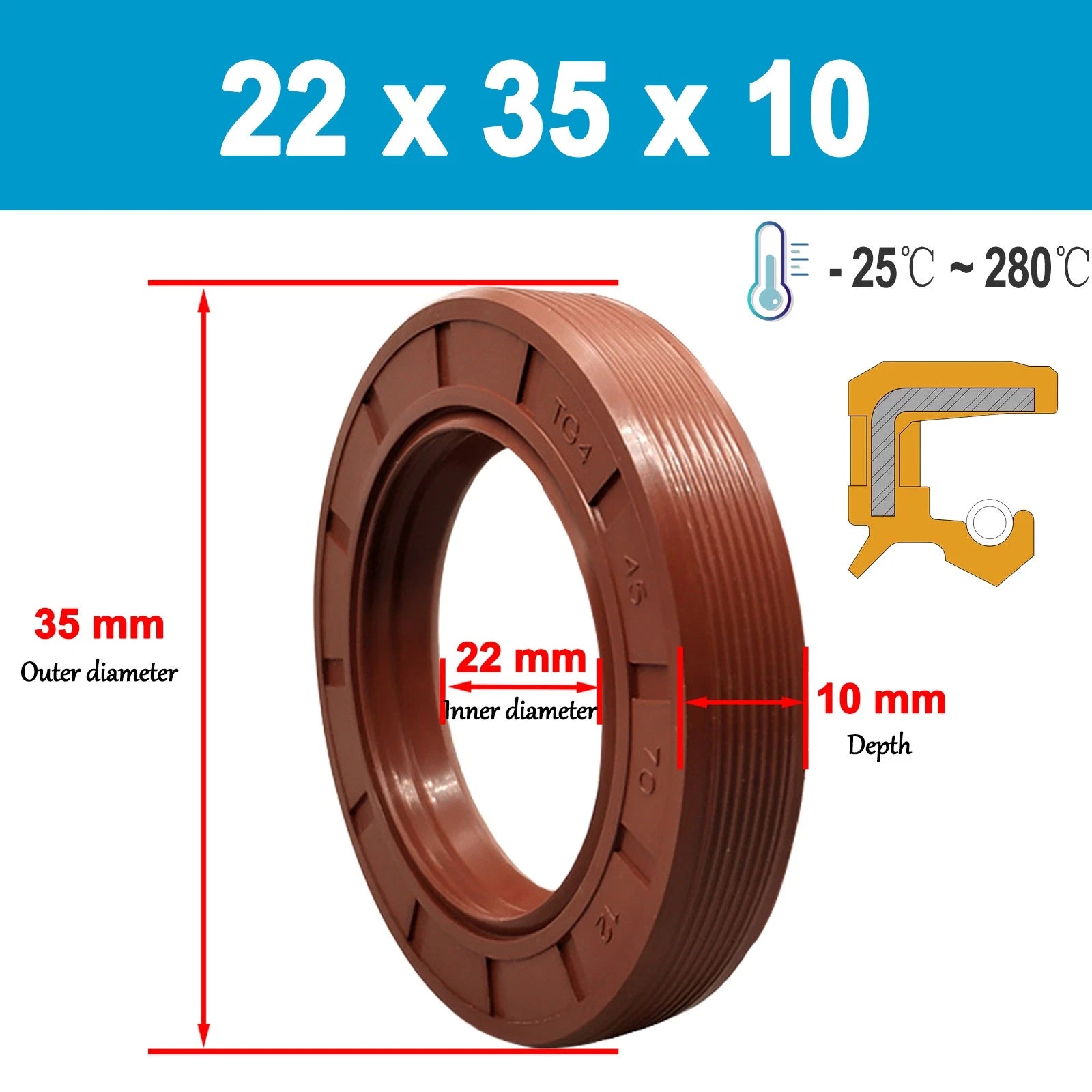
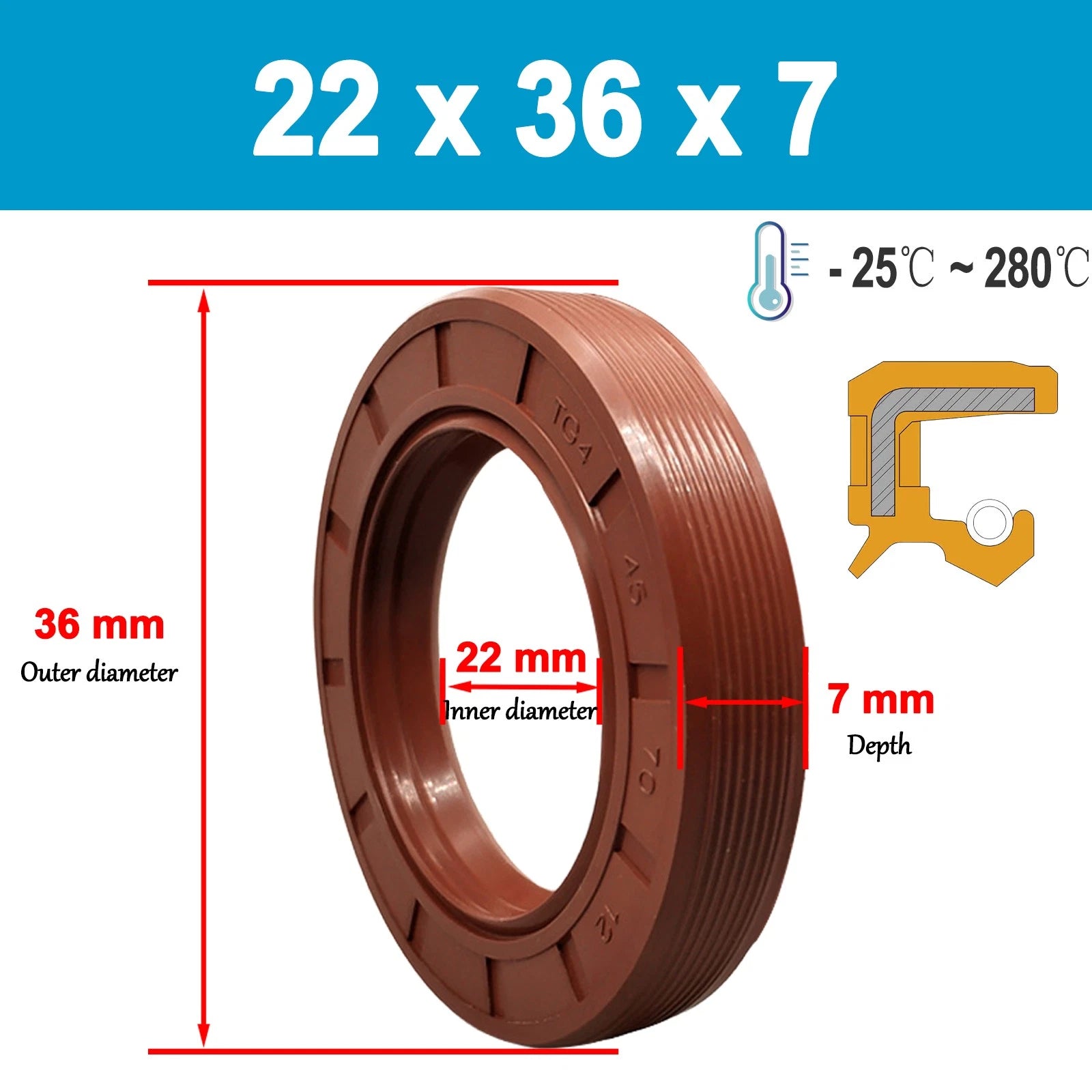
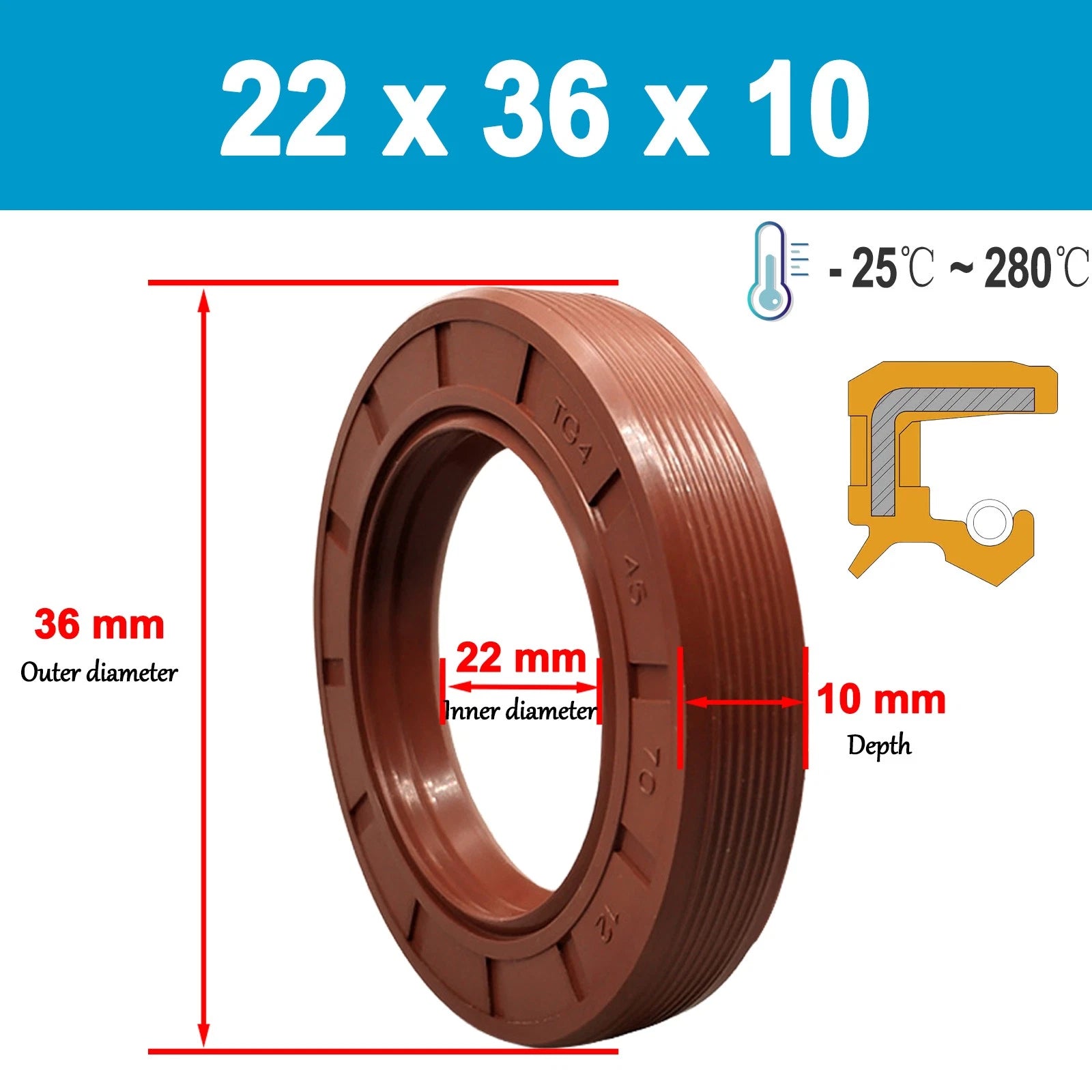
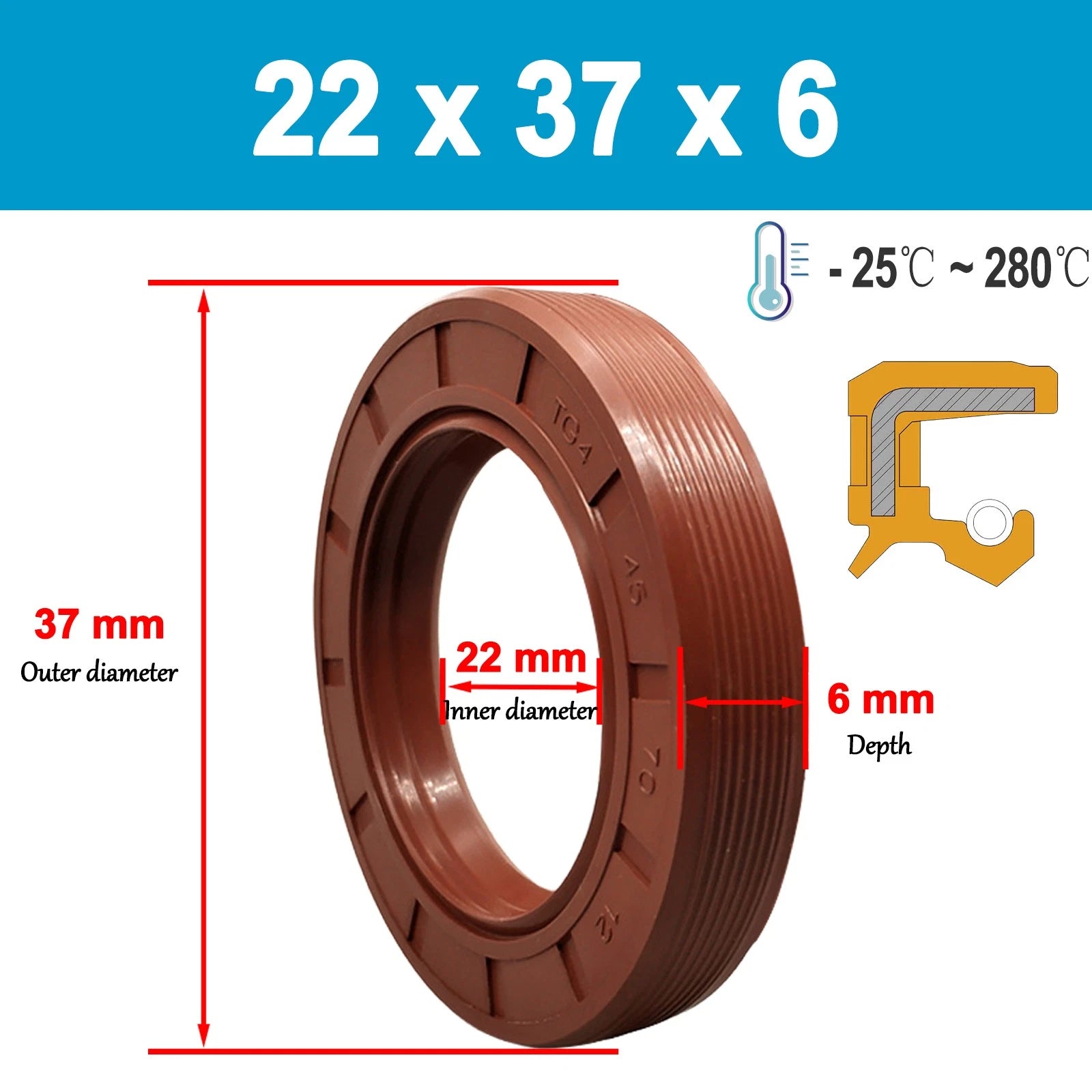
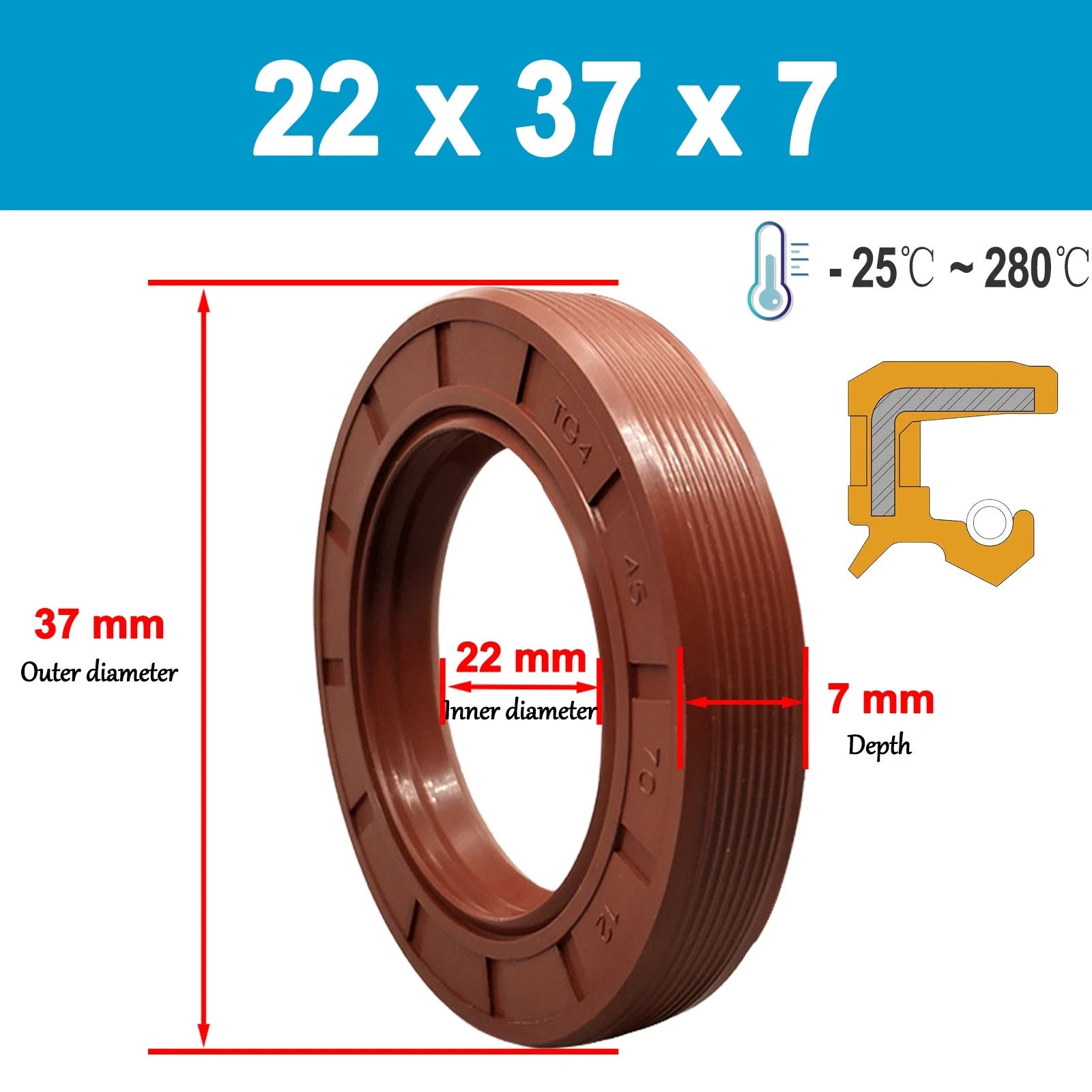
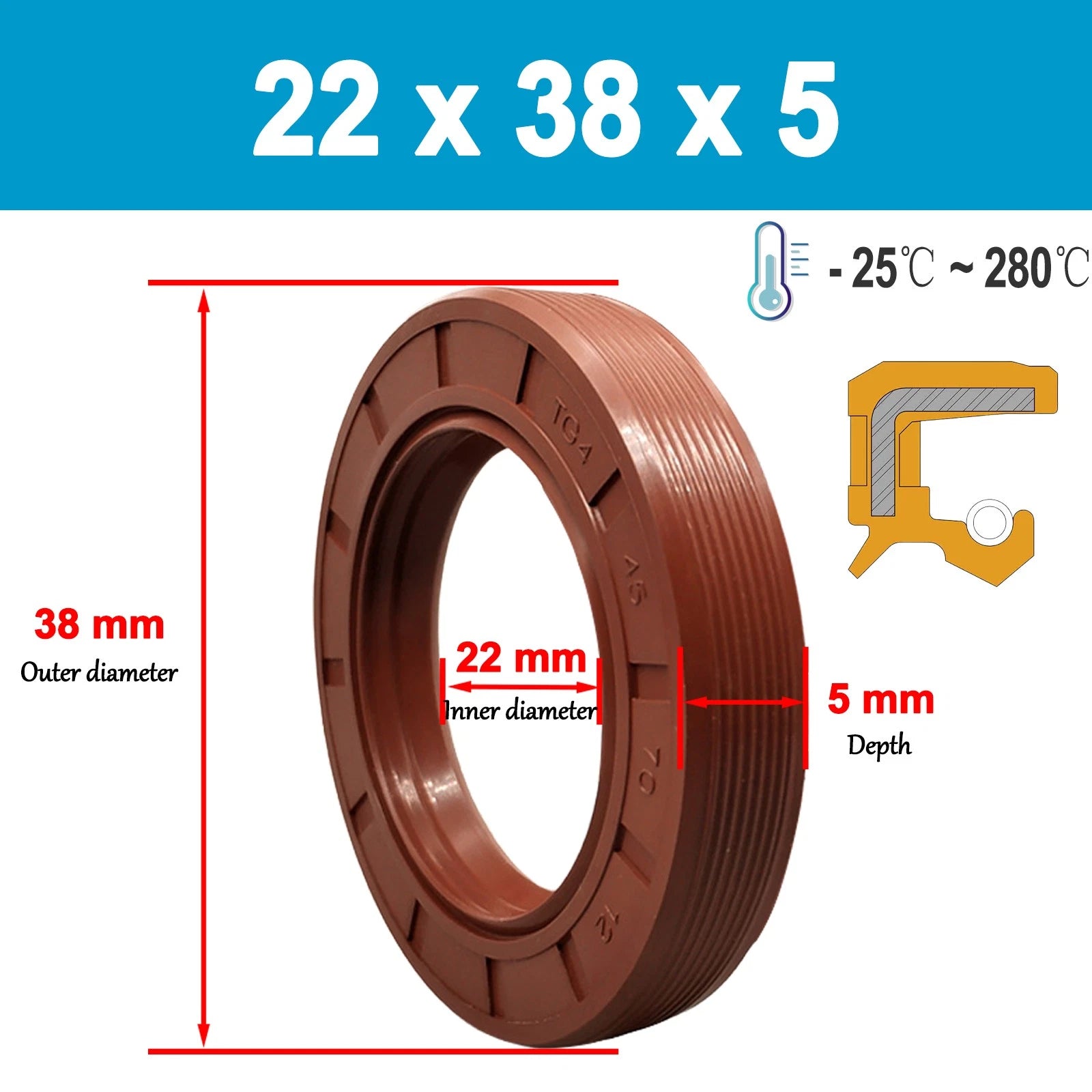
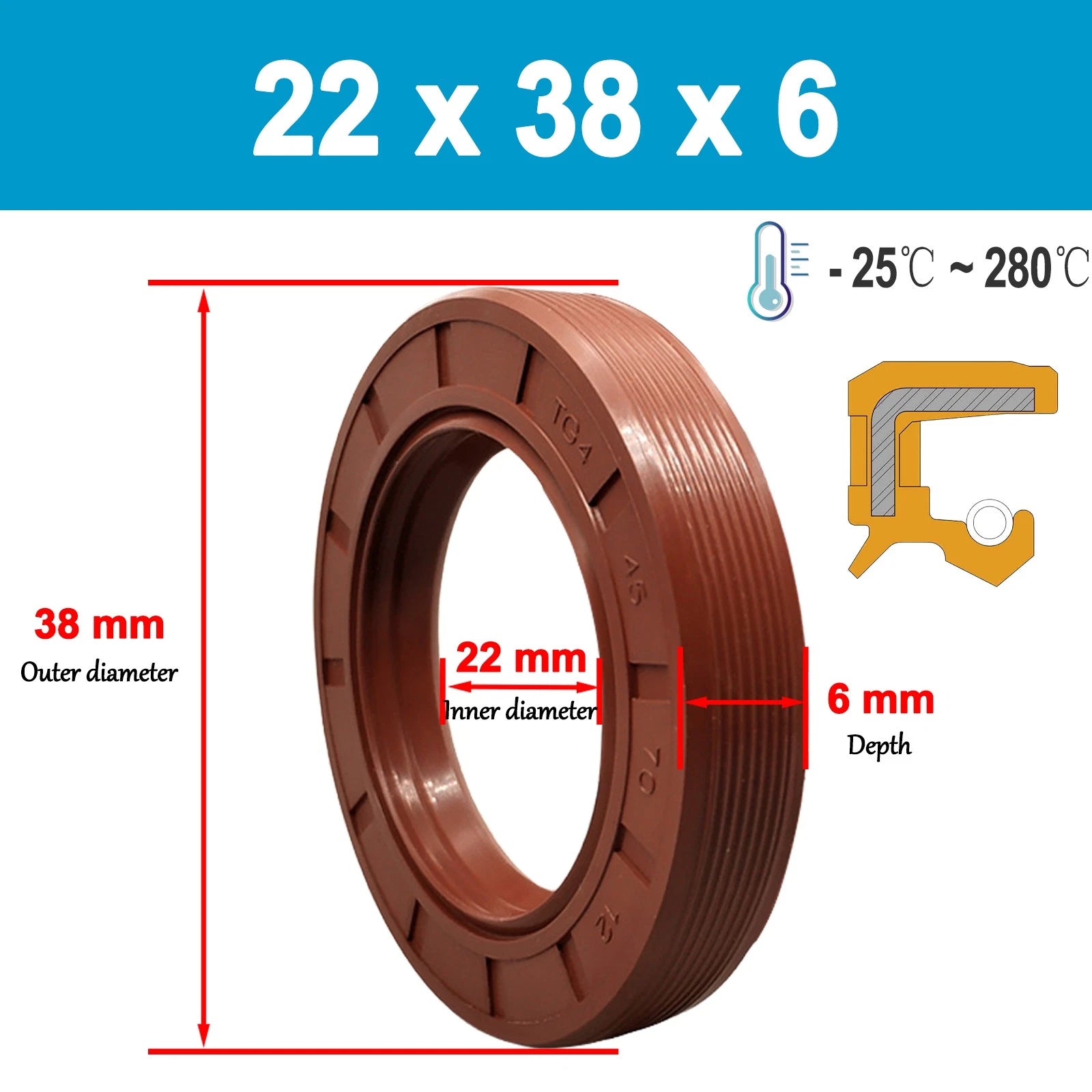
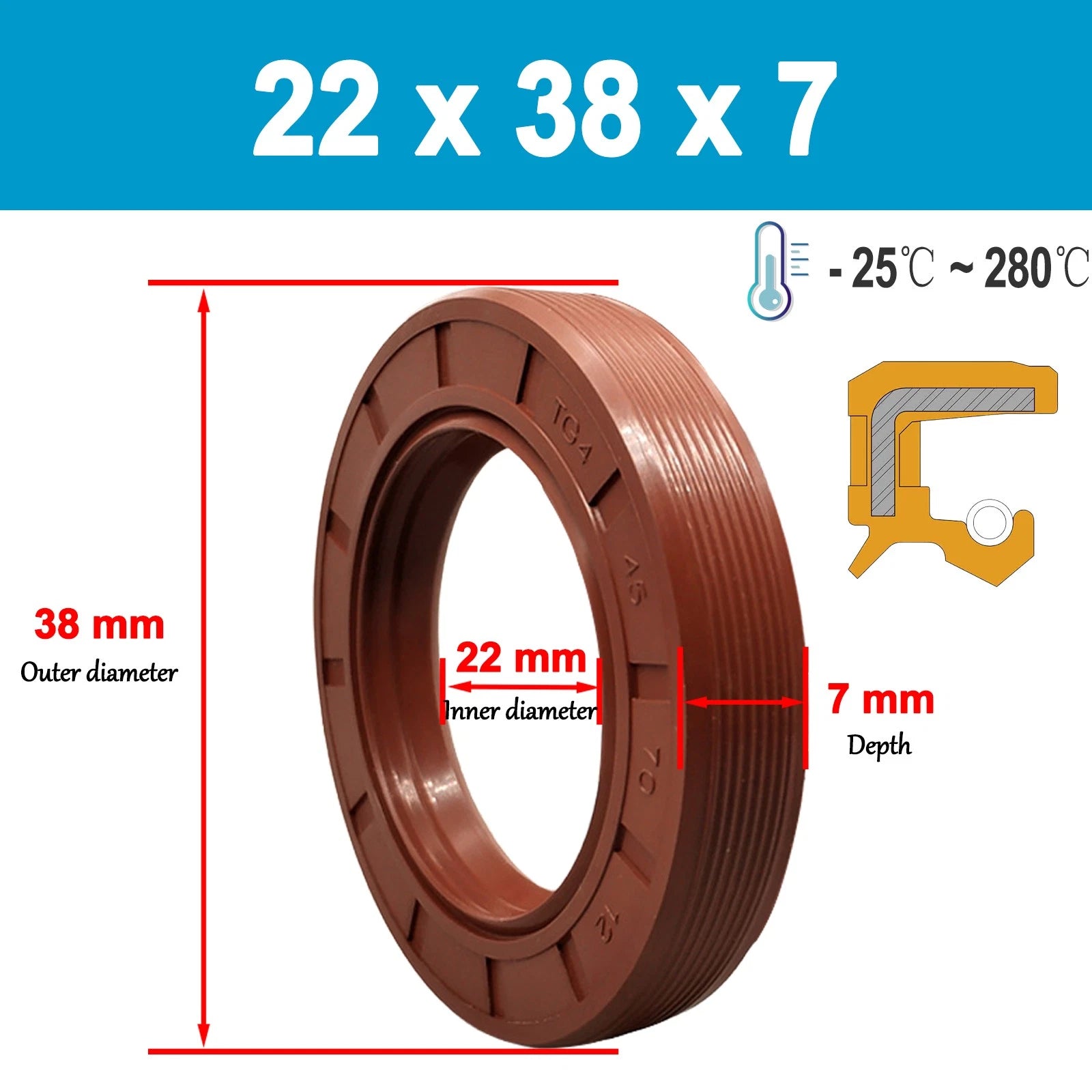
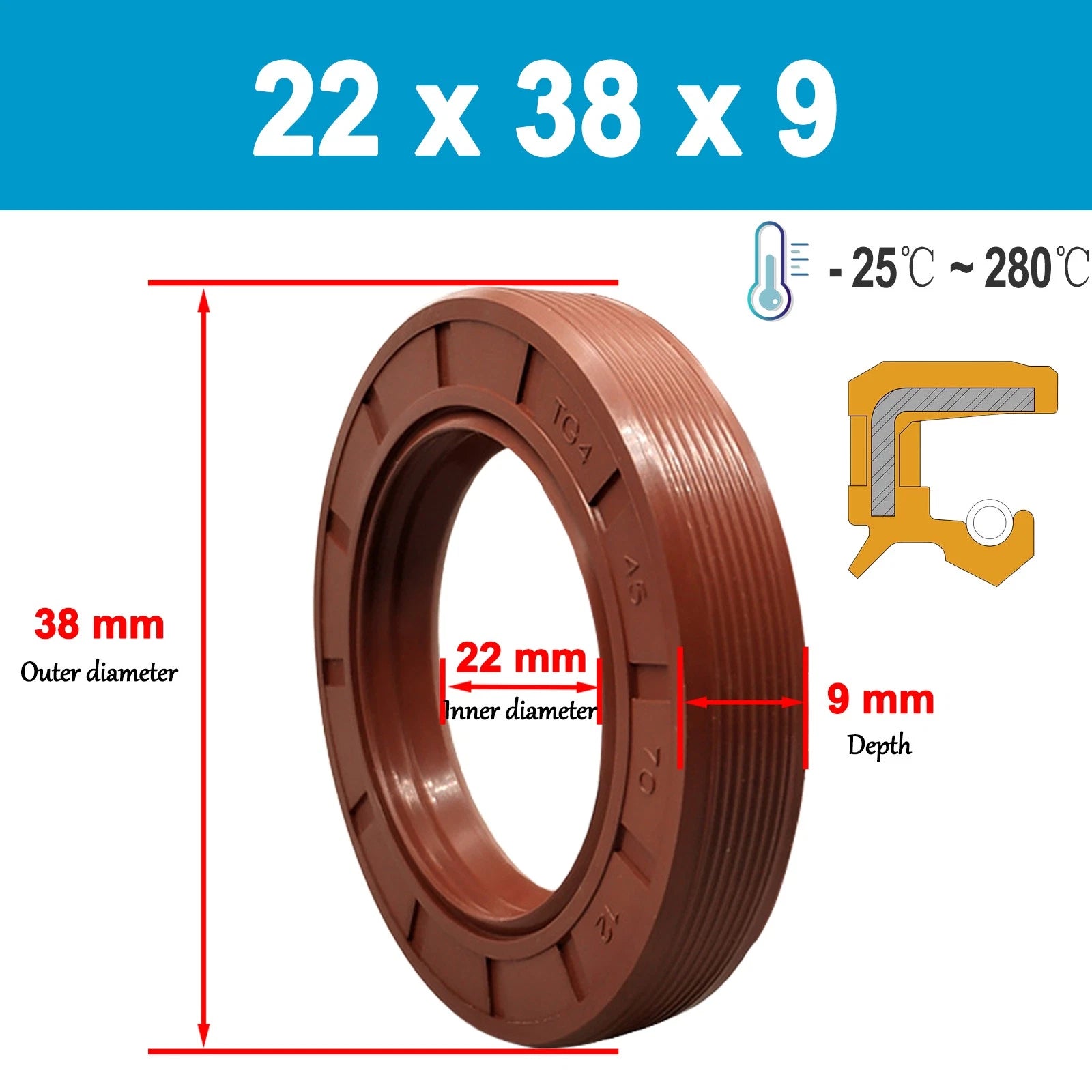
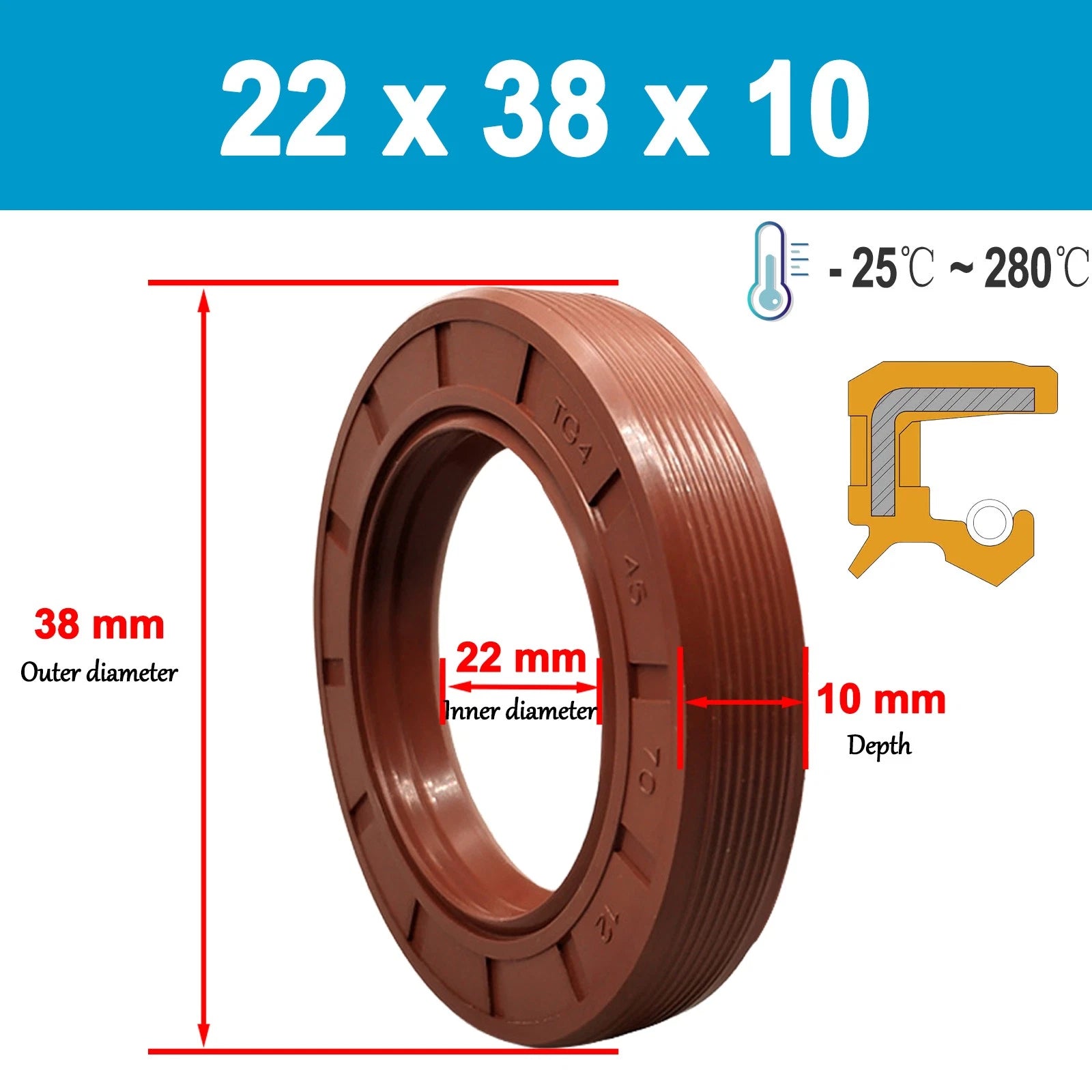
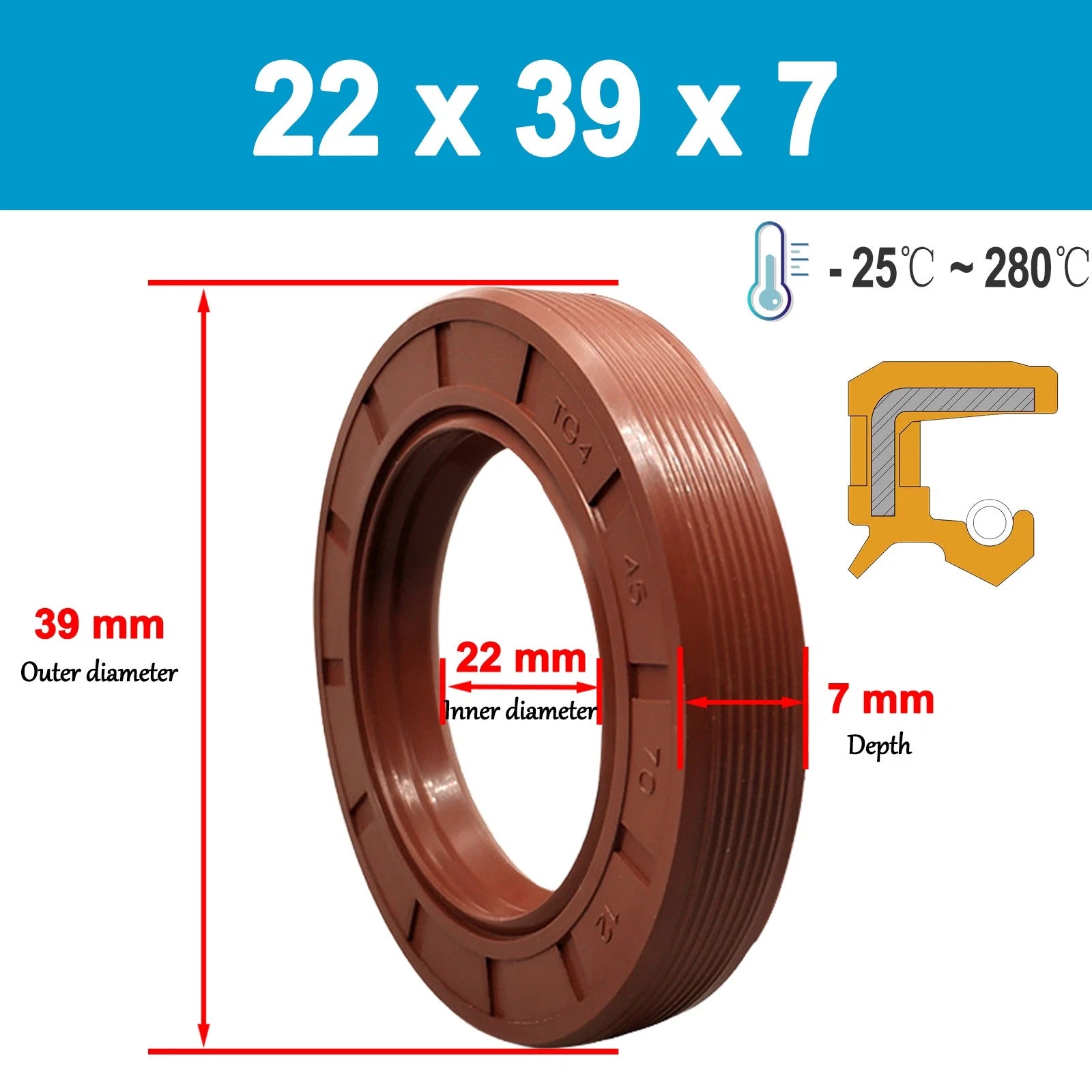
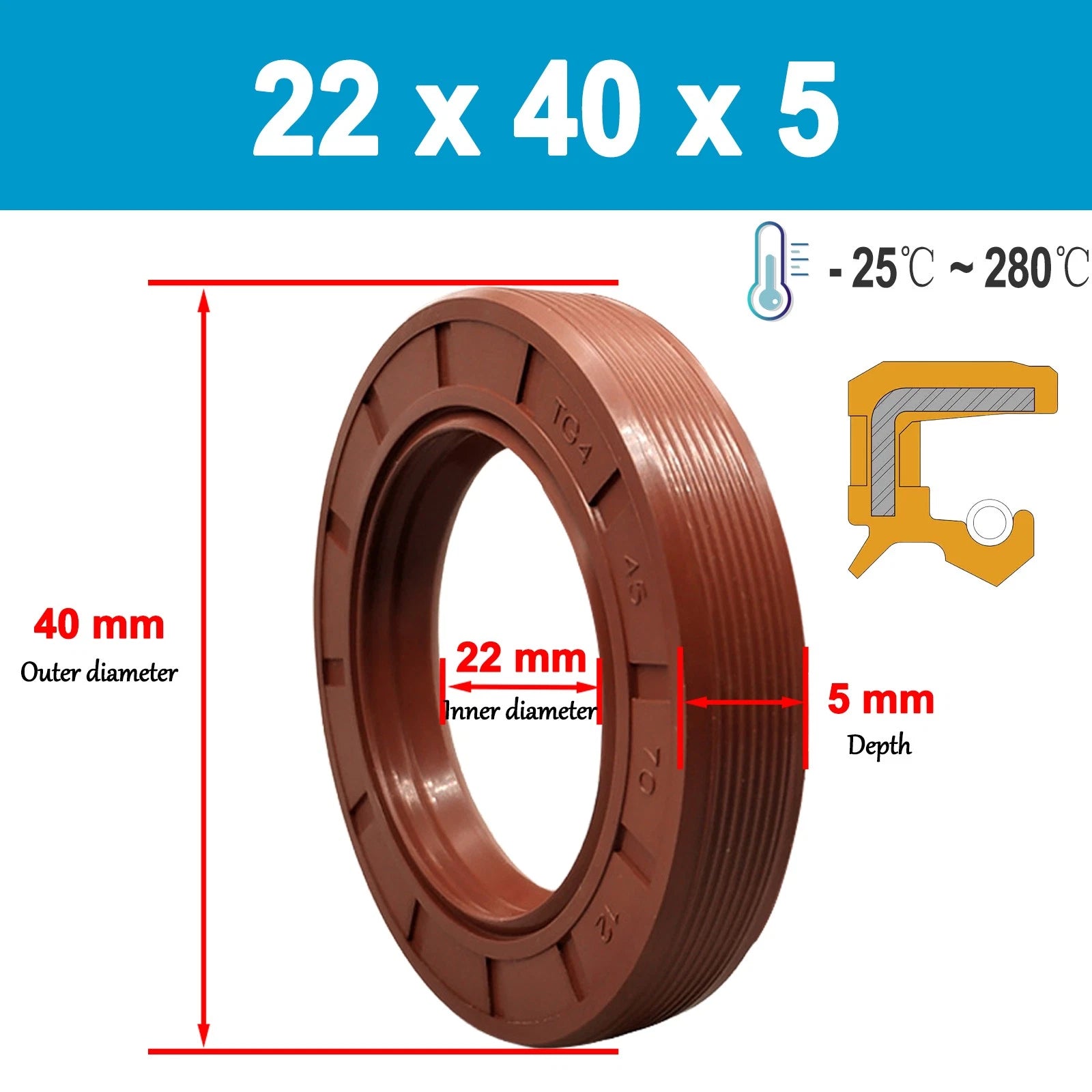
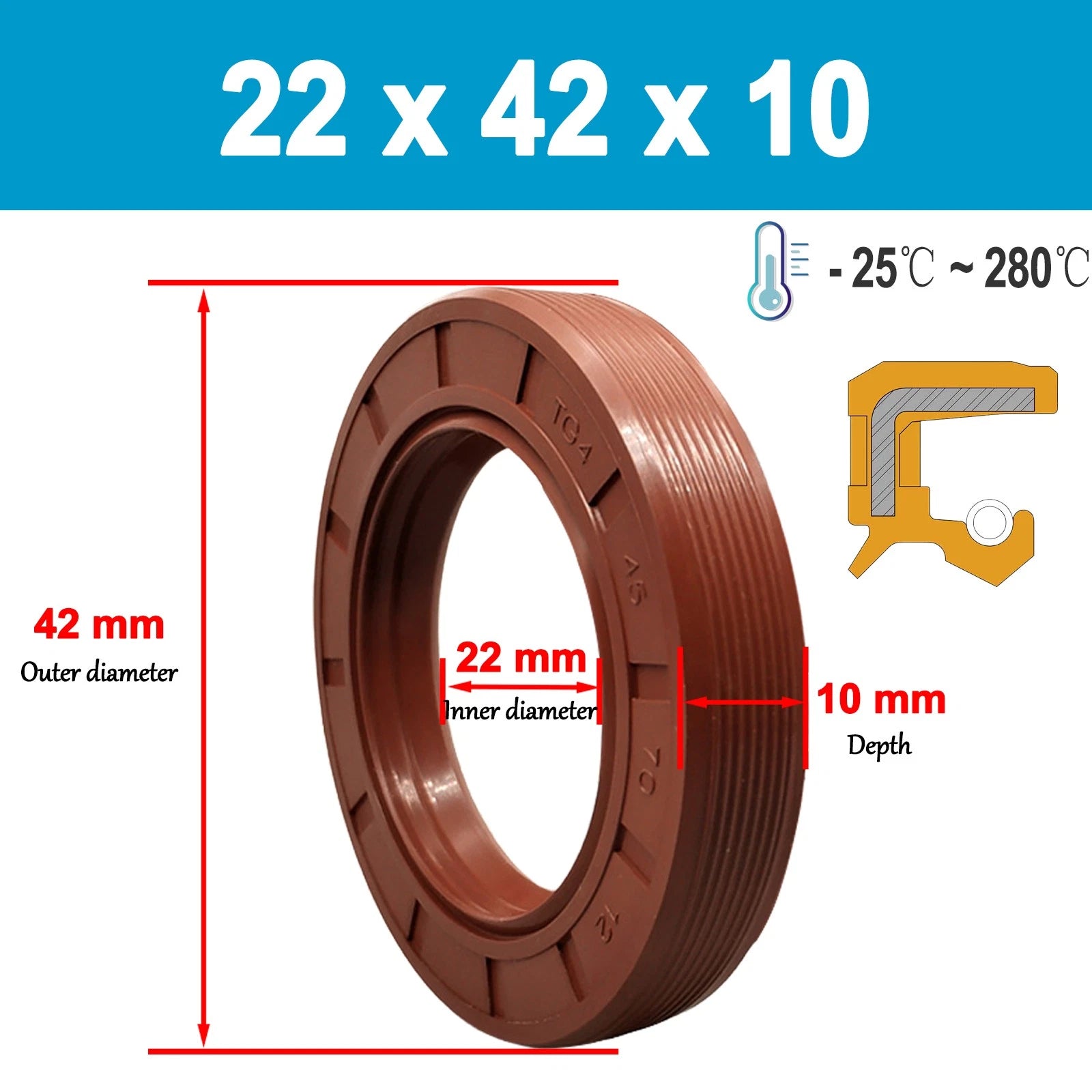
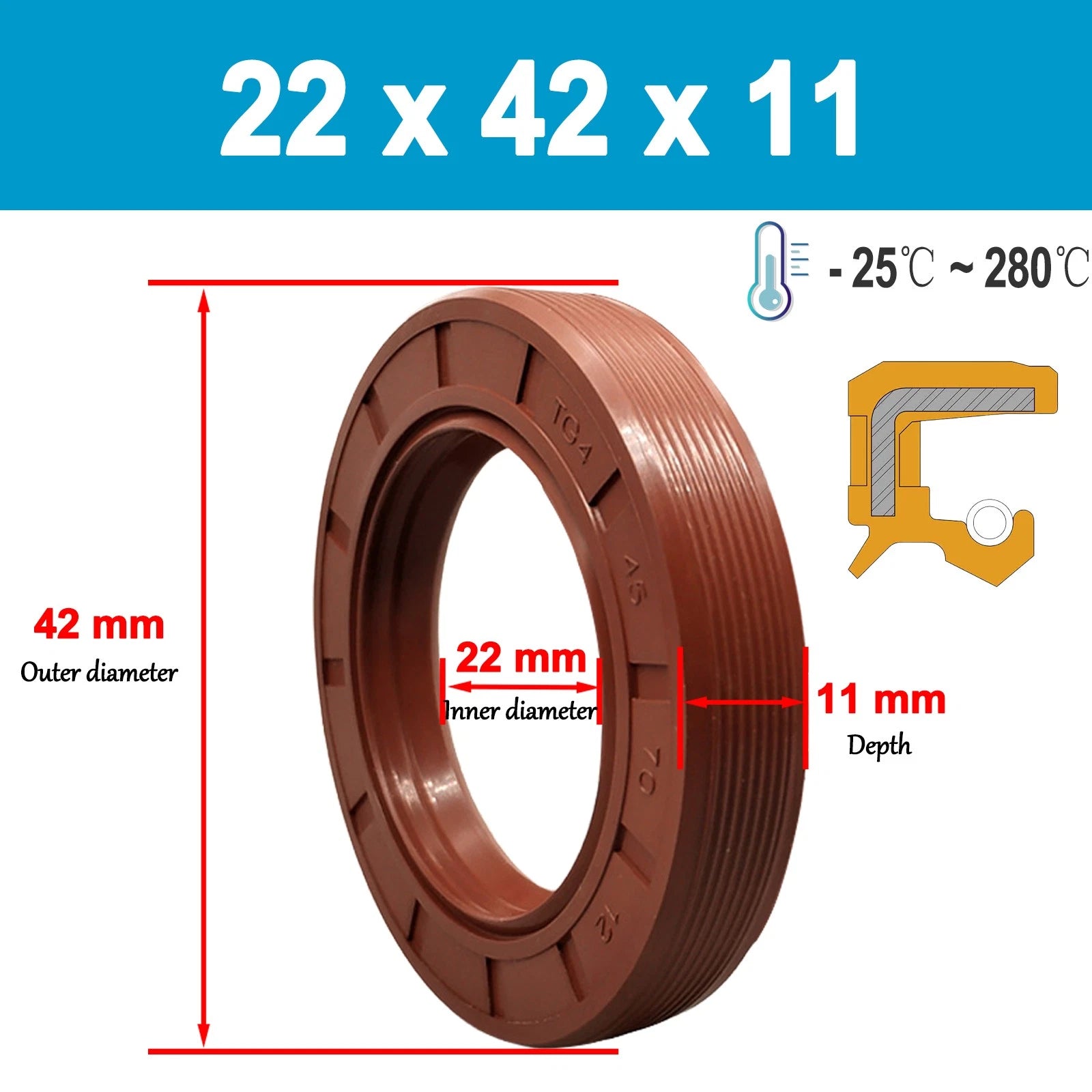
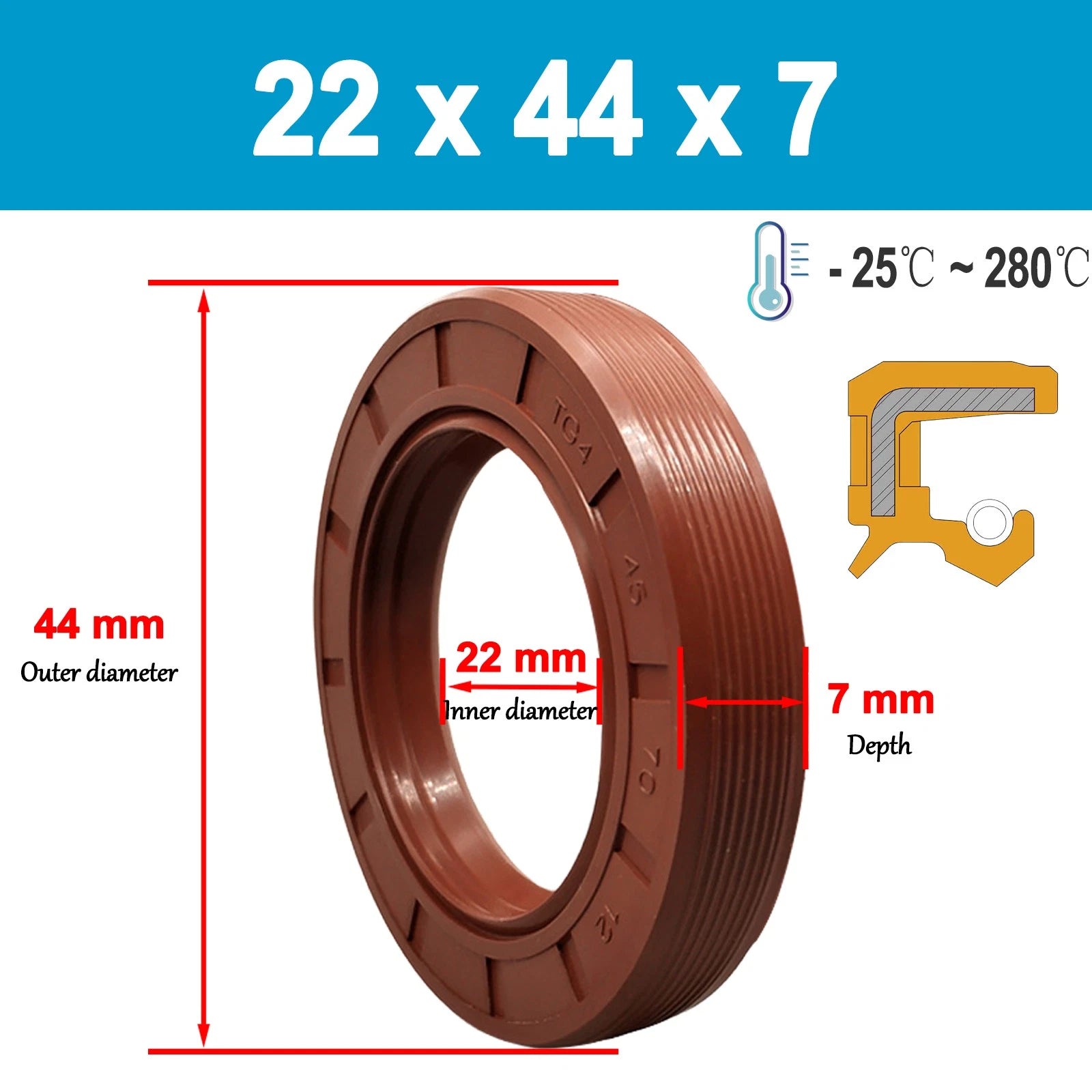
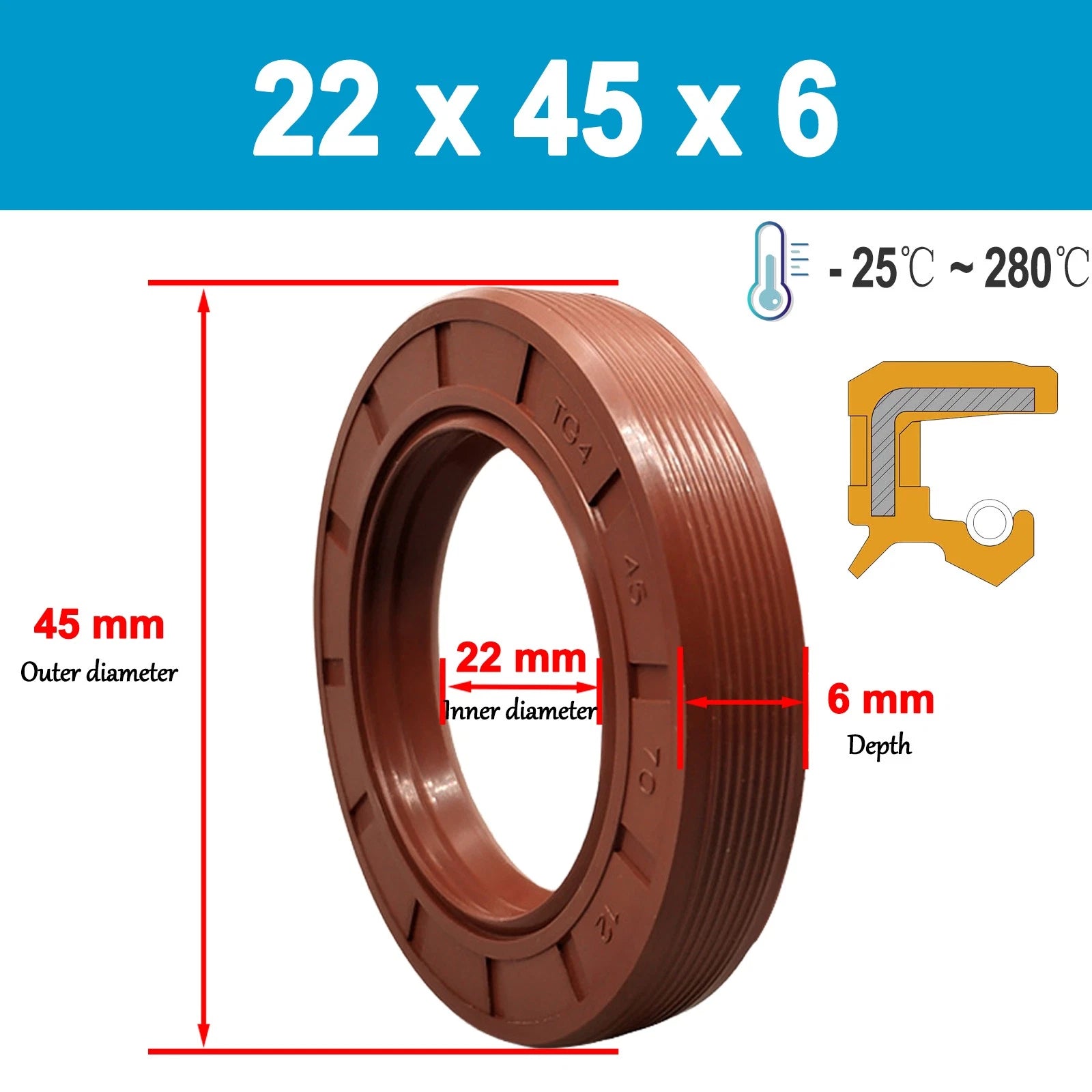
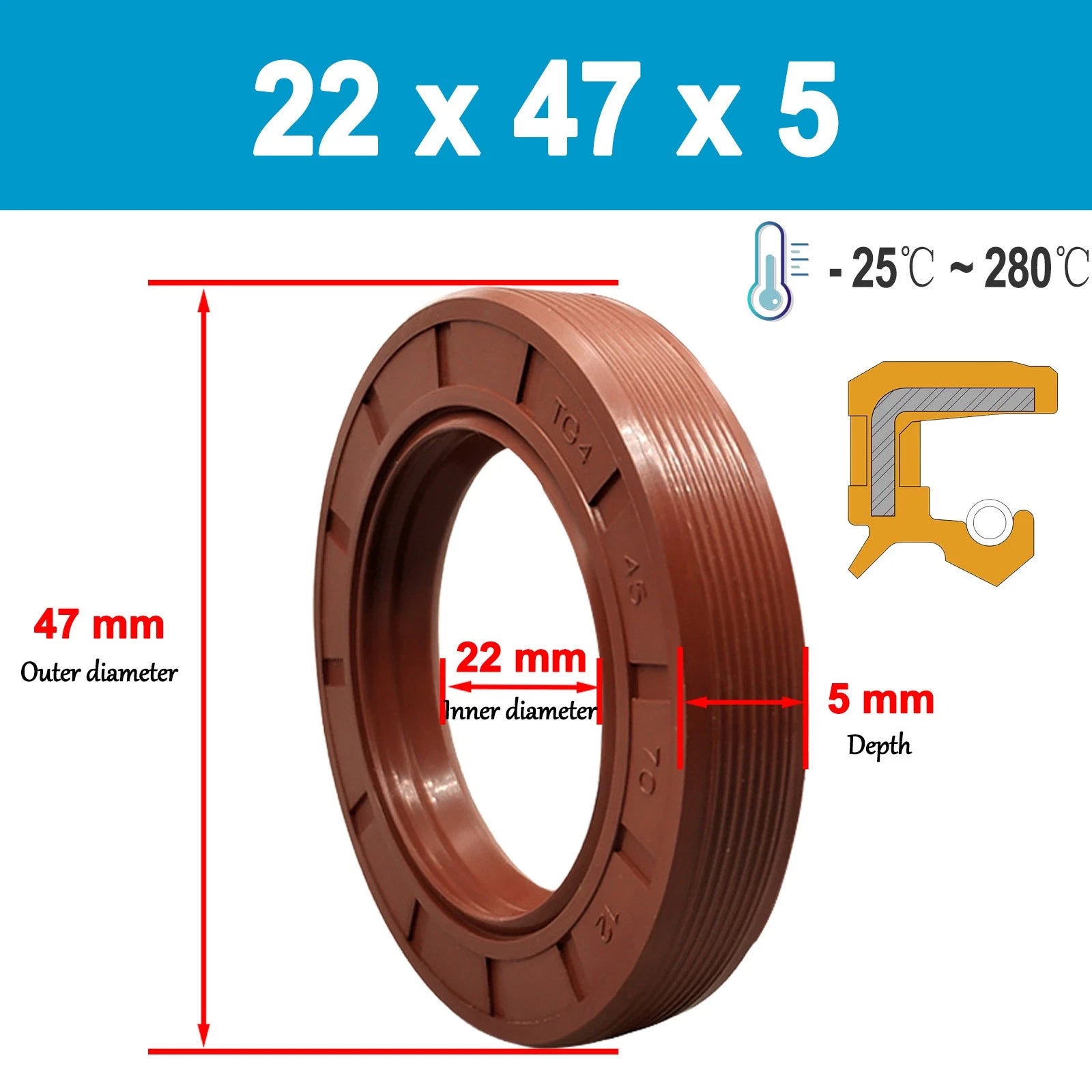
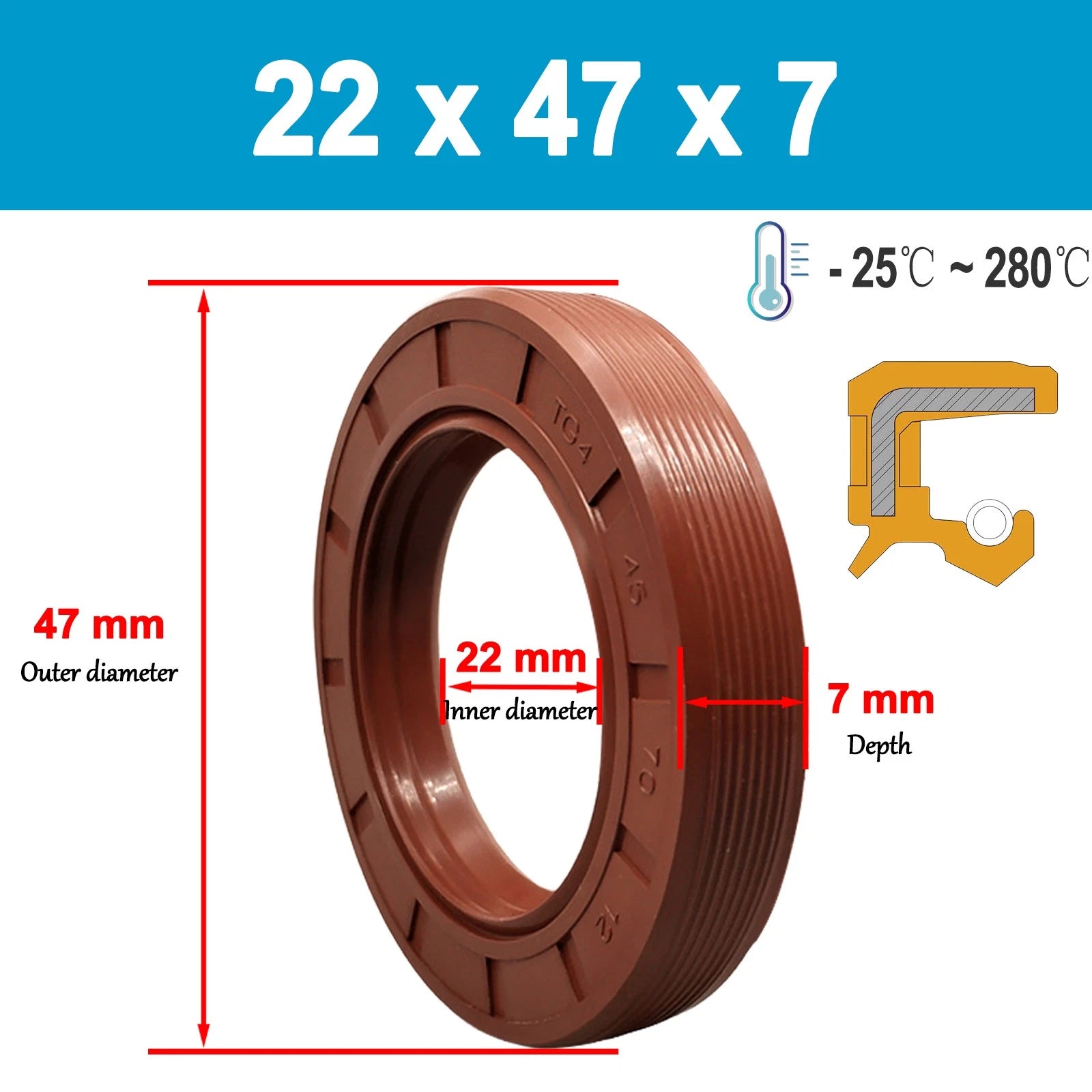
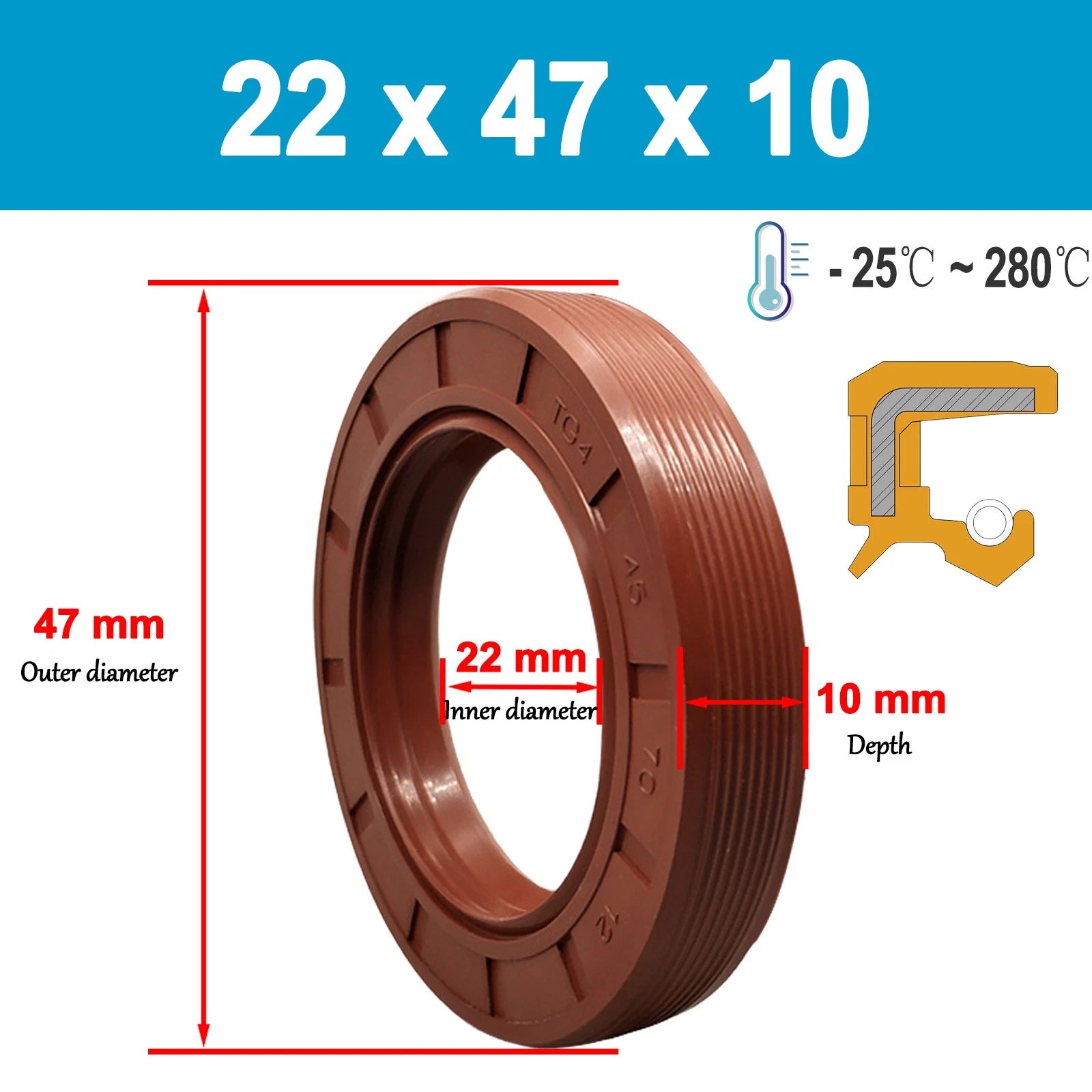
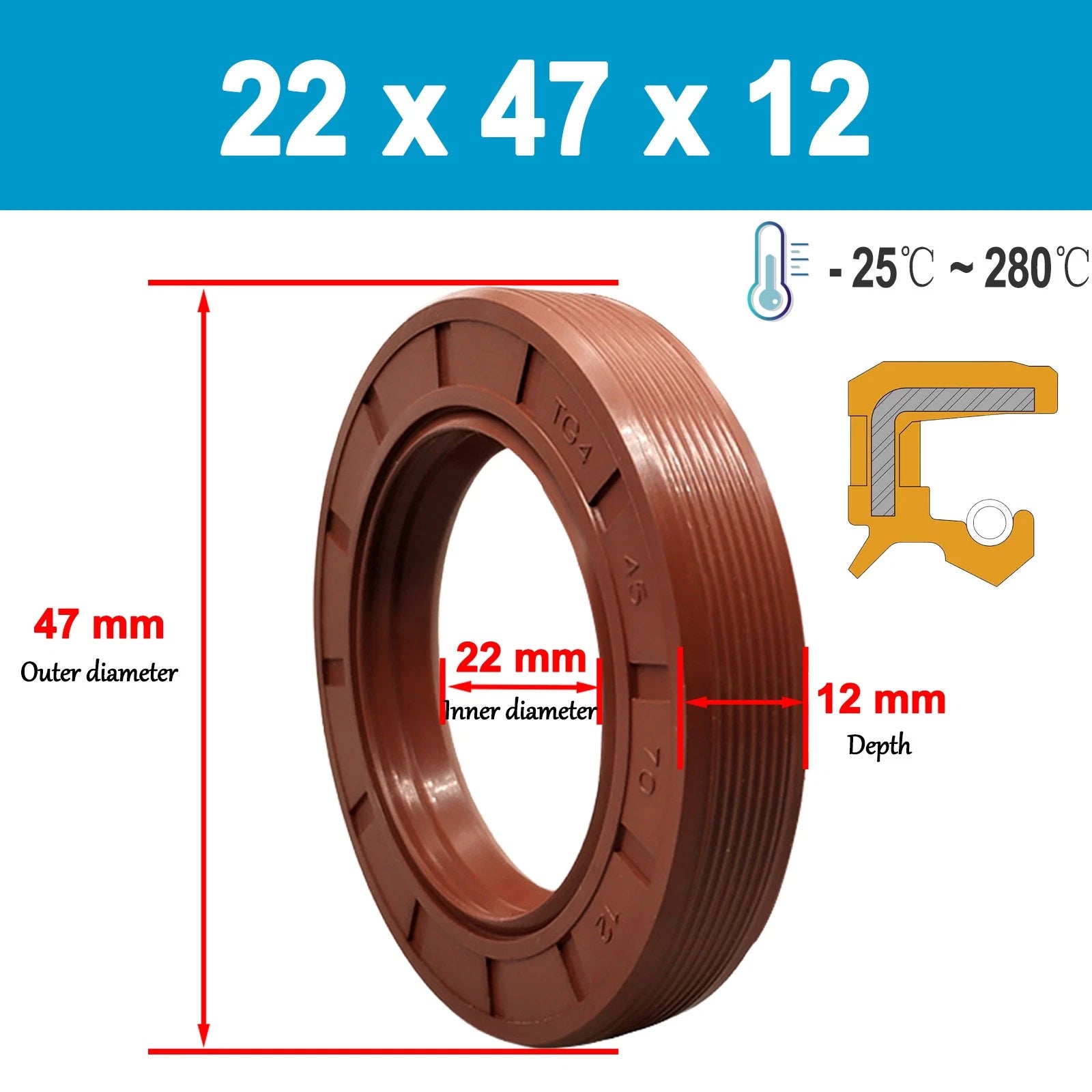
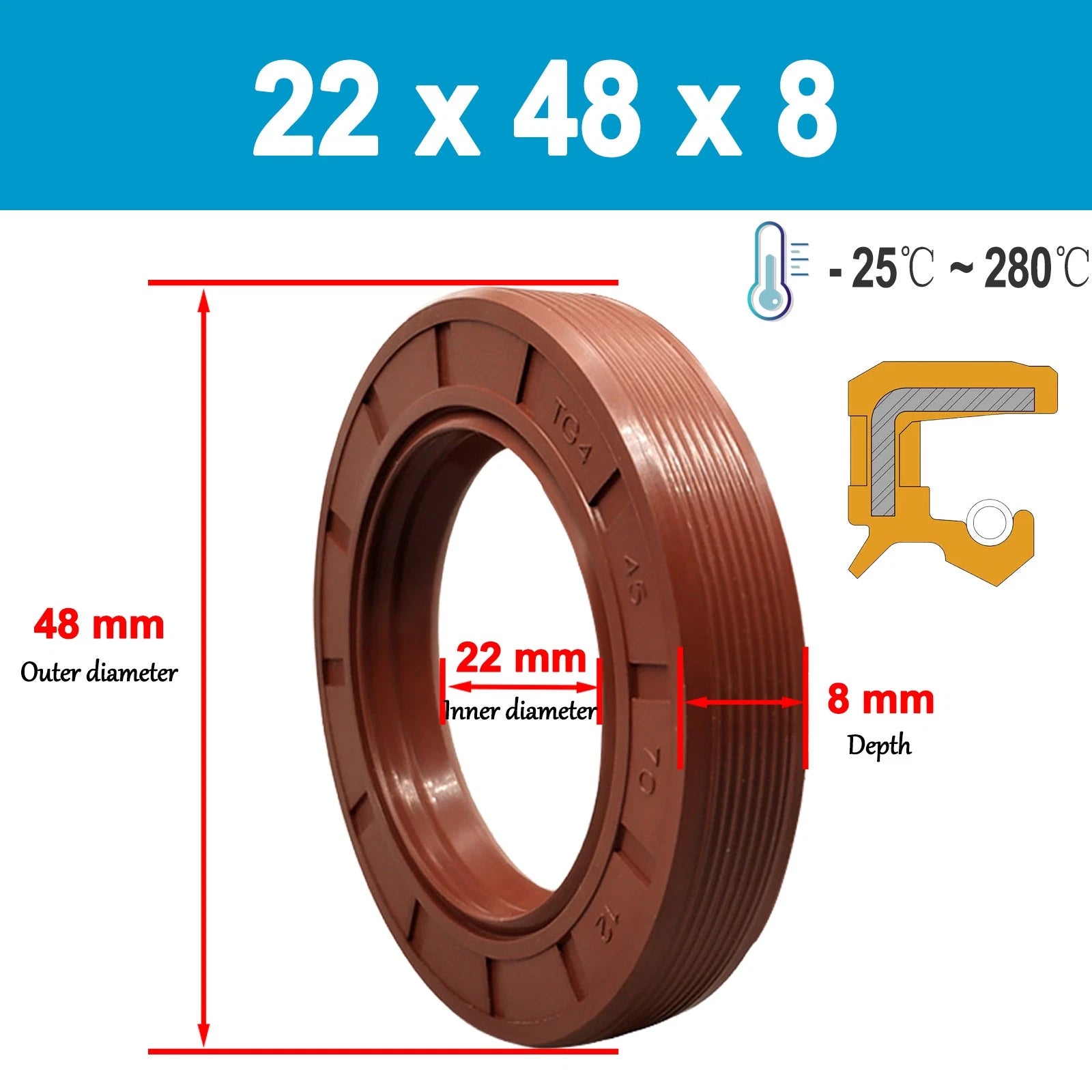
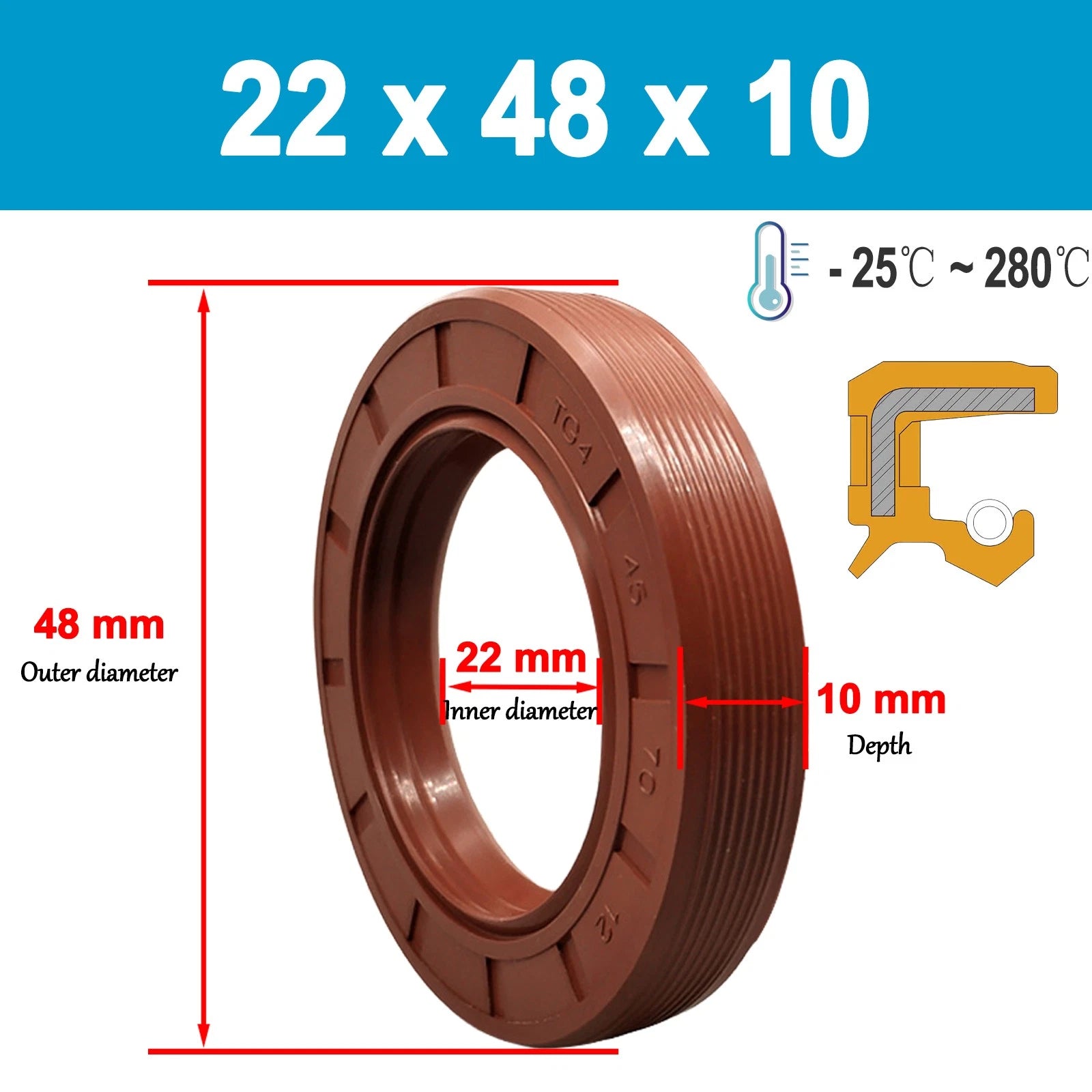
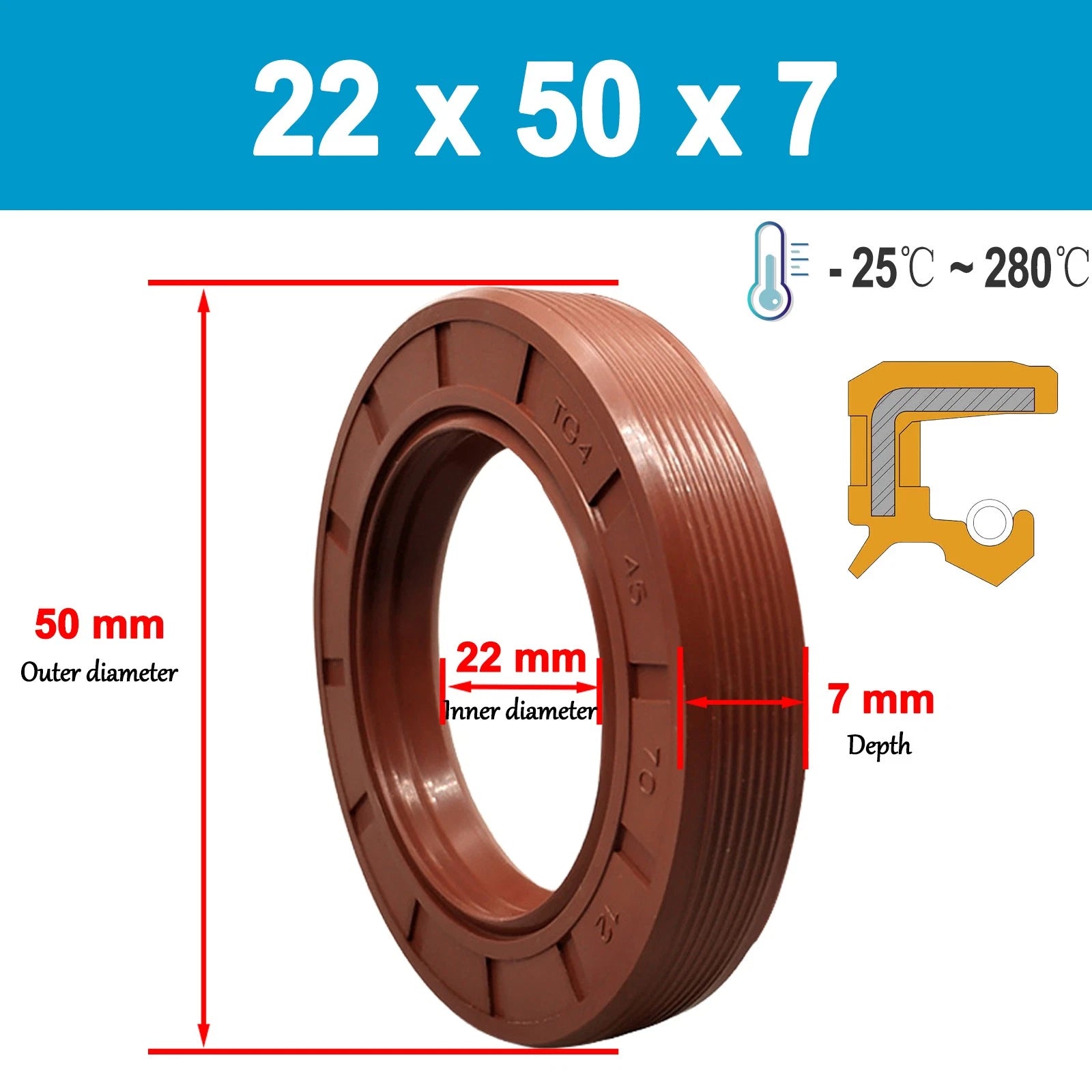
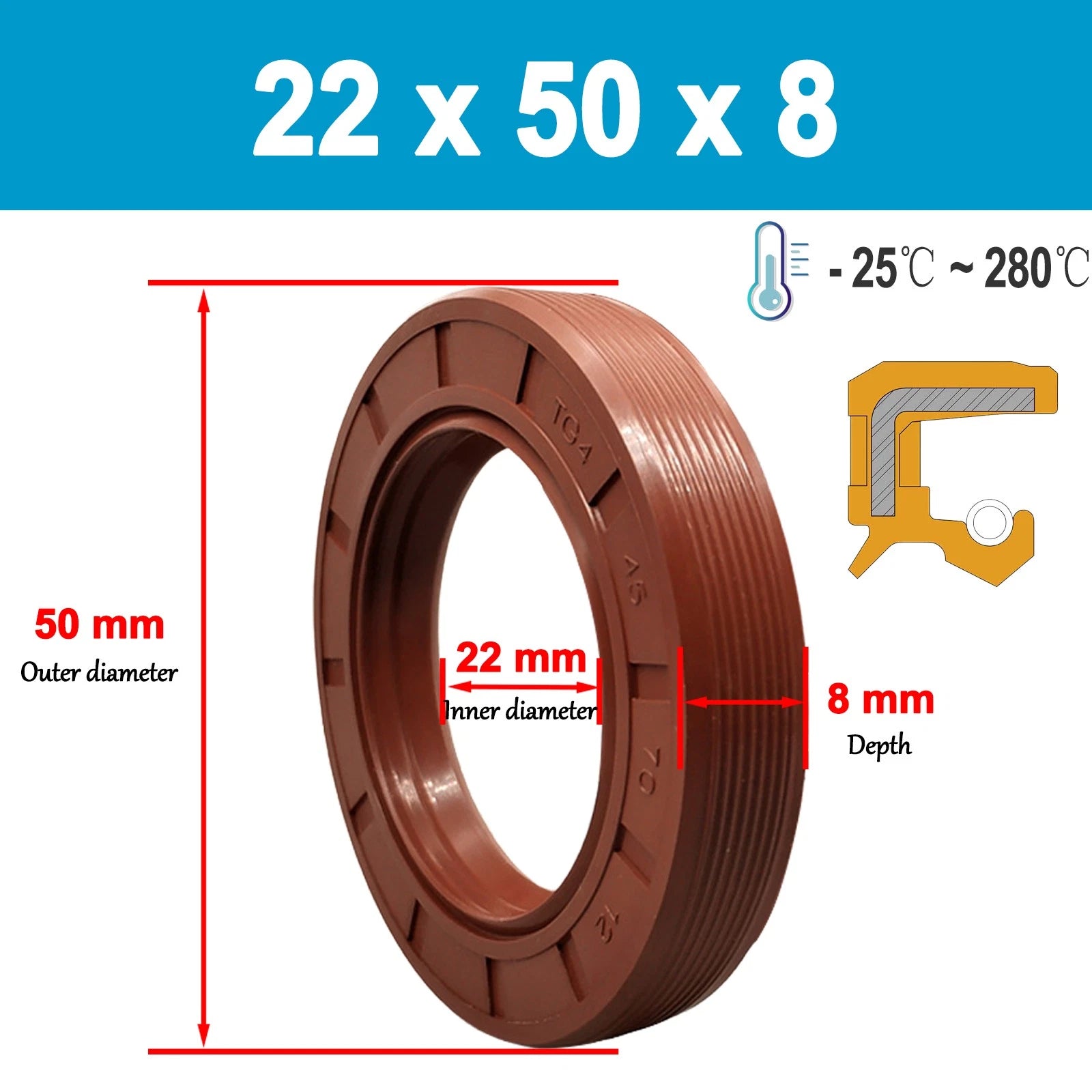
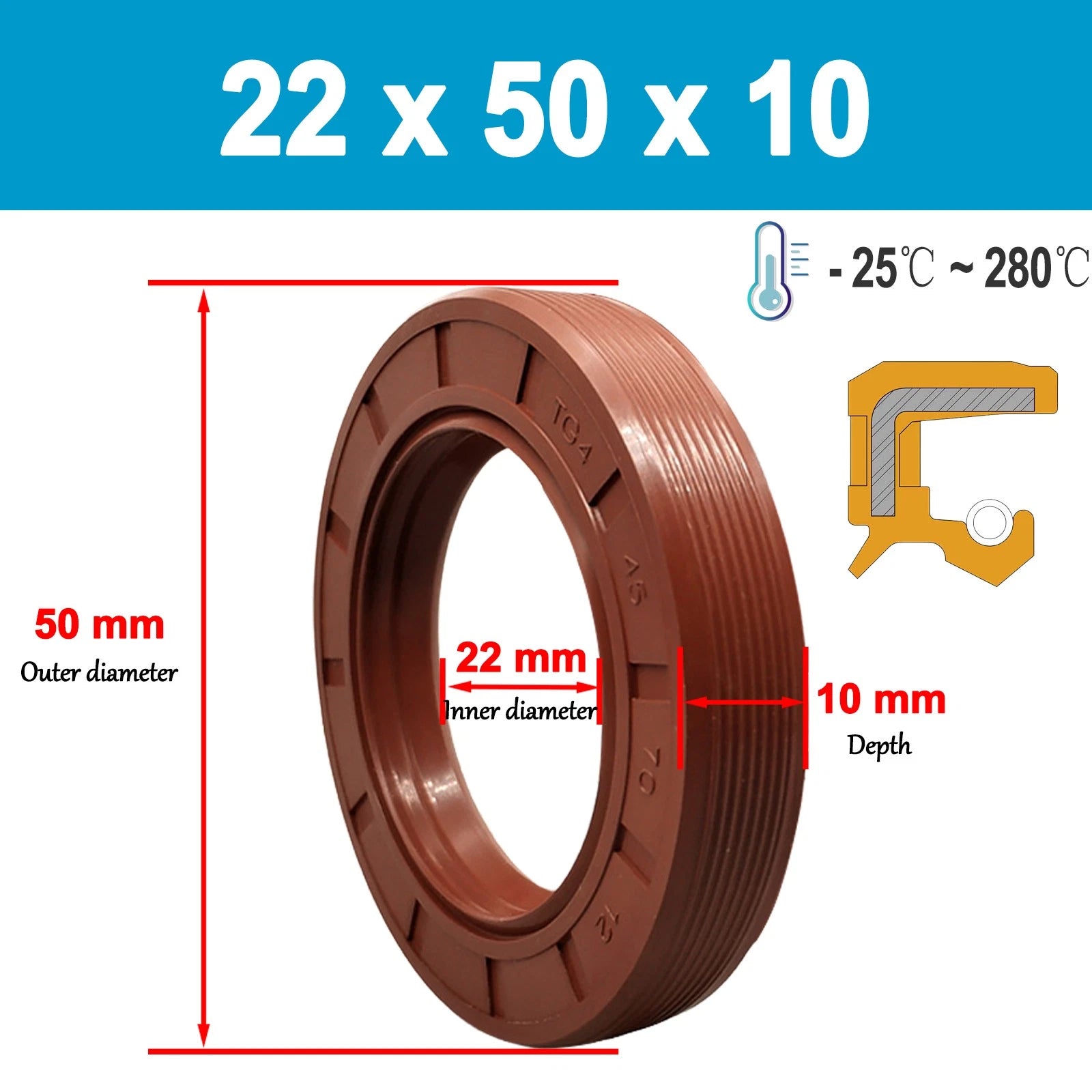
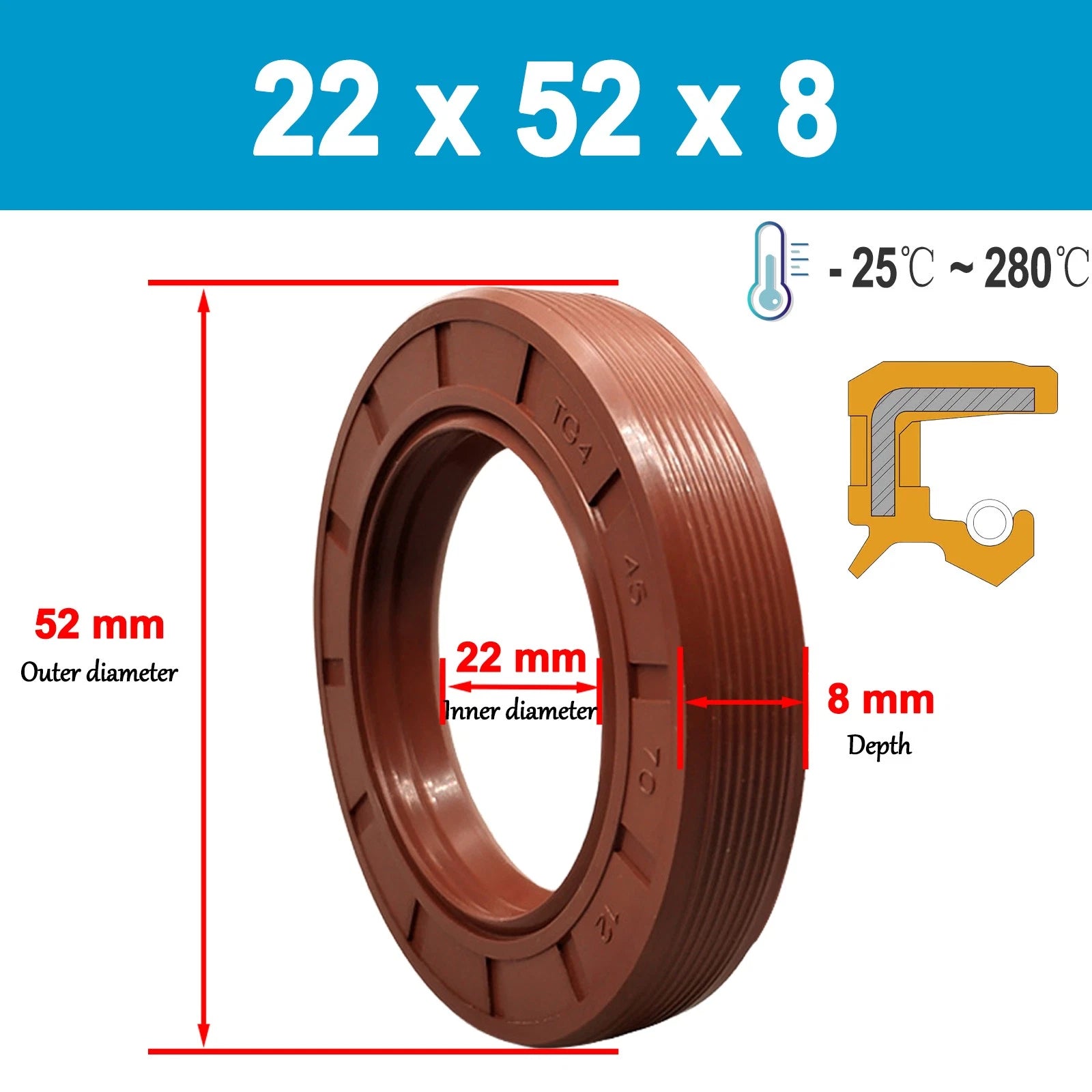
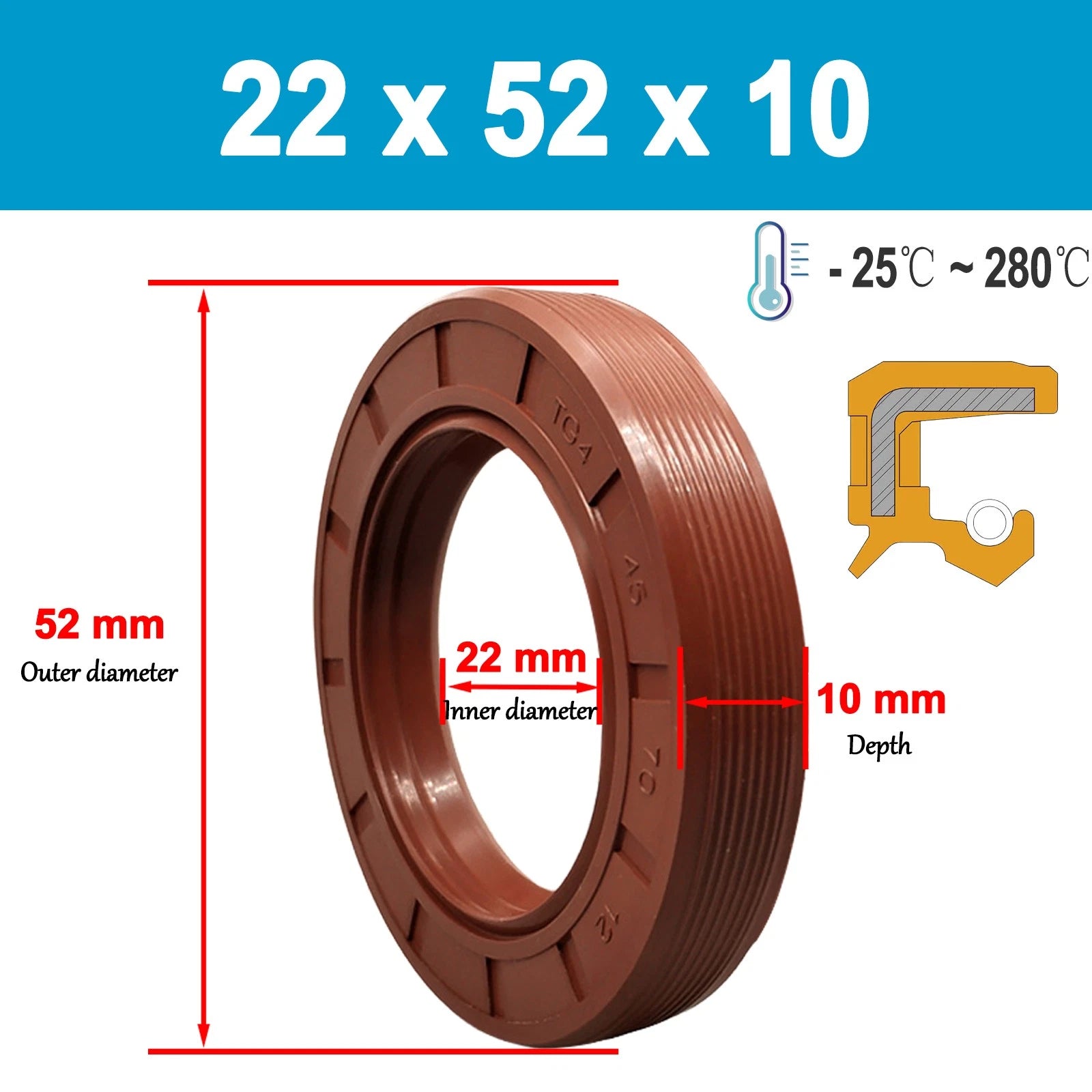
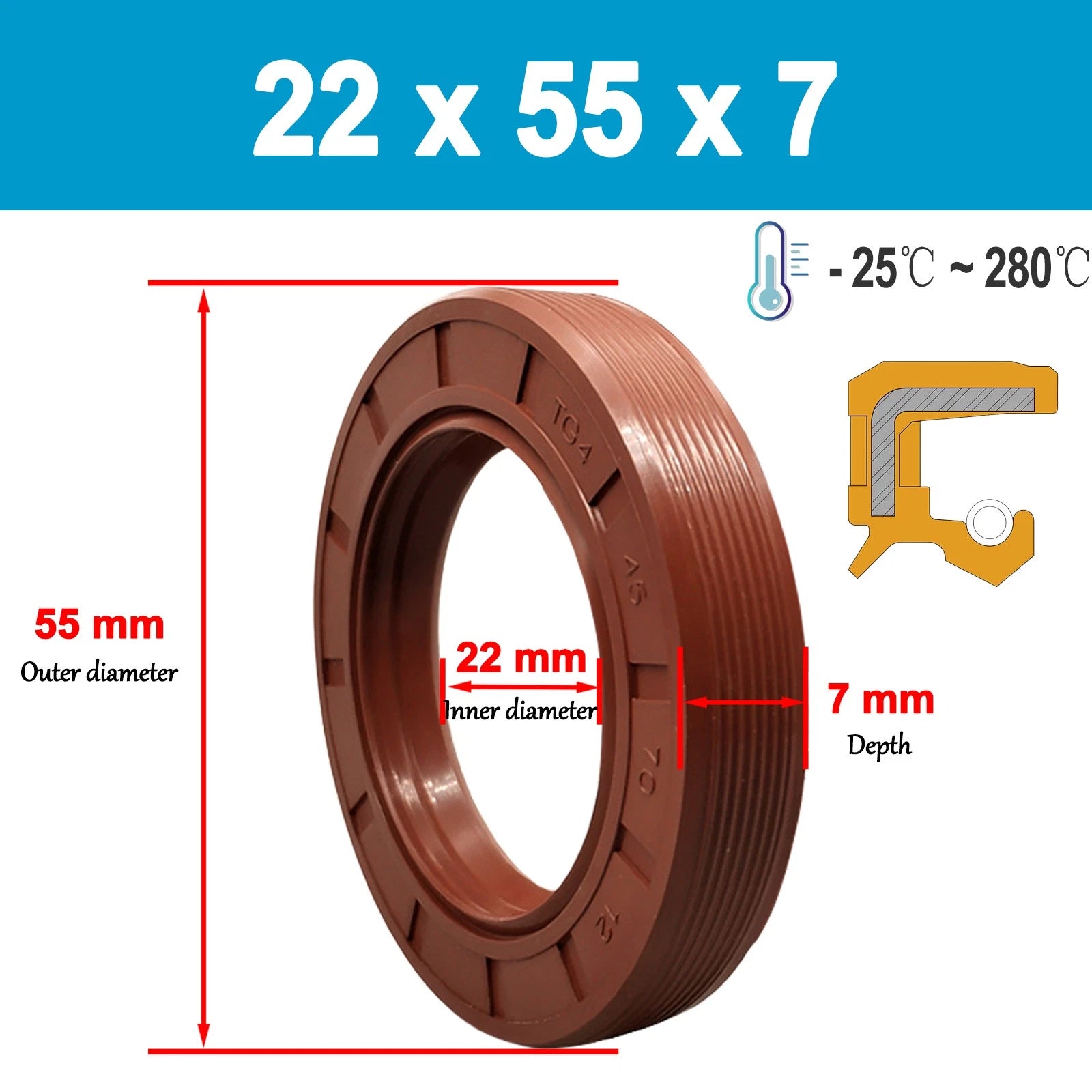
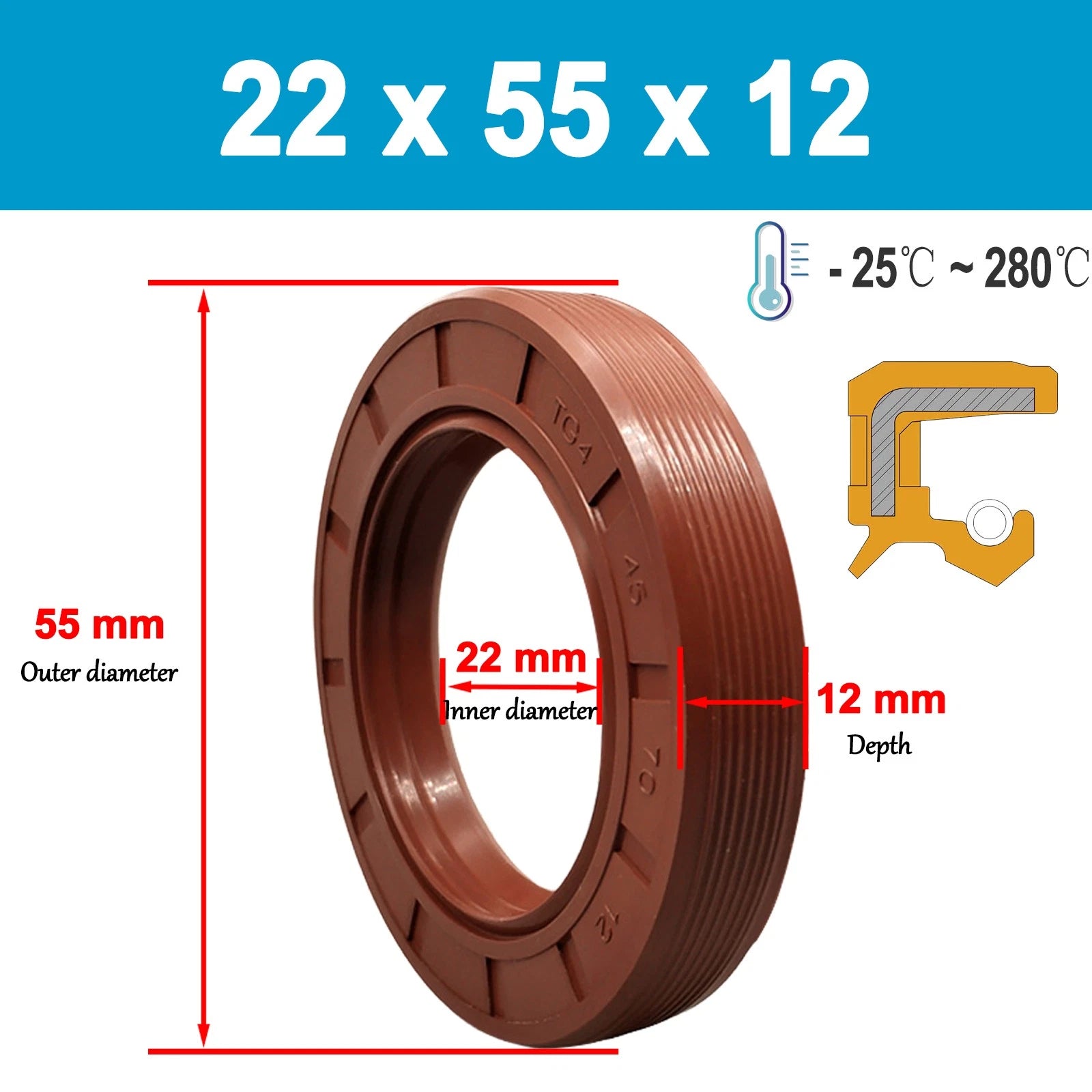
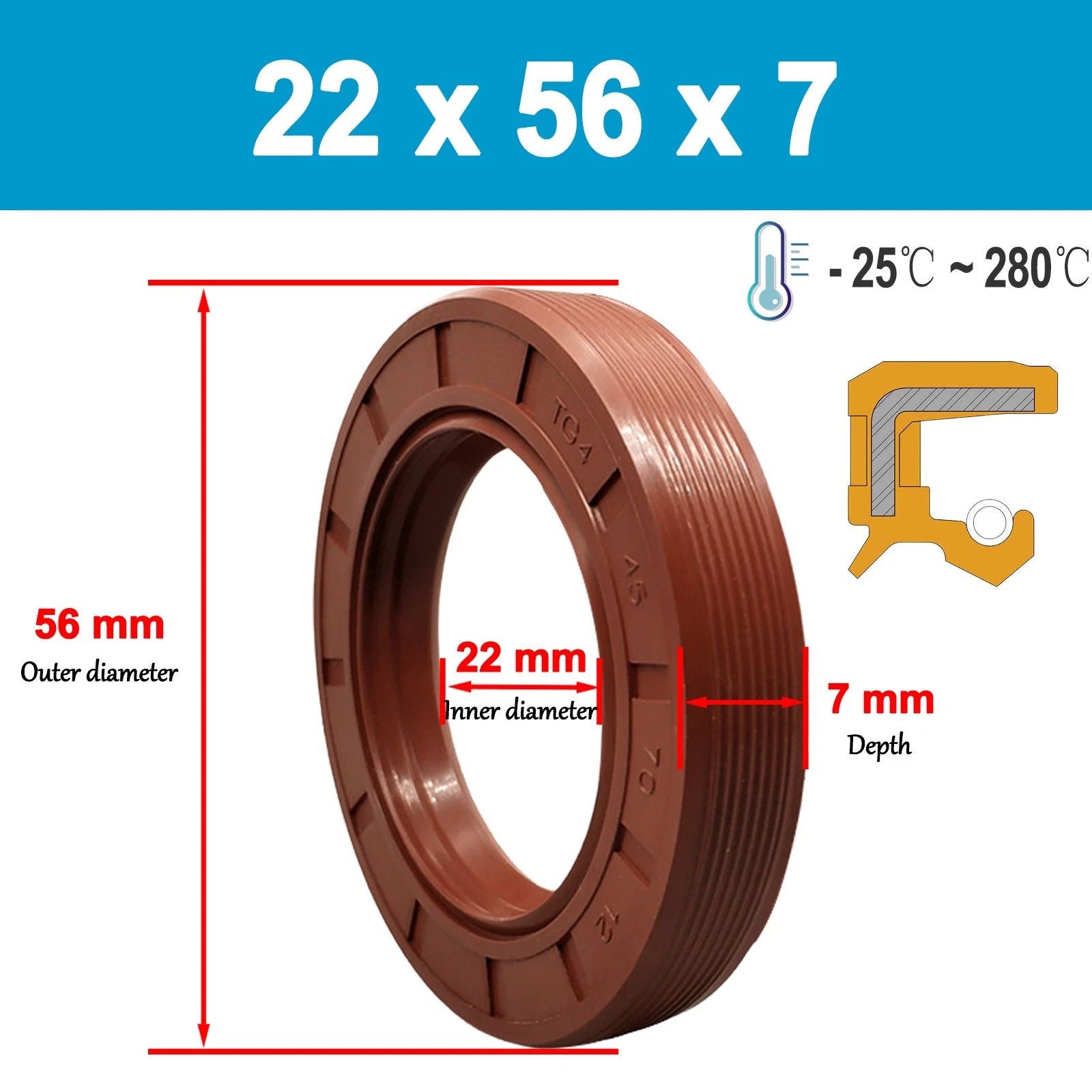
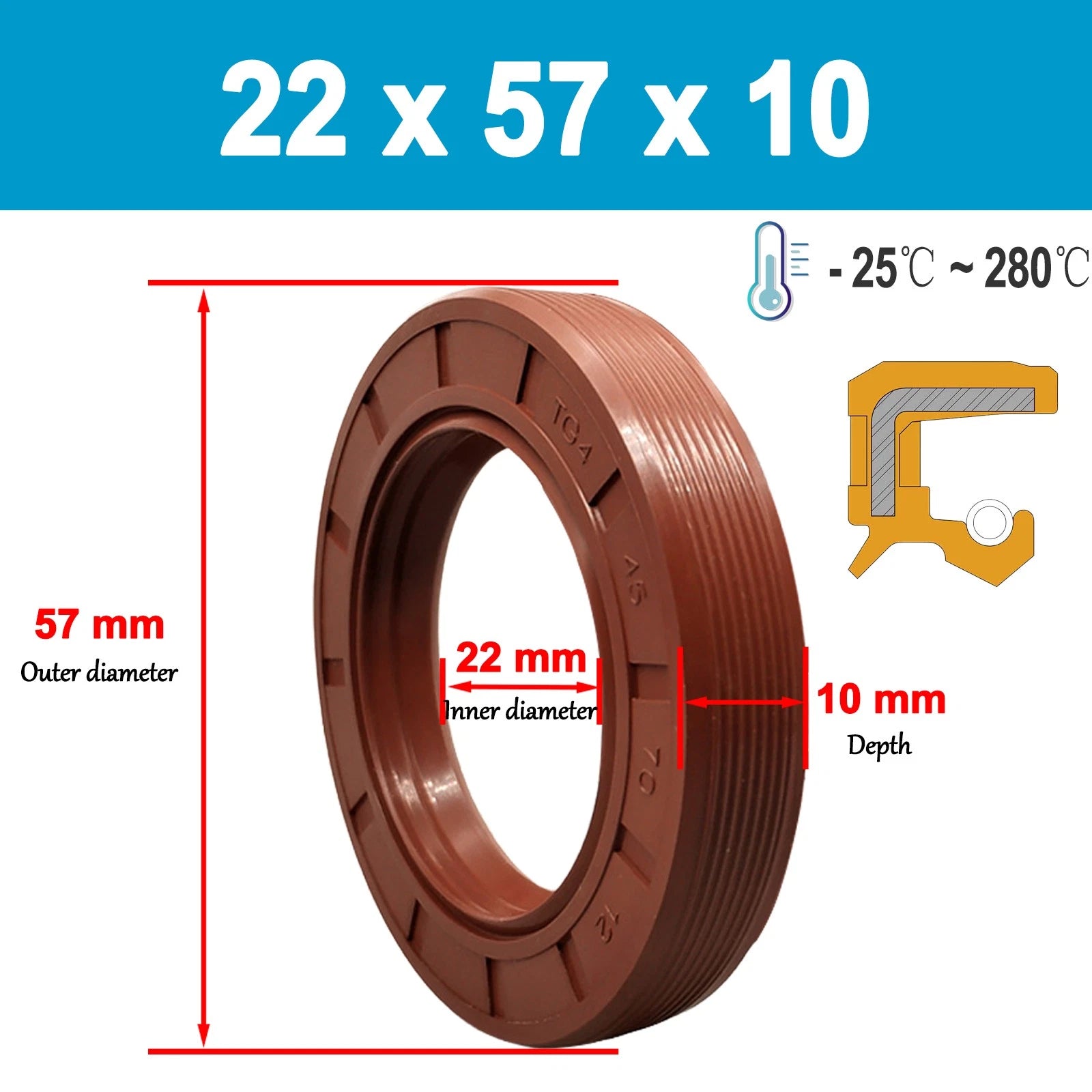
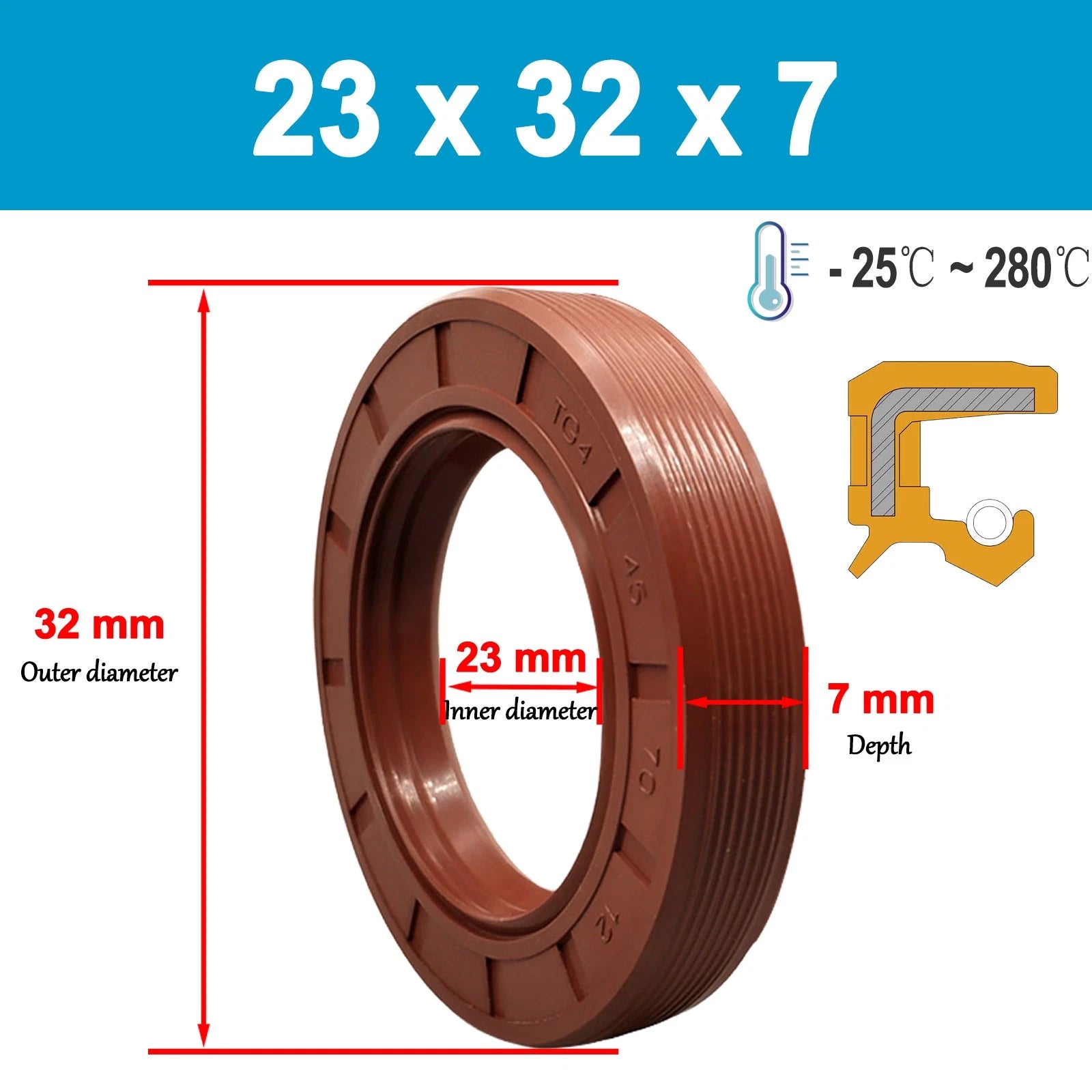
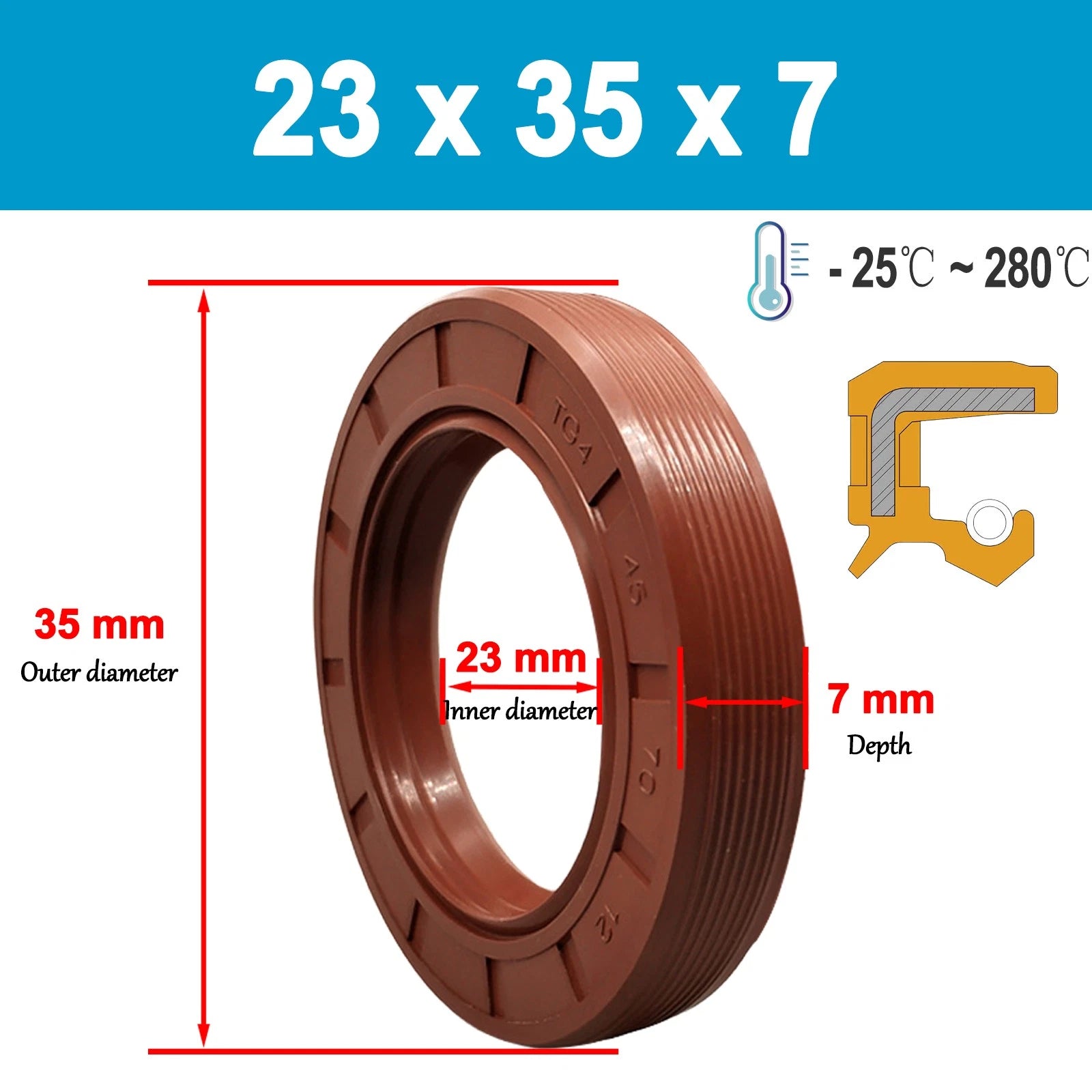
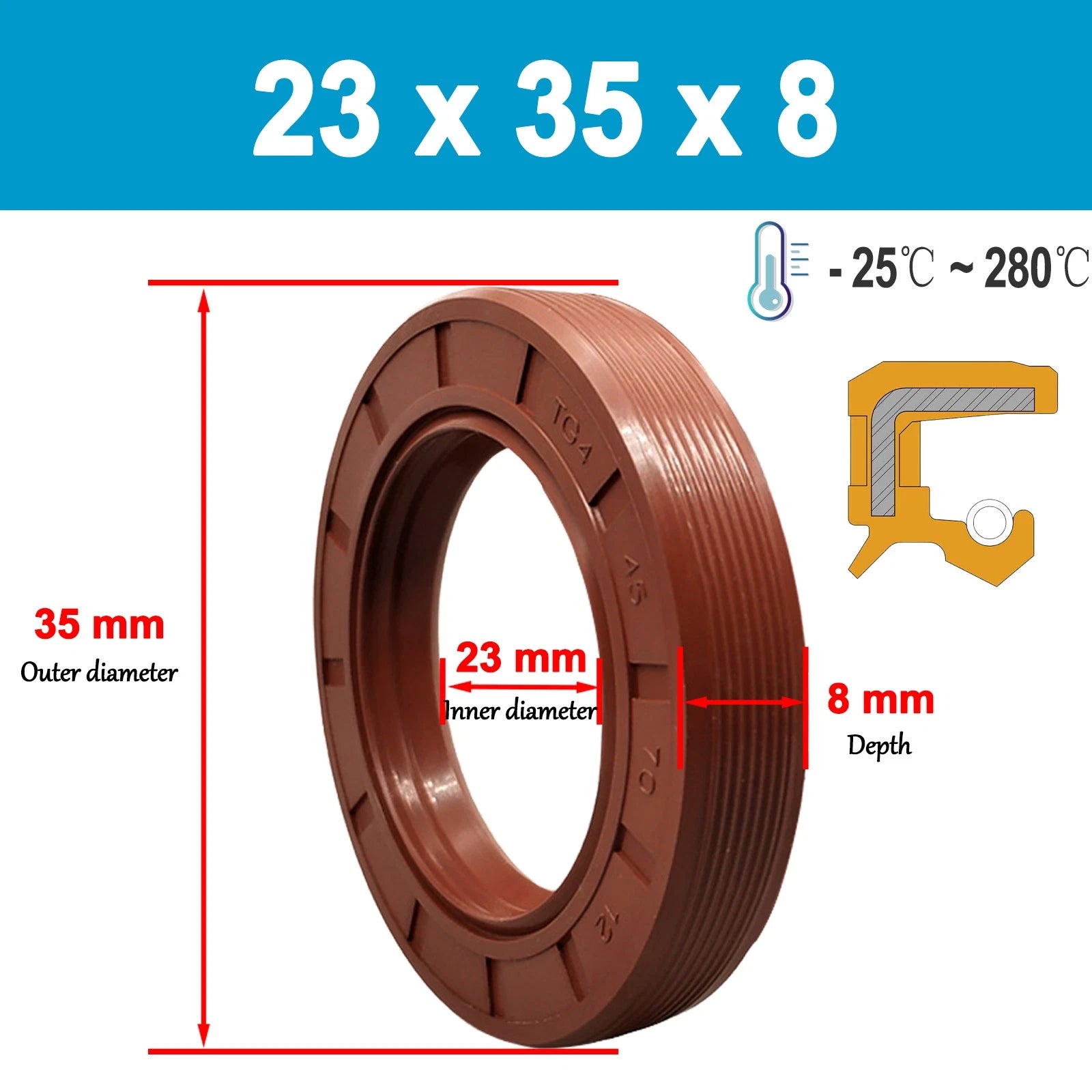
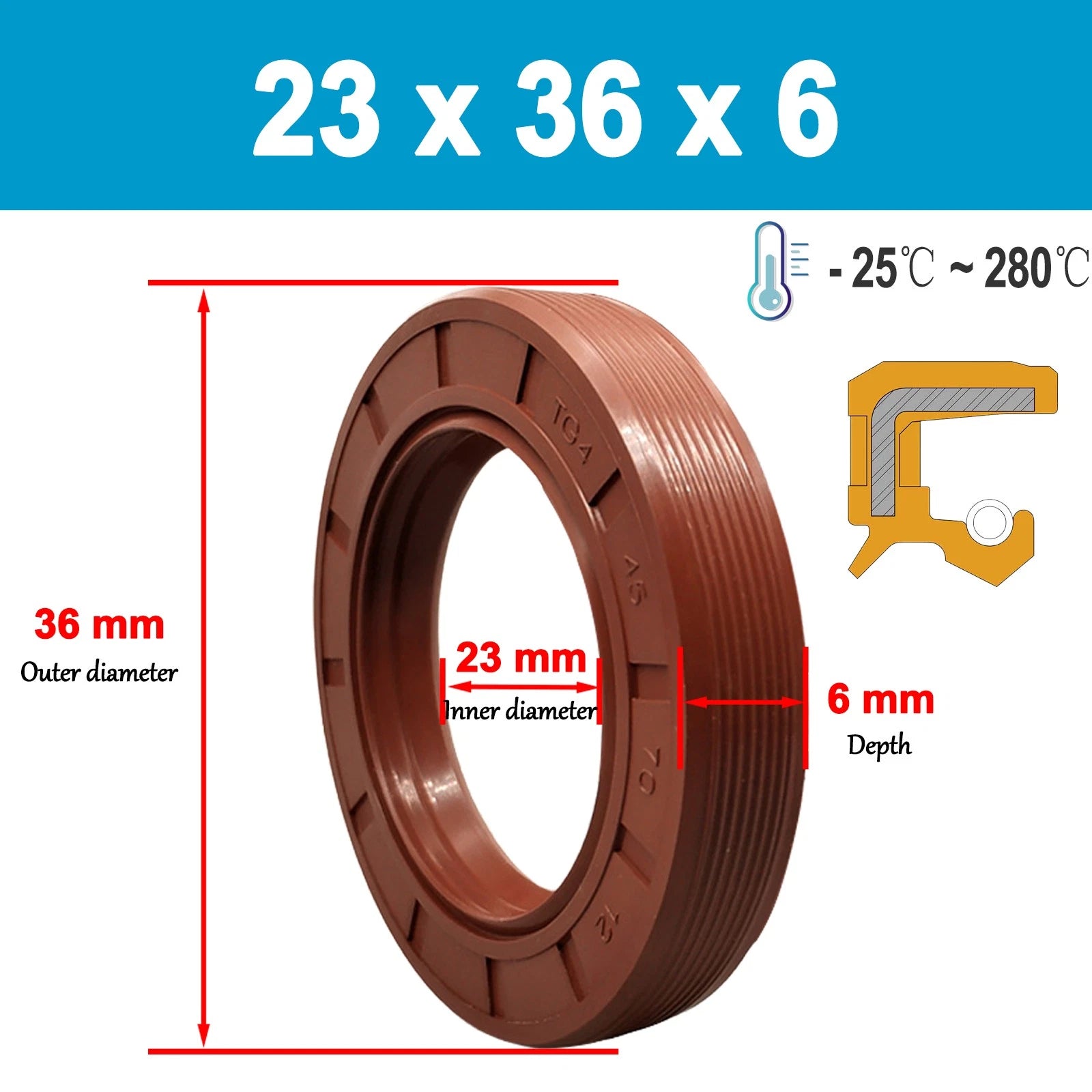
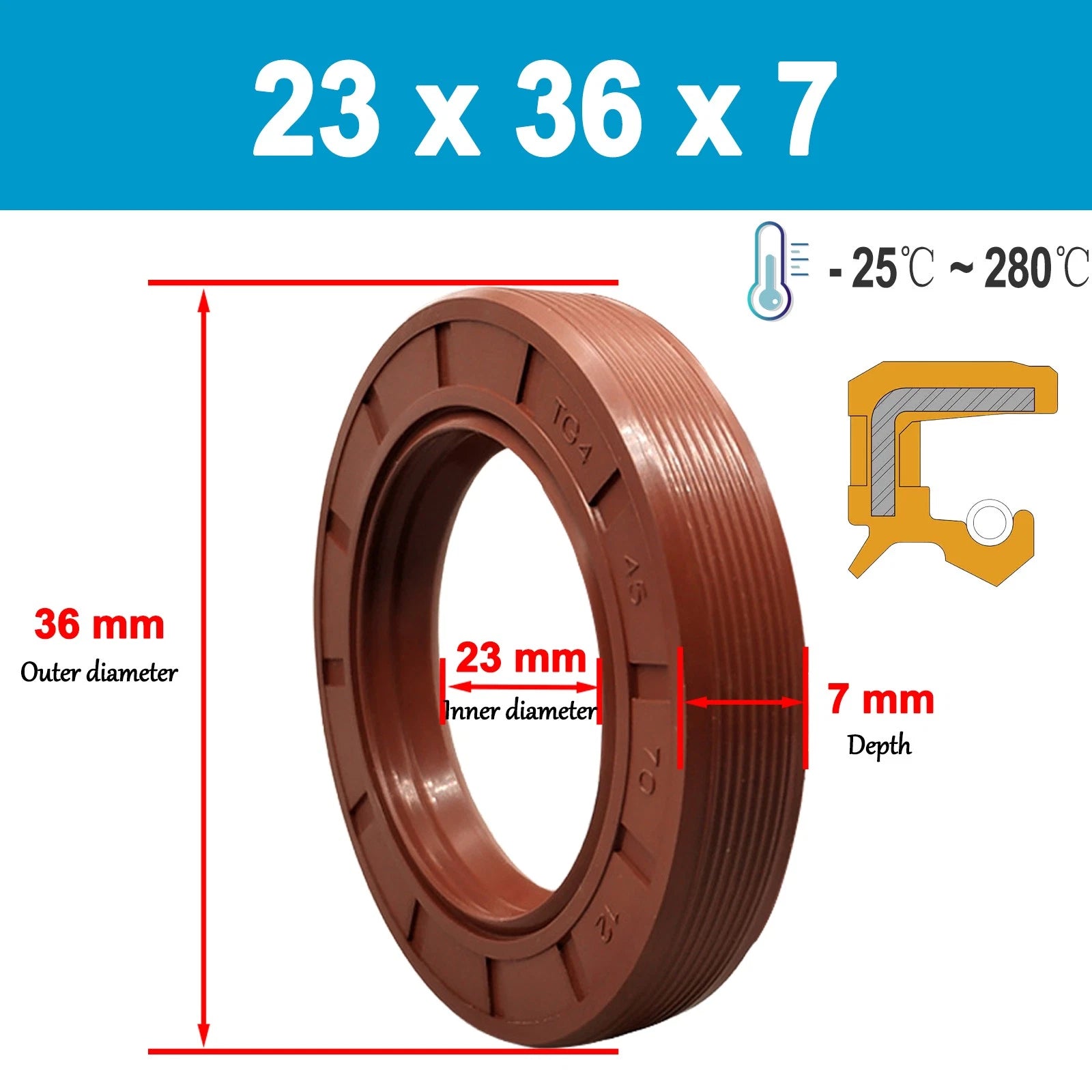
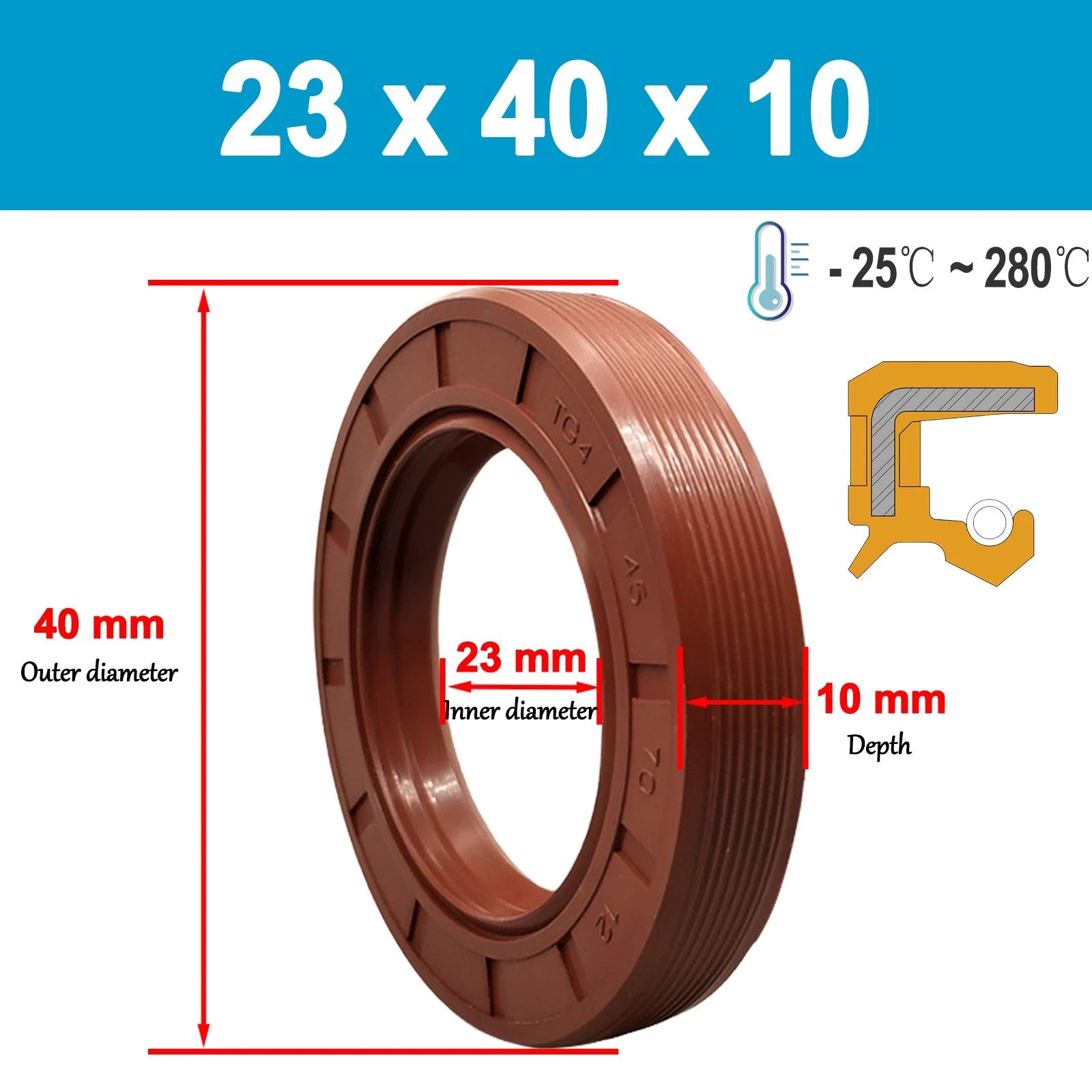
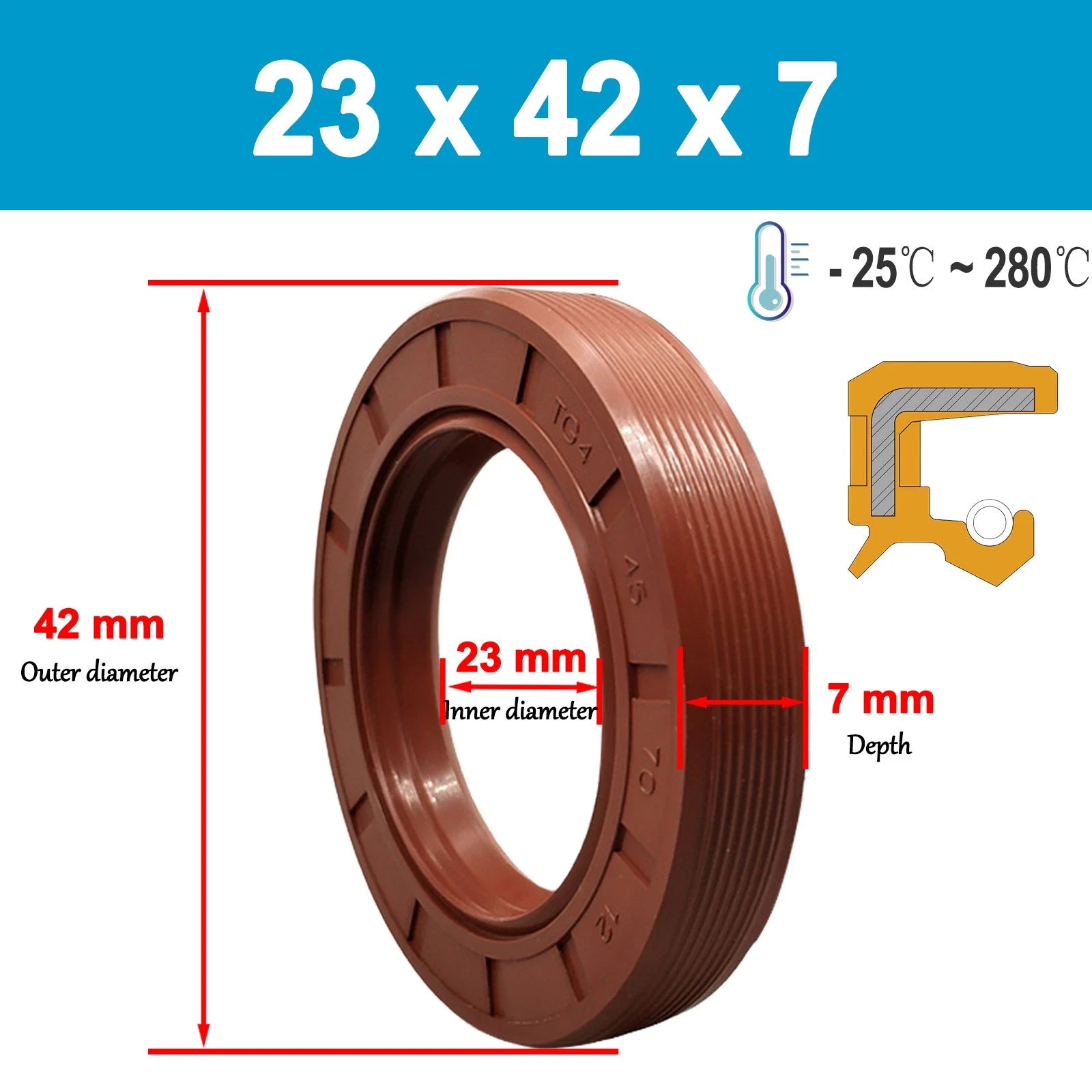
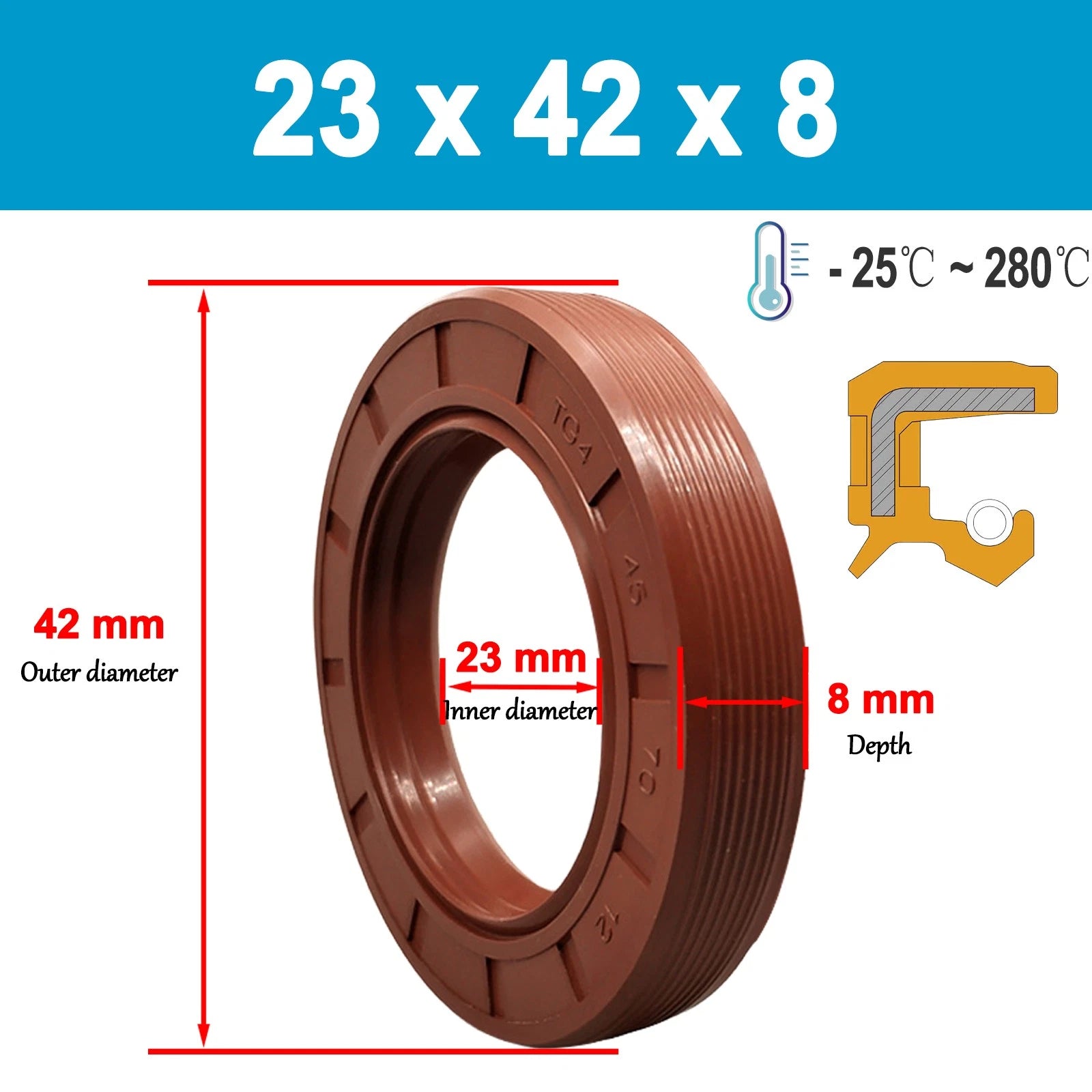
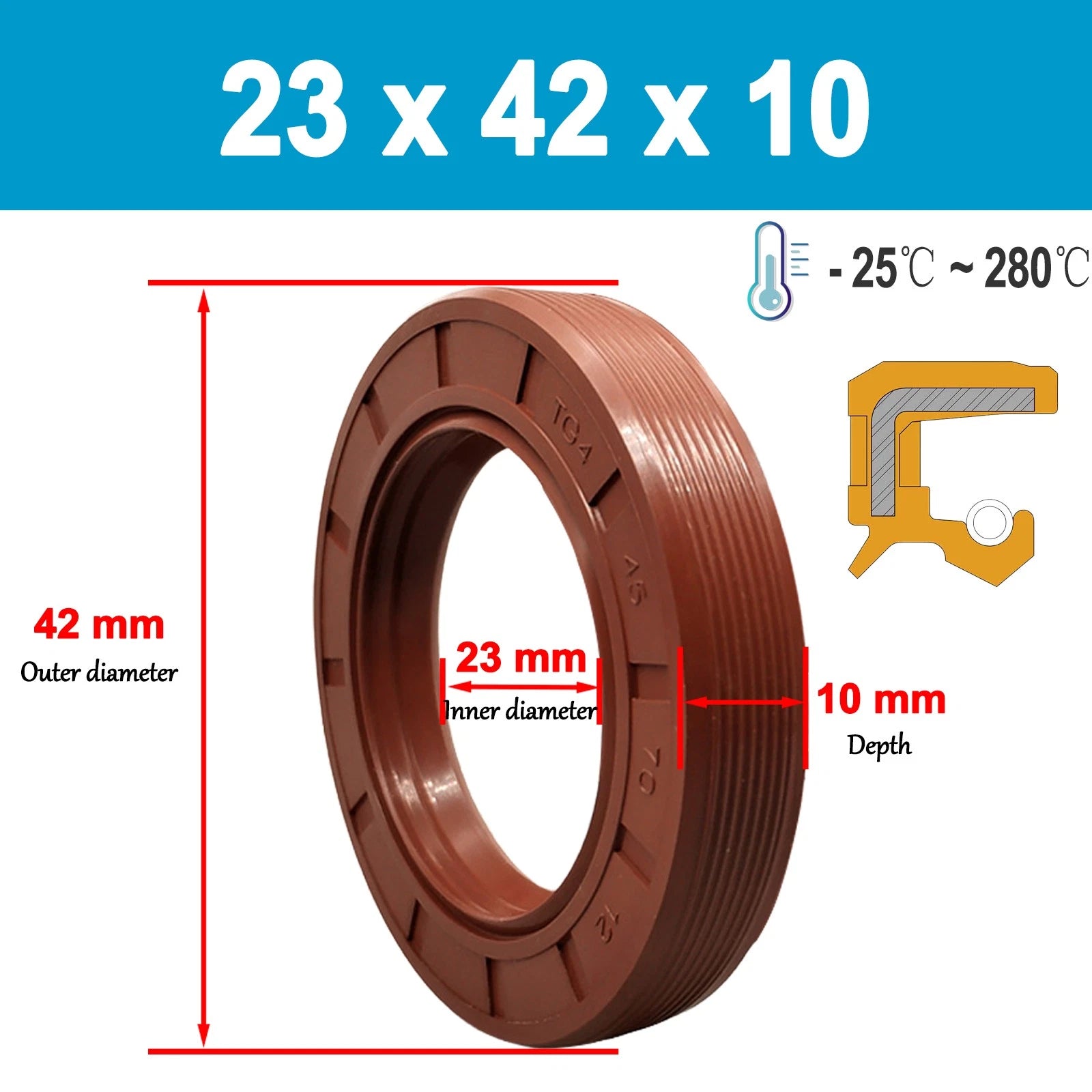
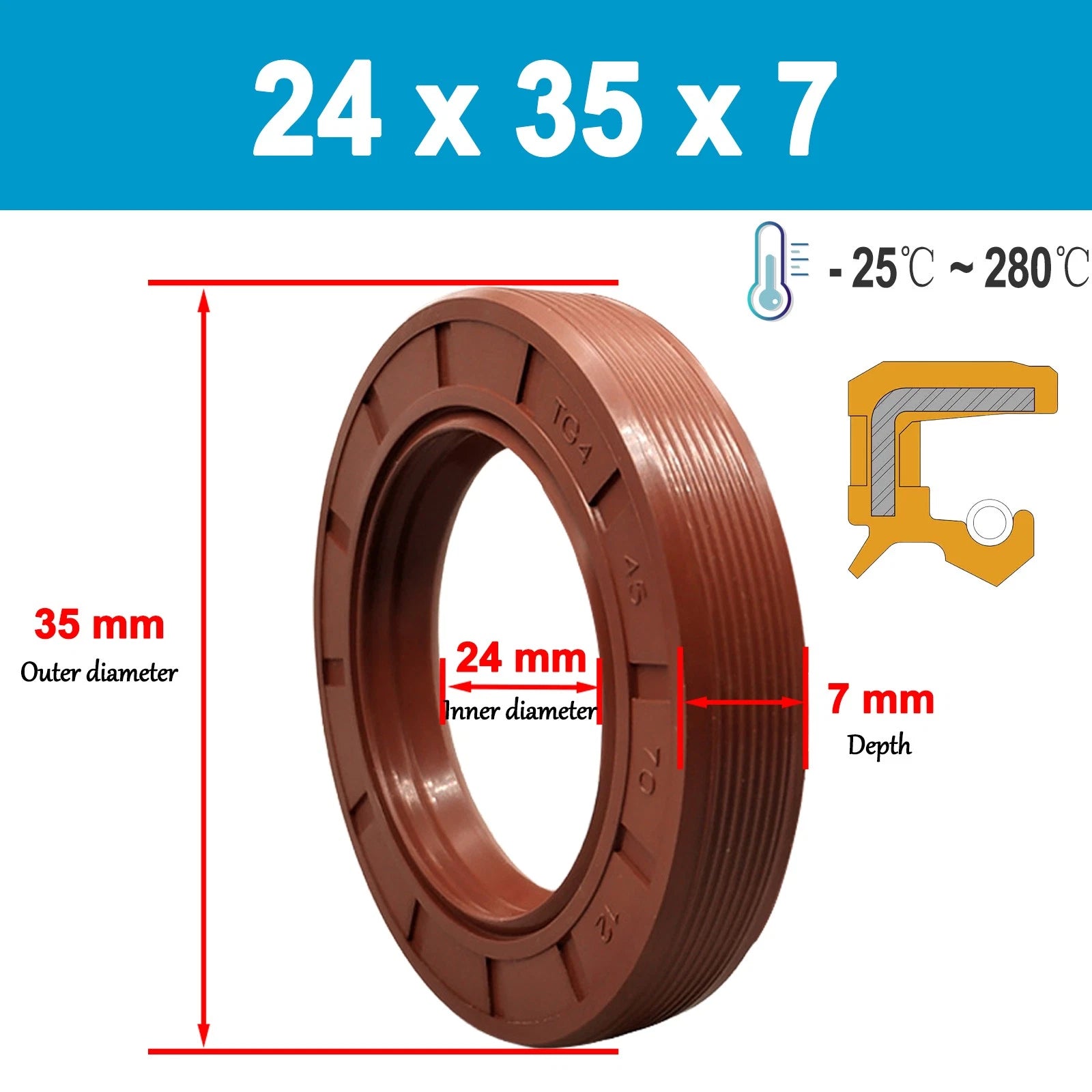
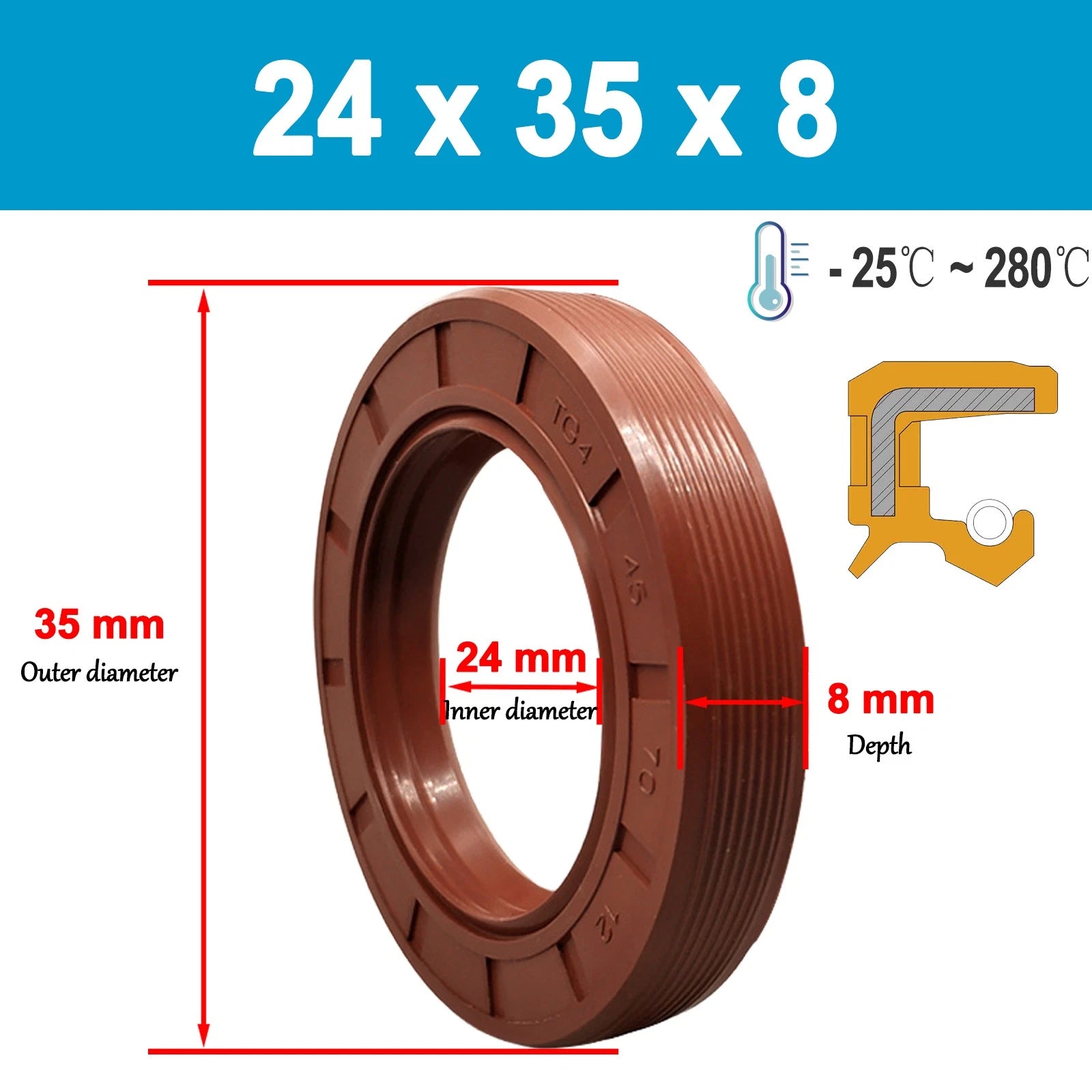
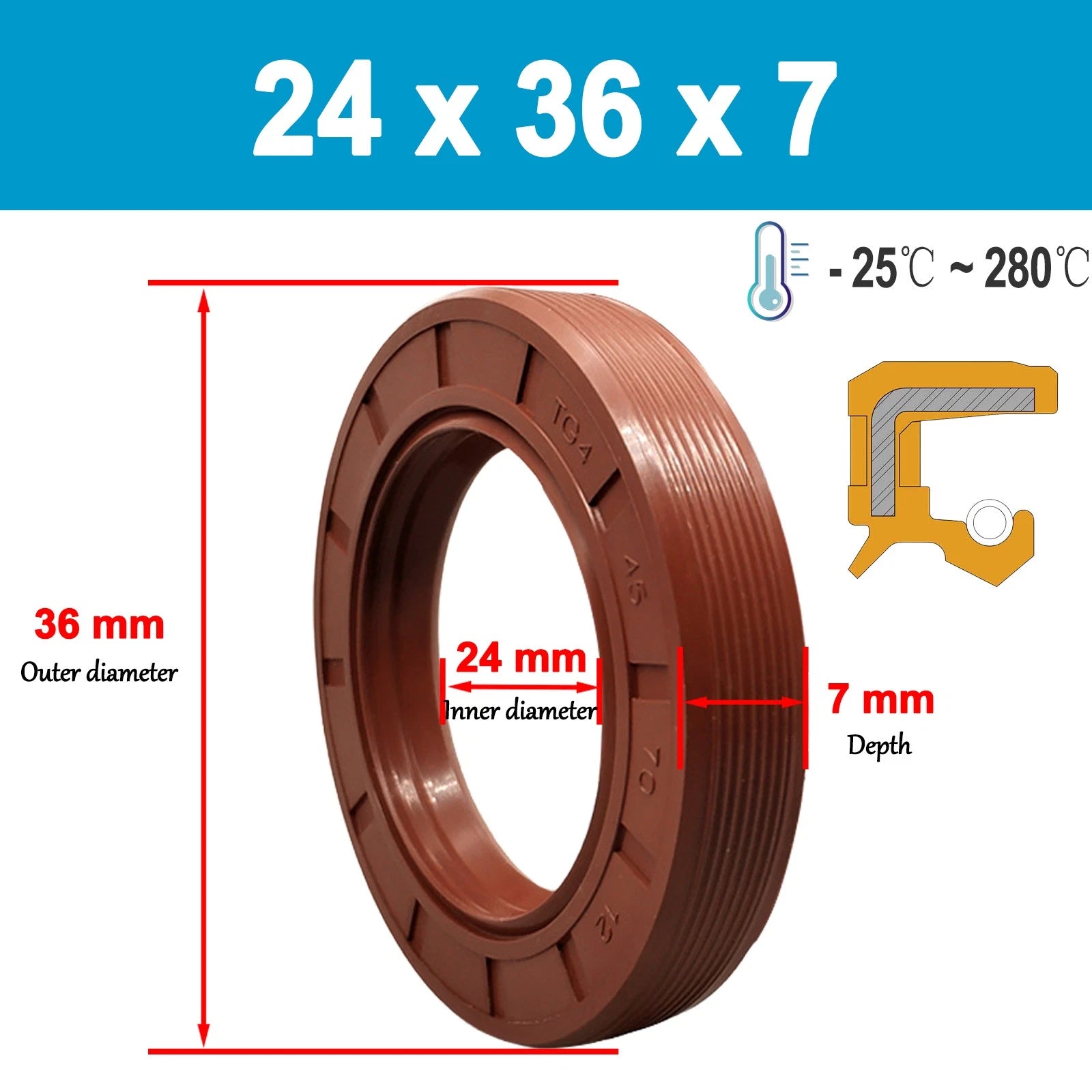
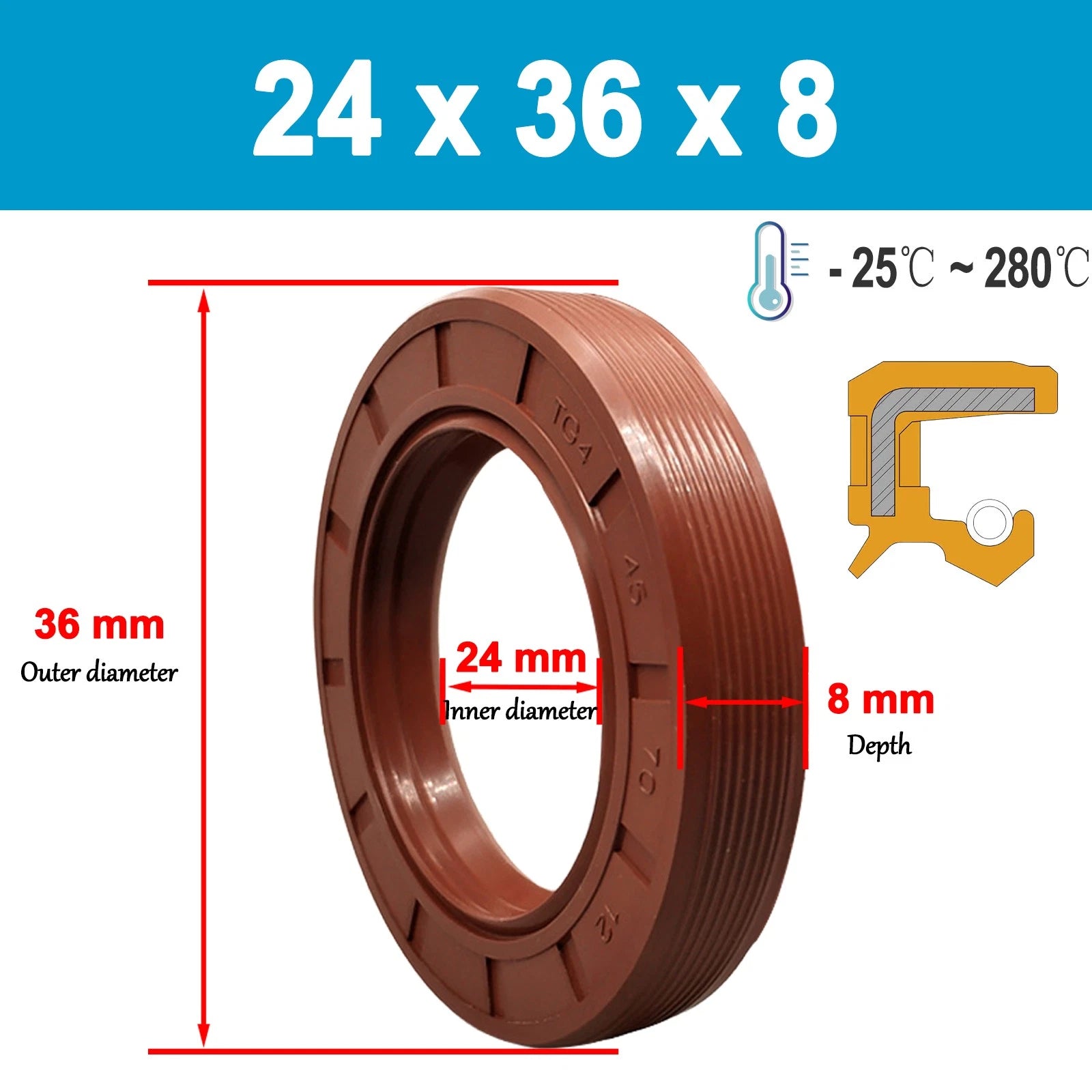
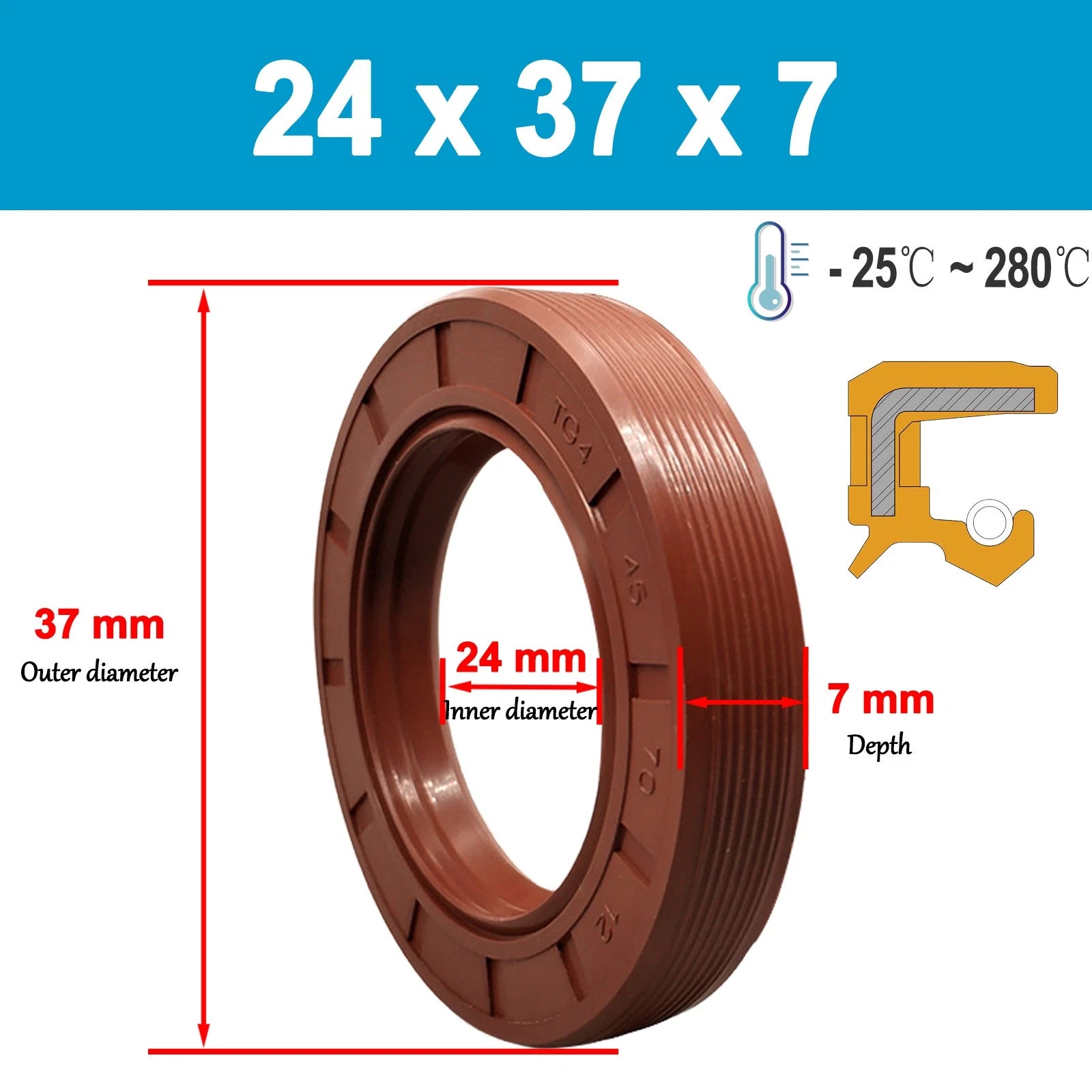
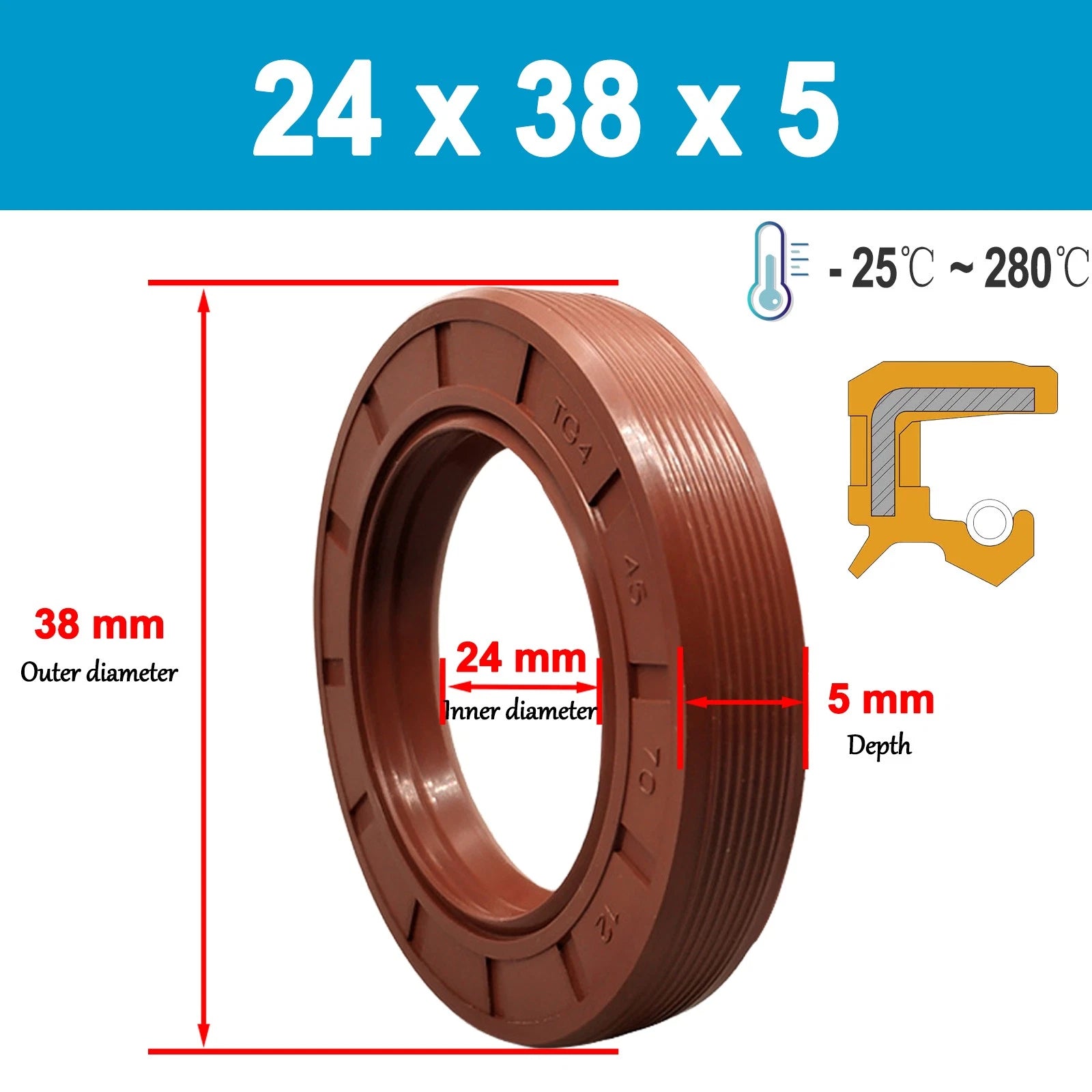
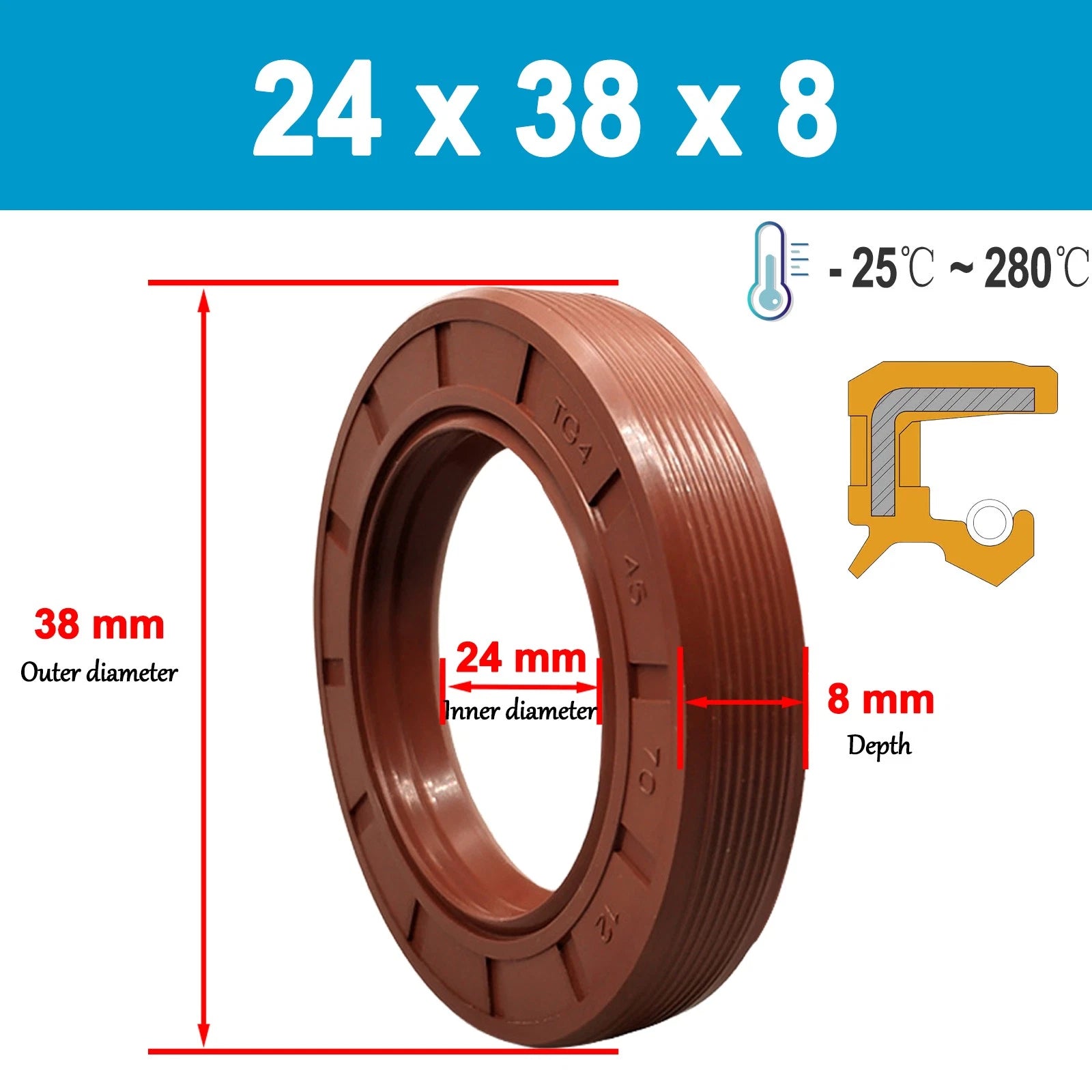
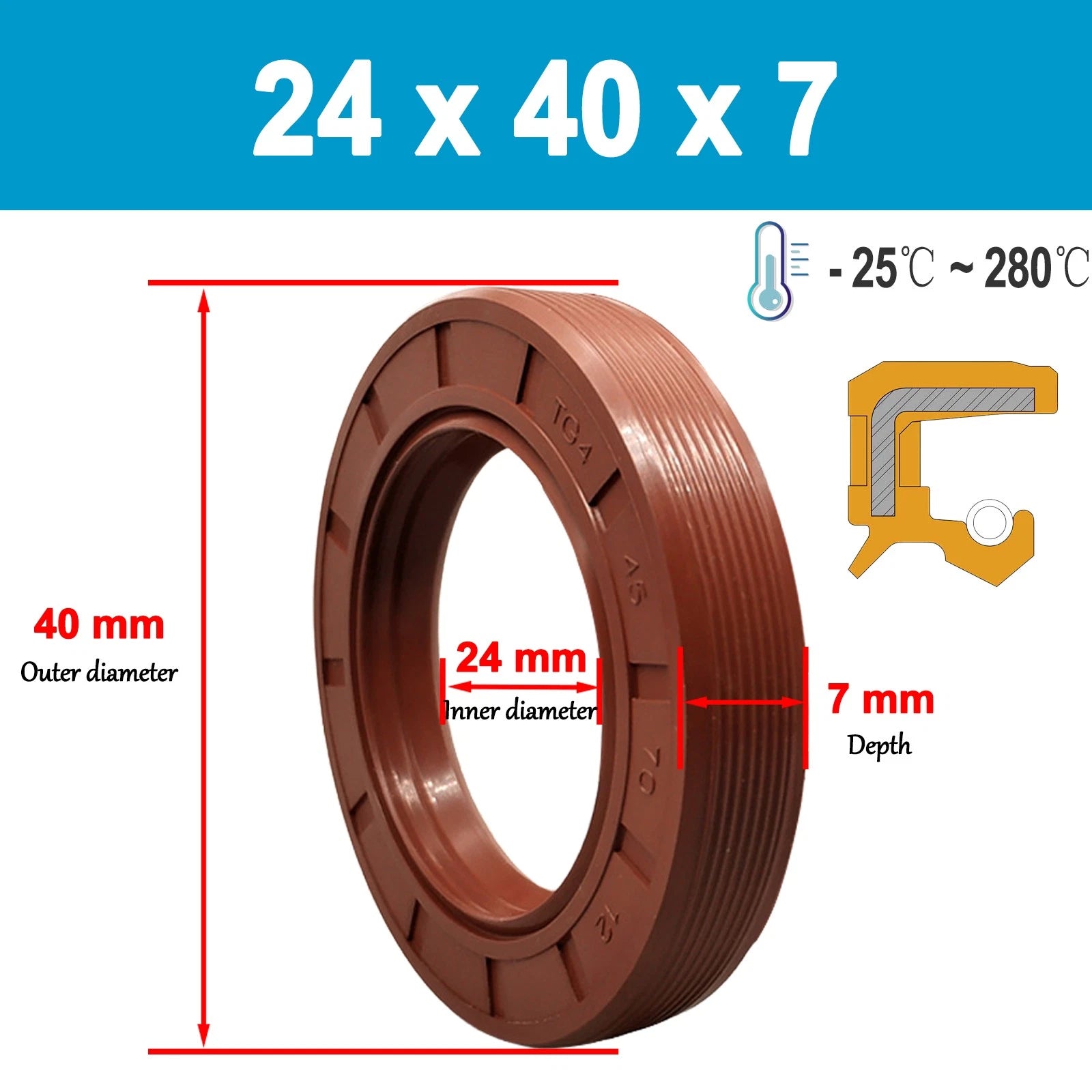
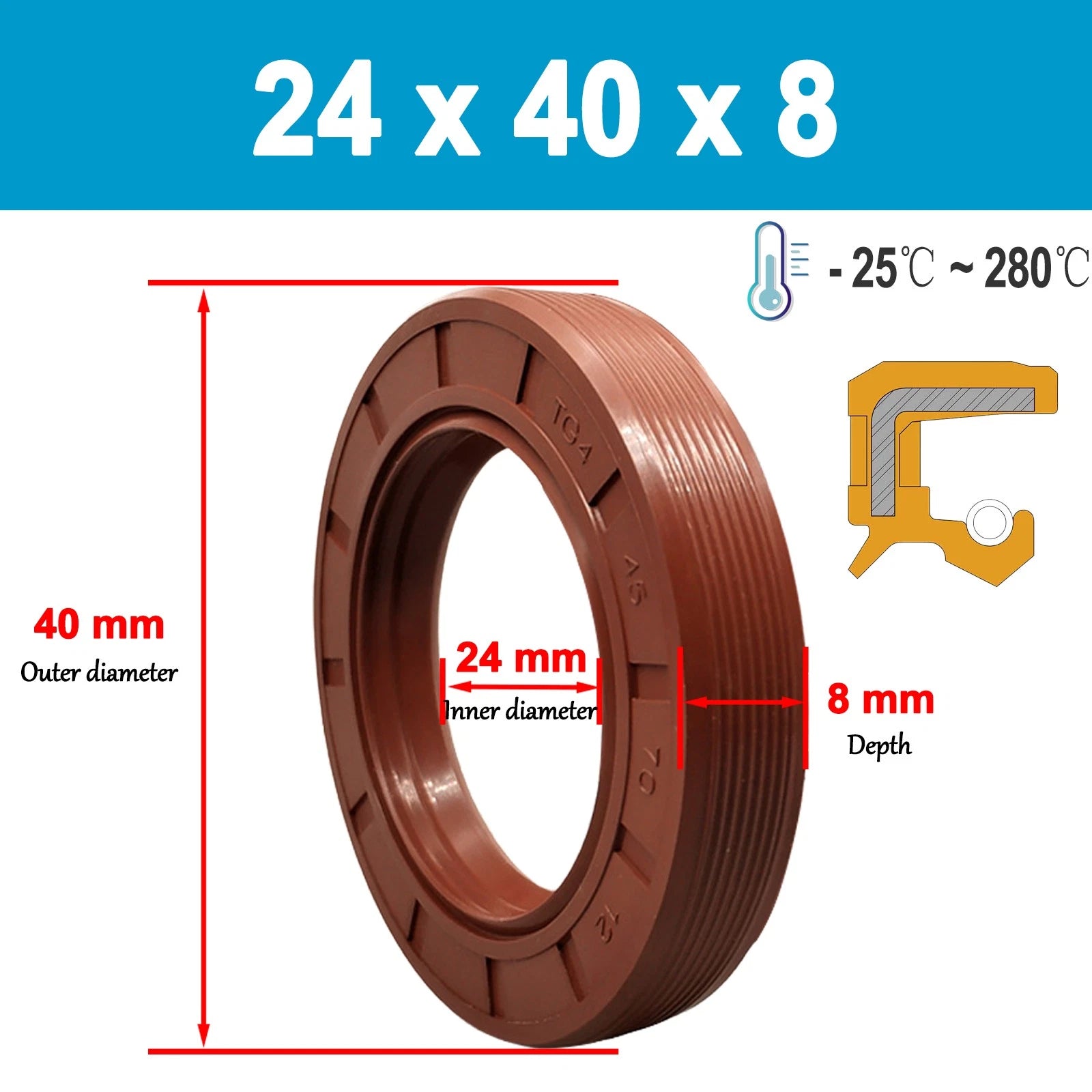
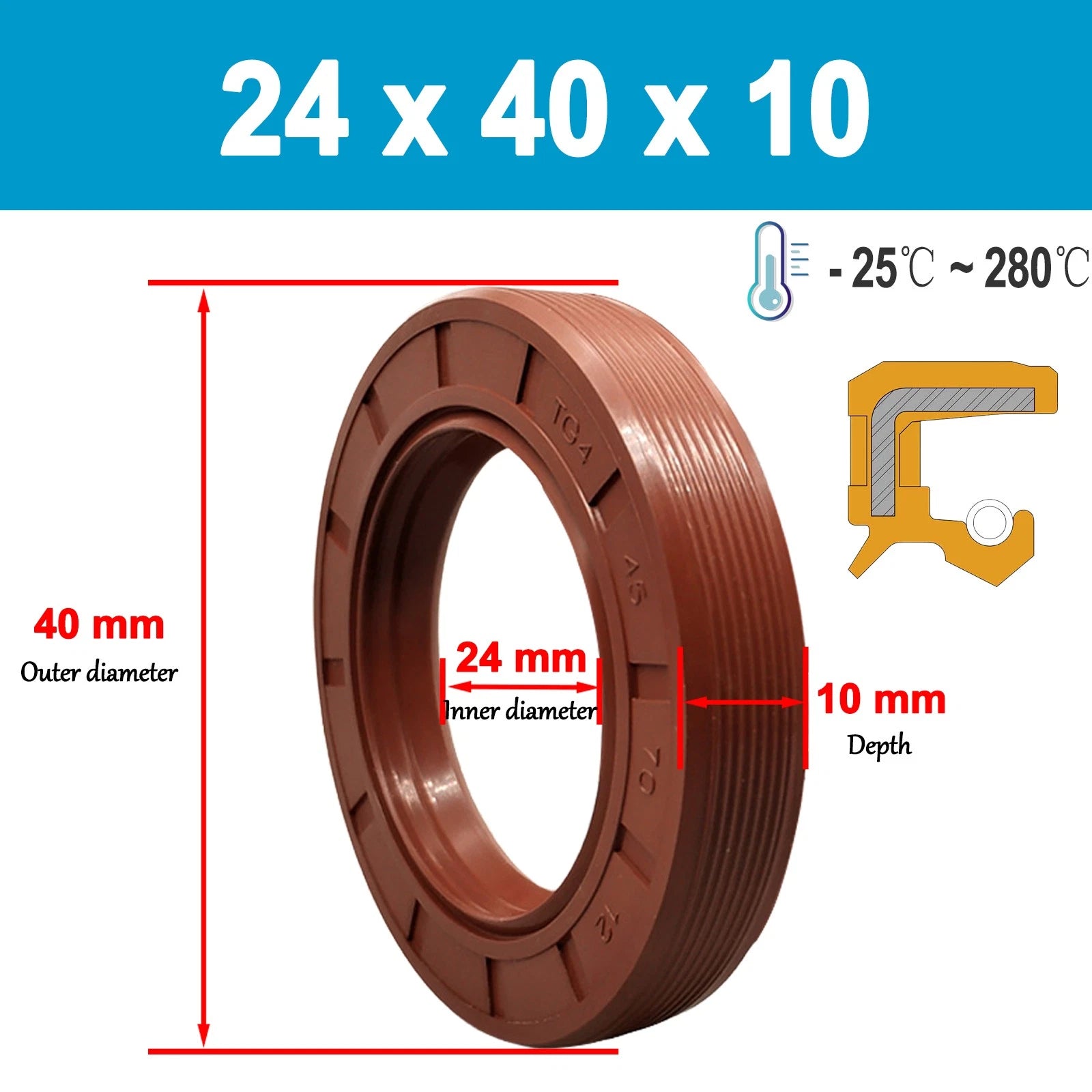
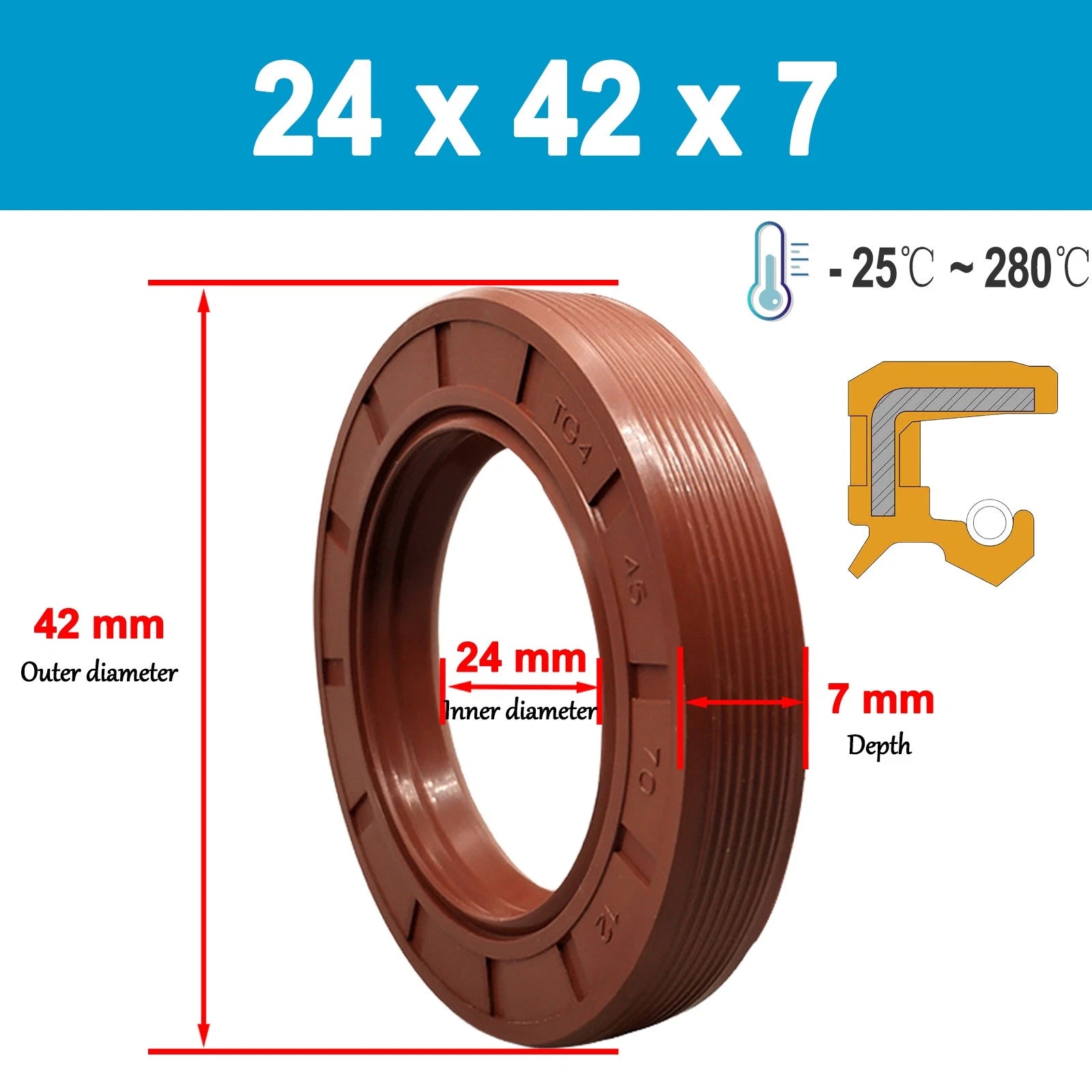
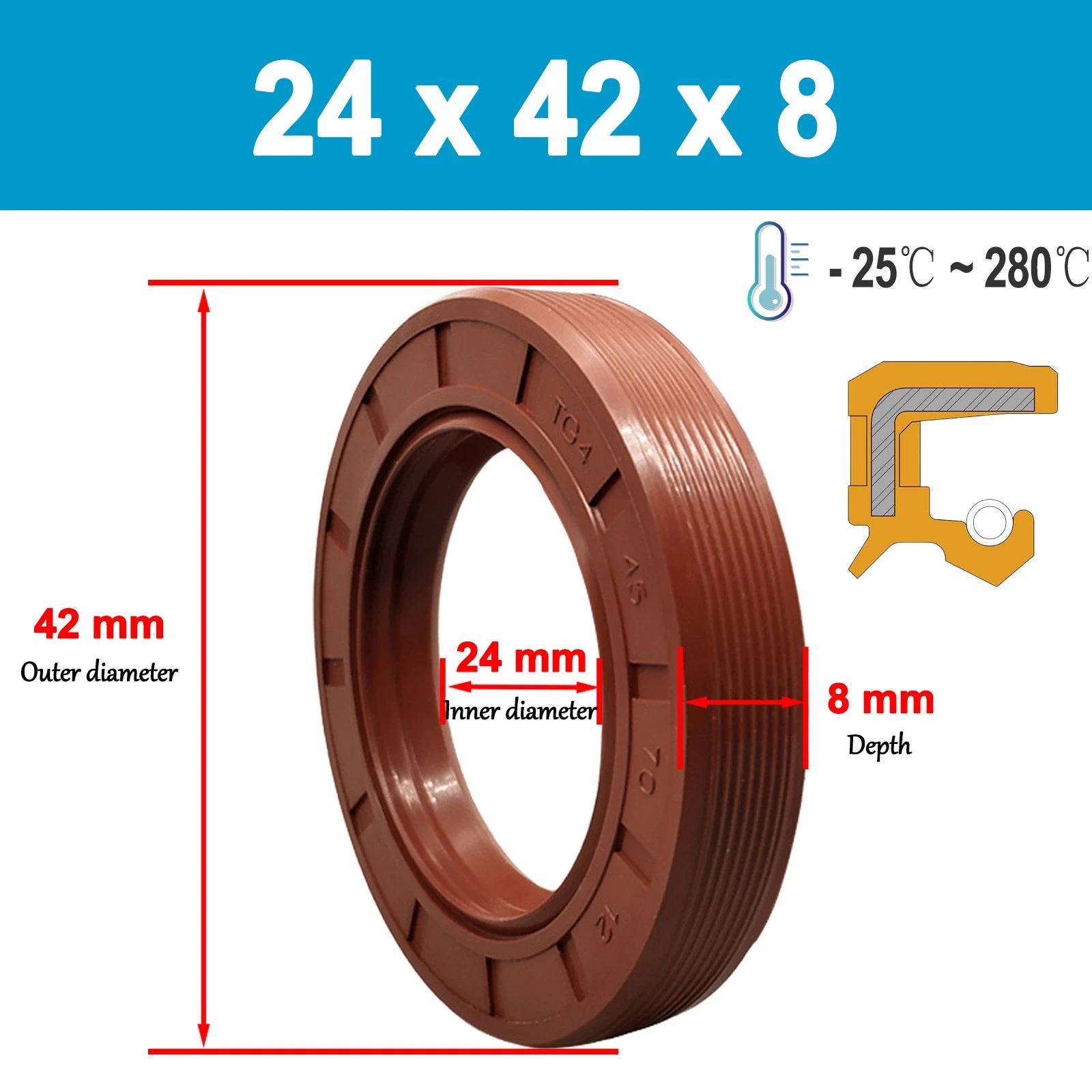
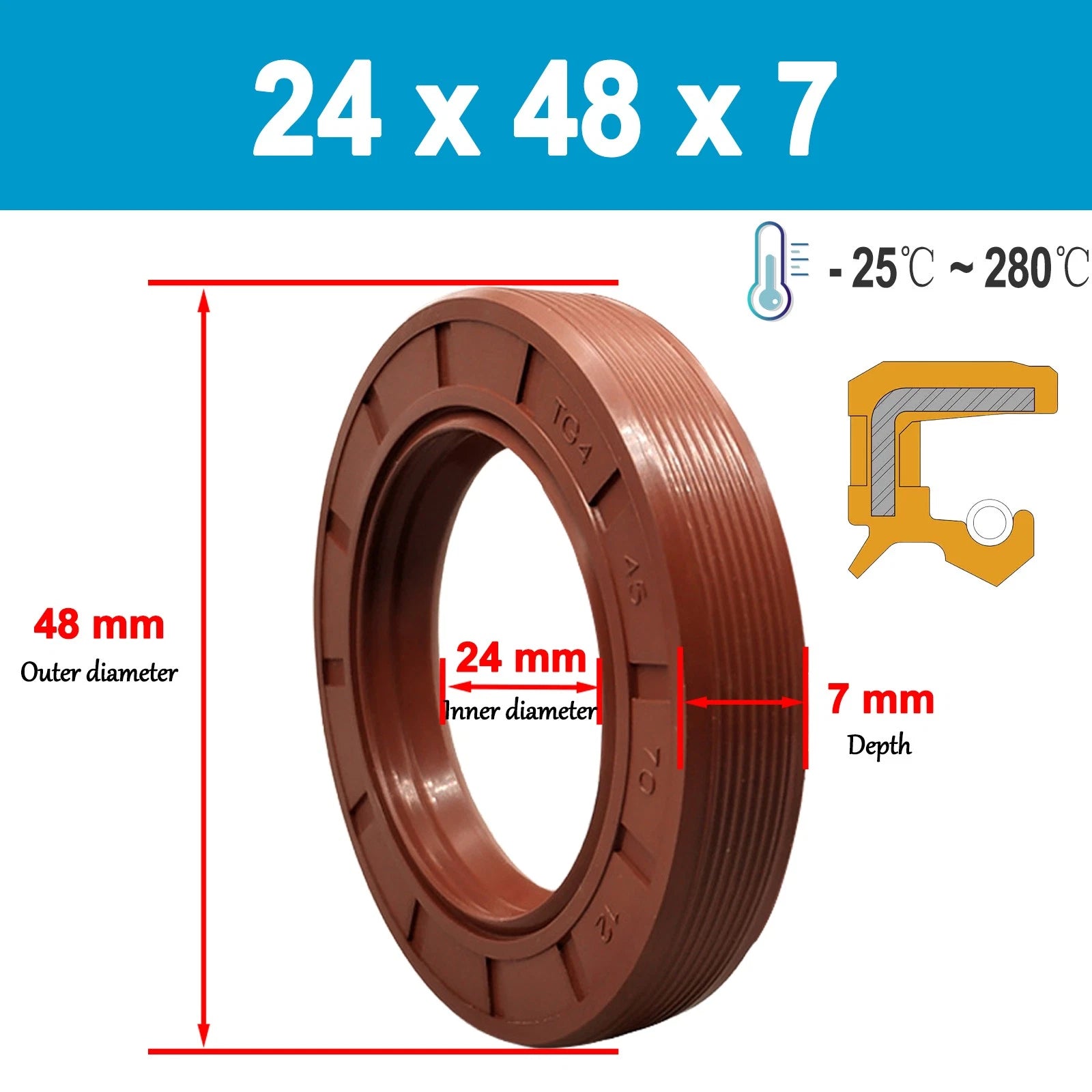
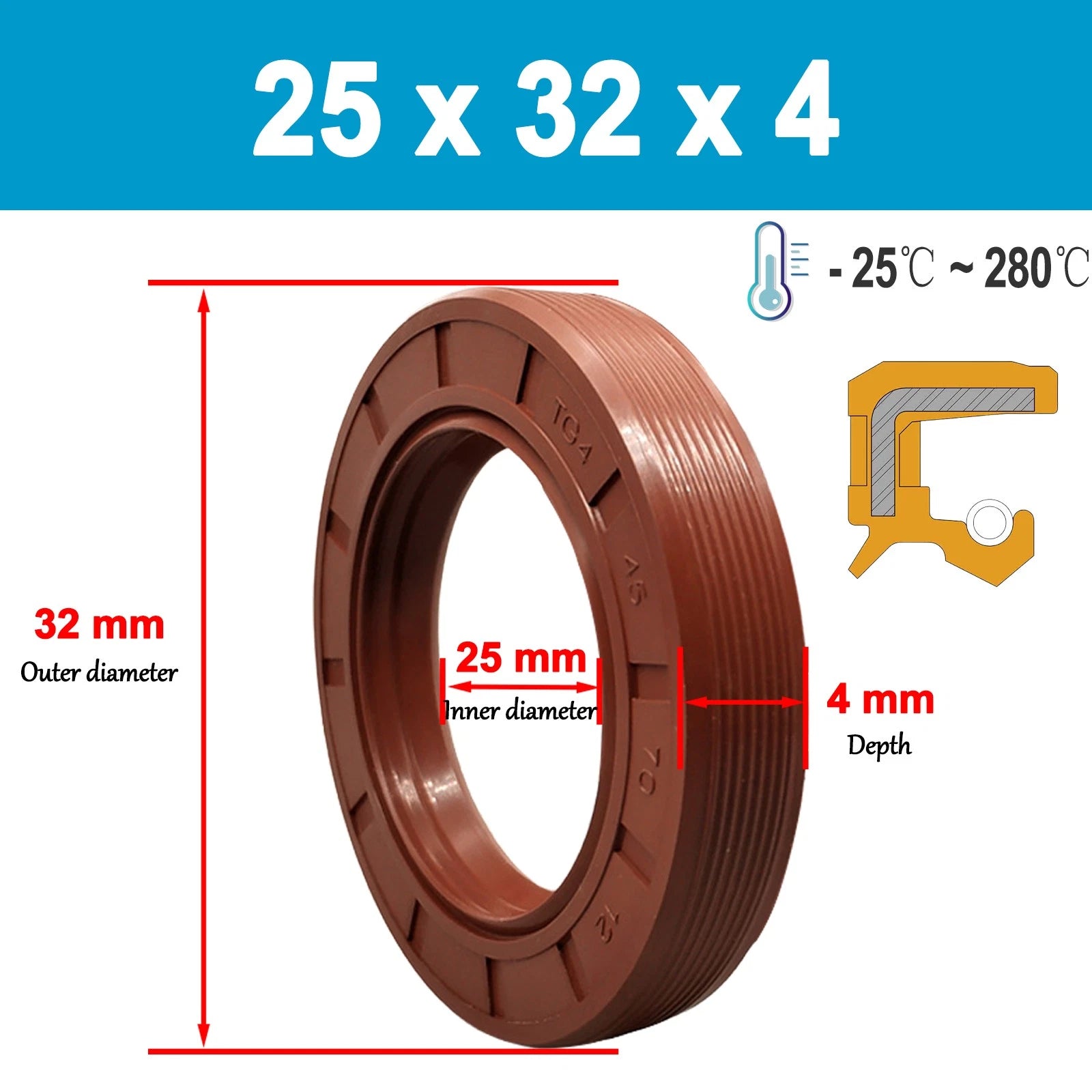
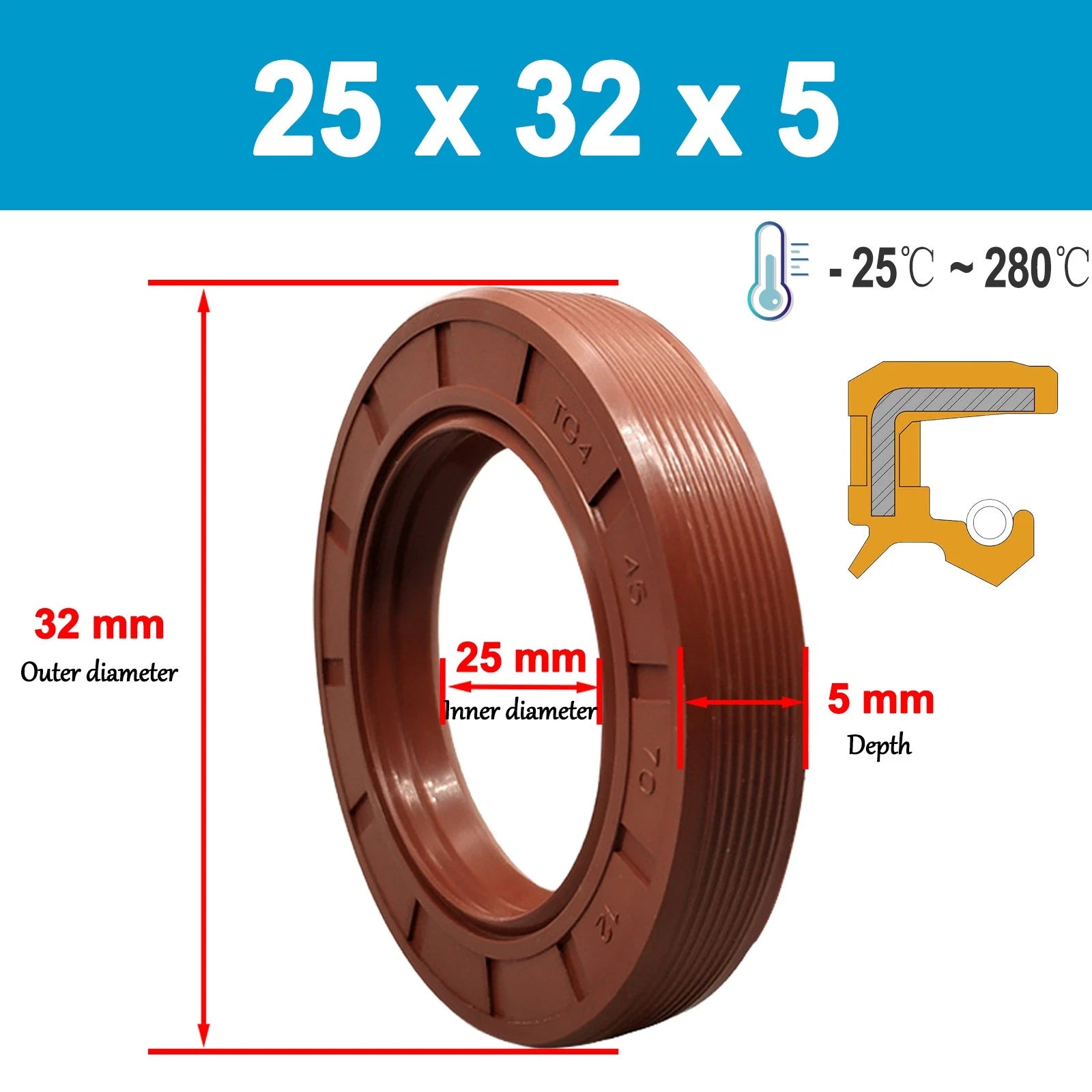
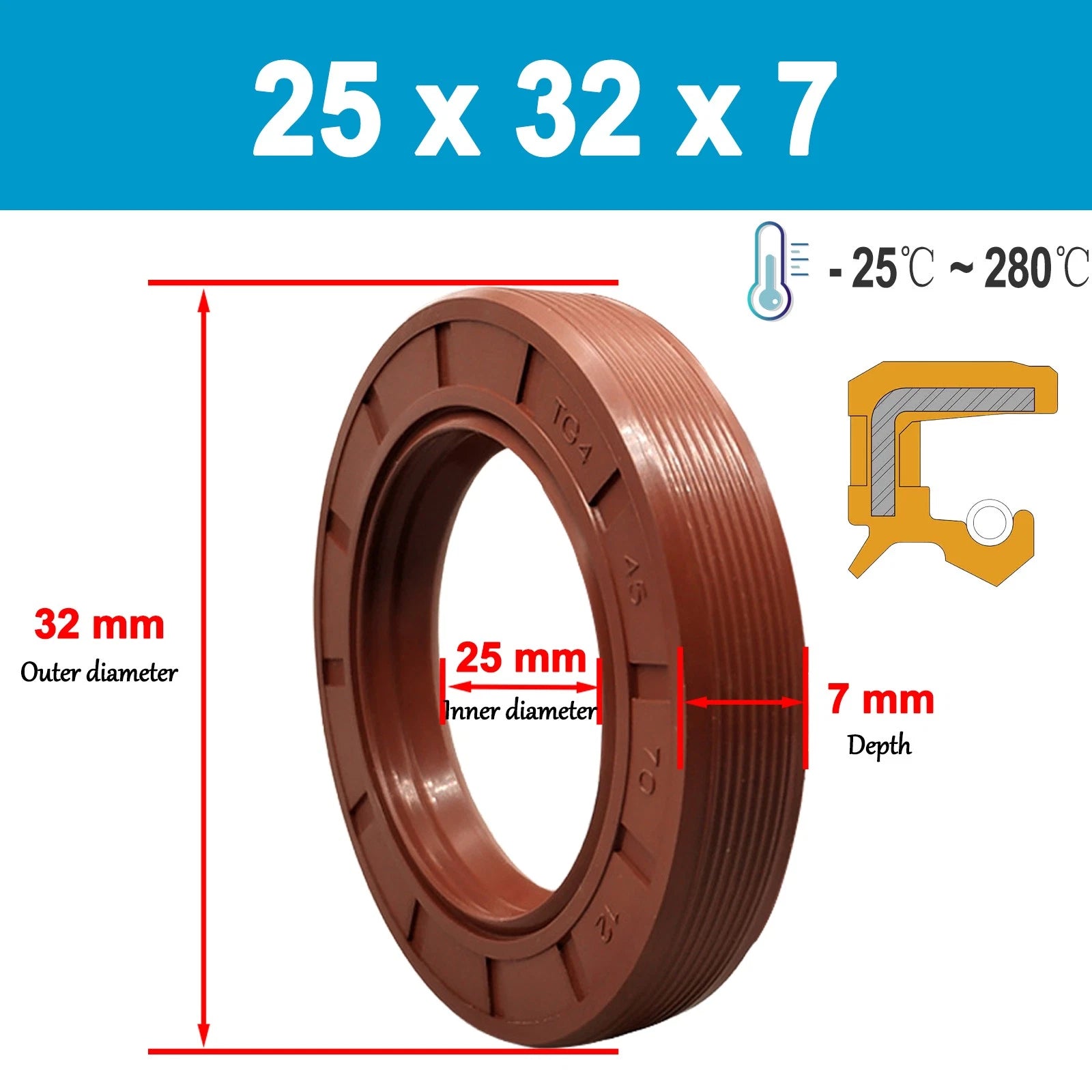
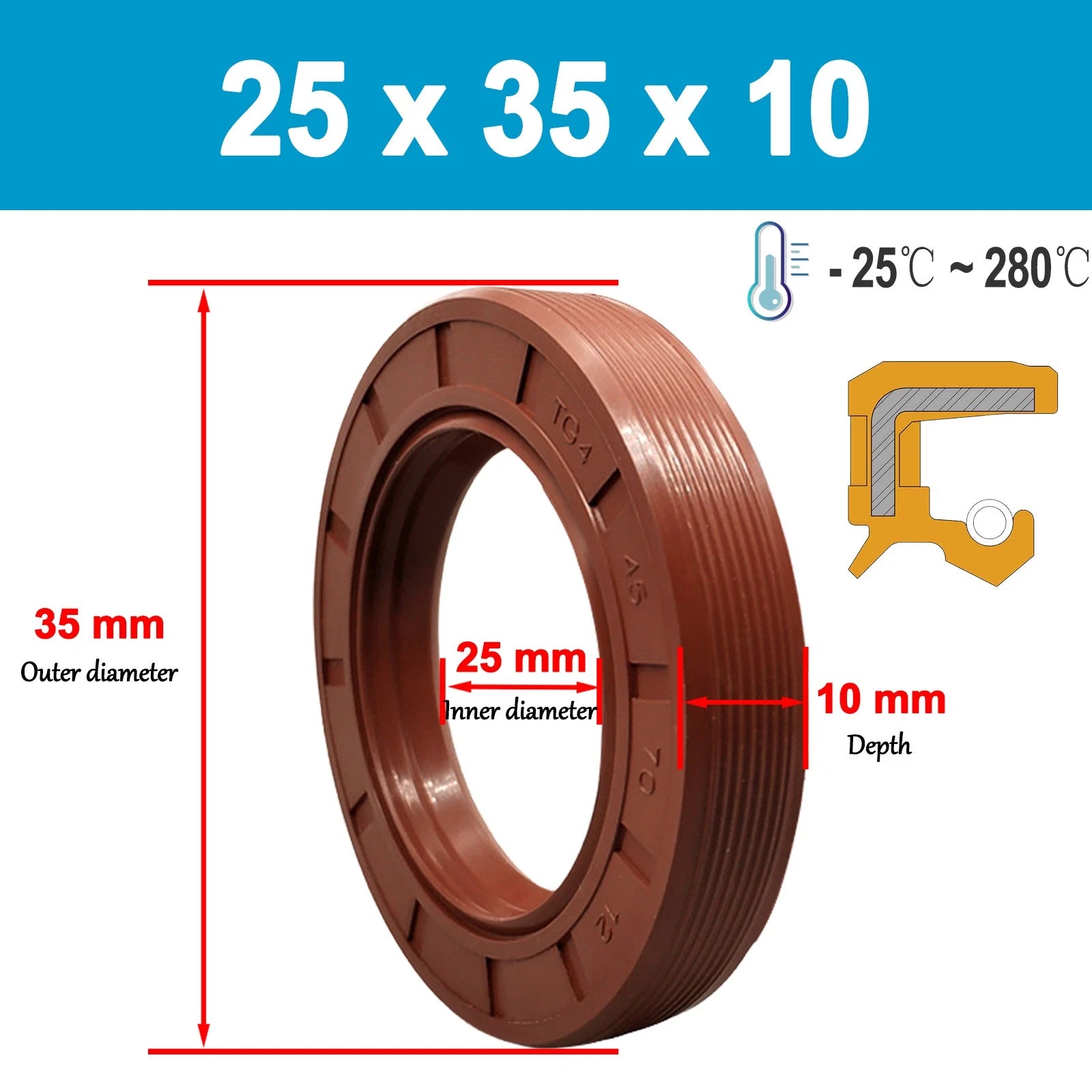
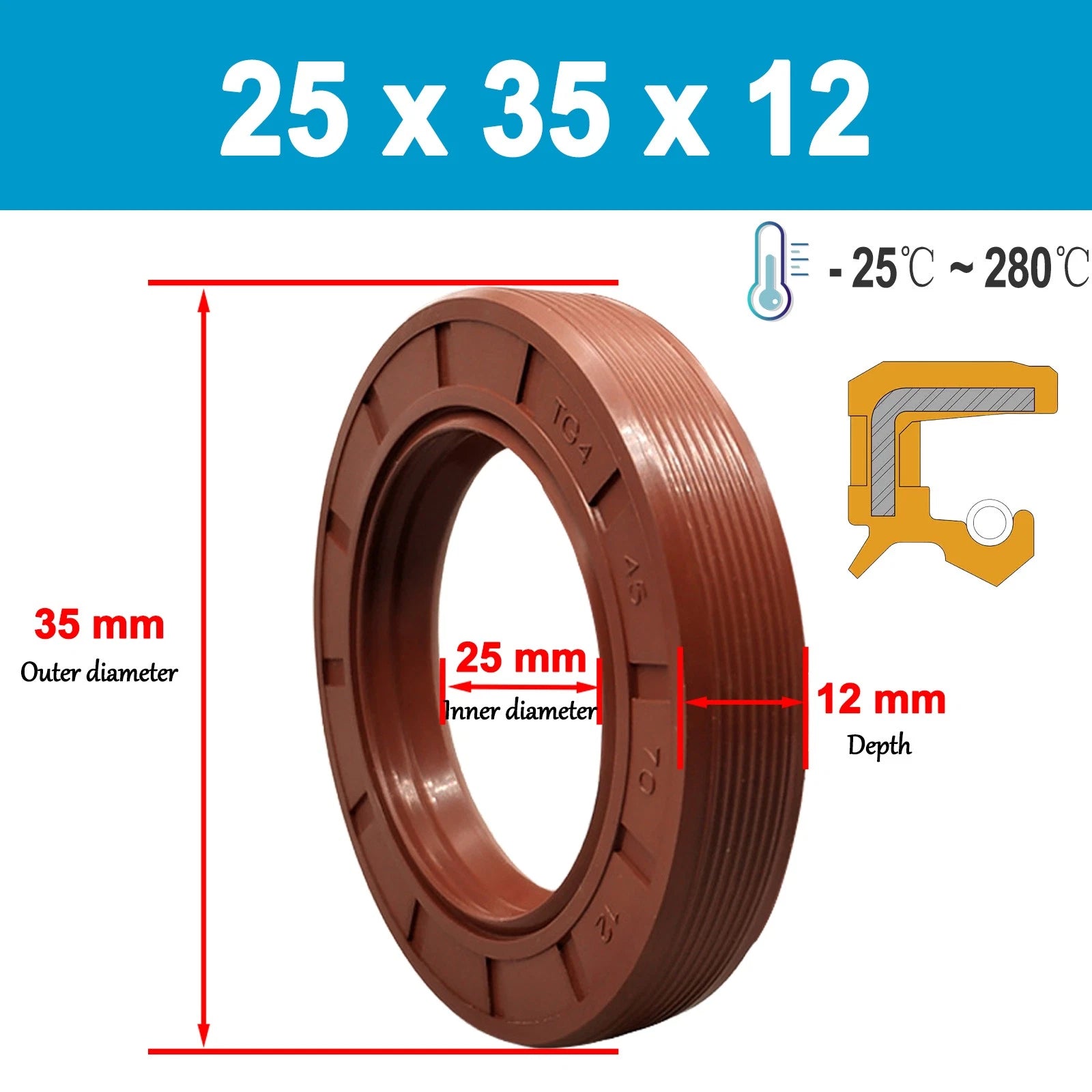
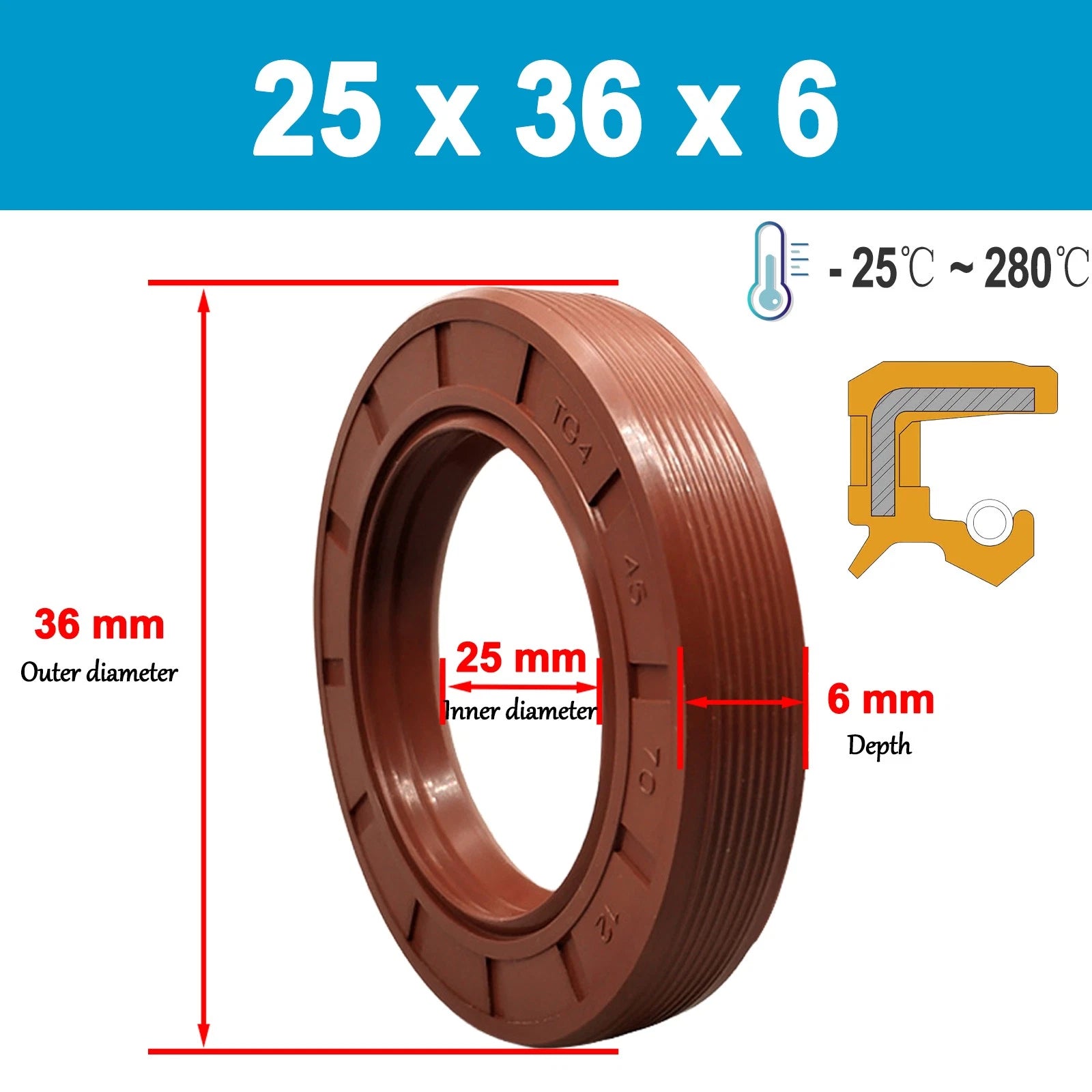
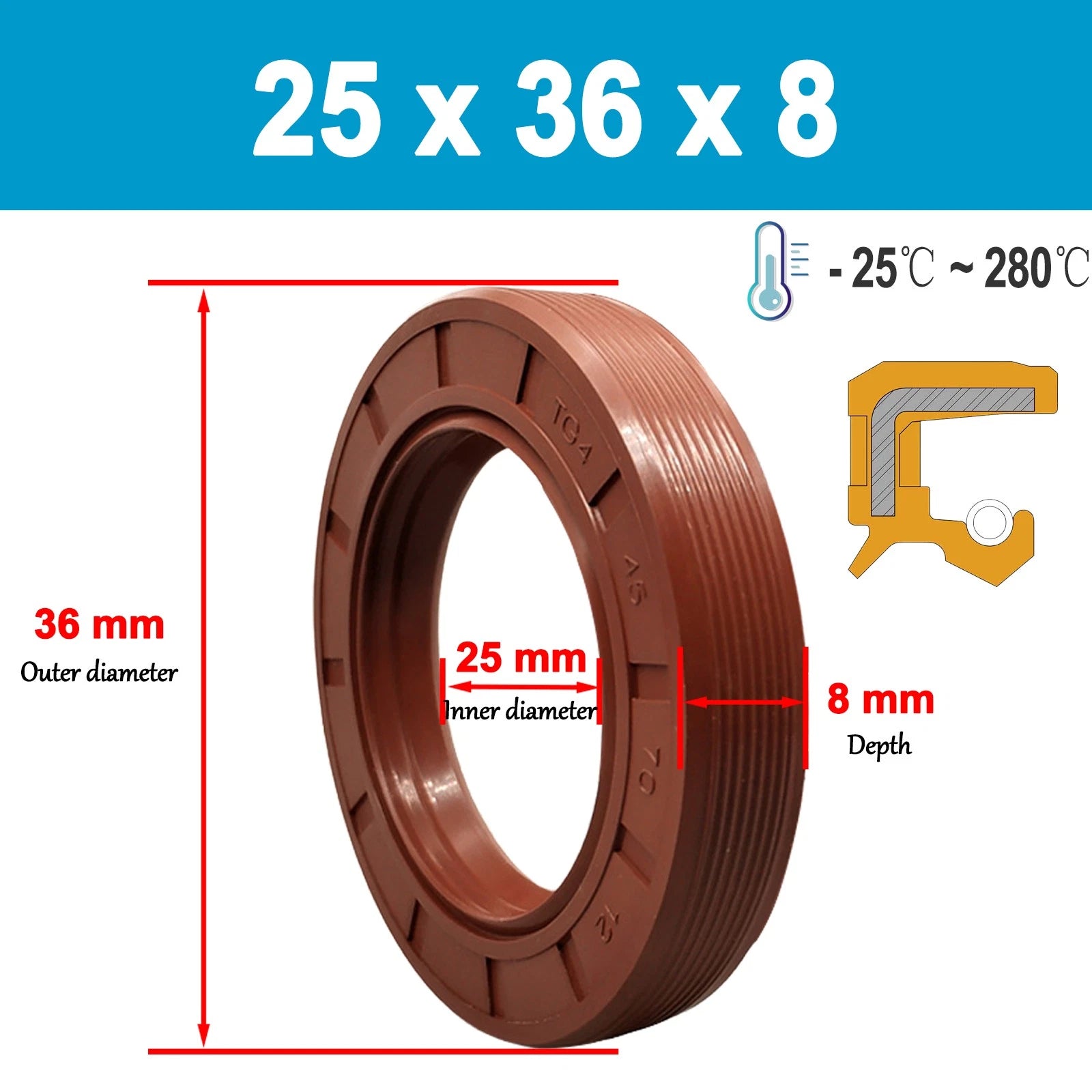
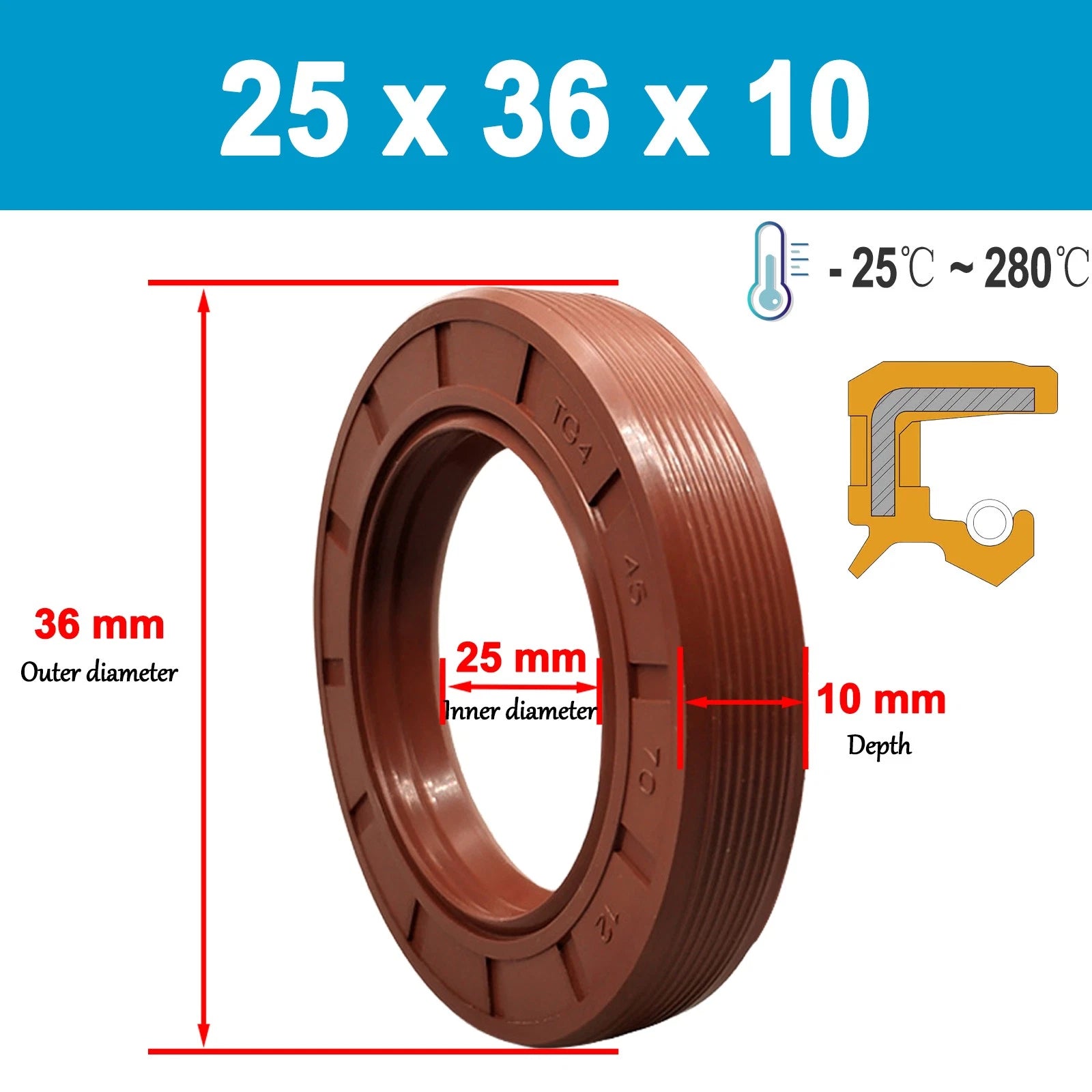
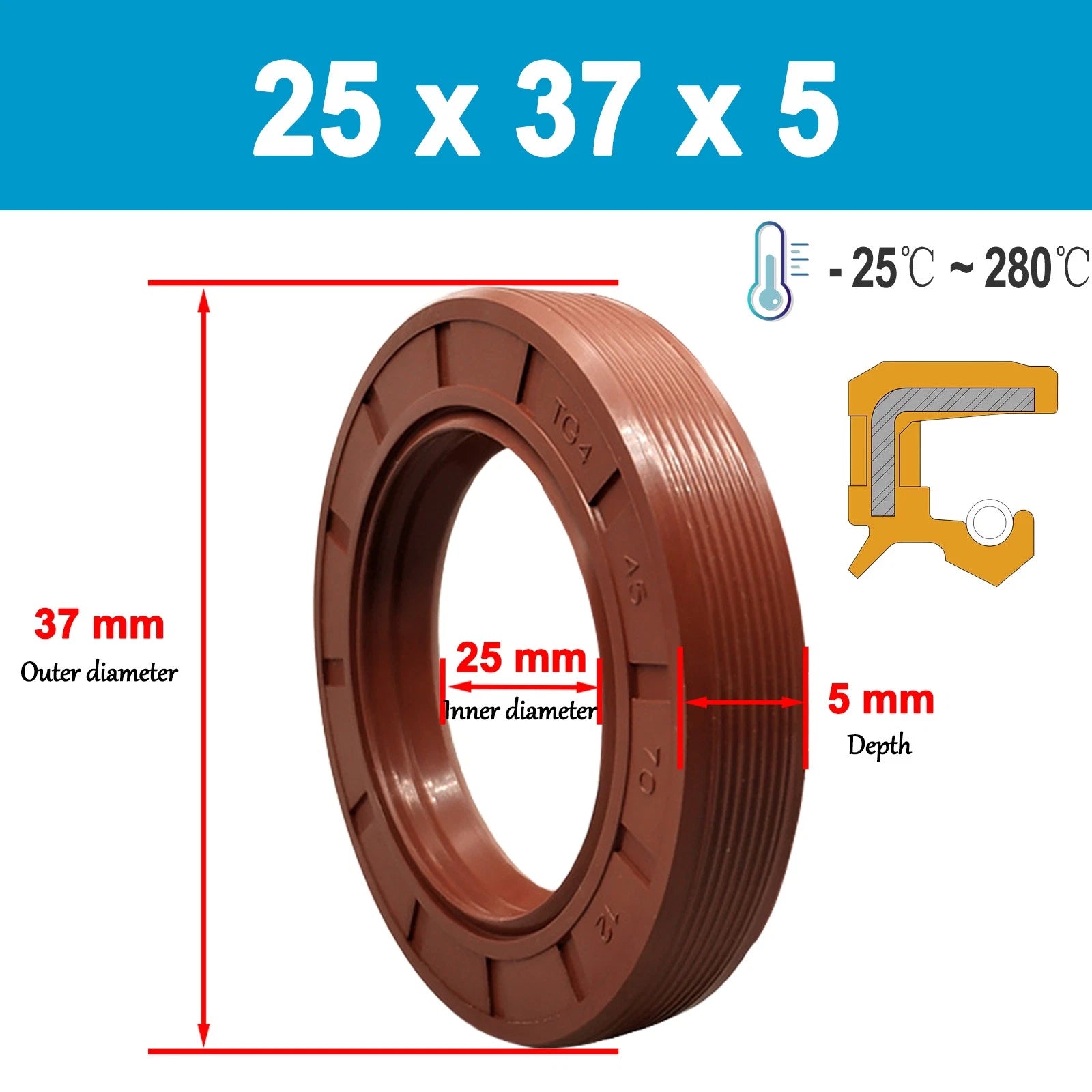
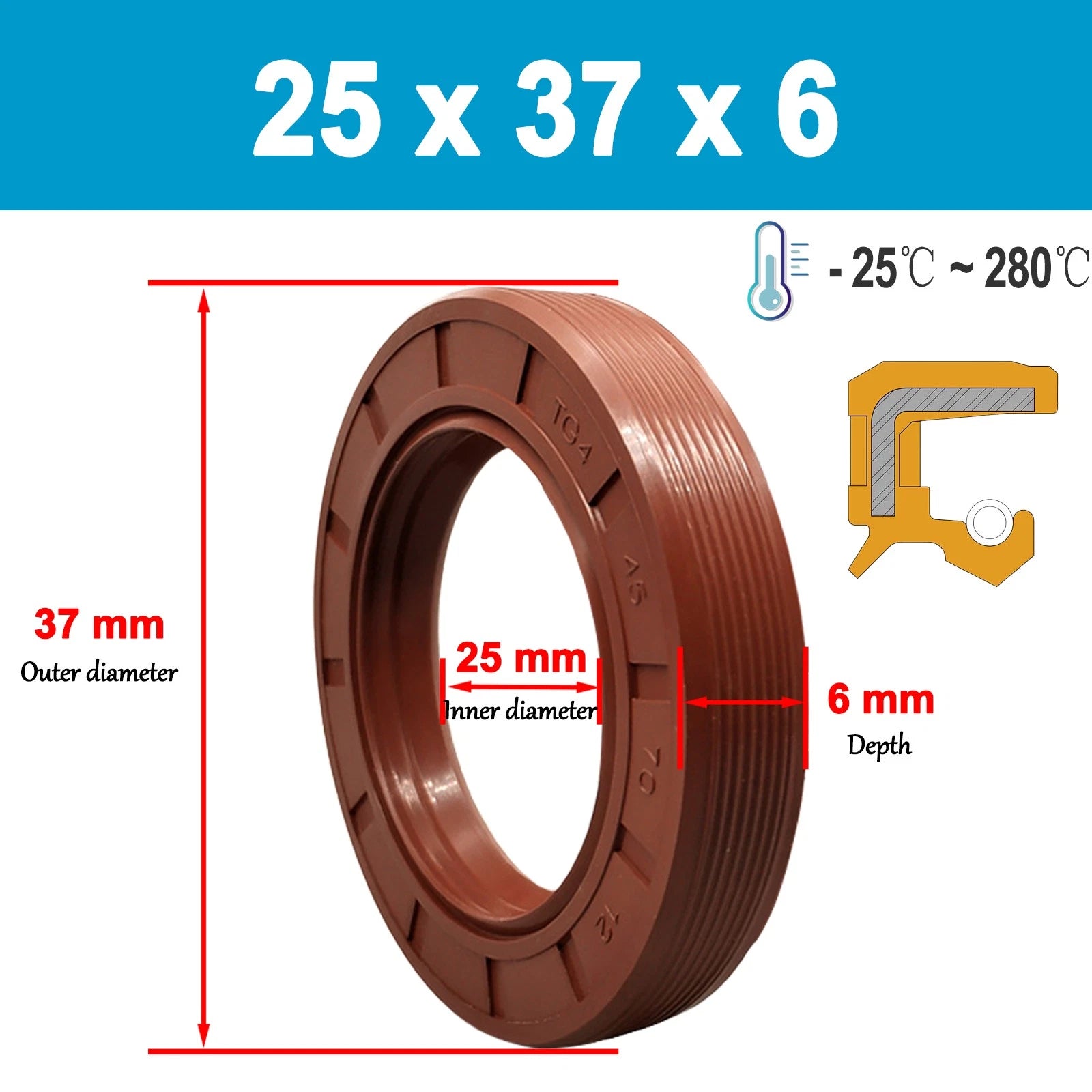
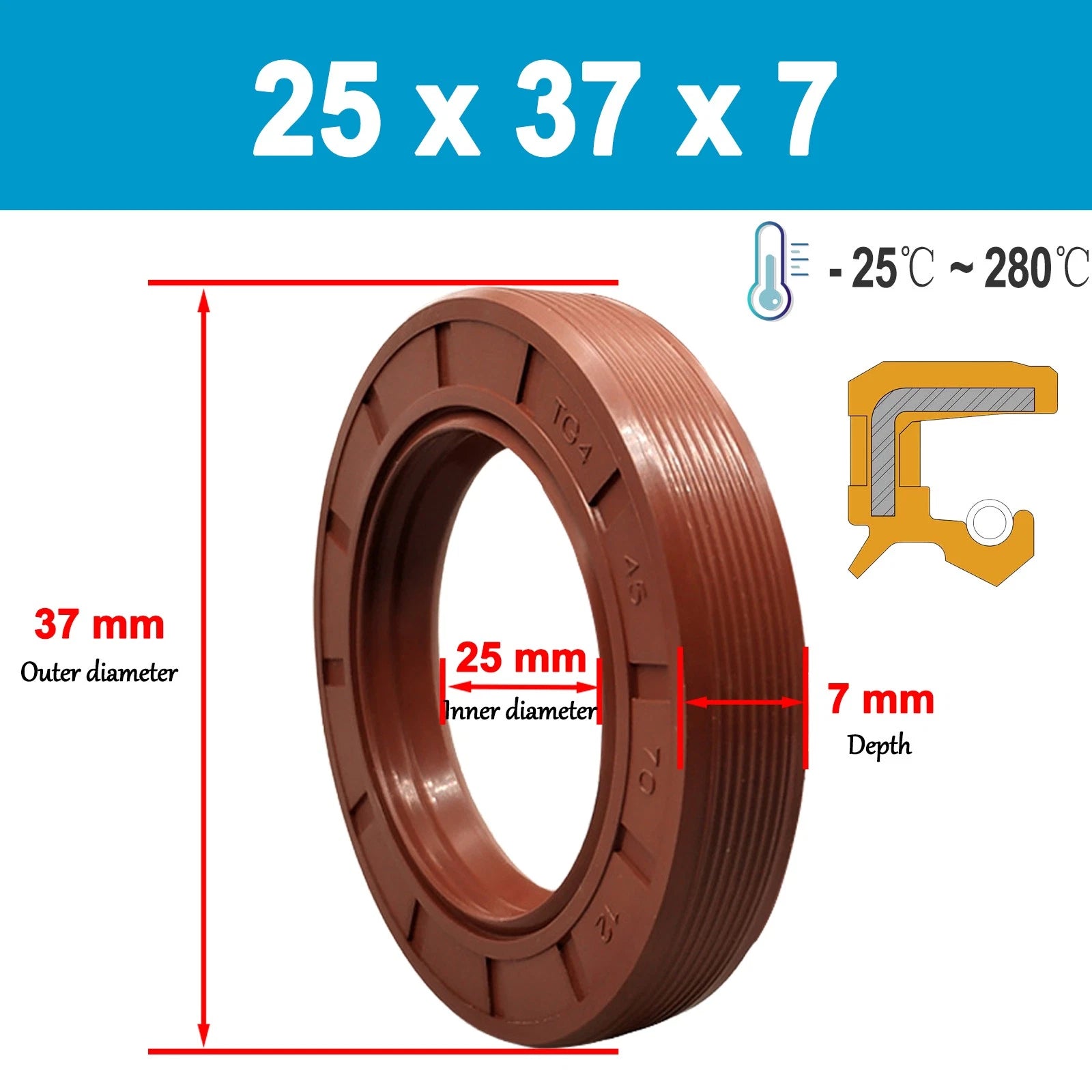
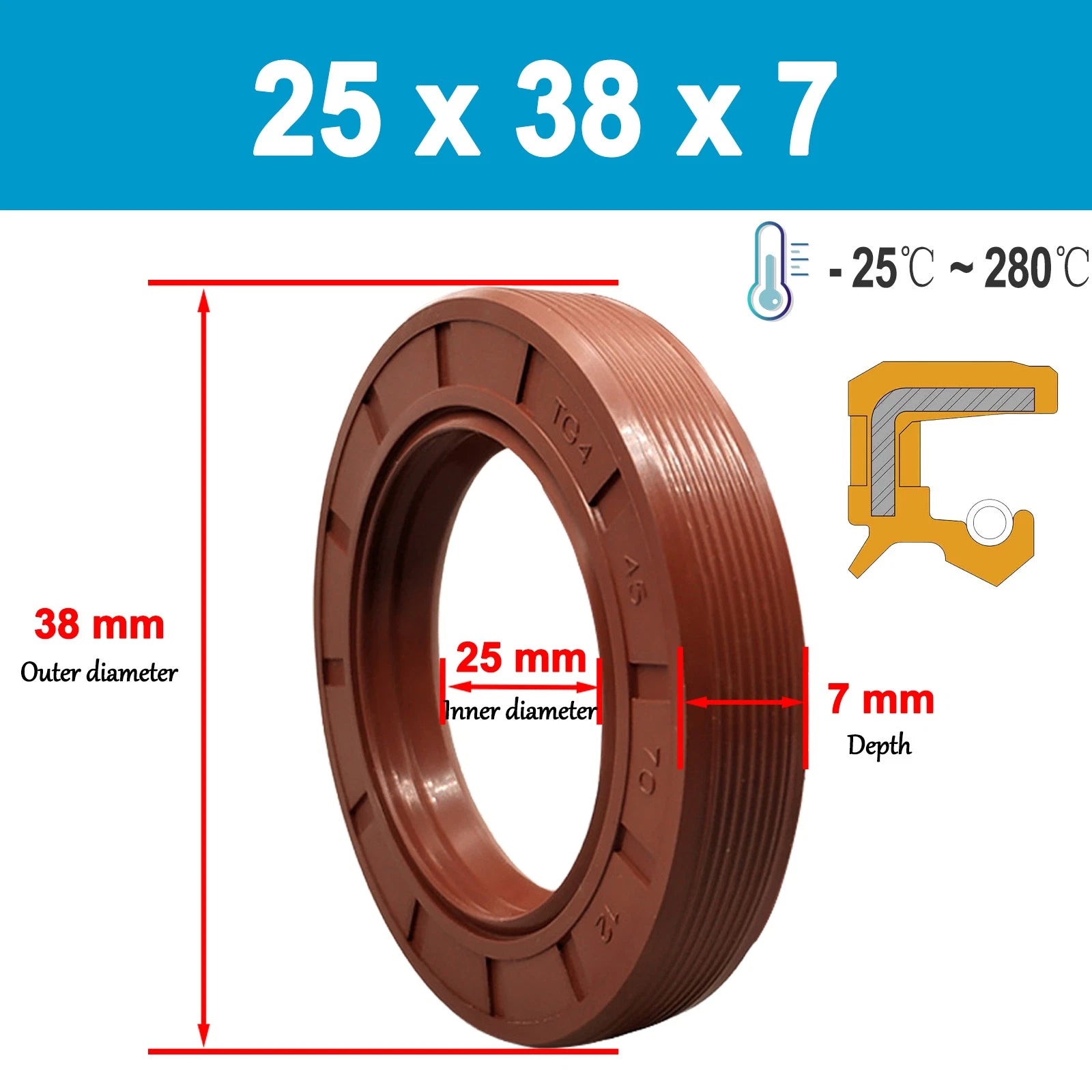
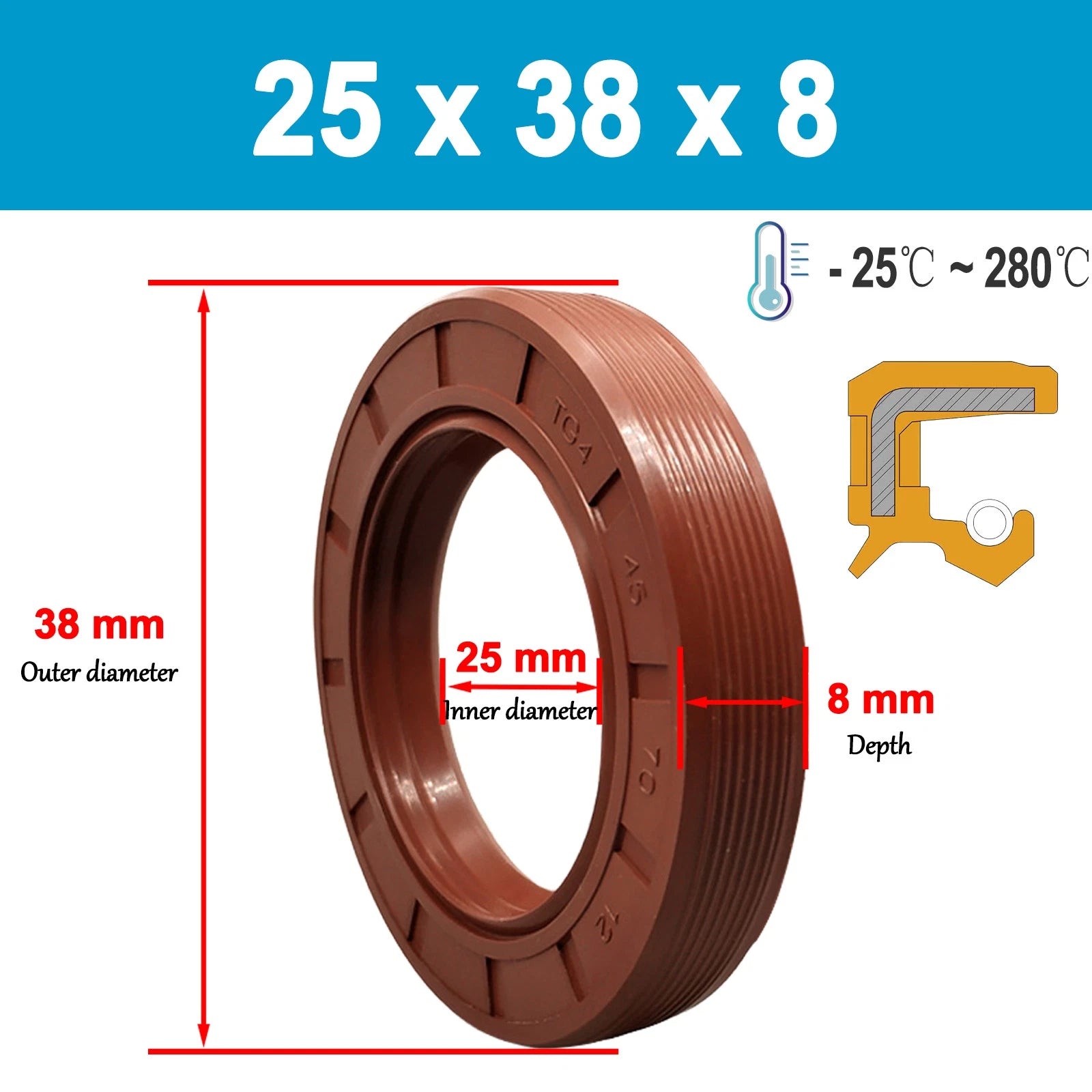
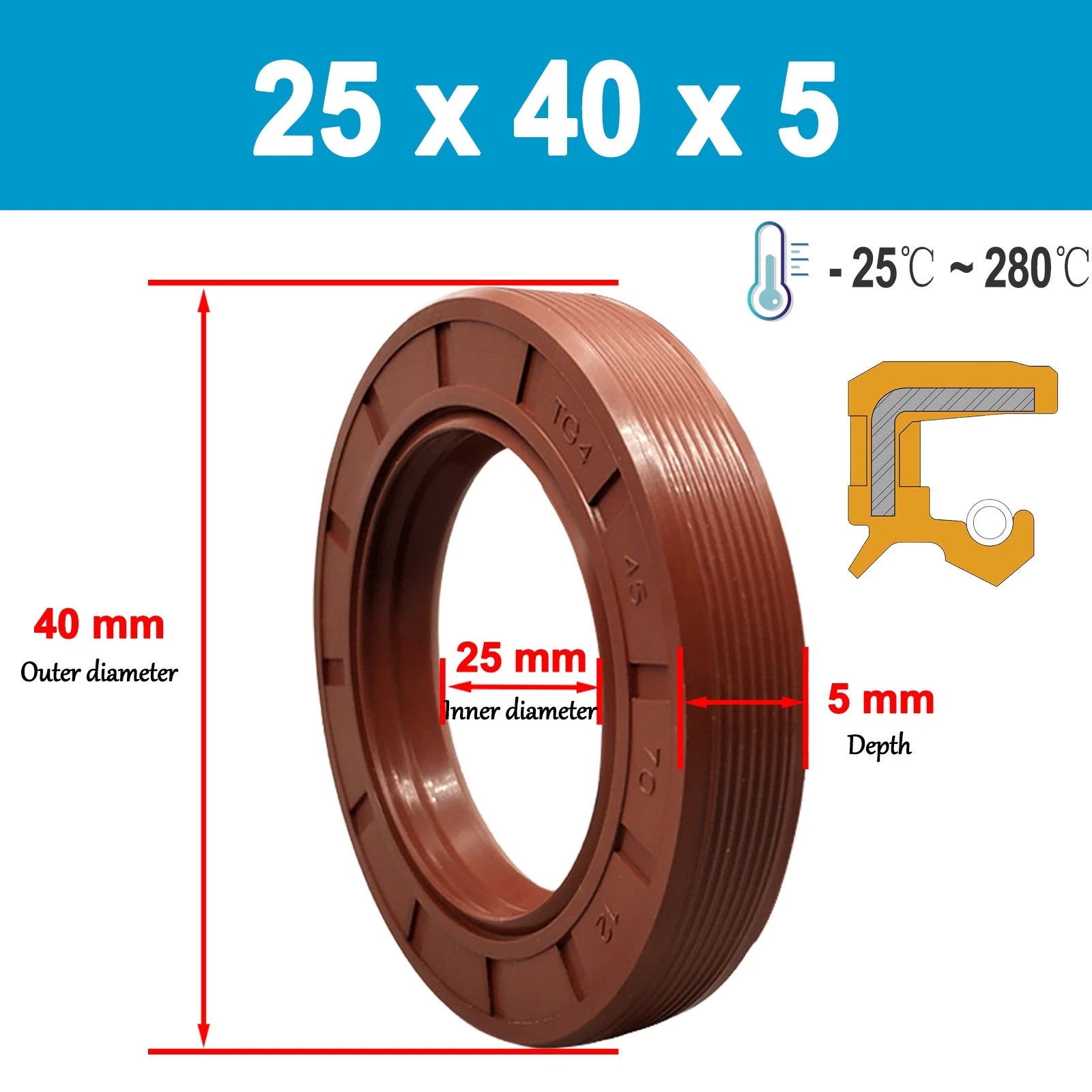
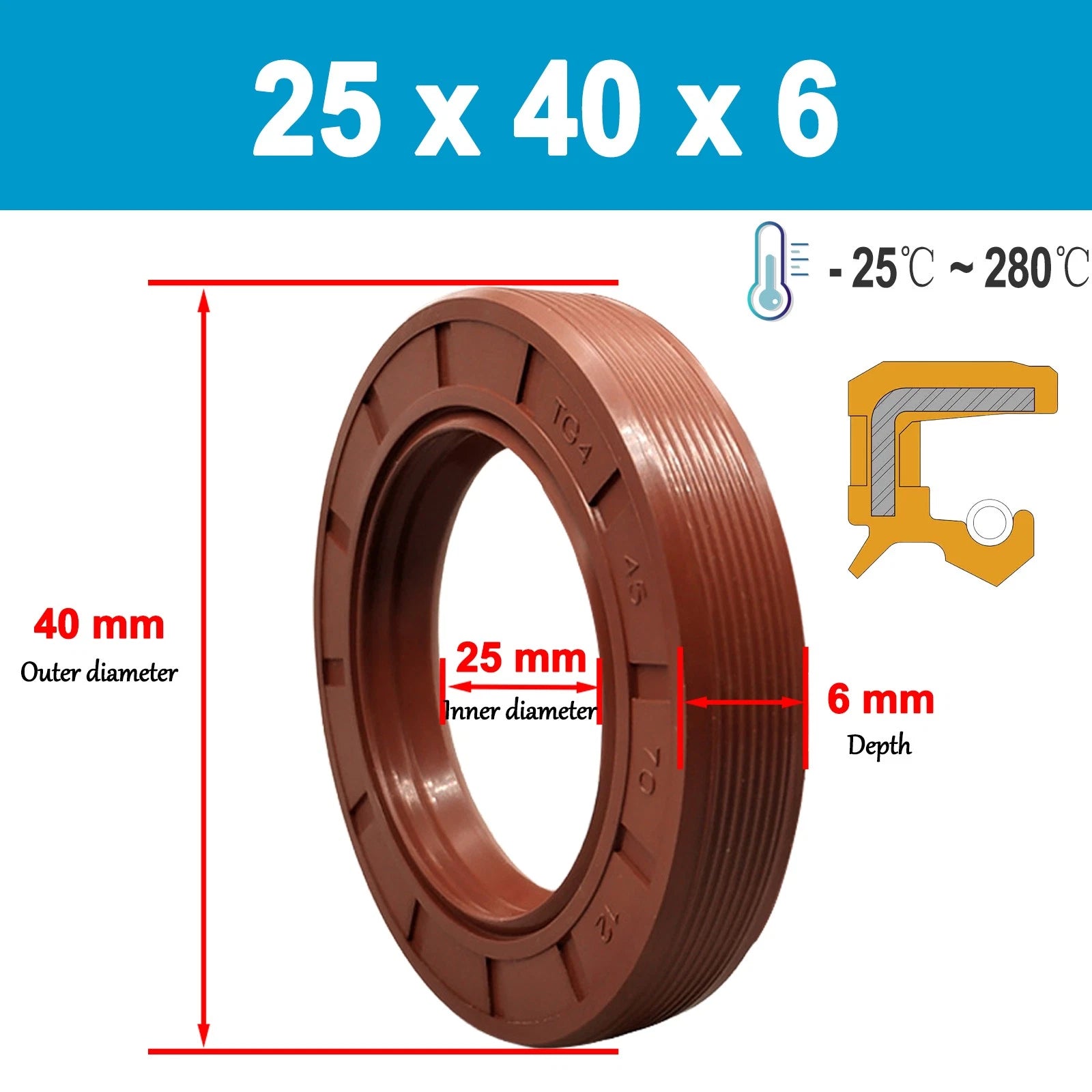
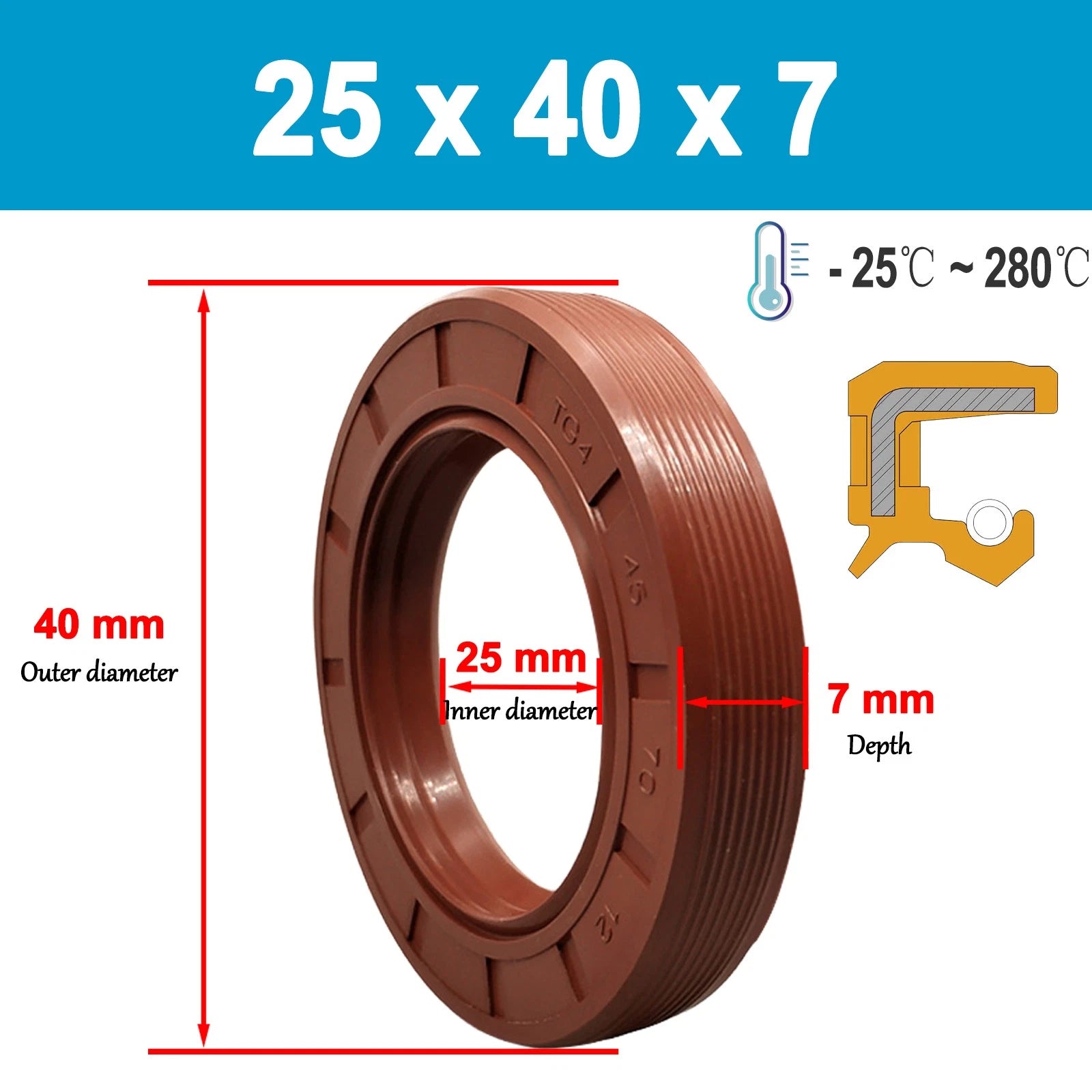
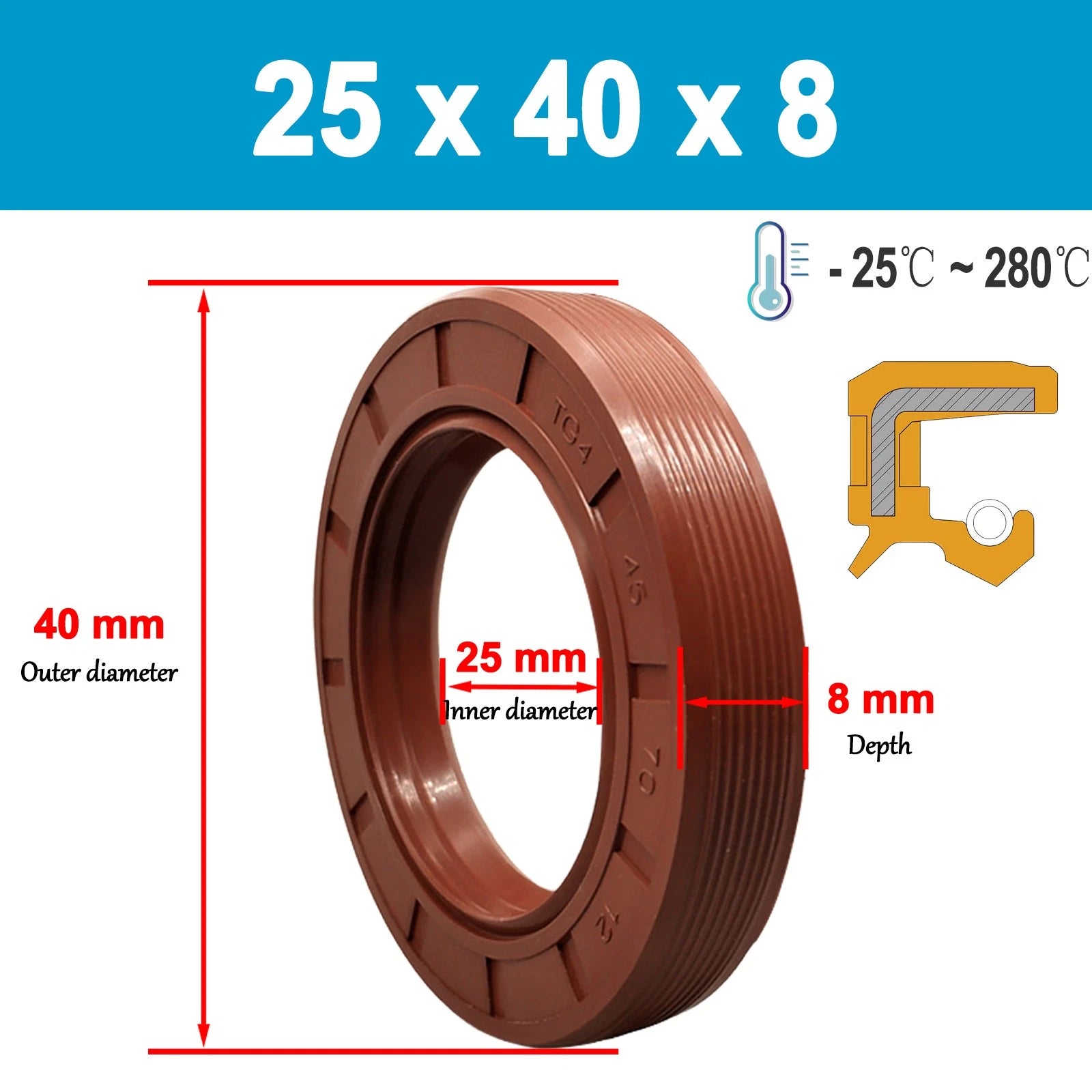
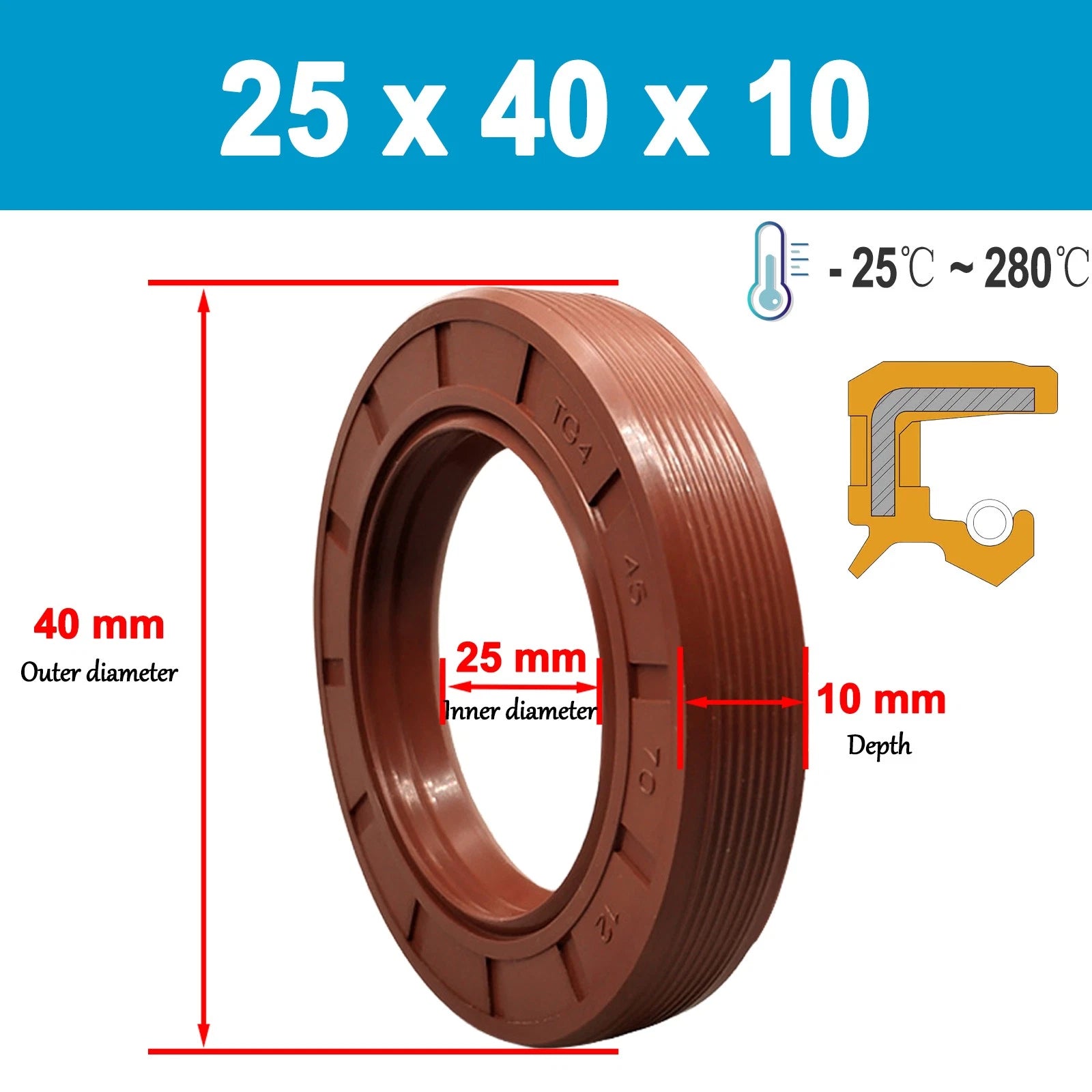
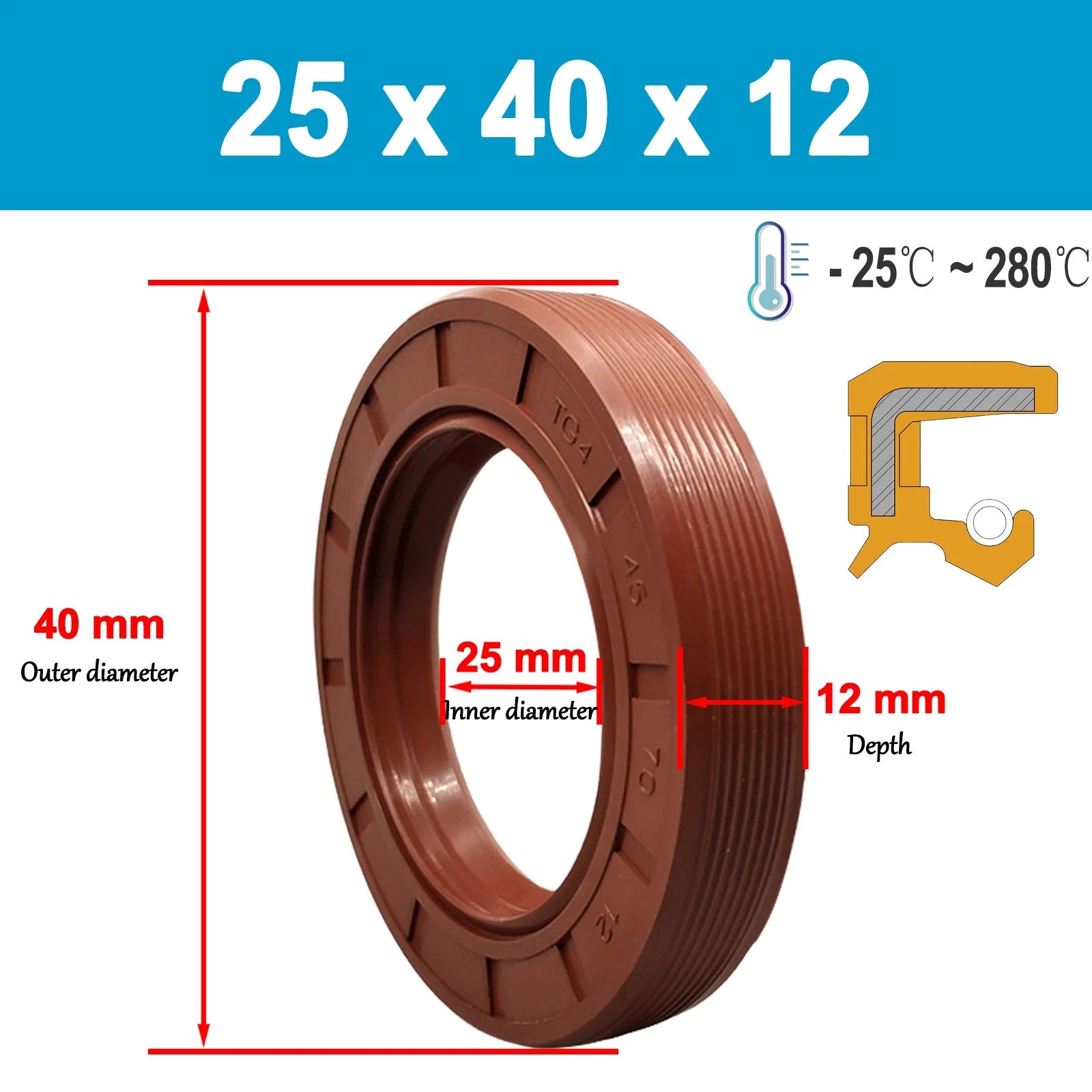
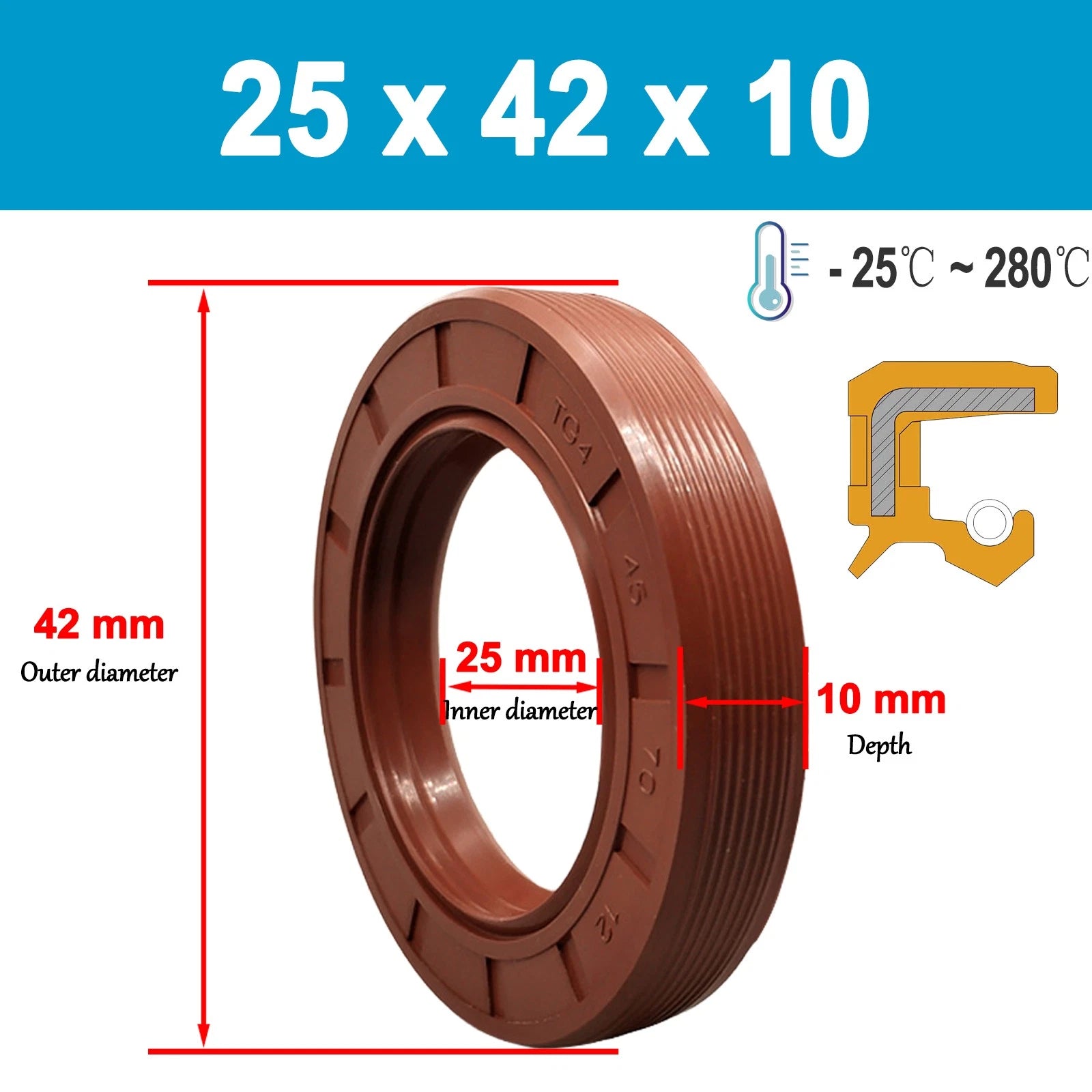
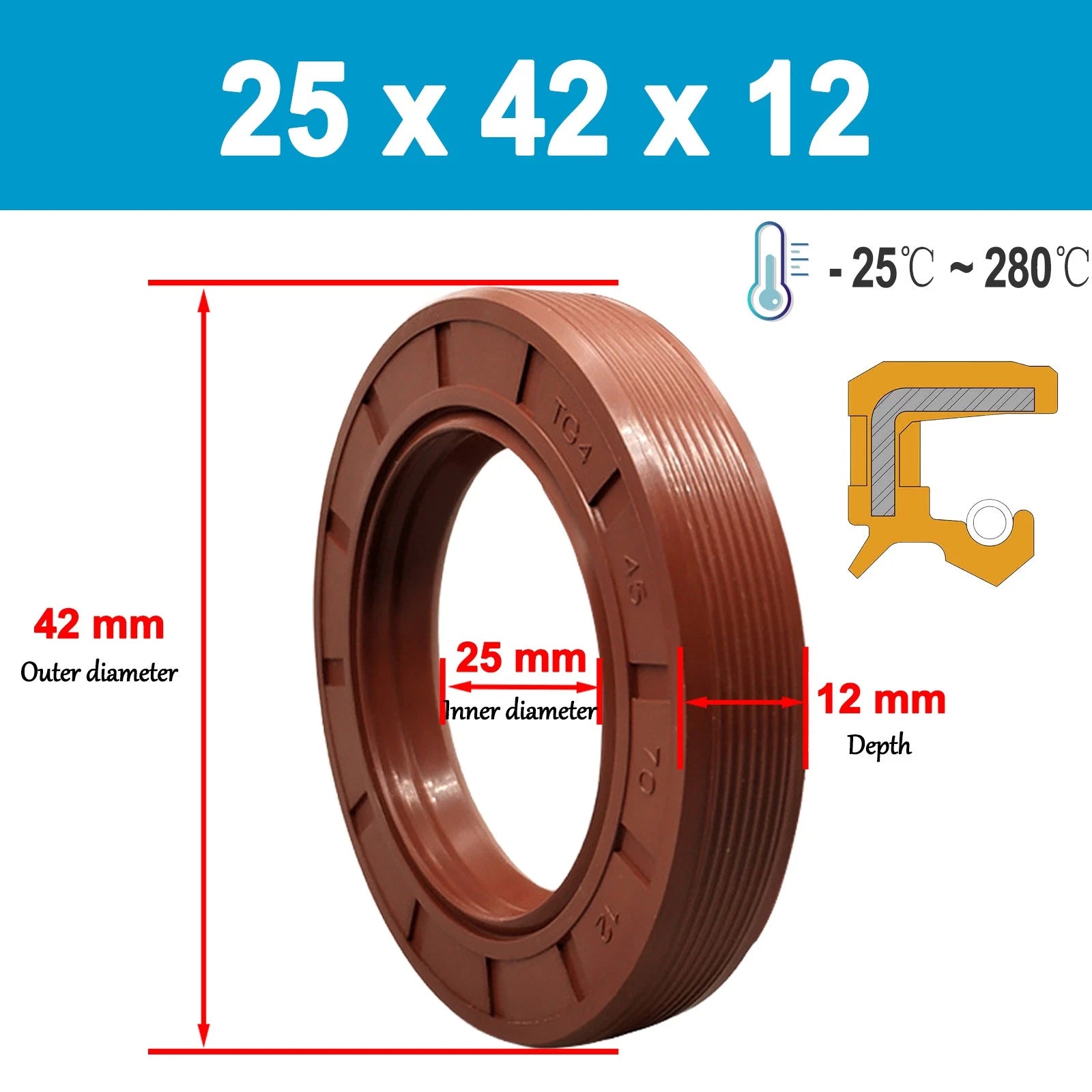
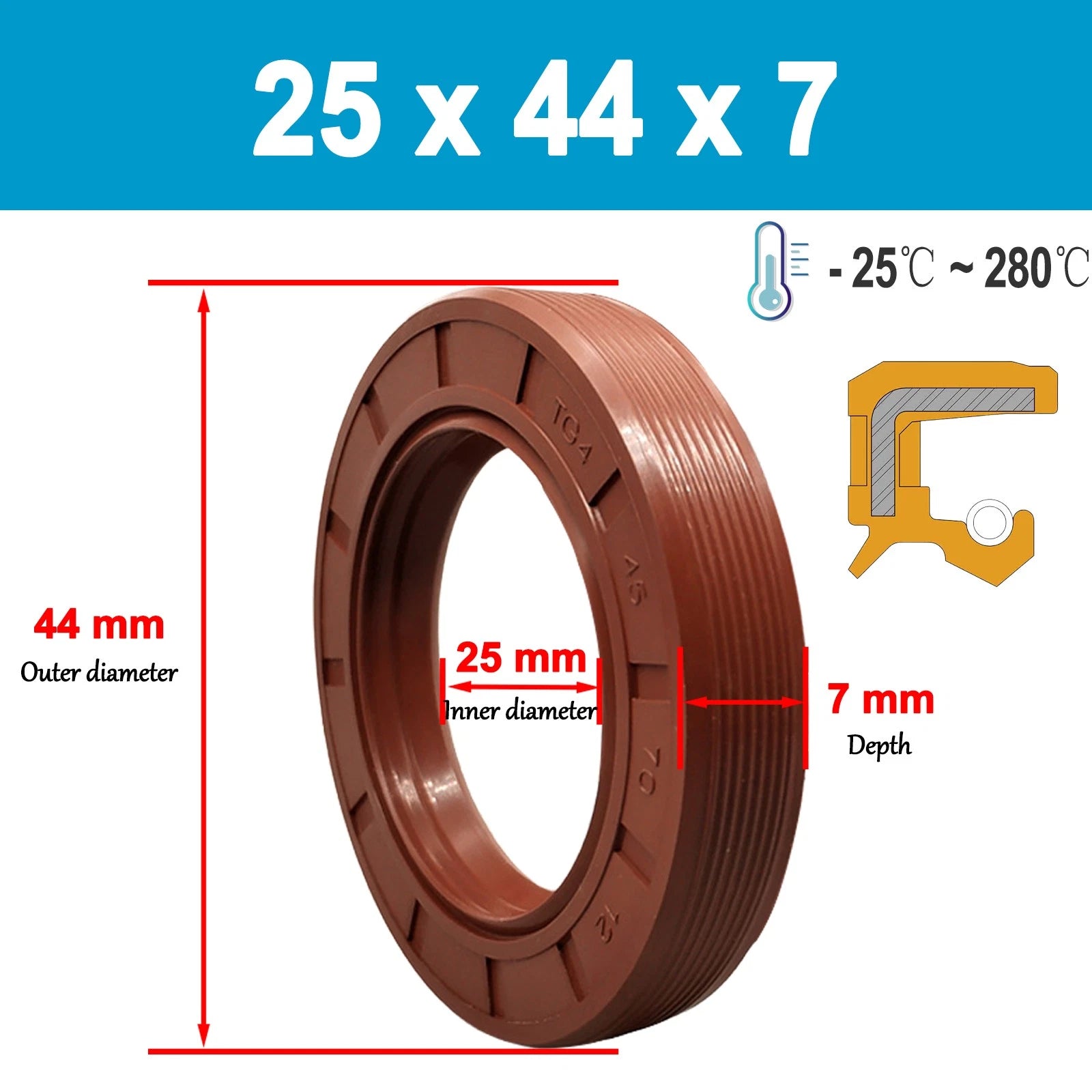
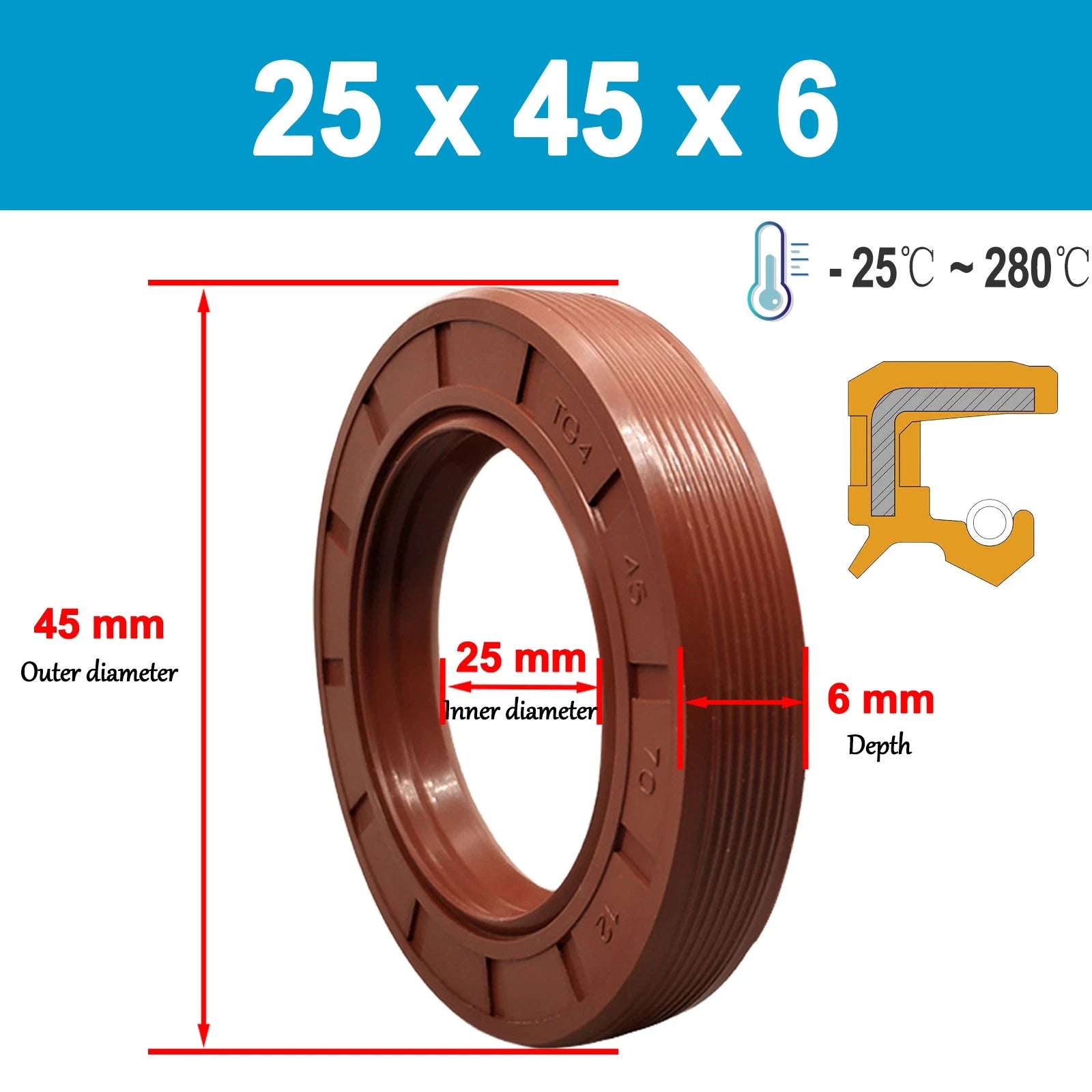
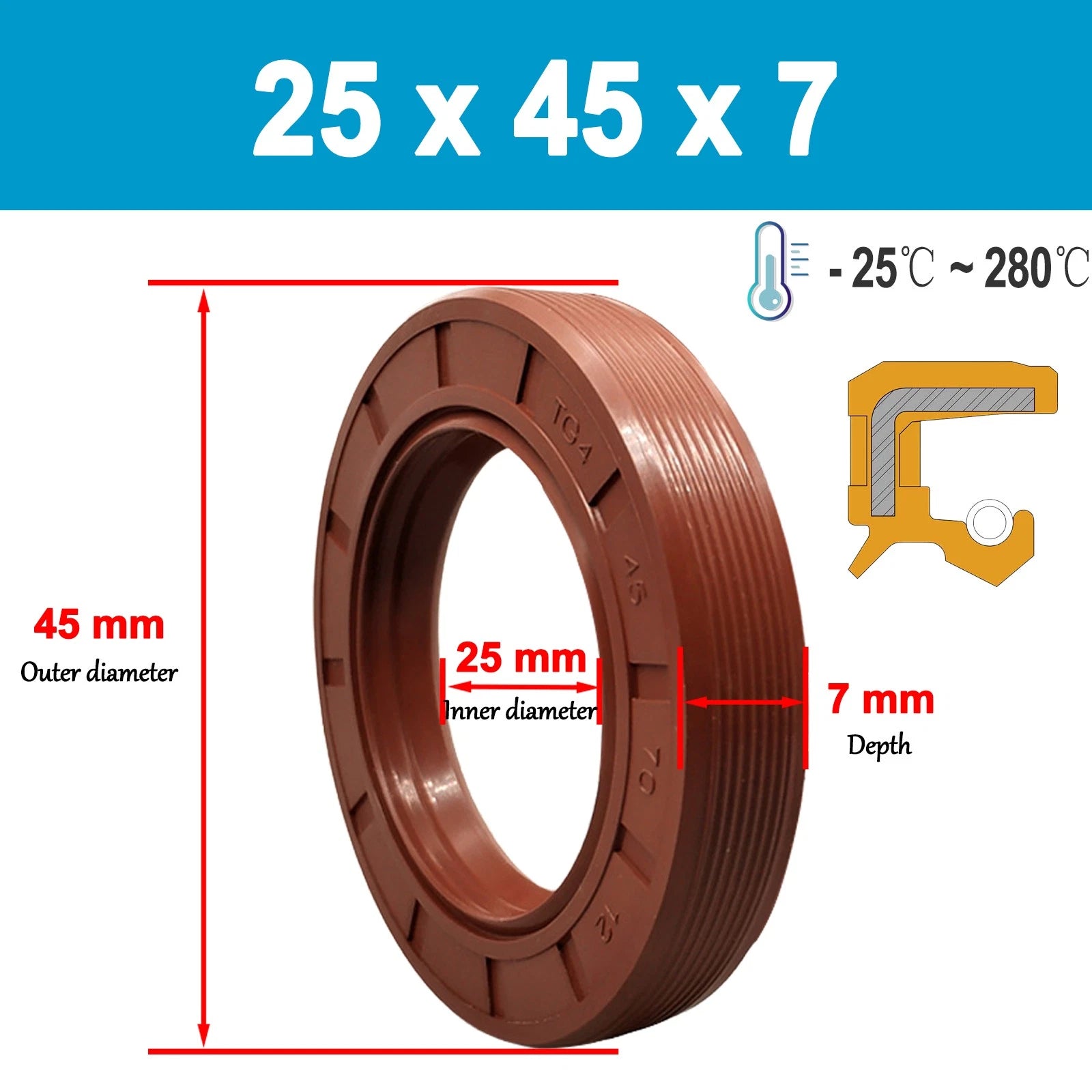
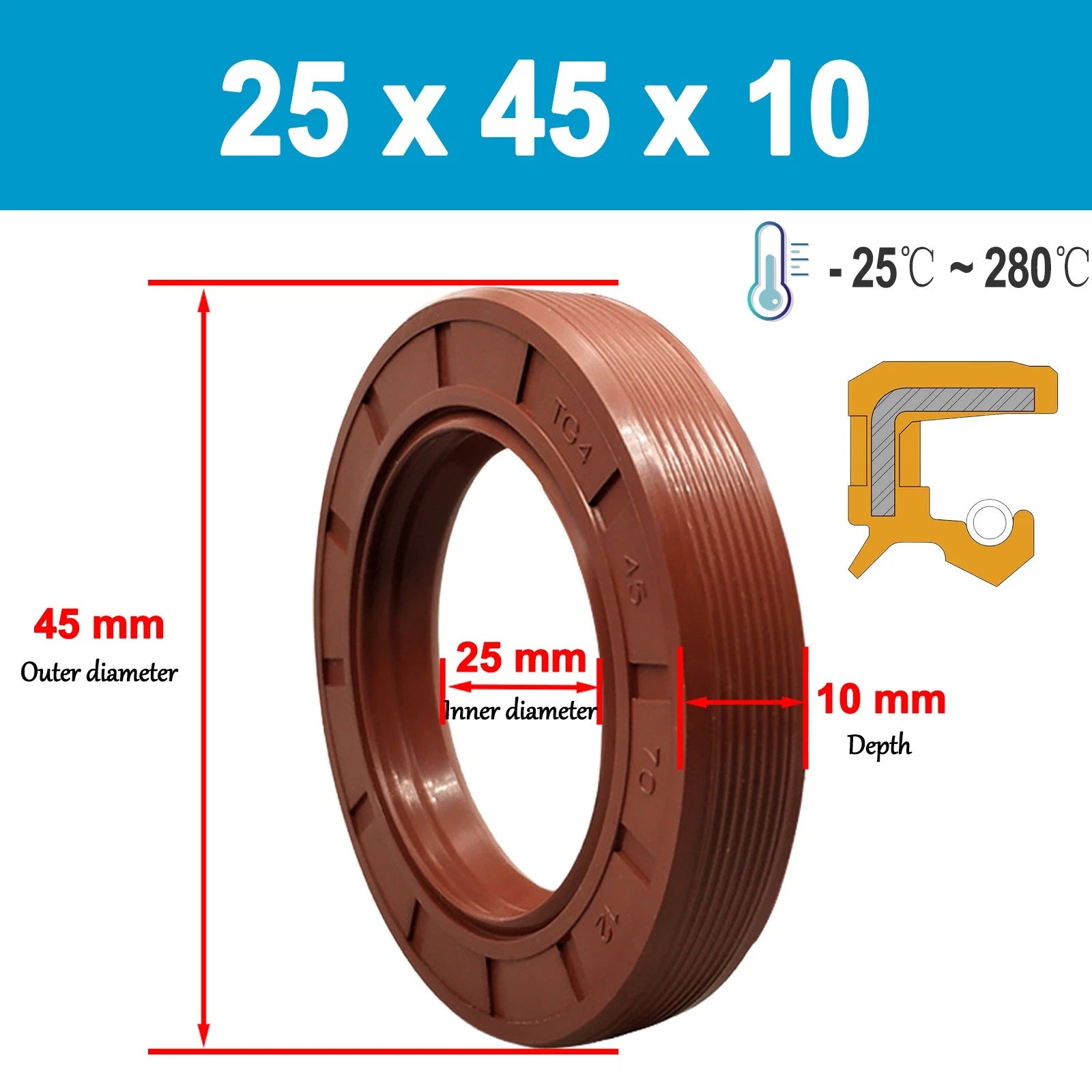
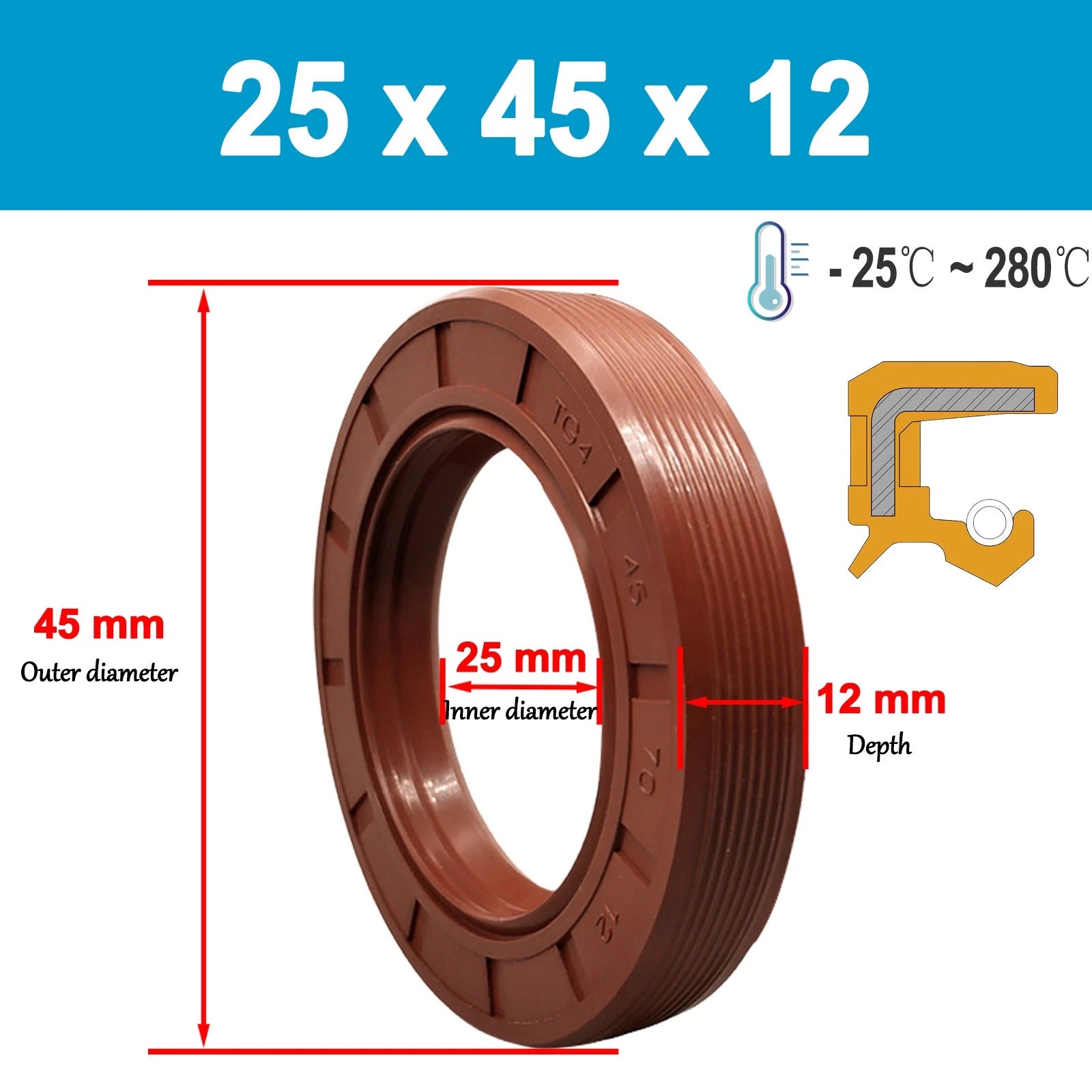
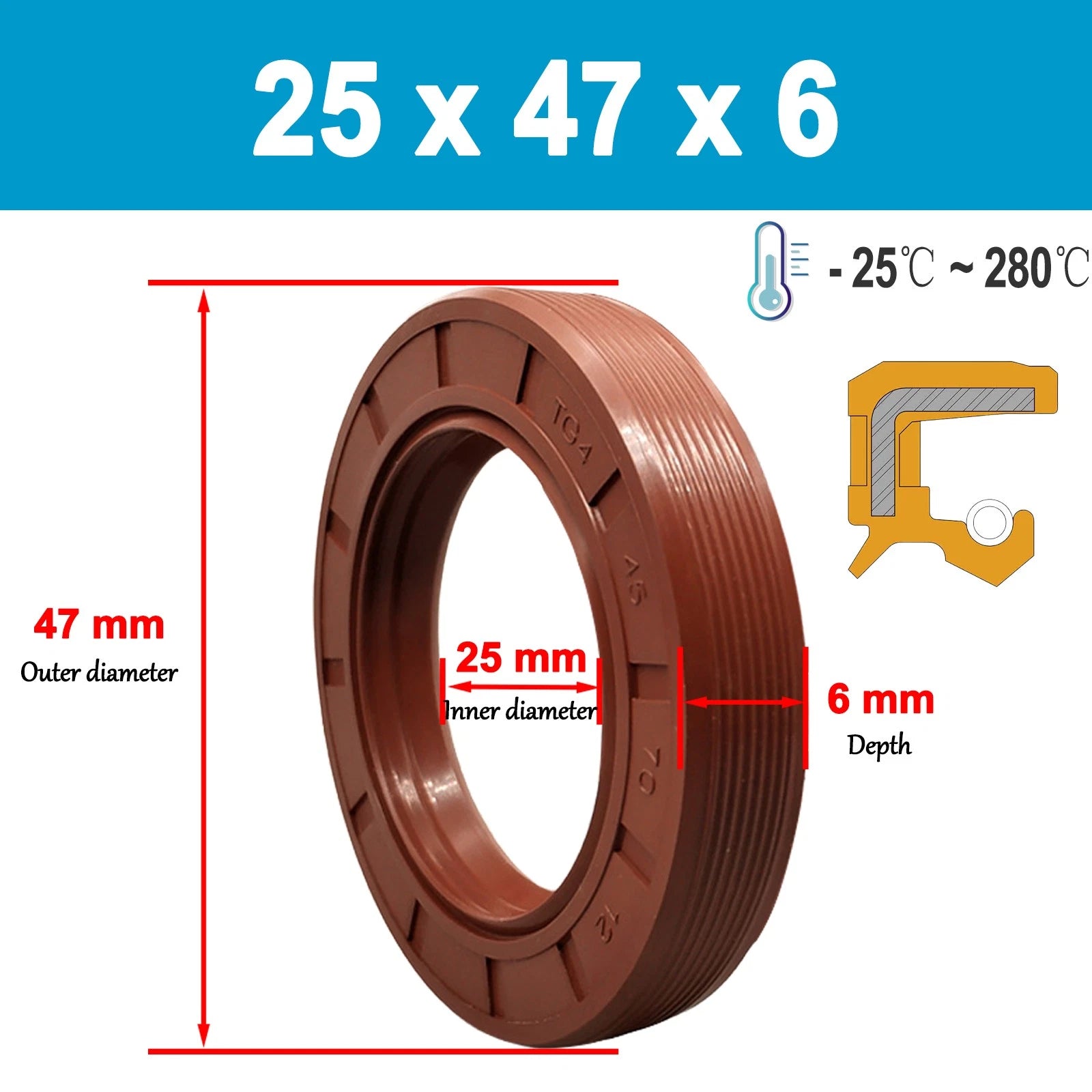
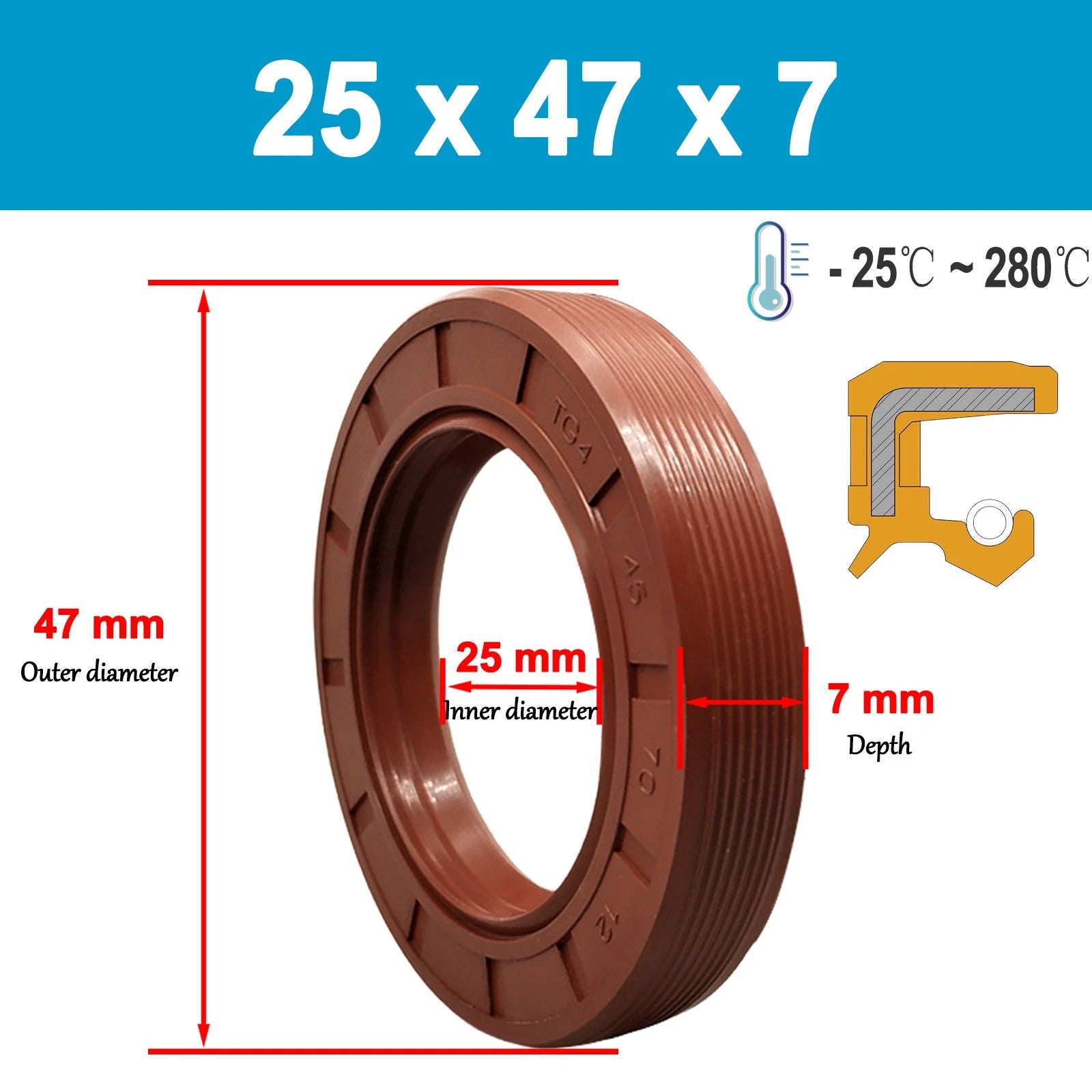
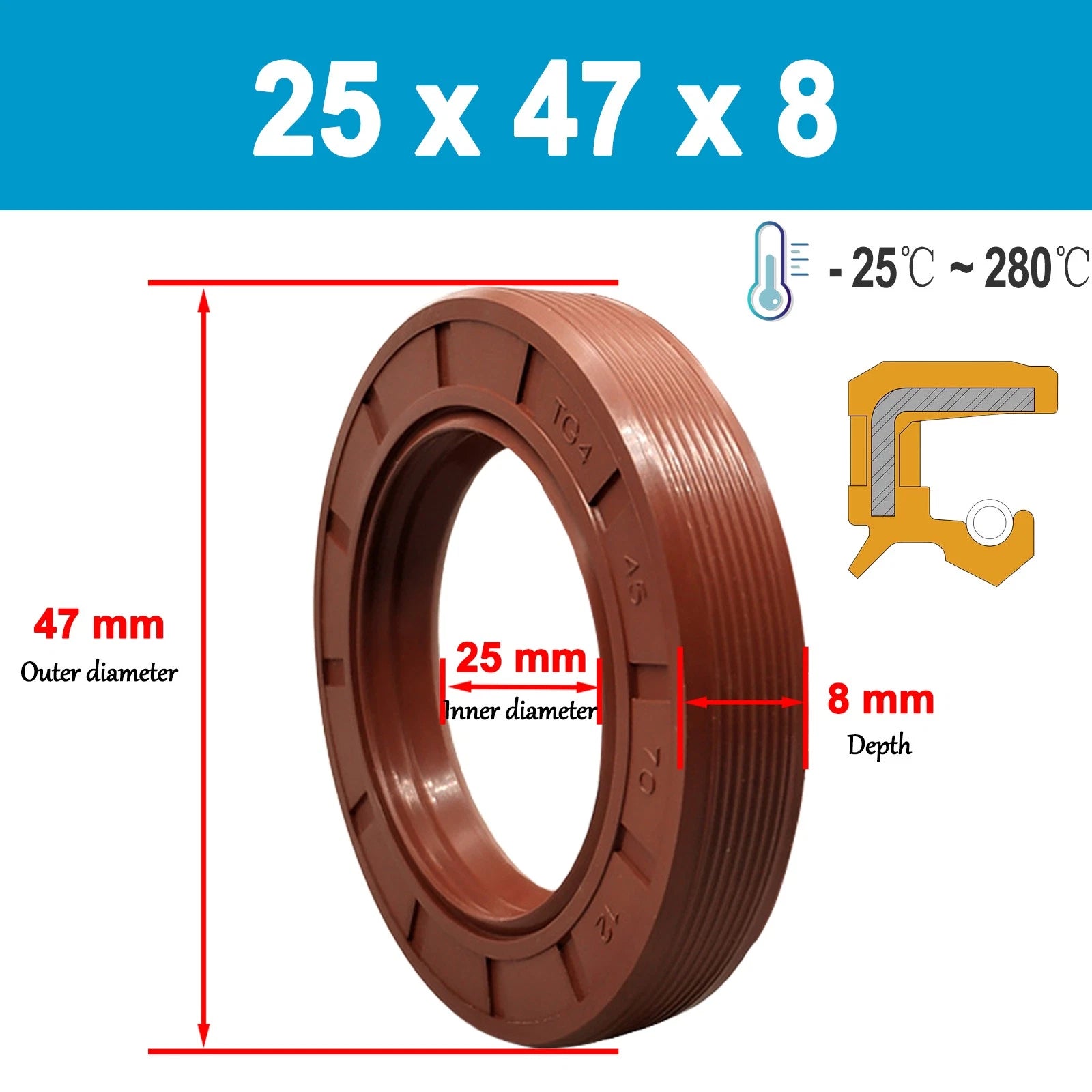
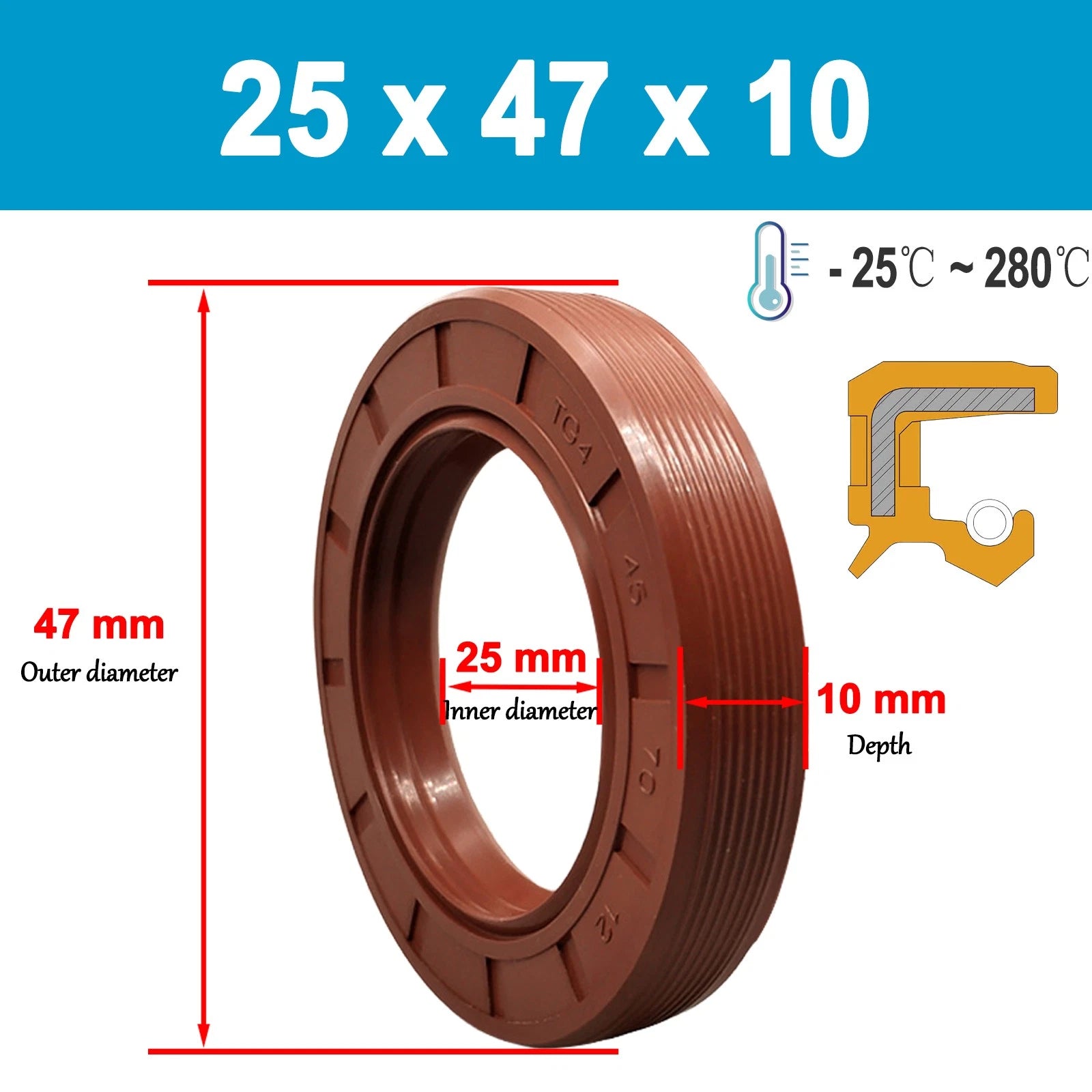
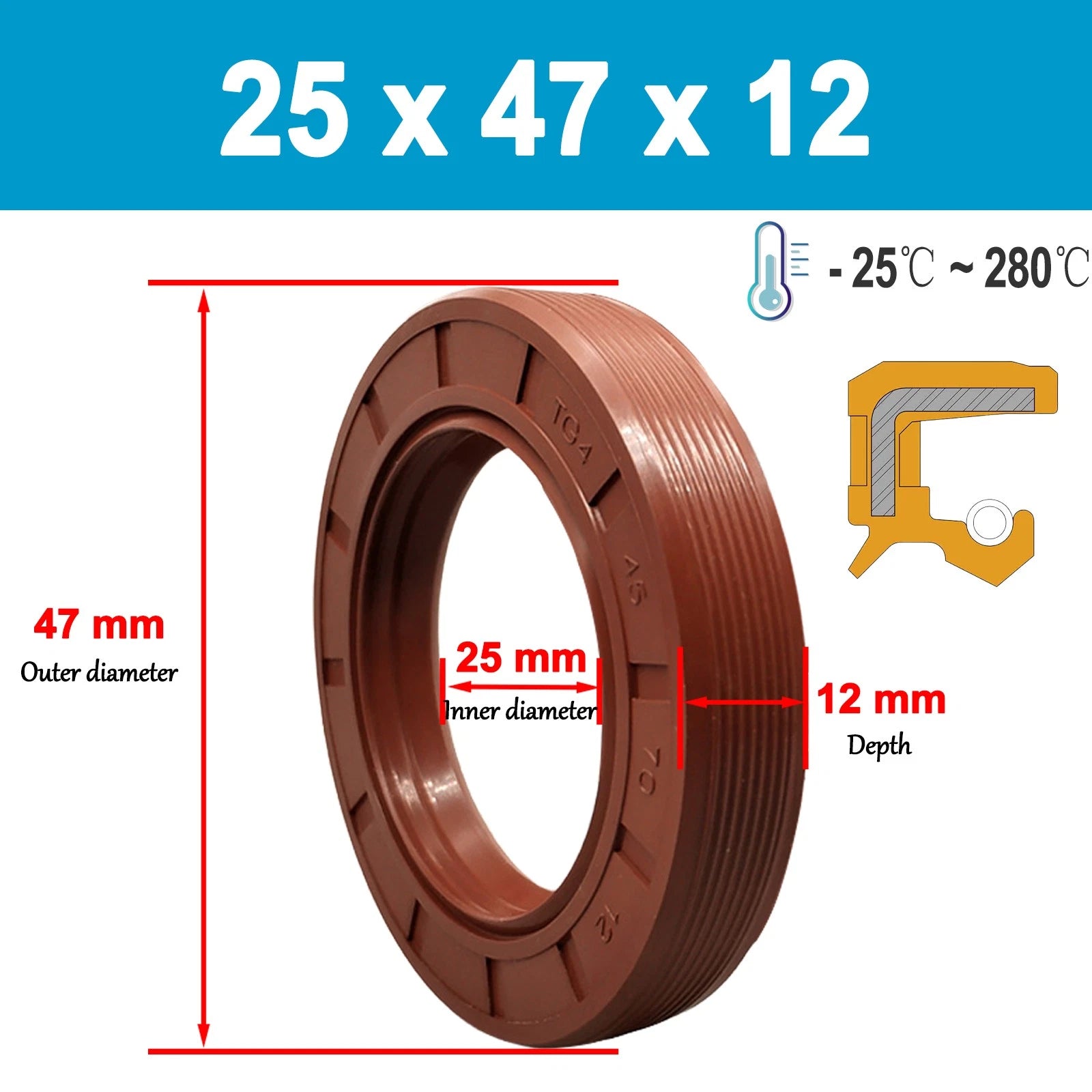
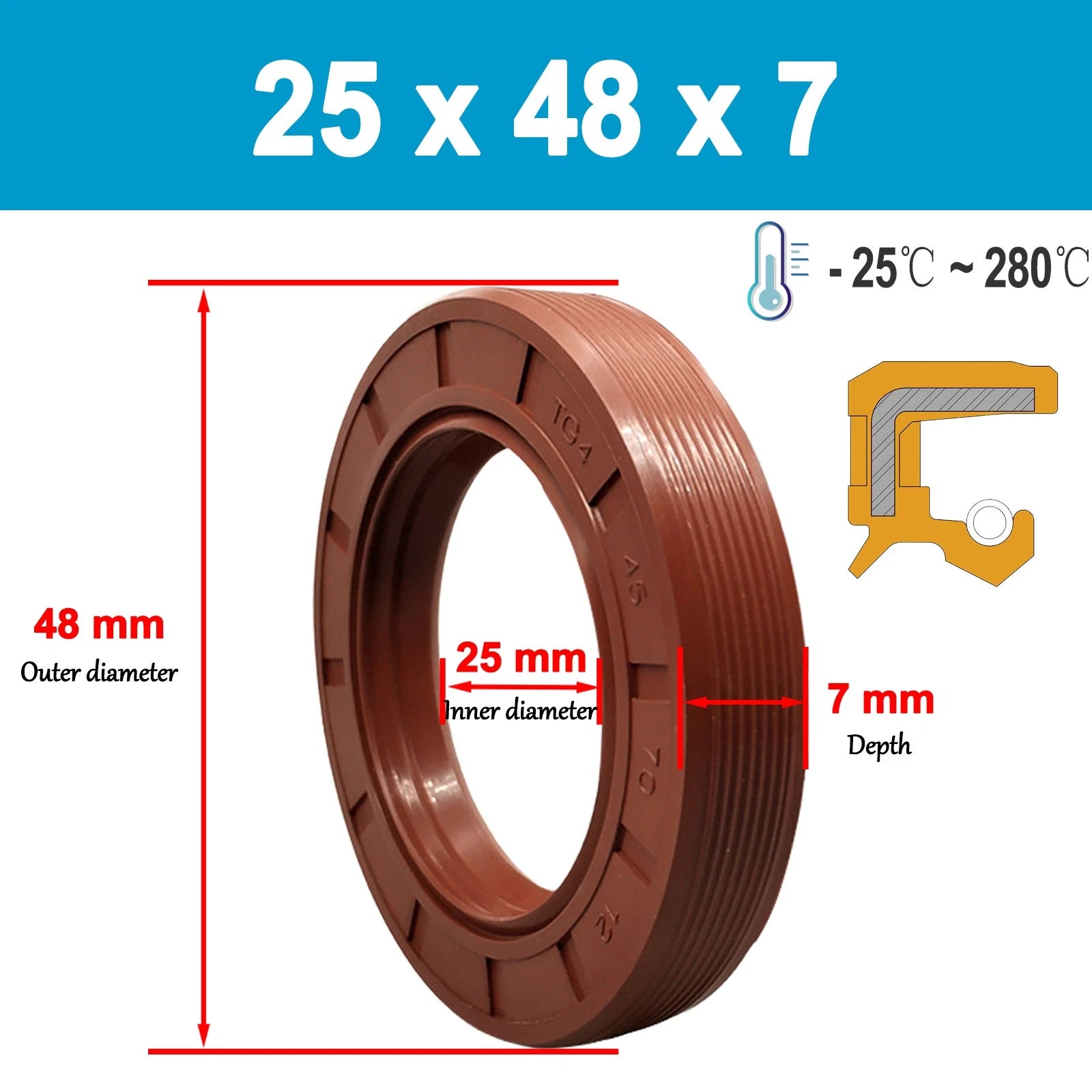
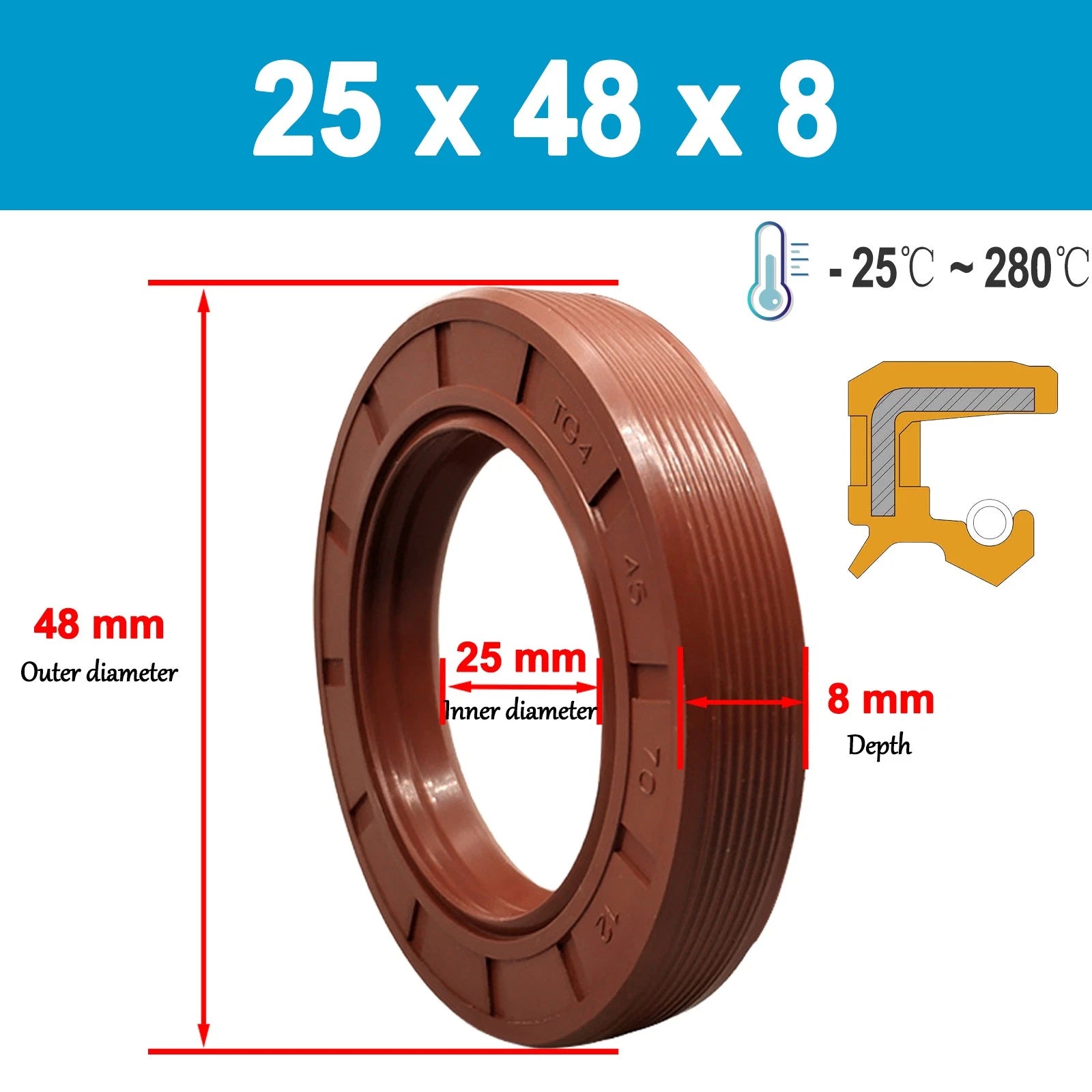
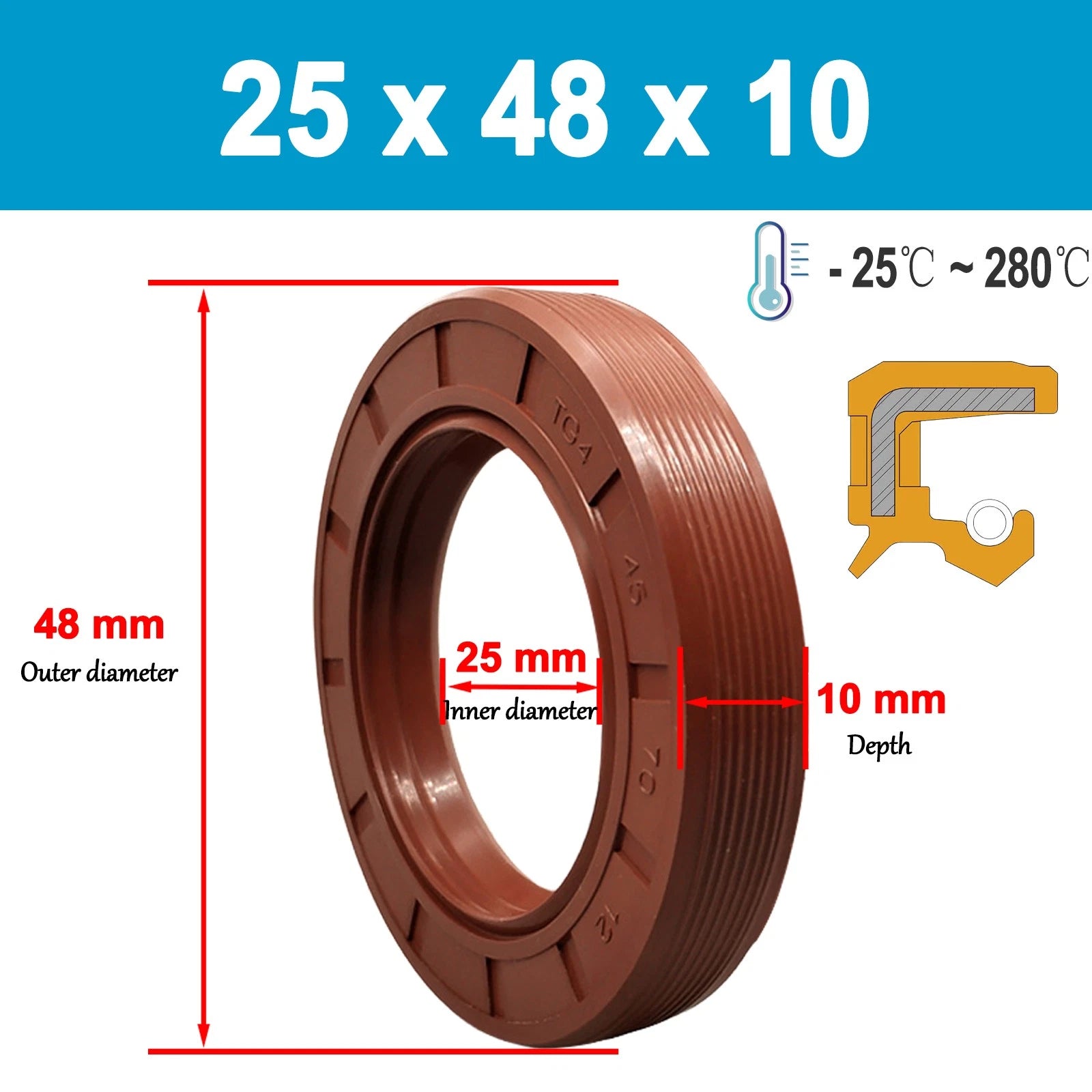
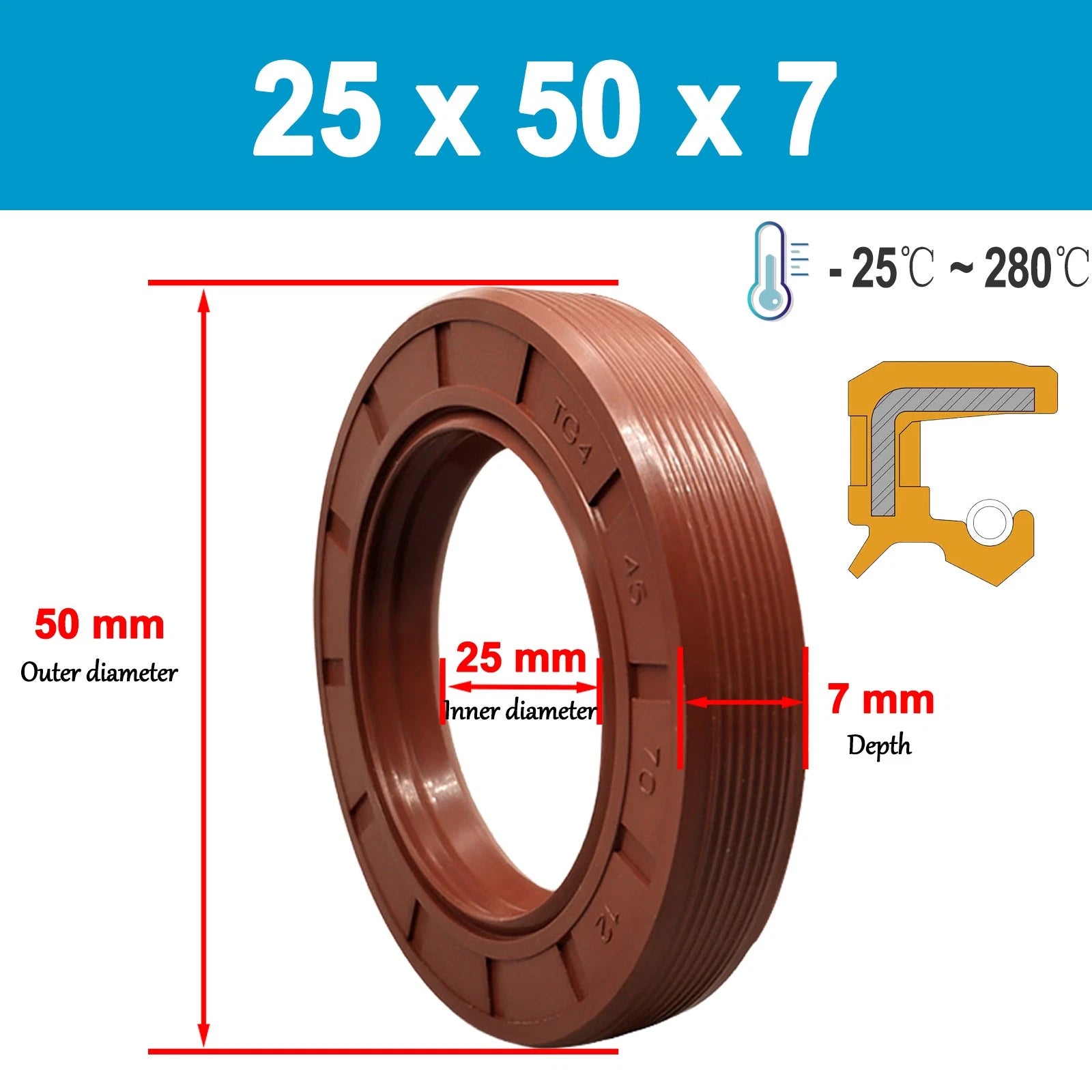
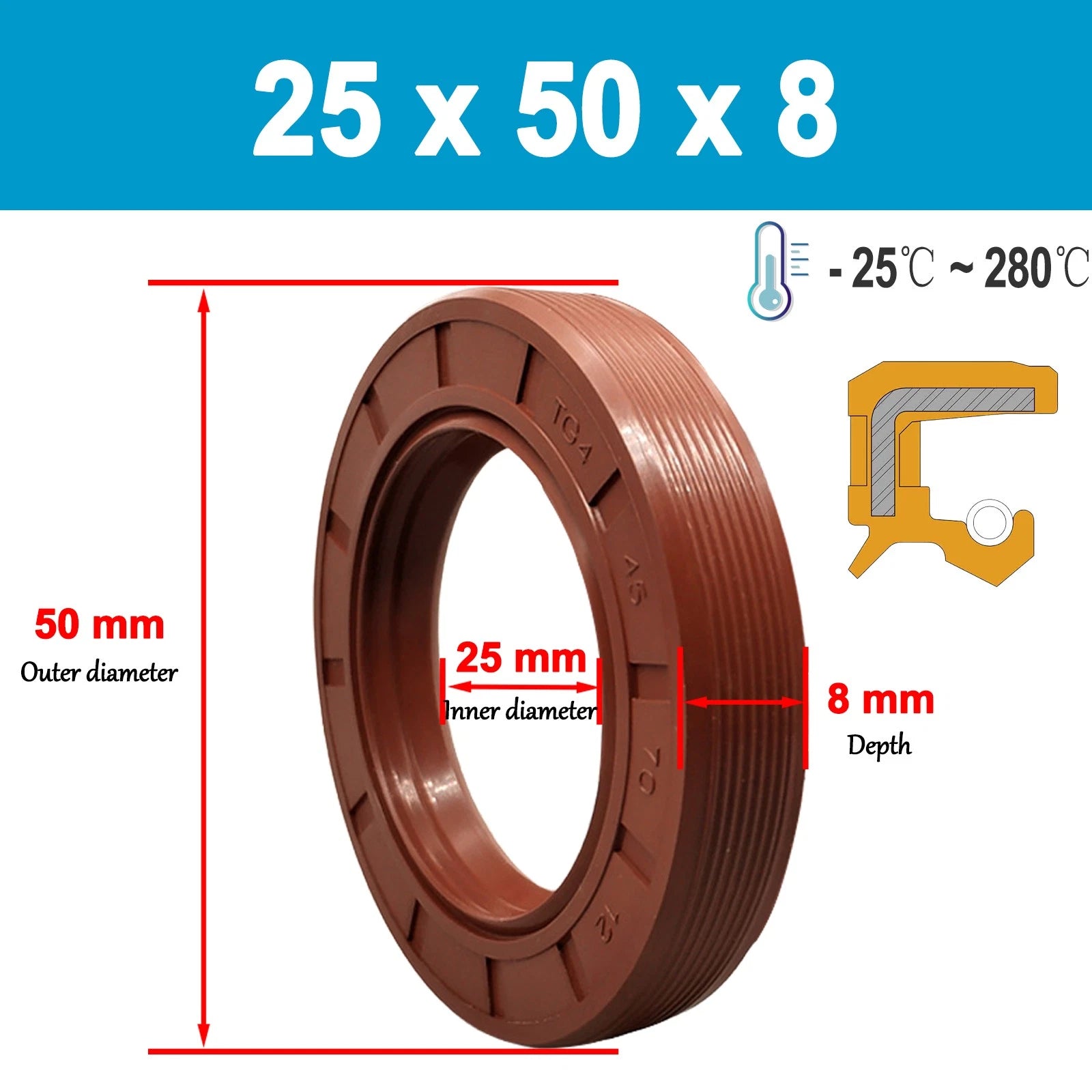
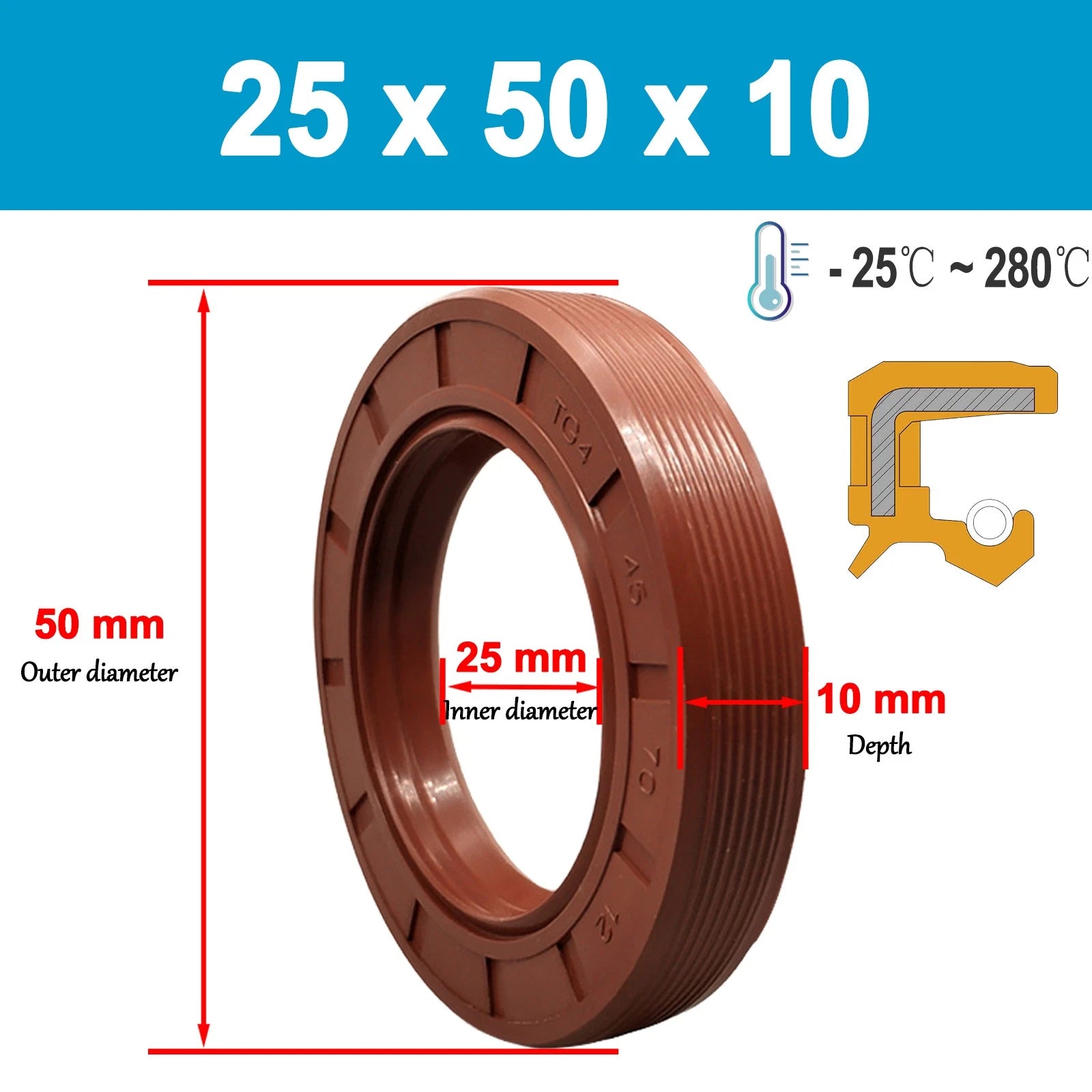
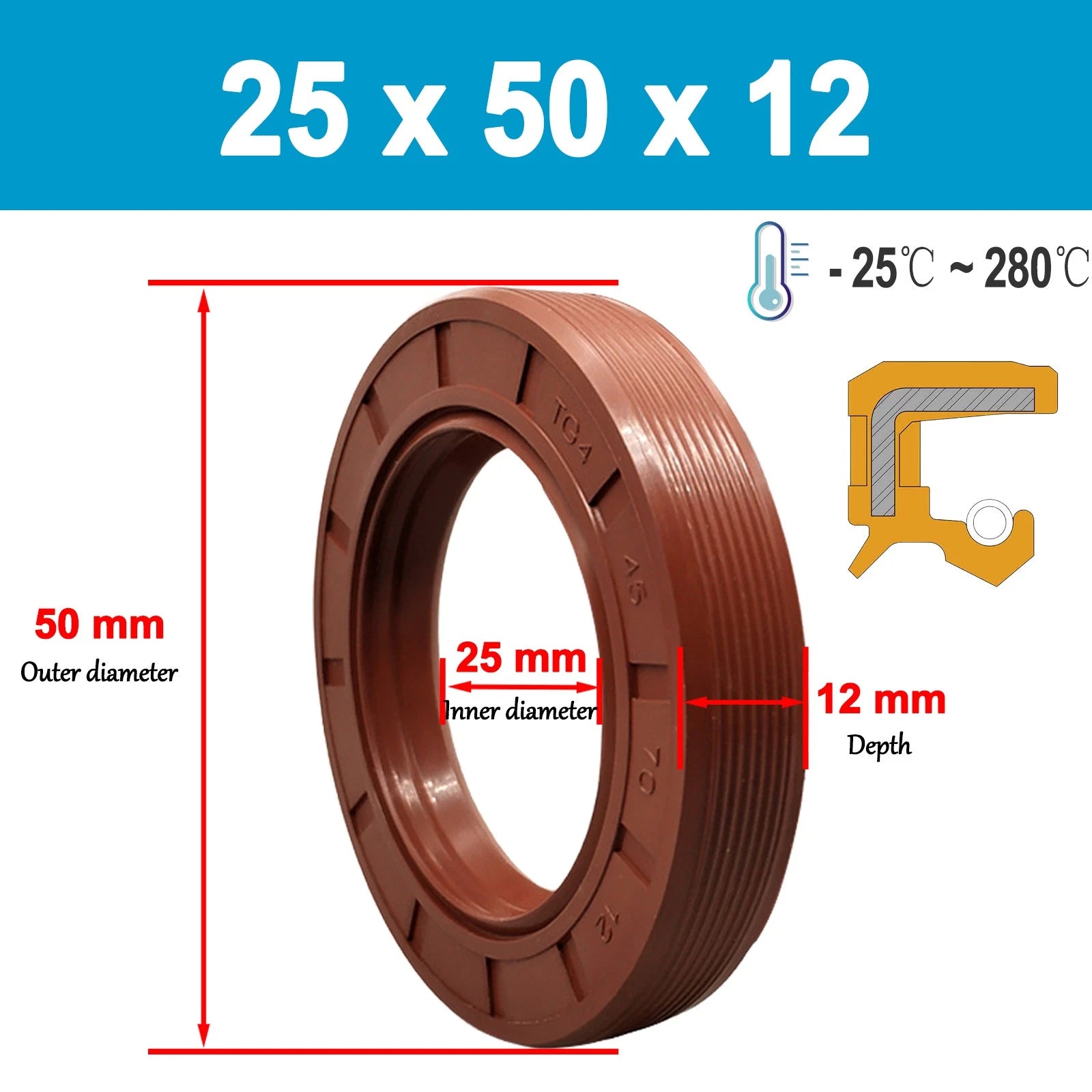
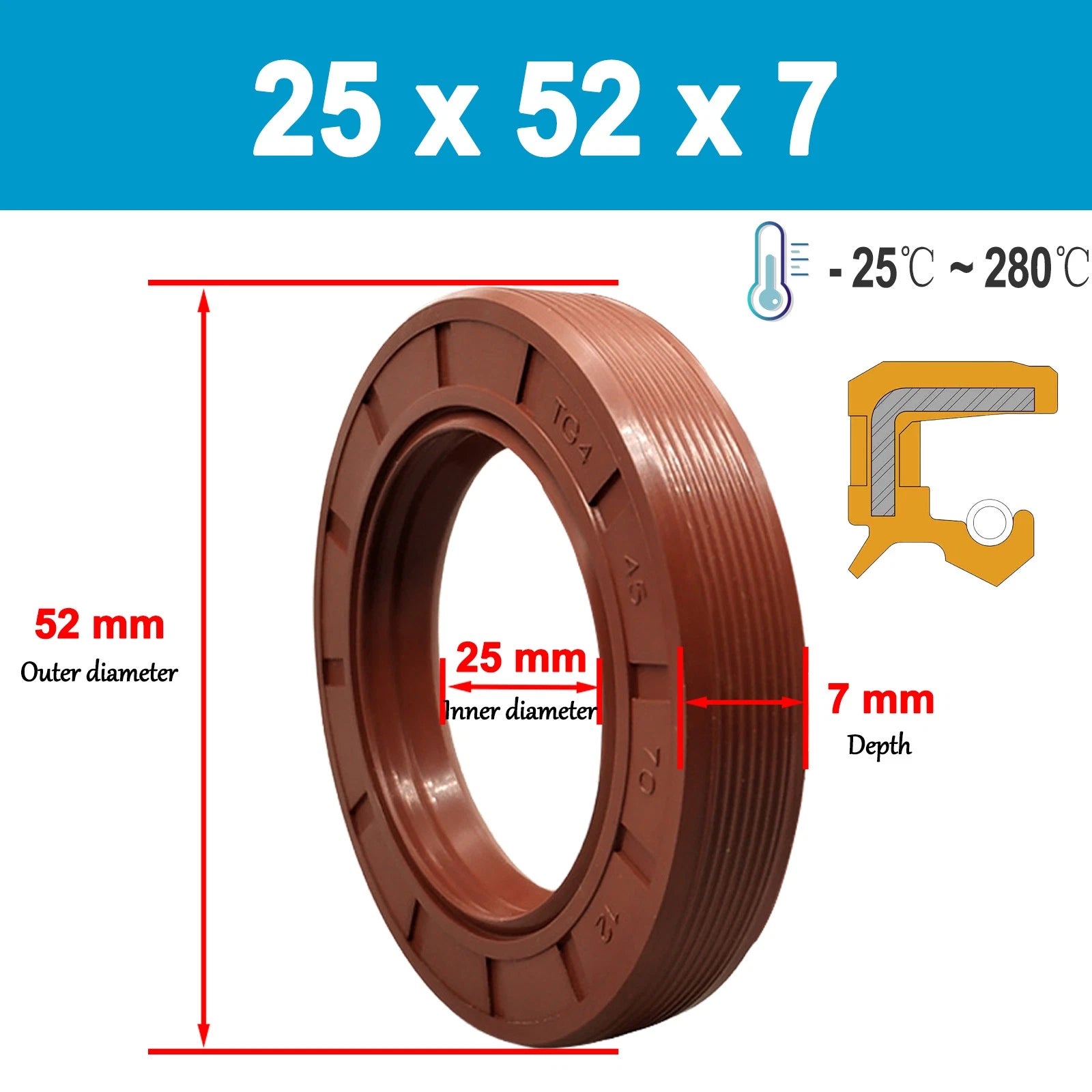
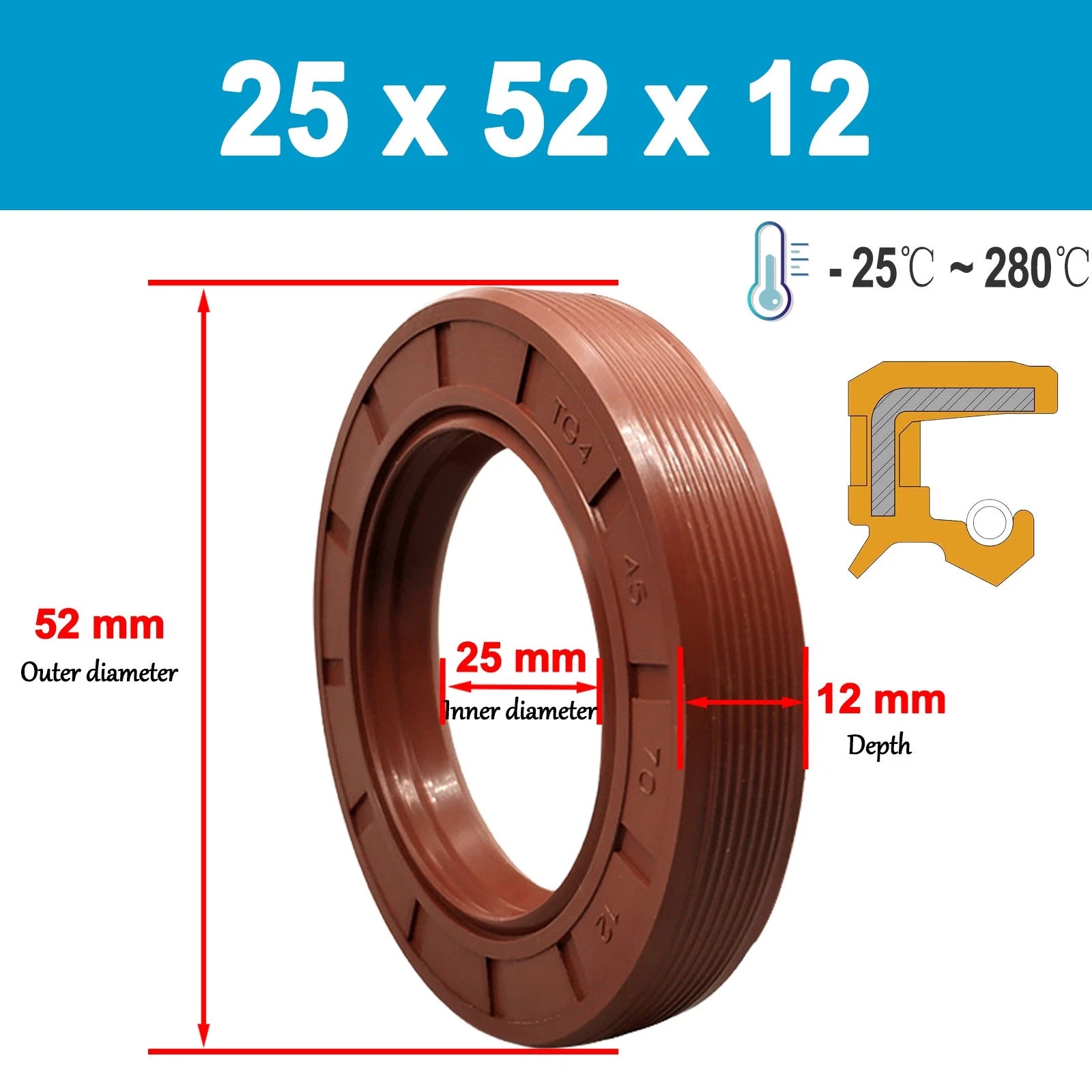
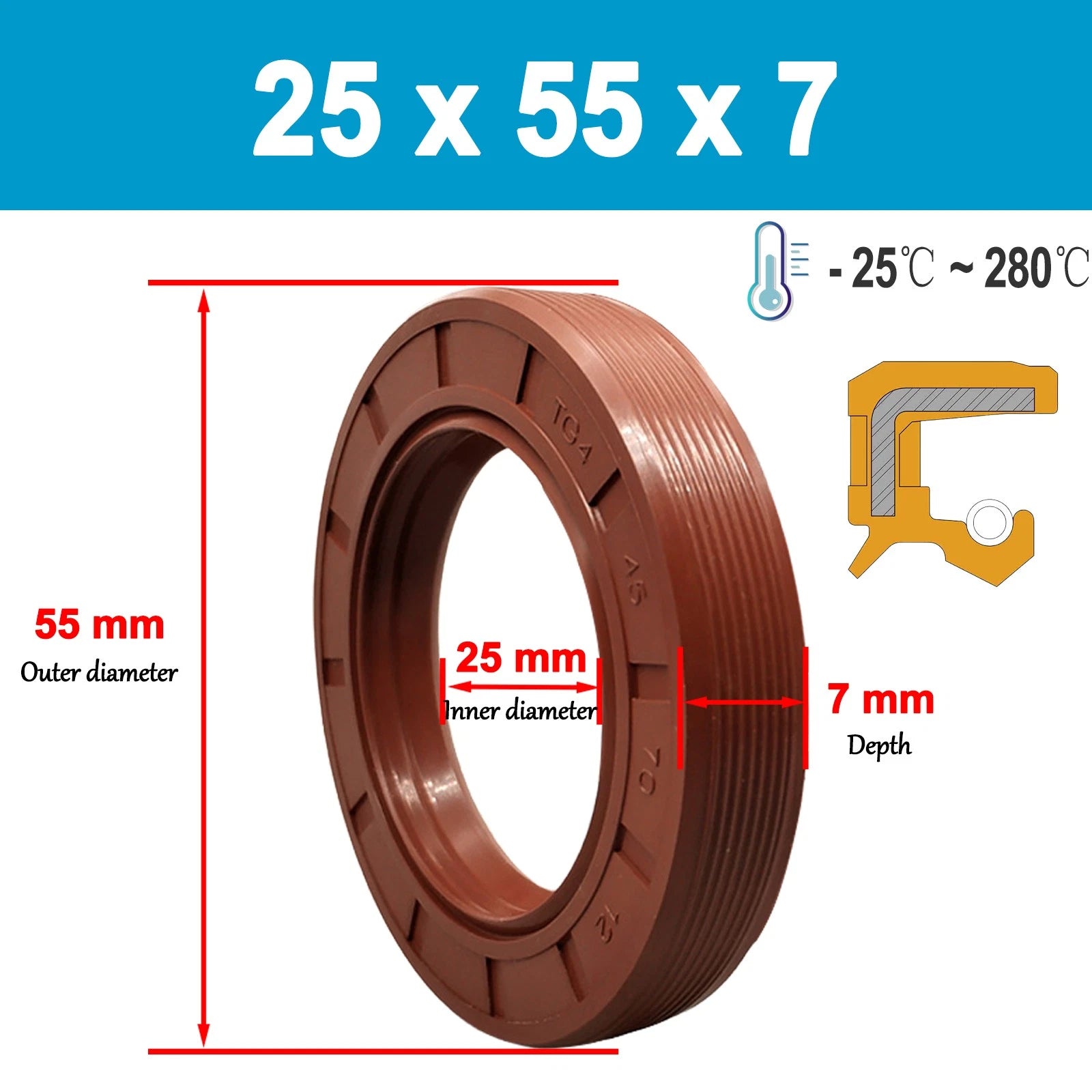
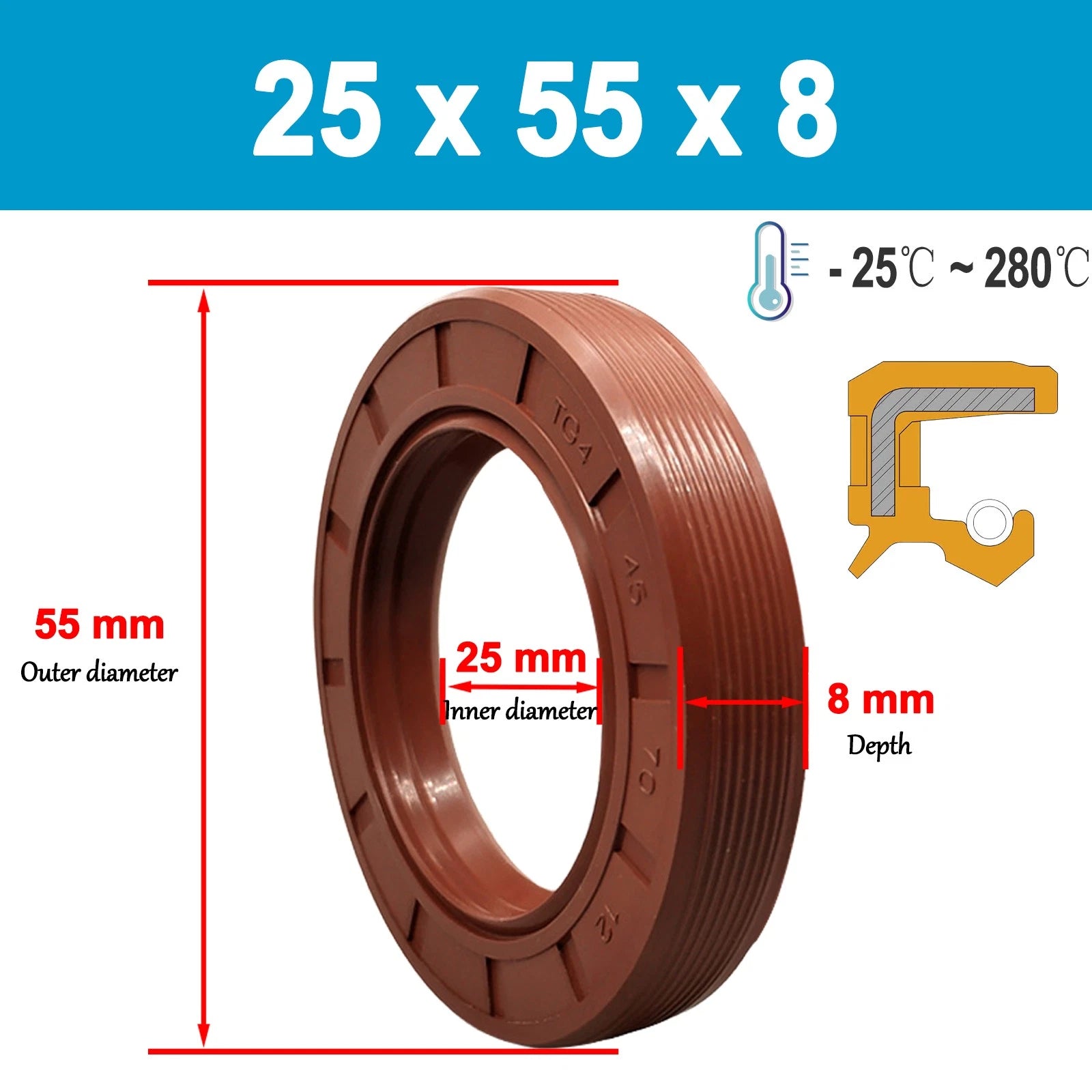
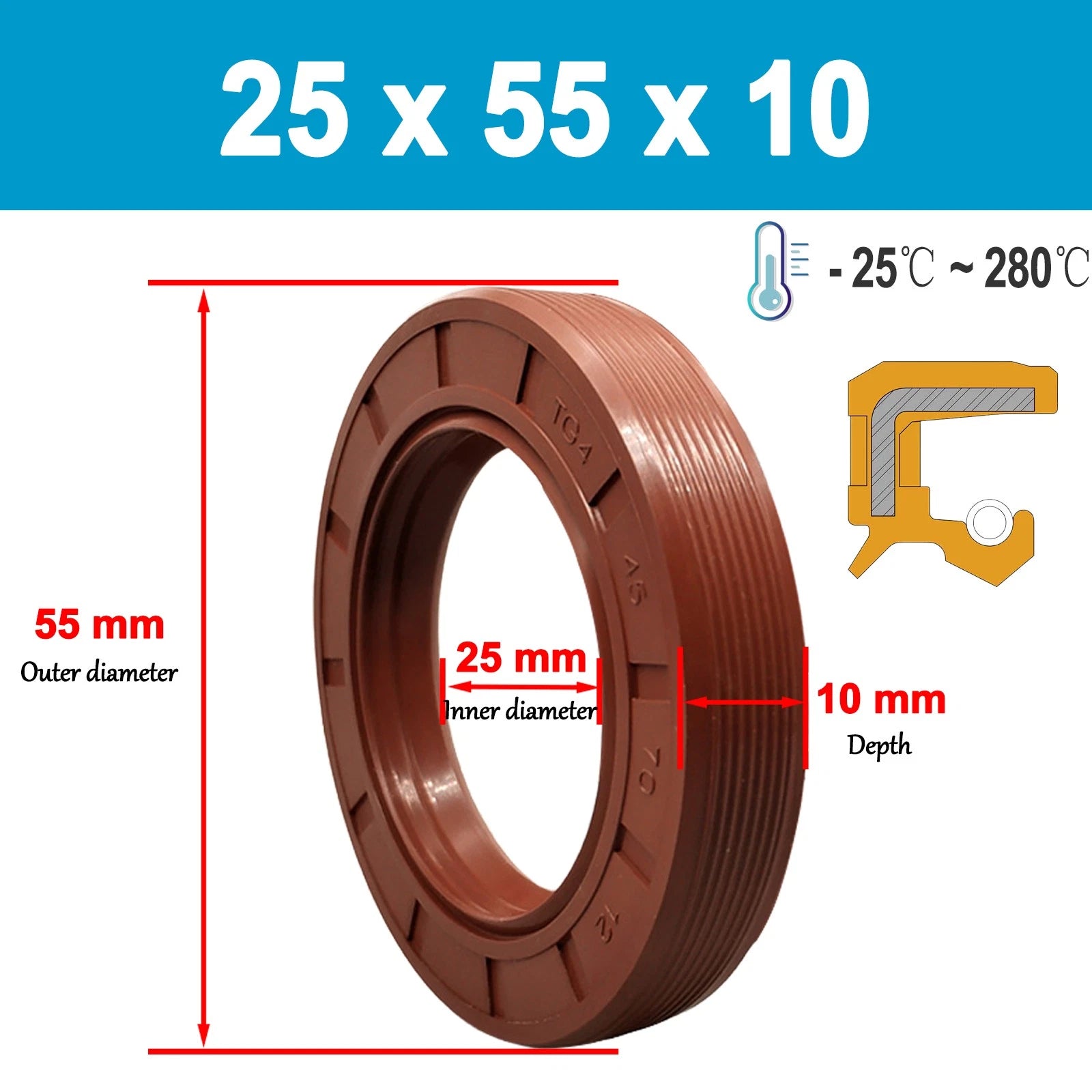
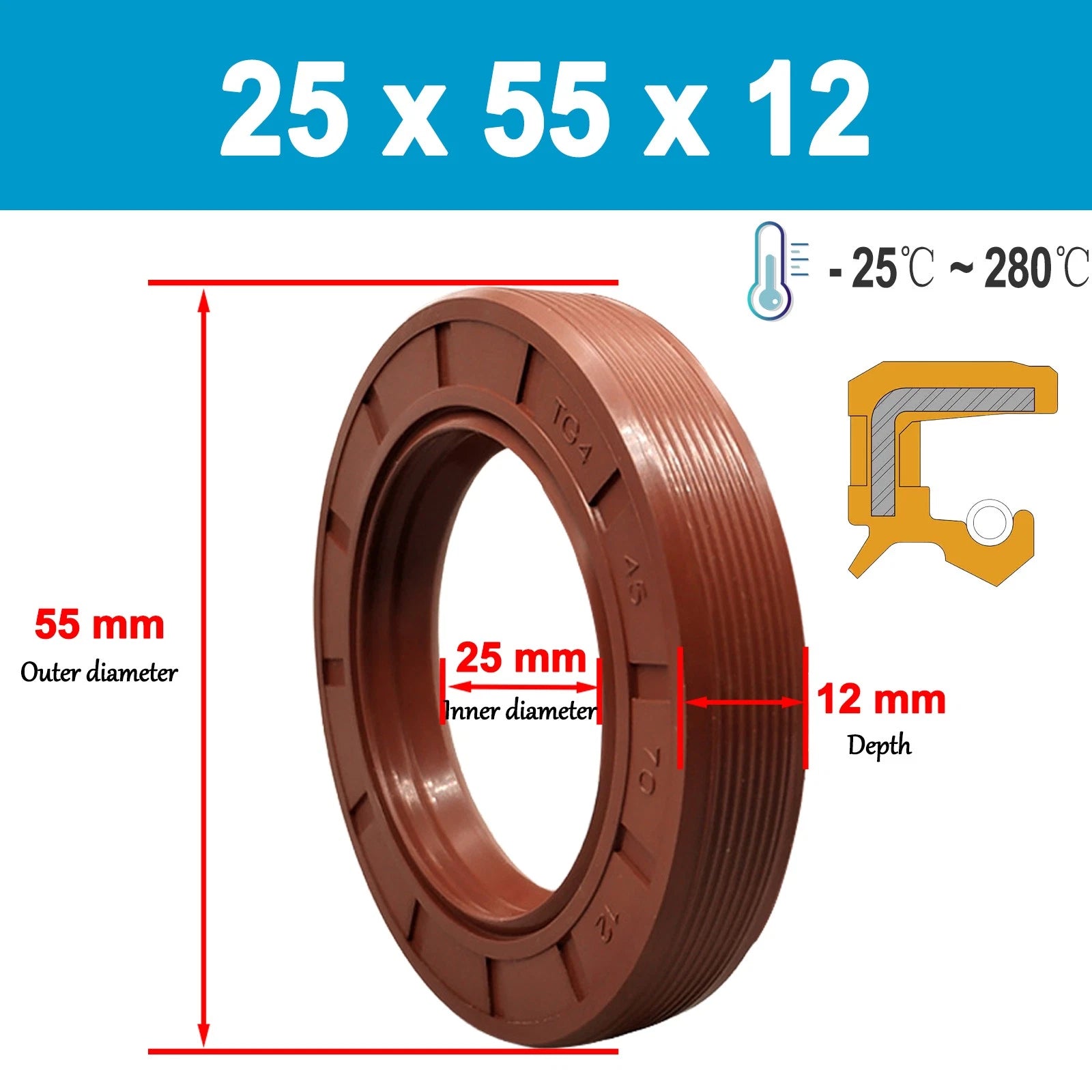
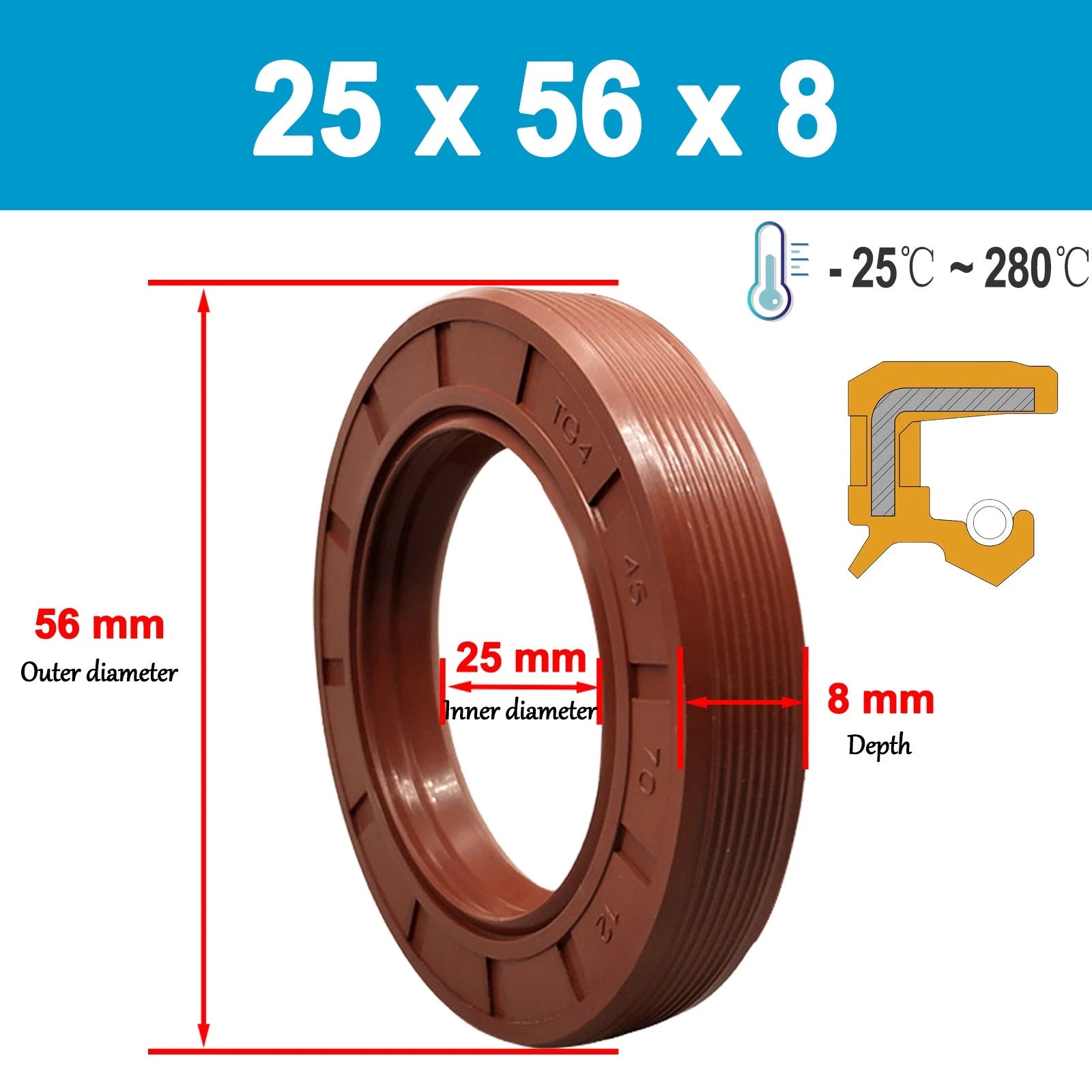
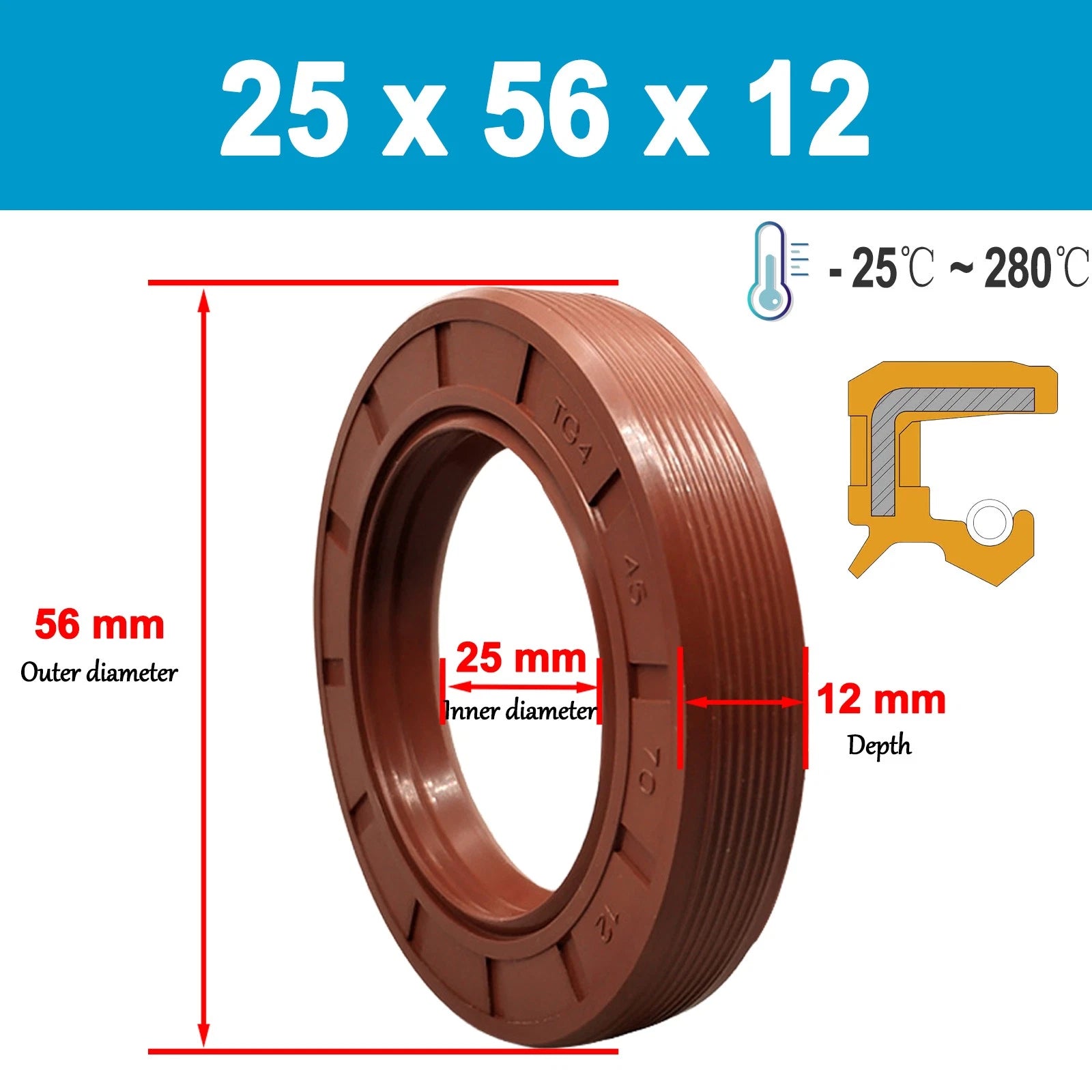
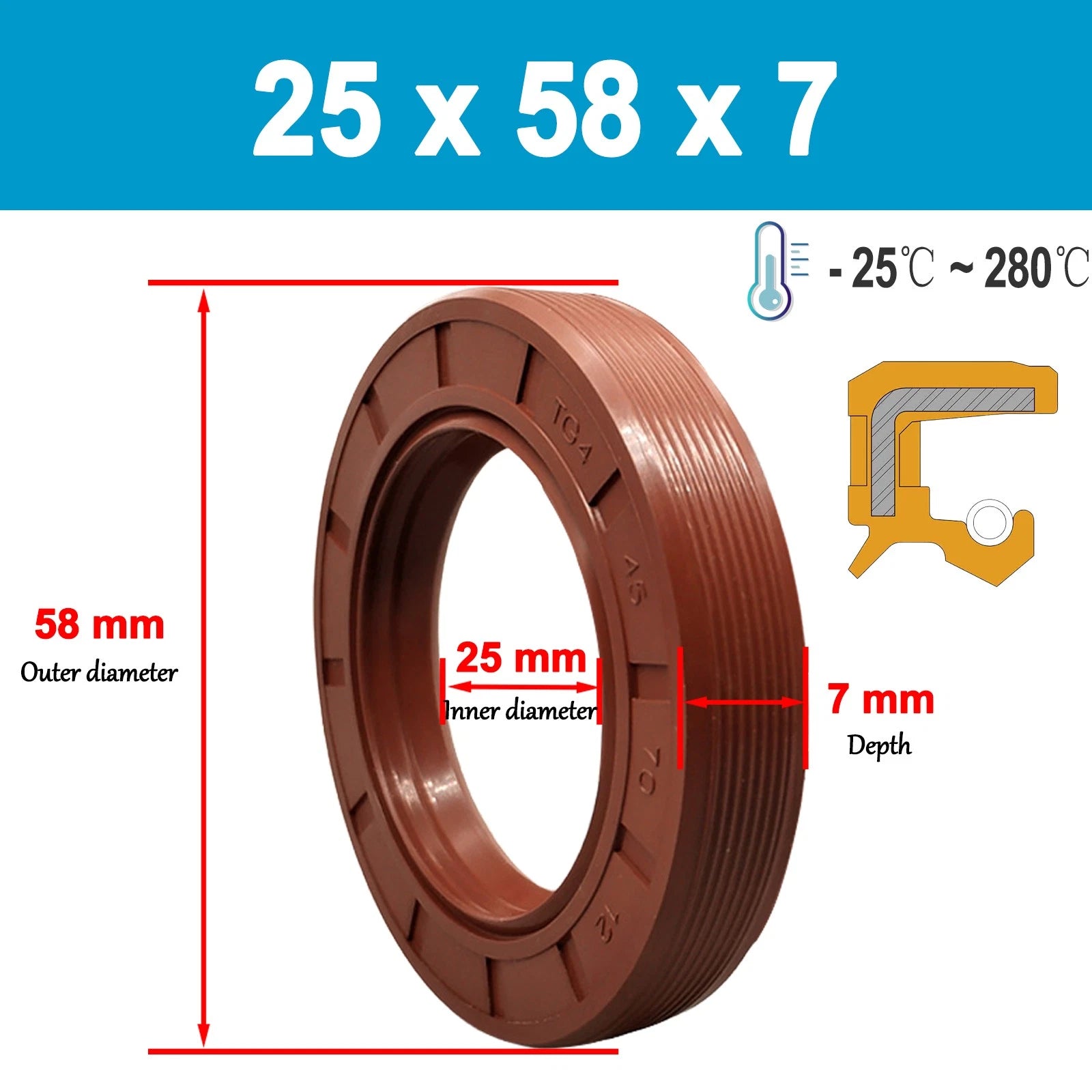
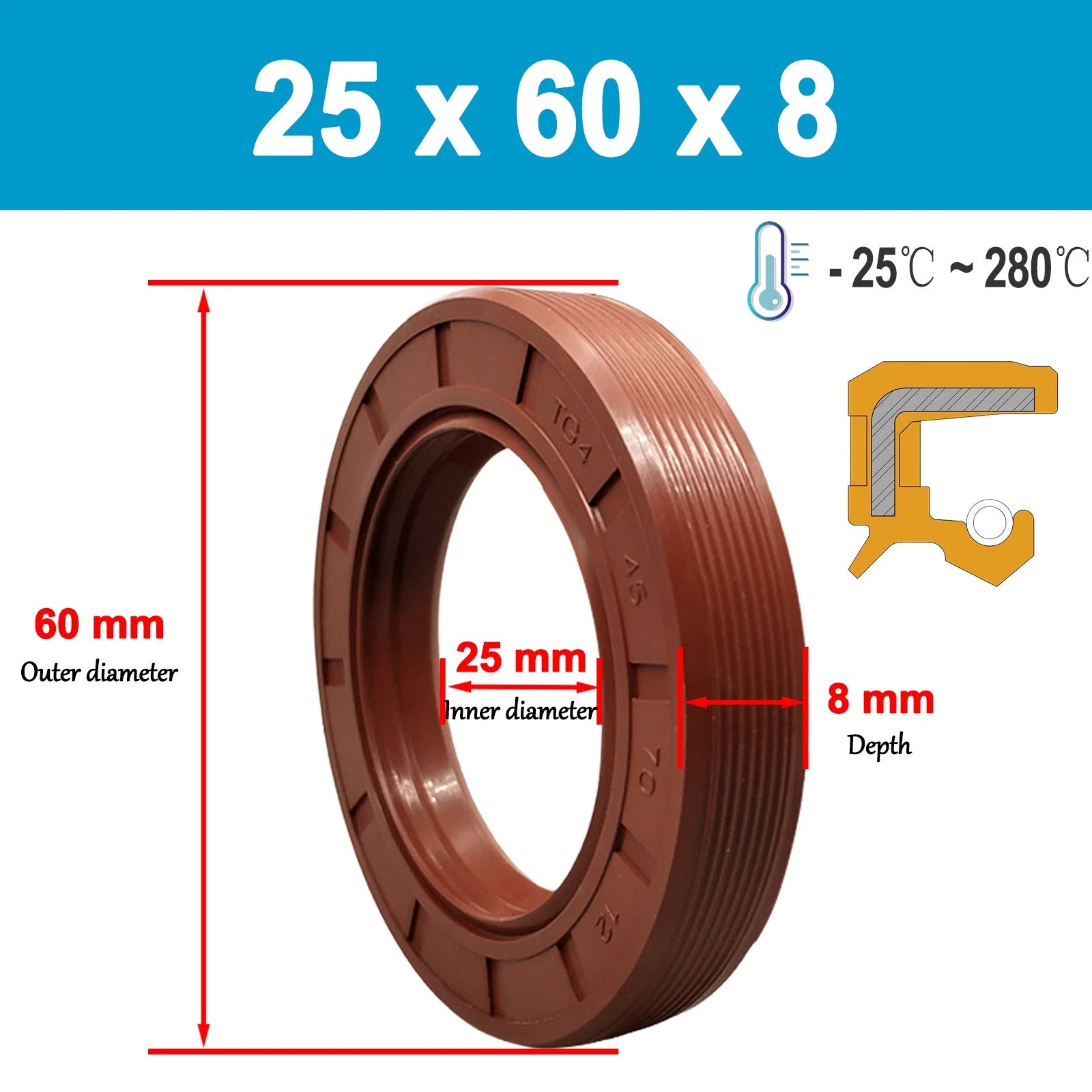
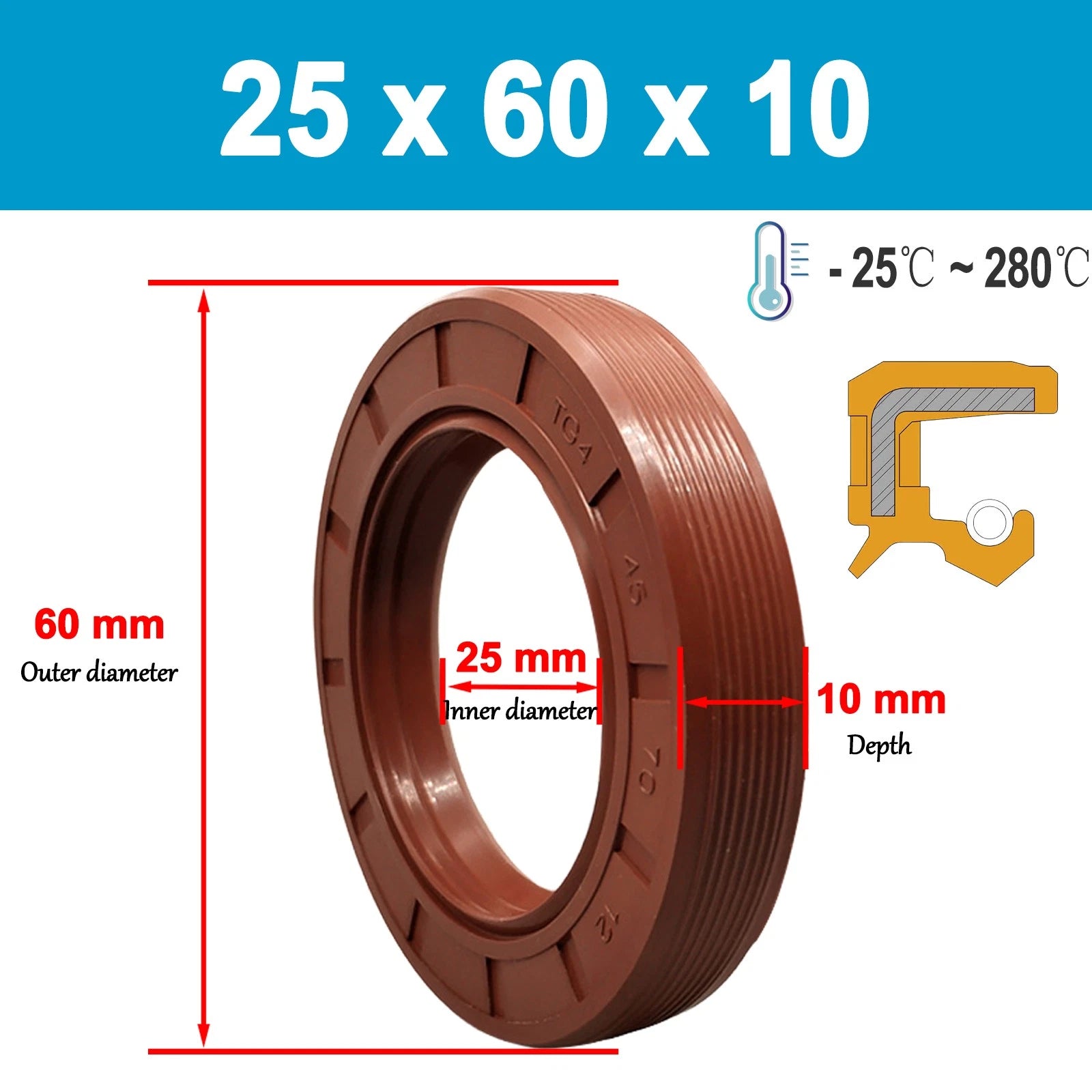
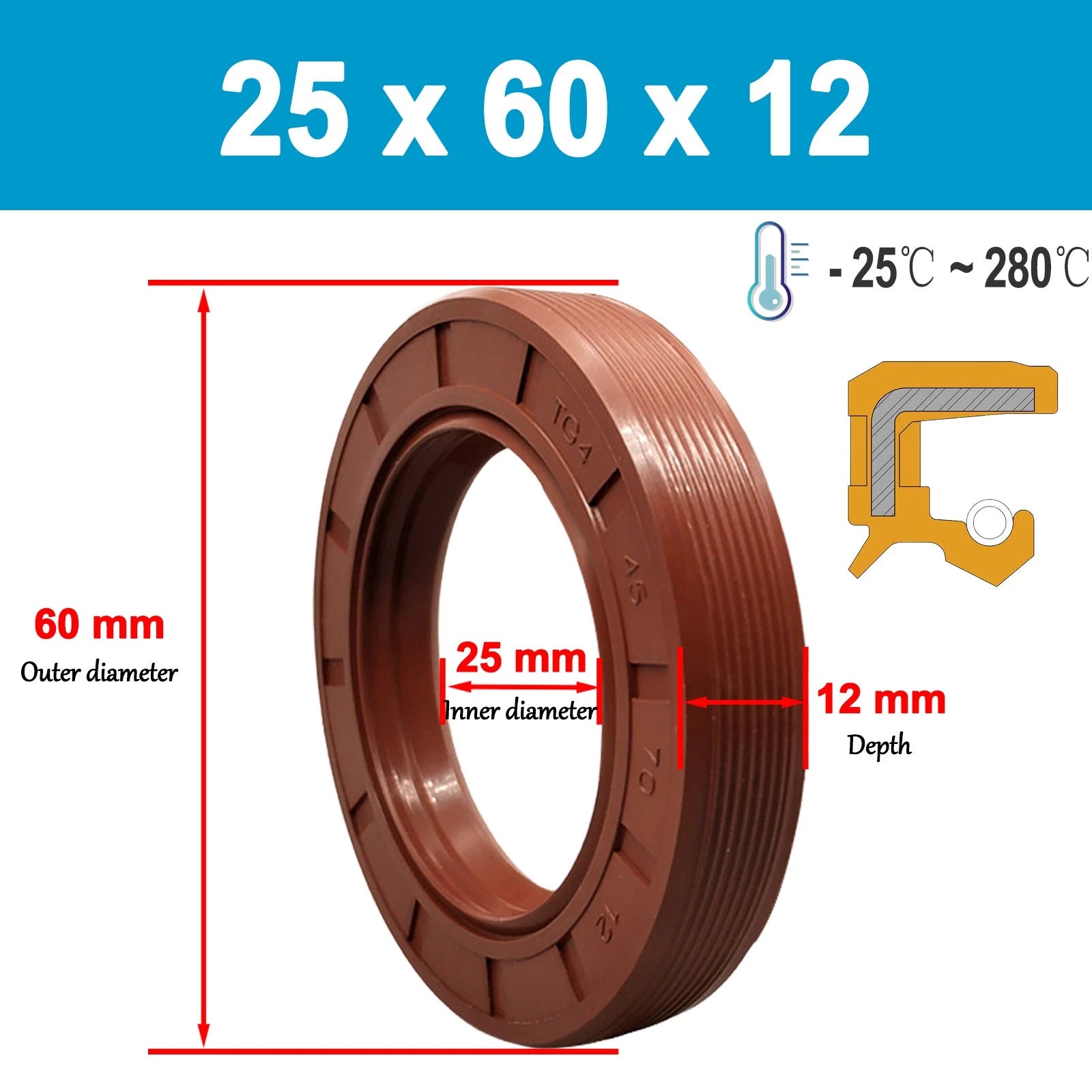
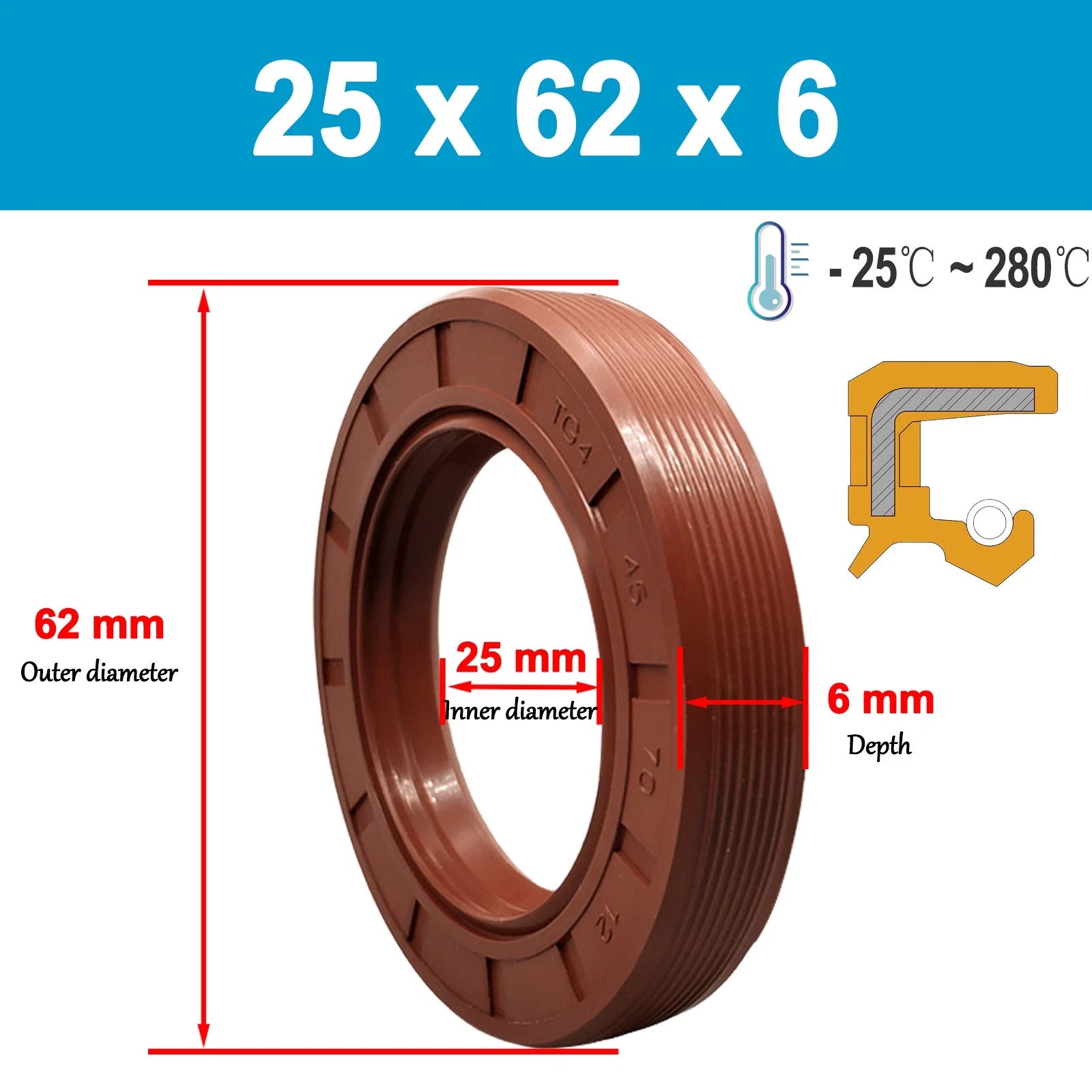
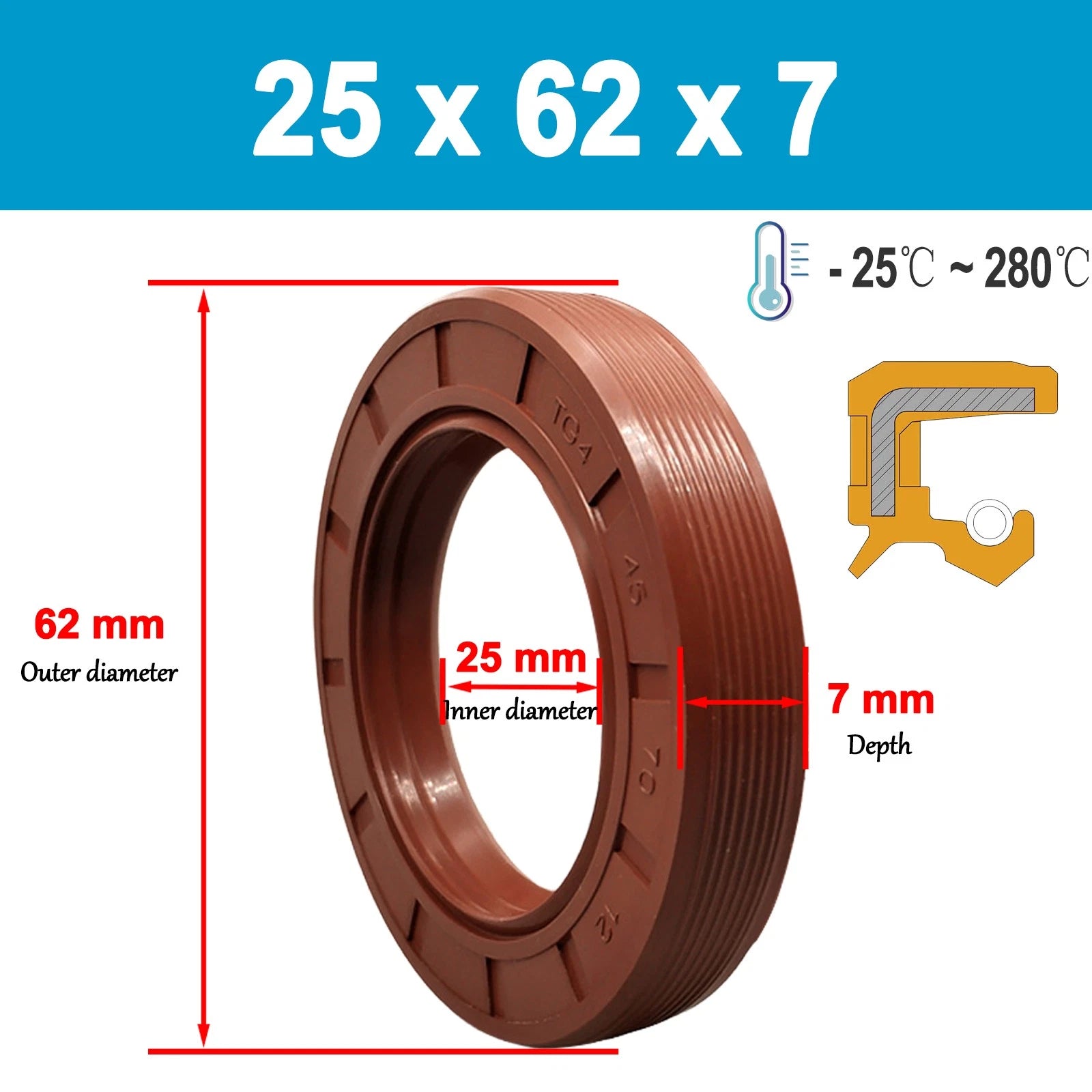
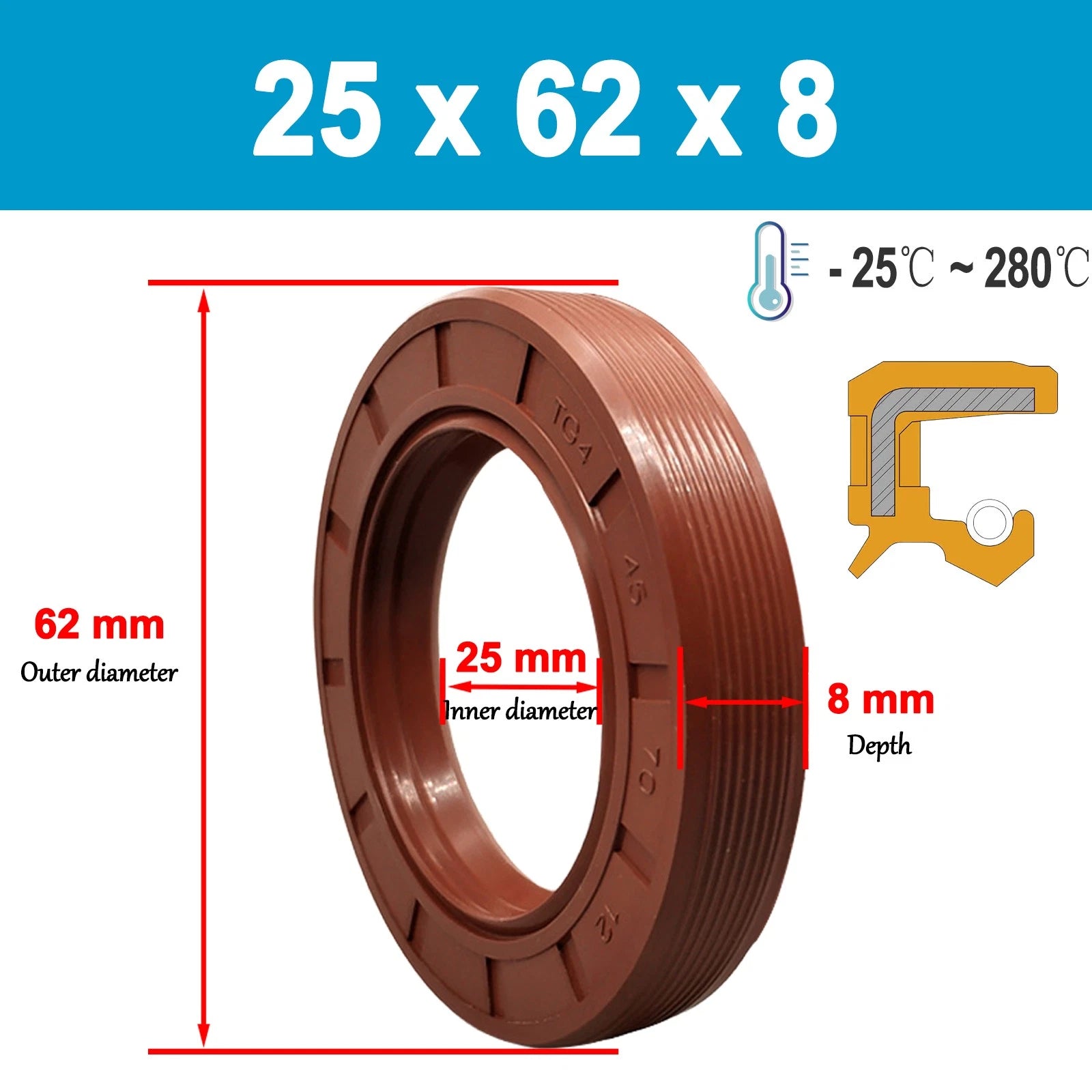
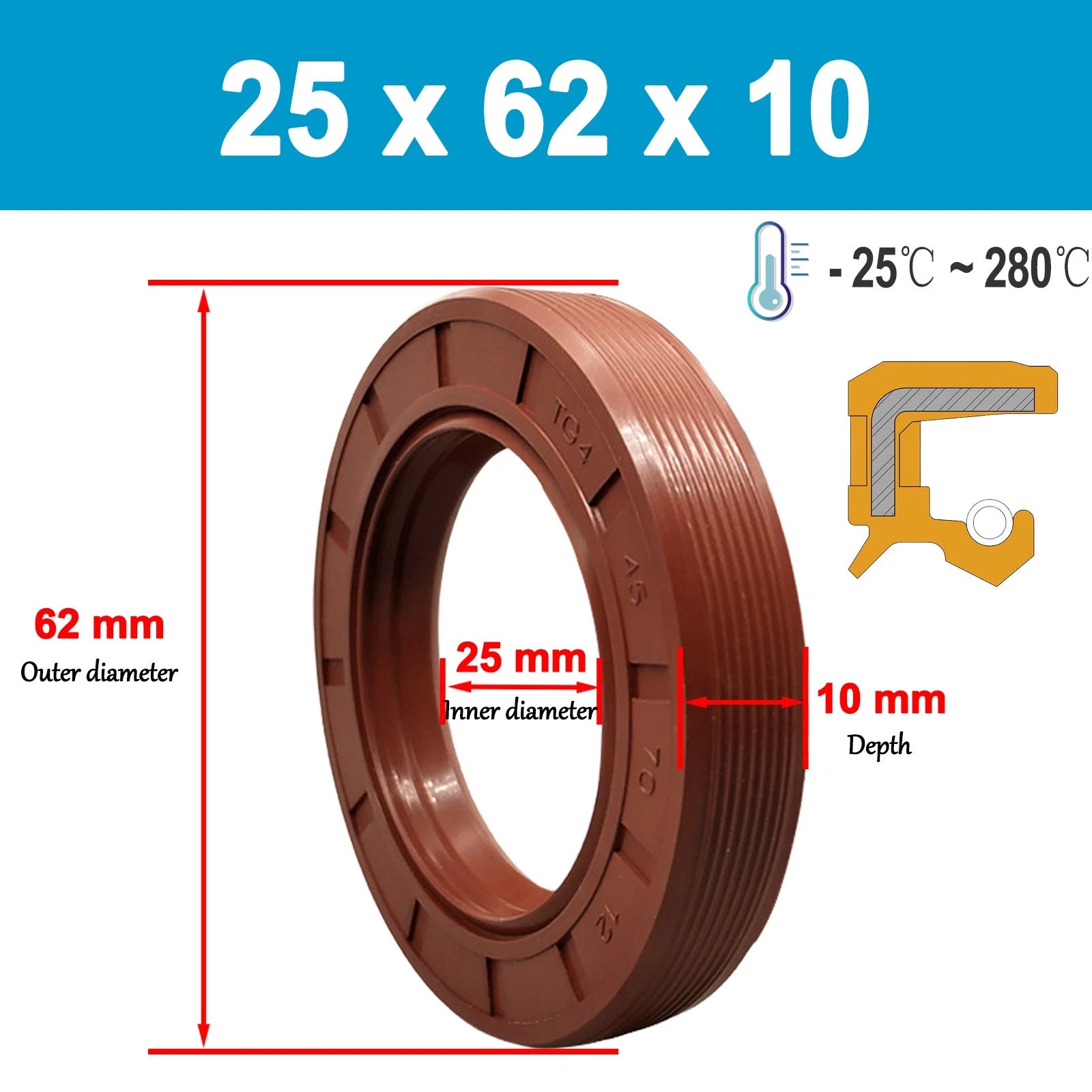
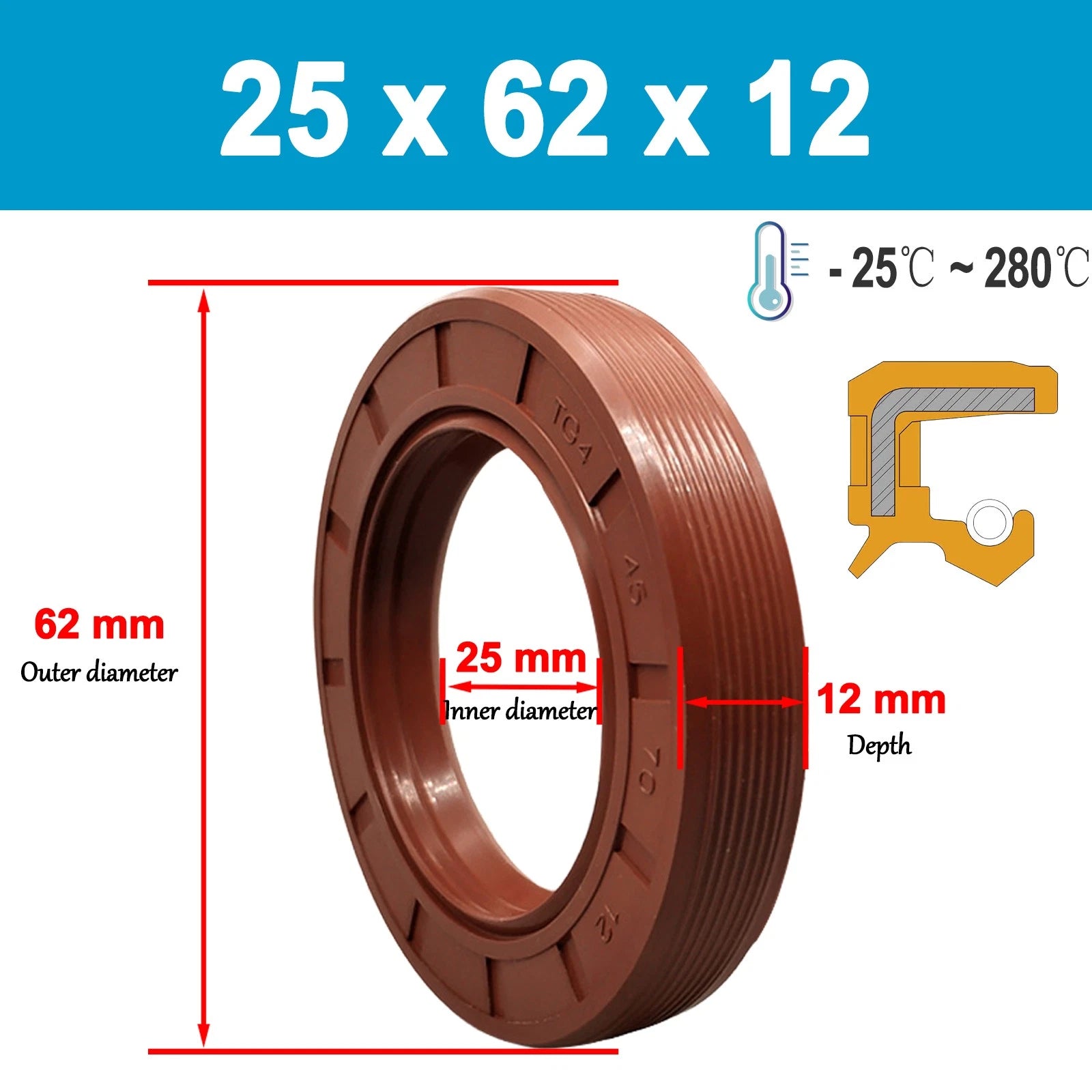
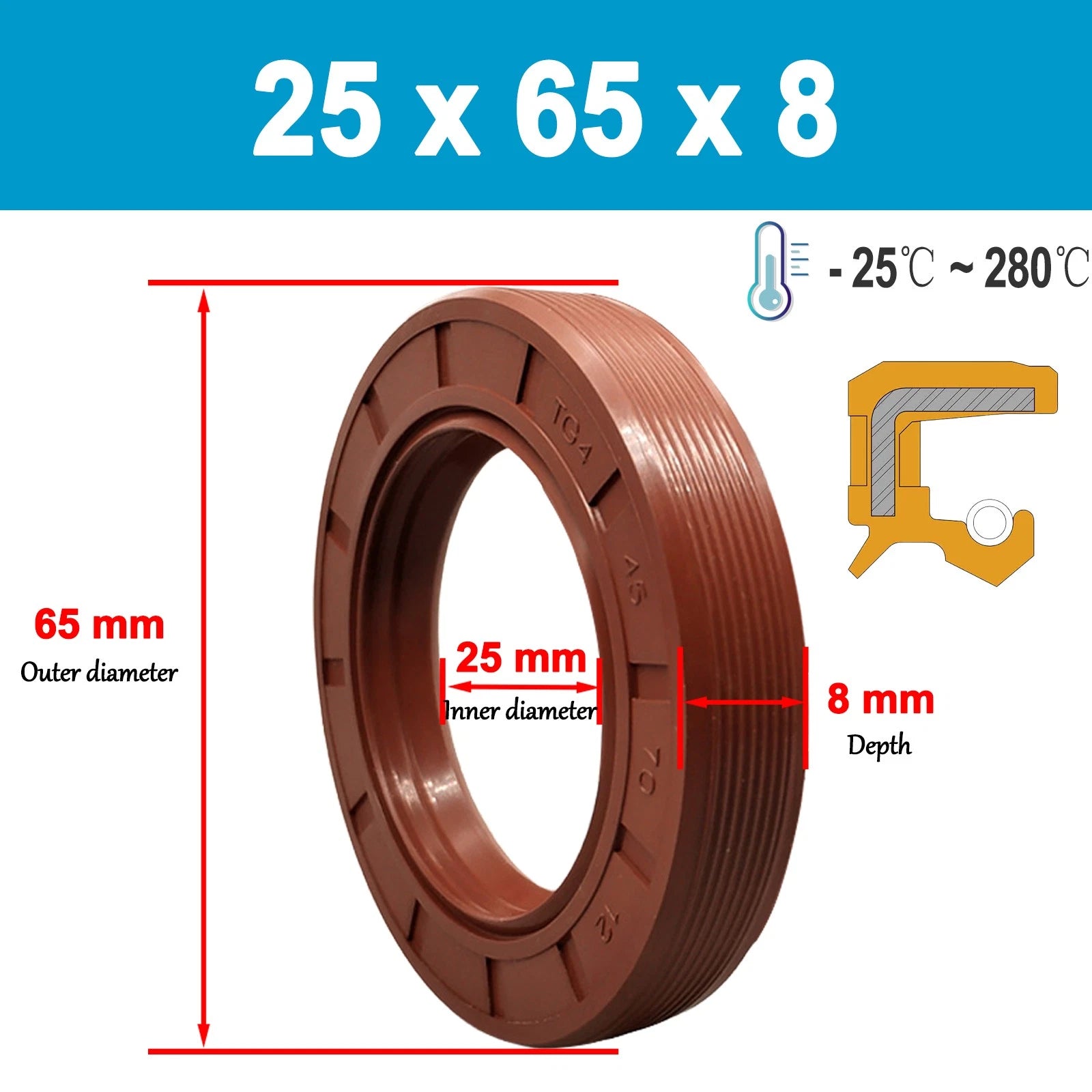
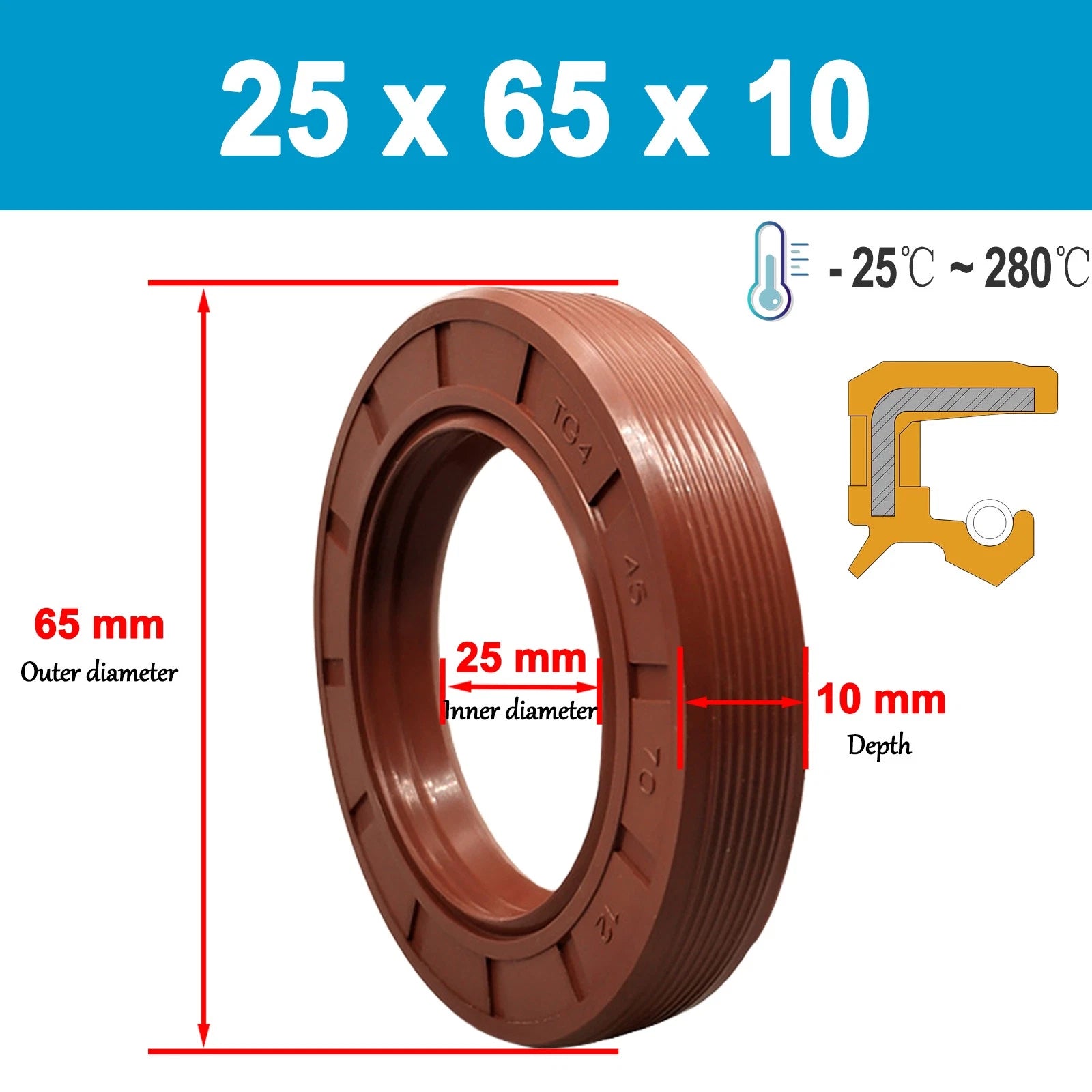
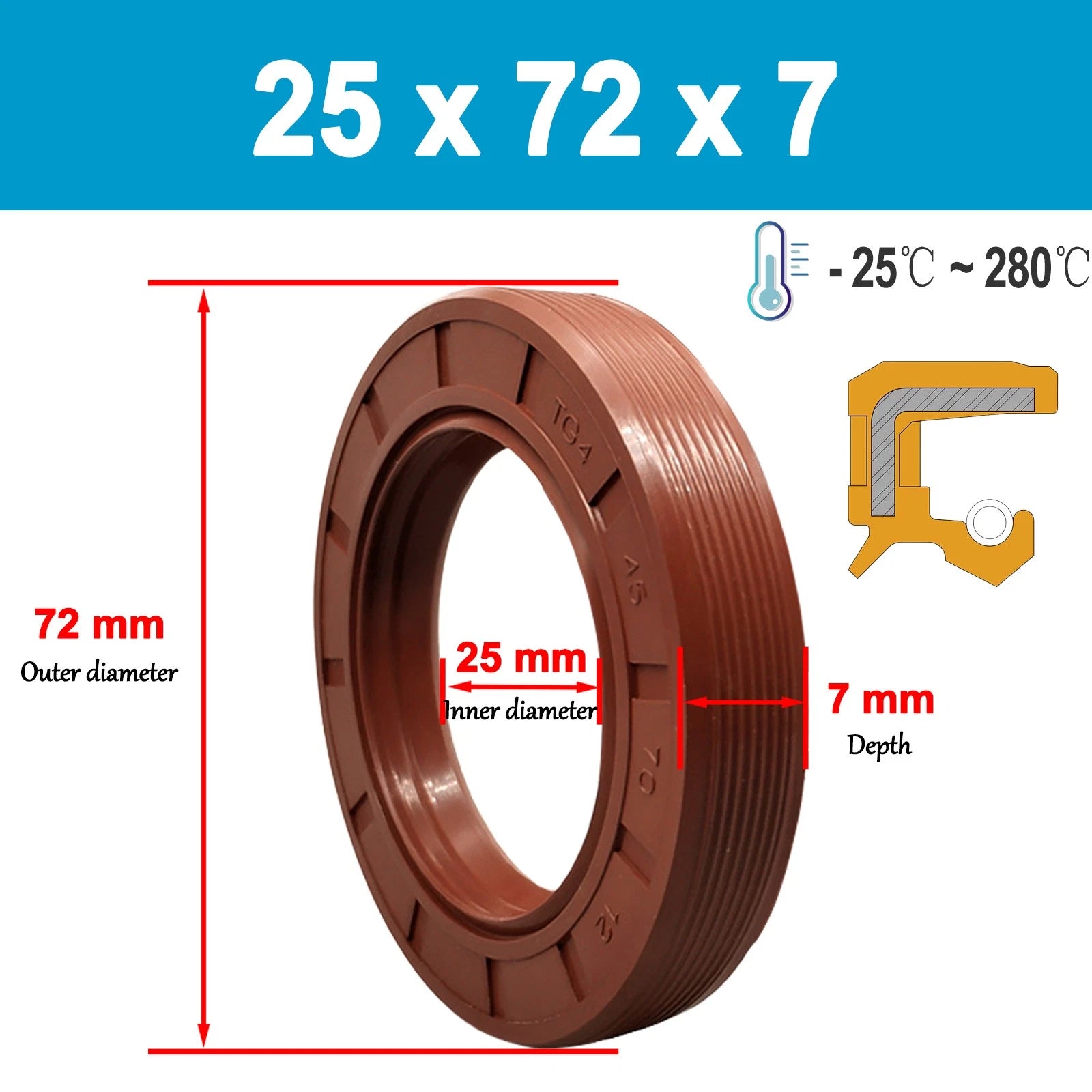
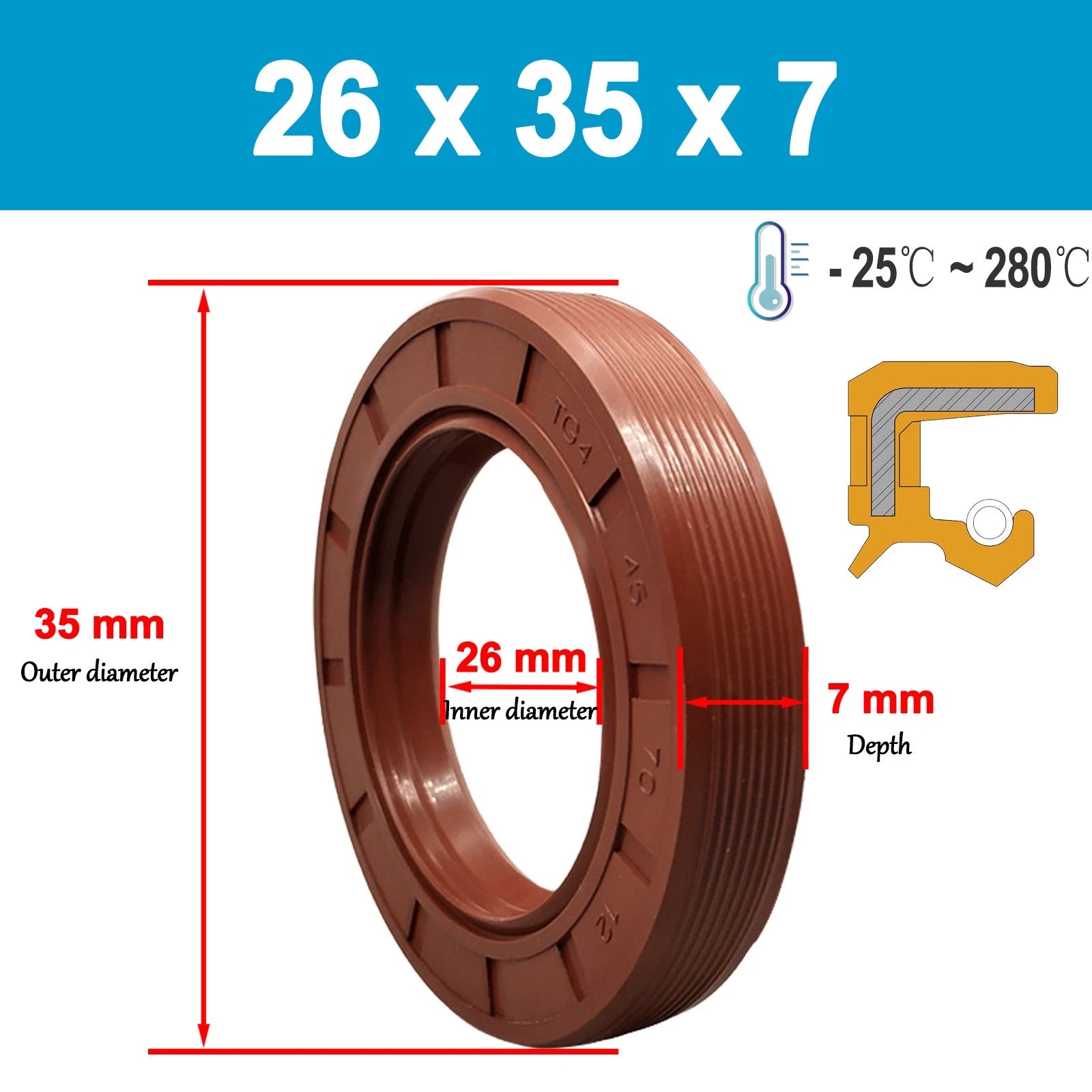
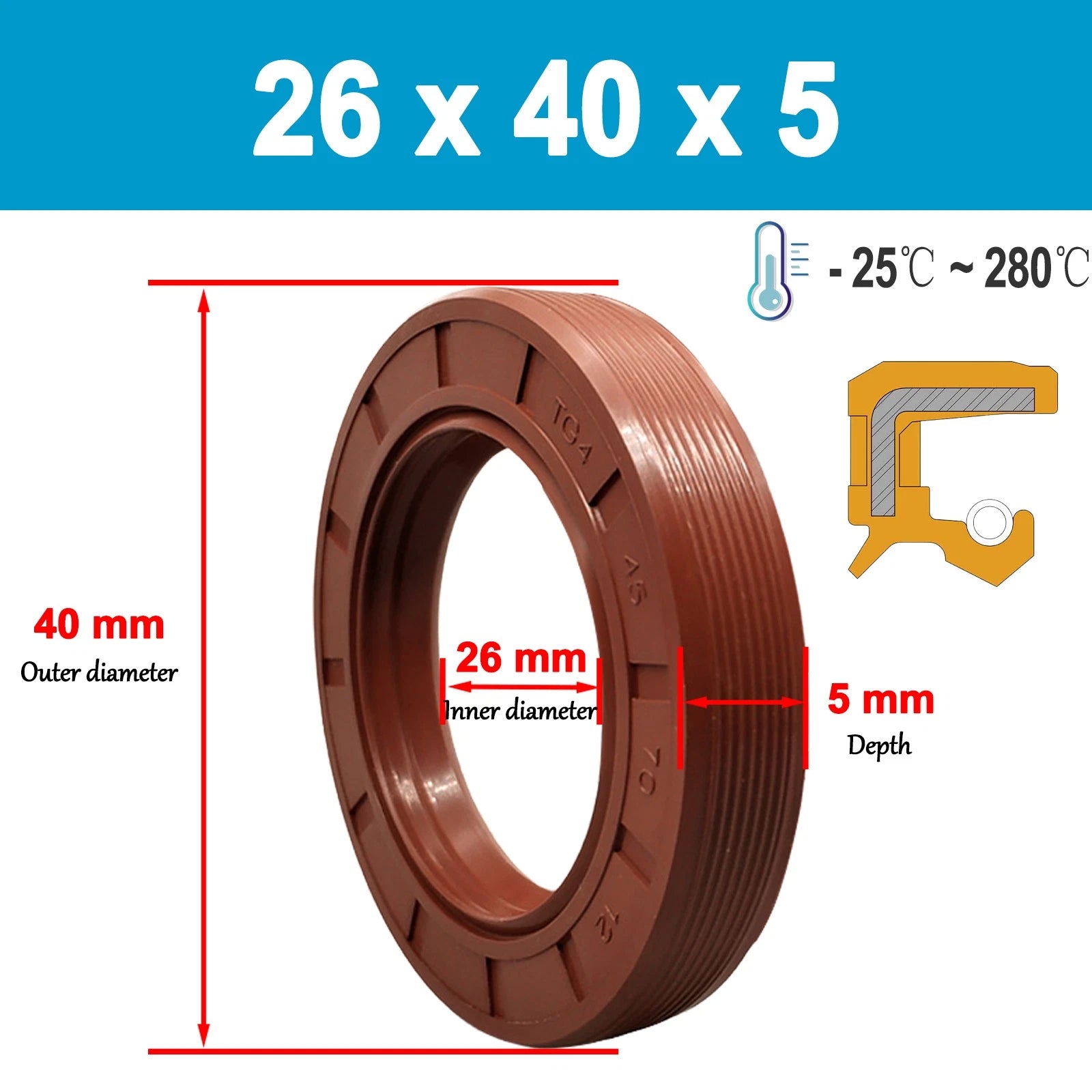
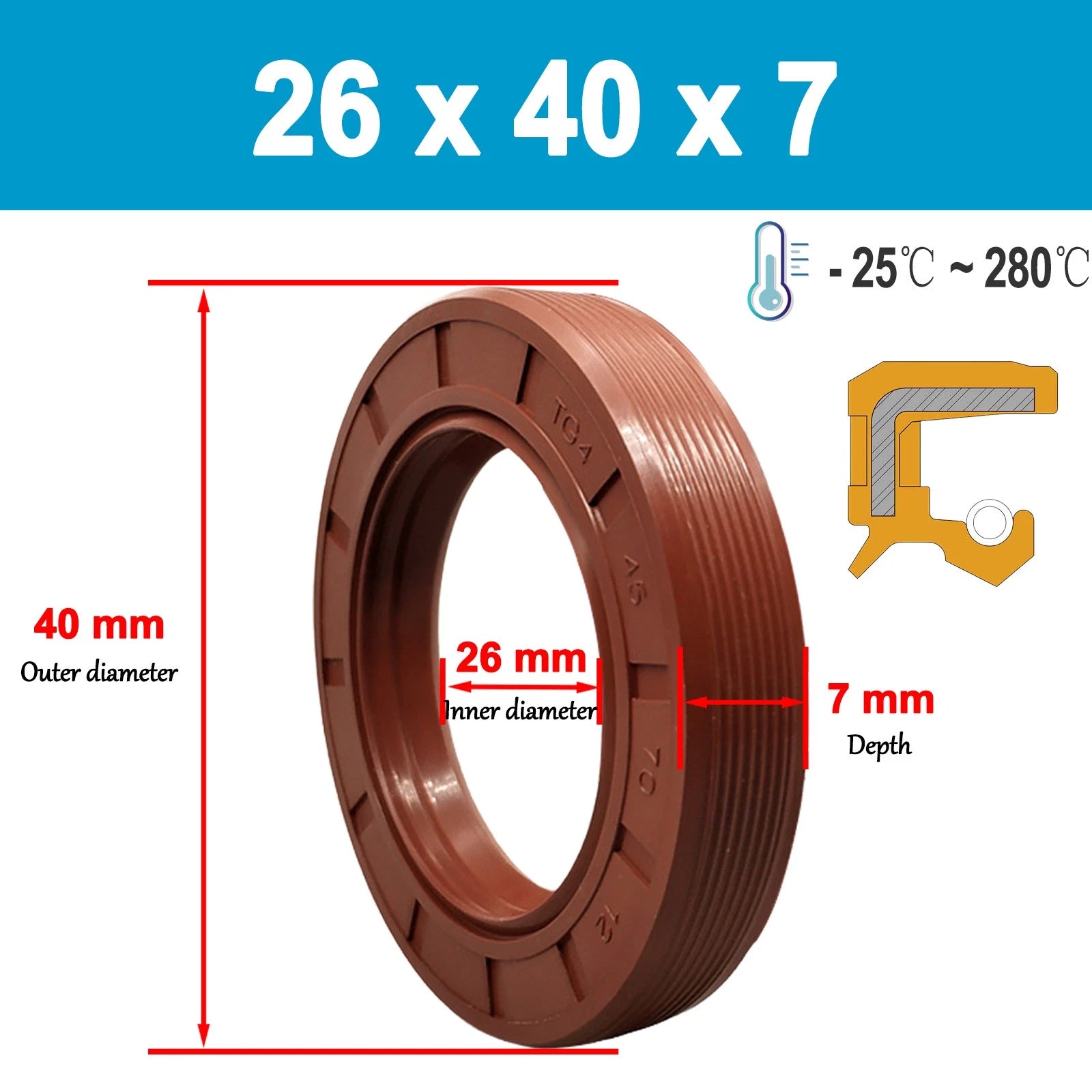
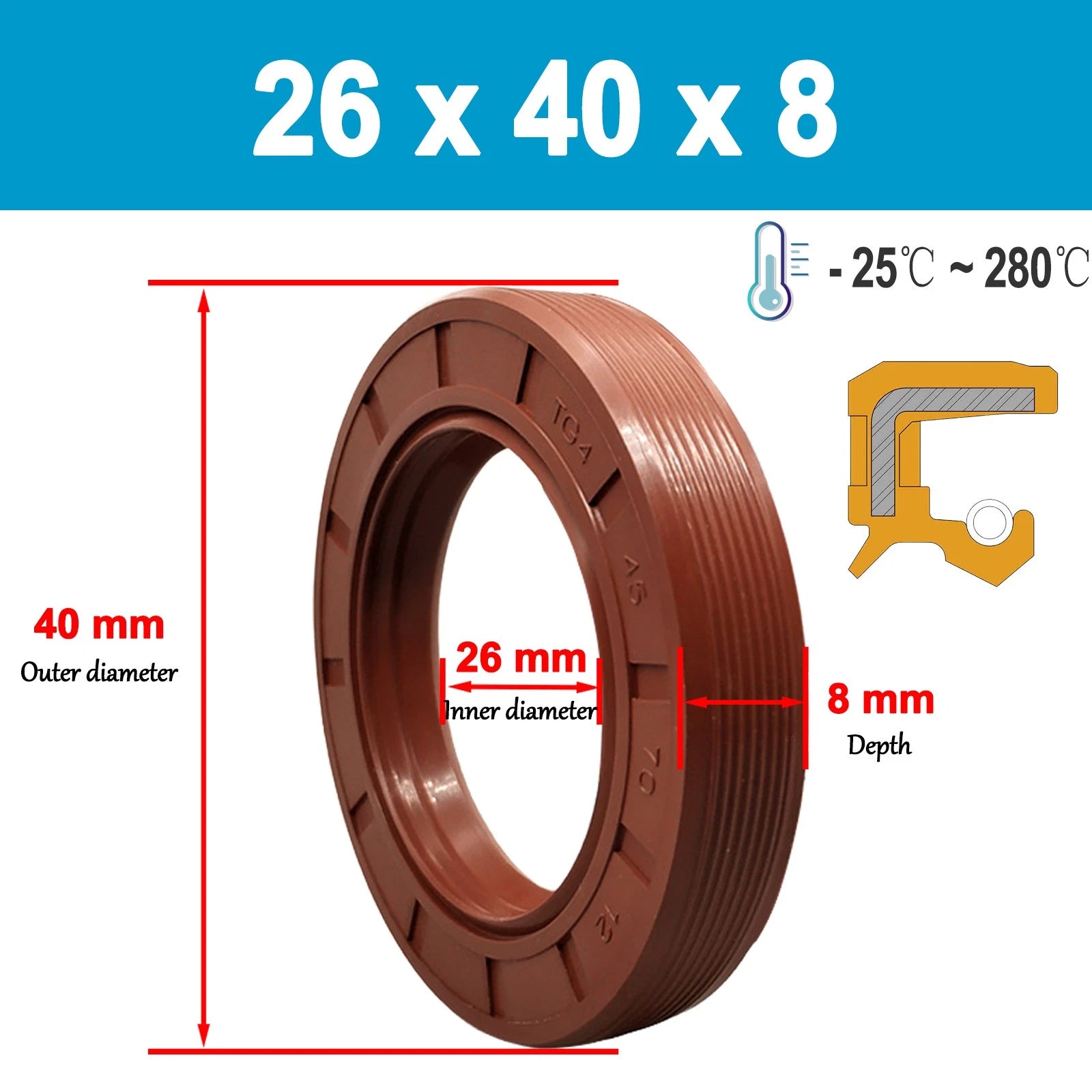
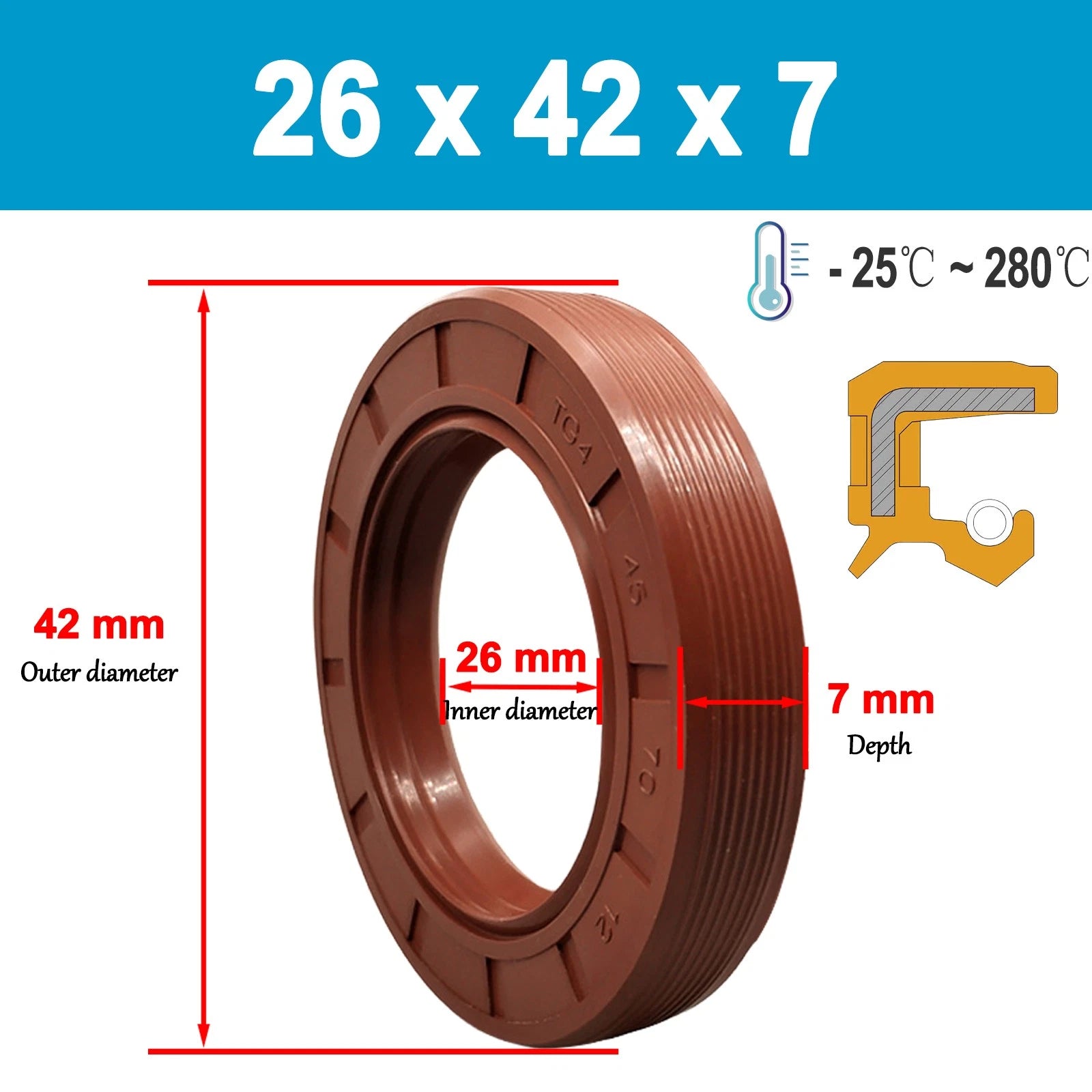
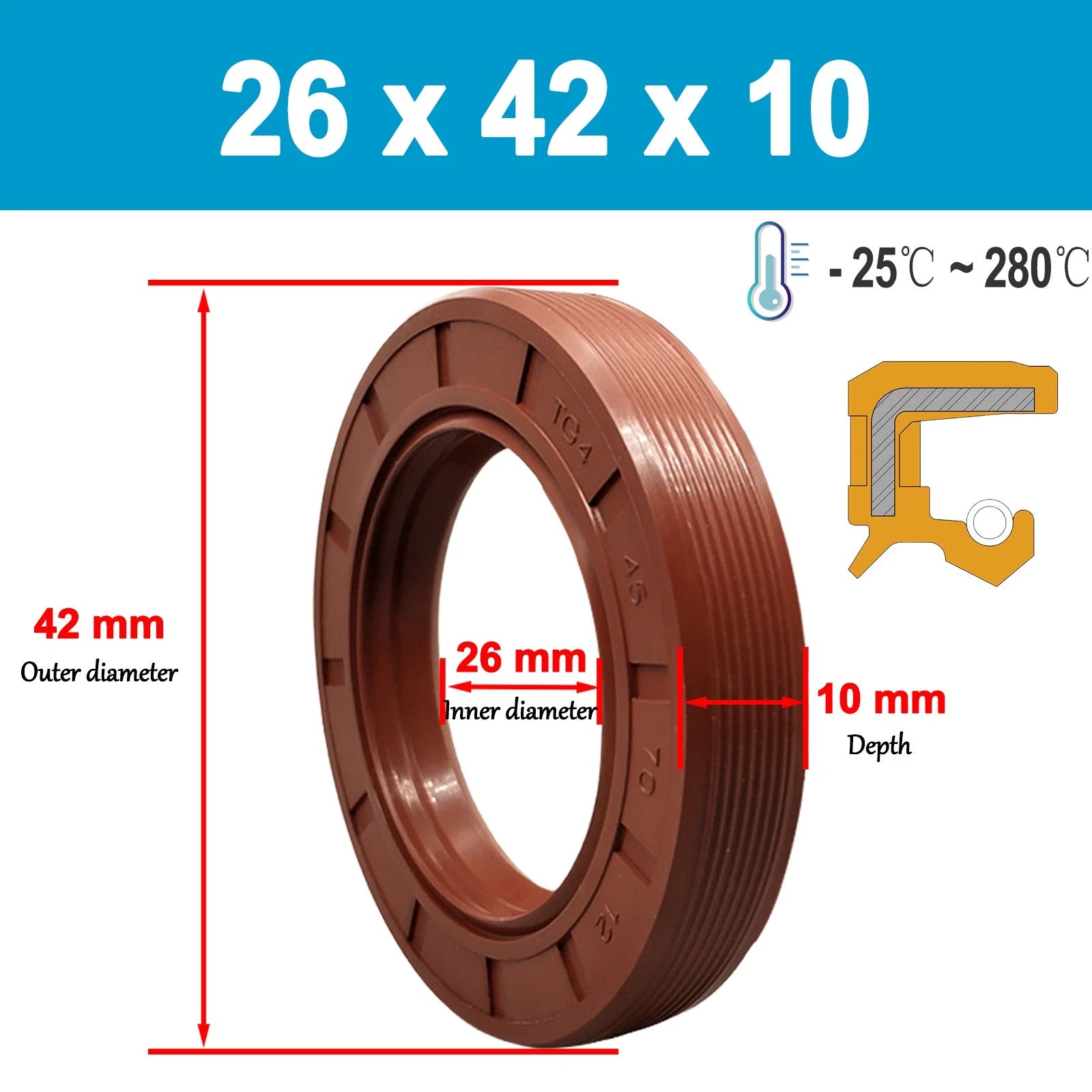
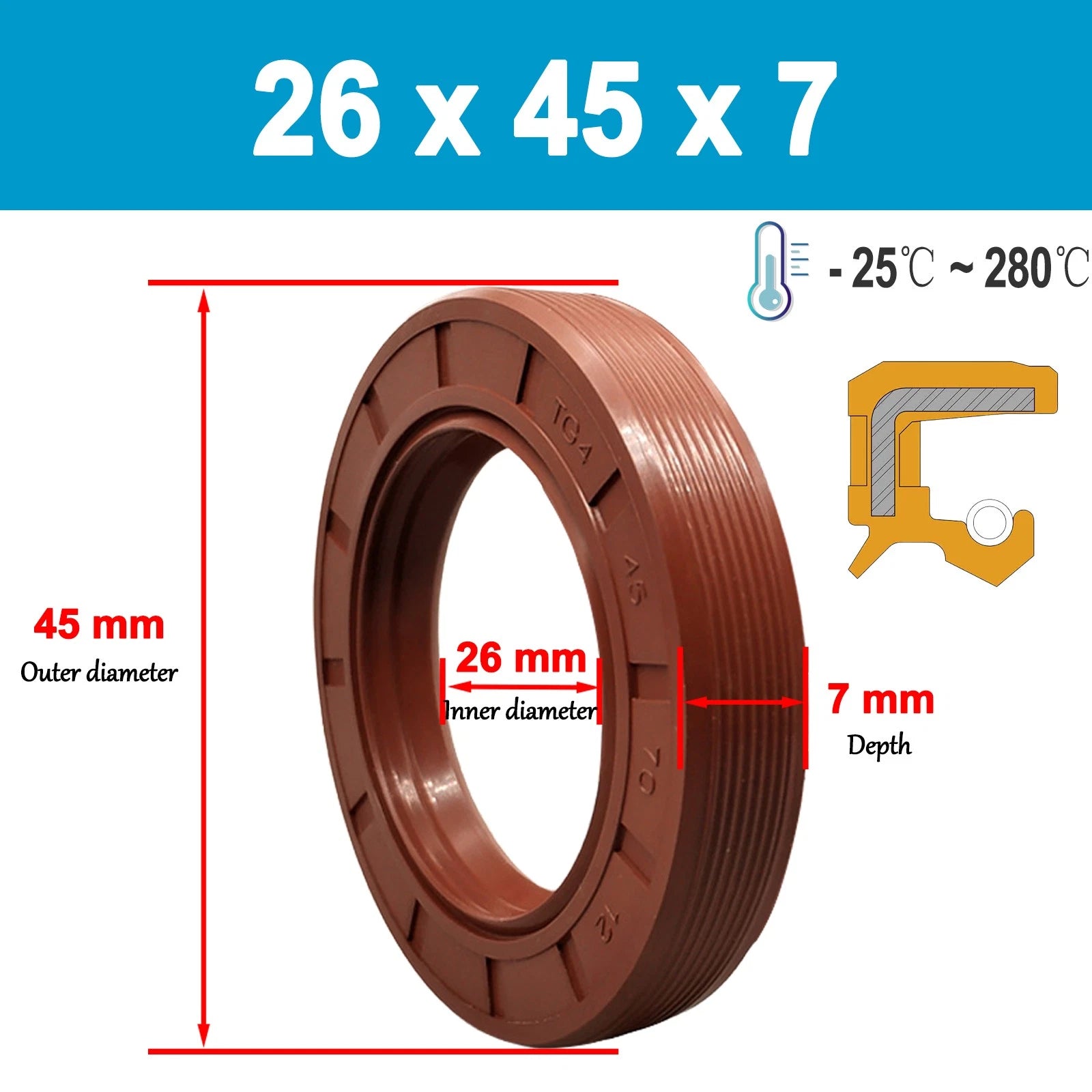
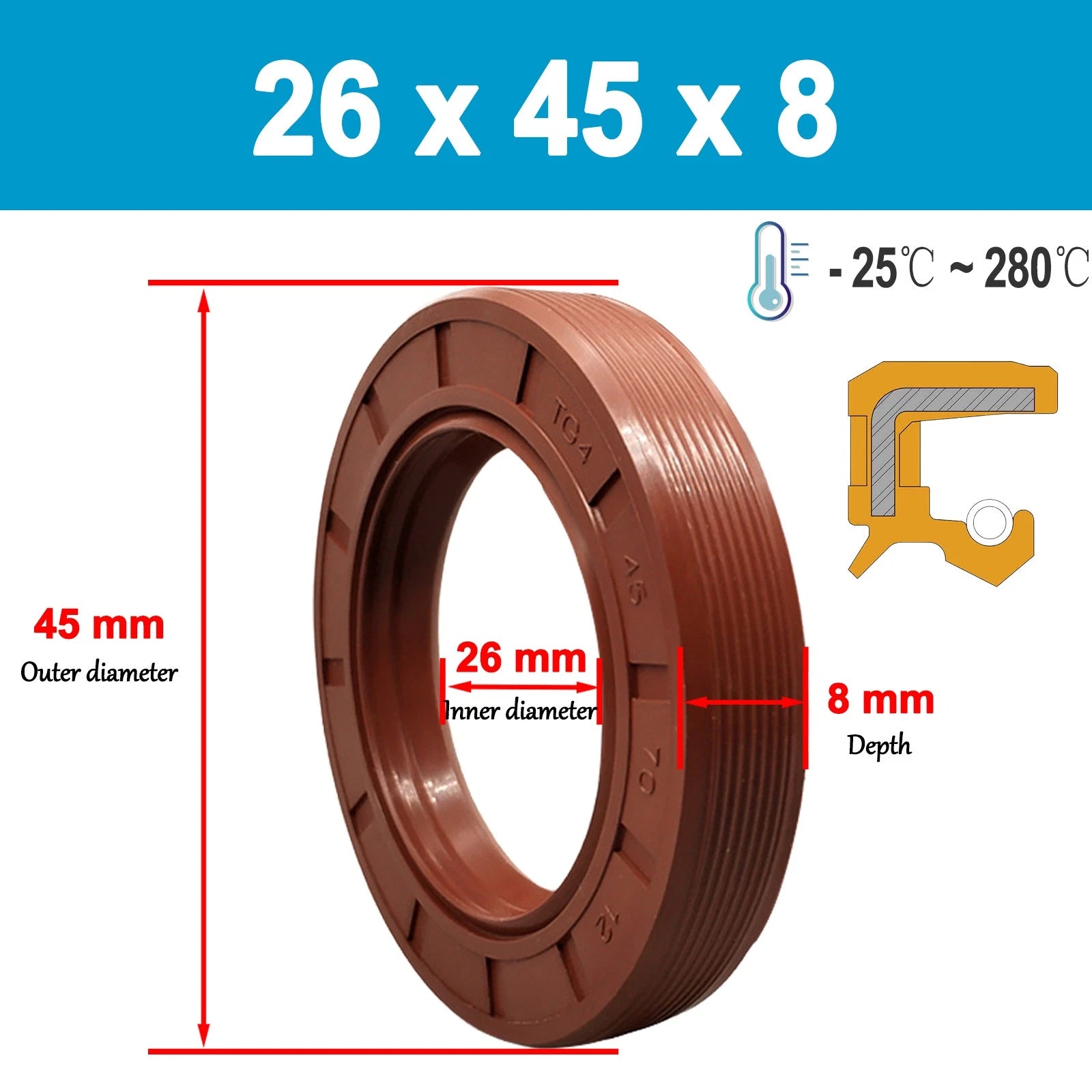
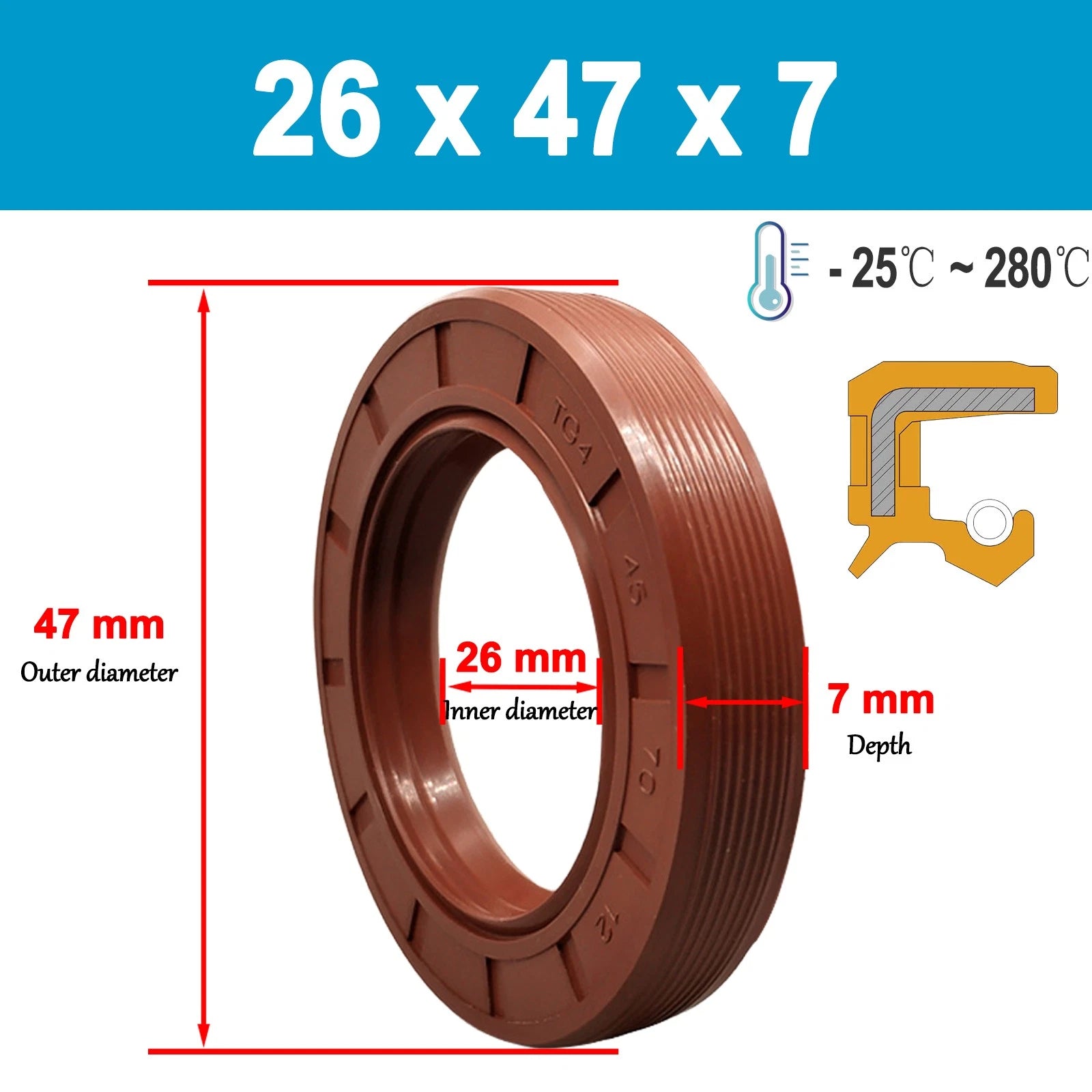
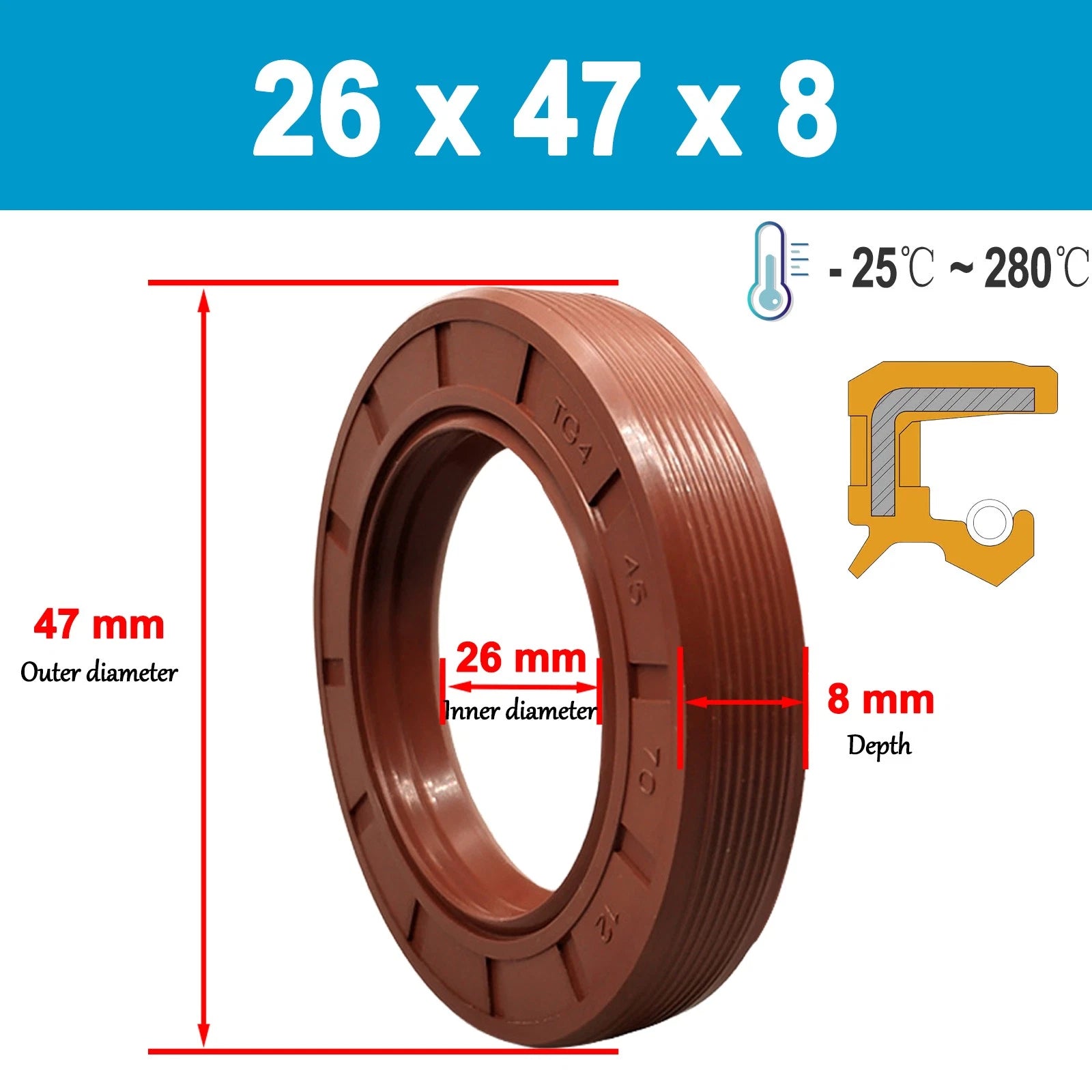
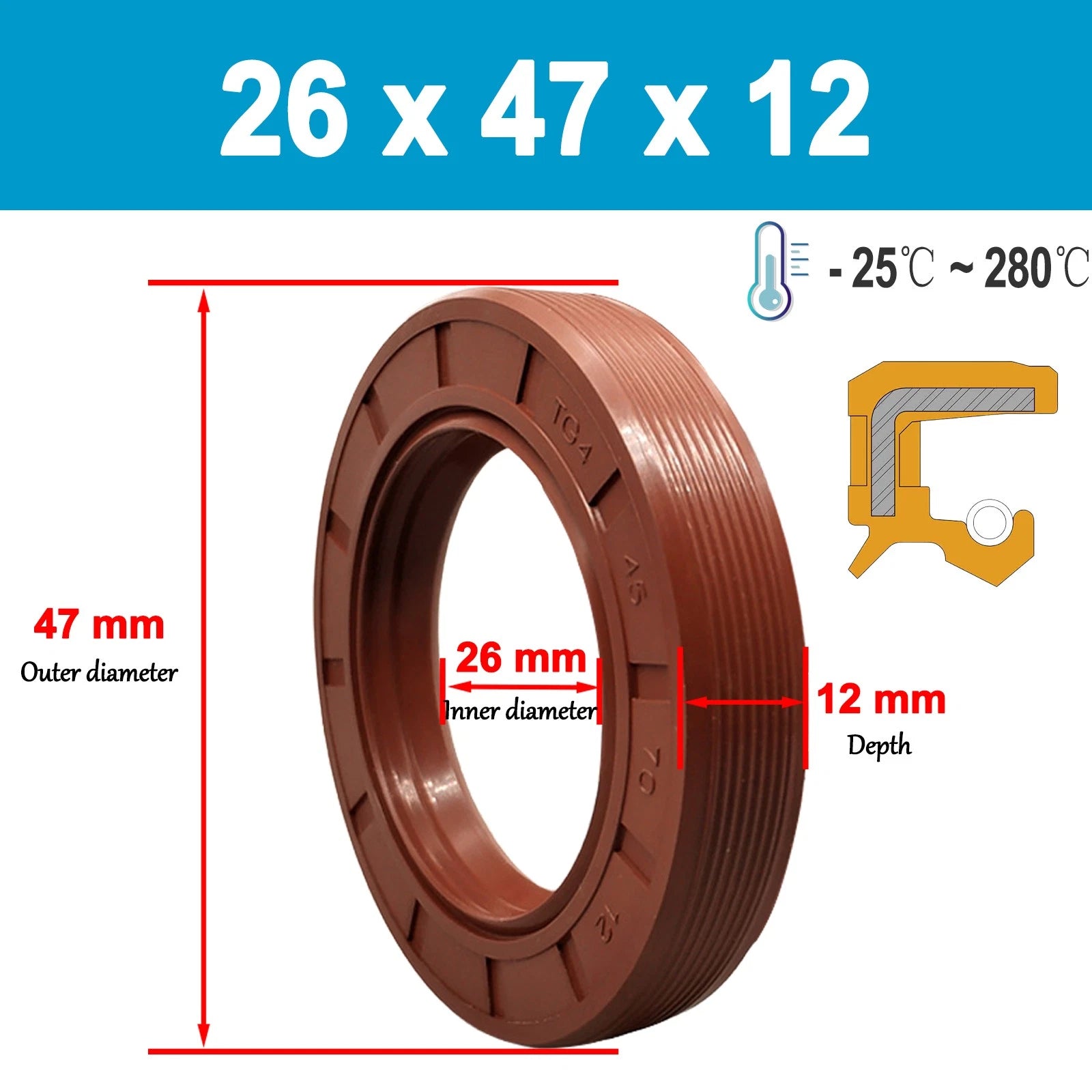
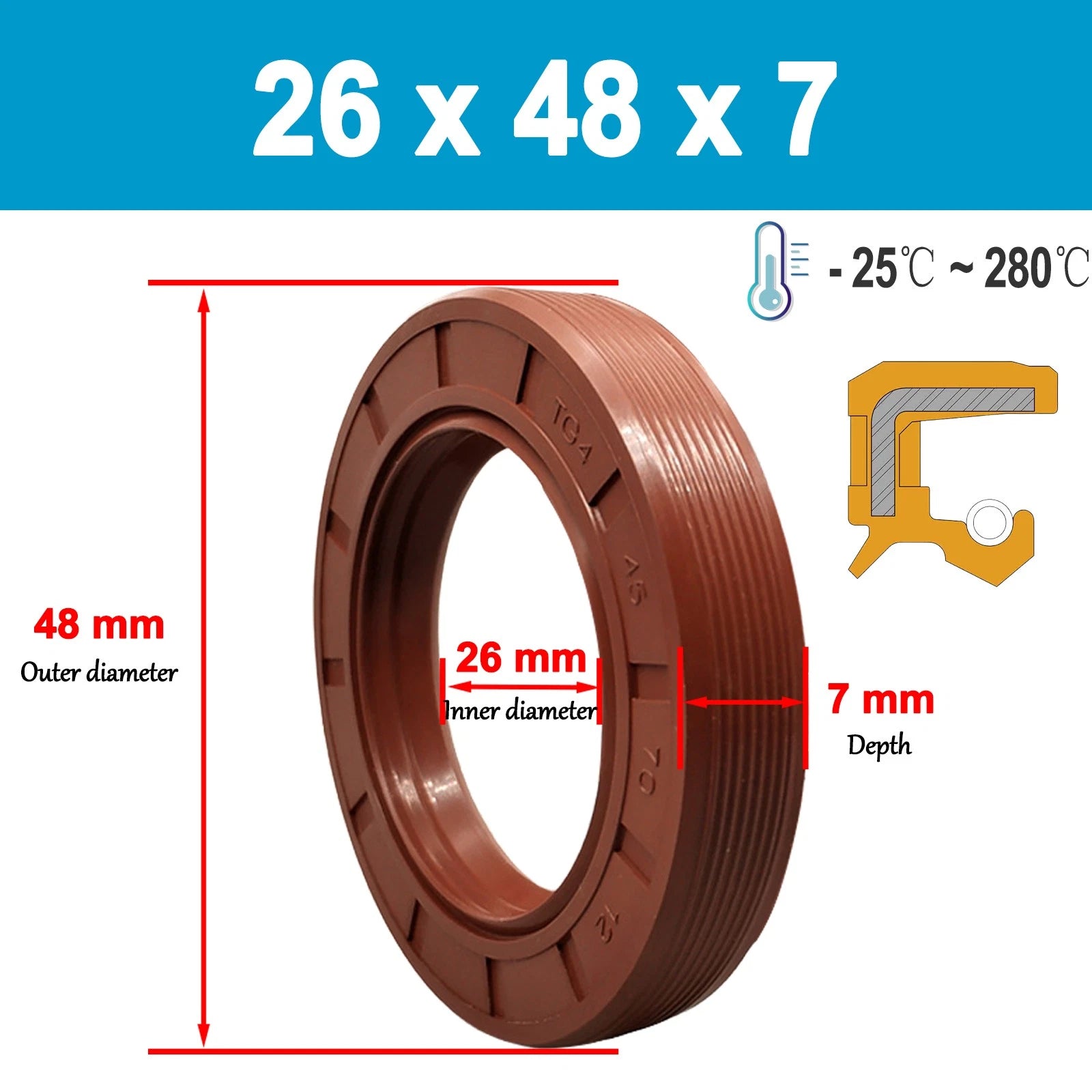
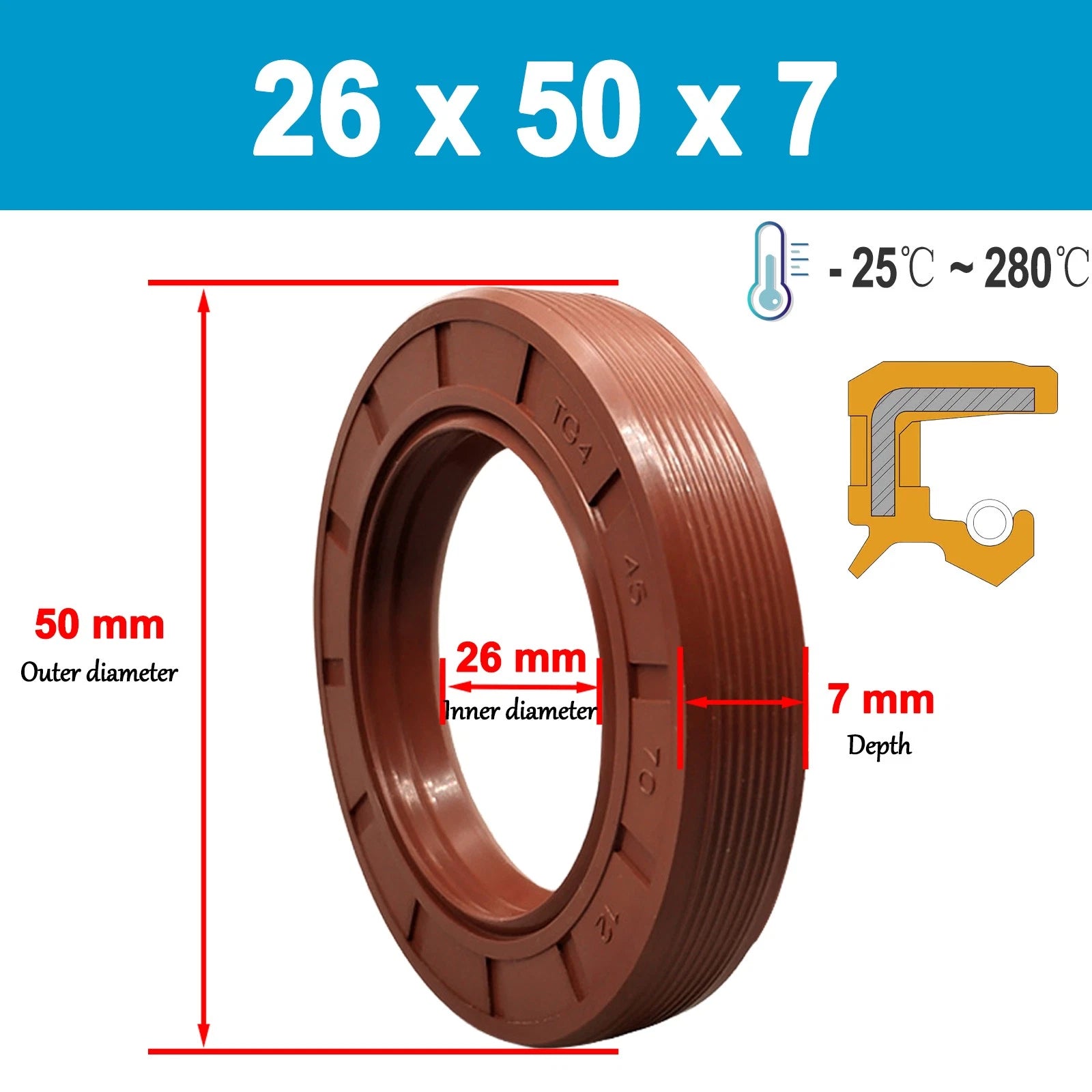
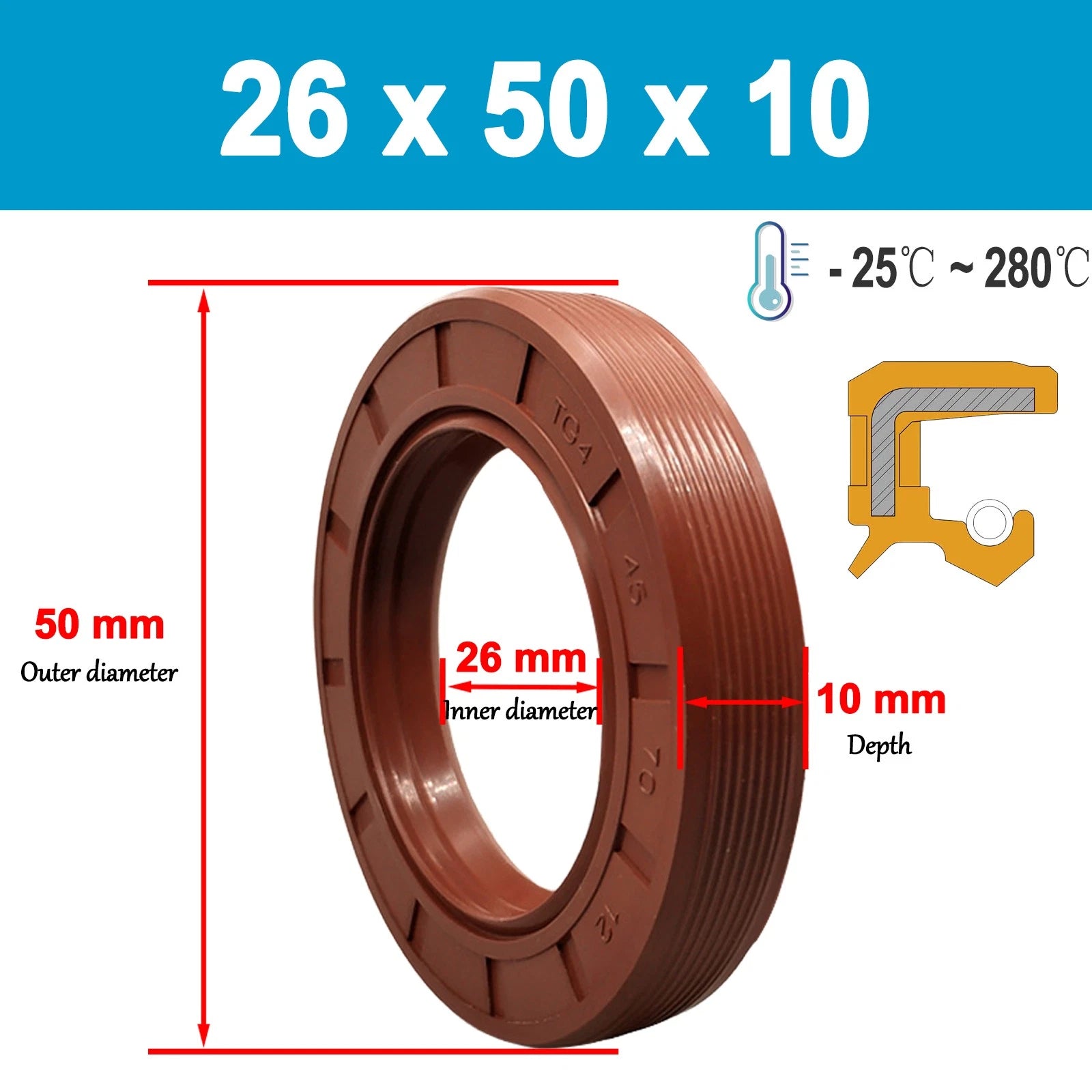
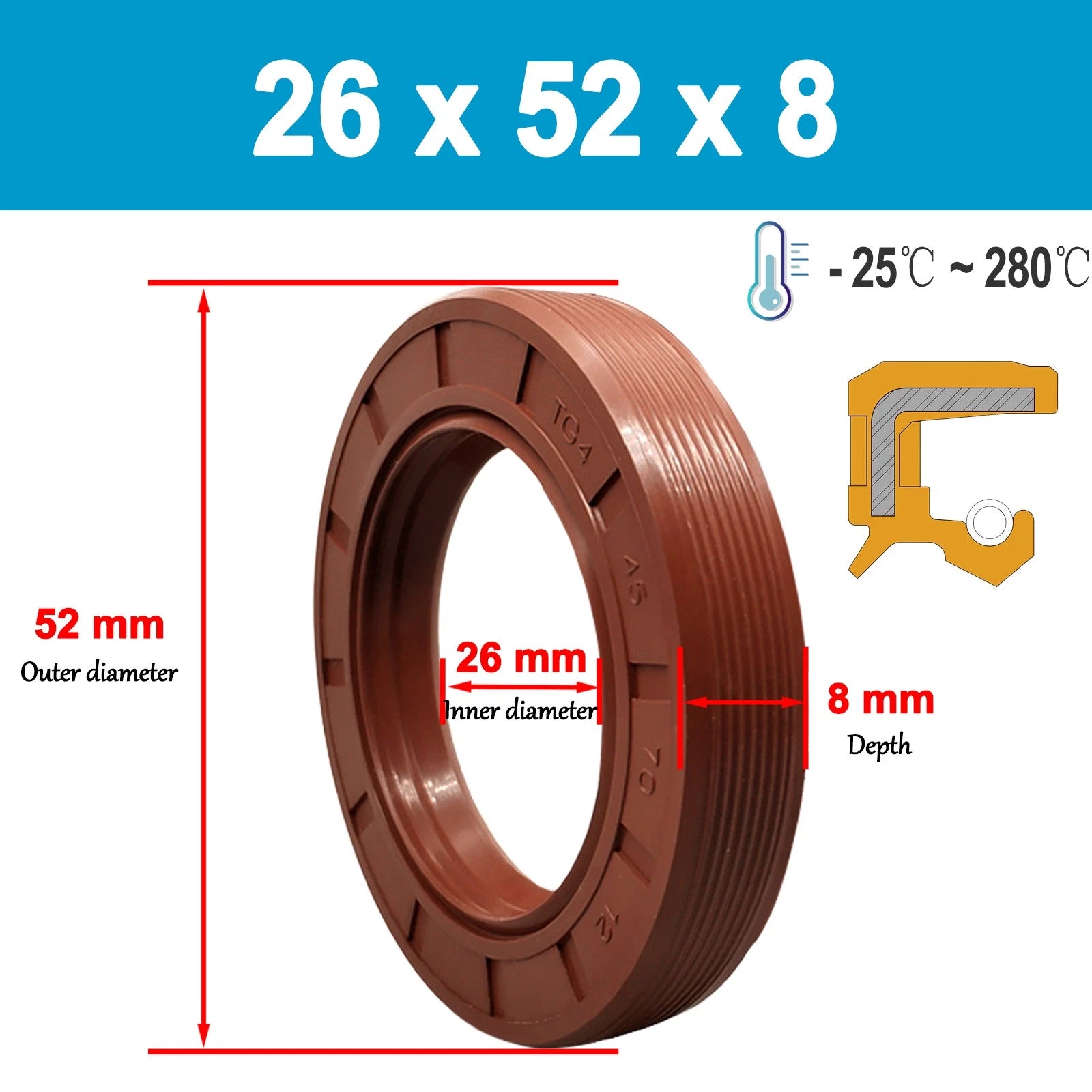
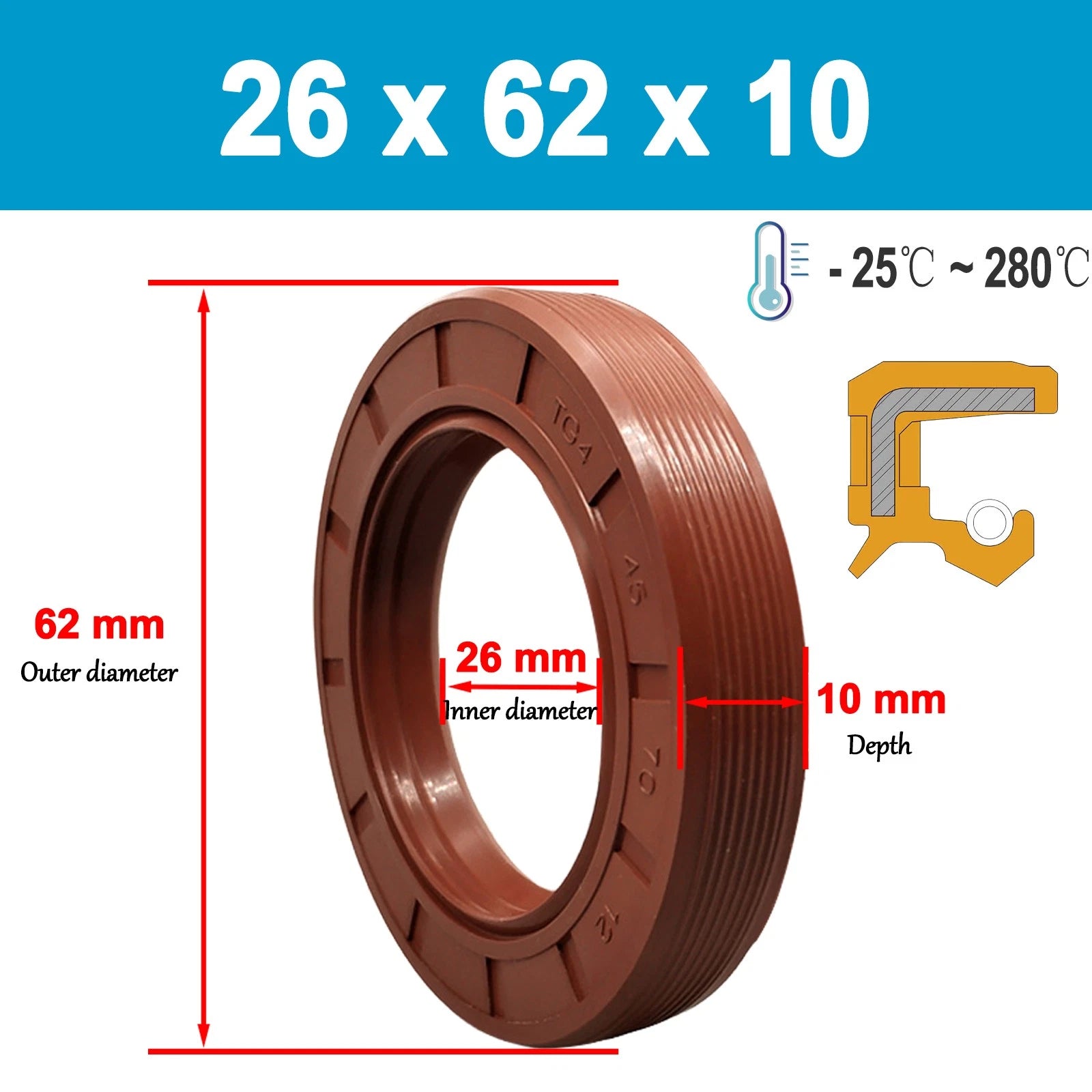
Metric TC Rotary Oil Shaft Seal FKM Fluorine Double Lip Seal 22mm - 26mm Shaft

No reviews

Price:
Sale price$7.66 USD
Stock:
In stock (500 units), ready to be shipped

Payment & Security

Ach Direct Debit Amazon American Express Apple Pay Bancontact BLIK Diners Club Discover EPS Google Pay iDEAL Wero JCB Maestro Mastercard Multibanco MobilePay PayPal Przelewy24 Shop Pay Twint Union Pay USDC Visa

Your payment information is processed securely. We do not store credit card details nor have access to your credit card information.

Limited Offer — Spend More, Save More
Spend $55+
Save $5
Spend $100+
Save $10
Spend $200+
Save $25
HomeDIYer DIY Expert Support

DIY Expert Support

Get fitment advice & recommendations

Mon–Fri  8:30 AM – 8:00 PM
24-Hour Fast Ship
Arrives in 3–14 Days
Worldwide Shipping
30-Day Returns
1 tree planted with every purchase

Description

Metric FKM TC Rotary Oil Shaft Seal — Double Lip, 22–26mm Shaft Range

When a worn or leaking shaft seal causes oil contamination, downtime, or premature bearing failure, engineers and technicians need a replacement they can trust across a wide range of shaft sizes. These metric TC rotary oil shaft seals are engineered for rotating shaft applications where reliable sealing against oil, grease, and contaminants is critical — from automotive gearboxes and differentials to industrial pumps and agricultural equipment.

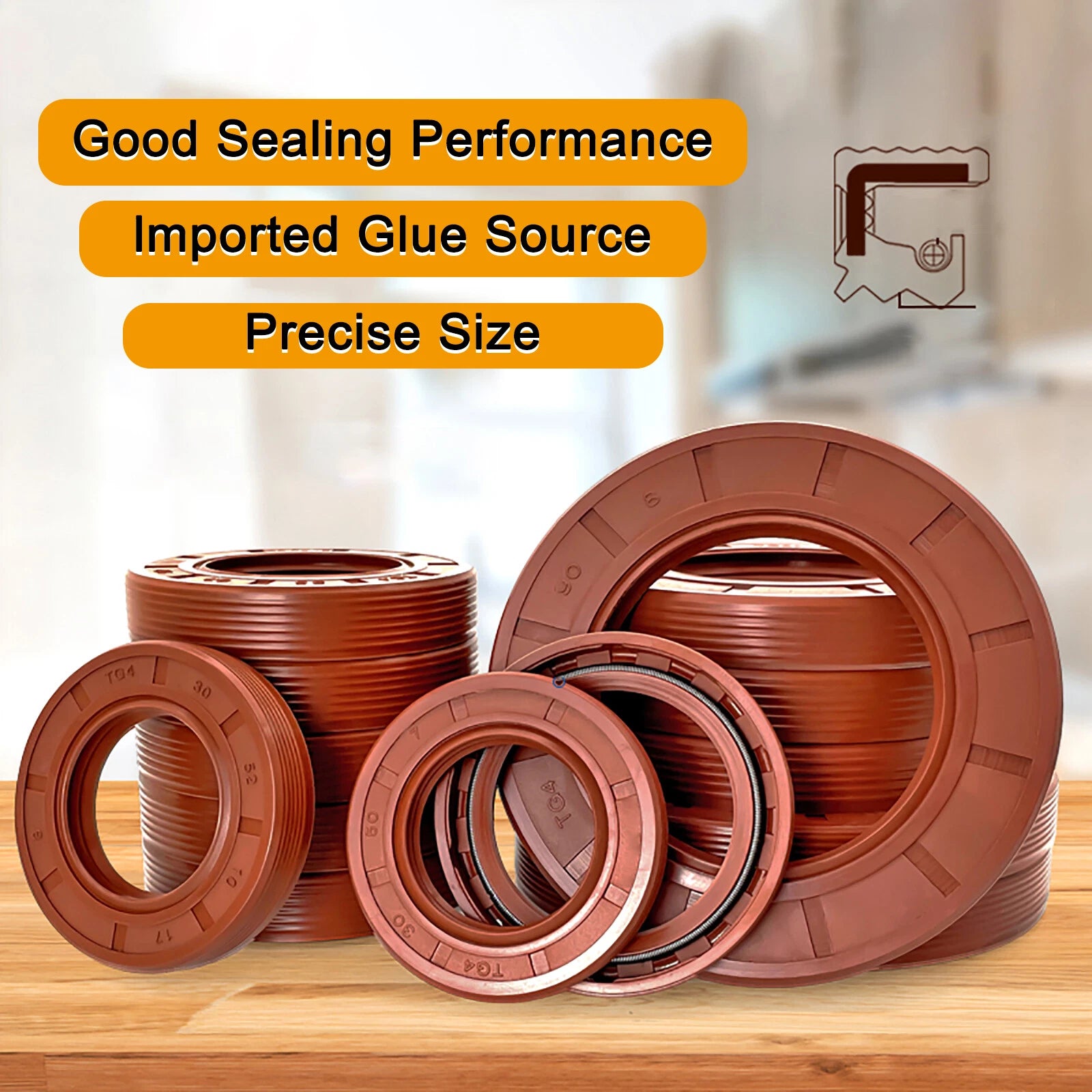
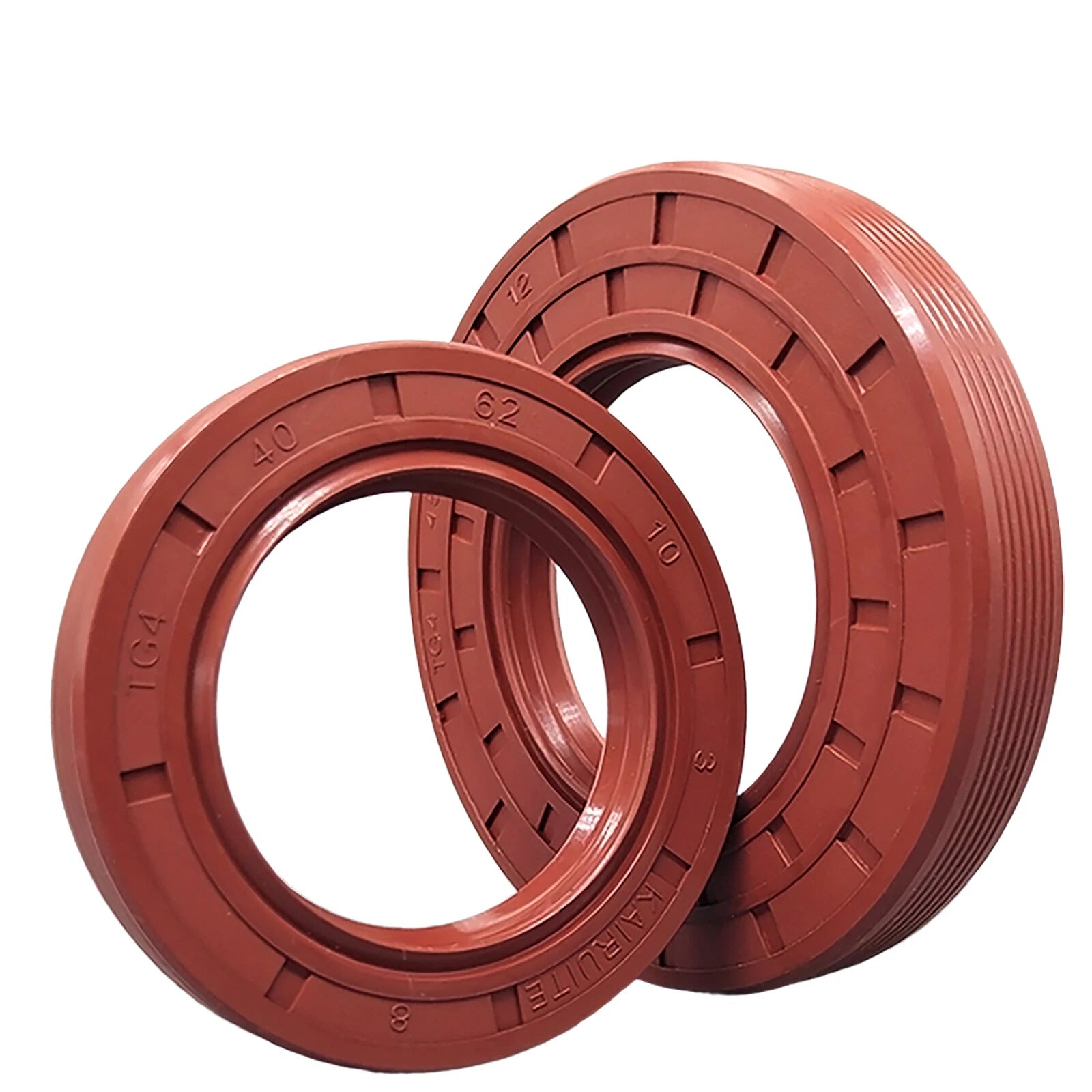
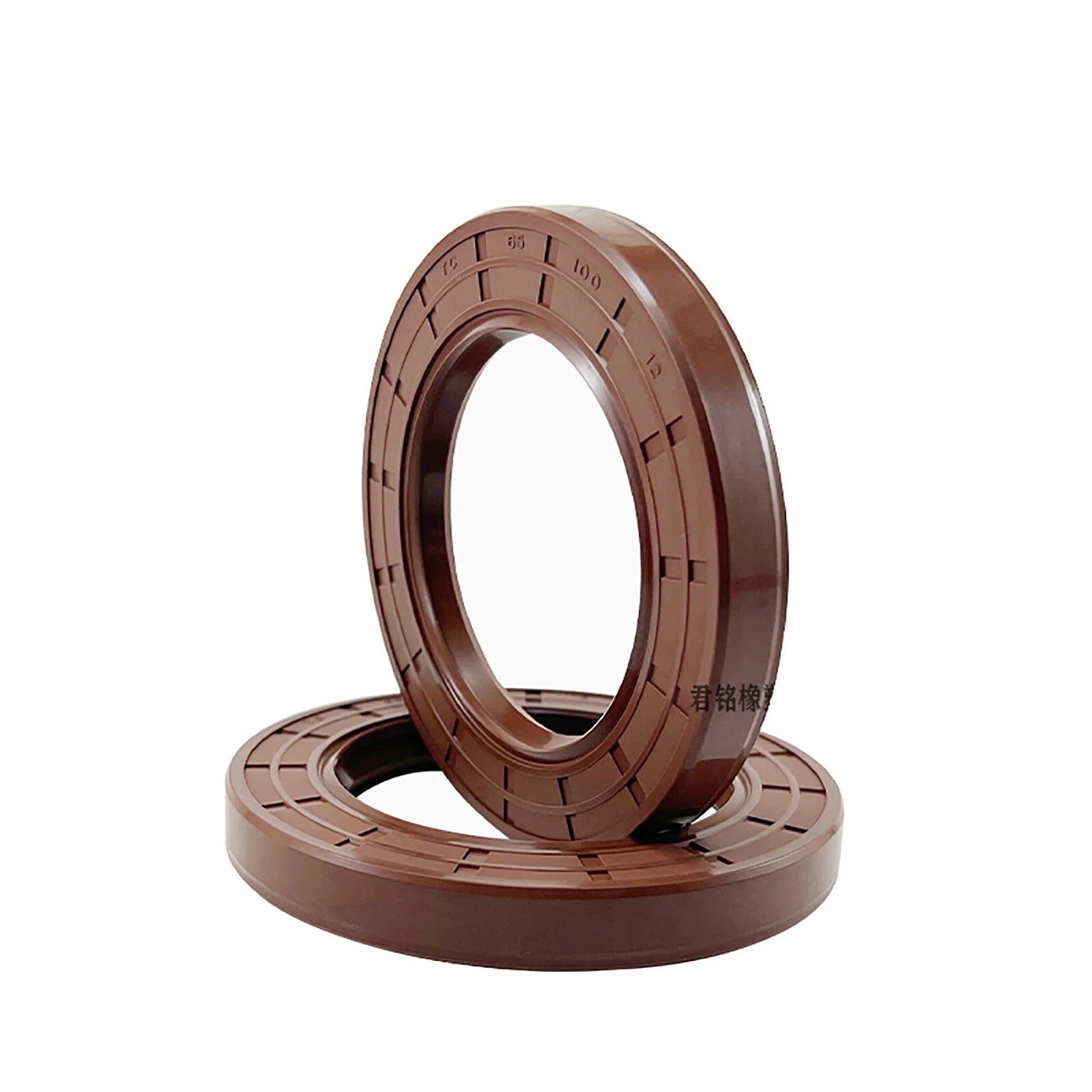
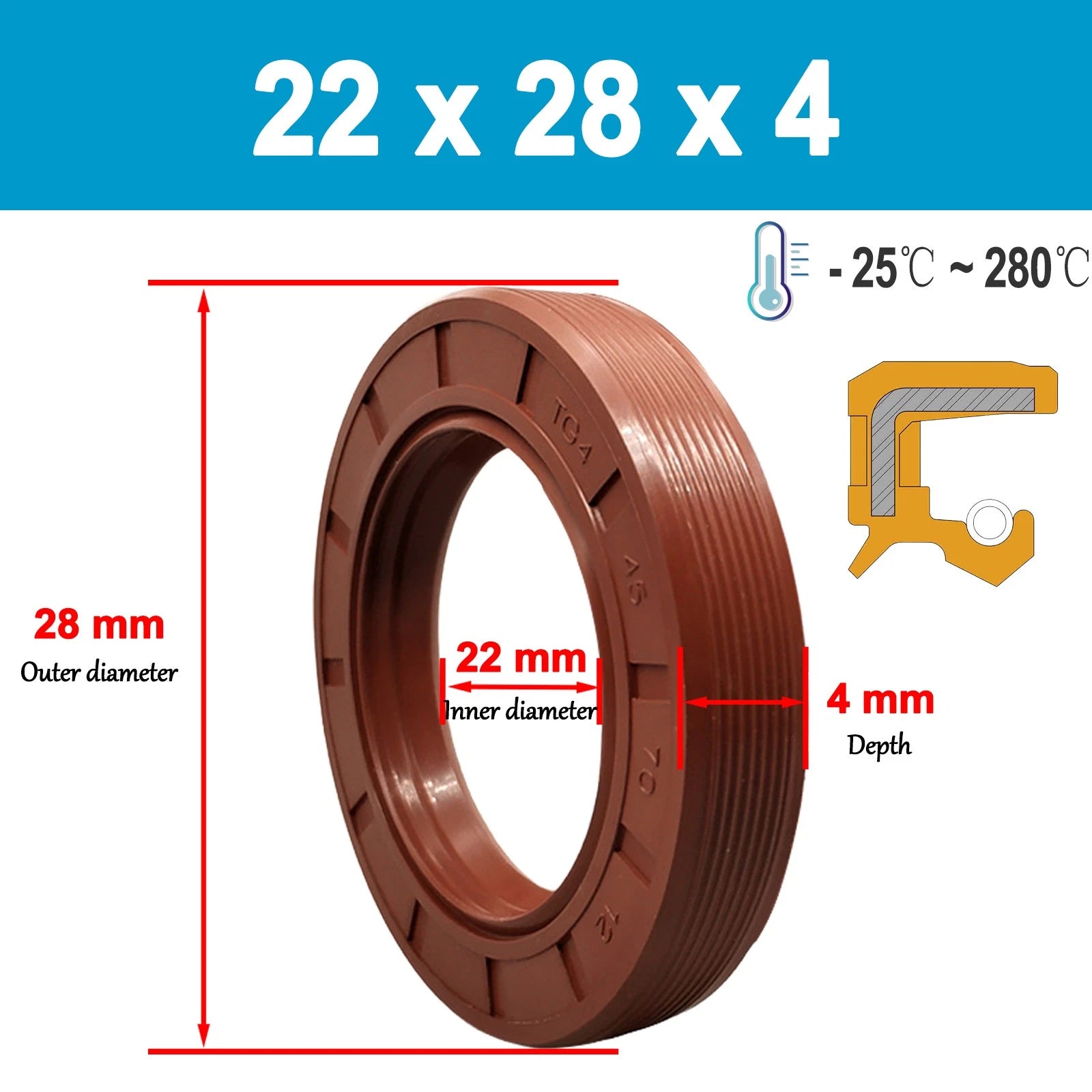
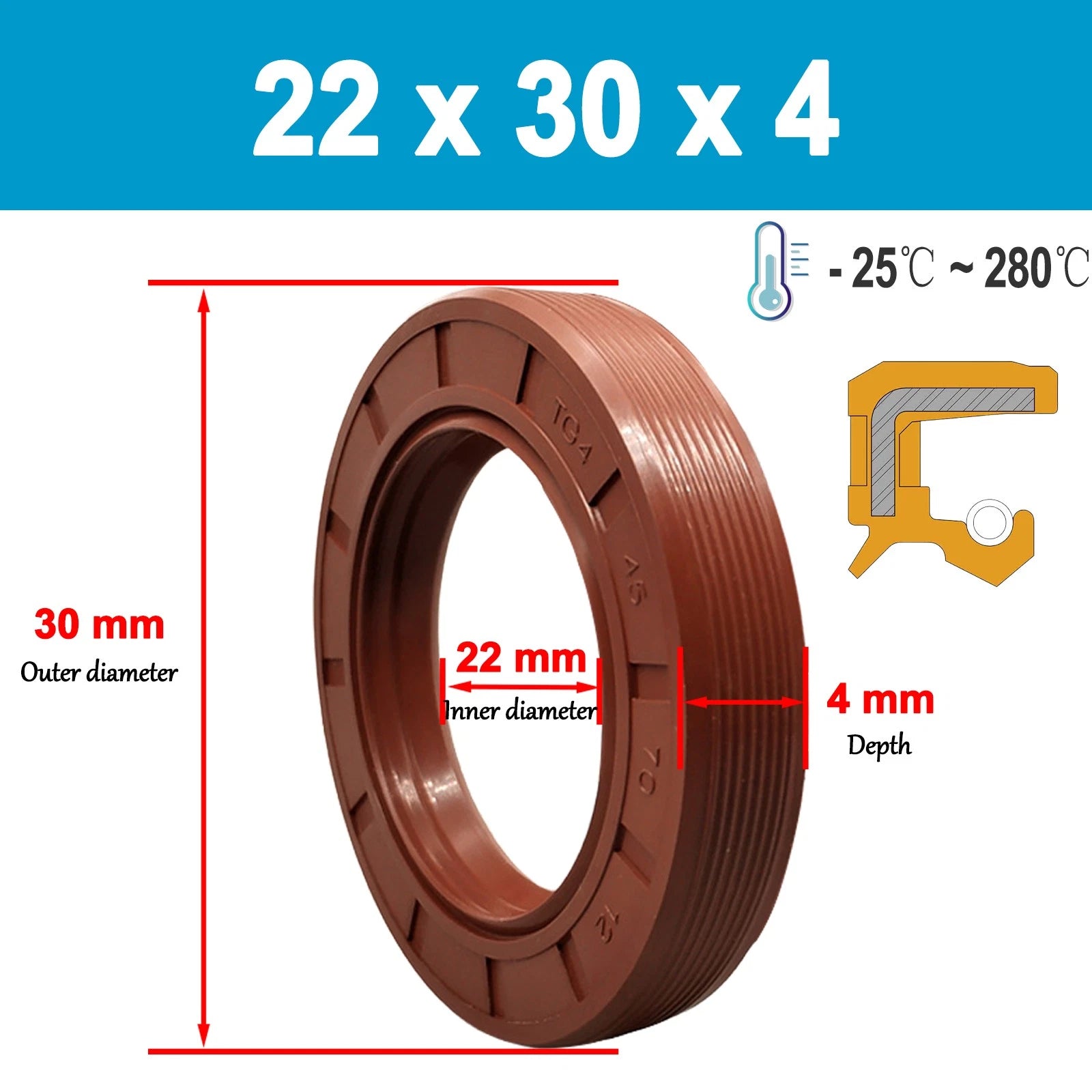
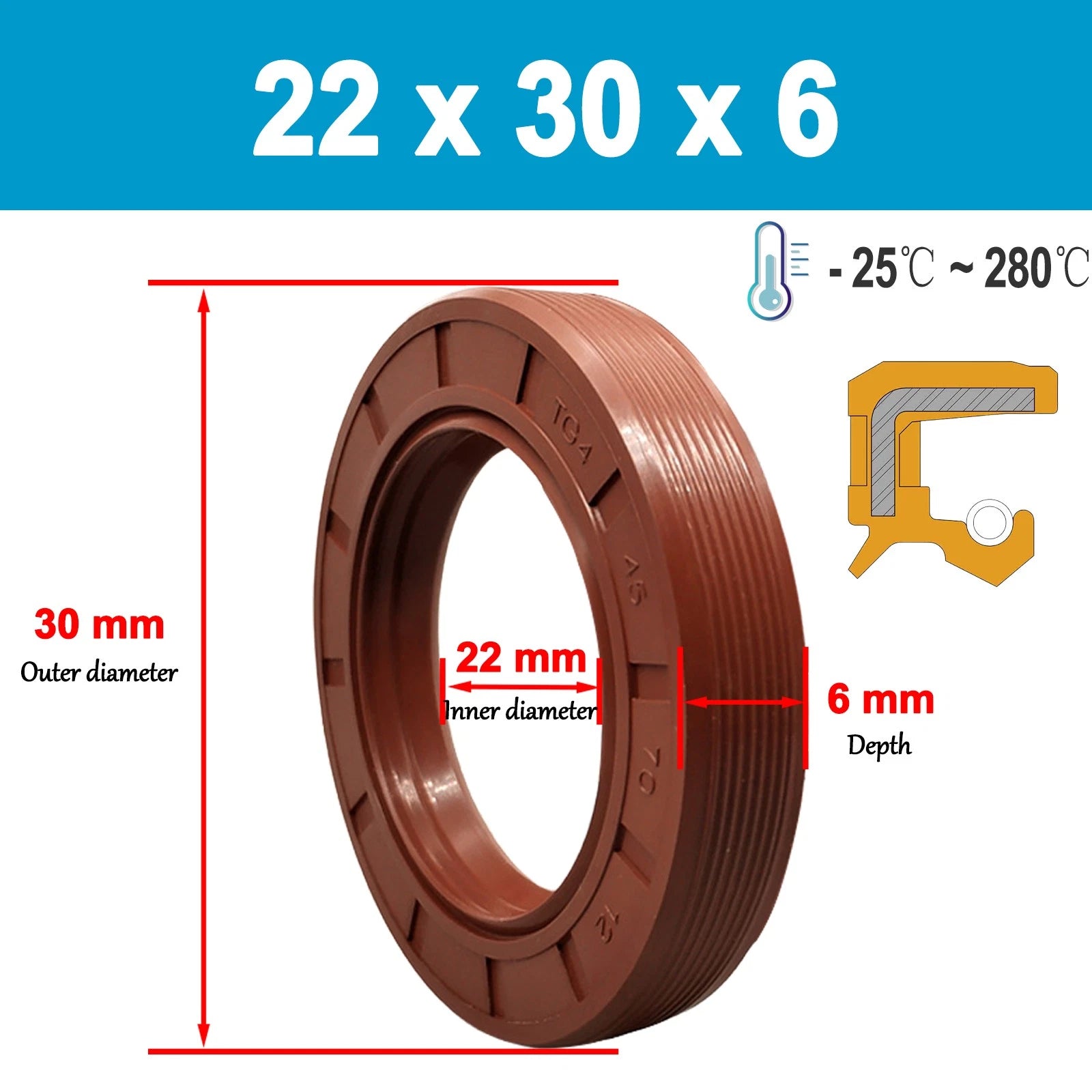
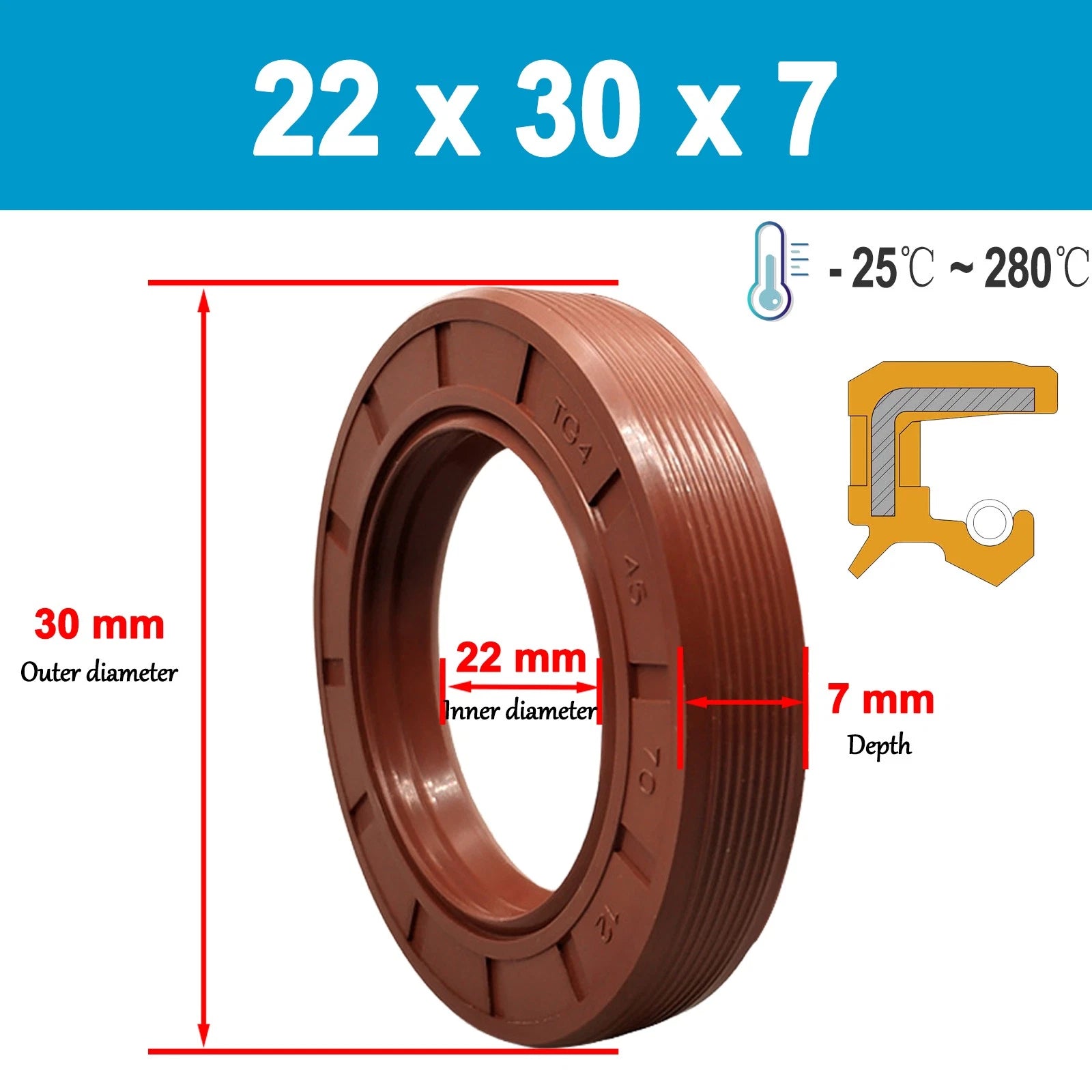
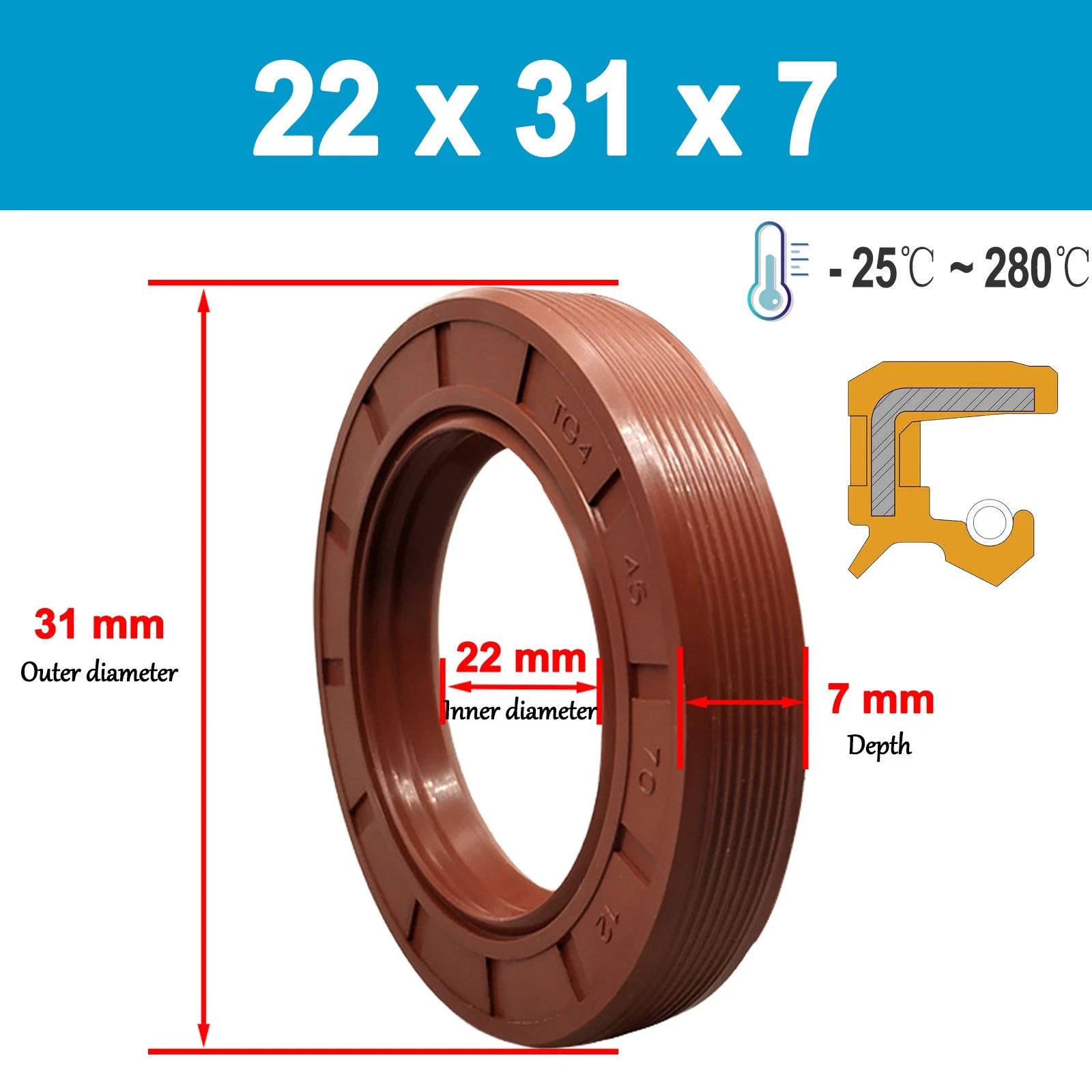
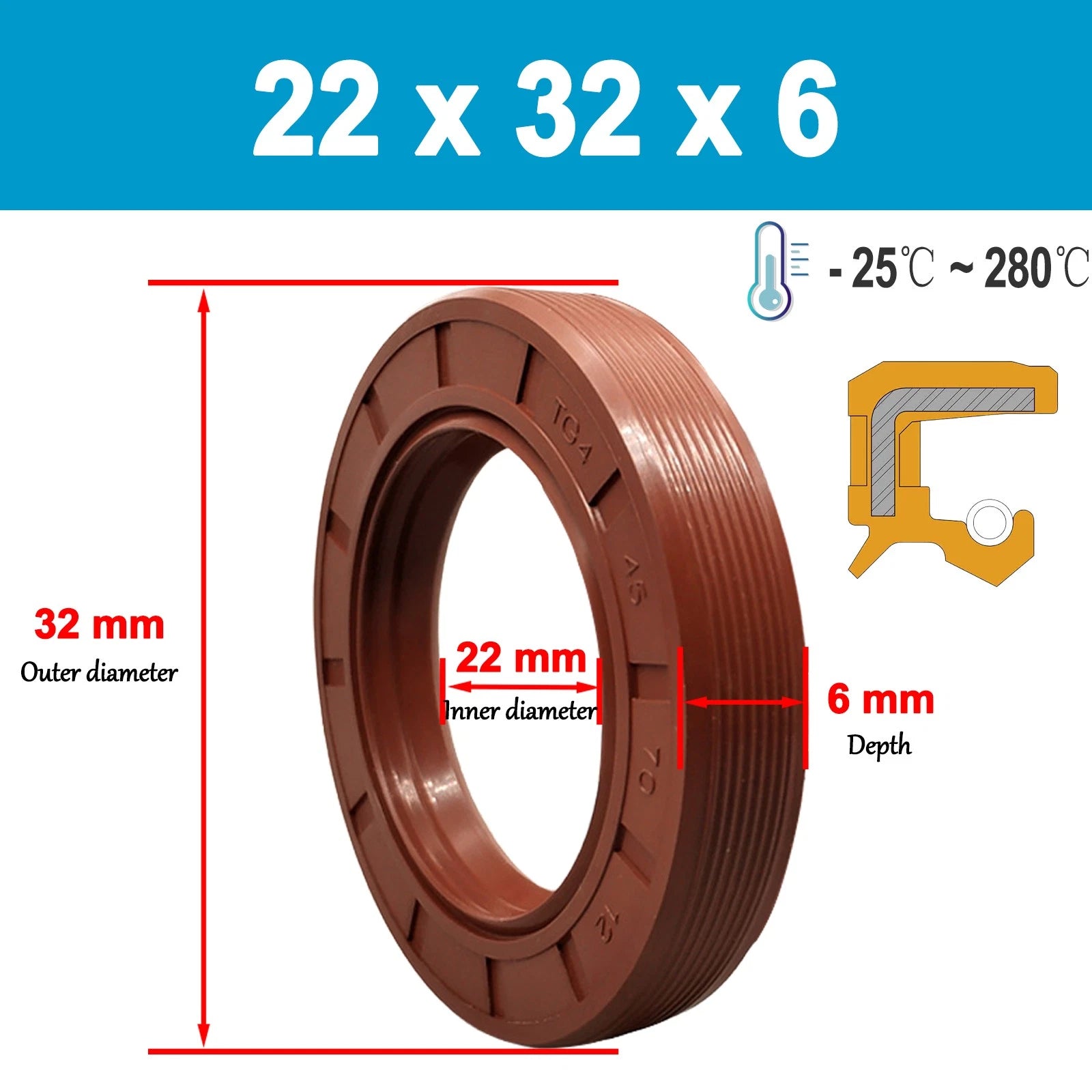
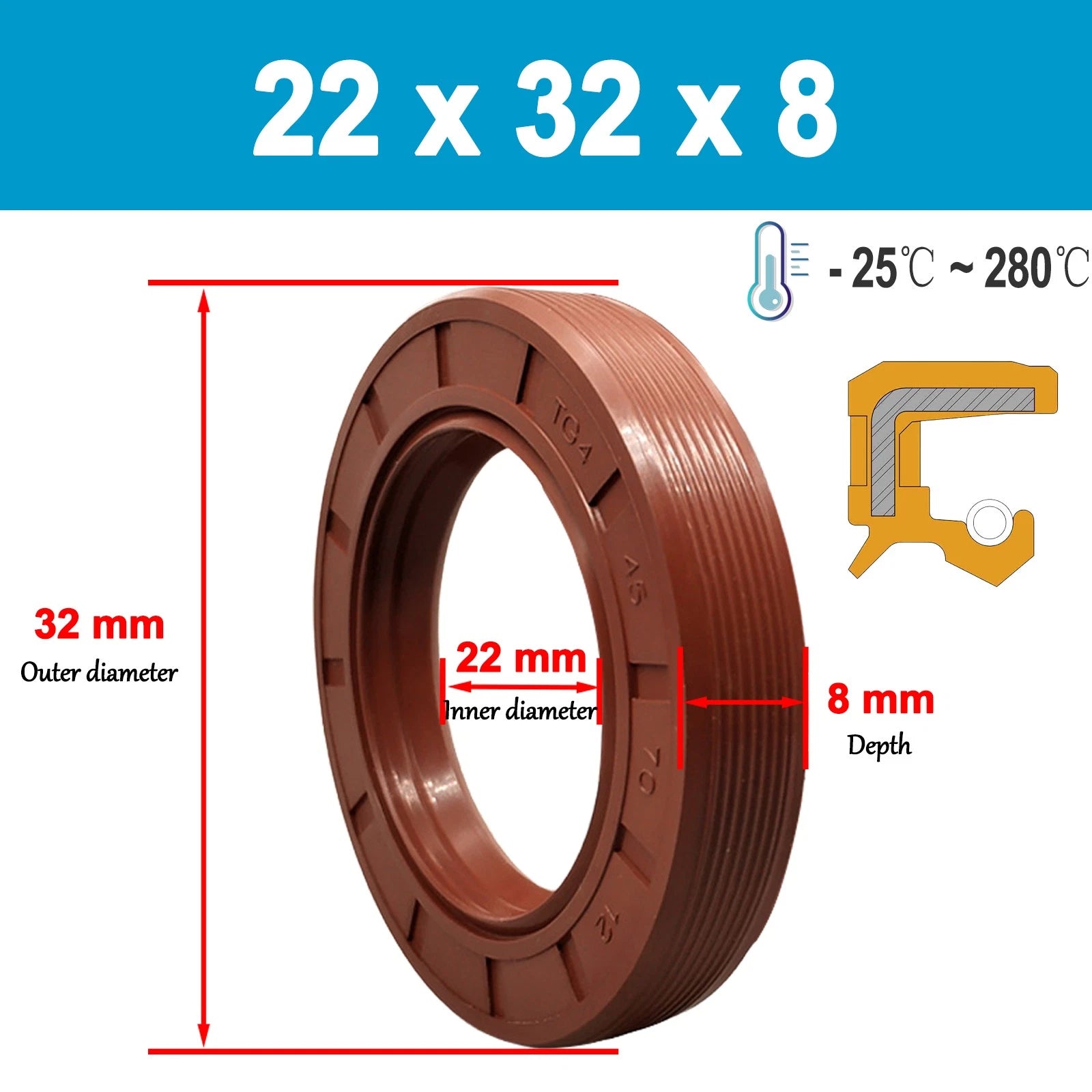
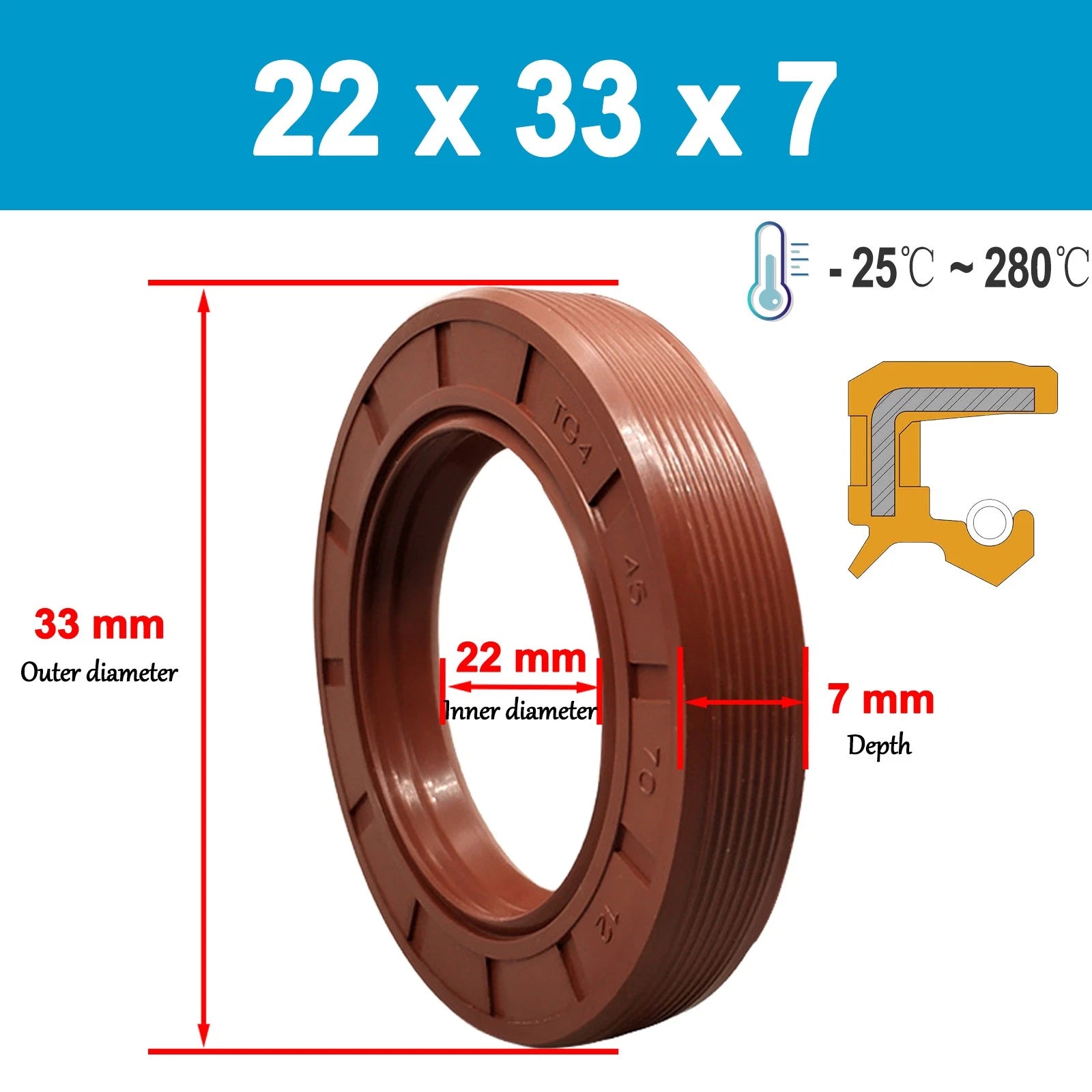
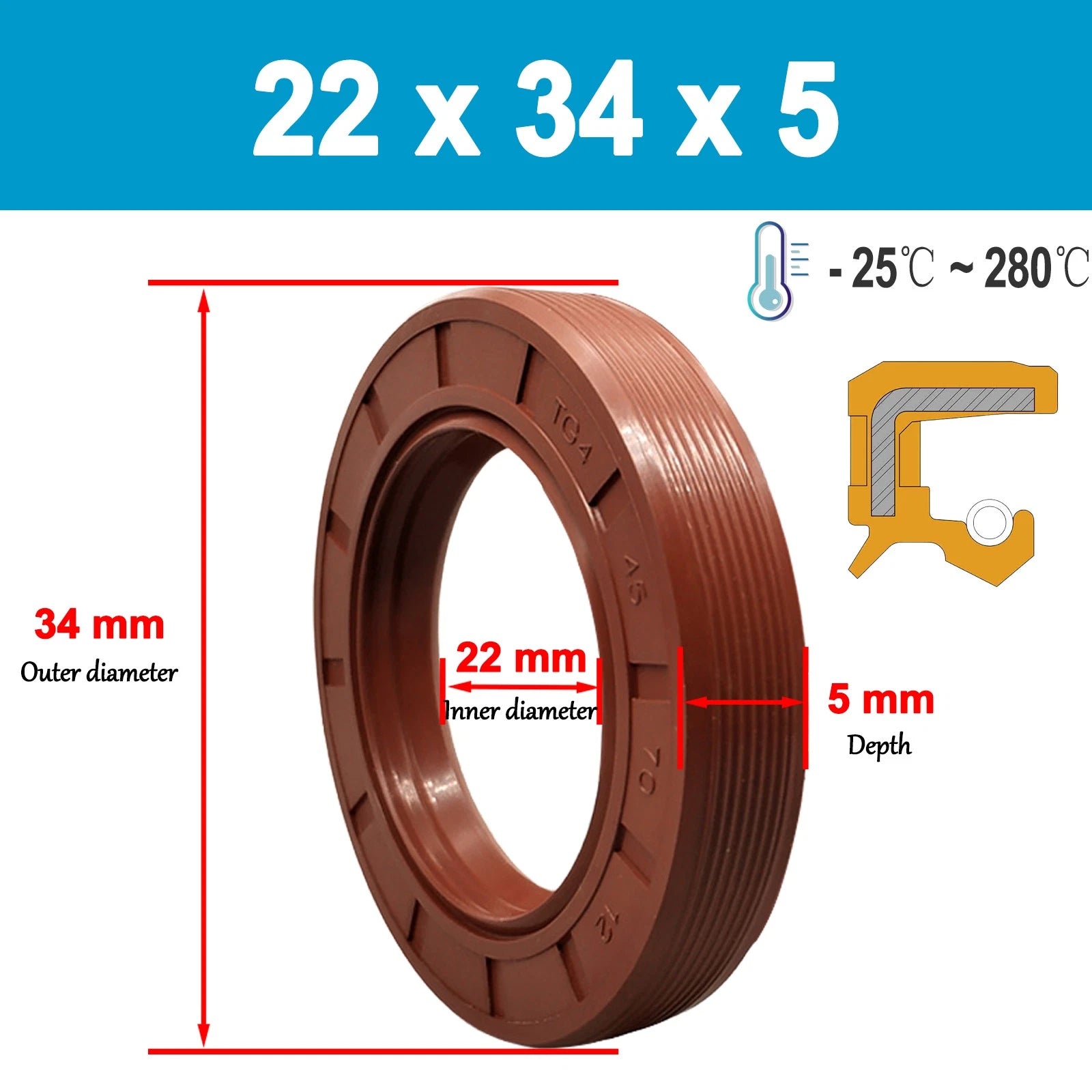
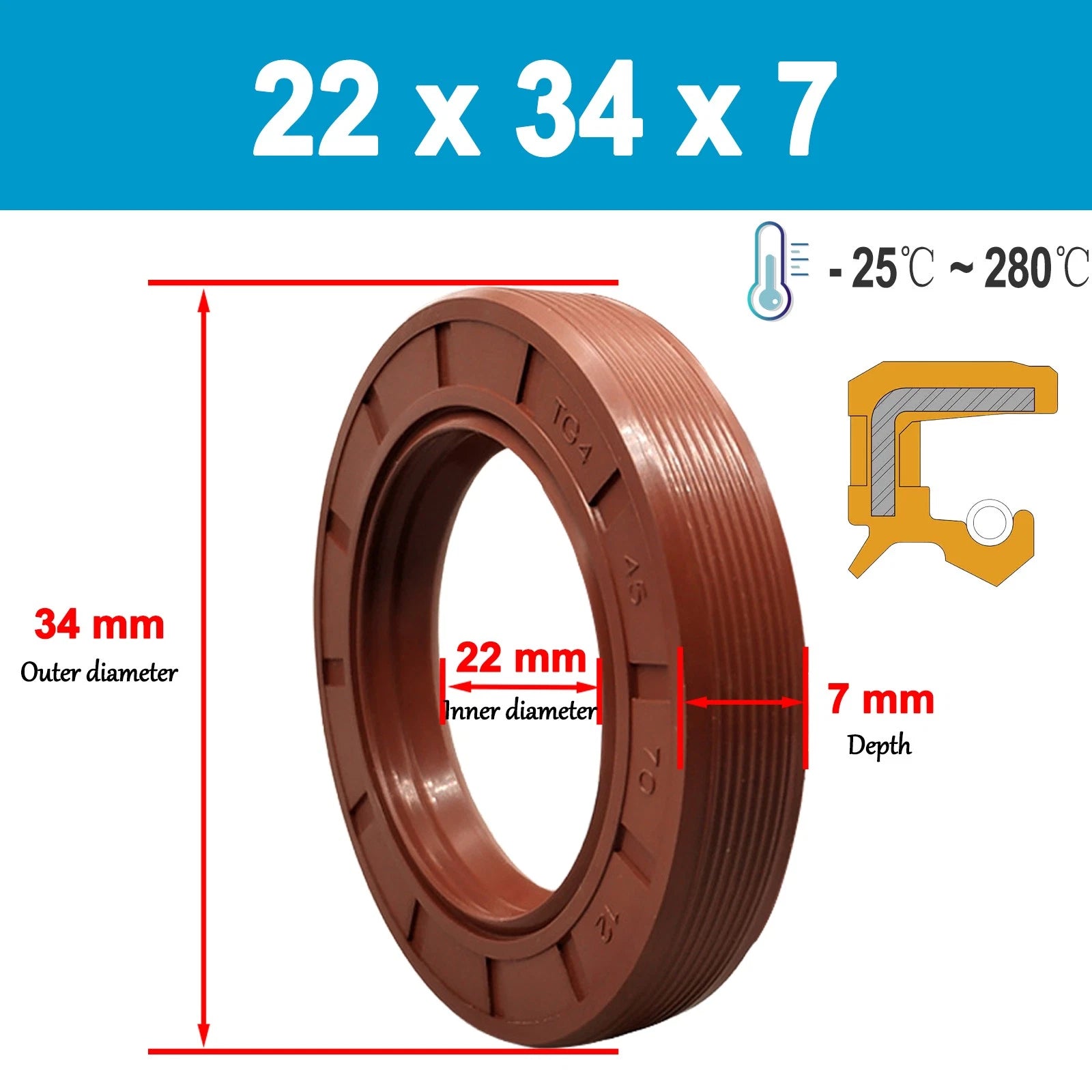
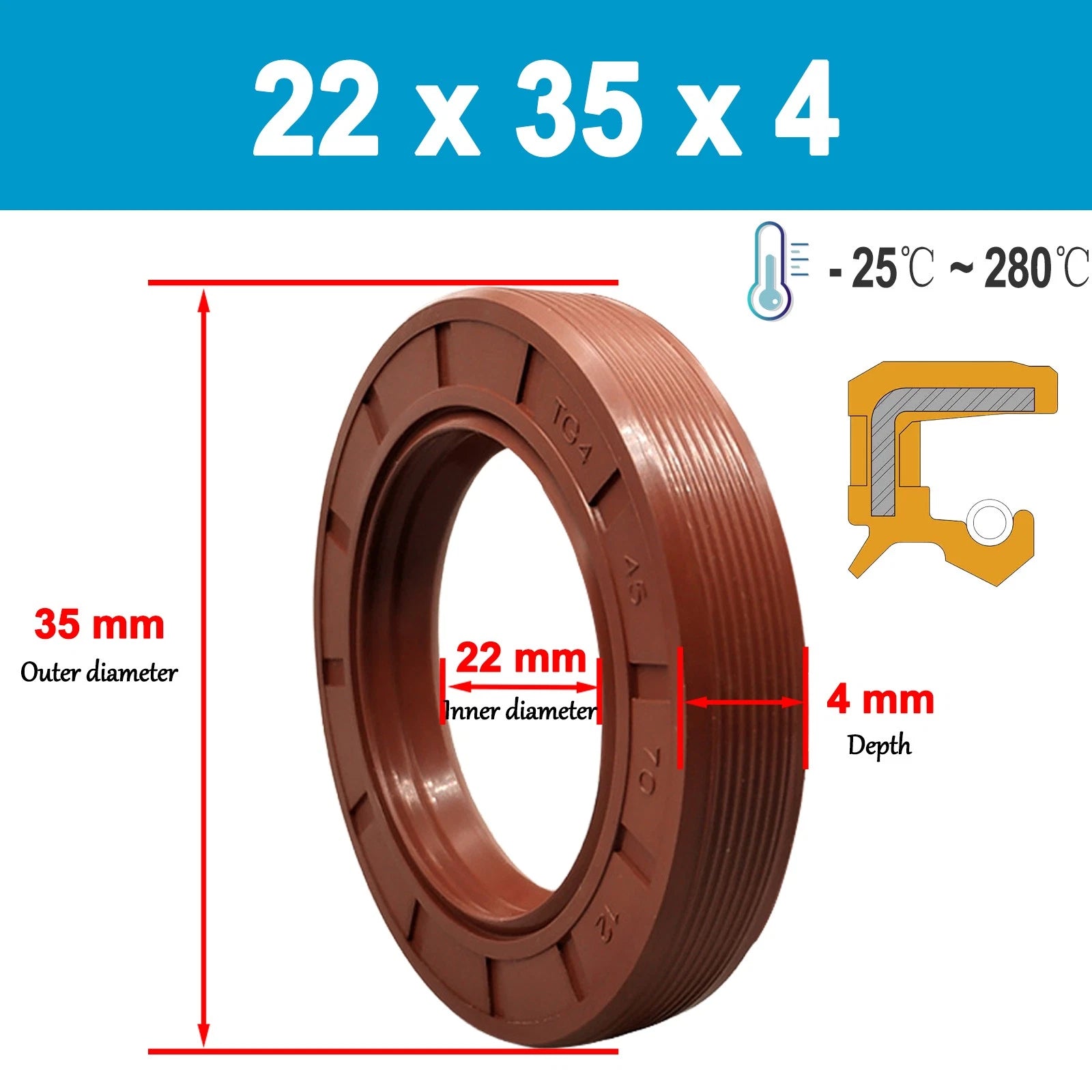
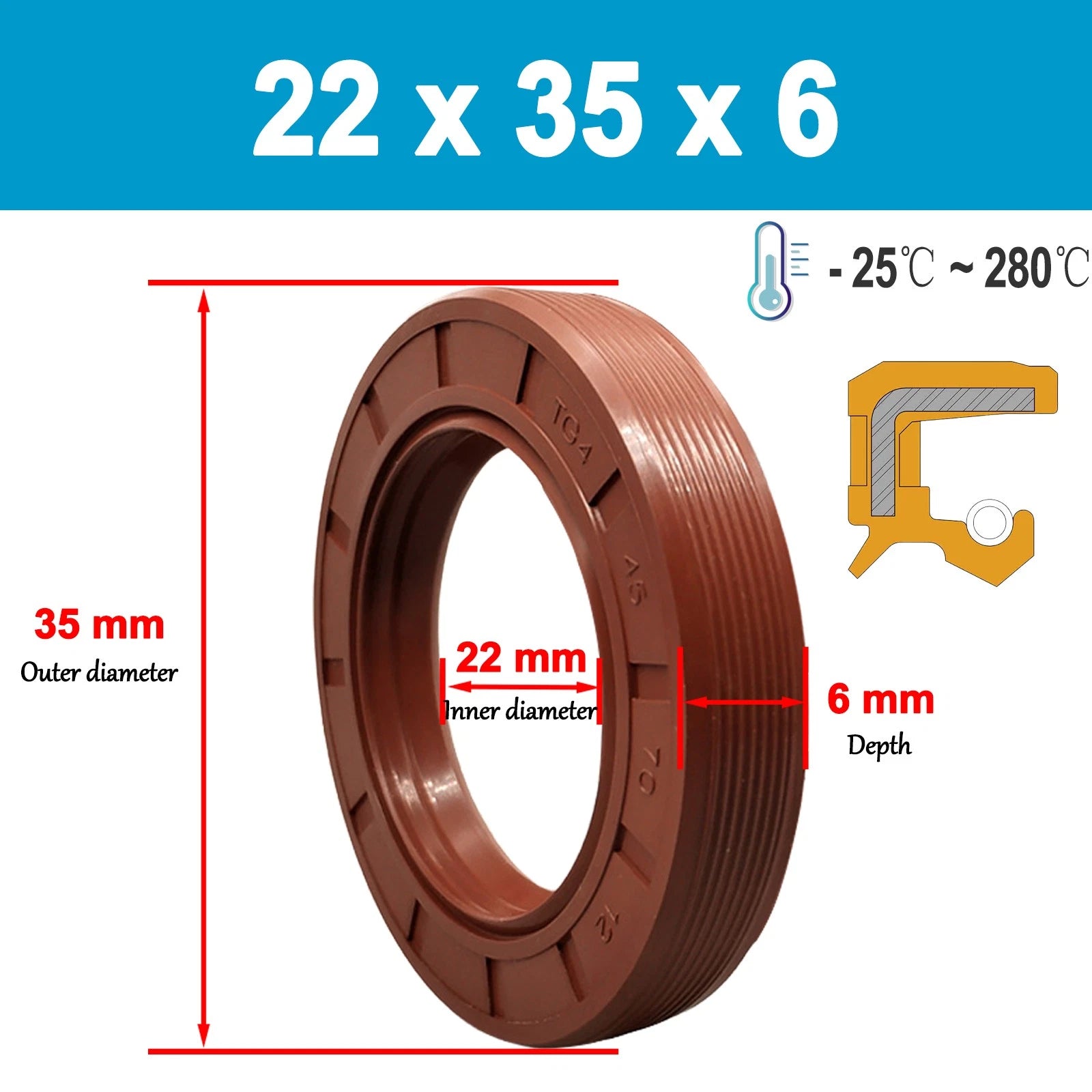
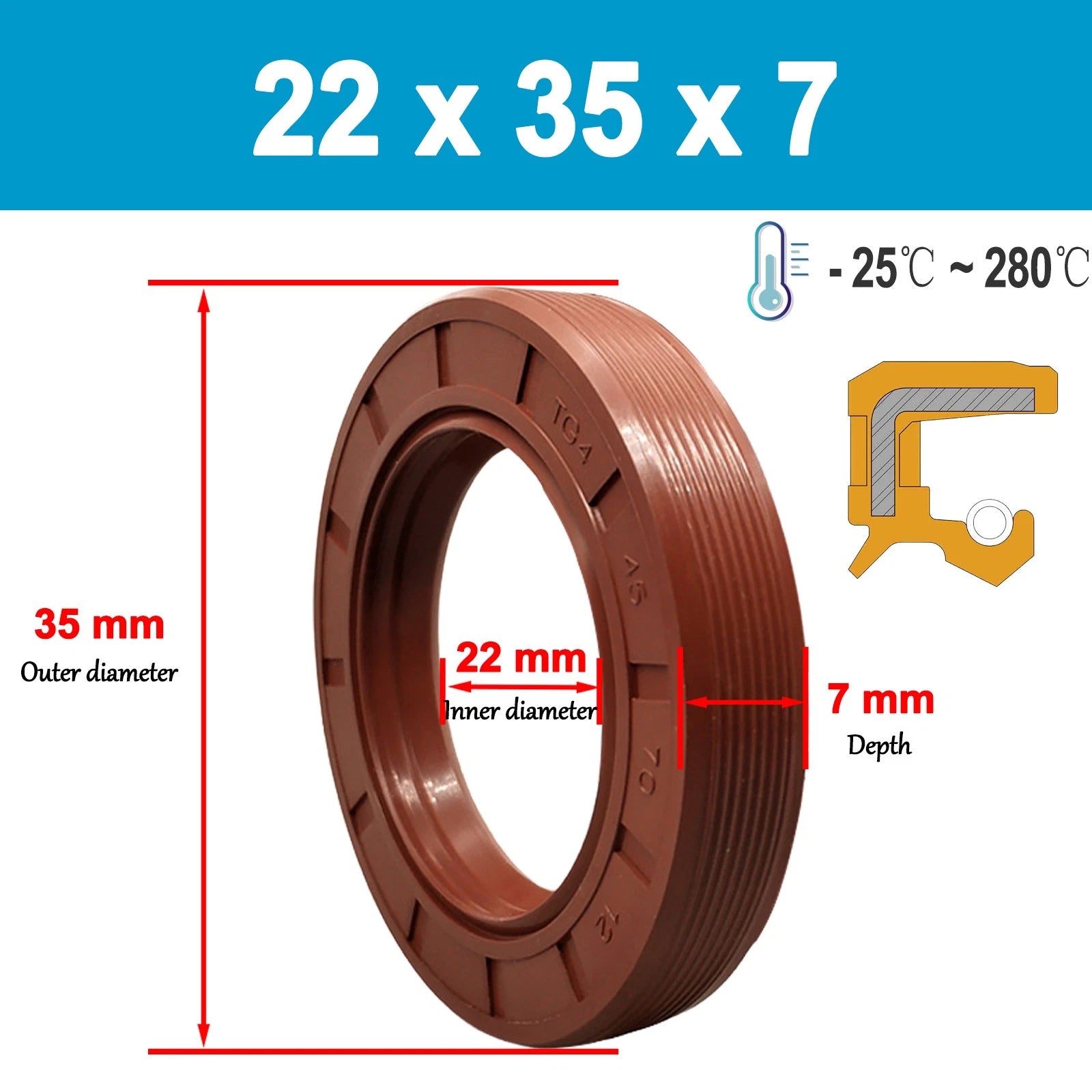
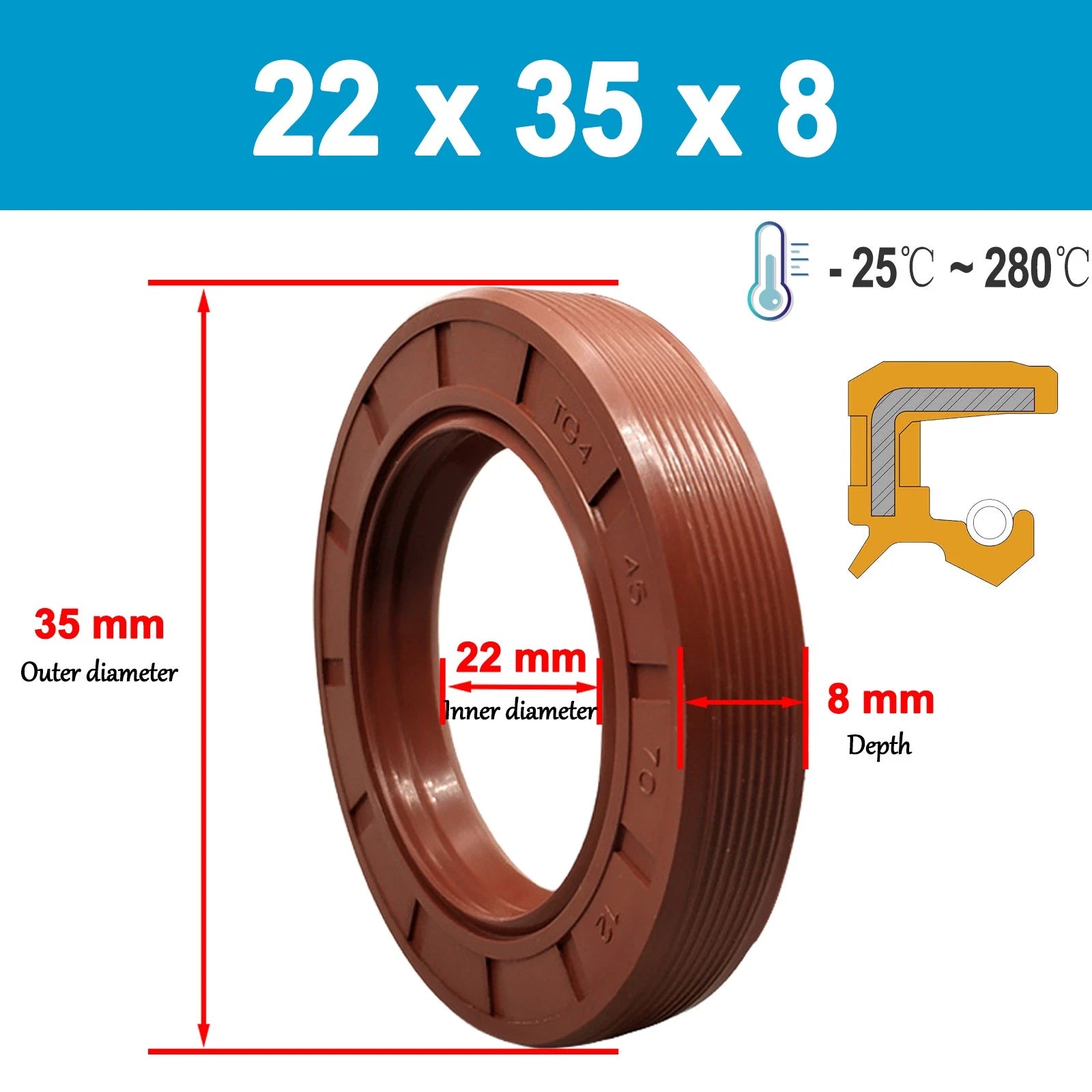
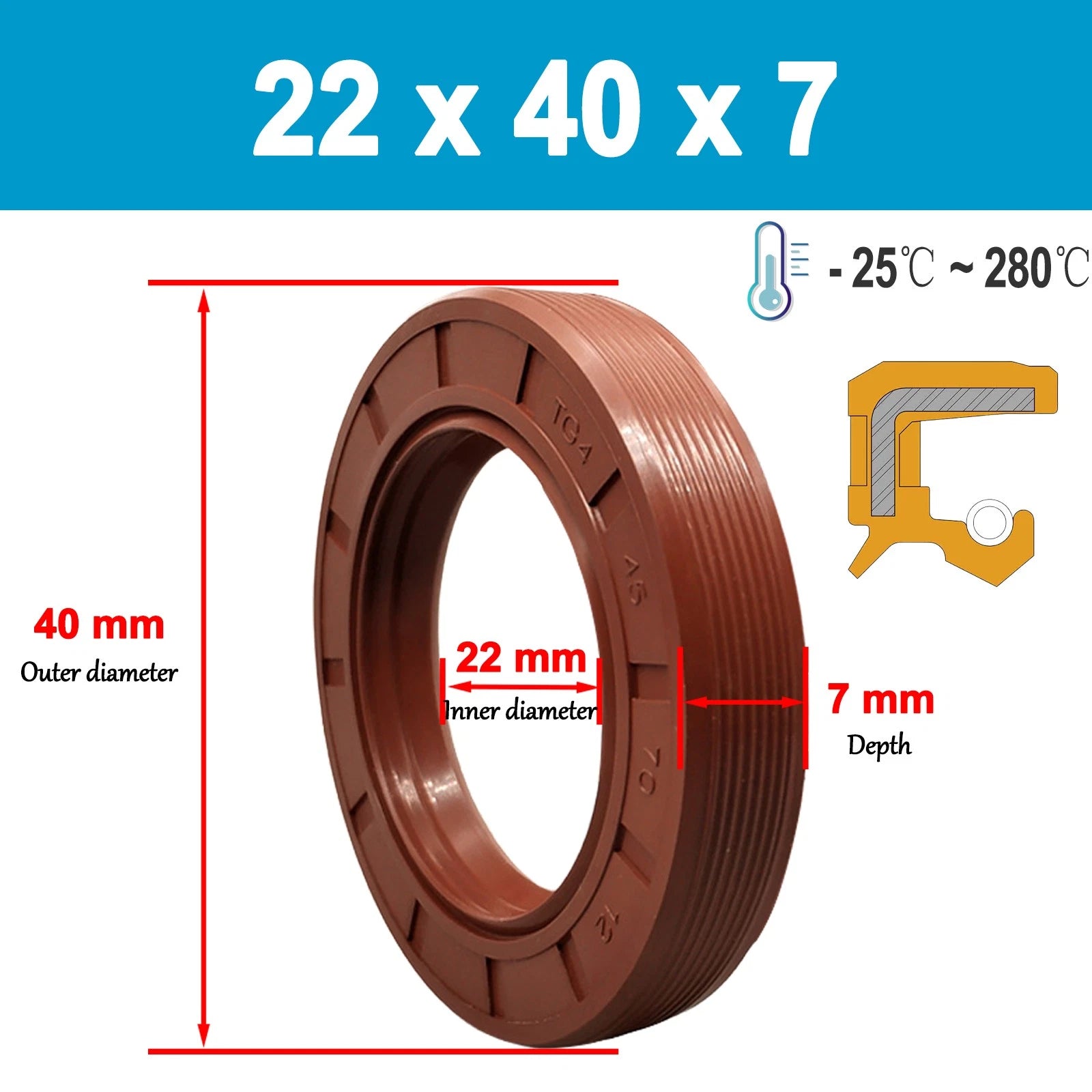
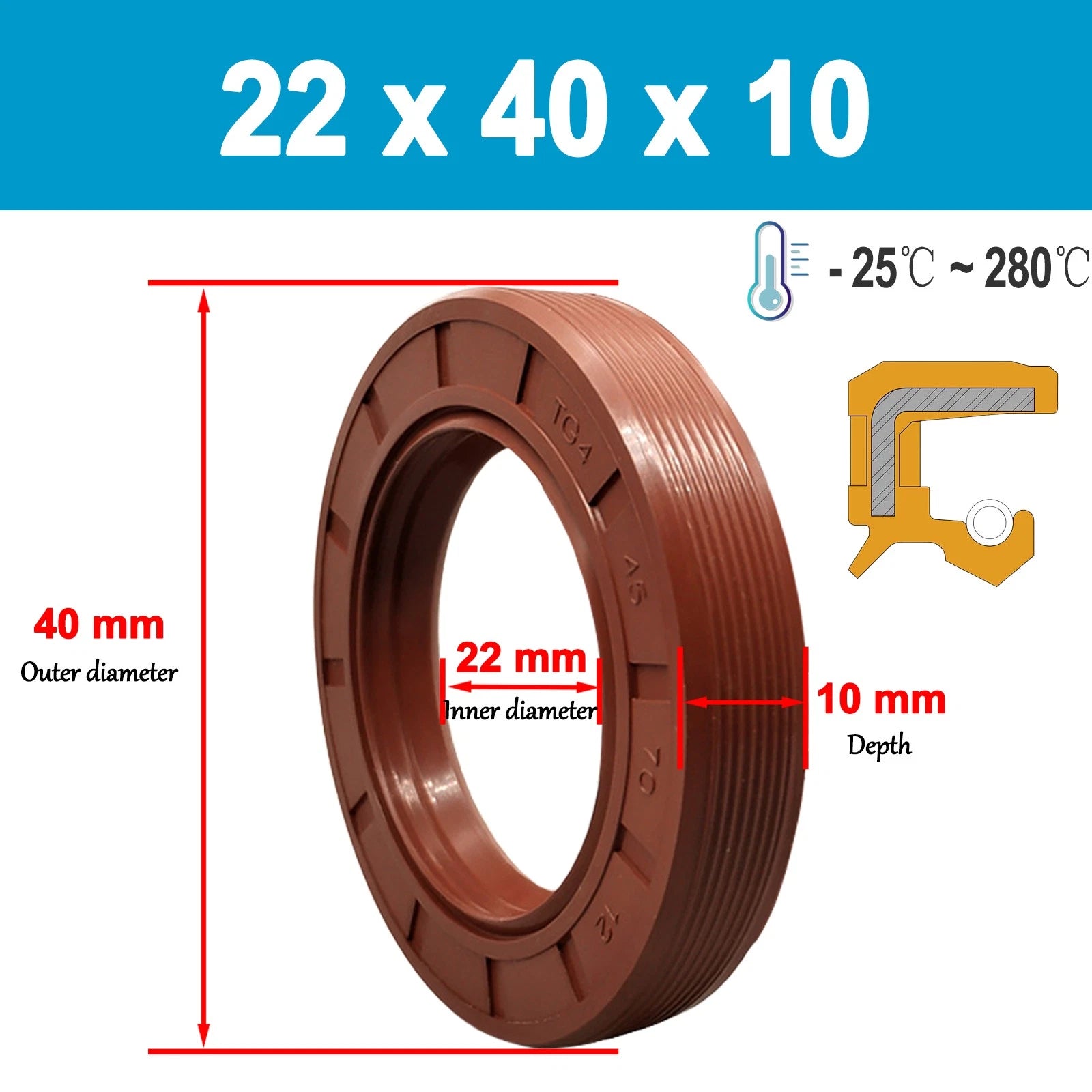
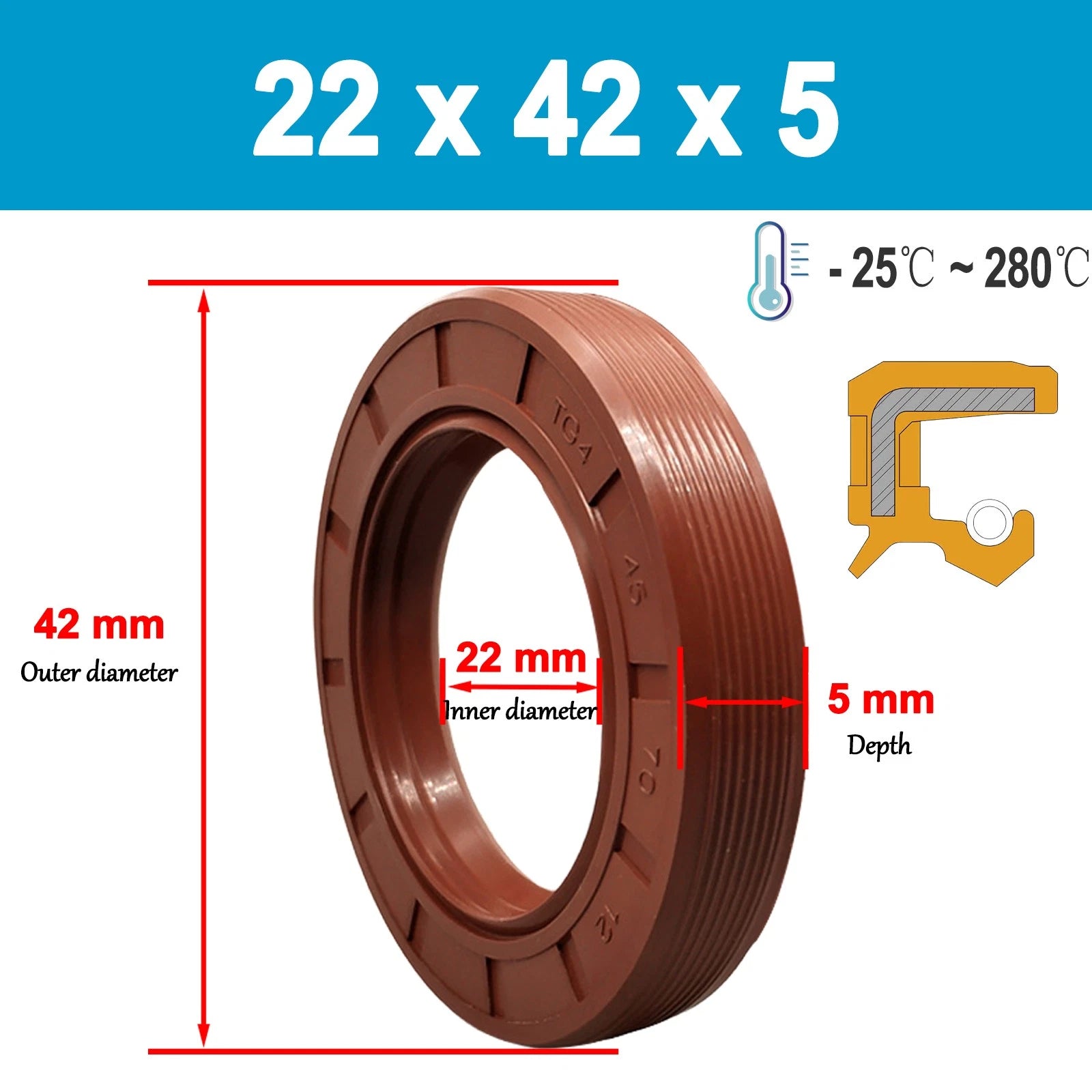
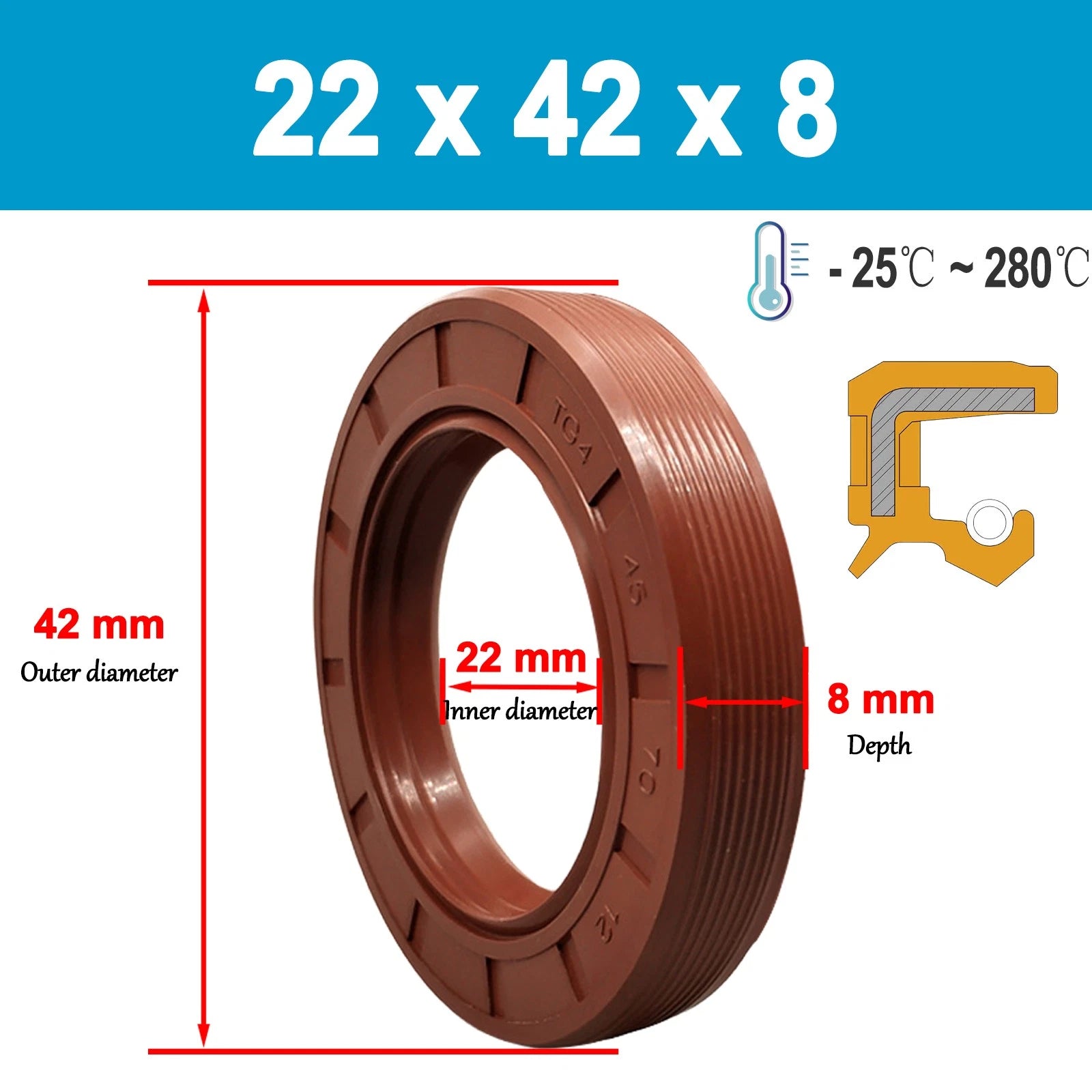
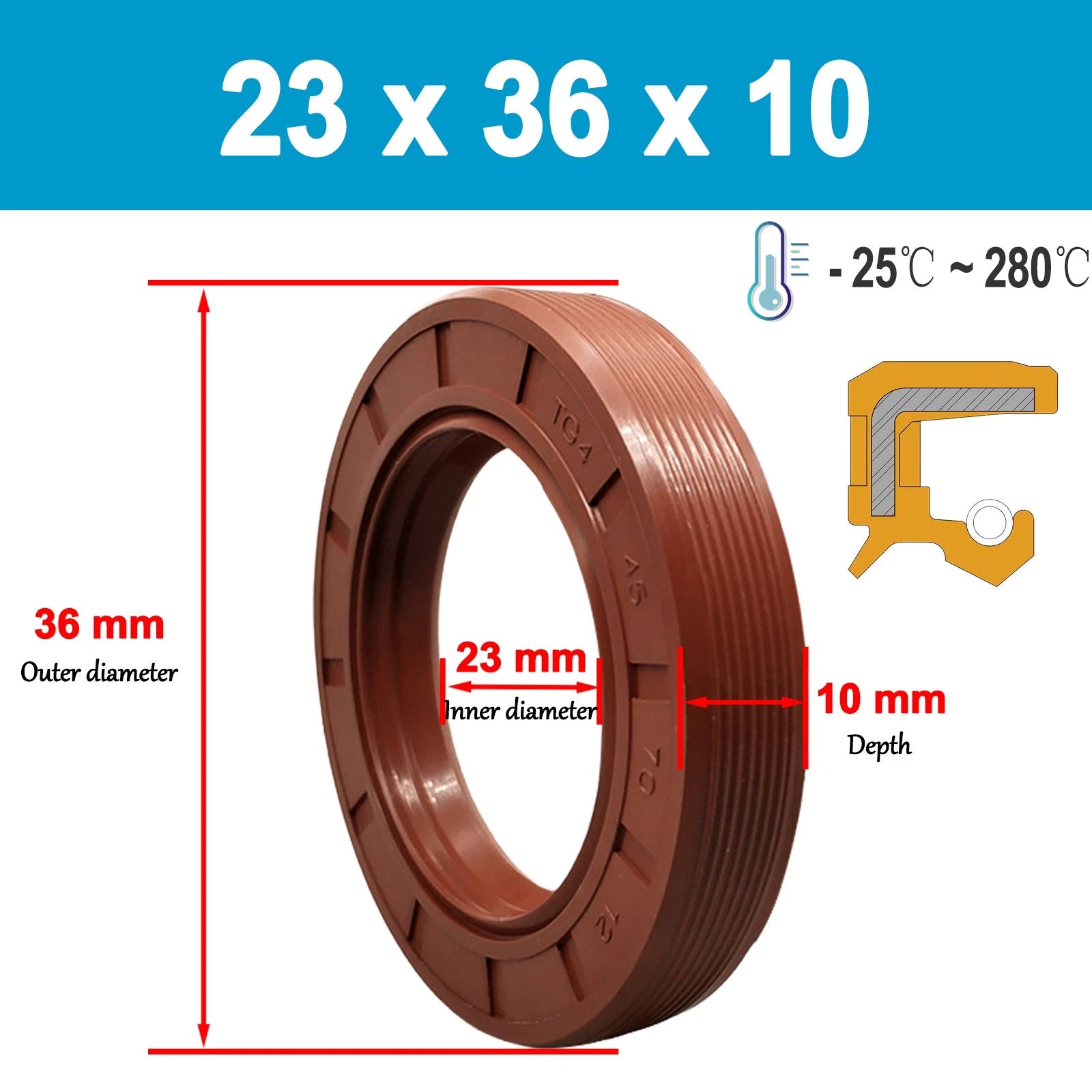
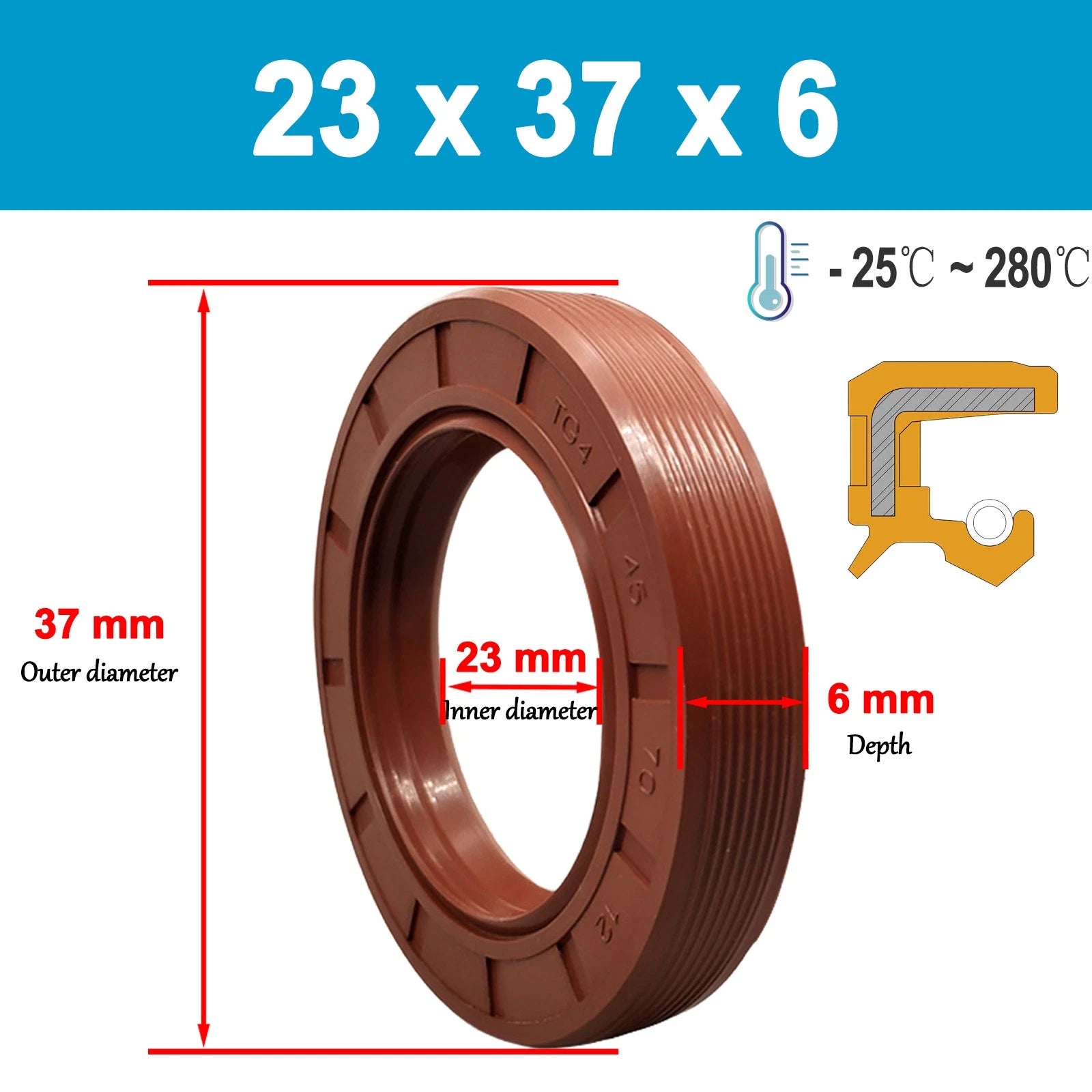
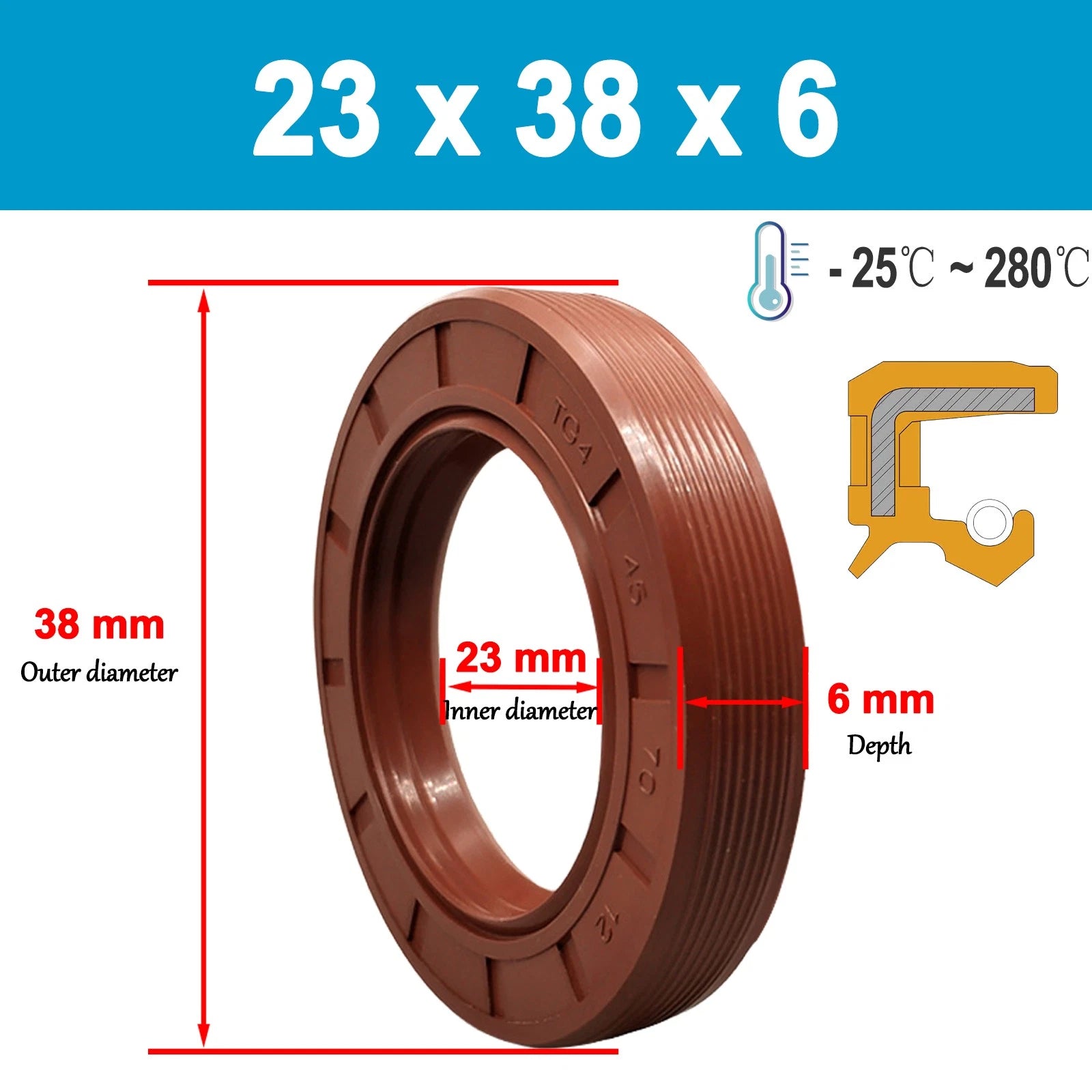
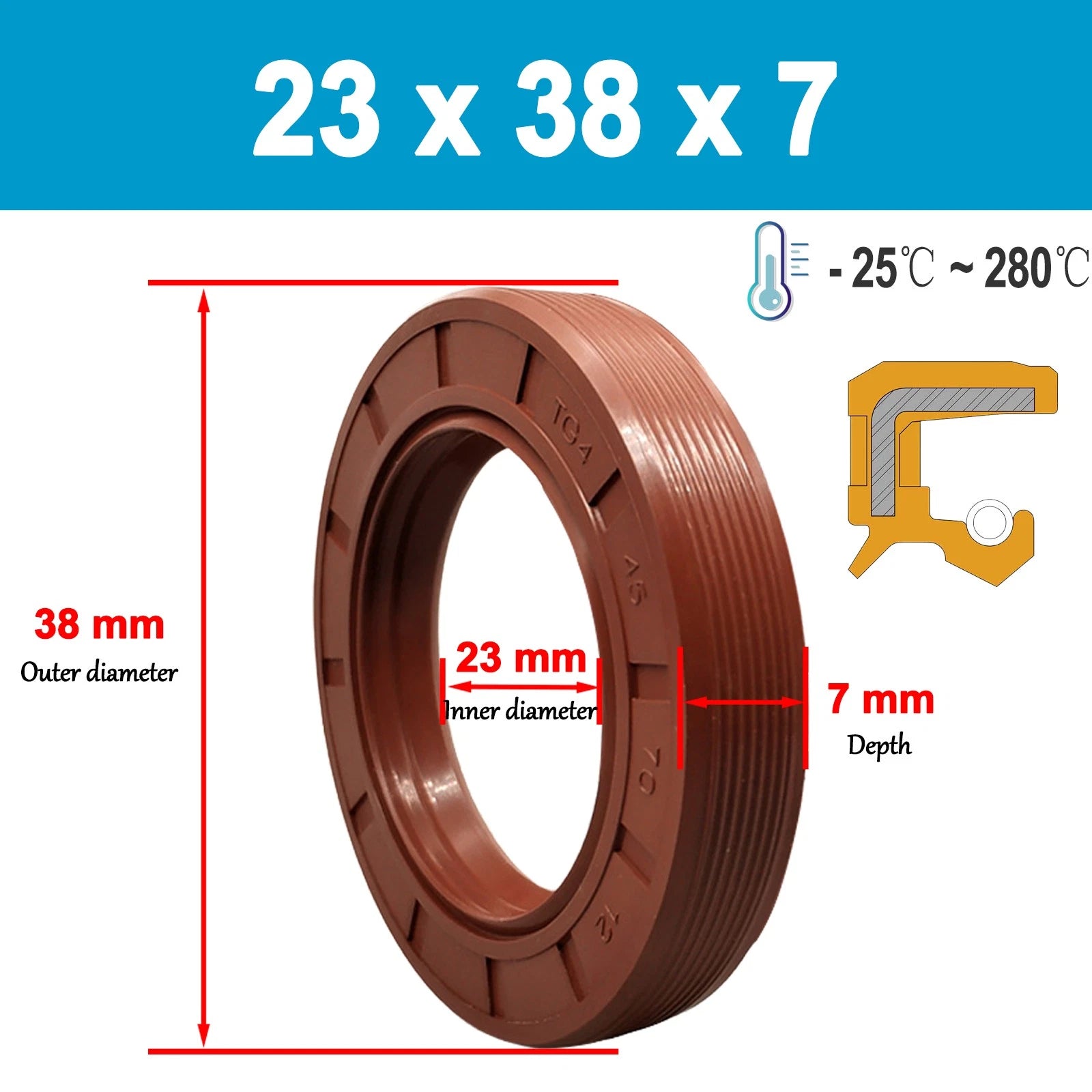
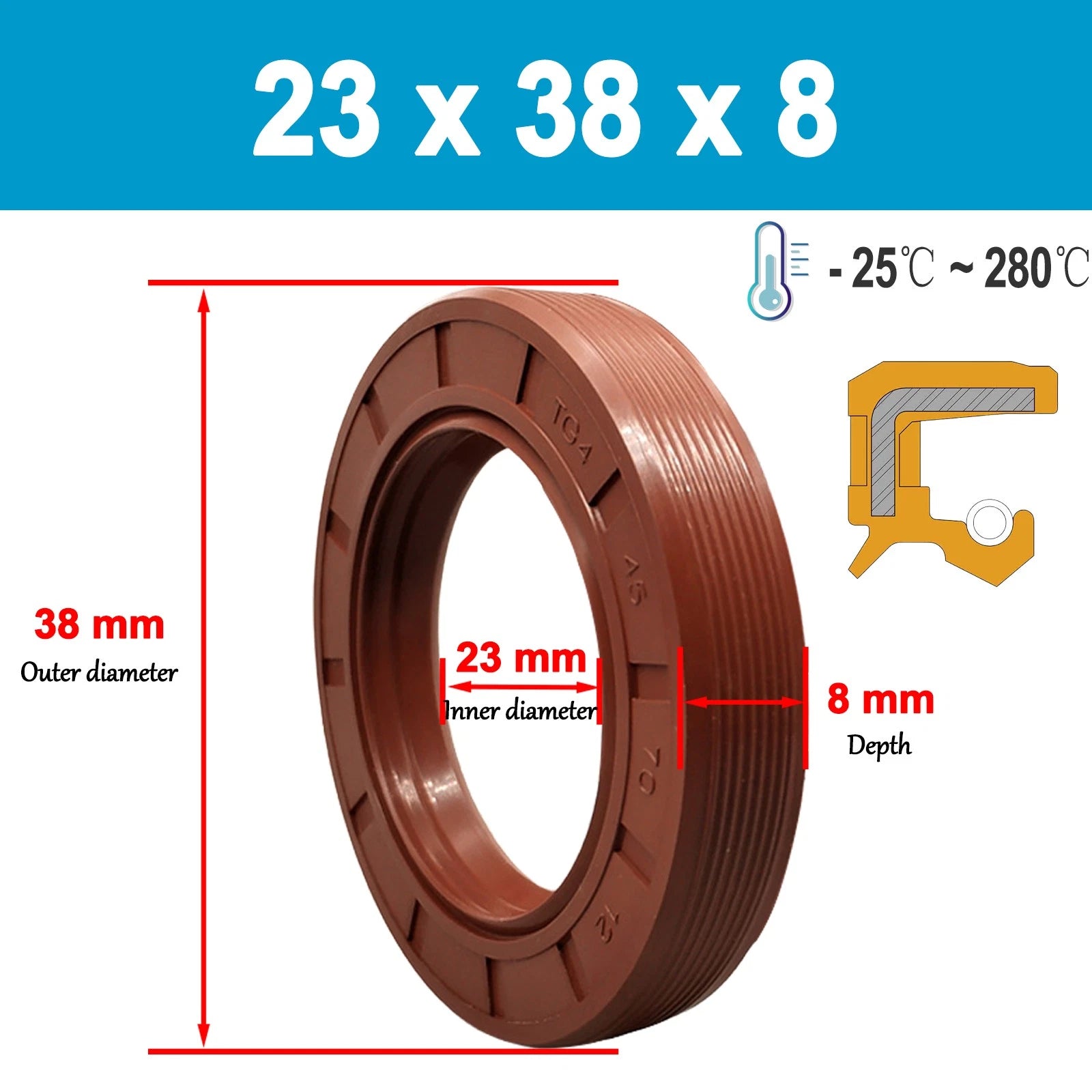
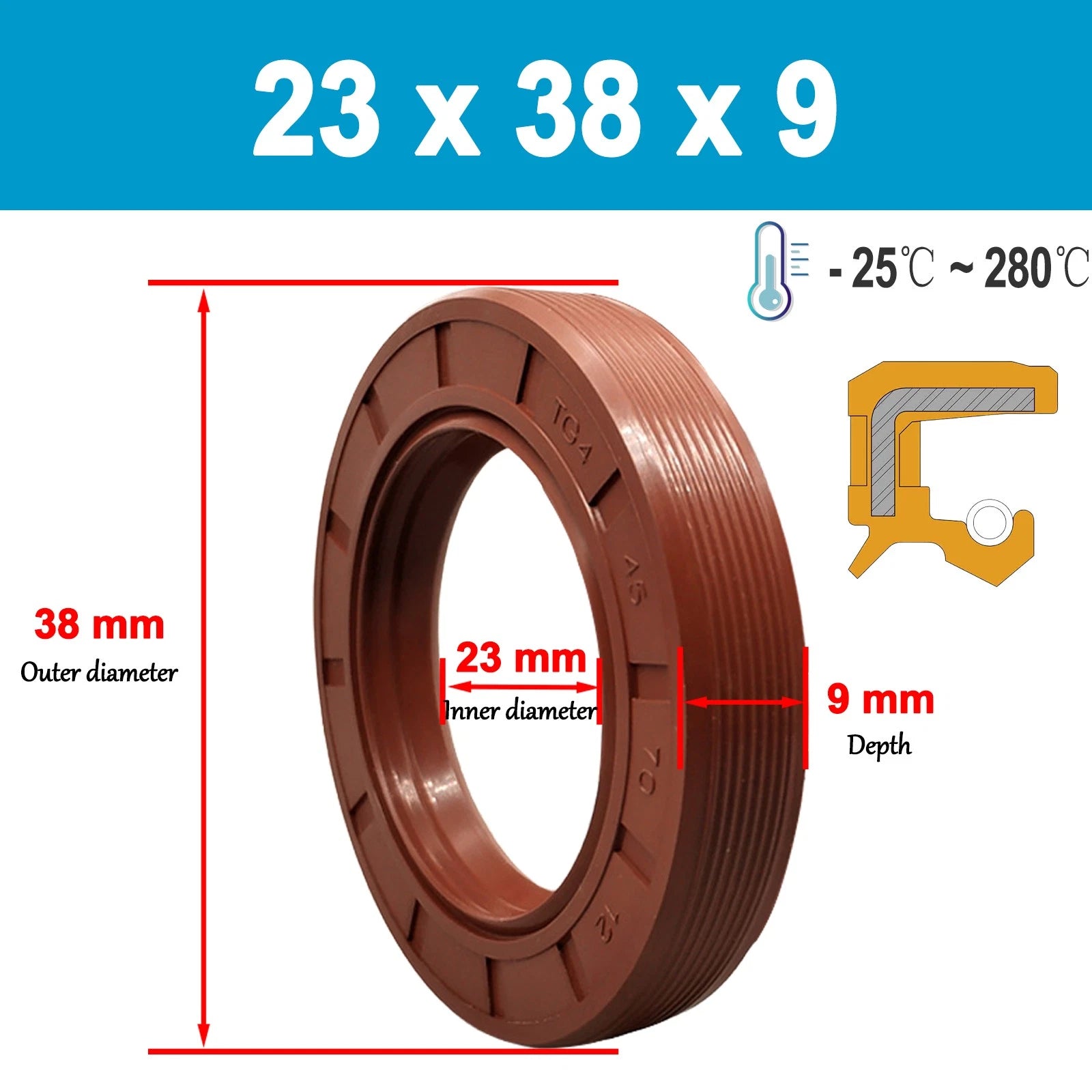
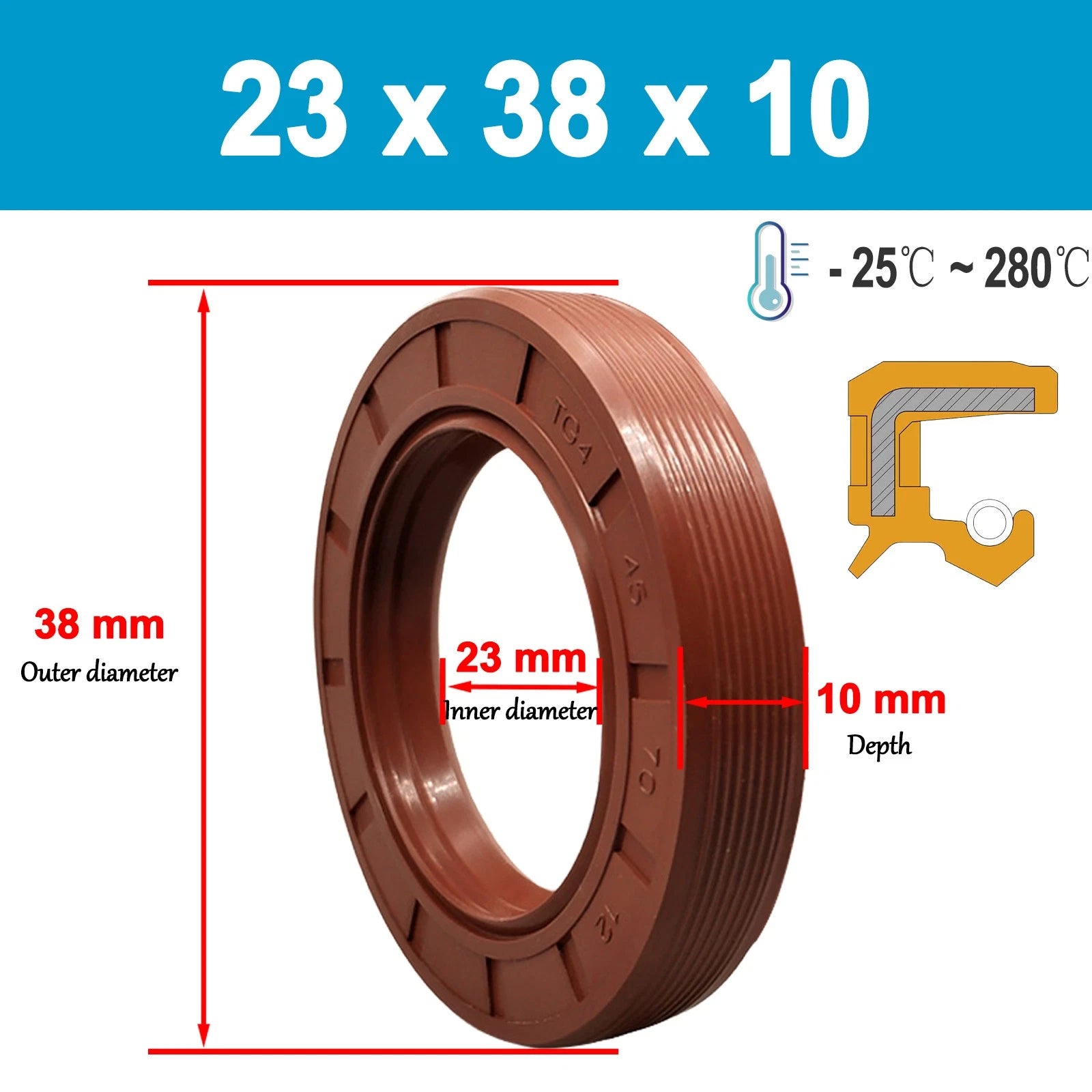
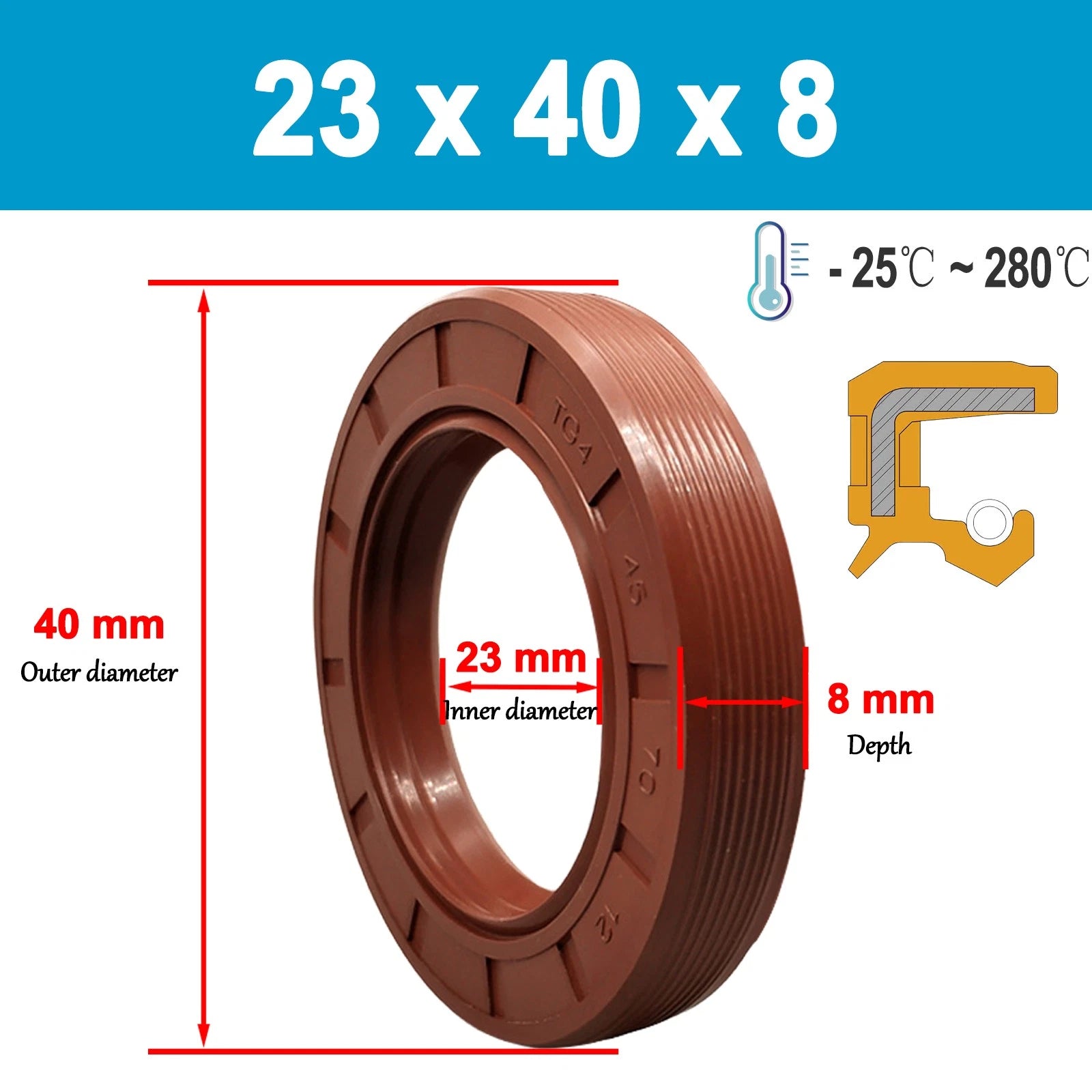
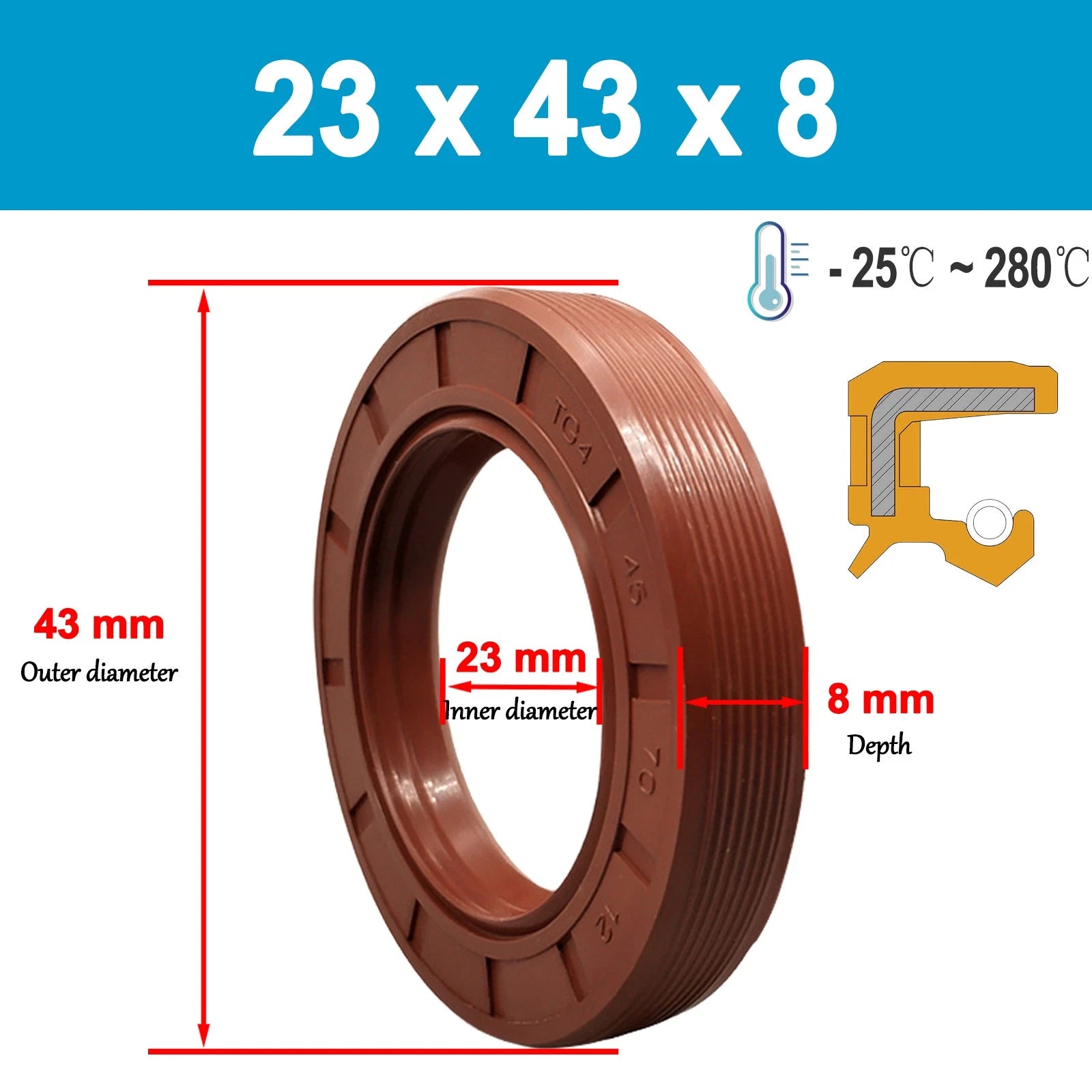
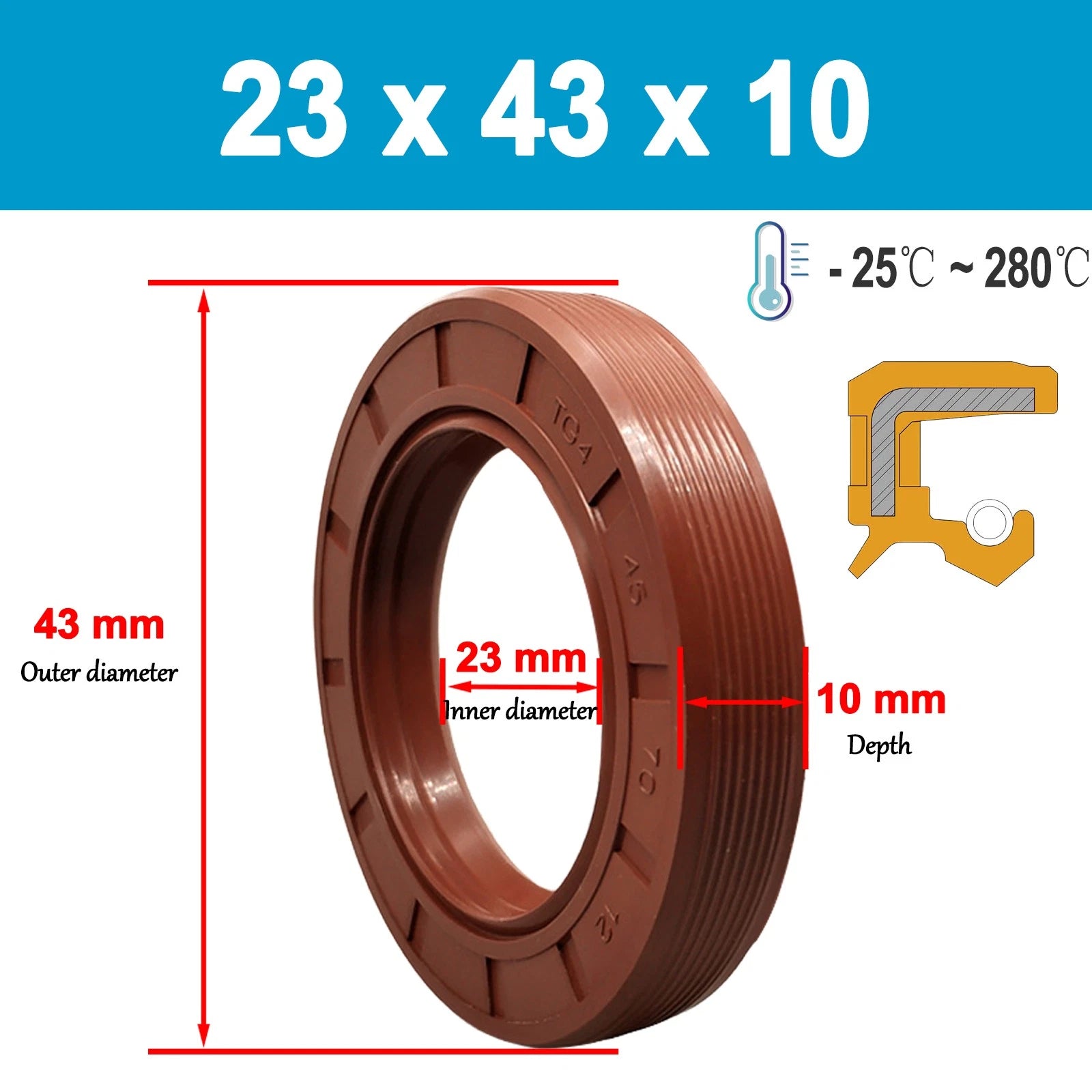
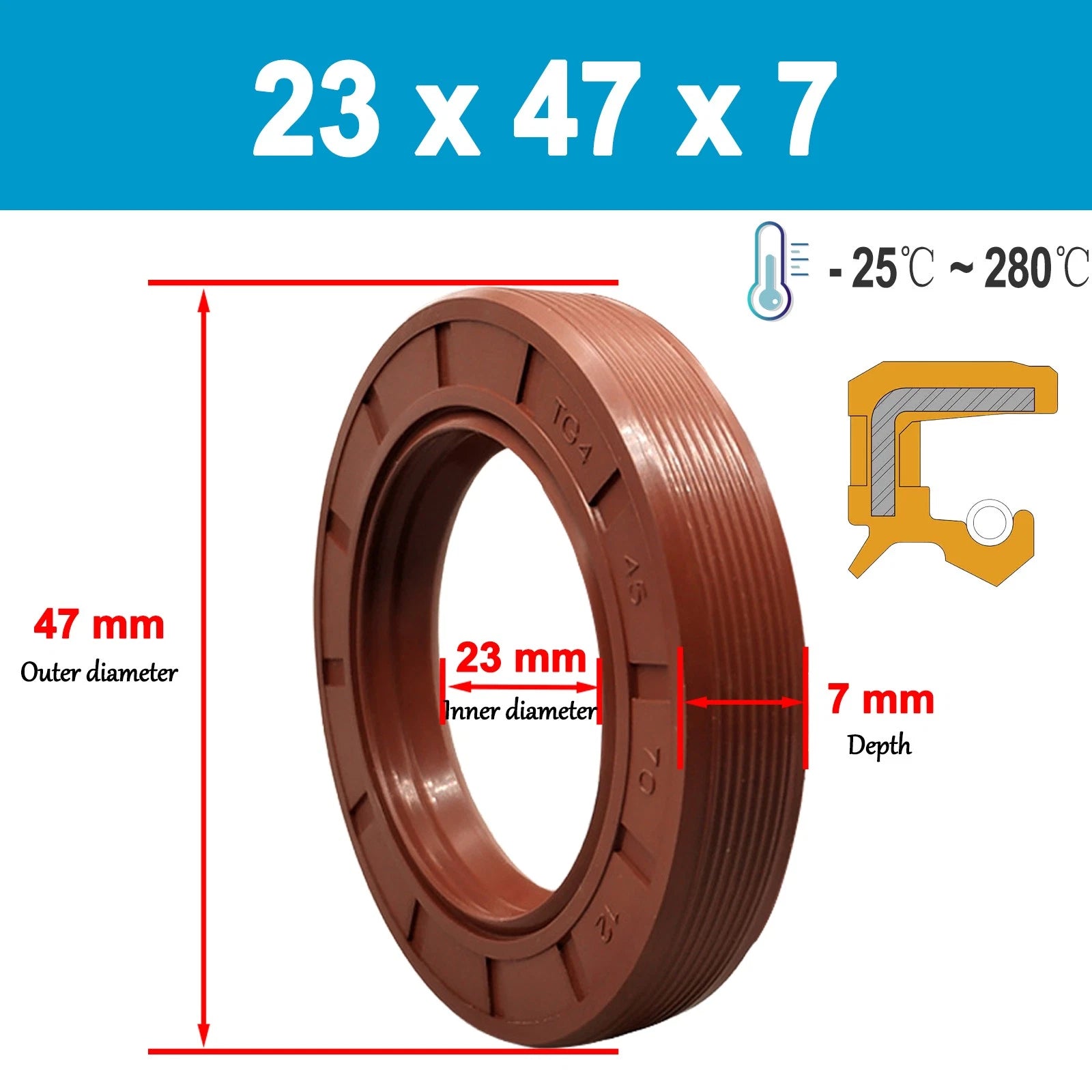
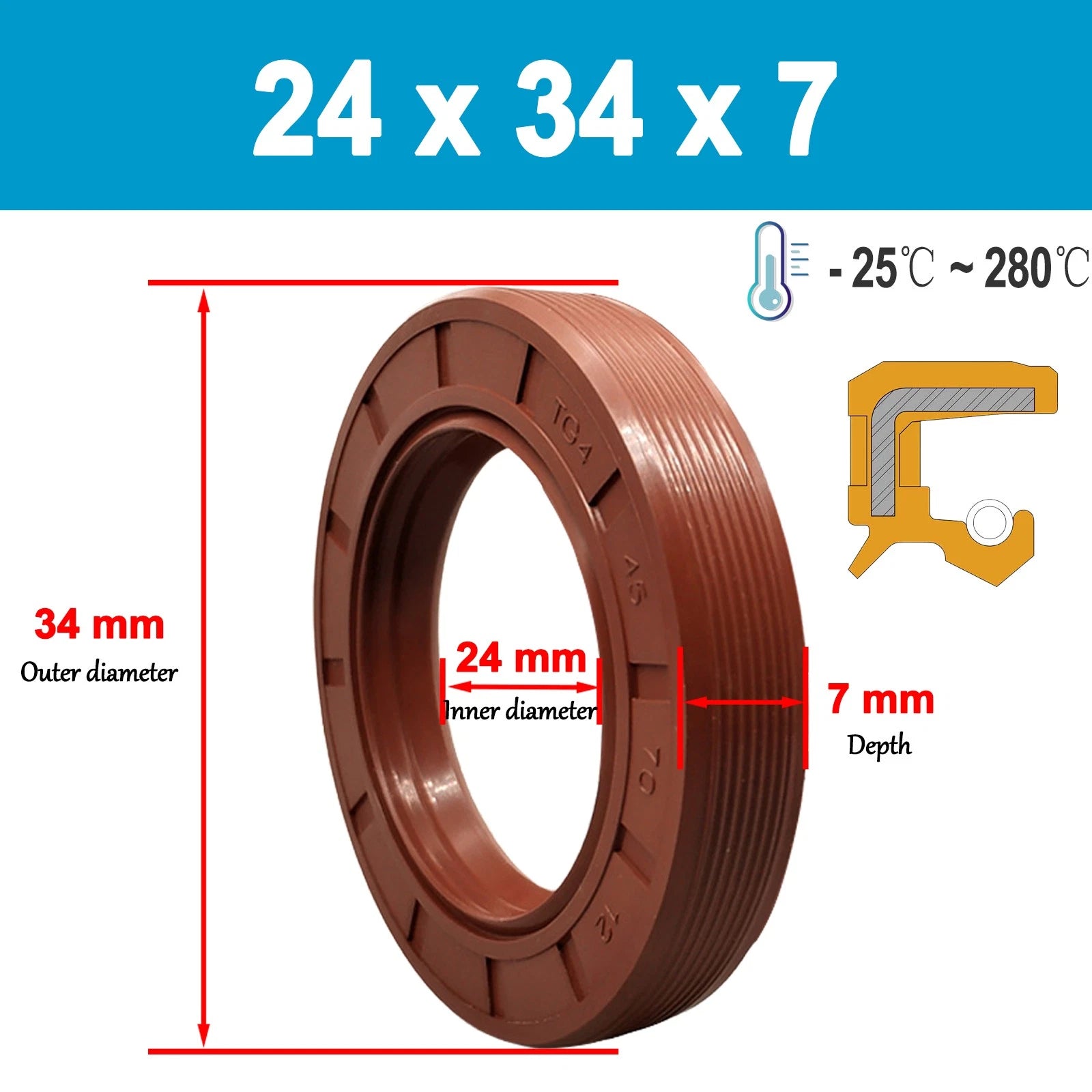
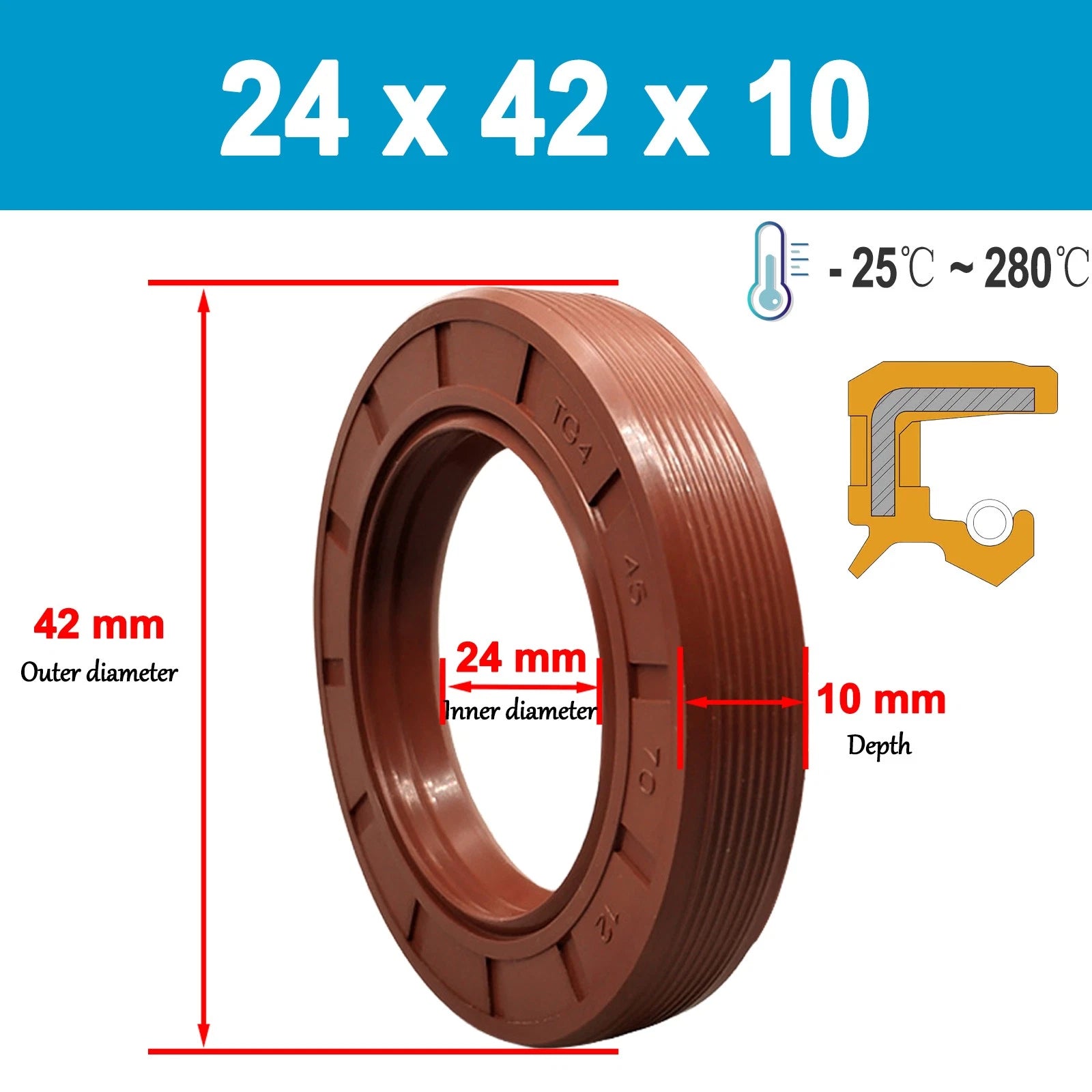
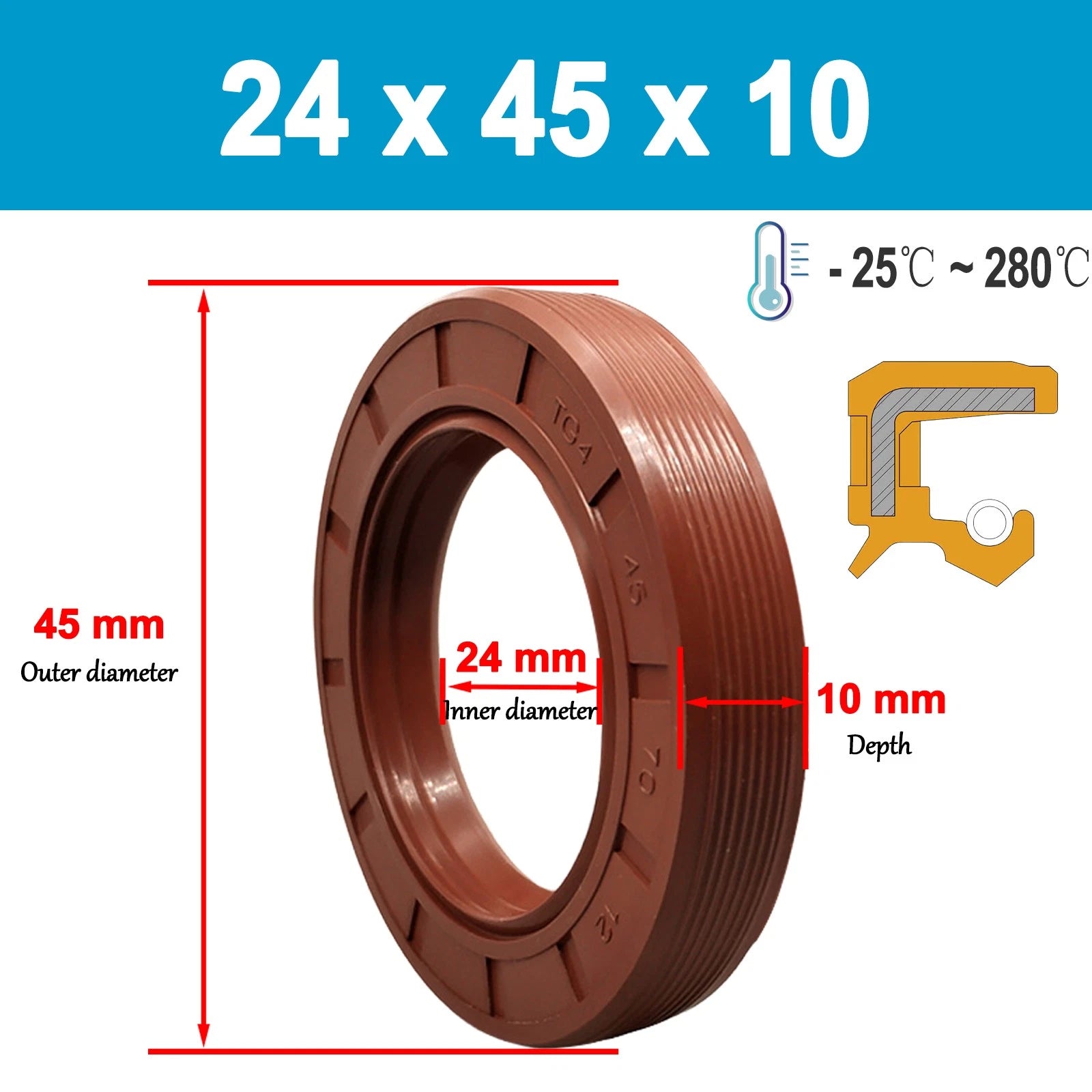
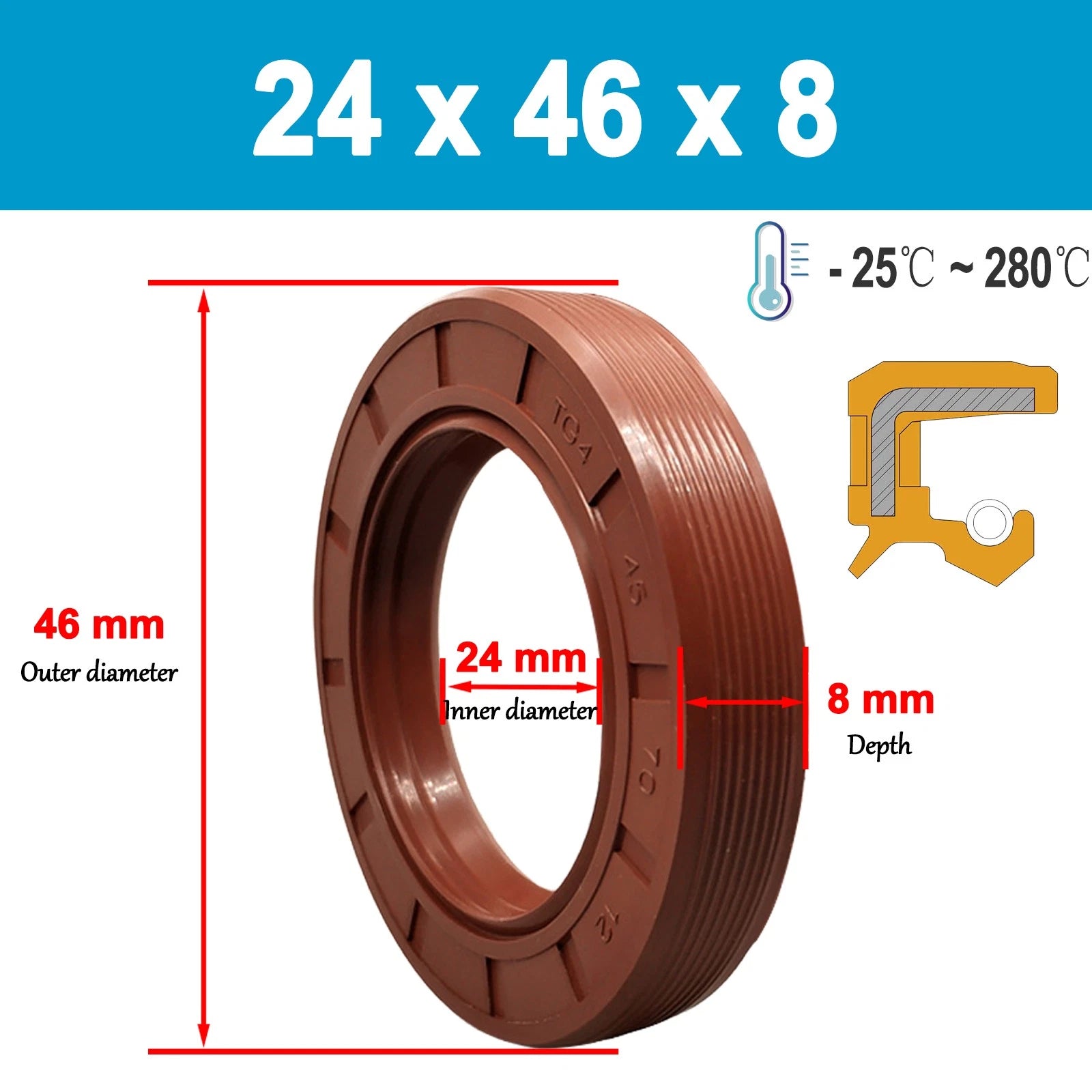
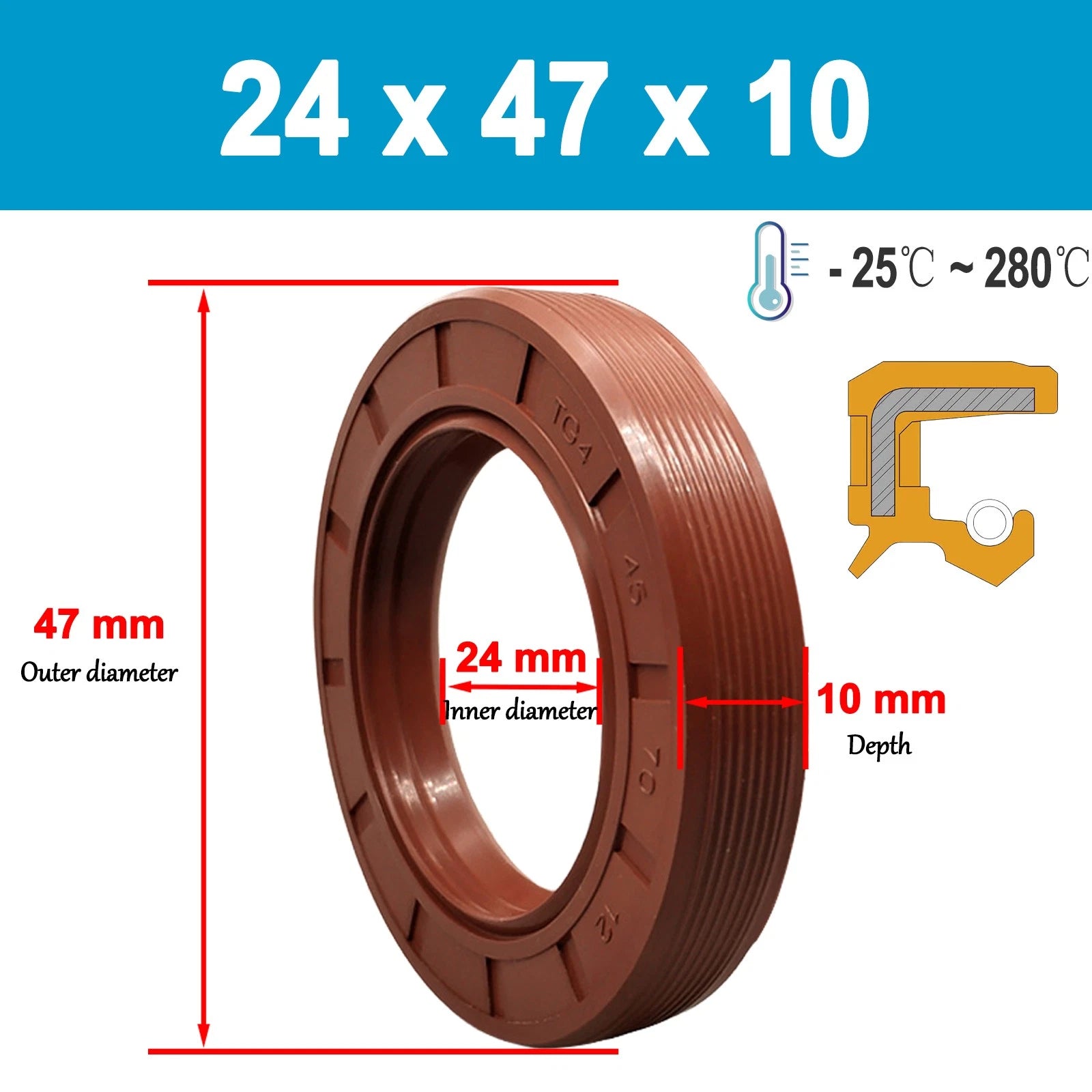
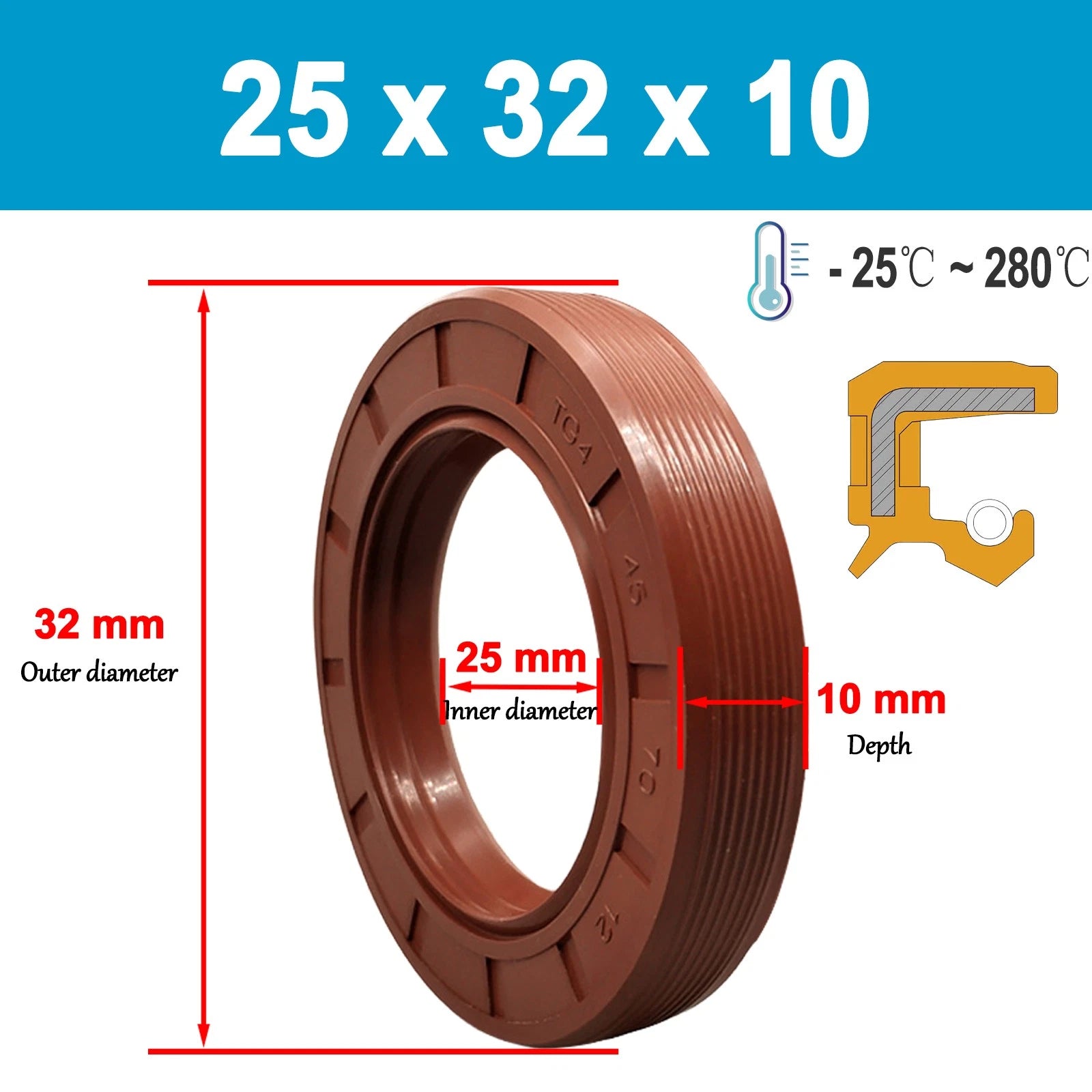
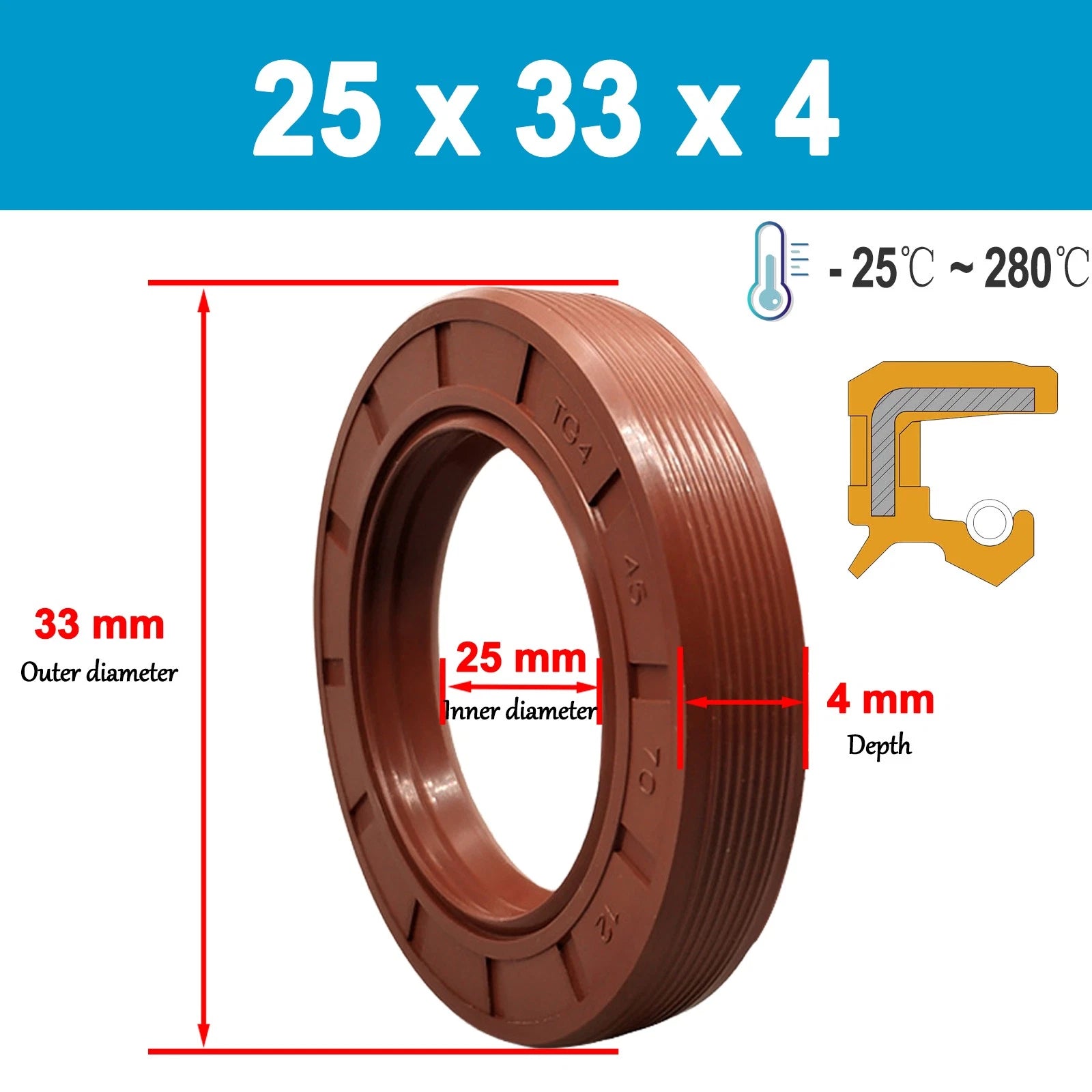
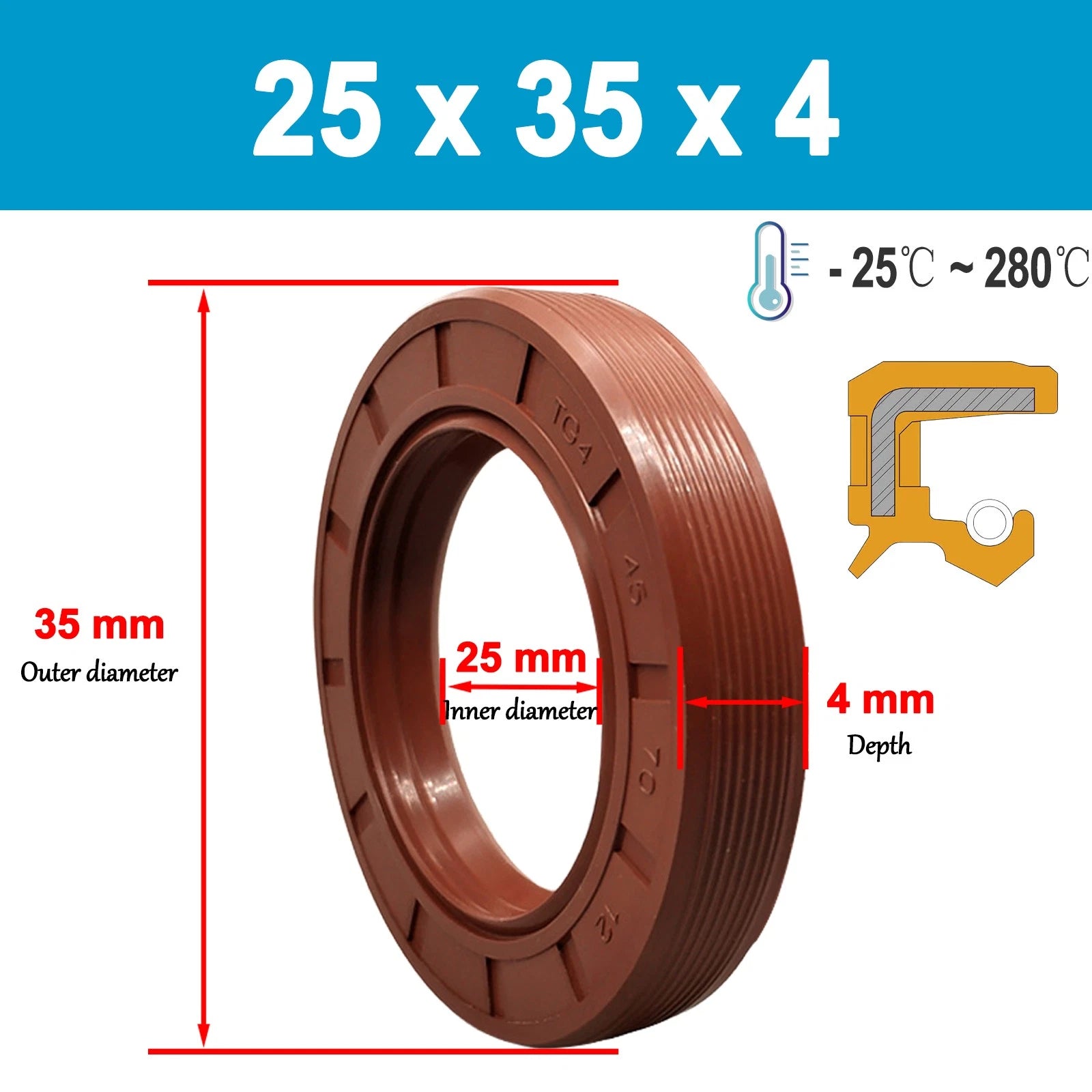
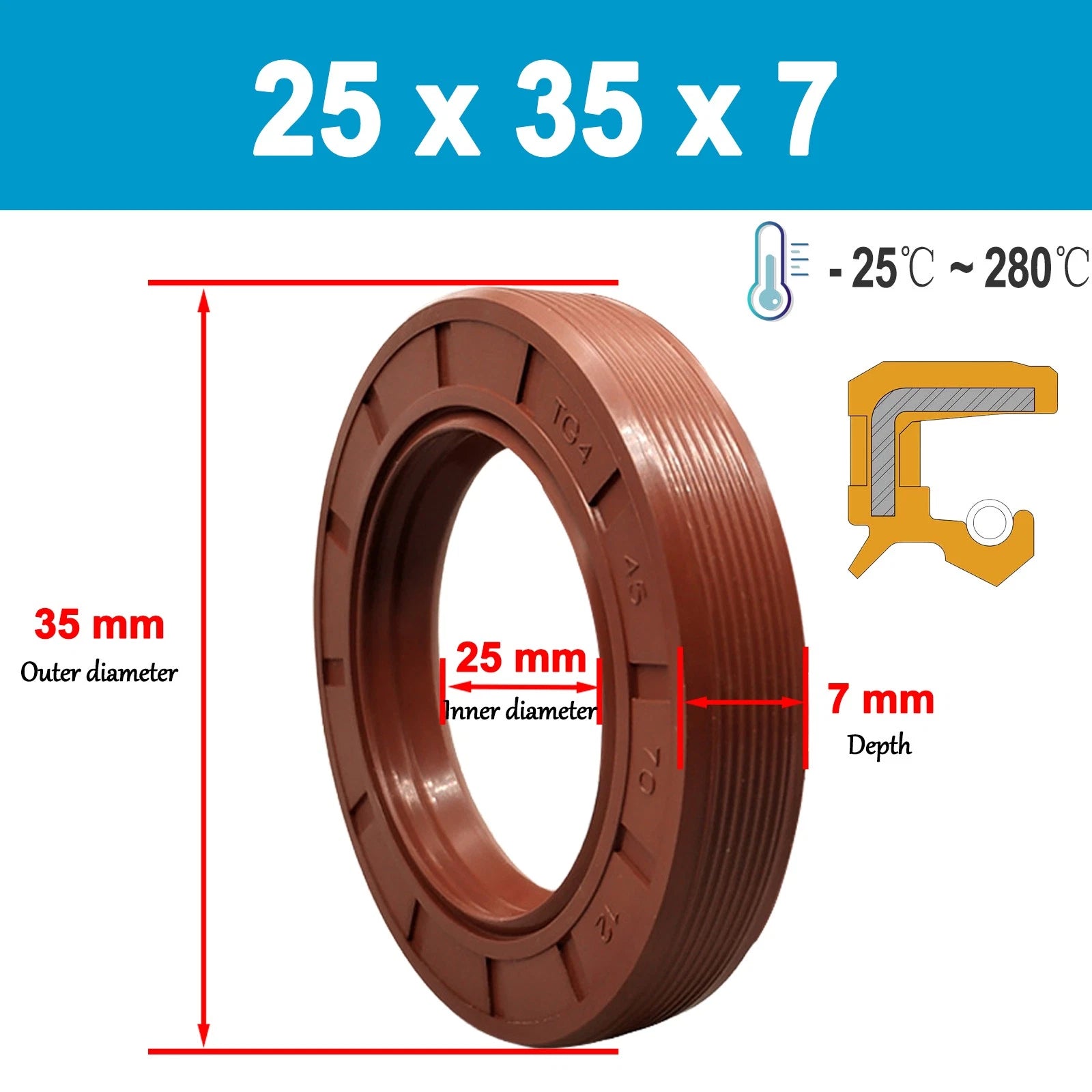
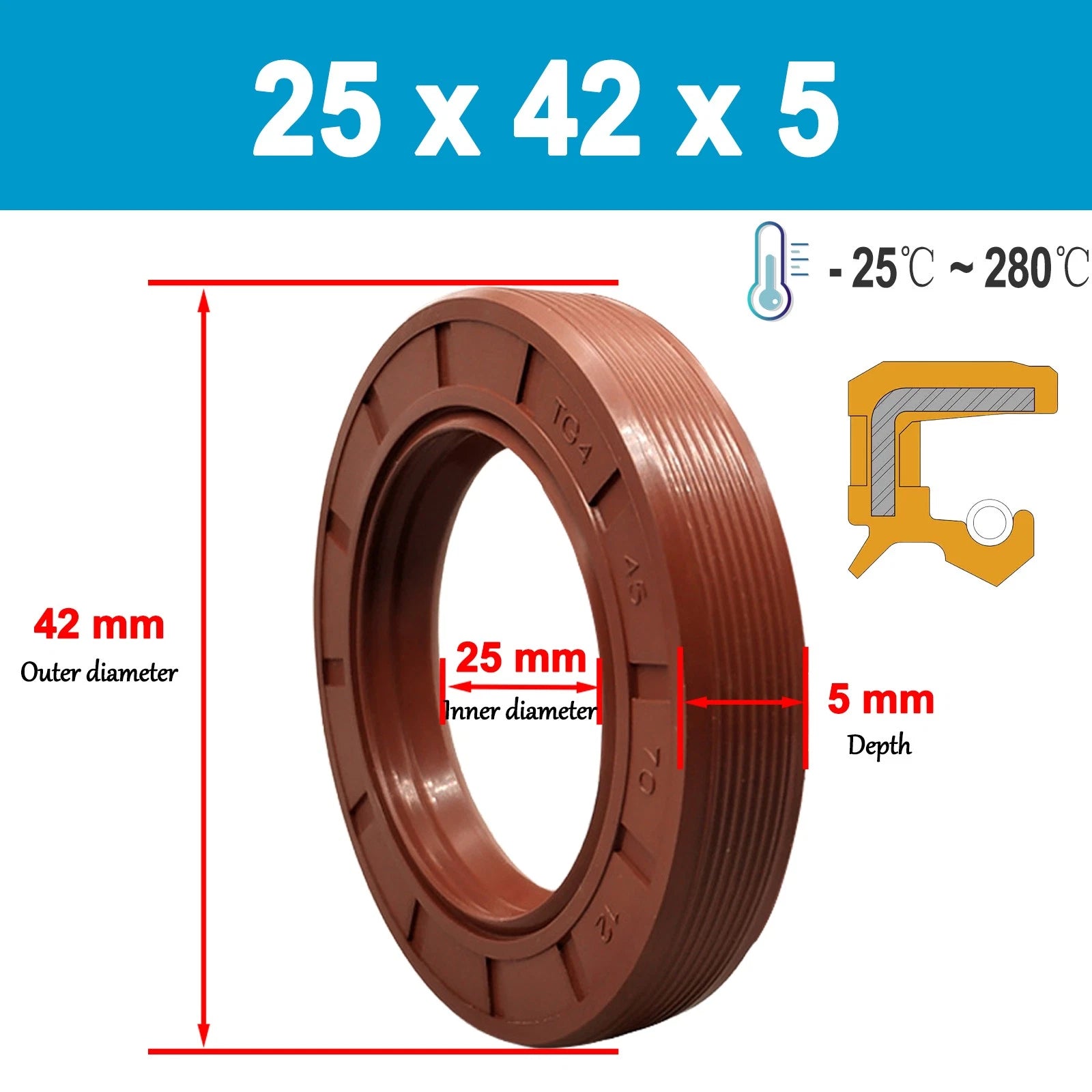
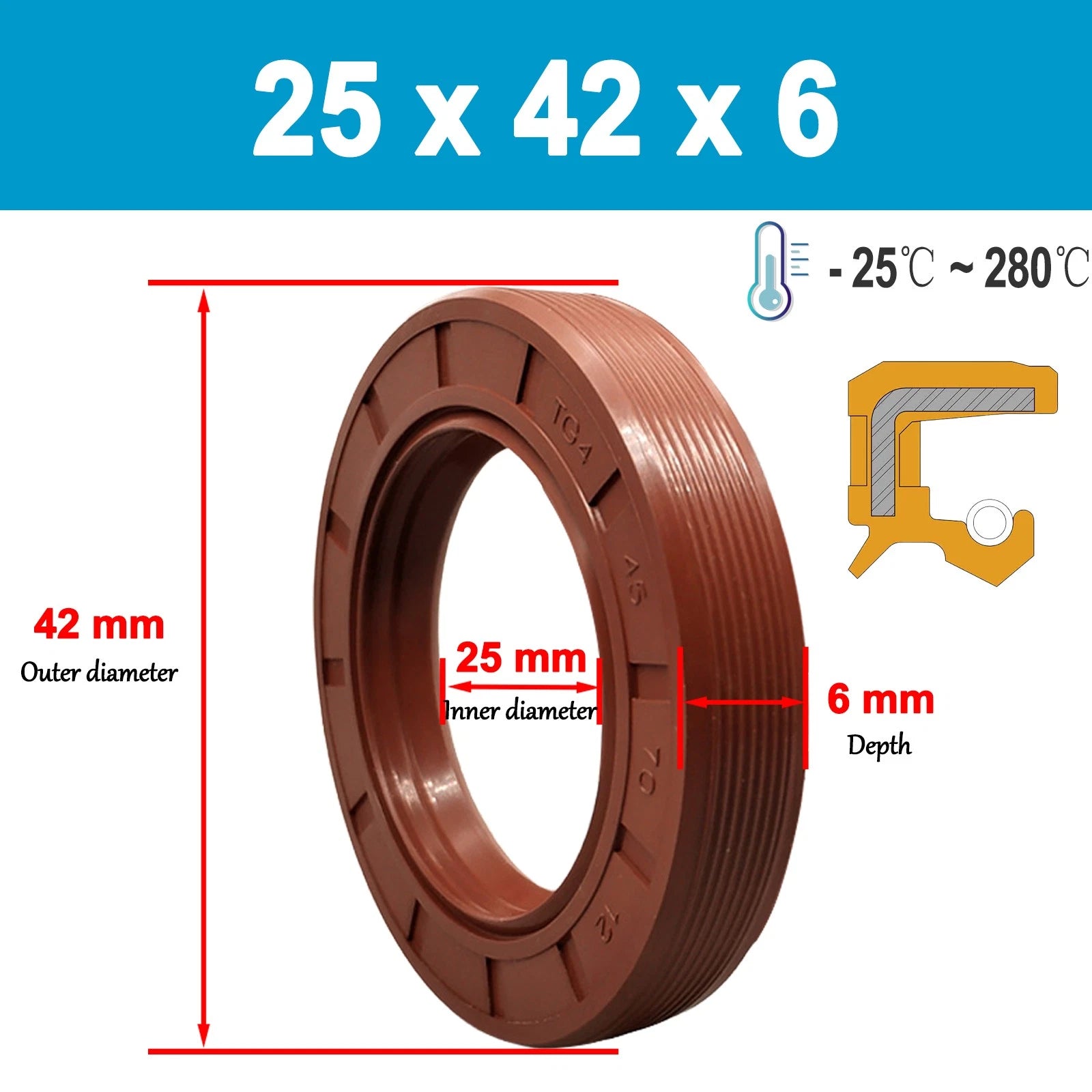
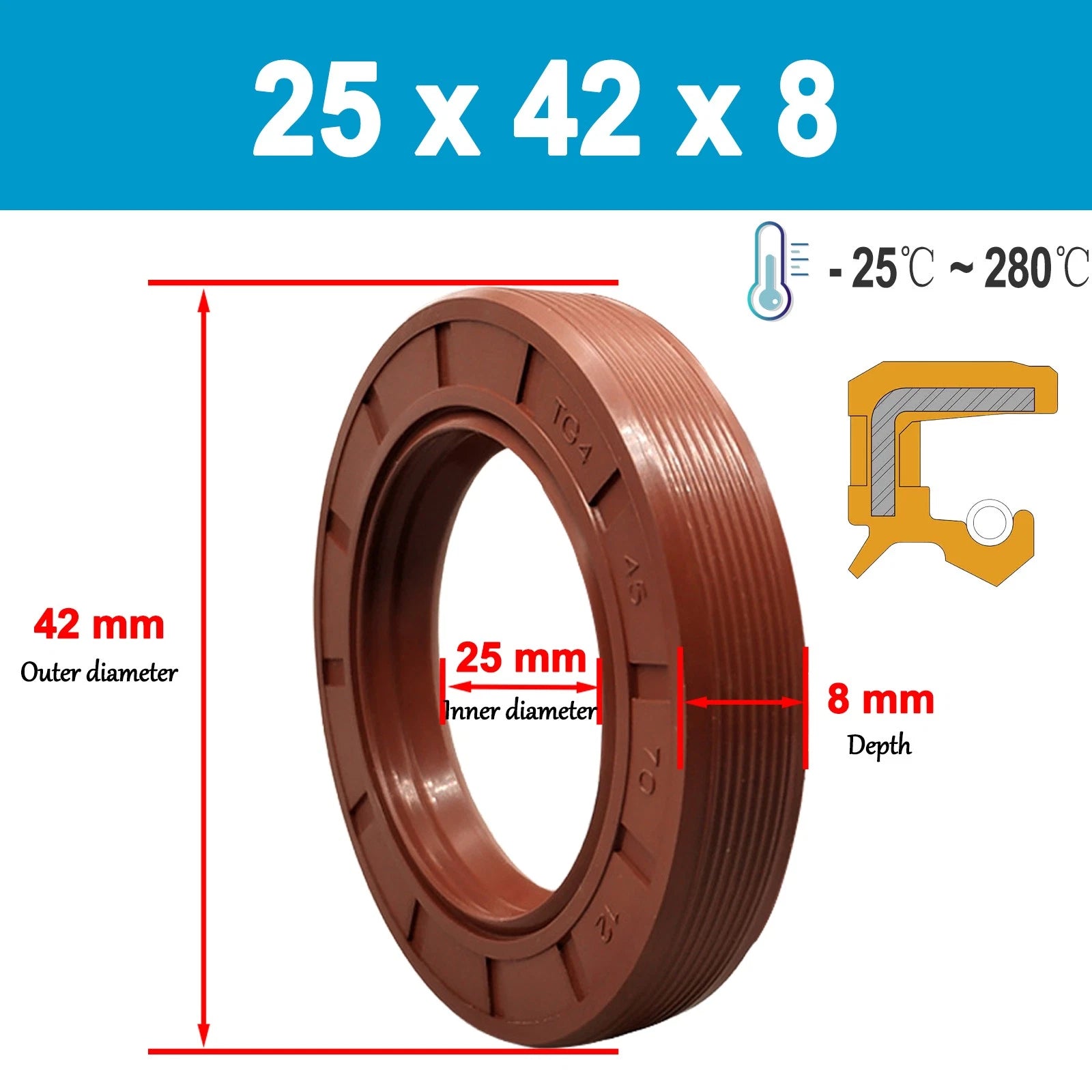
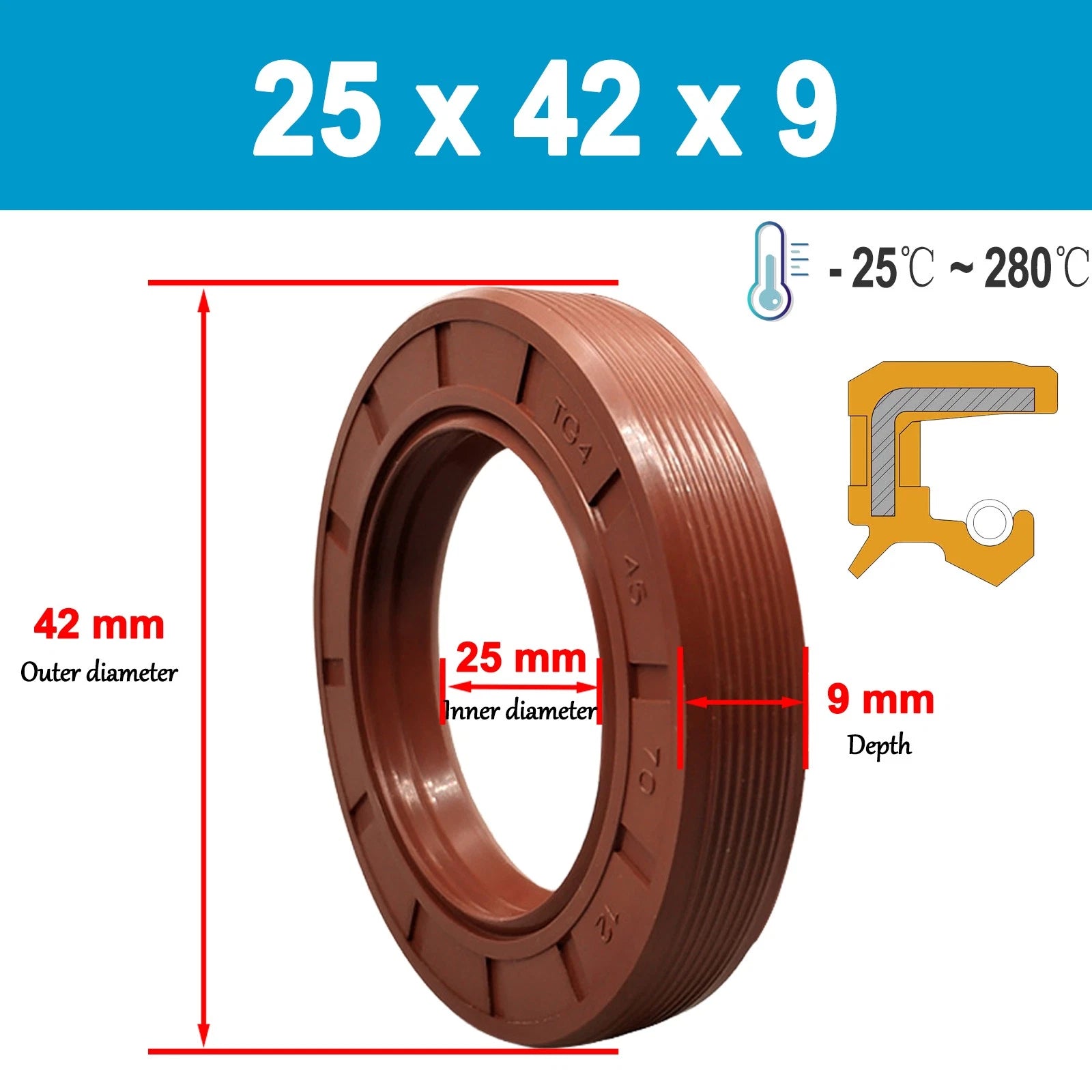
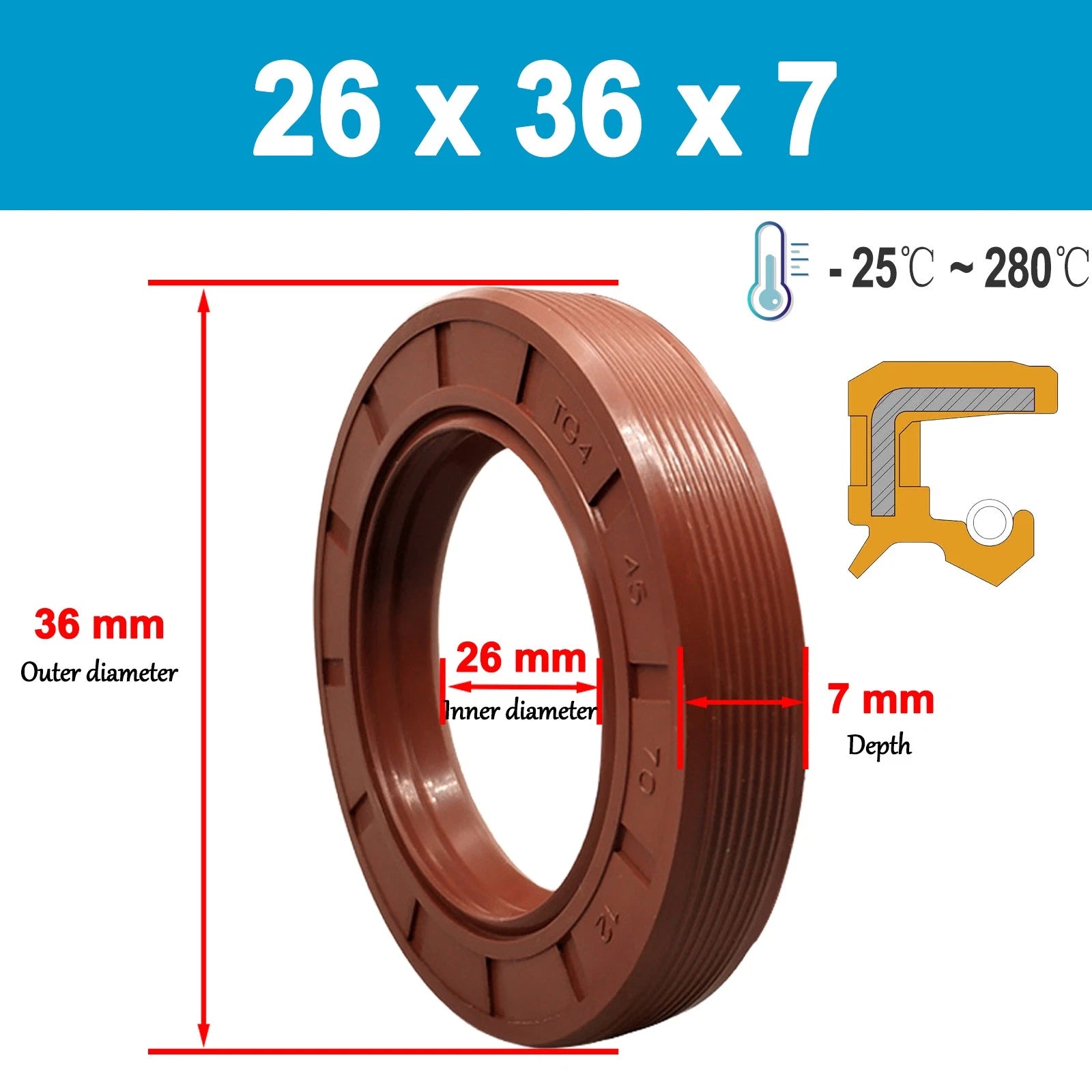
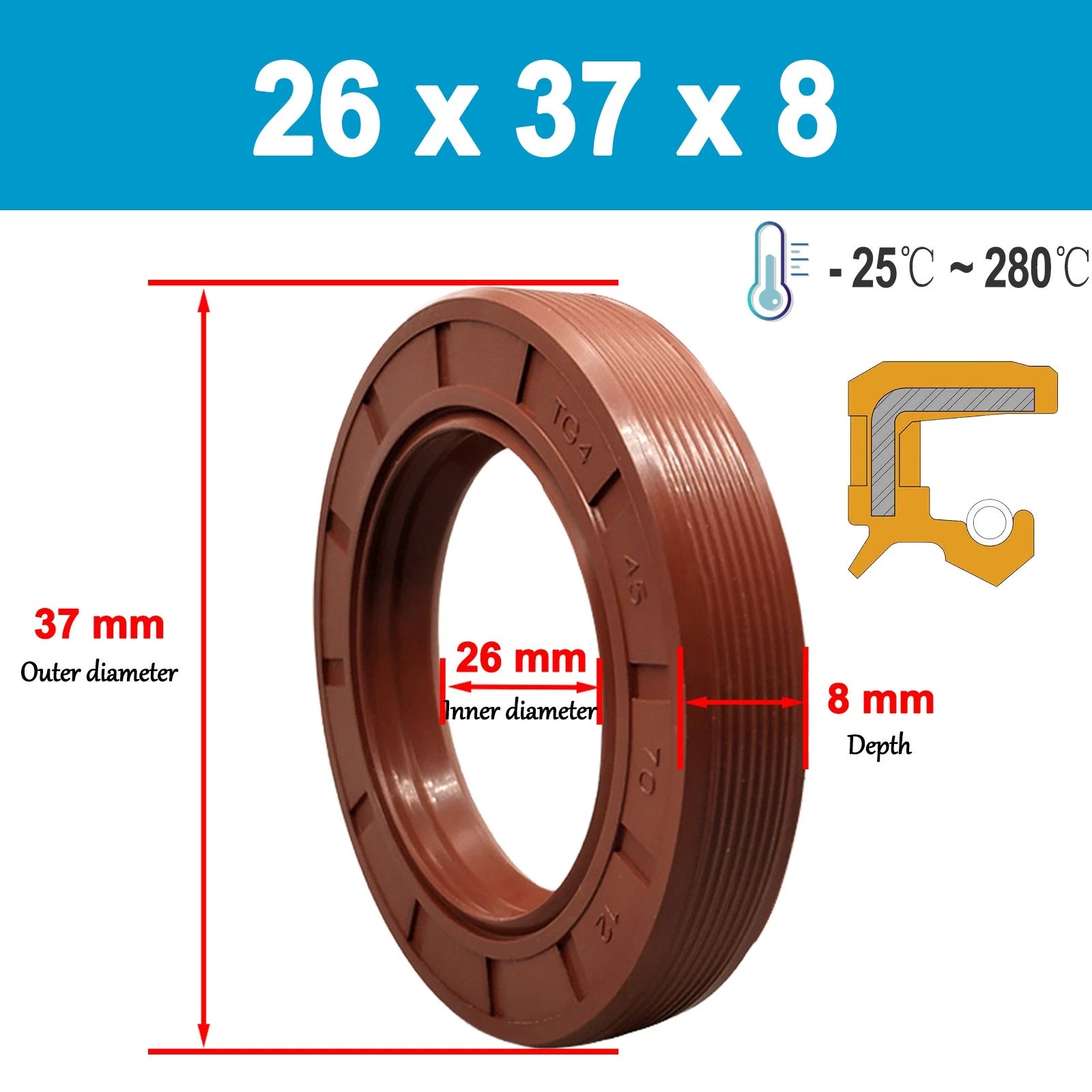
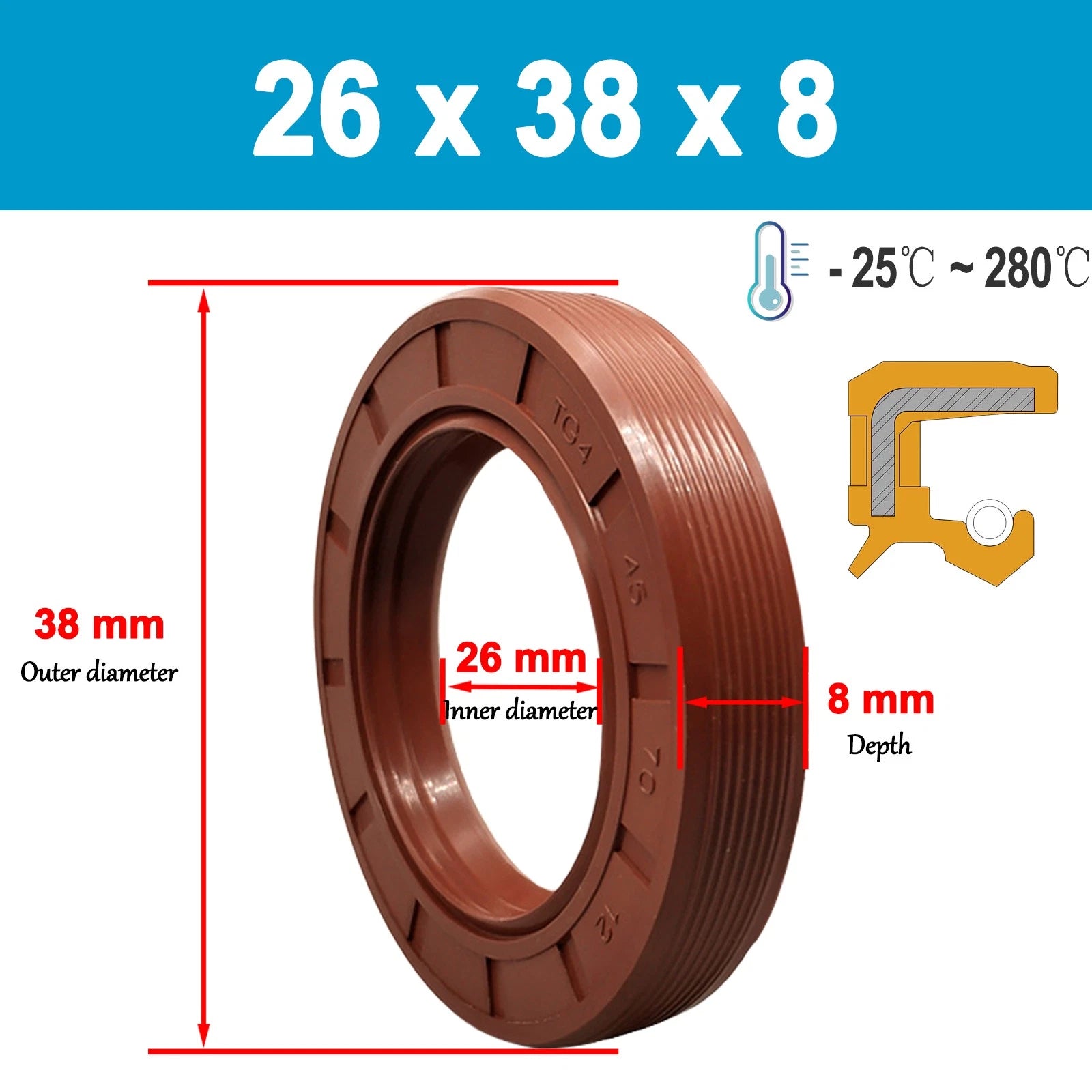
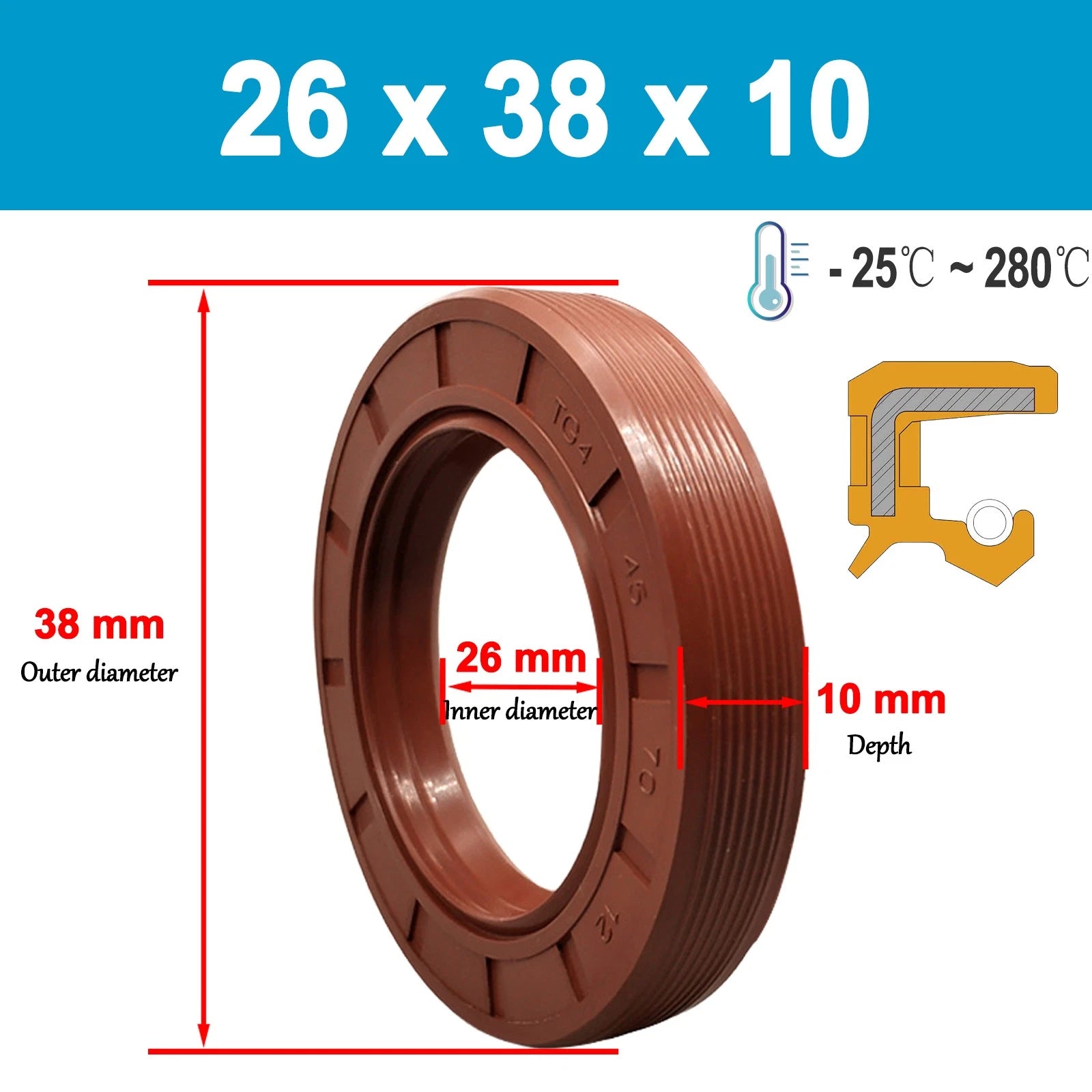
Each seal is constructed with an FKM (fluorocarbon / Viton-type) elastomer body bonded to a rigid metal case, featuring a double-lip TC profile. The primary lip retains lubricant while the secondary dust lip excludes contaminants. Shaft inner diameters span 22–26mm, outer diameters from approximately 28–72mm, and seal depths from 4–12mm — available in 238 size combinations. Sold in packs of 5 pieces per order.

Typical use cases include replacing seals on automotive crankshafts, transmission input shafts, and differential pinion shafts; sealing pump and motor shafts in industrial machinery; and maintaining agricultural equipment such as gearboxes and PTO shafts where chemical and heat resistance is required.

⚙️ Compatibility: Suitable for rotating shaft applications requiring metric TC-profile oil seals with FKM elastomer. Verify Inner Ø, Outer Ø, and Depth against your housing and shaft before ordering.

✅ Key Features of These Metric FKM TC Oil Shaft Seals

🔬 FKM Fluorocarbon Elastomer

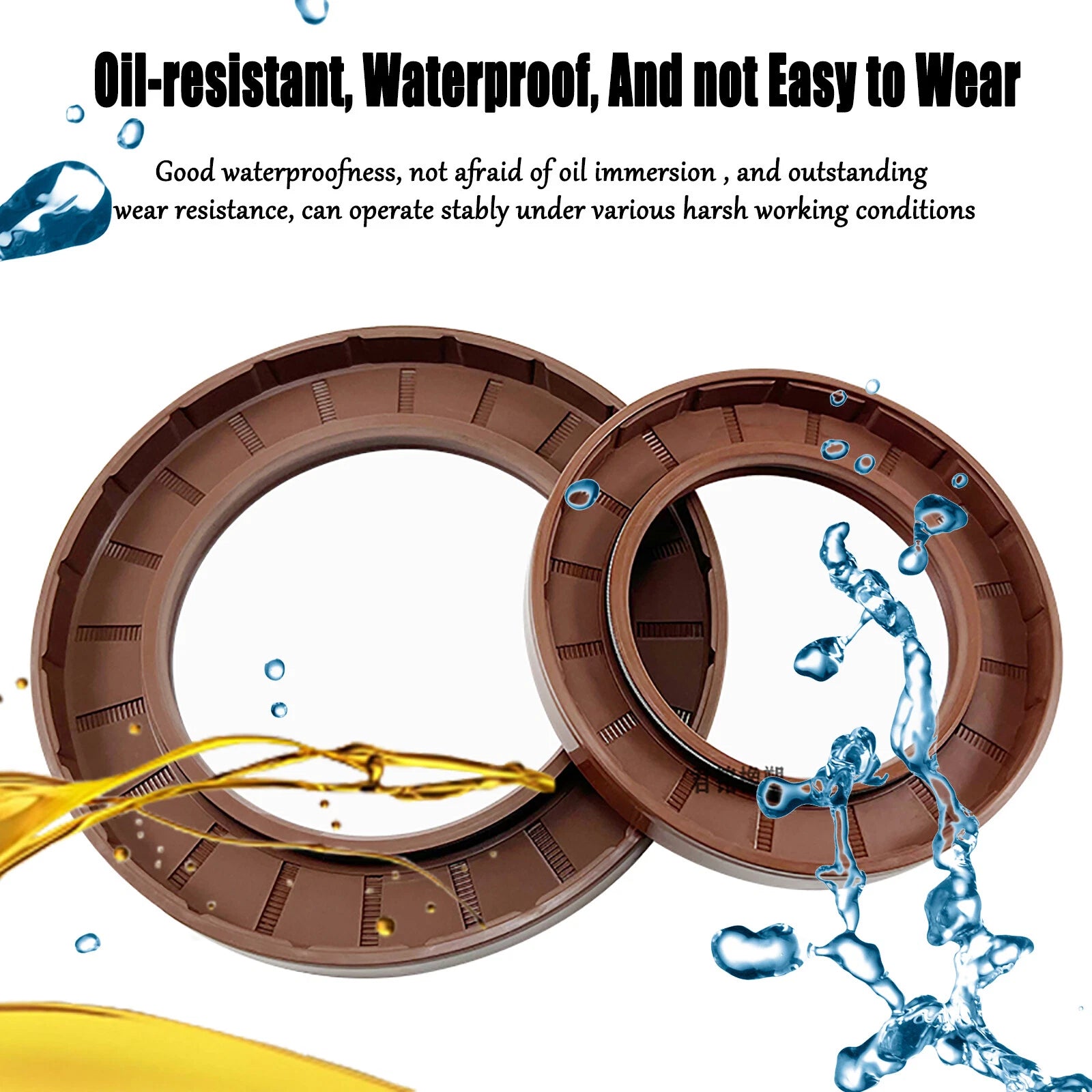
Resists petroleum oils, synthetic lubricants, fuels, and many chemicals. Rated for continuous service up to approximately 200°C (392°F), outperforming standard NBR seals in high-temperature environments.

🛡️ Double Lip TC Profile

The primary sealing lip retains oil and grease on the inboard side; the secondary dust exclusion lip on the outboard side blocks dirt, moisture, and abrasive particles from reaching the bearing.

🔩 Metal-Cased Construction

A rigid steel outer case ensures a secure, press-fit installation into the housing bore, maintaining concentricity and preventing seal rotation under operating conditions.

📐 Wide Metric Size Range

238 size combinations covering shaft inner diameters from 22mm to 26mm, outer diameters from 28mm to 72mm, and depths from 4mm to 12mm — one listing to cover a broad replacement matrix.

📦 Pack of 5 Pieces

Each order ships as a pack of 5 identical seals, ideal for workshop stock, fleet maintenance, or keeping spares on hand for recurring service intervals.

🔄 Direct OEM-Dimension Replacement

Metric dimensions match standard DIN 3760 / ISO 6194 TC seal profiles, making these a straightforward drop-in replacement for OEM seals across automotive, industrial, and agricultural applications.

📐 Technical Specifications — TC Oil Shaft Seal

Seal Type TC (Double Lip with Dust Exclusion Lip)
Elastomer Material FKM (Fluorocarbon / Viton-type)
Case Material Carbon steel (metal-cased)
Shaft Inner Diameter (ID) 22mm – 26mm (see variant options)
Outer Diameter (OD) 28mm – 72mm (see variant options)
Seal Depth / Width 4mm – 12mm (see variant options)
Temperature Range Typically –20°C to +200°C (–4°F to +392°F)
Pressure Rating Suitable for low-pressure rotating shaft applications (static sealing only)
Lip Spring Garter spring-loaded primary lip
Standard Reference DIN 3760 / ISO 6194 TC profile
Packing Quantity 5 pieces per pack
Surface Finish Requirement Shaft surface Ra ≤ 0.8 µm recommended

❓ Frequently Asked Questions

How do I select the correct seal size?

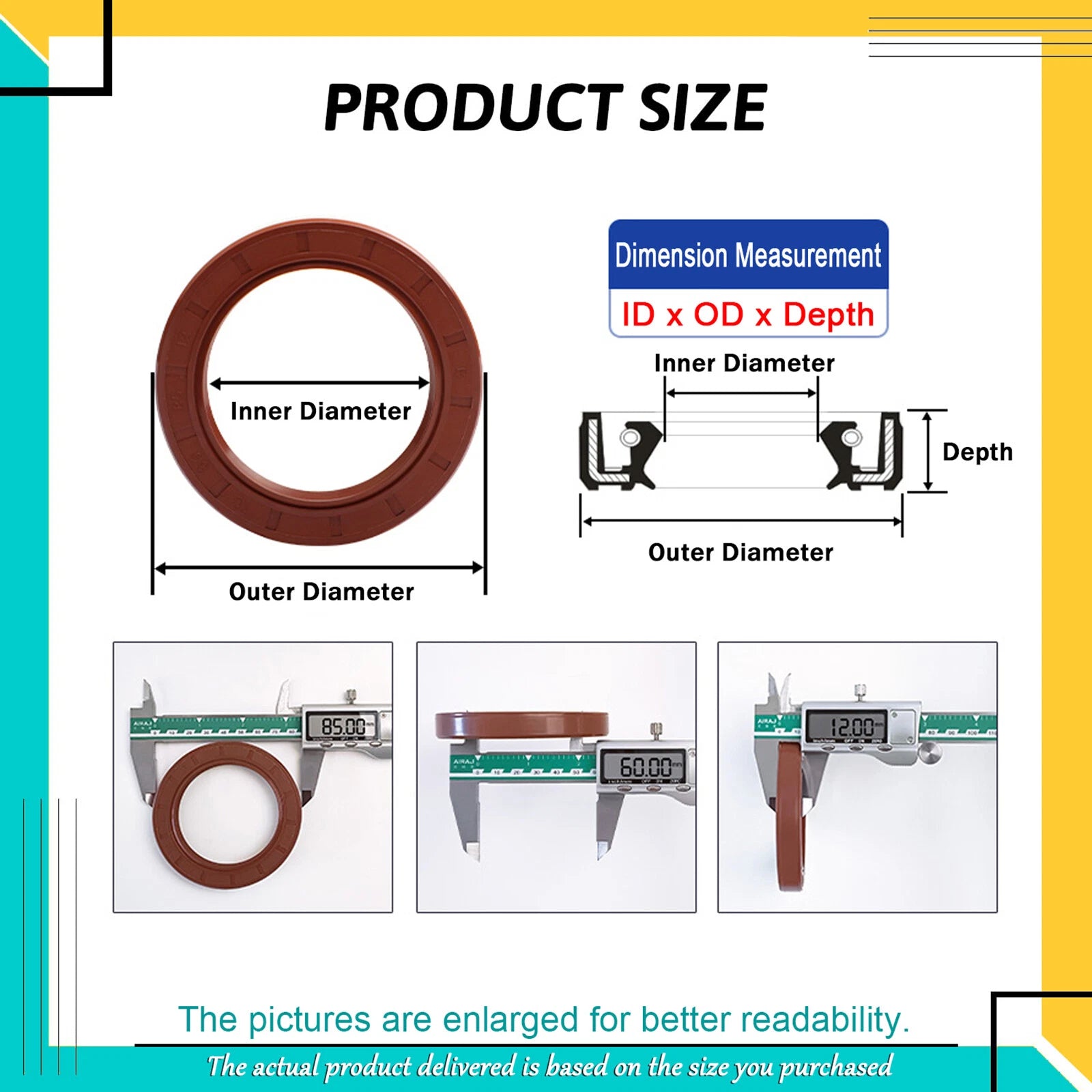
Measure three dimensions on your existing seal or housing: the shaft inner diameter (ID), the housing bore outer diameter (OD), and the seal depth (width). Match all three to the variant option labeled "Inner Ø x Outer Ø x Depth" in millimeters. If your seal is worn, measure the housing bore for OD and the shaft for ID, then check the depth of the housing recess.

What is the difference between TC and SC oil seals?

A TC seal has two sealing lips: a primary oil-retention lip with a garter spring and a secondary dust-exclusion lip. An SC seal has only a single lip. TC seals are preferred in environments where contamination ingress is a concern, such as outdoor machinery, agricultural equipment, and wheel hubs.

Why choose FKM over NBR for this application?

FKM (fluorocarbon elastomer) offers superior resistance to high temperatures (up to ~200°C vs. ~120°C for NBR), synthetic lubricants, fuels, and aggressive chemicals. If your application involves automatic transmission fluid, gear oil, or elevated operating temperatures, FKM is the recommended choice over standard NBR seals.

Are these seals compatible with synthetic oils and ATF?

Yes. FKM elastomer is compatible with most petroleum-based and synthetic lubricants including gear oils, automatic transmission fluids (ATF), hydraulic oils, and many fuels. Always verify compatibility with your specific fluid if using highly specialized or proprietary formulations.

What shaft surface finish is required for proper sealing?

For optimal sealing life, the shaft contact surface should have a finish of Ra ≤ 0.8 µm (approximately 32 µin). Rough or scored shafts can cause premature lip wear and leakage. If the shaft is worn or grooved, a shaft repair sleeve may be required before installing a new seal.

How should I install a TC oil seal correctly?

Clean the housing bore and shaft. Apply a thin film of clean grease to the seal lip and shaft. Press the seal squarely into the bore using a seal driver or flat plate — never hammer directly on the seal face. Ensure the seal is flush or slightly below the housing face. Avoid cocking the seal during installation, as this can damage the lip and cause immediate leakage.

Can I use these seals in high-speed rotating applications?

TC oil seals with garter-spring-loaded lips are suitable for moderate shaft speeds. Typical surface speed limits for FKM TC seals are up to approximately 4–8 m/s depending on shaft diameter and lubrication. For very high-speed applications, consult the specific speed rating for your chosen size. Contact us to confirm suitability for your operating conditions.

🛒 Select your Inner Ø x Outer Ø x Depth above, then add to cart.

You may also like

Recently viewed