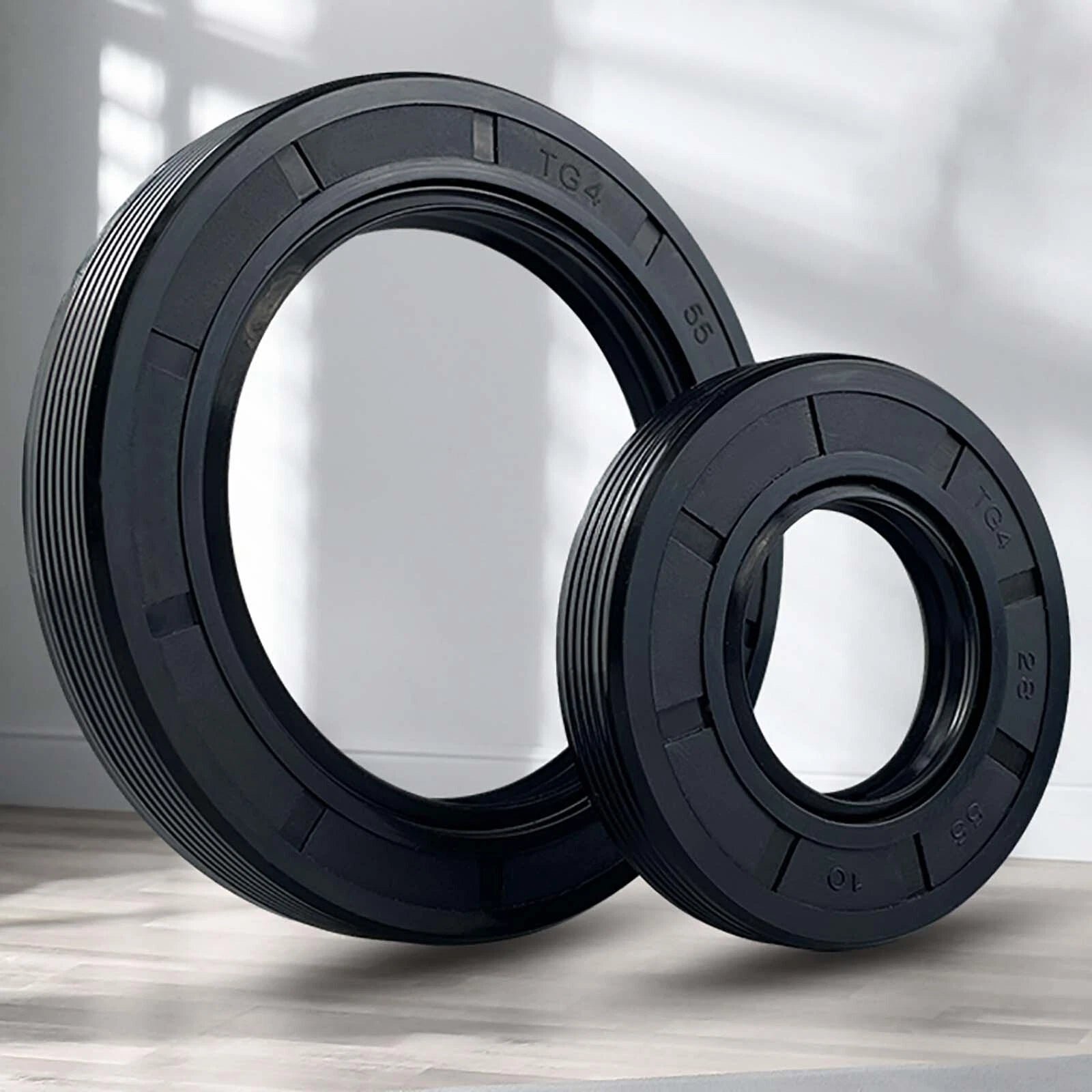
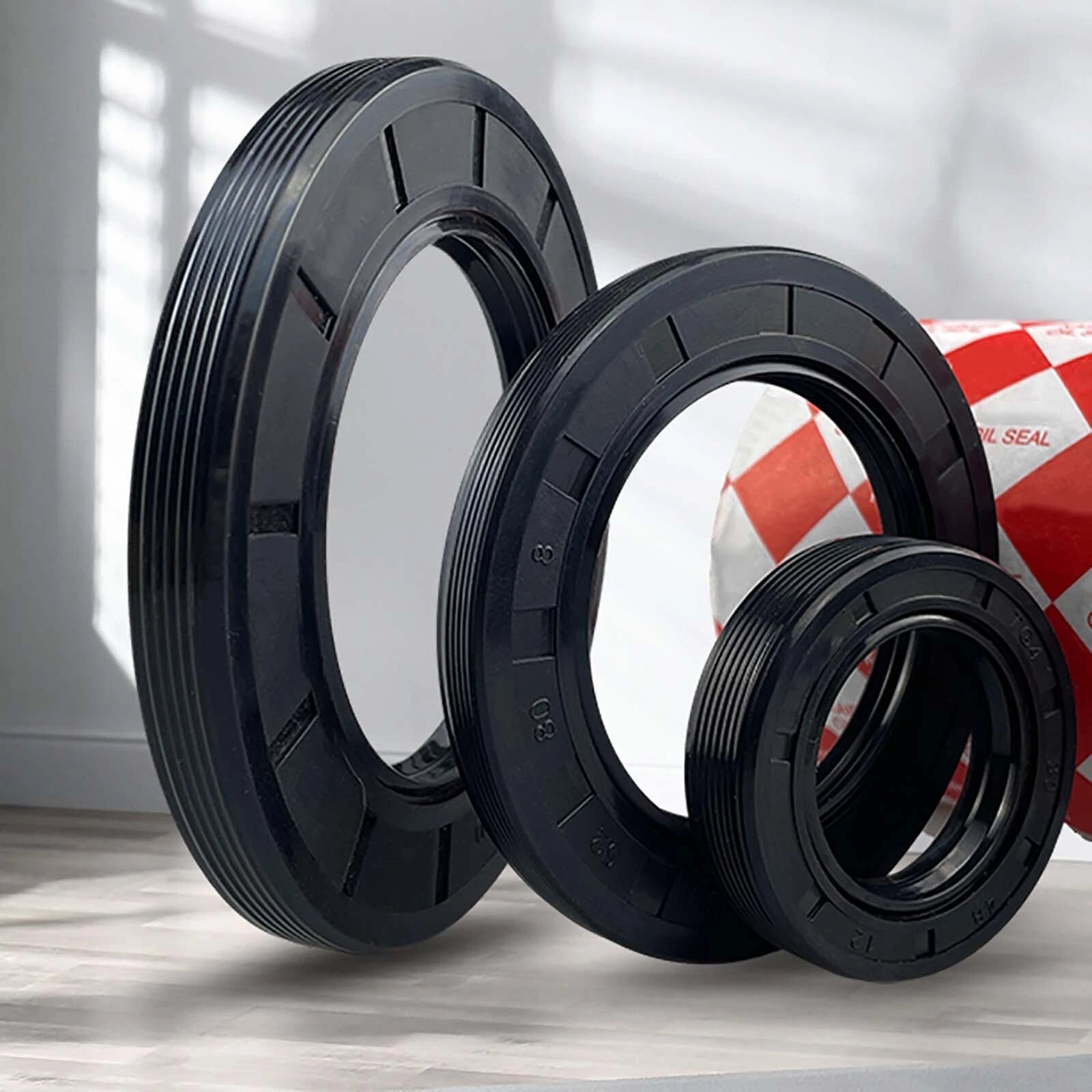
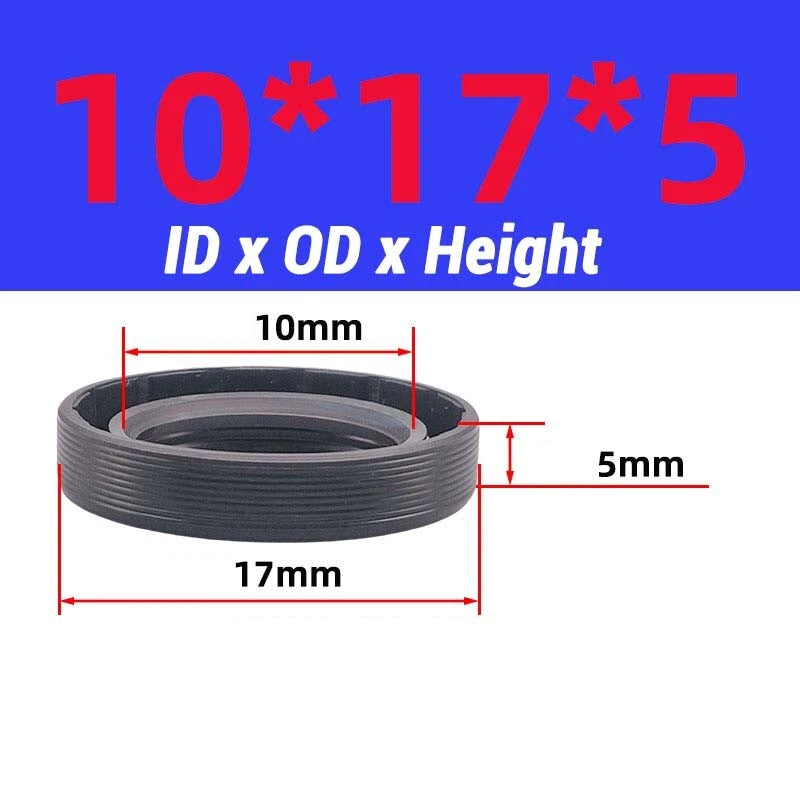
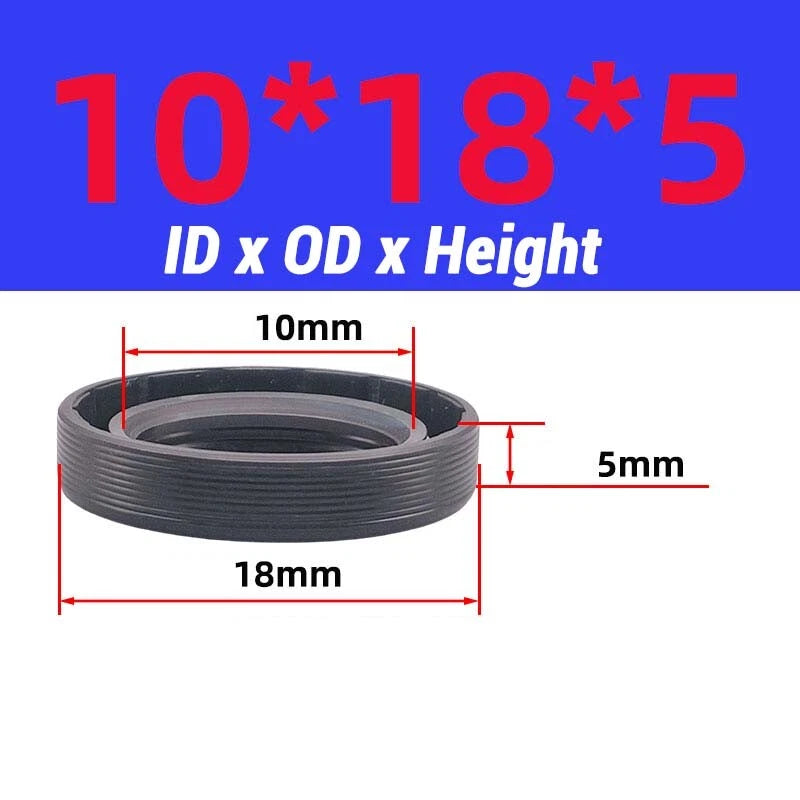
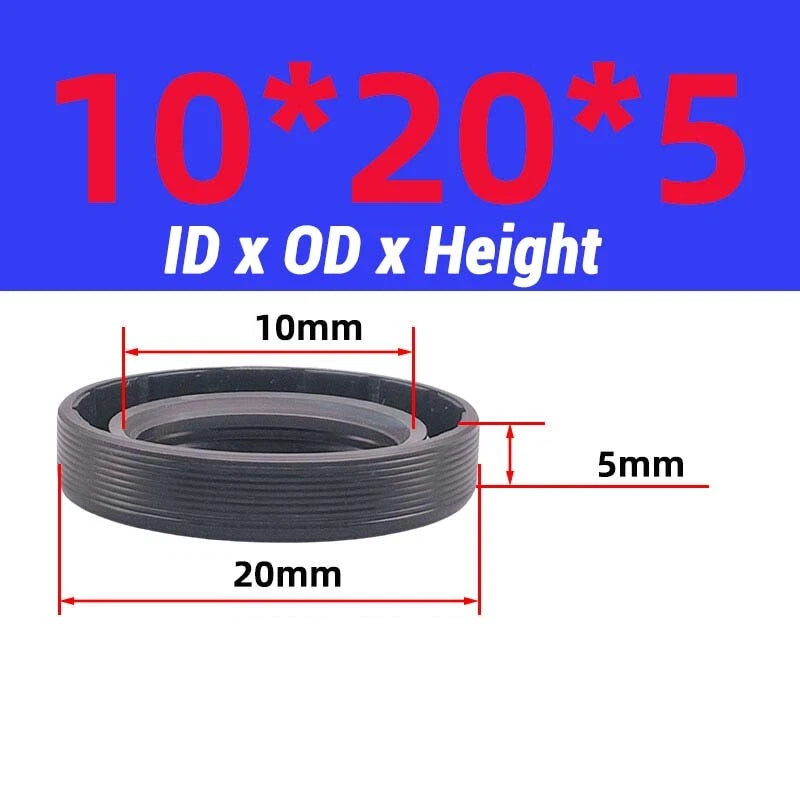
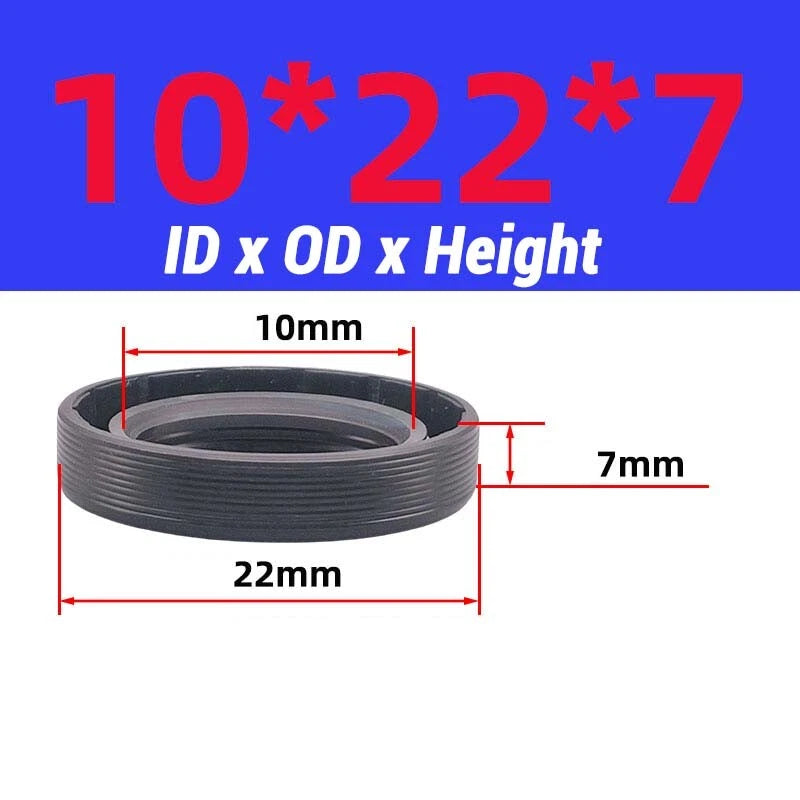
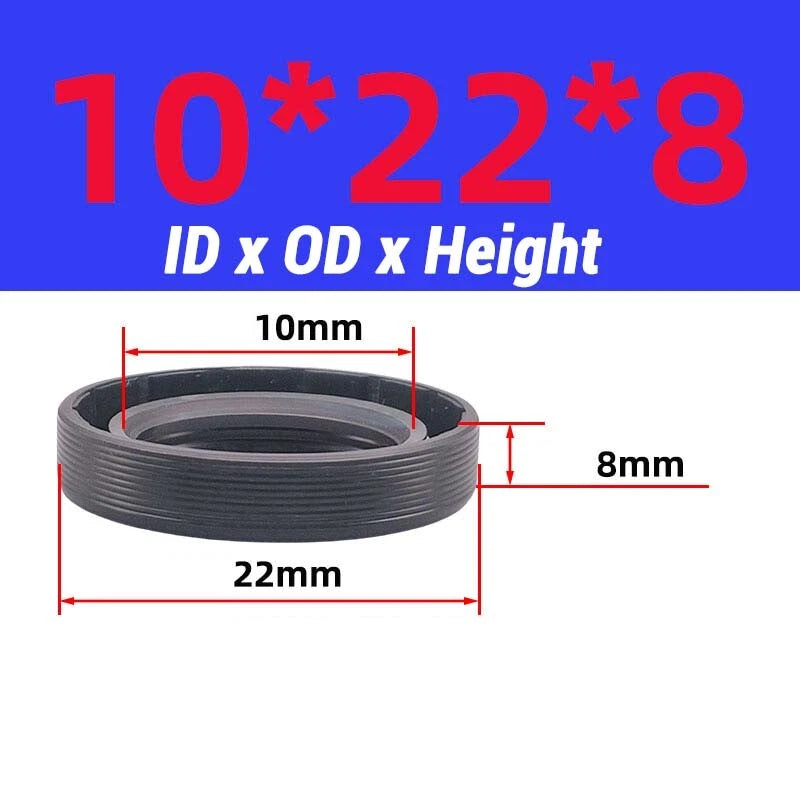
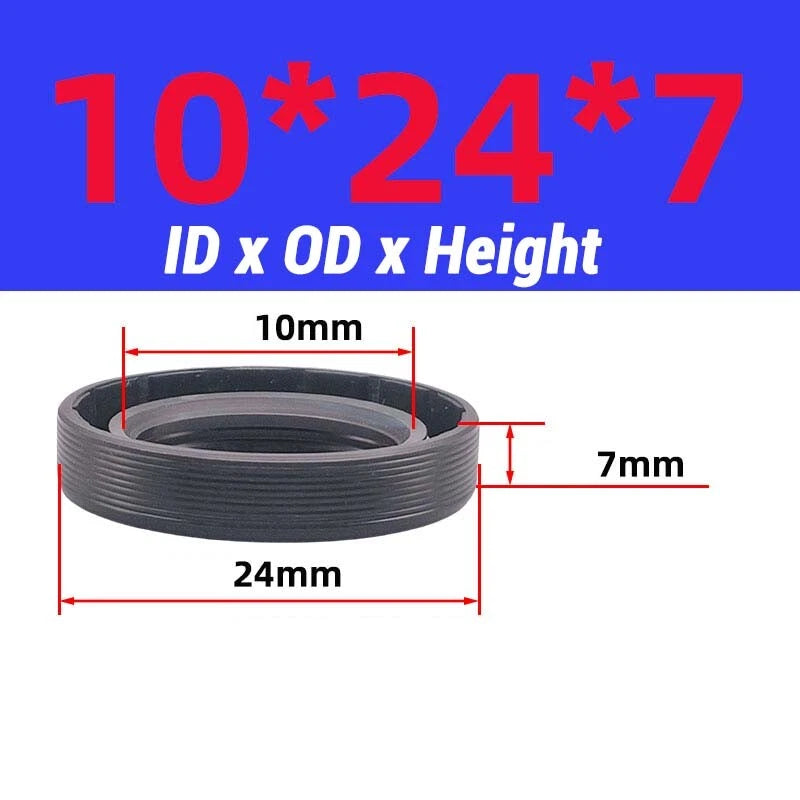
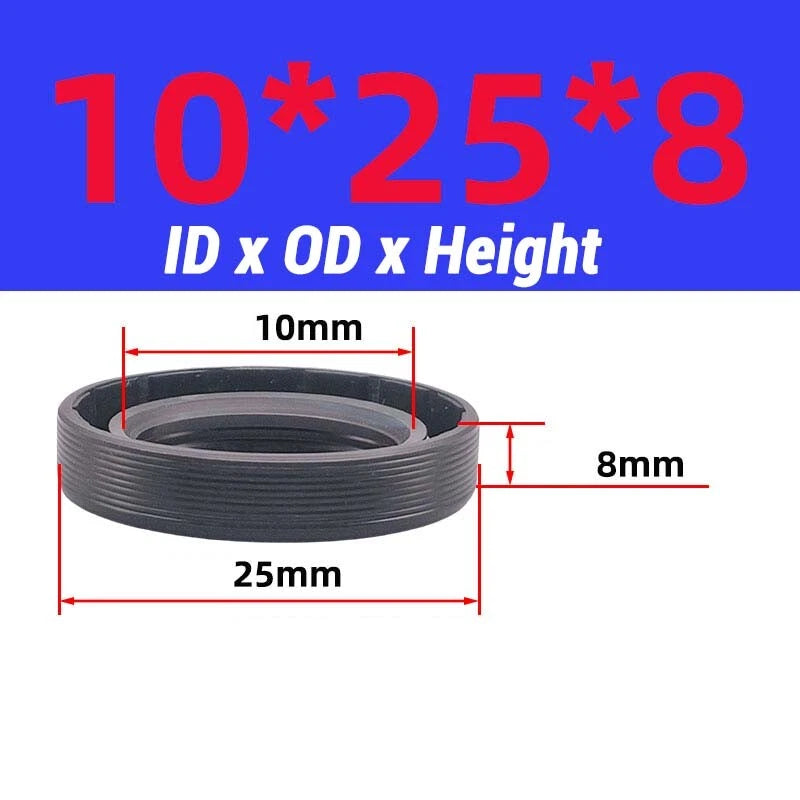
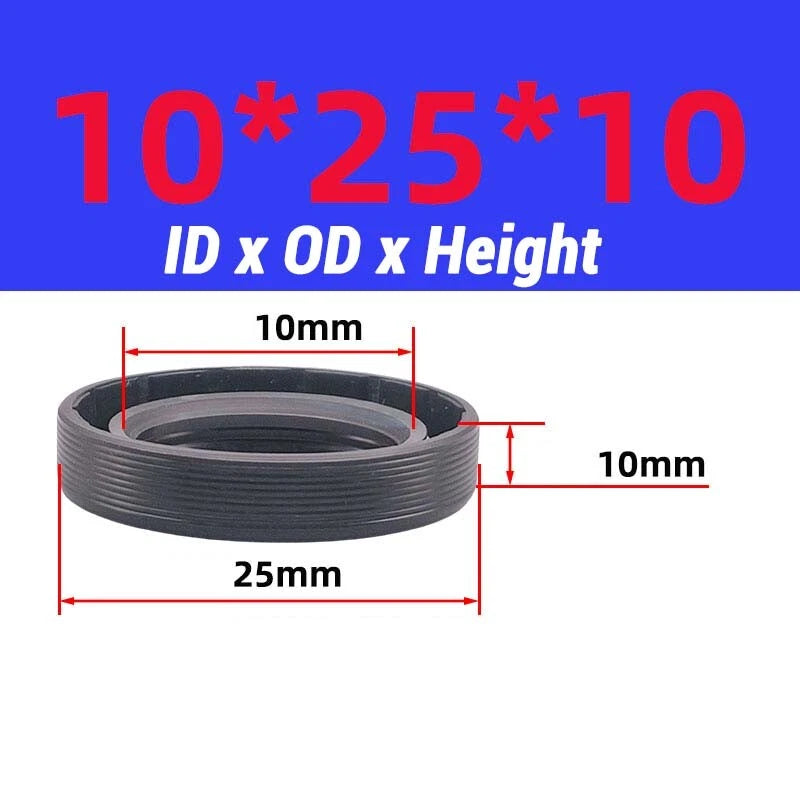
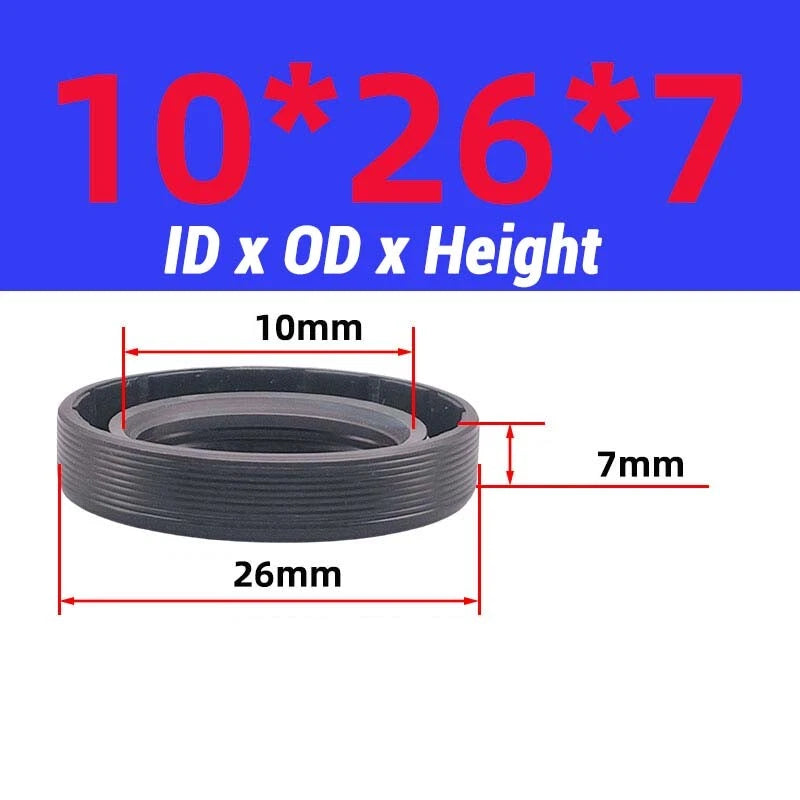
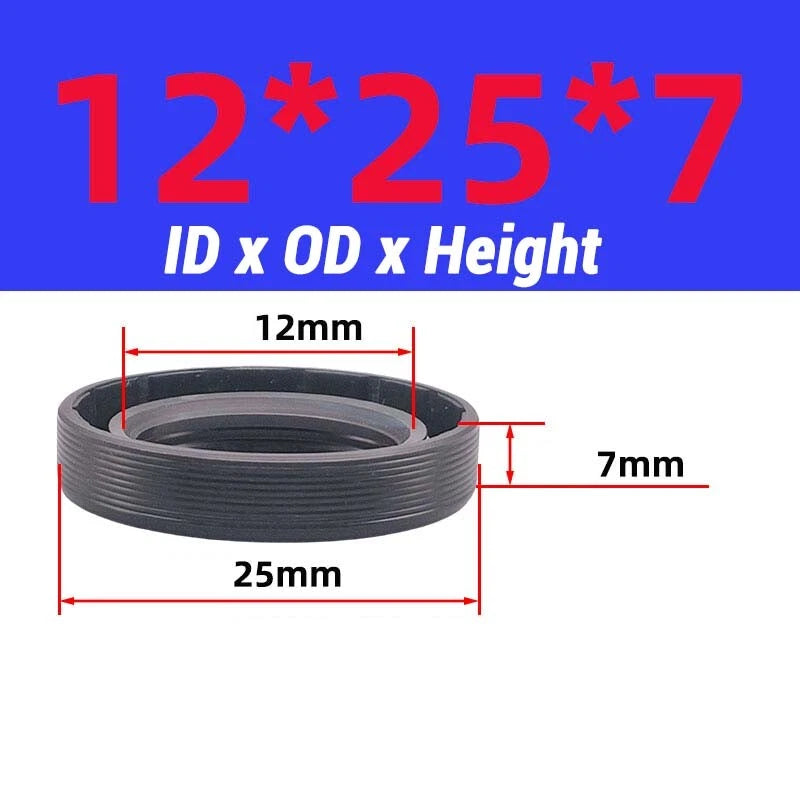
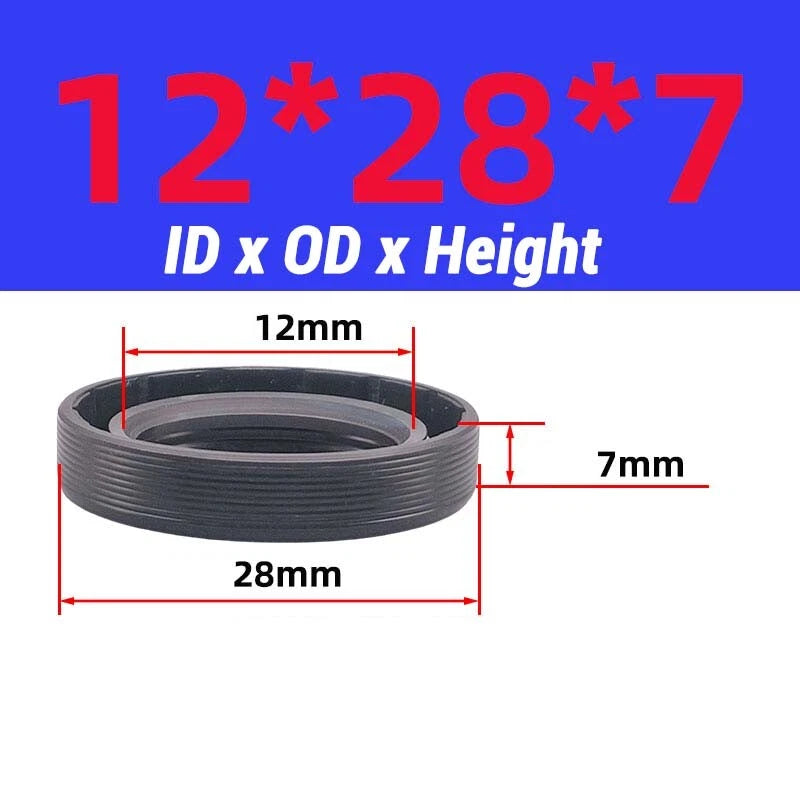
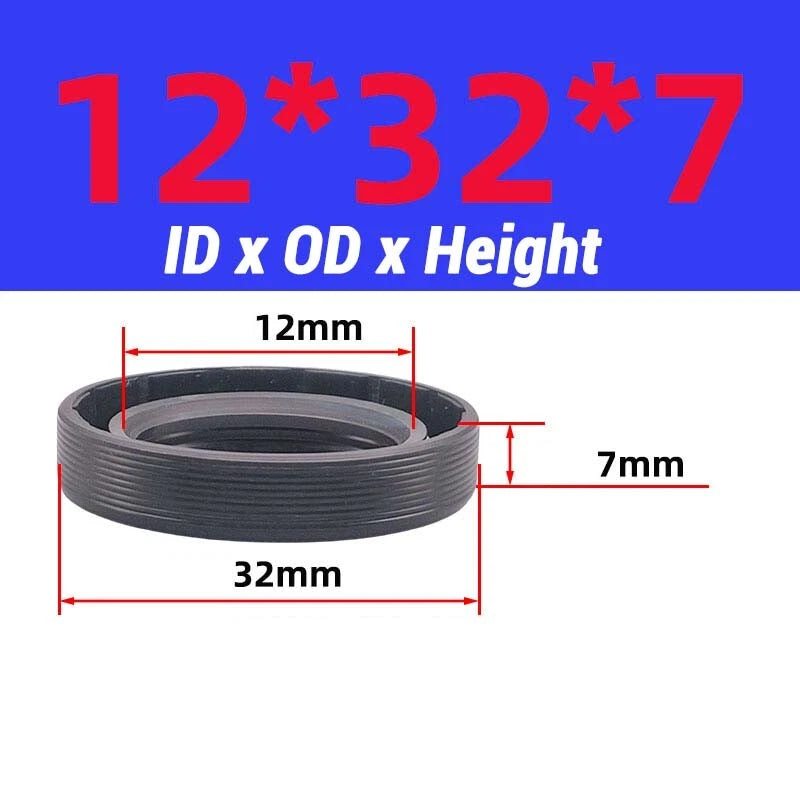
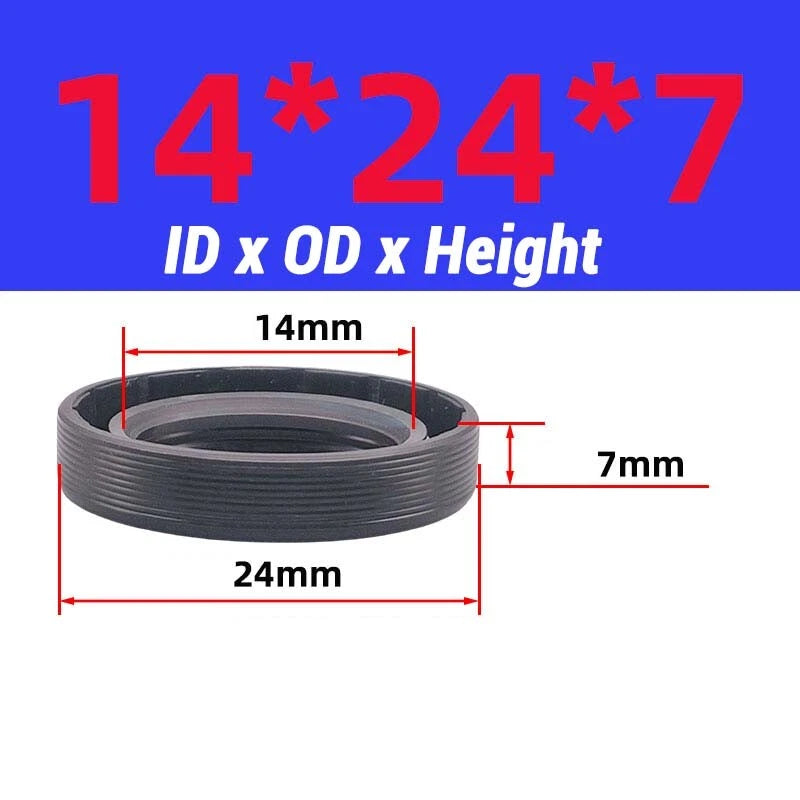
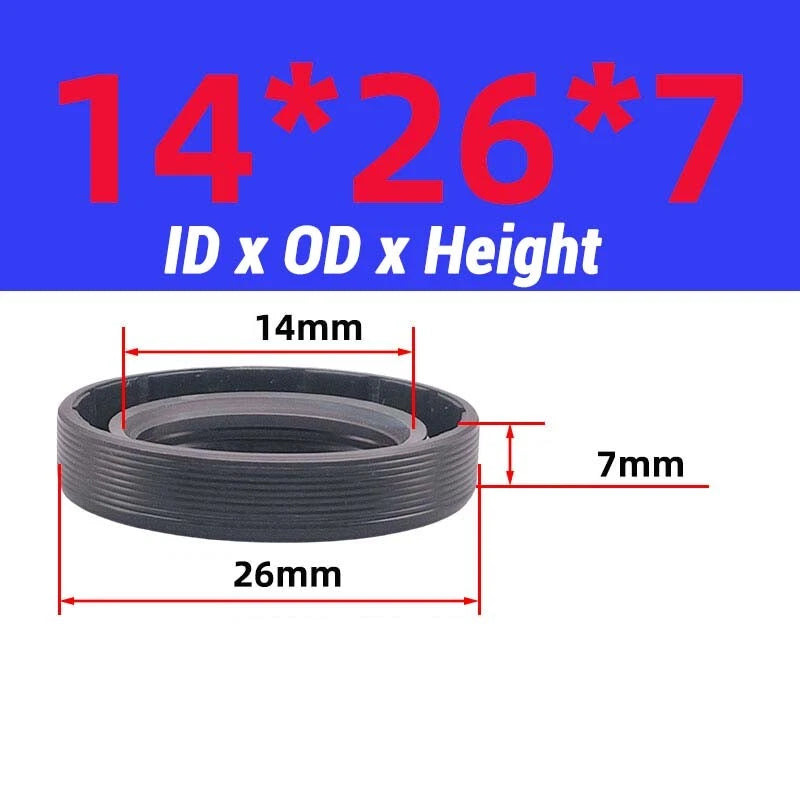
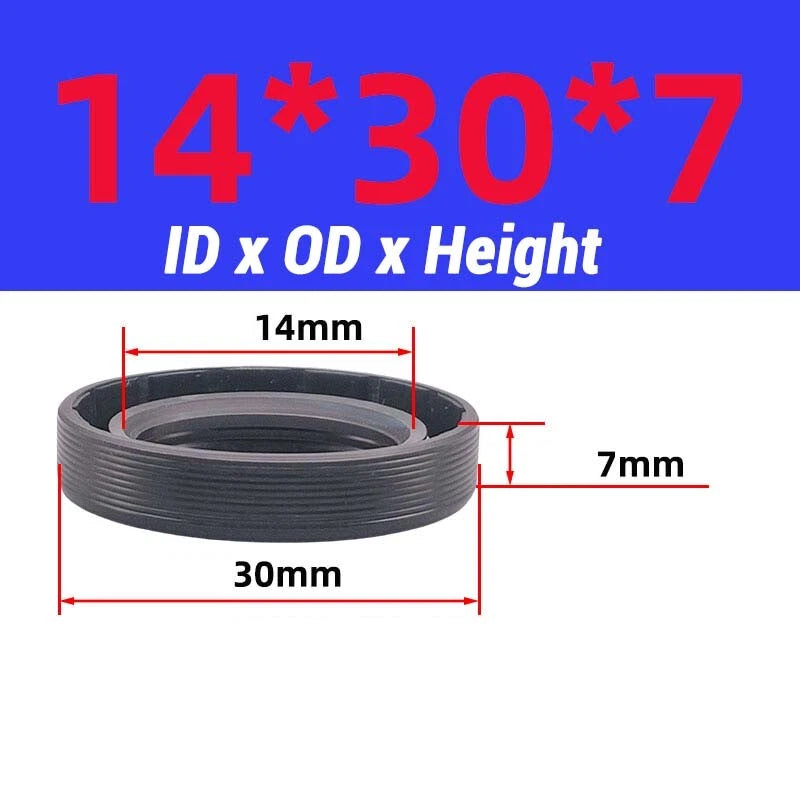
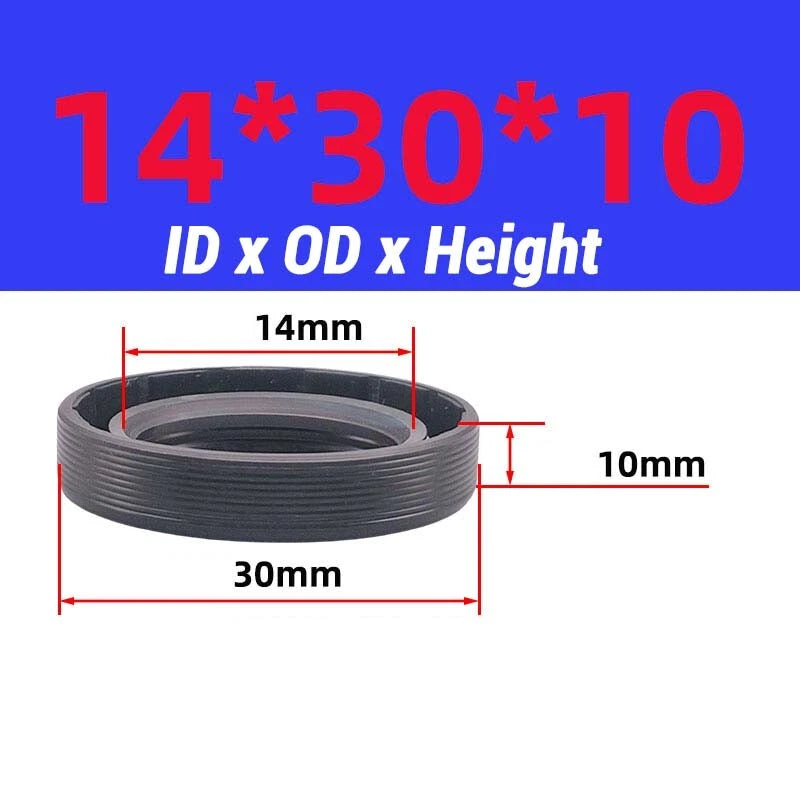
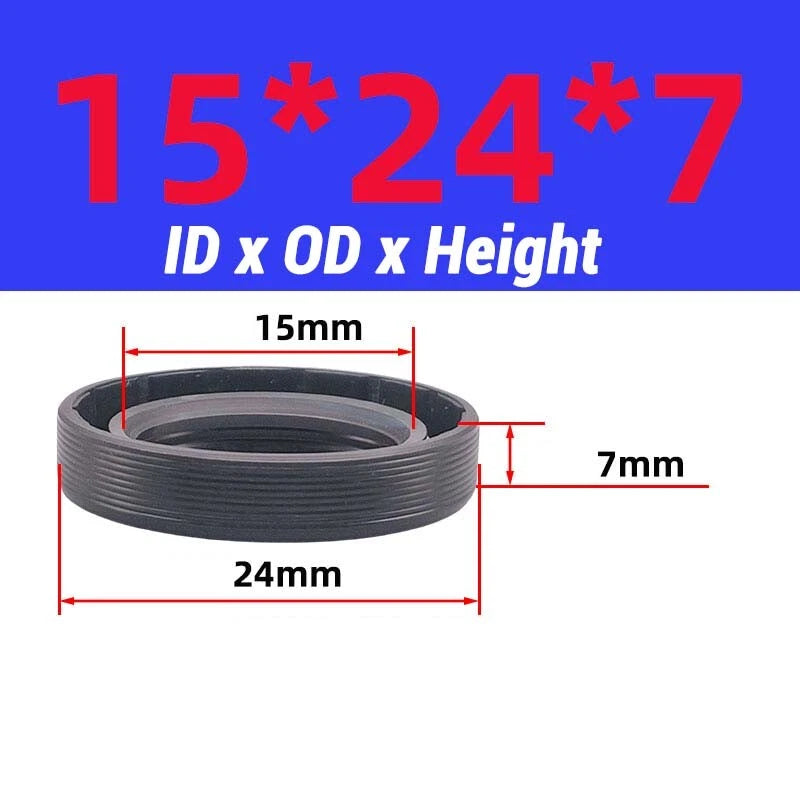
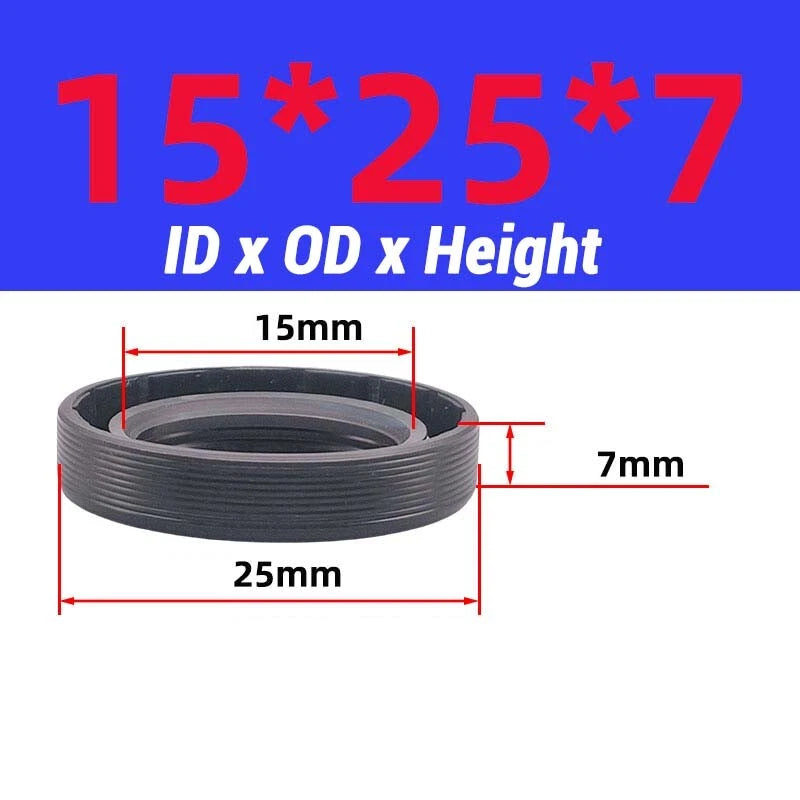
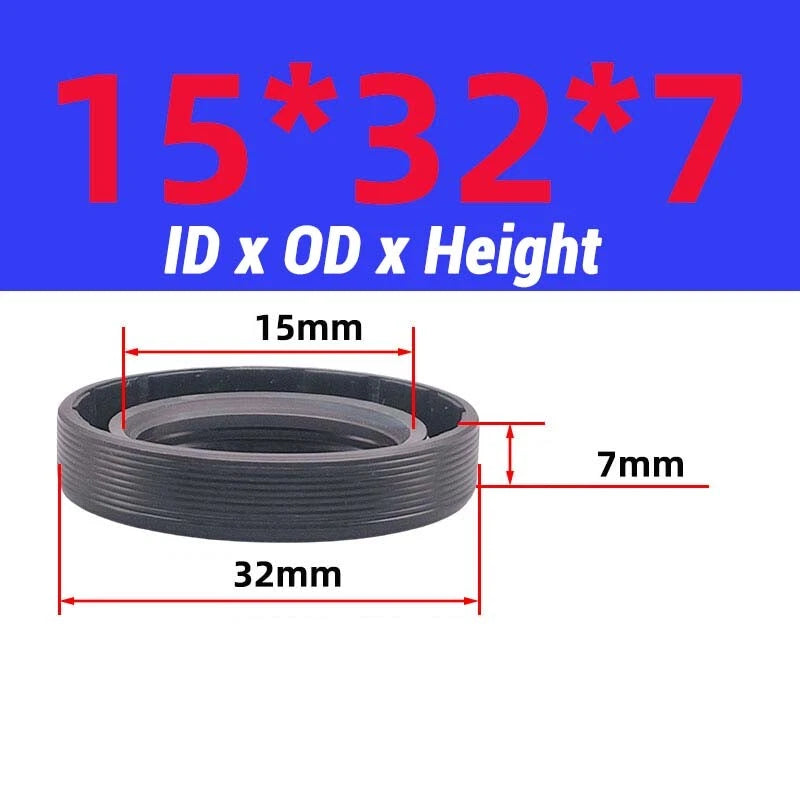
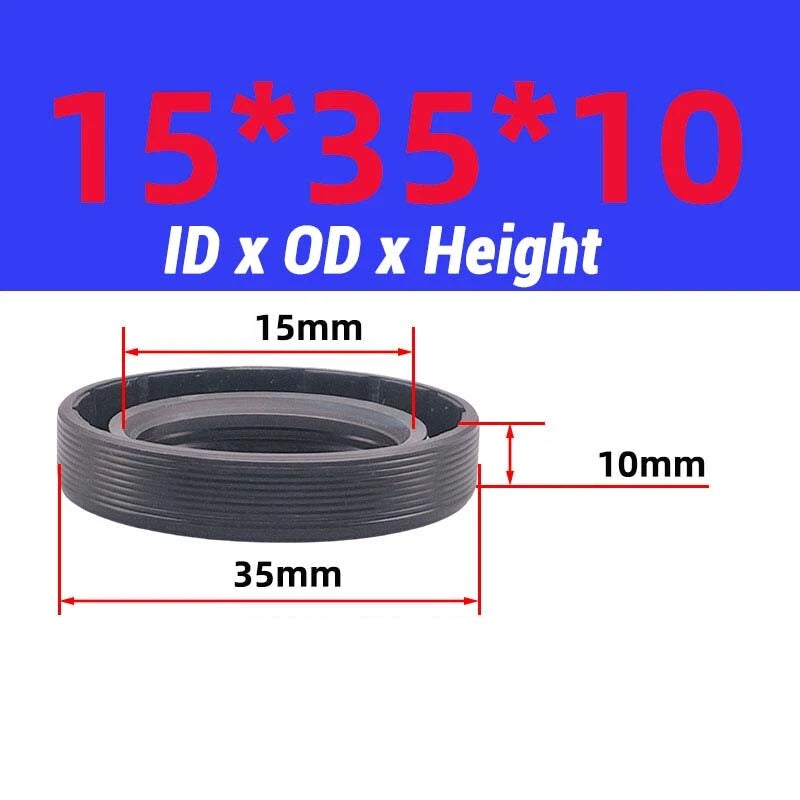
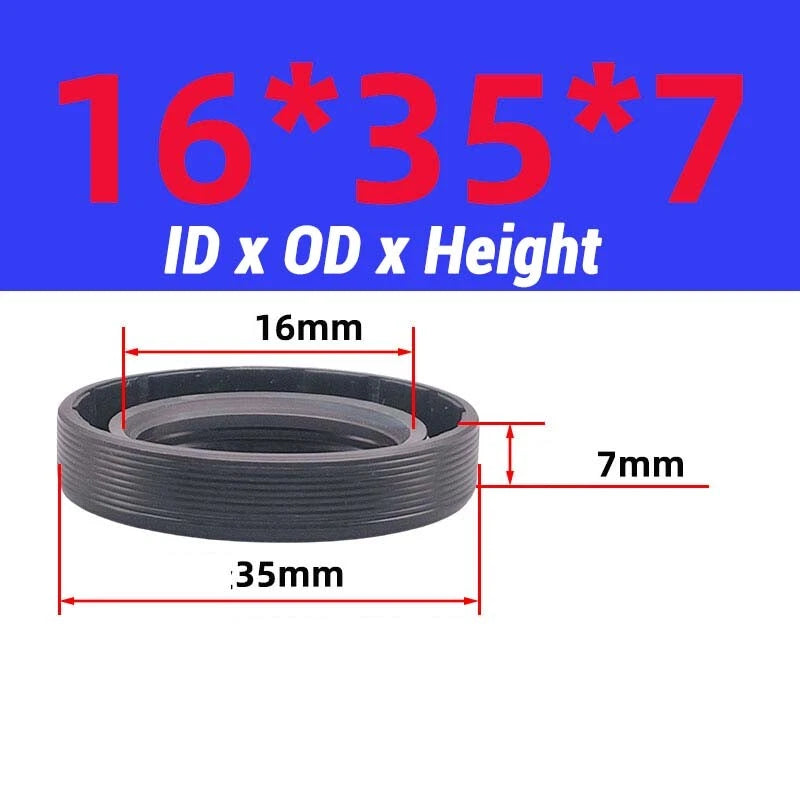
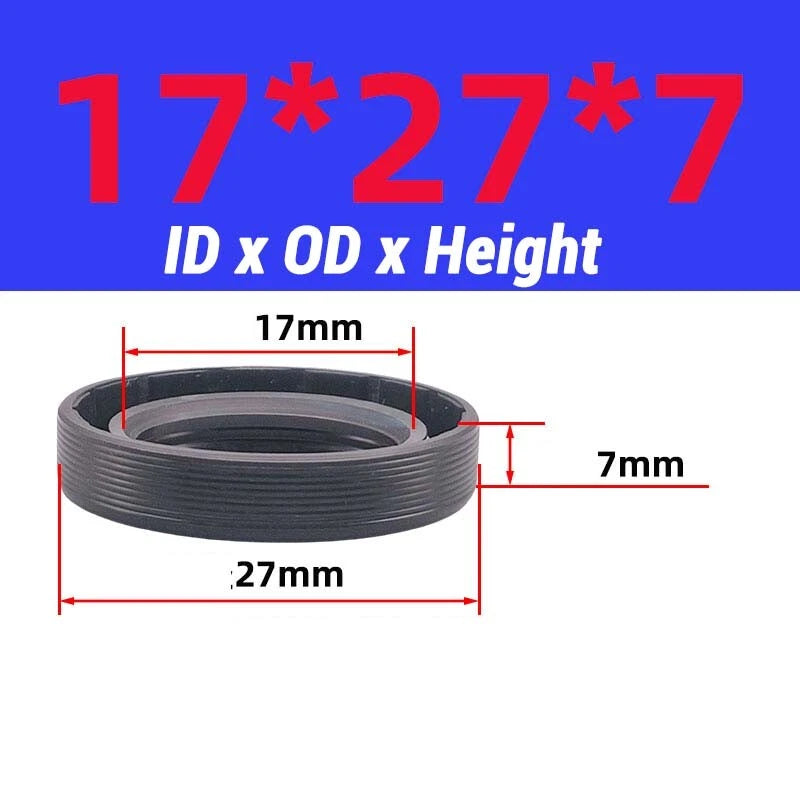
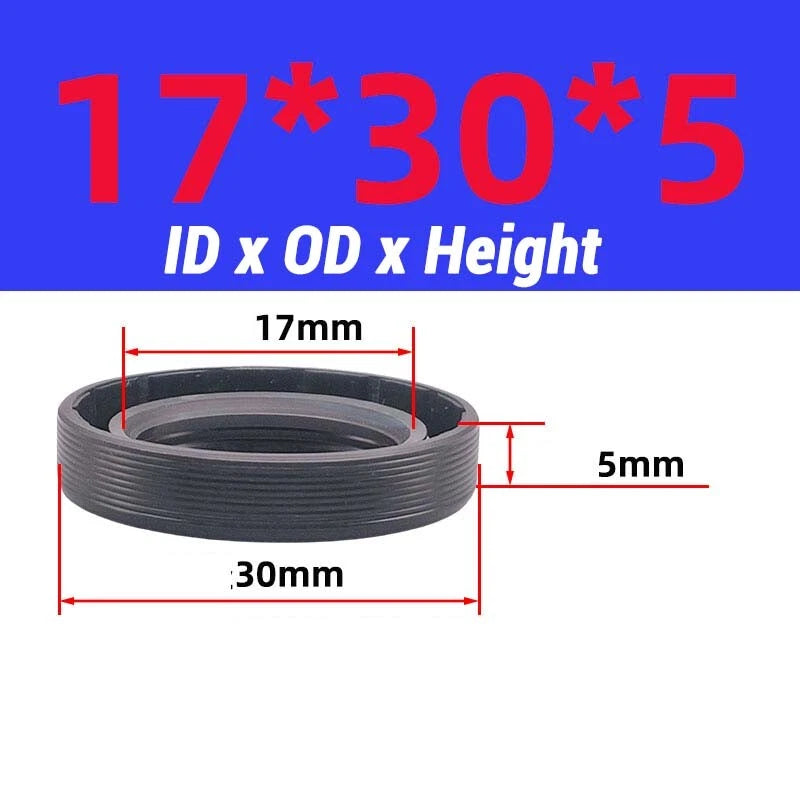
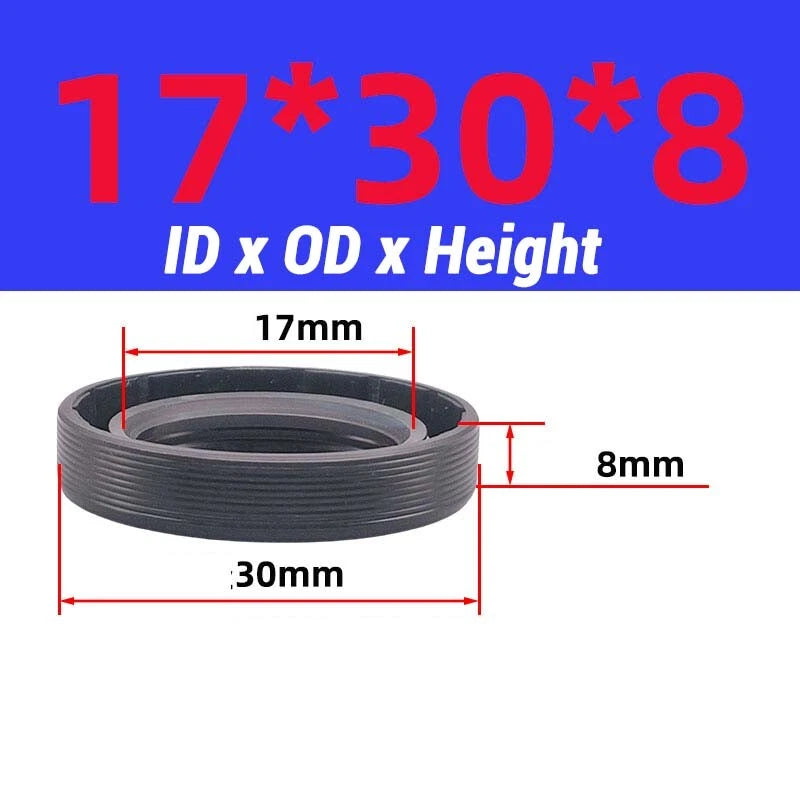
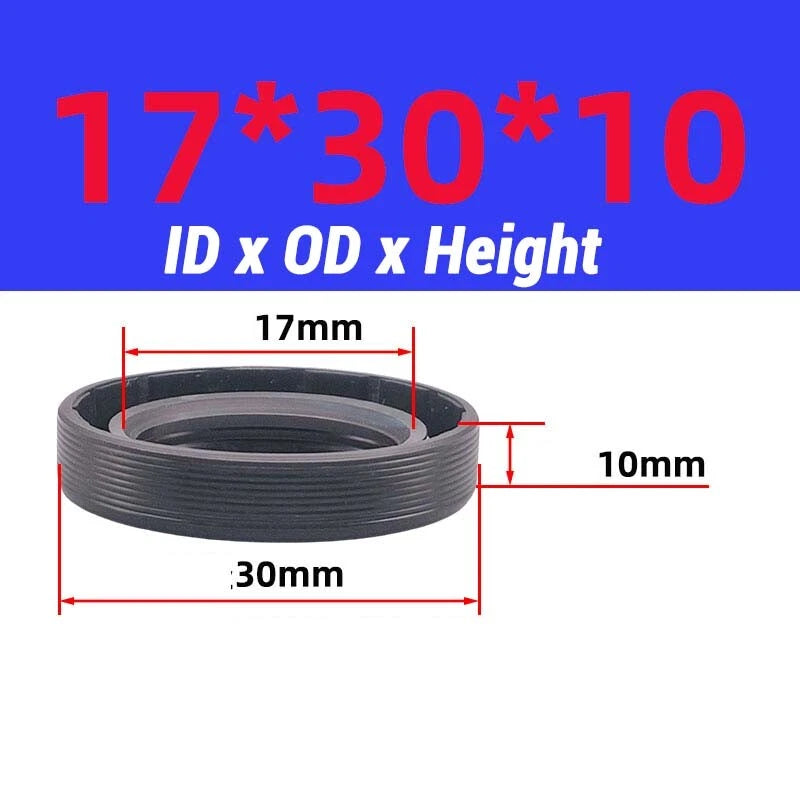
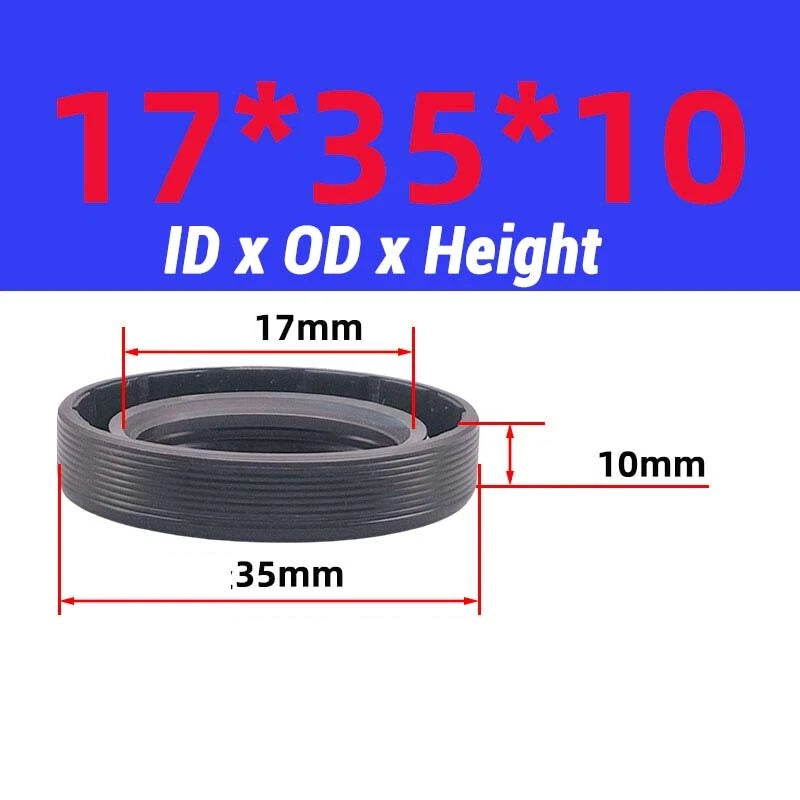
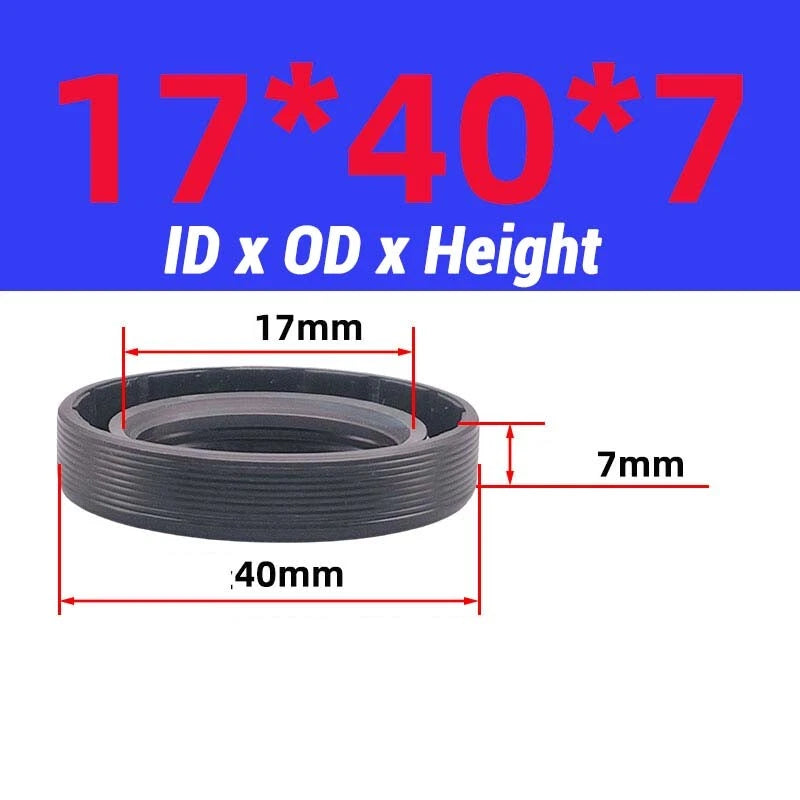
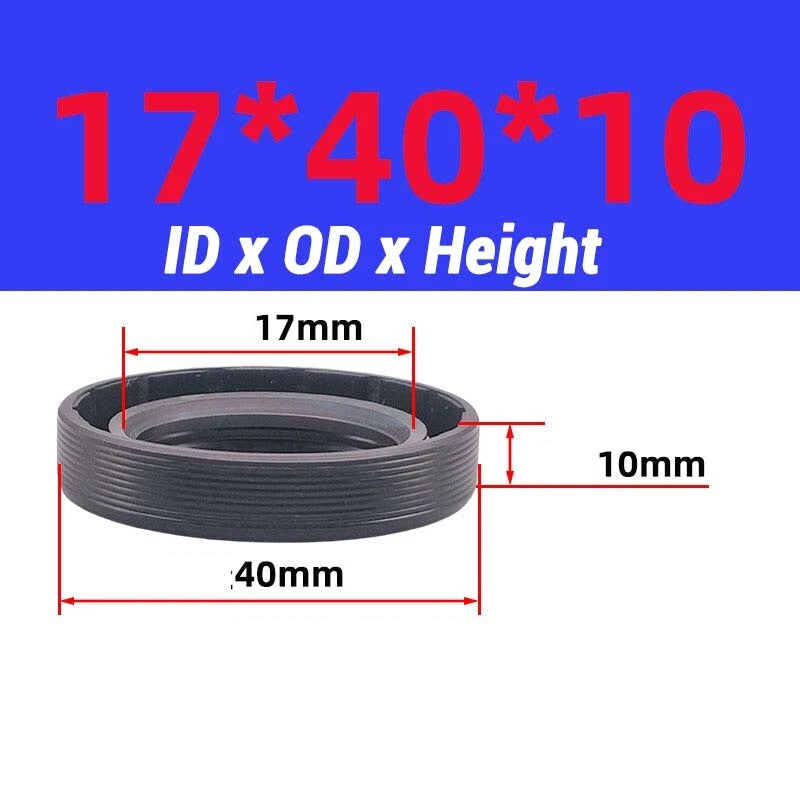
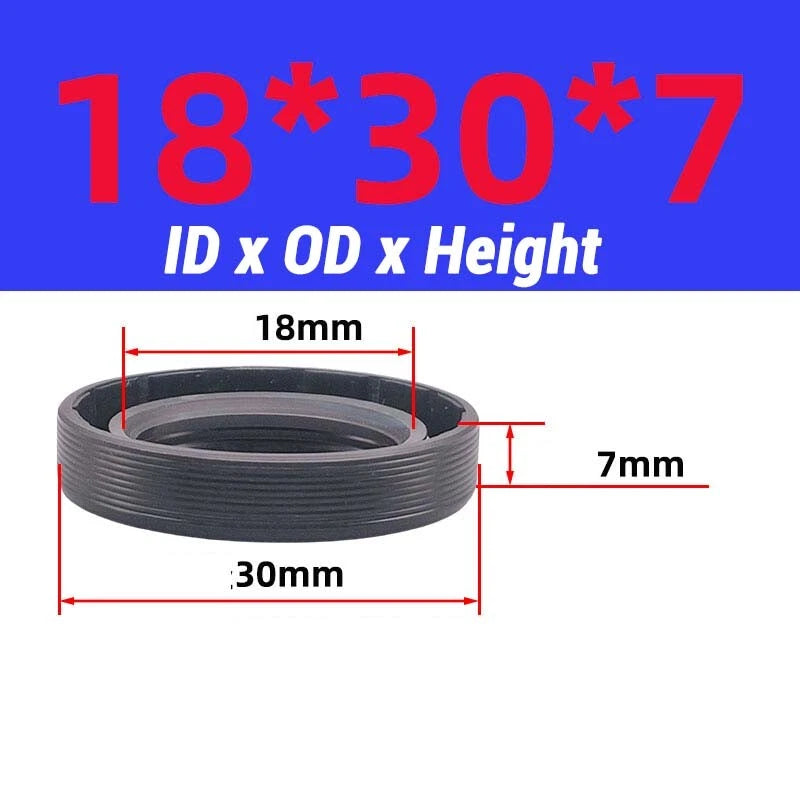
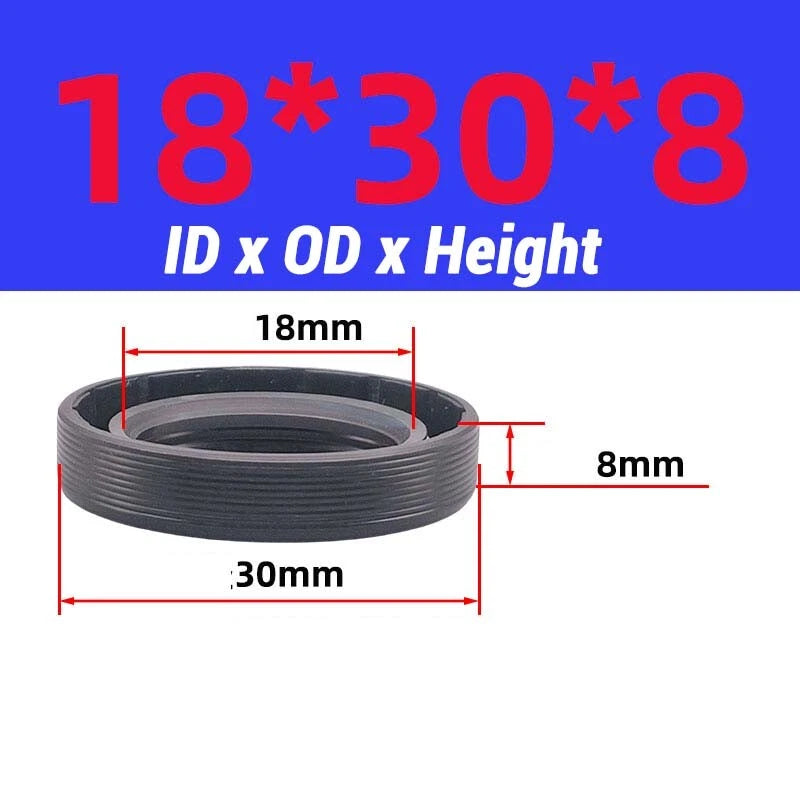
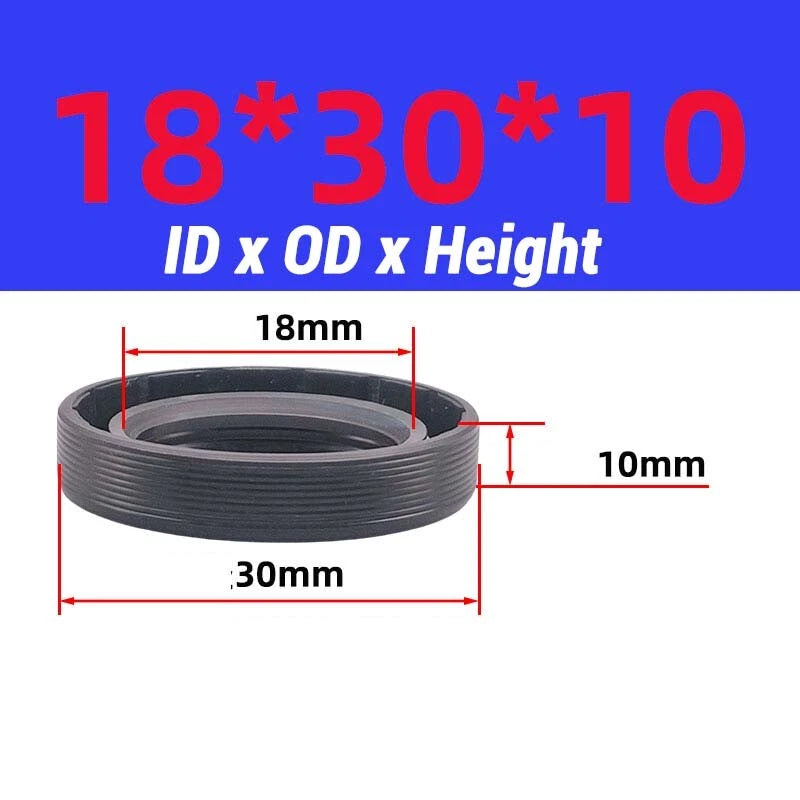
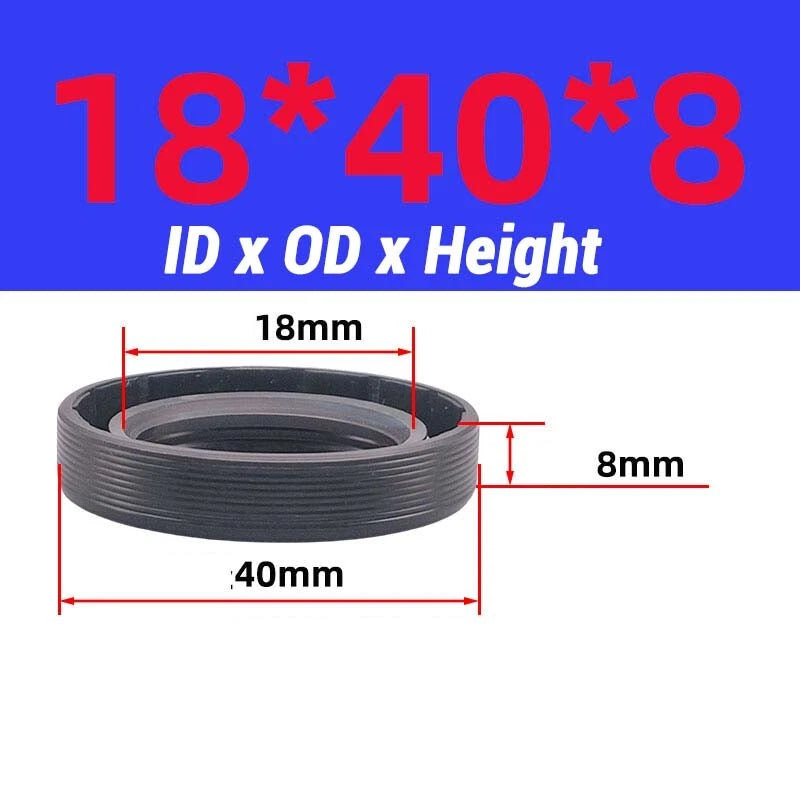
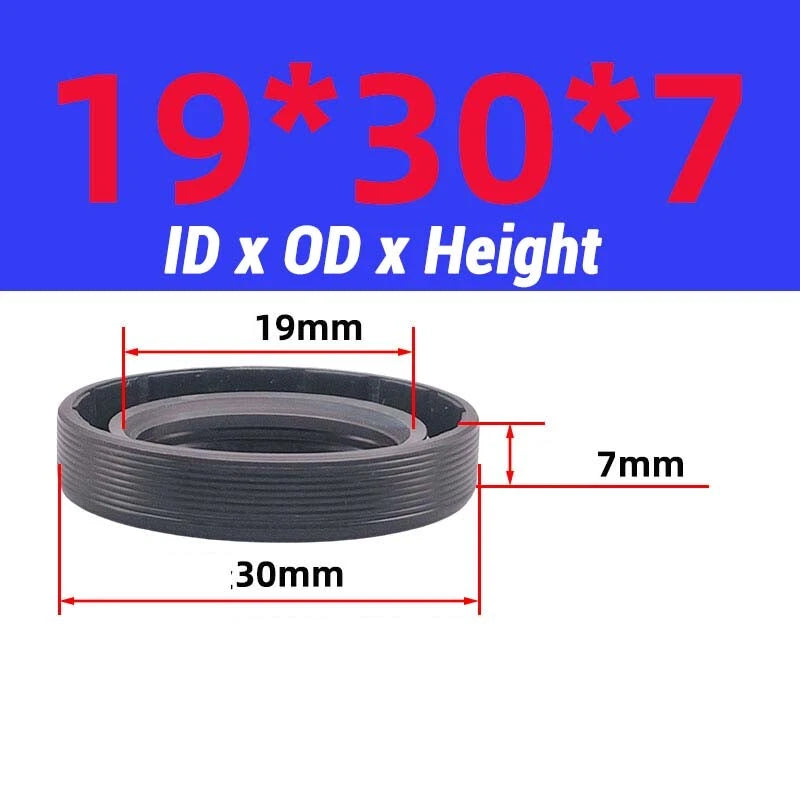
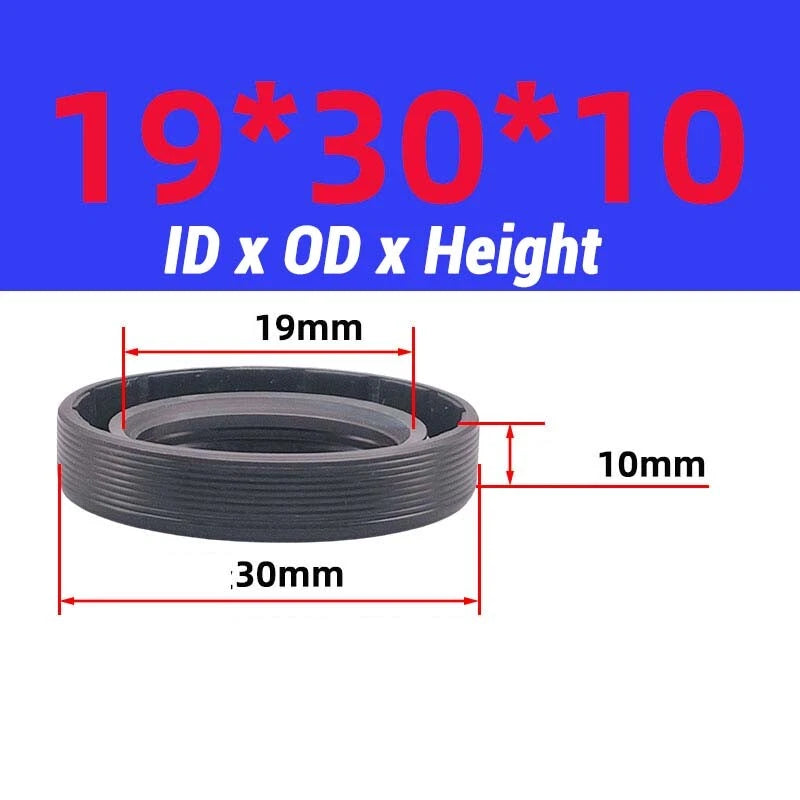
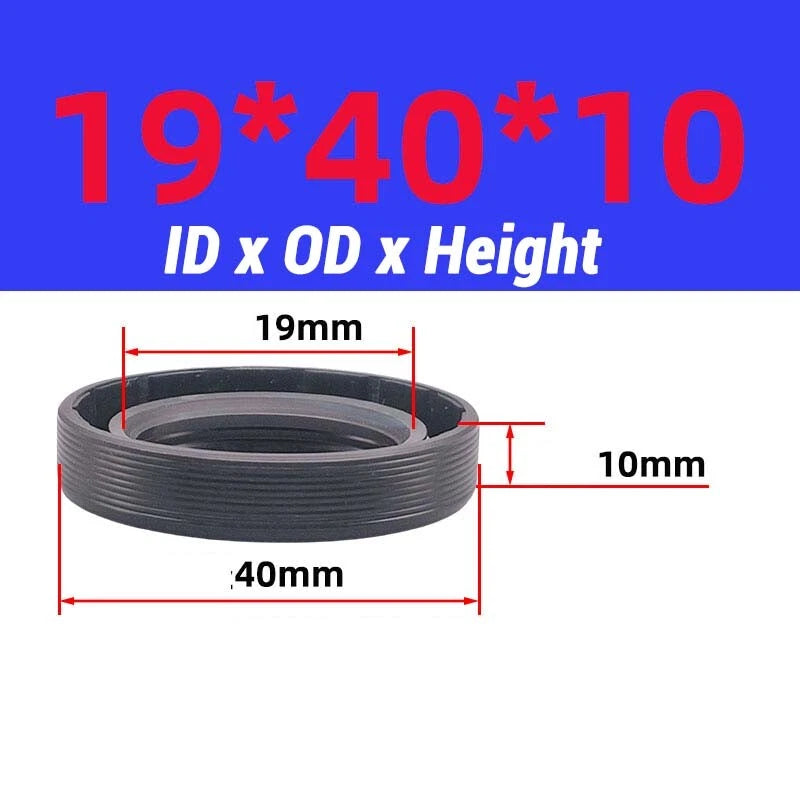
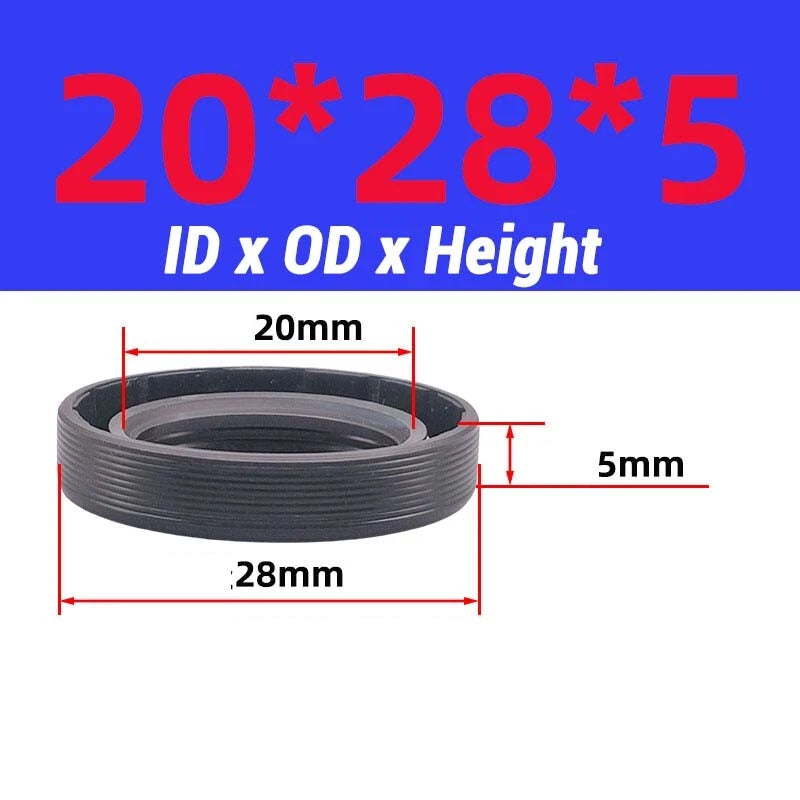
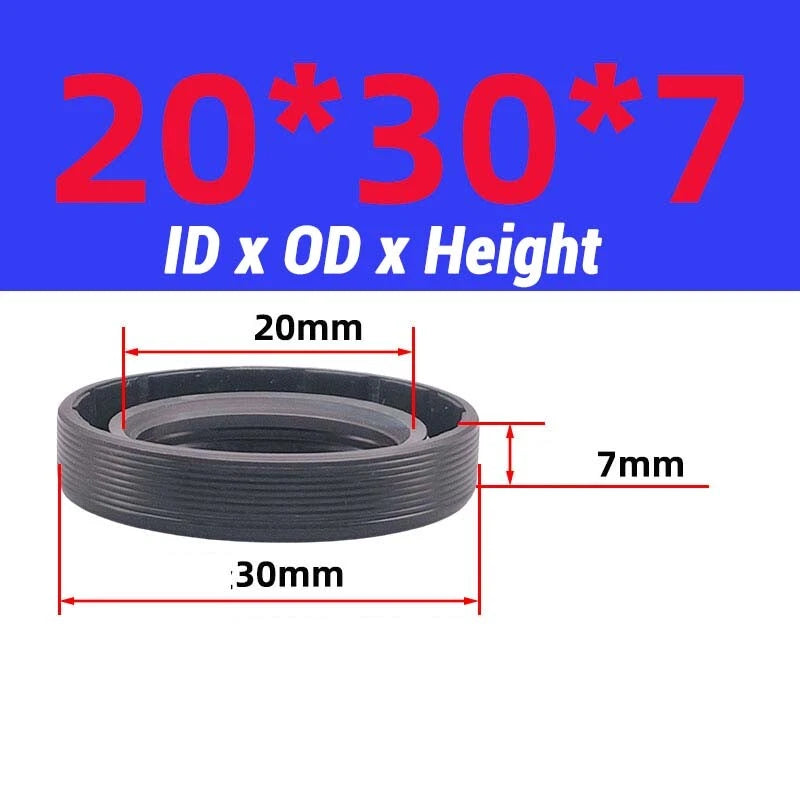
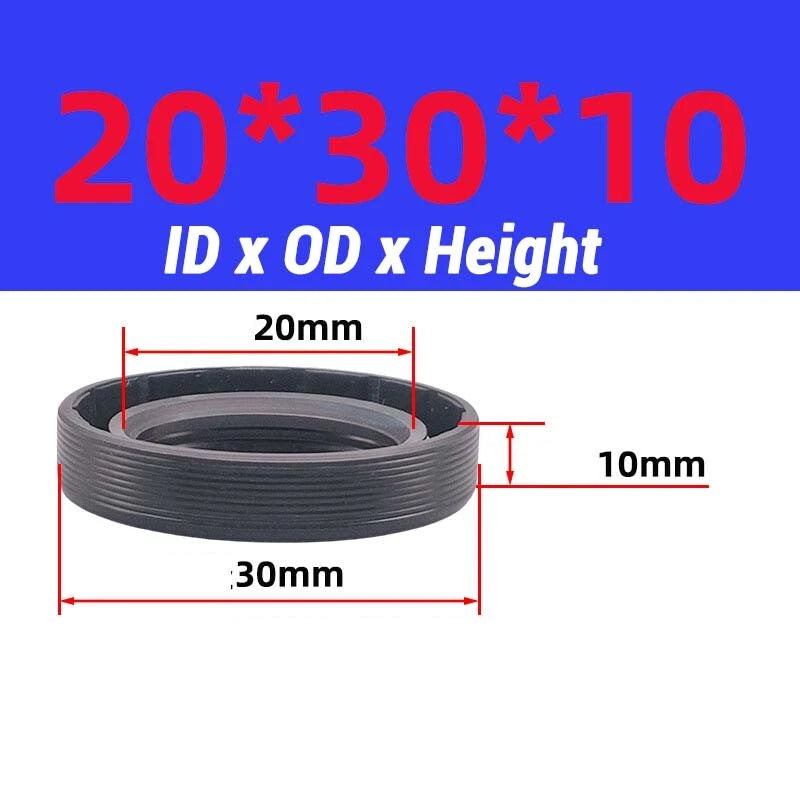
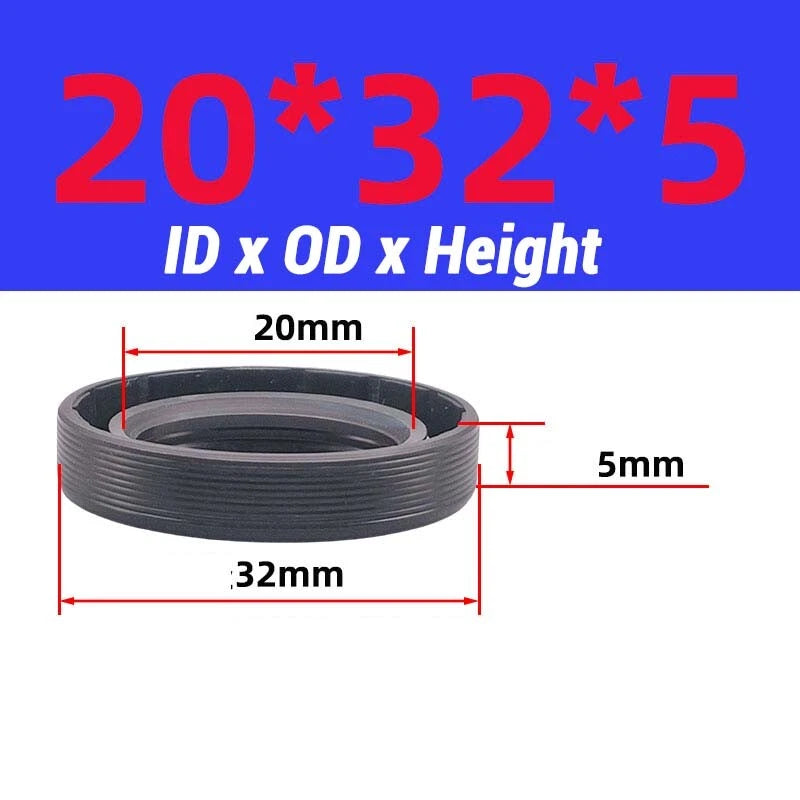
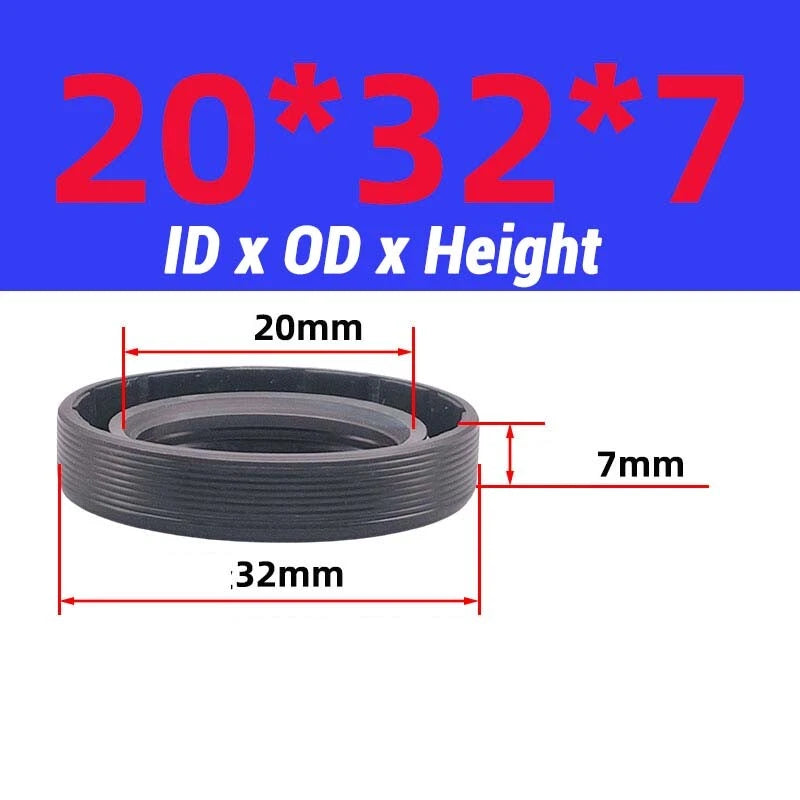
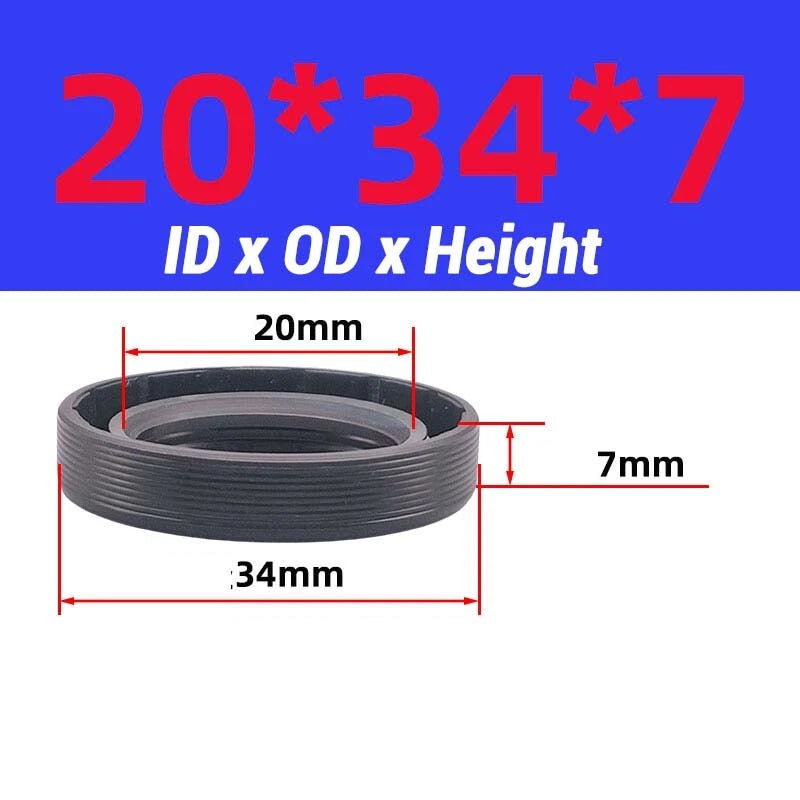
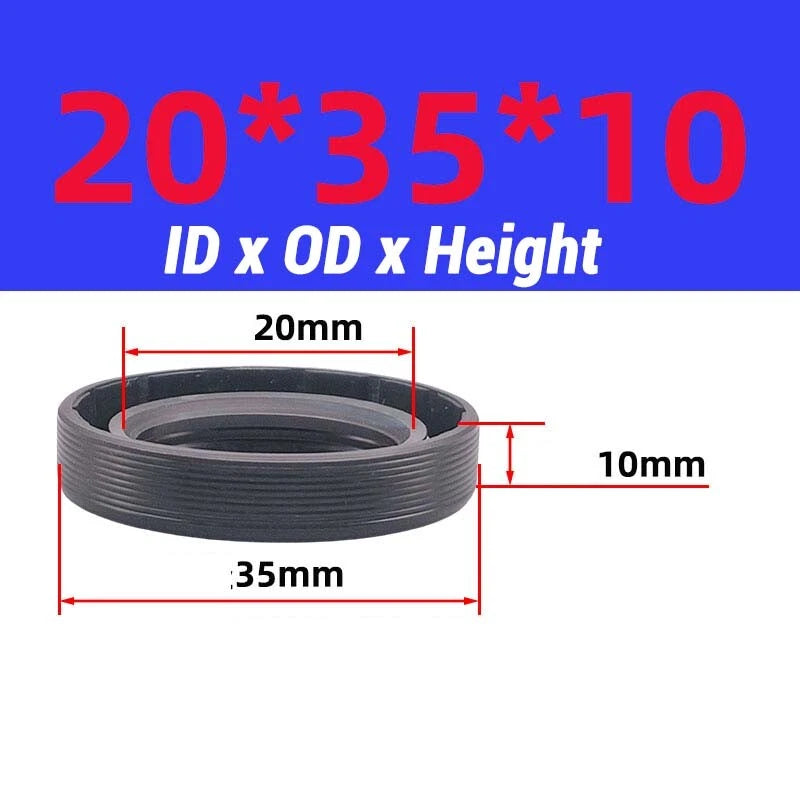
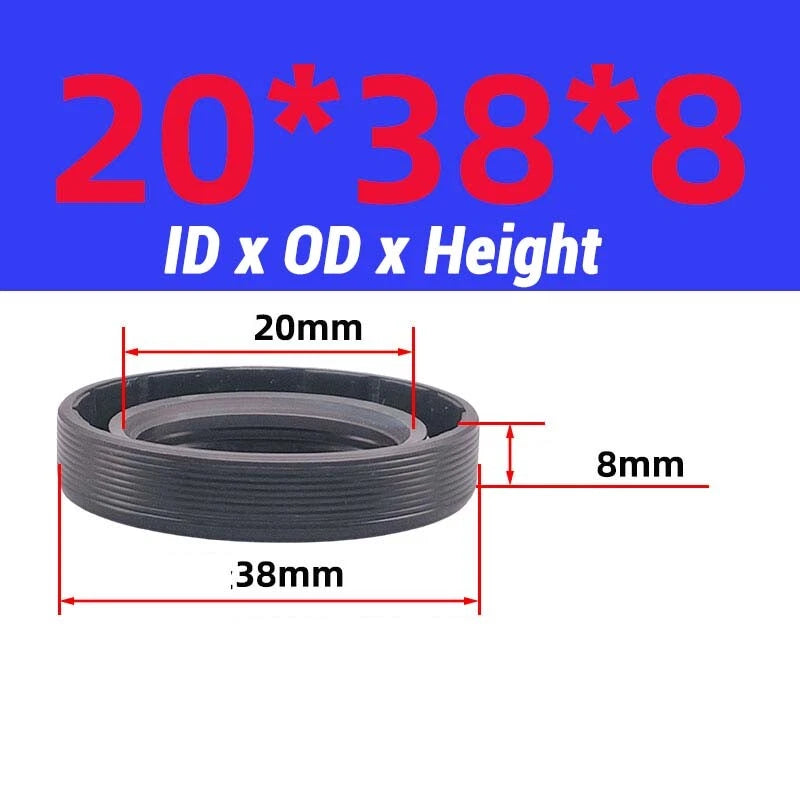
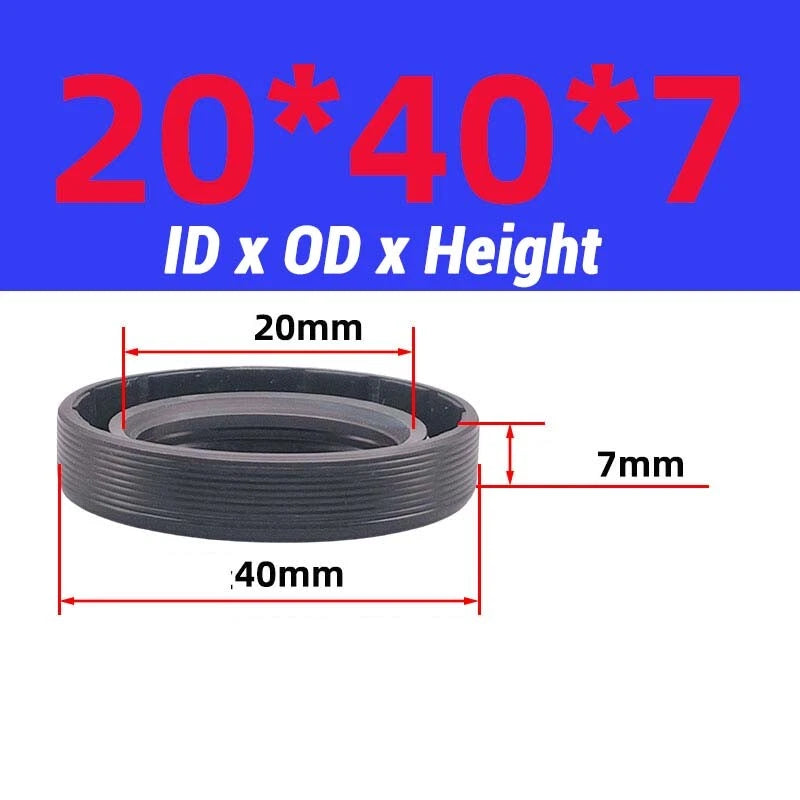
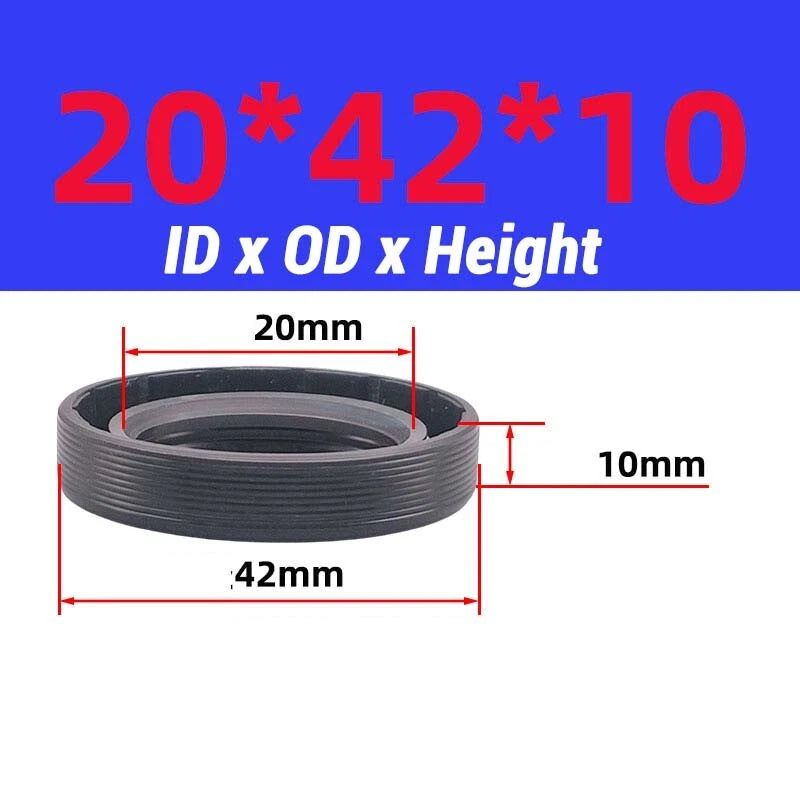
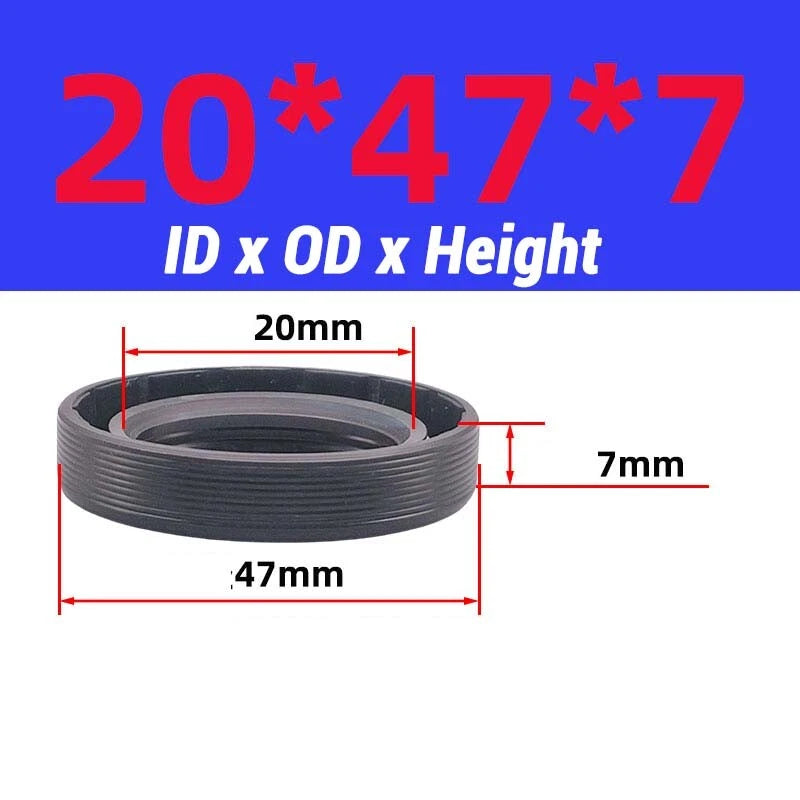
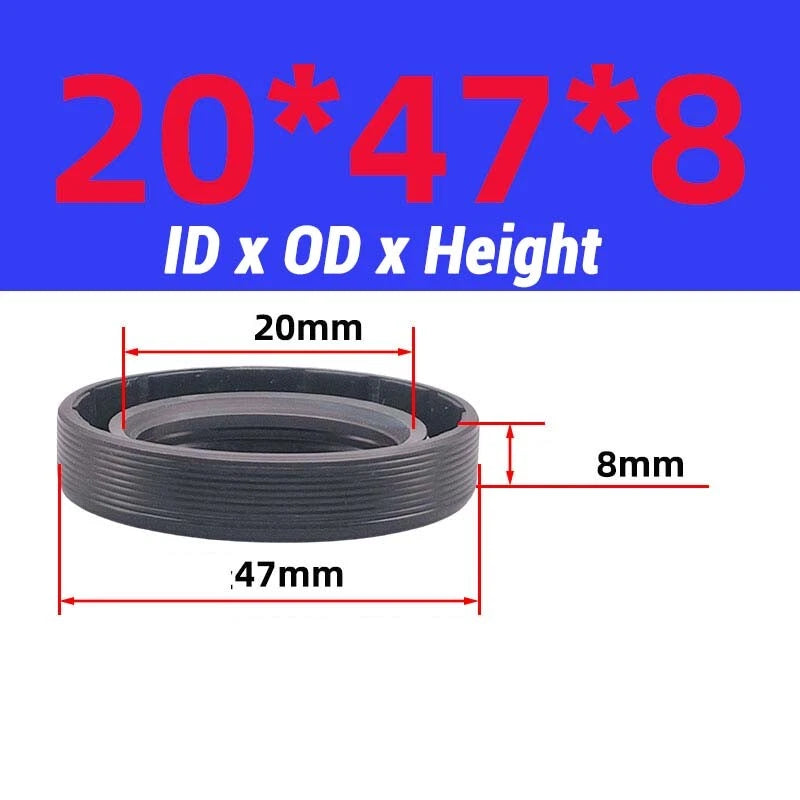
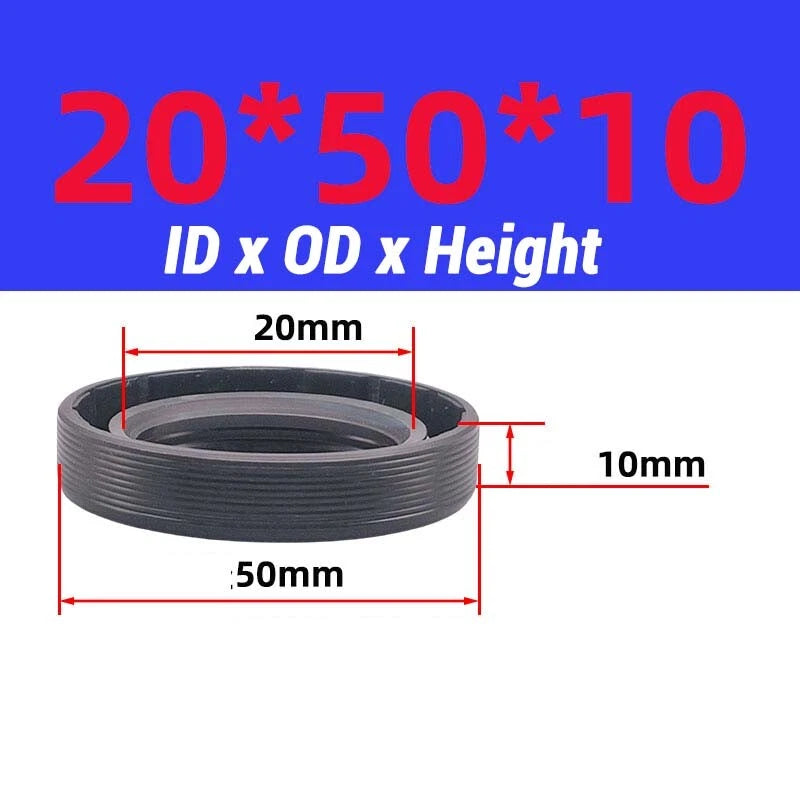
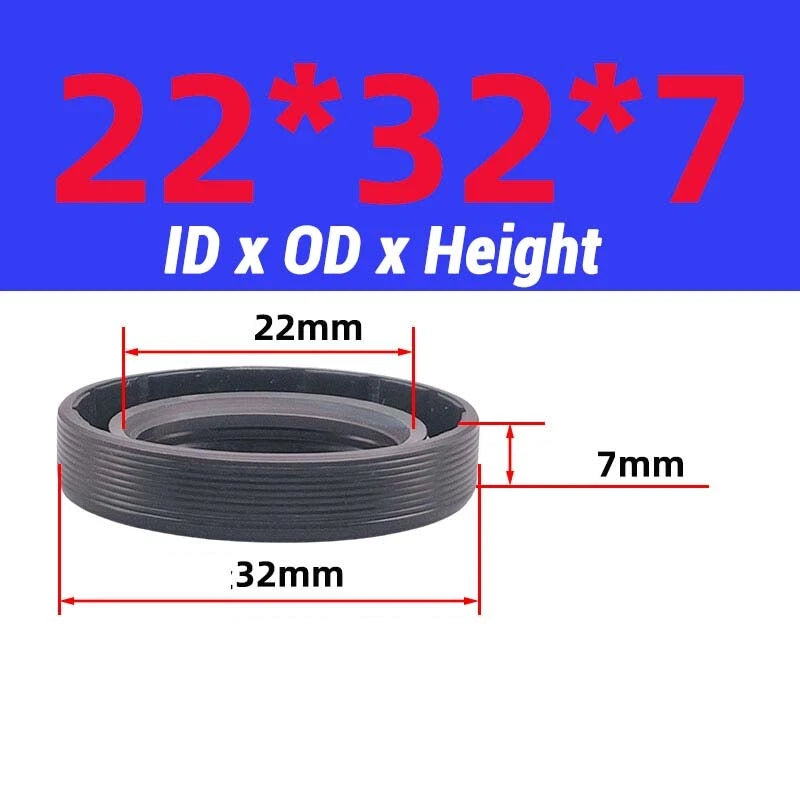
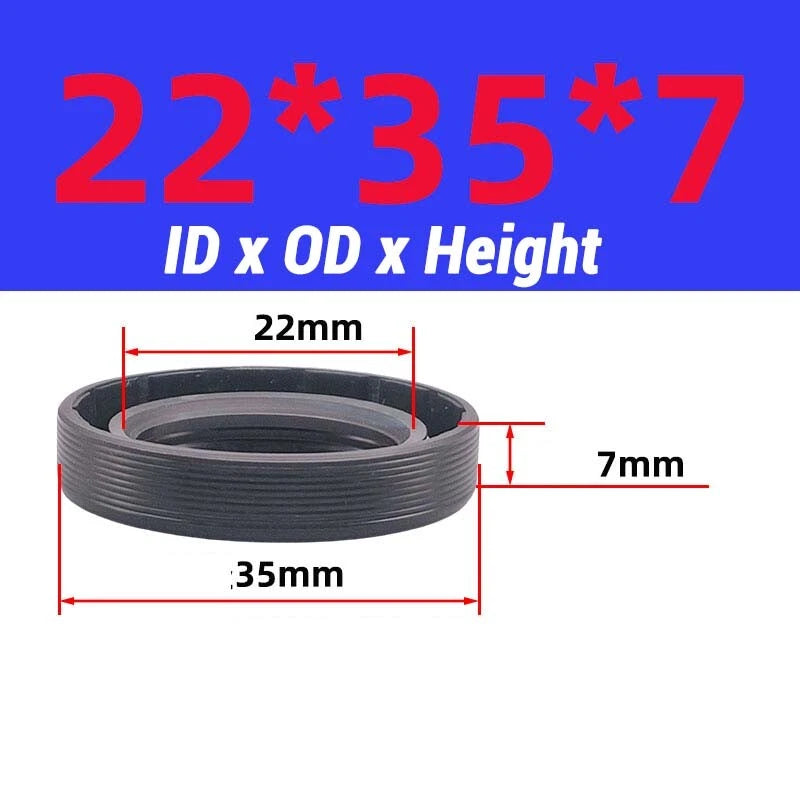
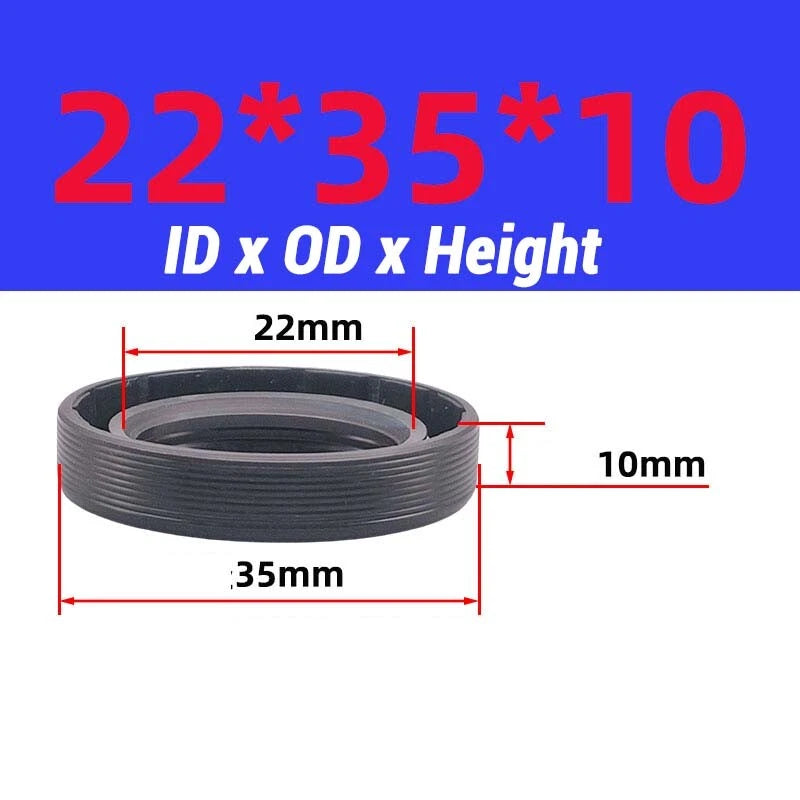
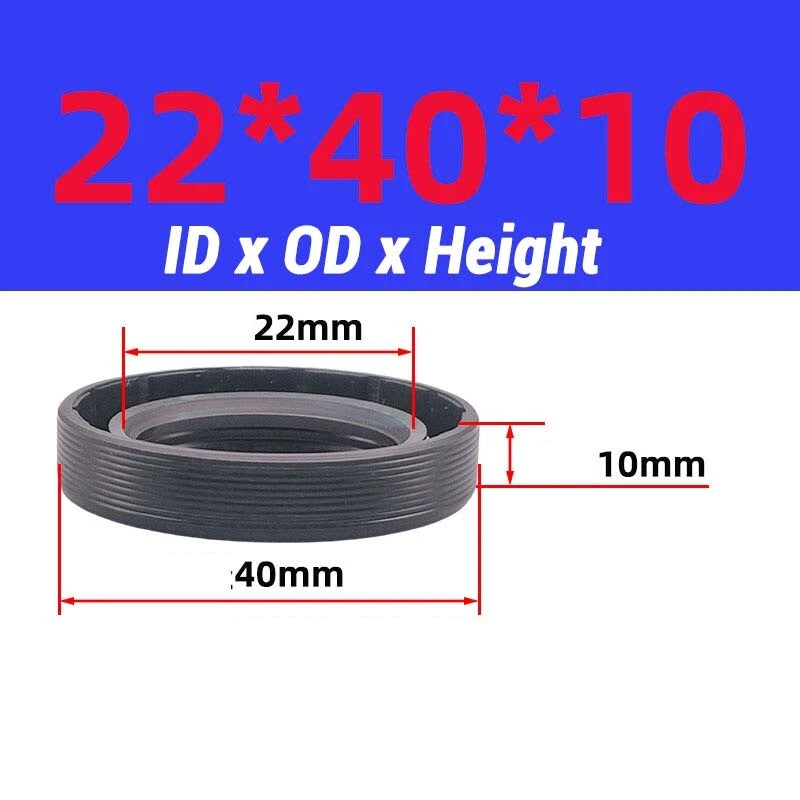
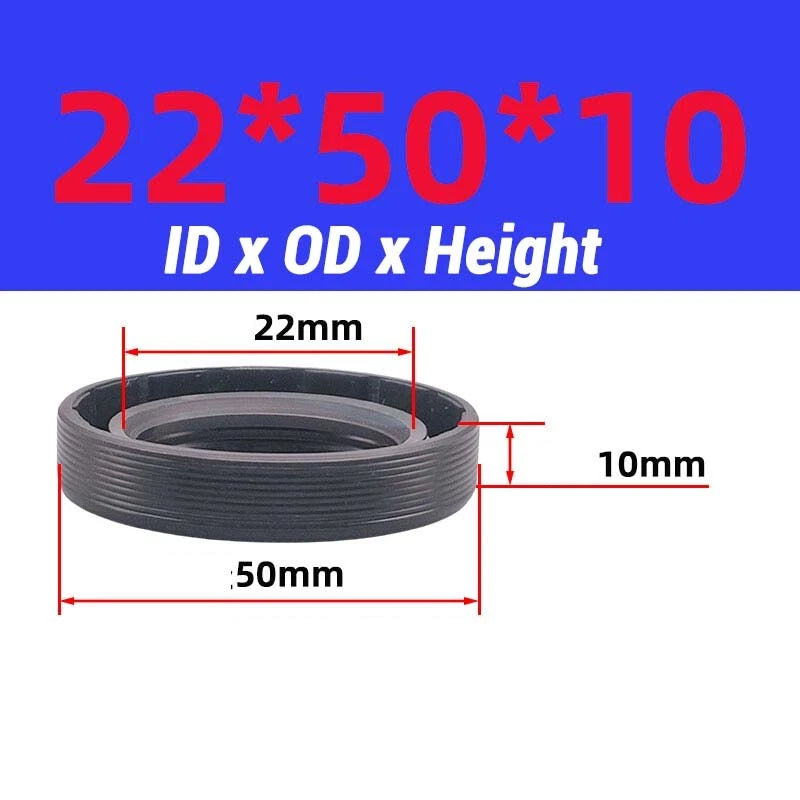
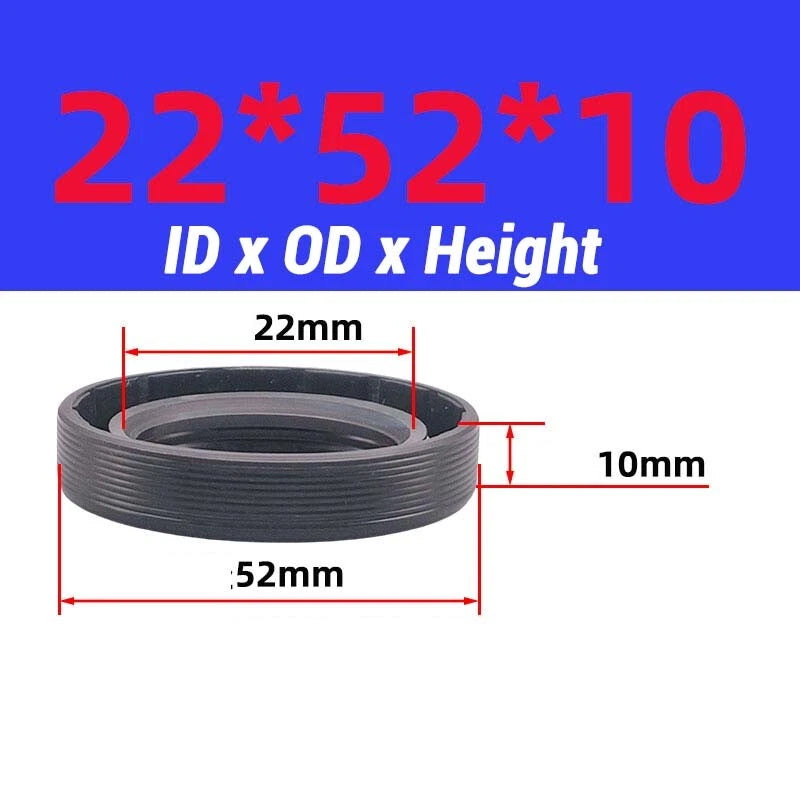
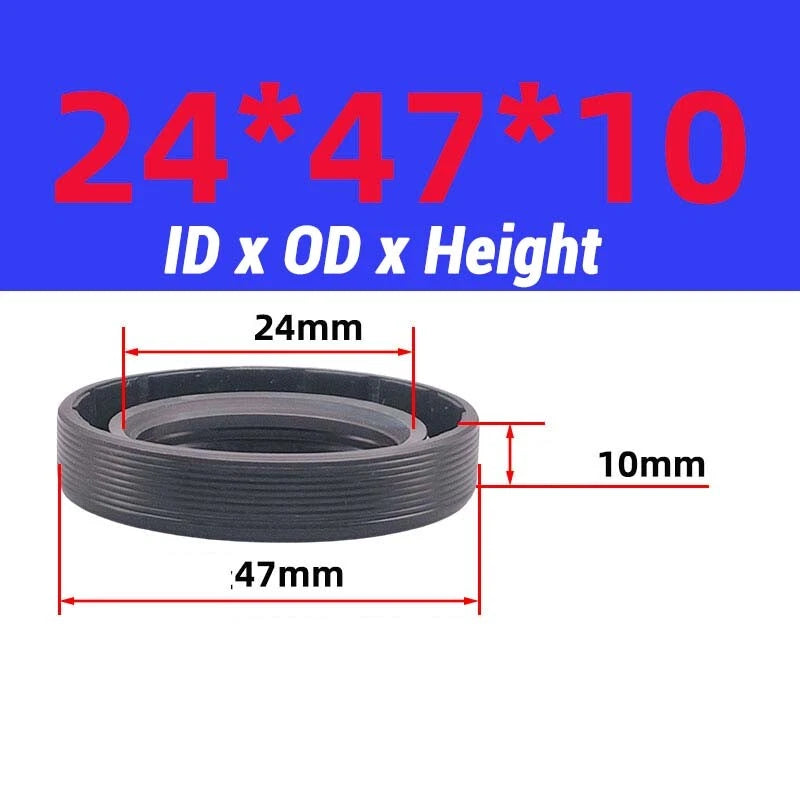
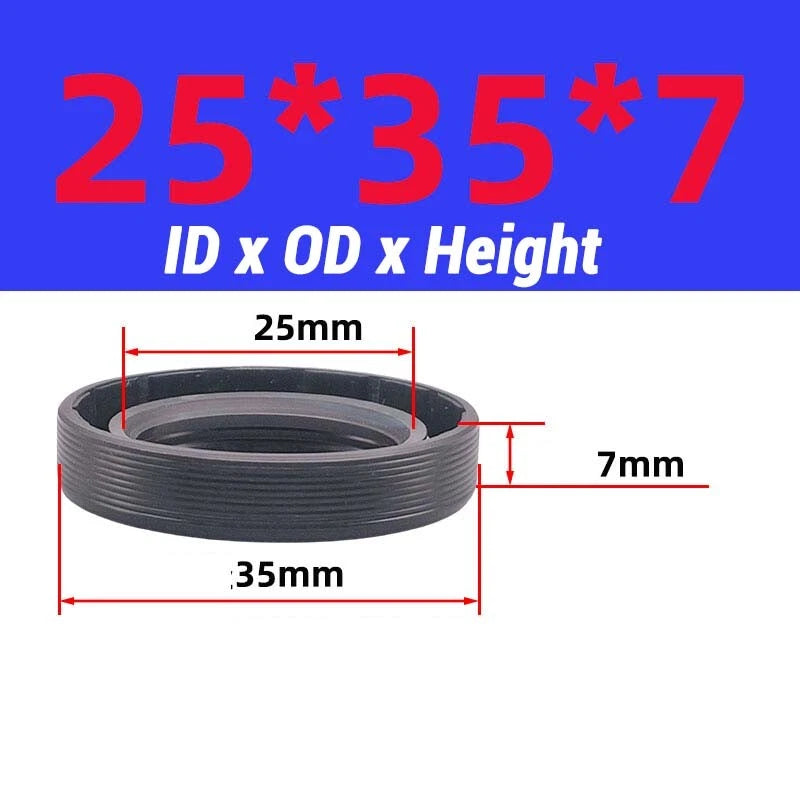
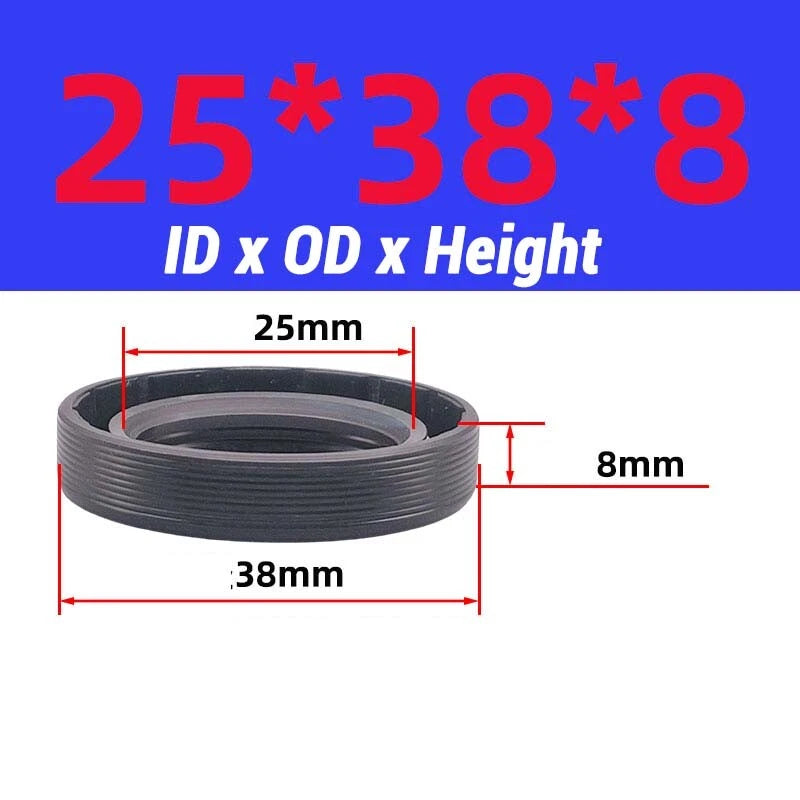
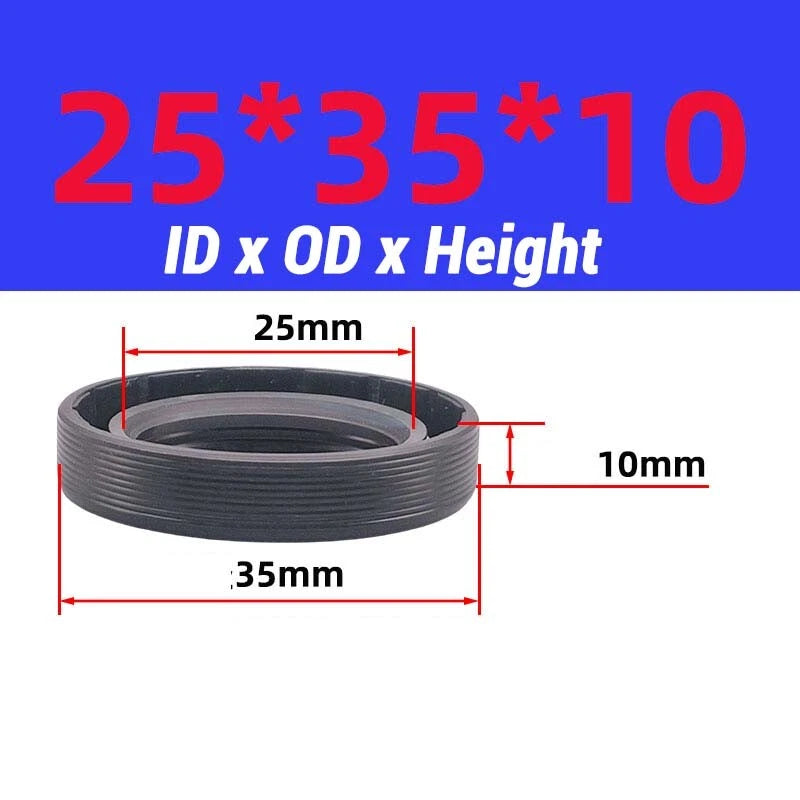
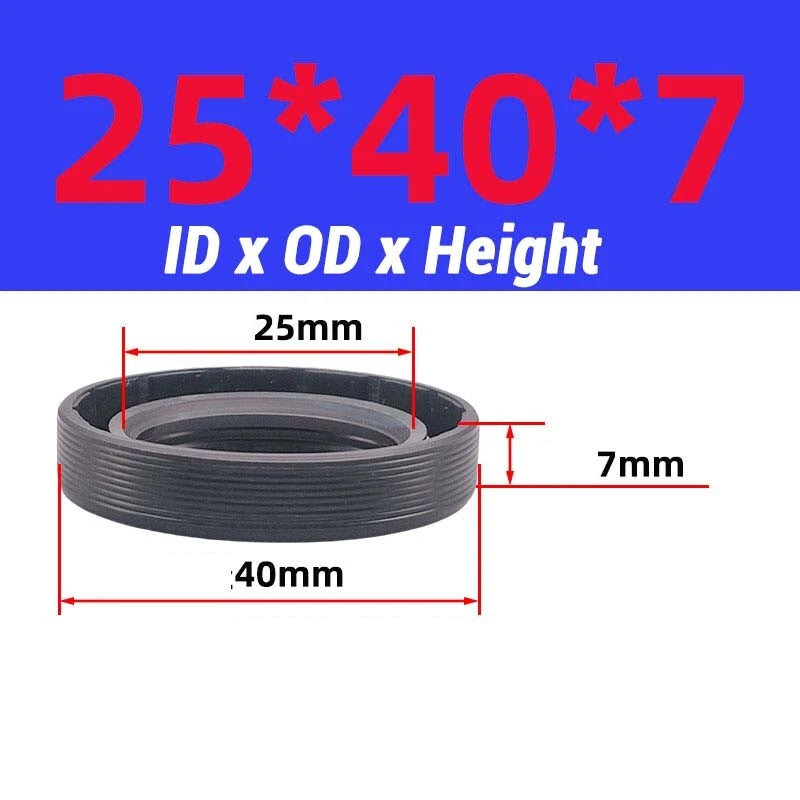
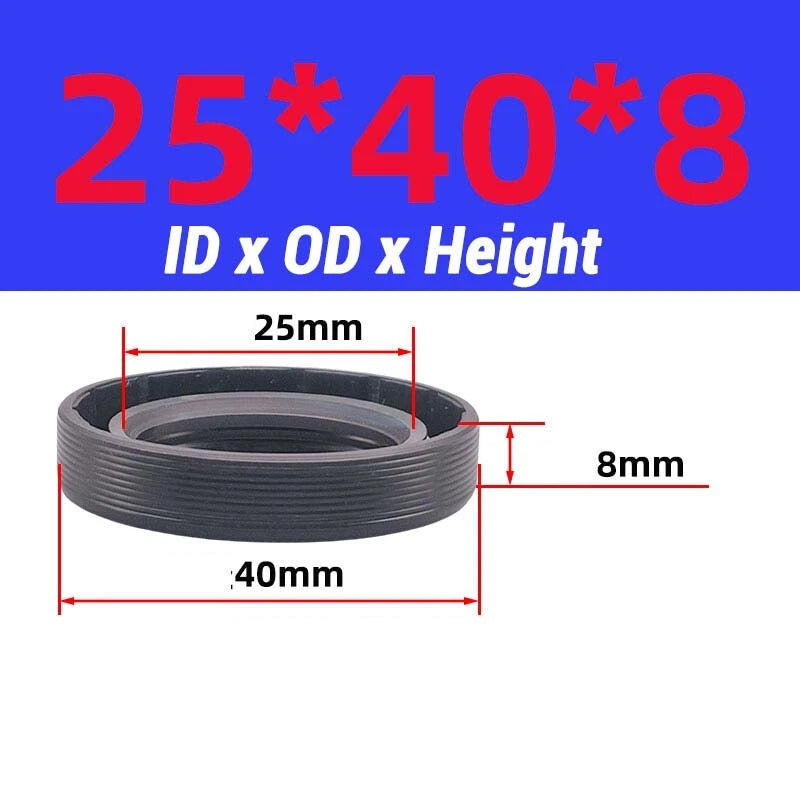
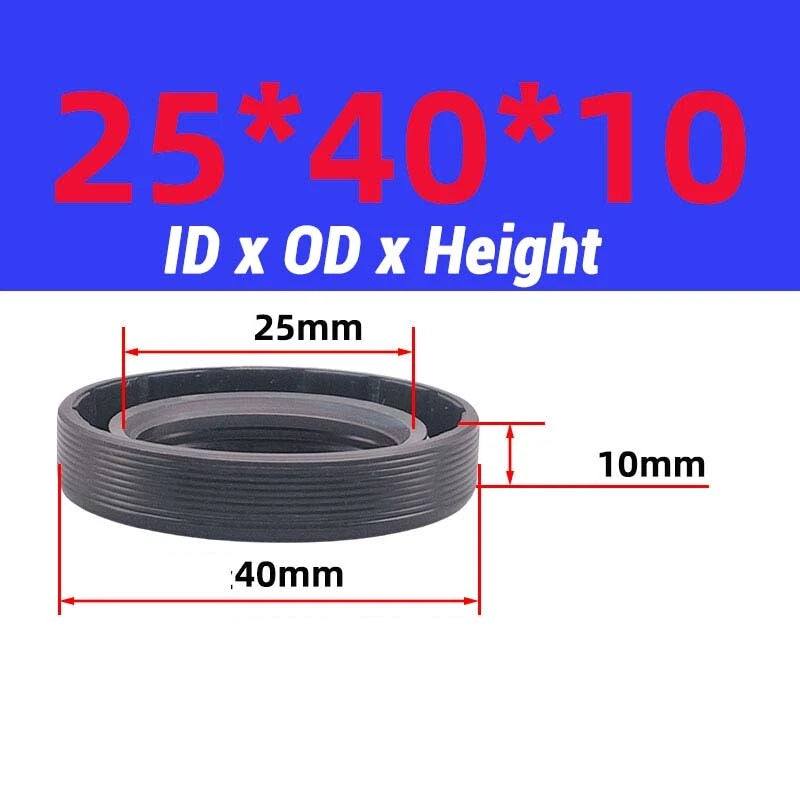
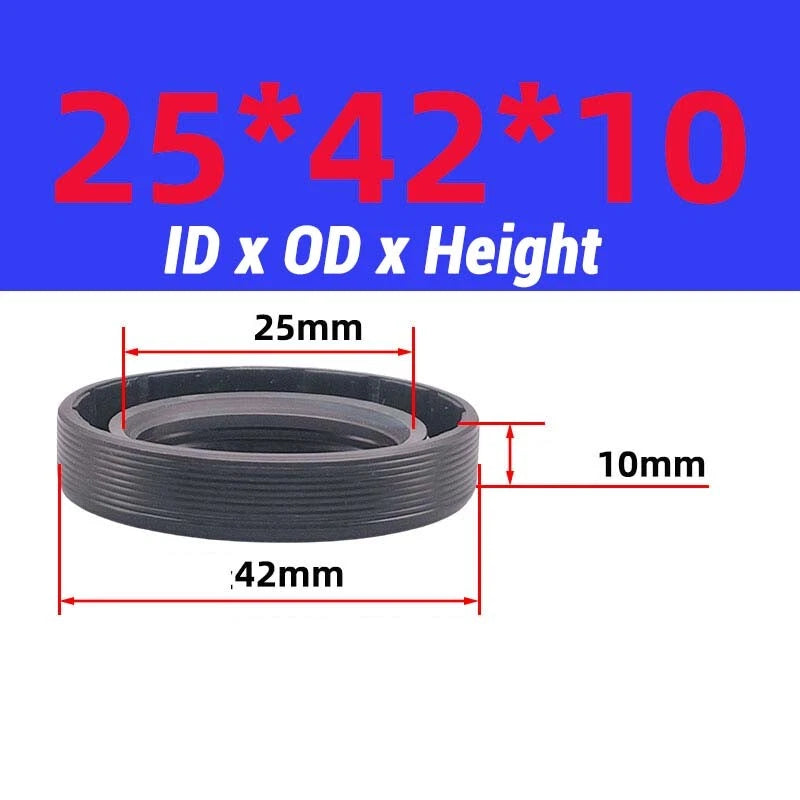
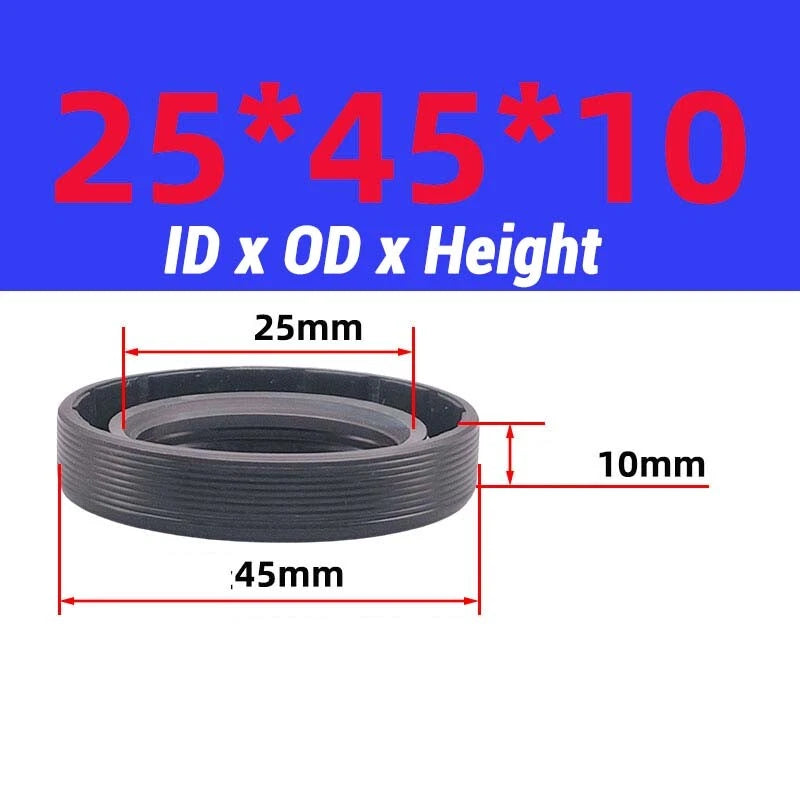
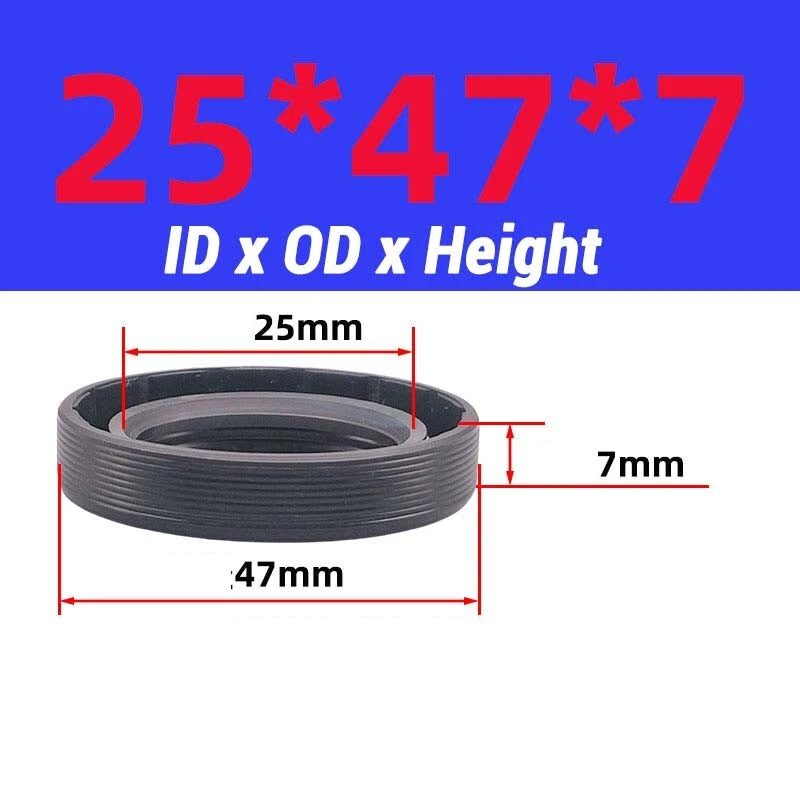
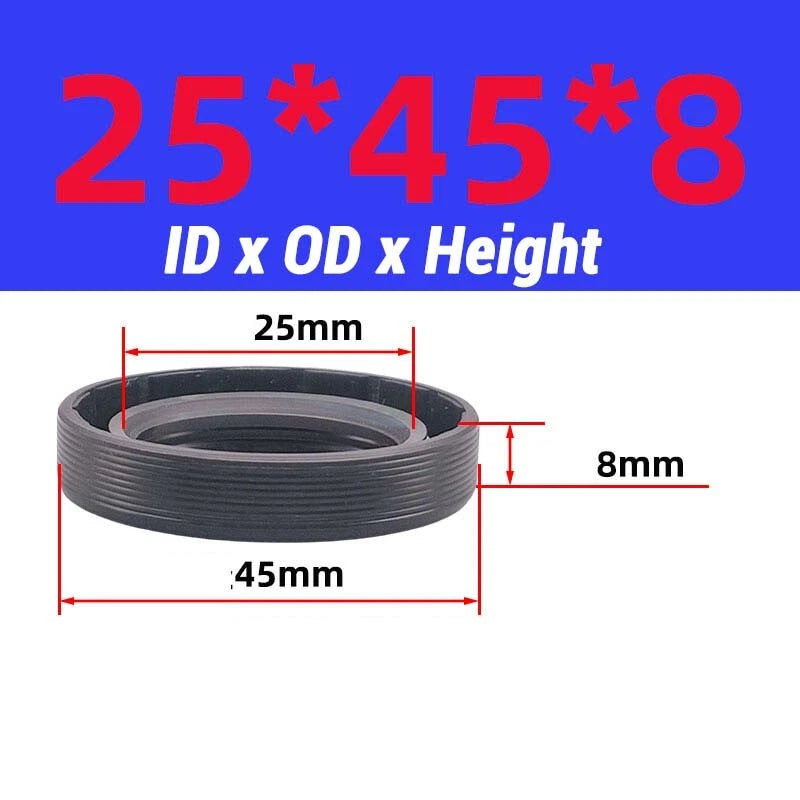
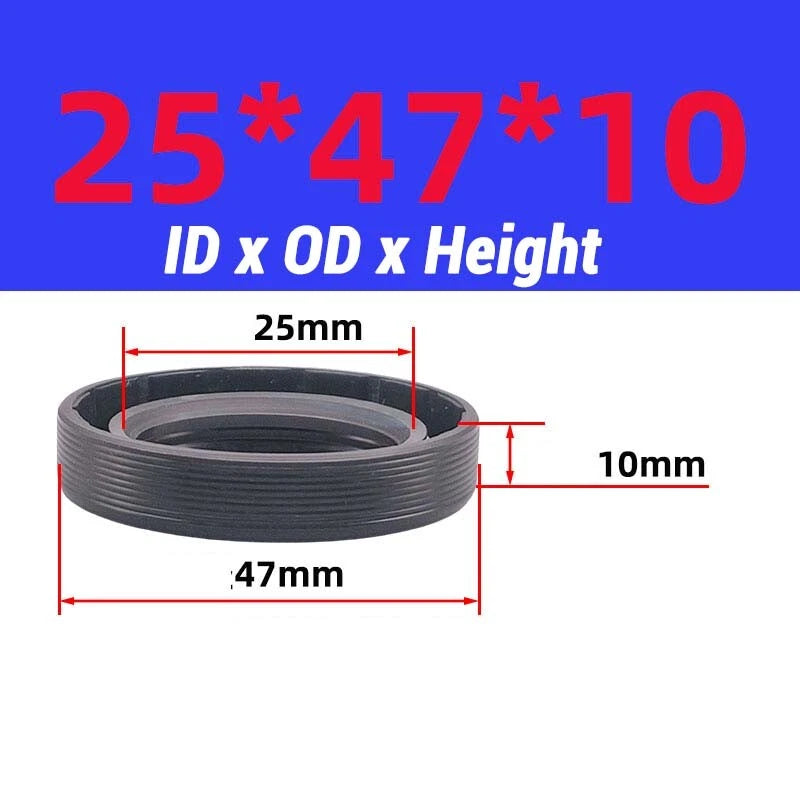
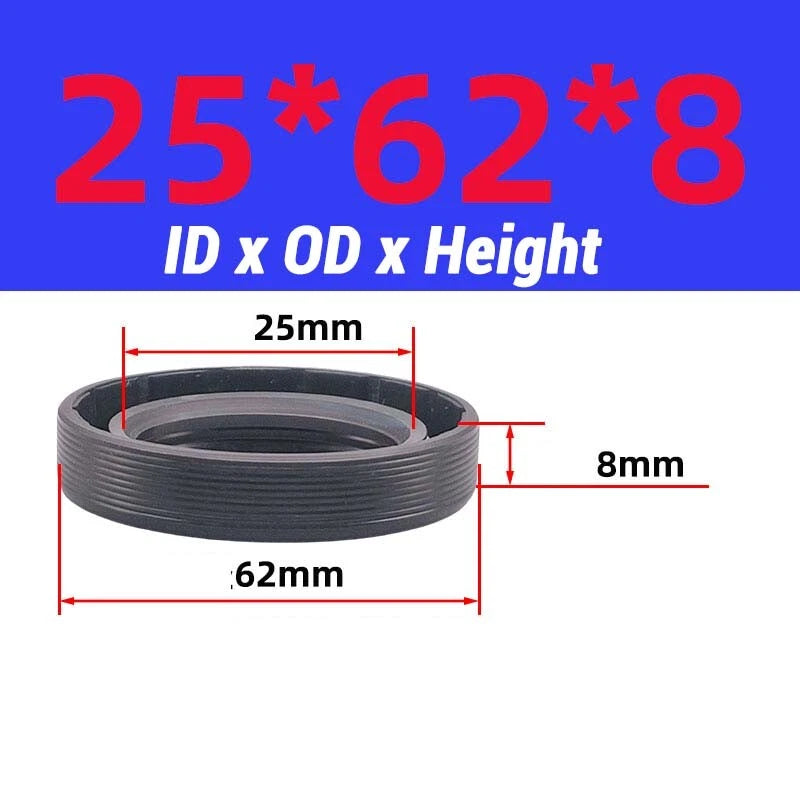
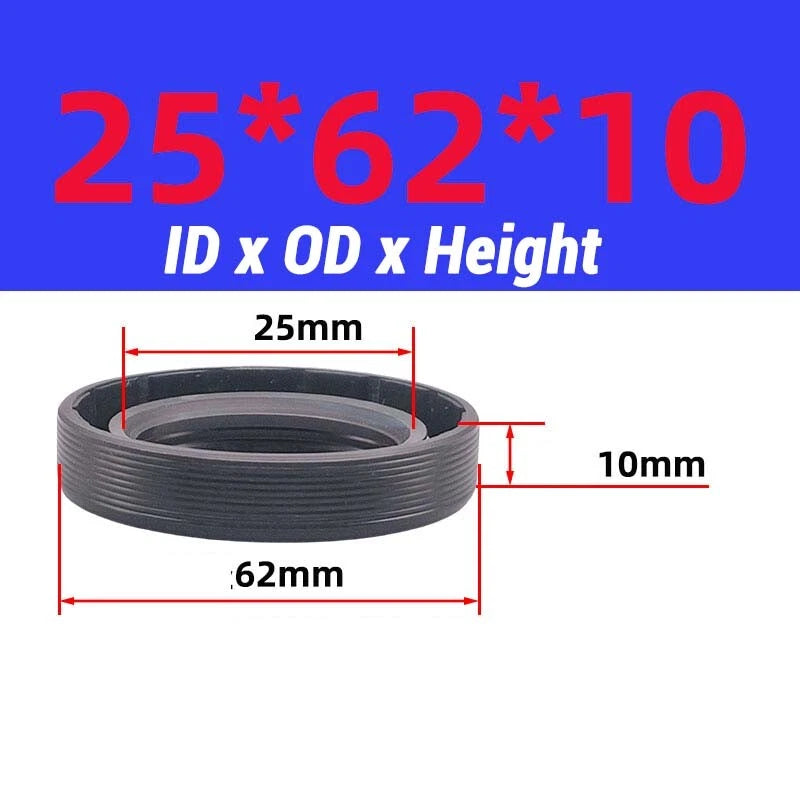
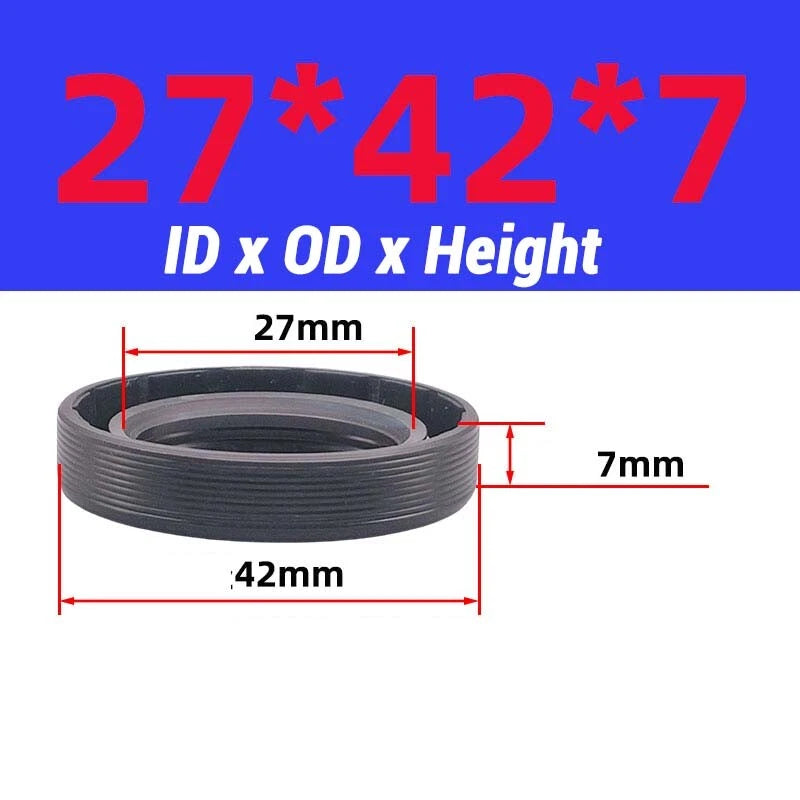
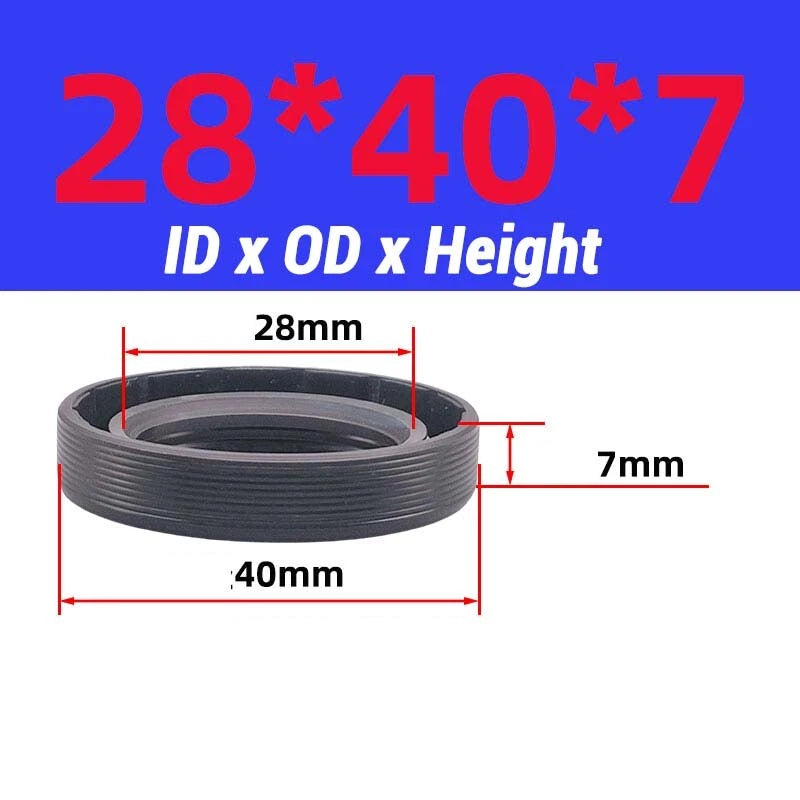
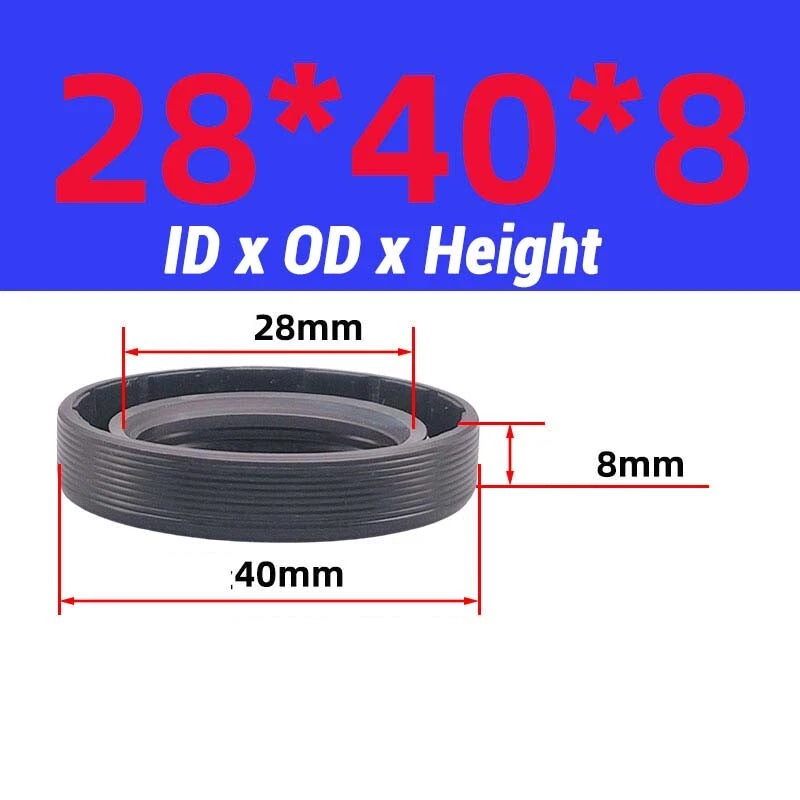
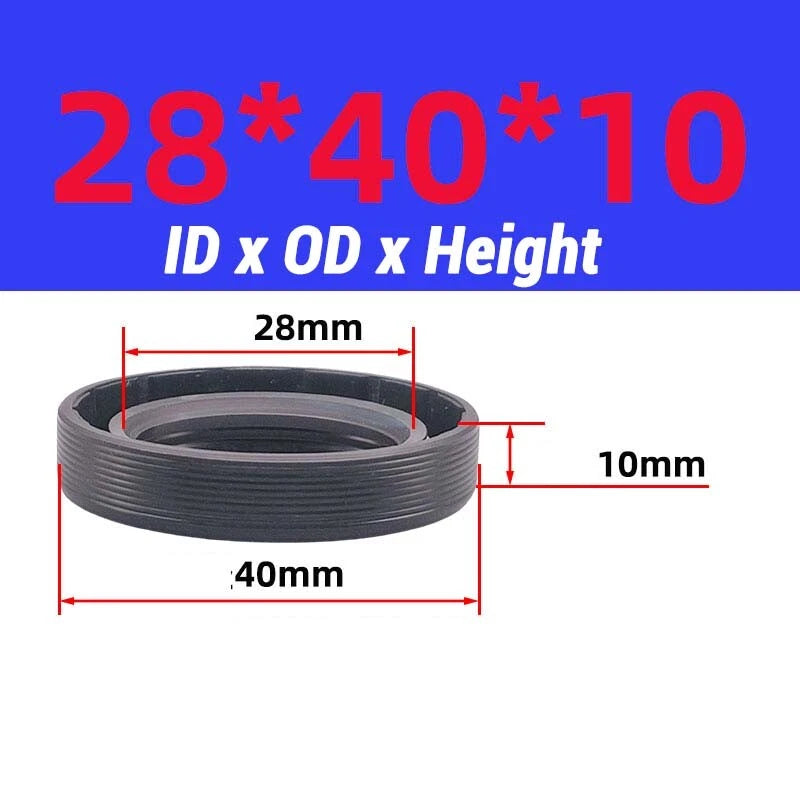
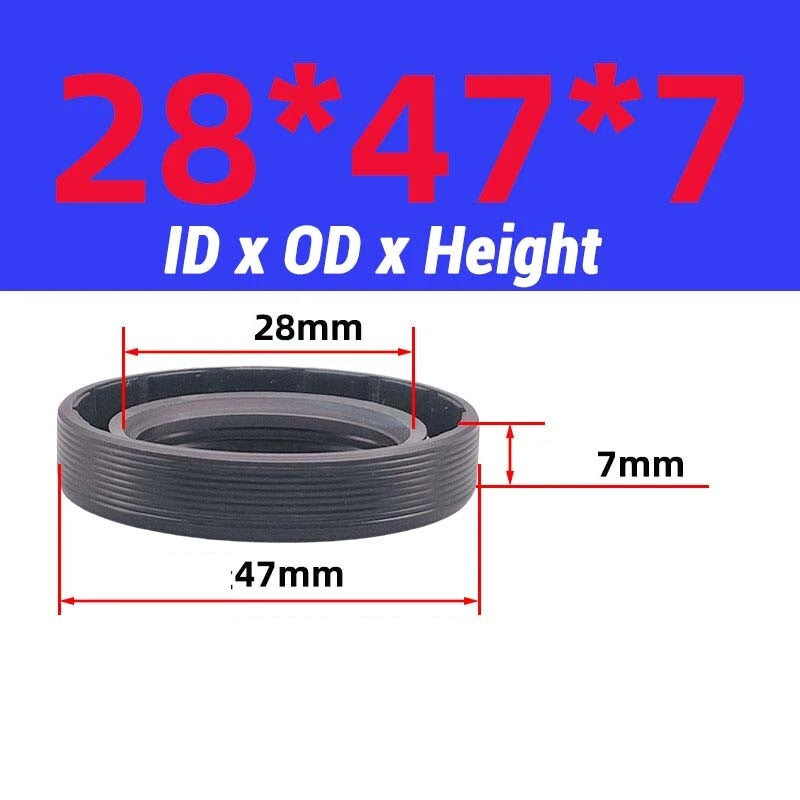
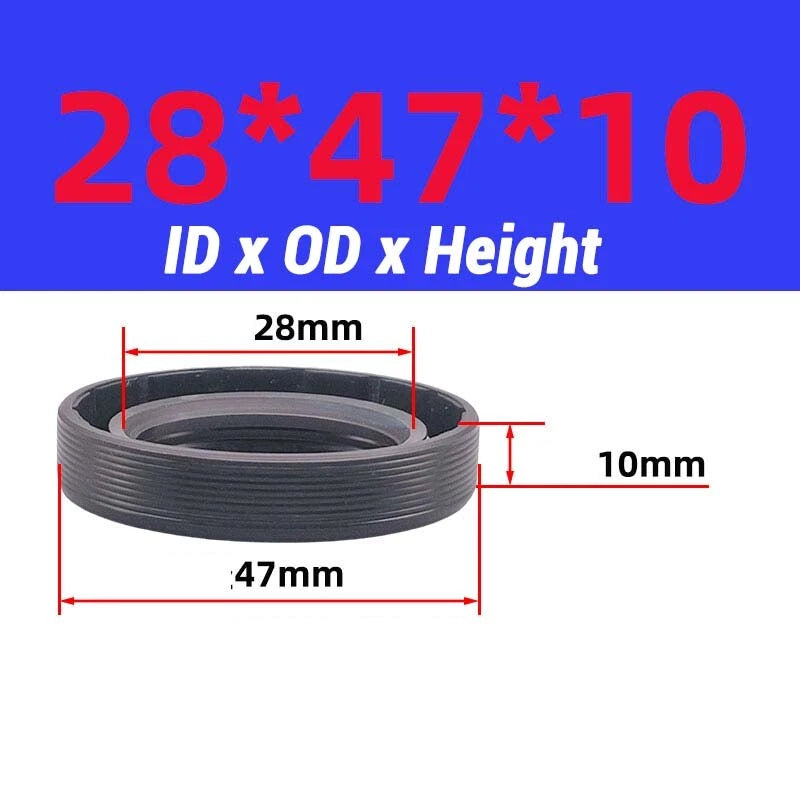
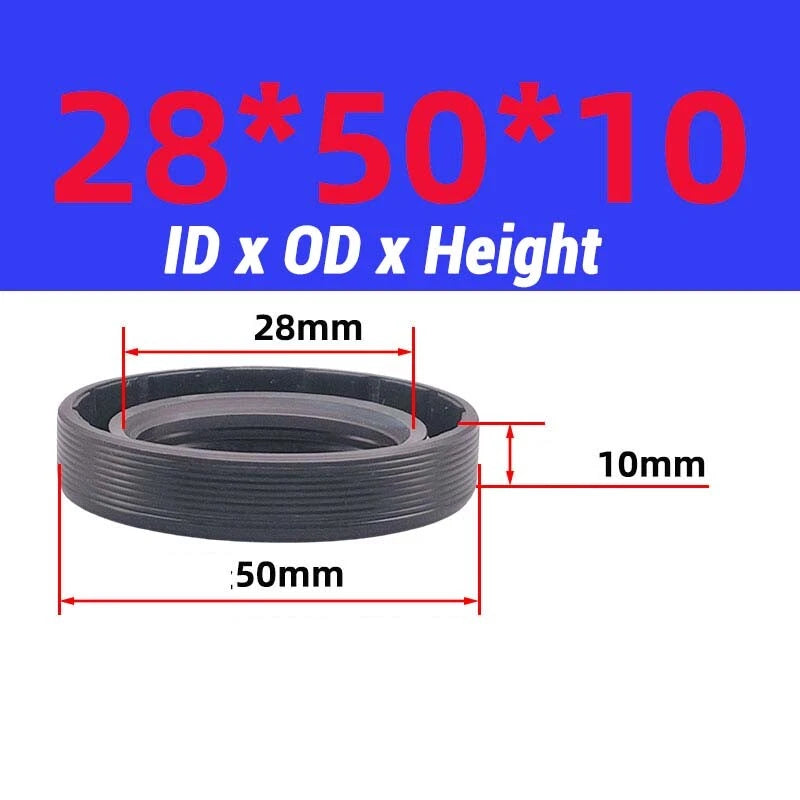
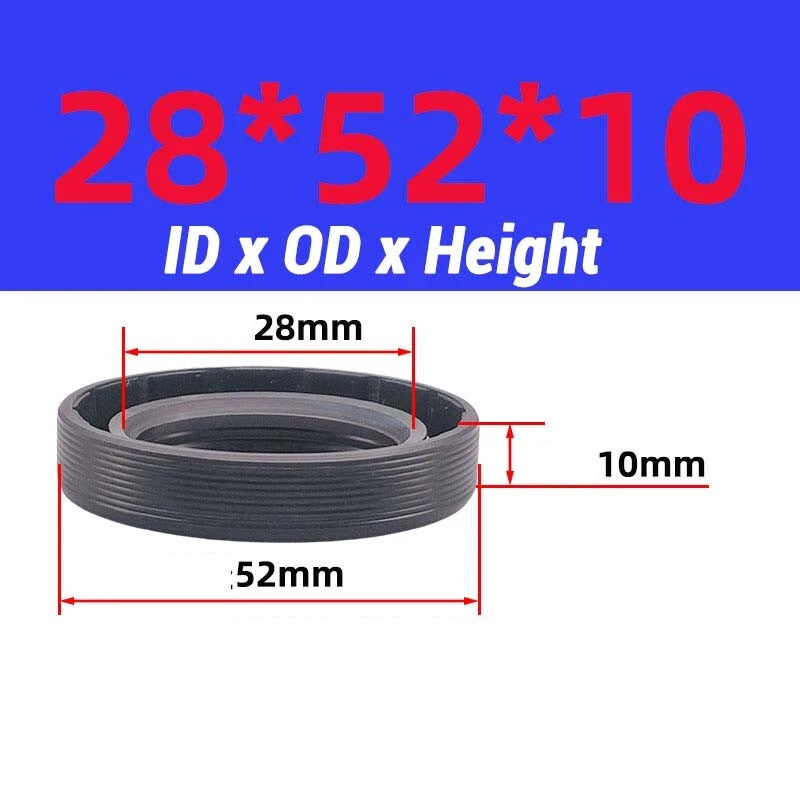
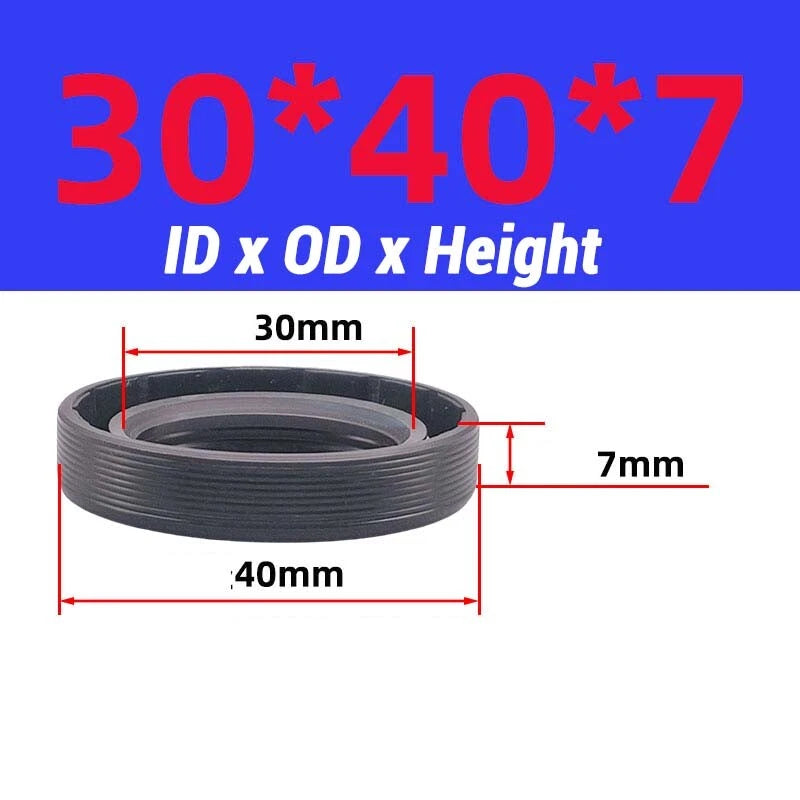
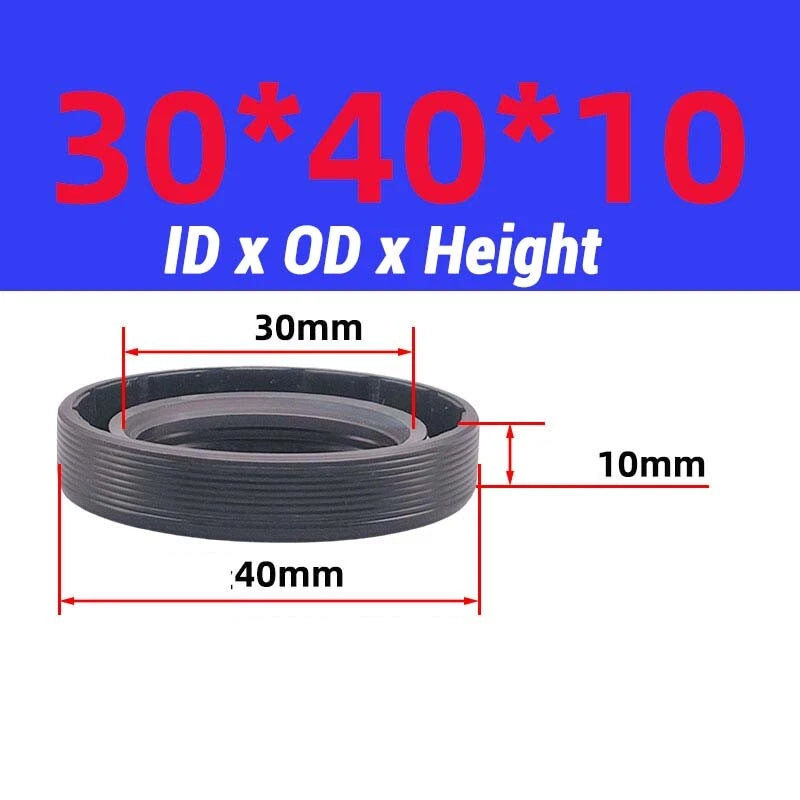
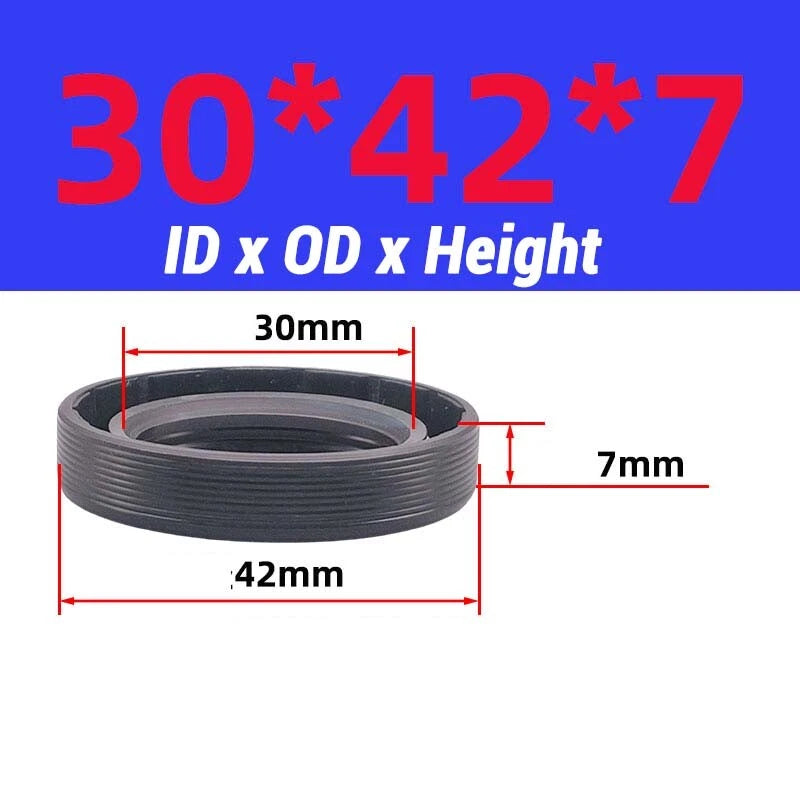
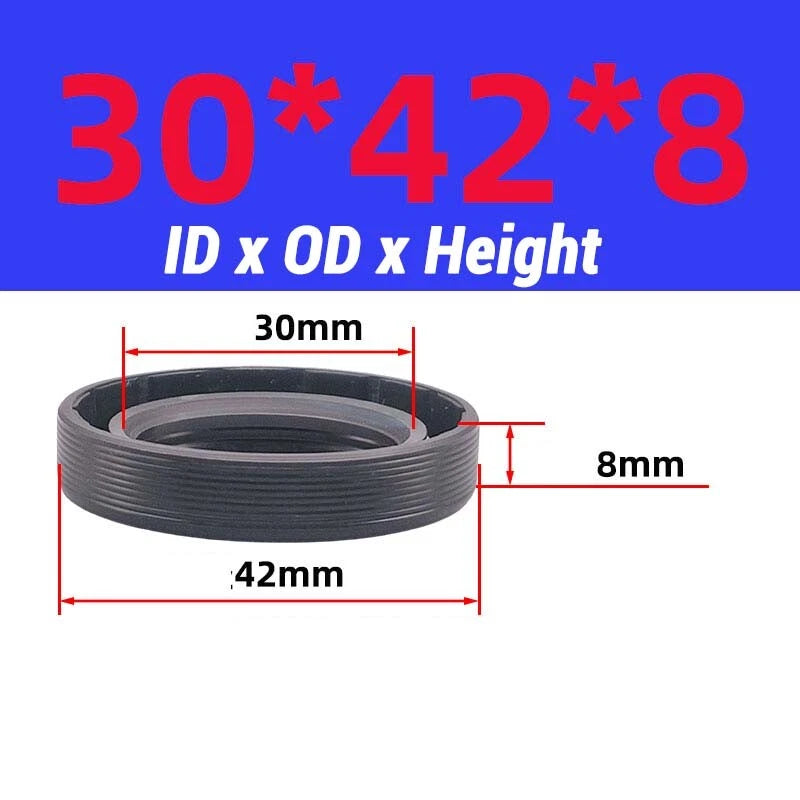
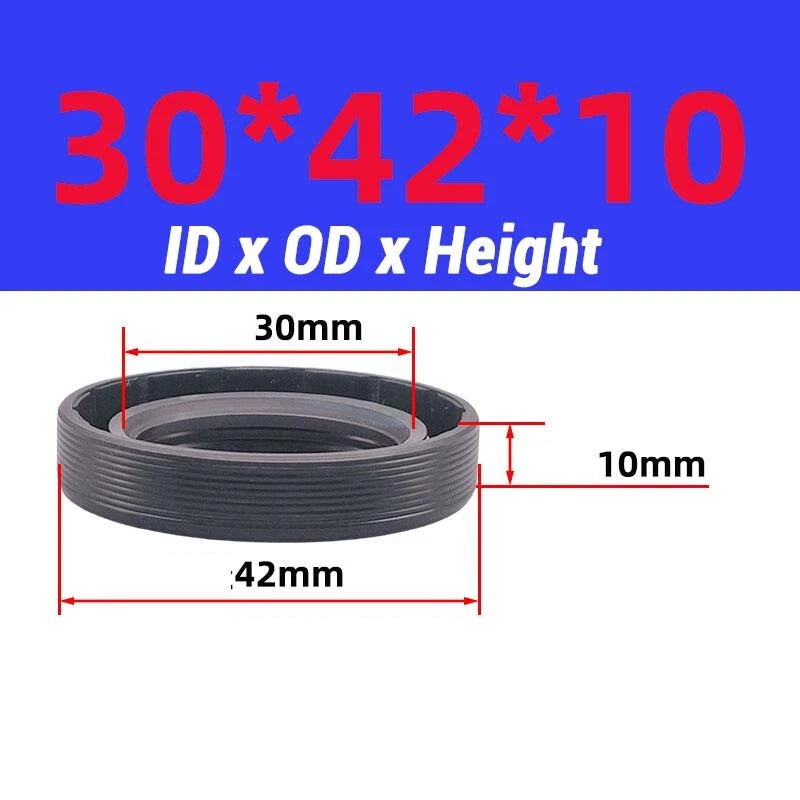
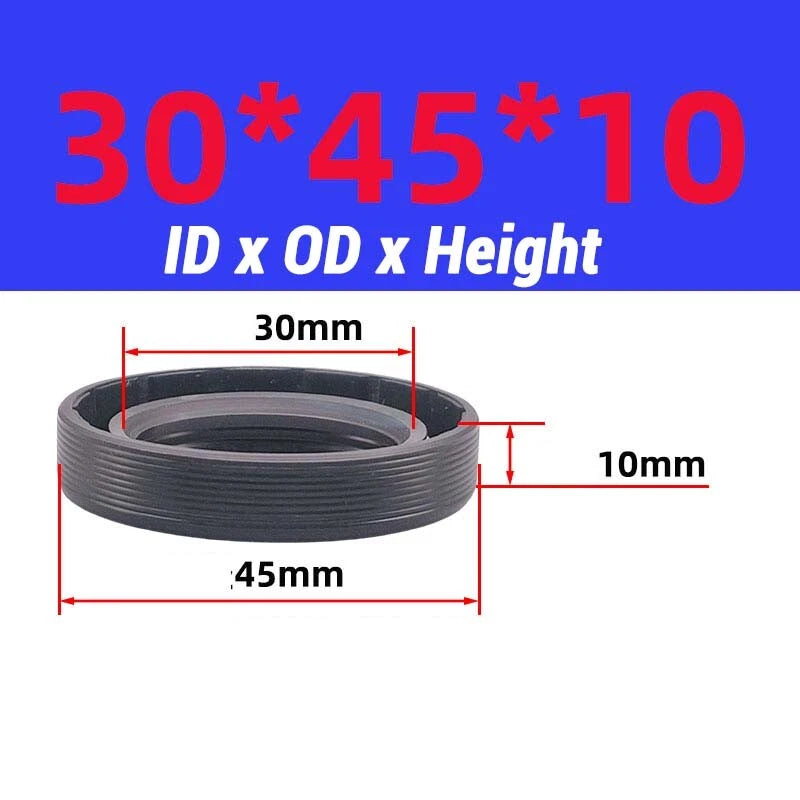
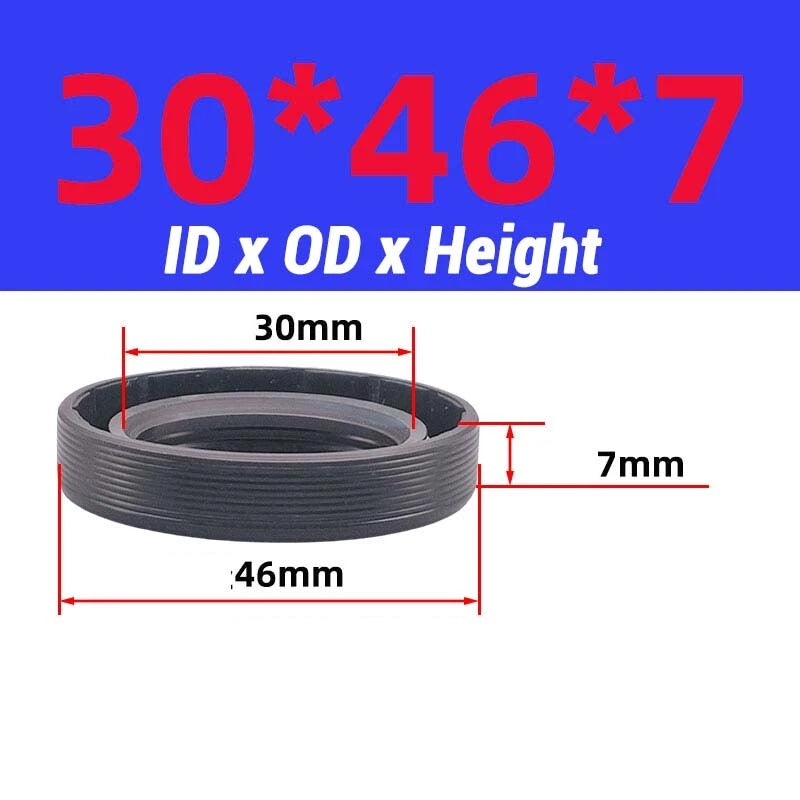
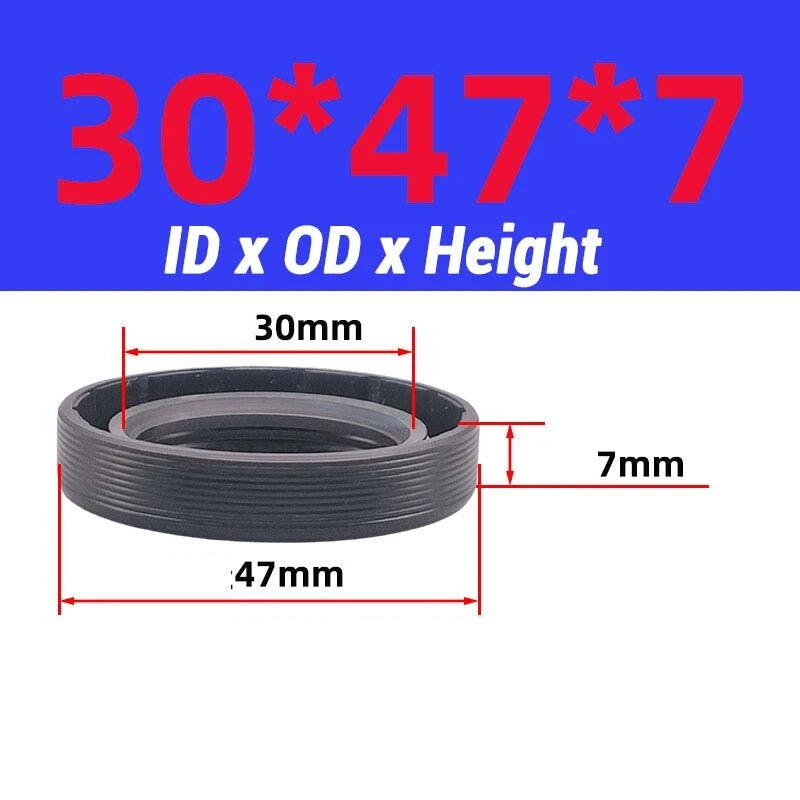
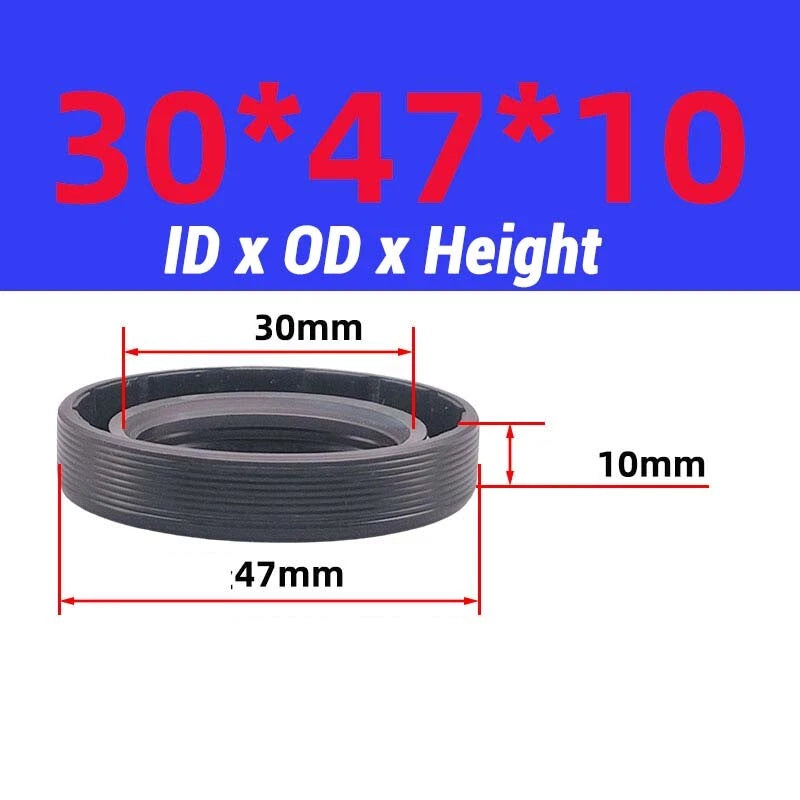
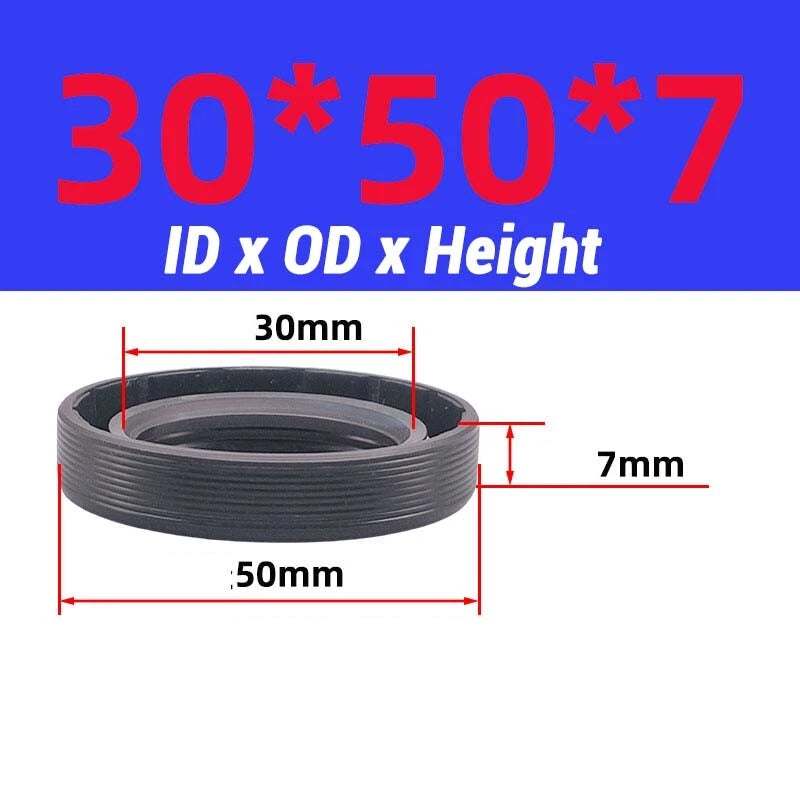
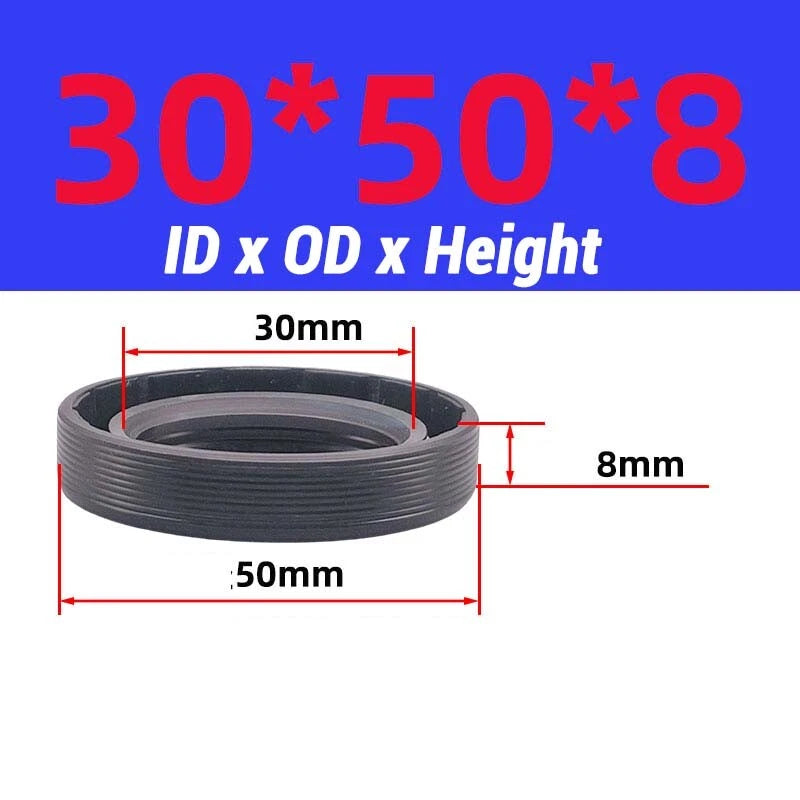
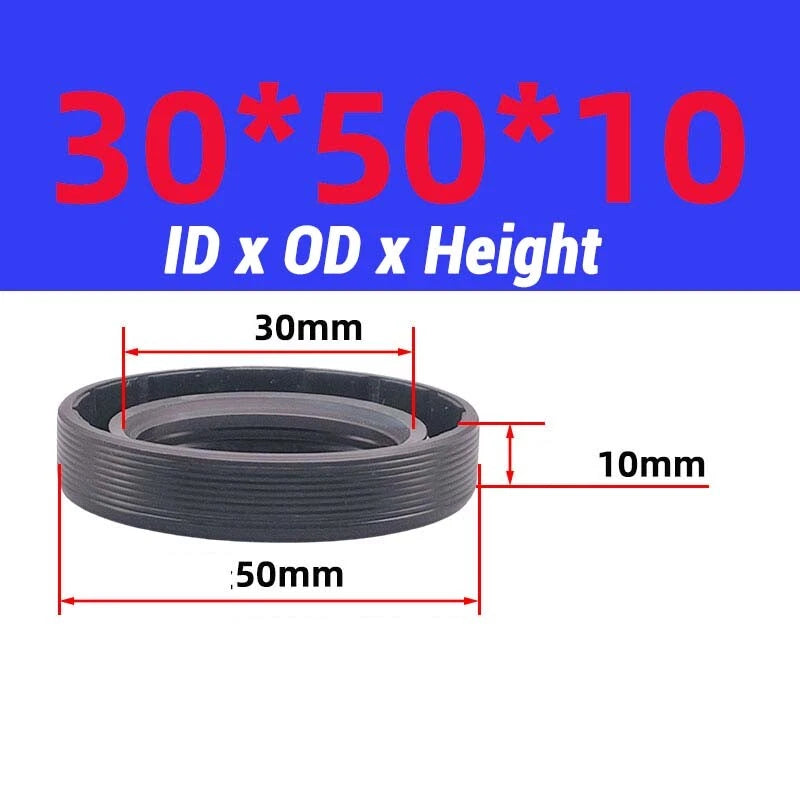
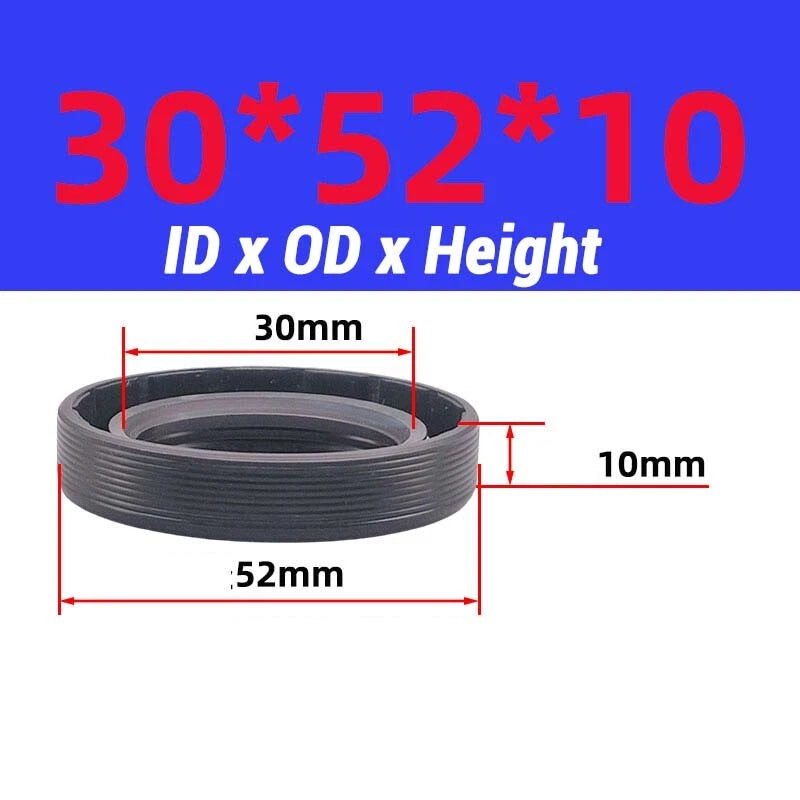
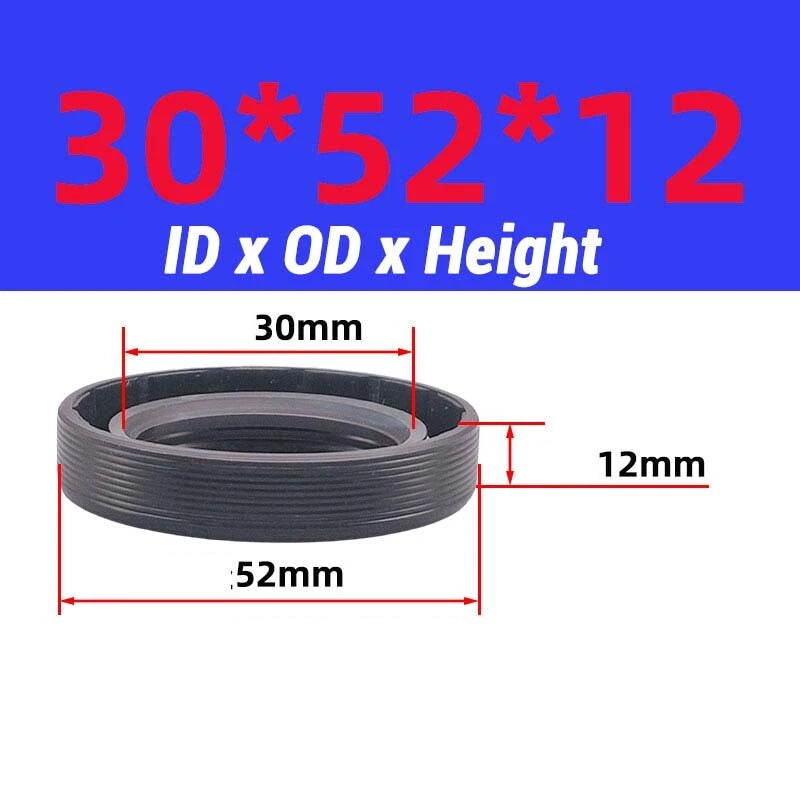
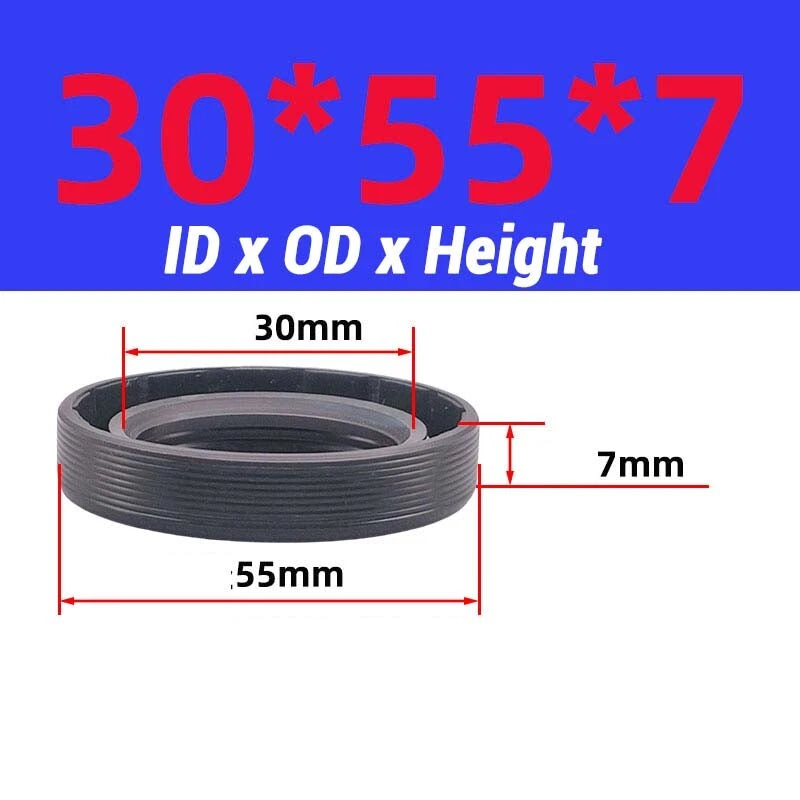
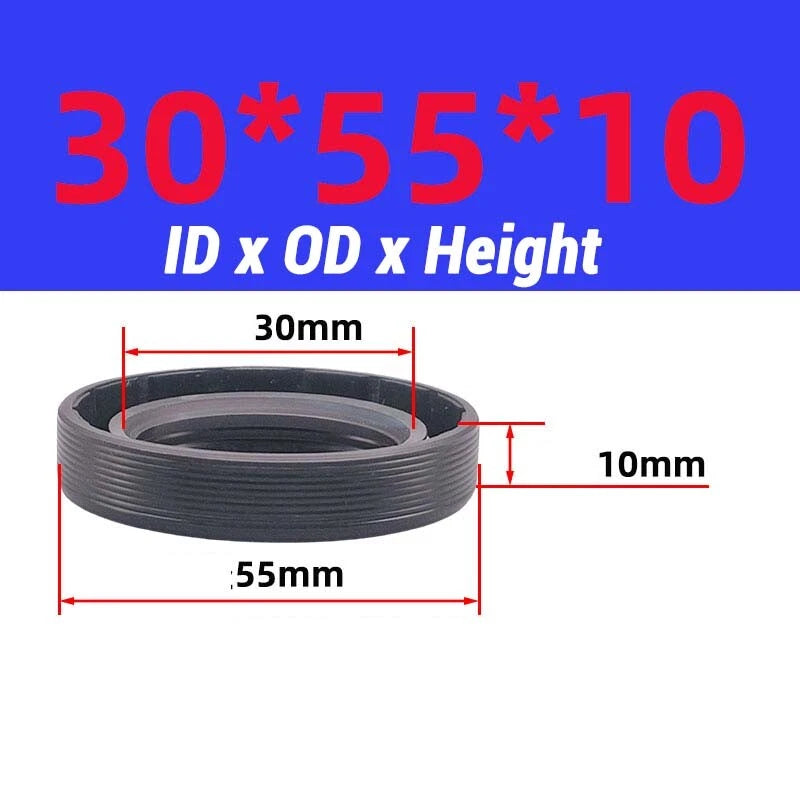
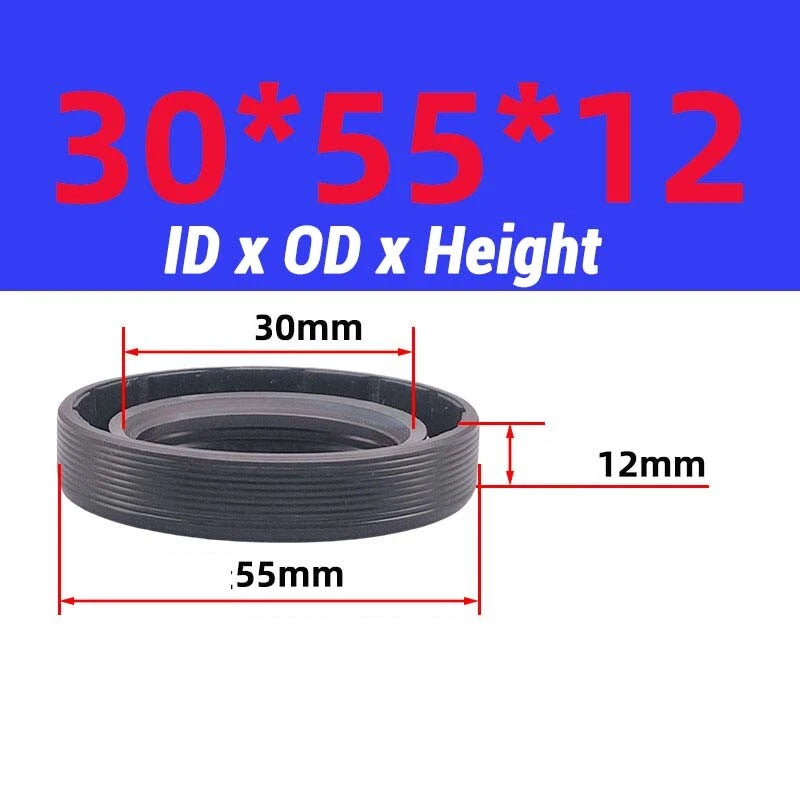
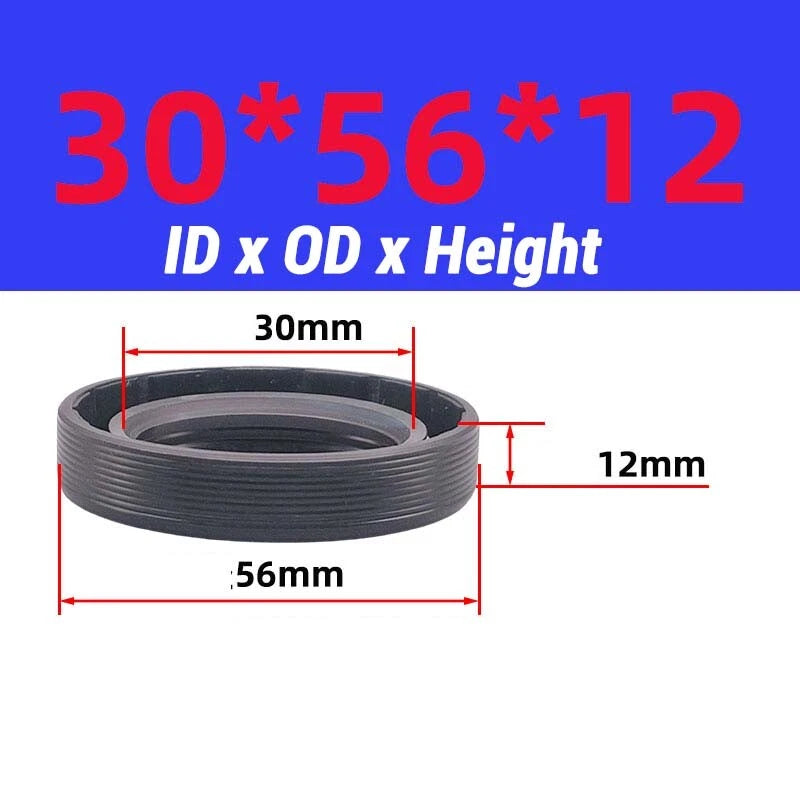
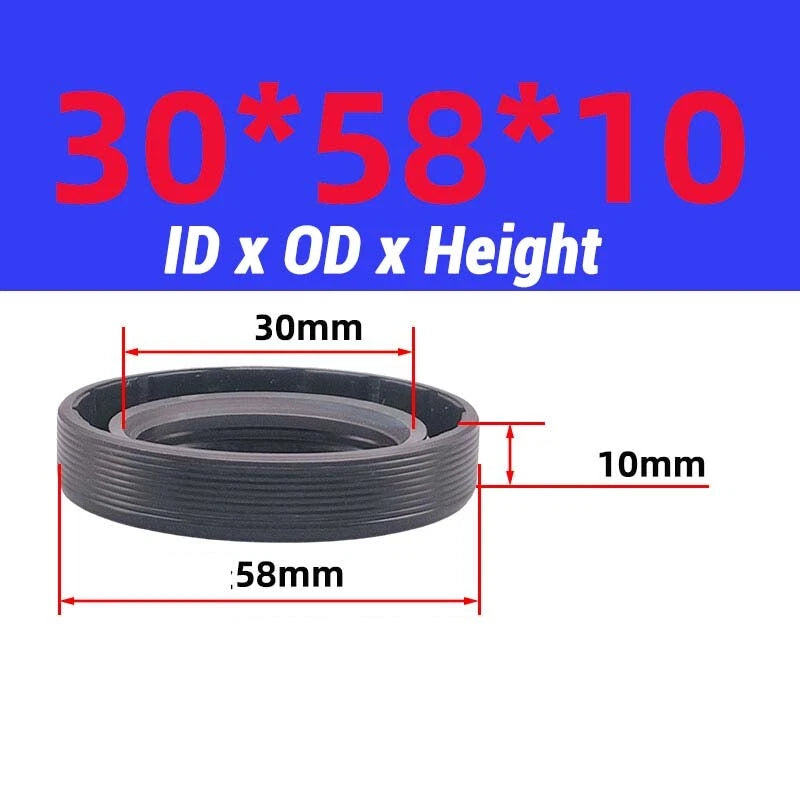
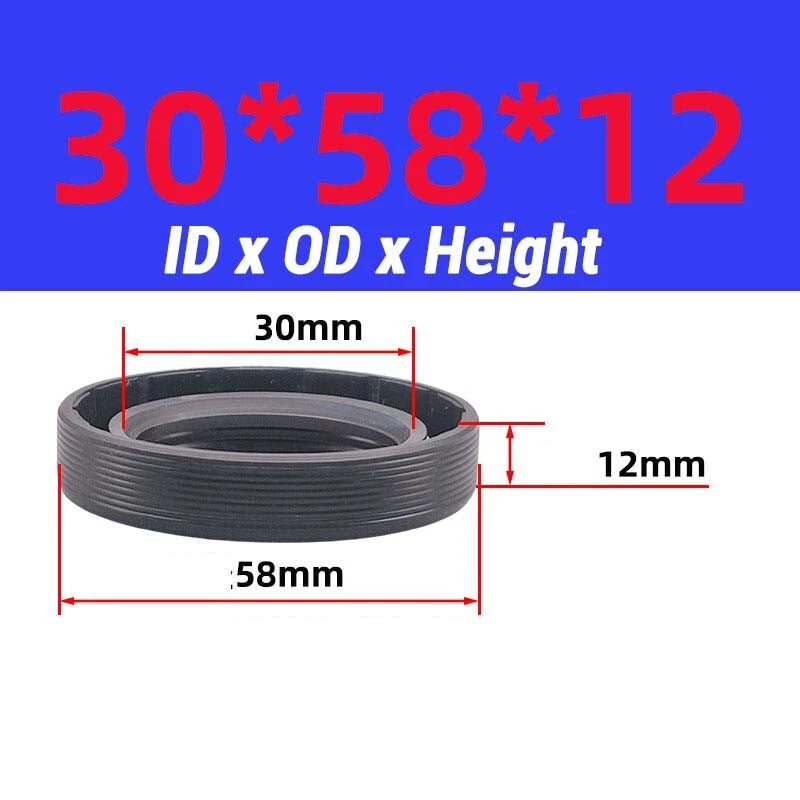
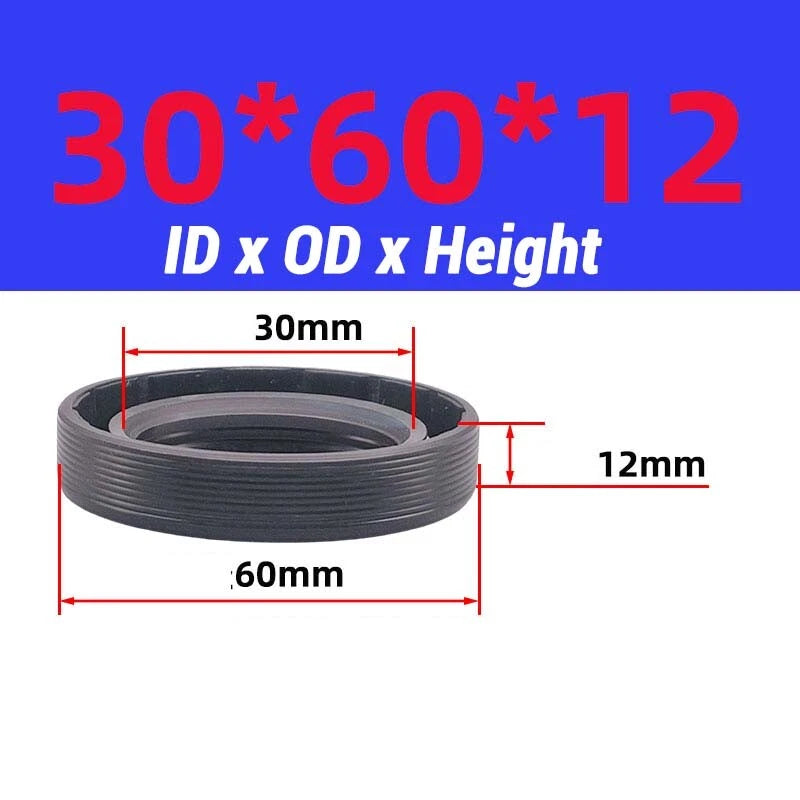
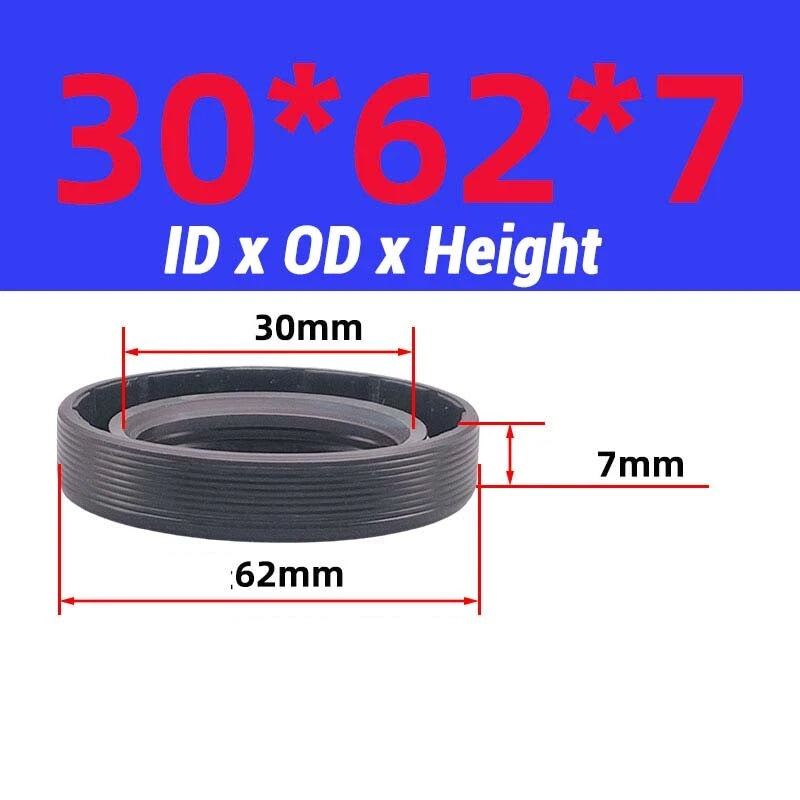
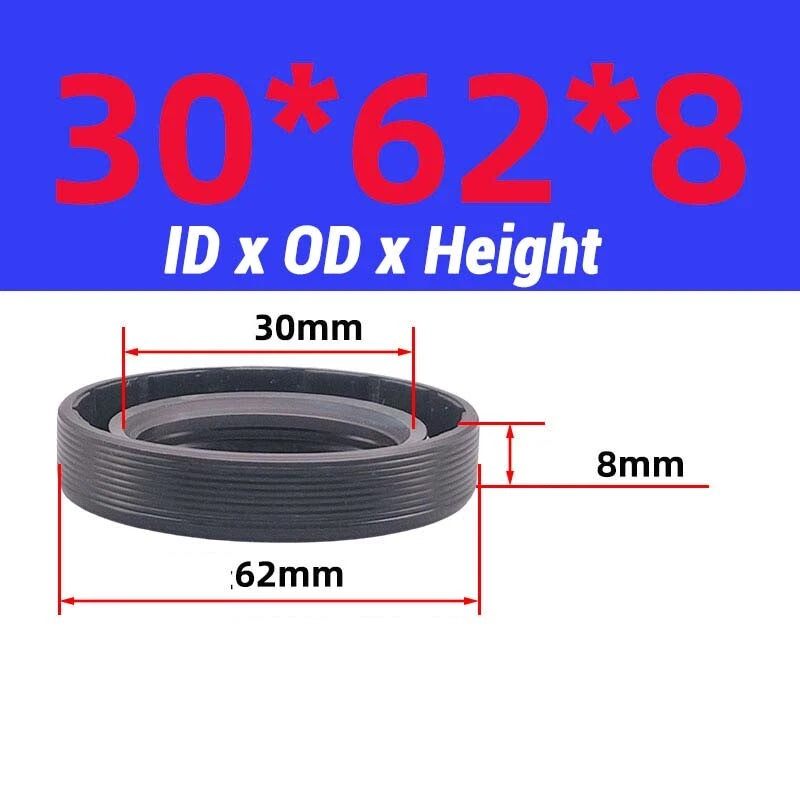
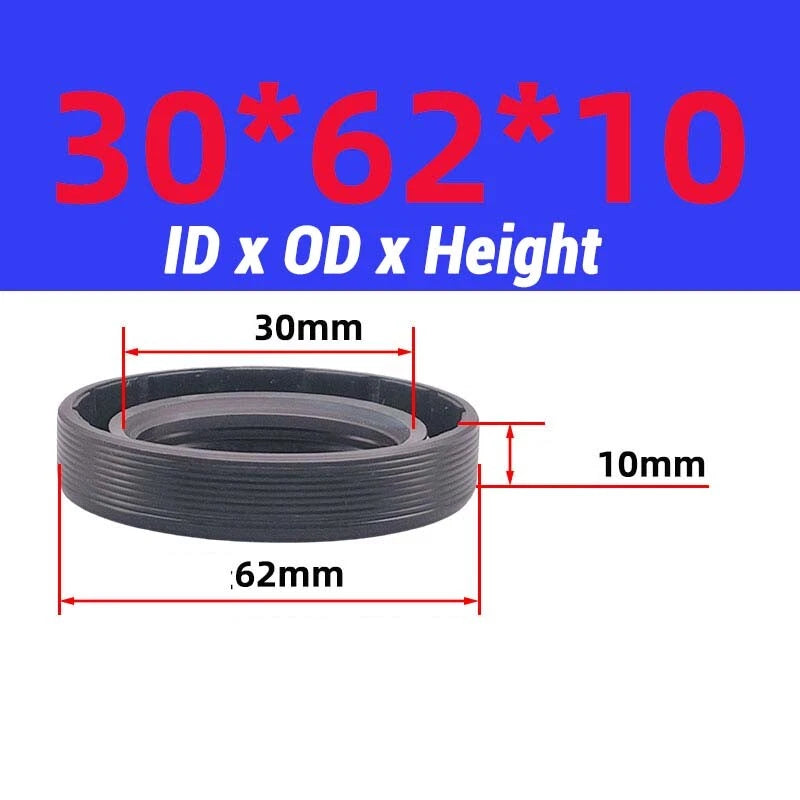
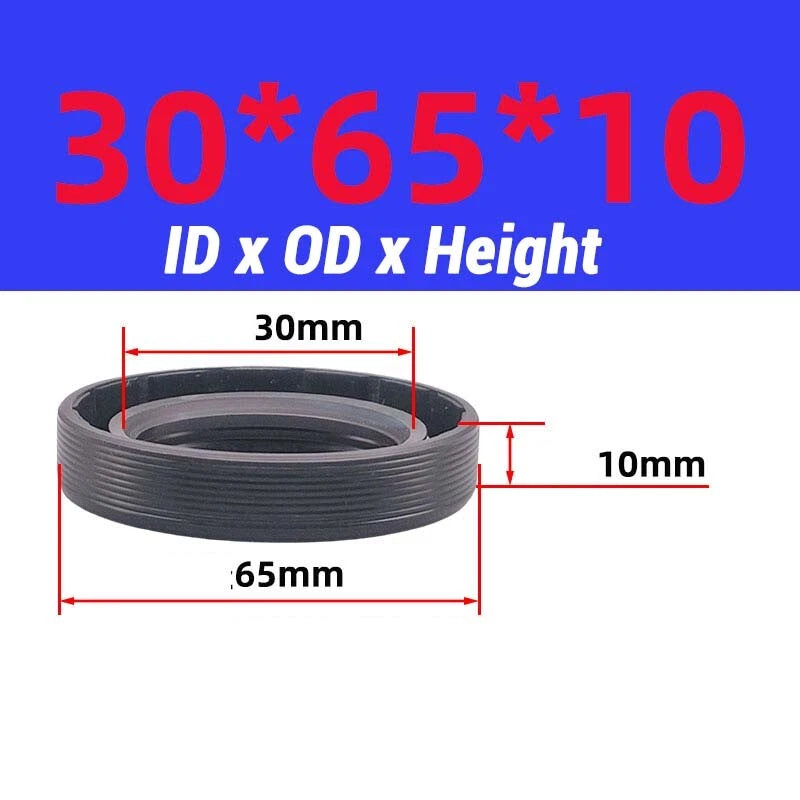
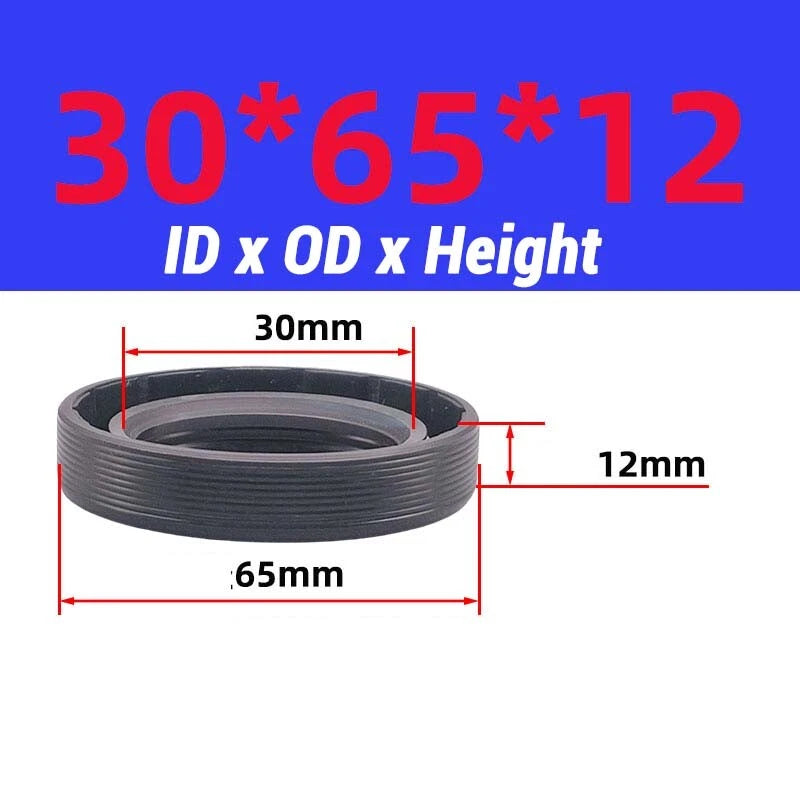
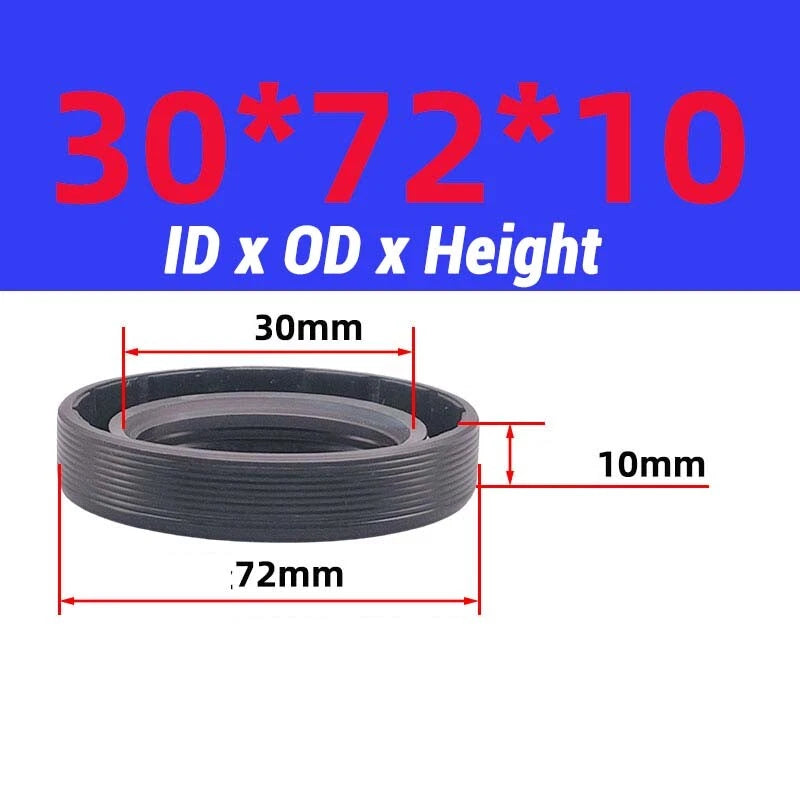
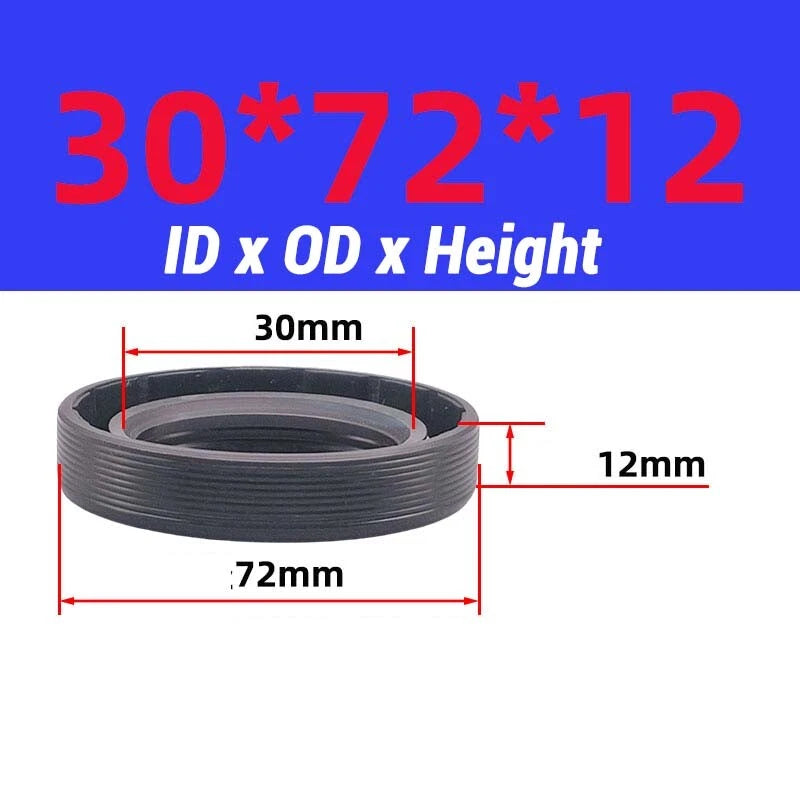
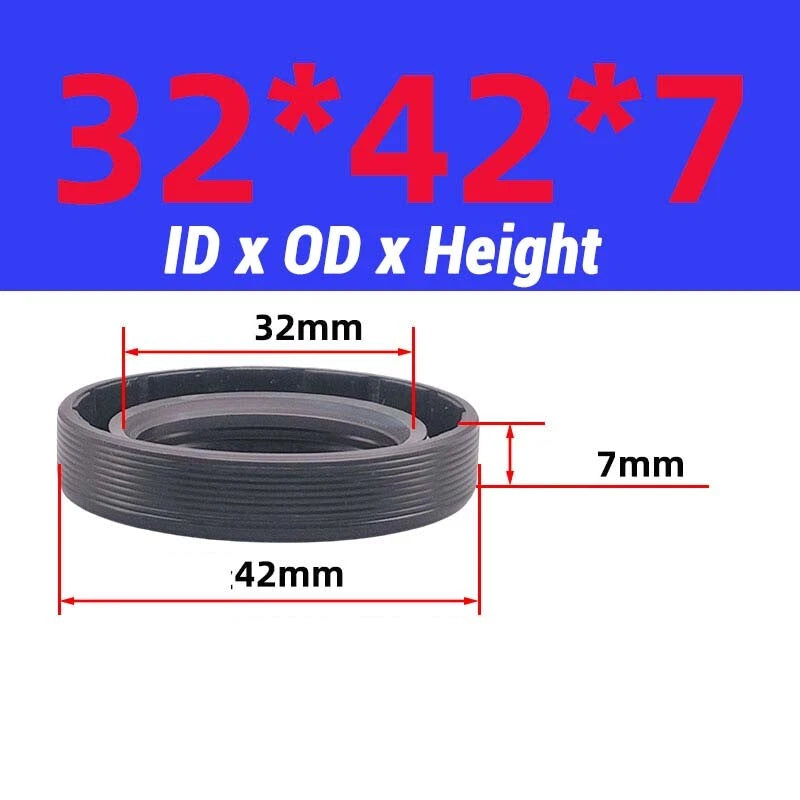
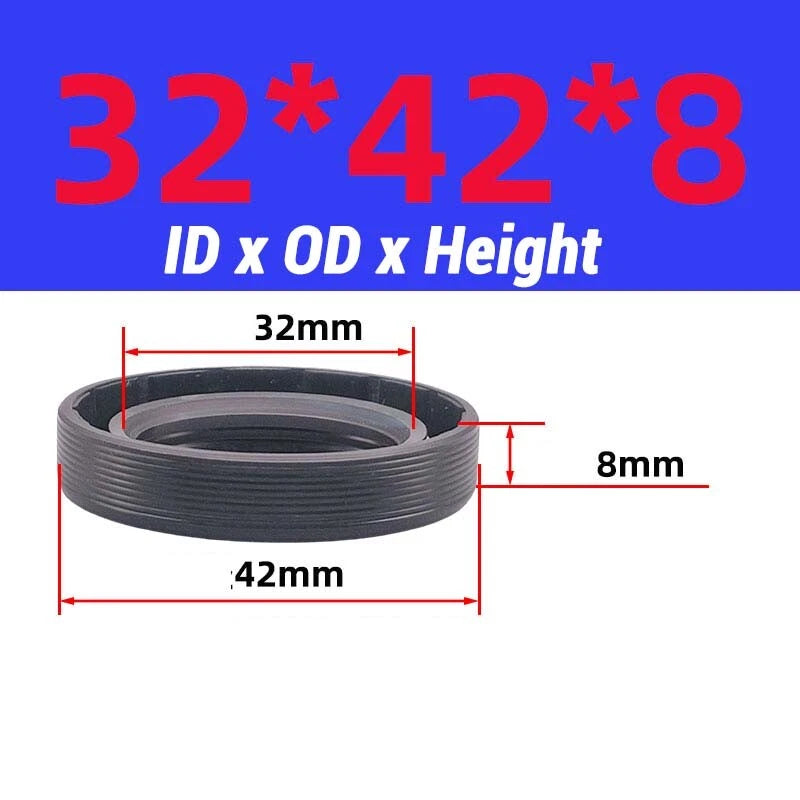
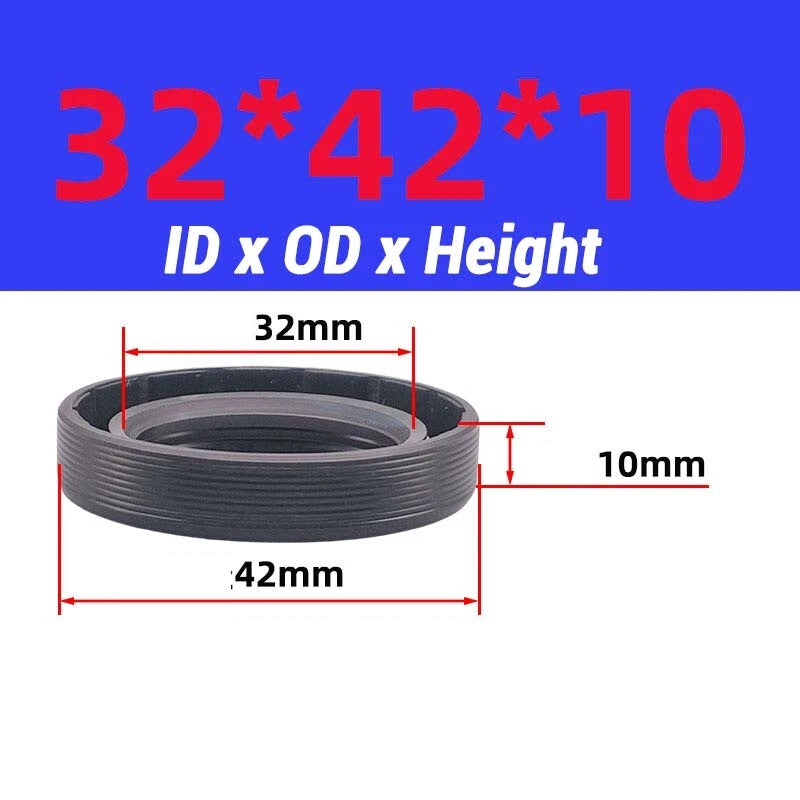
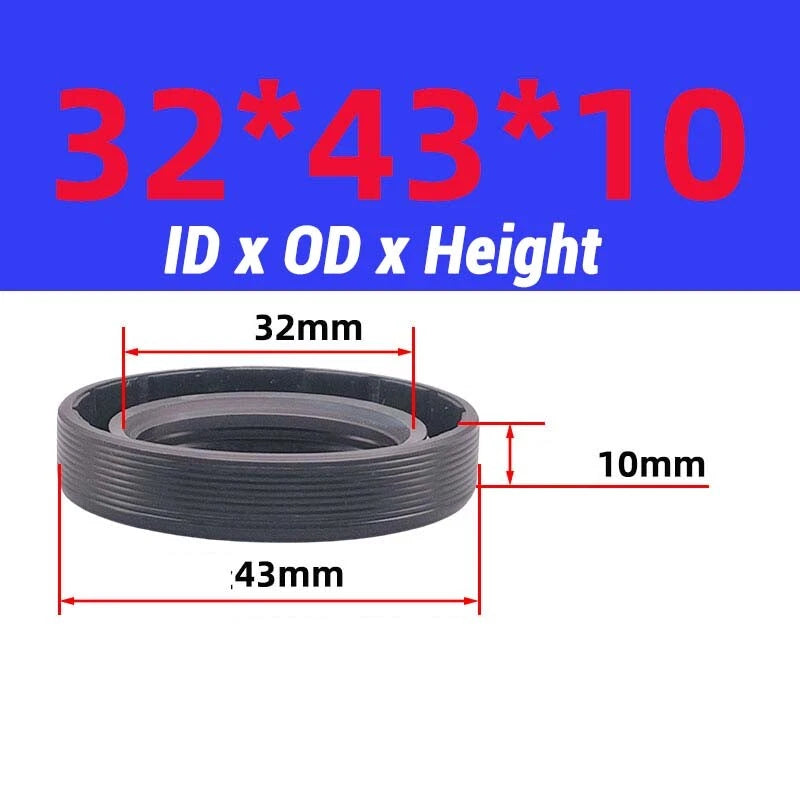
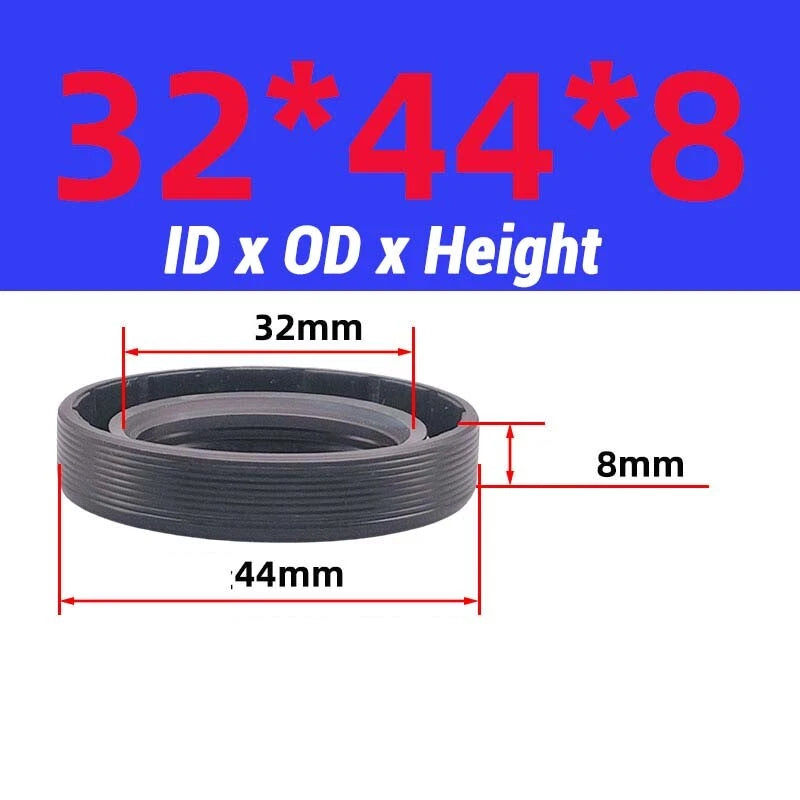
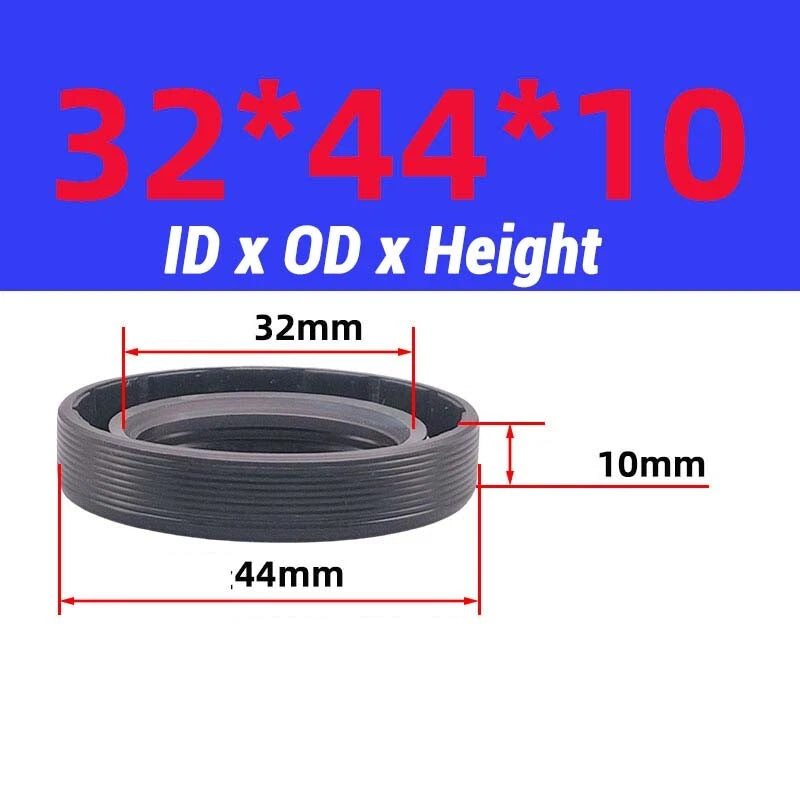
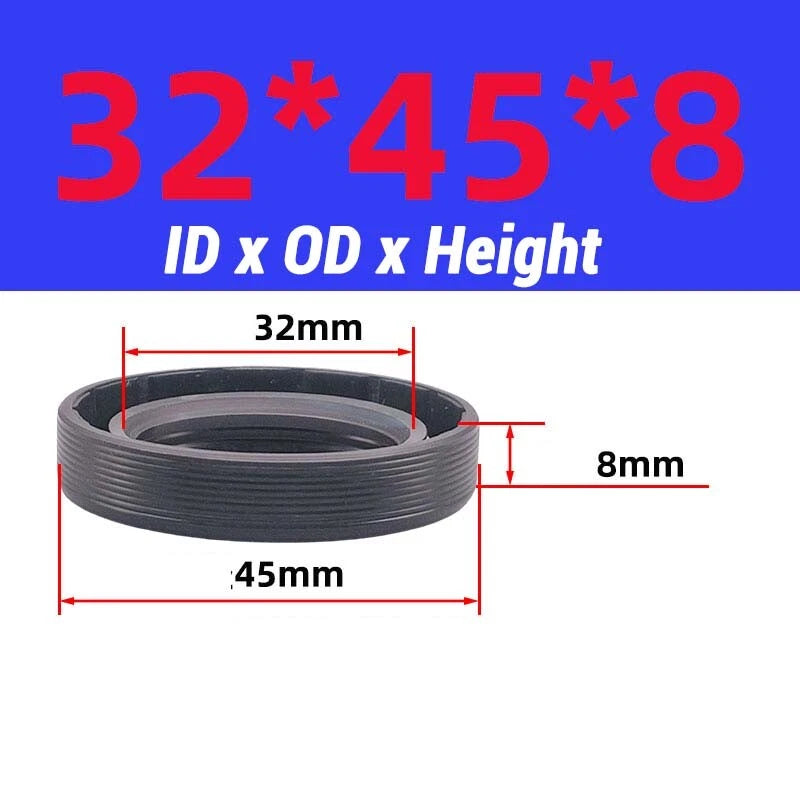
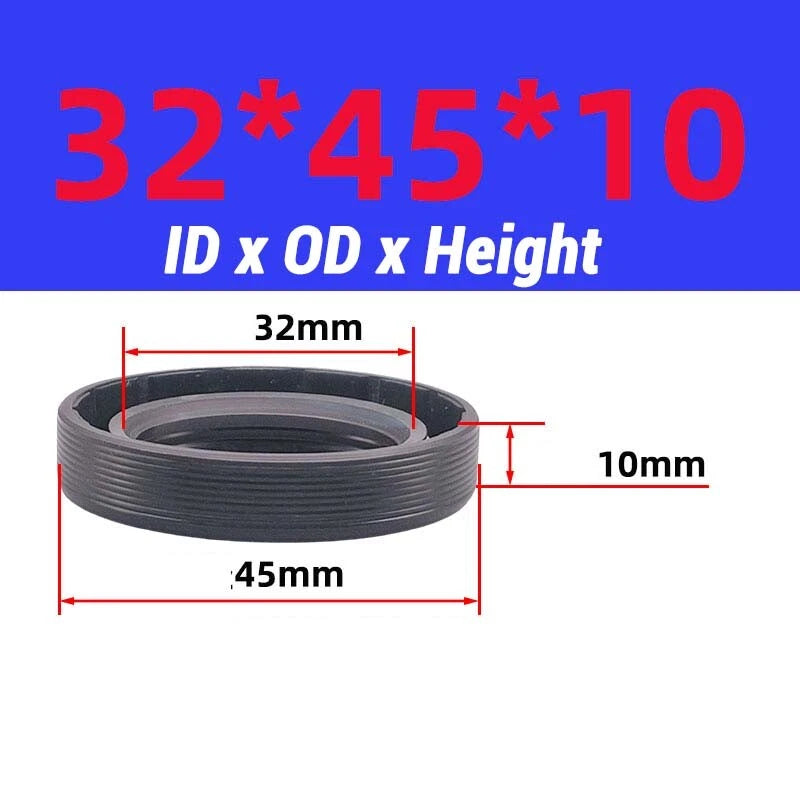
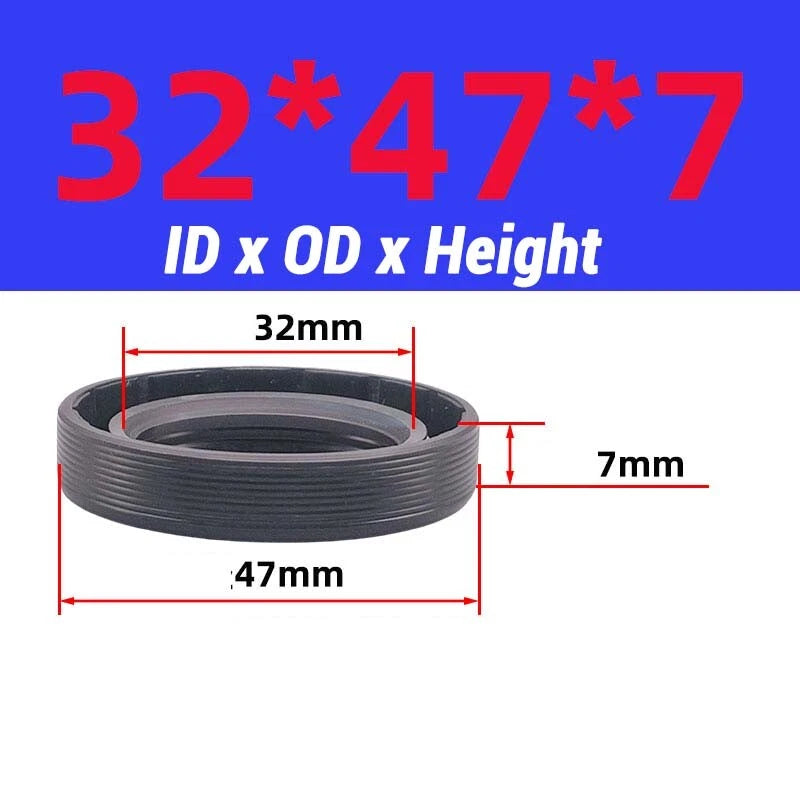
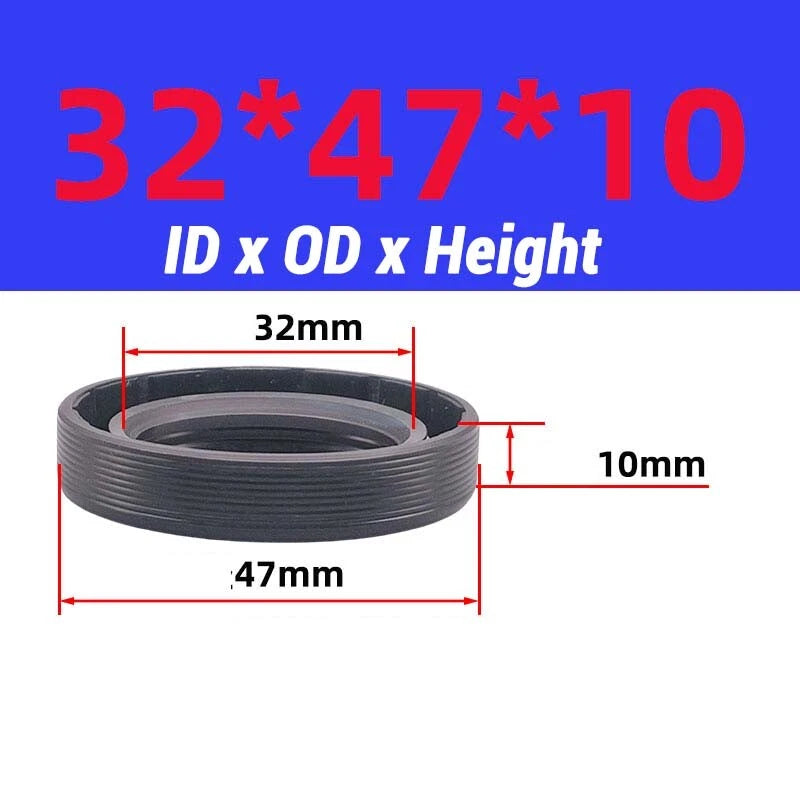
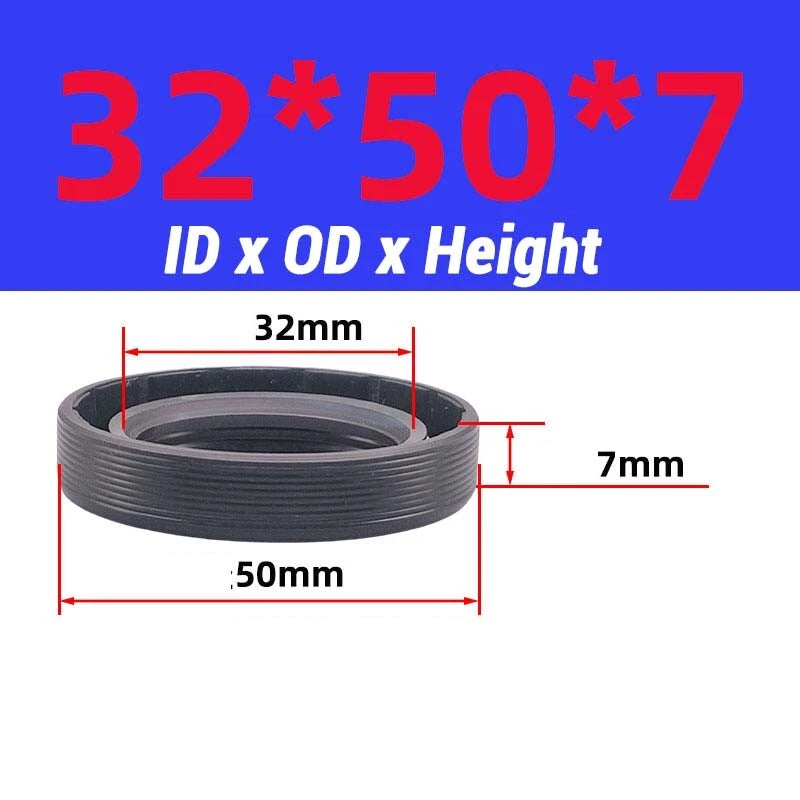
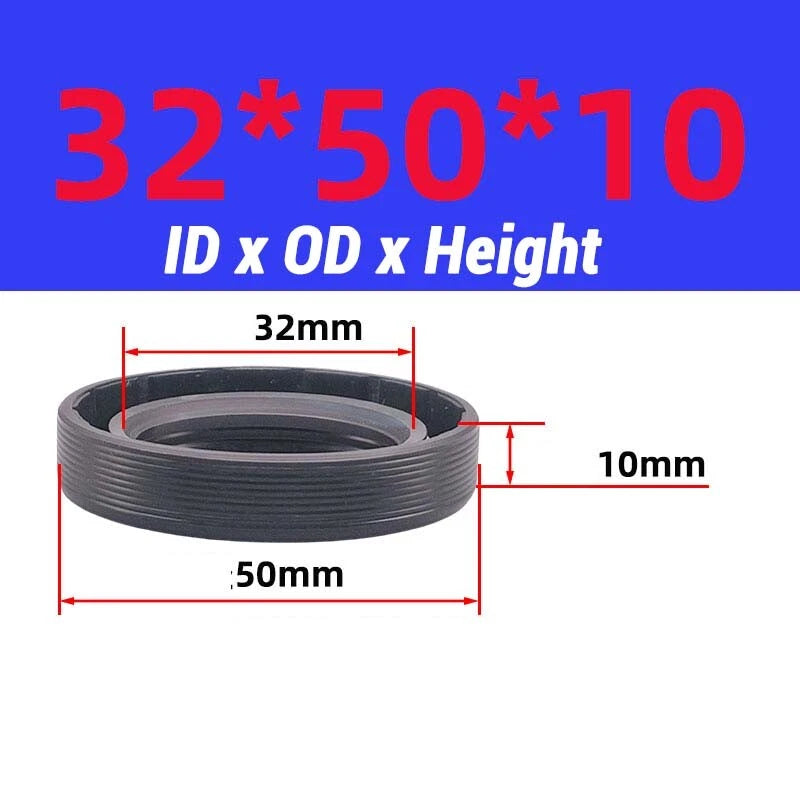
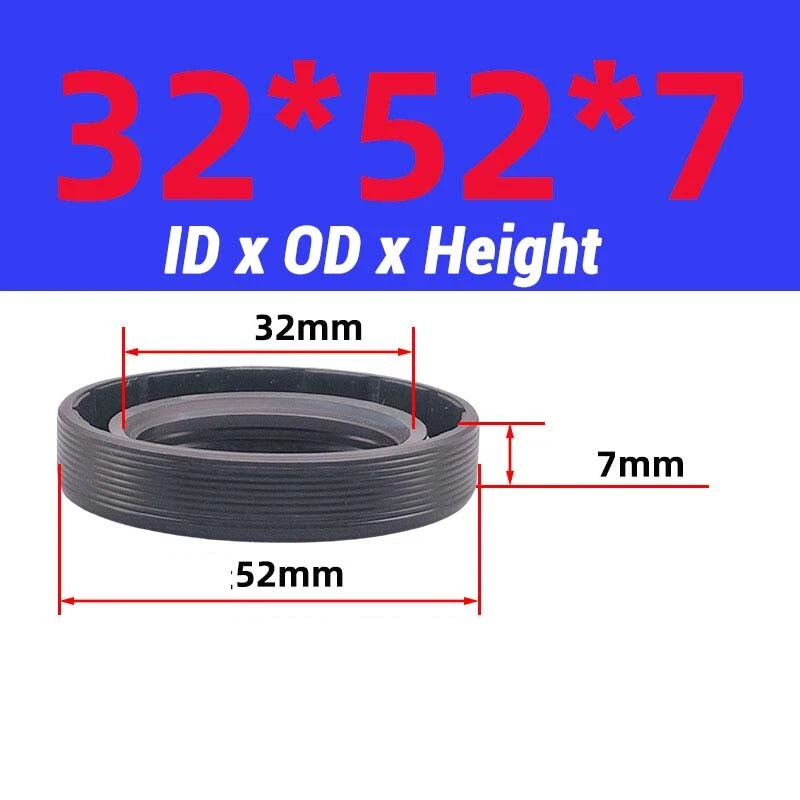
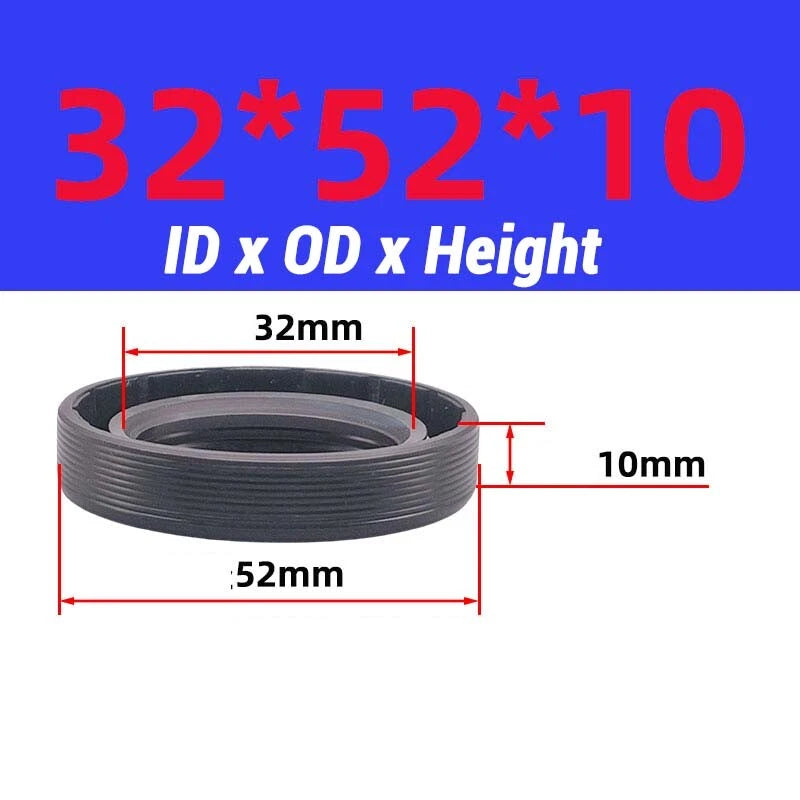
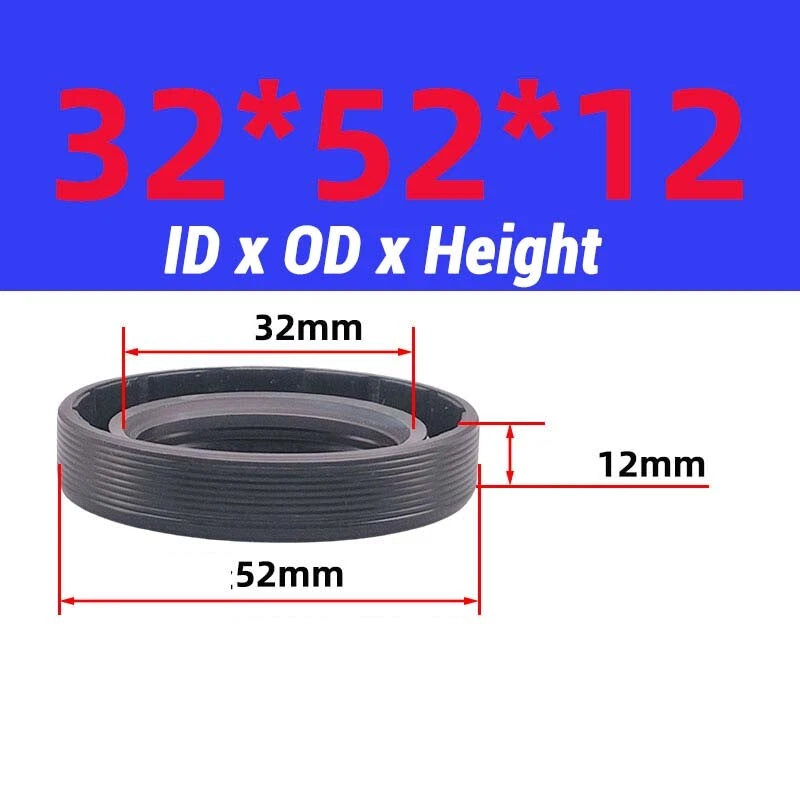
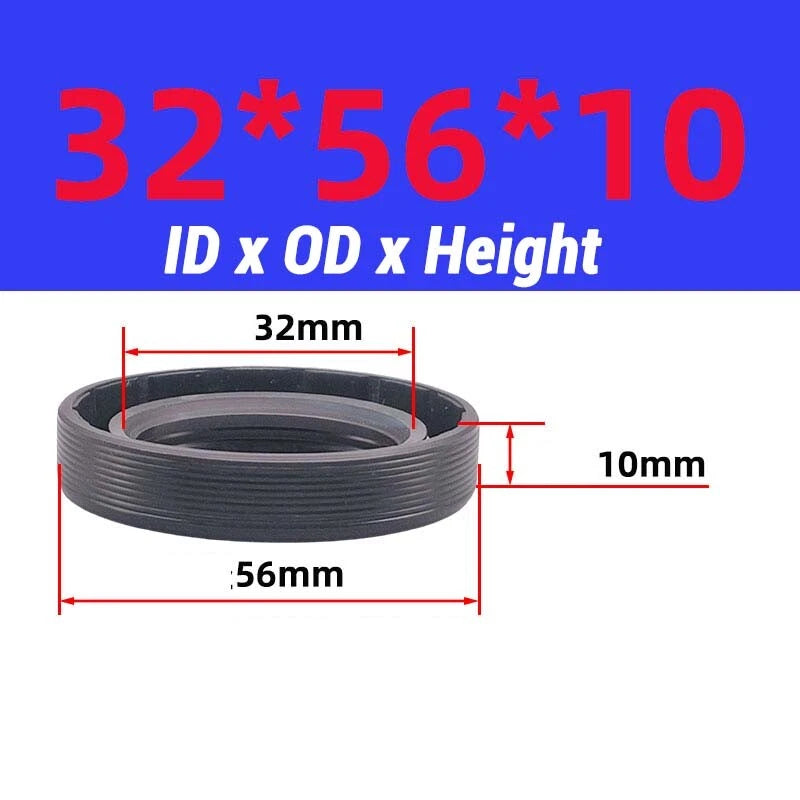
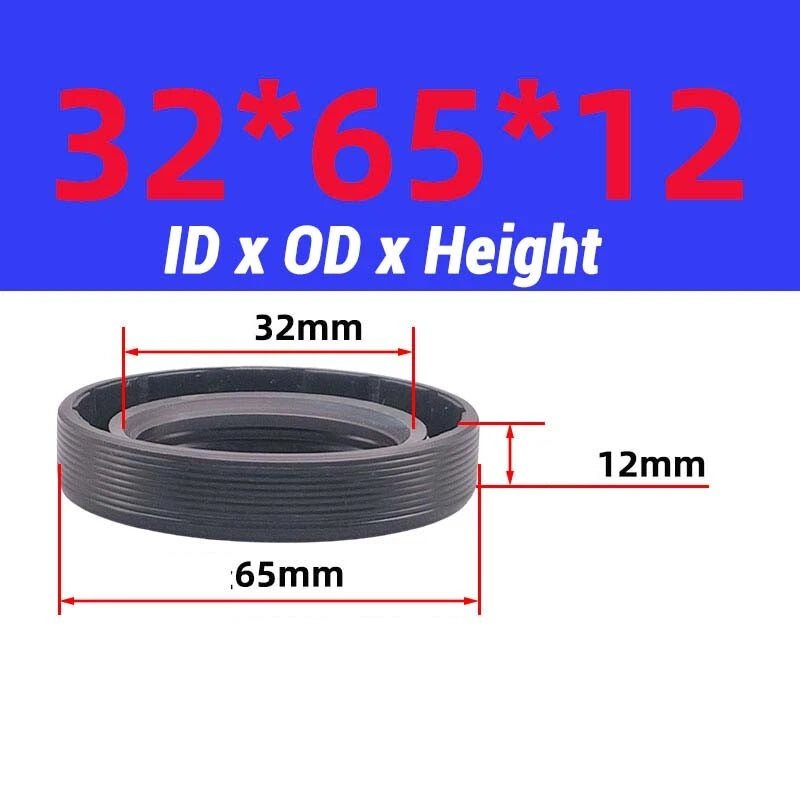
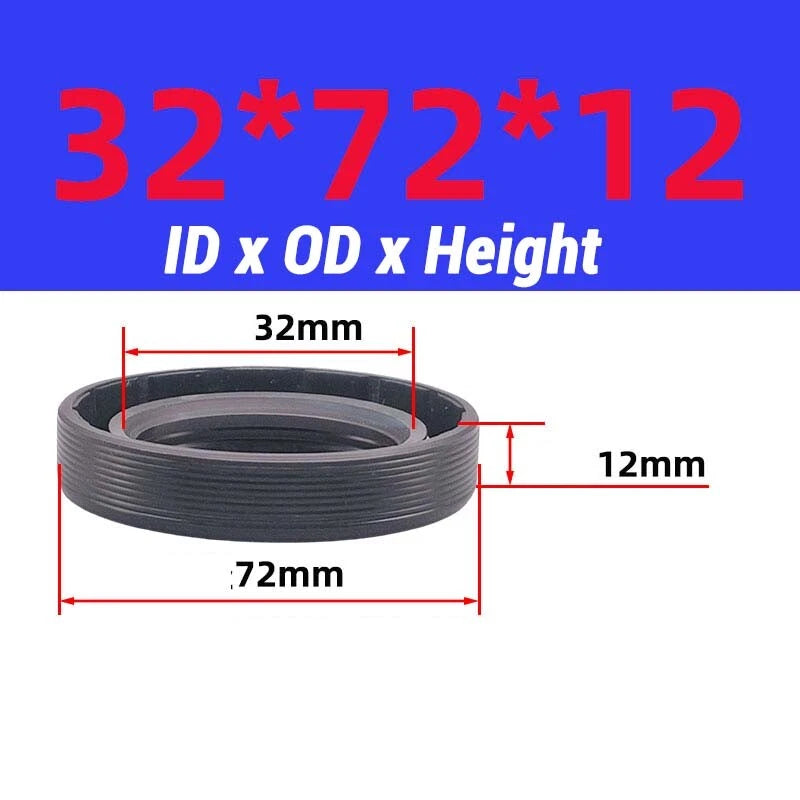
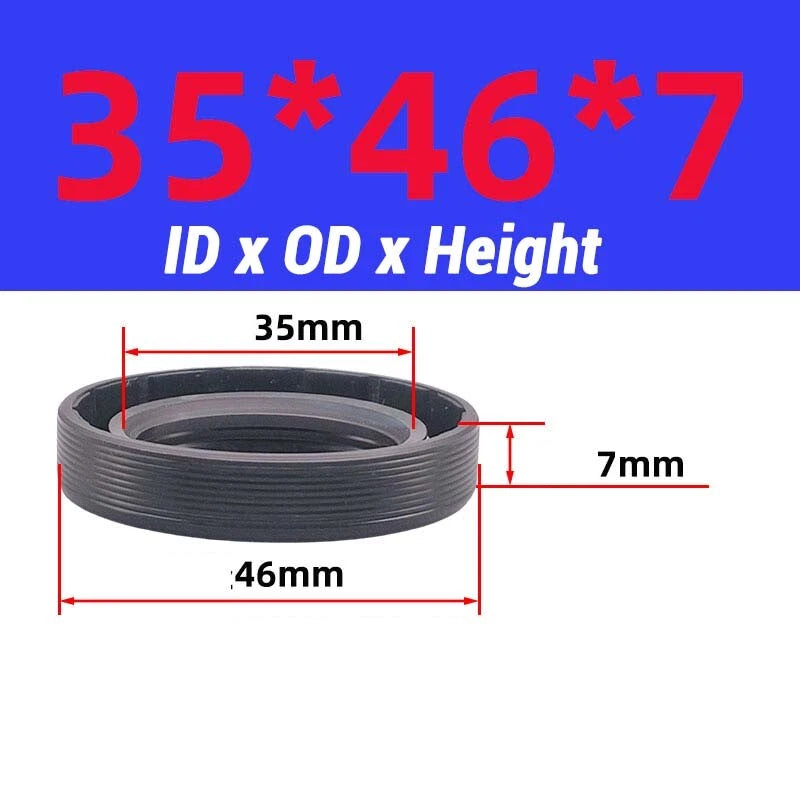
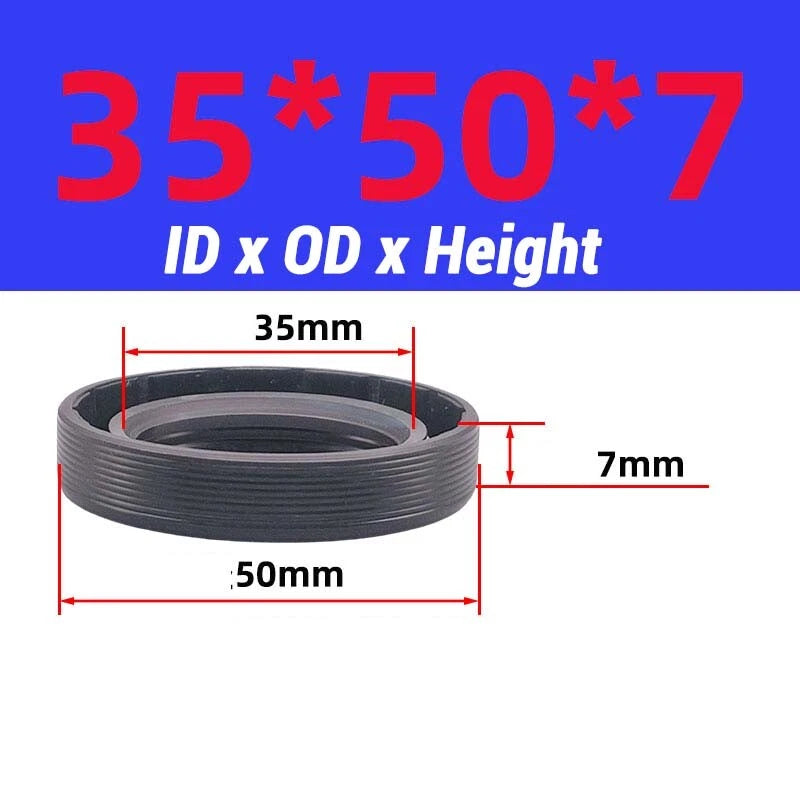
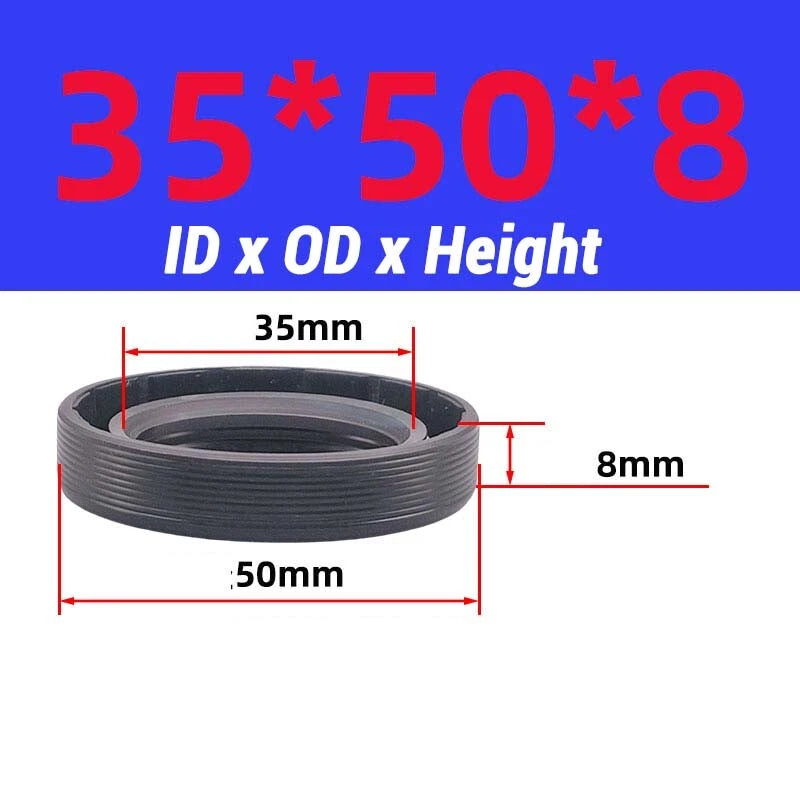
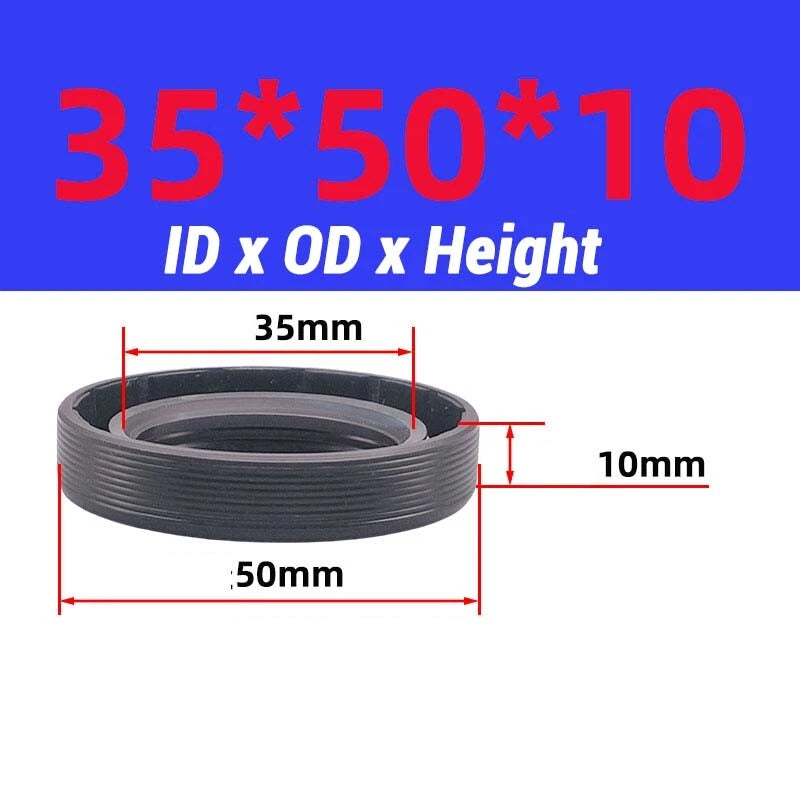
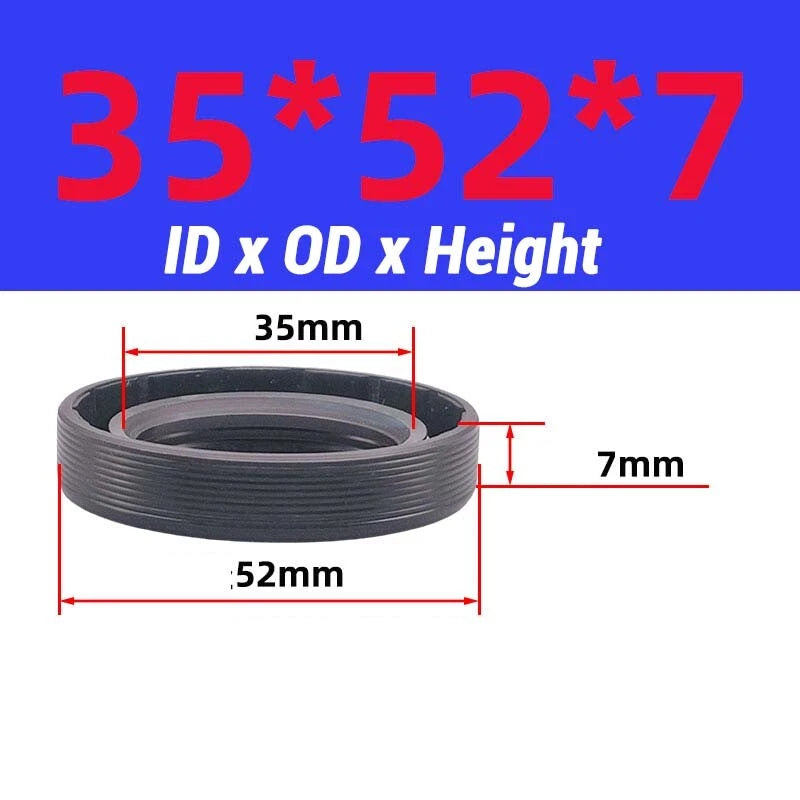
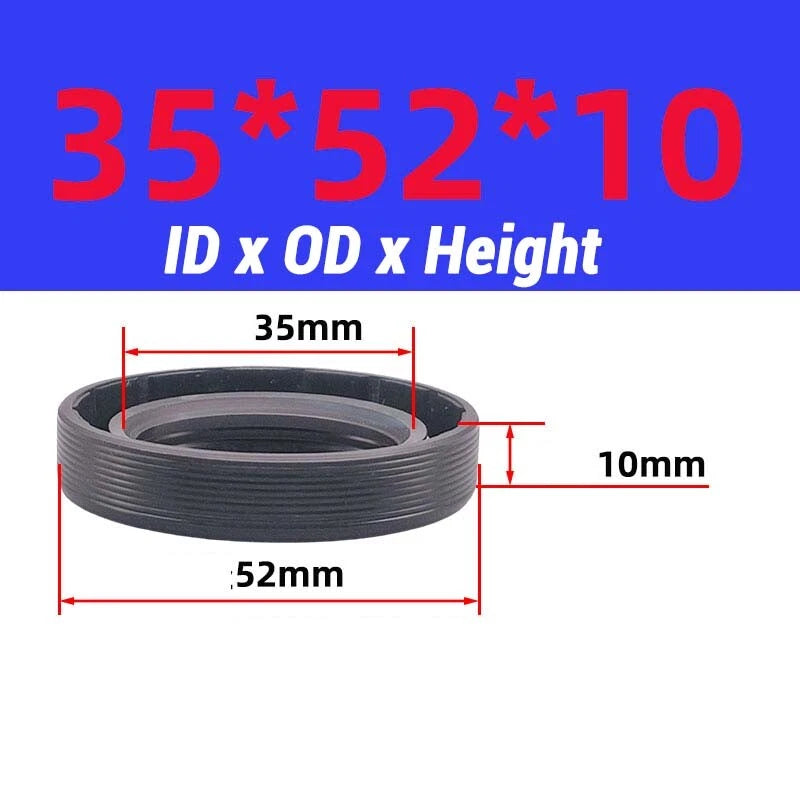
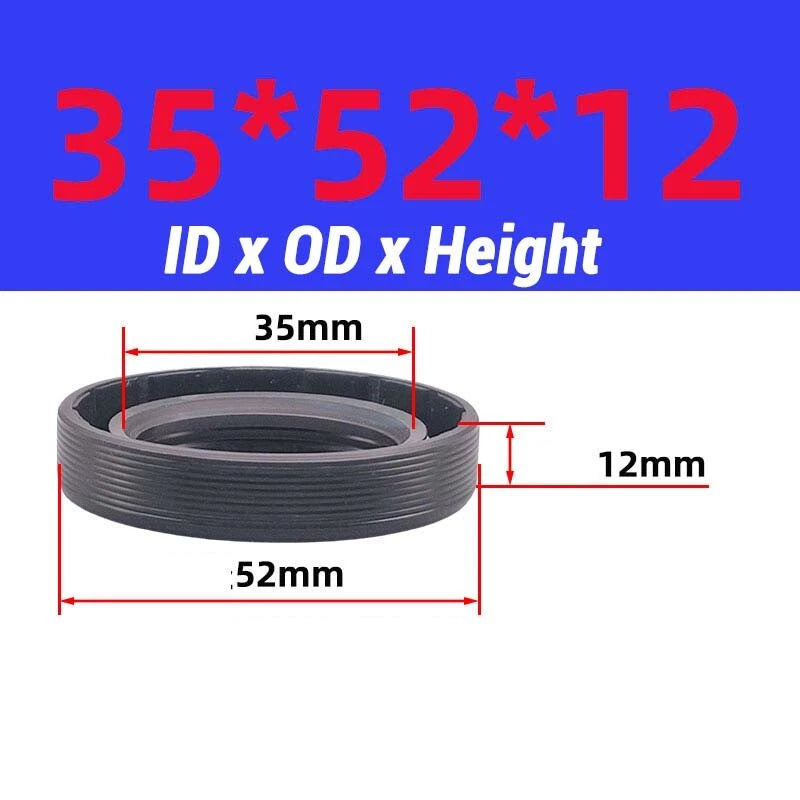
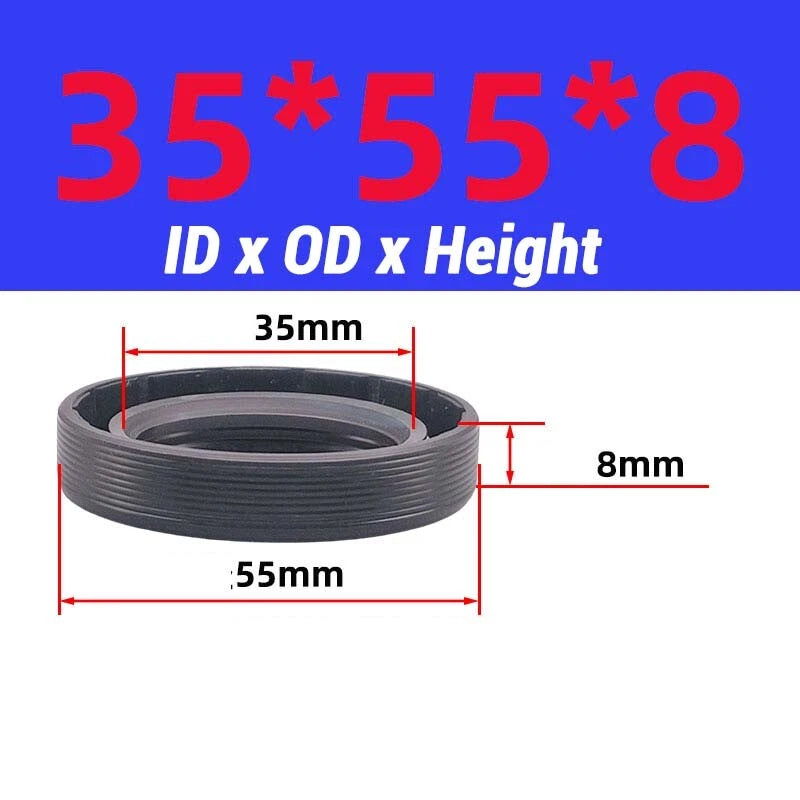
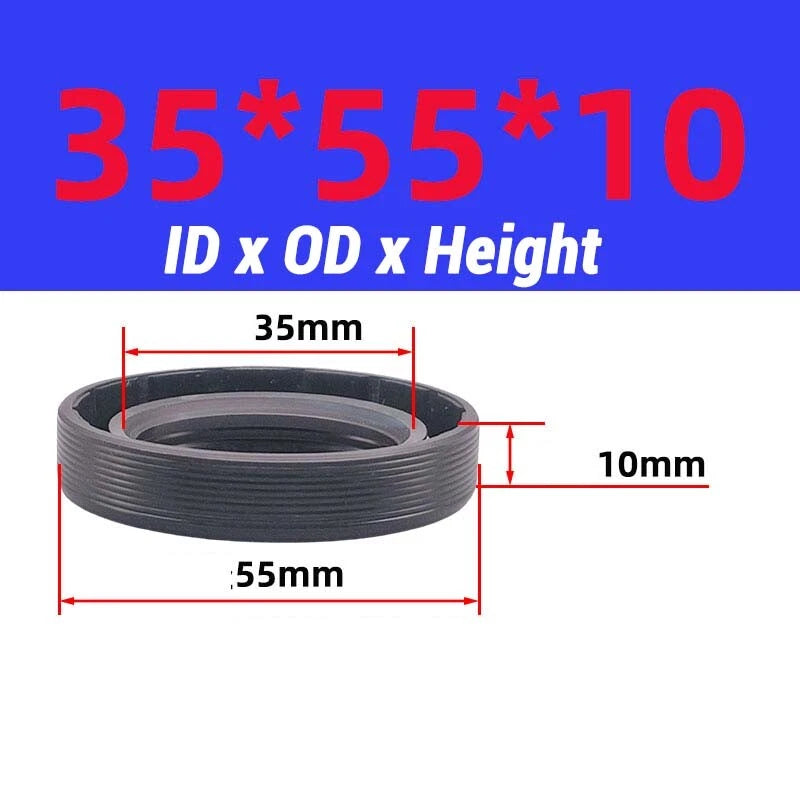
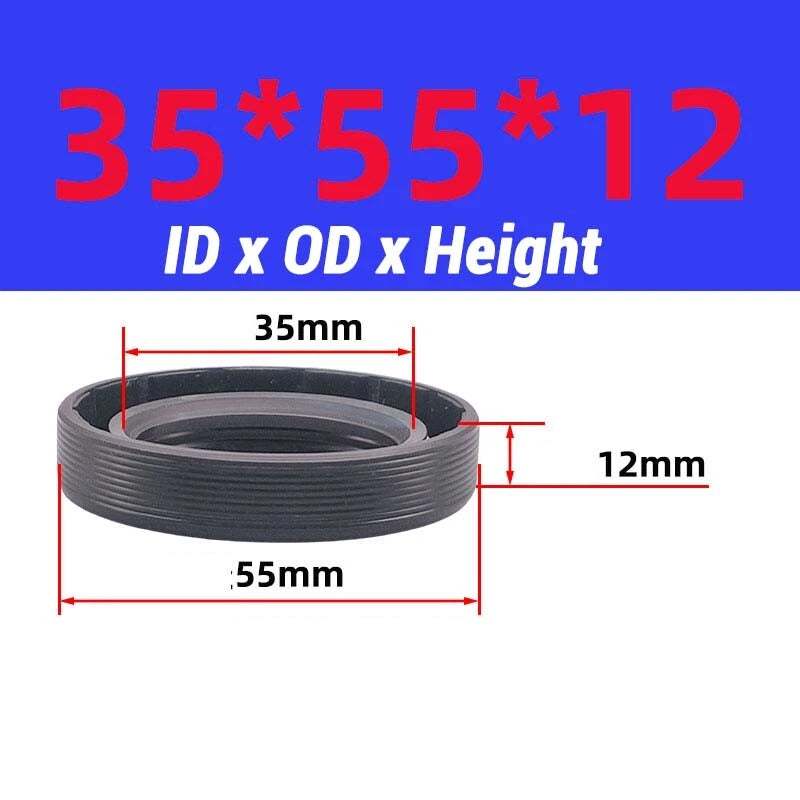
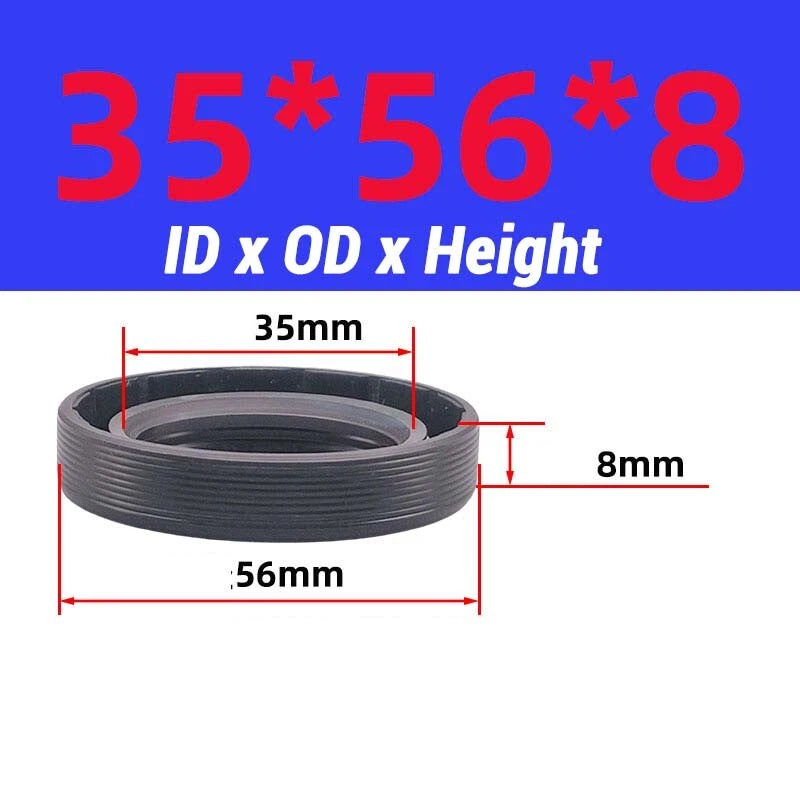
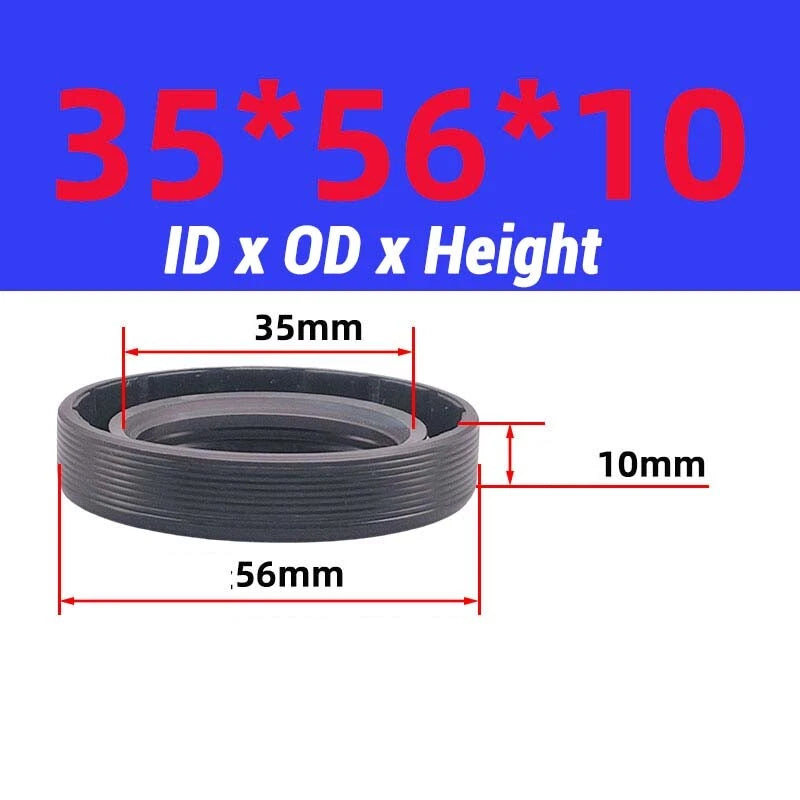
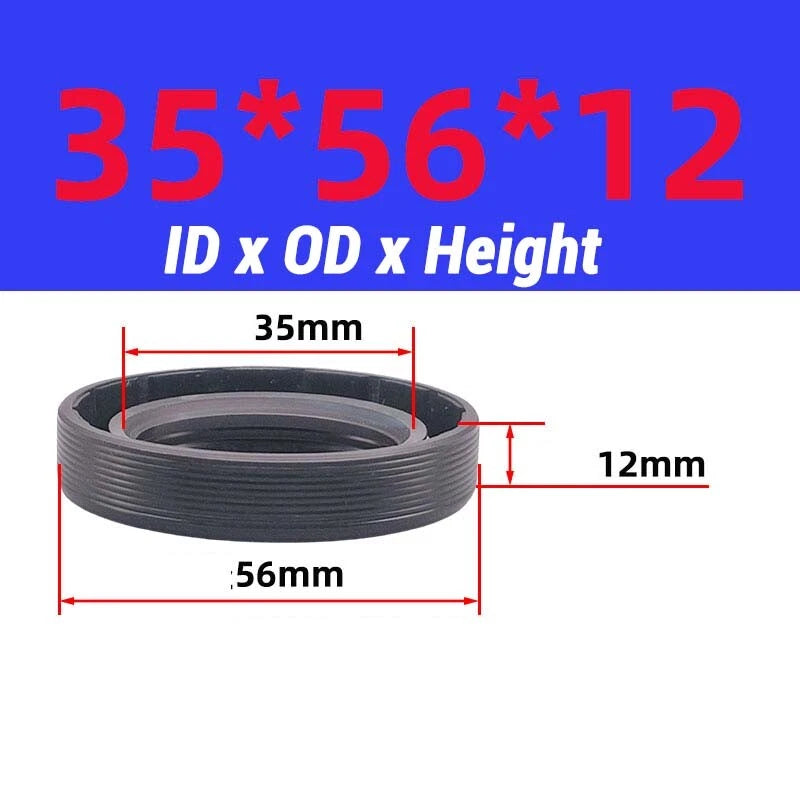
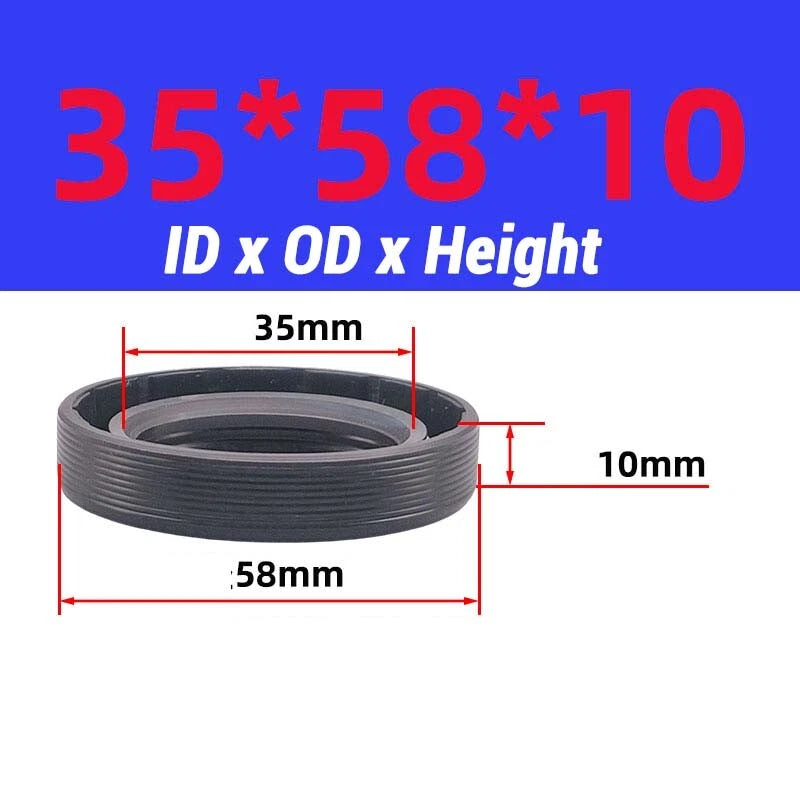
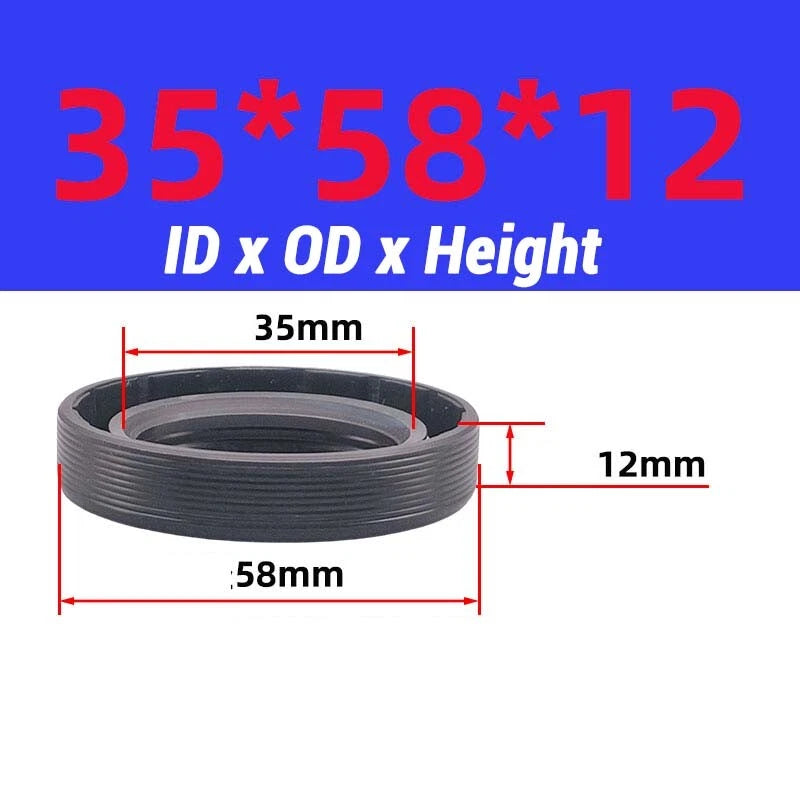
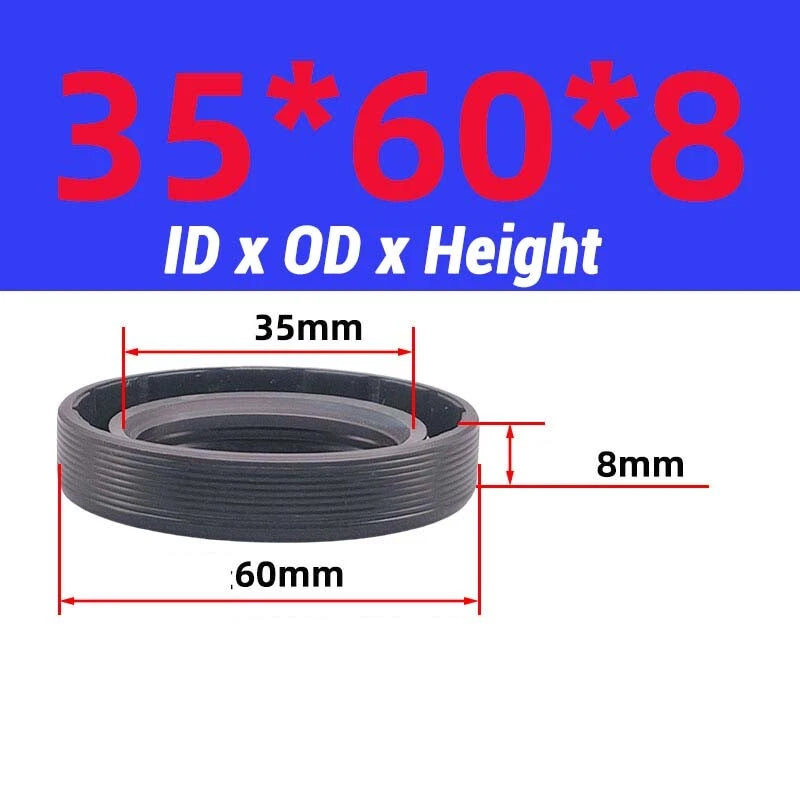
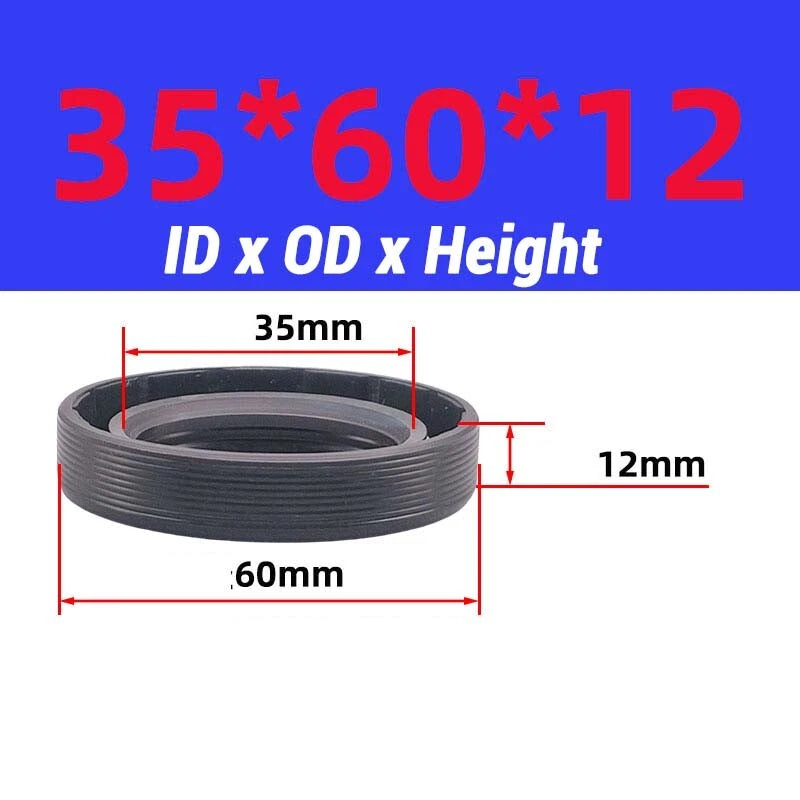
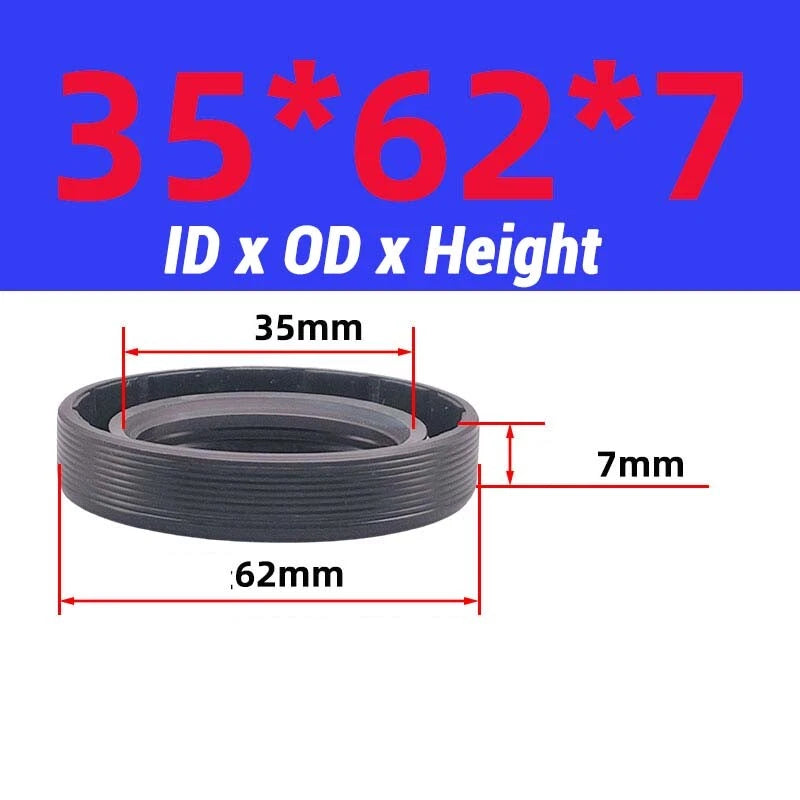
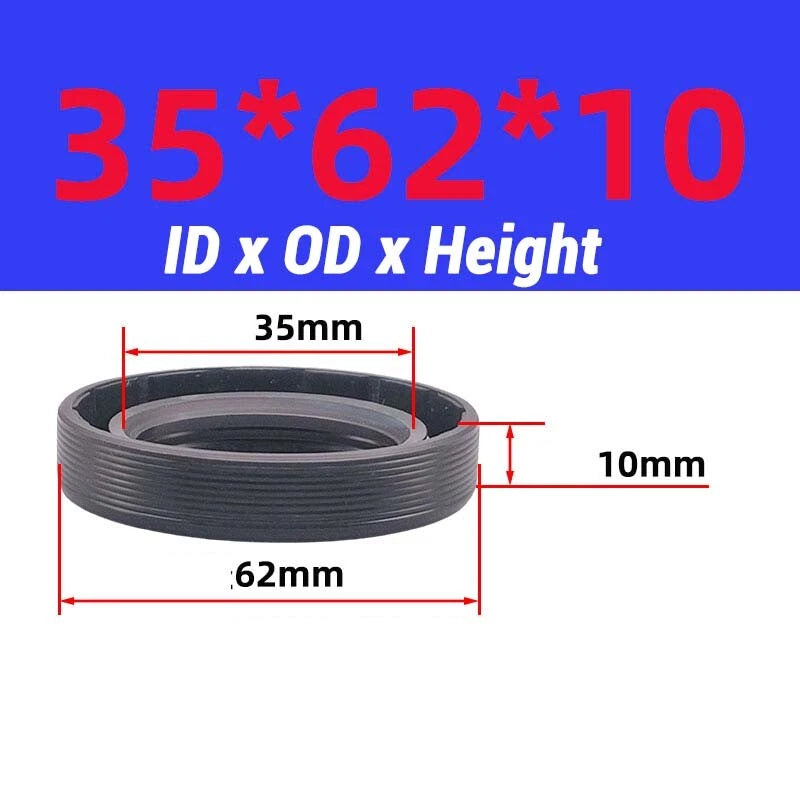
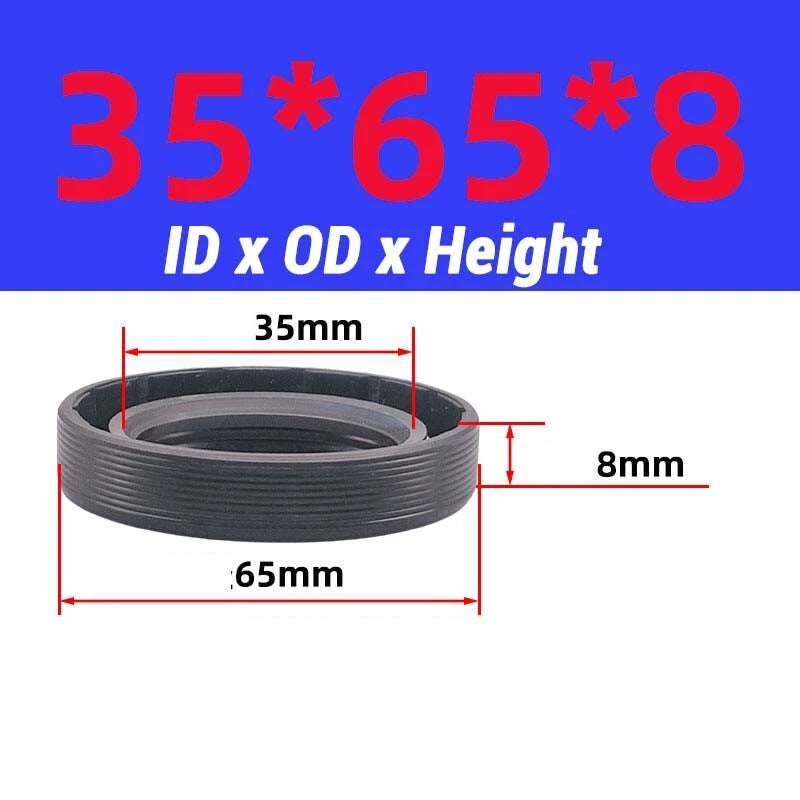
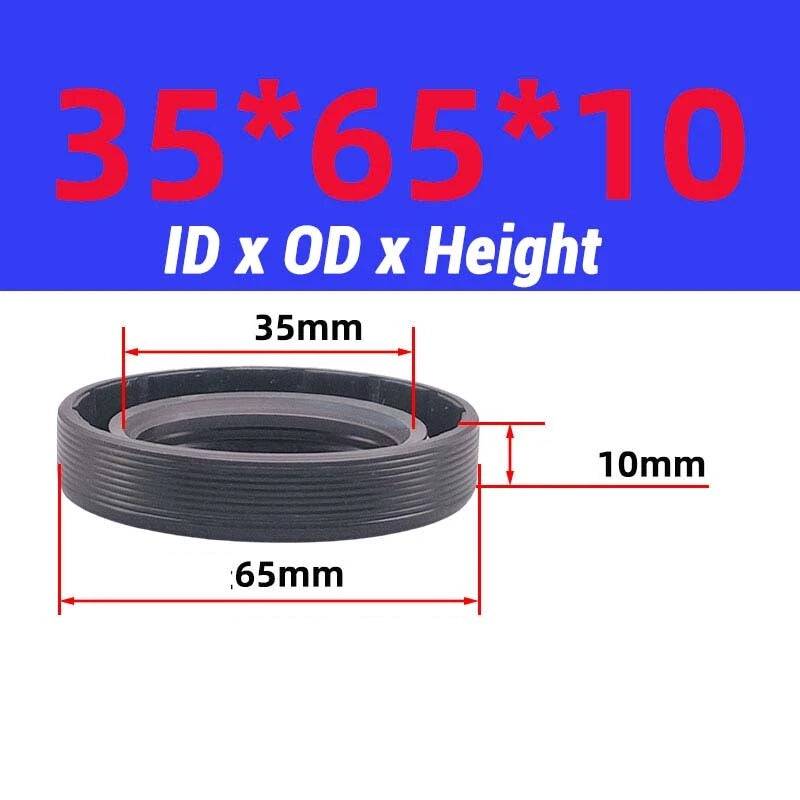
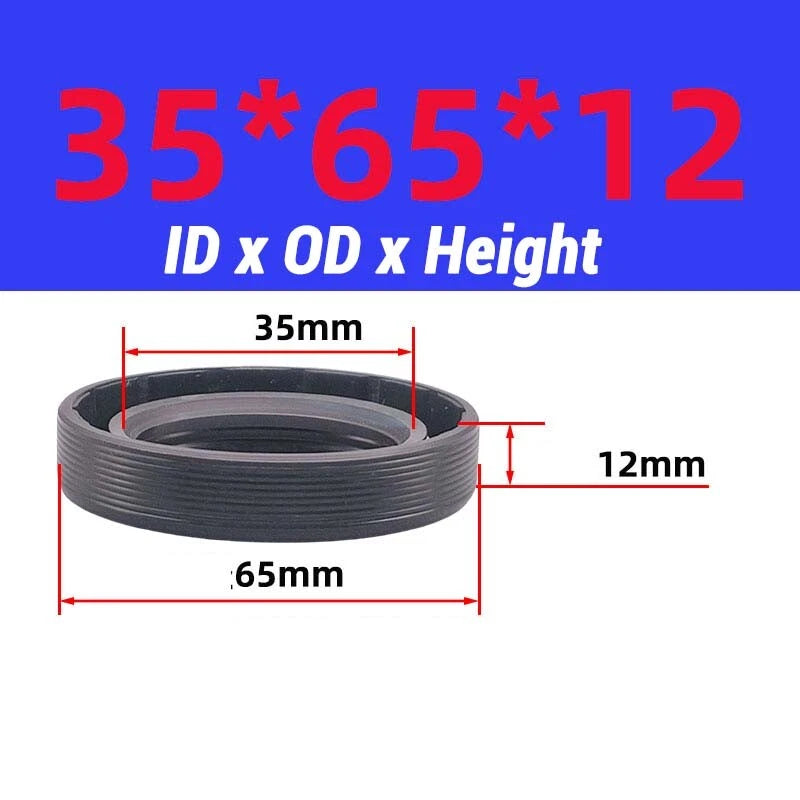
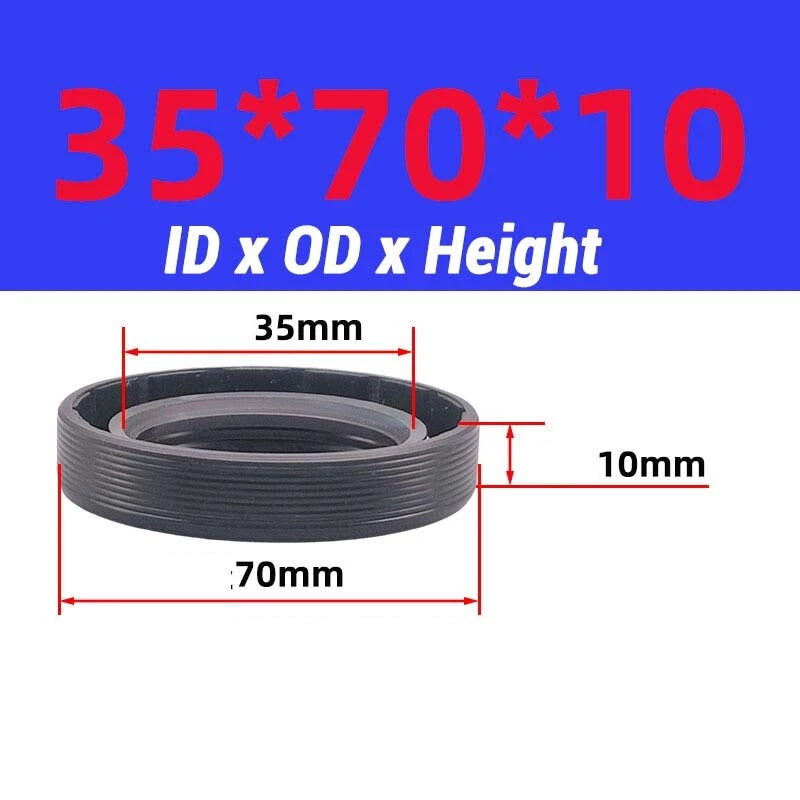
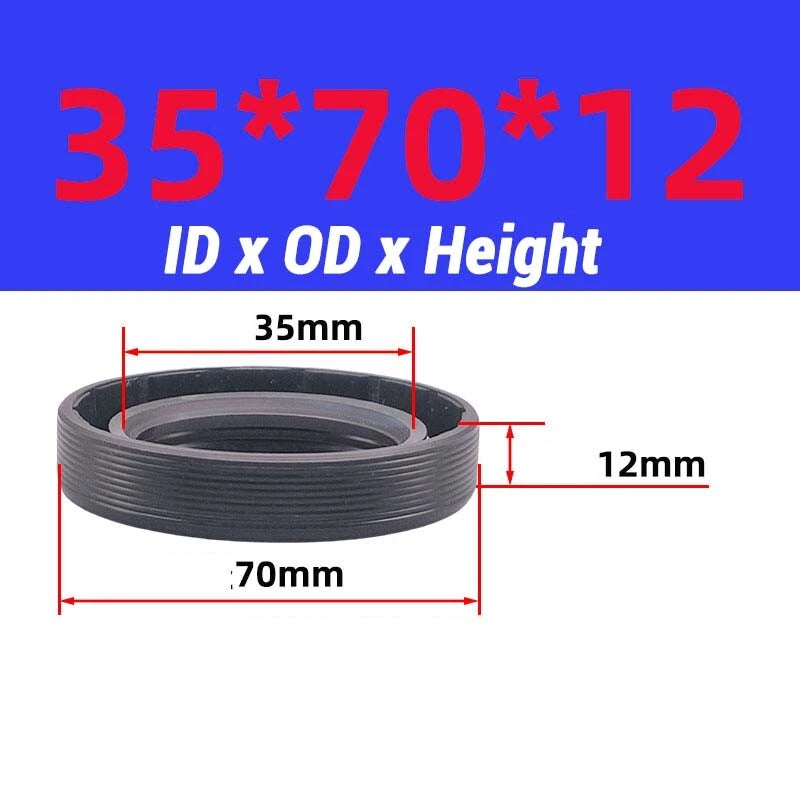
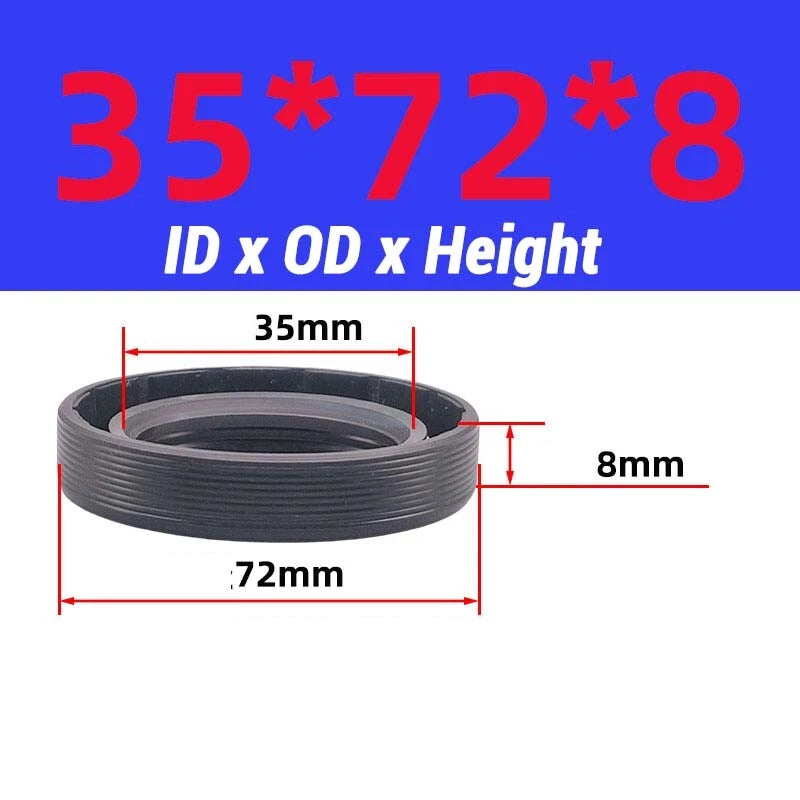
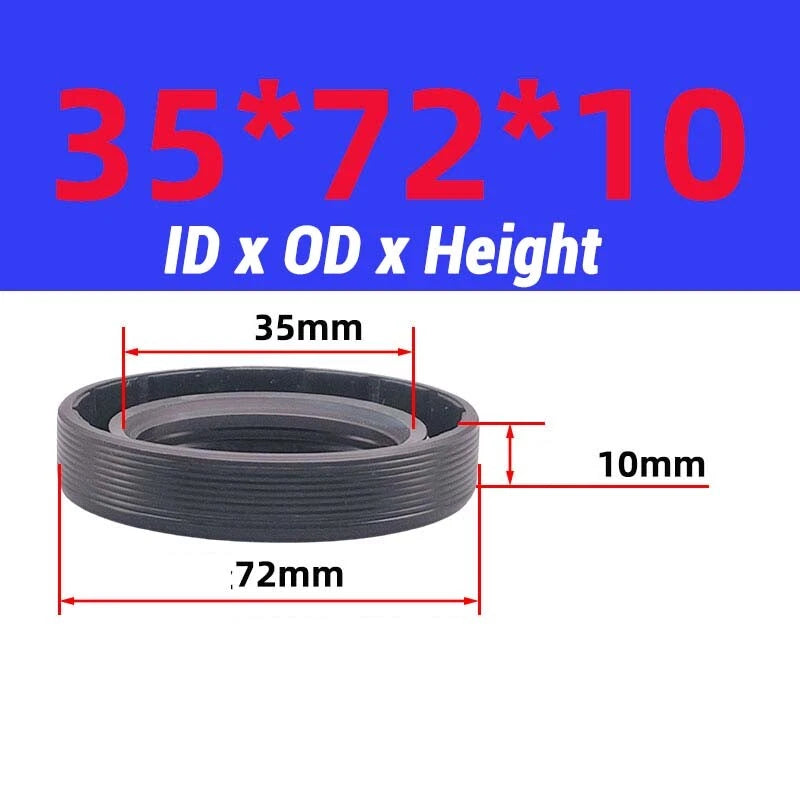
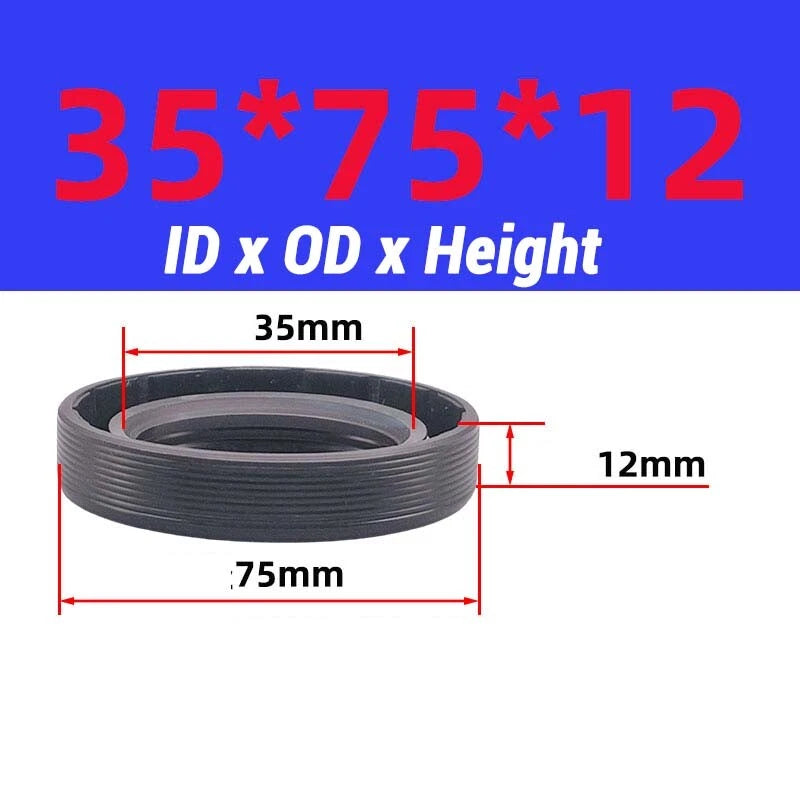
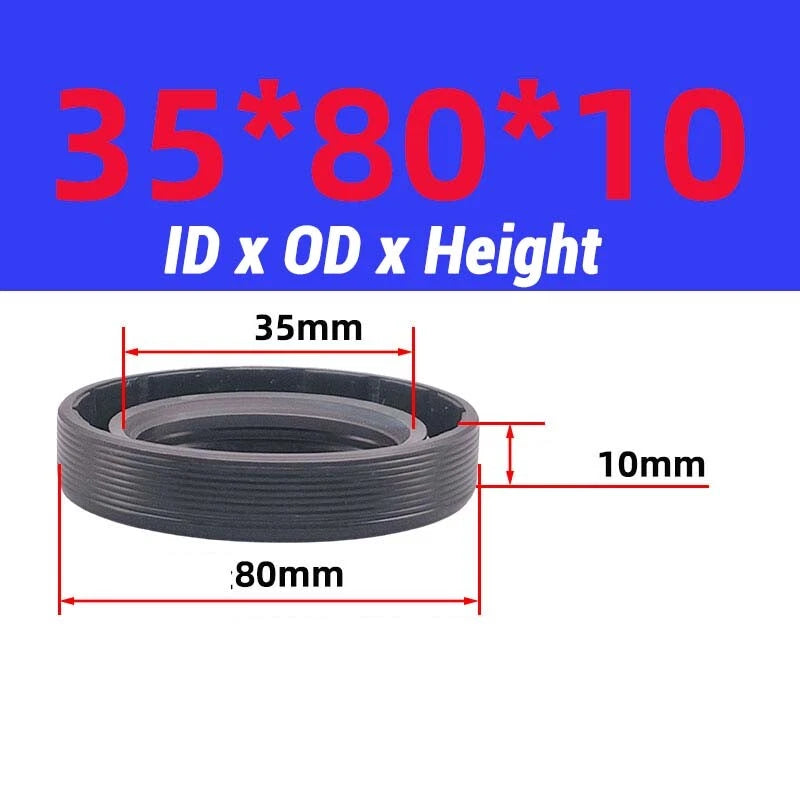
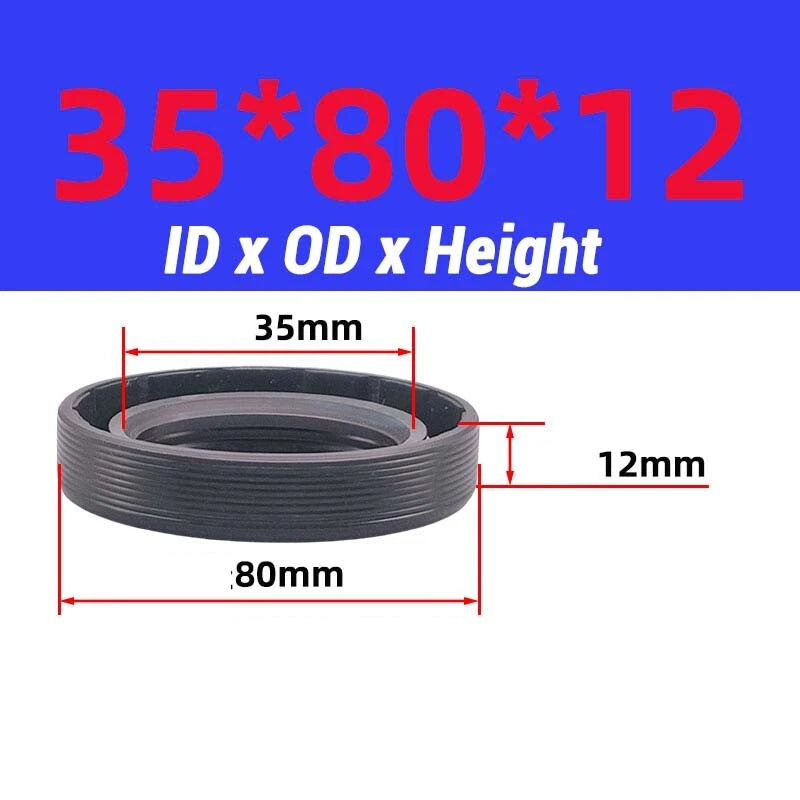
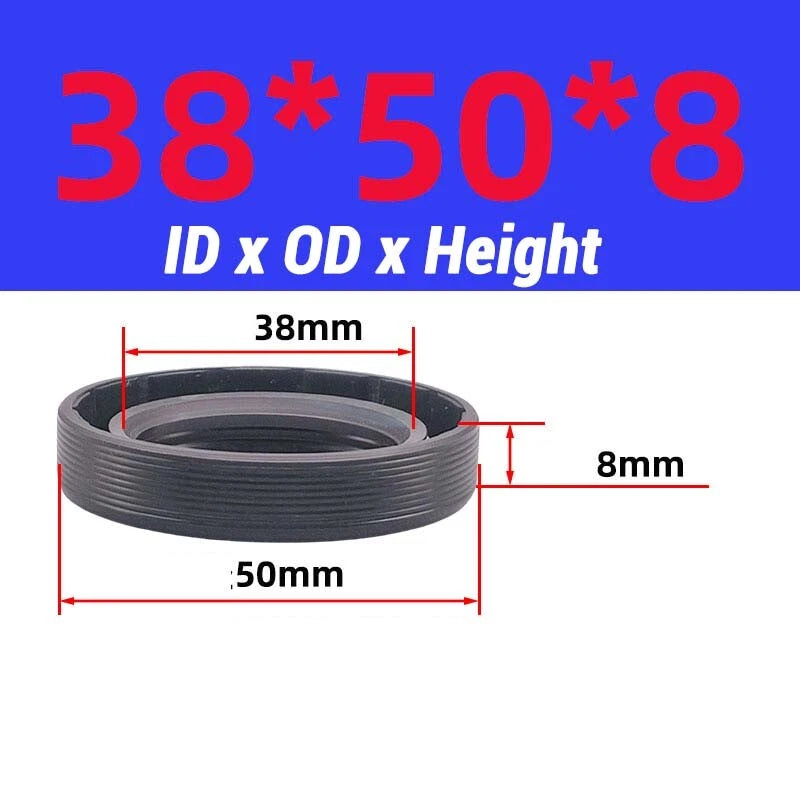
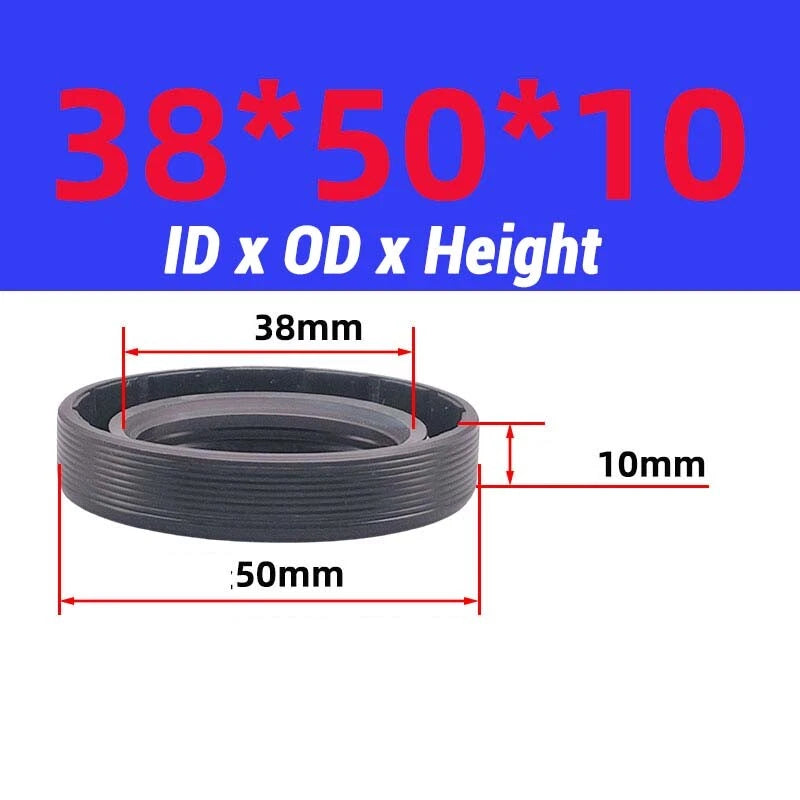
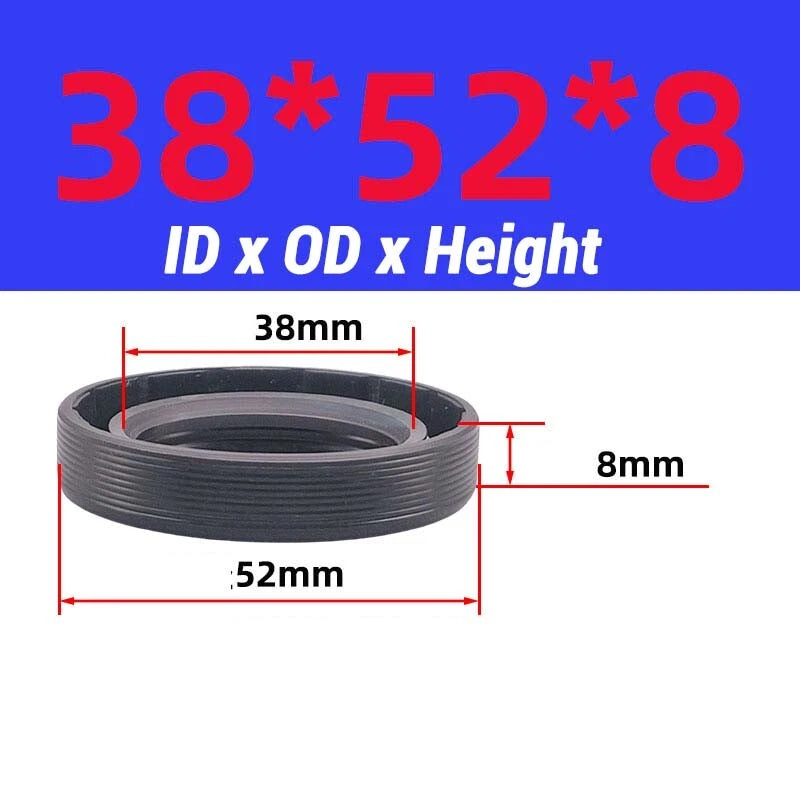
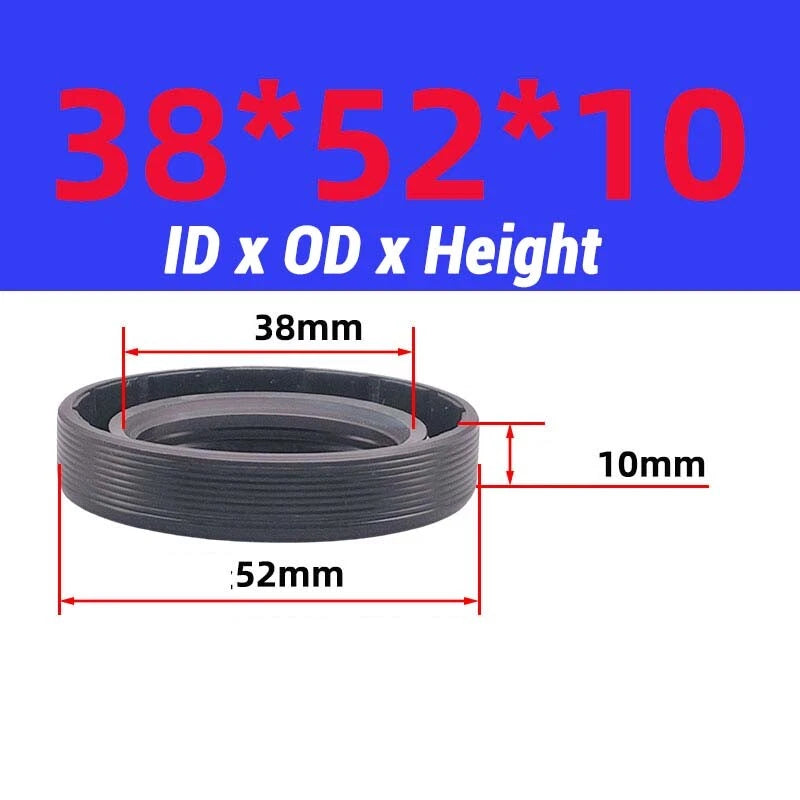
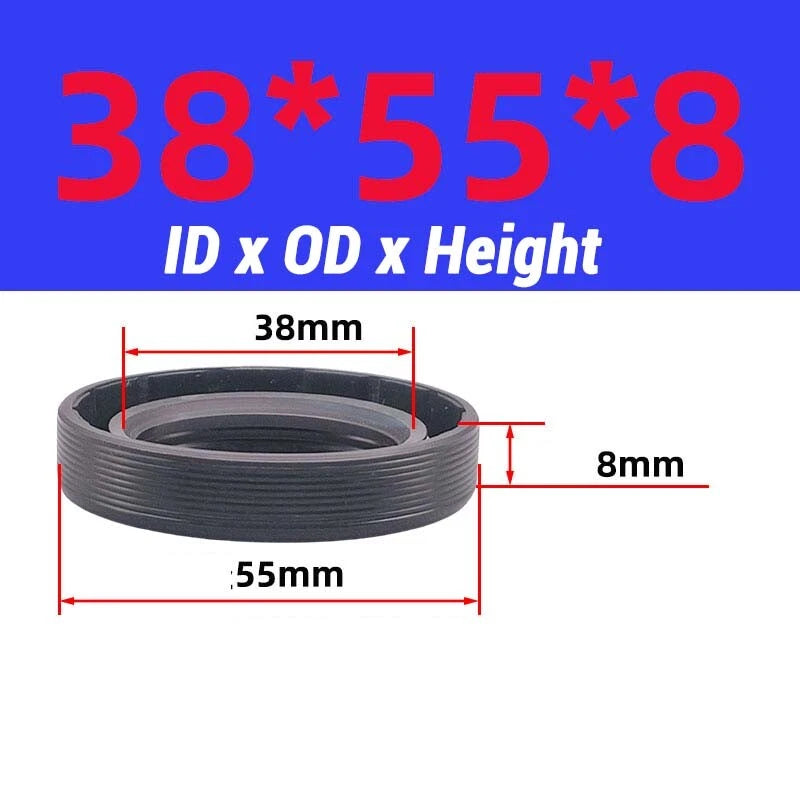
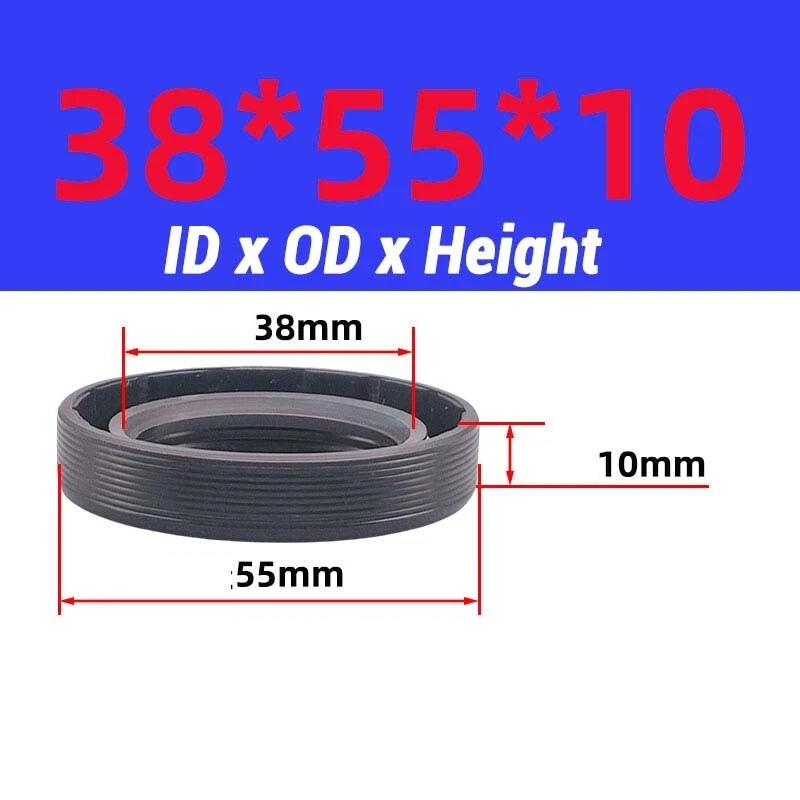
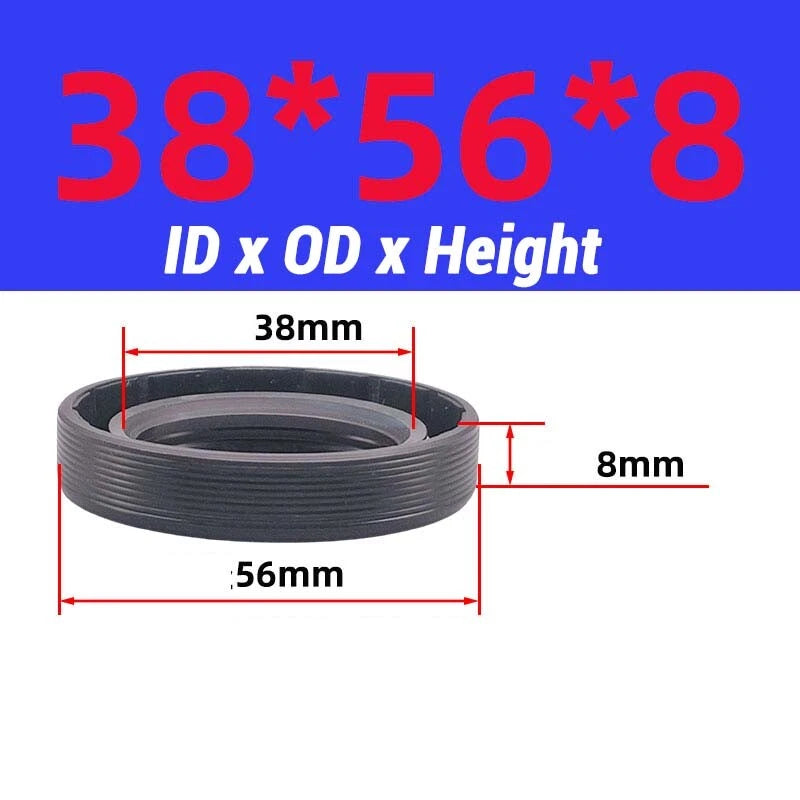
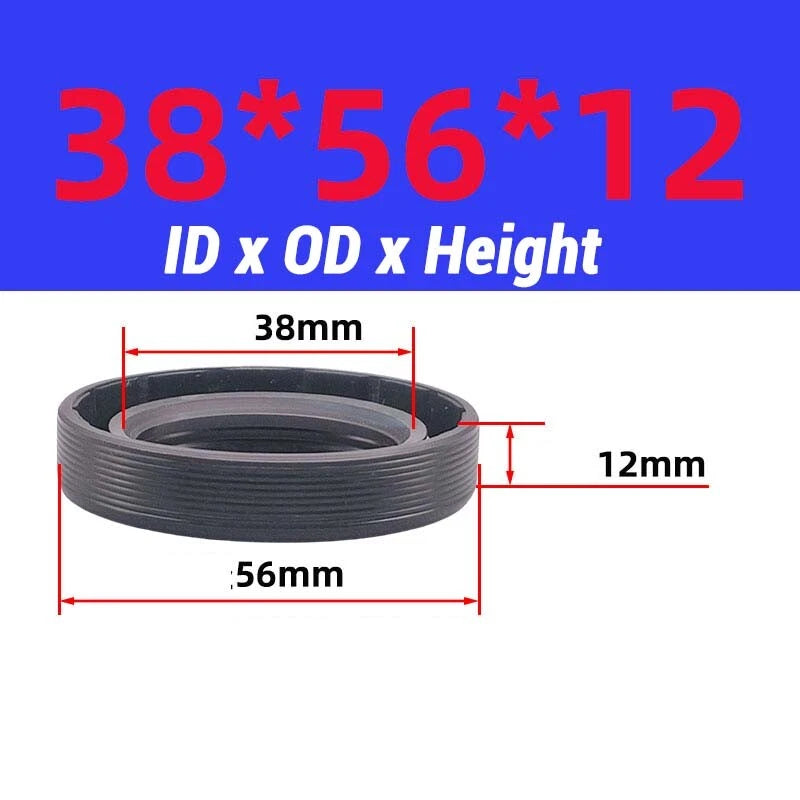
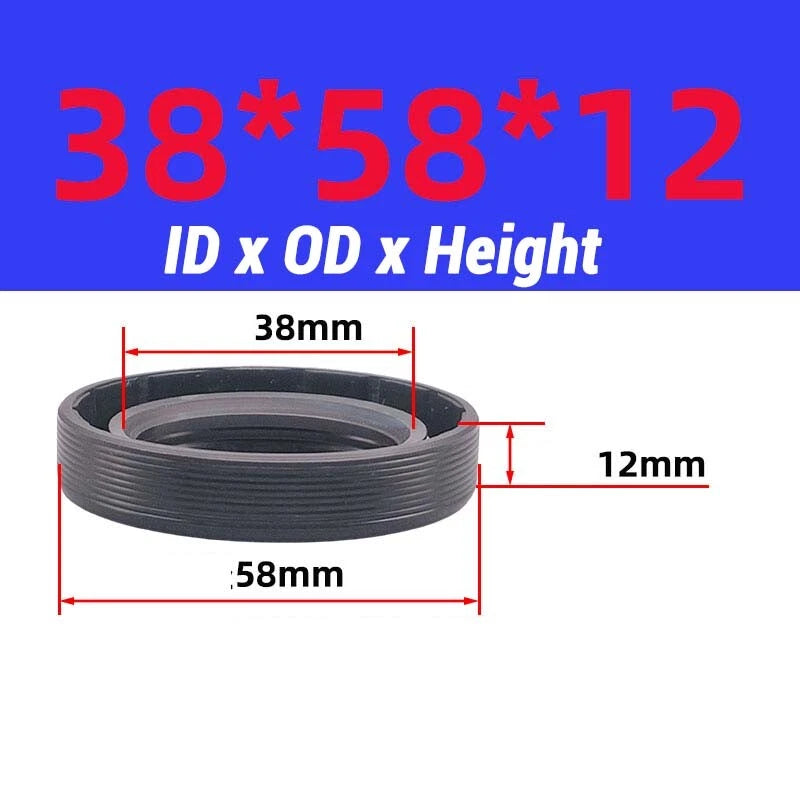
Oil Seal Metric Size Rotary Shaft Seal ID 8-38 mm TC FB Skeleton Oil Seal Rings

No reviews

Price:
Sale price$1.99 USD
Stock:
In stock (500 units), ready to be shipped

Payment & Security

Ach Direct Debit Amazon American Express Apple Pay Bancontact BLIK Diners Club Discover EPS Google Pay iDEAL Wero JCB Maestro Mastercard Multibanco MobilePay PayPal Przelewy24 Shop Pay Twint Union Pay USDC Visa

Your payment information is processed securely. We do not store credit card details nor have access to your credit card information.

Limited Offer — Spend More, Save More
Spend $55+
Save $5
Spend $100+
Save $10
Spend $200+
Save $25
HomeDIYer DIY Expert Support

DIY Expert Support

Get fitment advice & recommendations

Mon–Fri  8:30 AM – 8:00 PM
24-Hour Fast Ship
Arrives in 3–14 Days
Worldwide Shipping
30-Day Returns
1 tree planted with every purchase

Description

Metric TC Oil Seal — Reliable Rotary Shaft Sealing for ID 8–38 mm Applications

When a worn or incorrectly sized shaft seal lets lubricant escape and contaminants in, the downstream damage to bearings, gearboxes, and hydraulic assemblies can be costly. Engineers, mechanics, and serious DIYers who need a dependable metric rotary shaft seal will find this TC-type oil seal engineered to hold up under continuous rotation and moderate pressure.

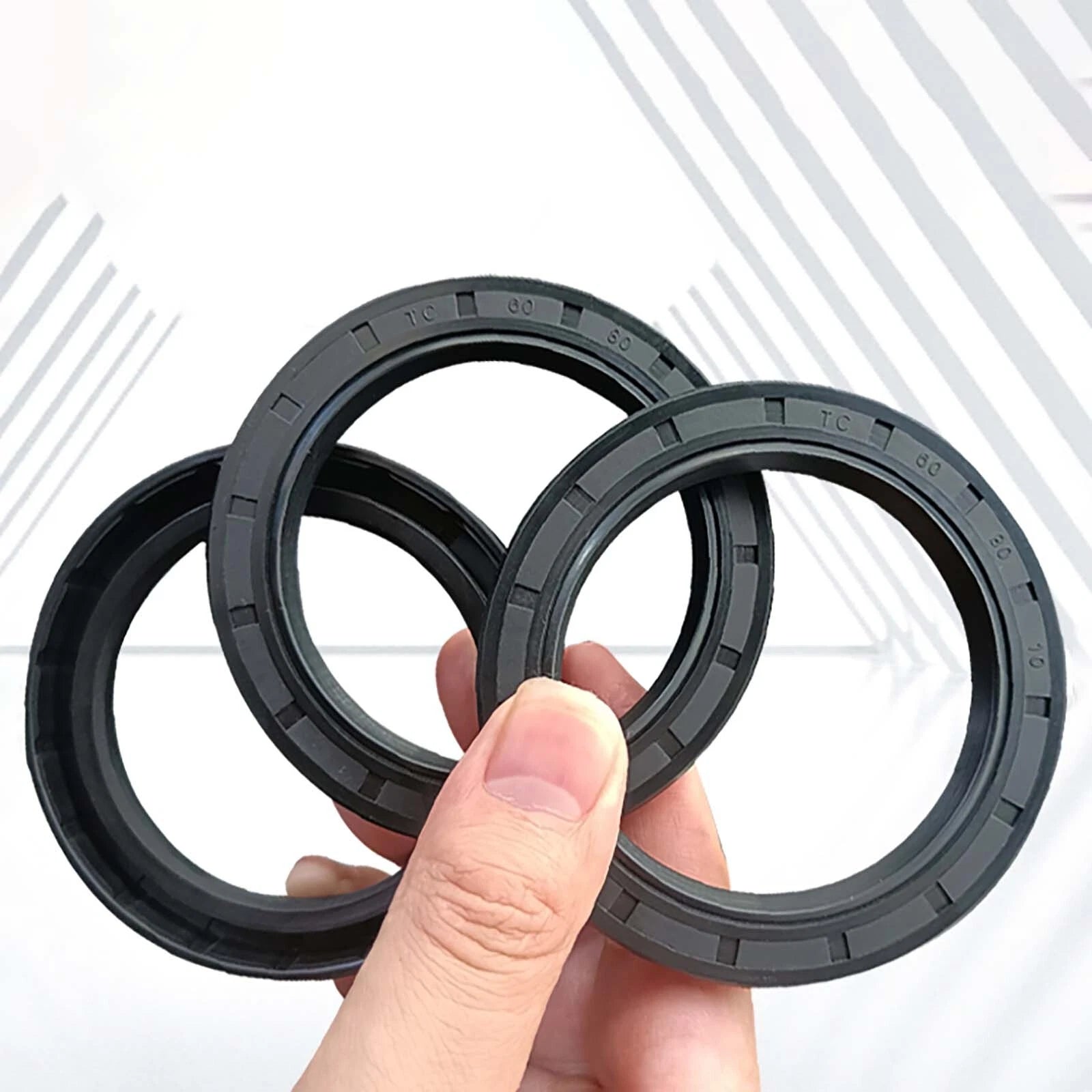
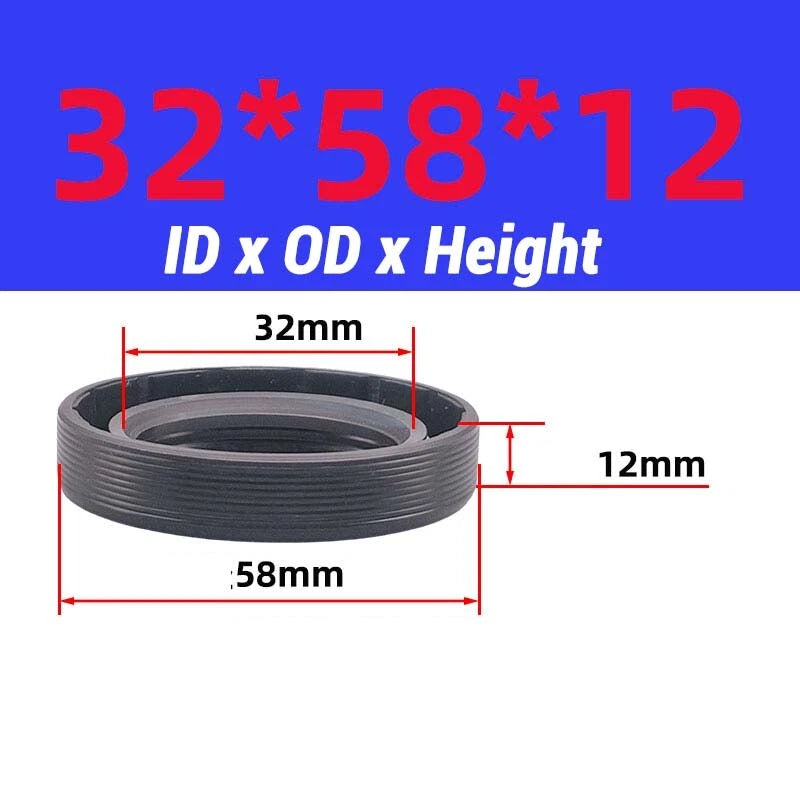
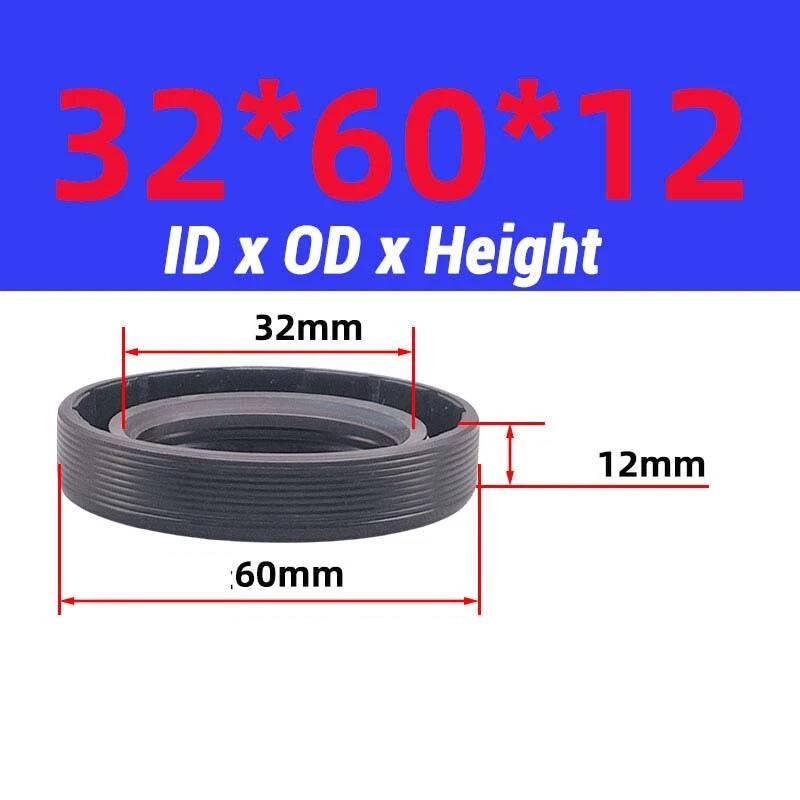
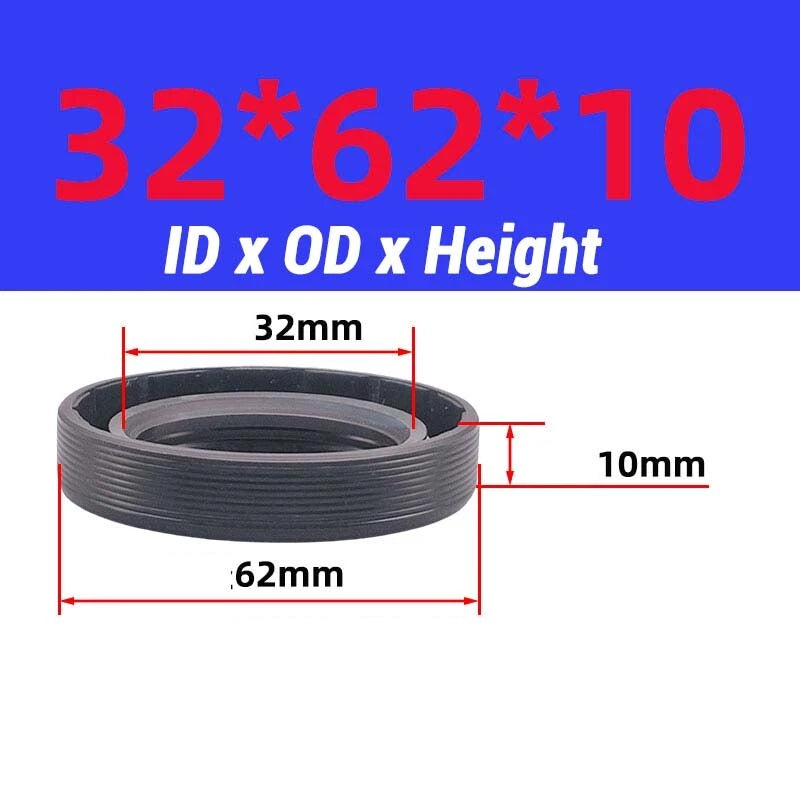
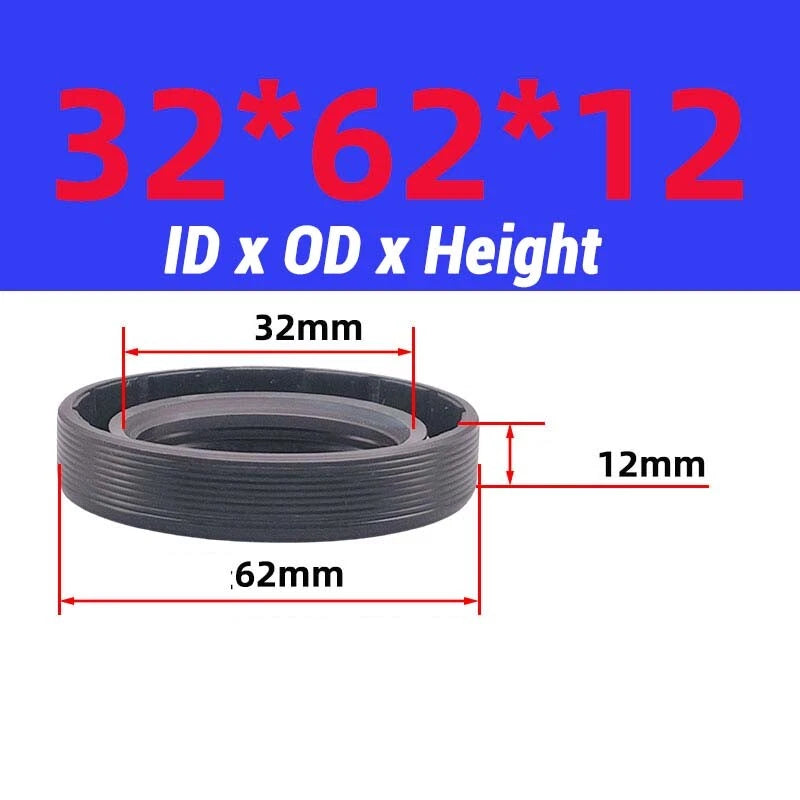
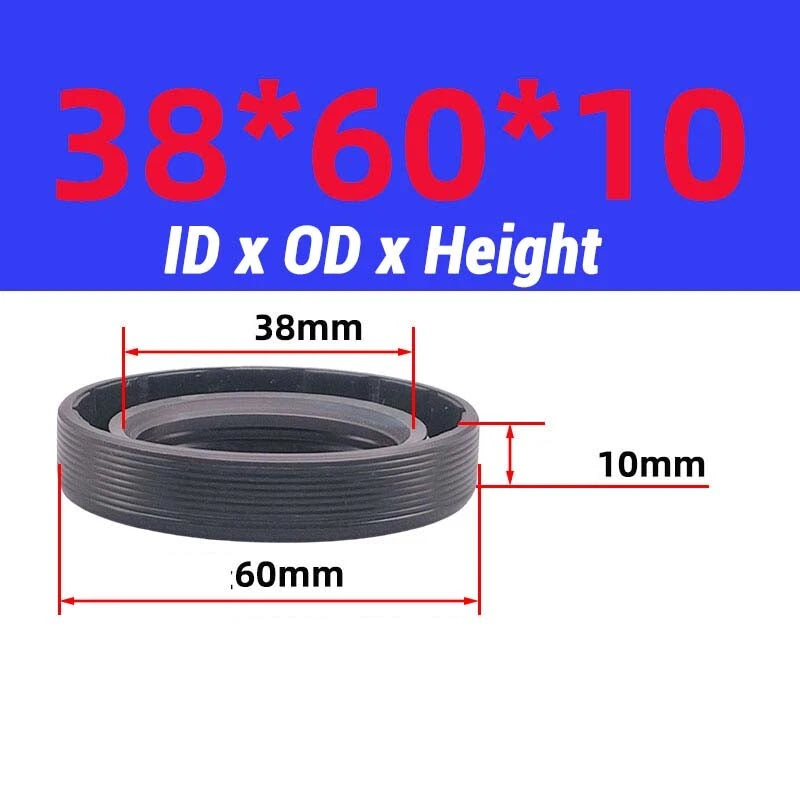
Each seal is a dual-lip (TC/FB) skeleton construction with a metal case insert for dimensional stability. Inner diameters span 8 mm to 38 mm (approx. 0.31 in – 1.50 in), outer diameters and heights vary by variant — select your exact ID × OD × Height combination from the dropdown. The sealing lip material is elastomeric rubber (NBR-type, conservatively inferred from standard TC seal construction), suited for petroleum-based lubricants and general industrial fluids.

Typical use cases include automotive gearbox output shafts and differential pinion seals, small engine crankshaft and camshaft sealing, hydraulic pump shaft seals, and agricultural or power-tool gearbox rebuilds — anywhere a metric rotary shaft seal with a standardized TC profile is required.

🔧 Compatibility: Fits standard metric shaft and bore housings. Match your shaft OD to the seal ID, and your housing bore to the seal OD. Verify height (width) against your housing depth before ordering.

✅ Key Features of These TC Metric Oil Seals

🔒
Dual-Lip TC Design

Primary sealing lip retains lubricant; secondary dust lip blocks contaminants — the standard TC (double-lip) profile trusted in industrial and automotive applications.

🏗️
Metal-Case Skeleton Construction

Rigid metal insert maintains roundness during press-fit installation and prevents distortion under housing clamping force.

📐
Wide Metric Size Range

ID 8–38 mm across 250+ size combinations — covers a broad spectrum of shaft diameters for gearboxes, pumps, engines, and axles in a single listing.

🛢️
Petroleum-Lubricant Compatible

NBR-type elastomer lip is compatible with mineral gear oils, engine oils, and general hydraulic fluids typically found in rotating machinery.

⚙️
Press-Fit Installation

Outer diameter is sized for interference fit into standard metric housings. Use a seal driver or flat press plate for flush, square installation without lip distortion.

🔄
Broad Application Coverage

Suitable for automotive differentials, small engine crankshafts, hydraulic pump shafts, agricultural gearboxes, and power-tool spindles requiring a metric TC shaft seal.

📐 Technical Specifications — TC Oil Seal

Seal Type TC (Double Lip / FB Skeleton)
Inner Diameter (ID) 8 mm – 38 mm (see variant options)
Outer Diameter (OD) See variant options
Height (Width) See variant options
Lip Material NBR (Nitrile Rubber, standard TC construction)
Case Construction Metal skeleton (carbon steel insert)
Lip Configuration Dual lip — primary sealing + secondary dust exclusion
Fluid Compatibility Mineral oils, gear oils, hydraulic fluids (petroleum-based)
Standard Metric (DIN 3760 / ISO 6194 profile)
Finish Black rubber outer / metal case
Quantity per Order 1 piece per variant selected

❓ Frequently Asked Questions

How do I choose the correct oil seal size?

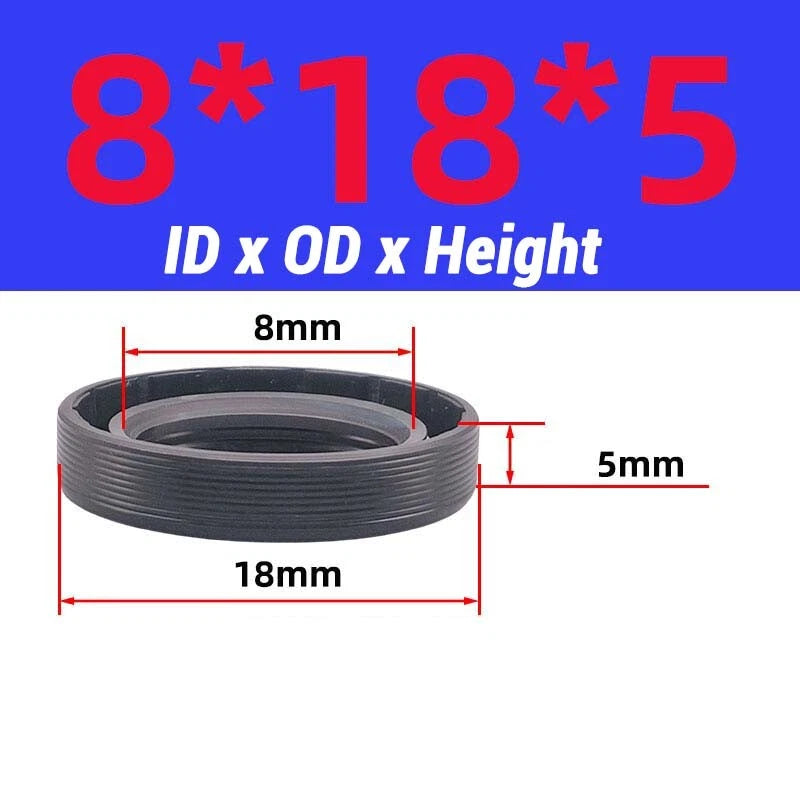
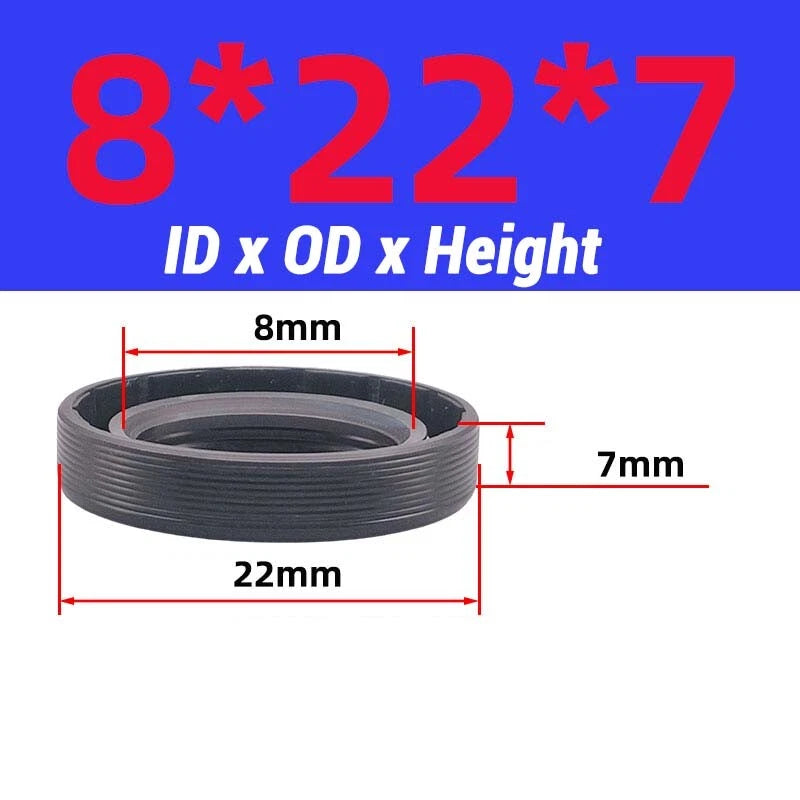
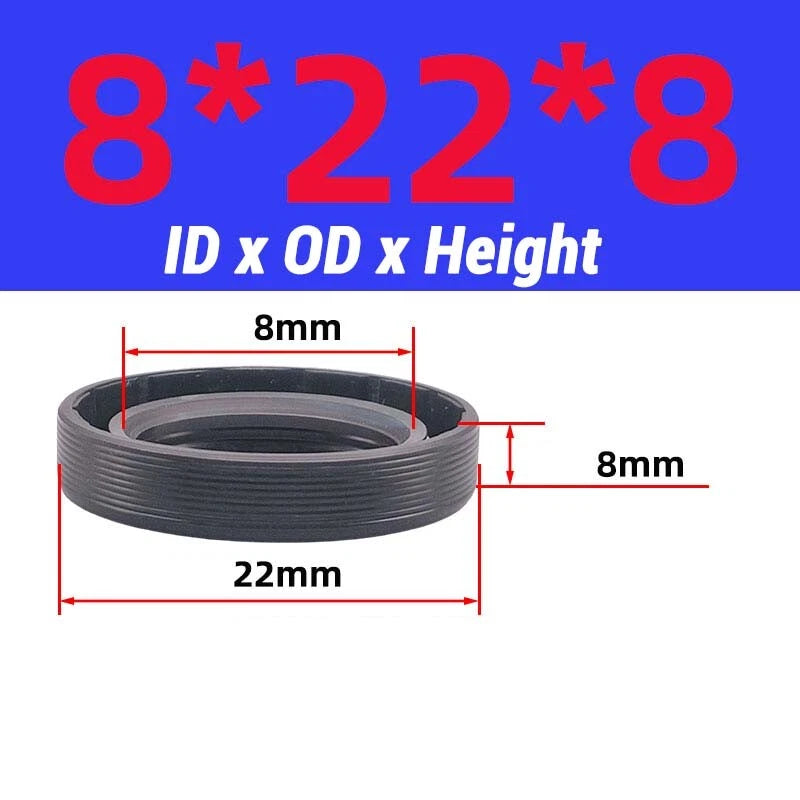
Measure your shaft outer diameter — this becomes the seal's Inner Diameter (ID). Measure your housing bore — this becomes the seal's Outer Diameter (OD). Measure the housing depth available for the seal — this is the Height. Match all three dimensions to the variant listed as ID × OD × Height. When in doubt, consult your equipment's service manual for the OEM seal specification.

What does "TC" mean on an oil seal?

TC stands for a double-lip seal with a metal case (skeleton). The primary lip seals lubricant inside; the secondary lip (dust lip) faces outward to exclude dirt and moisture. This dual-lip design is the most common type used in automotive and industrial rotating shaft applications.

Are these seals compatible with synthetic oils?

These seals use an NBR-type elastomer, which is well-suited for petroleum-based mineral oils and standard gear oils. Compatibility with full-synthetic or ester-based fluids varies — if your application uses synthetic lubricants, verify NBR compatibility with your fluid supplier or consider a FKM (Viton) seal for guaranteed resistance.

How do I install a TC oil seal without damaging the lip?

Clean the housing bore and lightly lubricate the outer diameter of the seal and the sealing lip with the same oil used in the application. Use a seal driver or a flat plate slightly smaller than the OD to press the seal in squarely. Never hammer directly on the seal face. Press until the seal face is flush with or just below the housing surface. Avoid dragging the lip over sharp shaft edges — use a chamfer or installation sleeve if available.

What shaft speed and pressure can these seals handle?

Standard TC NBR oil seals are rated for moderate shaft surface speeds — typically up to 4–8 m/s depending on shaft finish and lubrication — and low-to-moderate pressure (generally up to 0.3 bar / 4.4 psi static). For high-speed or high-pressure applications, consult the specific seal datasheet or contact us to confirm suitability.

Can I use these seals on non-rotating (static) applications?

TC oil seals are designed primarily for dynamic (rotating shaft) applications. While they can function as static seals in some cases, an O-ring or gasket is typically more appropriate for purely static sealing. For rotating shaft sealing in gearboxes, engines, pumps, and axles, these TC seals are the correct choice.

How do I know if my old seal needs replacing?

Common signs of a failed shaft seal include oil weeping or dripping around the shaft exit point, visible hardening or cracking of the rubber lip, increased bearing noise due to lubricant loss, or contamination inside the housing. If you notice any of these, measure the old seal's ID, OD, and height and select the matching variant to replace it.

🛒 Select your ID x OD x Height above, then add to cart.

You may also like

Recently viewed