The chain is fine...but I ordered the wrong size. Nine links of the chain I ordered equals six of the size I wanted. My error...
How can I straighten out the springs? I can't use them coil uo as is.
Your payment information is processed securely. We do not store credit card details nor have access to your credit card information.
Get fitment advice & recommendations
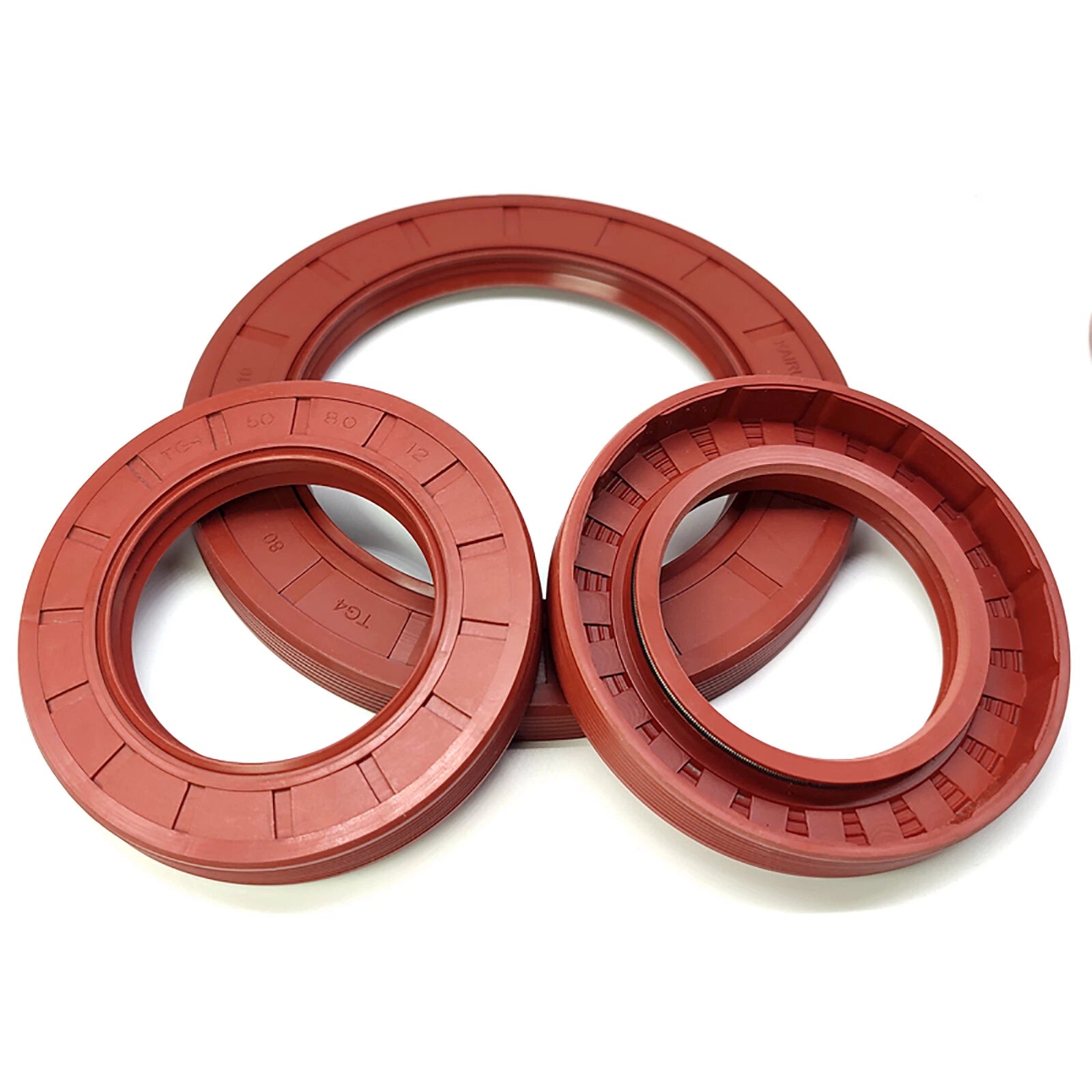
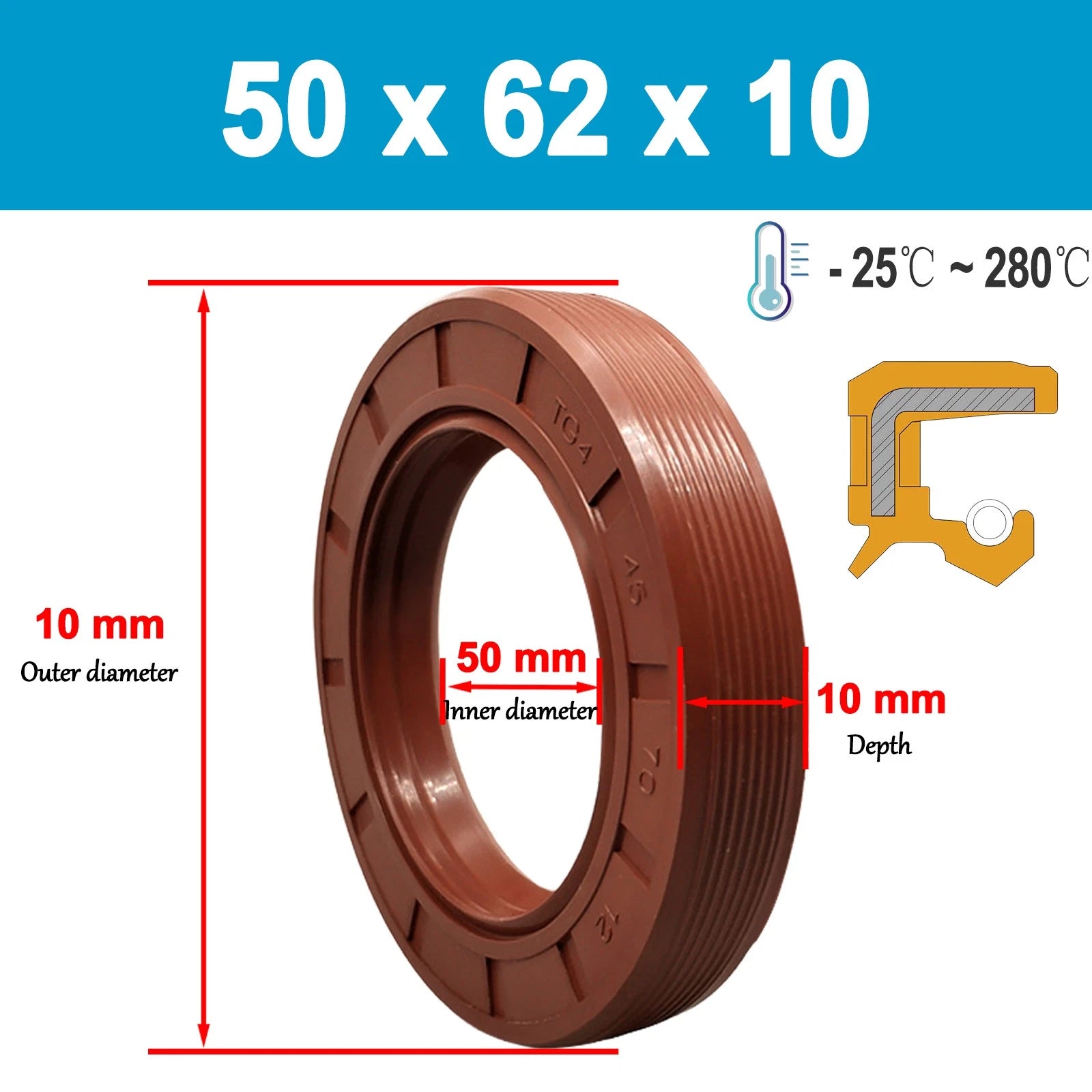
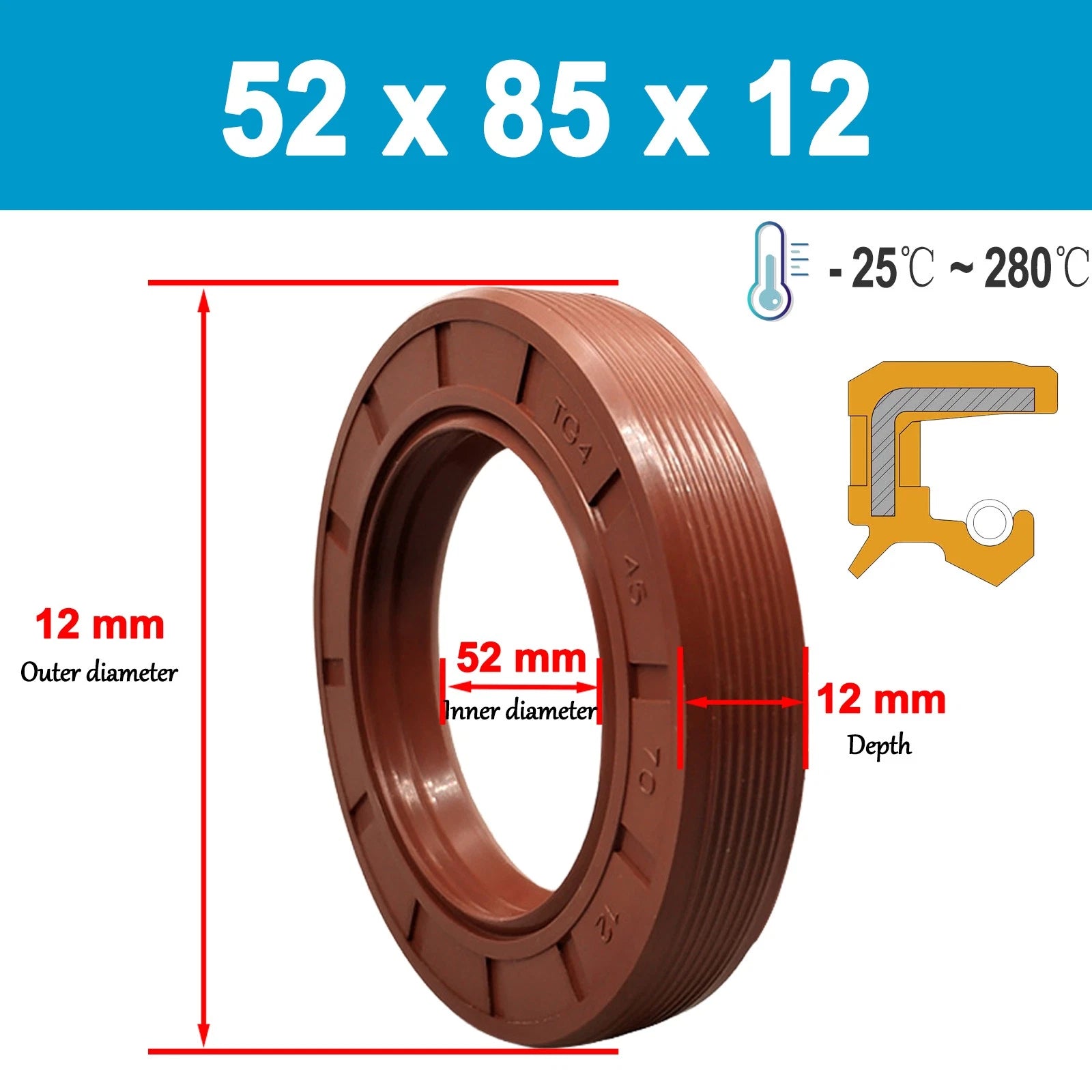
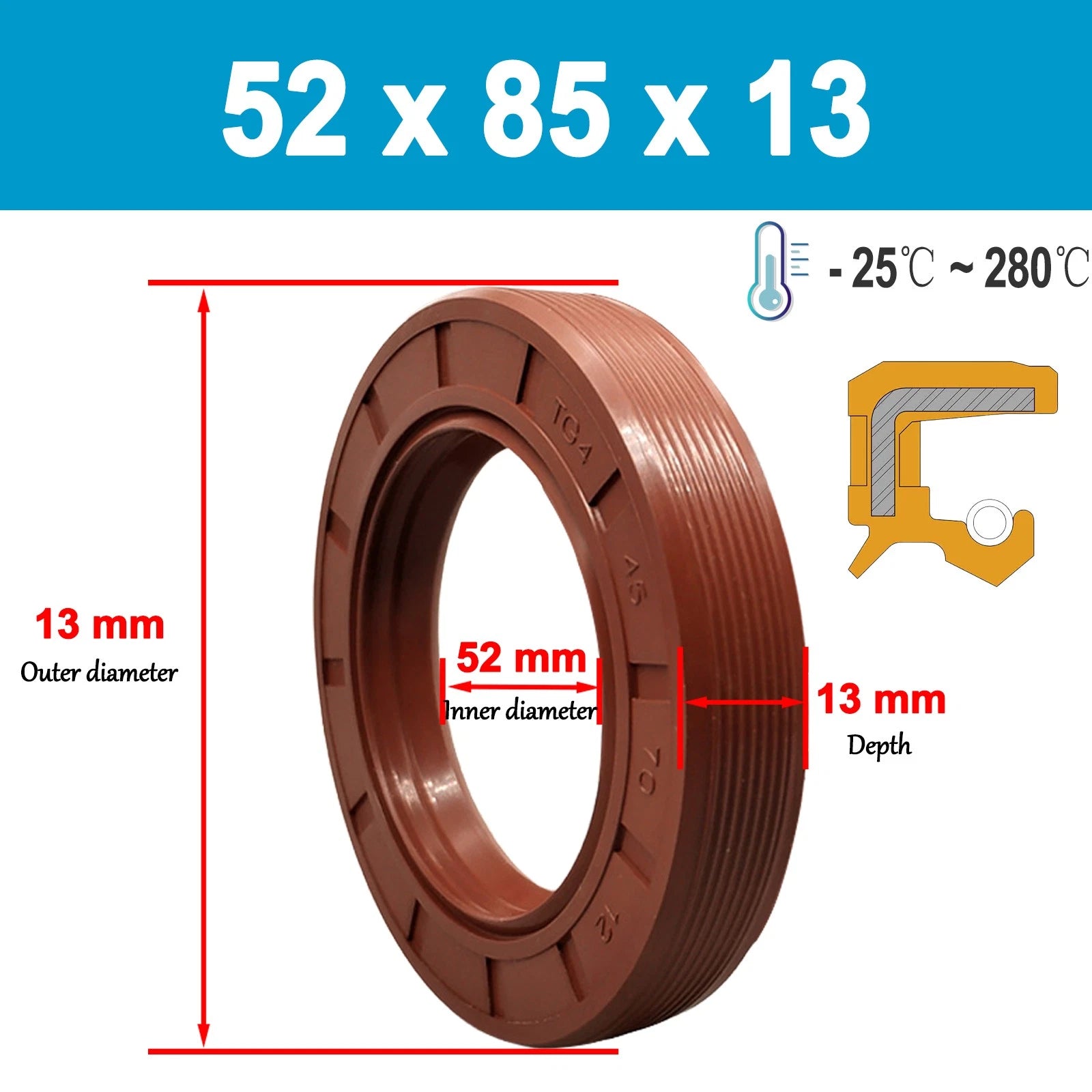
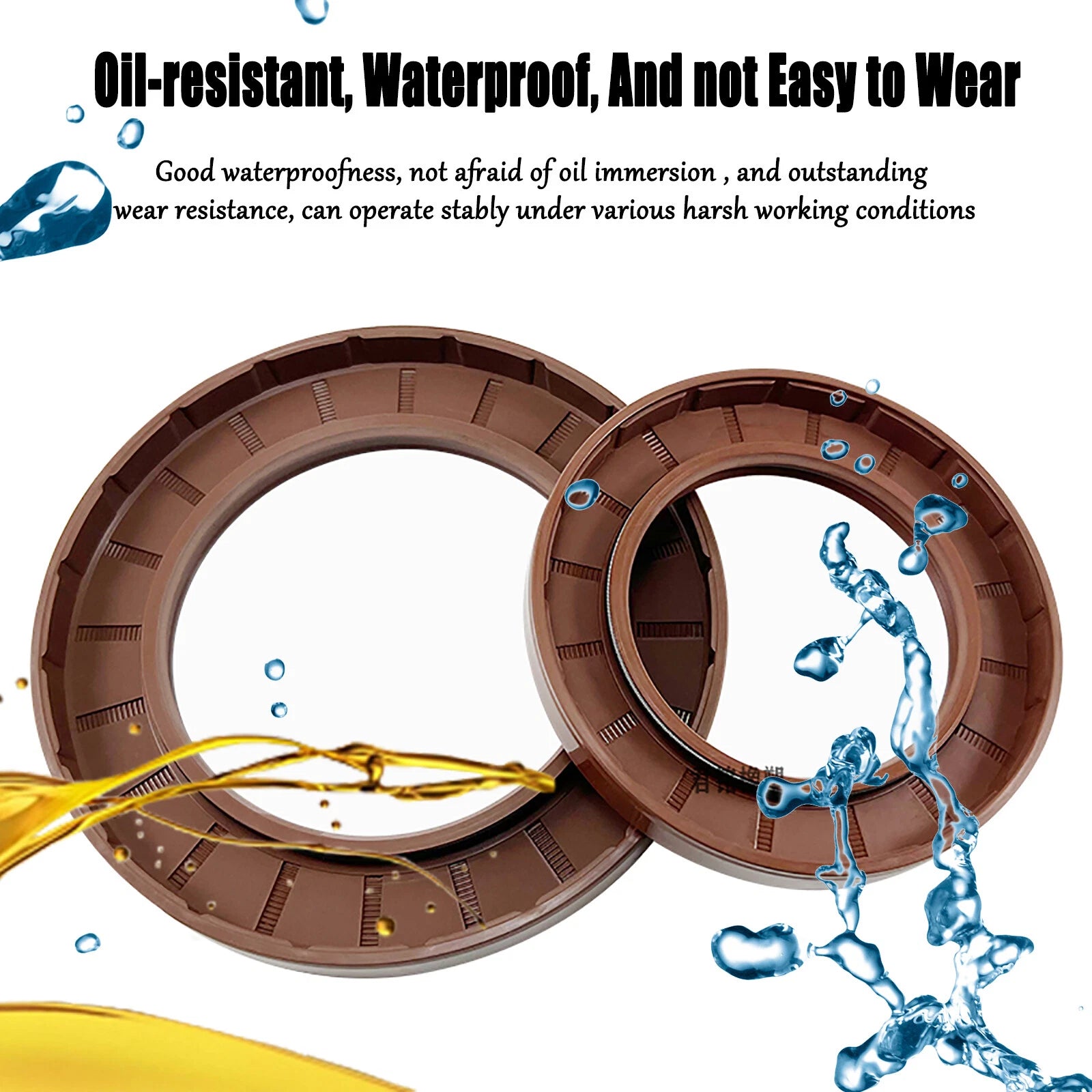
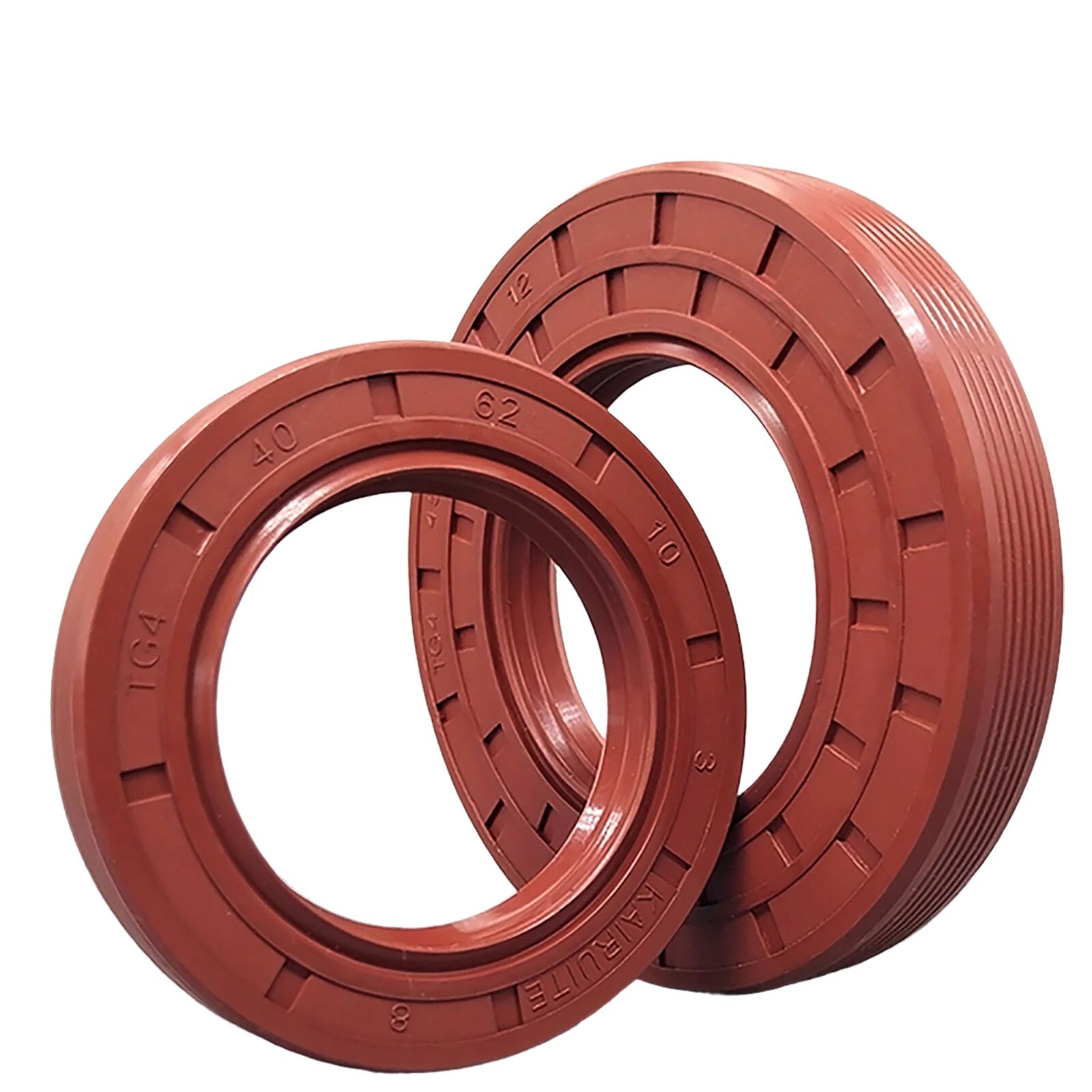
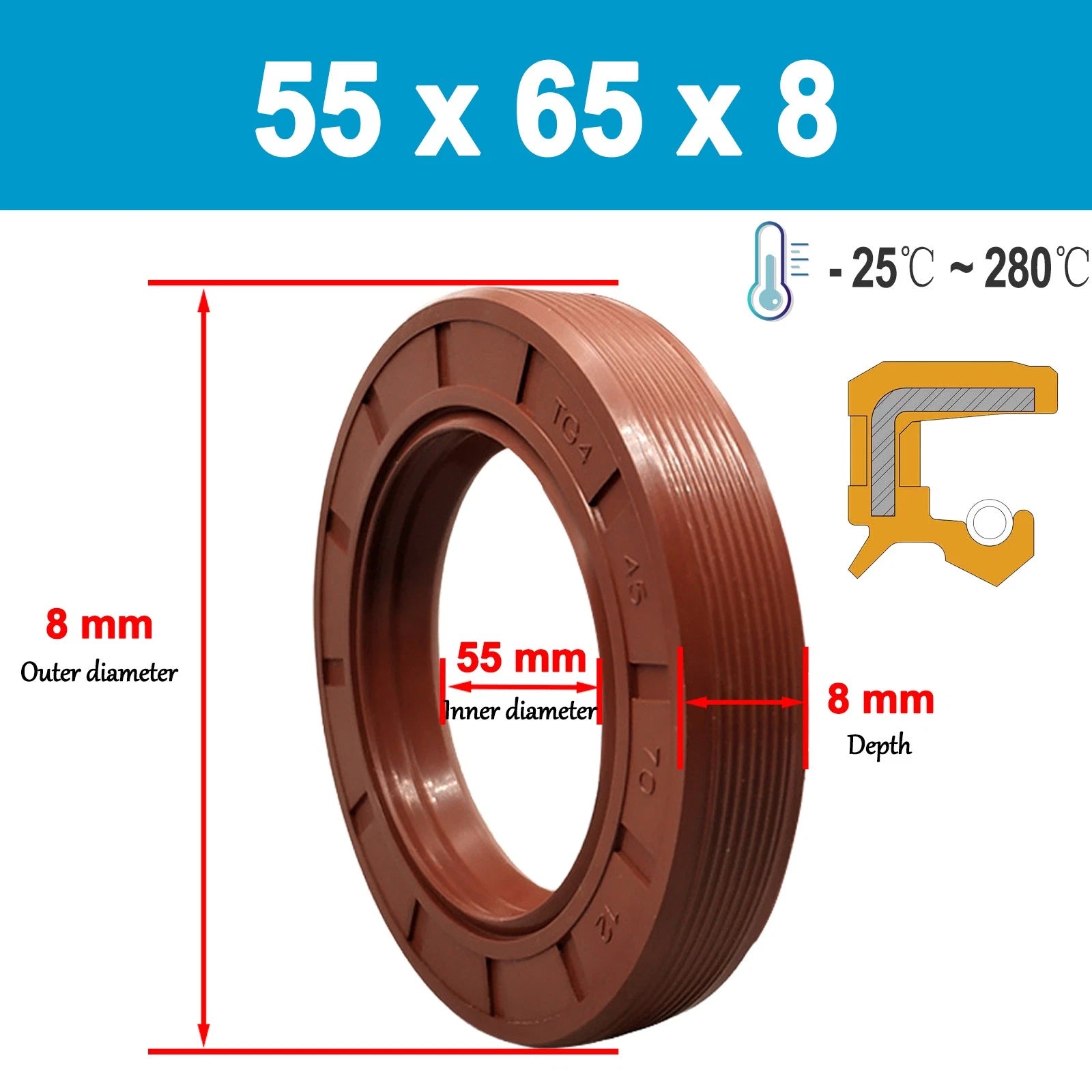
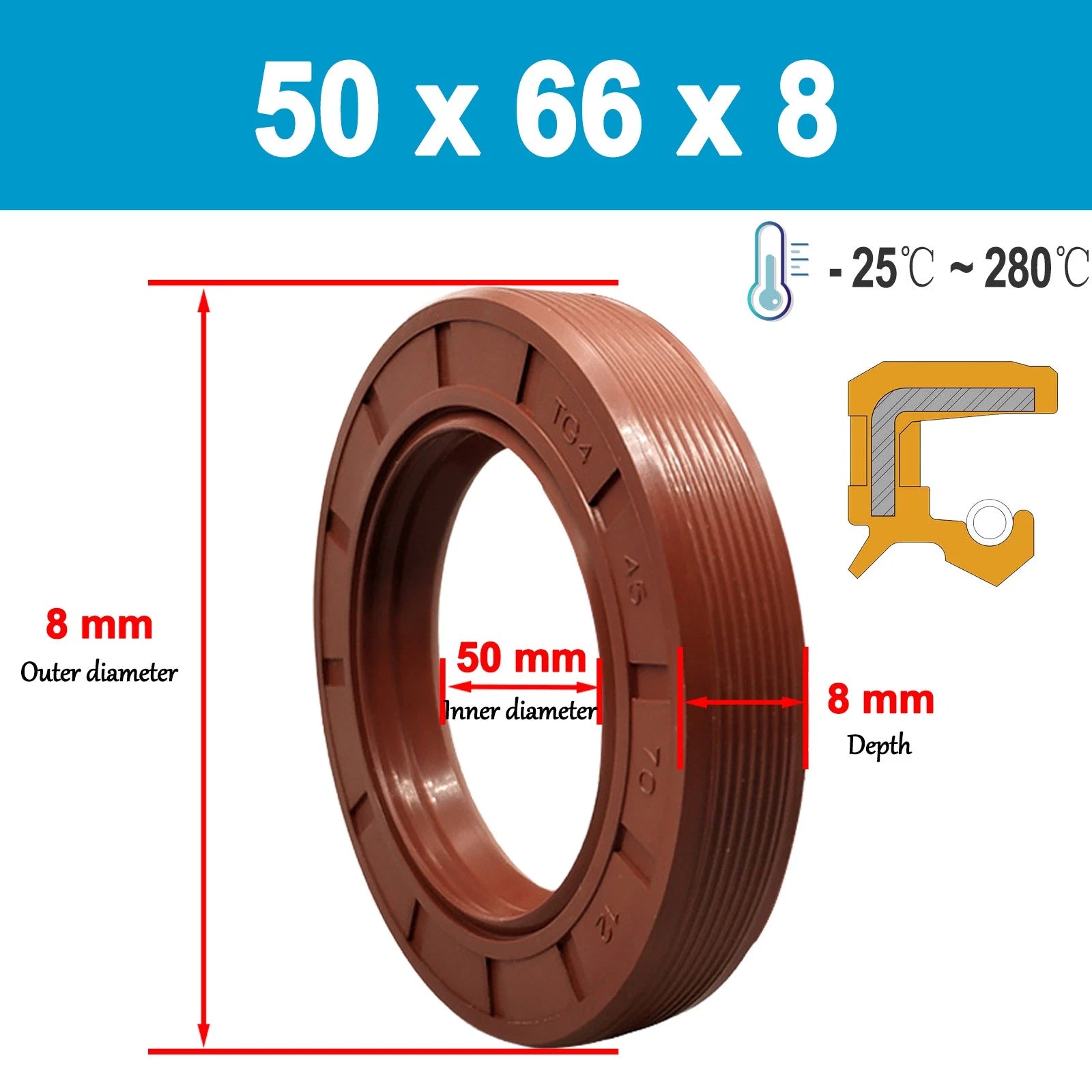
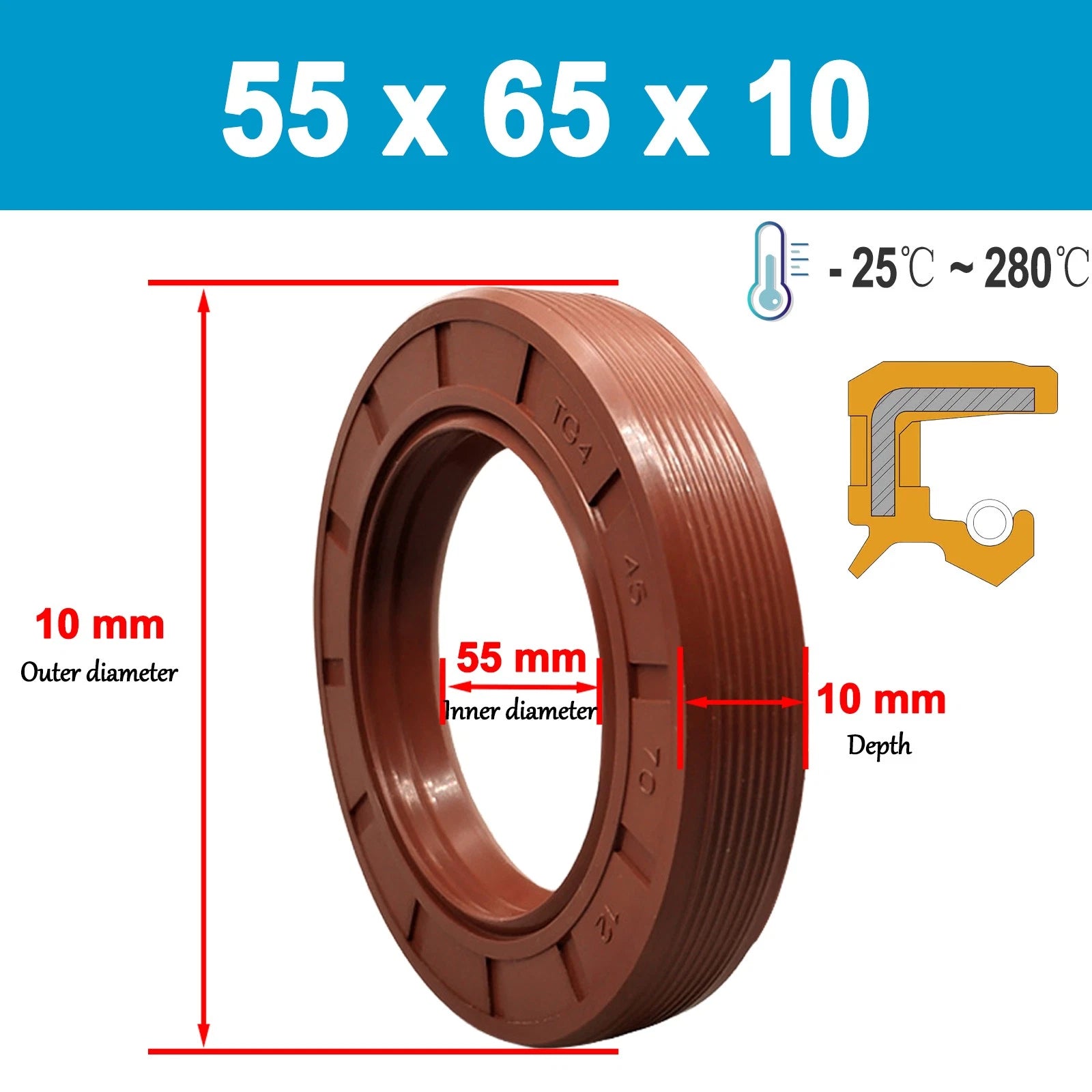
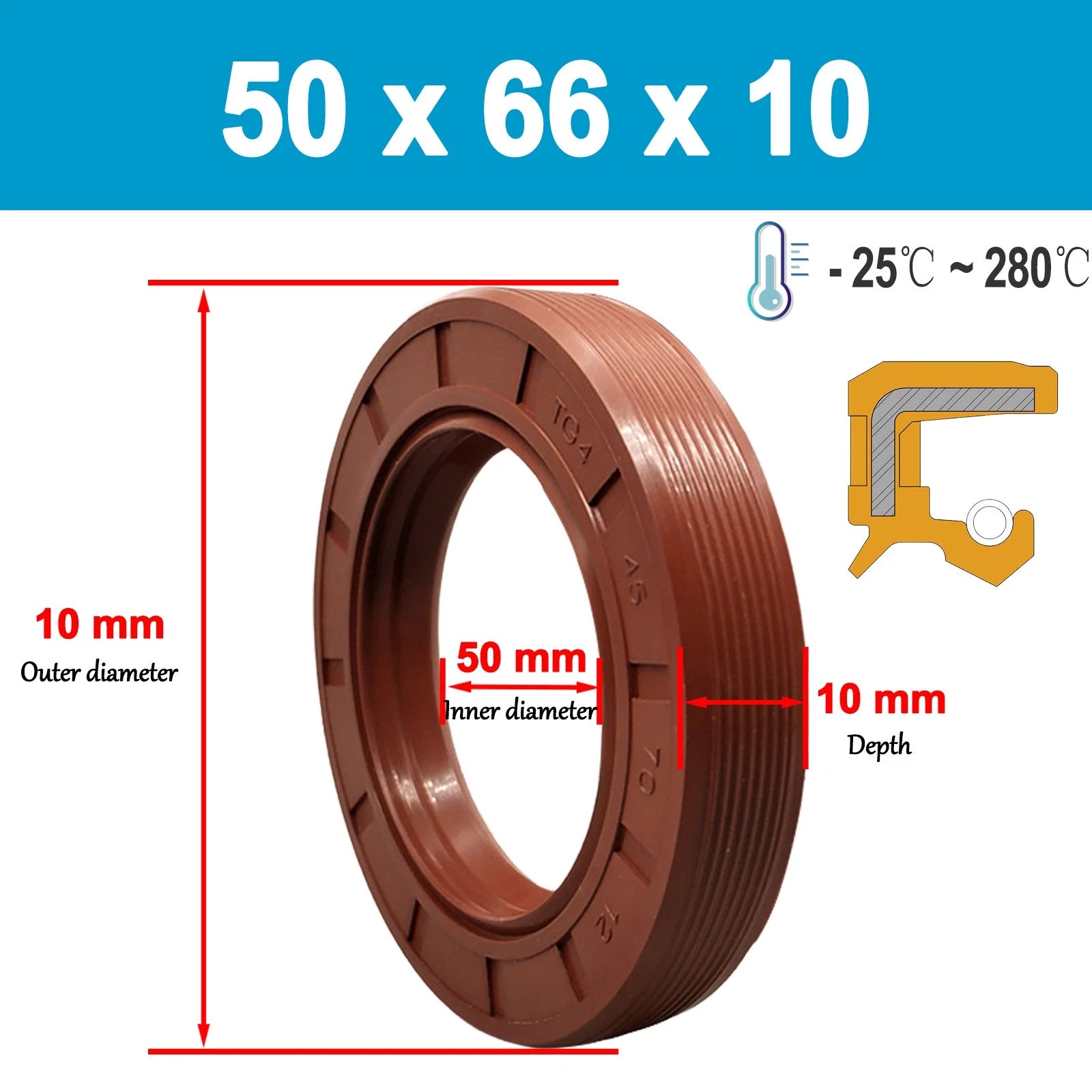
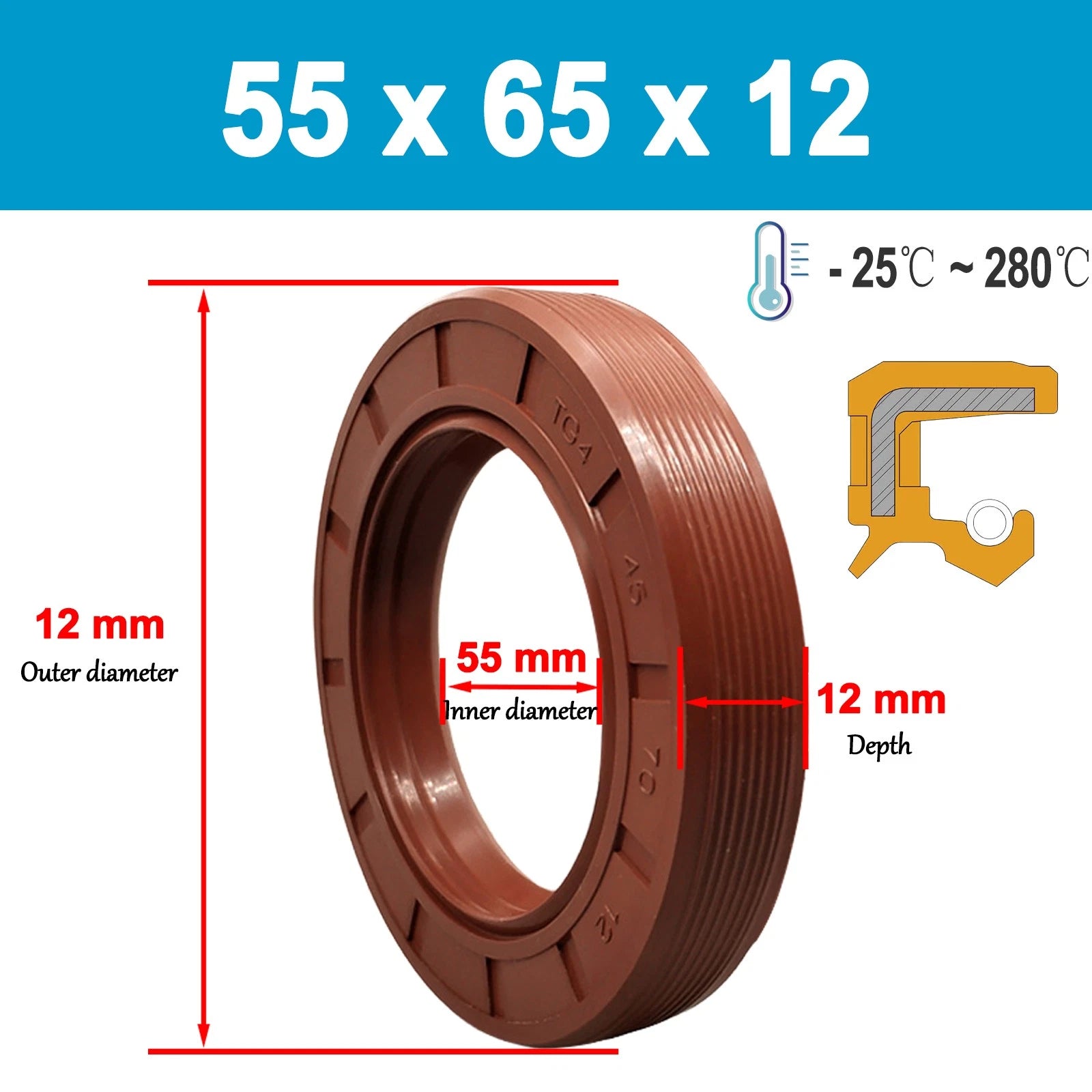
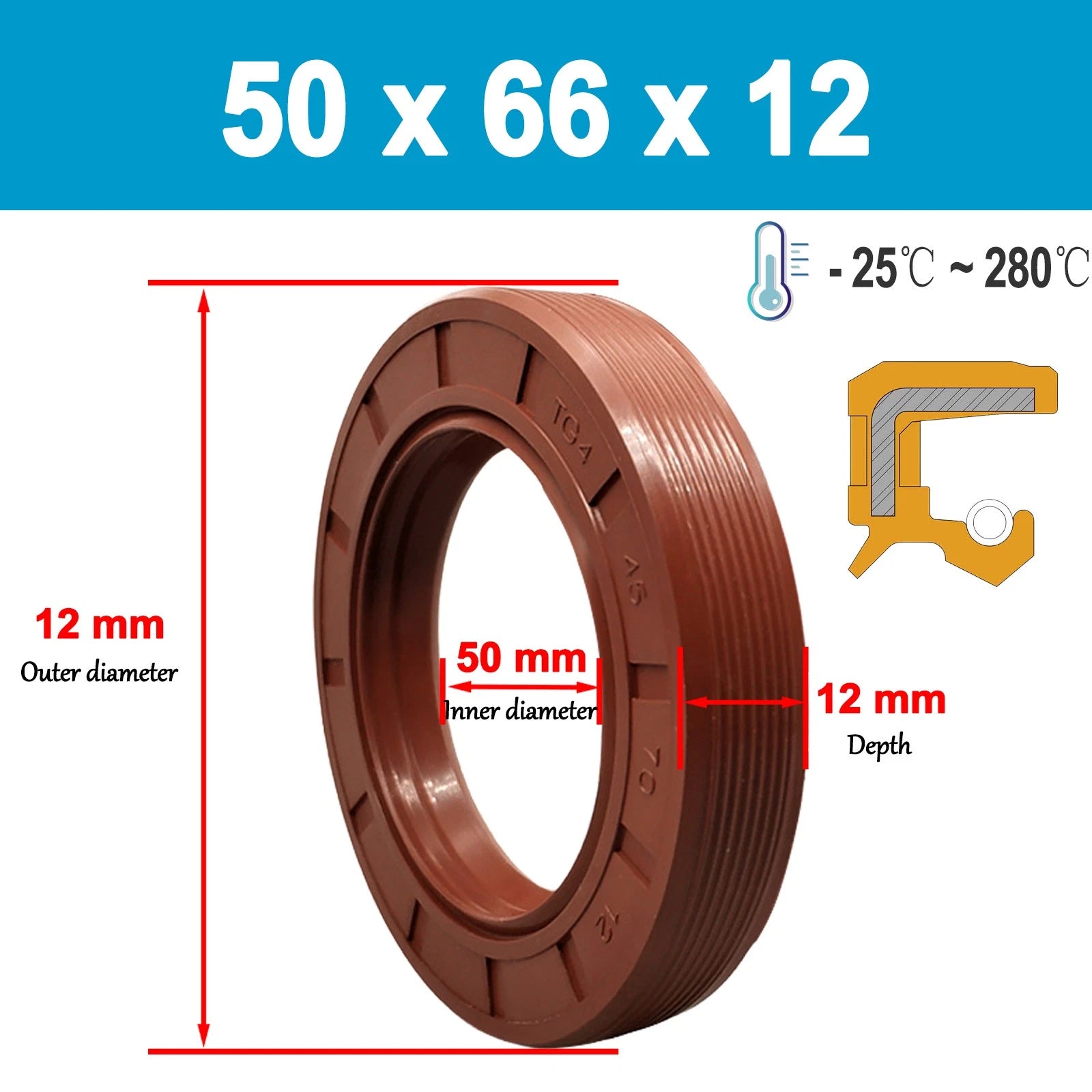
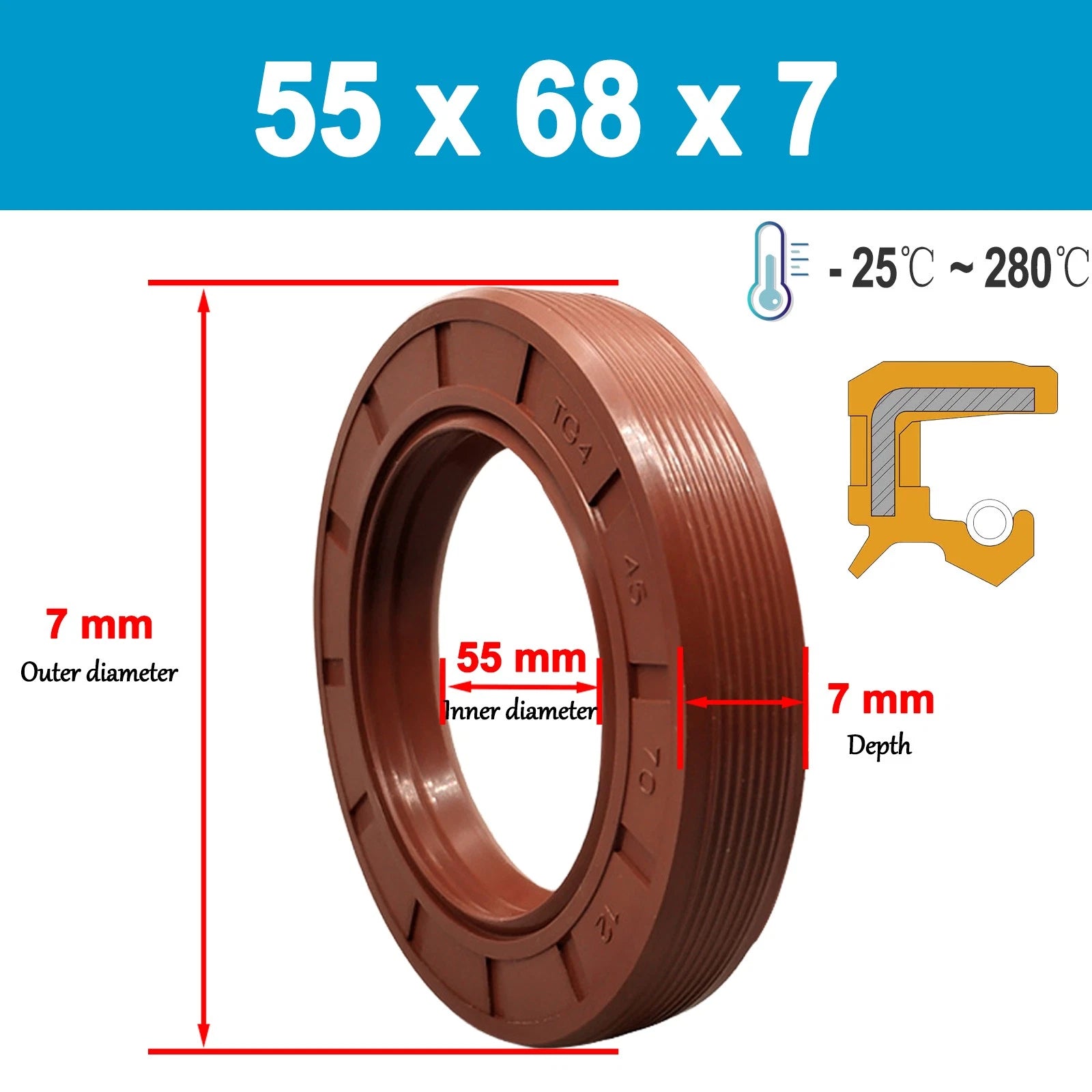
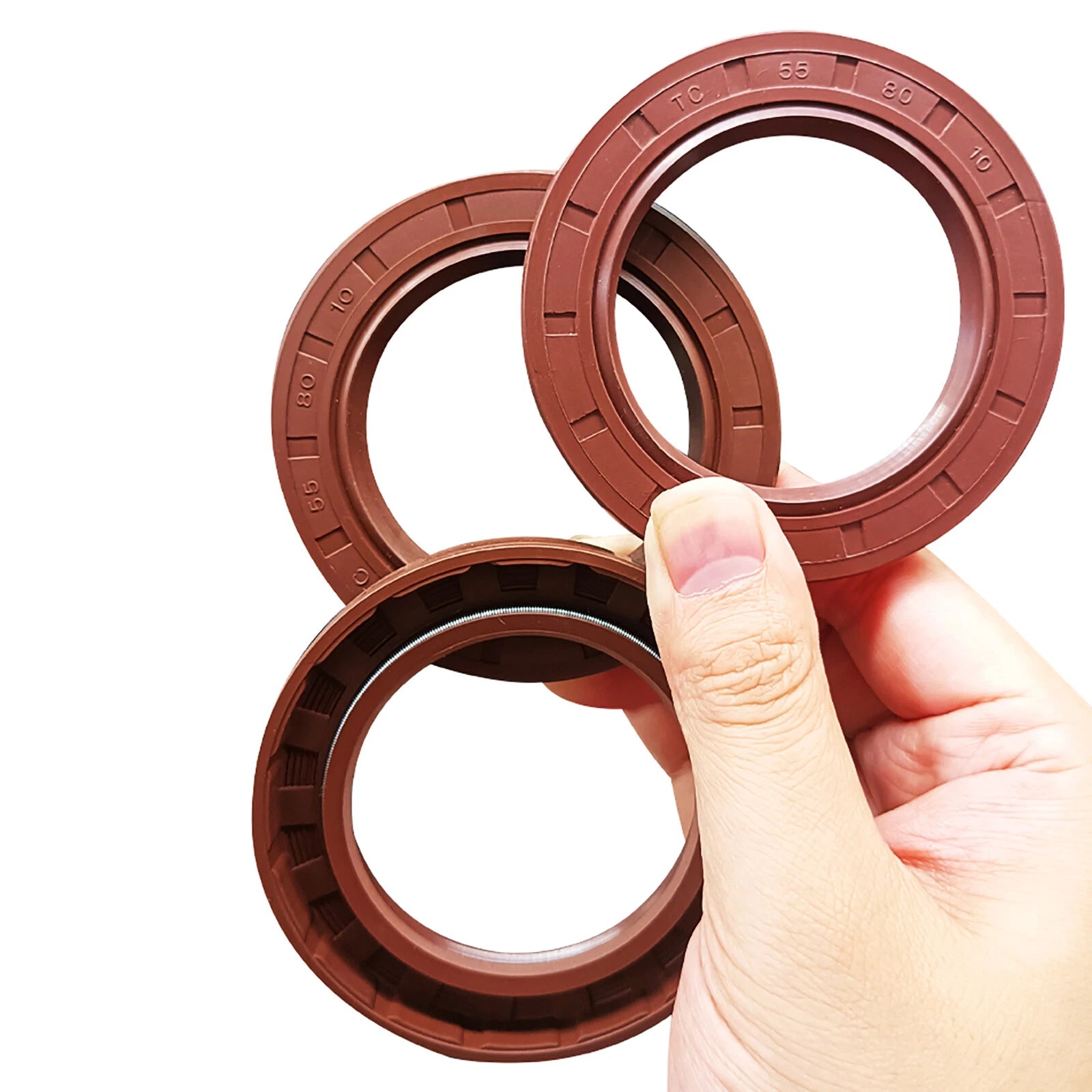
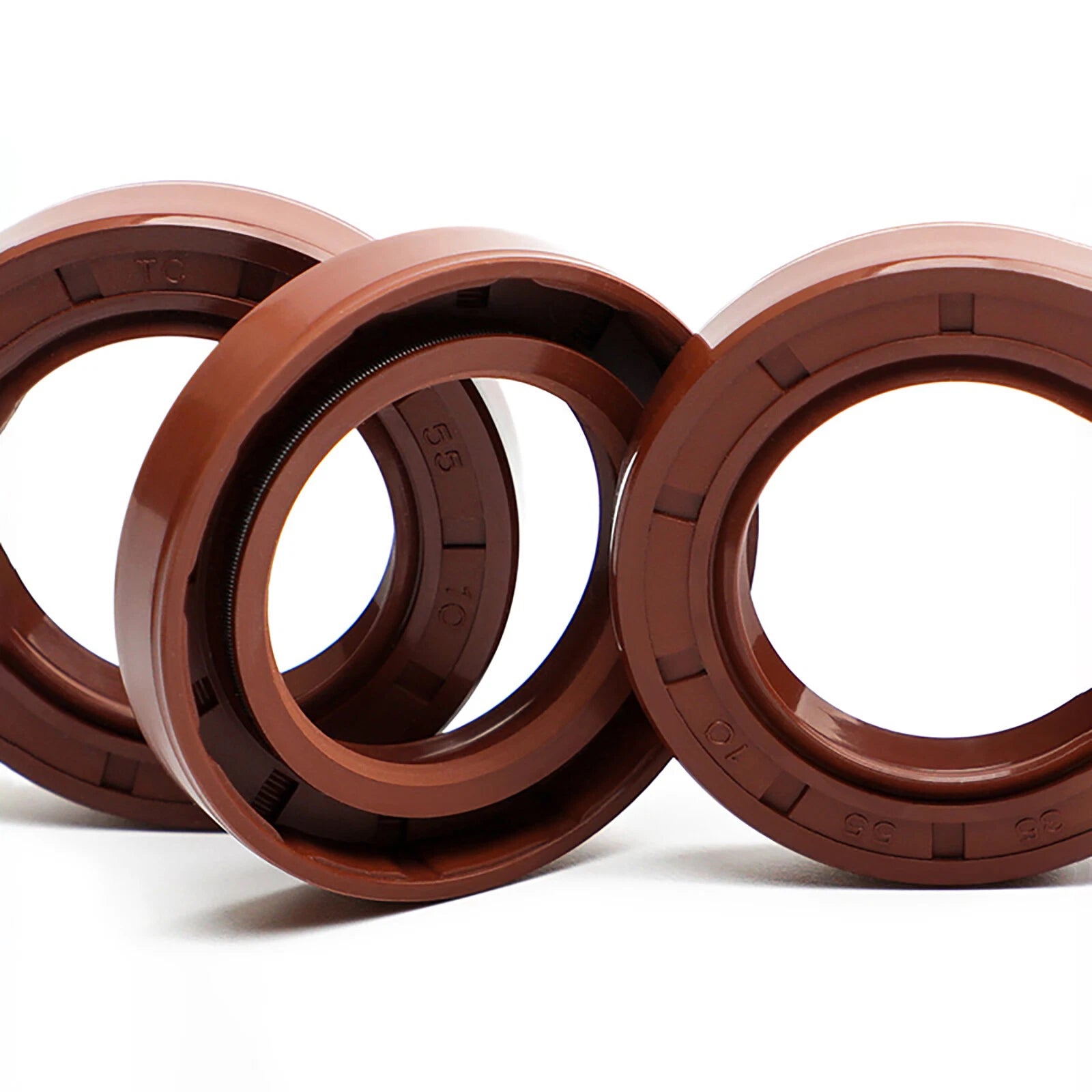
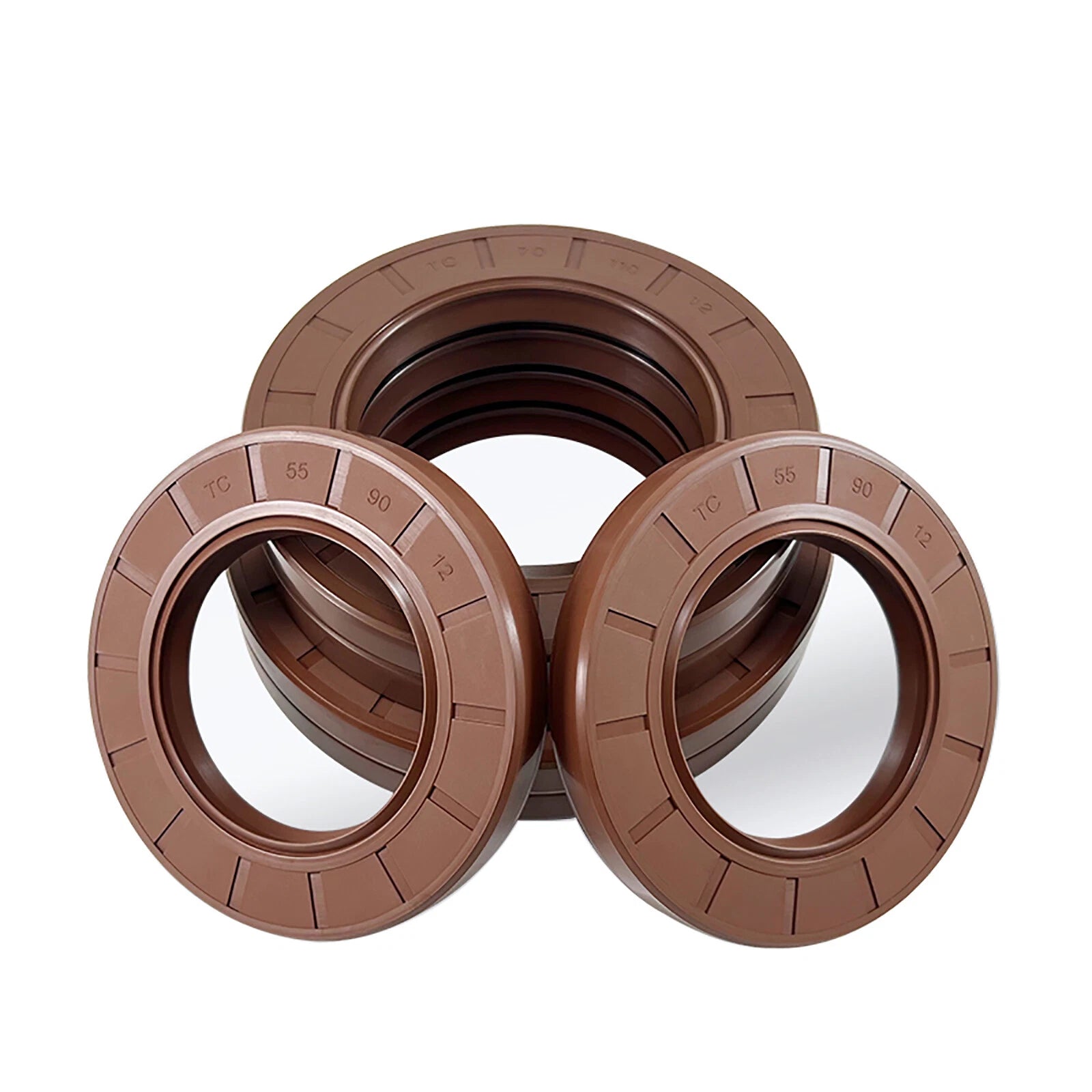
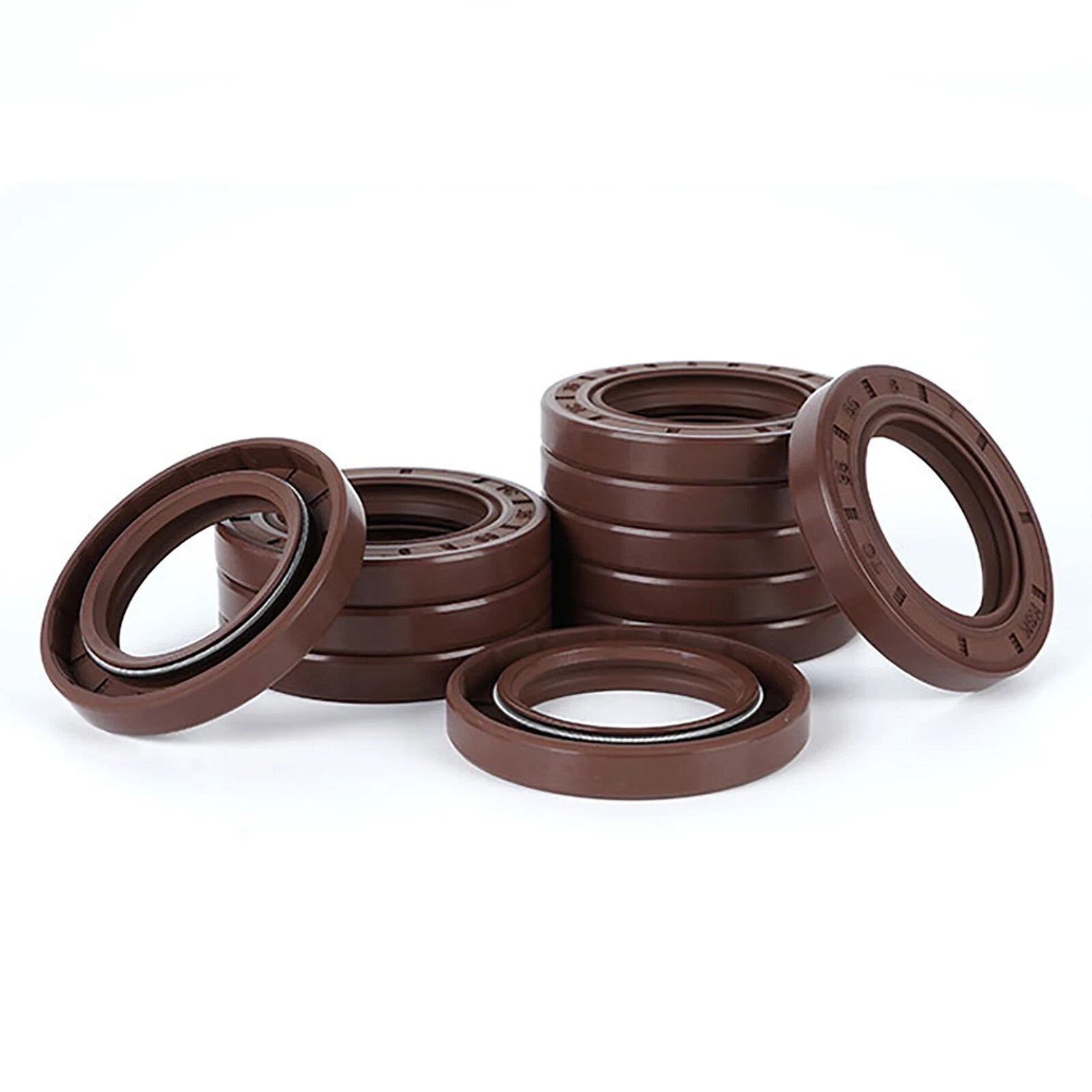
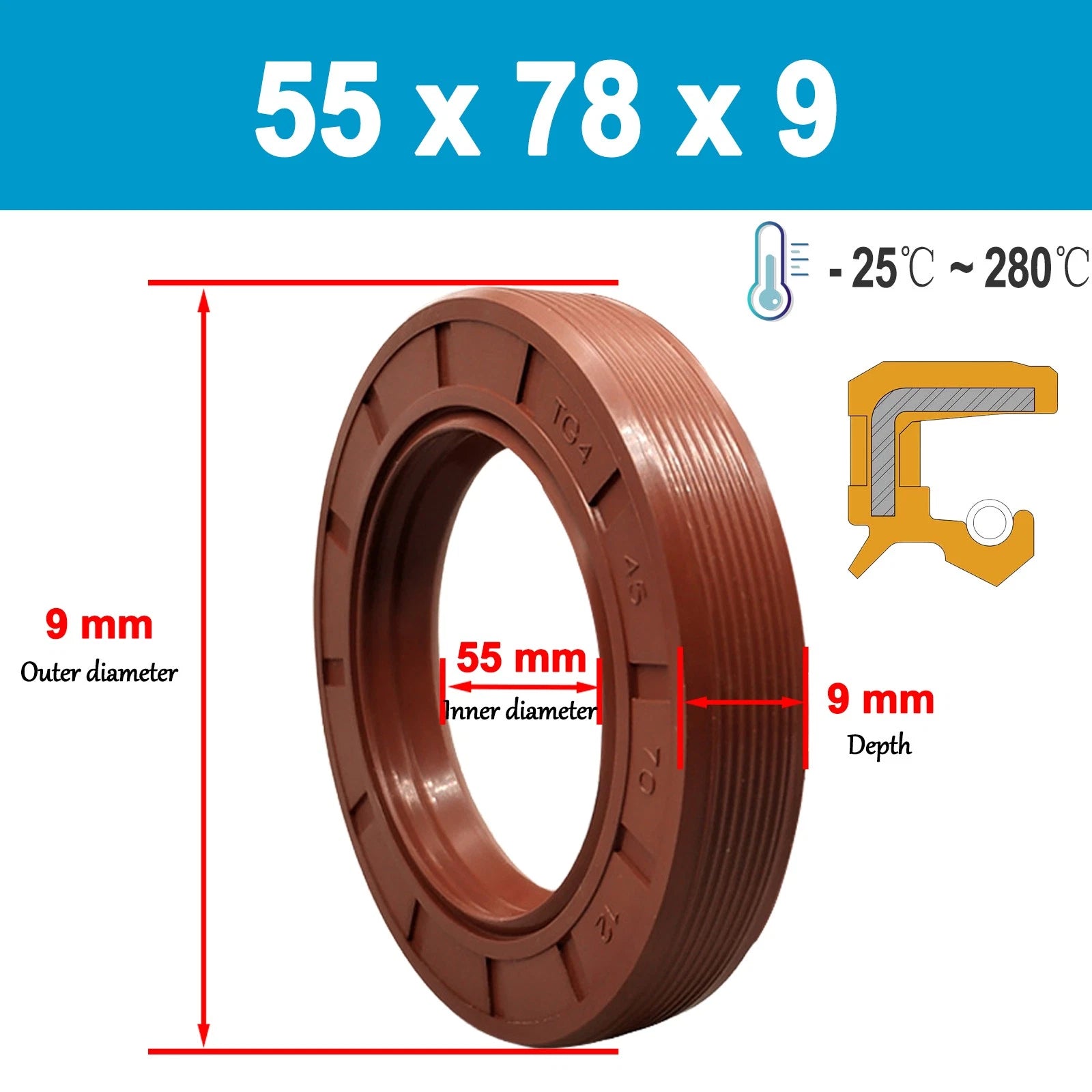
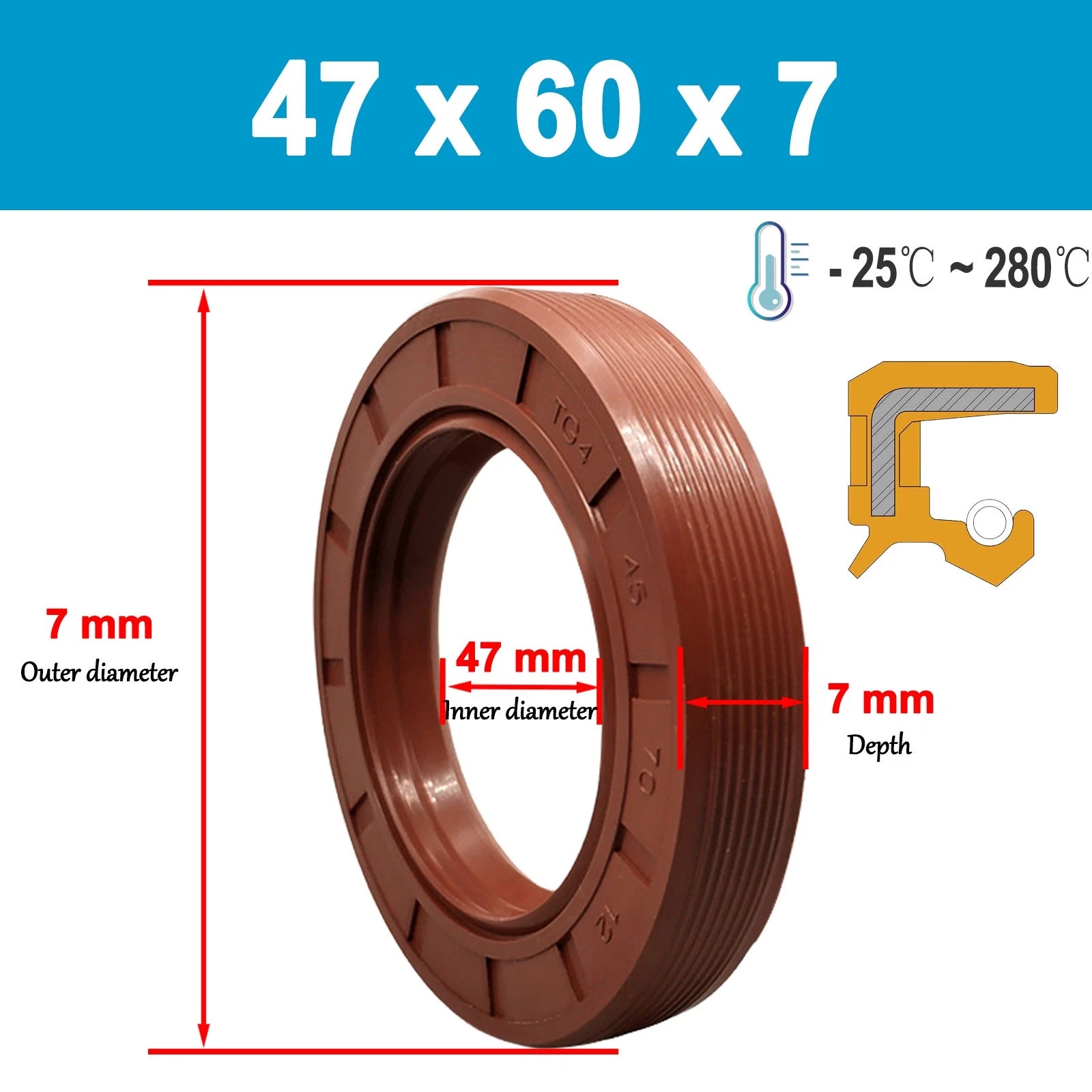
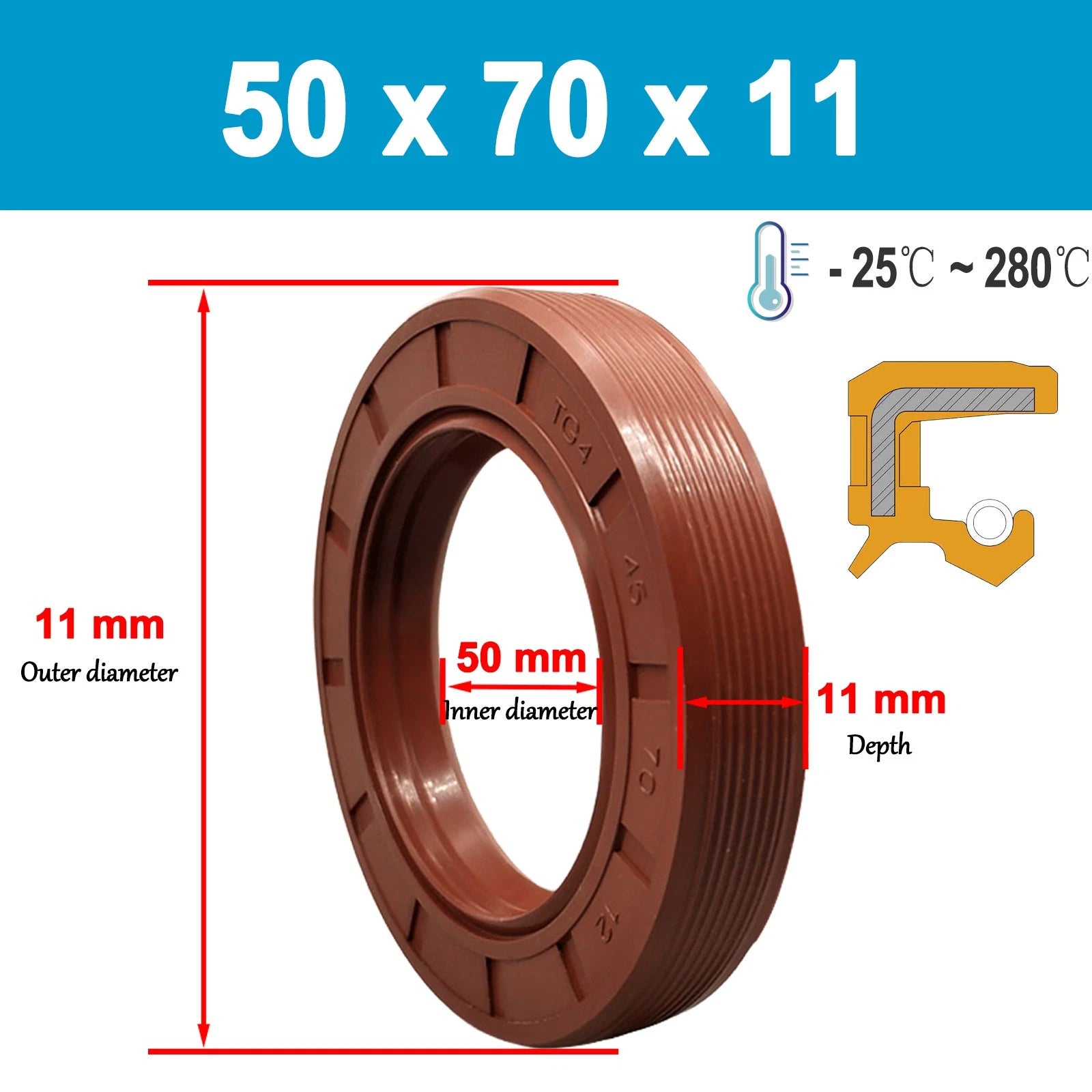
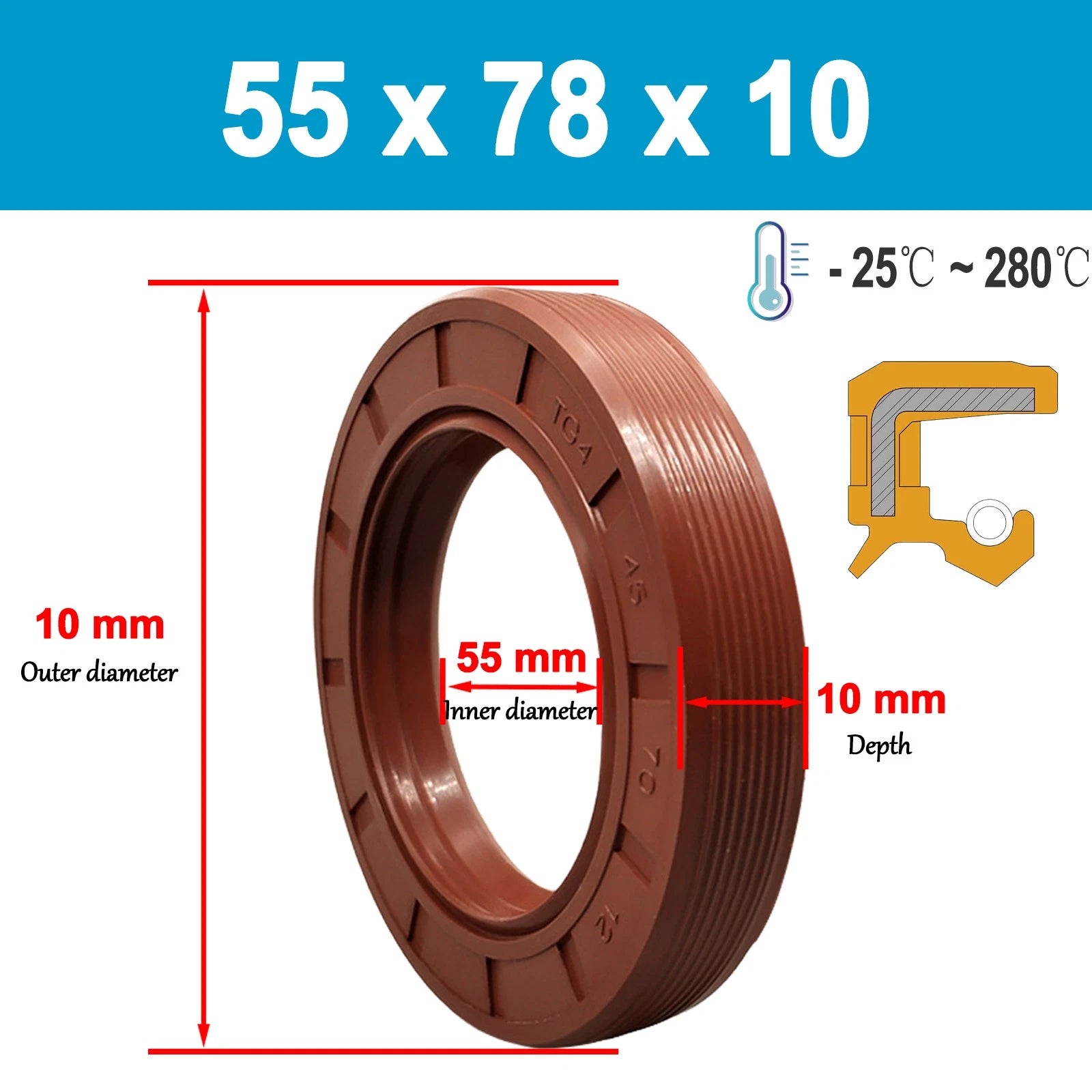
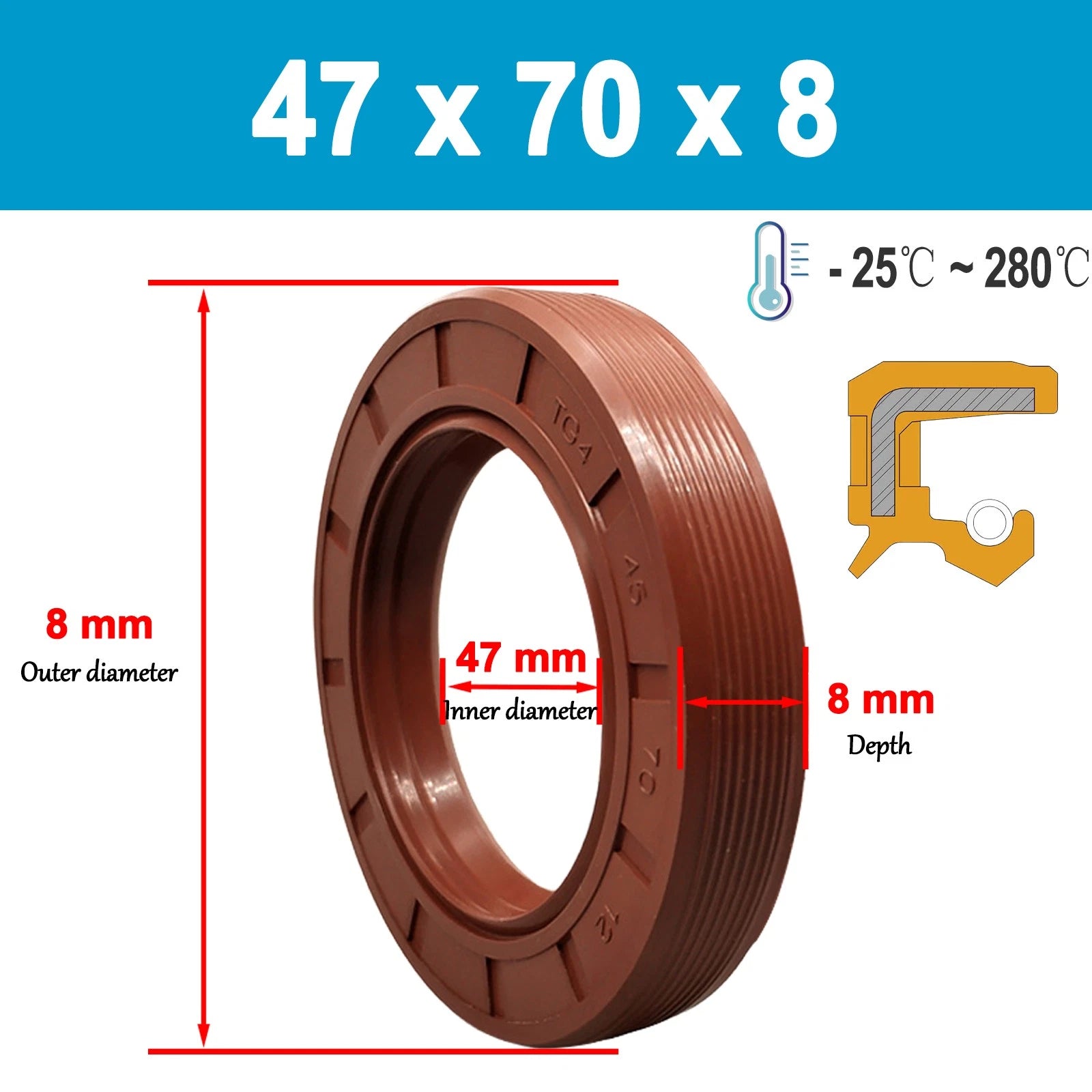
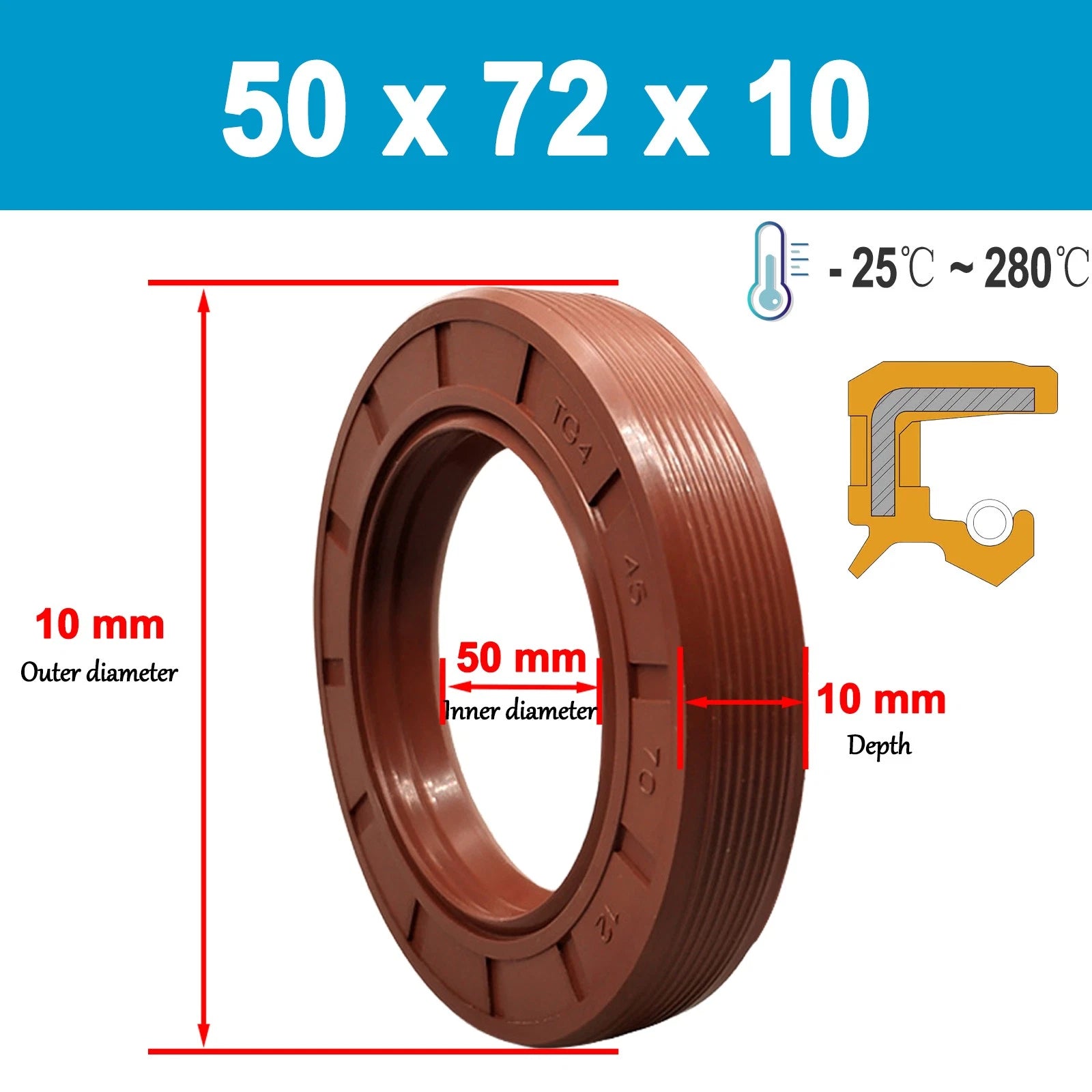
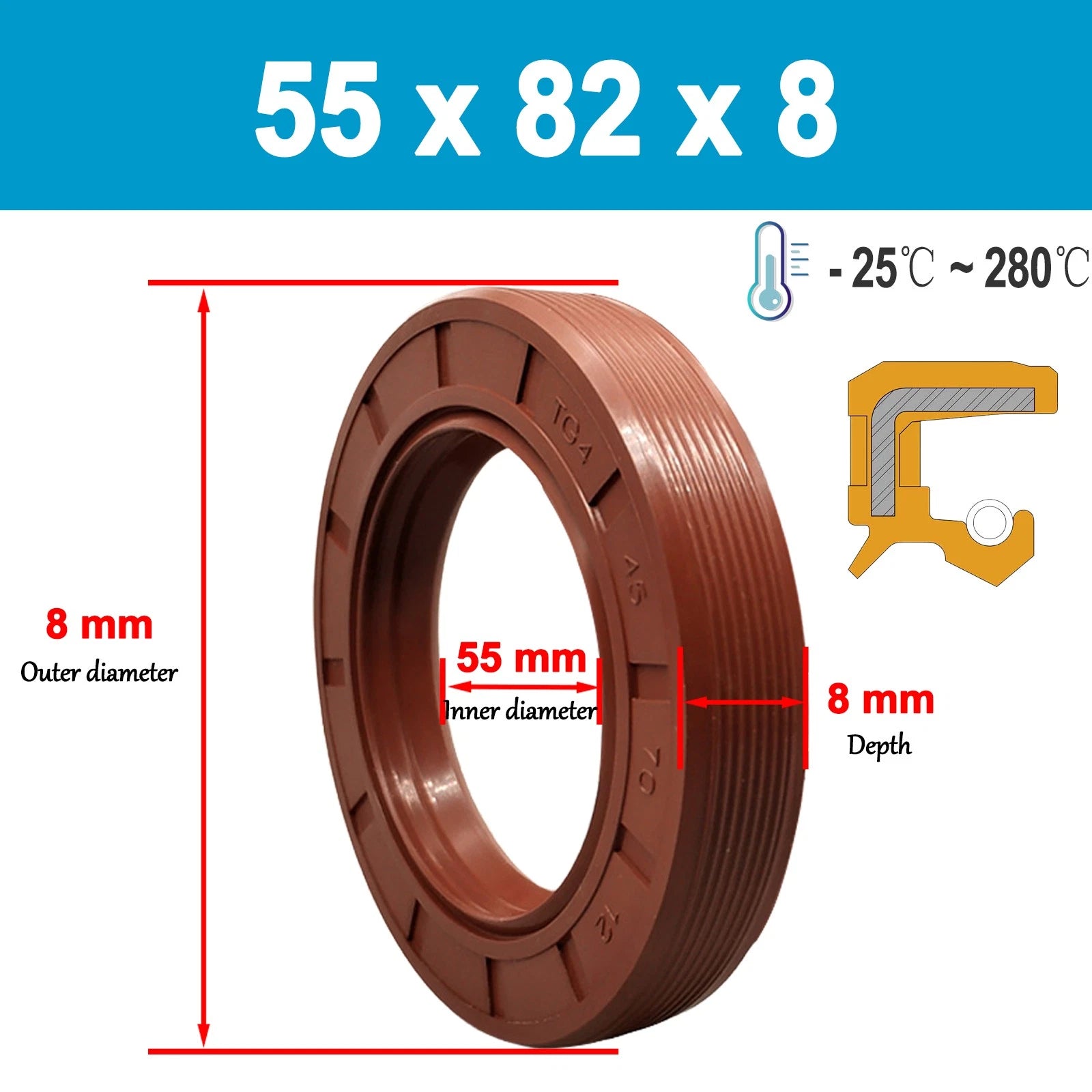
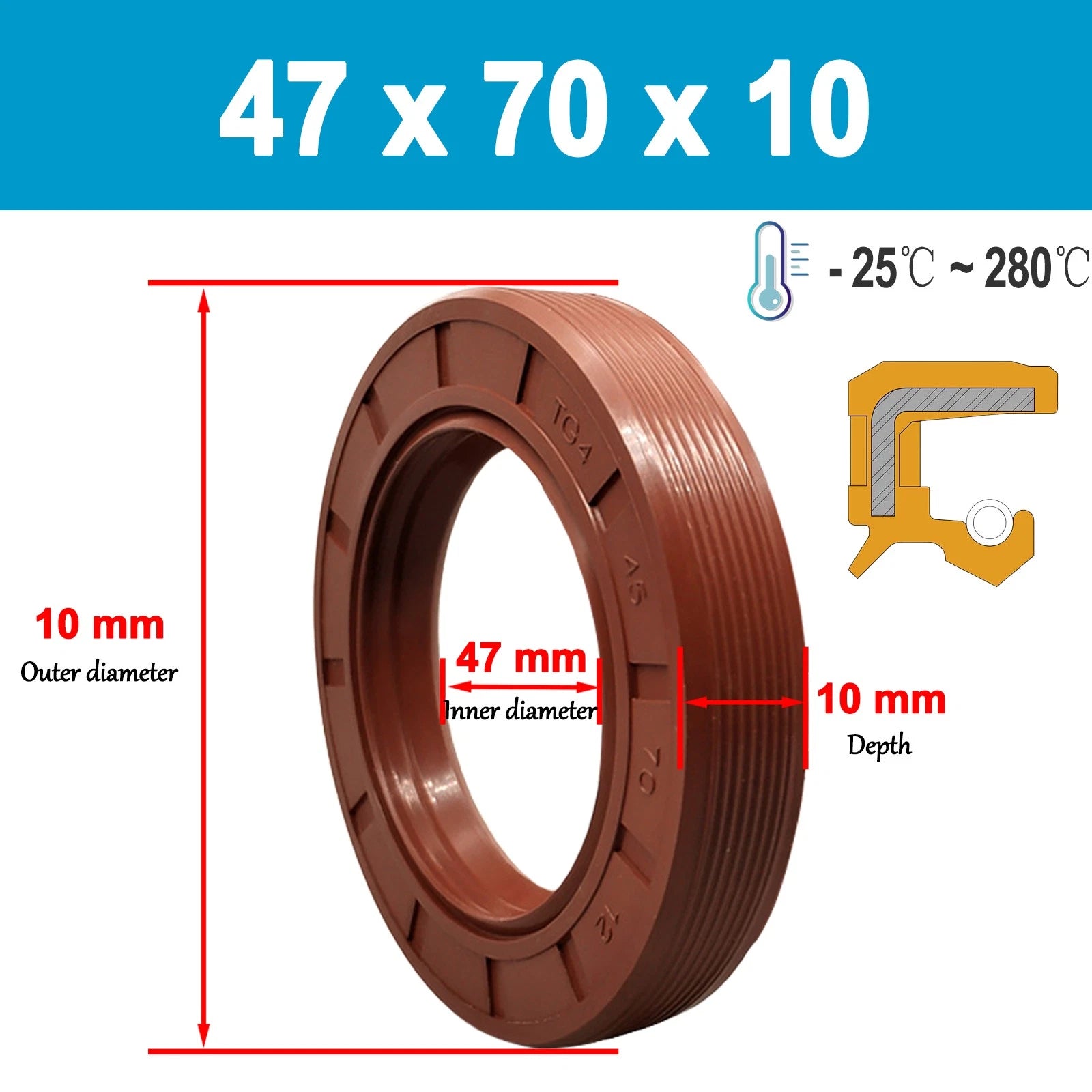
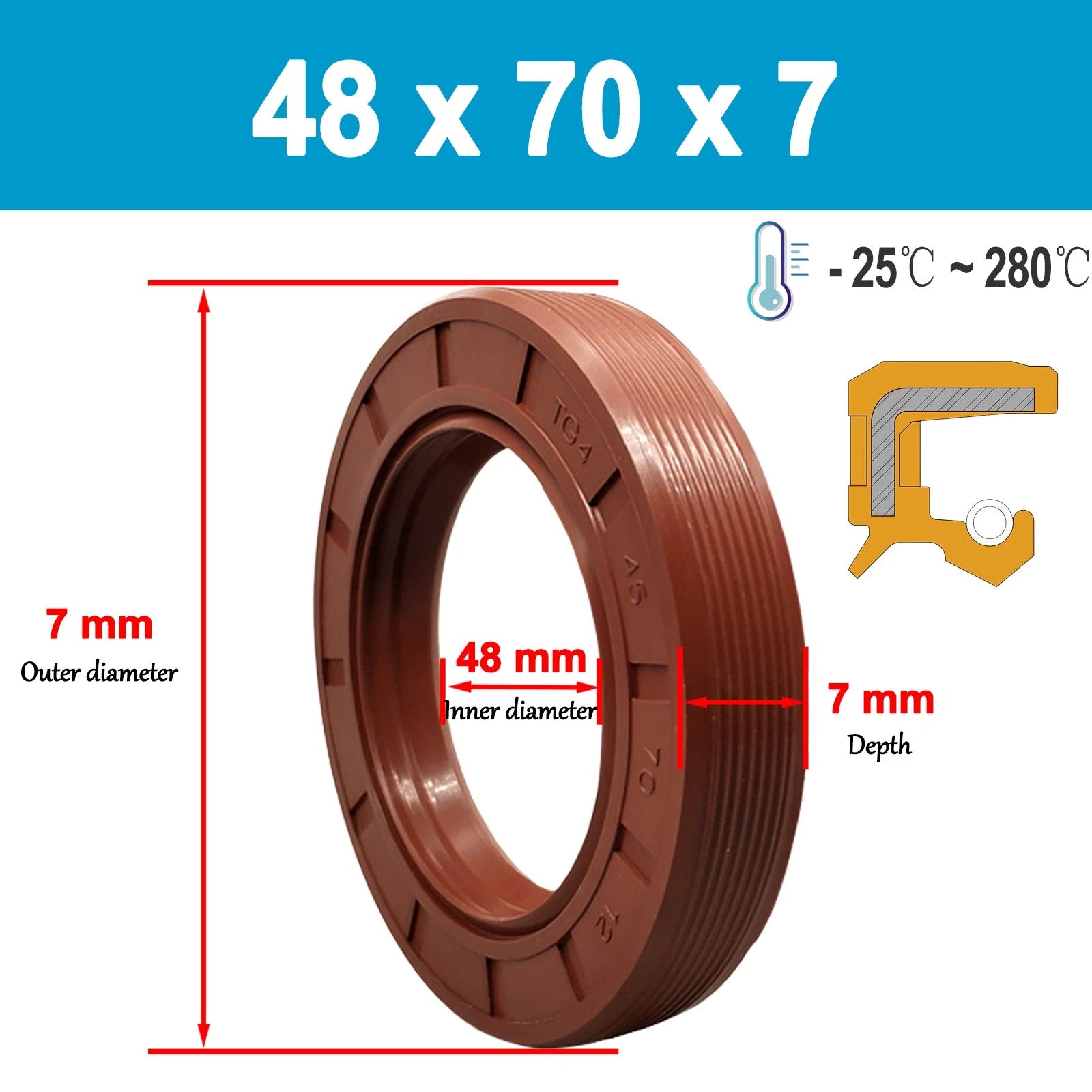
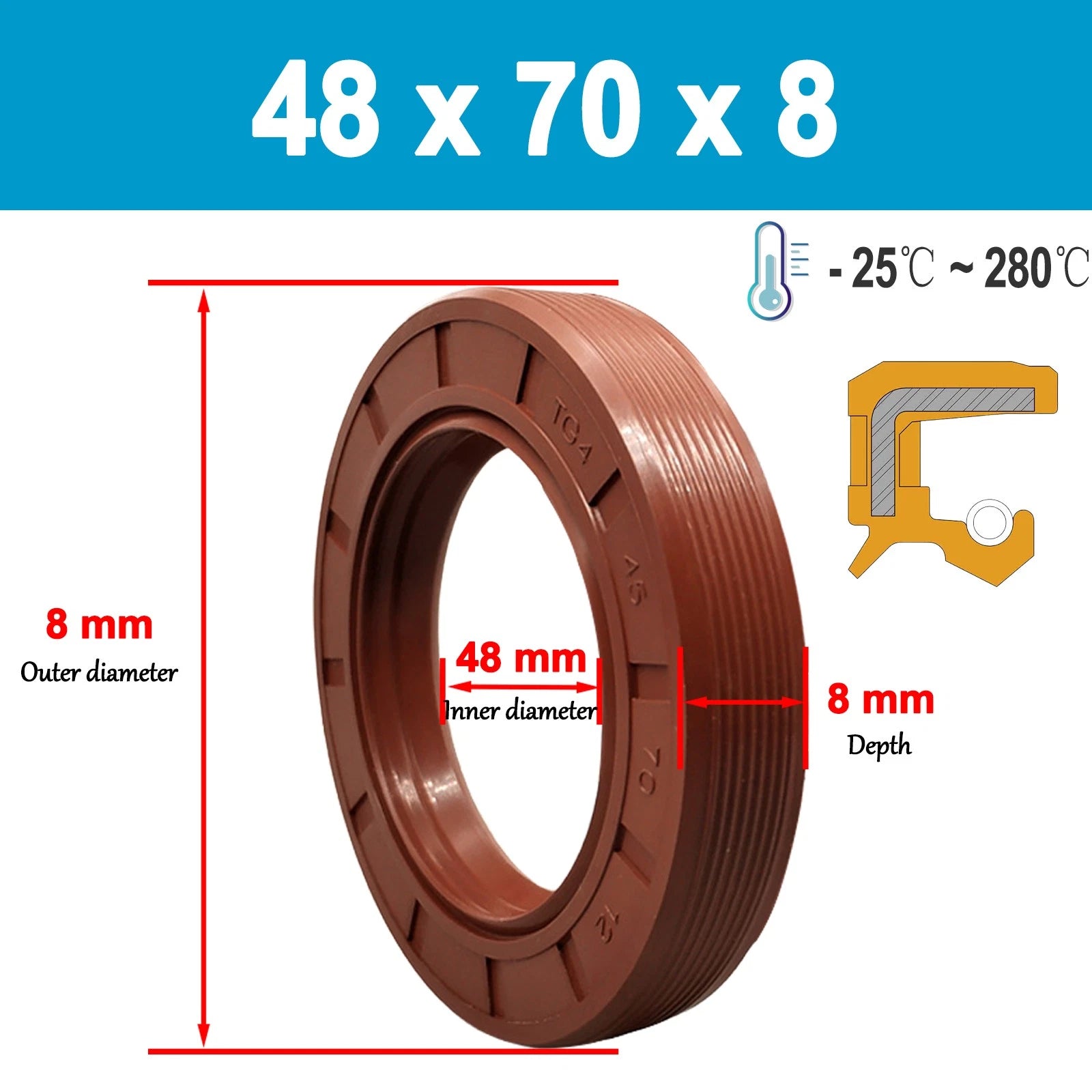
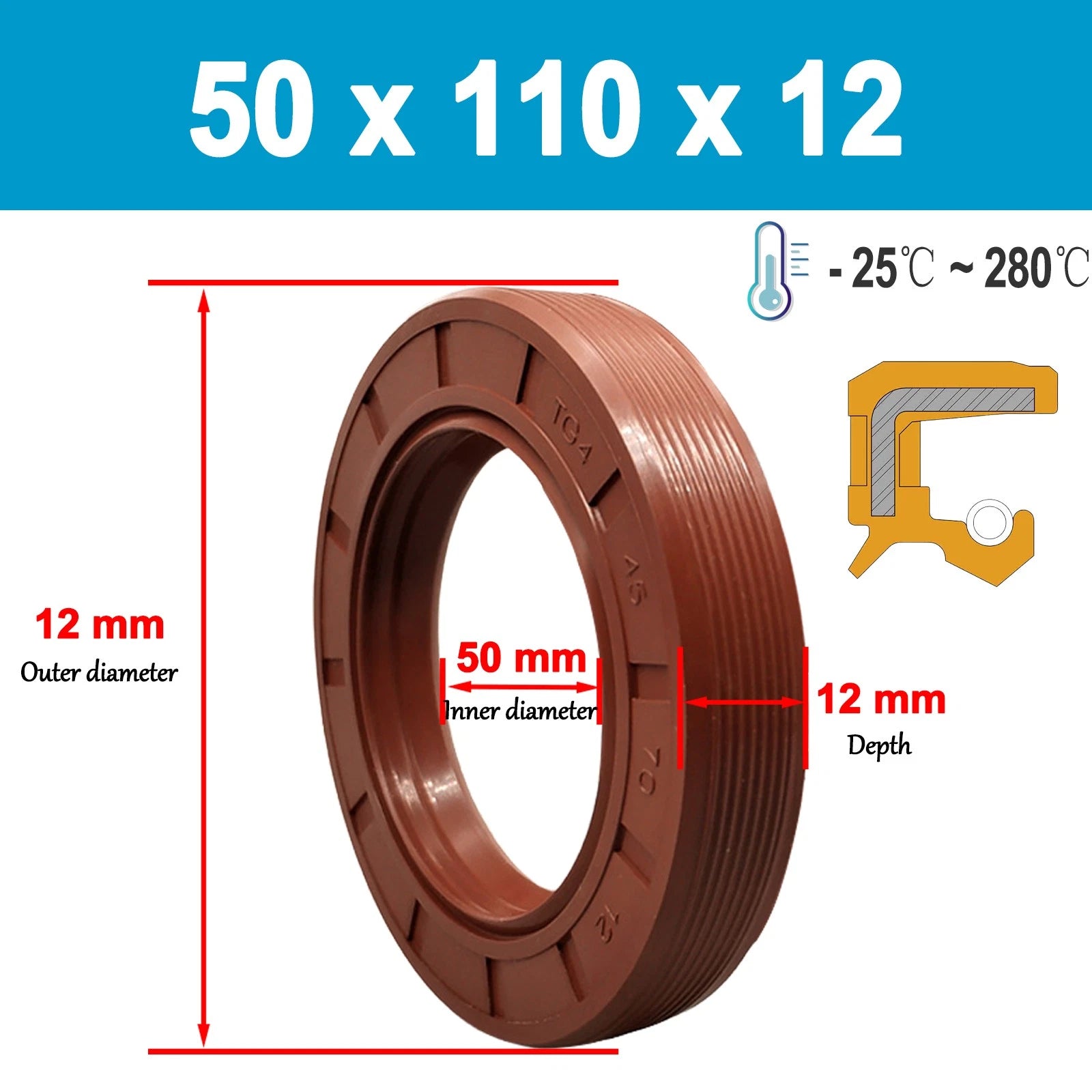
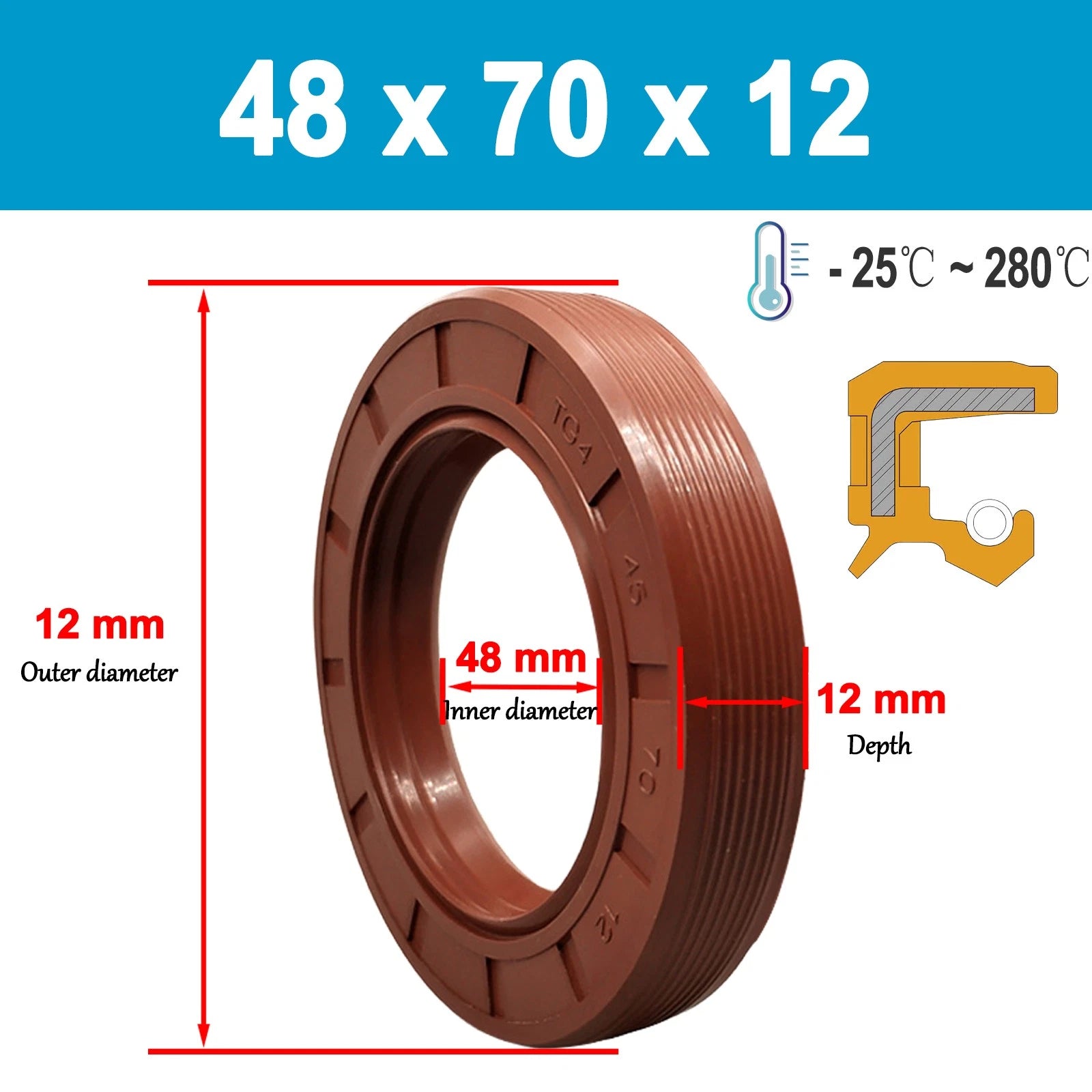
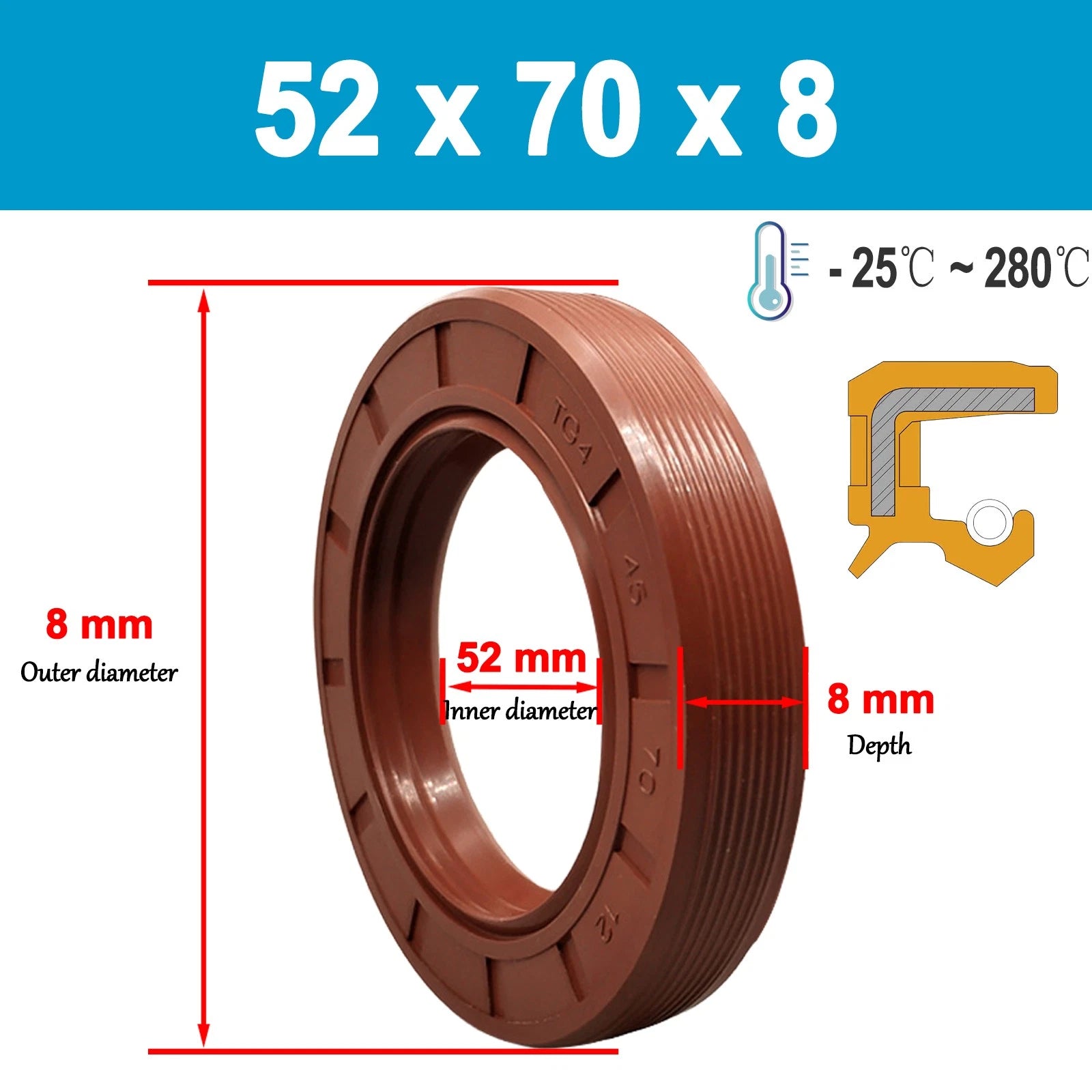
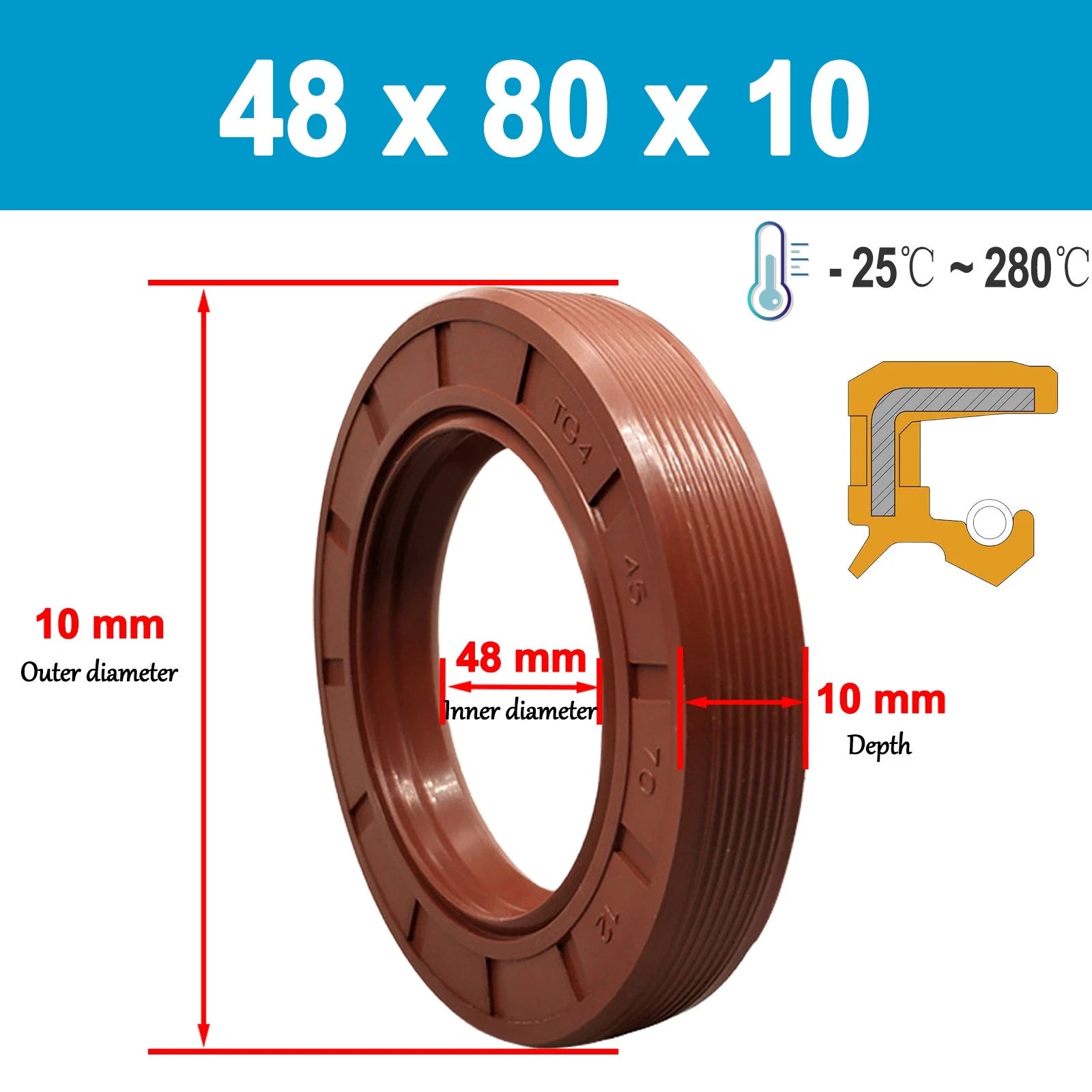
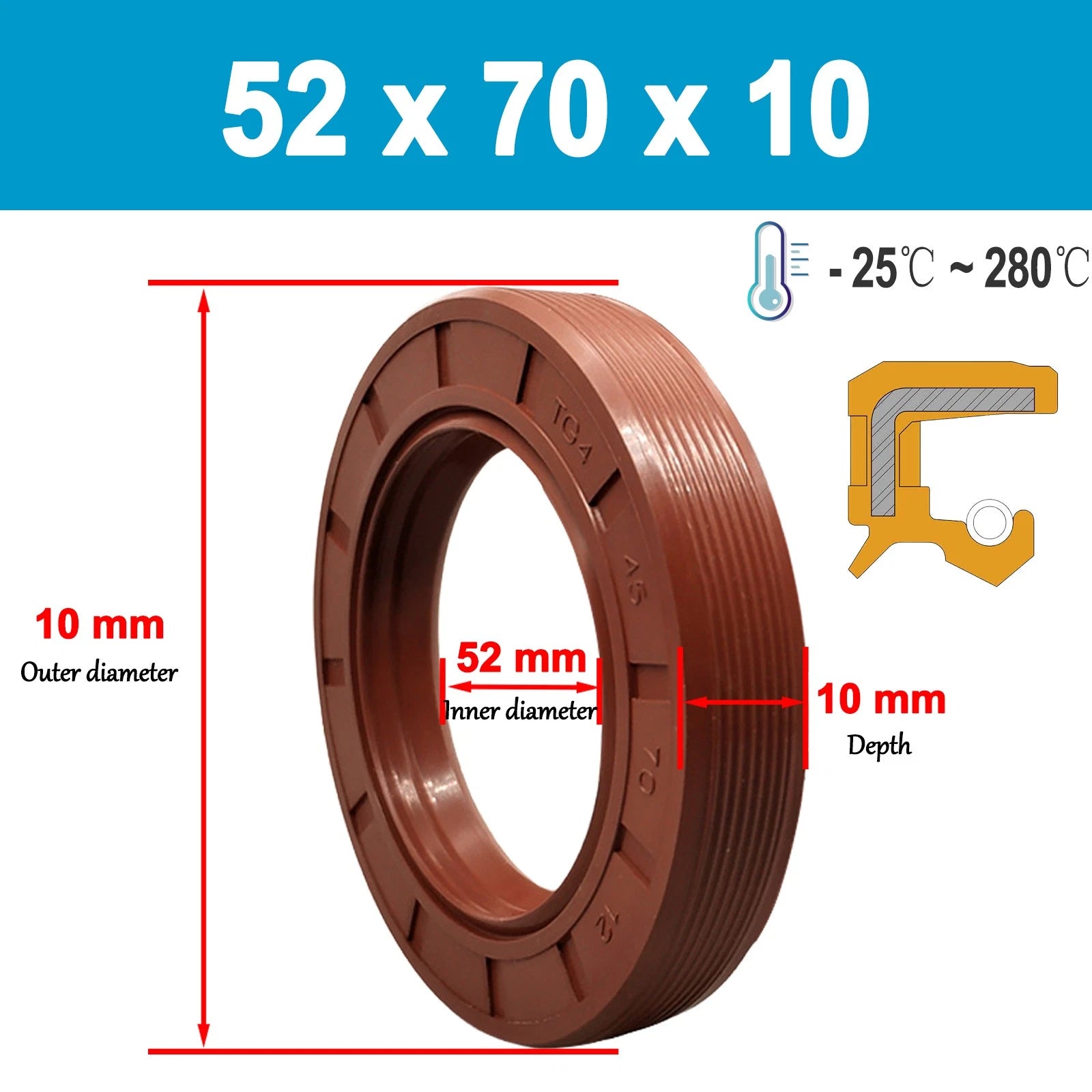
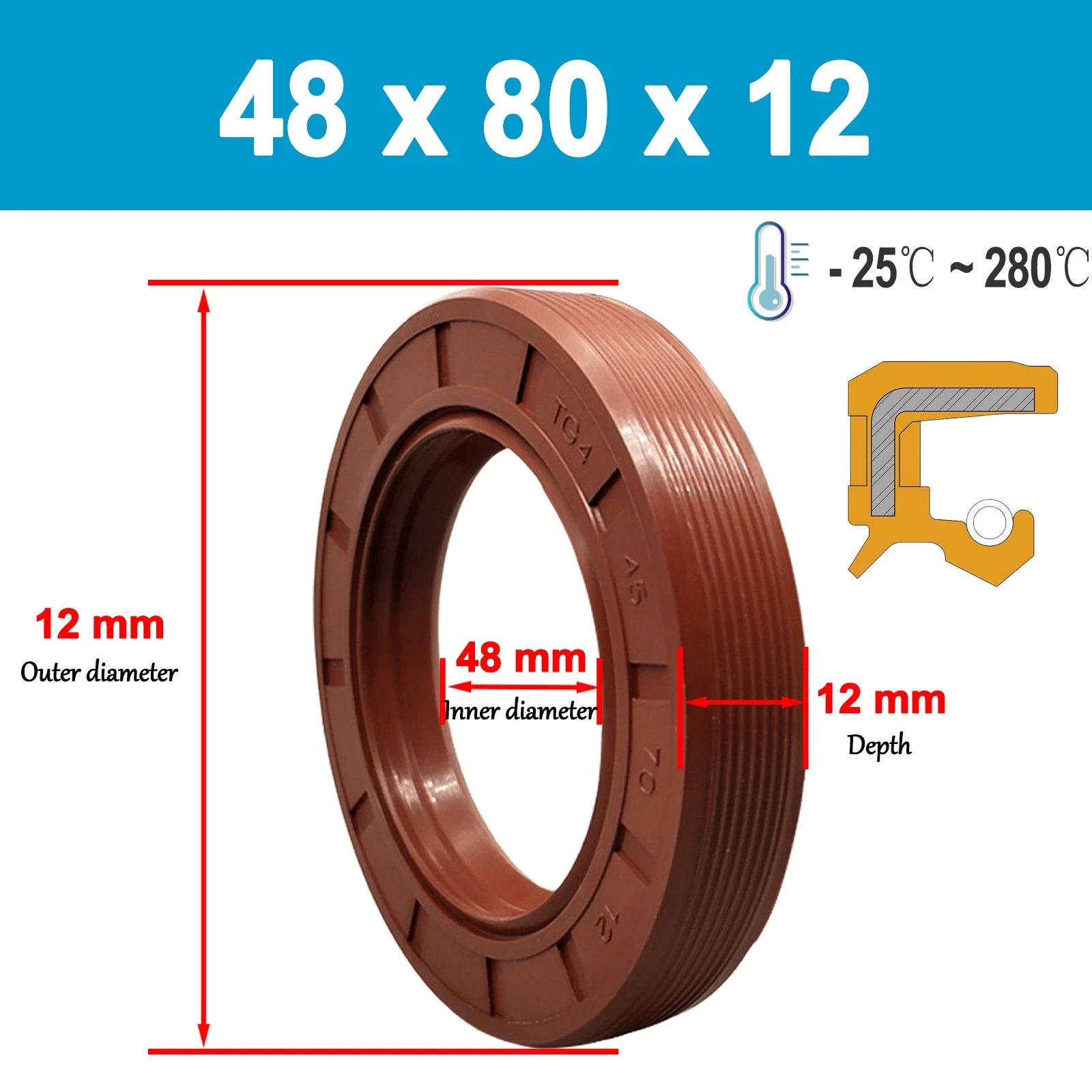
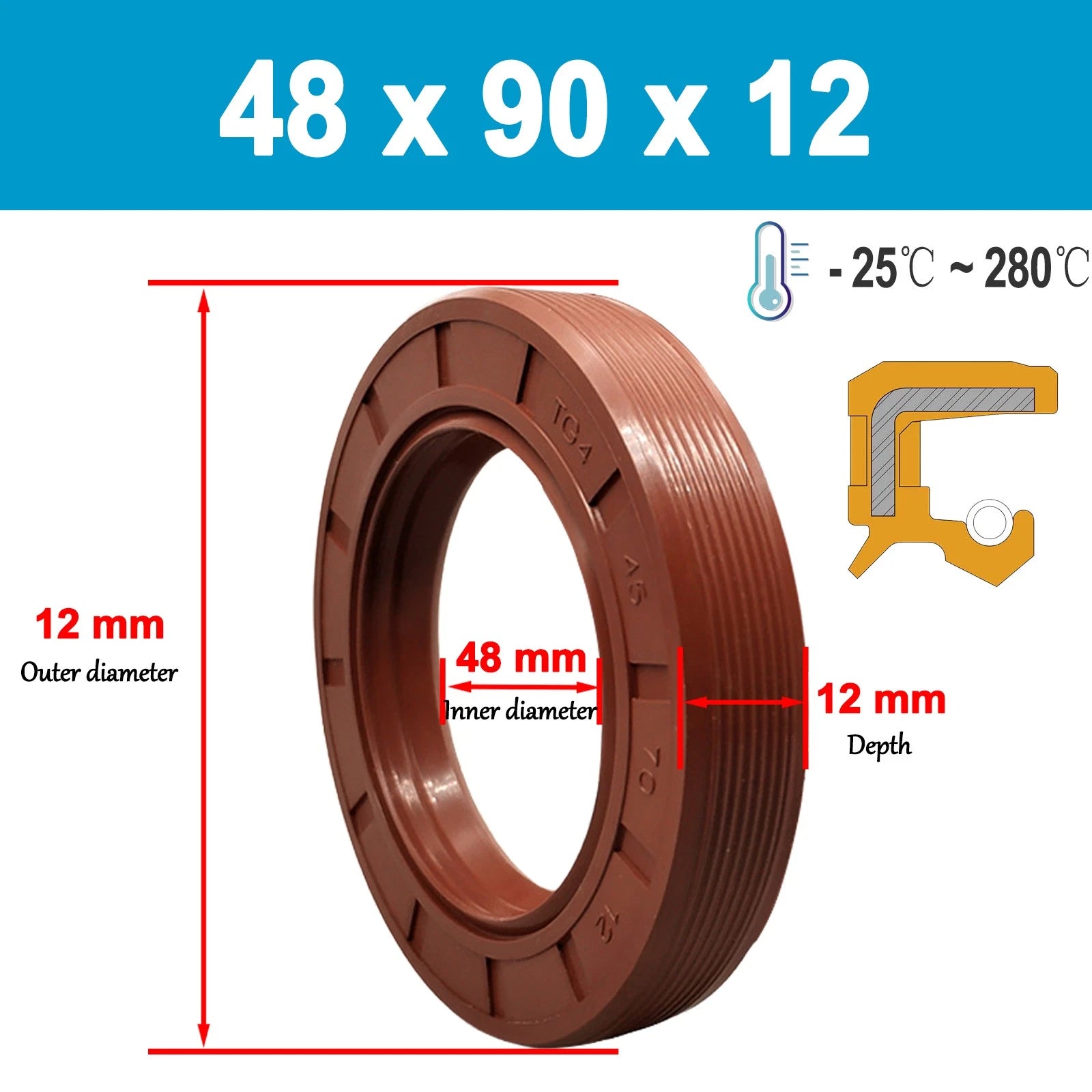
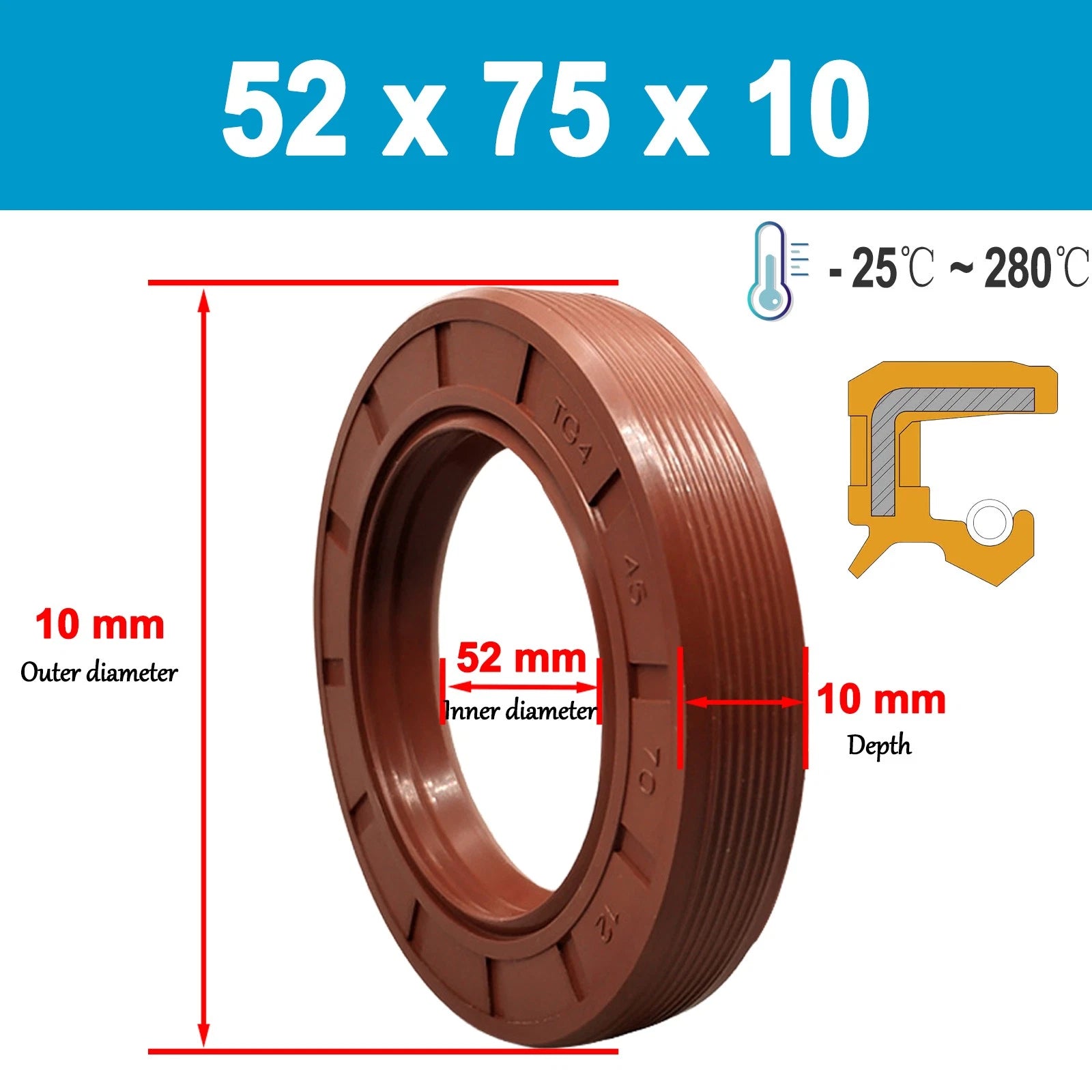
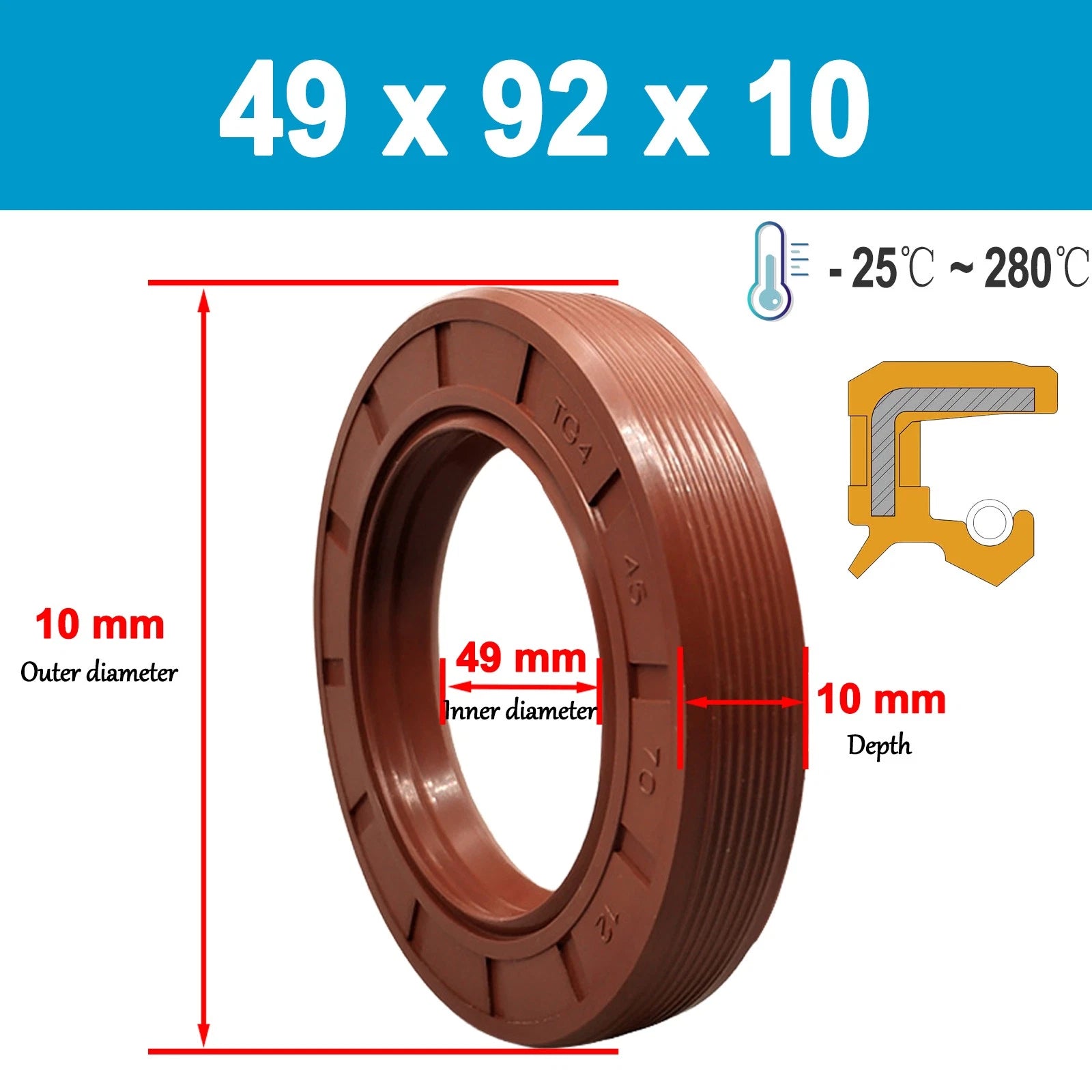
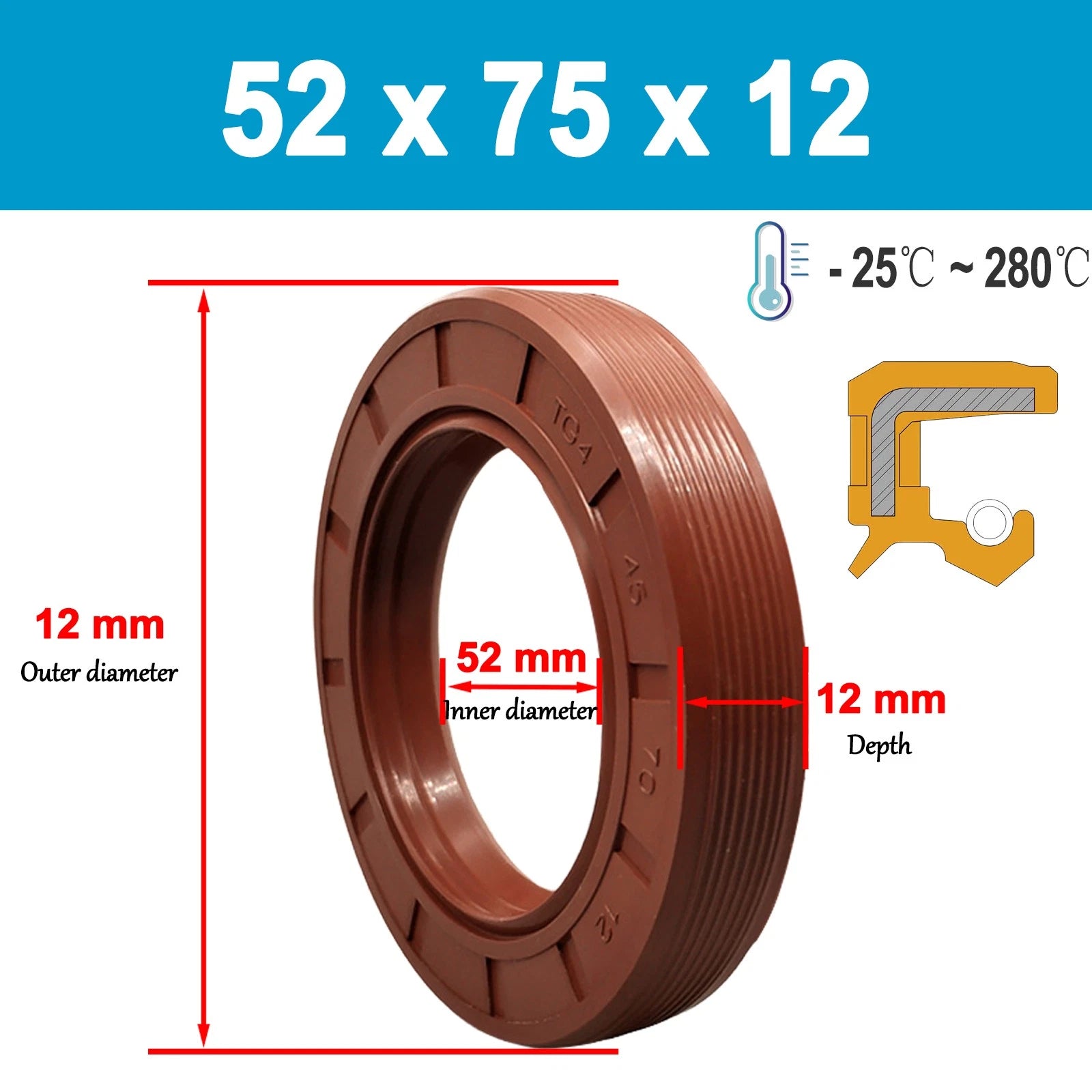
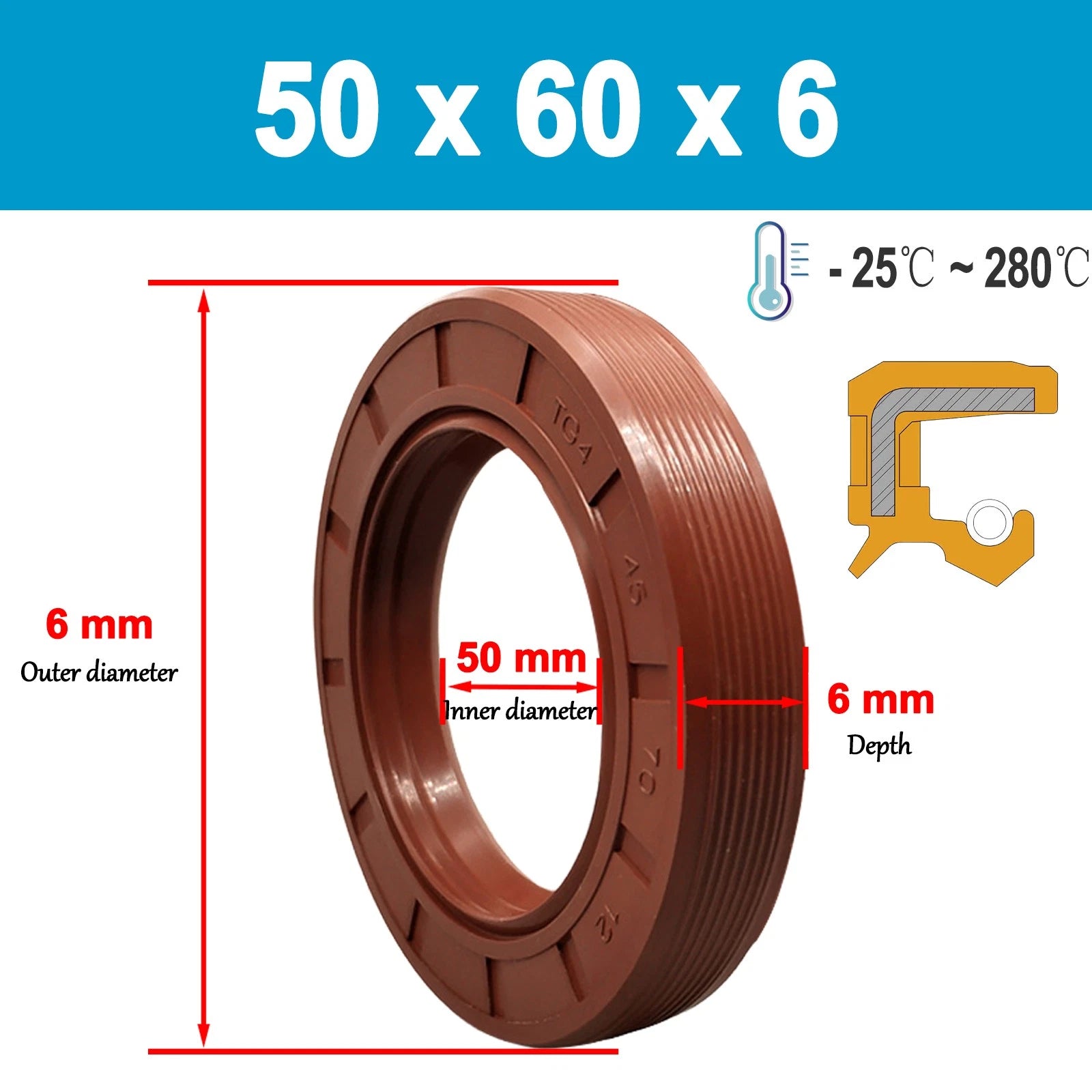
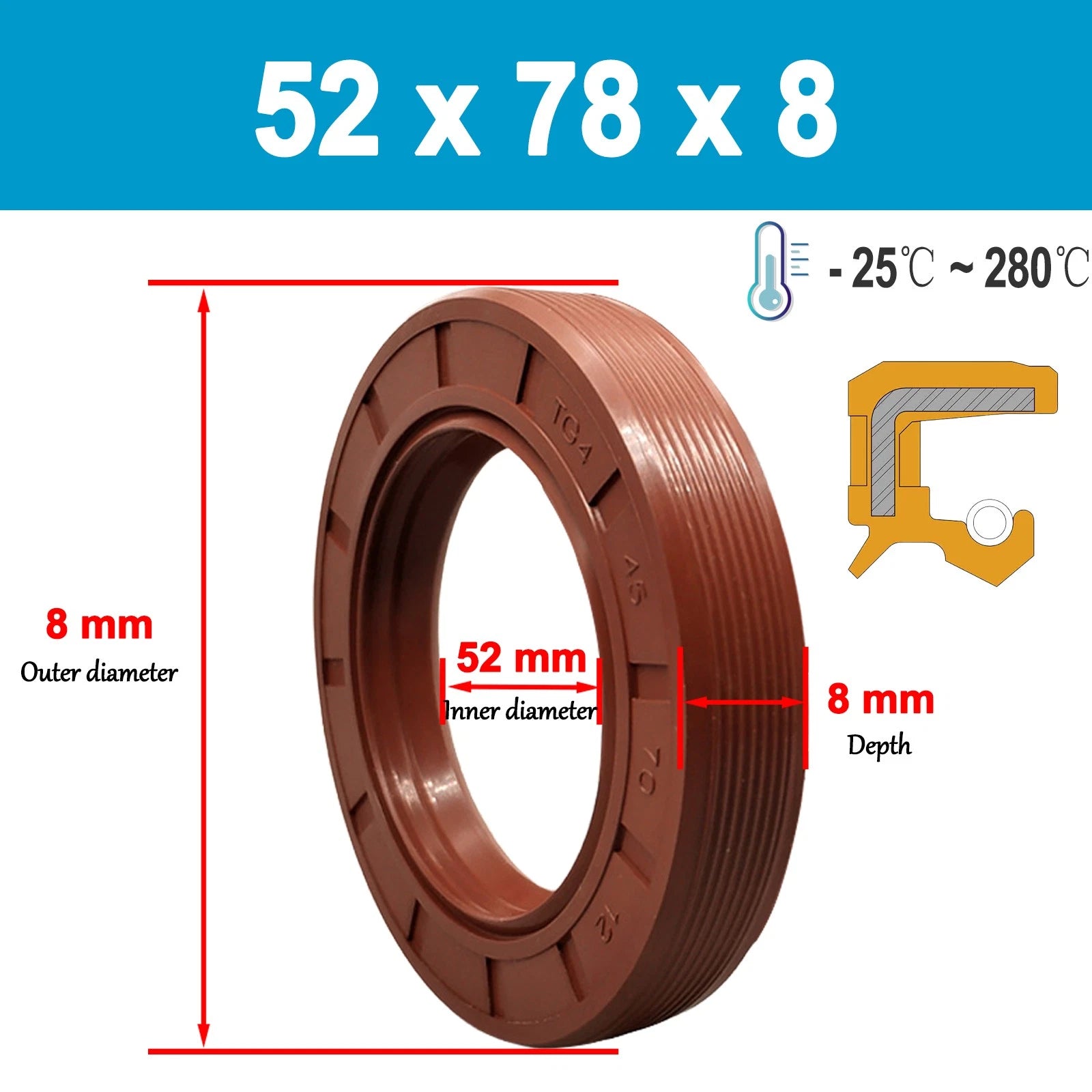
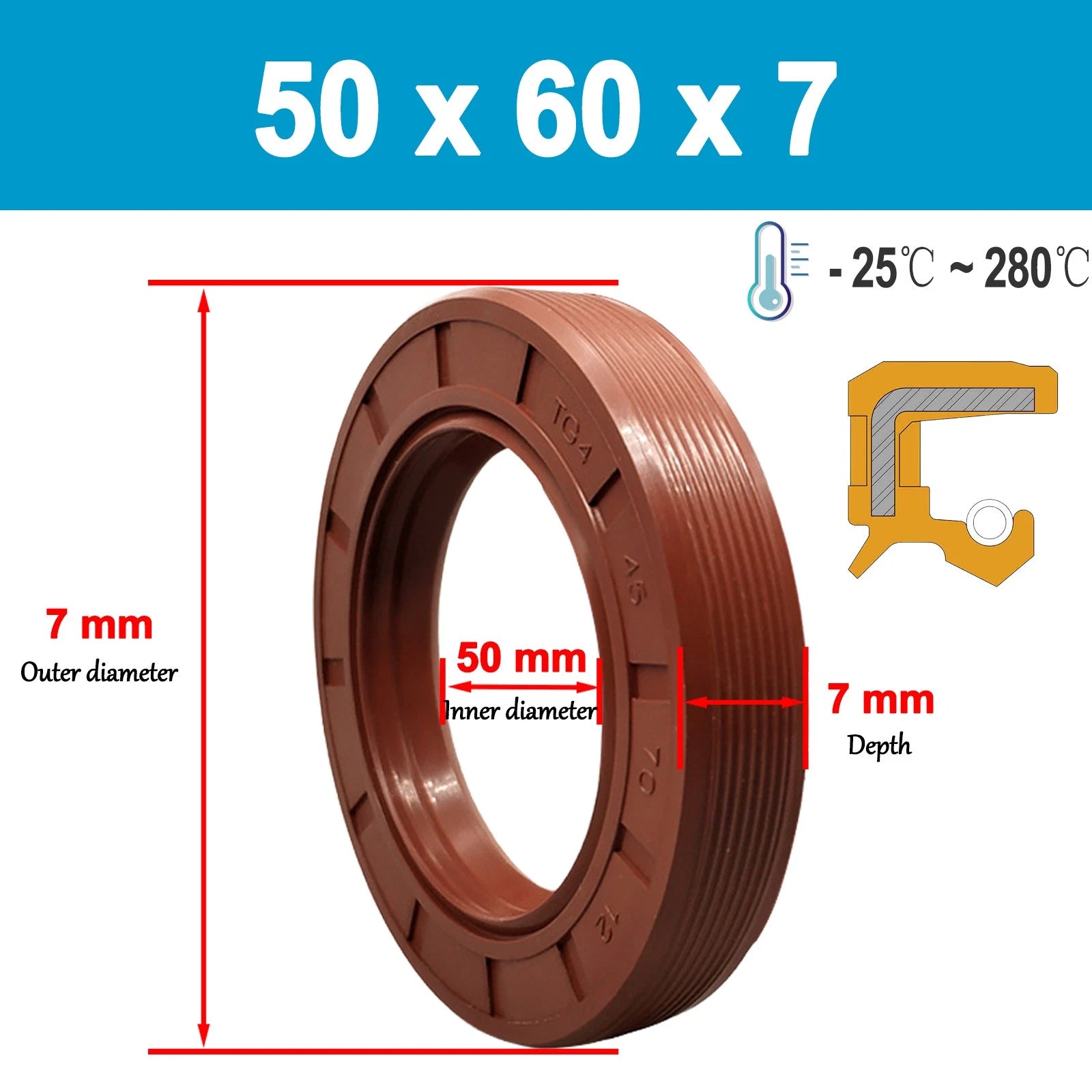
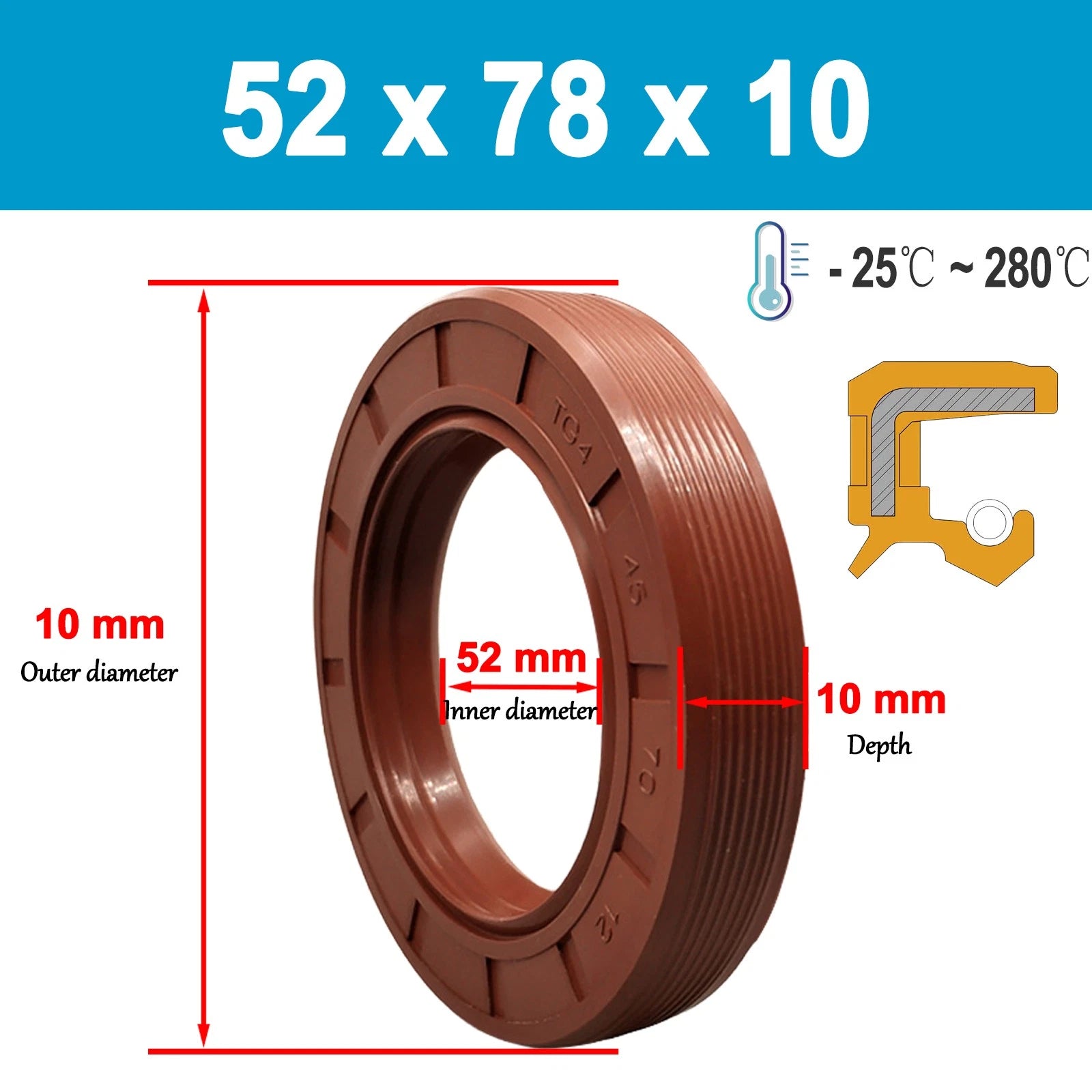
When a worn or undersized shaft seal lets oil weep past the lip, it contaminates surrounding components and shortens equipment life. Mechanics, maintenance engineers, and DIY rebuilders working on gearboxes, pumps, differentials, and hydraulic units need a seal that holds under heat, chemical exposure, and continuous rotation — and that is exactly what these FKM fluorine TC oil seals are engineered to deliver.
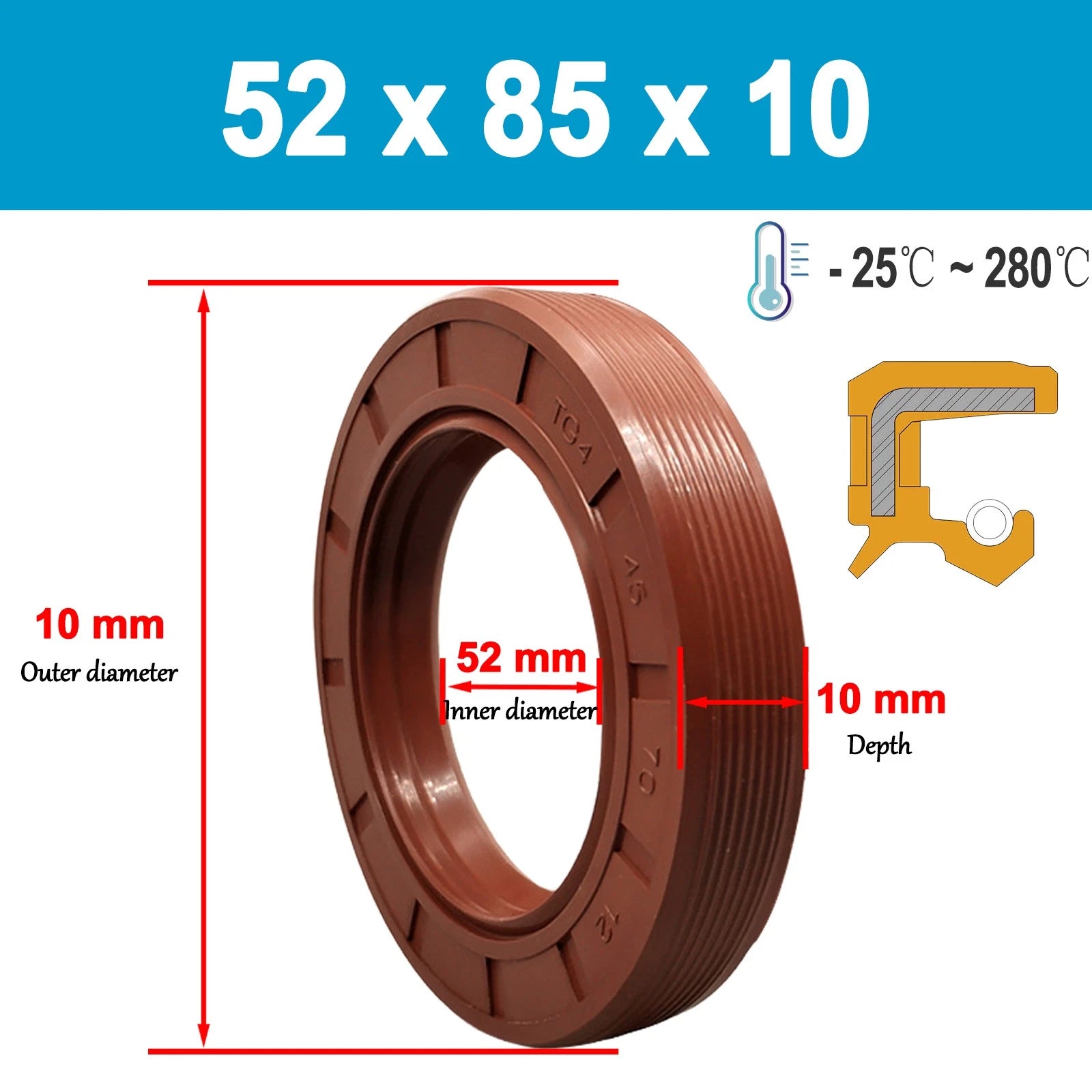
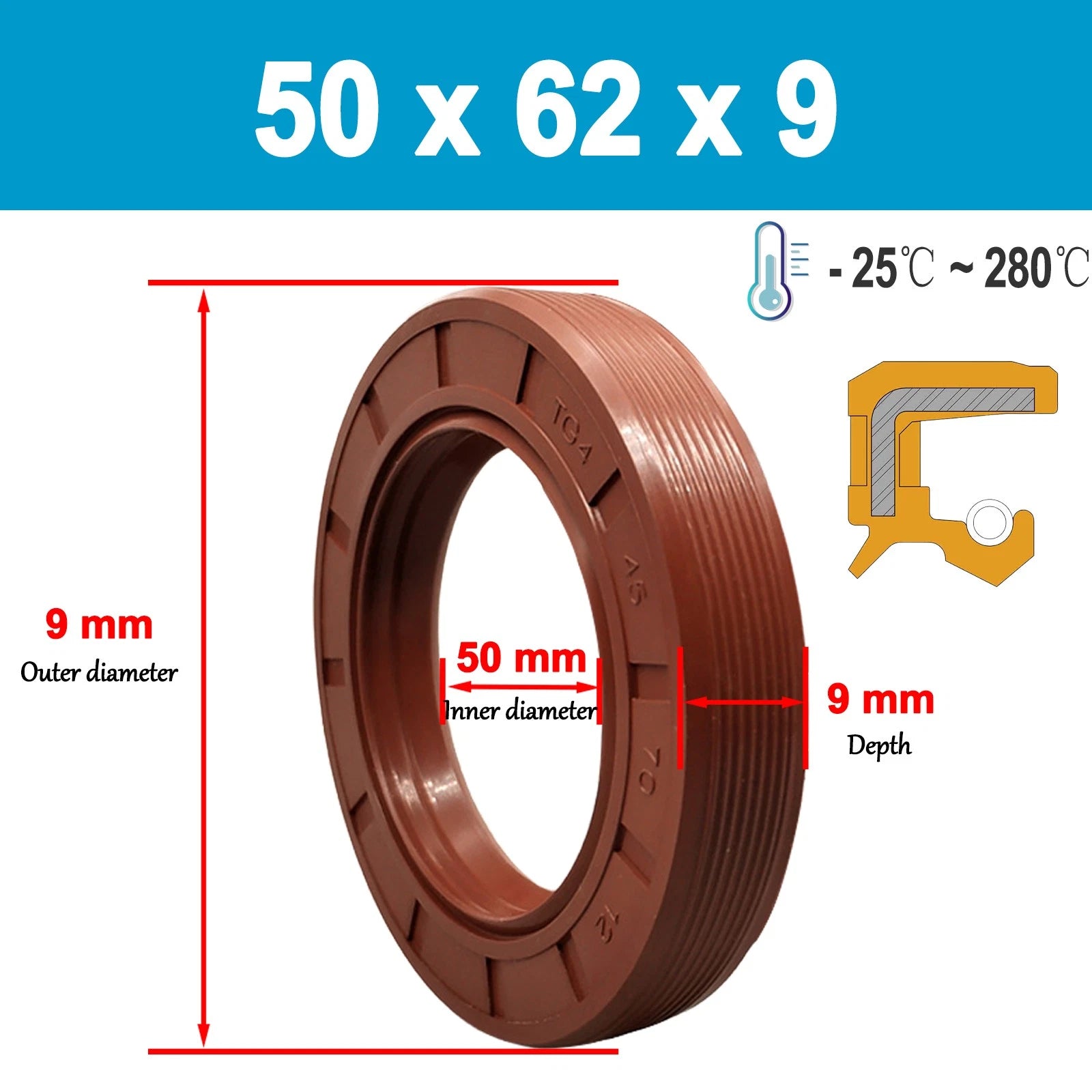
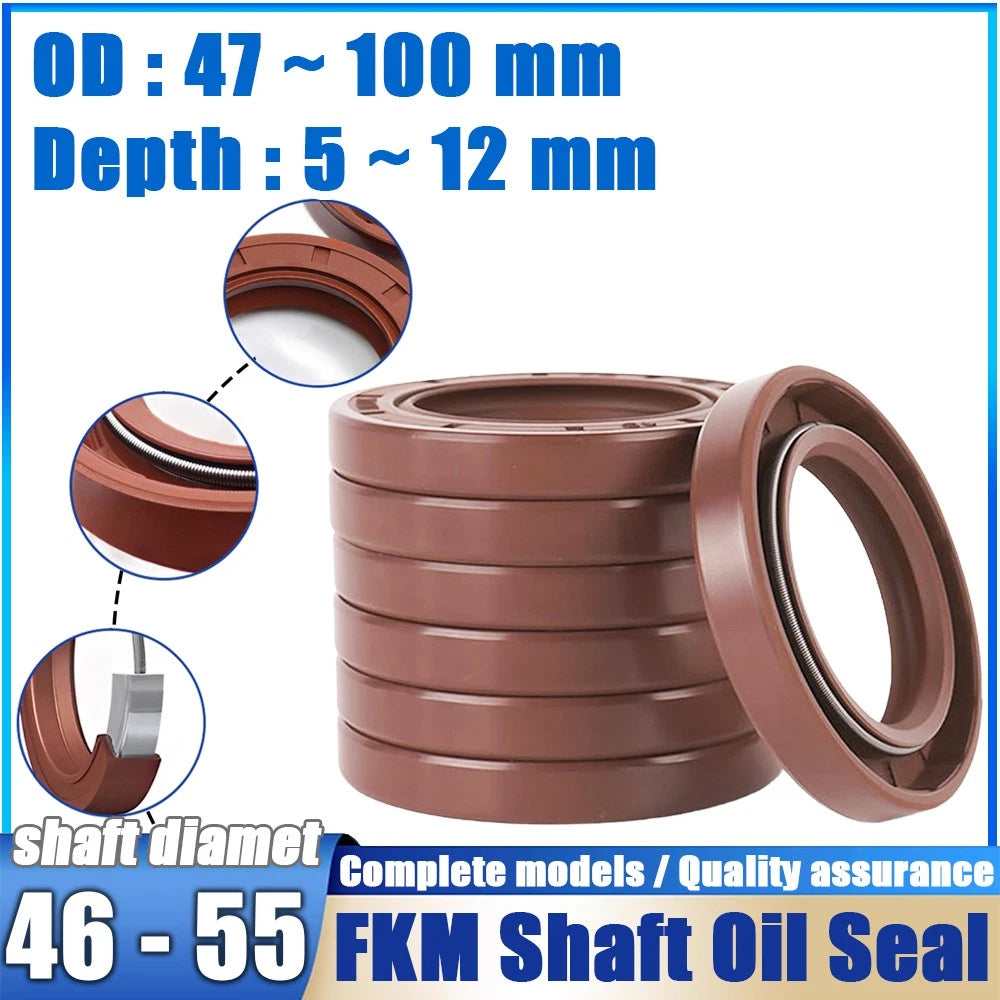
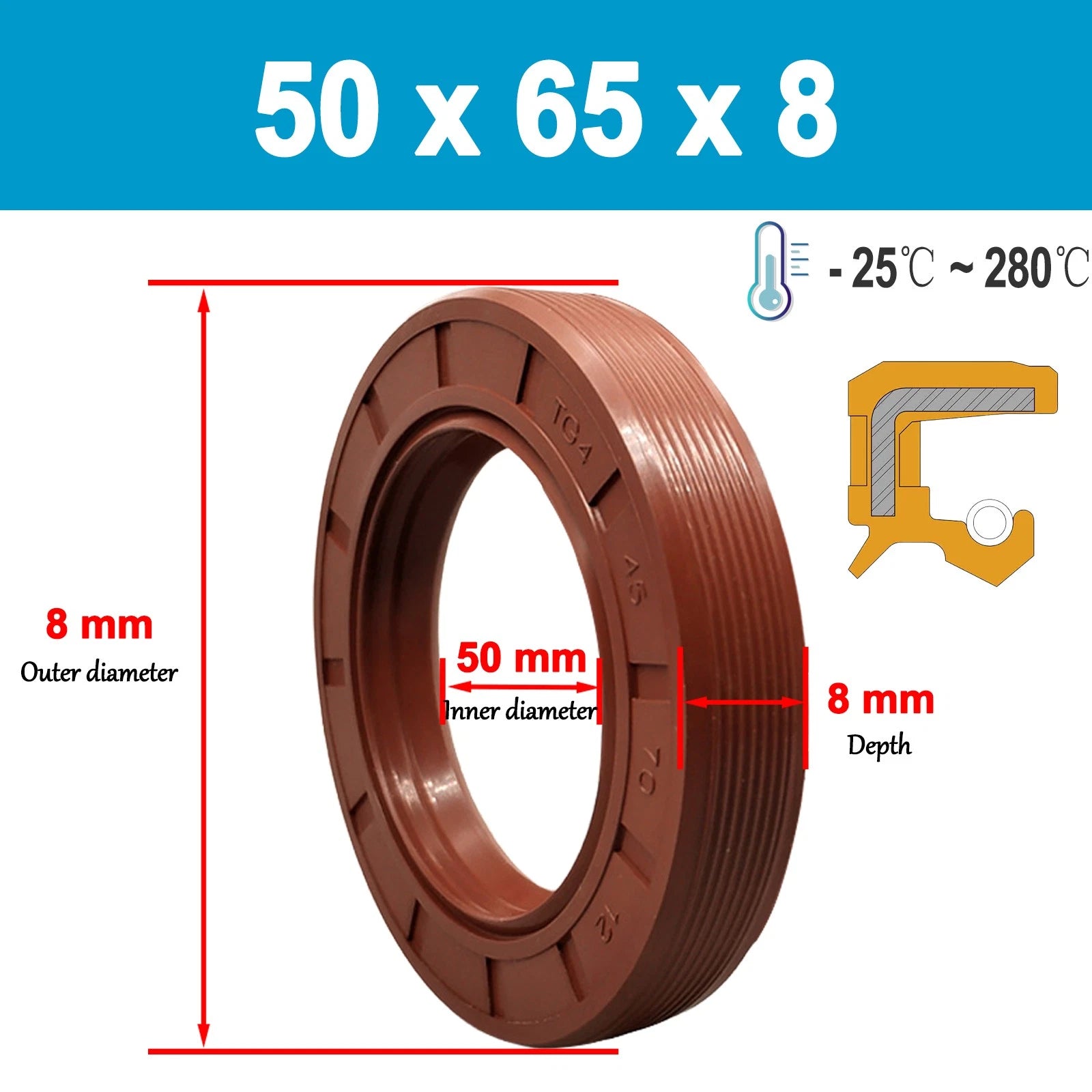
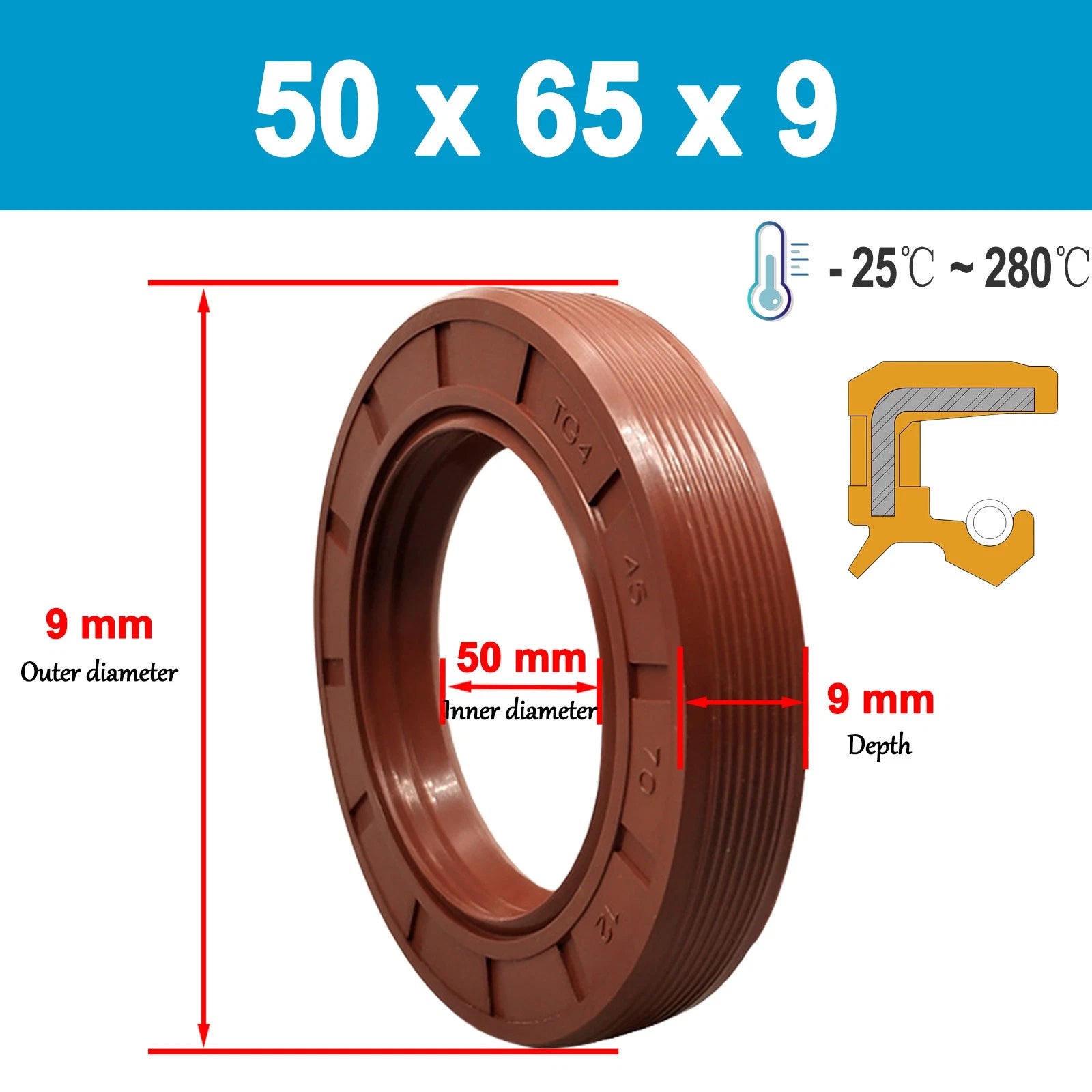
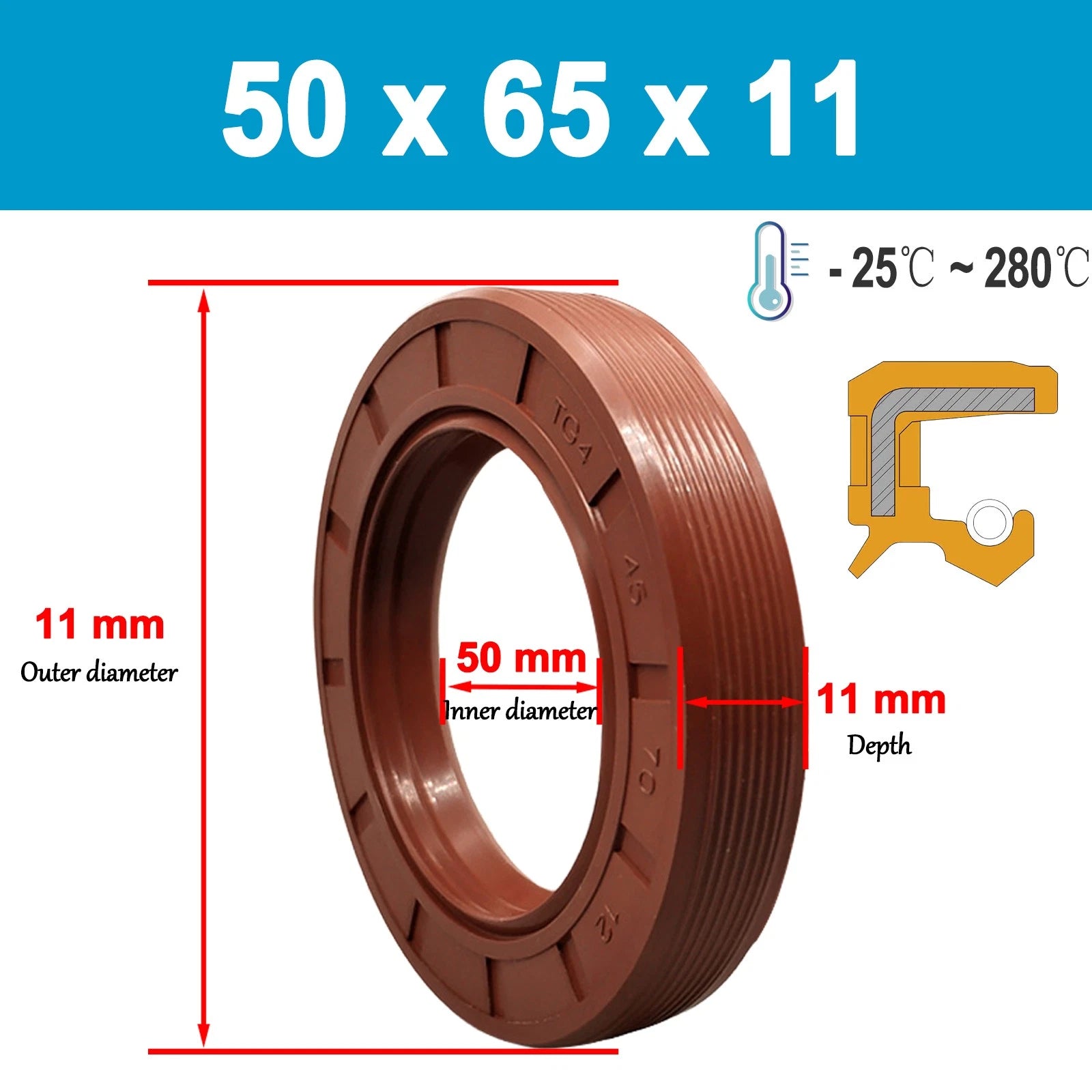
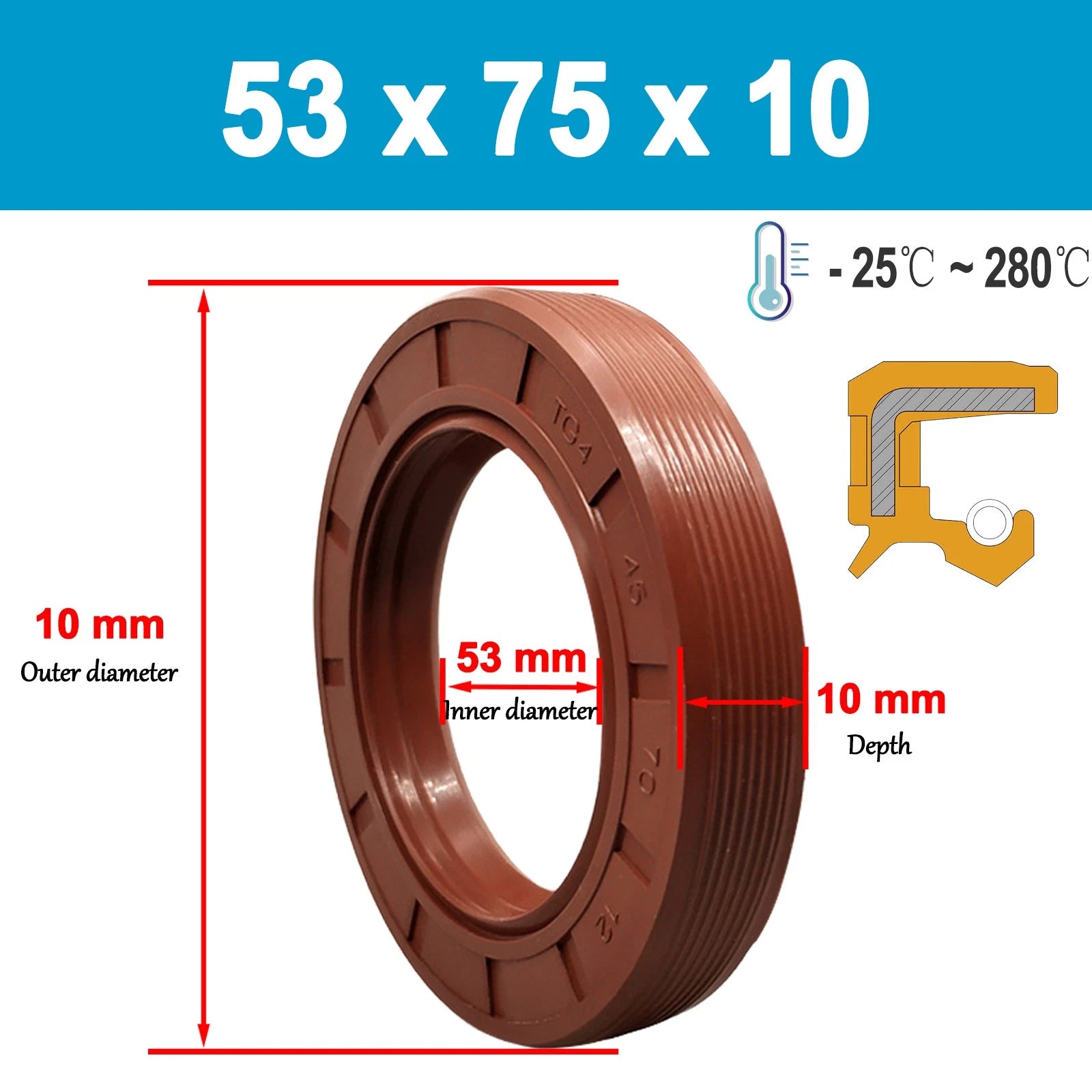
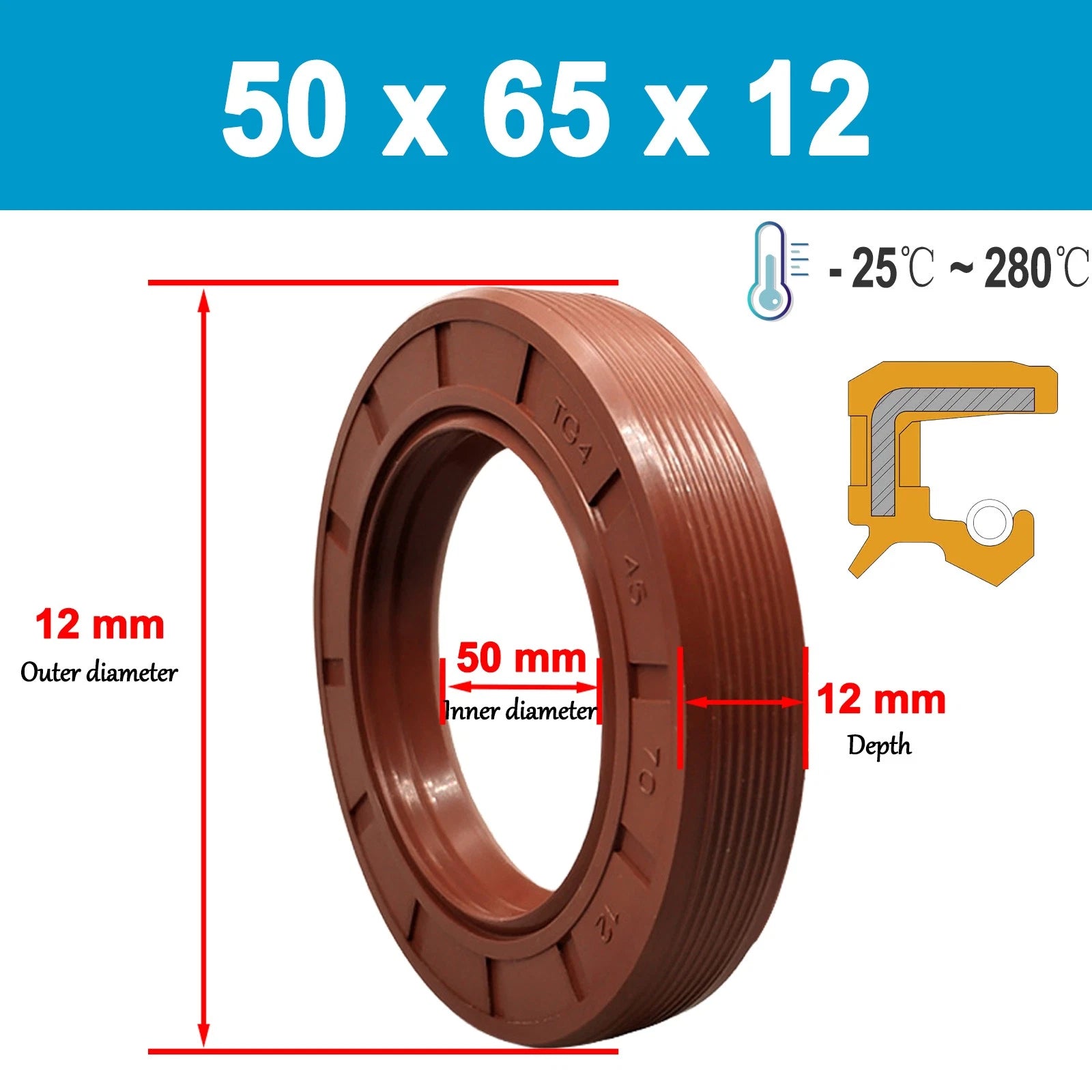
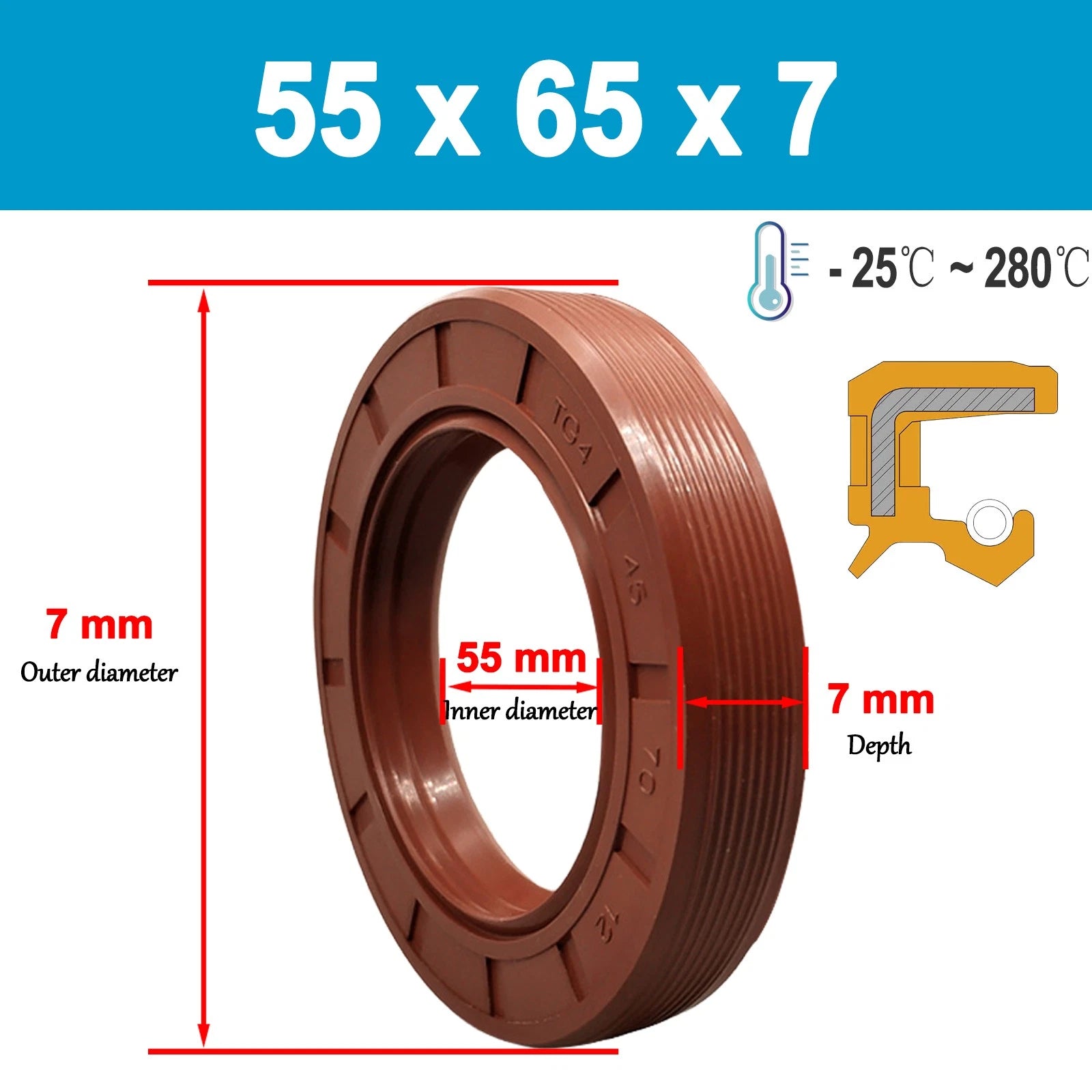
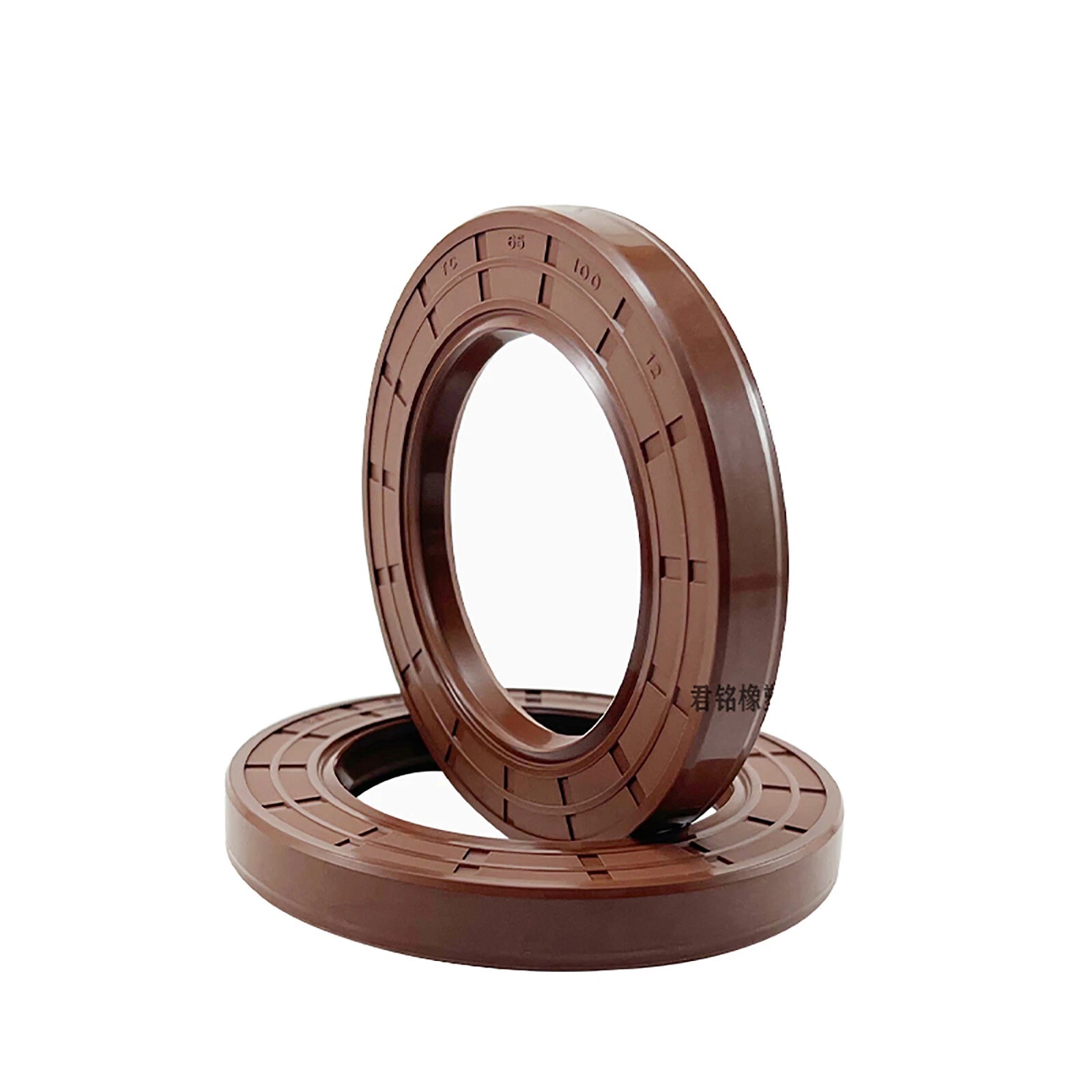
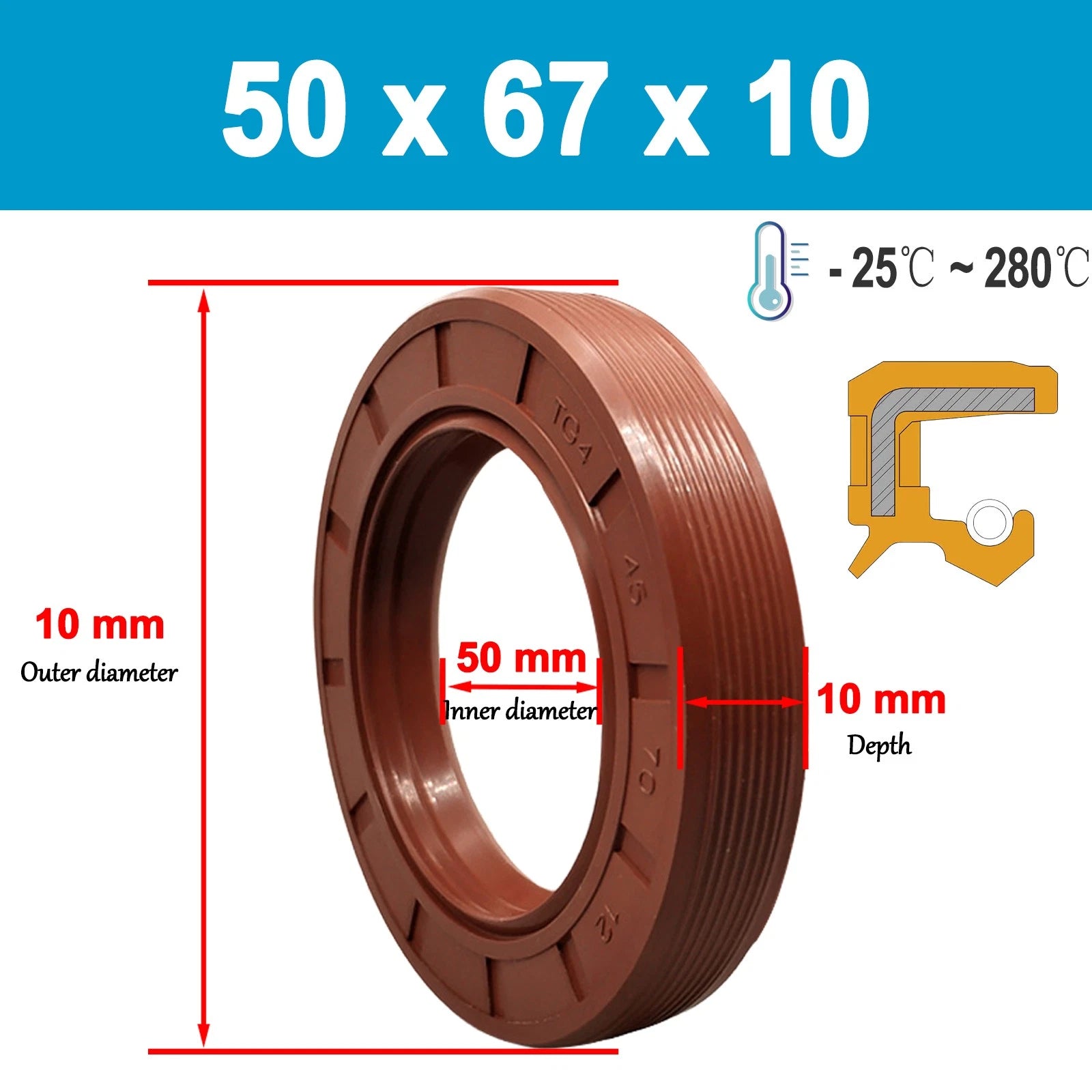
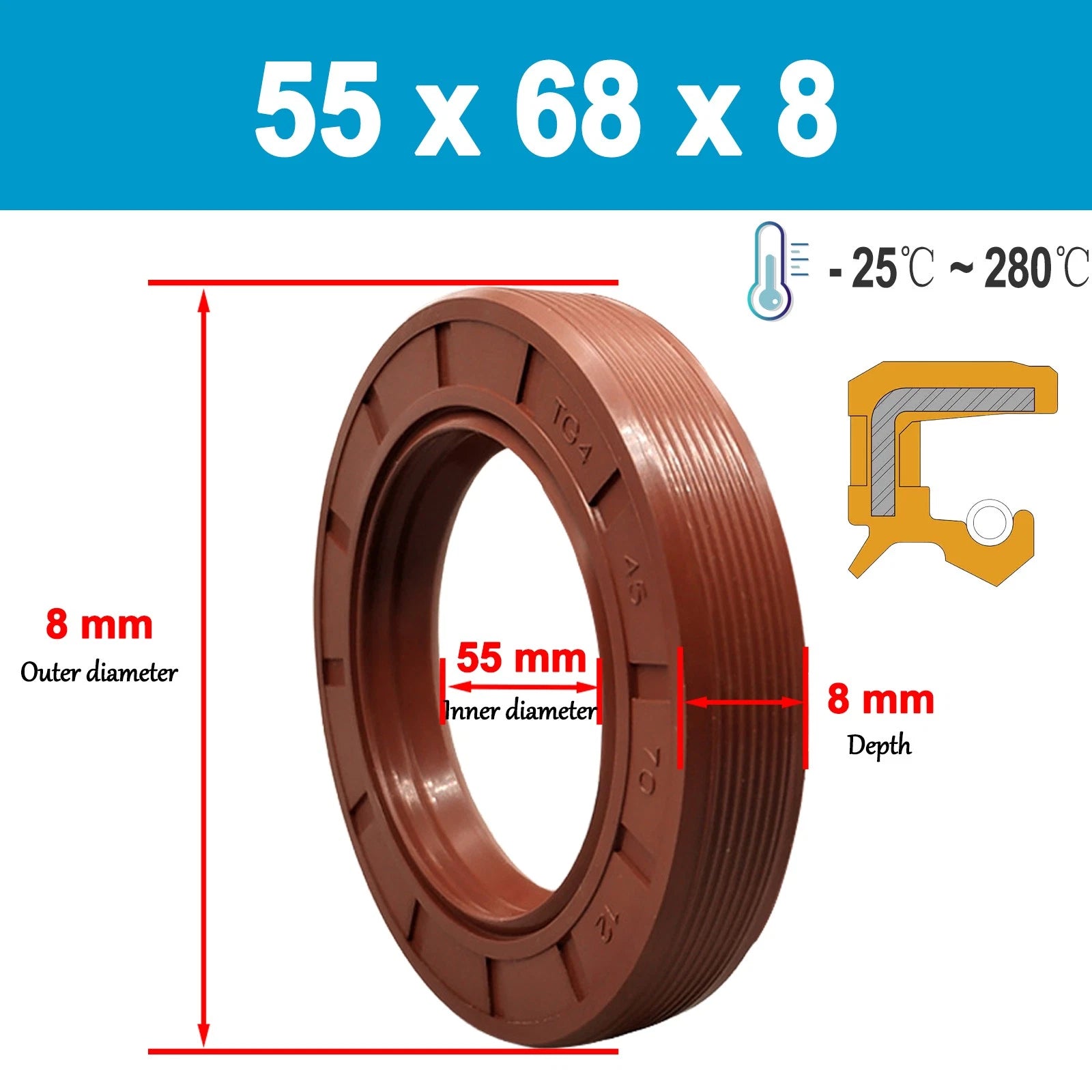
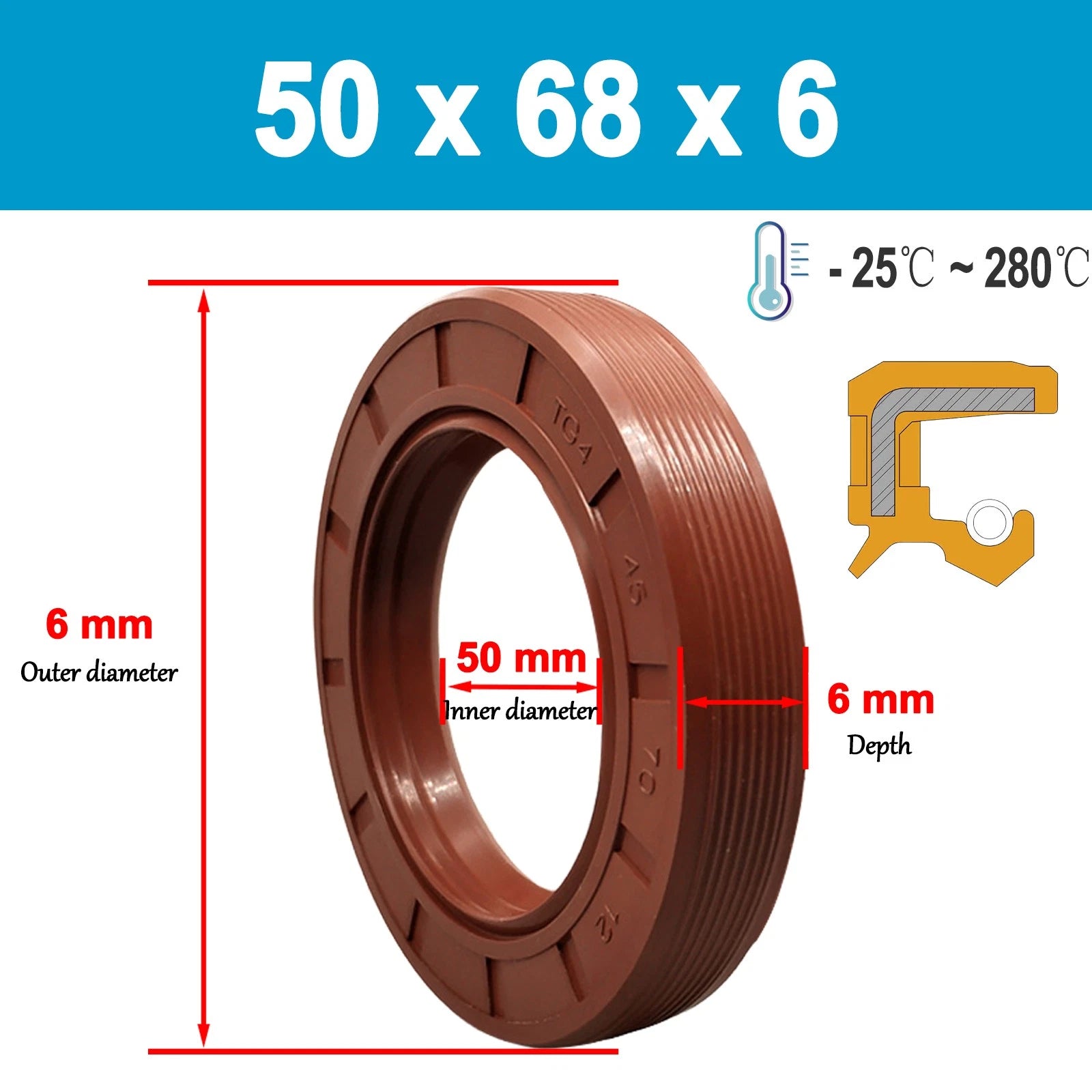
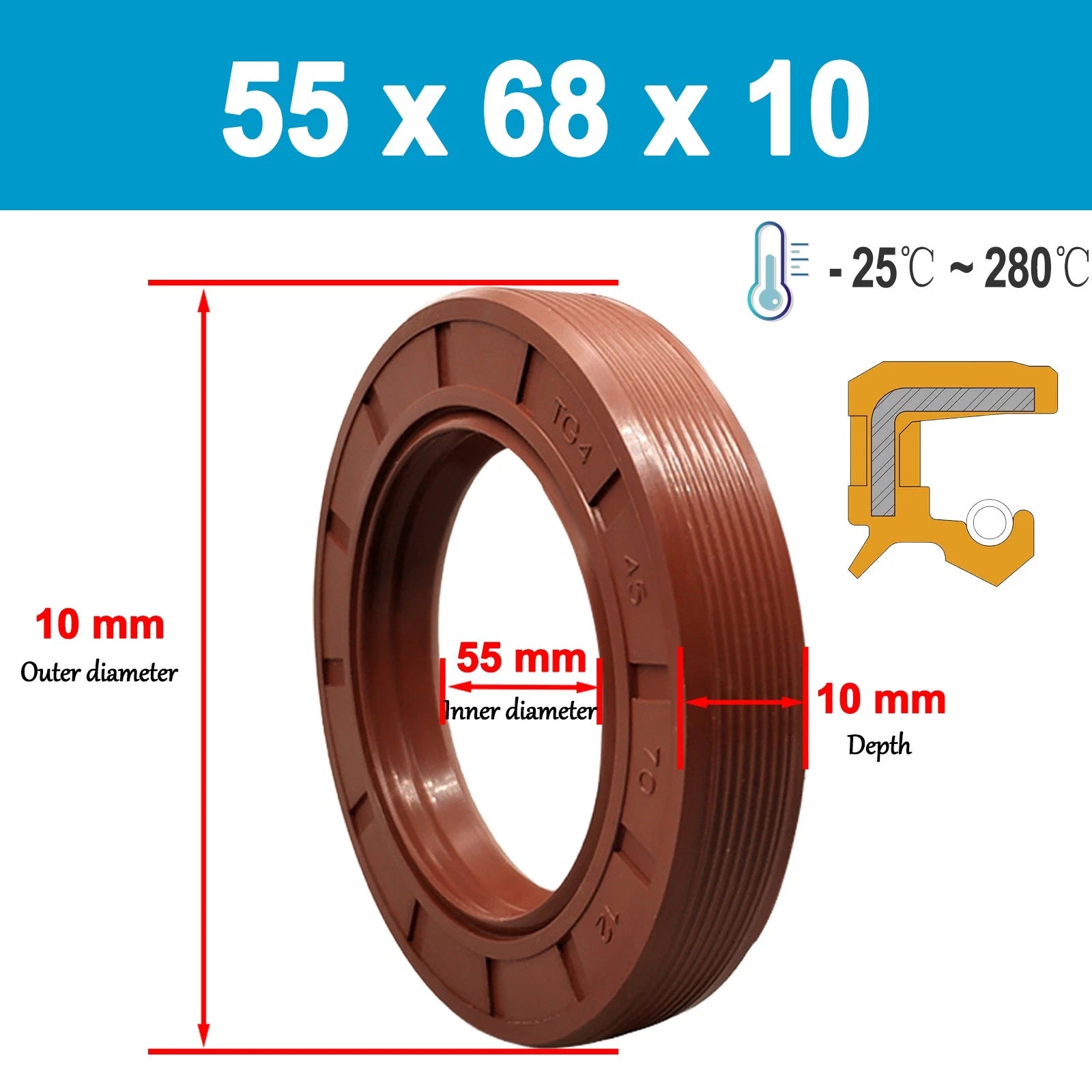
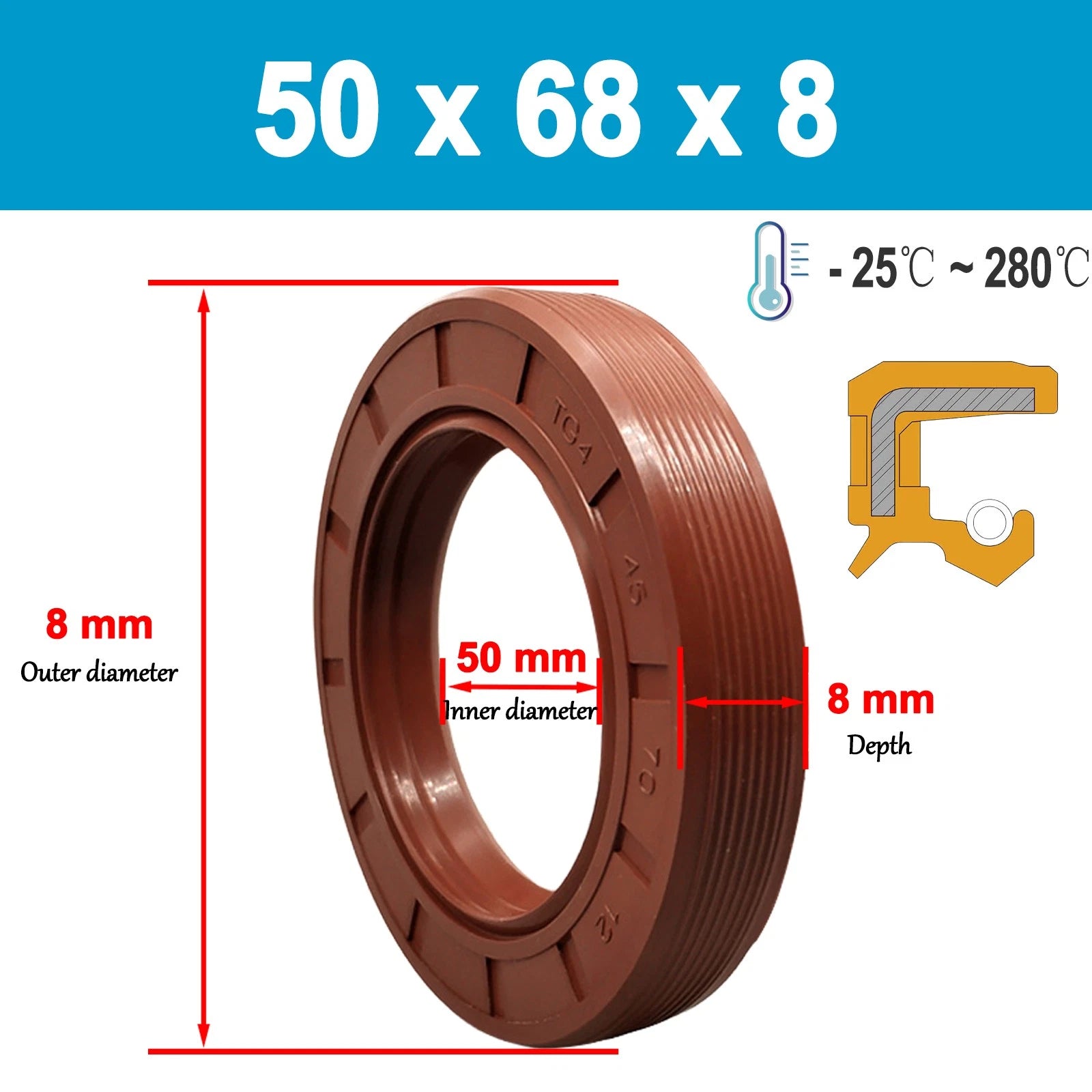
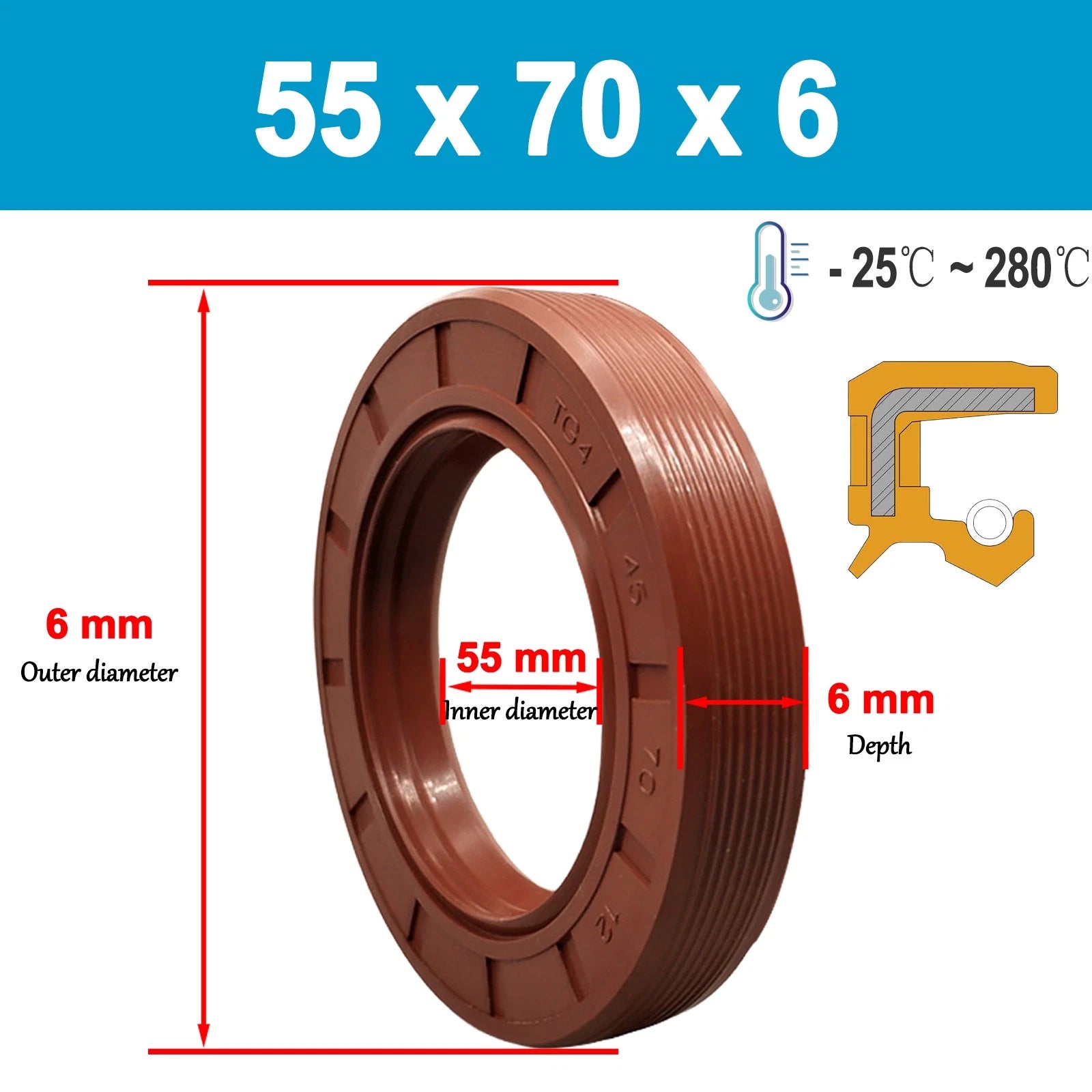
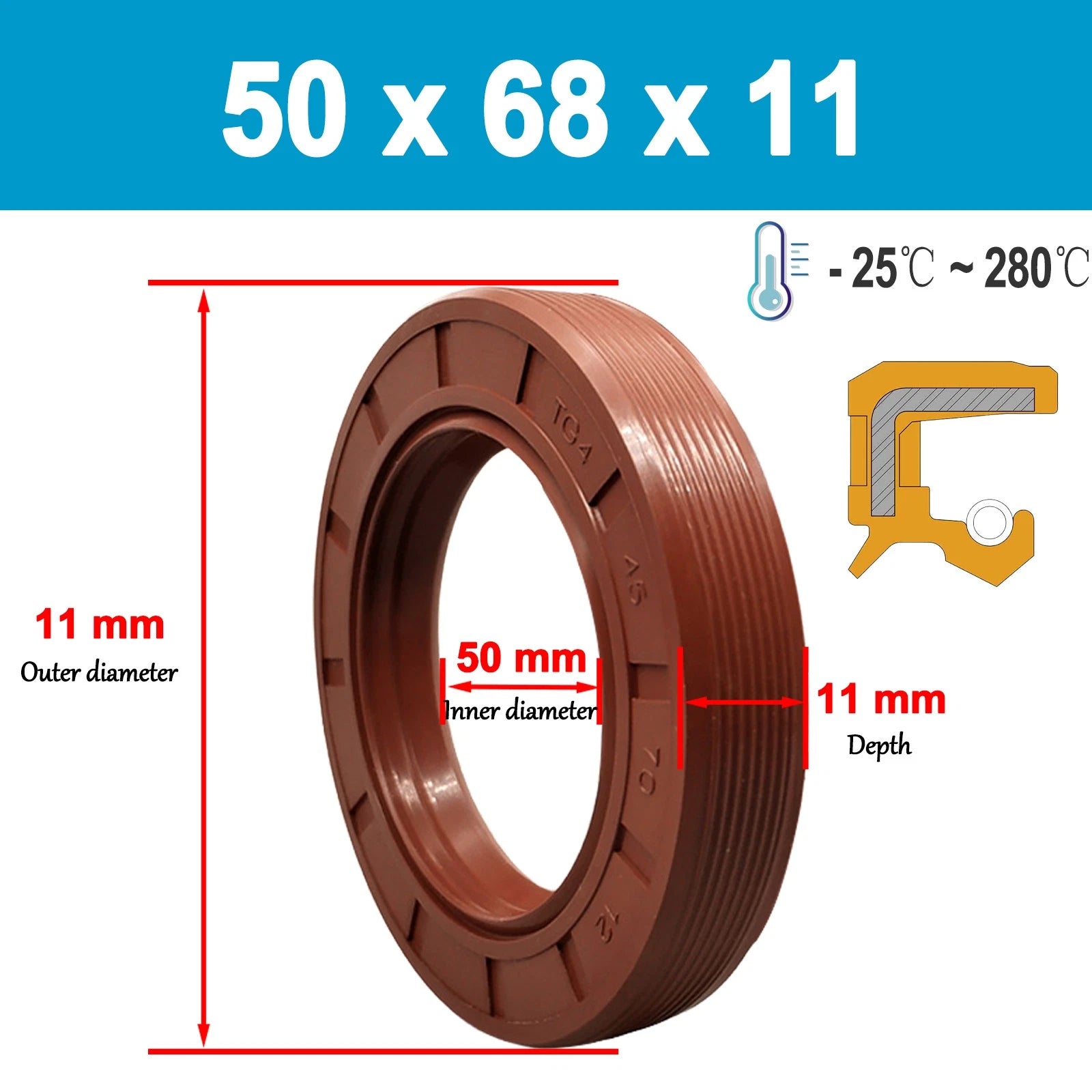
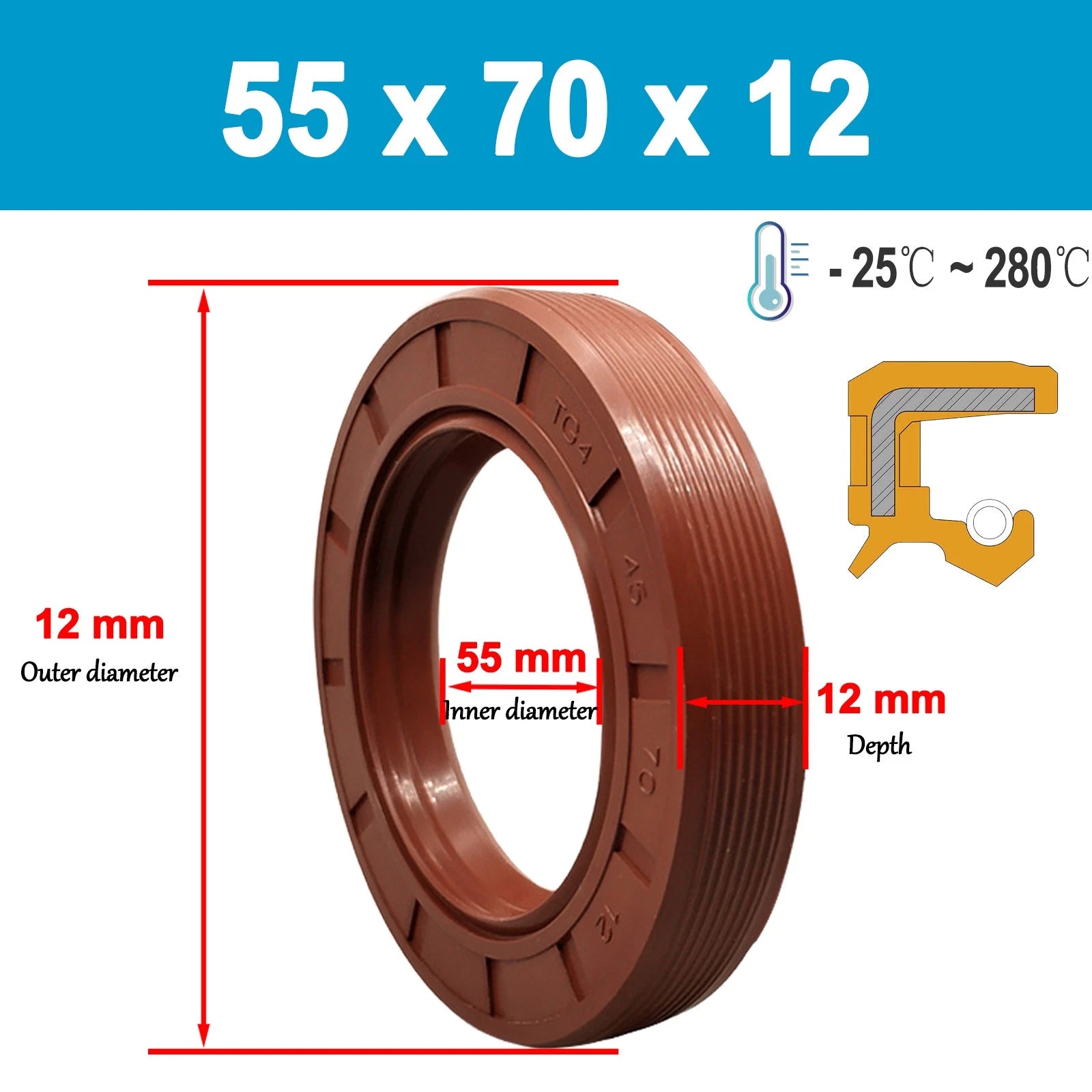
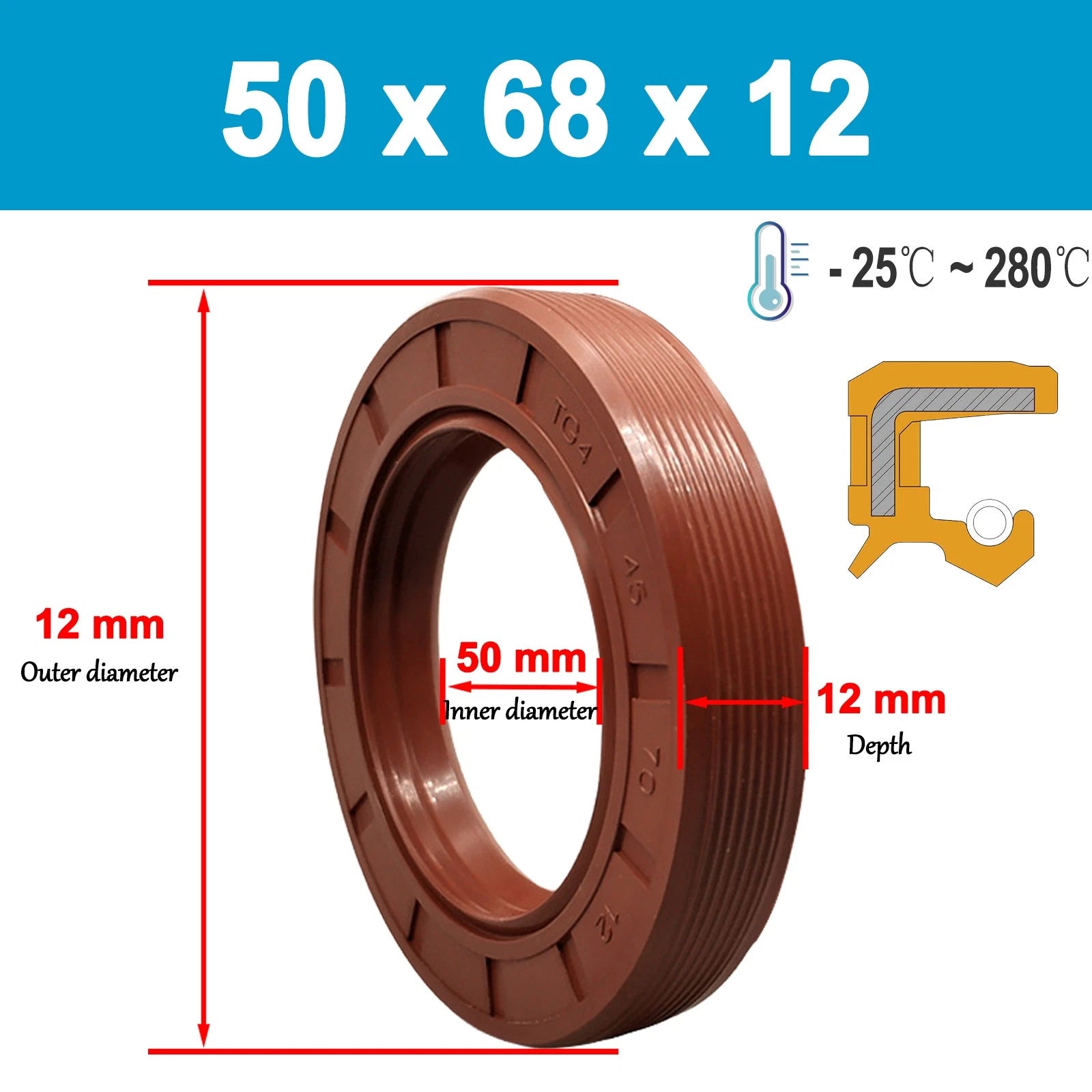
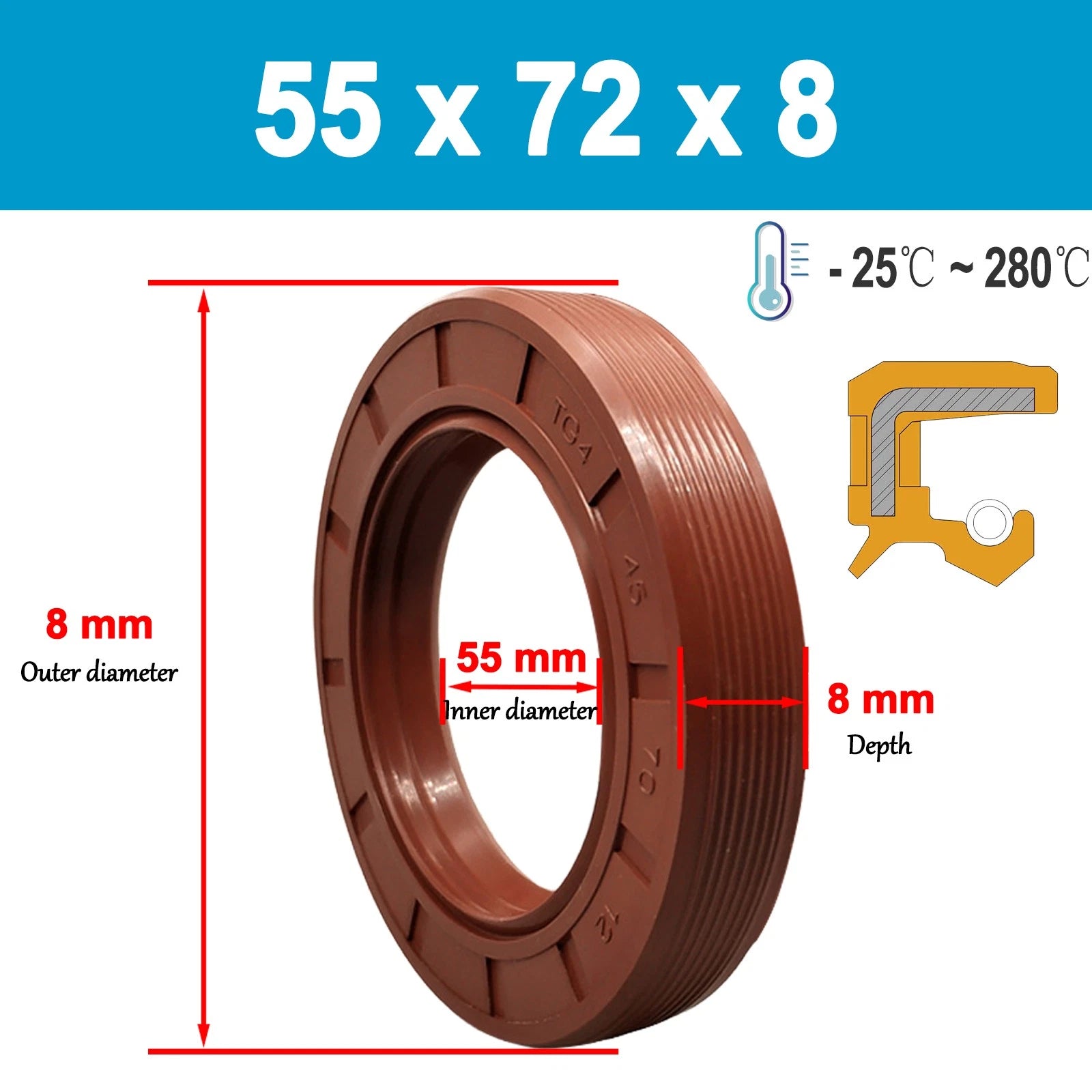
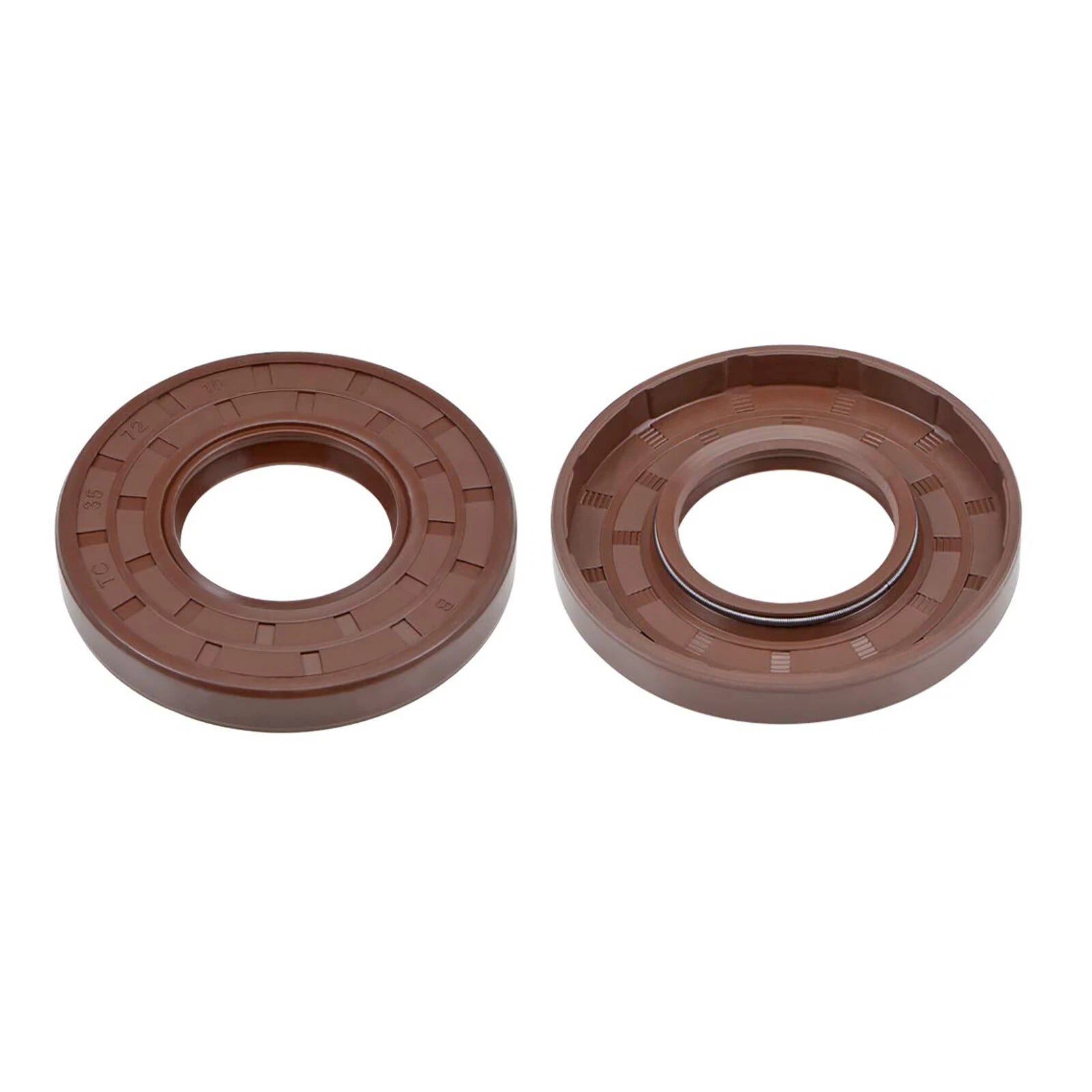
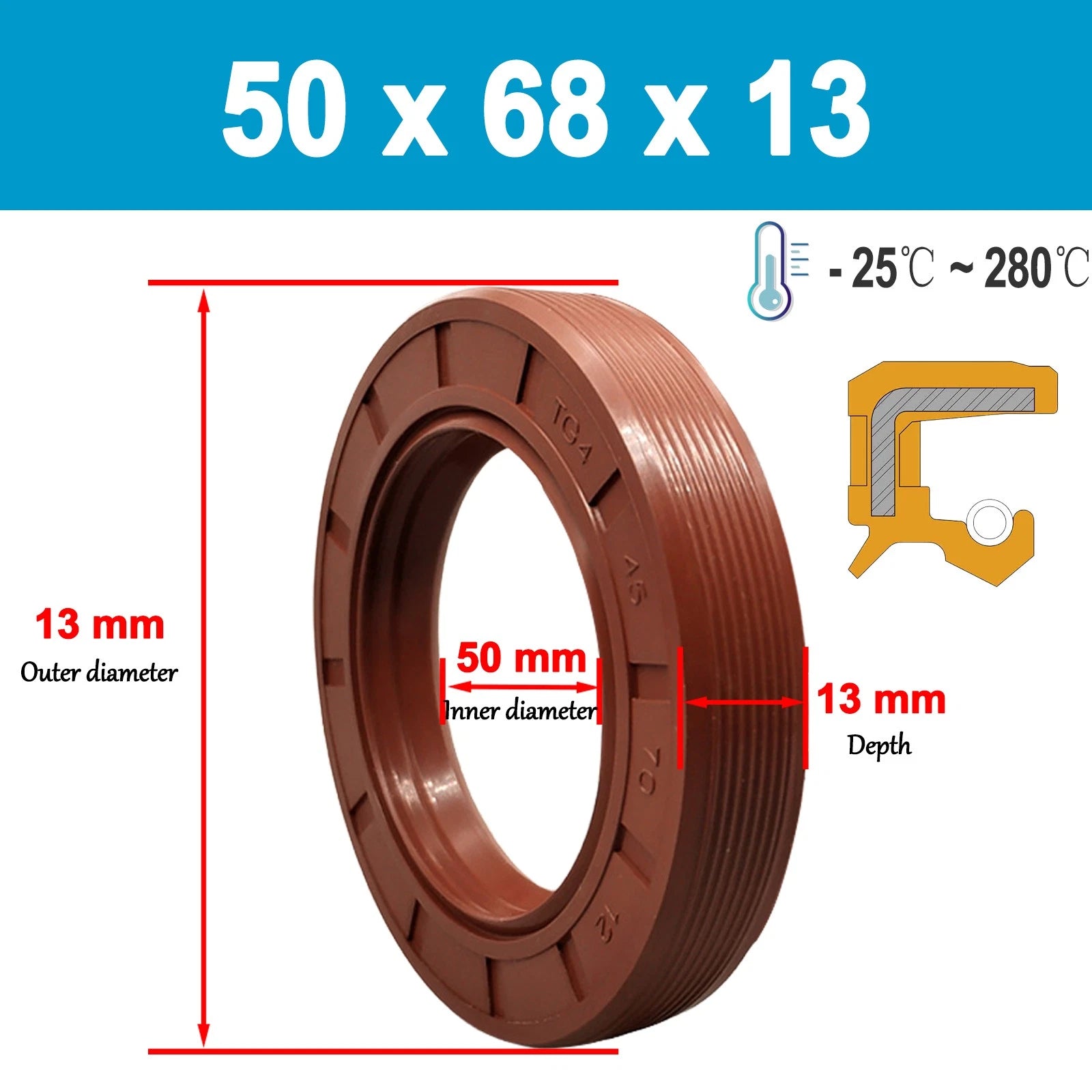
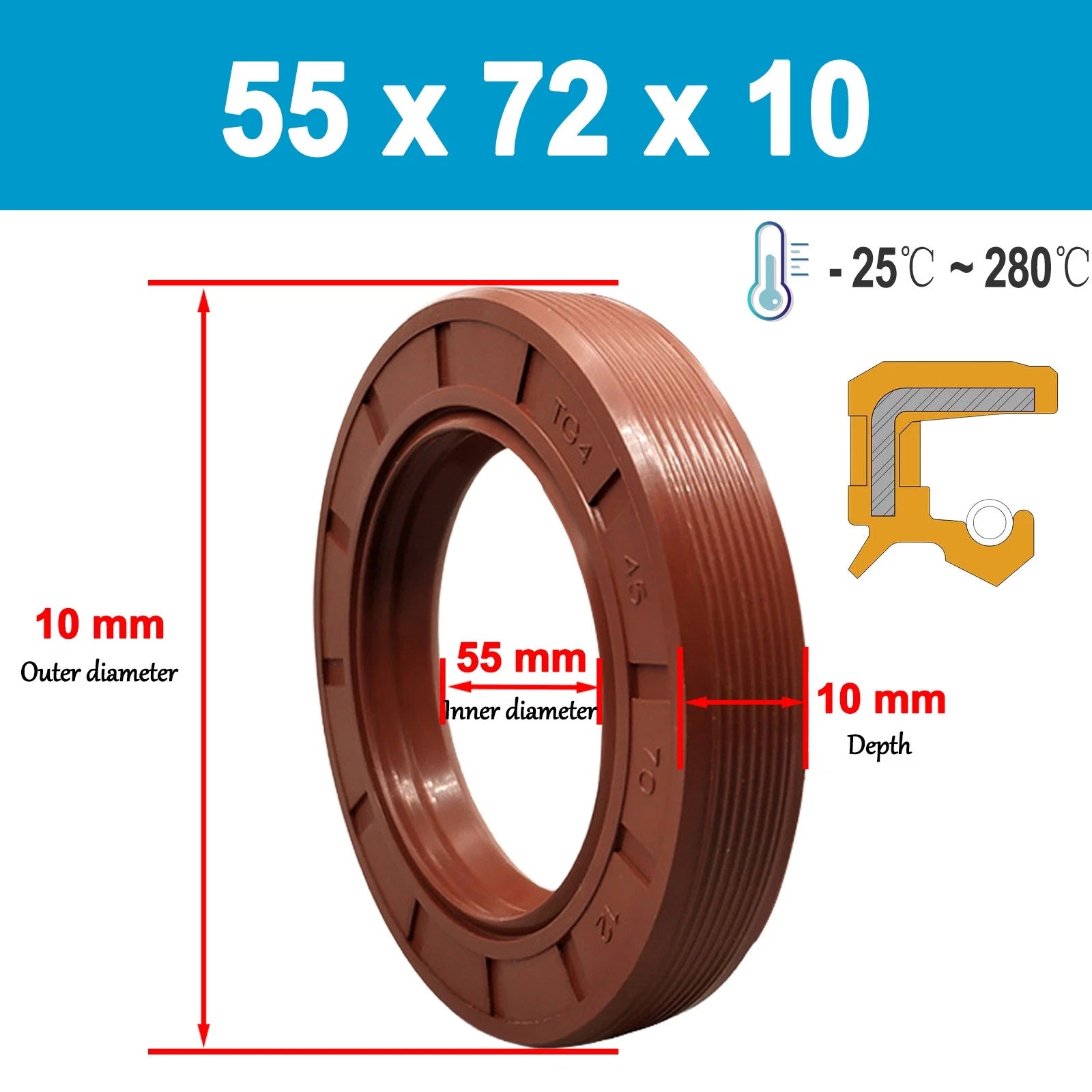
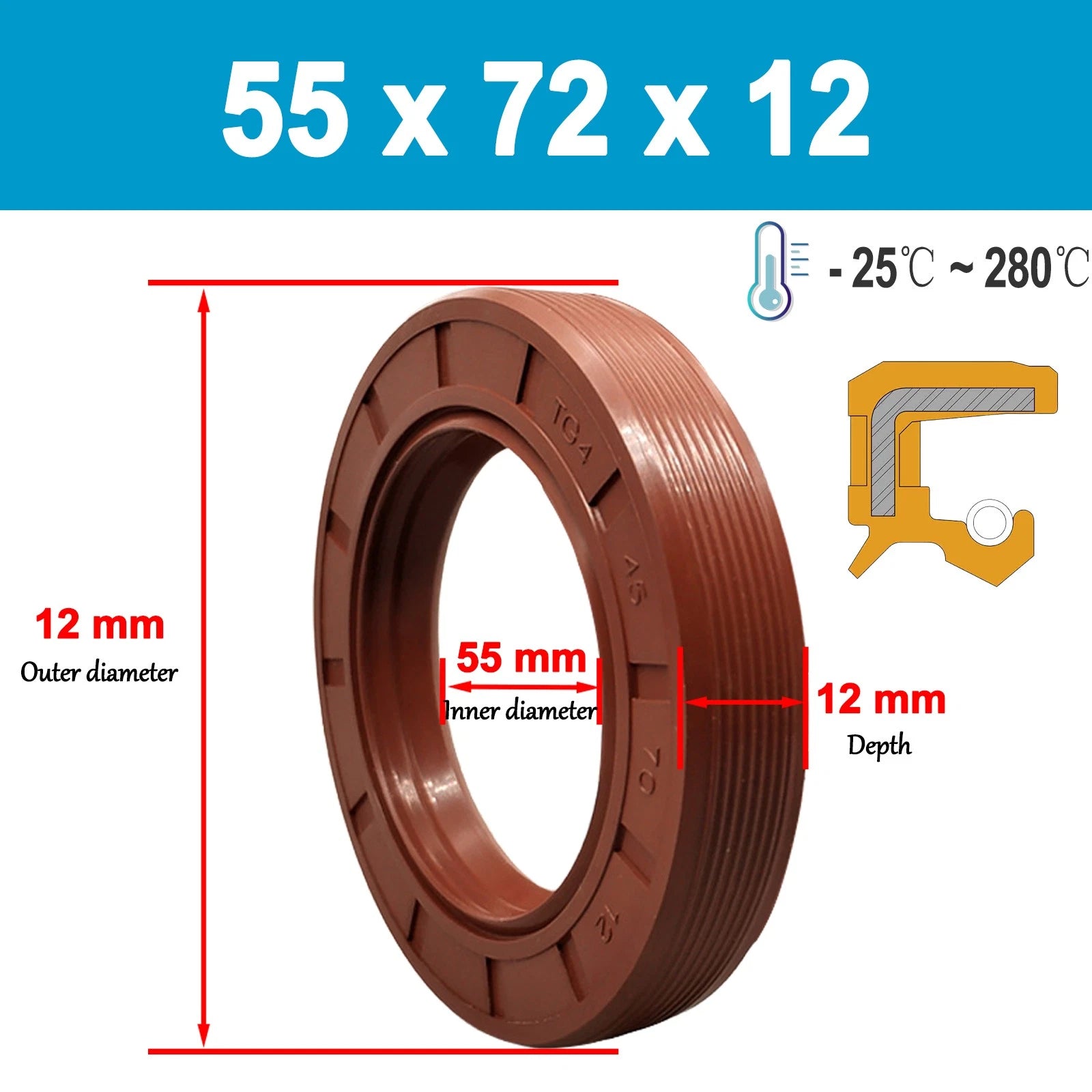
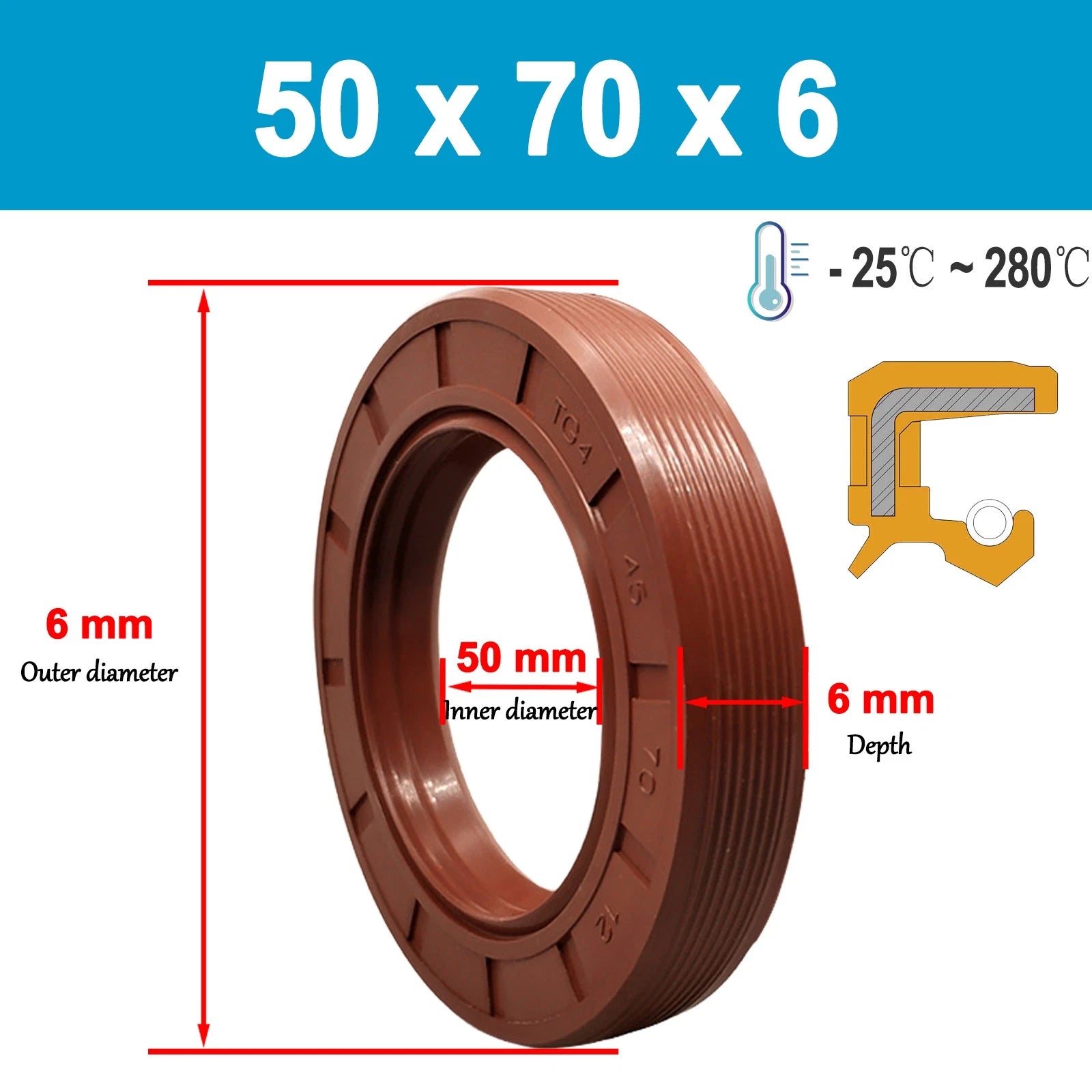
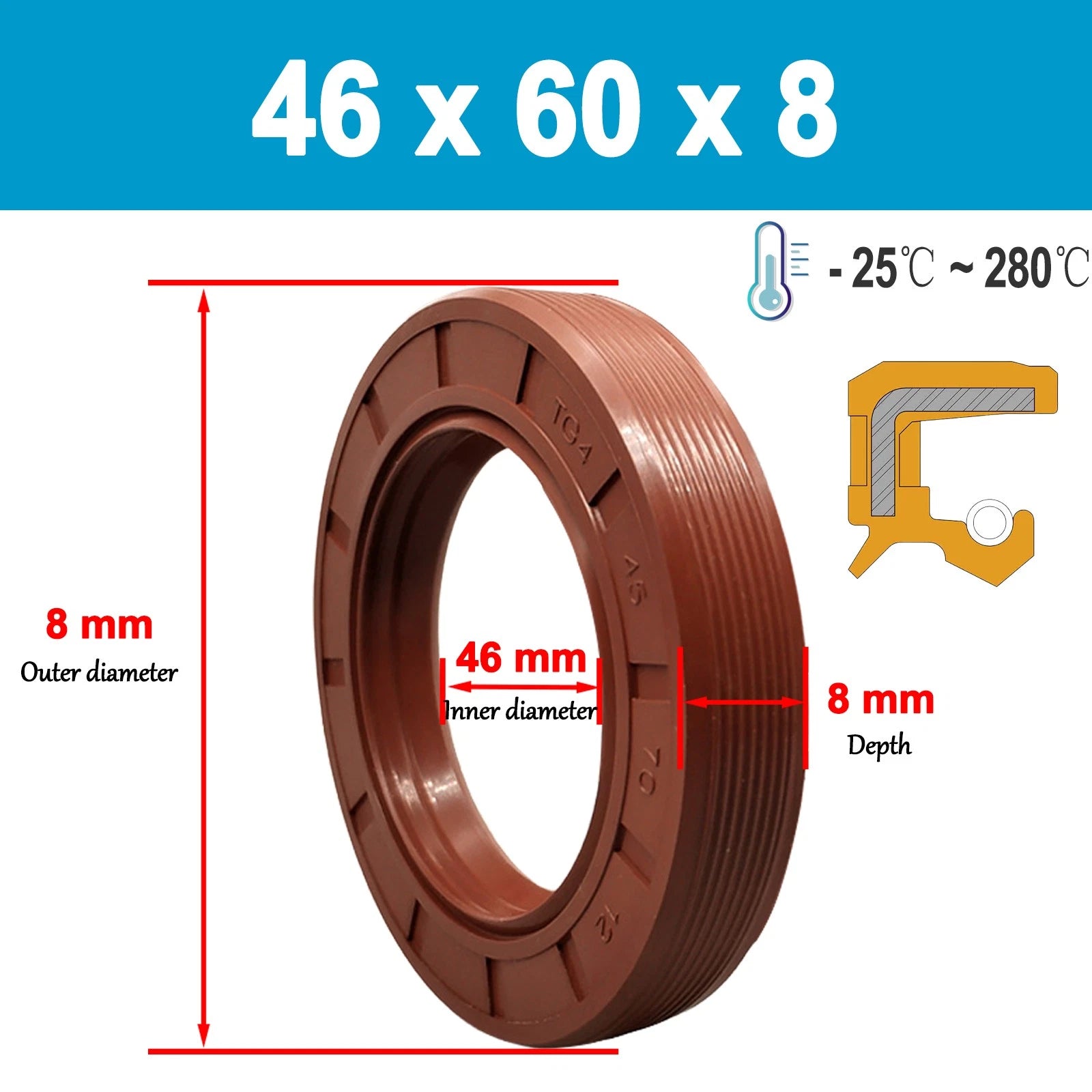
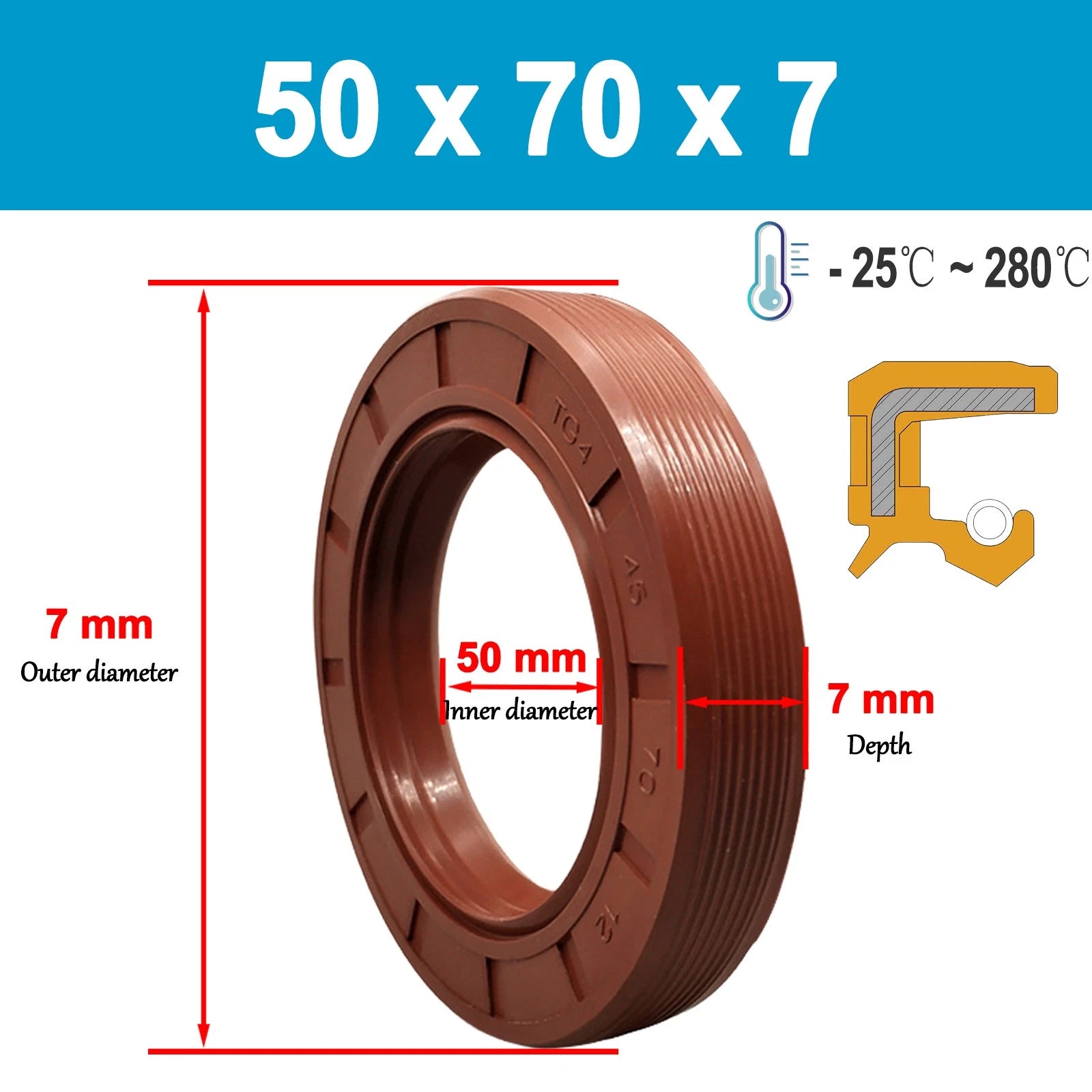
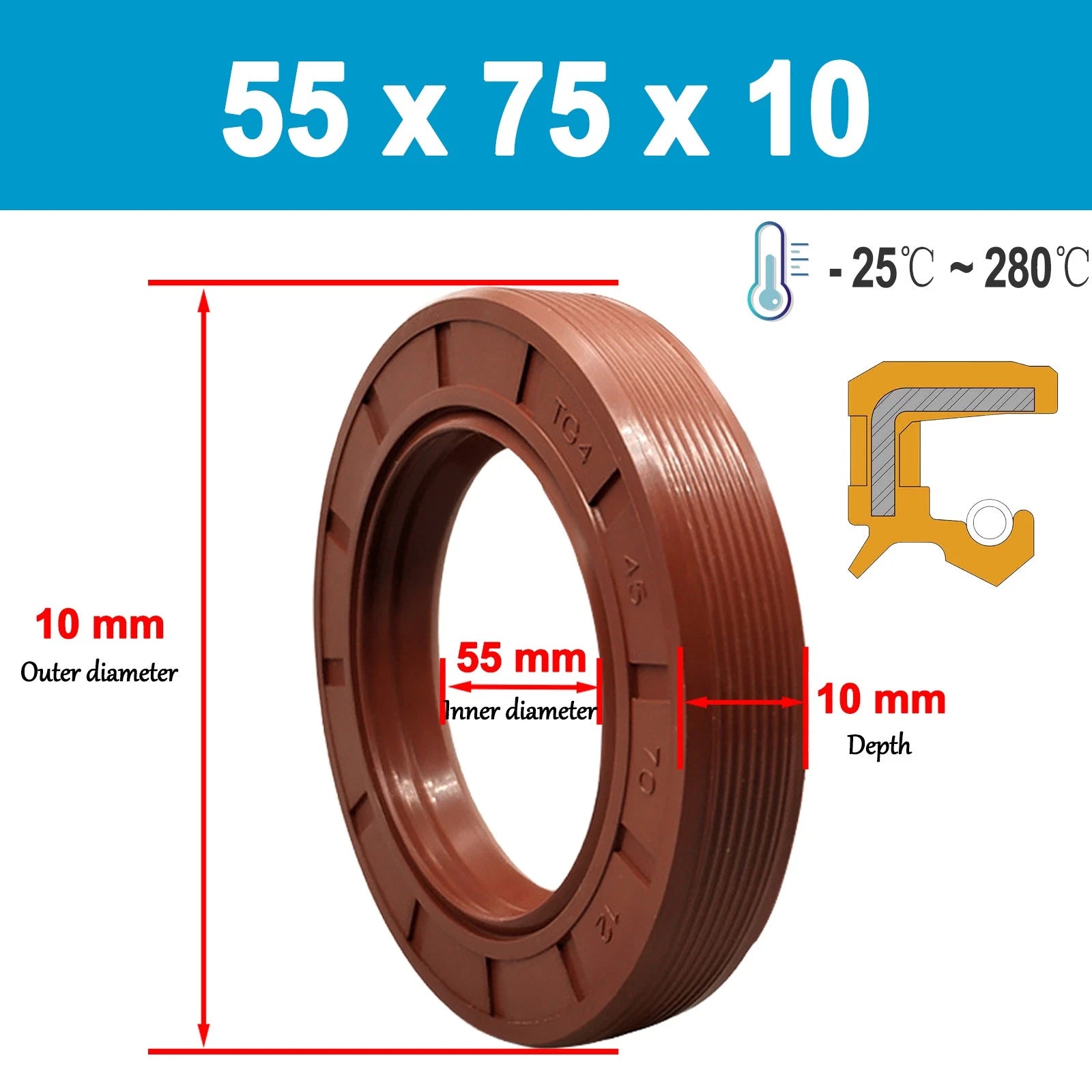
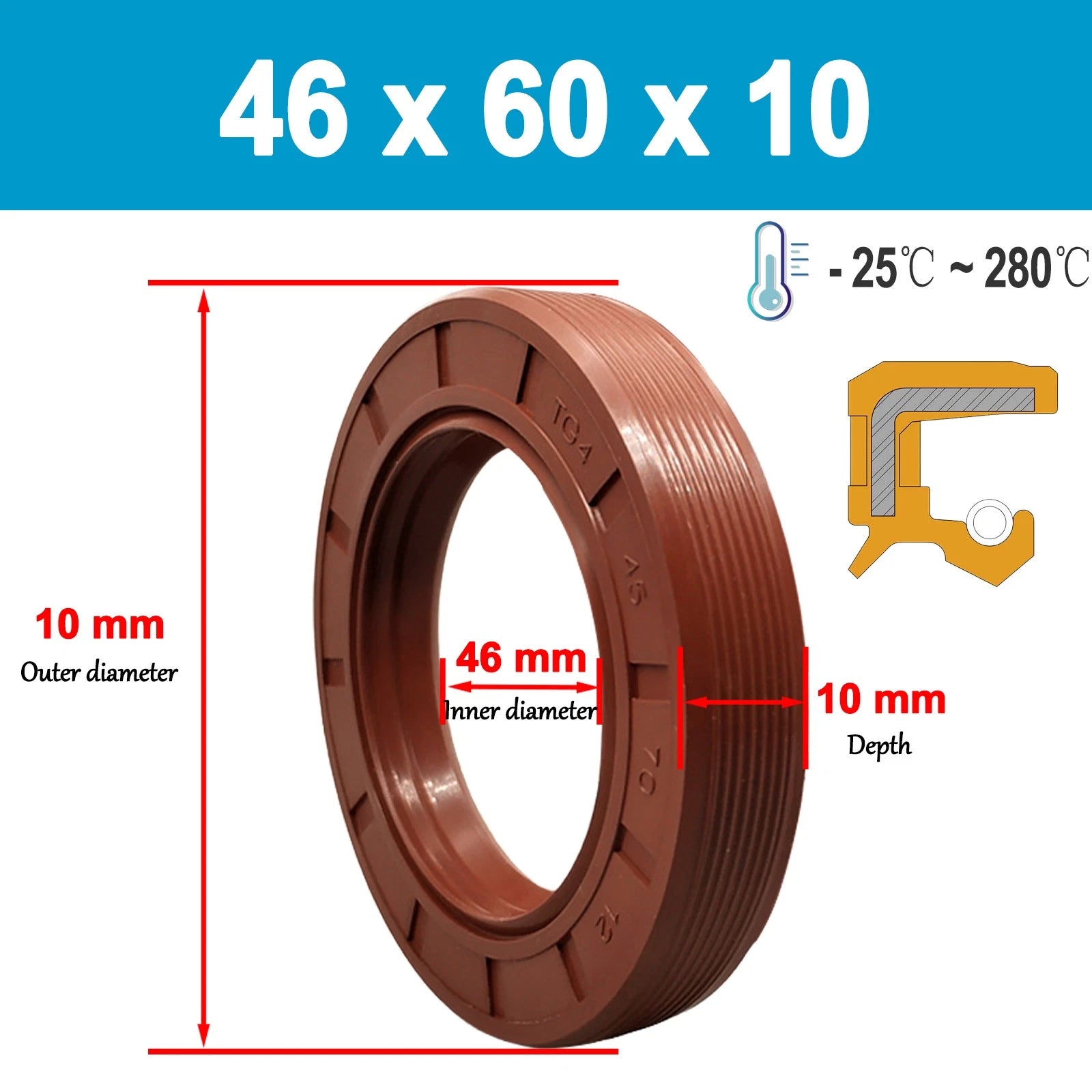
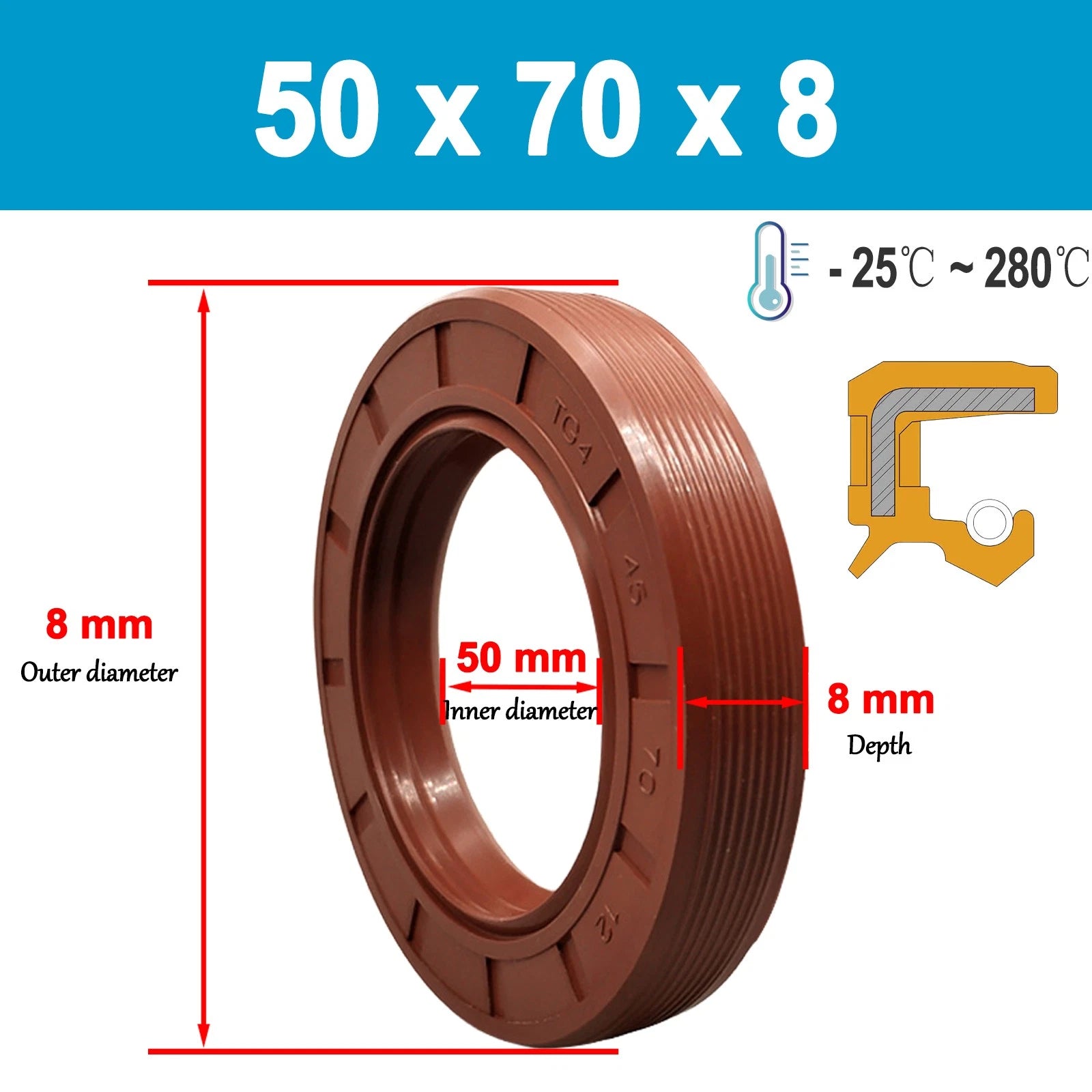
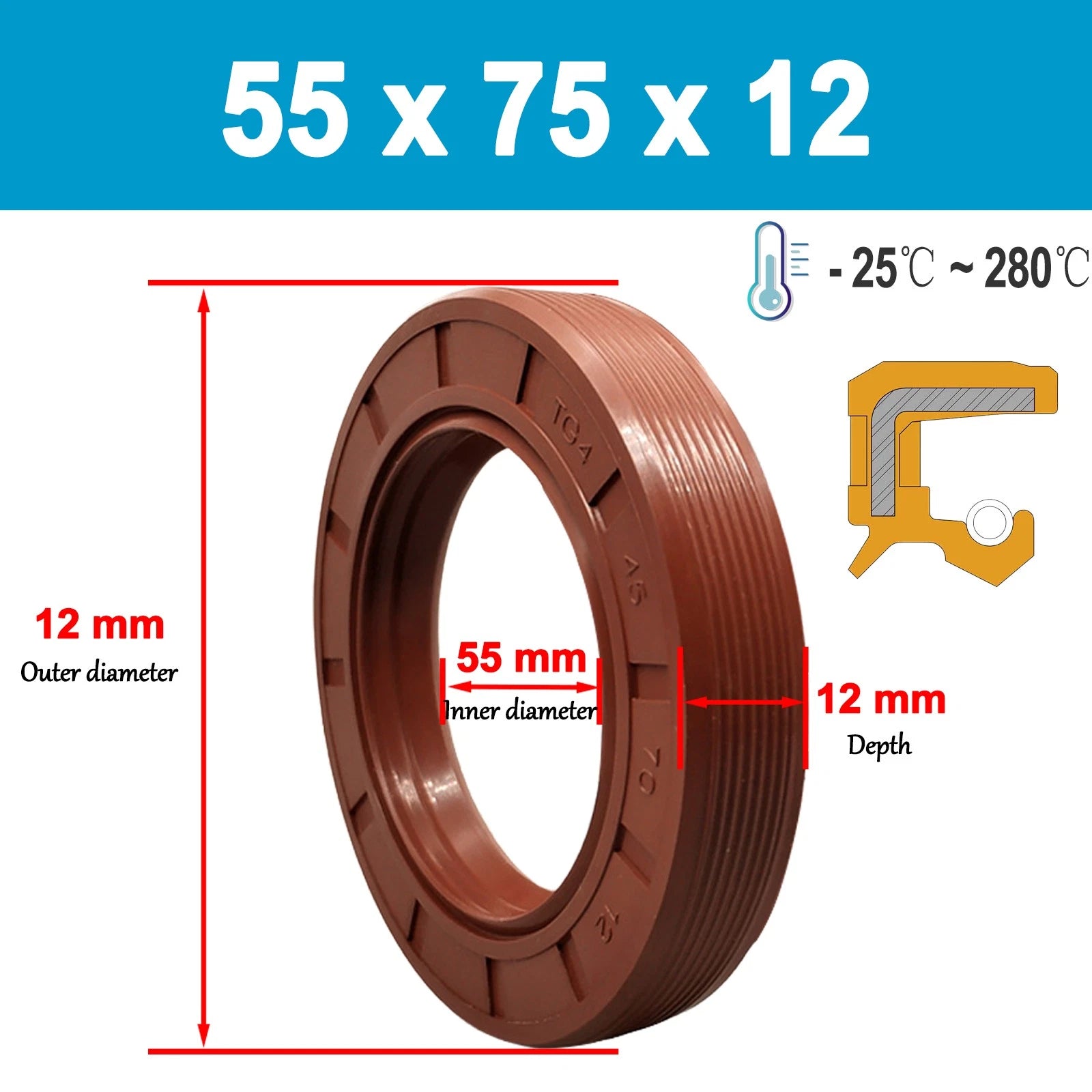
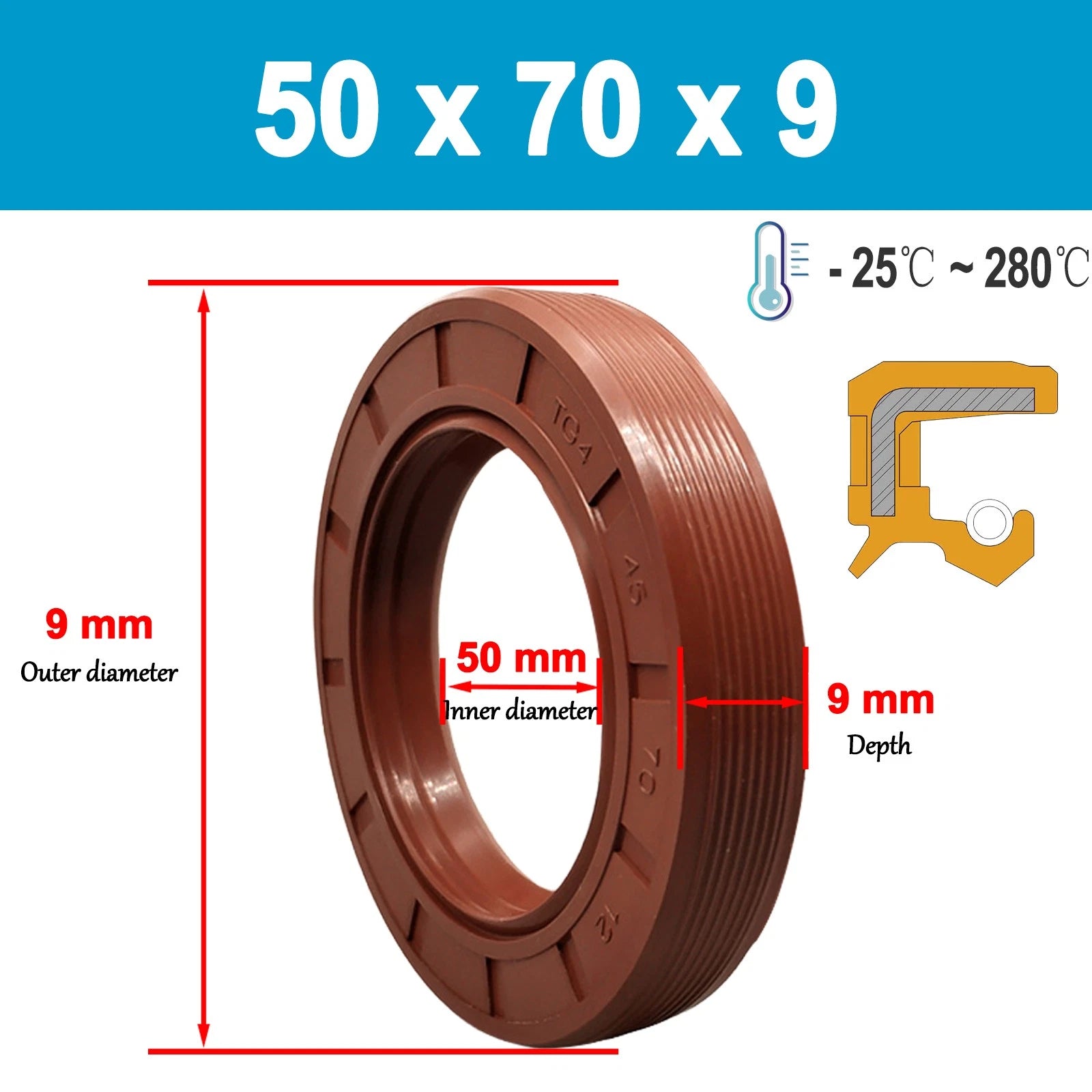
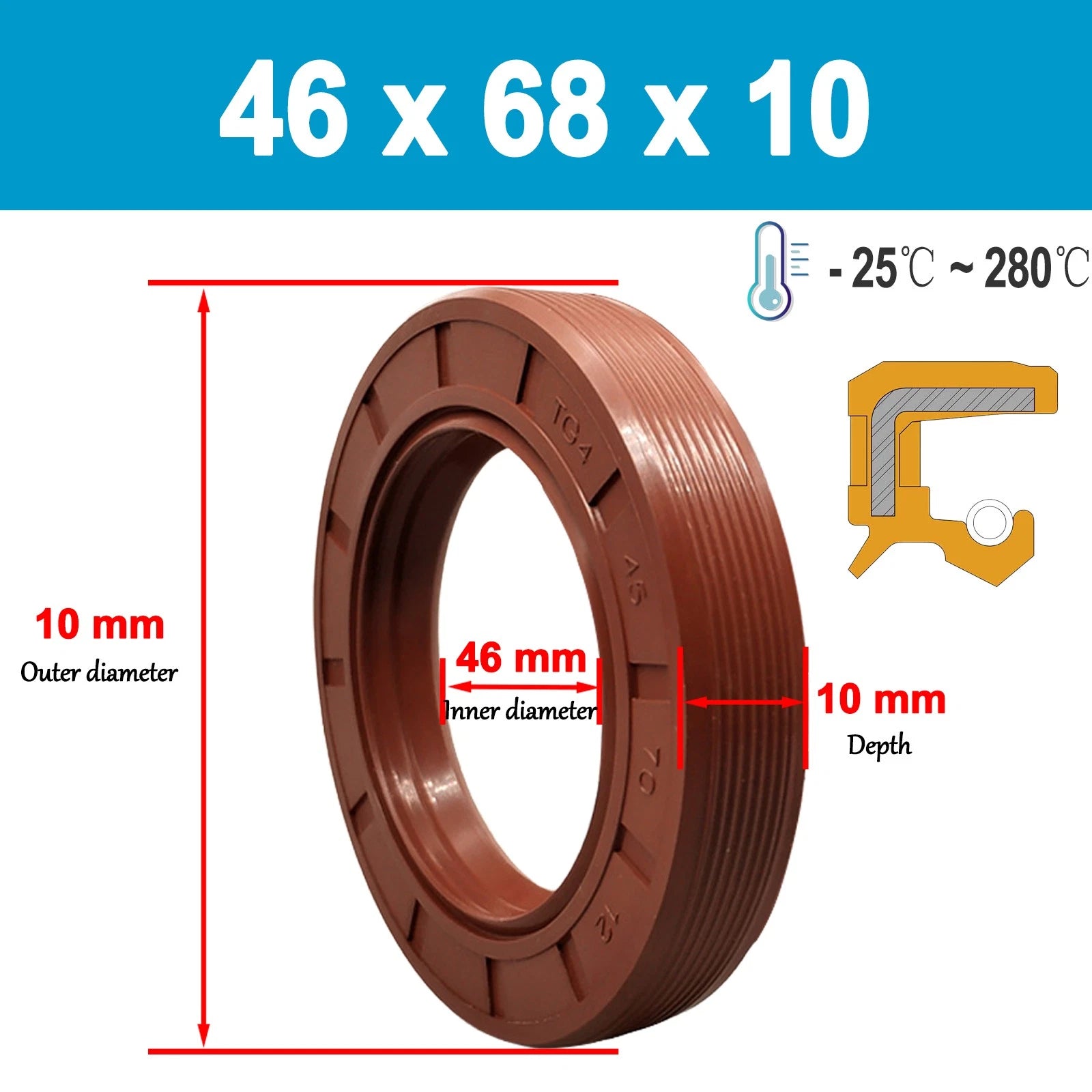
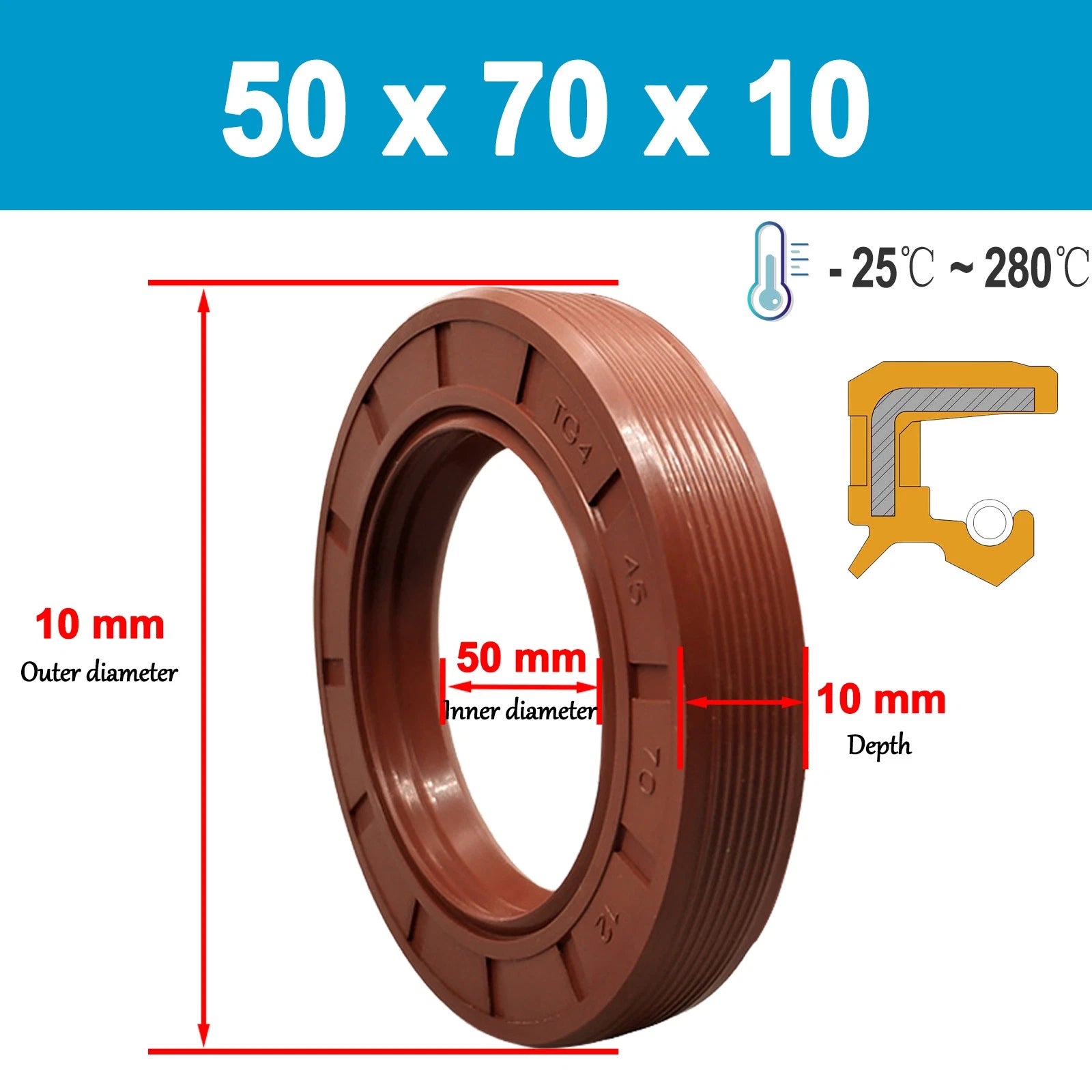
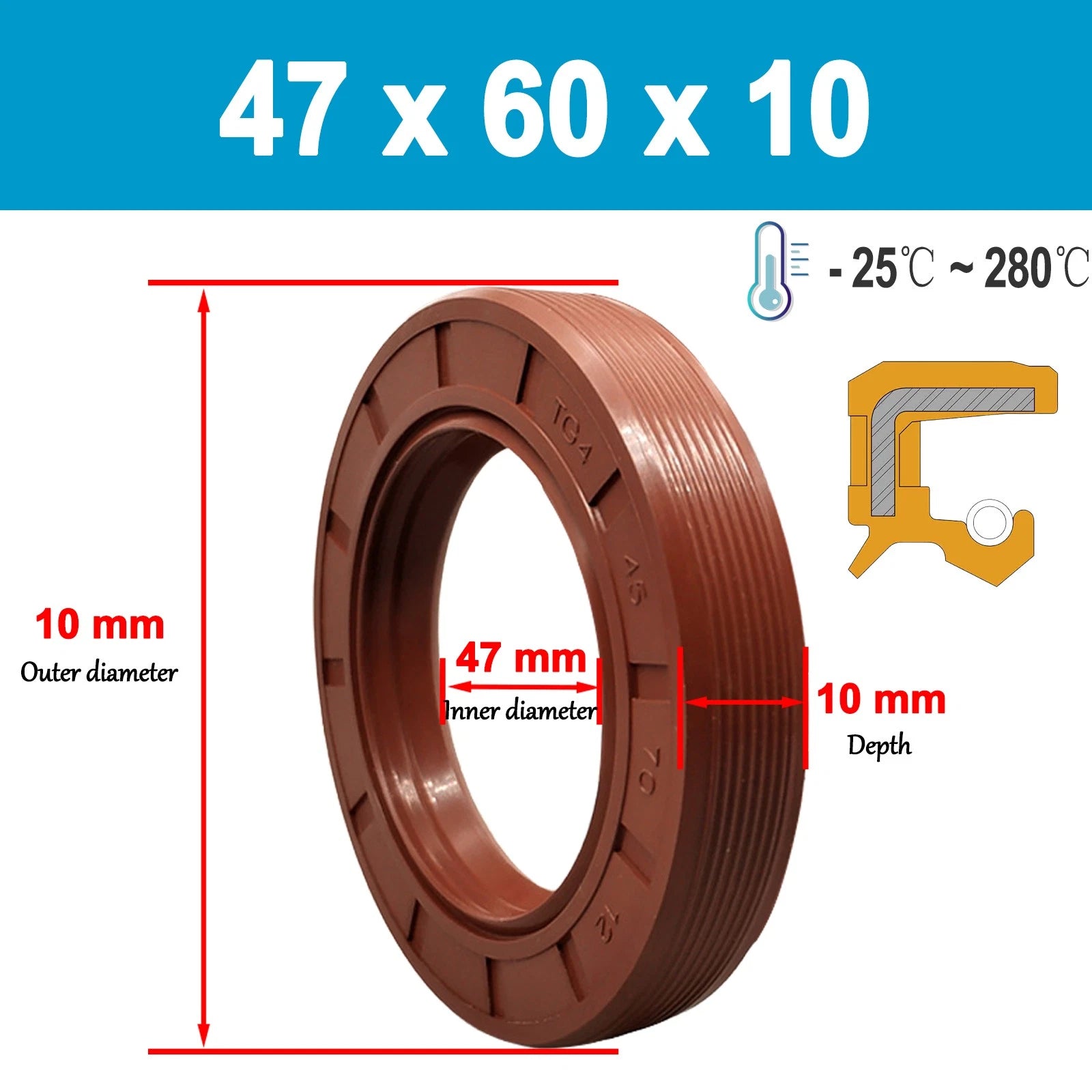
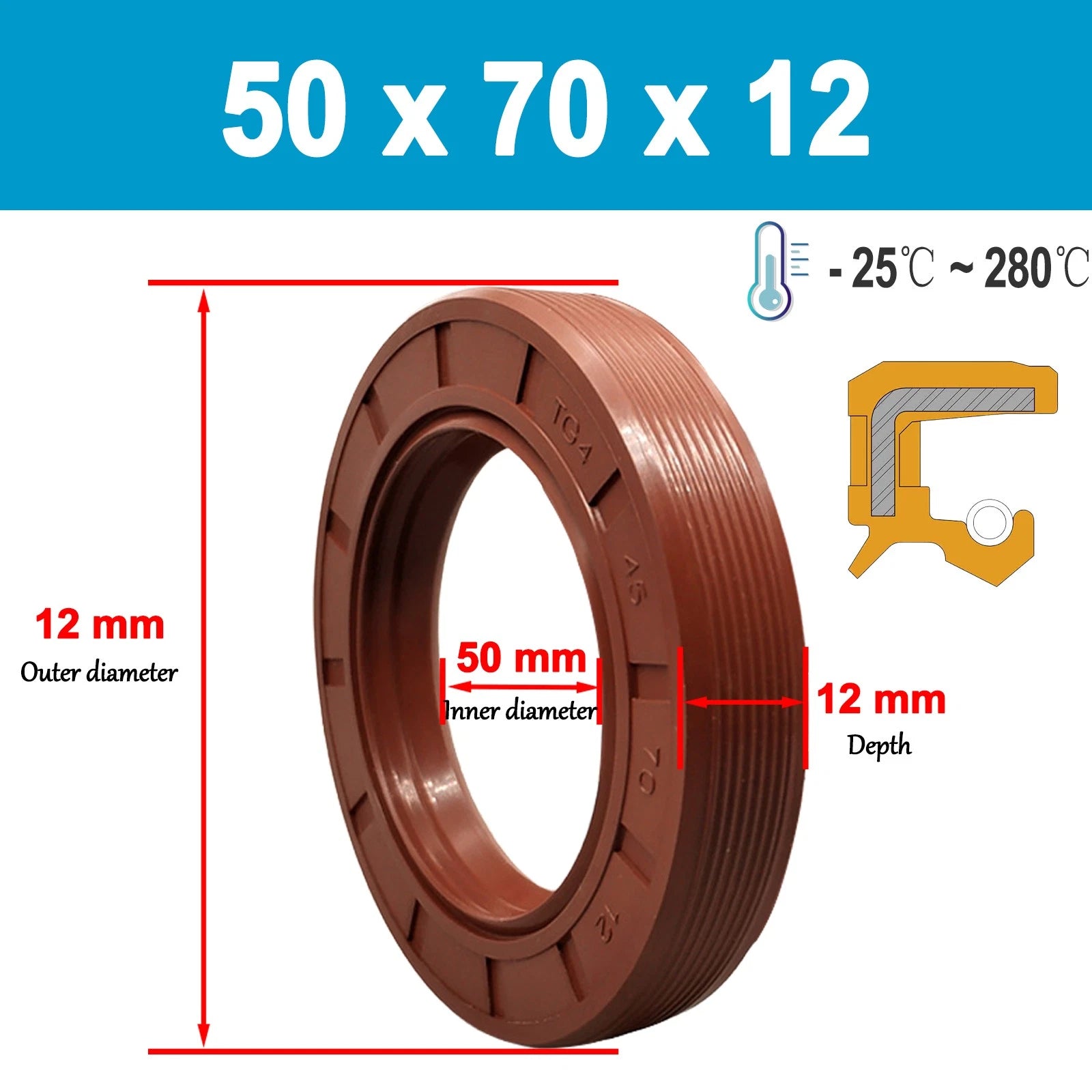
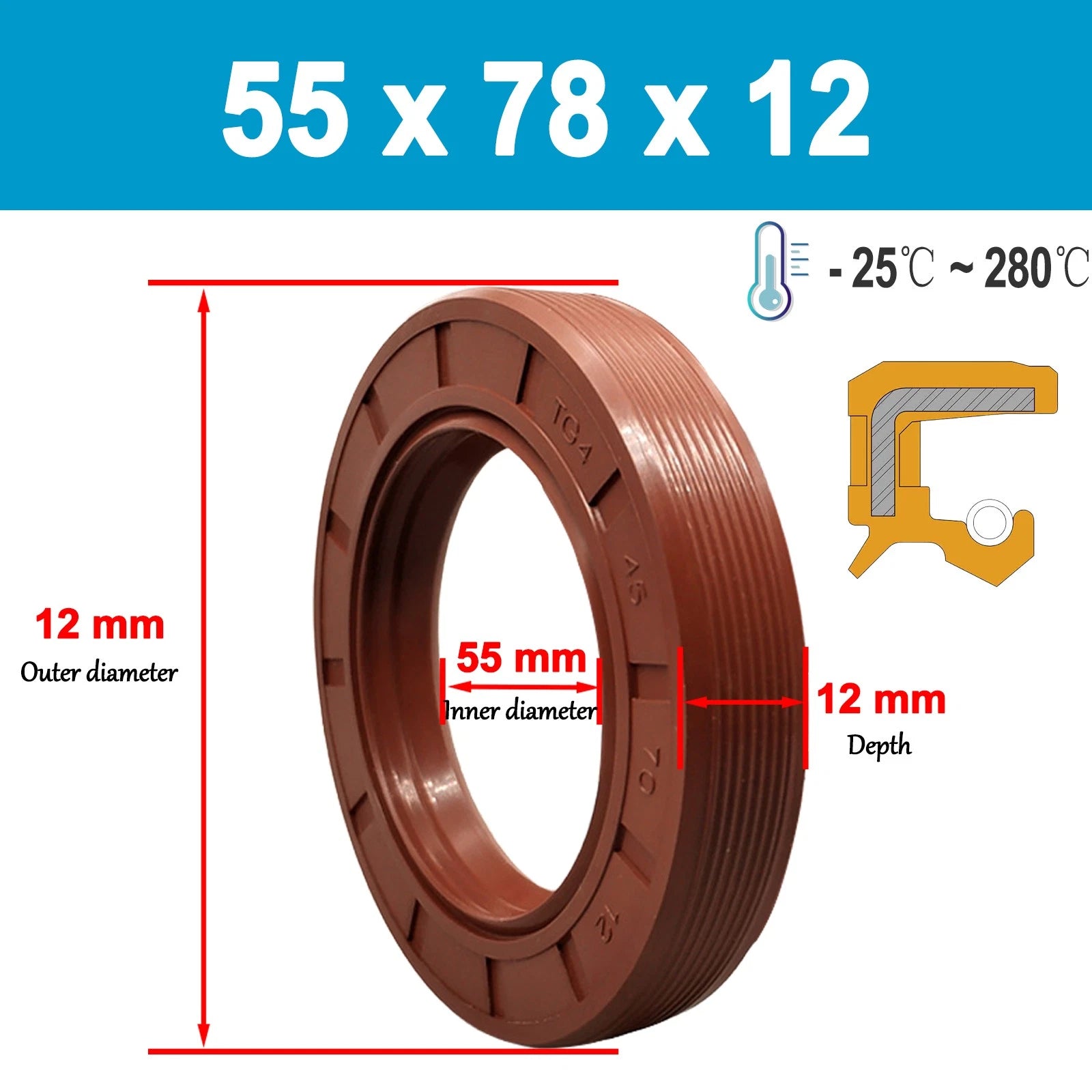
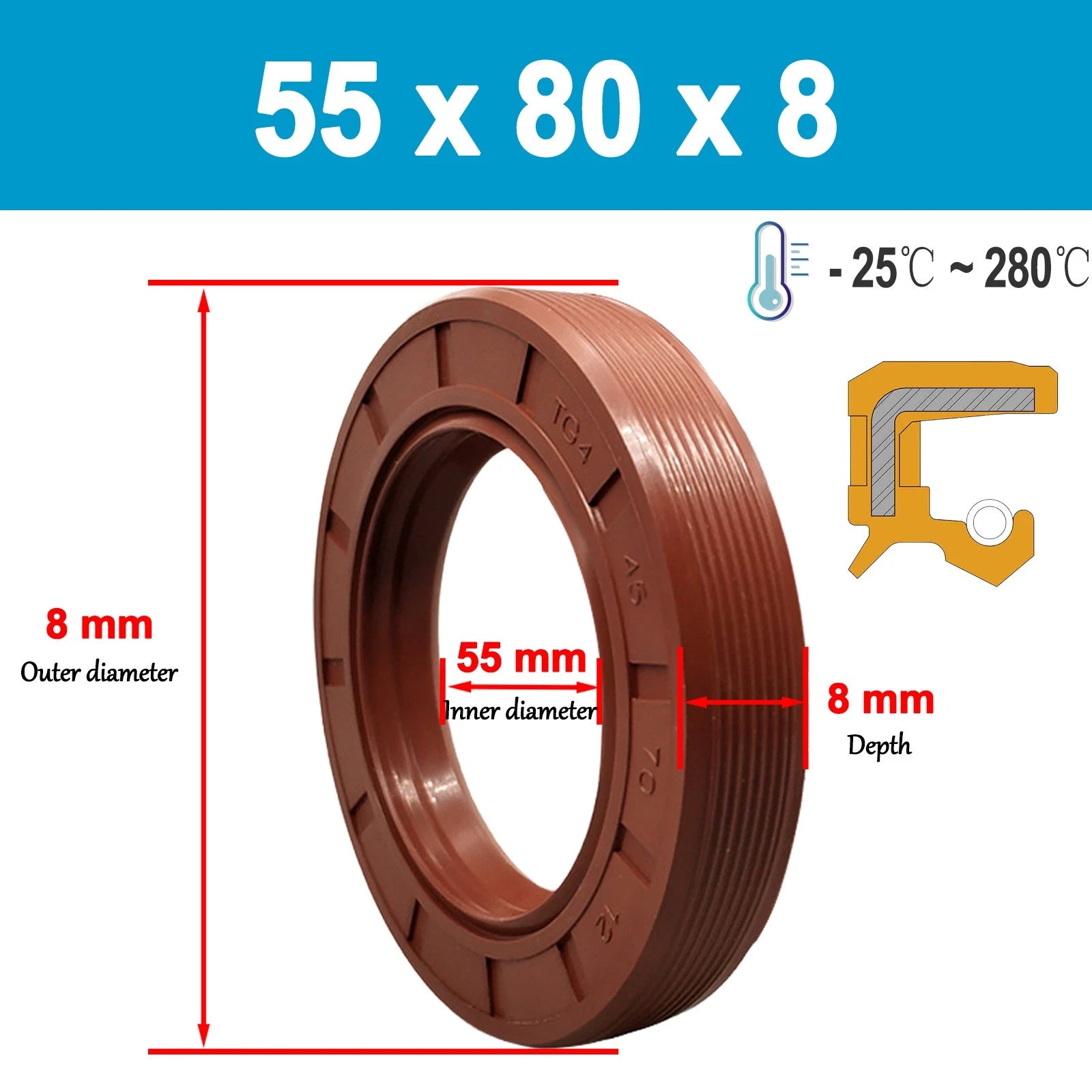
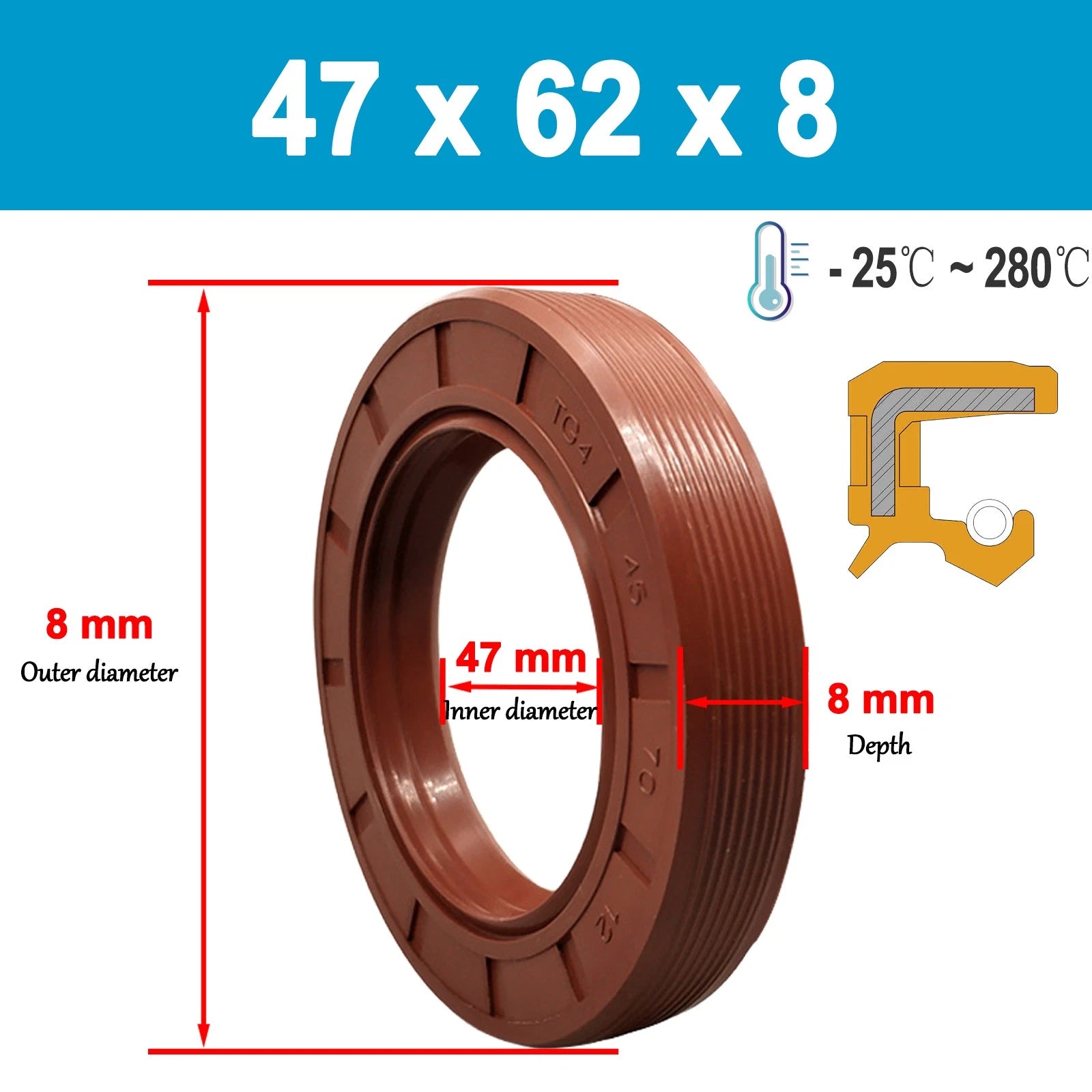
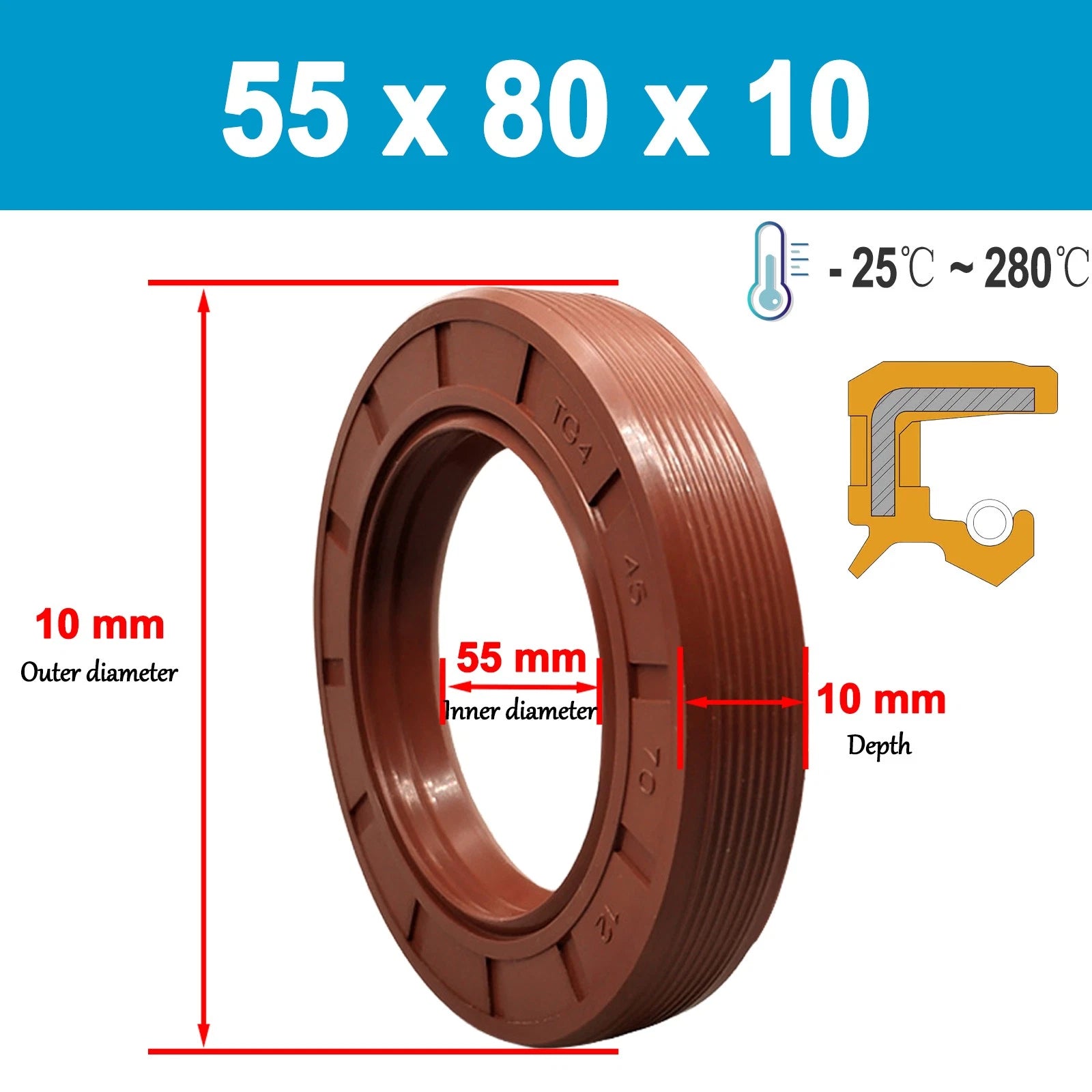
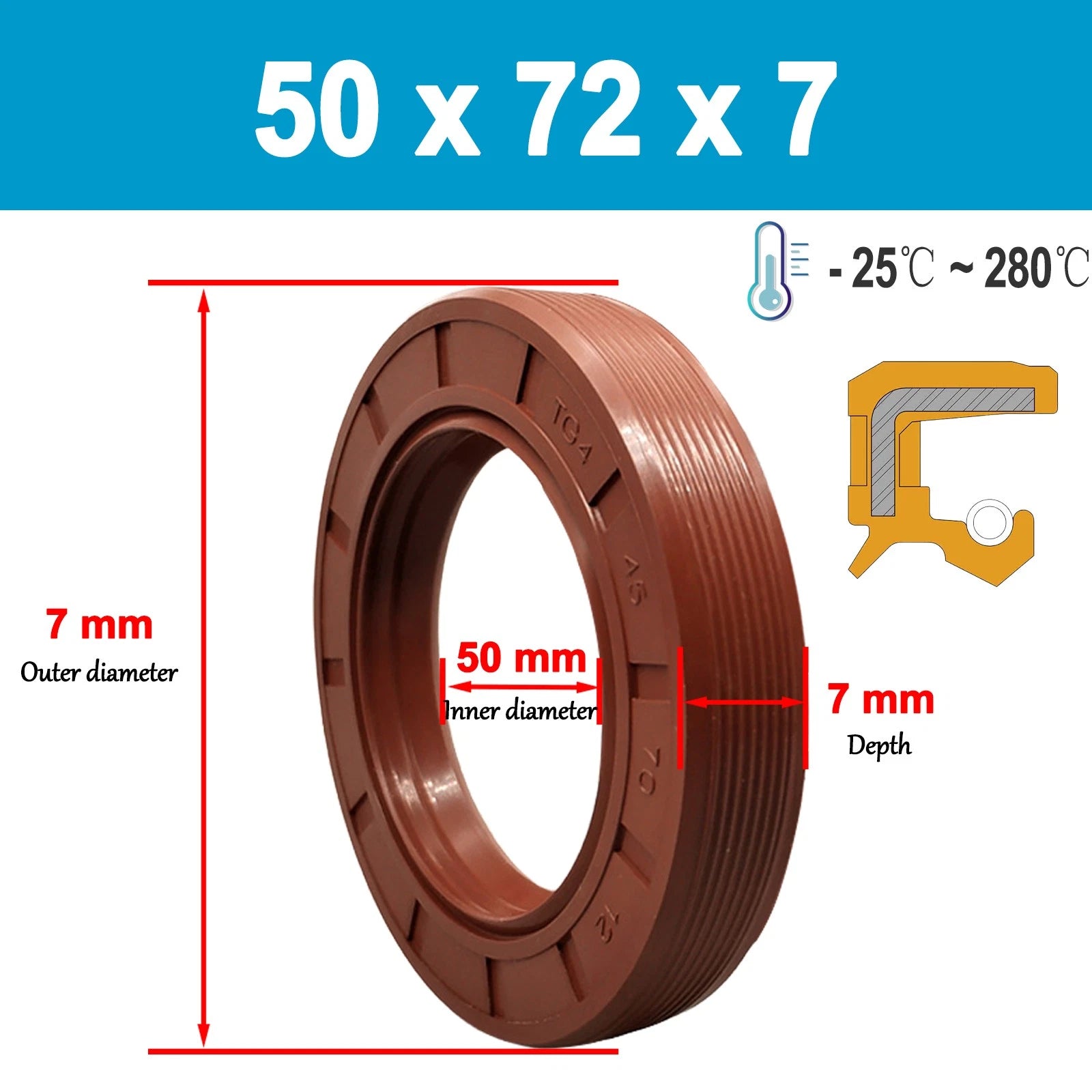
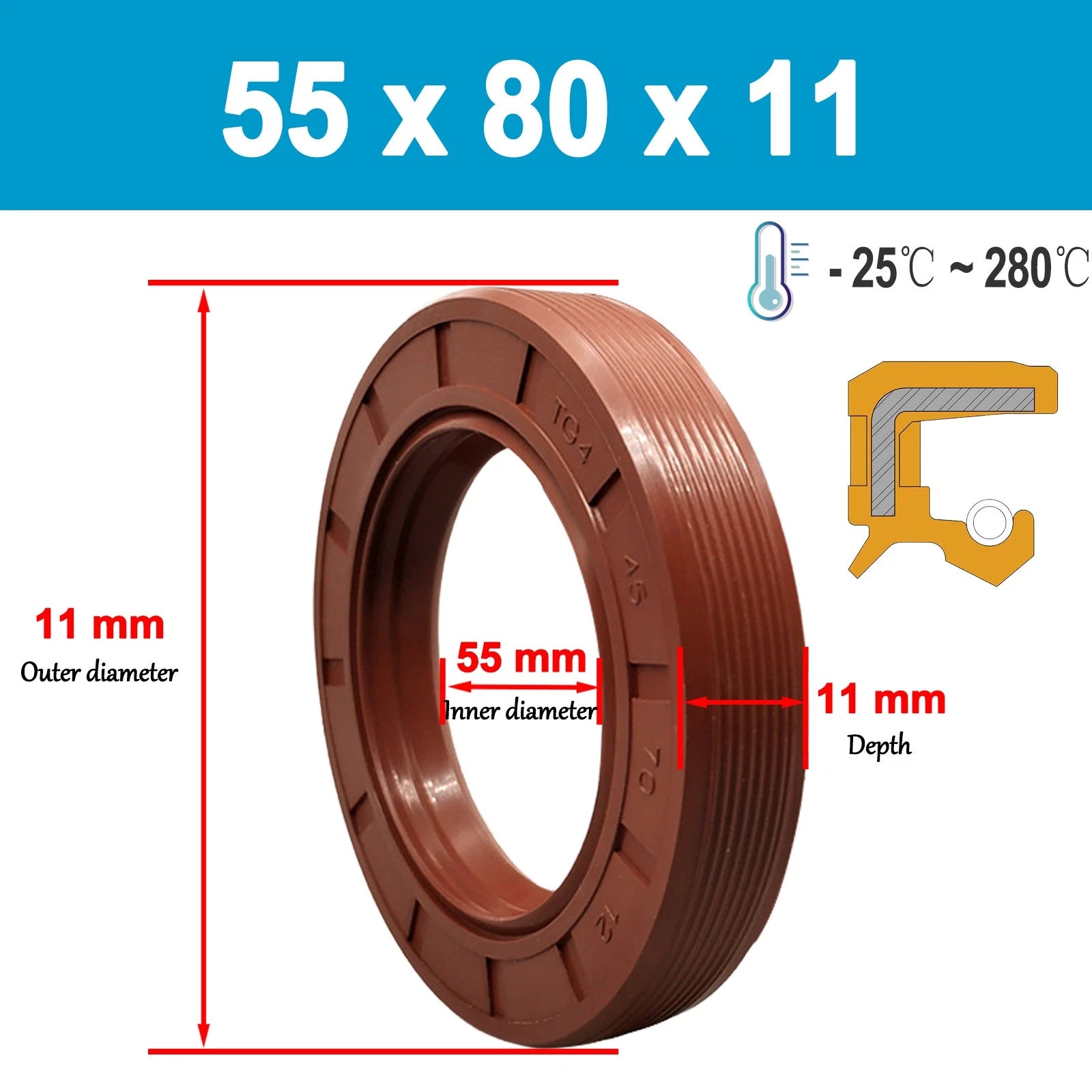
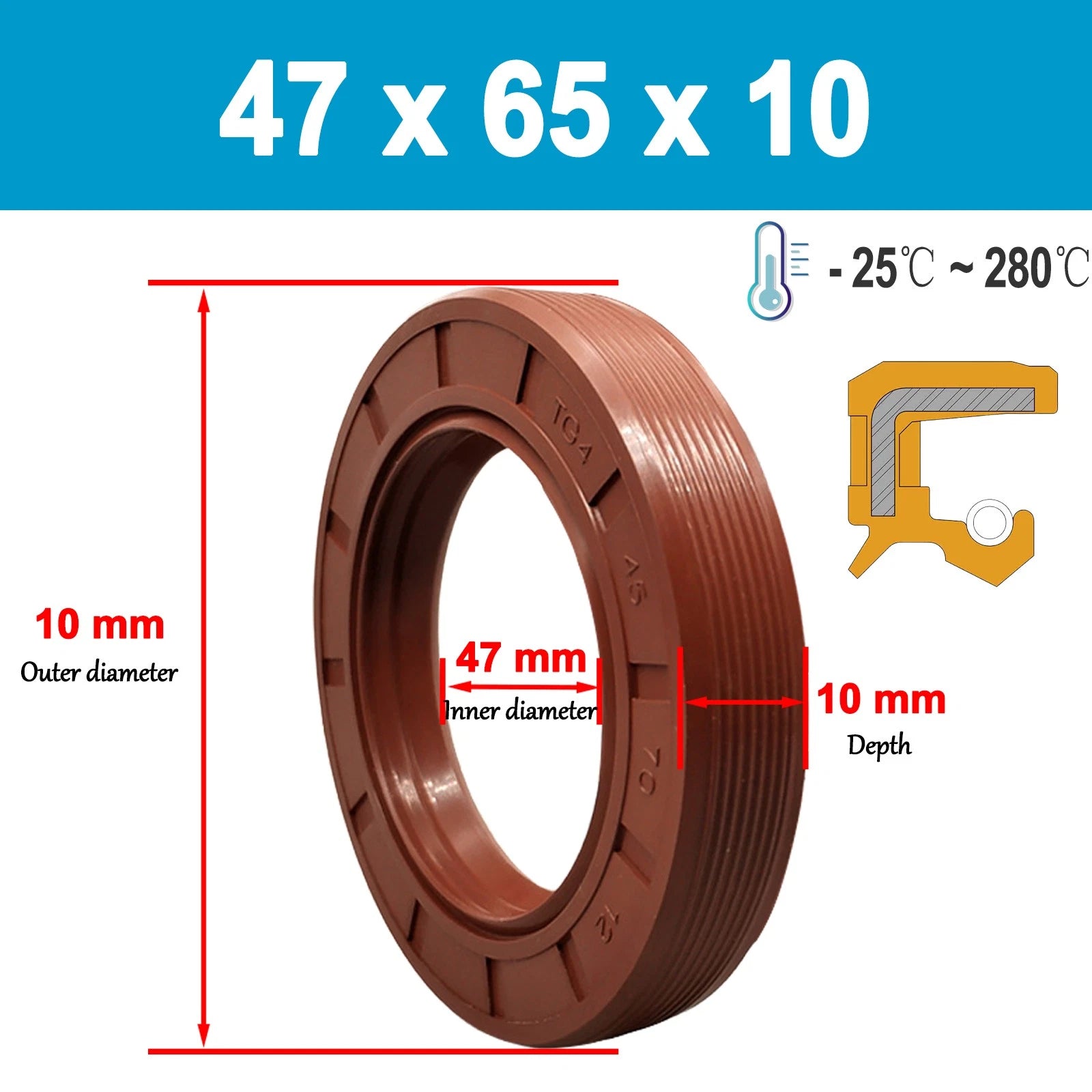
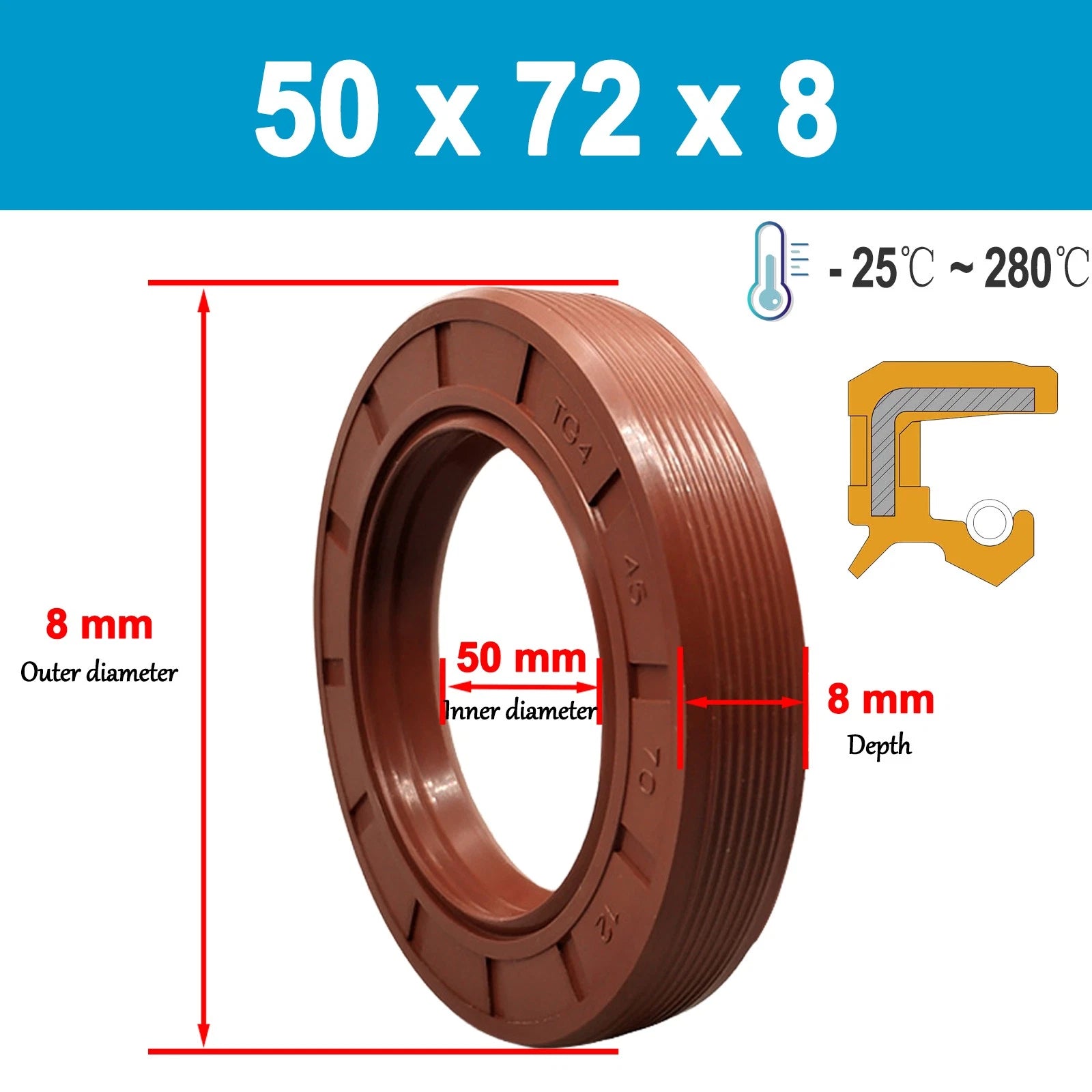
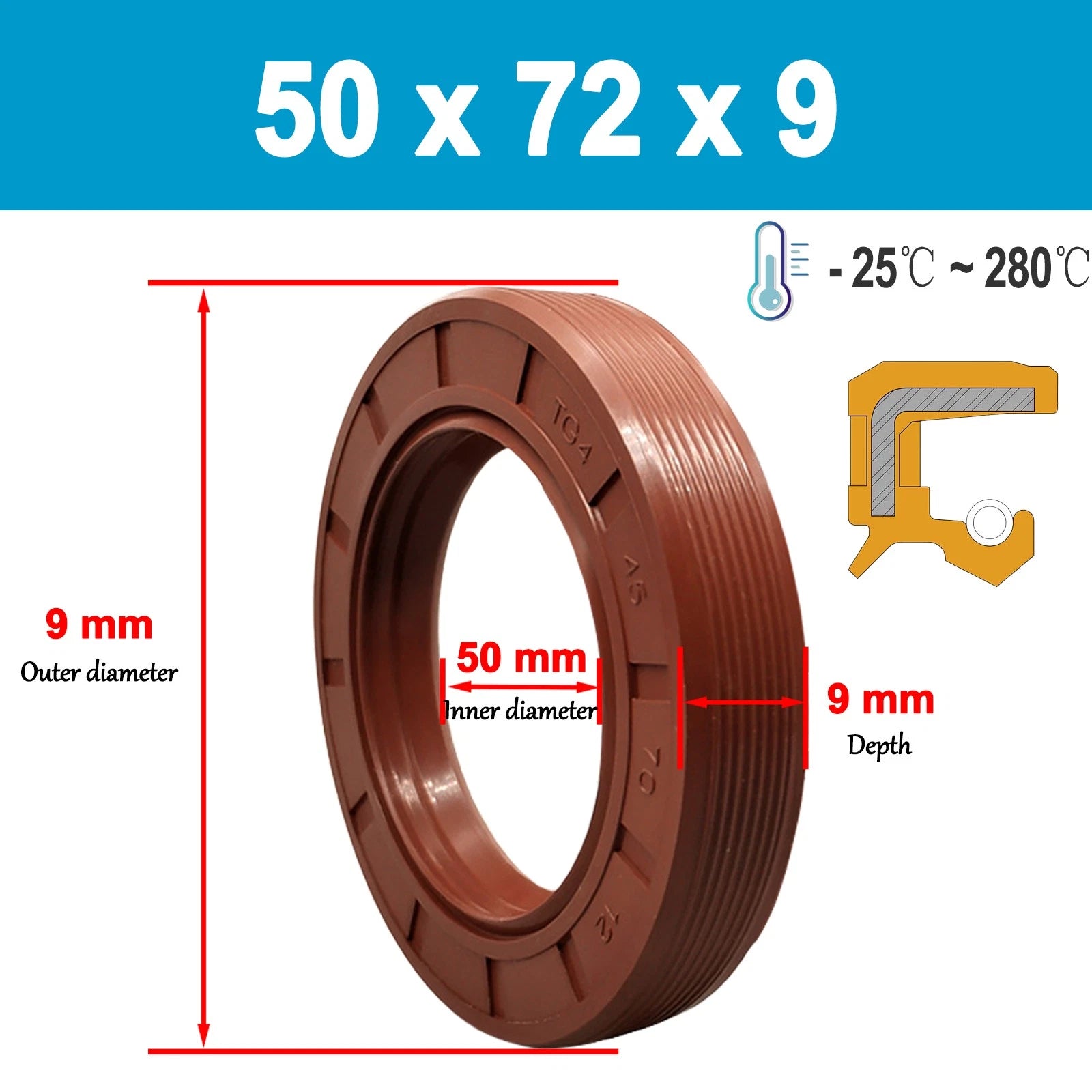
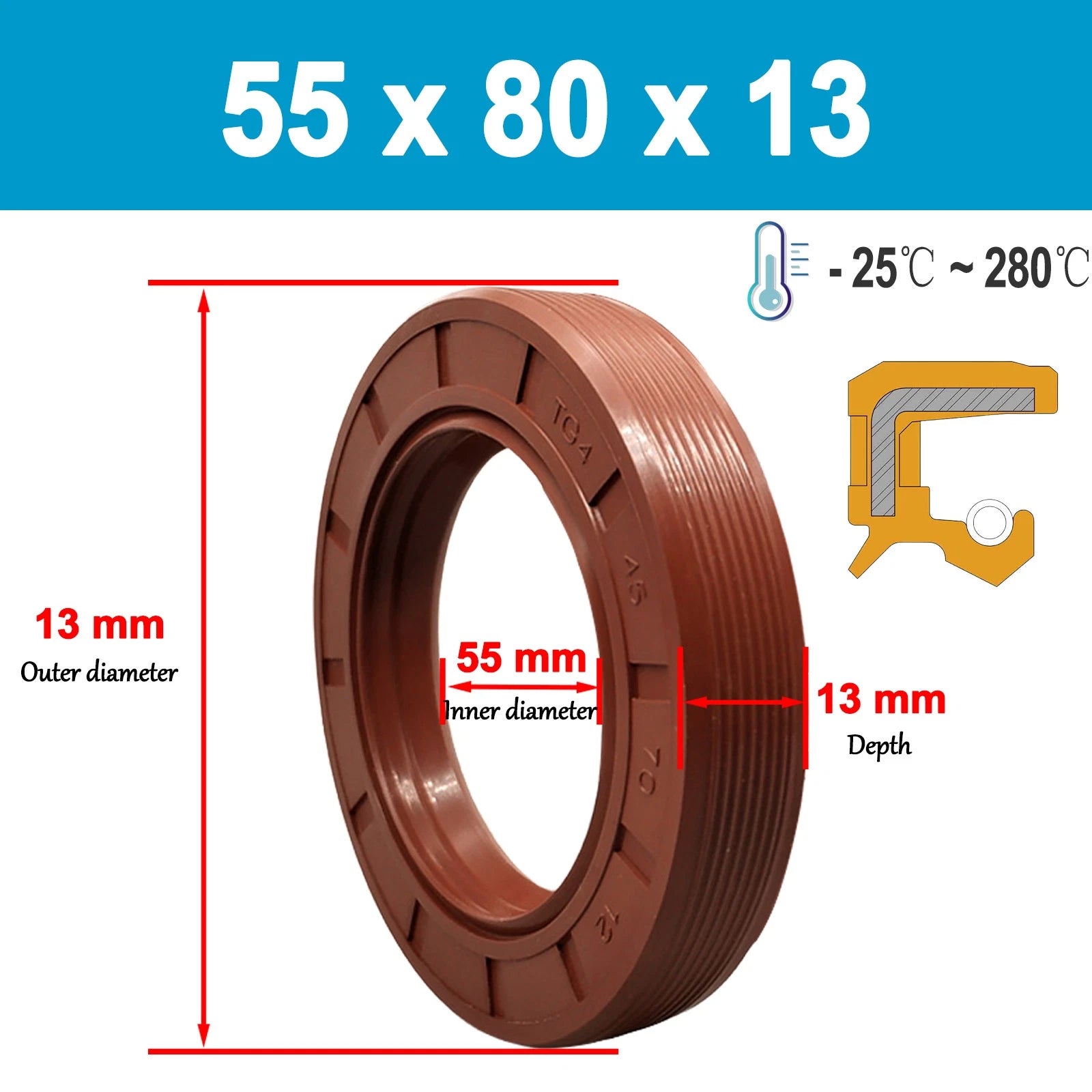
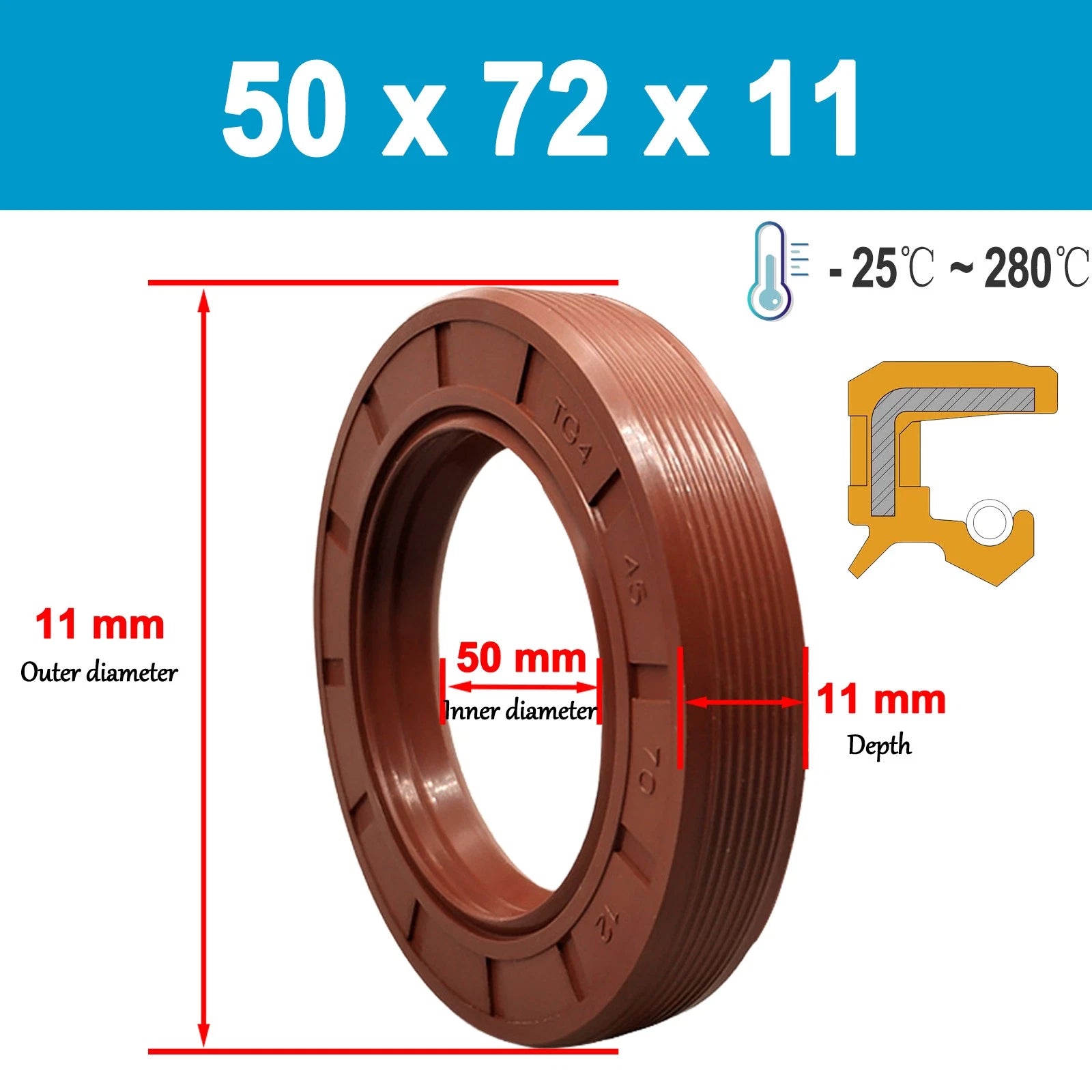
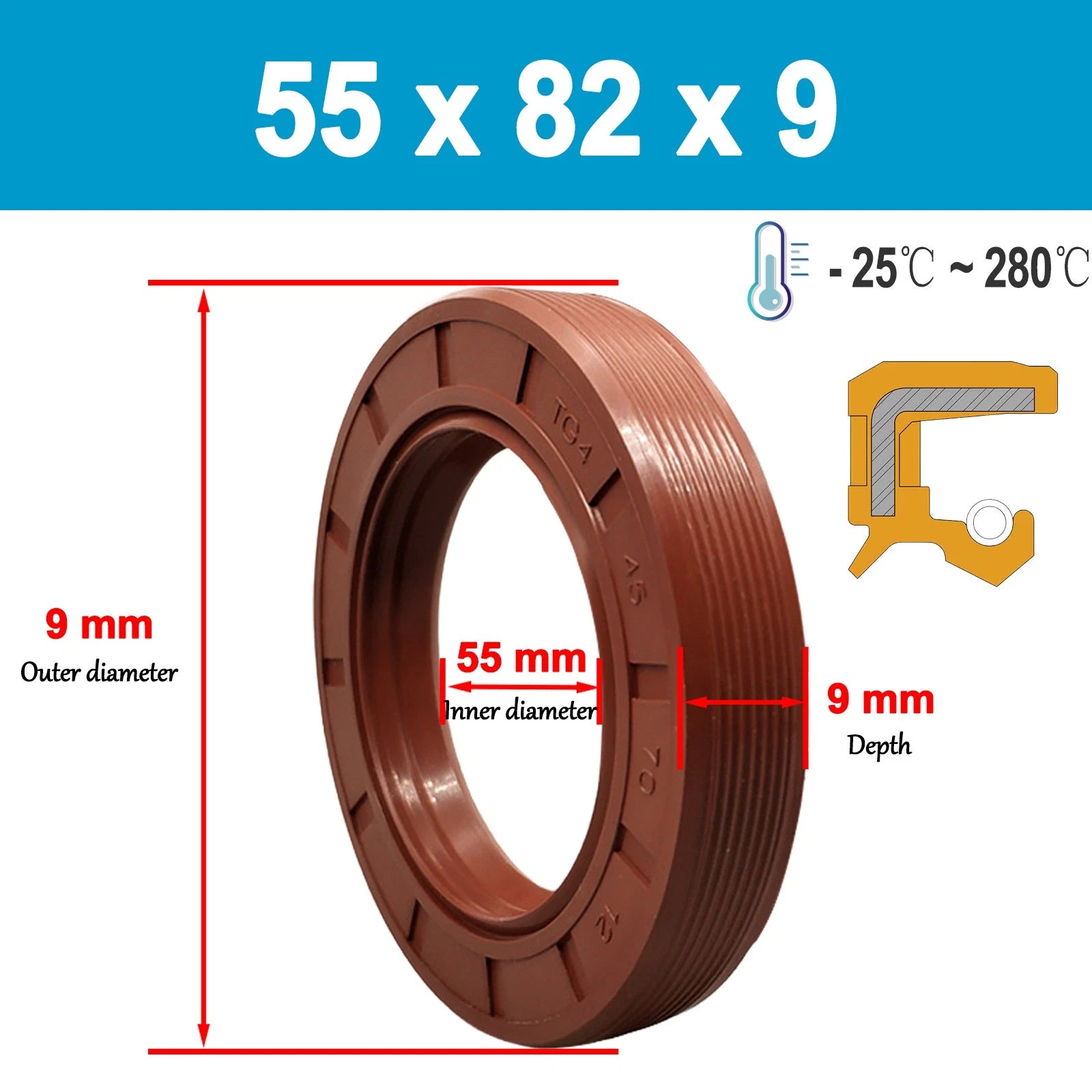
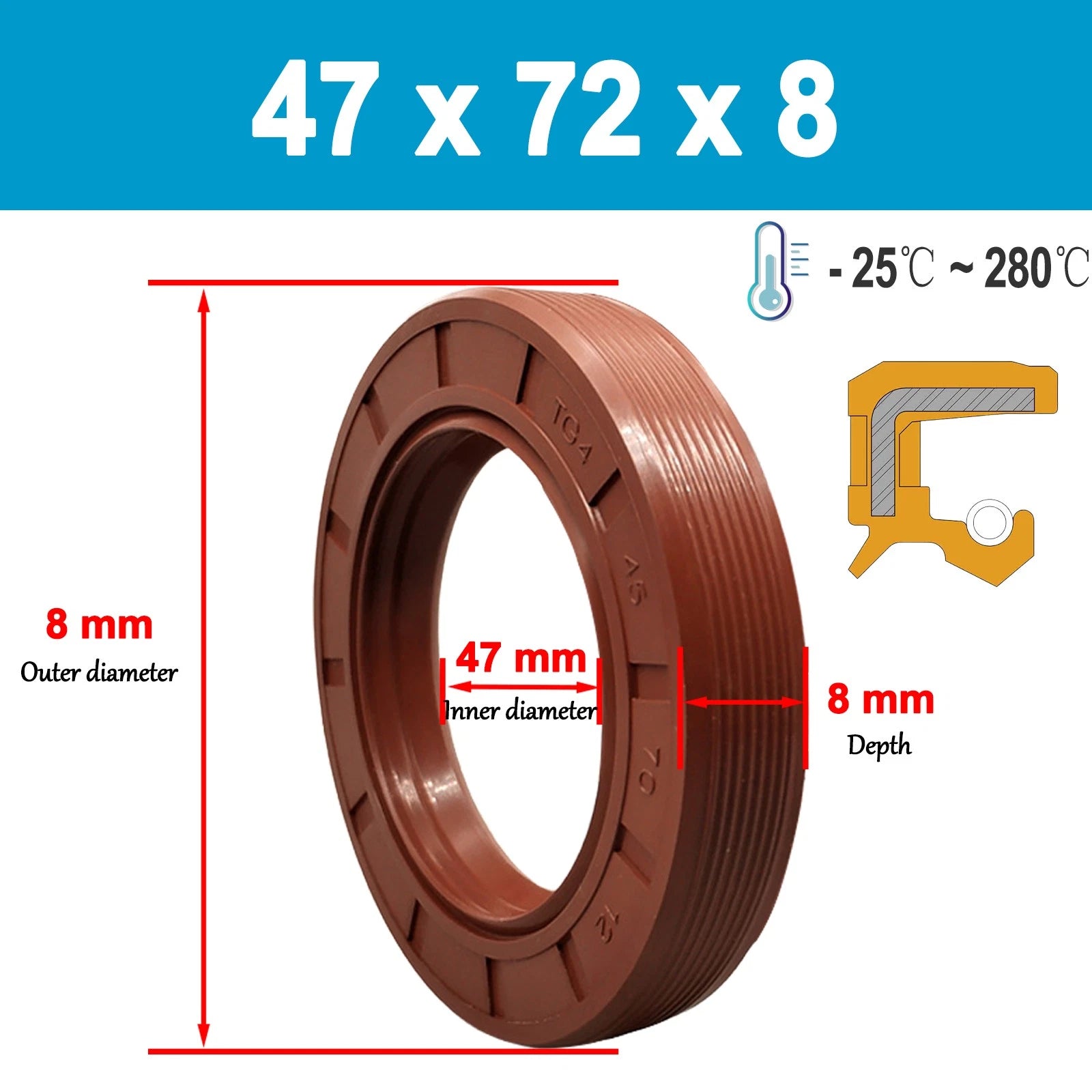
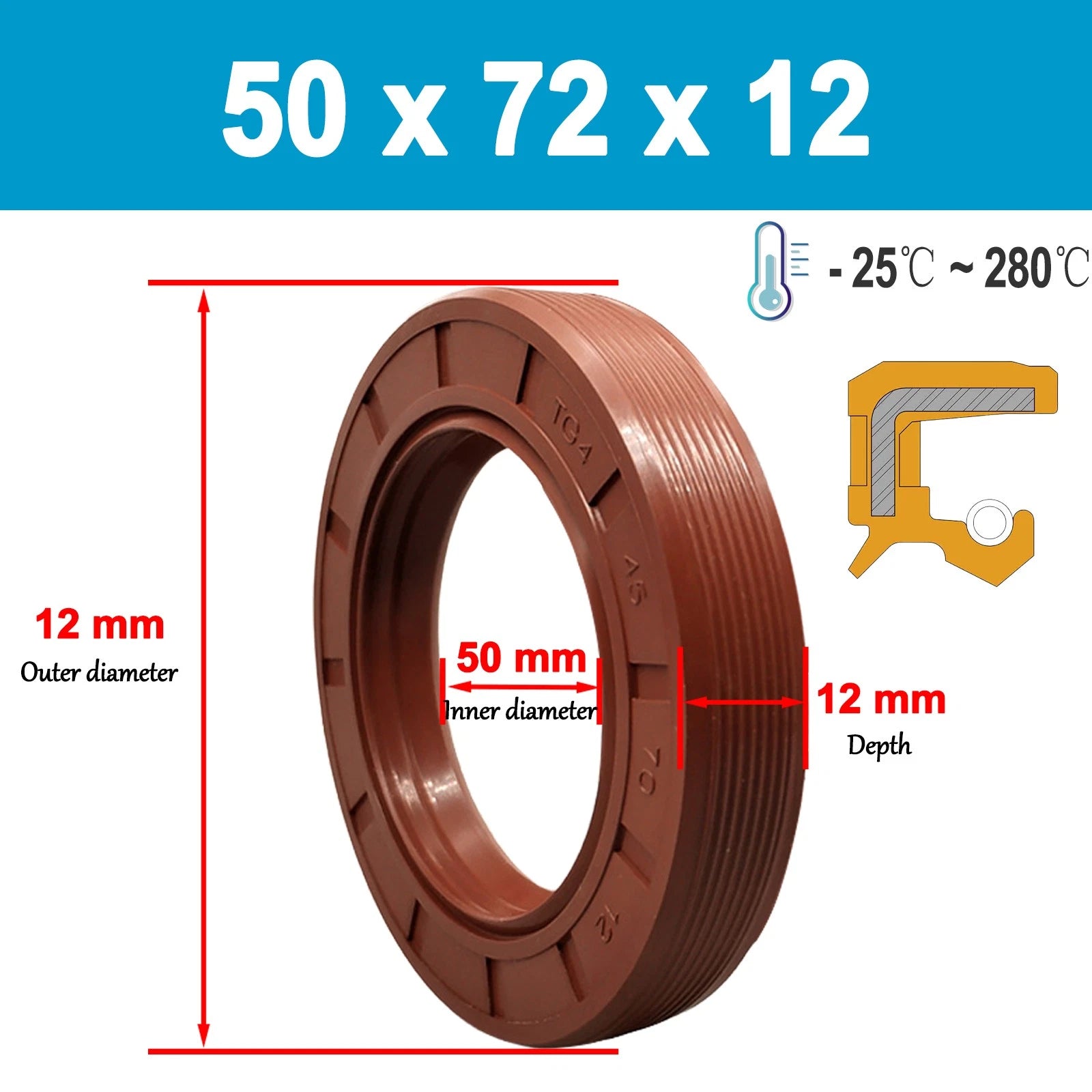
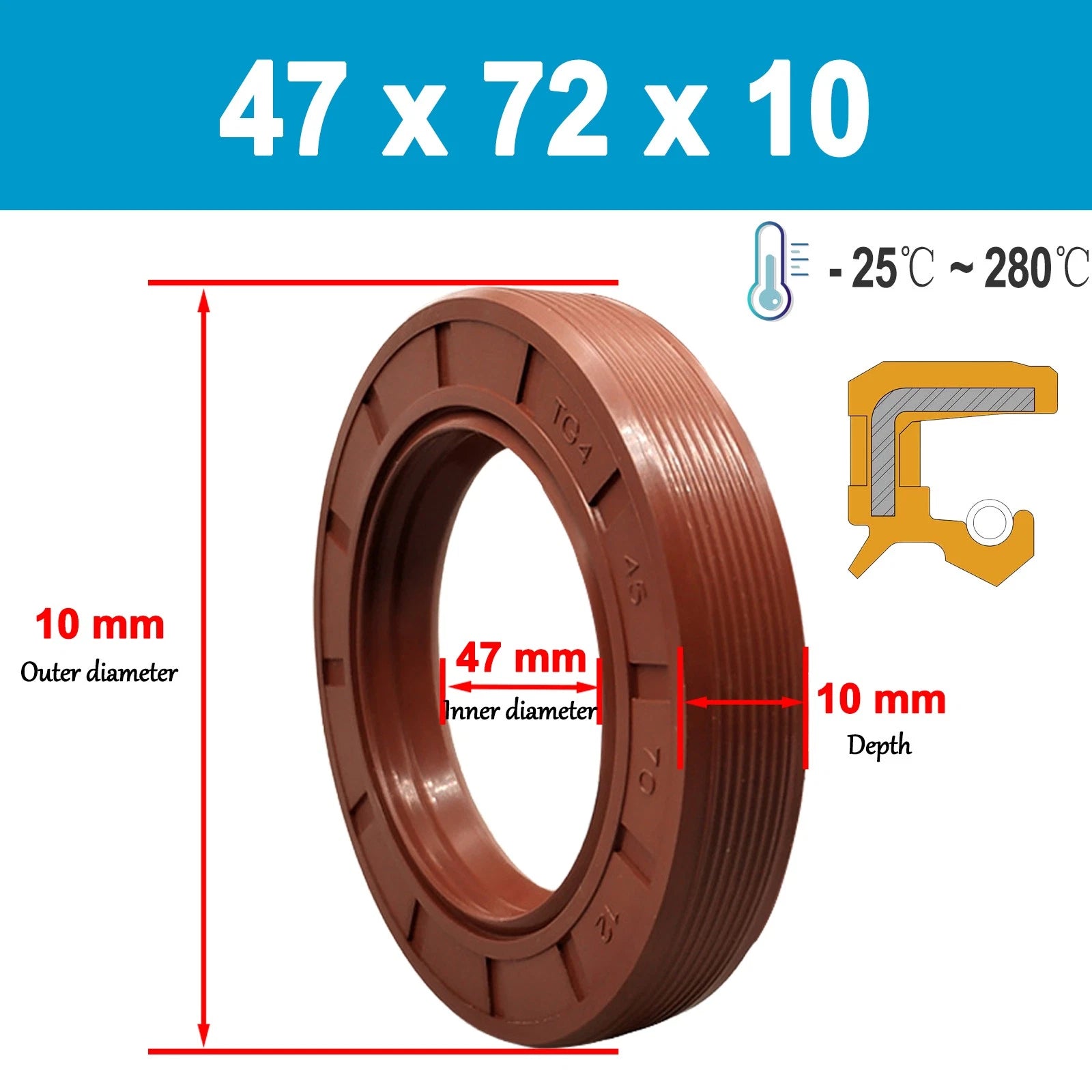
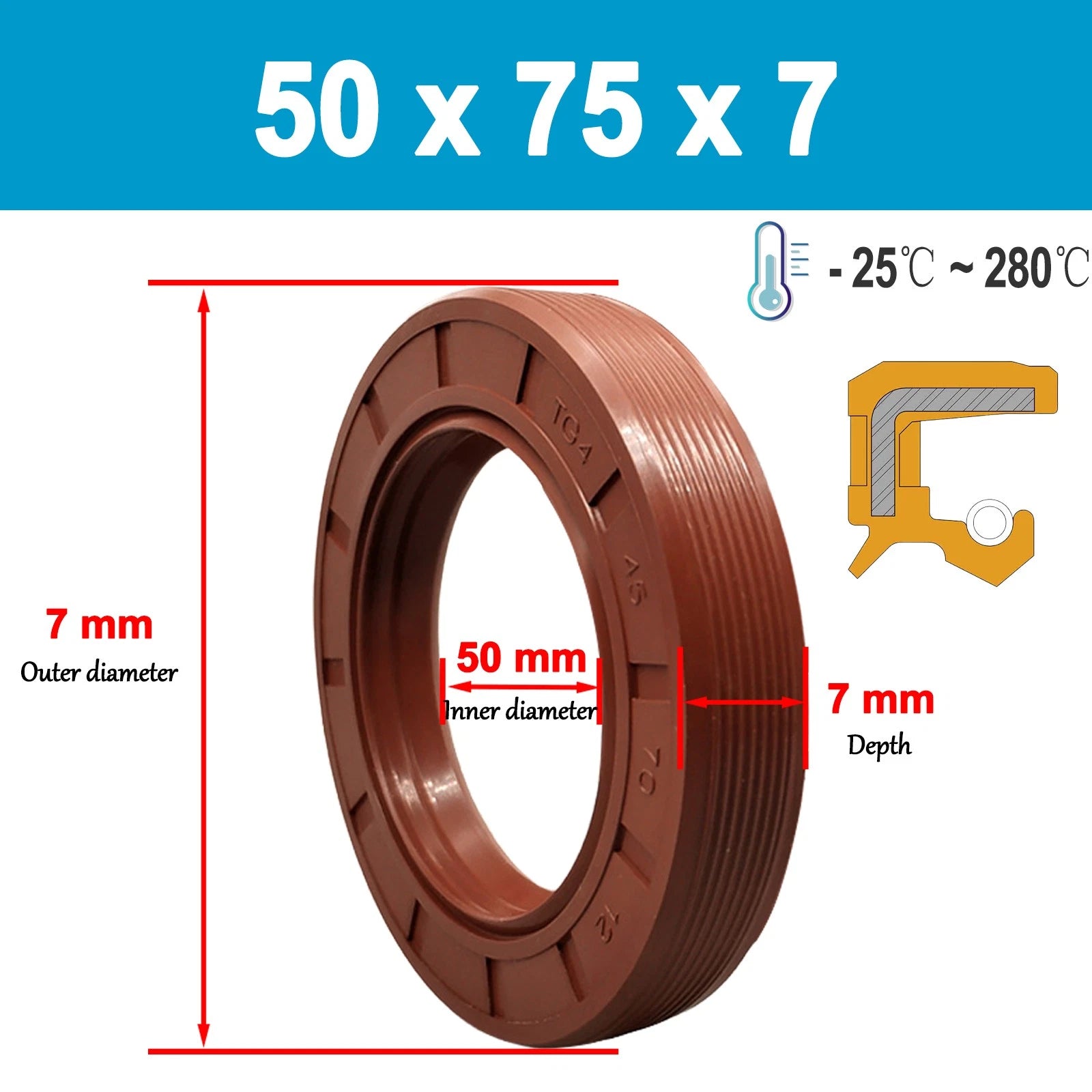
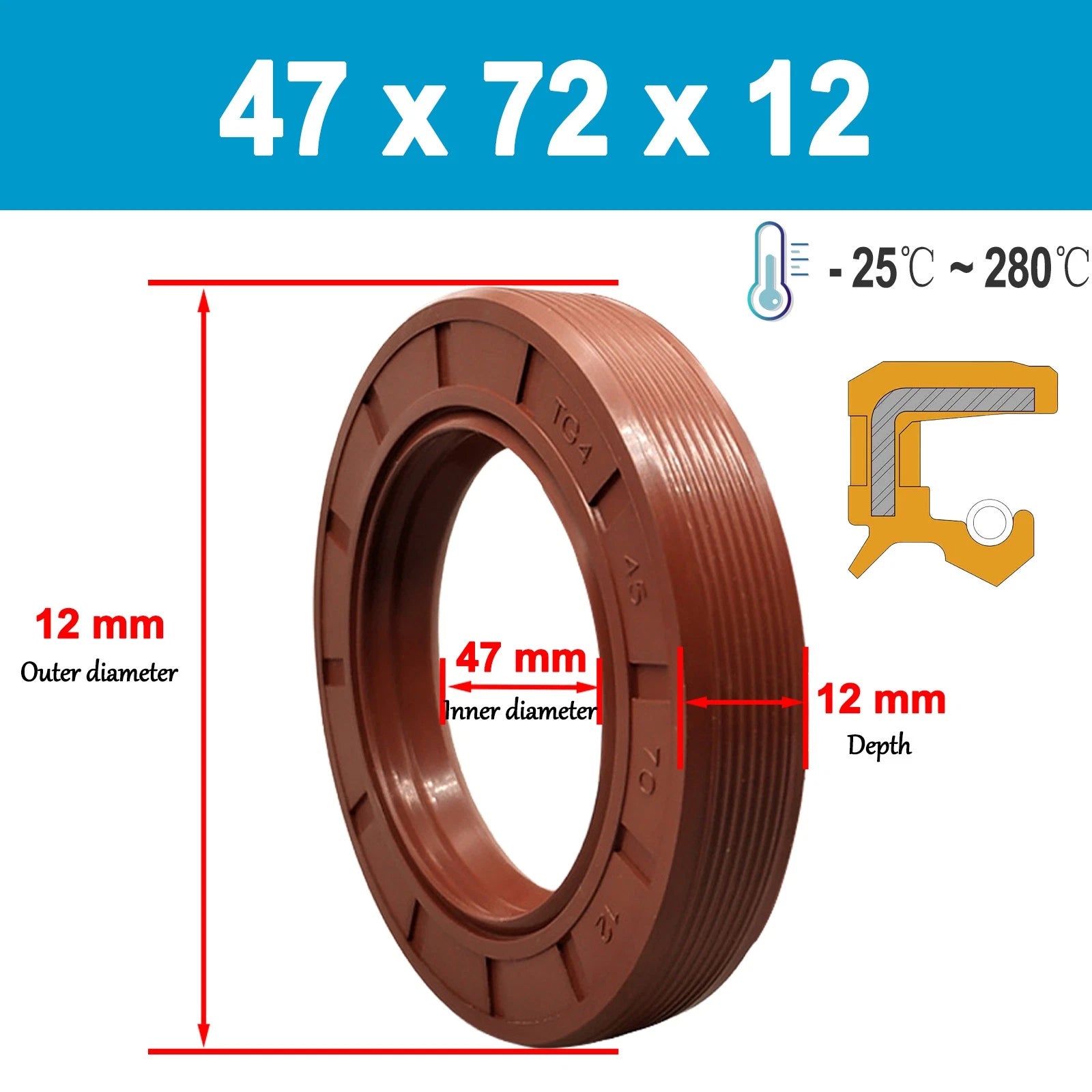
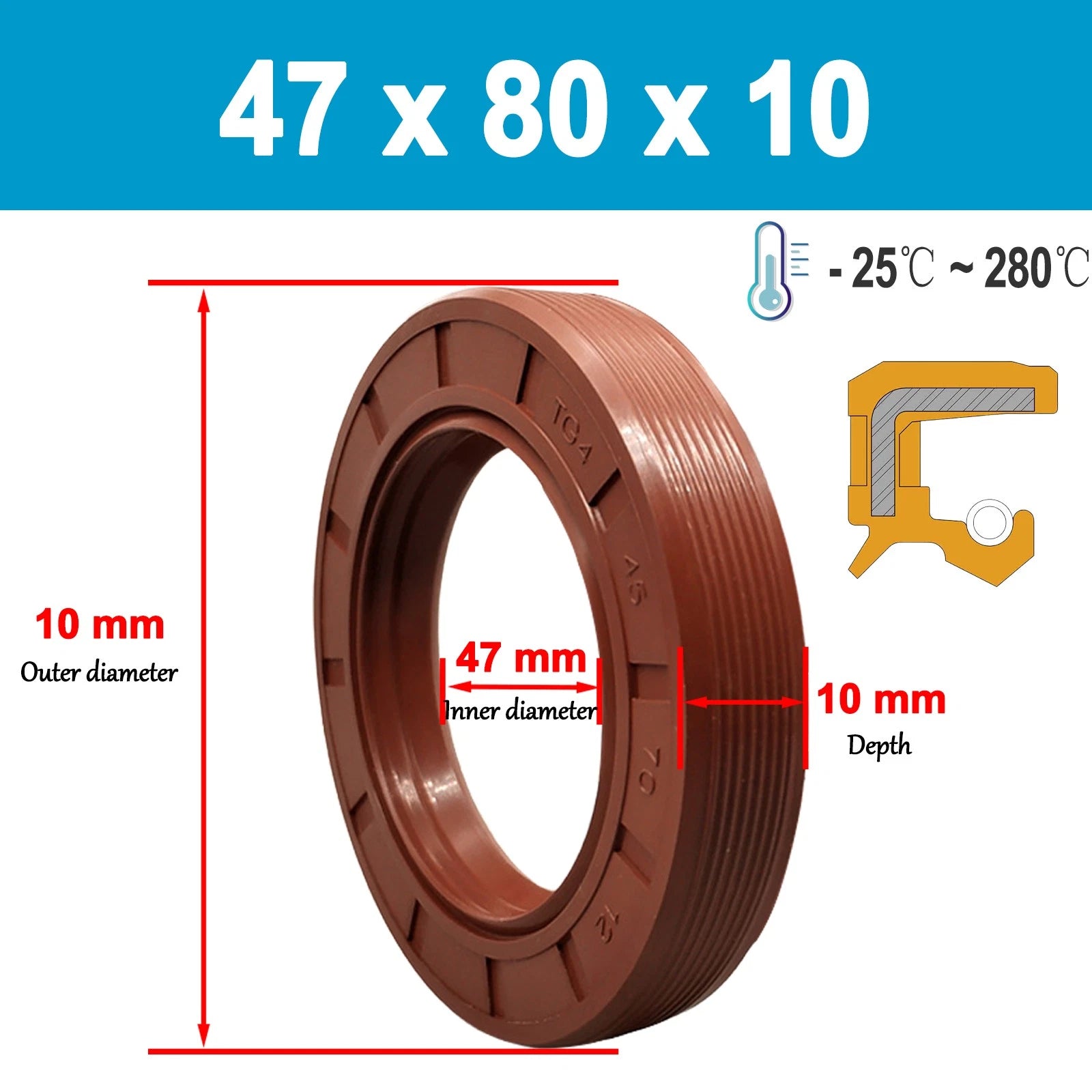
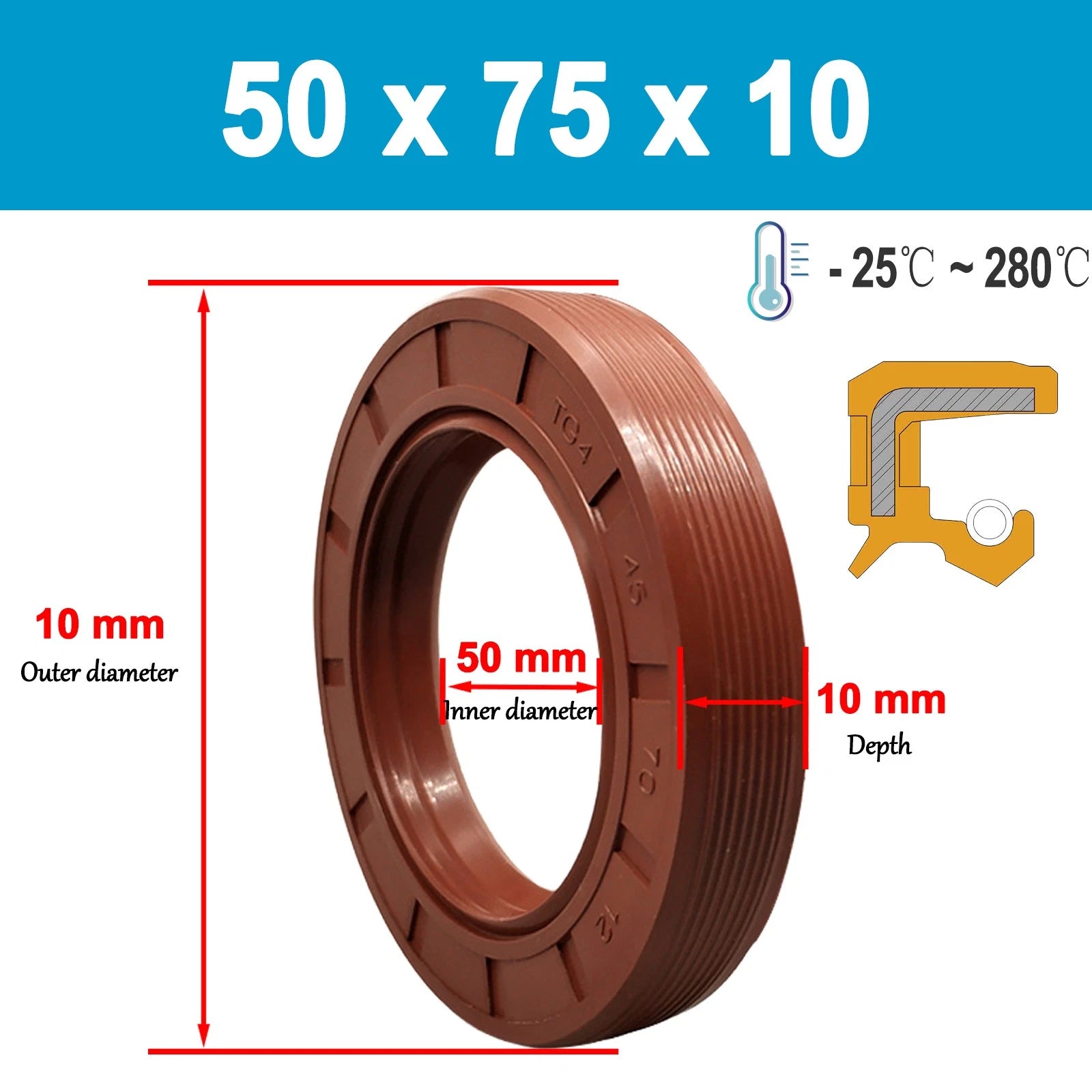
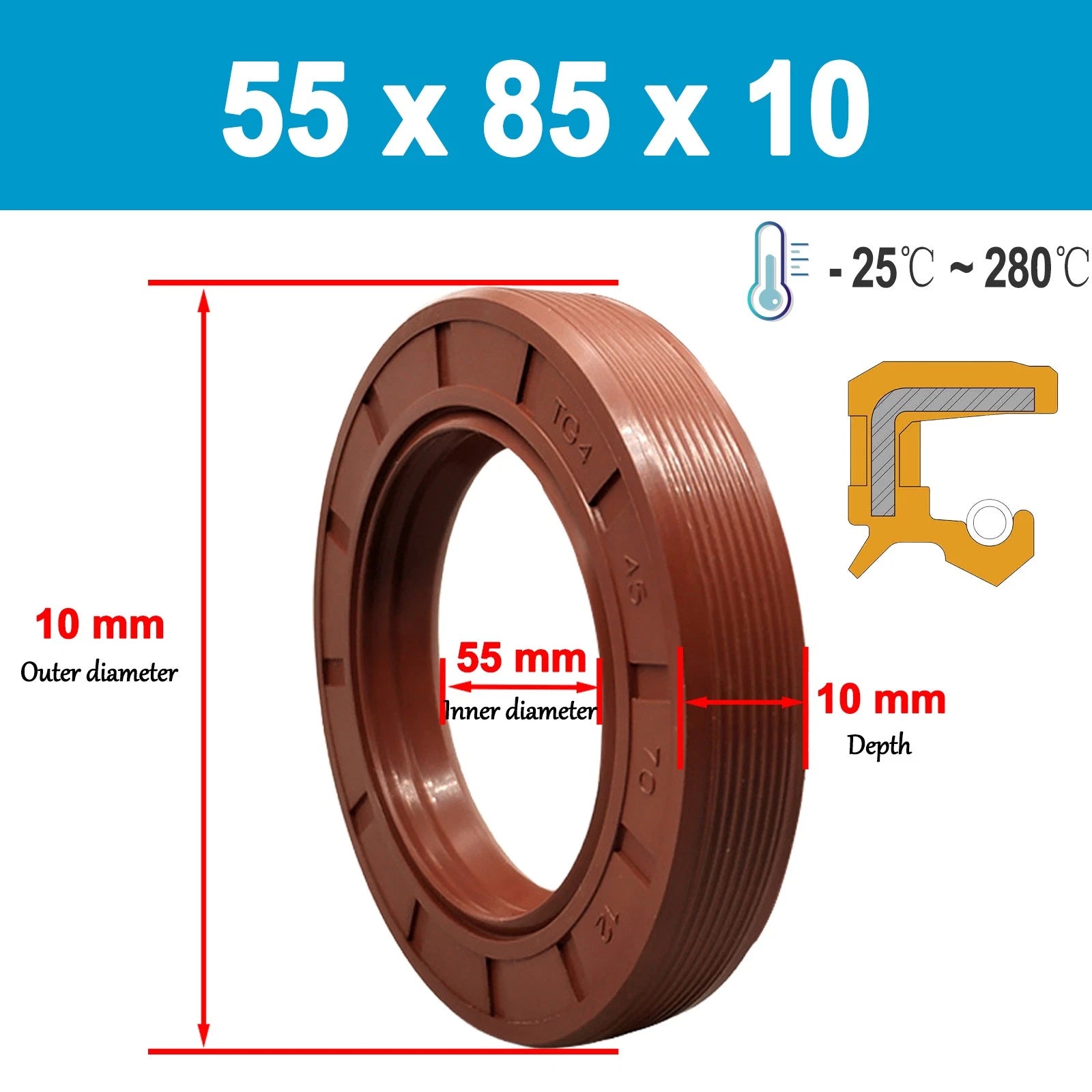
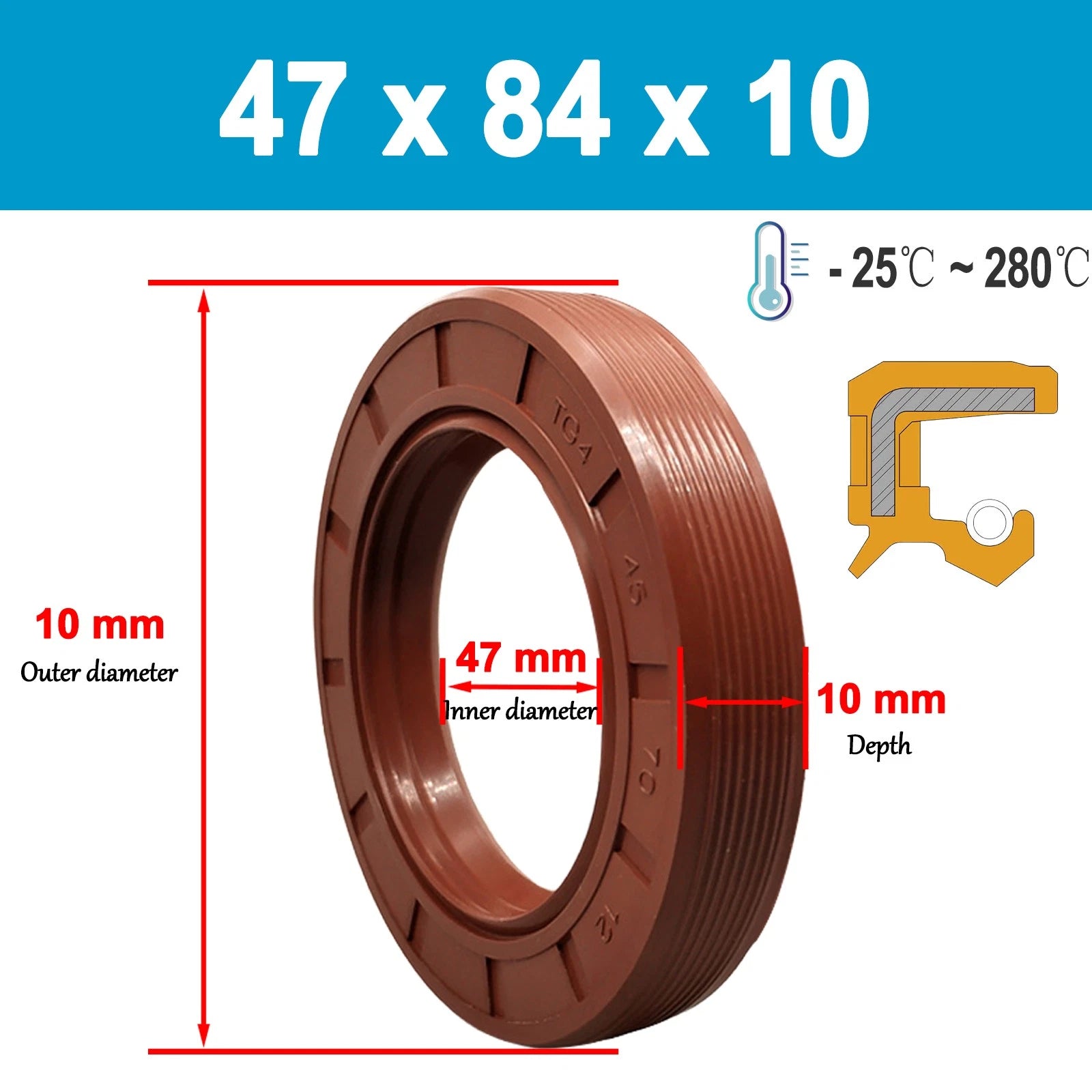
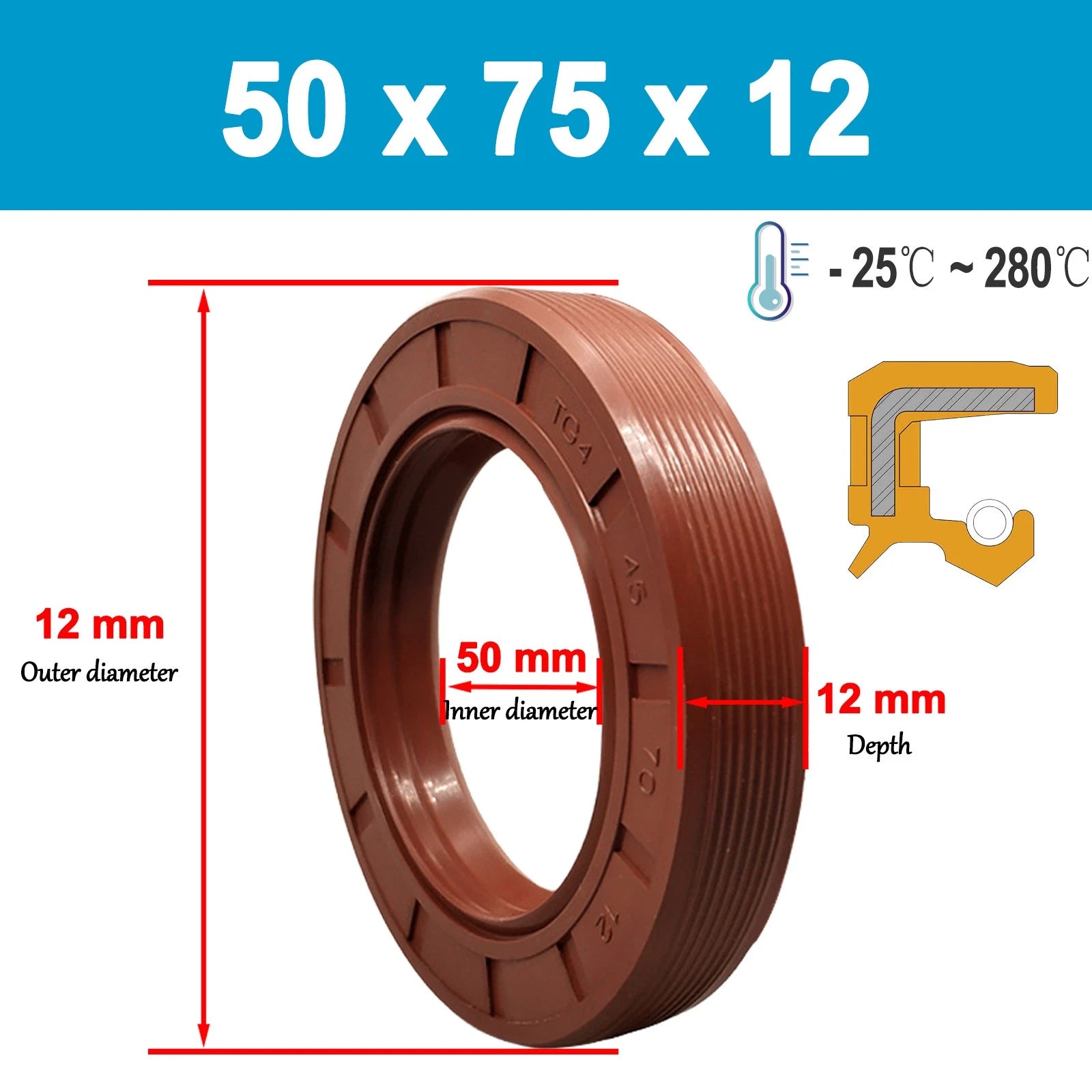
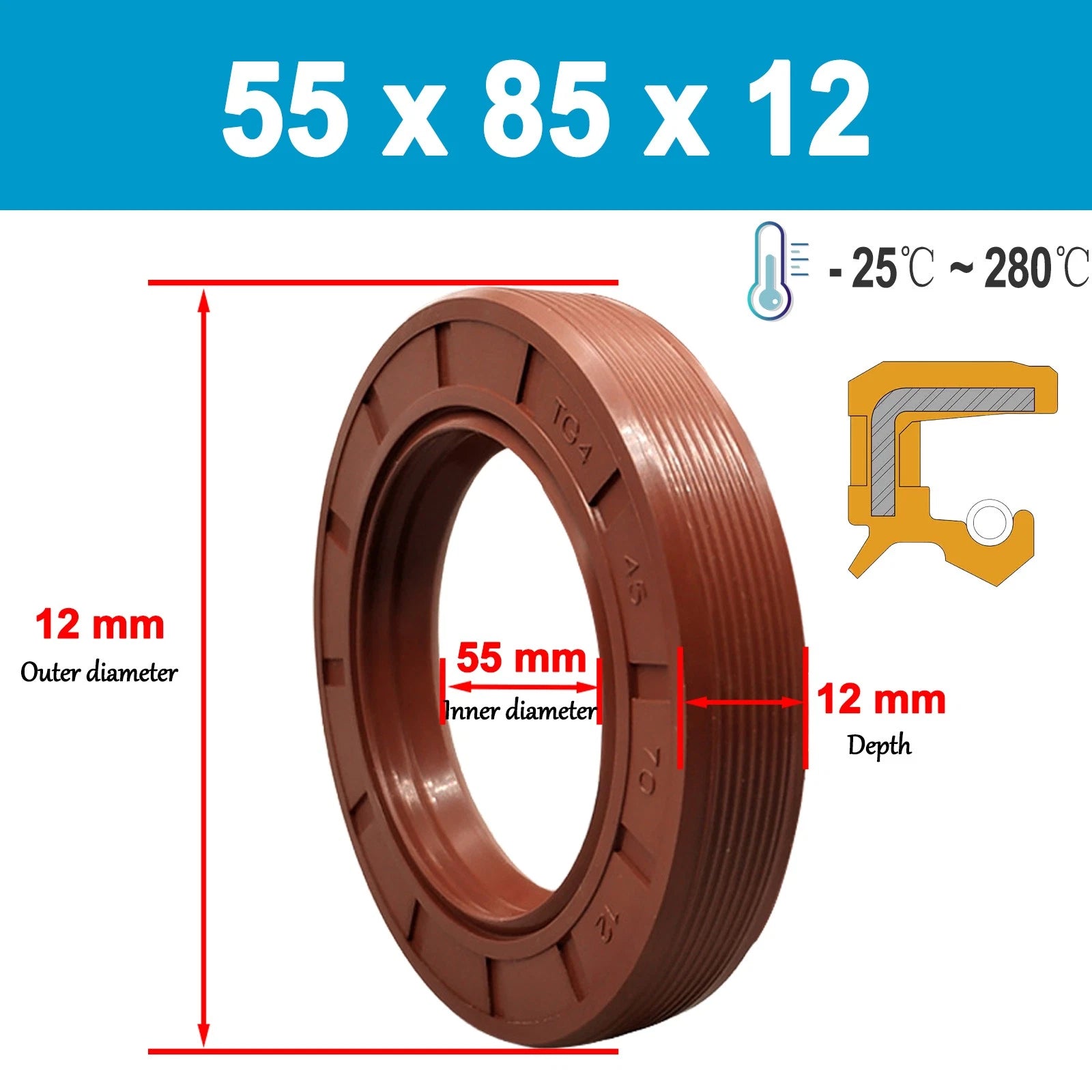
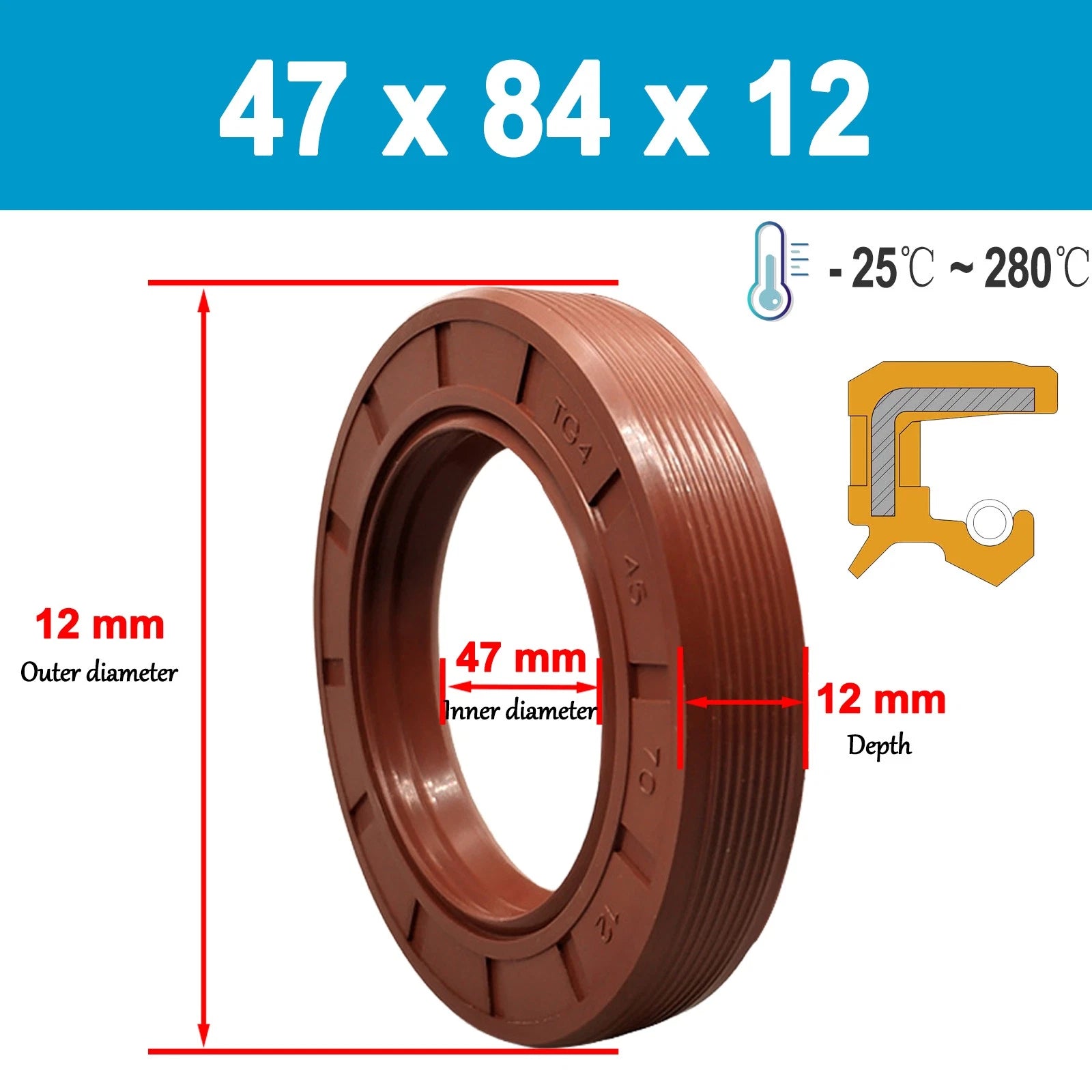
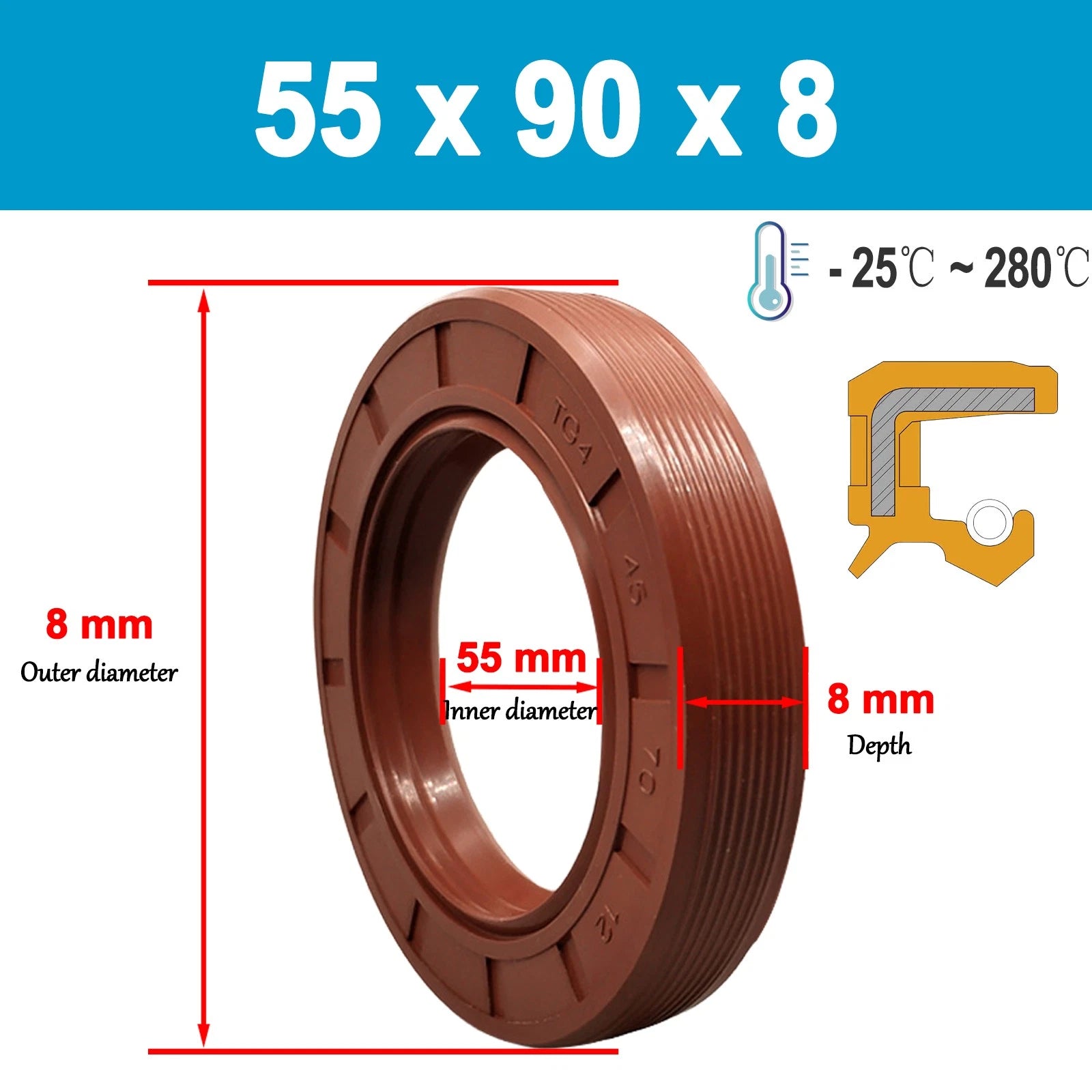
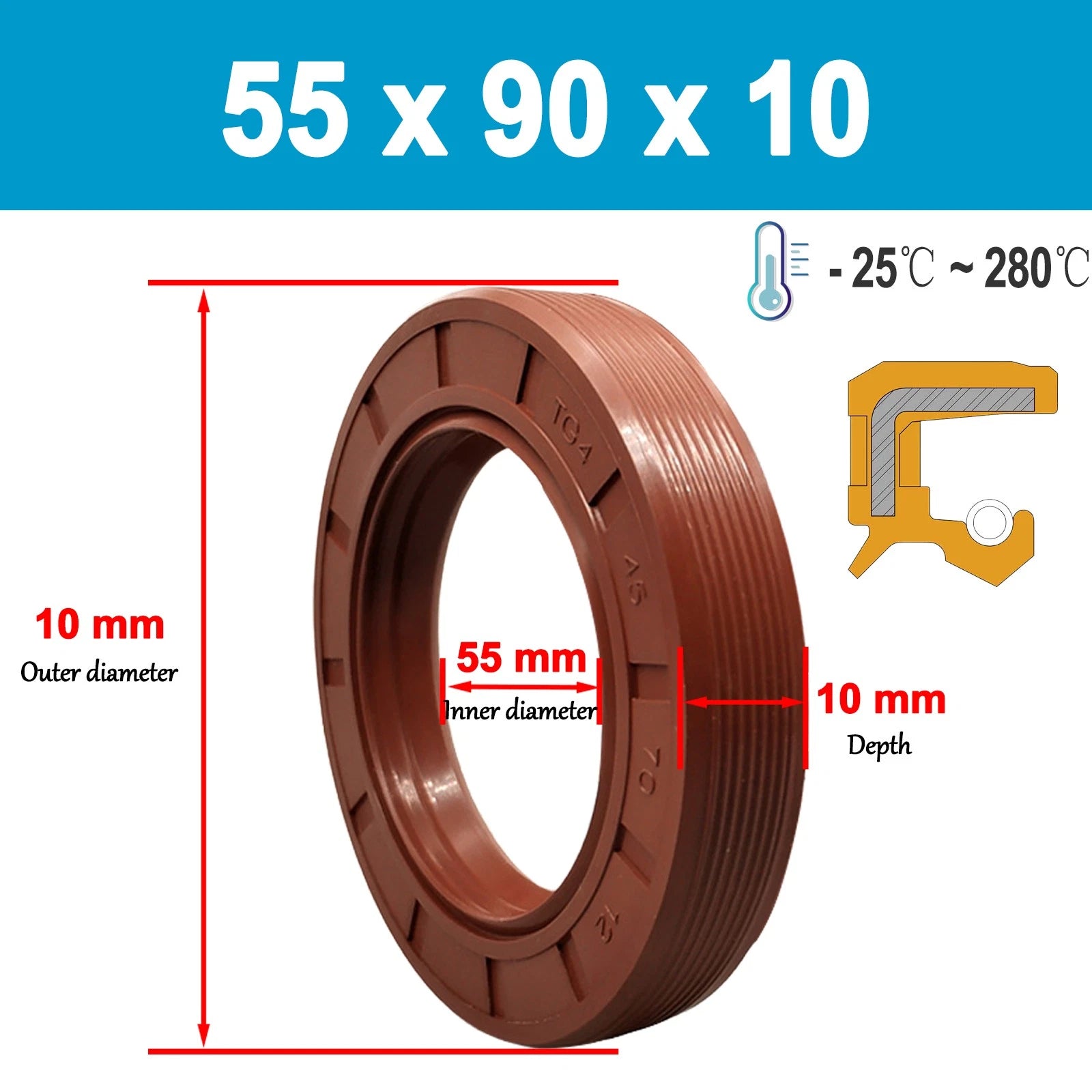
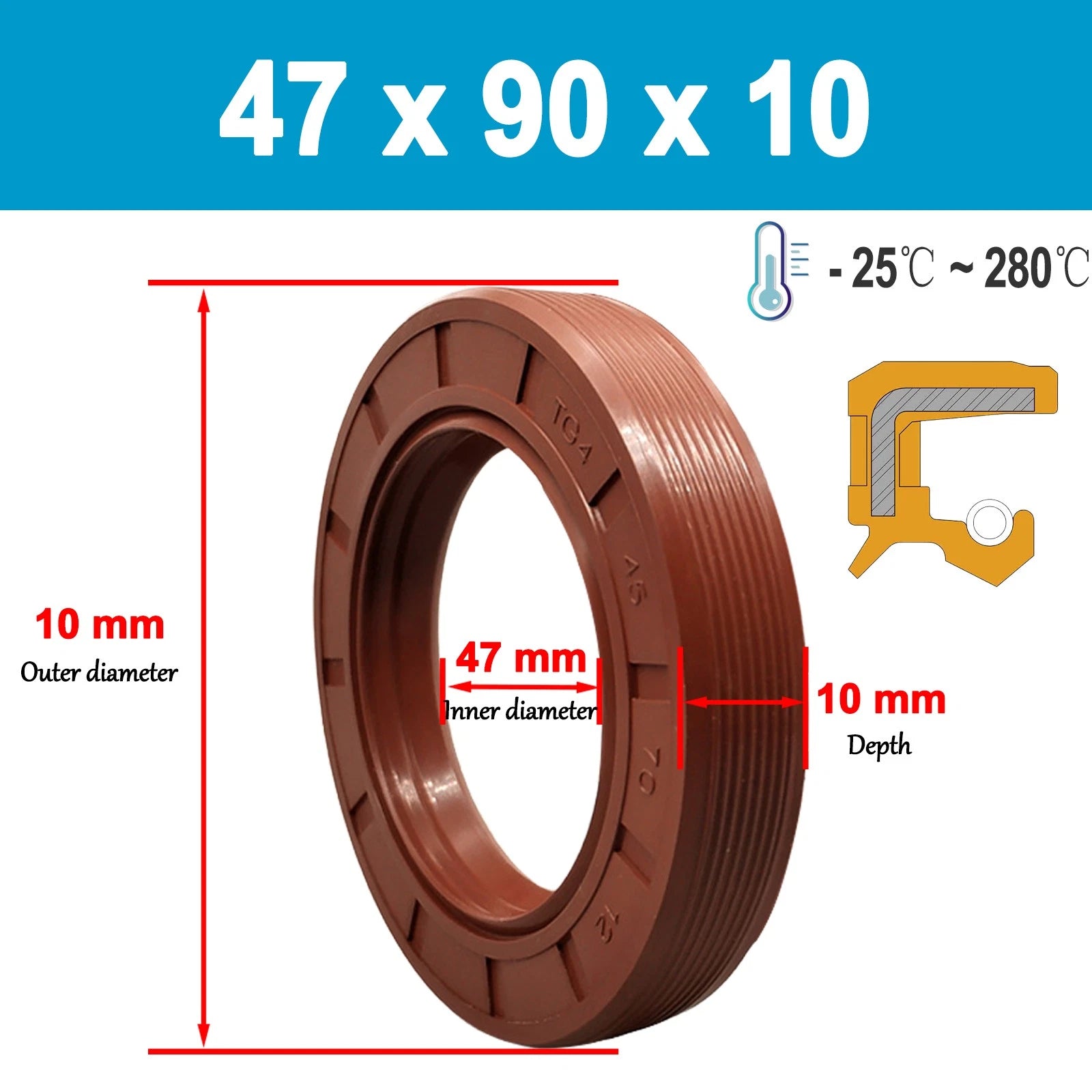
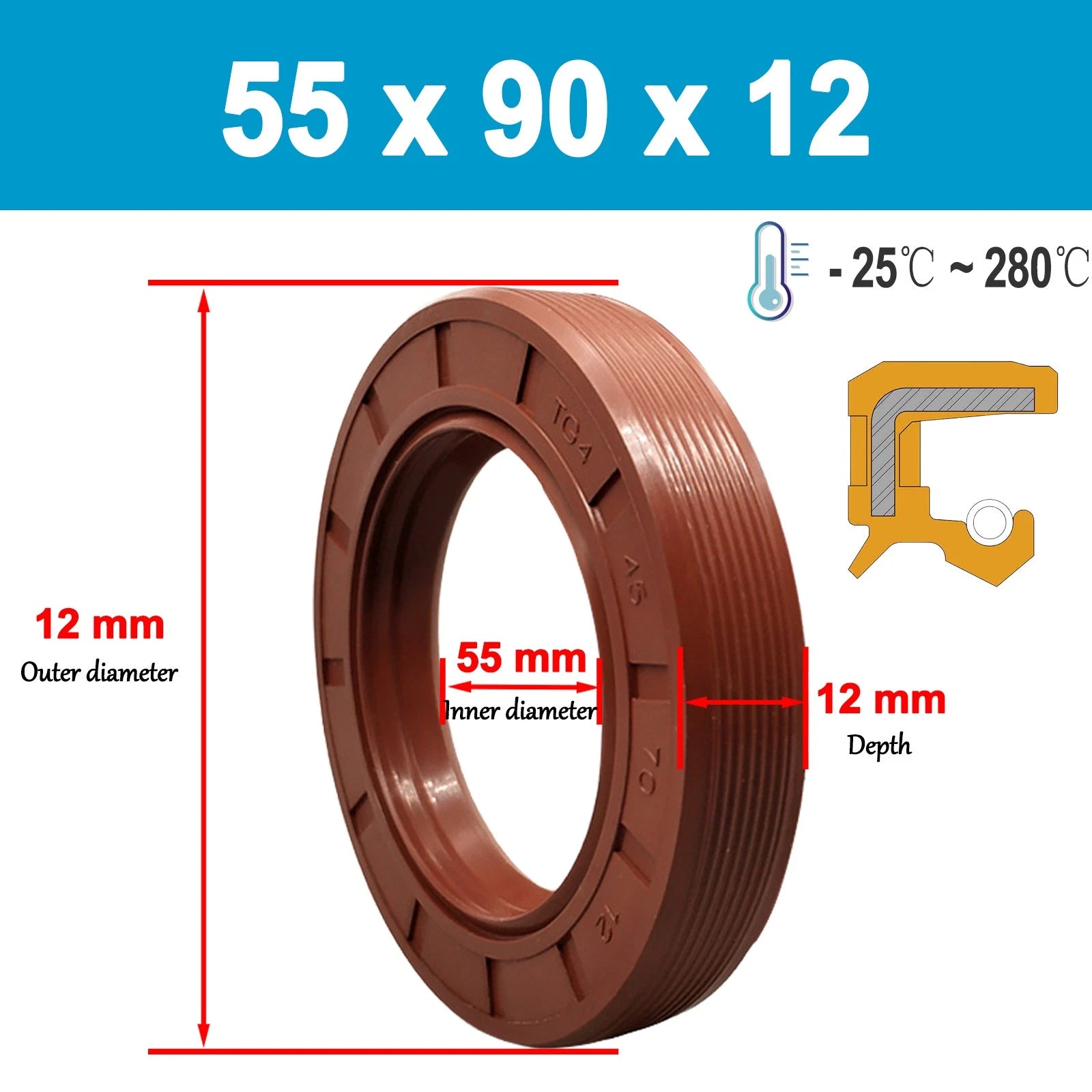
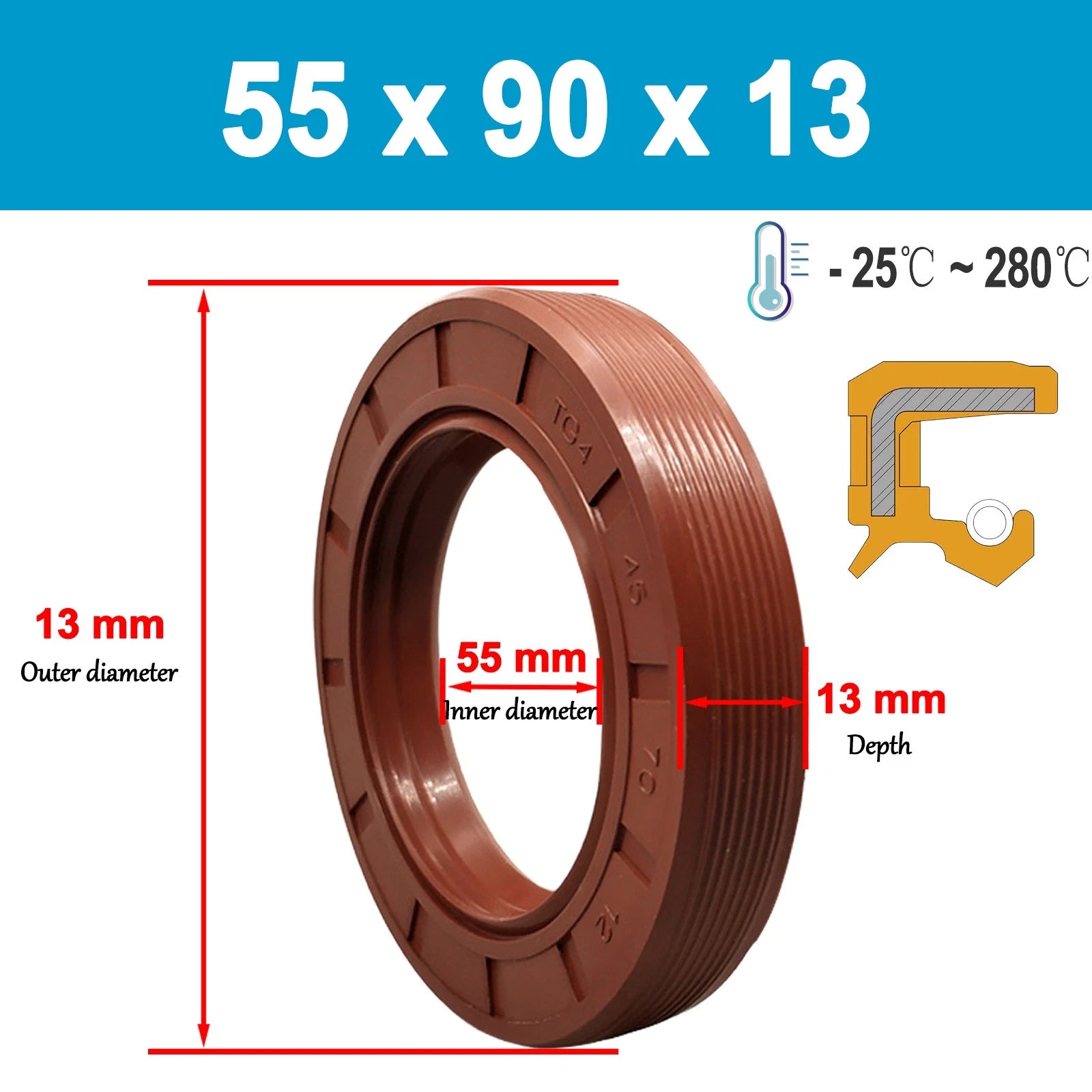
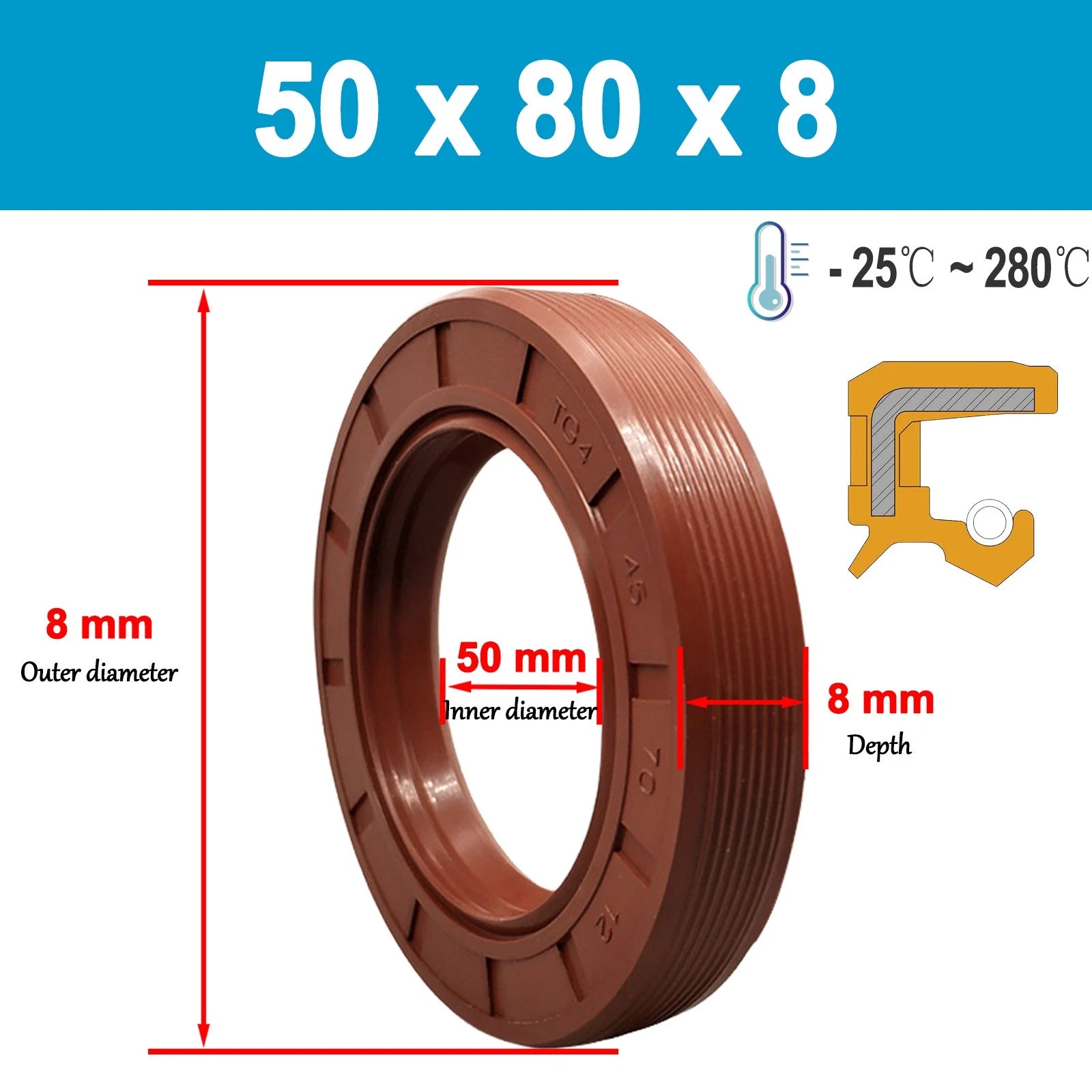
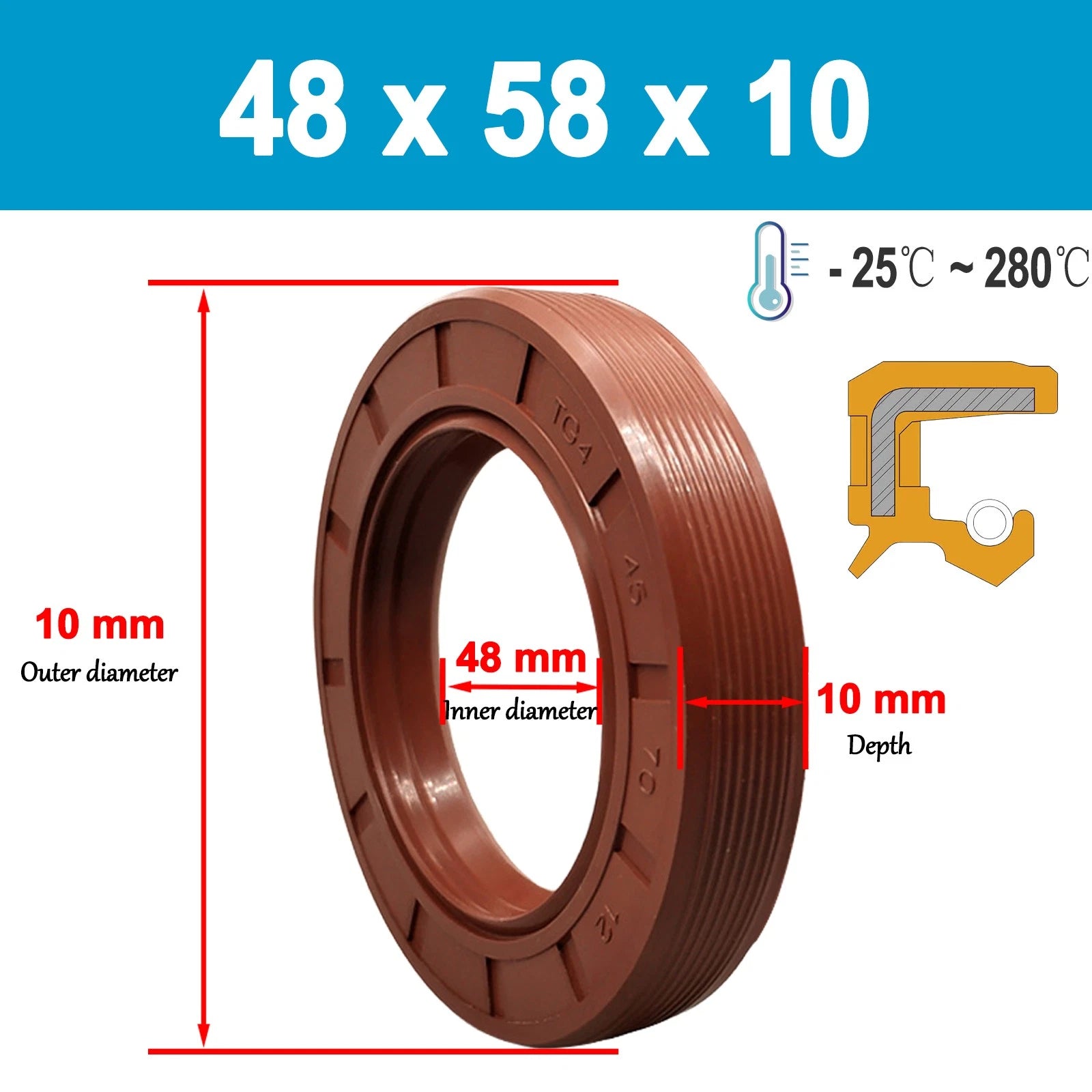
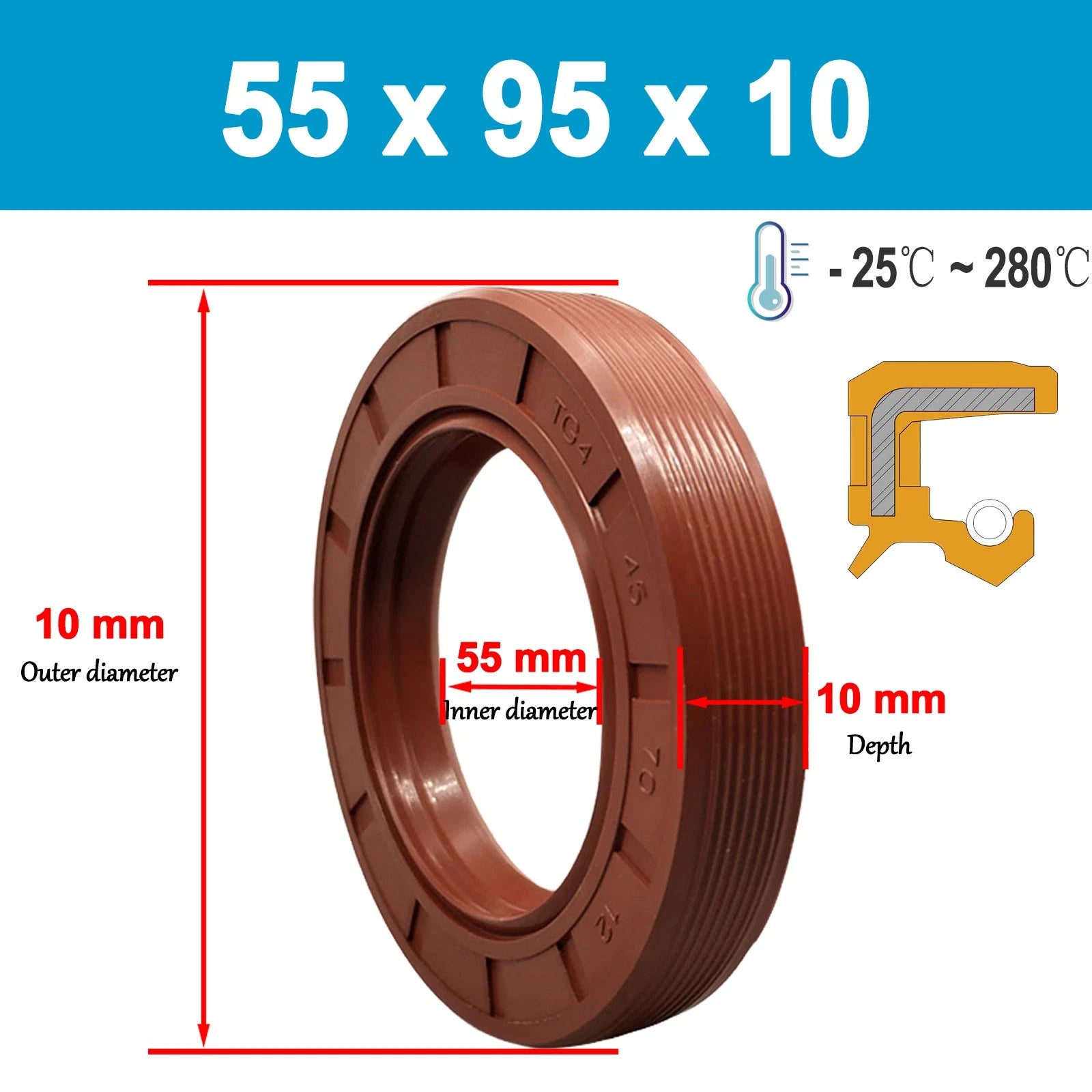
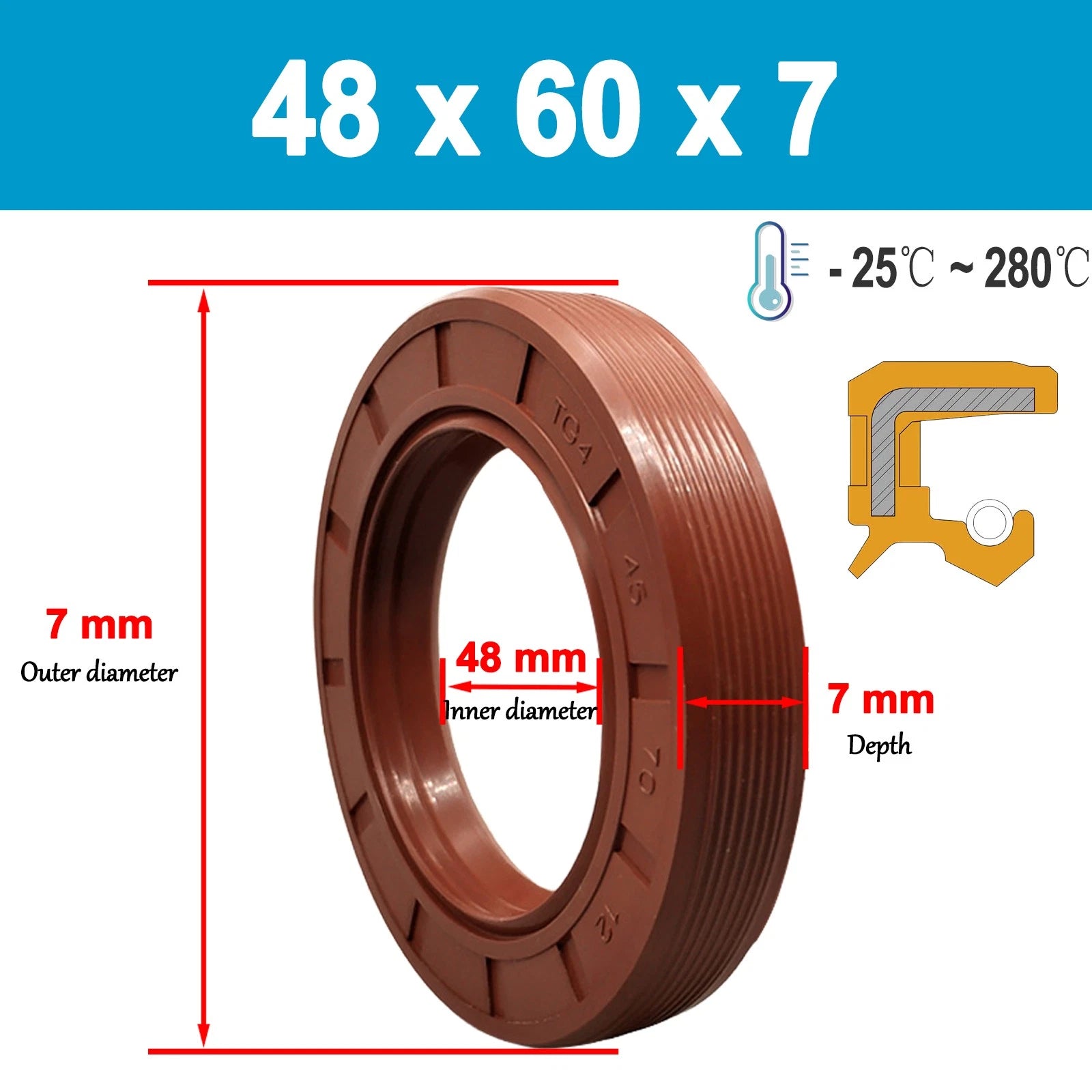
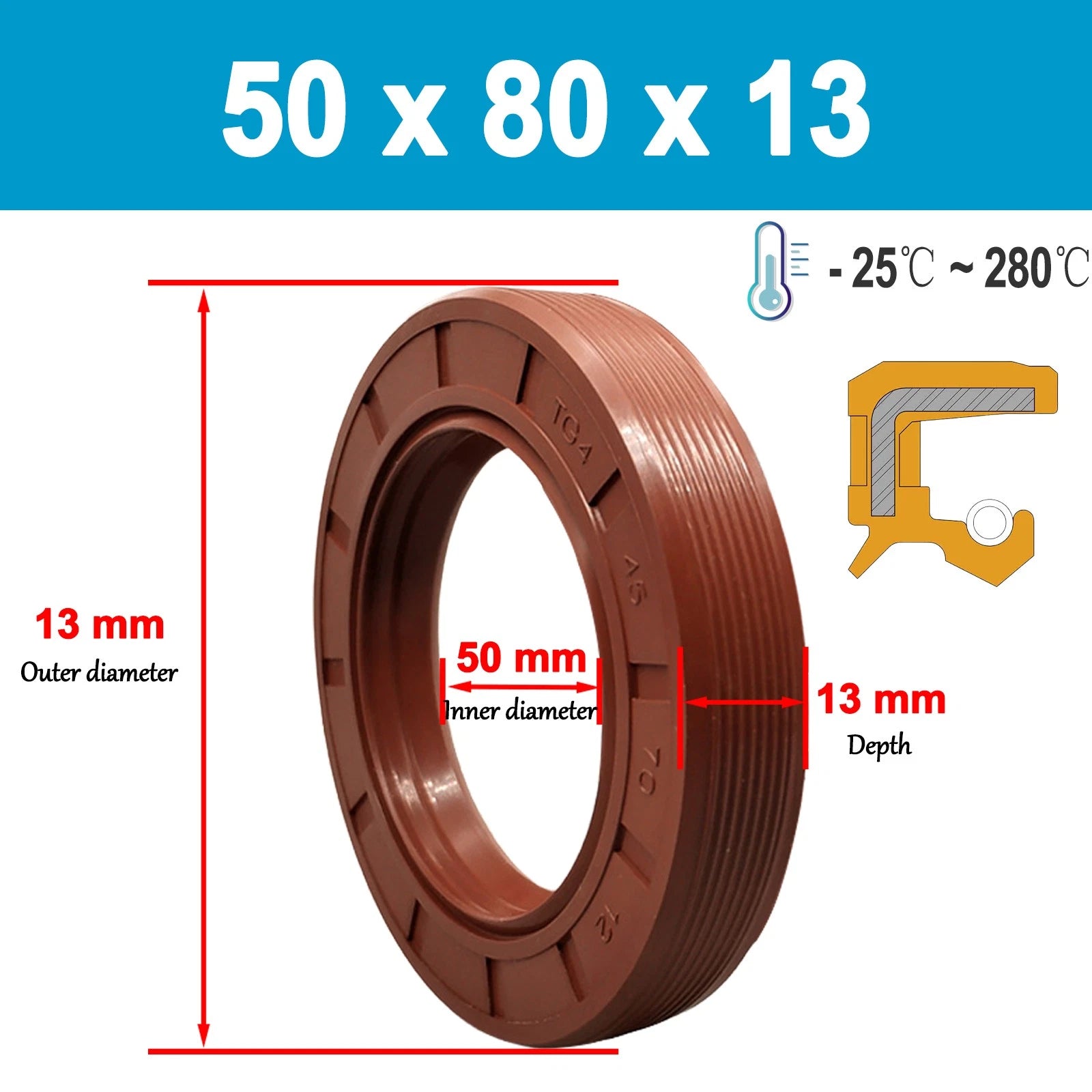
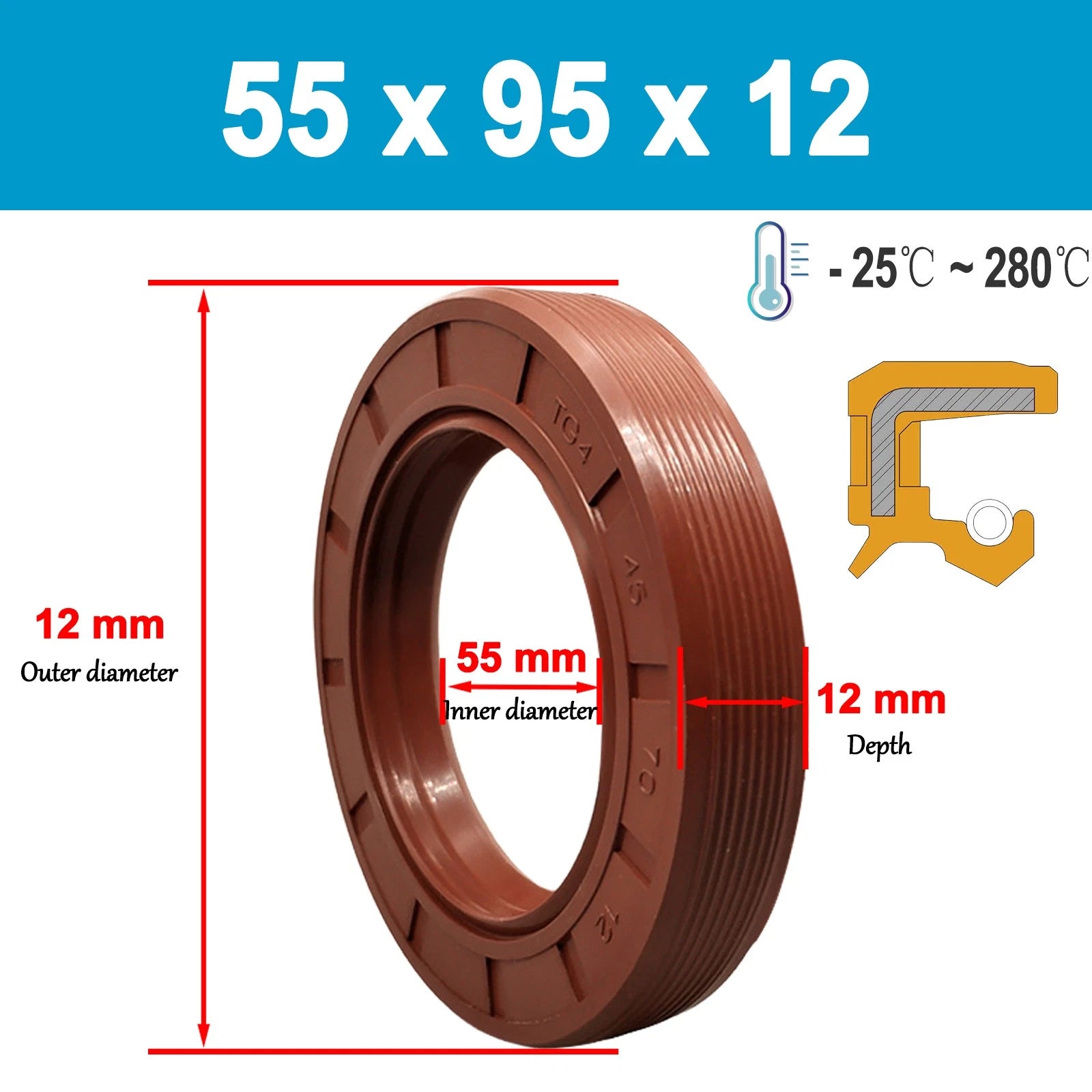
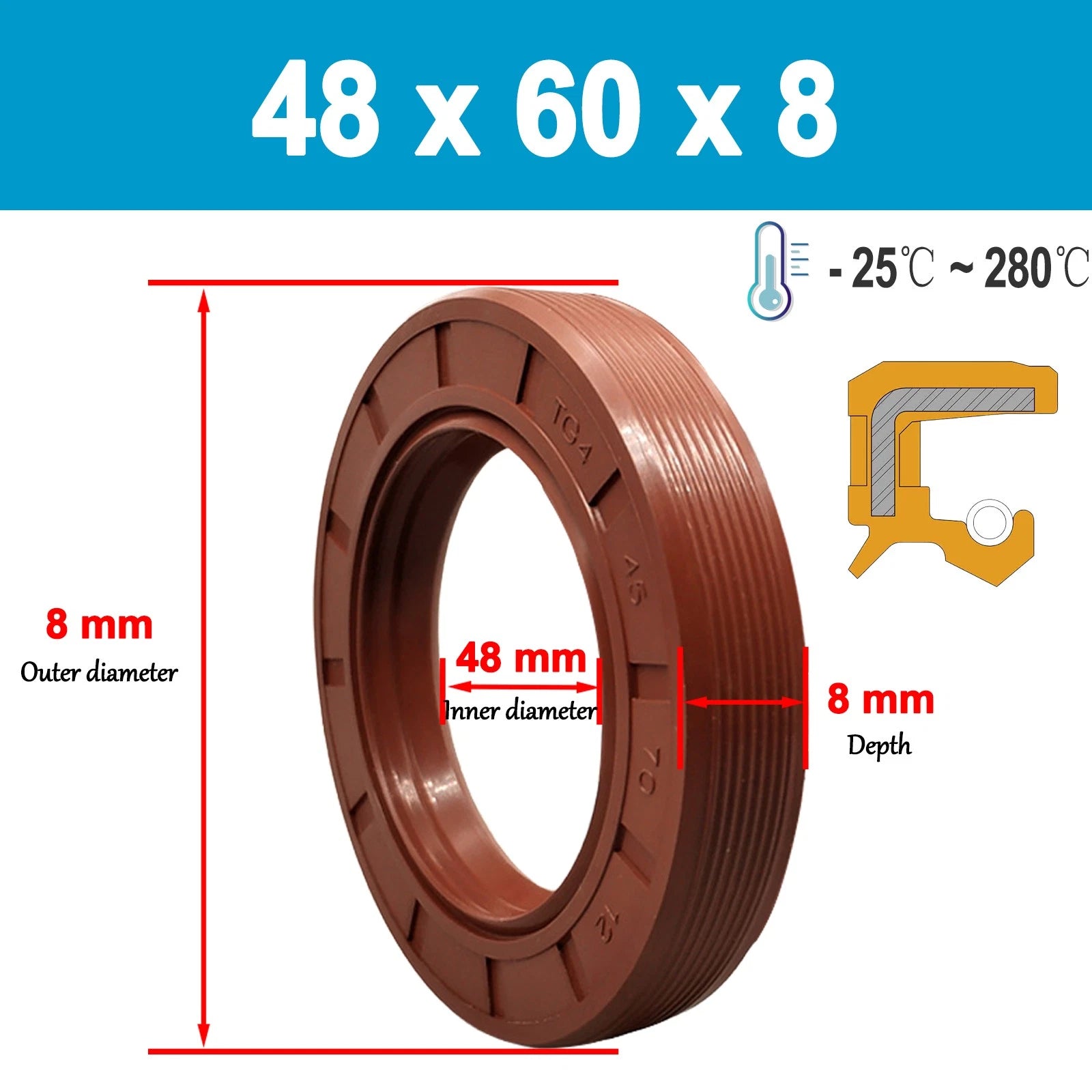
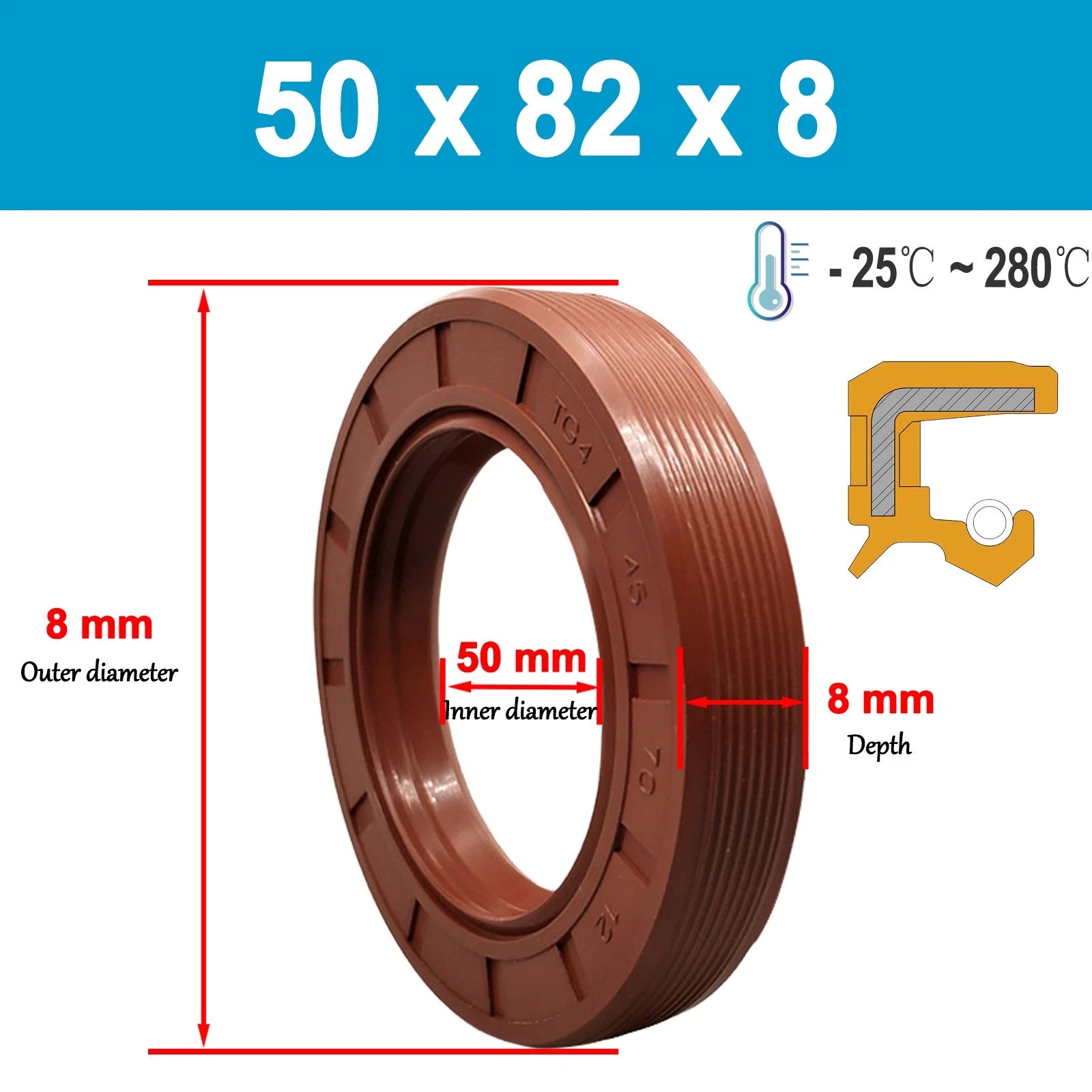
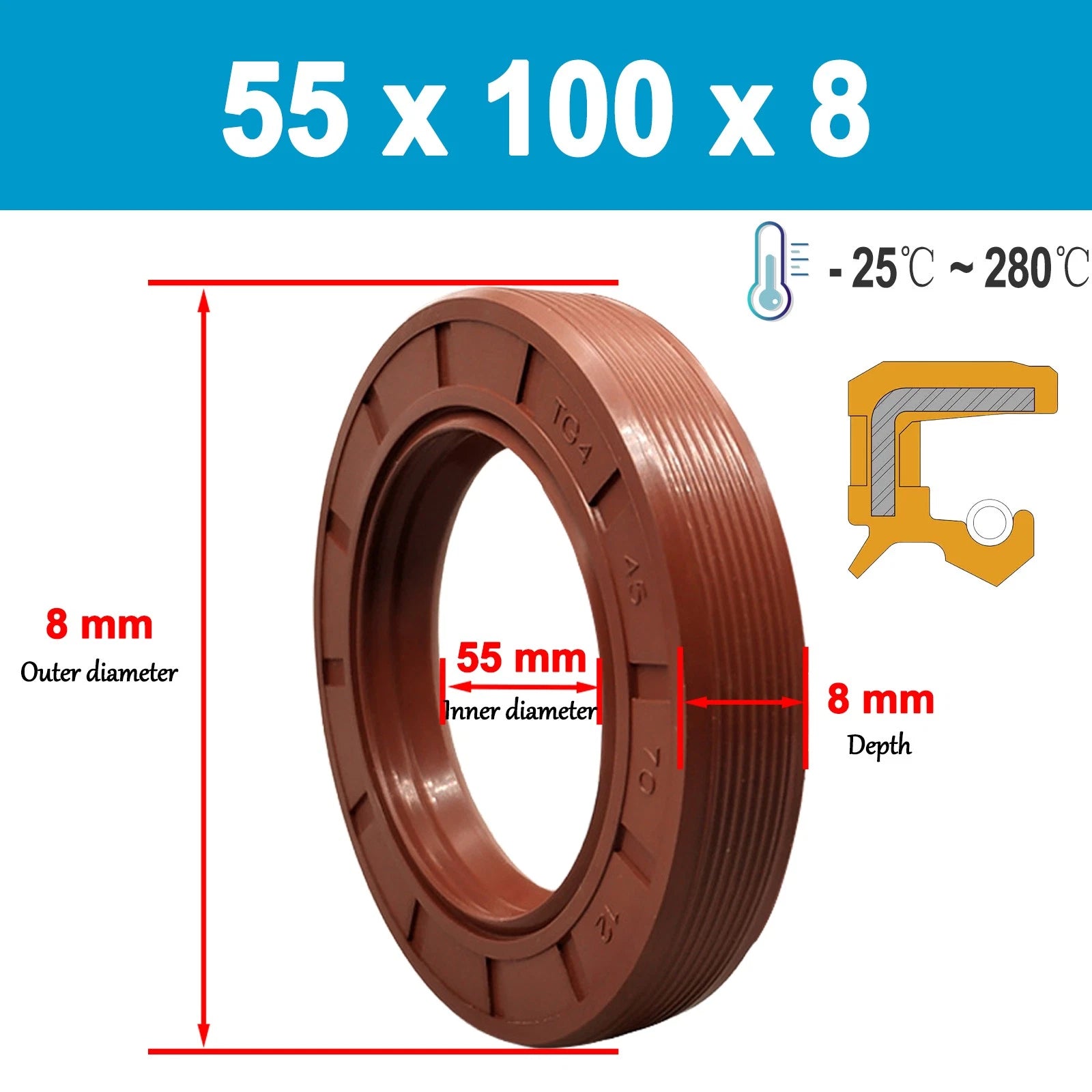
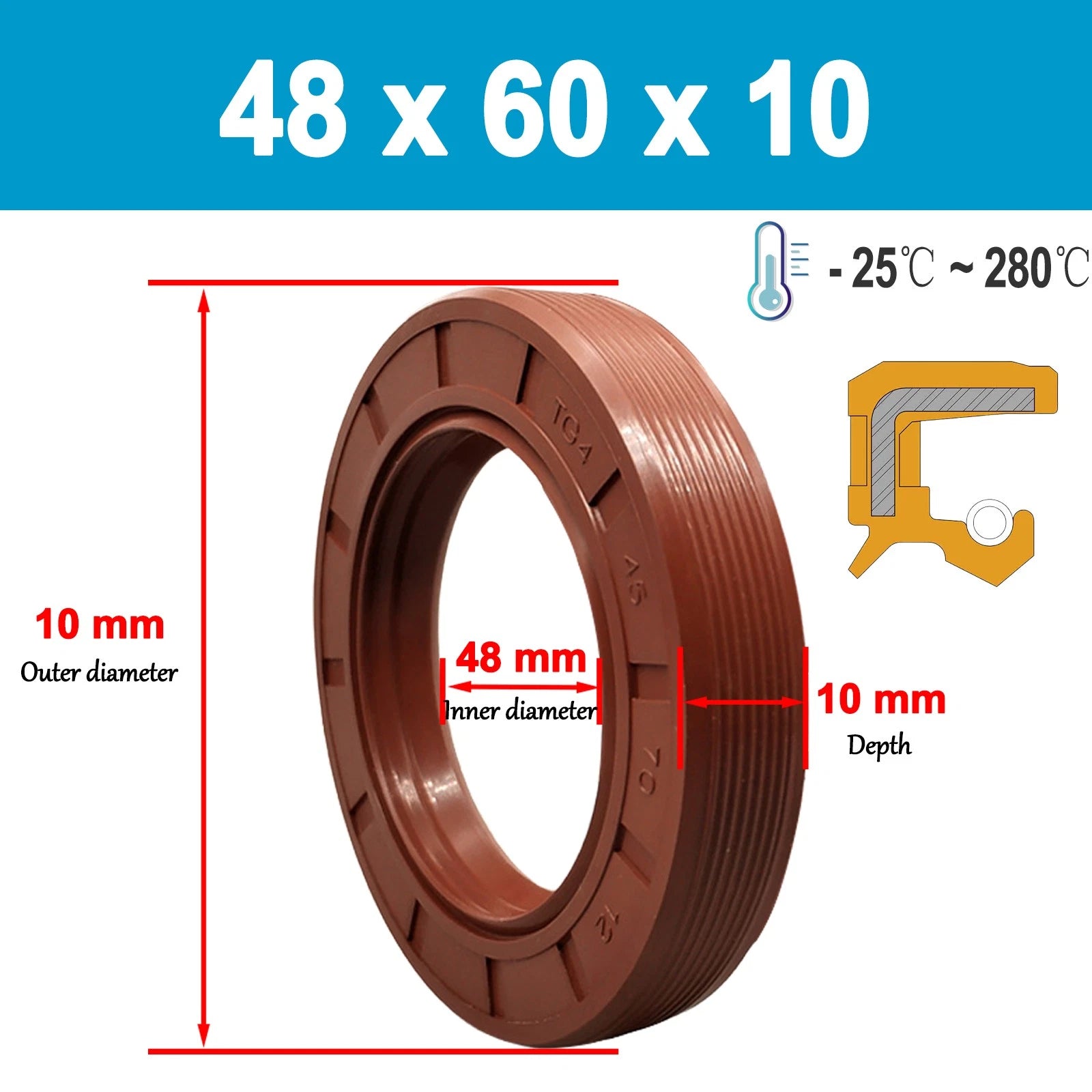
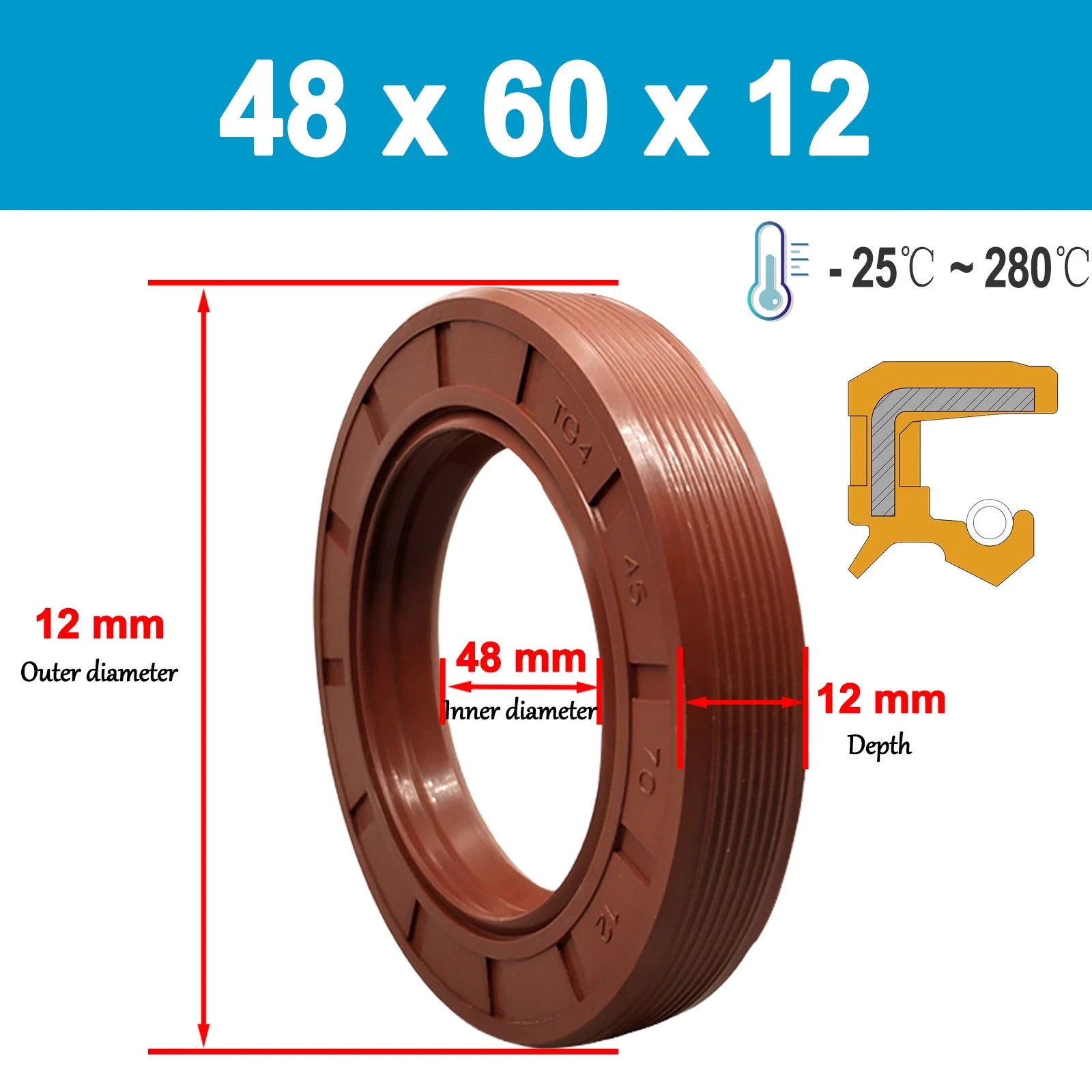
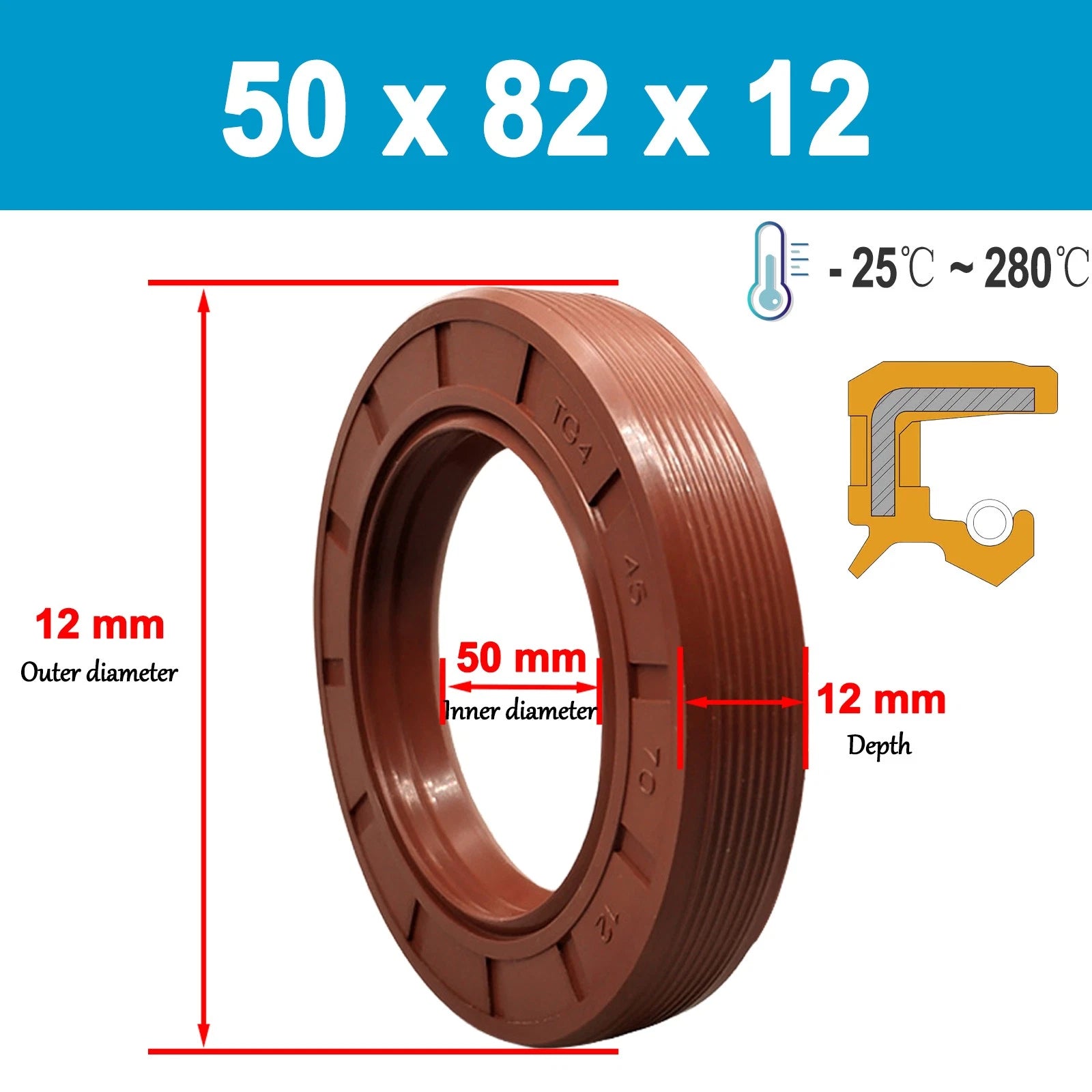
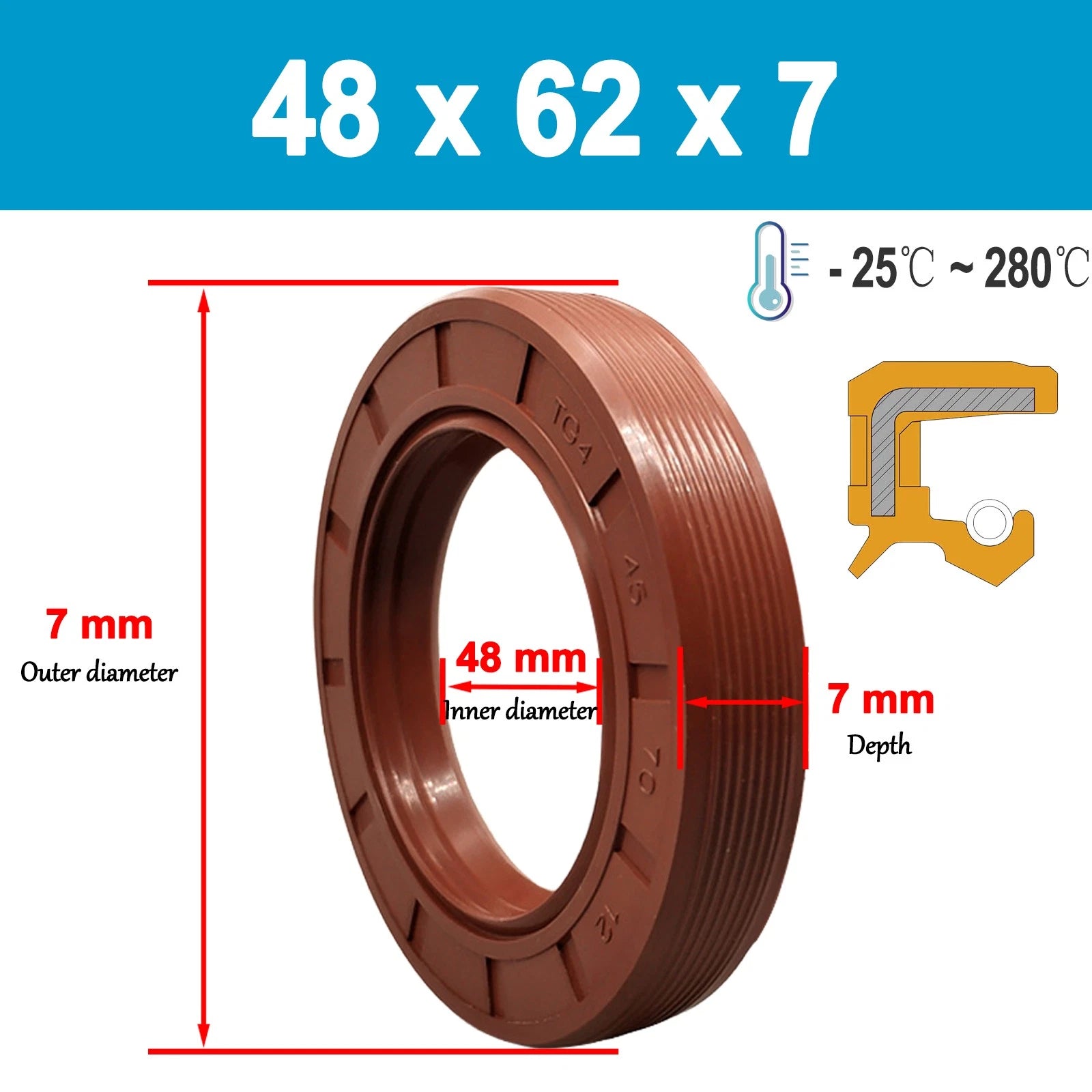
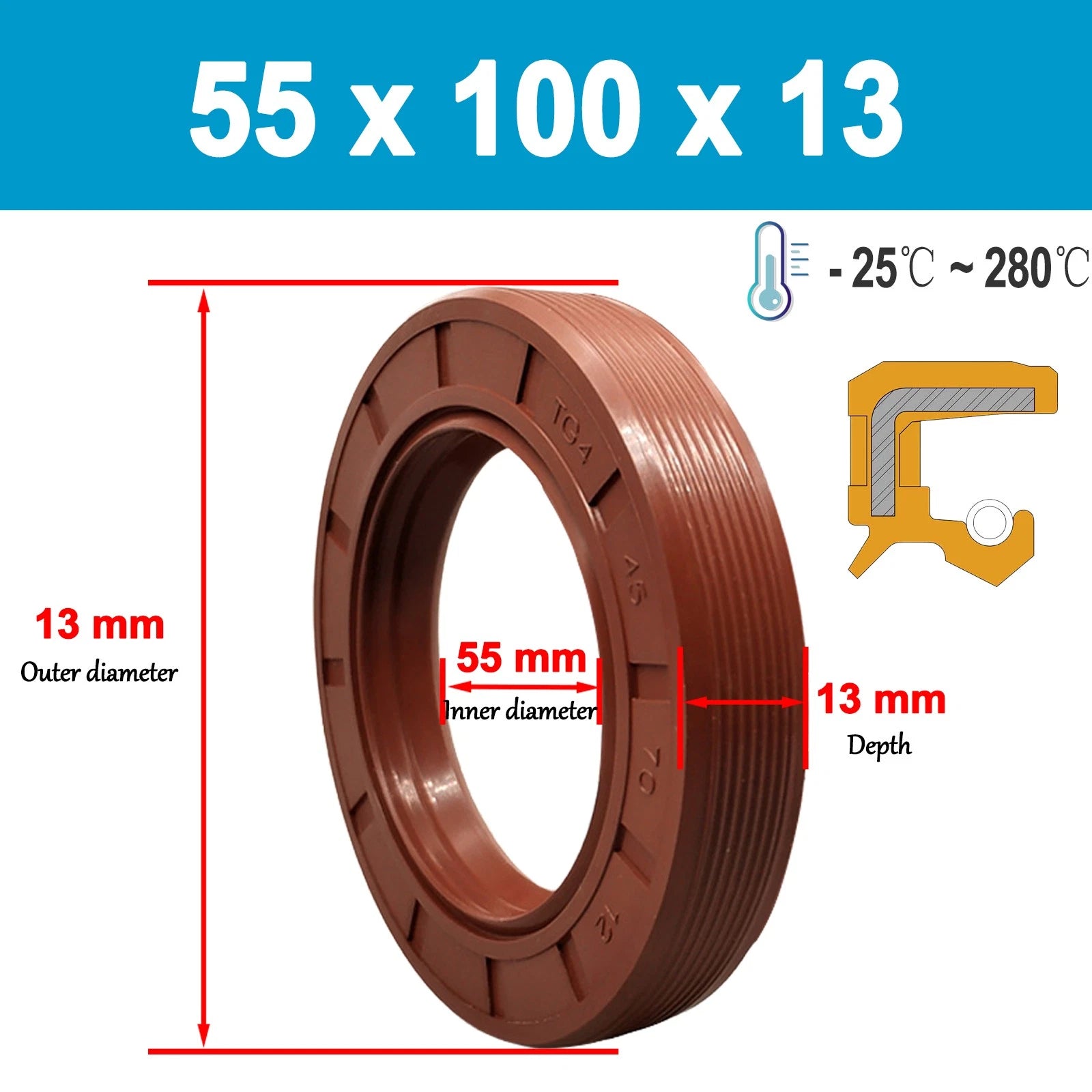
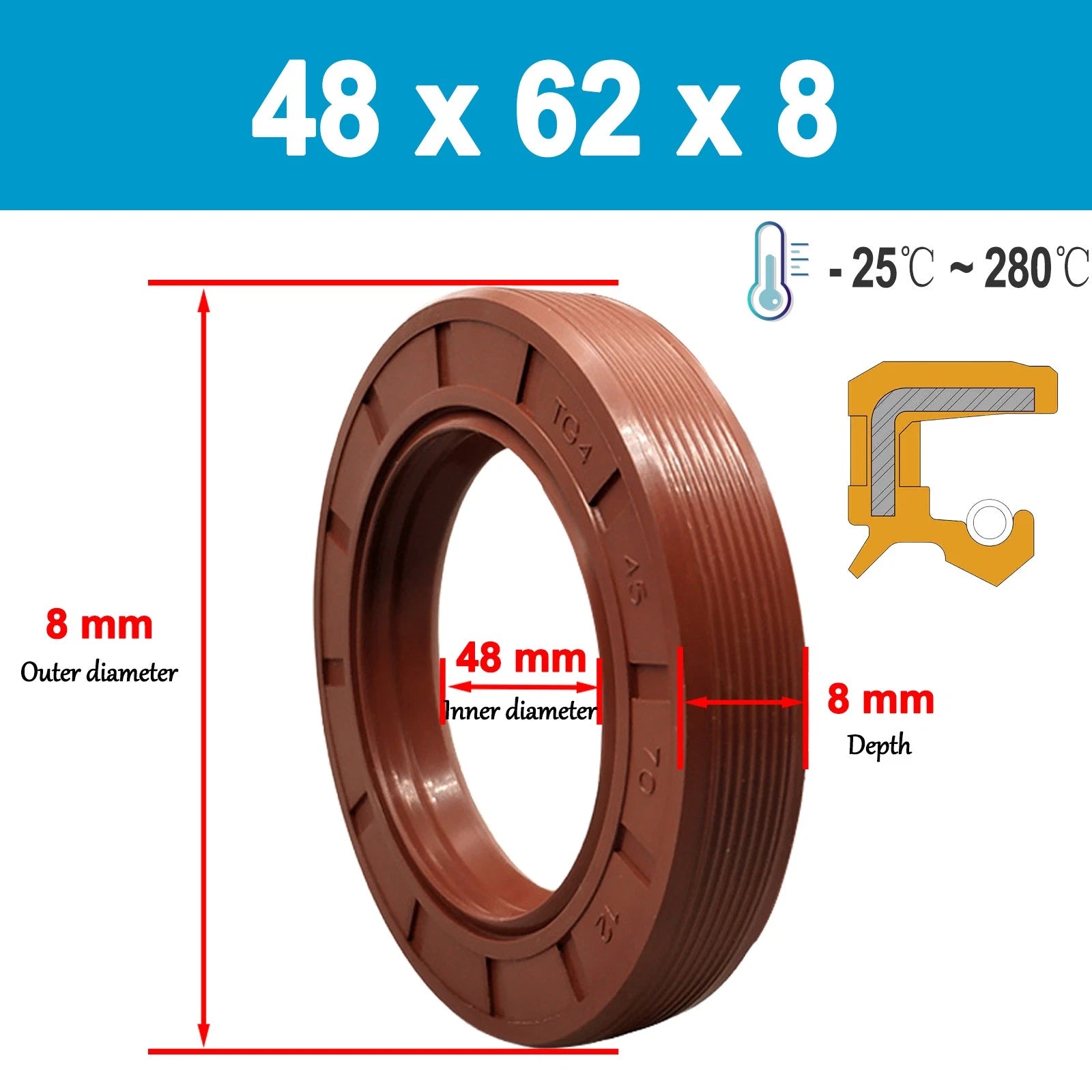
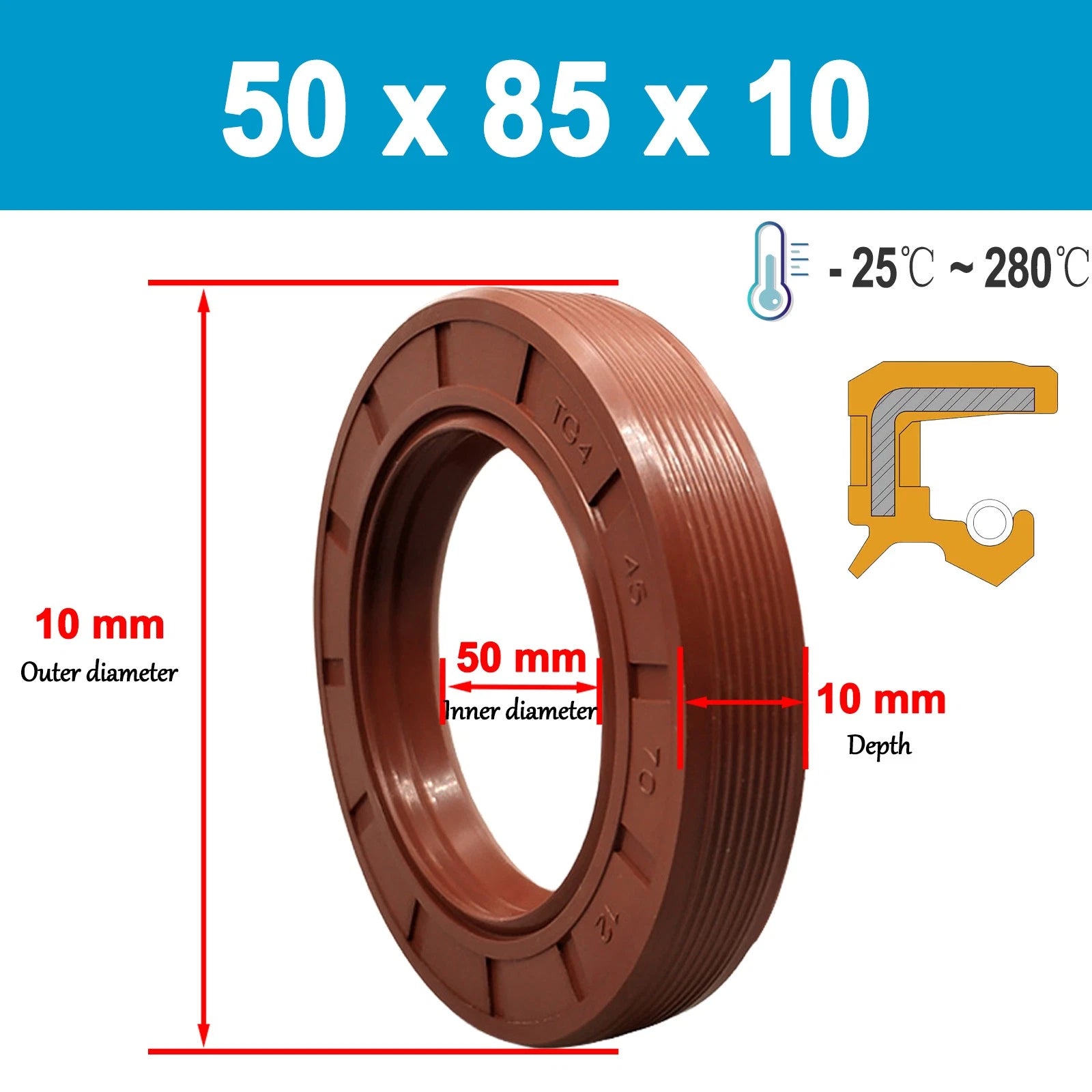
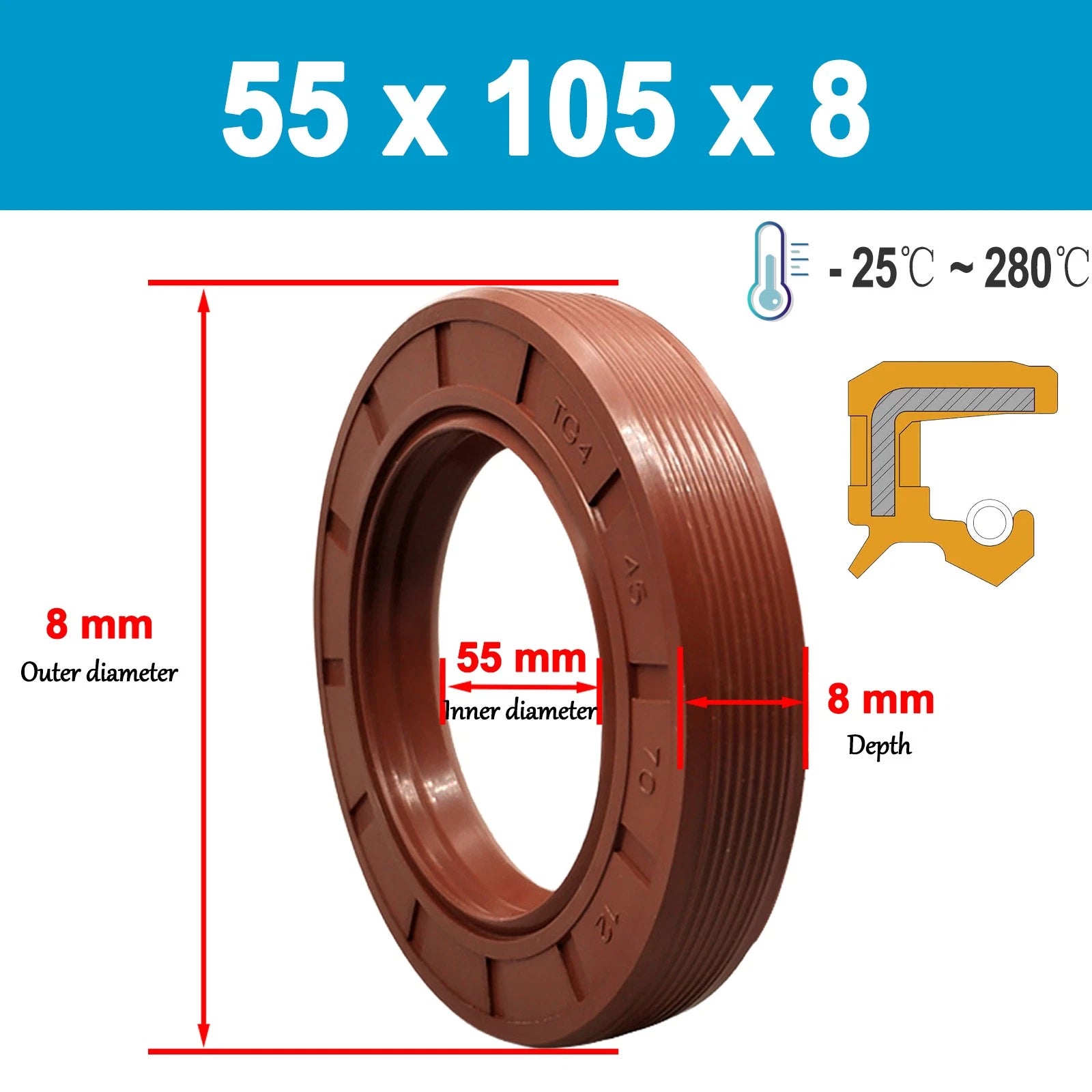
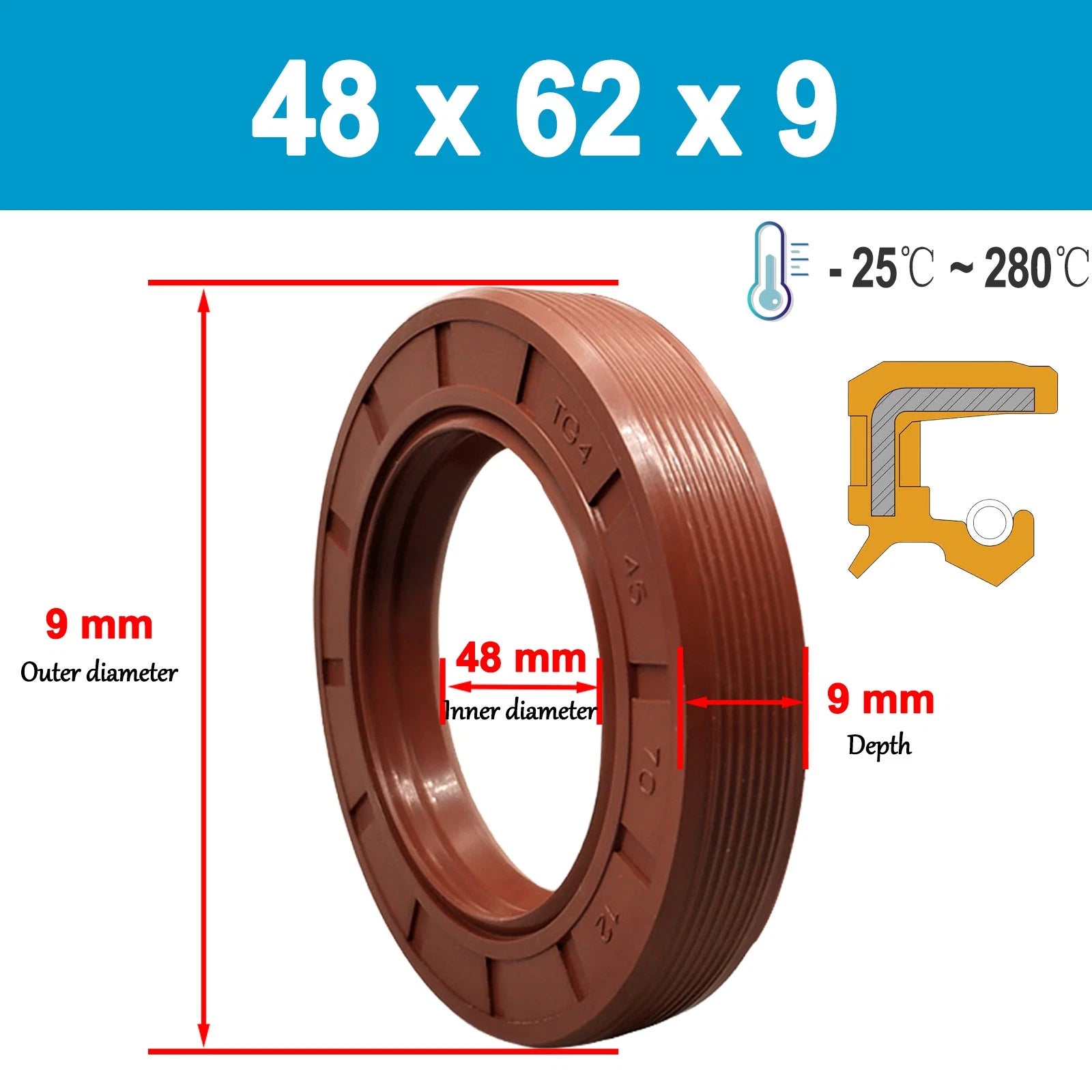
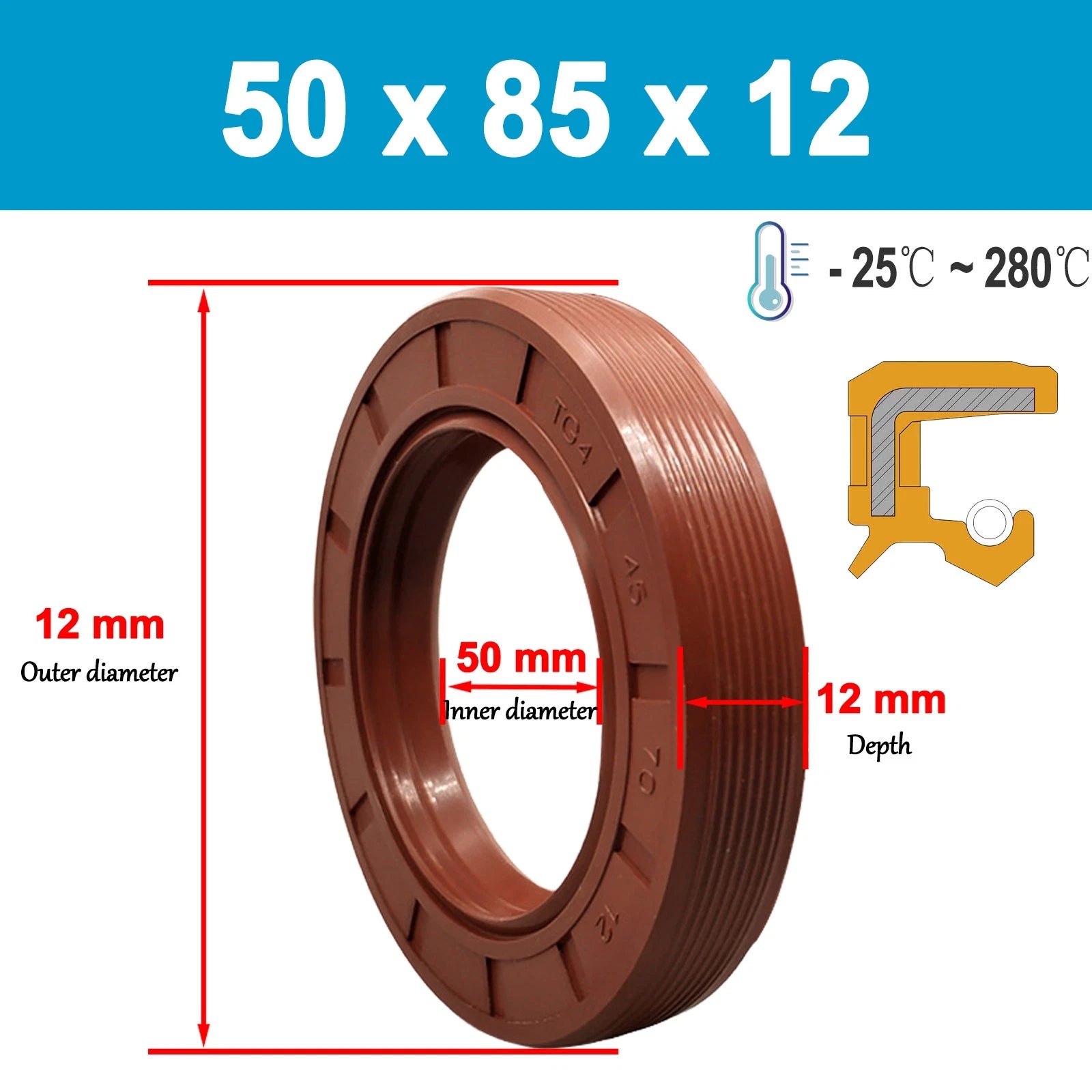
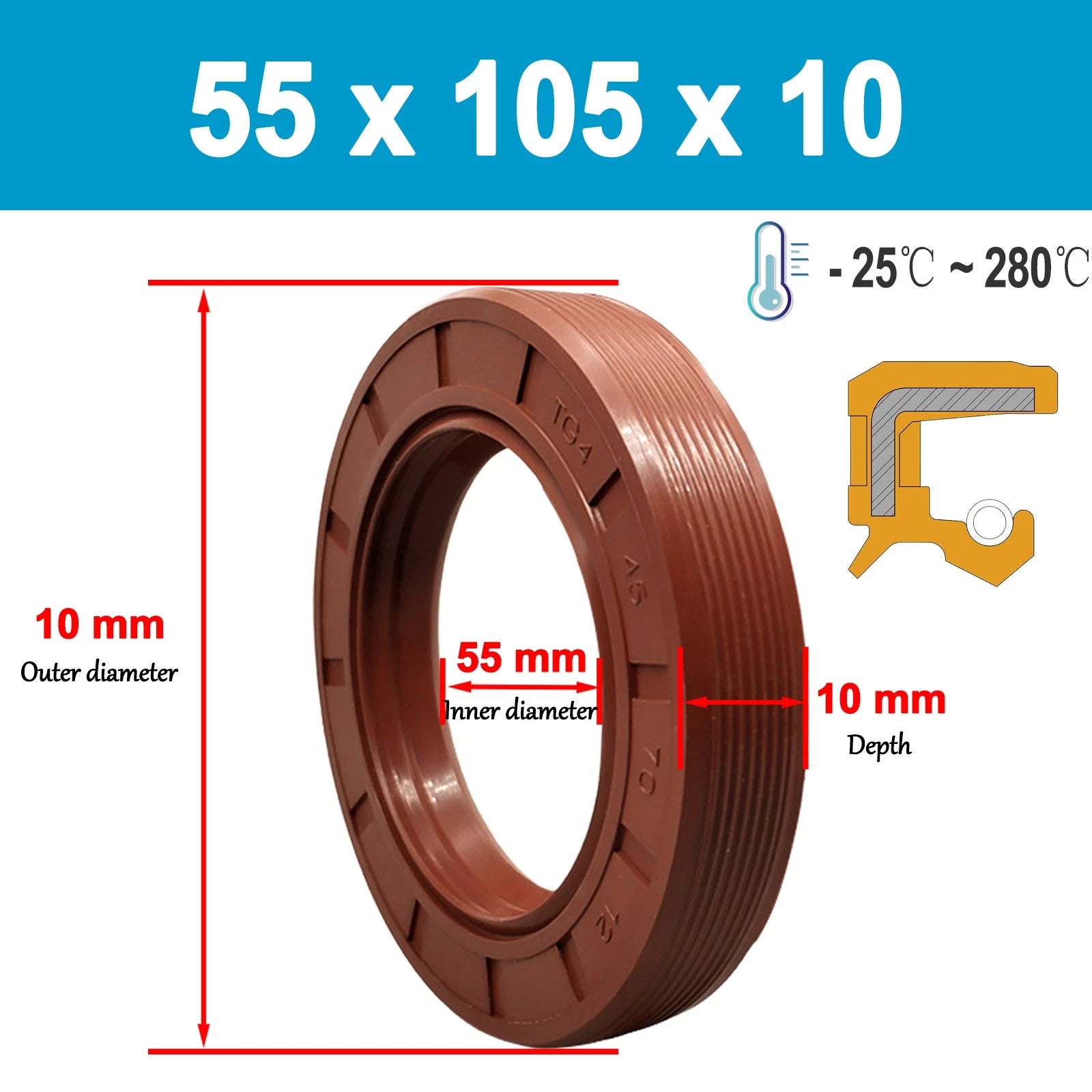
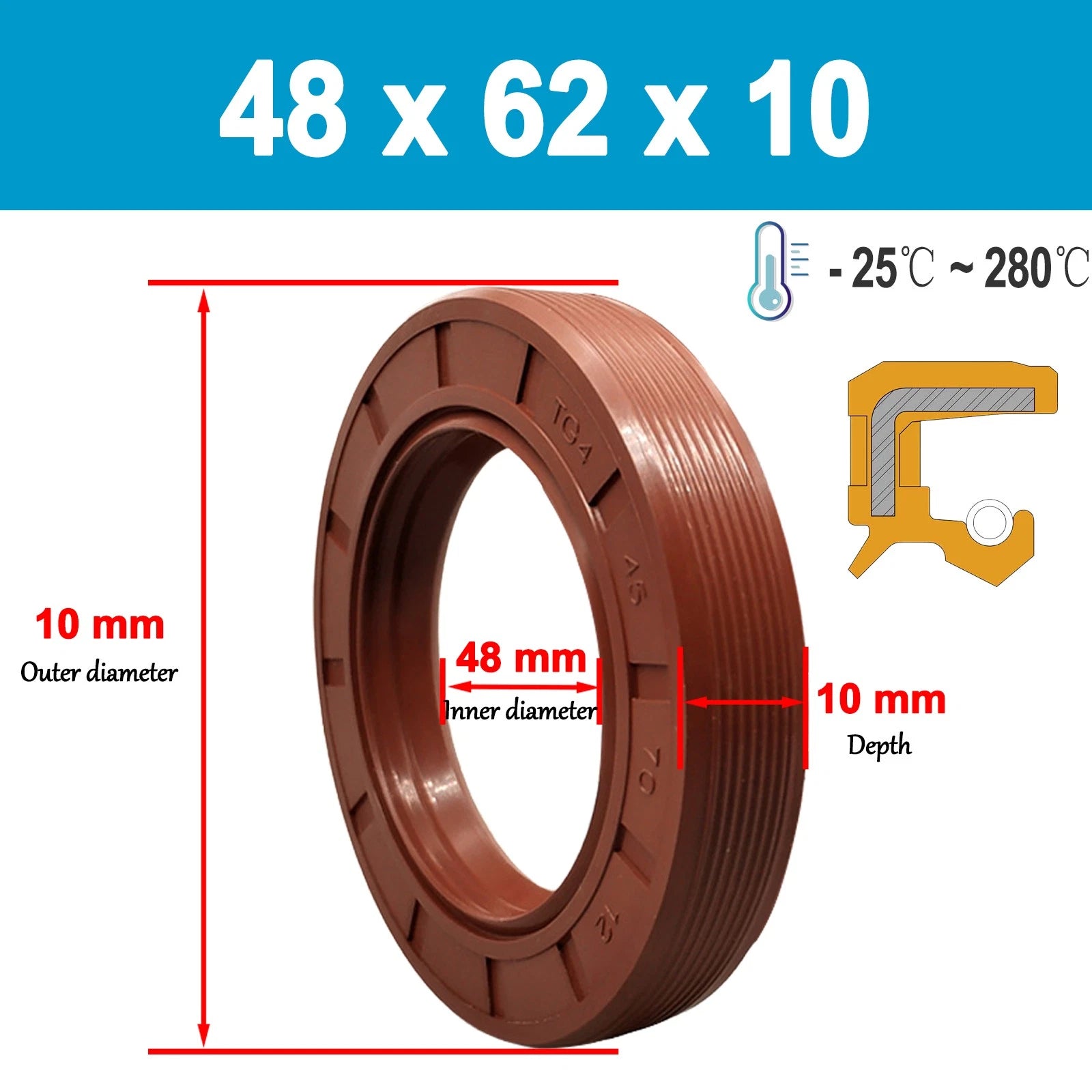
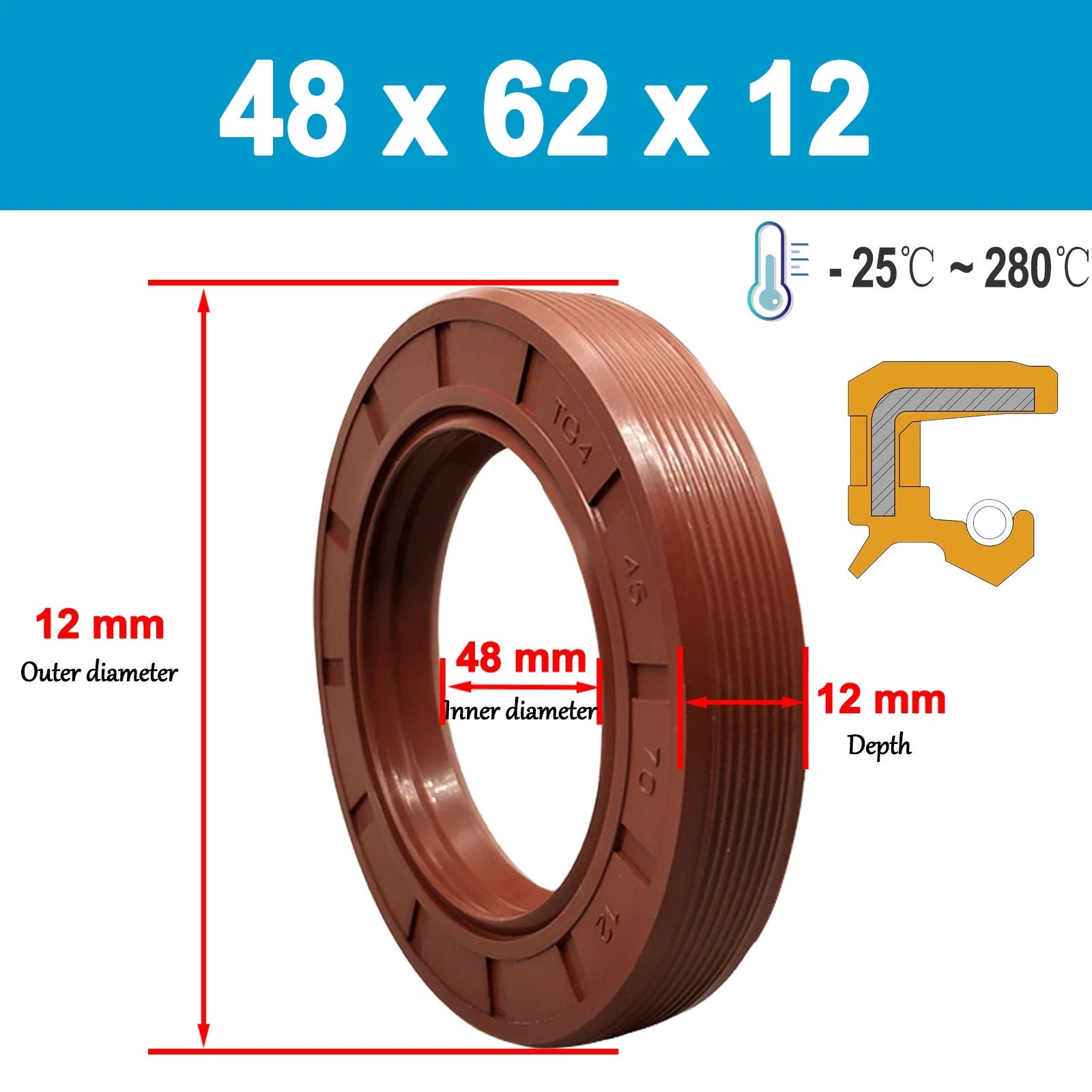
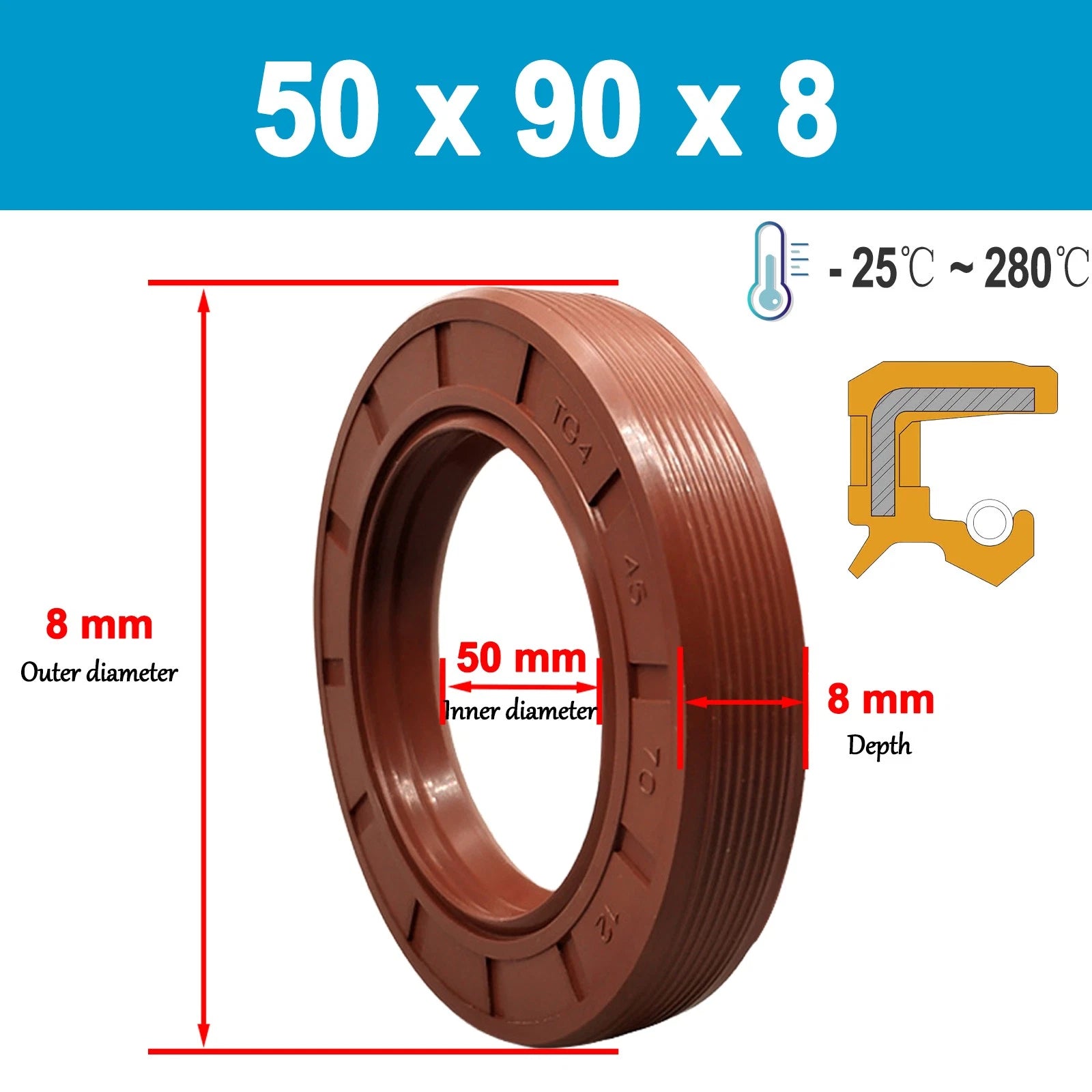
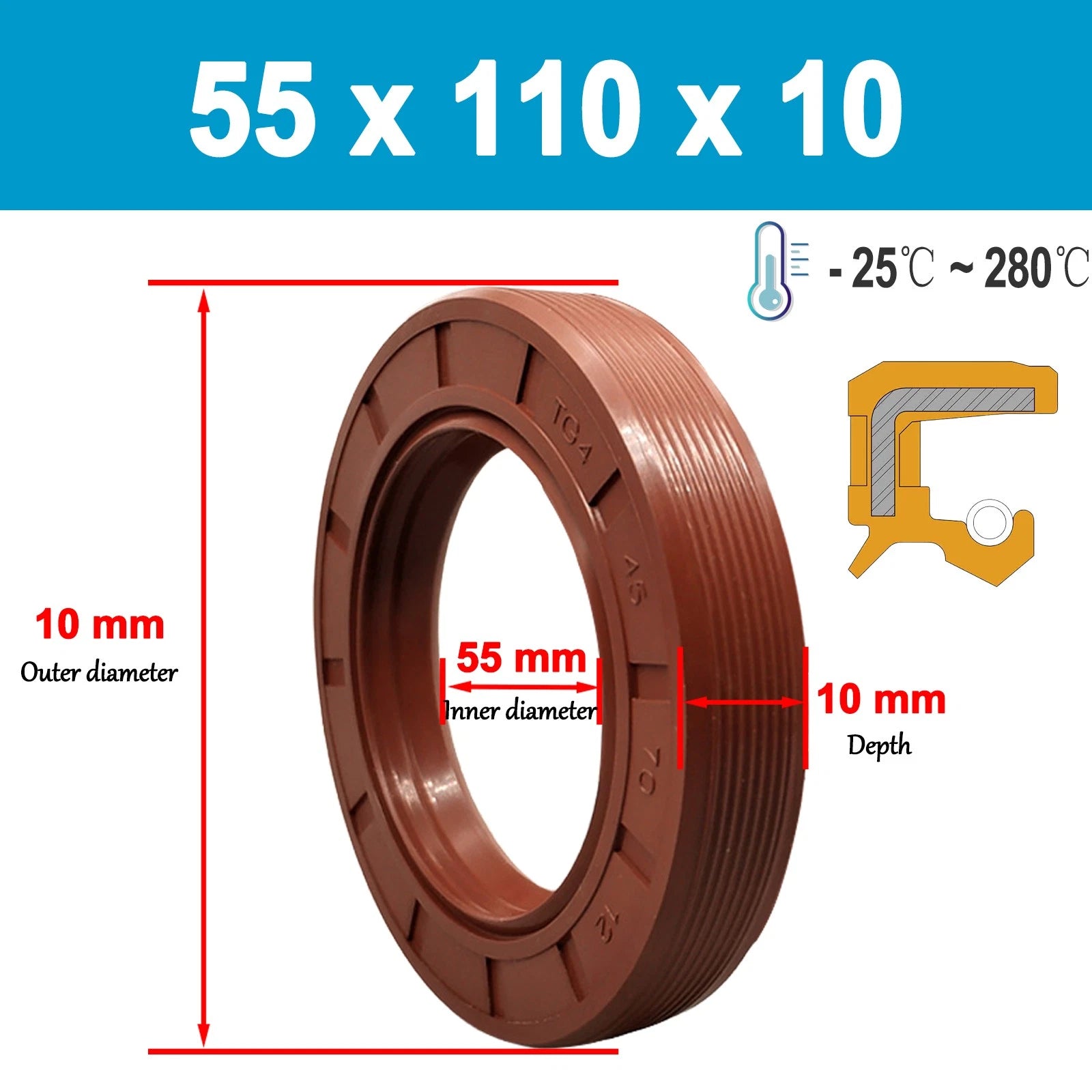
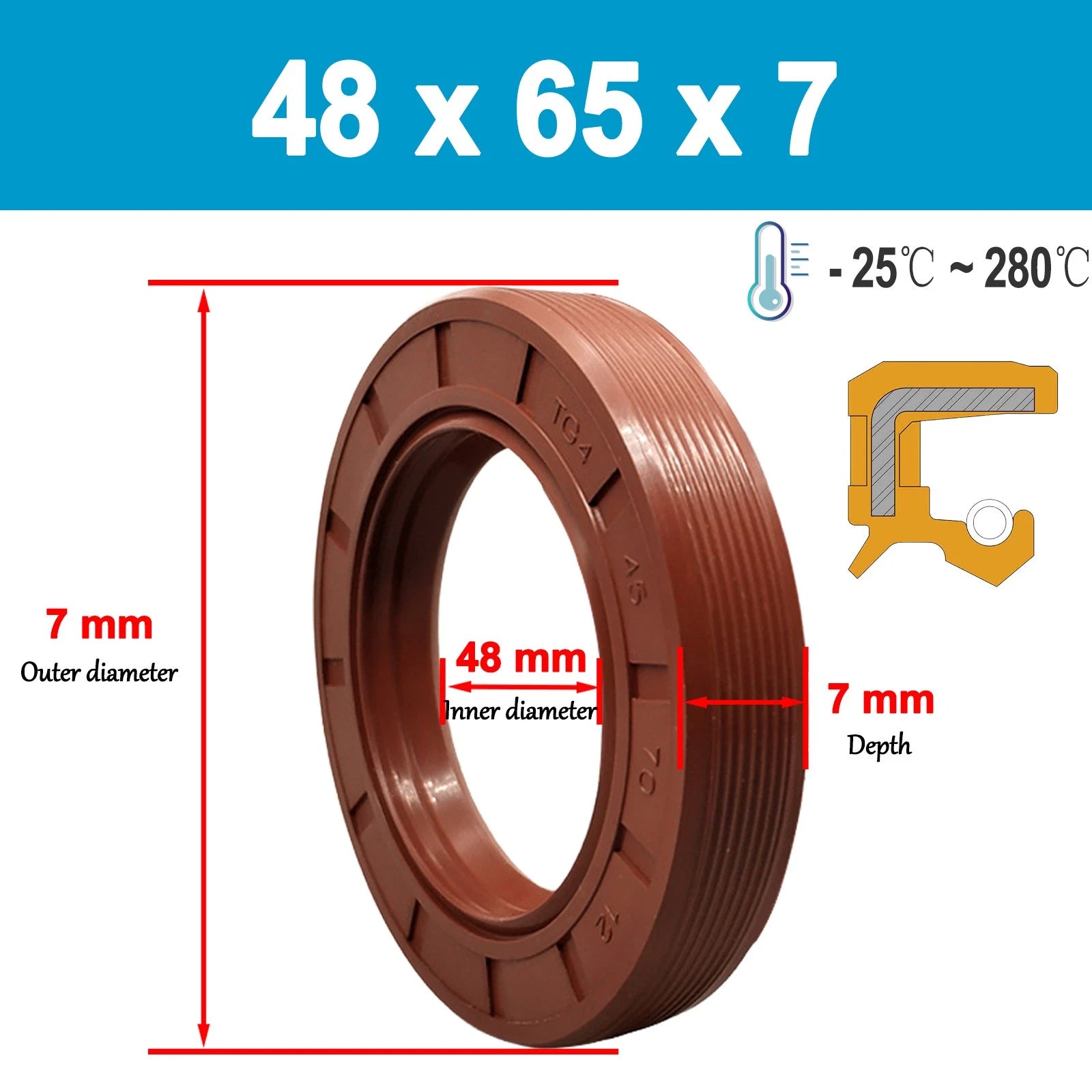
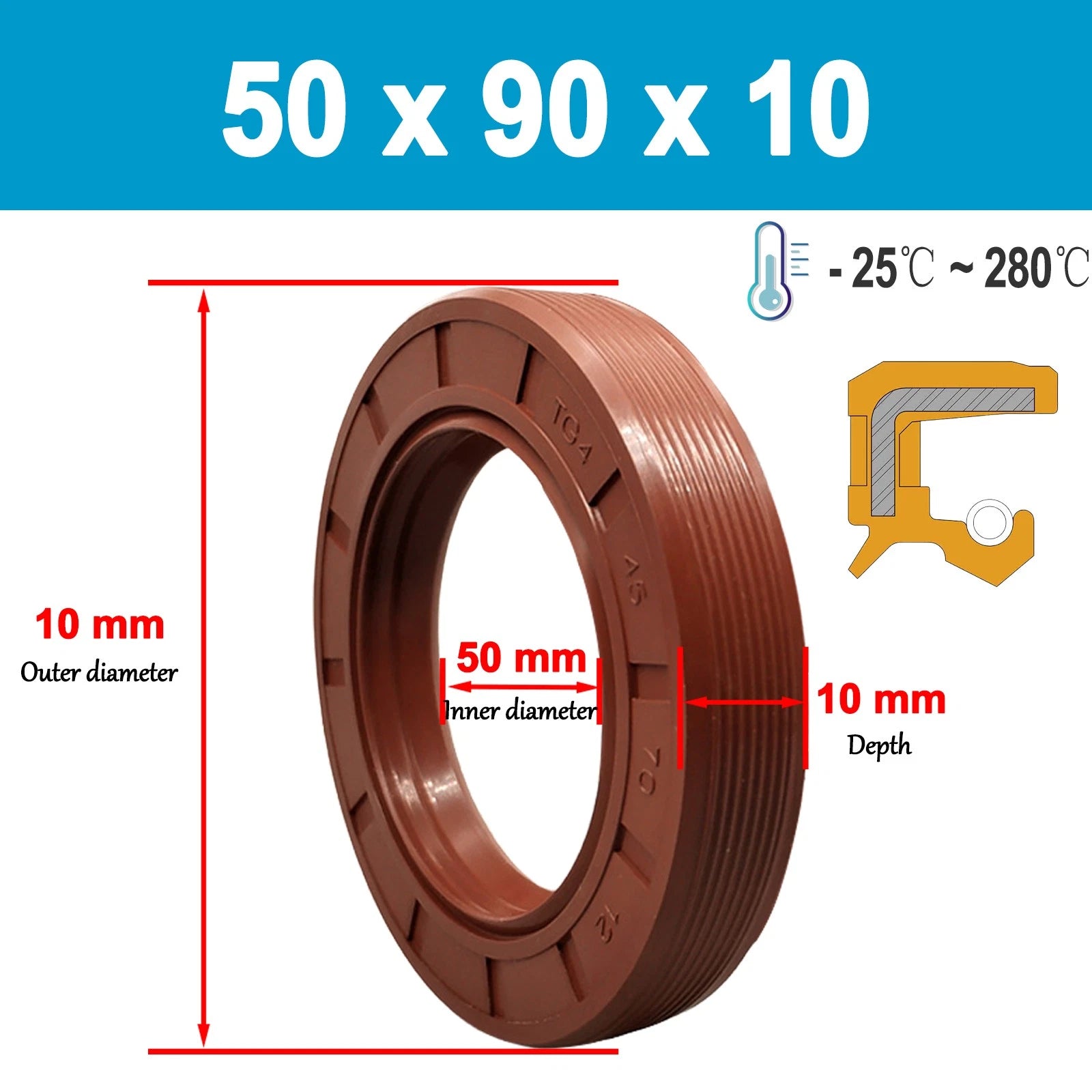
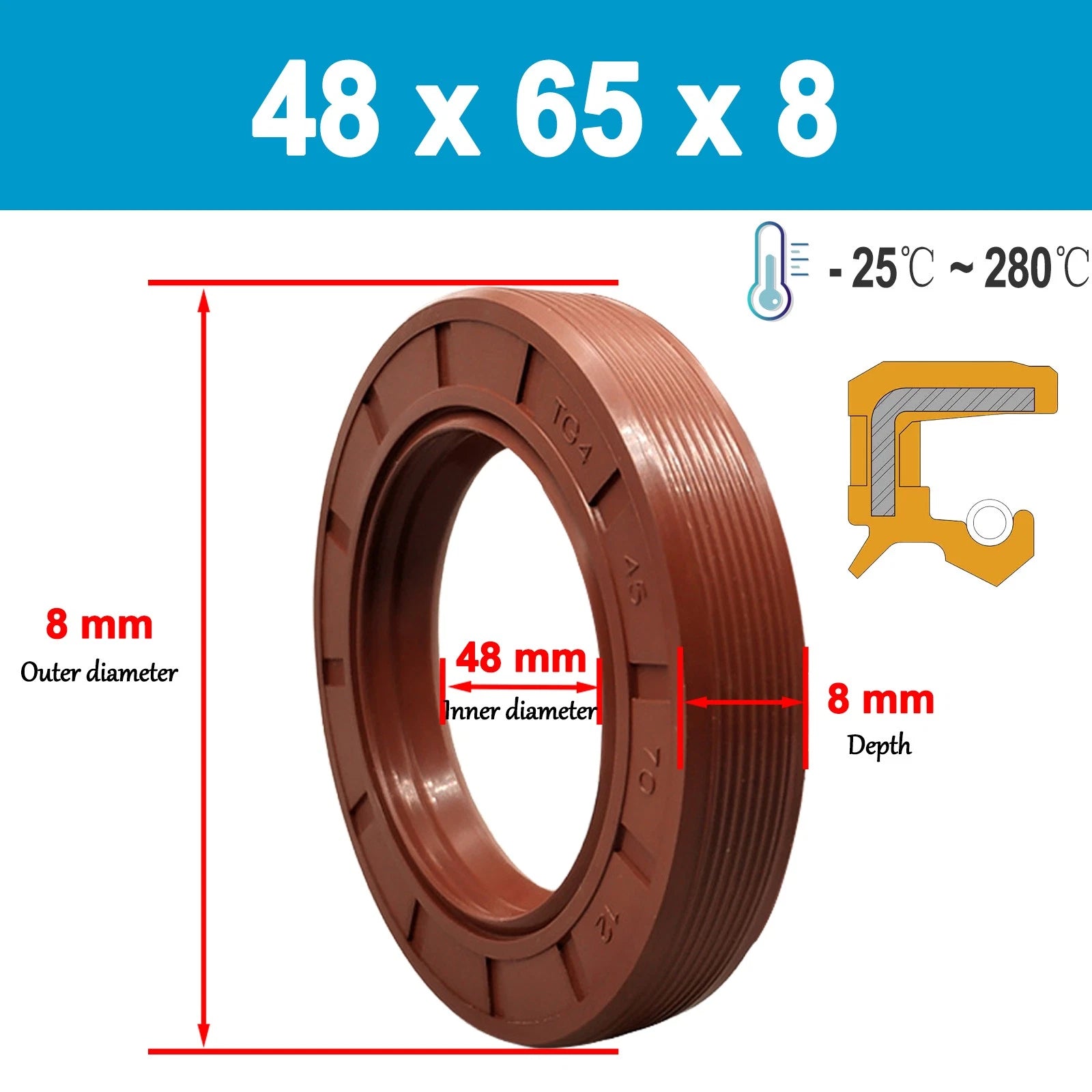
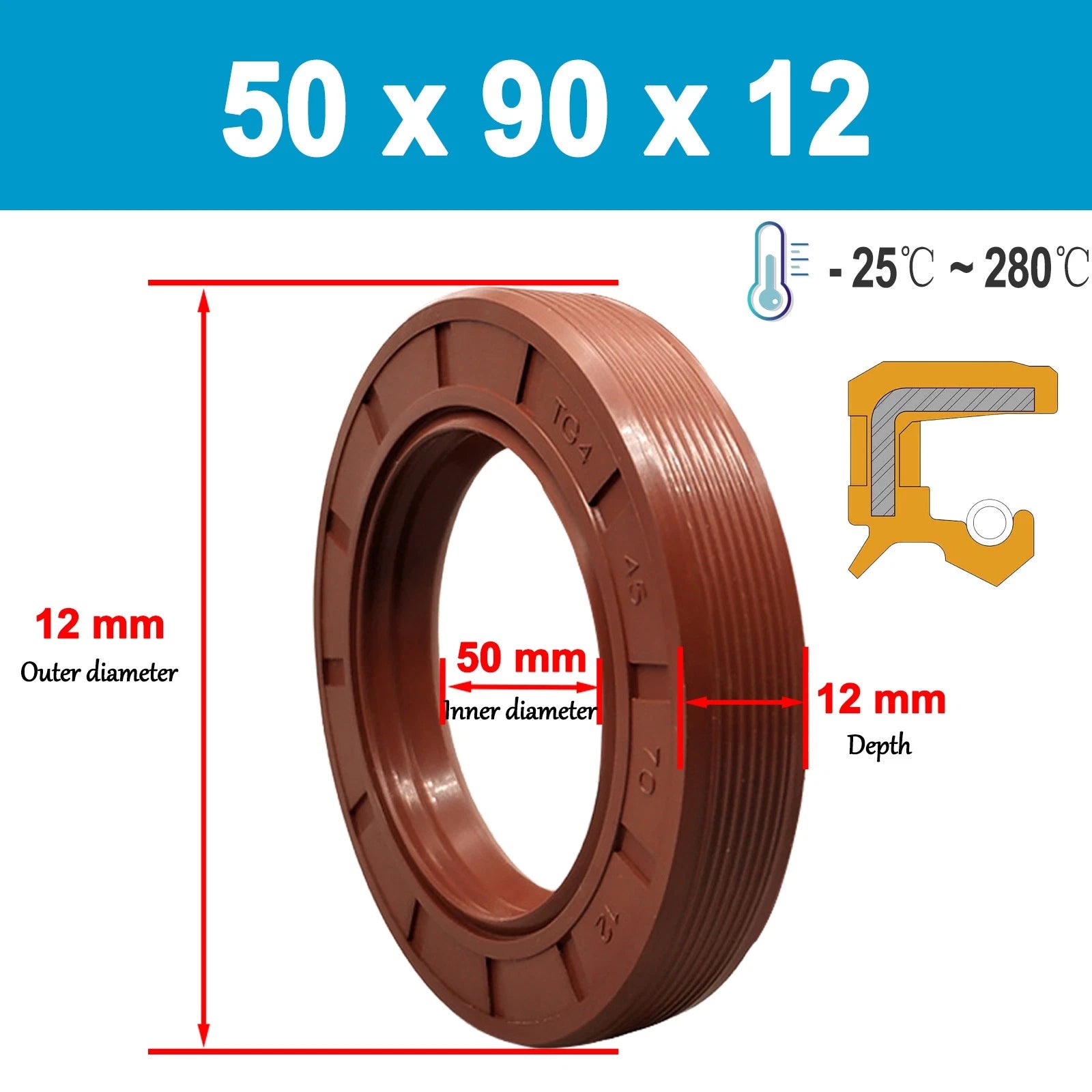
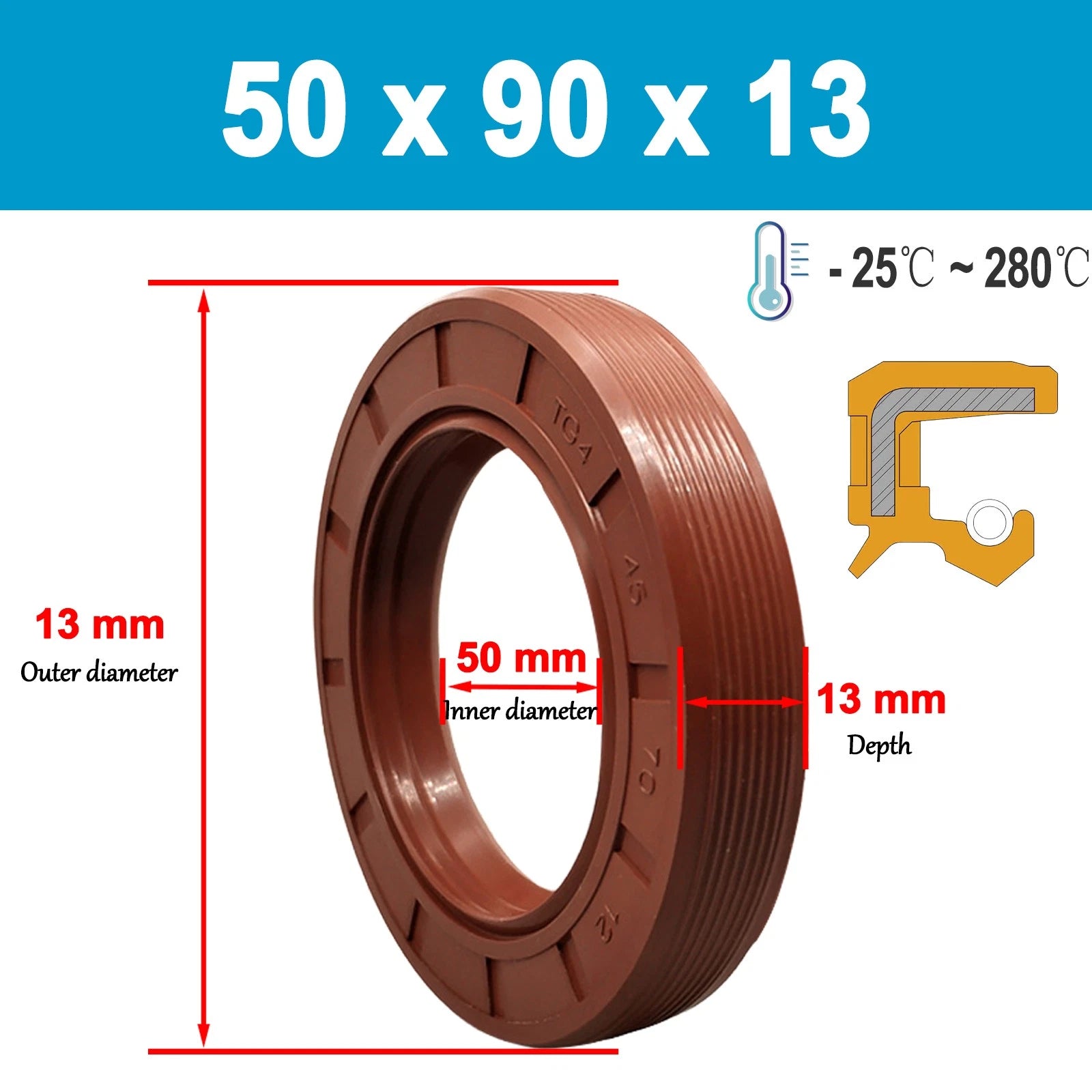
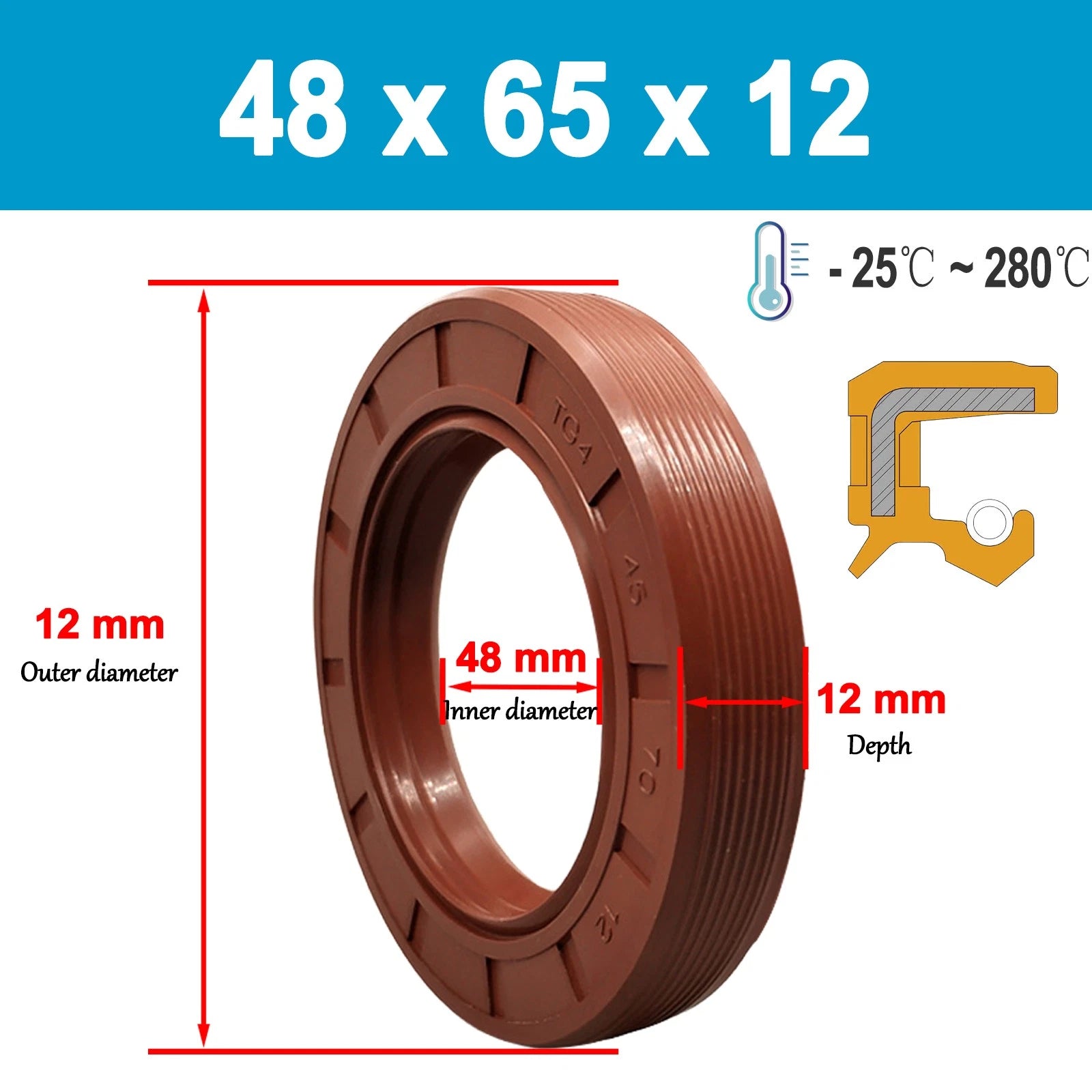
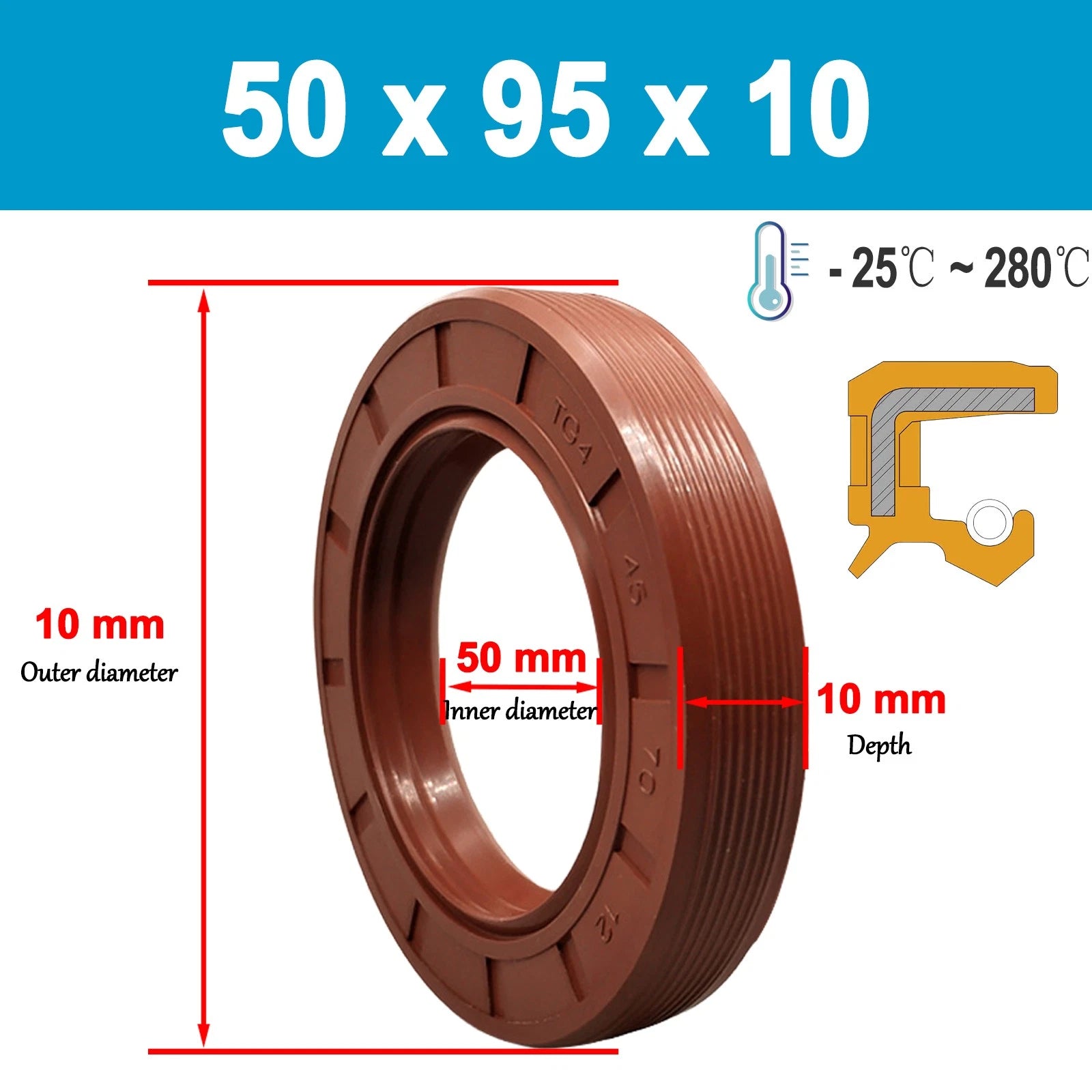
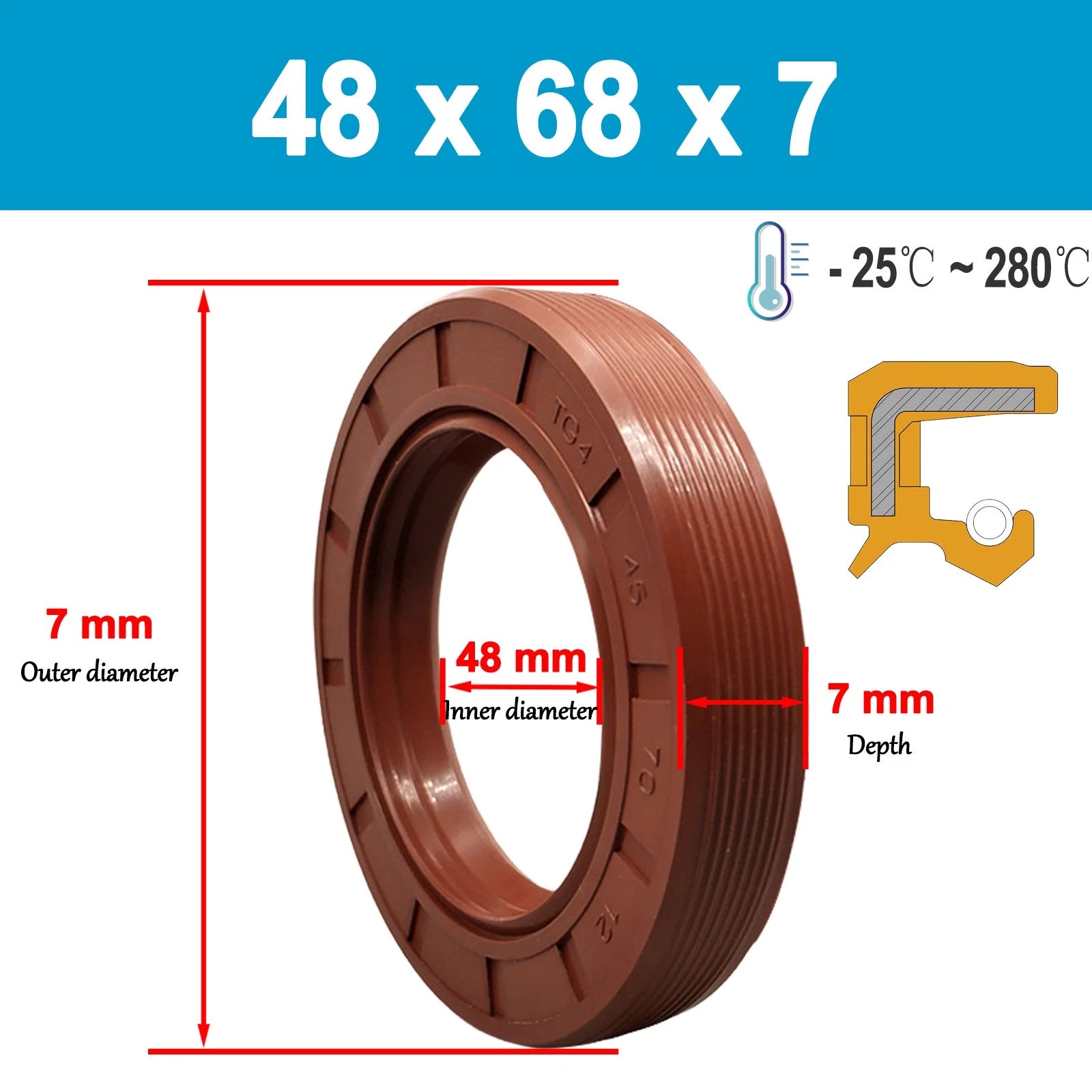
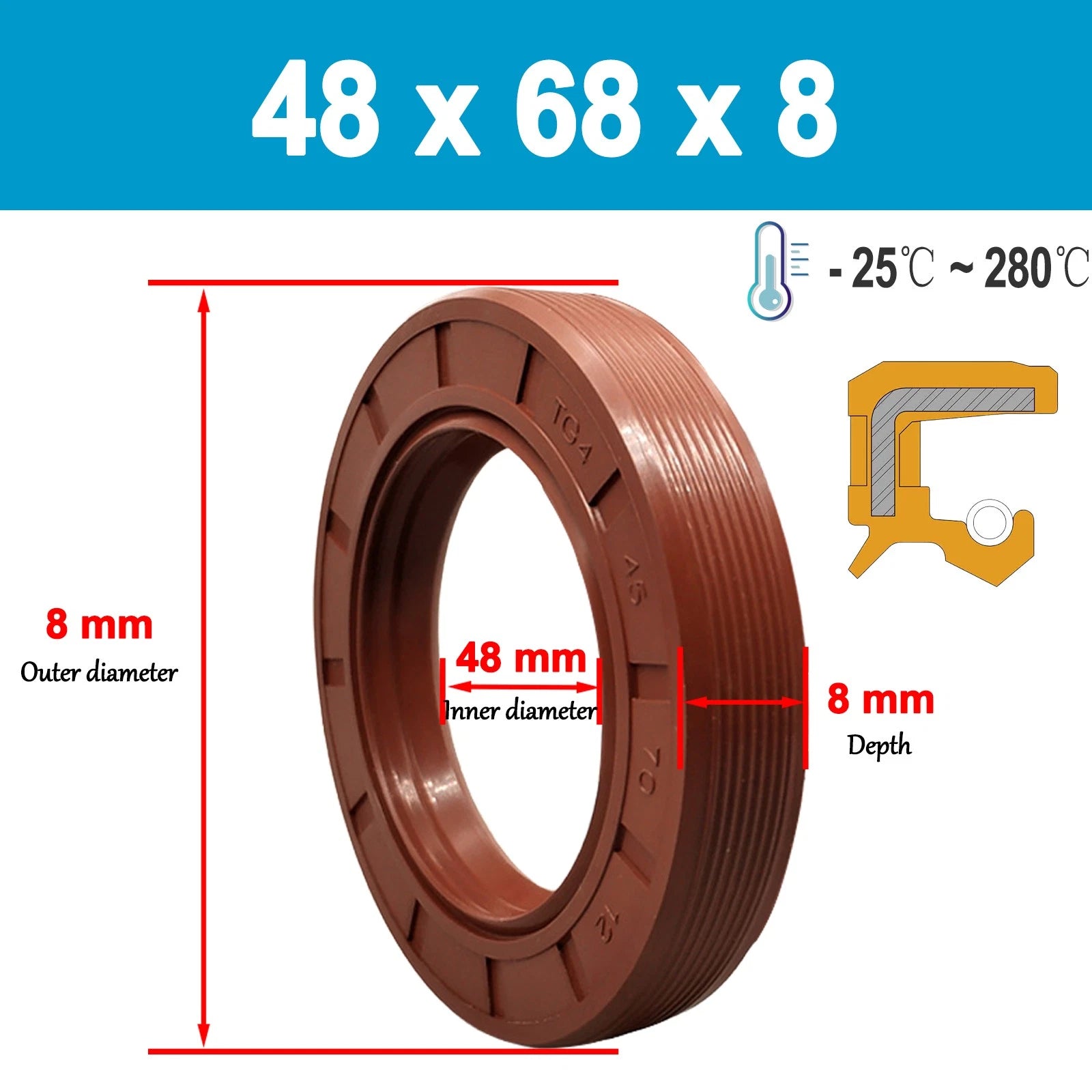
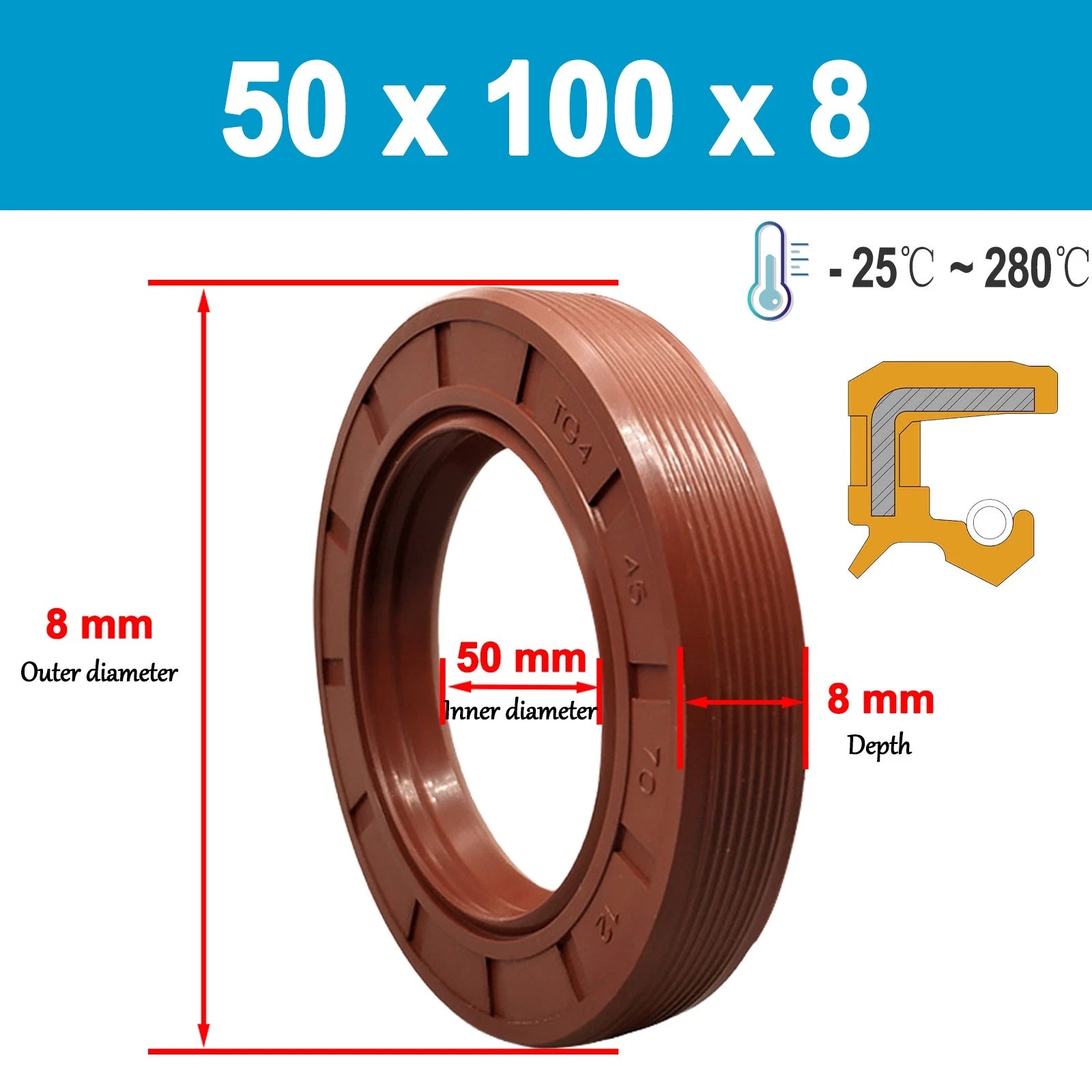
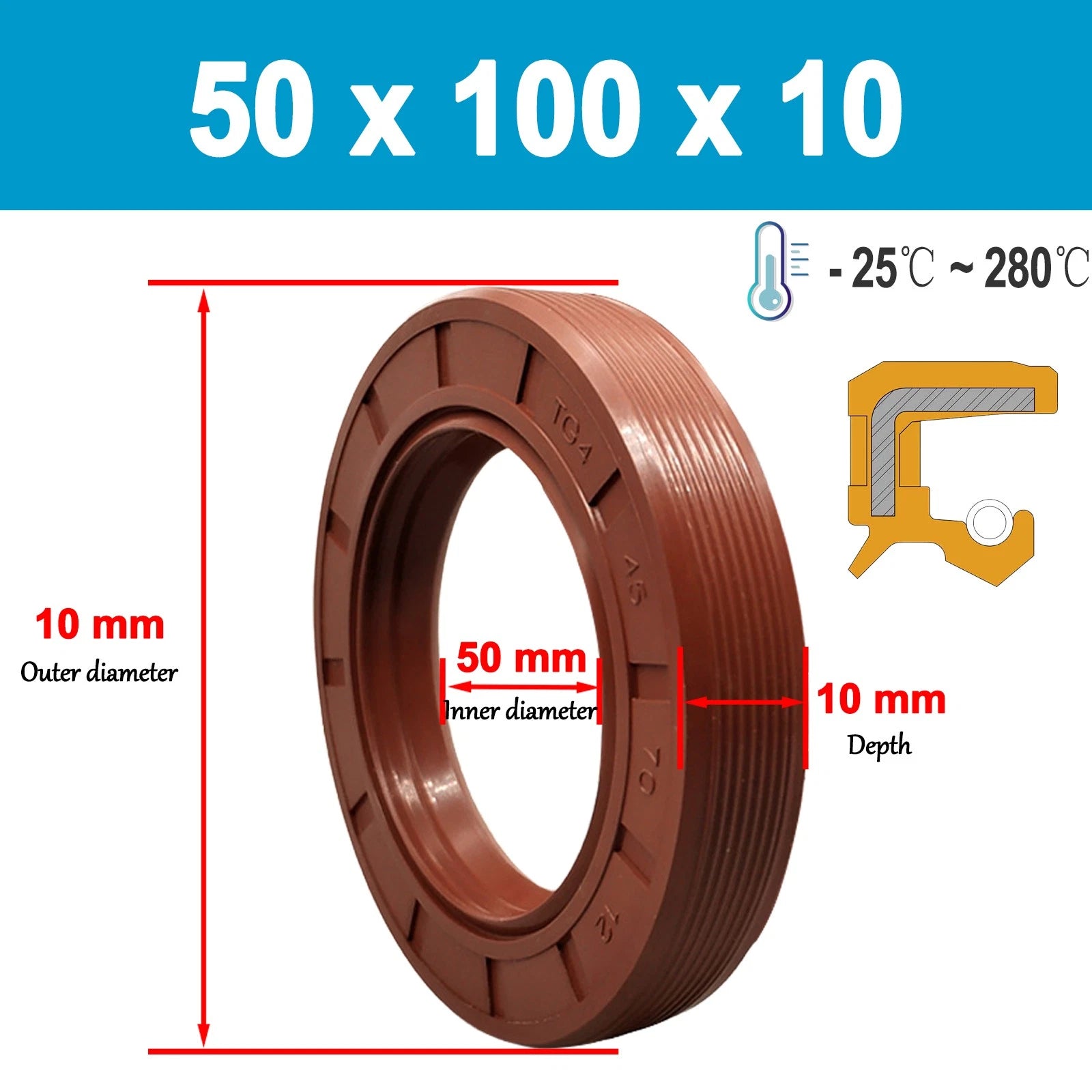
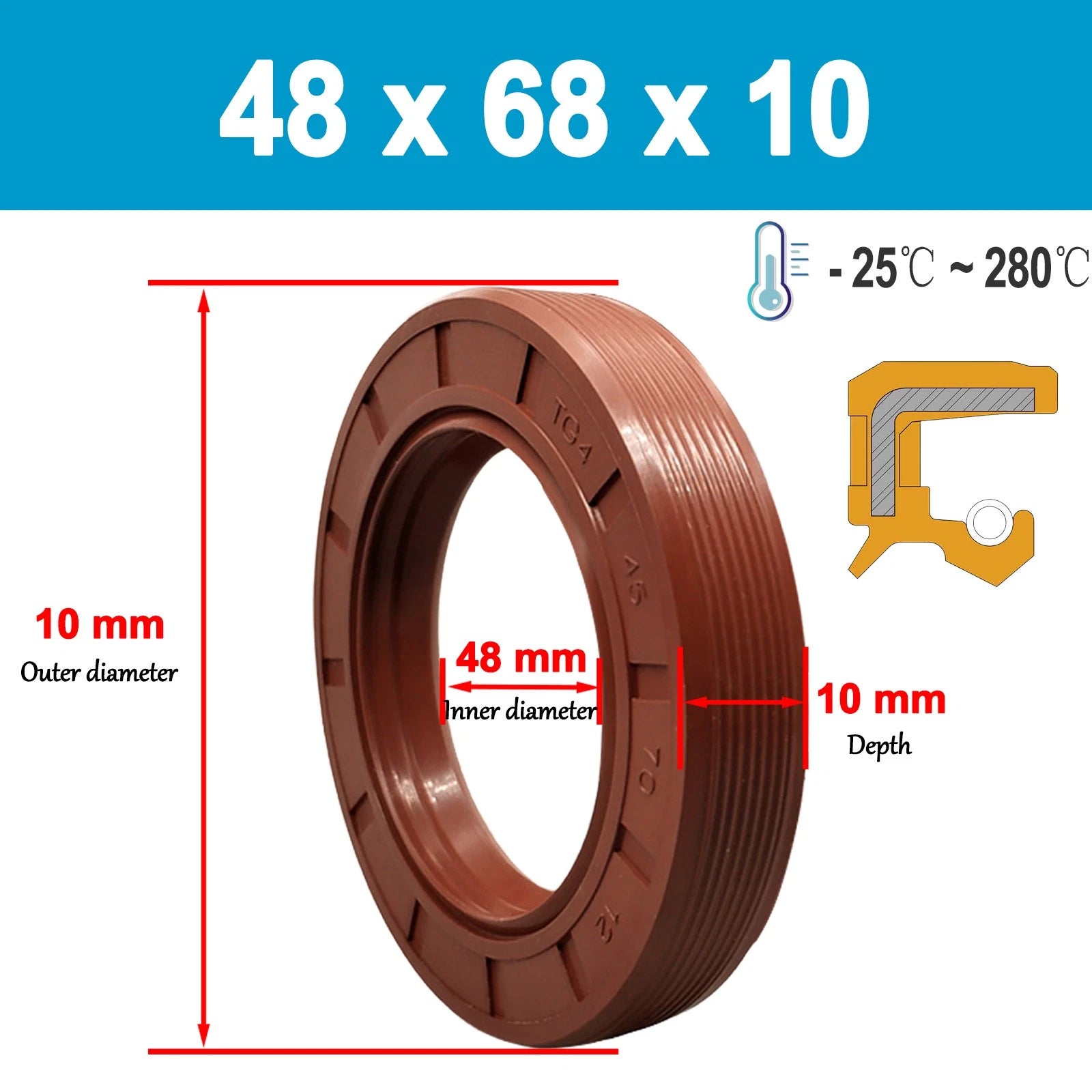
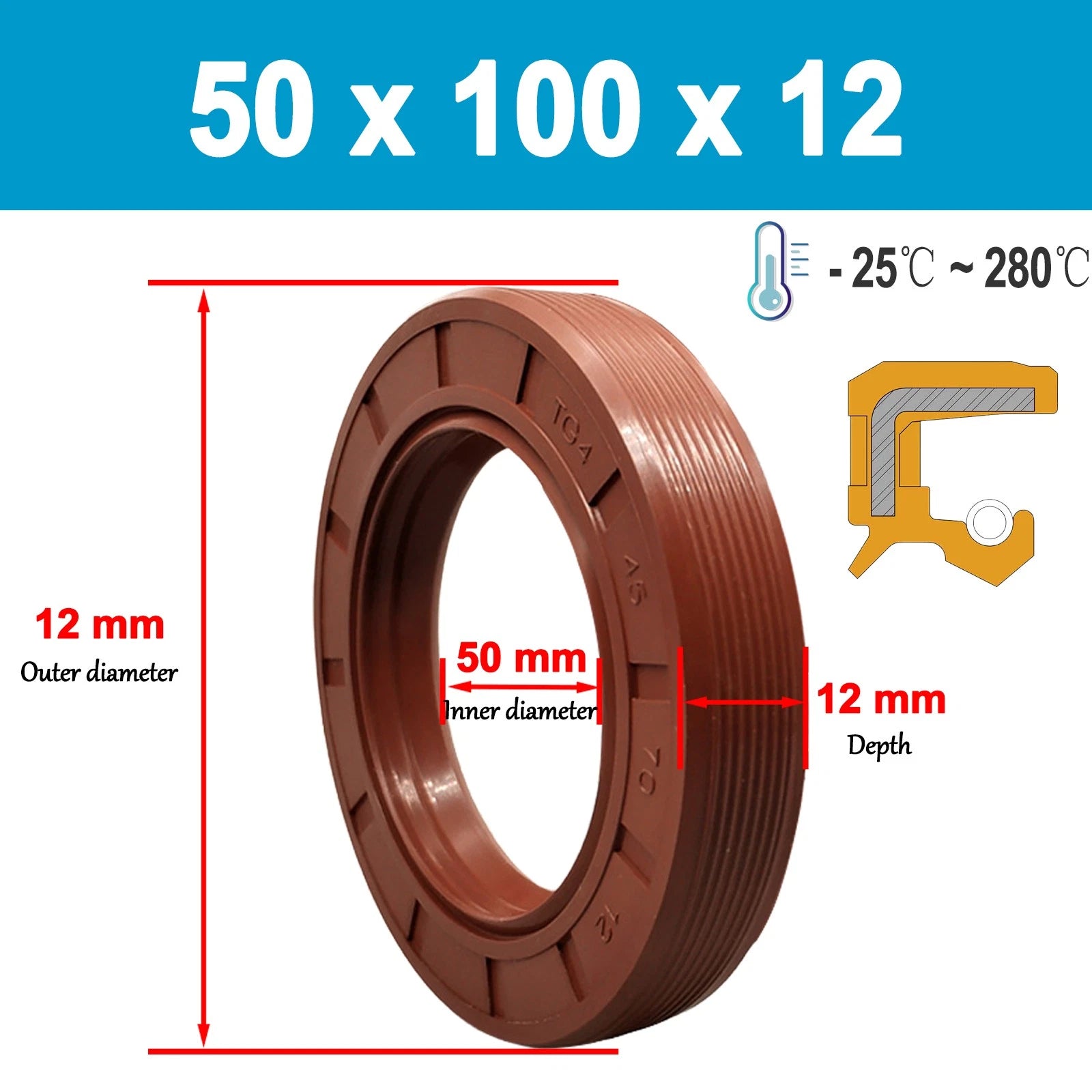
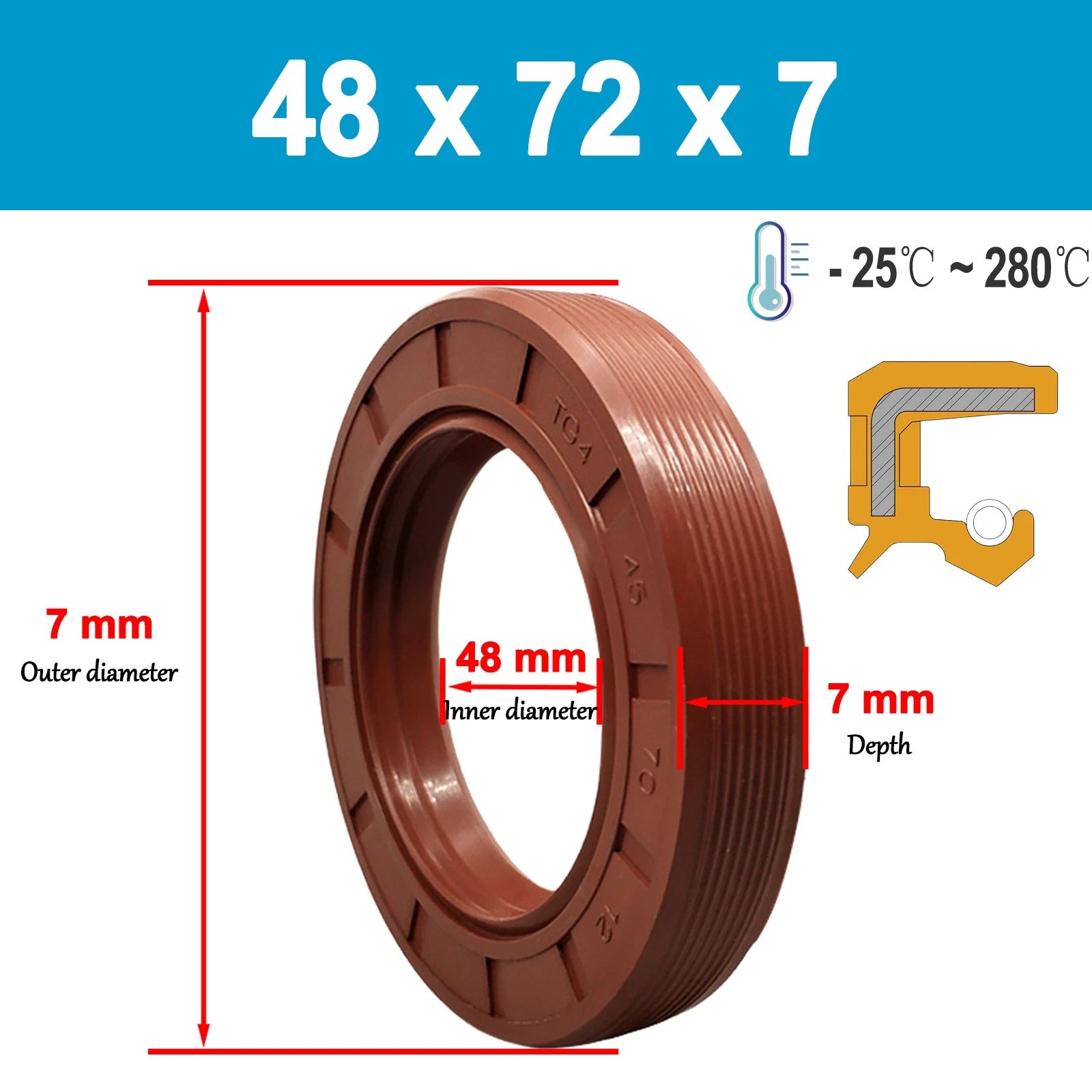
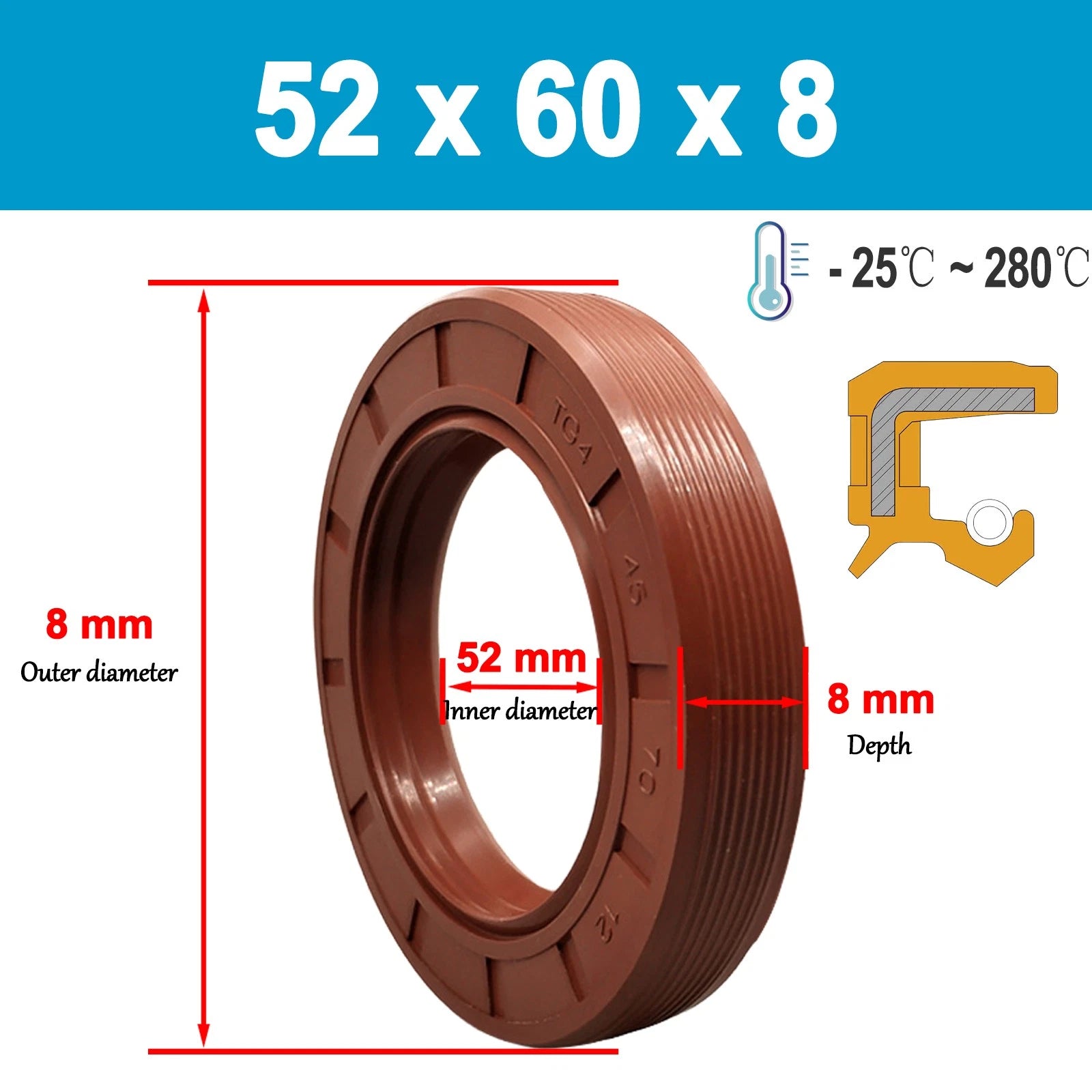
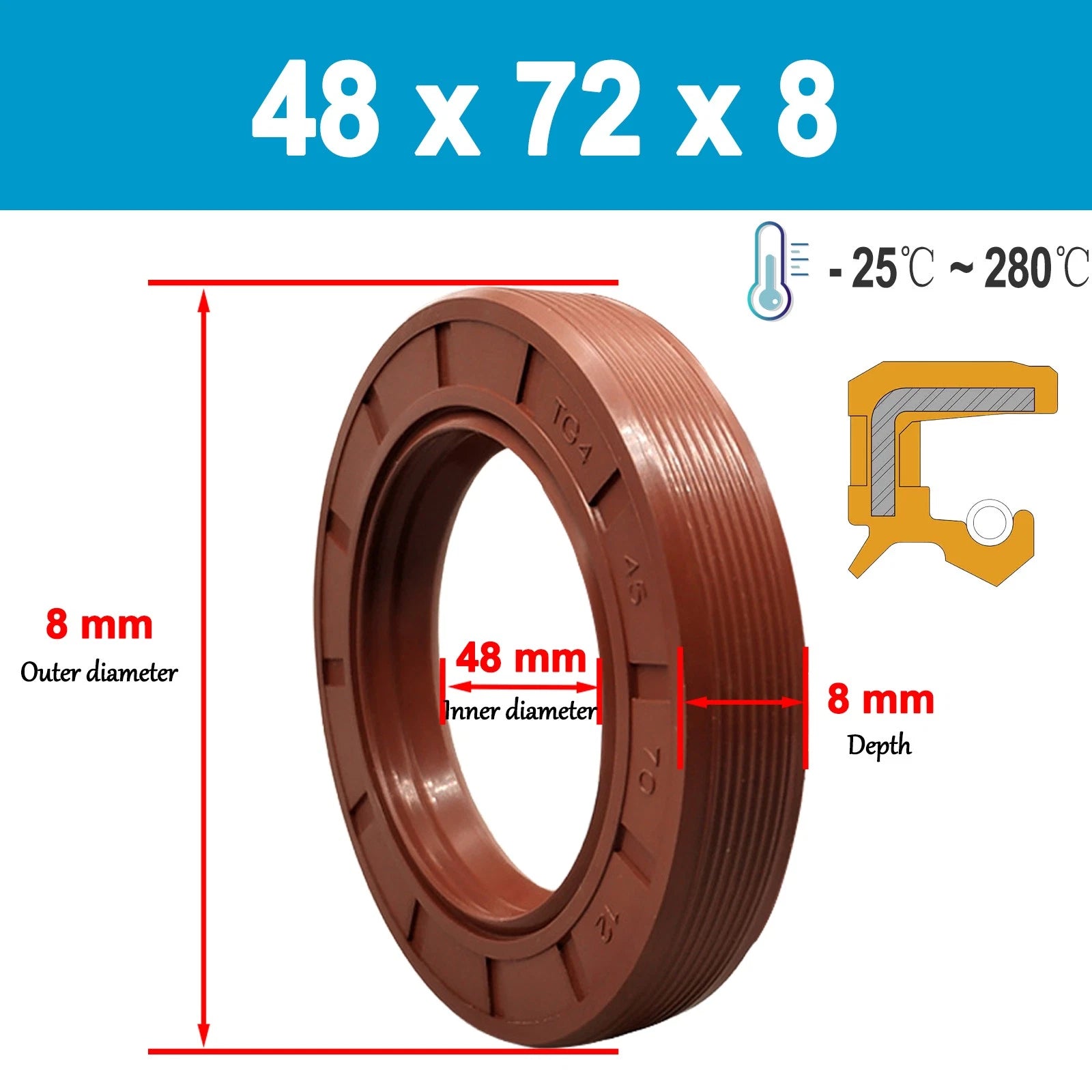
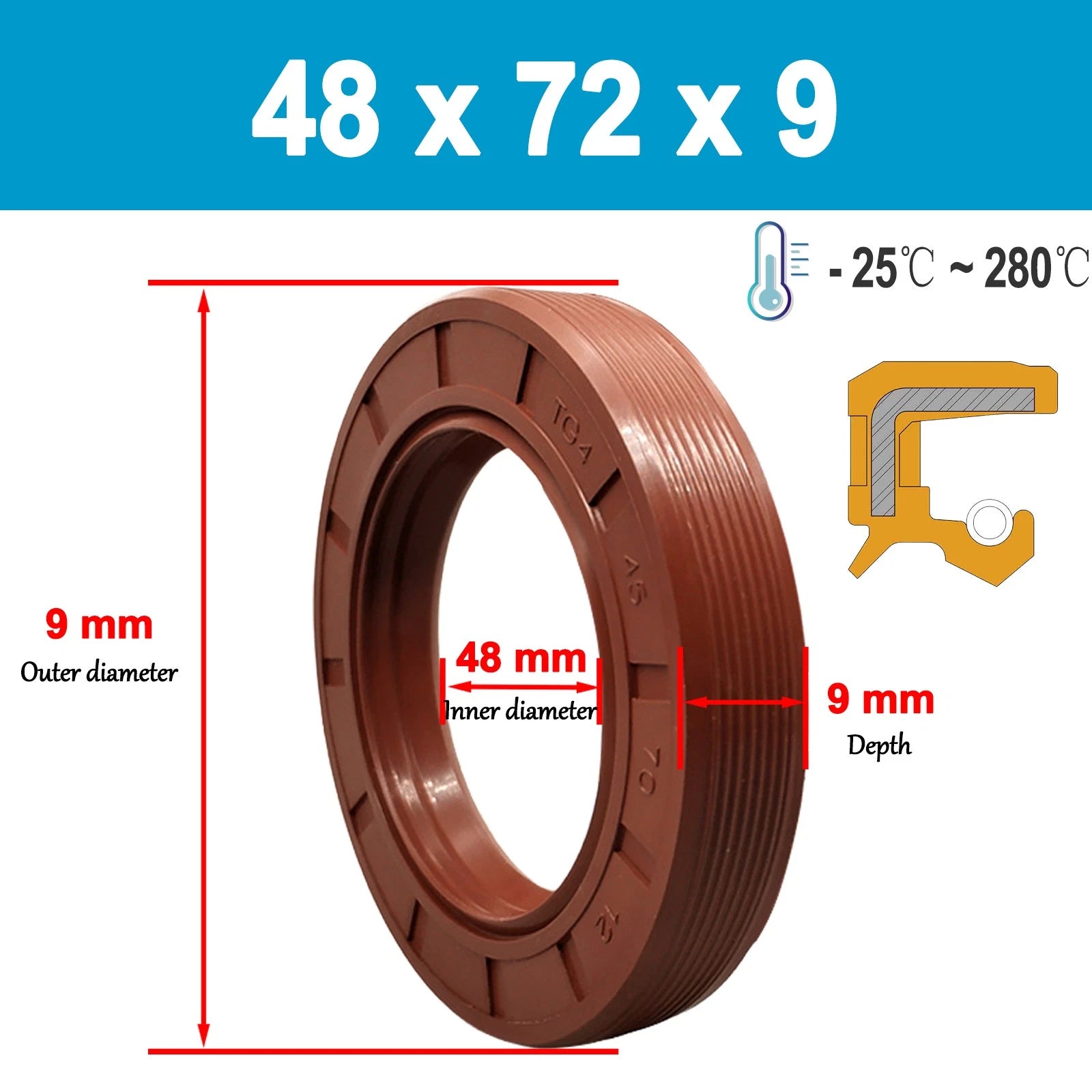
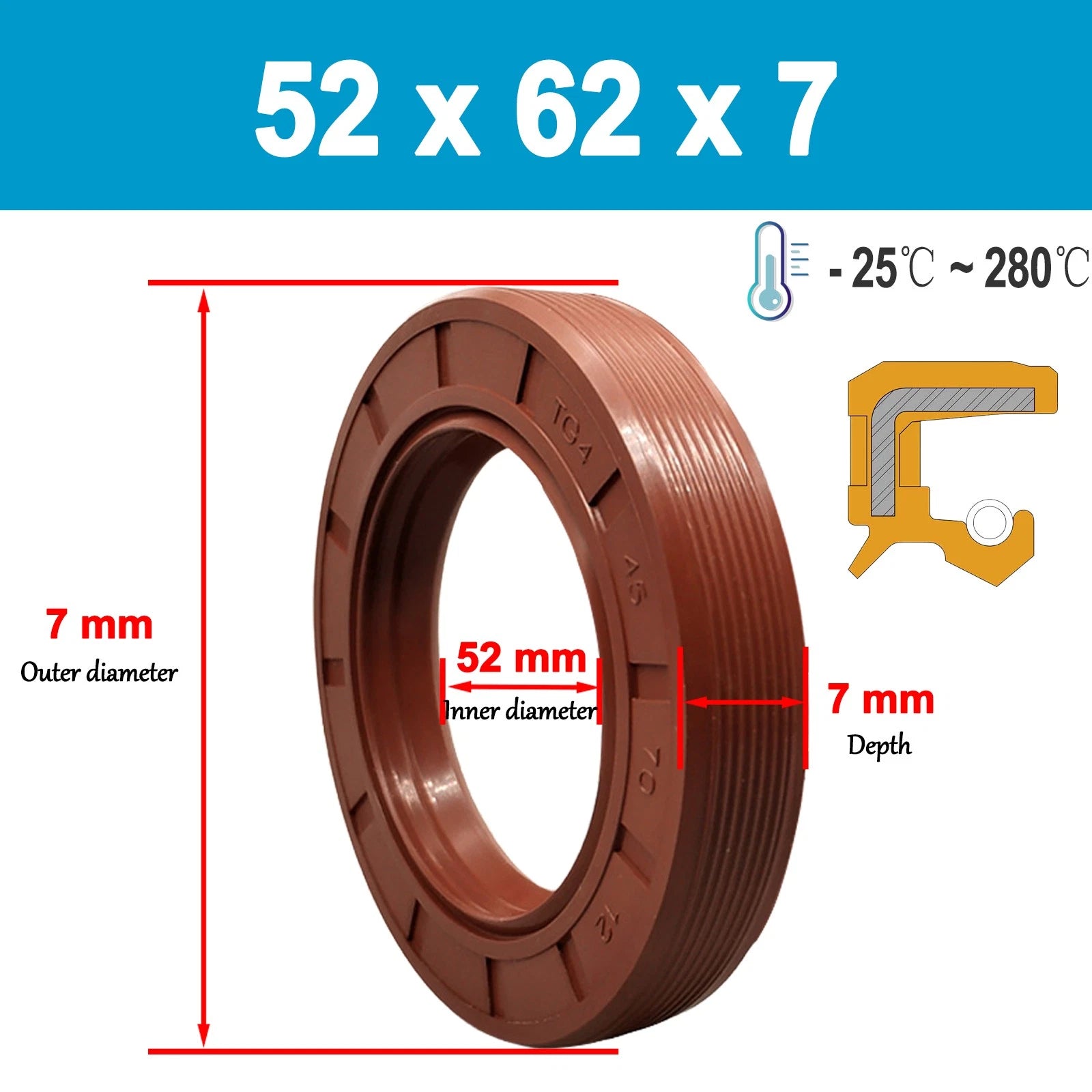
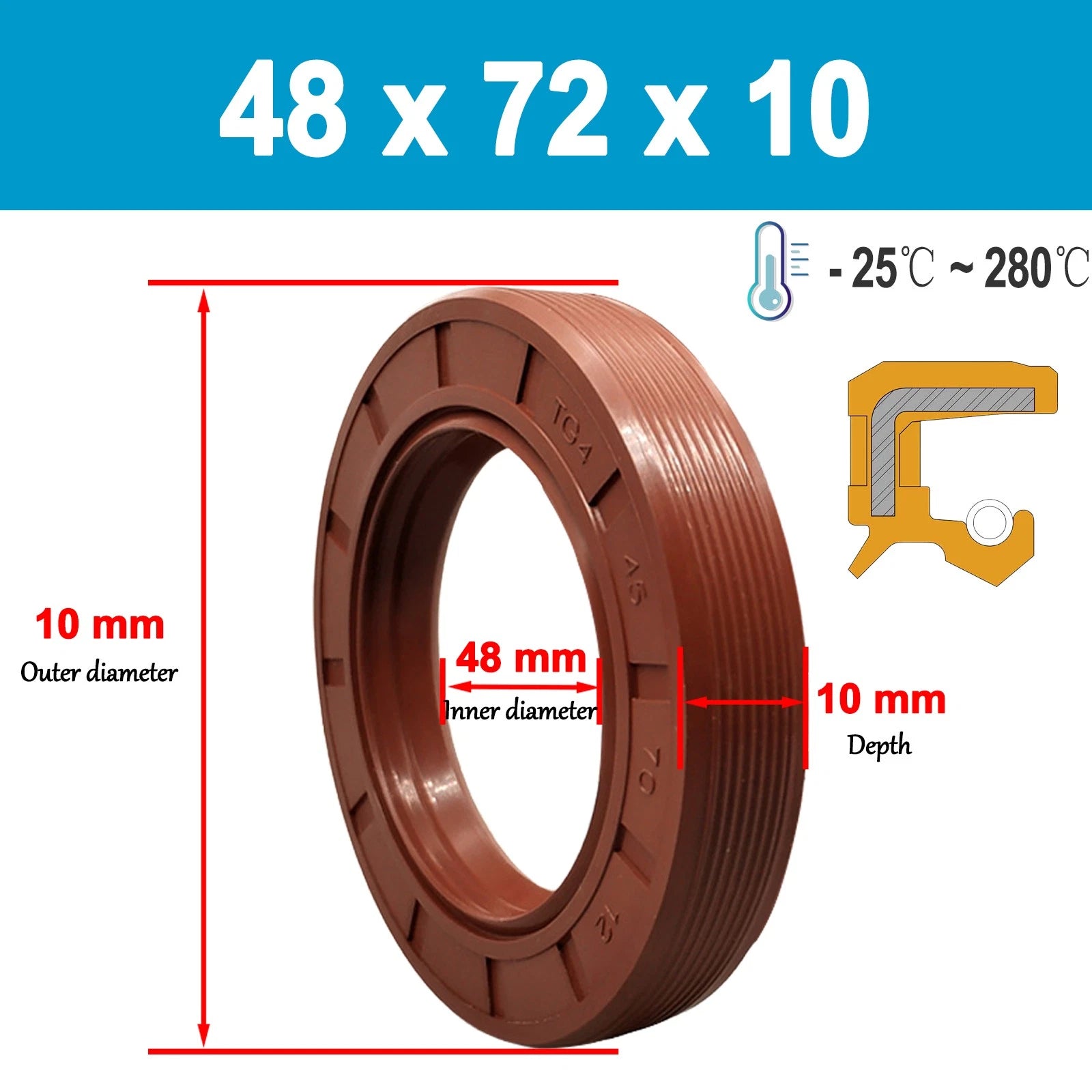
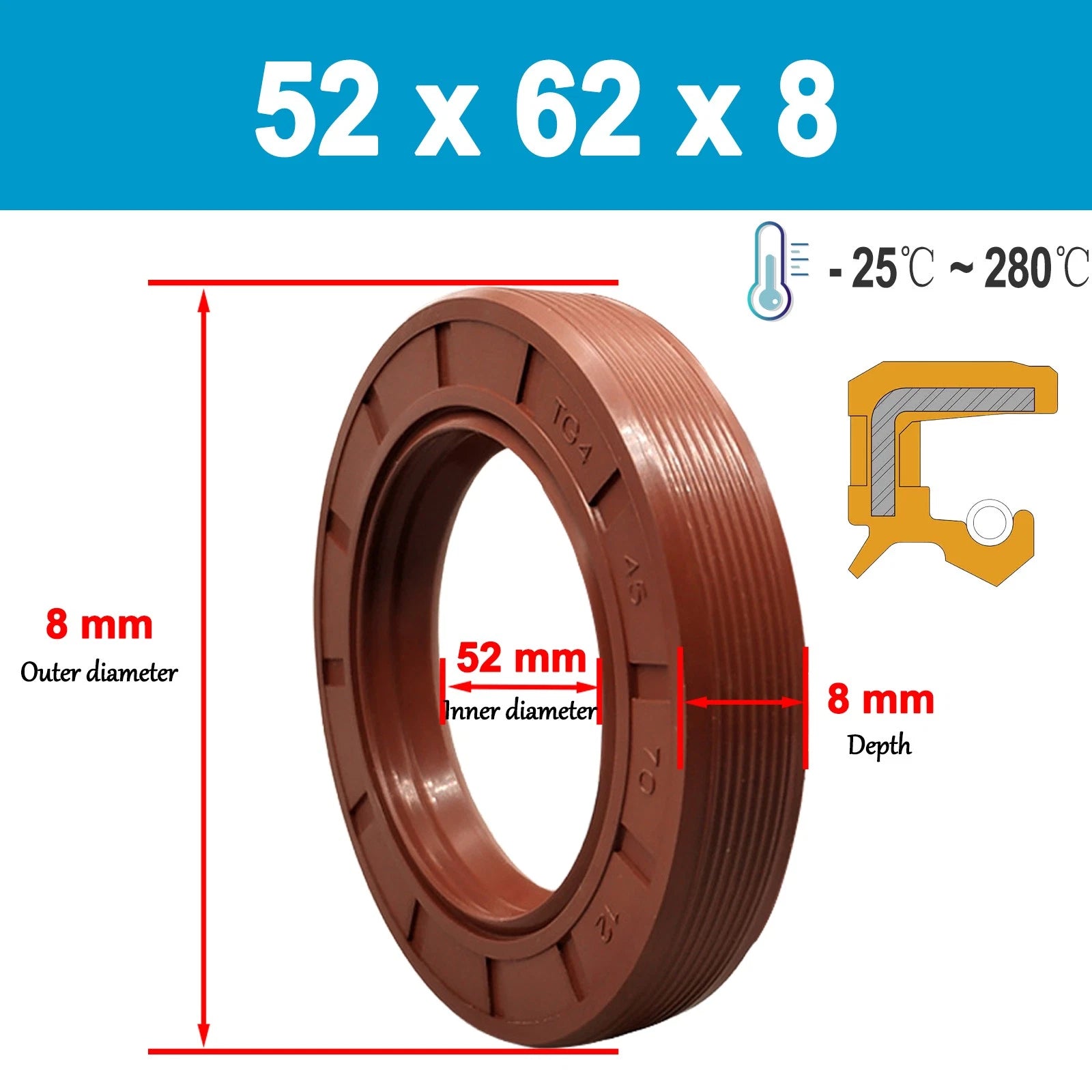
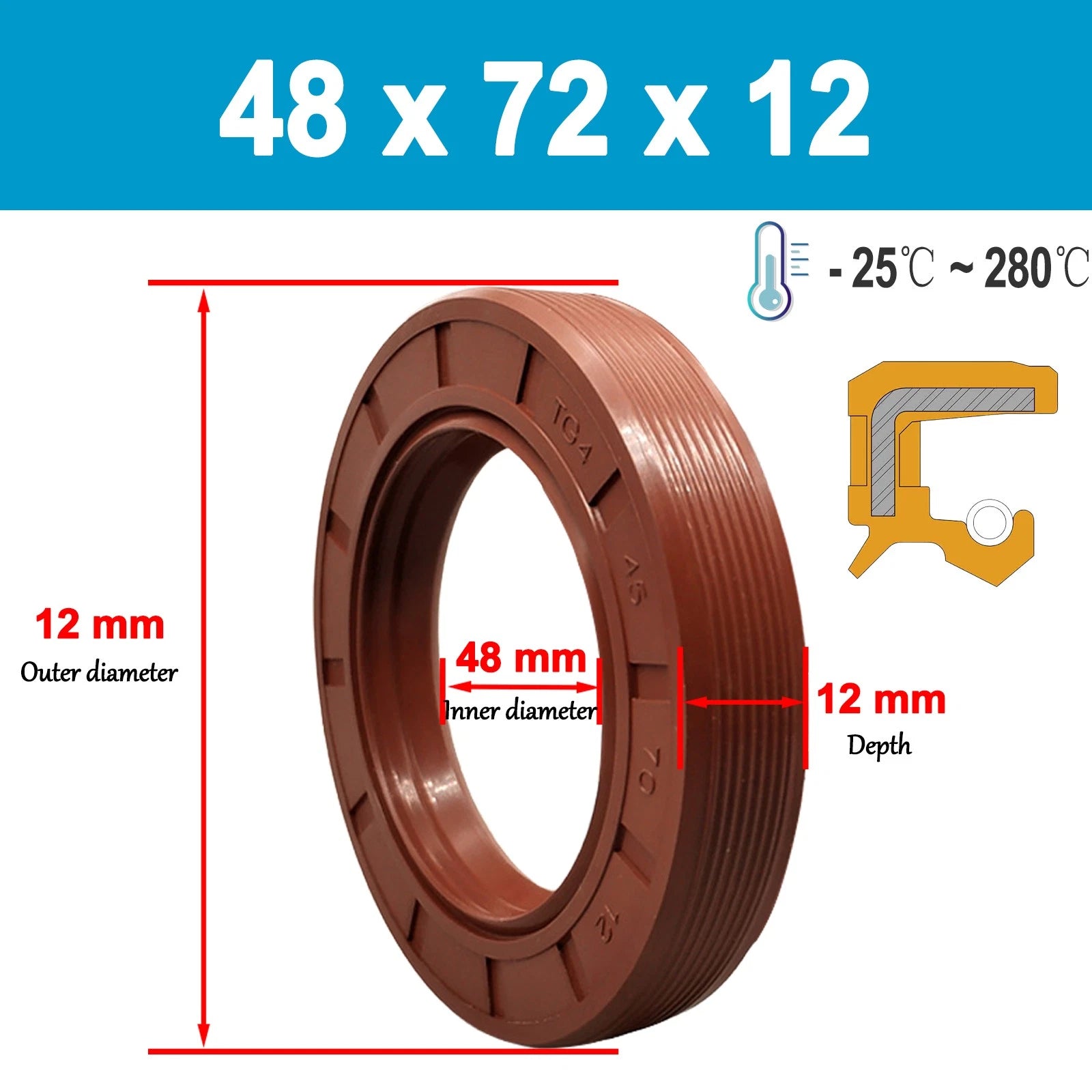
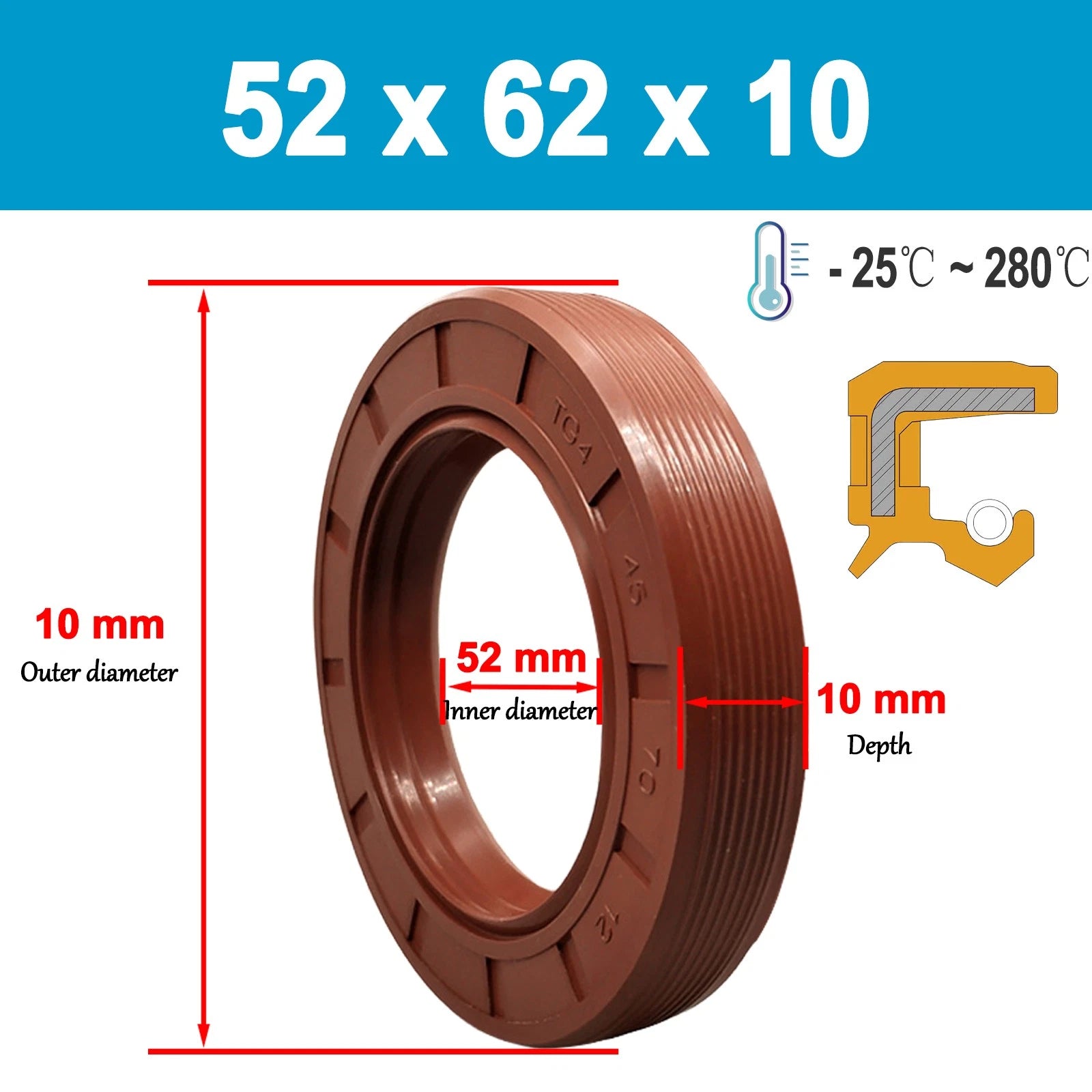
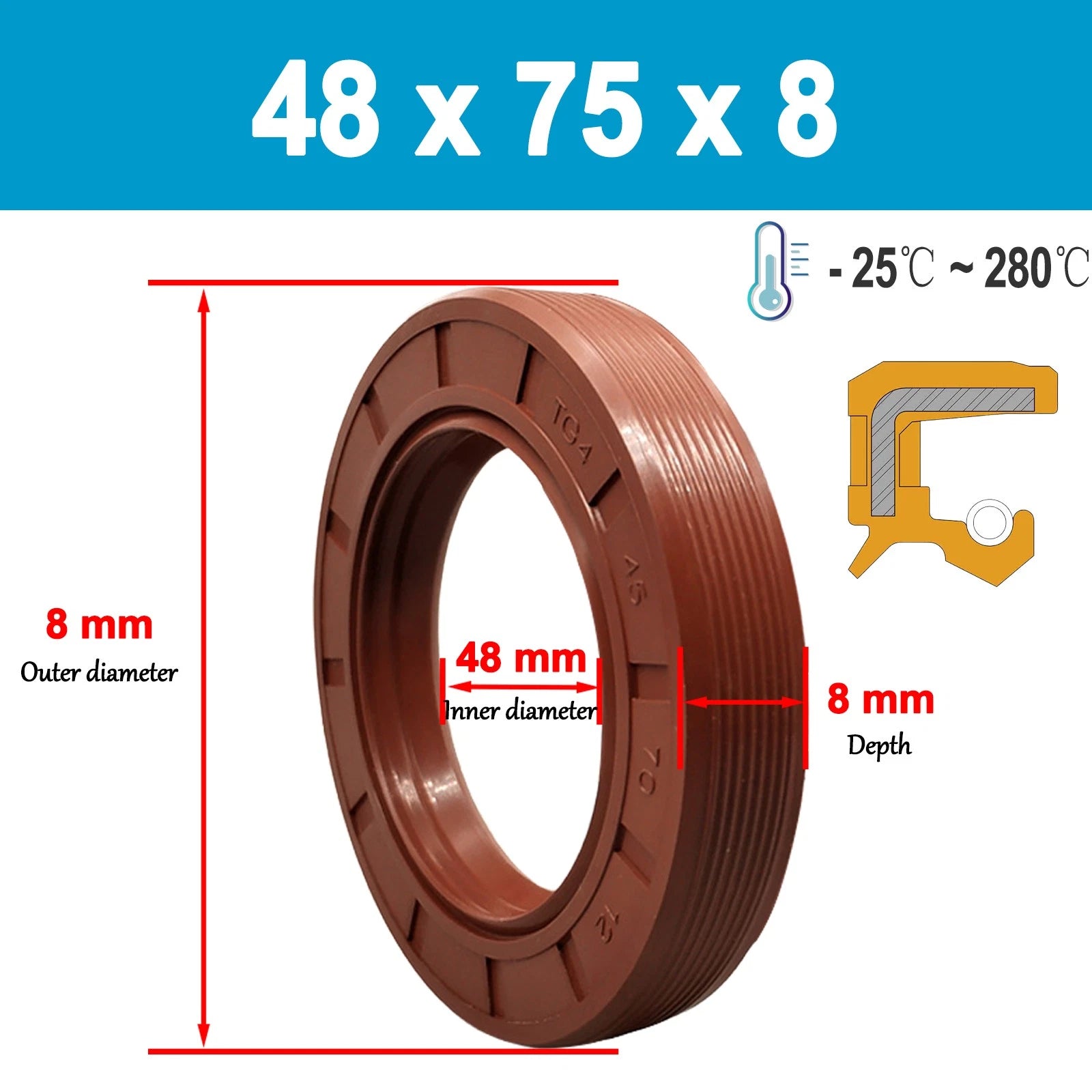
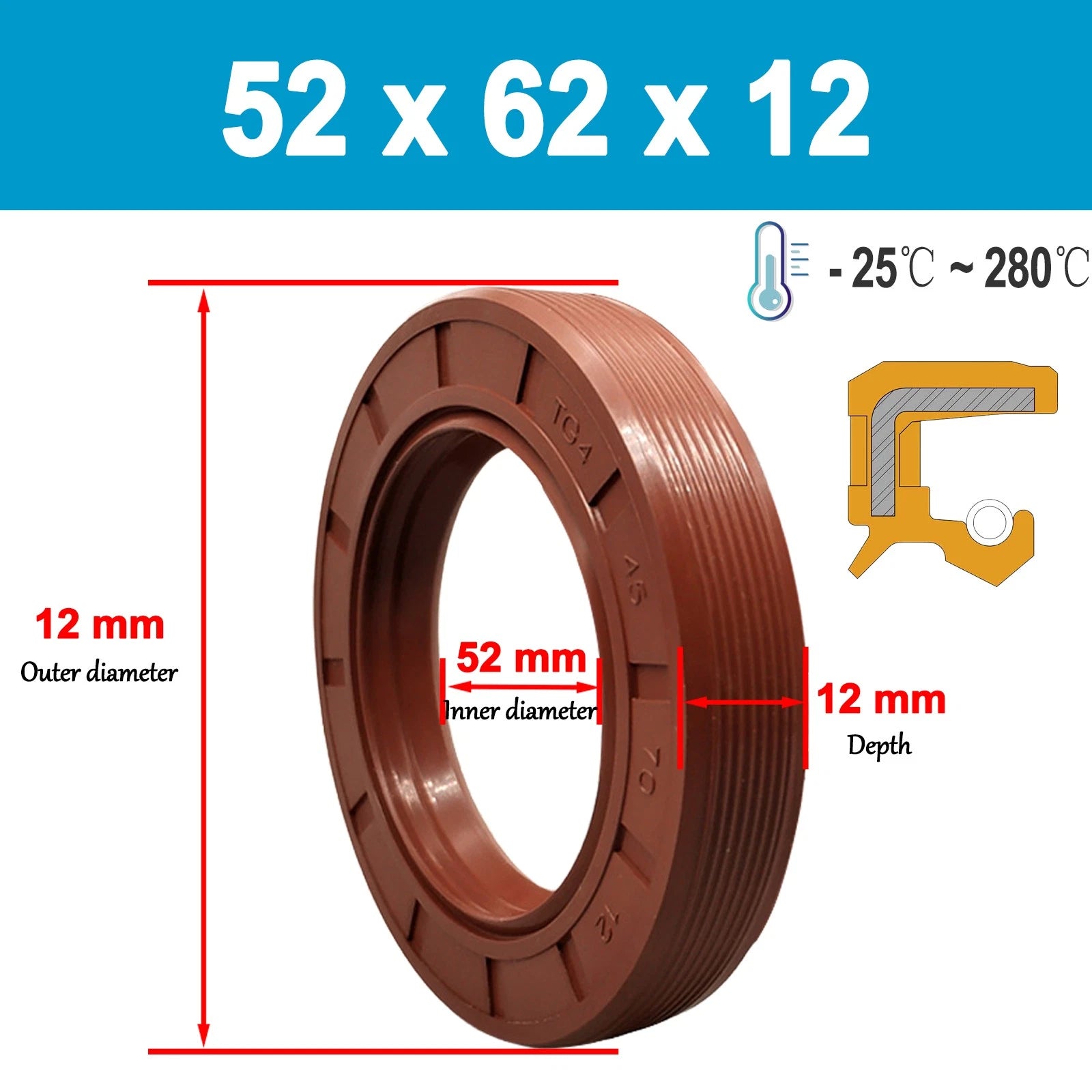
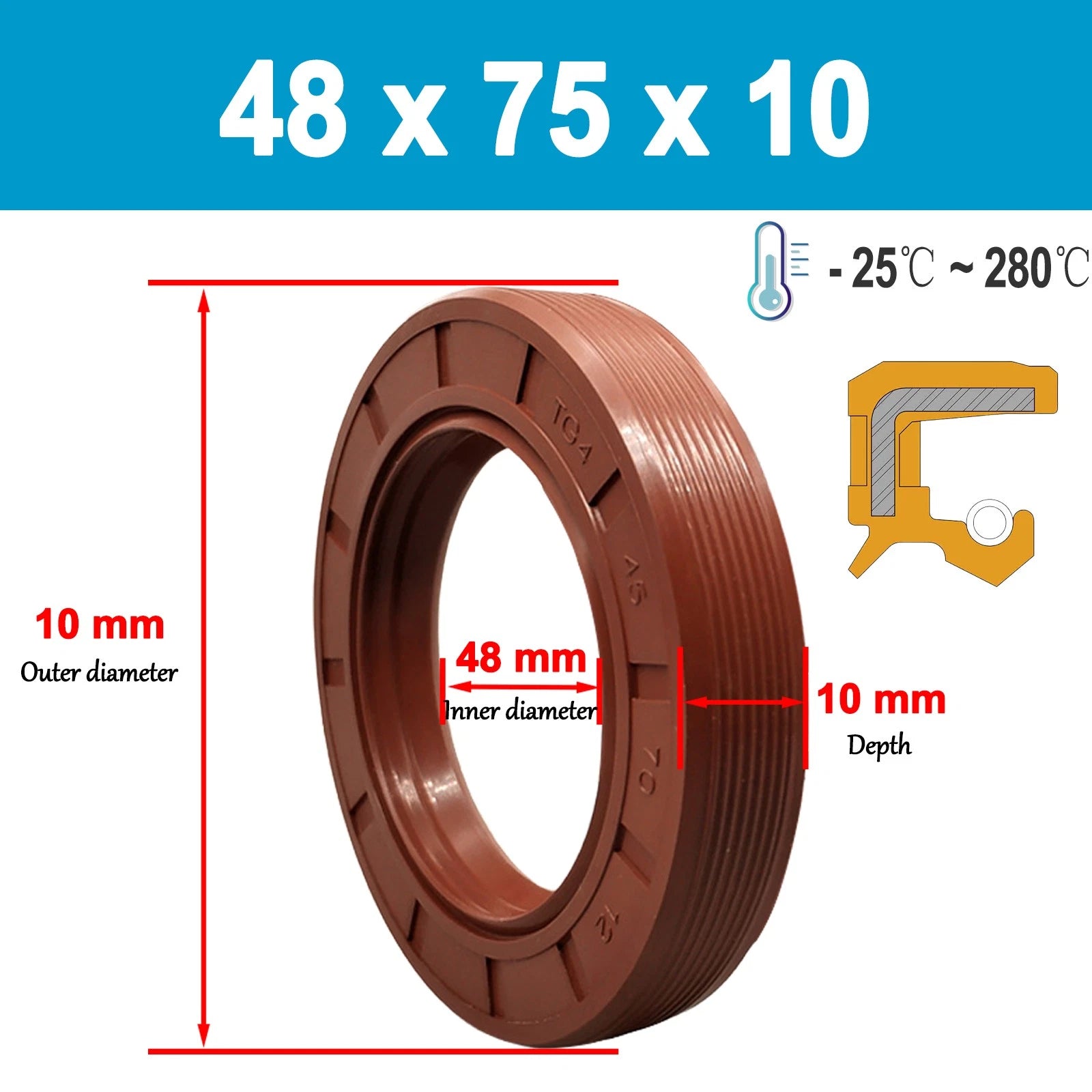
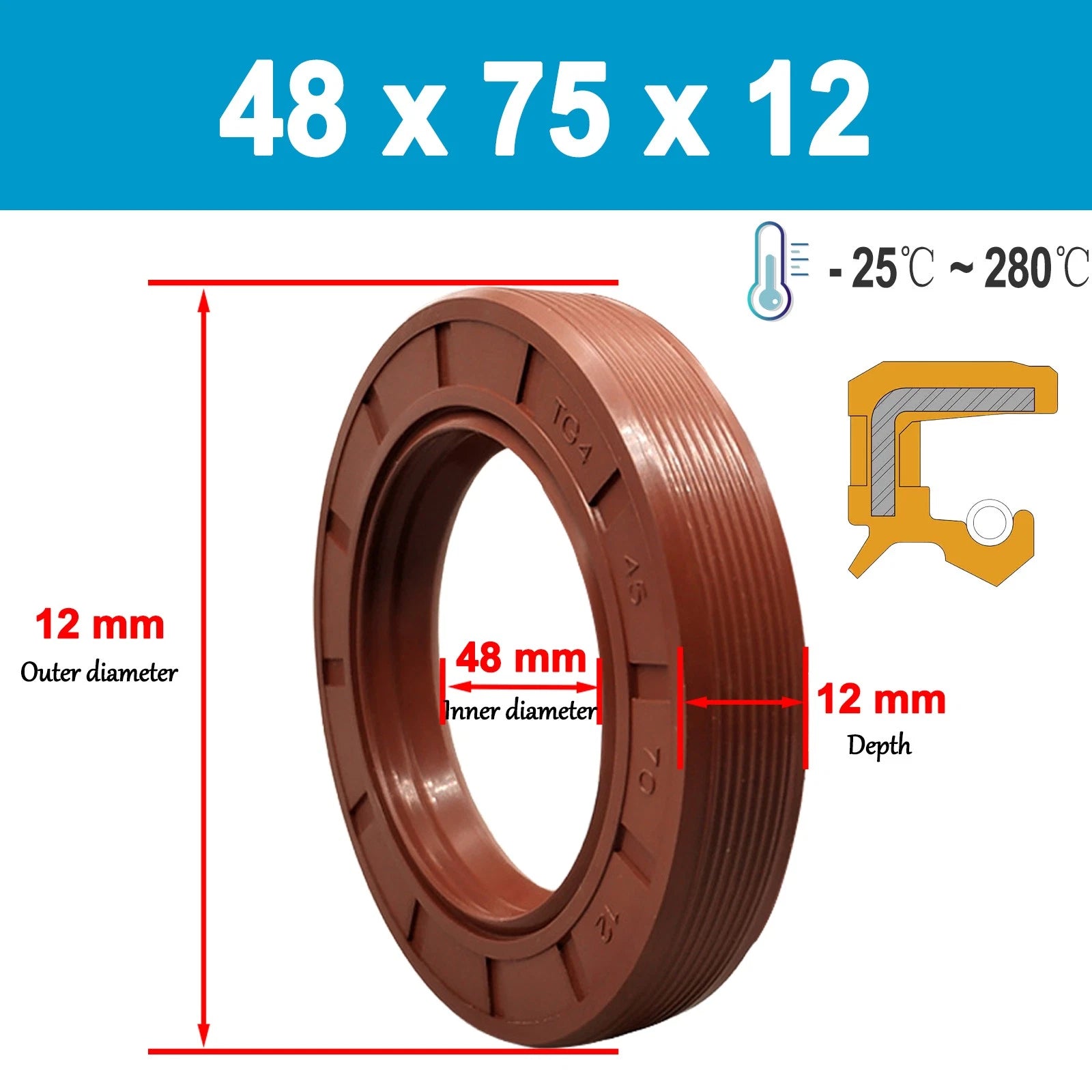
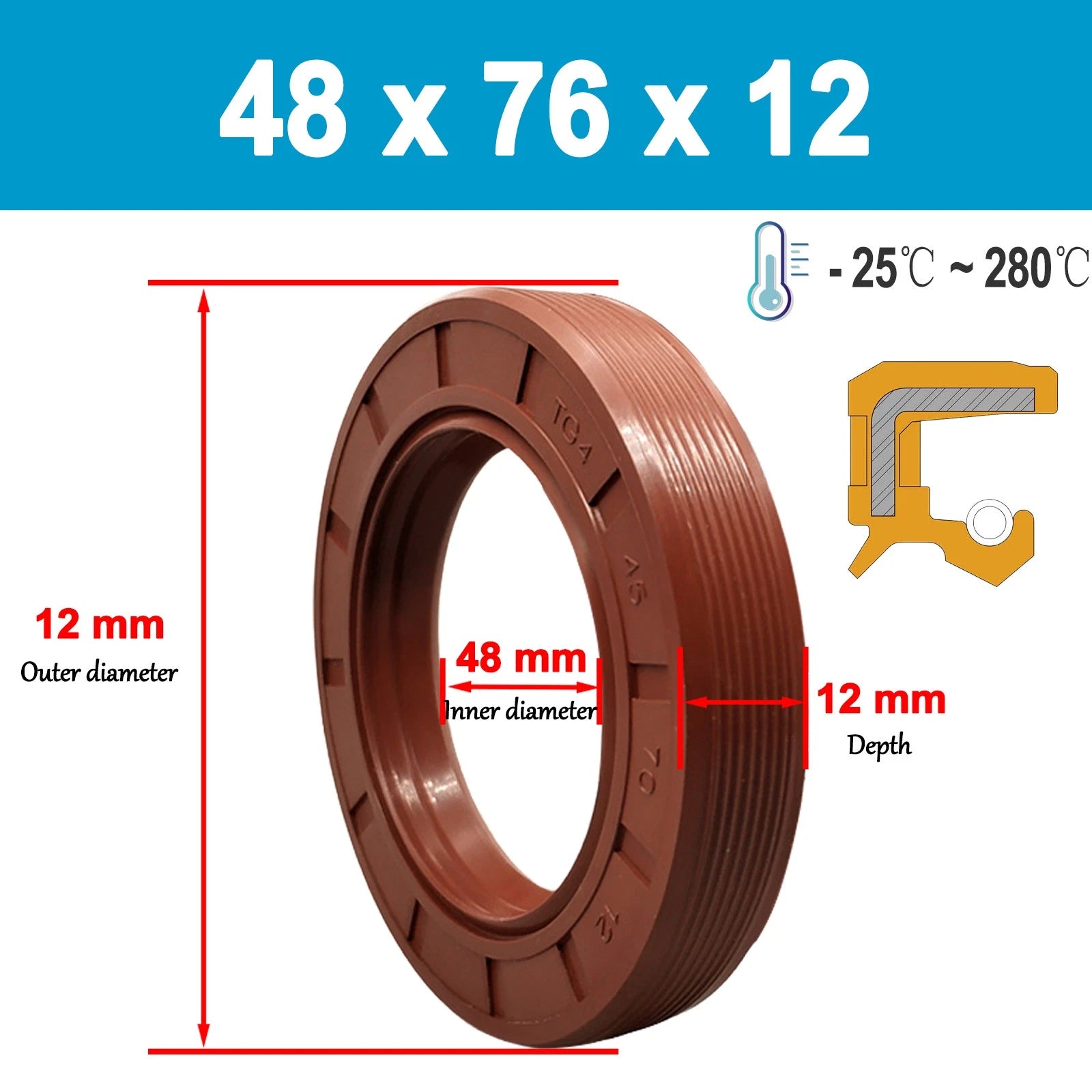
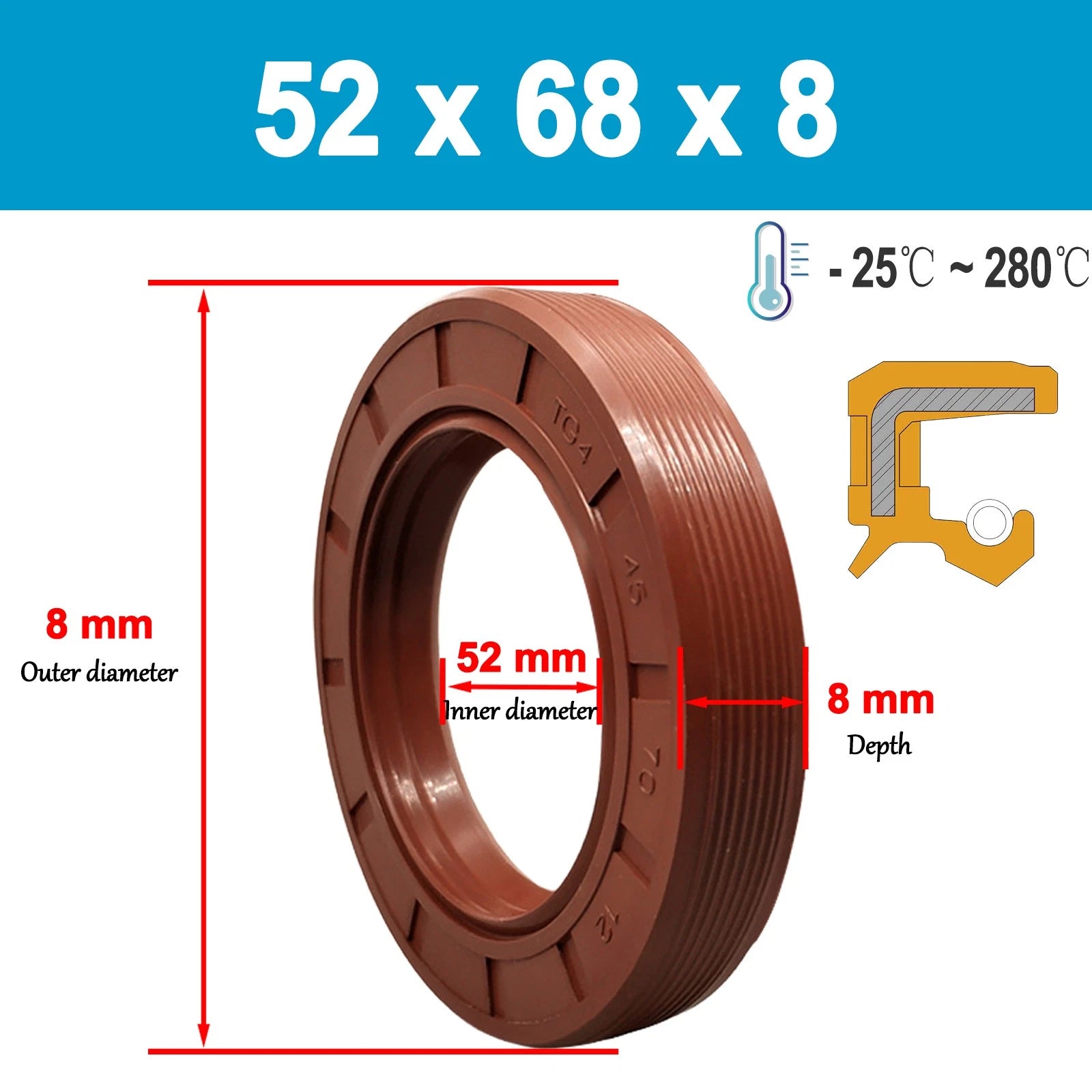
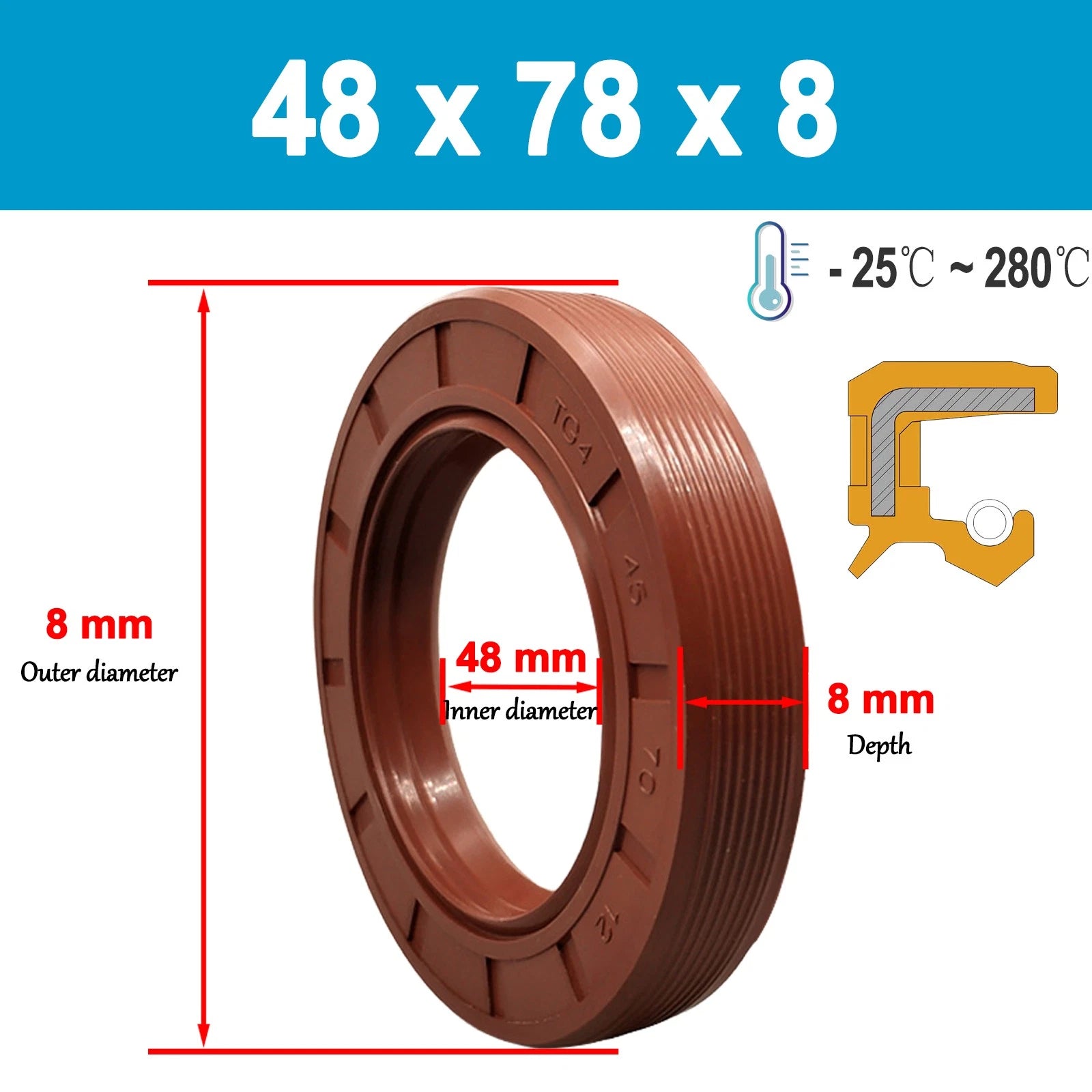
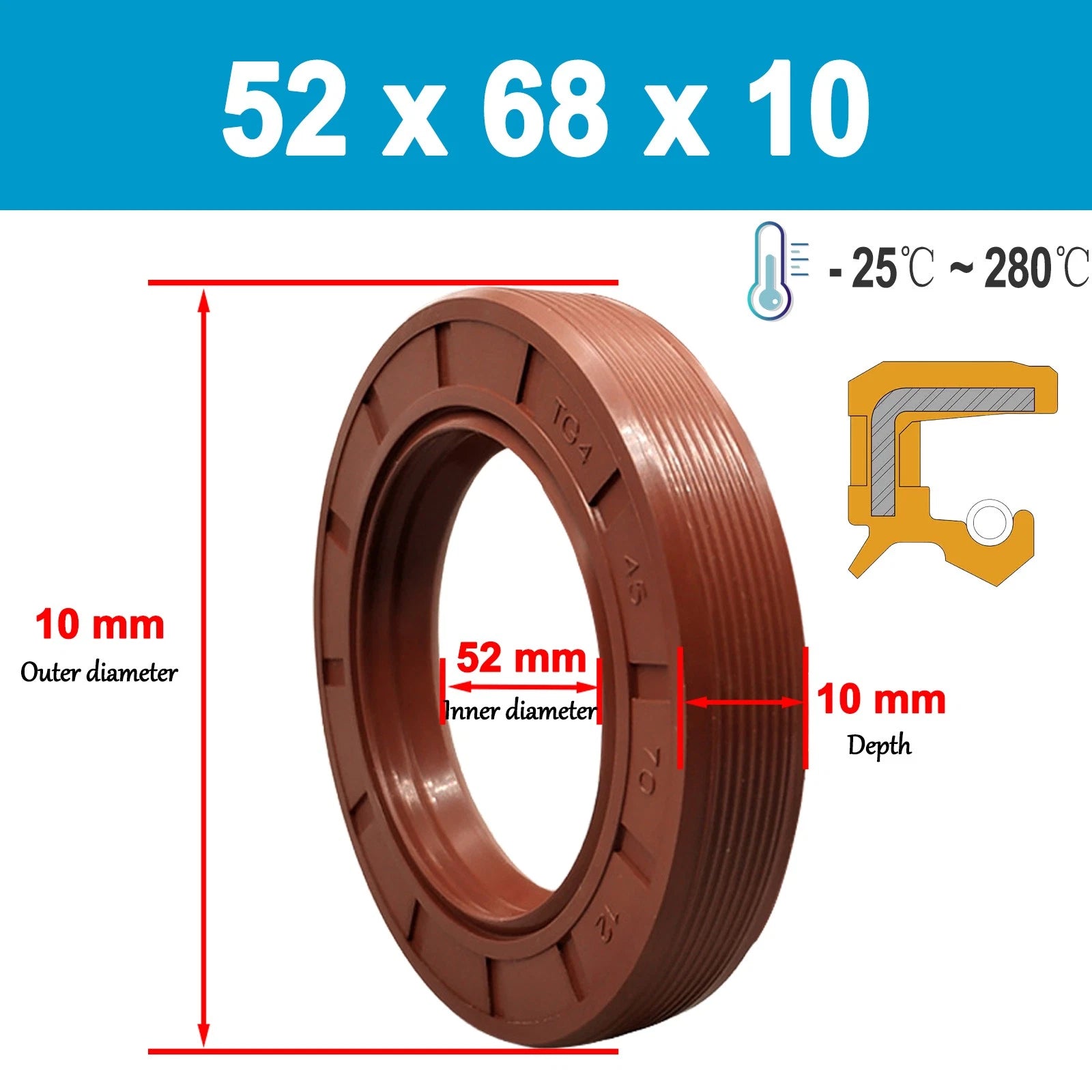
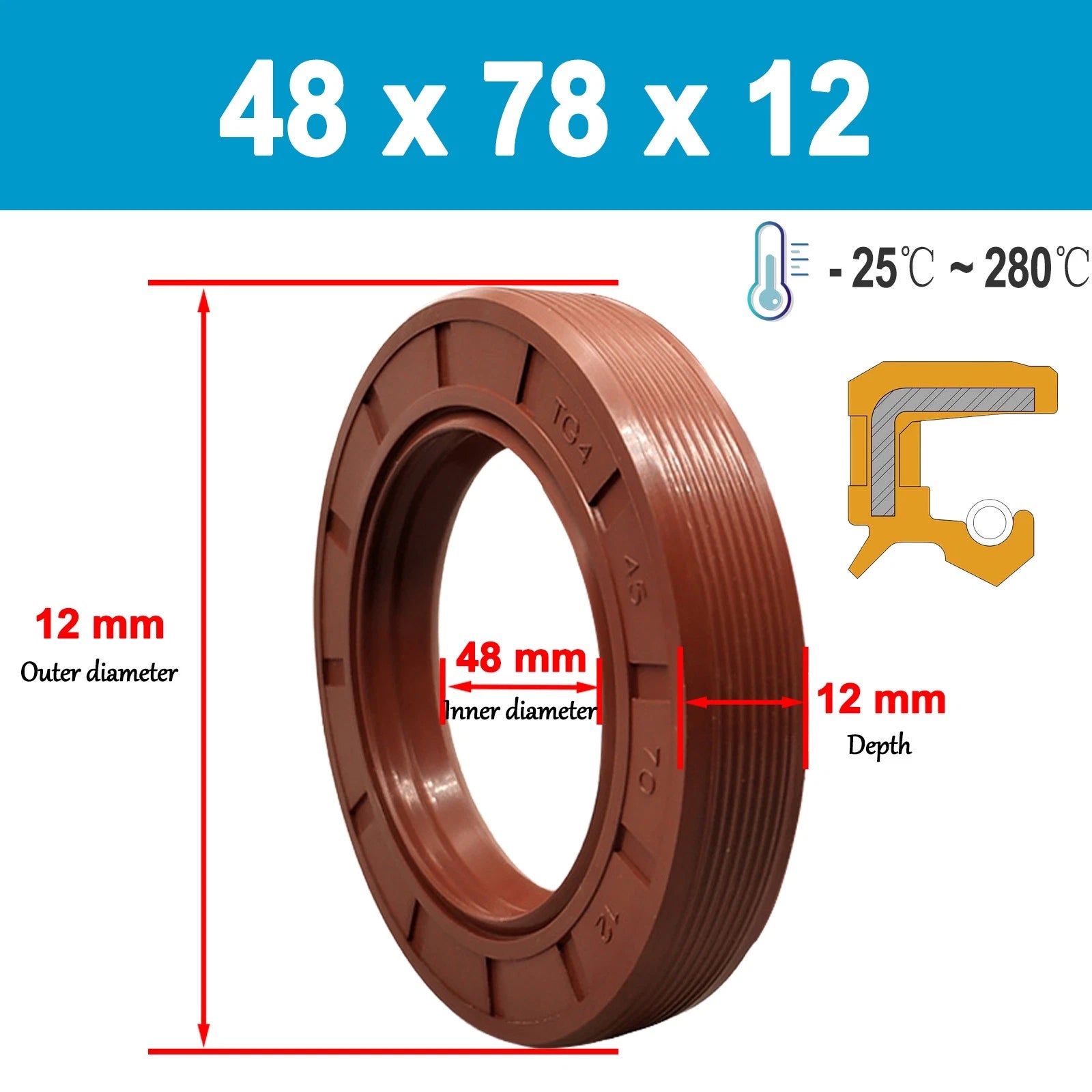
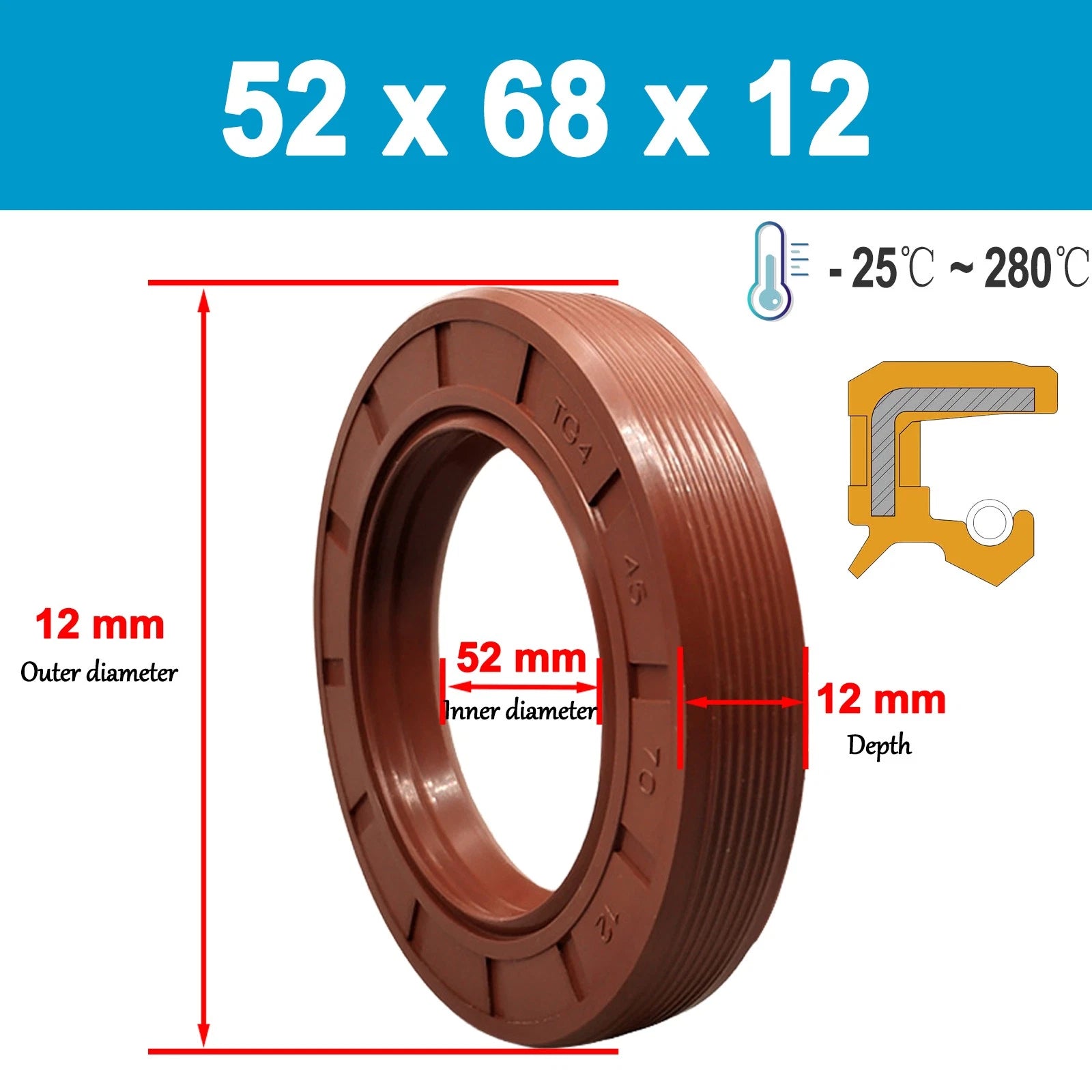
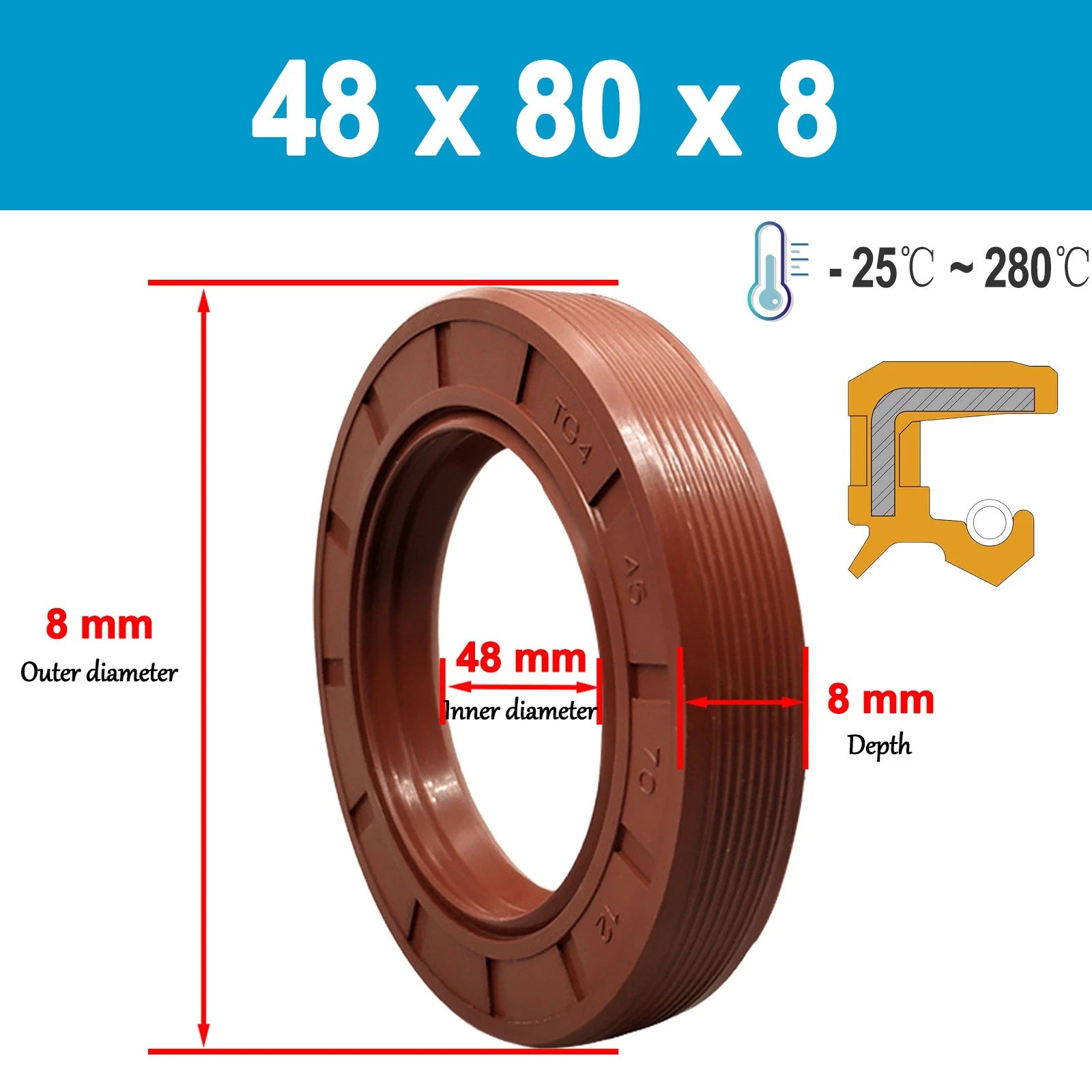
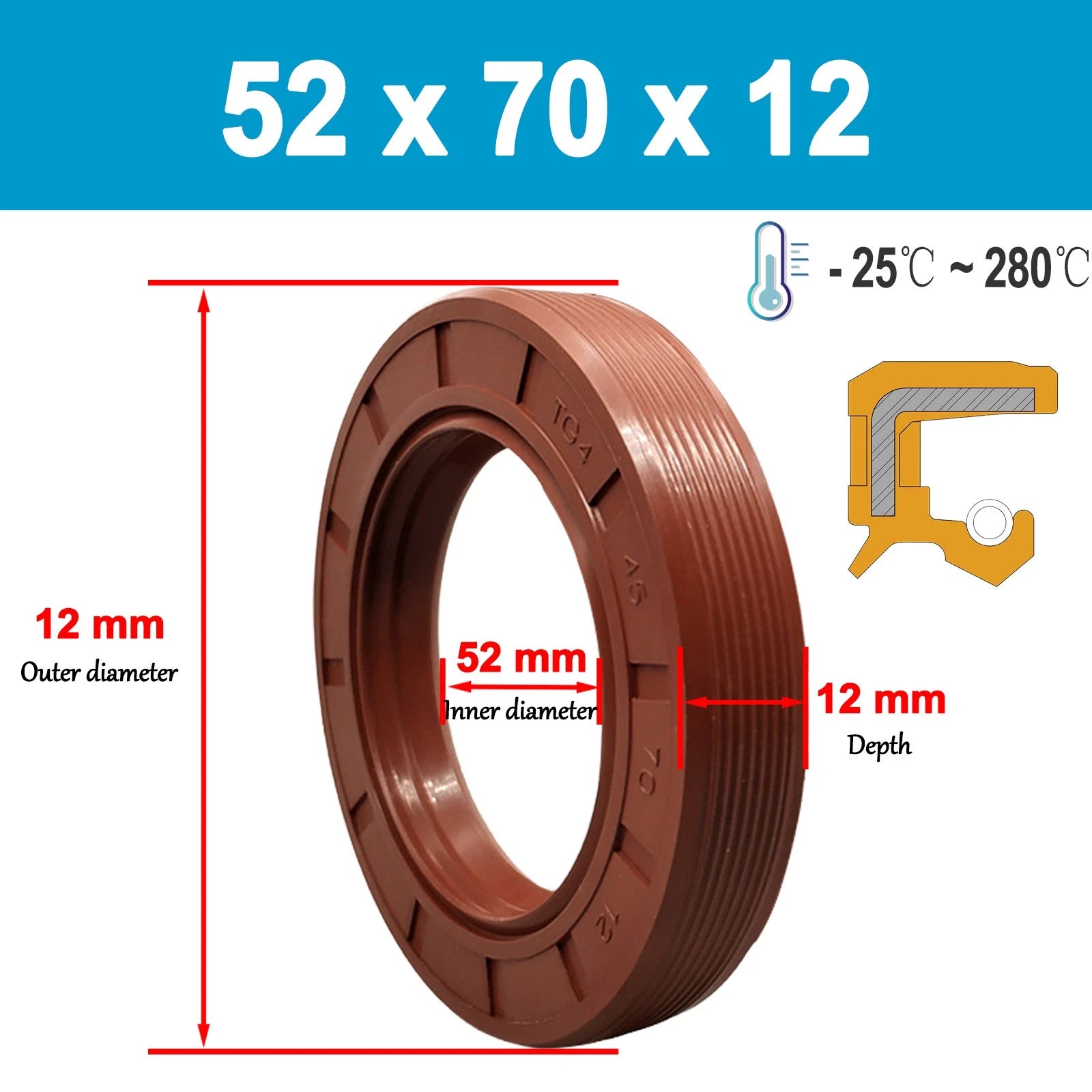
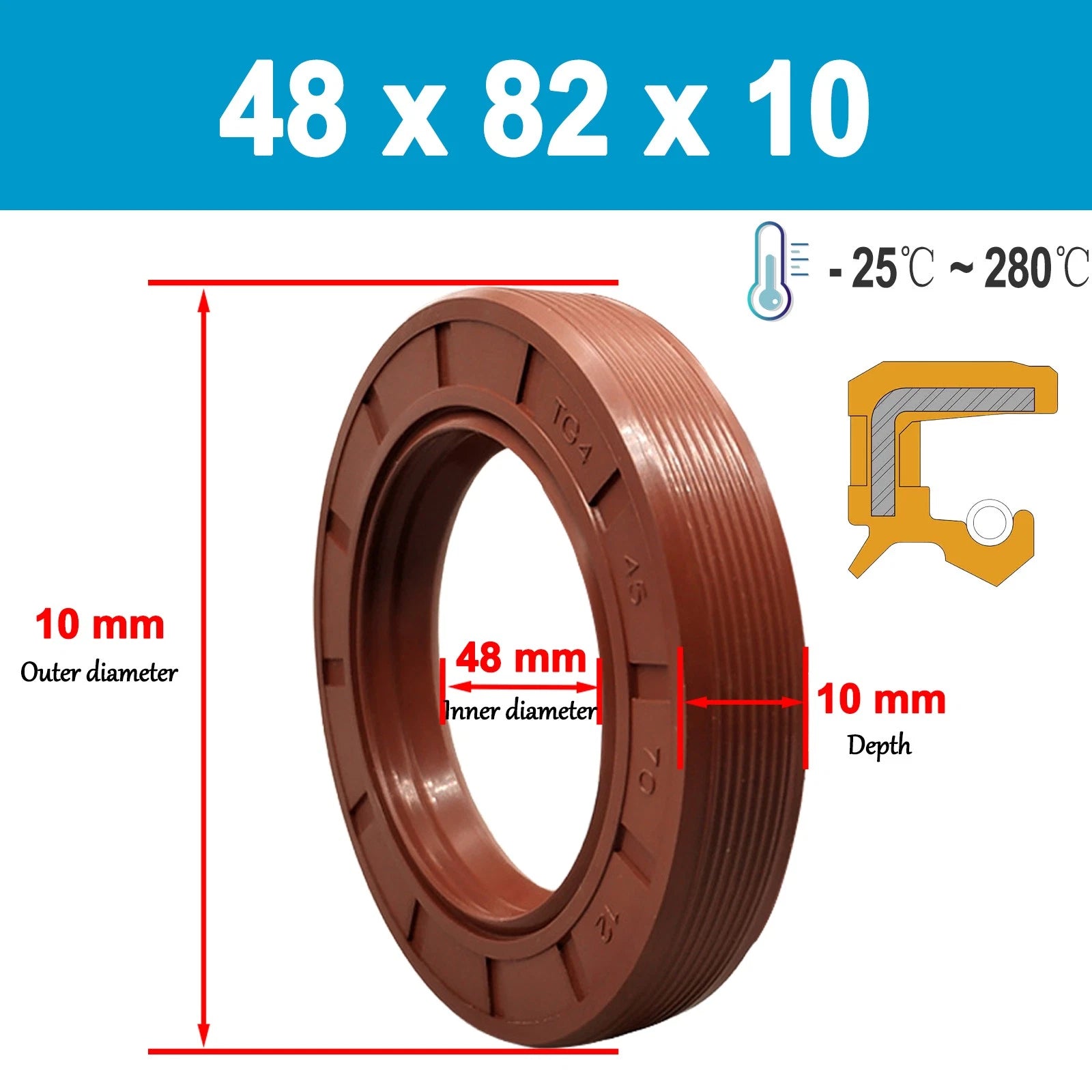
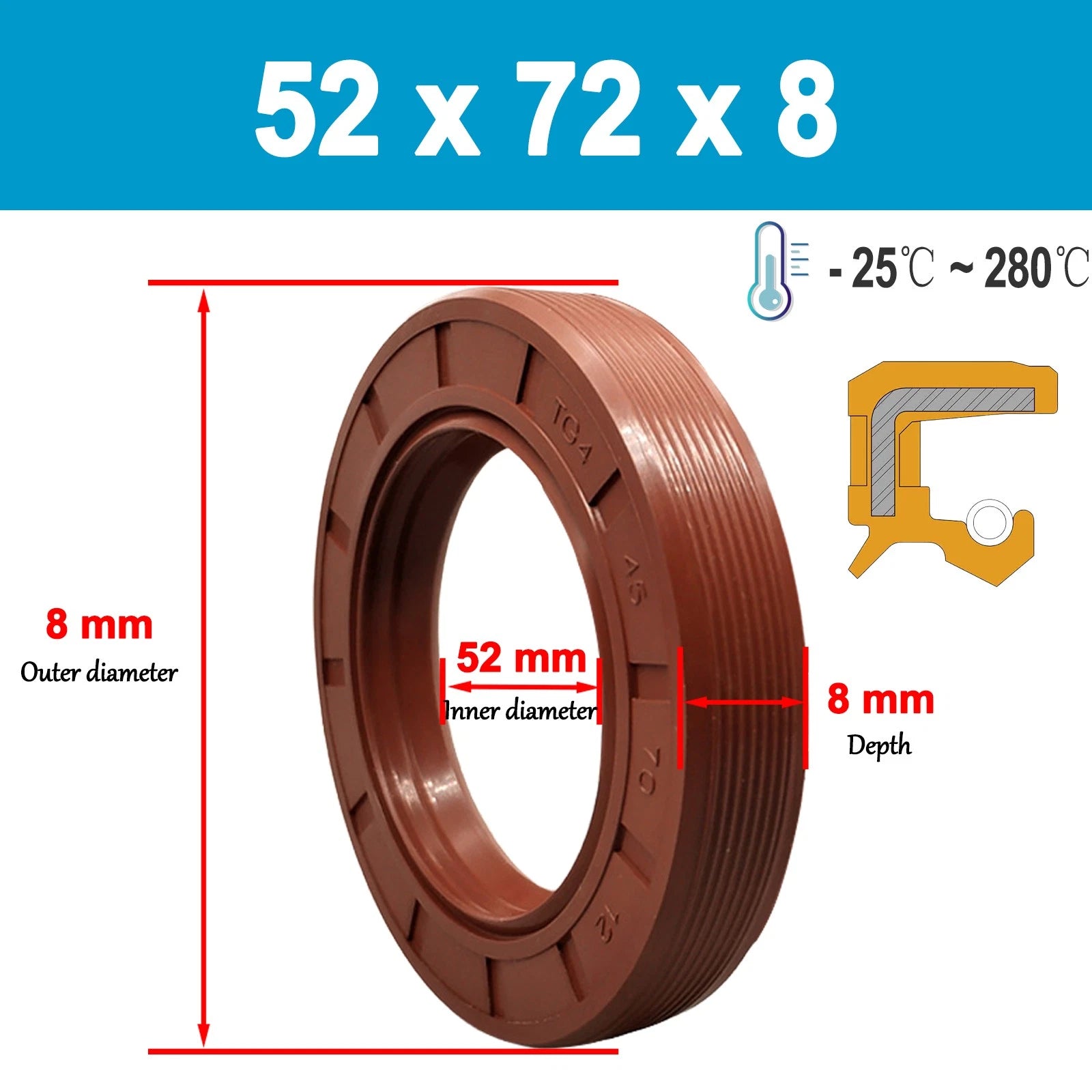
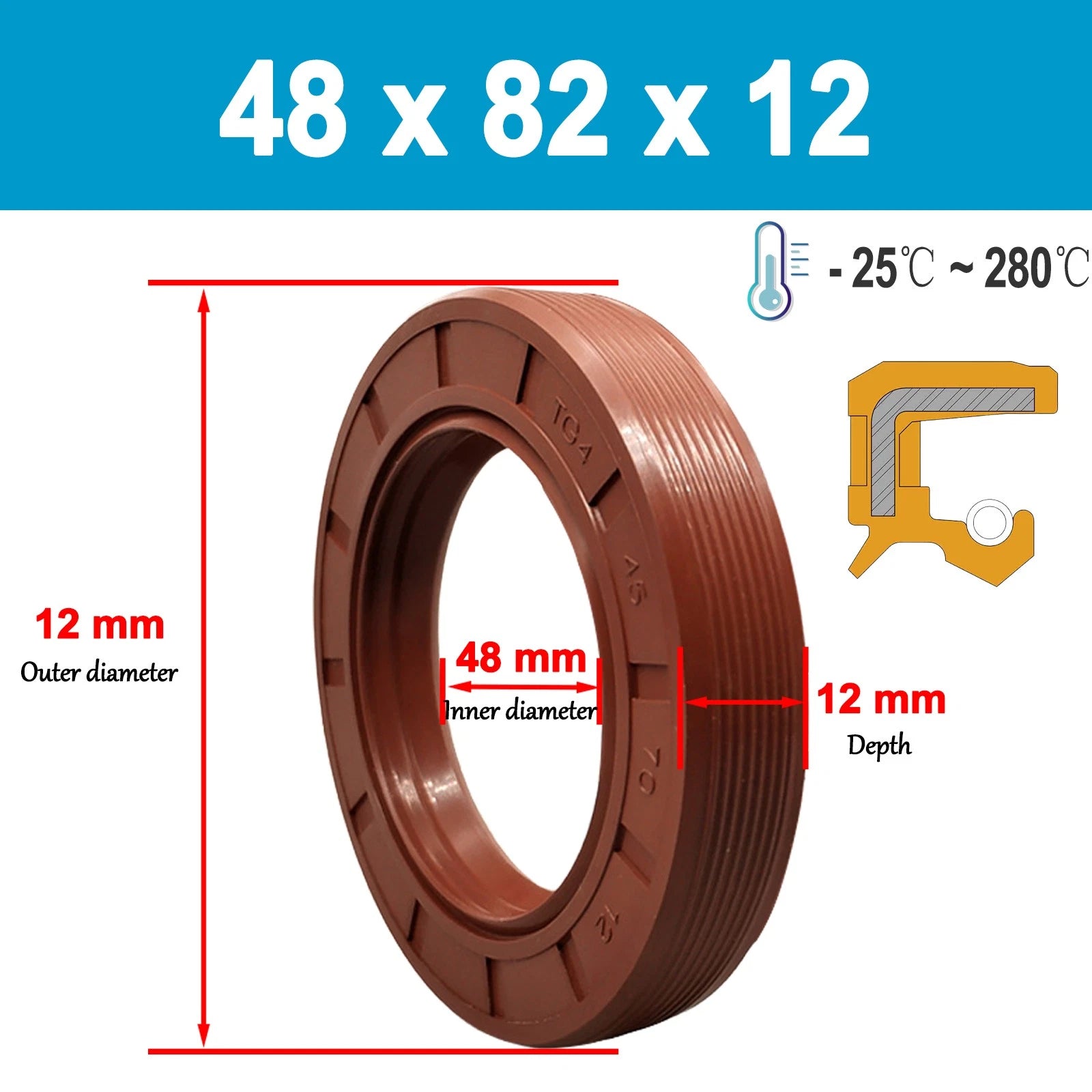
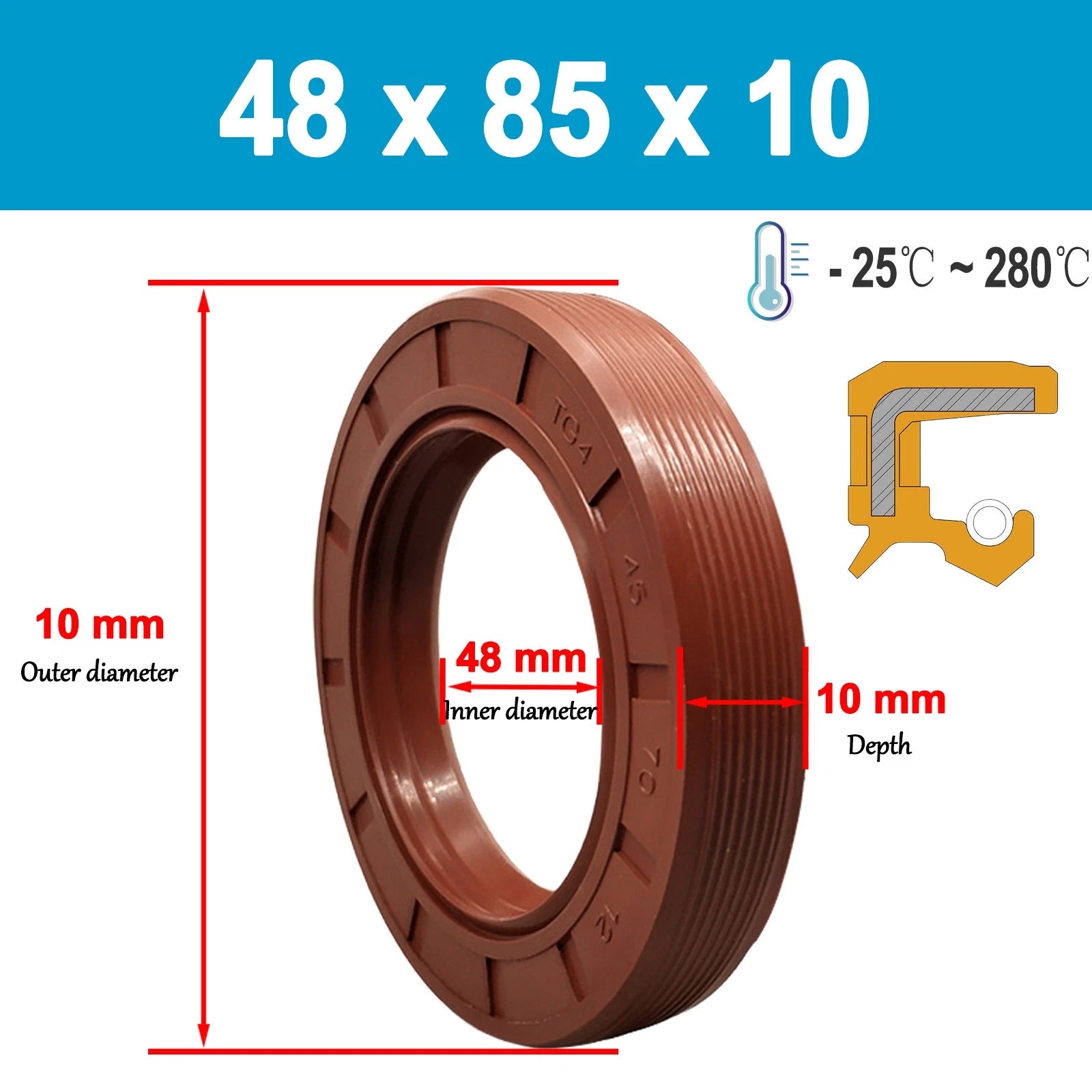
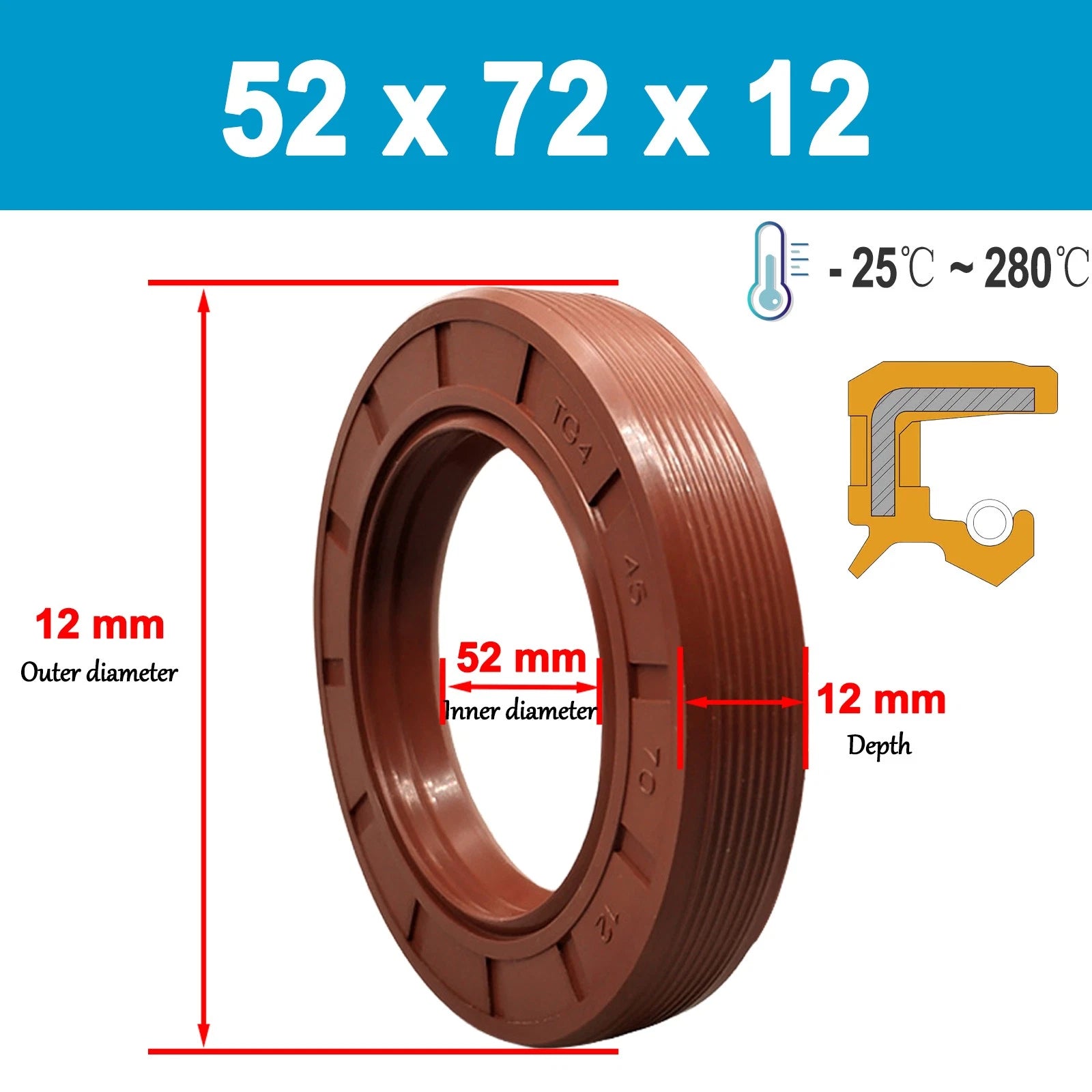
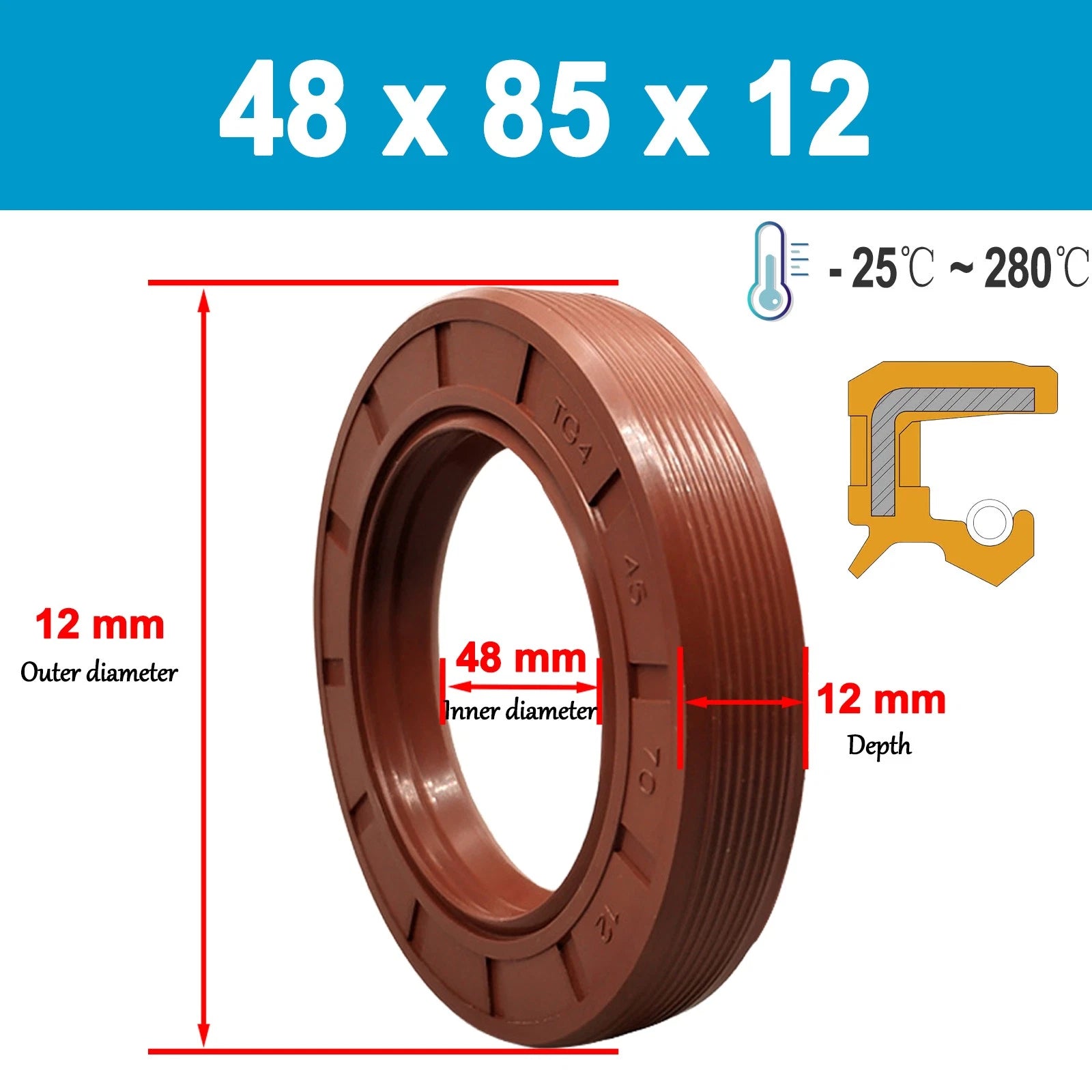
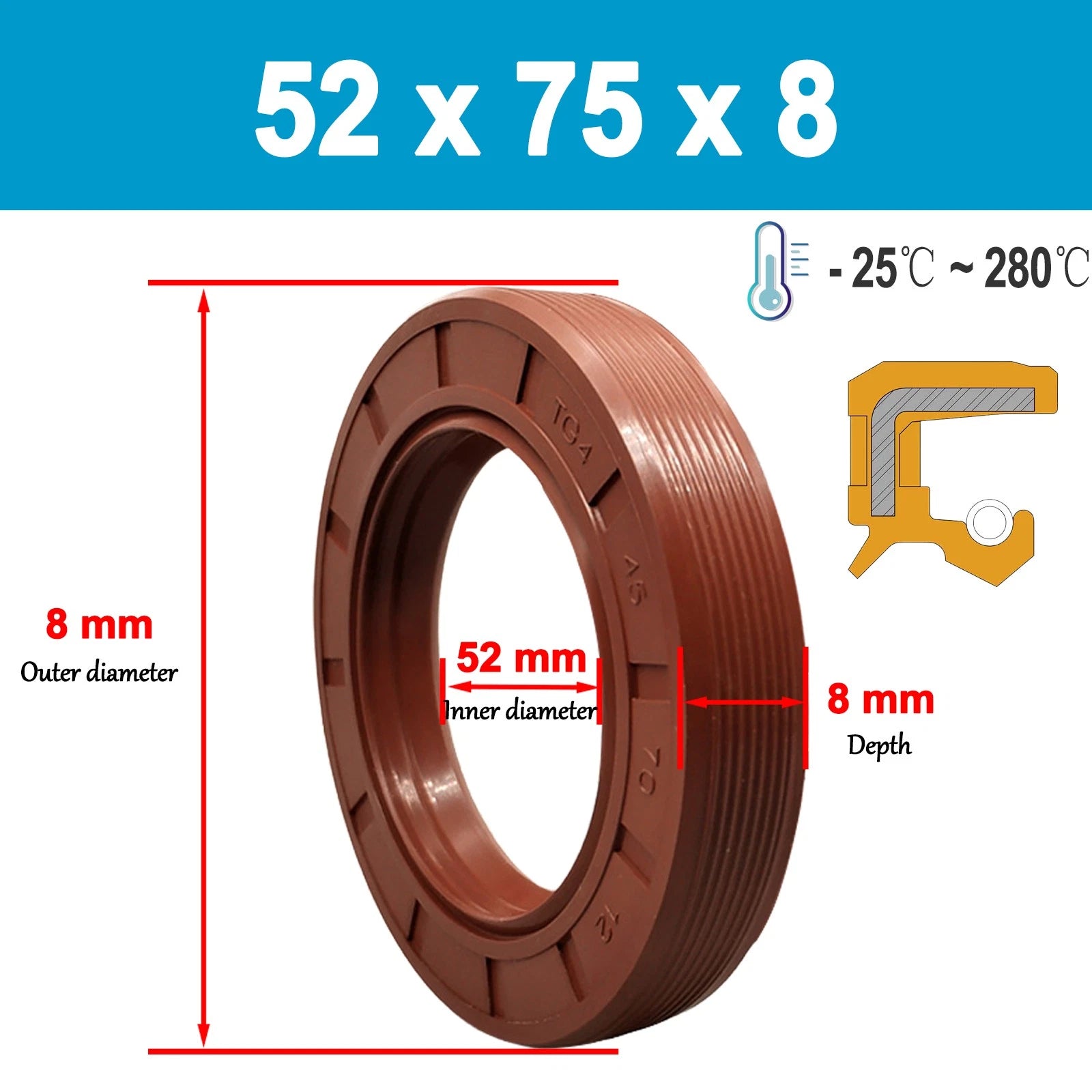
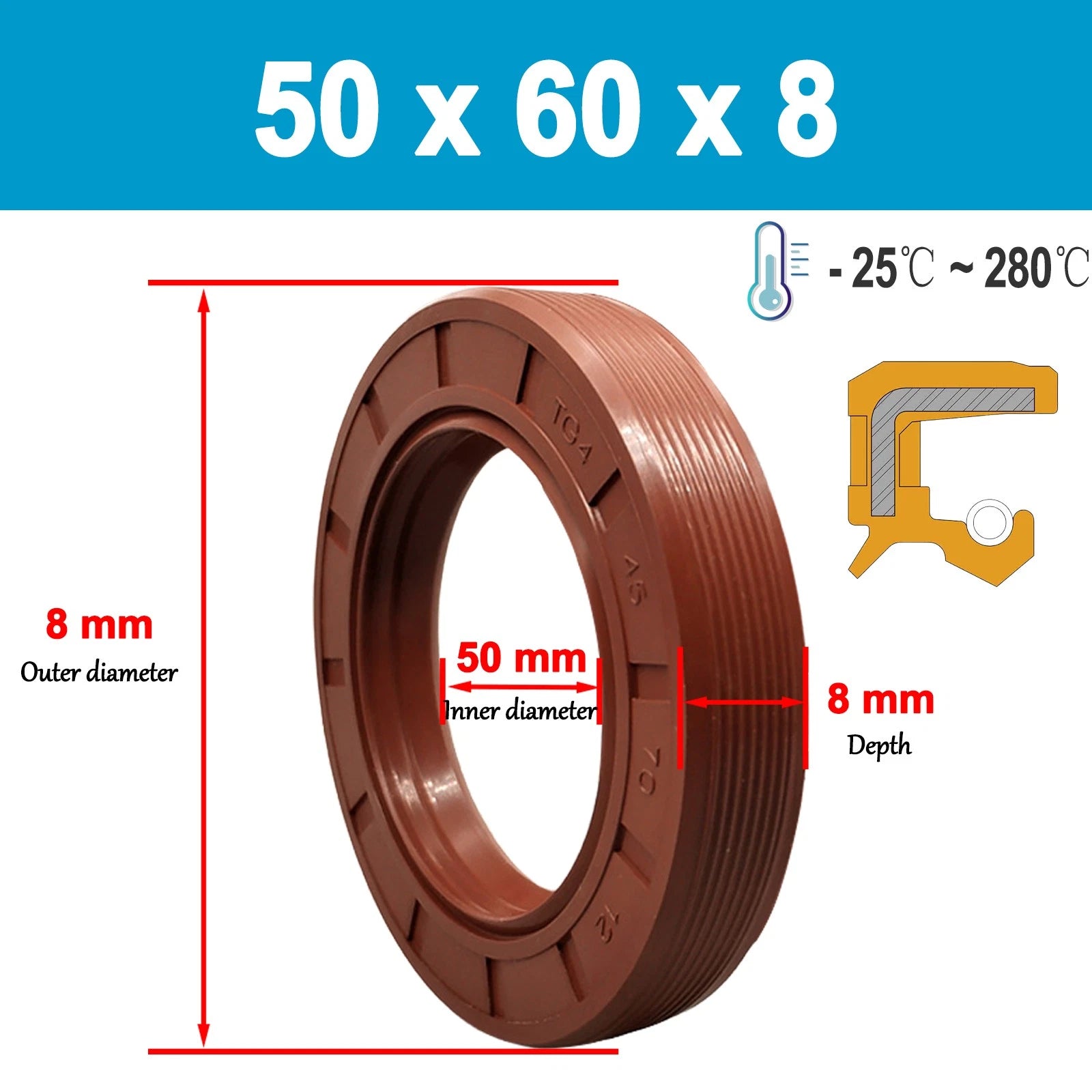
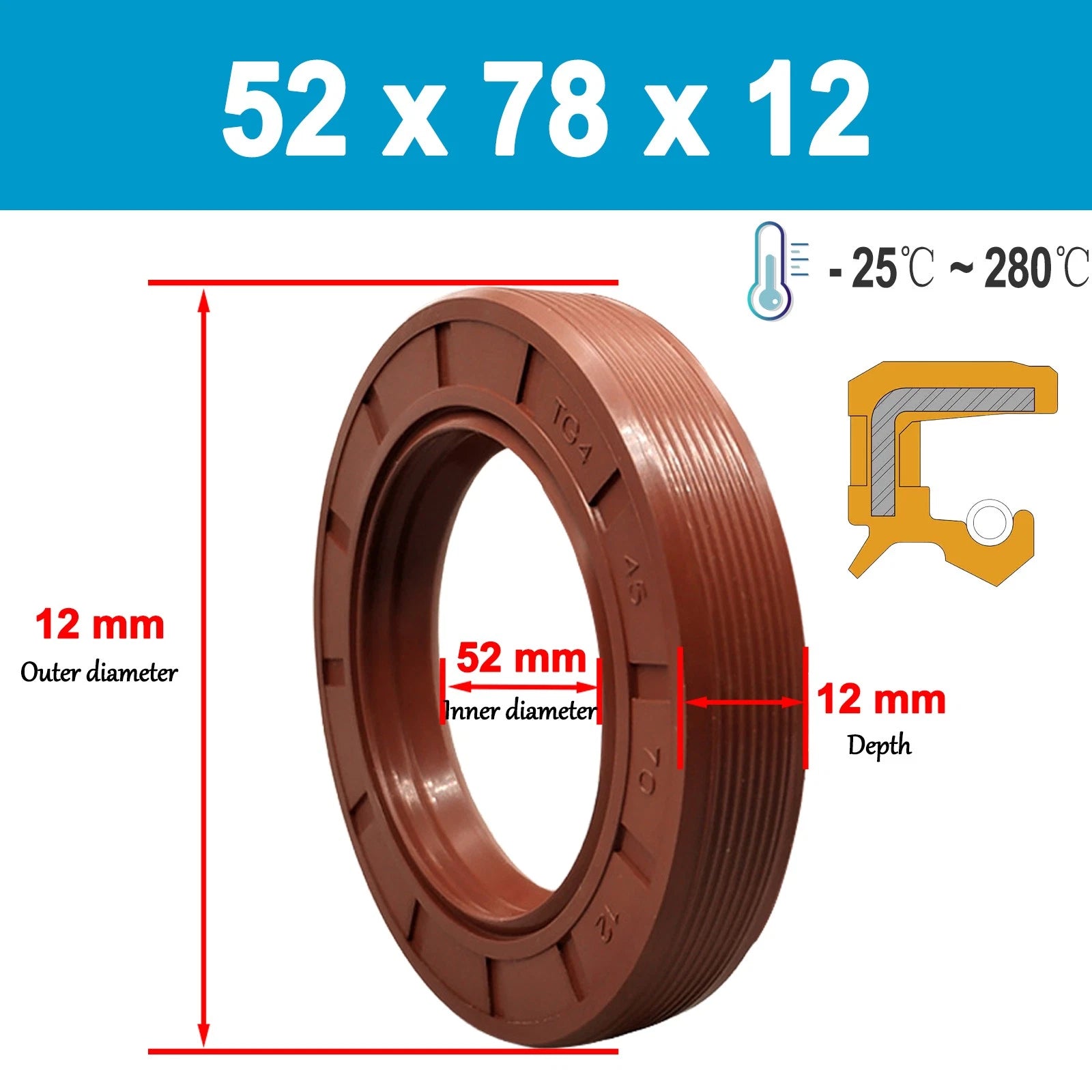
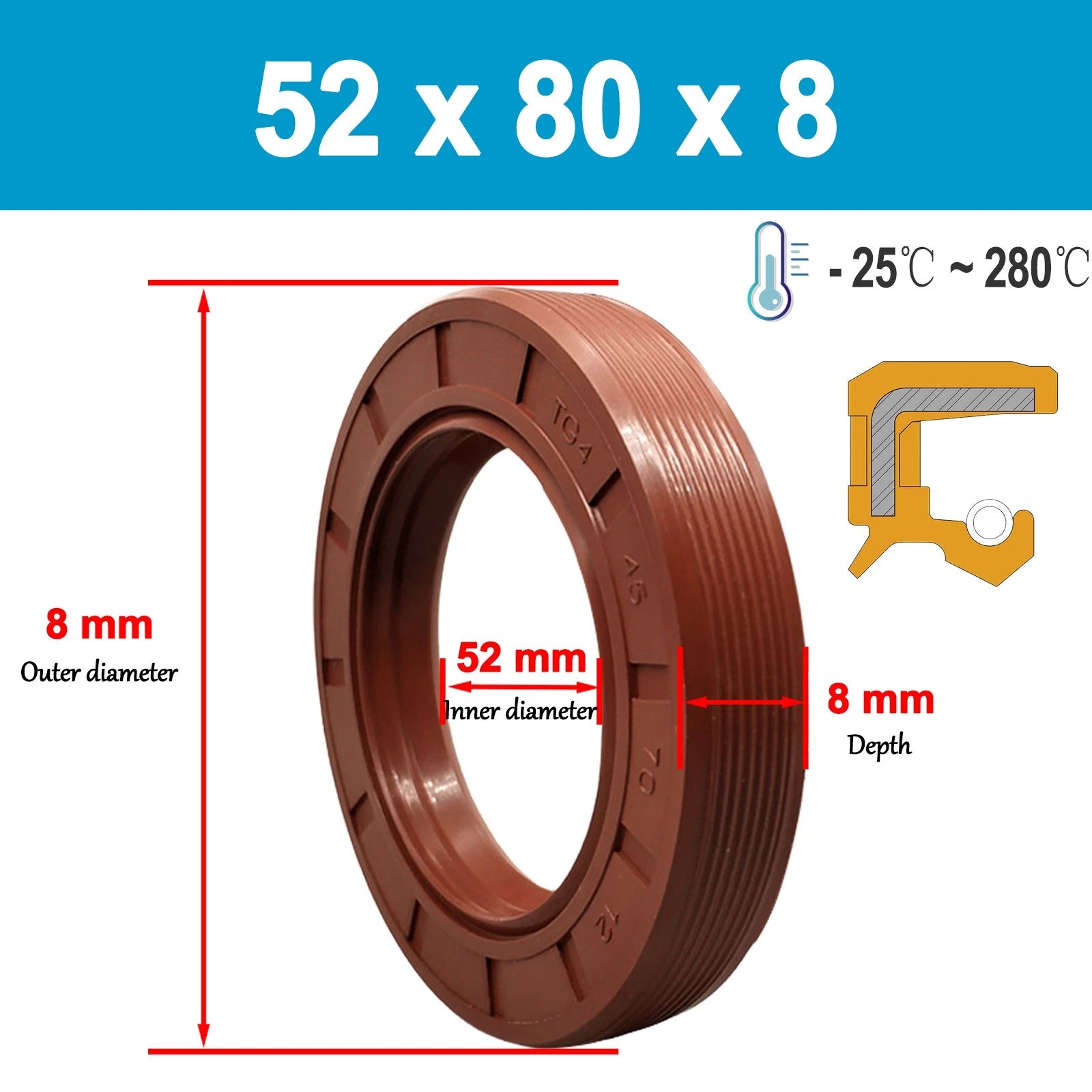
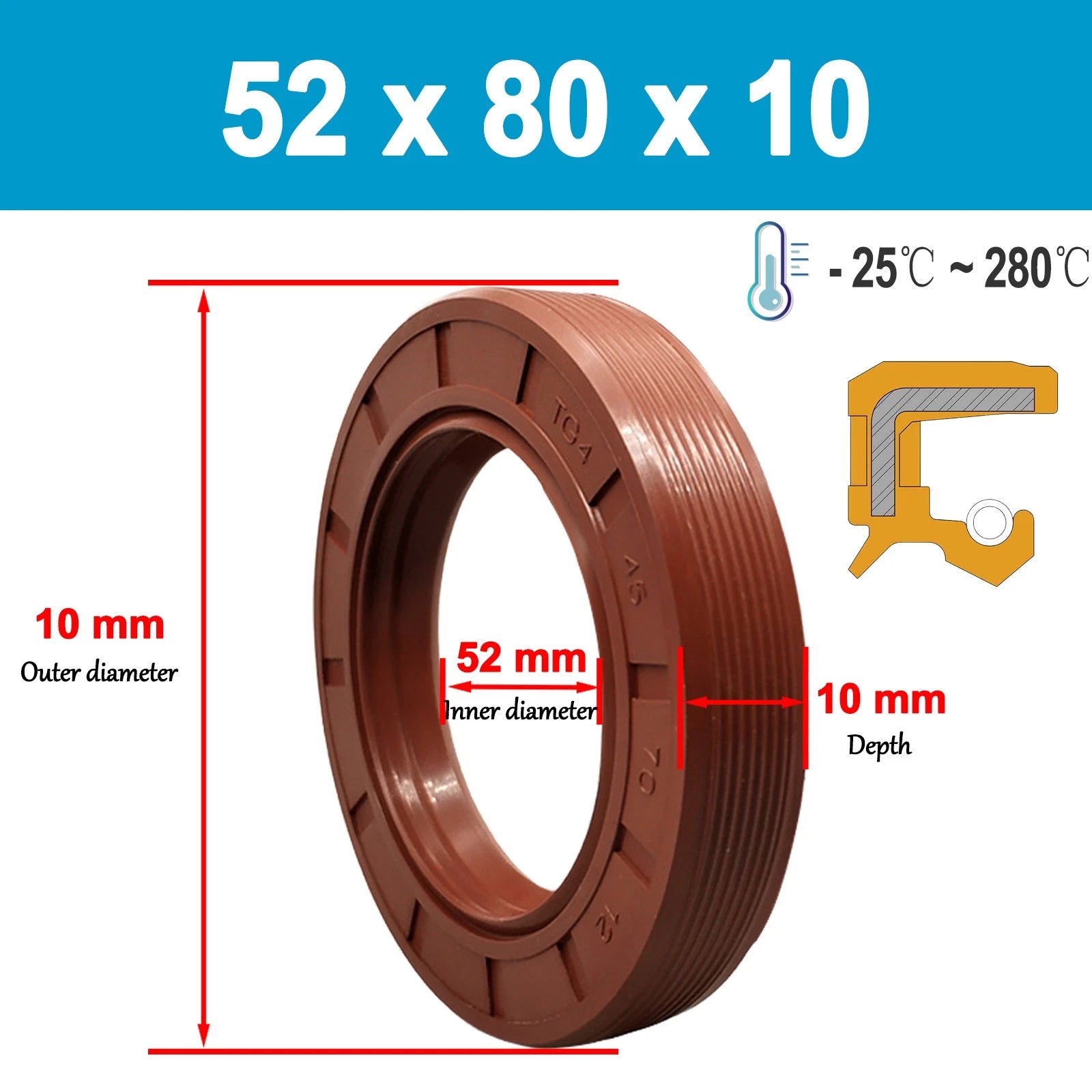
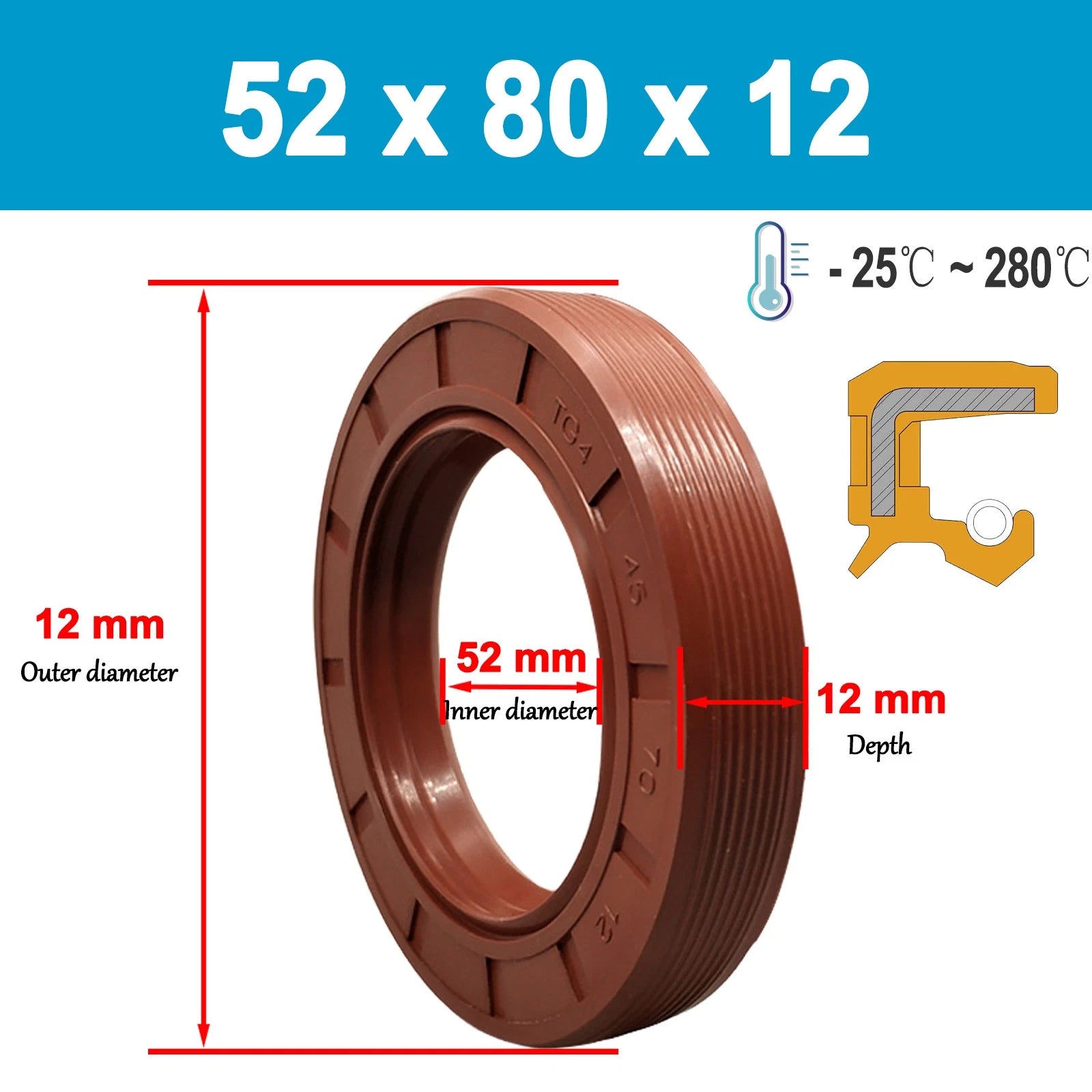
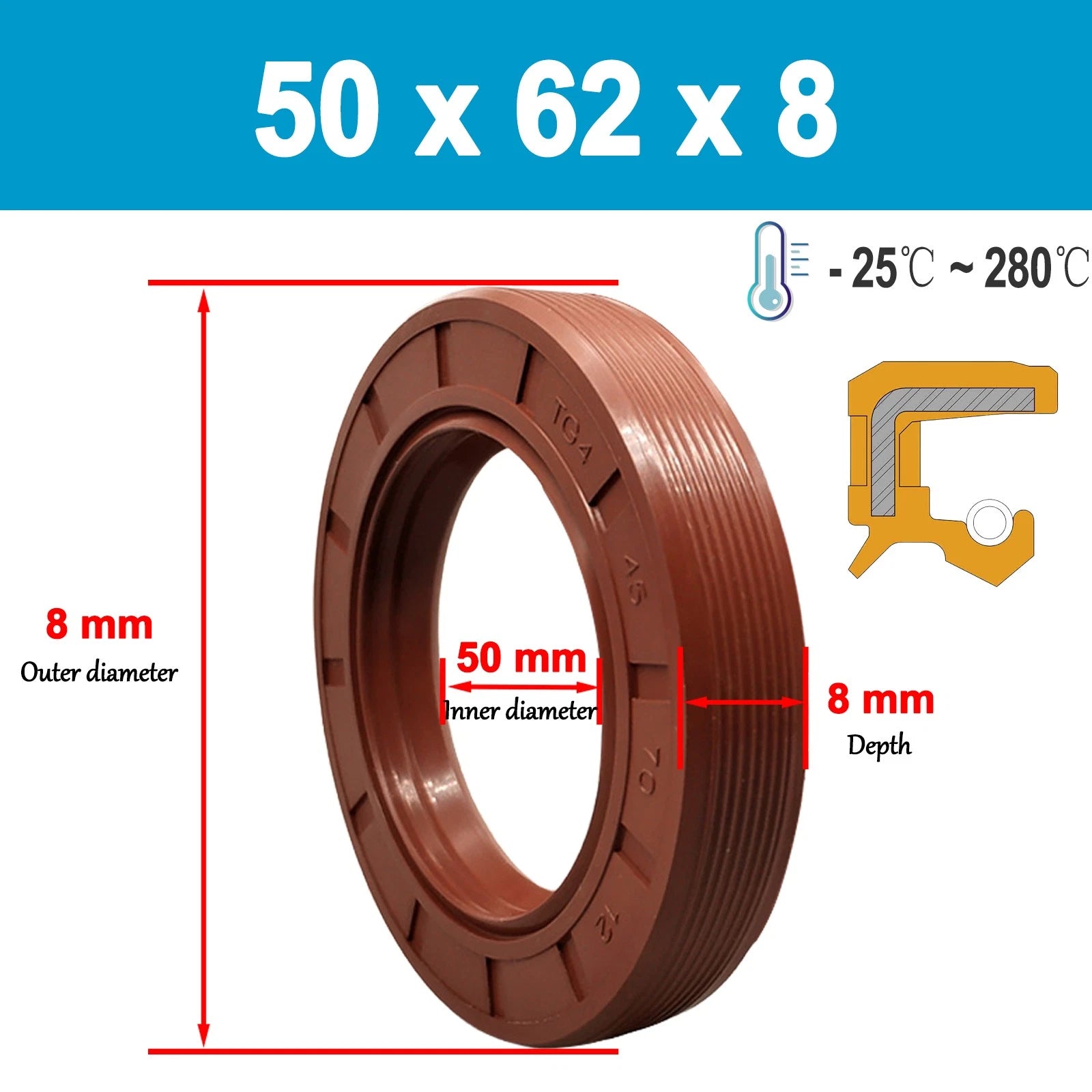
Each seal follows the TC (double-lip) profile: a primary sealing lip retains lubricant while a secondary dust lip blocks contaminants from entering the housing. The sealing element is made from FKM (fluorocarbon / Viton-type) elastomer, which withstands continuous operating temperatures typically from −20 °C to +200 °C (−4 °F to +392 °F) and resists petroleum oils, synthetic lubricants, and many industrial fluids. The metal case provides dimensional stability and press-fit retention in the bore. Shaft diameters covered in this listing range from 46 mm to 55 mm (approximately 1.81 in to 2.17 in), with outer diameters from 58 mm up to 120 mm and cross-sectional depths from 5 mm to 13 mm — select your exact Inner Ø × Outer Ø × Depth from the variant menu.
Typical applications include automotive gearbox output shaft seals, industrial pump shaft seals requiring chemical-resistant FKM material, agricultural and construction equipment axle seals, and hydraulic cylinder rod seals where a metric TC double-lip profile is specified. The broad size matrix makes this listing a practical single-source solution for workshop seal inventories and MRO stock.
| Seal Type | TC (Double Lip) |
|---|---|
| Sealing Material | FKM (Fluorocarbon / Viton-type) |
| Case Material | Carbon steel (metal-cased) |
| Shaft Diameter Range | 46–55 mm (approx. 1.81–2.17 in) |
| Outer Diameter Range | 58–120 mm (approx. 2.28–4.72 in) |
| Cross-Section Depth Range | 5–13 mm (approx. 0.20–0.51 in) |
| Operating Temperature | Typically −20 °C to +200 °C (−4 °F to +392 °F) |
| Lip Profile | Primary sealing lip + secondary dust exclusion lip |
| Fluid Compatibility | Petroleum oils, synthetic lubricants, many industrial fluids |
| Finish / Colour | See variant options |
| Packing Quantity | 1 pc or 2 pcs (select above) |
| Standard | Metric dimensional standard |
Measure three dimensions on your existing seal or housing: the shaft (inner) diameter, the bore (outer) diameter, and the cross-sectional depth (width). Match all three to the Inner Ø × Outer Ø × Depth option in the variant selector. If you are replacing a worn seal, also check your OEM service manual or parts catalogue for the specified part number and cross-reference it to these metric dimensions.
NBR (nitrile) seals are suitable for moderate temperatures and standard petroleum oils. FKM (fluorocarbon) seals are the preferred choice when operating temperatures exceed approximately 120 °C, when synthetic or ester-based lubricants are used, or when the seal is exposed to fuels, hydraulic fluids, or aggressive industrial chemicals. FKM also offers better ozone and UV resistance, making it more durable in outdoor or high-heat environments.
TC is an industry-standard designation for a double-lip rotary shaft seal with a metal case. The first (primary) lip faces inward to retain lubricant; the second (dust) lip faces outward to exclude contaminants. This dual-lip arrangement provides better protection than a single-lip (SC) seal in environments where dirt, water, or debris may be present near the shaft.
FKM elastomer is generally compatible with most synthetic gear oils, automatic transmission fluids (ATF), and hydraulic fluids. However, compatibility can vary with specific fluid formulations. We recommend verifying compatibility with your fluid supplier's data sheet or conducting a soak test if you are using an unusual or proprietary fluid blend.
Clean the bore and shaft thoroughly before installation. Lightly lubricate the seal lip with the same oil or grease used in the application. Use a seal driver or a flat press plate to drive the seal squarely into the bore — never hammer directly on the seal face. Press until the seal is flush with or slightly below the bore face, as specified in your service manual. Avoid nicking the lip on shaft keyways or splines; use a protective sleeve if necessary.
Yes. The Packing Quantity option lets you choose between 1 pc and 2 pcs per order. Select the quantity that suits your job — a single seal for a one-off repair, or a pair for back-to-back axle seals or to keep one as a spare. Pricing adjusts automatically based on the quantity selected.
For optimal seal life, the shaft running surface should have a finish of approximately Ra 0.2–0.8 µm (8–32 µin) with a lead-free ground or polished finish. Avoid longitudinal scratches or machining marks that run parallel to the shaft axis, as these can create leak paths under the lip. If the shaft is worn or scored, consider using a shaft repair sleeve before fitting a new seal.