
The chain is fine...but I ordered the wrong size. Nine links of the chain I ordered equals six of the size I wanted. My error...
How can I straighten out the springs? I can't use them coil uo as is.
Your payment information is processed securely. We do not store credit card details nor have access to your credit card information.
Get fitment advice & recommendations
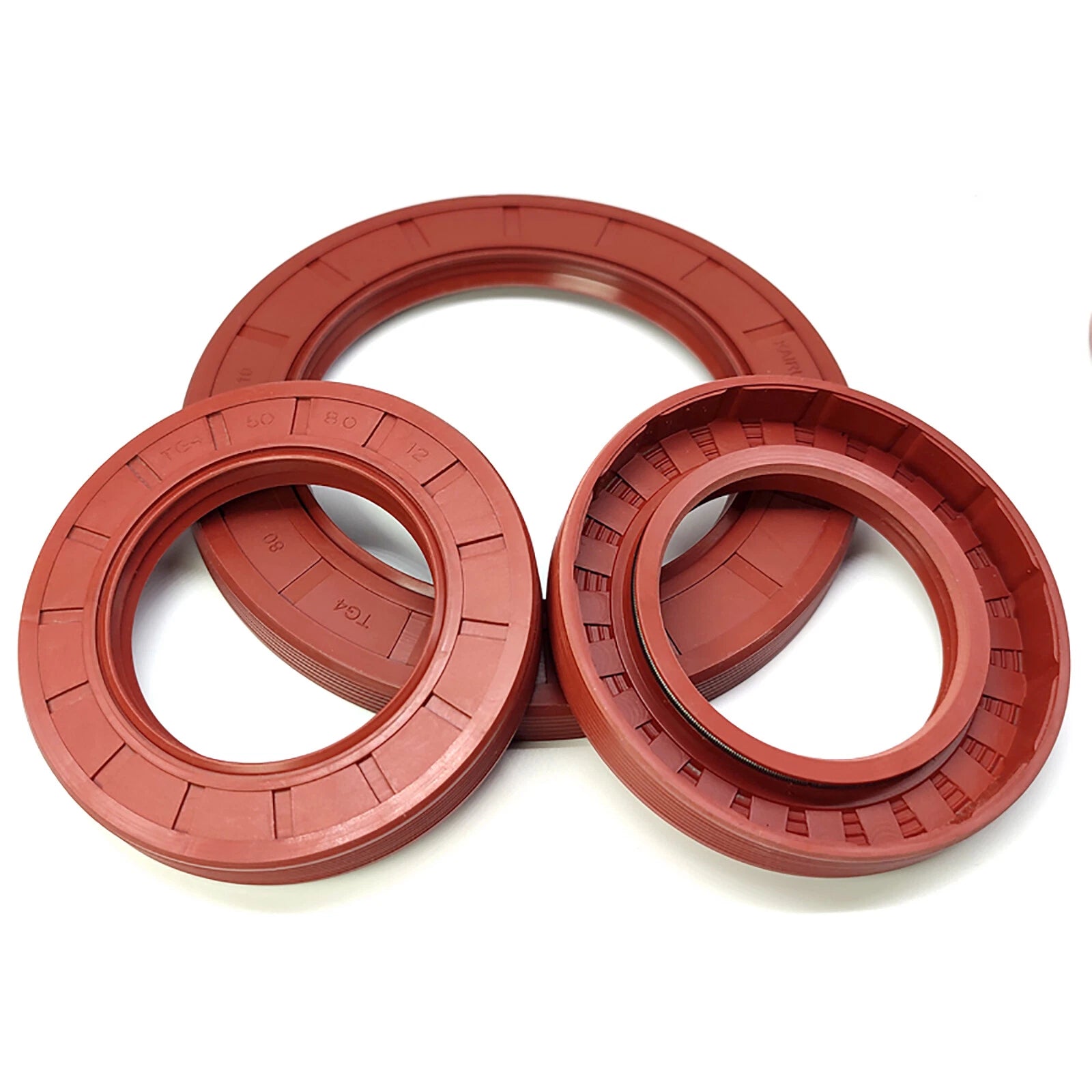
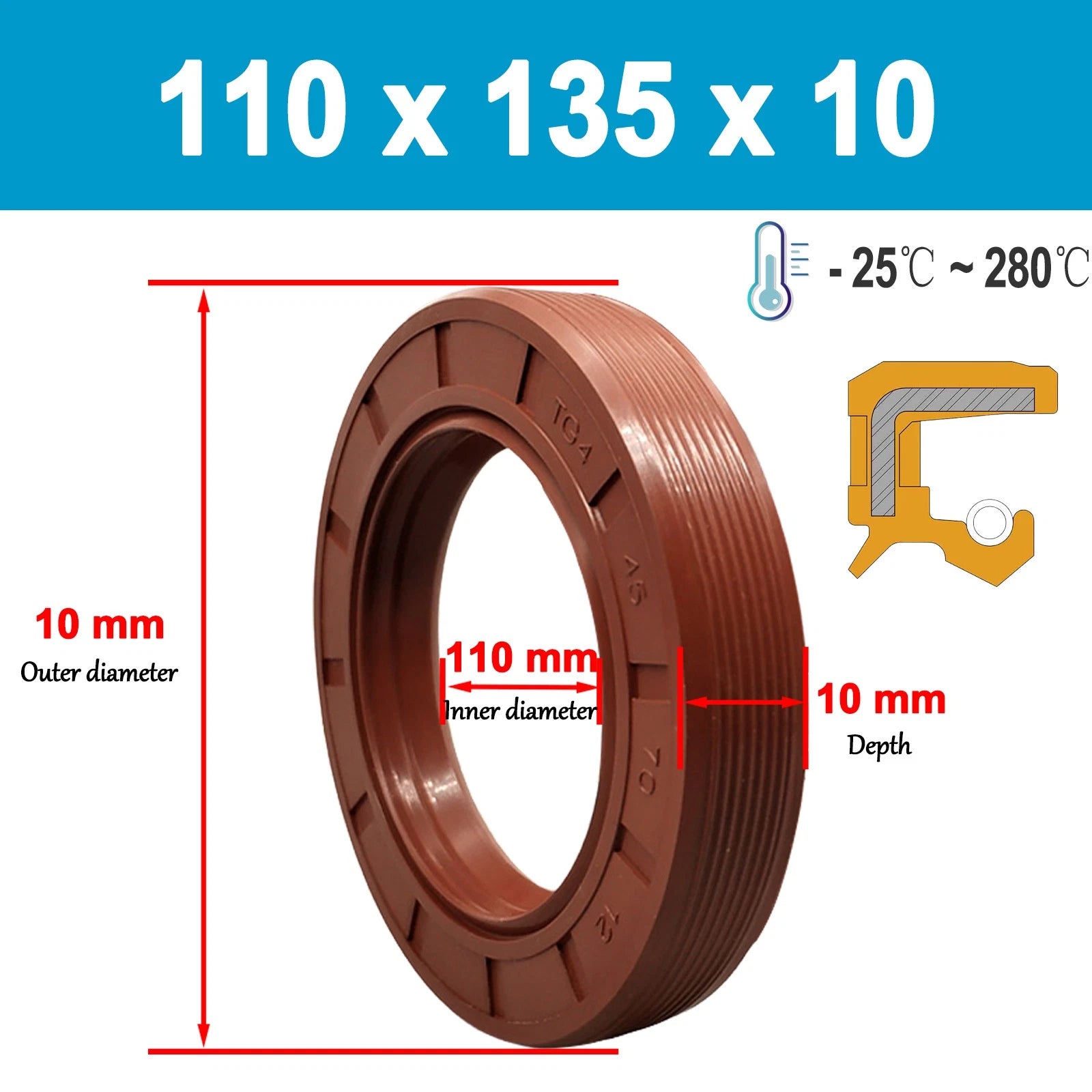
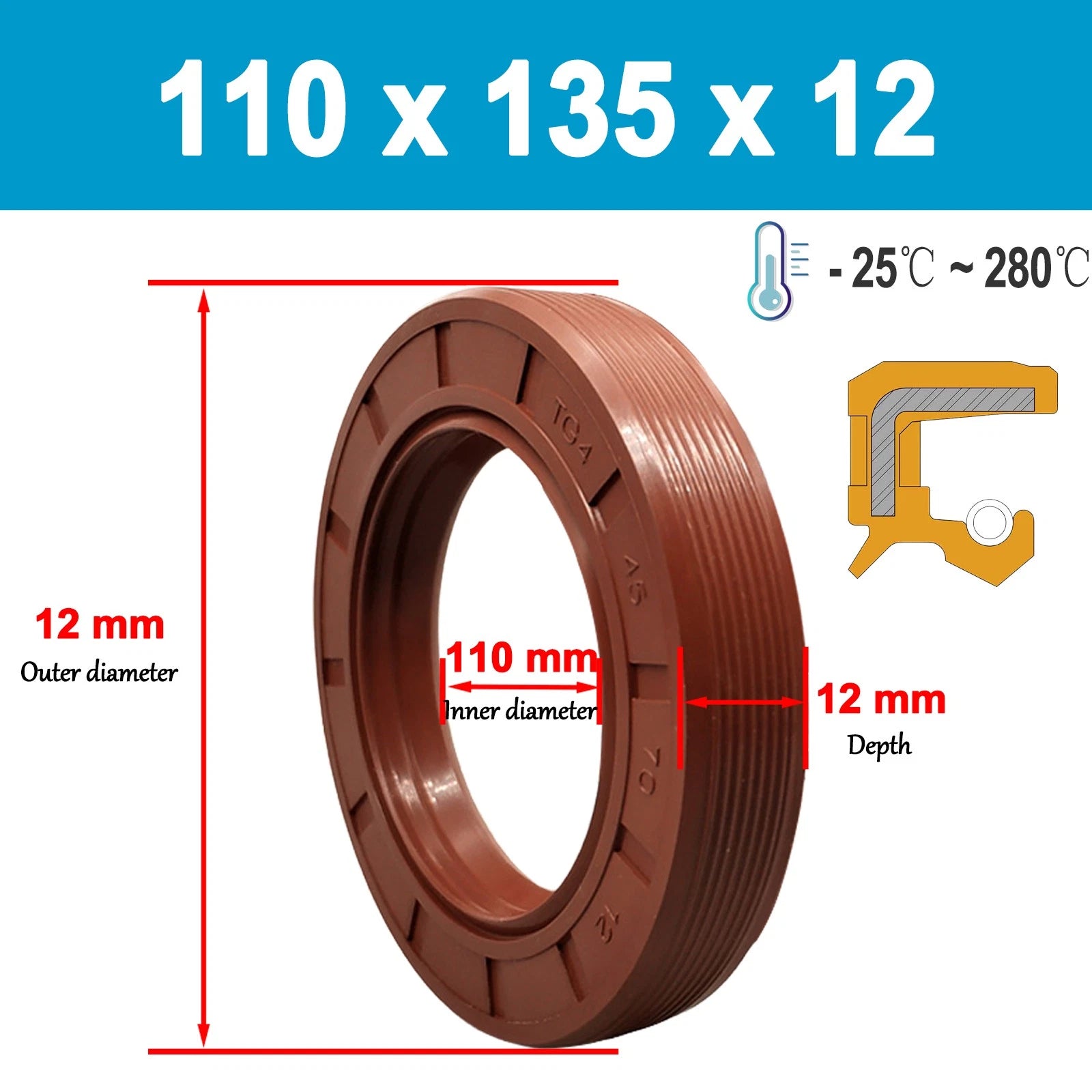
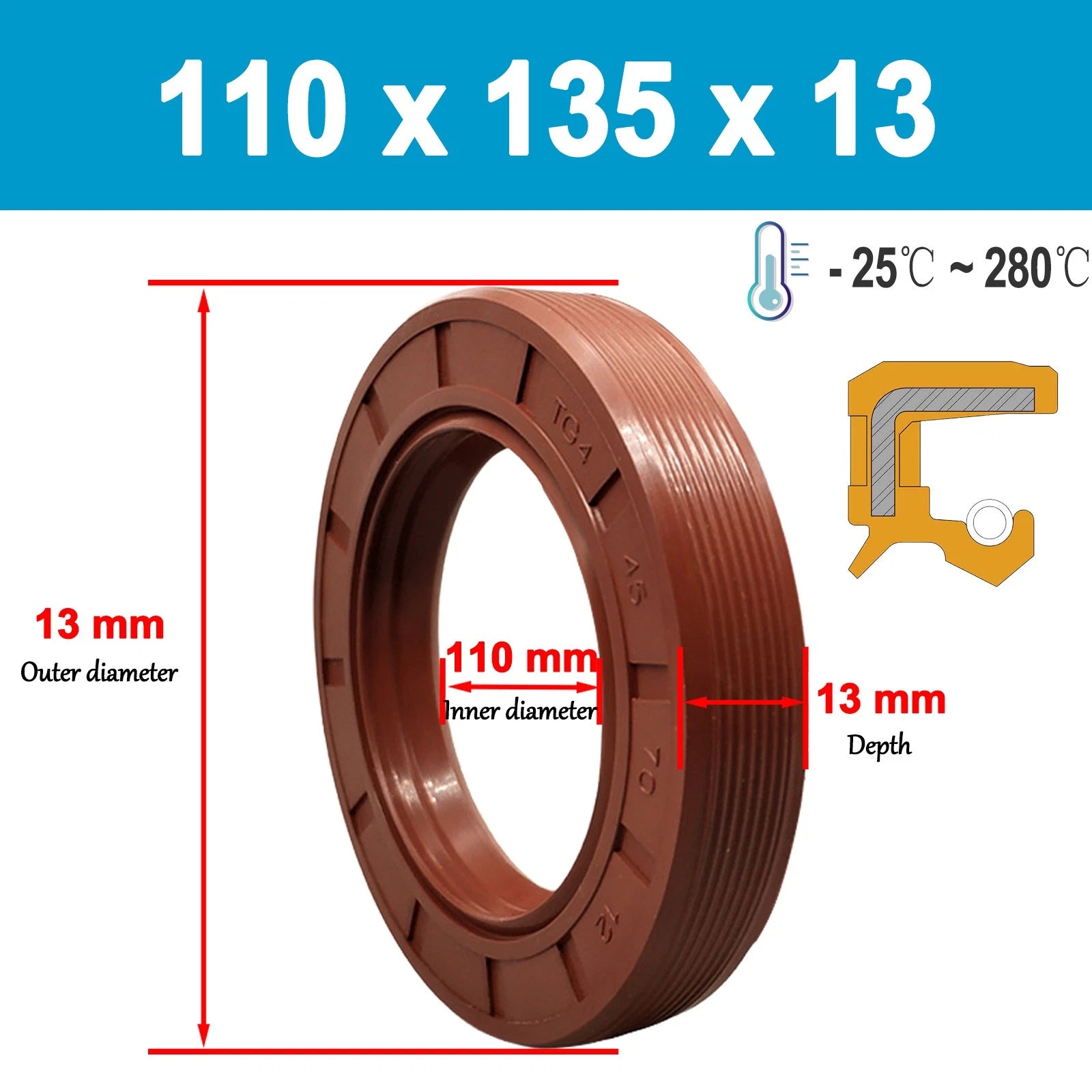
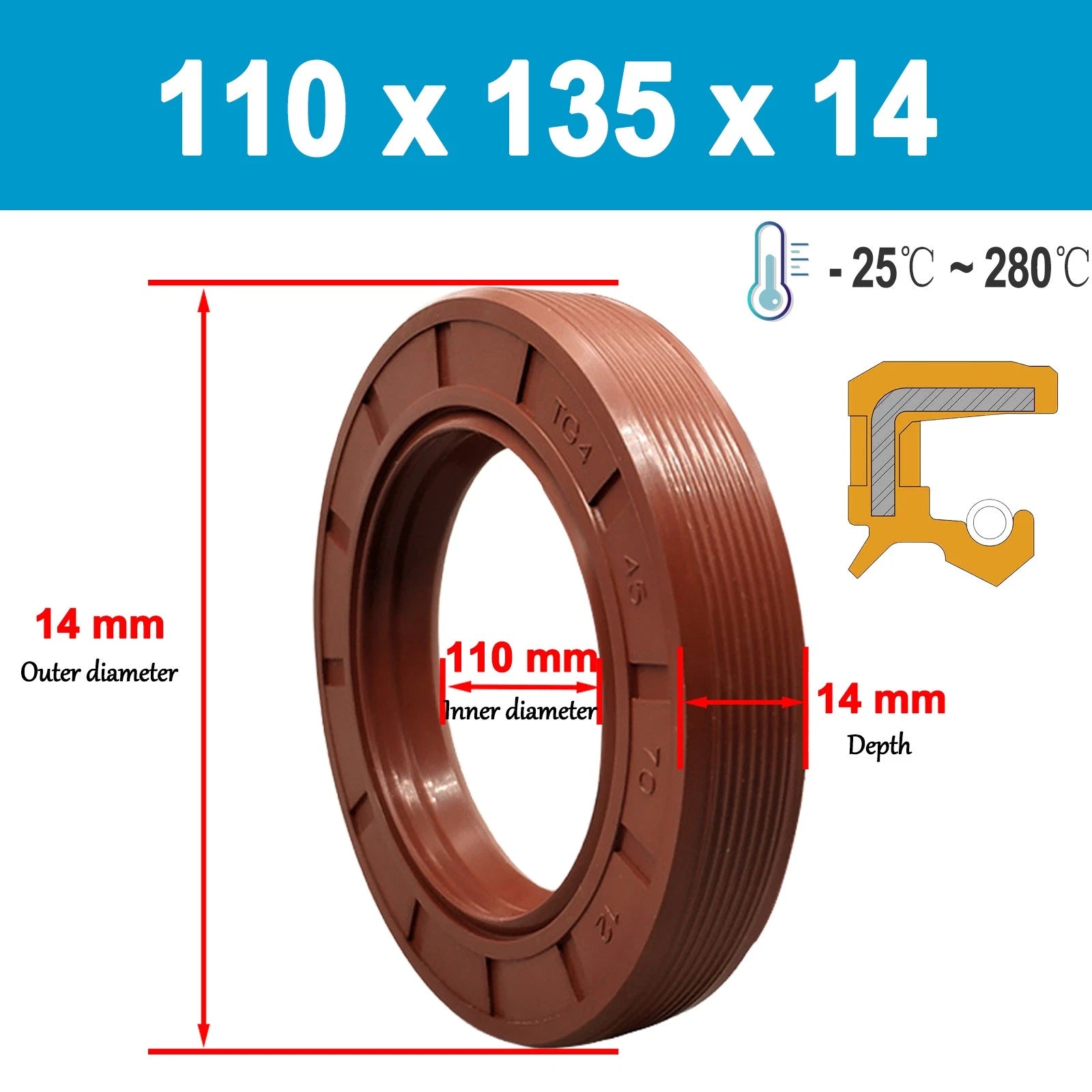
When a worn or mismatched shaft seal lets oil migrate past the bearing housing, the result is contaminated lubricant, accelerated wear, and unplanned downtime — a frustrating problem for mechanics, equipment rebuilders, and maintenance engineers who need a drop-in replacement they can trust. These Metric TC Rotary Oil Shaft Seals are engineered to stop that leak at the source, delivering a secure, long-lasting seal on rotating shafts across a wide range of industrial and automotive applications.
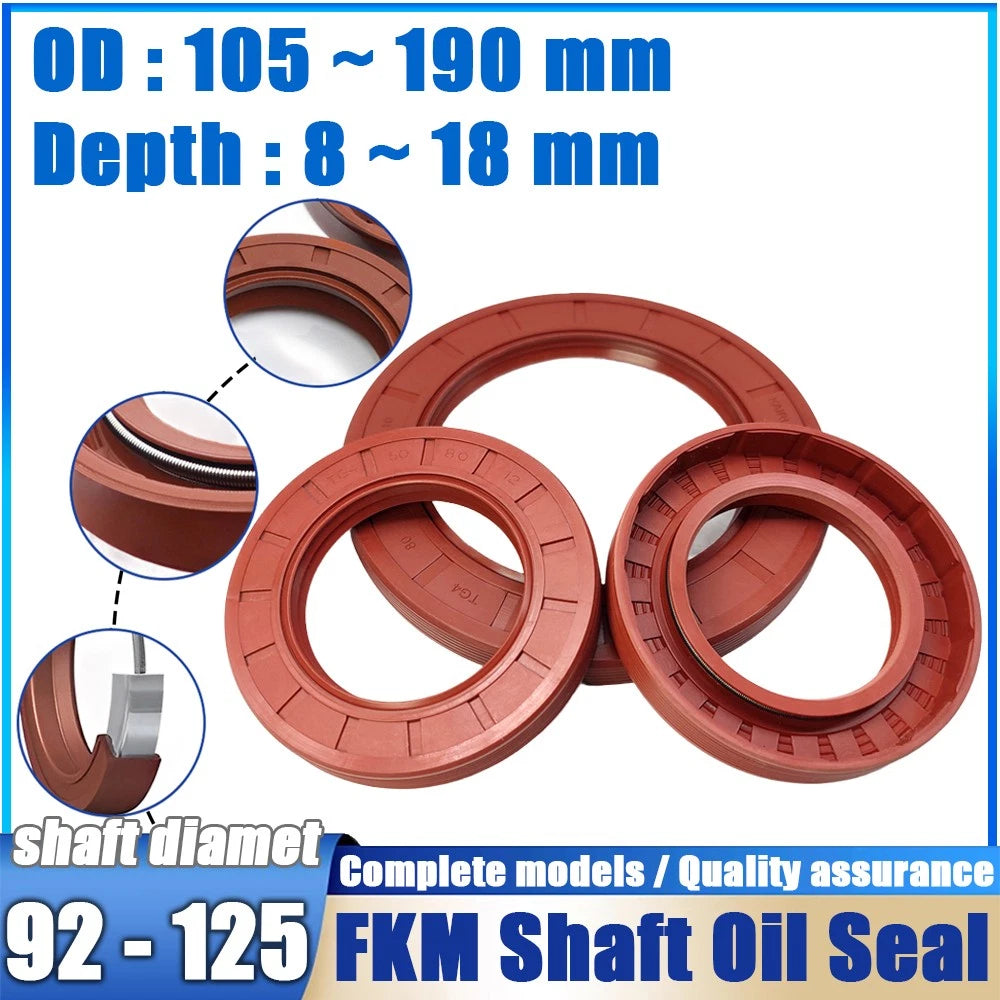
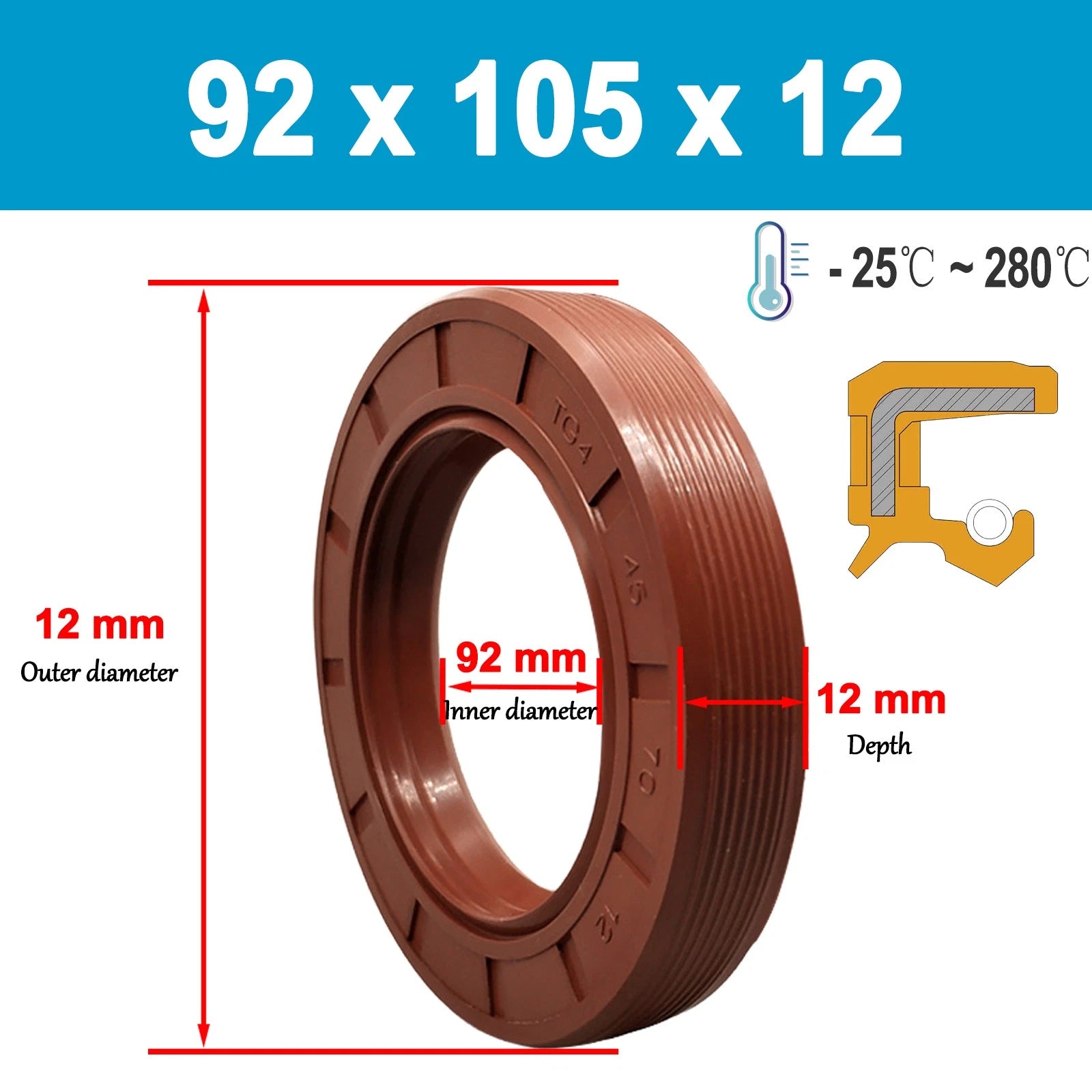
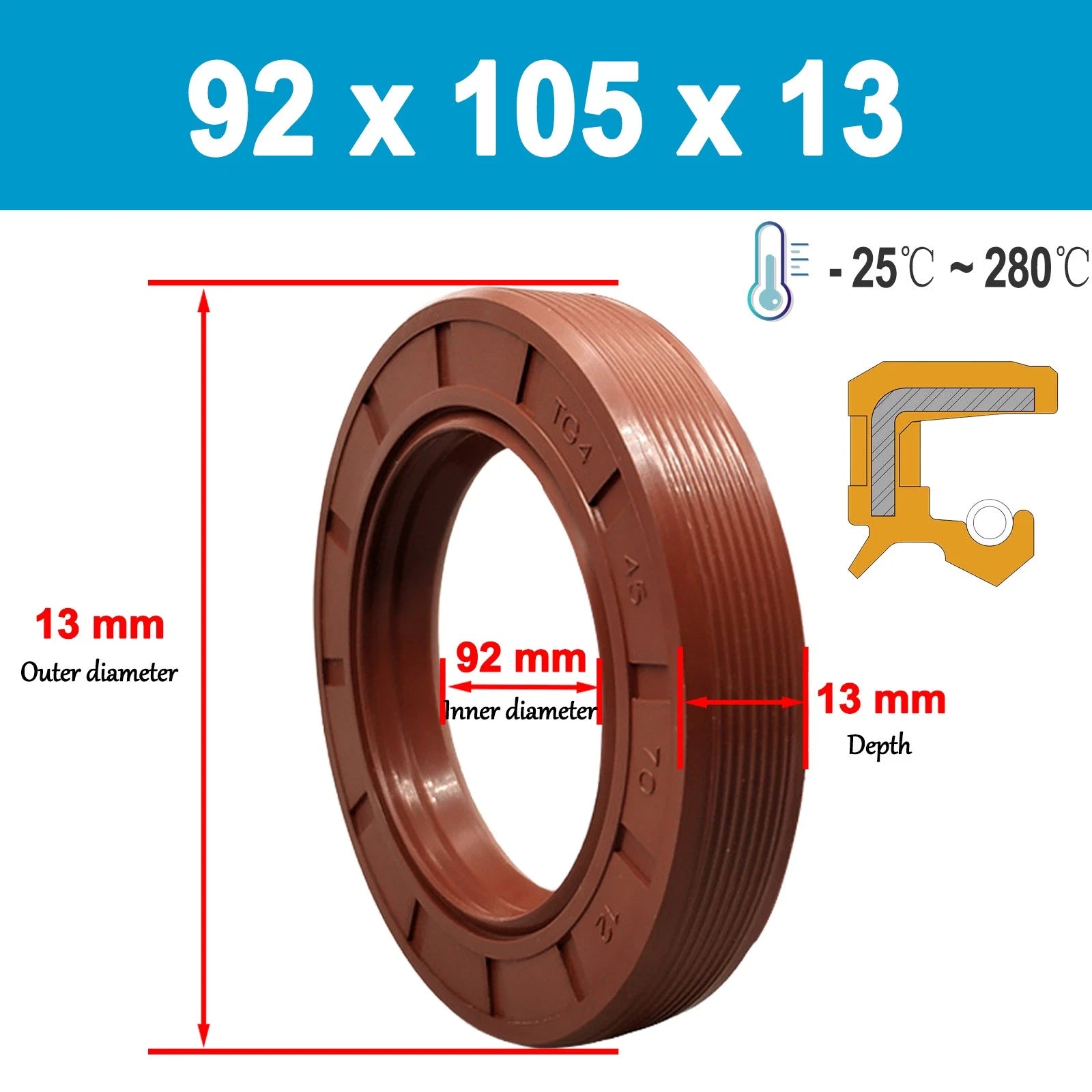
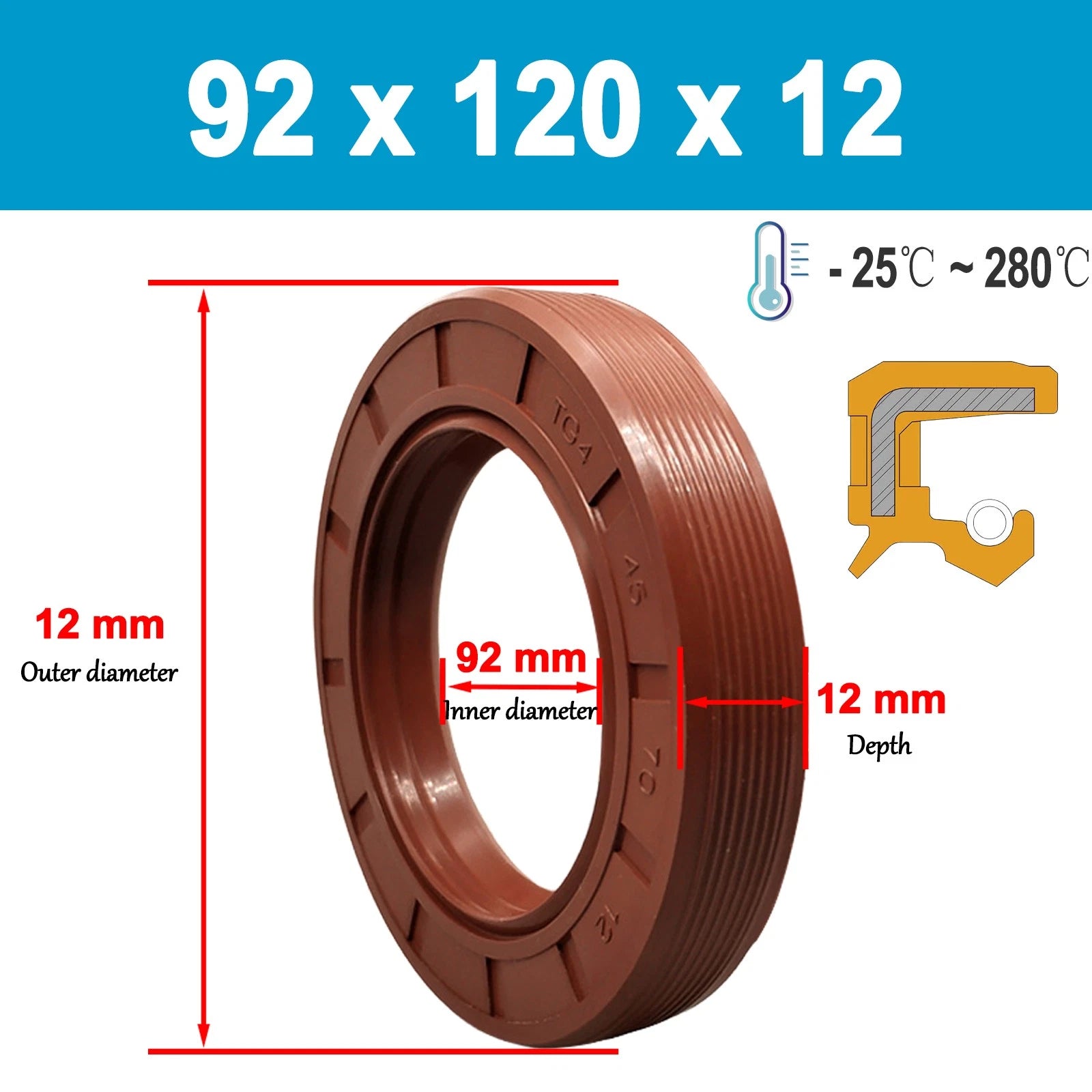
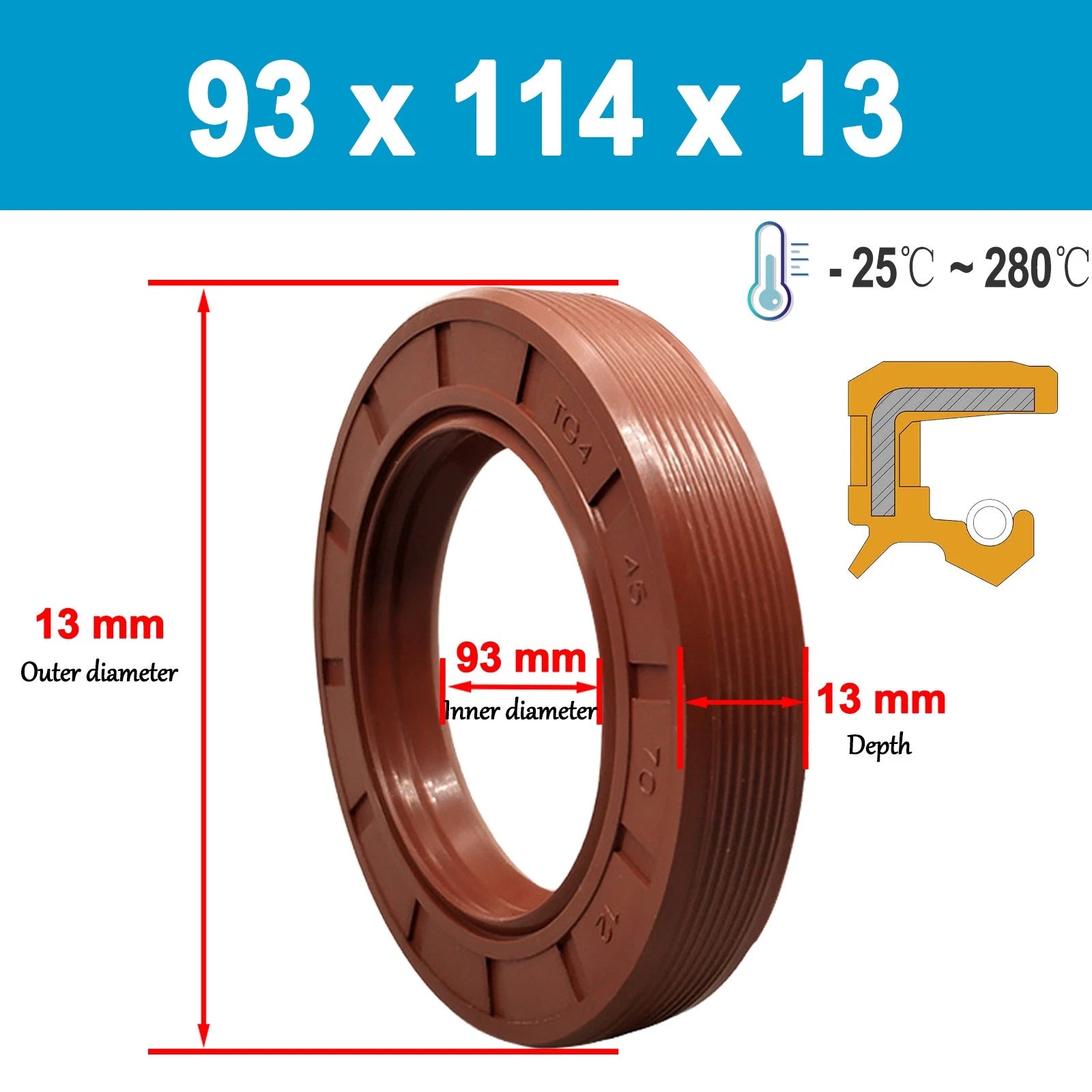
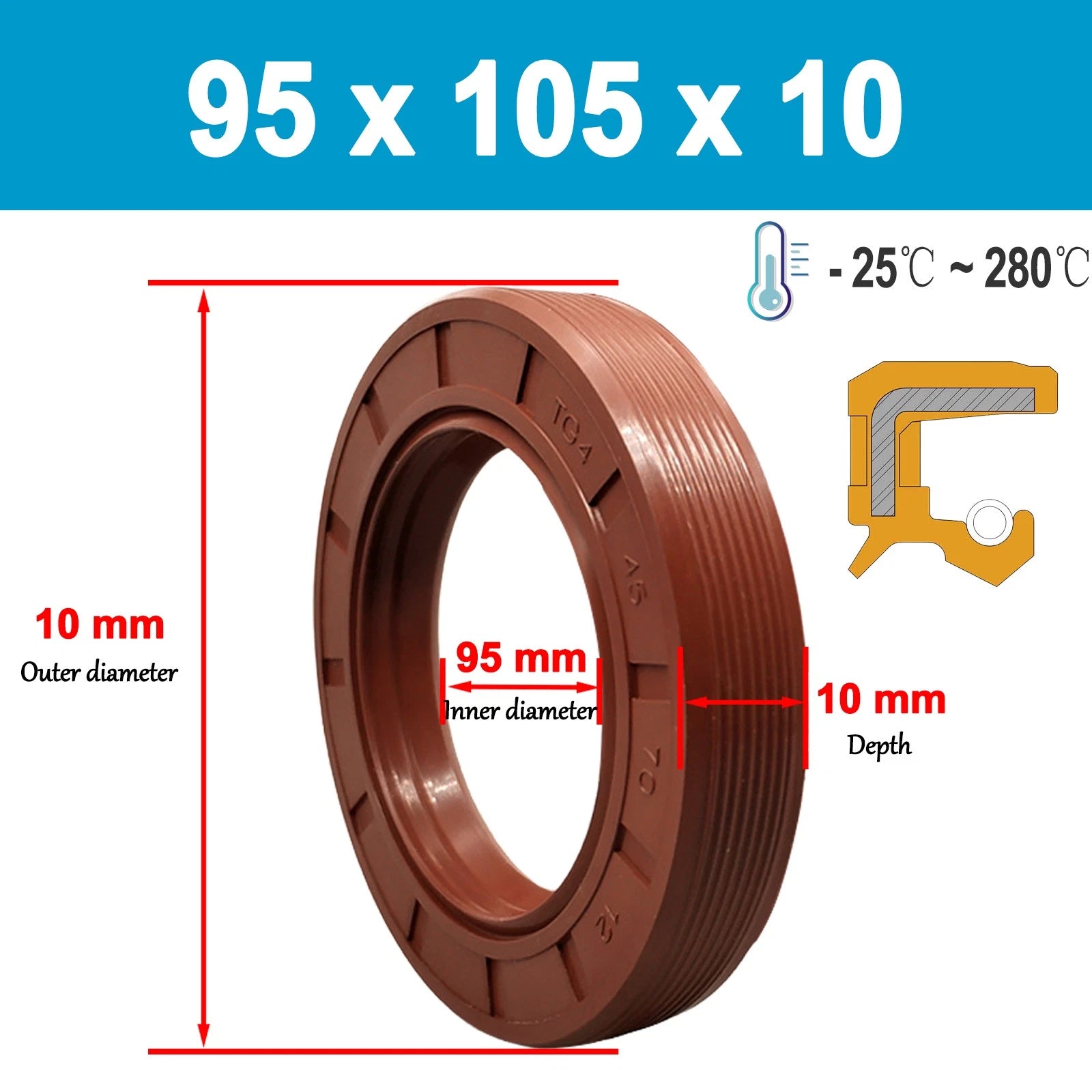
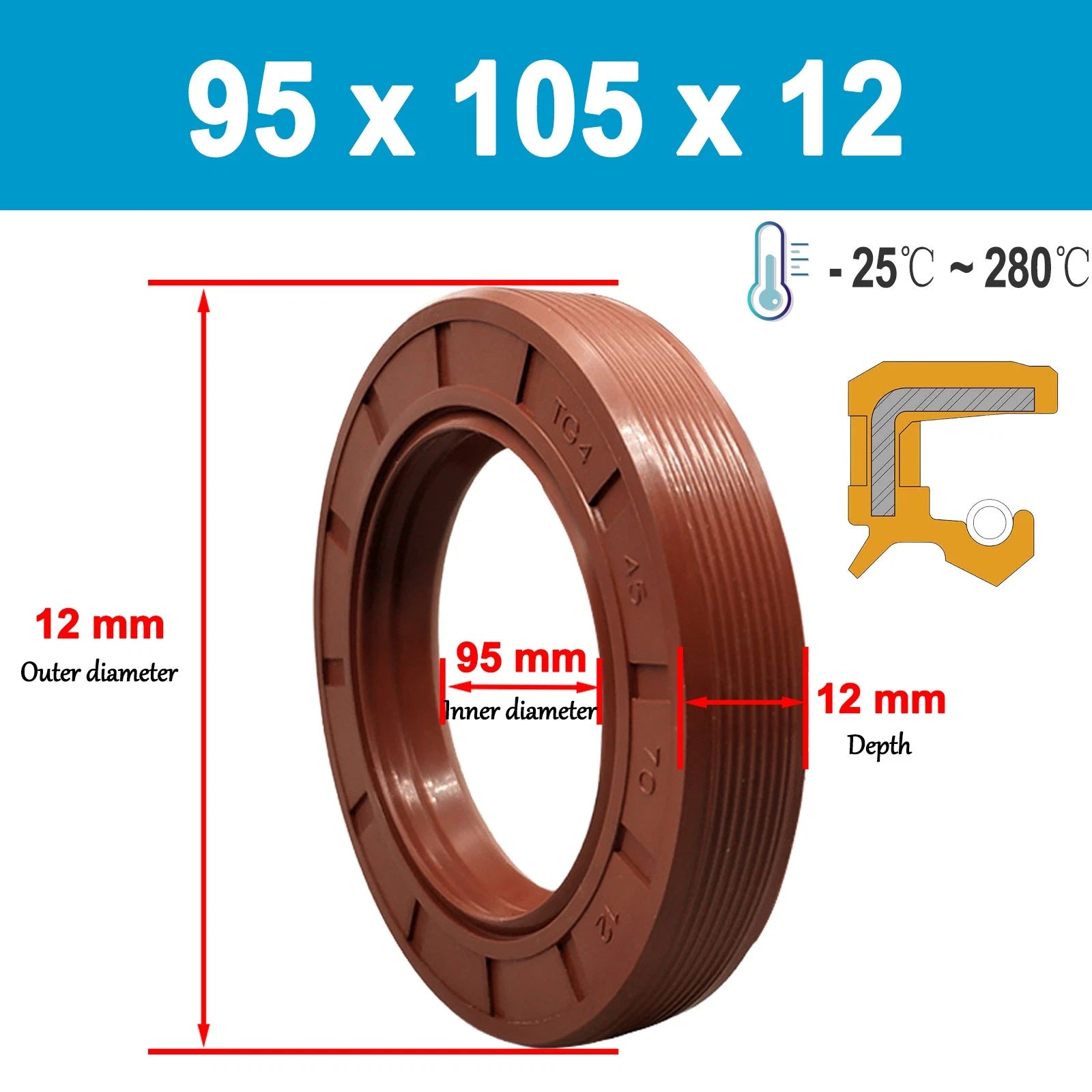
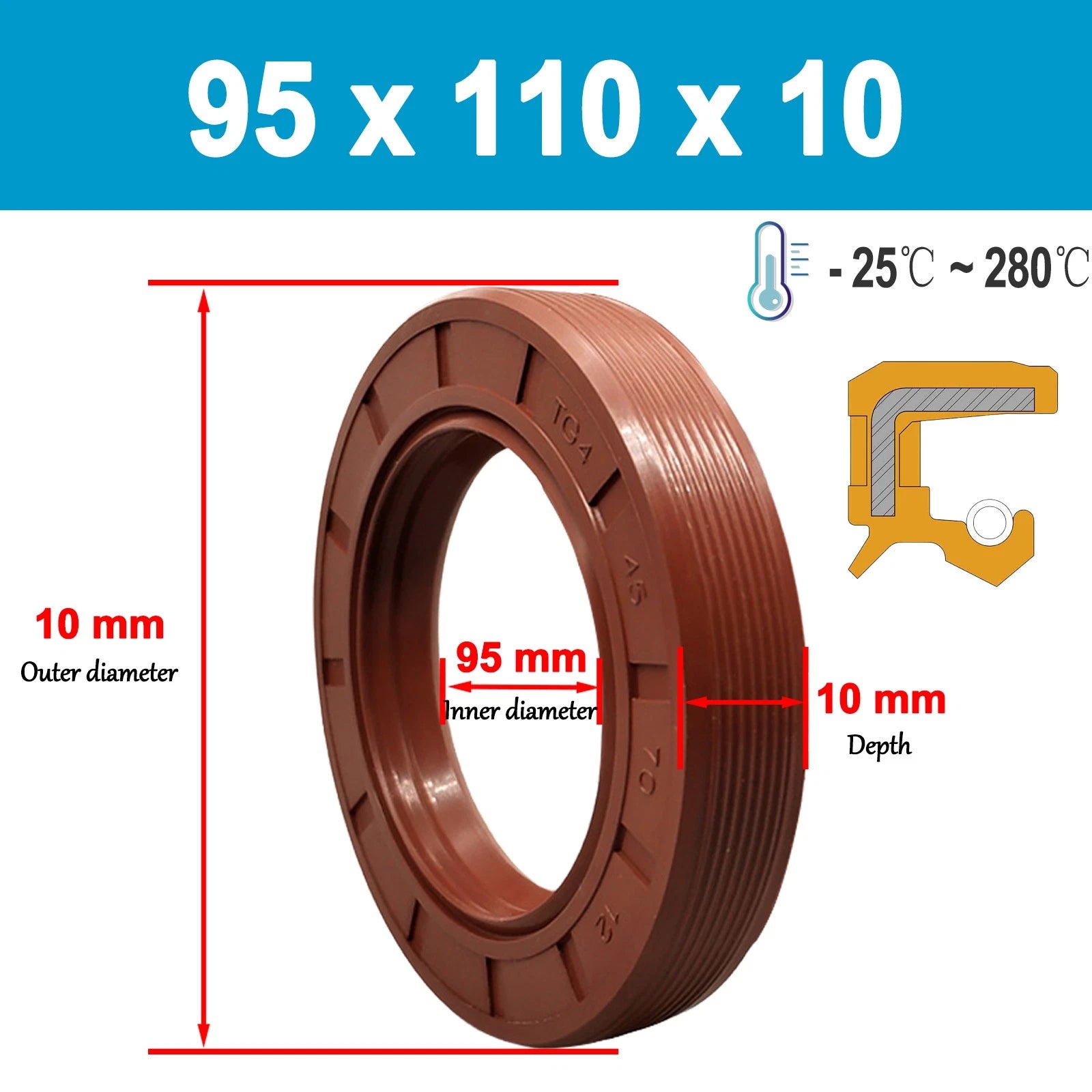
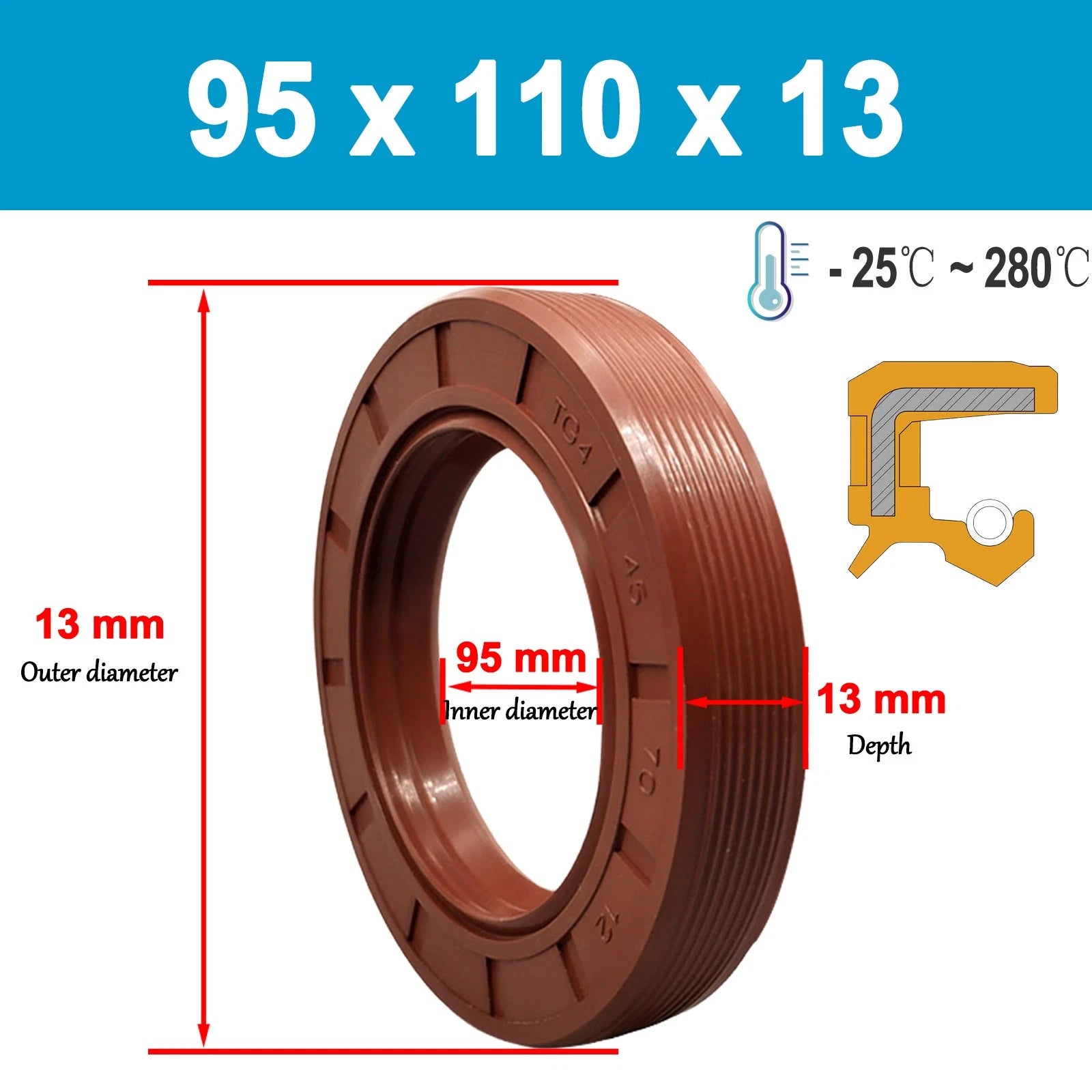
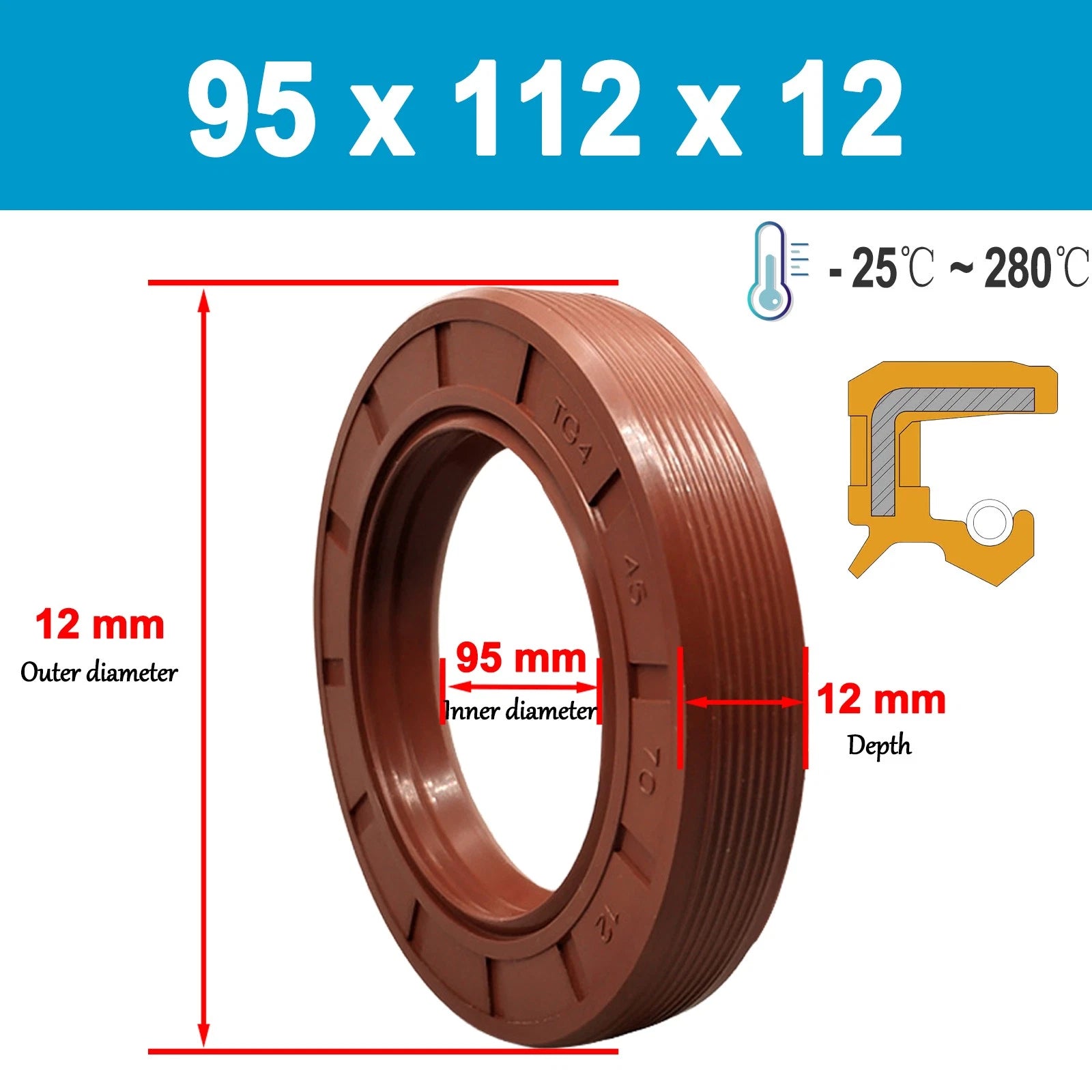
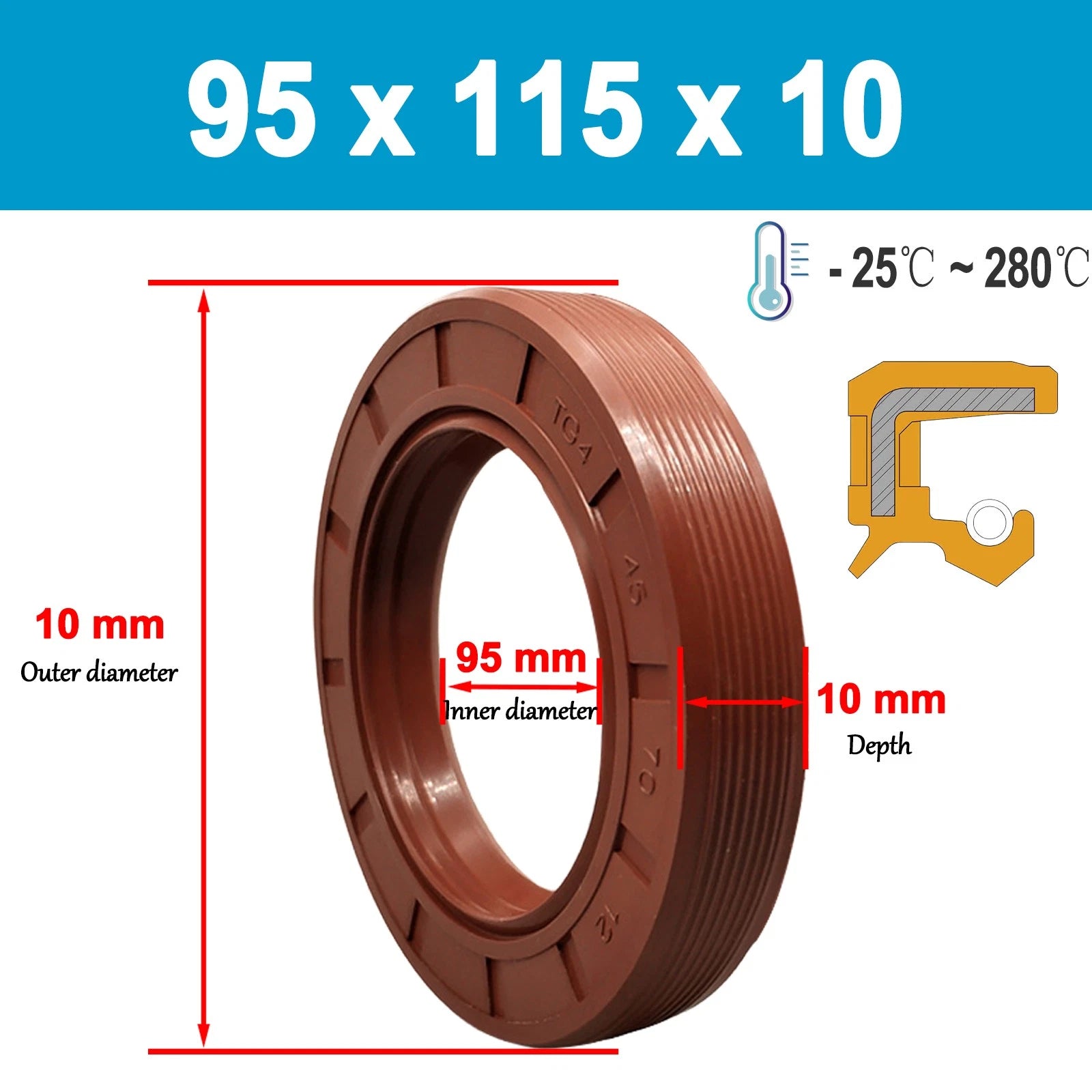
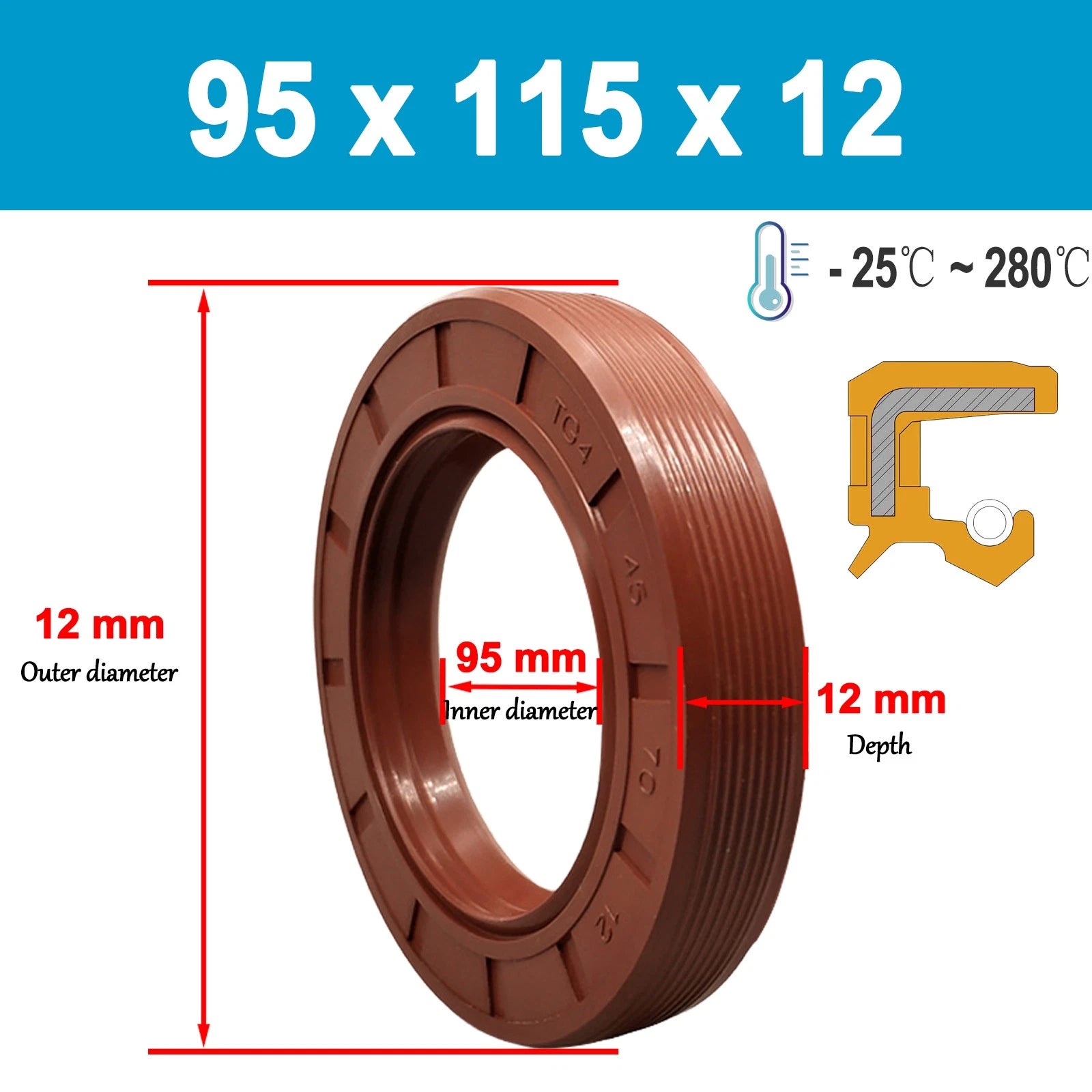
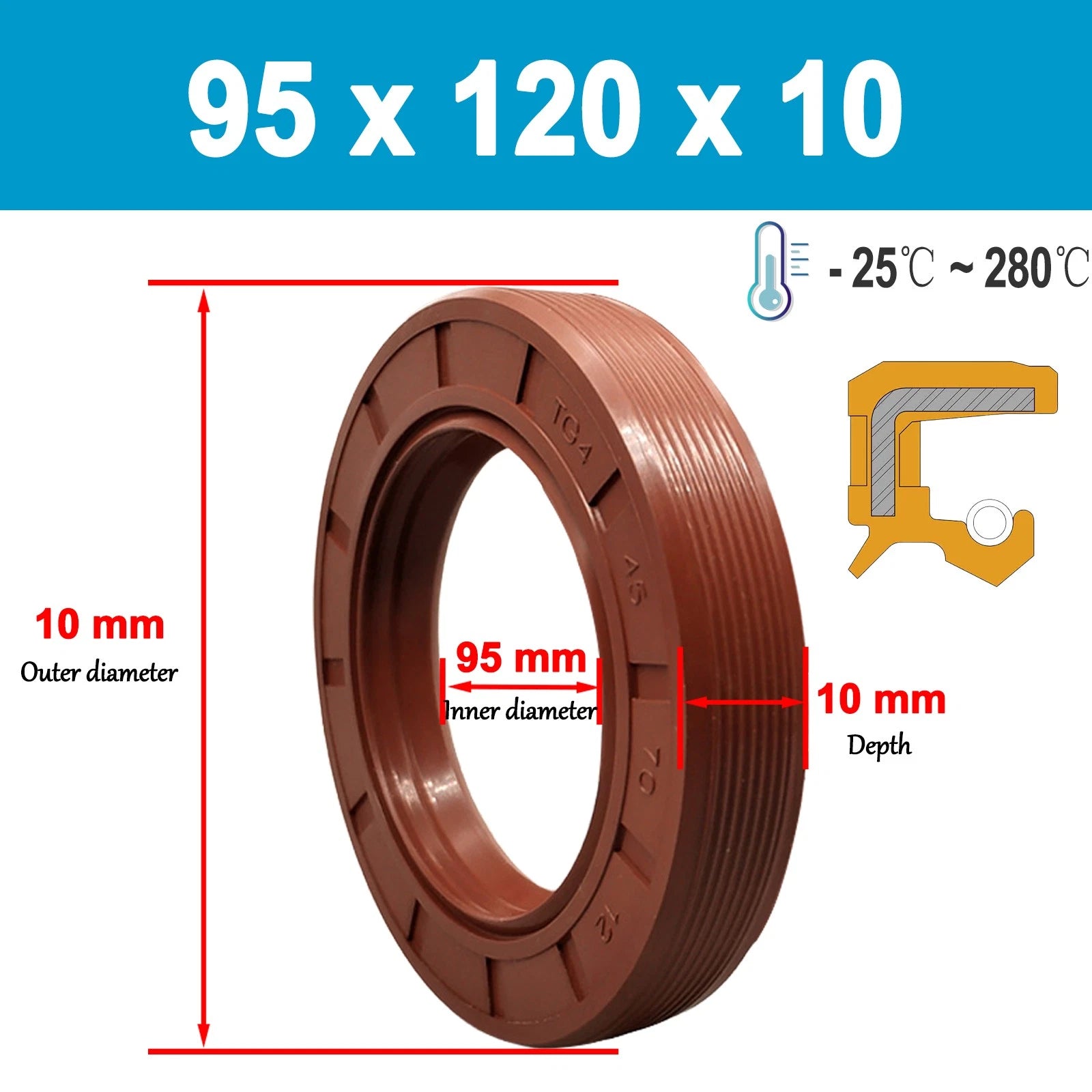
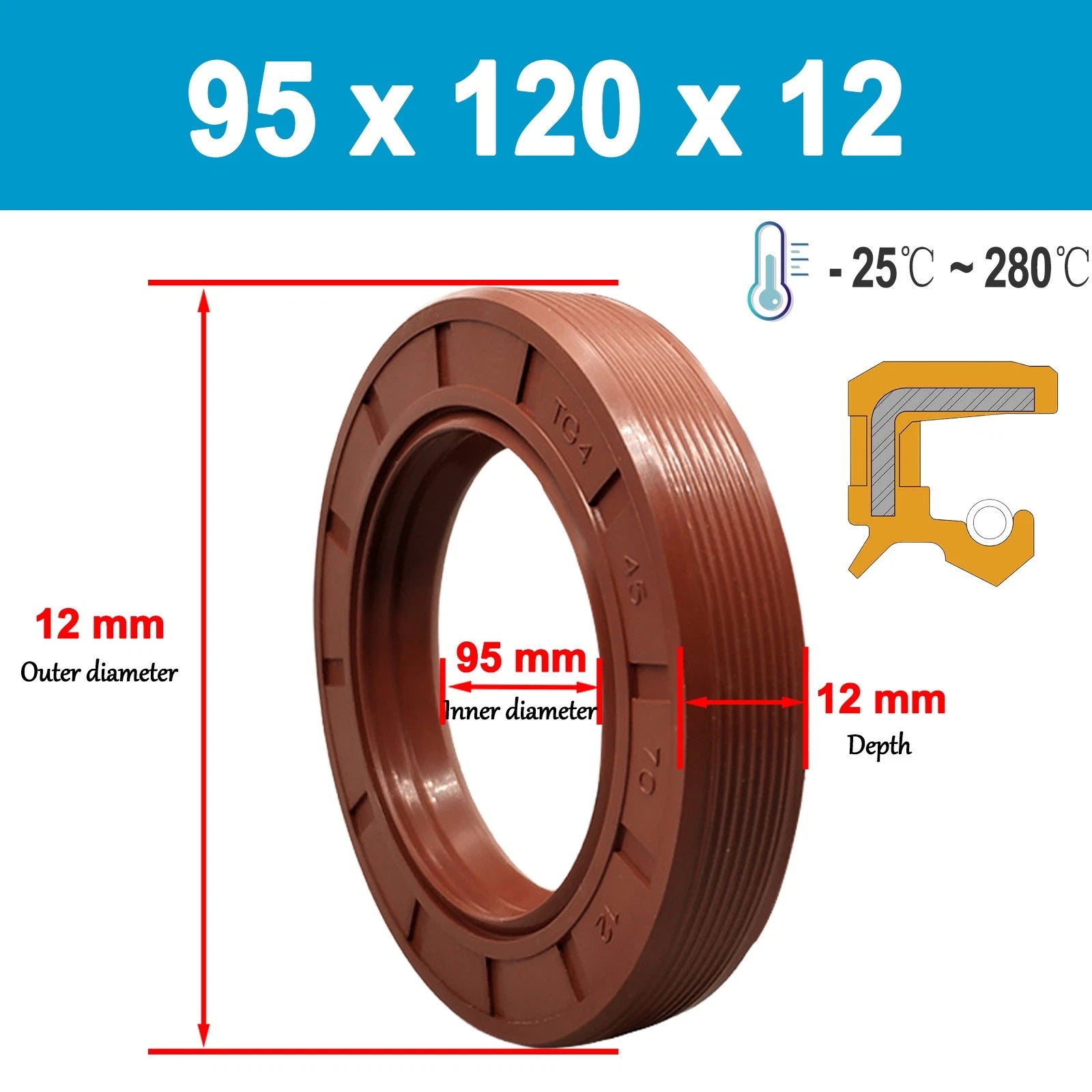
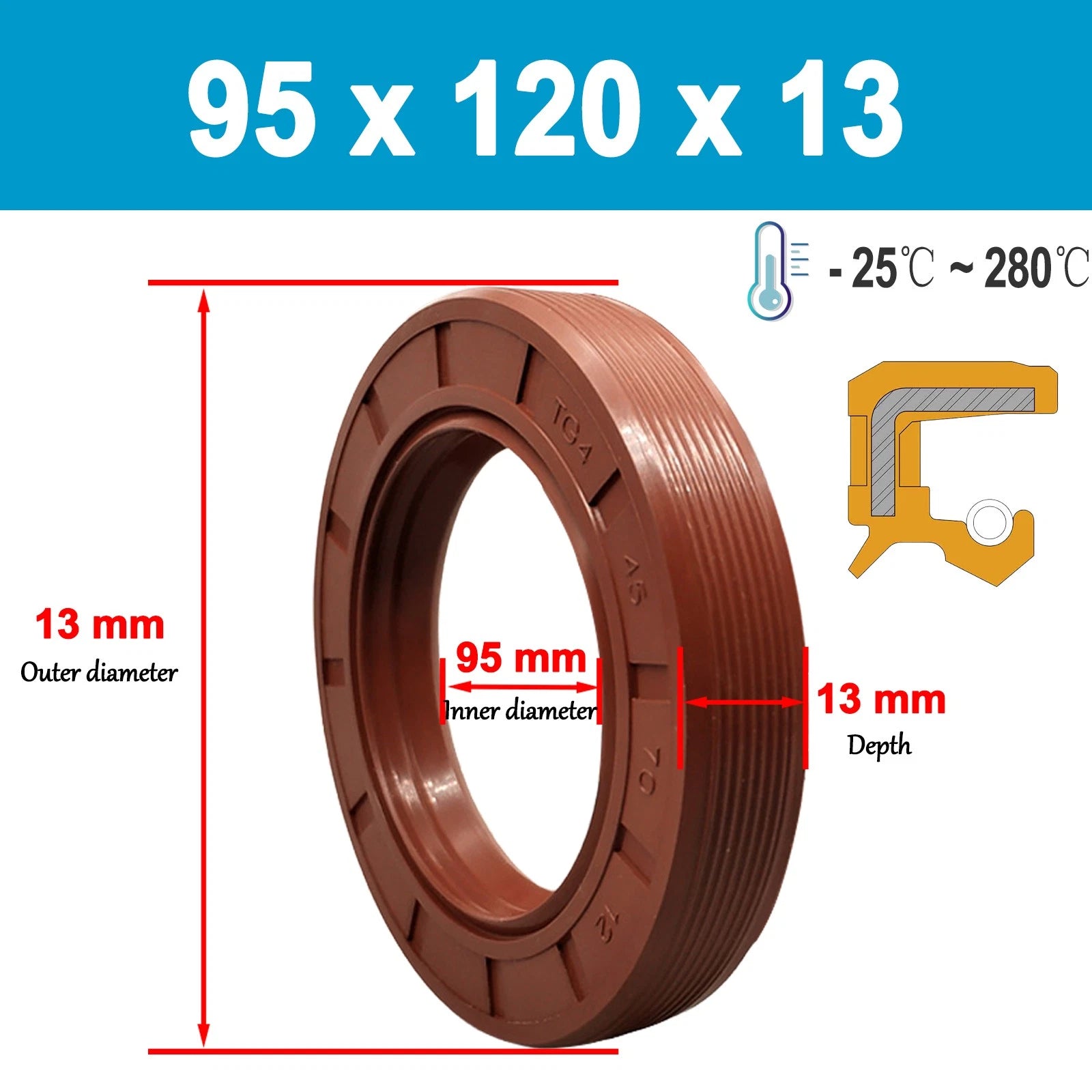
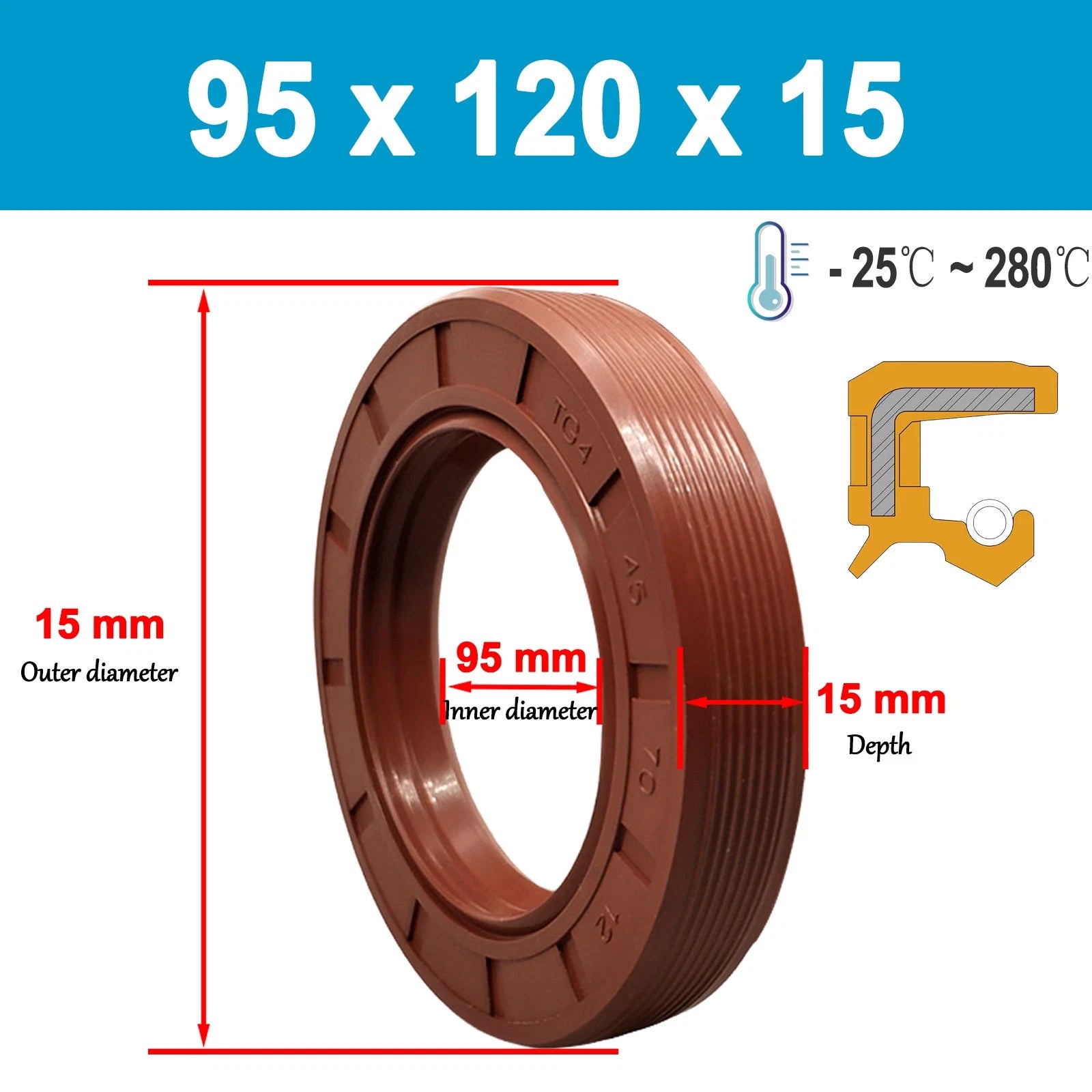
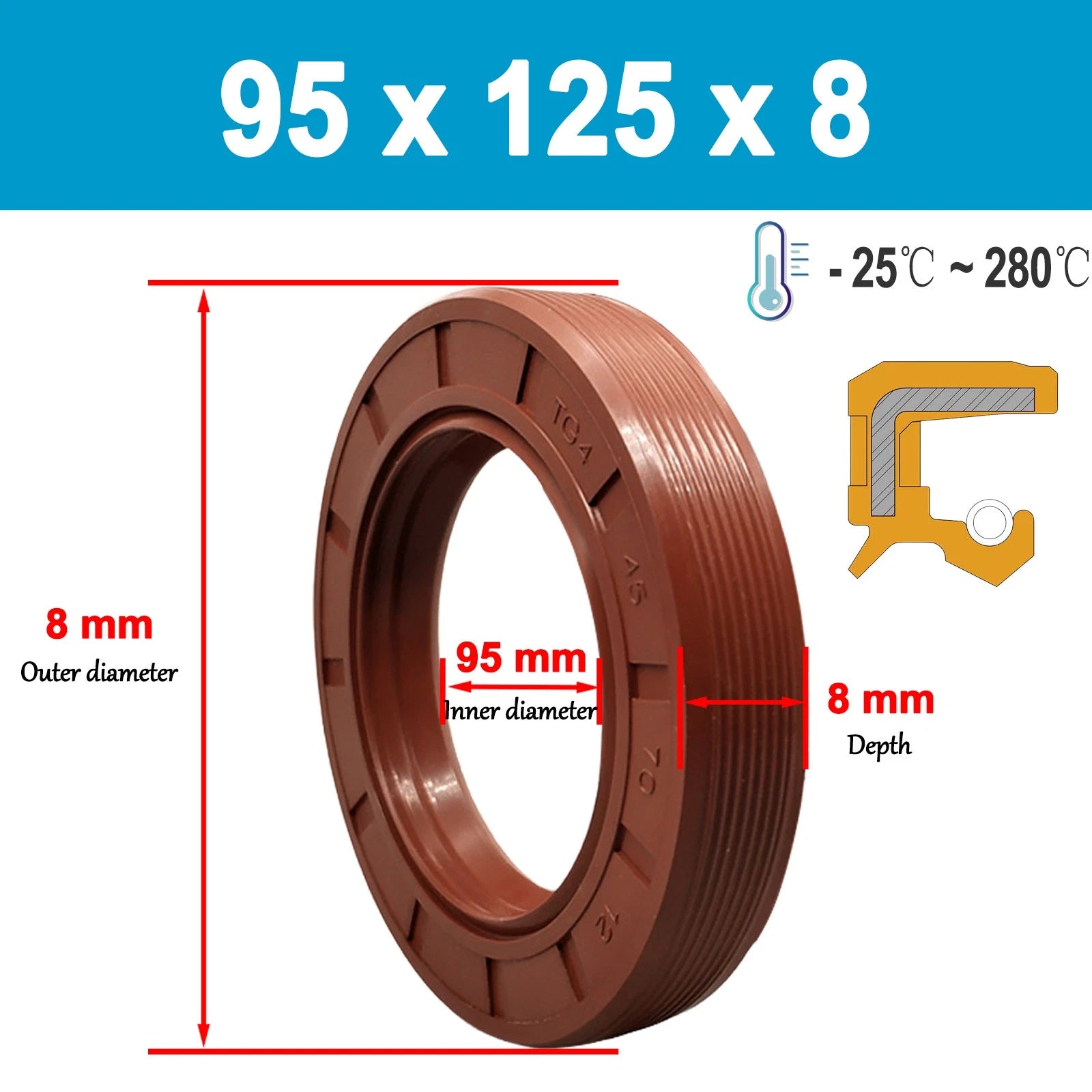
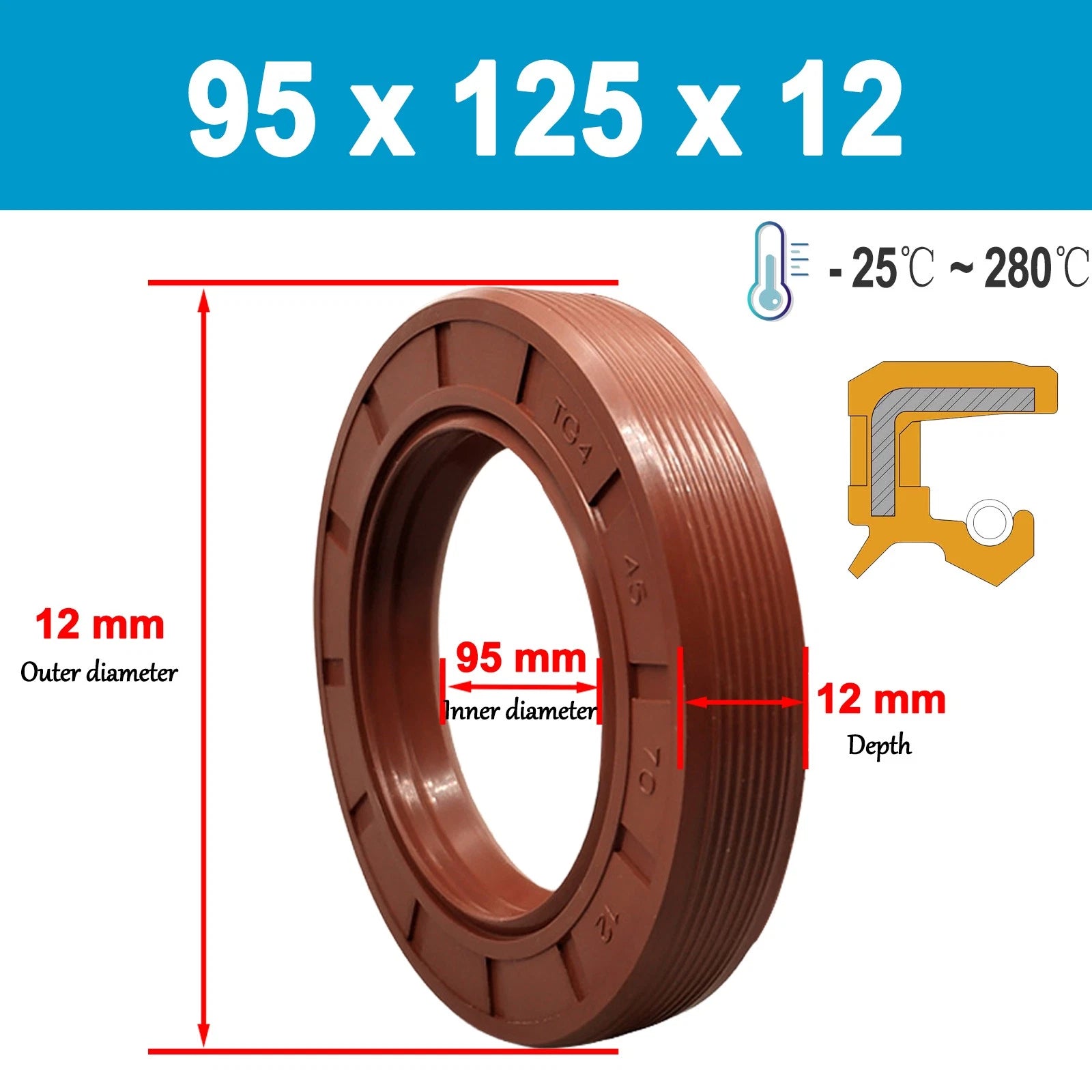
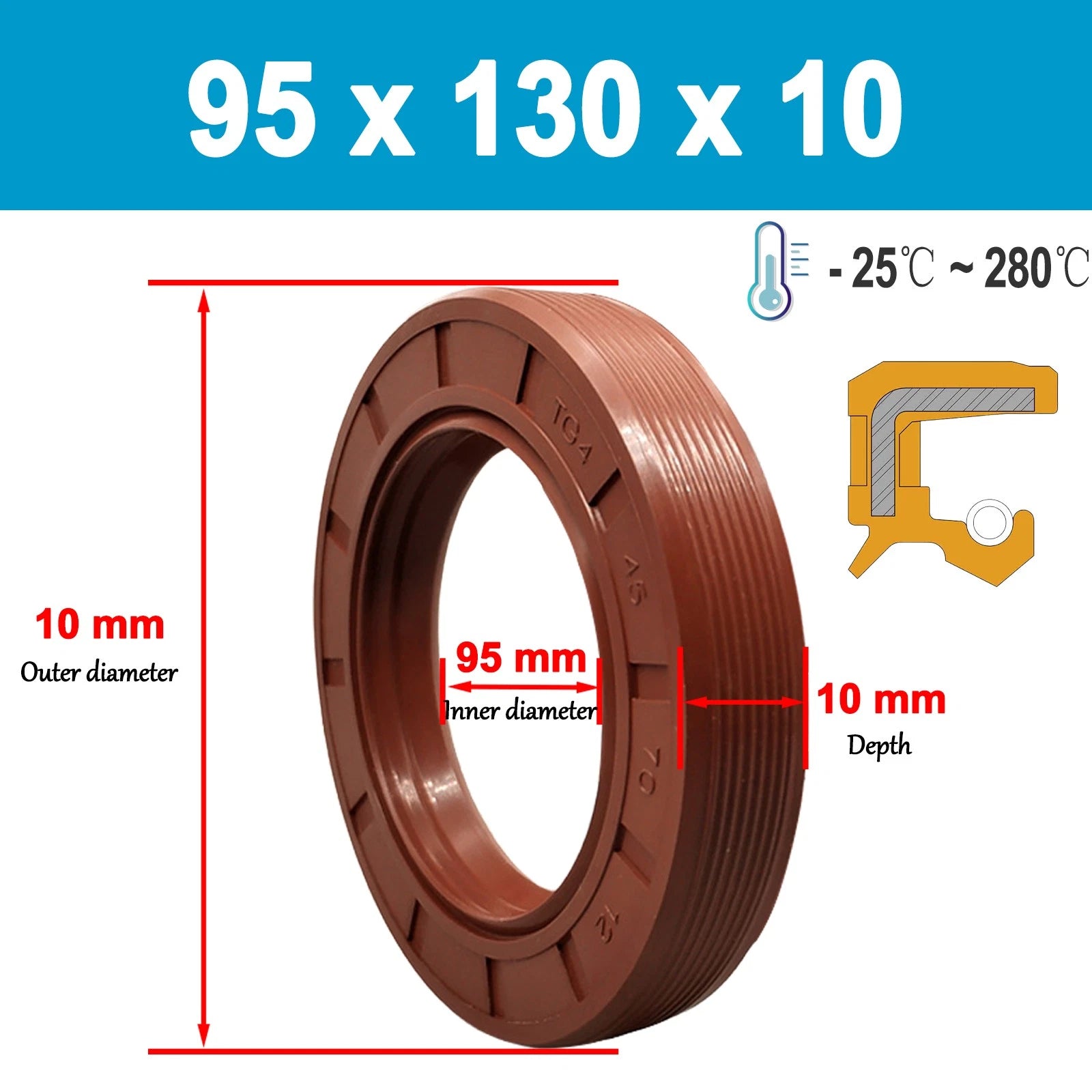
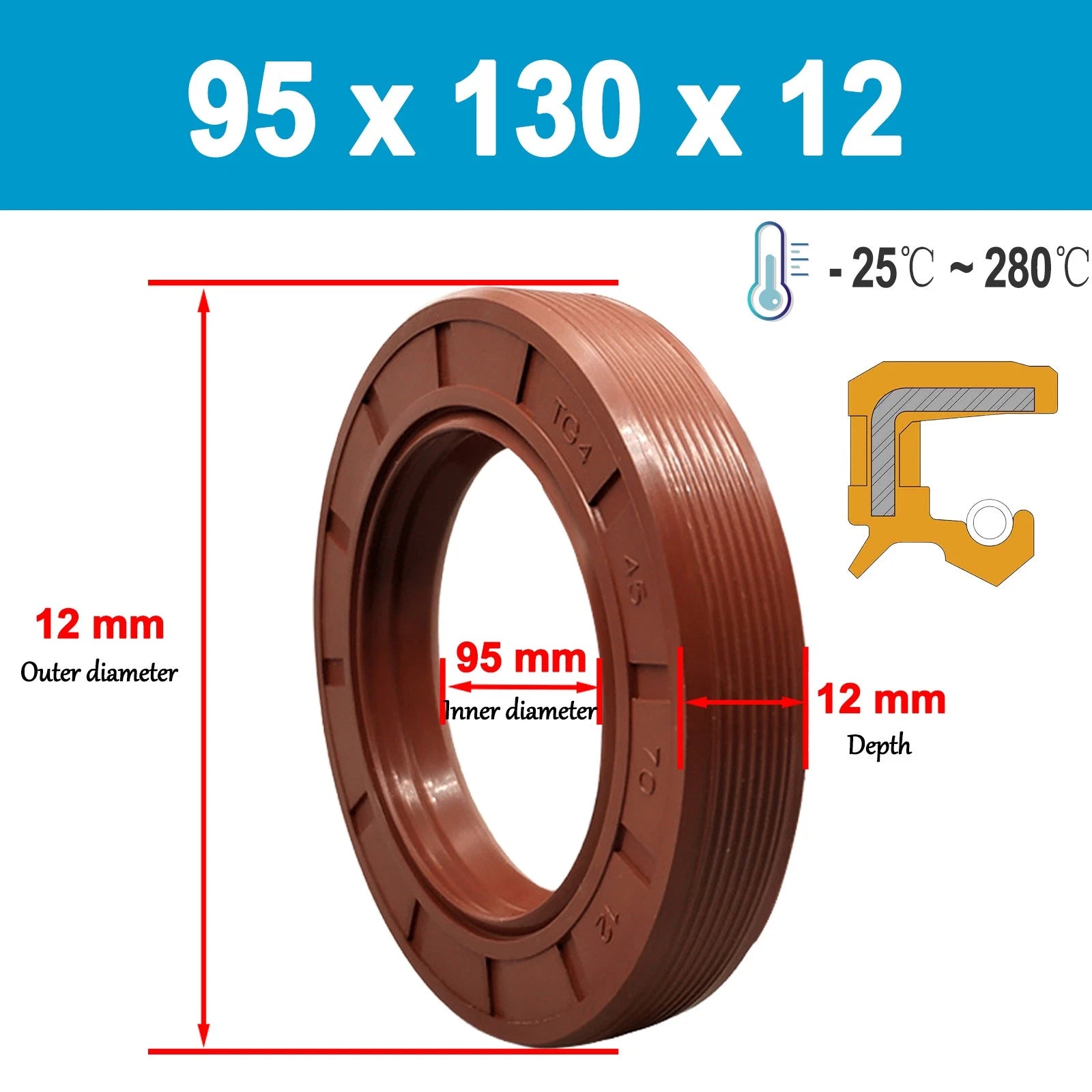
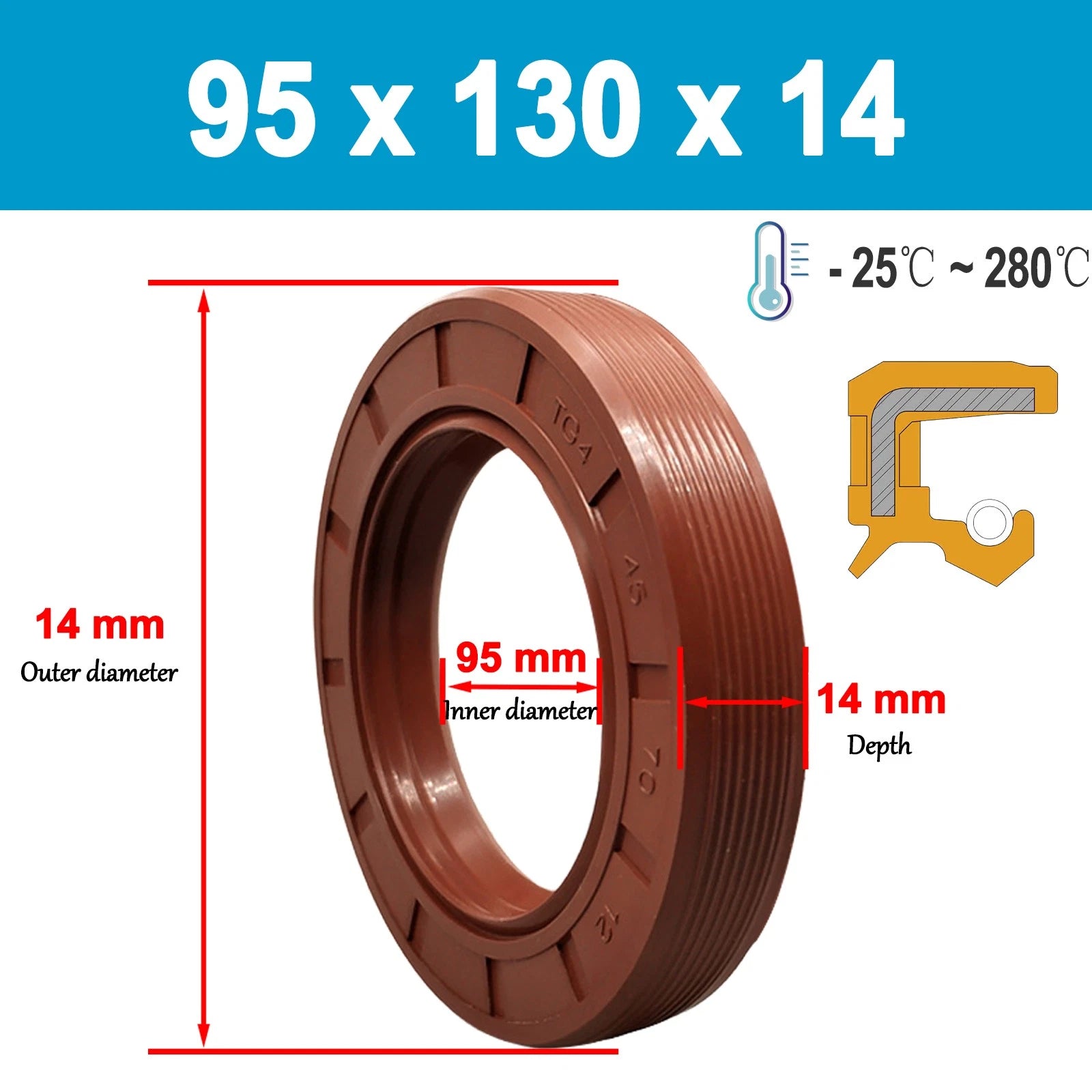
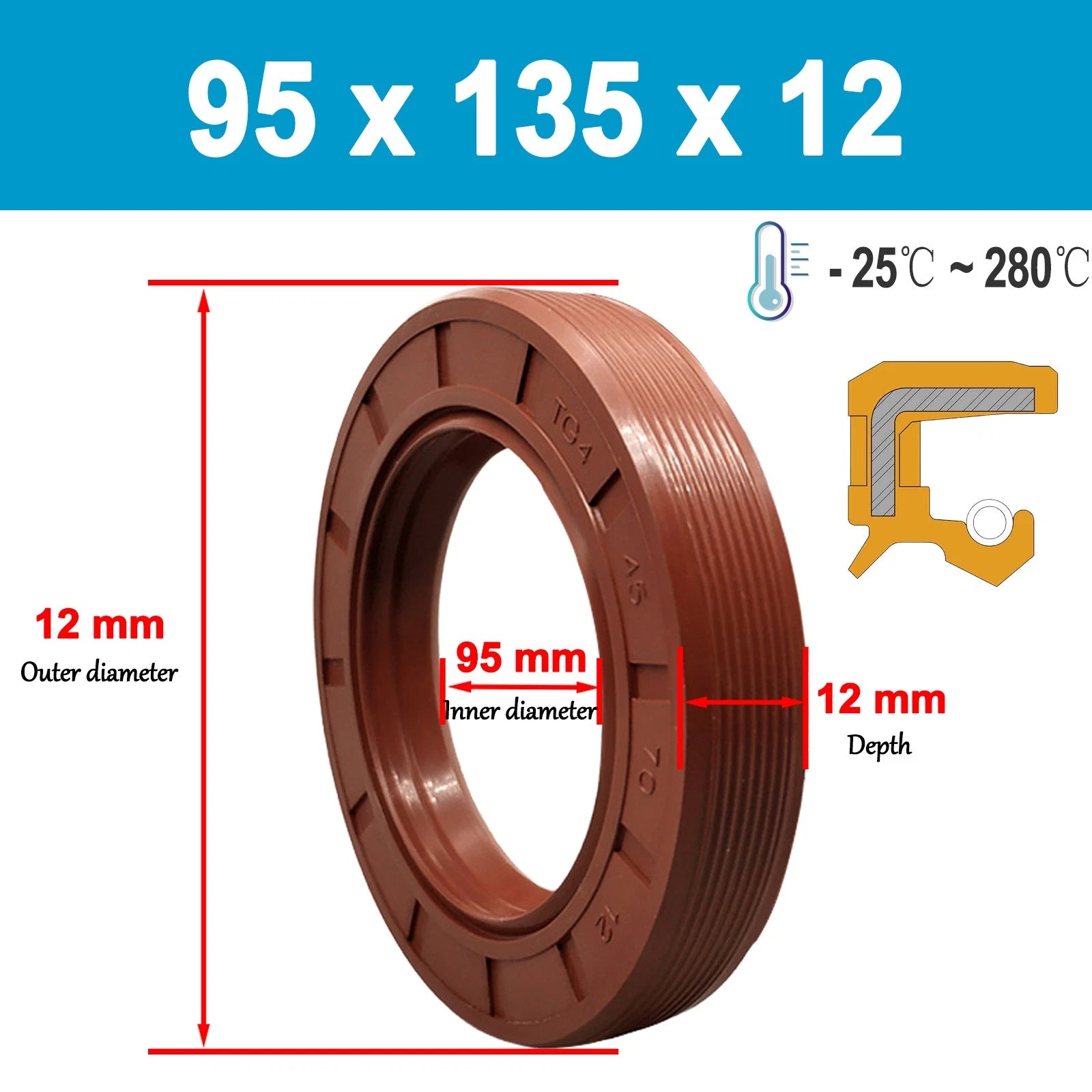
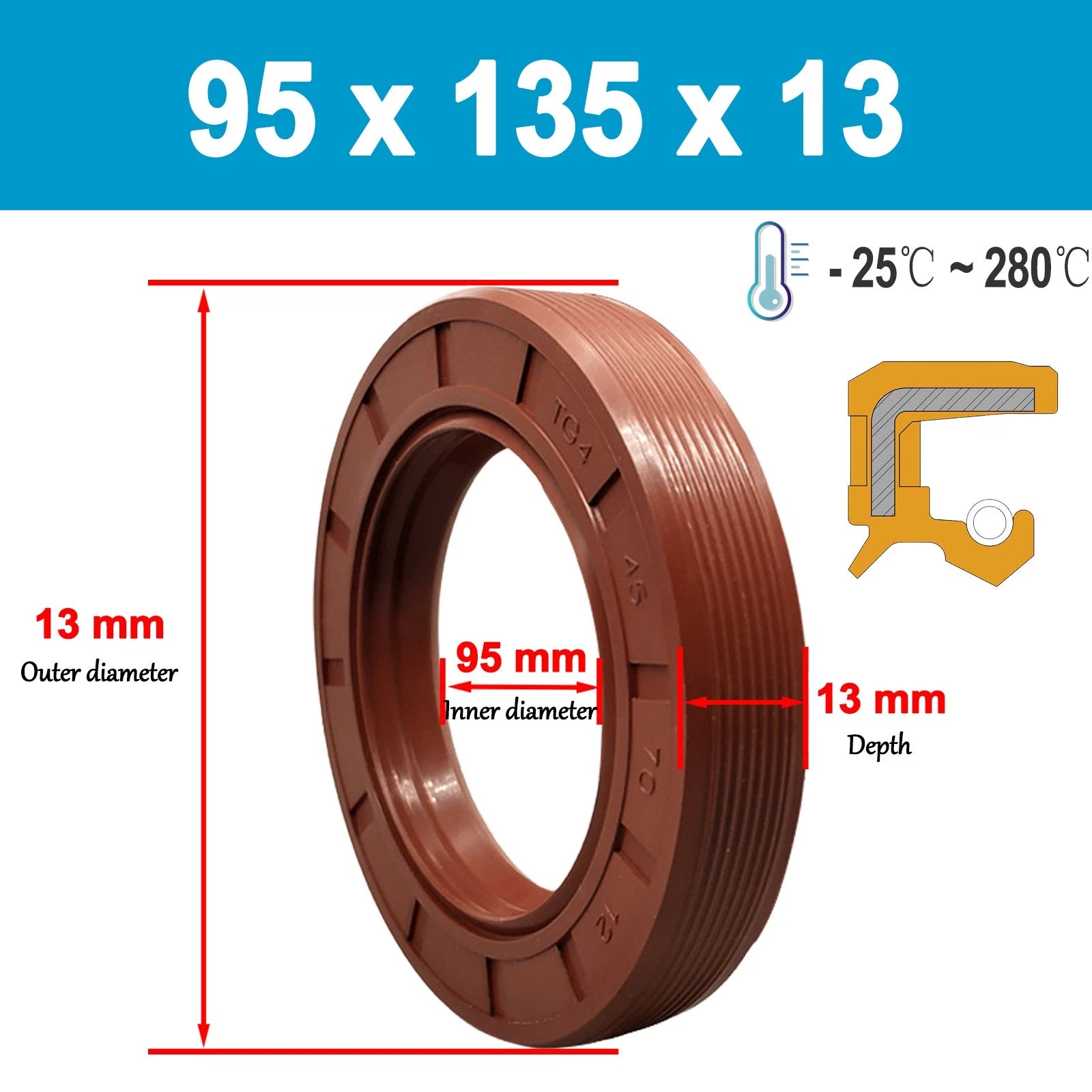
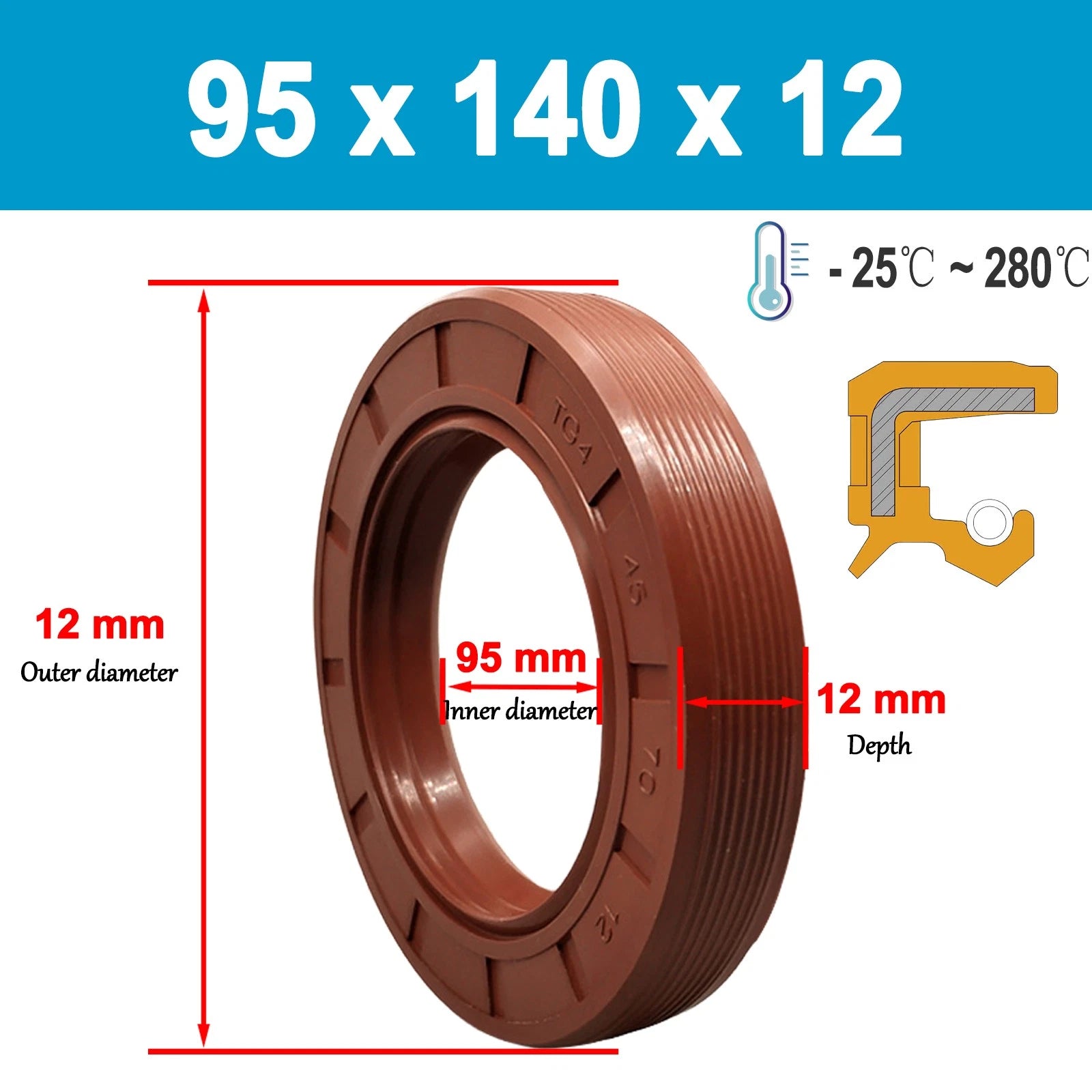
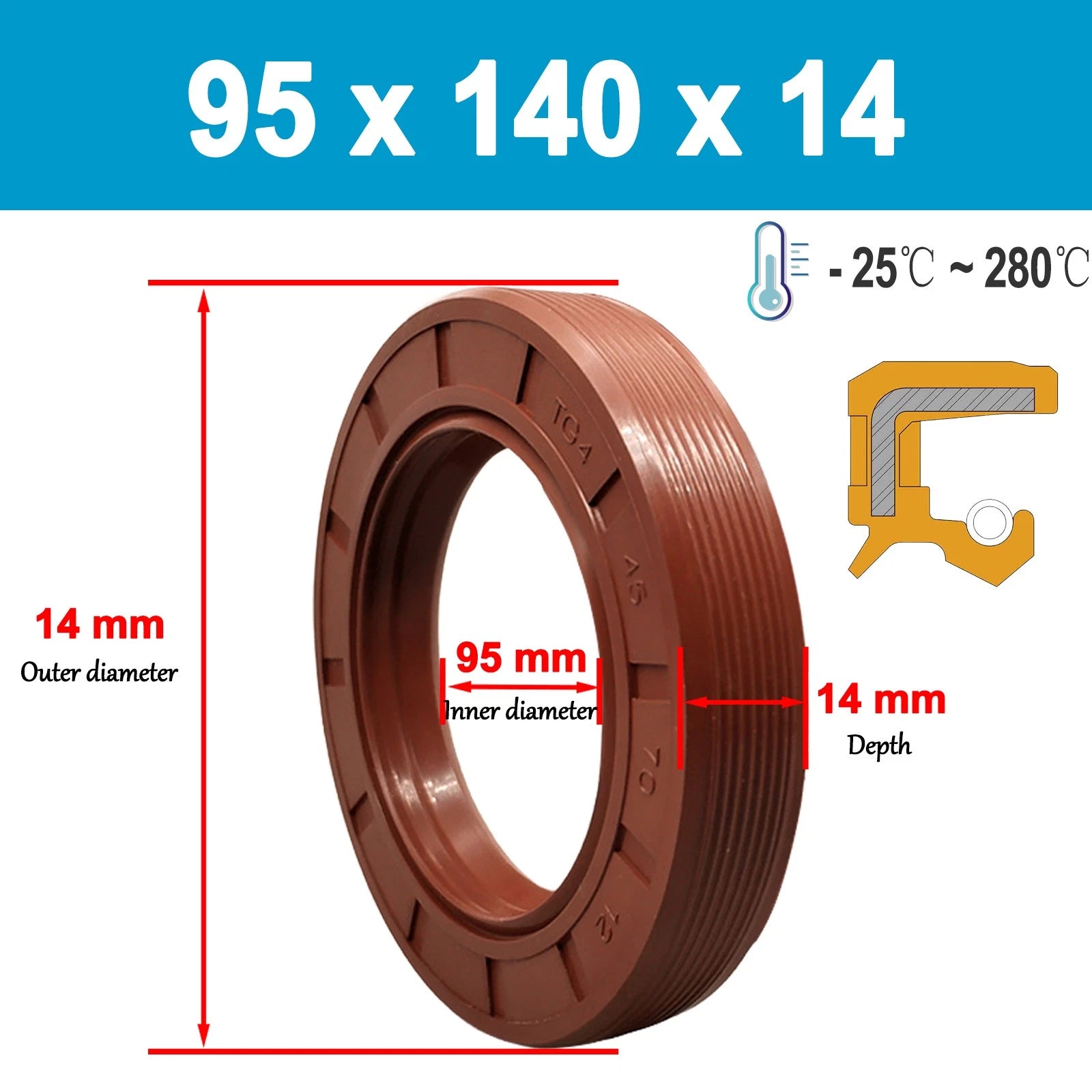
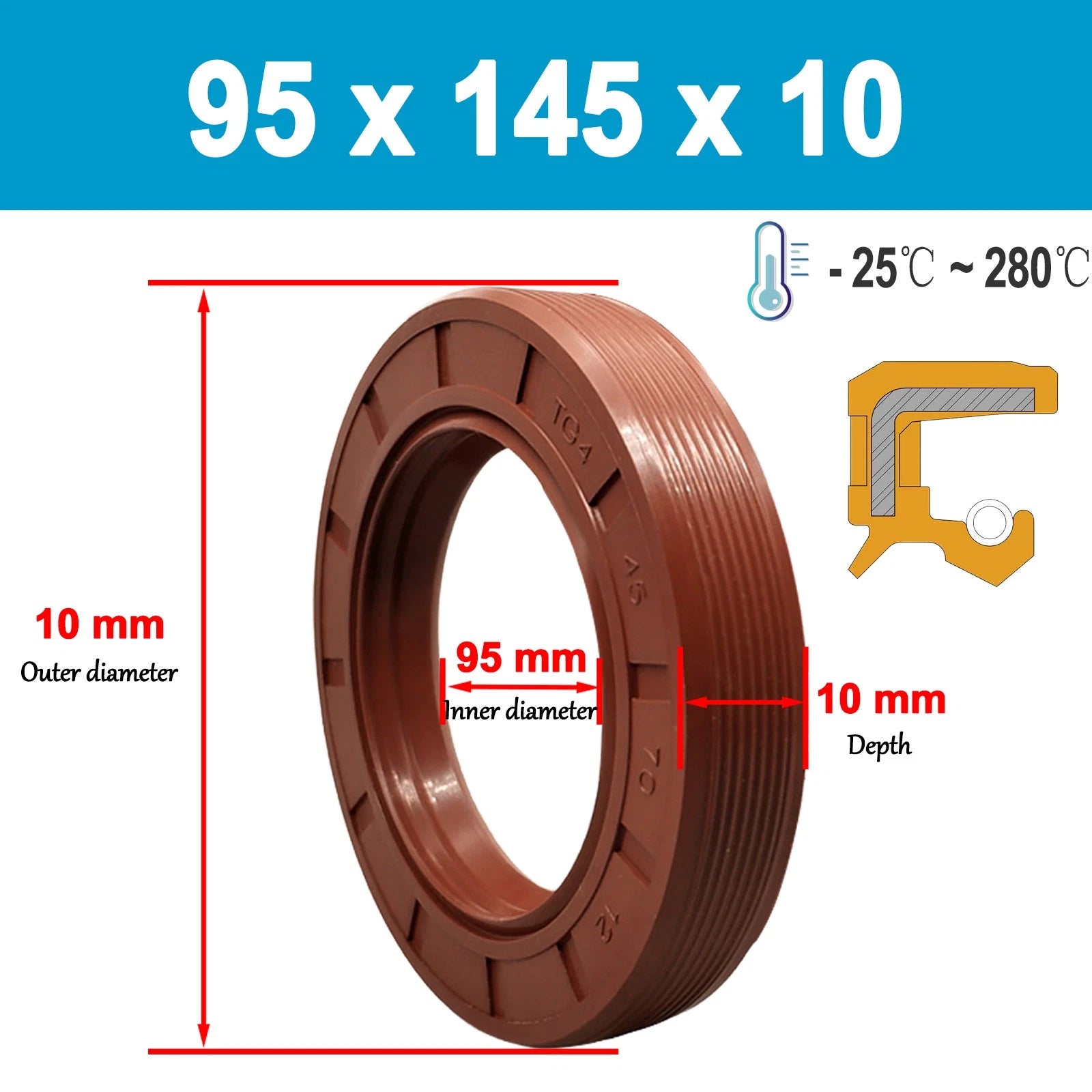
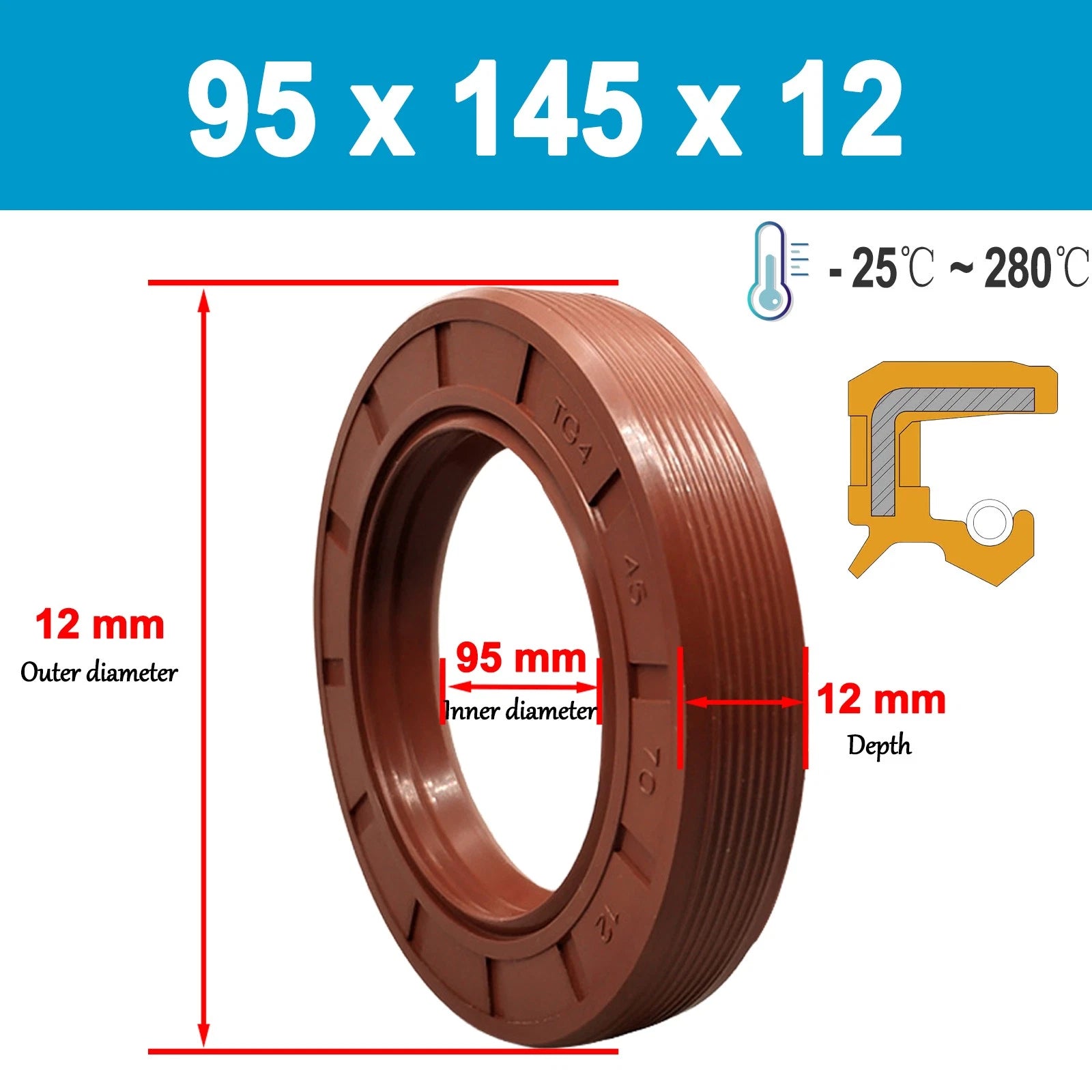
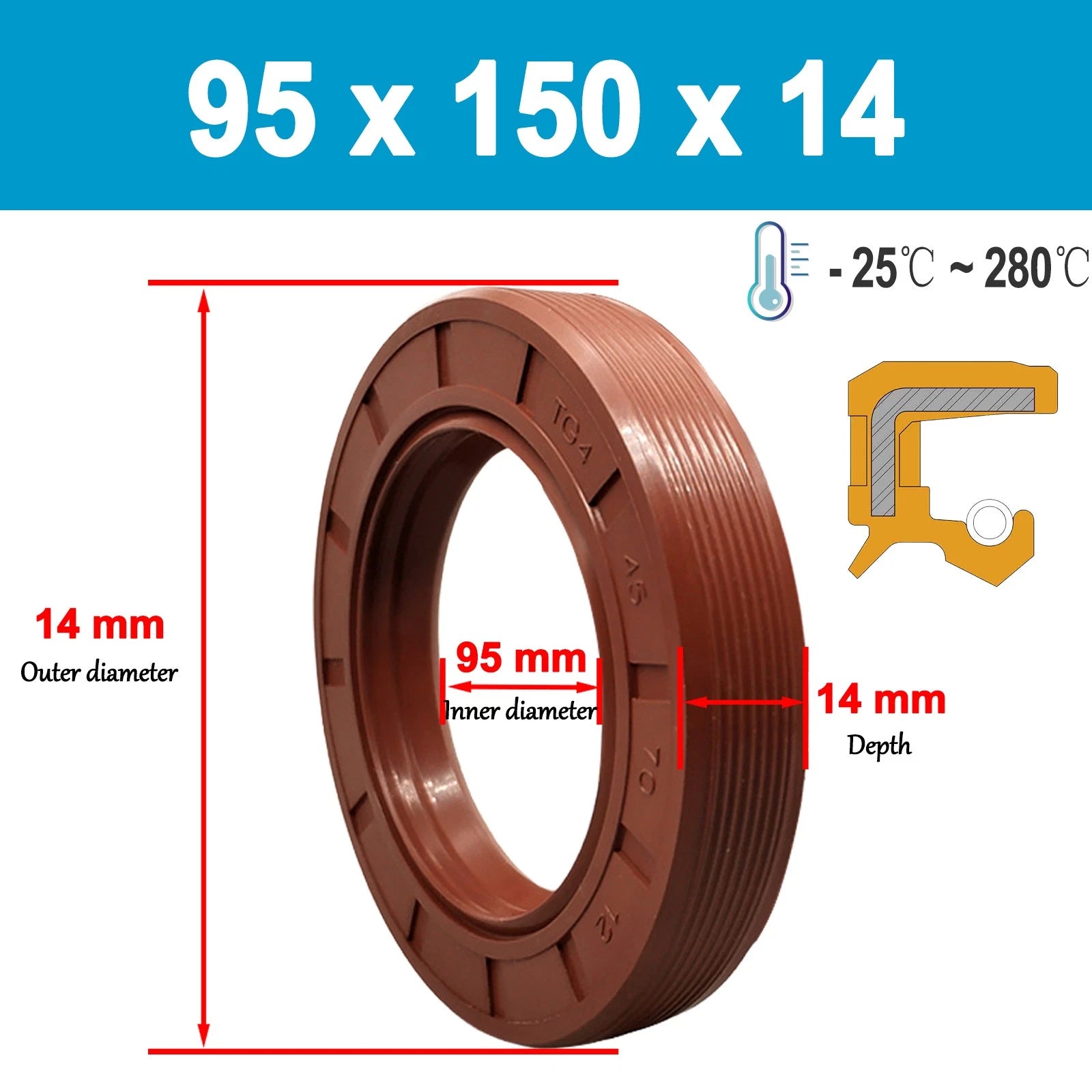
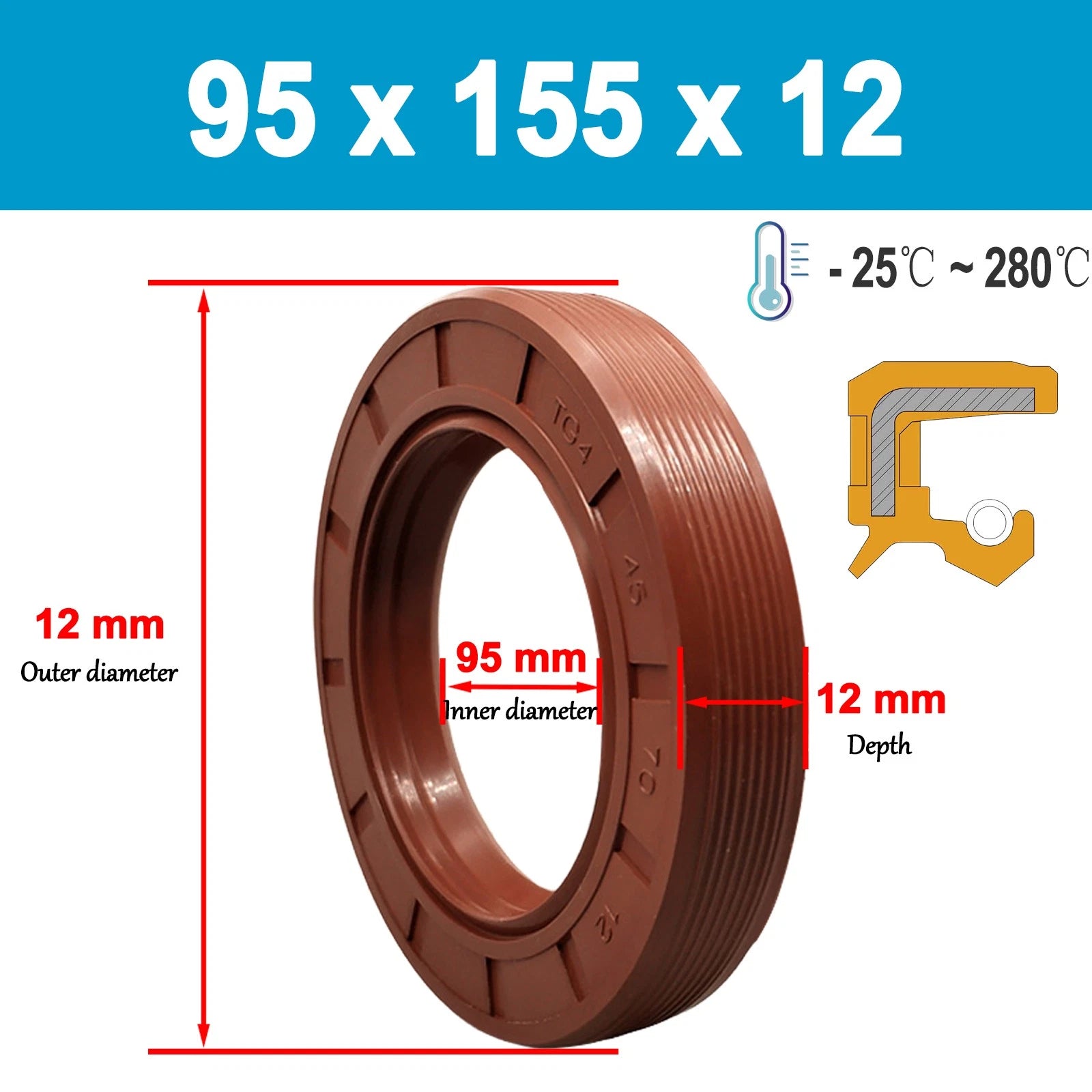
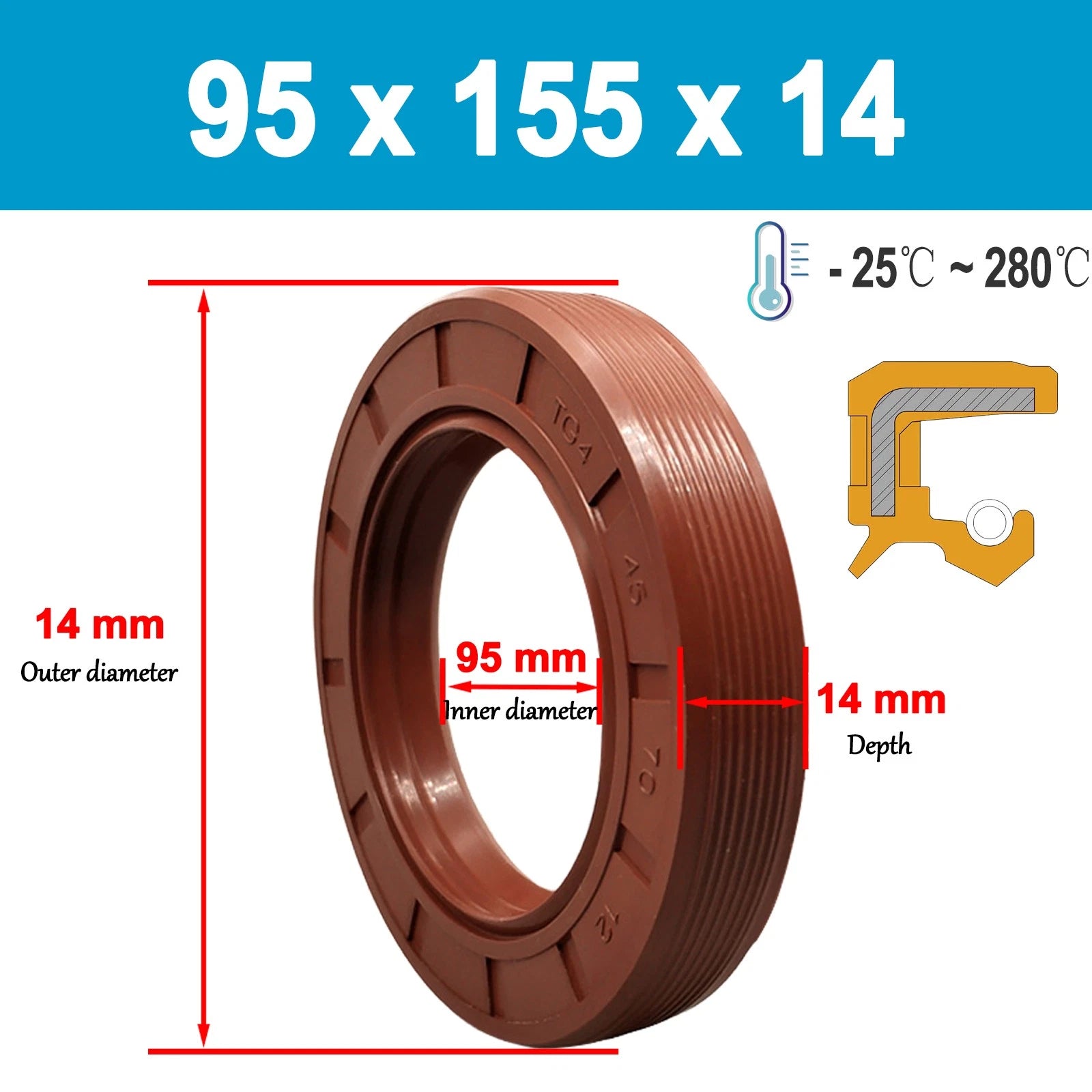
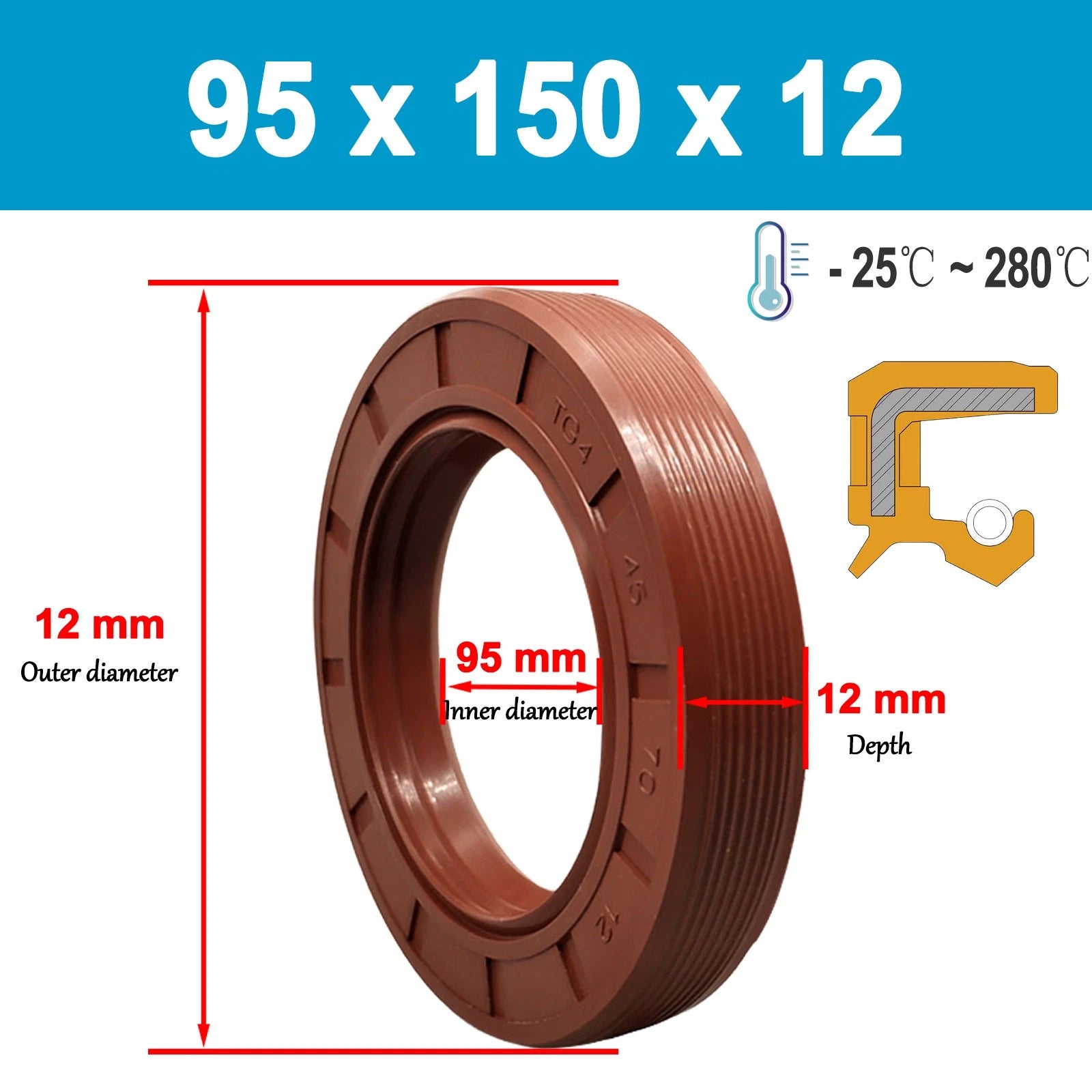
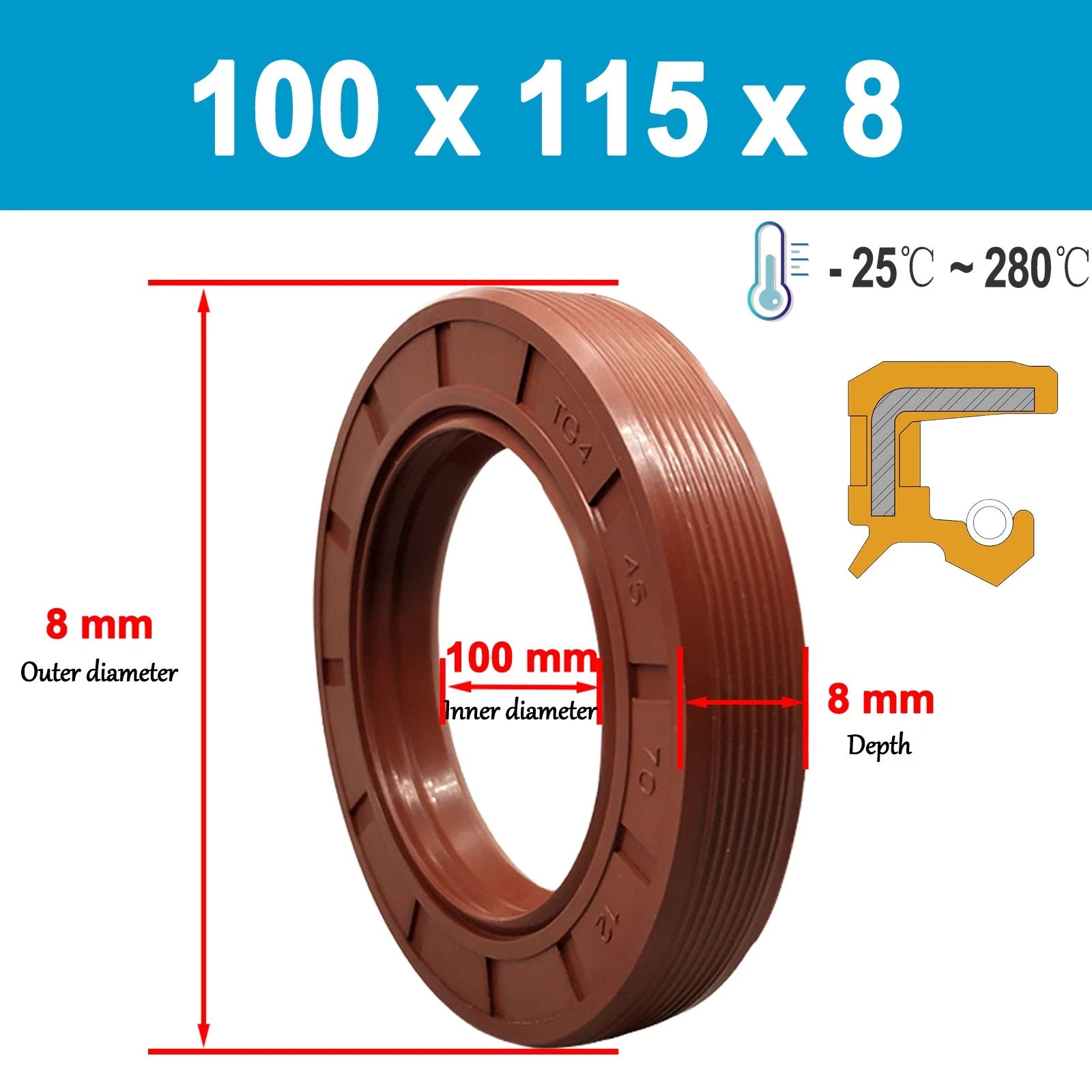
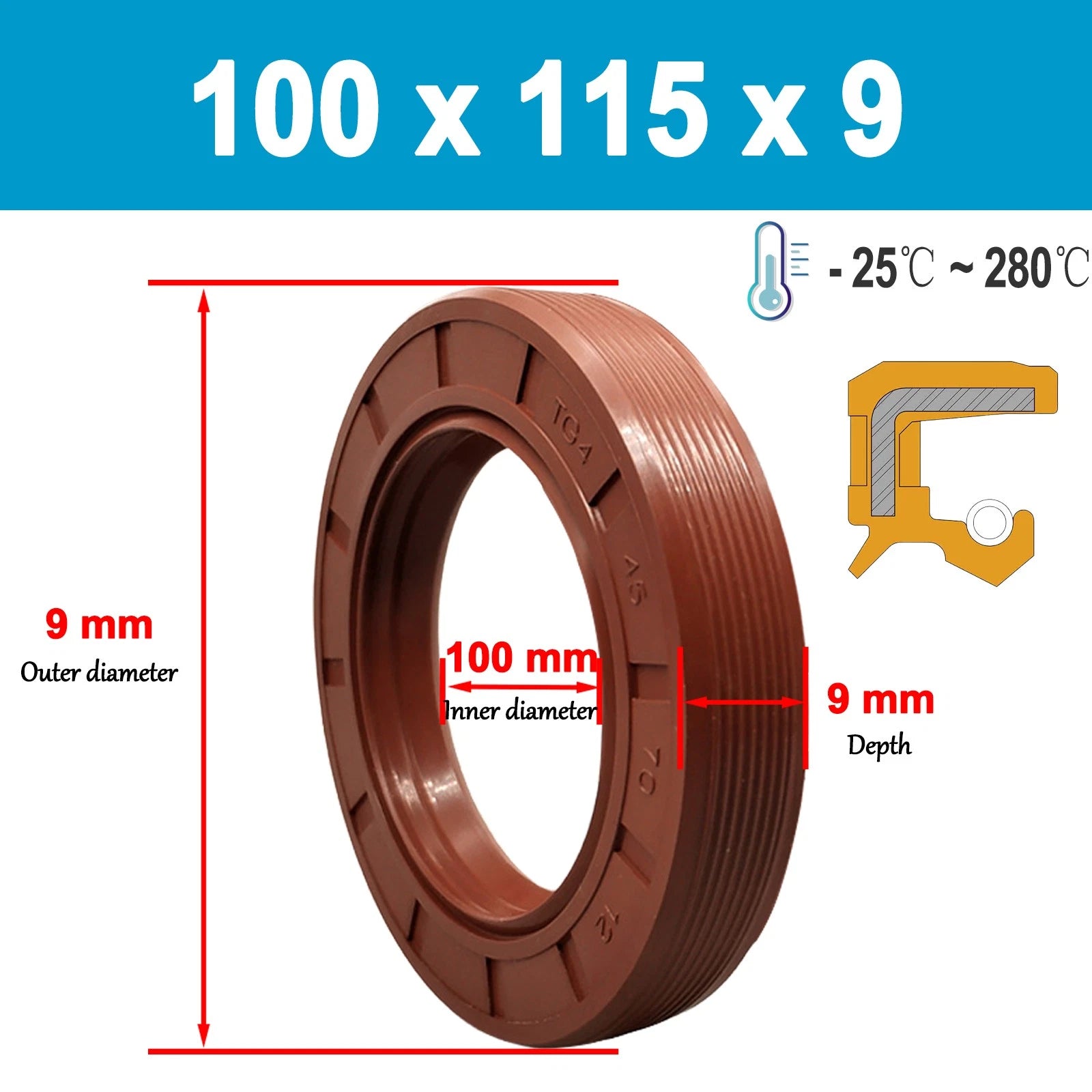
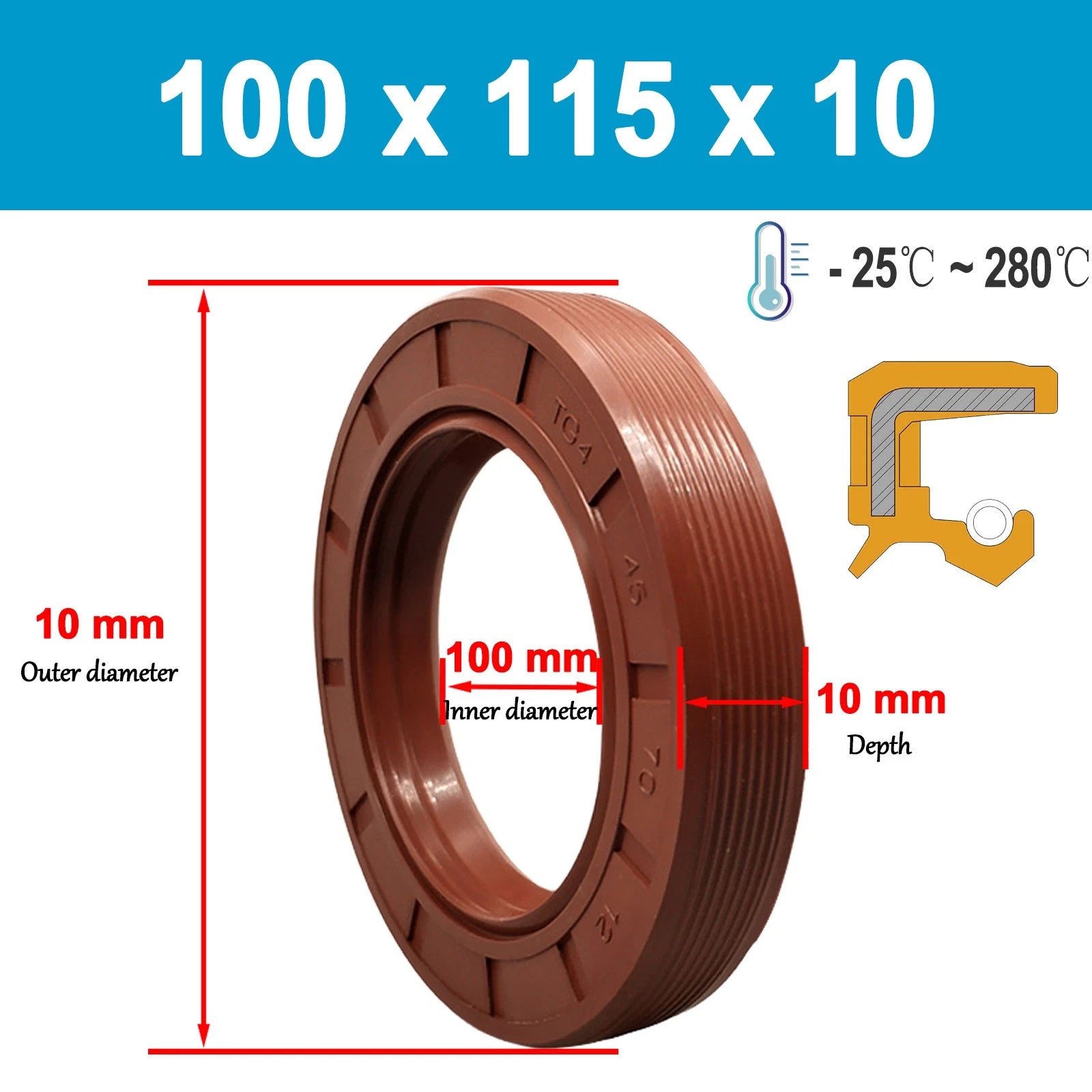
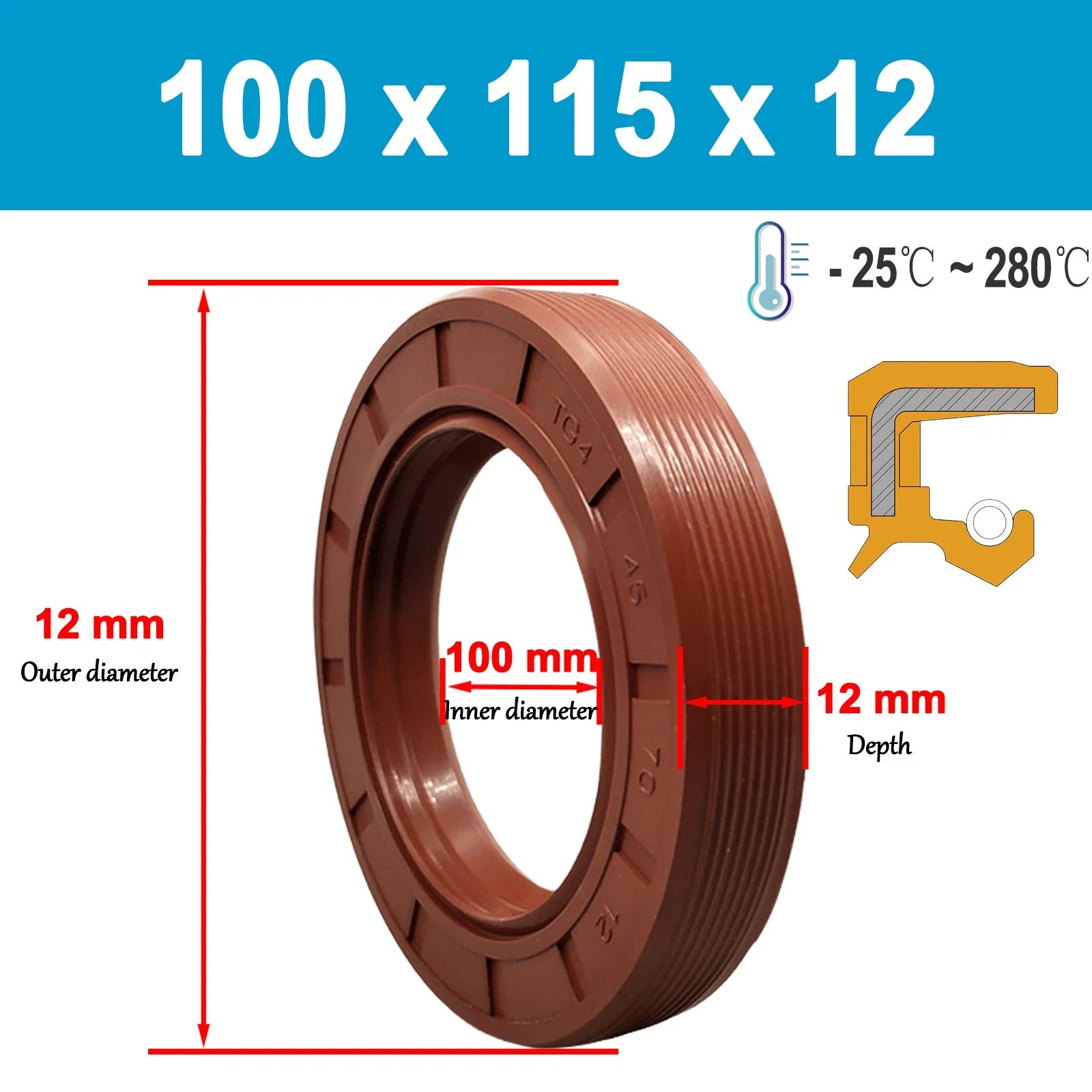
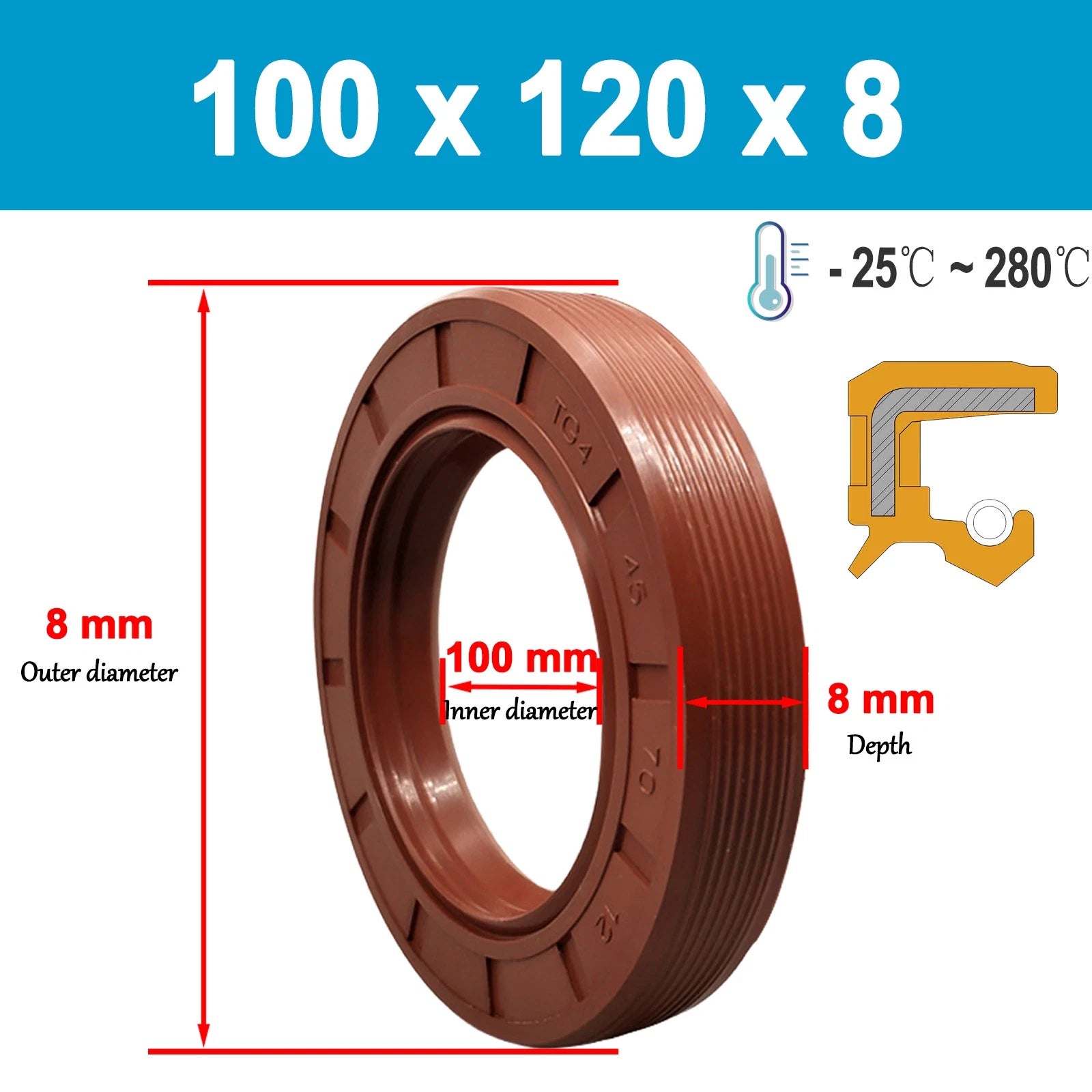
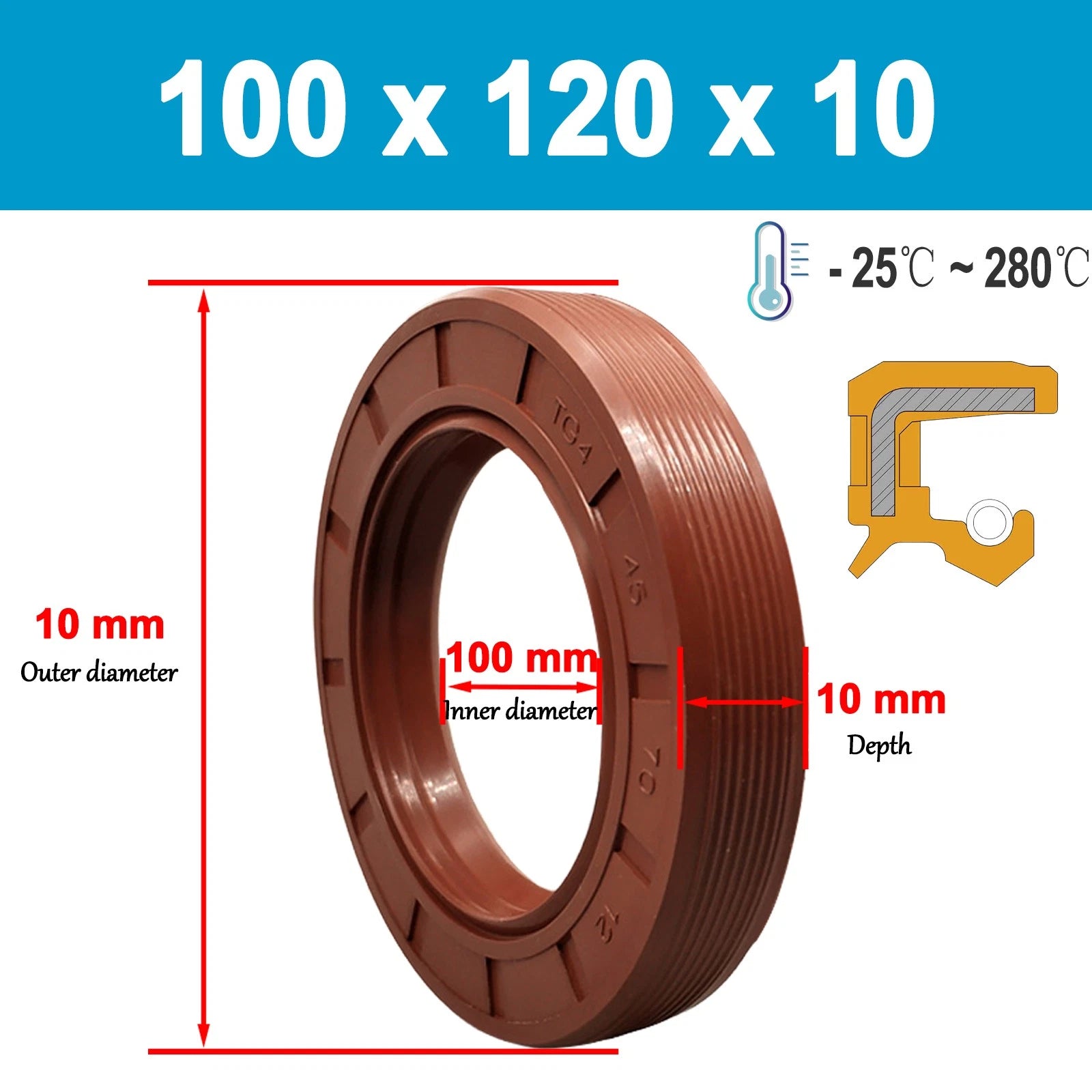
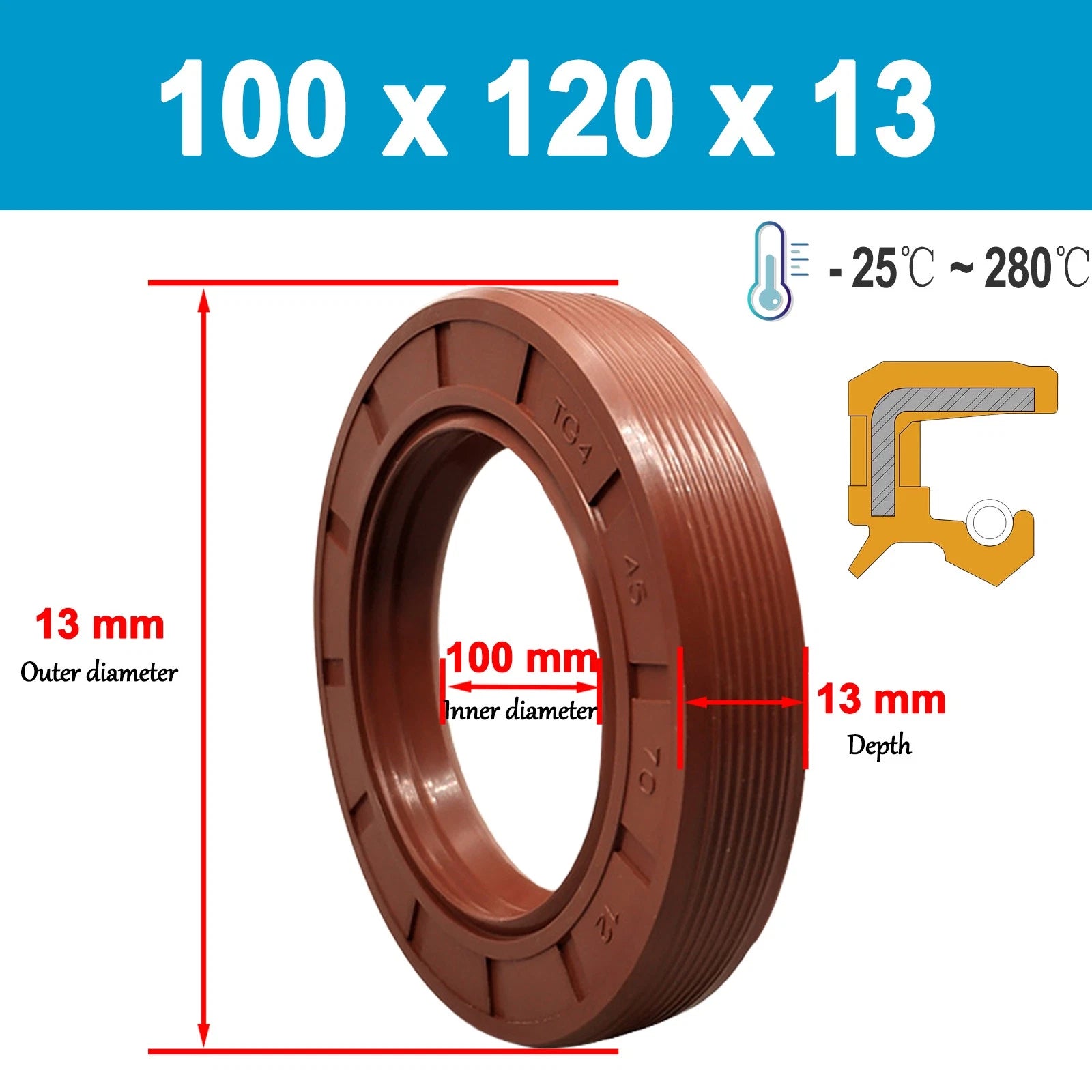
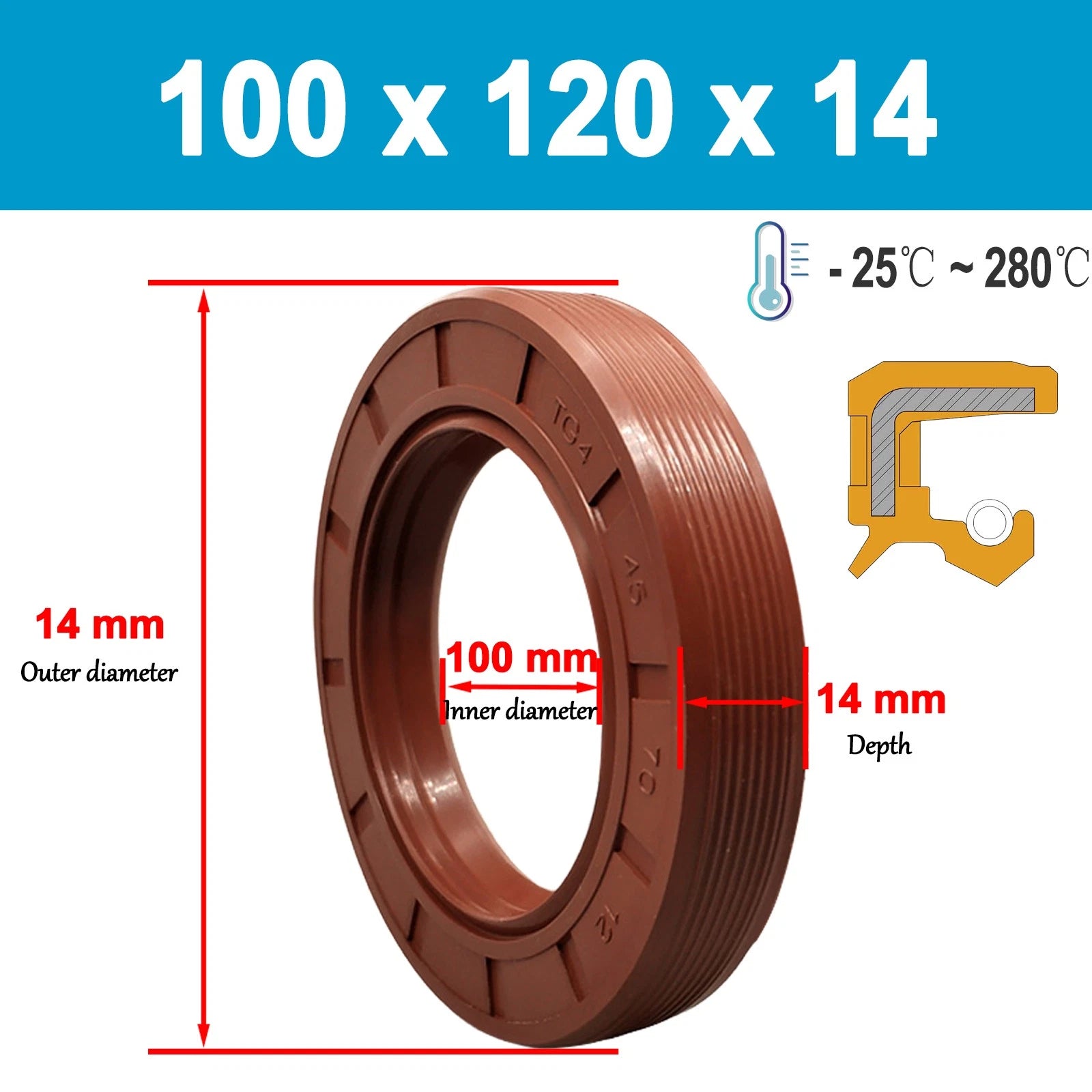
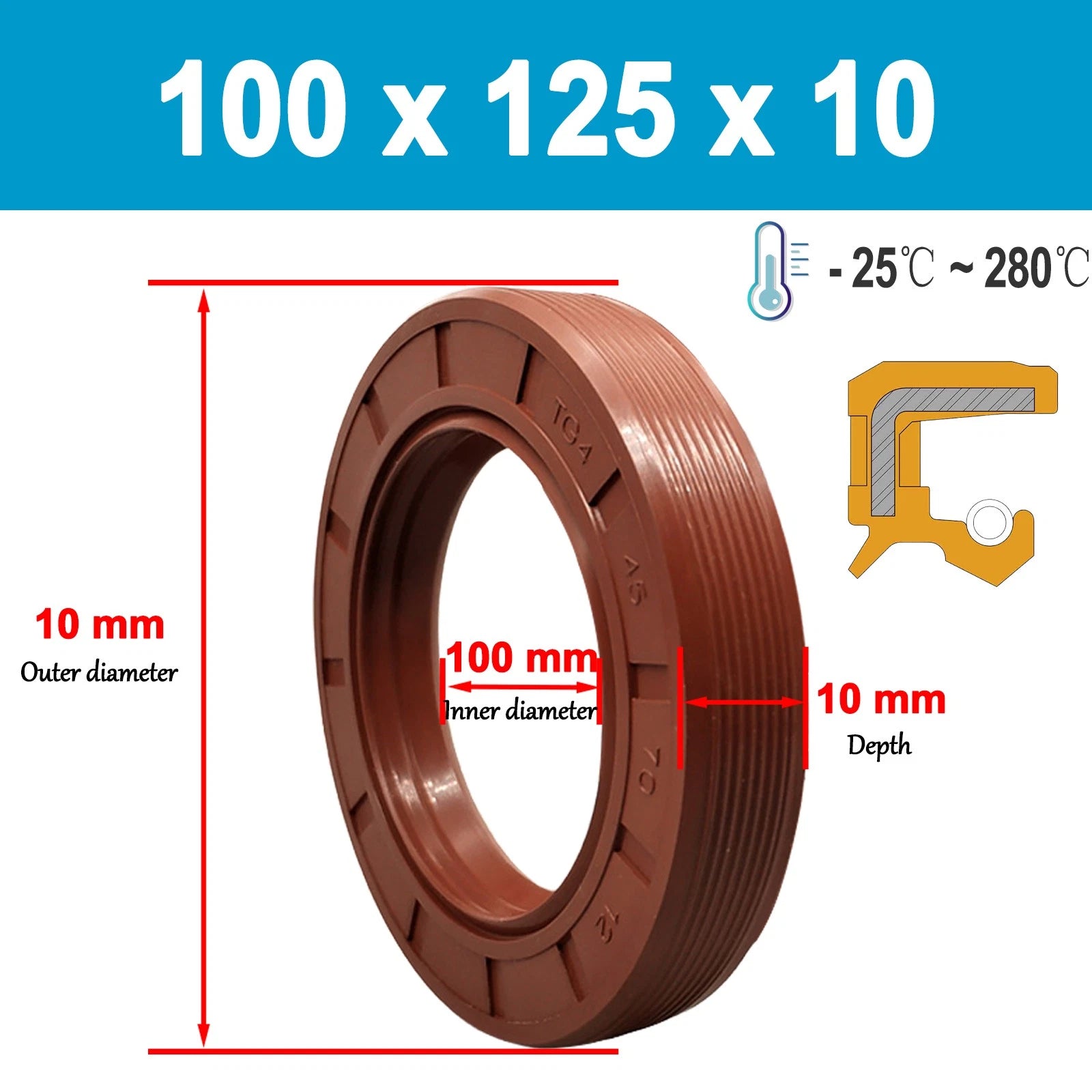
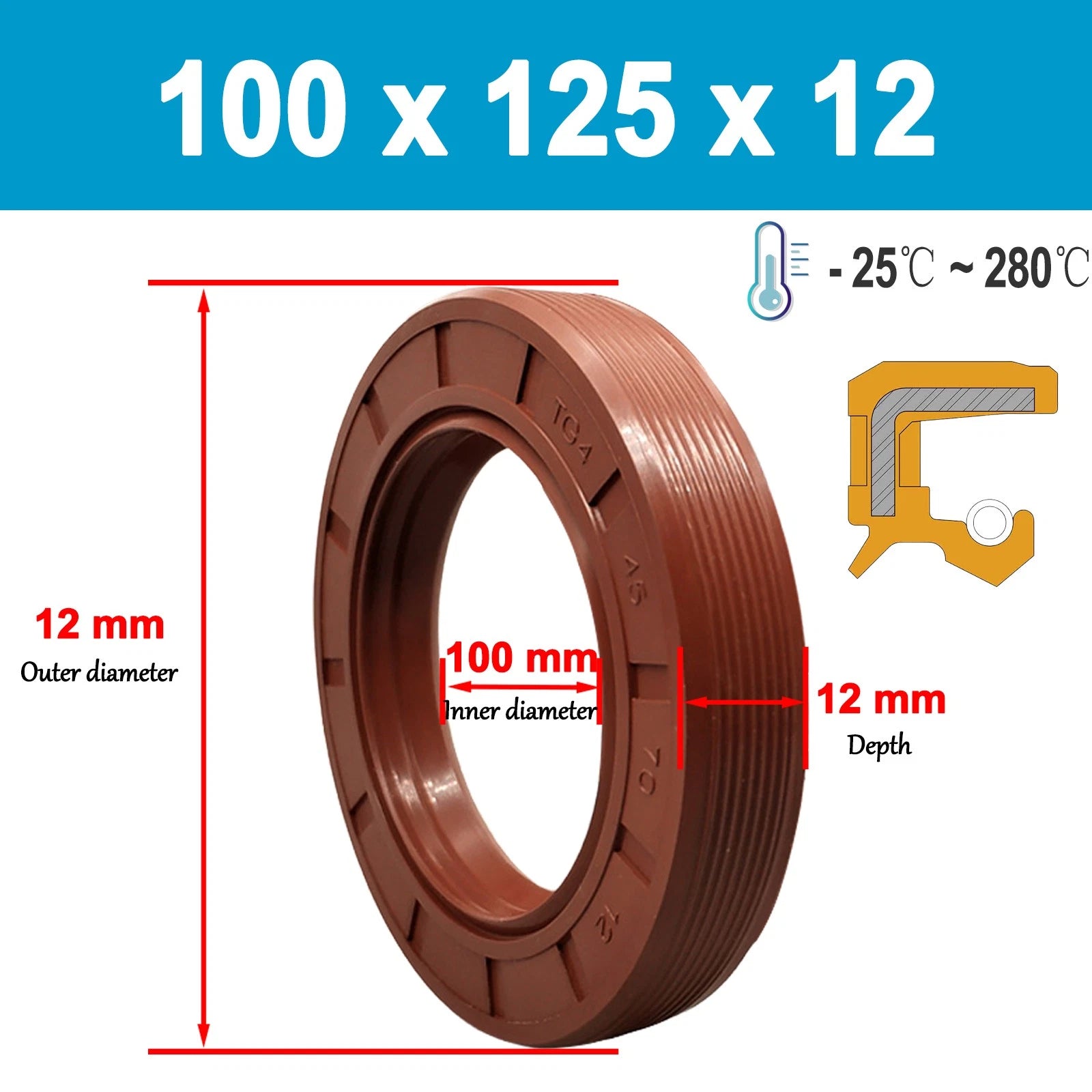
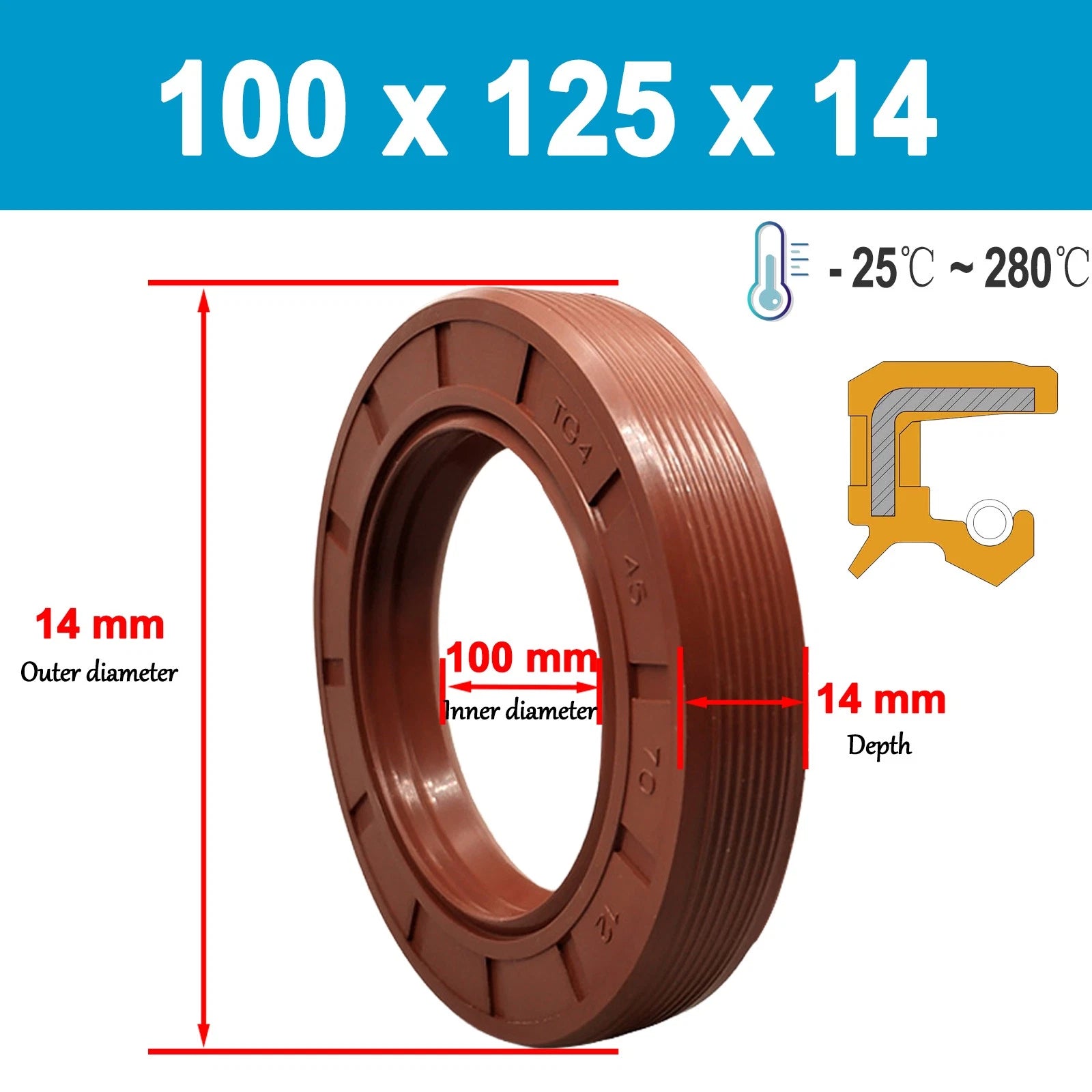
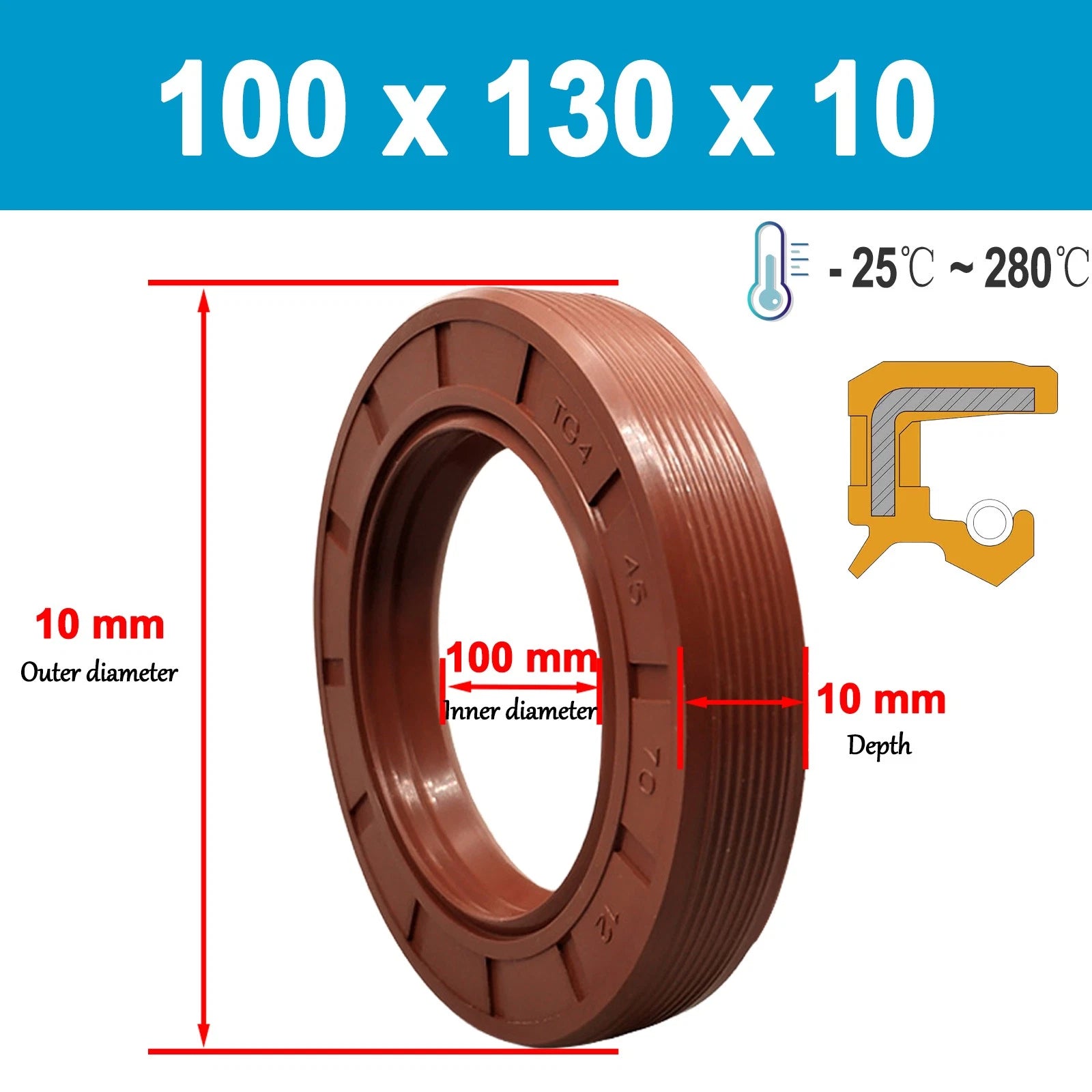
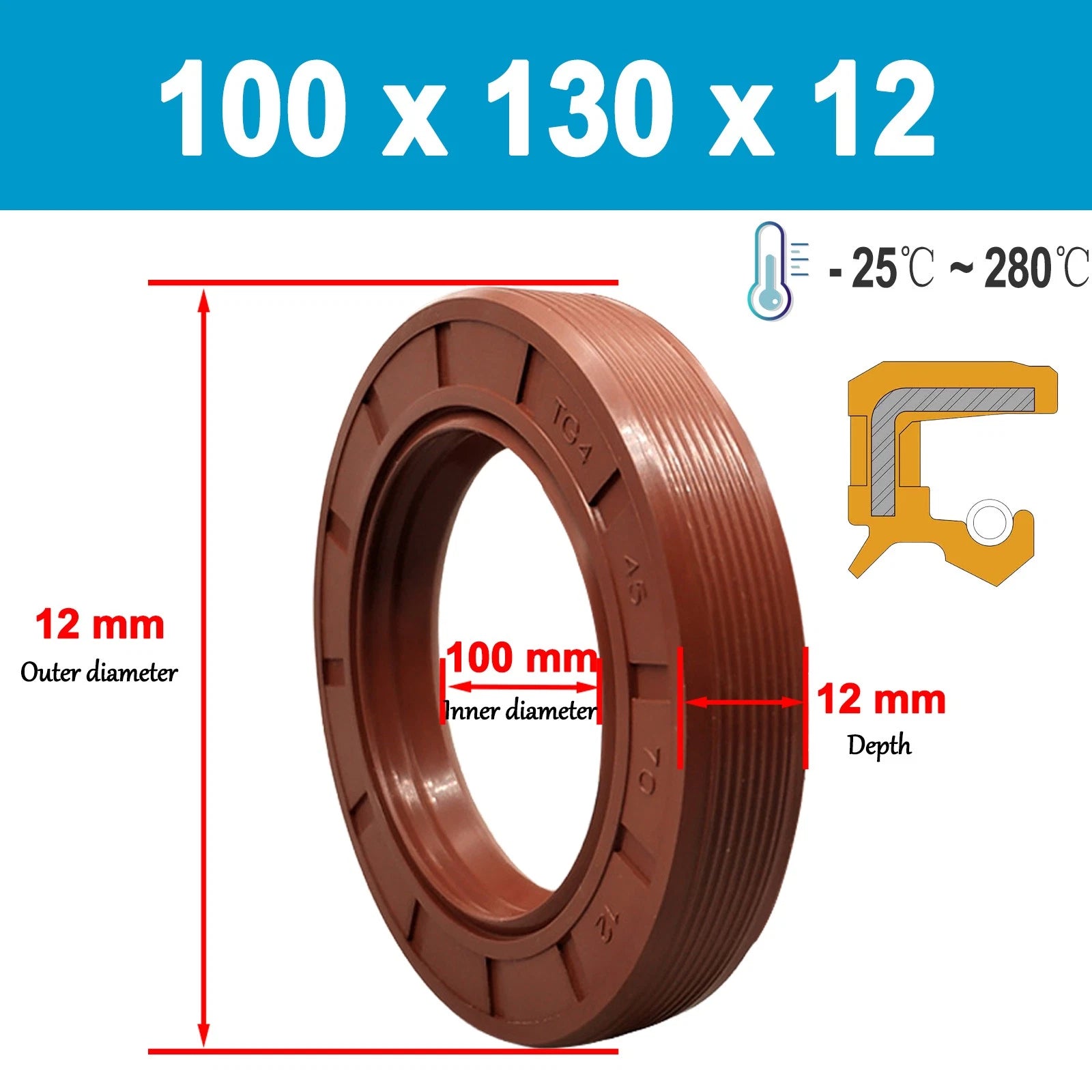
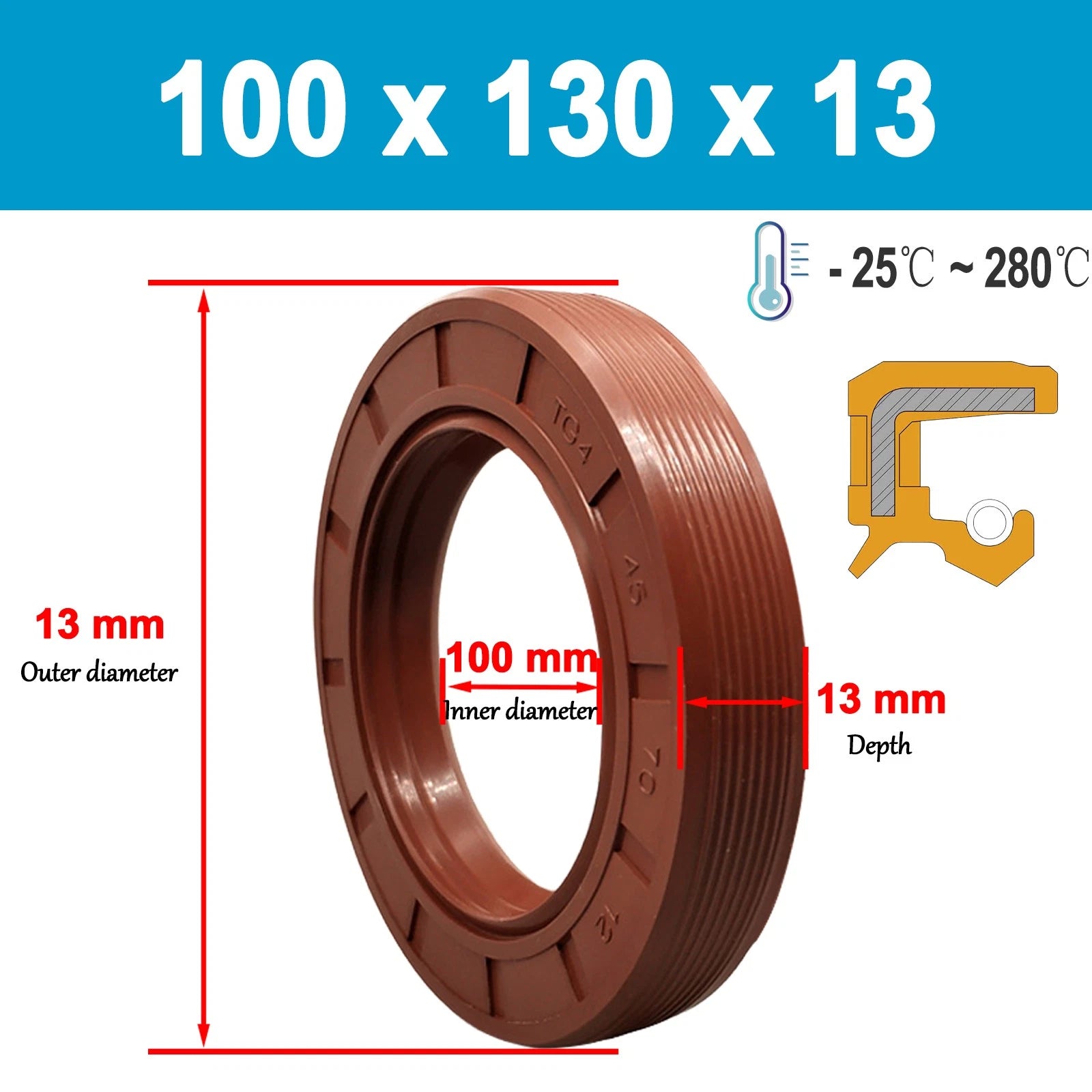
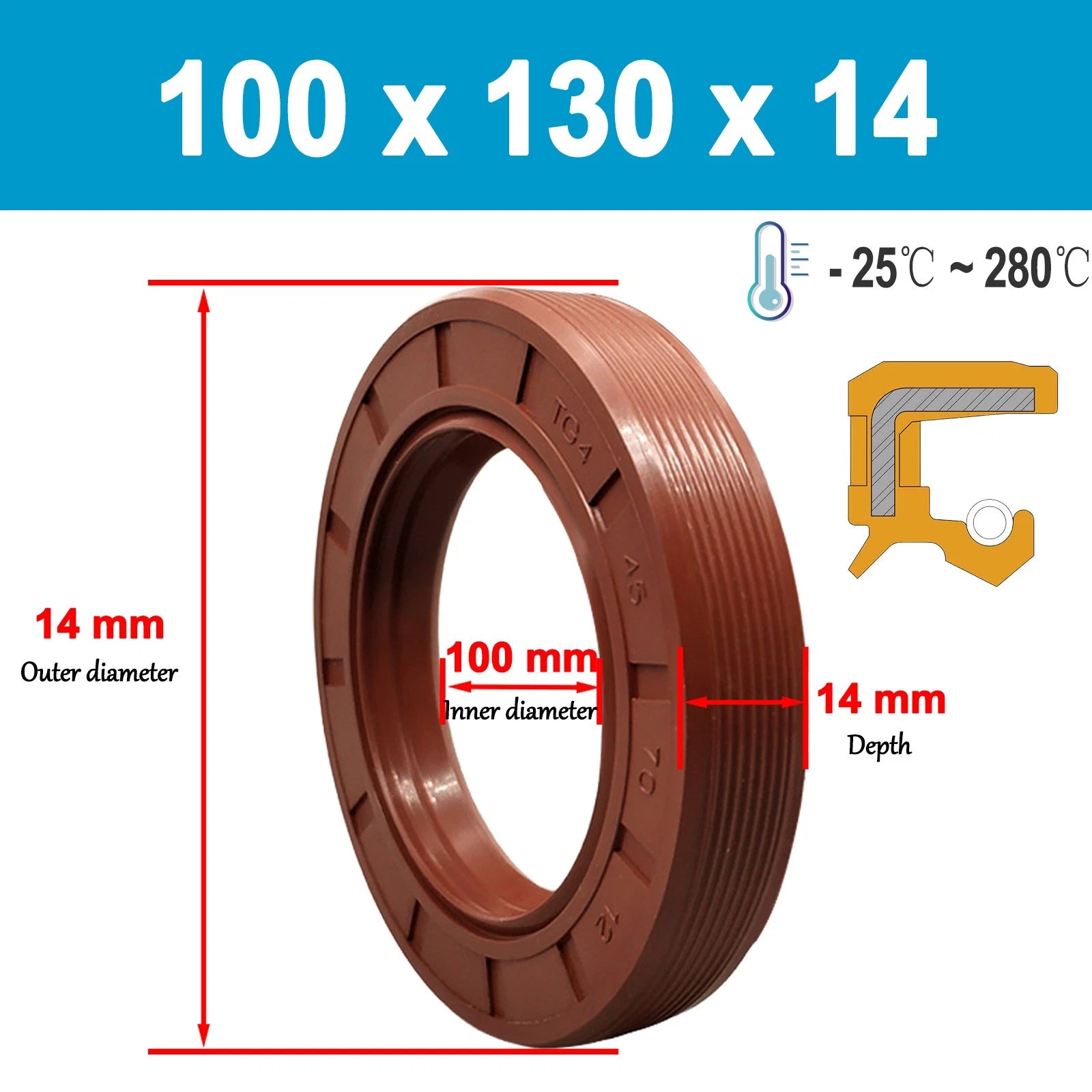
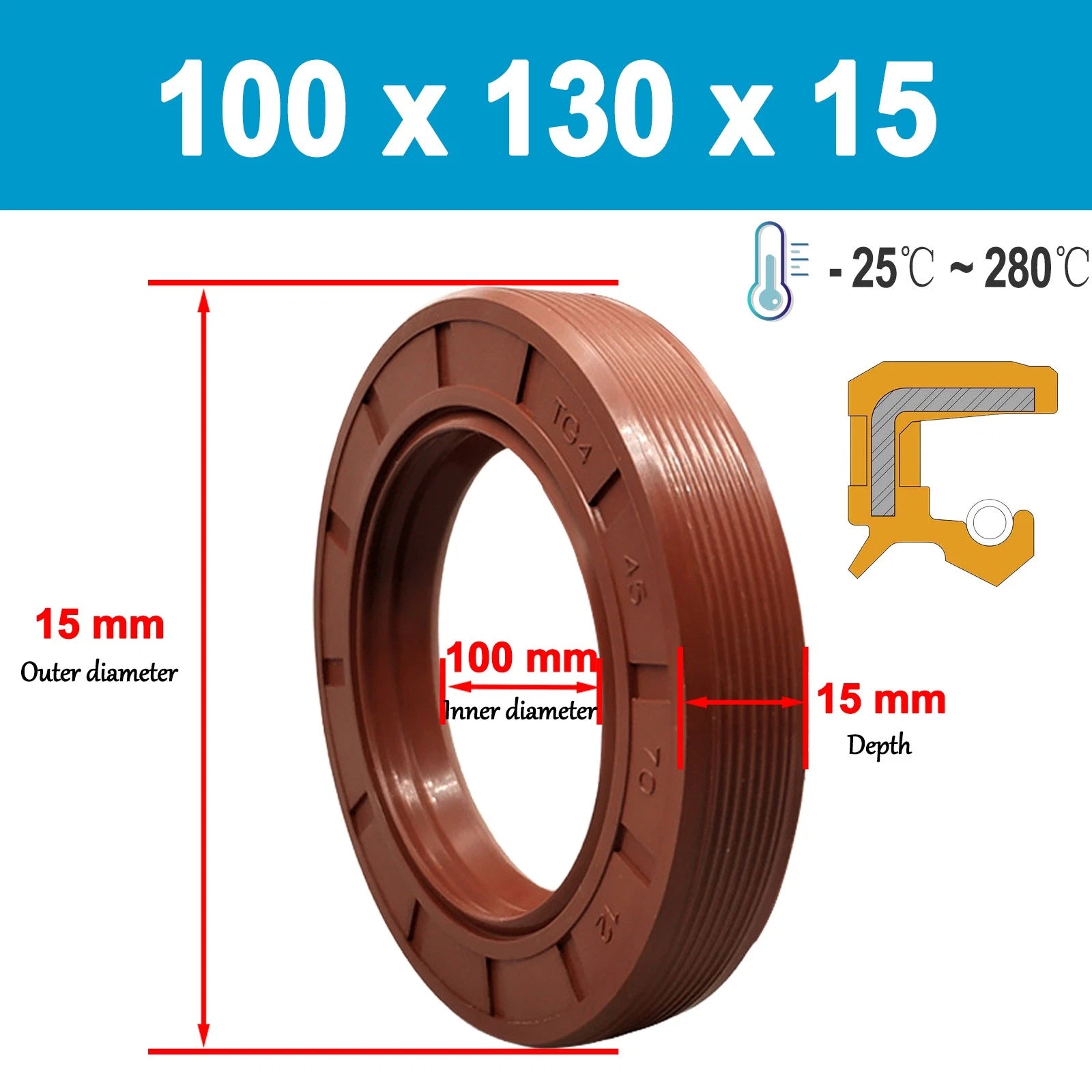
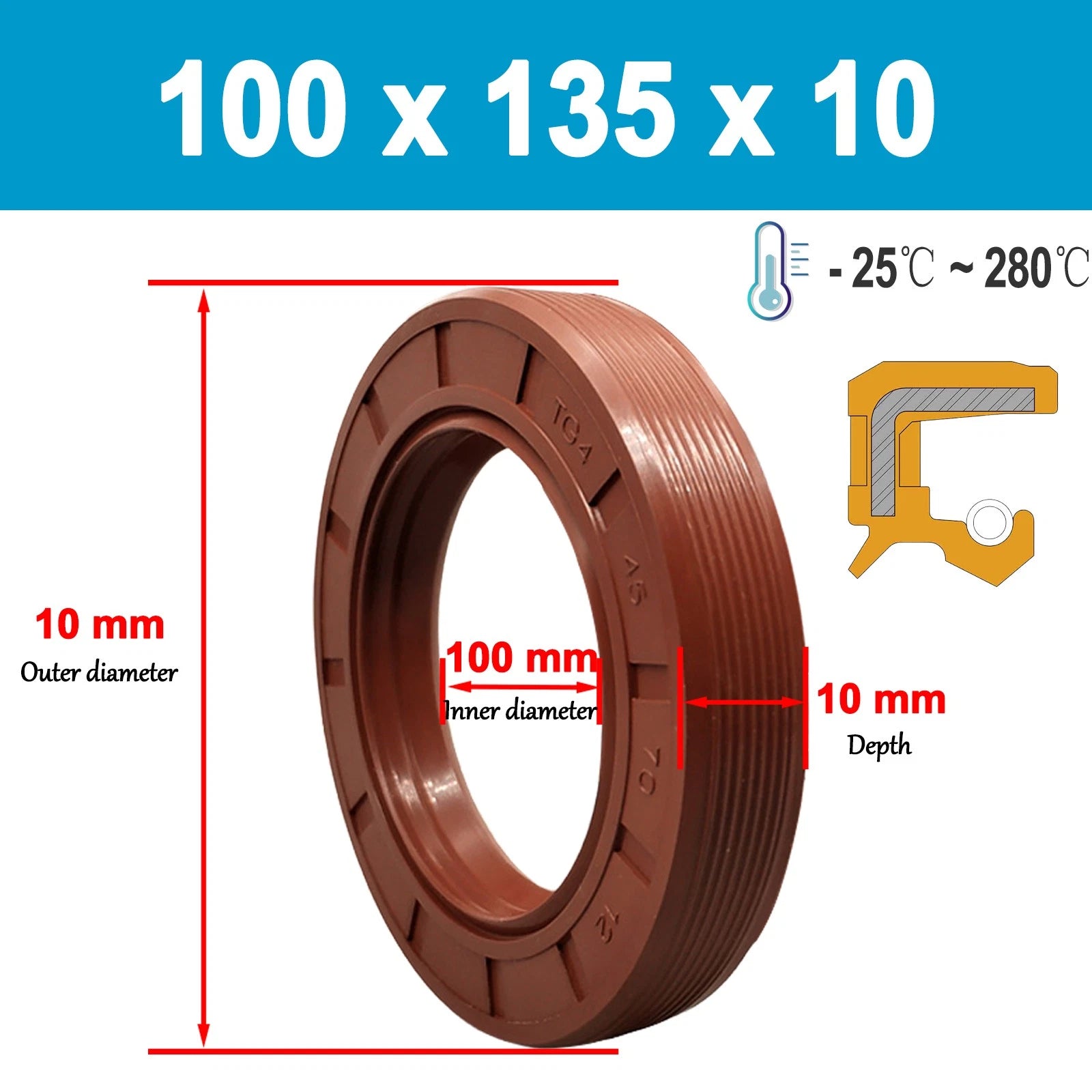
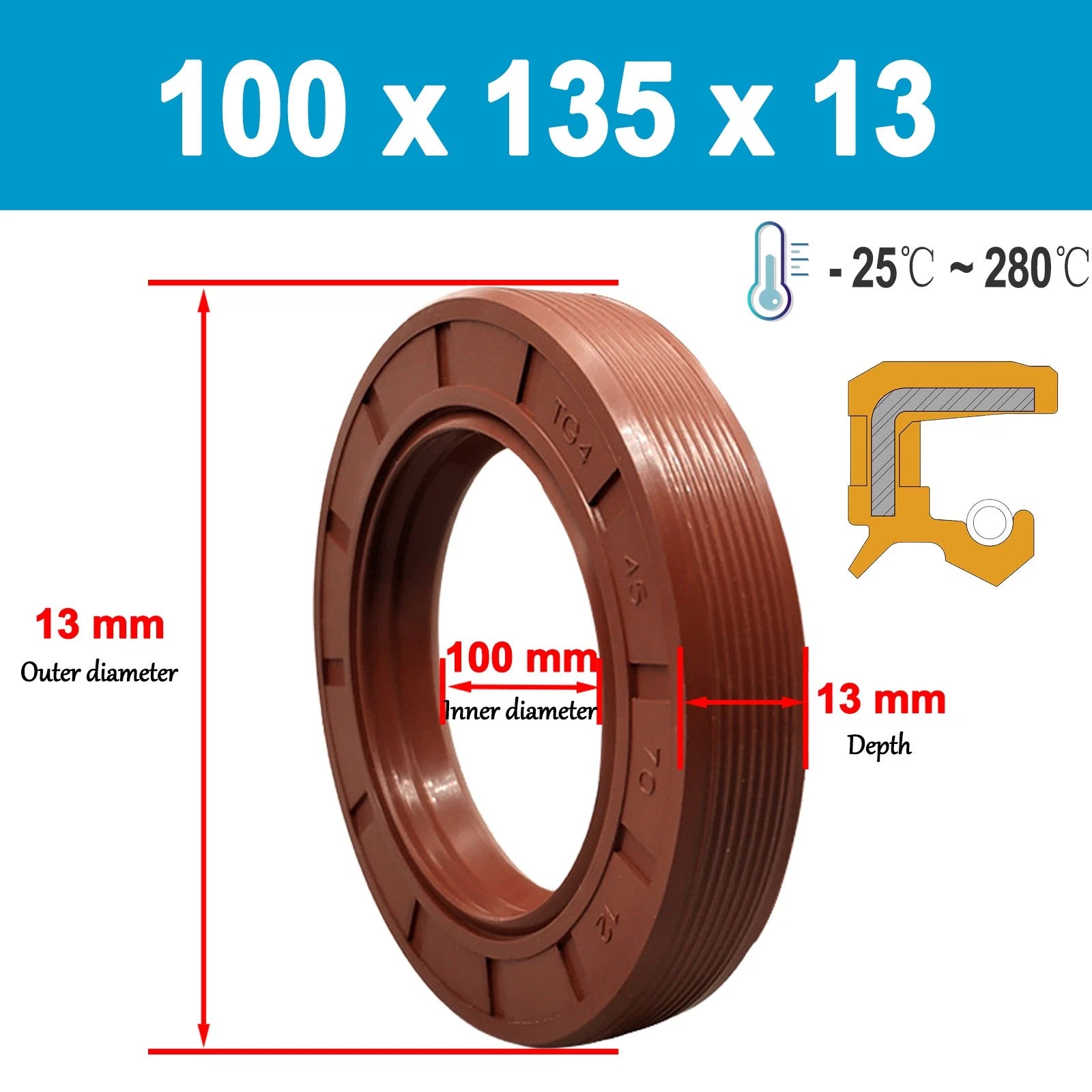
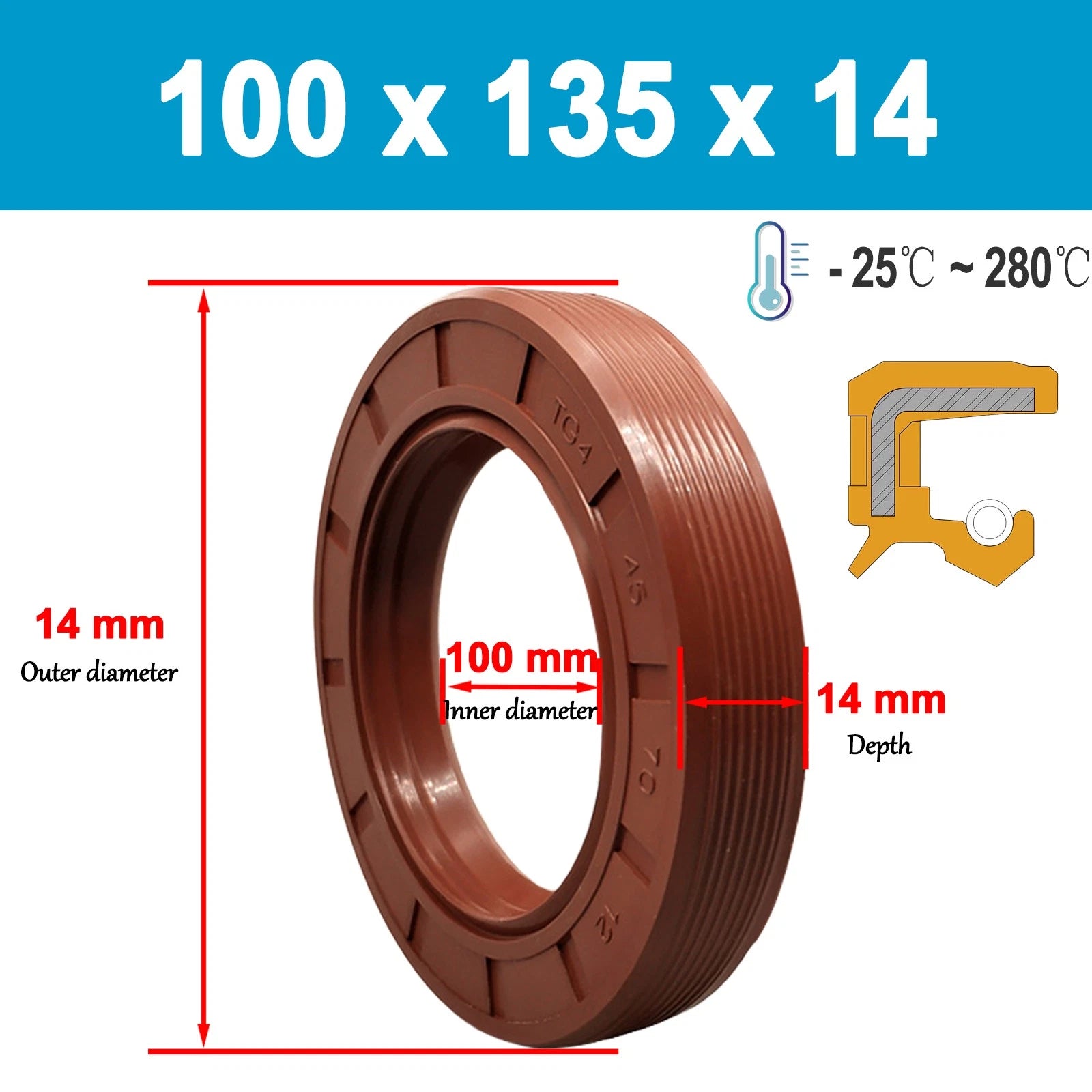
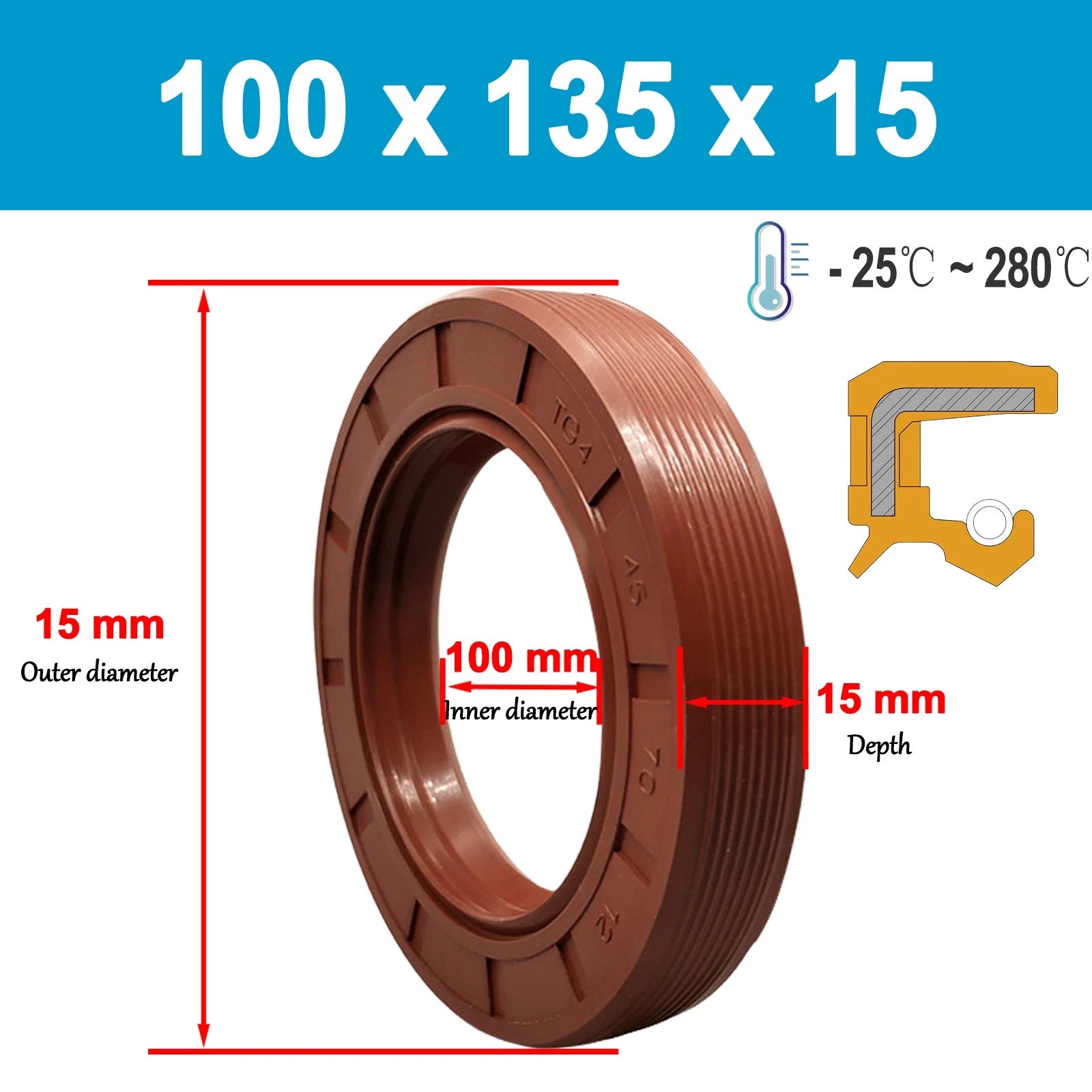
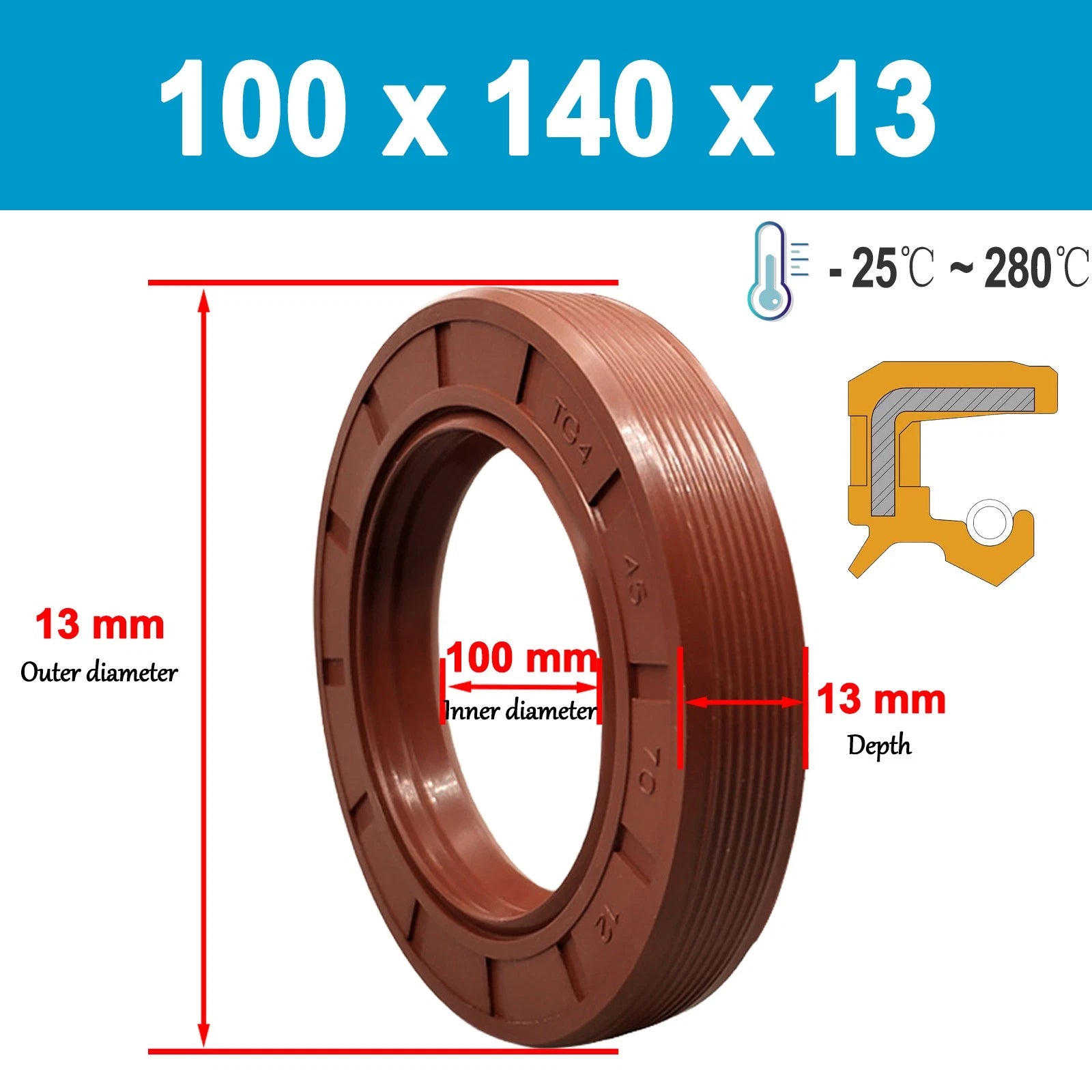
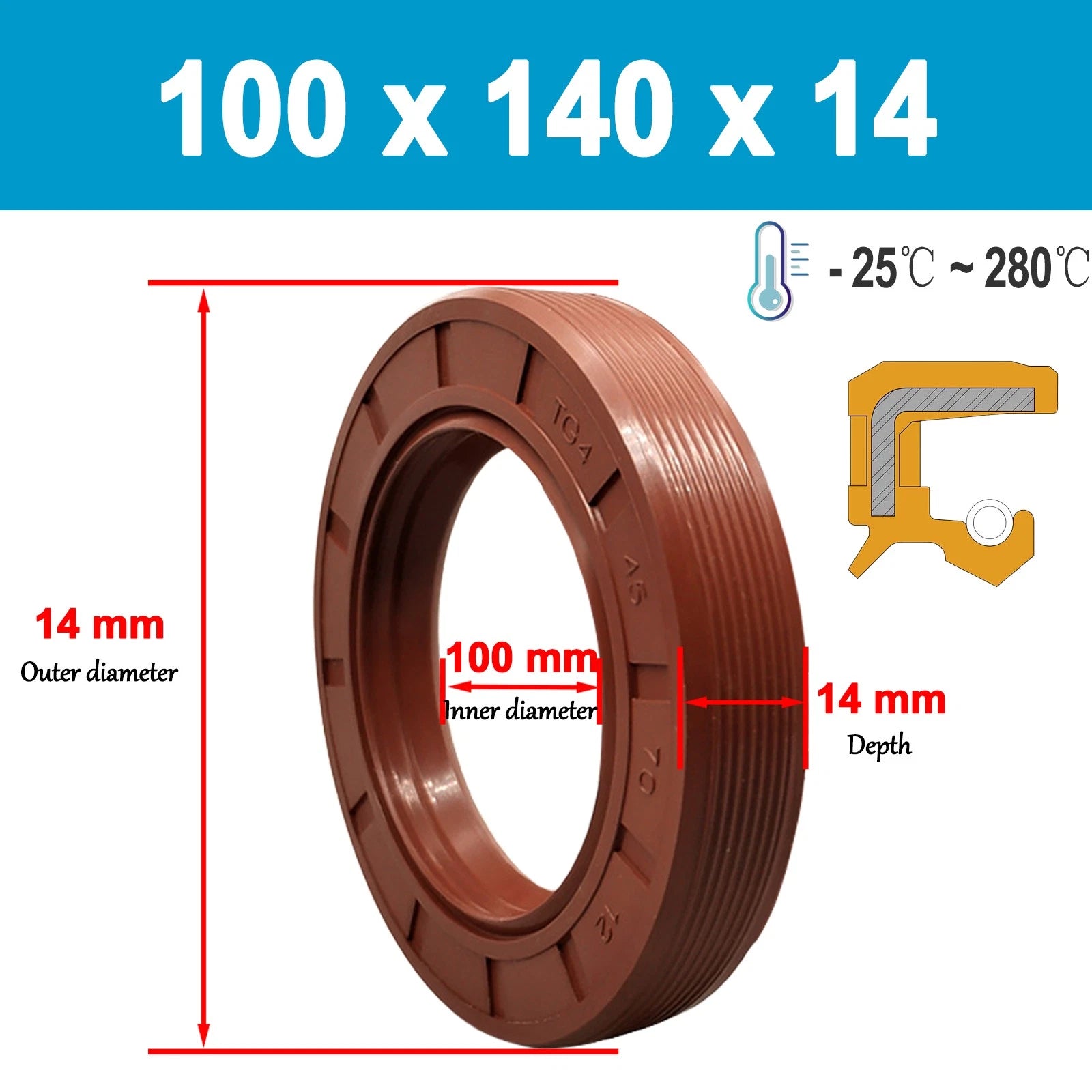
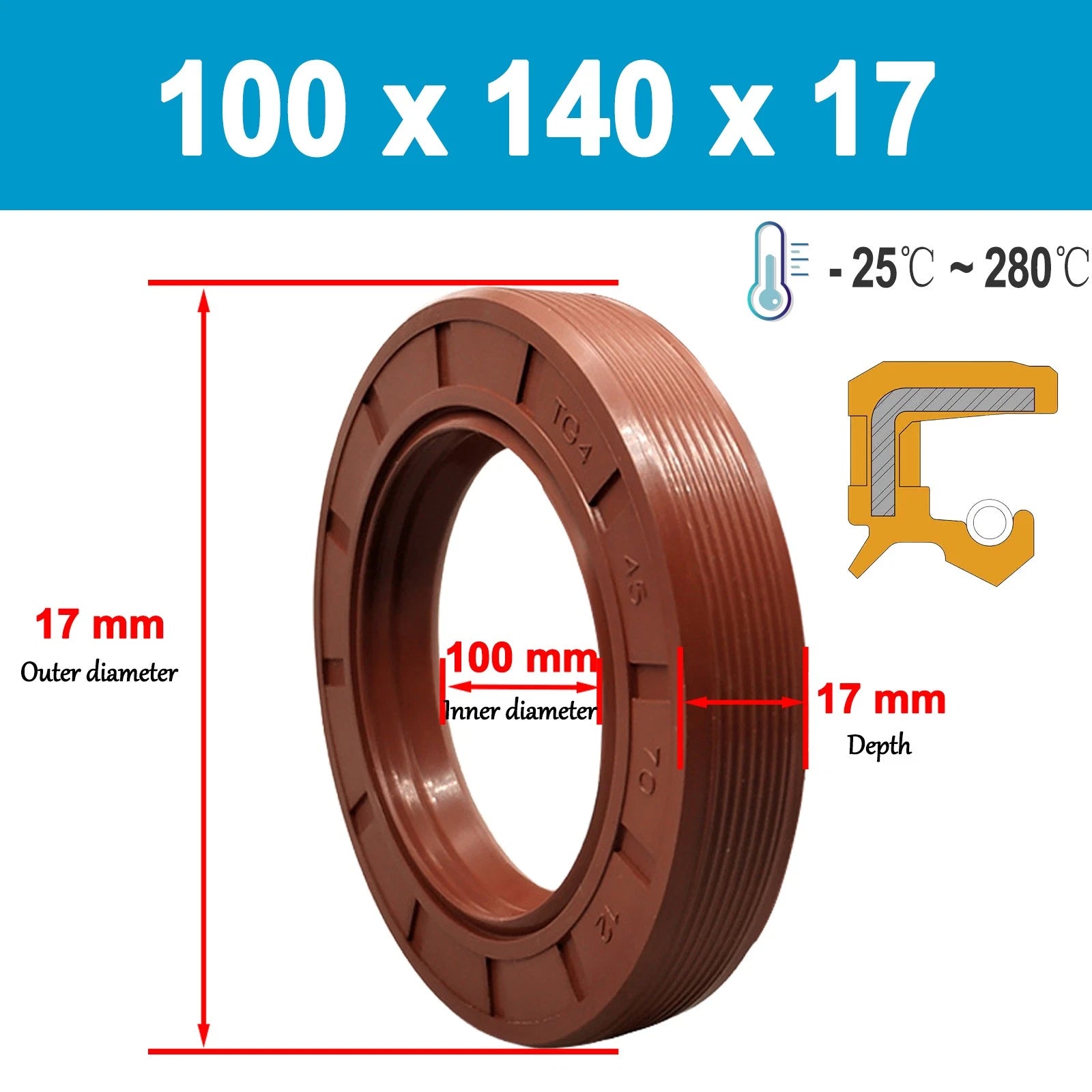
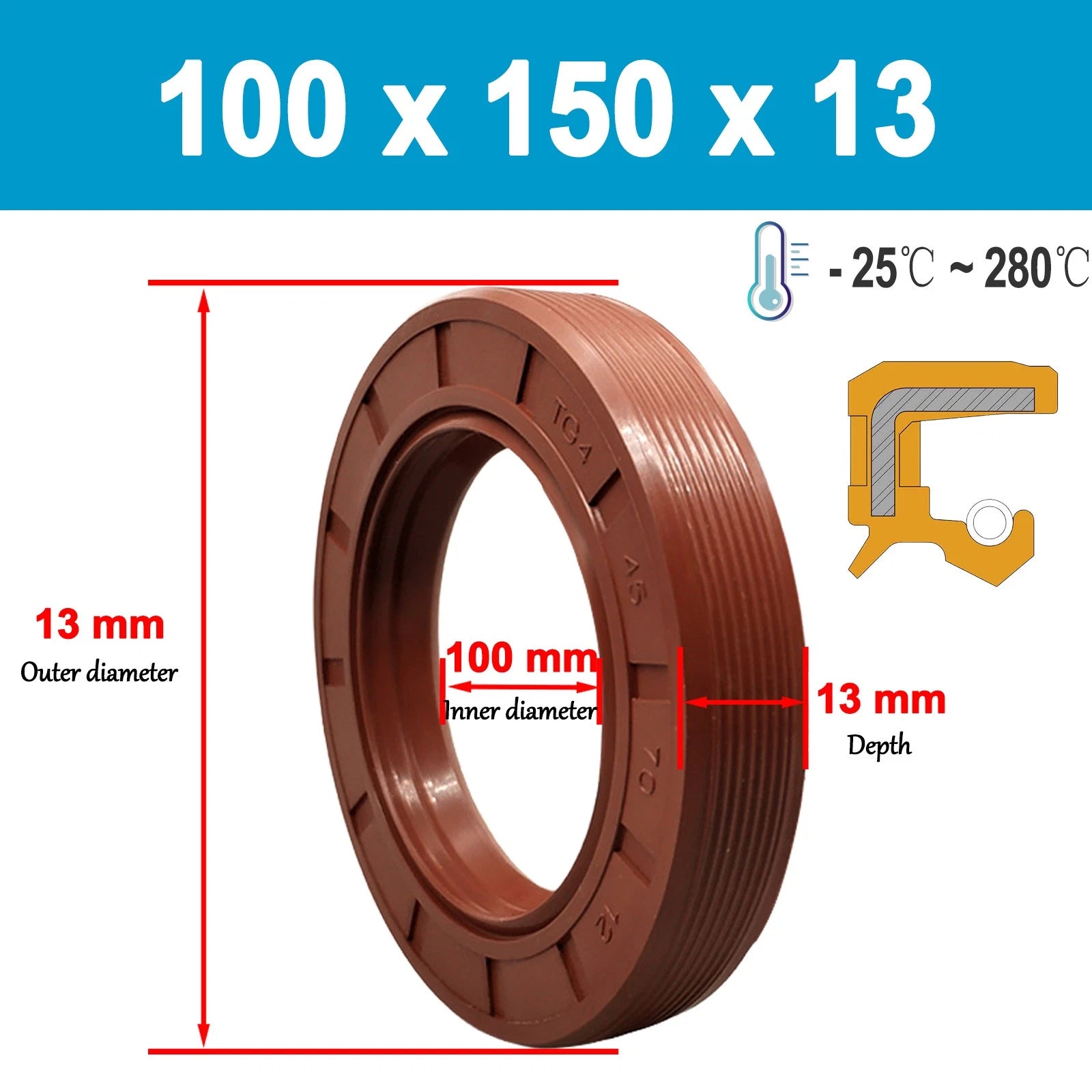
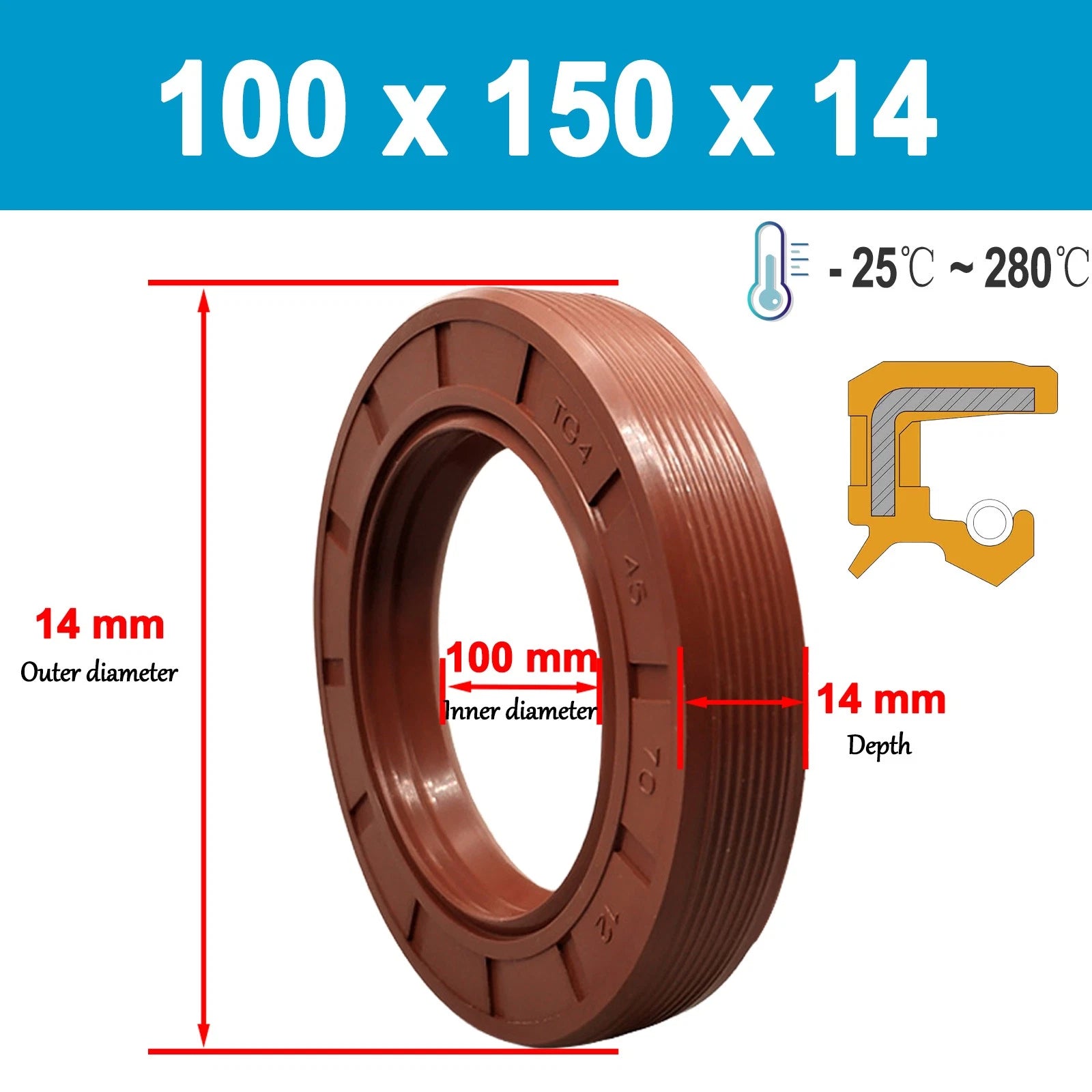
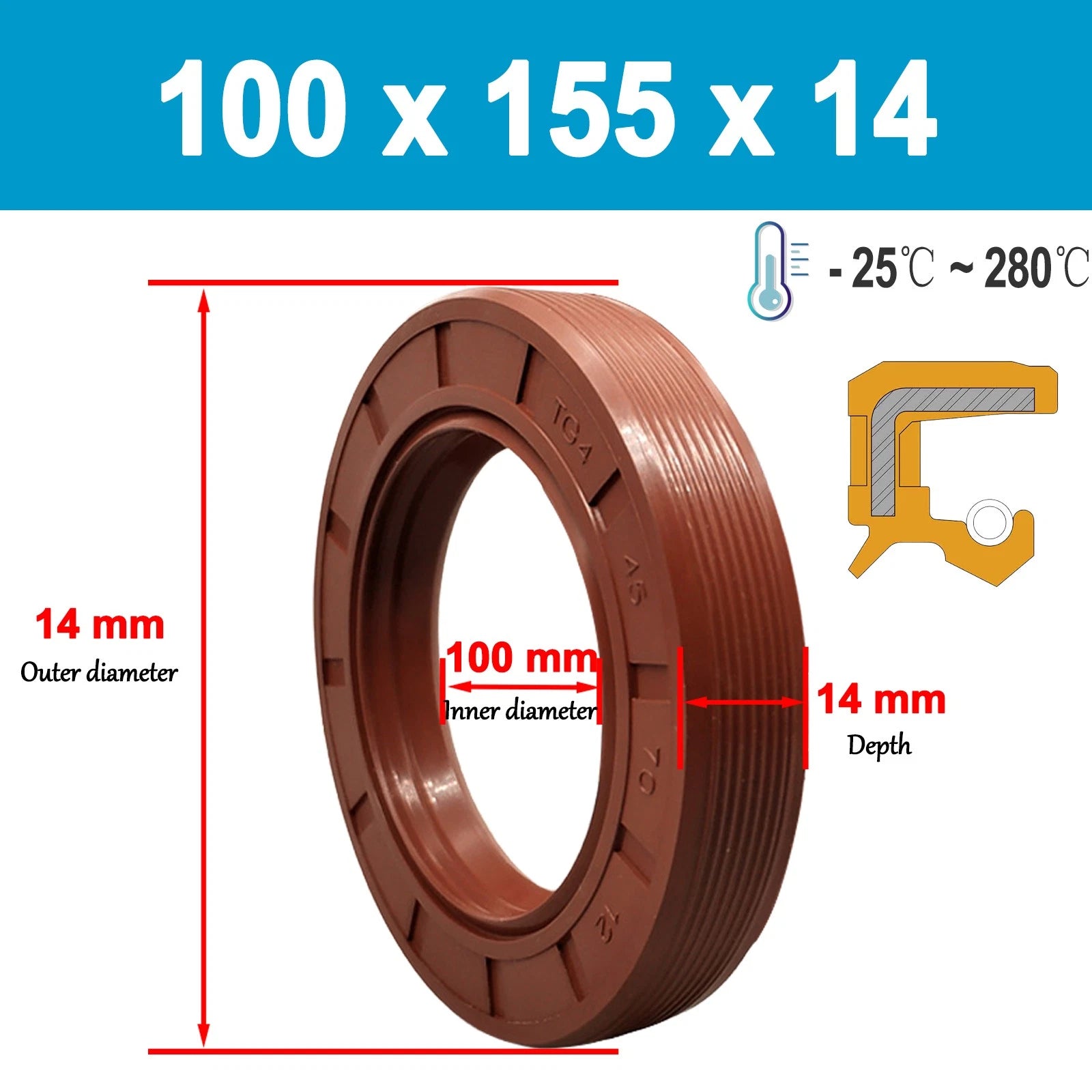
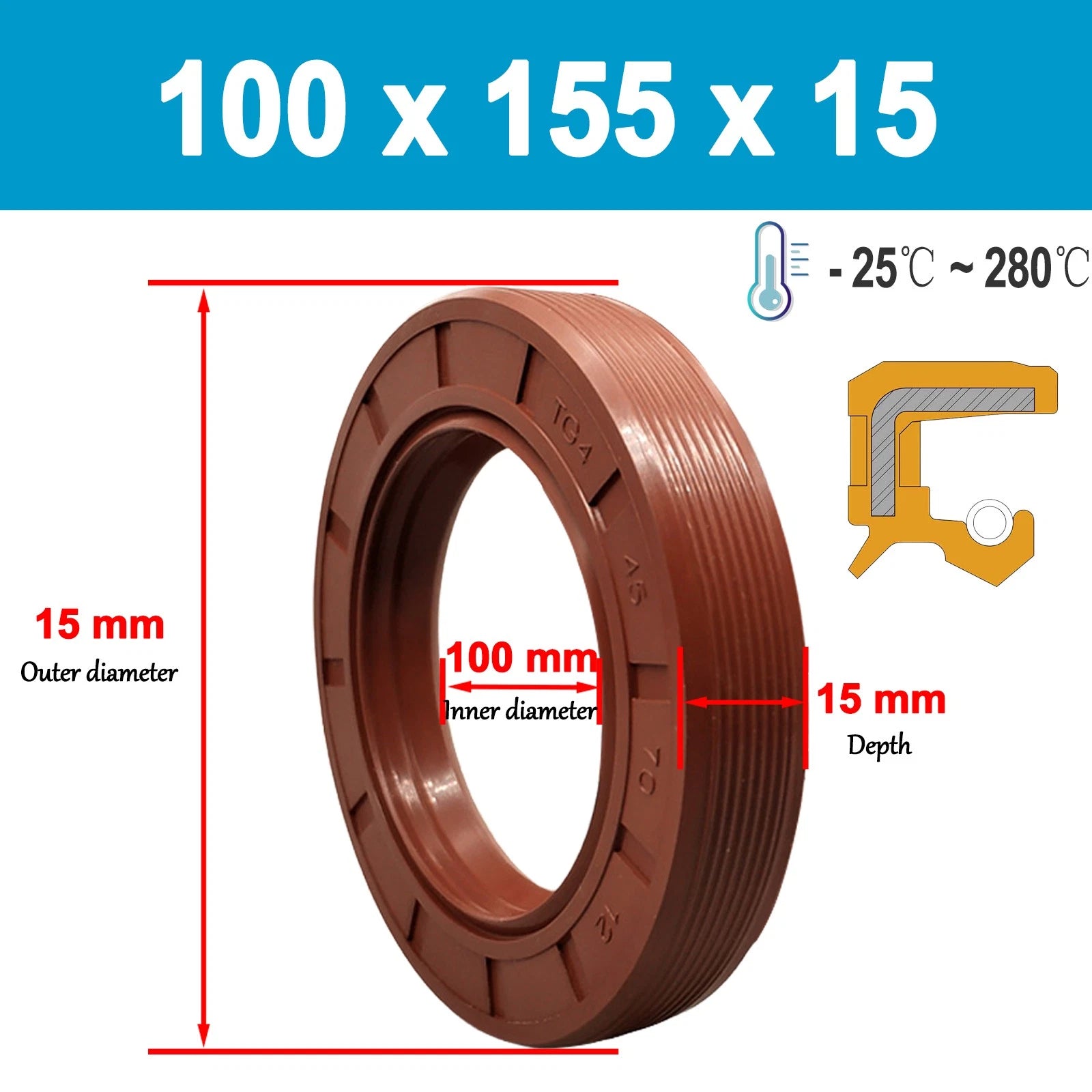
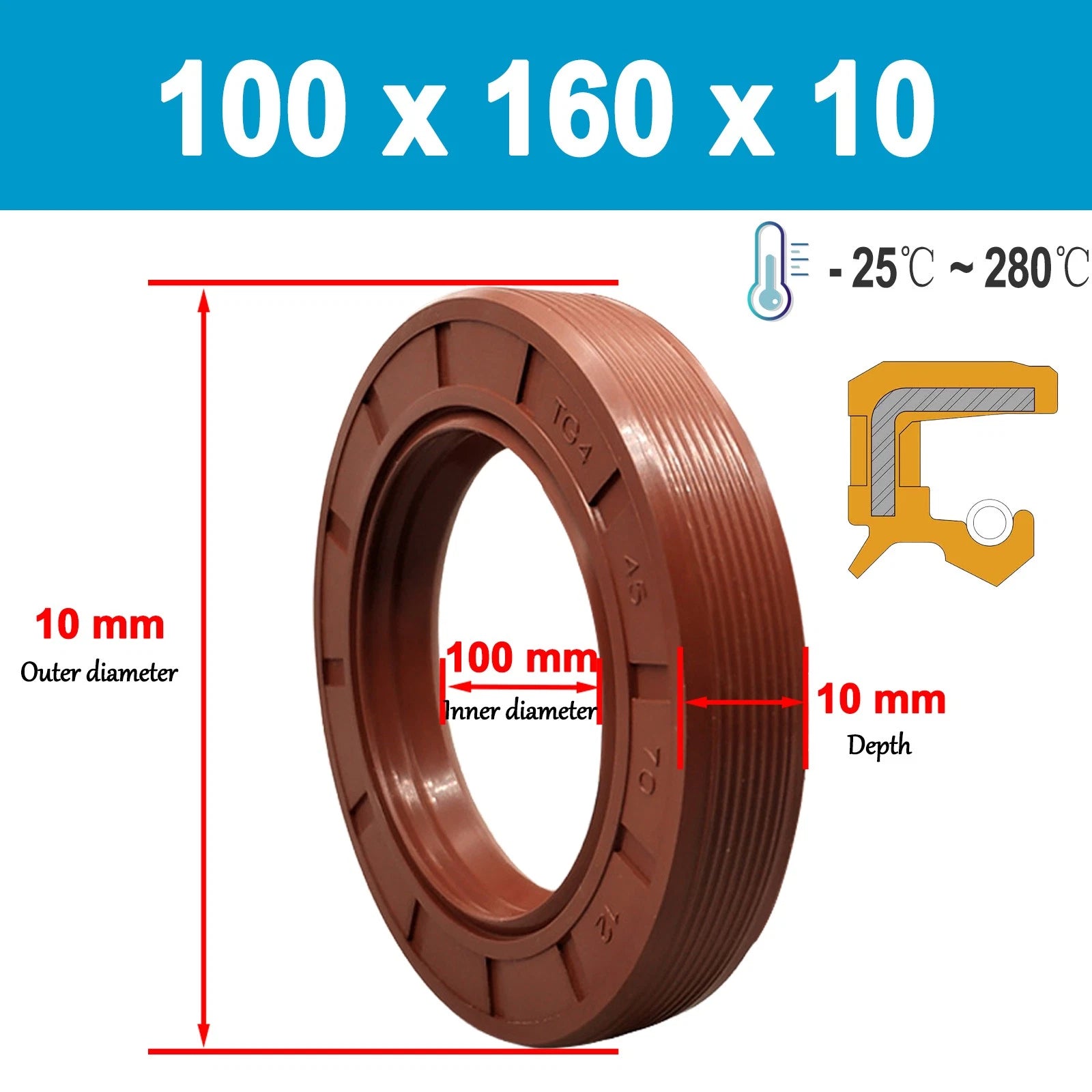
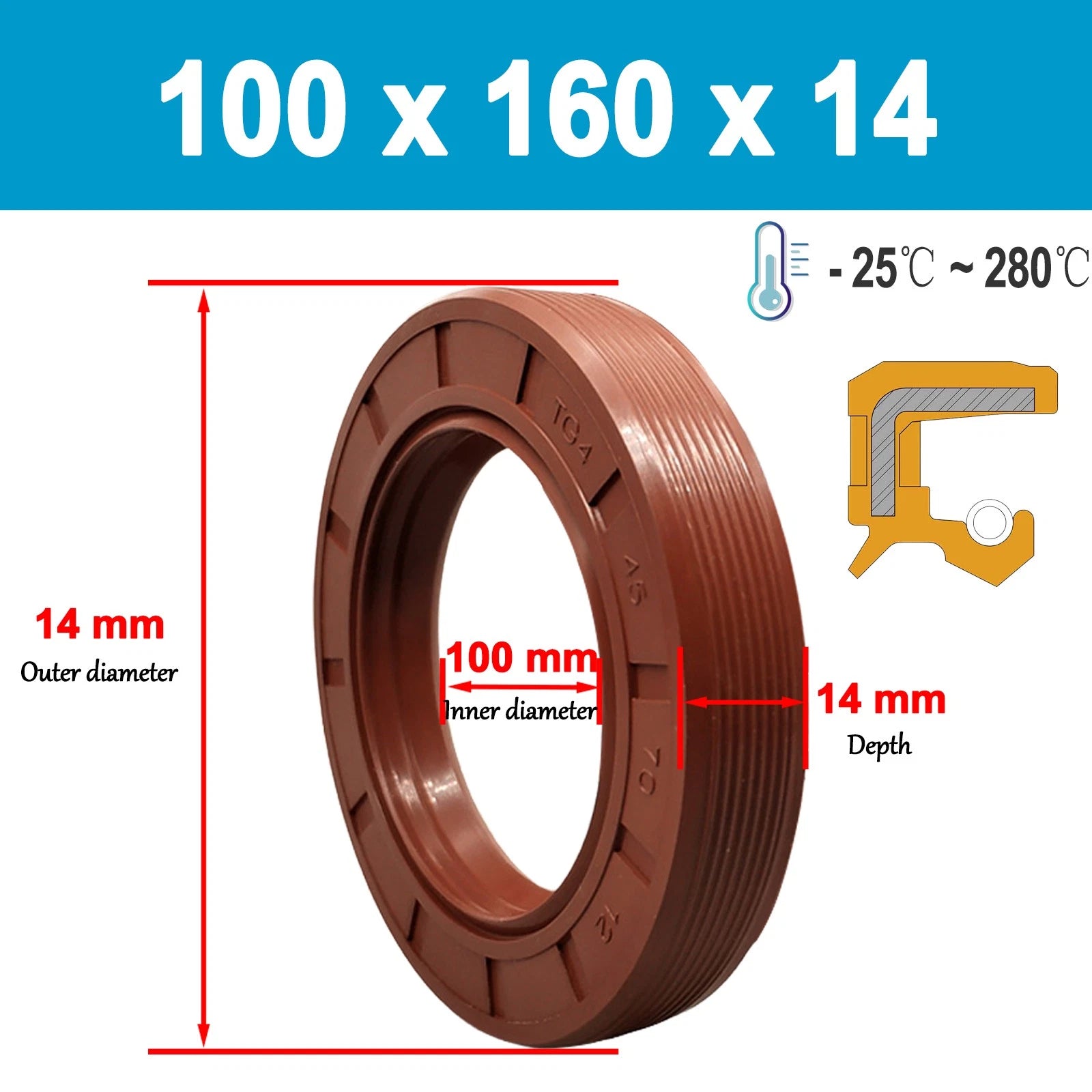
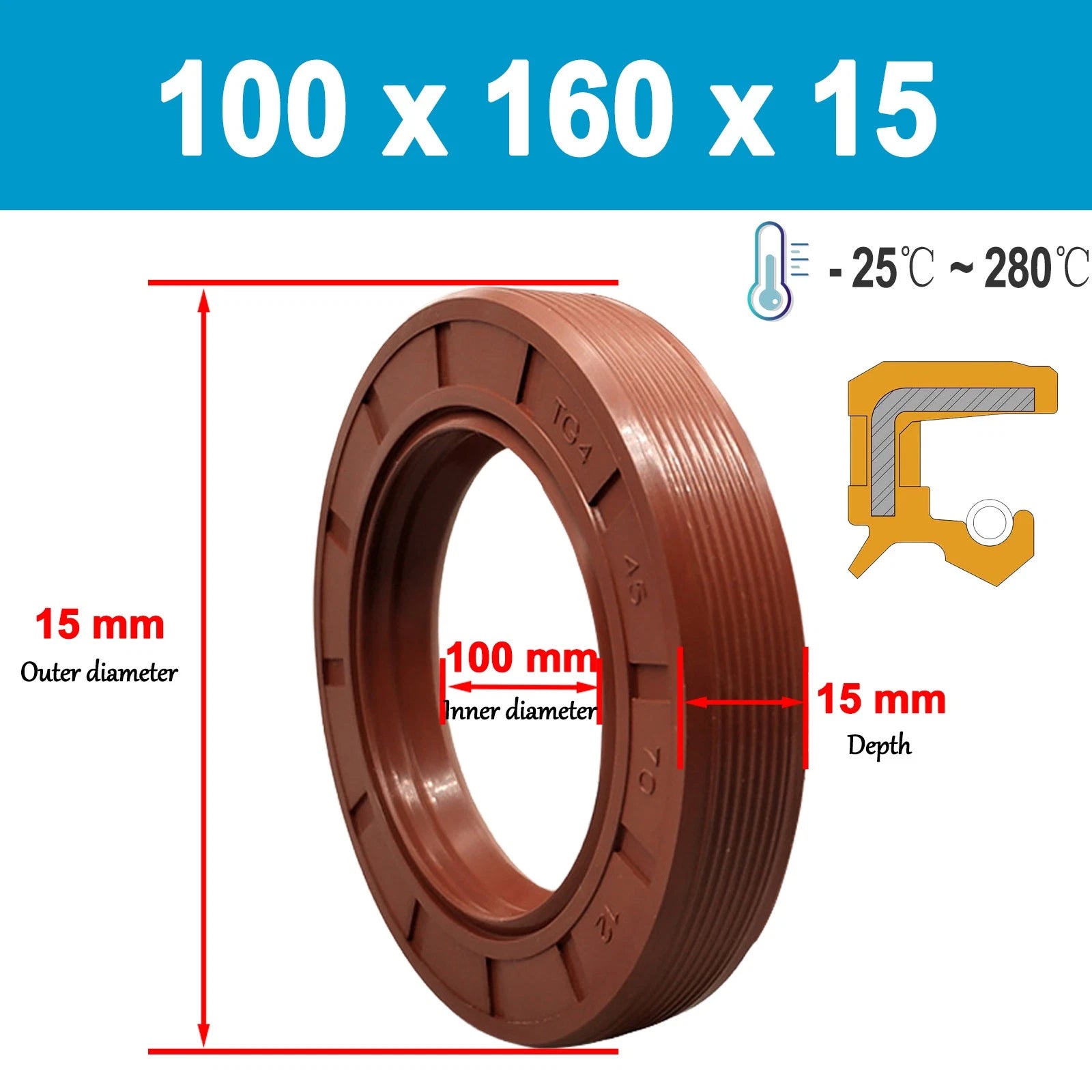
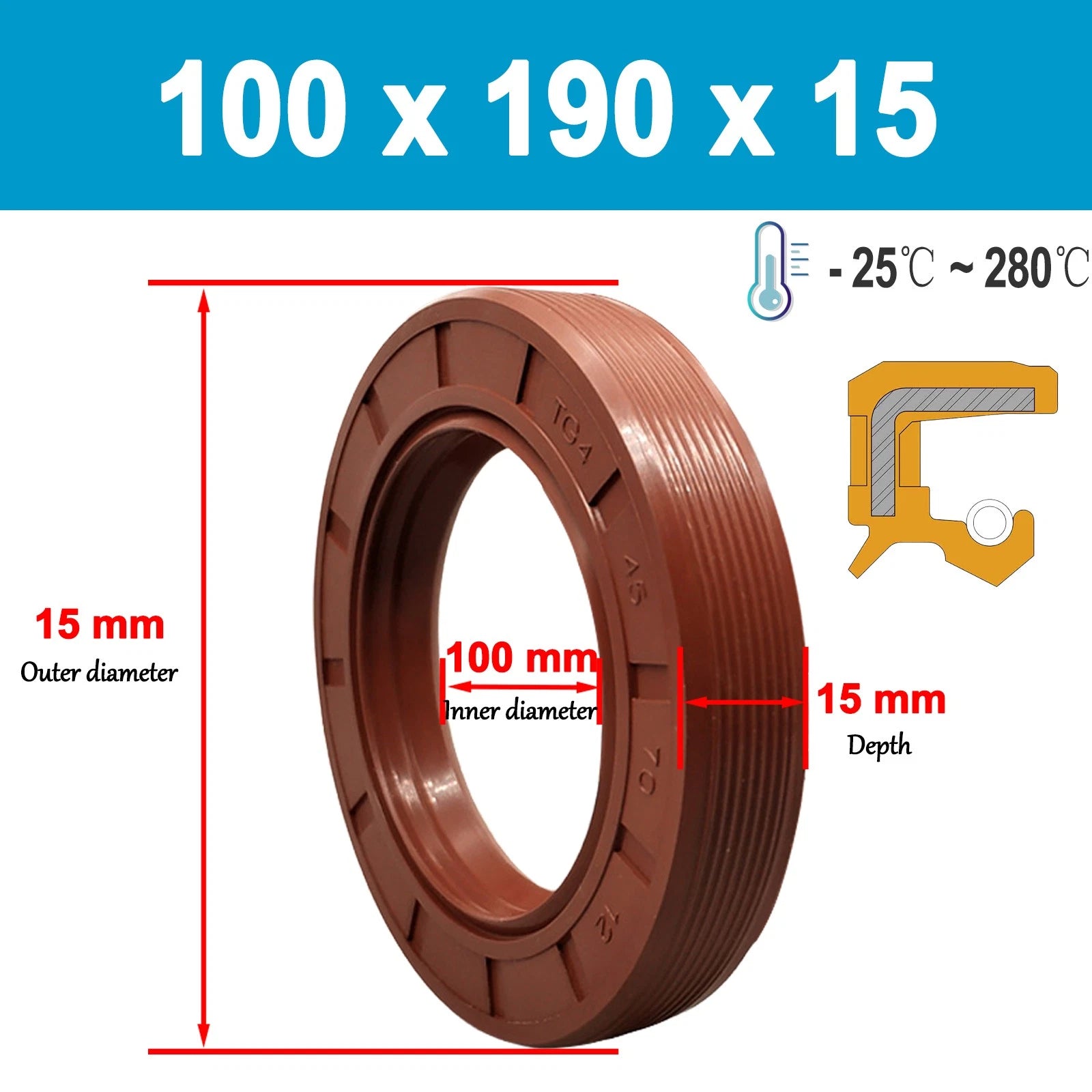
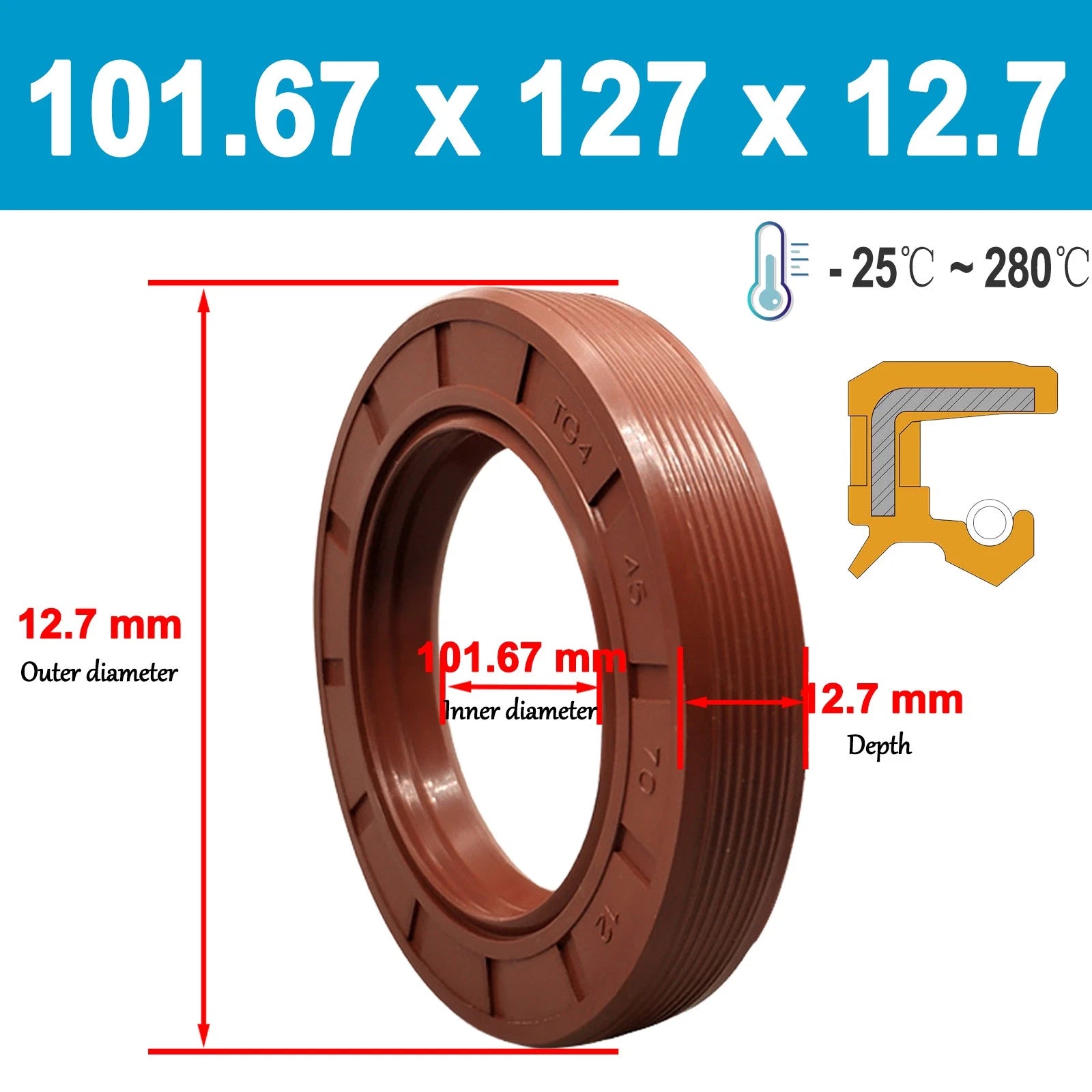
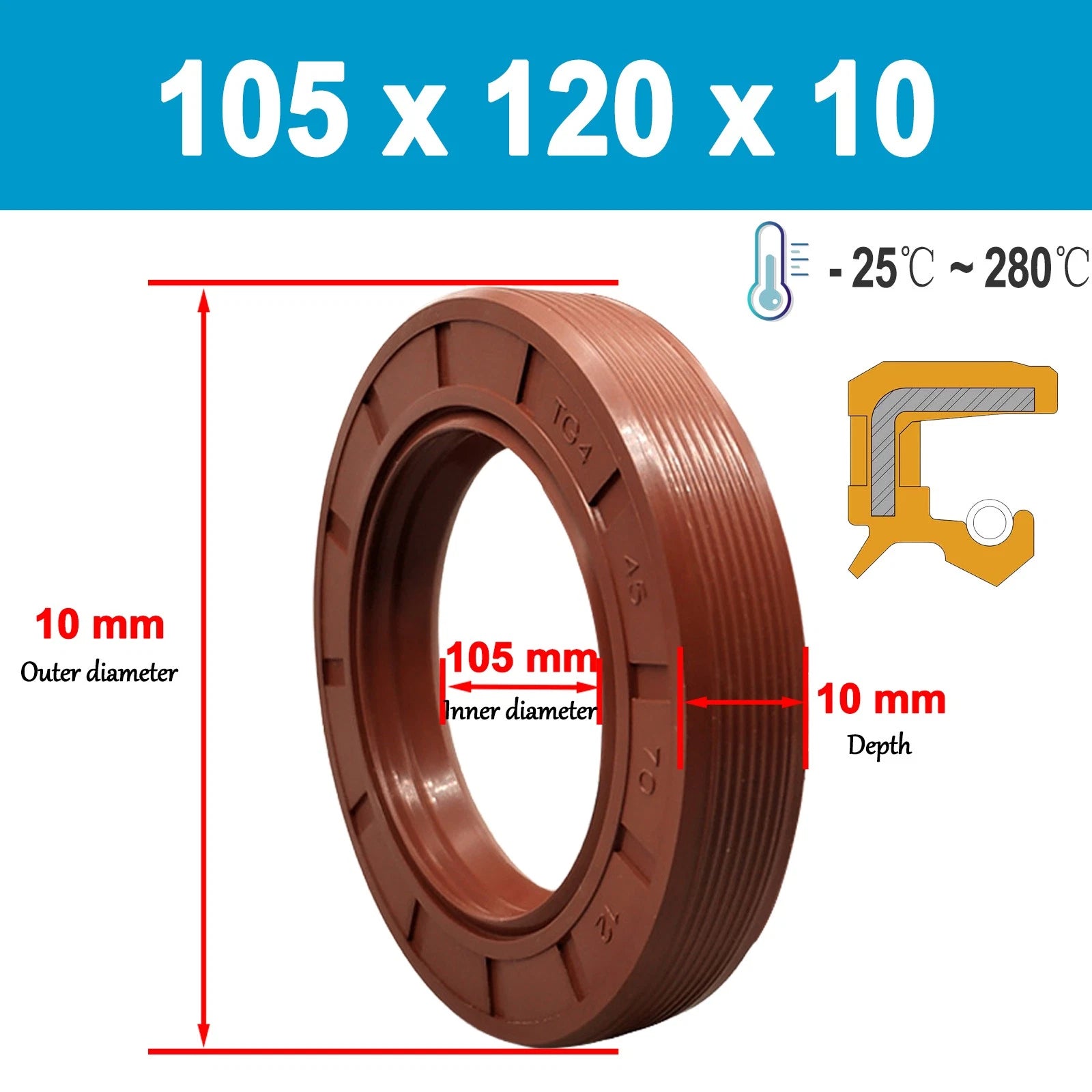
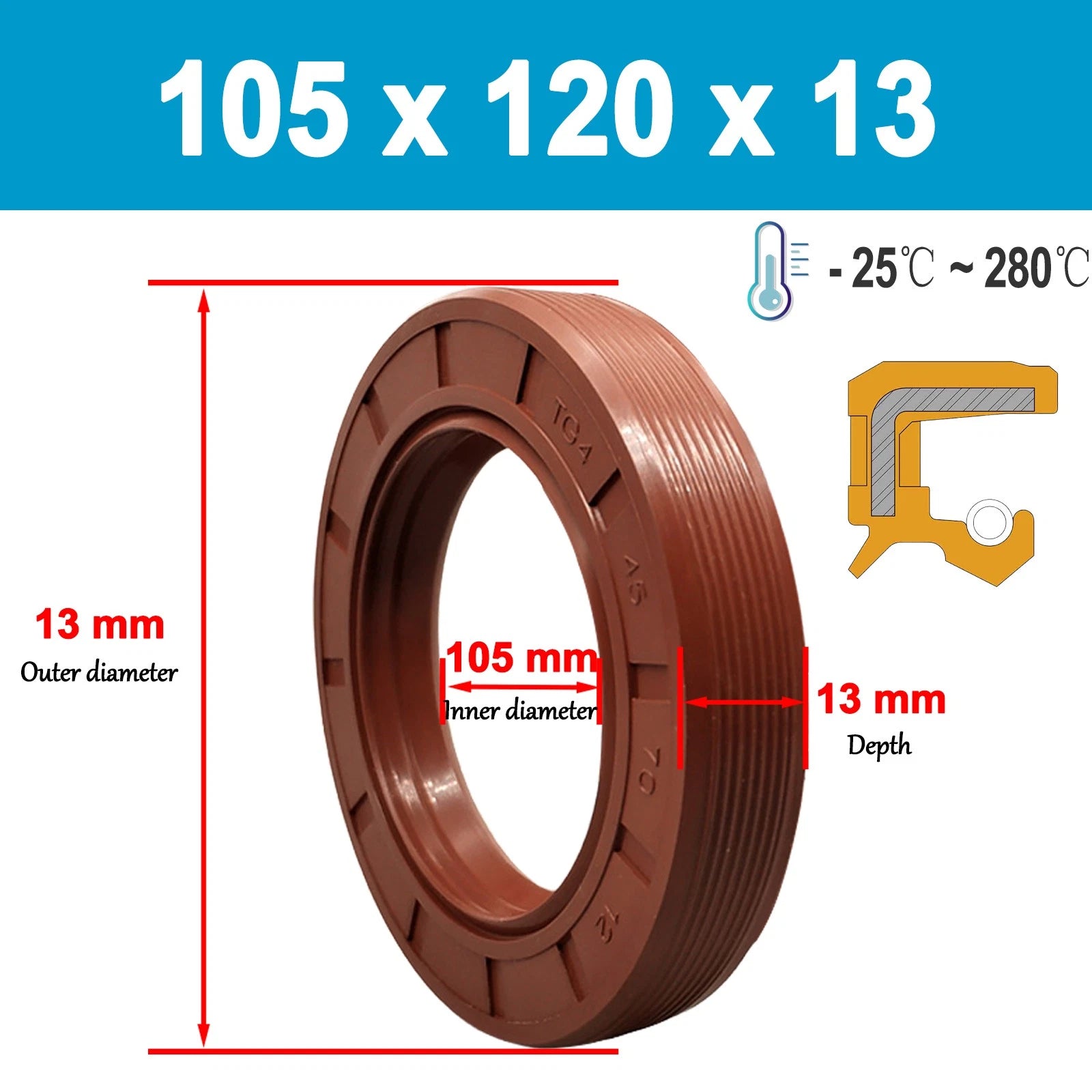
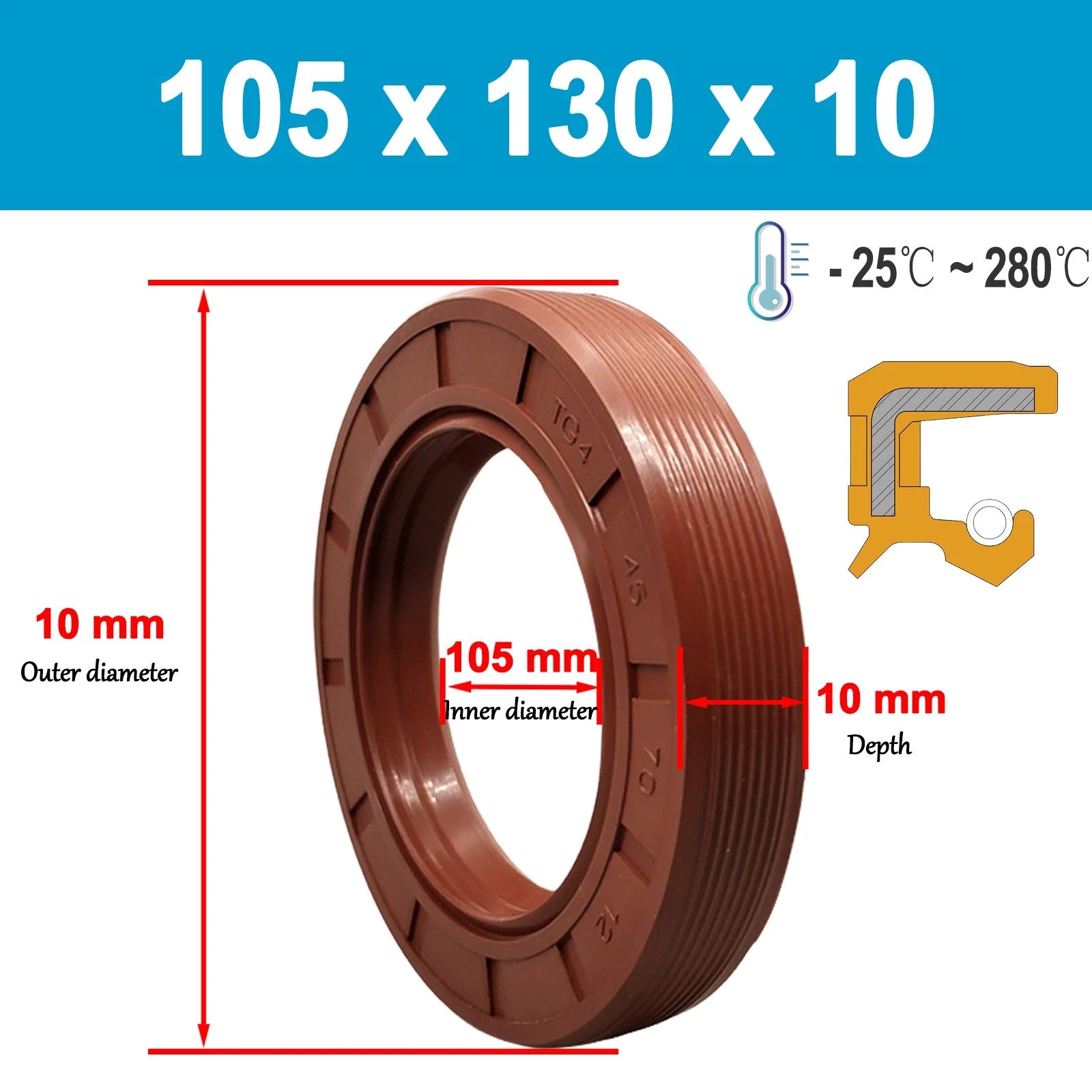
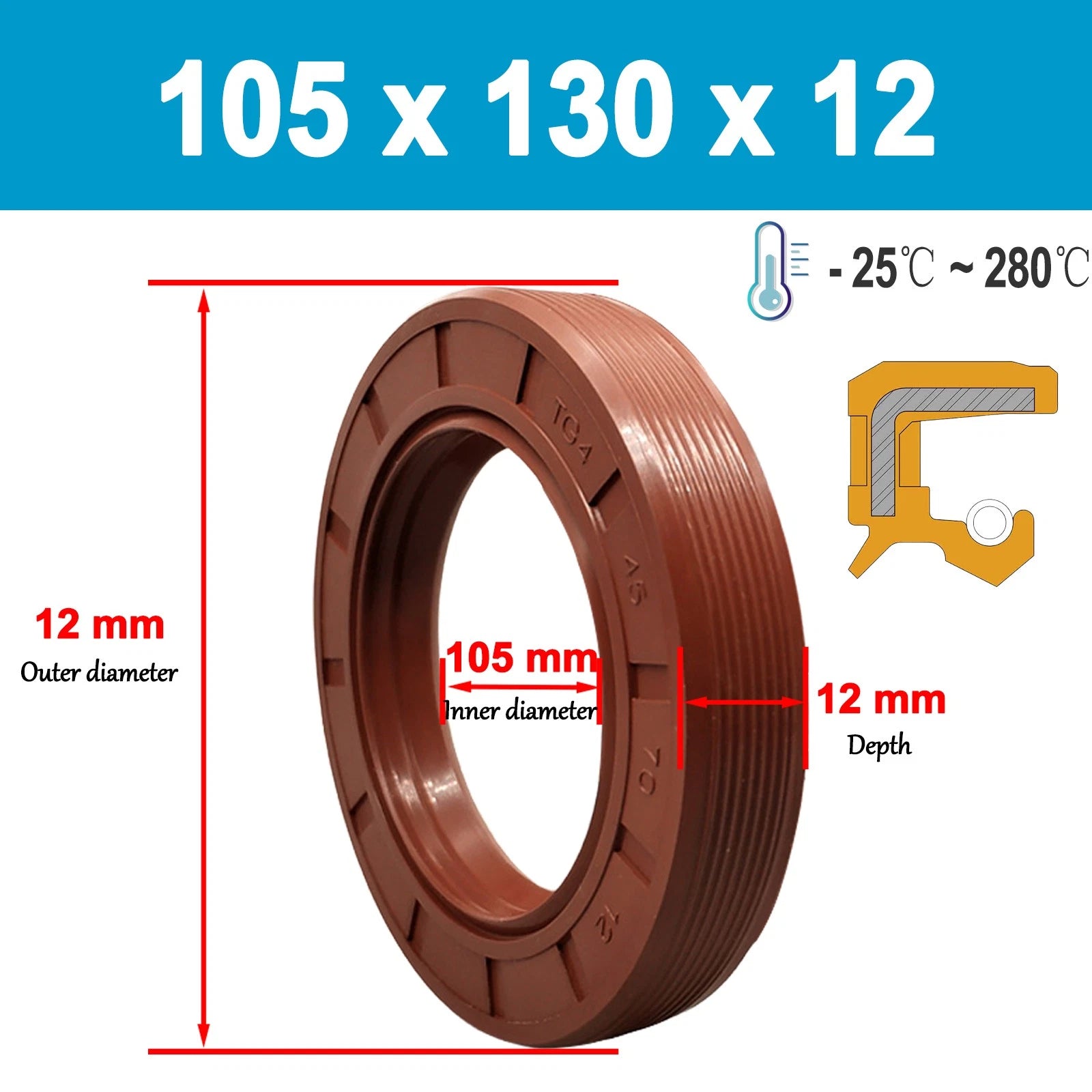
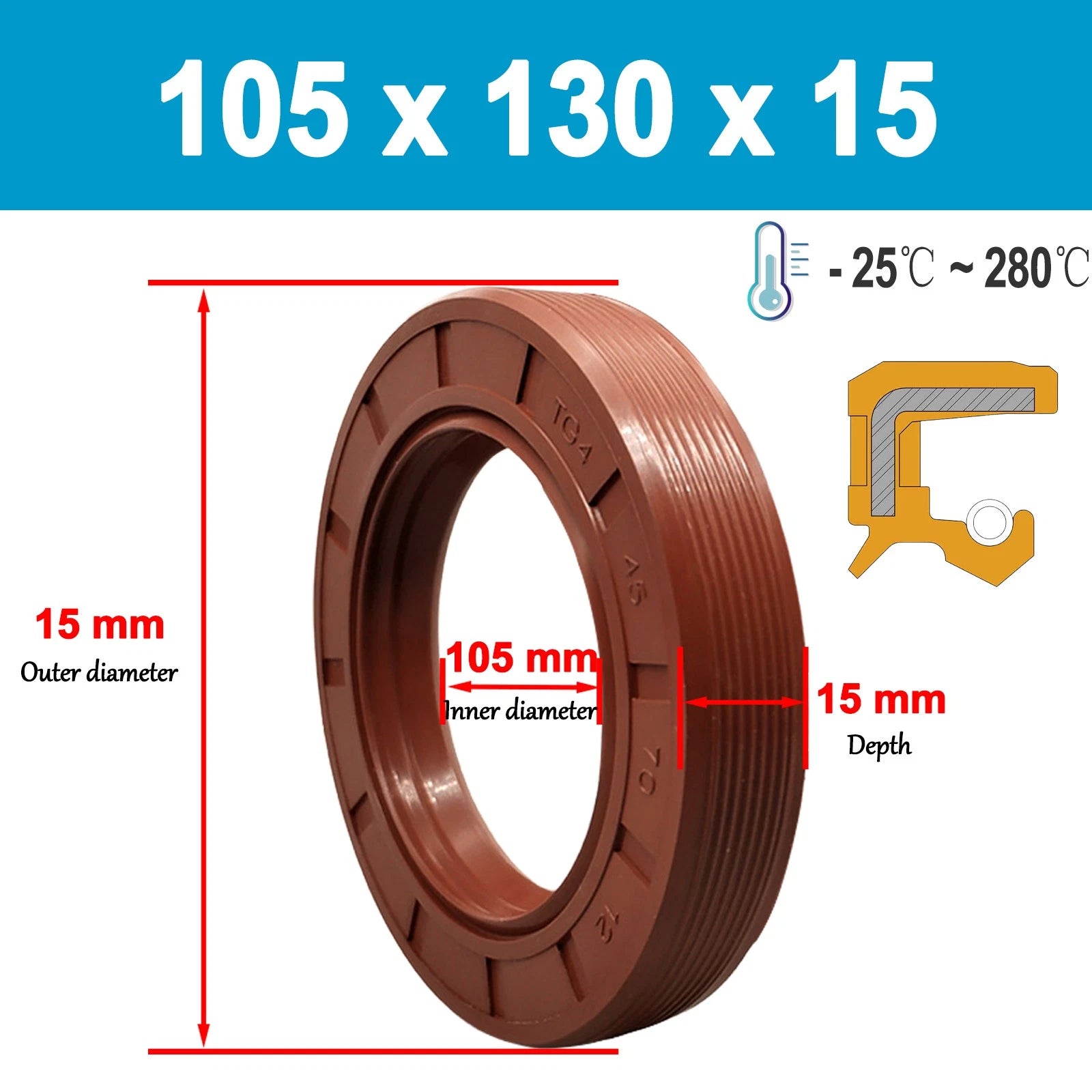
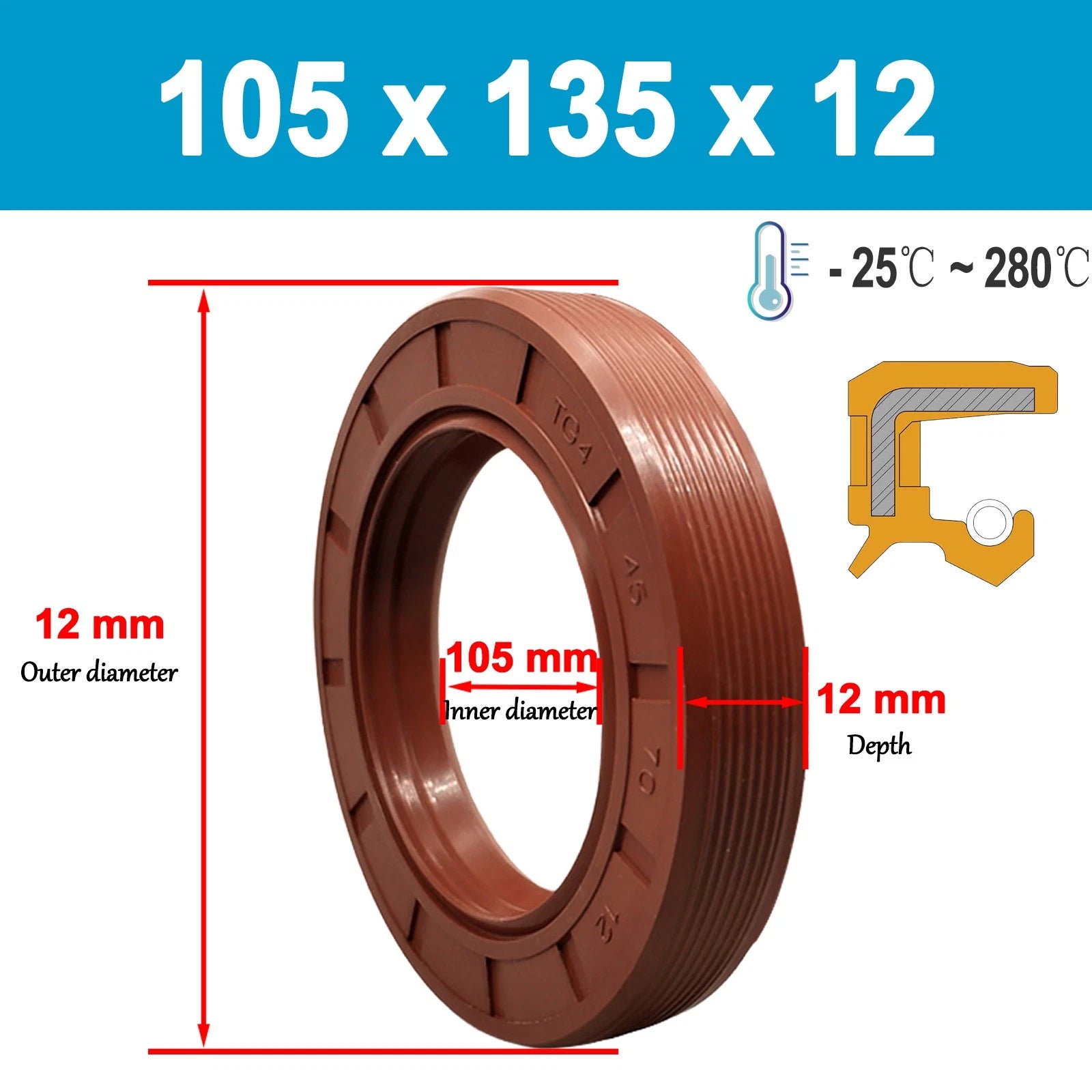
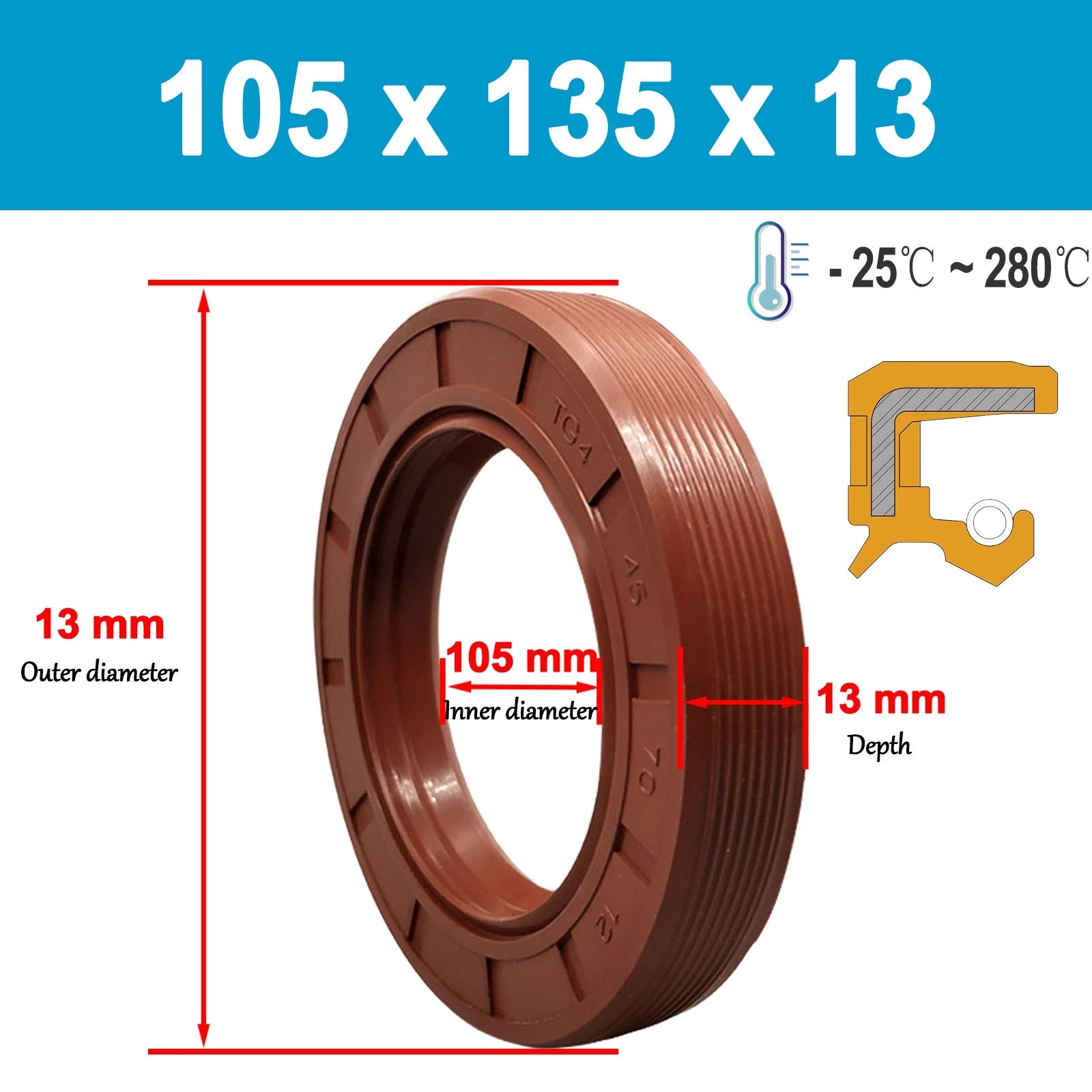
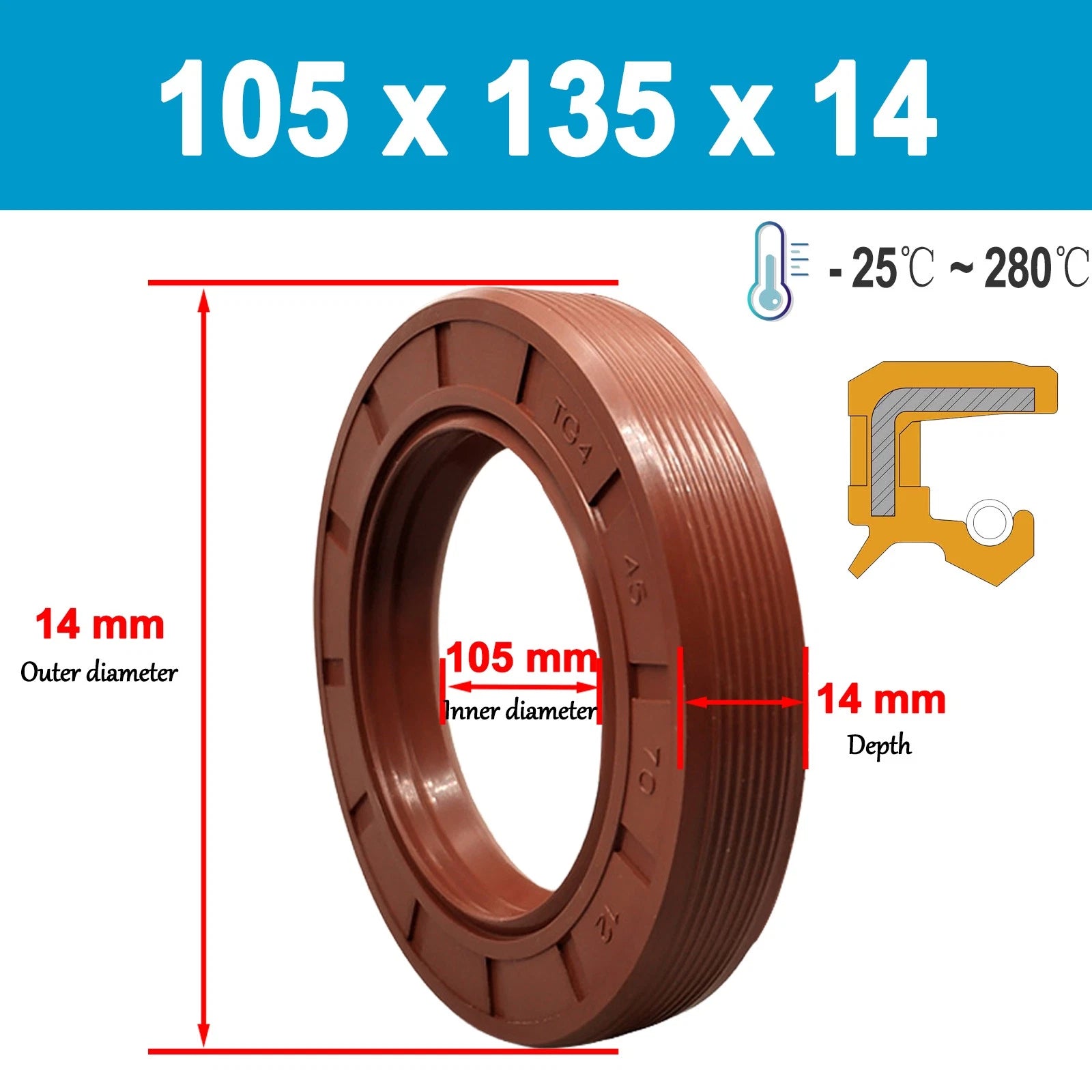
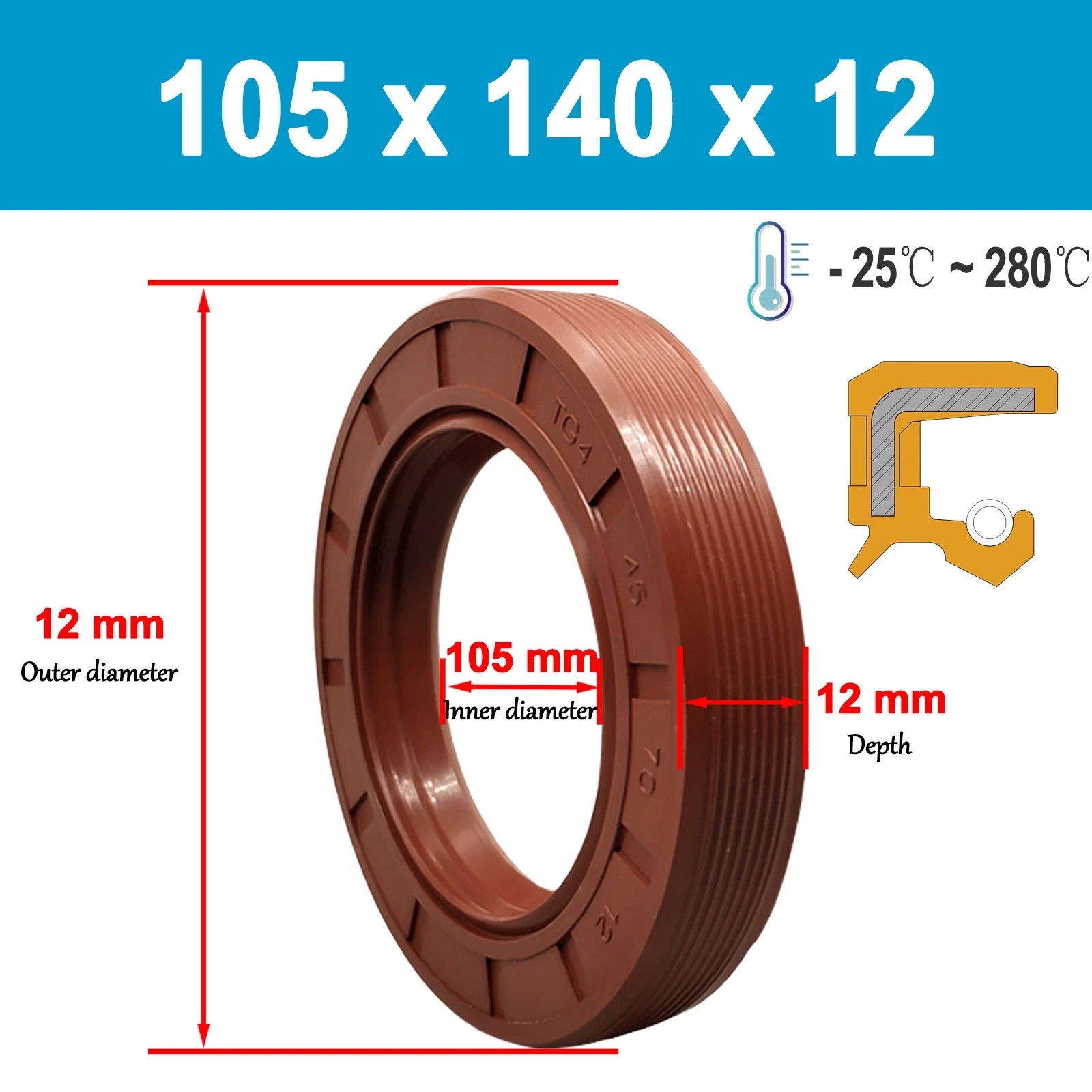
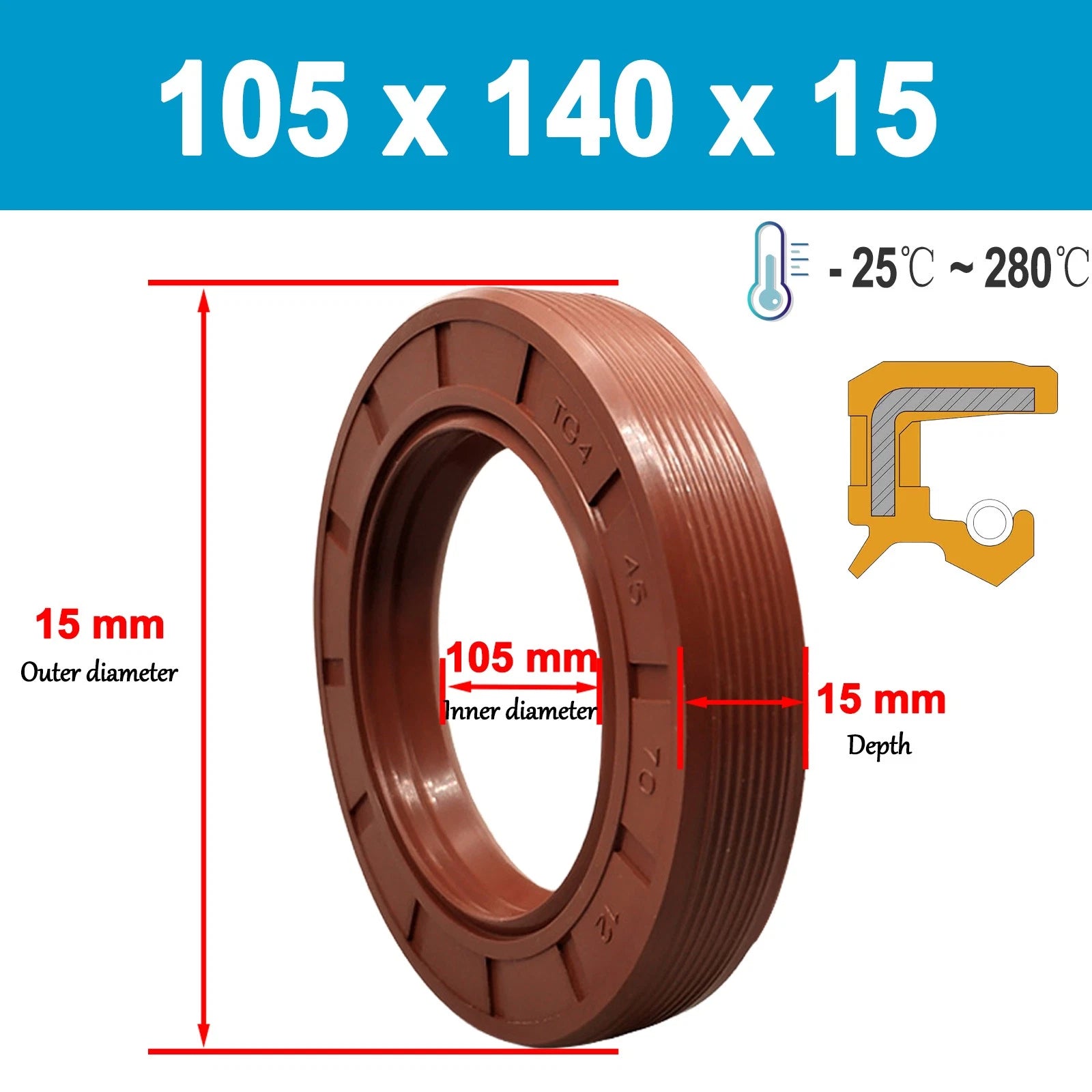
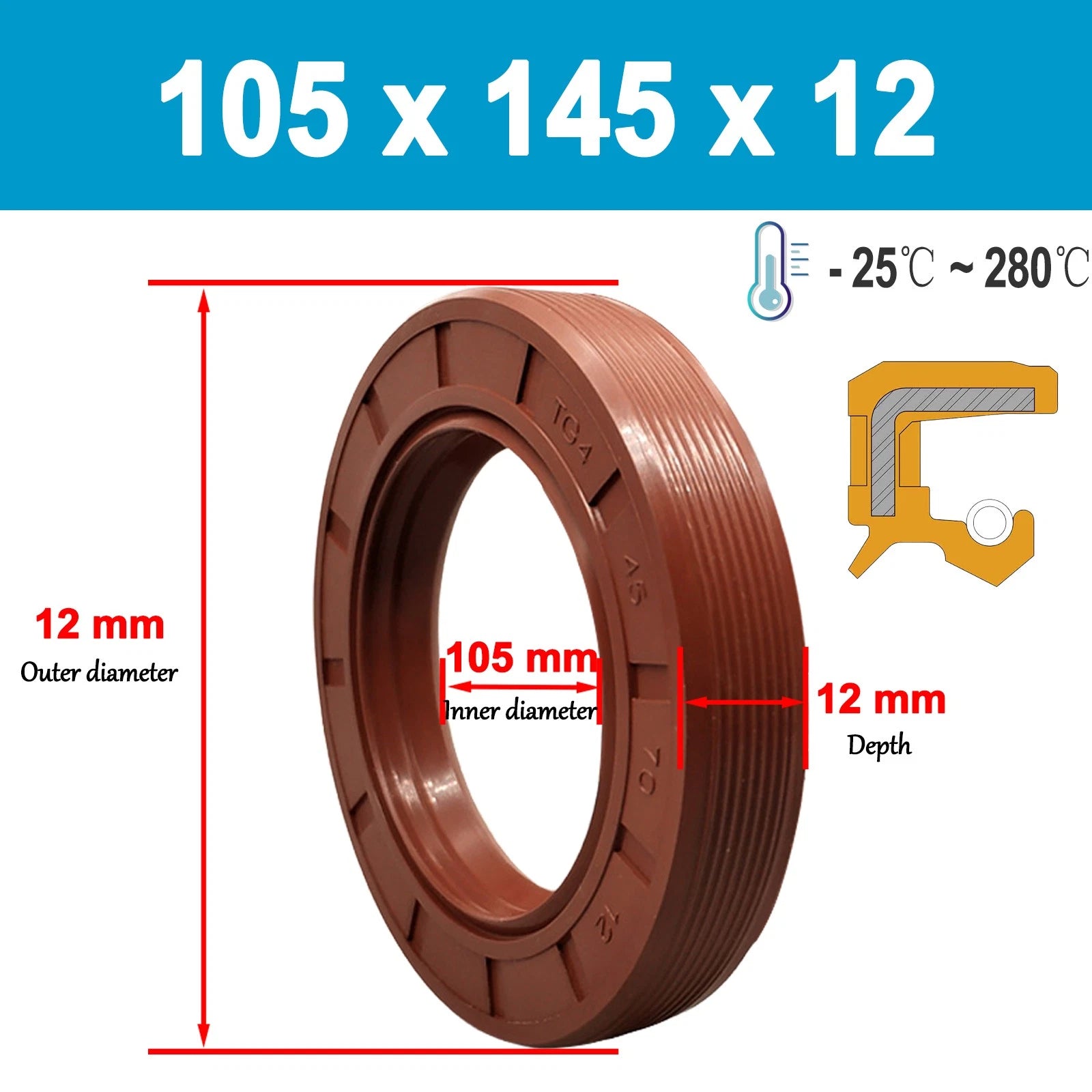
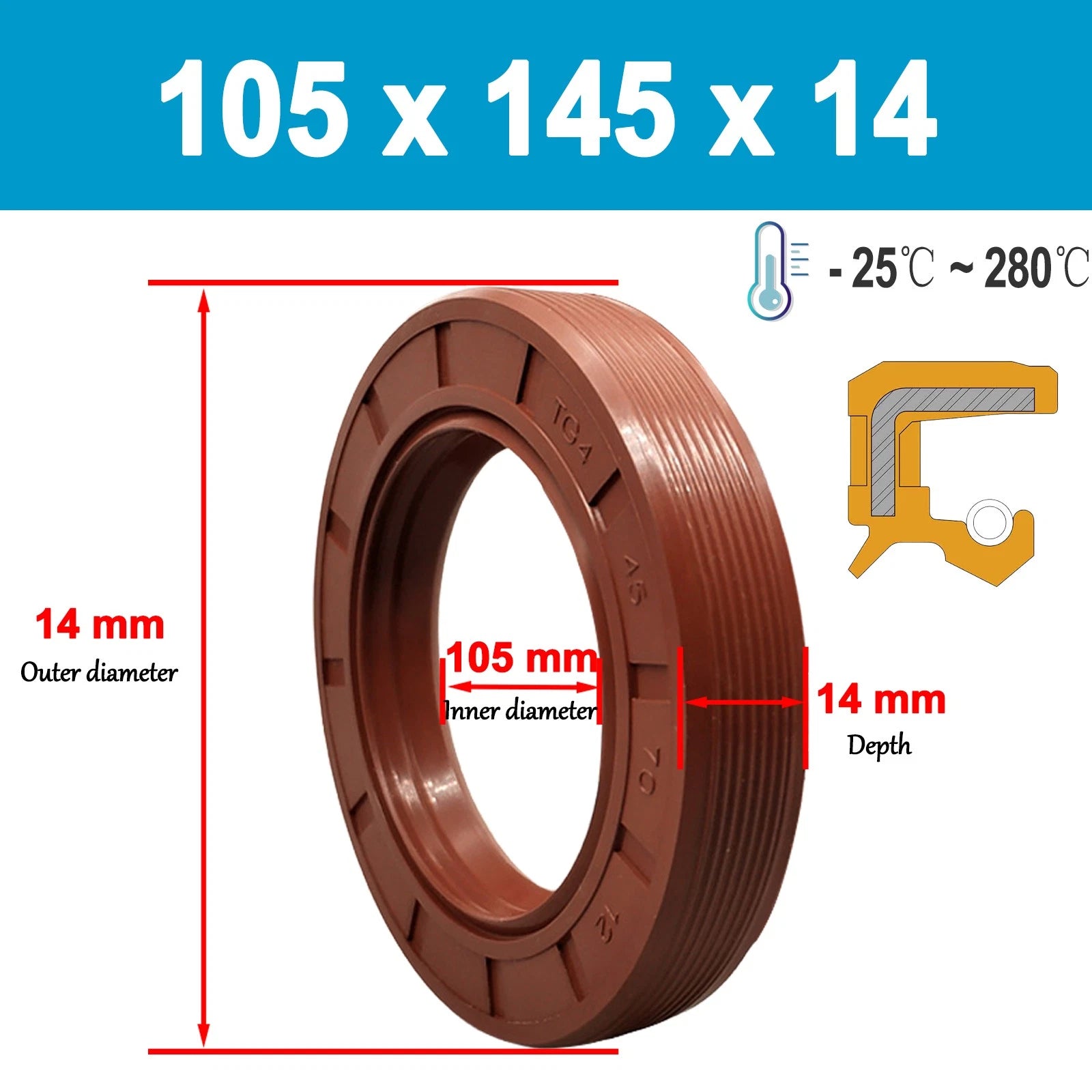
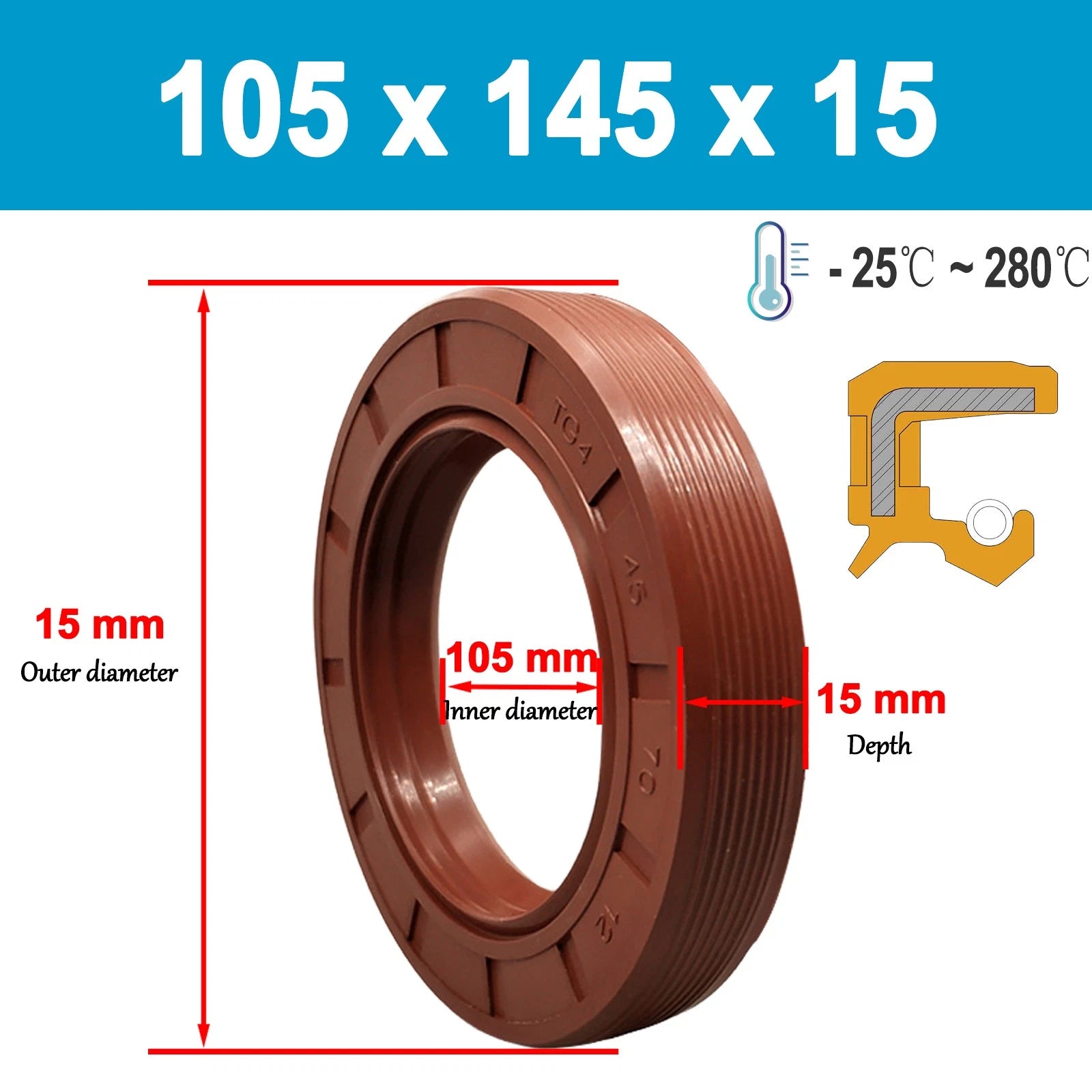
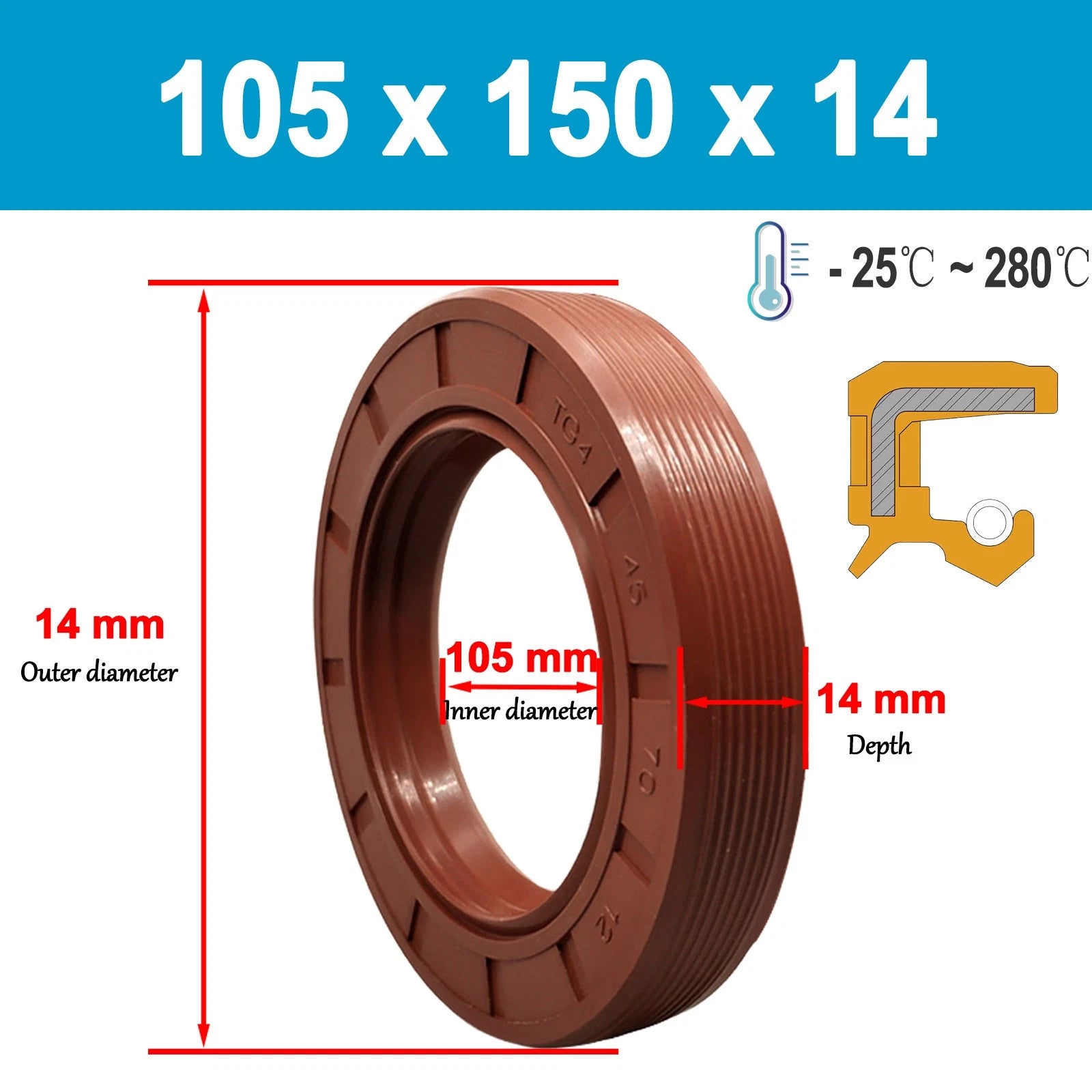
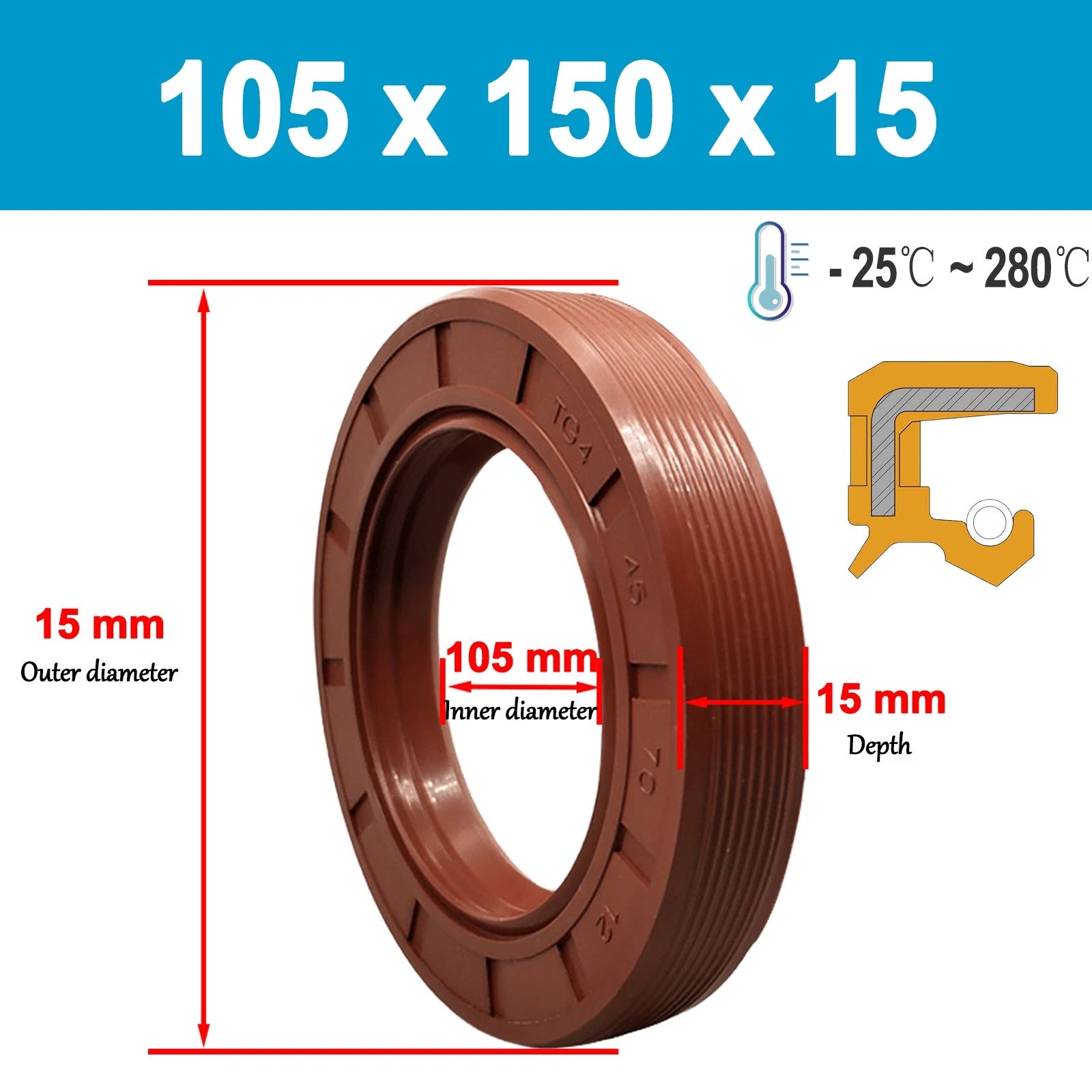
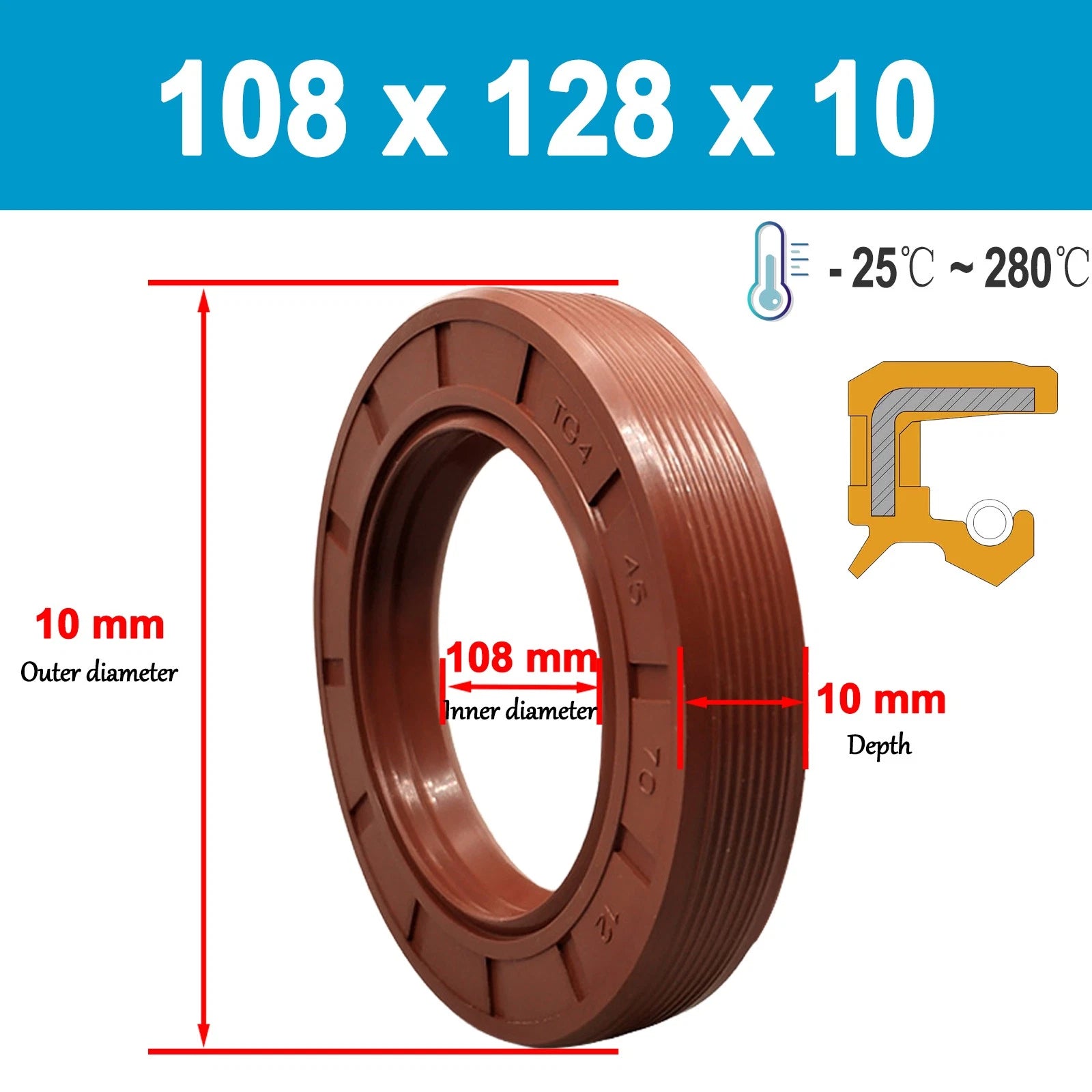
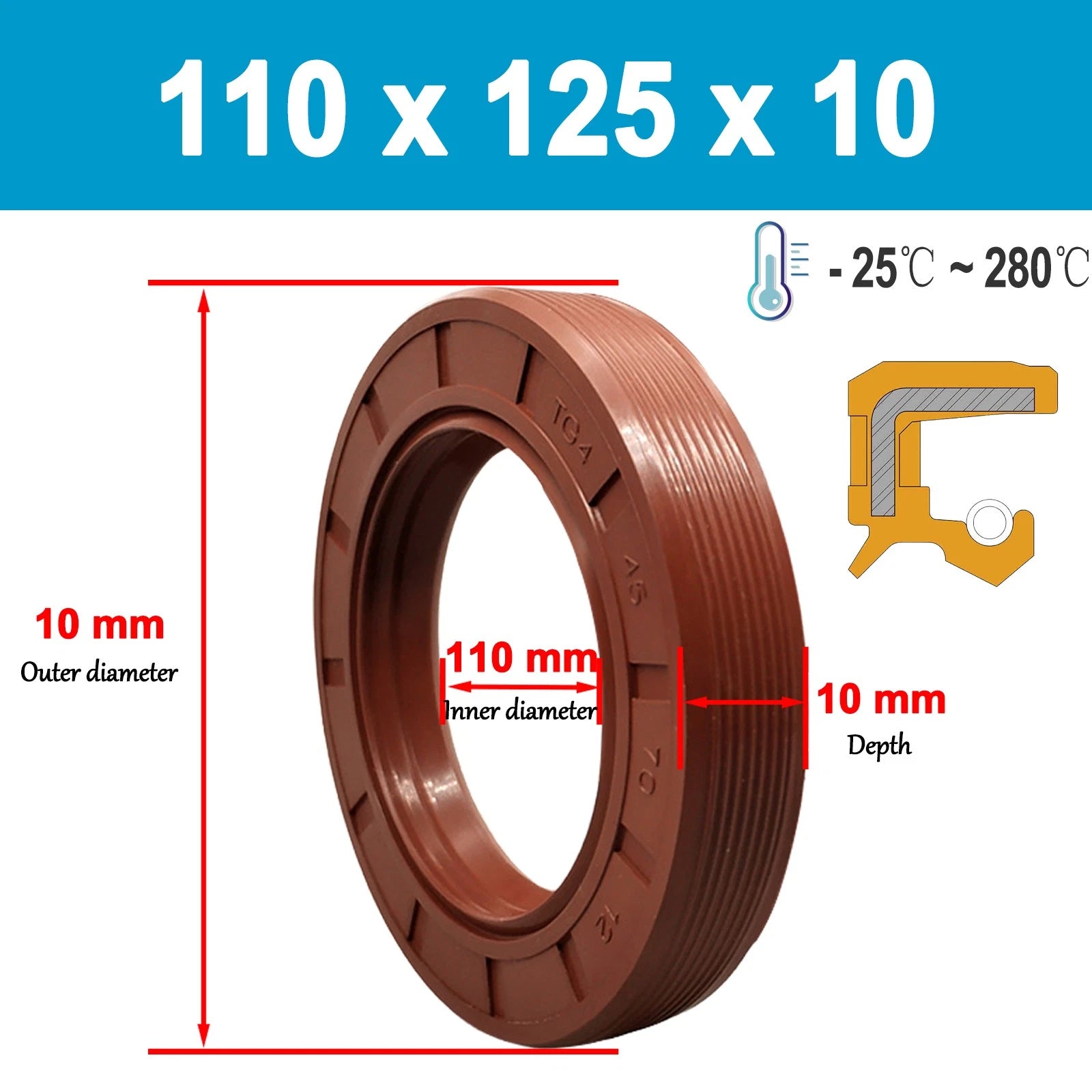
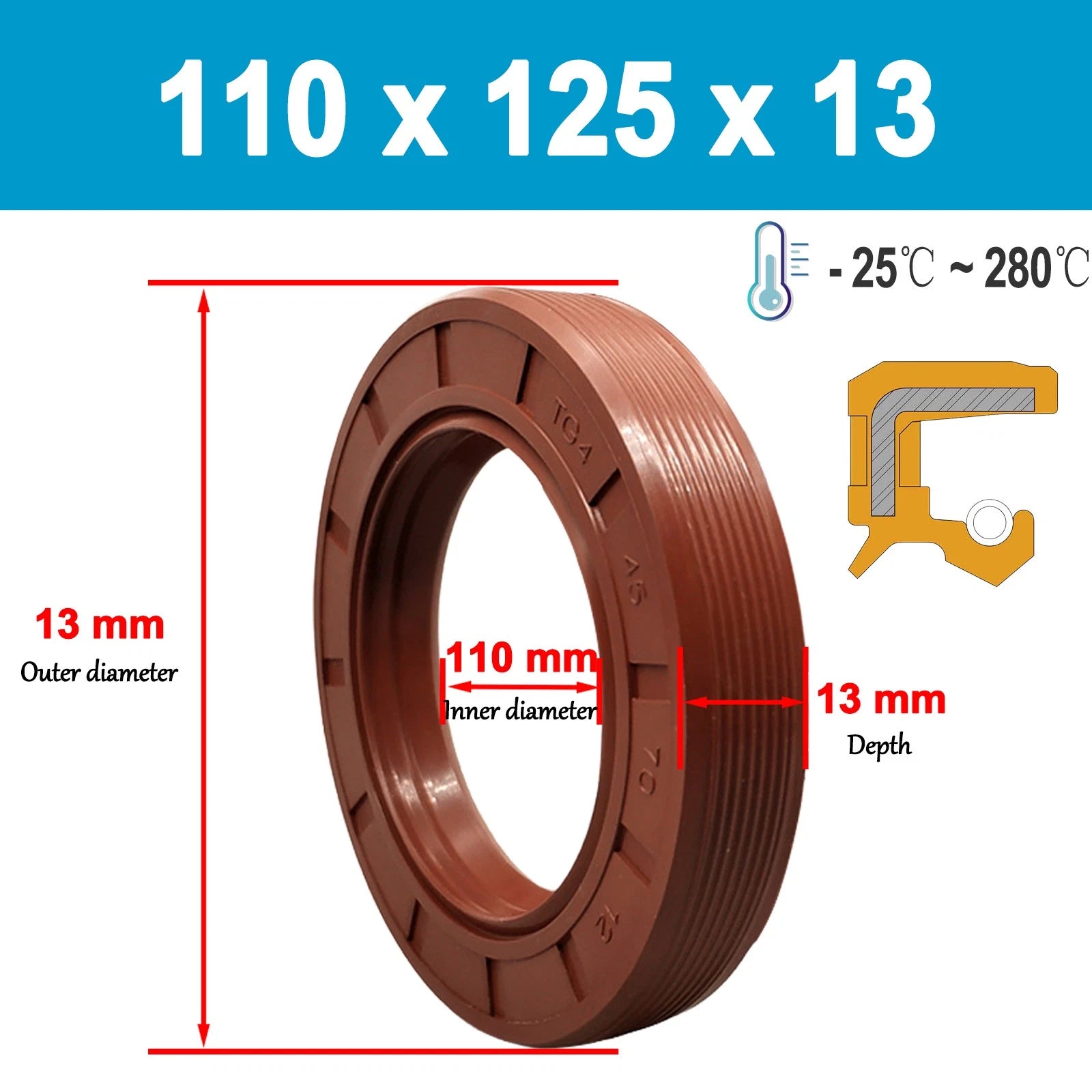
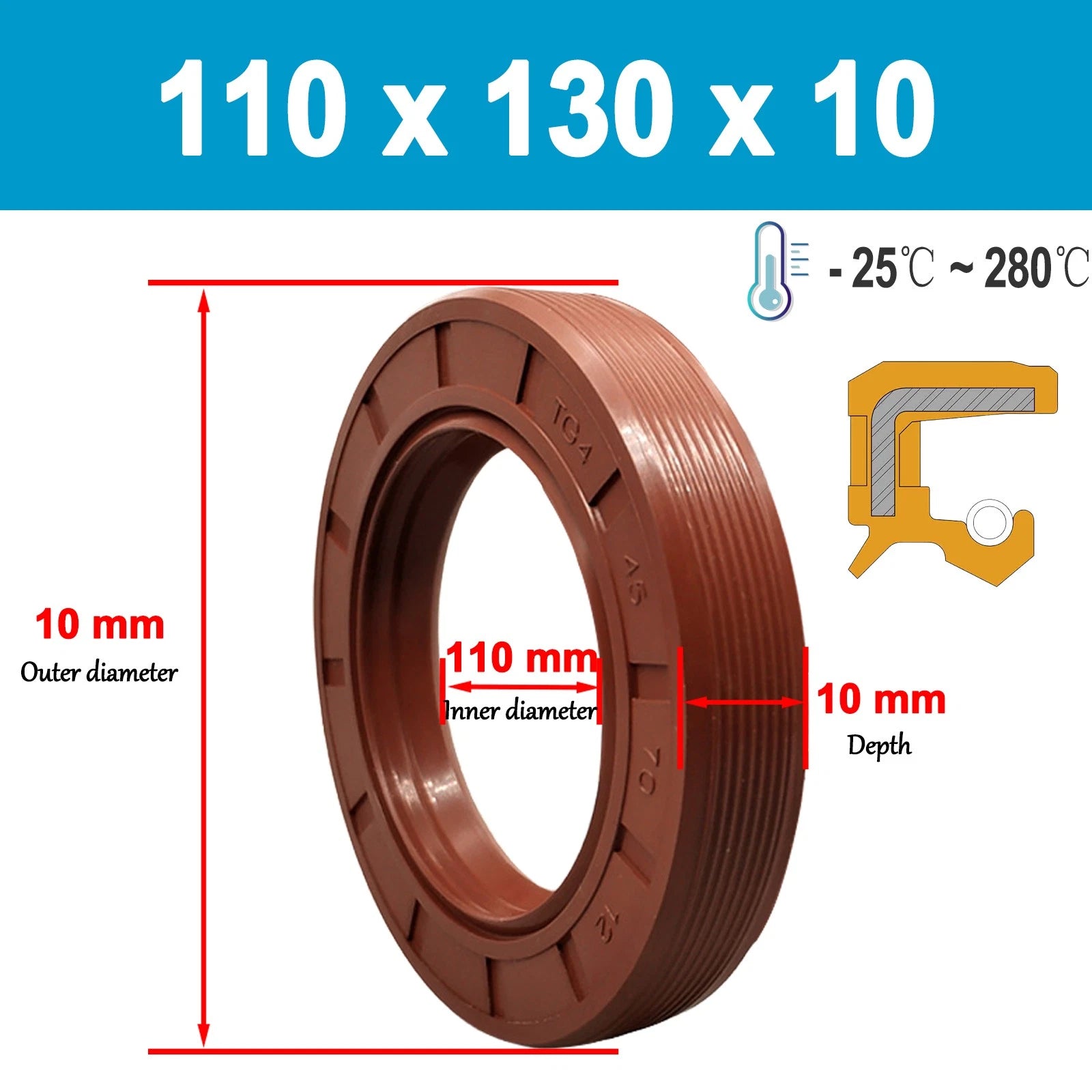
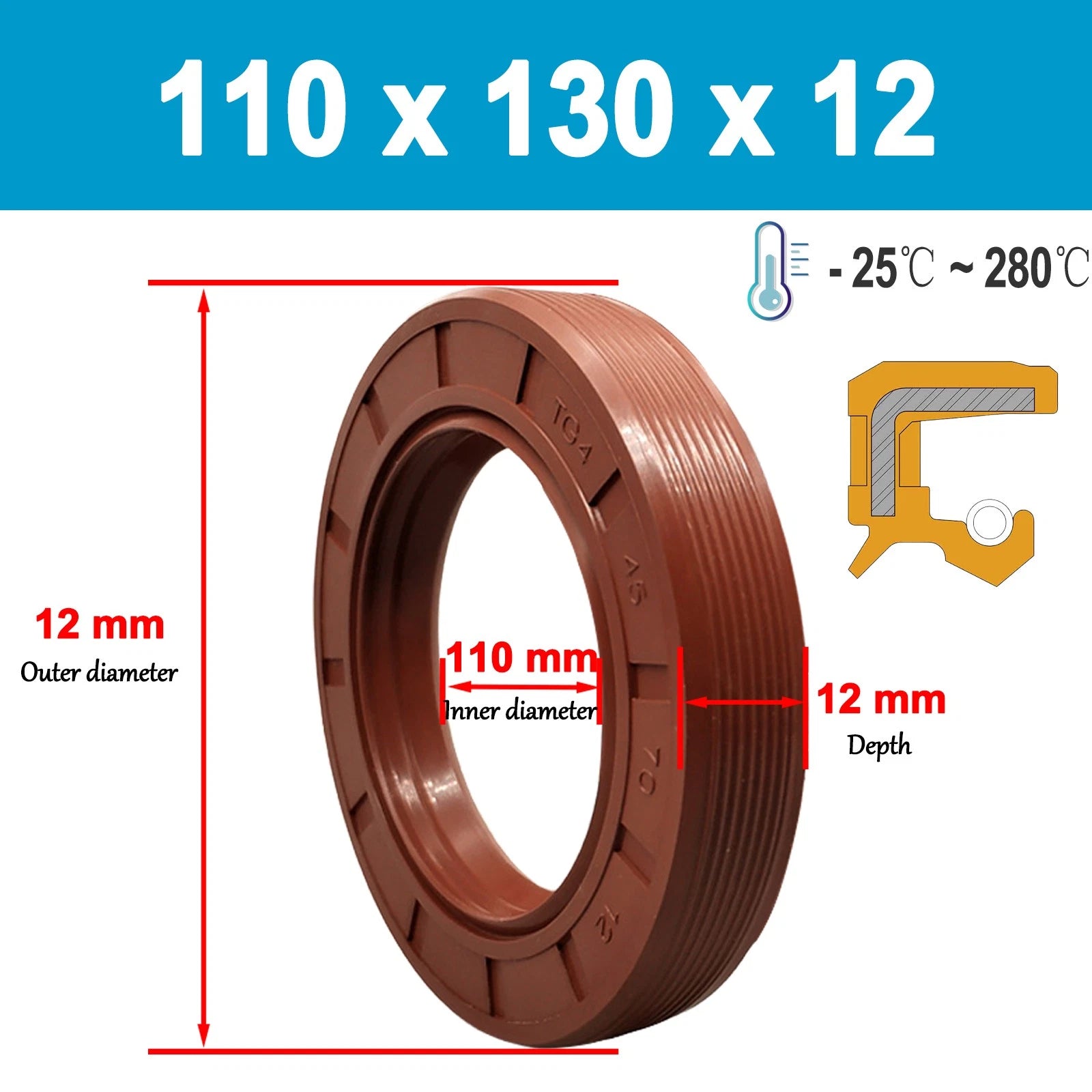
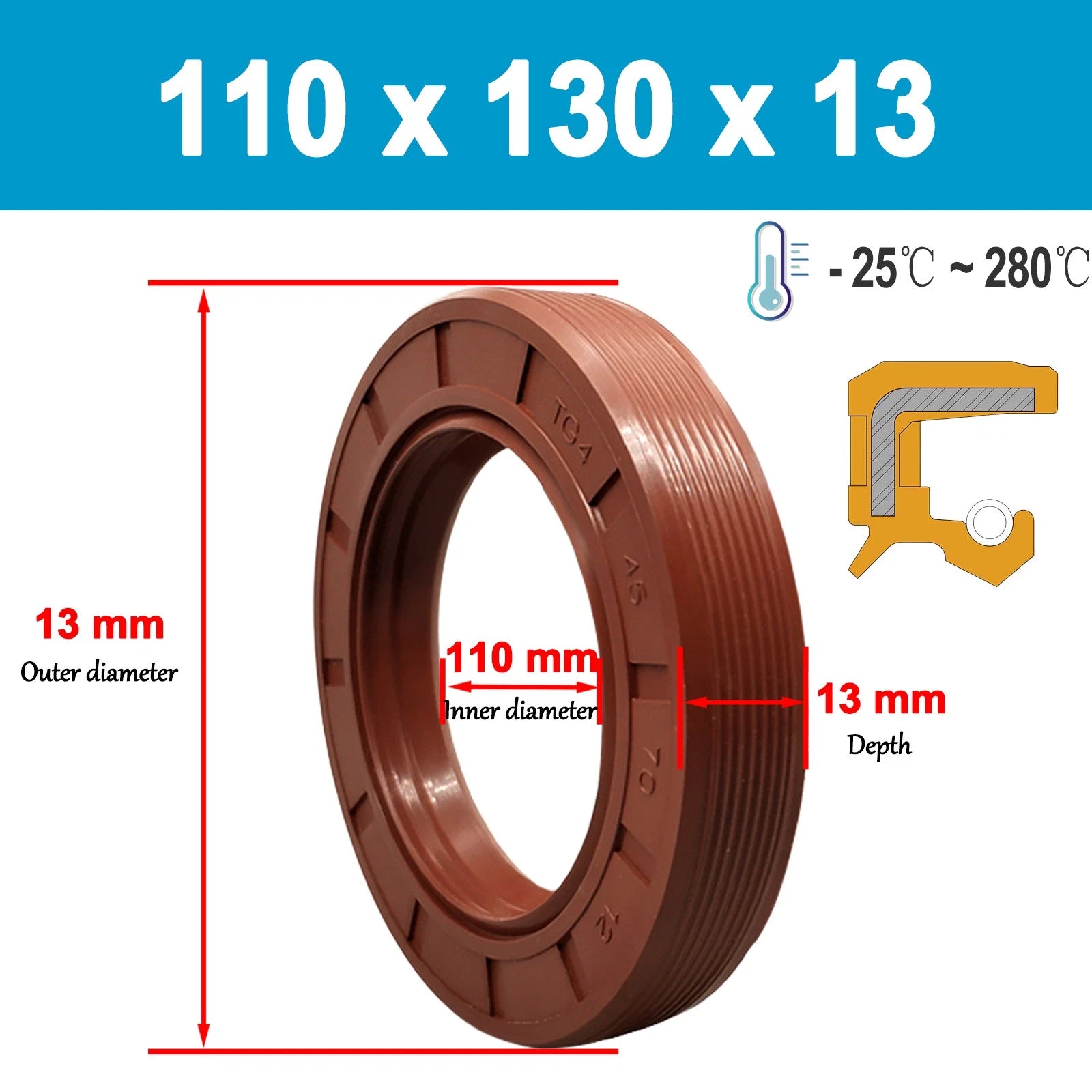
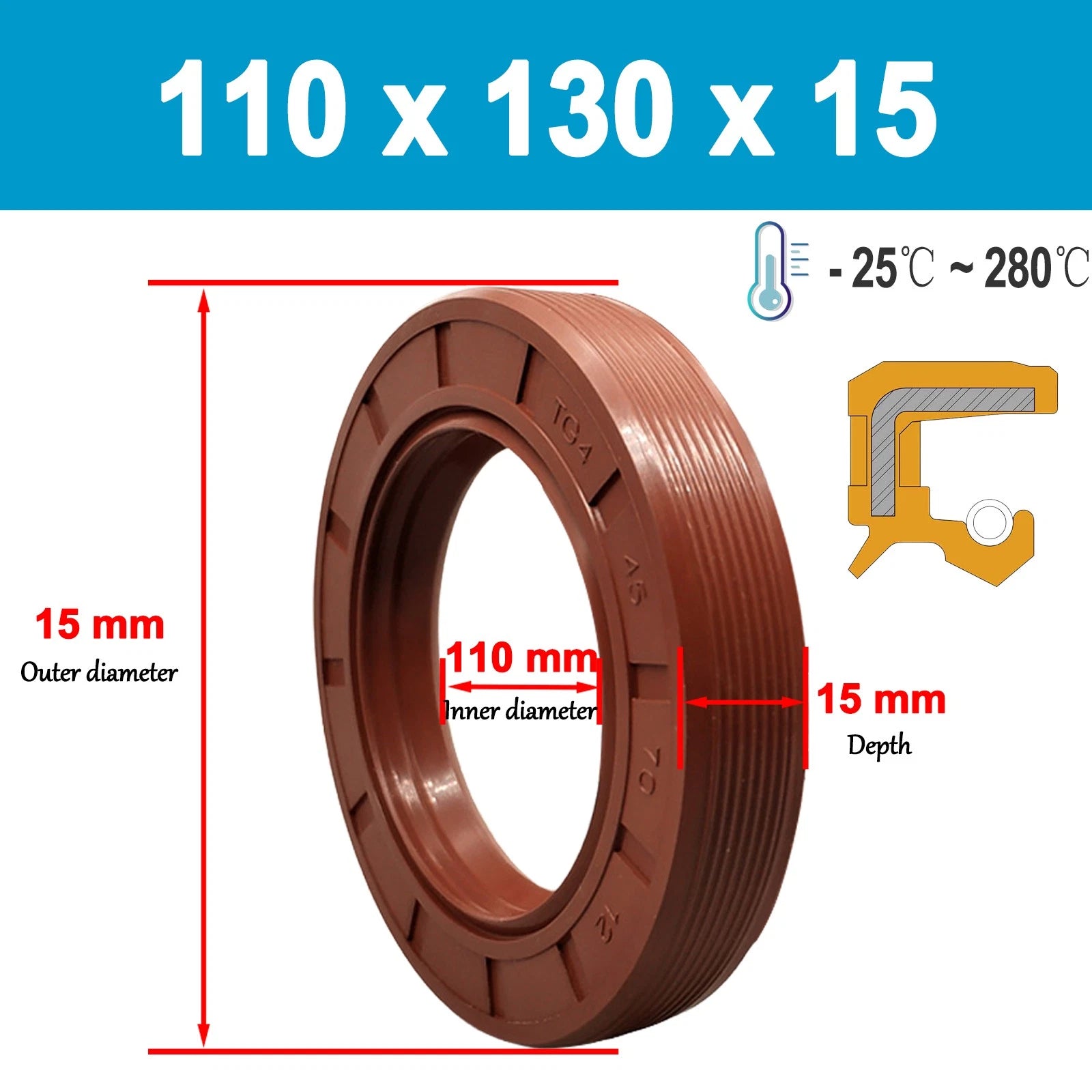
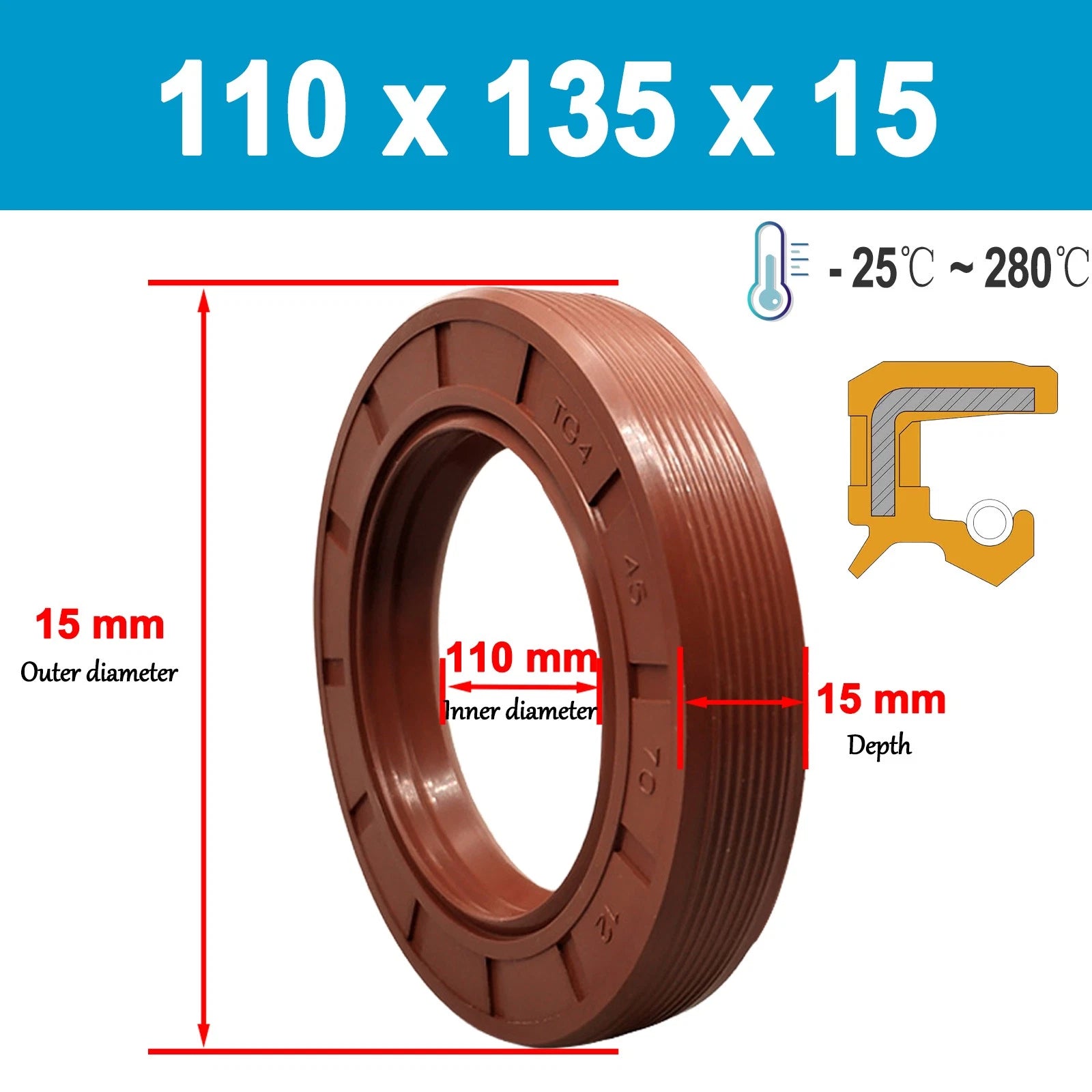
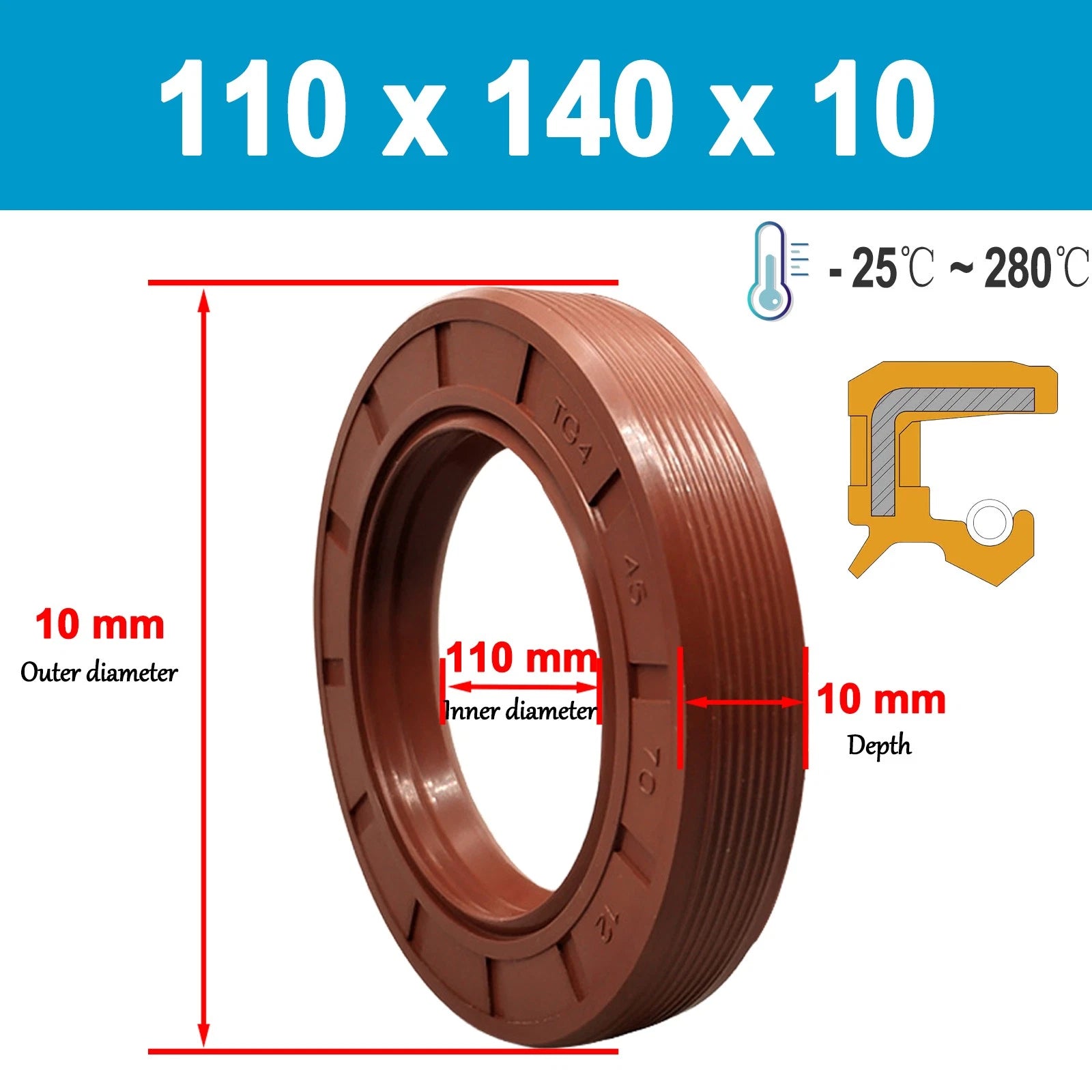
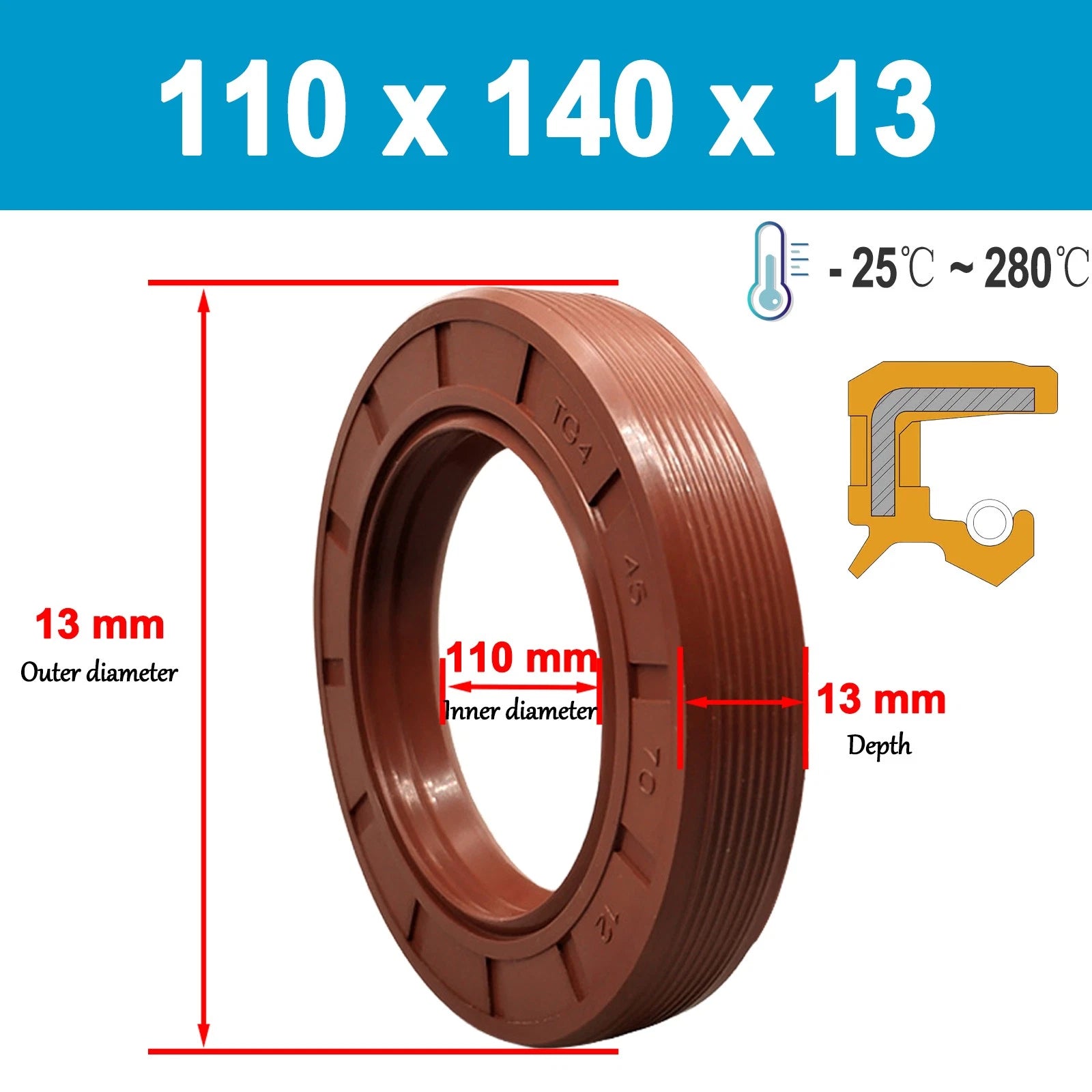
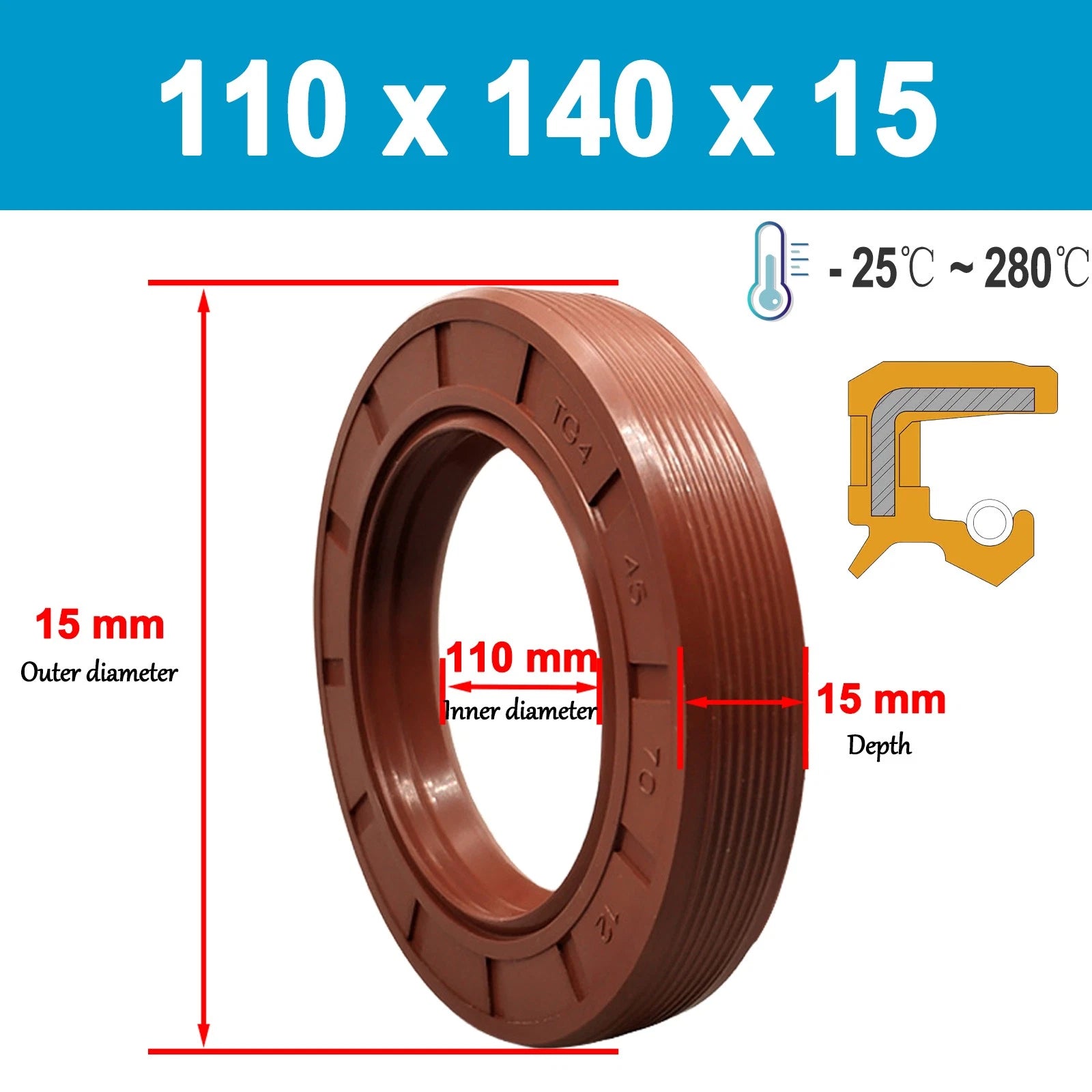
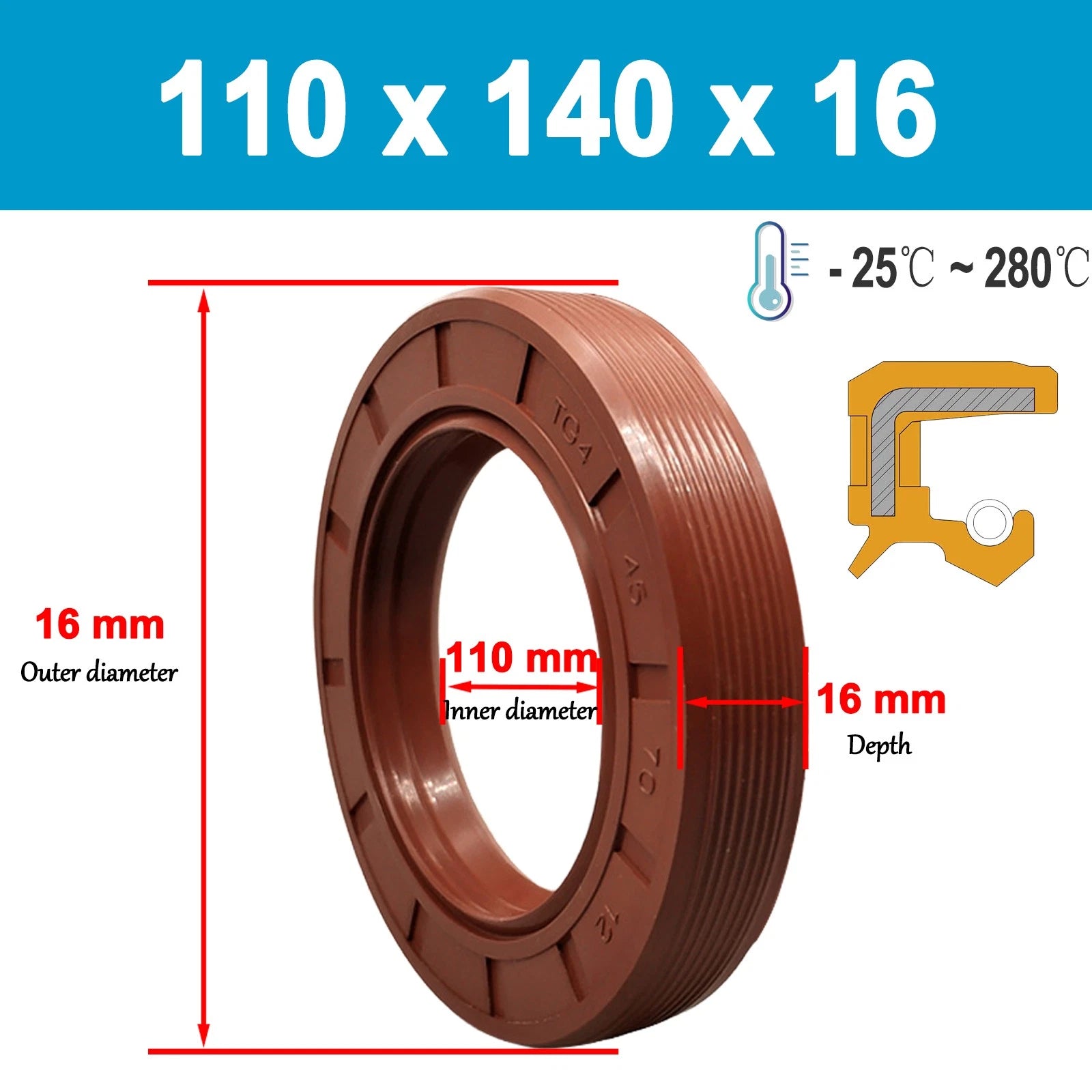
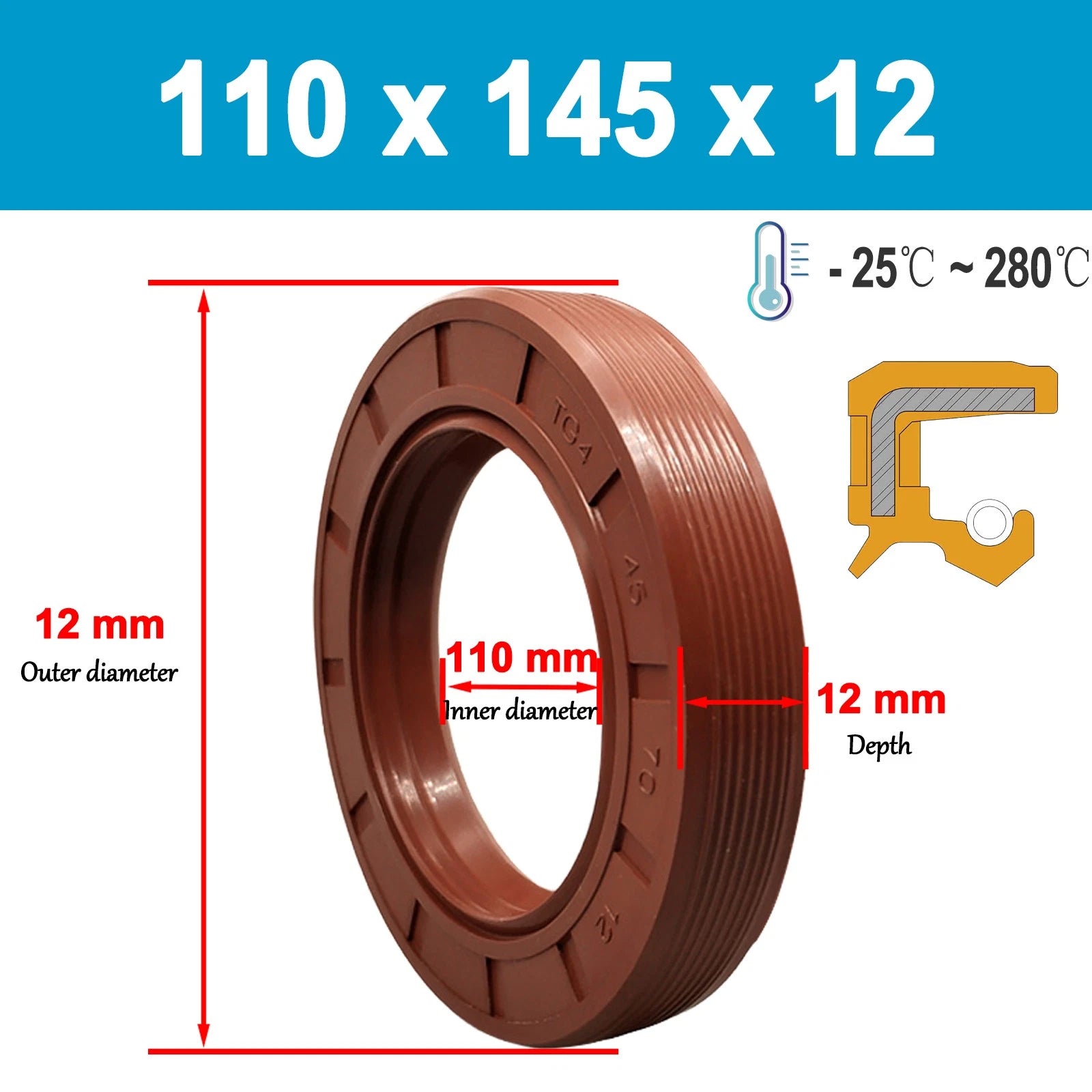
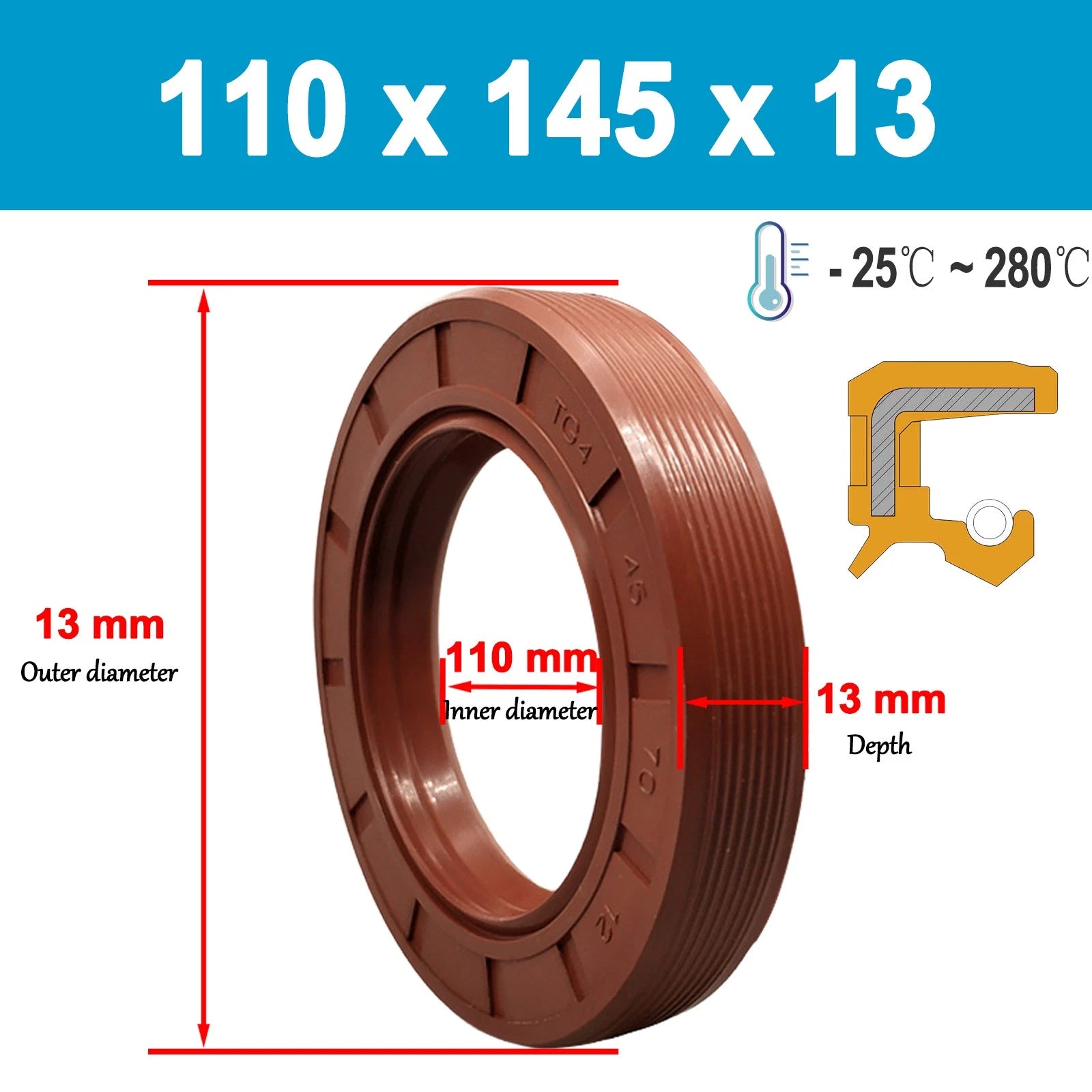
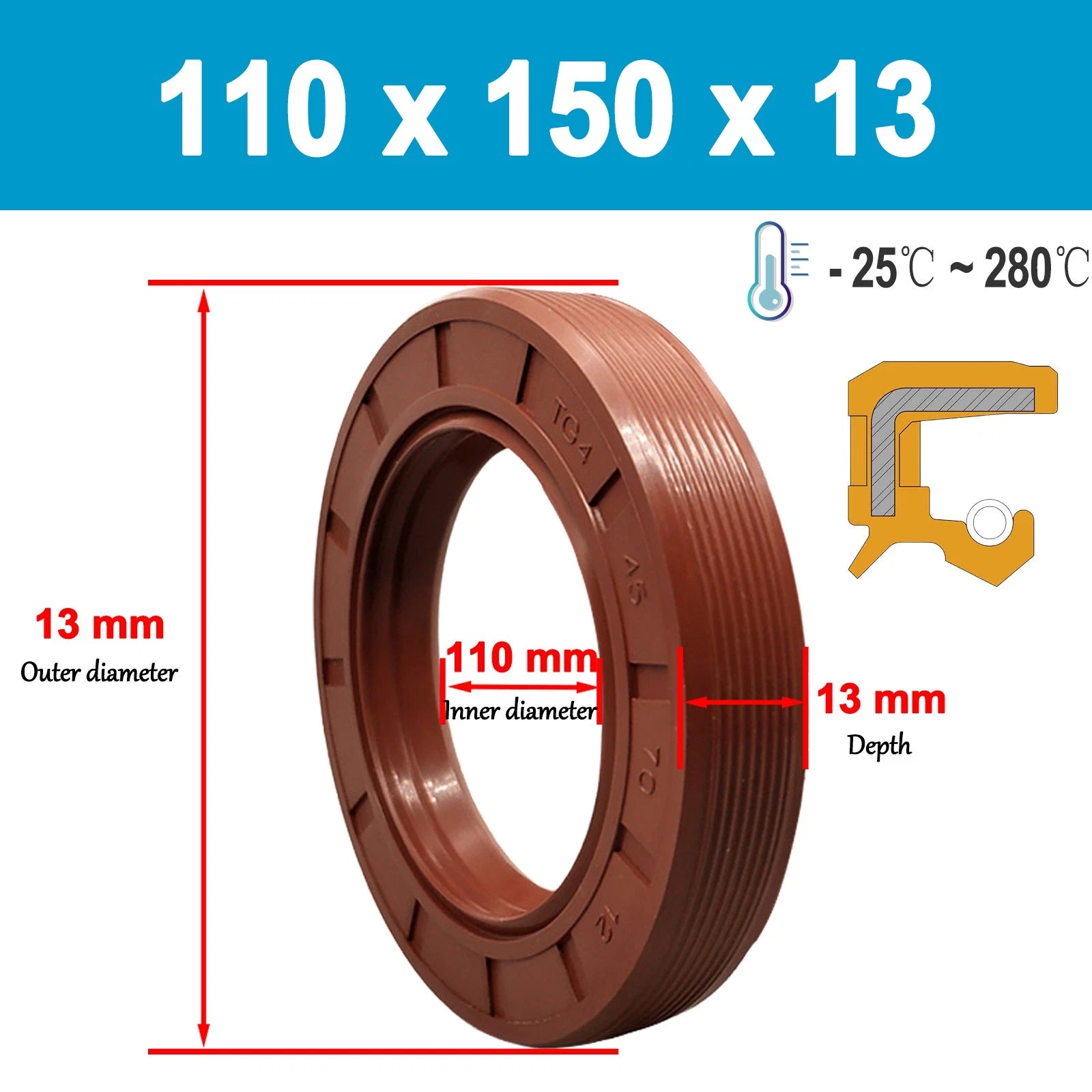
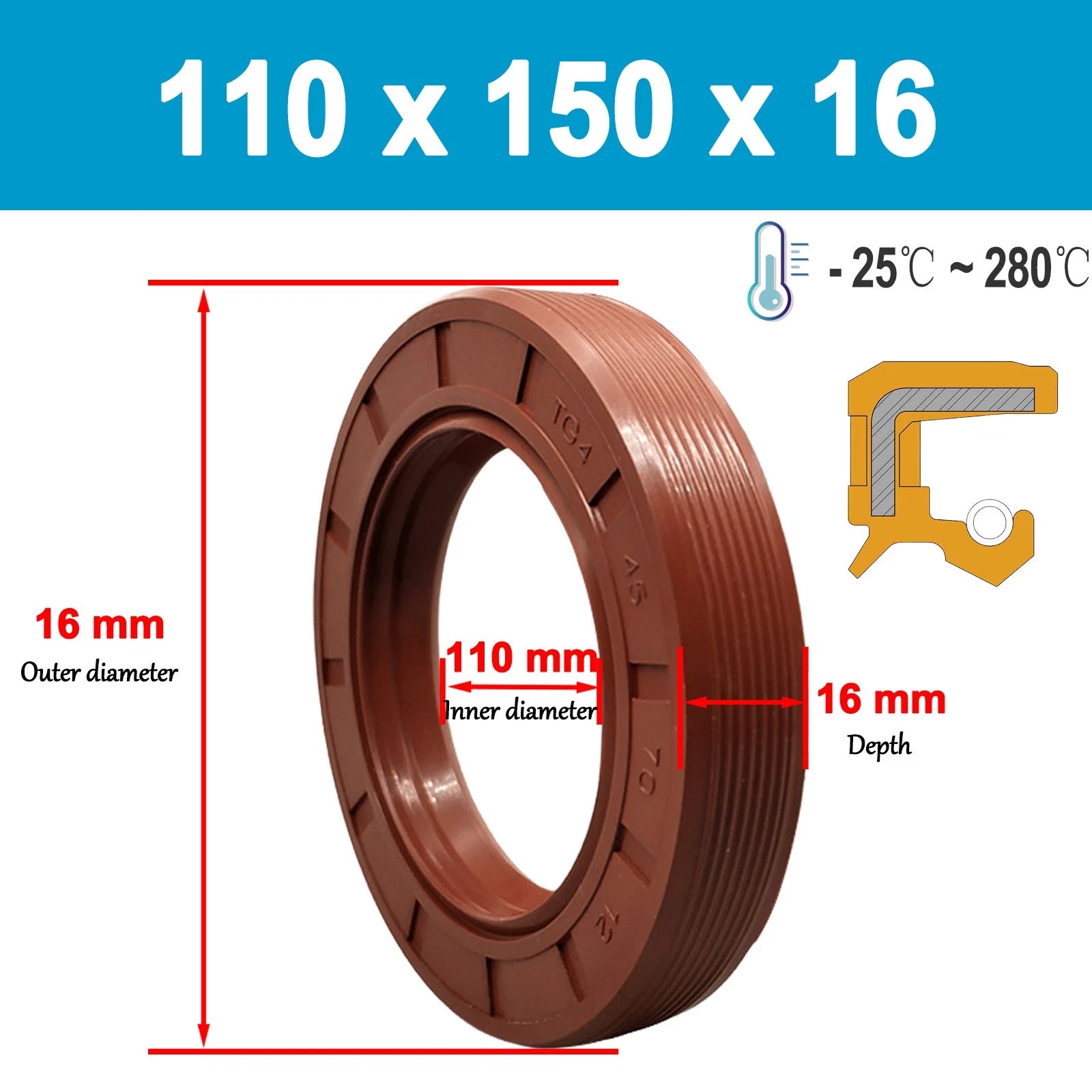
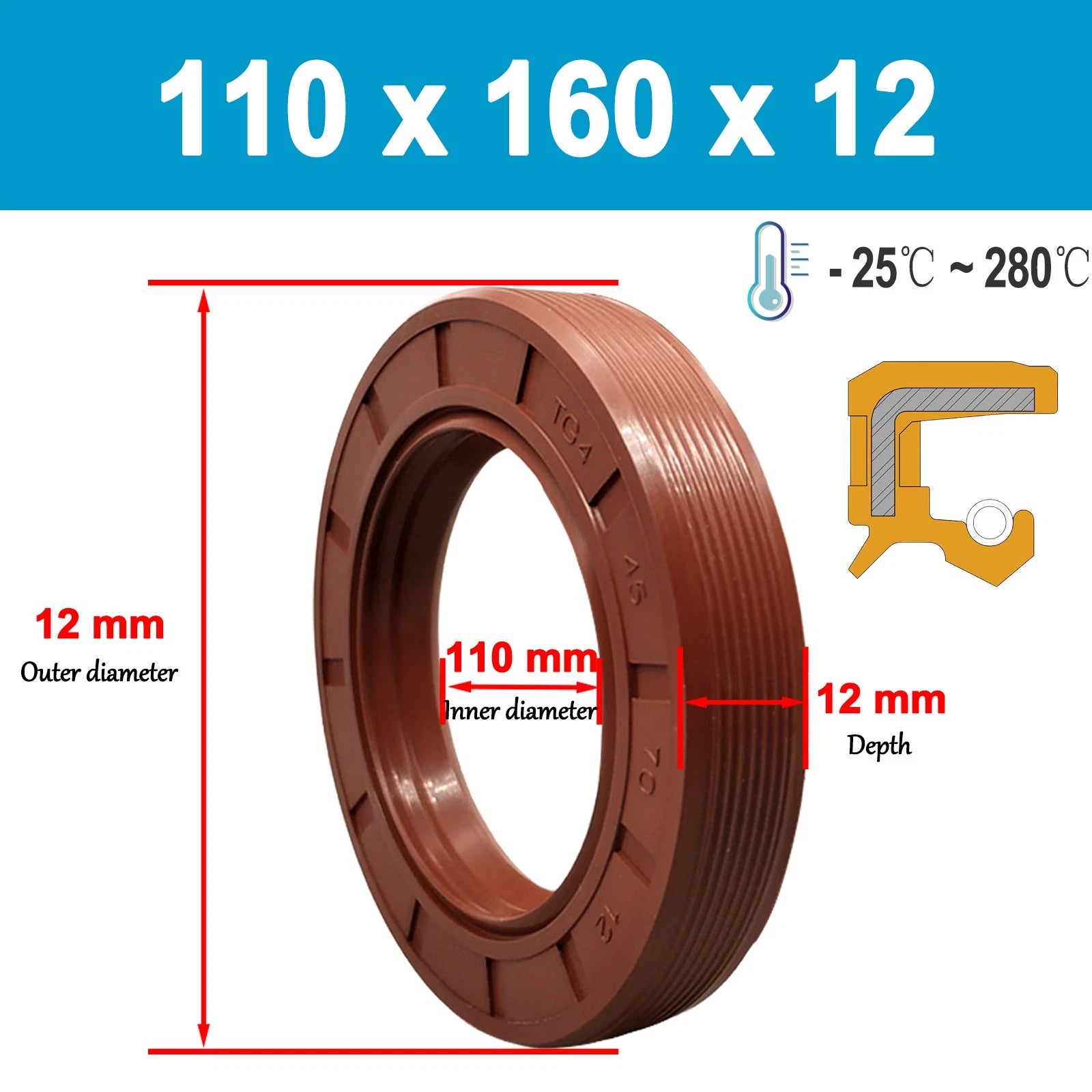
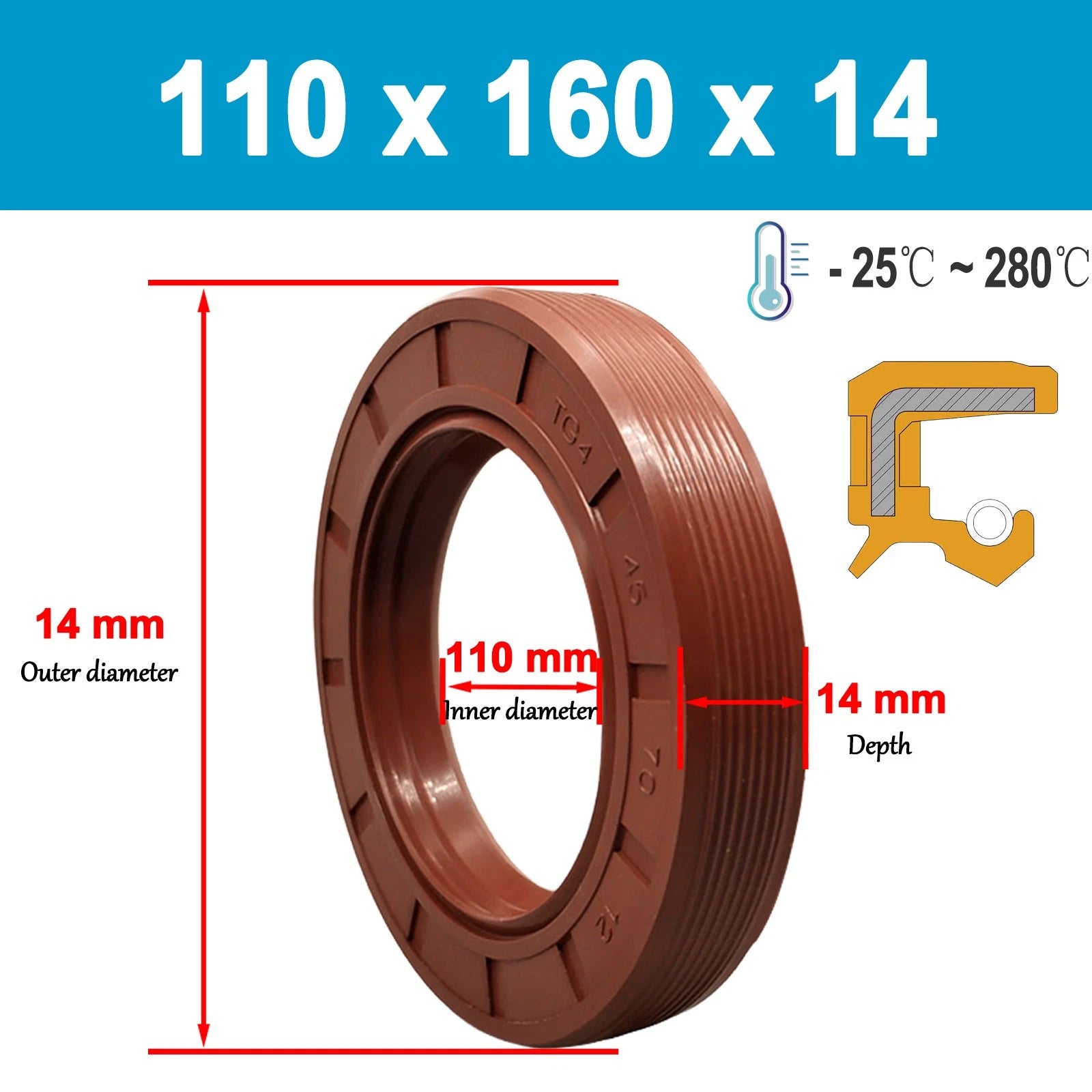
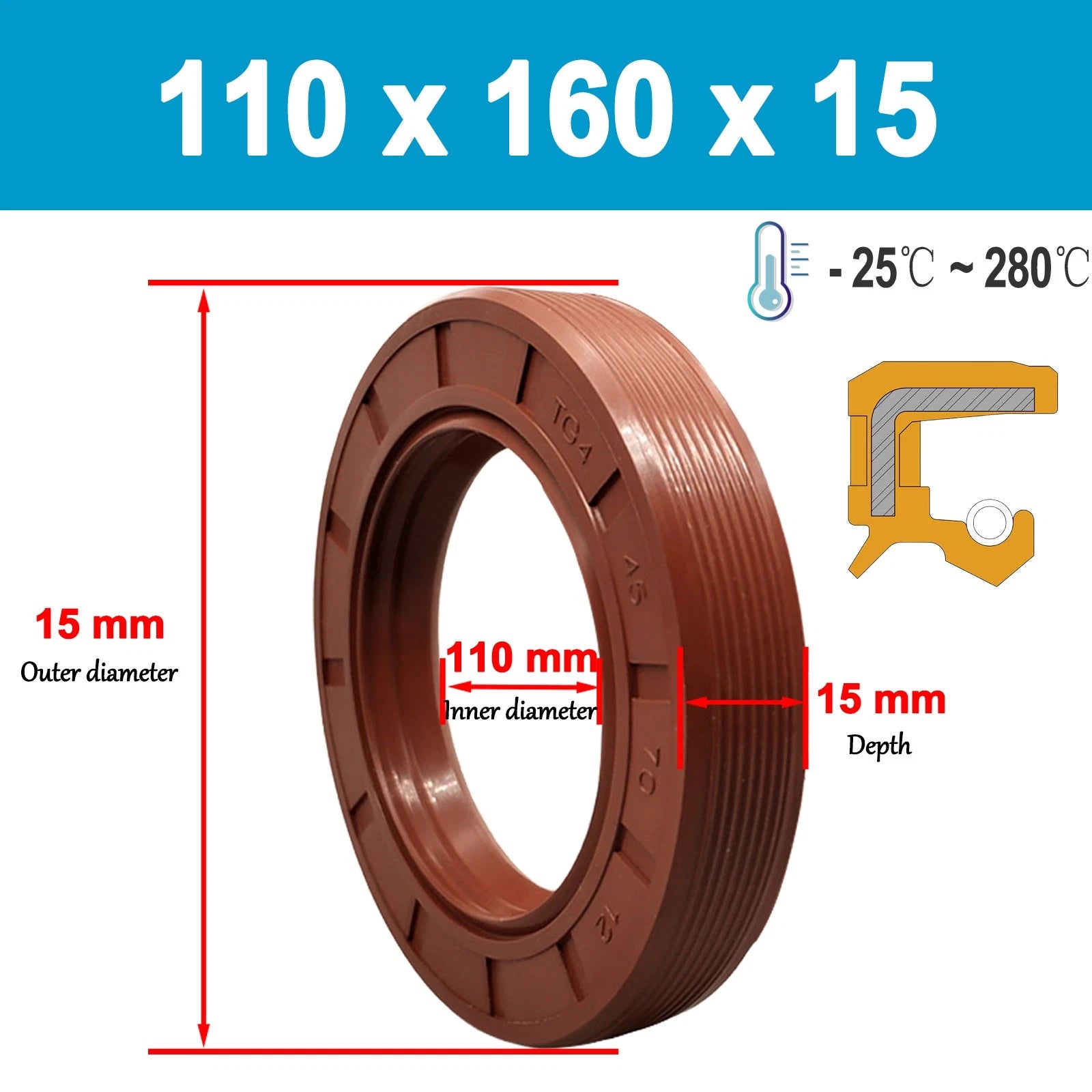
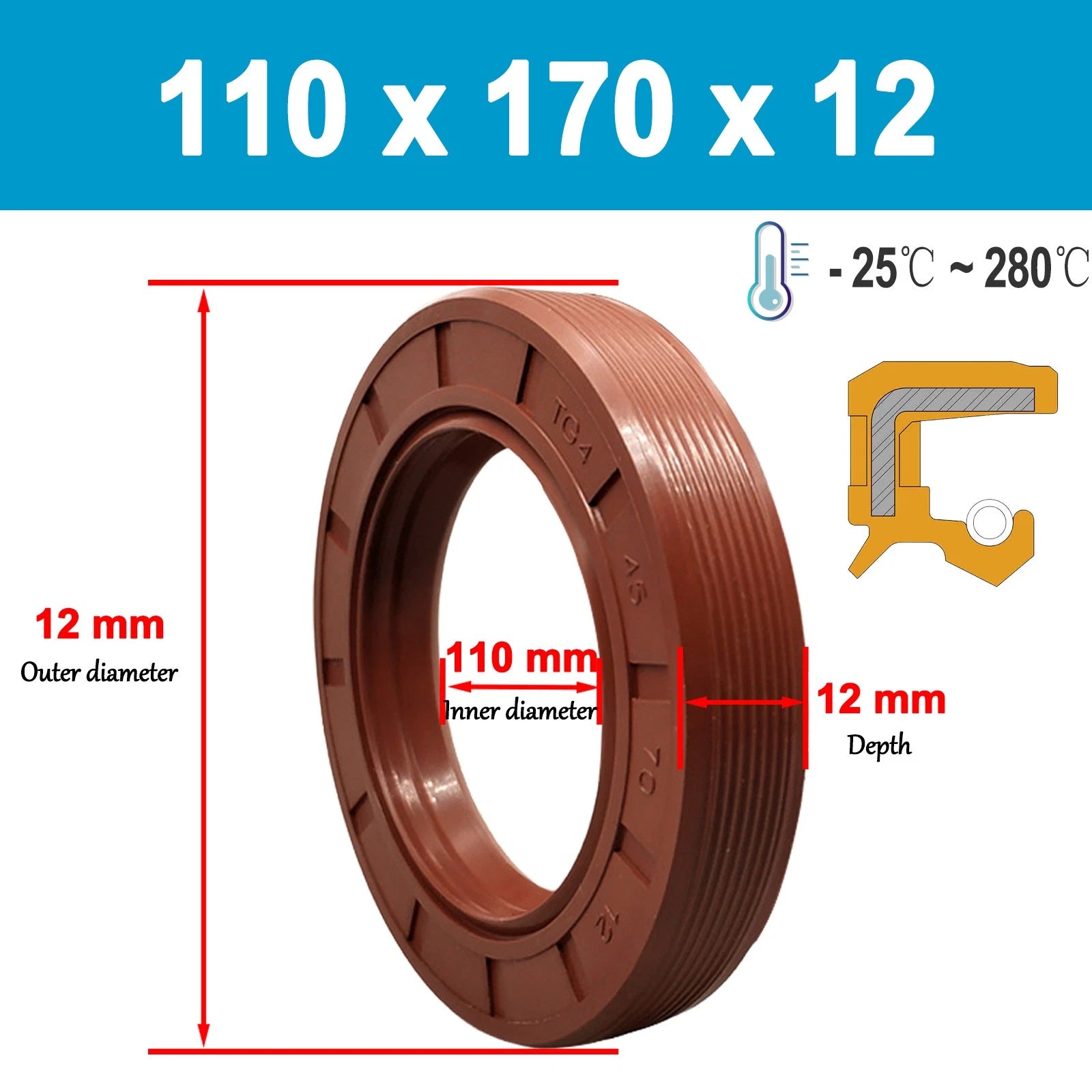
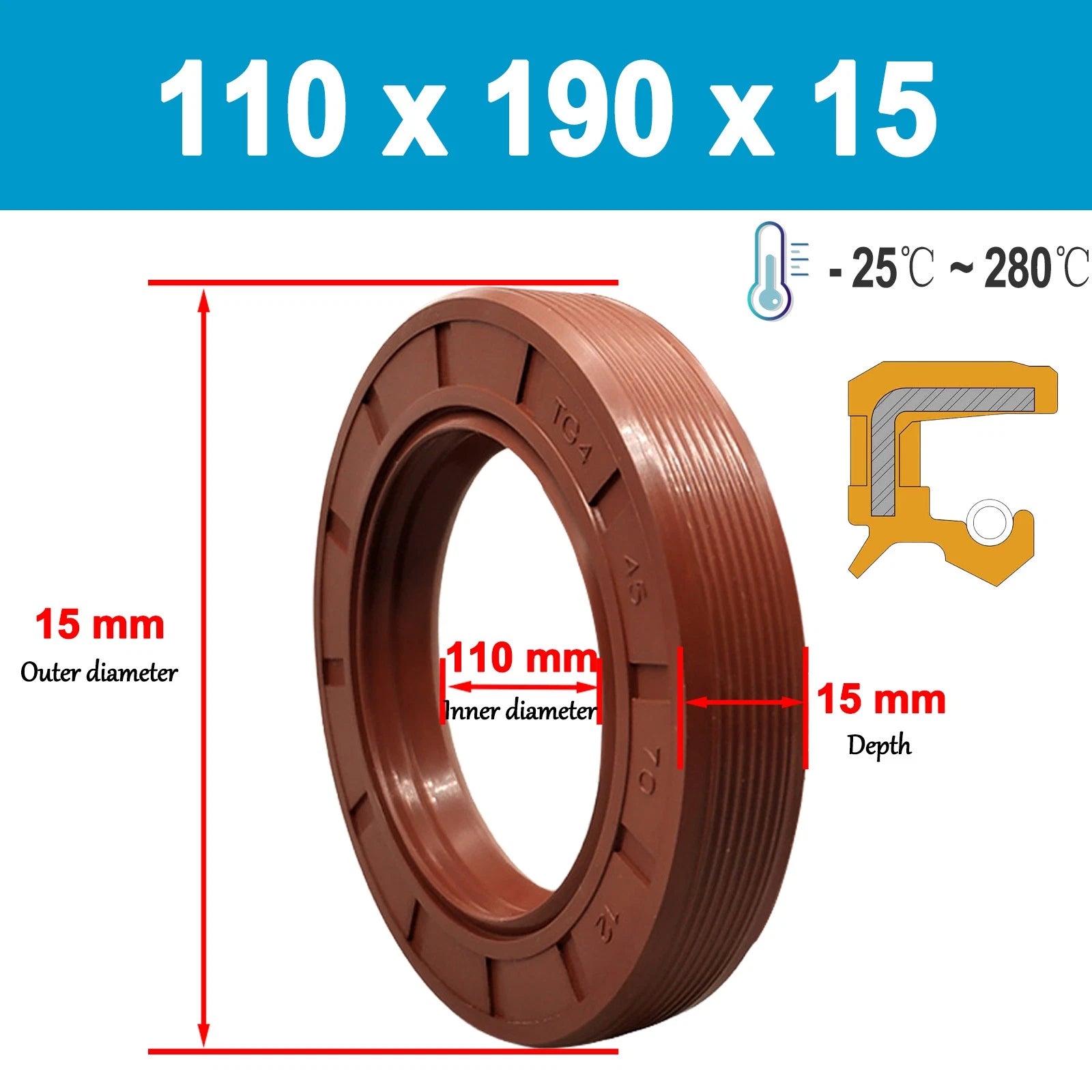
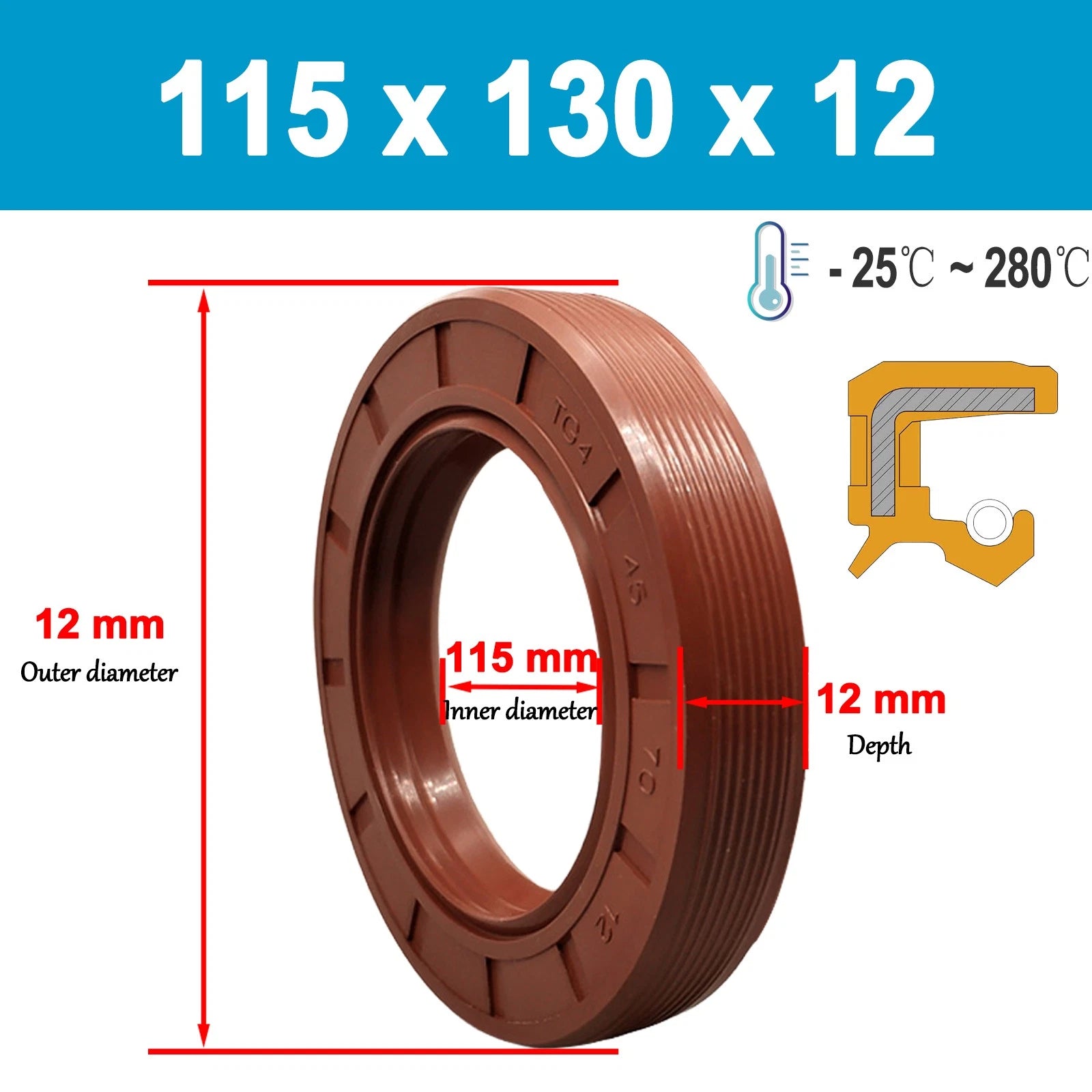
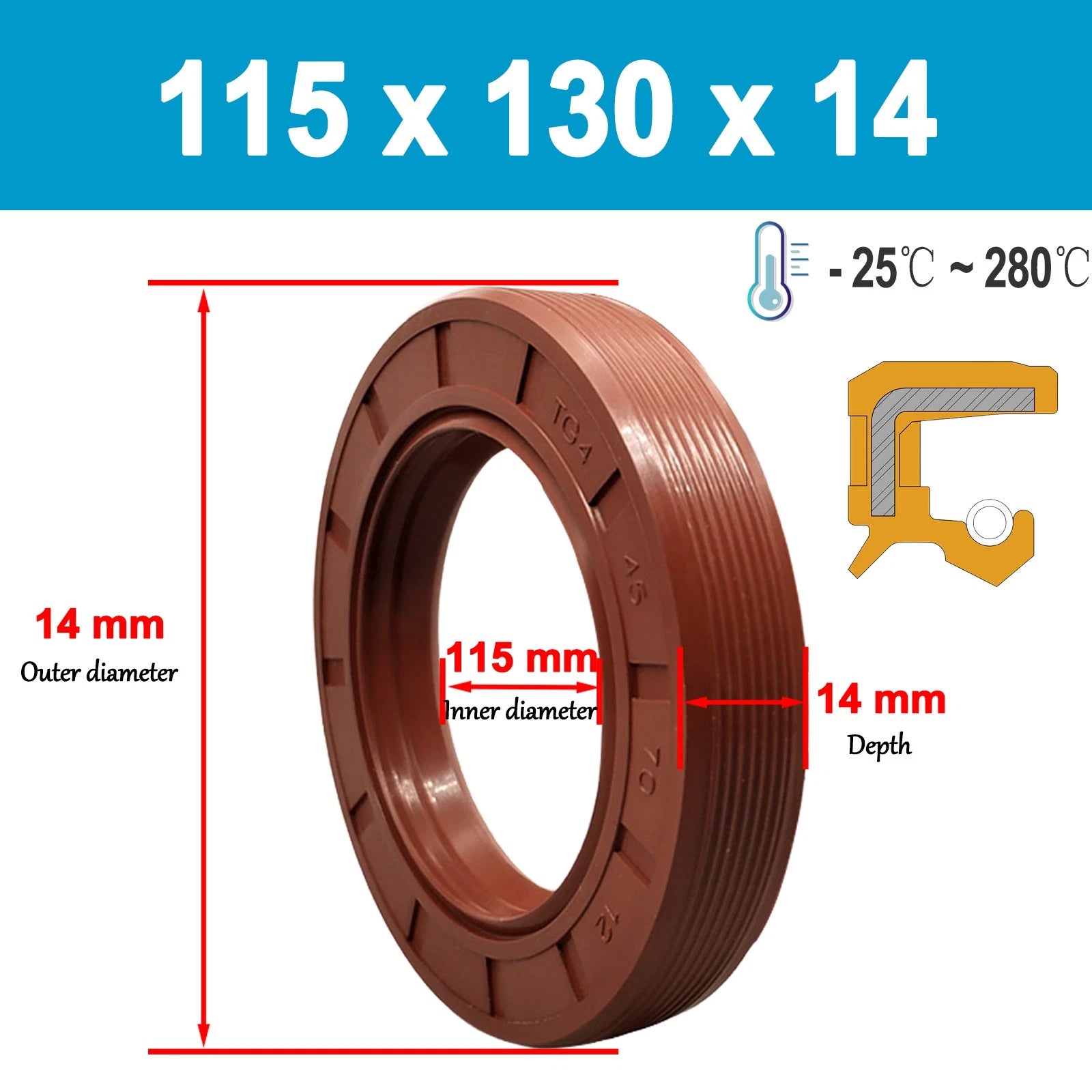
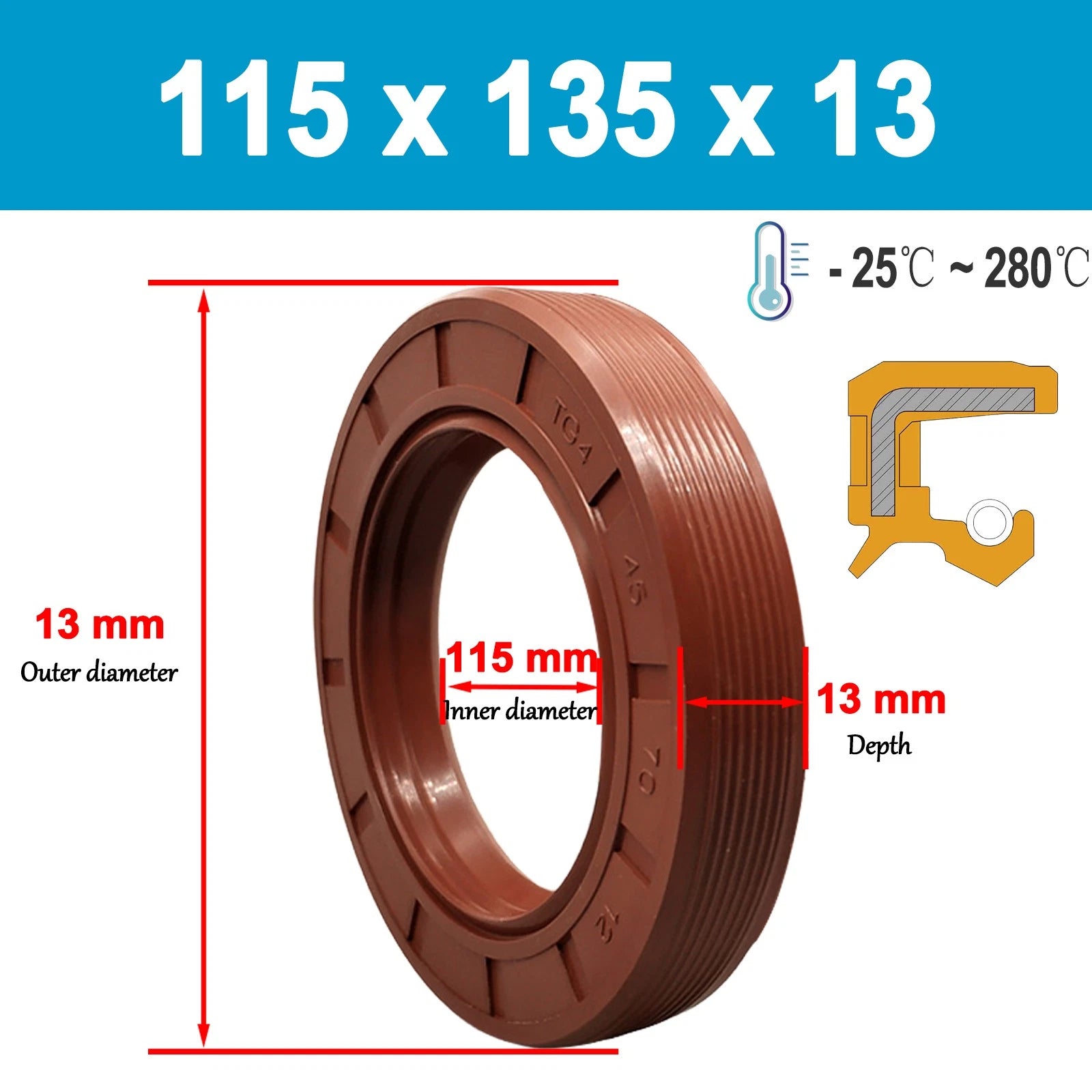
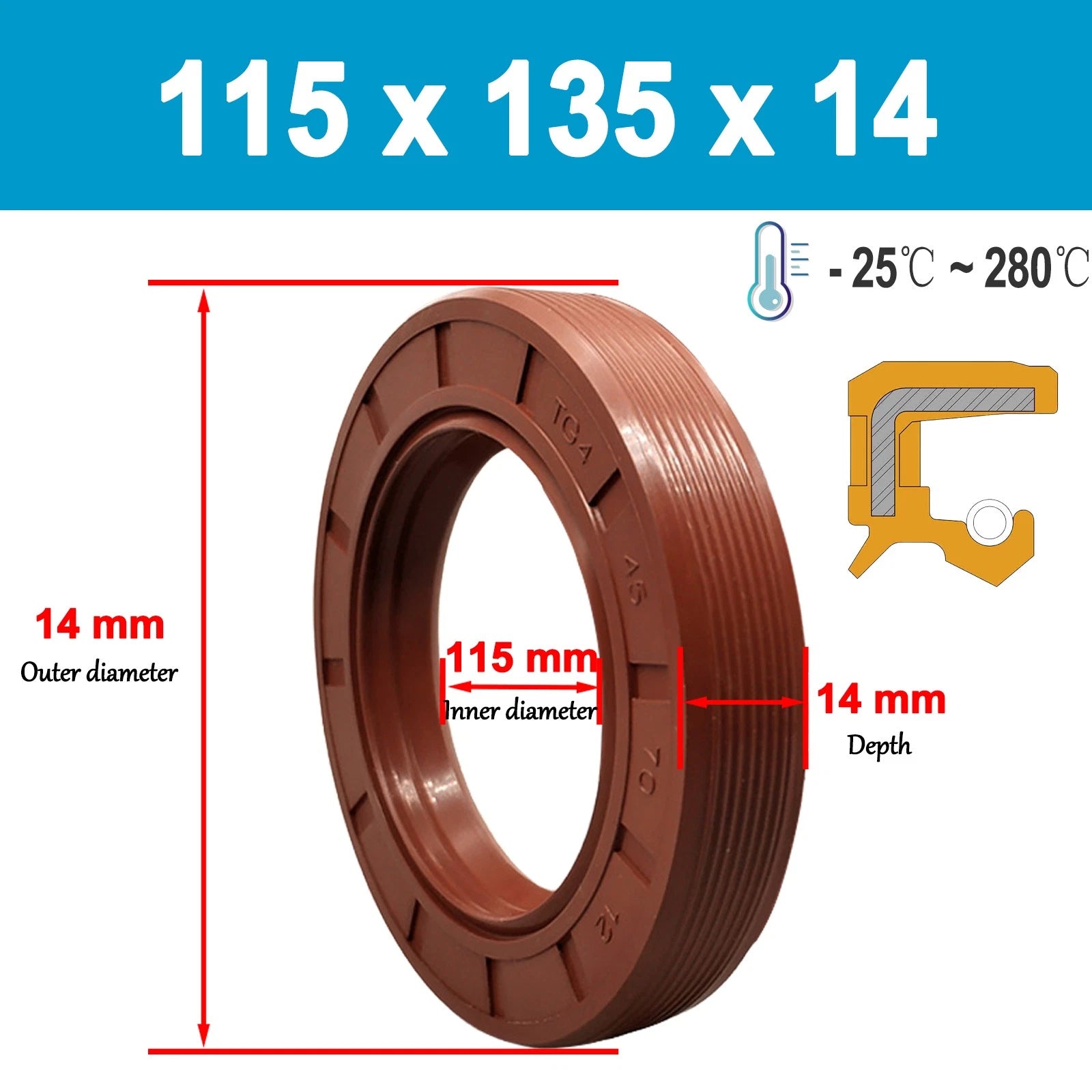
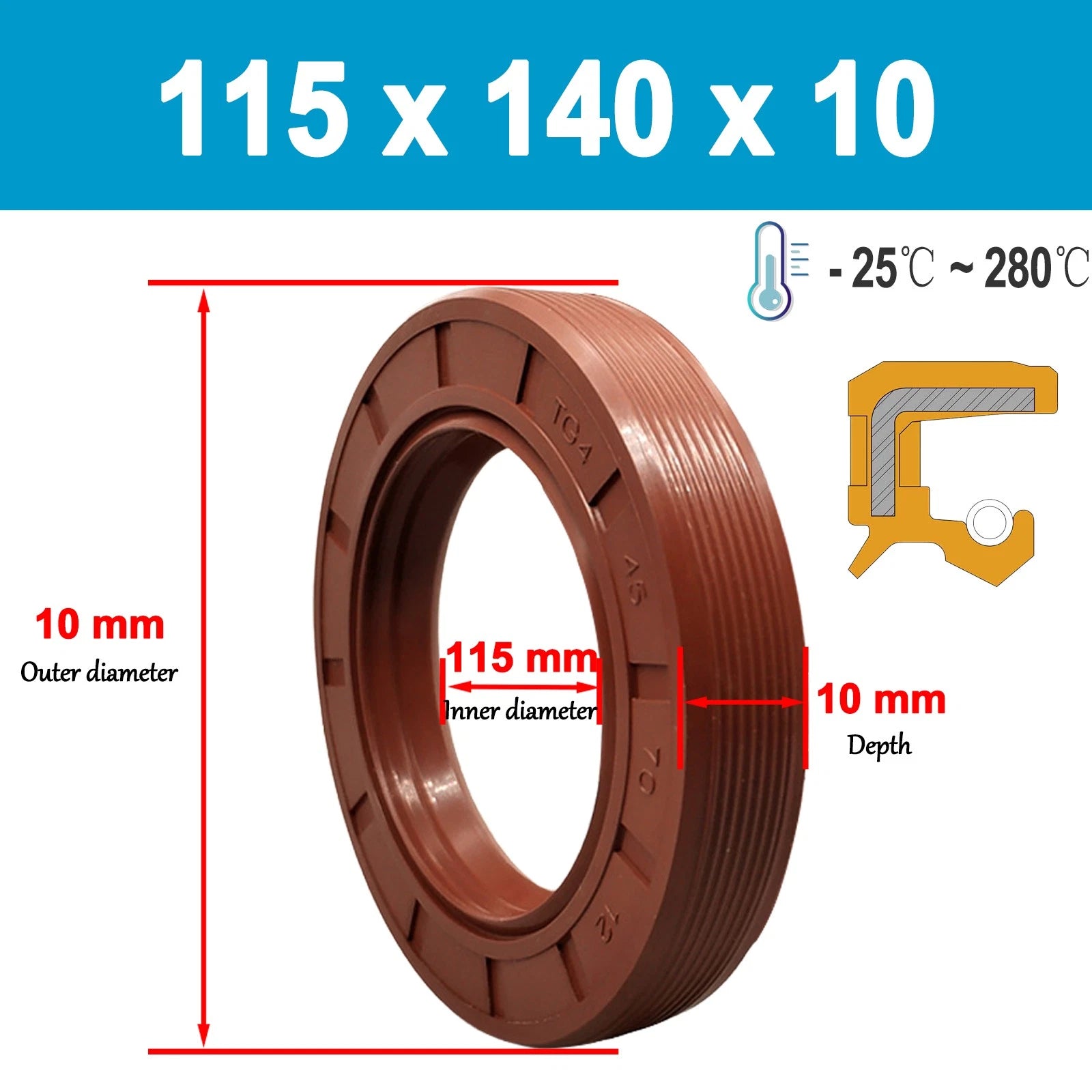
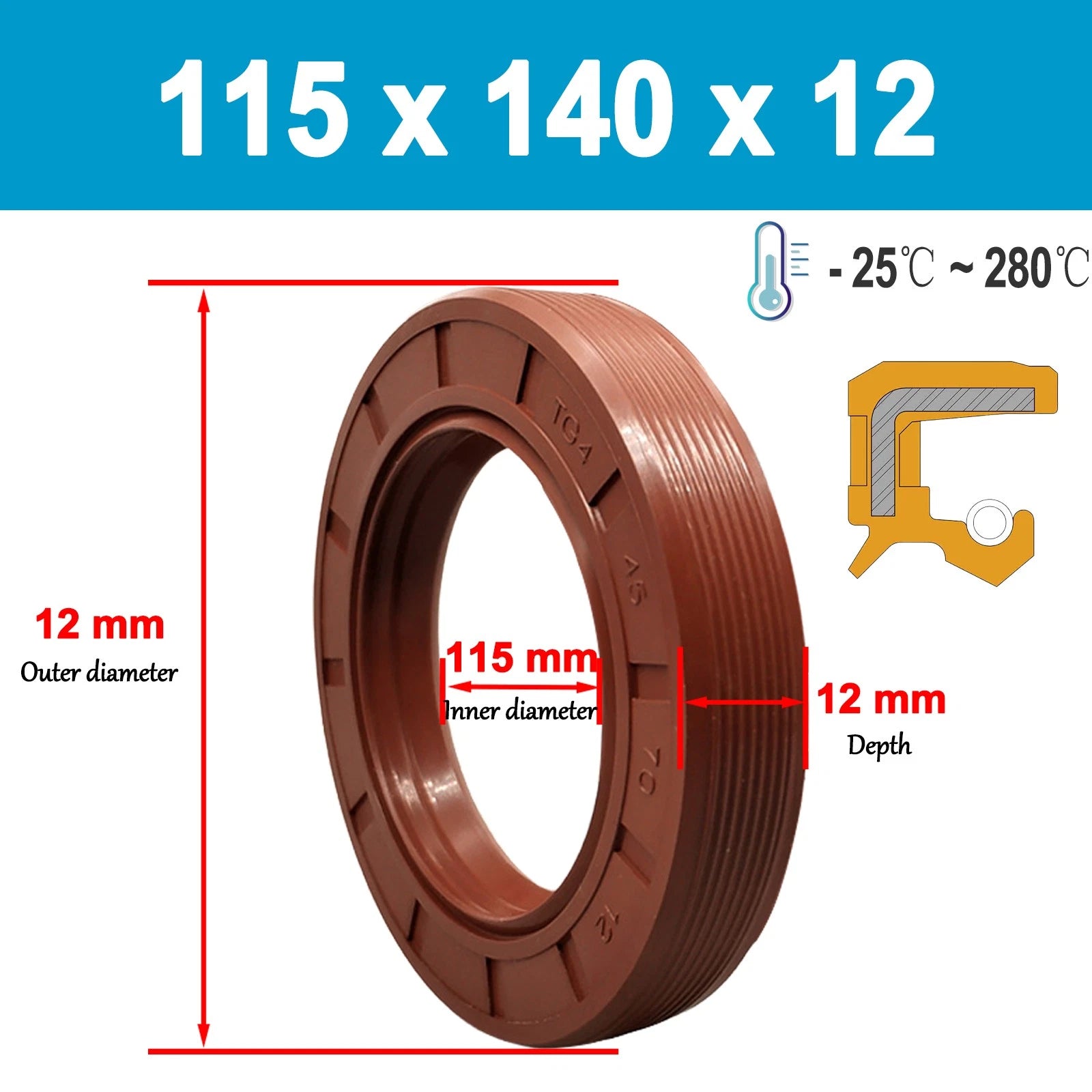
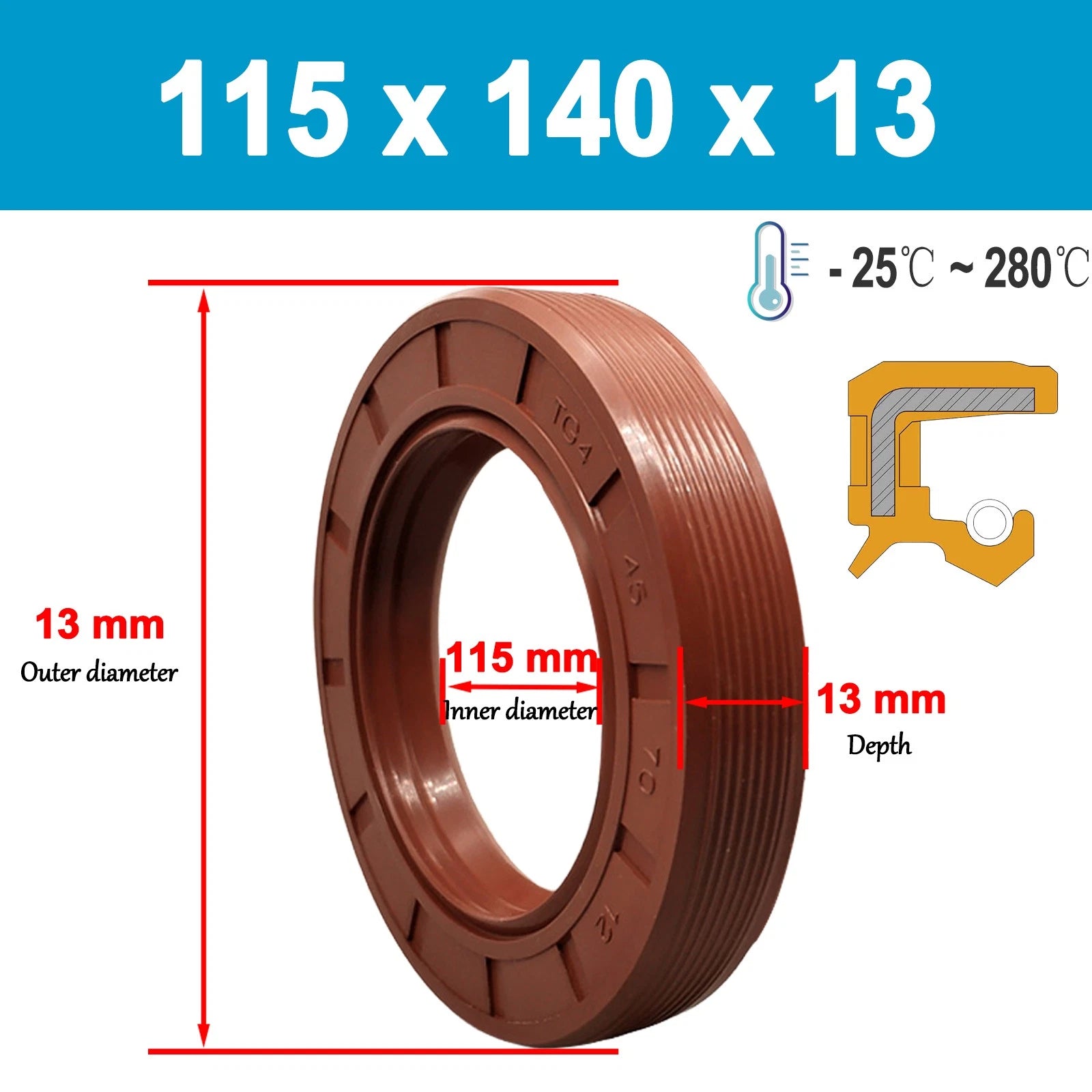
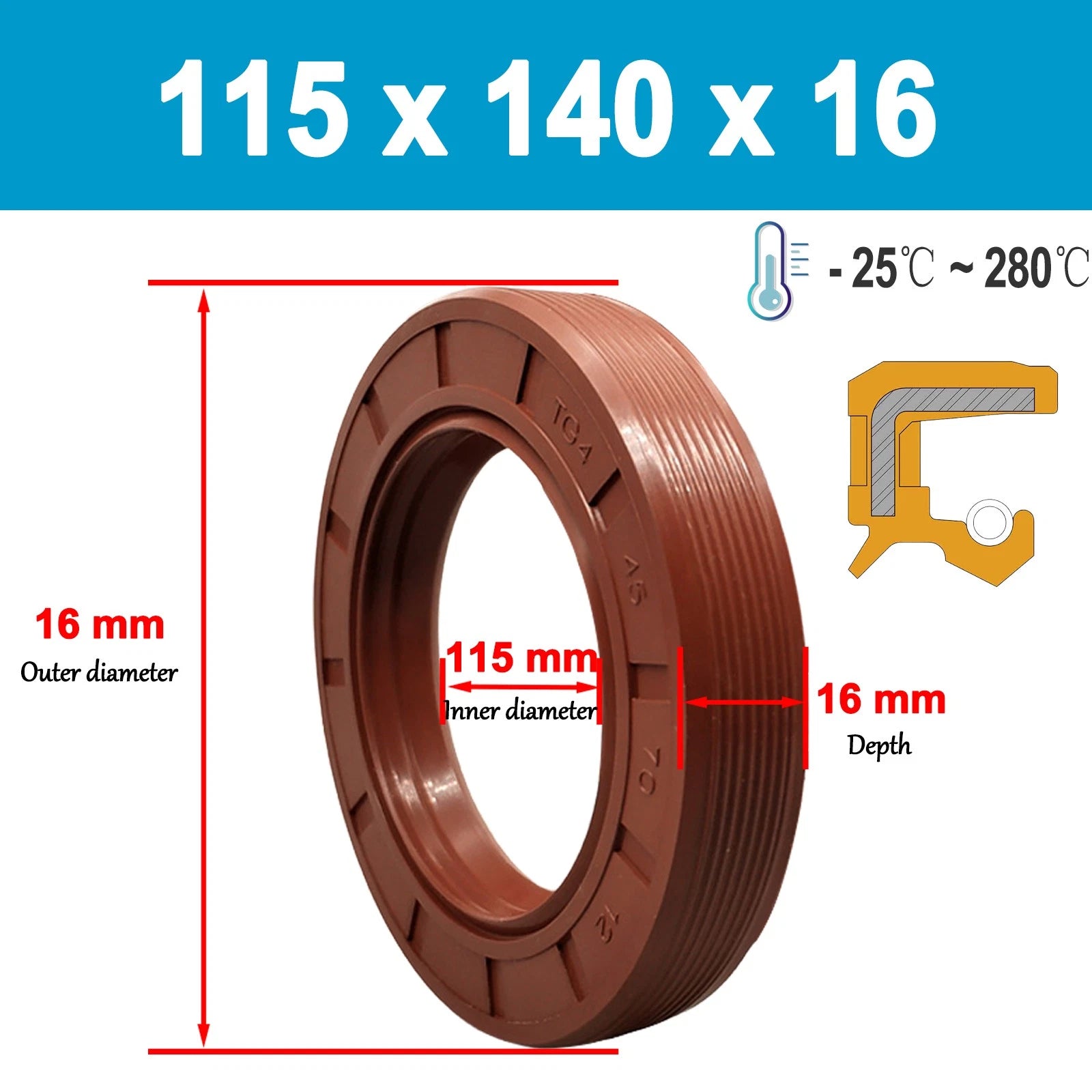
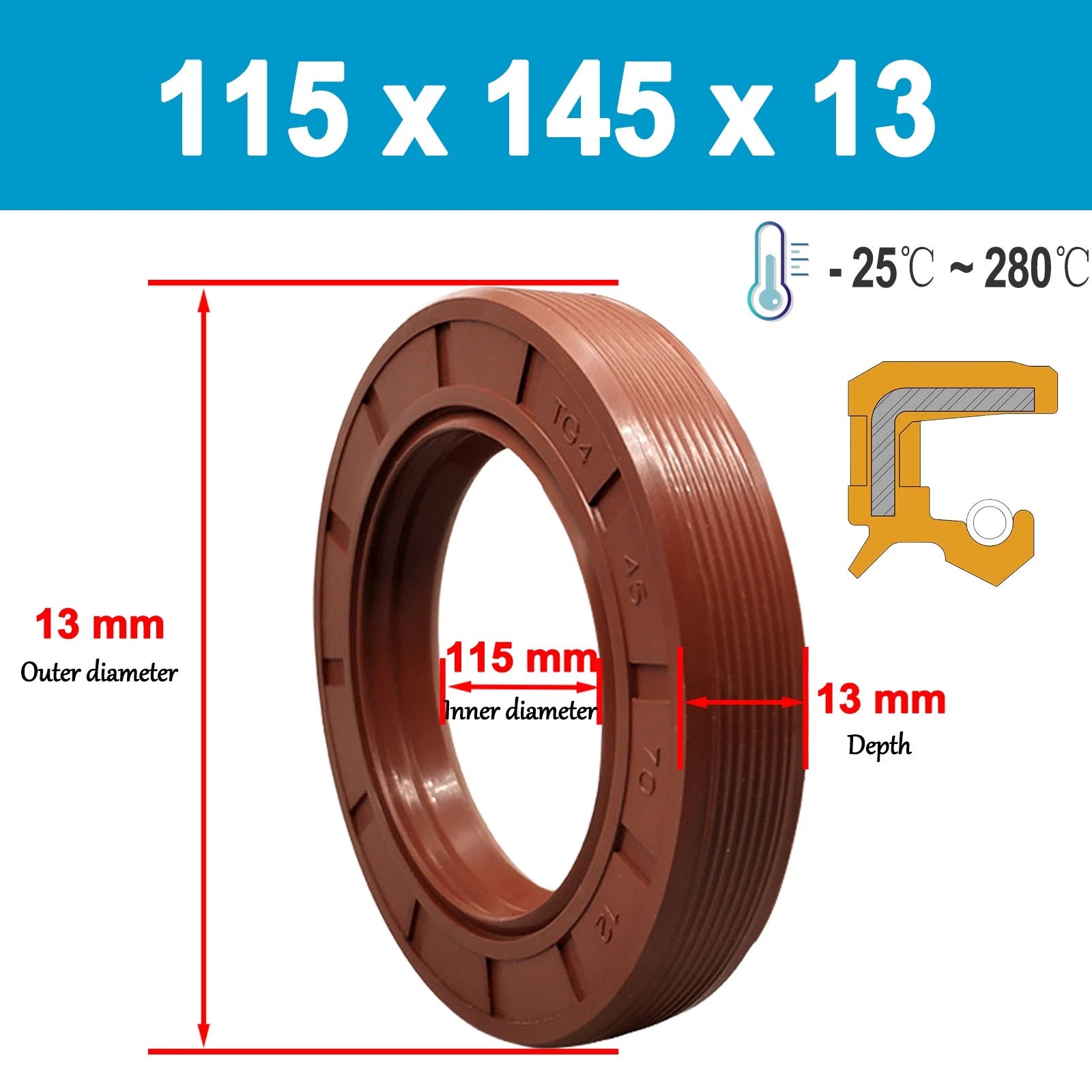
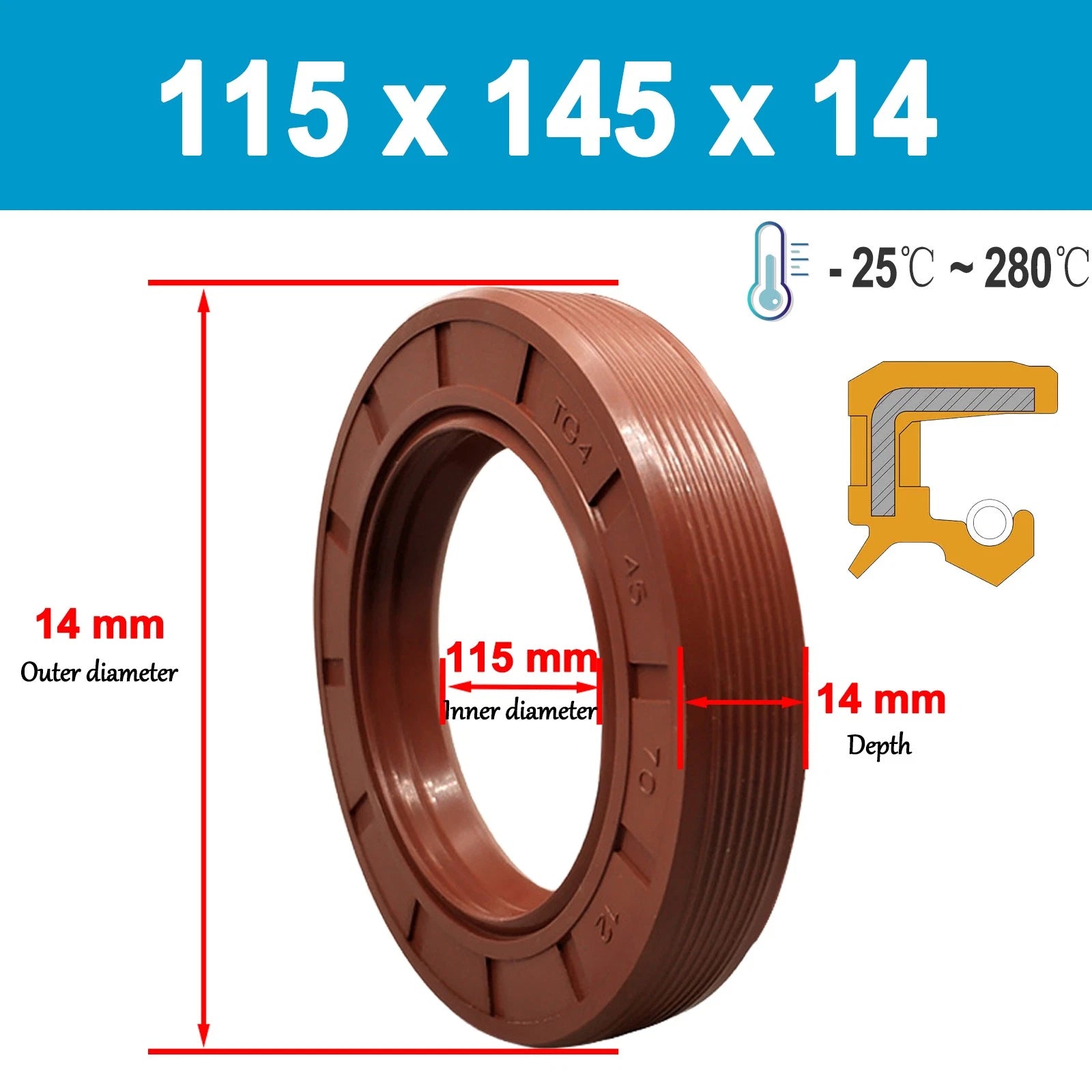
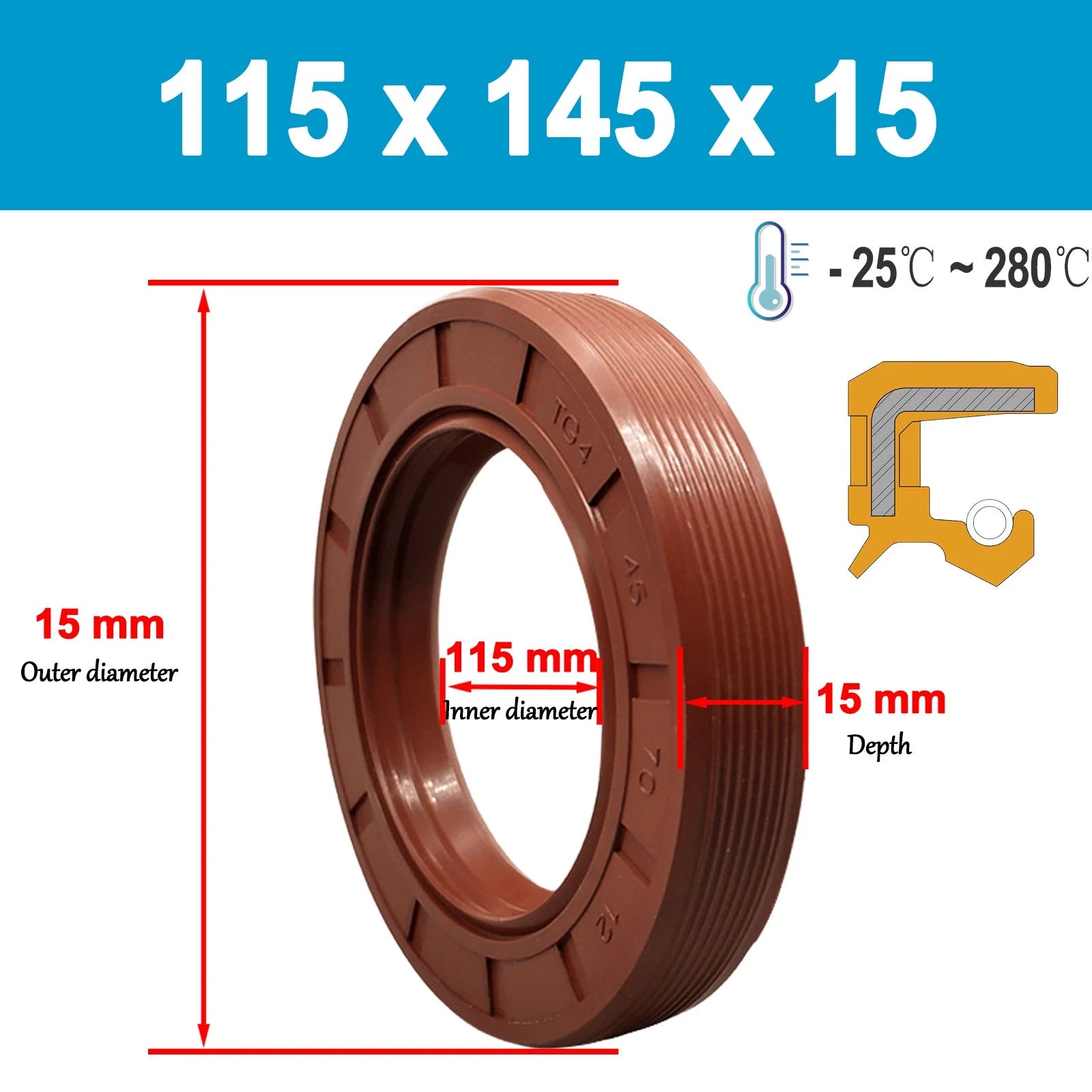
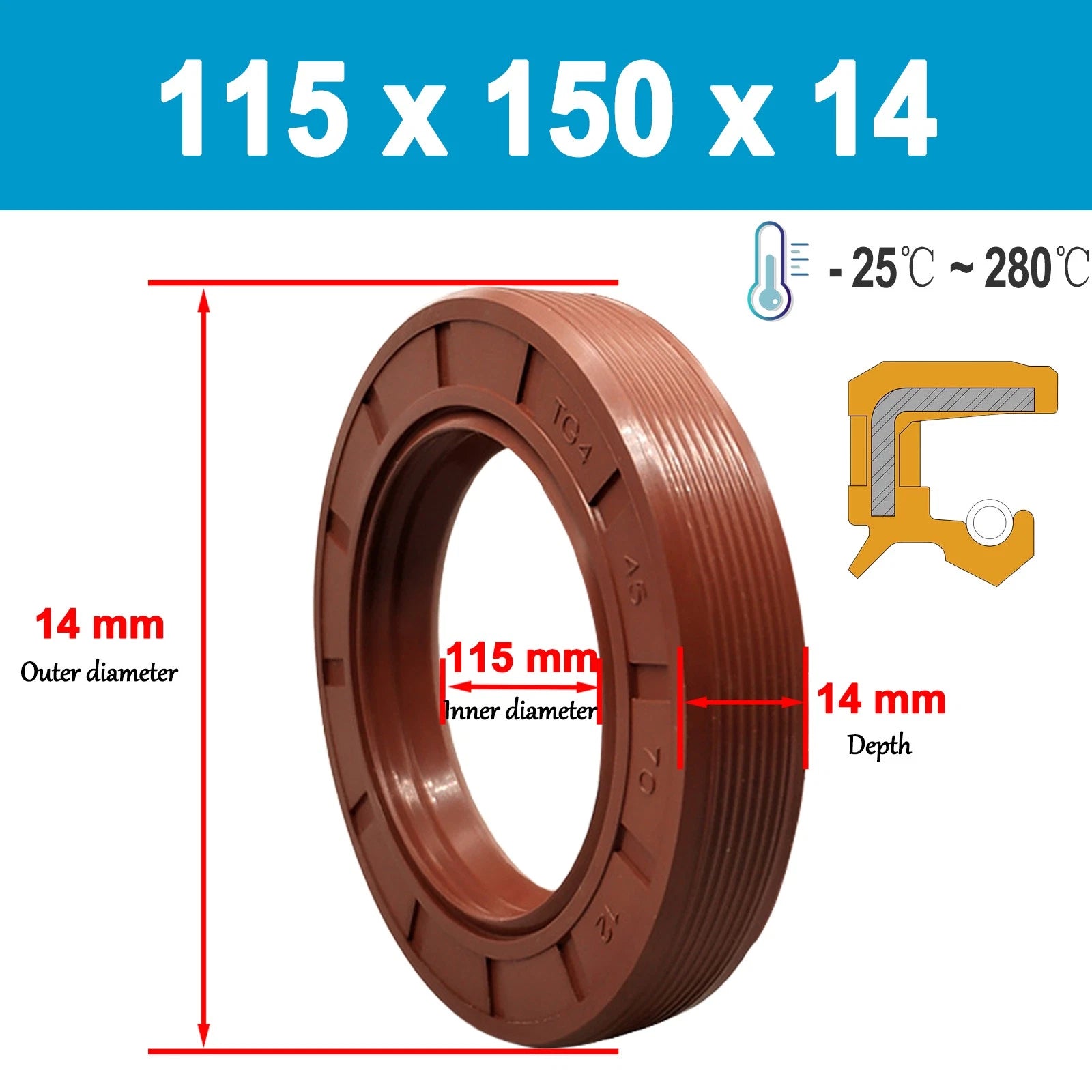
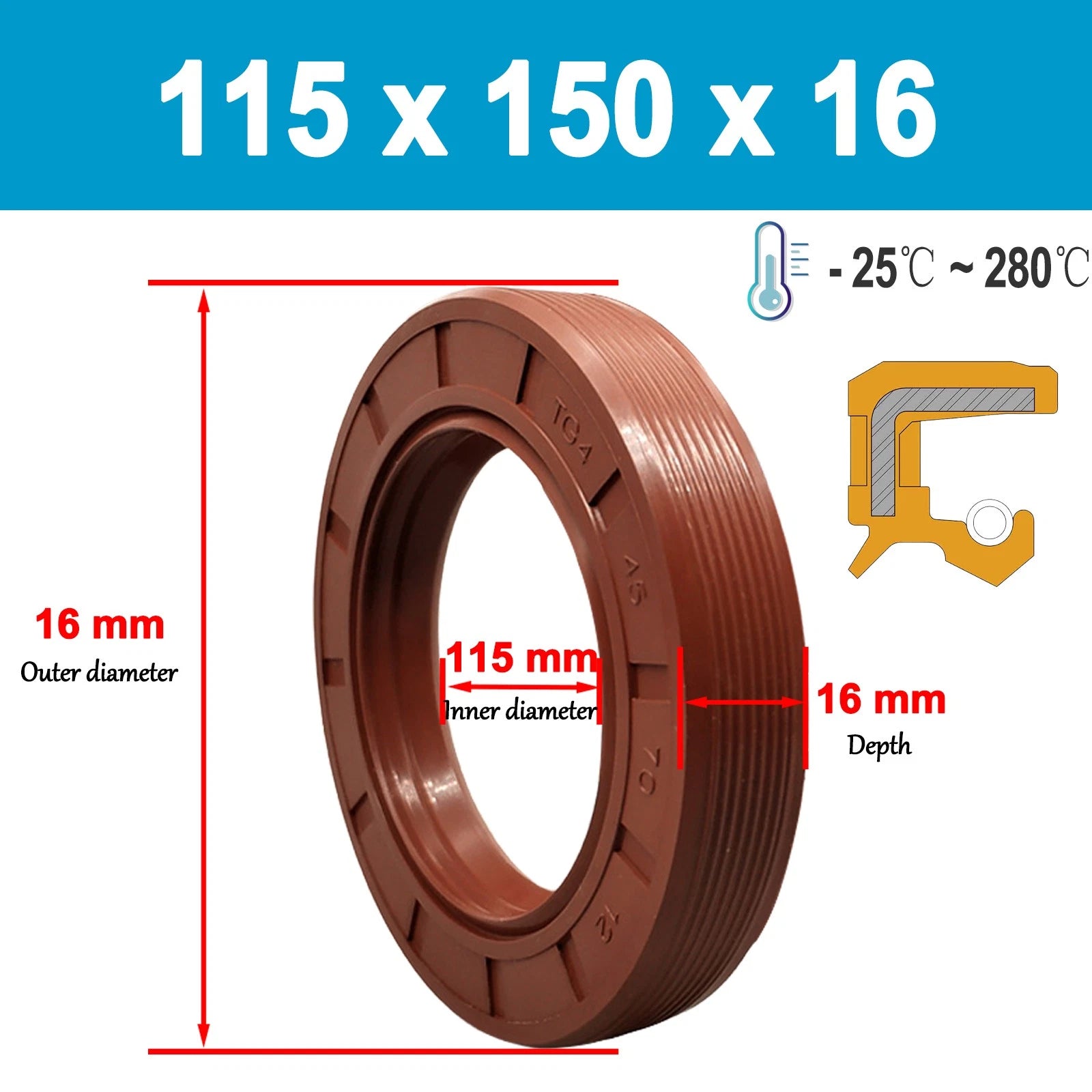
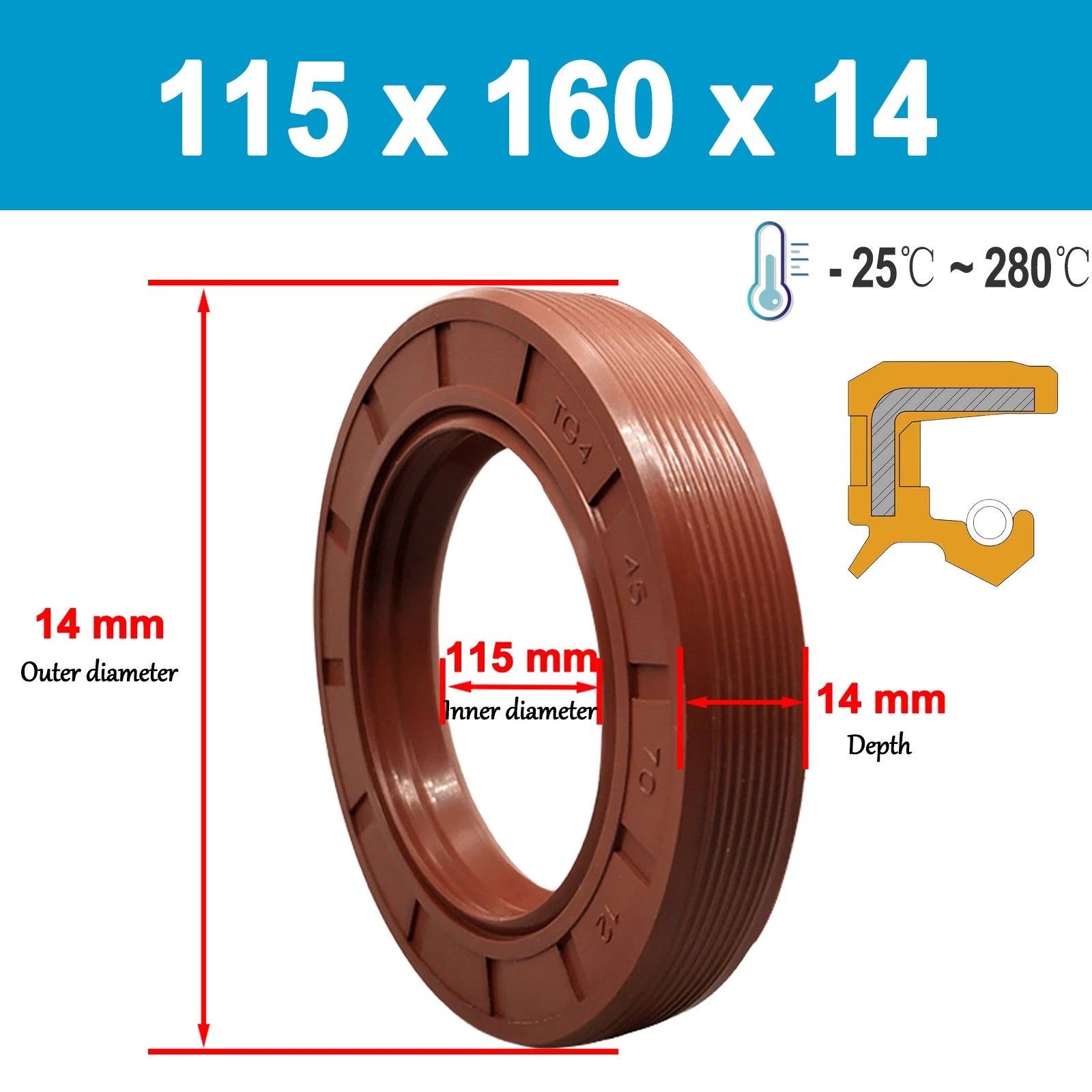
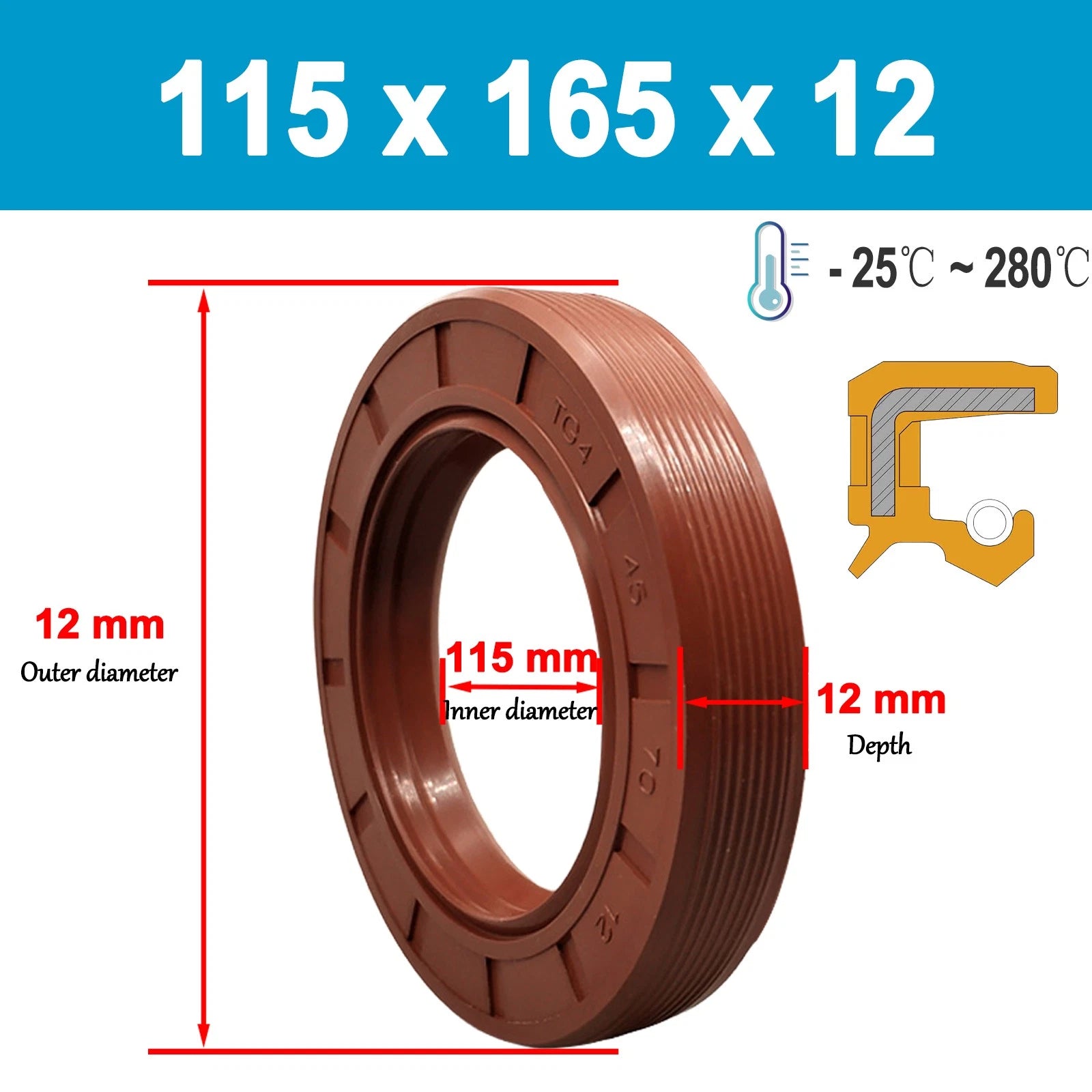
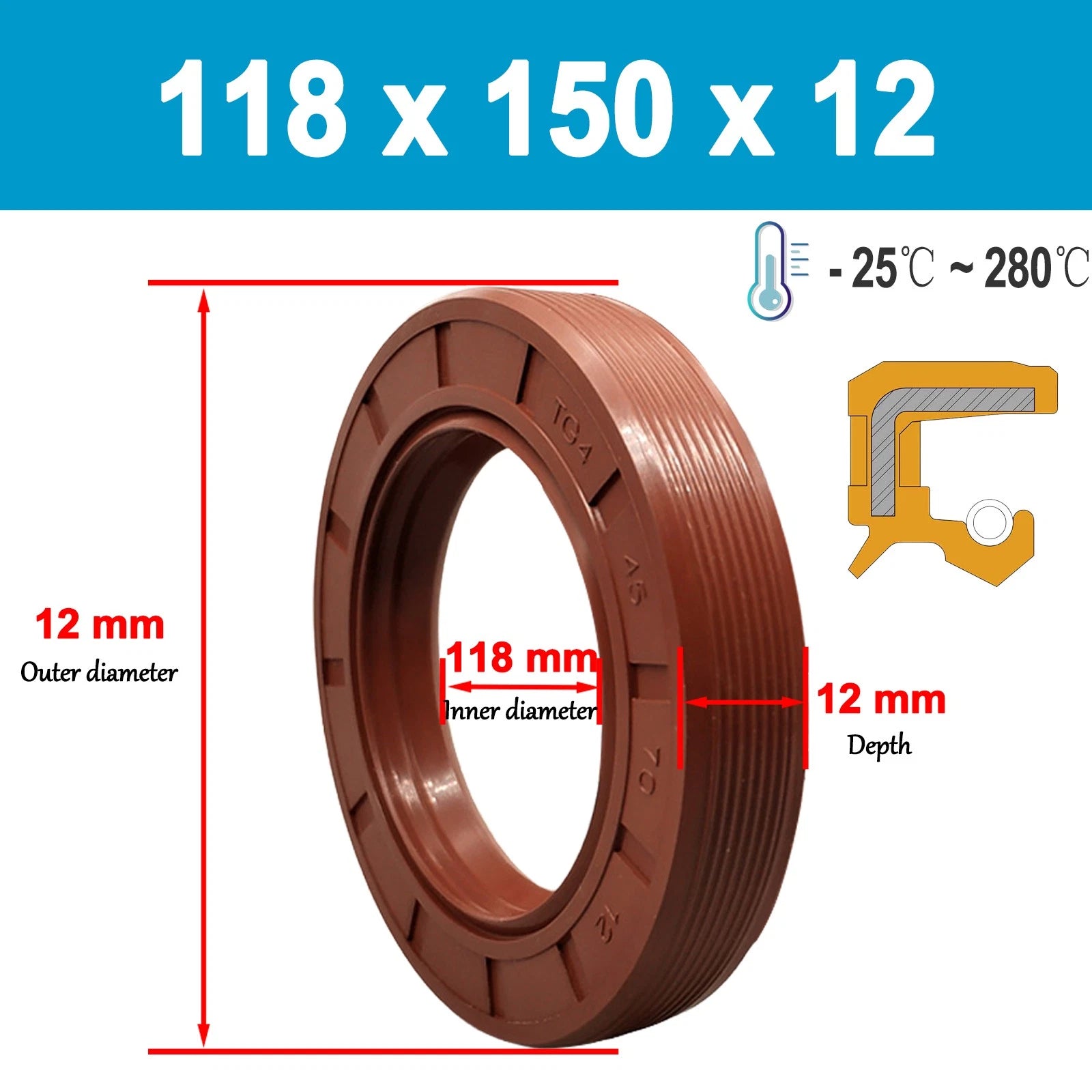
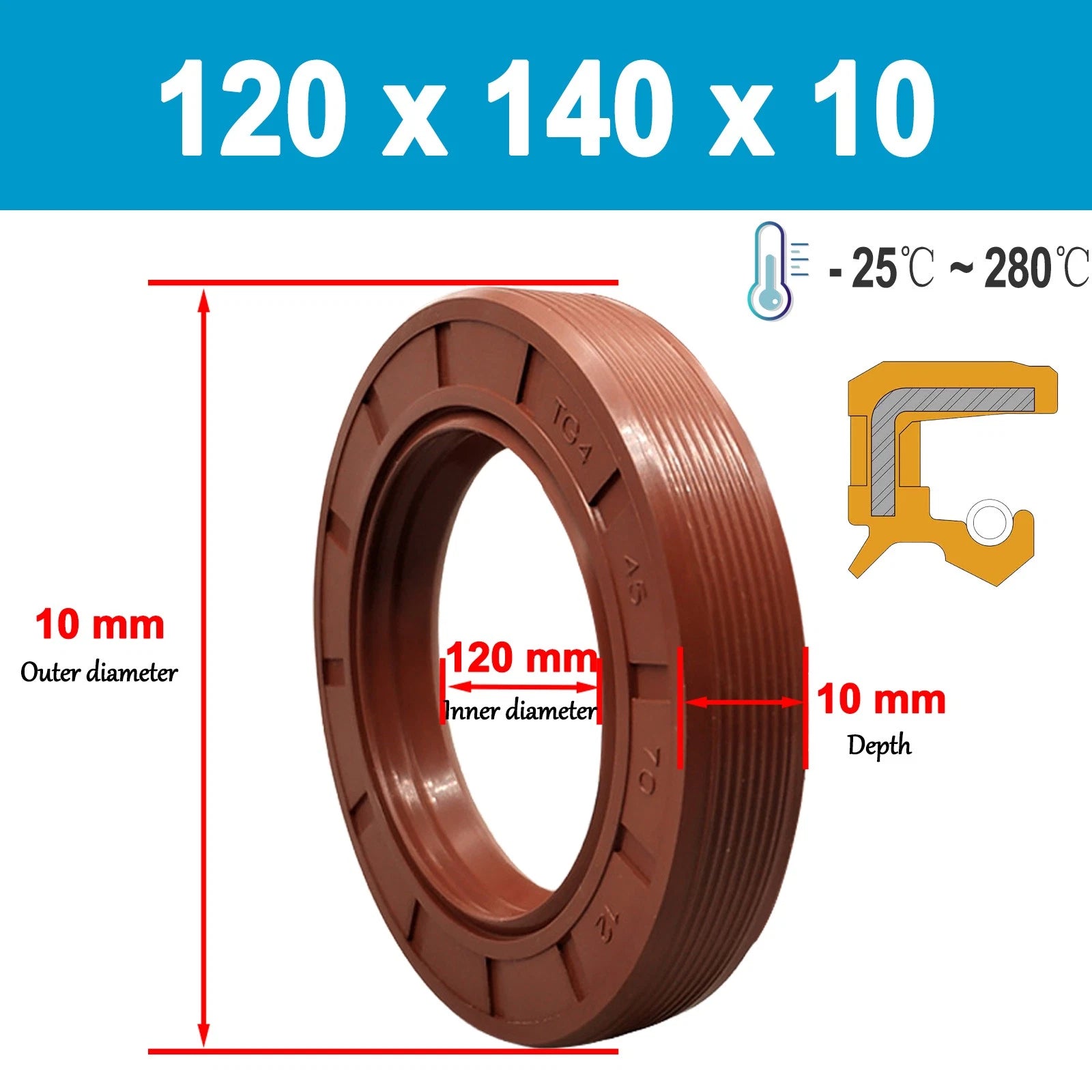
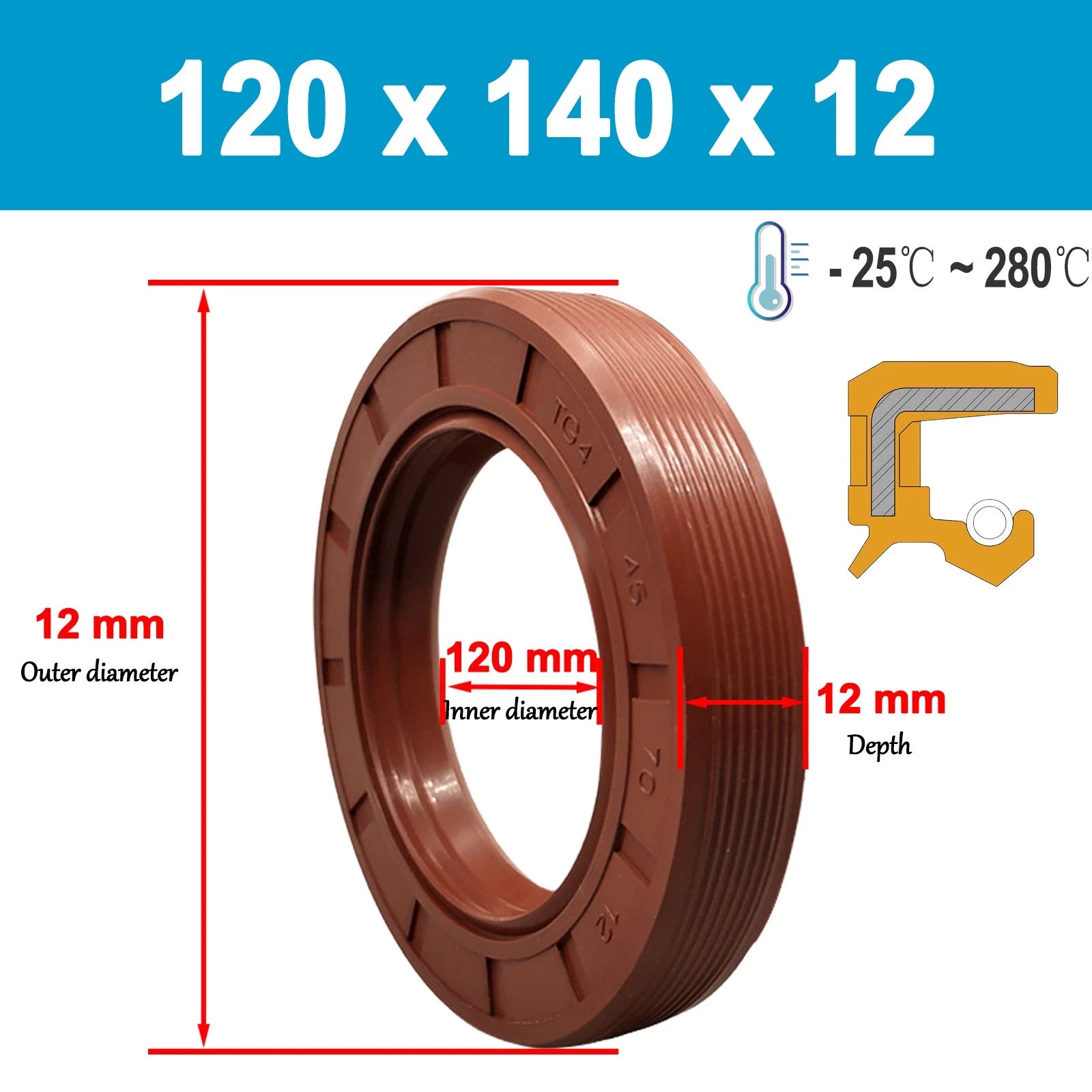
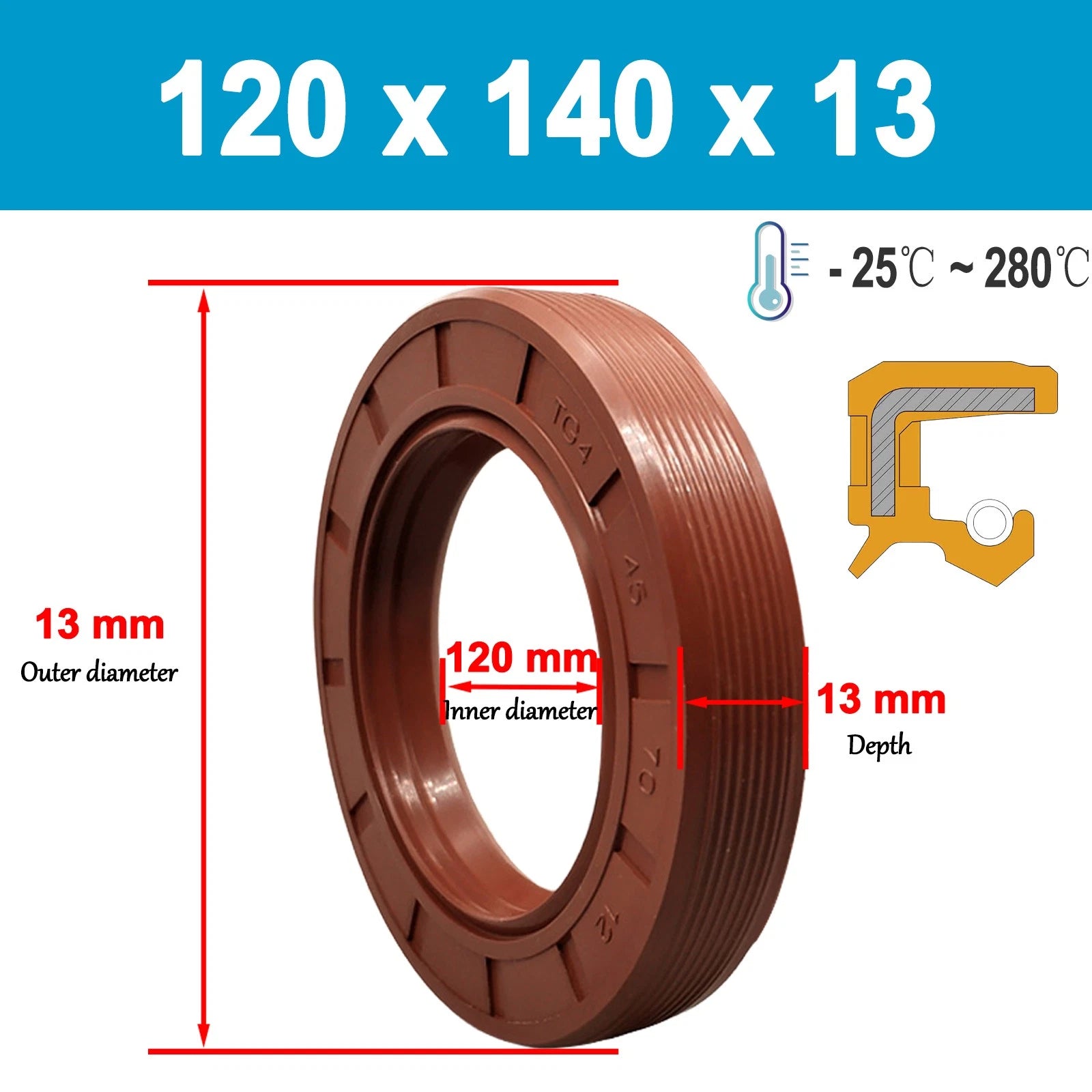
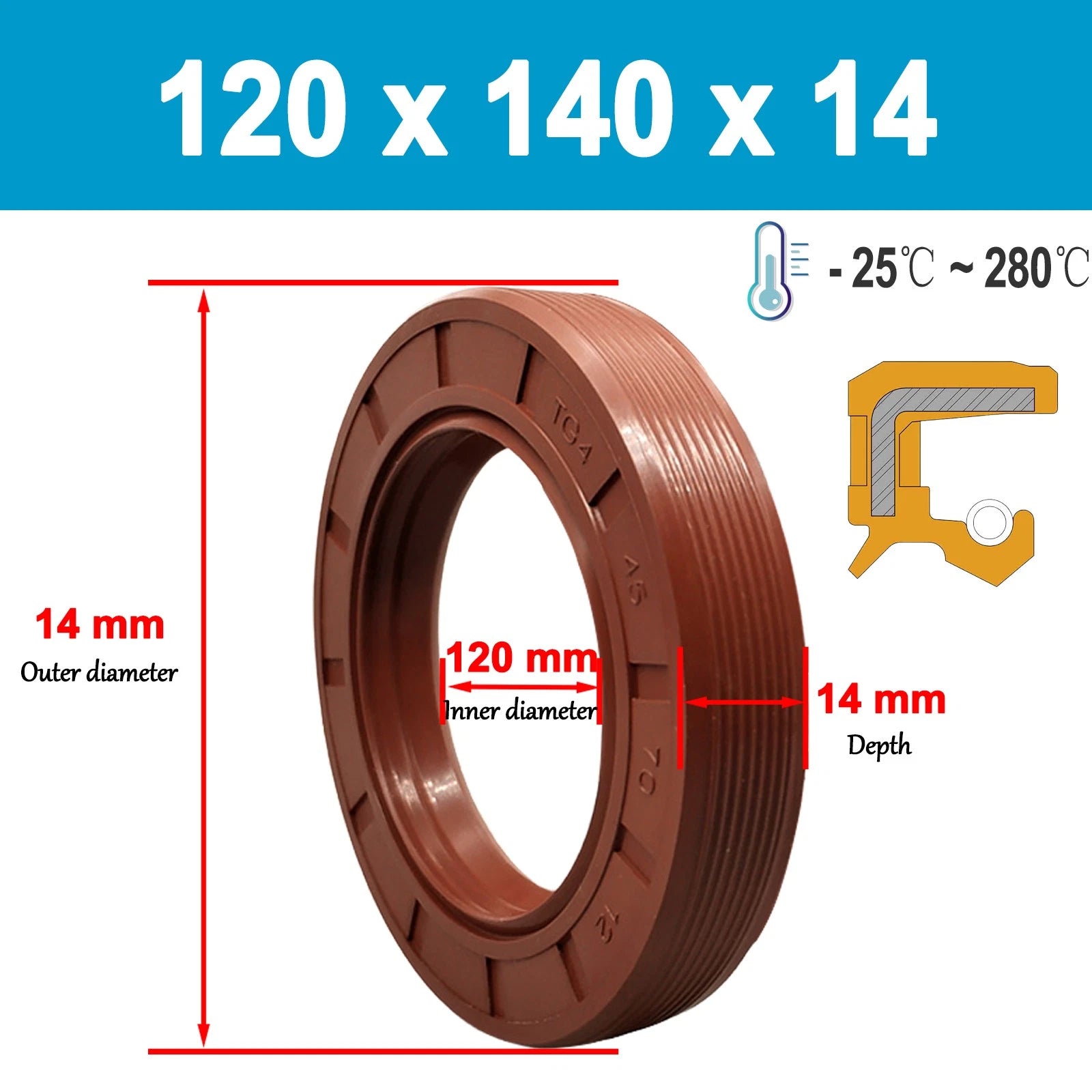
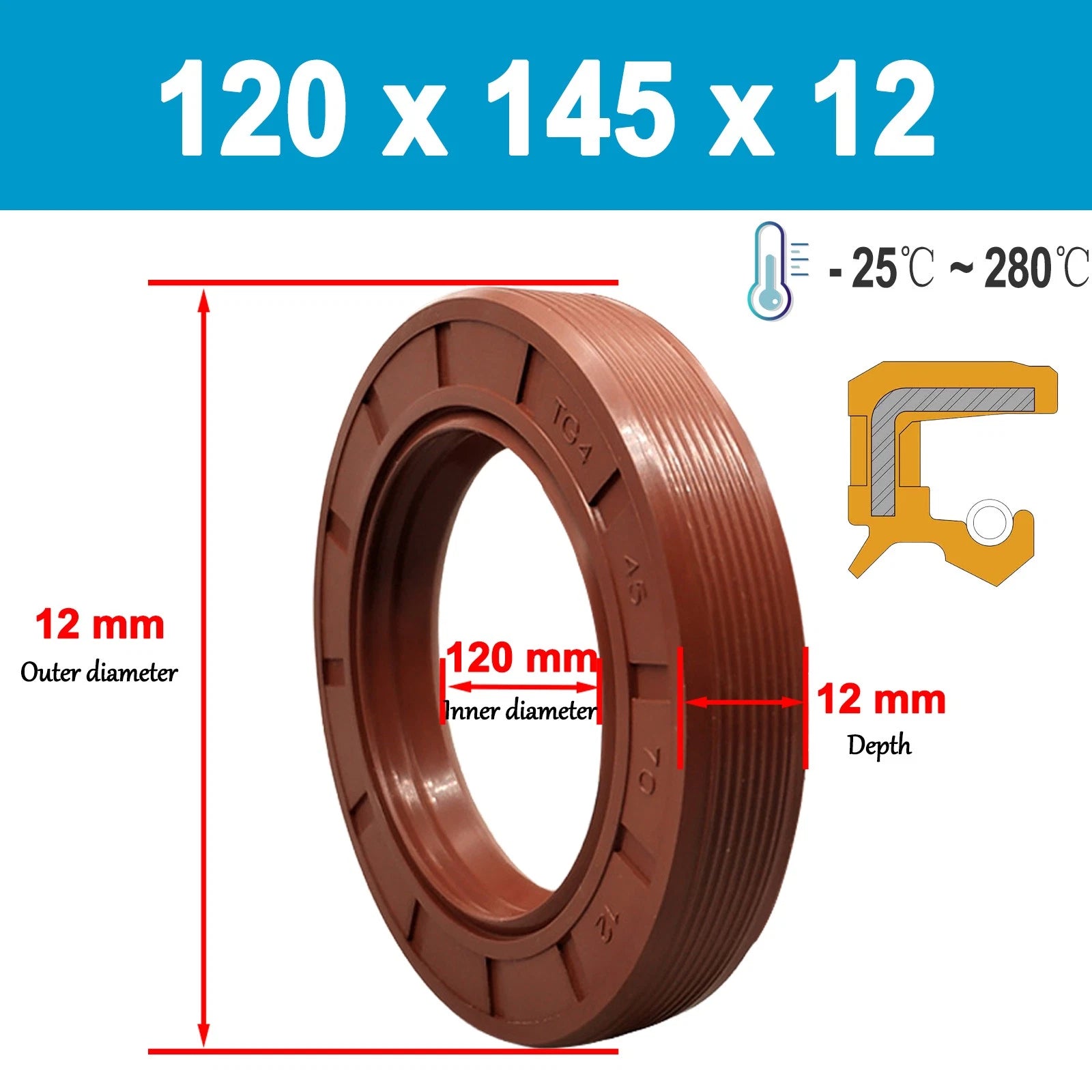
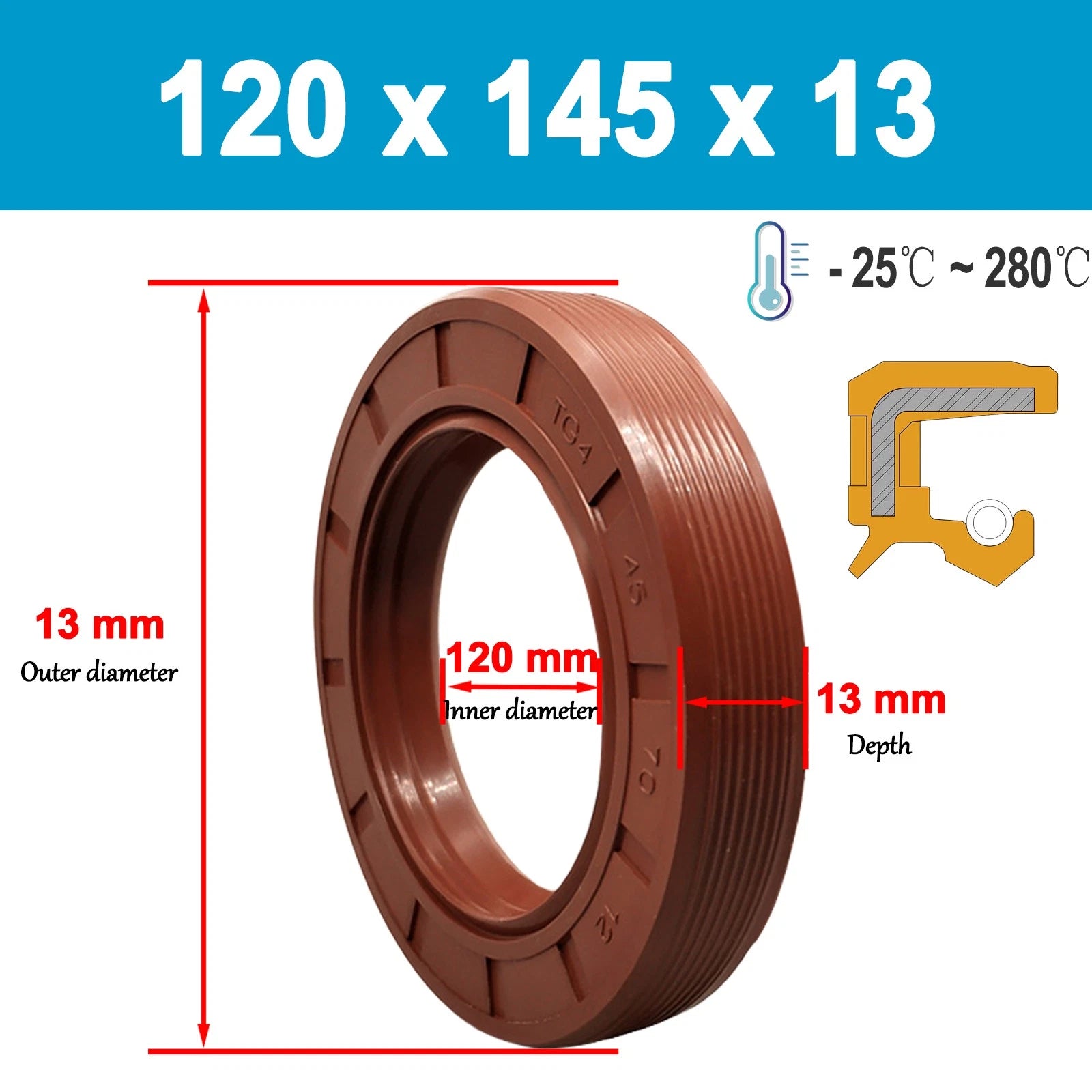
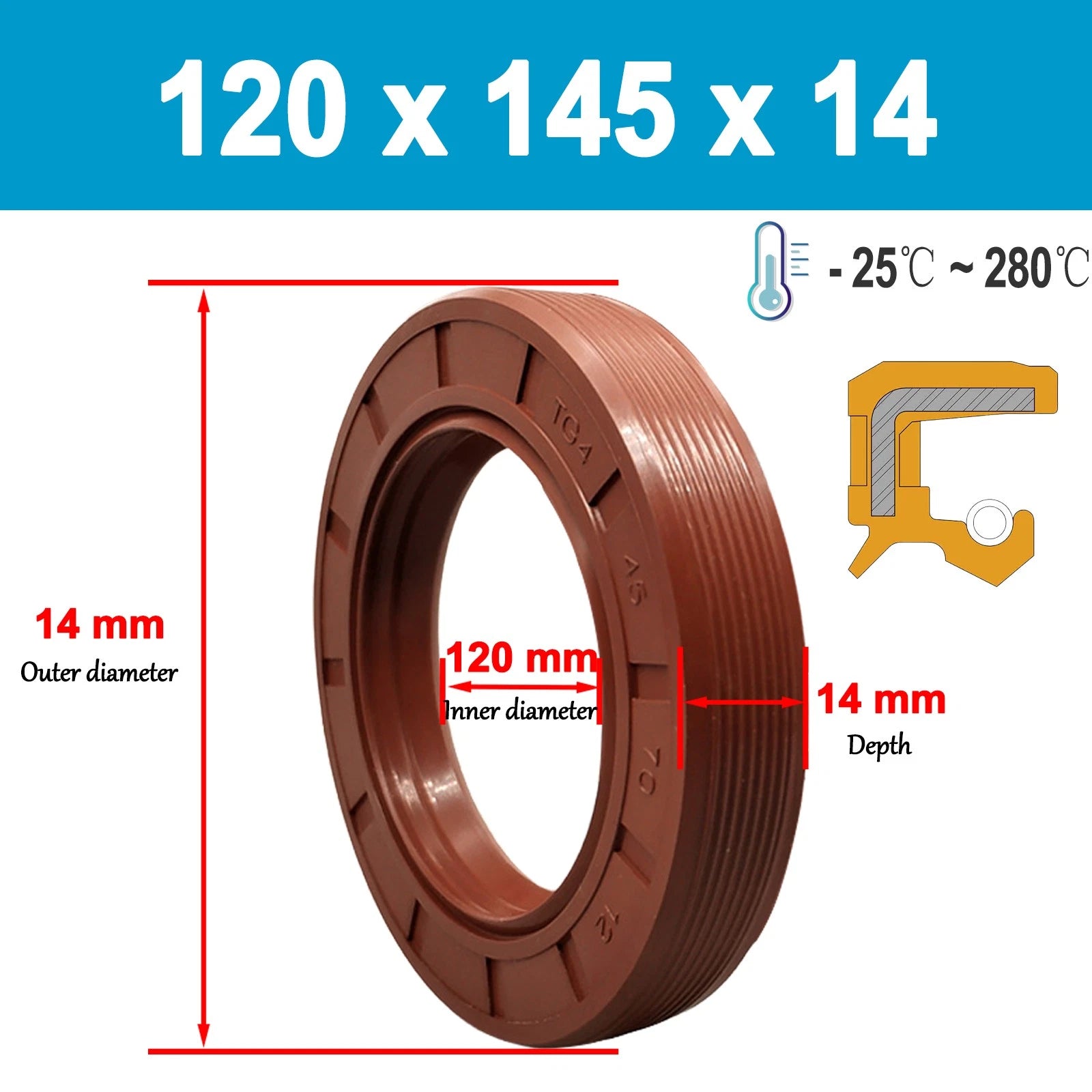
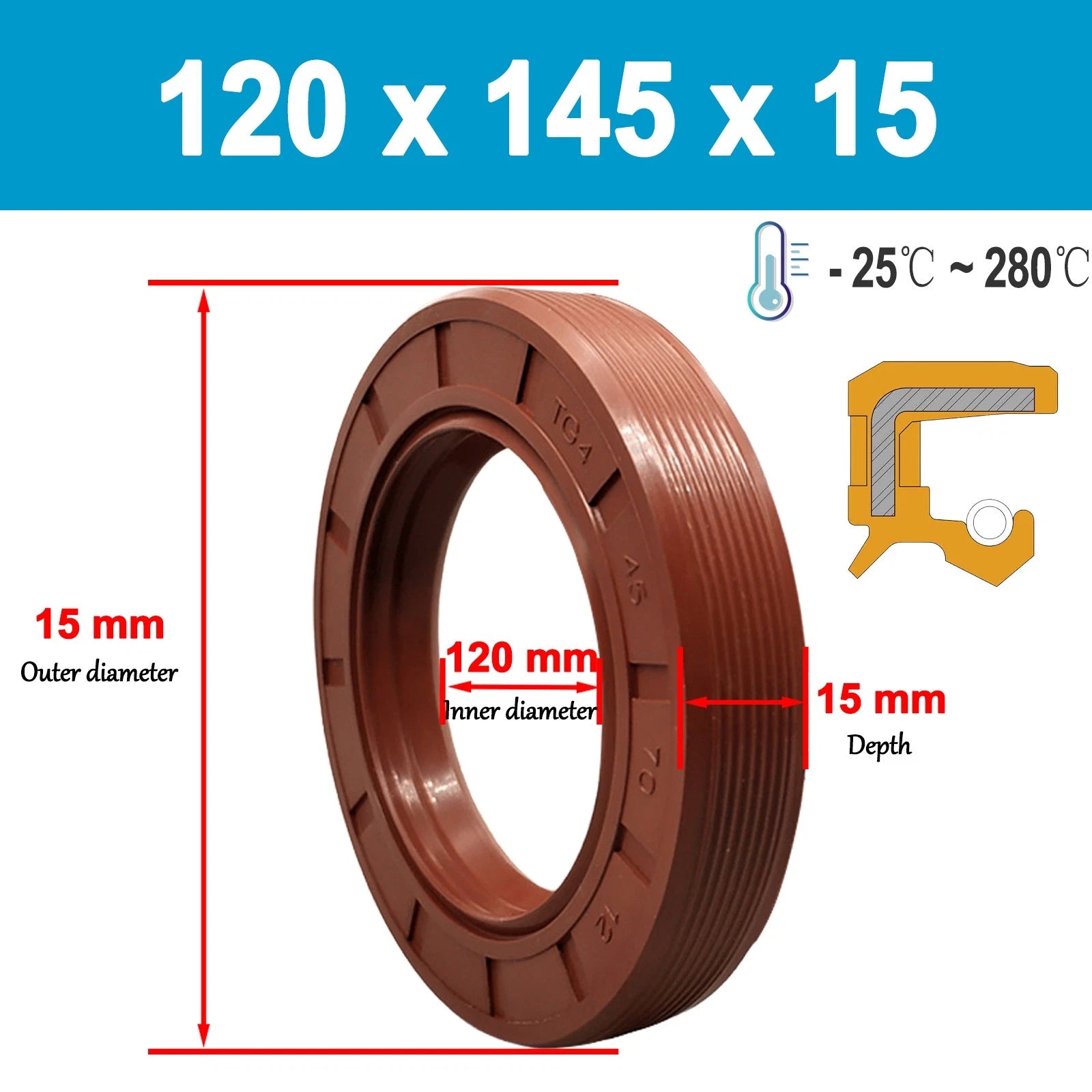
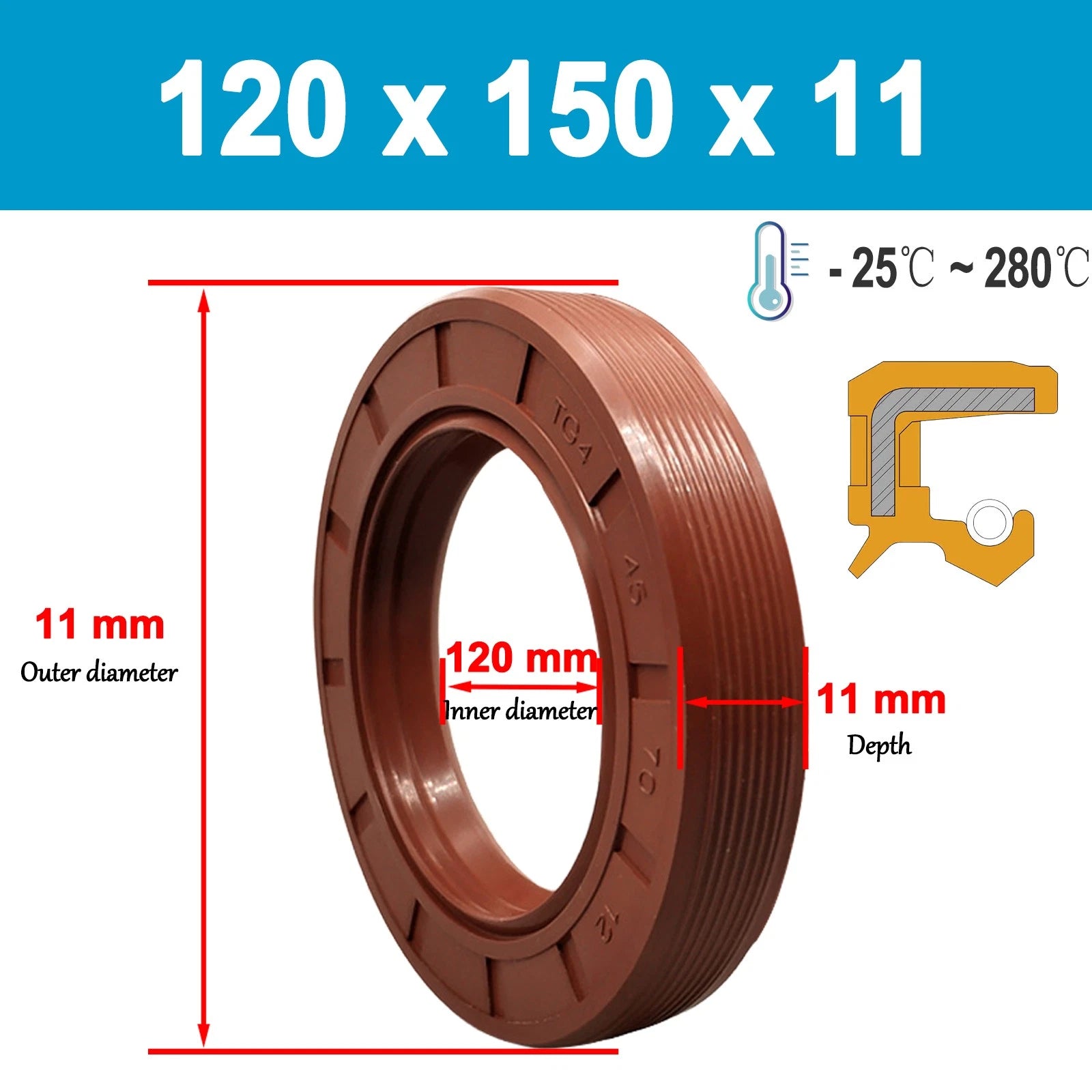
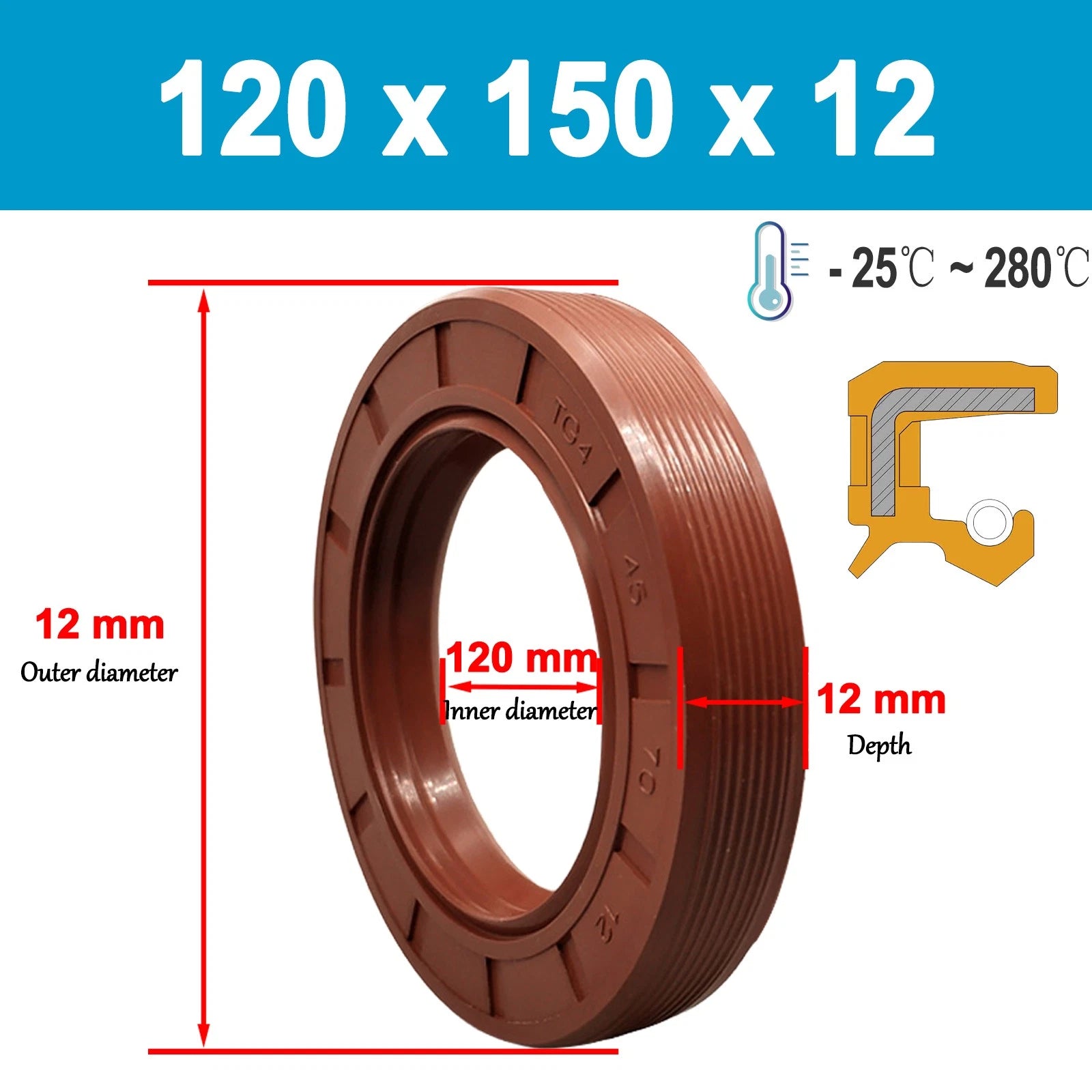
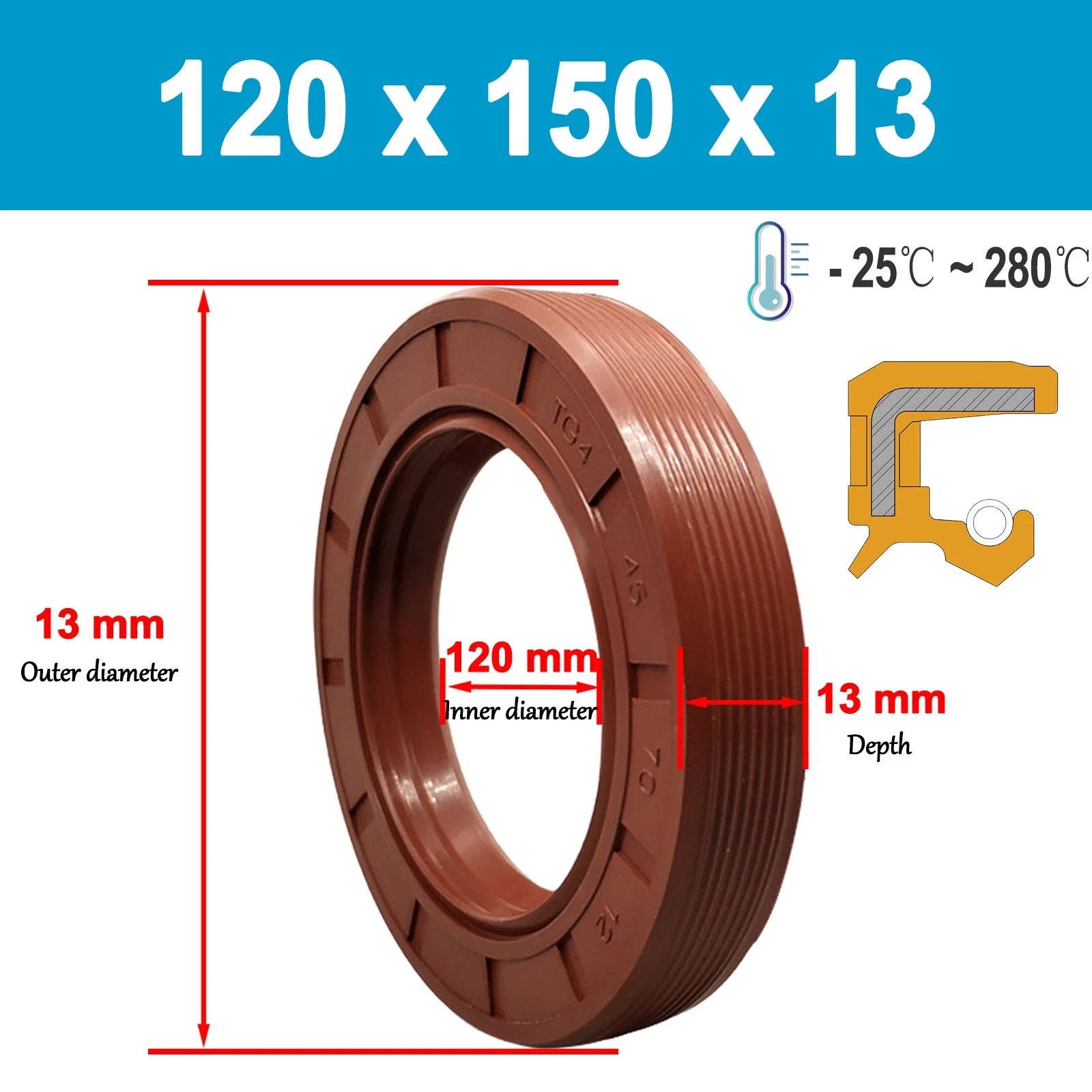
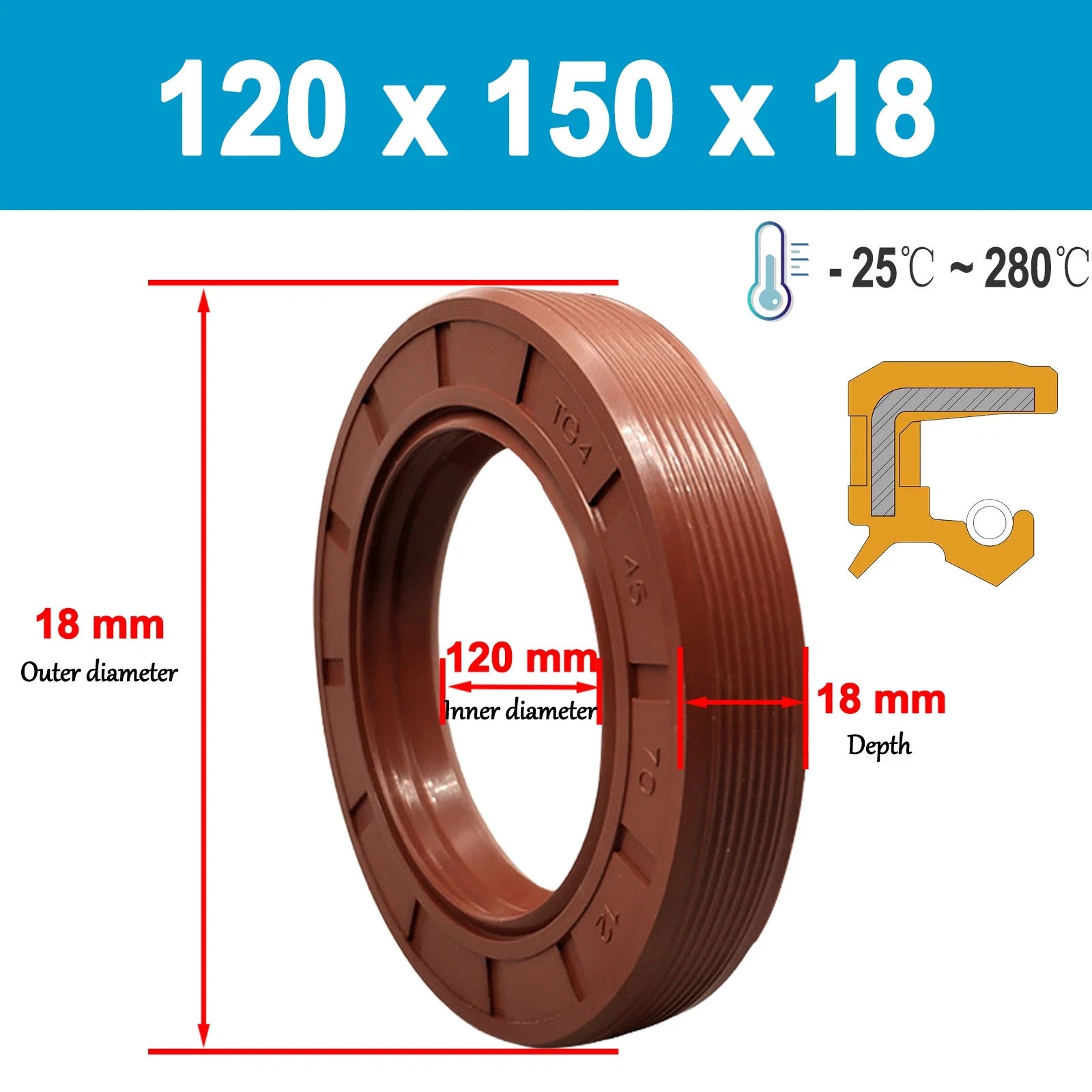
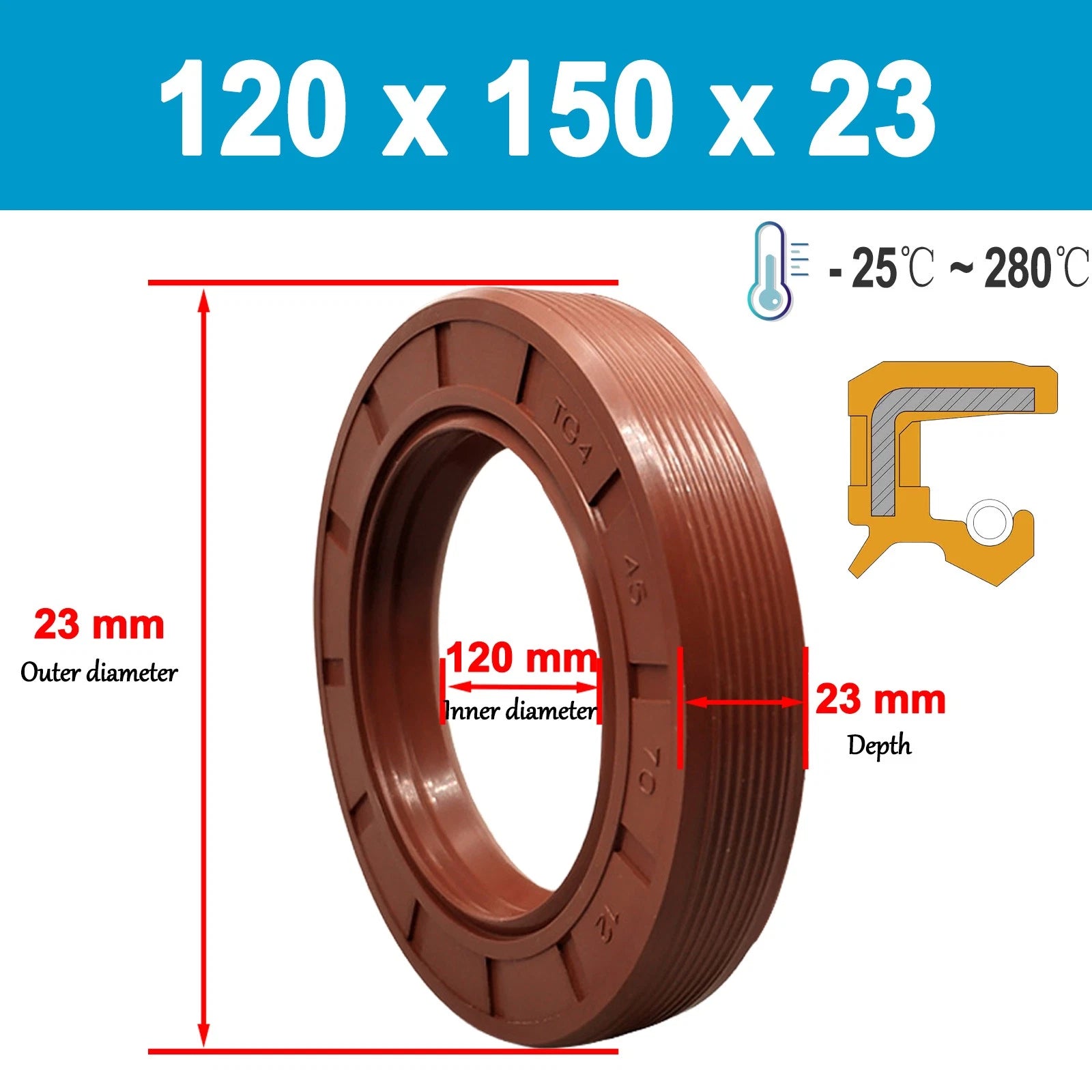
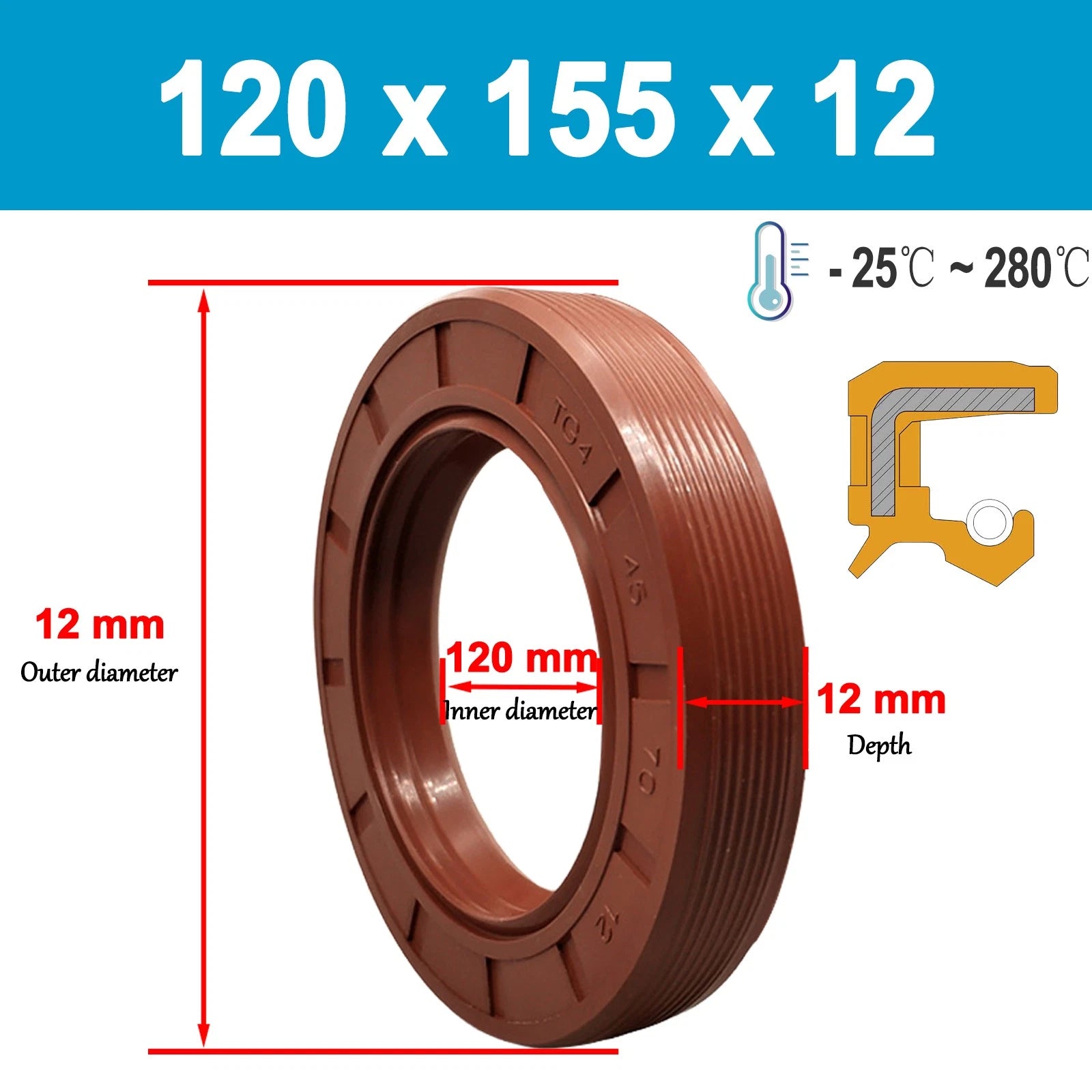
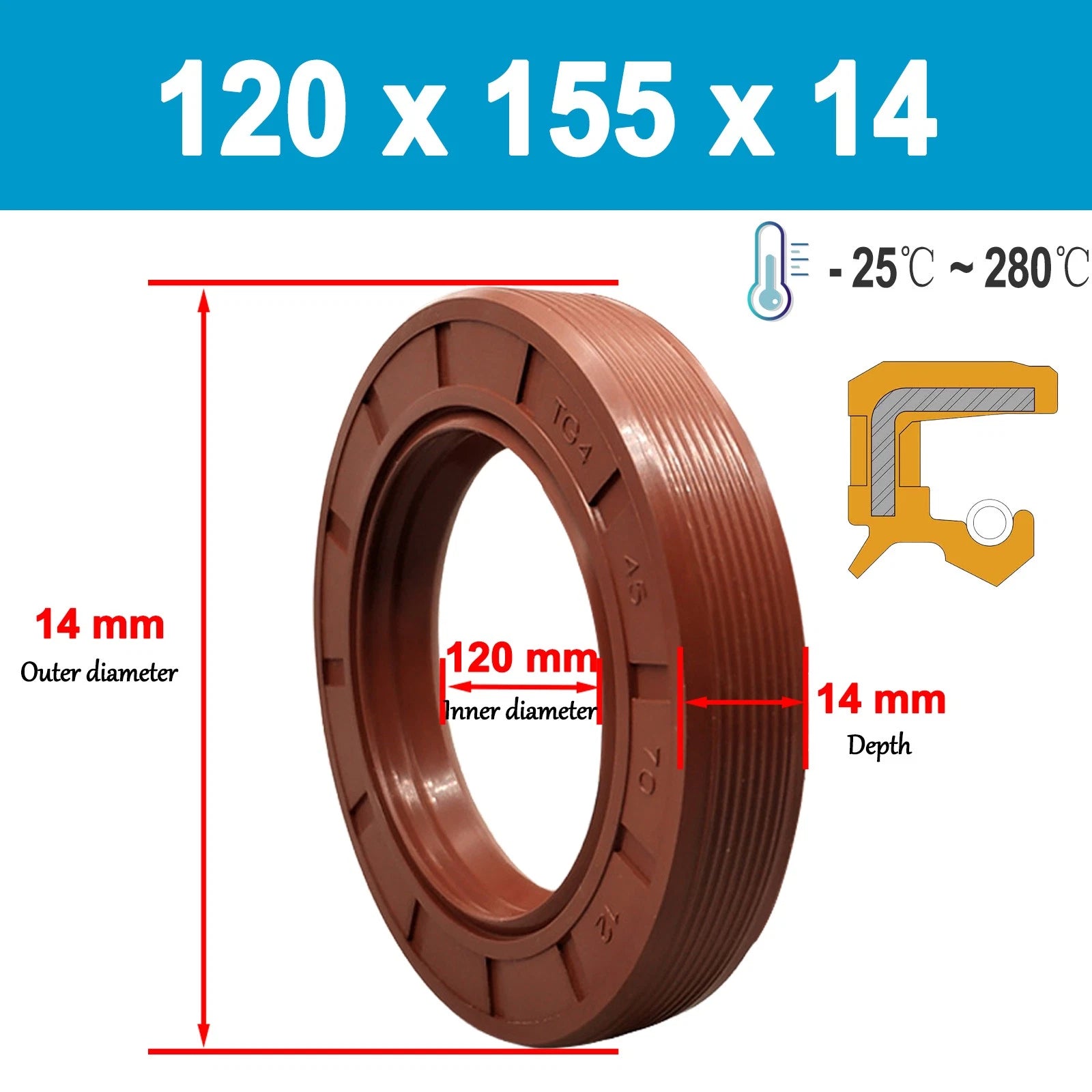
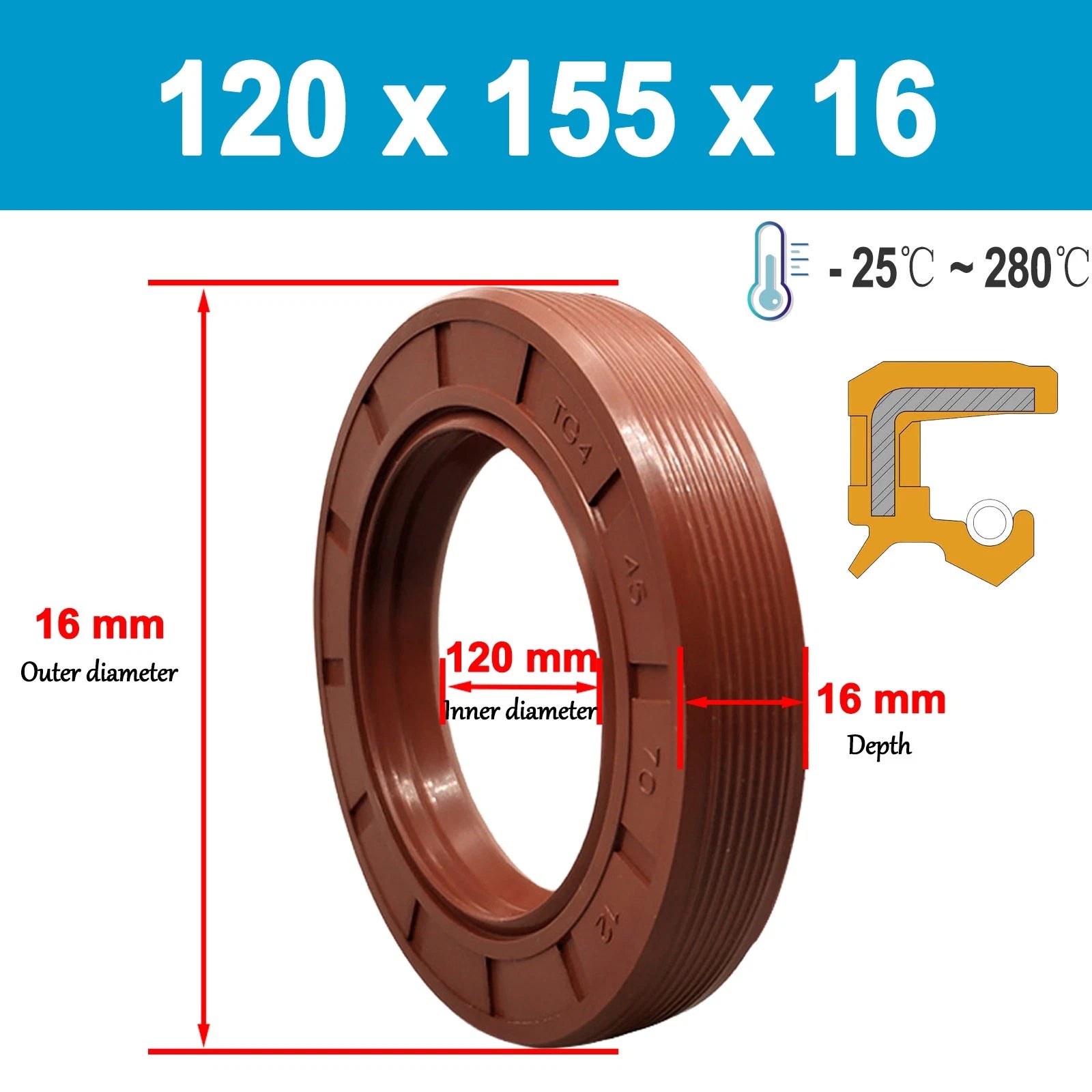
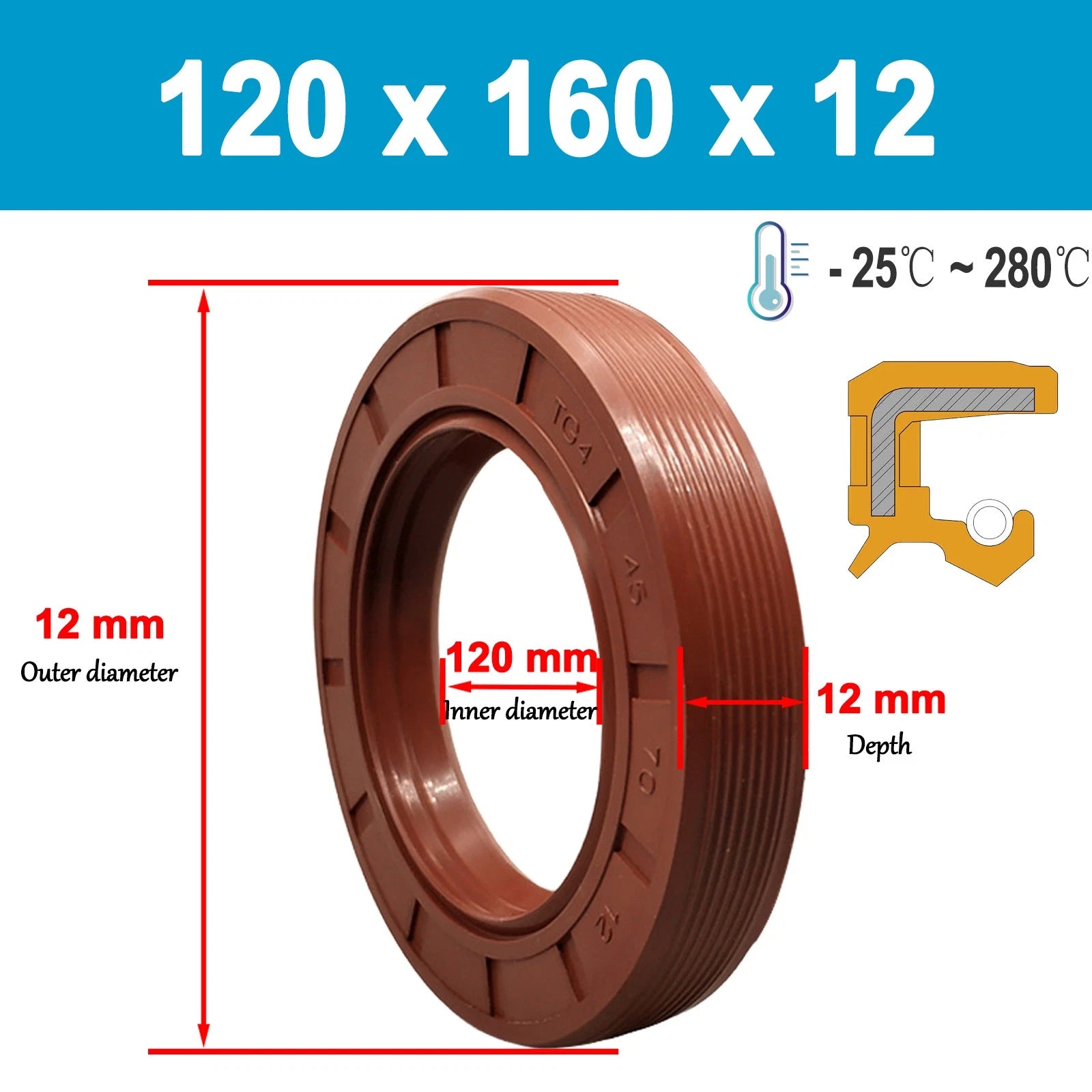
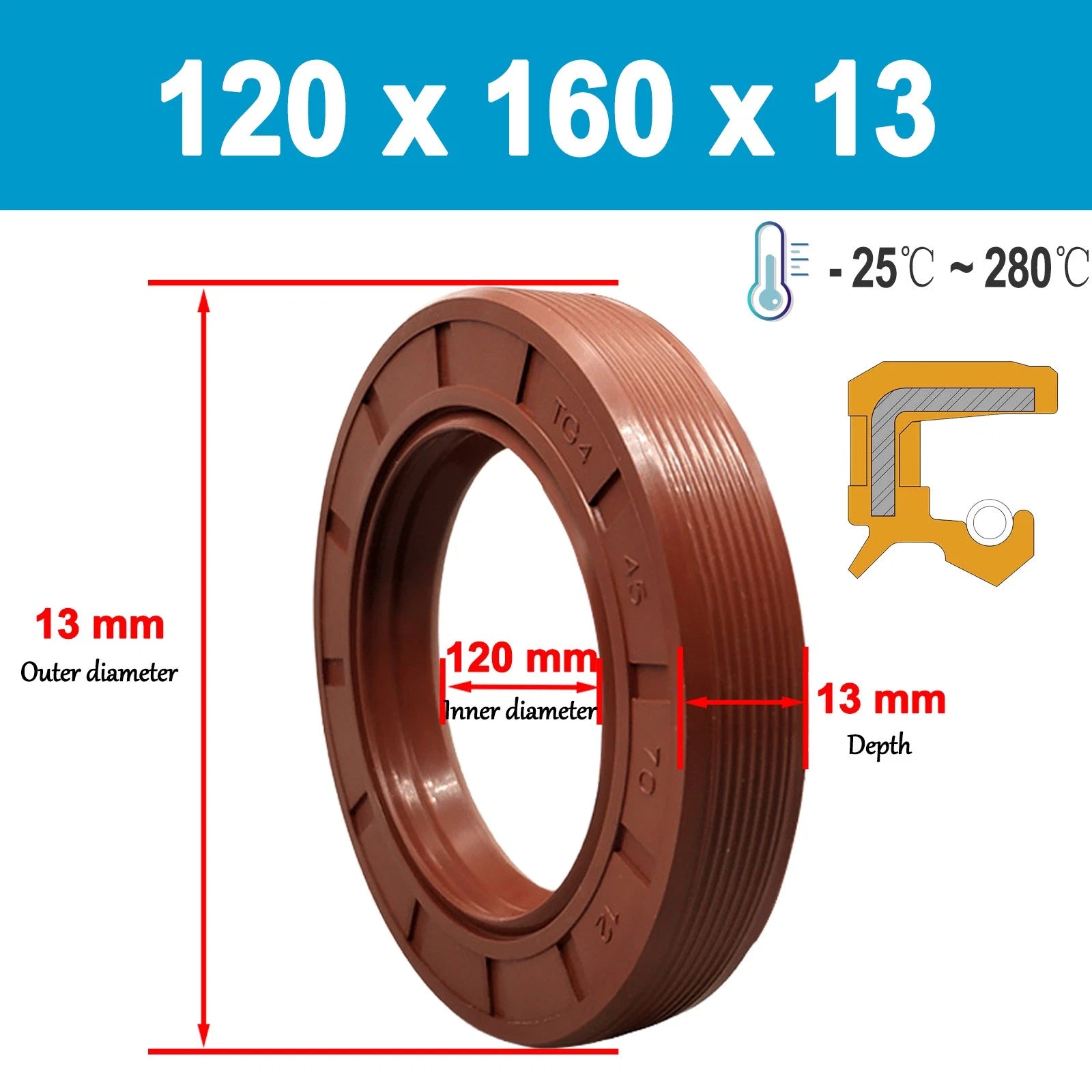
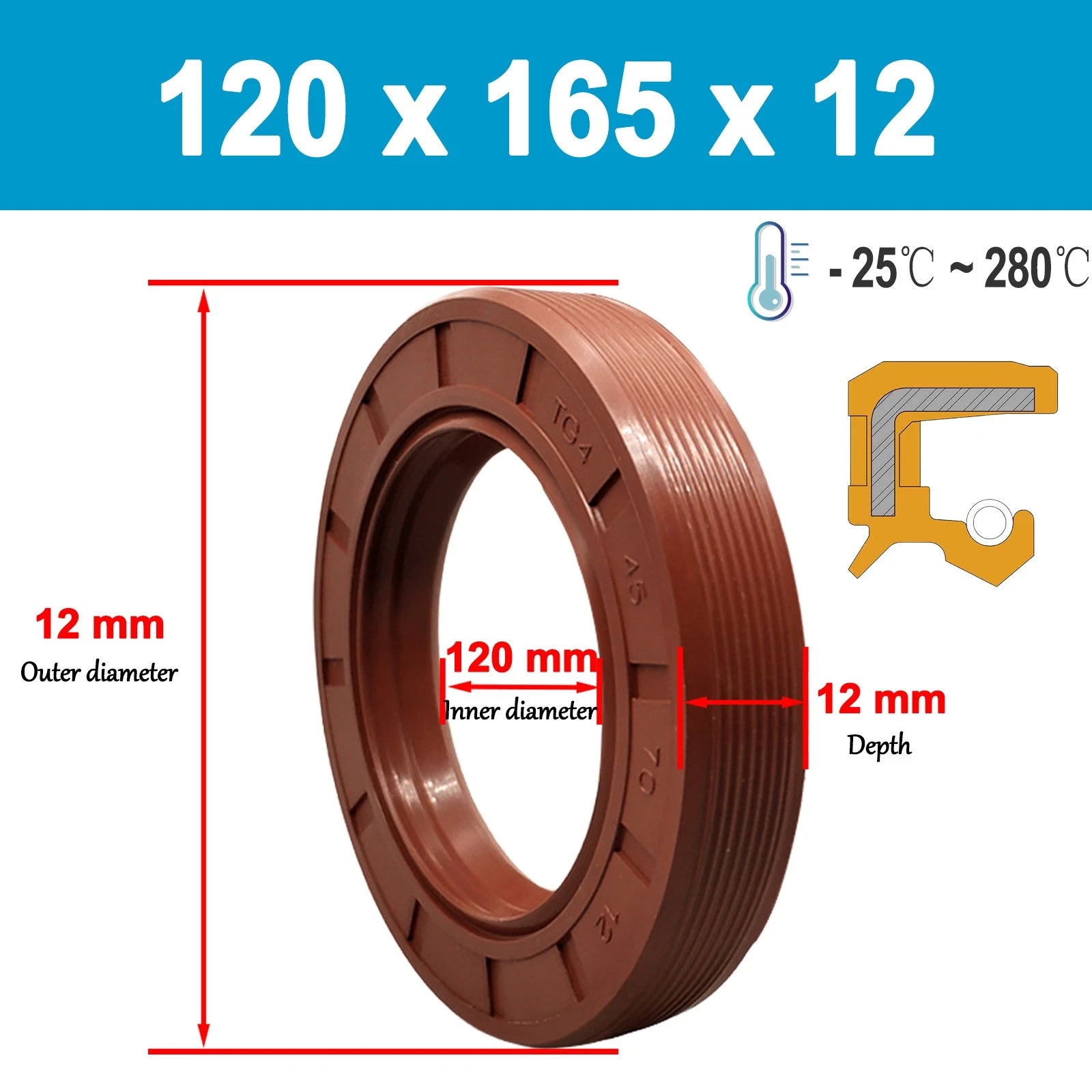
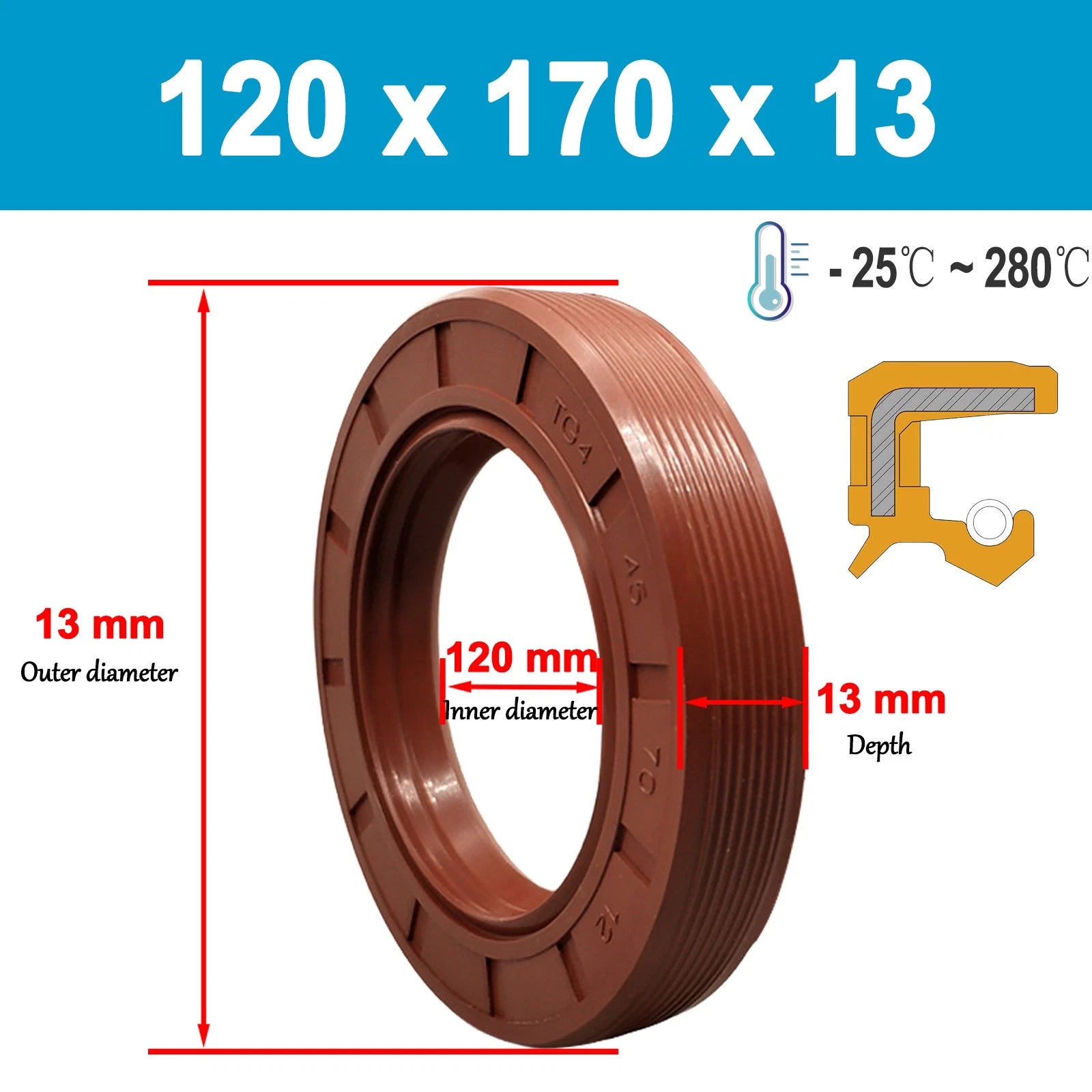
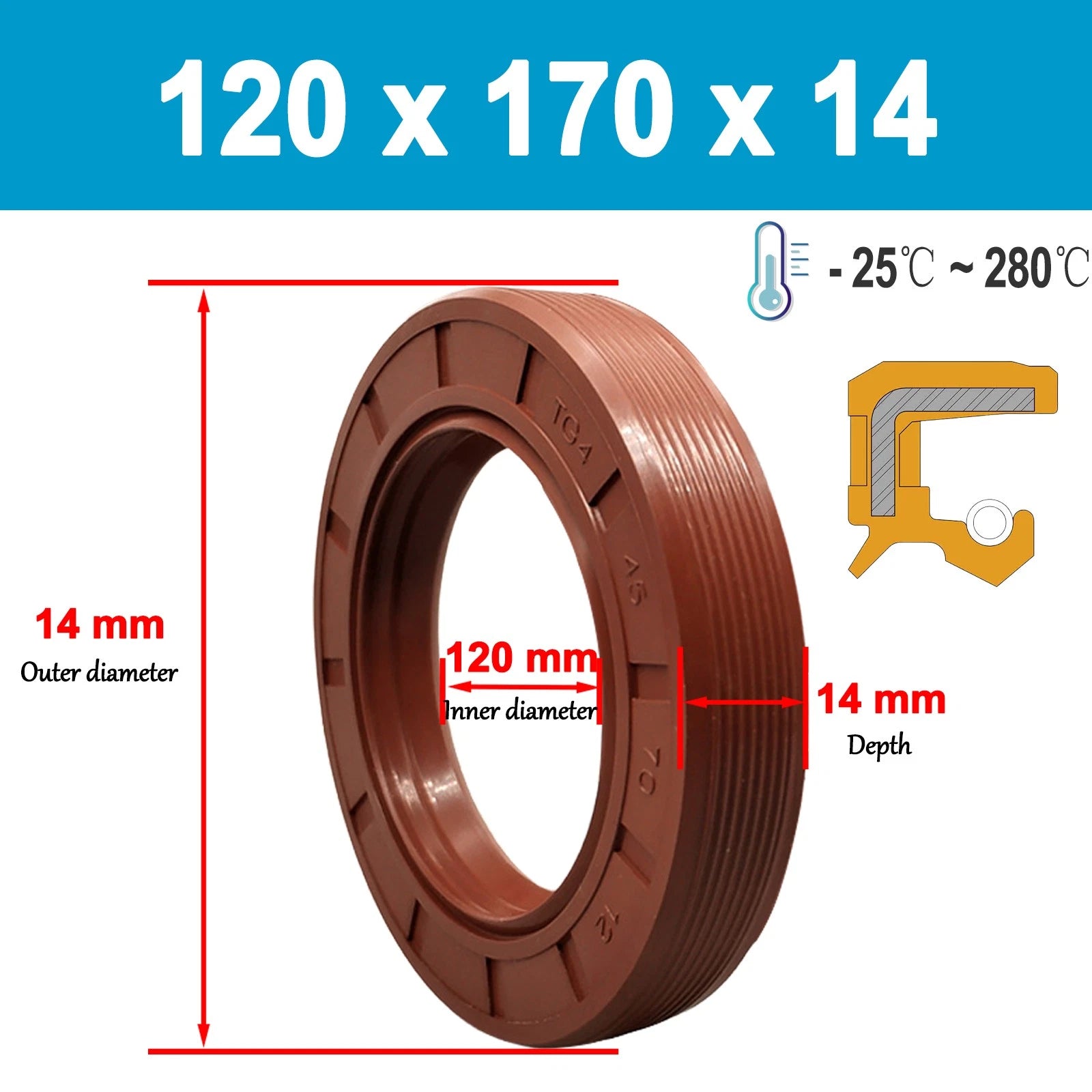
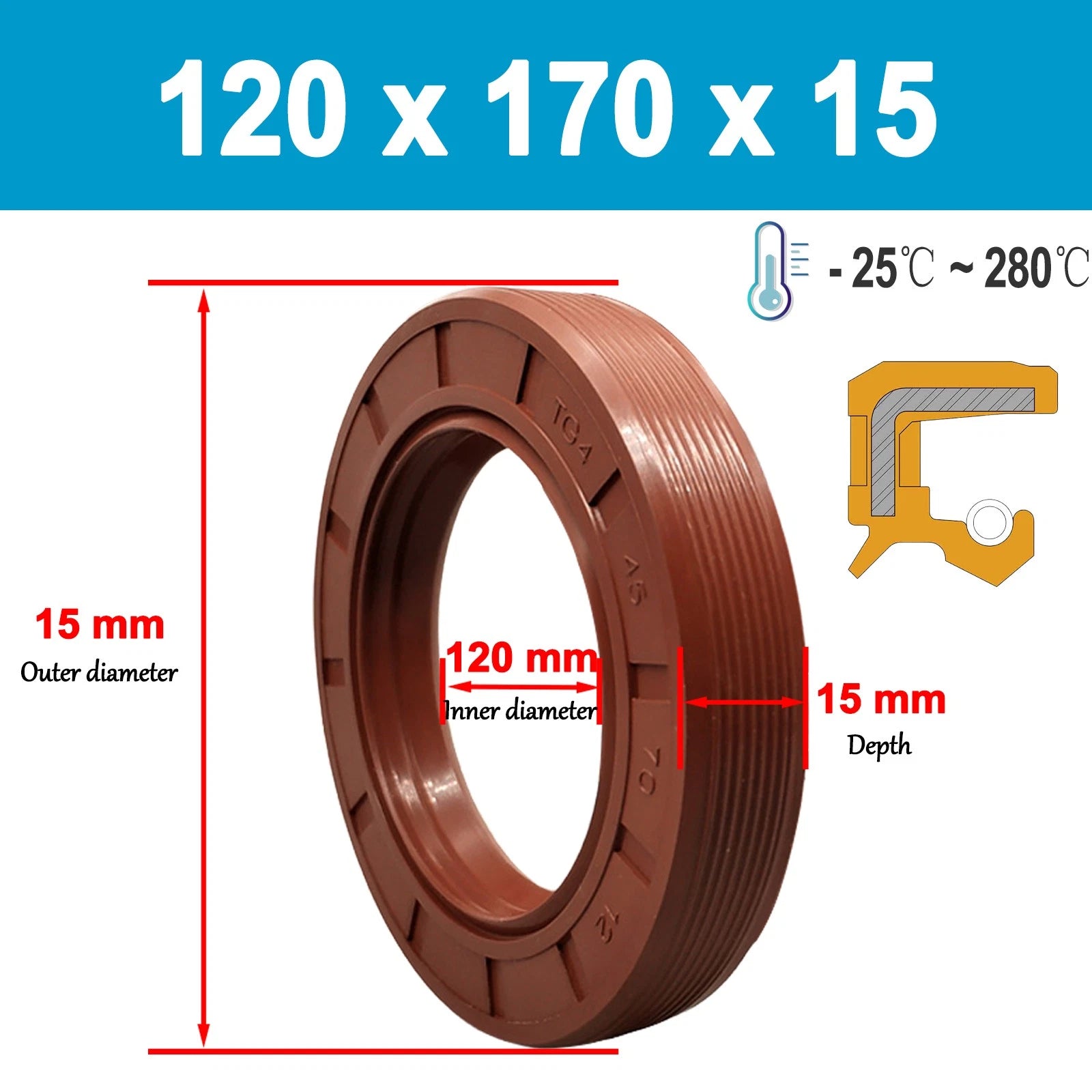
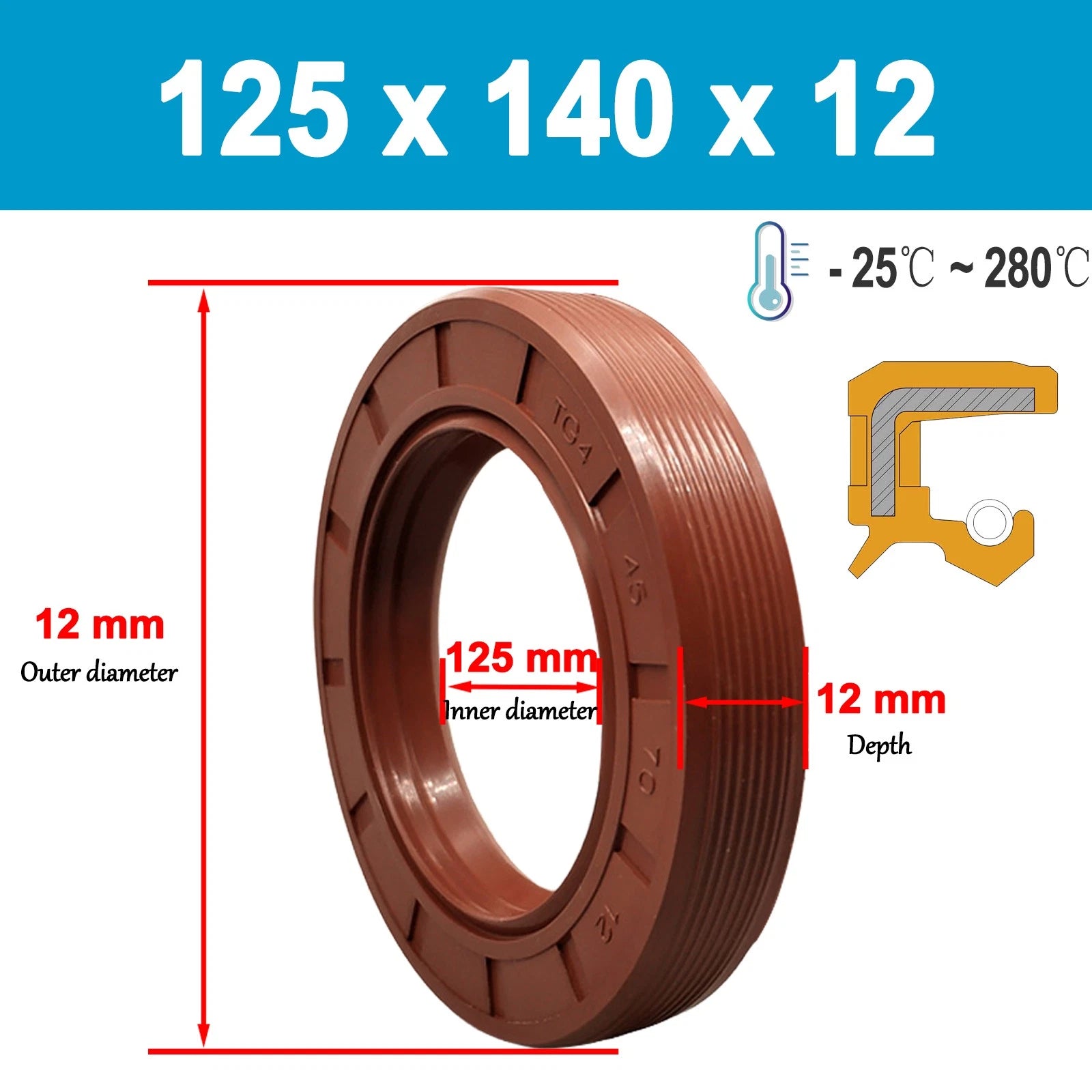
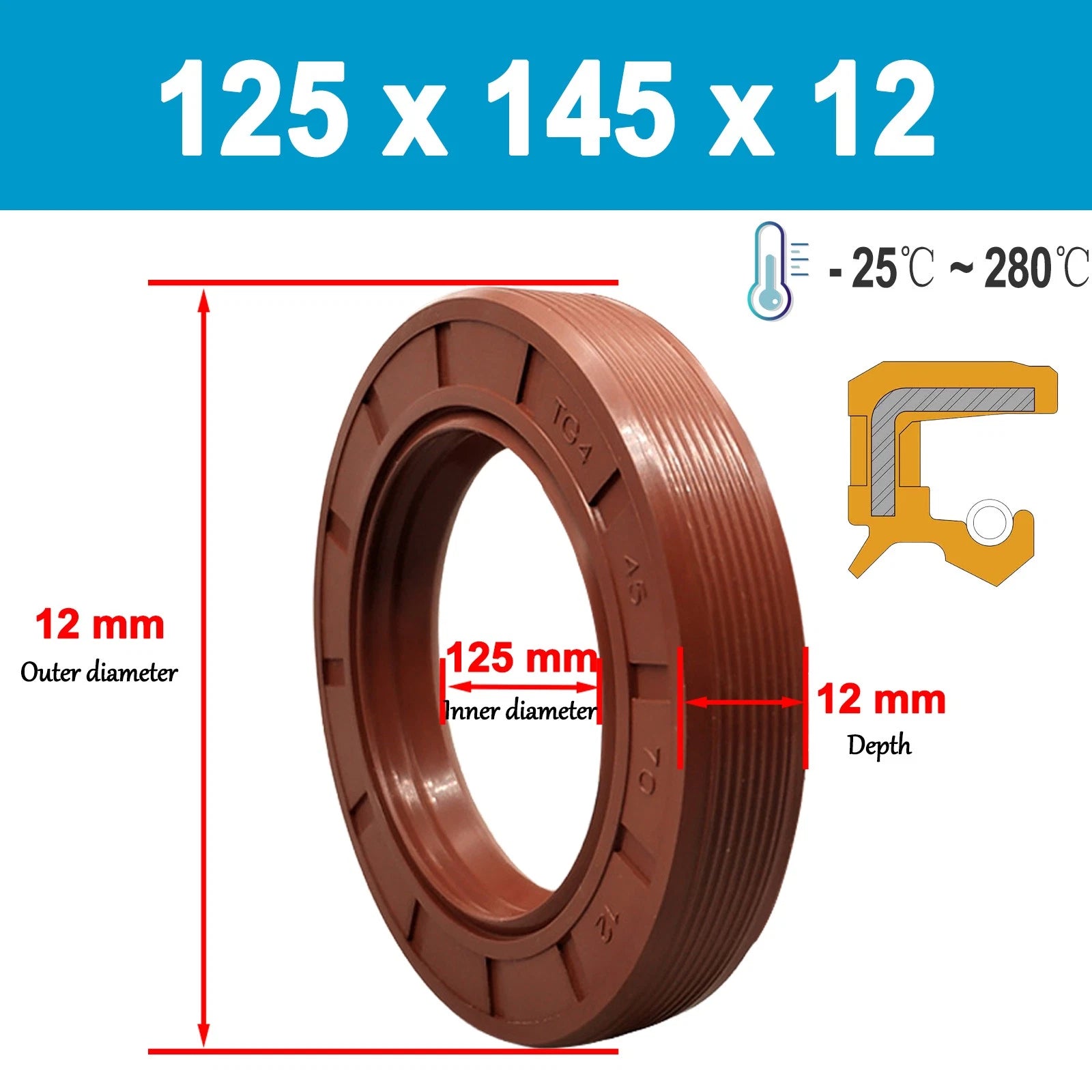
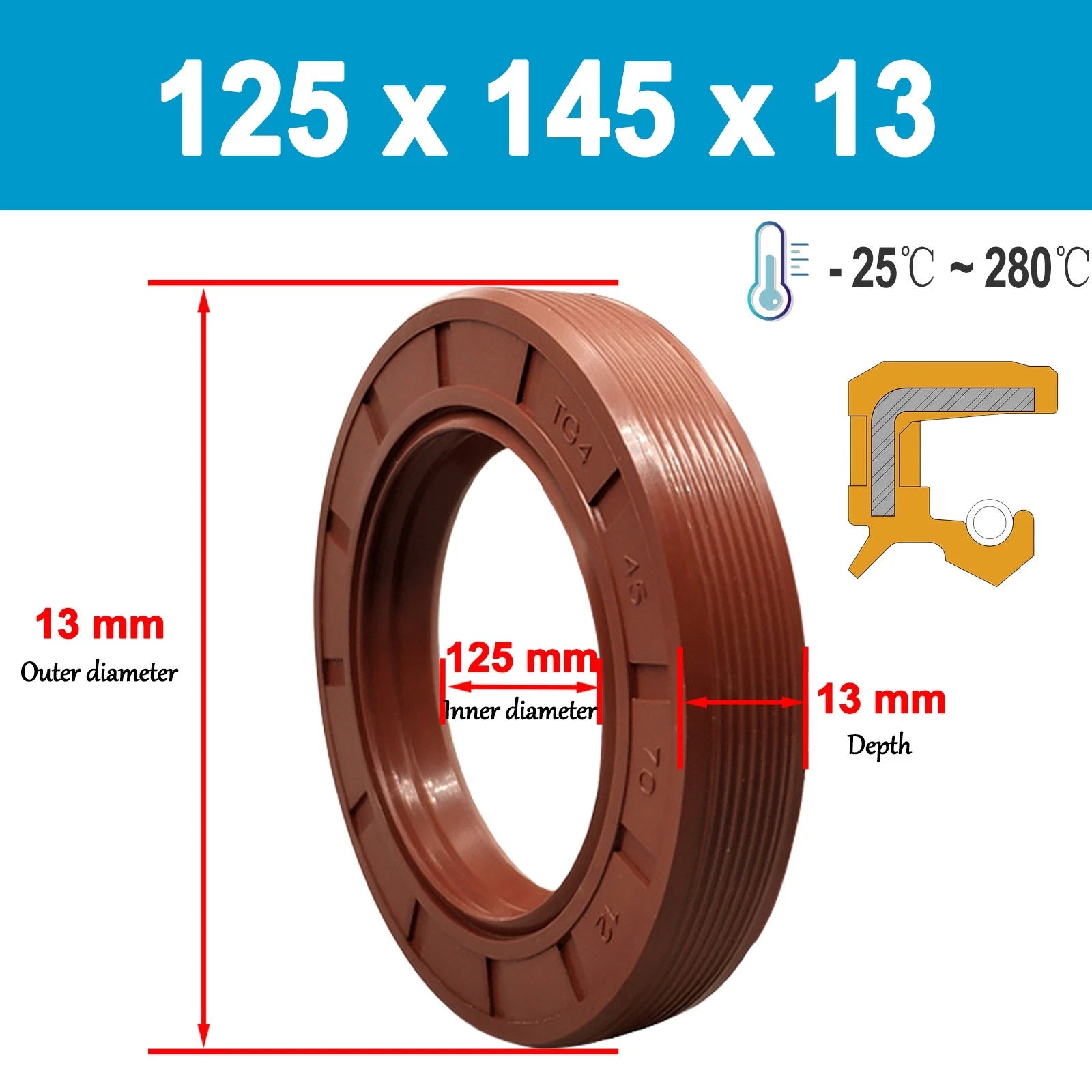
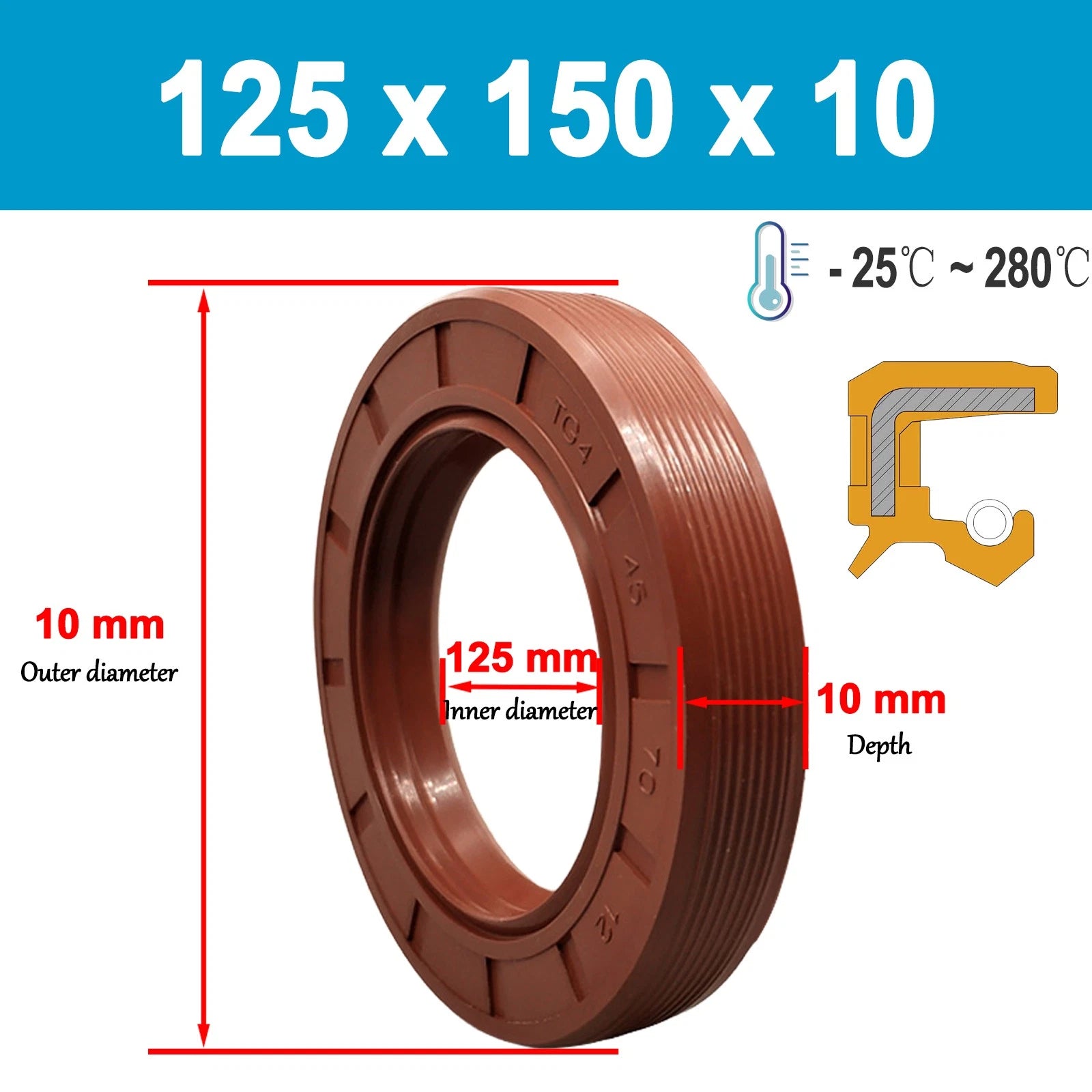
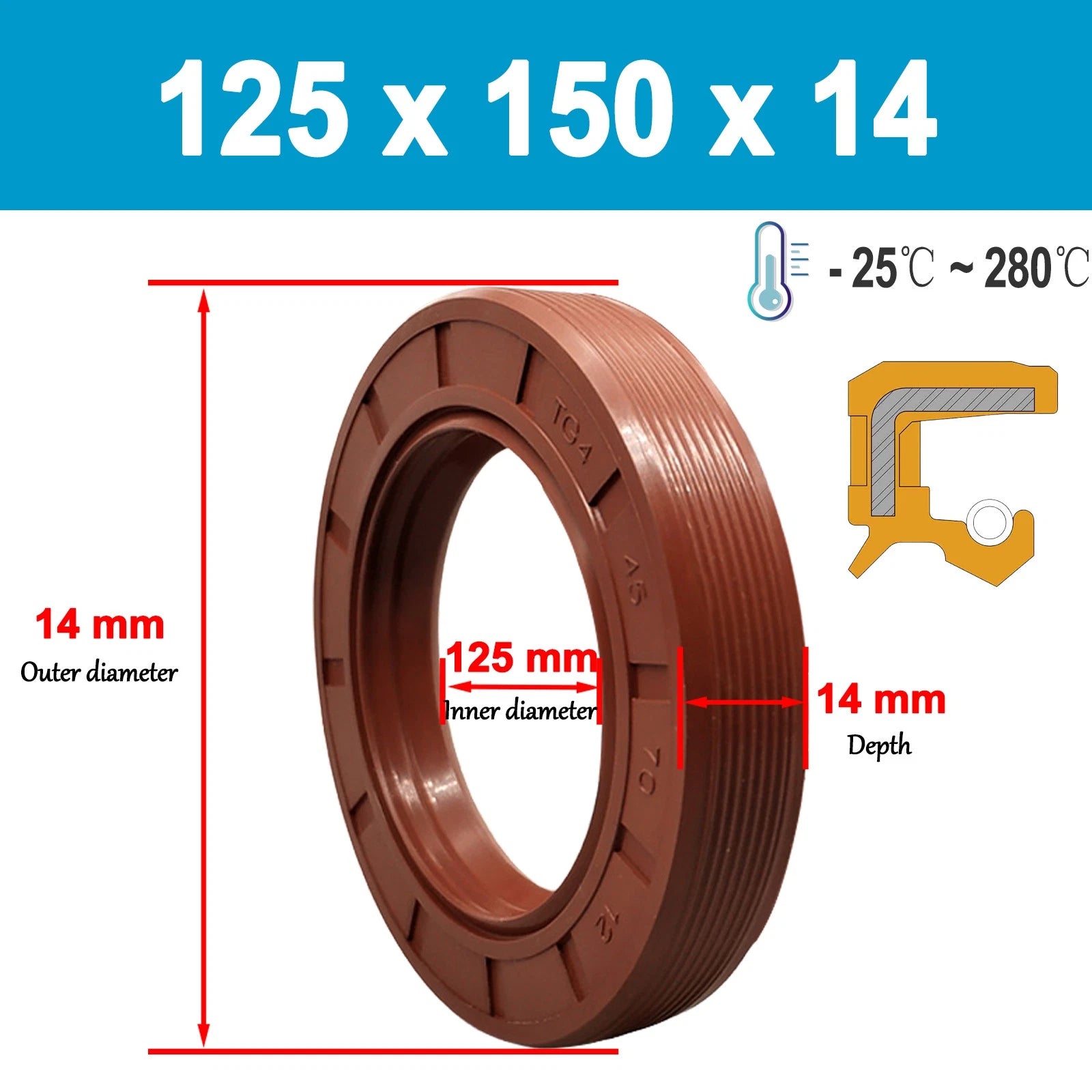
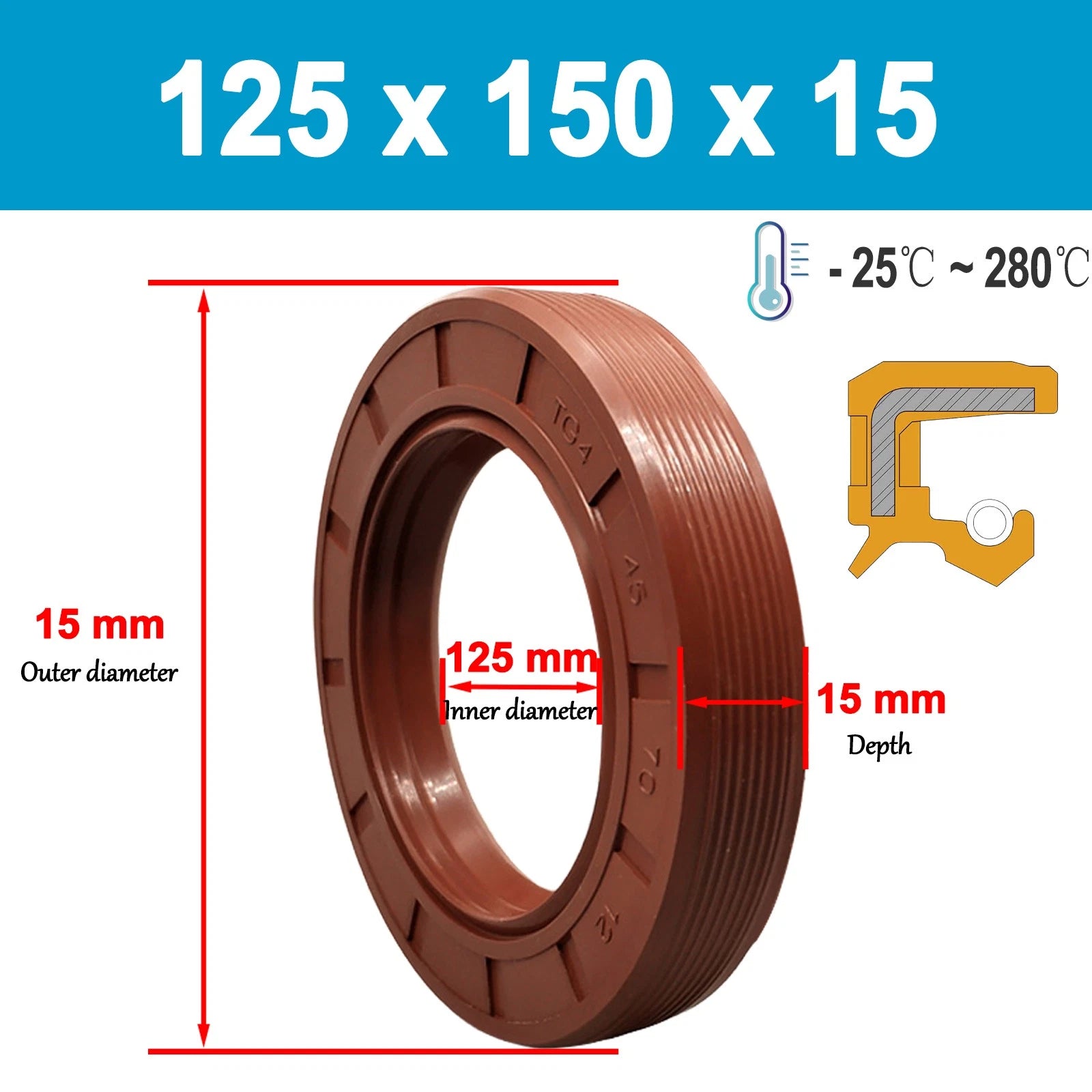
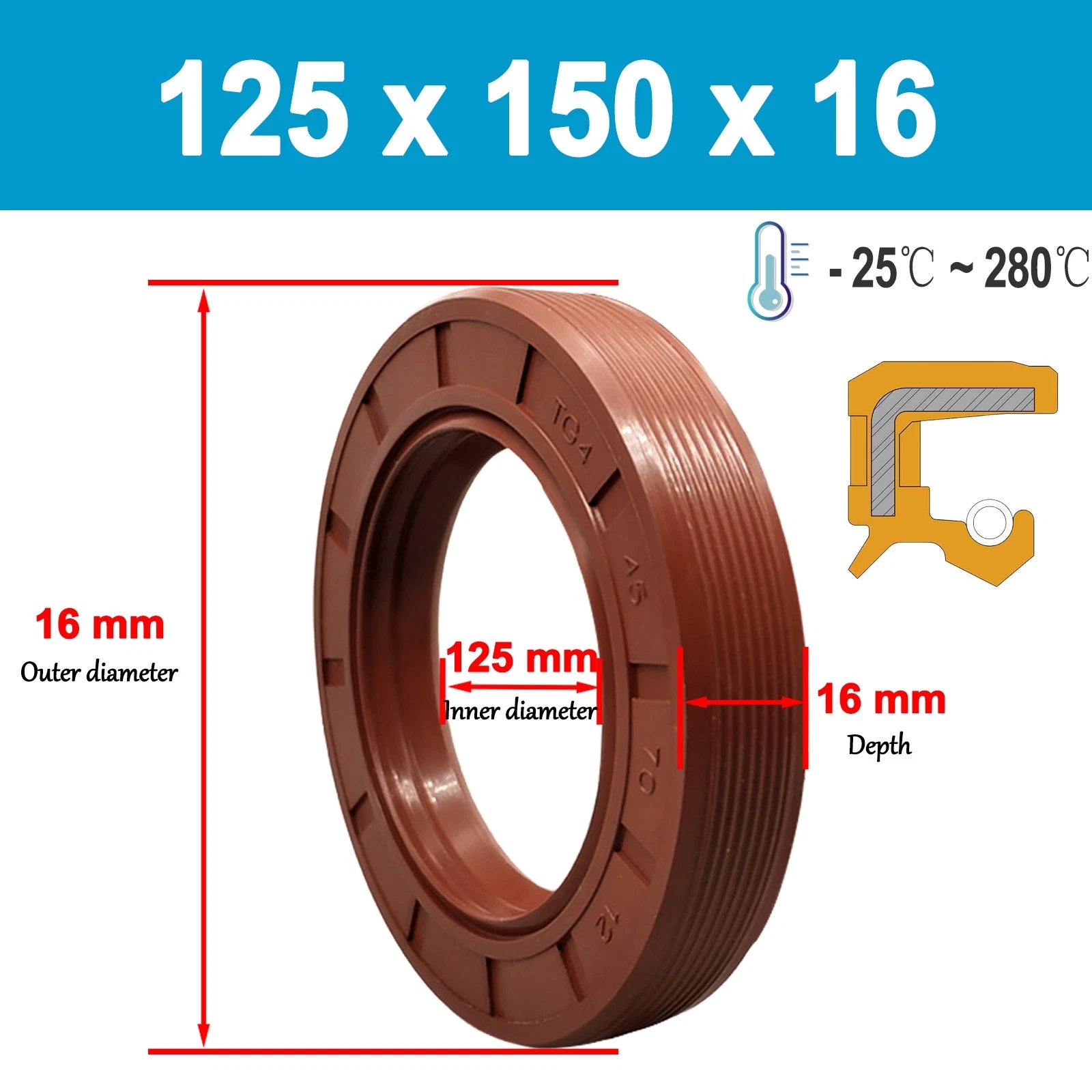
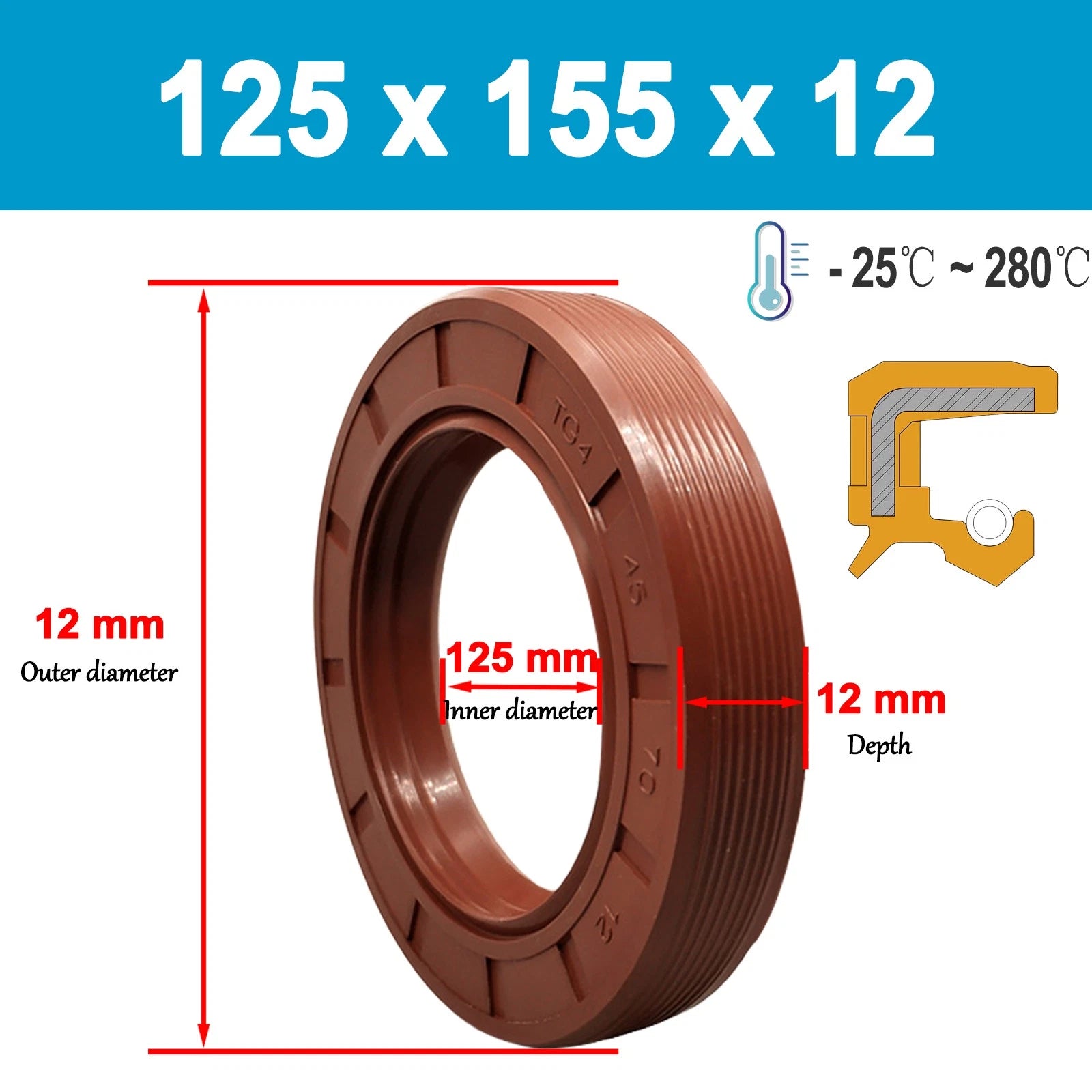
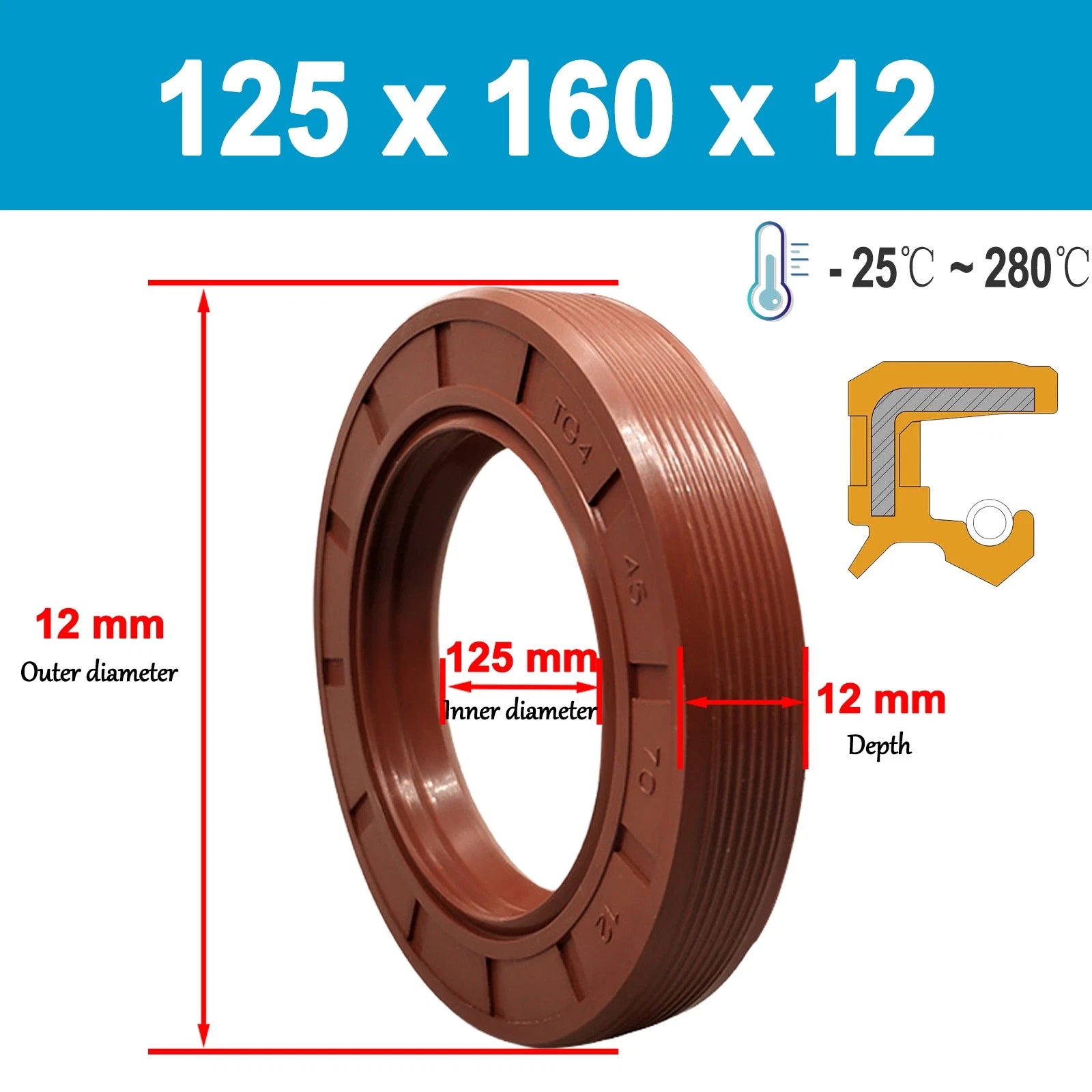
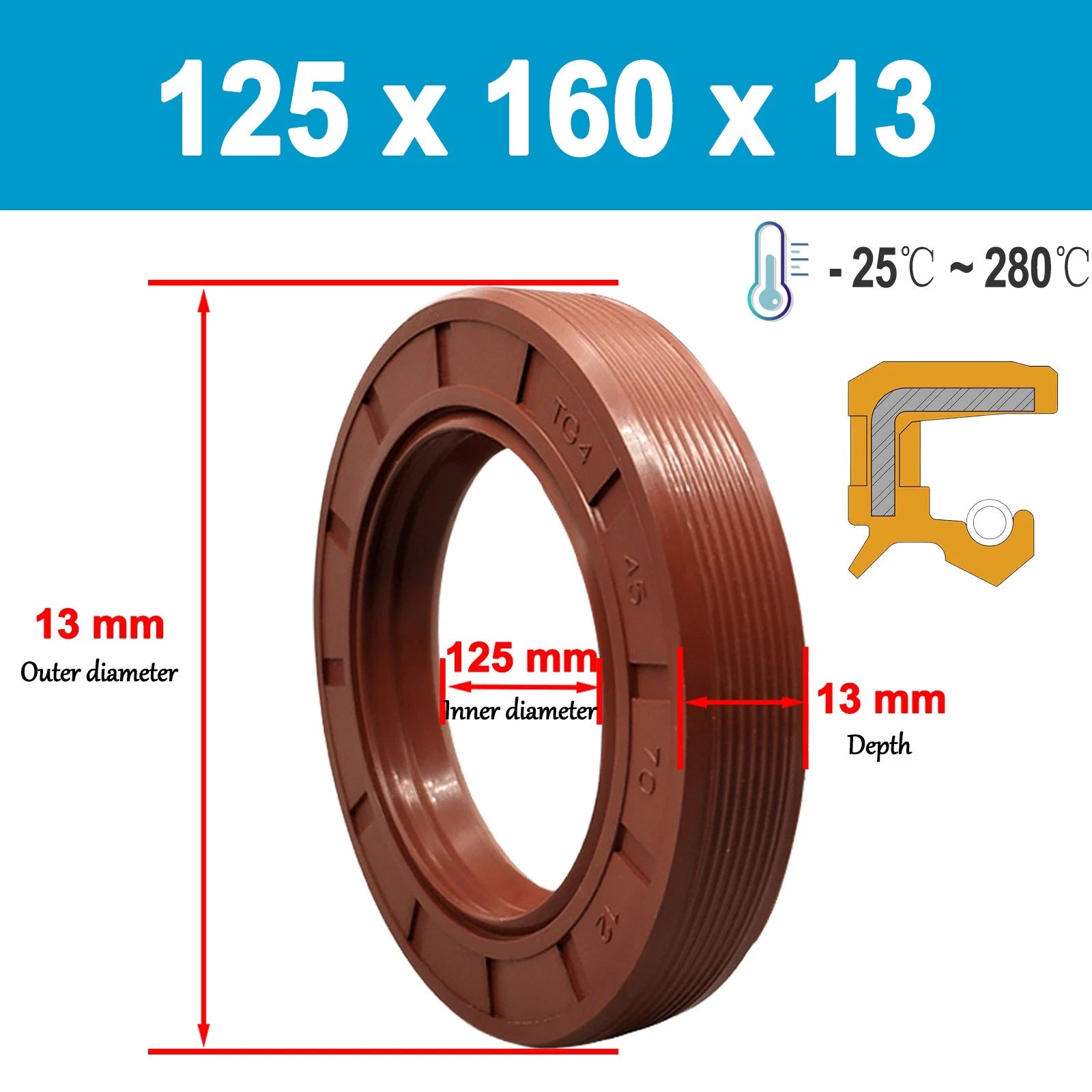
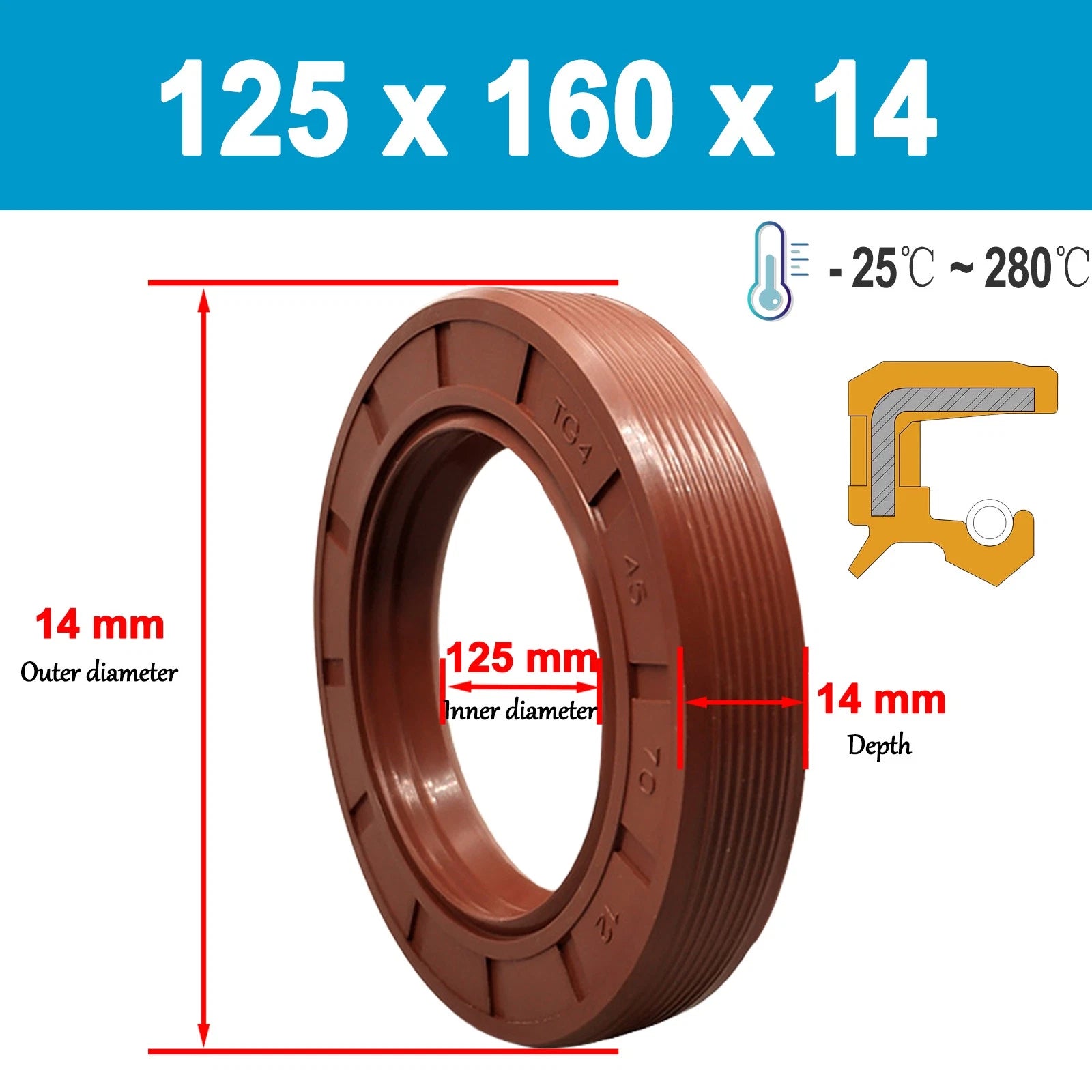
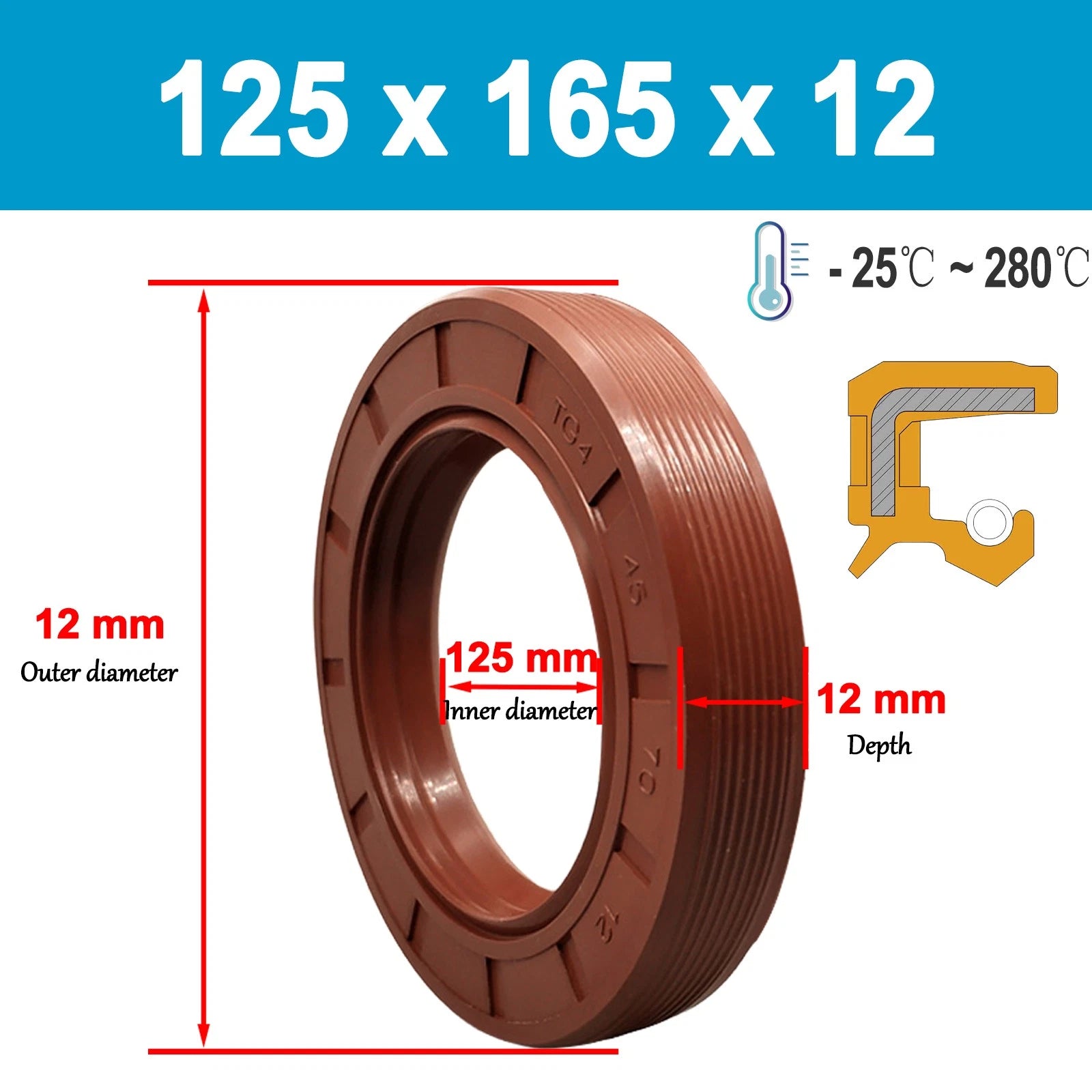
Each seal is constructed from FKM (fluoroelastomer / fluorine rubber), a material known for its resistance to petroleum-based oils, hydraulic fluids, and elevated operating temperatures. The TC double lip design features a primary sealing lip that retains lubricant and a secondary dust lip that blocks contaminants from entering the bearing cavity. Seals are available in metric dimensions spanning inner diameters from 92 mm (≈3.62 in) to 125 mm (≈4.92 in), outer diameters from 105 mm to 170 mm, and depths (widths) from 7.5 mm to 23 mm — covering a broad range of shaft and housing bore combinations.
Typical use cases include gearbox output shaft sealing on agricultural and construction machinery, differential pinion seal replacement on trucks and heavy vehicles, and pump shaft sealing in hydraulic power units — all scenarios where a metric FKM double lip TC oil seal with the correct dimensional fit is critical to system integrity.
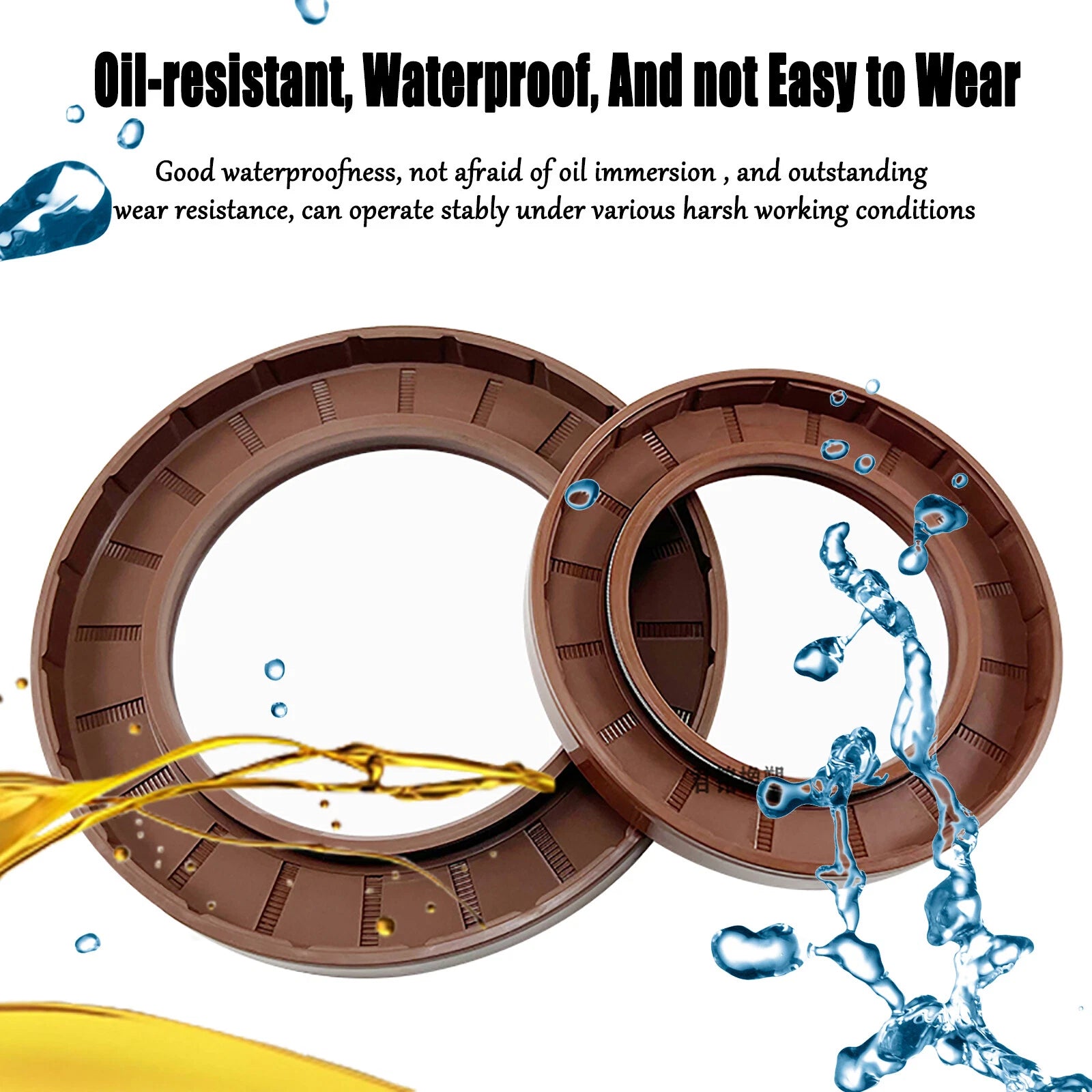
Made from fluoroelastomer (FKM), offering strong resistance to petroleum oils, synthetic lubricants, hydraulic fluids, and operating temperatures typically up to 200 °C (392 °F) — well beyond the limits of standard NBR seals.
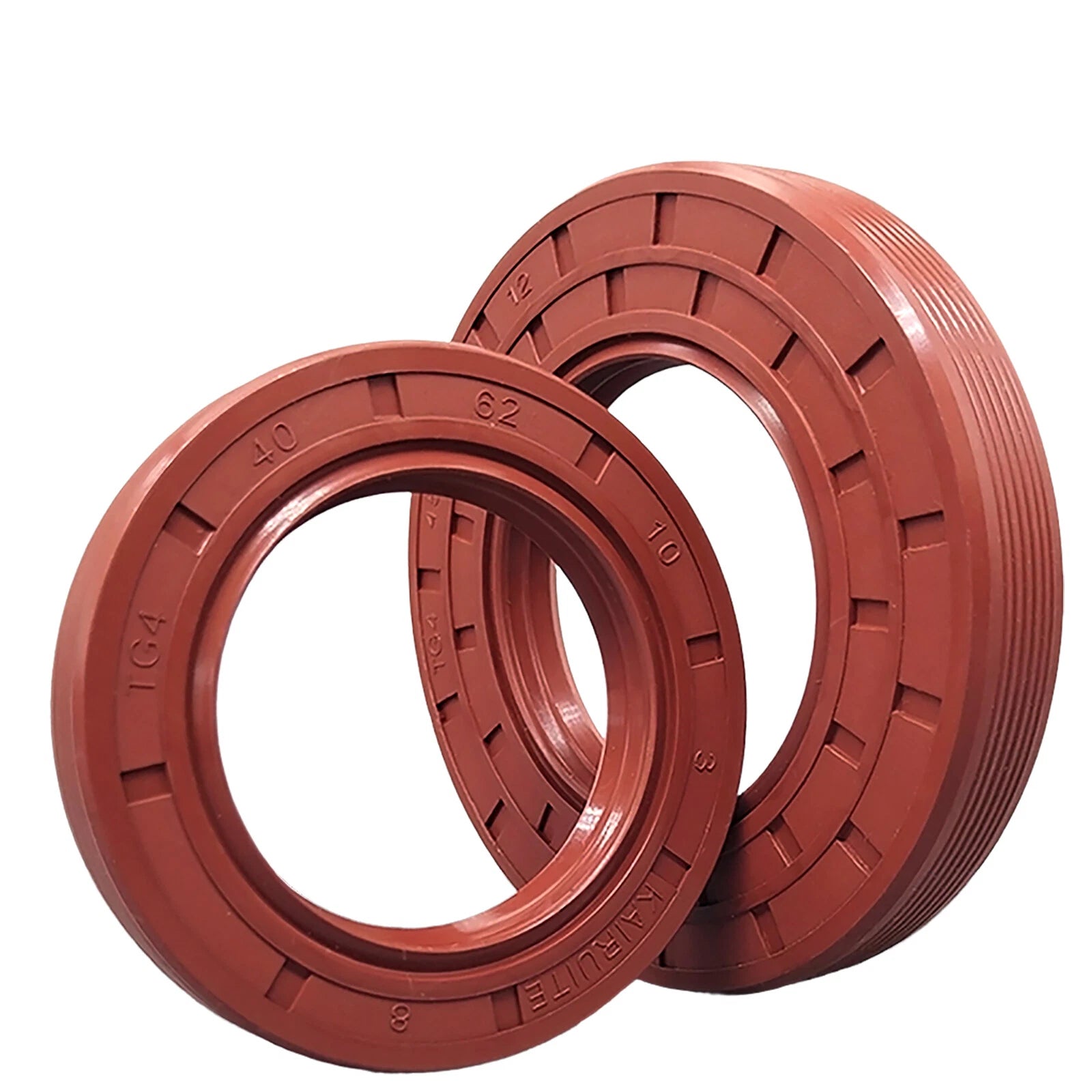
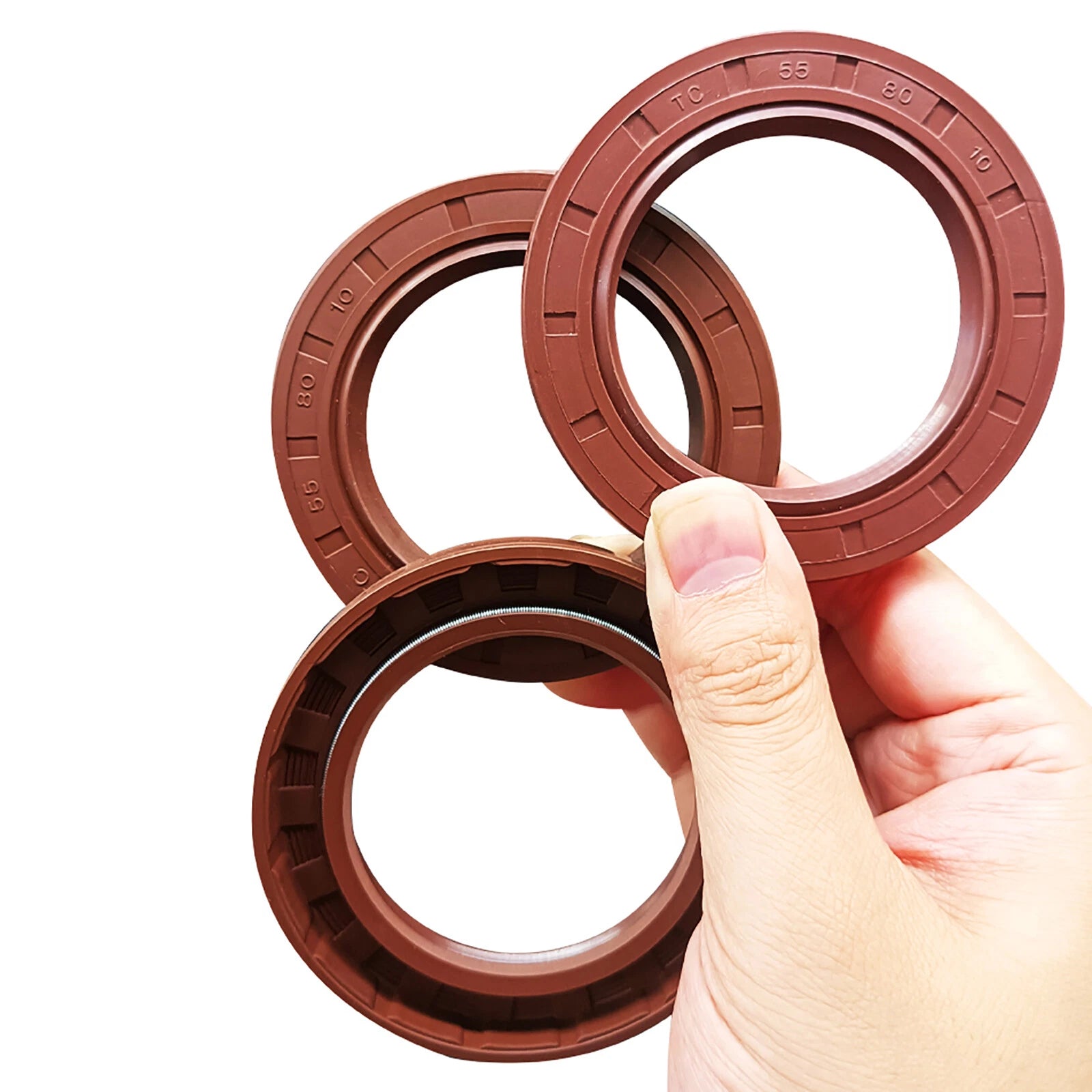
The TC profile combines a primary oil-retention lip with a secondary dust-exclusion lip, providing two-stage protection that keeps lubricant in and contaminants out simultaneously.
Inner diameters from 92 mm to 125 mm, outer diameters from 105 mm to 170 mm, and depths from 7.5 mm to 23 mm — over 230 size combinations available to match your exact housing and shaft specification.
A rigid metal outer case ensures a firm, press-fit installation into the housing bore, maintaining concentricity and preventing the seal from rotating or walking out under dynamic loads.
FKM compound resists degradation from aggressive fluids including gear oils, ATF, and many synthetic lubricants, making these seals suitable for demanding environments where standard rubber compounds fail prematurely.
Dimensioned to metric standards, these seals serve as direct replacements for OEM TC oil seals on European, Asian, and metric-spec machinery — reducing sourcing complexity and lead time for maintenance teams.
| Seal Type | TC (Double Lip Rotary Oil Seal) |
|---|---|
| Material | FKM (Fluoroelastomer / Fluorine Rubber) |
| Lip Configuration | Double lip — primary sealing lip + secondary dust lip |
| Inner Diameter (ID) Range | 92 mm – 125 mm (≈3.62 in – 4.92 in) |
| Outer Diameter (OD) Range | 105 mm – 170 mm (≈4.13 in – 6.69 in) |
| Depth (Width) Range | 7.5 mm – 23 mm (≈0.30 in – 0.91 in) |
| Outer Shell | Metal-cased (press-fit installation) |
| Operating Temperature | Typically –20 °C to +200 °C (–4 °F to +392 °F) |
| Compatible Fluids | Petroleum oils, gear oils, ATF, hydraulic fluids, synthetic lubricants |
| Dimension Standard | Metric |
| Packing Quantity | 1 piece per order |
| Exact Dimensions | See variant options |
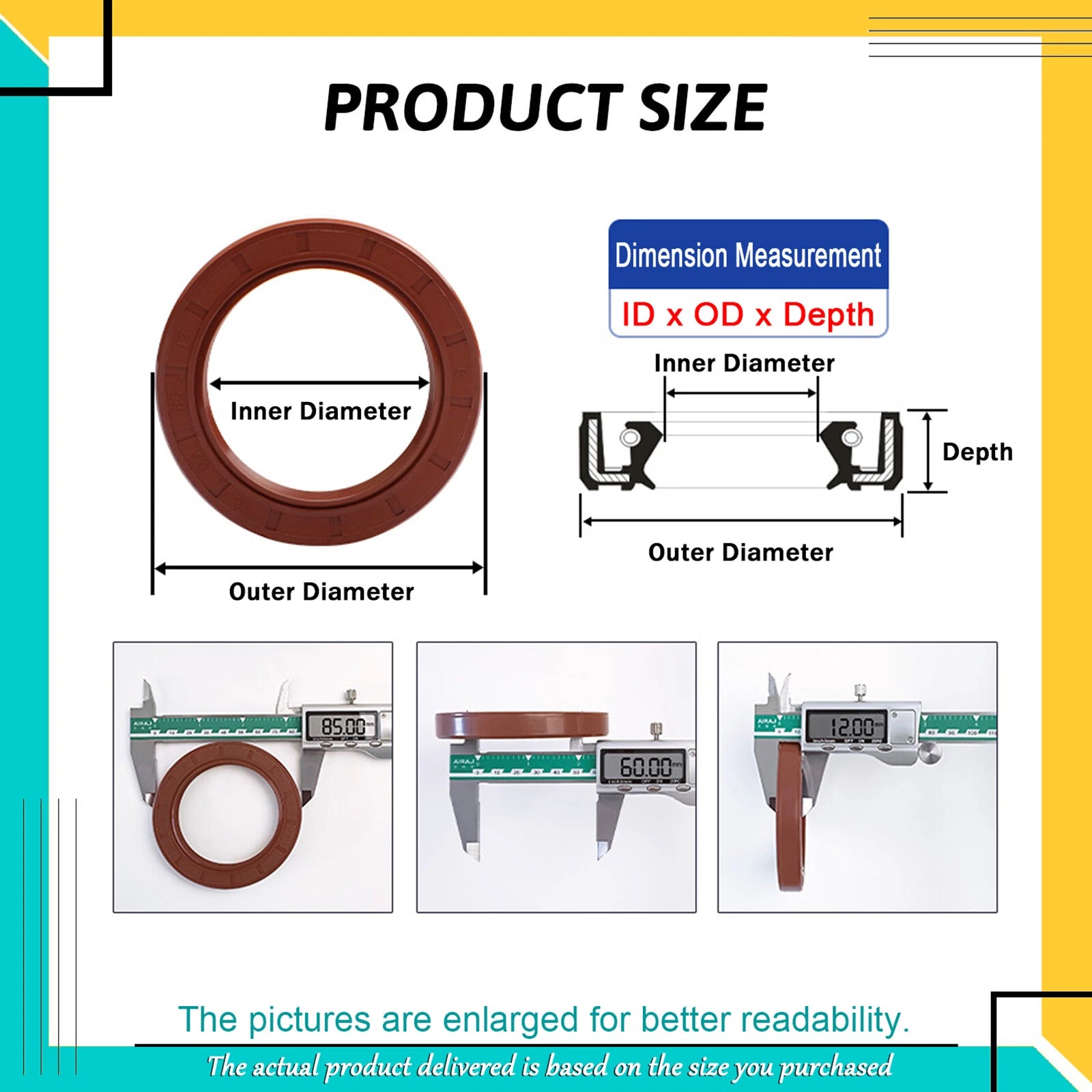
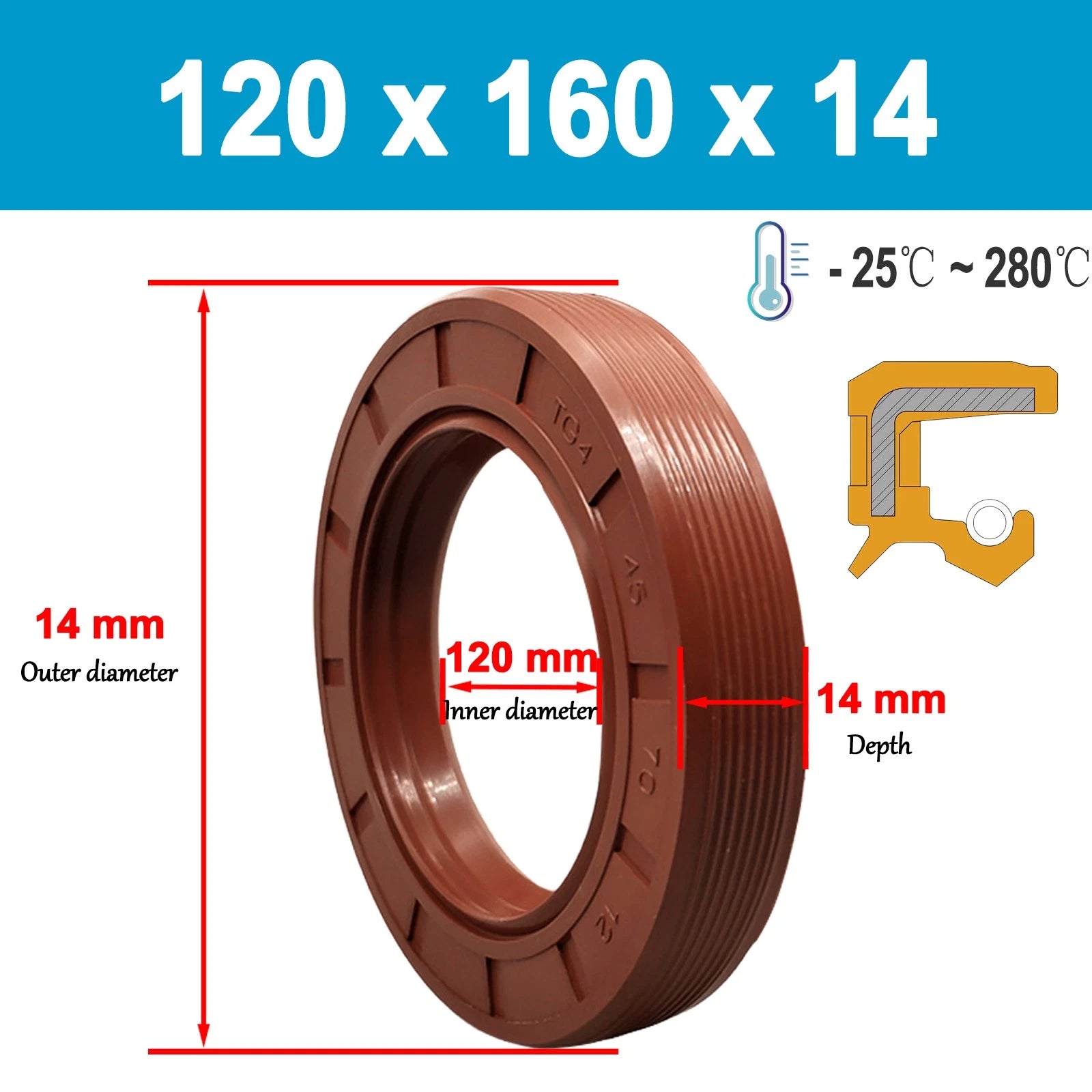
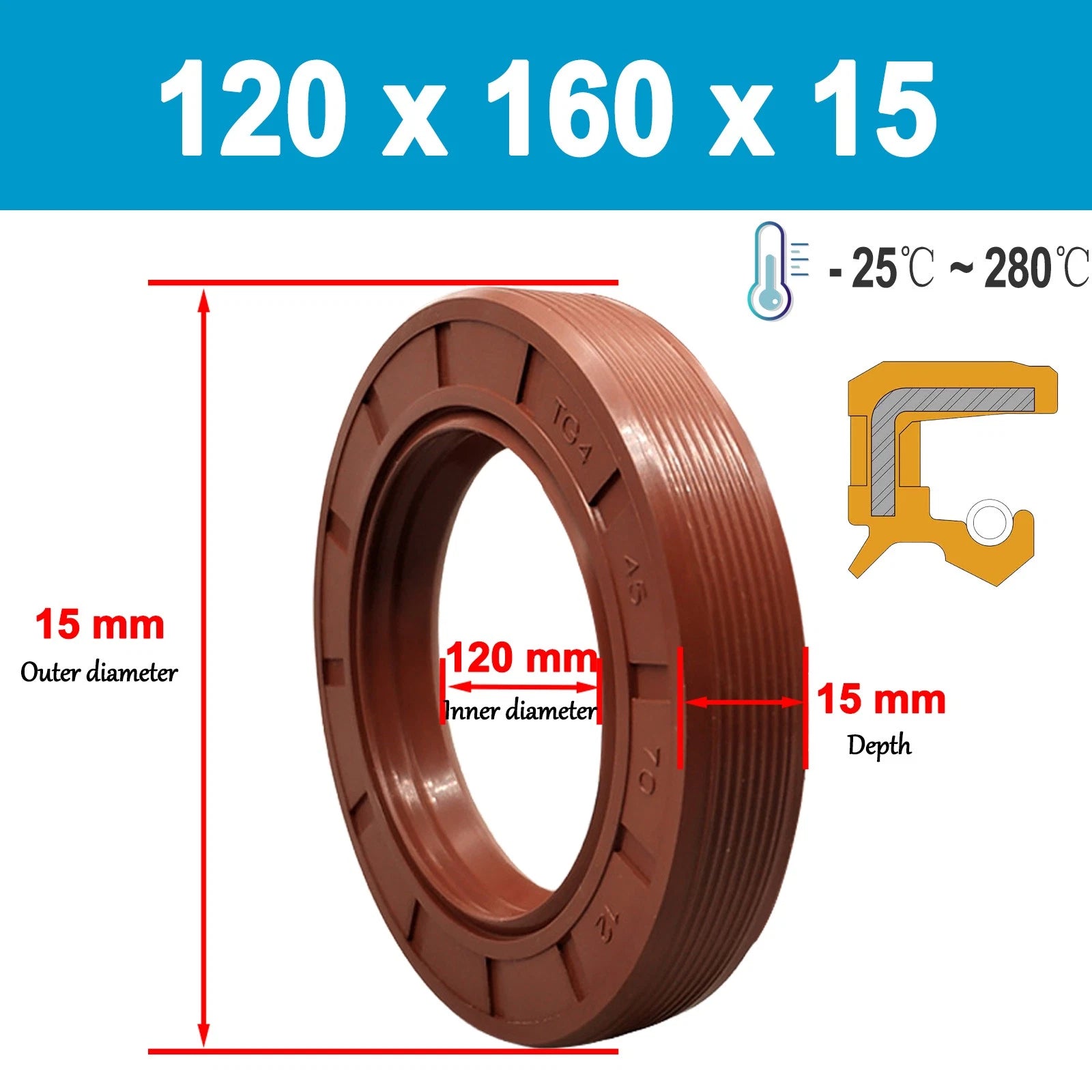
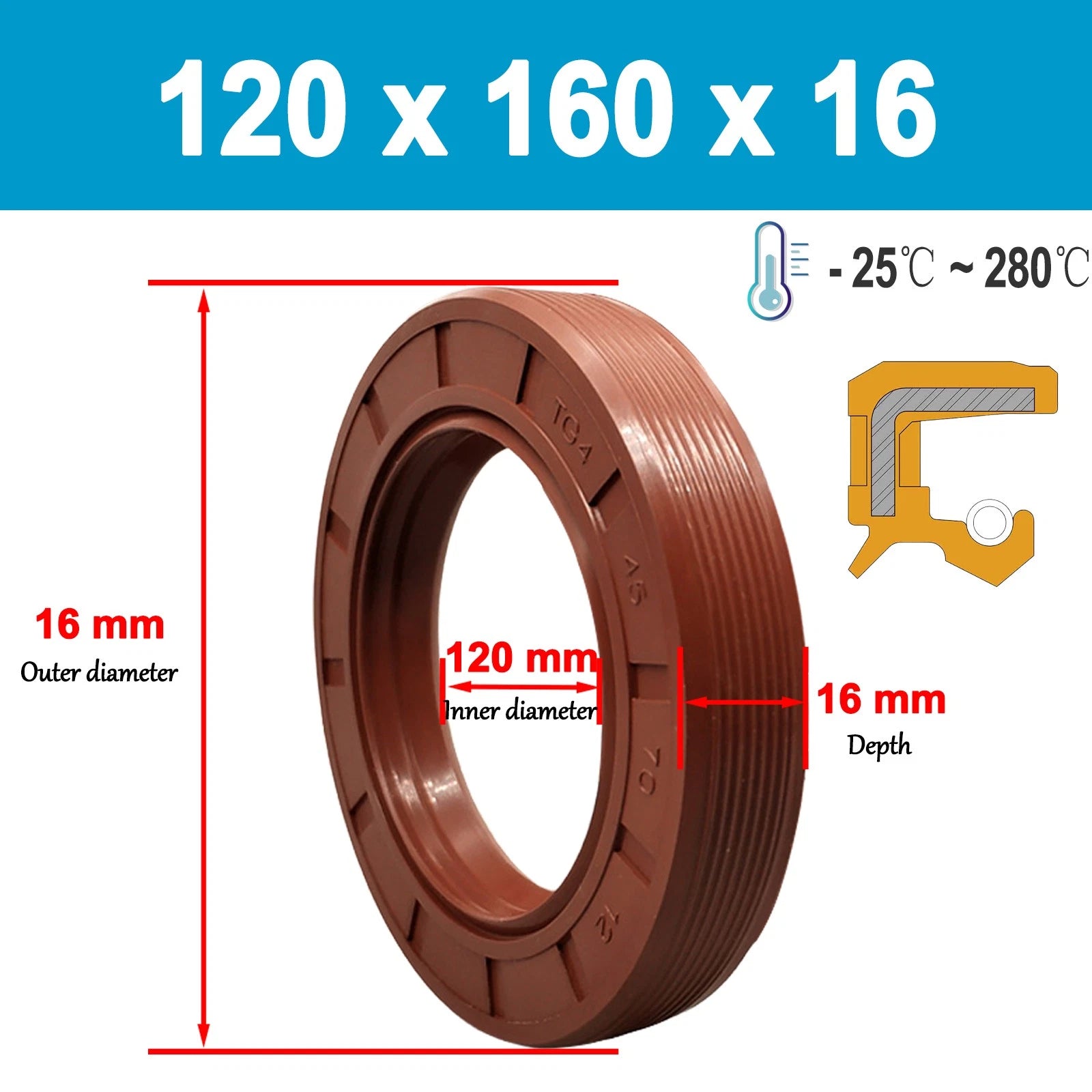
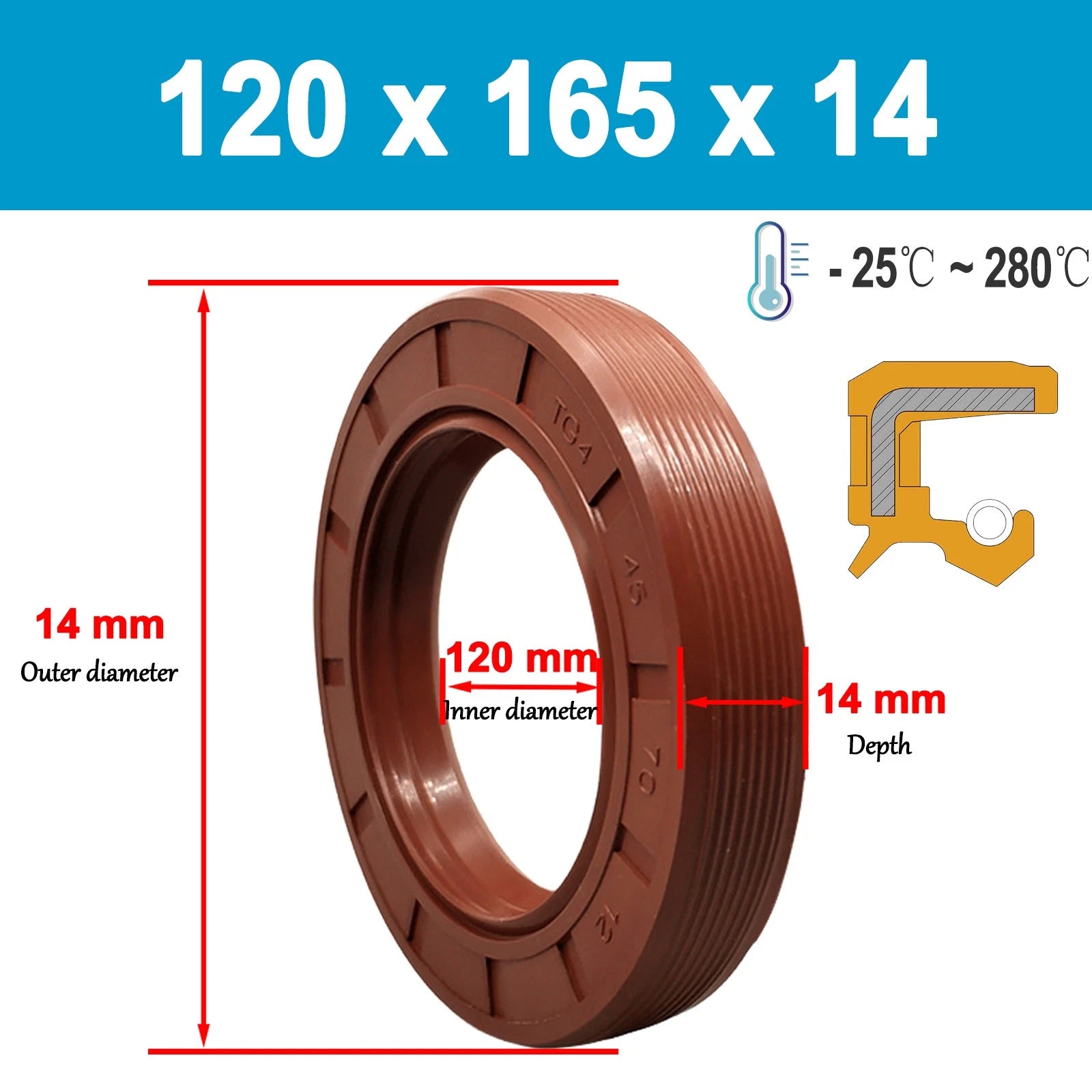
You need three measurements: the shaft diameter (which equals the seal's Inner Ø), the housing bore diameter (which equals the seal's Outer Ø), and the housing bore depth (which equals the seal's Depth/Width). Measure all three with calipers before selecting a variant. If you are replacing an existing seal, the dimensions are usually stamped or printed on the old seal's outer case.
NBR (nitrile rubber) is suitable for standard mineral oils at moderate temperatures. FKM (fluoroelastomer) is the preferred choice when operating temperatures exceed approximately 120 °C, when synthetic lubricants or aggressive gear oils are used, or when the seal is exposed to chemical environments that degrade NBR. FKM offers significantly broader chemical compatibility and a higher continuous temperature rating, making it the more durable option for demanding applications.
"TC" is an industry-standard designation for a double lip rotary shaft seal with a metal outer case. The primary lip retains lubricant inside the housing, while the secondary (dust) lip faces outward to prevent dirt, water, and debris from entering. This two-barrier design makes TC seals the most common choice for gearboxes, differentials, and pump shafts exposed to contaminated environments.
Yes. FKM fluoroelastomer has good compatibility with most synthetic gear oils, automatic transmission fluids (ATF), and hydraulic fluids. It is significantly more resistant to synthetic lubricant swelling and degradation than NBR. If you are using a highly specialized or proprietary fluid, we recommend verifying FKM compatibility with your fluid supplier's data sheet.
Clean the housing bore and shaft thoroughly. Lightly lubricate the seal lips with the same oil used in the application. Press the seal squarely into the bore using a seal driver or a flat plate of the appropriate diameter — never strike the seal directly with a hammer. Ensure the seal sits flush or slightly below the housing face as specified. Avoid nicking or folding the lips during installation, as this will cause immediate leakage.
Minor shaft surface roughness (Ra 0.2–0.8 µm is the typical recommended range for rotary seals) is acceptable. However, deep grooves, scoring, or corrosion at the seal contact zone will prevent an effective seal regardless of seal quality. For worn shafts, a repair sleeve (speedi-sleeve) installed over the worn area is the recommended solution before fitting a new seal.
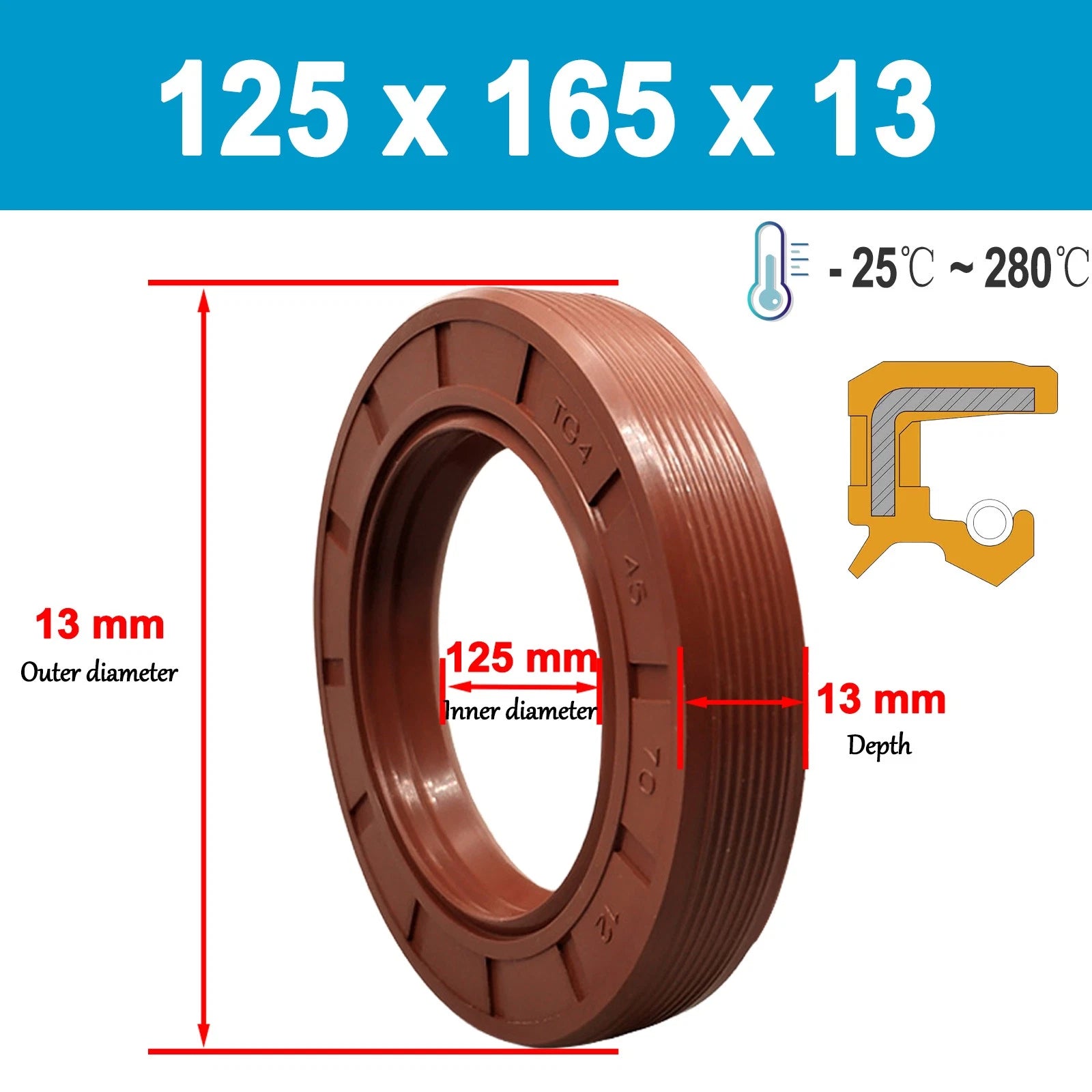
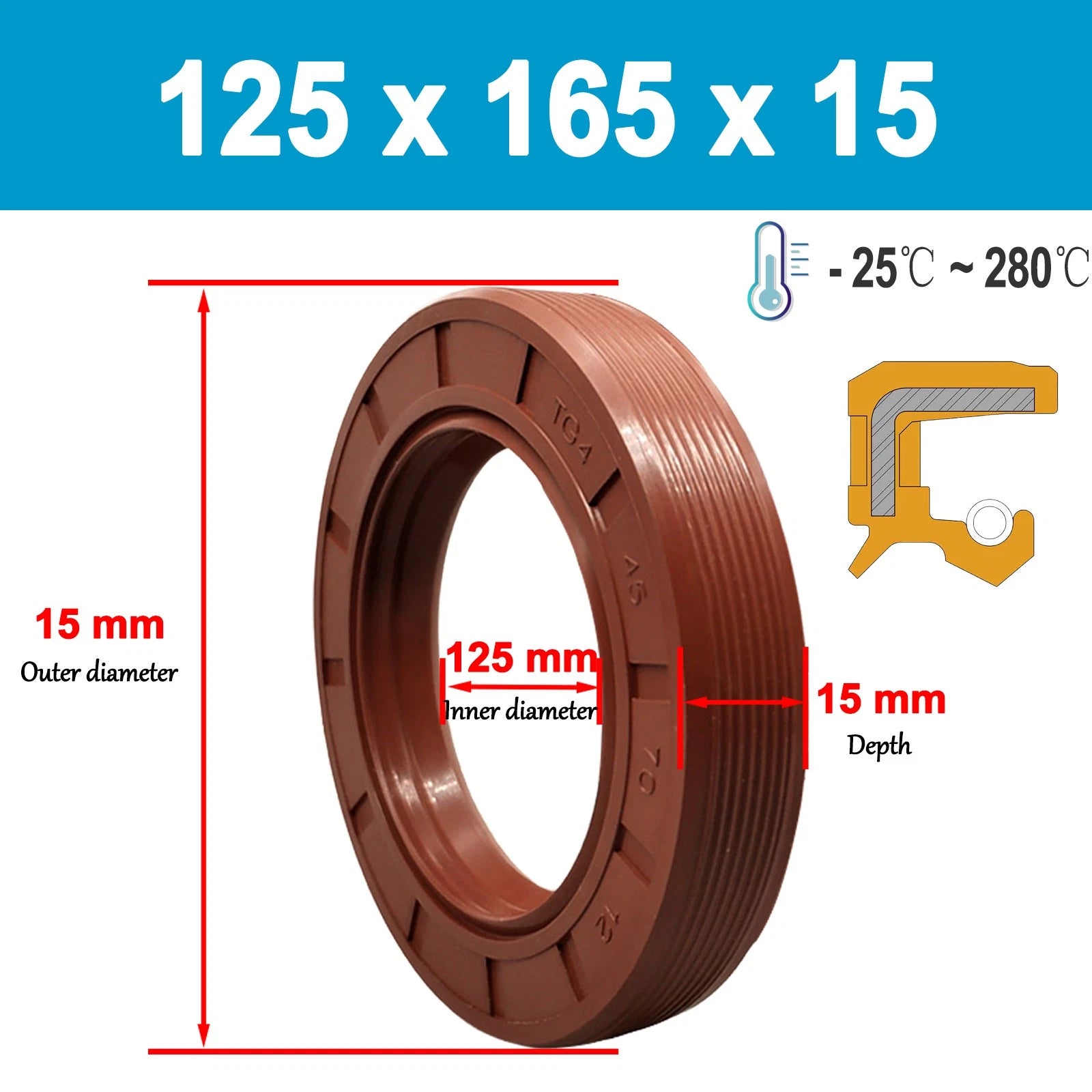
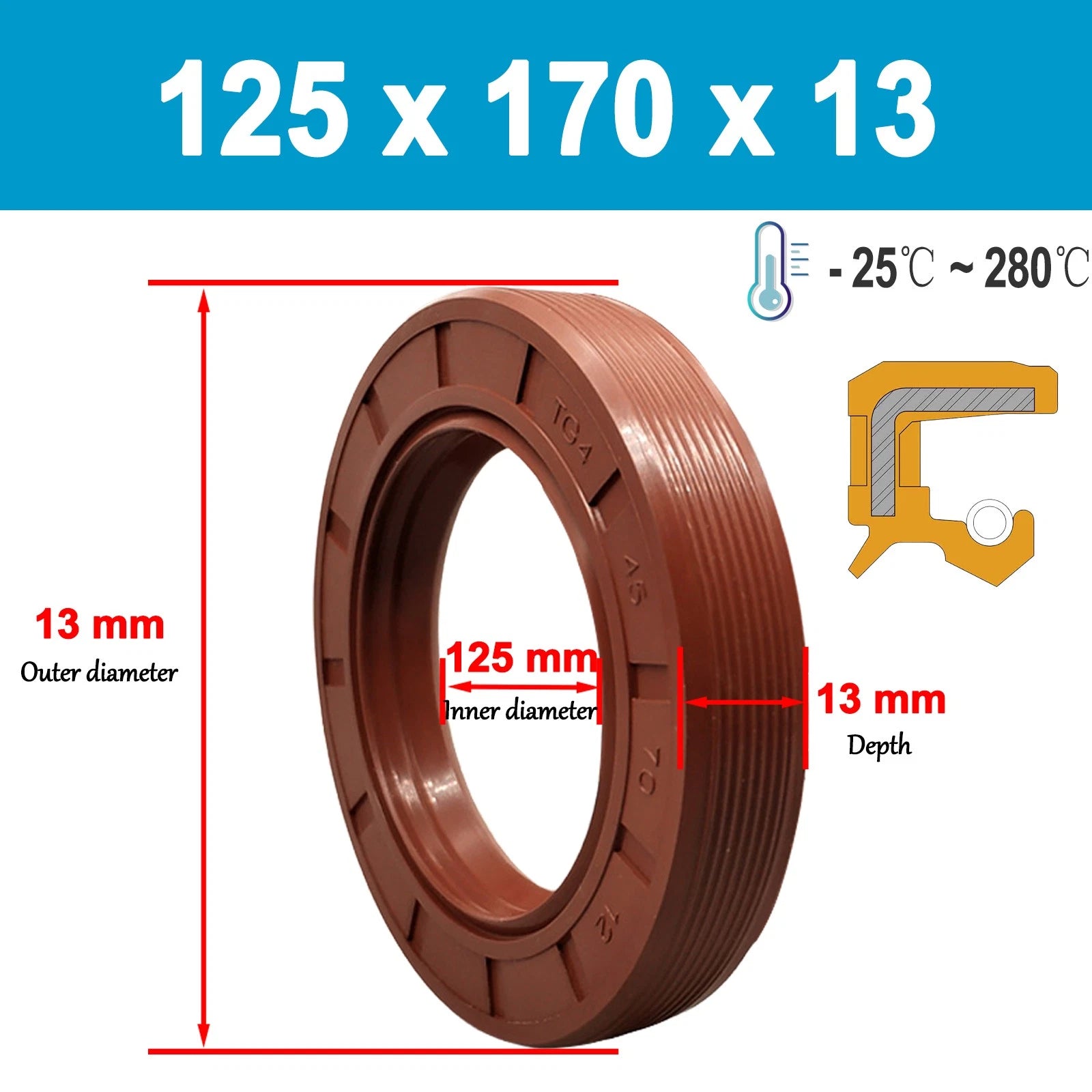
Inner Ø (ID) is the bore of the seal that contacts the rotating shaft. Outer Ø (OD) is the outside diameter that presses into the stationary housing bore. Depth is the axial width (thickness) of the seal. All three must match your application exactly — even a 1 mm mismatch in any dimension will result in either a loose fit, an interference fit that damages the seal, or incorrect seating depth.