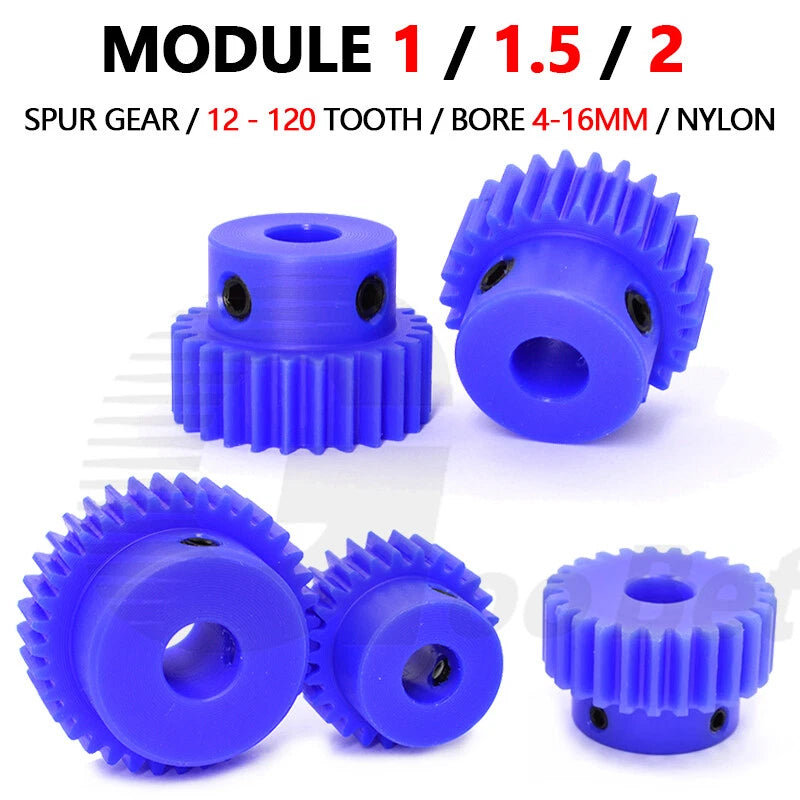
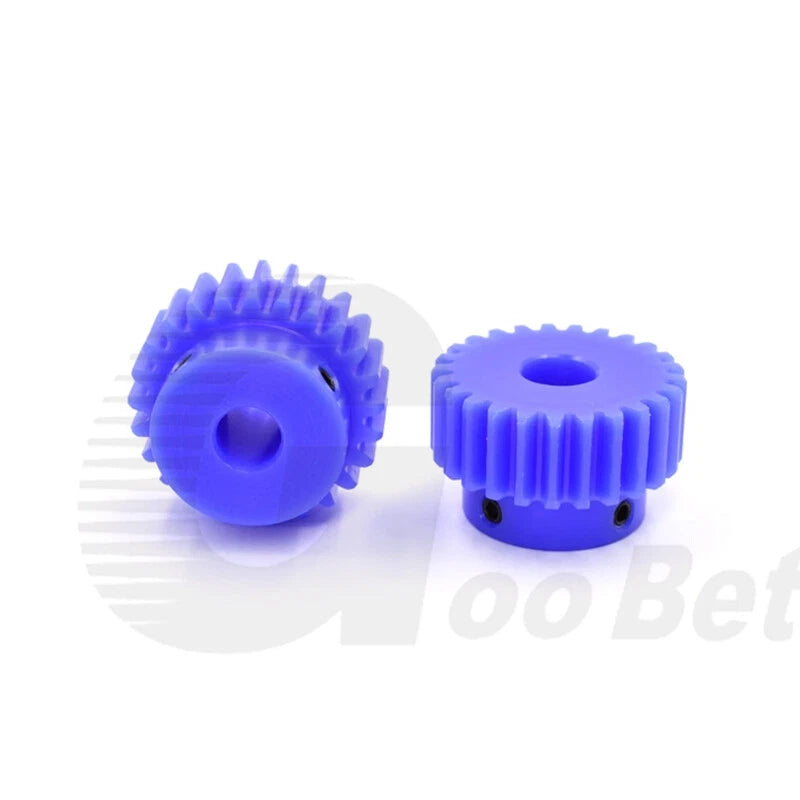
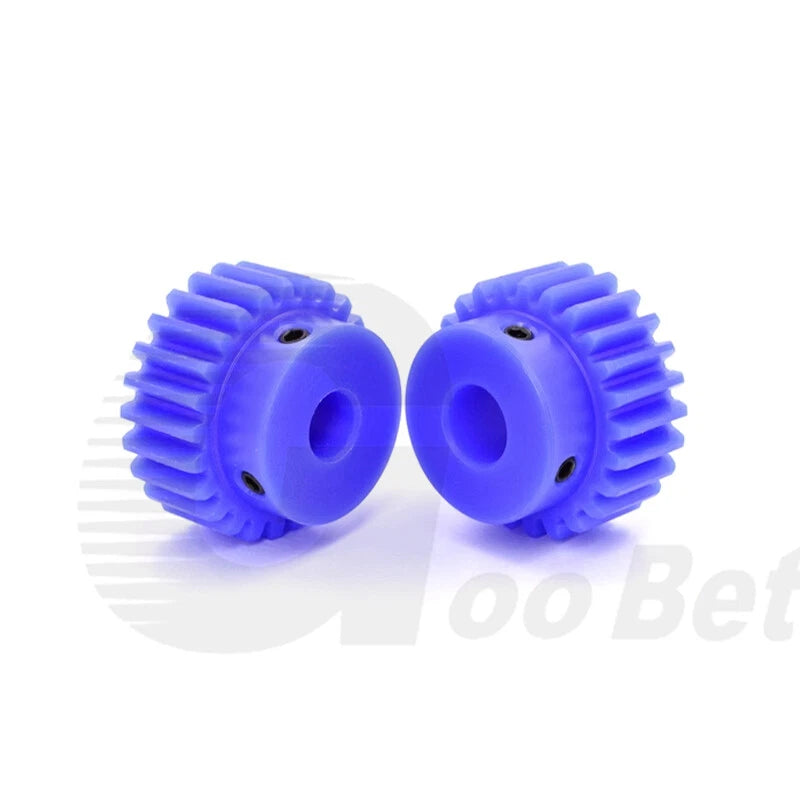
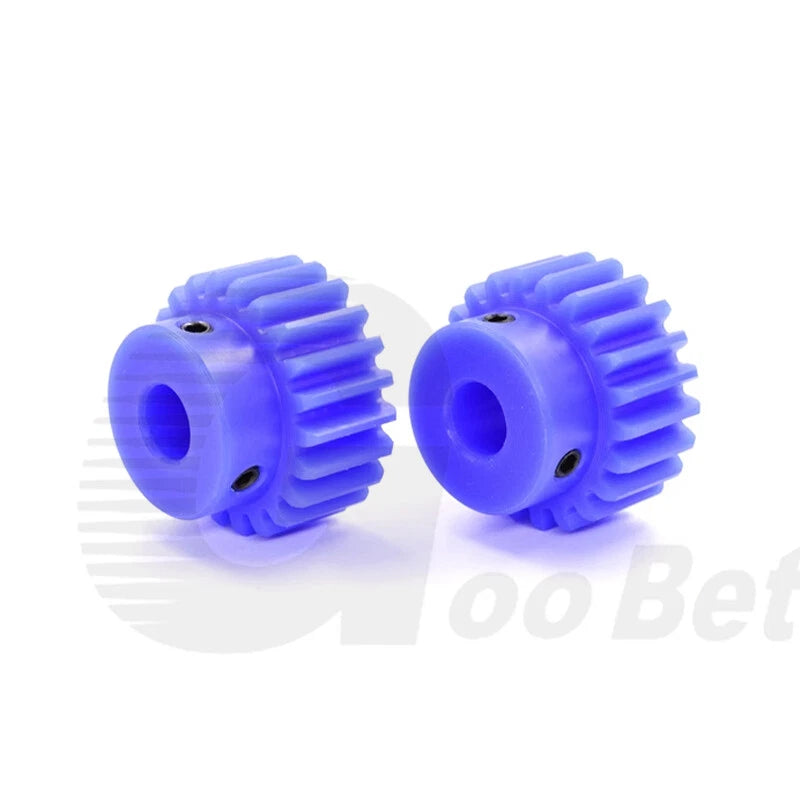
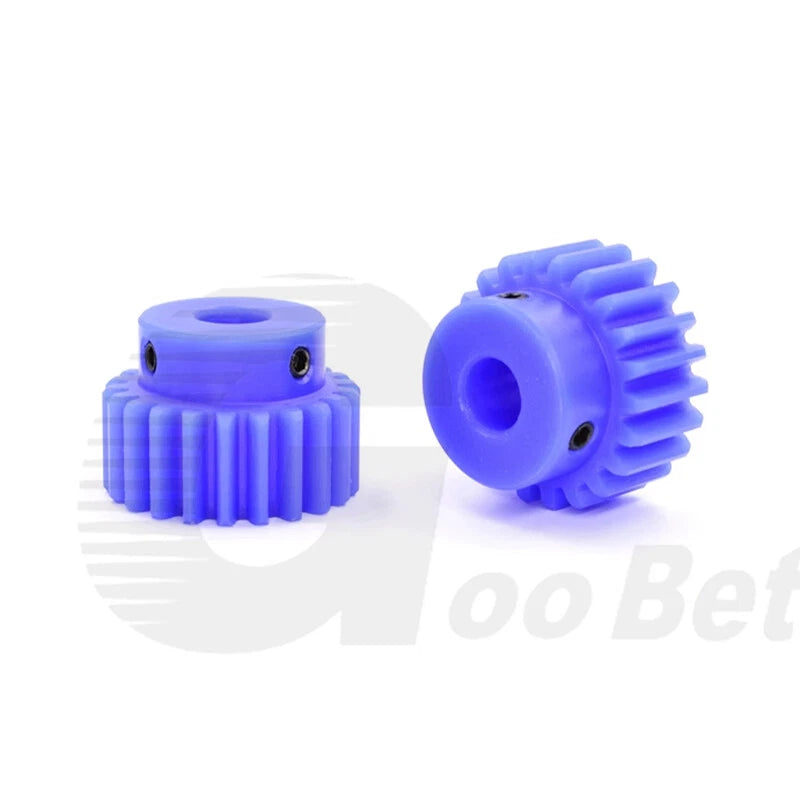
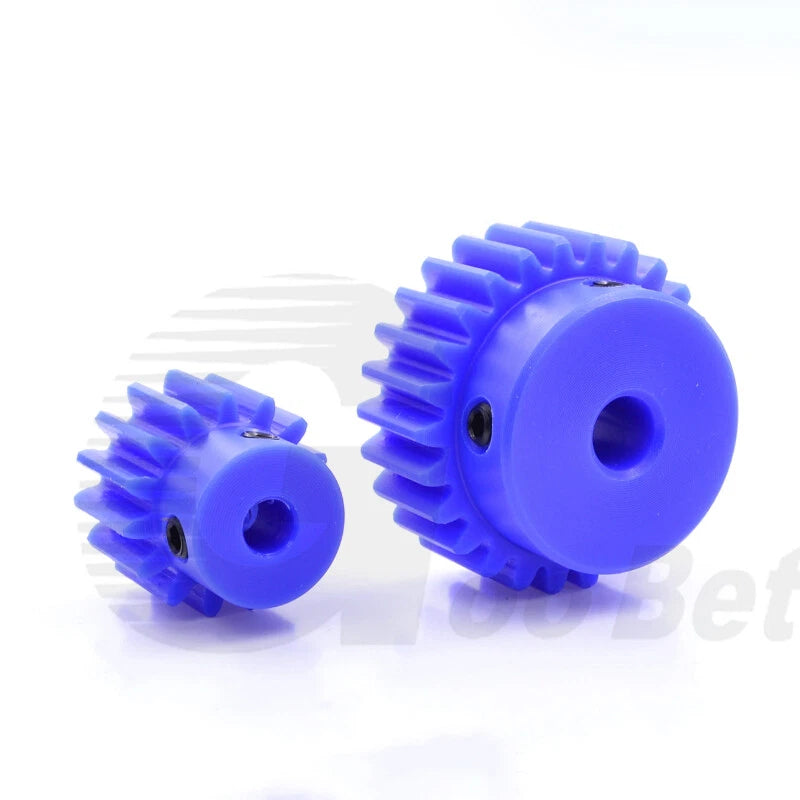
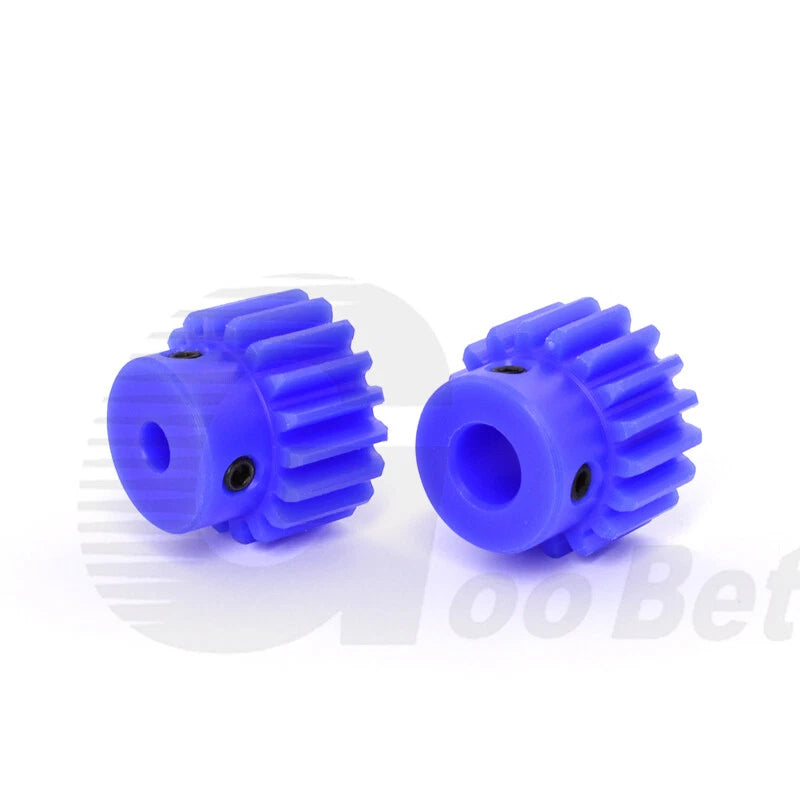
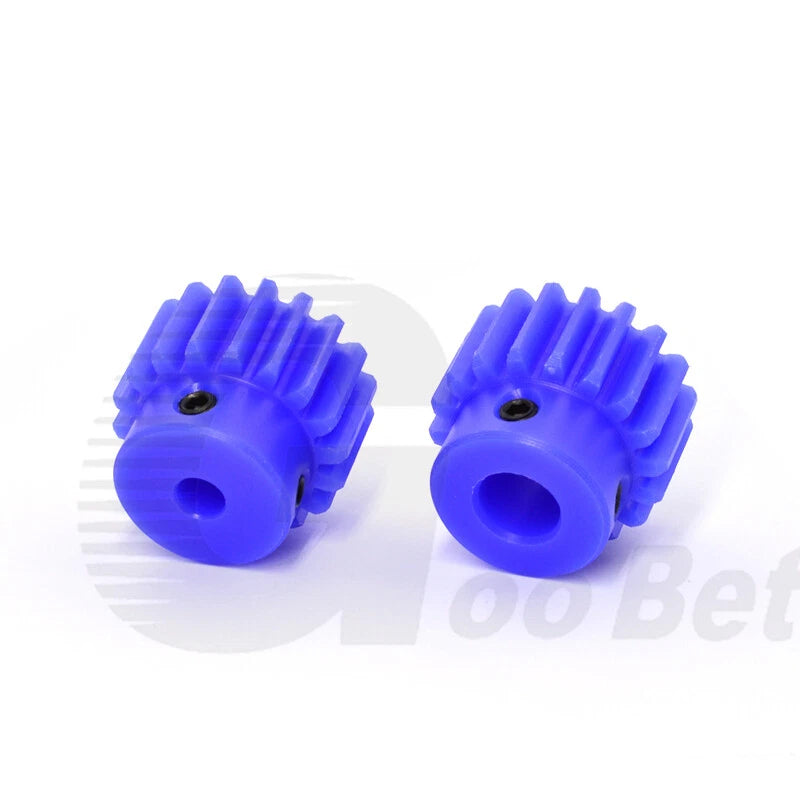
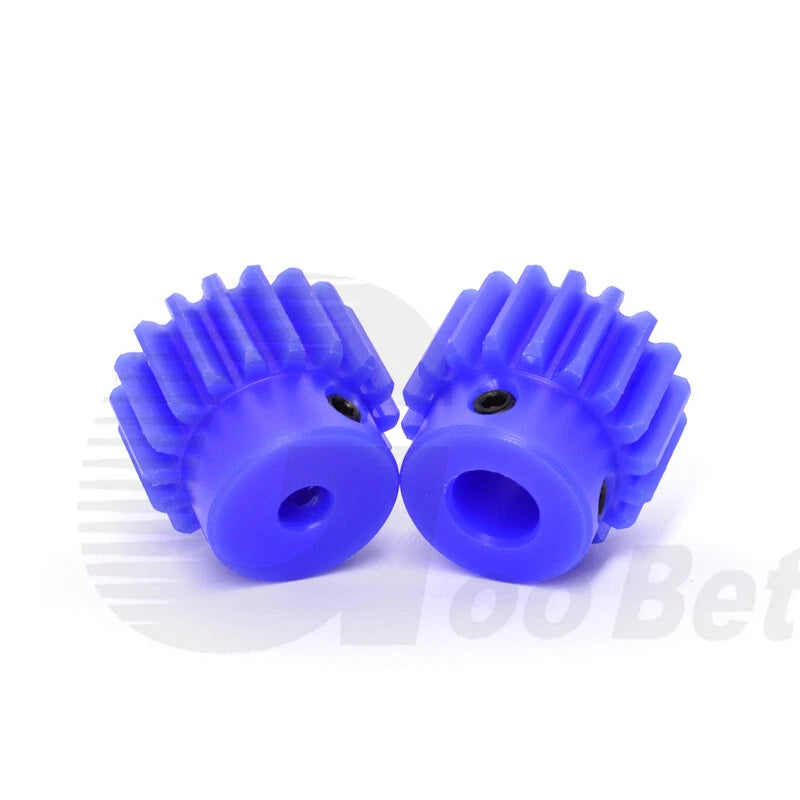
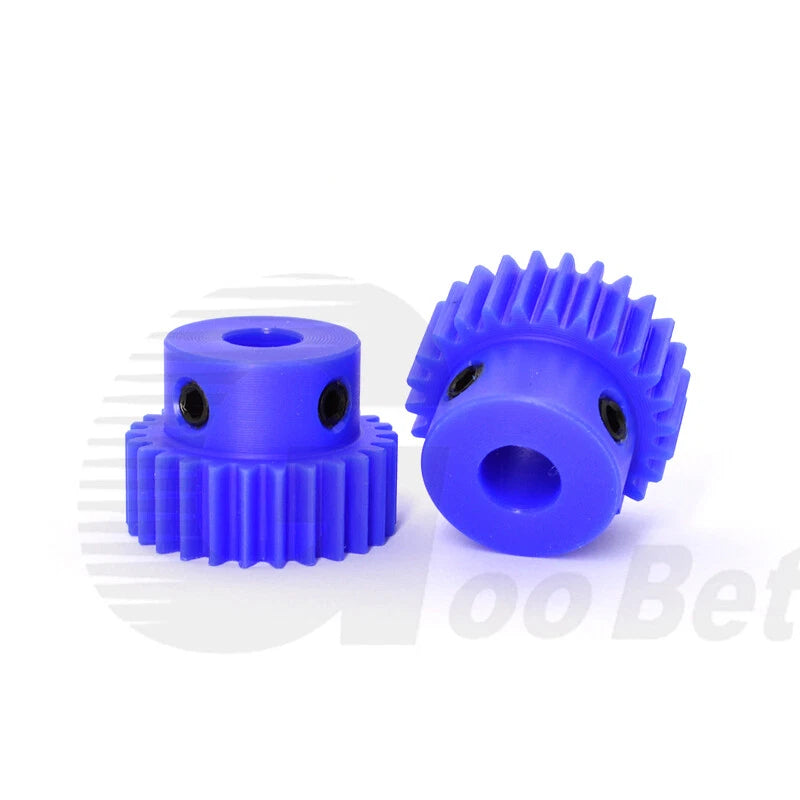
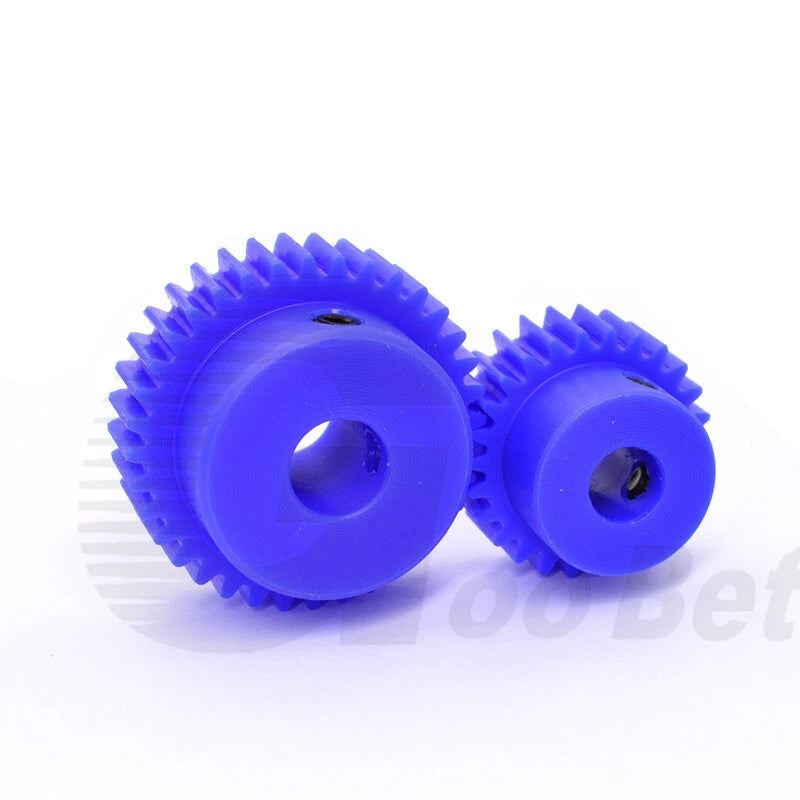
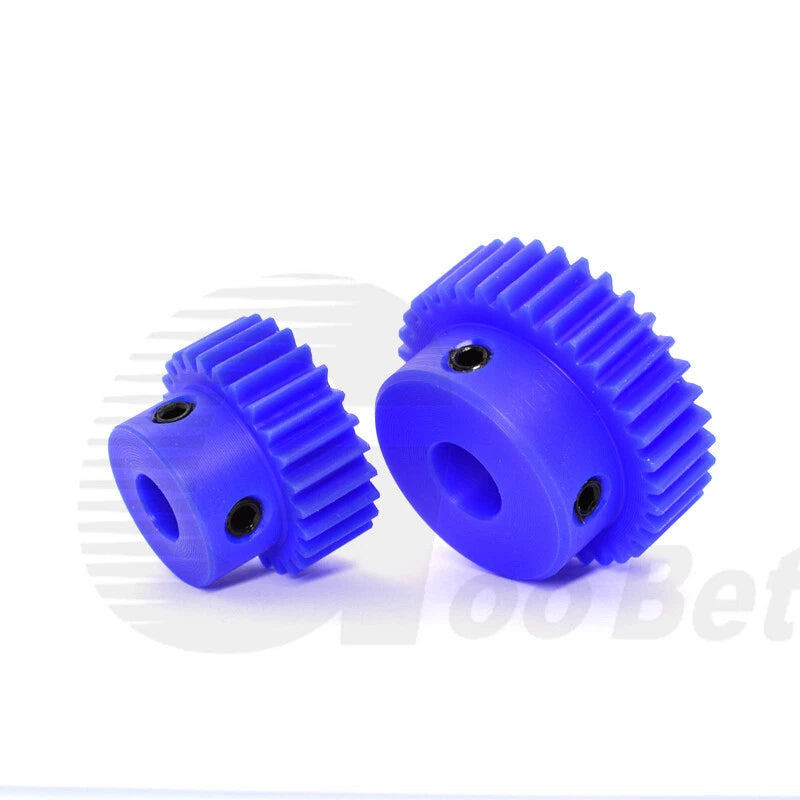
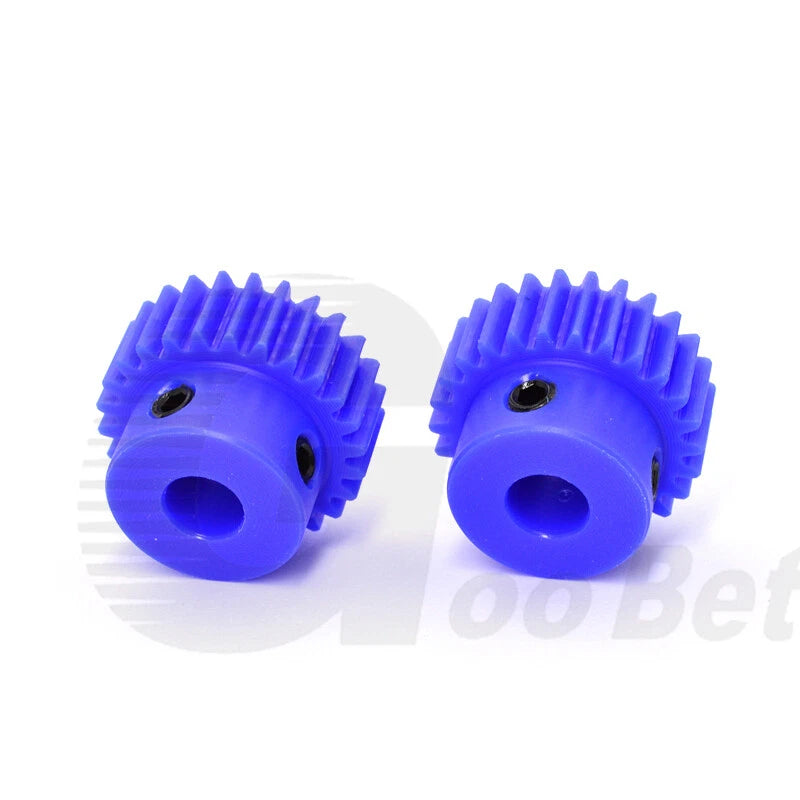
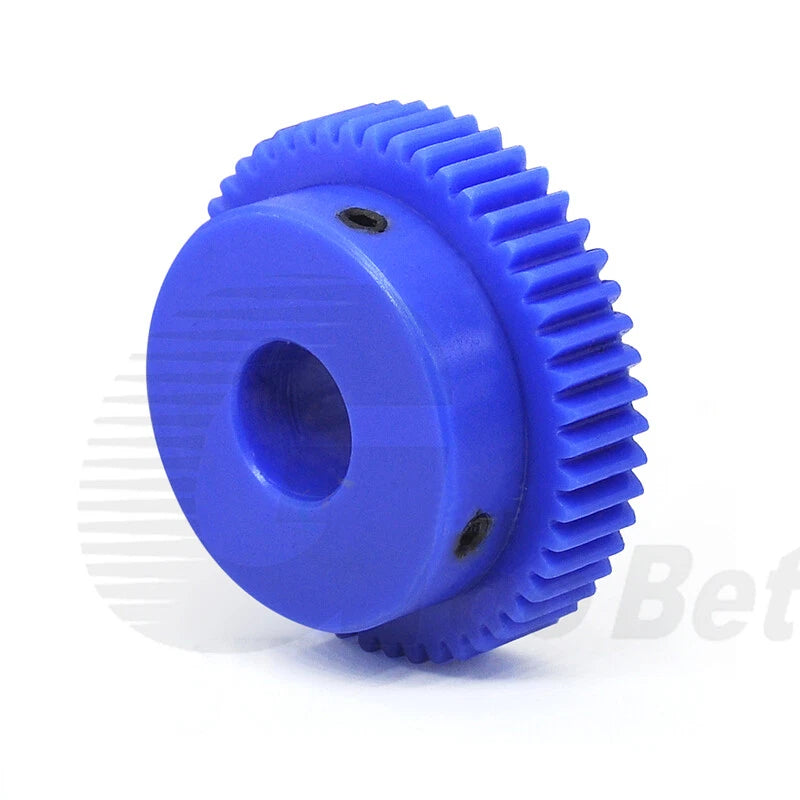
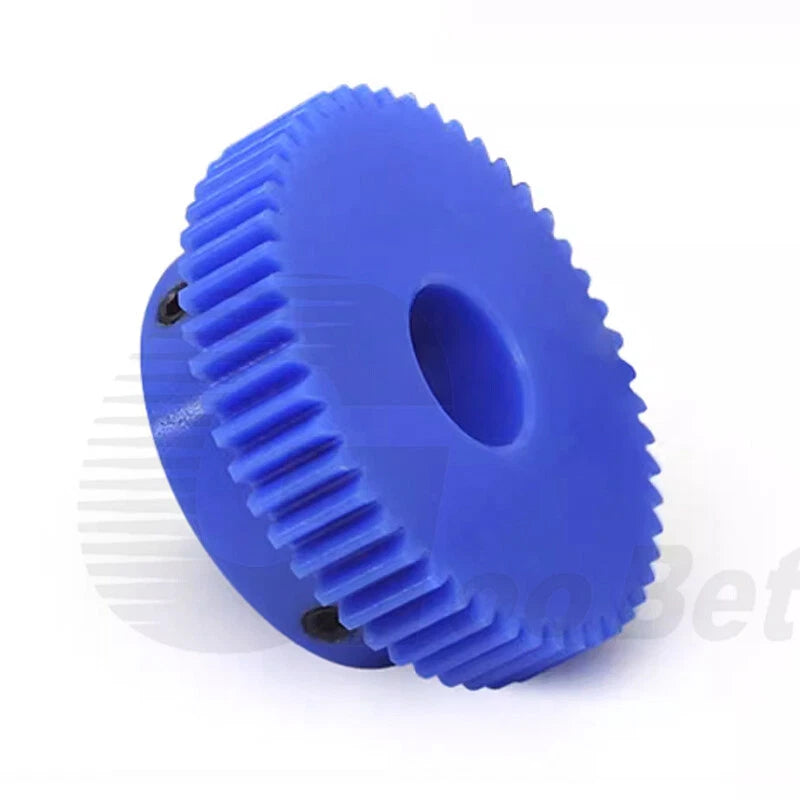
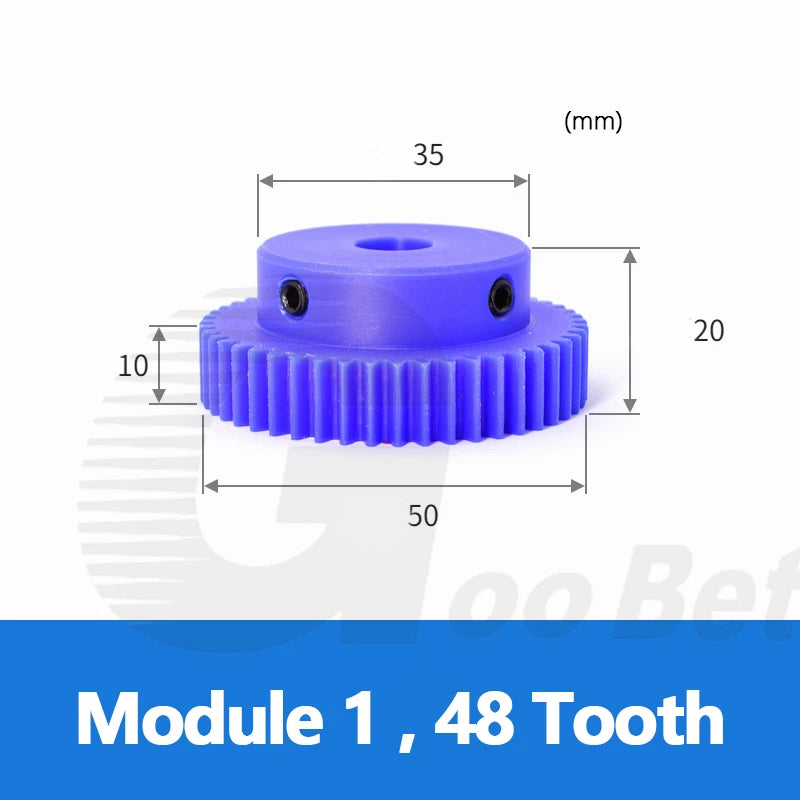
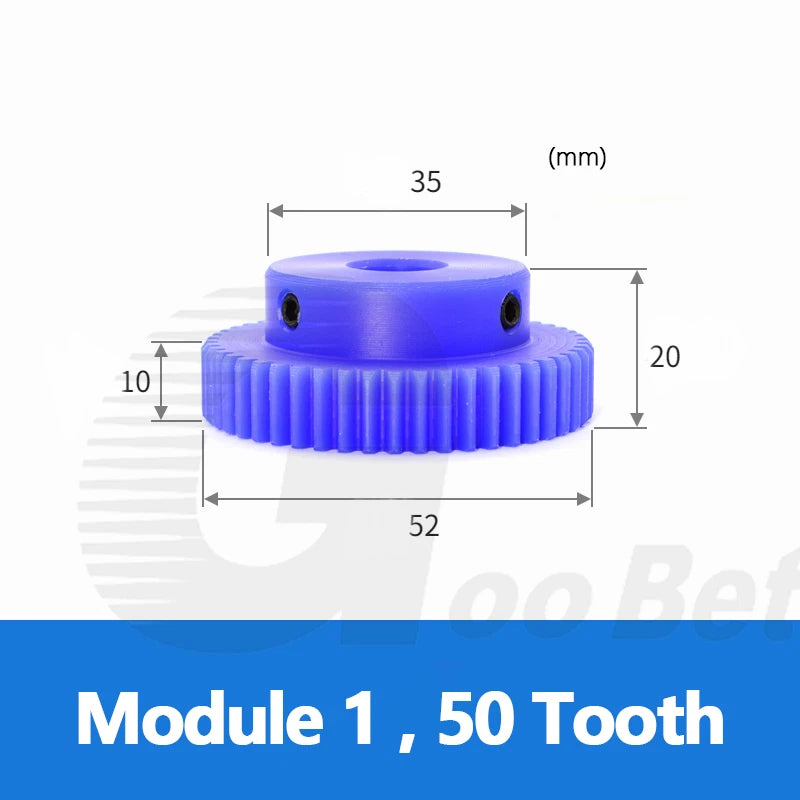
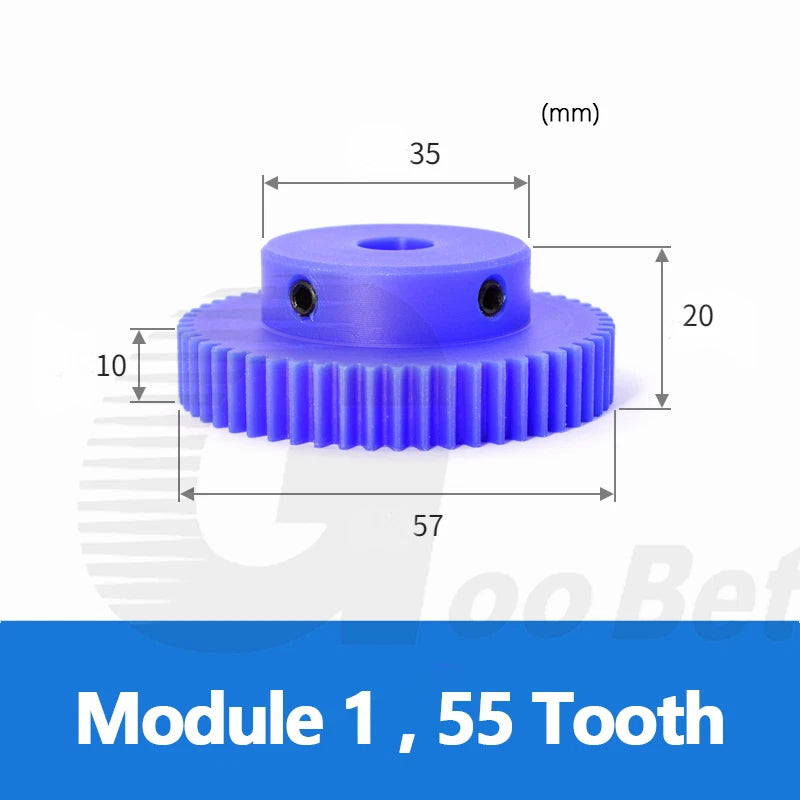
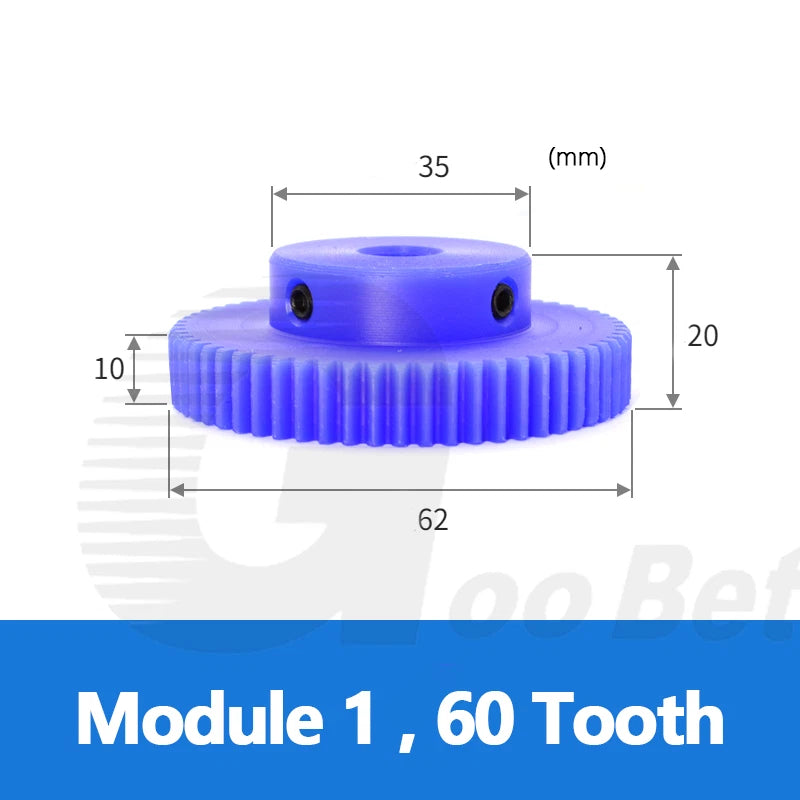
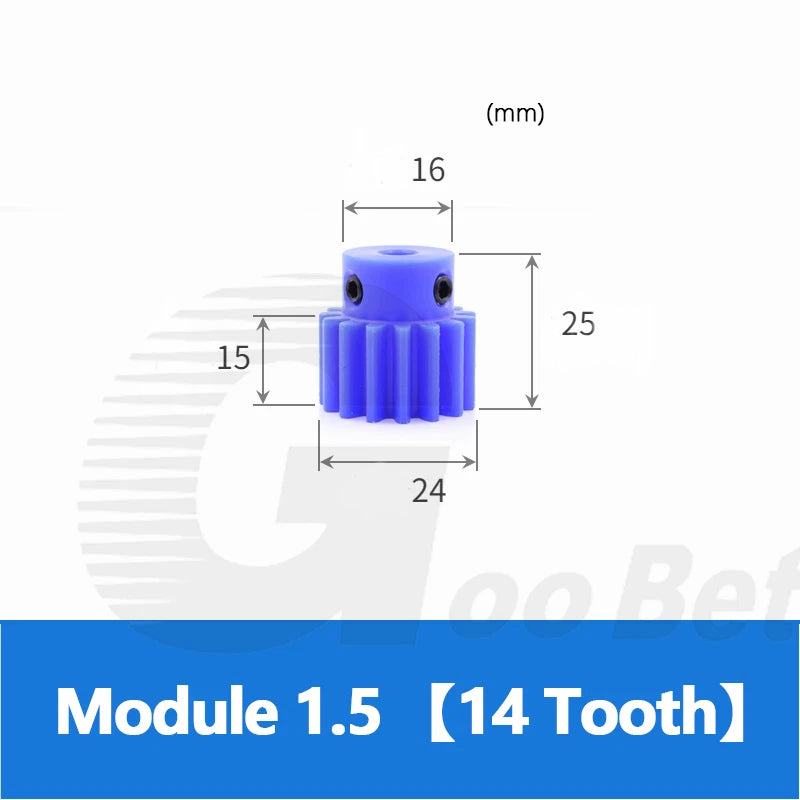
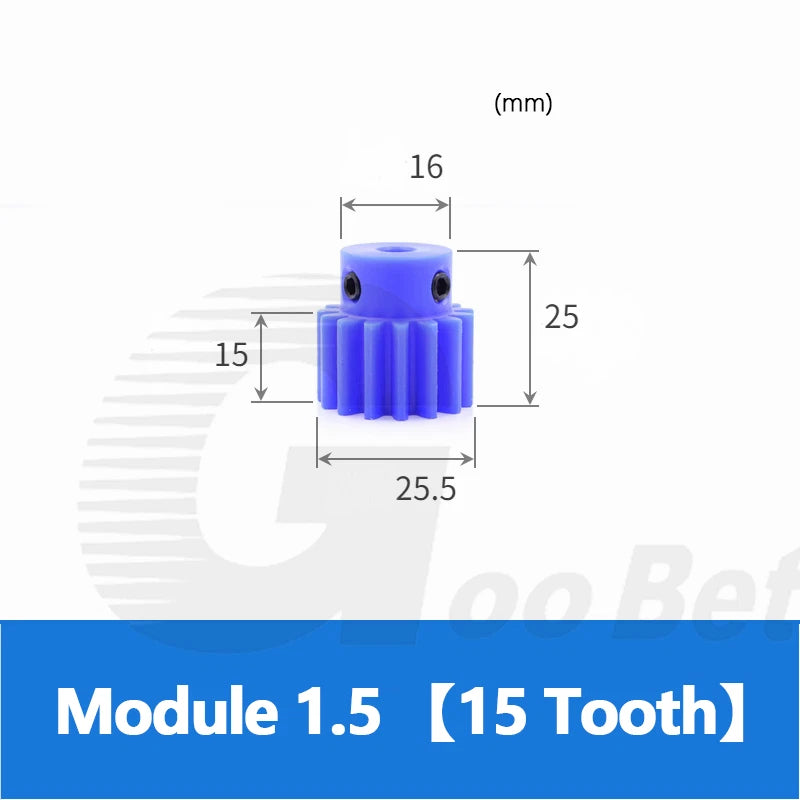
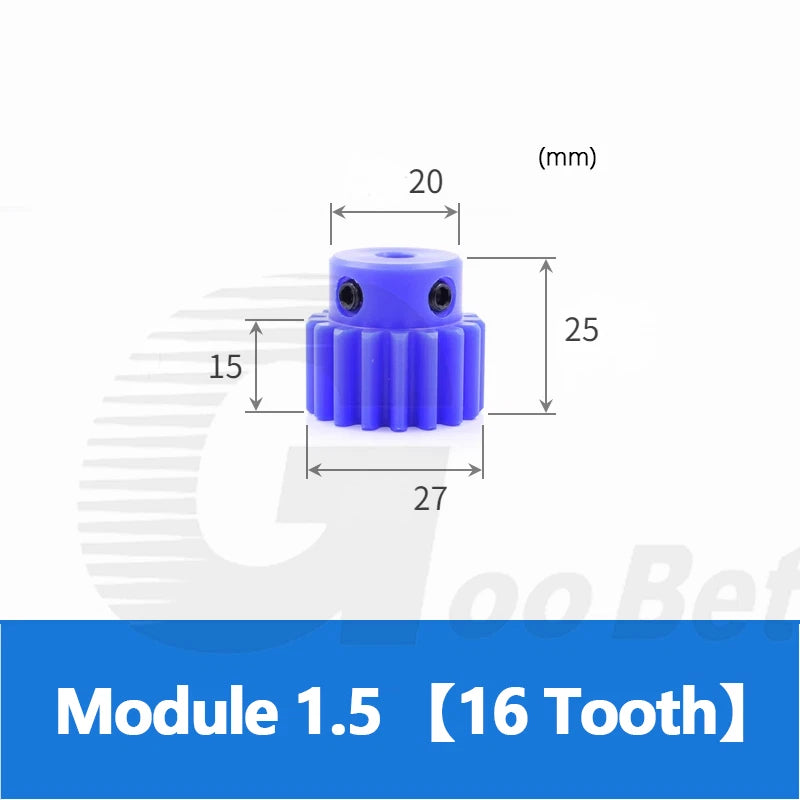
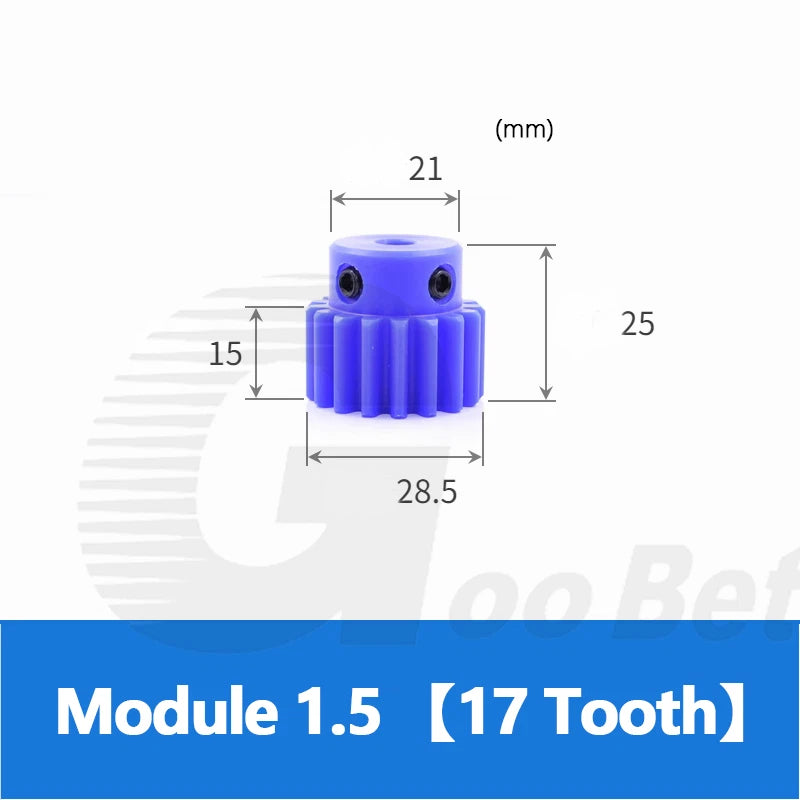
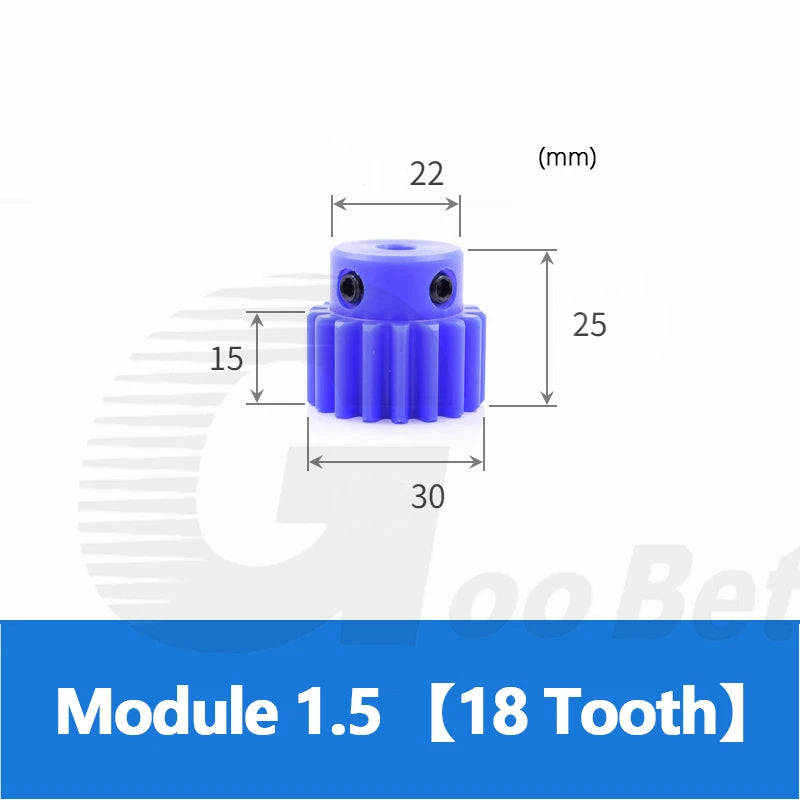
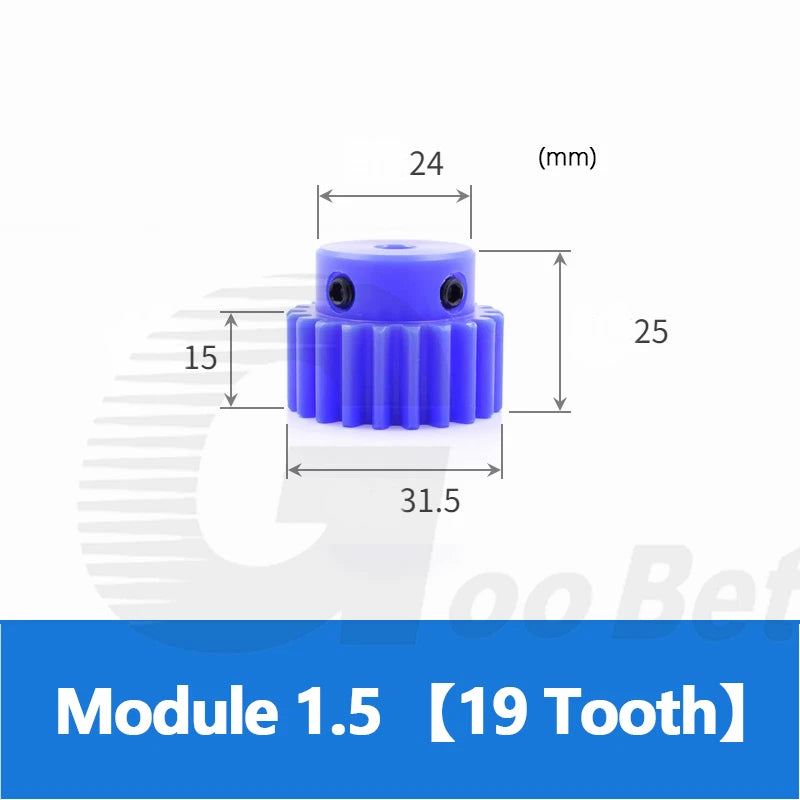
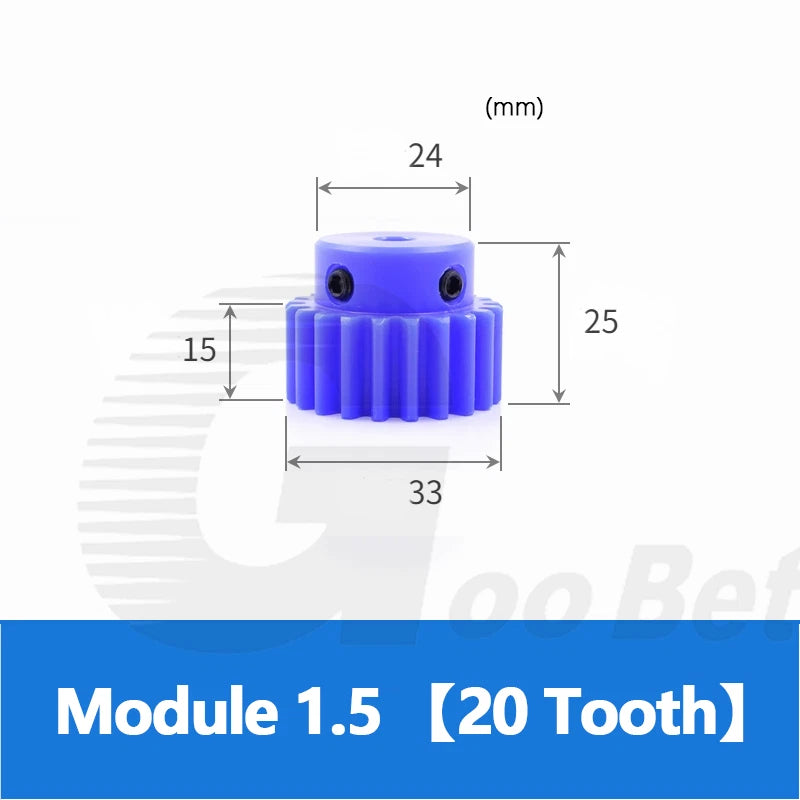
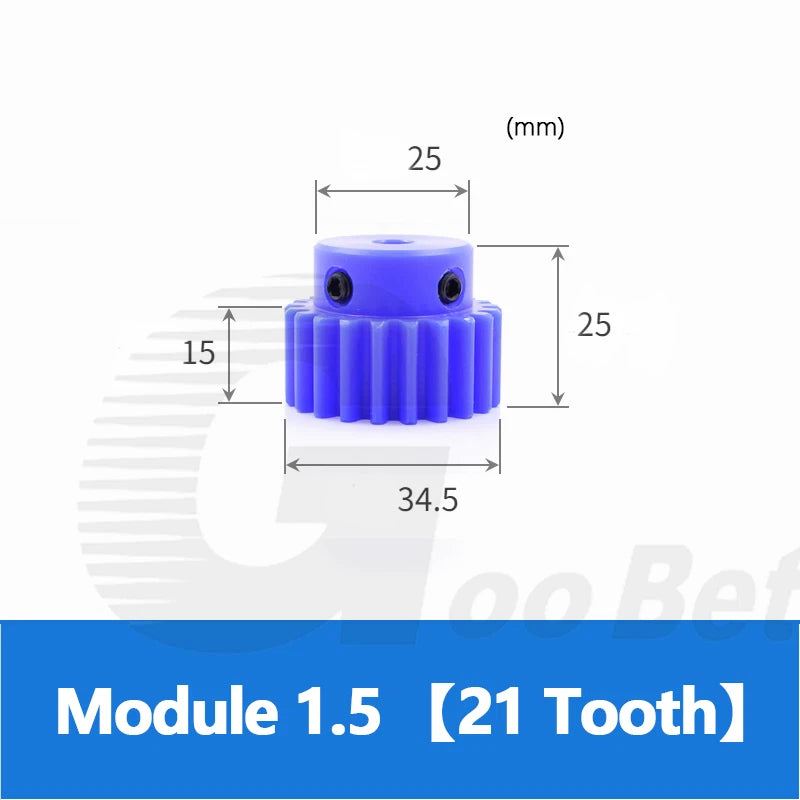
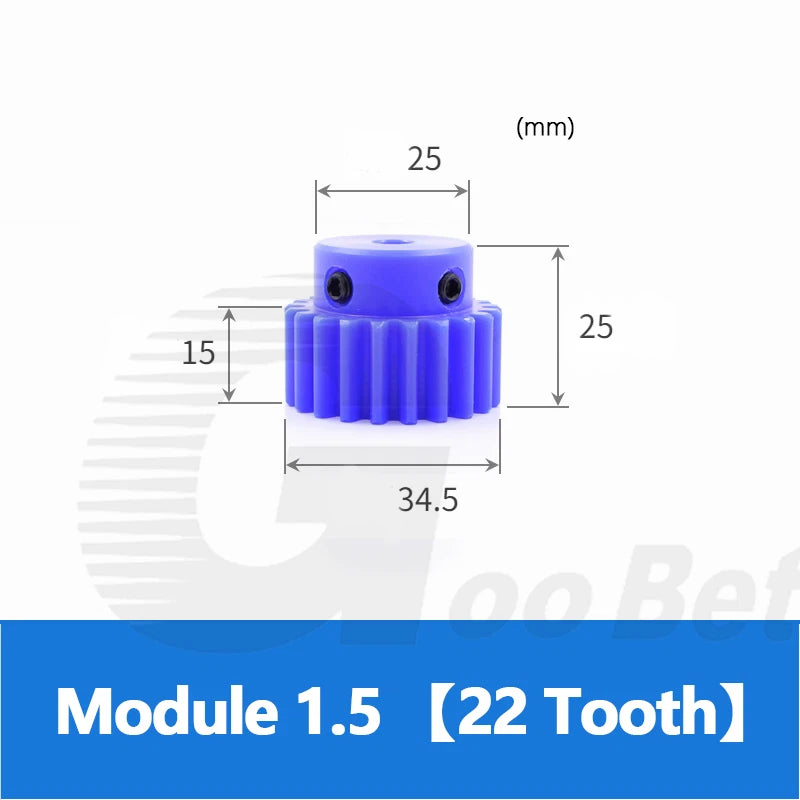
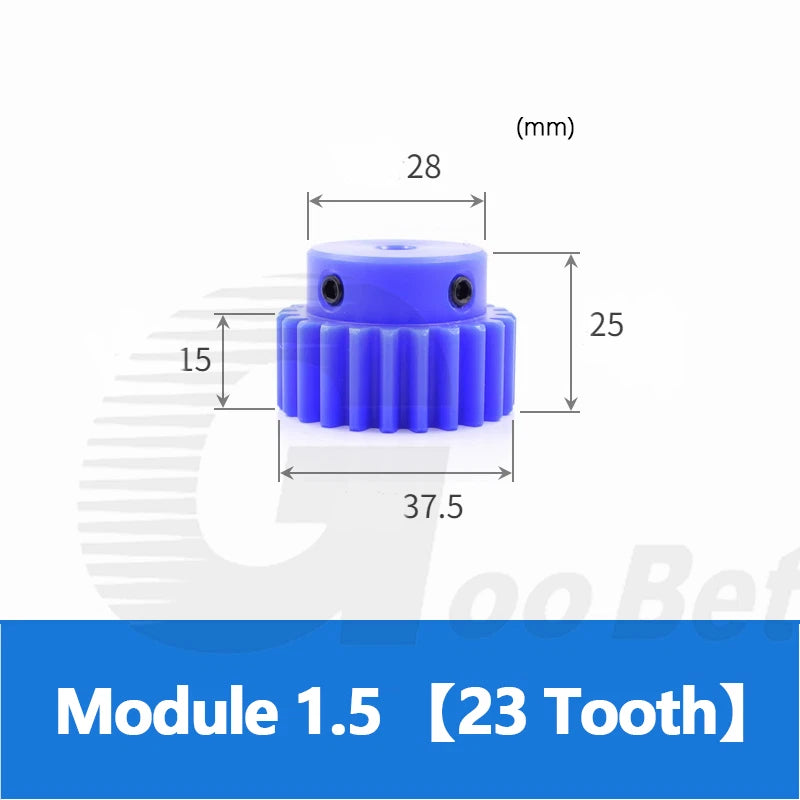
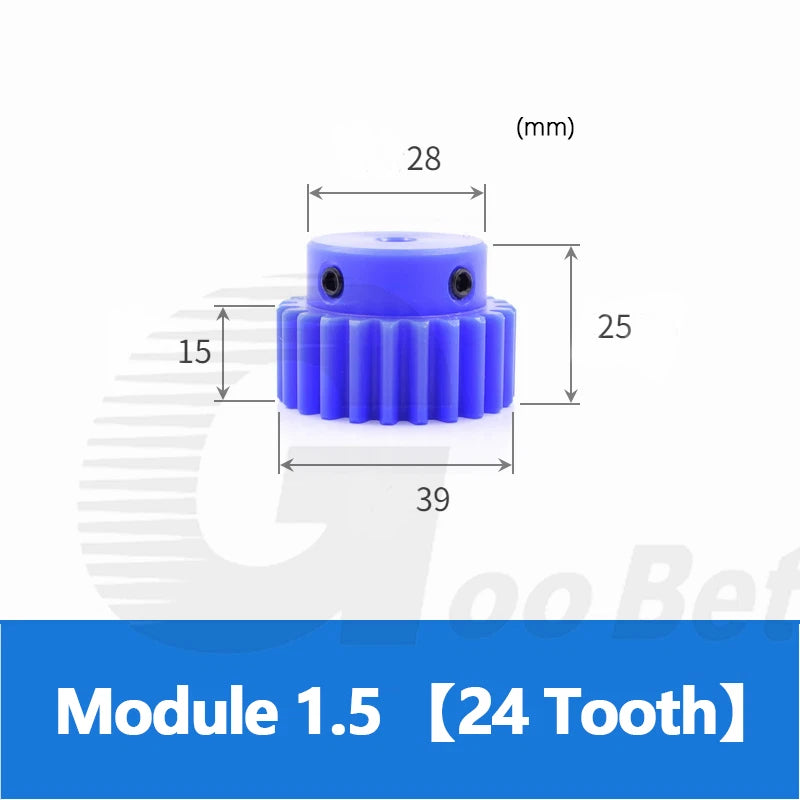
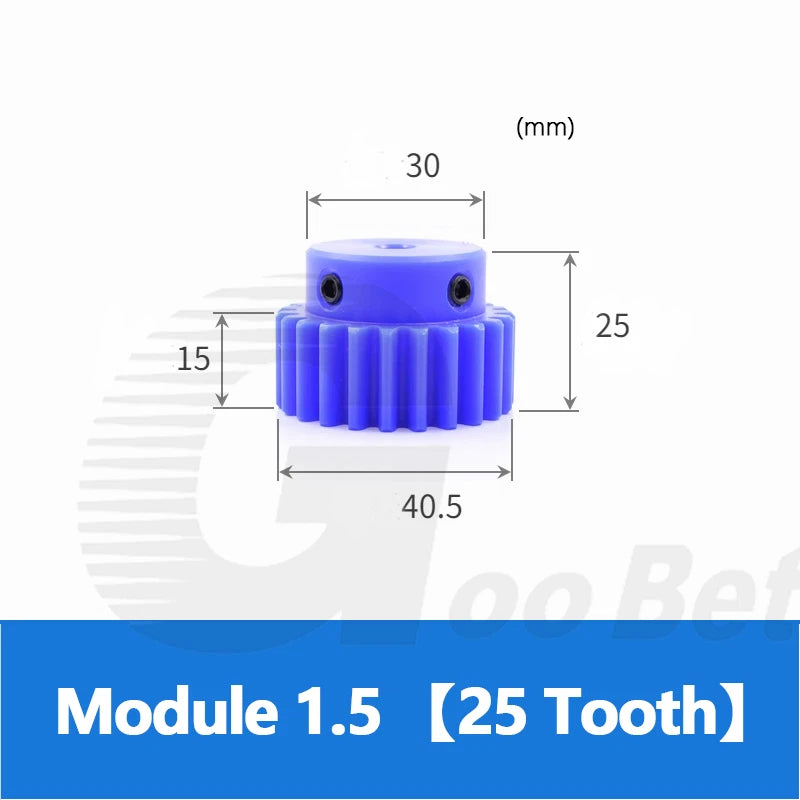
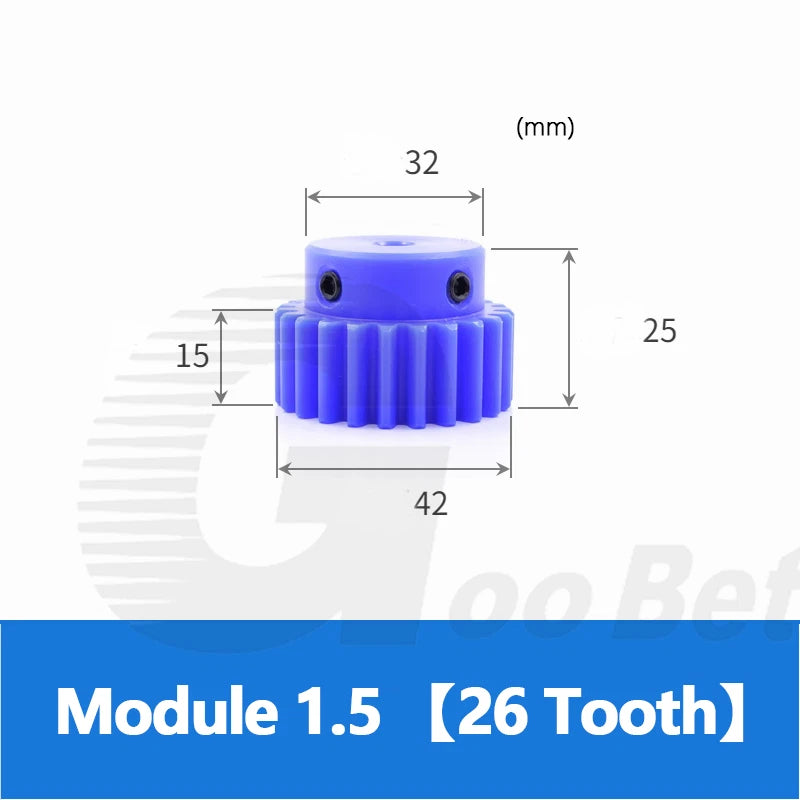
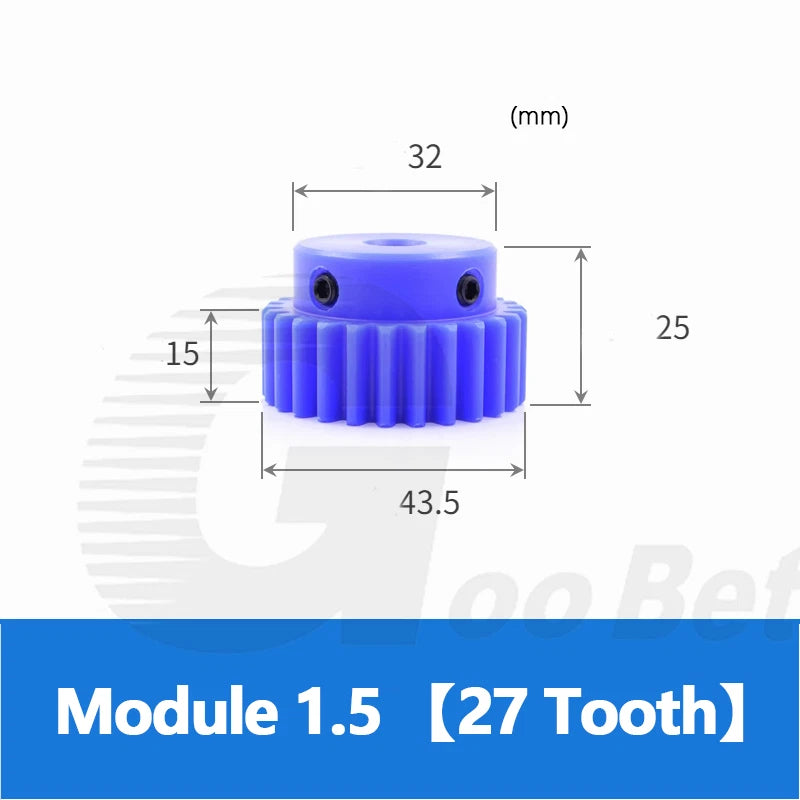
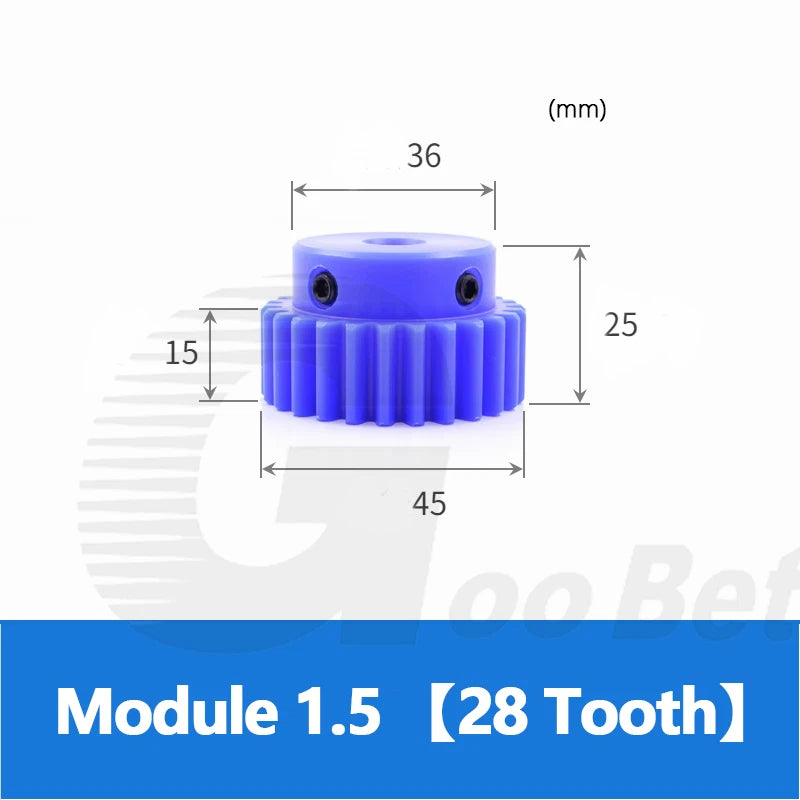
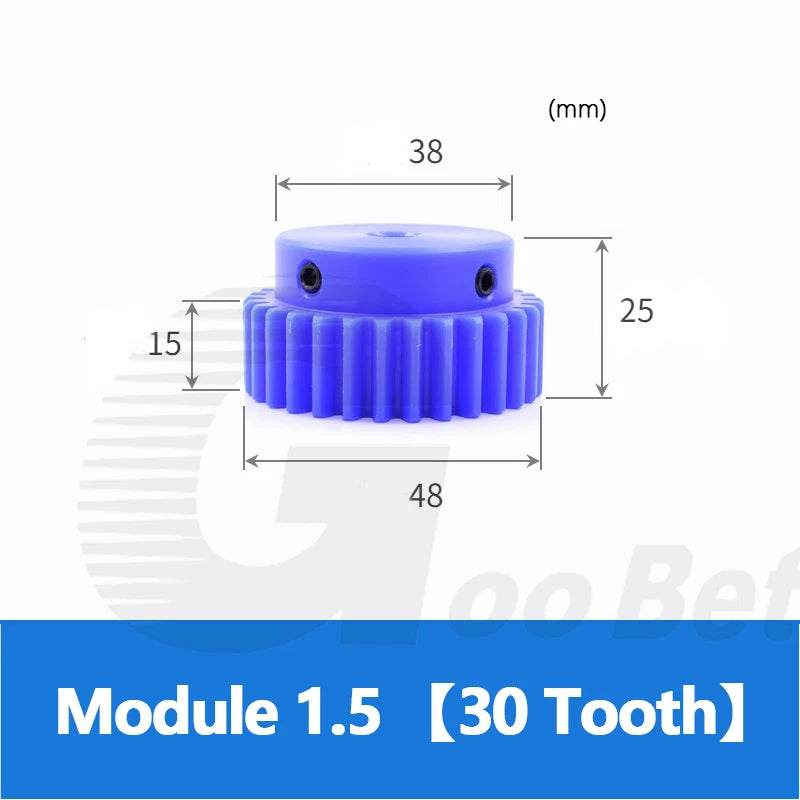
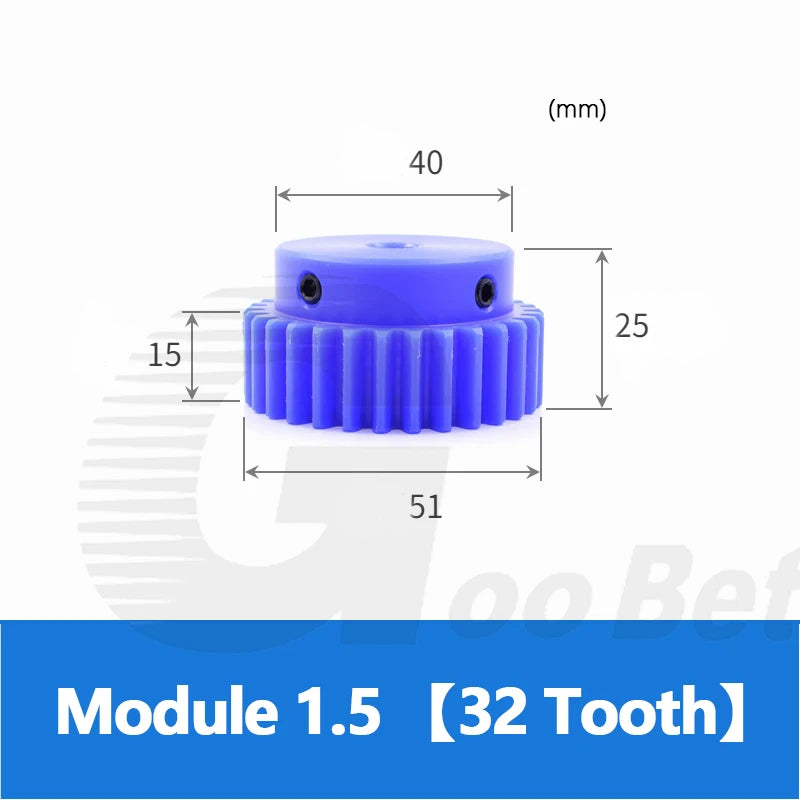
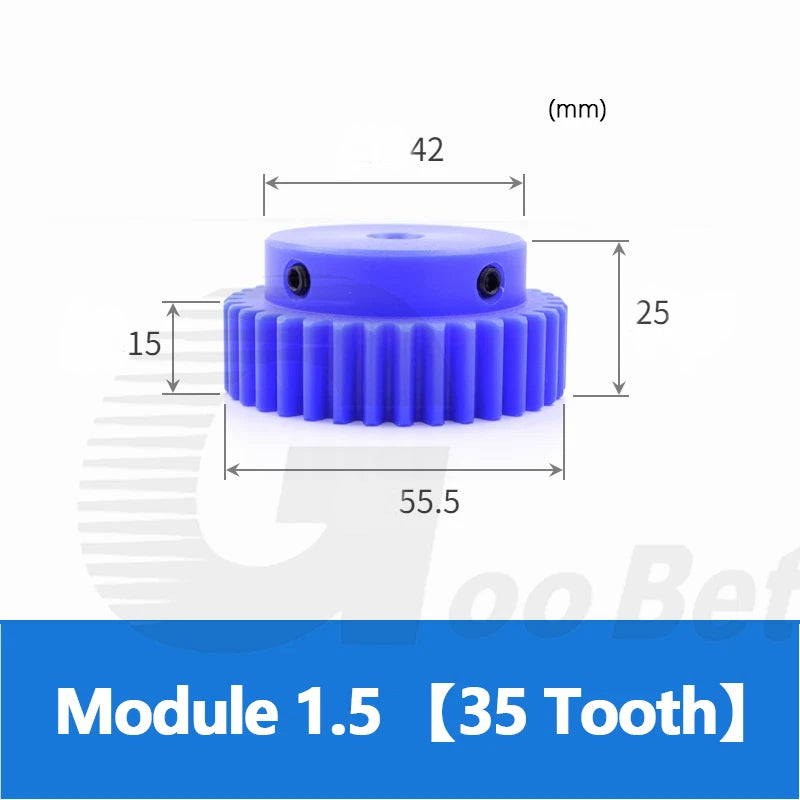
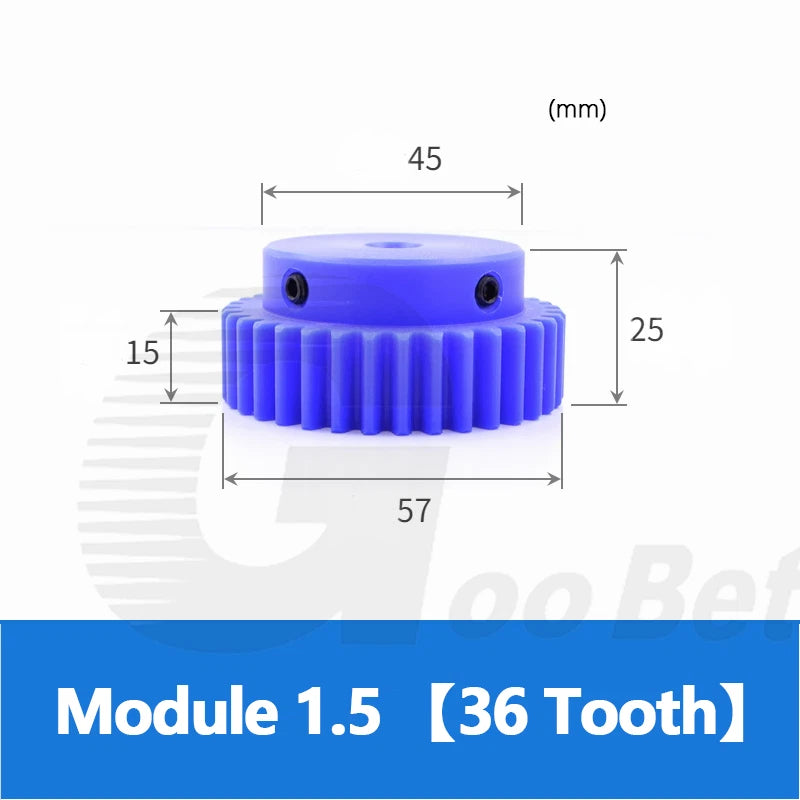
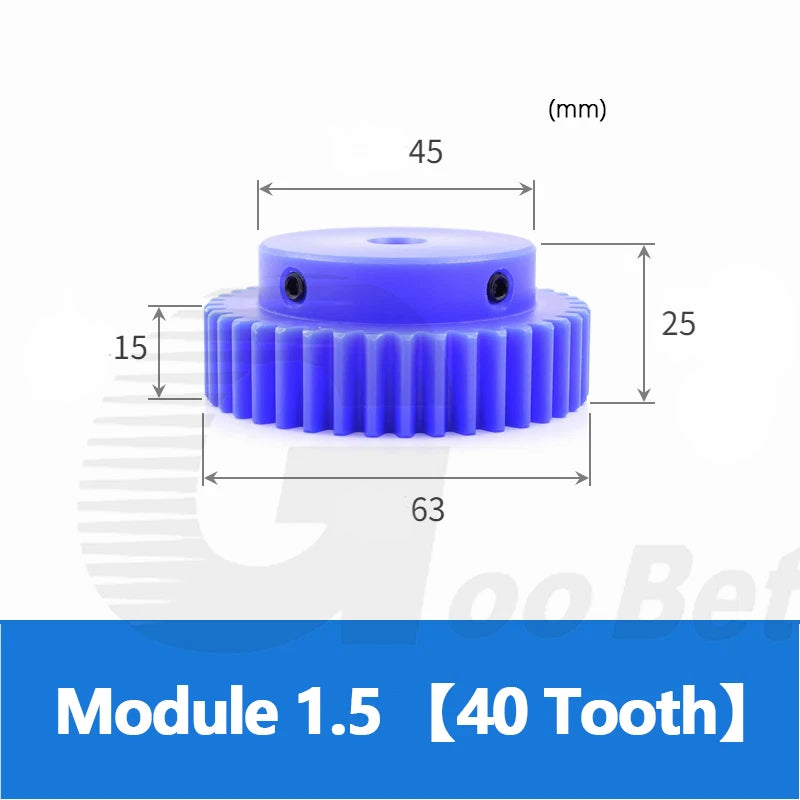
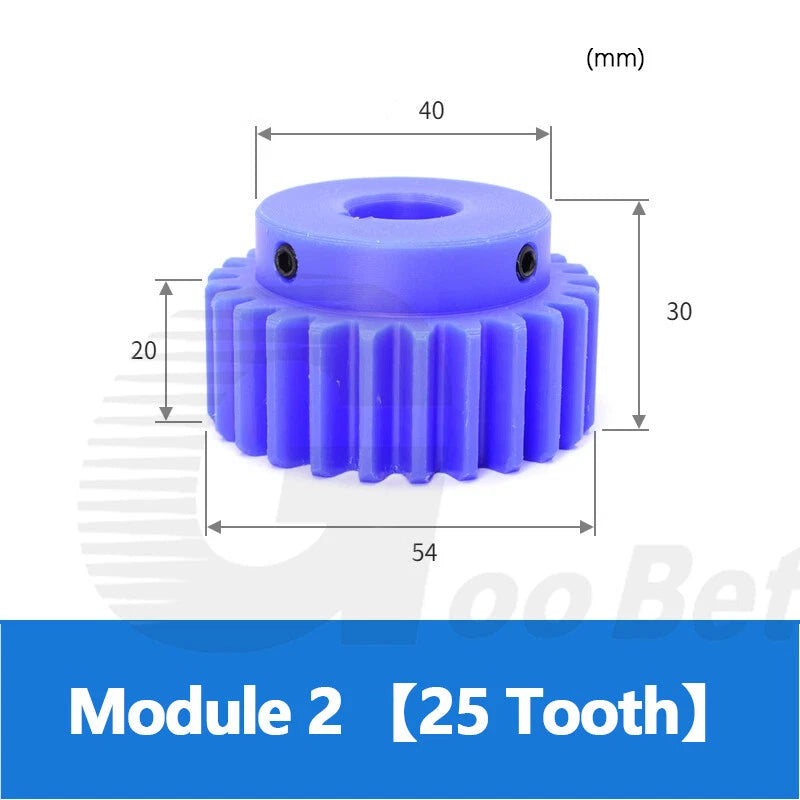
Mod 1/1.5/2 Precision Spur Gear Pinion 15-120 Tooth with Step Bore 4-16mm Nylon

No reviews

Price:
Sale price$5.15 USD
Stock:
In stock (500 units), ready to be shipped

Payment & Security

Ach Direct Debit Amazon American Express Apple Pay Bancontact BLIK Diners Club Discover EPS Google Pay iDEAL Wero JCB Maestro Mastercard Multibanco MobilePay PayPal Przelewy24 Shop Pay Twint Union Pay USDC Visa

Your payment information is processed securely. We do not store credit card details nor have access to your credit card information.

Limited Offer — Spend More, Save More
Spend $55+
Save $5
Spend $100+
Save $10
Spend $200+
Save $25
HomeDIYer DIY Expert Support

DIY Expert Support

Get fitment advice & recommendations

Mon–Fri  8:30 AM – 8:00 PM
24-Hour Fast Ship
Arrives in 3–14 Days
Worldwide Shipping
30-Day Returns
1 tree planted with every purchase

Description

Nylon Spur Gear Pinion Mod 1/1.5/2 — Precise, Lightweight Drive Component for DIY Builds

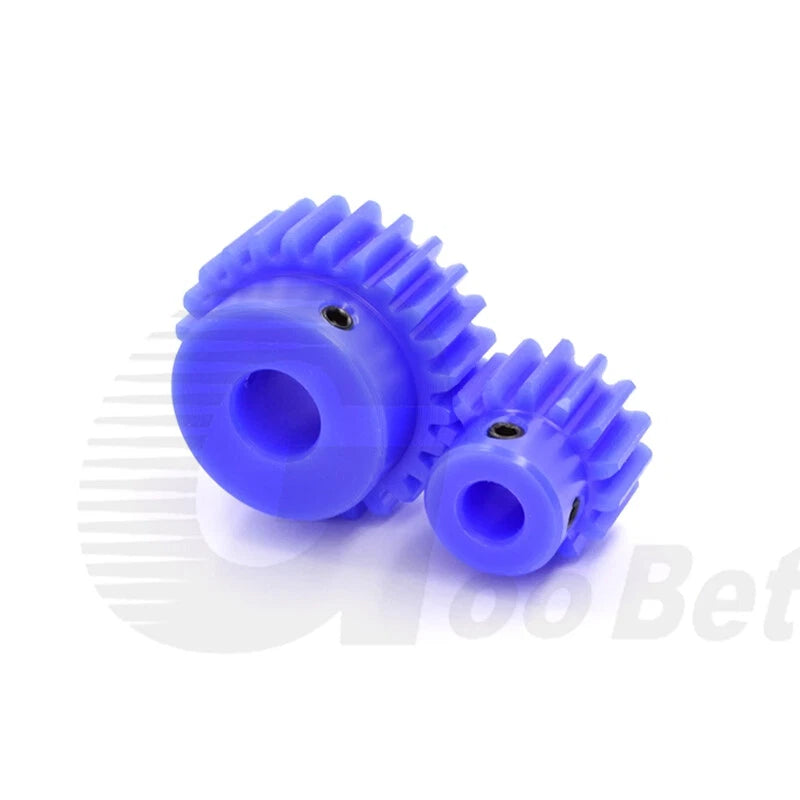
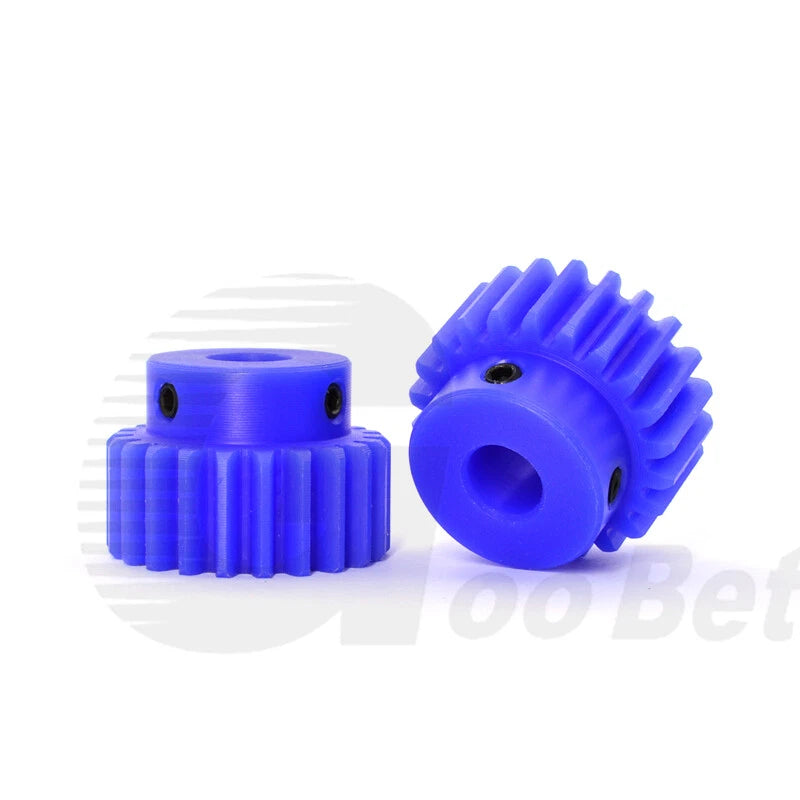
When your robotics project, 3D printer, or small automation rig demands a reliable gear that won't corrode, strip, or add unnecessary weight, finding the right nylon spur gear pinion can be a real challenge. These nylon spur gear pinions are engineered for makers, hobbyists, and small-batch builders who need consistent tooth geometry and a secure shaft fit without the bulk of metal gears.

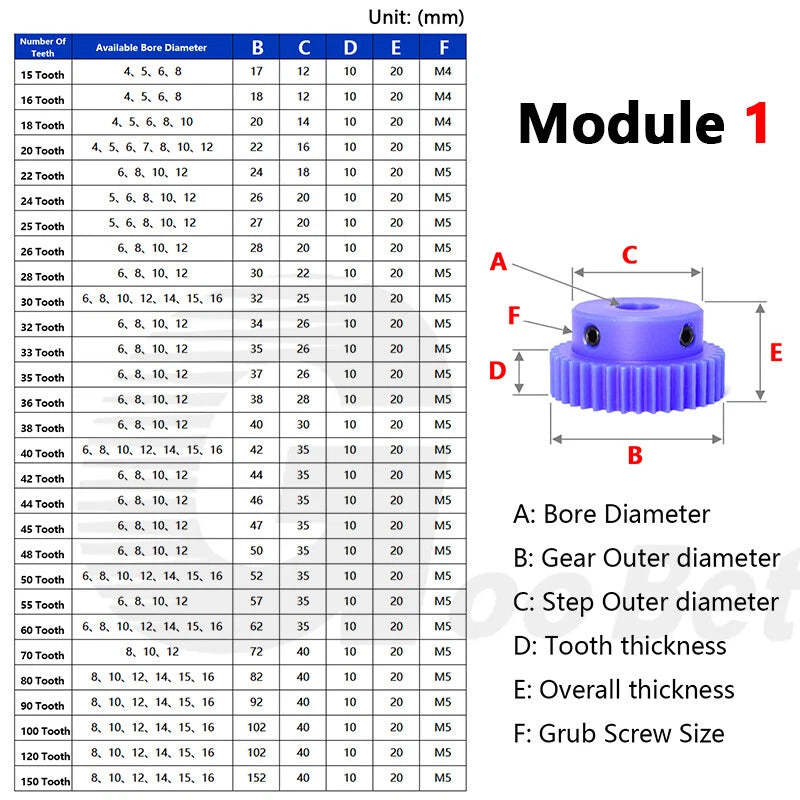
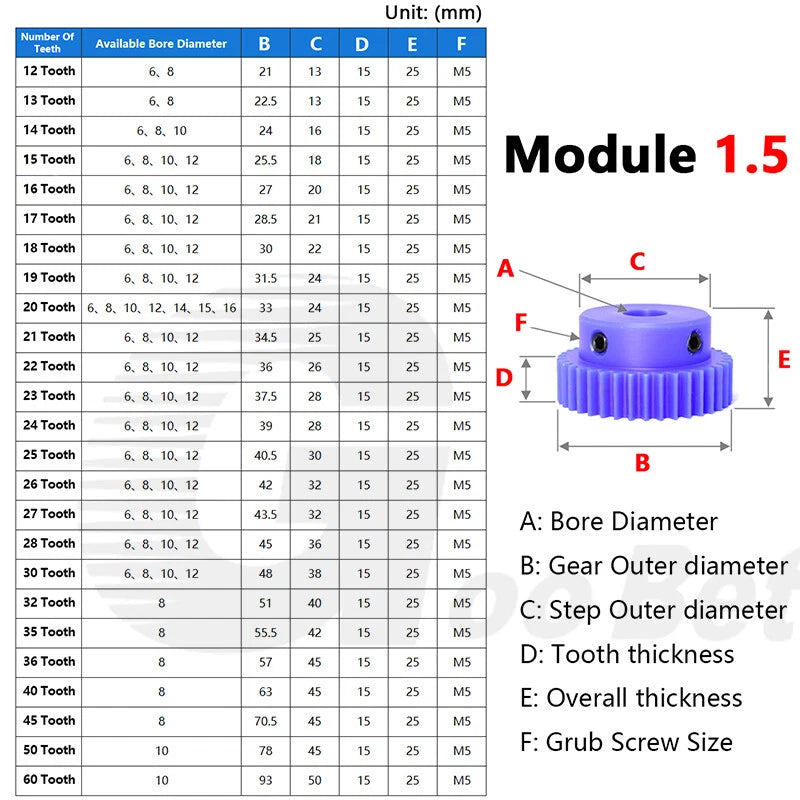
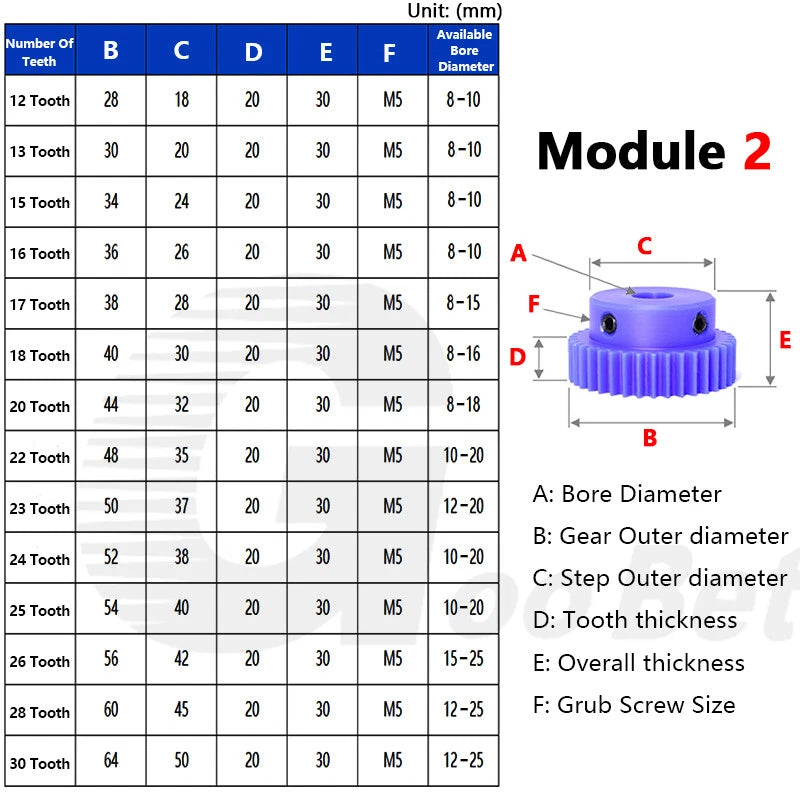
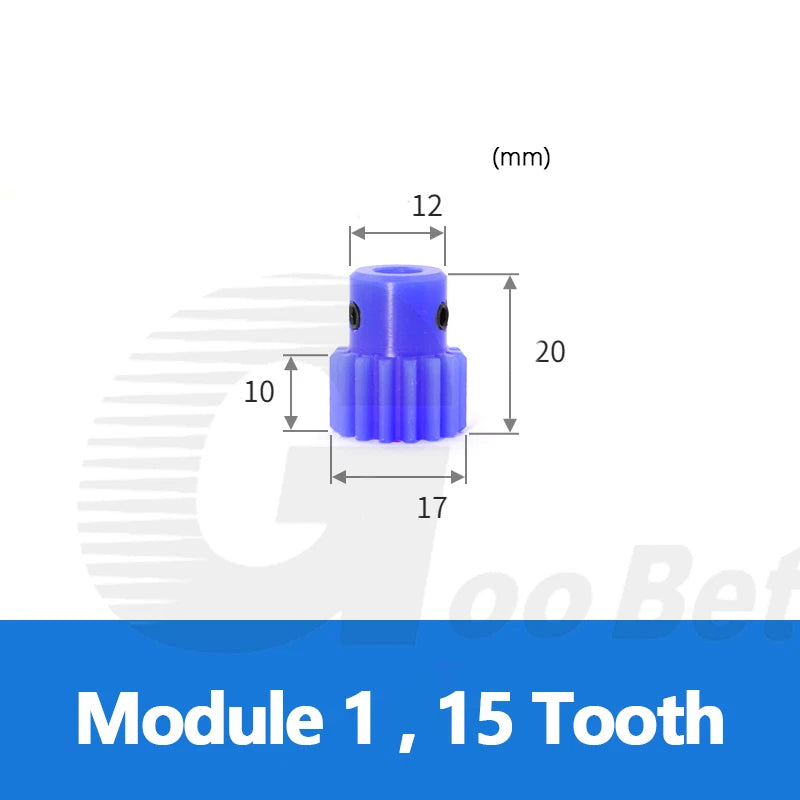
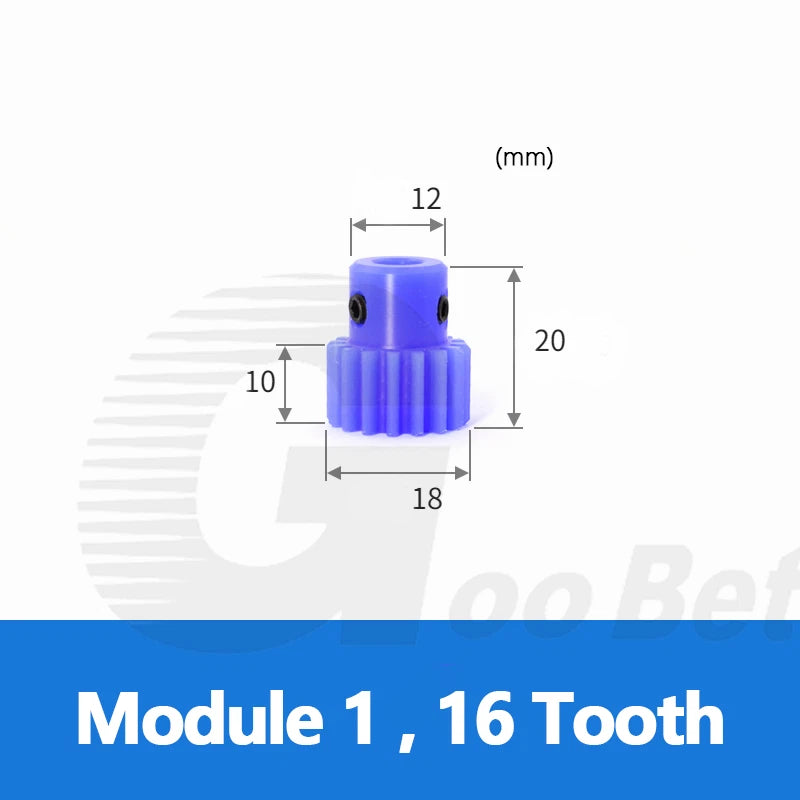
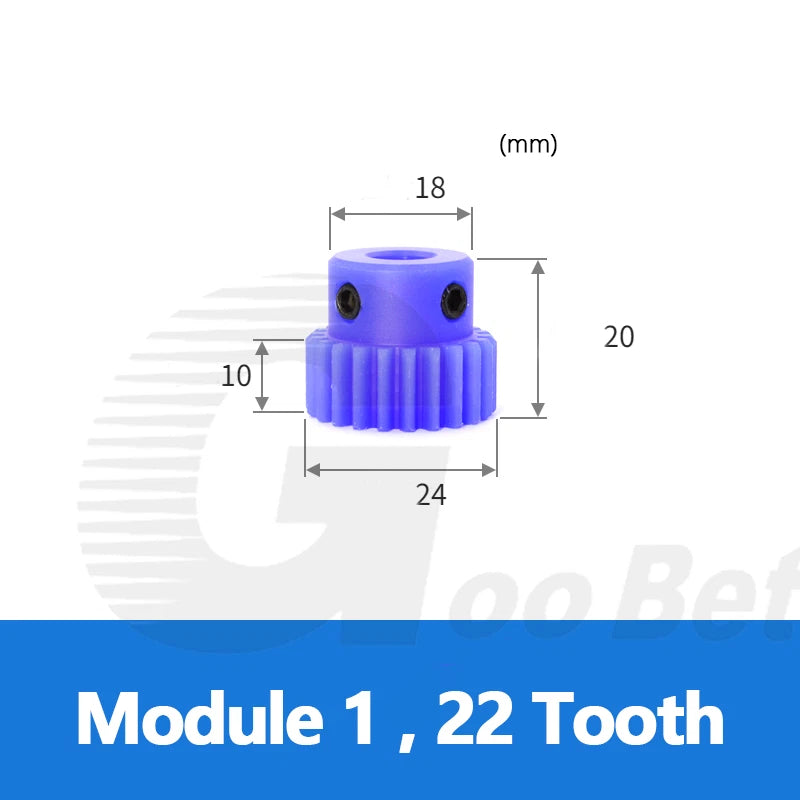
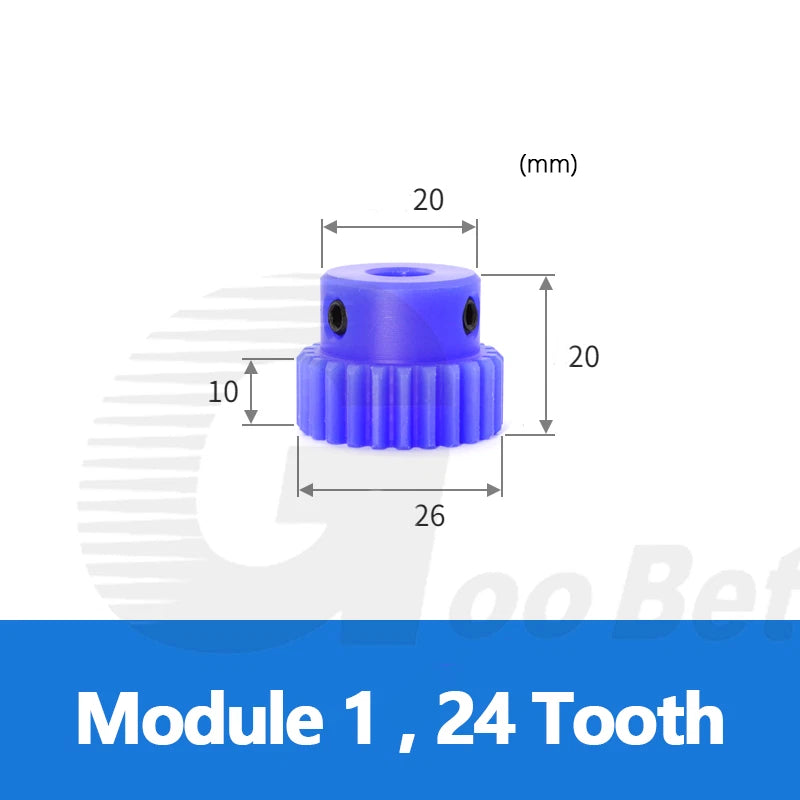
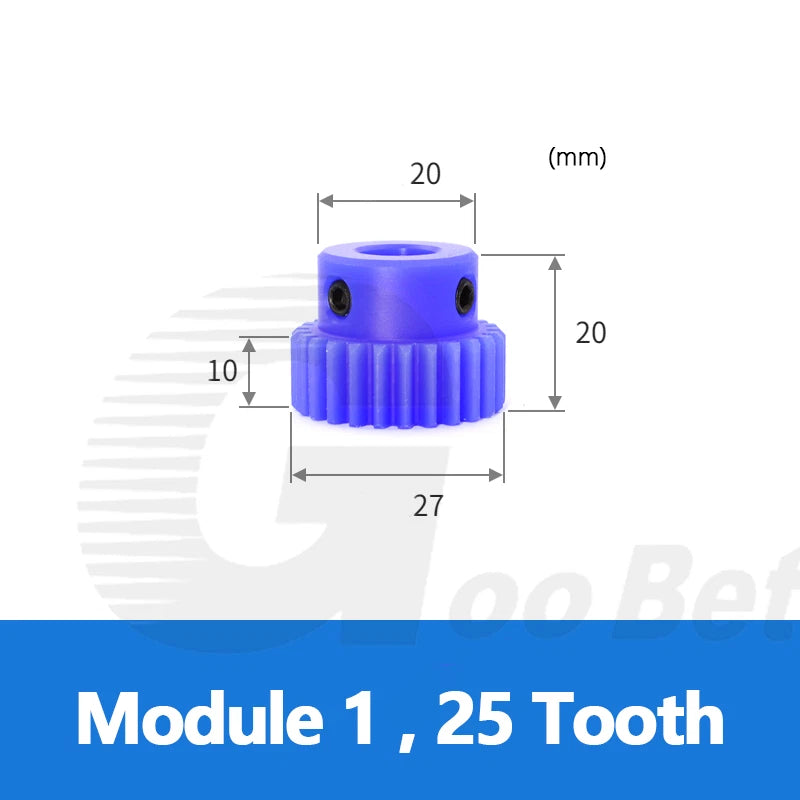
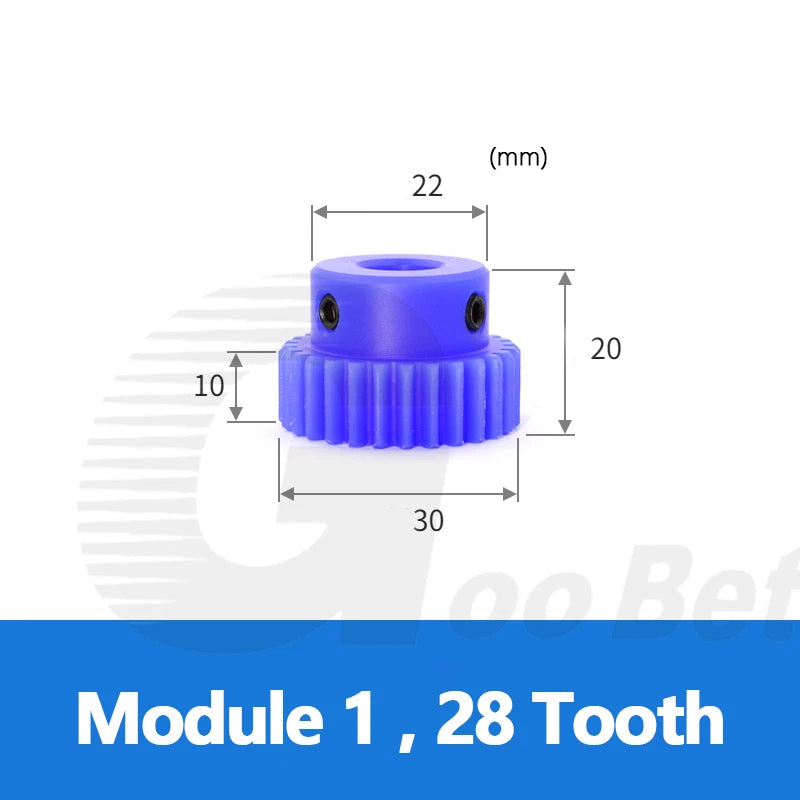
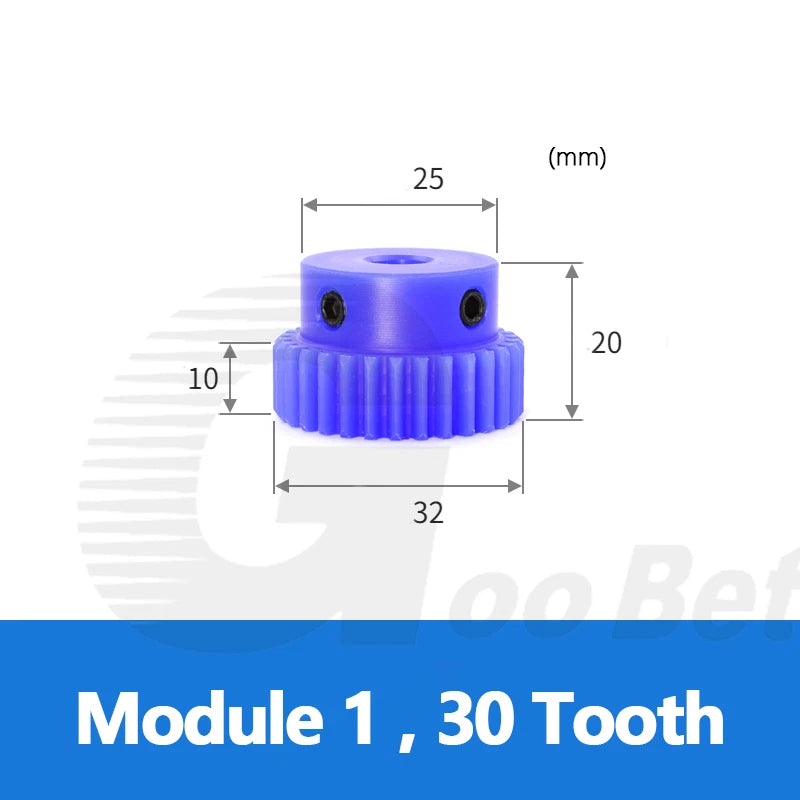
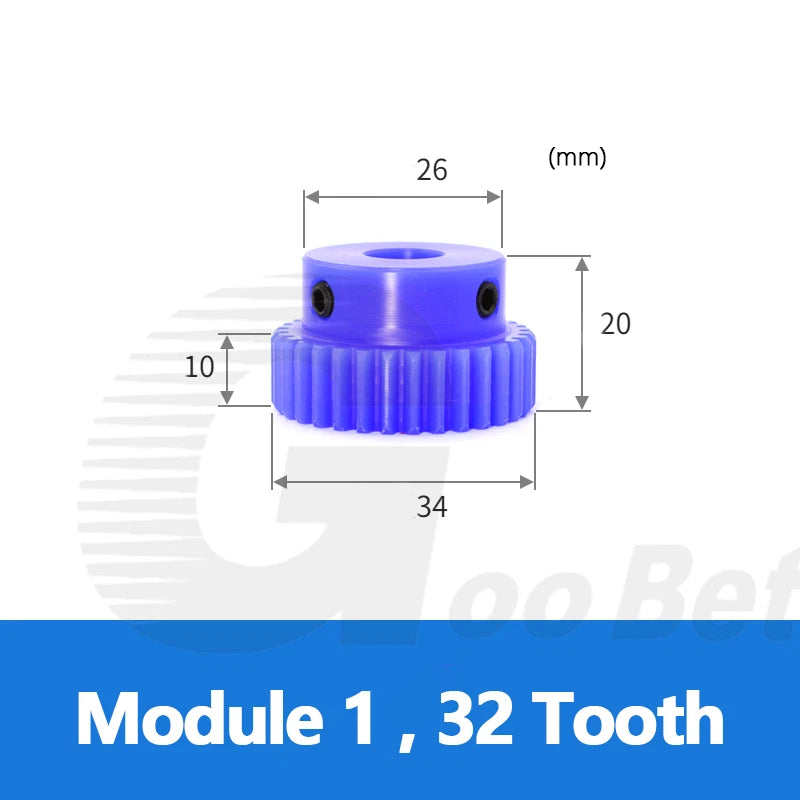
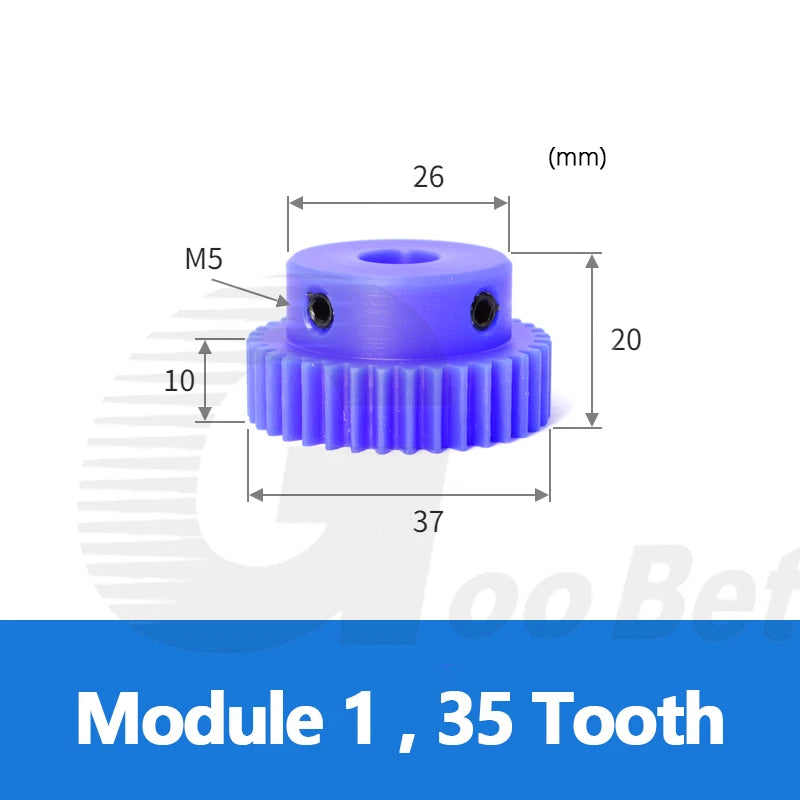
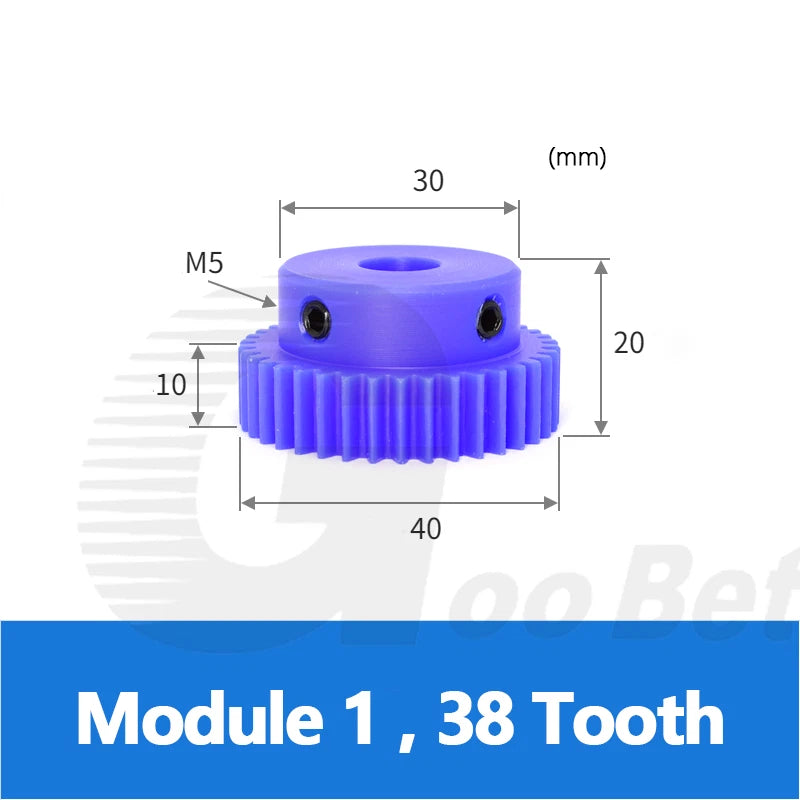
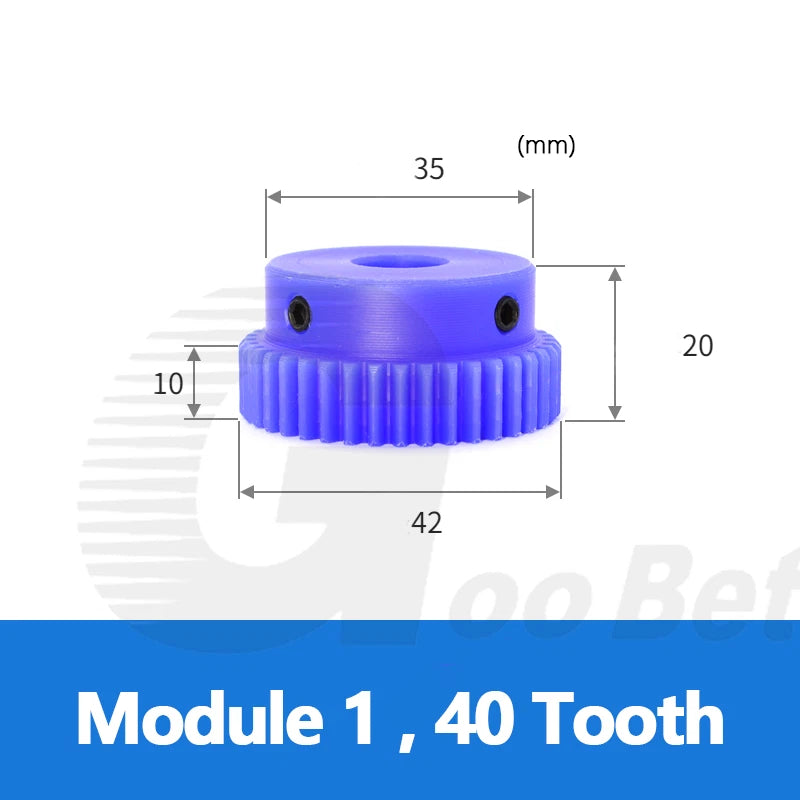
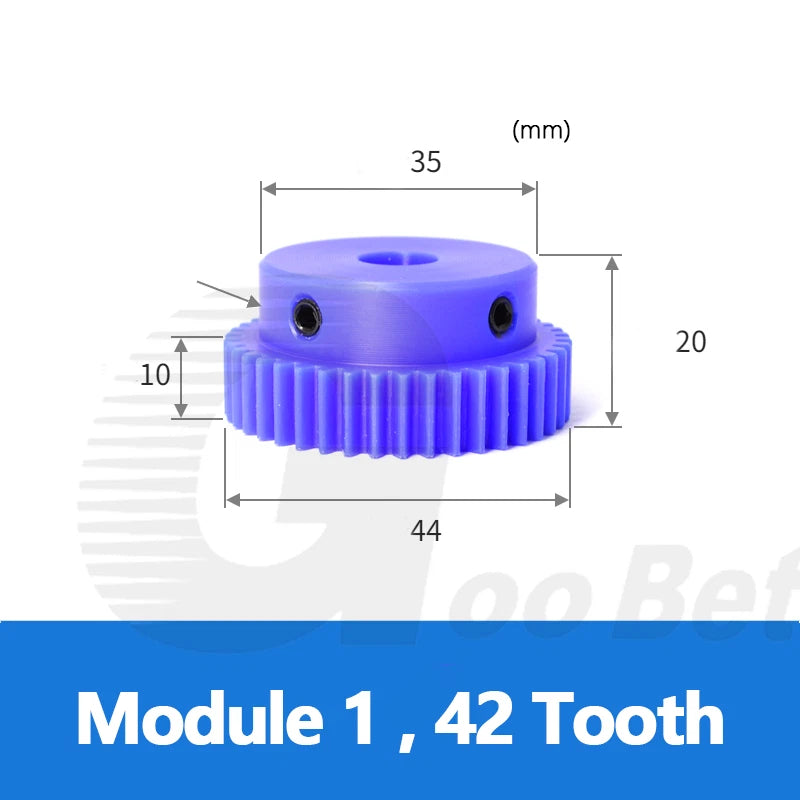
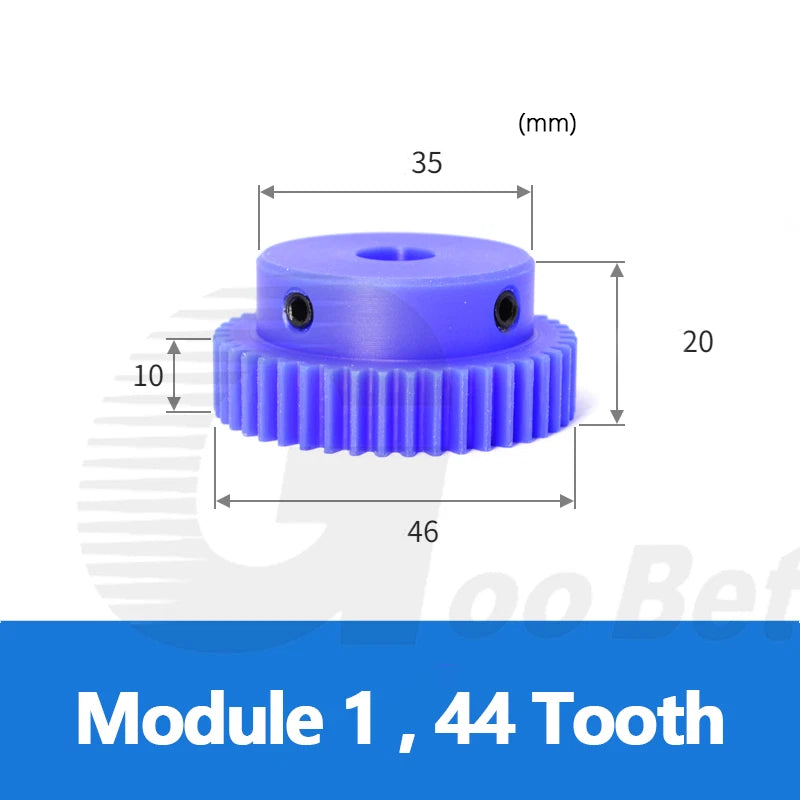
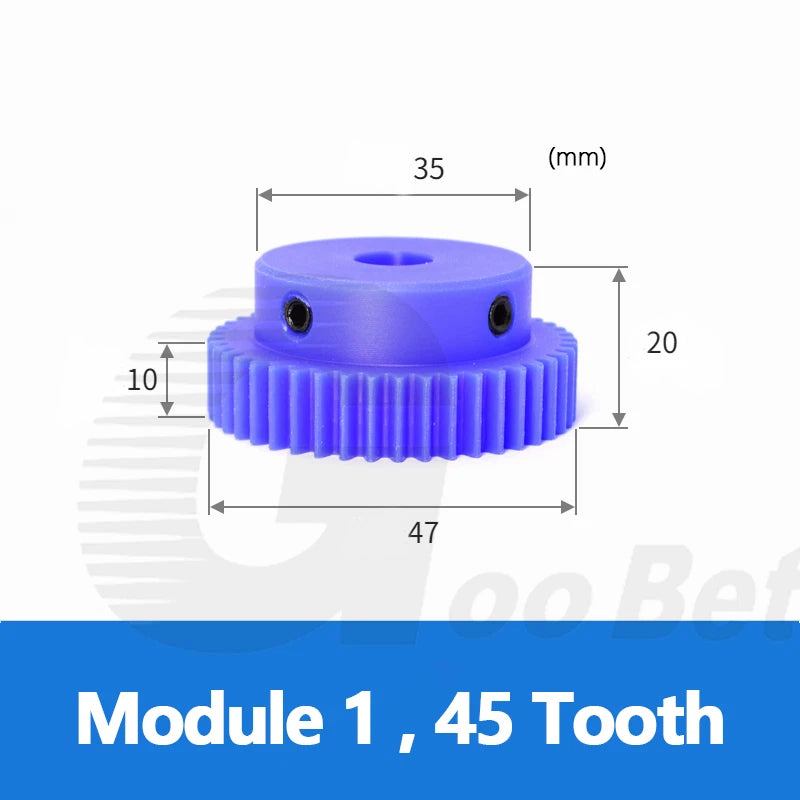
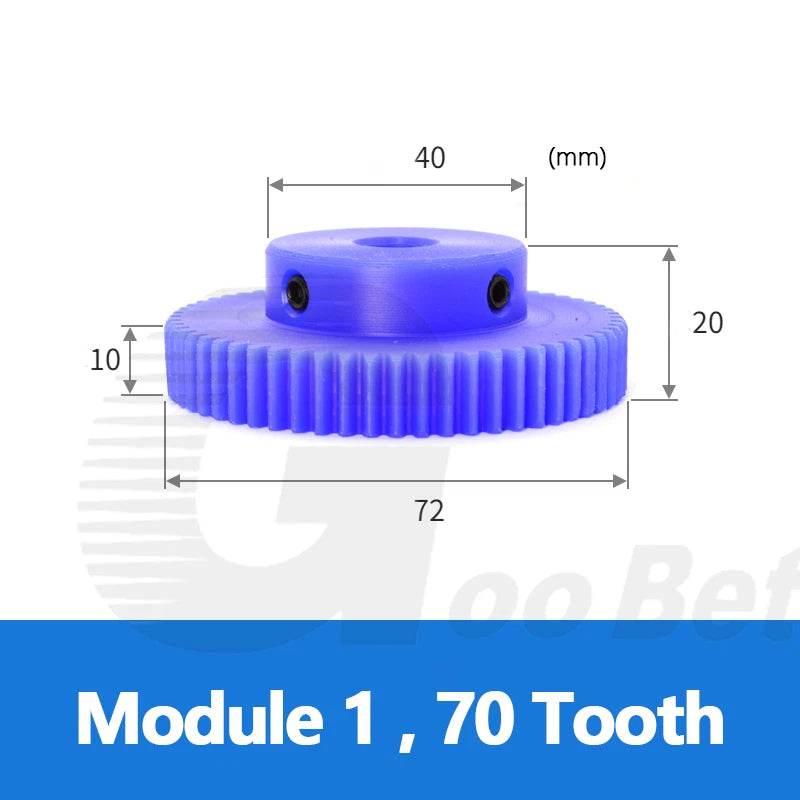
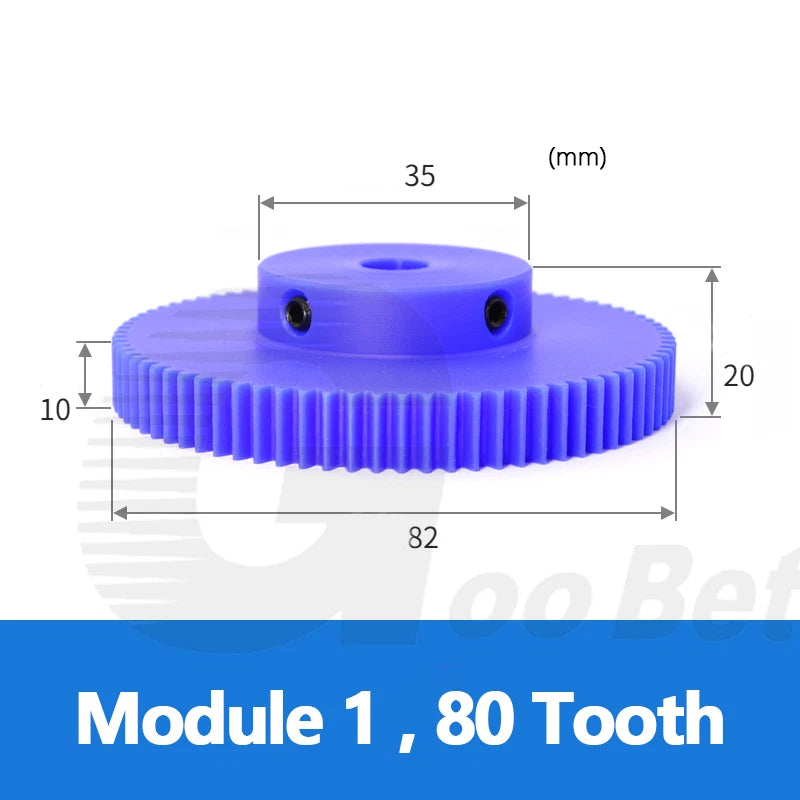
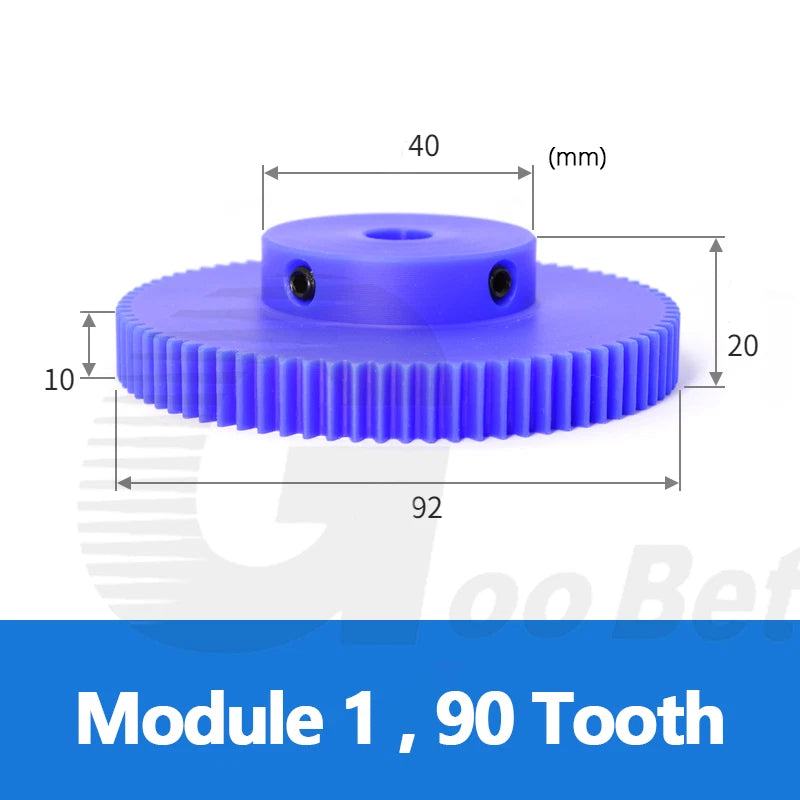
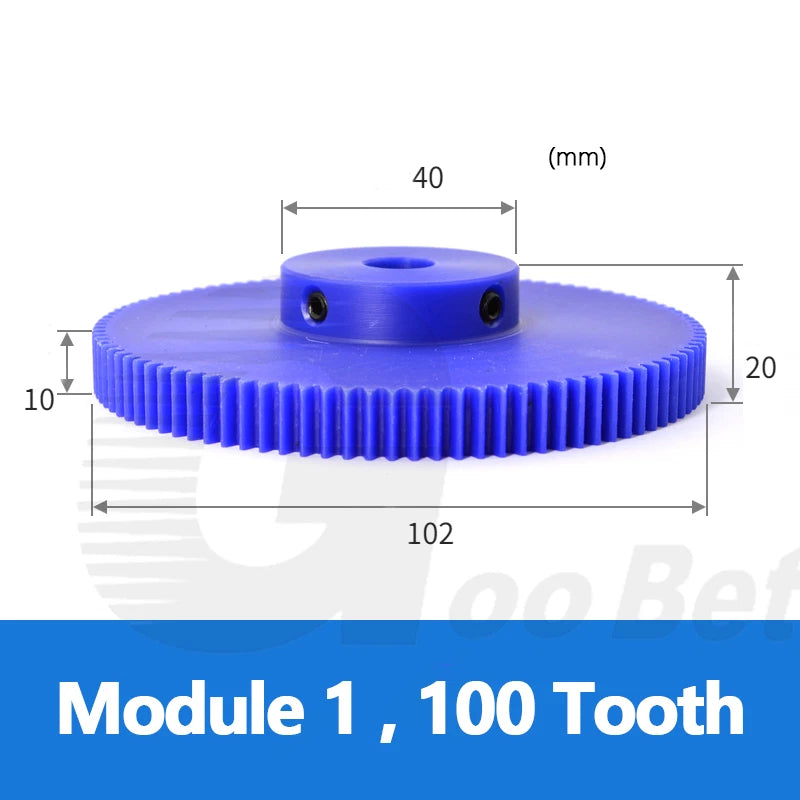
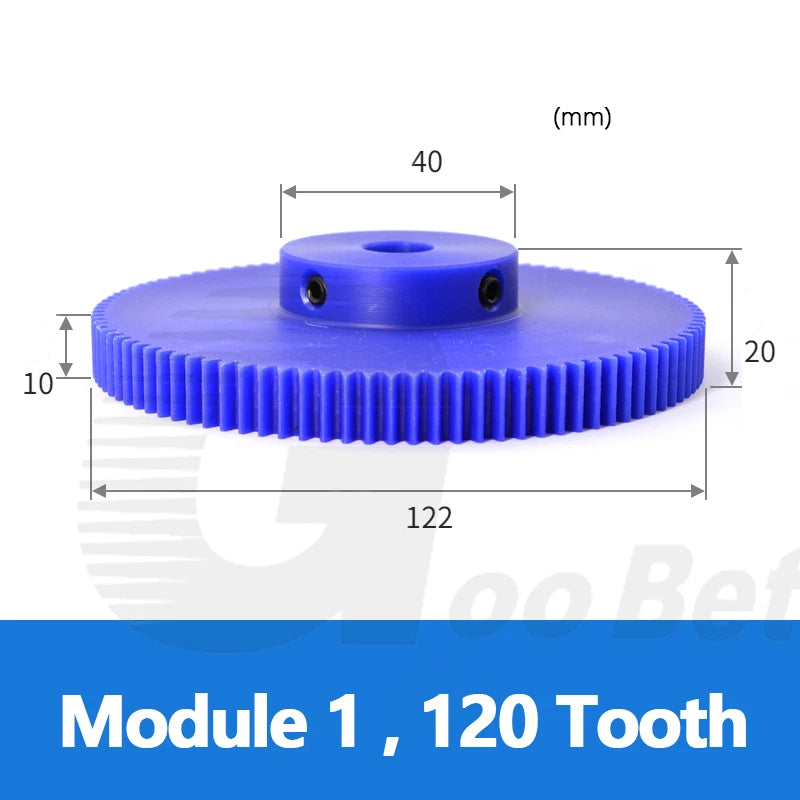
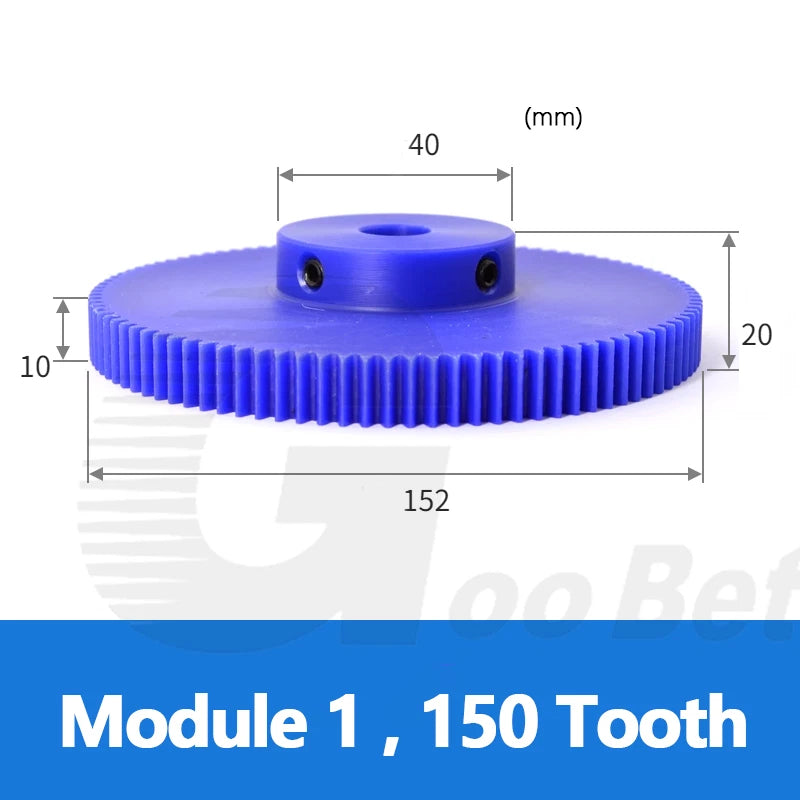
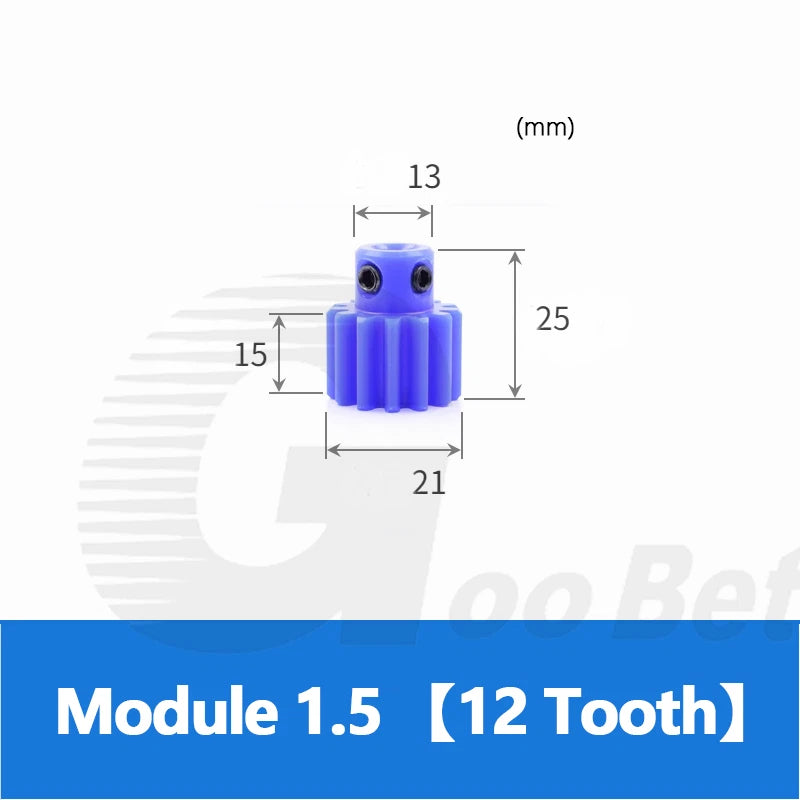
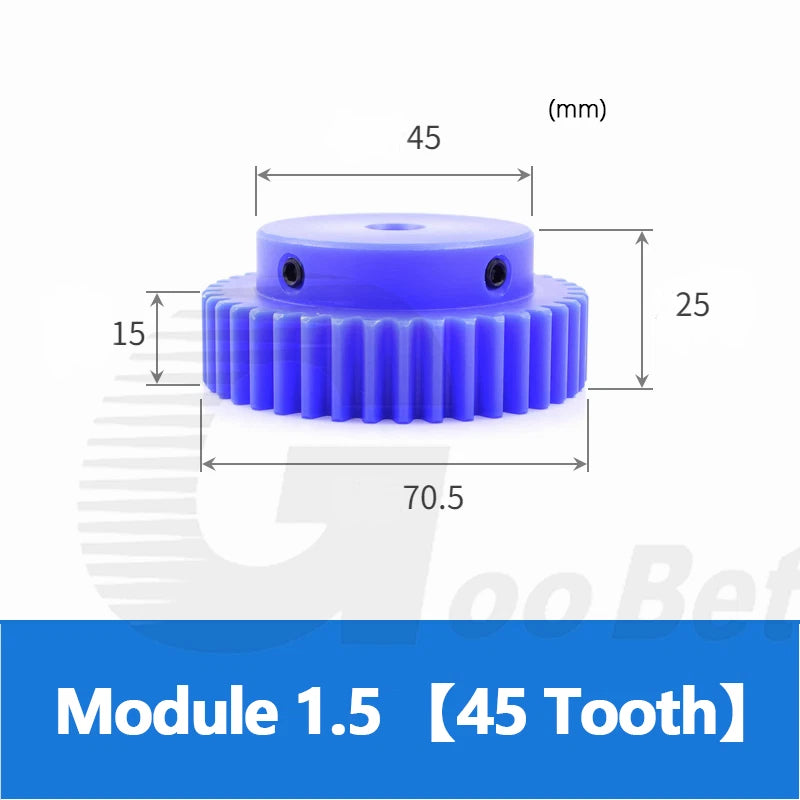
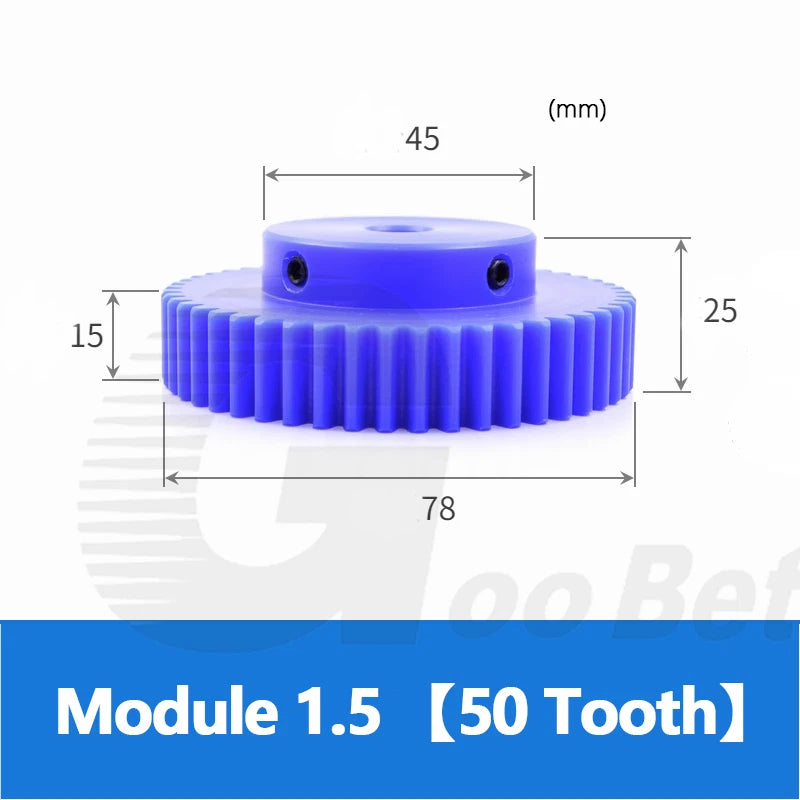
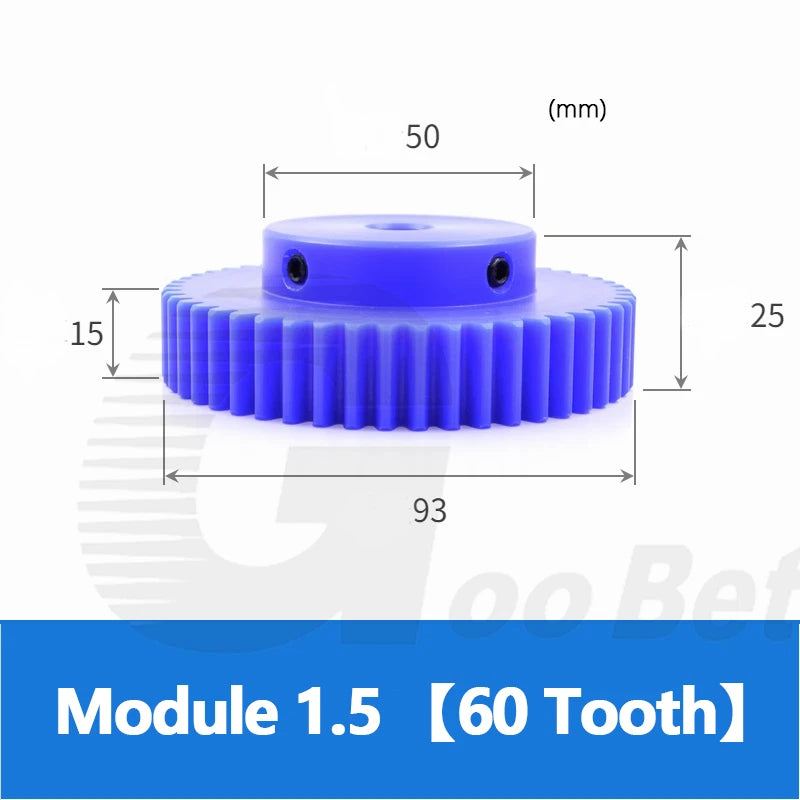
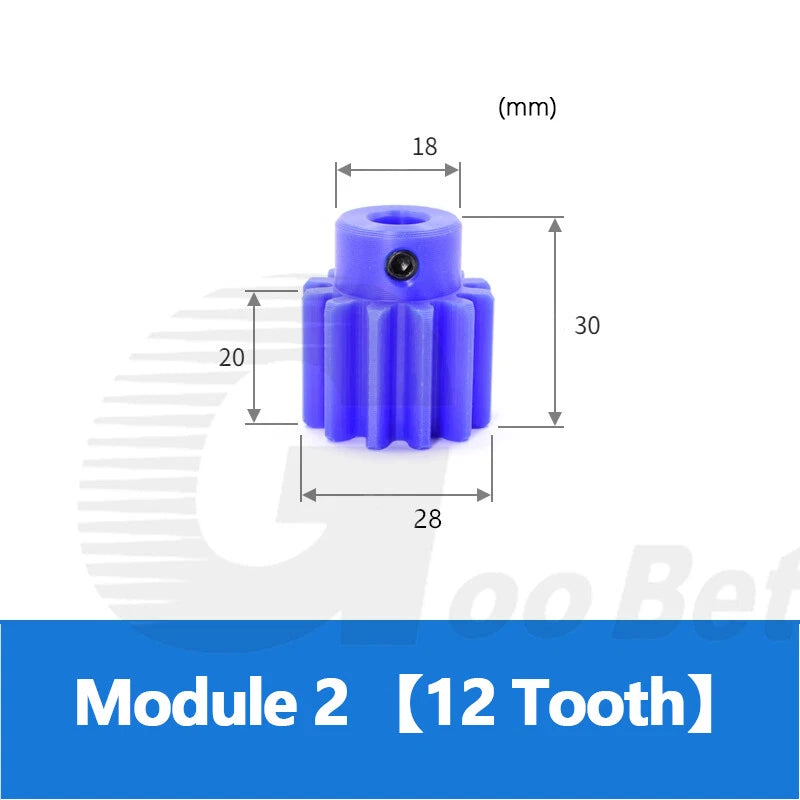
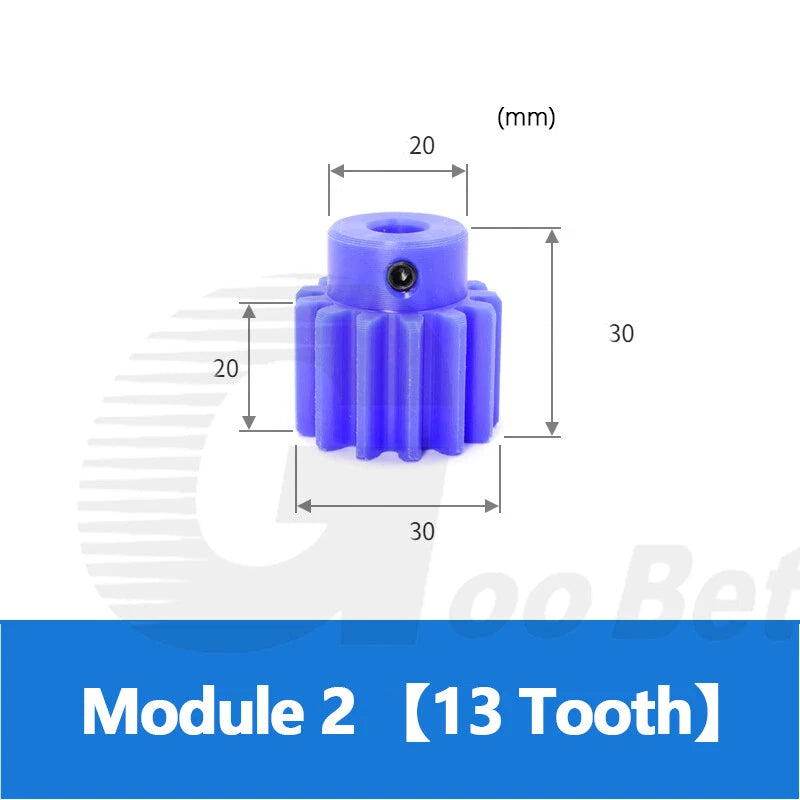
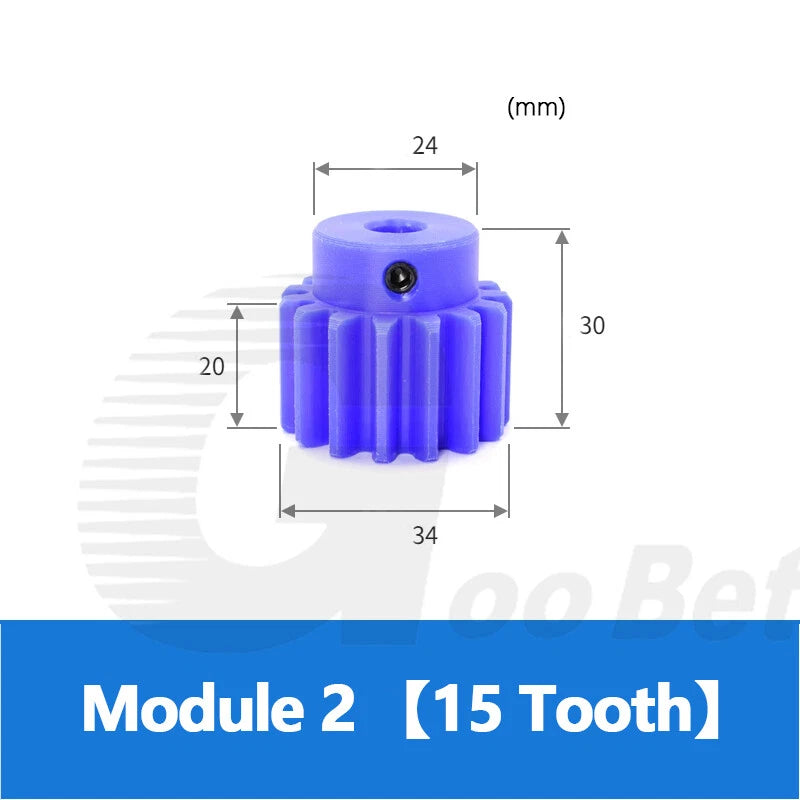
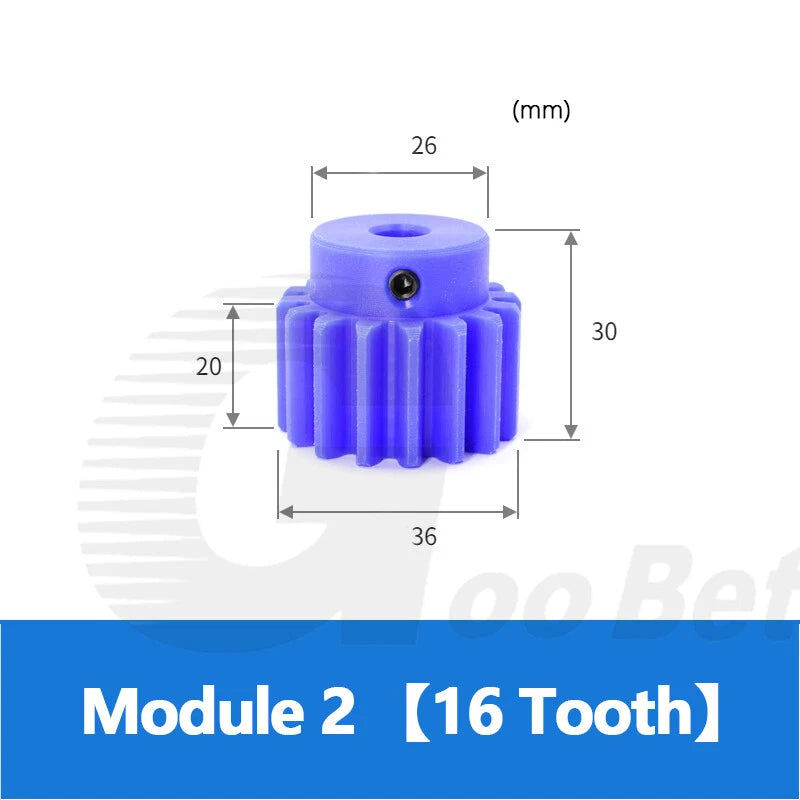
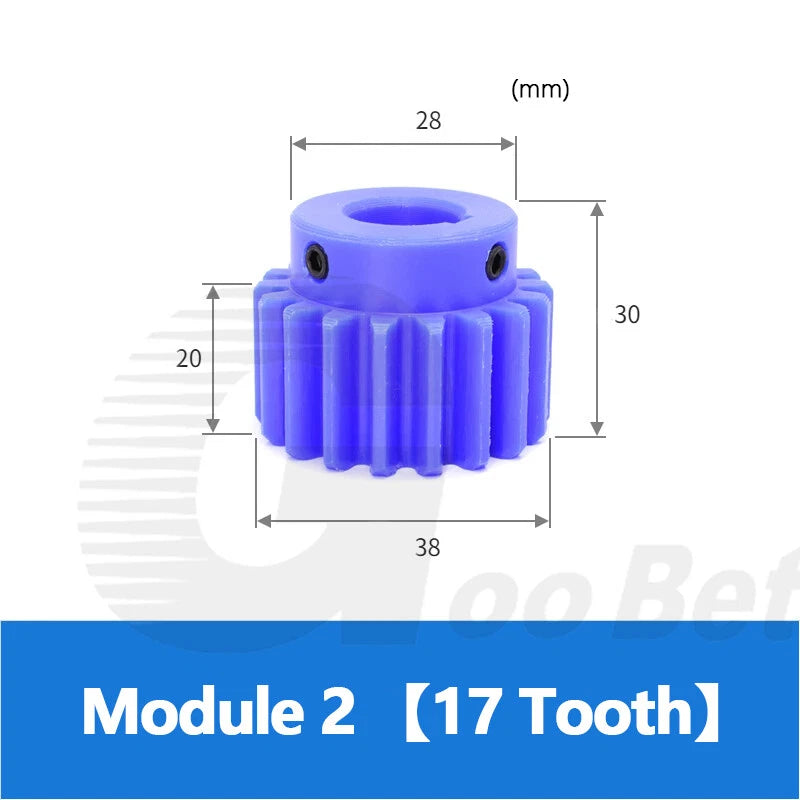
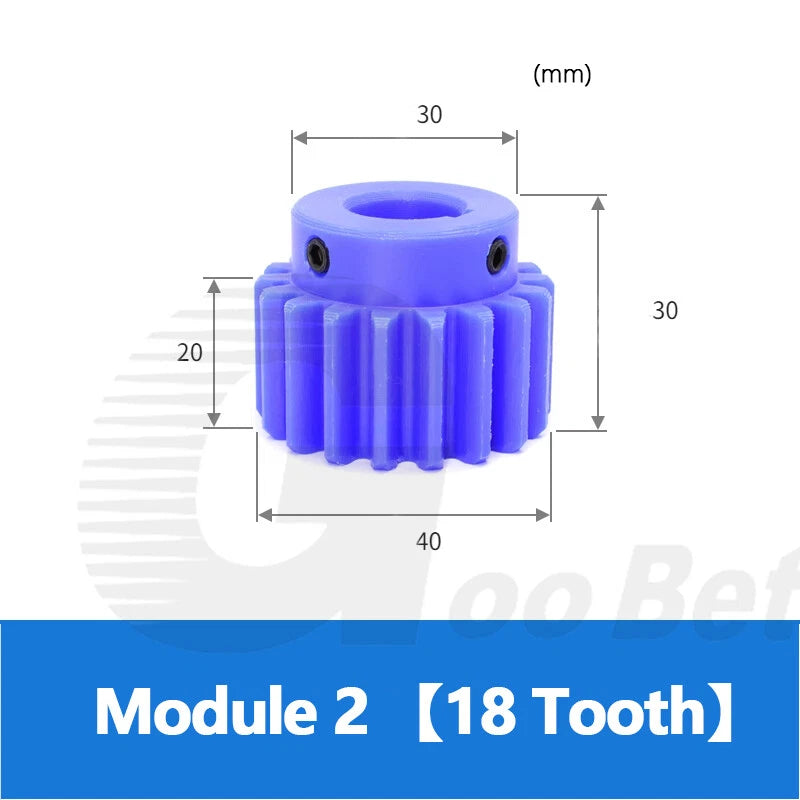
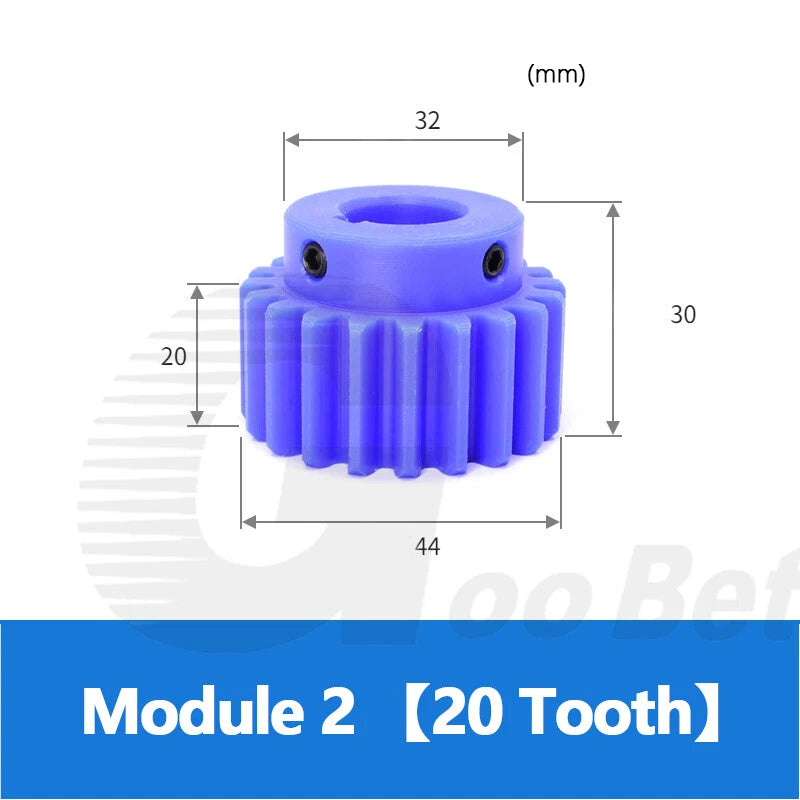
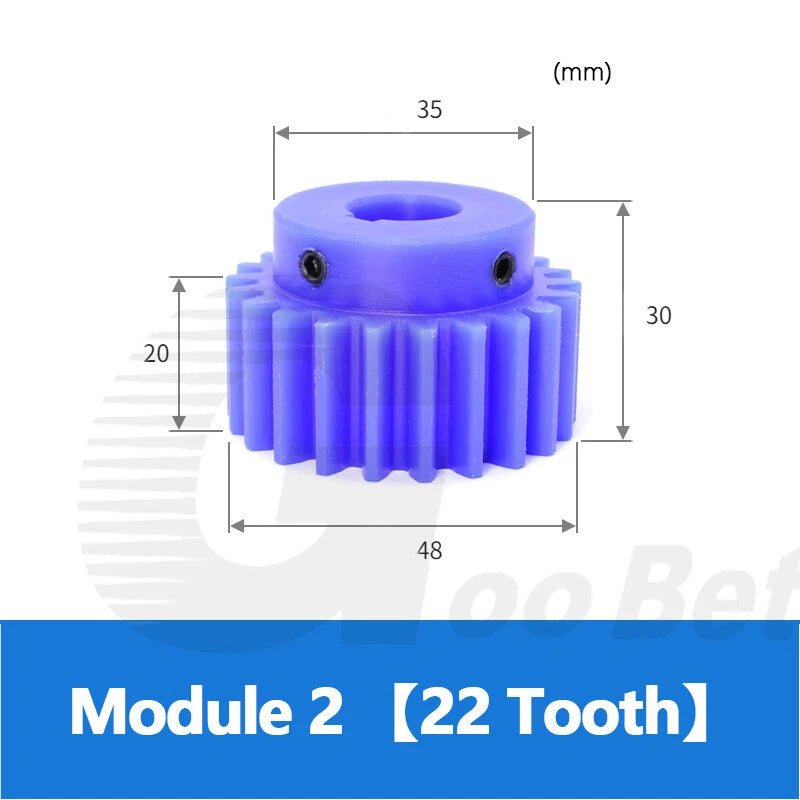
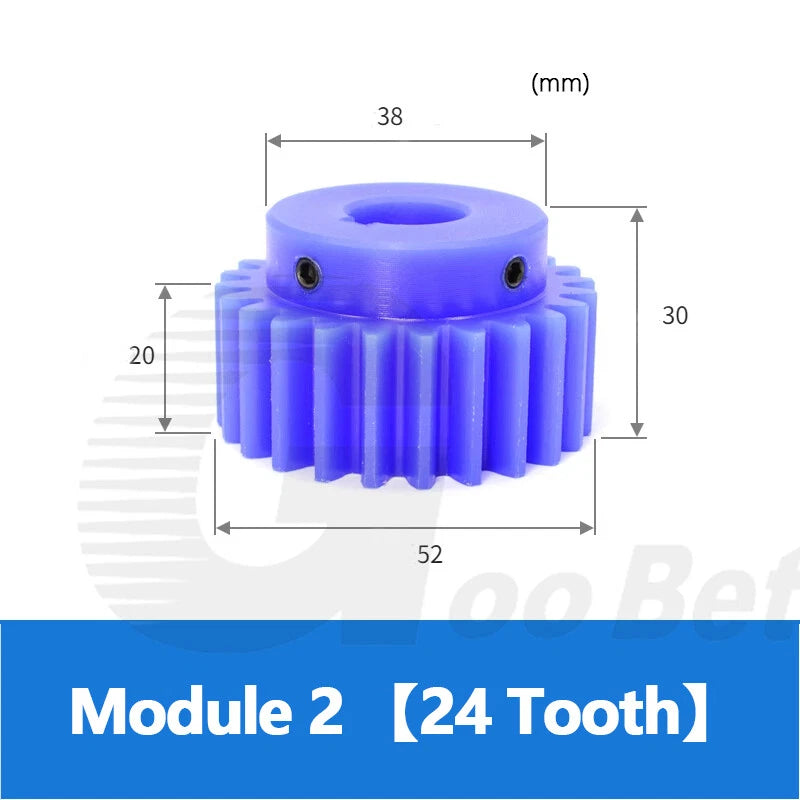
Each gear is machined from engineering-grade nylon (PA), offering a self-lubricating, low-noise meshing surface. Available in three module sizes — Module 1, Module 1.5, and Module 2 — with tooth counts ranging from 15 to 120 teeth (Module 1) and bore diameters from 4 mm (≈0.16 in) to 16 mm (≈0.63 in) via a stepped bore design. Outer diameter scales with tooth count: a Module 1 / 15T gear measures approximately 17 mm (≈0.67 in) OD, while a Module 1 / 120T gear reaches approximately 122 mm (≈4.80 in) OD.

Typical use cases include lightweight drive trains for desktop CNC machines and pen plotters, gear reduction stages in small robotic arms and servo-driven mechanisms, and replacement pinions for 3D printer extruder and axis drive systems where low backlash nylon spur gear pinions outperform metal alternatives in noise and weight.

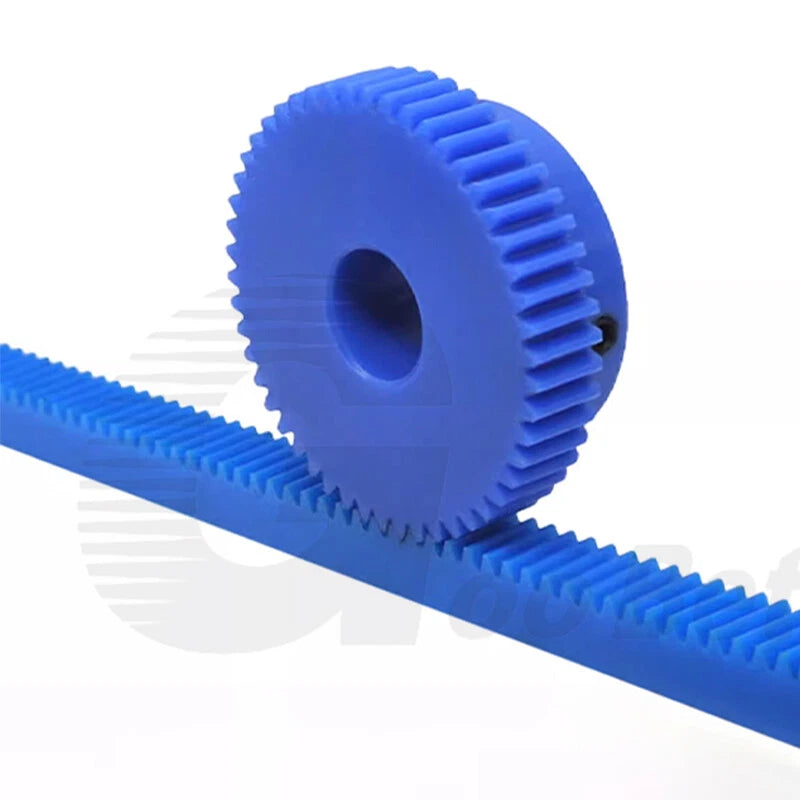
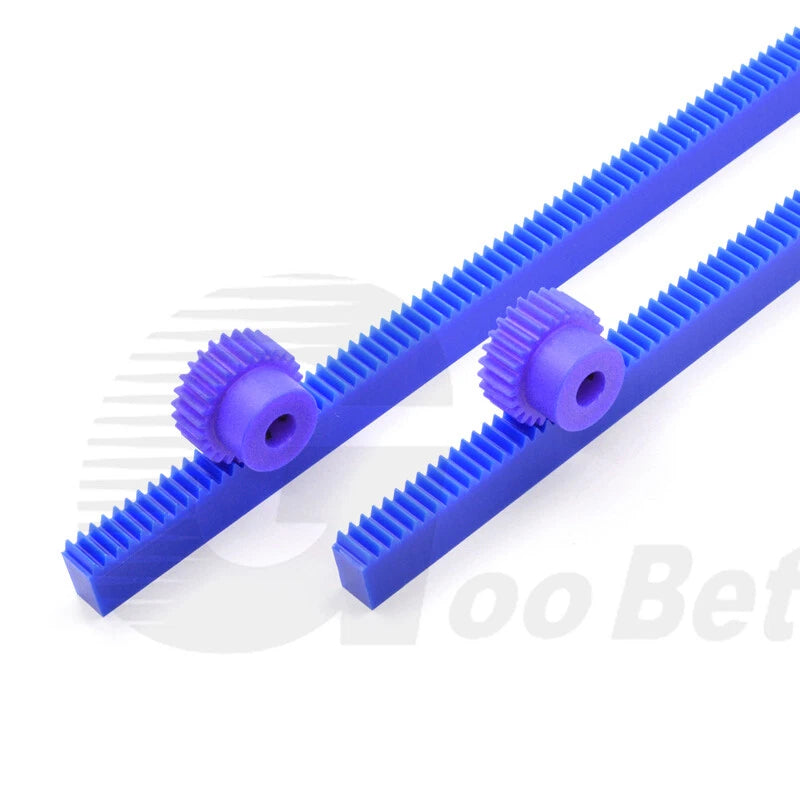
⚙️ Compatibility: Meshes with same-module spur gears and rack gears. Module 1 gears pair with Module 1 racks; Module 1.5 with Module 1.5; Module 2 with Module 2. Verify bore diameter matches your shaft before ordering.

✅ Key Features of These Nylon Spur Gear Pinions

🔩
Step Bore Design

Stepped bore accommodates shaft diameters from 4 mm to 16 mm, allowing a single gear body to fit multiple shaft sizes without additional machining.

🪶
Engineering-Grade Nylon (PA)

Nylon construction delivers a self-lubricating, corrosion-resistant meshing surface that runs quietly and reduces wear on mating components.

📐
Three Module Options

Choose Module 1, 1.5, or 2 to match your existing gear train. Consistent tooth profile ensures smooth, low-backlash engagement with same-module counterparts.

🔢
Wide Tooth Count Range

Module 1 spans 15 to 120 teeth; Module 1.5 covers 12 to 60 teeth; Module 2 covers 12 to 25 teeth — giving you precise gear ratio flexibility for your drive system.

Low Noise Operation

Nylon-on-nylon or nylon-on-metal meshing significantly reduces operational noise compared to all-metal gear trains, ideal for desktop and indoor applications.

🛠️
Drop-In Replacement Ready

Standard module sizing and bore dimensions make these pinions direct replacements for worn or broken gears in 3D printers, plotters, and small automation equipment.

📐 Technical Specifications — Nylon Spur Gear Pinion

Material Engineering-grade Nylon (PA)
Module Options Module 1 / Module 1.5 / Module 2
Tooth Count (Module 1) 15 – 120 teeth
Tooth Count (Module 1.5) 12 – 60 teeth
Tooth Count (Module 2) 12 – 25 teeth
Bore Diameter Range 4 mm – 16 mm (≈0.16 – 0.63 in), step bore
Pressure Angle 20°
Outer Diameter See variant options
Face Width See variant options
Finish Natural nylon (off-white / beige)
Quantity per Order 1 pcs (default); multi-pack options available

❓ Frequently Asked Questions

How do I choose the right module size?

The module must match between meshing gears. Module 1 gears only mesh with other Module 1 gears (or racks). If your existing gear train uses Module 1.5 or Module 2, select the same module here. When in doubt, measure the pitch diameter of your existing gear: pitch diameter (mm) = number of teeth × module.

What bore size should I select for my shaft?

Select the bore diameter that matches your motor or drive shaft. These gears use a stepped bore, meaning the bore is machined to a specific diameter — choose the option that corresponds to your shaft size (4 mm, 5 mm, 6 mm, 7 mm, 8 mm, 10 mm, 12 mm, 14 mm, 15 mm, or 16 mm). A set screw or keyway on your shaft is recommended to prevent slipping.

Are these gears strong enough for my application?

Engineering-grade nylon (PA) is suitable for light-to-medium duty applications such as 3D printer drives, pen plotters, small robotic arms, and desktop CNC machines. For high-torque or heavy-load applications, consider metal gears instead. Nylon gears excel where low noise, light weight, and corrosion resistance are priorities.

Do nylon gears require lubrication?

Nylon is inherently self-lubricating, so these gears can run dry in most light-duty applications. For extended service life under moderate loads, a light application of PTFE-based or silicone grease is beneficial. Avoid petroleum-based lubricants that may degrade nylon over time.

Will these gears corrode or rust?

No. Nylon is a polymer material and does not rust or corrode. It is also resistant to many common chemicals, oils, and mild solvents, making it suitable for environments where metal gears would degrade.

Can I use a Module 1 gear with a Module 1.5 gear?

No. Gears of different modules are not compatible and will not mesh correctly. Always ensure all gears in a drive train share the same module number. Mixing modules results in incorrect tooth engagement, excessive wear, and potential gear failure.

How do I calculate the gear ratio for my project?

Gear ratio = number of teeth on driven gear ÷ number of teeth on driving gear (pinion). For example, pairing a 15-tooth pinion with a 60-tooth gear gives a 4:1 reduction ratio, meaning the output shaft turns at one-quarter the speed of the input shaft with four times the torque.

🛒 Select your Module size, Tooth count, and Bore Size above, then add to cart.

You may also like

Recently viewed