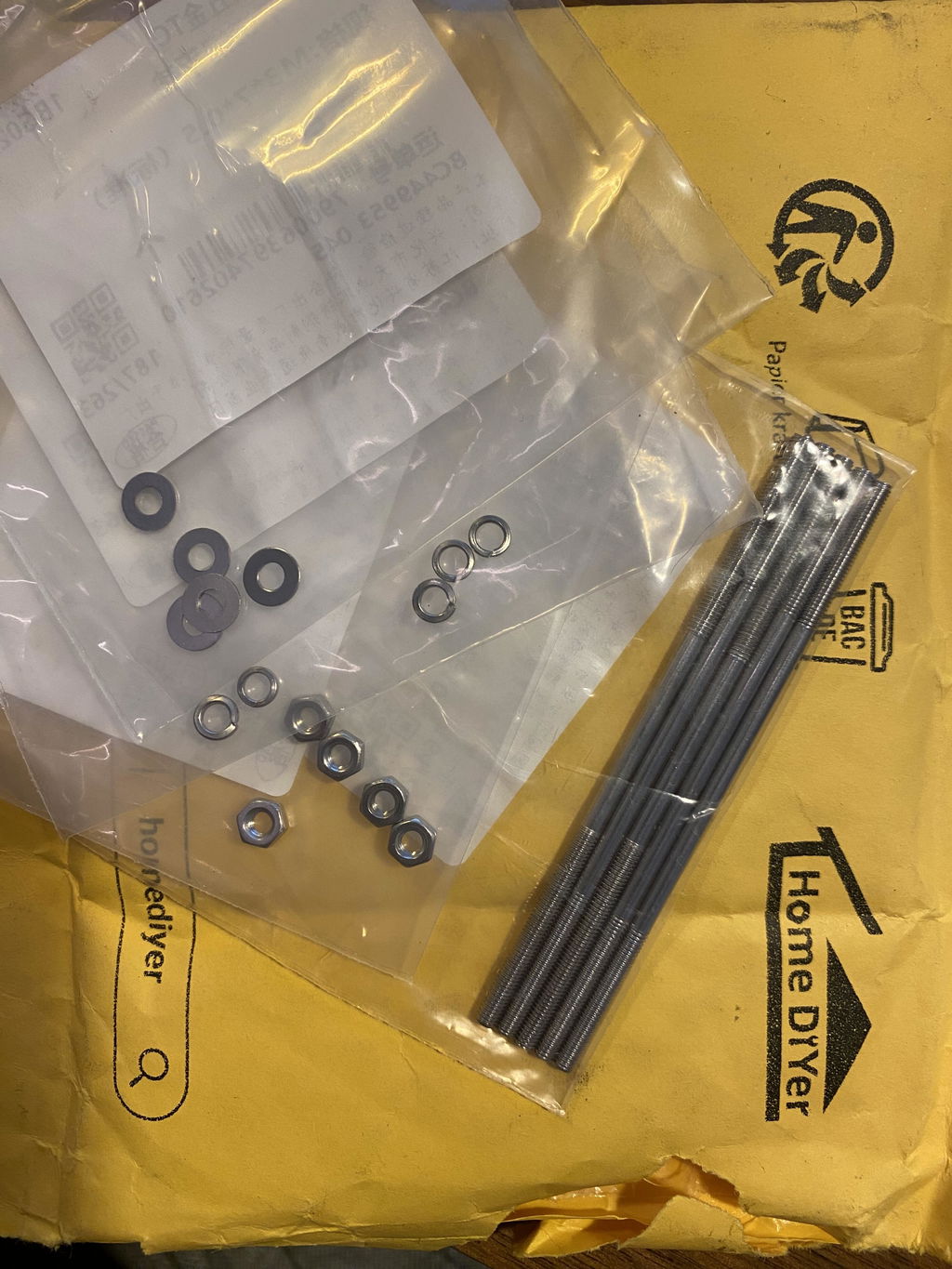
The chain is fine...but I ordered the wrong size. Nine links of the chain I ordered equals six of the size I wanted. My error...
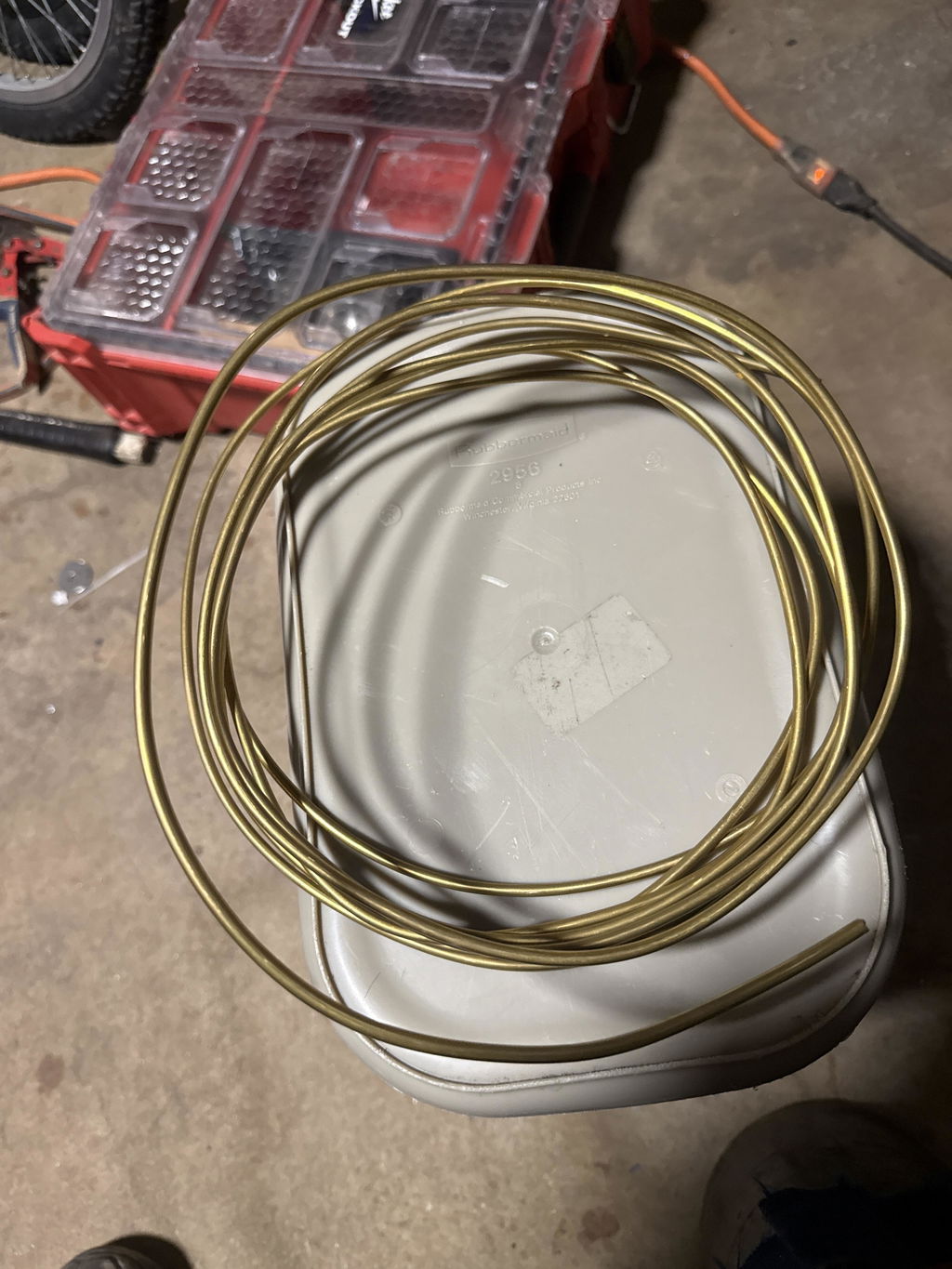
How can I straighten out the springs? I can't use them coil uo as is.
Your payment information is processed securely. We do not store credit card details nor have access to your credit card information.
Get fitment advice & recommendations
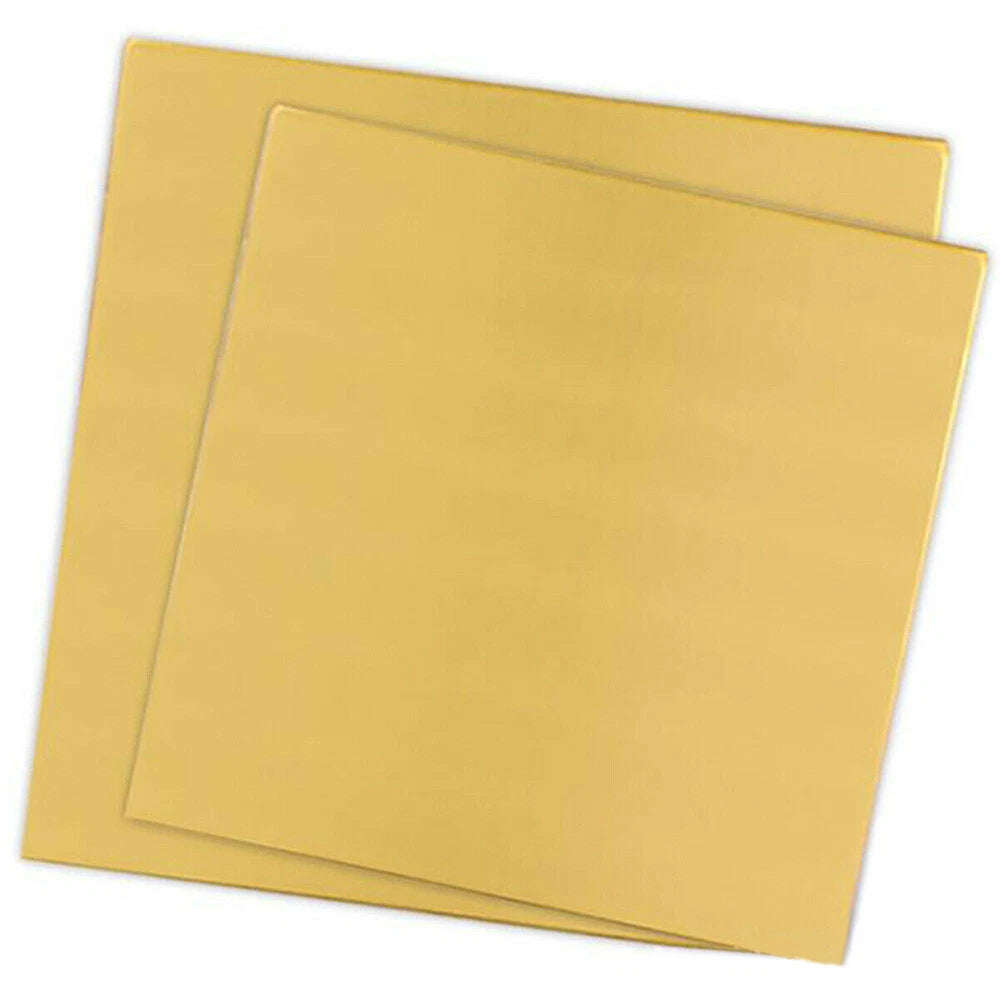
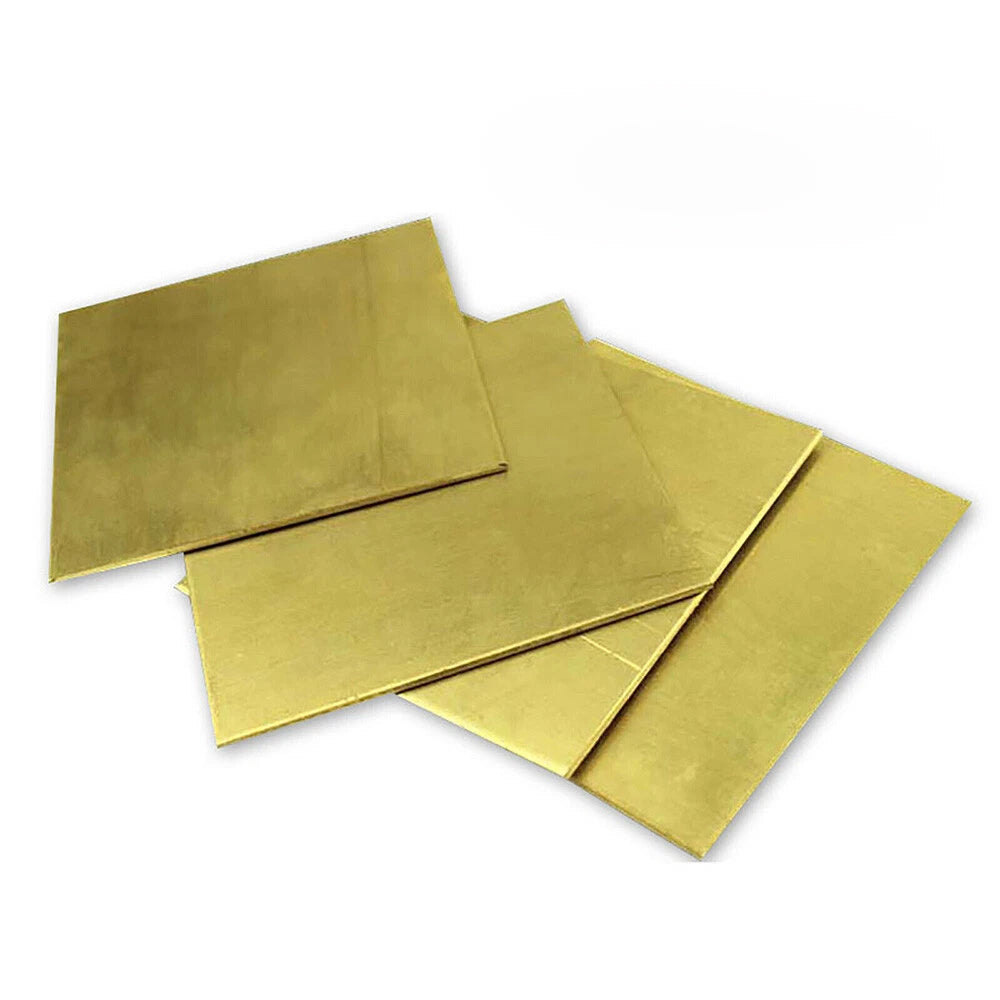
When your project demands a metal that combines workability with a warm, distinctive finish, finding a reliably sized, flat brass sheet can be frustrating. Whether you are a maker, hobbyist, model engineer, or small workshop operator, you need stock that arrives flat, true to size, and ready to cut, drill, or form without further dressing.
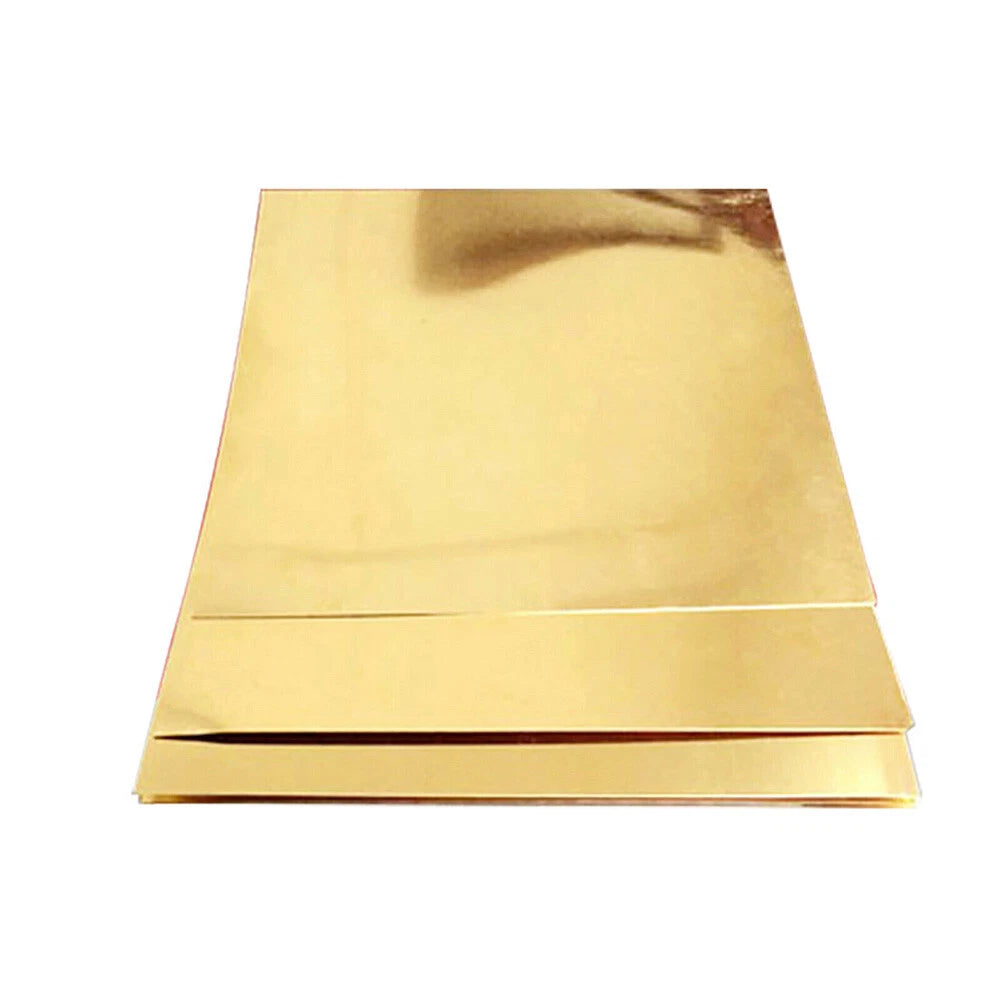
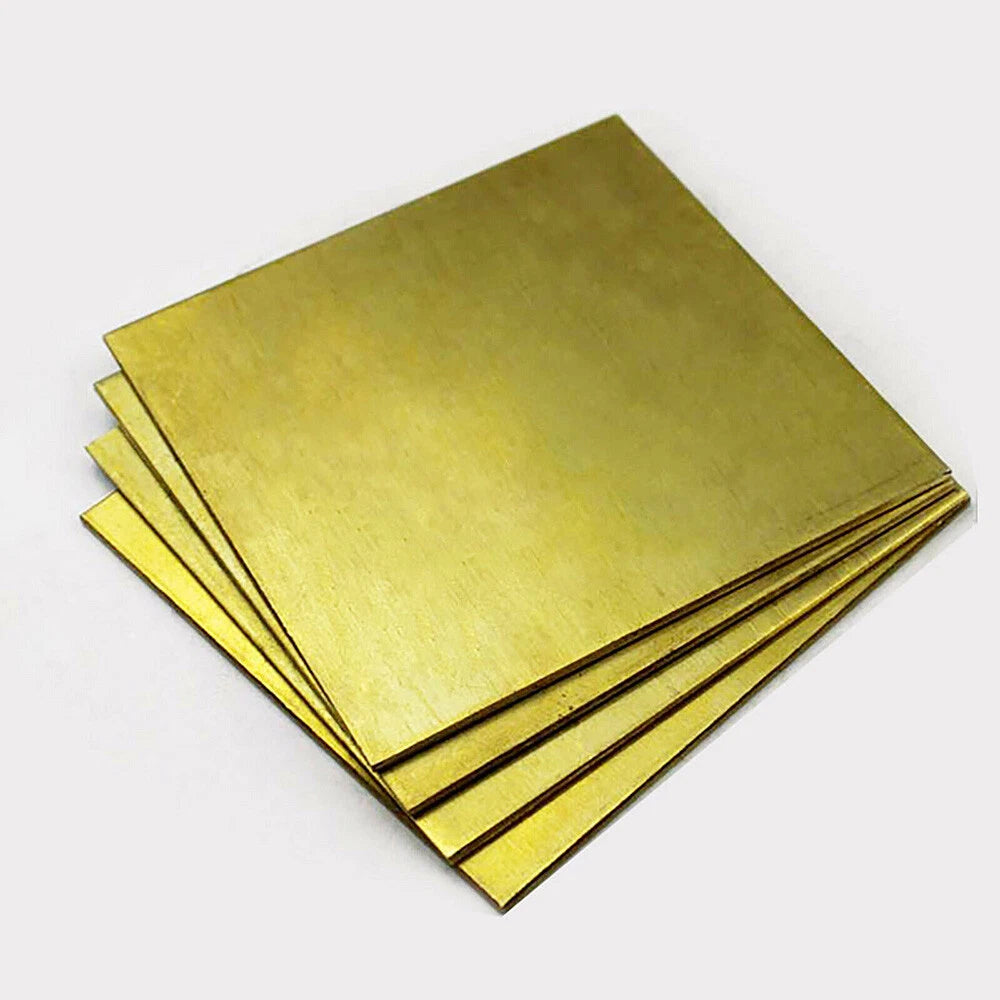
These natural brass (CuZn alloy) flat plates are guillotine-cut to precise dimensions, available in widths and lengths ranging from 100×100 mm (approx. 3.94×3.94 in) up to 305×500 mm (approx. 12.0×19.7 in), with thickness options spanning 0.1 mm to 5 mm (approx. 0.004 in to 0.197 in). Each piece is supplied with a clean-cut edge and a natural mill finish.
Typical applications include decorative inlay work and engraving blanks, electrical shielding and grounding strips for DIY electronics, custom gaskets and shims for mechanical assemblies, and architectural model-making where a natural brass sheet for crafts delivers the right aesthetic weight and machinability.
Choose from six width×length combinations — 100×100, 150×150, 200×200, 200×500, 300×300, and 305×500 mm — so you only buy what your project actually needs.
Eight thickness grades from 0.1 mm to 5 mm let you match the sheet to your structural or decorative requirement, from ultra-thin shim stock to solid plate.
Each sheet is sheared on a guillotine press for straight, burr-minimal edges that reduce finishing time and keep your cuts consistent.
CuZn brass offers good machinability, moderate corrosion resistance, and the warm golden tone valued in decorative, electrical, and mechanical applications.
Available in 1 Pcs or 2 Pcs per order, giving you flexibility to stock up or trial a size before committing to larger quantities.
Supplied flat with a natural mill finish — no additional flattening or surface prep required before marking out, drilling, or forming.
| Material | Brass (CuZn alloy) |
|---|---|
| Finish | Natural mill finish |
| Cut Method | Guillotine cut |
| Thickness Range | 0.1 mm – 5 mm (0.004 in – 0.197 in) |
| Width × Length Options | 100×100 mm / 150×150 mm / 200×200 mm / 200×500 mm / 300×300 mm / 305×500 mm |
| Quantity per Order | 1 Pcs or 2 Pcs (see variant options) |
| Edge Condition | Sheared, burr-minimal |
| Solderability | Suitable for soft soldering and brazing |
| Weight | See variant options |
For hand engraving or laser engraving blanks, 0.5 mm to 1 mm is the most popular range — thick enough to hold detail without flexing, yet thin enough to cut cleanly with a jeweller's saw or laser. If the piece will be mounted on a backing board, 0.2 mm can also work well.
Brass sits between aluminium and mild steel in terms of tensile strength. It is significantly easier to machine and form than steel, and it is denser than aluminium. For structural load-bearing applications, thicker gauges (3 mm–5 mm) are recommended. For shims, gaskets, and decorative work, thinner gauges are entirely adequate.
Brass has moderate natural corrosion resistance and will develop a patina (tarnish) when exposed to air and moisture over time. For indoor decorative use this is often desirable. To maintain the bright natural finish, apply a clear lacquer or metal wax after cleaning. For outdoor or high-humidity environments, consider a protective coating.
Yes. Thinner sheets (0.1 mm–0.5 mm) can be cut with tin snips or a craft knife and steel rule. Sheets from 1 mm upward are best cut with a hacksaw, angle grinder with a metal disc, jigsaw with a metal blade, or bench shear. CNC routers and laser cutters also work well across the full thickness range.
Yes. Brass is well-suited to both soft soldering (using standard electrical or plumbing solder with an appropriate flux) and silver brazing. Clean the surface with fine abrasive or flux before joining to ensure a strong bond. Avoid overheating thin sheets to prevent warping.
The 200×500 mm sheet is available in thicknesses from 0.1 mm to 1 mm, making it ideal for larger thin-gauge applications such as shielding panels or long strip work. The 305×500 mm sheet is currently offered in 0.2 mm thickness and suits projects needing a wider, near-A3-sized blank. Check the variant selector for the exact combinations available.
Selecting 2 Pcs gives you two identical sheets of the chosen size and thickness in a single order, which is useful for prototyping (one to practice on, one for the final piece) or for projects requiring matched pairs. The per-piece cost is slightly lower on the 2 Pcs option.