The chain is fine...but I ordered the wrong size. Nine links of the chain I ordered equals six of the size I wanted. My error...
How can I straighten out the springs? I can't use them coil uo as is.
Your payment information is processed securely. We do not store credit card details nor have access to your credit card information.
Get fitment advice & recommendations
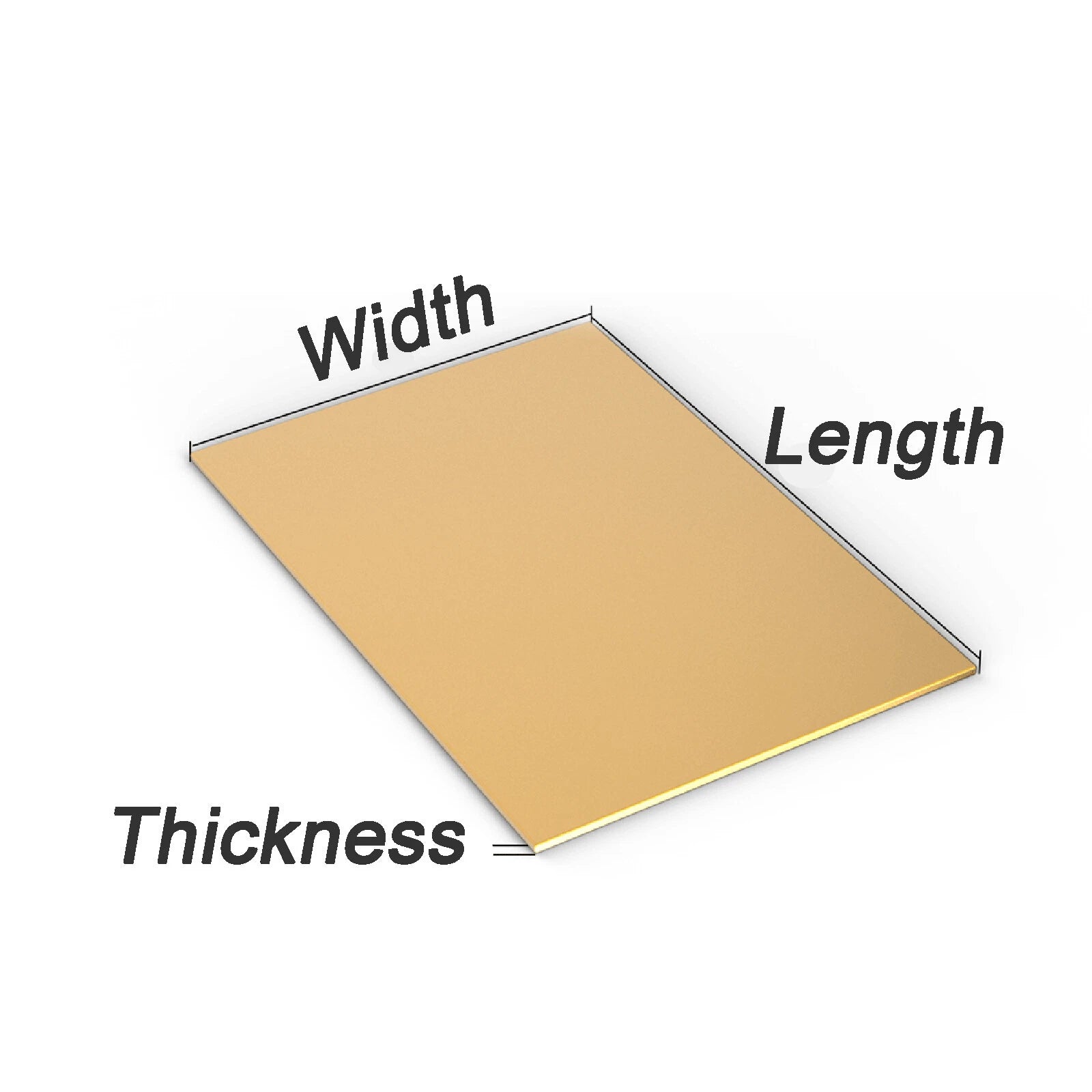
When your project demands a flat, burr-free metal sheet that fits exactly where you need it, sourcing the right stock can be a frustrating guessing game. Whether you are a hobbyist building custom enclosures, an electronics maker fabricating shielding panels, or a craftsperson cutting decorative inlays, these natural brass sheet metal panels give you a clean, ready-to-use starting point without the waste of oversized stock.
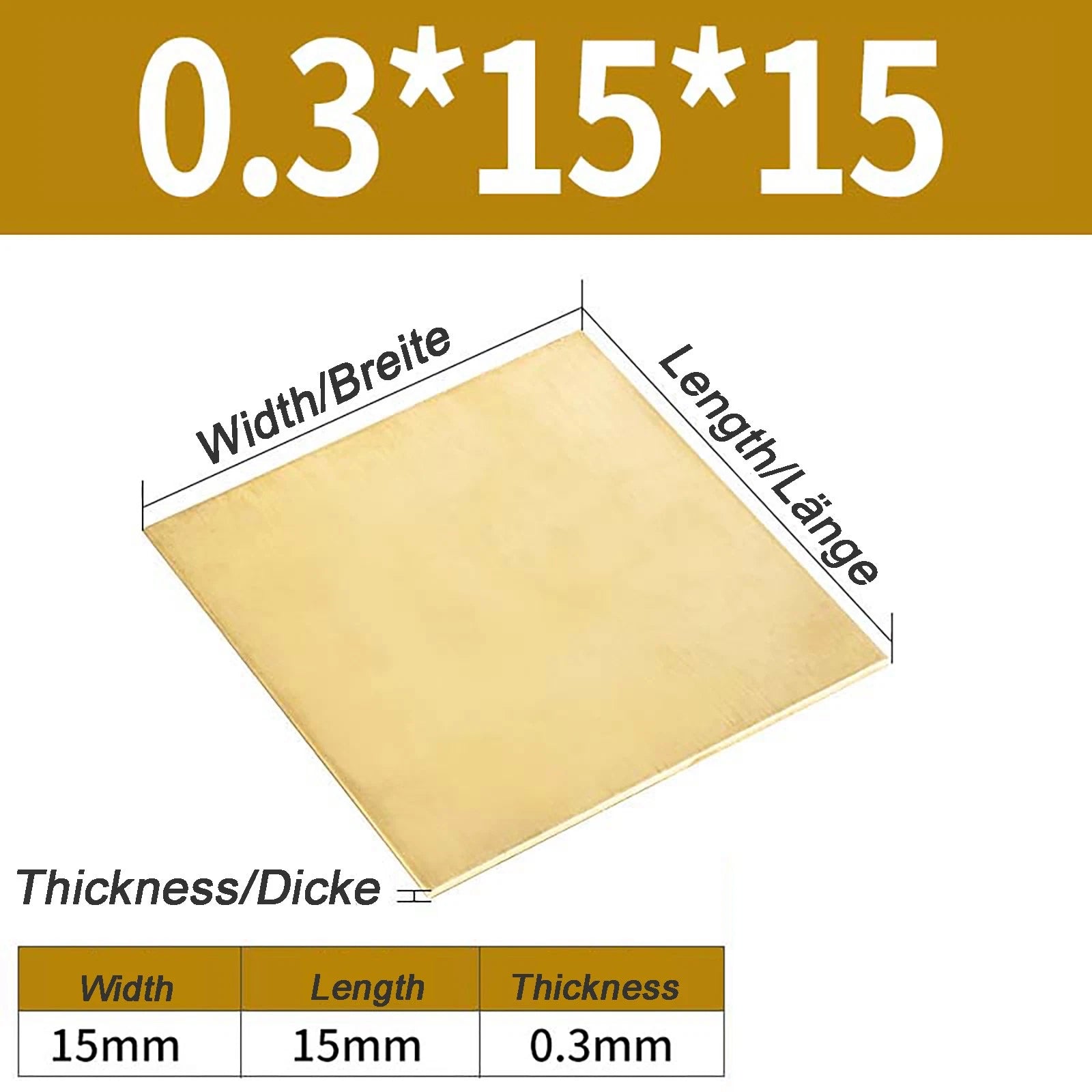
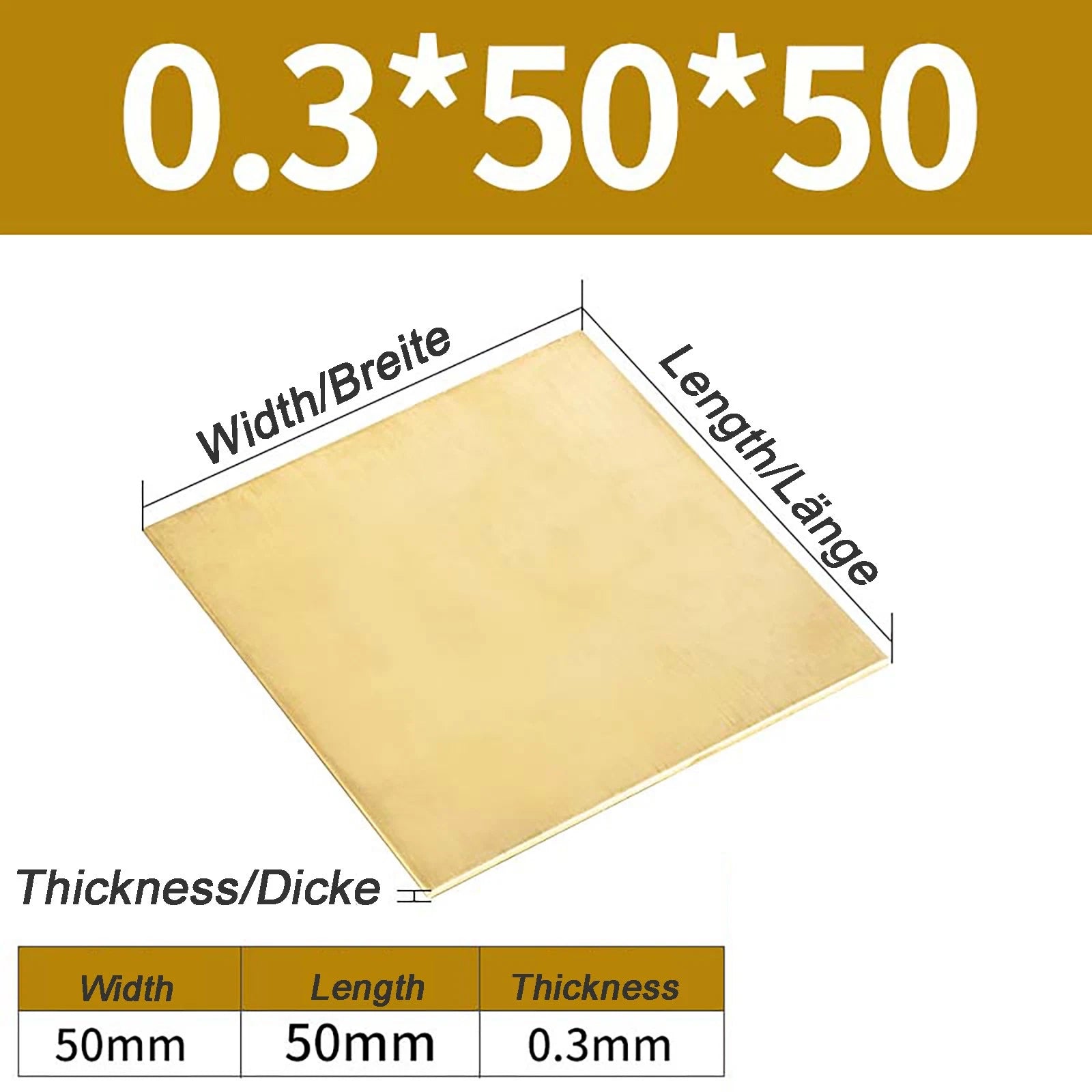
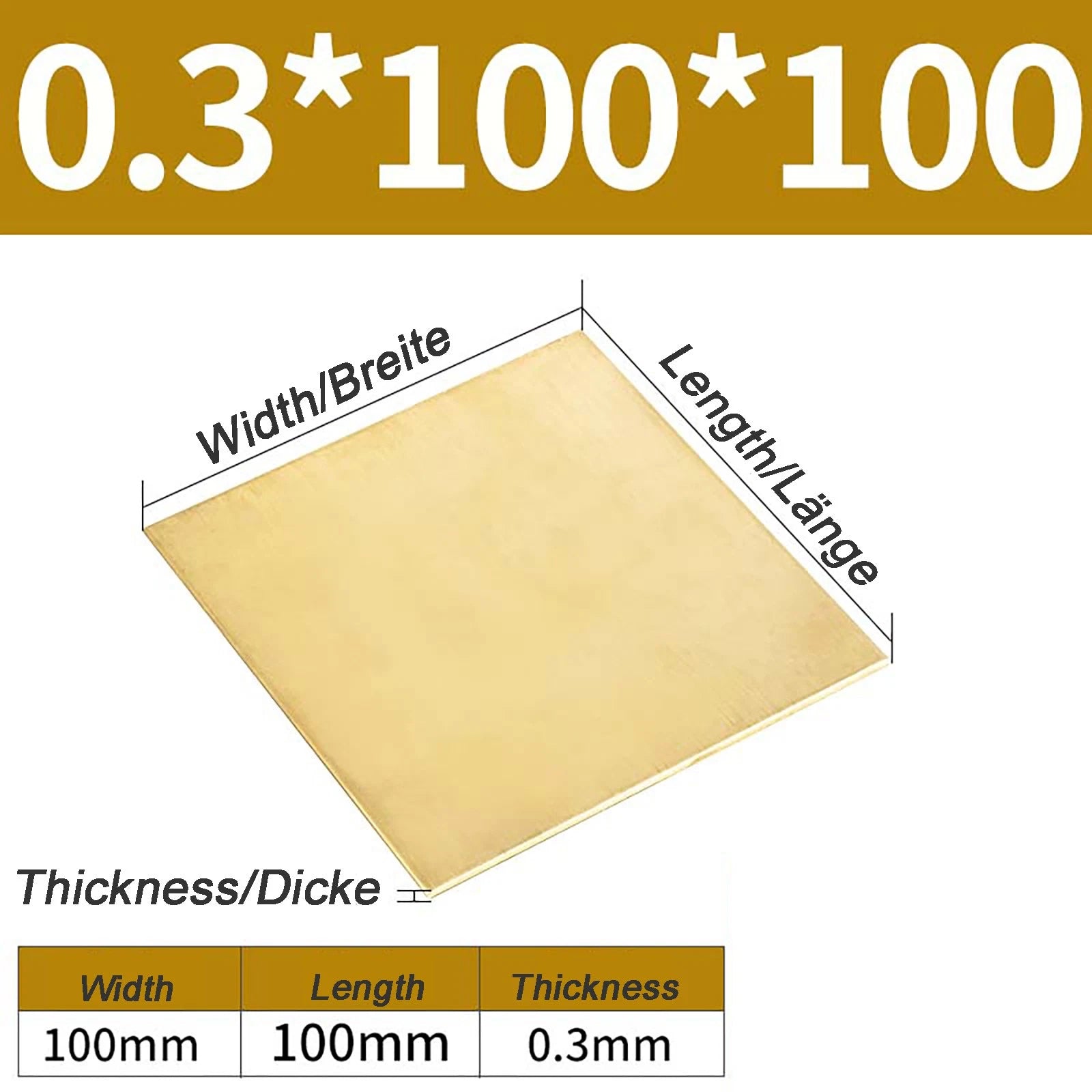
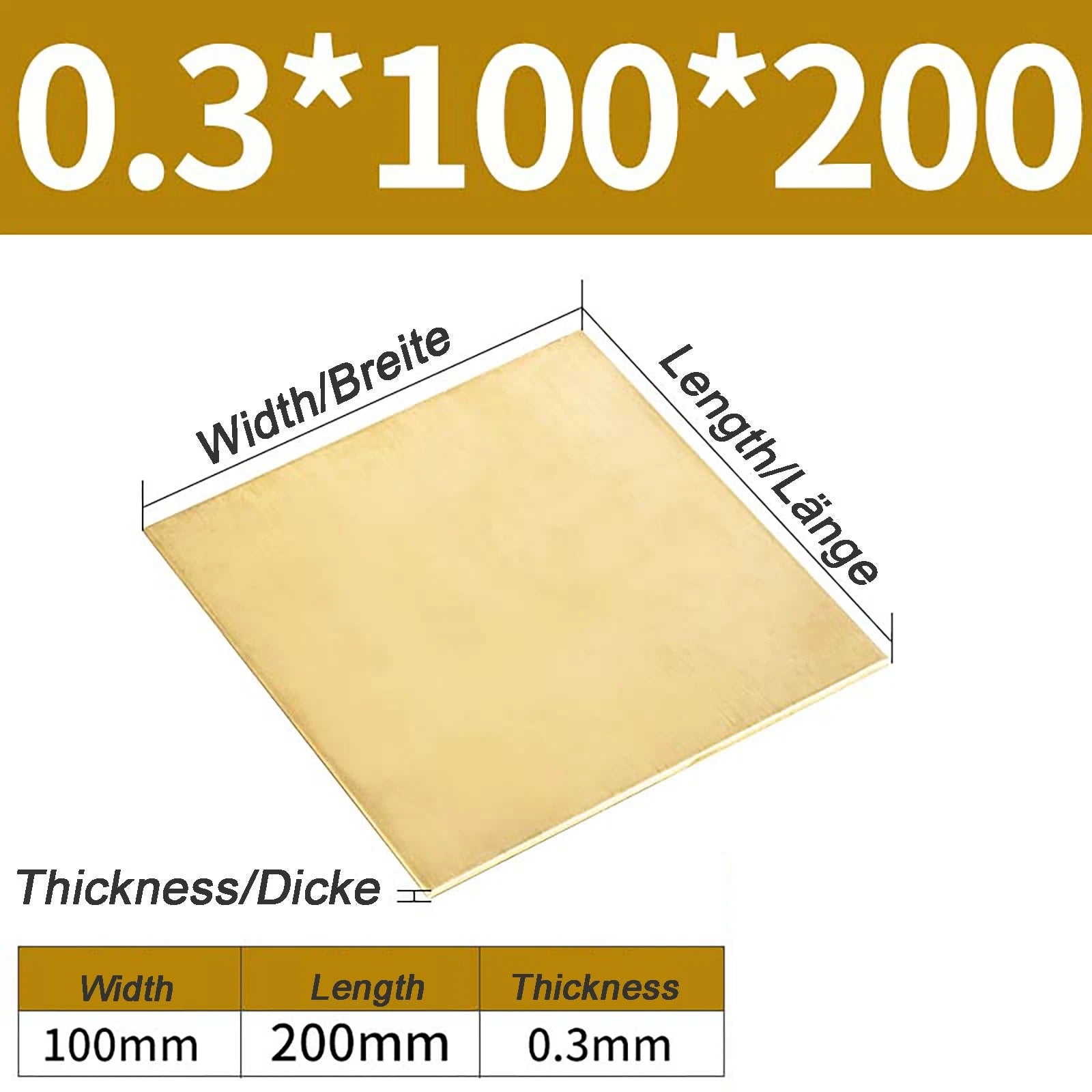
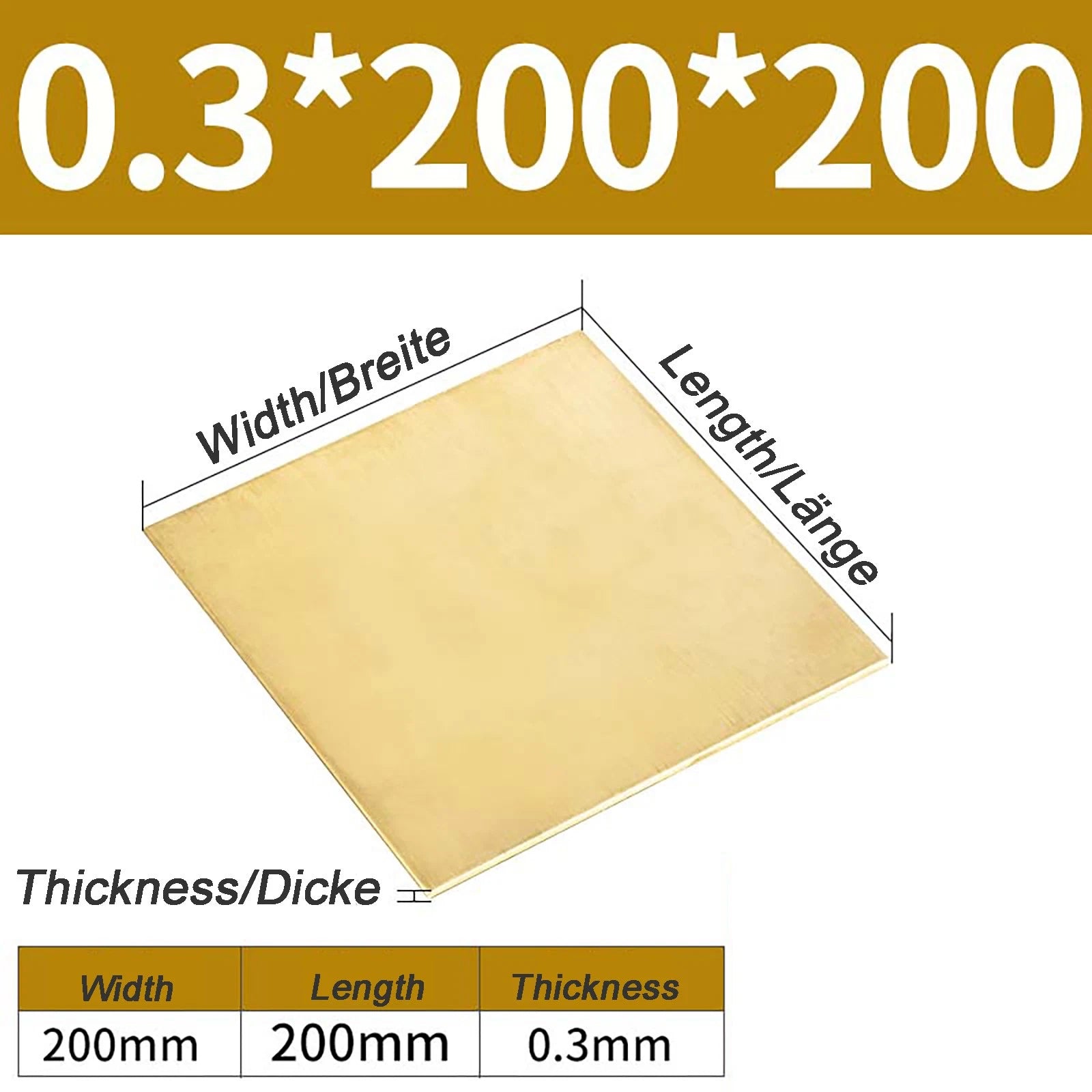
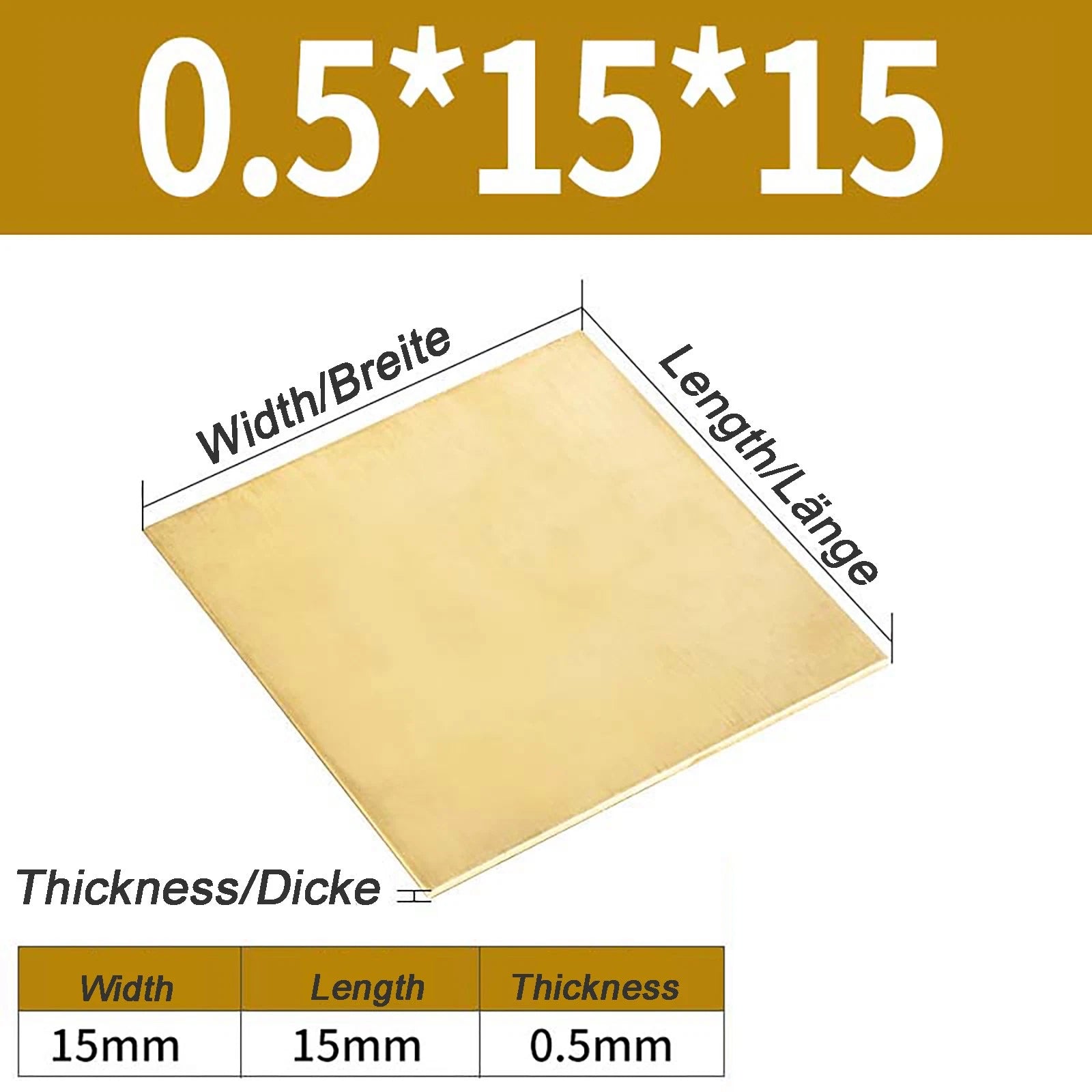
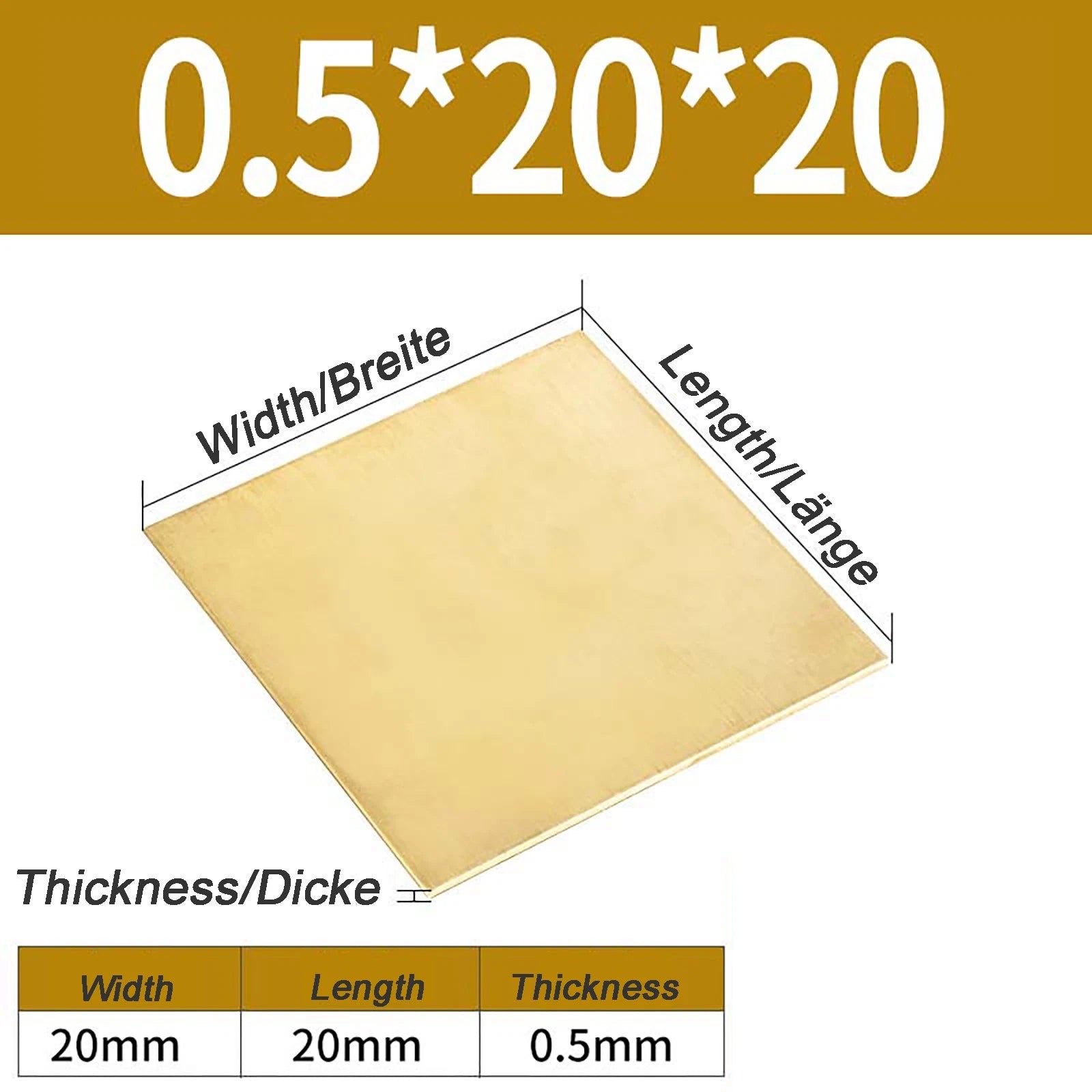
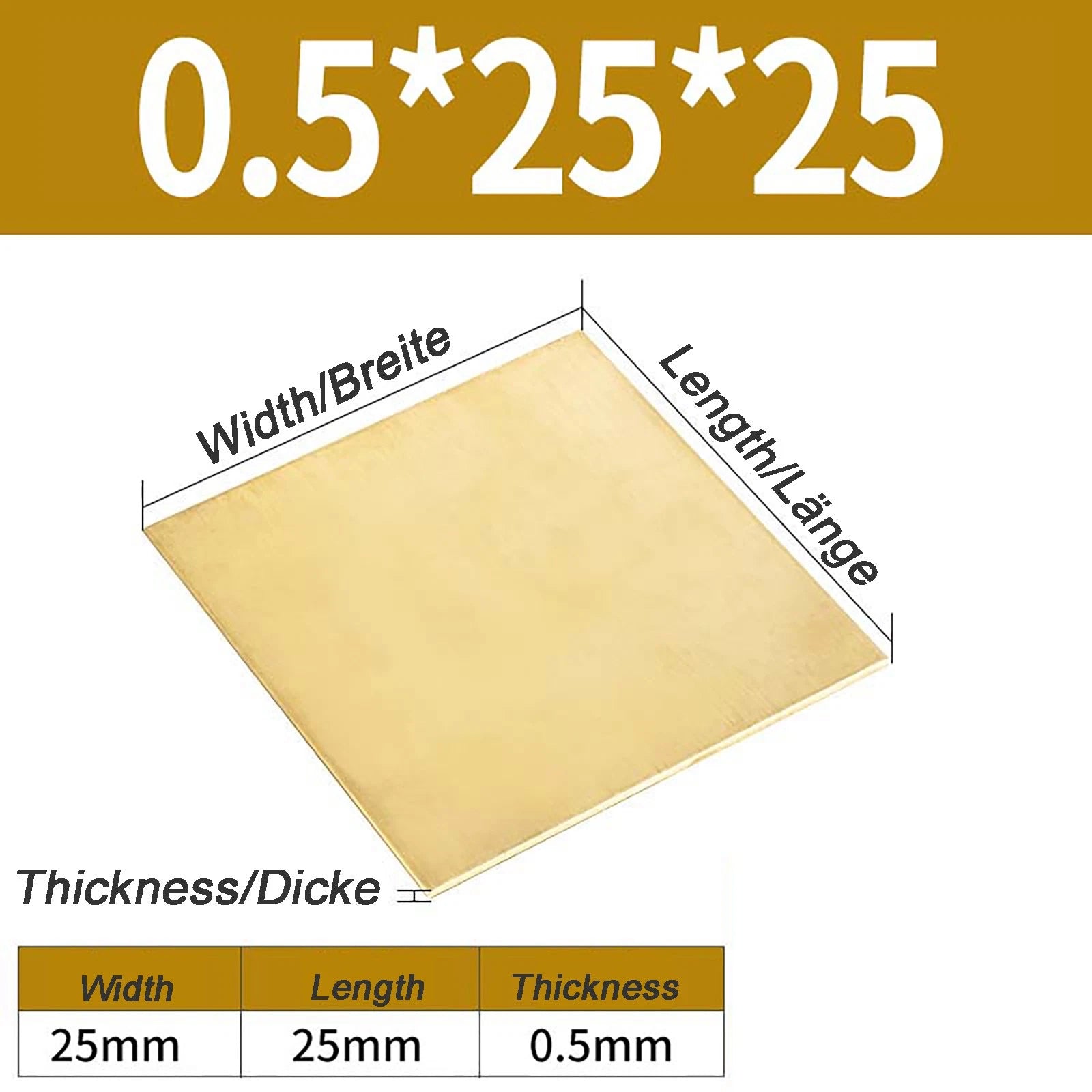
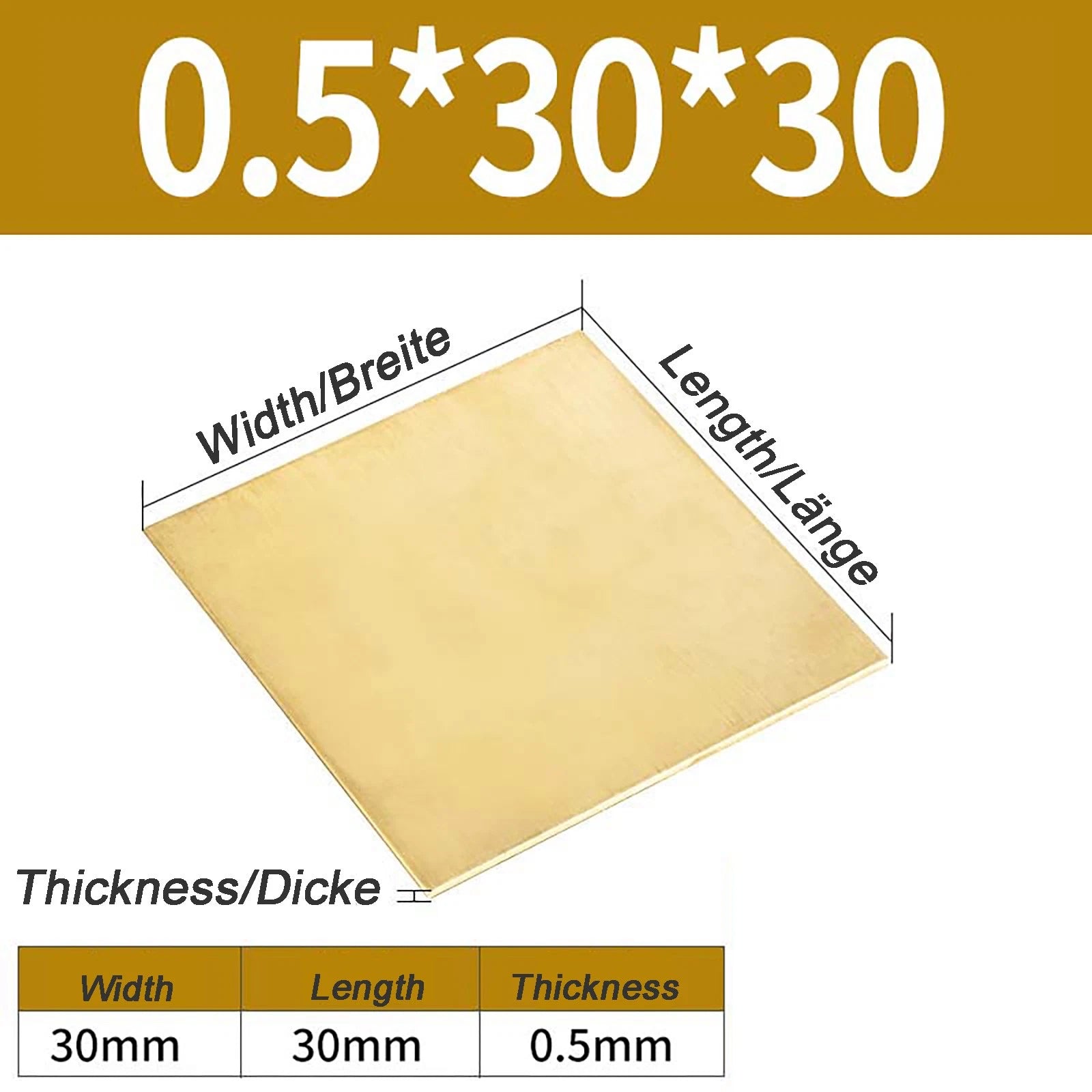
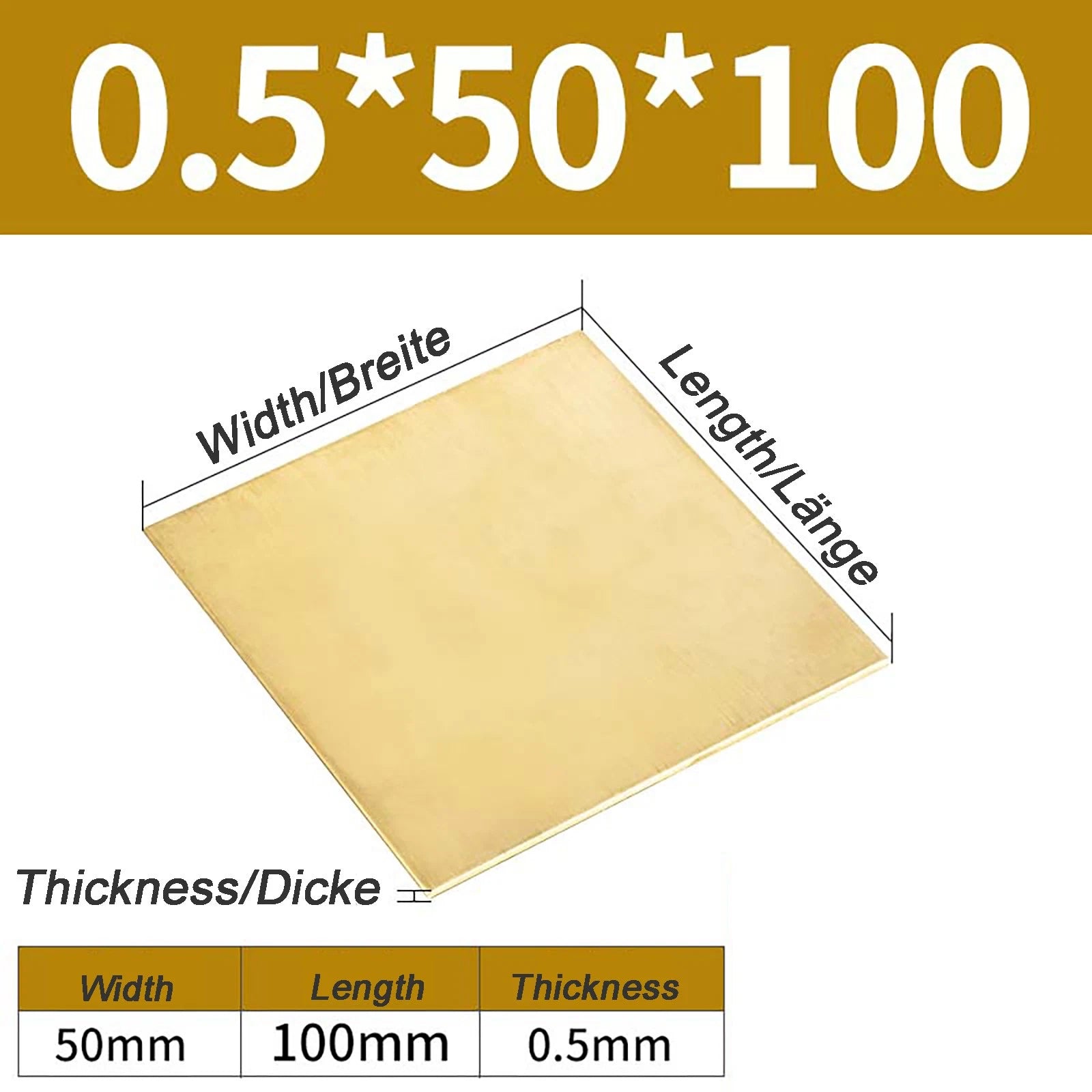
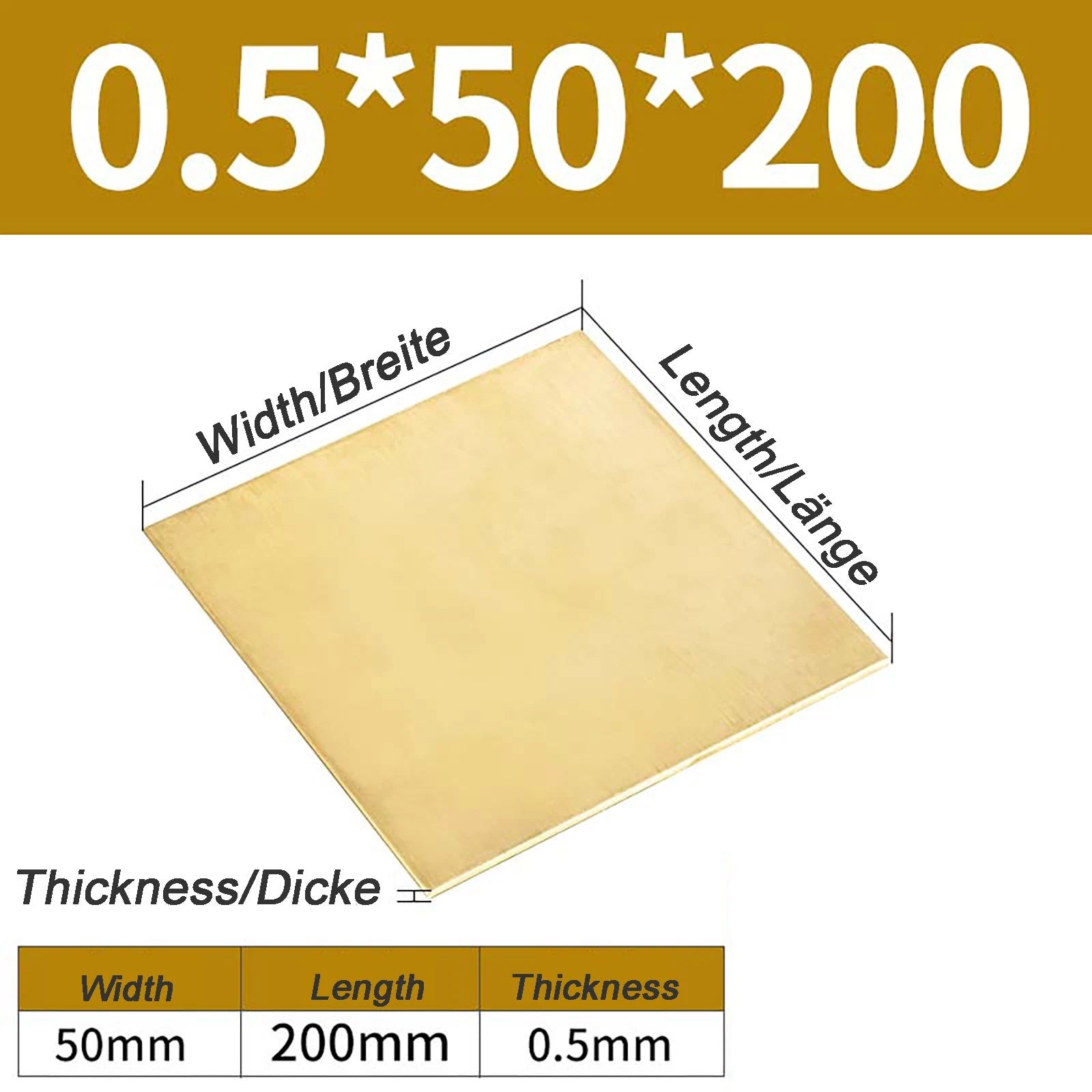
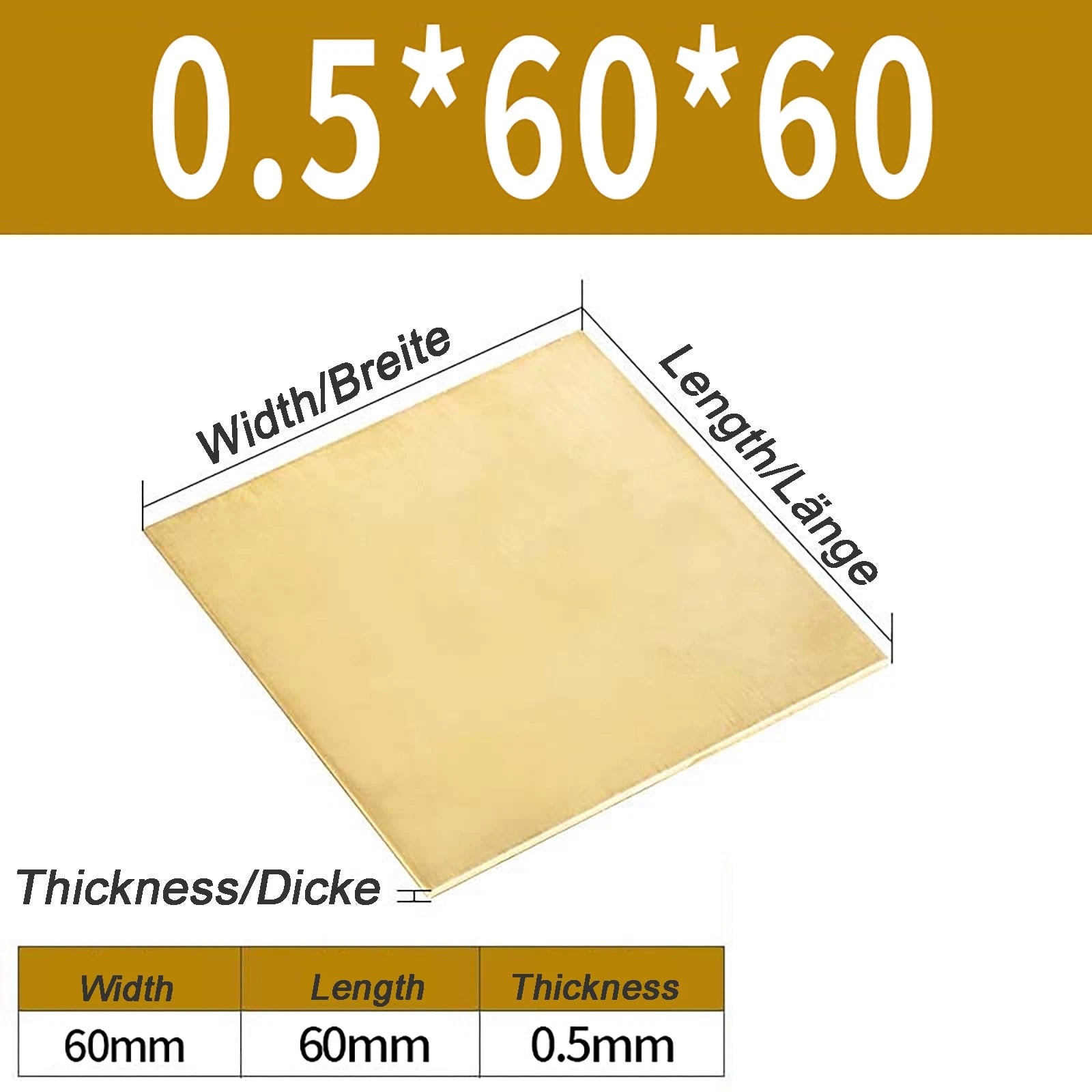
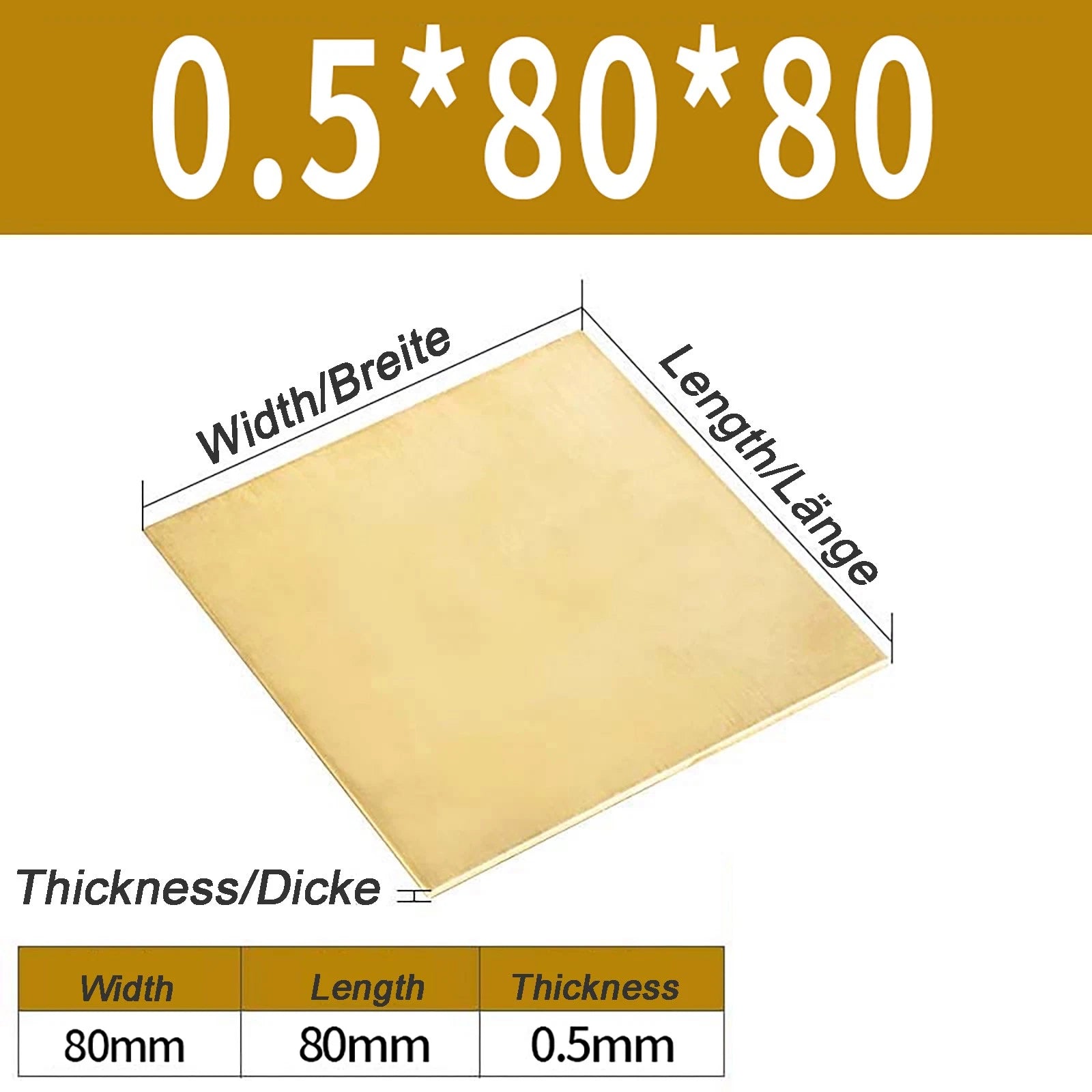
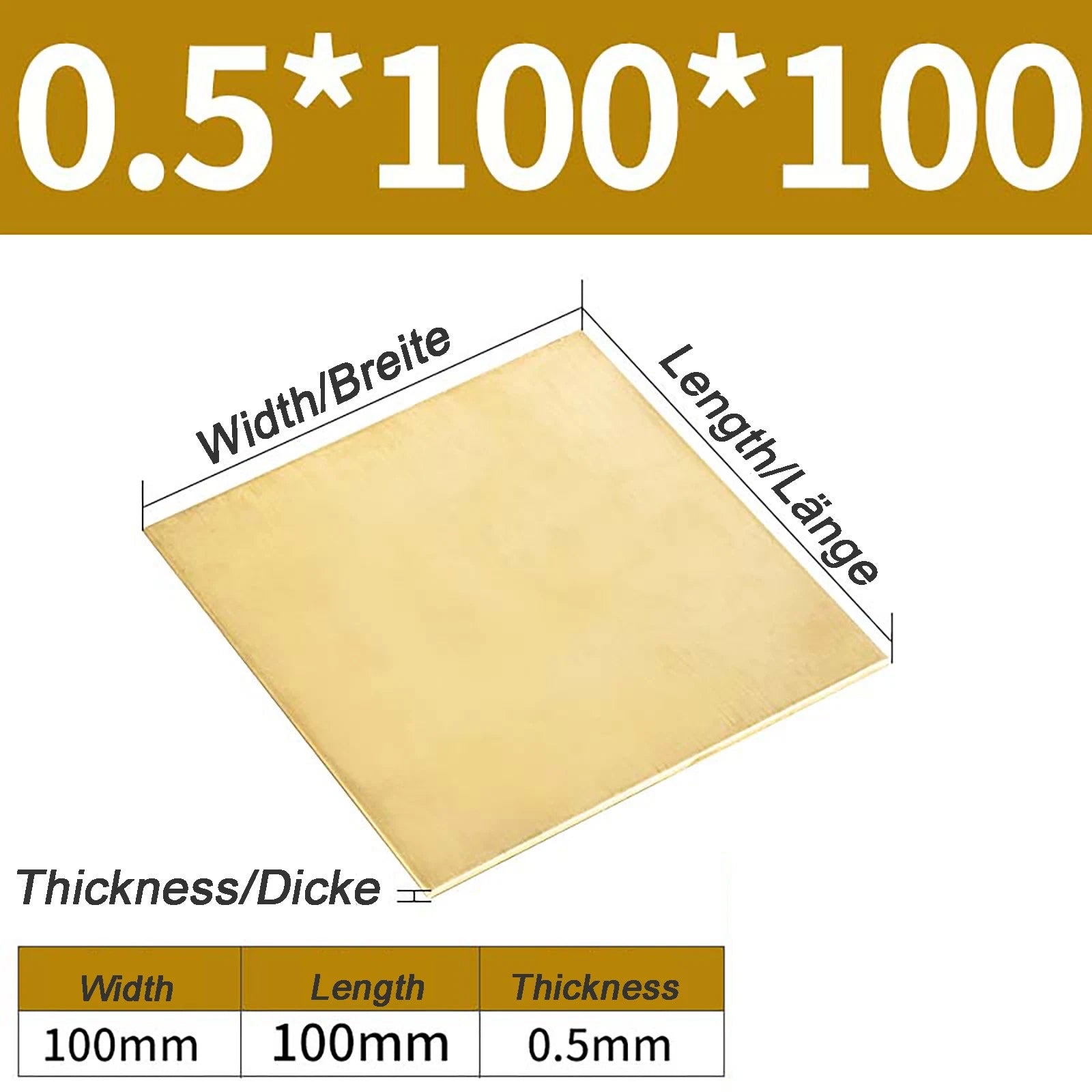
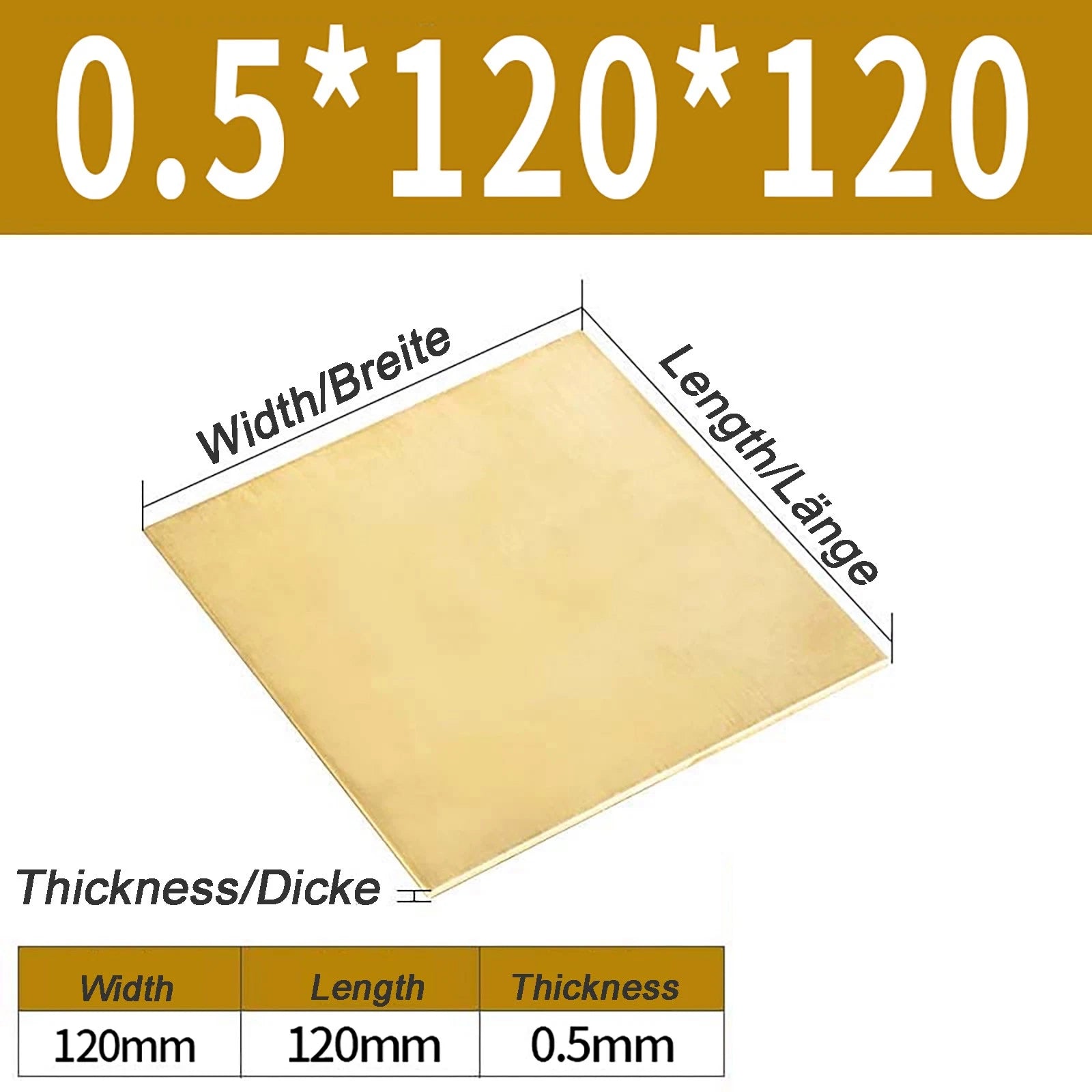
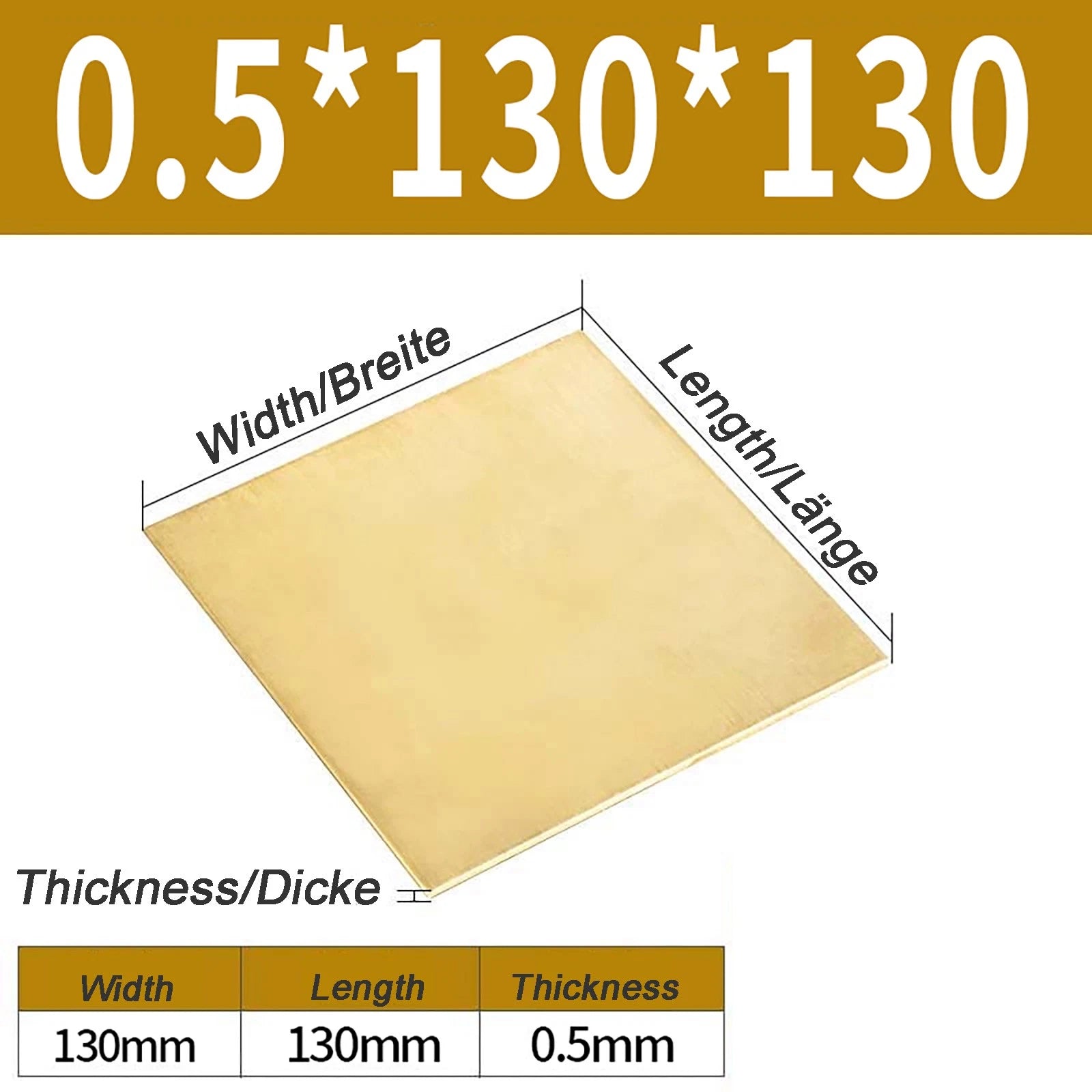
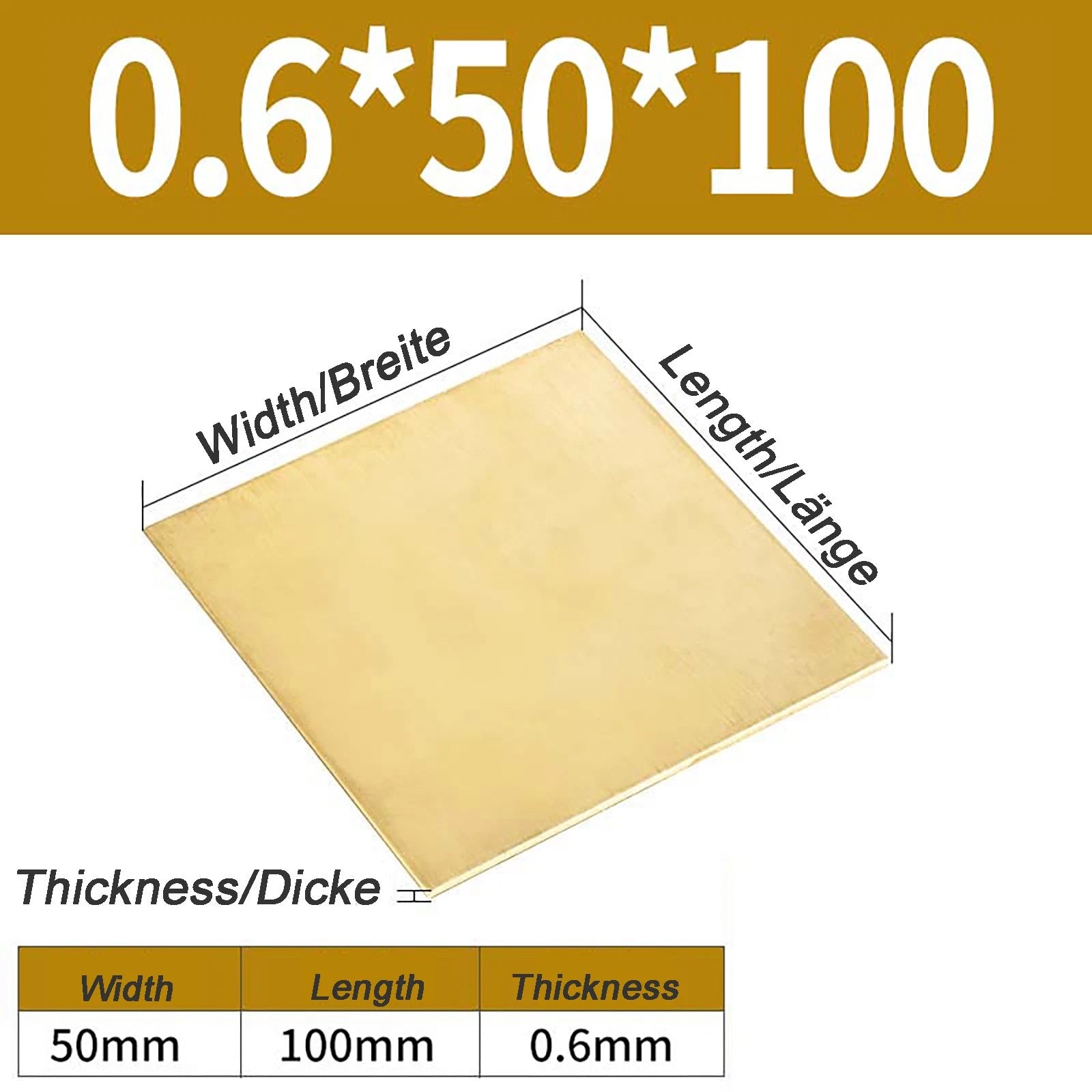
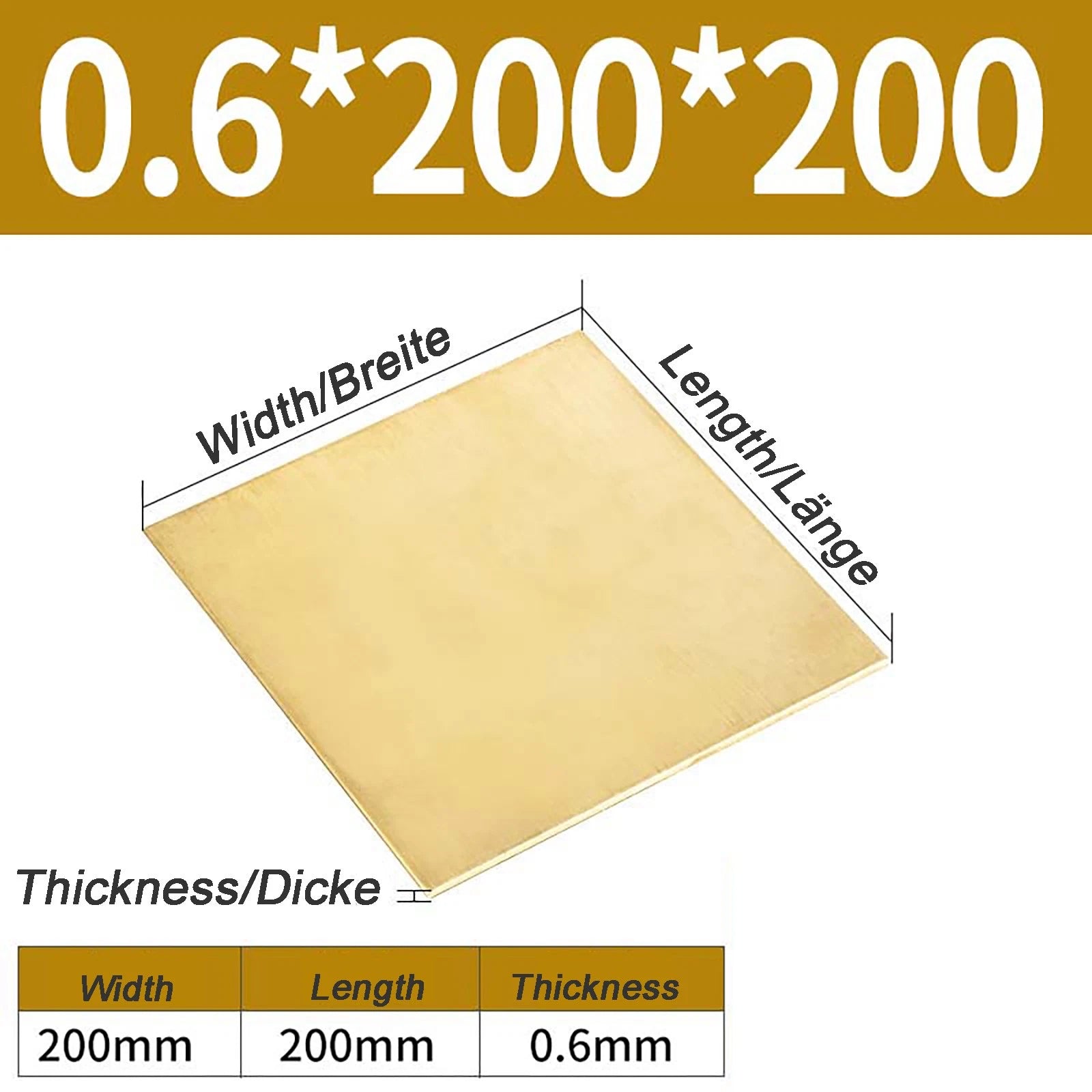
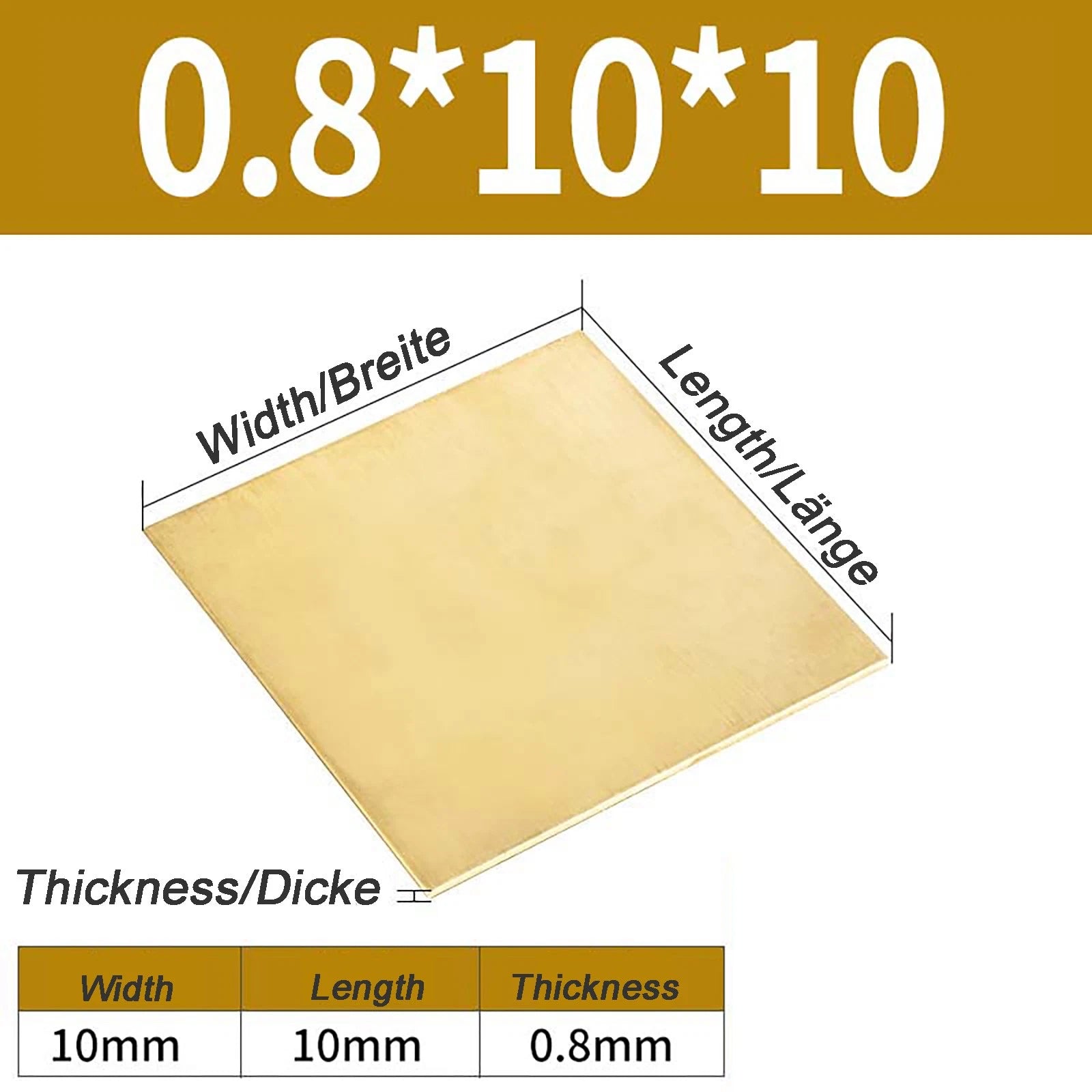
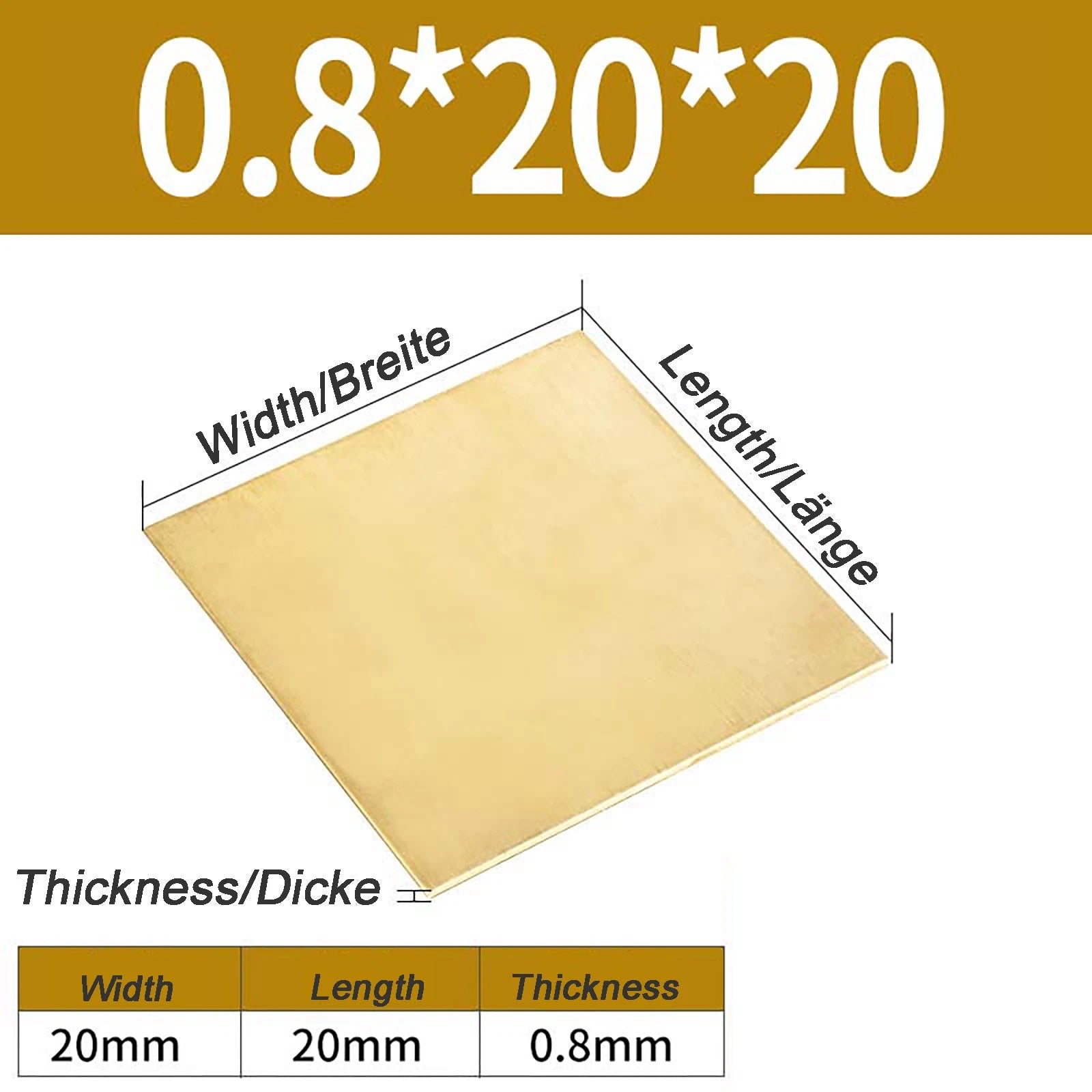
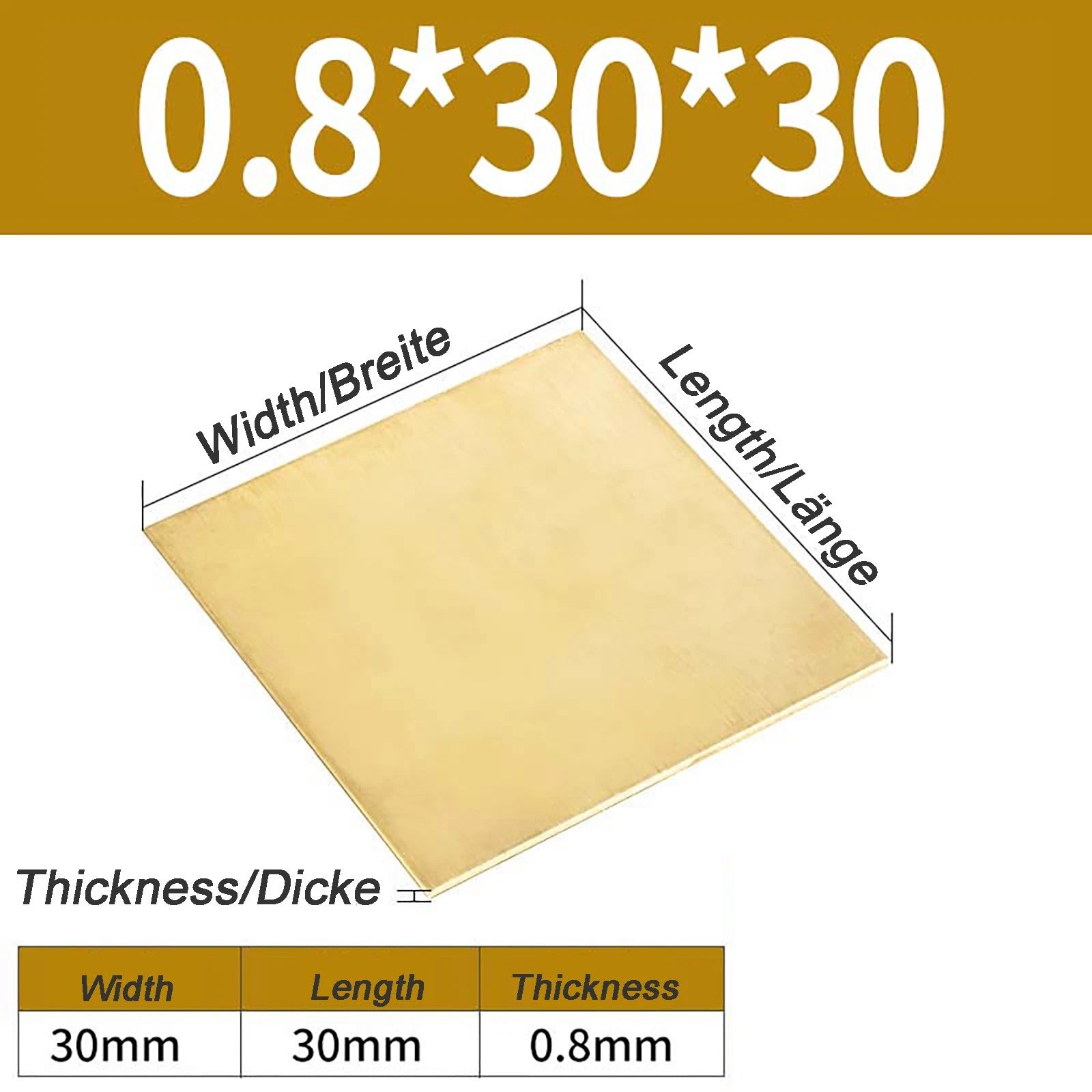
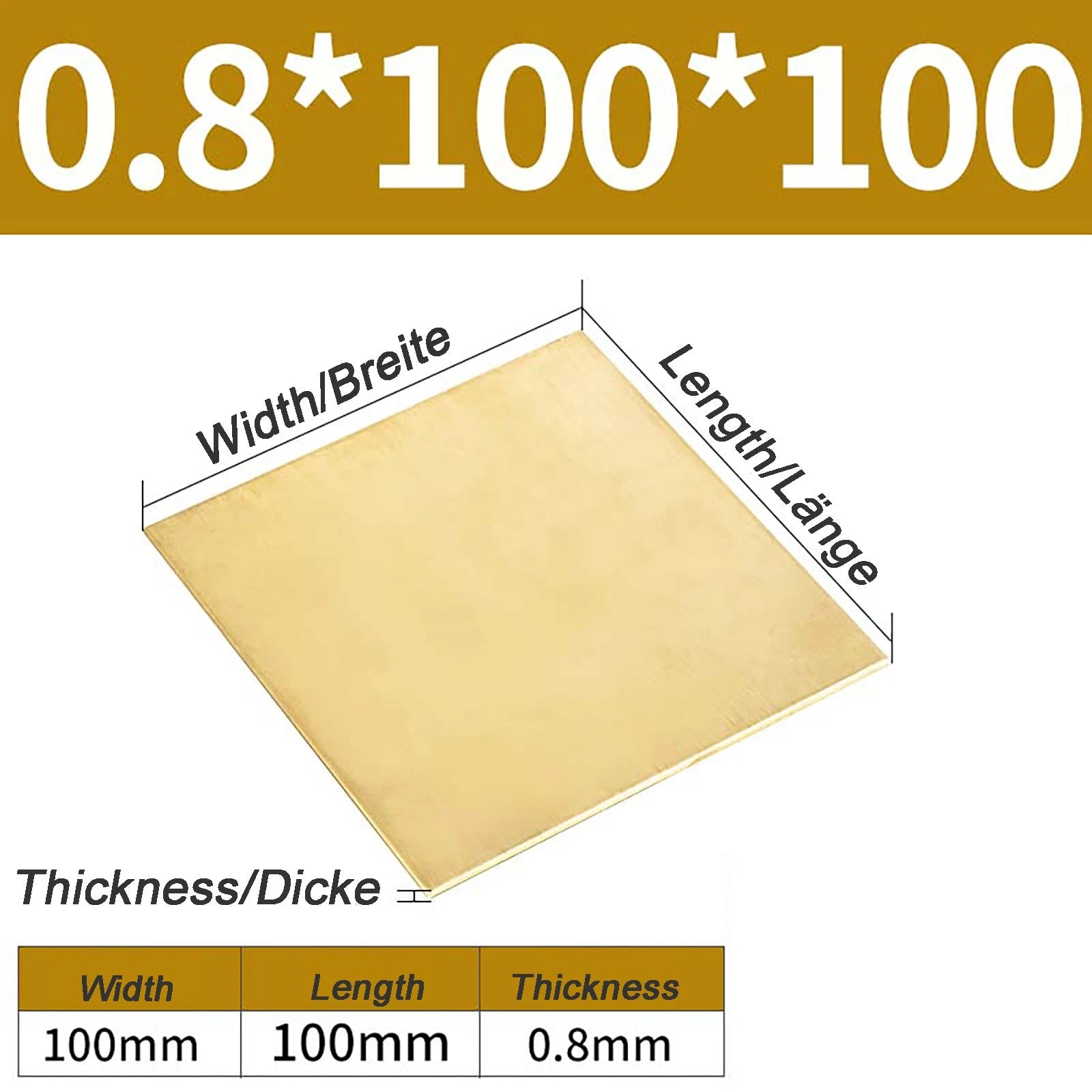
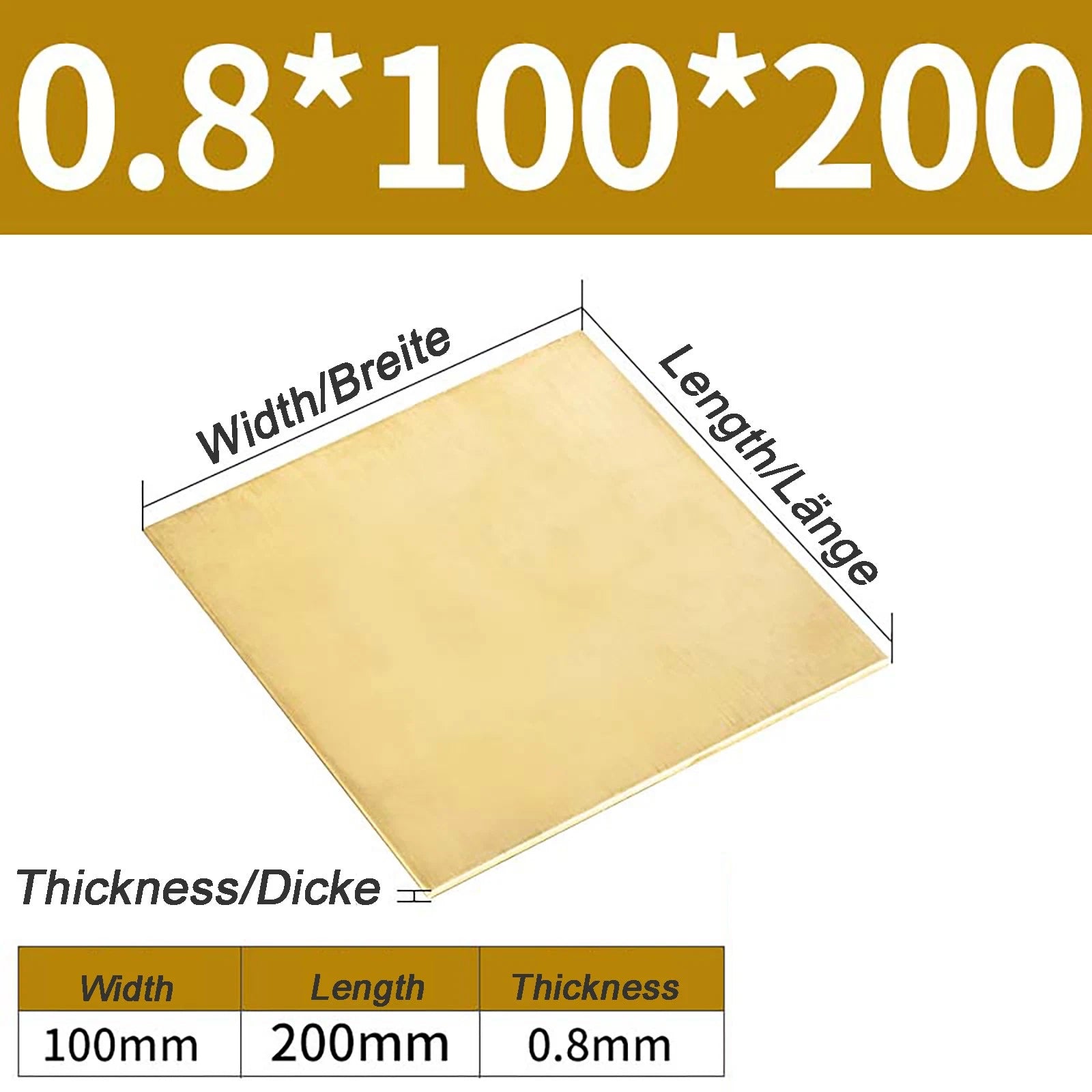
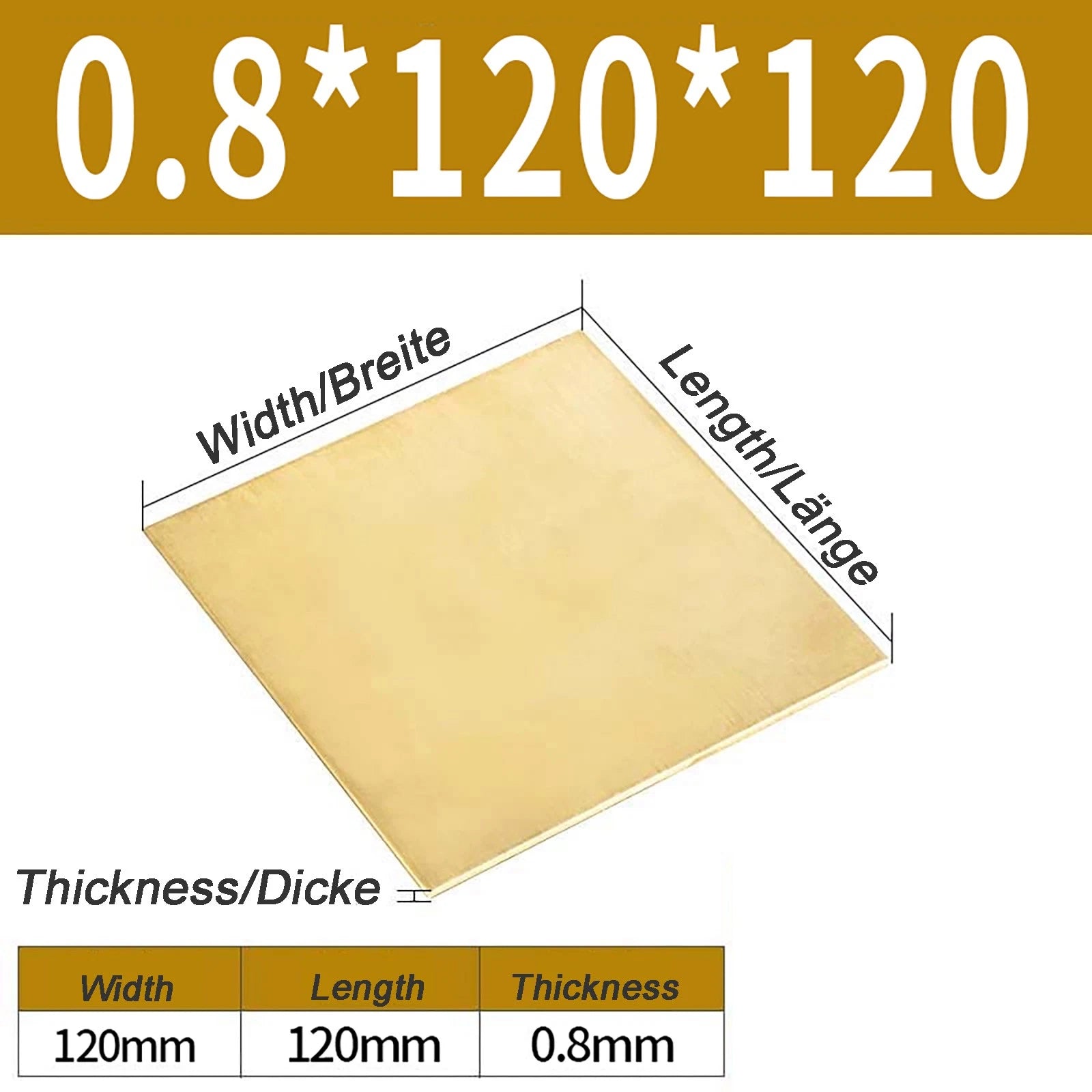
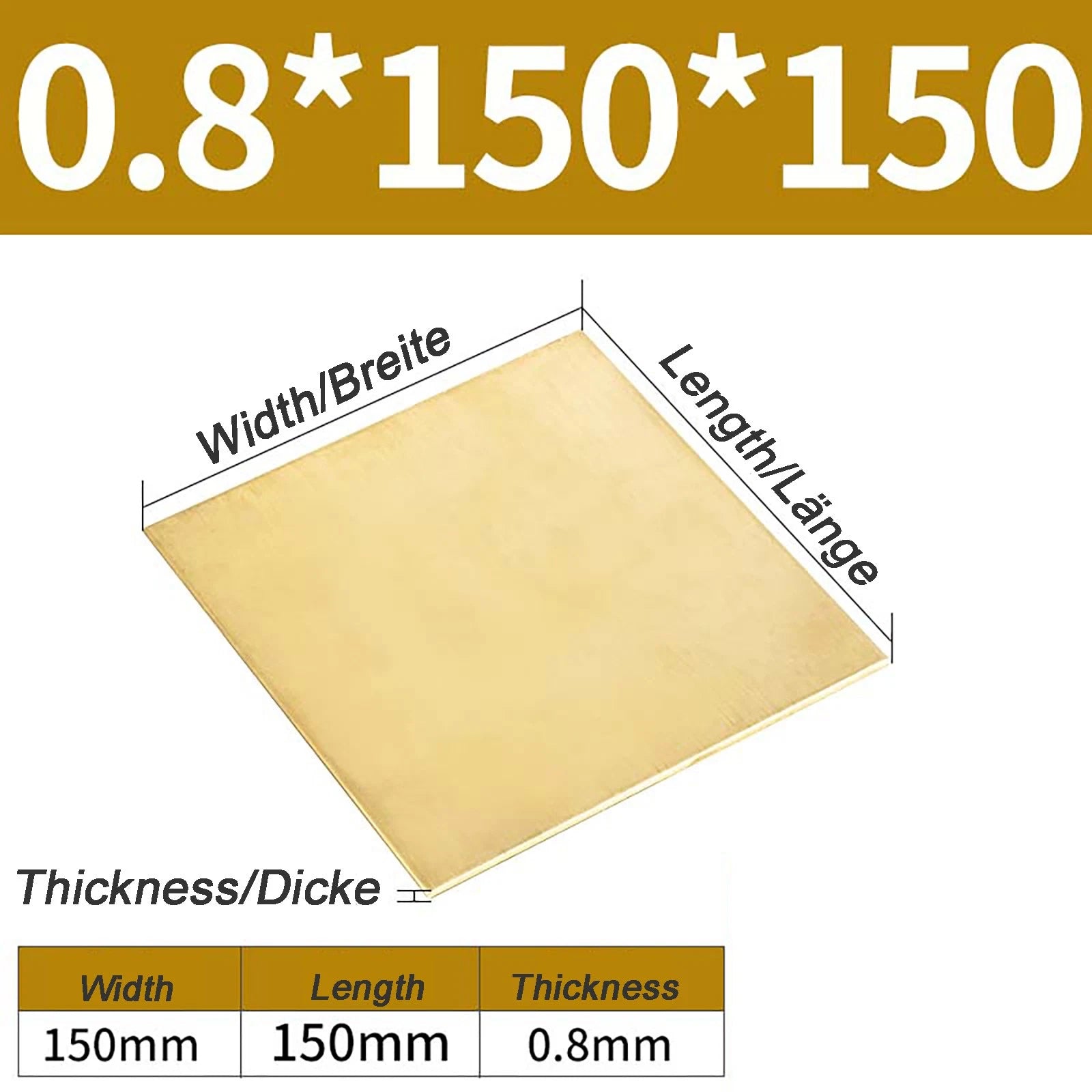
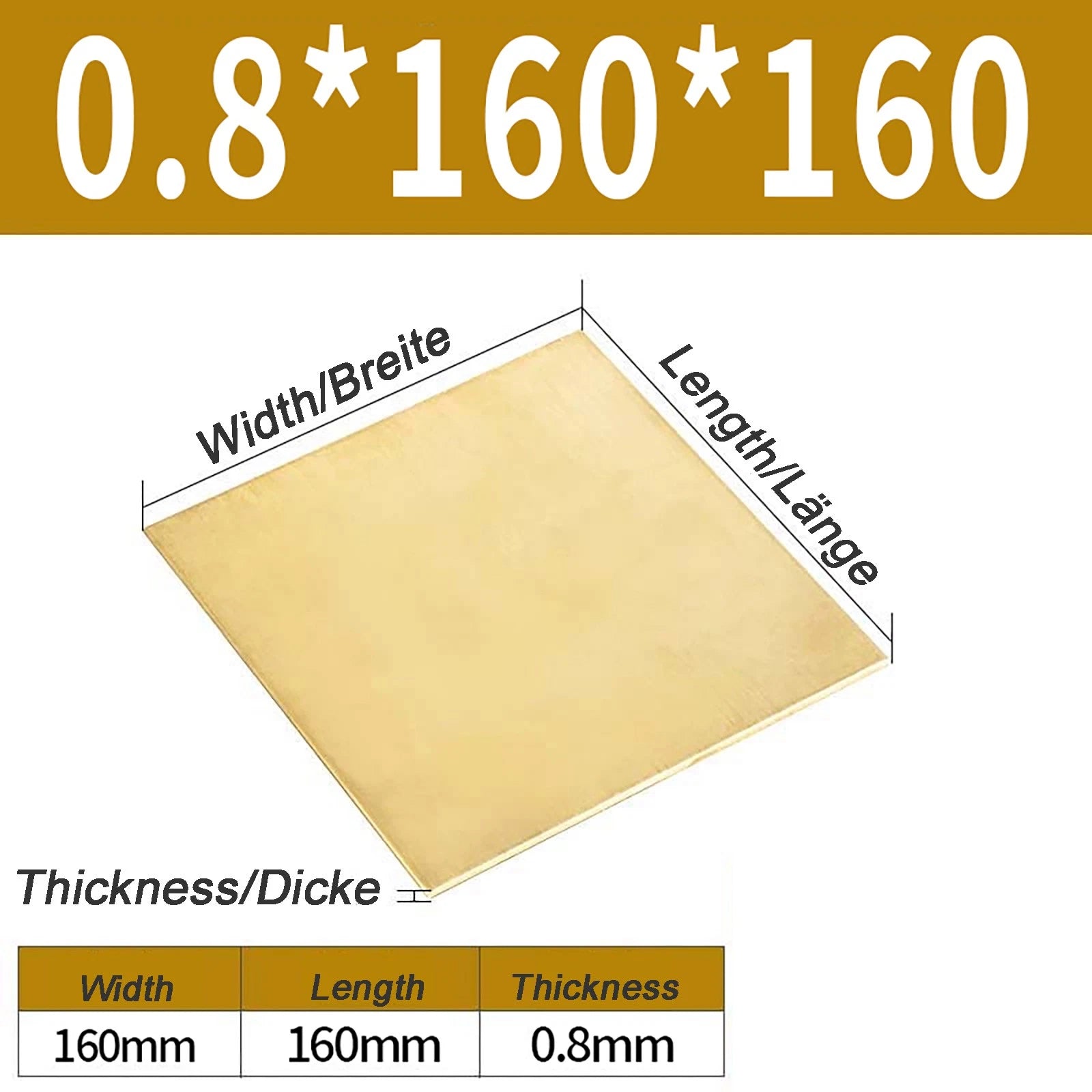
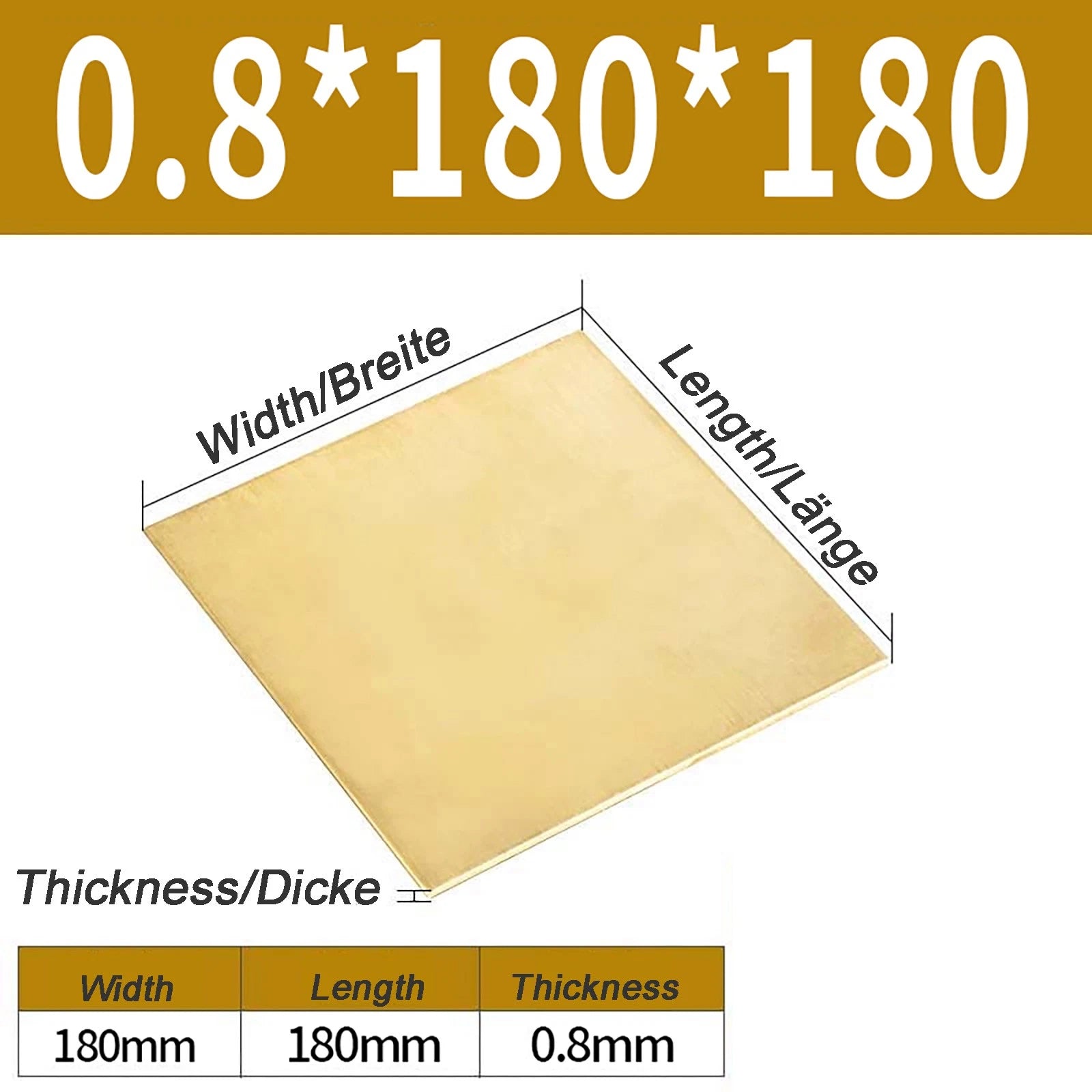
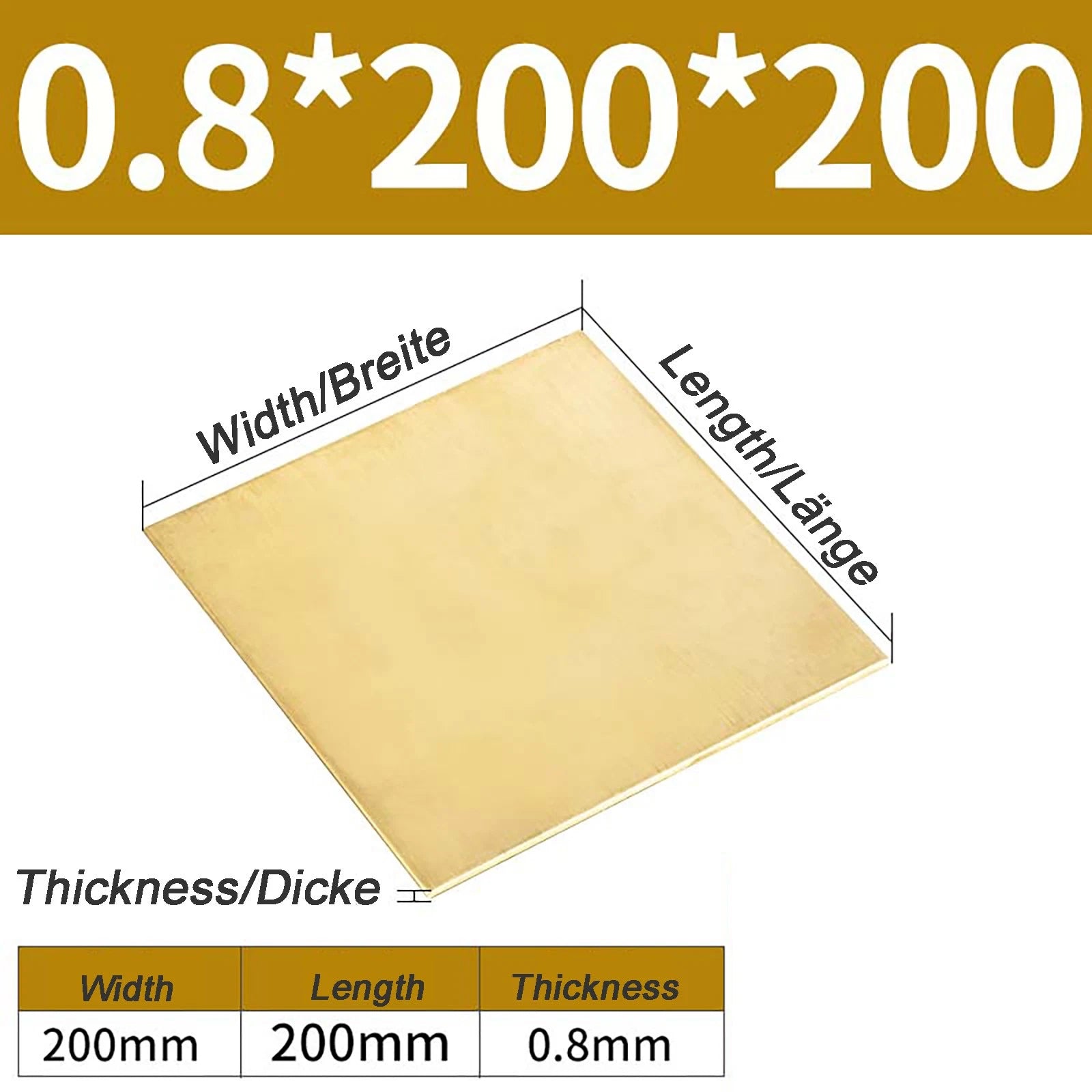
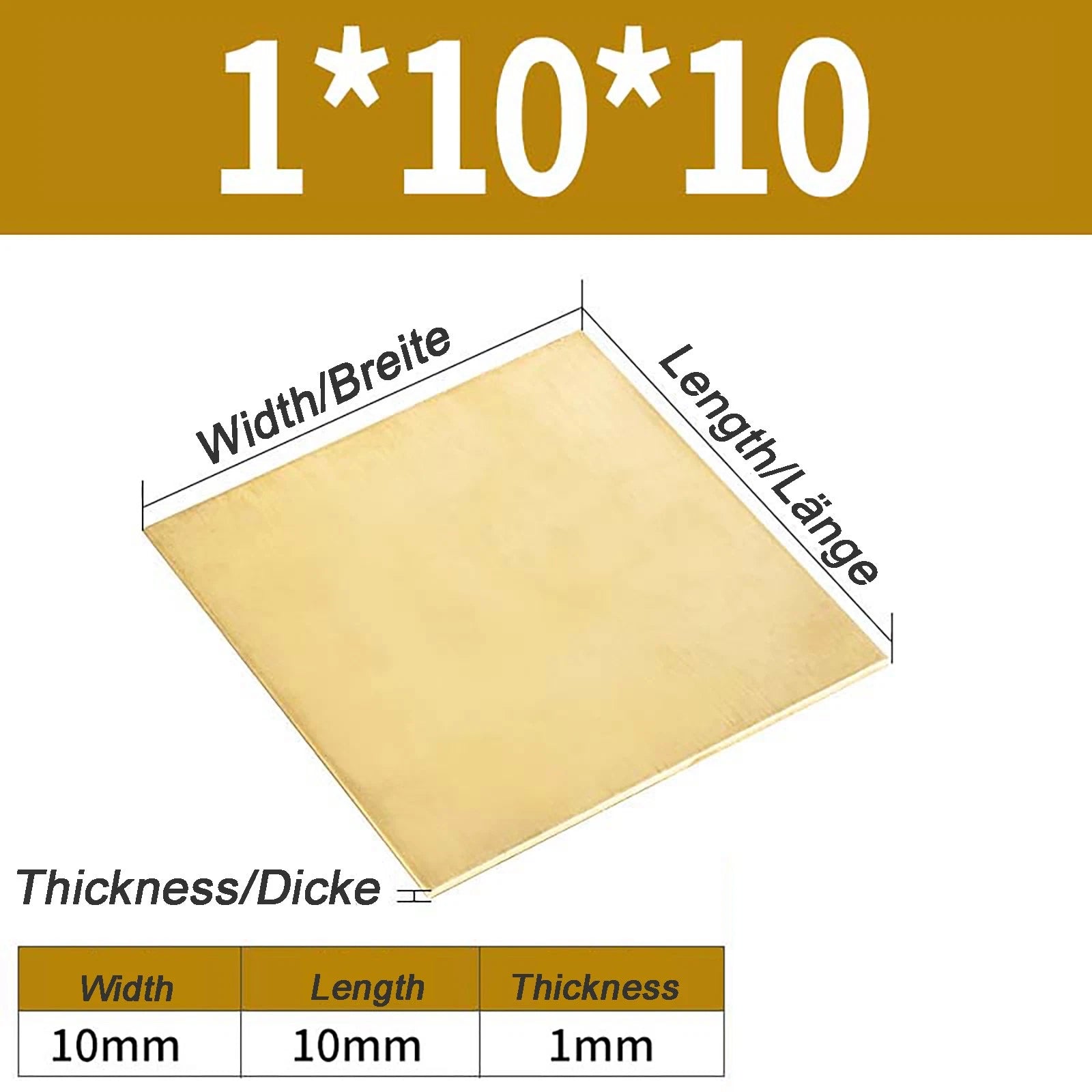
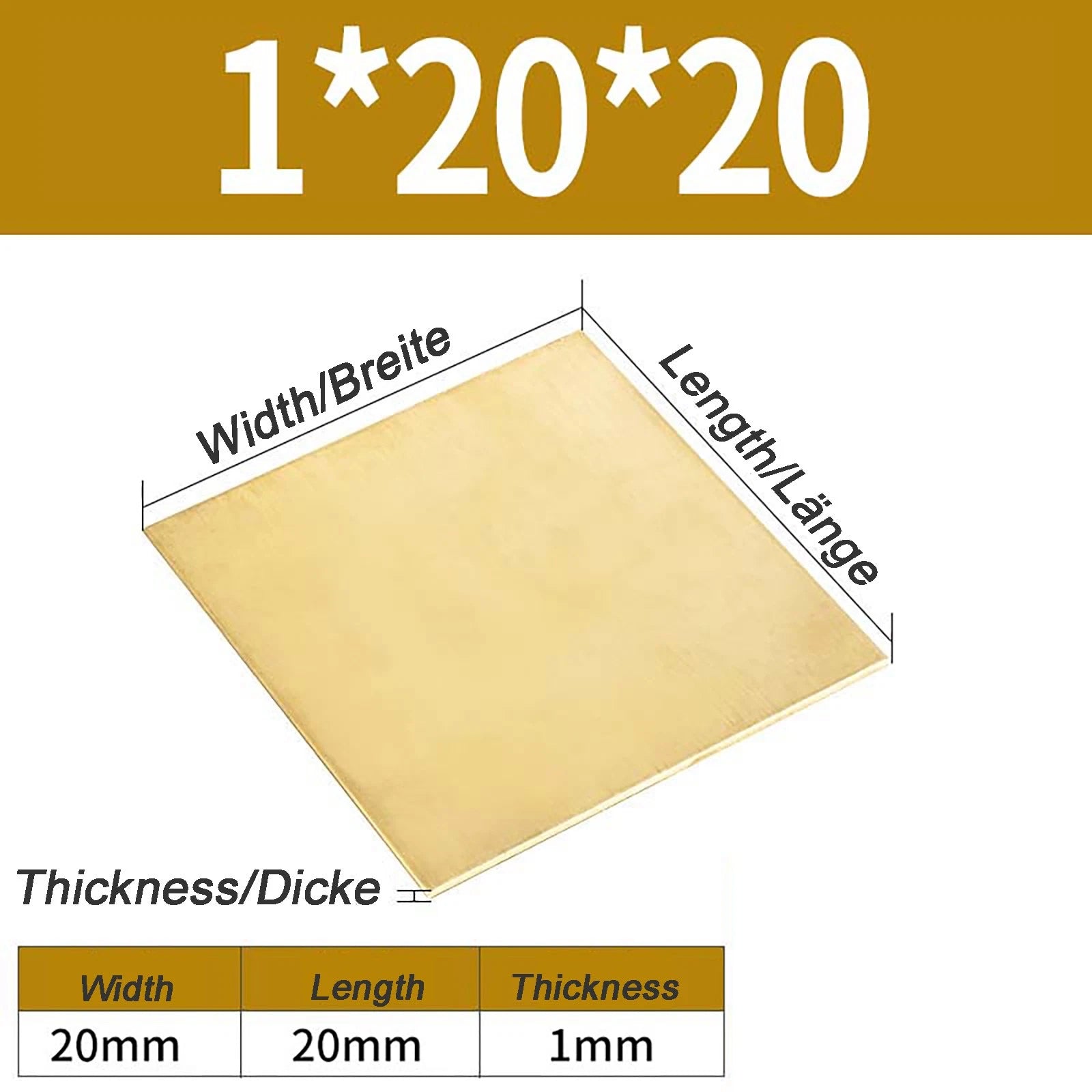
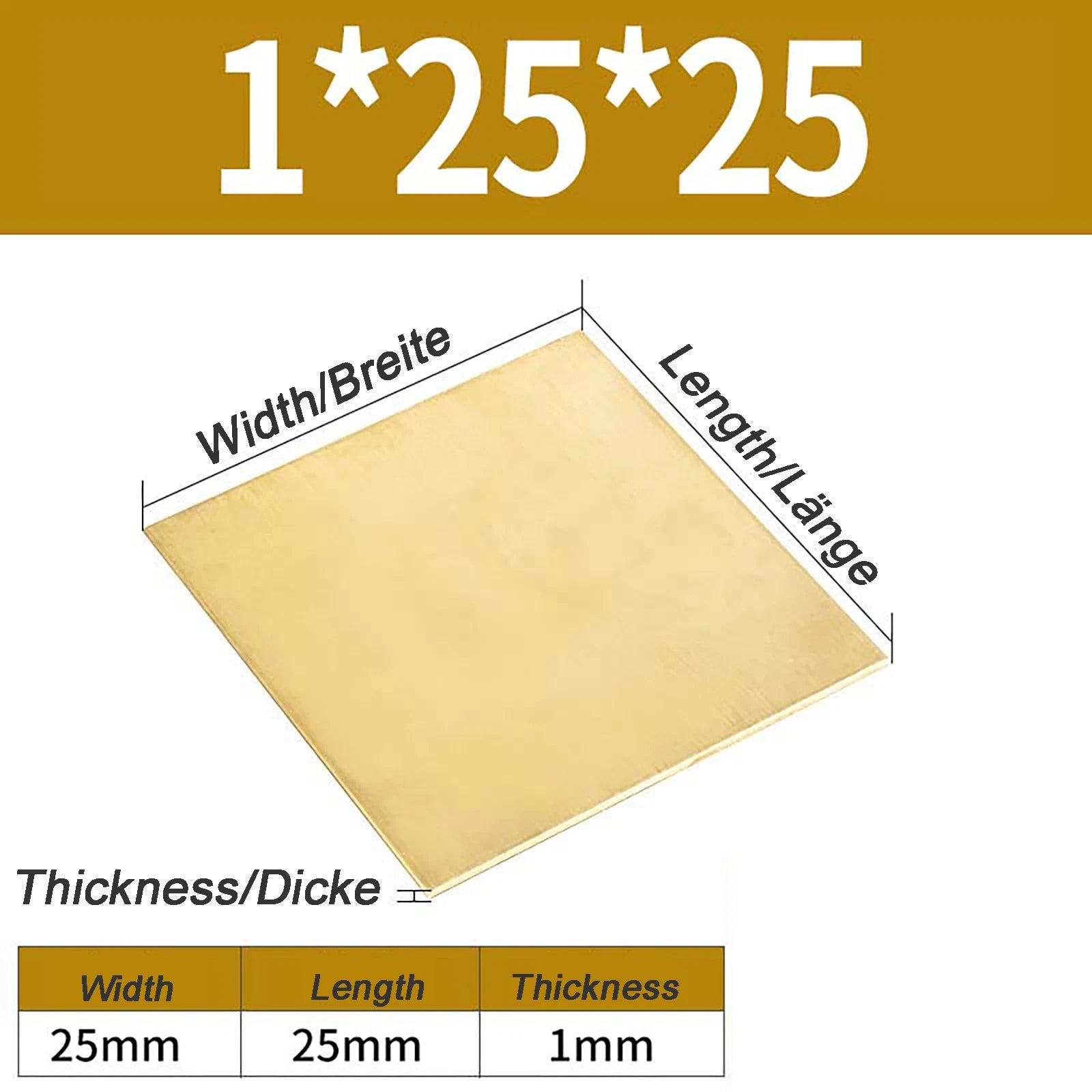
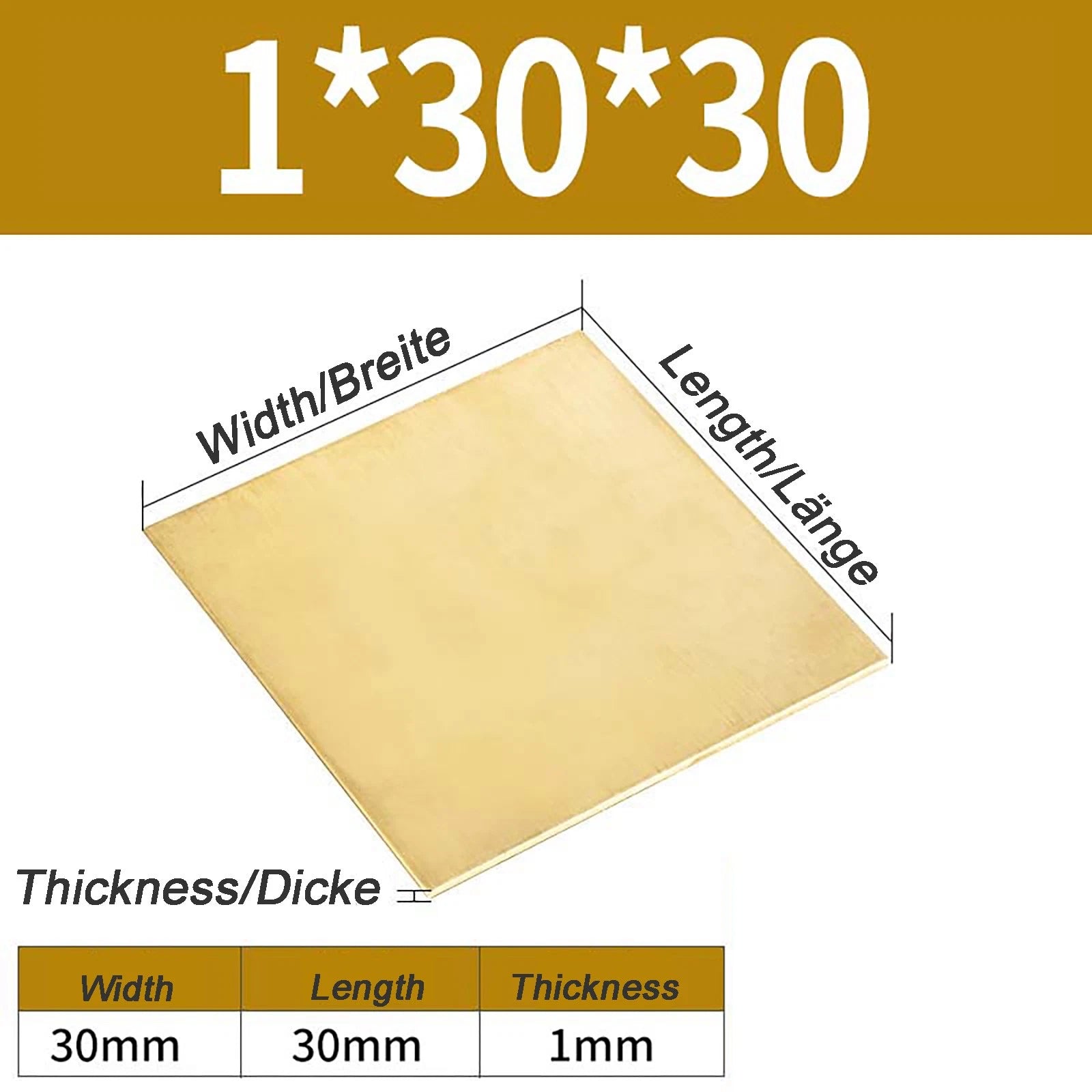
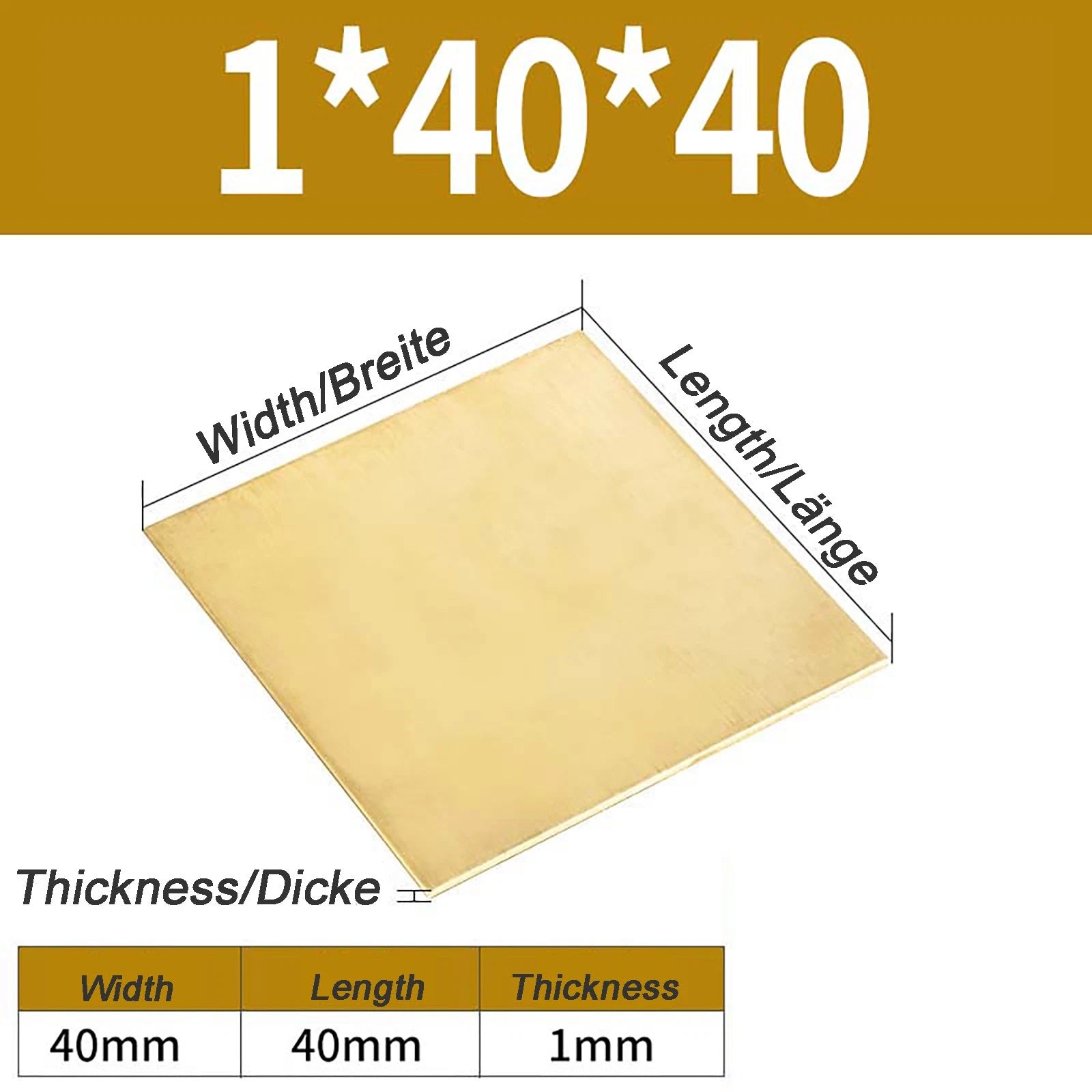
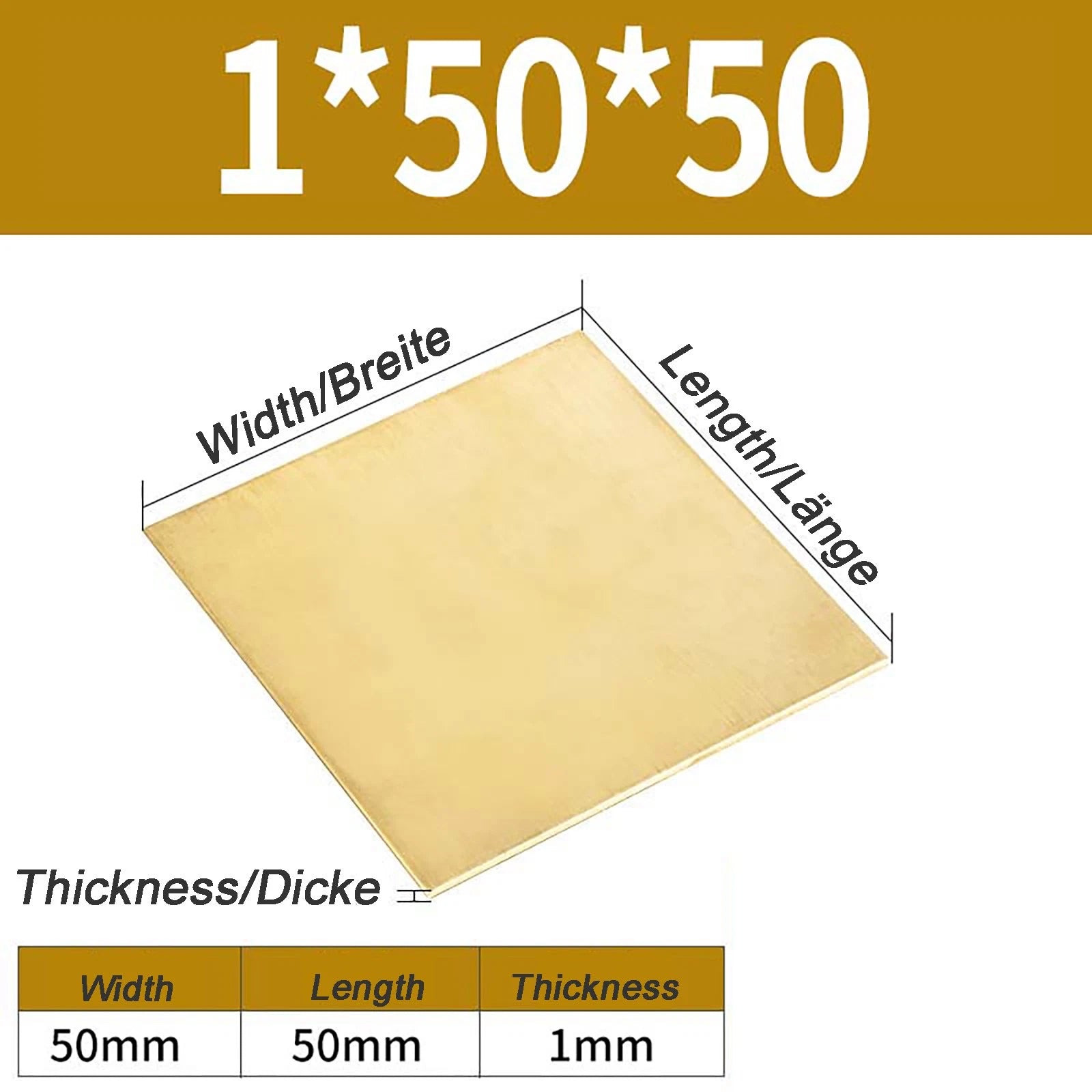
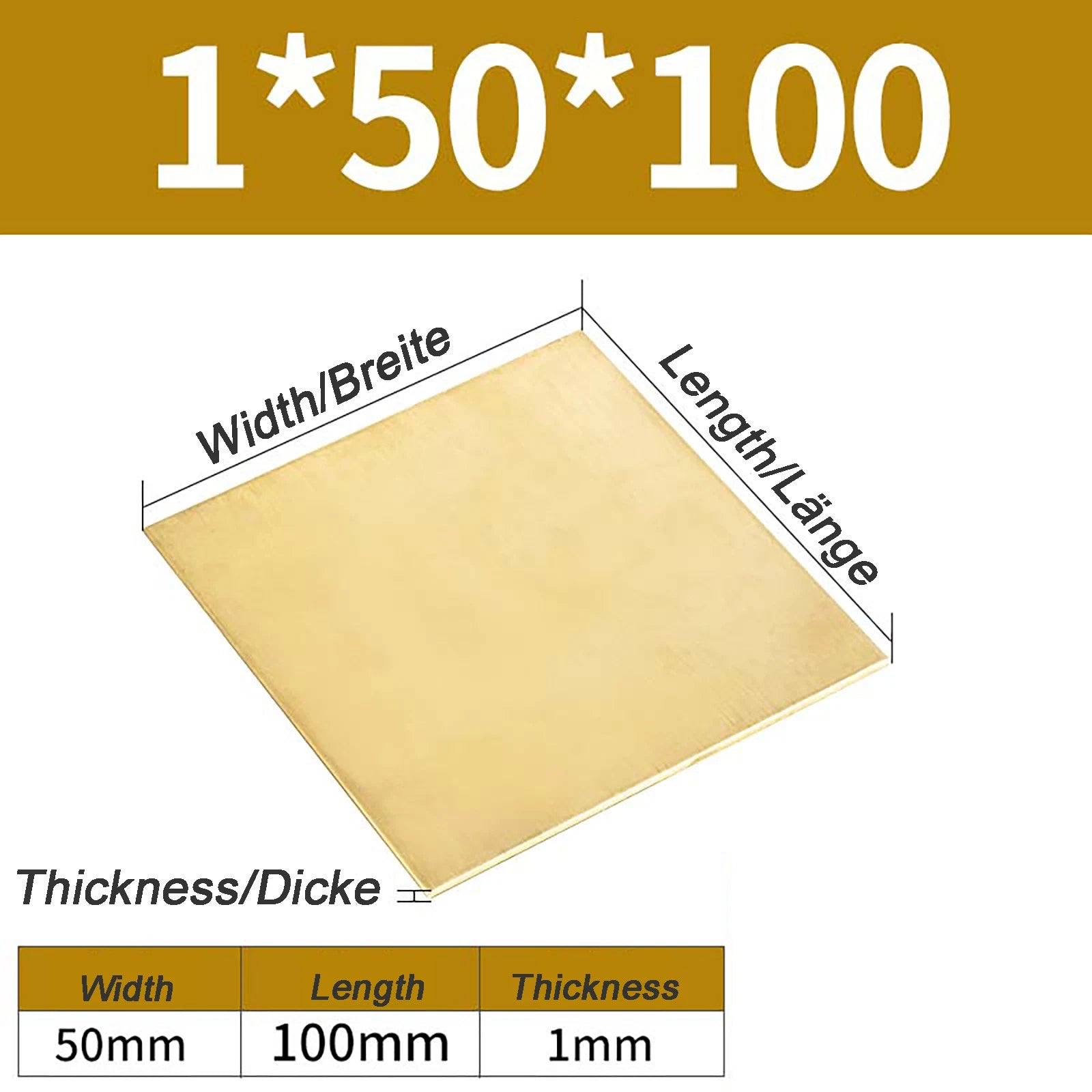
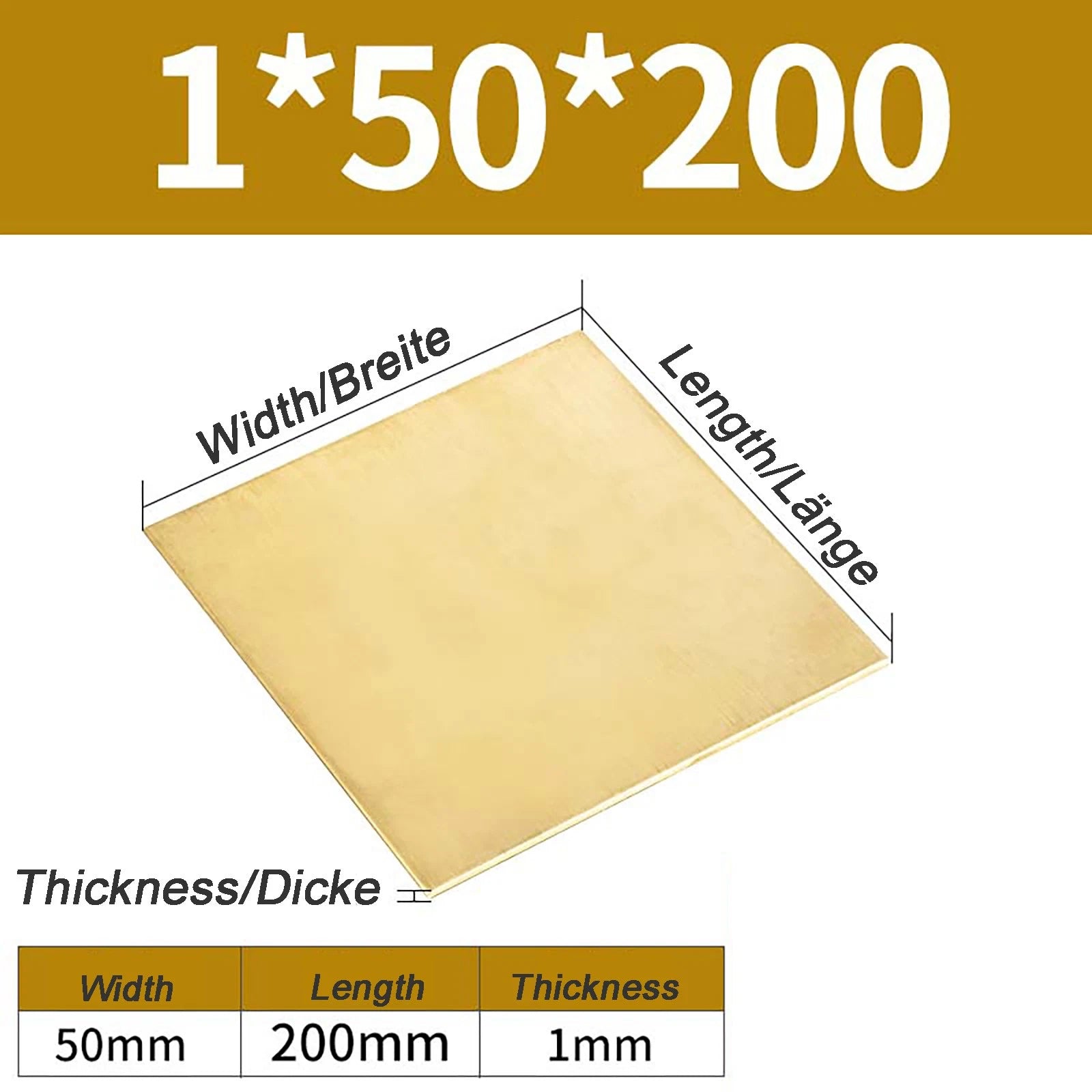
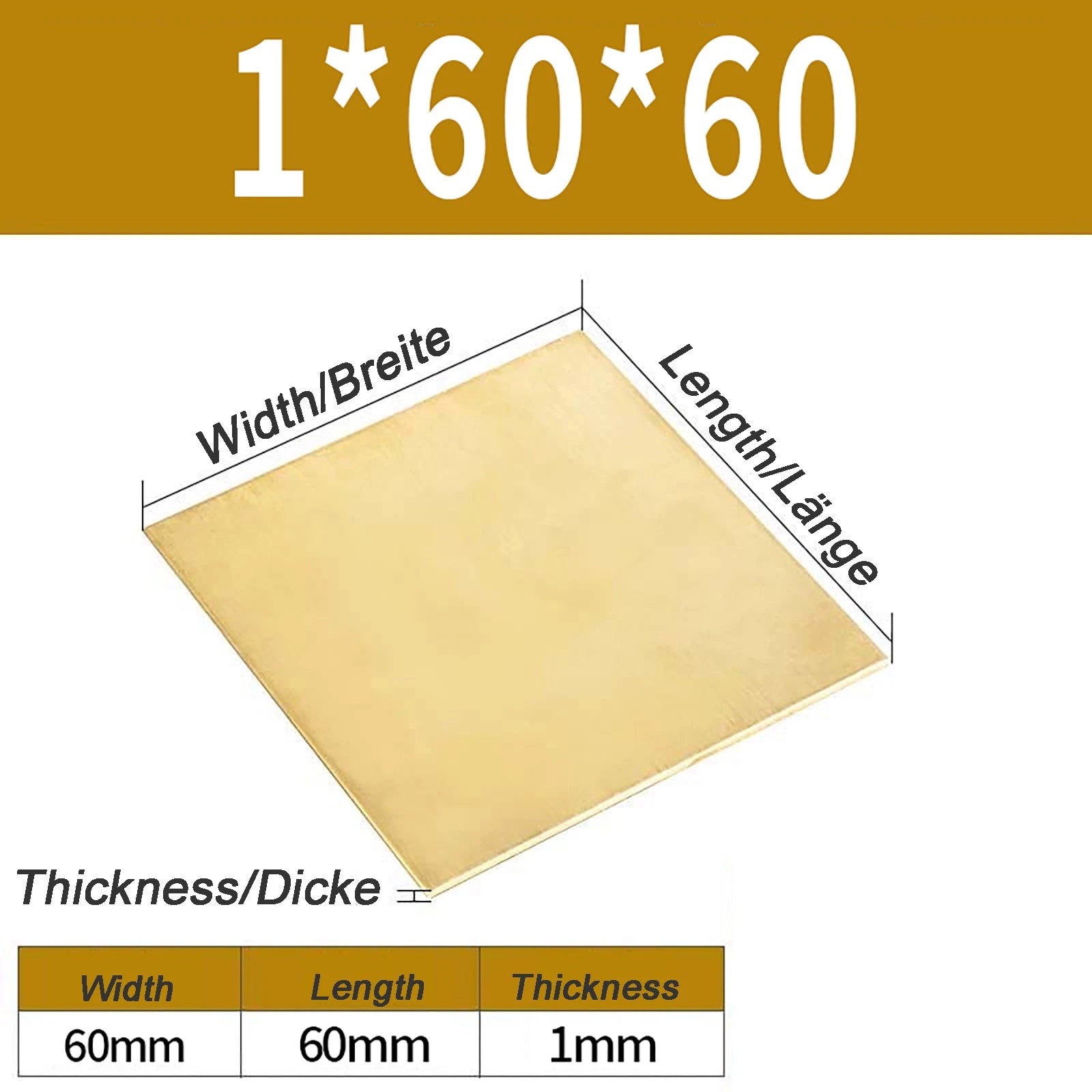
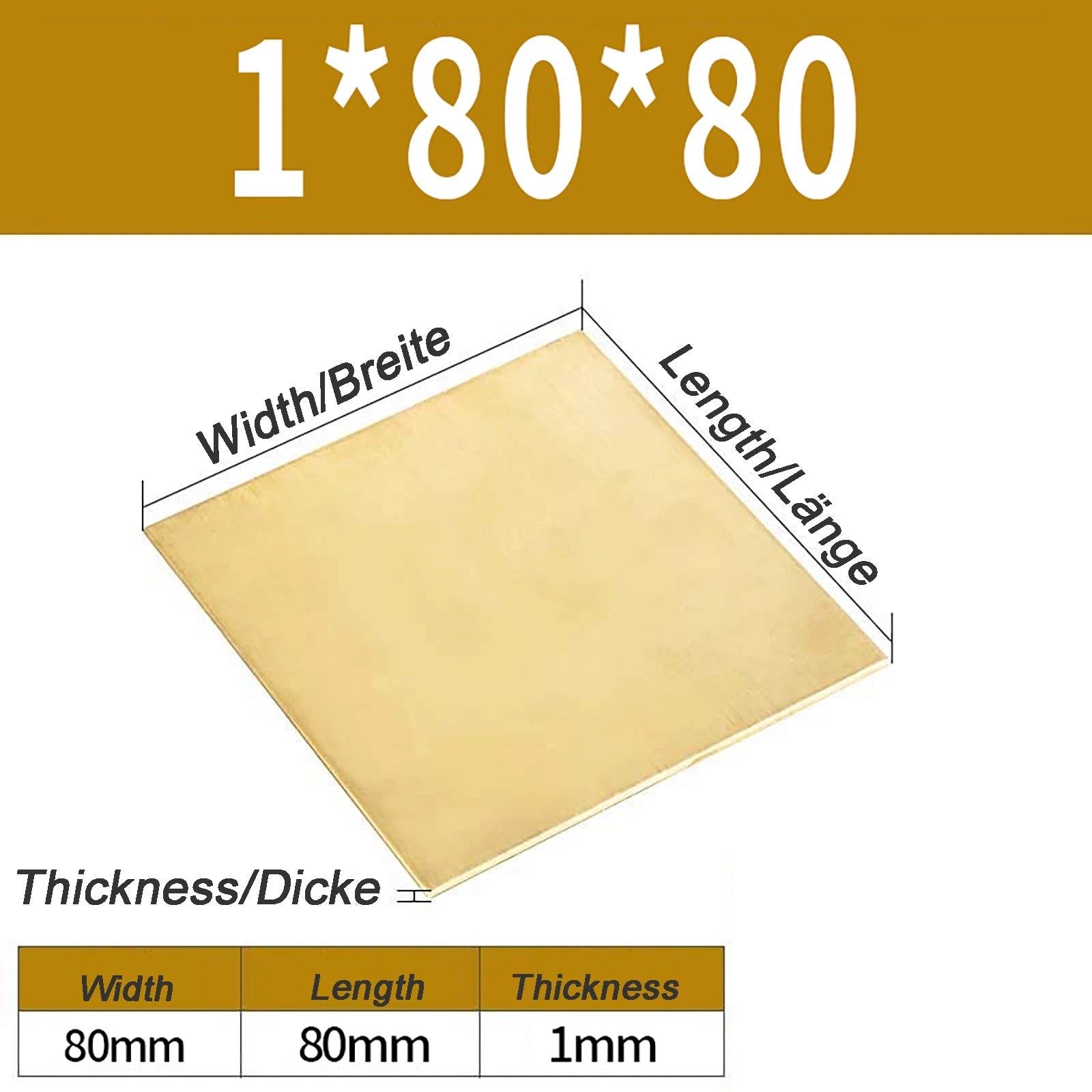
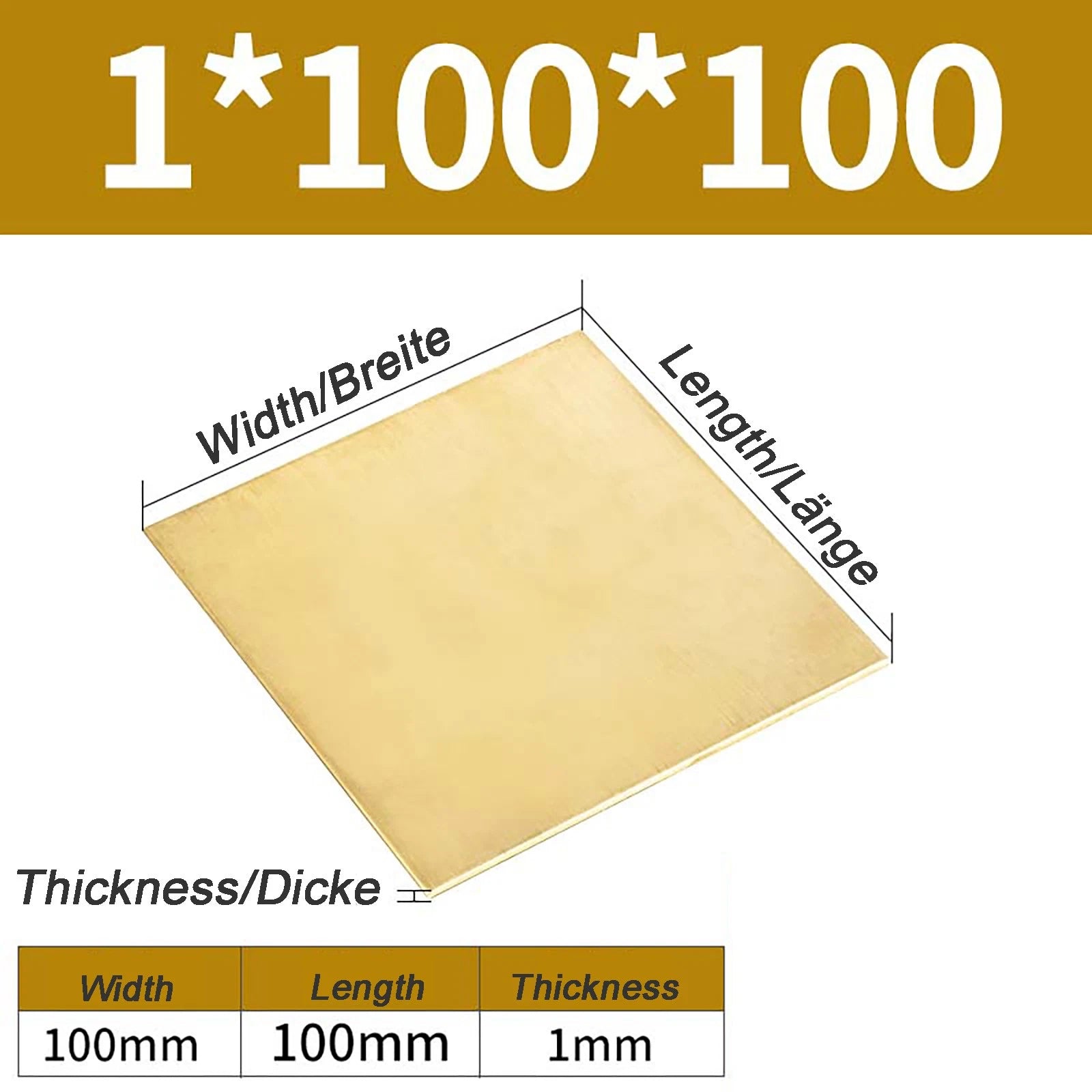
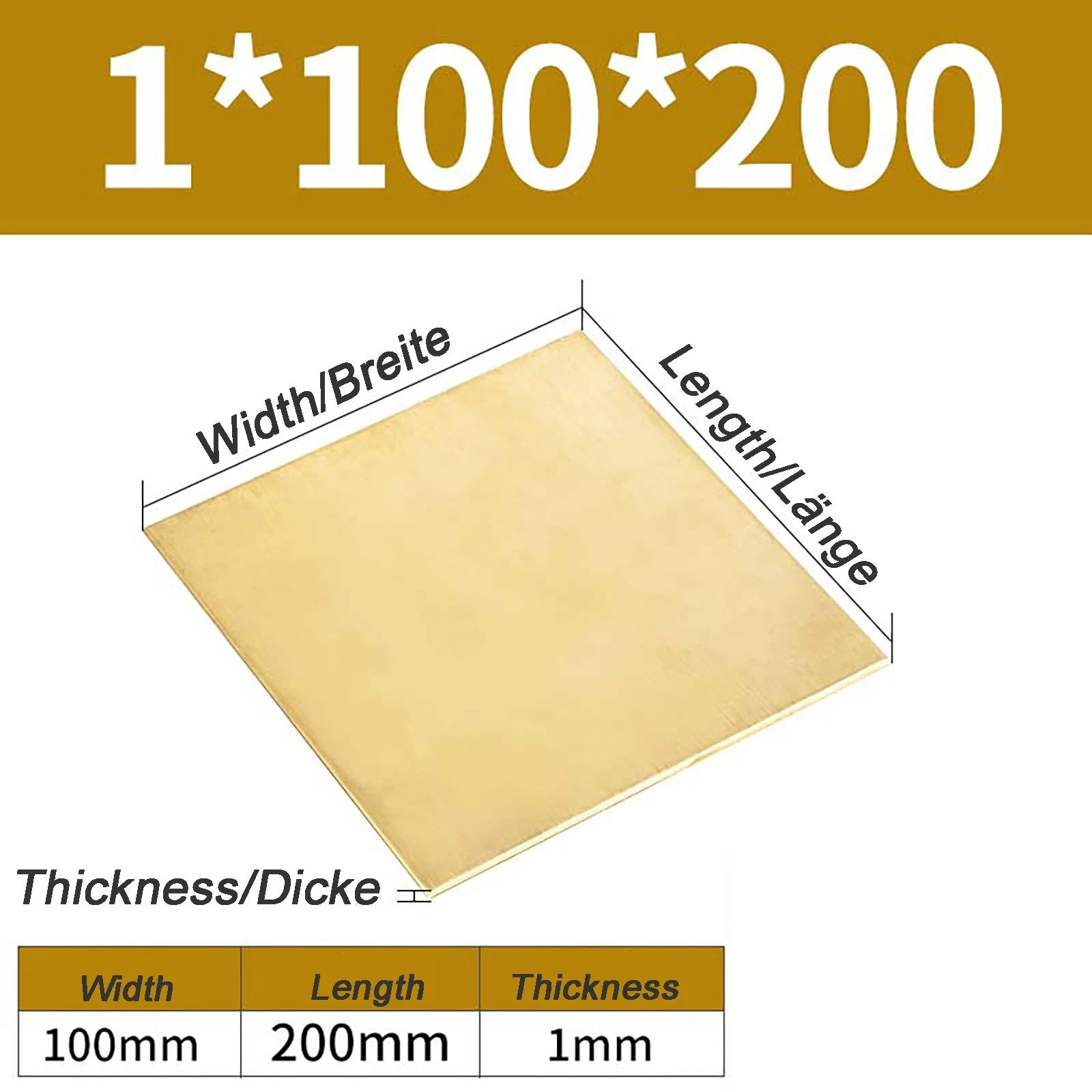
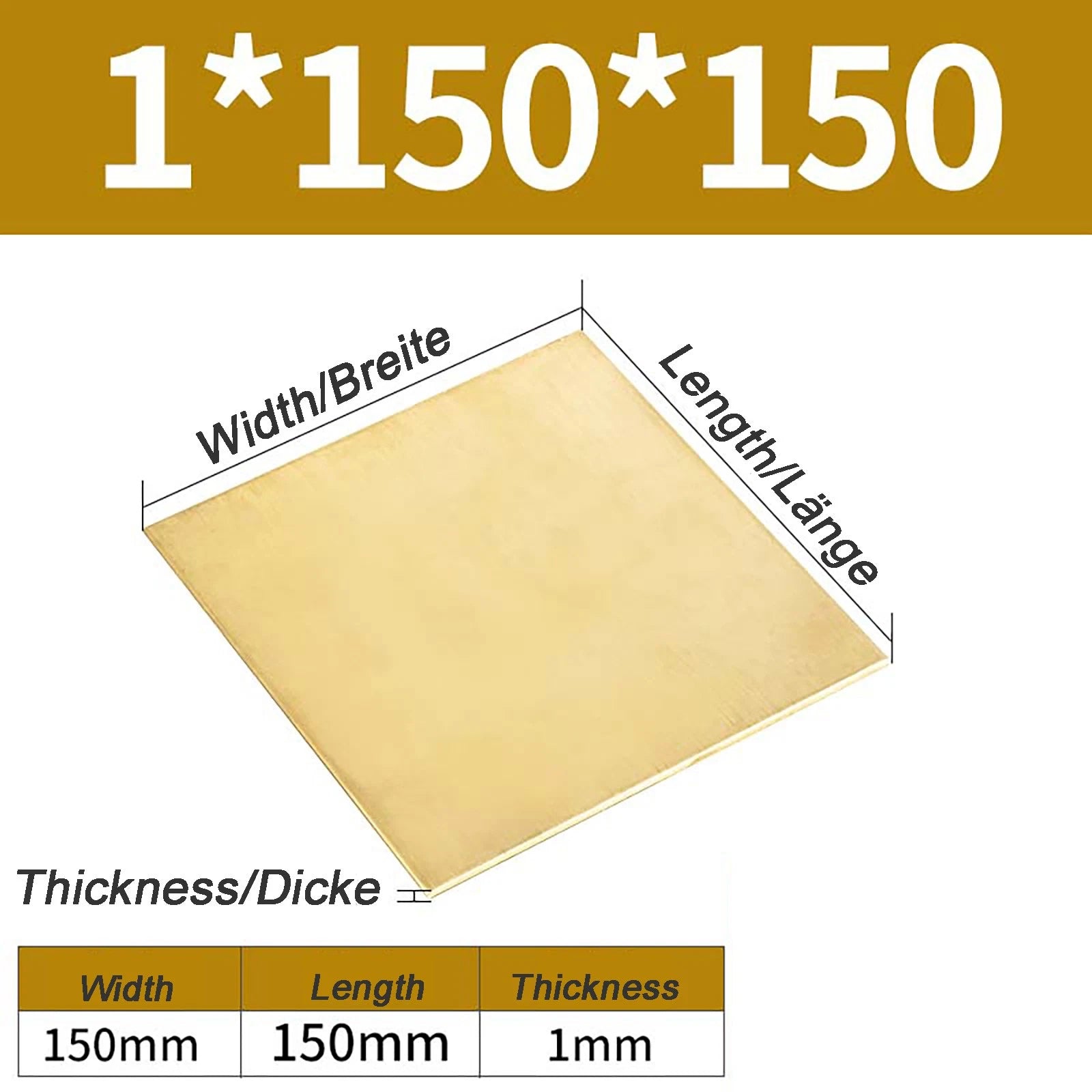
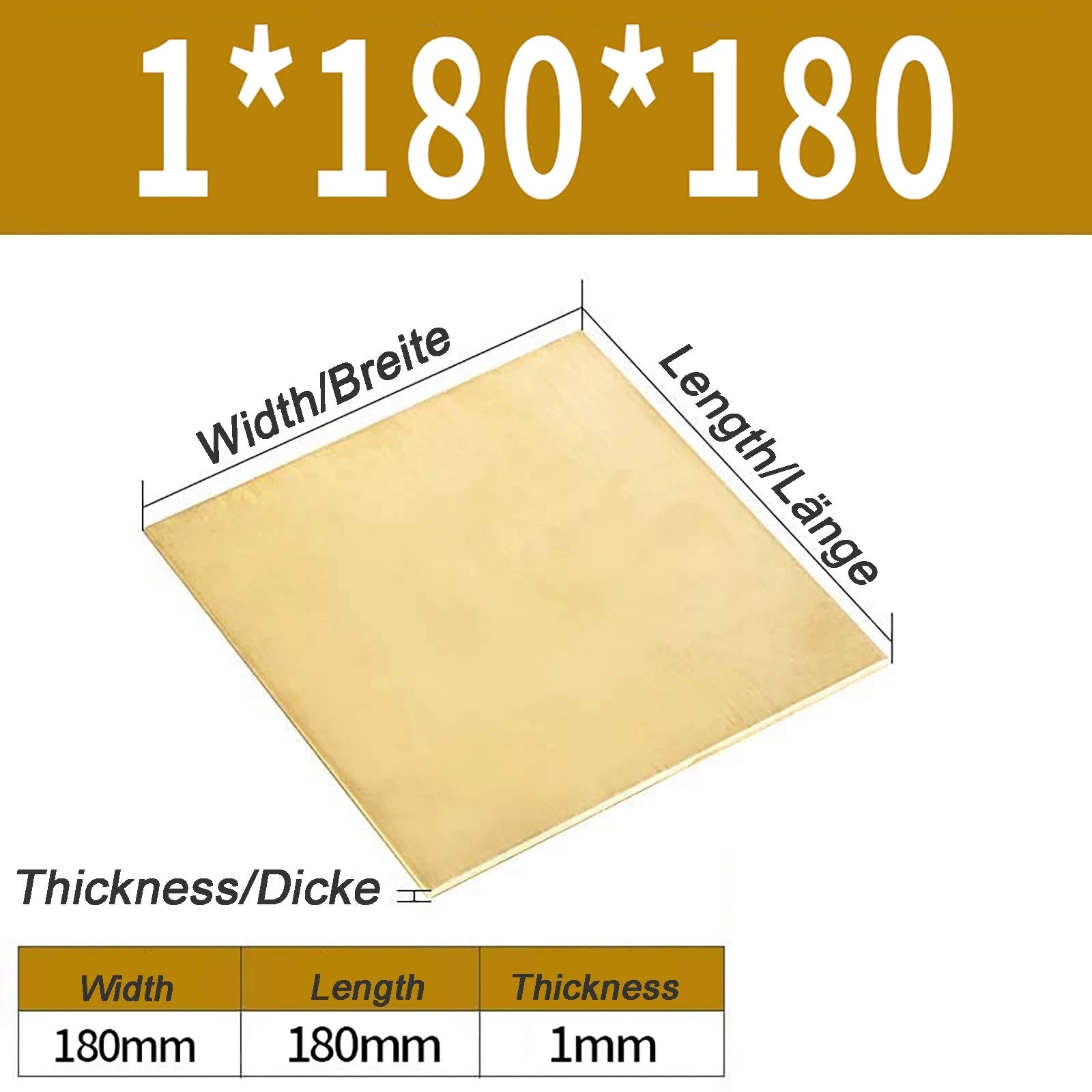
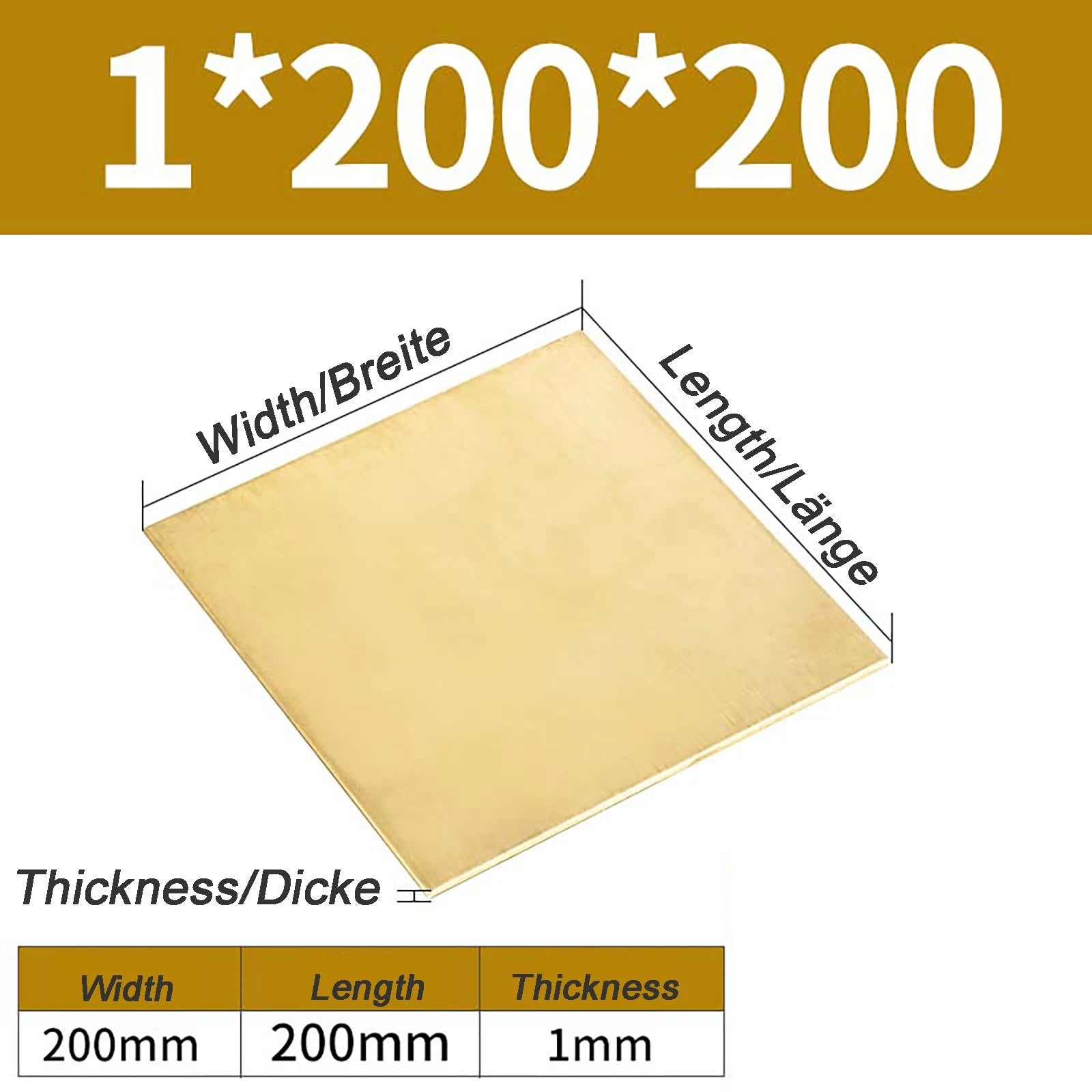
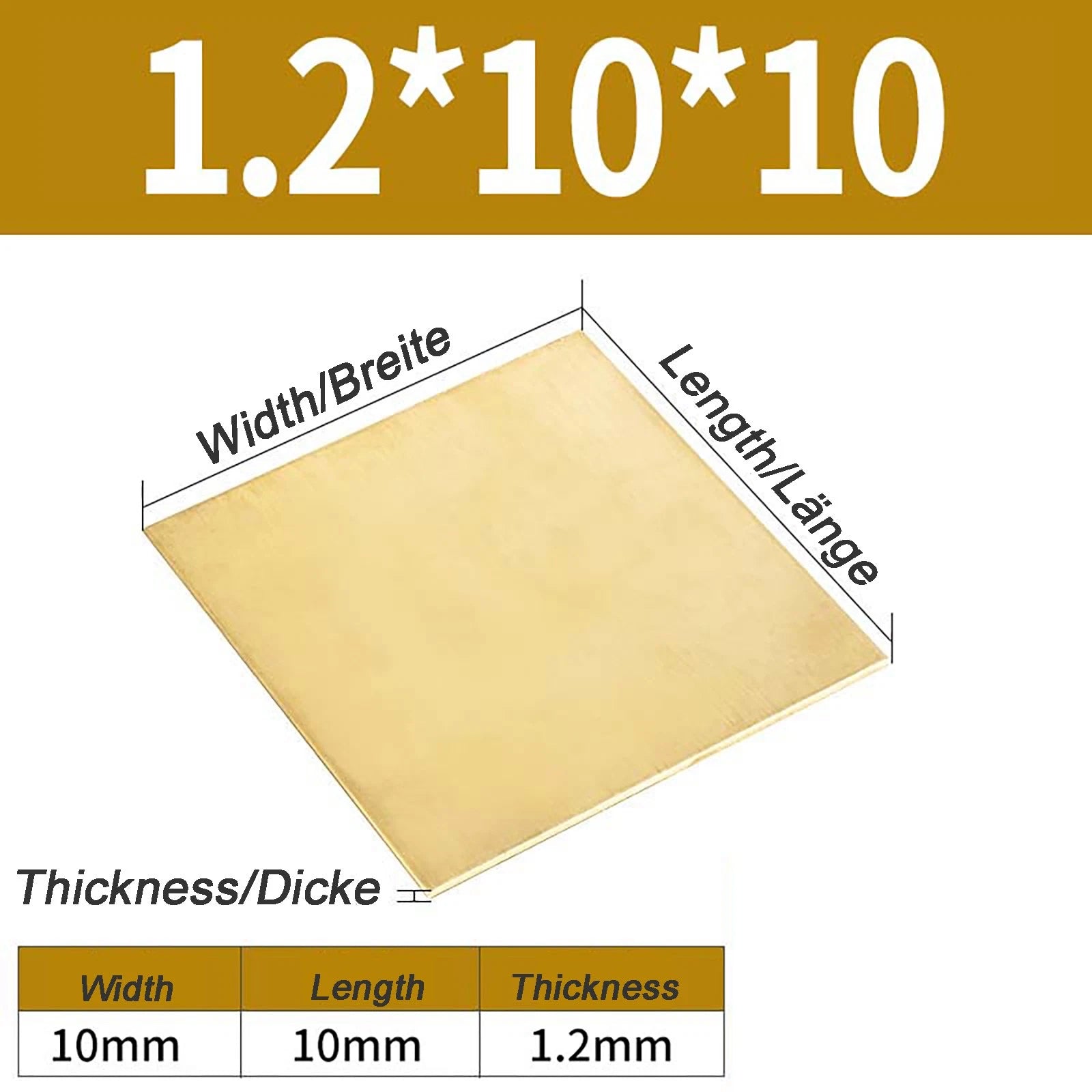
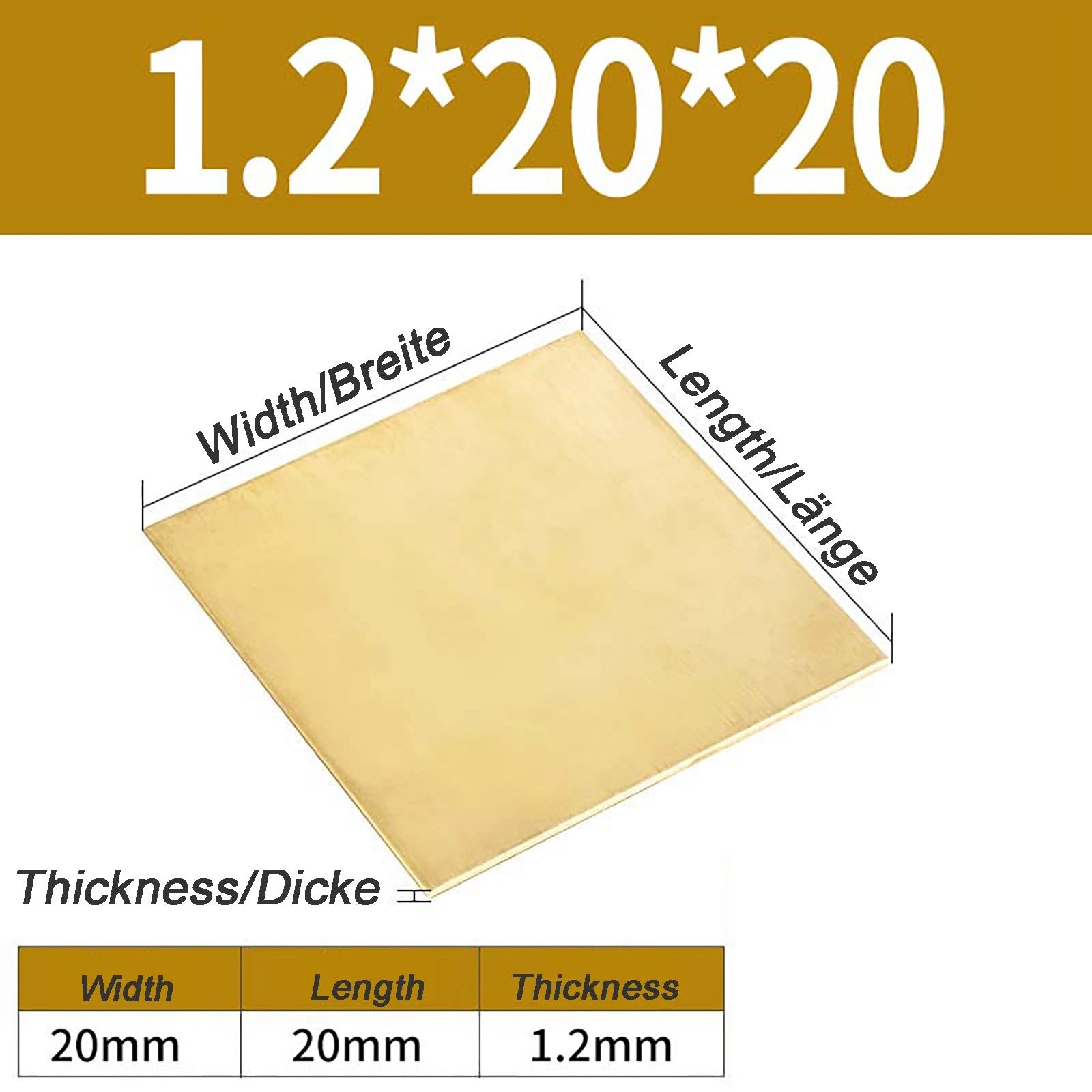
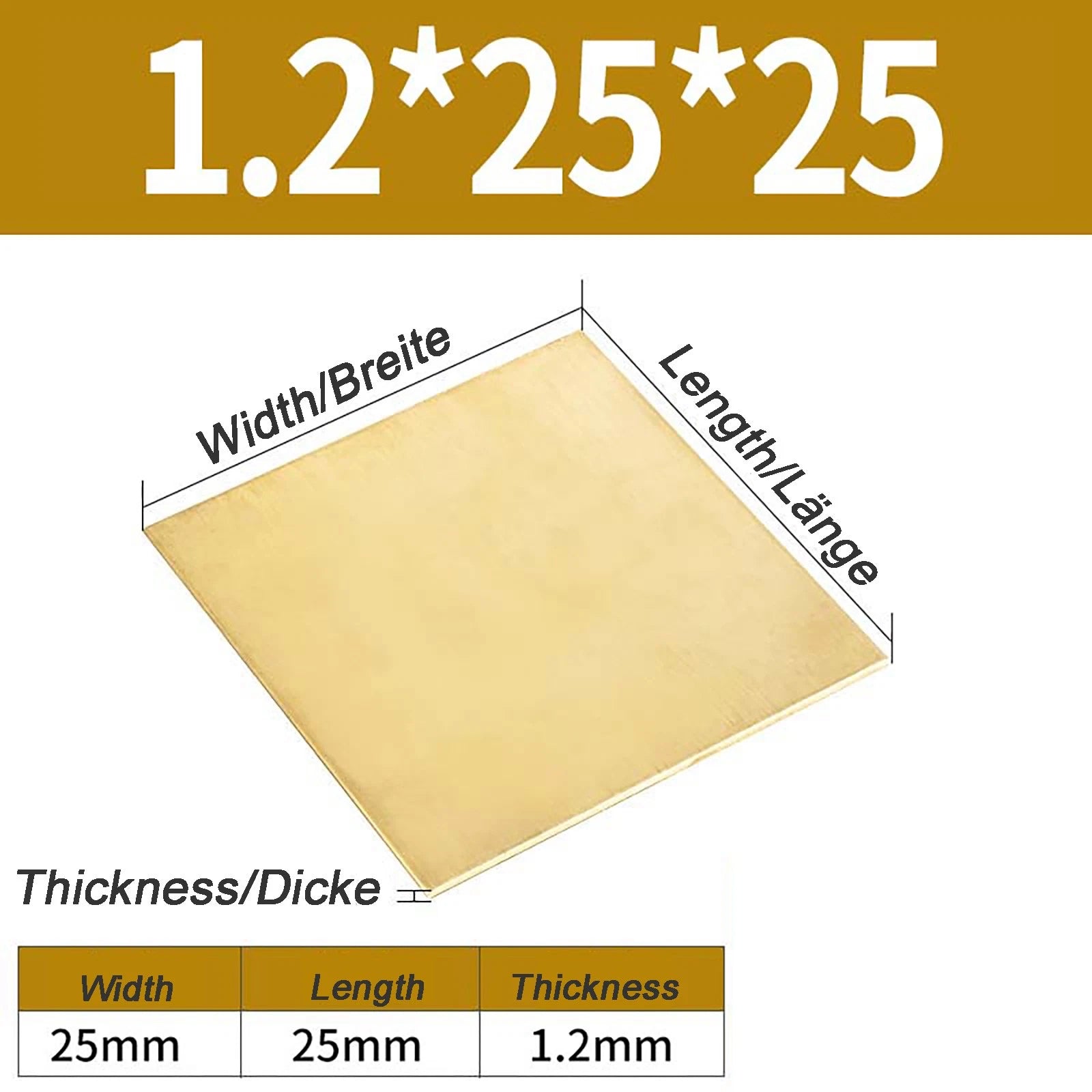
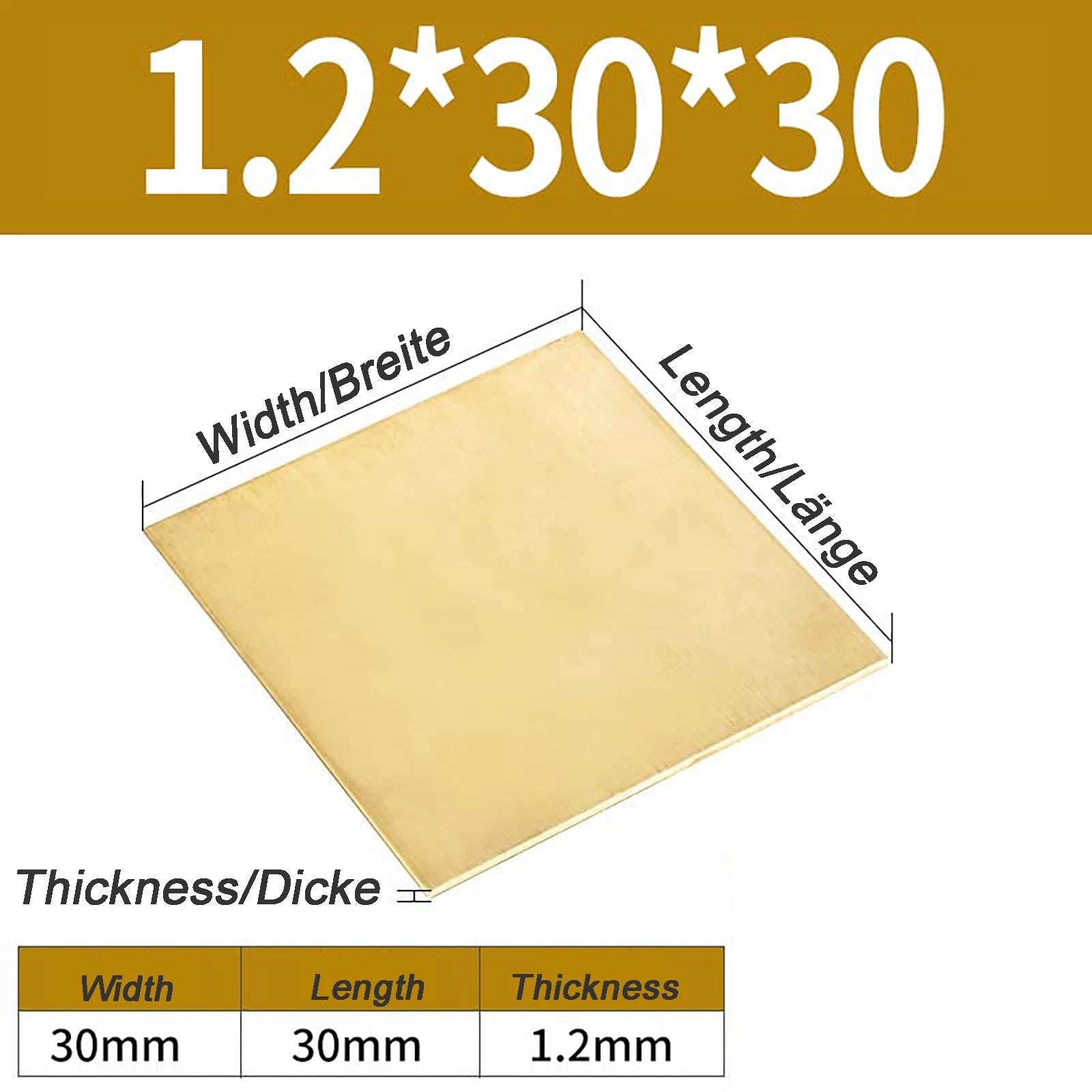
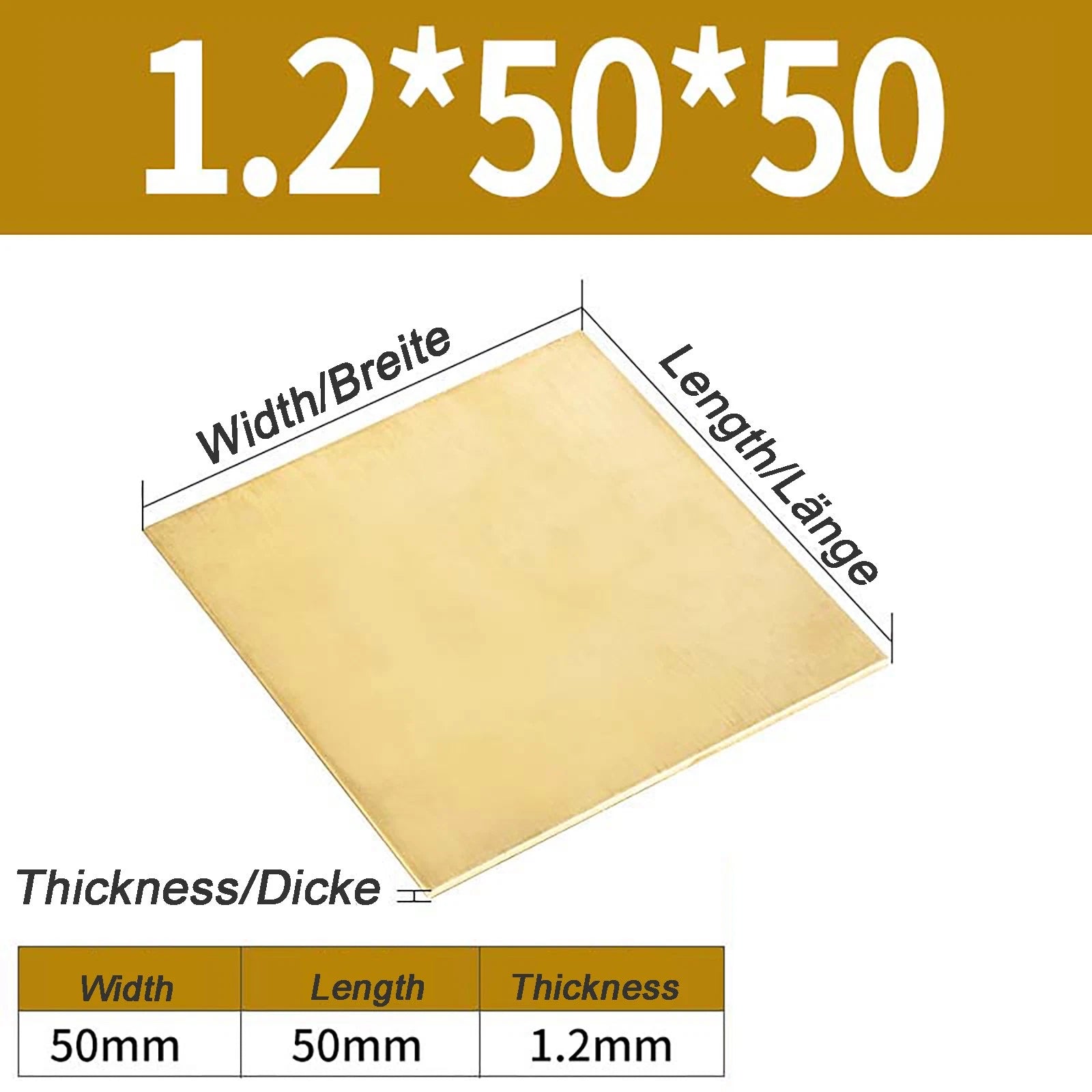
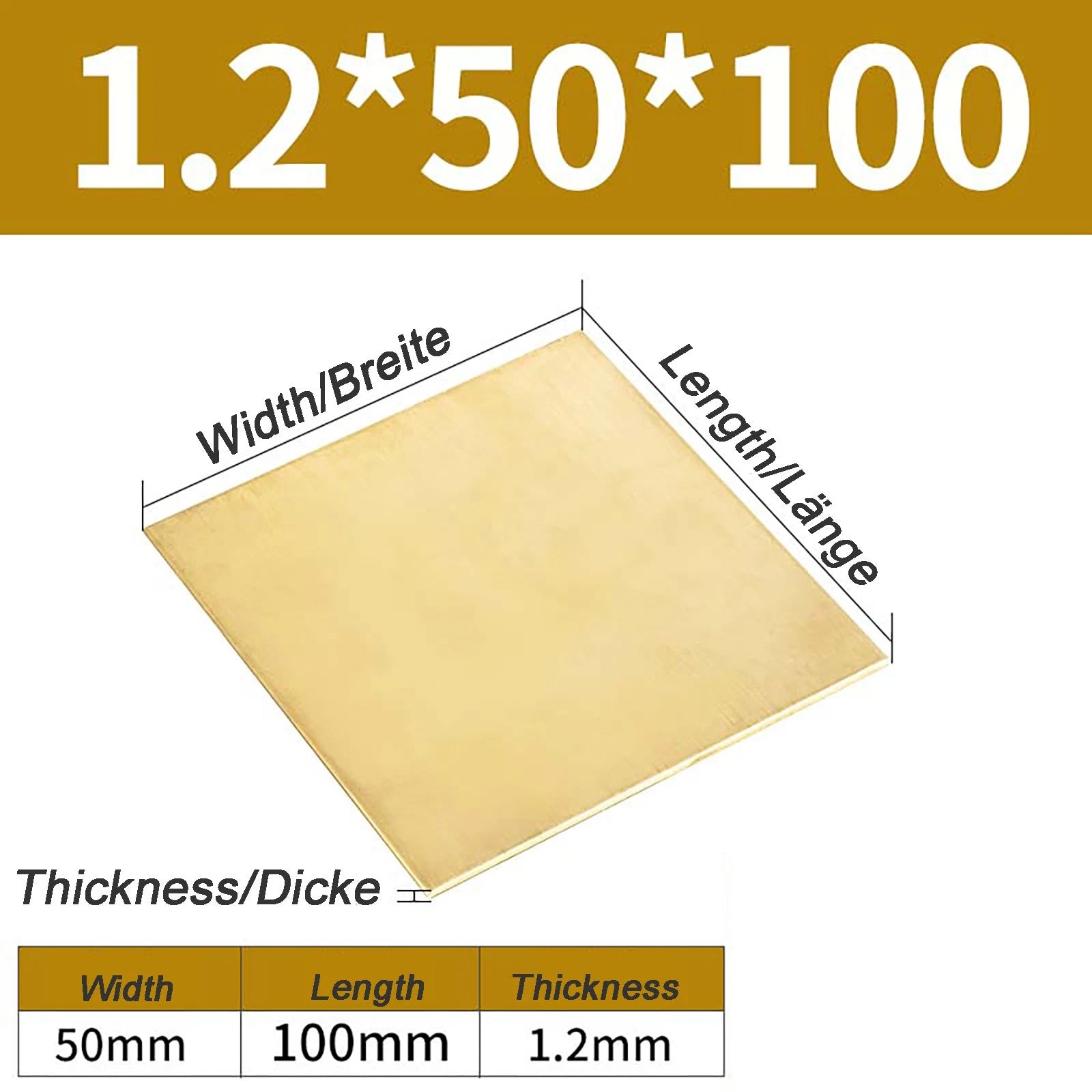
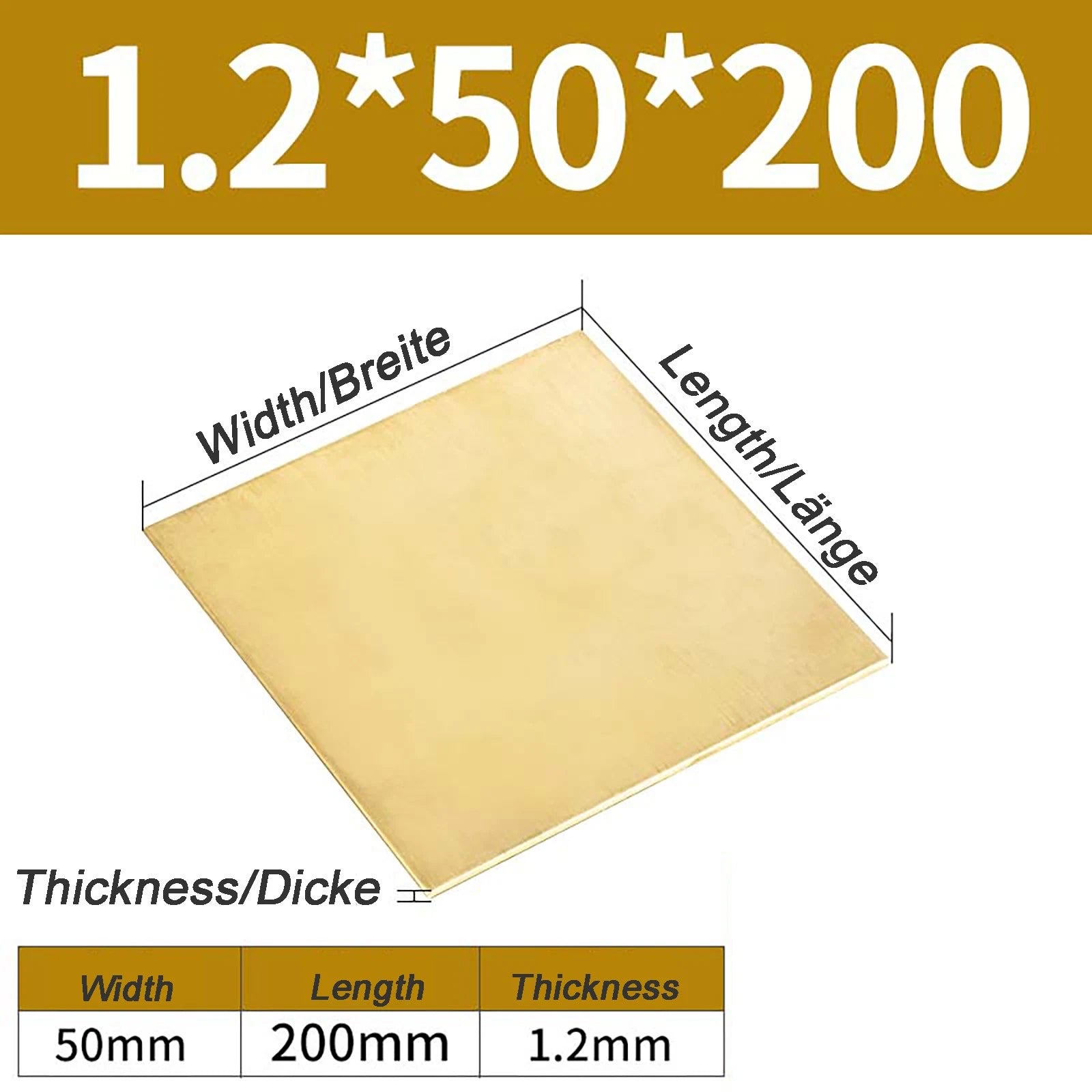
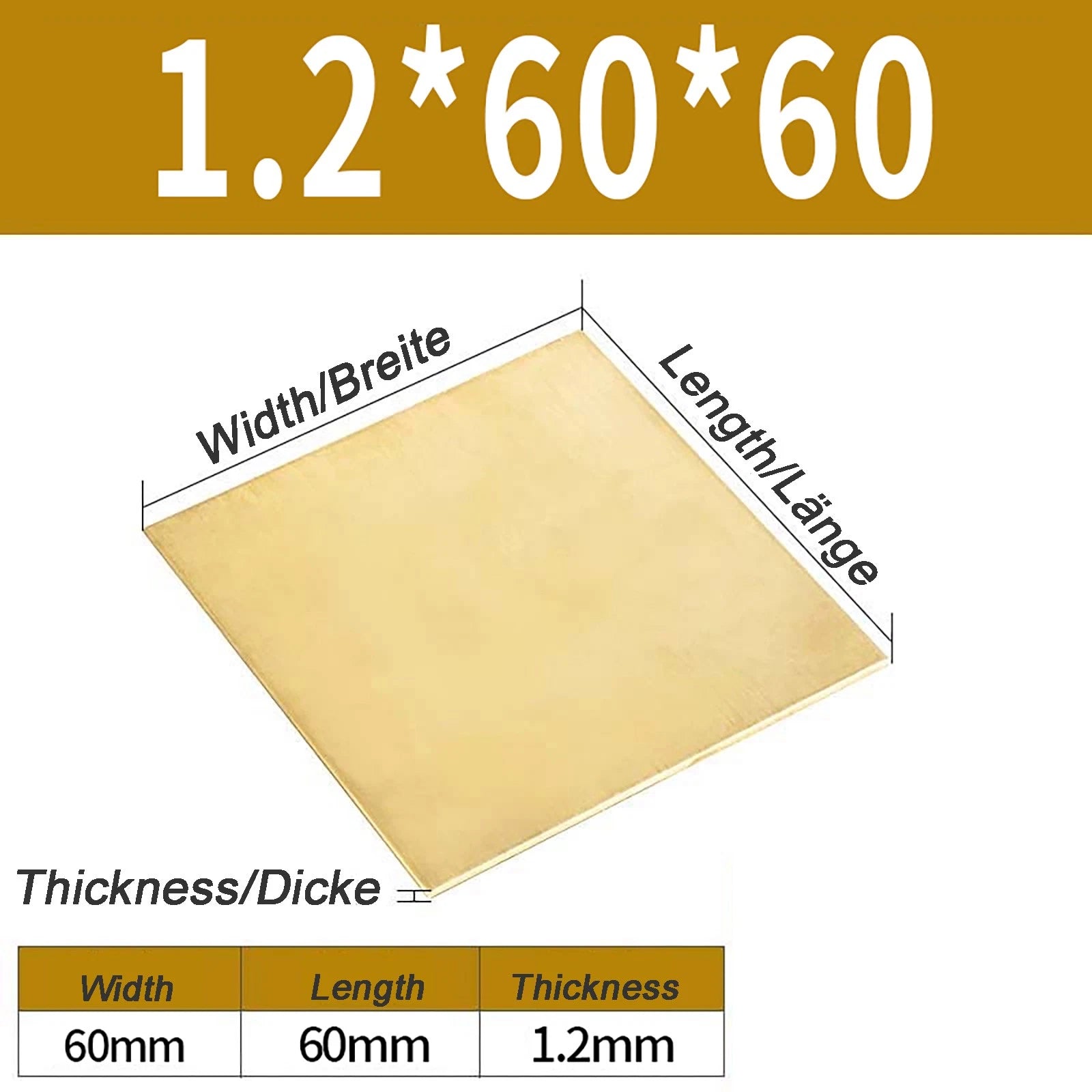
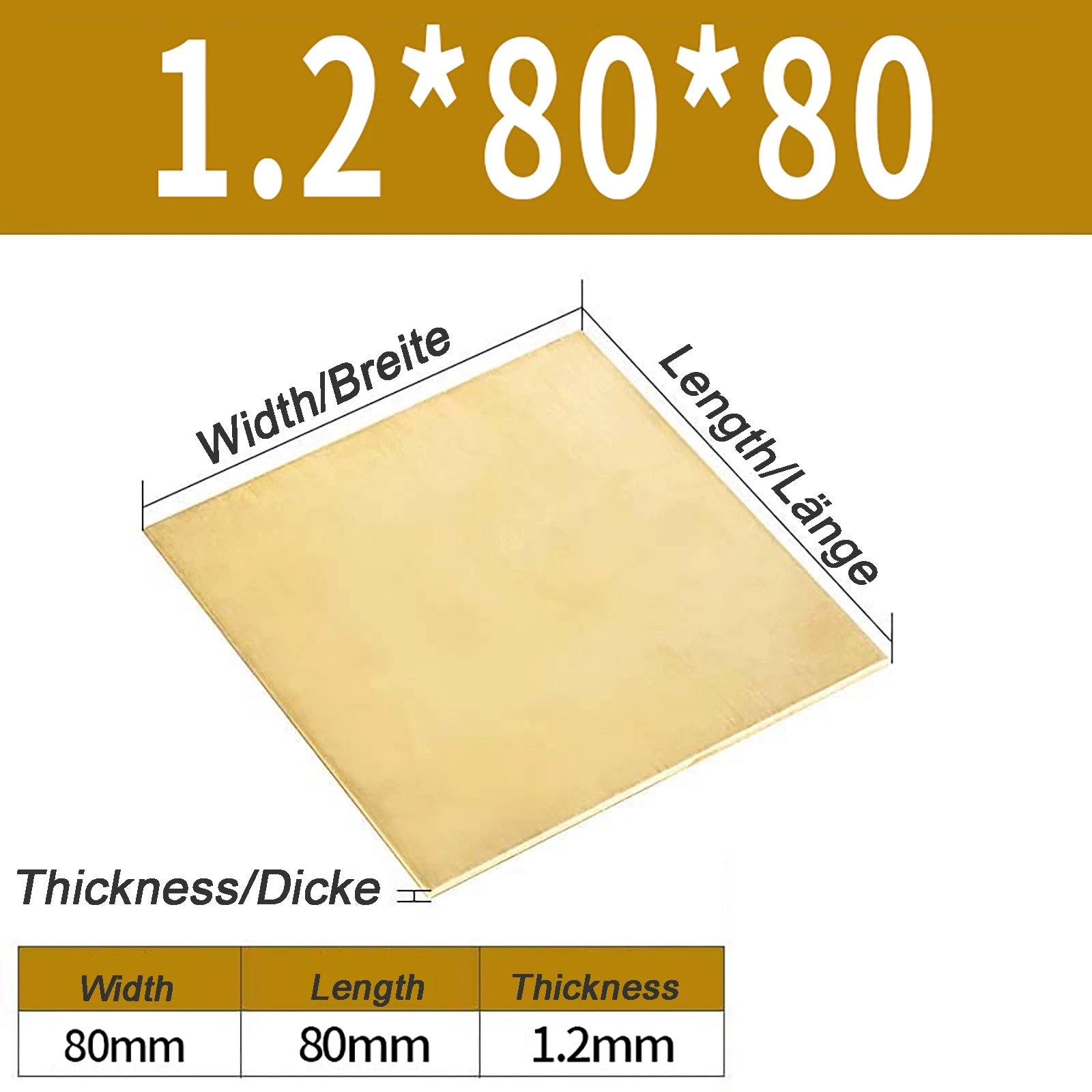
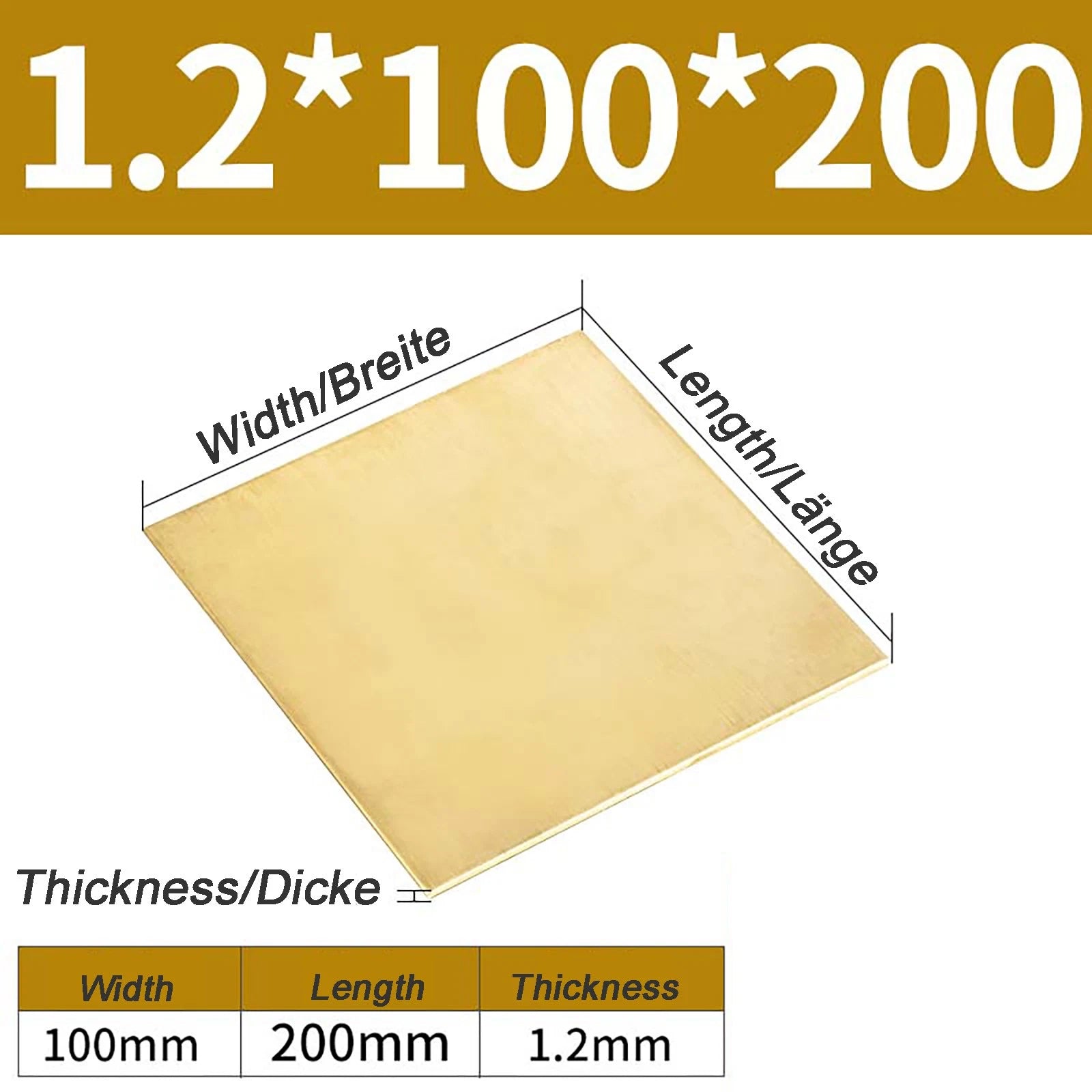
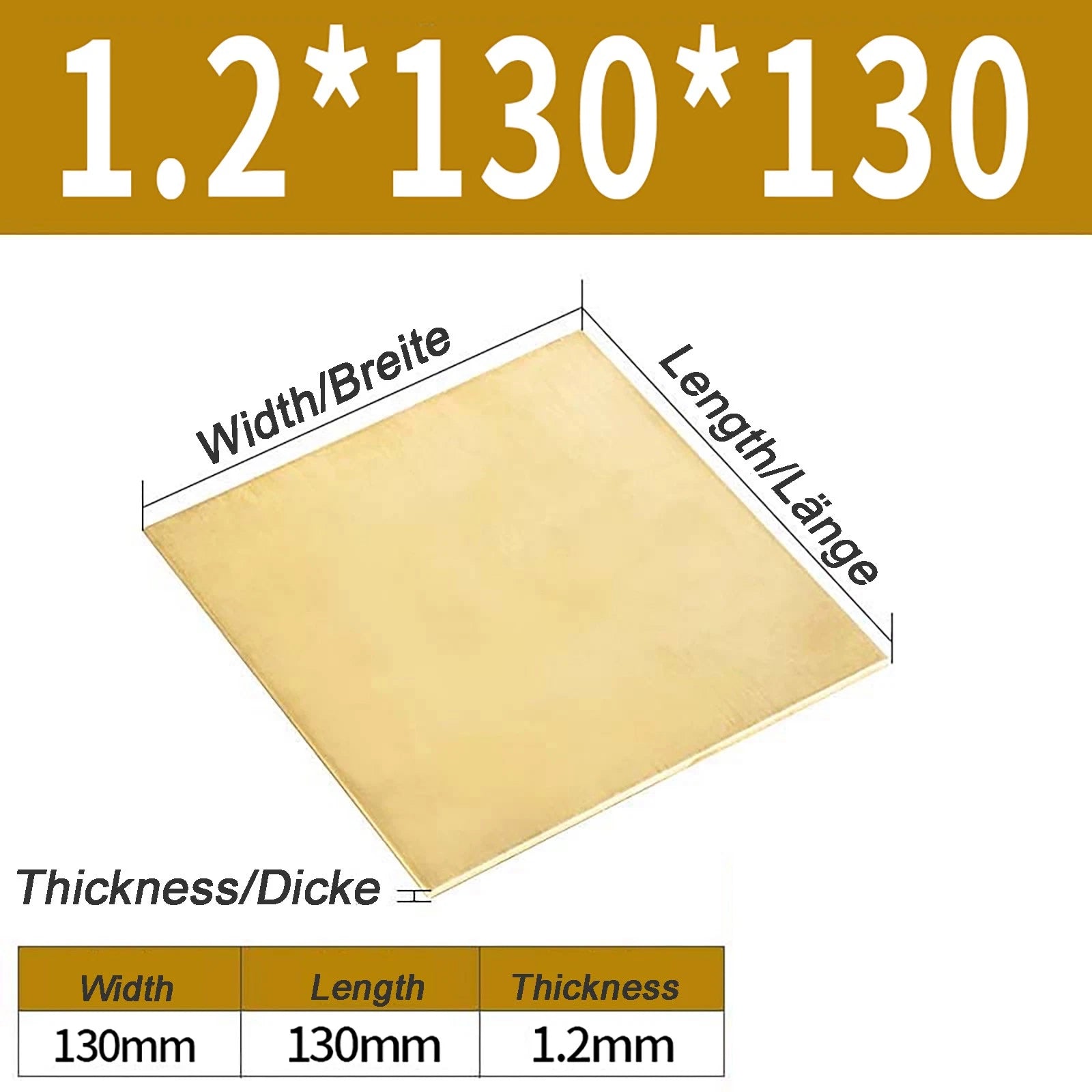
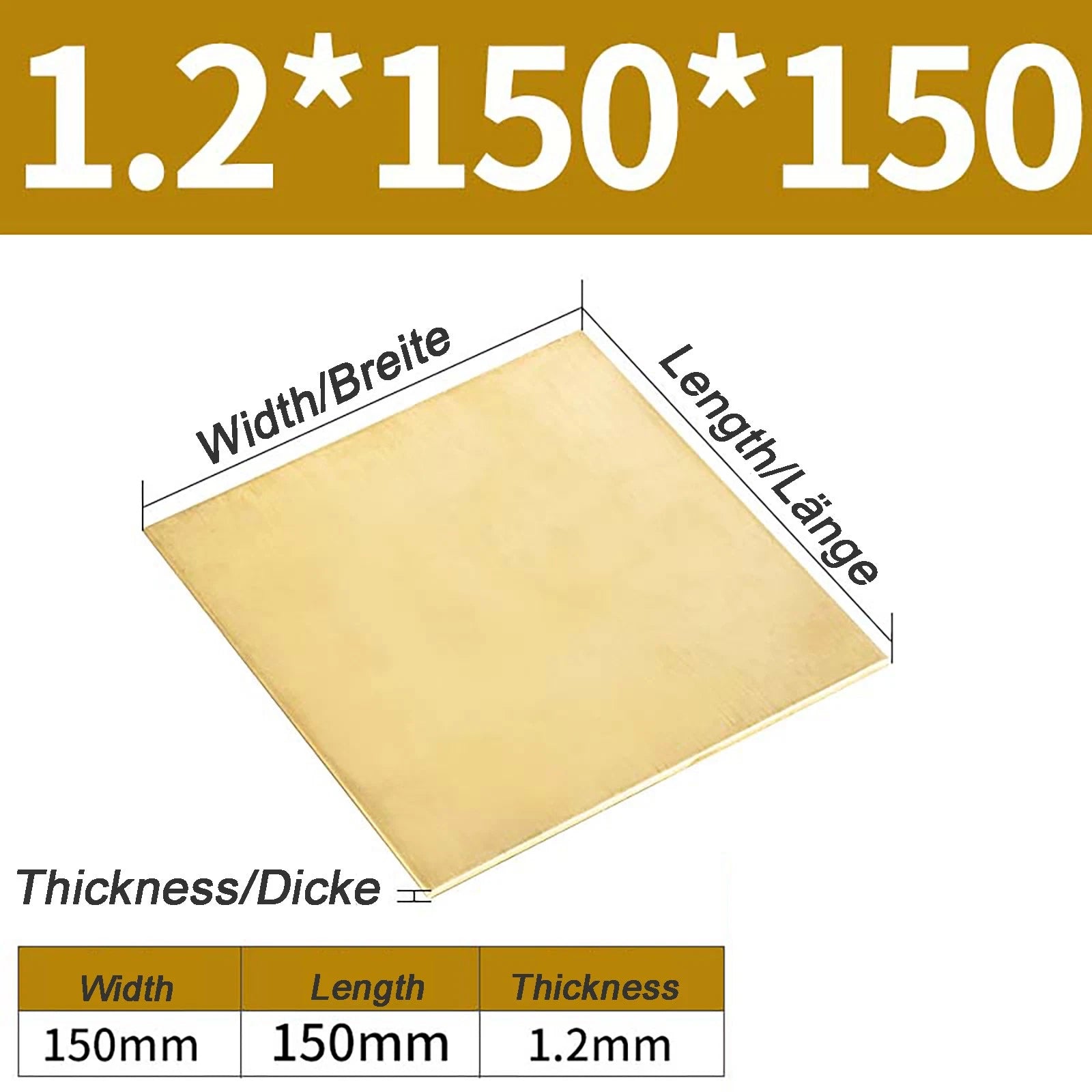
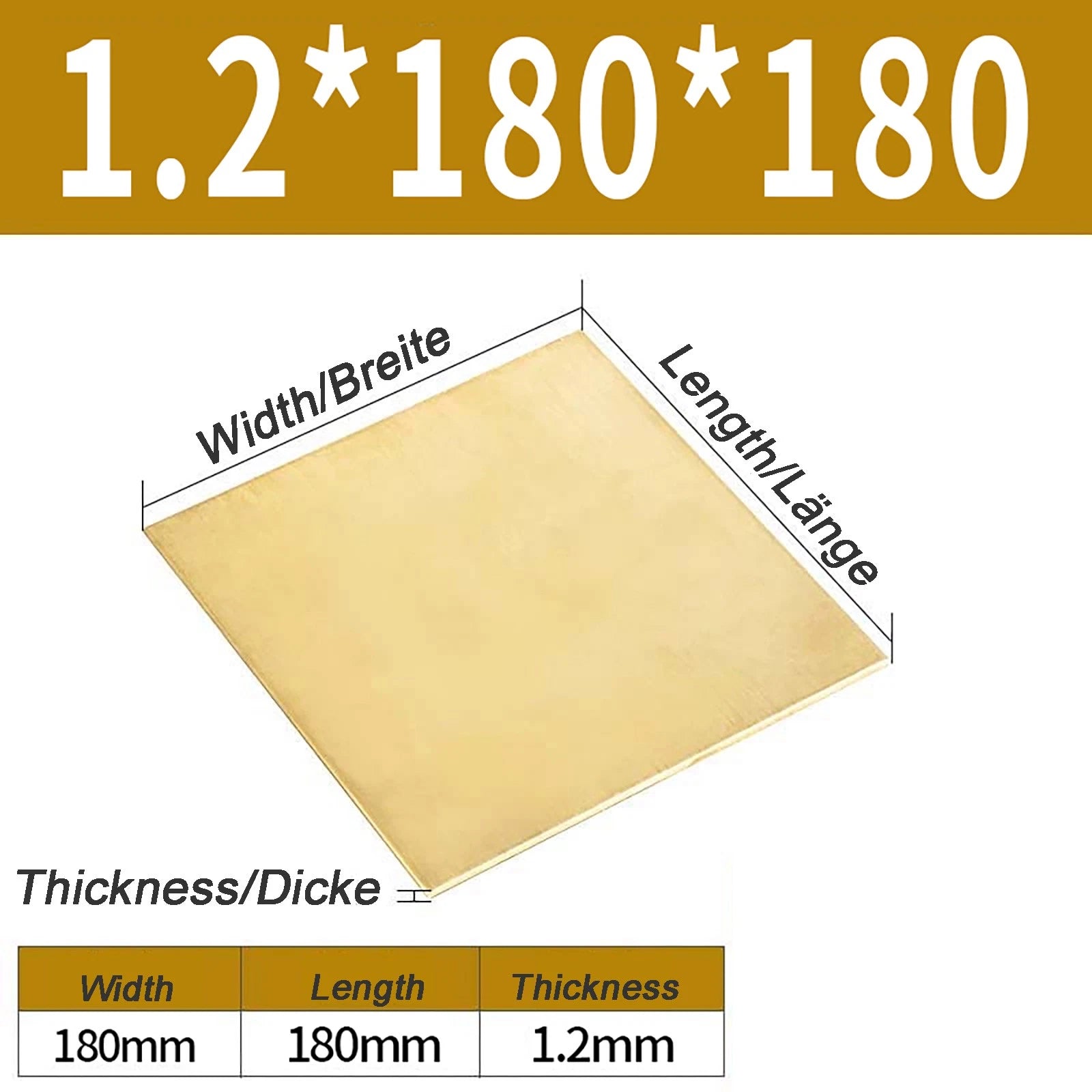
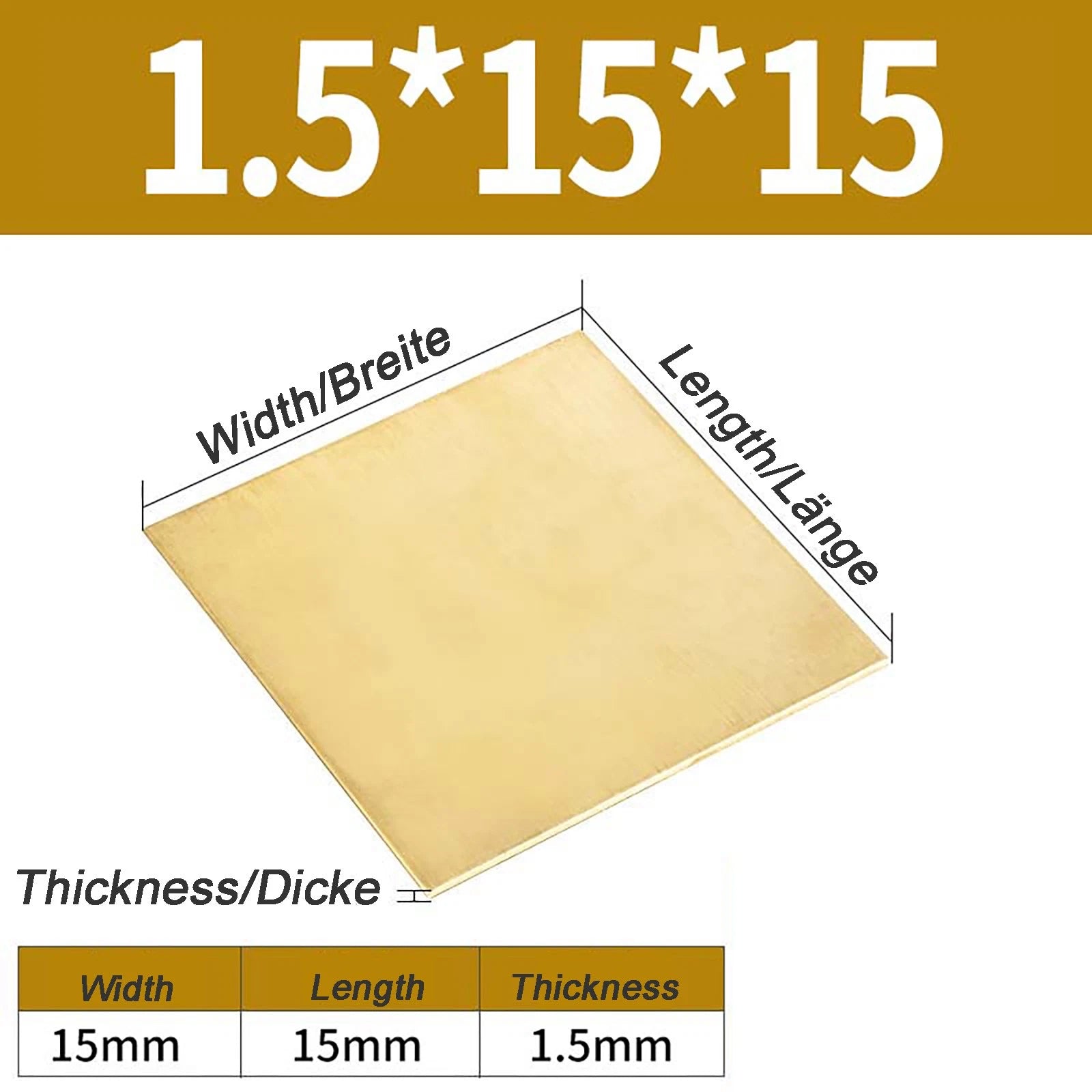
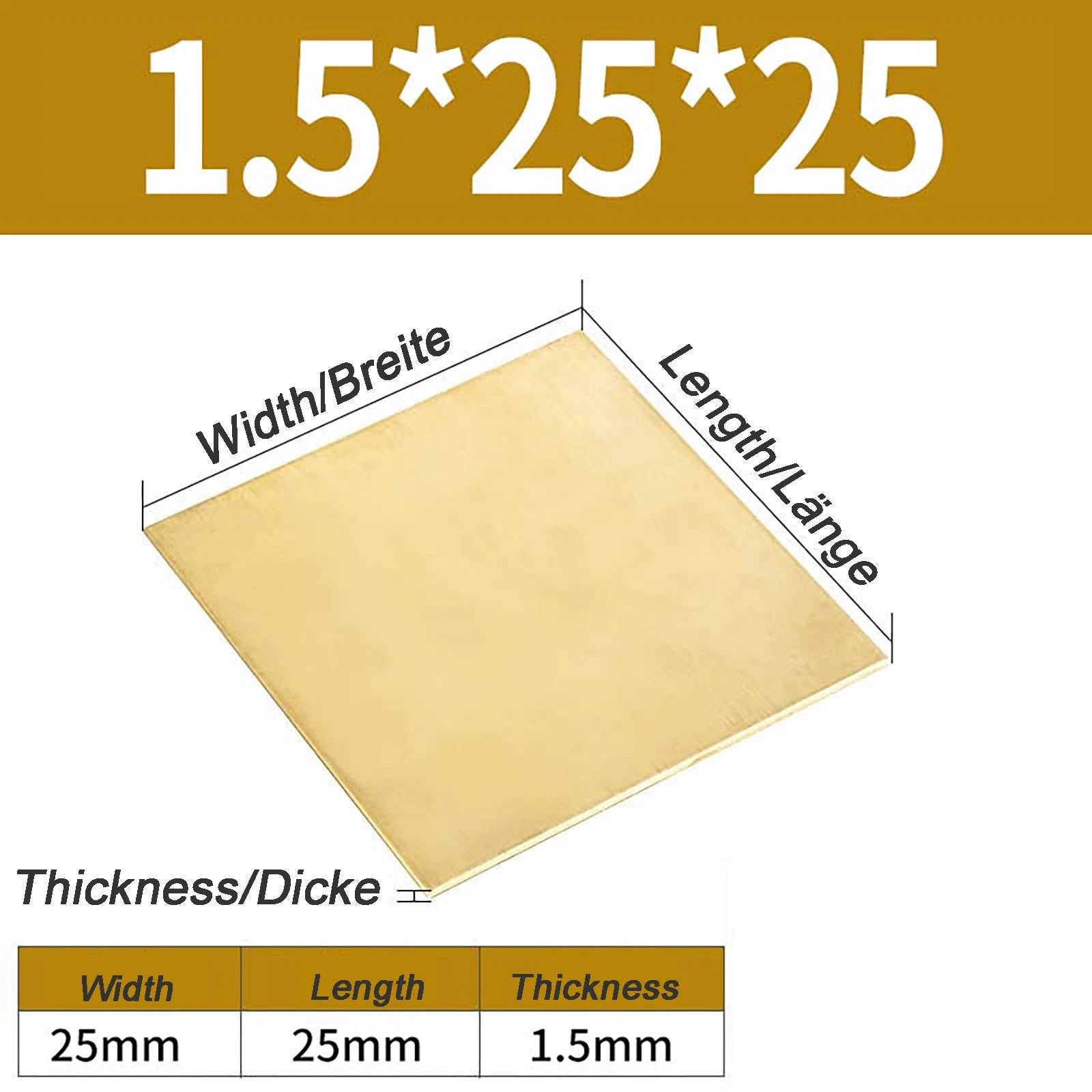
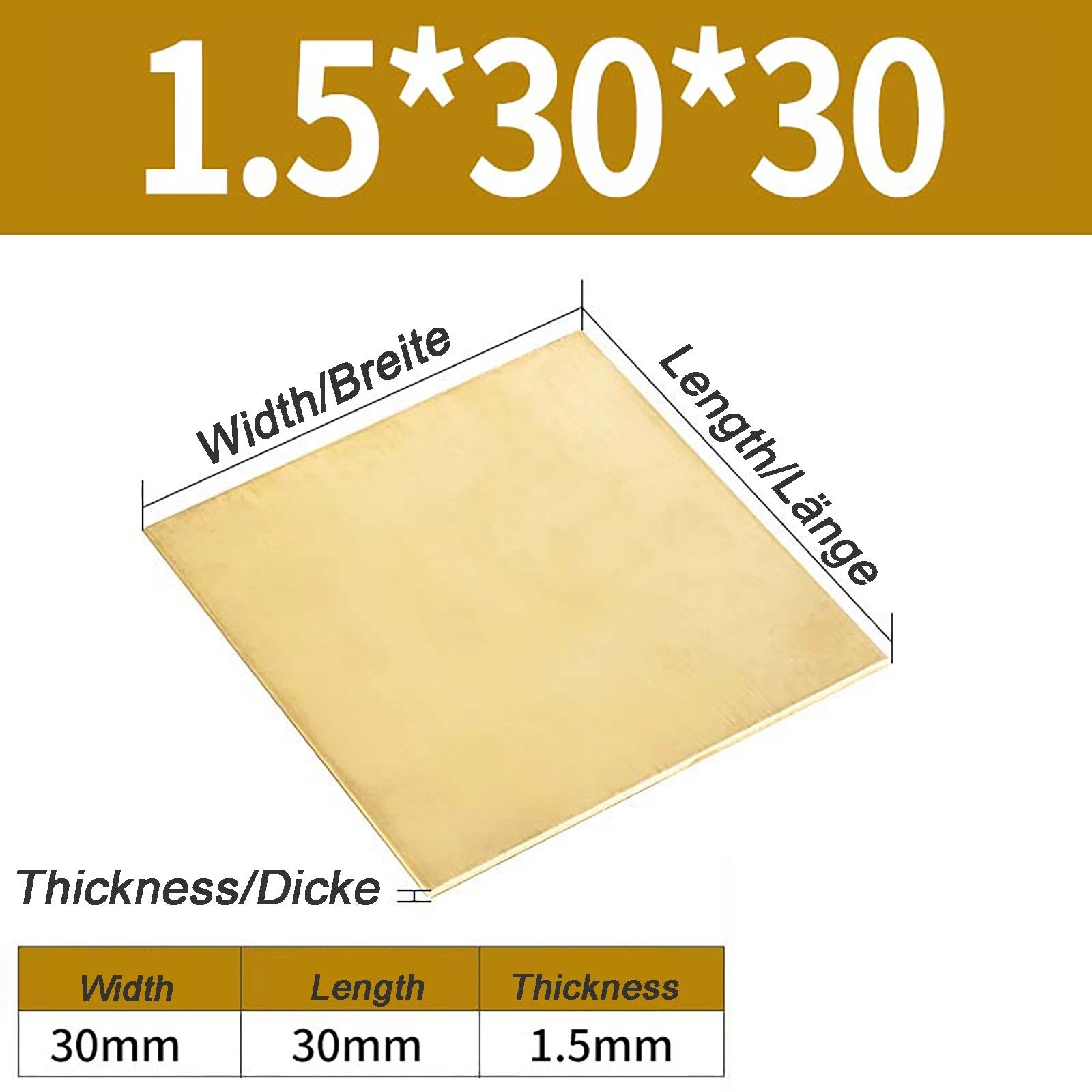
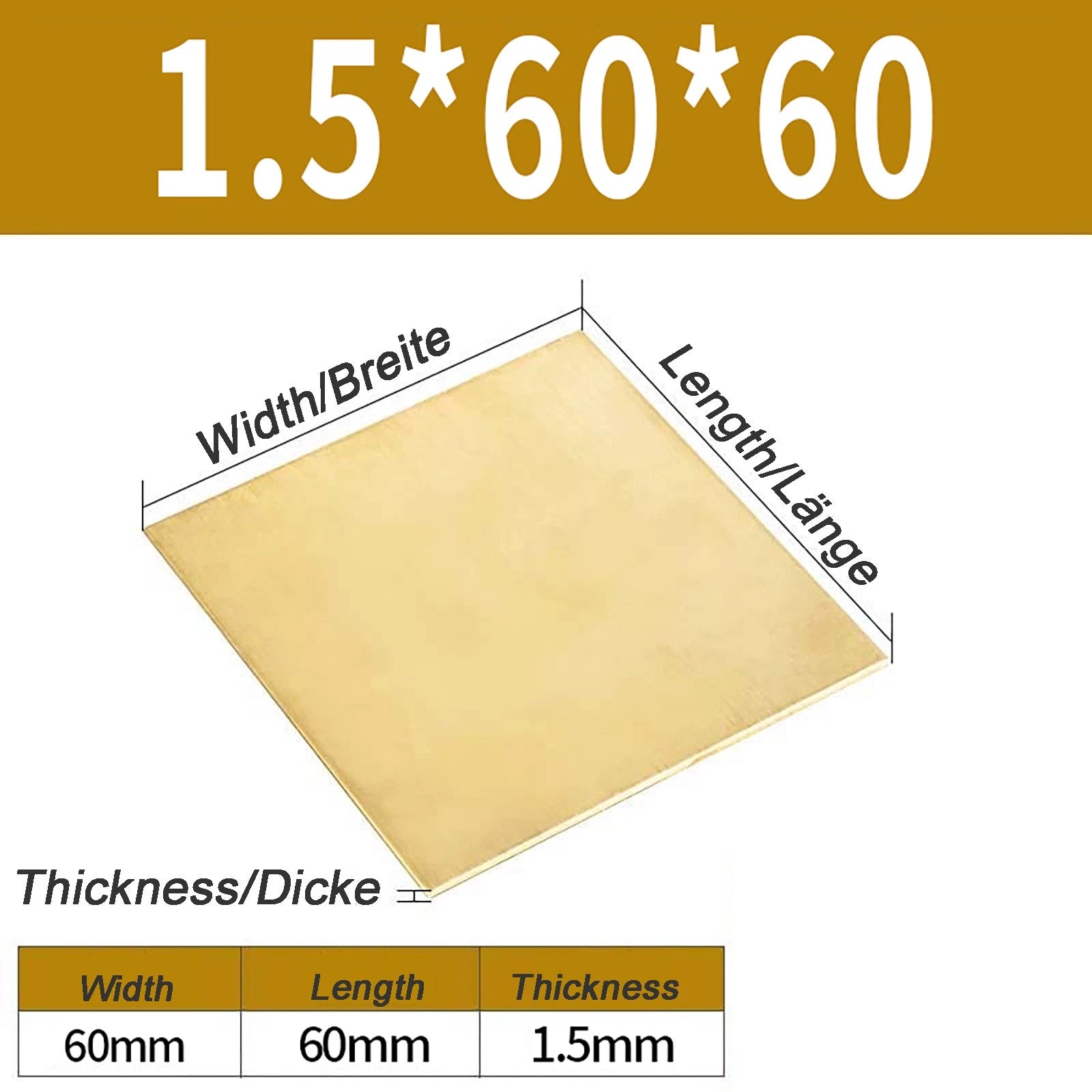
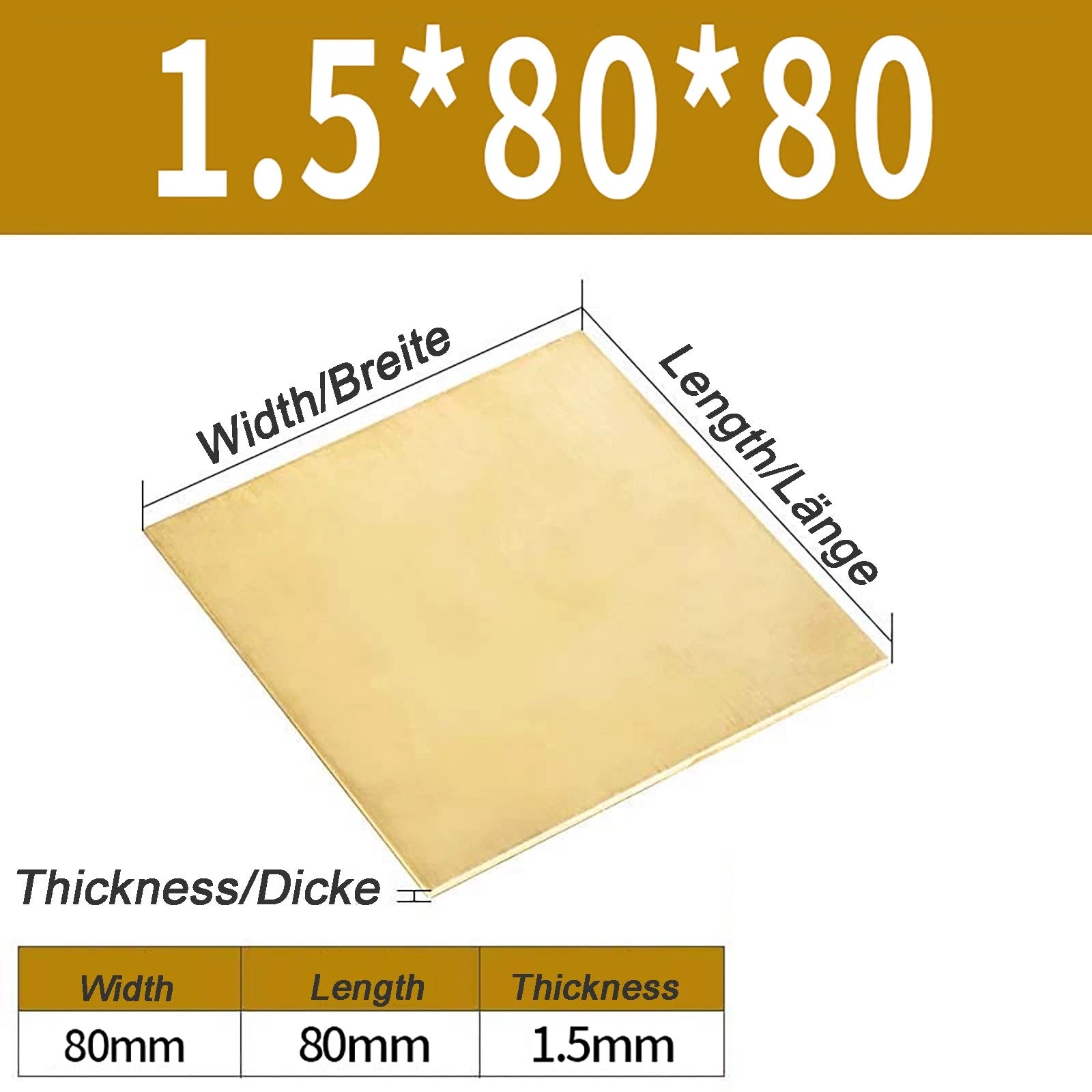
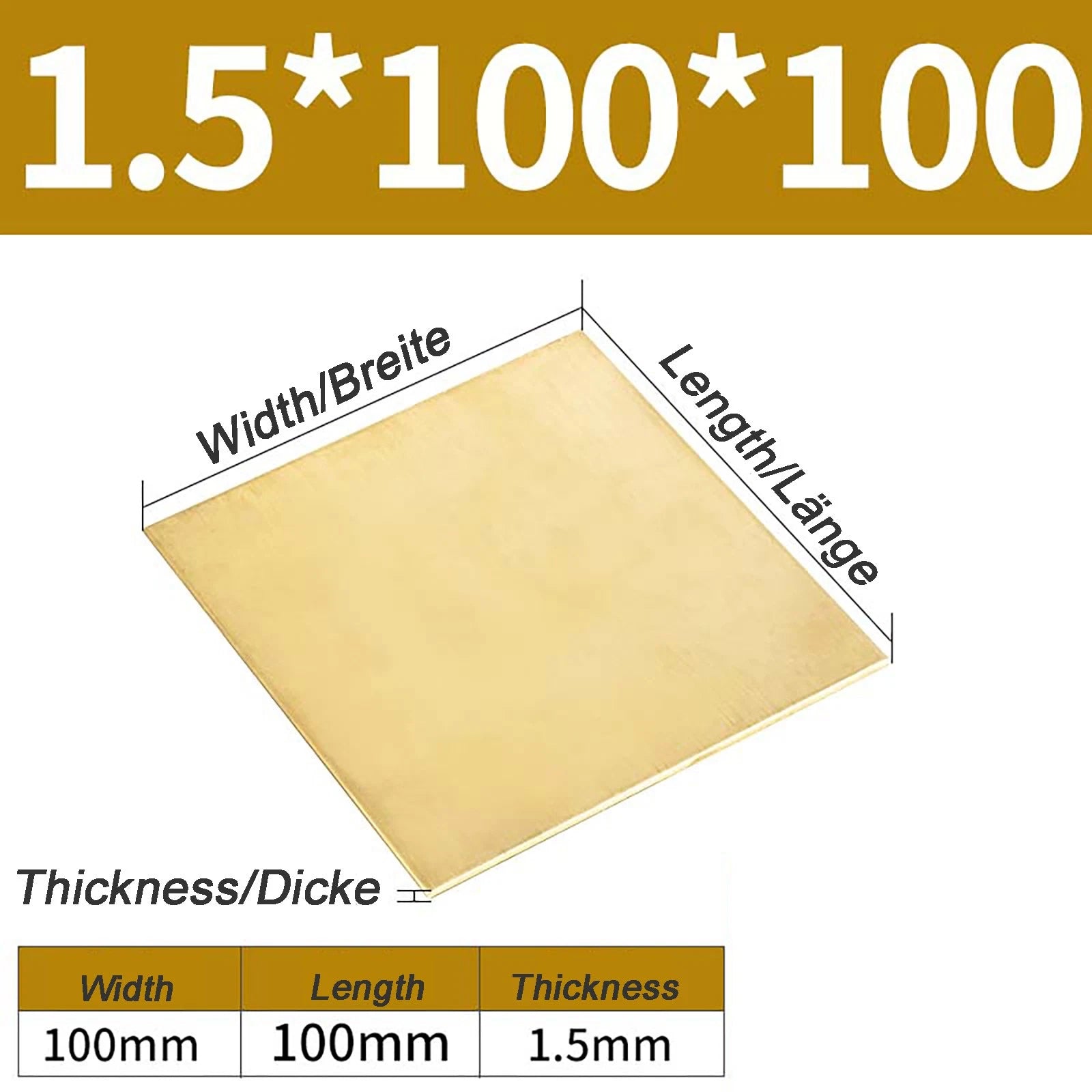
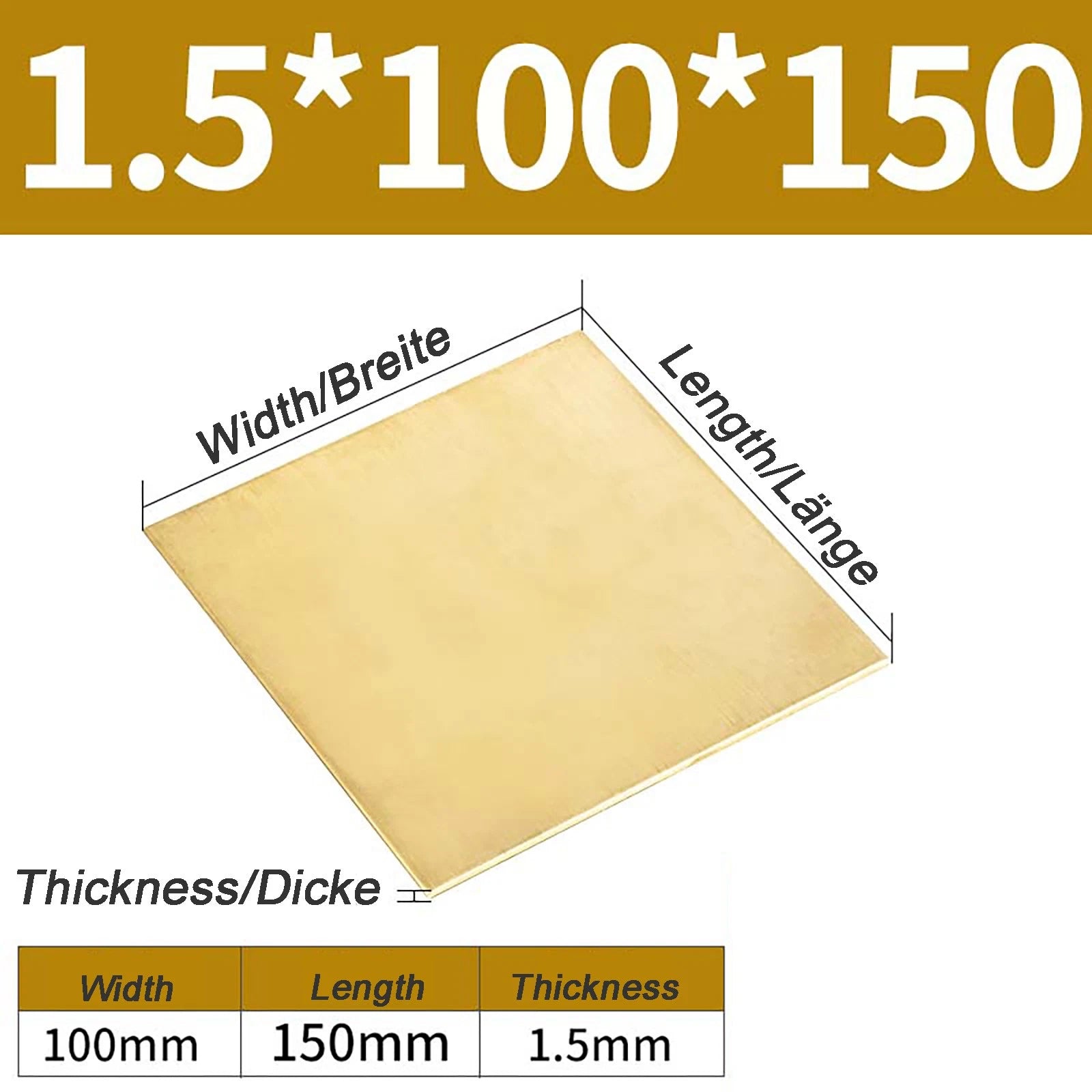
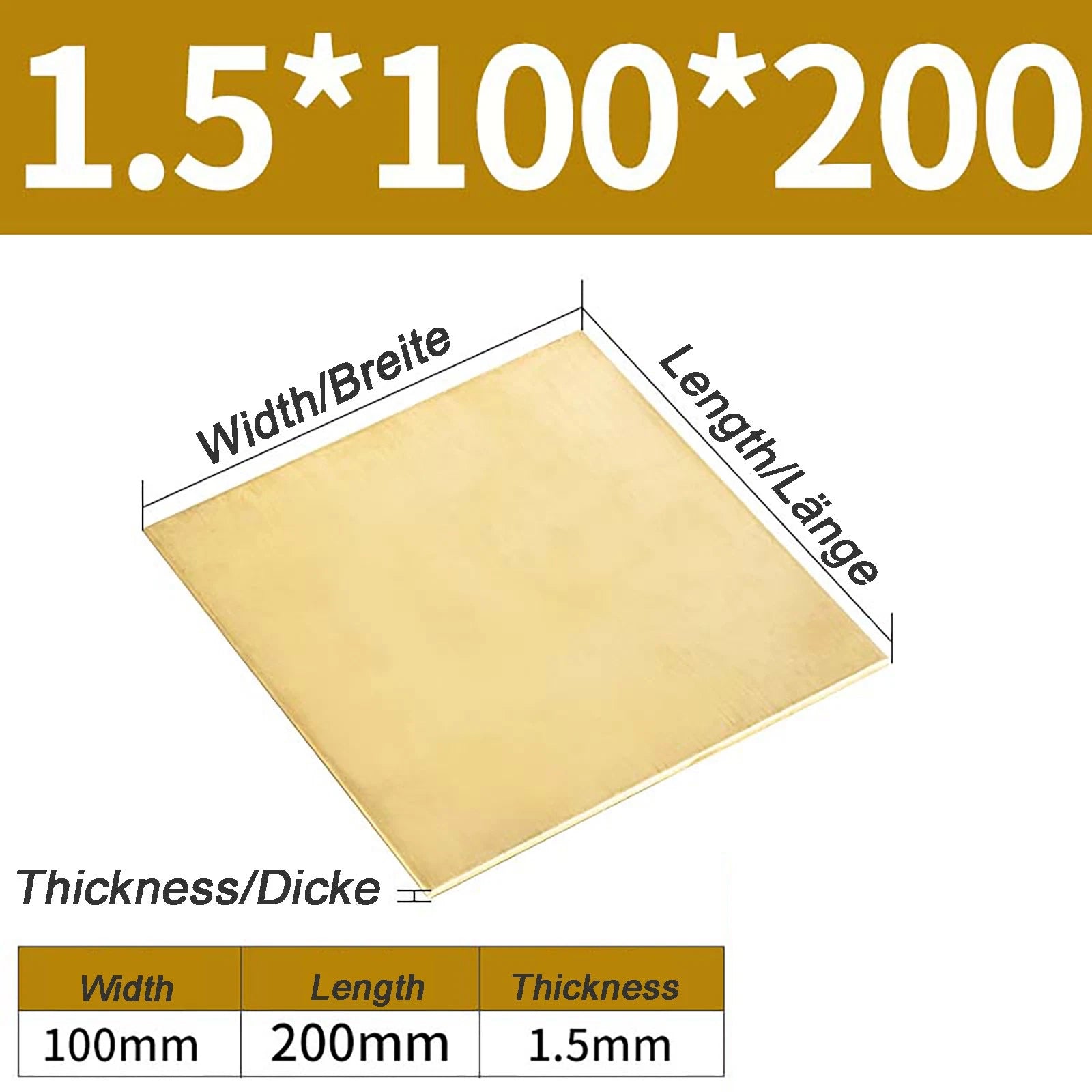
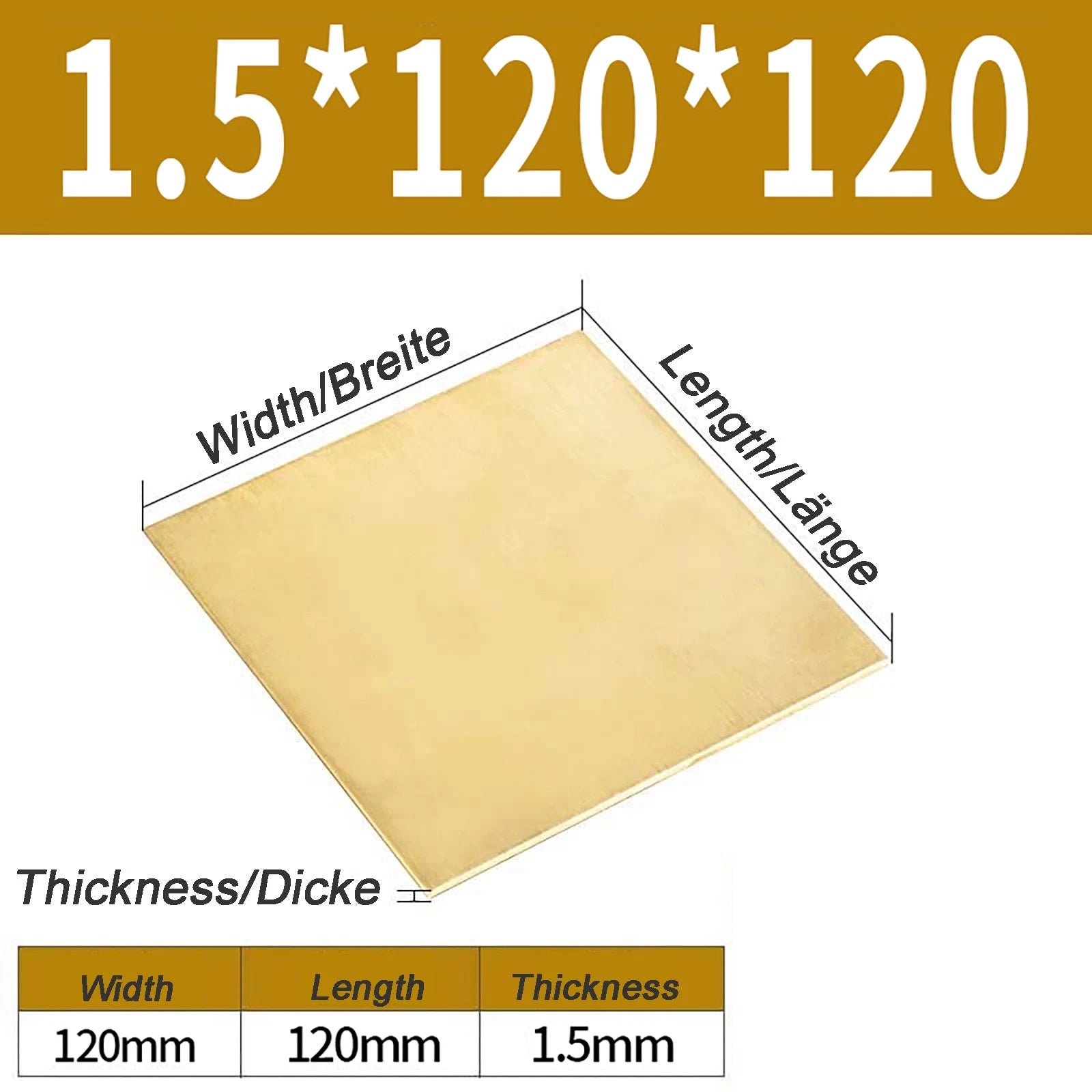
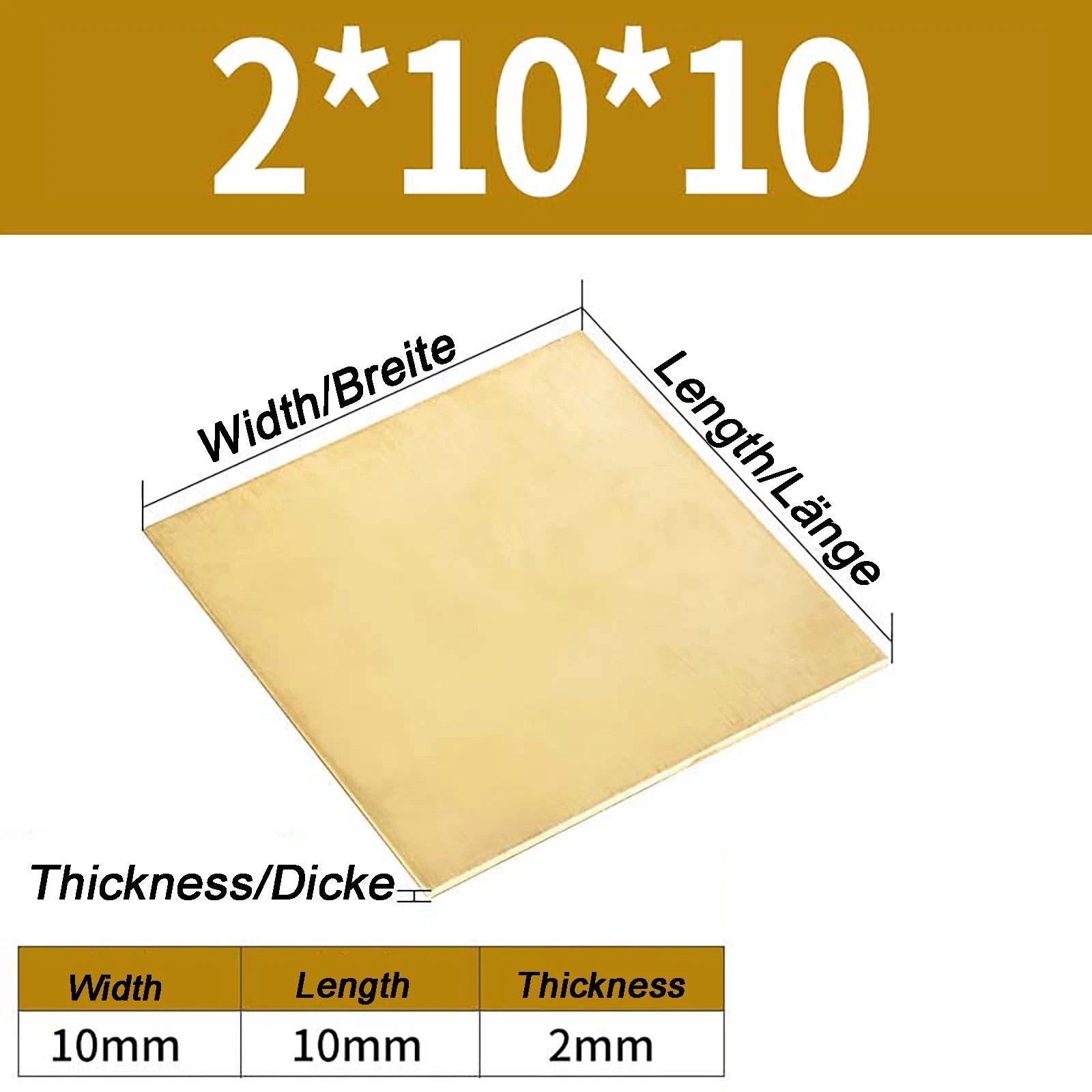
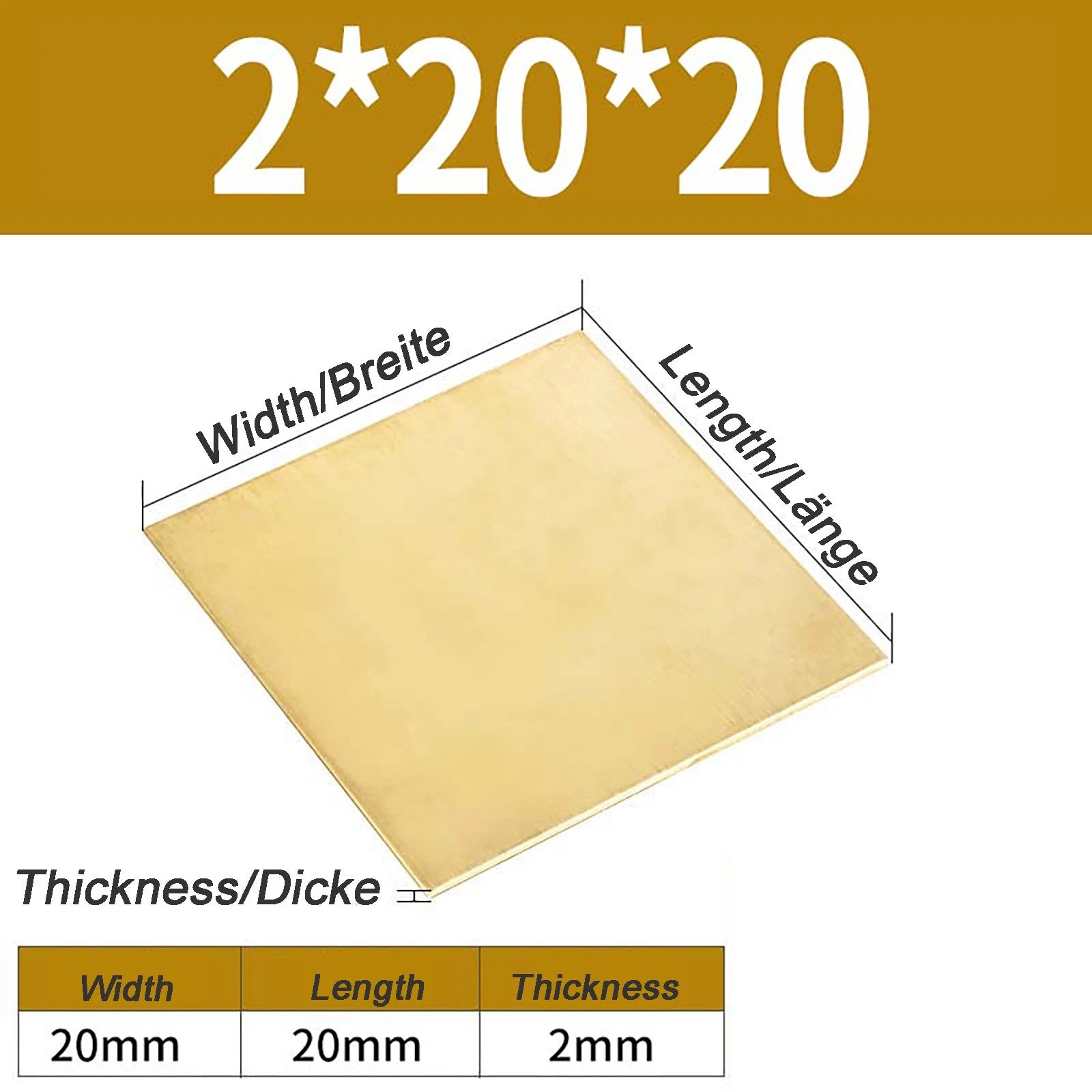
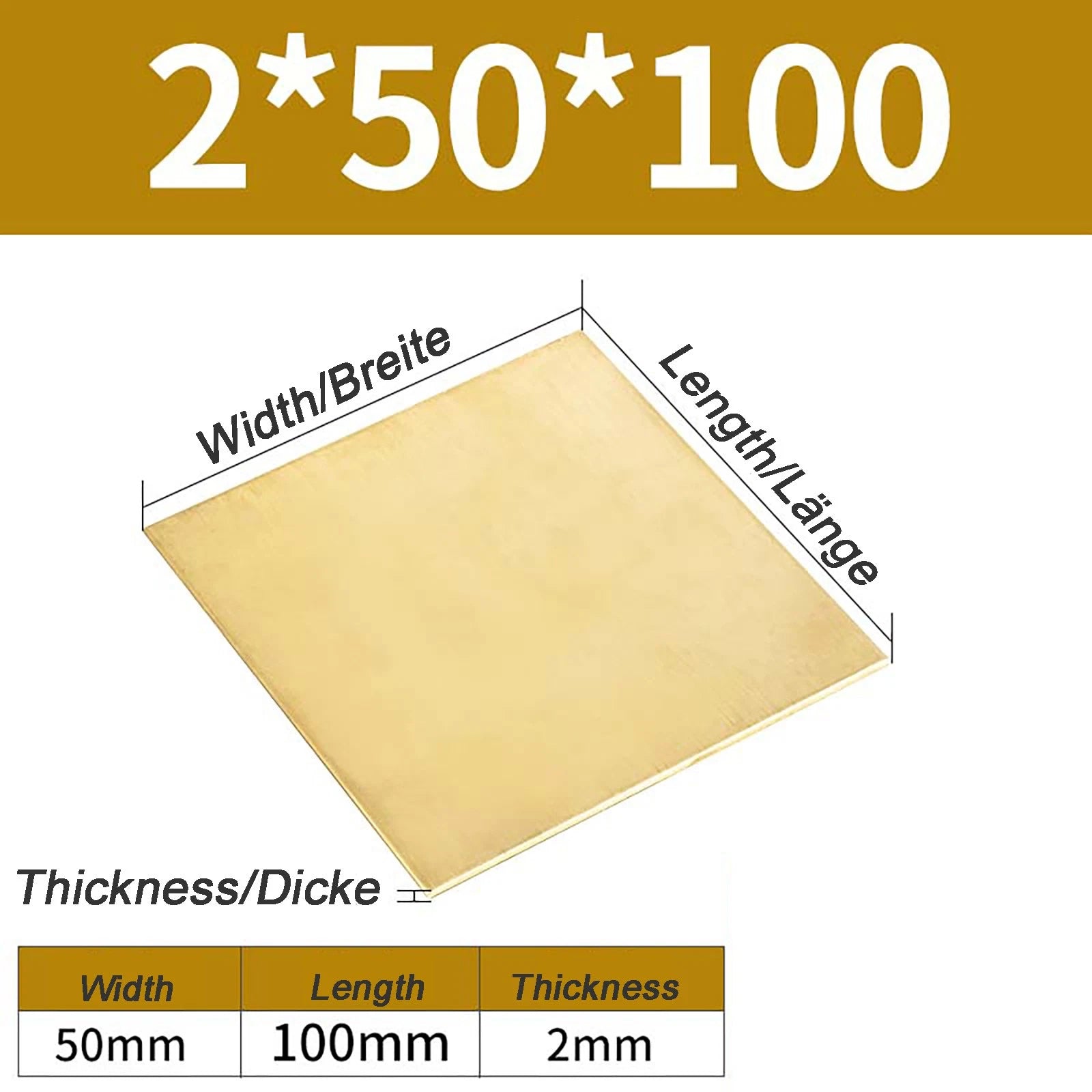
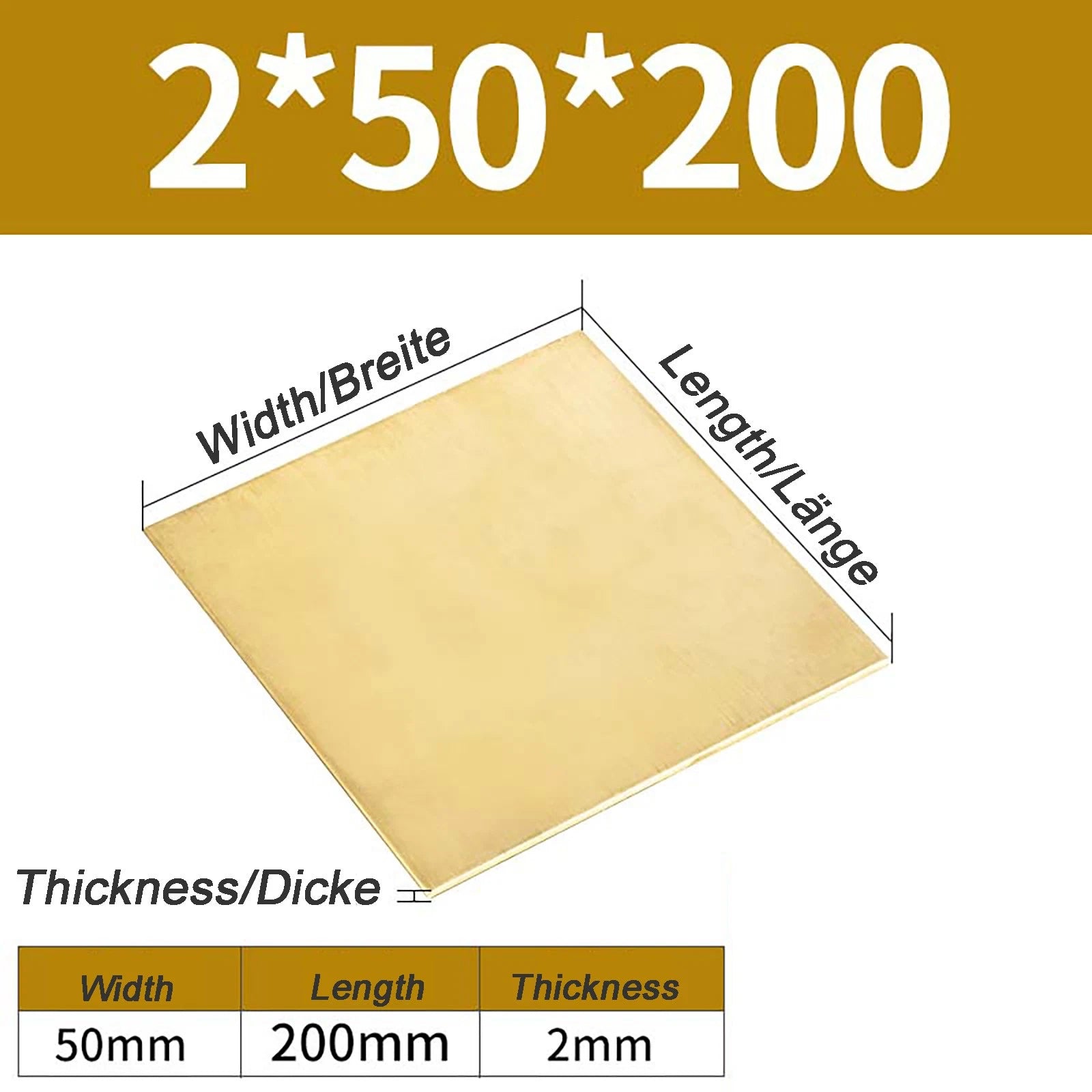
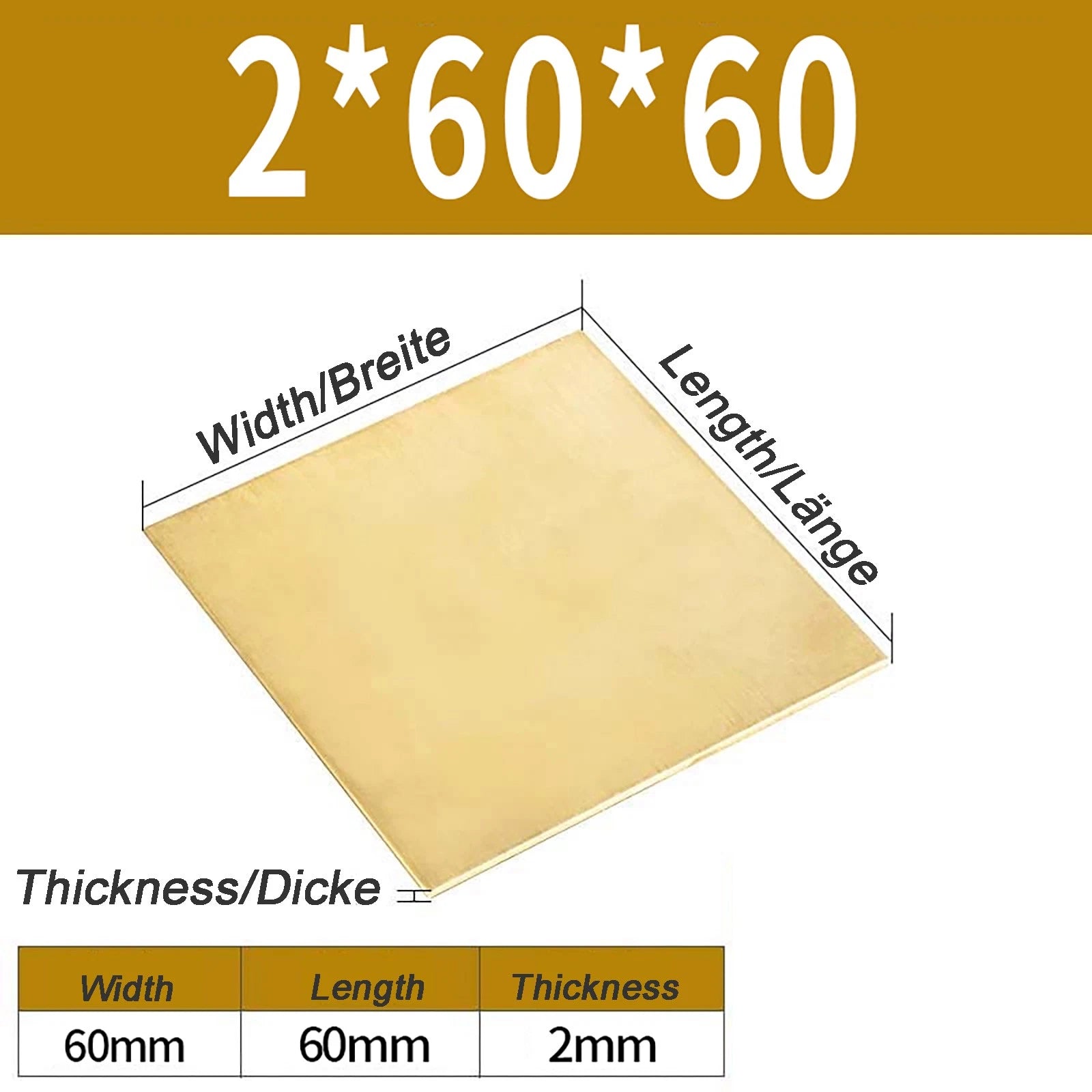
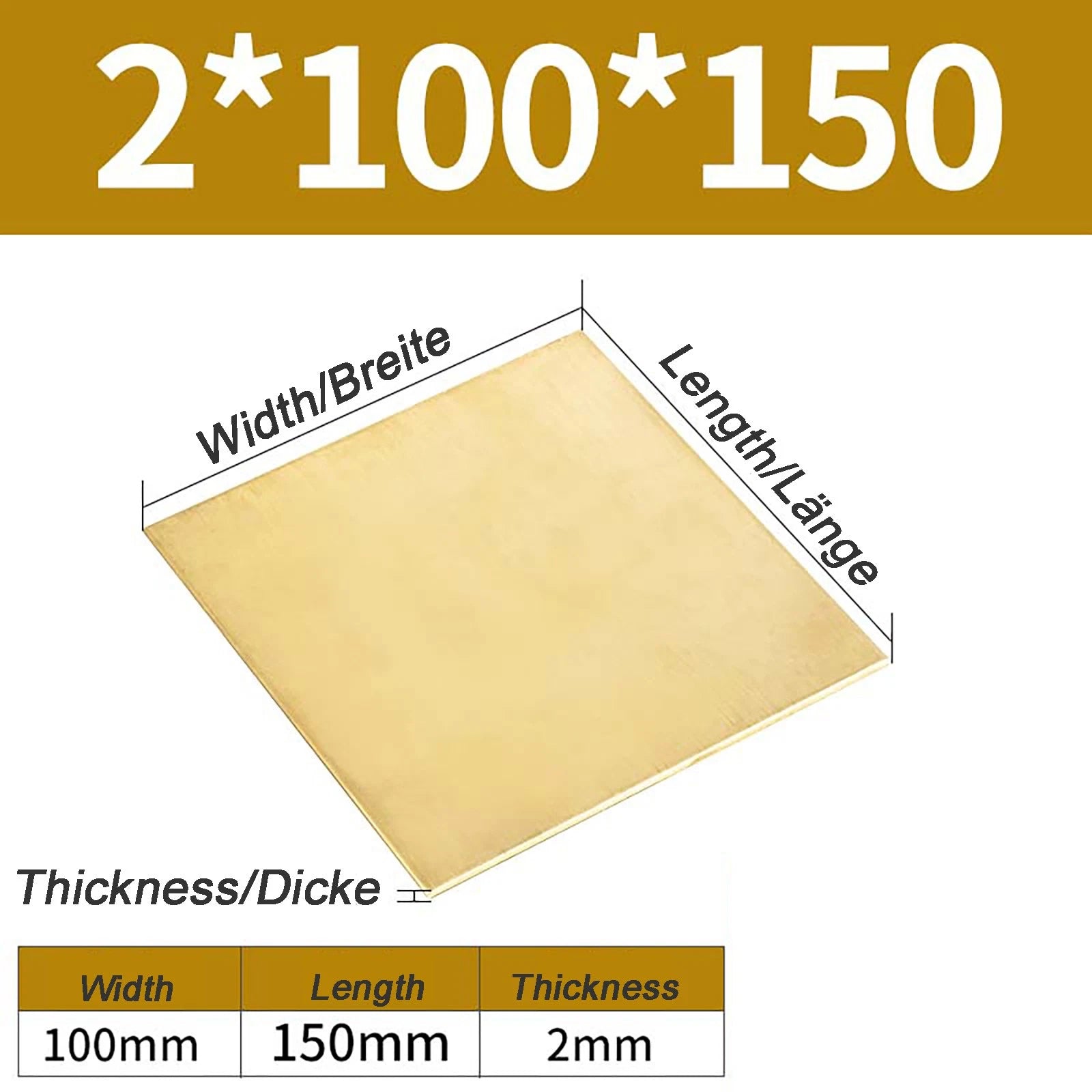
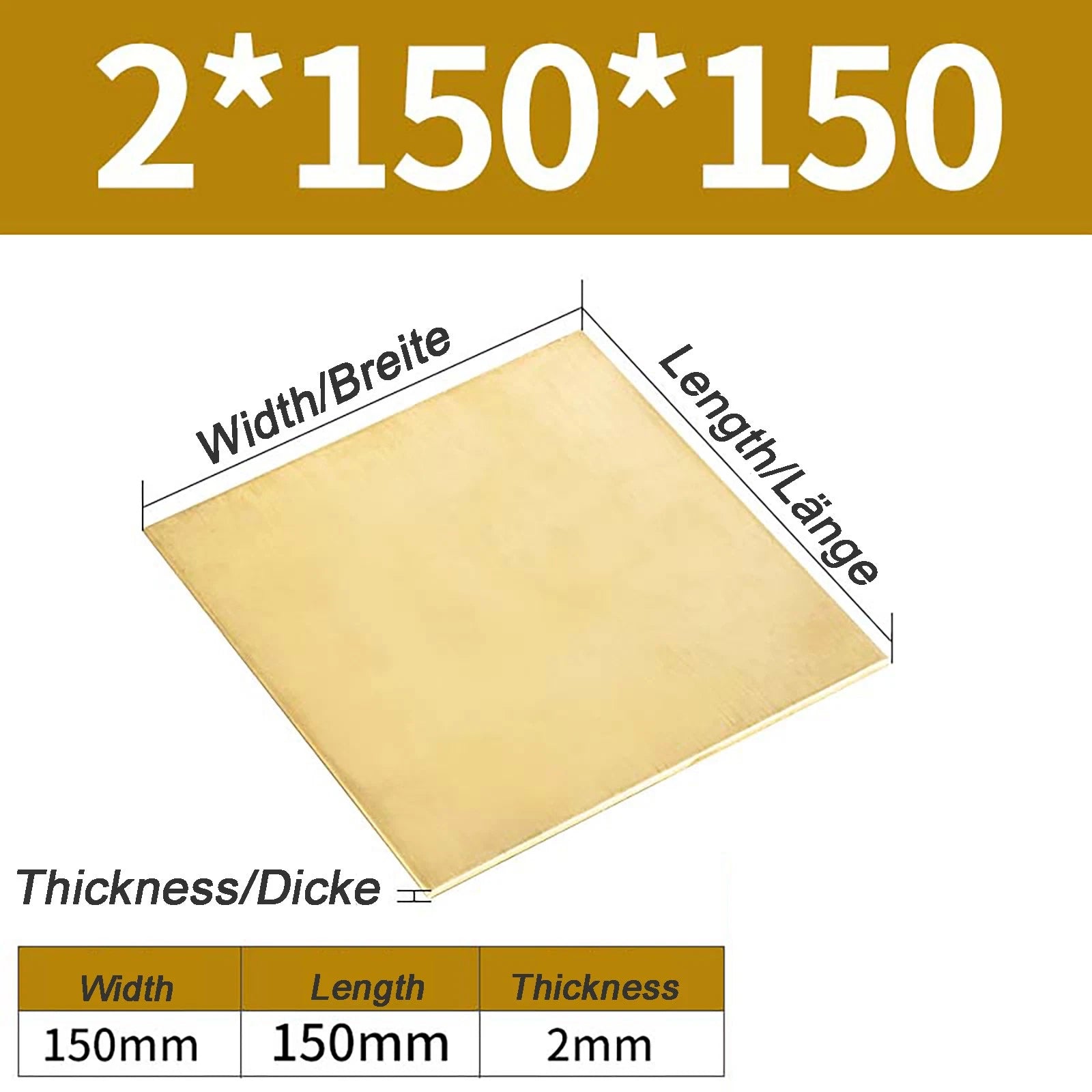
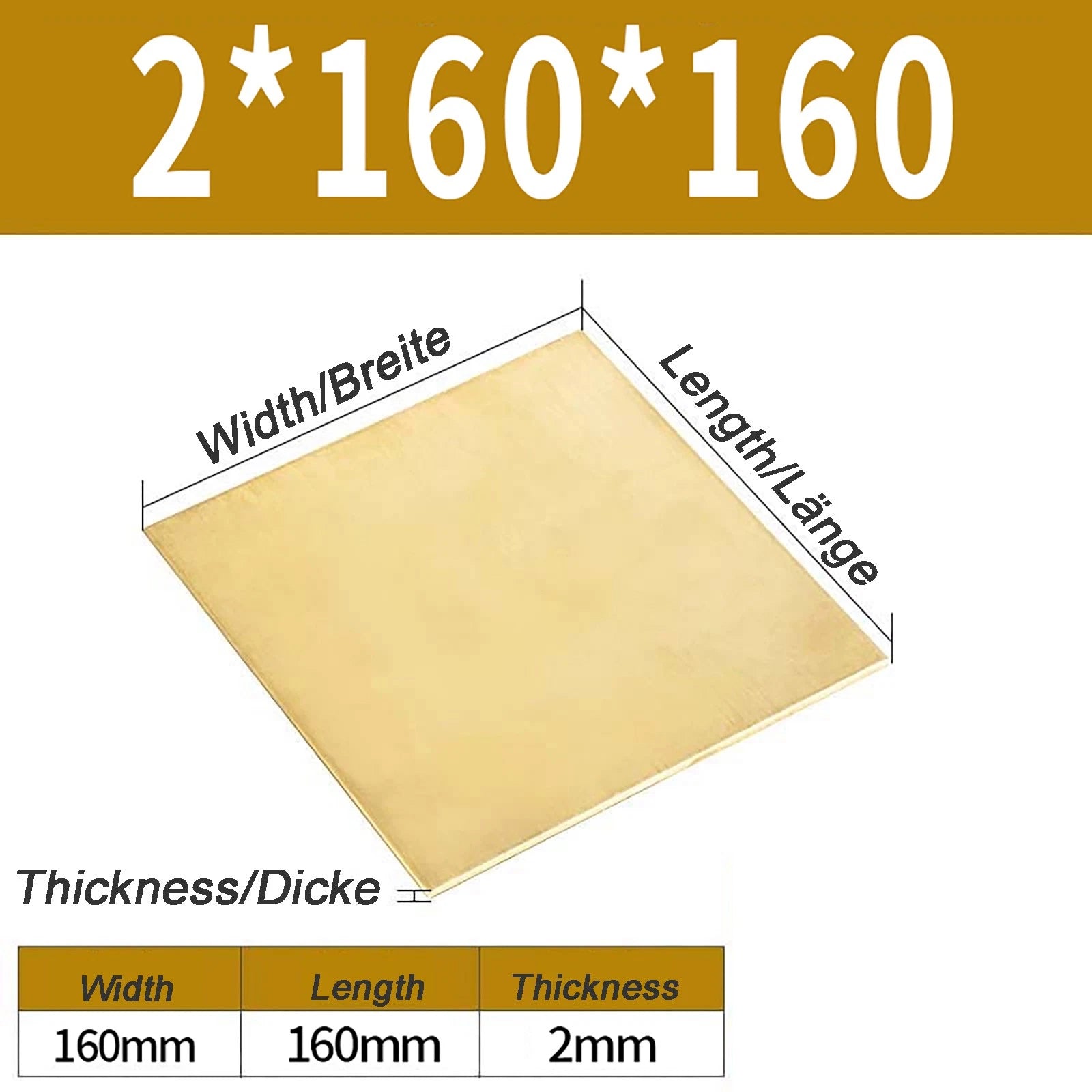
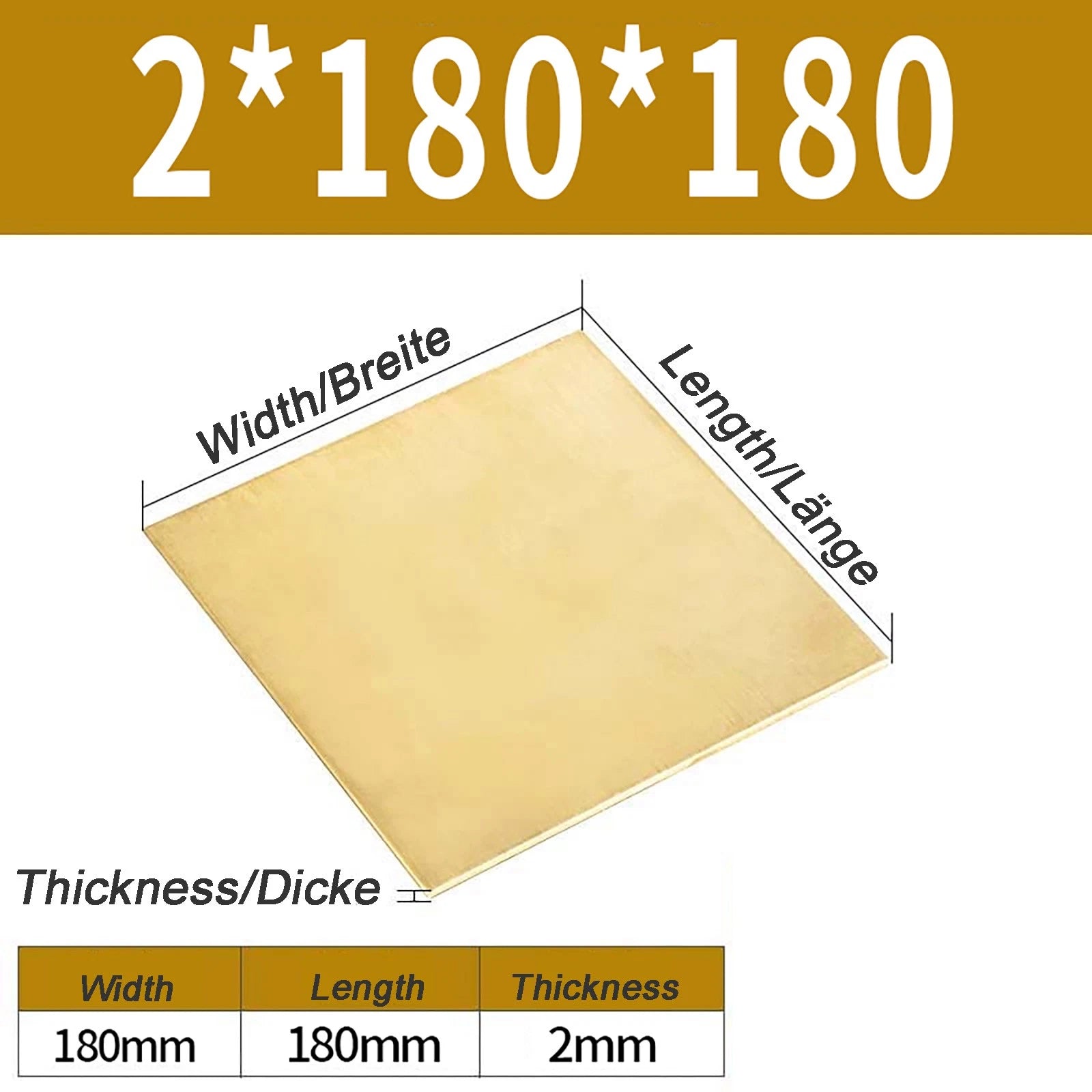
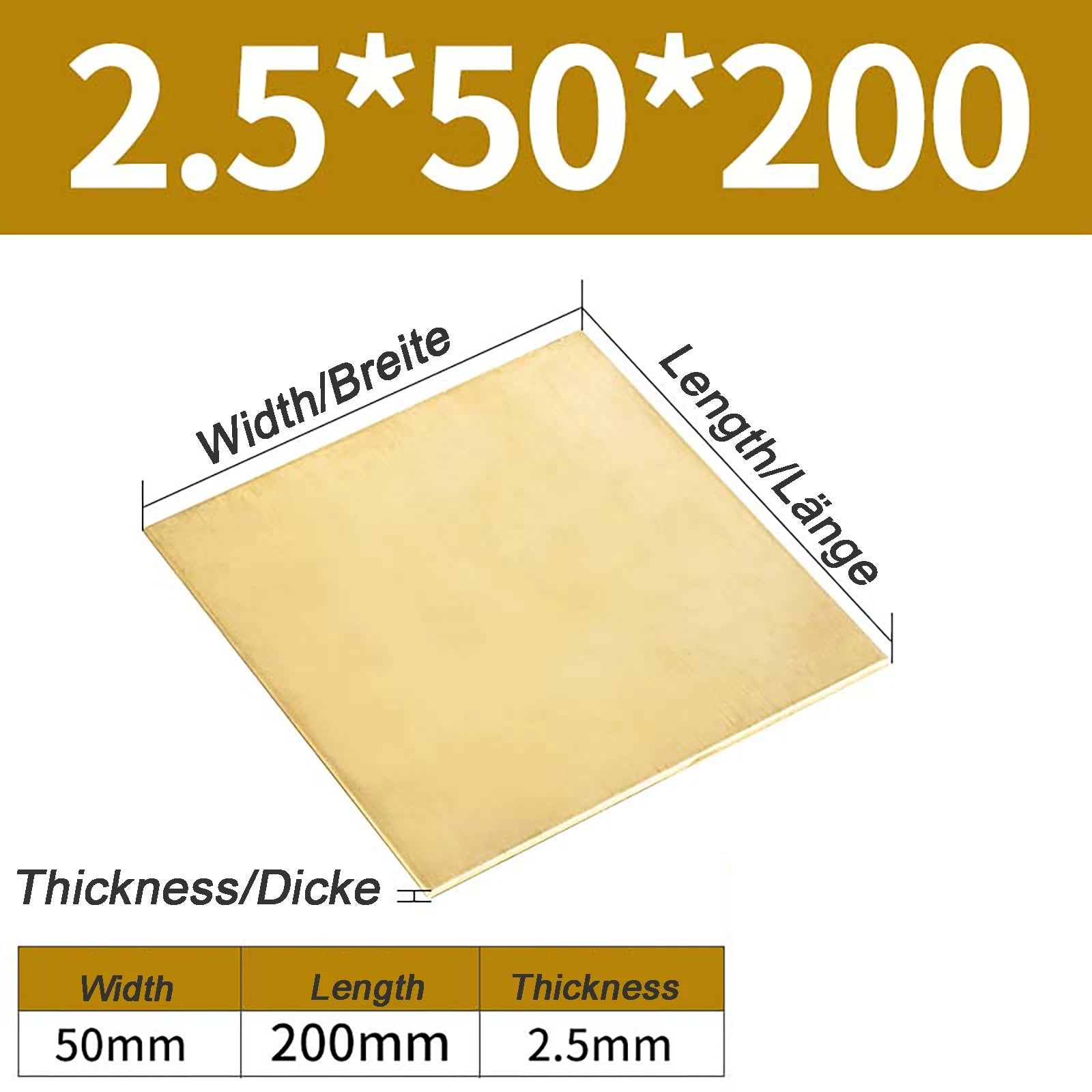
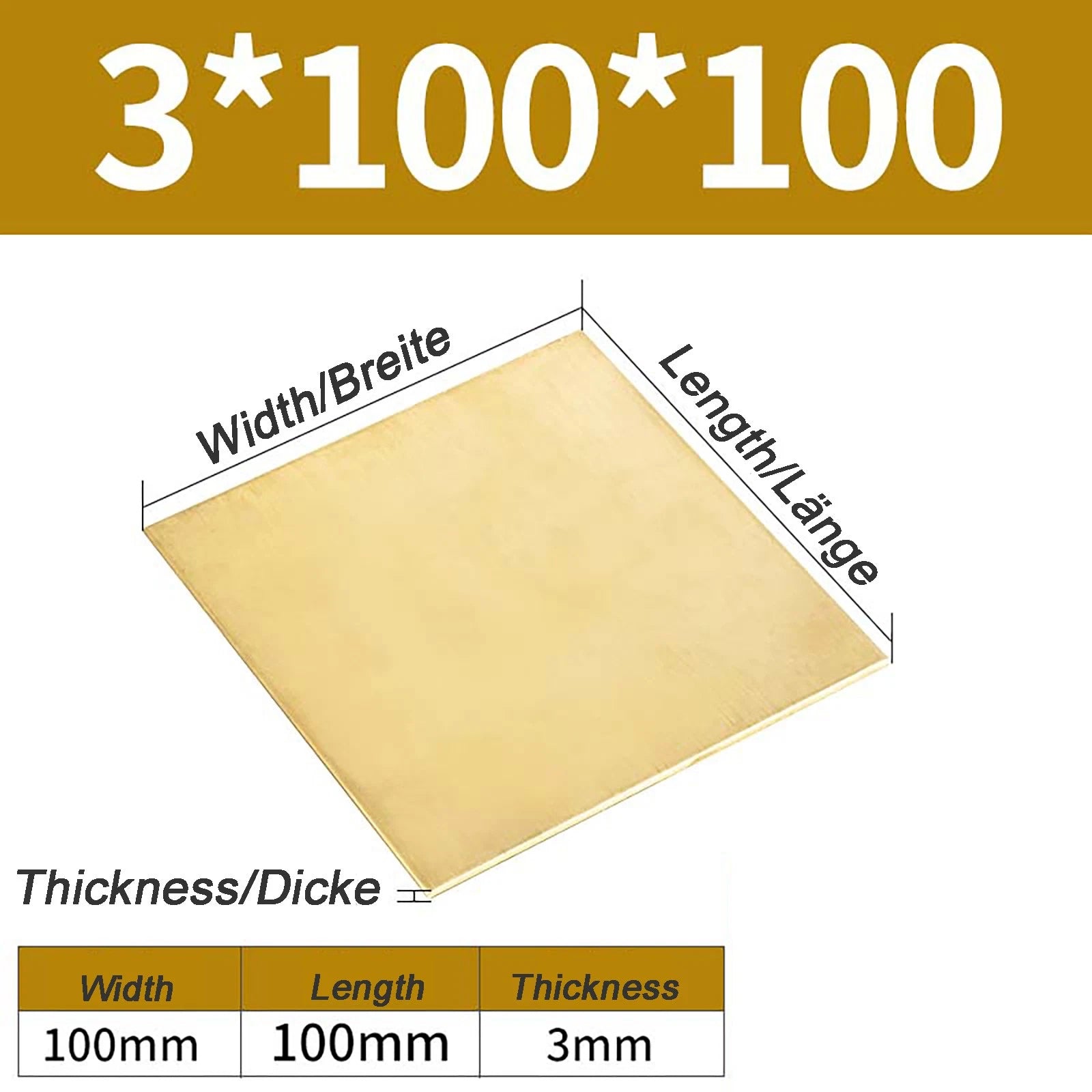
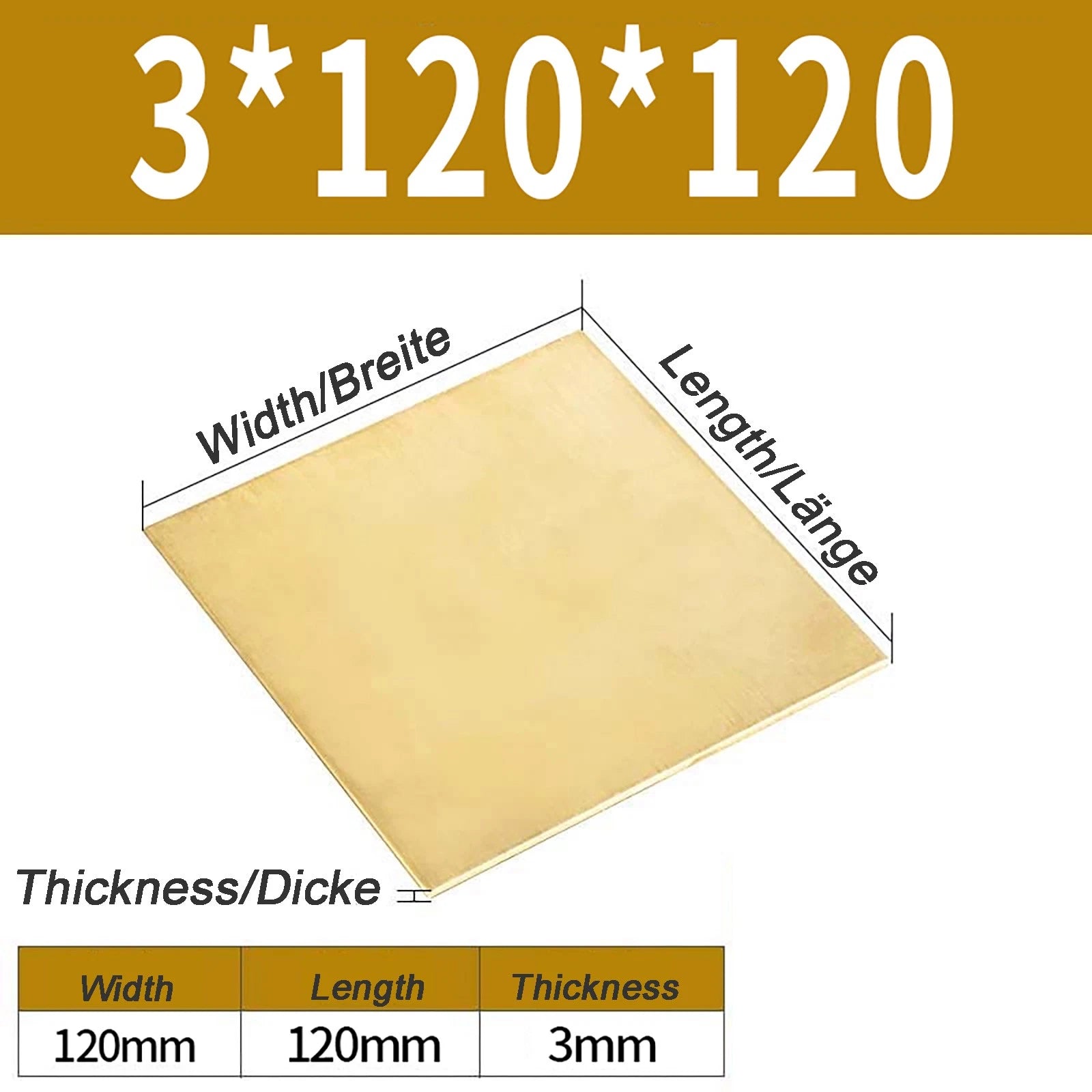
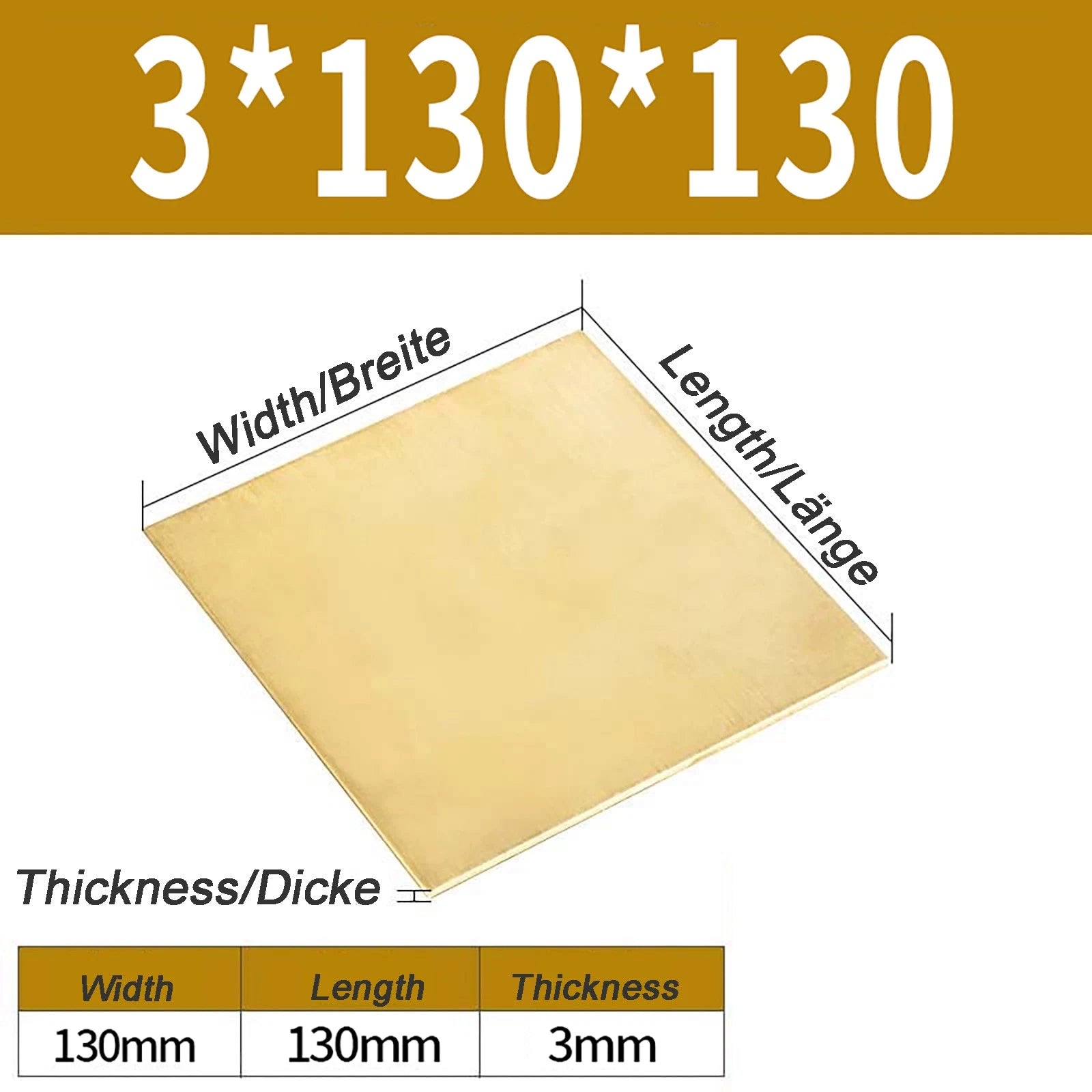
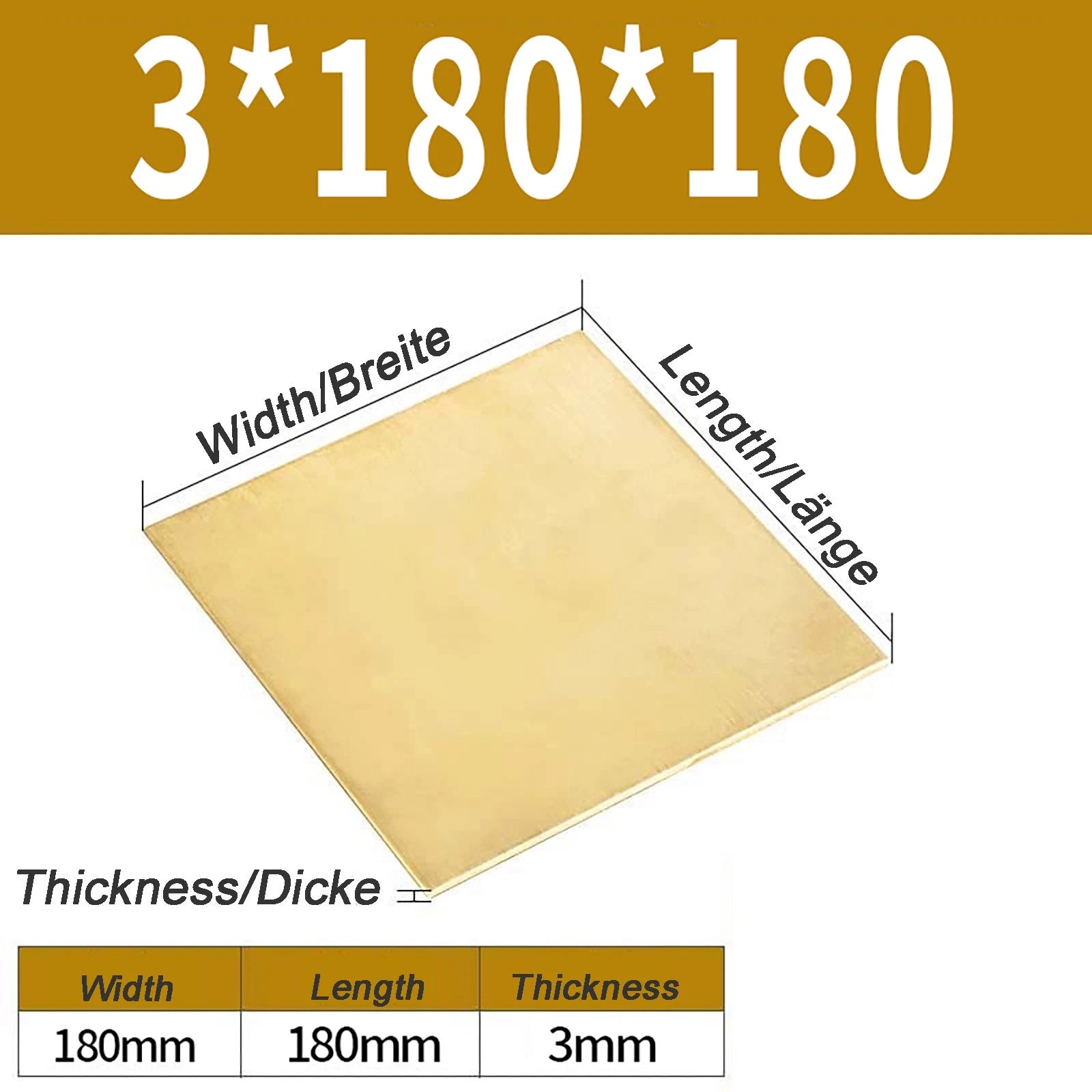
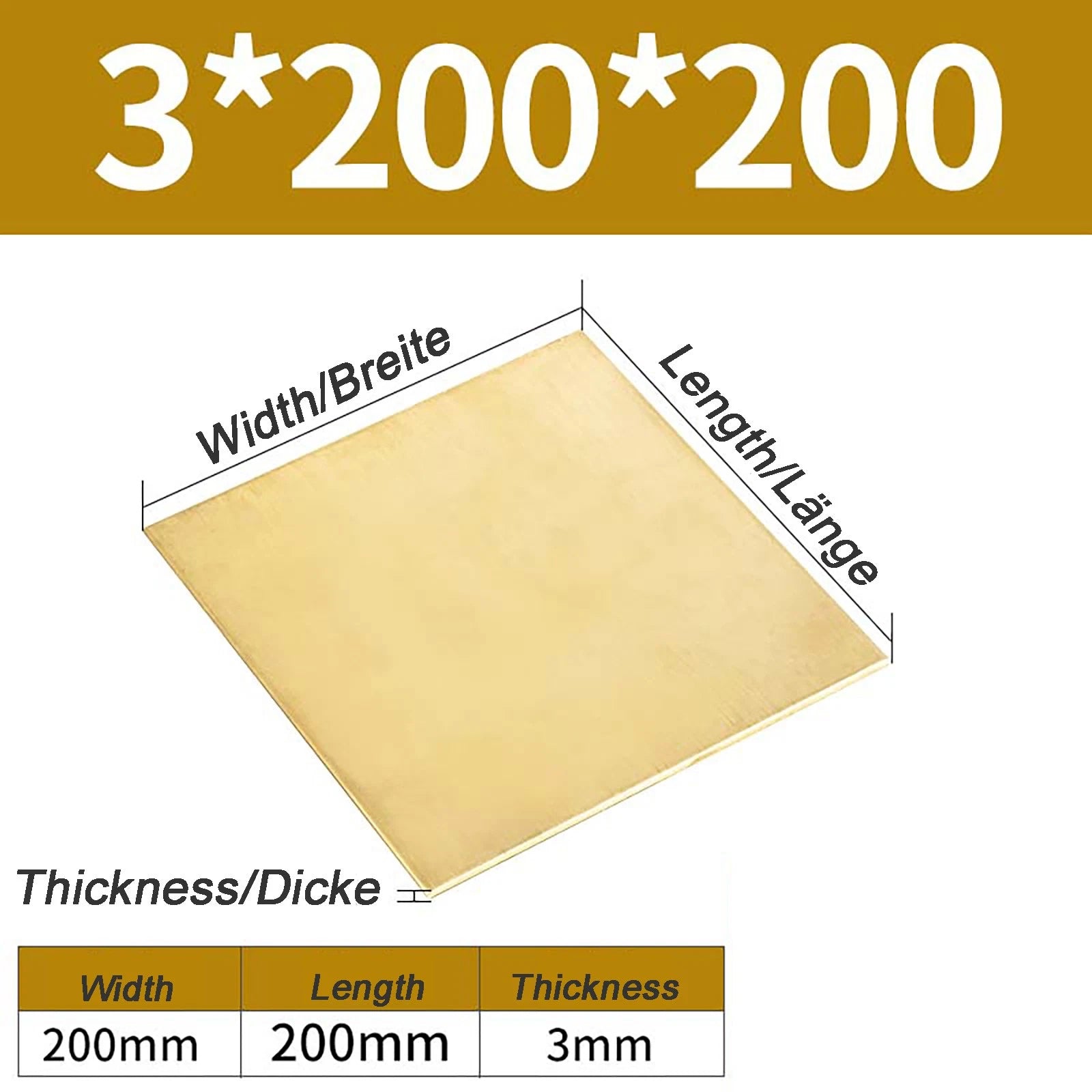
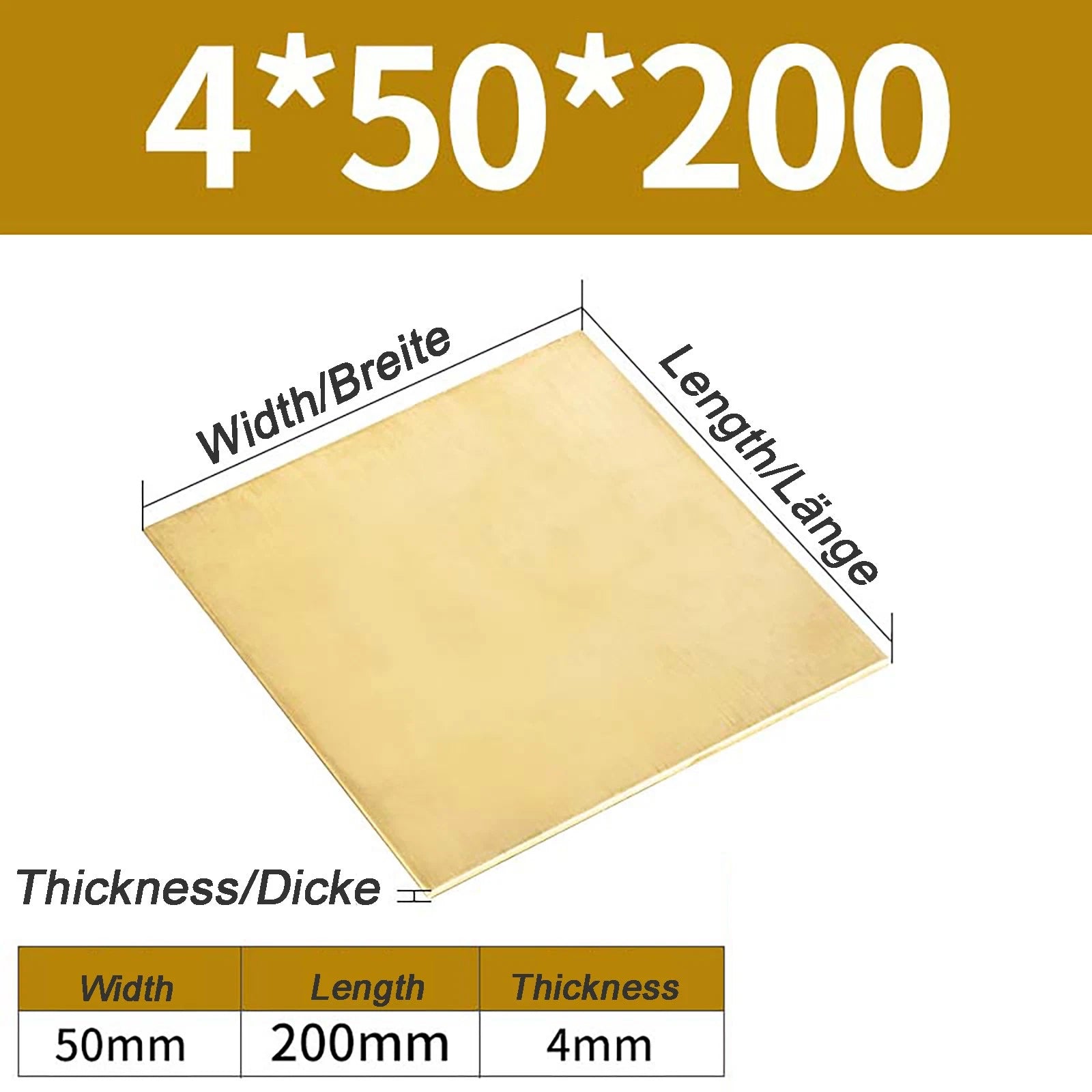
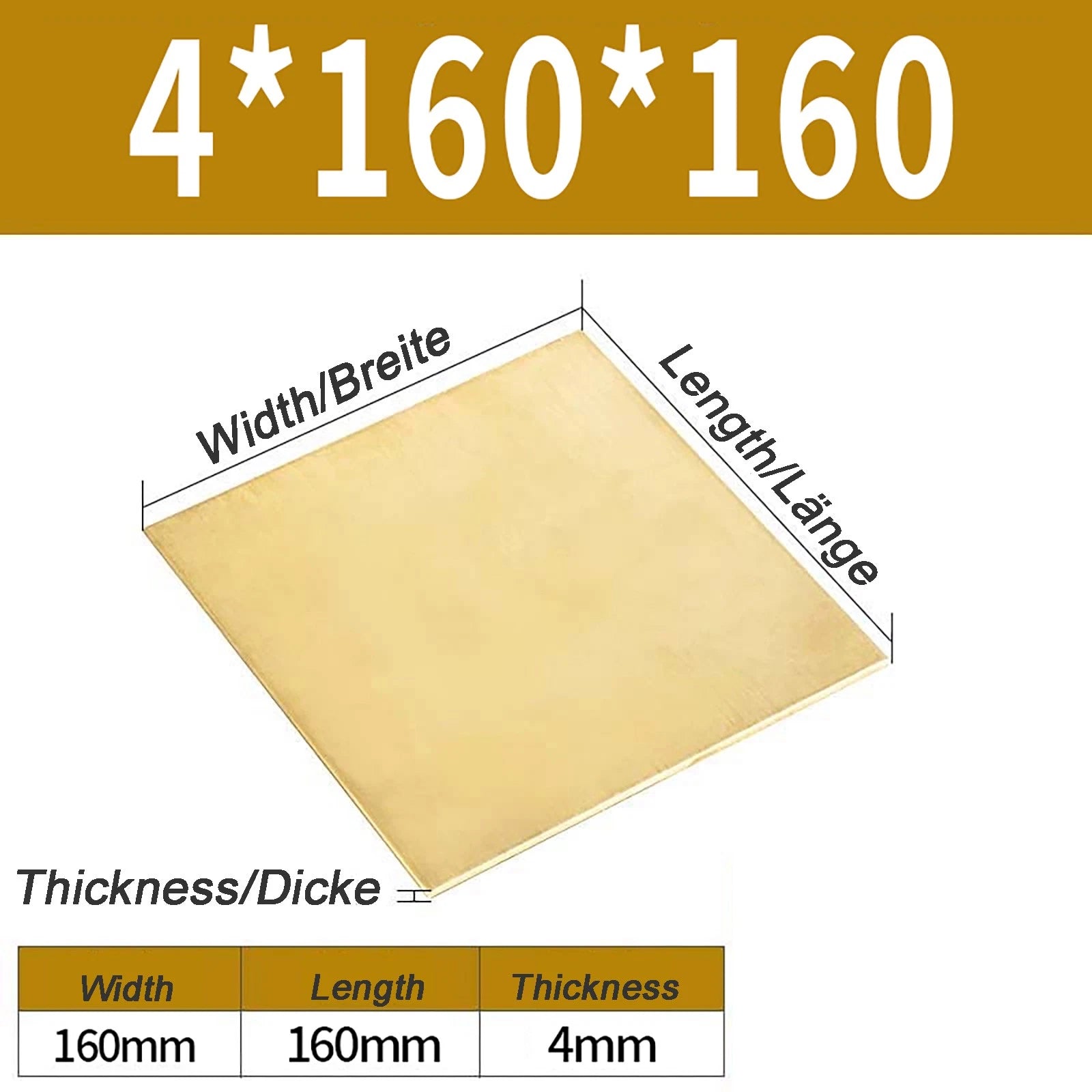
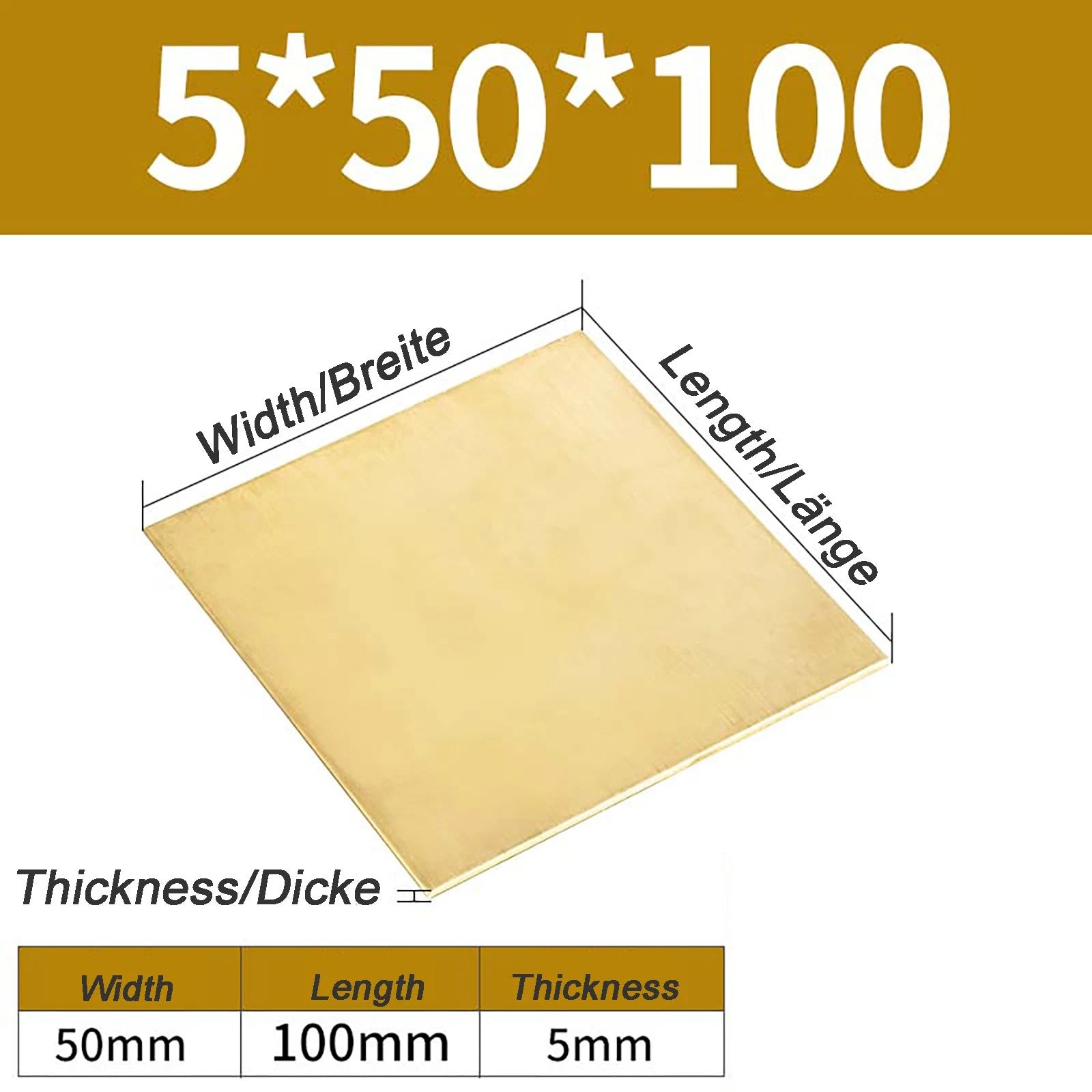
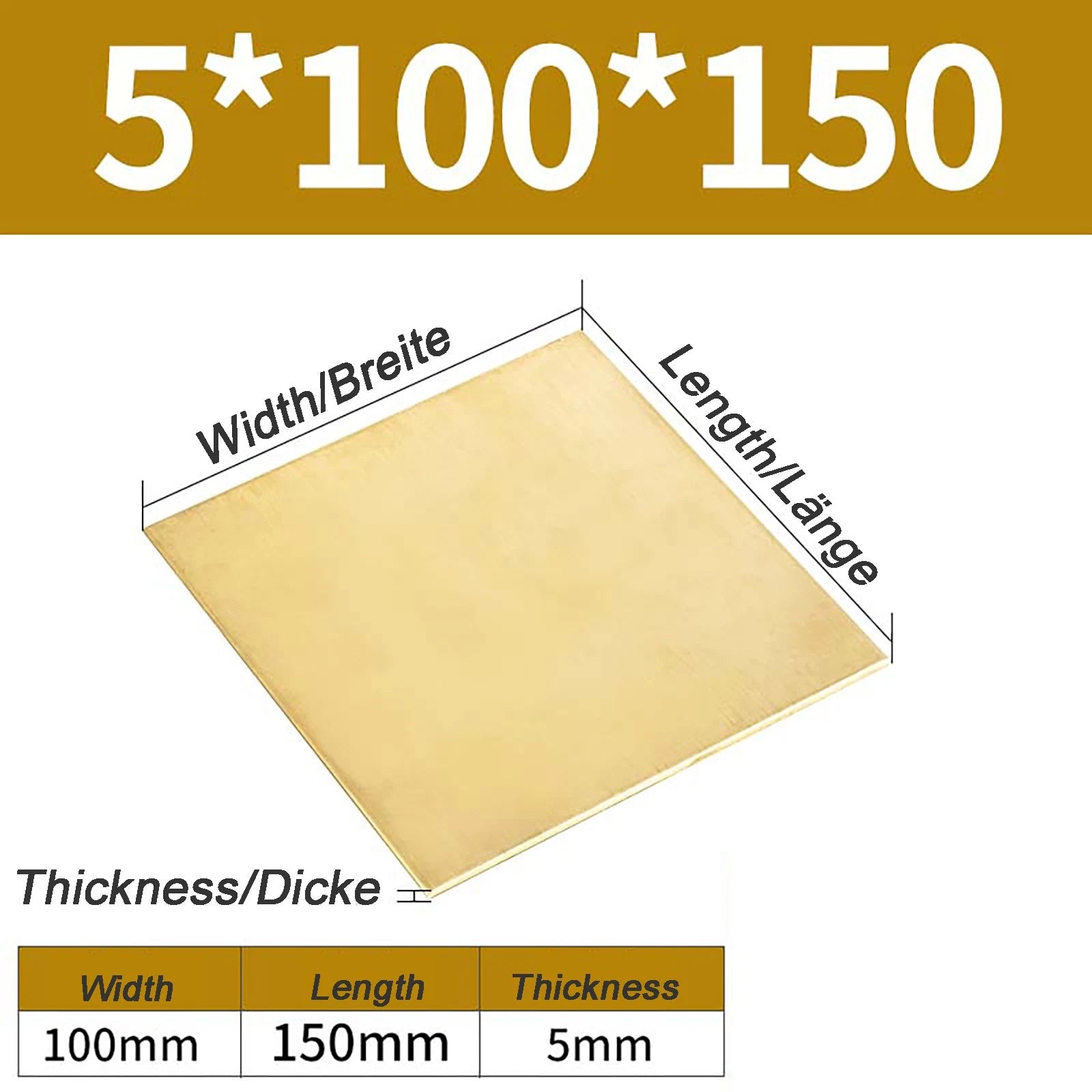
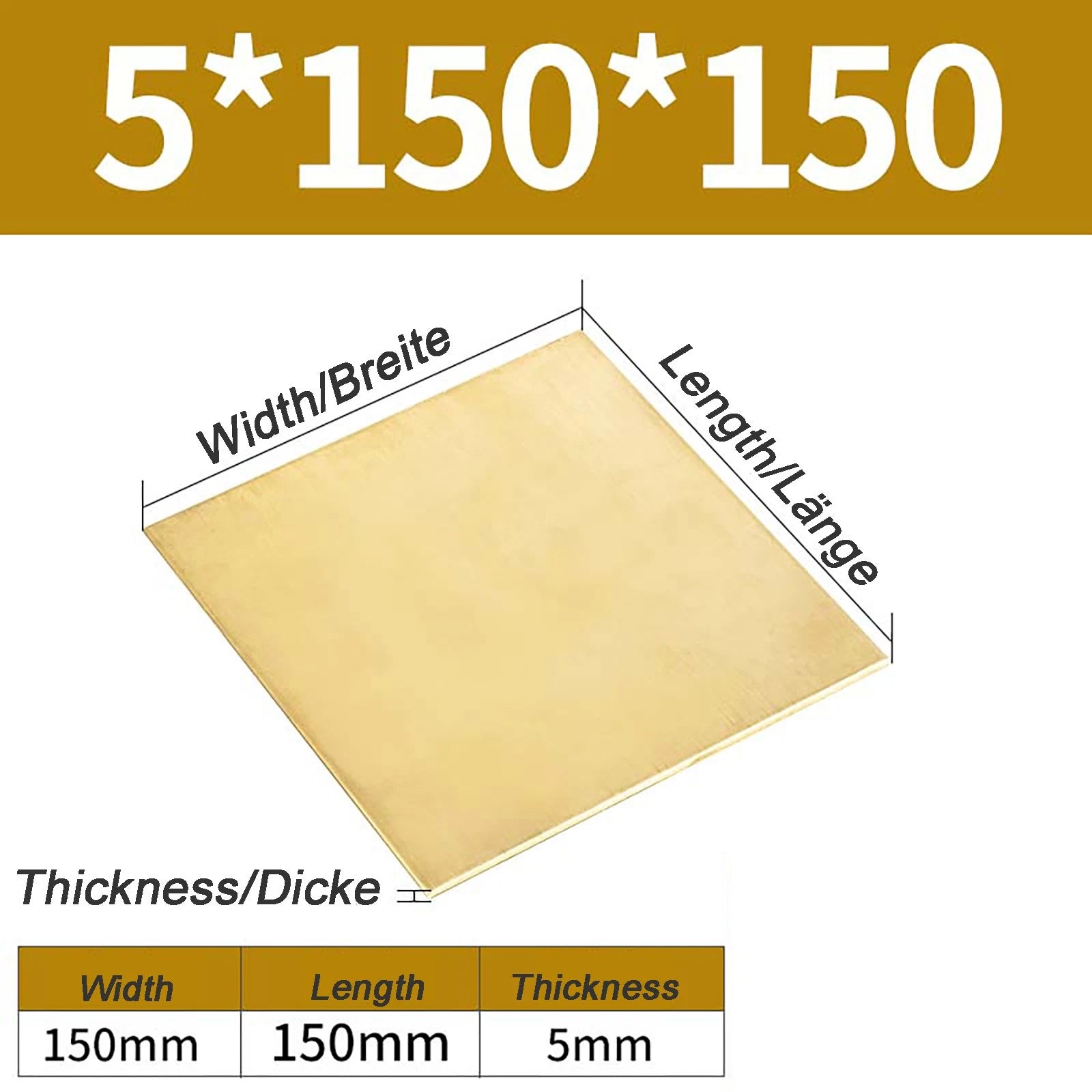
Each sheet is guillotine-cut from solid brass alloy (typically C260 cartridge brass or equivalent), delivering a smooth, straight edge on all four sides. Thickness options span 0.3 mm (approx. 0.012 in) through 6.0 mm (approx. 0.236 in), with planar dimensions ranging from compact 10 × 10 mm (0.39 × 0.39 in) squares up to large 200 × 200 mm (7.87 × 7.87 in) sheets. Packs are available in 1, 2, or 4 pieces depending on the size selected.
Typical applications include RF and EMI shielding inserts for DIY electronics enclosures, decorative inlay work in woodworking and leathercraft, custom gasket blanks and spacer shims for mechanical assemblies, and small-batch prototyping of brass brackets or heat-spreader plates in maker workshops.
Thickness from 0.3 mm to 6.0 mm; planar dimensions from 10 × 10 mm to 200 × 200 mm — choose exactly what your project needs.
Straight, clean cuts on all four sides reduce prep time and minimize the need for secondary deburring before use.
Made from brass alloy with good machinability, corrosion resistance, and electrical conductivity — suitable for both structural and decorative uses.
Uncoated natural brass surface is ready for polishing, patination, lacquering, or direct use as-is in your build.
Available in 1, 2, or 4-piece packs depending on the size variant — order only what you need, reduce leftover stock.
Easily cut with tin snips, scored and snapped at thinner gauges, drilled, tapped, or shaped with standard metalworking tools.
| Material | Brass alloy (typically C260 or equivalent) |
|---|---|
| Finish | Natural (uncoated) |
| Cutting Method | Guillotine cut (straight shear) |
| Thickness Range | 0.3 mm – 6.0 mm (0.012 in – 0.236 in) |
| Planar Size Range | 10 × 10 mm up to 200 × 200 mm |
| Pack Quantity | See variant options (1, 2, or 4 Pcs) |
| Edge Condition | Shear-cut, straight edges; minor burr possible on thicker gauges |
| Colour | Golden yellow (natural brass) |
| Machinability | Good — suitable for drilling, tapping, and light milling |
| Corrosion Resistance | Moderate — brass oxidizes over time; apply lacquer or wax to preserve finish |
| Electrical Conductivity | Good — suitable for grounding straps and EMI shielding applications |
| Weight | See variant options (varies by size and thickness) |
For decorative inlays, engraving blanks, and thin shims, 0.3 mm – 0.8 mm is typically sufficient. For structural brackets, spacers, and heat spreaders, 1.0 mm – 2.0 mm offers a good balance of rigidity and workability. Thicknesses of 2.5 mm and above are suited to load-bearing or heavy-duty applications where stiffness is critical. If you are unsure, start with 1.0 mm — it is the most versatile gauge for general DIY metalwork.
Yes. Sheets up to approximately 0.8 mm can be scored with a metal scribe and snapped cleanly along a straight edge. Sheets up to 1.5 mm are easily cut with aviation tin snips. Thicker gauges (2.0 mm and above) are best handled with a bench shear, angle grinder with a metal-cutting disc, or a jigsaw fitted with a bi-metal blade. Always wear gloves and eye protection when cutting metal sheet.
The sheets arrive in a natural, uncoated state. A light wipe with isopropyl alcohol or acetone will remove any handling oils before soldering, painting, or applying a patina. If you plan to solder, flux the surface first for best adhesion. For a polished appearance, use a fine-grit abrasive pad or metal polish before sealing with lacquer or wax.
Brass naturally oxidizes when exposed to air and moisture, developing a darker patina over time. This is a normal characteristic of the alloy. To preserve the original golden finish, apply a clear metal lacquer or Renaissance Wax after cleaning. For outdoor or high-humidity applications, consider sealing the surface or selecting a coated alternative. The oxidation does not affect structural integrity.
Yes. Brass is an excellent material for both soft soldering (with rosin or acid flux) and silver brazing. Clean the surface thoroughly before joining, apply appropriate flux, and use a solder or braze alloy compatible with copper-zinc alloys. Avoid overheating thin gauges (under 0.5 mm) as they can warp quickly. For thicker sheets, a propane or MAPP torch provides sufficient heat for brazing.
Brass can be laser-cut with a fiber laser; CO₂ lasers are generally not effective on bare metal. For CNC routing, use carbide end mills designed for non-ferrous metals and apply cutting fluid to extend tool life. Thinner sheets (0.3 mm – 1.0 mm) are well-suited to laser cutting, while thicker gauges (2.0 mm+) are more commonly CNC-routed or waterjet-cut. Always verify your machine's rated capacity before cutting.
Smaller sizes (10 × 10 mm to 50 × 50 mm) are typically available in 4-piece packs, giving you spares for prototyping or mistakes. Mid-range sizes are offered in 2-piece packs, and larger sheets (100 × 100 mm and above) are generally sold as single pieces. The pack quantity is shown in the variant selector — choose the combination of size and quantity that matches your project needs.