
The chain is fine...but I ordered the wrong size. Nine links of the chain I ordered equals six of the size I wanted. My error...
How can I straighten out the springs? I can't use them coil uo as is.
Your payment information is processed securely. We do not store credit card details nor have access to your credit card information.
Get fitment advice & recommendations
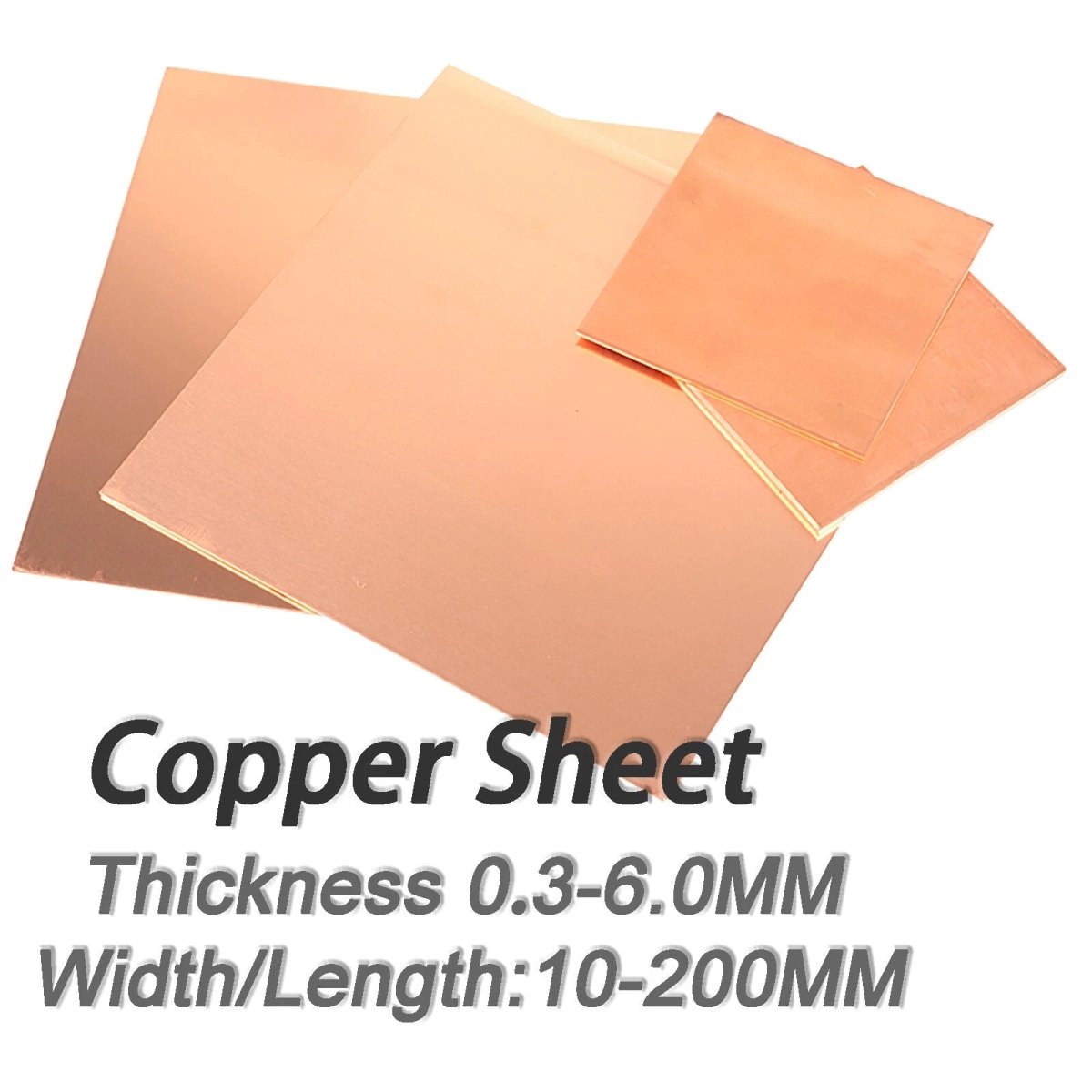
When your project demands a material that conducts electricity, transfers heat, and ages into a distinctive patina, finding a copper sheet cut to the exact size you need can be frustrating. Whether you are a maker, hobbyist, electrician, or small-shop fabricator, these copper sheet metal blanks are guillotine cut to clean, burr-minimized edges so you can get straight to work.
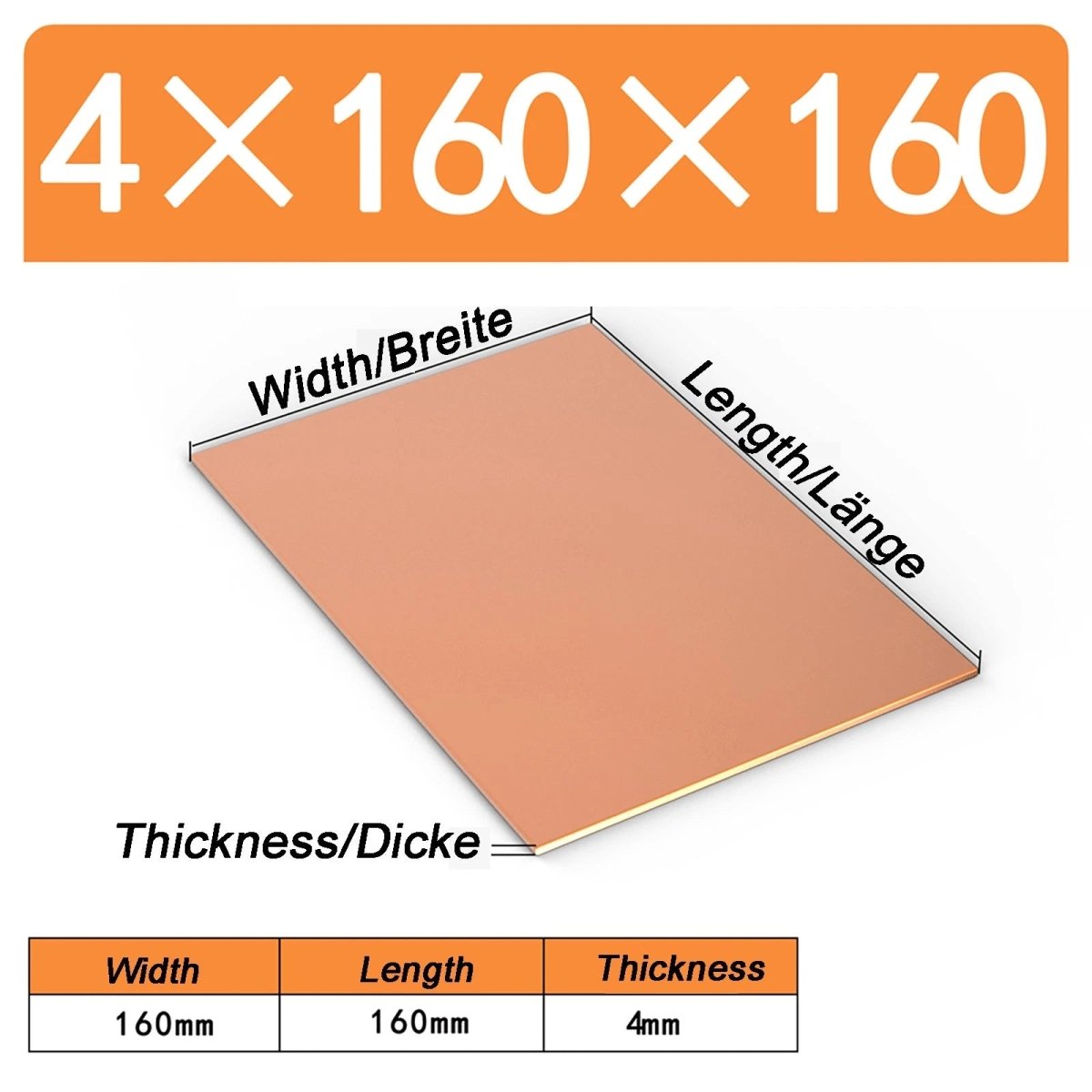
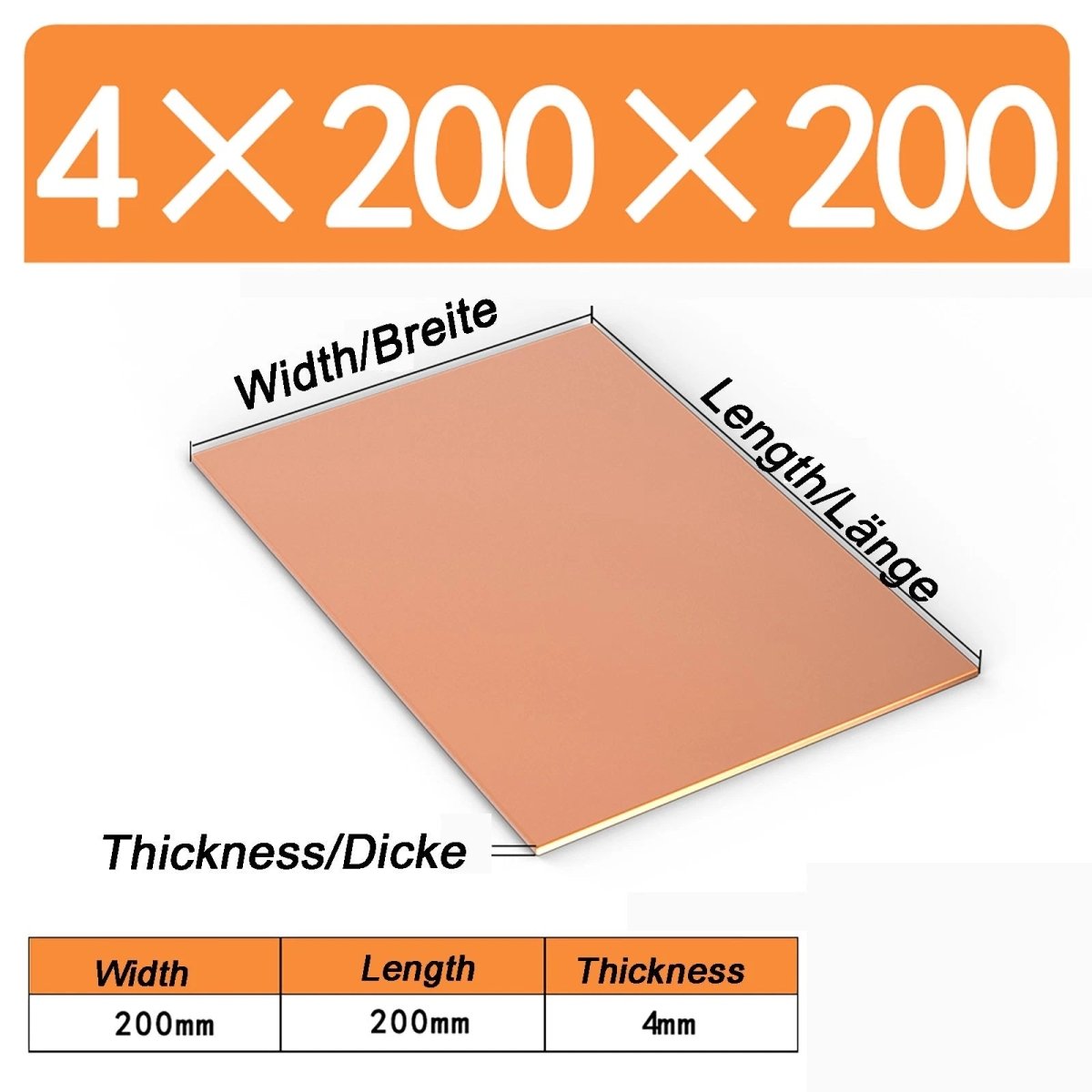
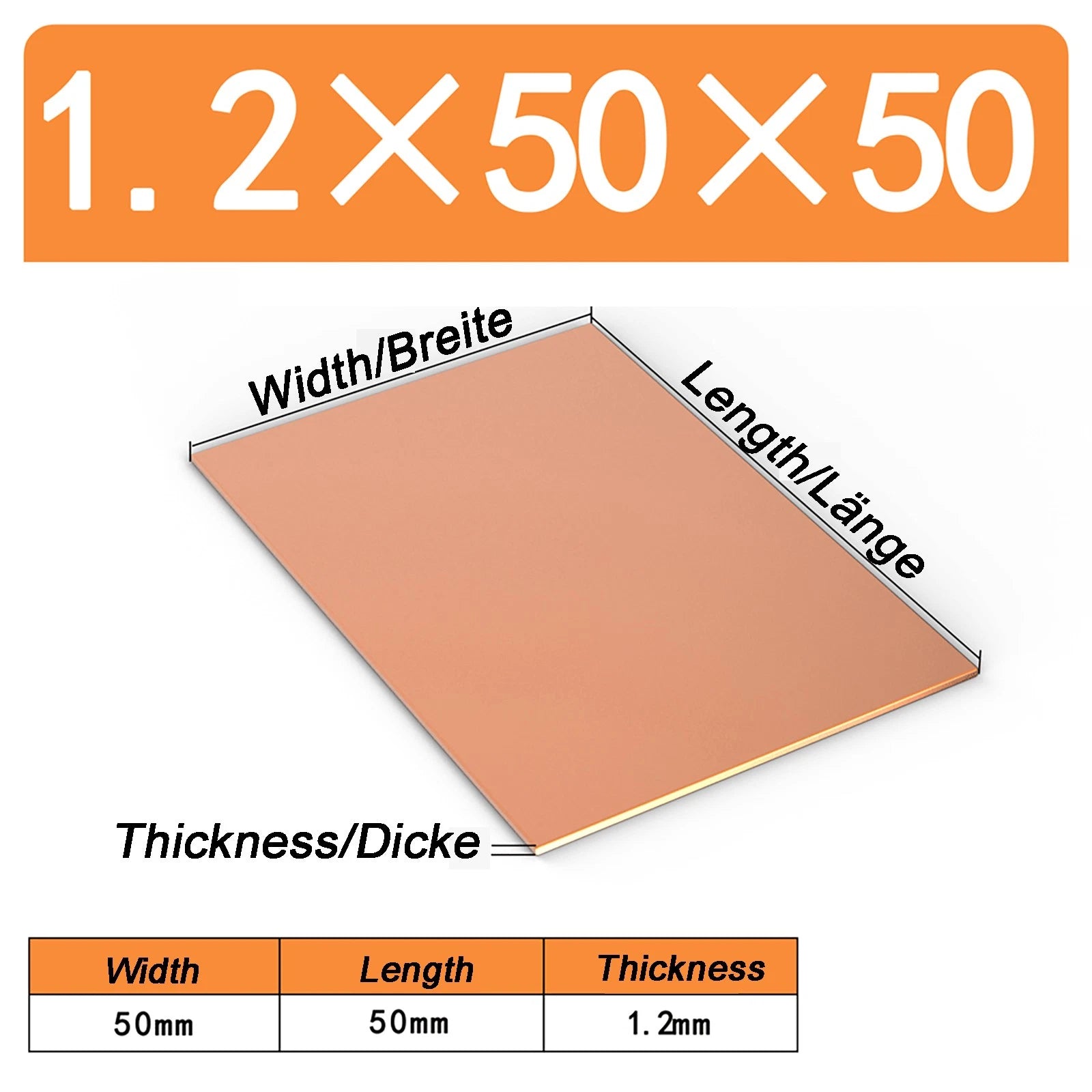
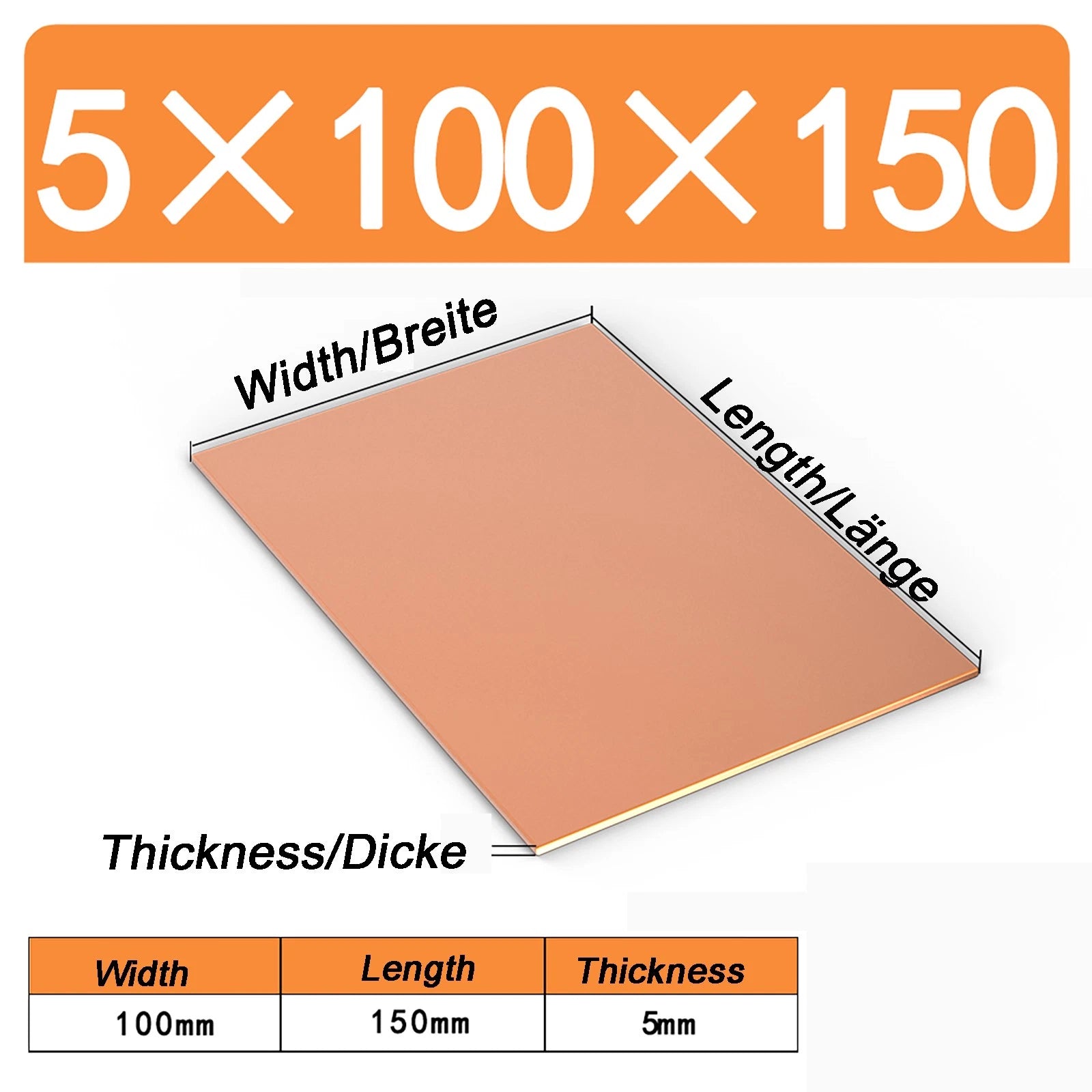
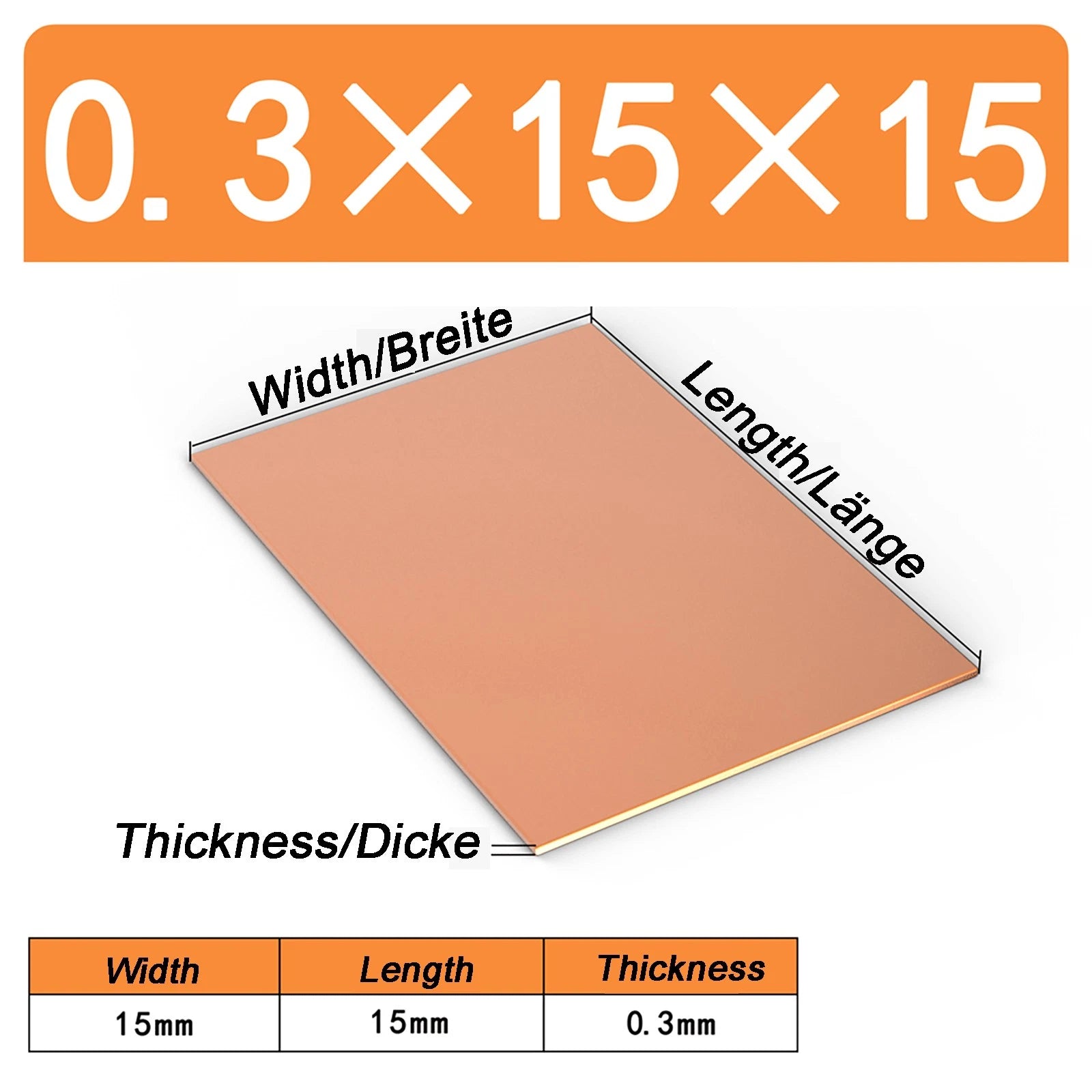
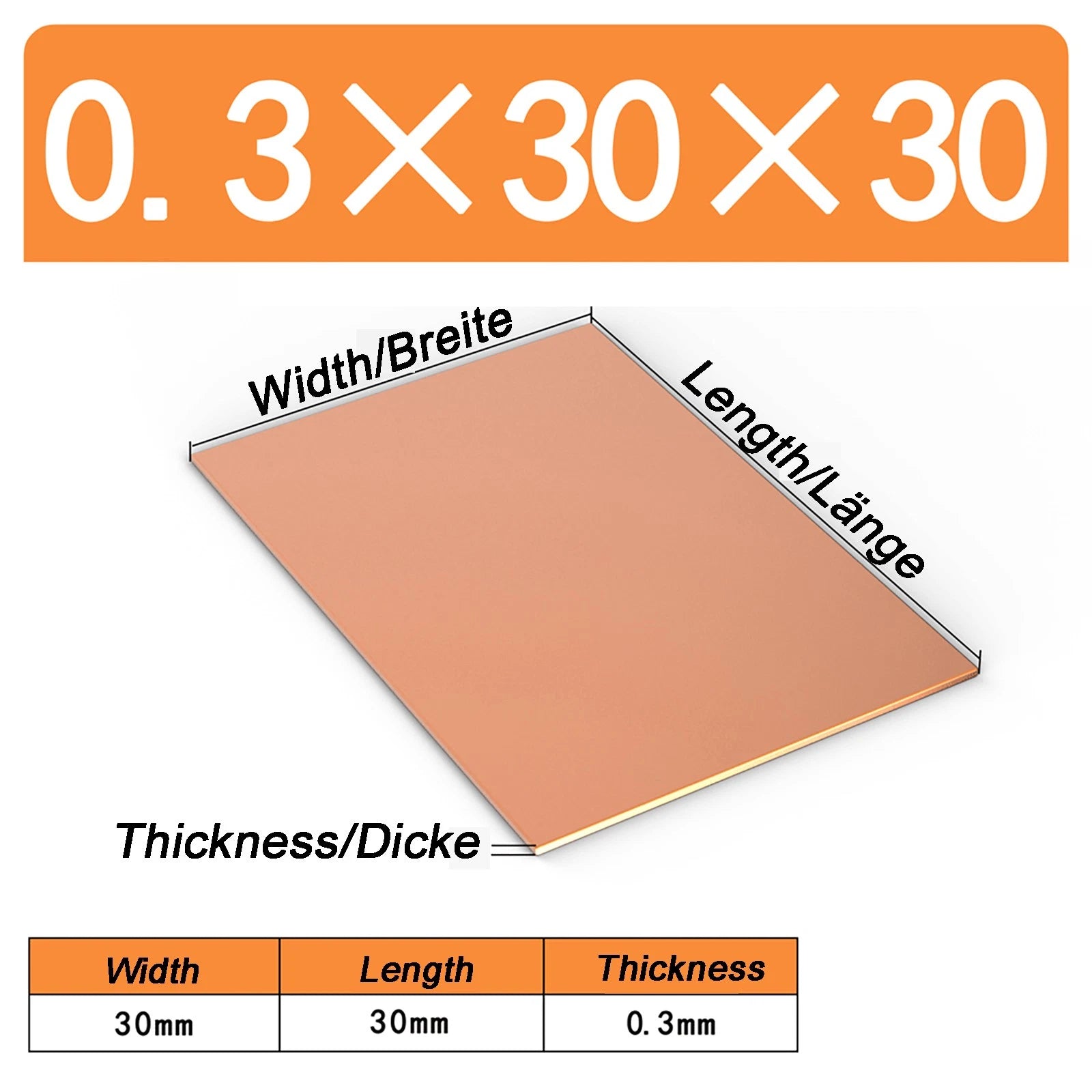
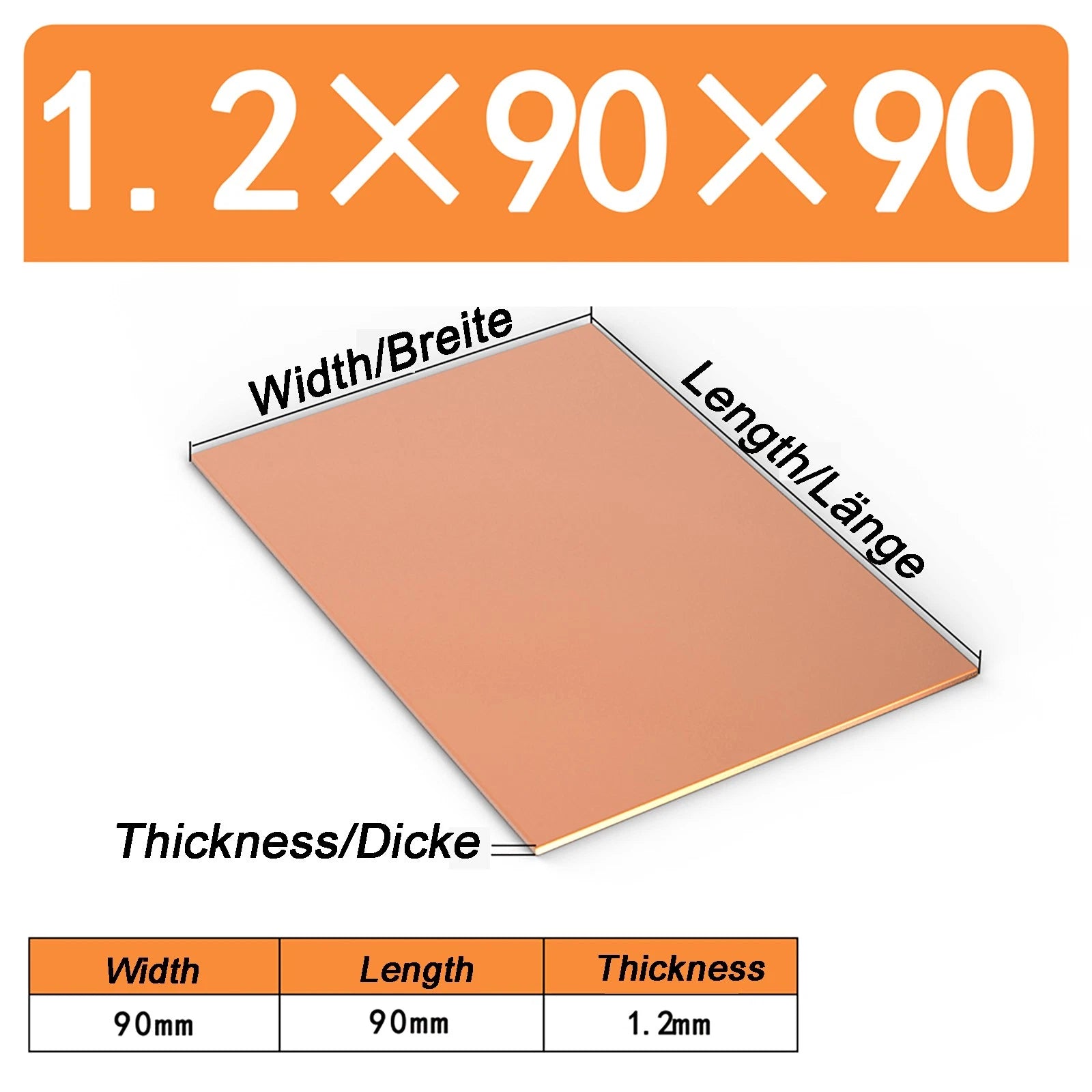
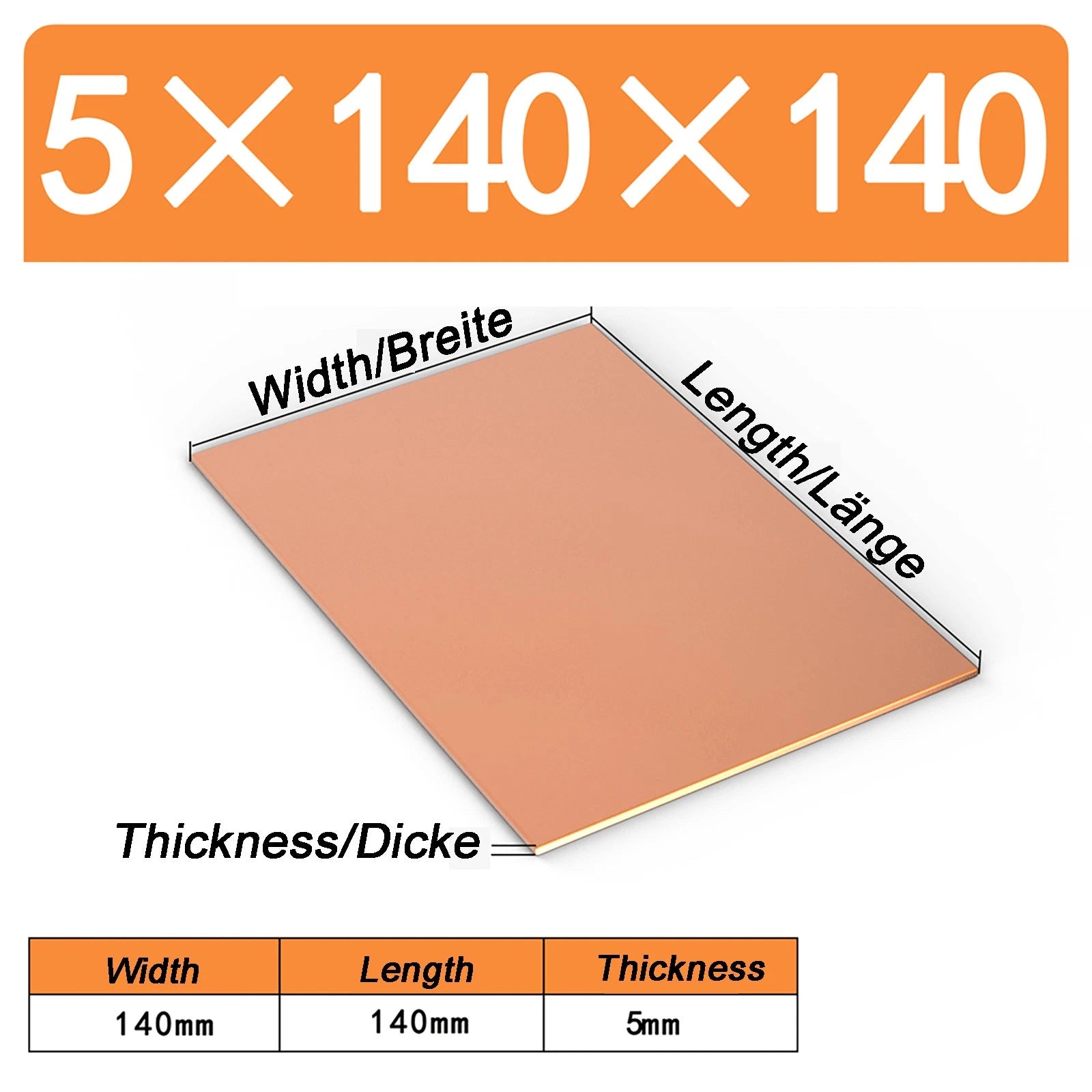
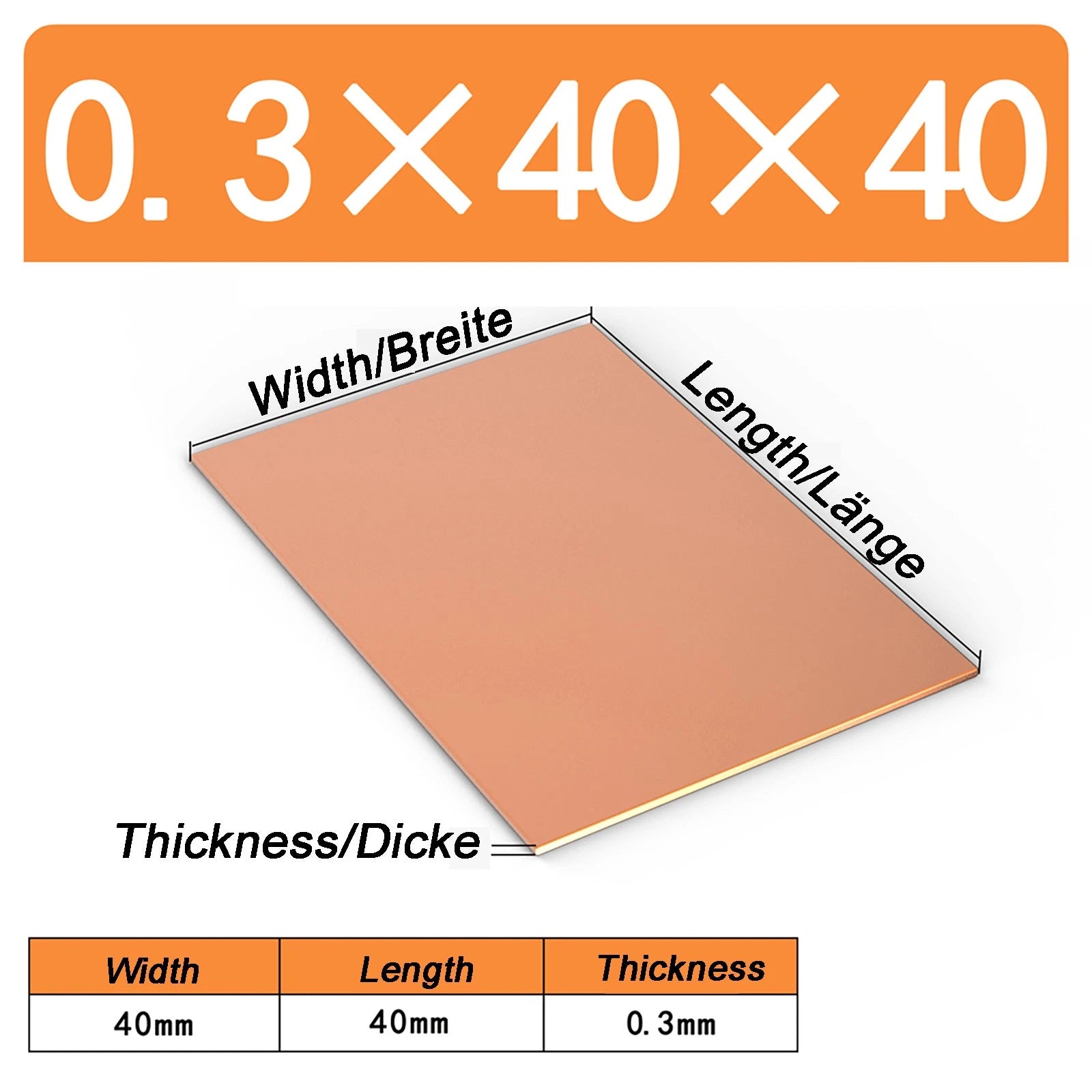
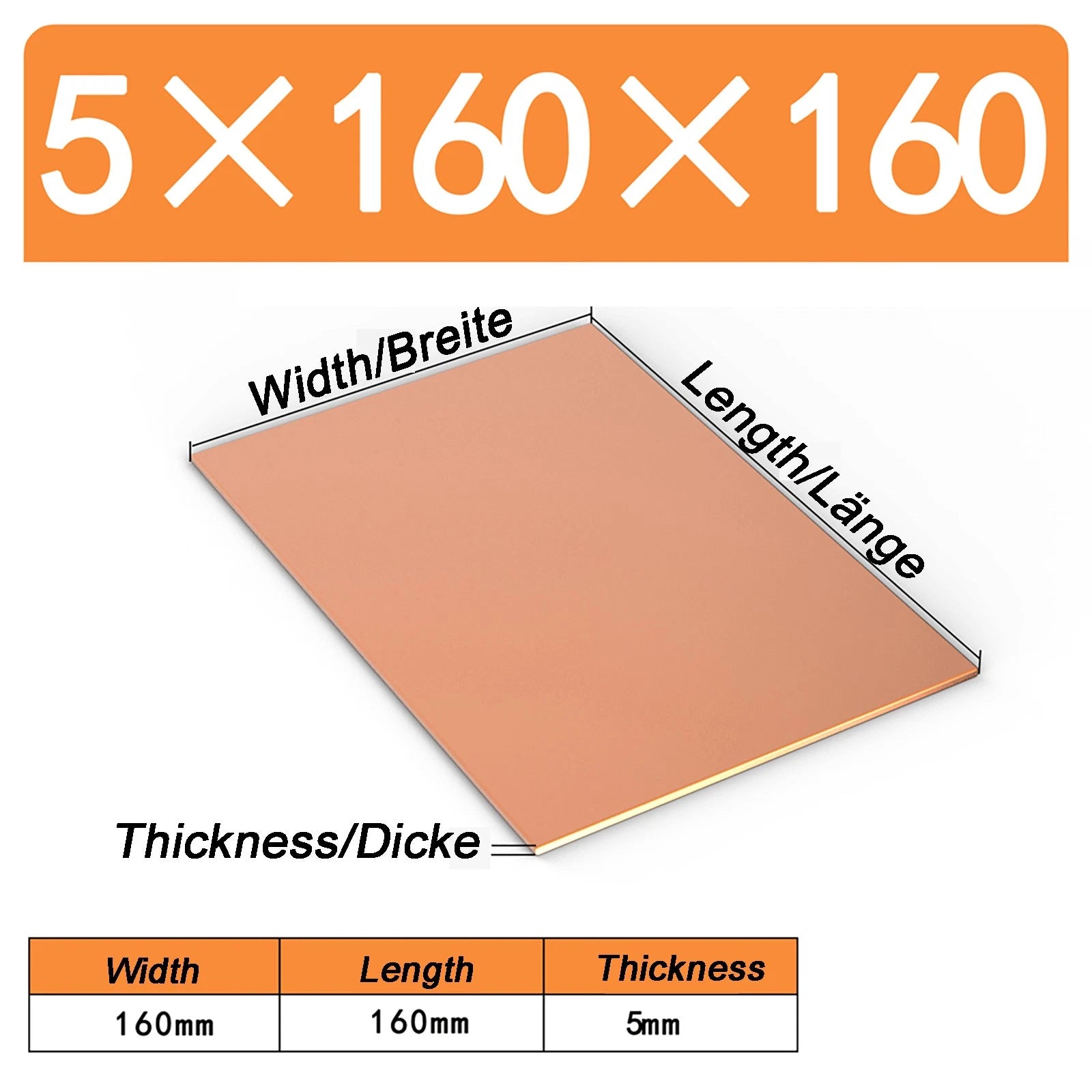
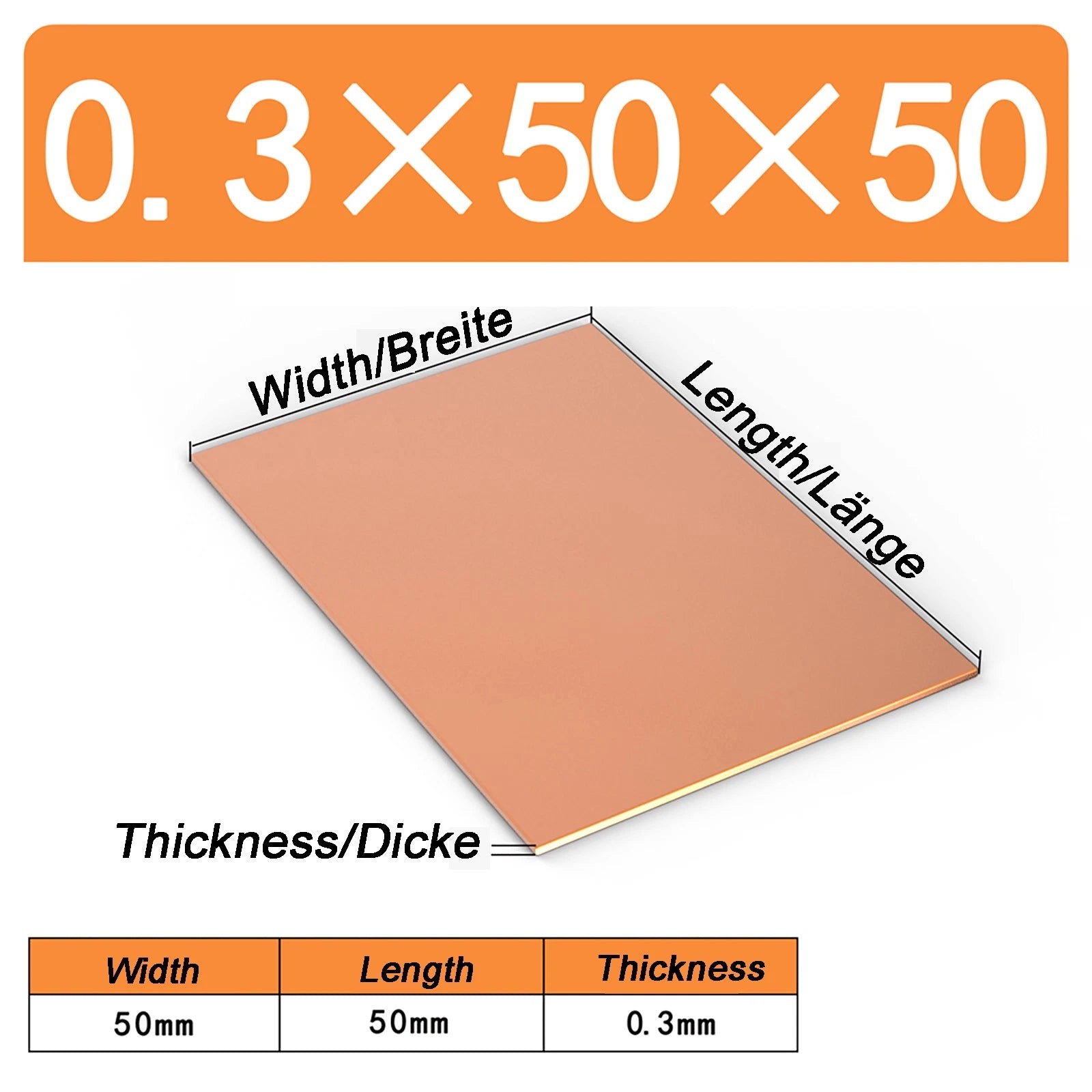
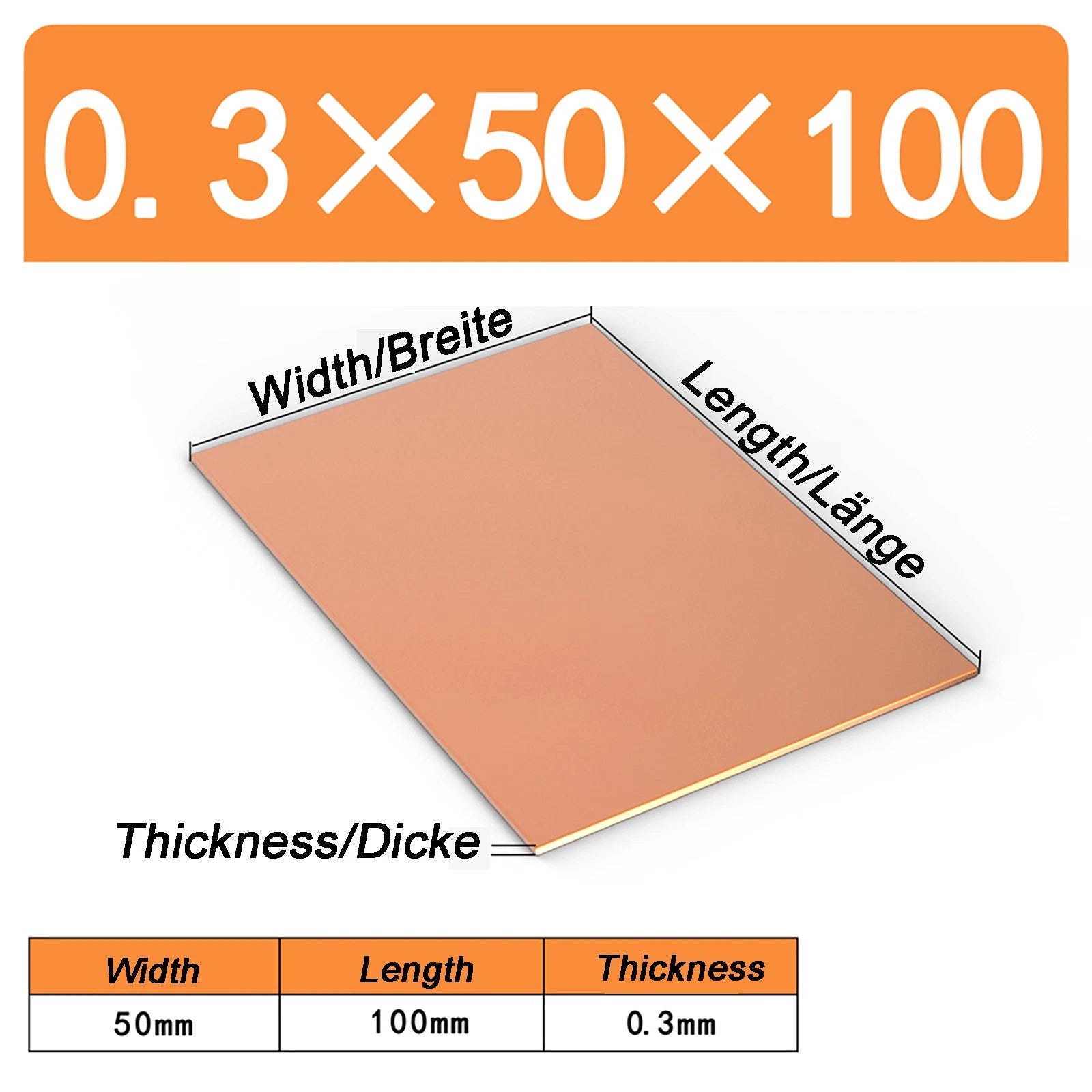
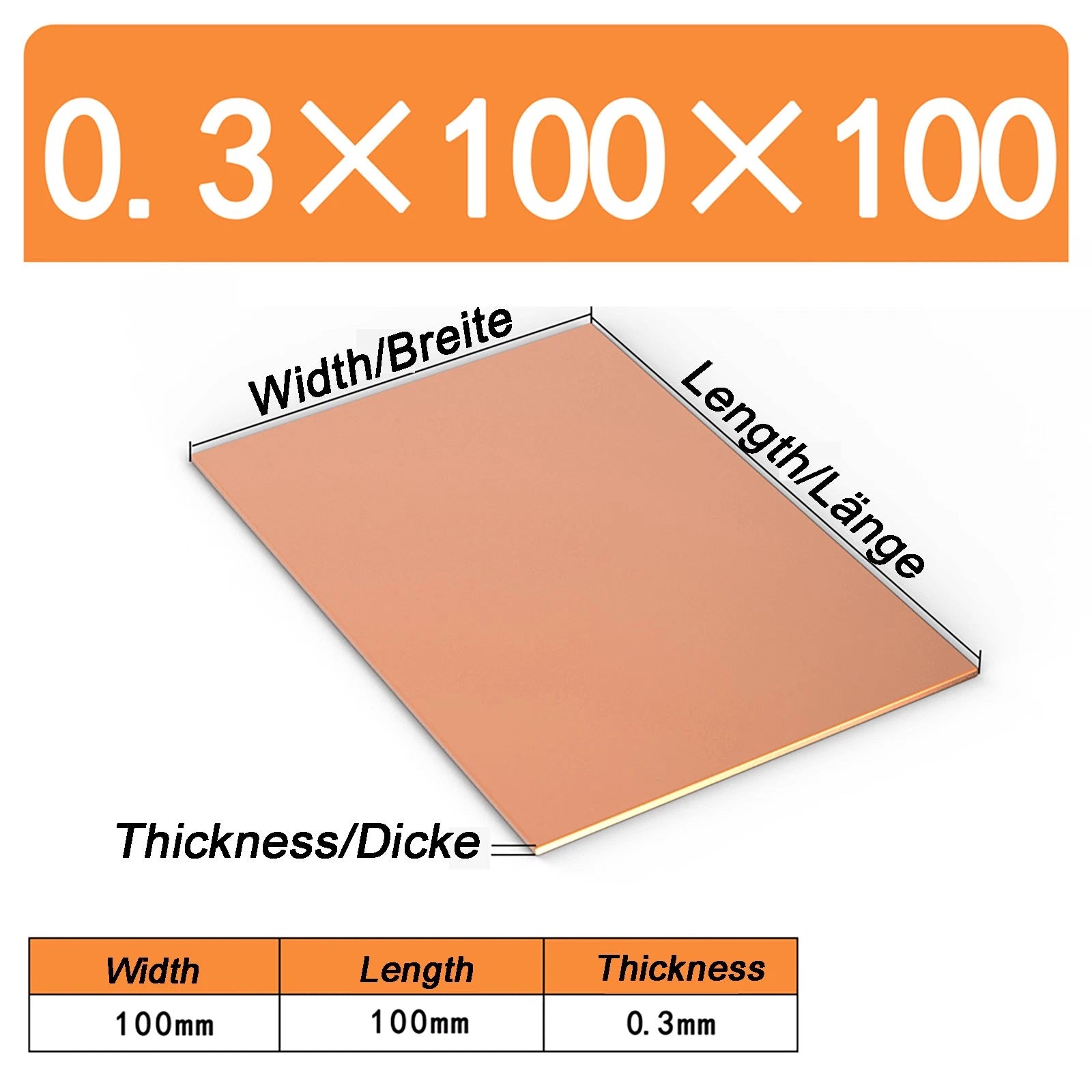
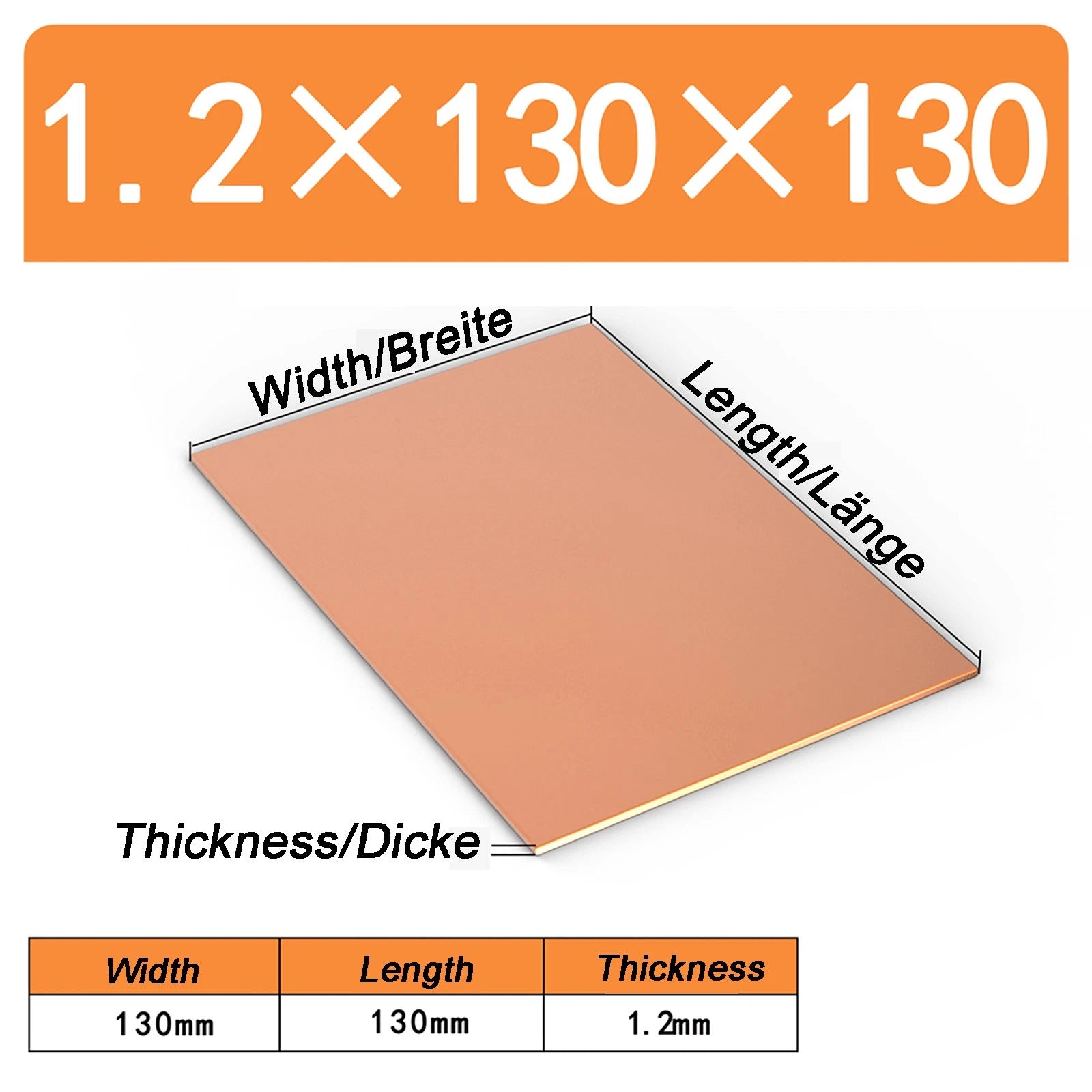
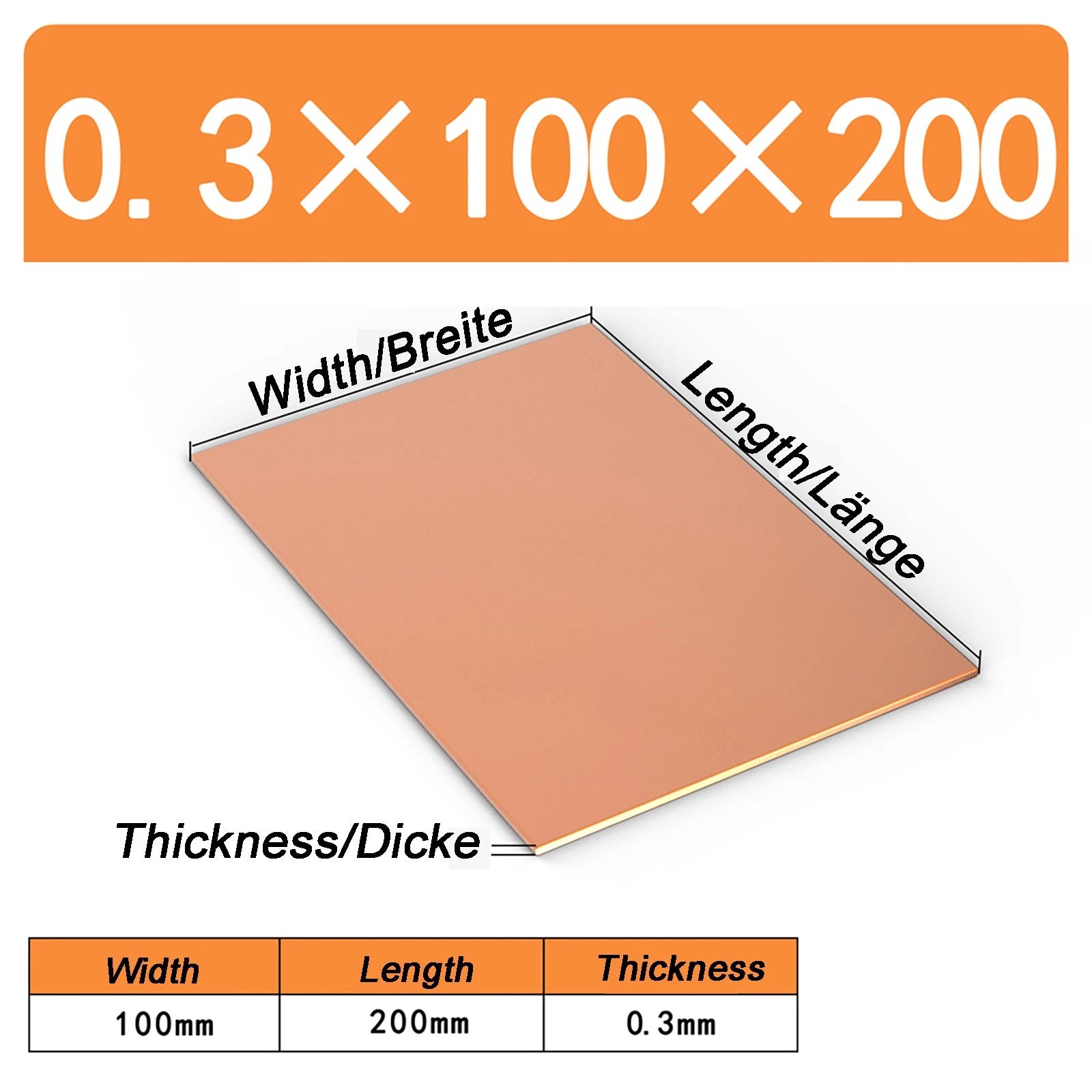
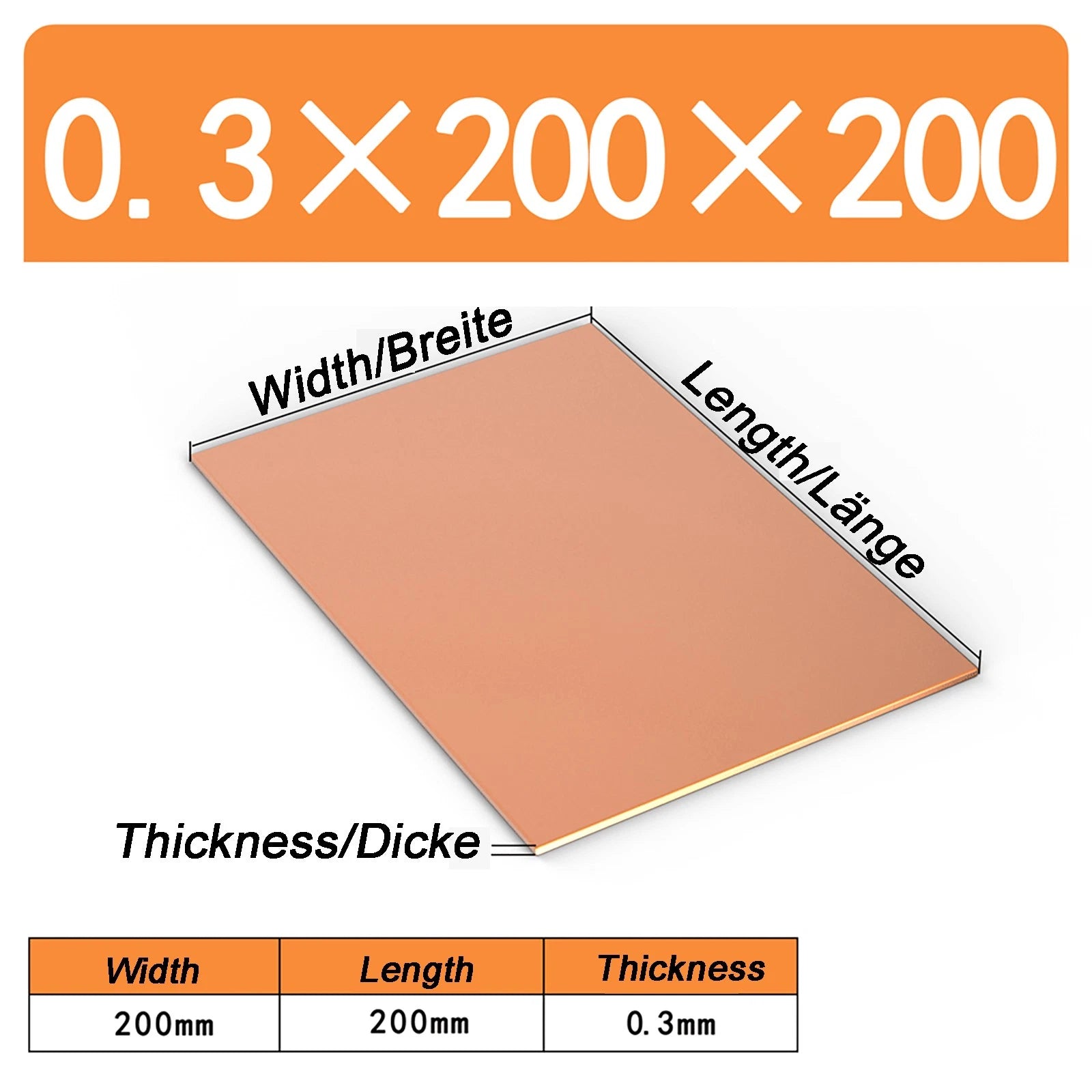
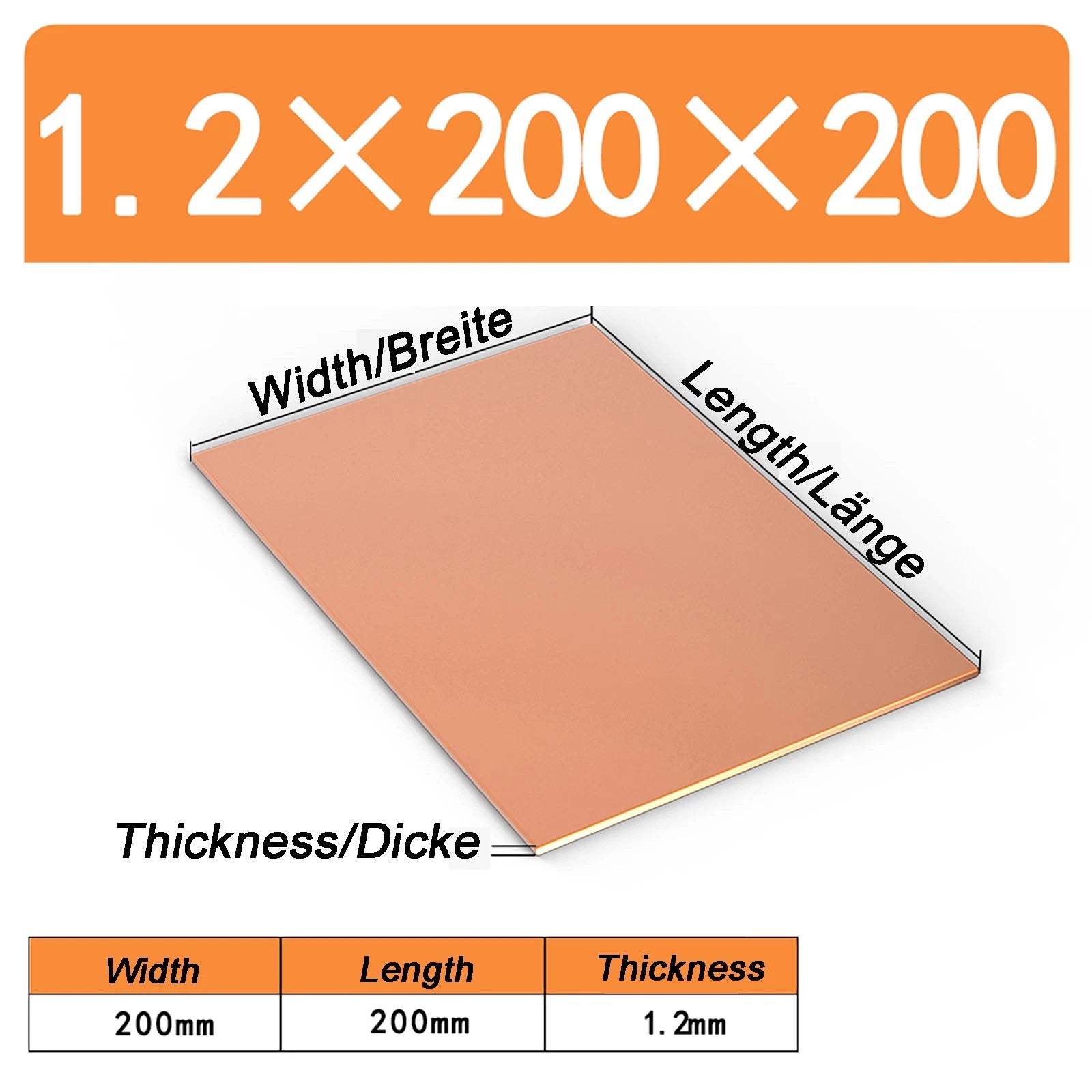
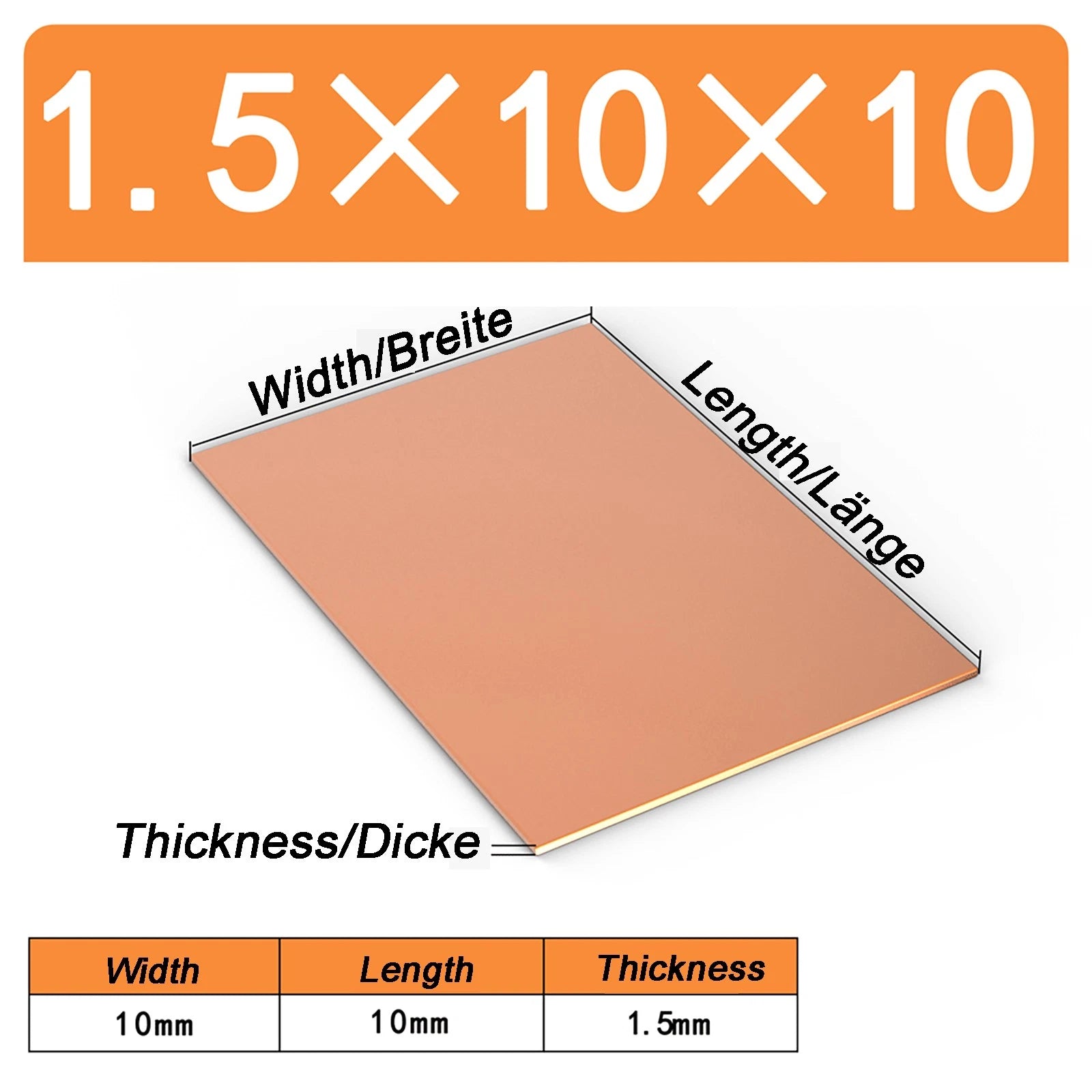
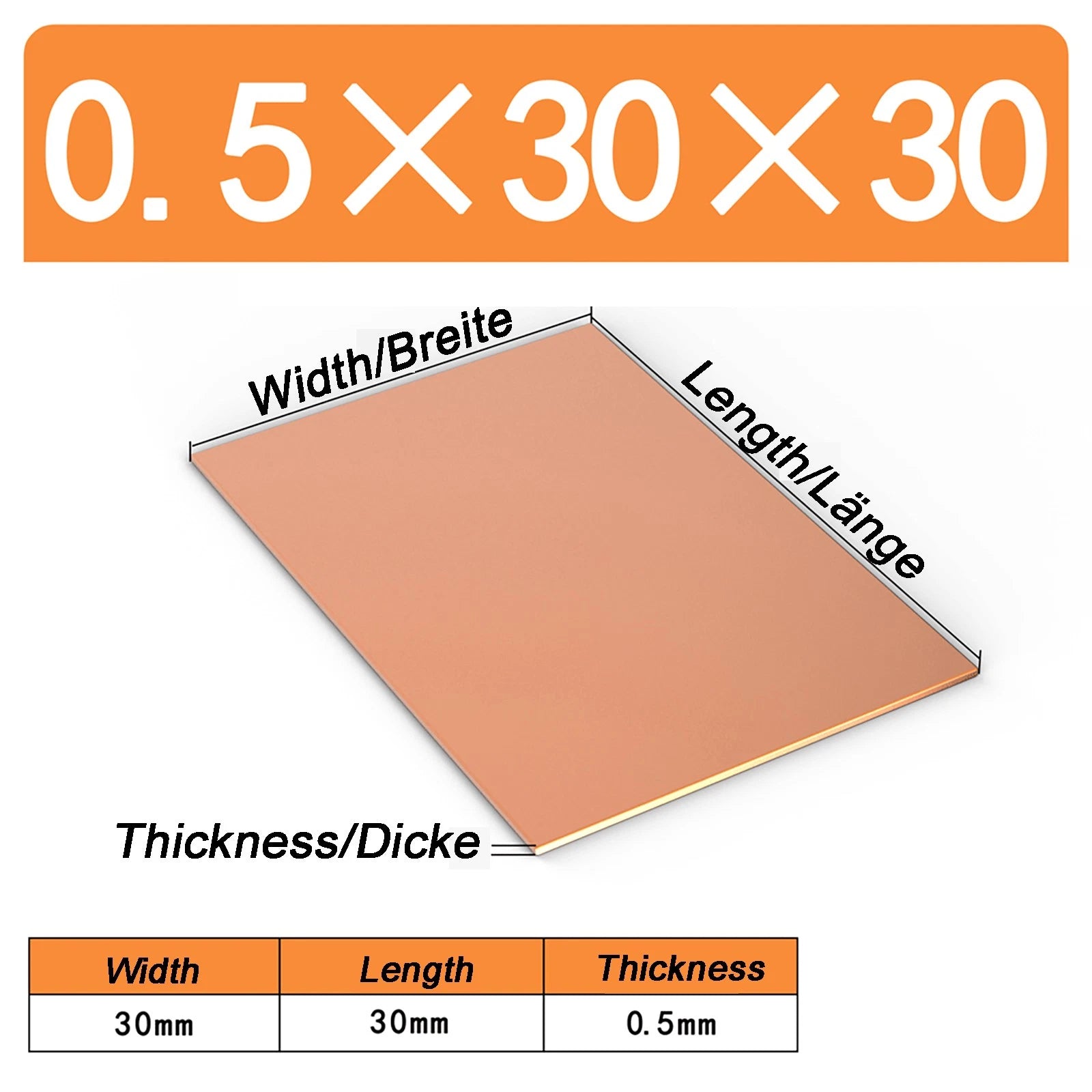
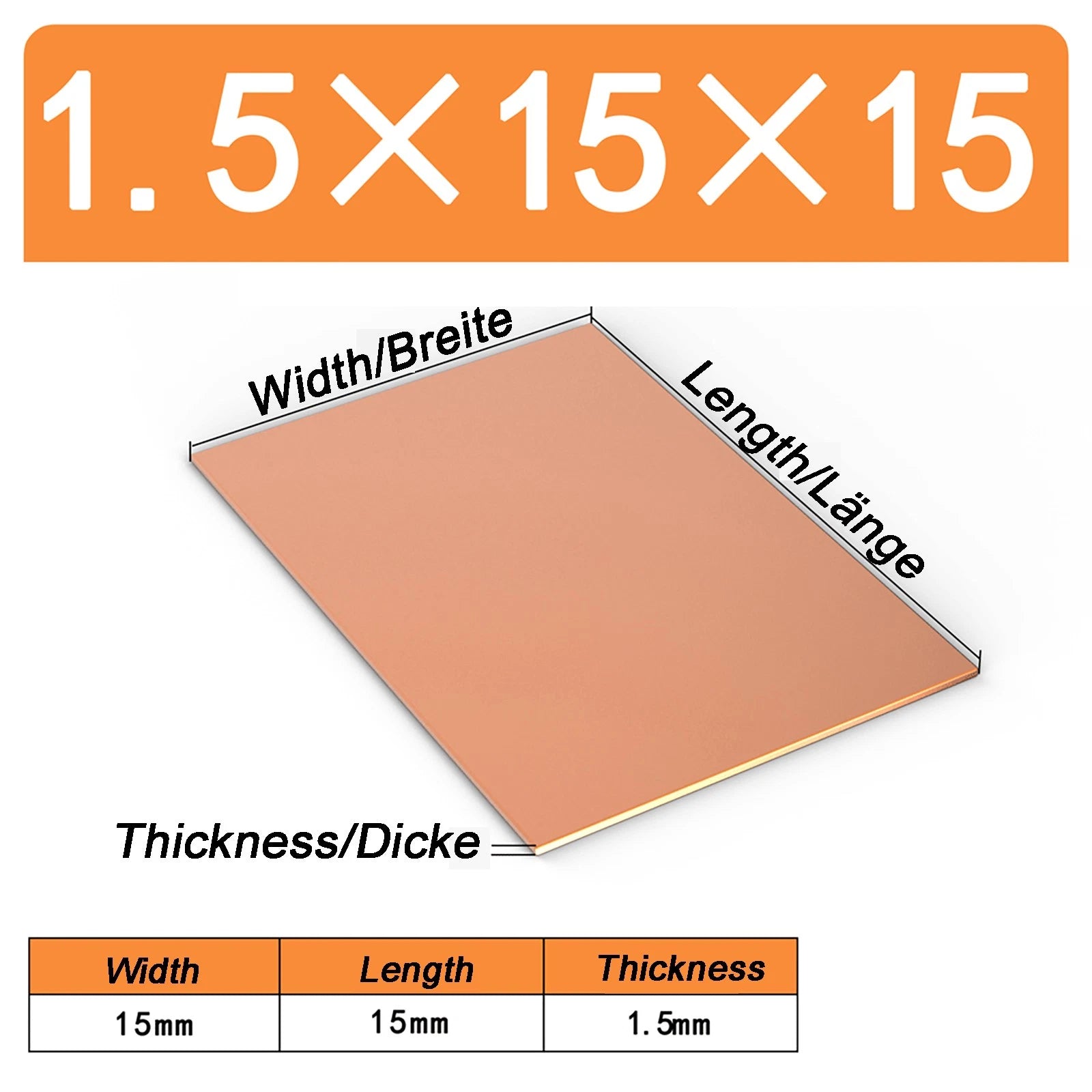
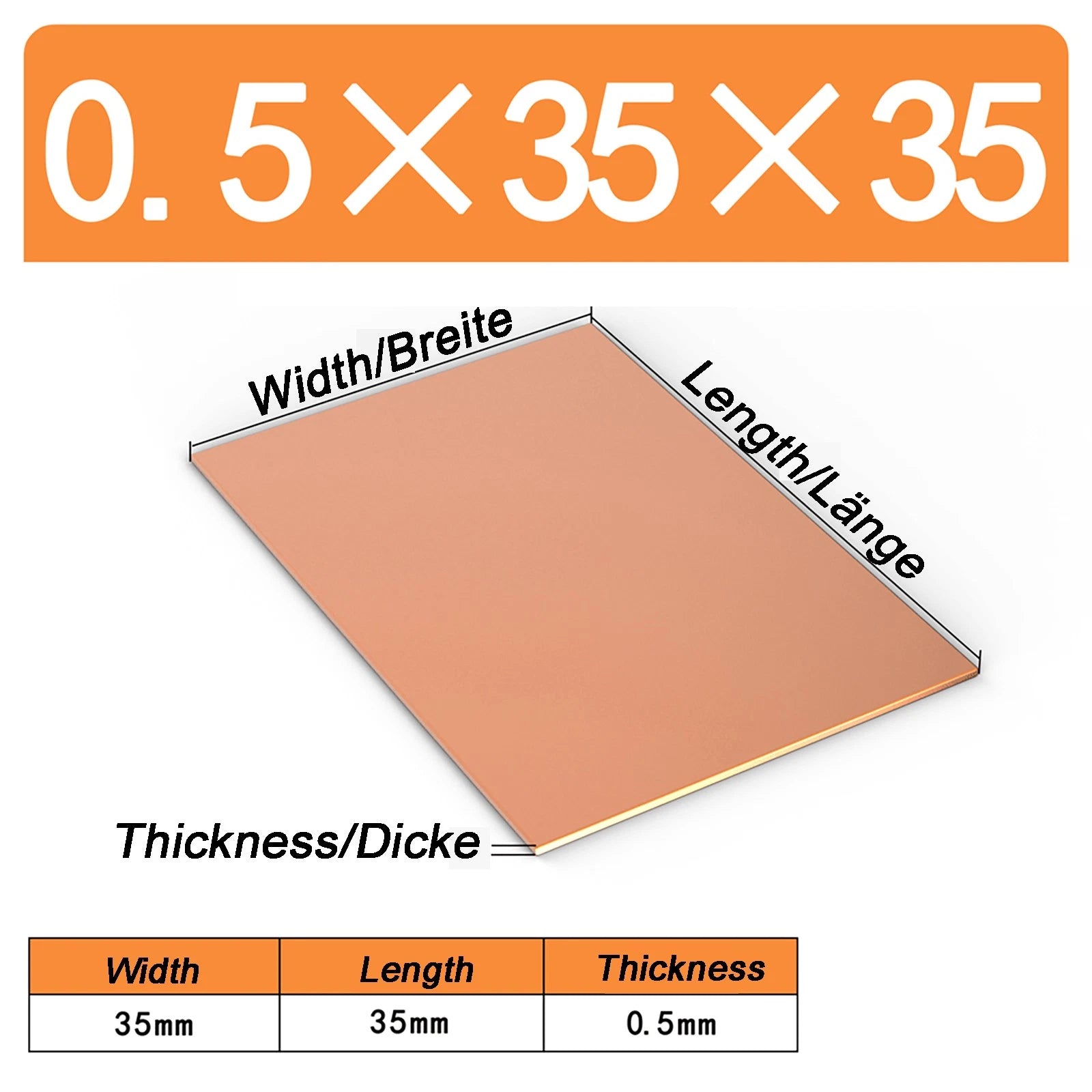
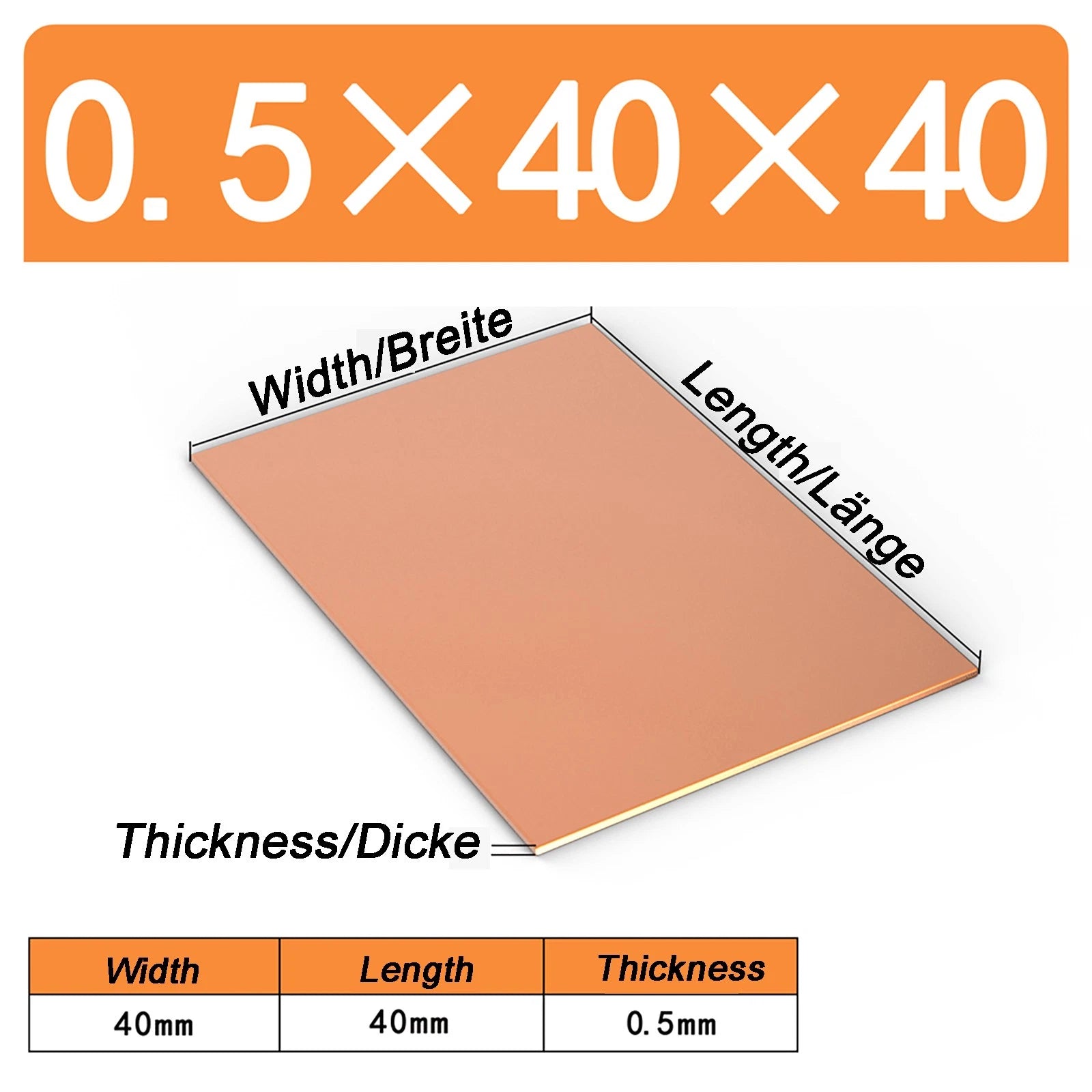
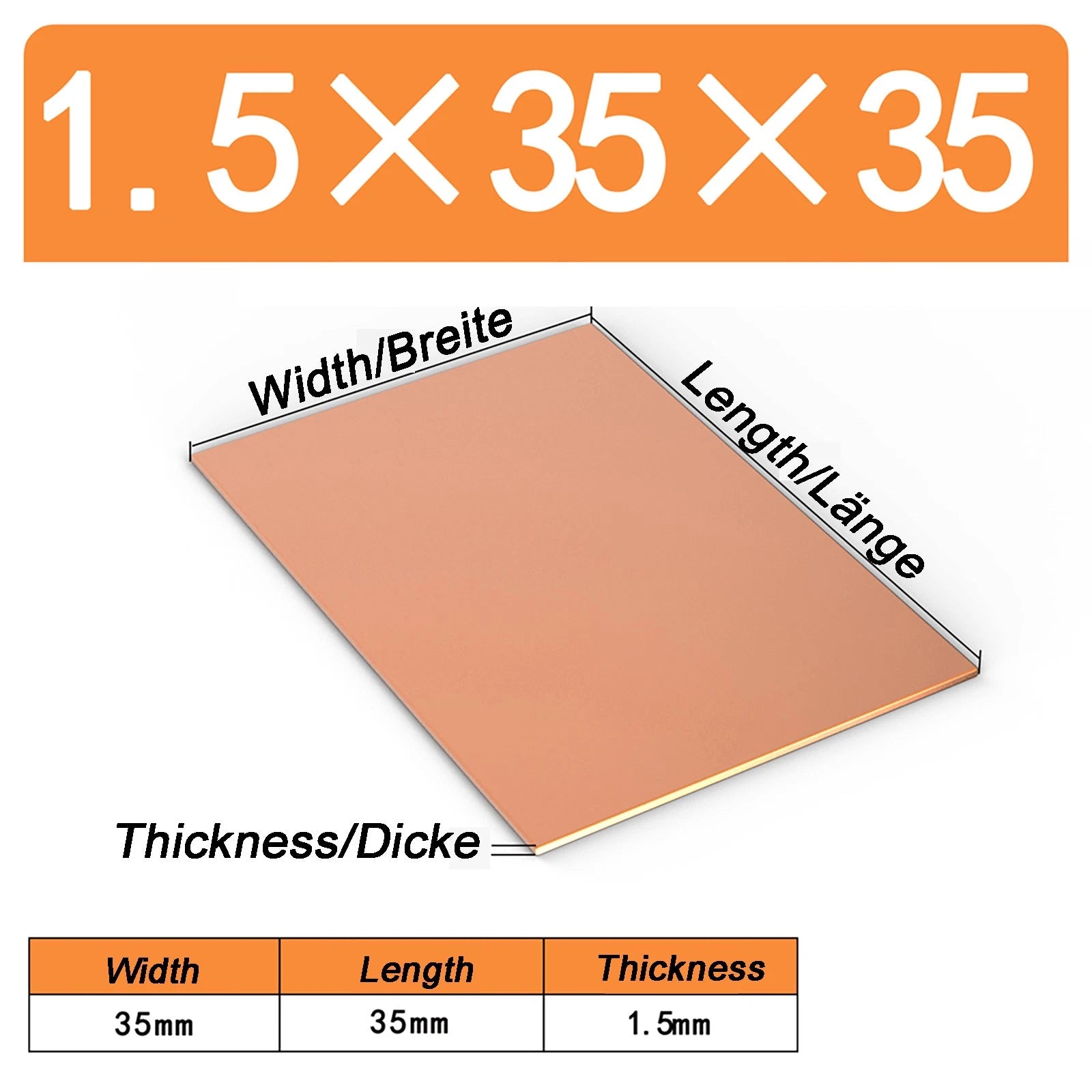
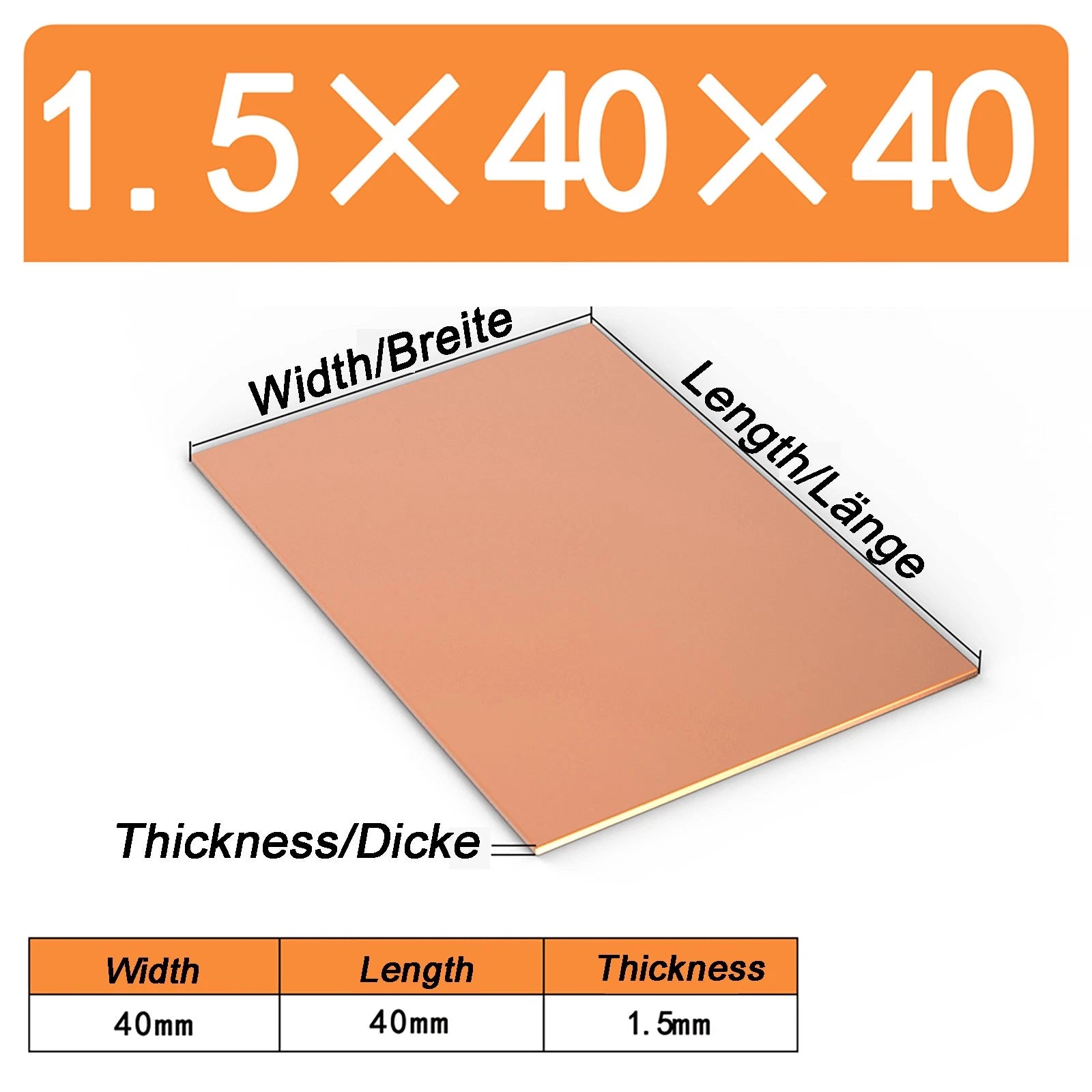
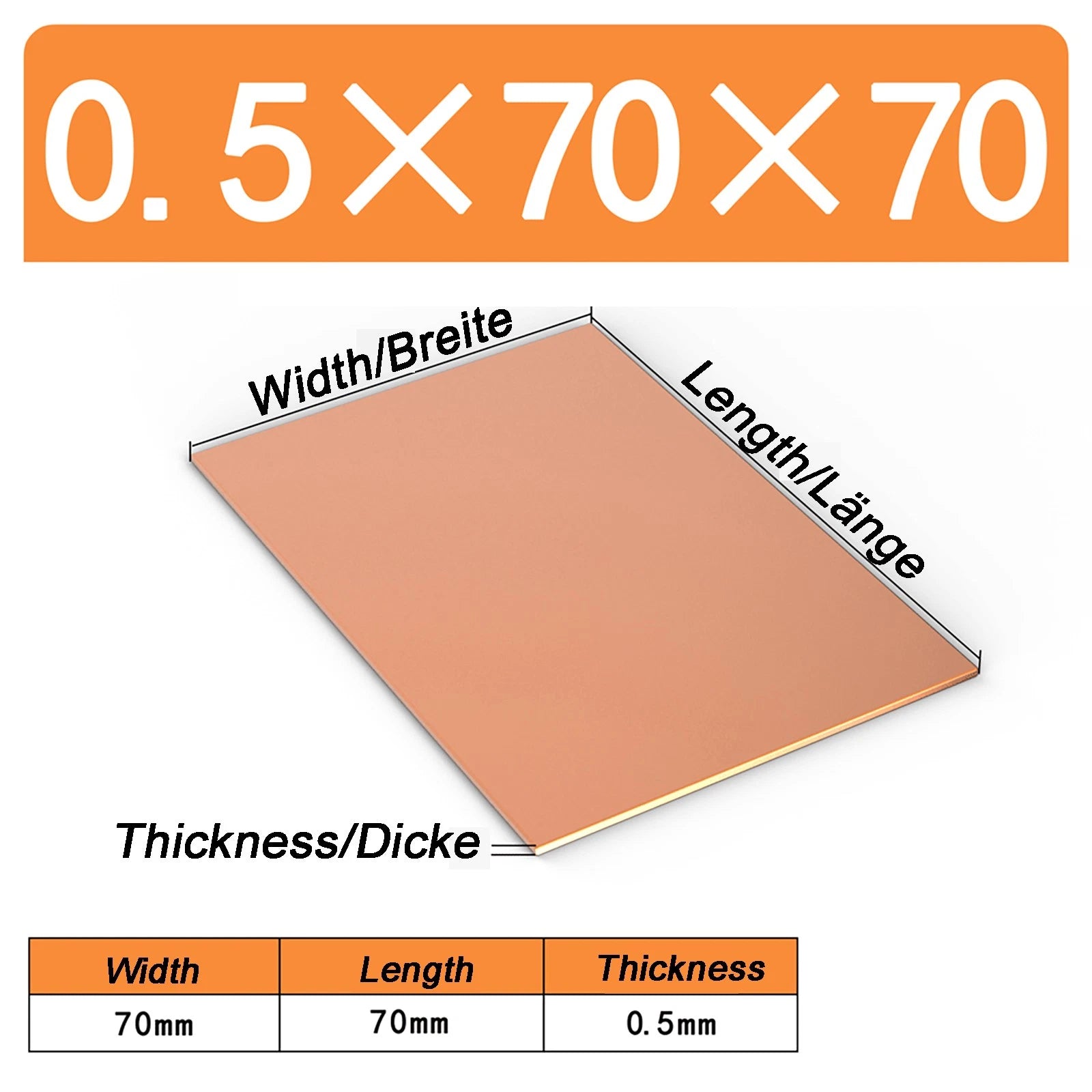
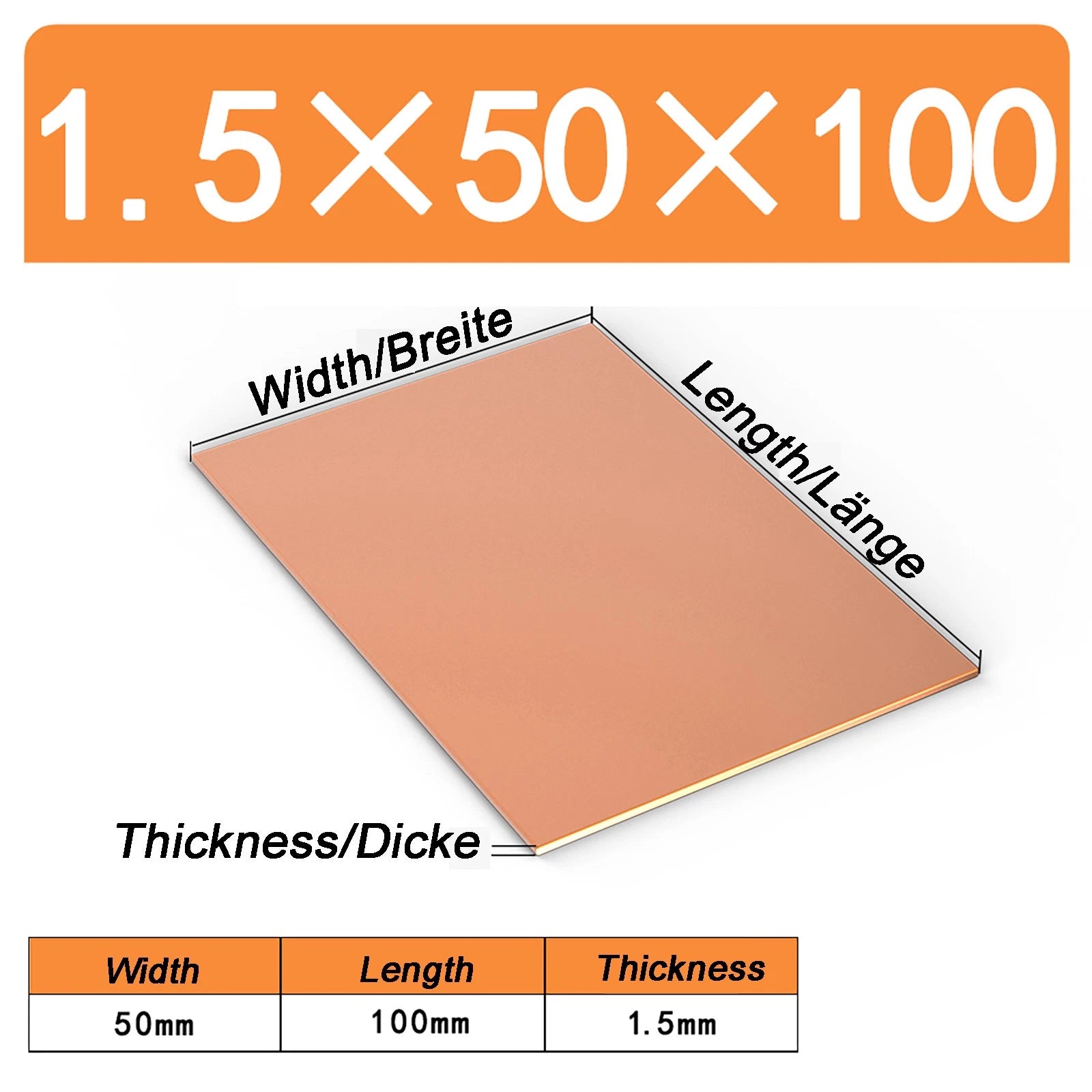
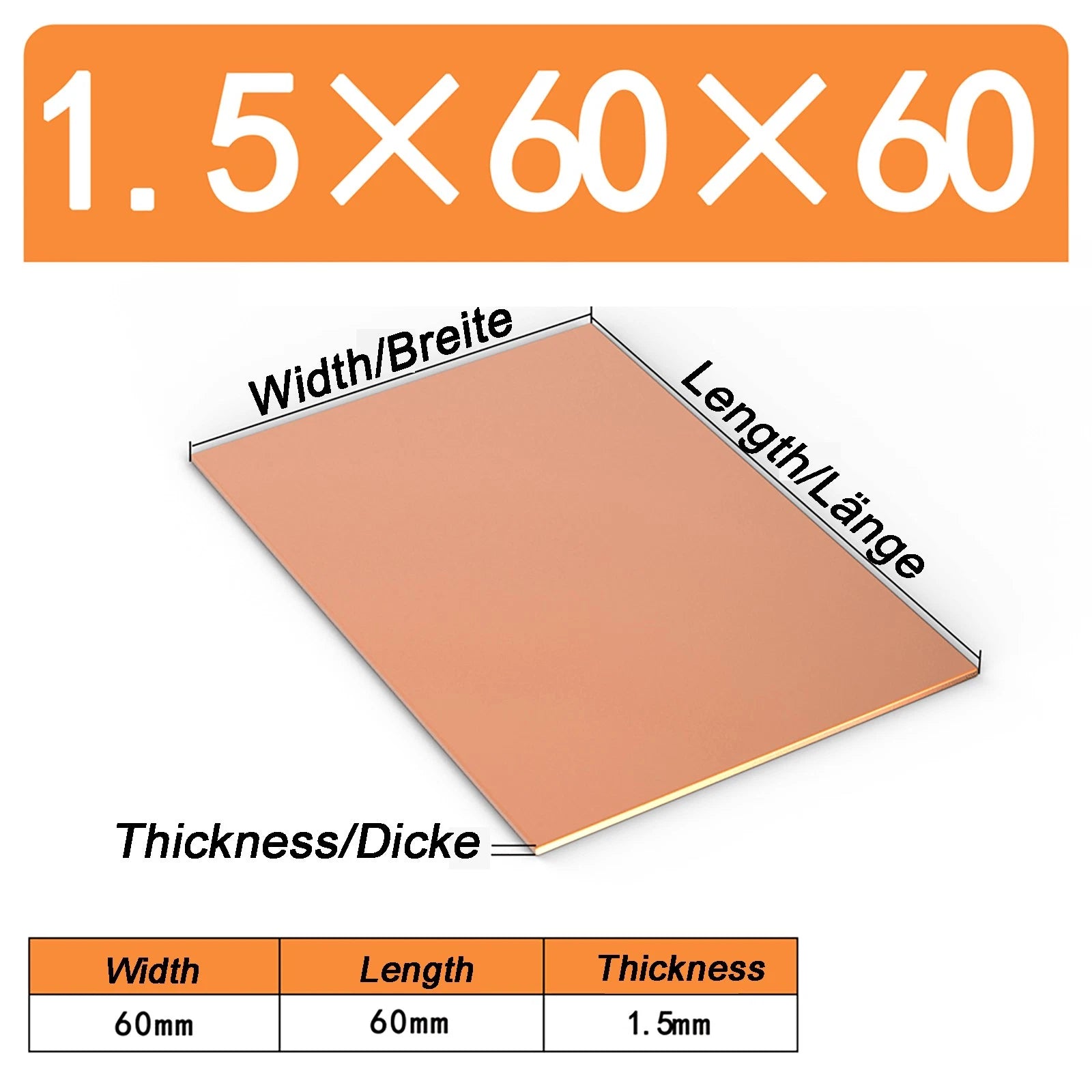
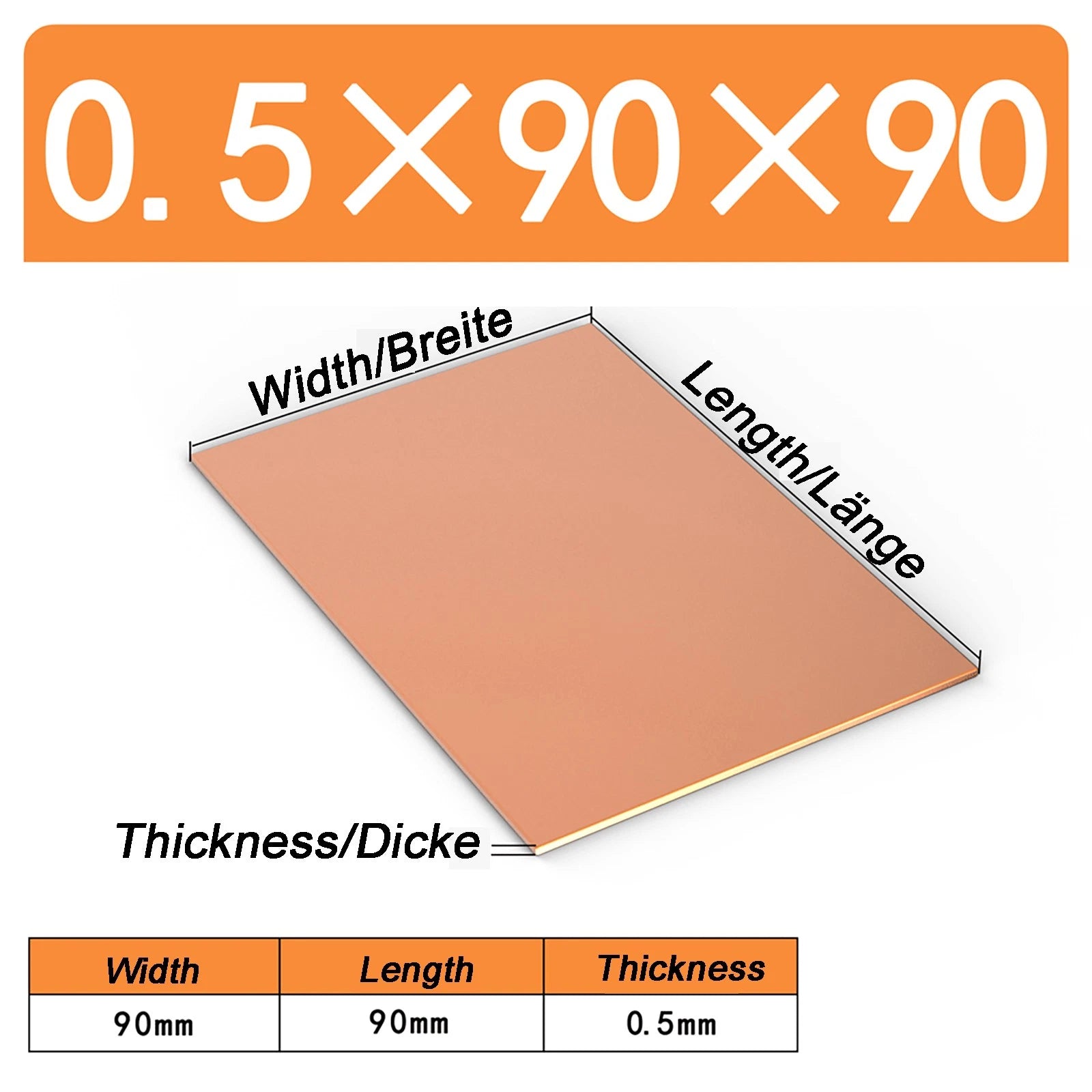
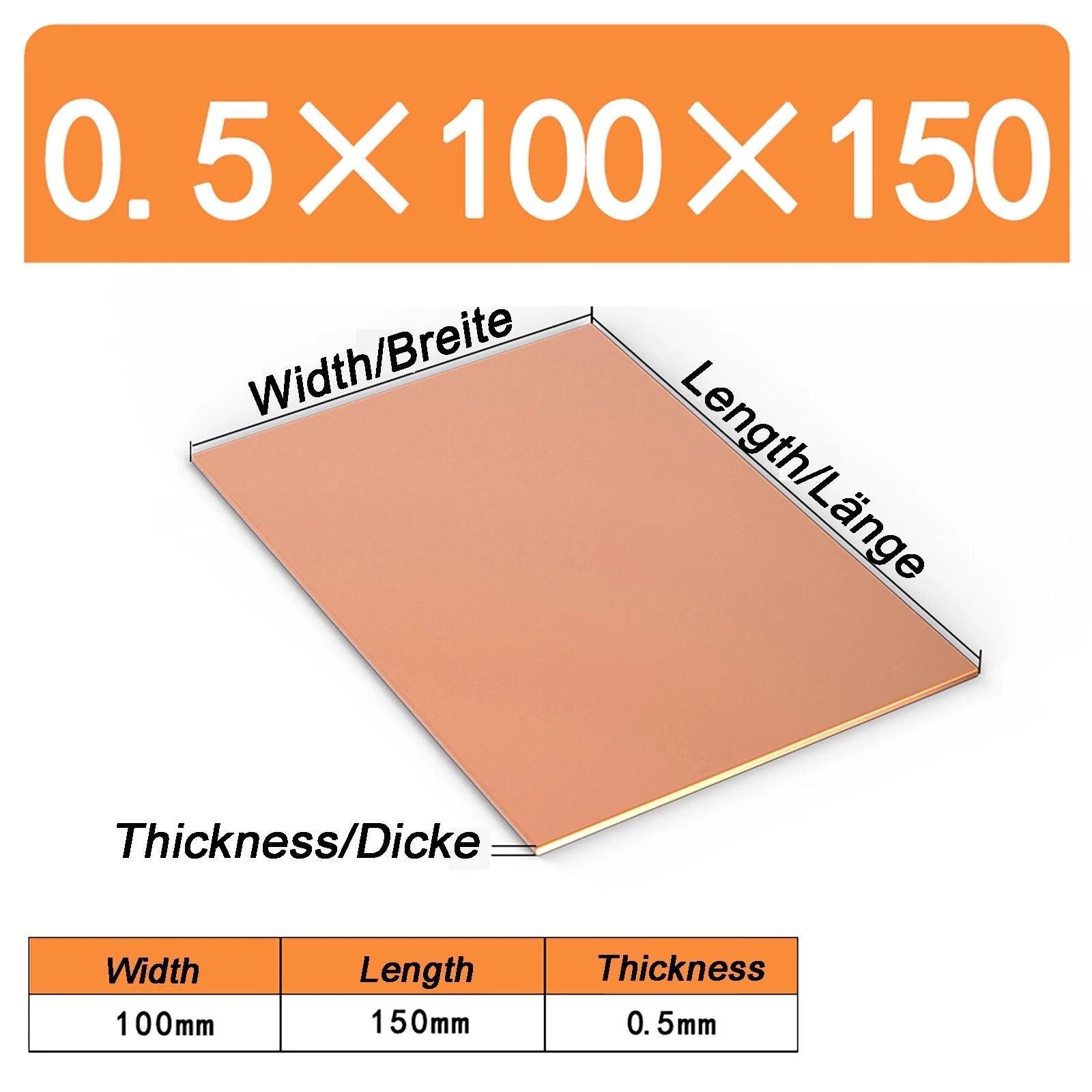
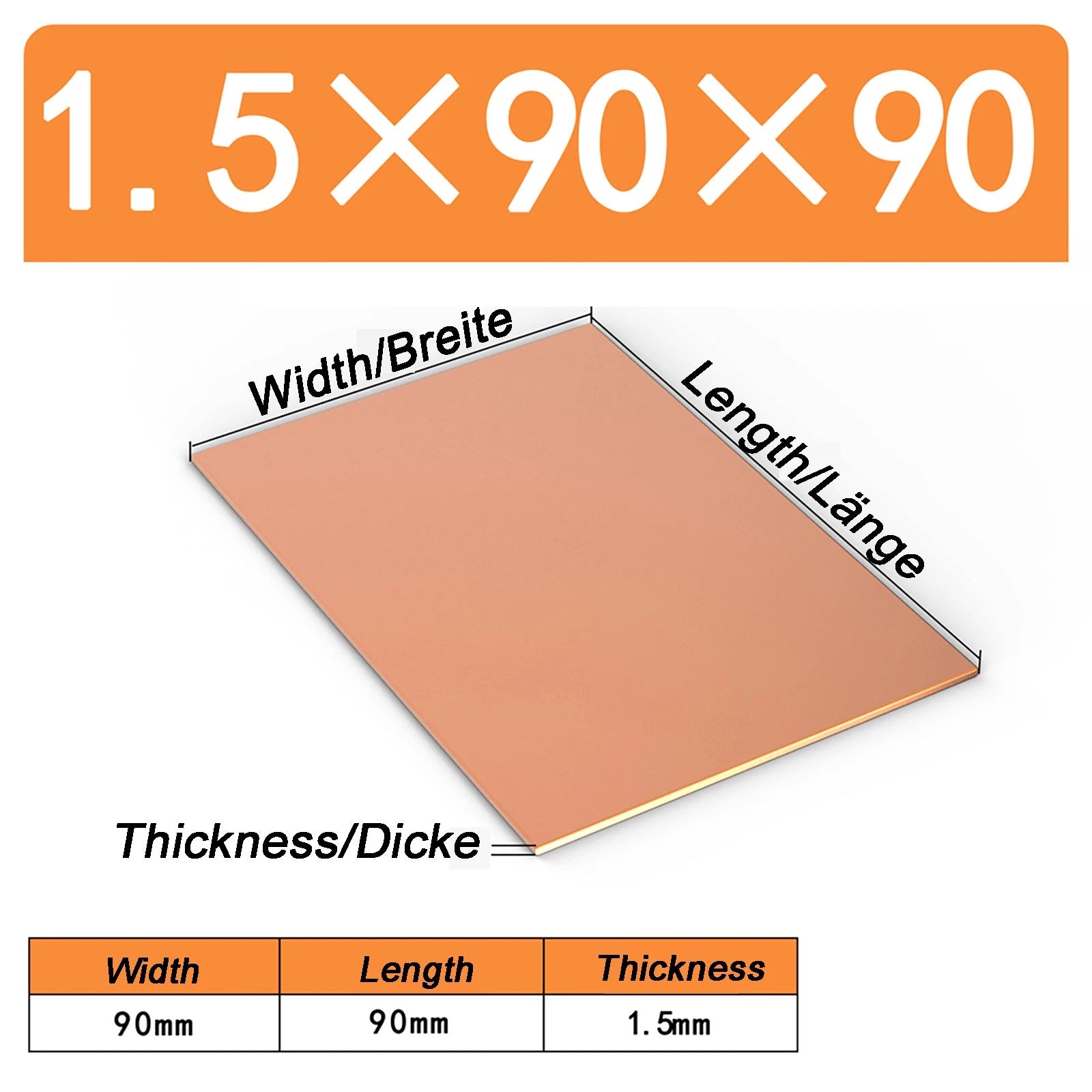
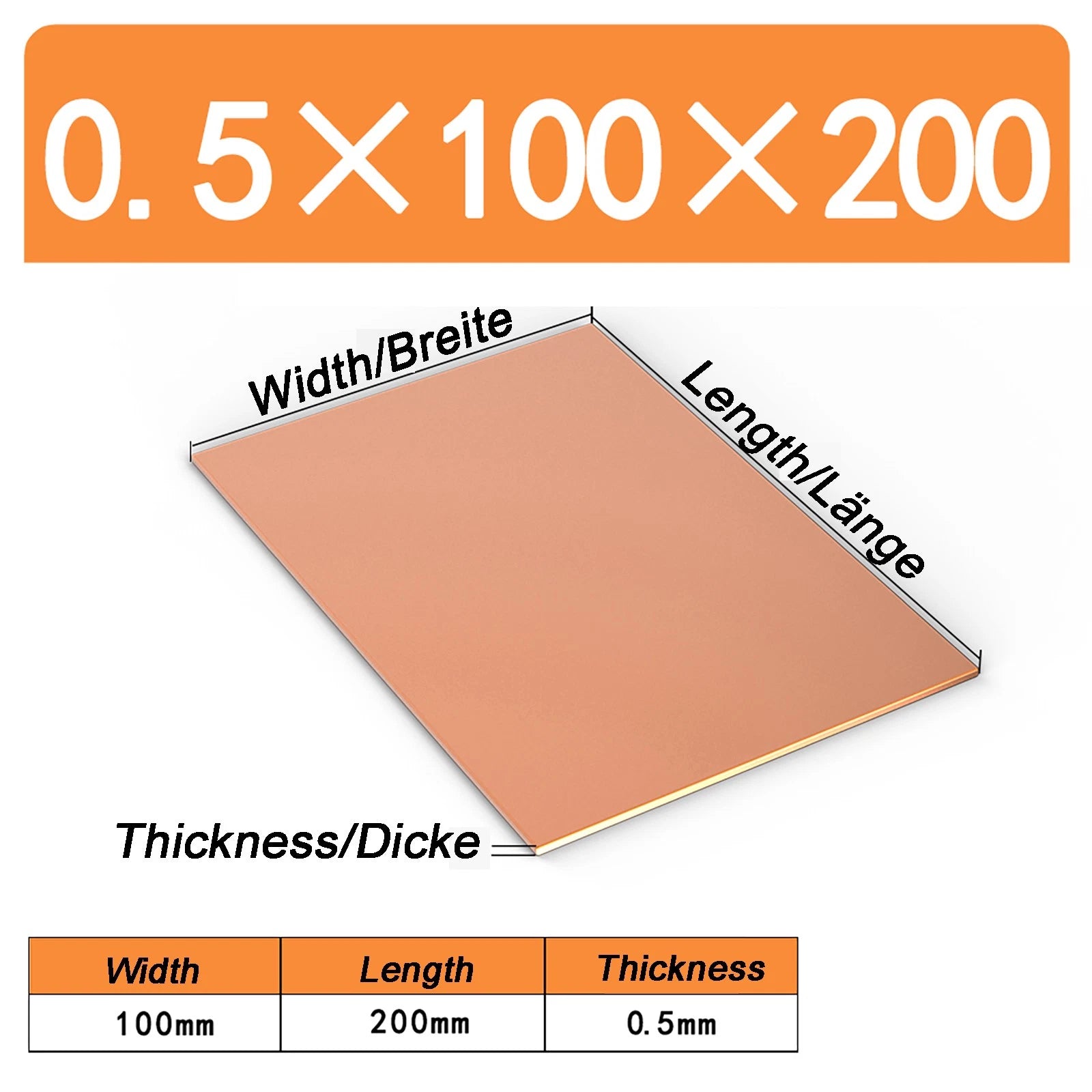
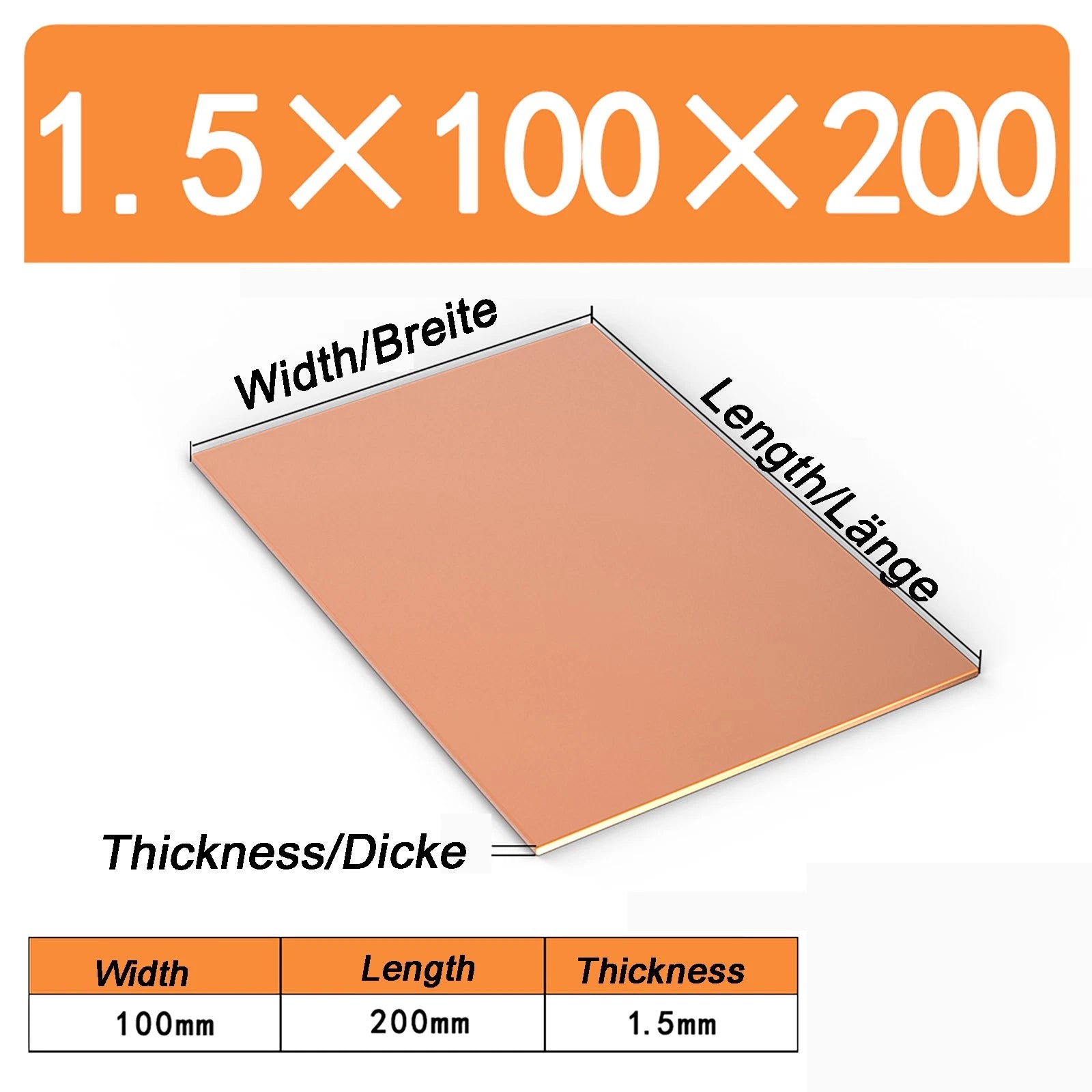
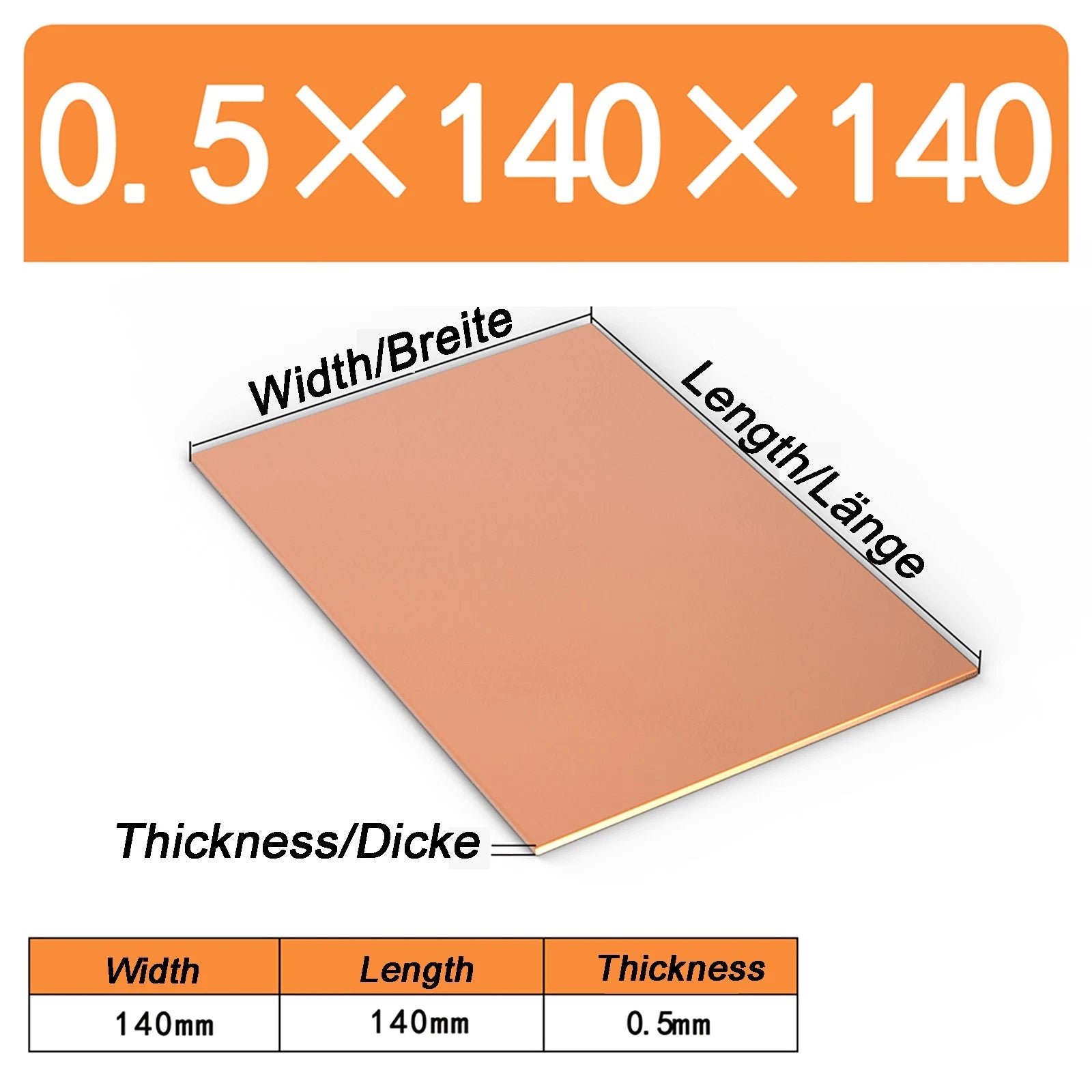
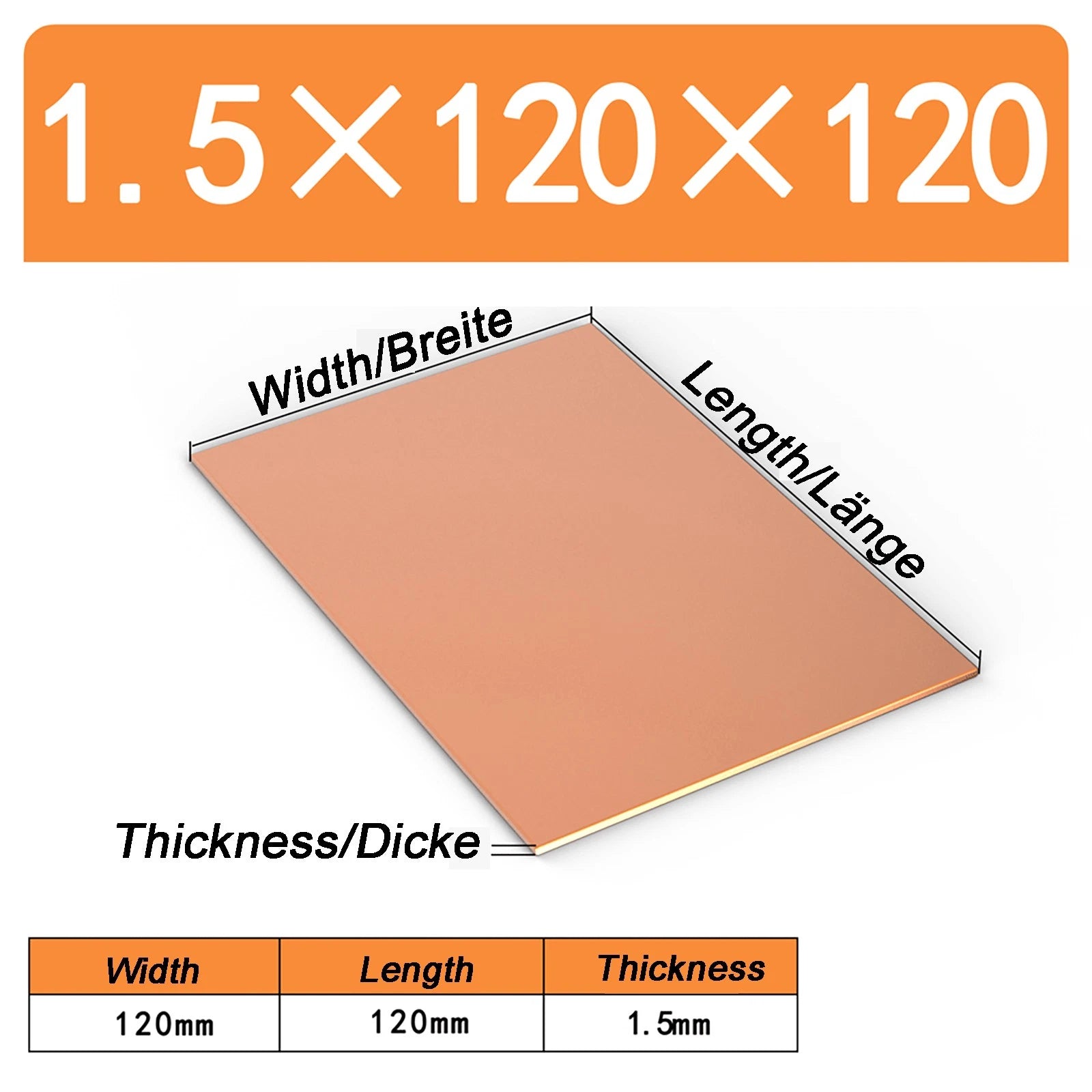
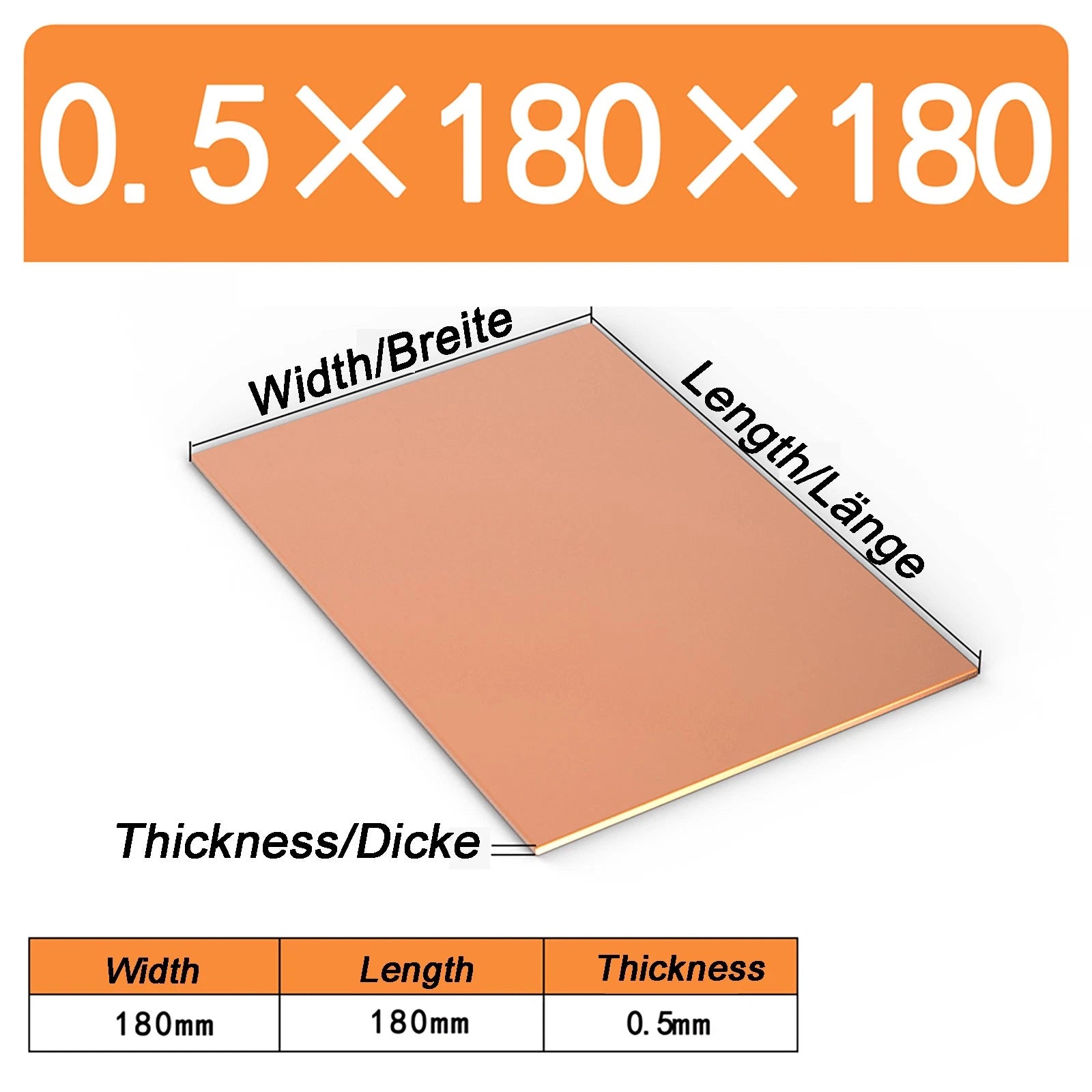
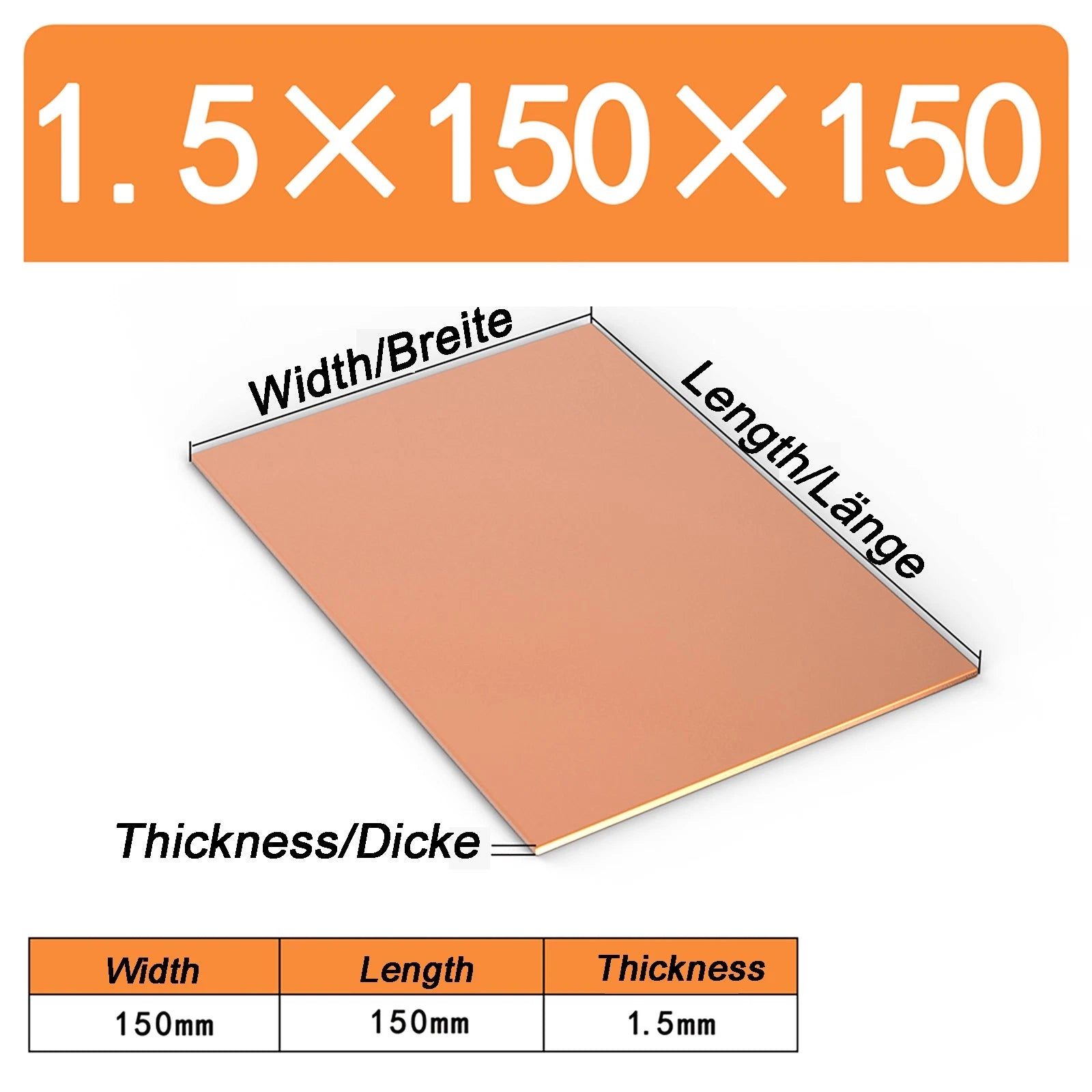
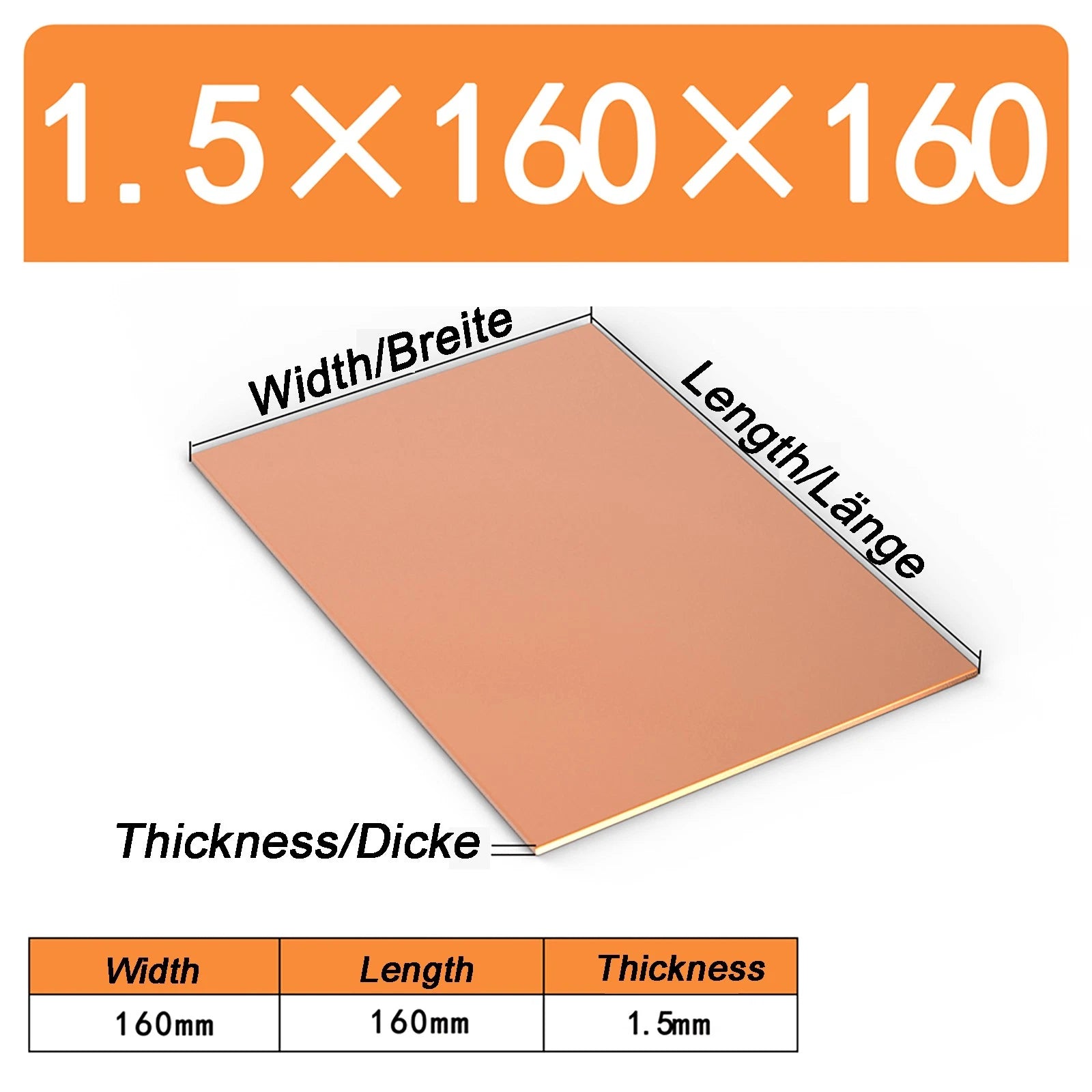
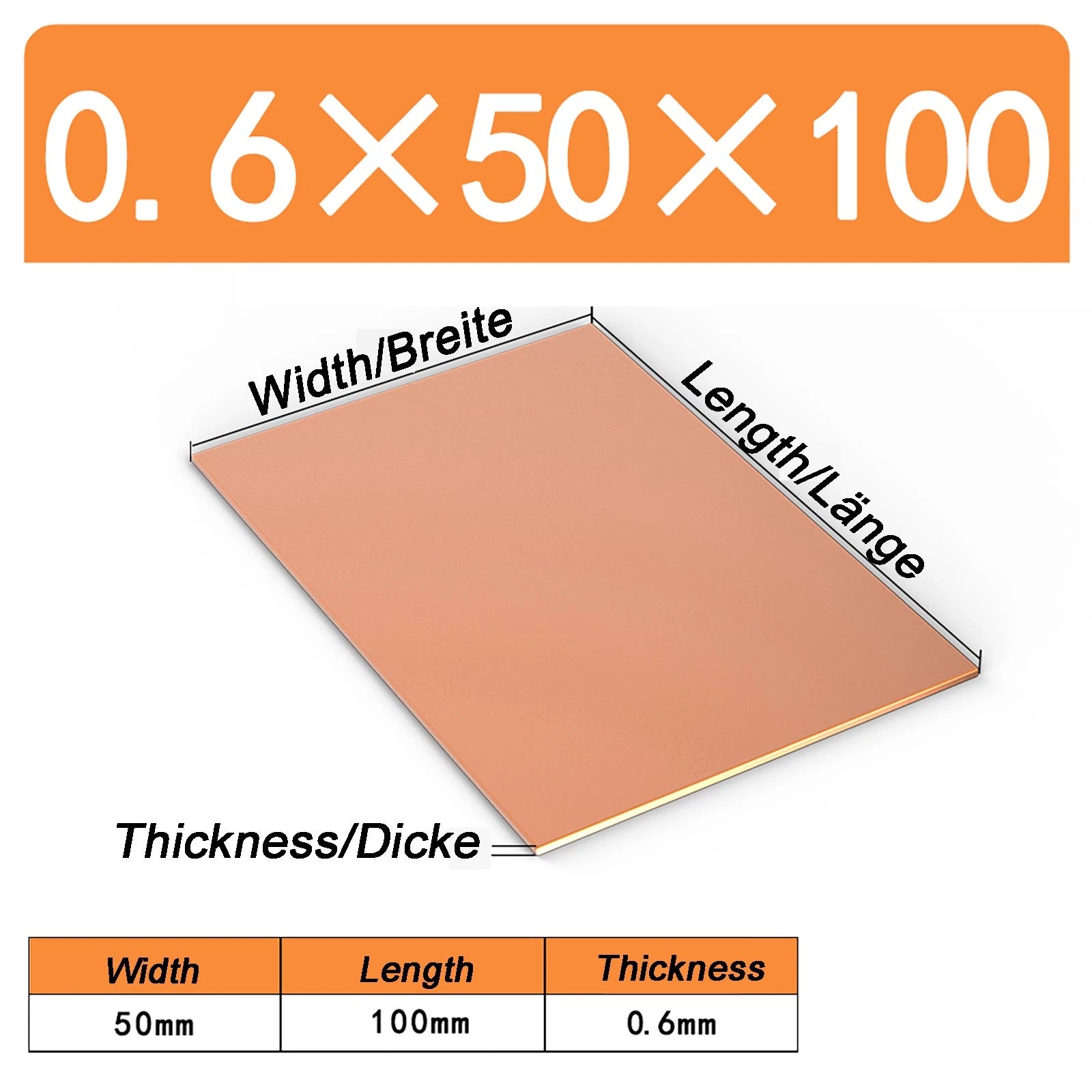
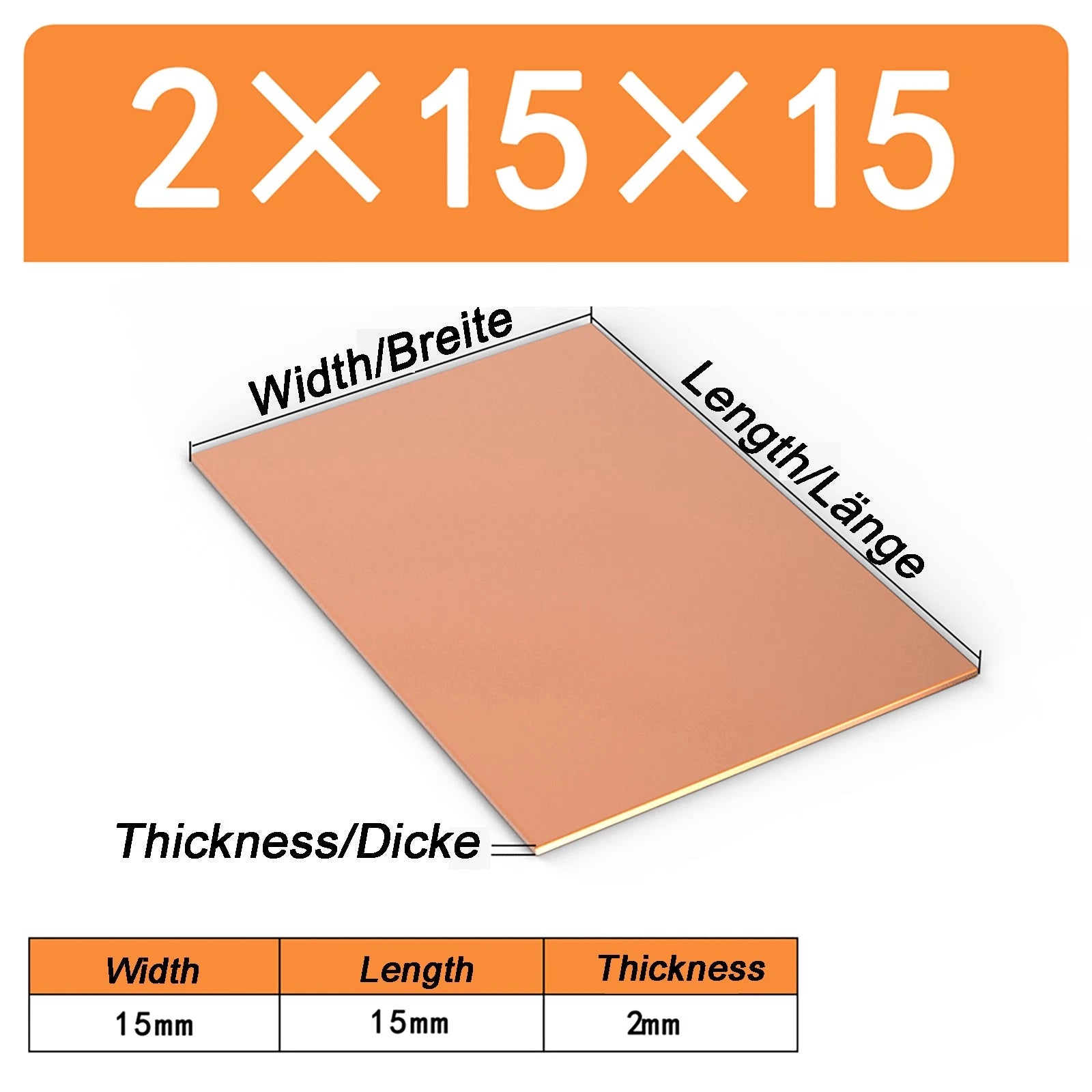
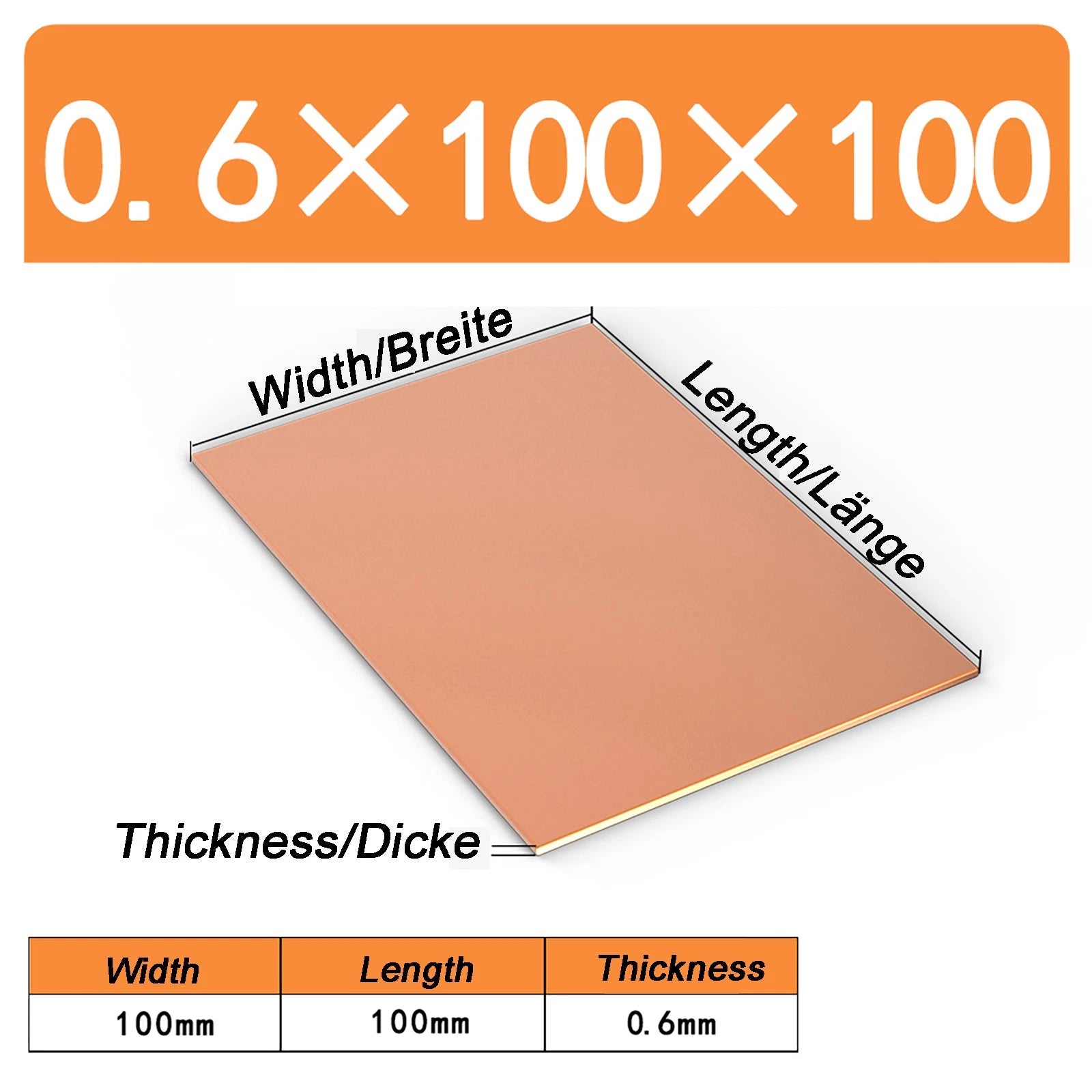
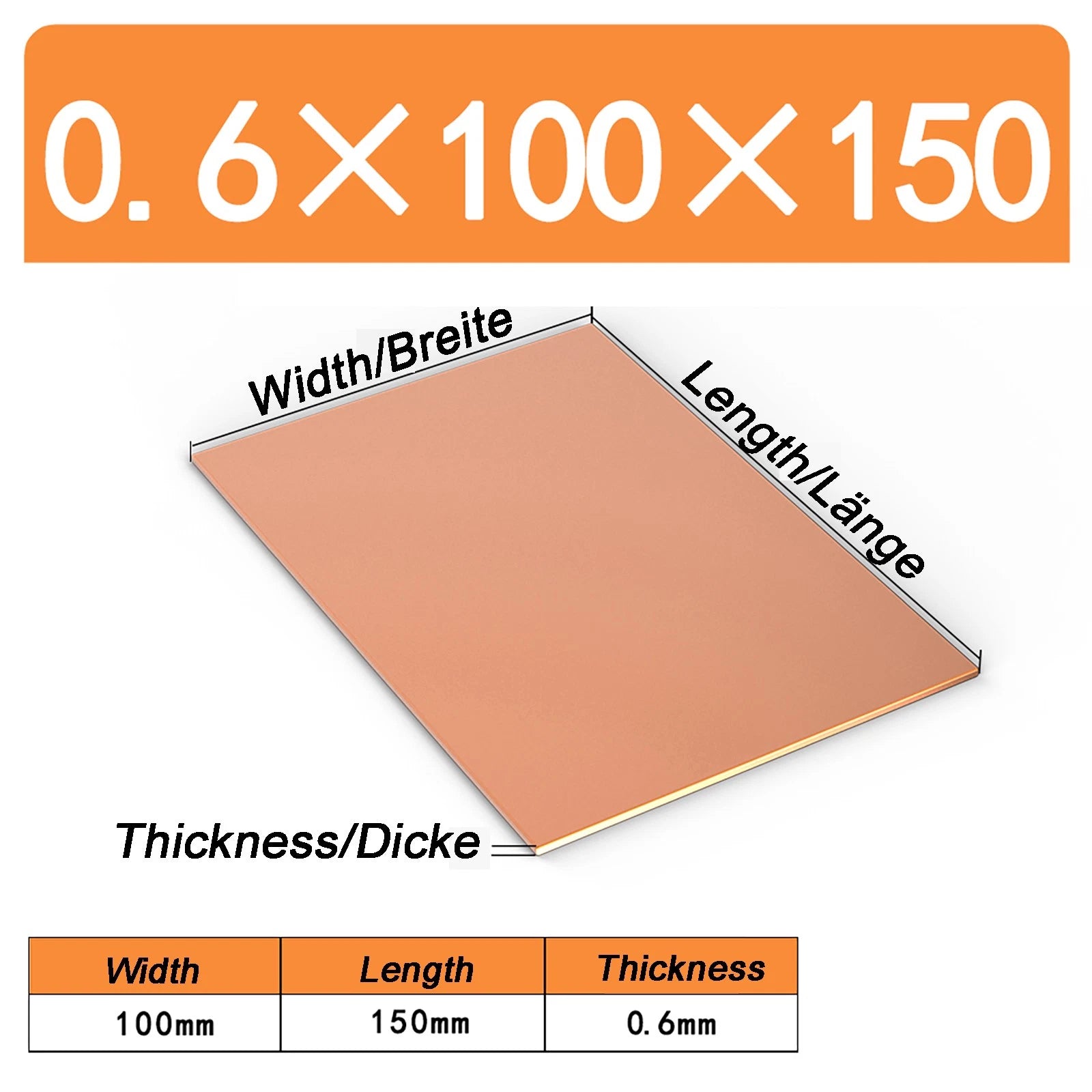
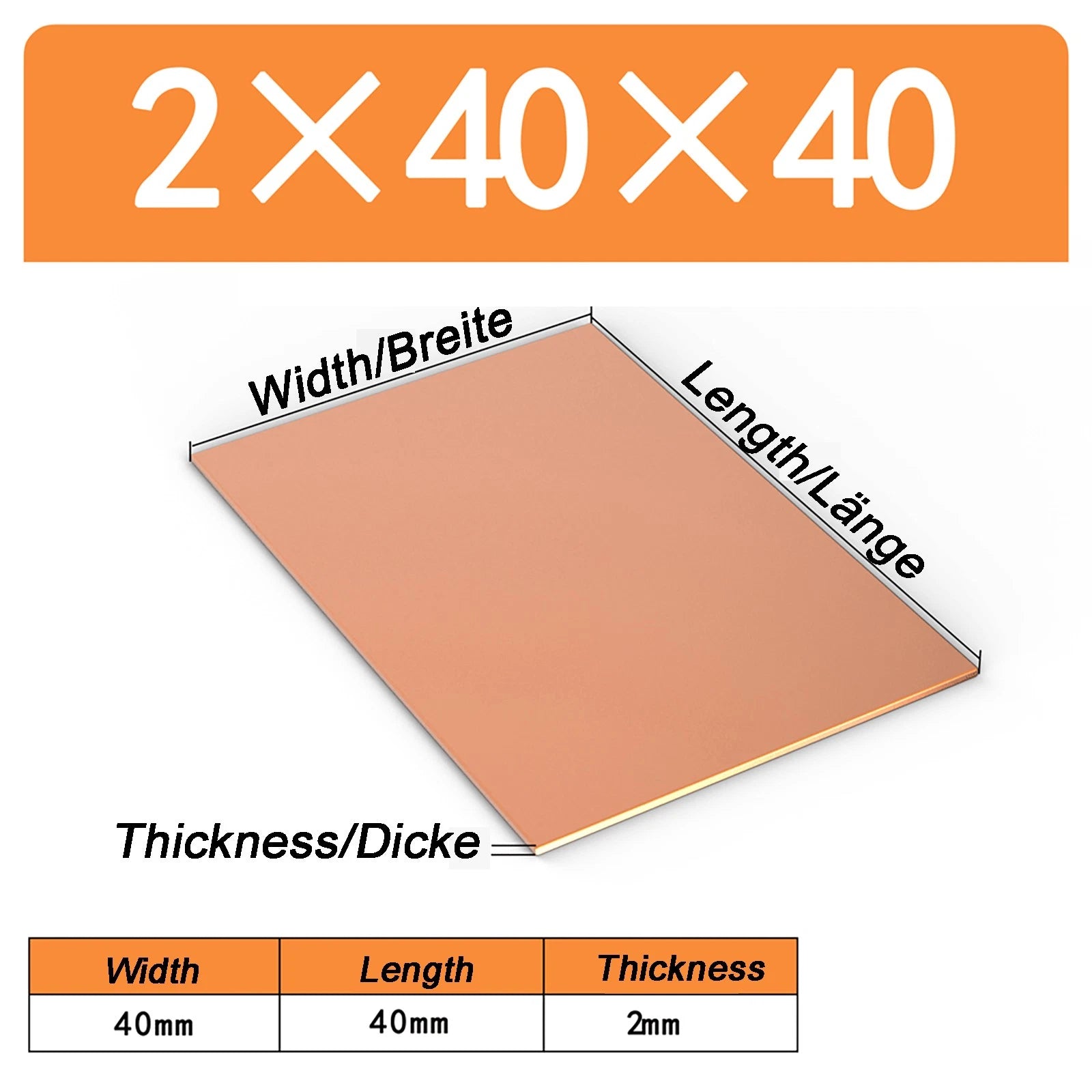
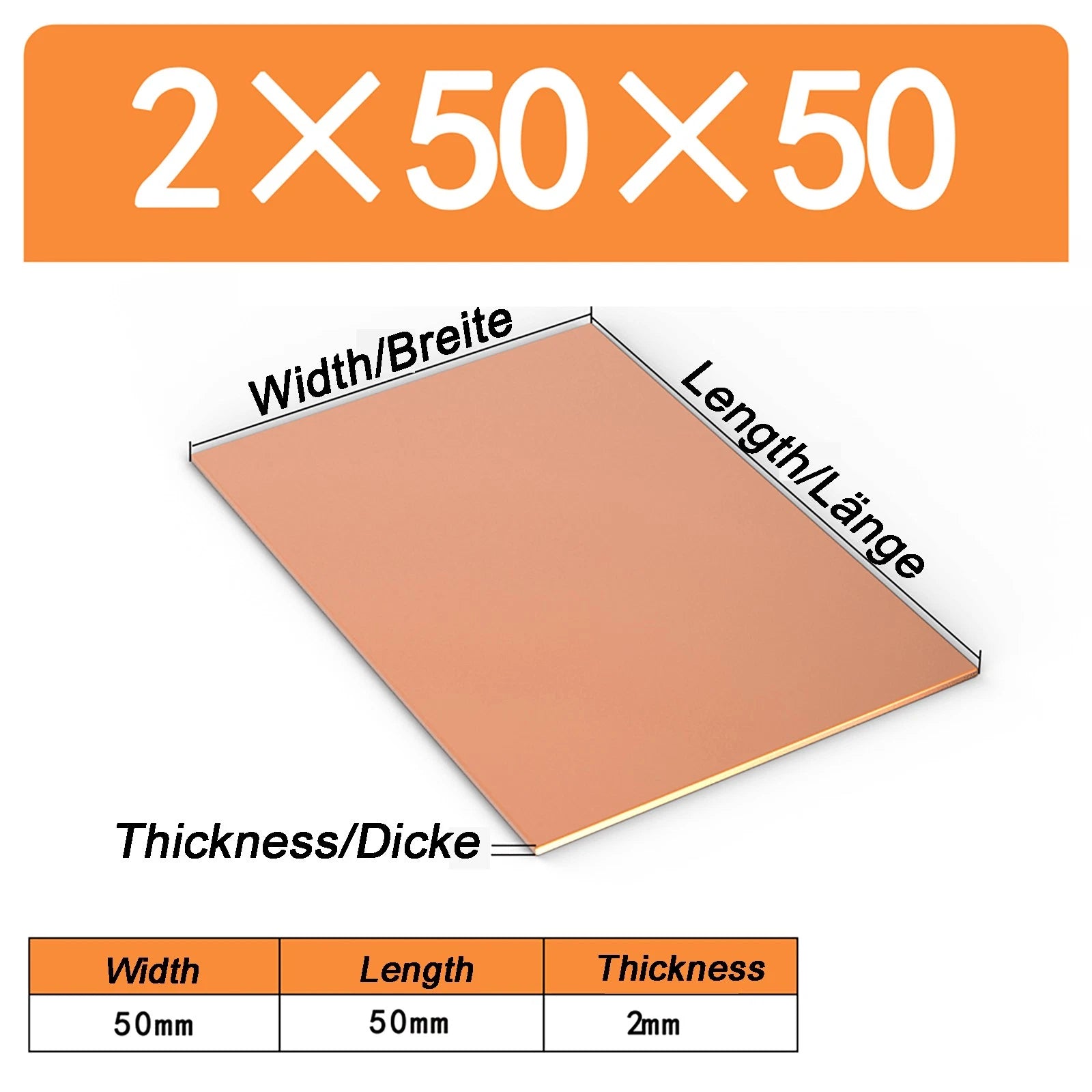
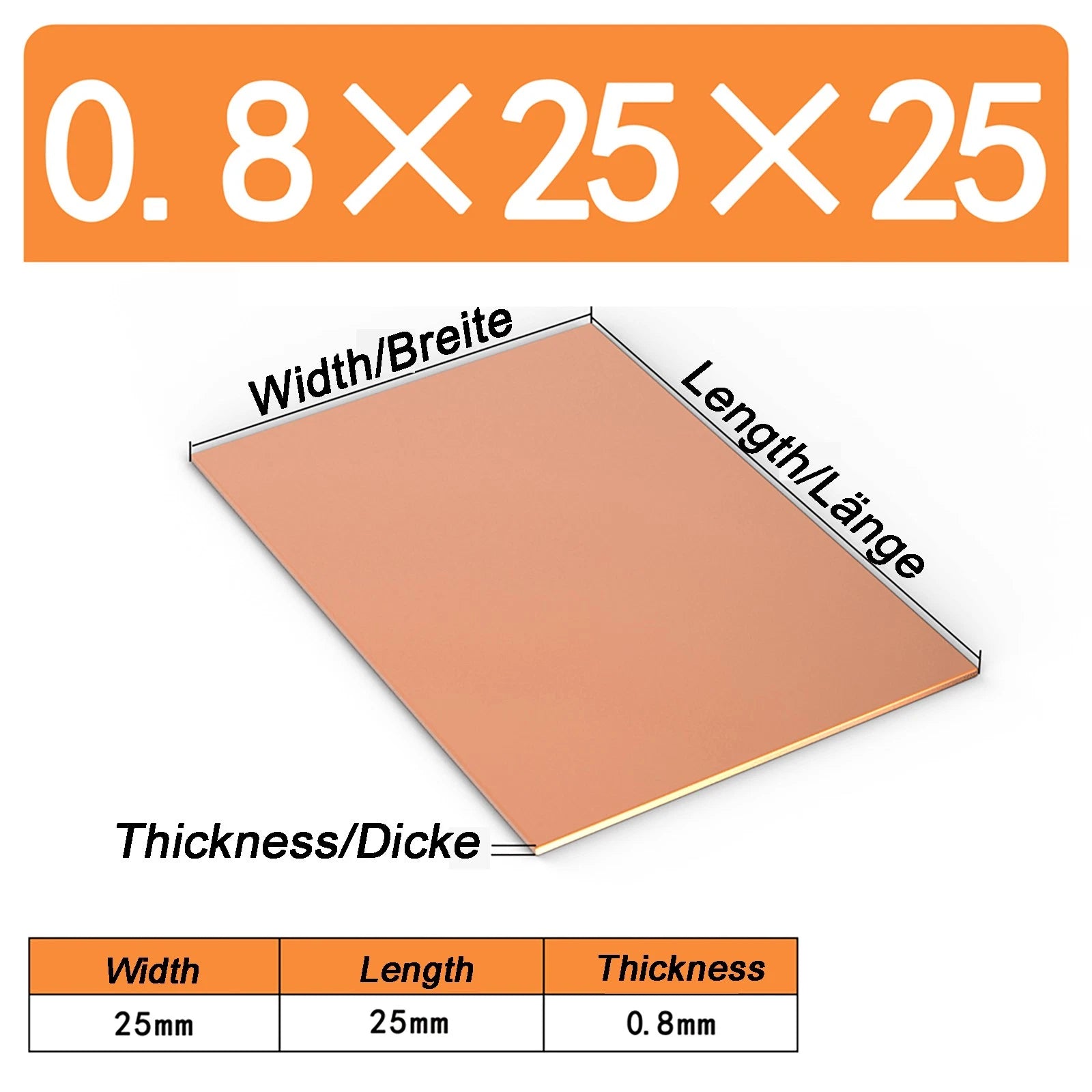
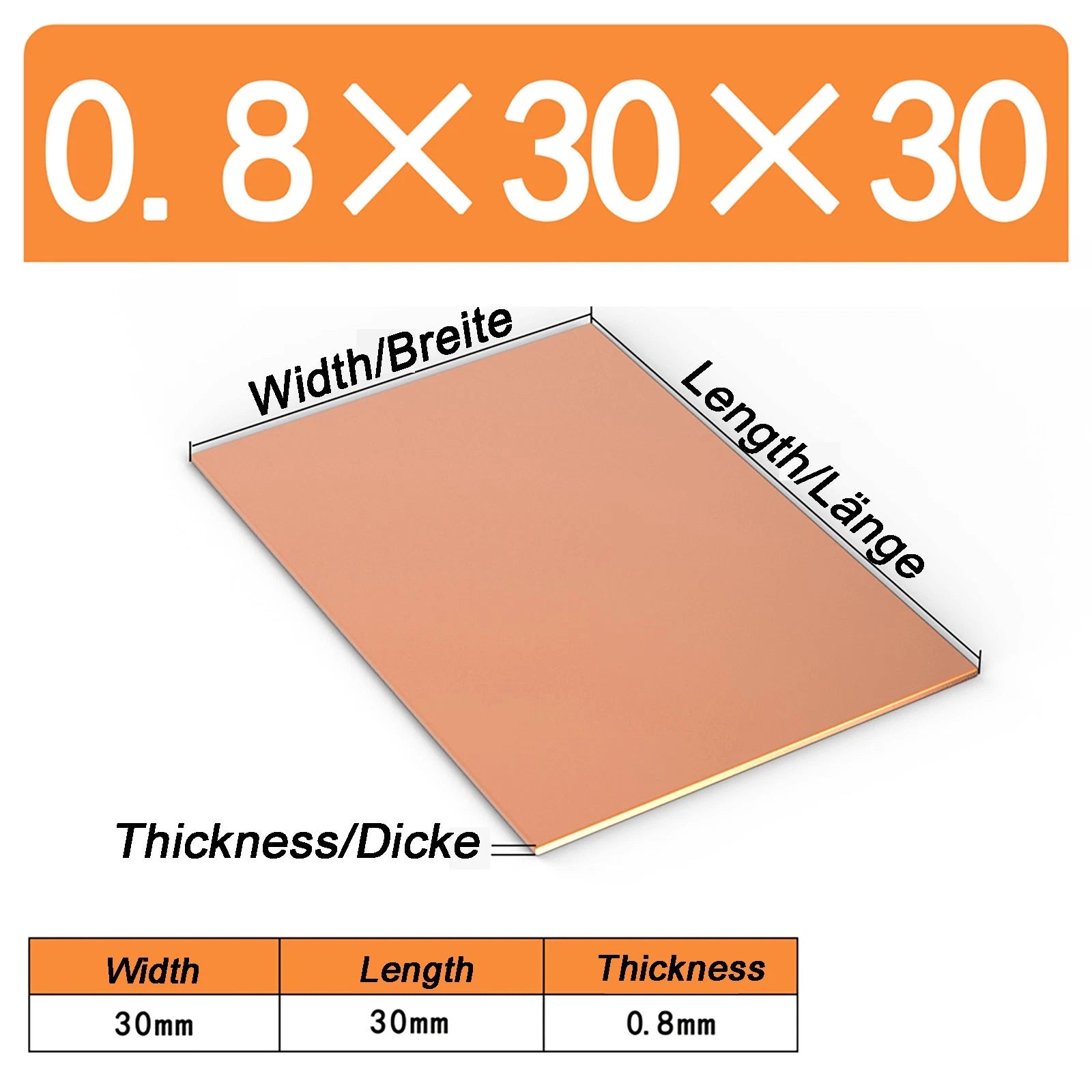
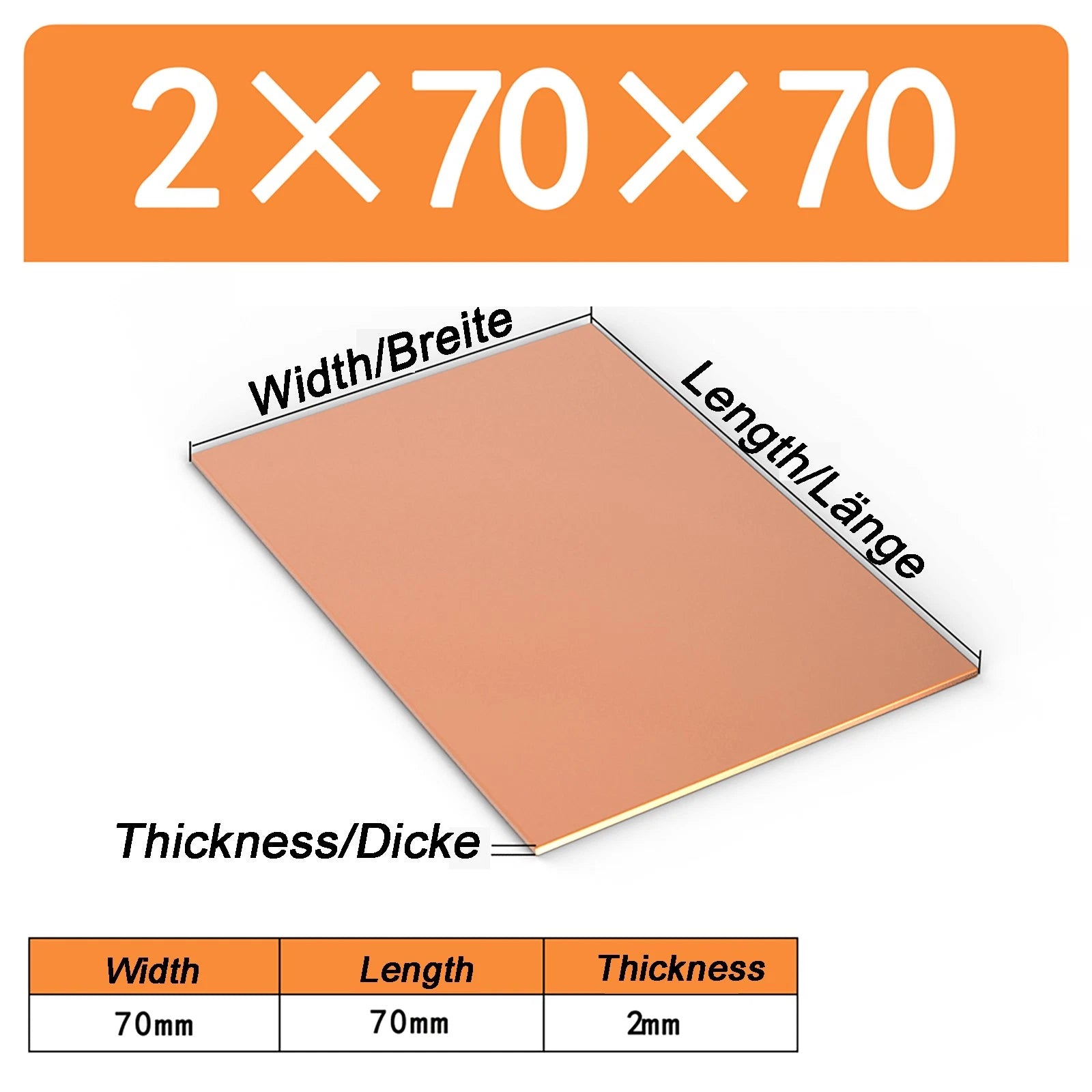
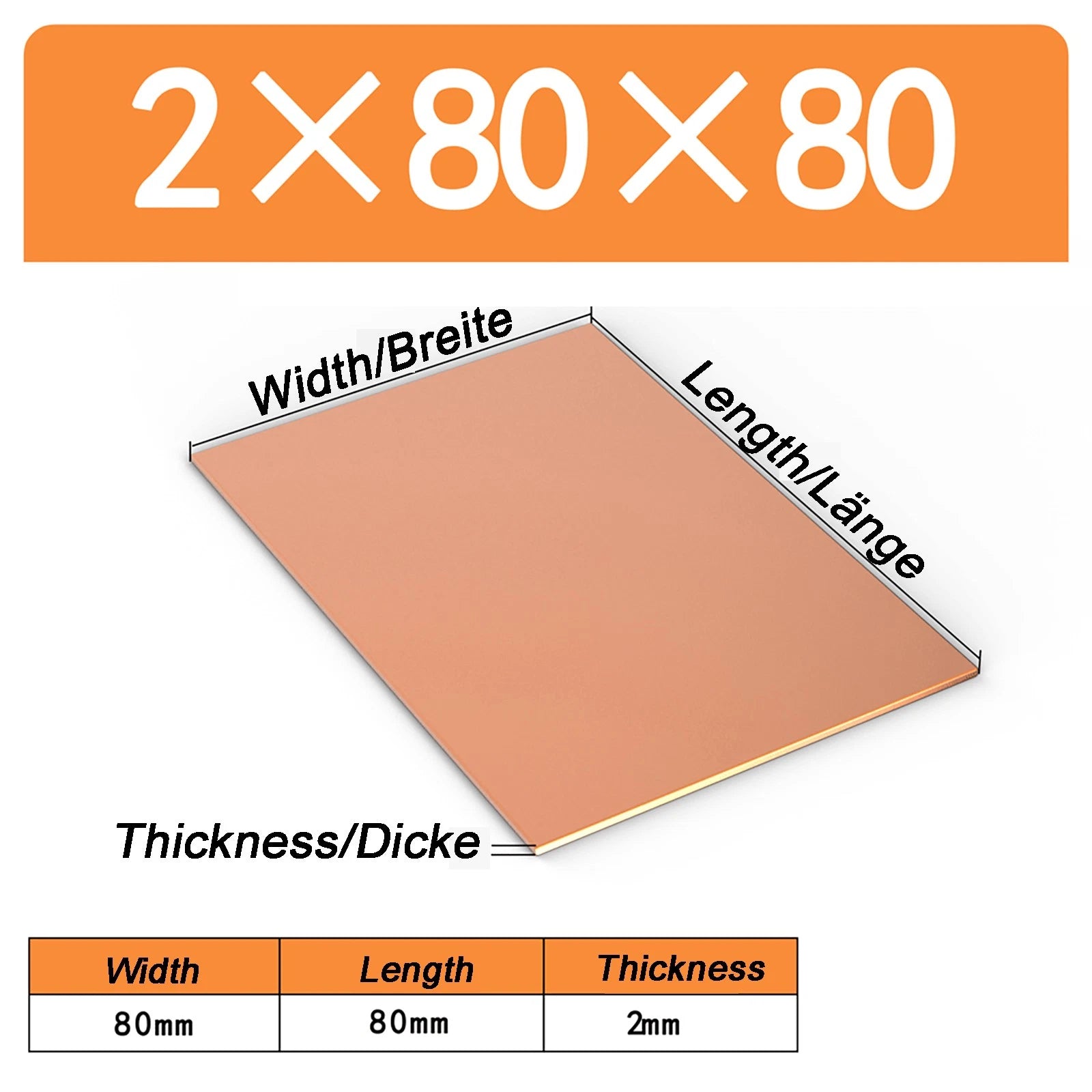
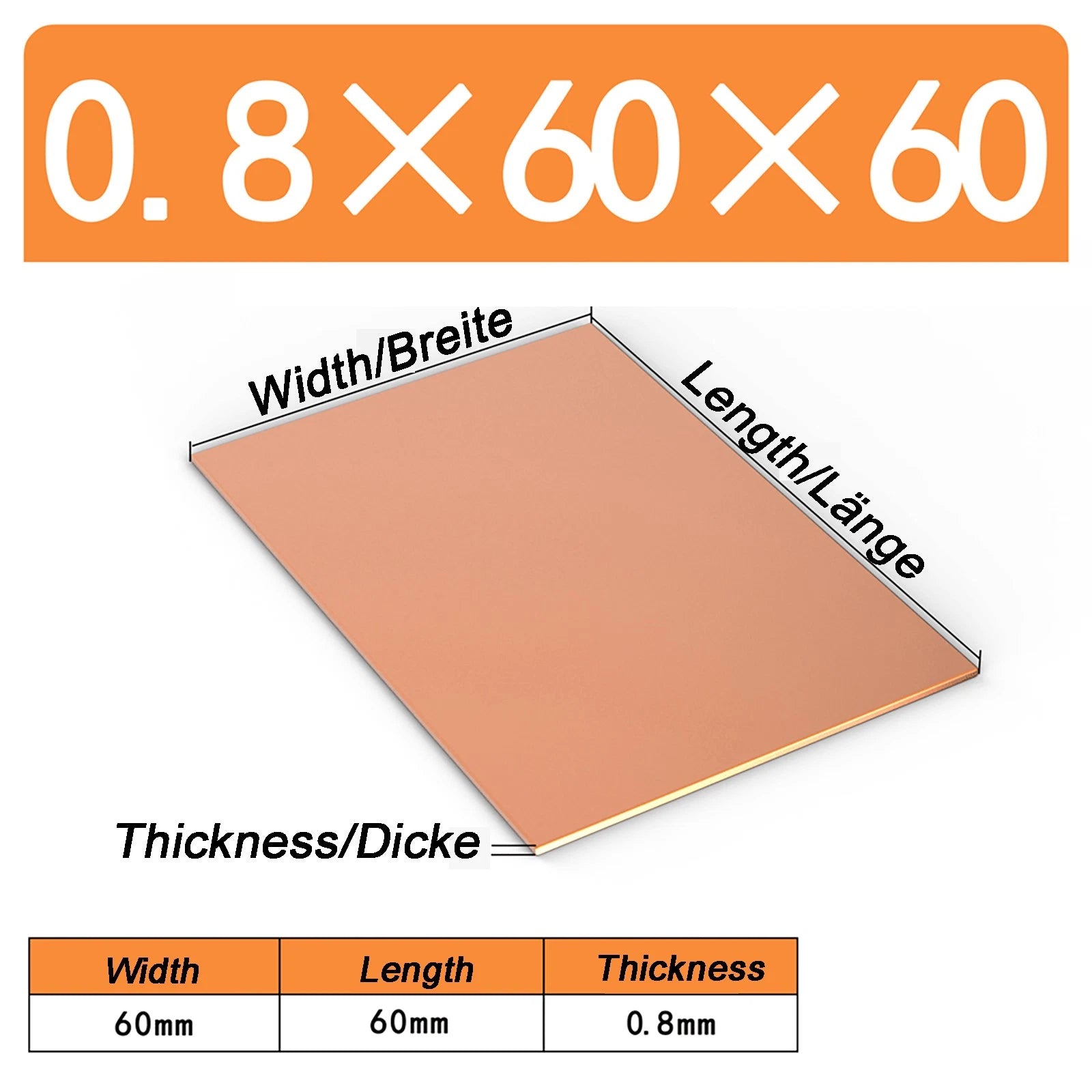
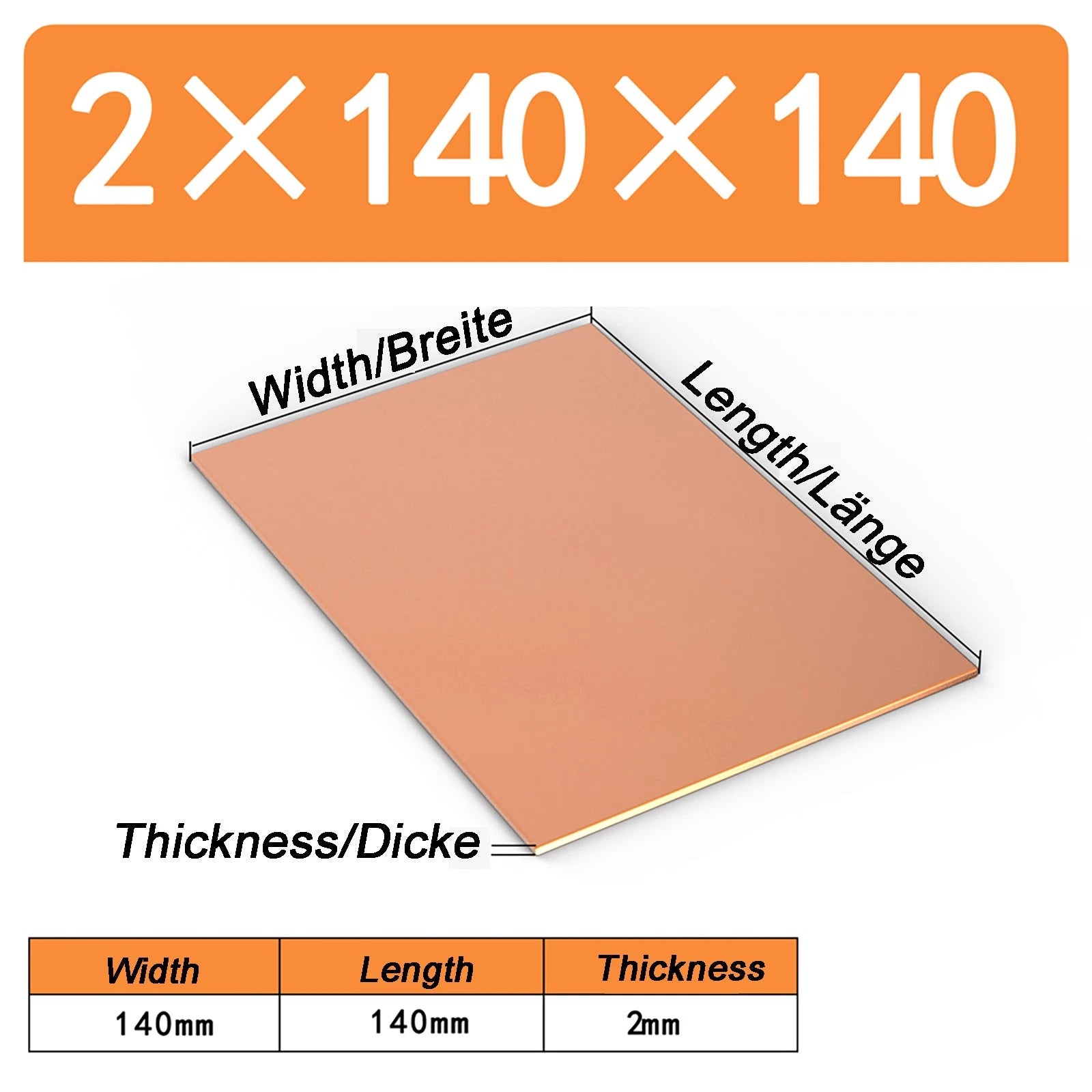
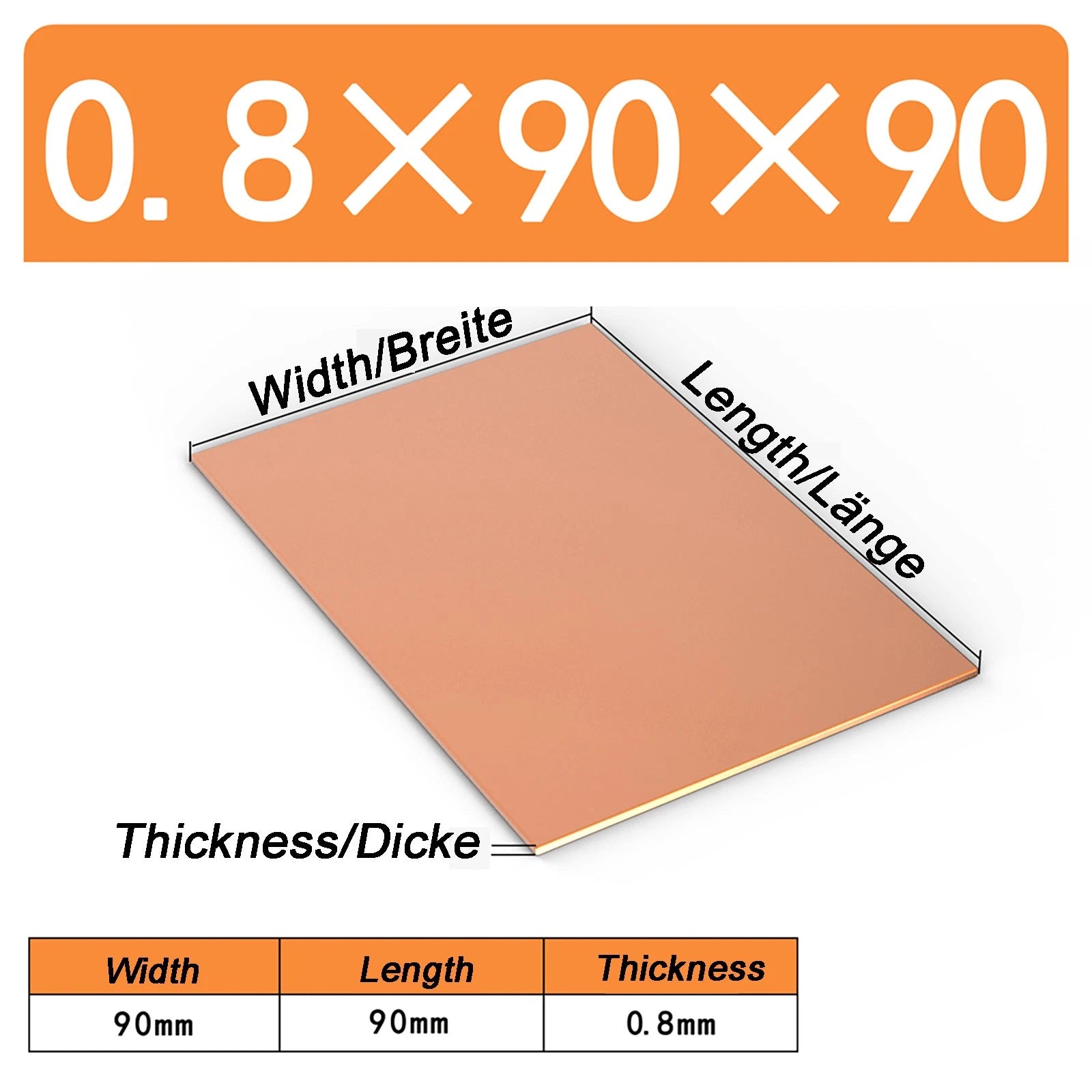
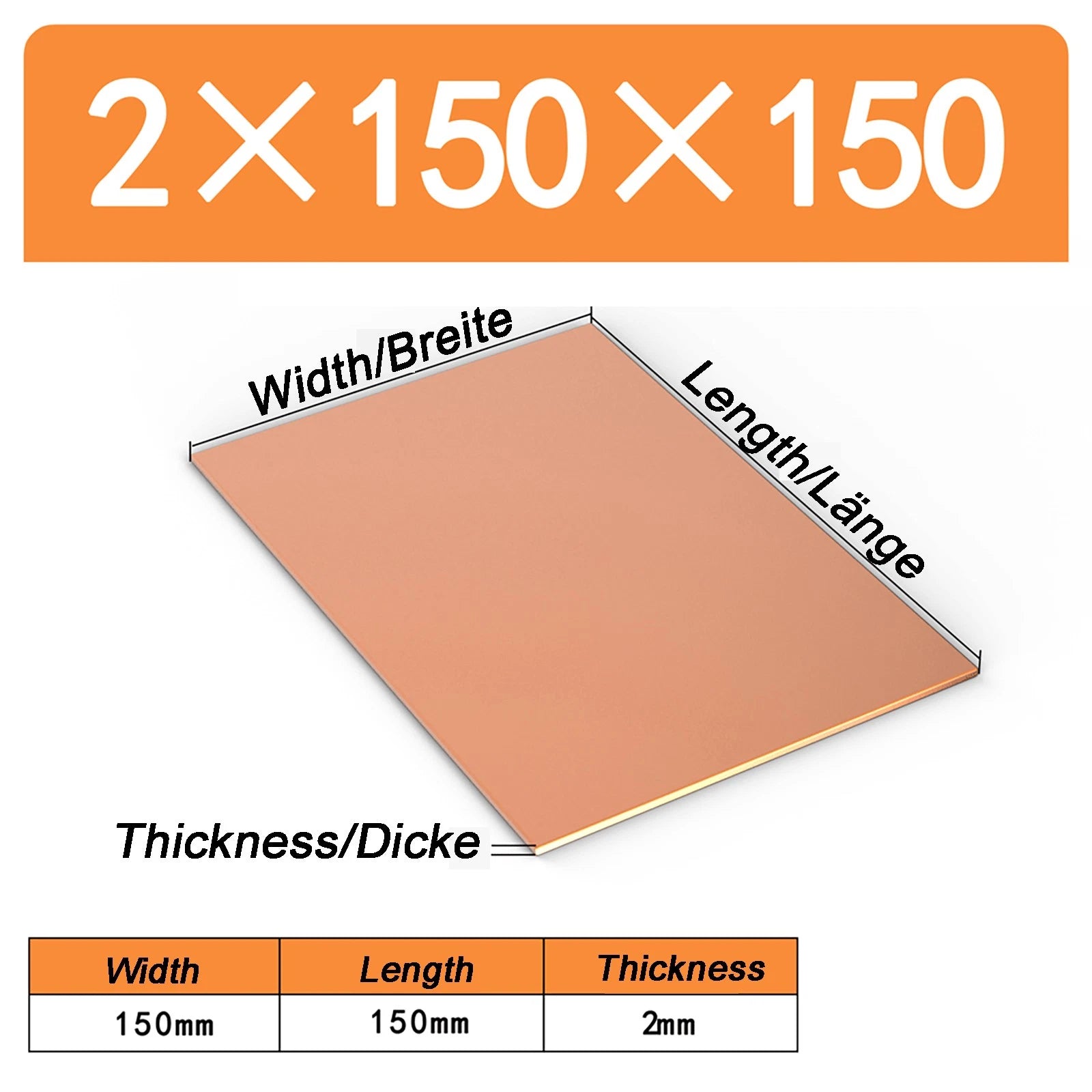
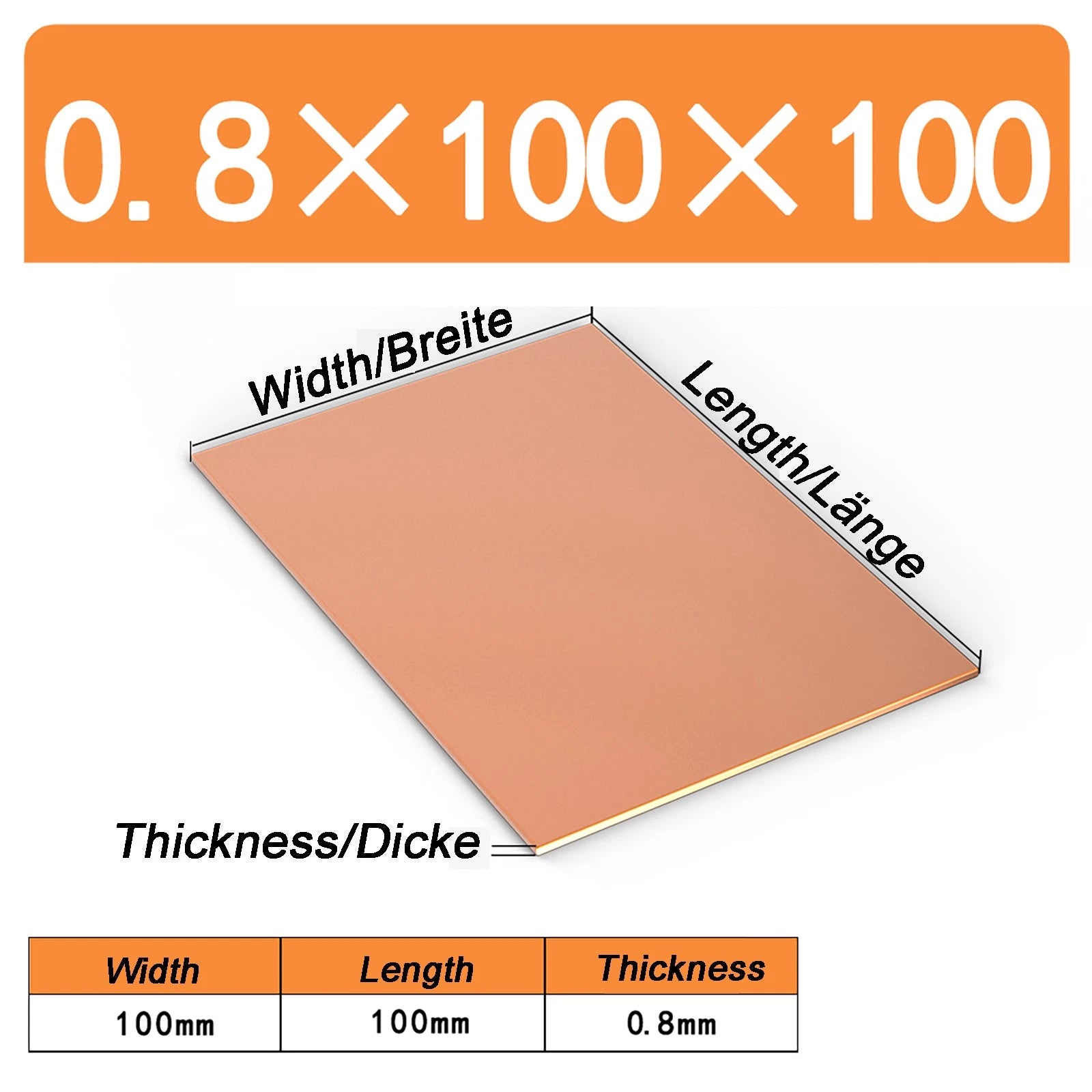
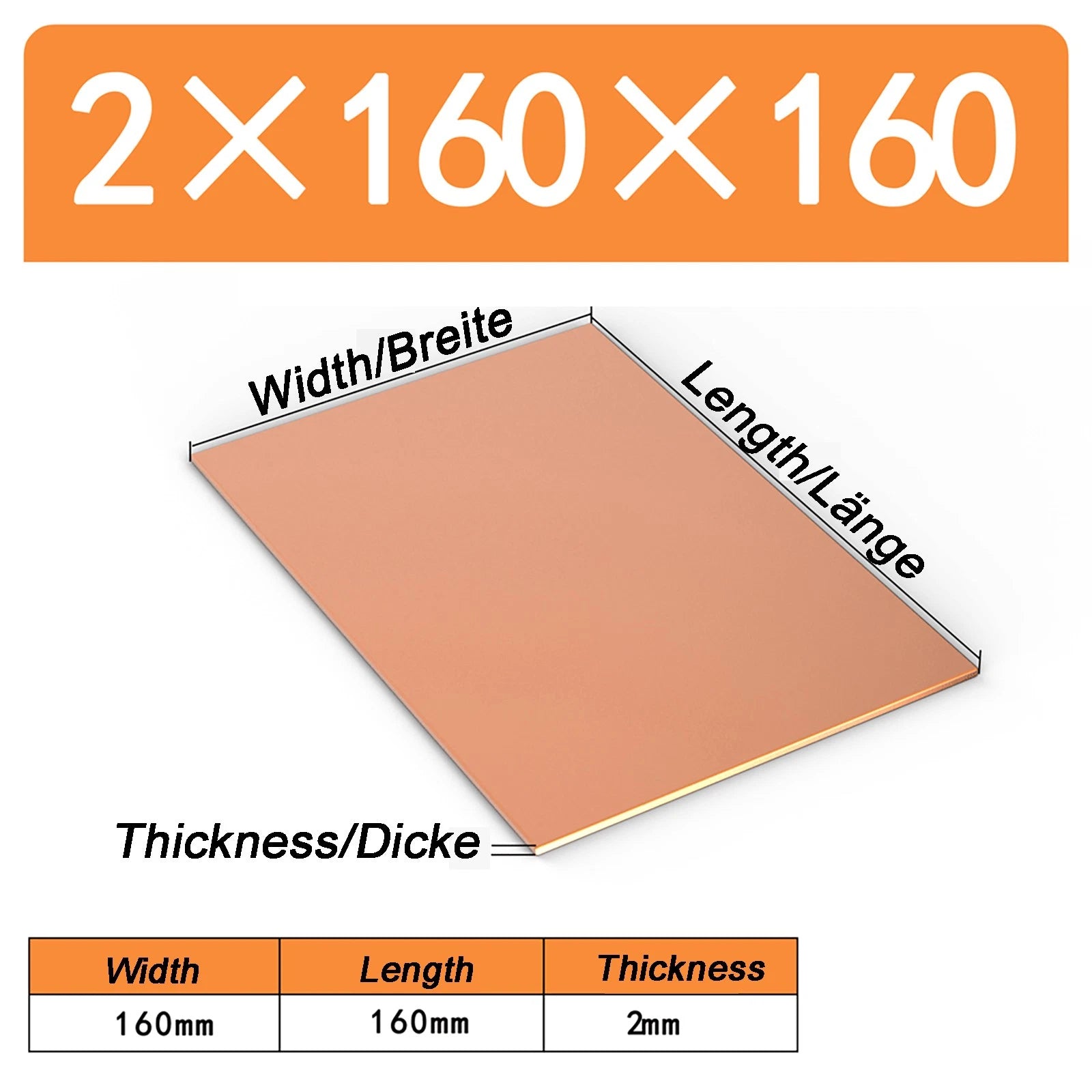
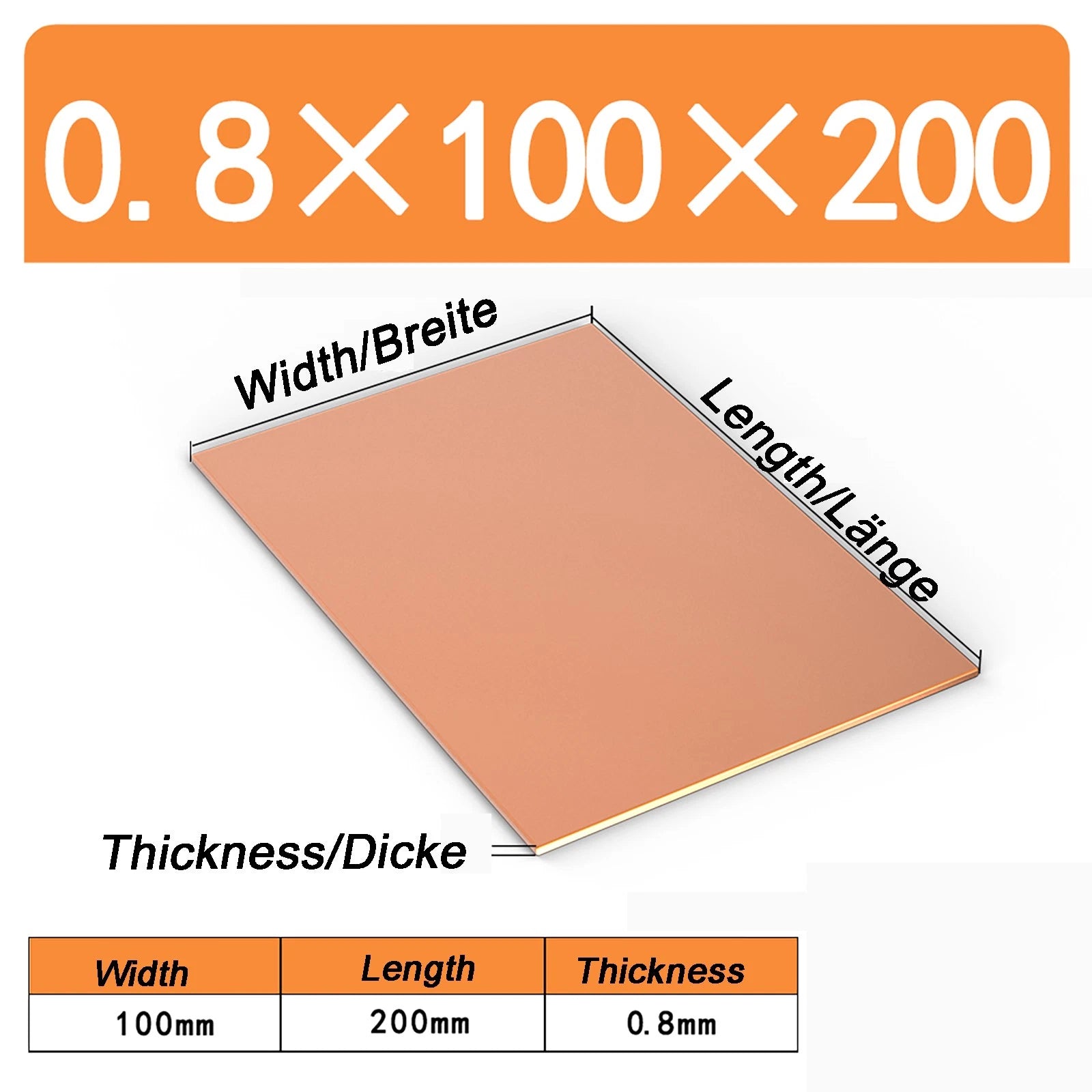
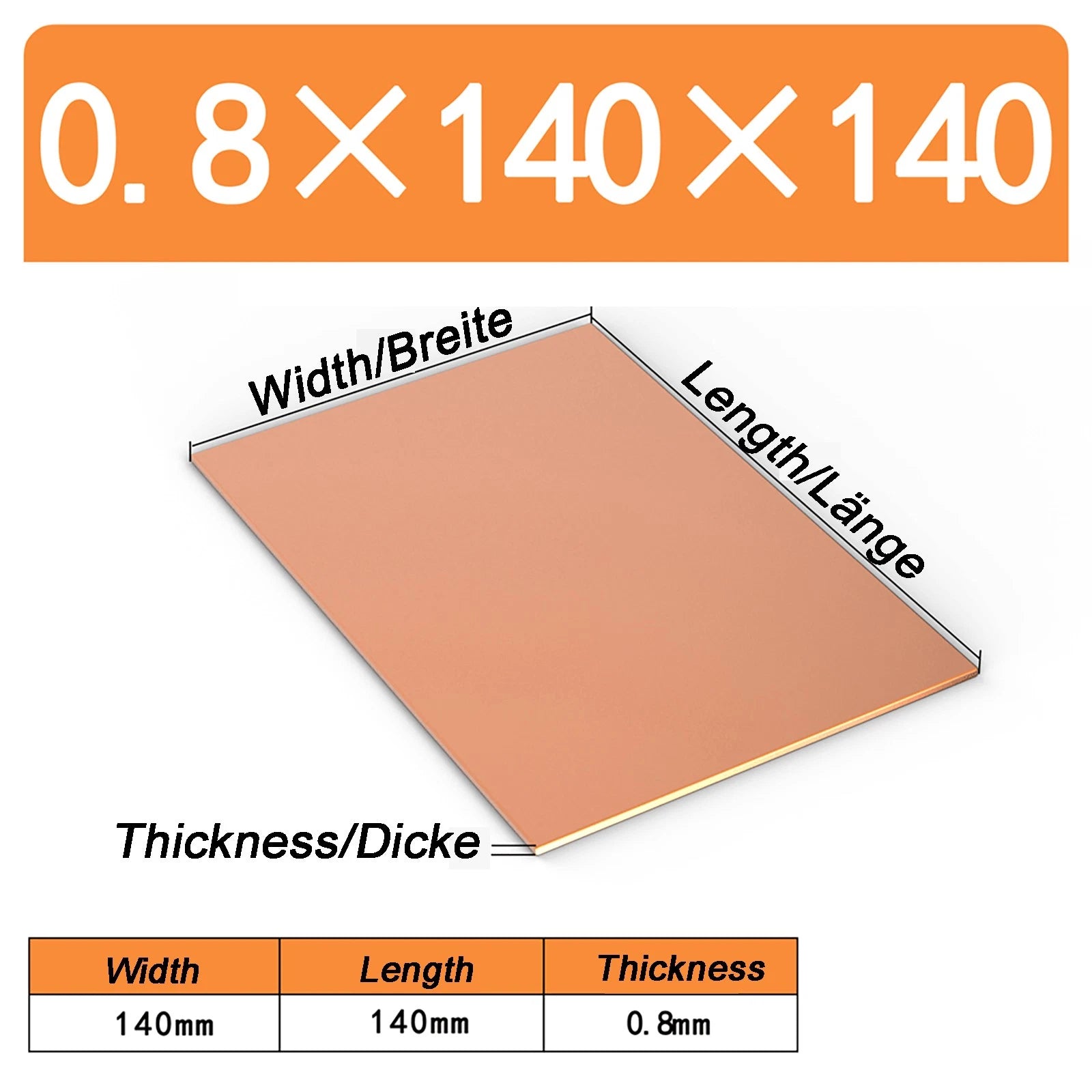
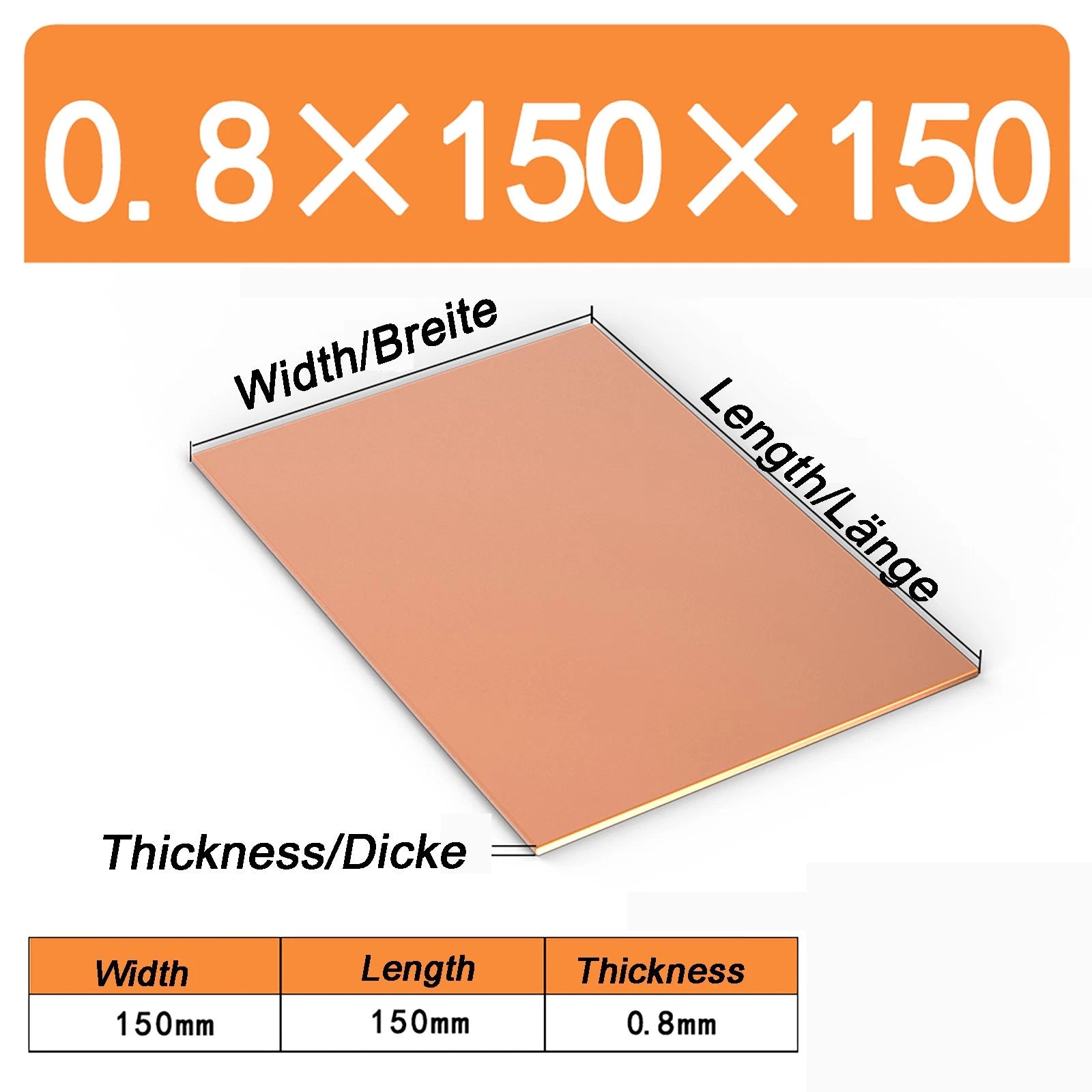
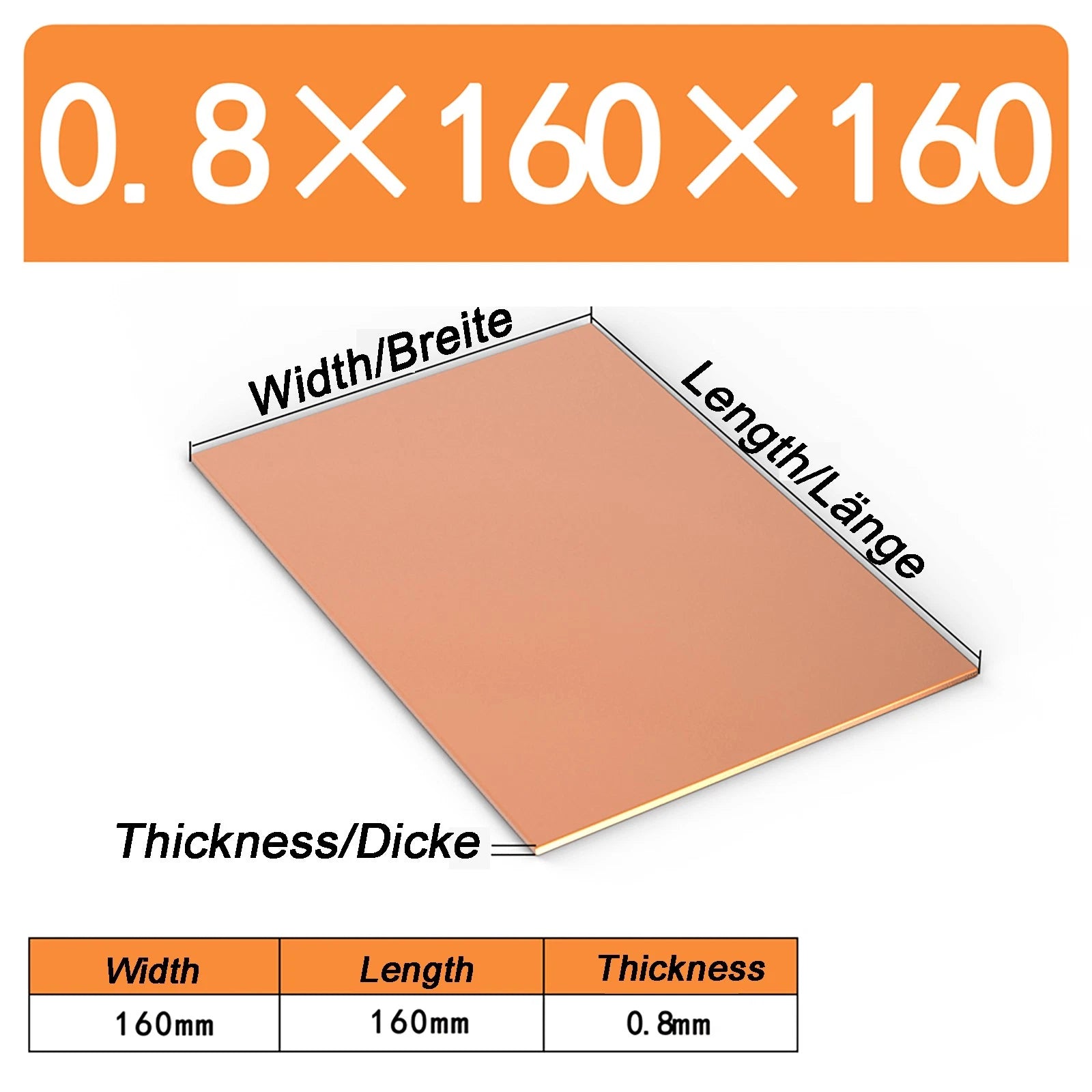
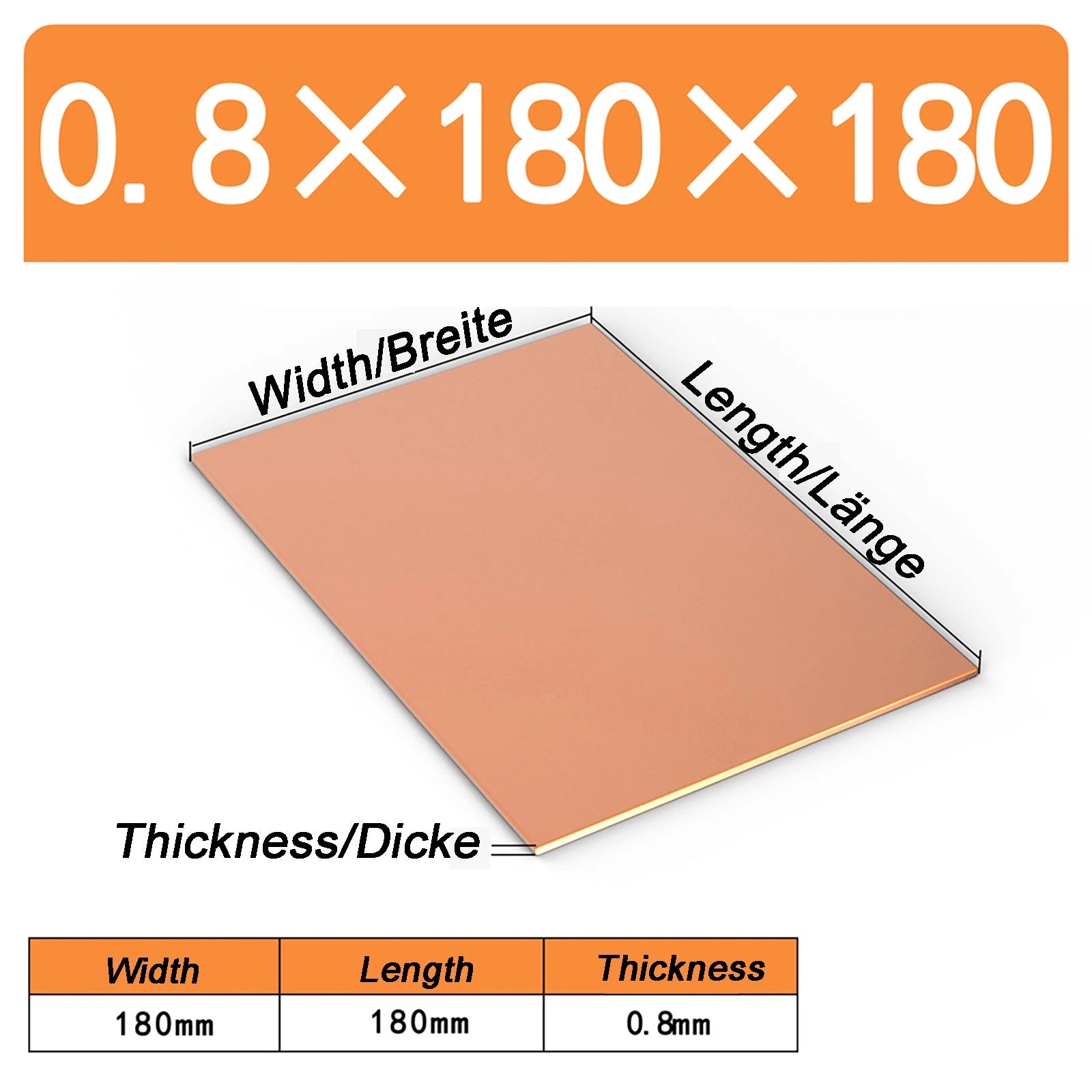
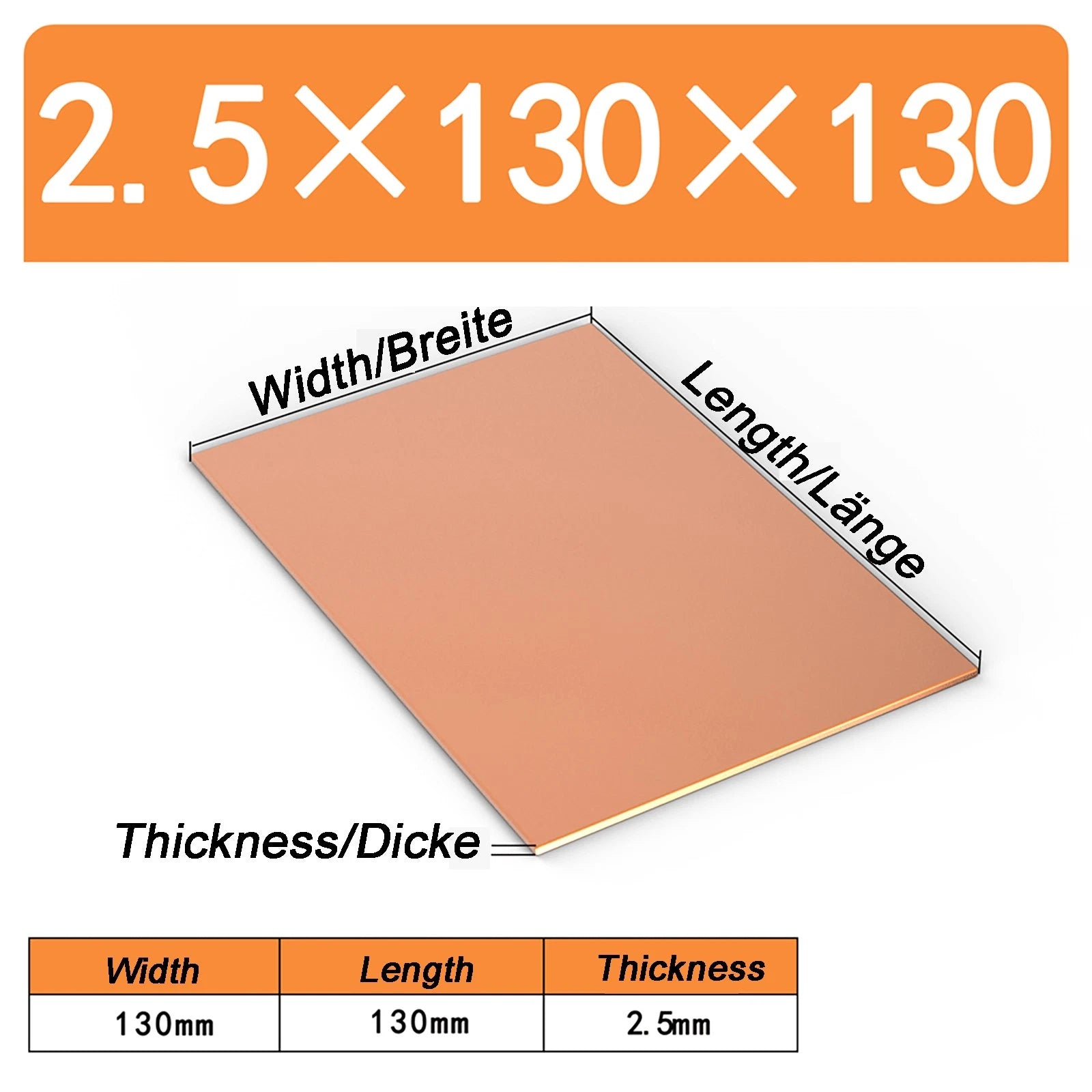
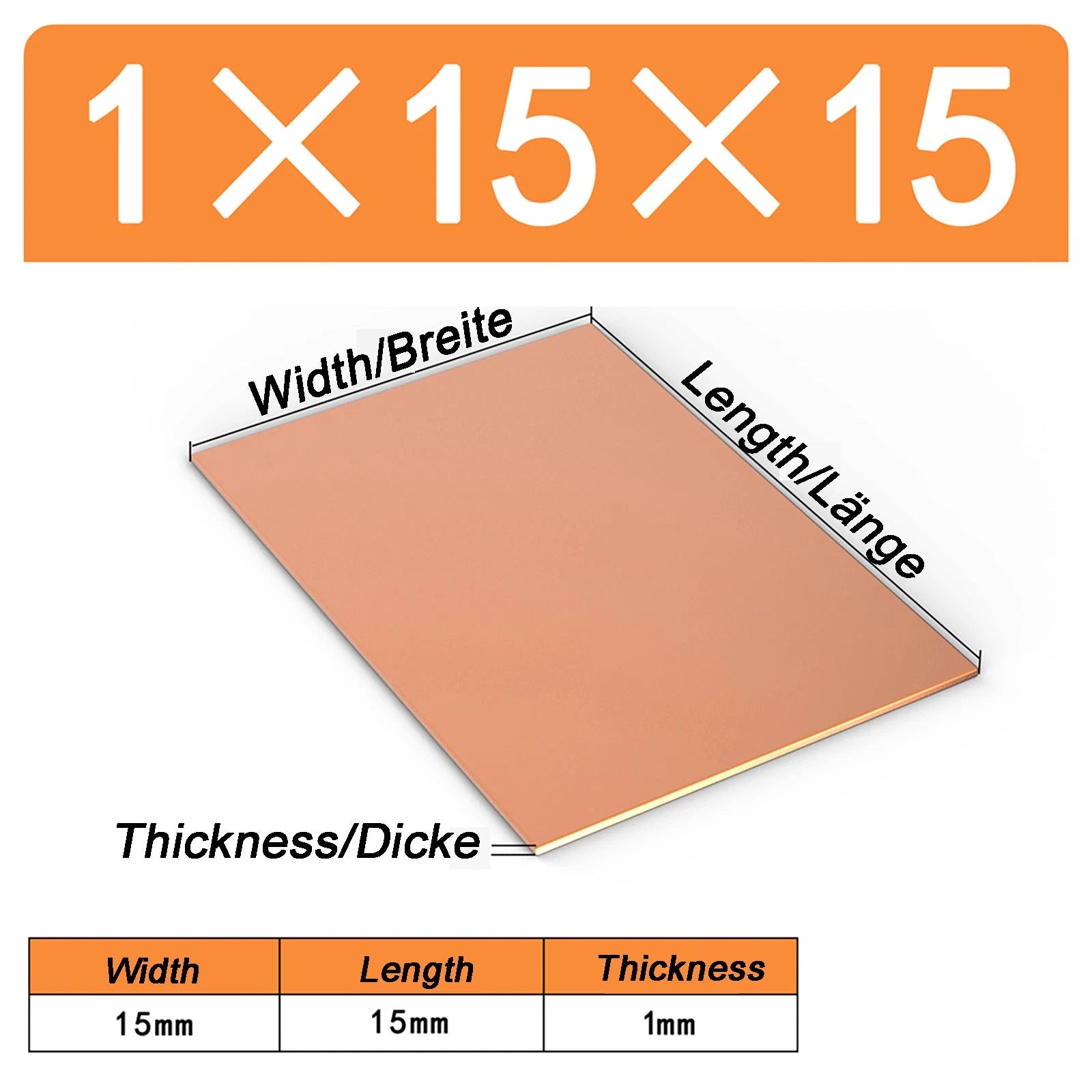
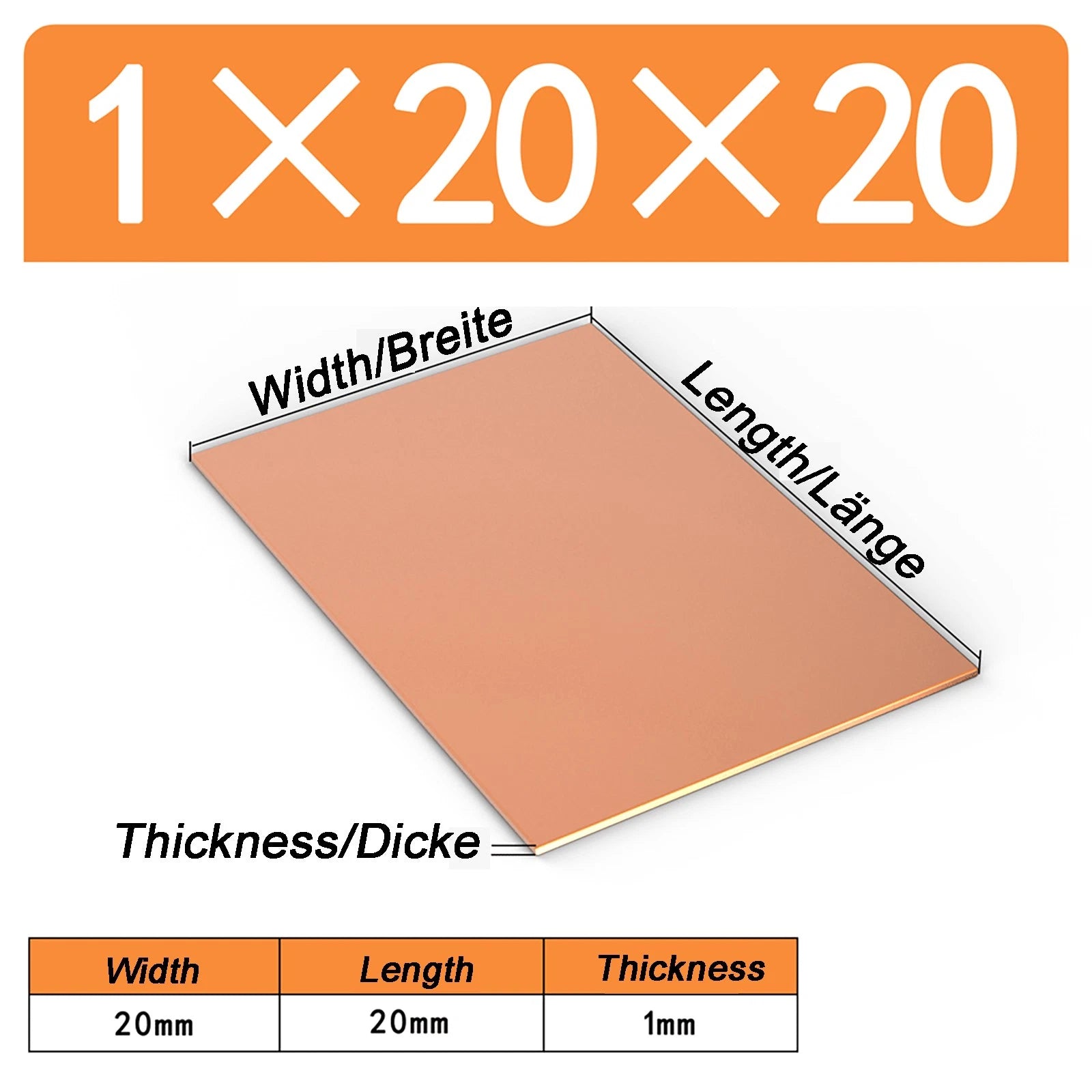
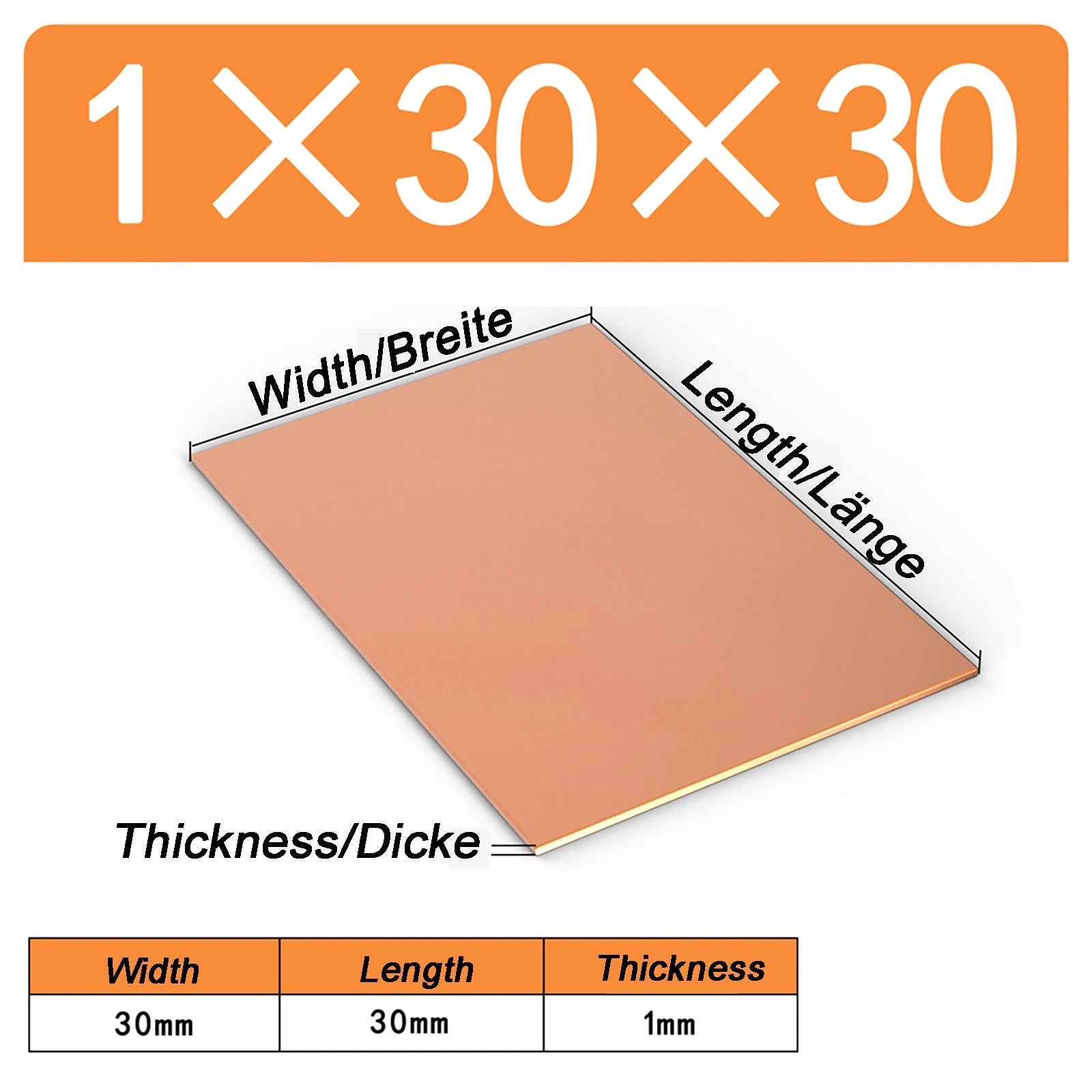
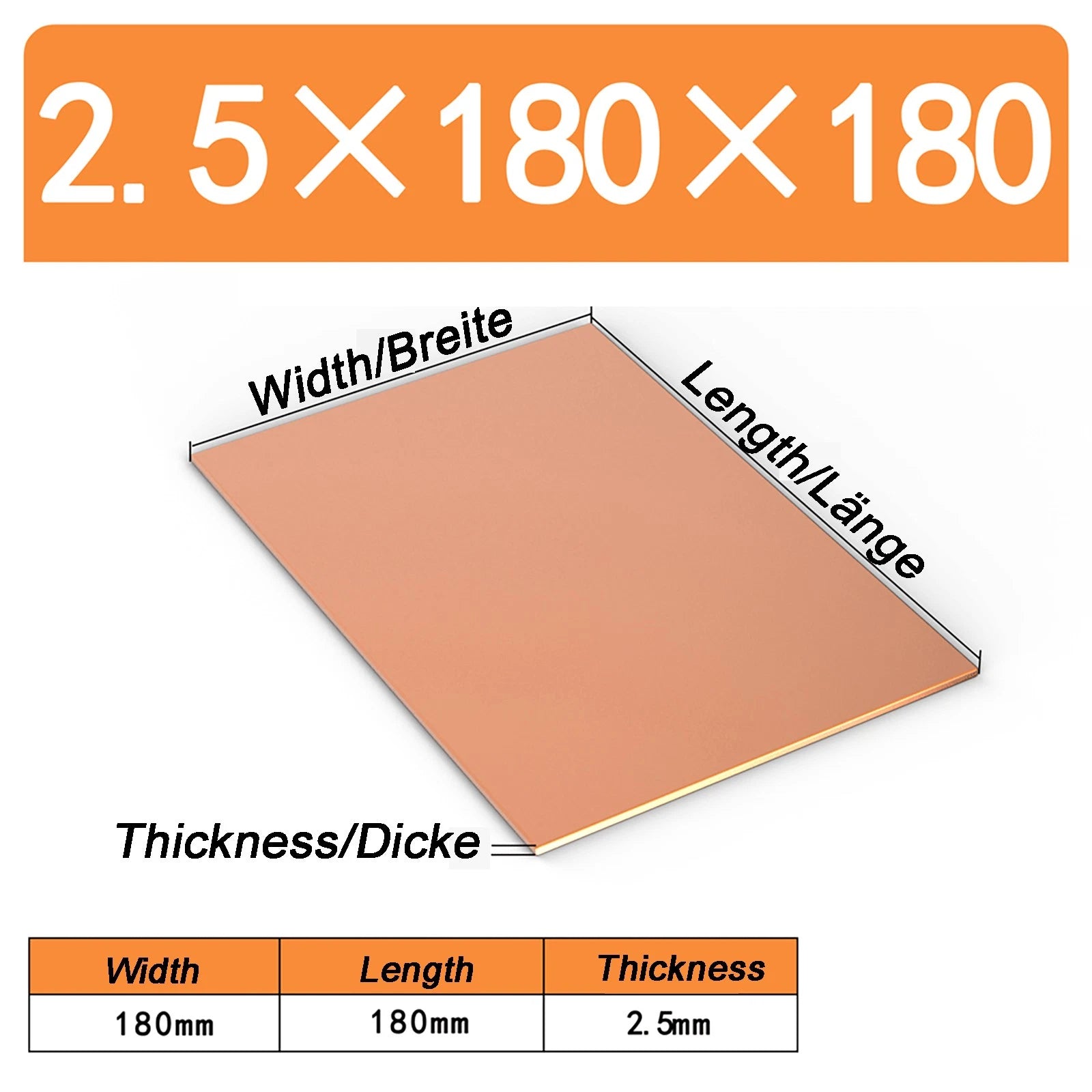
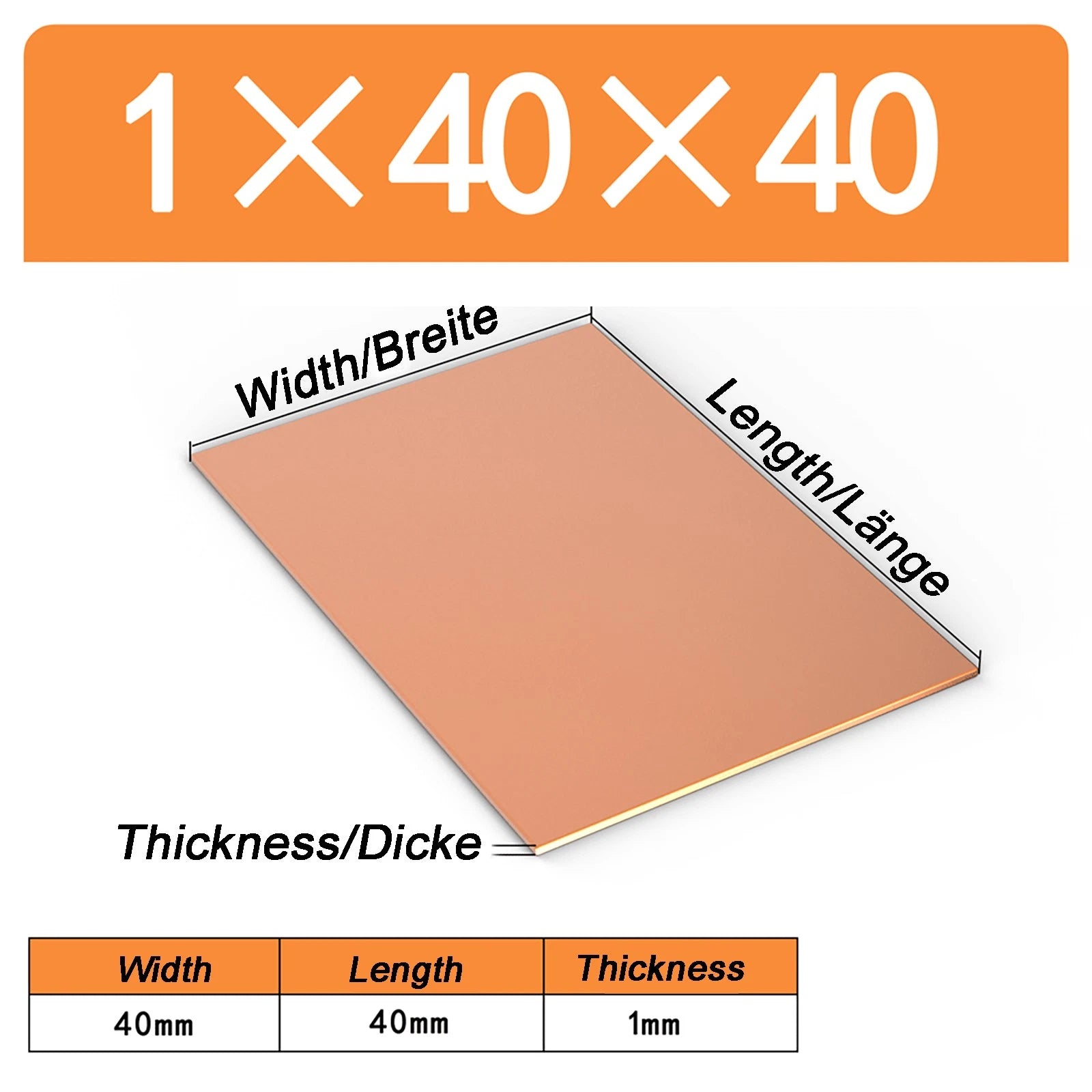
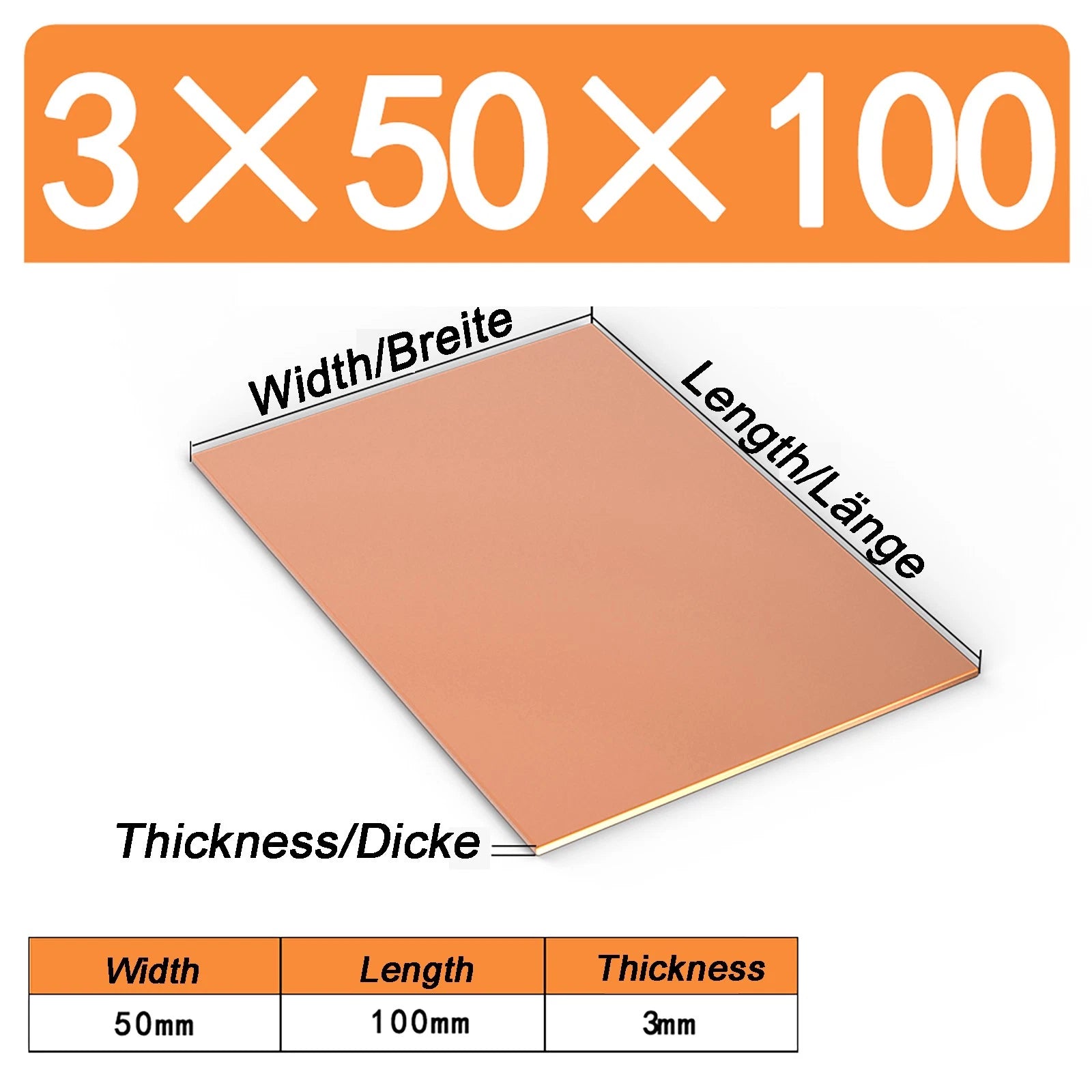
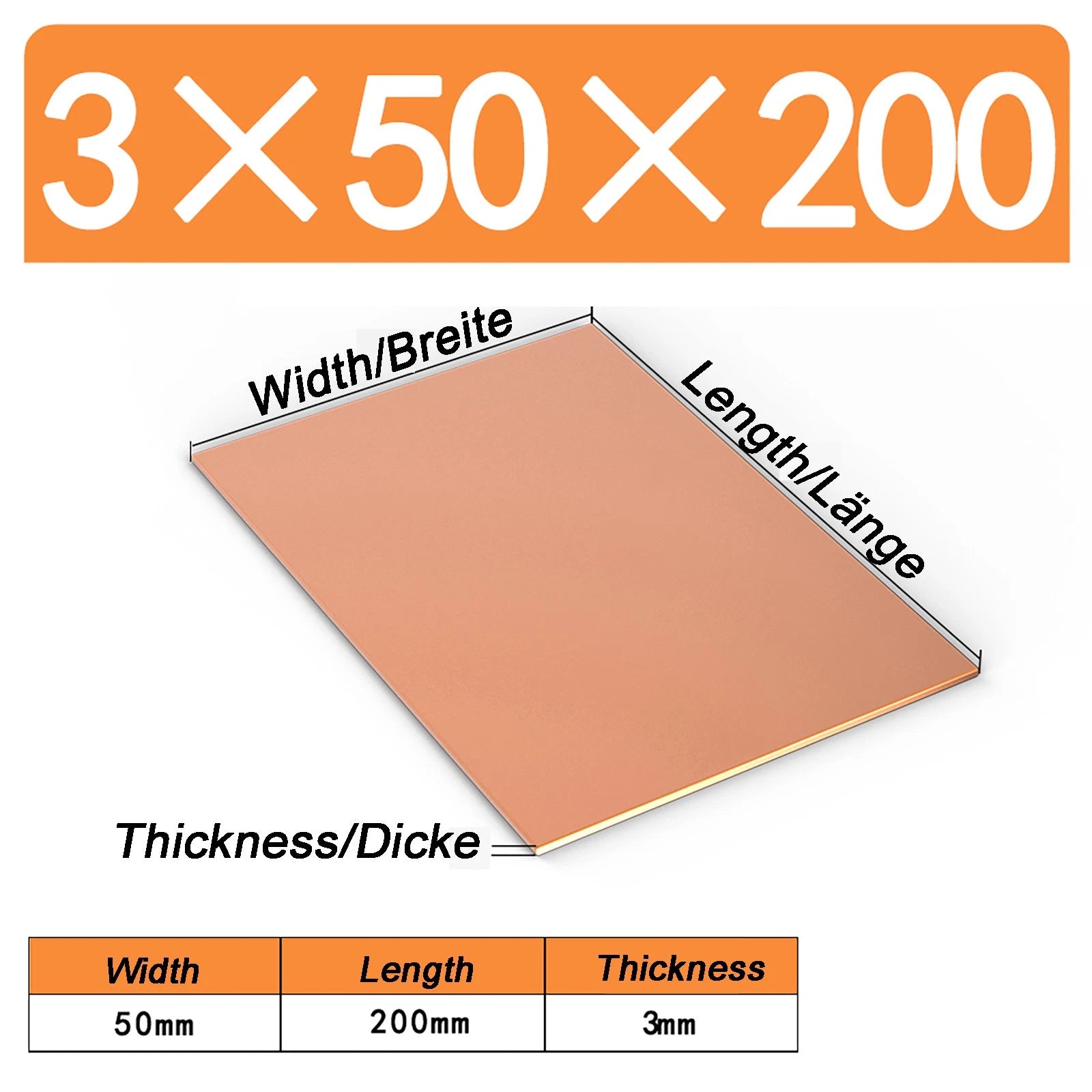
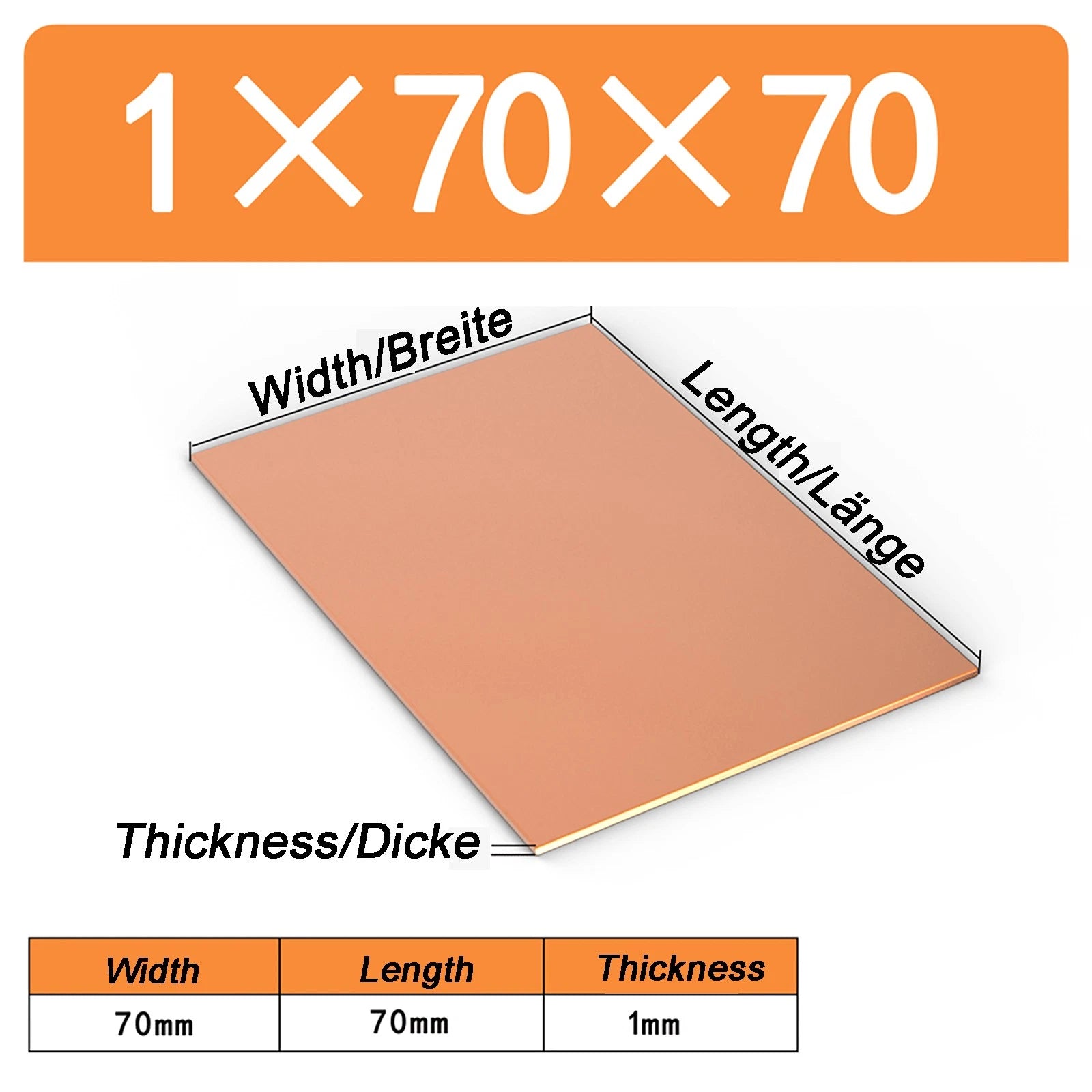
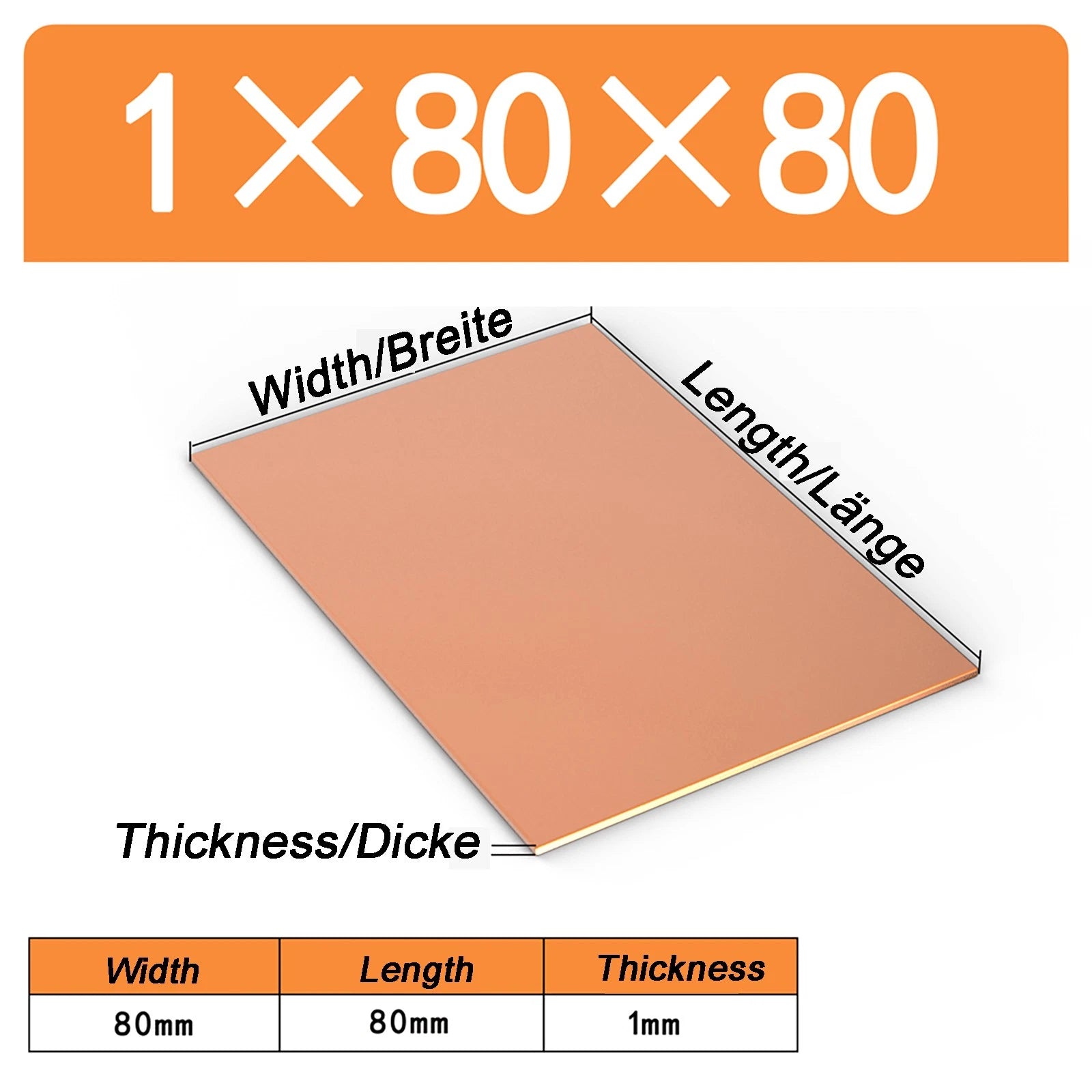
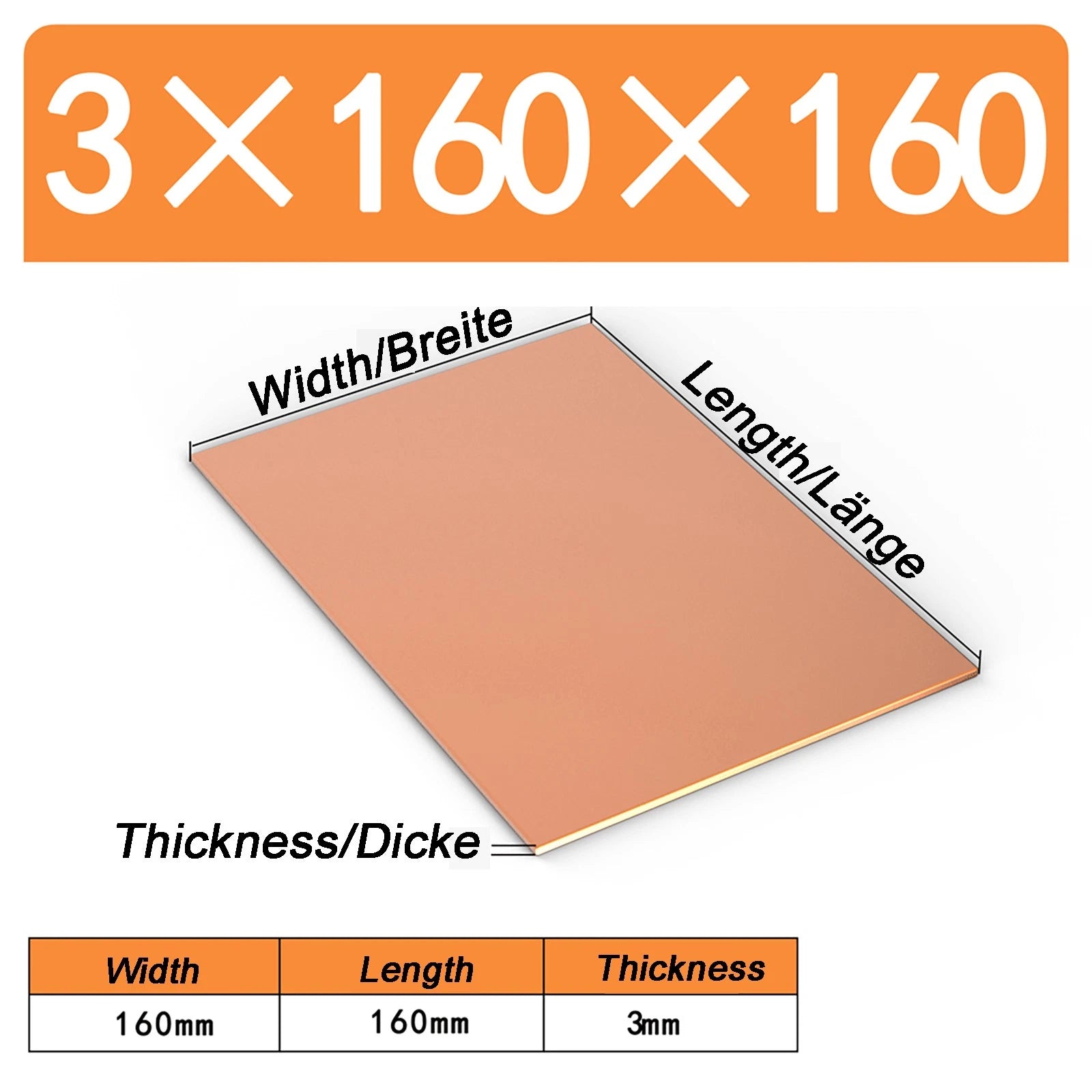
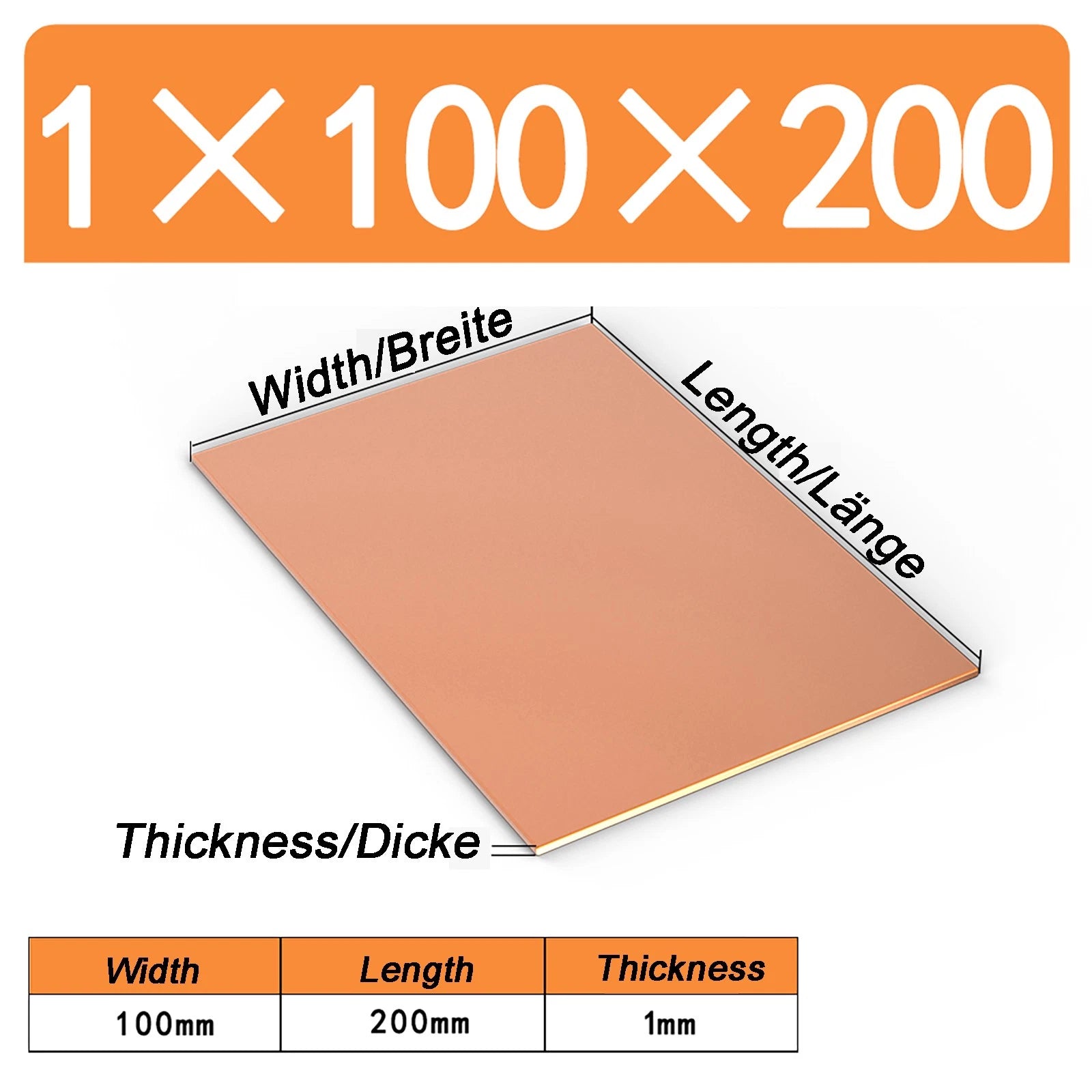
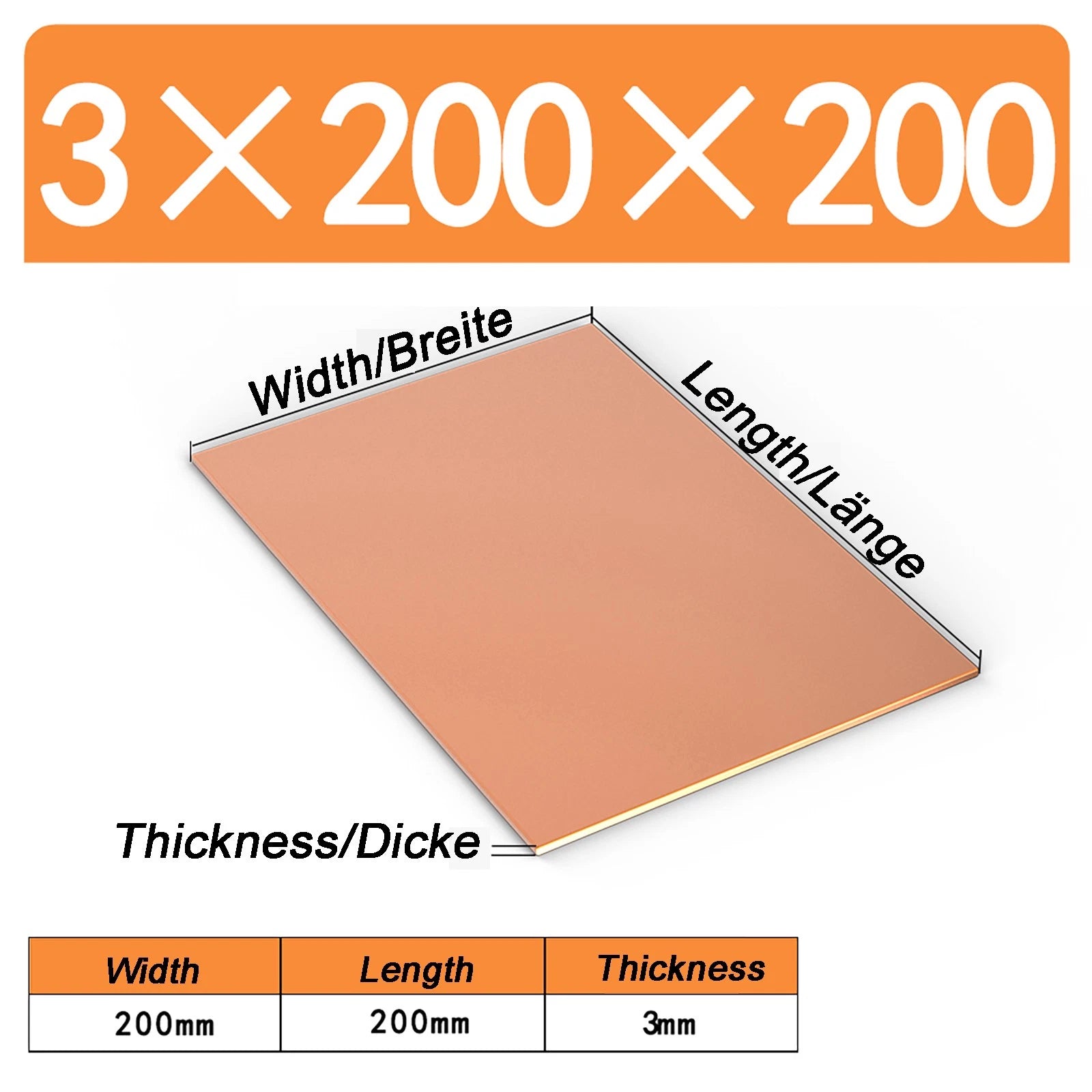
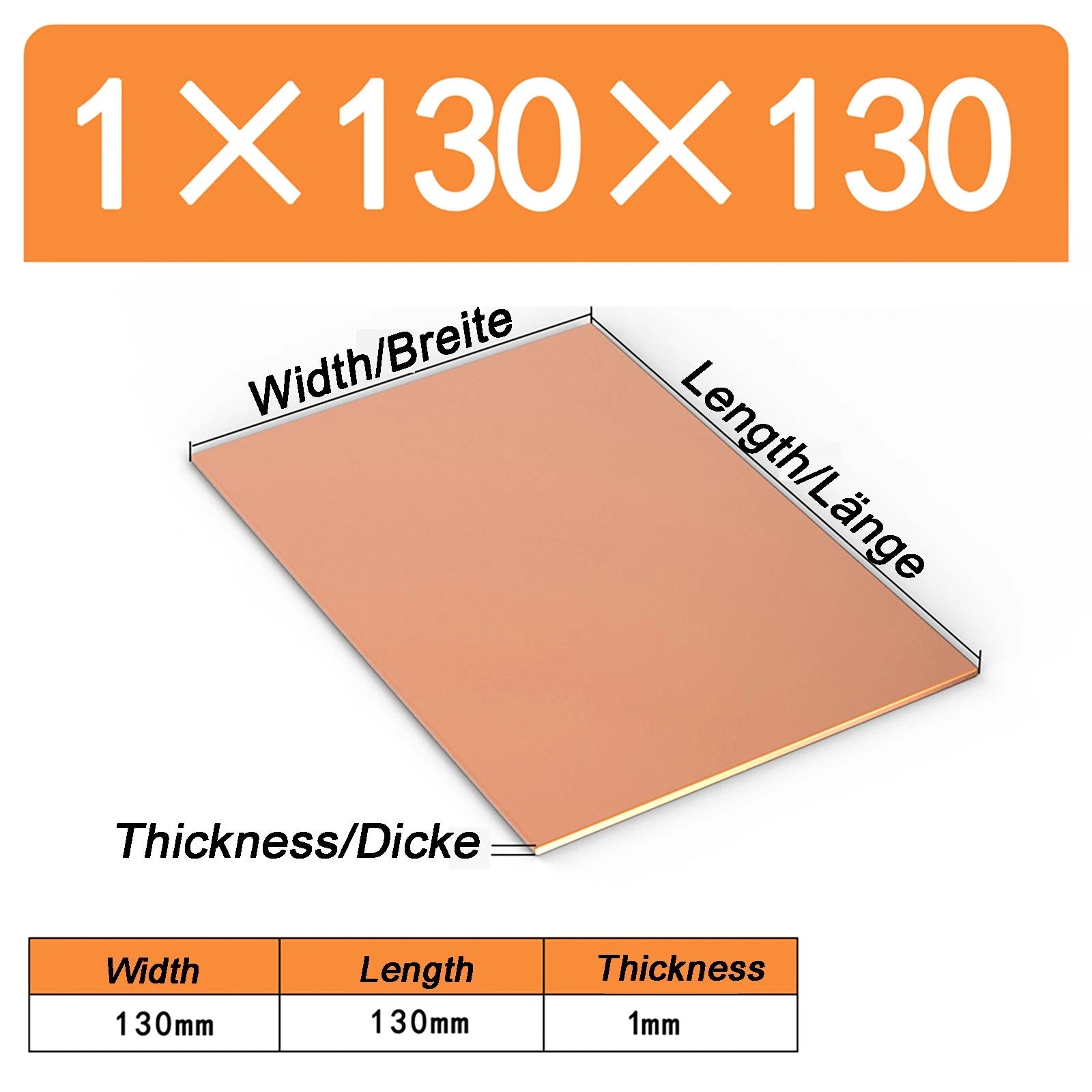
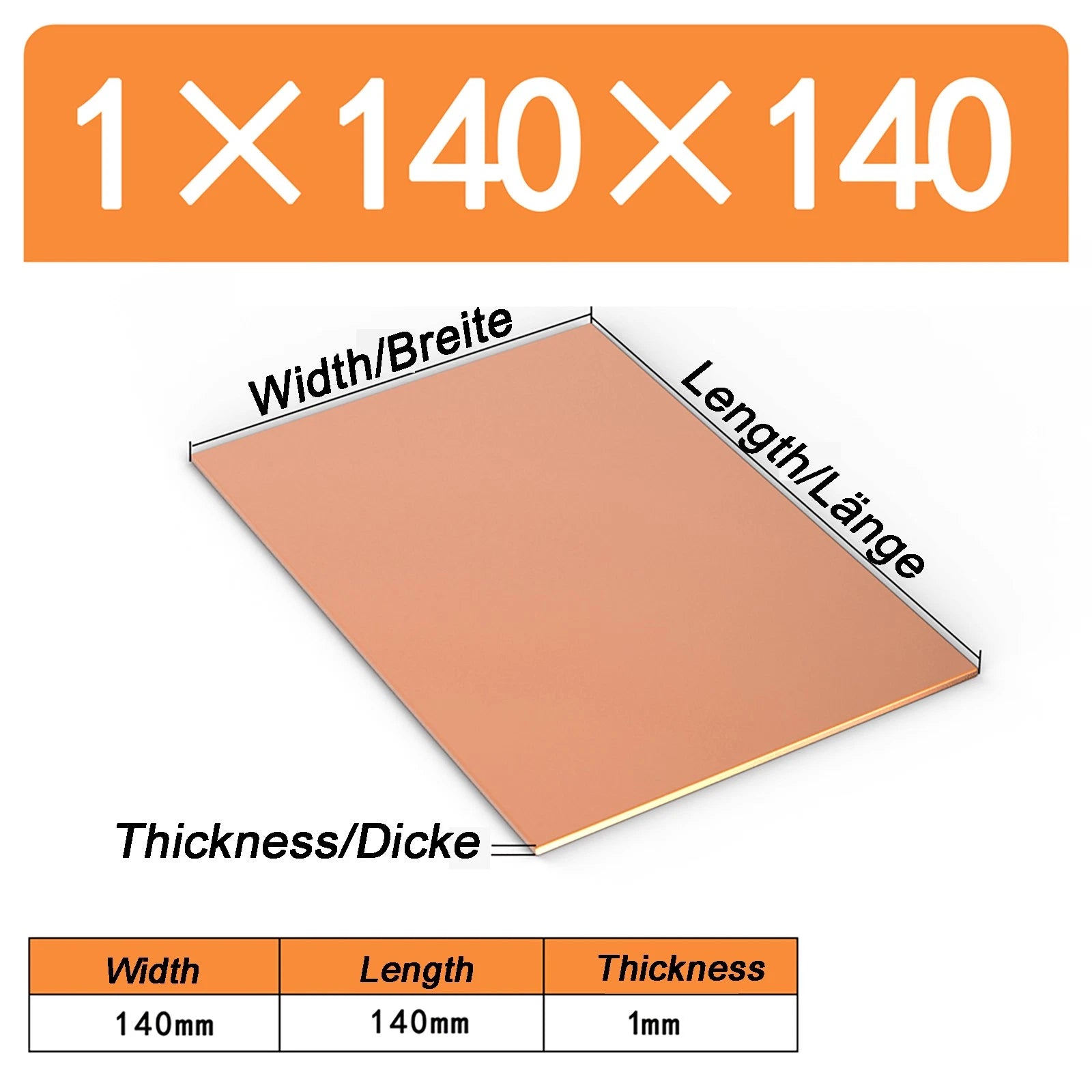
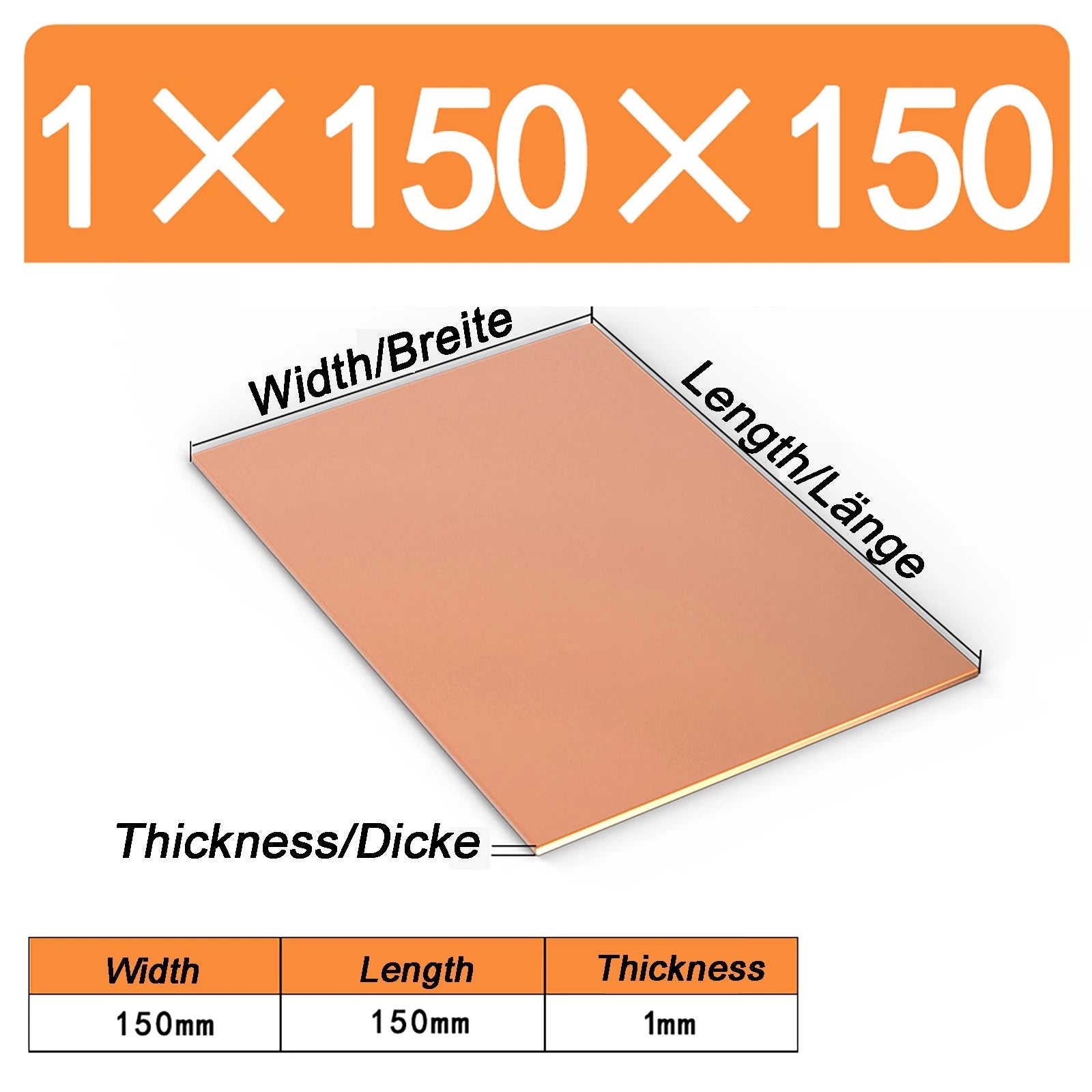
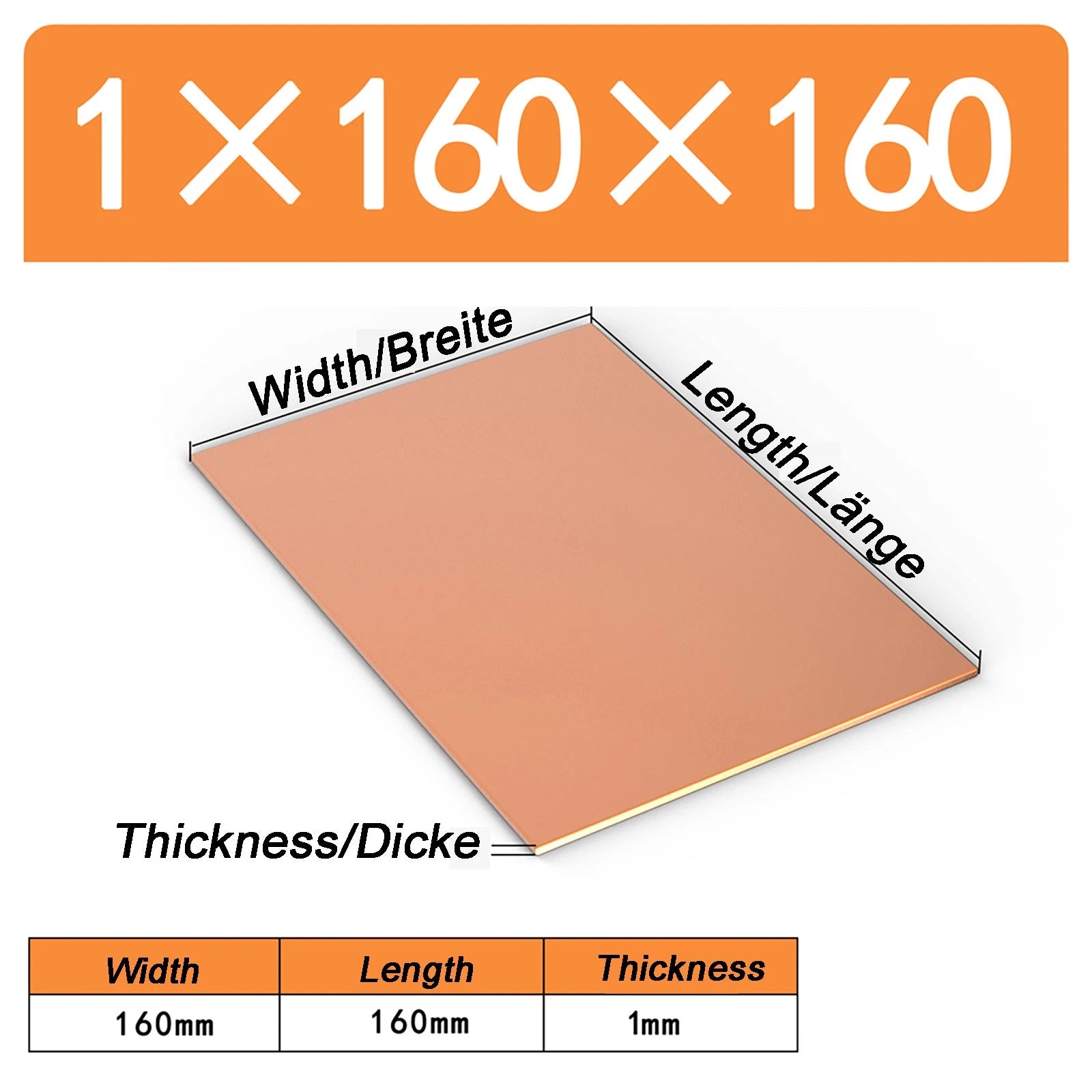
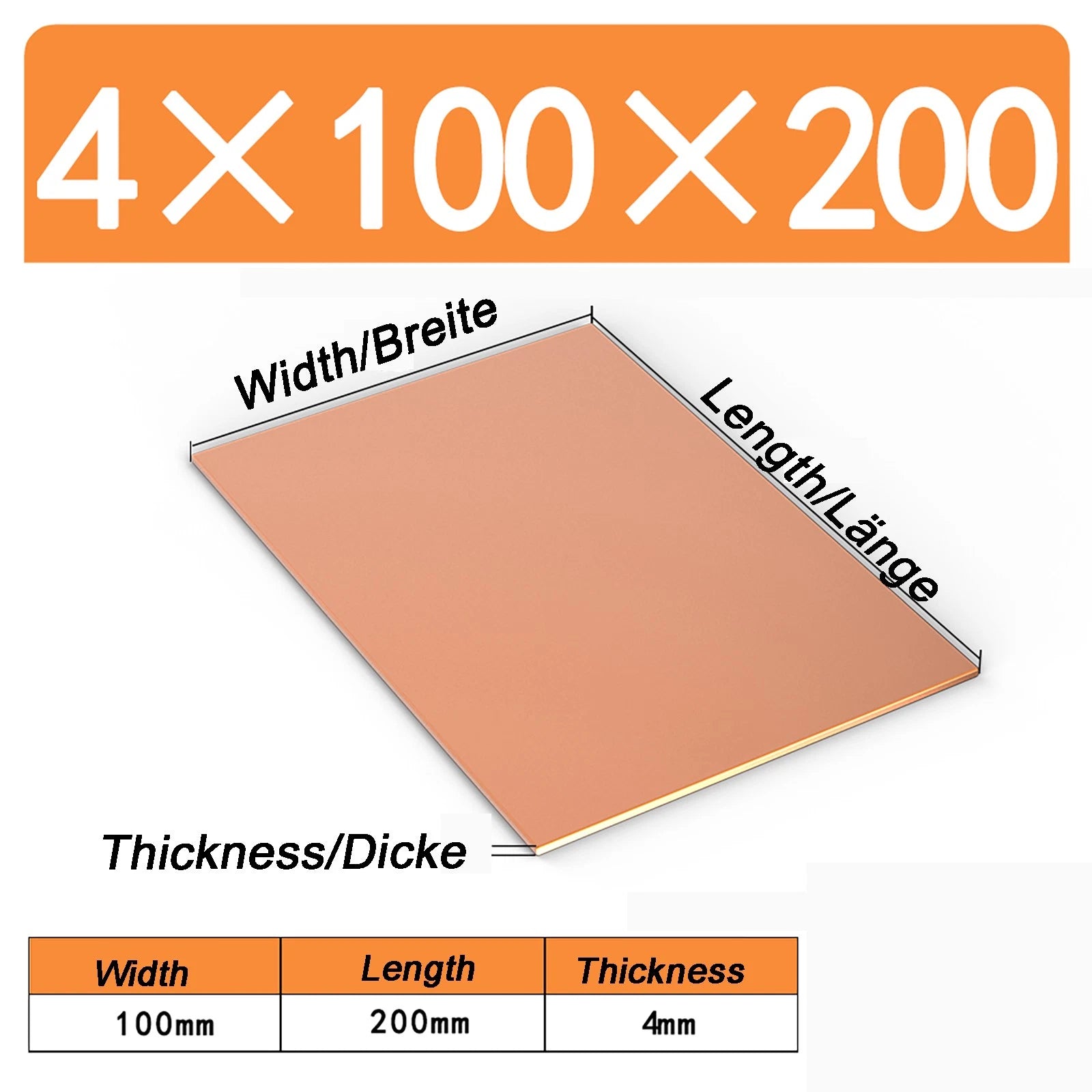
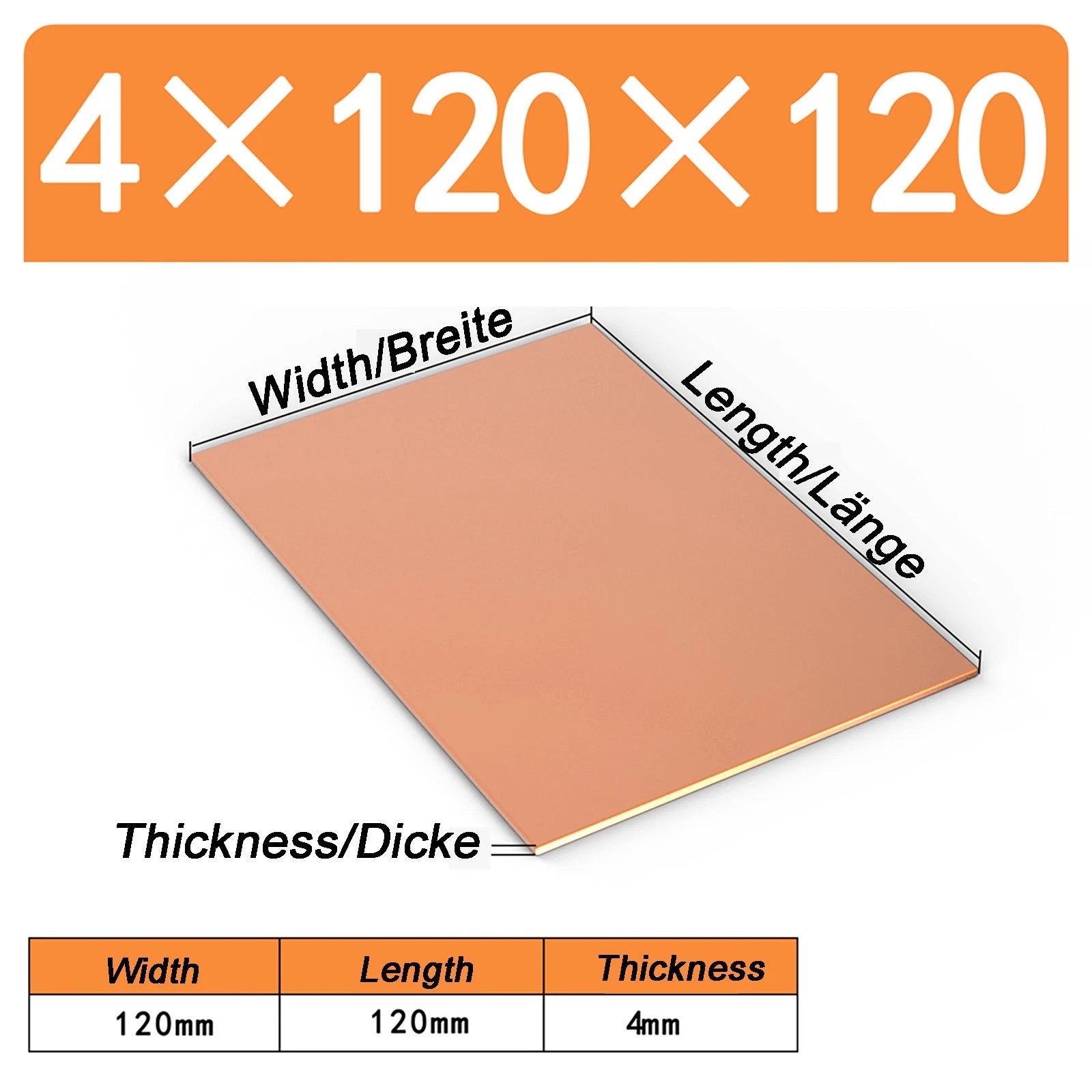
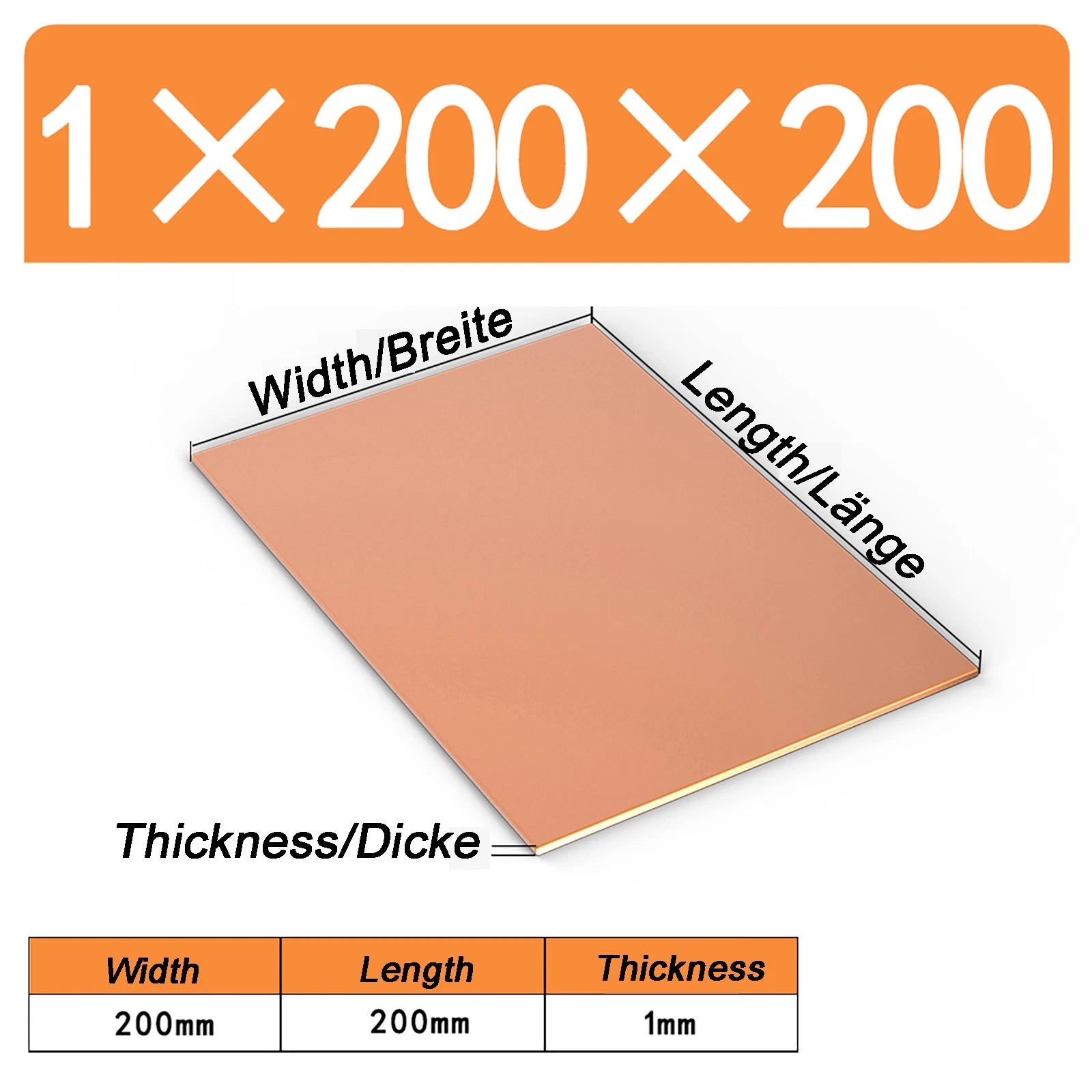
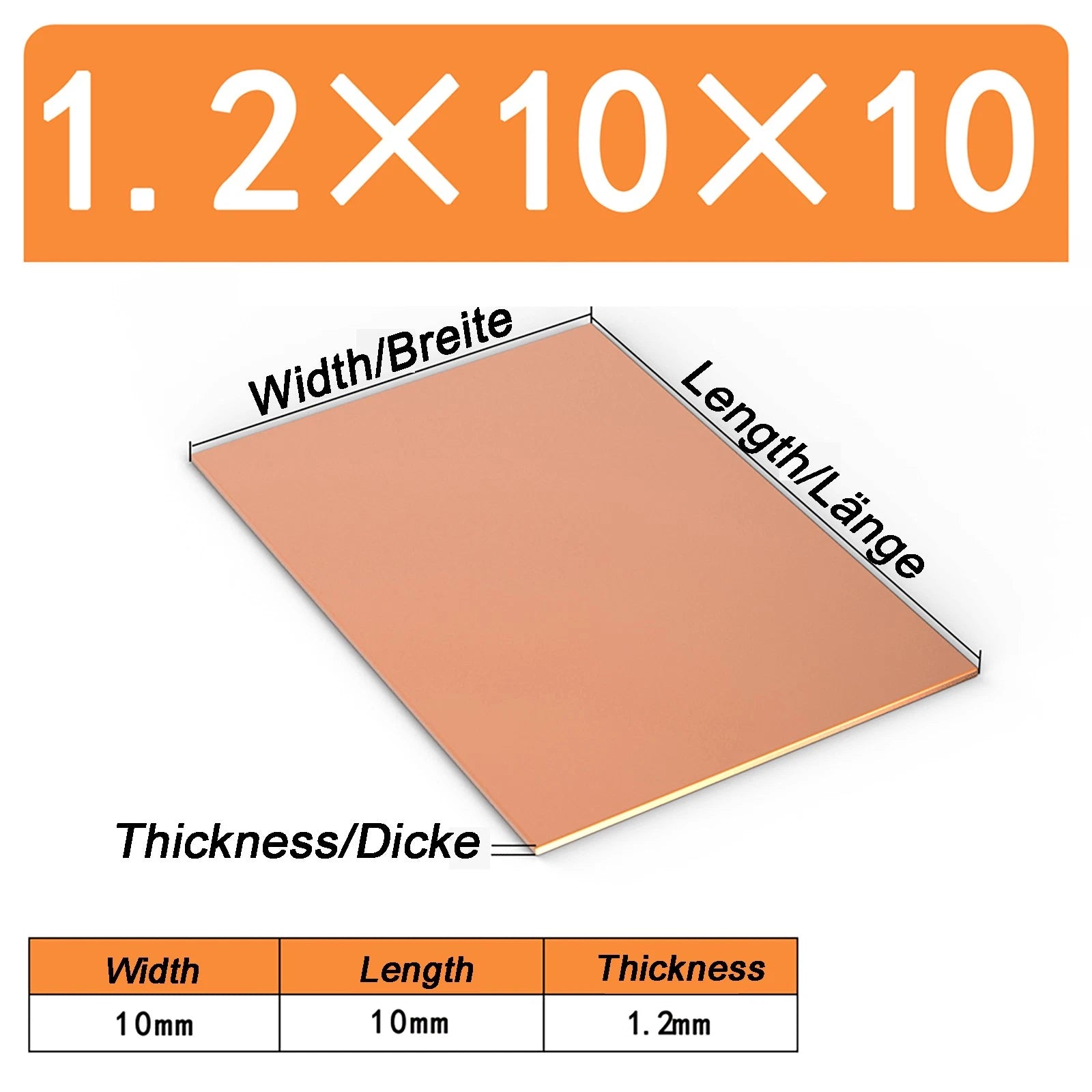
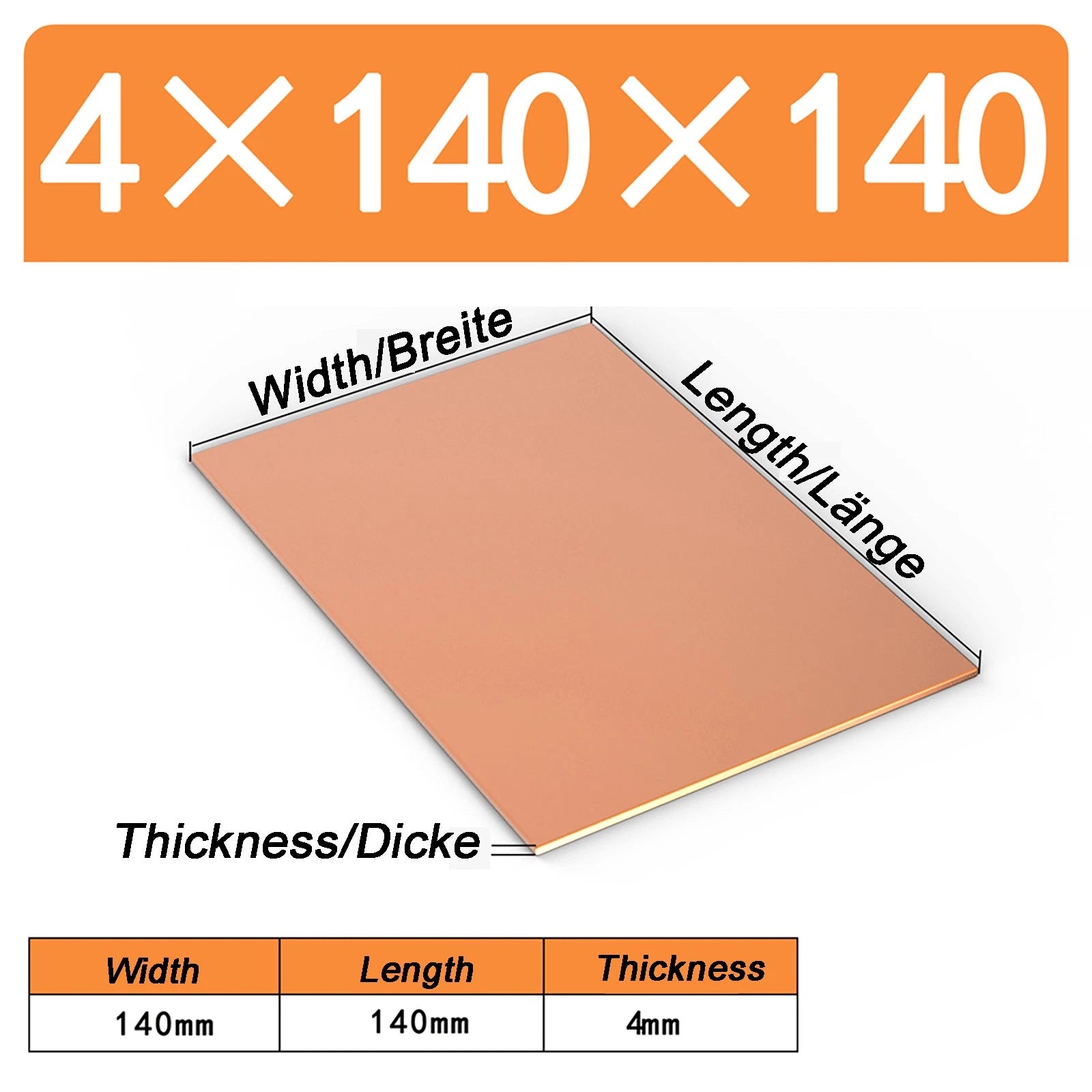
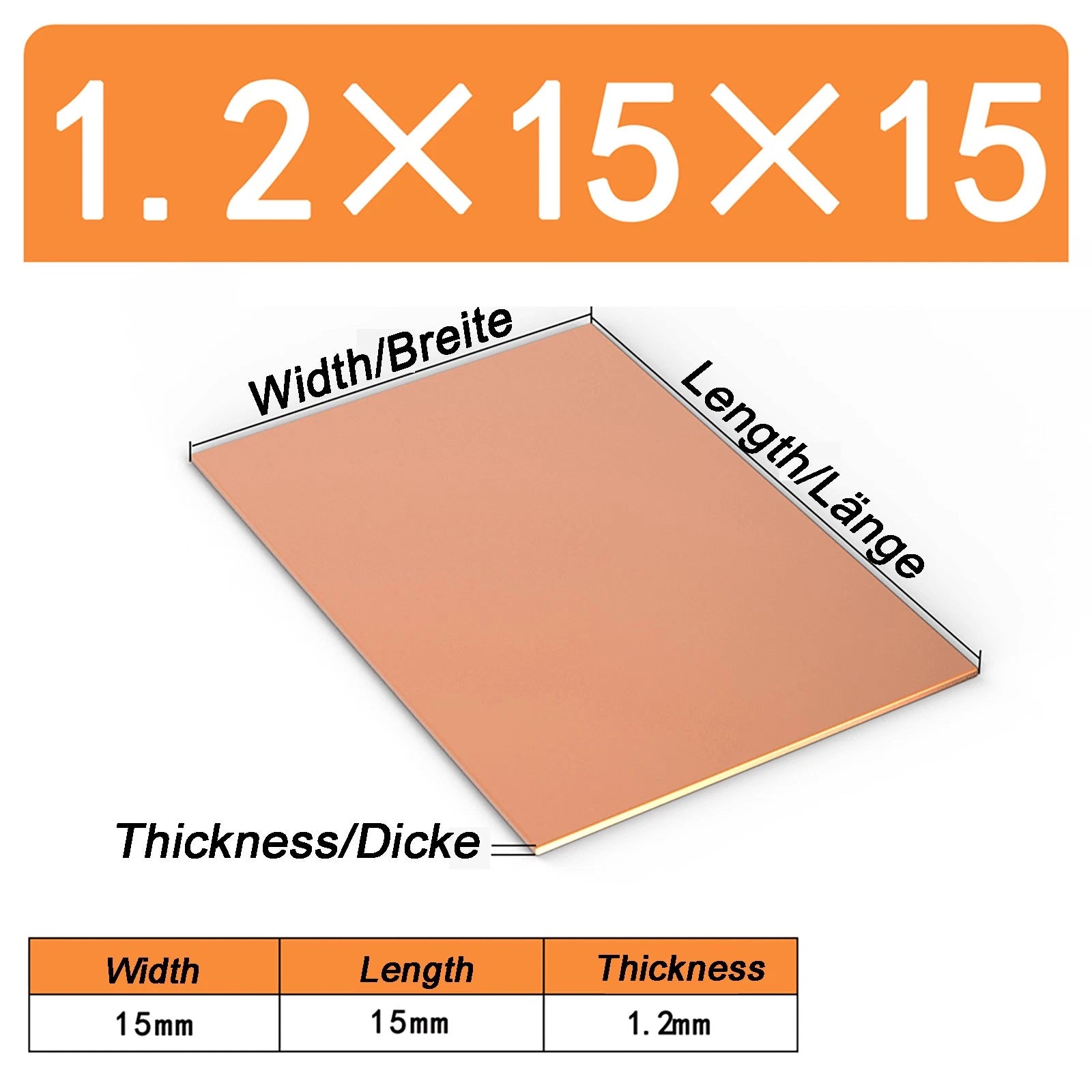
Each piece is made from natural (commercially pure) copper, offering excellent electrical and thermal conductivity. Thickness ranges from 0.3 mm (approx. 0.012 in) to 5.0 mm (approx. 0.197 in), and planar dimensions span from 10 × 10 mm (approx. 0.39 × 0.39 in) up to 200 × 200 mm (approx. 7.87 × 7.87 in), including a variety of rectangular formats. Select your exact size and pack quantity from the variant options above.
Typical use cases include copper sheet for DIY electronics shielding, copper blanks for jewelry and metalsmithing, heat-spreader shims for PC and industrial thermal management, roofing and flashing repair patches, and decorative copper panel art projects.
Sheared on a guillotine press for straight, consistent edges with minimal burring — ready for immediate use or further finishing.
Commercially pure copper delivers outstanding electrical conductivity, making these sheets ideal for grounding straps, bus bars, and EMI shielding applications.
Copper's thermal conductivity makes these blanks a go-to choice for CPU thermal shims, heat spreaders, and thermal interface applications in electronics and industrial equipment.
Thickness from 0.3 mm to 5.0 mm and planar sizes from 10 × 10 mm to 200 × 200 mm — covering small precision blanks through larger fabrication stock in one listing.
Uncoated natural copper surface that can be polished, patinated, lacquered, or left to develop a natural verdigris over time — versatile for both functional and decorative work.
Available in 1, 2, or 4-piece packs depending on the size selected, so you can order exactly what your project requires without excess waste.
| Material | Commercially pure copper (natural / uncoated) |
|---|---|
| Thickness Range | 0.3 mm – 5.0 mm (approx. 0.012 in – 0.197 in) |
| Planar Size Range | 10 × 10 mm to 200 × 200 mm (incl. rectangular formats up to 50 × 200 mm and 100 × 200 mm) |
| Cut Method | Guillotine shear cut |
| Surface Finish | Natural copper (uncoated, unpolished mill finish) |
| Pack Quantity | See variant options |
| Conductivity | Electrically and thermally conductive |
| Workability | Solderable, brazeable, formable, stampable, etchable |
| Weight | See variant options |
For delicate jewelry, etching, or thin shims, choose 0.3 mm – 0.5 mm. For general craft and decorative panels, 0.6 mm – 1.2 mm works well. For structural brackets, heat spreaders, or electrical bus bars requiring rigidity, select 1.5 mm – 3.0 mm. For heavy-duty fabrication or thick shims, 4.0 mm – 5.0 mm is appropriate. If in doubt, start with a thinner gauge — copper is easy to layer or stack.
These sheets are commercially pure copper (natural copper), not a brass or bronze alloy. This means they retain copper's characteristic reddish-orange color, high electrical conductivity, and excellent solderability. They are not pre-plated or coated.
Copper does not rust (rust is specific to iron-based metals). Over time, exposed copper oxidizes and develops a dark brown patina, and in humid or outdoor environments may eventually form a green verdigris (copper carbonate). This patina is stable and actually protects the underlying metal. To maintain a bright finish, apply a clear lacquer or wax after polishing.
Yes. Copper is one of the most solderable metals available. Use standard rosin-core or water-soluble flux with tin-lead or lead-free solder for electronics work. For plumbing or structural joints, silver brazing or copper brazing rods with appropriate flux are suitable. Clean the surface with fine abrasive or flux before soldering for best results.
Copper can be CNC milled and routed, though its softness and tendency to gum up tooling means sharp carbide tools and appropriate feeds/speeds are recommended. Laser cutting copper is challenging due to its high reflectivity; fiber lasers with sufficient power can cut thinner gauges. For most DIY applications, hand shears, tin snips, or a guillotine shear are the most practical cutting methods.
Measure your target part or application area and add a small margin for trimming. Square formats (e.g., 50 × 50 mm, 100 × 100 mm) suit symmetrical parts and shims. Rectangular formats (e.g., 50 × 100 mm, 100 × 200 mm) are useful for strips, bus bars, or elongated panels. If you need a custom shape, order the next size up and cut to fit with shears or a nibbler.
Pack quantity varies by size — smaller sizes are available in 4-piece packs, mid-range sizes in 2-piece packs, and larger sizes as single pieces. If you need multiples of a larger size, simply increase the cart quantity. For prototyping, a single piece is often sufficient; for production runs or projects requiring matched pairs, order the multi-piece pack.





