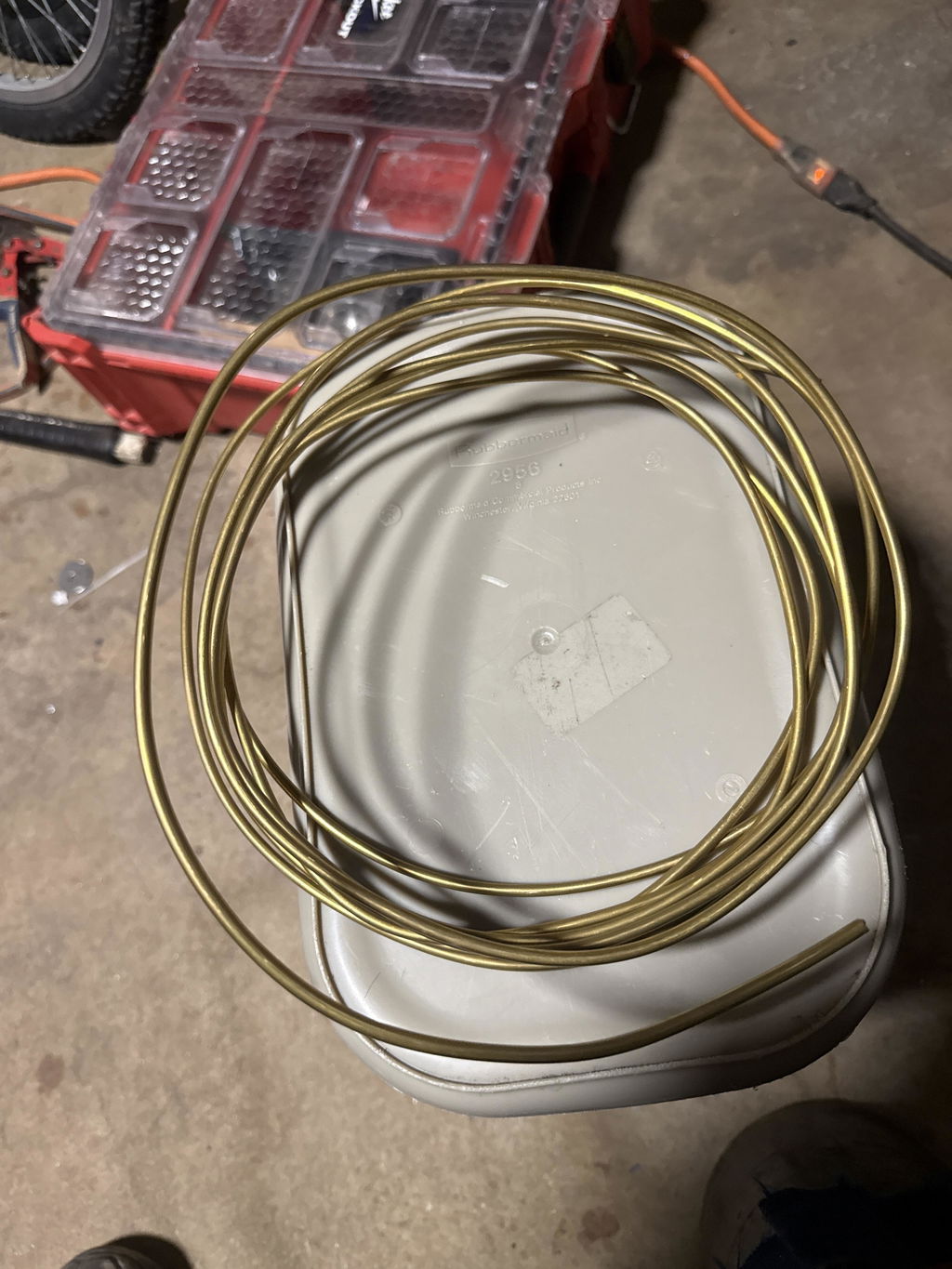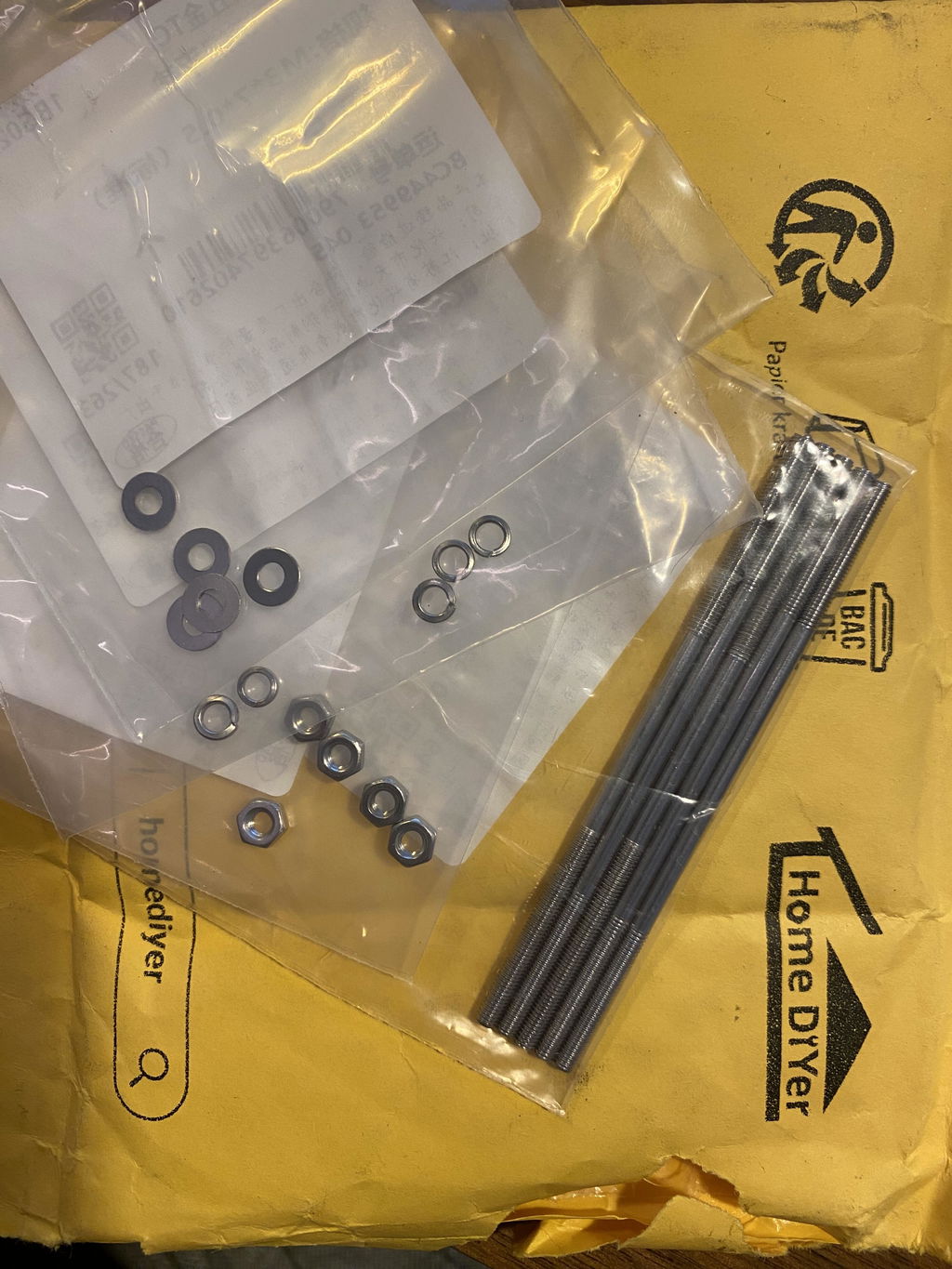
The chain is fine...but I ordered the wrong size. Nine links of the chain I ordered equals six of the size I wanted. My error...
How can I straighten out the springs? I can't use them coil uo as is.
Your payment information is processed securely. We do not store credit card details nor have access to your credit card information.
Get fitment advice & recommendations
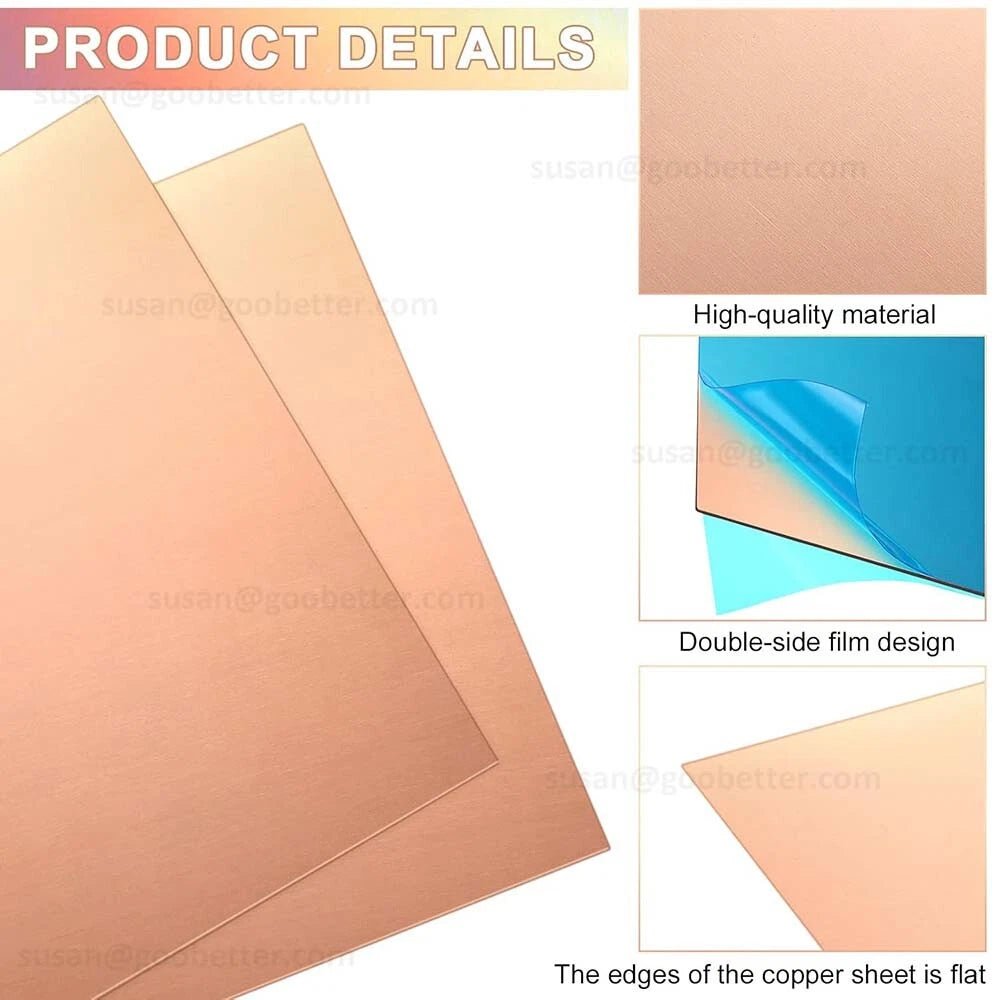
When your project demands a material that conducts electricity, transfers heat, and ages into a distinctive patina, finding the right copper sheet in the exact size you need can be a frustrating hunt. Whether you are a hobbyist maker, a small workshop fabricator, or an electronics enthusiast, sourcing correctly sized copper stock without paying for oversized offcuts wastes both money and time. These guillotine-cut copper sheets are stocked in a wide range of thicknesses and dimensions specifically to solve that problem.
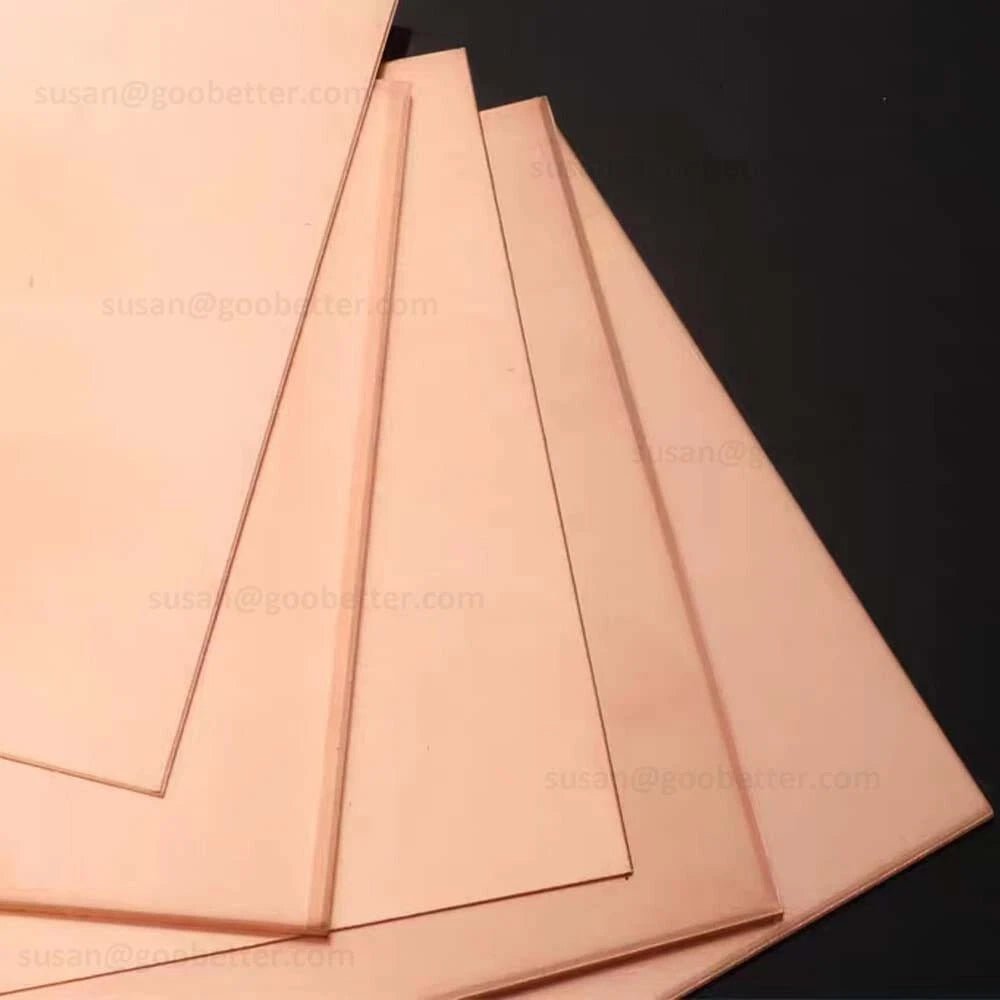
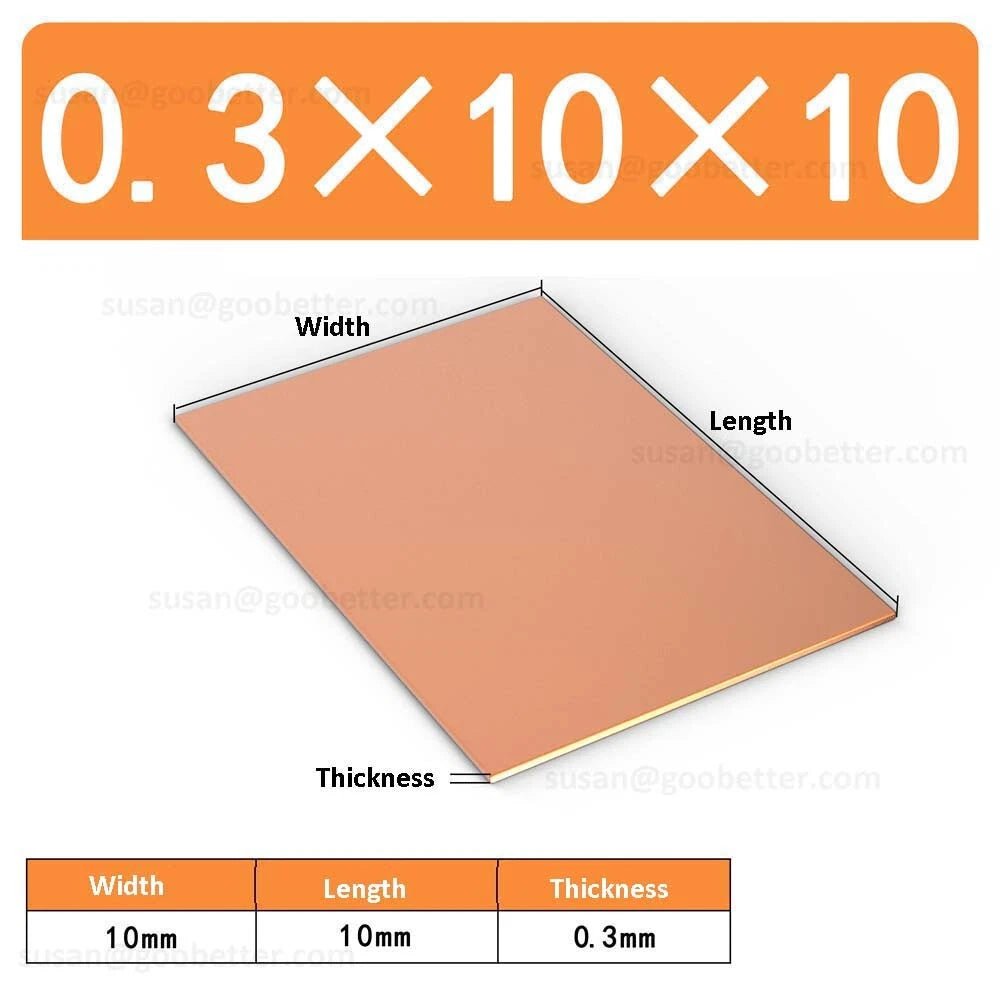
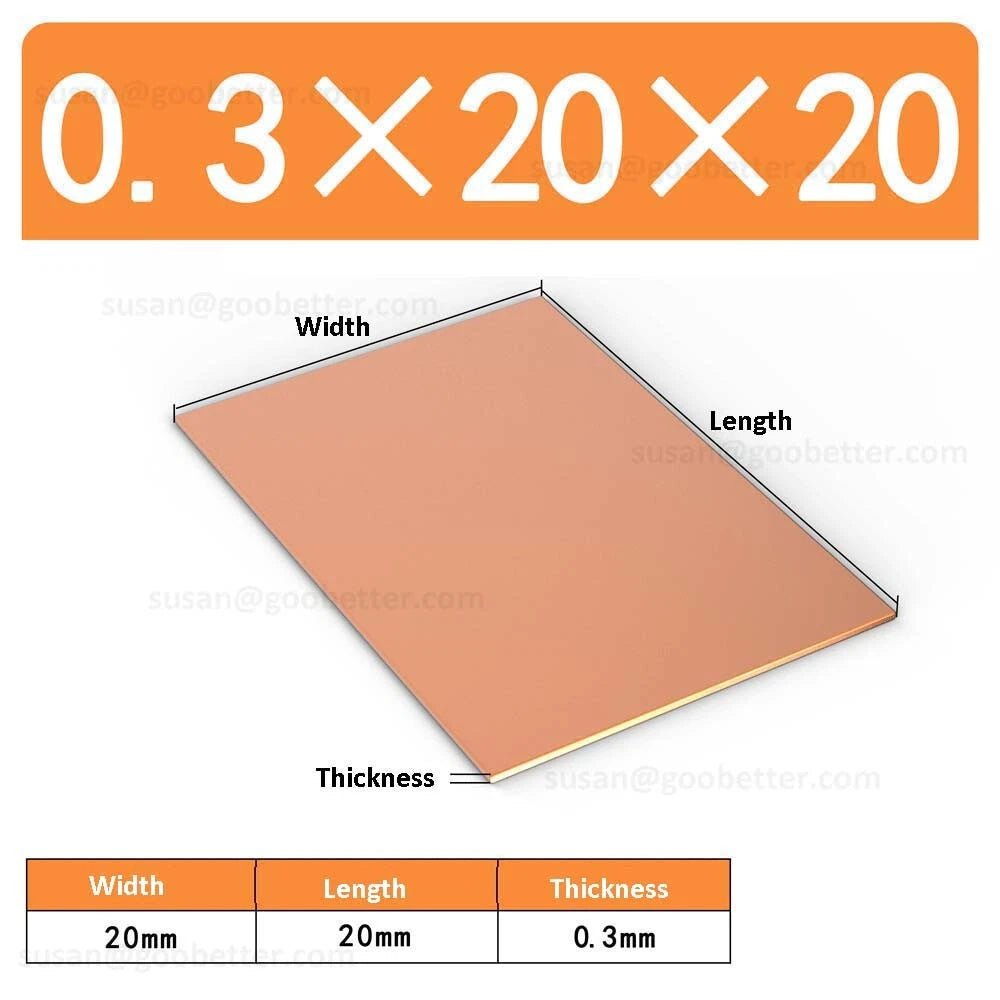
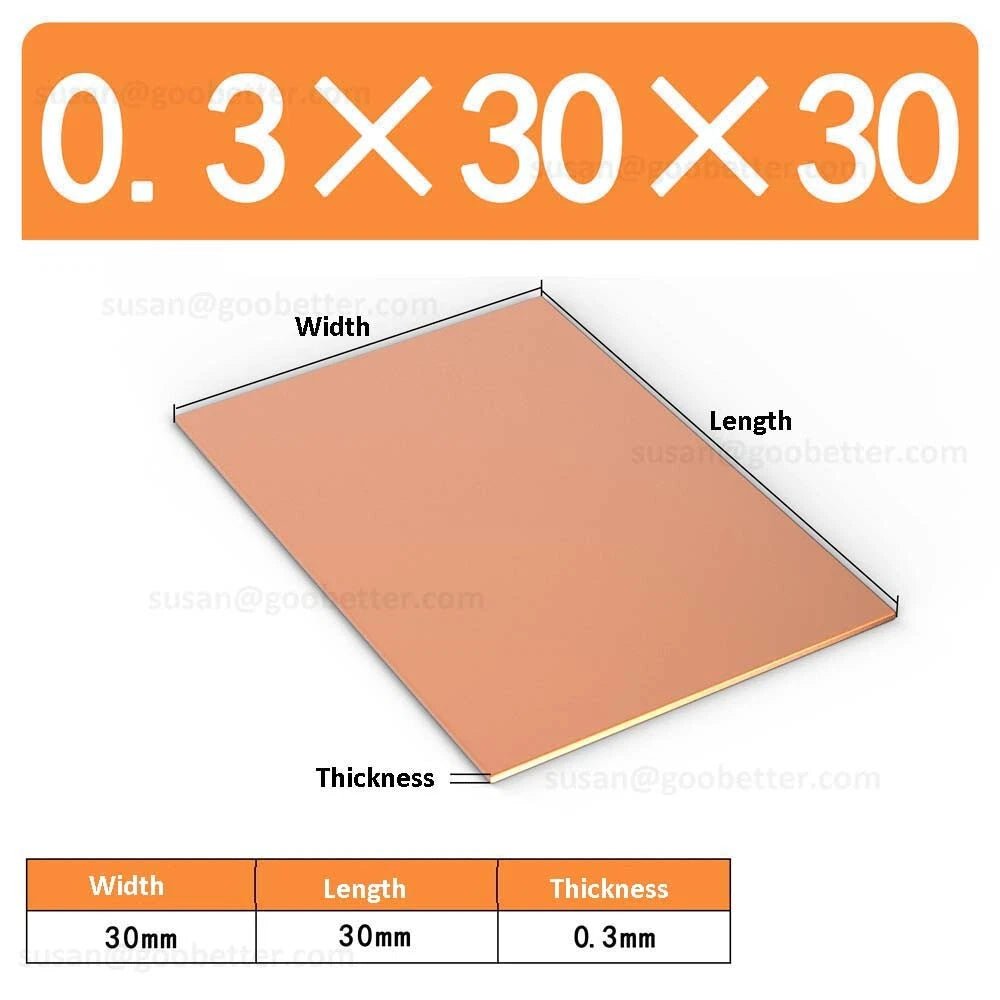
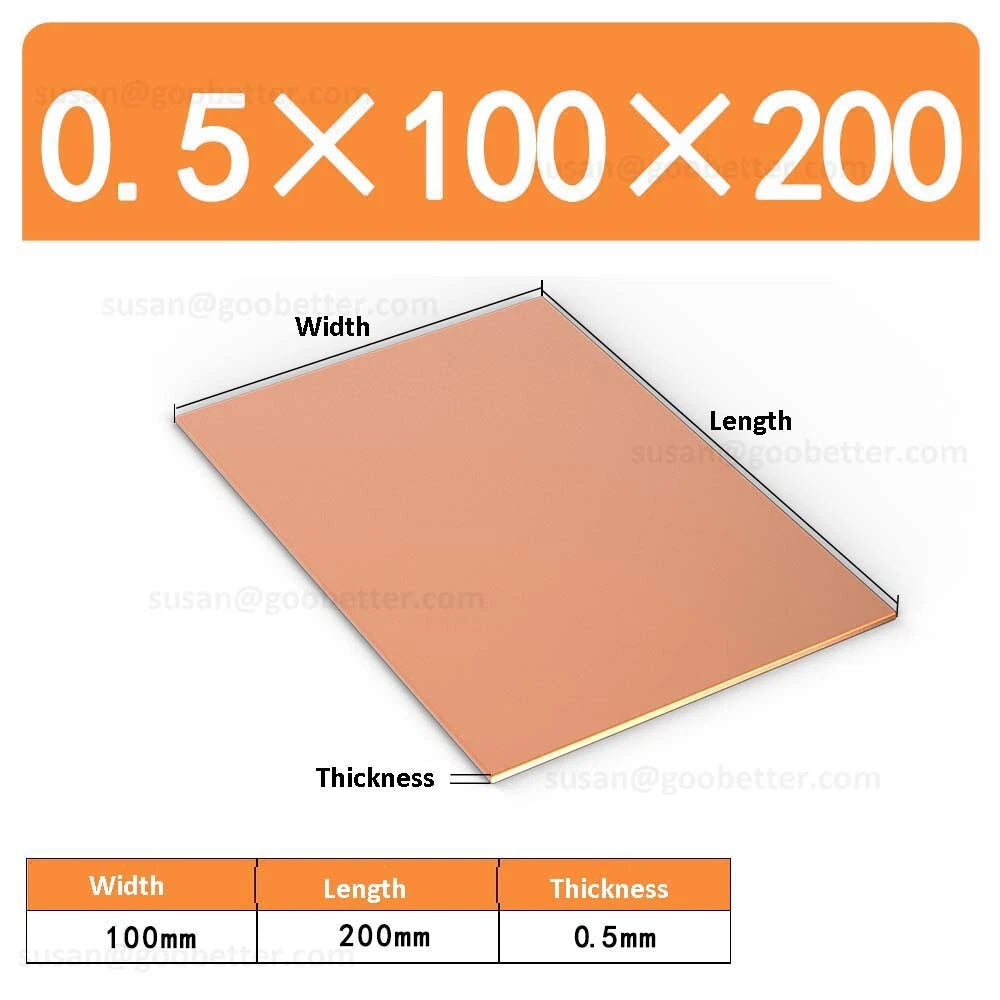
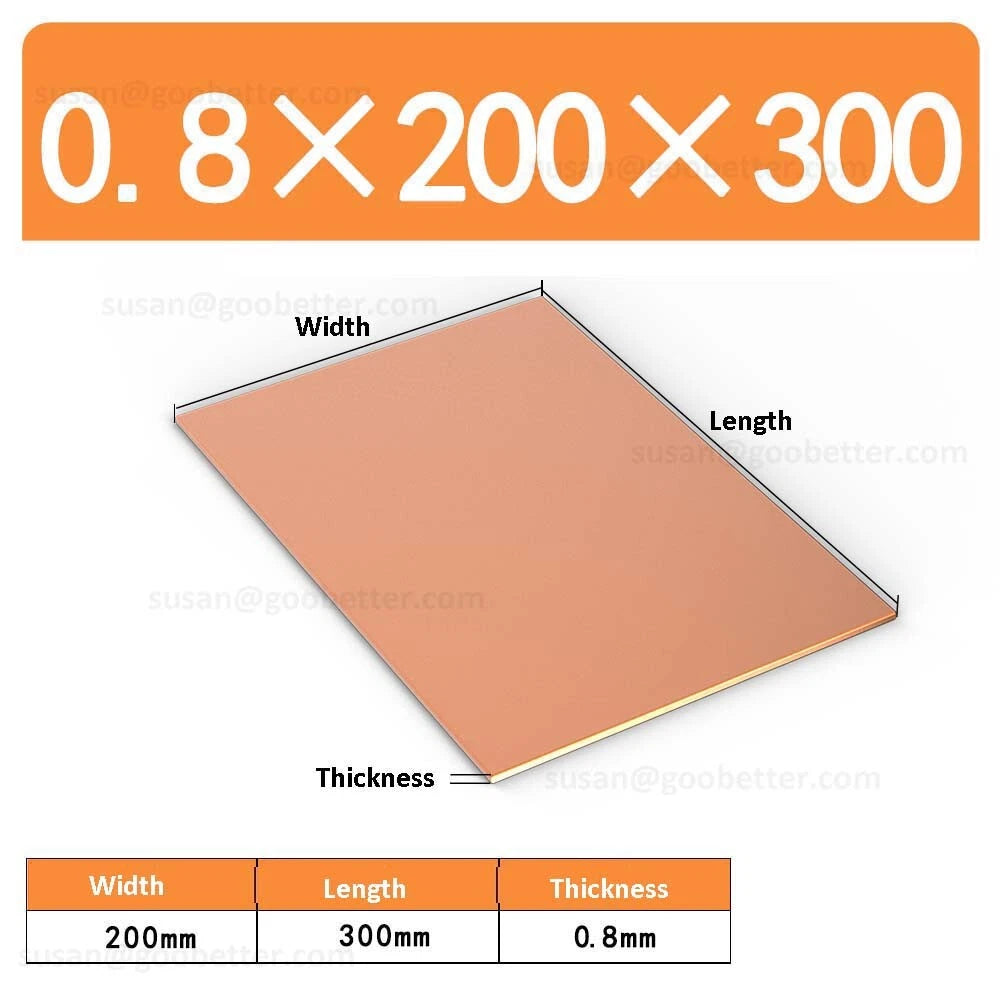
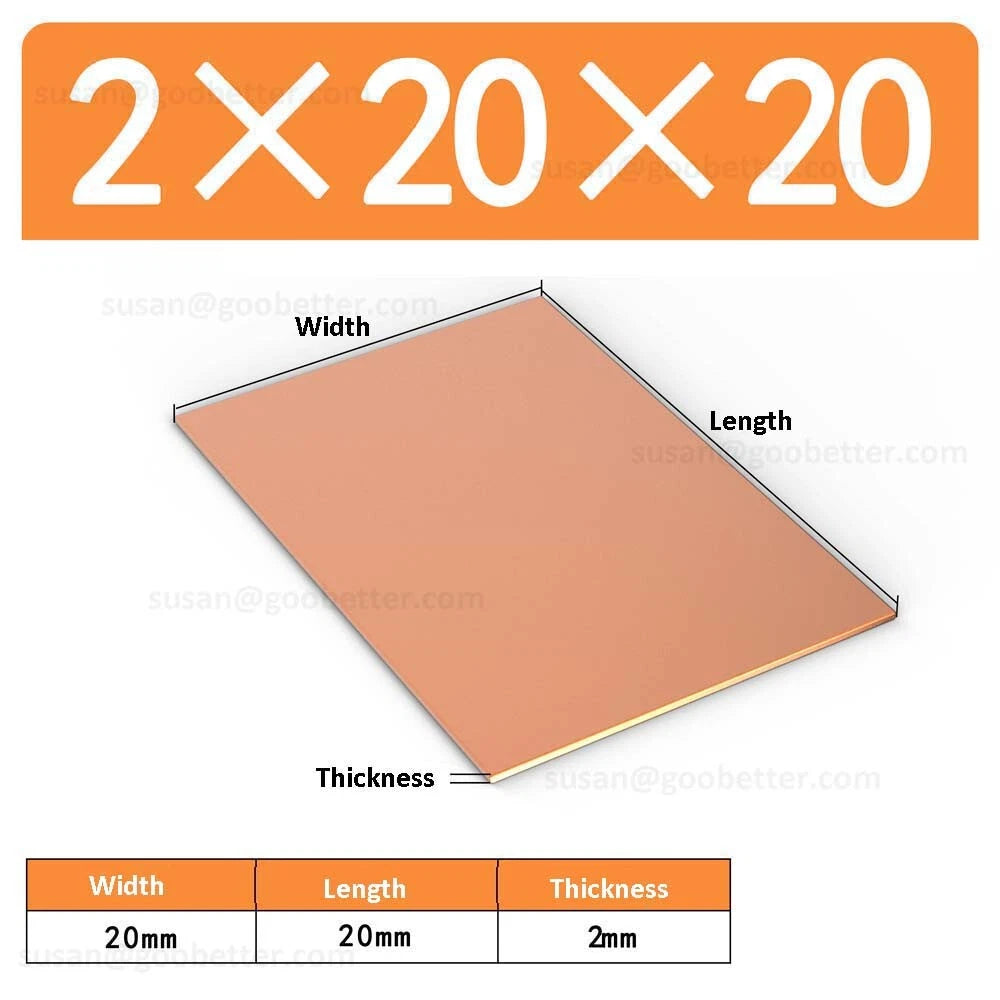
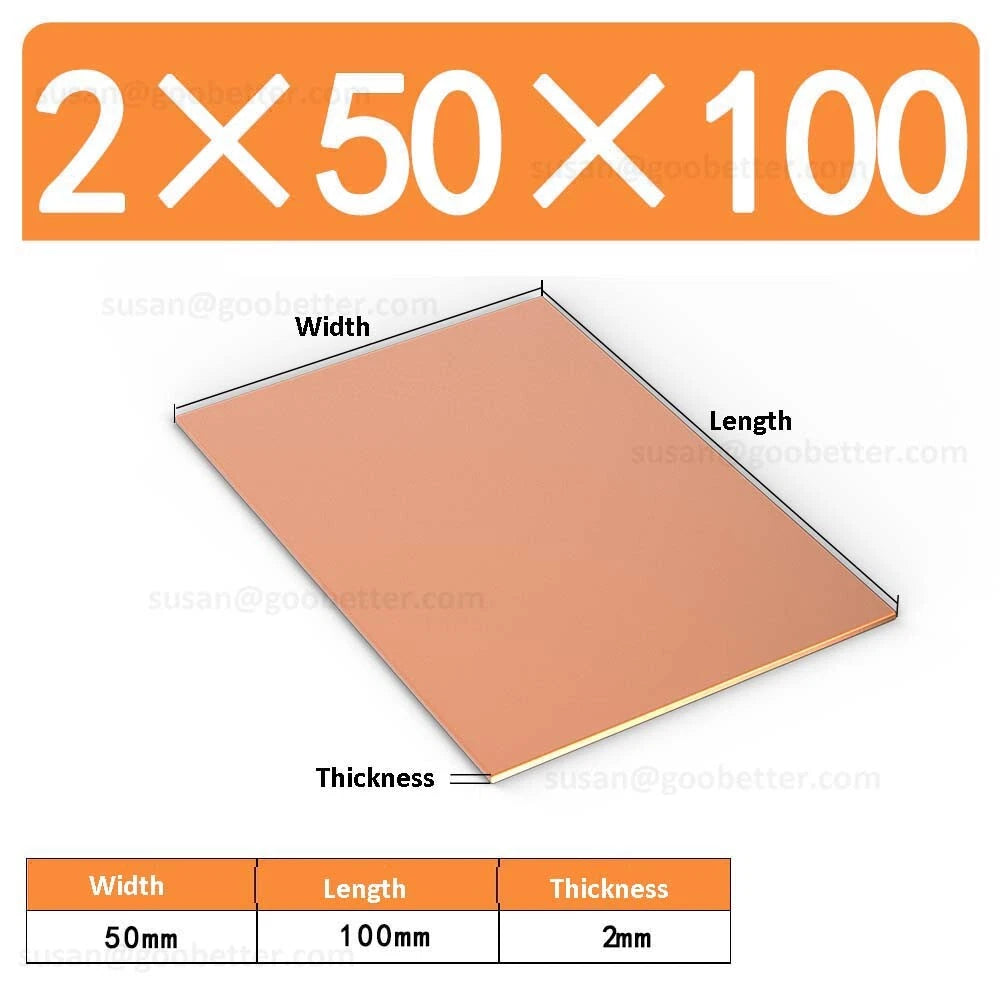
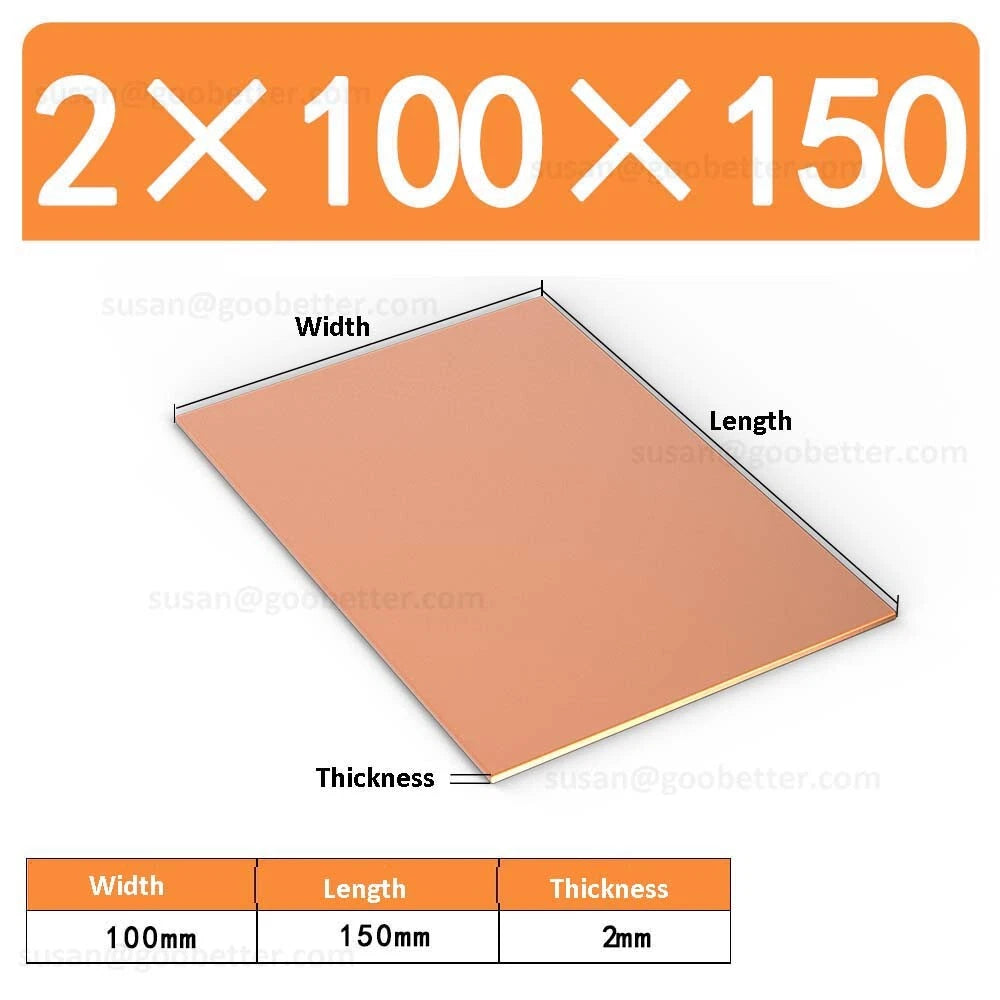
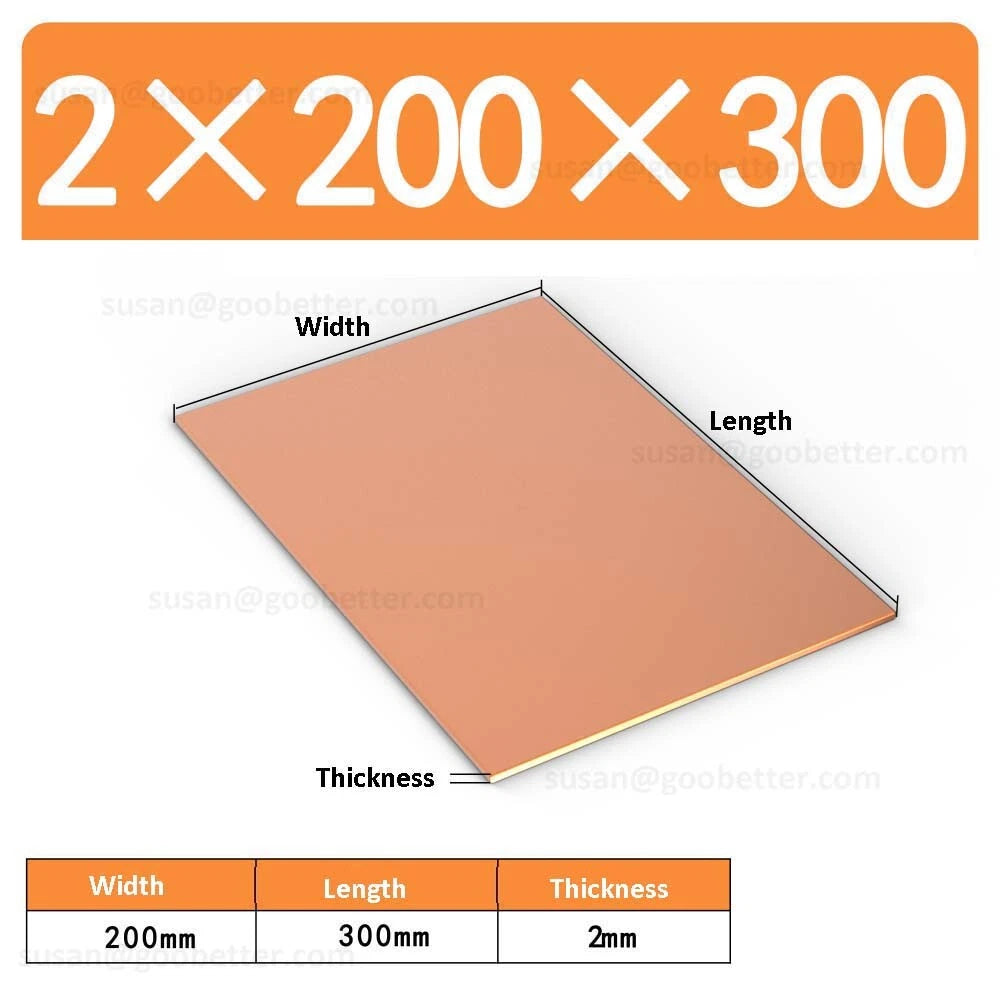
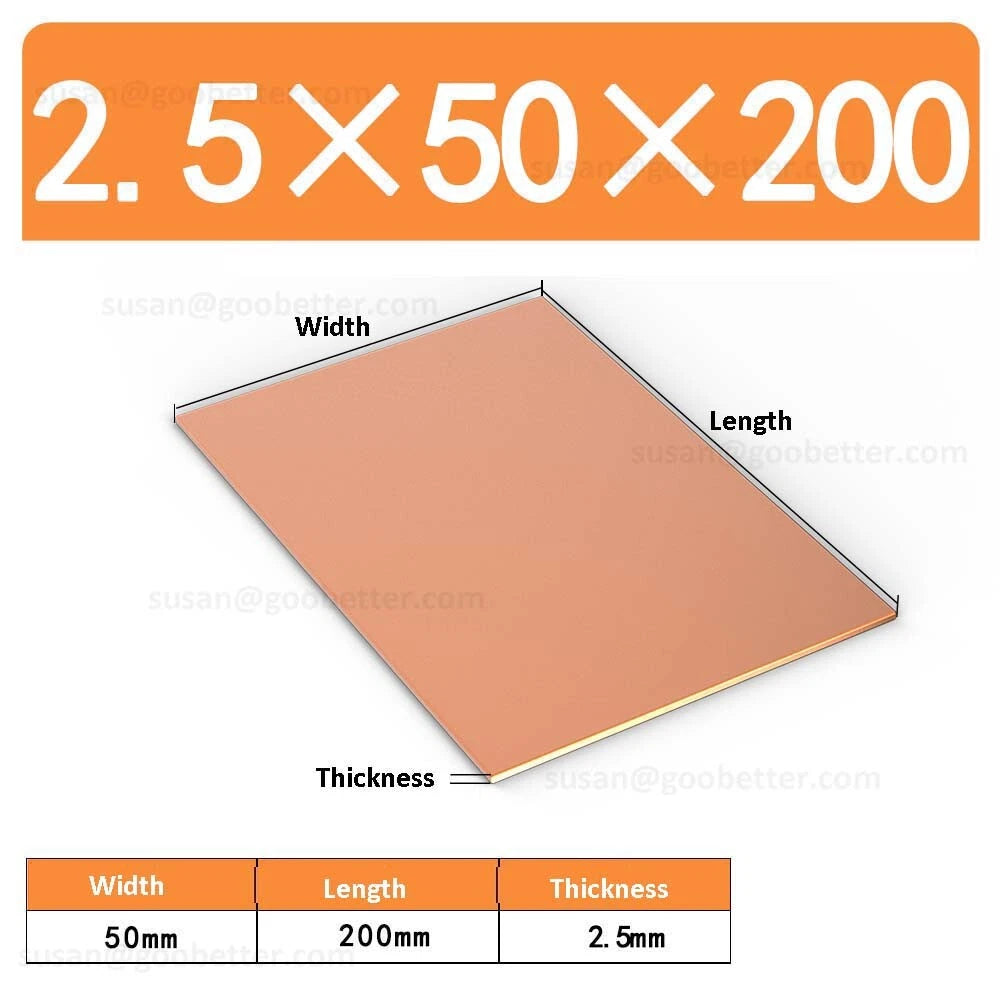
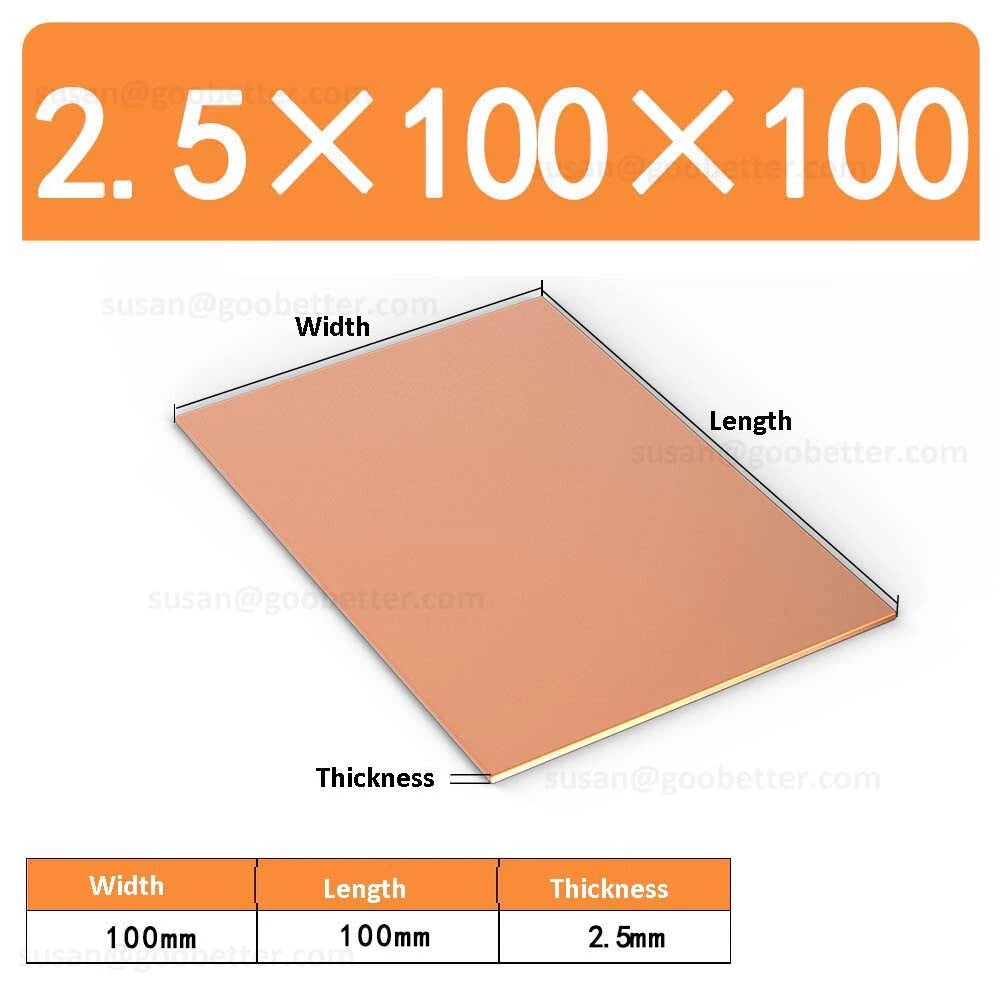
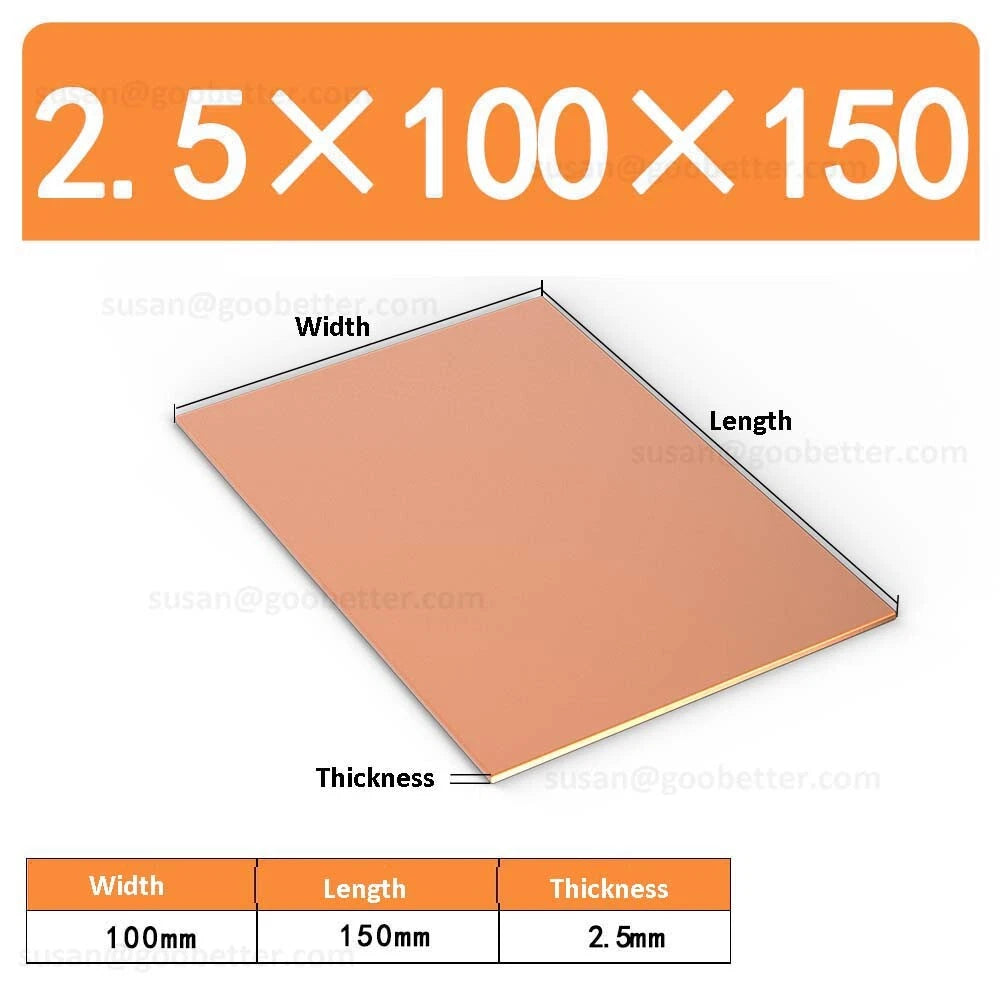
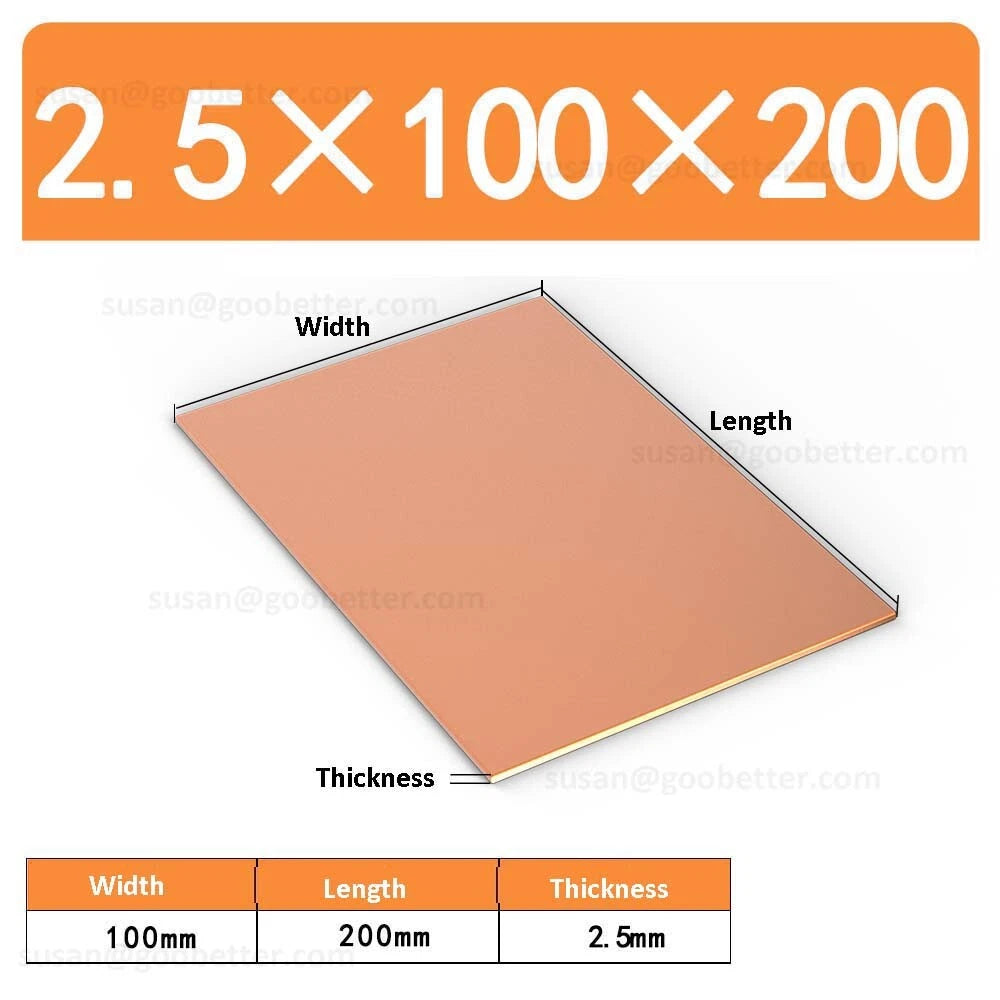
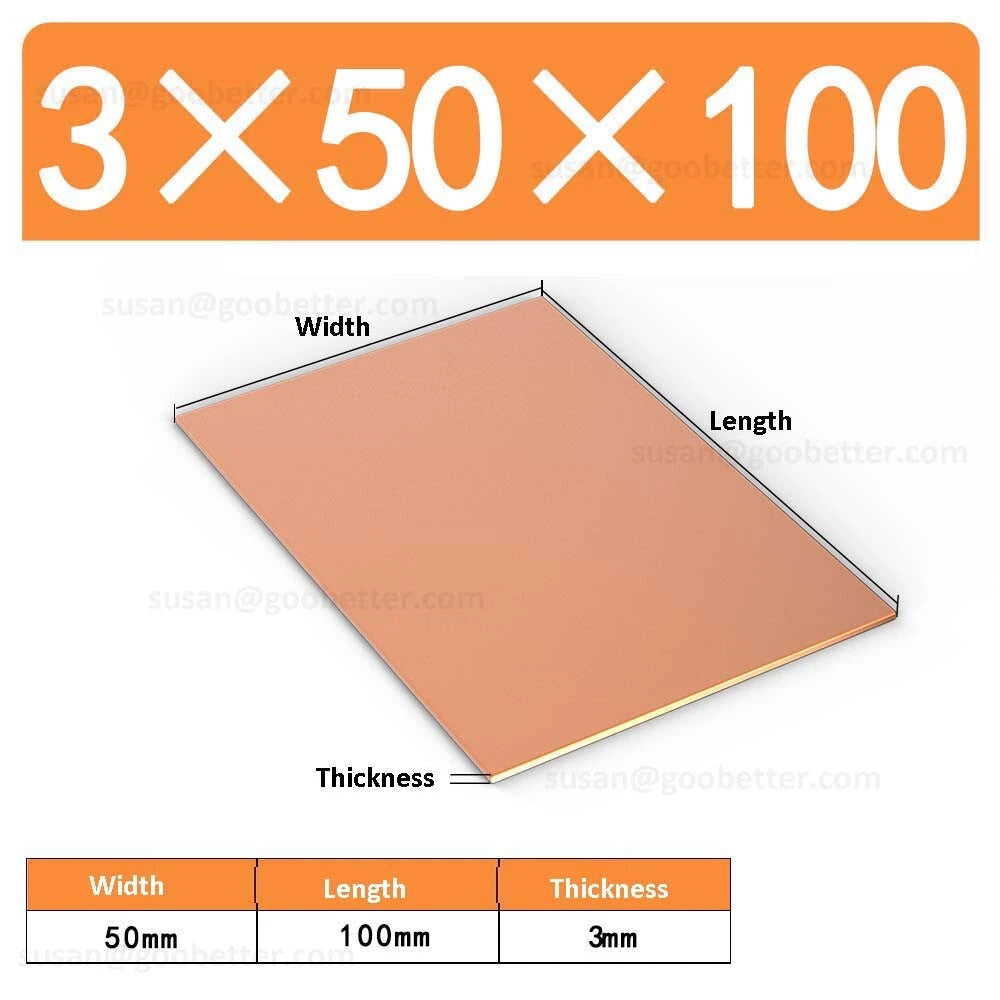
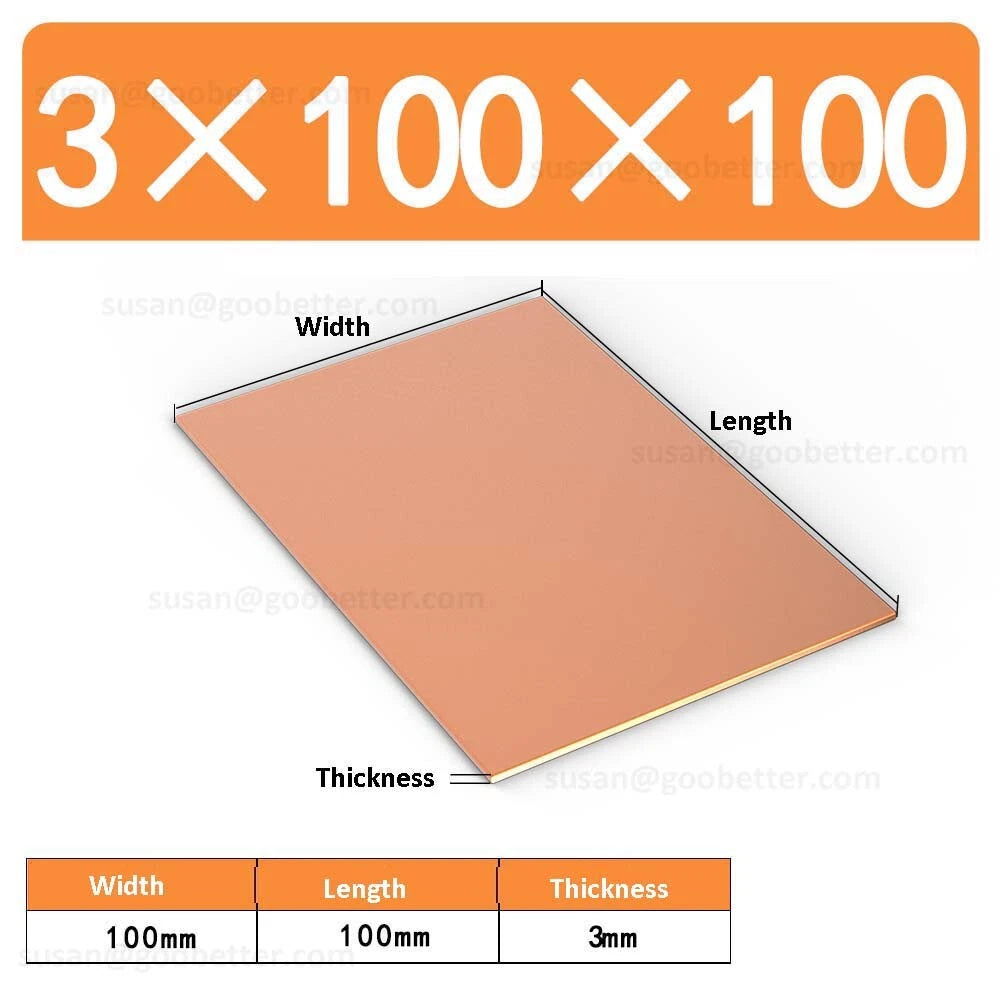
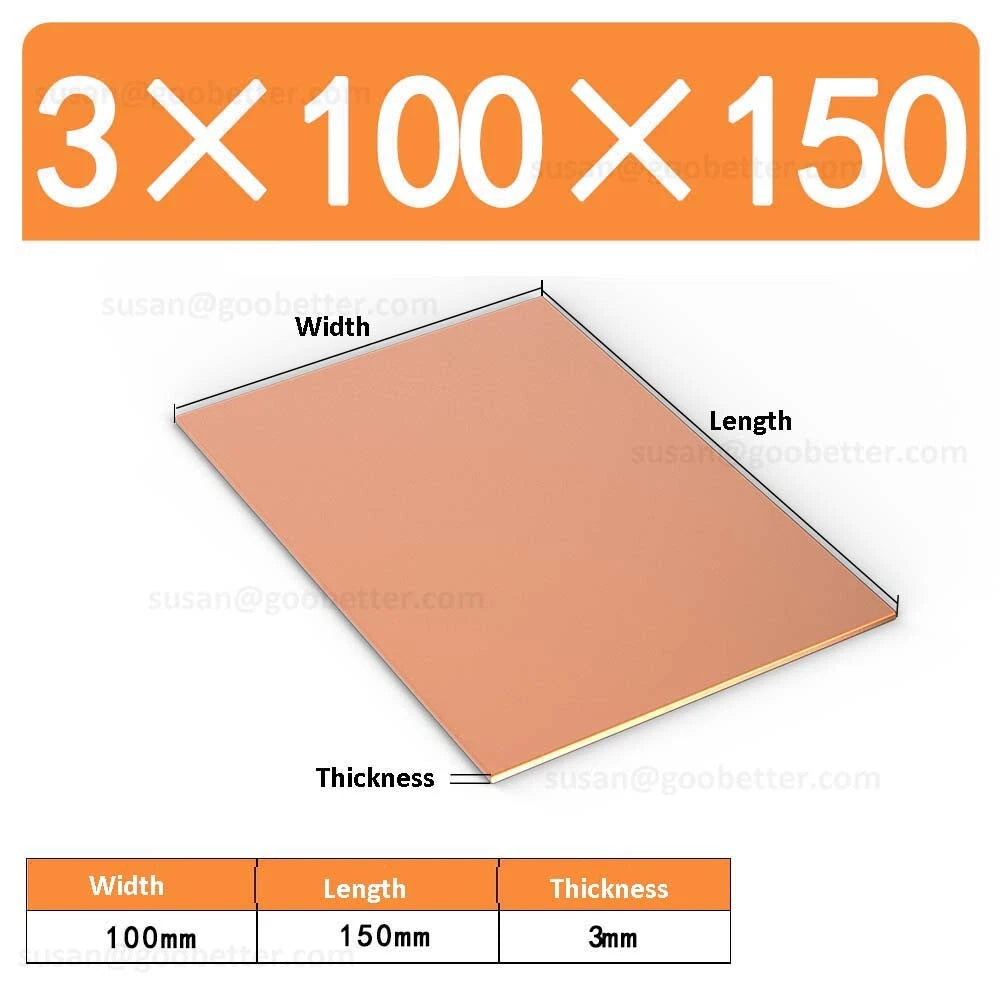
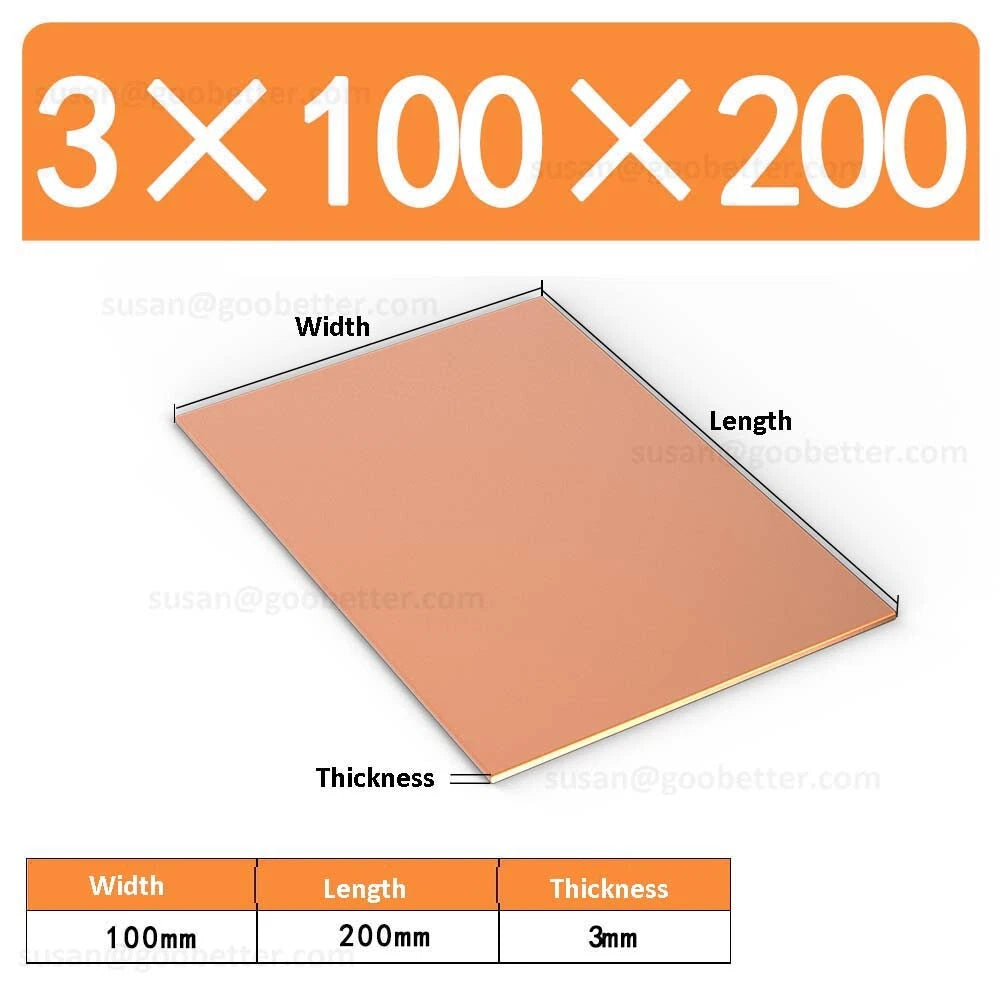
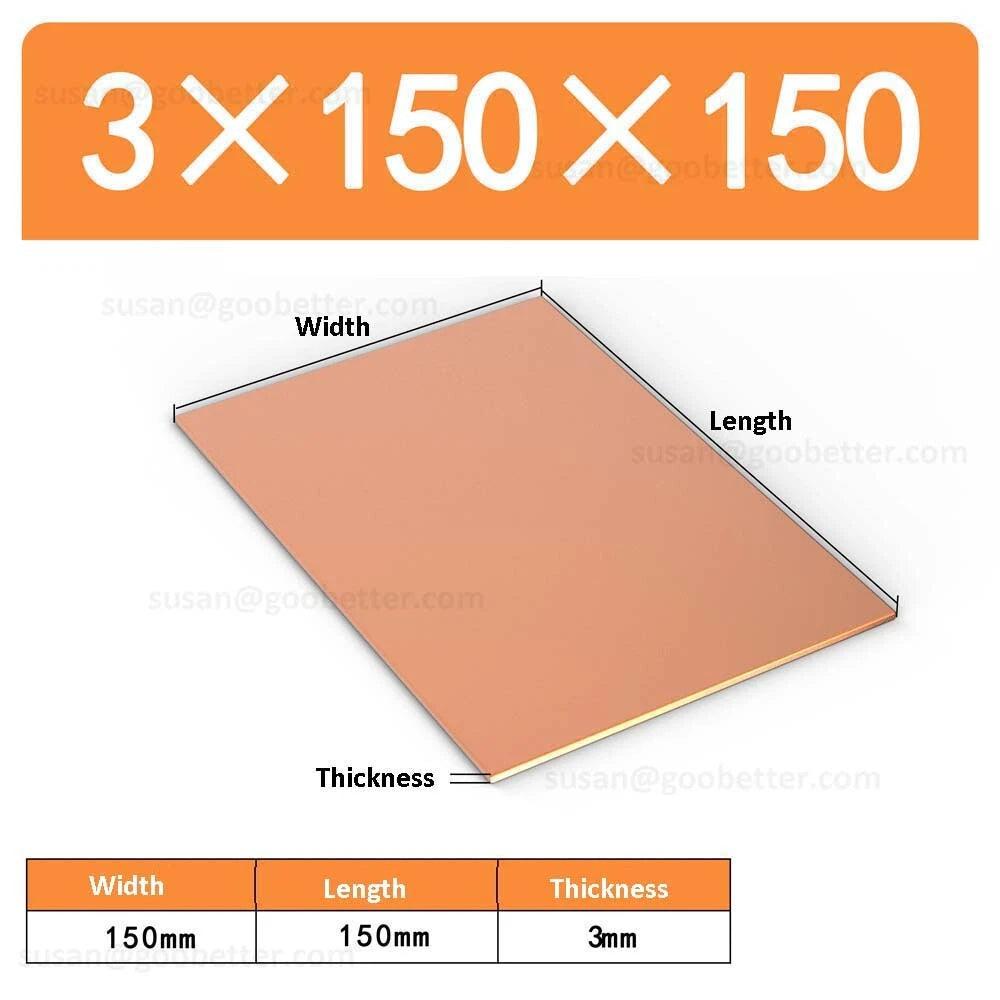
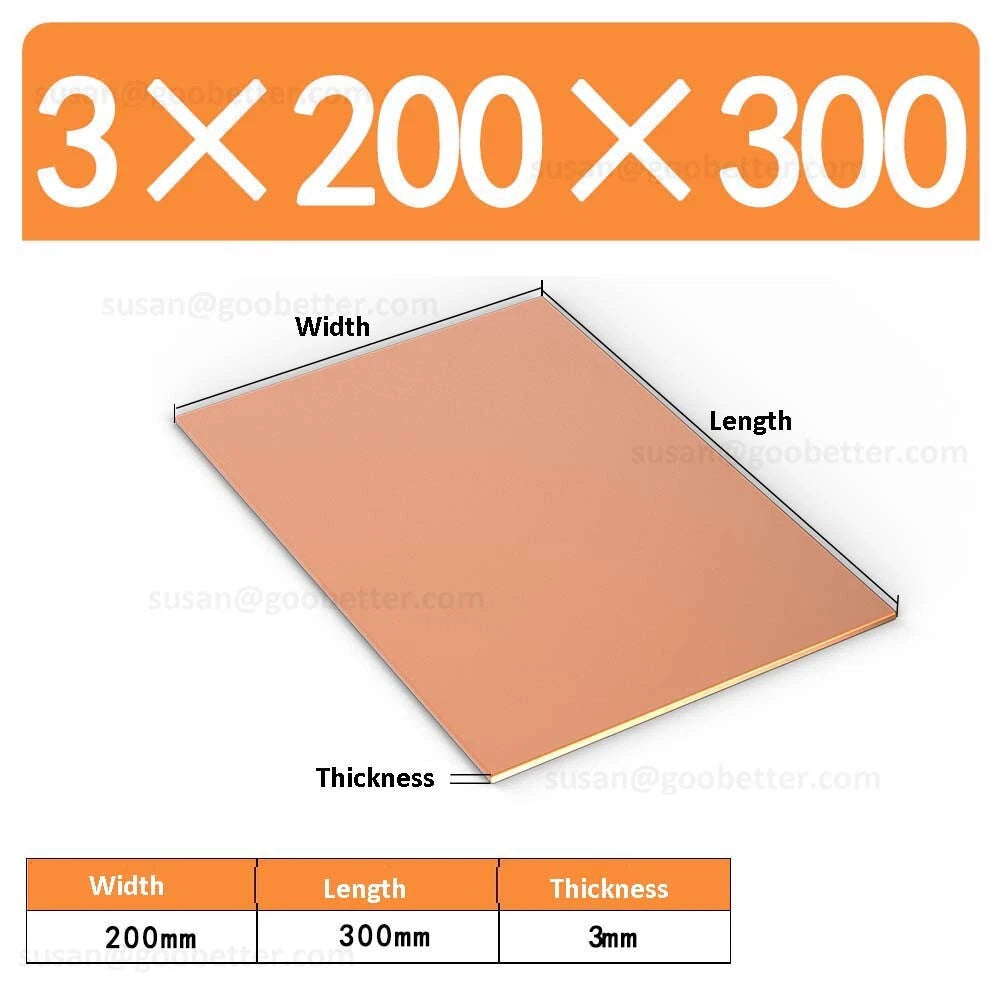
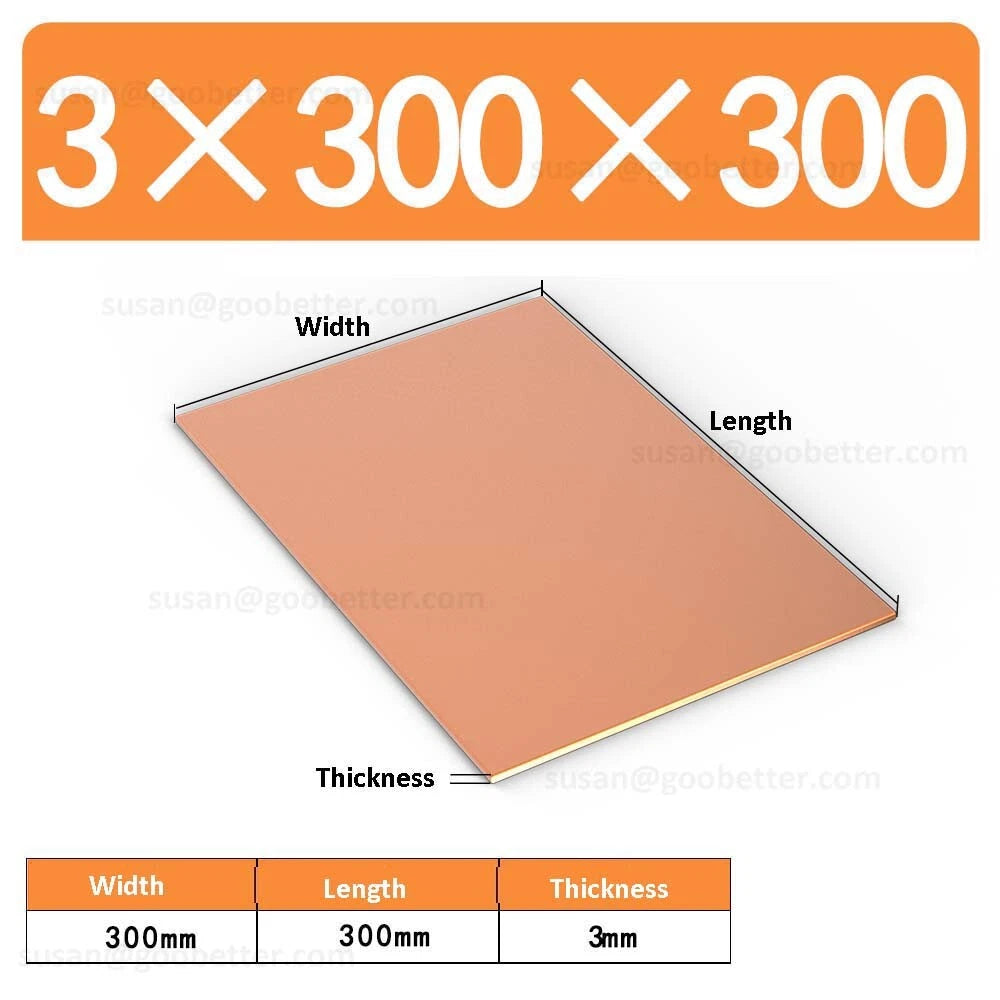
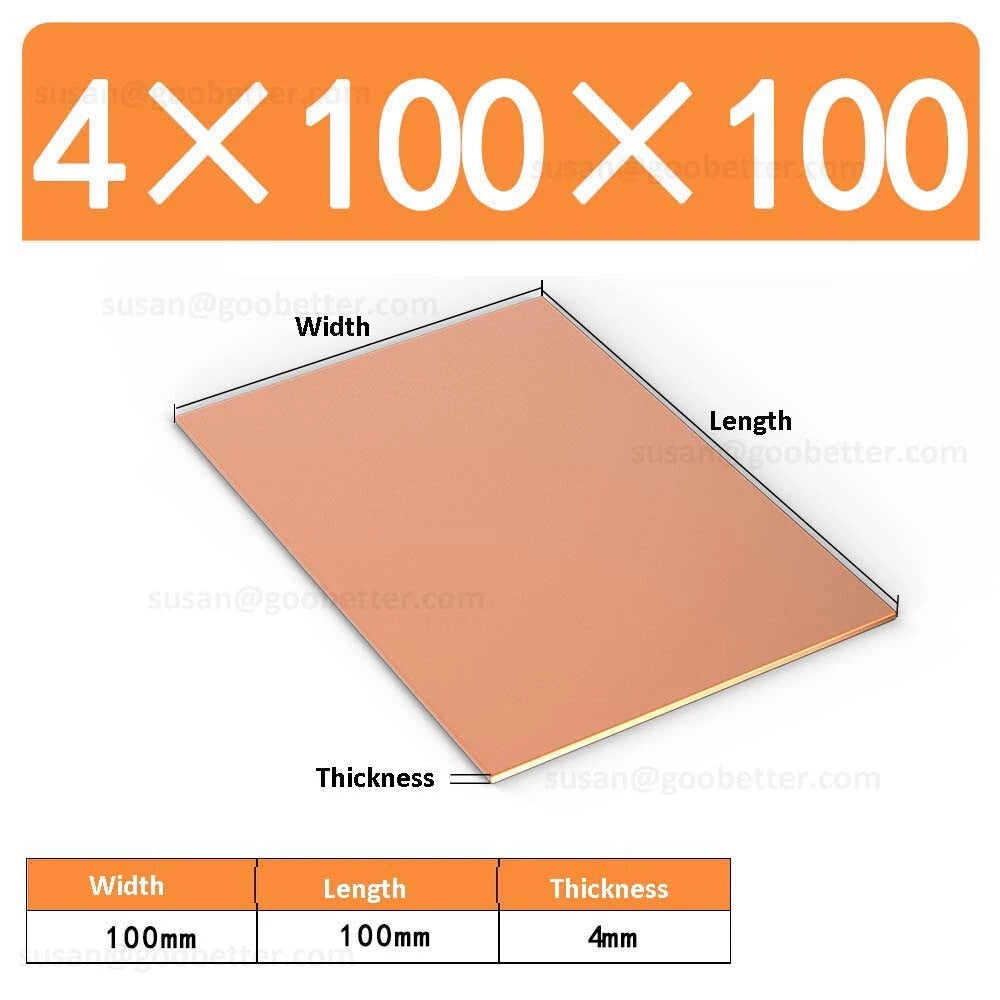
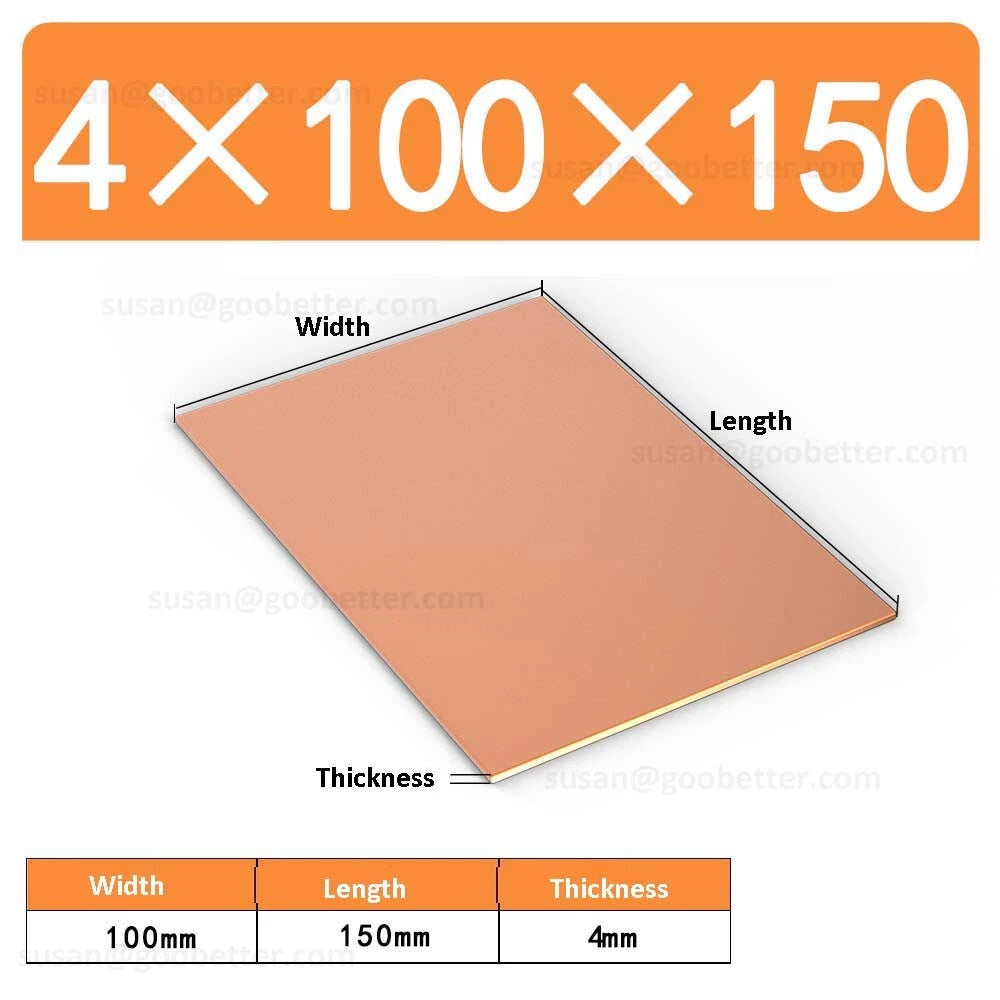
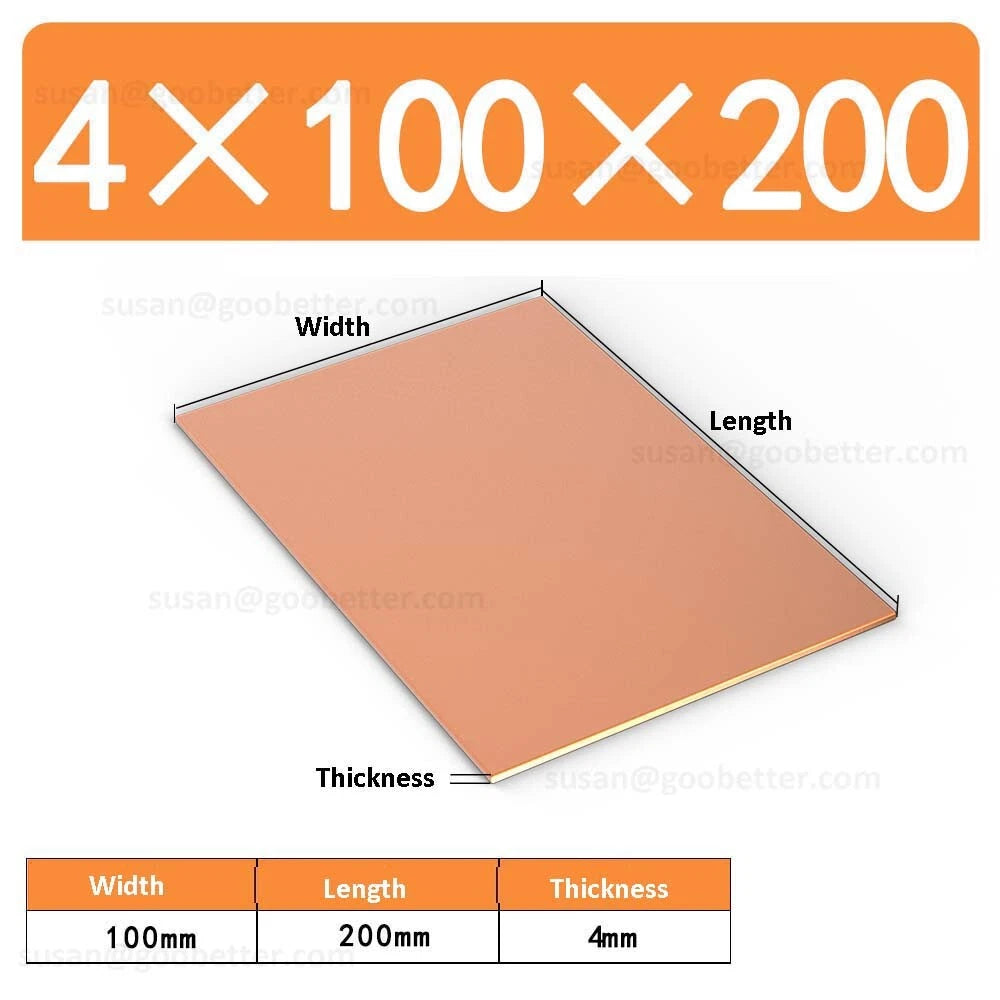
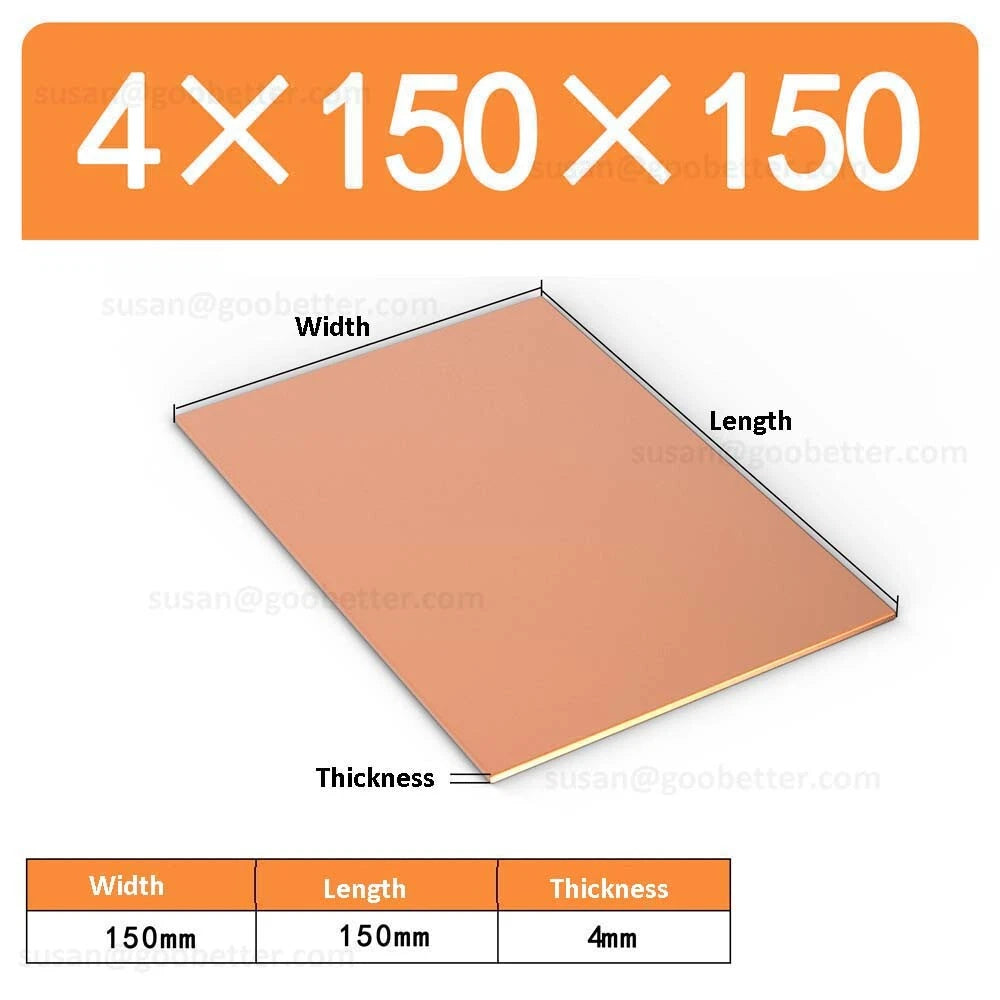
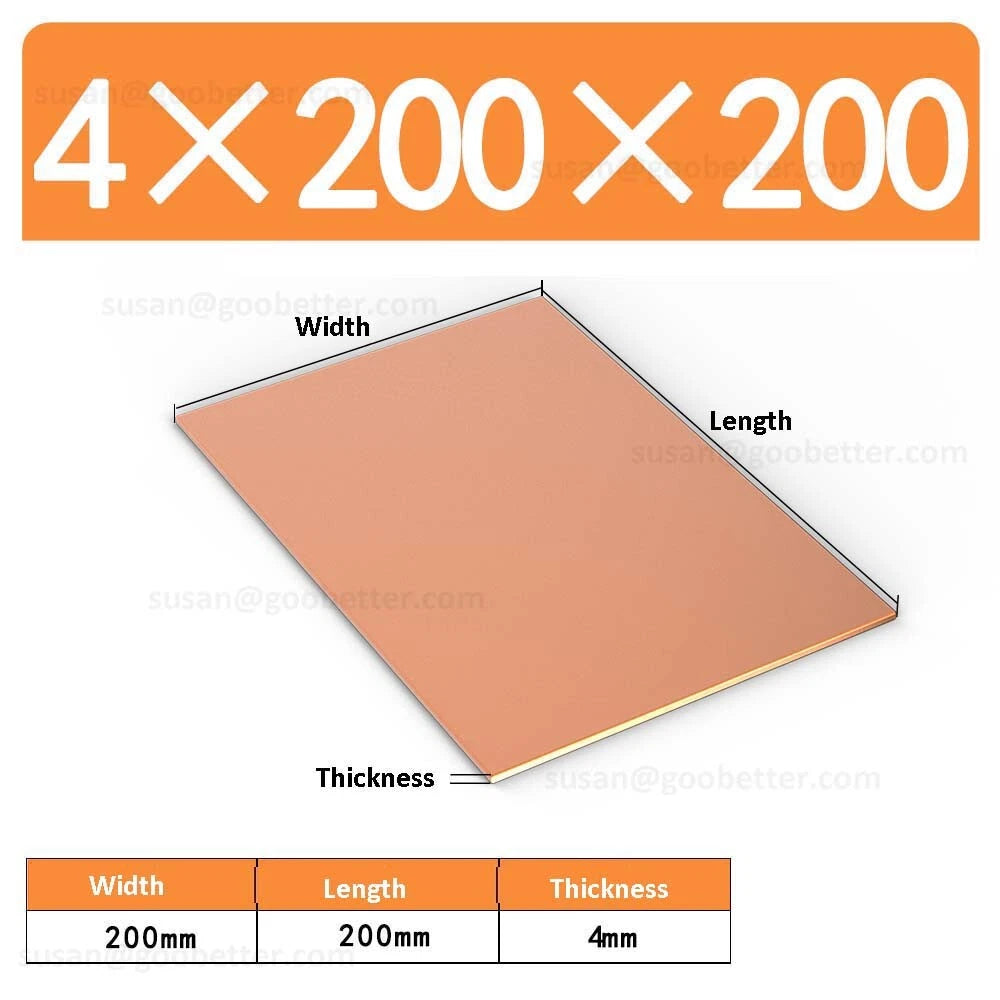
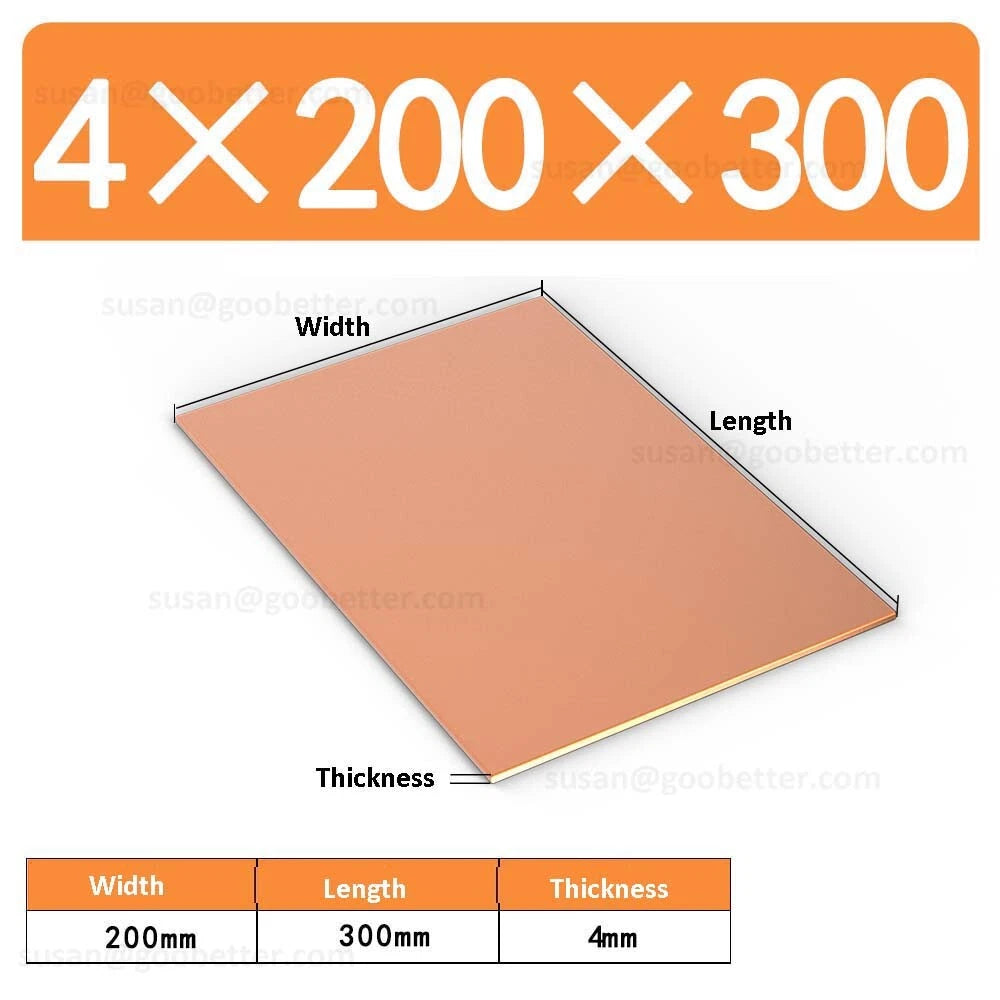
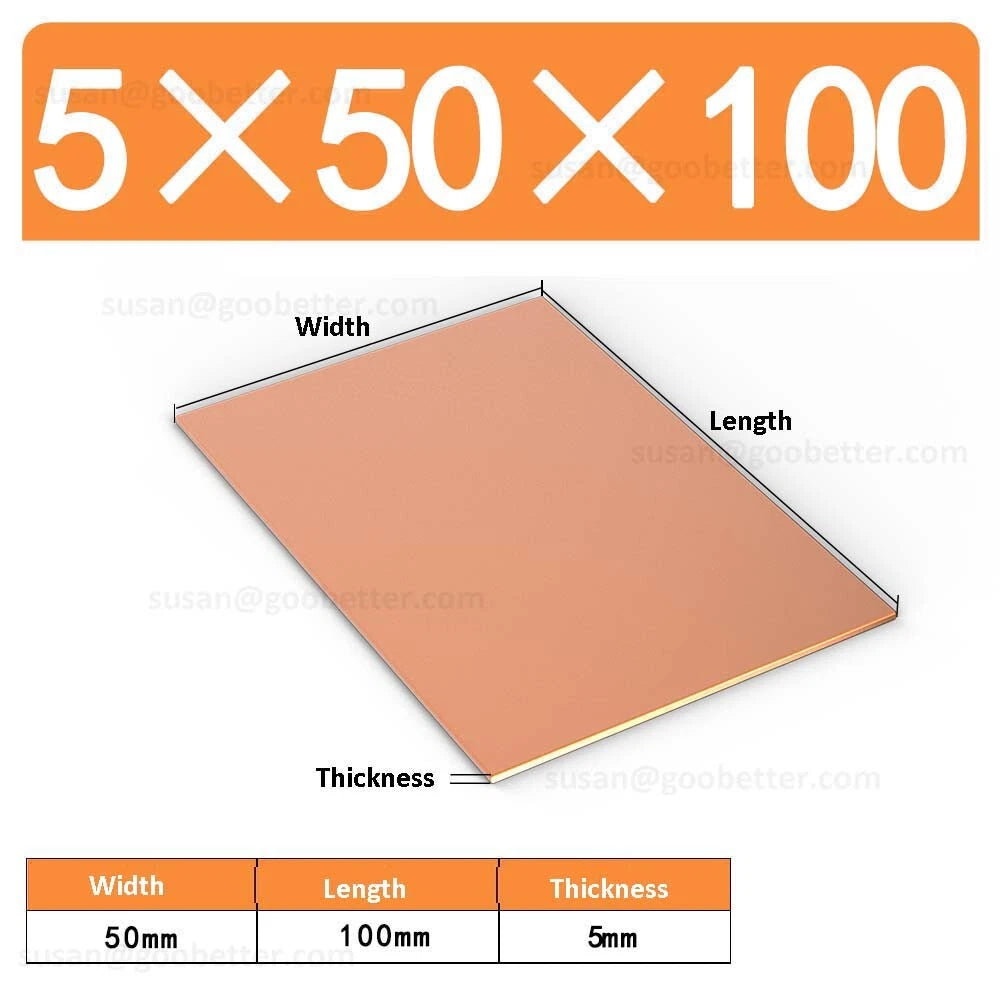
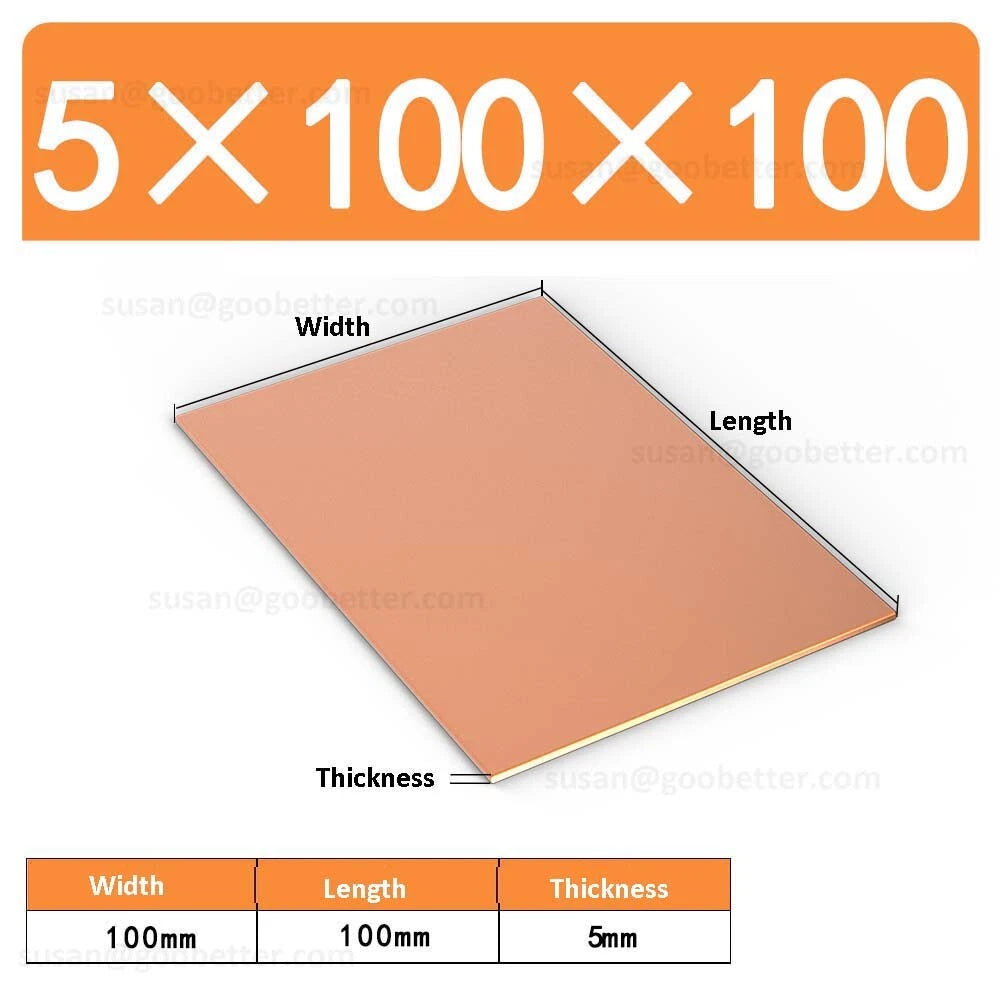
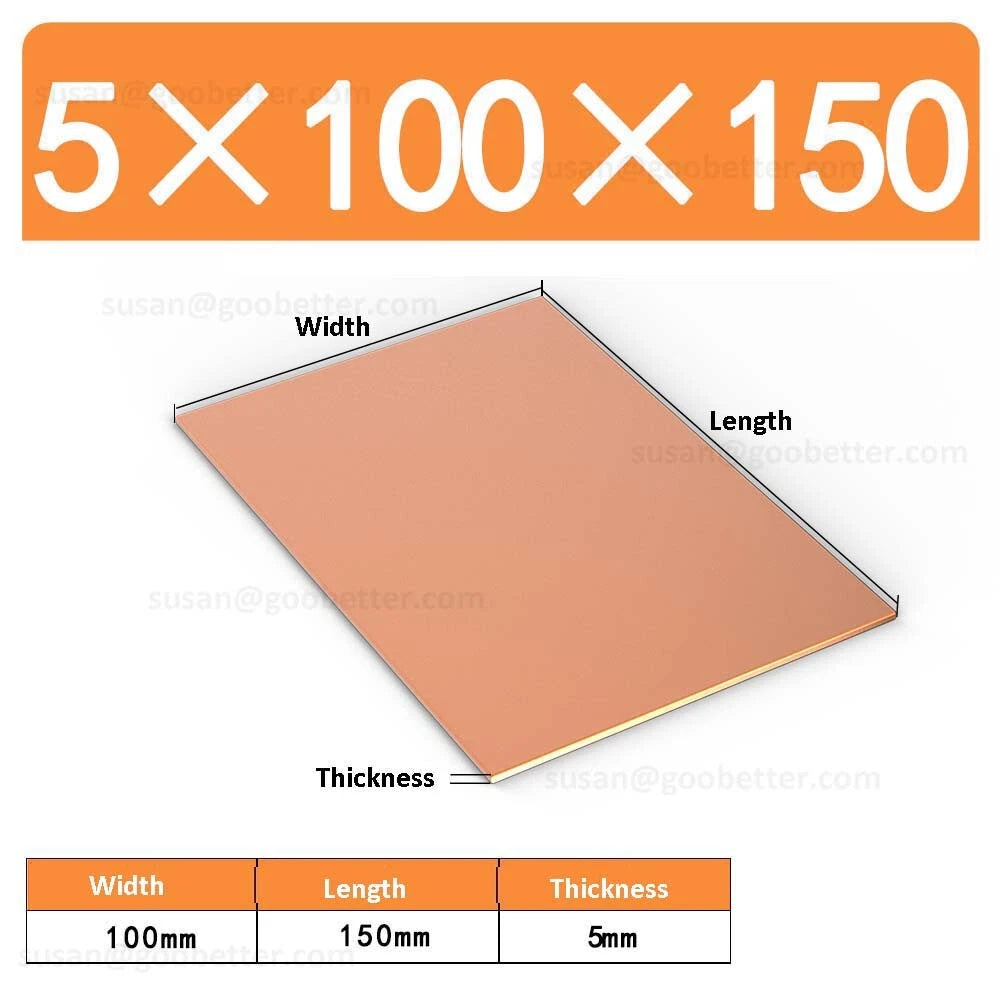
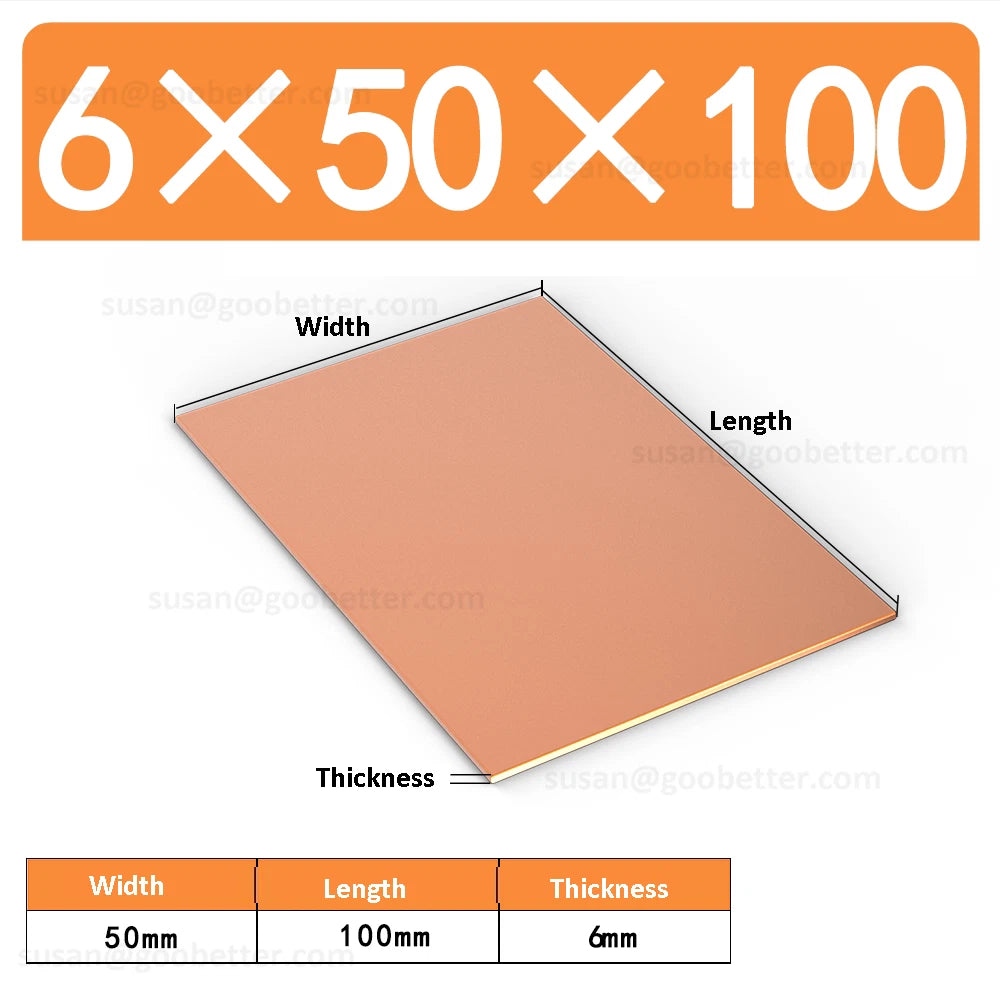
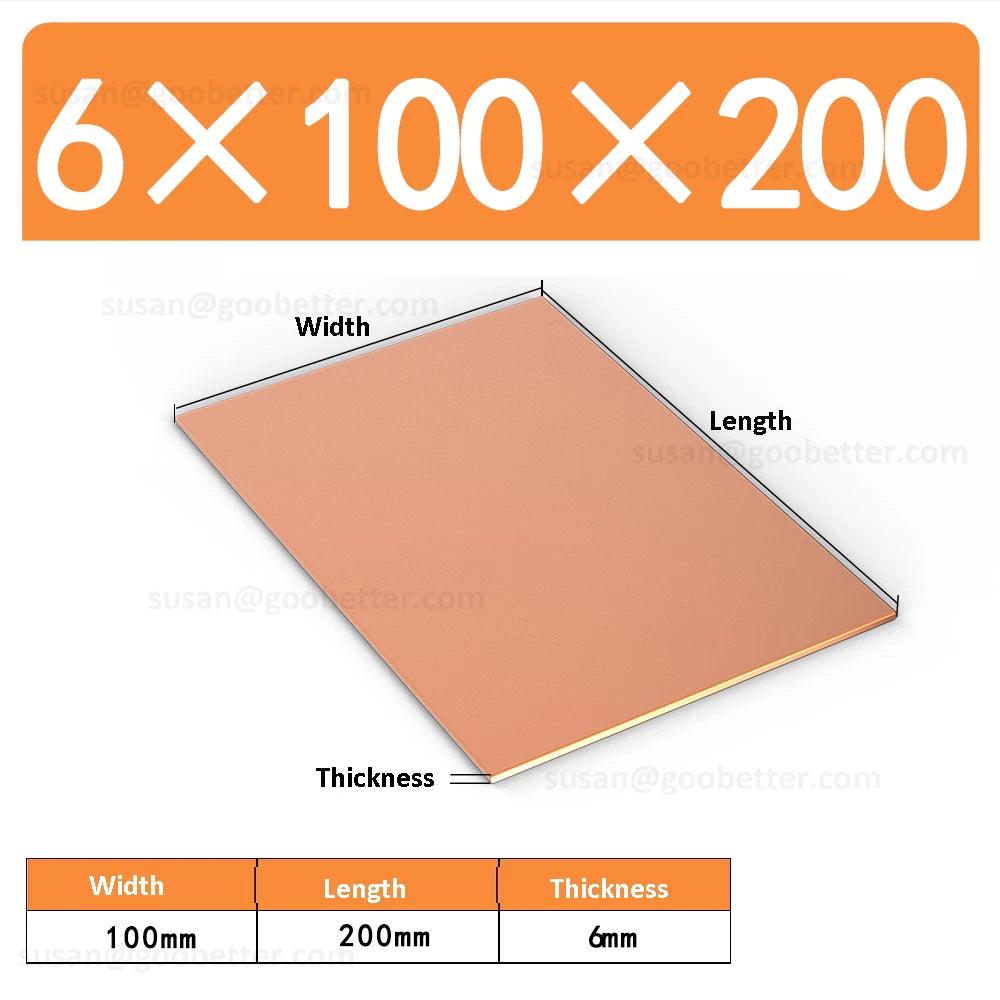
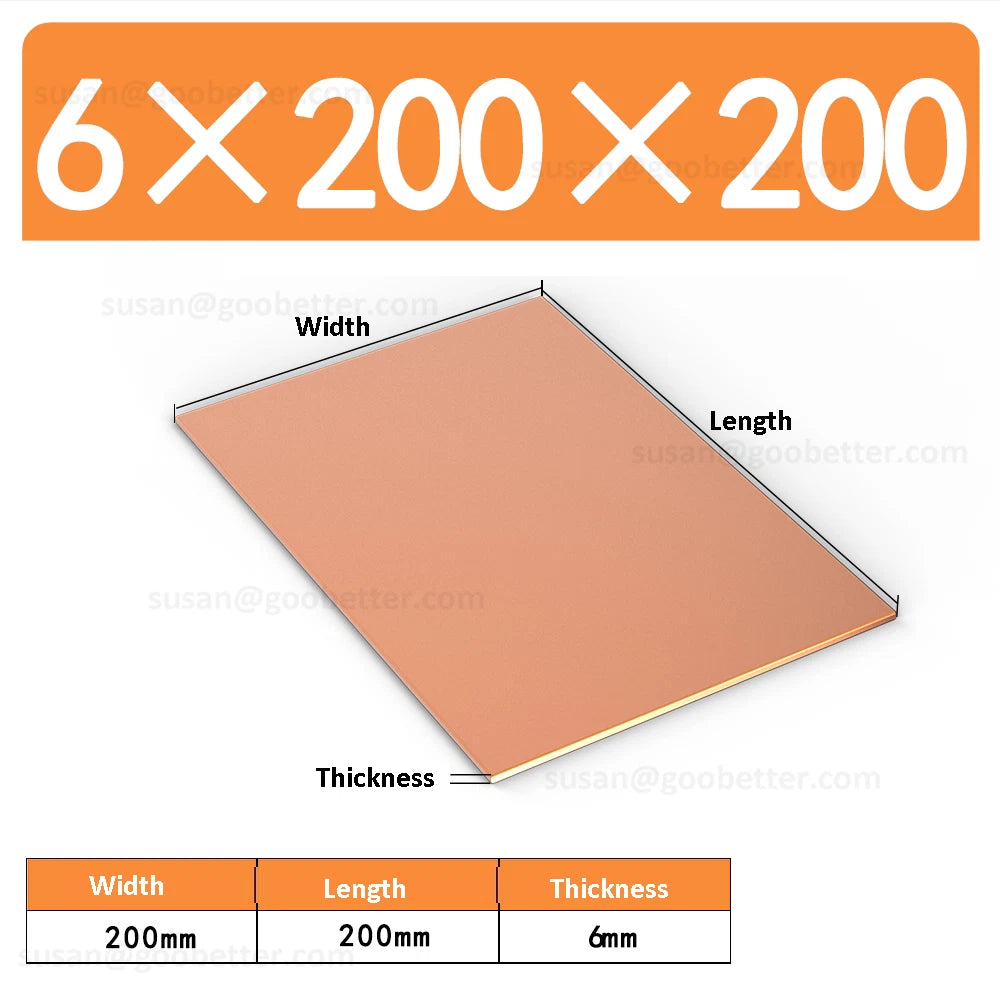
Each sheet is cut from natural copper (Cu) using a guillotine shear, delivering clean, straight edges with no burr distortion along the cut line. Thickness options span 0.3 mm (approx. 0.012 in) through 6.0 mm (approx. 0.236 in), and planar dimensions range from compact 10 mm x 10 mm (0.39 in x 0.39 in) squares up to large 300 mm x 300 mm (11.8 in x 11.8 in) sheets. Pack sizes of 1, 2, or 4 pieces let you order exactly what you need.
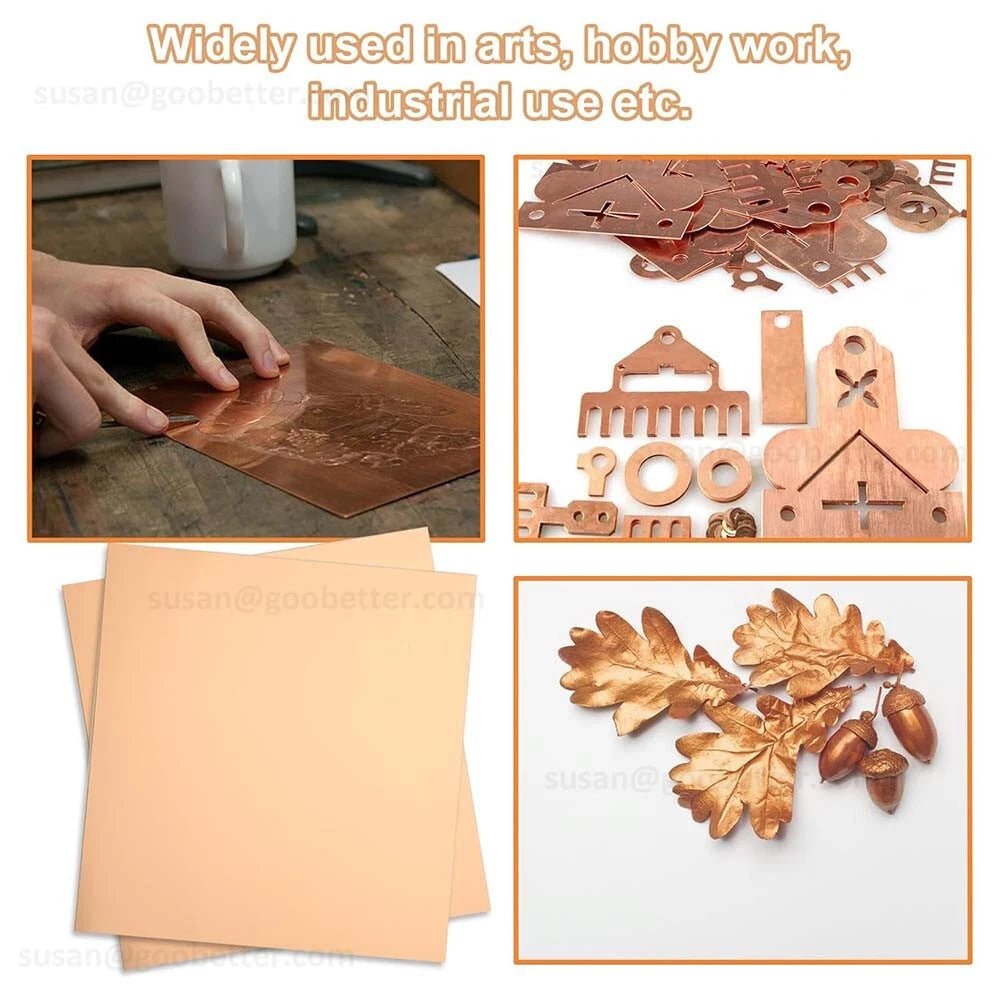
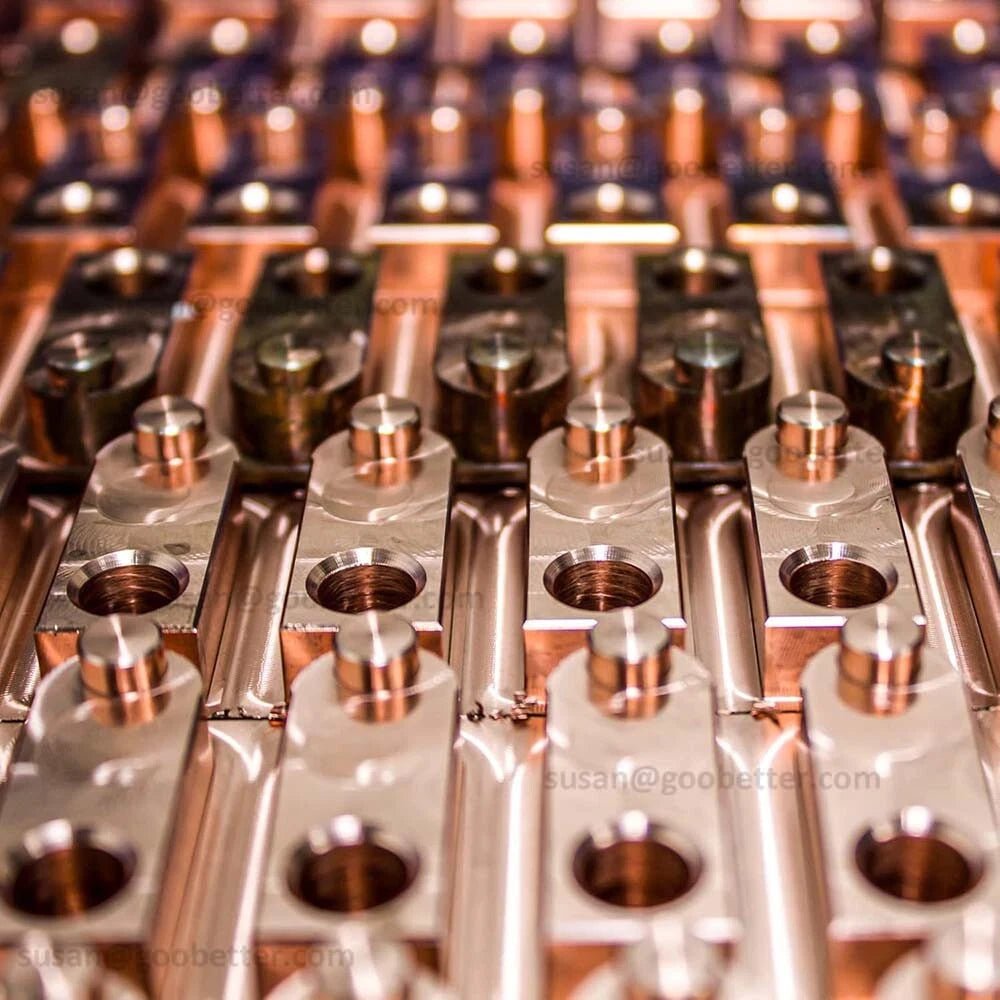
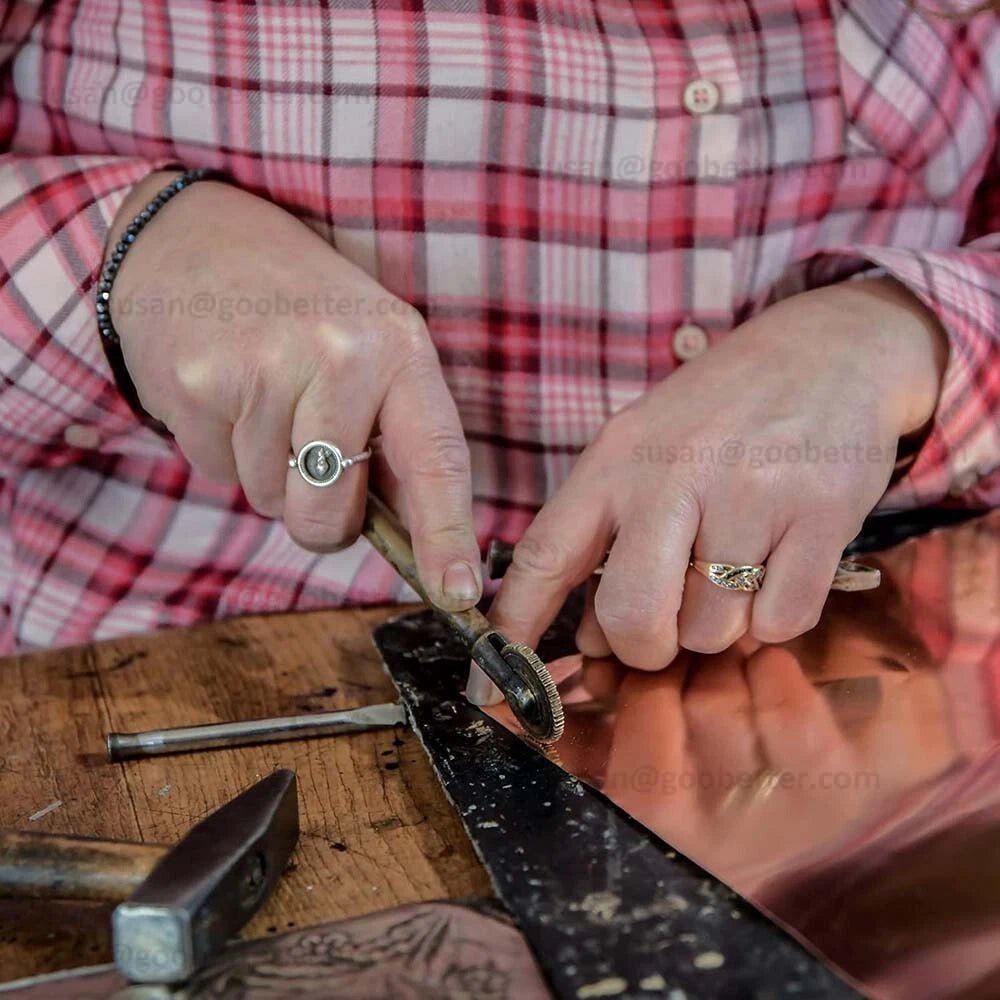
Typical applications include DIY copper roofing flashing and weatherproofing repairs, handmade jewellery and metalsmithing blanks, electrical bus bars and grounding straps for workshop builds, heat-spreader shims in PC modding and electronics cooling, and decorative etching or patina art projects where the natural copper surface is the canvas.
| Material | Natural Copper (Cu) |
|---|---|
| Cut Method | Guillotine shear |
| Thickness Range | 0.3 mm to 6.0 mm (0.012 in to 0.236 in) |
| Width Range | 10 mm to 300 mm (0.39 in to 11.81 in) |
| Length Range | 10 mm to 300 mm (0.39 in to 11.81 in) |
| Surface Finish | Natural / mill finish (uncoated) |
| Edge Condition | Guillotine-cut, straight edges |
| Pack Size Options | 1 pc / 2 pcs / 4 pcs |
| Dimensional Tolerance | See variant options |
| Temper / Hardness | See variant options |
| Weight per Piece | See variant options |
Thinner sheets (0.3 mm to 0.8 mm) are well suited to jewellery blanks, decorative etching, heat-spreader shims, and lightweight flashing work where the copper needs to be bent or formed by hand. Mid-range thicknesses (1 mm to 2 mm) are popular for electrical bus bars, grounding straps, and general fabrication. Thicker sheets (2.5 mm to 6 mm) are used where structural rigidity, heavy-duty thermal mass, or machining is required.
Yes. Natural copper is one of the best electrical conductors available and is widely used in bus bars, grounding straps, electrical contacts, and conductive shielding. Ensure the surface is clean and free of oxidation at connection points for optimal conductivity.
Copper does not rust. Instead, copper oxidises over time, first darkening to a brown tone and eventually developing a green patina (verdigris) when exposed to moisture and air. This patina is actually protective and slows further corrosion. Apply a clear lacquer to maintain a bright finish, or store sheets in a dry sealed environment.
Yes. Copper solders and brazes exceptionally well. Use a rosin-core or water-soluble flux appropriate for copper, and ensure the surface is clean before soldering. For brazing, copper-phosphorus or silver-based brazing alloys are commonly used.
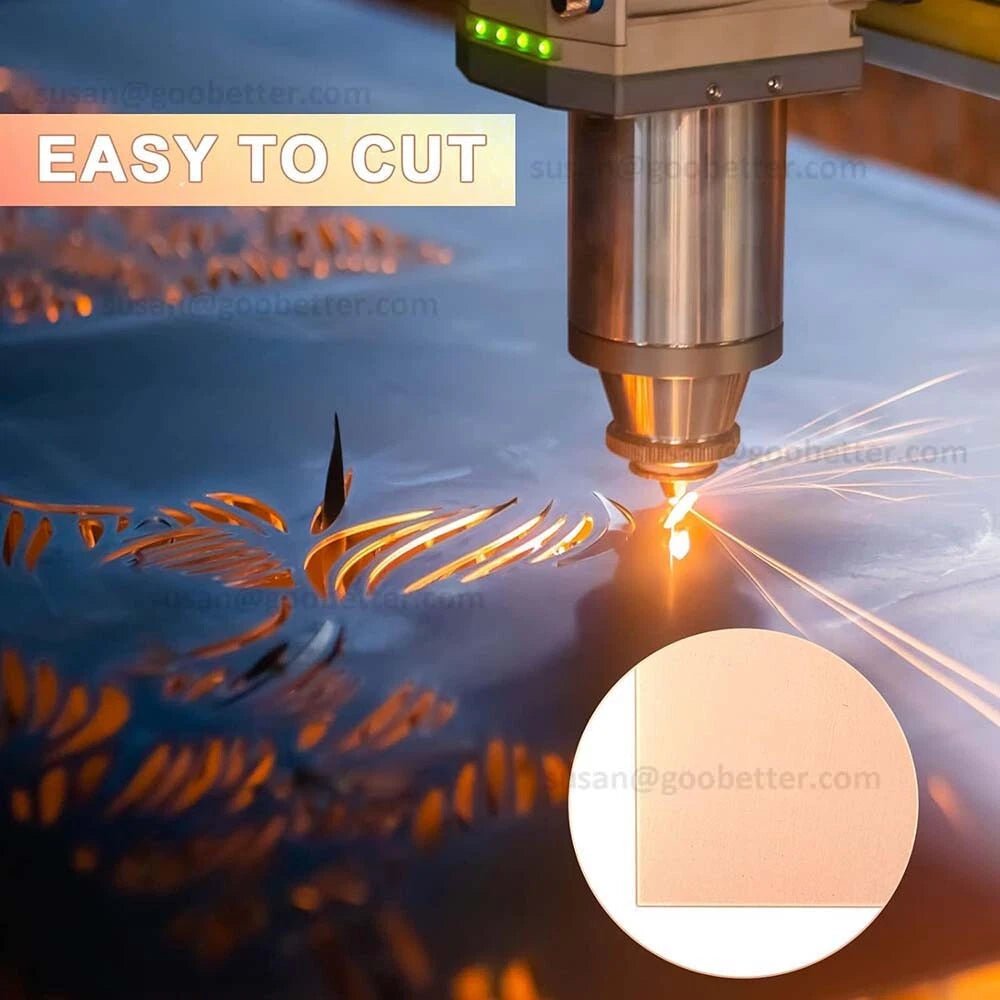
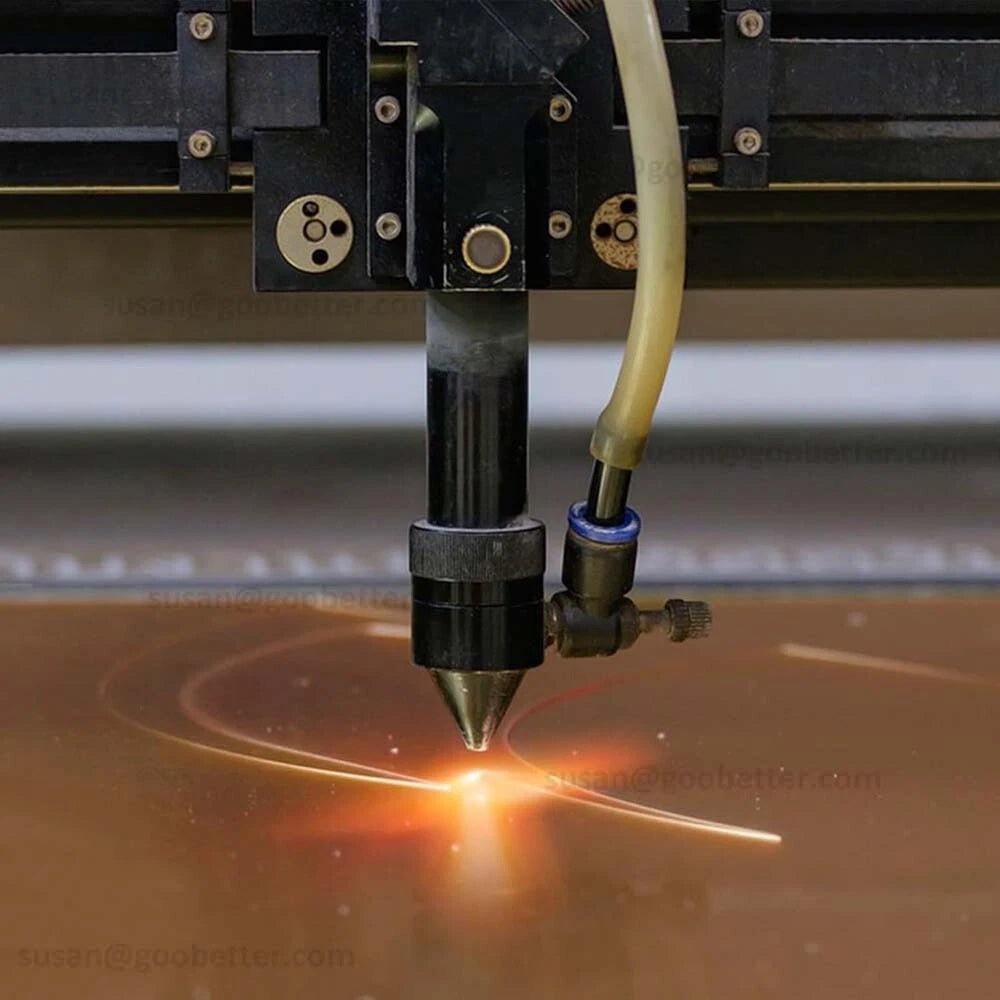
Thinner sheets (up to approximately 1 mm) can be cut with heavy-duty tin snips or a sharp utility knife scored along a straight edge. Thicker sheets are best cut with an angle grinder or jigsaw with a metal-cutting blade. Drill with standard HSS bits using cutting oil at slow speed to avoid work-hardening the copper.
Pack sizes of 1, 2, or 4 pieces are available depending on the size variant selected. Choose 1 pc for a single project, or 2 to 4 pc packs for repetitive tasks such as making multiple jewellery blanks or installing several heat shims.
Yes. The natural mill finish responds well to chemical etching (ferric chloride, acid-based solutions), liver of sulfur patination, and heat-bluing. Lightly sand or scotch-brite the surface to remove handling marks before applying chemicals for the most even results.