
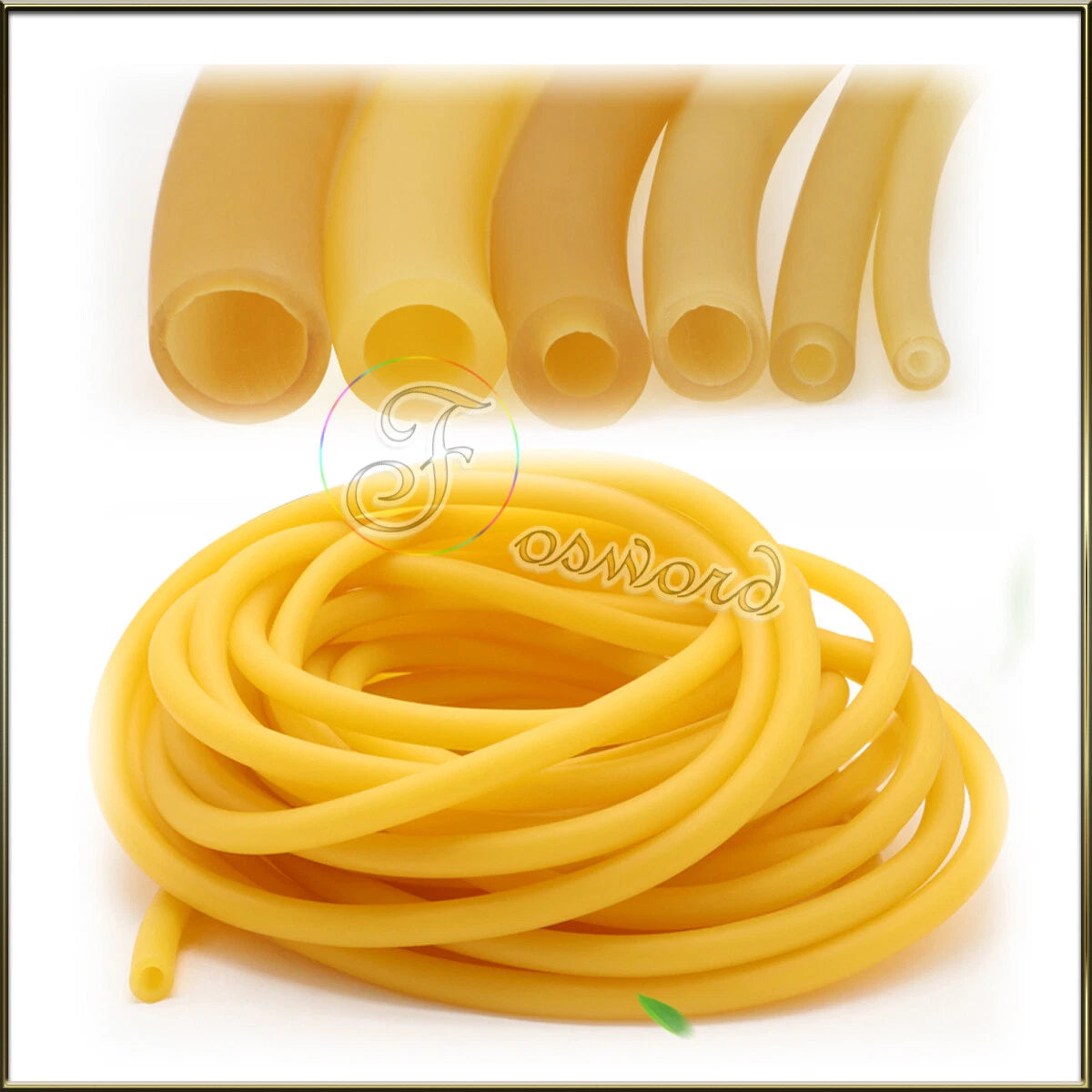
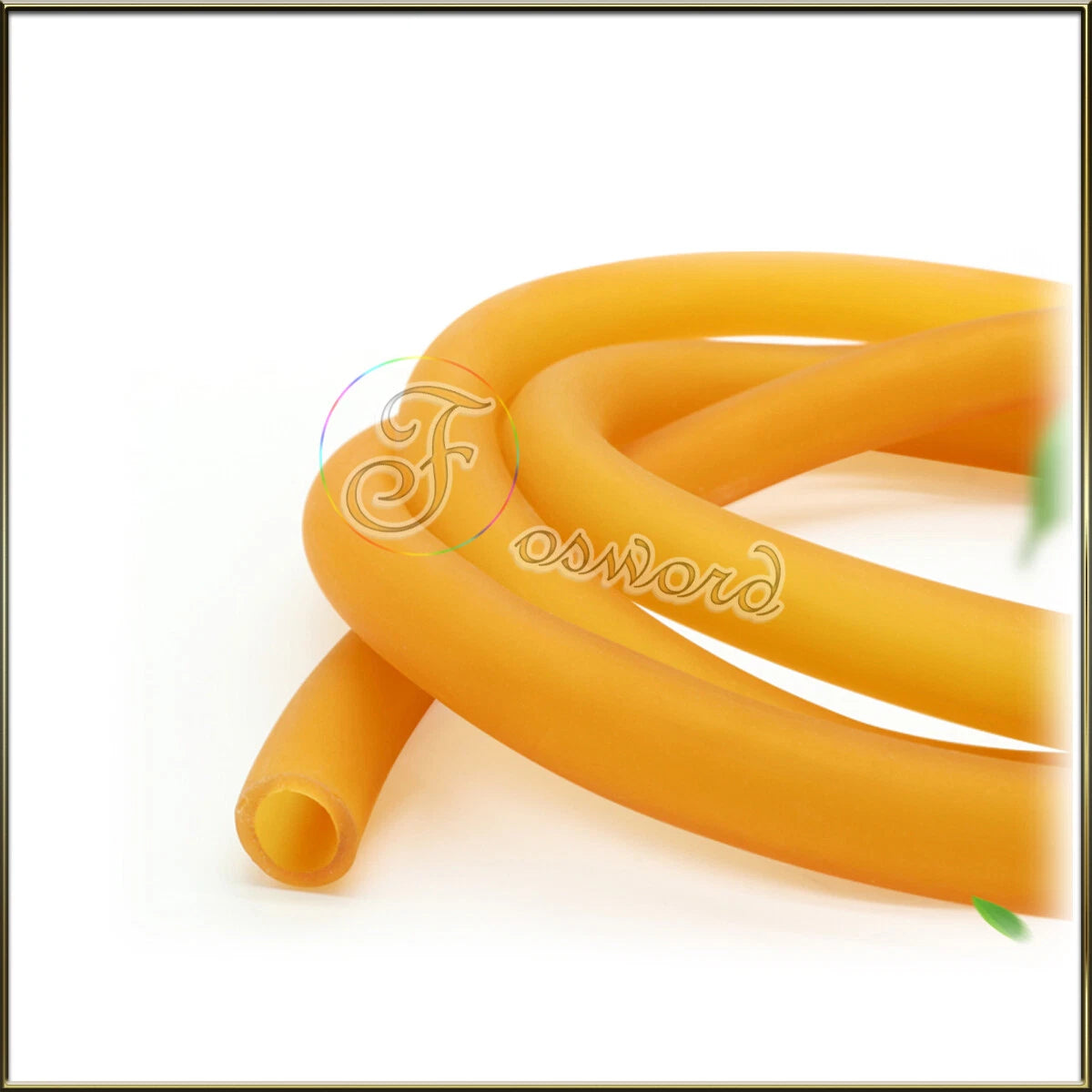
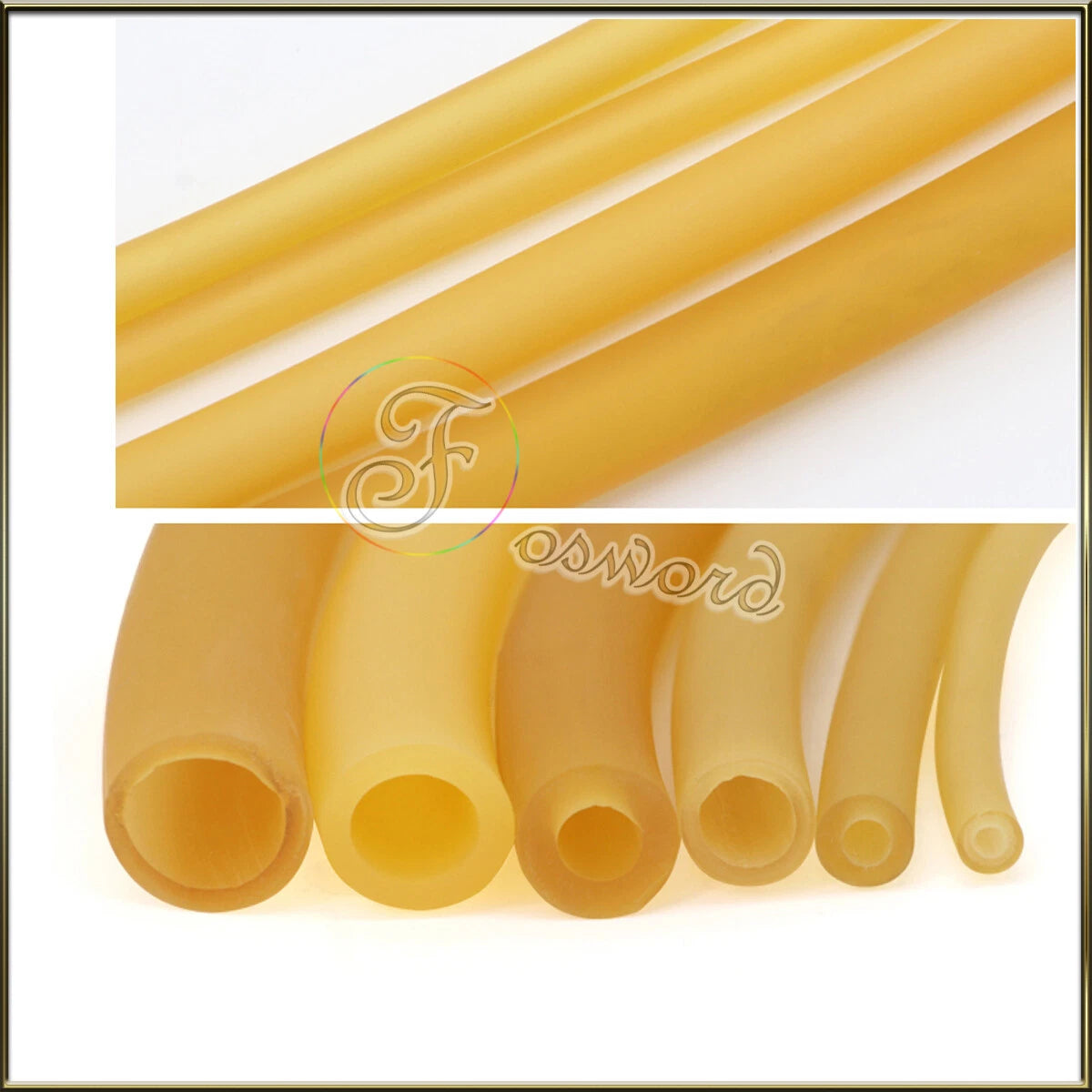
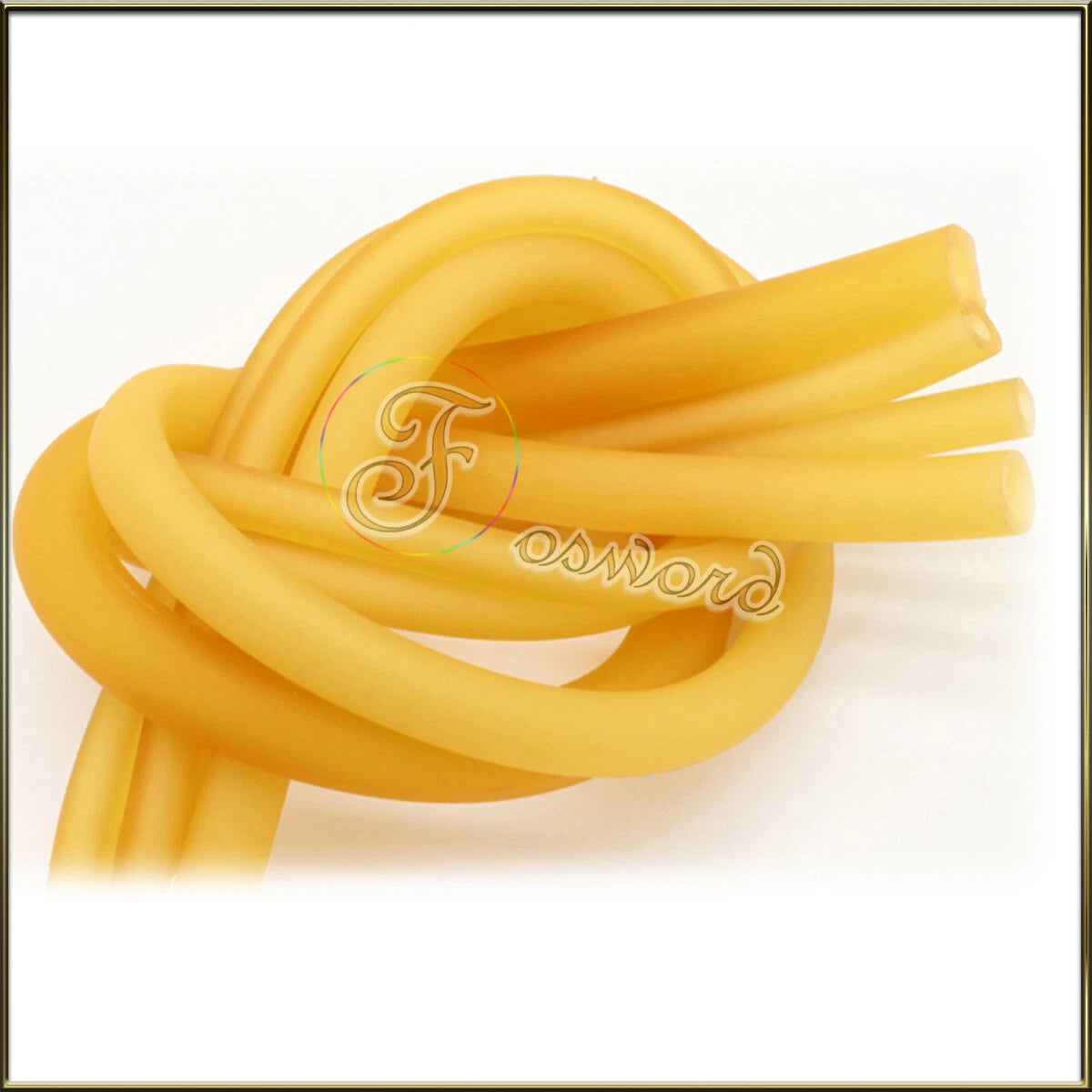
Ø1.6mm~12mm Natural Latex Rubber Surgical Tube Band Elastic Pipe Solid Hollow

No reviews

Price:
Sale price$8.51 USD
Stock:
In stock (500 units), ready to be shipped

Payment & Security

Ach Direct Debit Amazon American Express Apple Pay Bancontact Diners Club Discover Google Pay iDEAL Wero Mastercard PayPal Shop Pay USDC Visa

Your payment information is processed securely. We do not store credit card details nor have access to your credit card information.

Quantity Discount Promotion
🎯 BULK DISCOUNT: Buy More, Save More!
Buy 2 Items
5% OFF
Buy 4 Items
10% OFF
Buy 6 Items
15% OFF
Expert

DIY Expert Support

Get fitment advice & recommendations

Mon-Fri, 8:30AM-8PM
24-Hour Fast Ship
🚚
Arrives in 3-14 days
🌍
Global Reach
↩️
30-Day Returns
🌱 1 tree planted with every purchase

Description

Natural Latex Rubber Surgical Tubing — Flexible Elastic Pipe for Hollow & Solid Profiles

When standard rubber hose doesn't flex enough, stretch far enough, or cut cleanly to the length you need, natural latex rubber tubing fills the gap. Hobbyists, lab technicians, slingshot builders, aquarium enthusiasts, and DIY repair specialists all reach for this material when they need a tube that stretches under load and snaps back without cracking or kinking.

This listing covers natural latex rubber tubing available in both hollow and solid profiles. Hollow variants range from 1.6×3.2 mm (ID×OD) up to 12×17 mm (approx. 0.063"×0.126" to 0.472"×0.669"), while solid rods are offered in 2 mm, 3 mm, and 5 mm diameters. Cut lengths run from 1 M through 12 M so you can order exactly what a project requires without waste.

Typical applications include natural latex rubber tubing for slingshot bands and catapult bungees, peristaltic pump and aquarium airline connections, laboratory fluid transfer lines rated to 90 psi, and elastic cord replacements in exercise equipment or suspension rigs. The consistent wall thickness across the size range makes it straightforward to select the right hollow latex rubber pipe for a given flow rate or stretch ratio.

⚠️ Compatibility note: Latex rubber is not suitable for use with petroleum-based oils, fuels, or strong oxidizing agents. Verify chemical compatibility before use in fluid-transfer applications.

✅ Key Features of These Natural Latex Rubber Tubes

  • Wide size range: Hollow profiles from 1.6×3.2 mm to 12×17 mm (ID×OD); solid rods in 2 mm, 3 mm, and 5 mm — one listing covers the full spectrum.
  • Flexible length options: Available in 1 M, 2 M, 3 M, 4 M, 5 M, 10 M, and 12 M cuts so you order only what you need.
  • Natural latex construction: Delivers the high elongation and elastic recovery characteristic of surgical-grade latex, maintaining flexibility across a broad temperature range.
  • Rated to 90 psi: Hollow tubes handle up to 90 psi working pressure, making them suitable for low-pressure pneumatic and liquid transfer tasks.
  • Solid and hollow profiles: Solid rods suit bungee, slingshot, and tensioning applications; hollow tubes handle fluid flow, airline connections, and lab transfer lines.
  • Clean cut-to-length: Uniform wall thickness and consistent OD allow straight cuts with scissors or a utility knife — no special tooling required.

📐 Technical Specifications — Natural Latex Rubber Tubing

Material Natural latex rubber (surgical grade)
Profile types Hollow tube; solid rod
Inner Diameter (ID) range 1.6 mm – 12 mm (hollow); N/A for solid rods
Outer Diameter (OD) range 3.2 mm – 17 mm (hollow); 2 mm, 3 mm, 5 mm (solid)
Available lengths 1 M, 2 M, 3 M, 4 M, 5 M, 10 M, 12 M
Maximum working pressure 90 psi (hollow tube variants)
Color See variant options
Wall thickness See variant options
Temperature range Contact us to confirm
Certifications Contact us to confirm

❓ Frequently Asked Questions

How do I choose the right ID and OD for my application?

Match the ID to the fitting or barb you are connecting to — the tube should slide on with light resistance. The OD determines how much the tube expands under pressure or stretch. For fluid transfer, a snug ID fit prevents leaks; for elastic/bungee use, a smaller OD relative to the load gives more stretch per unit length.

What is the difference between the hollow tube and solid rod variants?

Hollow tubes carry fluid or air through the bore and are rated to 90 psi. Solid rods have no bore and are used purely for their elastic properties — slingshot bands, bungee cords, exercise resistance, and tensioning rigs. Select "Solid" in the size option if you need a rod; all other size options are hollow tubes.

How strong and elastic is natural latex rubber compared to silicone tubing?

Natural latex typically offers higher elongation at break (often 600–800%) and greater snap-back energy than silicone, making it the preferred choice for slingshots and elastic applications. Silicone outperforms latex in high-temperature and chemical-resistance scenarios. For room-temperature elastic or low-pressure fluid work, latex is the more responsive material.

Is this tubing resistant to water, UV, and outdoor conditions?

Natural latex has good water resistance and performs well in intermittent outdoor use. Prolonged UV exposure and ozone can degrade latex over time, causing surface cracking. For long-term outdoor installations, store unused tubing away from direct sunlight and consider replacing elastic bands seasonally in high-UV environments.

Can I use this tubing with oils, fuels, or chemical solvents?

No. Natural latex is not compatible with petroleum-based oils, fuels, or strong oxidizing agents — these will cause swelling and rapid degradation. It is suitable for water, dilute aqueous solutions, and many lab reagents at low concentrations. Always verify chemical compatibility with a reference chart before use in fluid-transfer applications.

How do I cut the tubing cleanly to a custom length?

A sharp pair of scissors or a fresh utility knife blade works well. Stretch the tube slightly before cutting to keep it from rolling under the blade. For solid rods, a single clean downward cut with a sharp knife on a flat surface gives the cleanest result. Avoid sawing motions, which can leave a ragged edge.

What length should I order for a slingshot or catapult band?

Most flat-band slingshot setups use 150–200 mm of tubing per side when cut from a longer roll. For tube-style (round) bands, 200–300 mm per side is common, depending on draw length and desired pull weight. Ordering a 1 M or 2 M length gives enough material to experiment with band length and replace worn sections without over-ordering.

🛒 Select your Size (ID × OD) and Length above, then add to cart.

You may also like

Recently viewed





