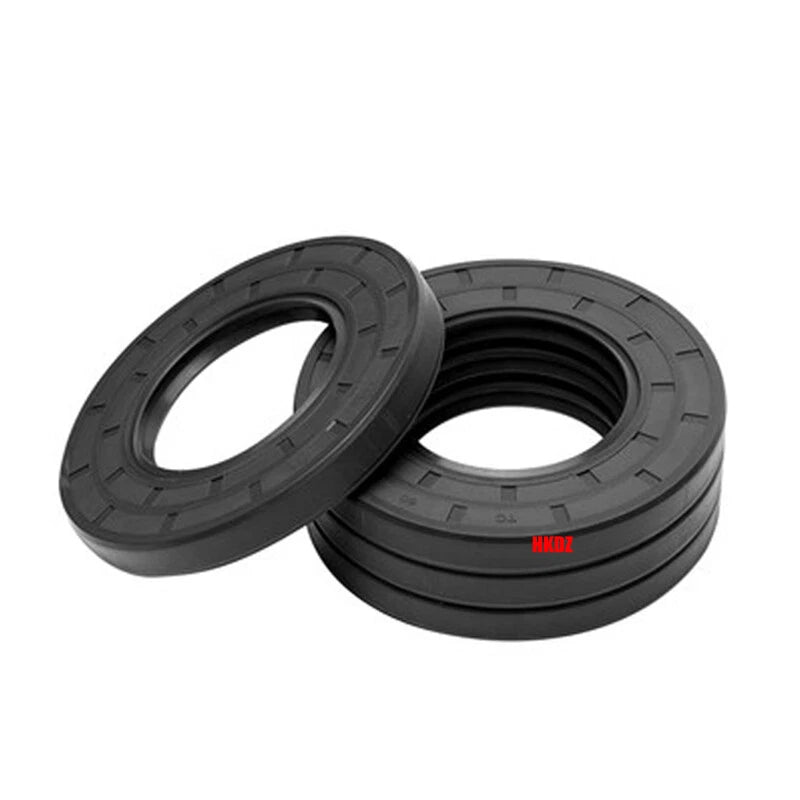
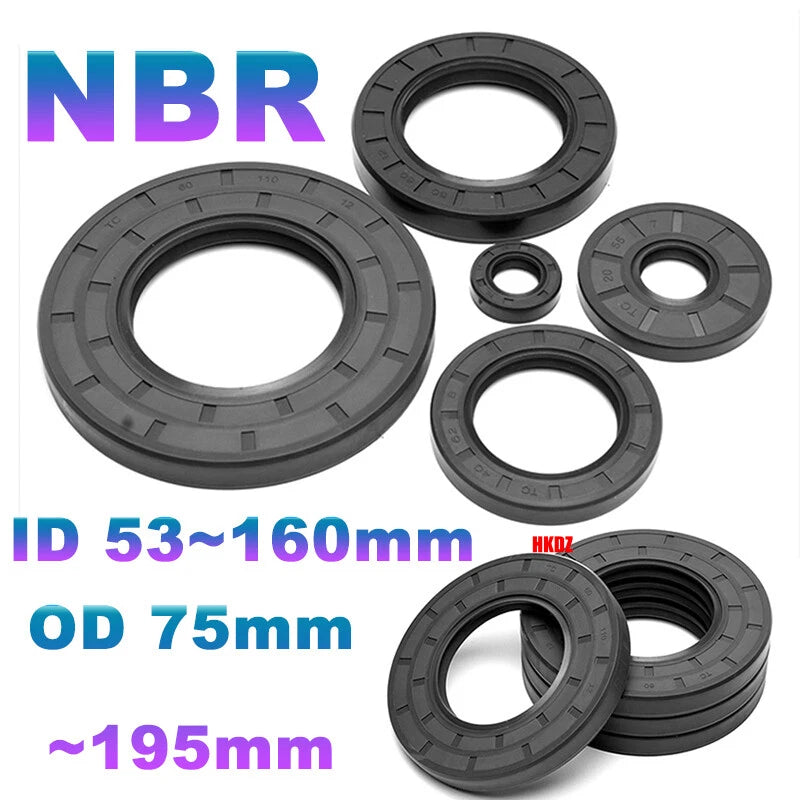
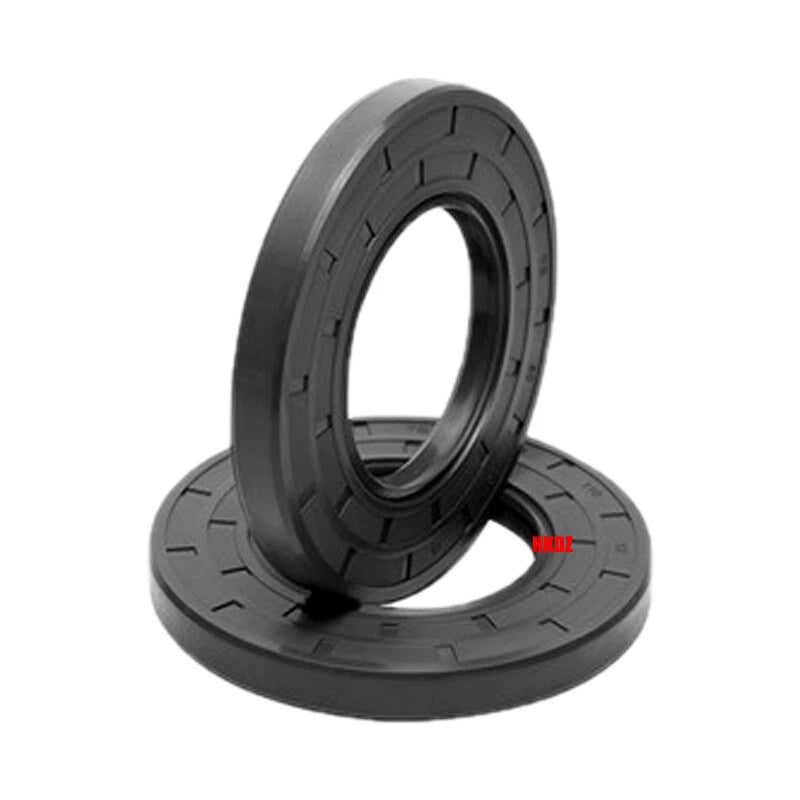
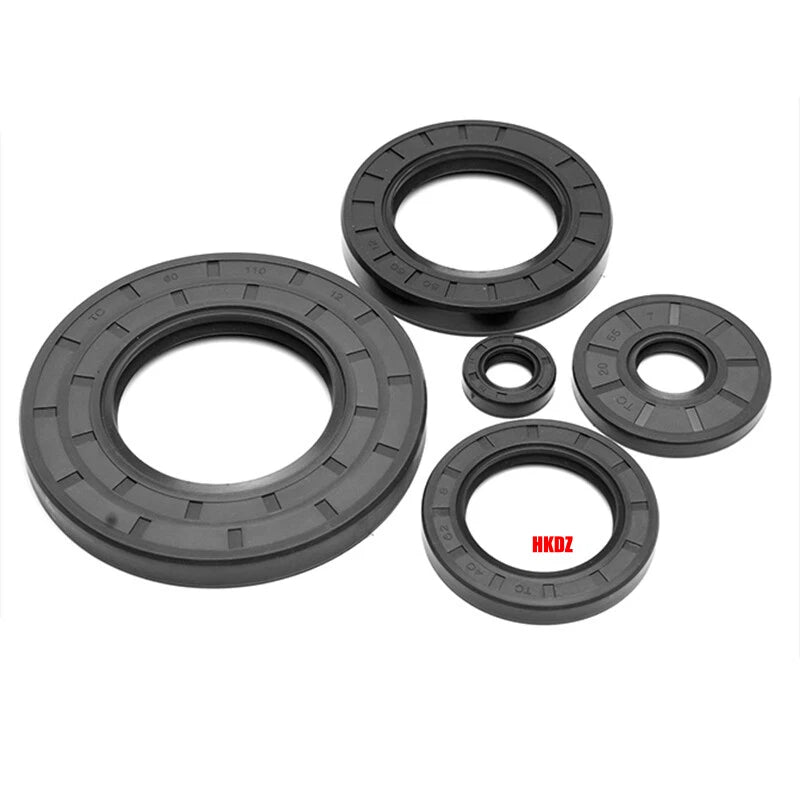
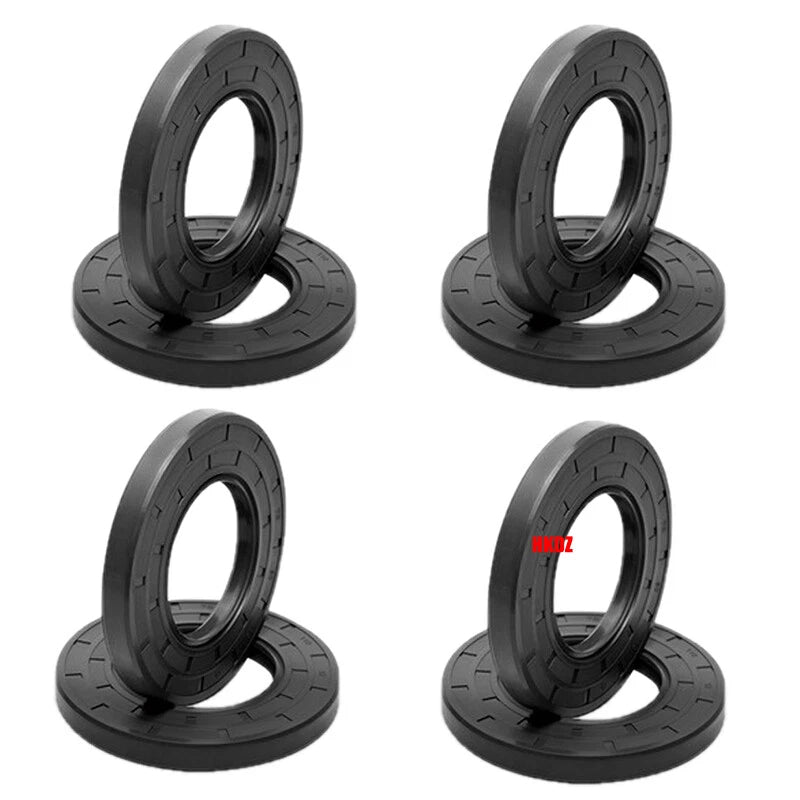
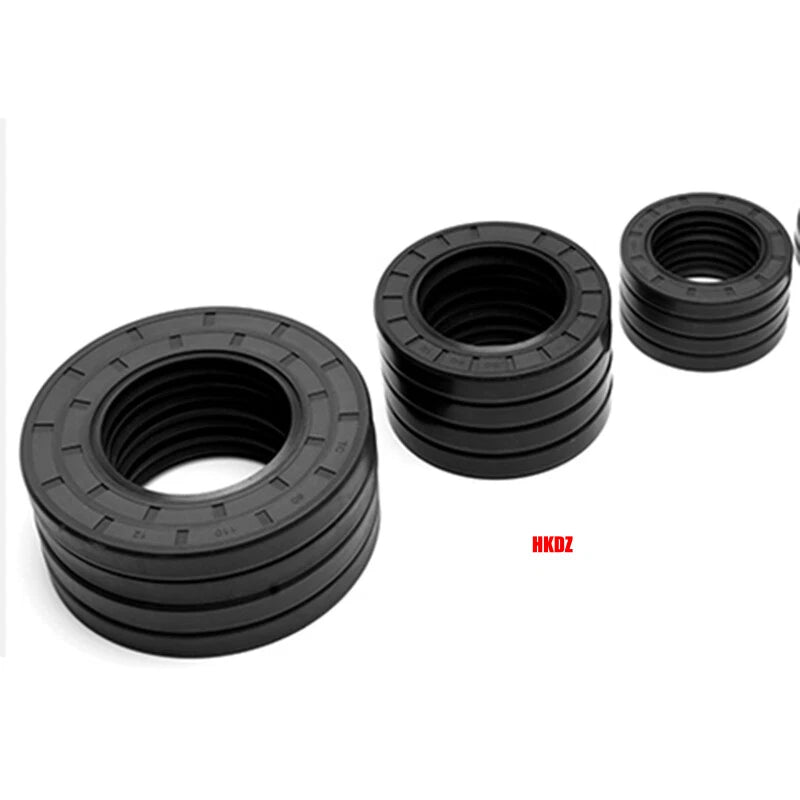
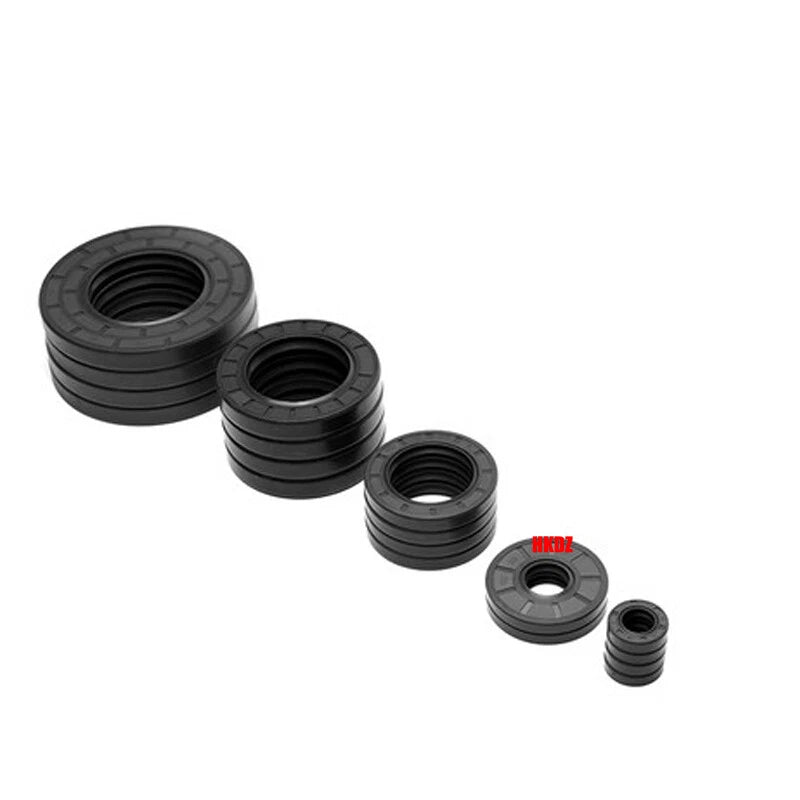
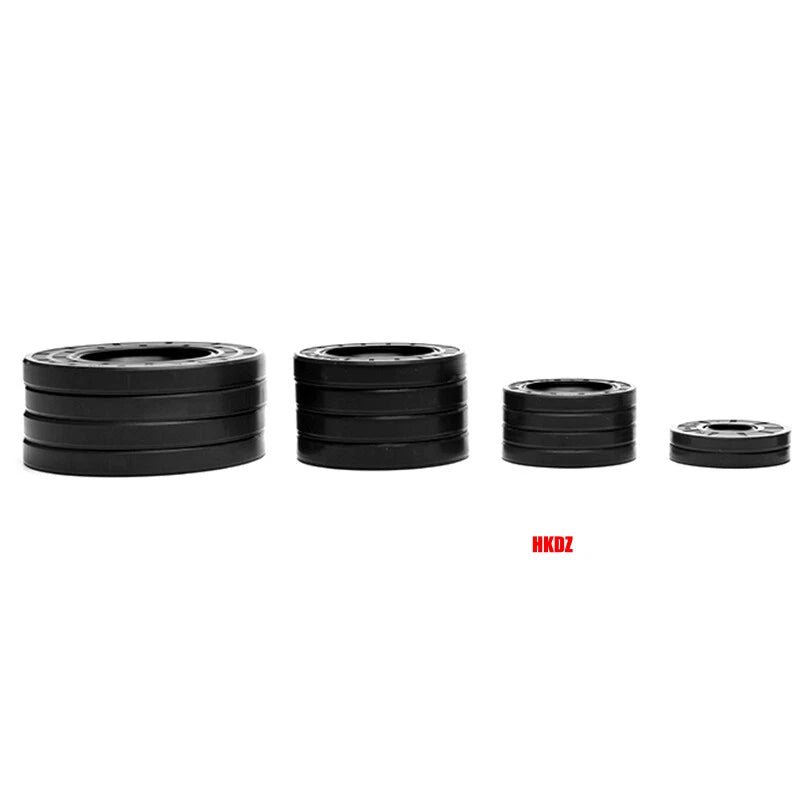
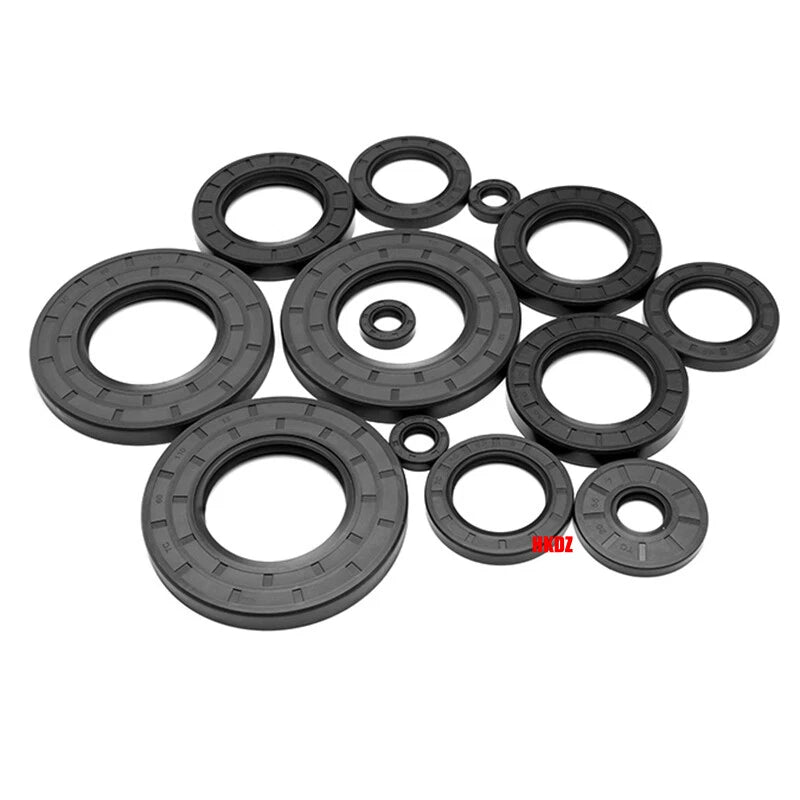
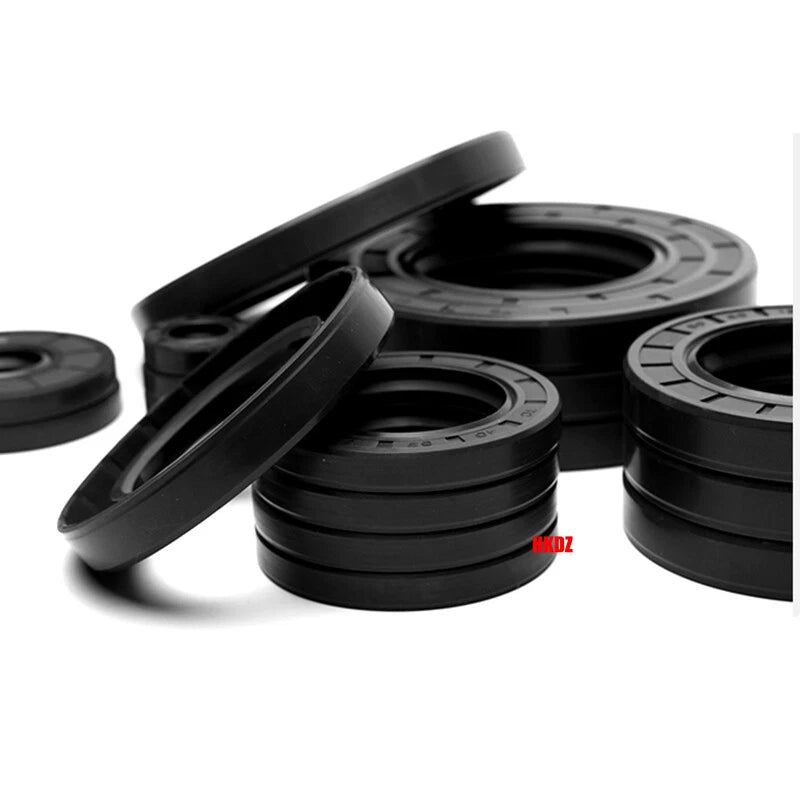
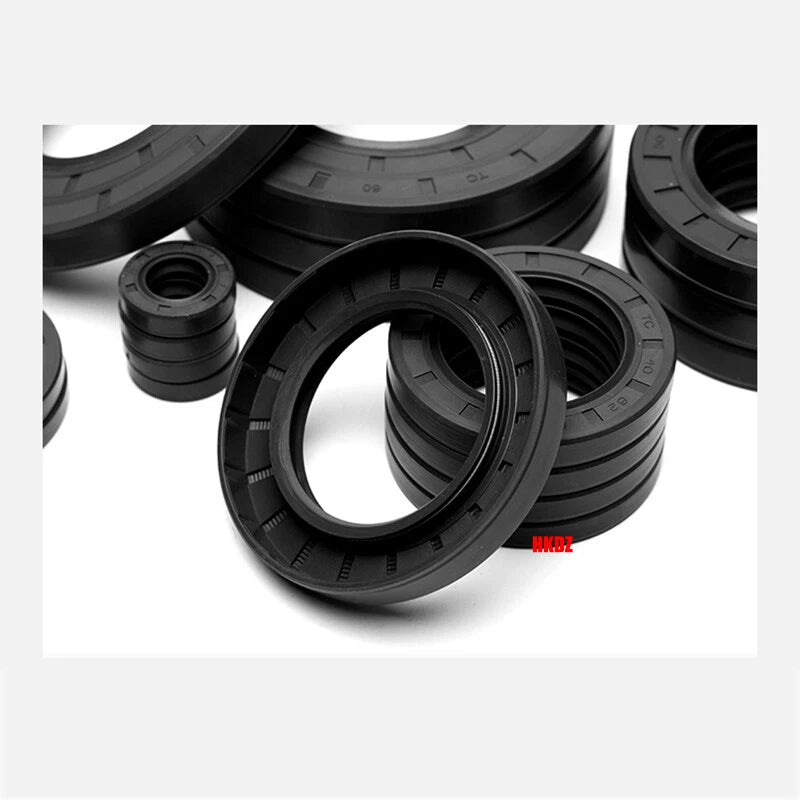
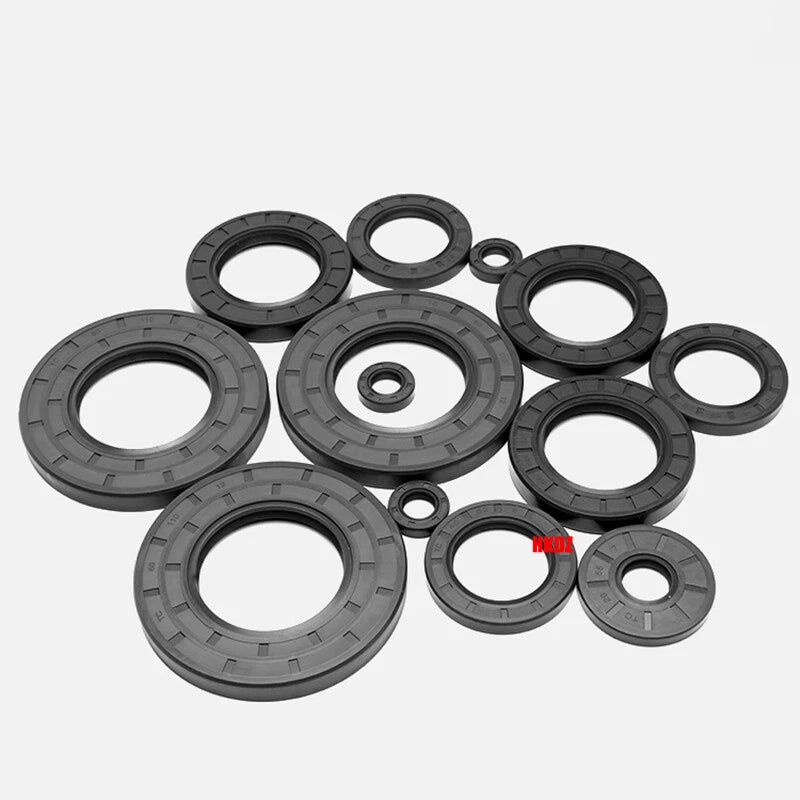
NBR Nitrile Rubber TC Oil Seal Rotary Shaft Seals Metric ID 53~160mm OD 75~195mm

No reviews

Price:
Sale price$13.40 USD
Stock:
In stock (500 units), ready to be shipped

Payment & Security

Ach Direct Debit Amazon American Express Apple Pay Bancontact Diners Club Discover Google Pay iDEAL Wero Mastercard PayPal Shop Pay USDC Visa

Your payment information is processed securely. We do not store credit card details nor have access to your credit card information.

Quantity Discount Promotion
🎯 BULK DISCOUNT: Buy More, Save More!
Buy 2 Items
5% OFF
Buy 4 Items
10% OFF
Buy 6 Items
15% OFF
Expert

DIY Expert Support

Get fitment advice & recommendations

Mon-Fri, 8:30AM-8PM
24-Hour Fast Ship
🚚
Arrives in 3-14 days
🌍
Global Reach
↩️
30-Day Returns
🌱 1 tree planted with every purchase

Description

NBR TC Oil Seal — Dual-Lip Rotary Shaft Seals for Pumps, Gearboxes & Motors

When a worn or incorrectly sized shaft seal lets lubricant escape or allows contaminants in, the downstream damage to bearings and gears can far exceed the cost of the seal itself. Maintenance technicians, equipment rebuilders, and DIY mechanics who need a reliable metric TC oil seal in a wide range of sizes will find this NBR nitrile rubber TC oil seal covers the most common shaft diameters encountered in industrial and automotive applications.

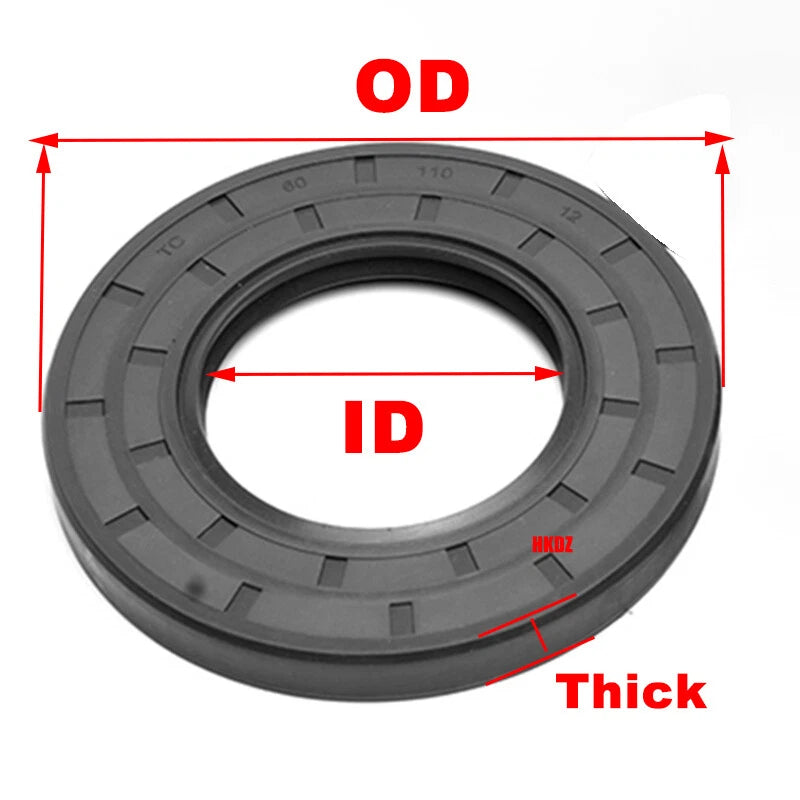
Each seal is constructed from NBR (nitrile butadiene rubber) with a steel reinforcing case and a dual-lip TC profile. The primary lip retains lubricant; the secondary dust lip excludes particulates and moisture. Available inner diameters run from 53 mm to 160 mm (~2.09" to 6.30"), outer diameters from 75 mm to 195 mm (~2.95" to 7.68"), and cross-section thicknesses from 5 mm to 18 mm (~0.20" to 0.71"). Select your exact ID × OD × T combination from the variant options above.

Typical use cases include gearbox output shaft sealing, hydraulic pump shaft seals, electric motor end-cap seals, agricultural PTO shaft seals, and industrial conveyor drive shaft seals — anywhere a metric rotary shaft seal with dual-lip protection is required.

⚙️ Compatibility: Designed for rotary shafts running in oil or grease environments. Verify your shaft ID, housing bore OD, and seal seat depth before ordering. Consult your equipment service manual for the correct TC oil seal dimensions.

✅ Key Features of These NBR TC Oil Seals

  • 🔵 NBR Nitrile Rubber Compound — Resists petroleum-based oils, greases, and fuels across a working temperature range of typically −40 °C to +120 °C (−40 °F to +248 °F), making it suitable for most mineral-oil lubricated machinery.
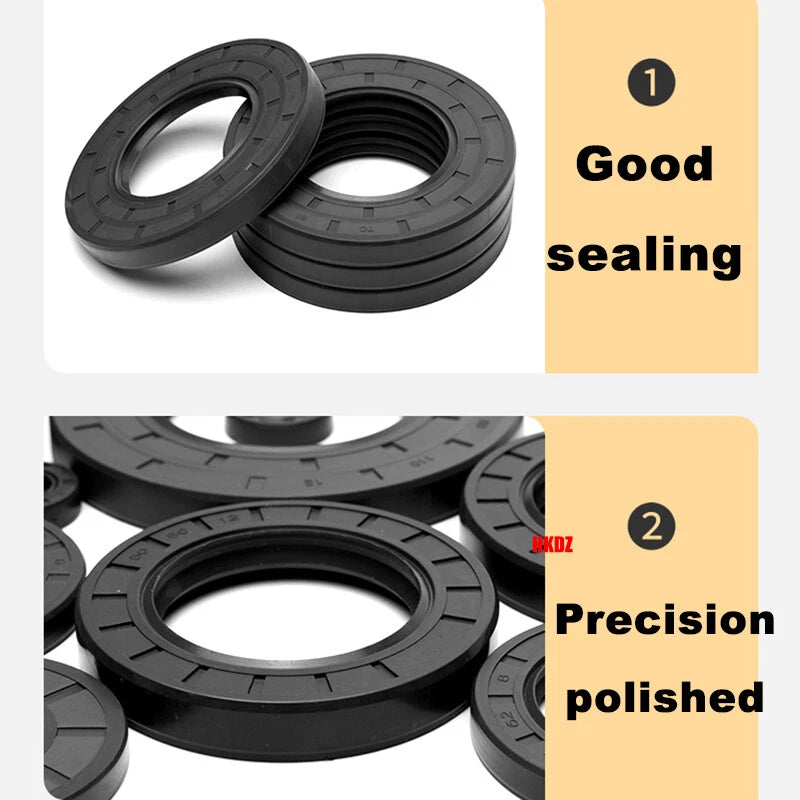
  • 🔩 Steel-Reinforced Case — The rigid outer shell maintains dimensional stability during press-fit installation into the housing bore, reducing the risk of distortion that can cause early leakage.
  • 💧 Dual-Lip TC Profile — The primary sealing lip retains lubricant under shaft rotation; the secondary exclusion lip faces outward to block dust, dirt, and water ingress — a critical advantage in outdoor or contaminated environments.
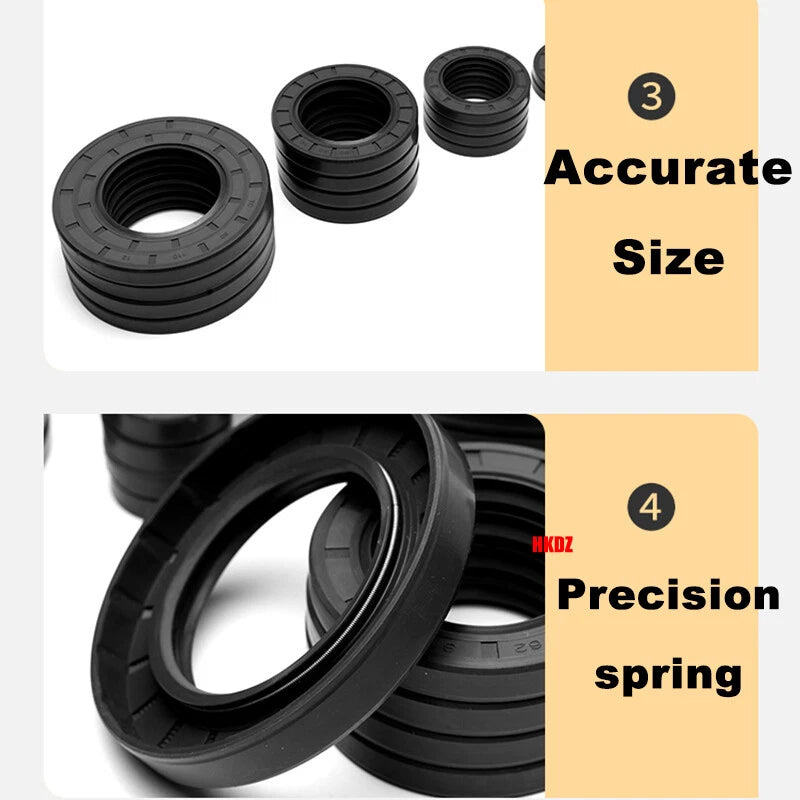
  • 📐 Wide Metric Size Range — ID 53–160 mm, OD 75–195 mm, thickness 5–18 mm covers a broad spectrum of industrial and automotive shaft sizes in a single product listing, reducing the need to source from multiple suppliers.
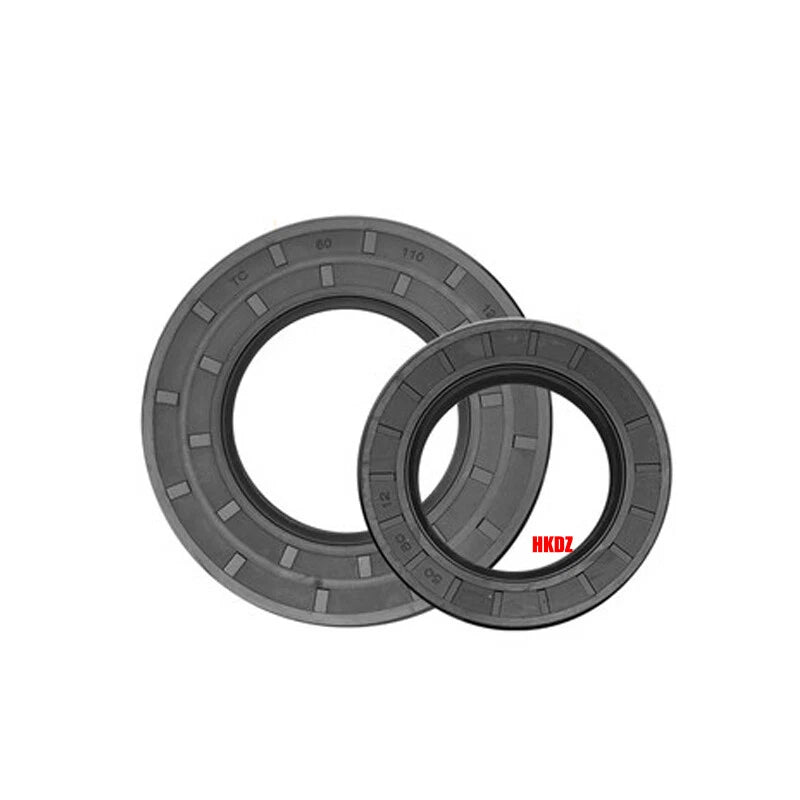
  • 🔄 Garter Spring Loaded Lip — An internal garter spring maintains consistent radial lip pressure against the shaft as the rubber wears over time, extending service life compared to springless designs.
  • 🛠️ Direct-Replacement Geometry — TC cross-section profile conforms to widely adopted metric seal standards, allowing straightforward substitution for OEM seals of the same ID × OD × T dimensions in pumps, gearboxes, motors, and agricultural equipment.

📐 Technical Specifications — TC Oil Seal

Seal Type TC (Dual Lip with Garter Spring)
Material NBR (Nitrile Butadiene Rubber) with Steel Case
Inner Diameter (ID) 53 mm – 160 mm (approx. 2.09" – 6.30")
Outer Diameter (OD) 75 mm – 195 mm (approx. 2.95" – 7.68")
Thickness (T) 5 mm – 18 mm (approx. 0.20" – 0.71")
Lip Configuration Primary sealing lip + secondary dust exclusion lip
Spring Type Garter spring (internal)
Operating Temperature Typically −40 °C to +120 °C (−40 °F to +248 °F)
Compatible Lubricants Mineral oils, petroleum-based greases
Installation Method Press-fit into housing bore
Quantity per Order See variant options
Exact Size See variant options

❓ Frequently Asked Questions

How do I find the correct TC oil seal size for my application?

Measure the shaft outer diameter (this becomes the seal ID), the housing bore inner diameter (this becomes the seal OD), and the depth of the seal seat in the housing (this determines the maximum thickness T). Cross-reference these three dimensions with the variant options listed above. If the housing bore is worn or out-of-round, restore it to specification before fitting a new seal.

What does "TC" mean in TC oil seal?

"TC" refers to the dual-lip seal profile: one primary lip that retains lubricant on the inboard side, and one secondary lip (the dust lip) that faces outward to exclude contaminants. This is distinct from single-lip "SC" seals. The TC design is the most common choice for applications where both oil retention and dirt exclusion are required.

Is NBR rubber suitable for synthetic oils or ATF?

NBR performs well with mineral-based oils and petroleum greases. Compatibility with fully synthetic oils, ATF, or other specialty fluids varies by formulation. For applications using synthetic lubricants, verify NBR compatibility with your specific fluid before installation. If in doubt, contact us to confirm suitability.

How do I install a TC oil seal without damaging the lip?

Clean the housing bore and shaft thoroughly. Lightly lubricate the seal lip and shaft with the same oil used in the application. Use a flat seal driver or a socket of the correct OD to press the seal in squarely — never hammer directly on the seal face. Drive the seal flush with or slightly below the housing face, as specified by your equipment manual. Avoid dragging the lip over keyways or splines; use a sleeve or tape to protect the lip during installation.

What shaft surface finish is required for a good seal?

For reliable sealing, the shaft surface at the lip contact zone should have a finish of approximately Ra 0.2–0.8 µm (8–32 µin). Surfaces that are too rough accelerate lip wear; surfaces that are too smooth can prevent the hydrodynamic oil film from forming. Avoid circumferential machining marks — a slight lead-in chamfer on the shaft end helps guide the lip into position without rolling it.

Can I use this seal on a stationary shaft or in a static application?

TC oil seals are designed for rotary (dynamic) shaft applications where the shaft rotates inside the seal. They are not intended for purely static sealing or reciprocating motion. For static face sealing or linear motion, a different seal type (such as an O-ring or a rod seal) would be more appropriate.

How do I choose between different thickness (T) options for the same ID and OD?

The thickness must match the depth of the seal housing bore in your equipment. Using a seal that is too thin may leave it recessed and unable to seal properly; one that is too thick will protrude and may be damaged by adjacent components. Always measure the housing depth and match it to the T dimension listed in the variant. When multiple thicknesses fit the housing, the OEM specification takes priority.

🛒 Select your Size (ID × OD × T) and Quantity above, then add to cart.

You may also like

Recently viewed