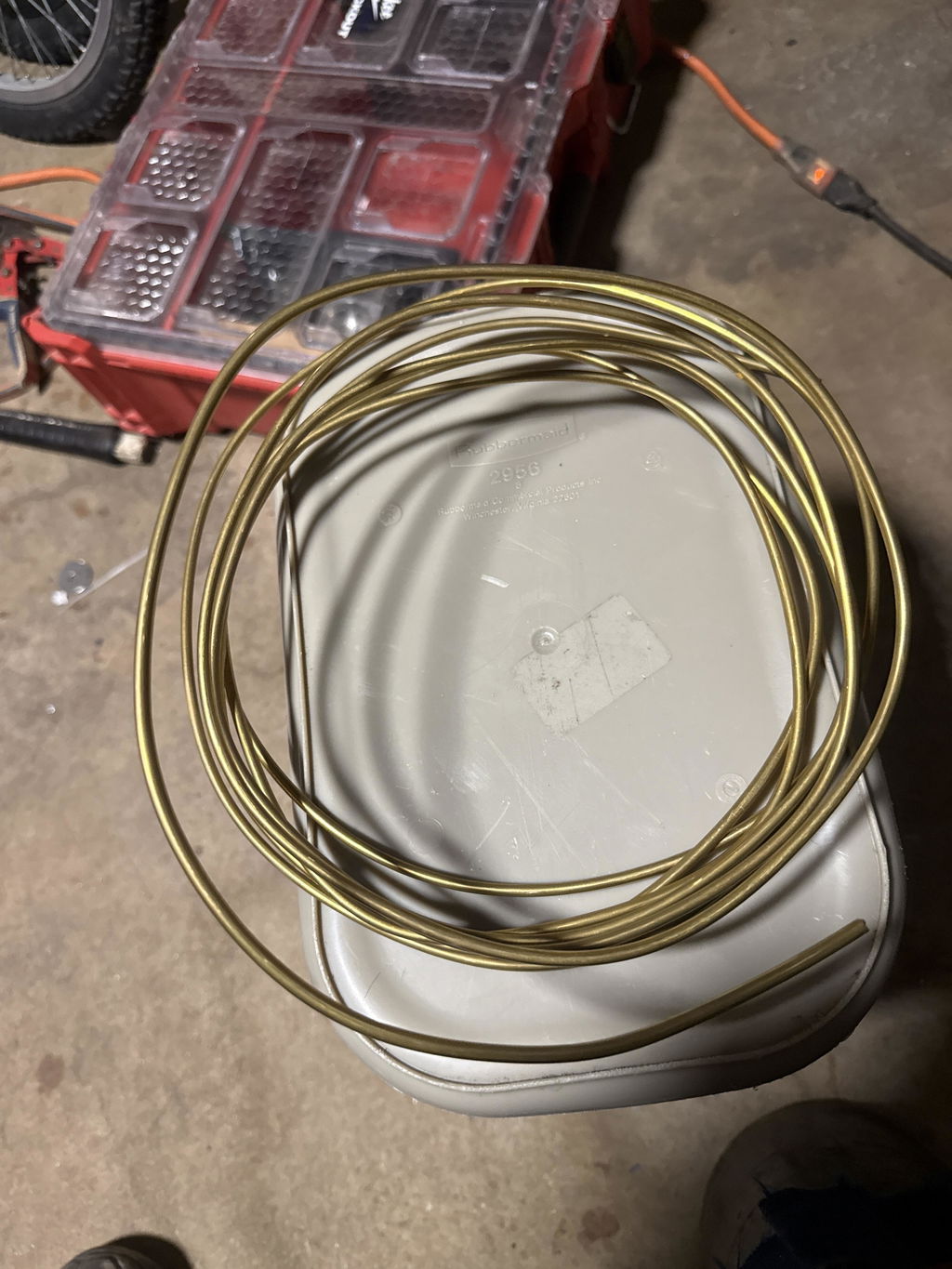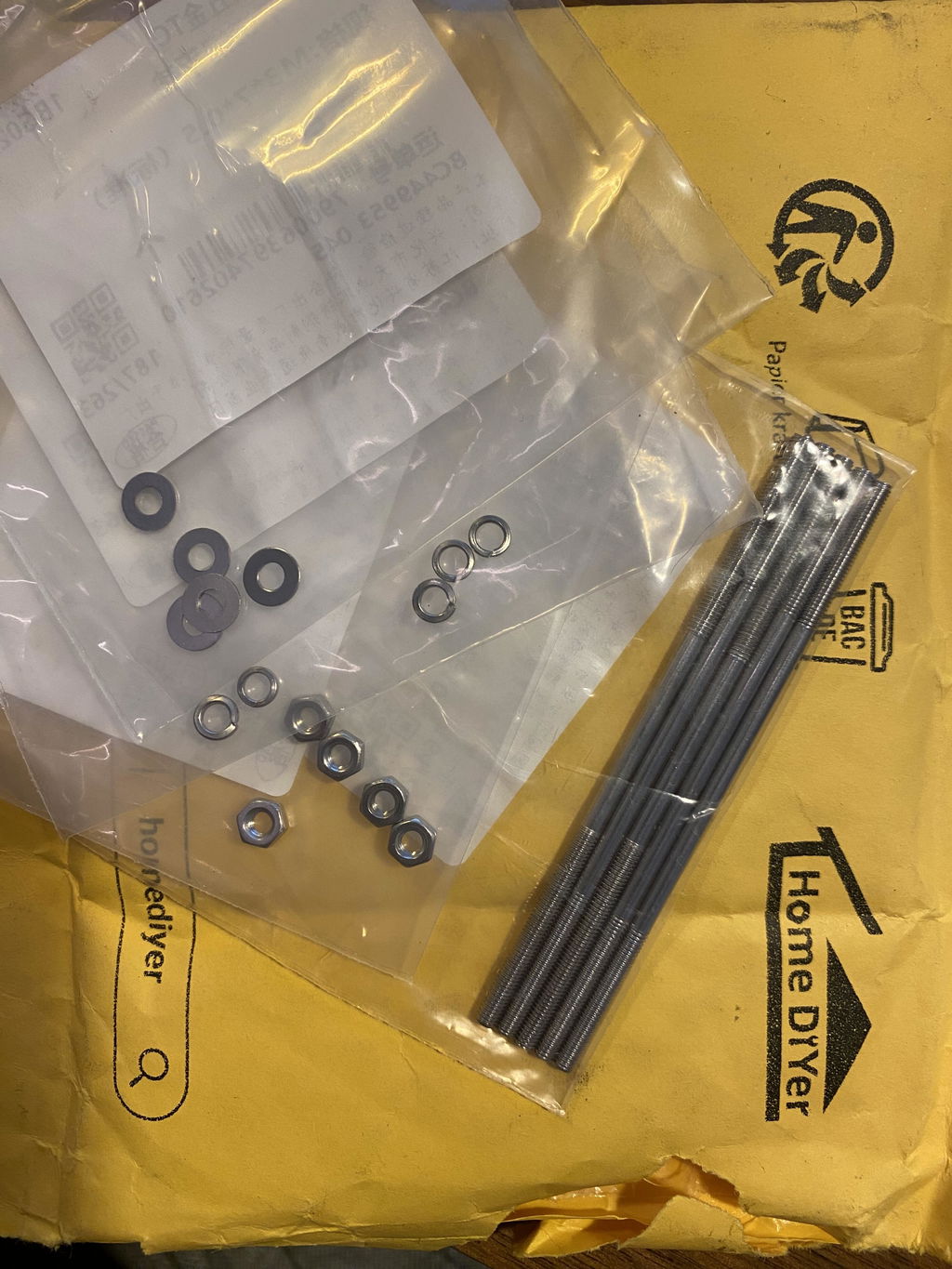
The chain is fine...but I ordered the wrong size. Nine links of the chain I ordered equals six of the size I wanted. My error...
How can I straighten out the springs? I can't use them coil uo as is.
Your payment information is processed securely. We do not store credit card details nor have access to your credit card information.
Get fitment advice & recommendations
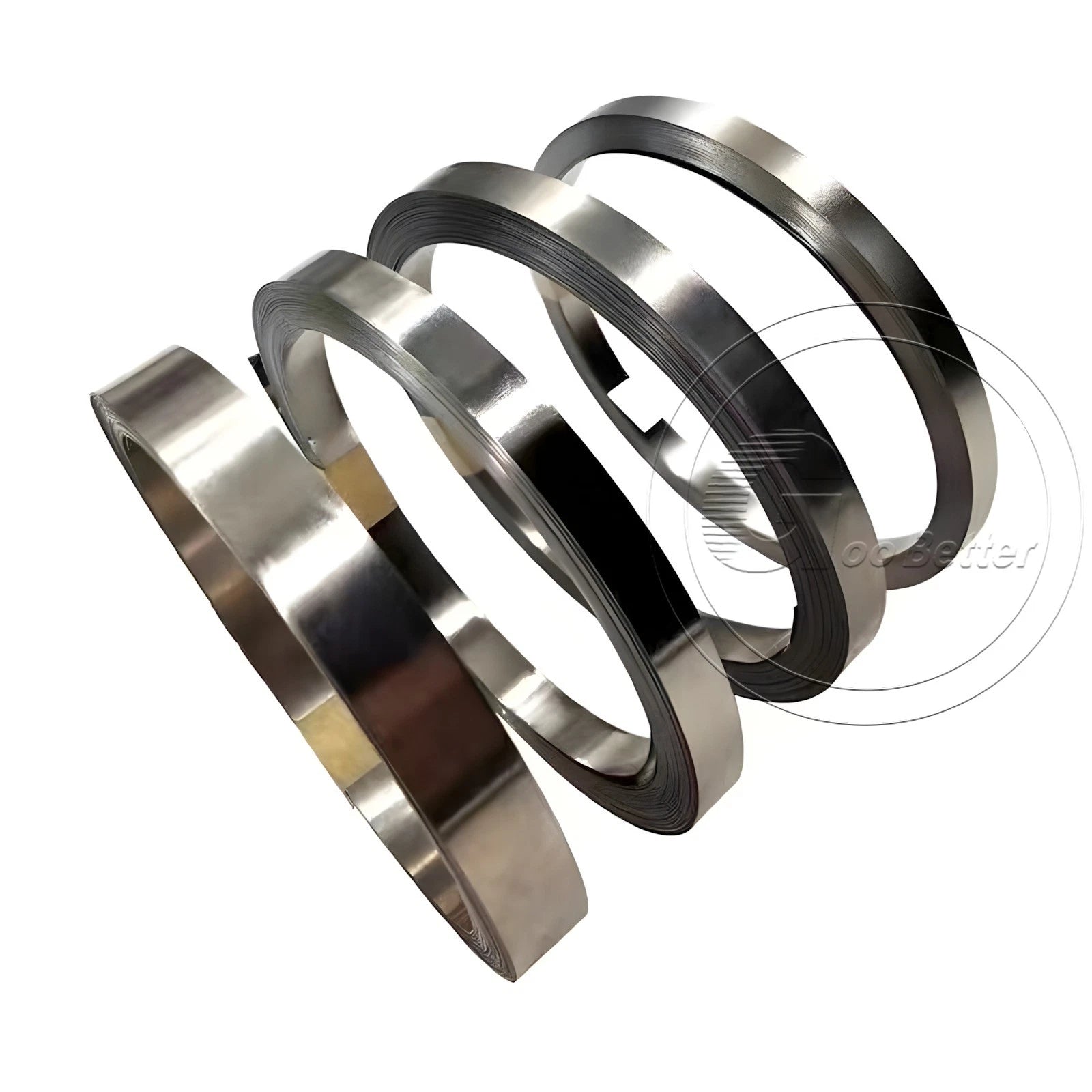
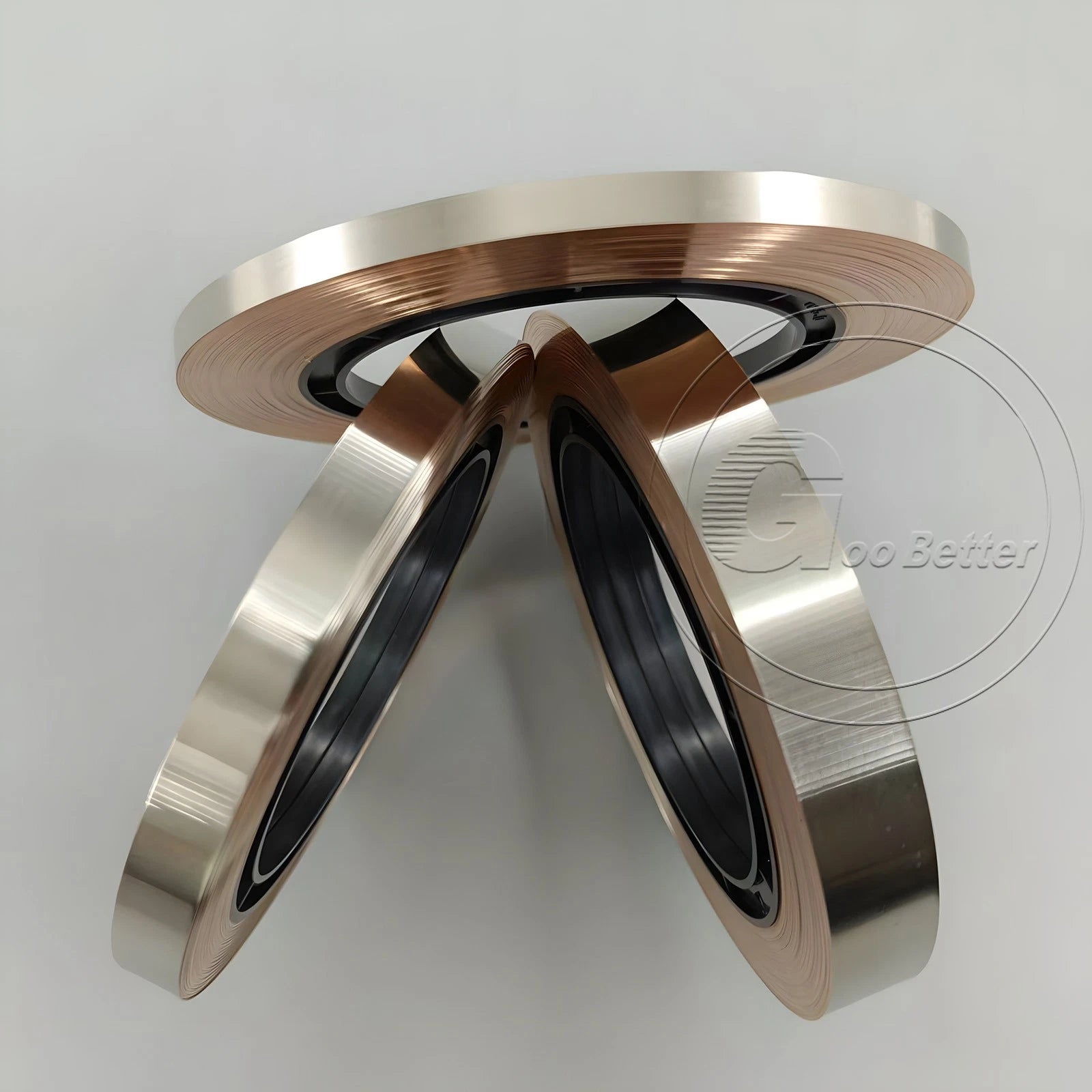
When a loose or corroded battery connection costs you a project, the conductor material is usually to blame. Makers, EV hobbyists, and workshop builders who need dependable spot-weld-ready strip turn to nickel plated pure copper tape to keep their battery packs, bus bars, and power distribution assemblies running without interruption.
This nickel plated pure copper strip is made from high-conductivity copper substrate with a uniform nickel plating layer applied for corrosion resistance. Thickness ranges from 0.1 mm to 1.0 mm (approx. 0.004 in – 0.039 in), width from 5 mm to 100 mm (approx. 0.20 in – 3.94 in), and length options of 1 m, 2 m, 5 m, and 10 m let you cut exactly what you need with minimal waste.
Typical applications include 18650 / 21700 lithium battery pack assembly, spot welding bus bars for e-bike and power tool battery rebuilds, grounding straps in custom electronics enclosures, and flexible copper shielding tape for RF and EMI suppression in DIY audio and radio projects.
Copper substrate delivers low electrical resistance and efficient current transfer across battery cell connections and bus bar assemblies.
Uniform nickel finish resists oxidation and surface corrosion, maintaining stable contact resistance over repeated charge-discharge cycles.
Thickness 0.1–1.0 mm and width 5–100 mm cover narrow cell tabs through wide bus bar applications; length options 1–10 m reduce off-cuts.
Consistent thickness and flat surface profile allow repeatable spot welds without pre-treatment, saving setup time on battery pack builds.
Soft copper core bends and cuts cleanly with standard scissors or tin snips; no annealing required for thicknesses up to 0.5 mm.
Beyond battery packs, use as grounding straps, EMI shielding tape, flexible bus bars, and conductive bridging strips in custom electronics builds.
| Material | Pure copper with nickel plating |
|---|---|
| Finish | Nickel plated |
| Thickness Range | 0.1 mm – 1.0 mm (0.004 in – 0.039 in) |
| Width Range | 5 mm – 100 mm (0.20 in – 3.94 in) |
| Length Options | 1 m / 2 m / 5 m / 10 m |
| Selected Thickness | See variant options |
| Selected Width | See variant options |
| Selected Length | See variant options |
| Conductivity | See variant options |
| Tensile Strength | See variant options |
| System of Measurement | Metric |
| Recommended Use | Battery connectors, spot welding, bus bars, EMI shielding, grounding straps |
For standard 18650 or 21700 cell tabs, 0.1 mm – 0.2 mm is the most common range used with entry-level spot welders. Thicker strips (0.3 mm – 0.5 mm) handle higher current loads and suit larger packs or parallel configurations. For heavy-duty bus bars, 1.0 mm provides maximum conductivity. Match your welder's pulse energy rating to the strip thickness before welding.
A 5 mm – 8 mm width fits neatly across the positive cap of a standard 18650 cell. For 21700 cells or series-parallel configurations where you need to bridge multiple cells, 10 mm – 20 mm widths are commonly used. Wider strips (30 mm+) are better suited for bus bar applications rather than individual cell tabs.
The nickel layer provides meaningful oxidation resistance compared to bare copper, which tarnishes quickly when exposed to air and moisture. For long-term use in humid or outdoor-adjacent environments, consider applying a conformal coating over completed assemblies for additional protection. The nickel finish also improves solderability compared to unplated copper.
Yes. The nickel plated surface accepts solder well with standard rosin-core solder and a temperature-controlled iron. Soldering is a viable alternative for low-volume builds or repairs where a spot welder is unavailable. Keep heat application brief to avoid heat-soaking adjacent cells. For thicker strips (0.5 mm+), a higher-wattage iron (60 W+) is recommended.
This strip is compatible with most pulse-type and resistance spot welders commonly used for battery pack assembly. Verify your welder's maximum weldable thickness specification against the strip thickness you select. Thinner strips (0.1 mm – 0.2 mm) work with entry-level welders; thicker strips (0.3 mm – 1.0 mm) typically require higher-energy machines.
For strips up to 0.5 mm thick, sharp scissors or aviation snips produce clean cuts. For 1.0 mm strips, use tin snips or a metal shear for a burr-free edge. Score-and-snap methods are not recommended as they can deform the strip. Deburr cut edges with fine sandpaper (400 grit) before welding to ensure consistent electrode contact.
Yes. Wider, thinner strips (0.1 mm – 0.2 mm, 20 mm – 100 mm) are well suited for lining enclosures, wrapping cables, or creating Faraday-style shielding in DIY audio, radio, and electronics projects. The nickel plating maintains surface conductivity over time, which is important for effective shielding performance.