
The chain is fine...but I ordered the wrong size. Nine links of the chain I ordered equals six of the size I wanted. My error...
How can I straighten out the springs? I can't use them coil uo as is.
Your payment information is processed securely. We do not store credit card details nor have access to your credit card information.
Get fitment advice & recommendations
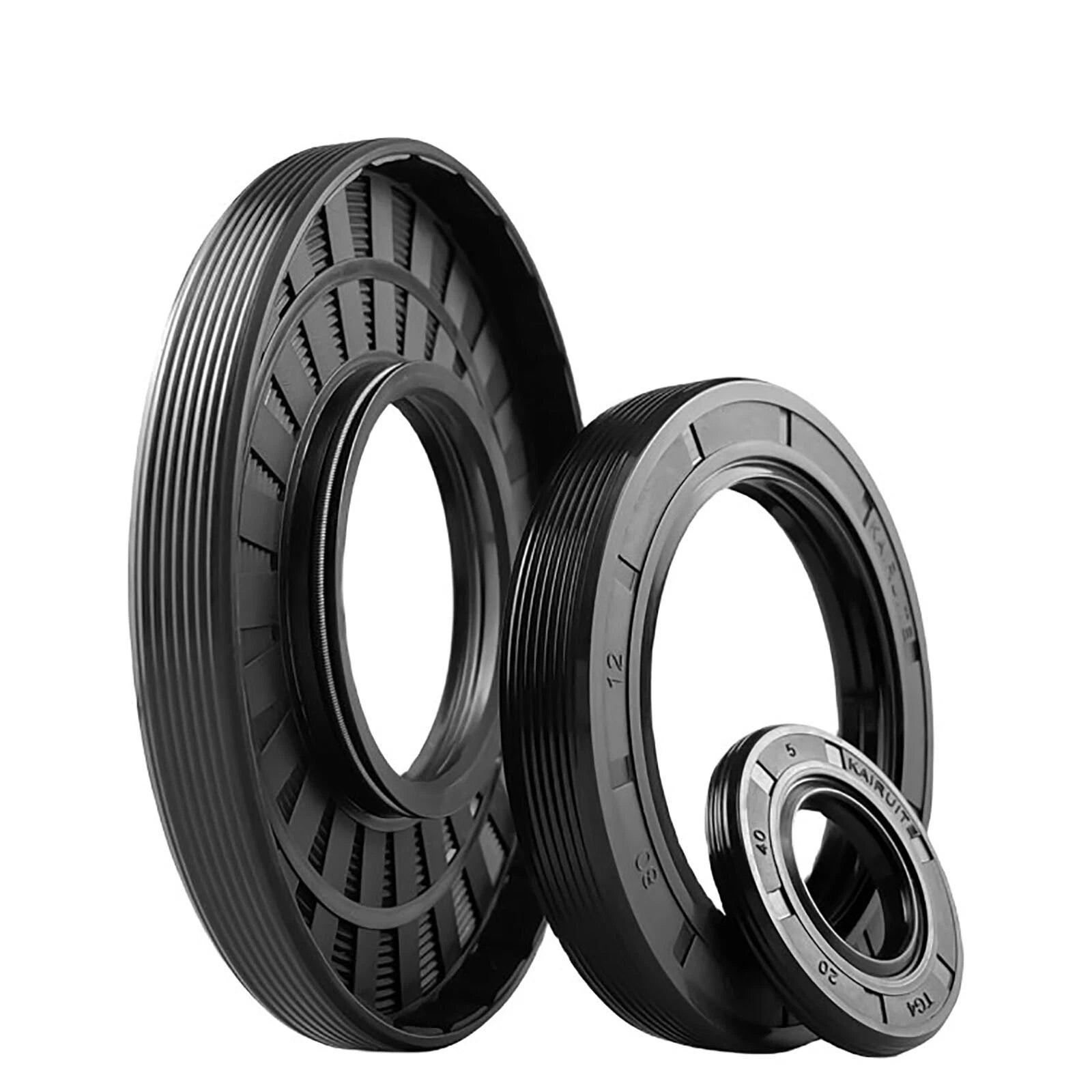
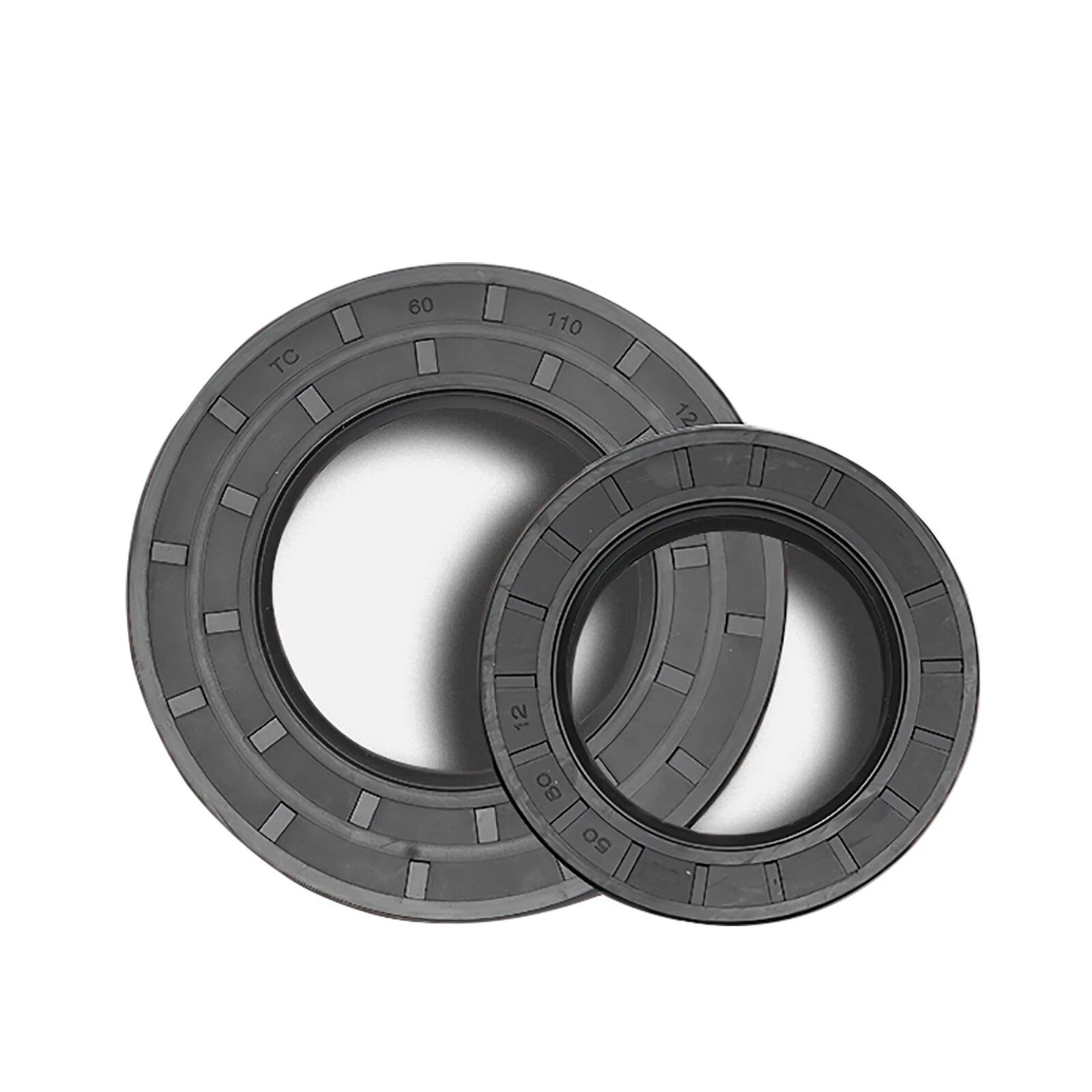
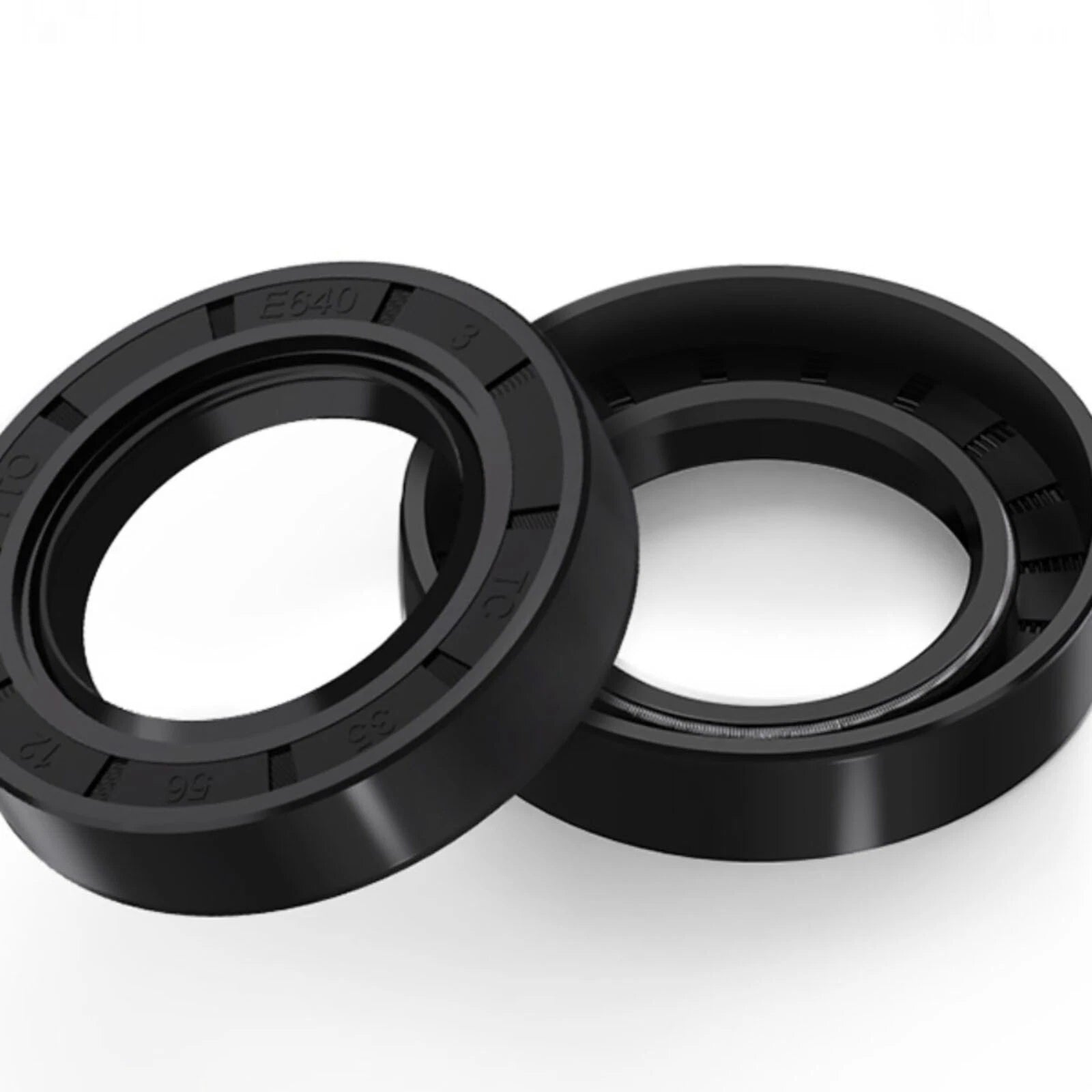
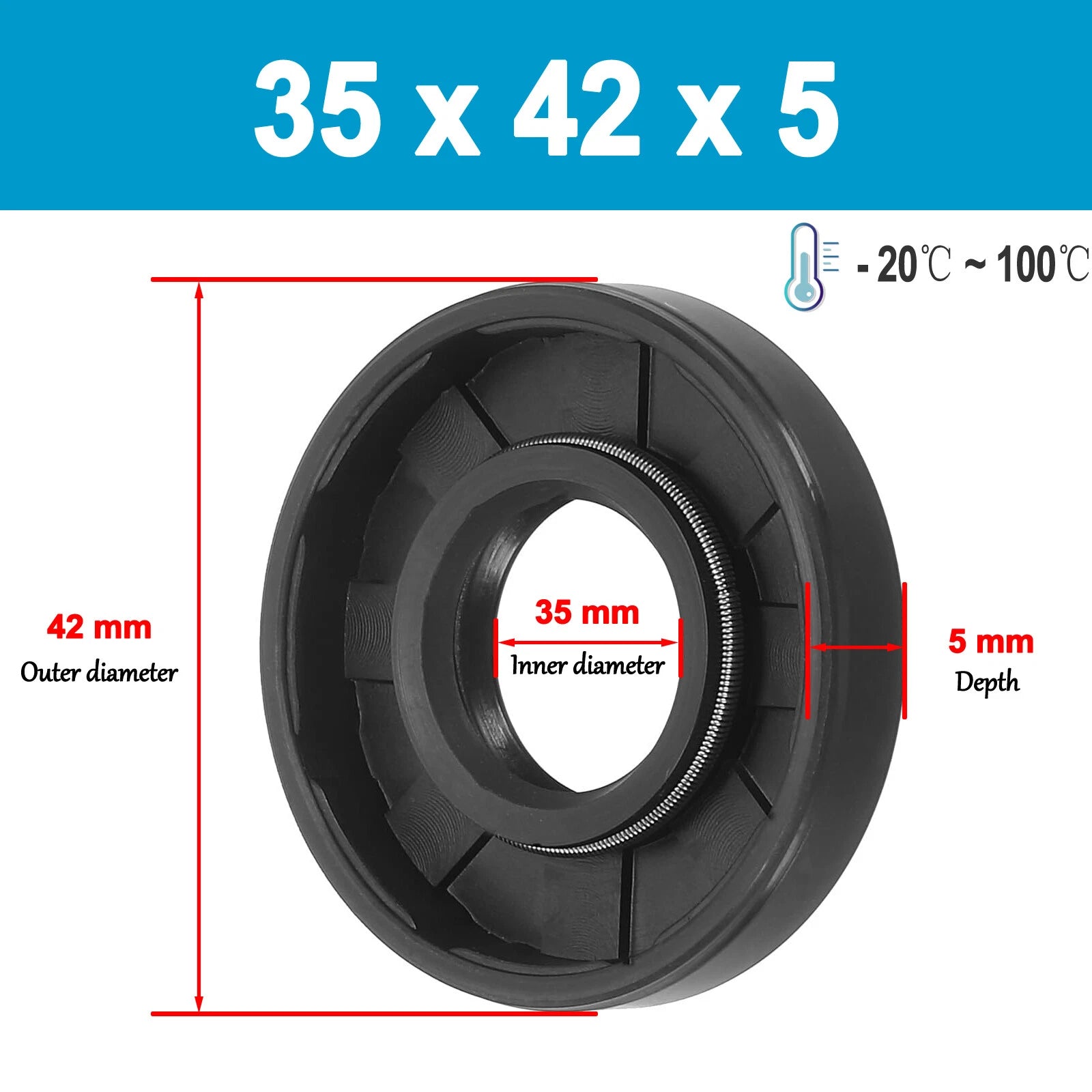
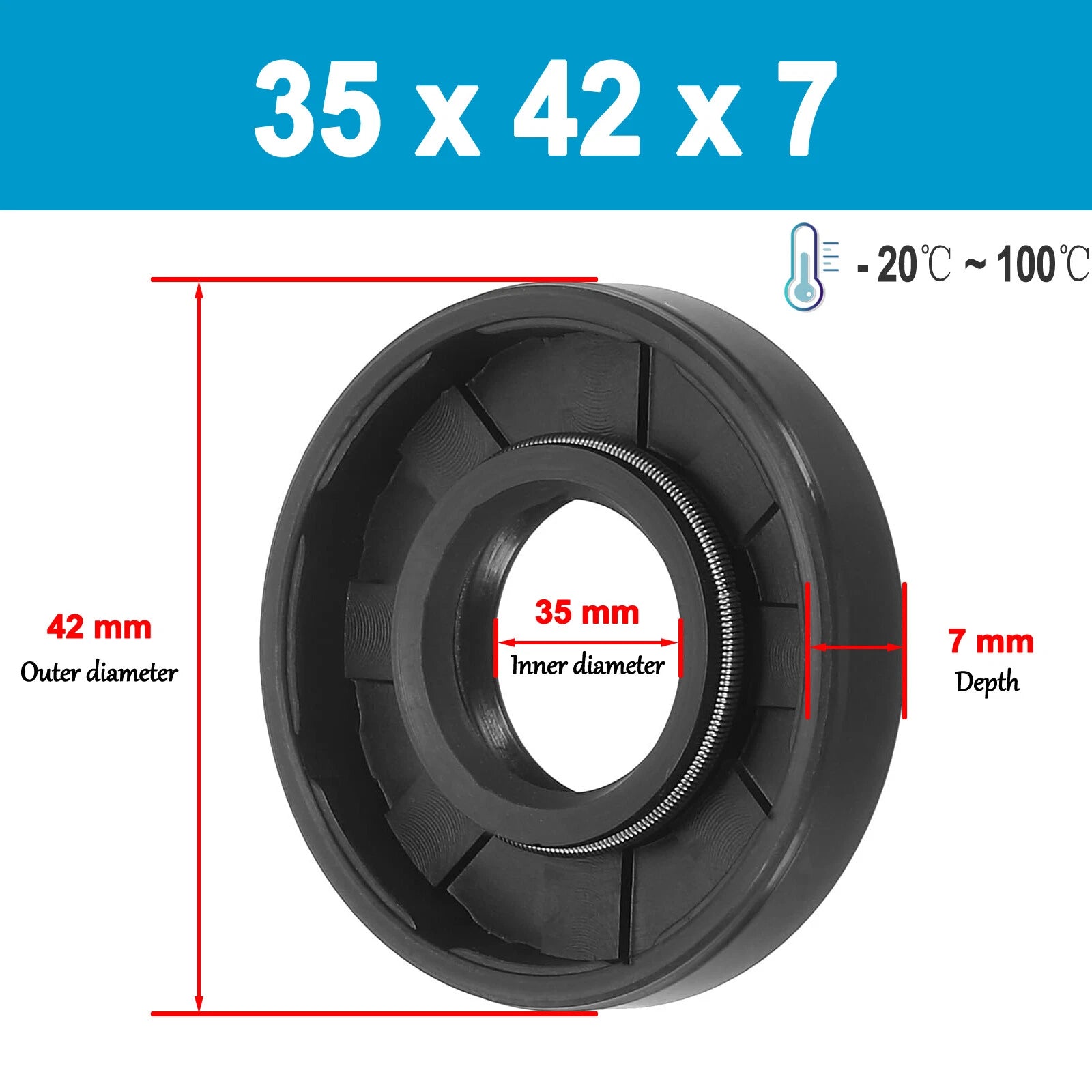
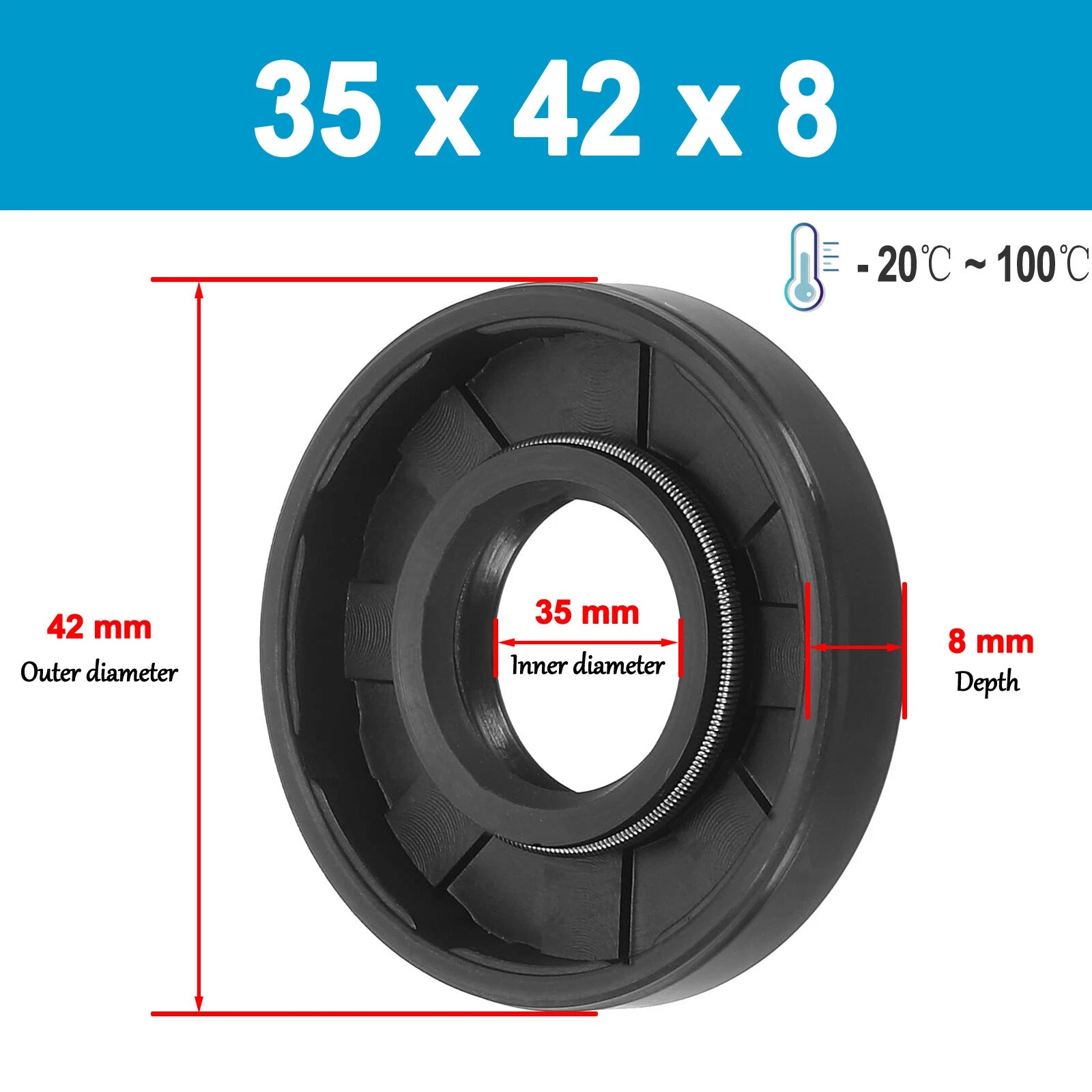
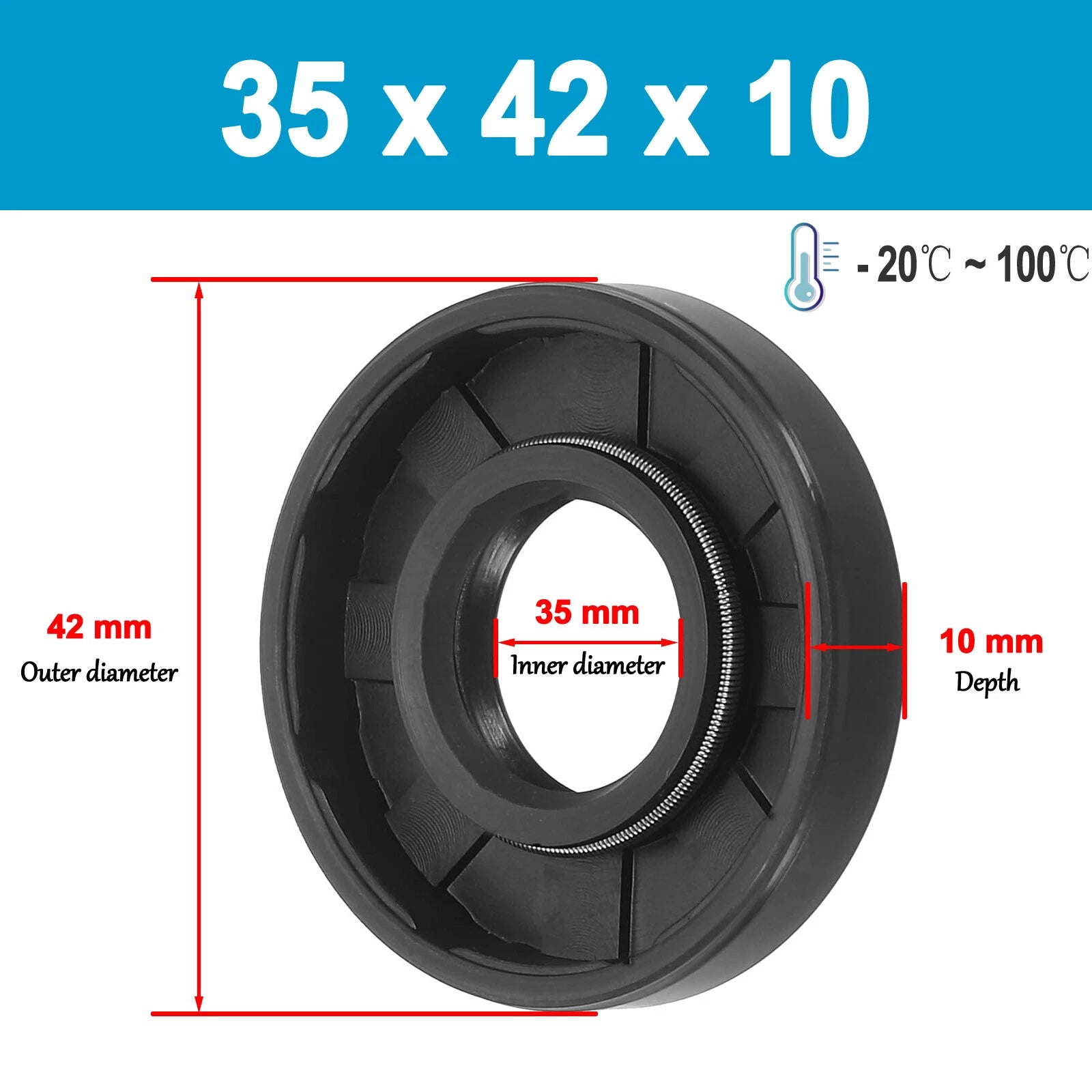
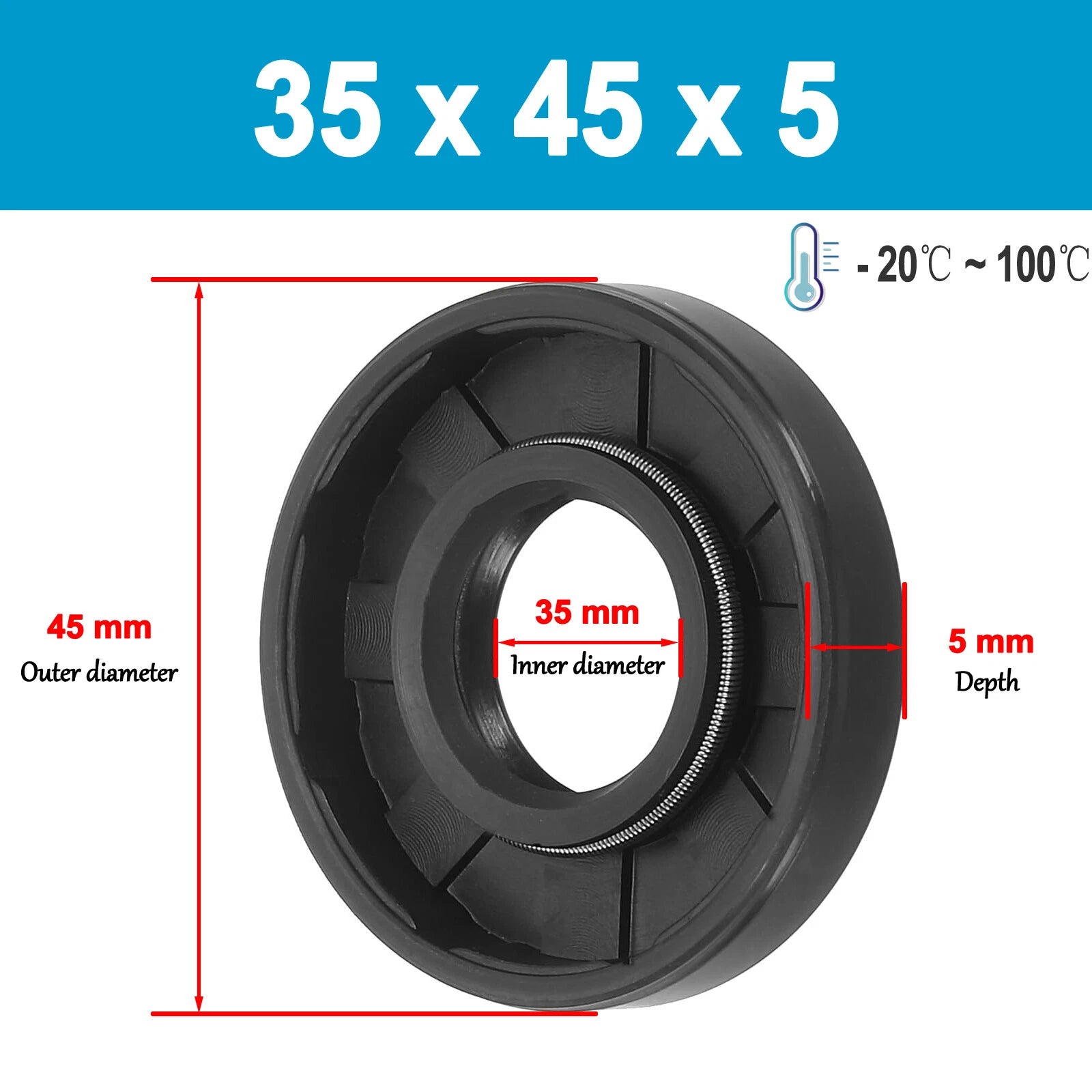
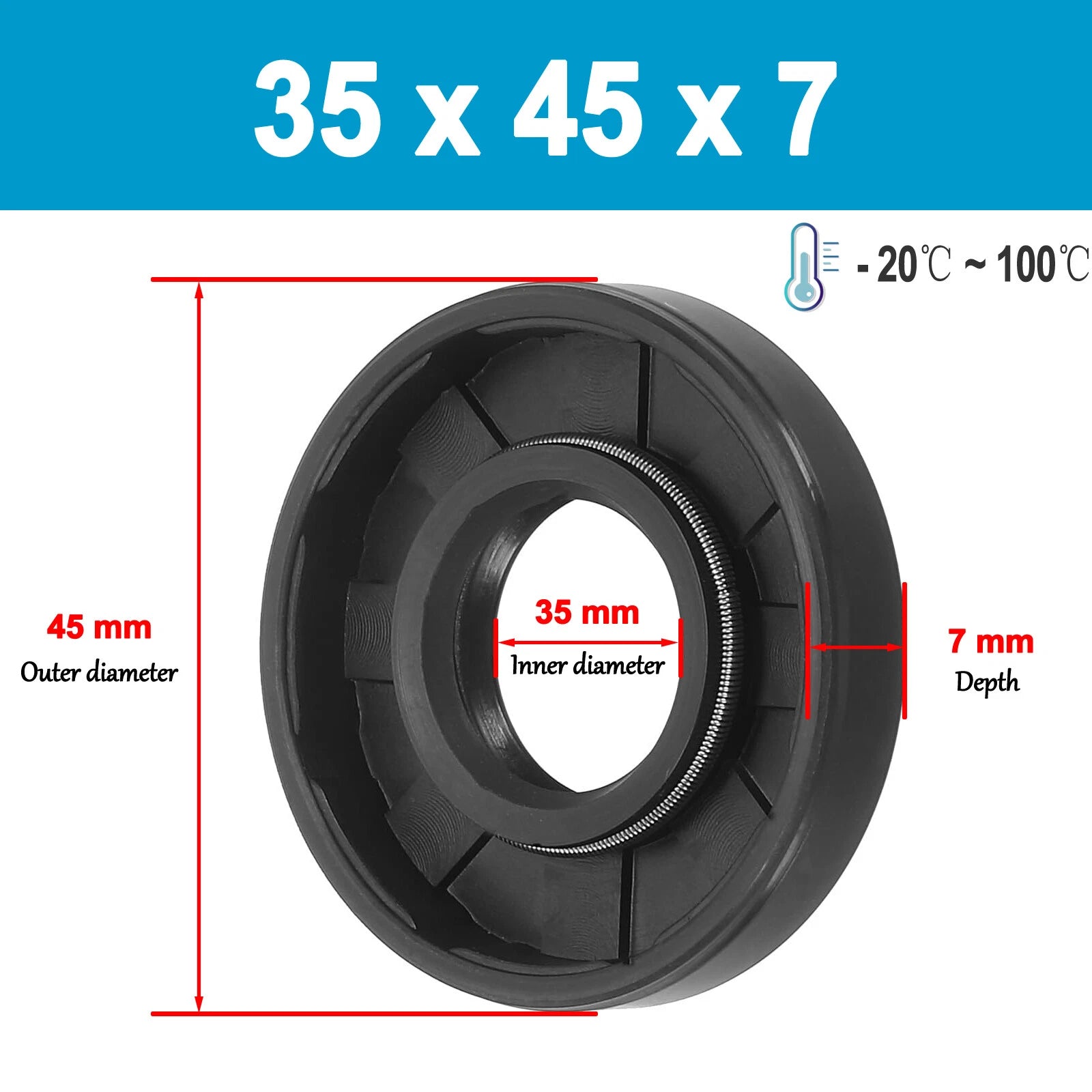
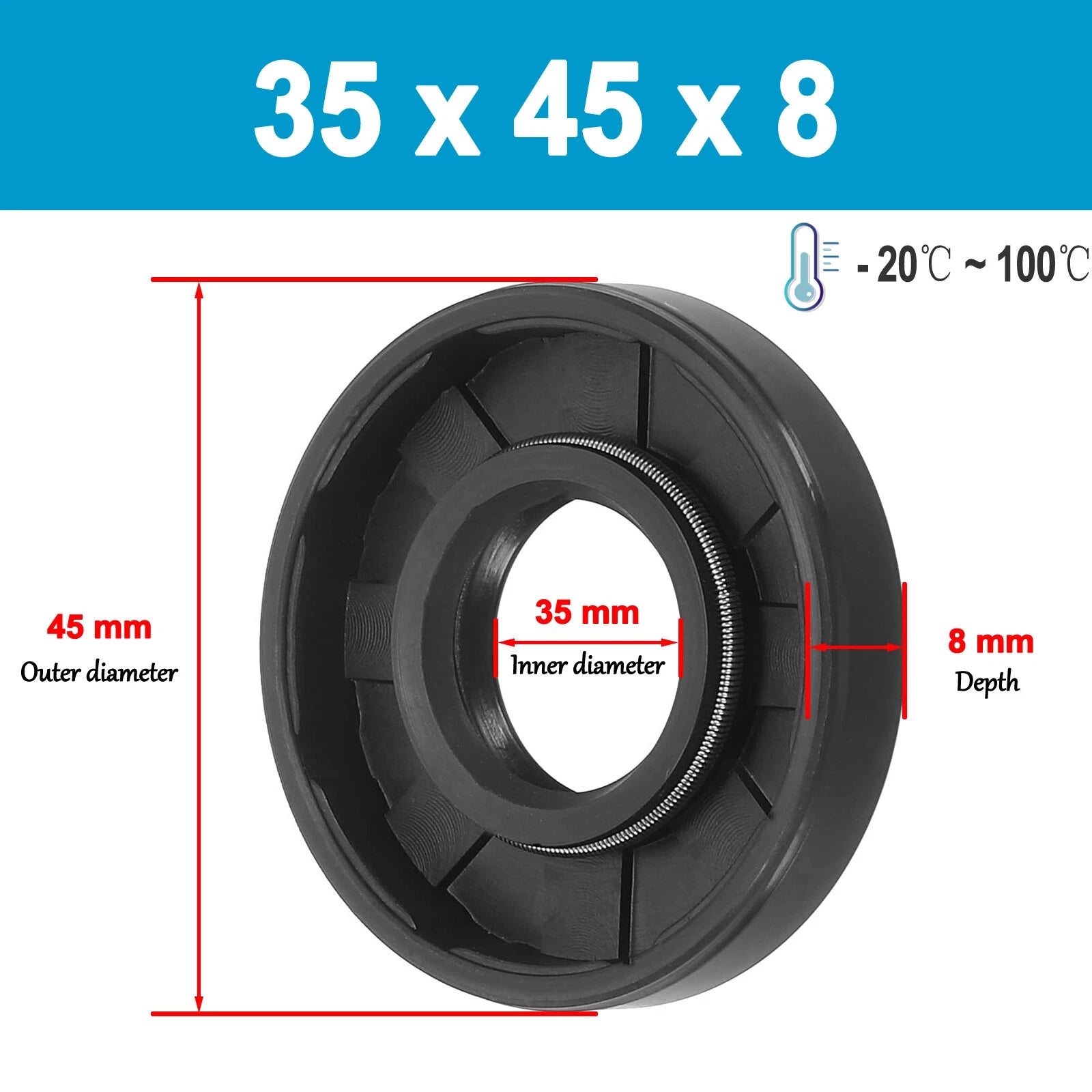
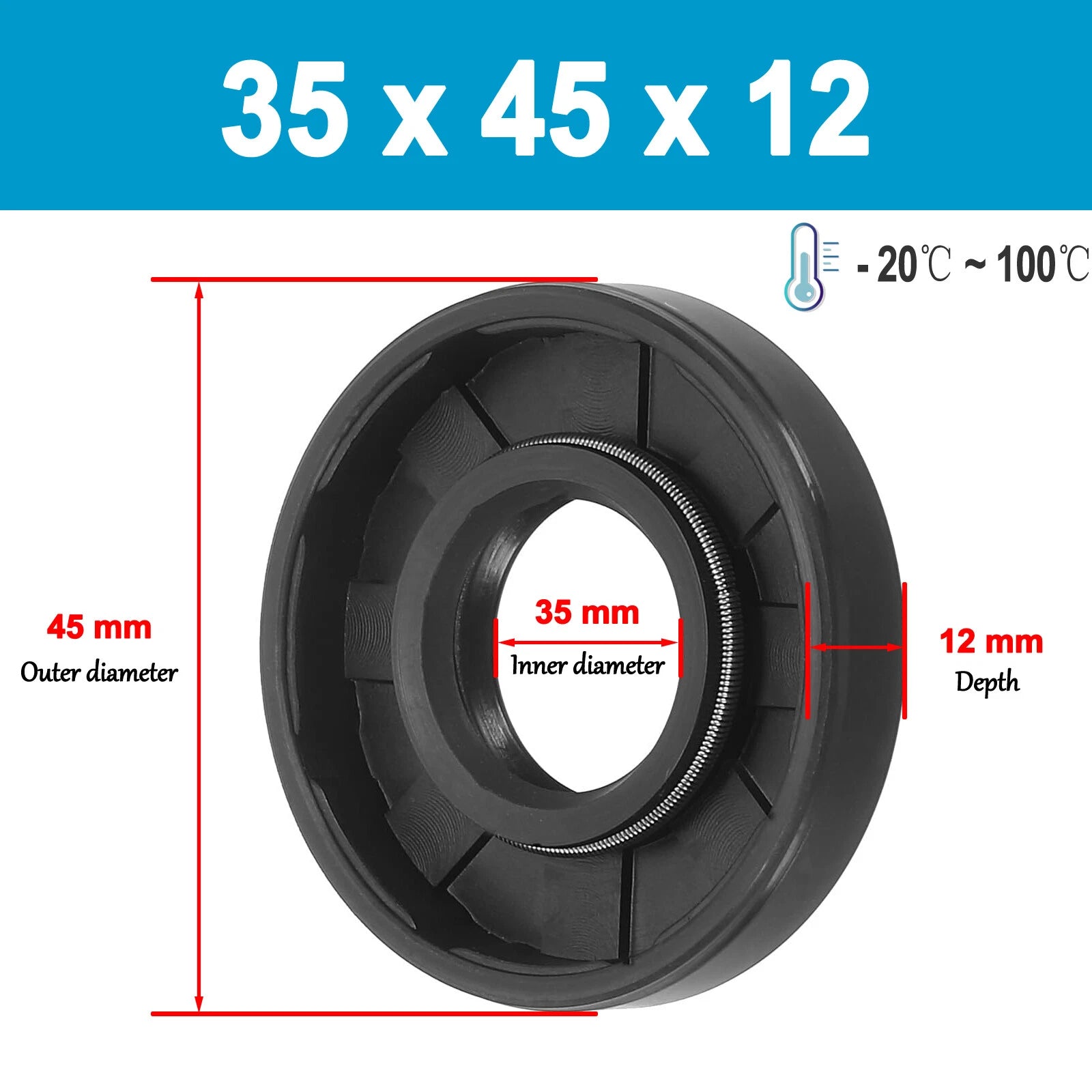
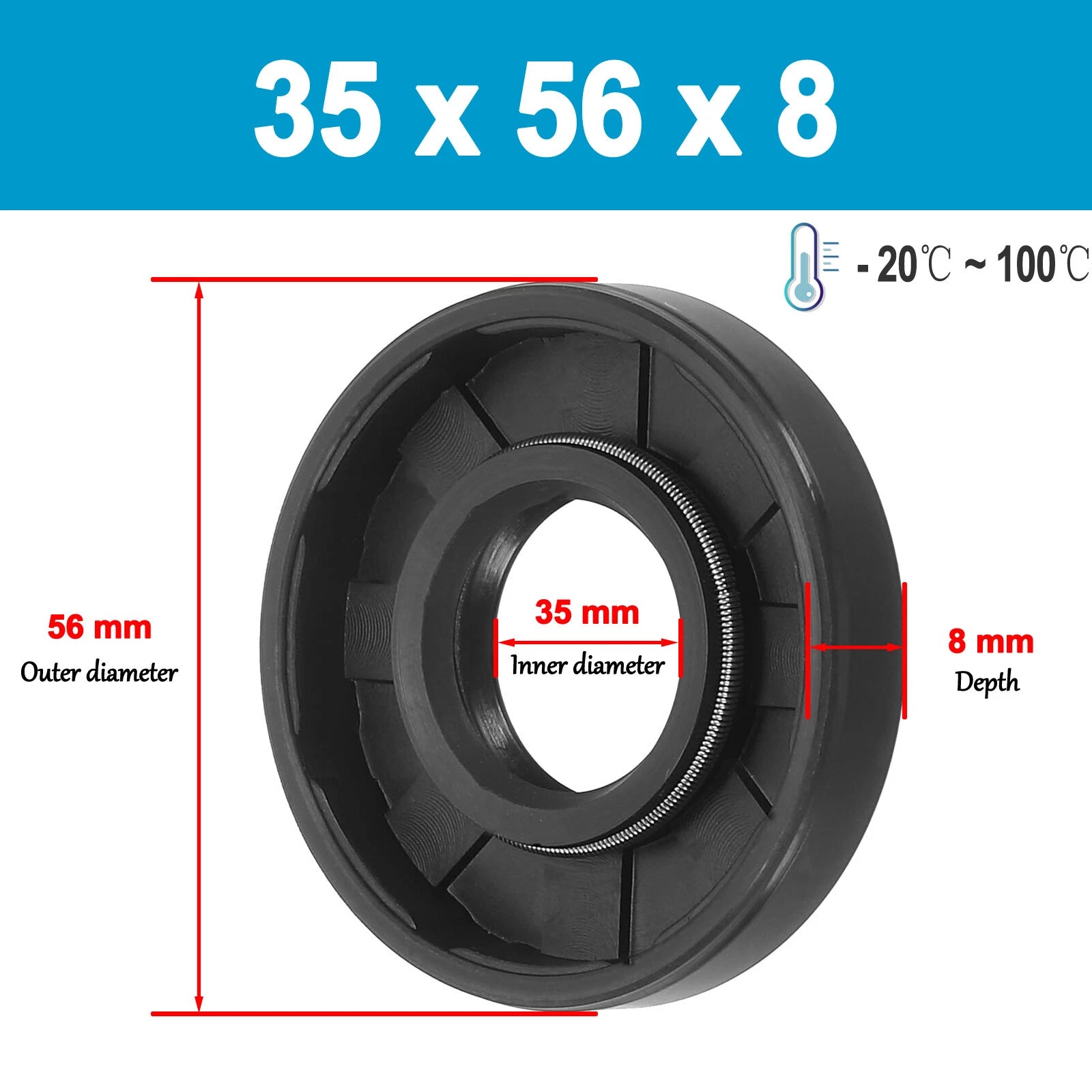
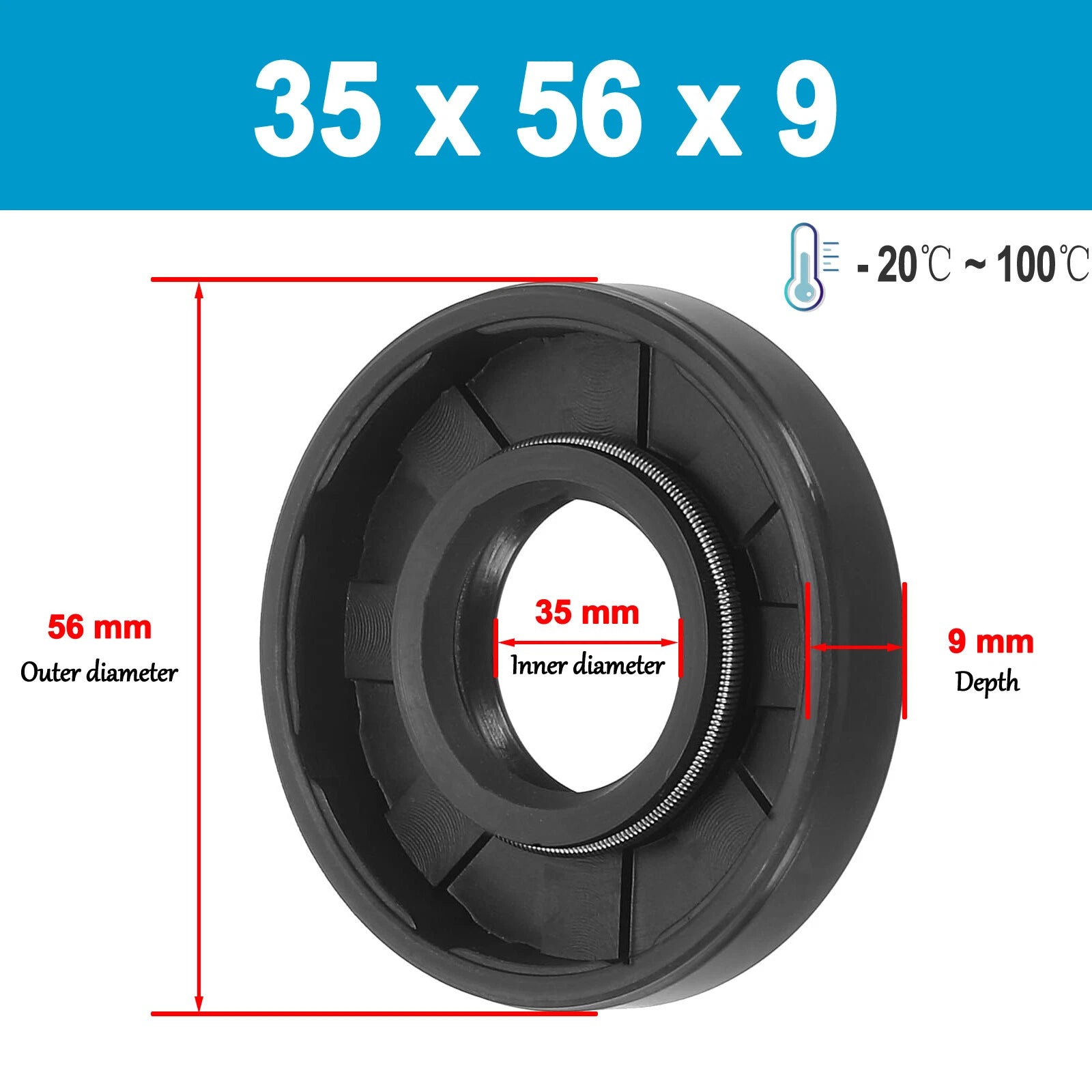
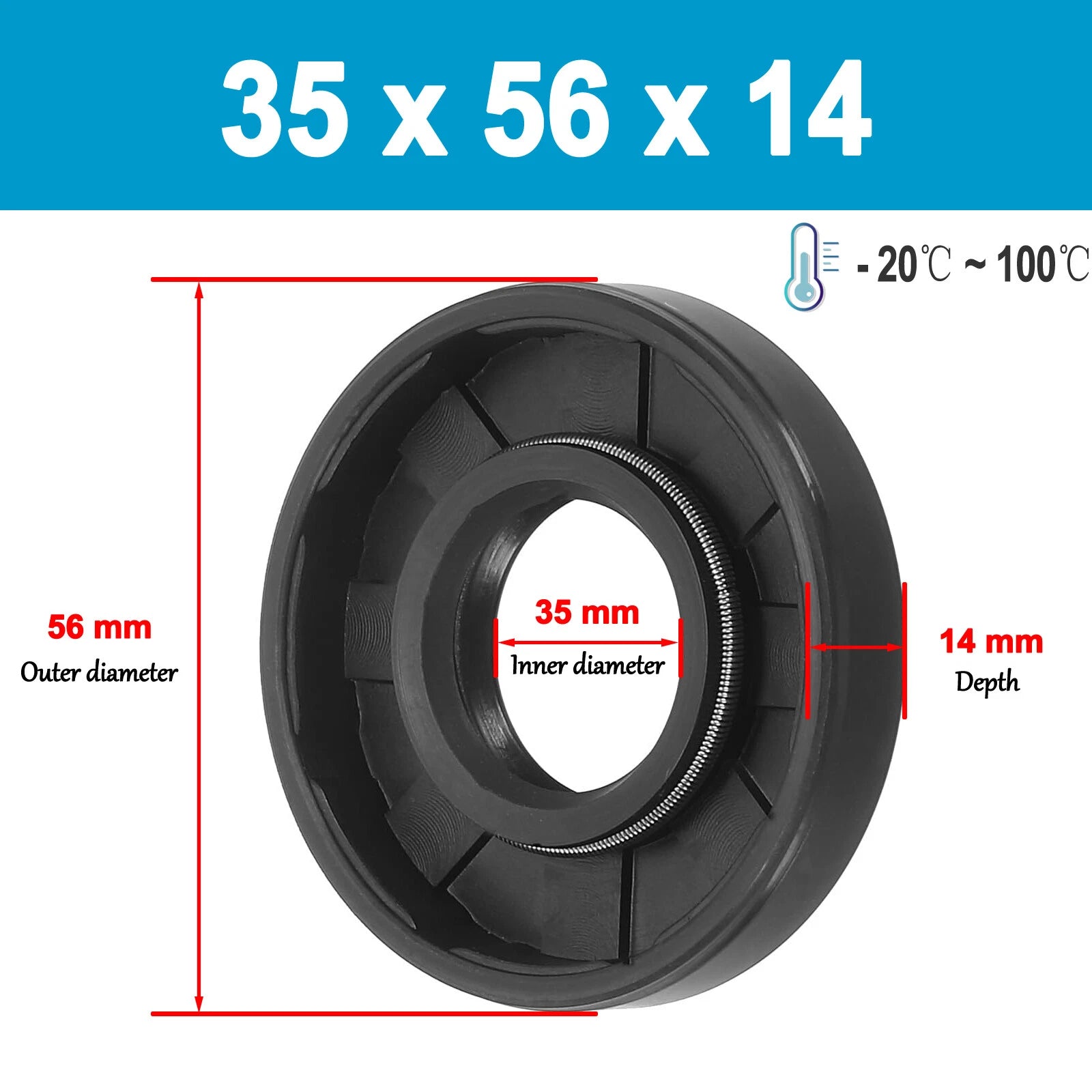
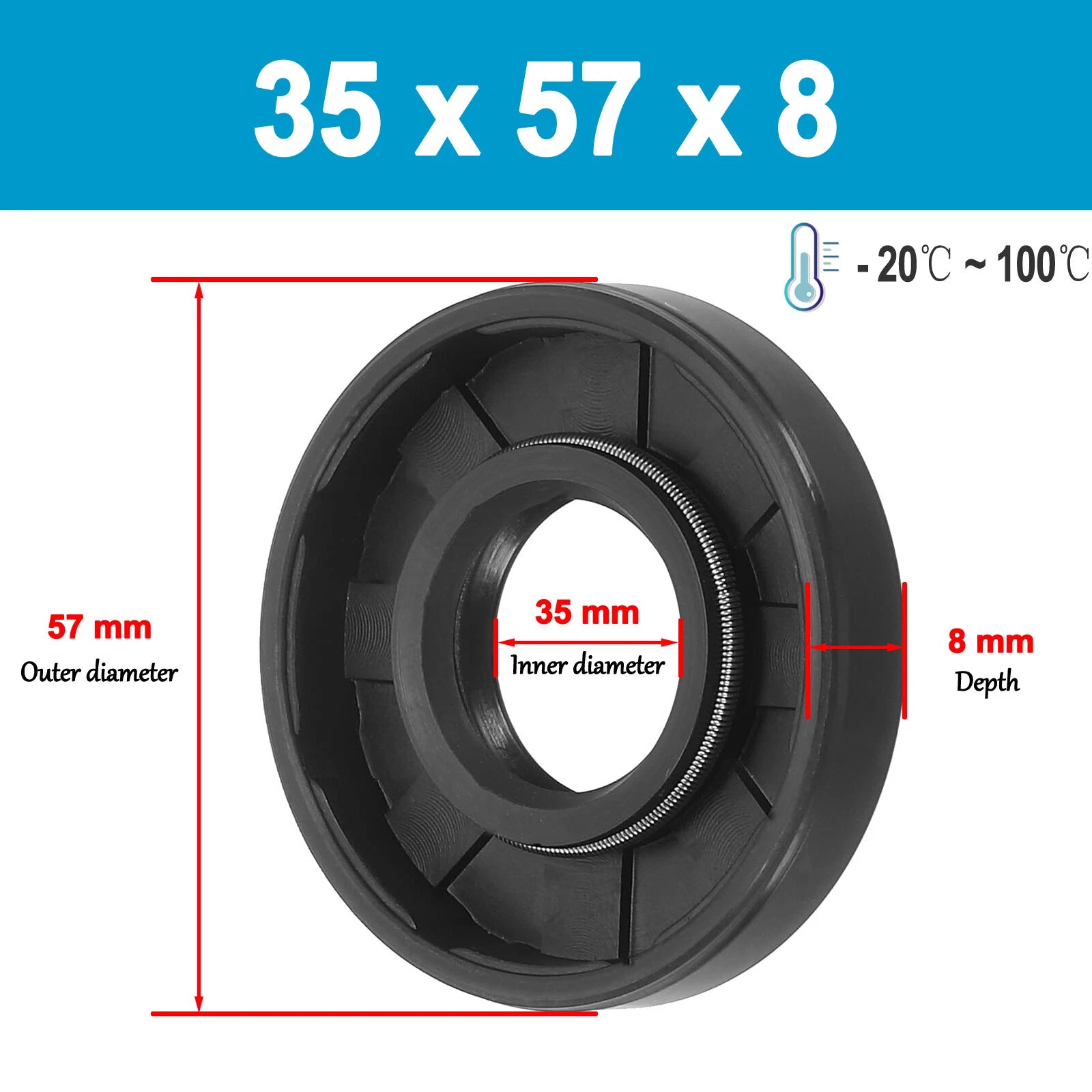
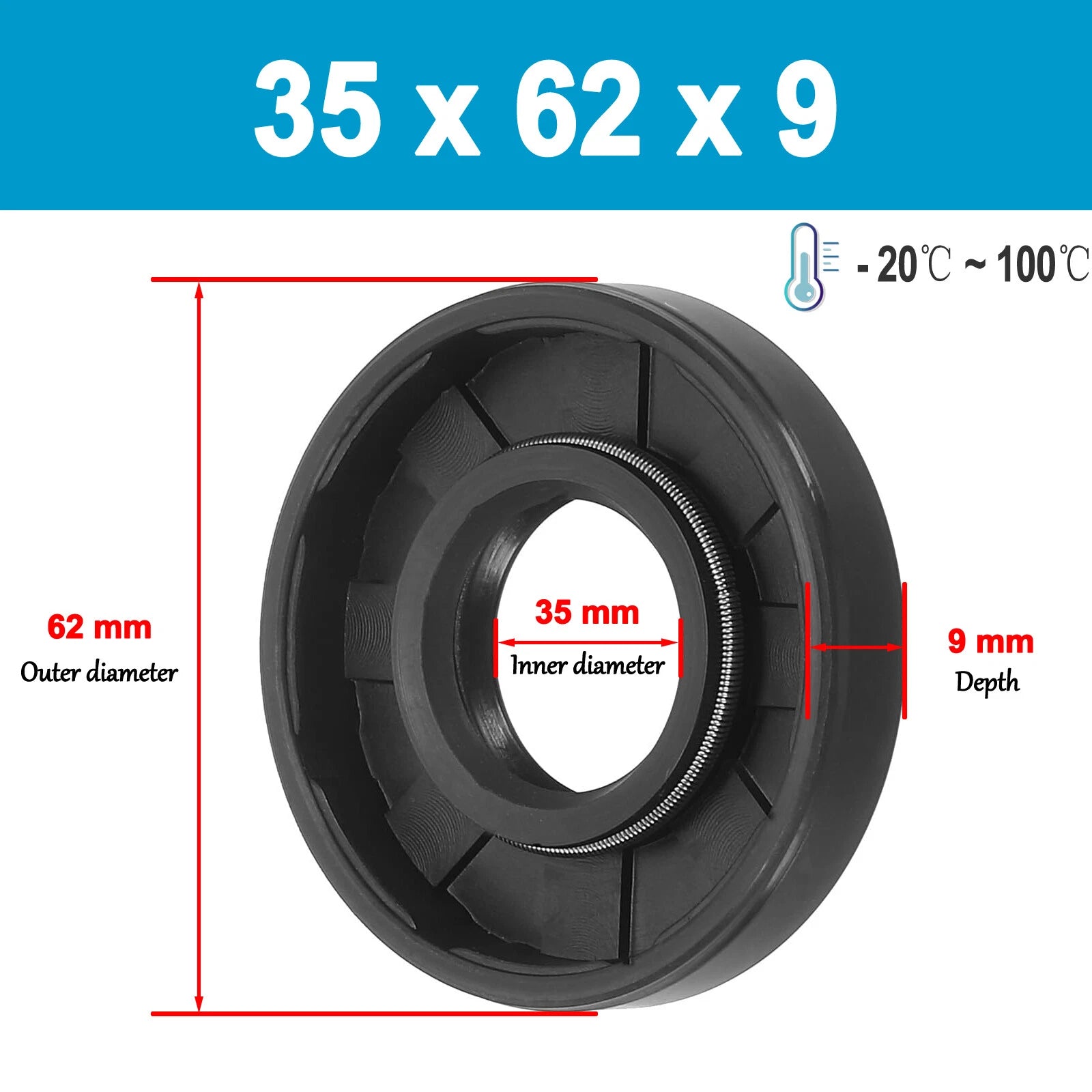
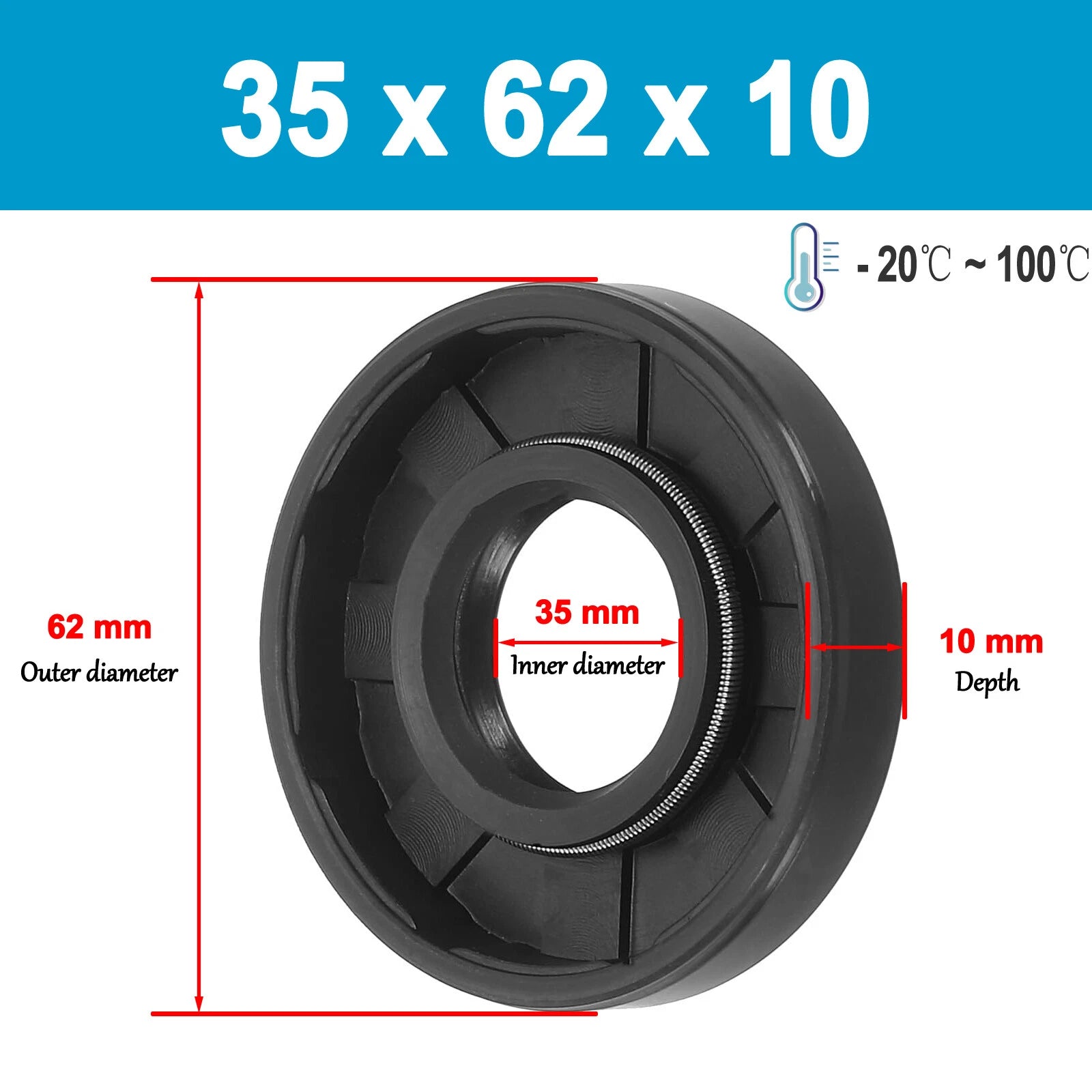
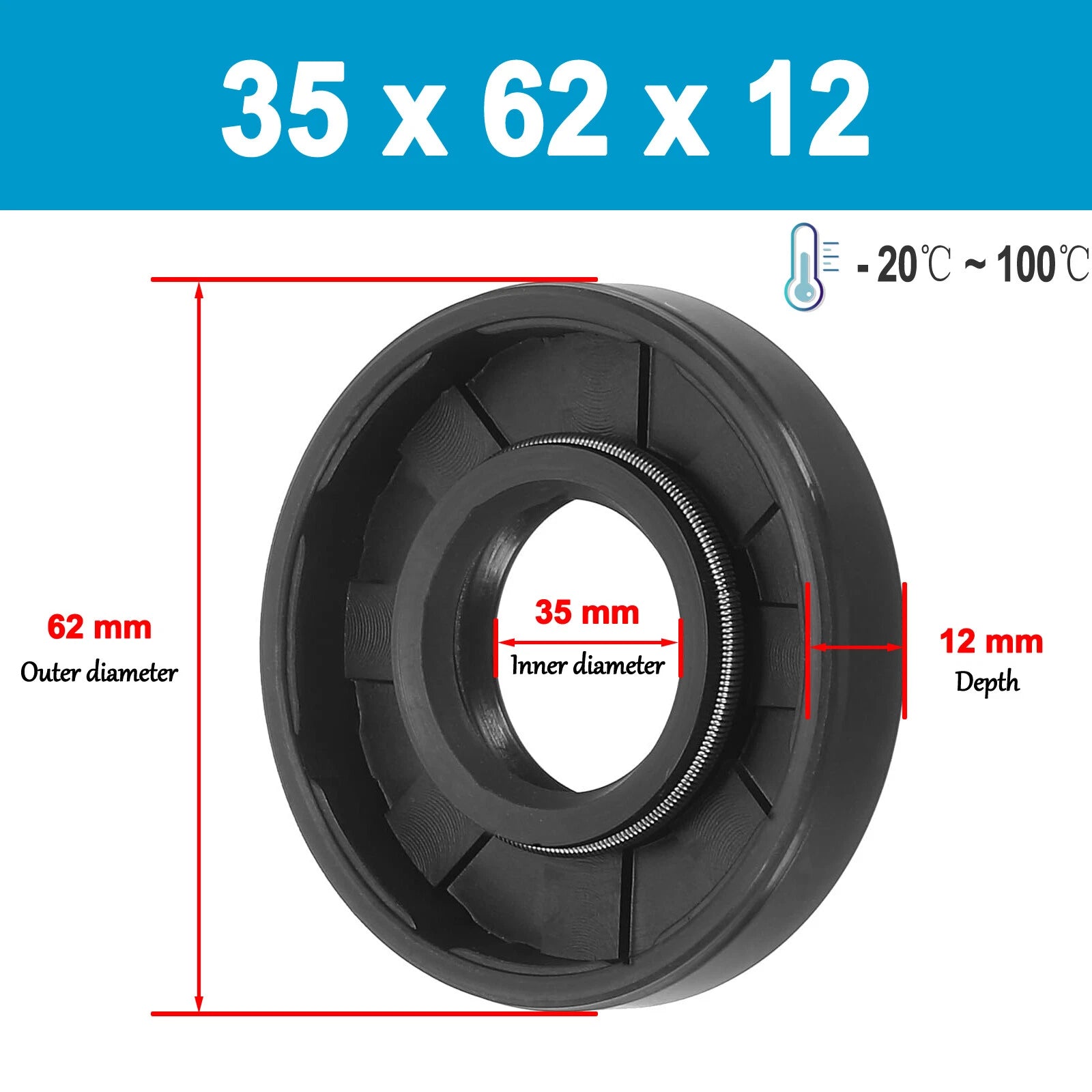
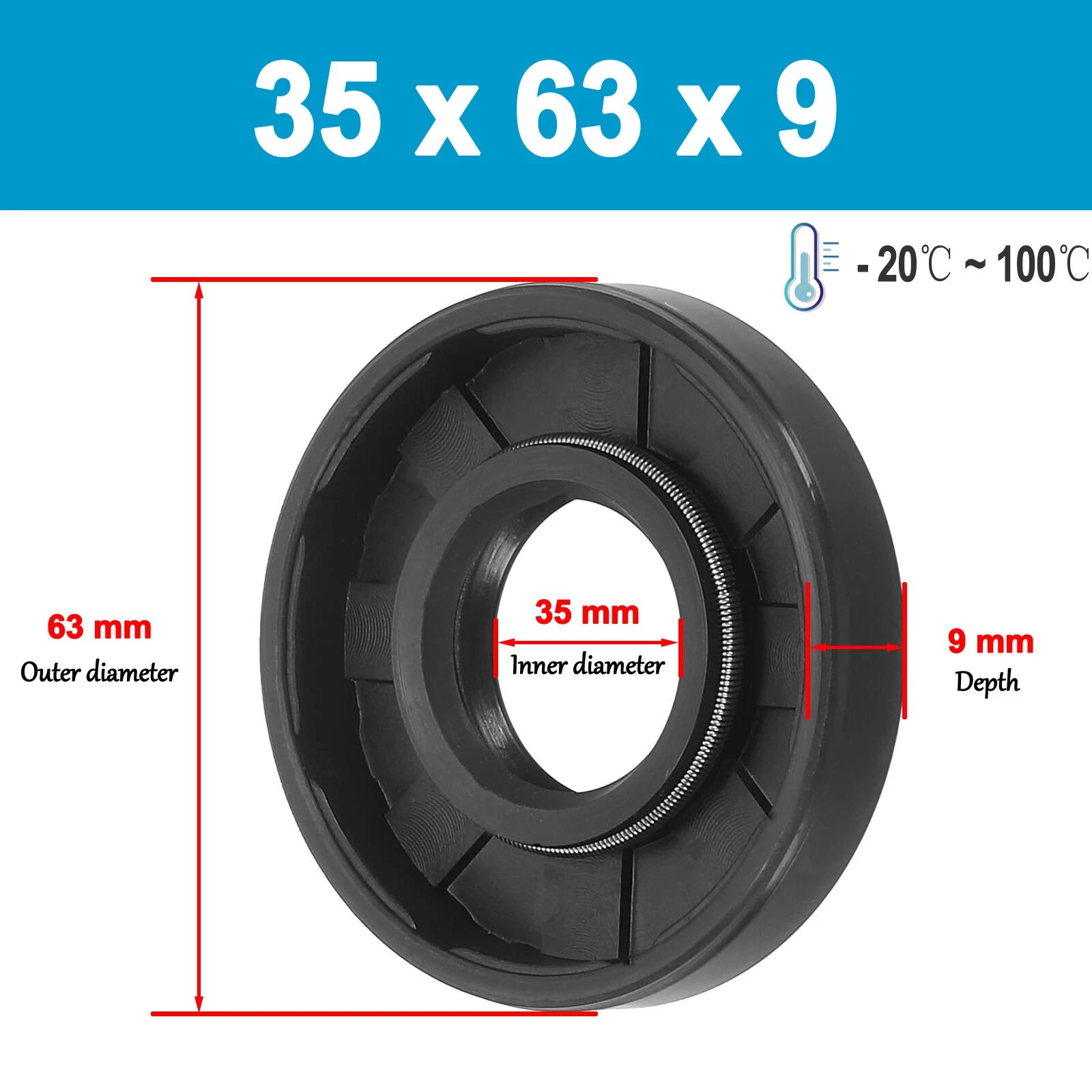
When a worn or incorrectly sized shaft seal causes lubricant leaks, contamination ingress, or premature bearing failure, the cost in downtime and repairs adds up fast. Engineers, mechanics, and serious DIYers who need a dependable replacement seal — without hunting through dozens of catalogues — will find exactly what they need here. This listing covers 35mm bore TC double lip rotary shaft oil seals across a wide range of outer diameters and depths, making it straightforward to match your housing bore and shaft precisely.
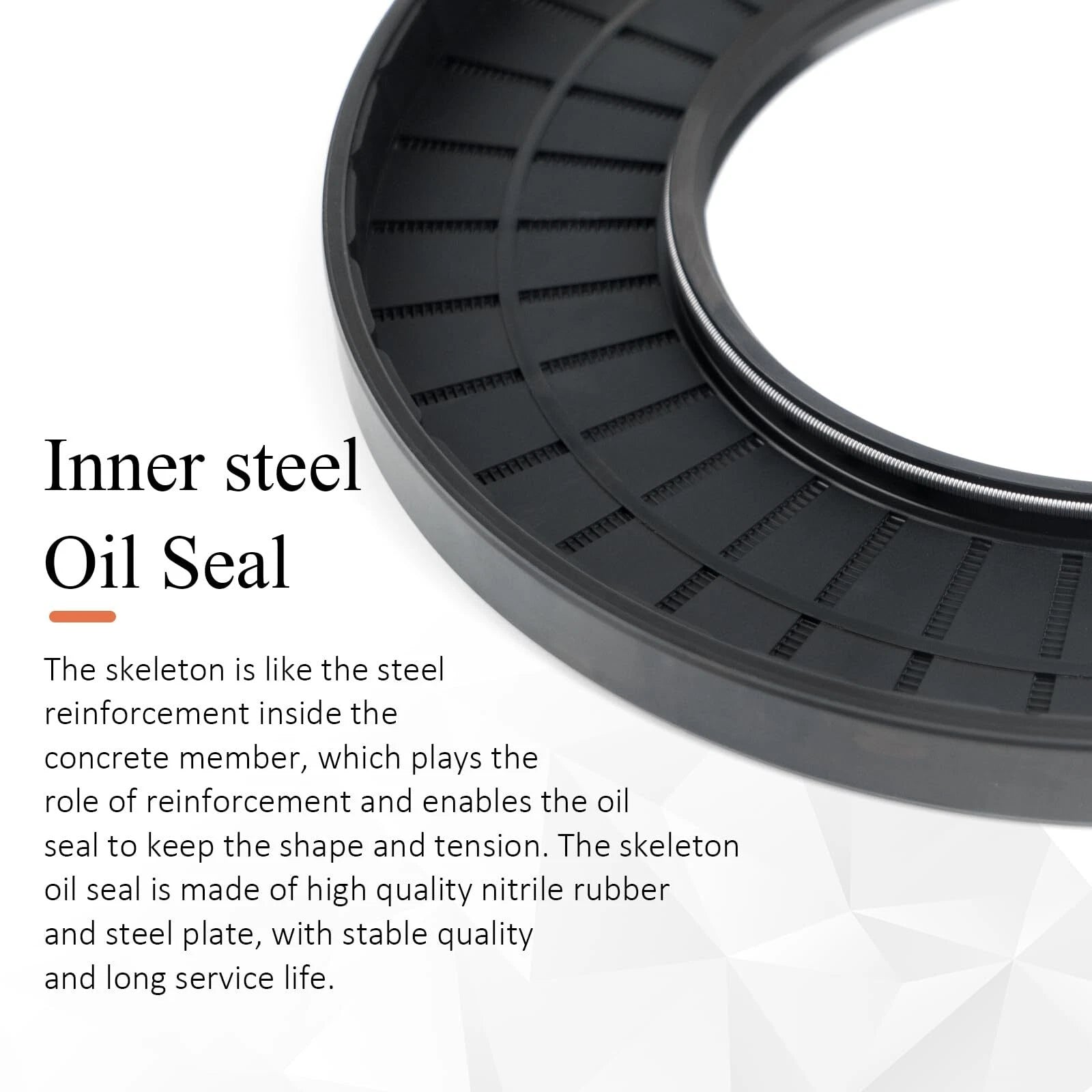
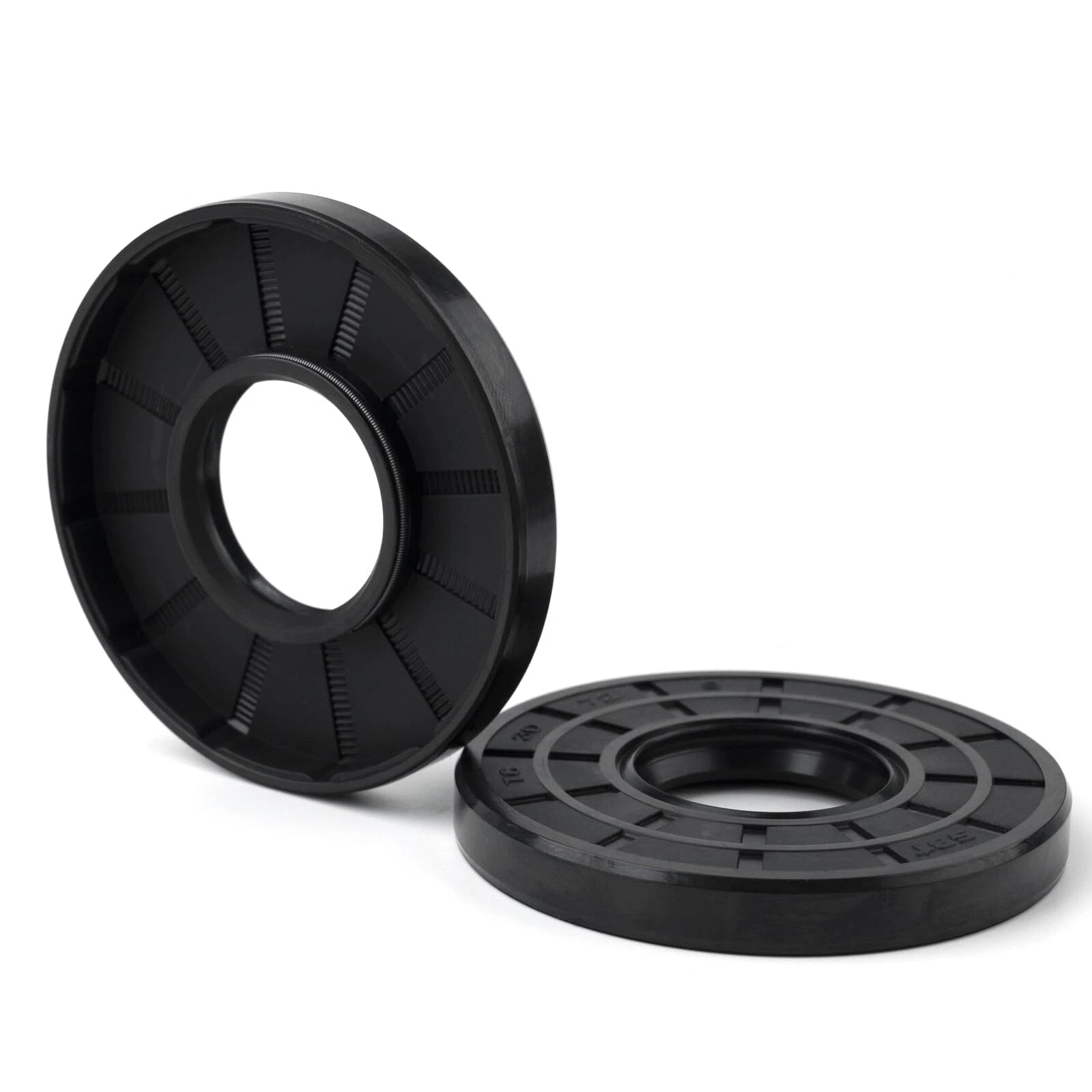
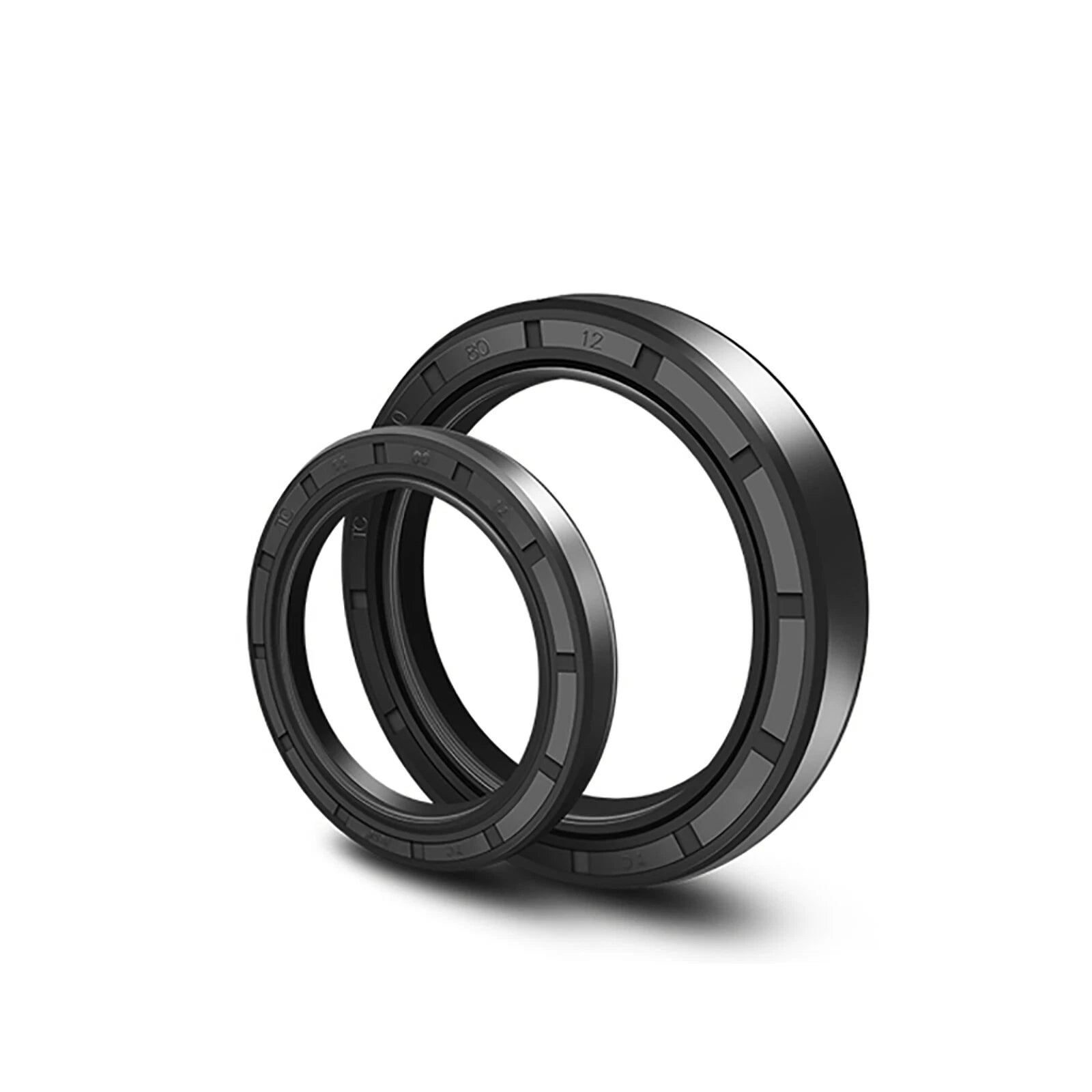
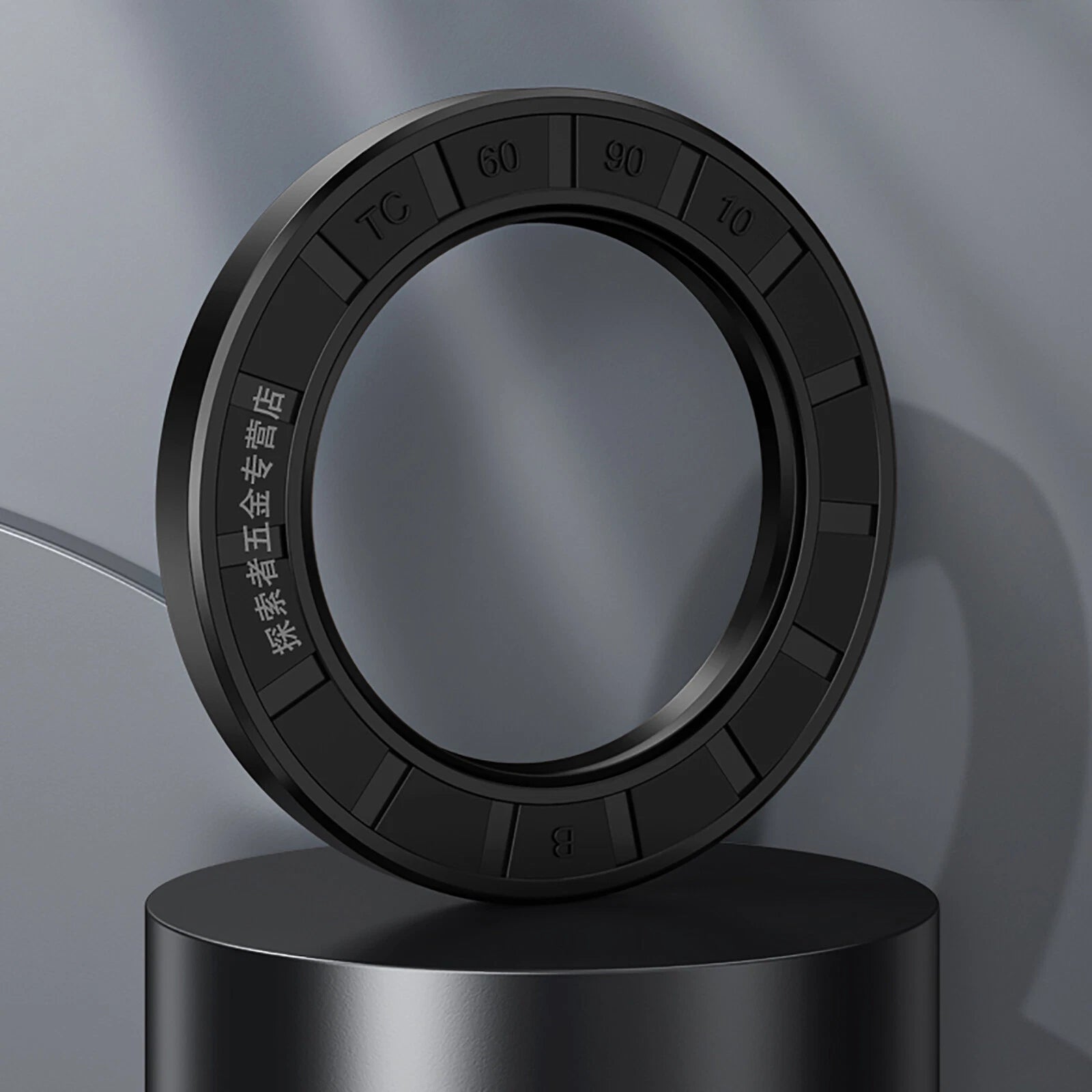
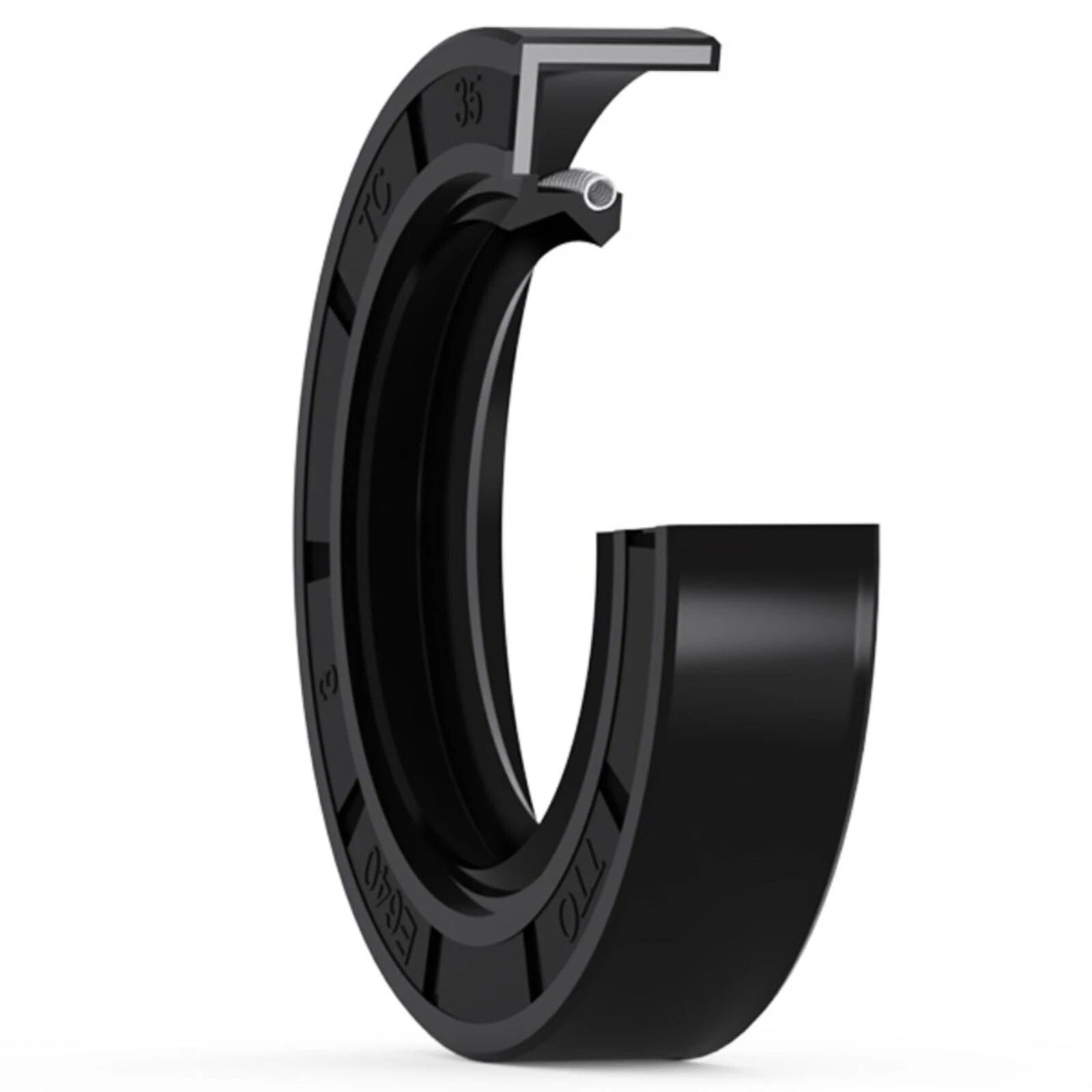
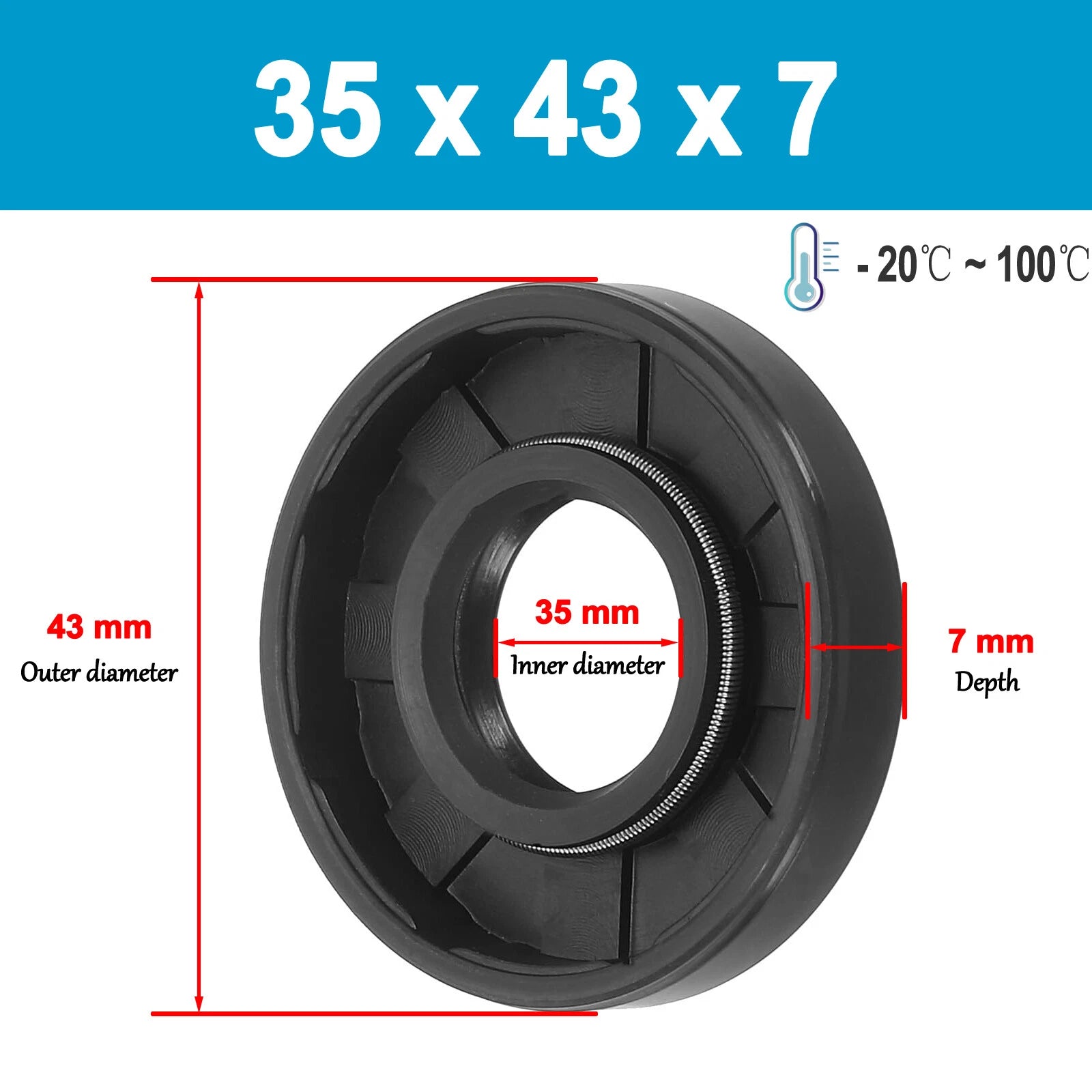
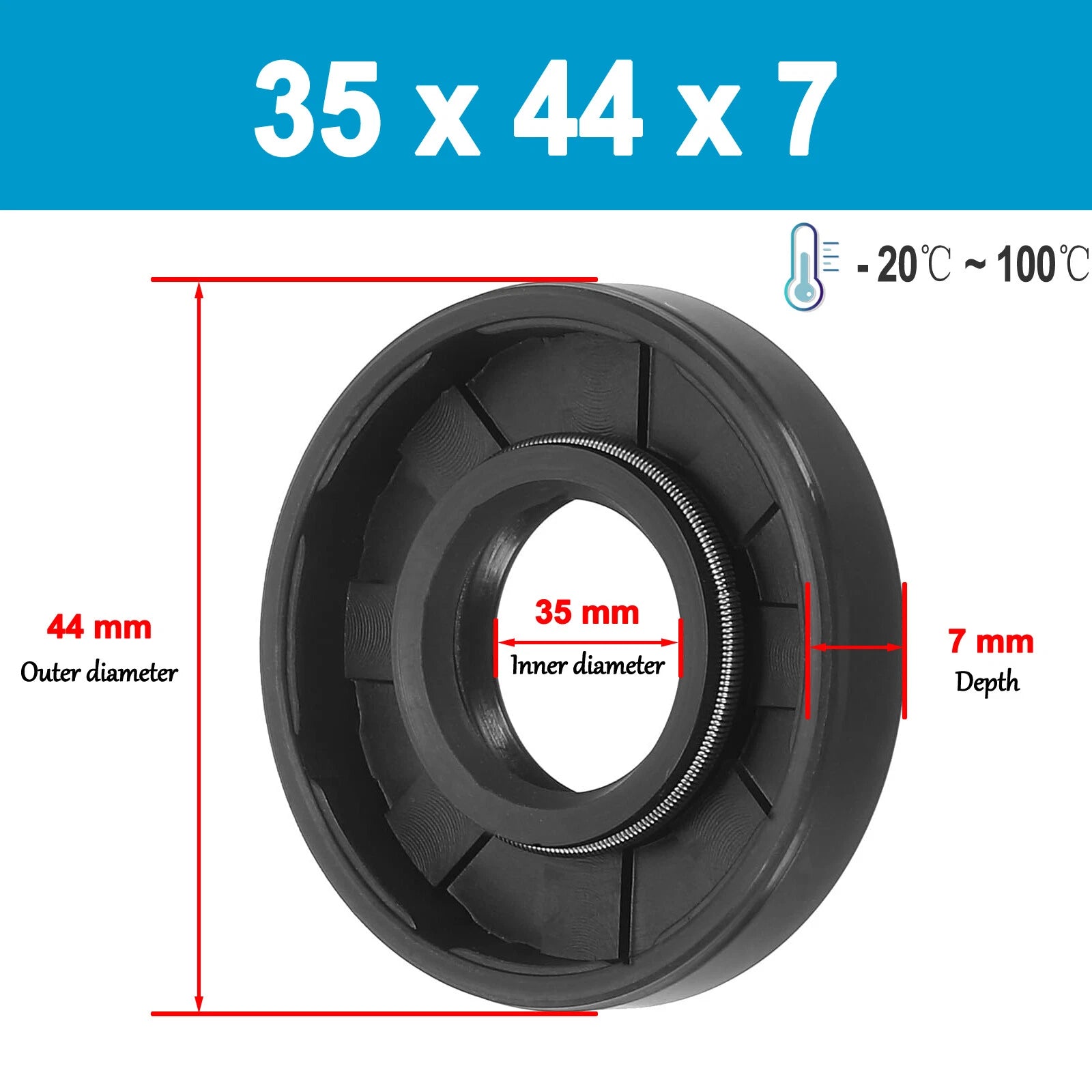
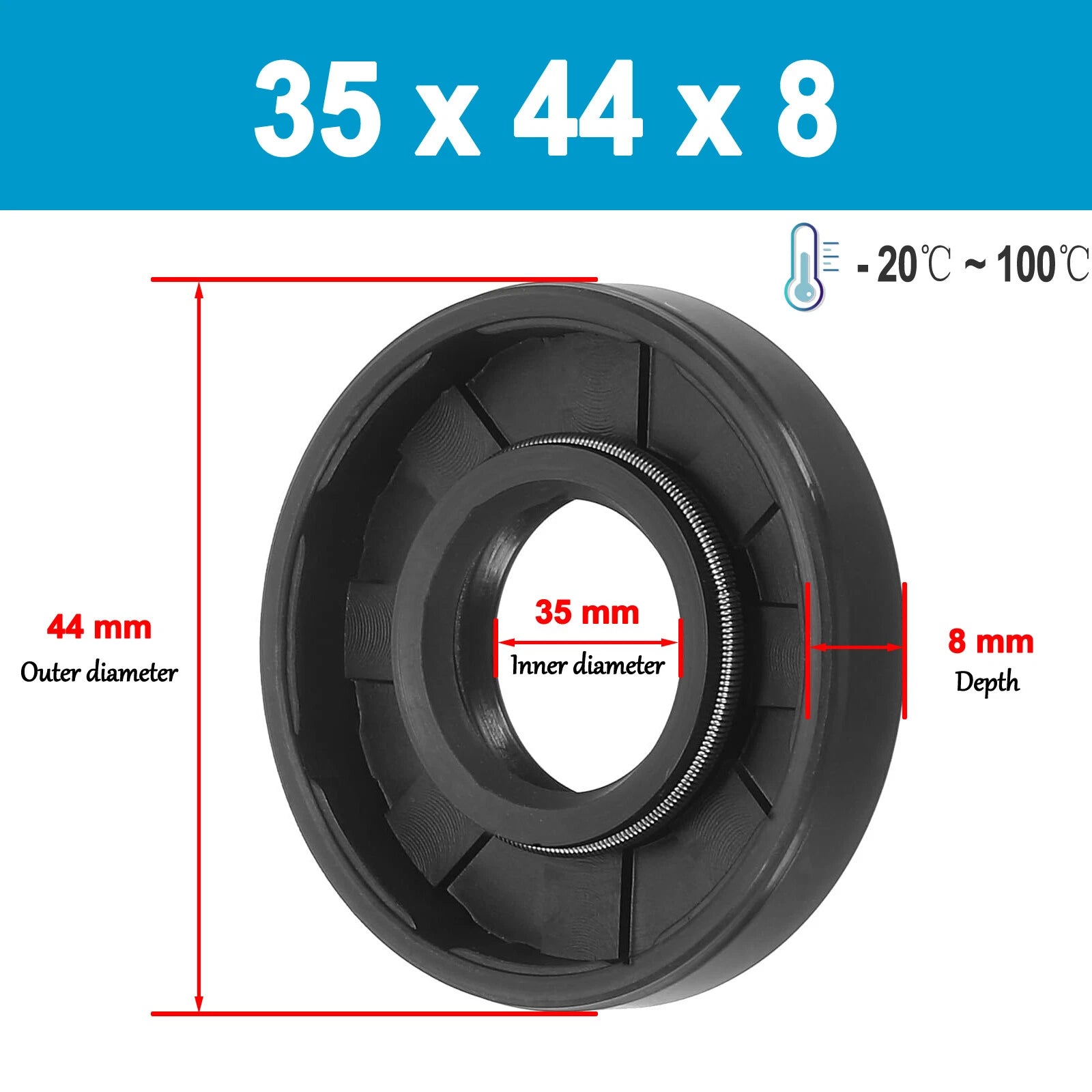
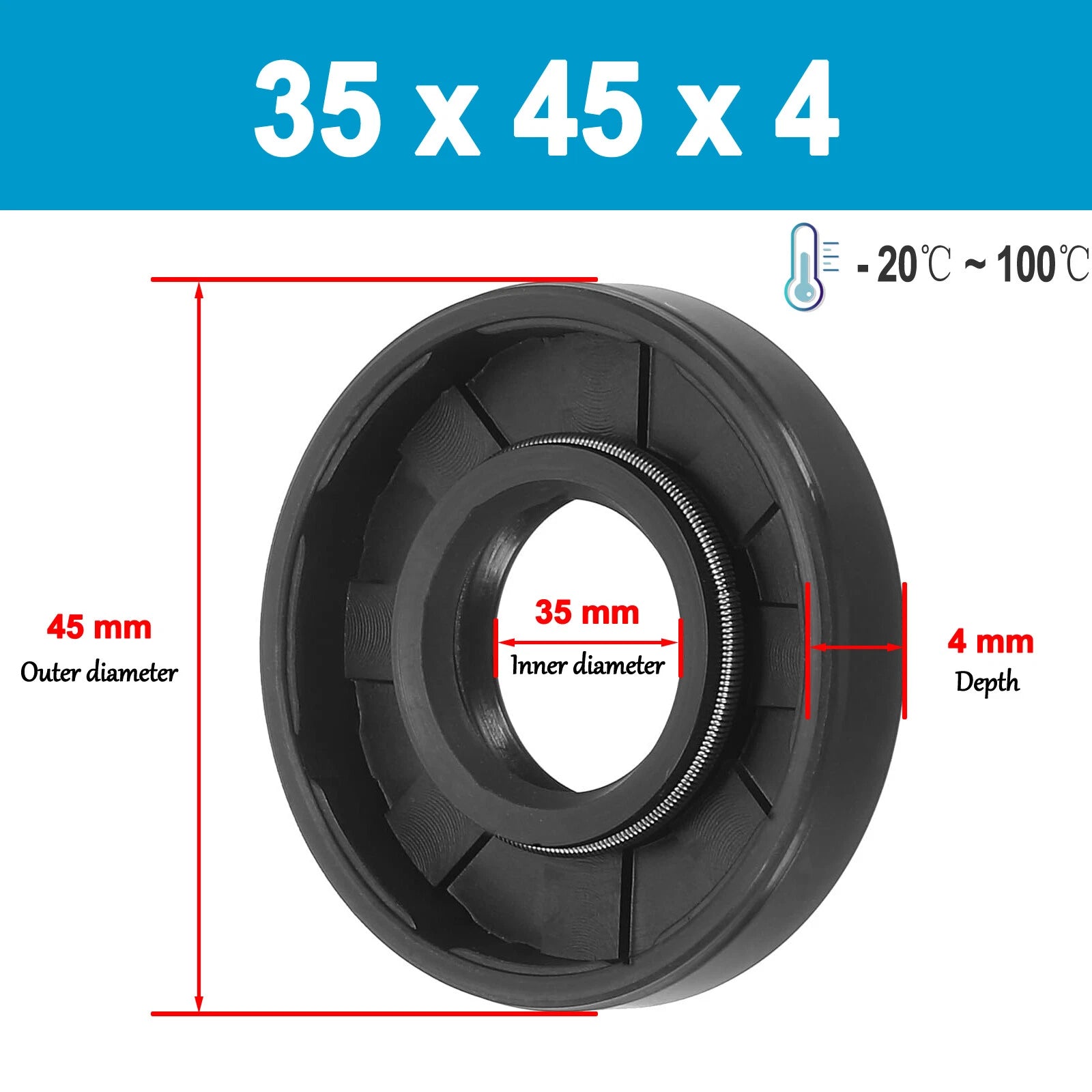
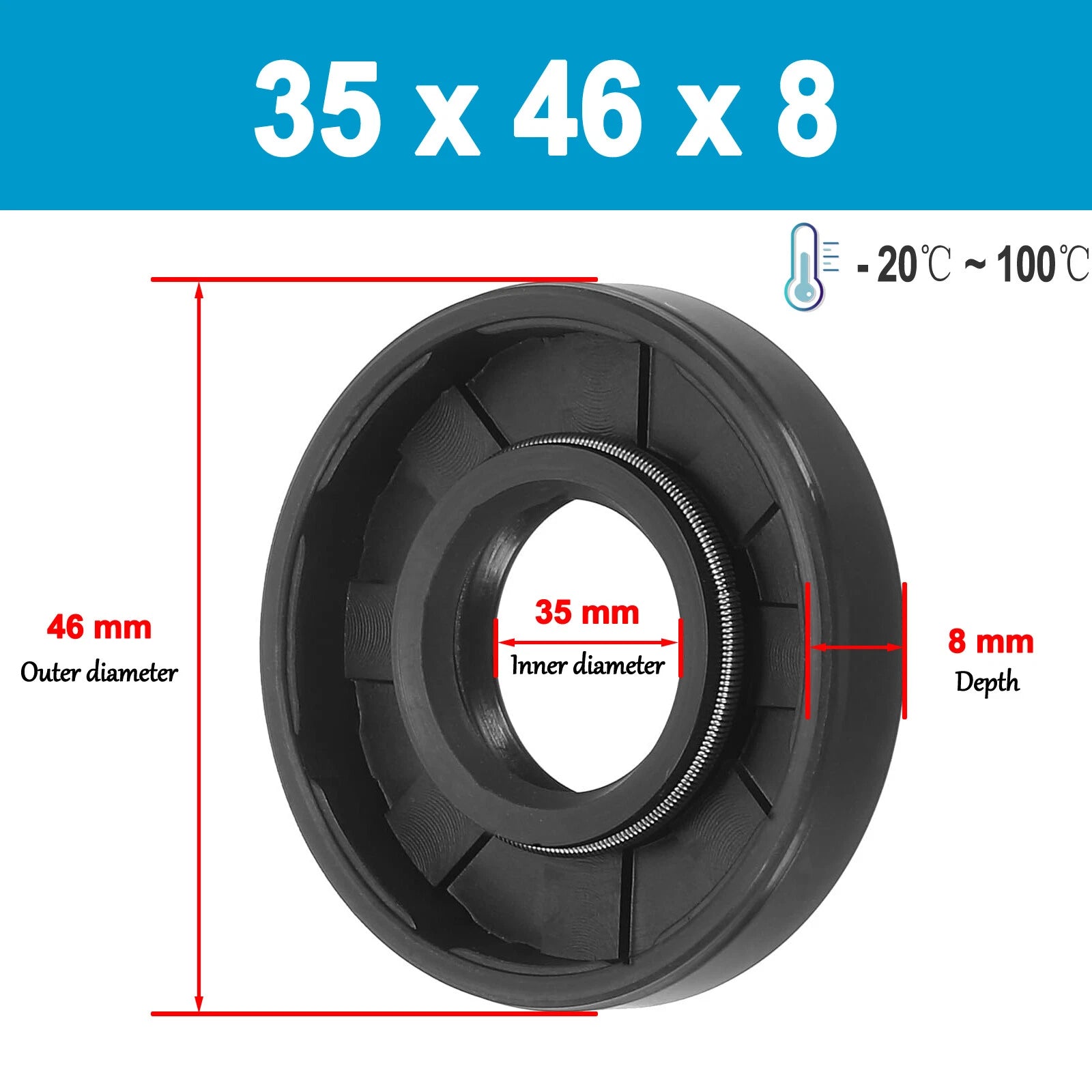
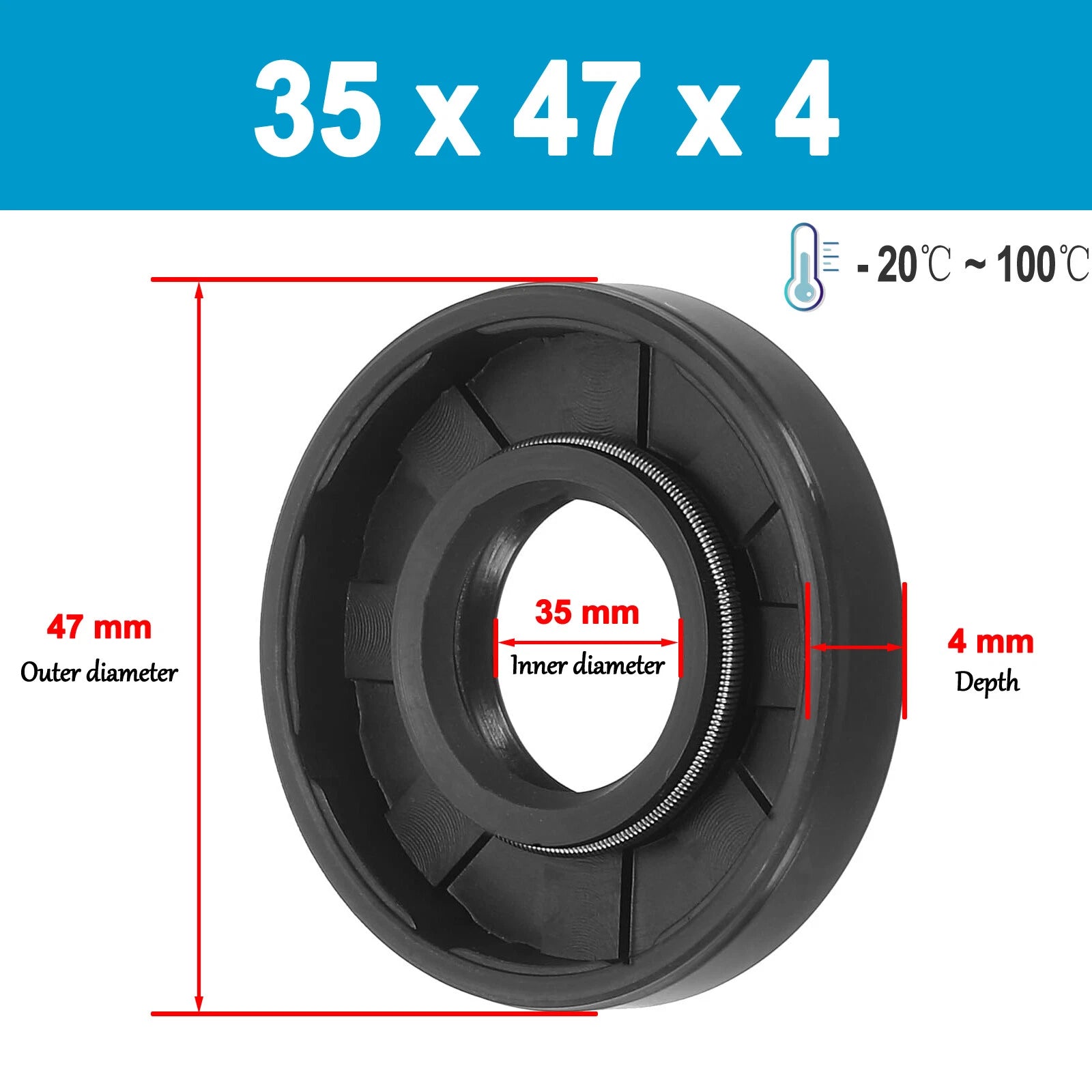
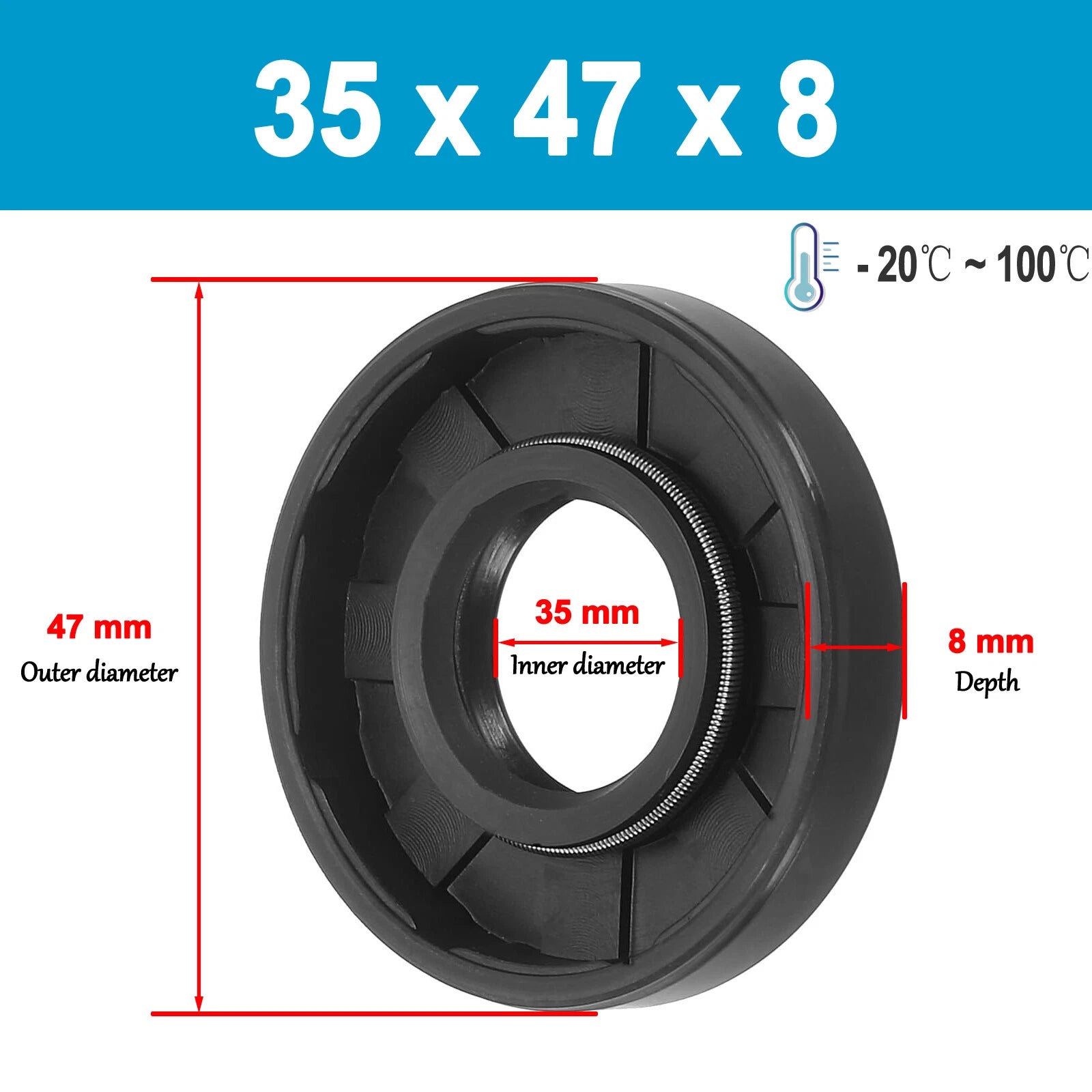
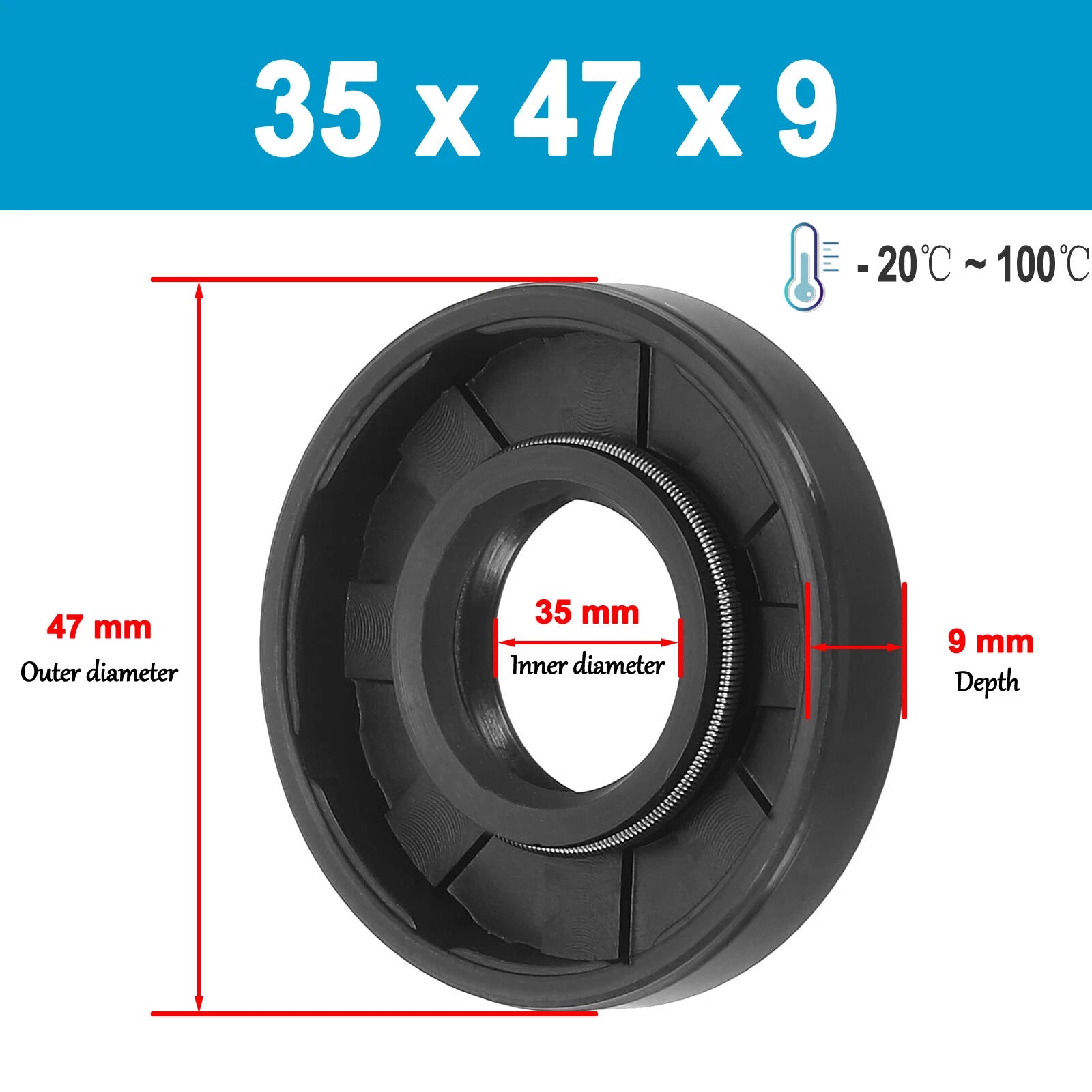
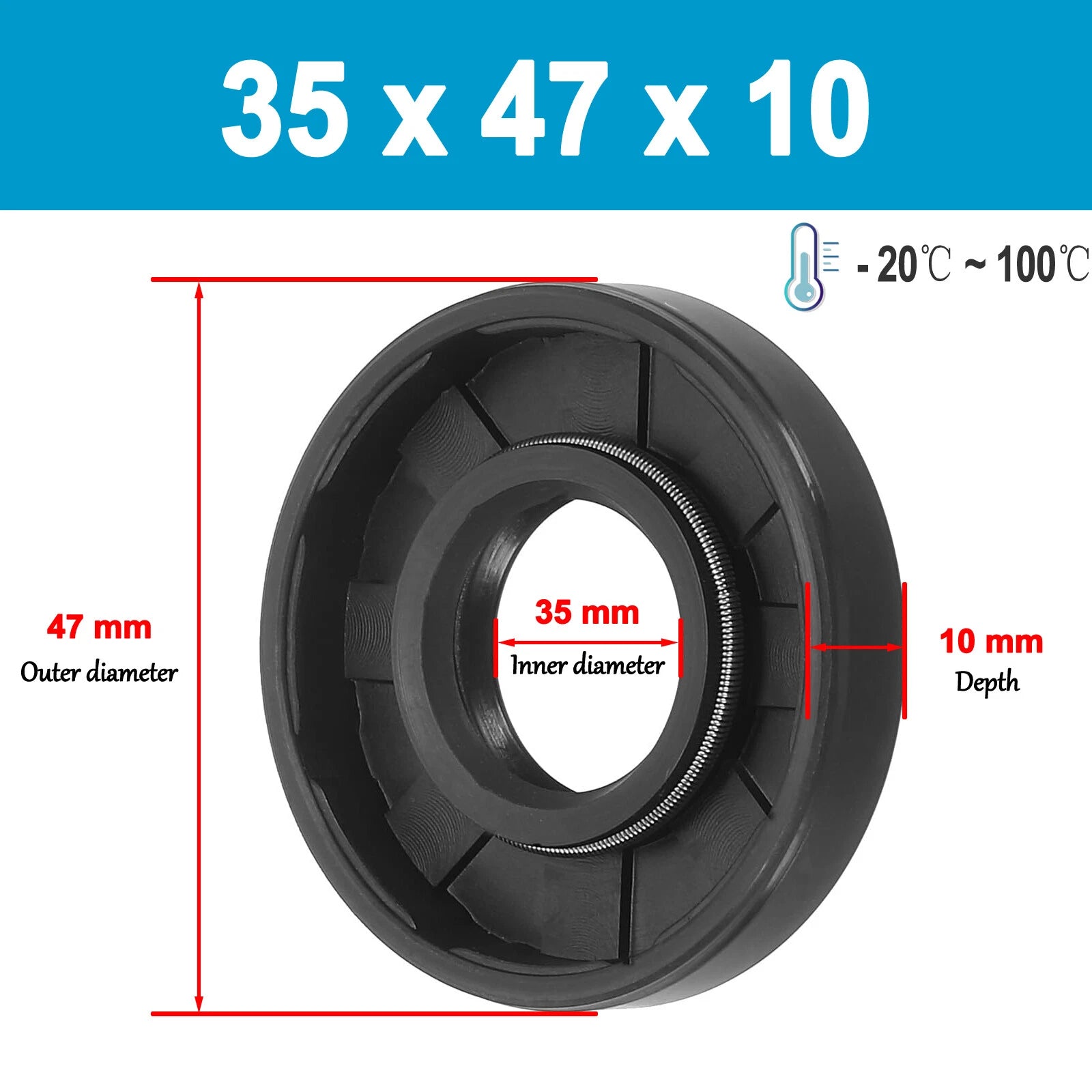
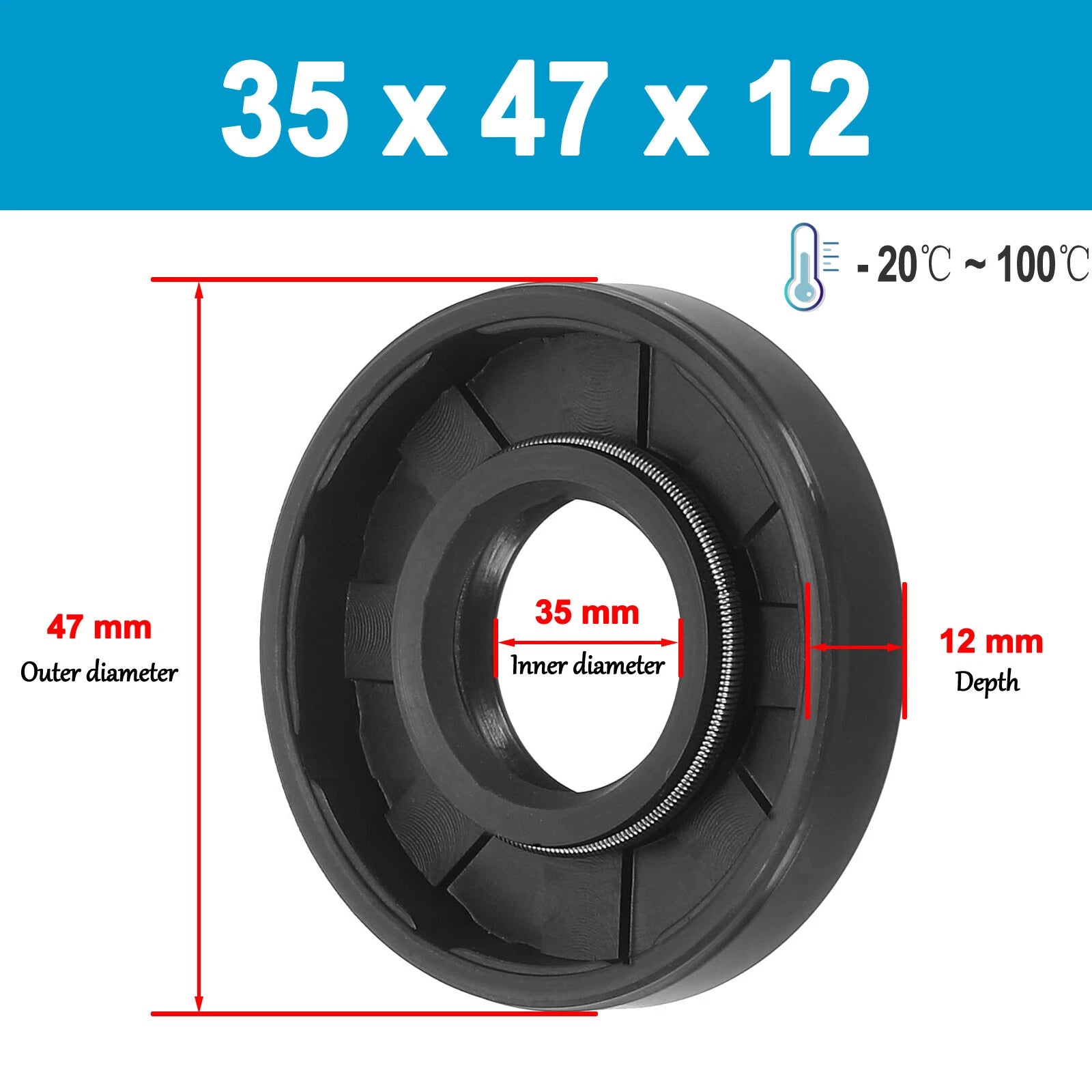
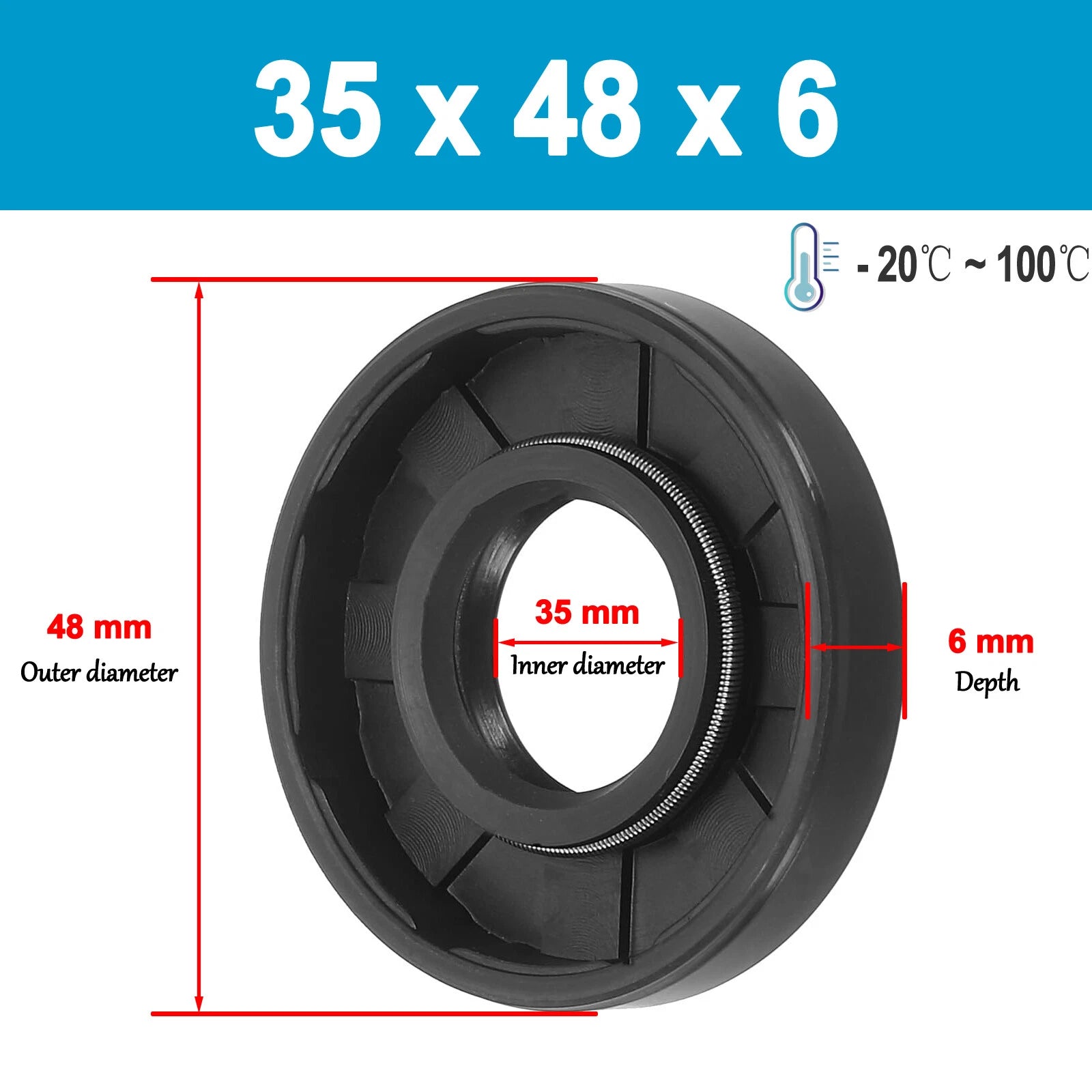
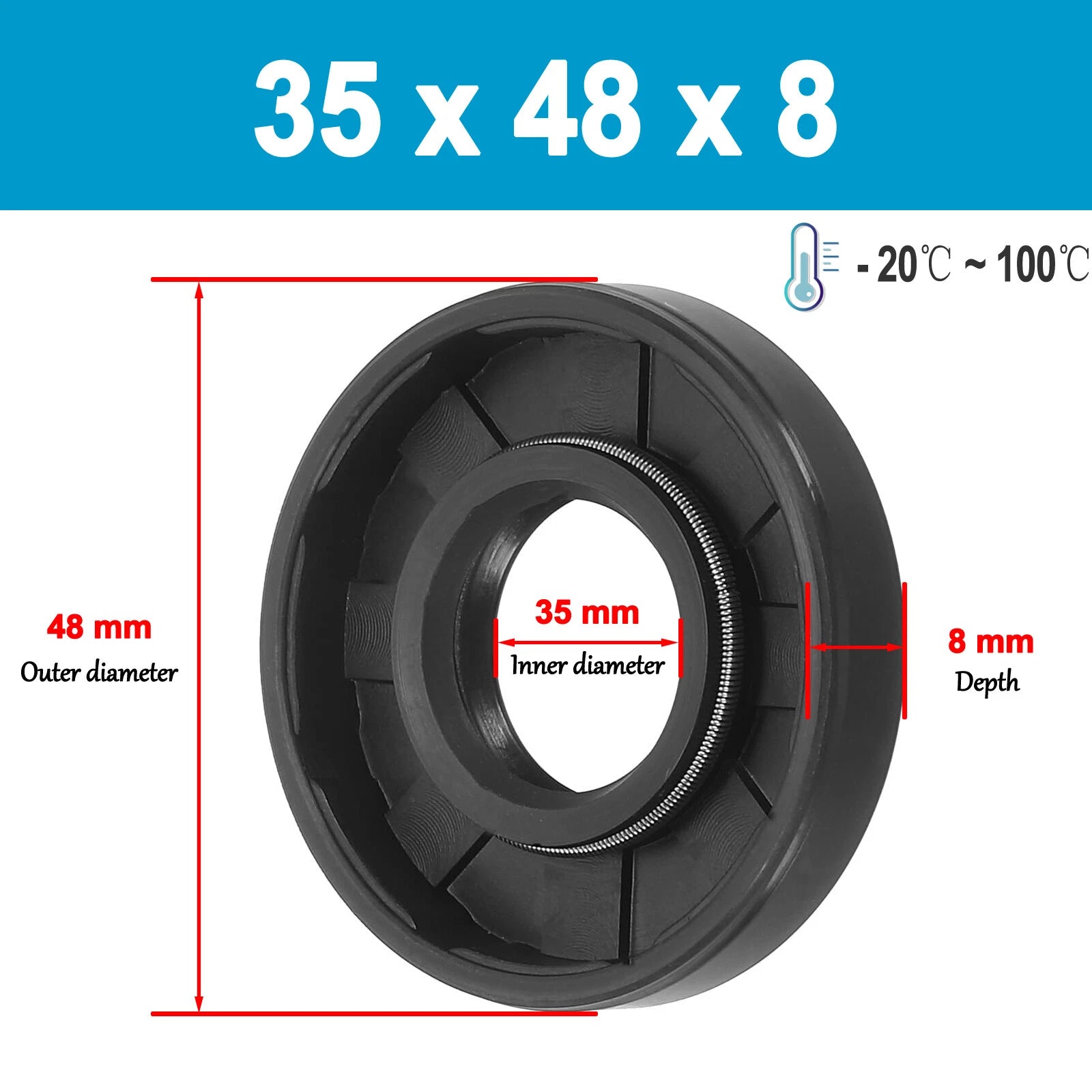
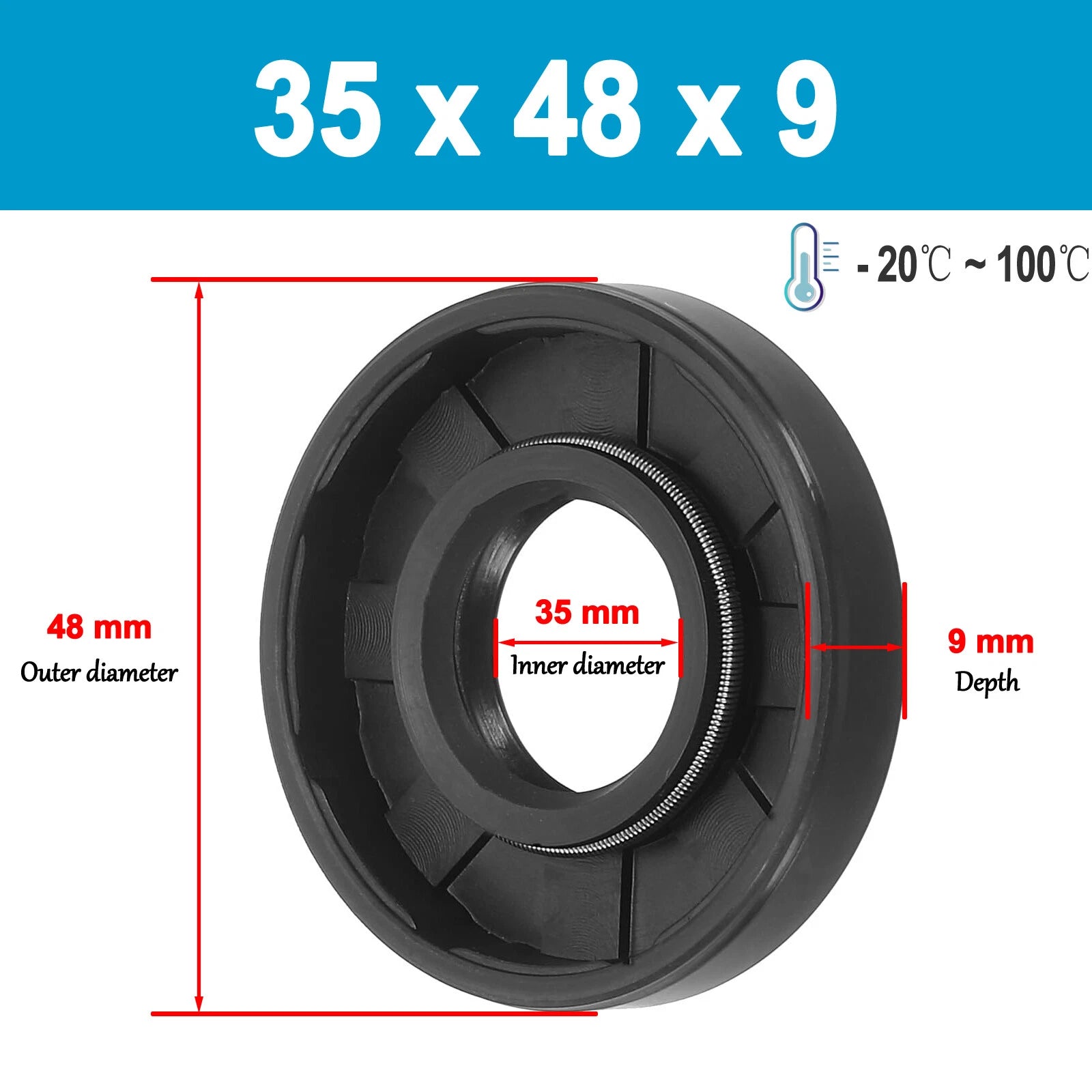
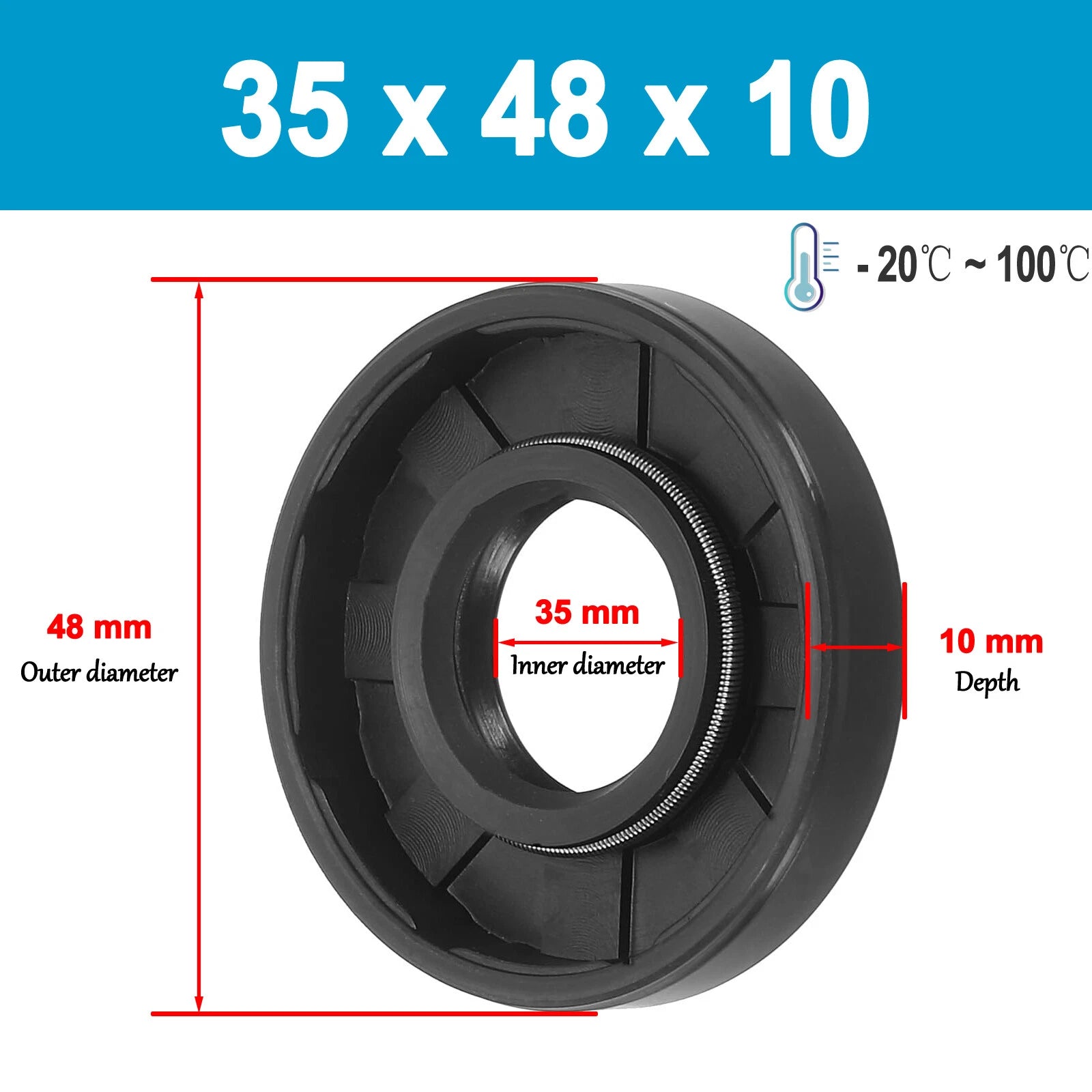
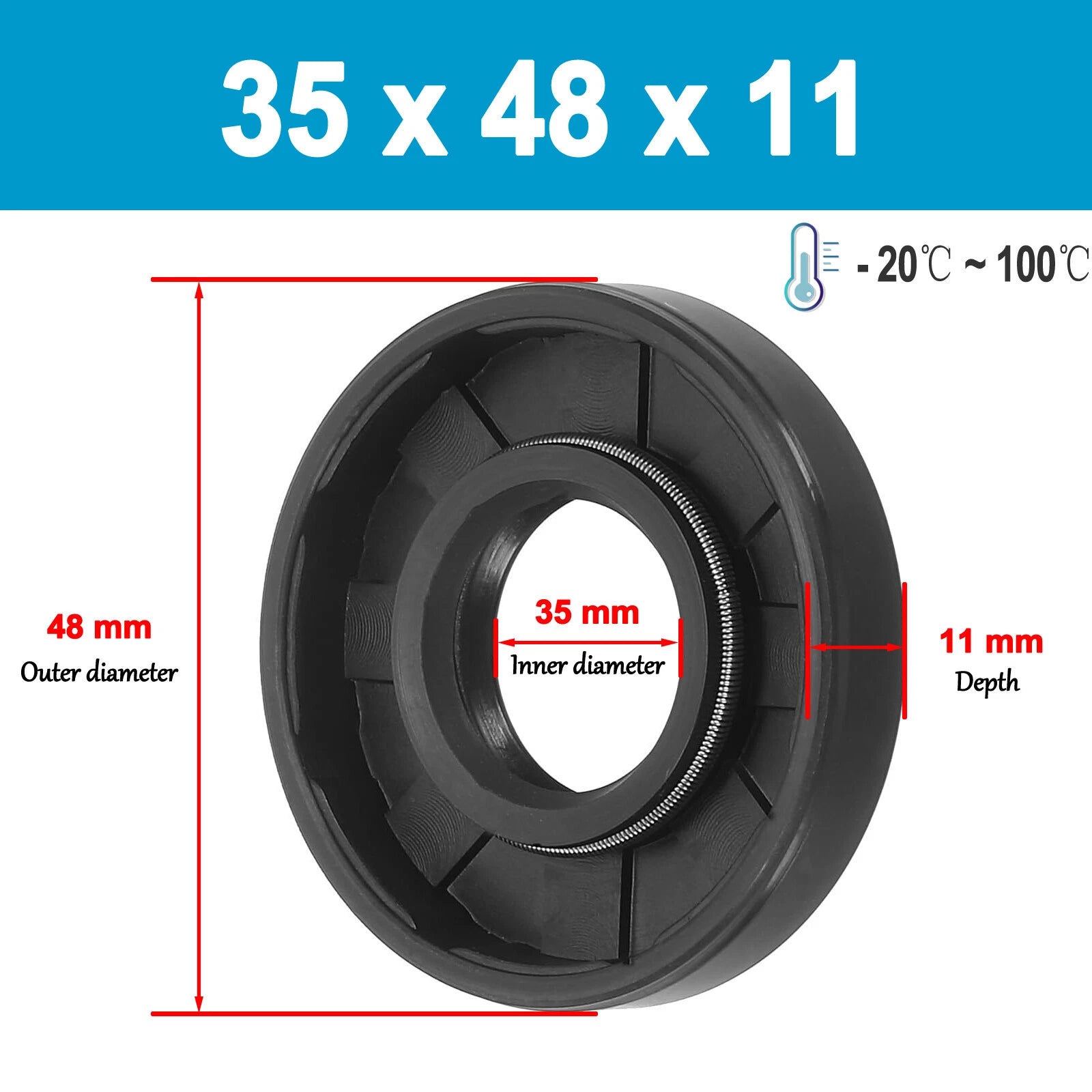
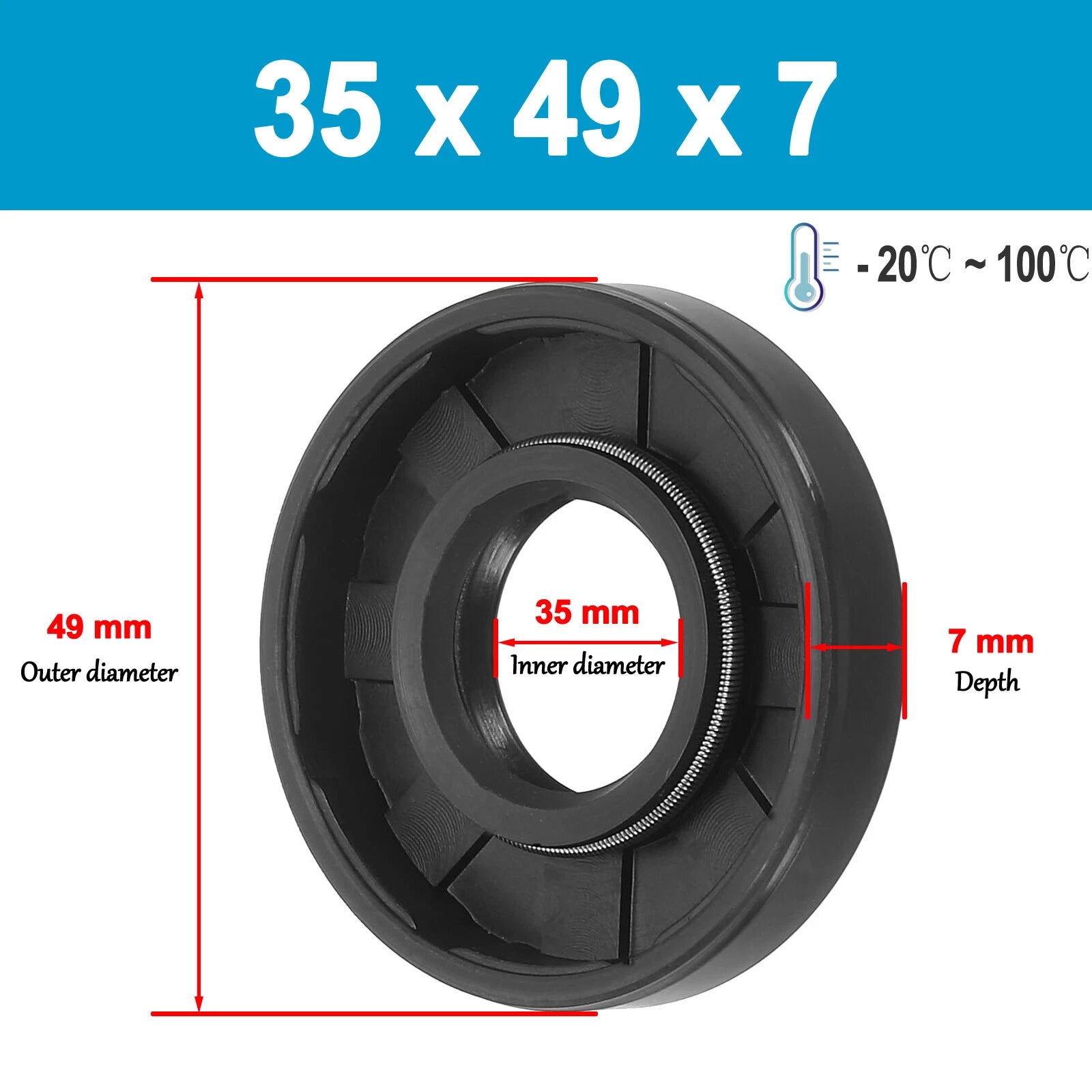
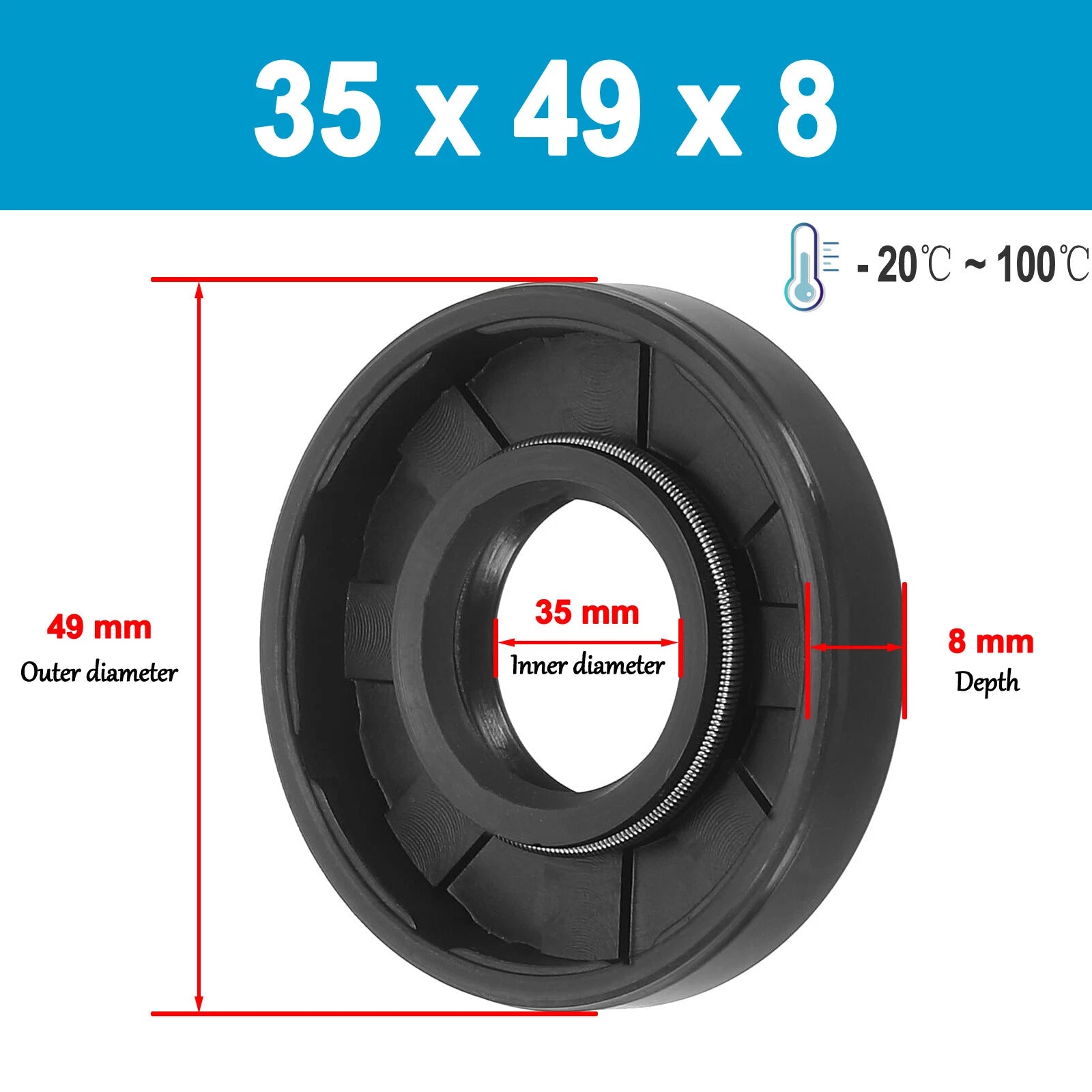
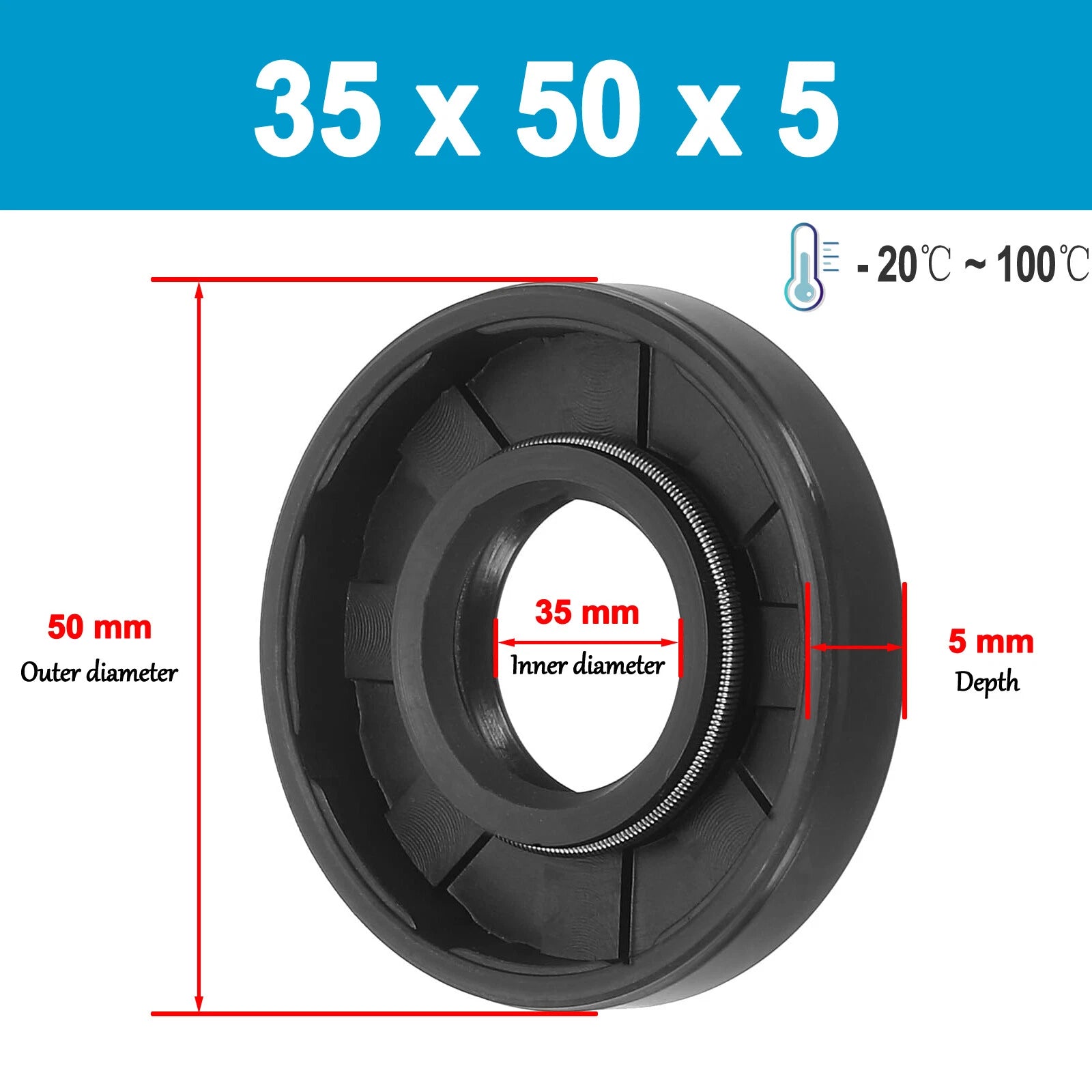
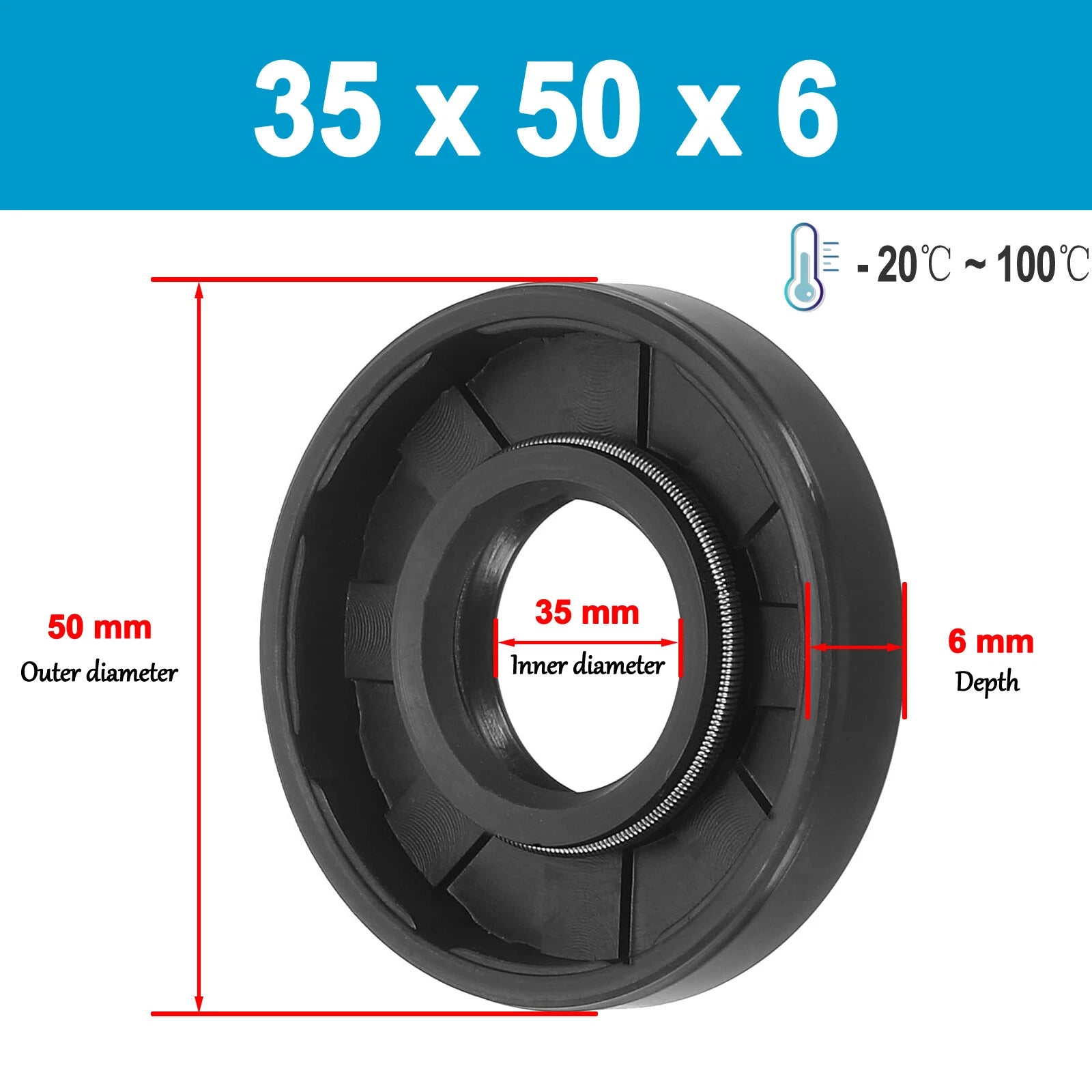
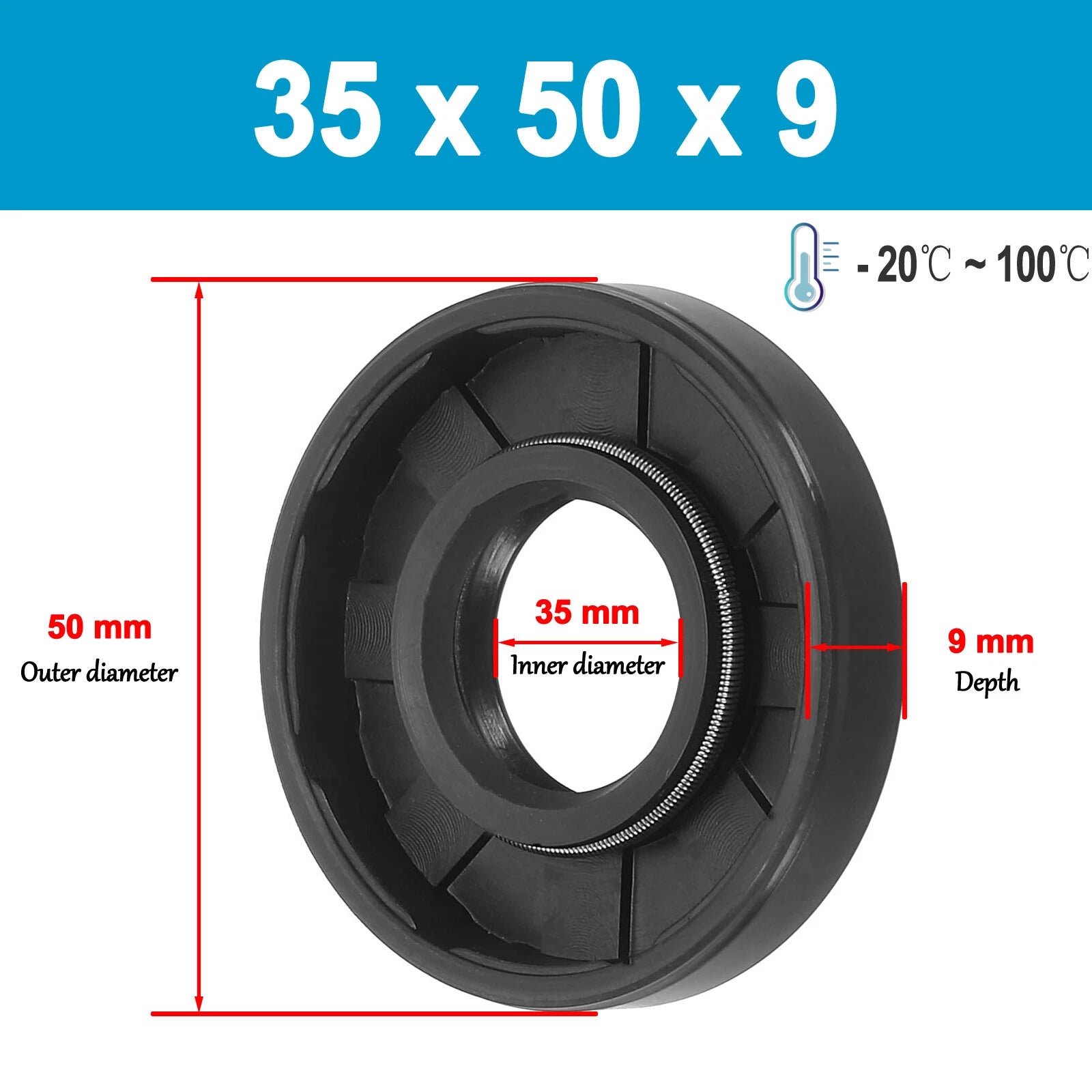
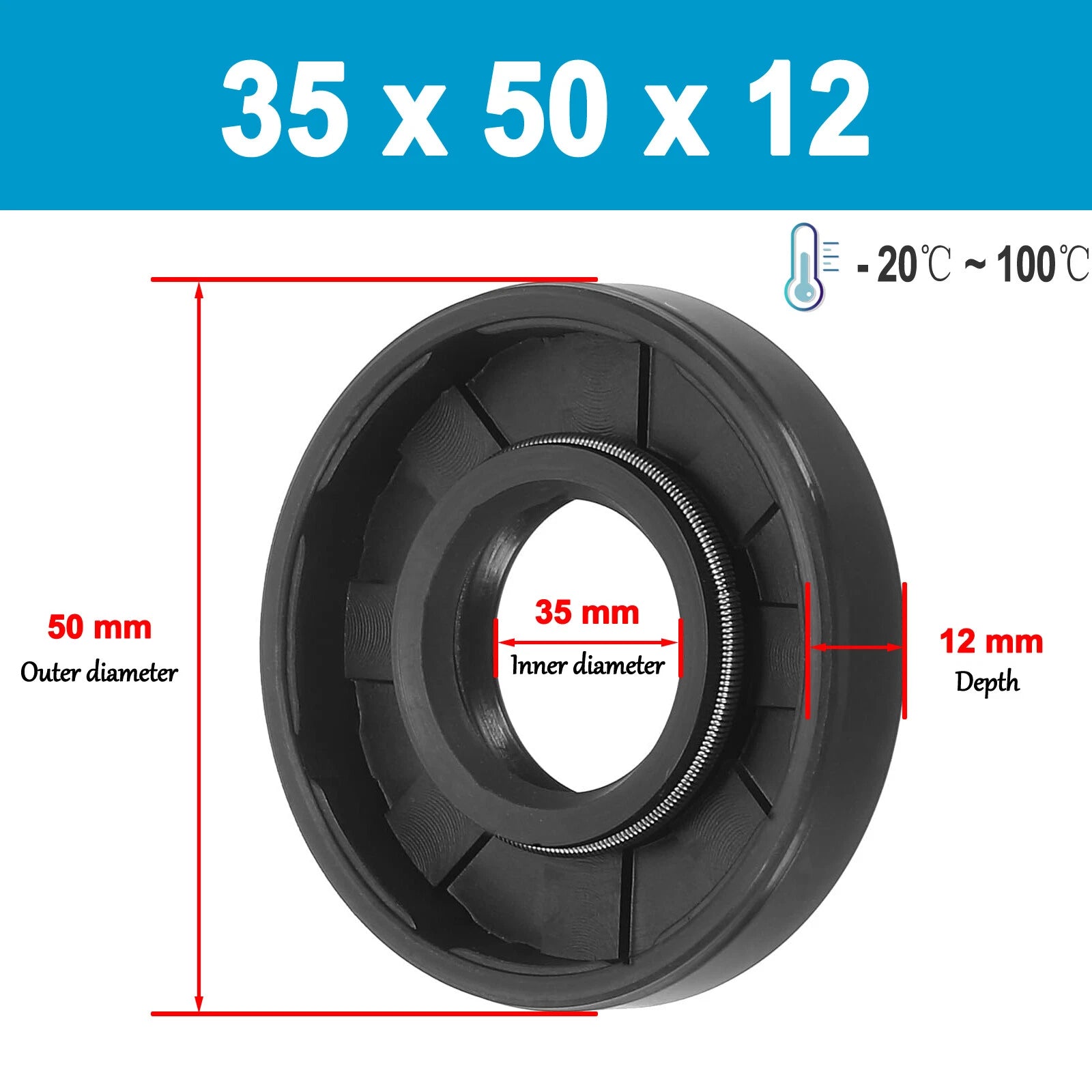
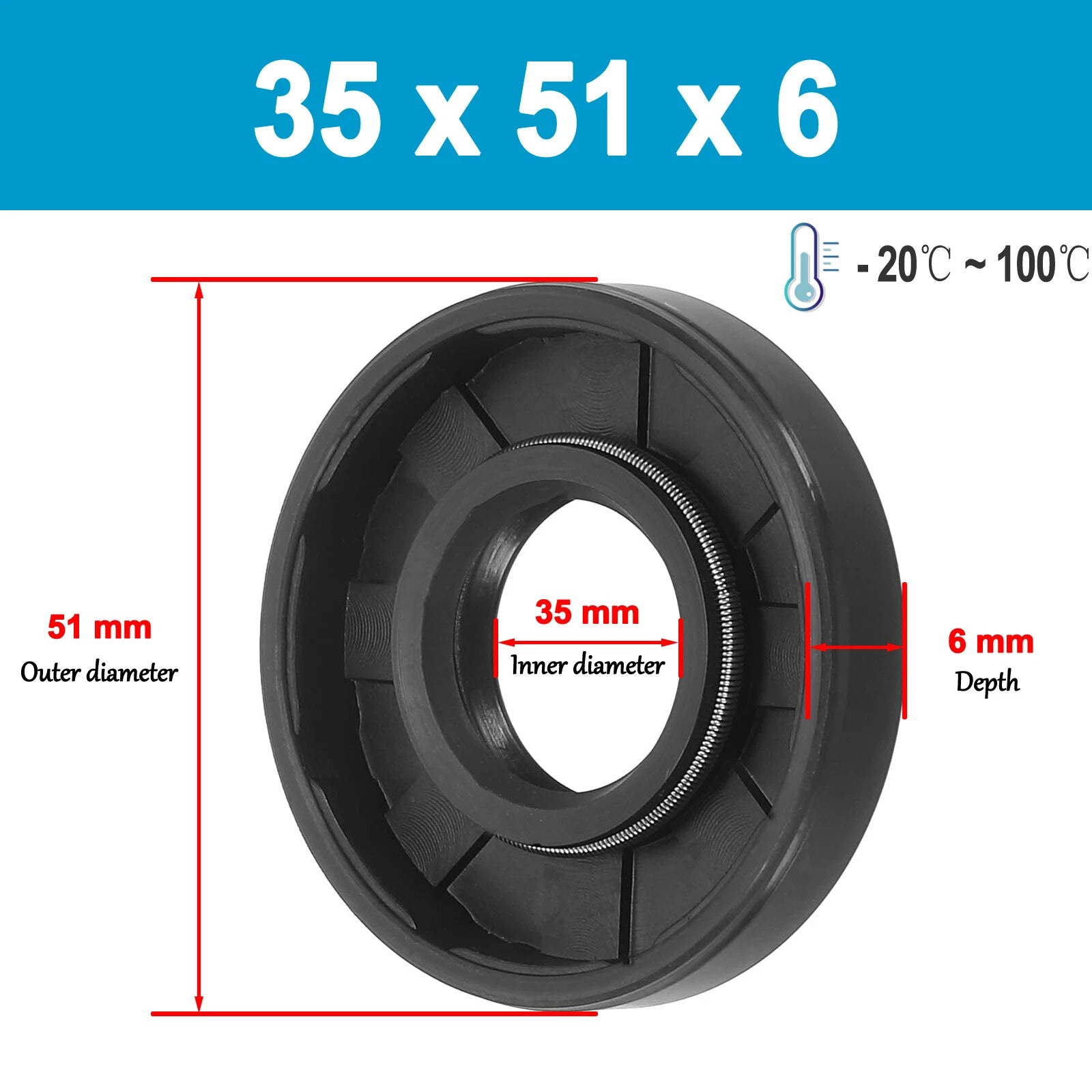
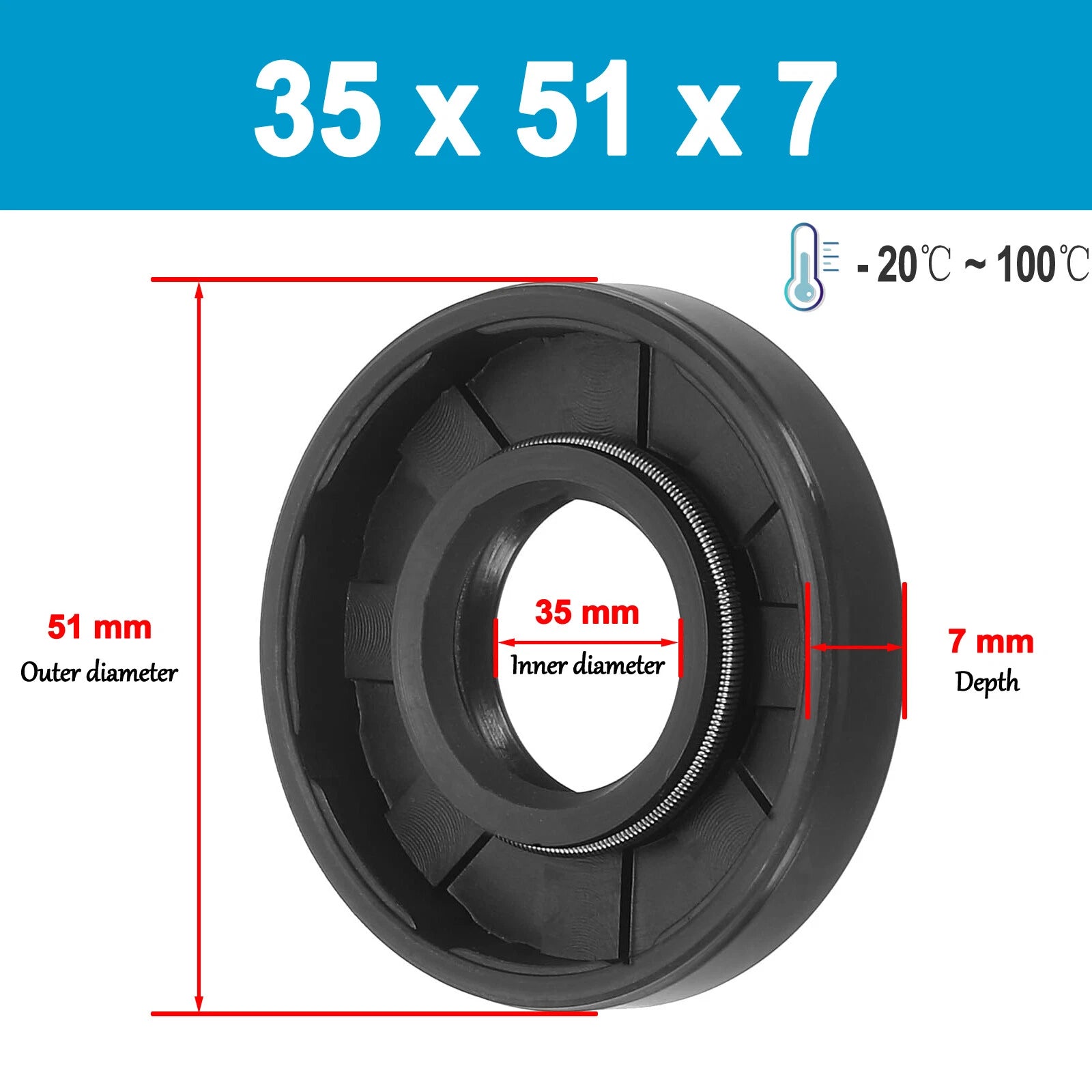
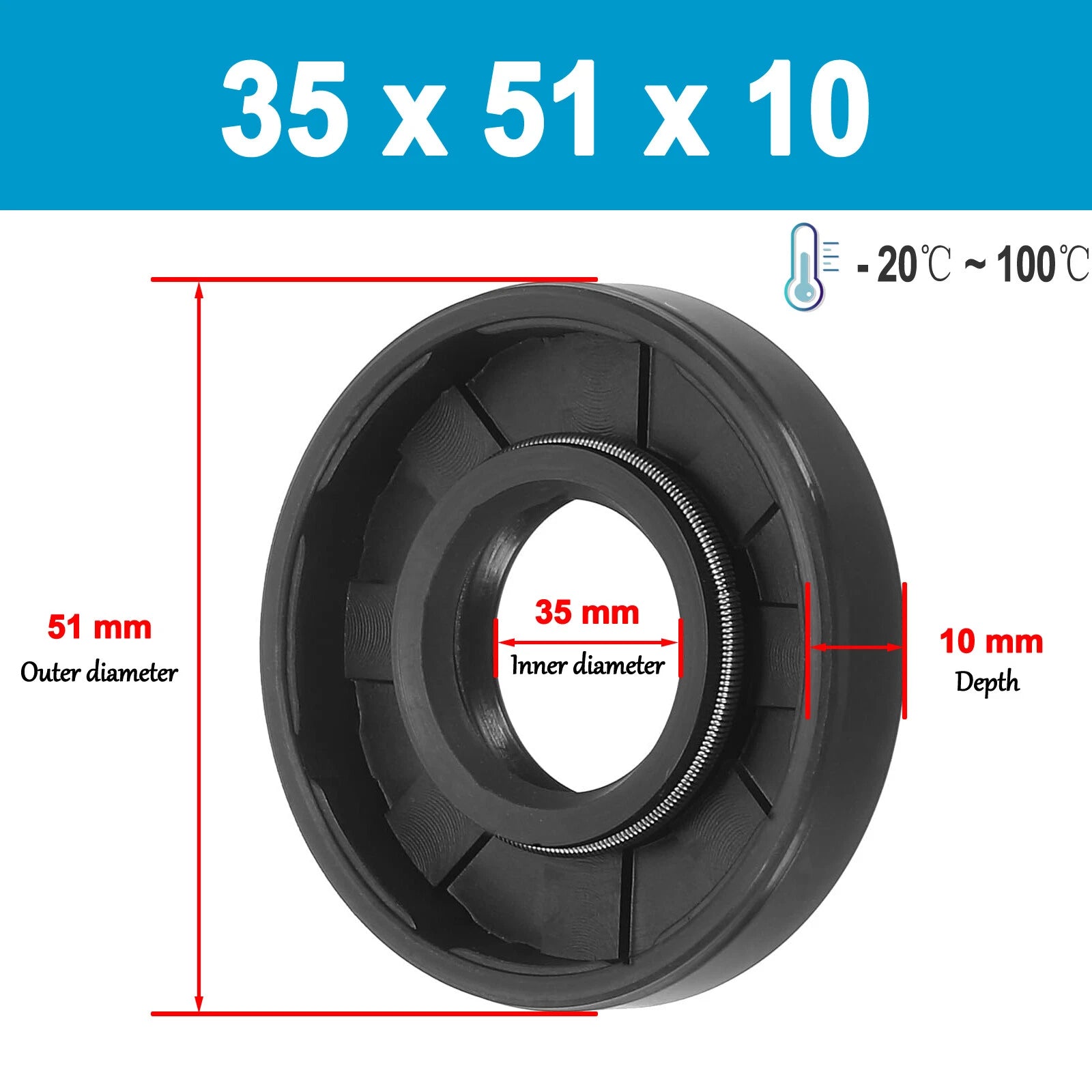
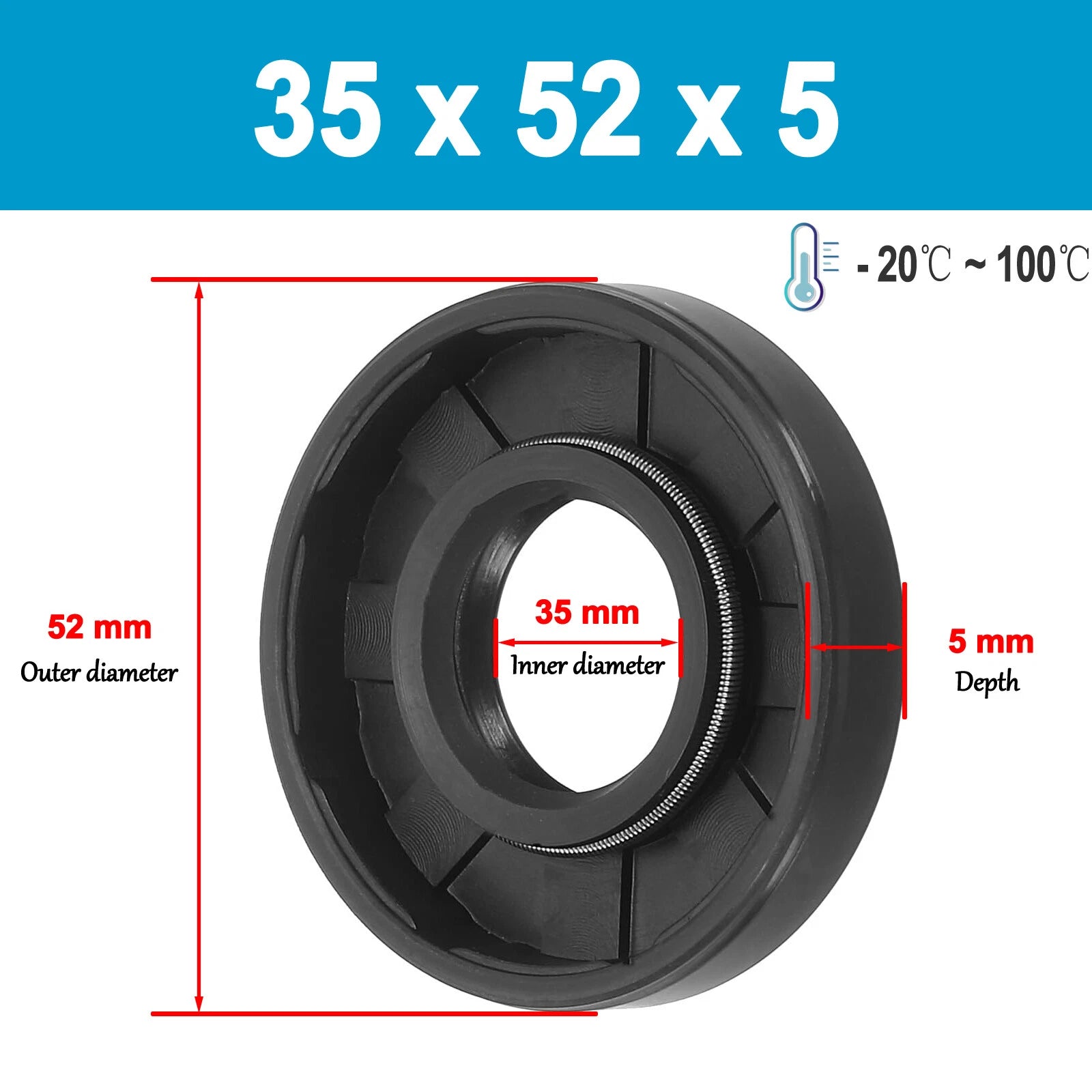
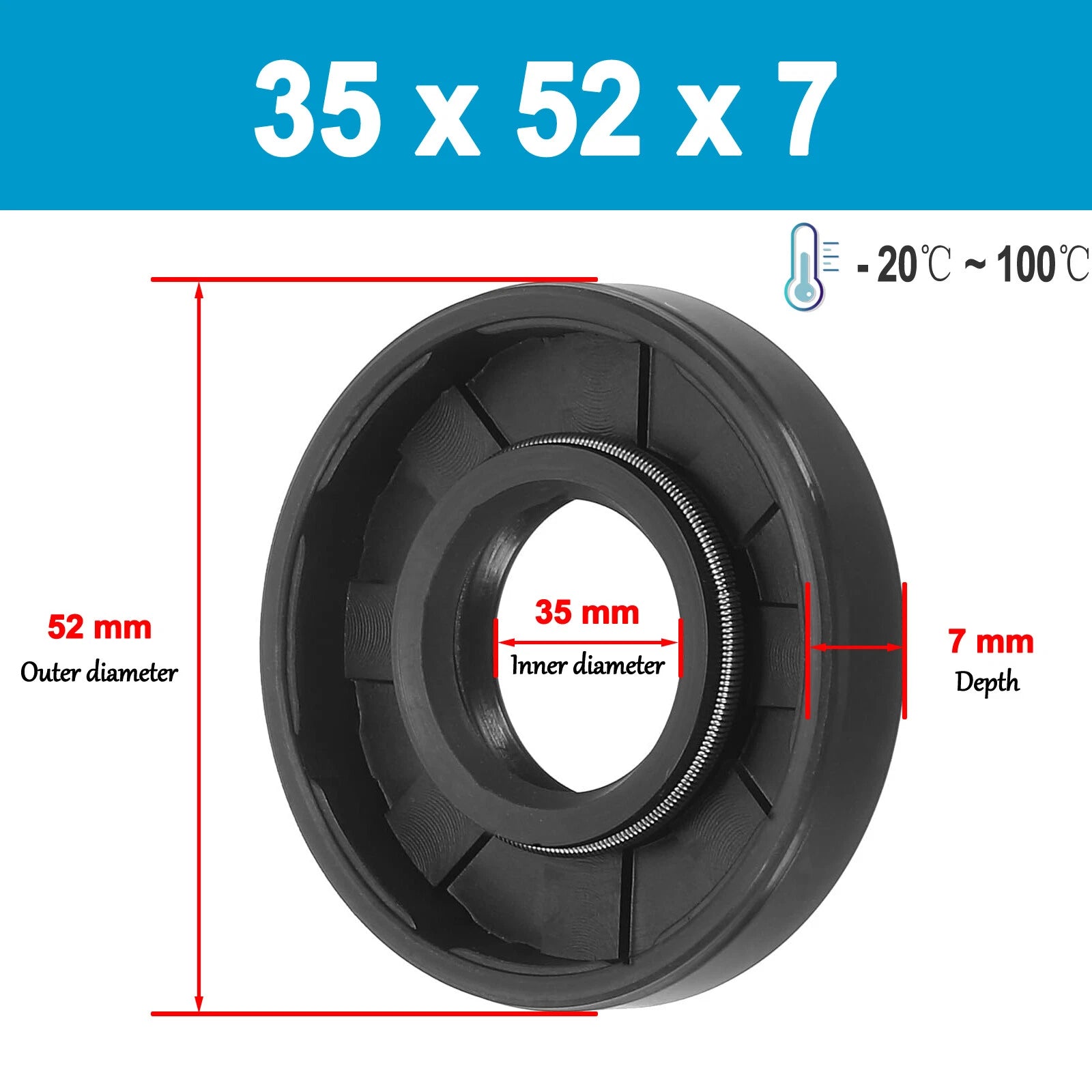
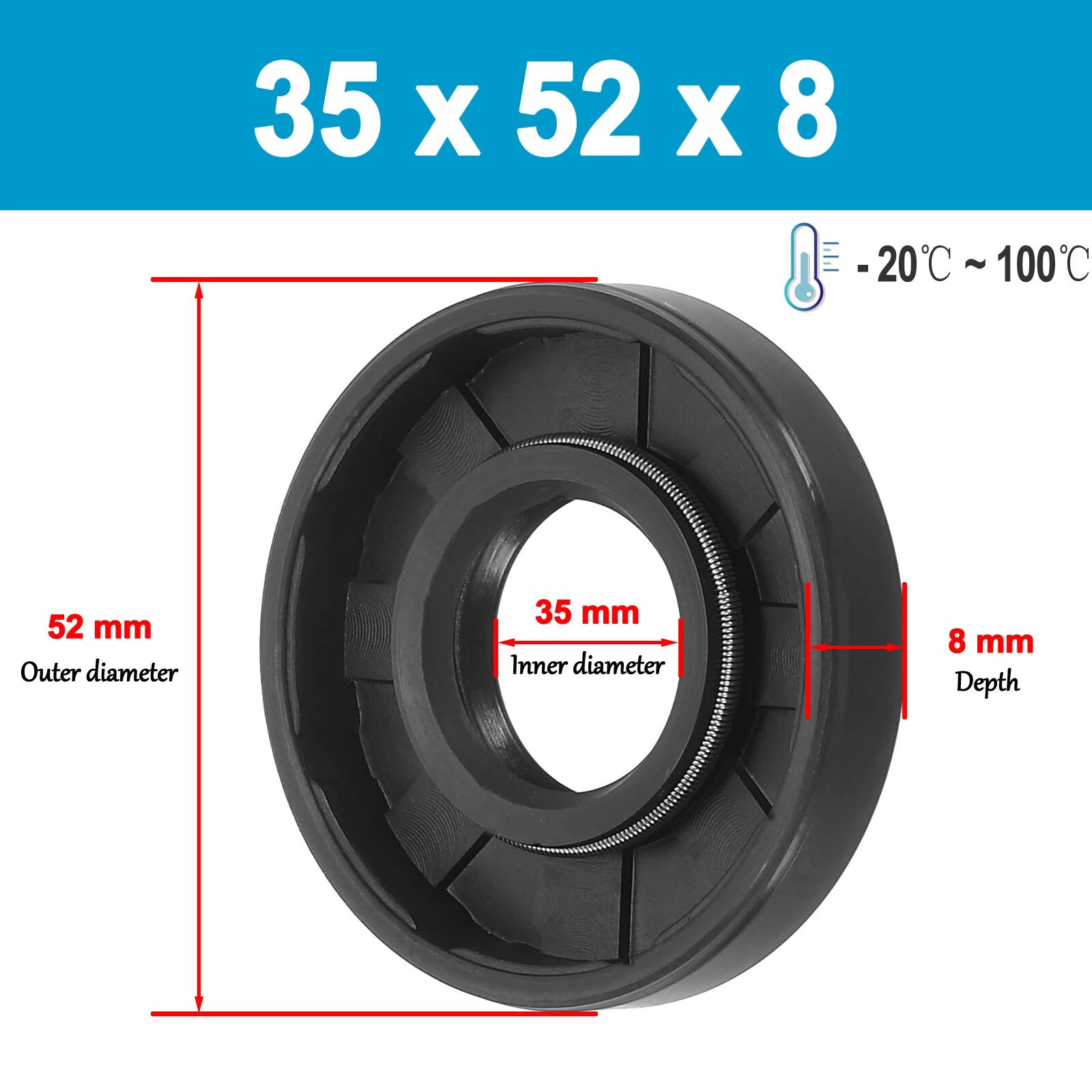
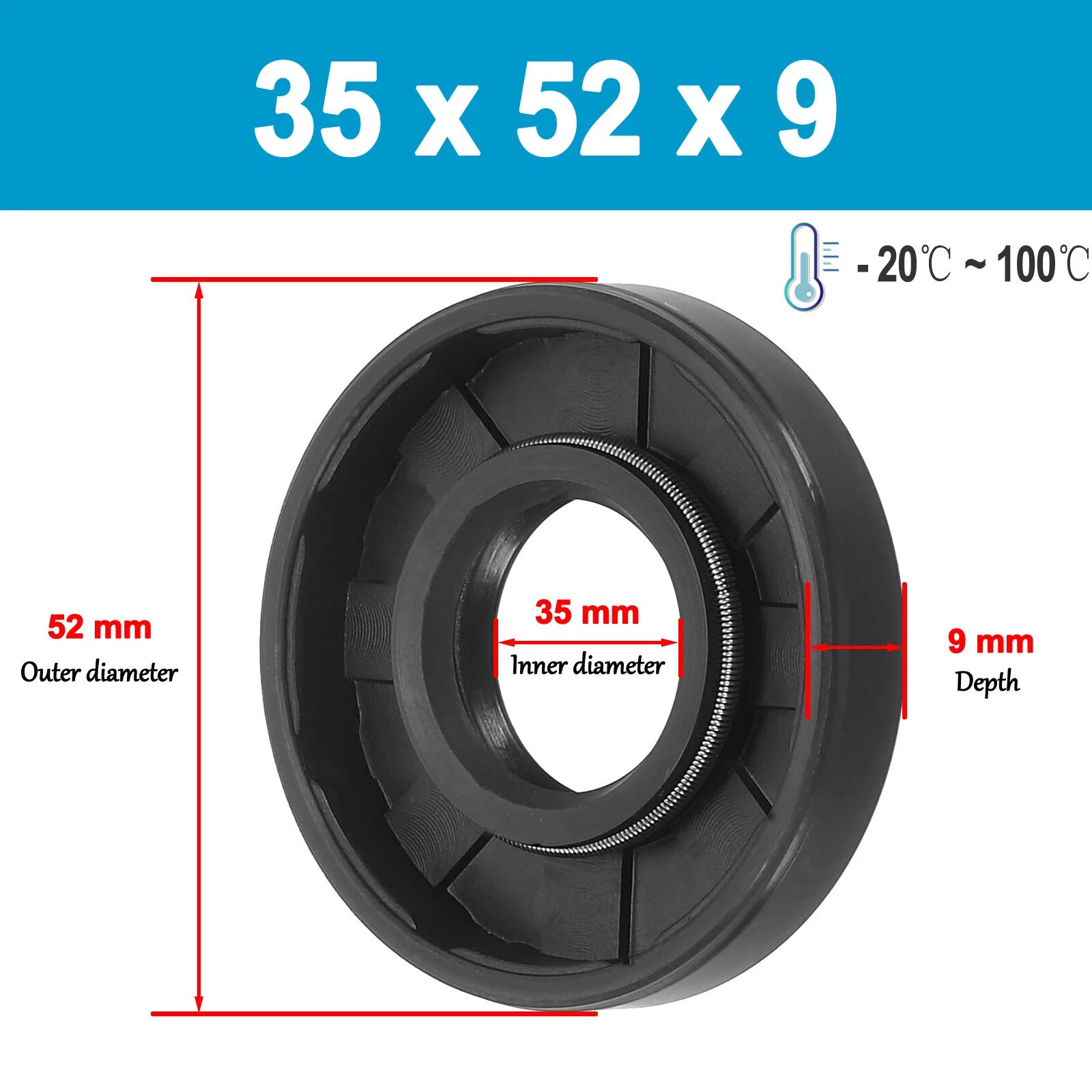
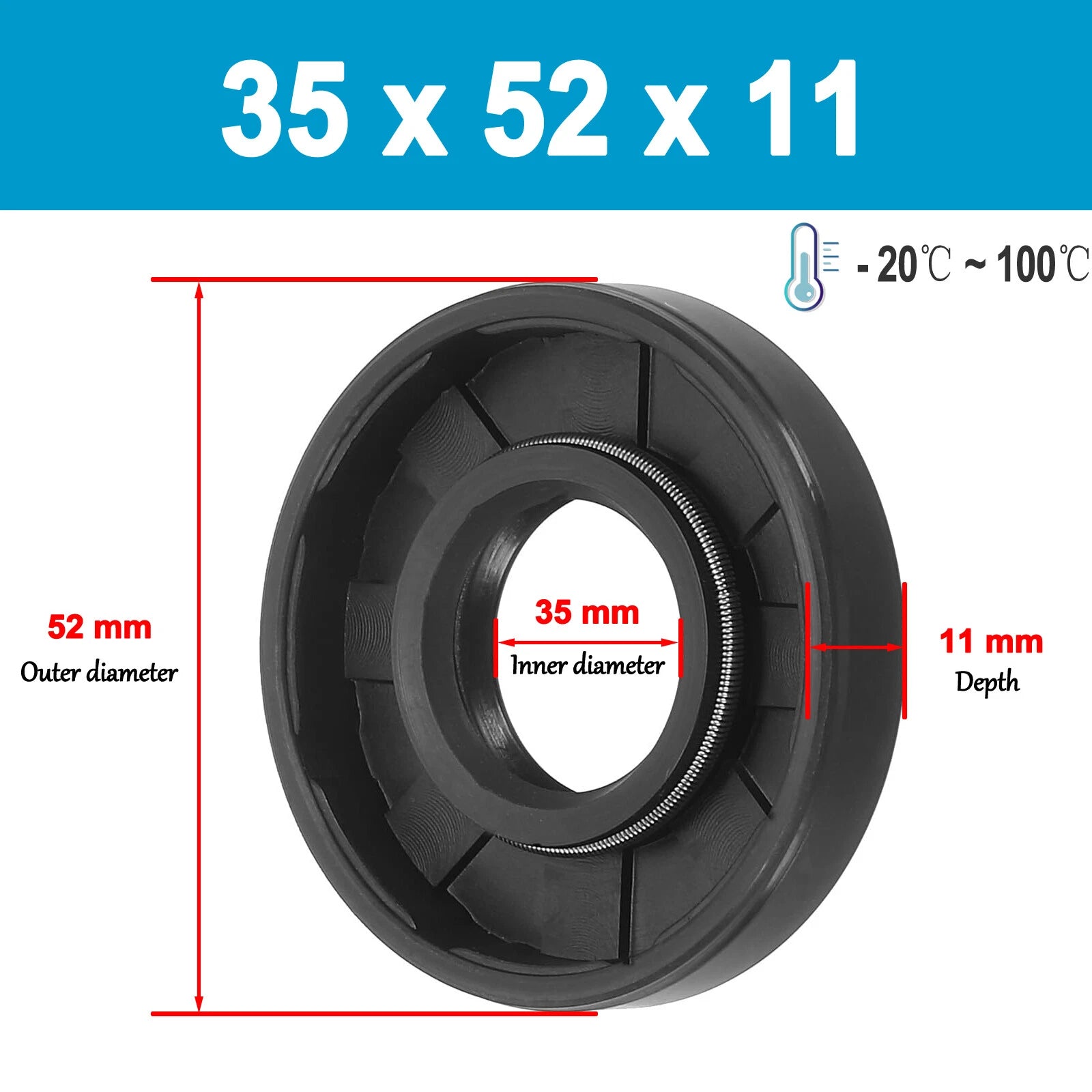
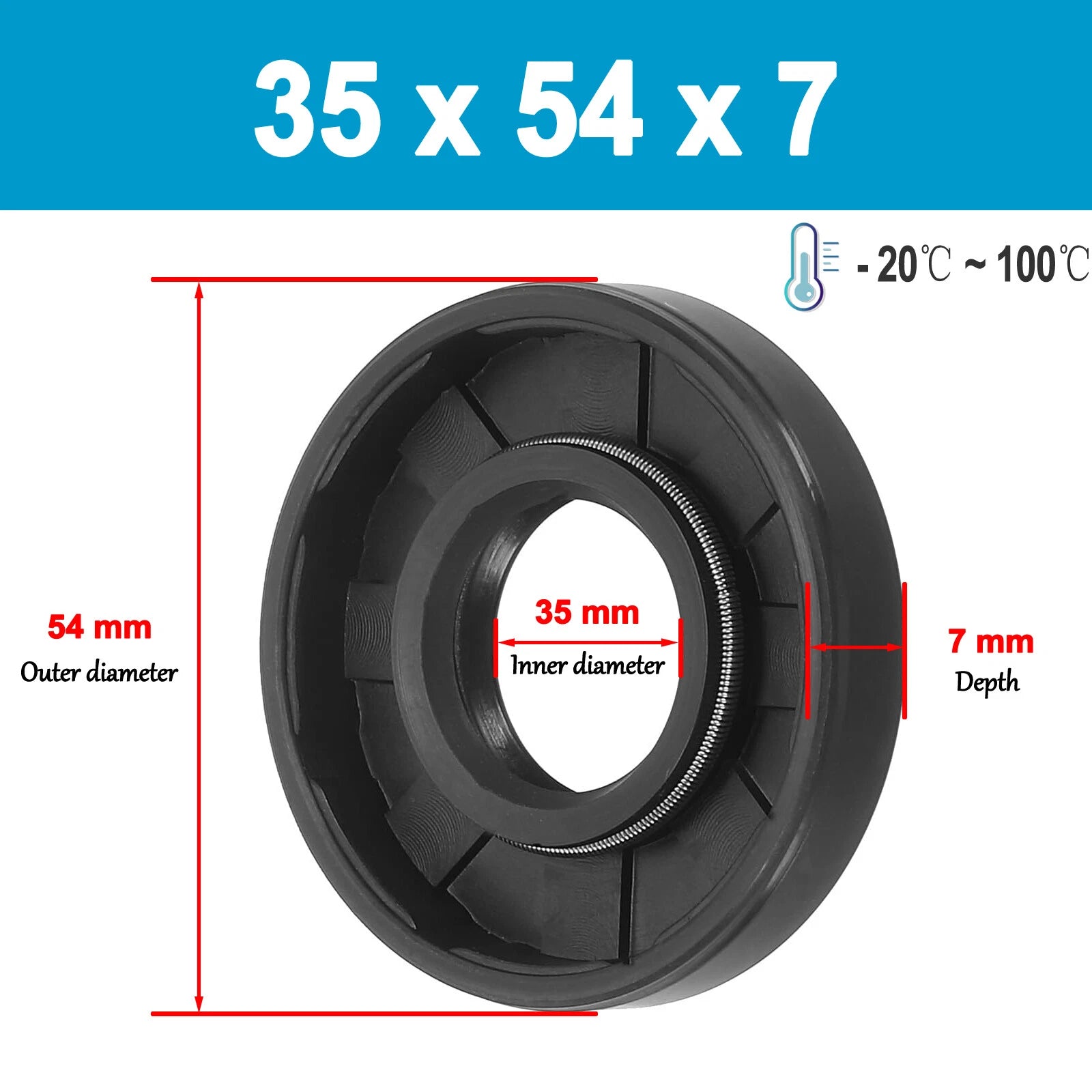
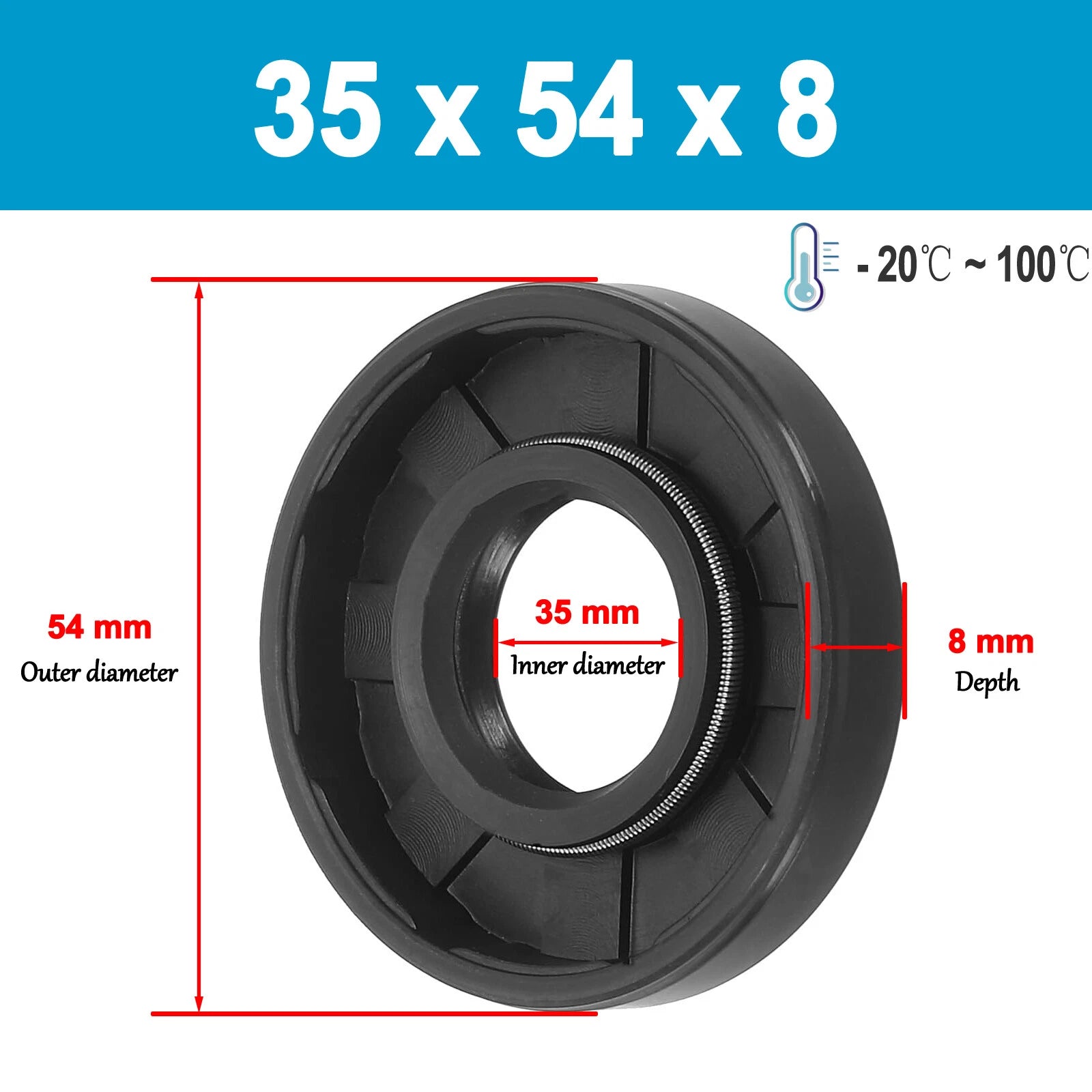
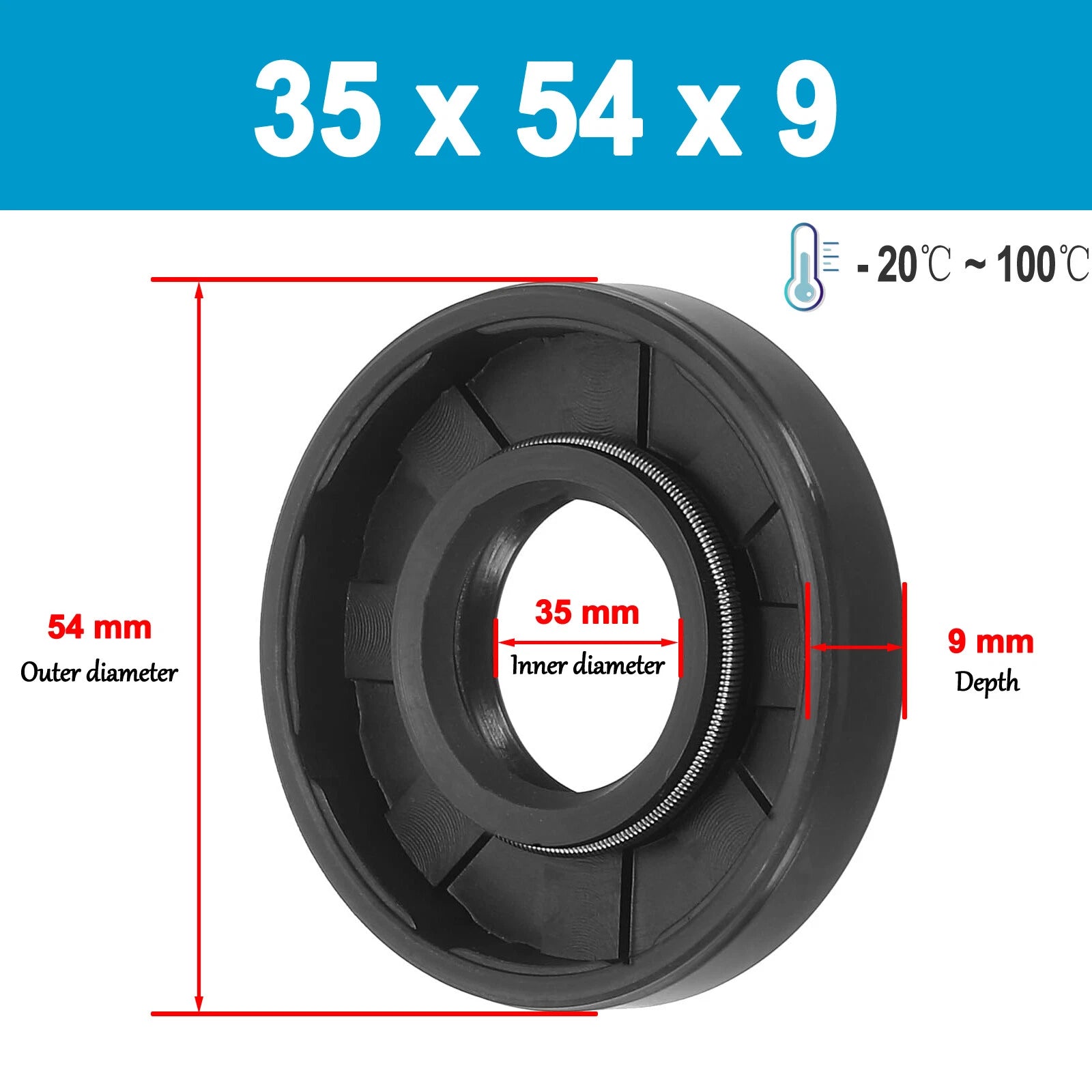
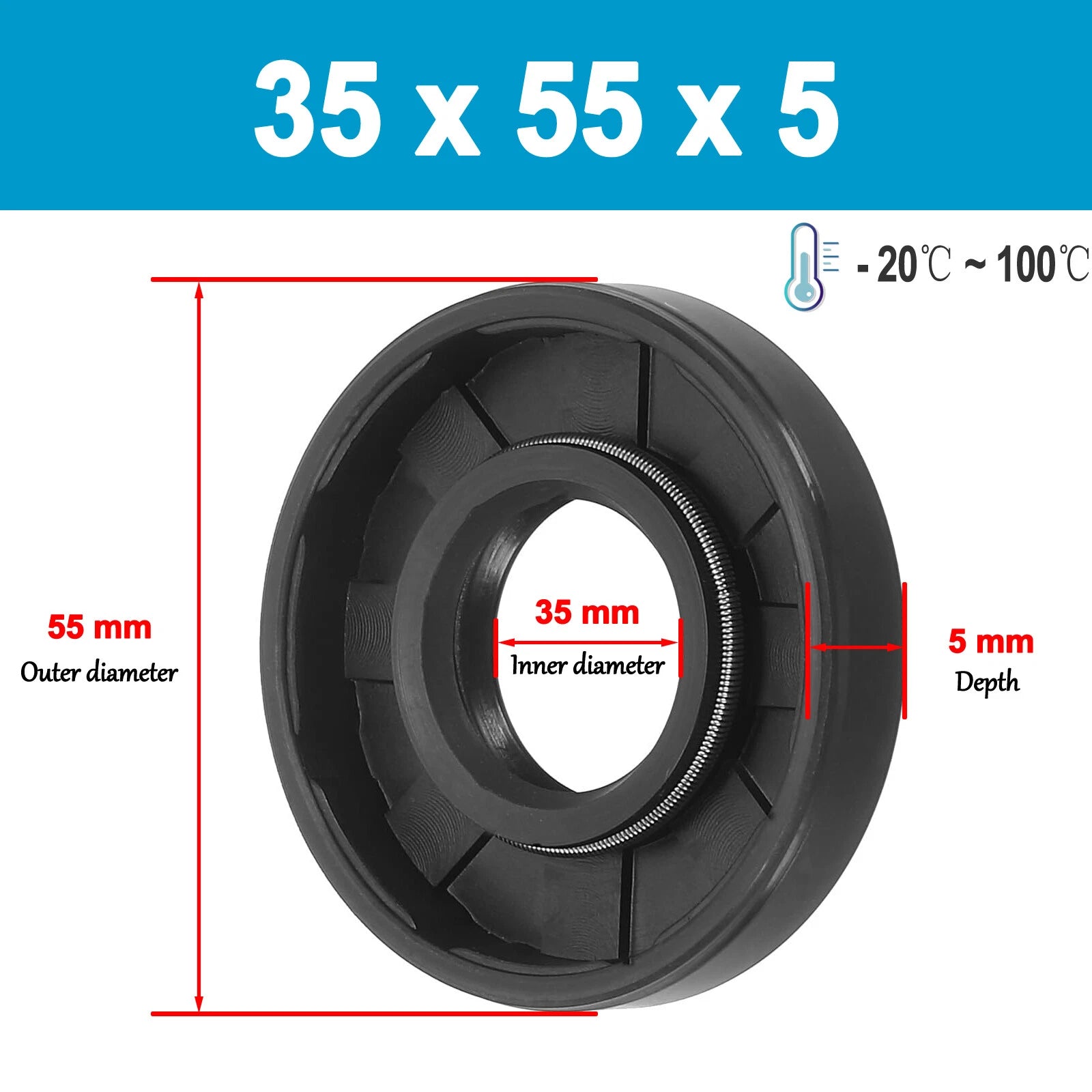
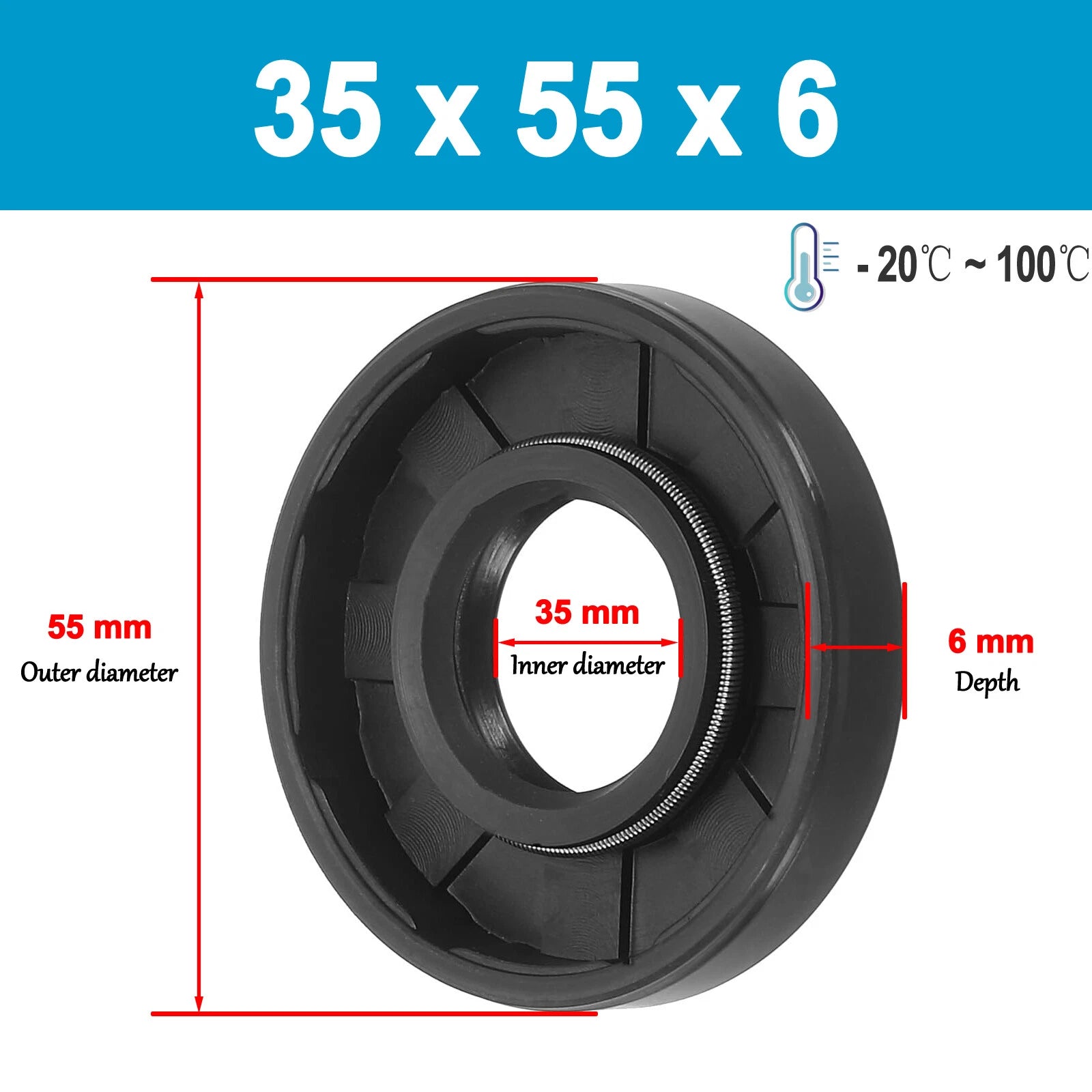
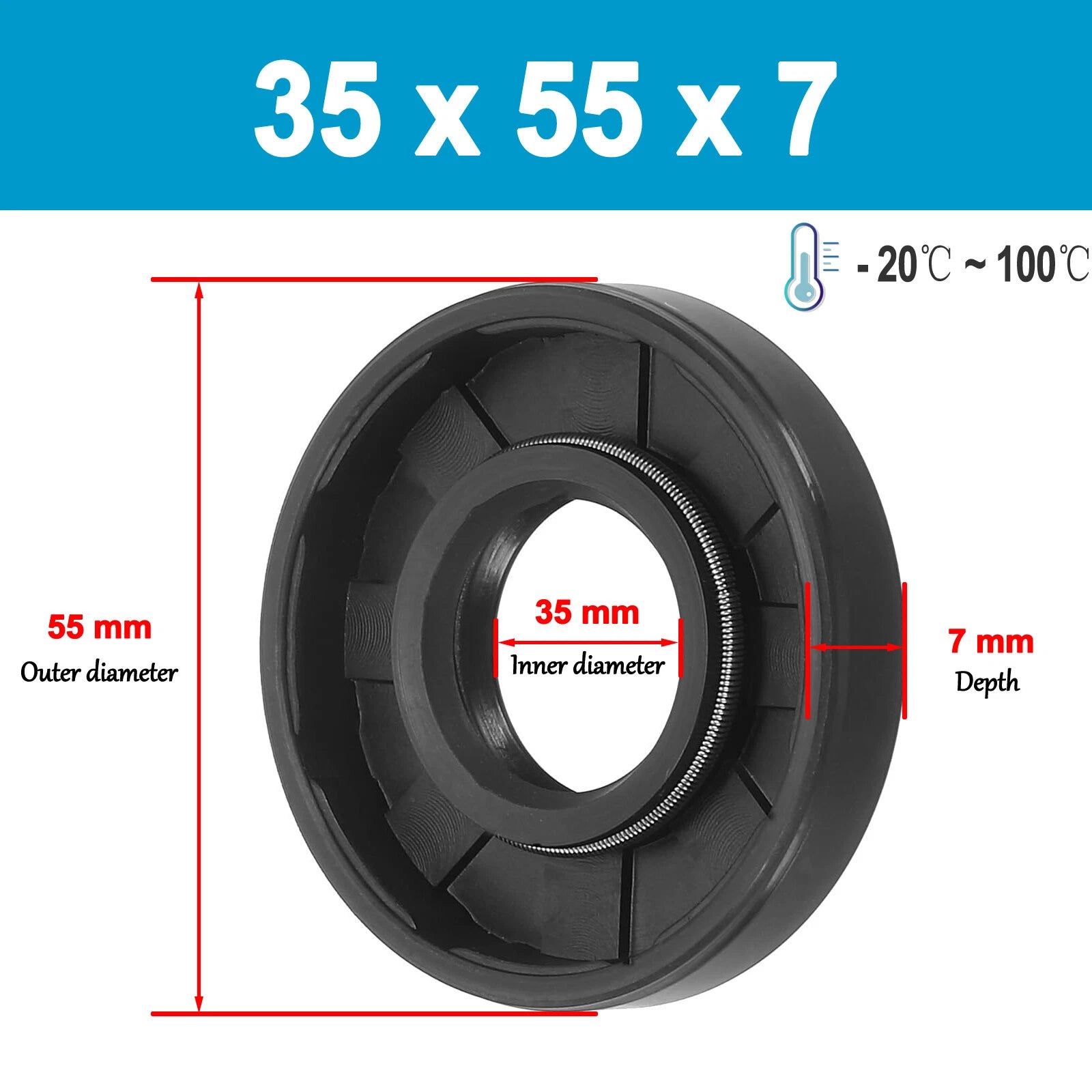
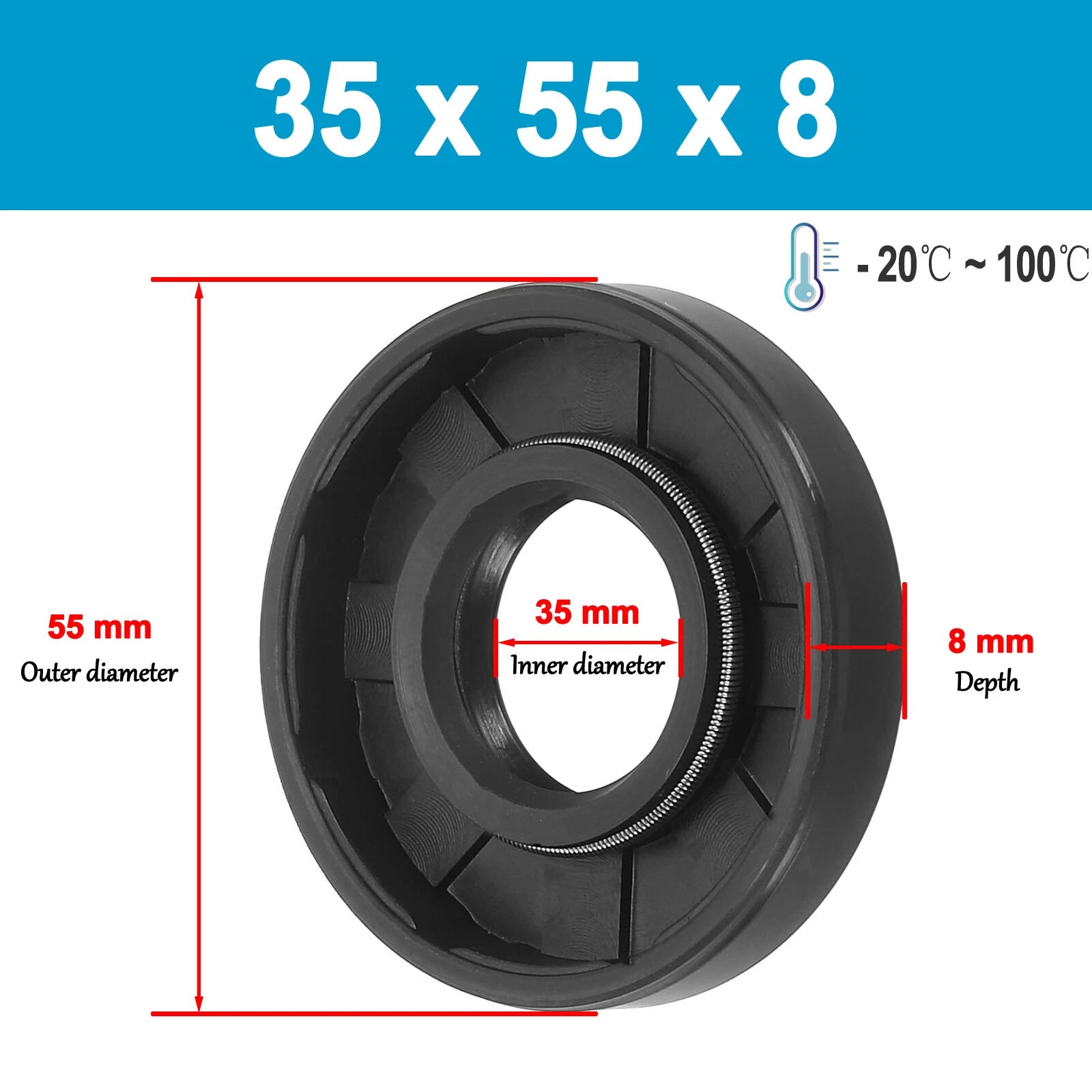
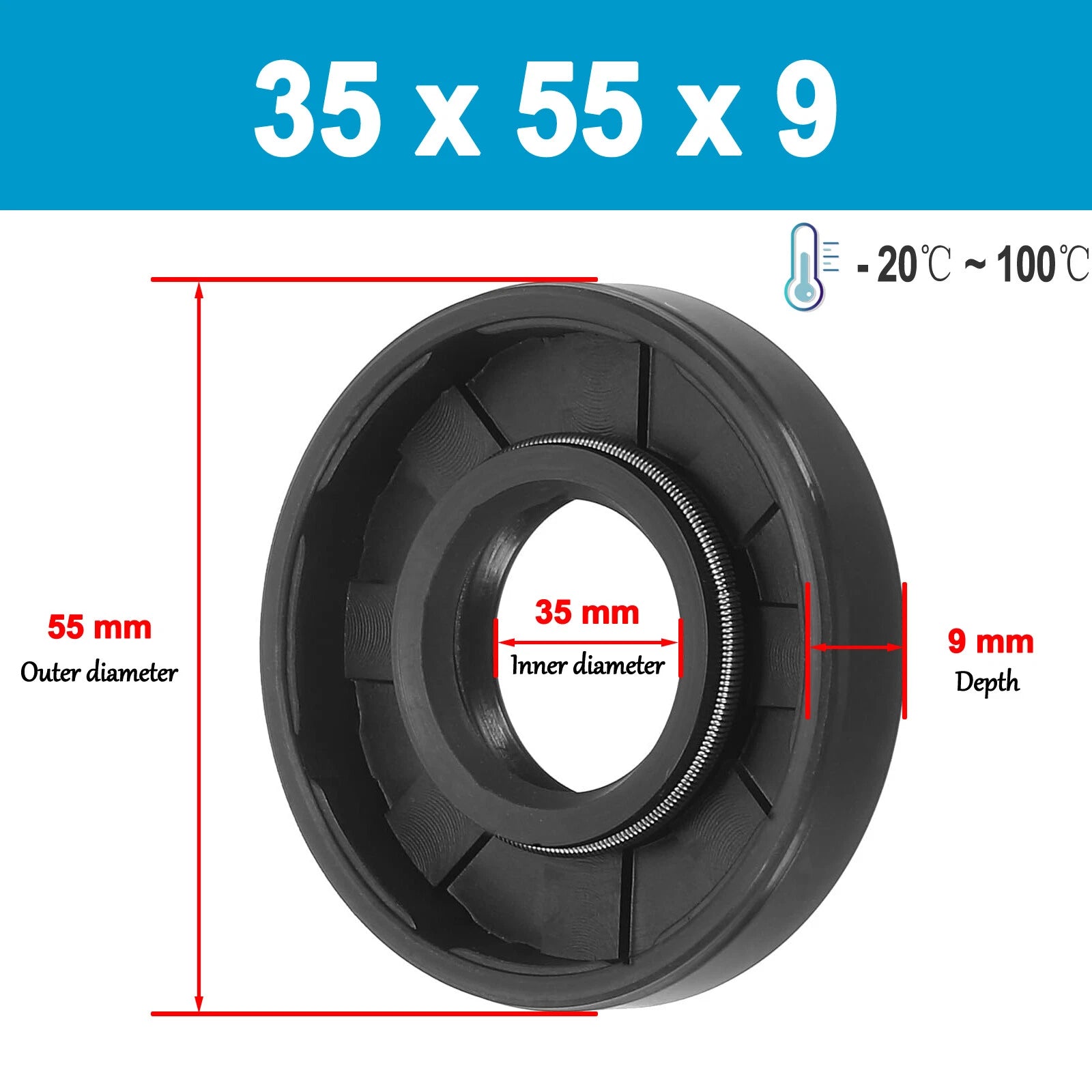
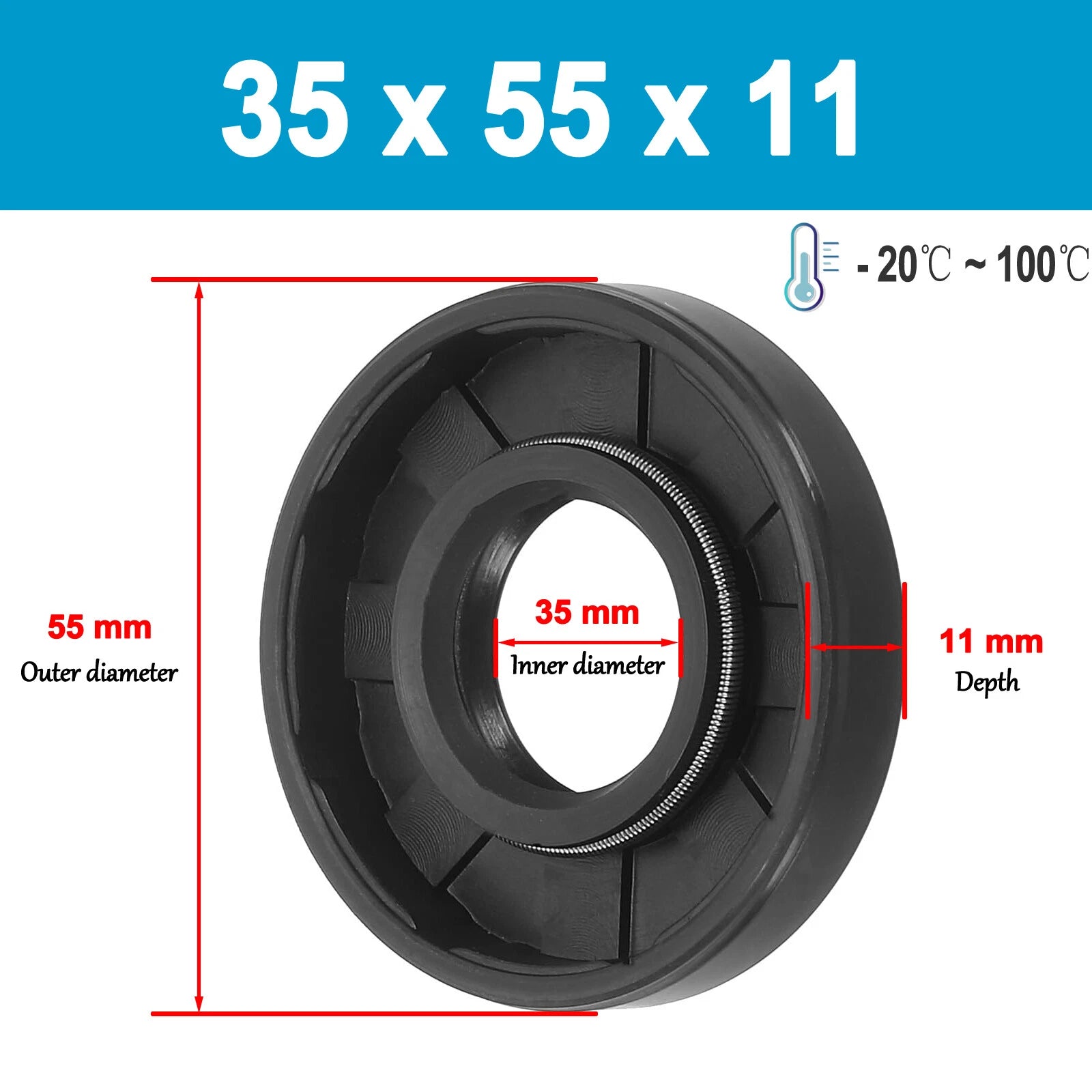
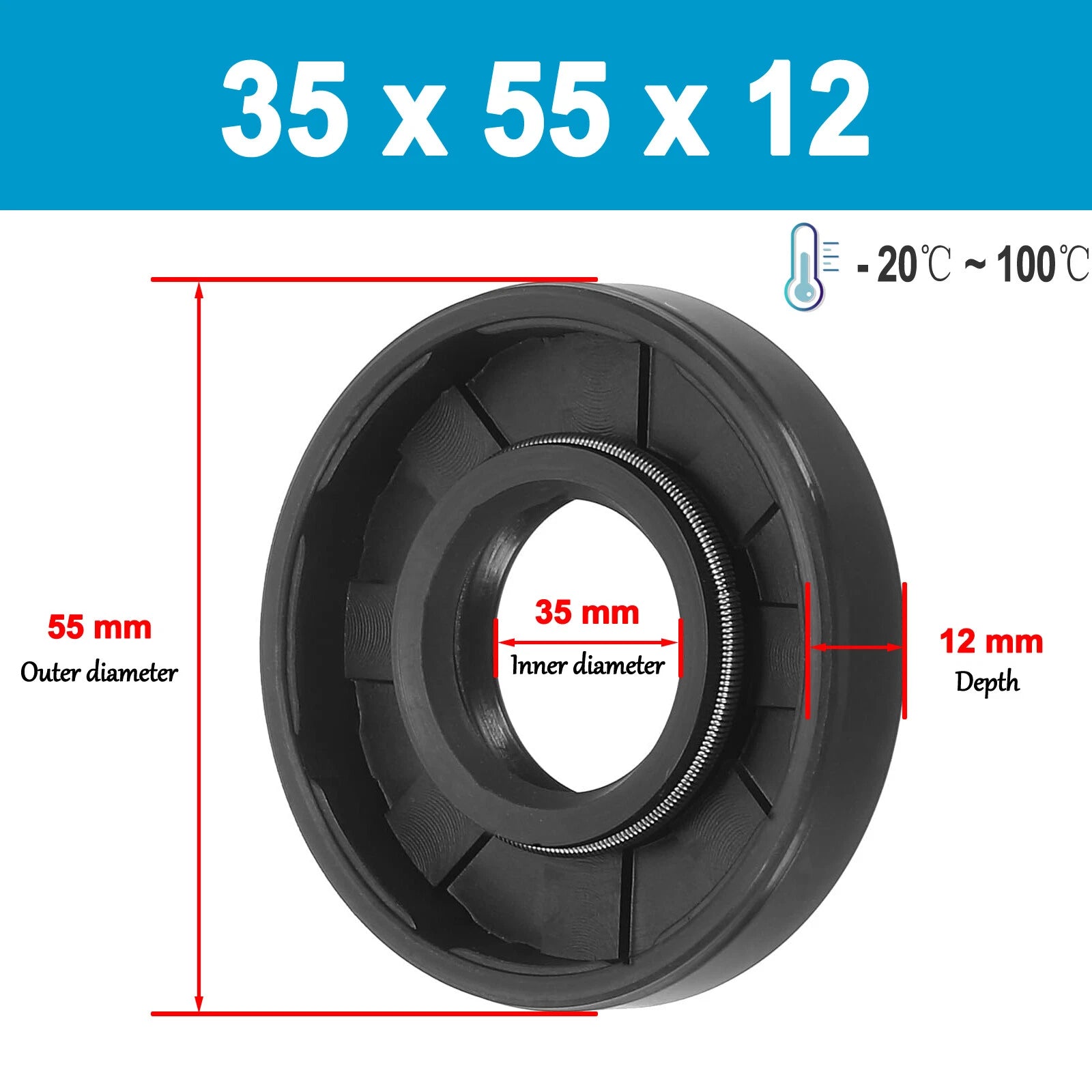
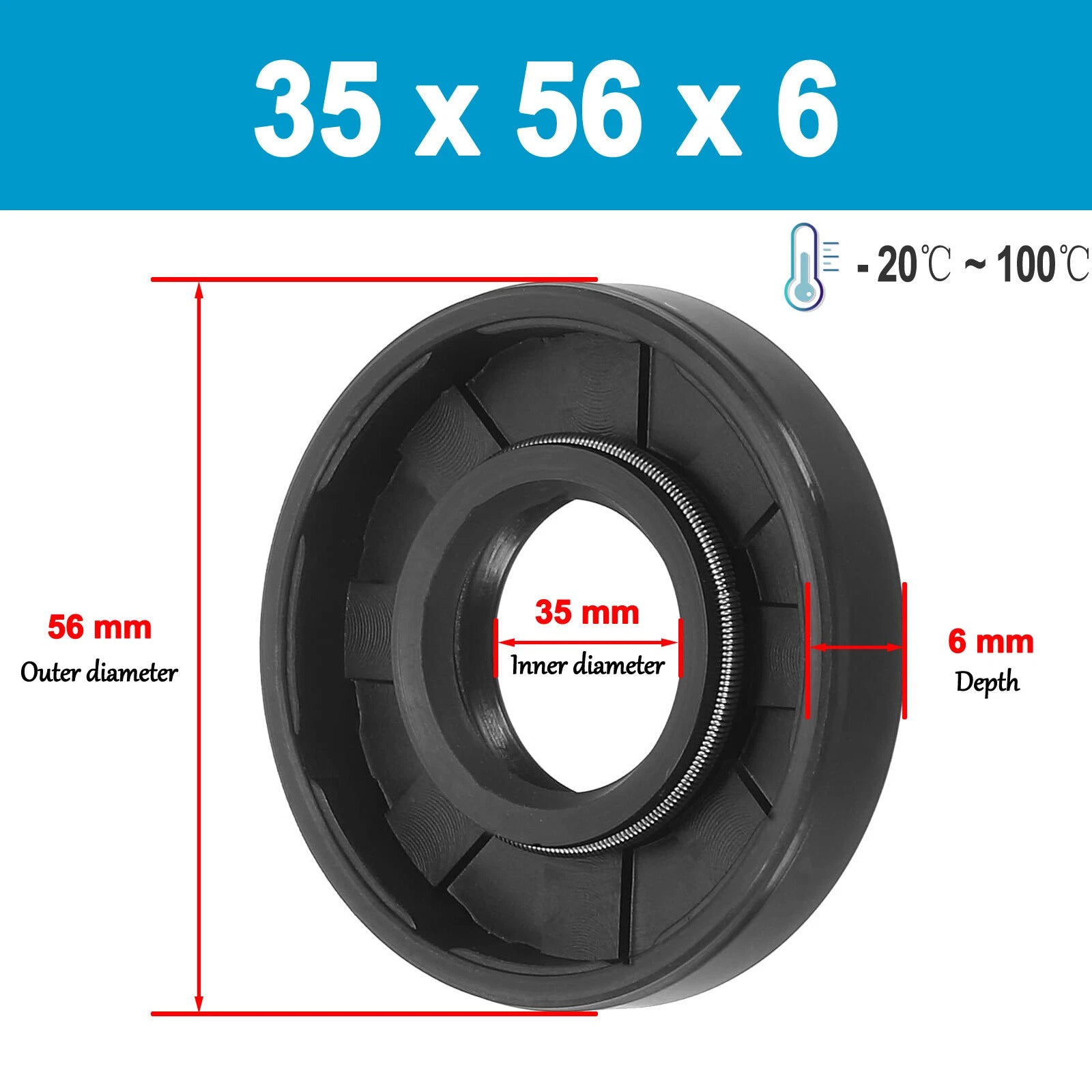
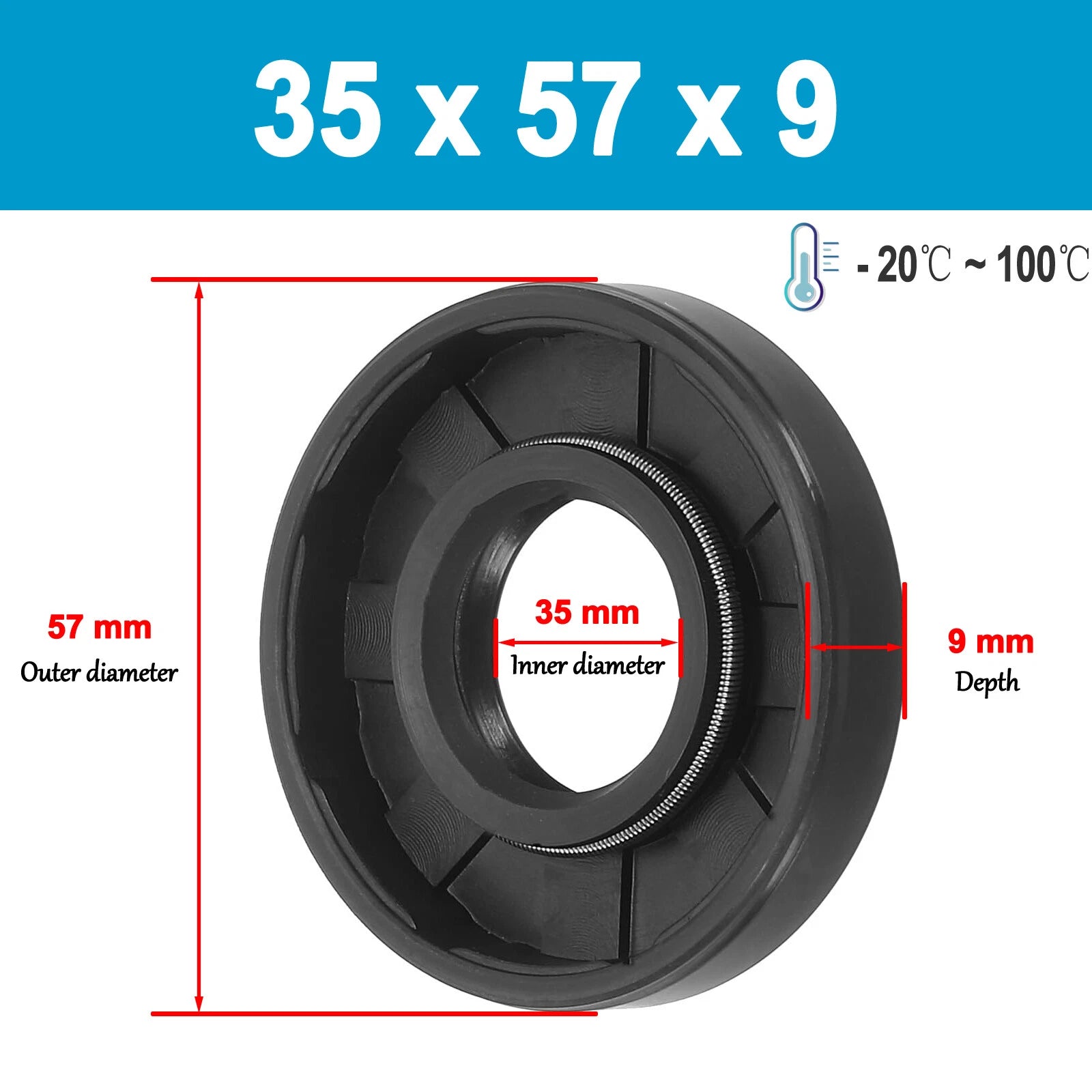
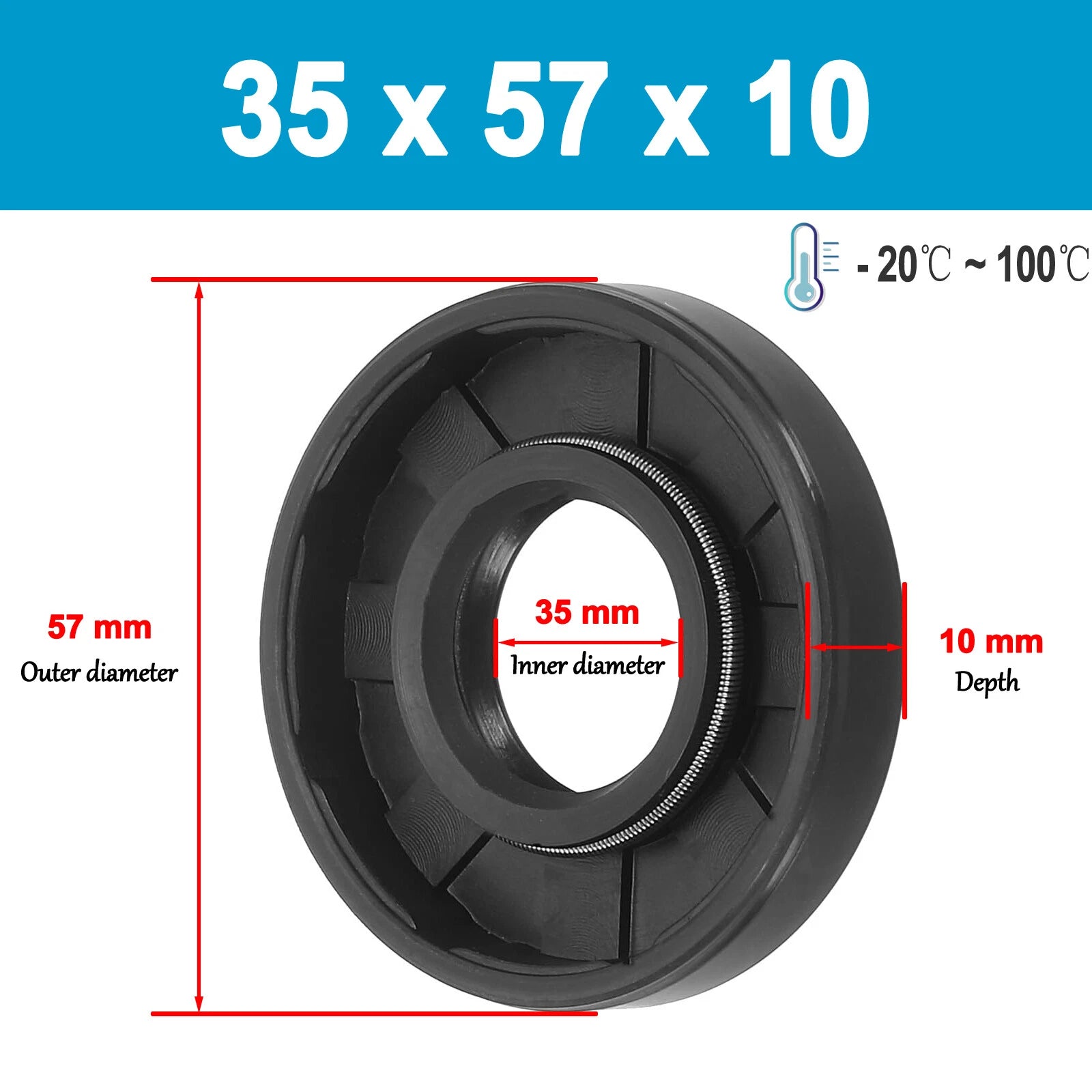
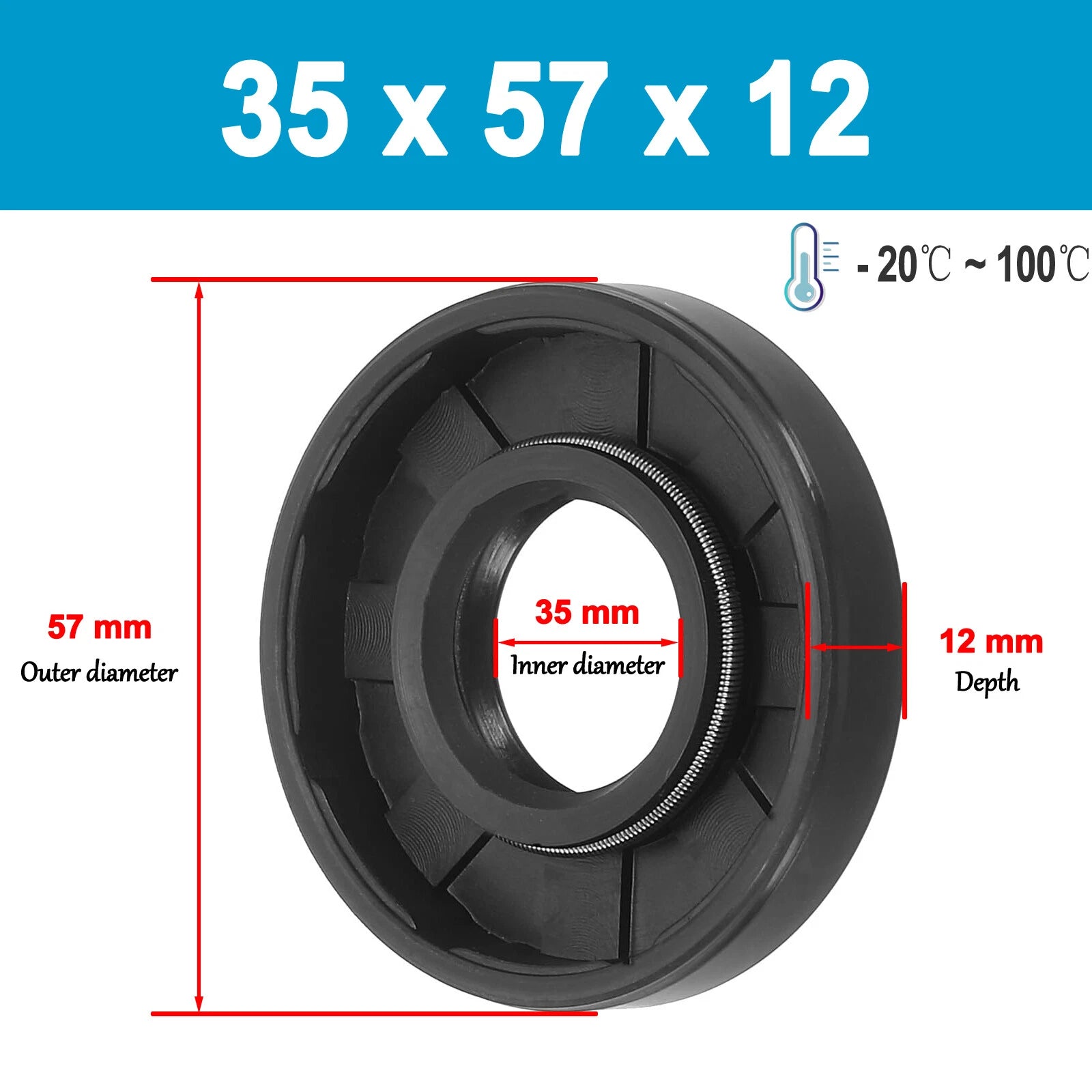
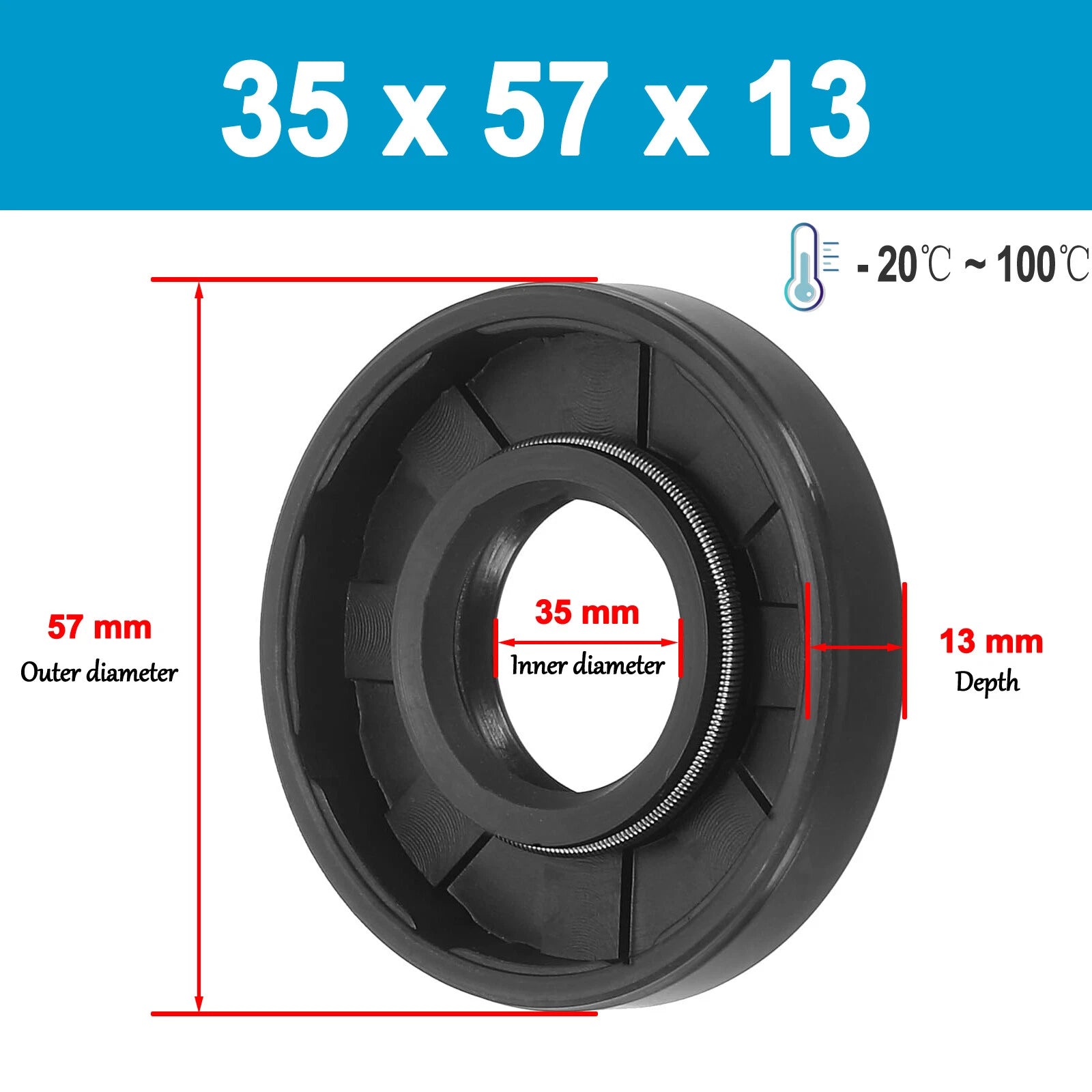
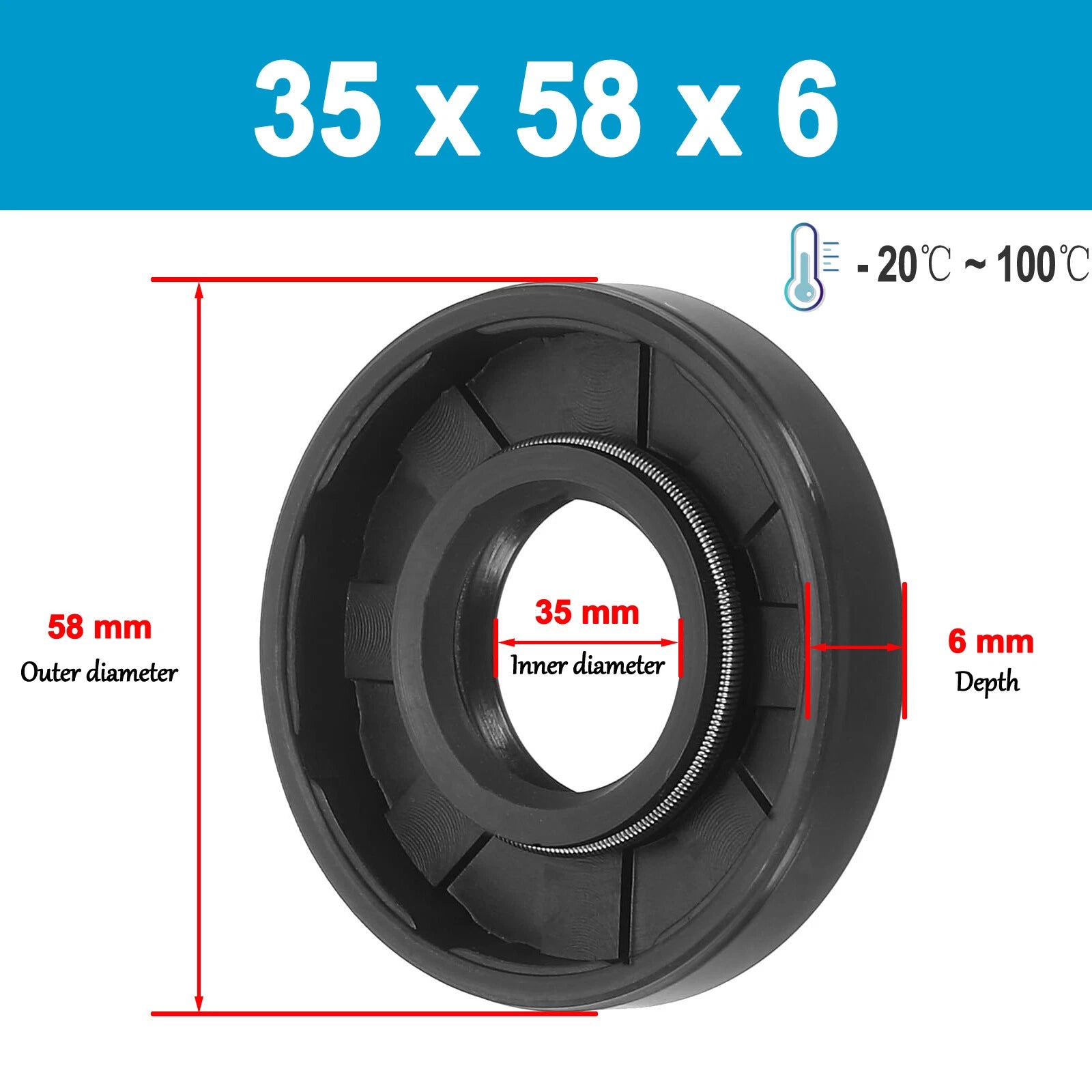
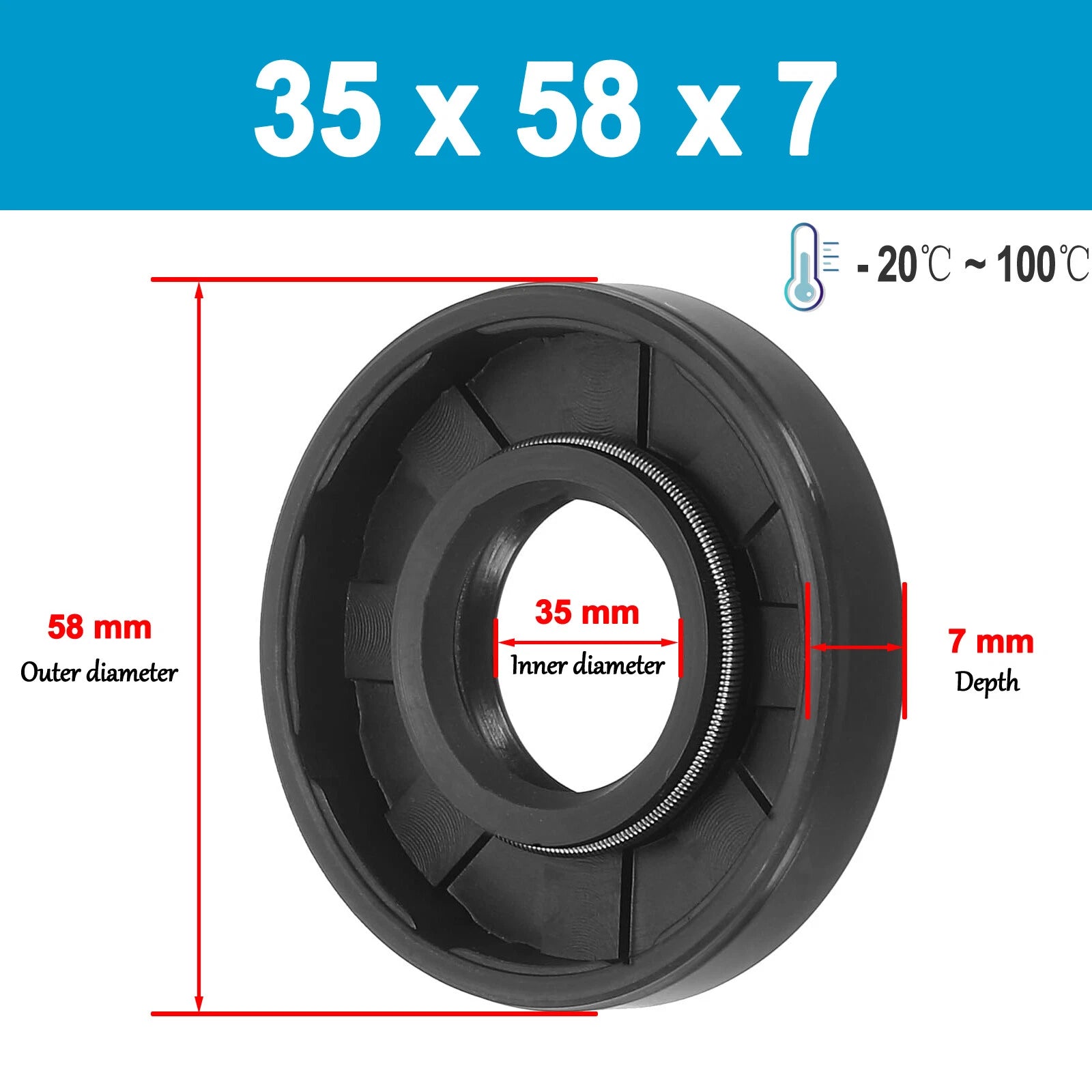
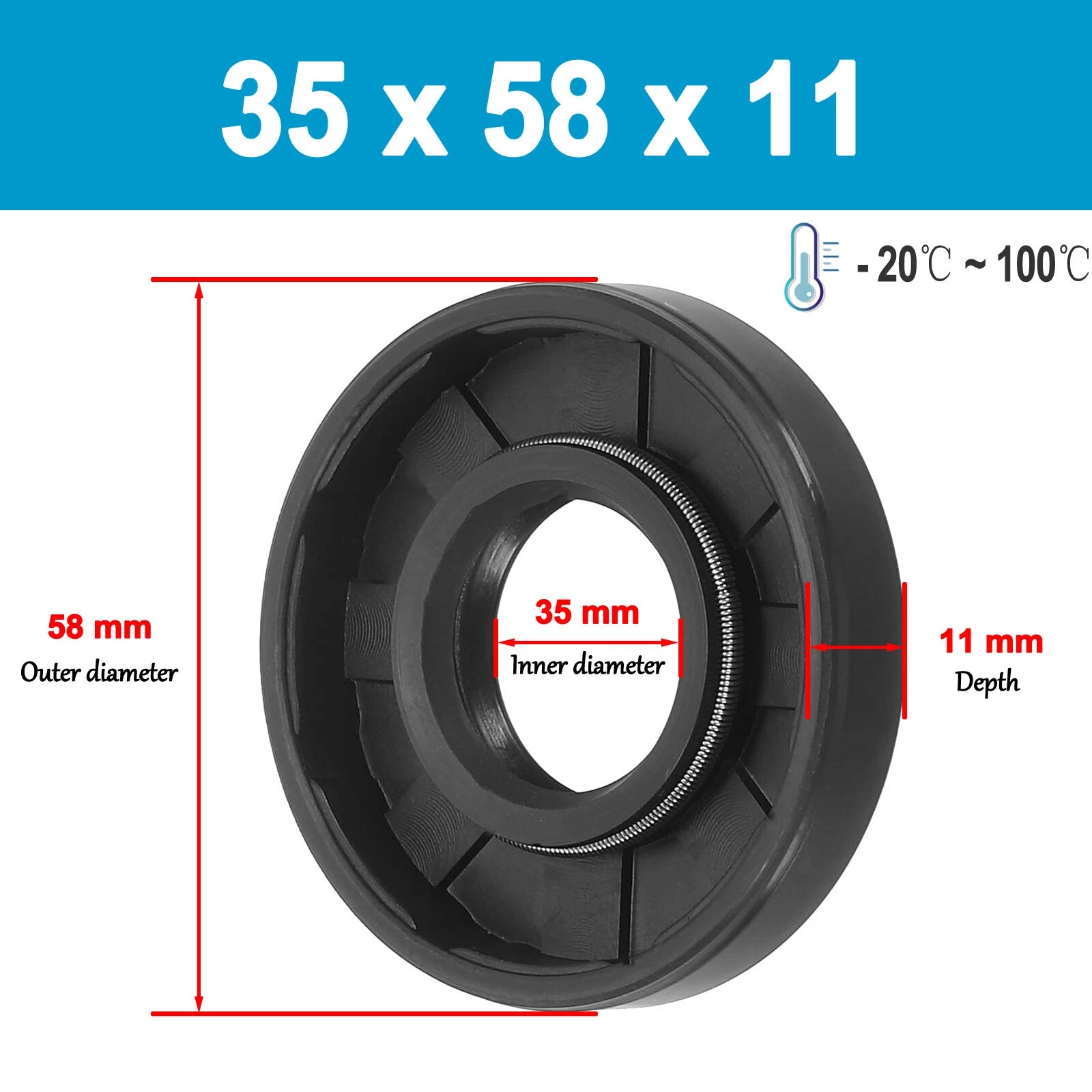
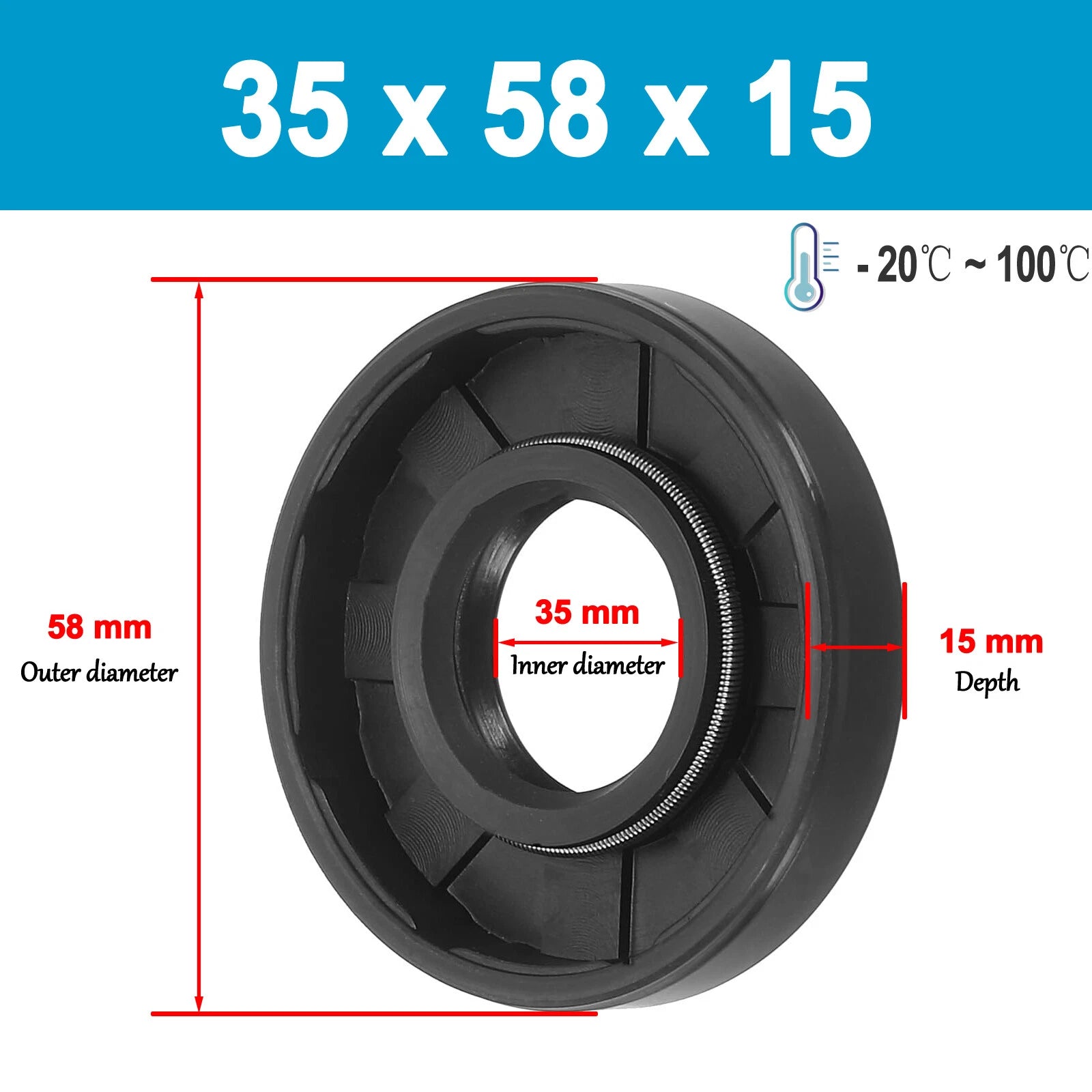
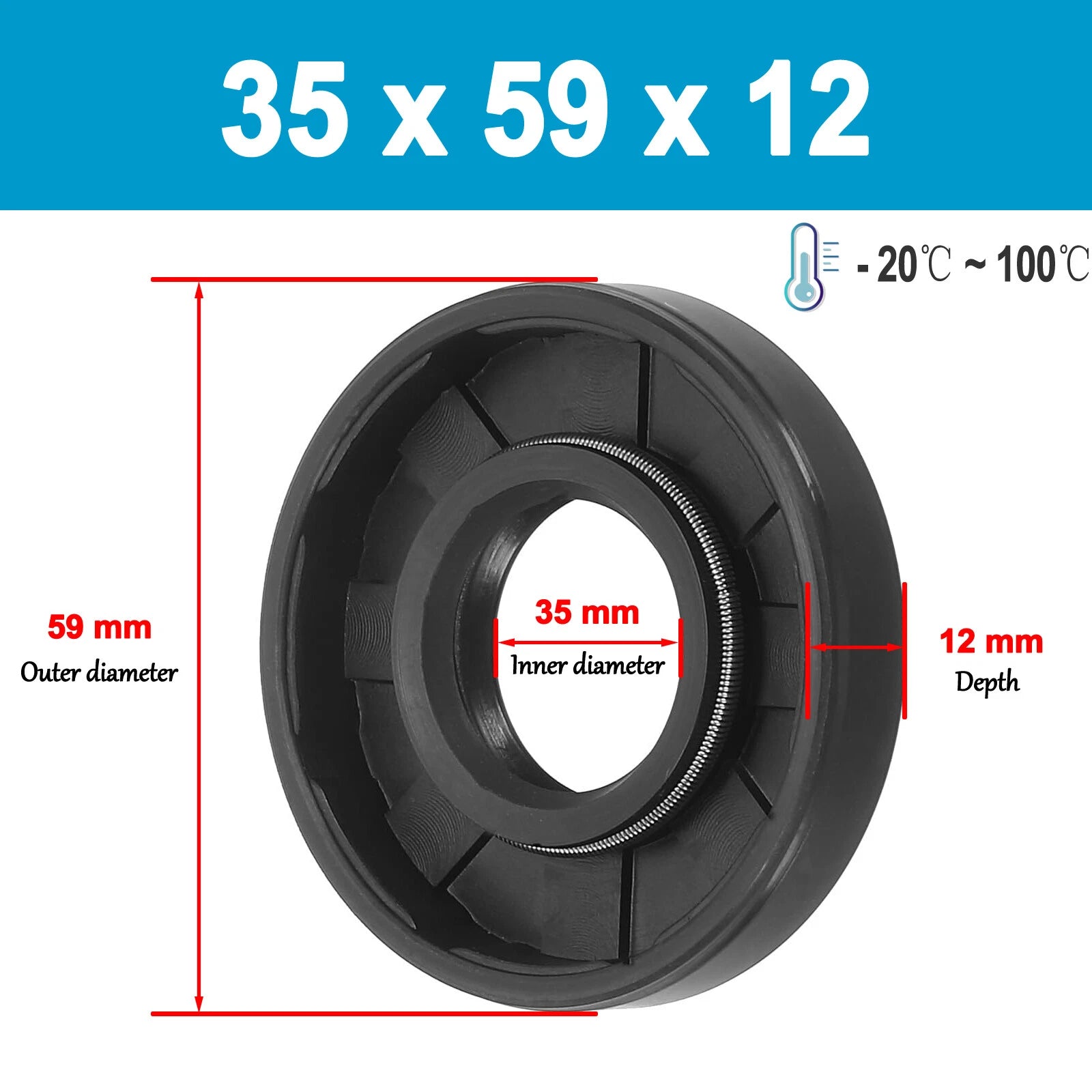
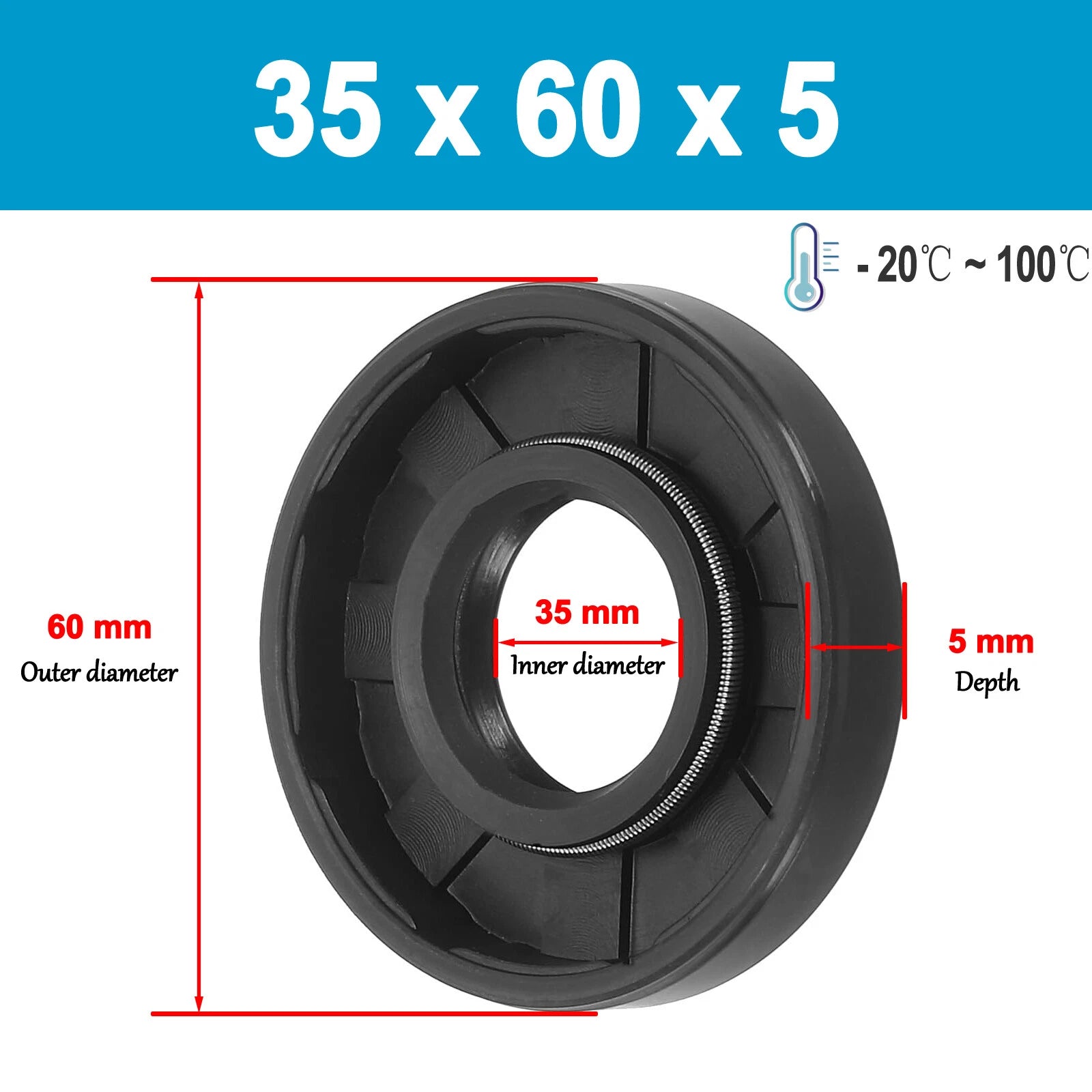
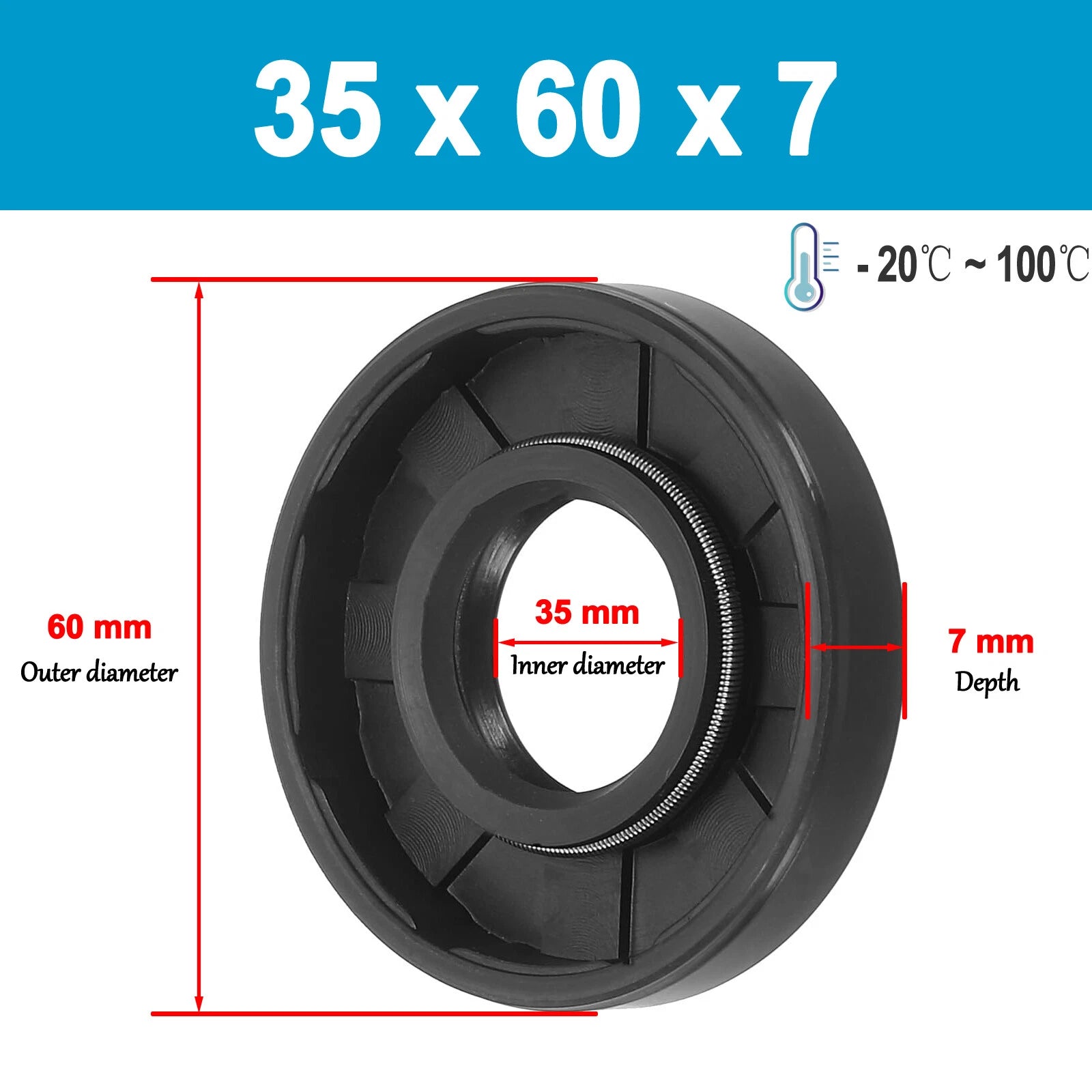
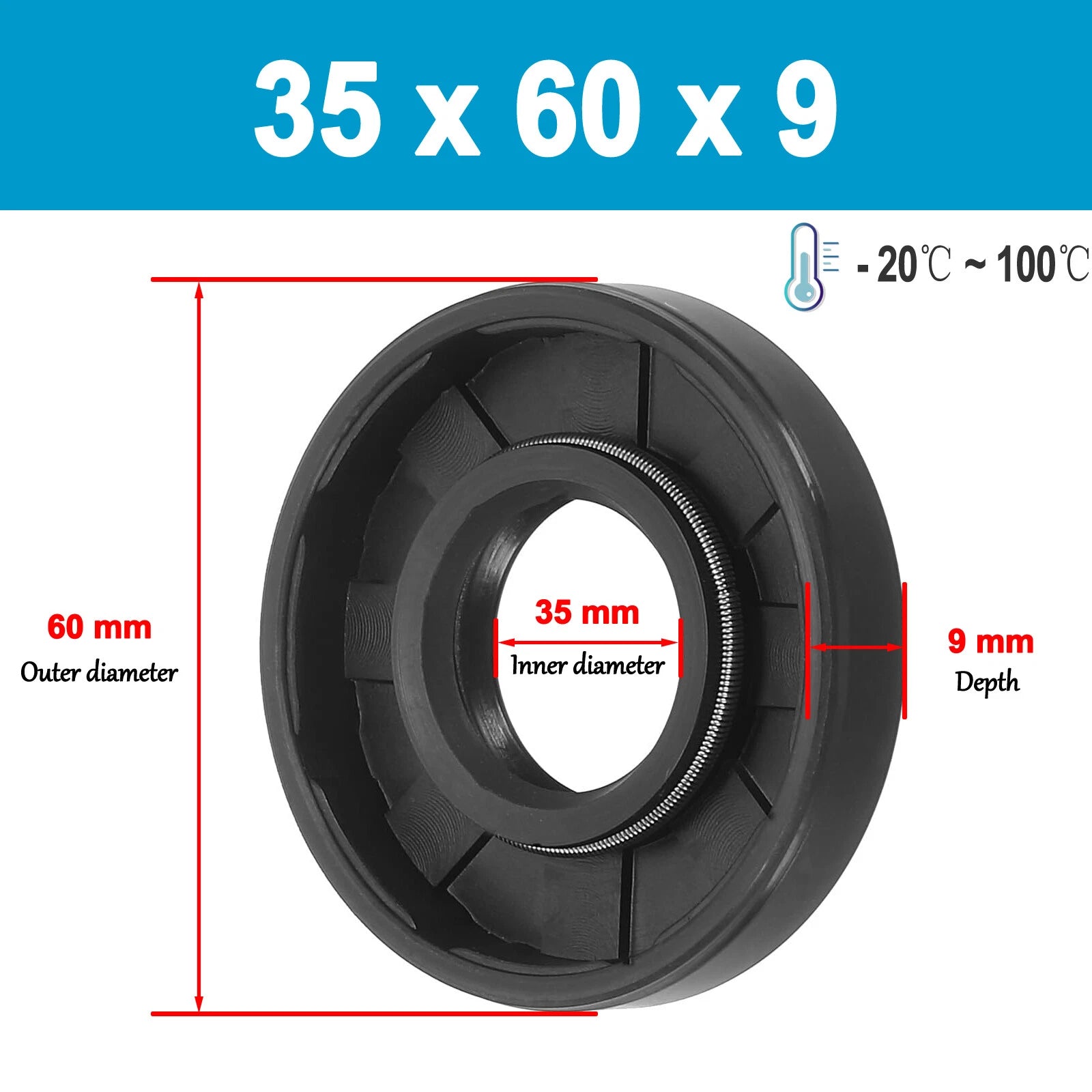
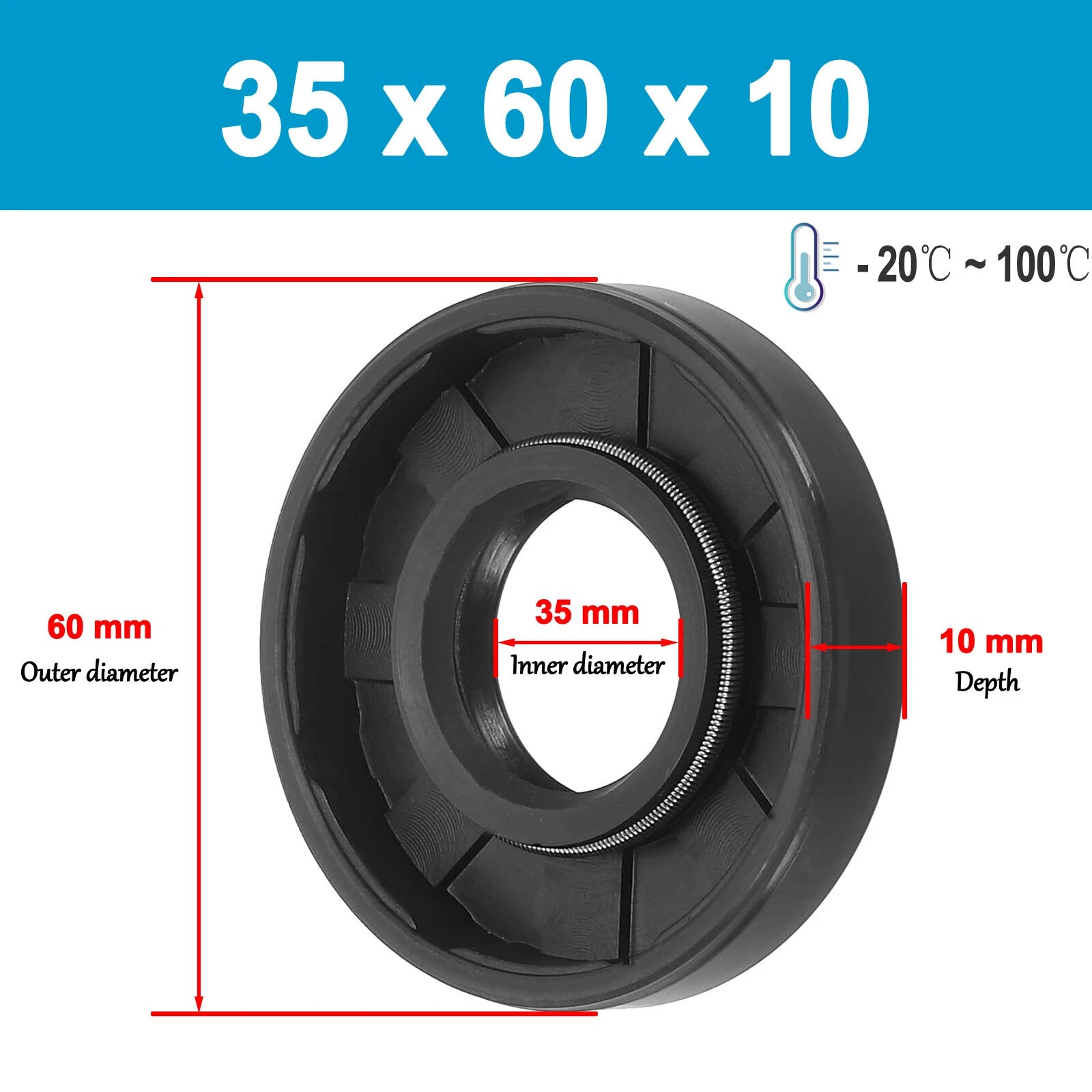
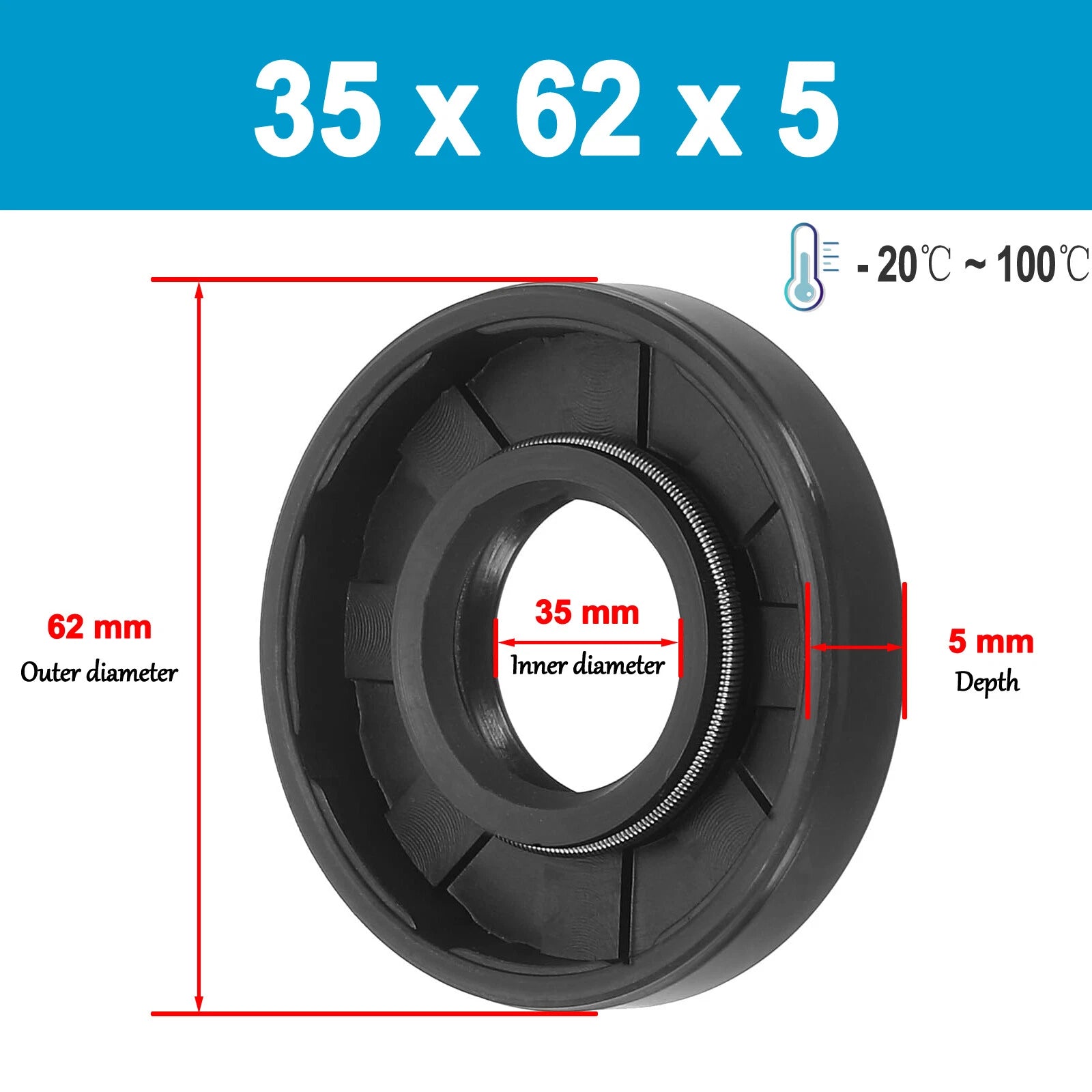
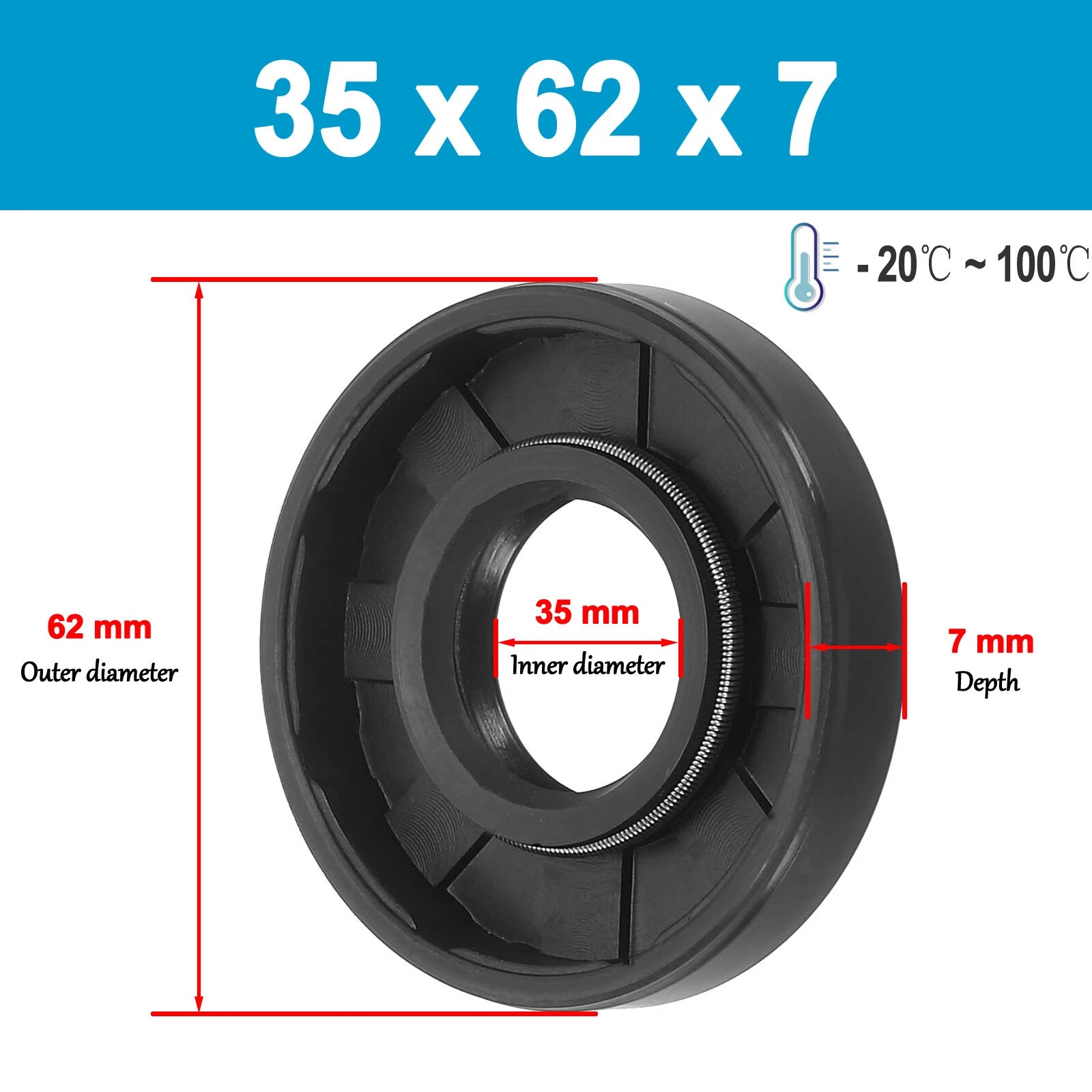
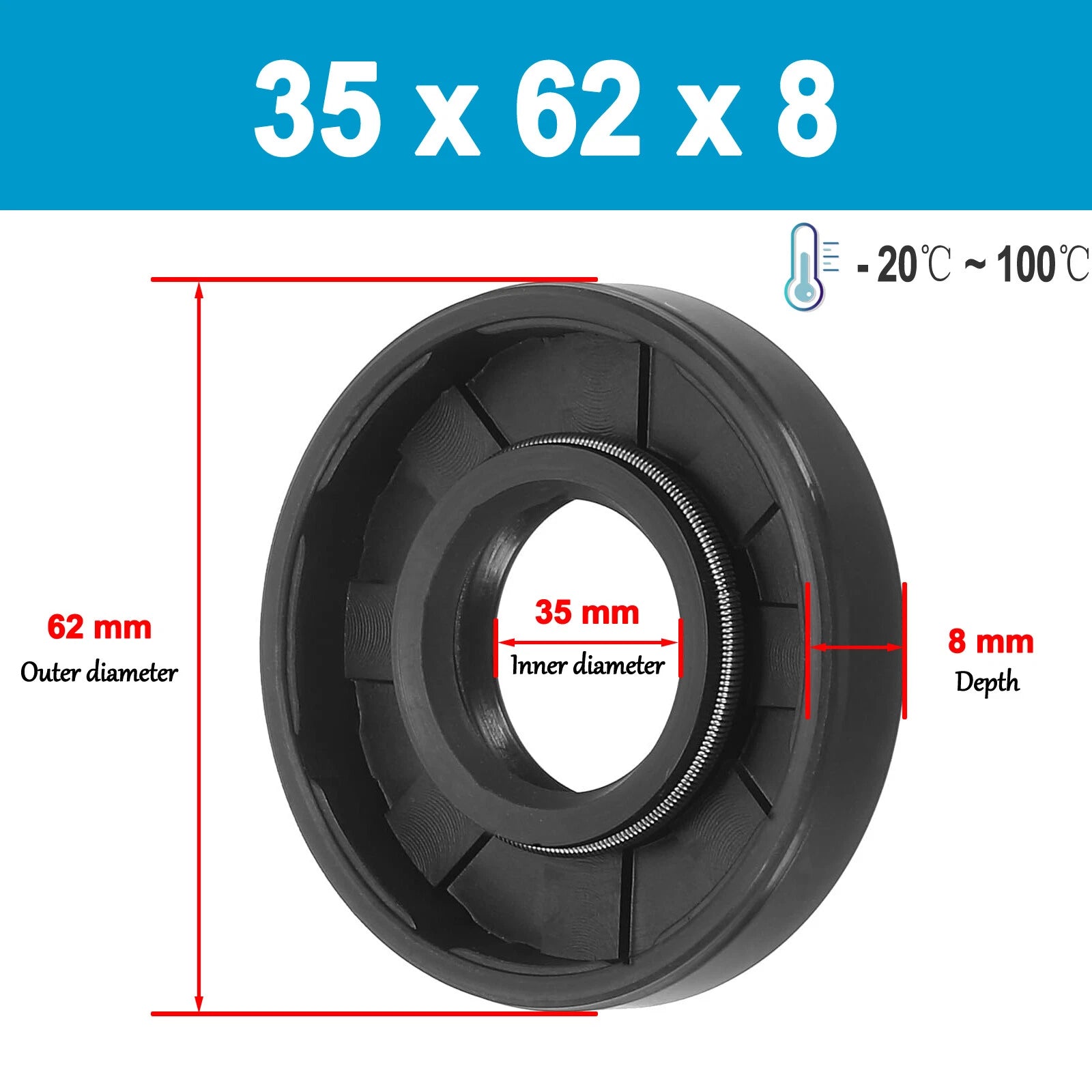
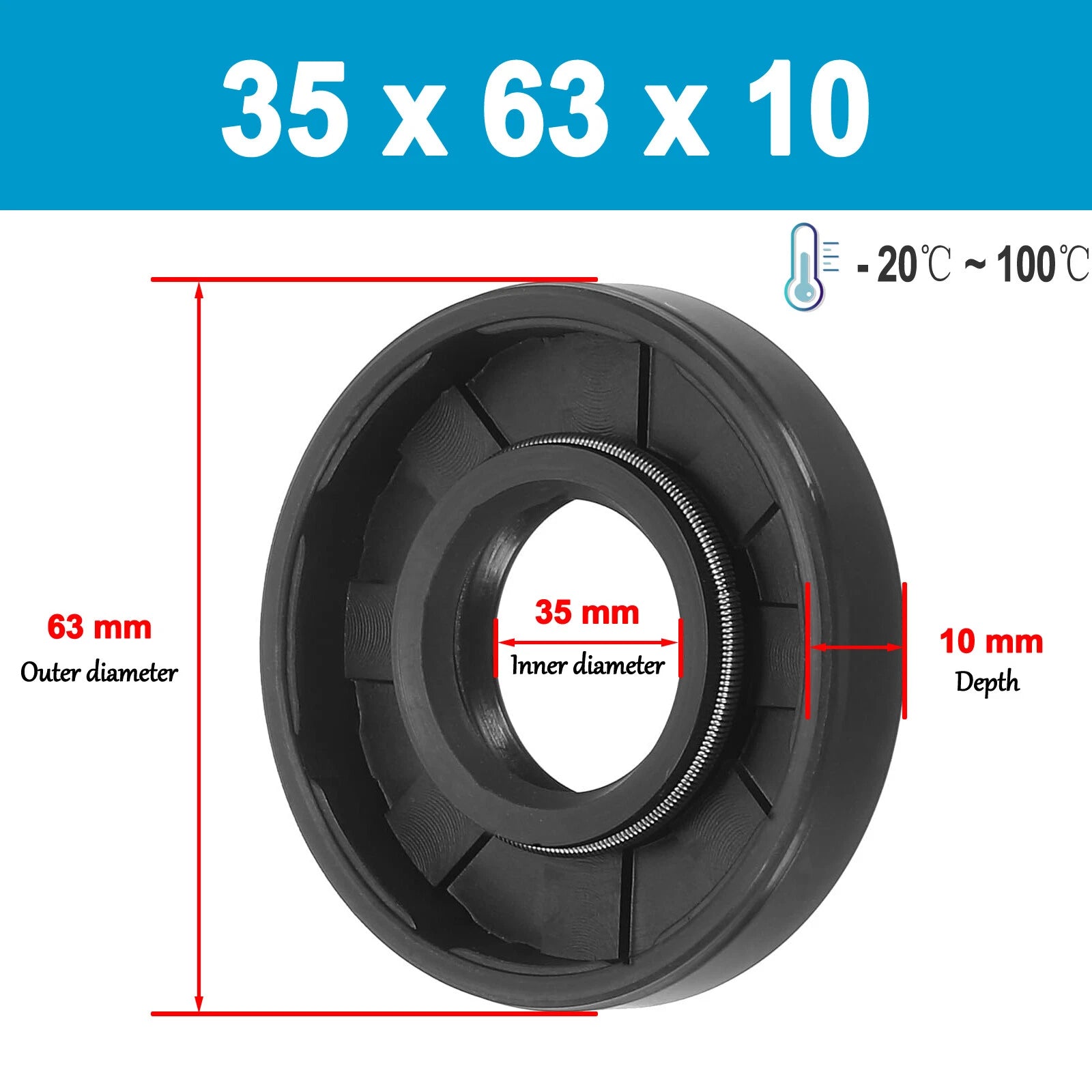
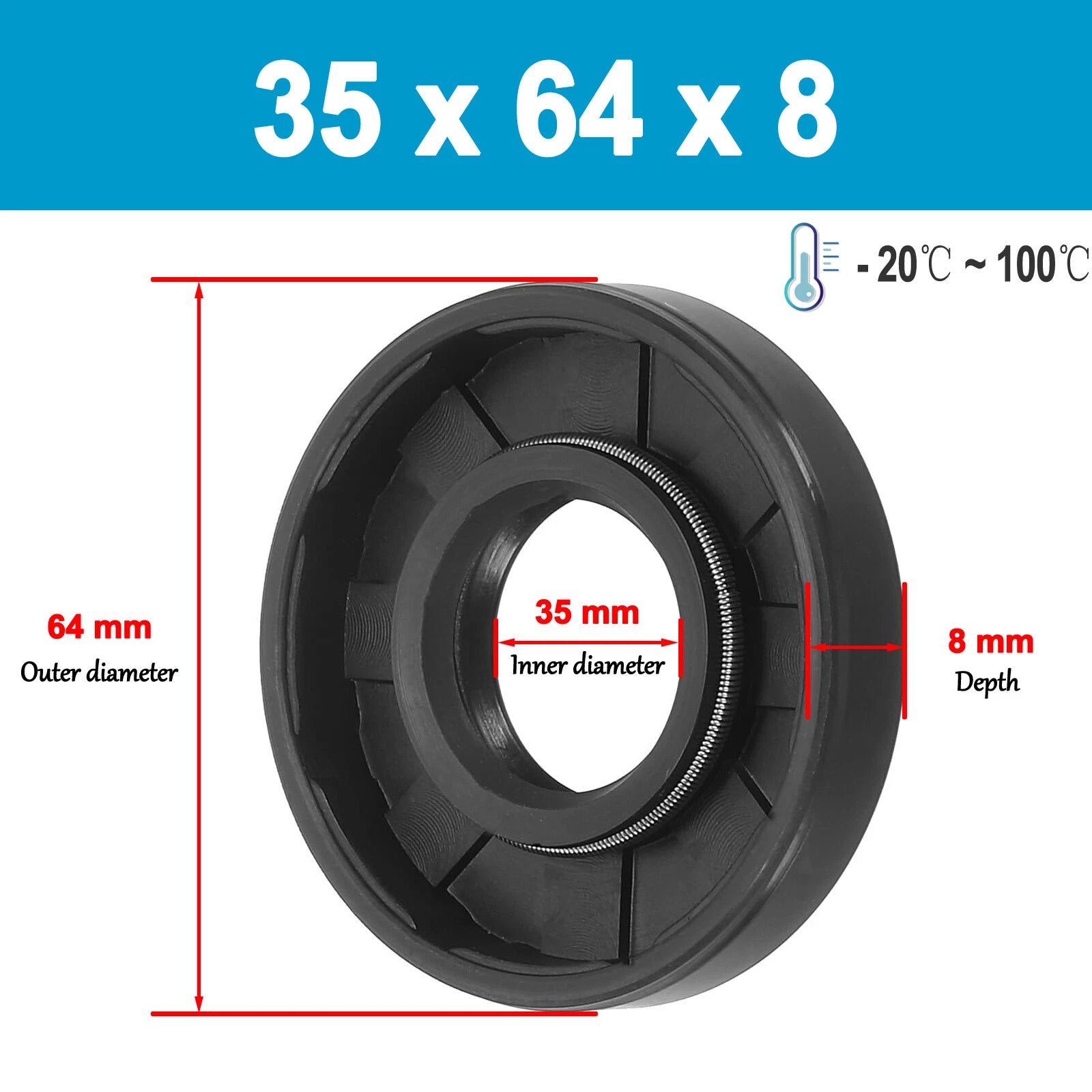
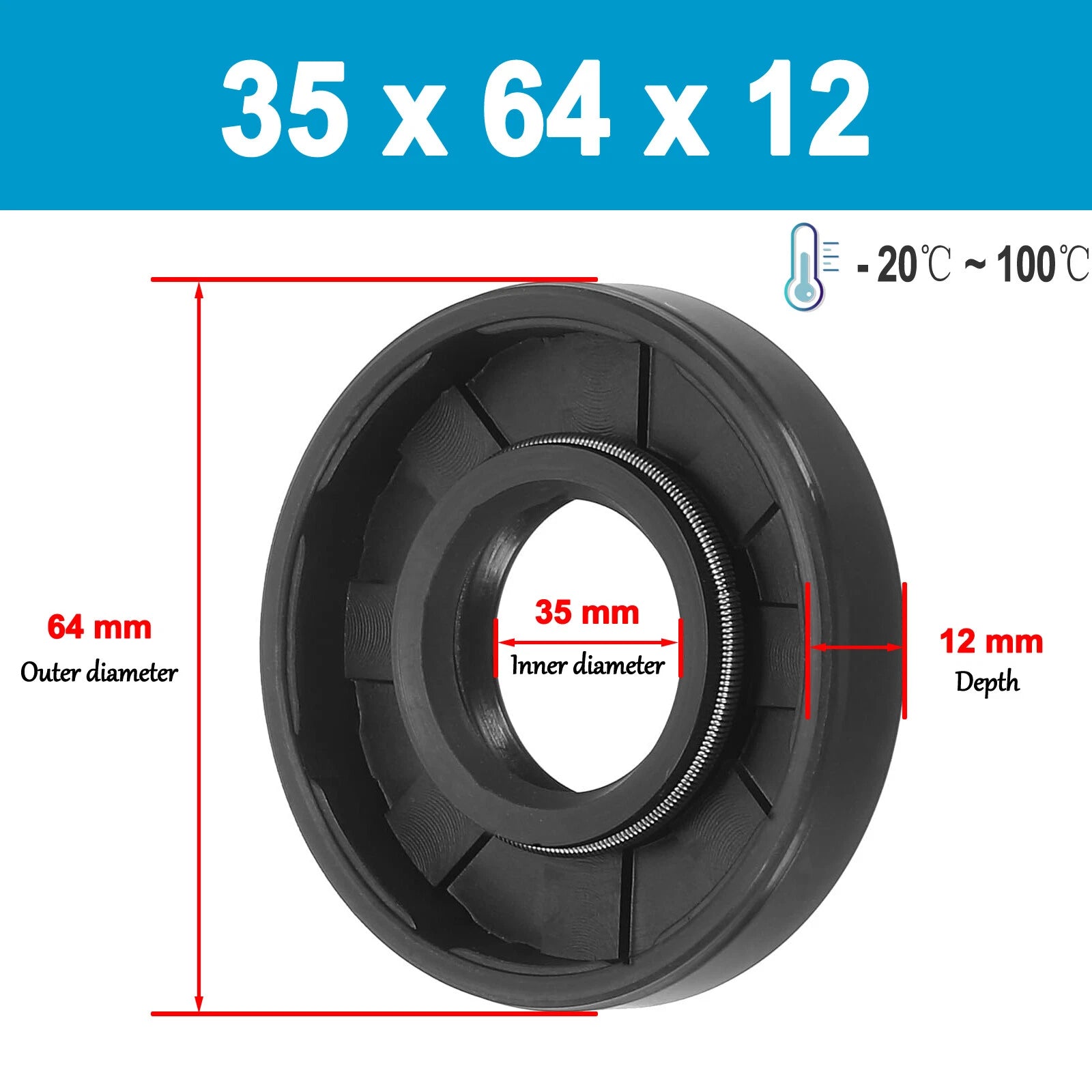
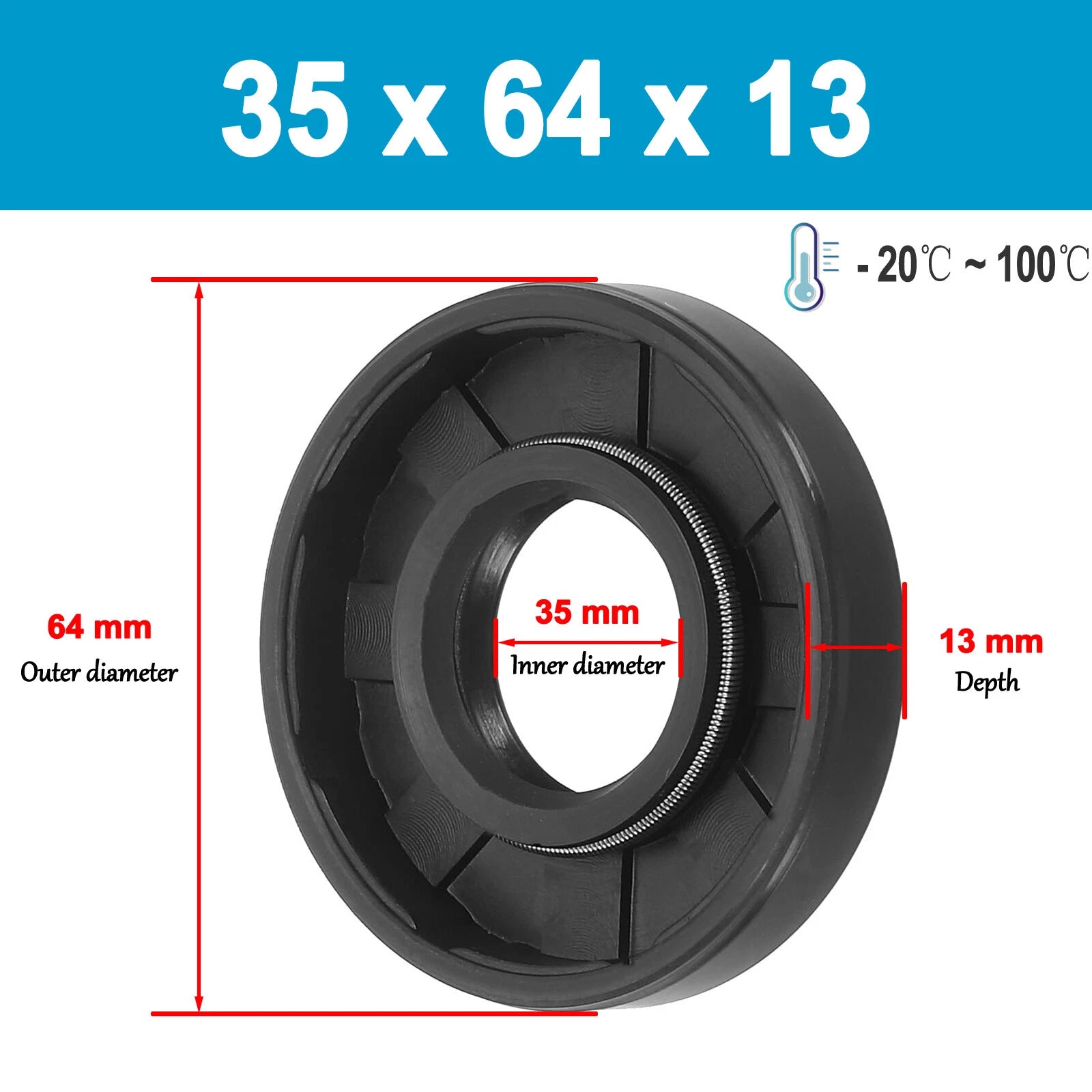
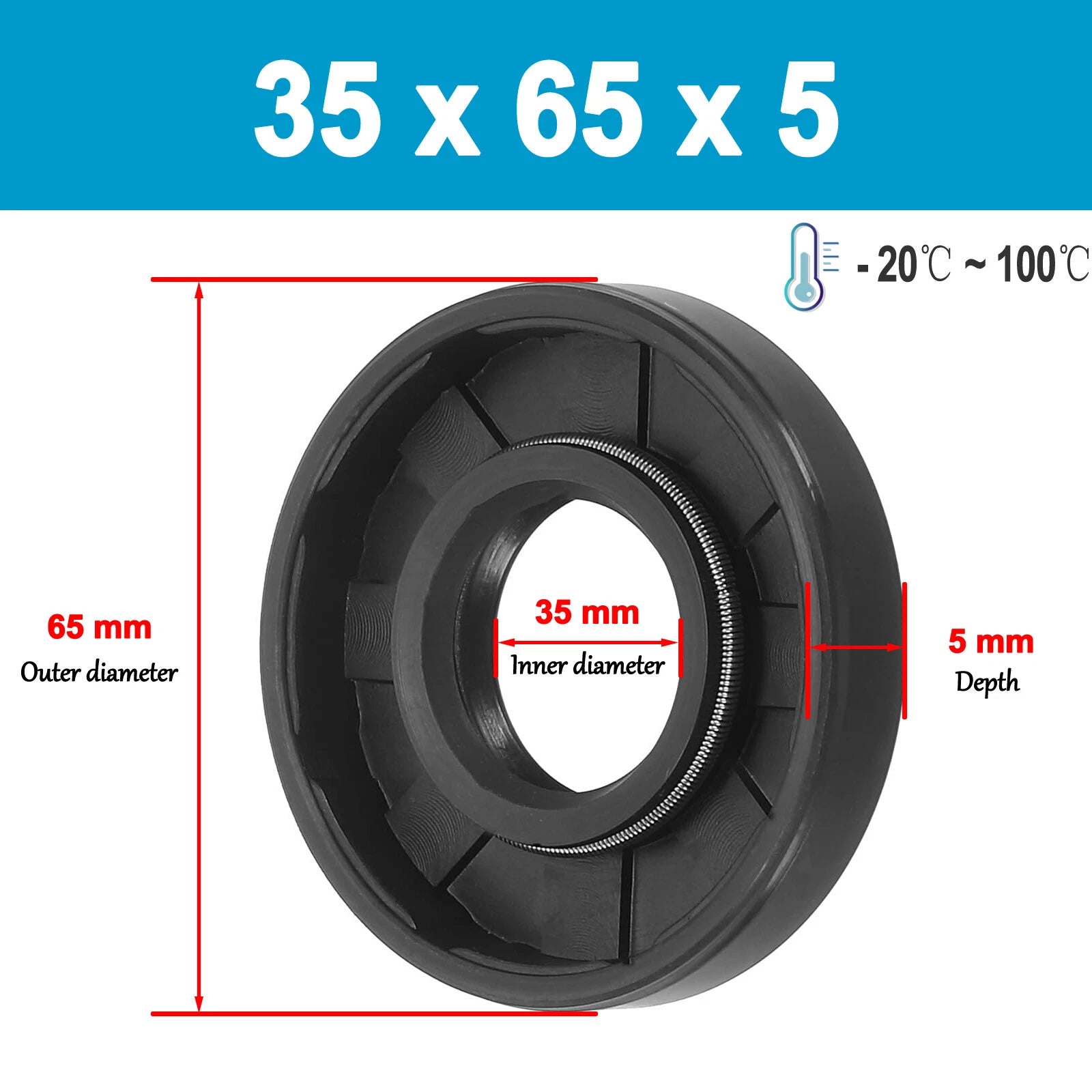
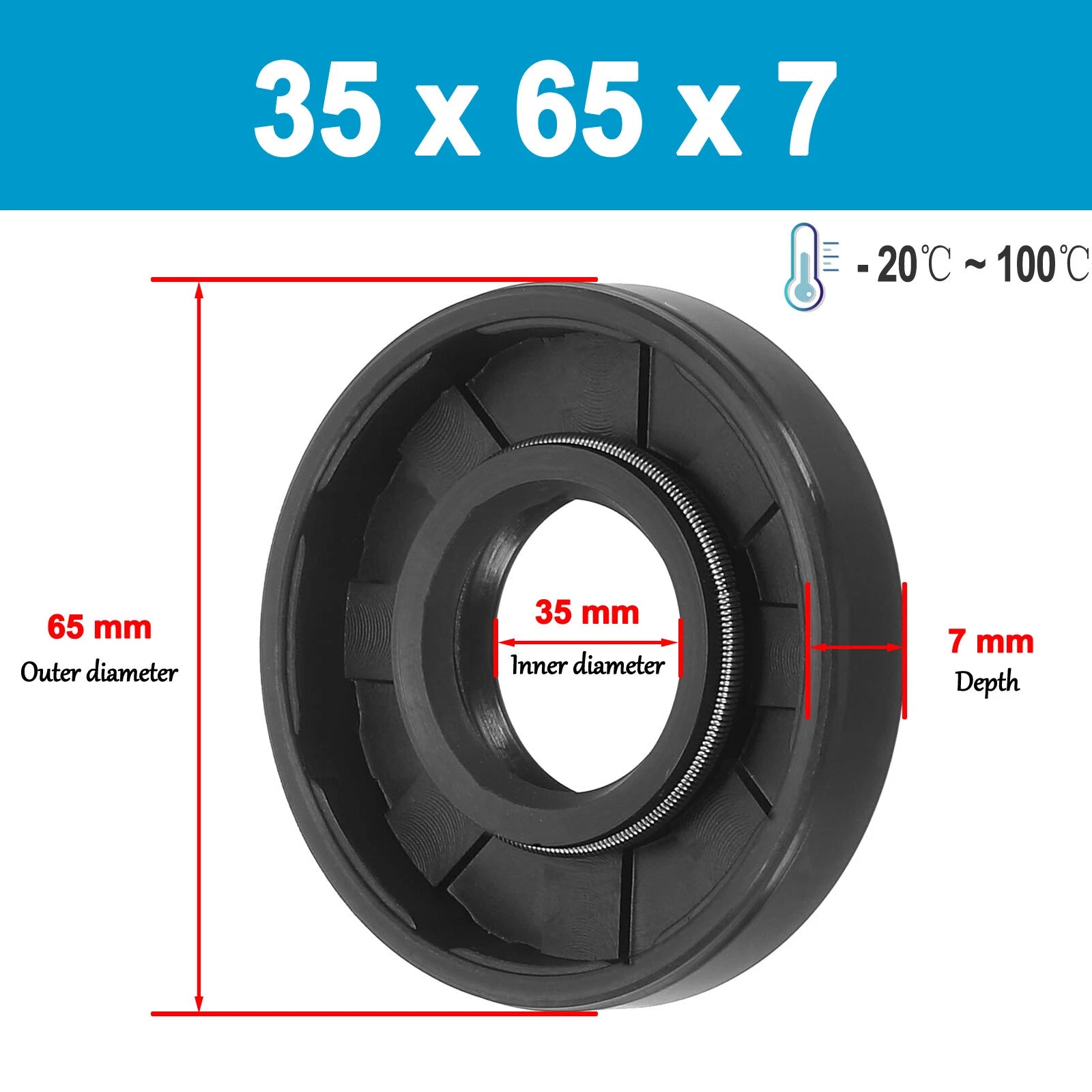
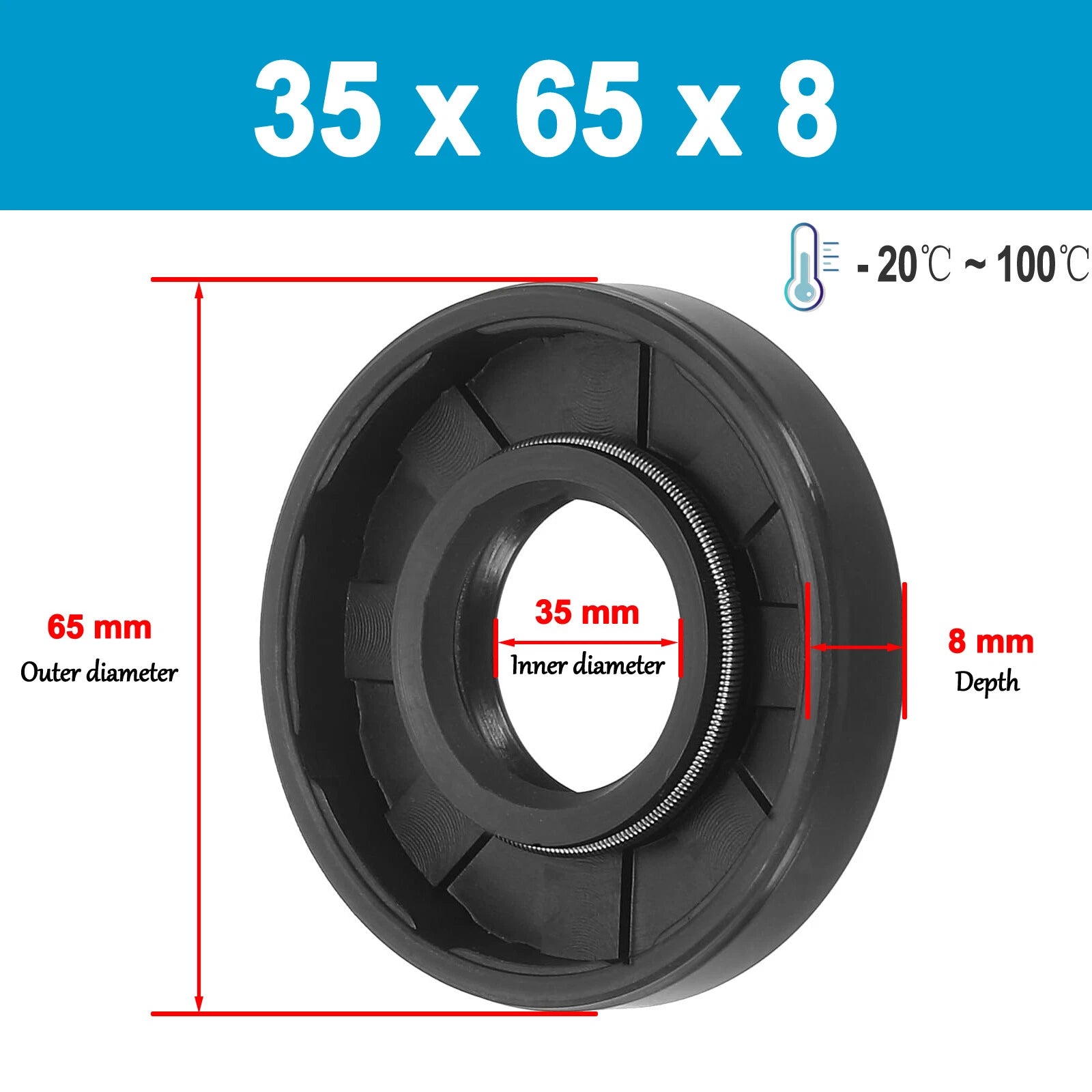
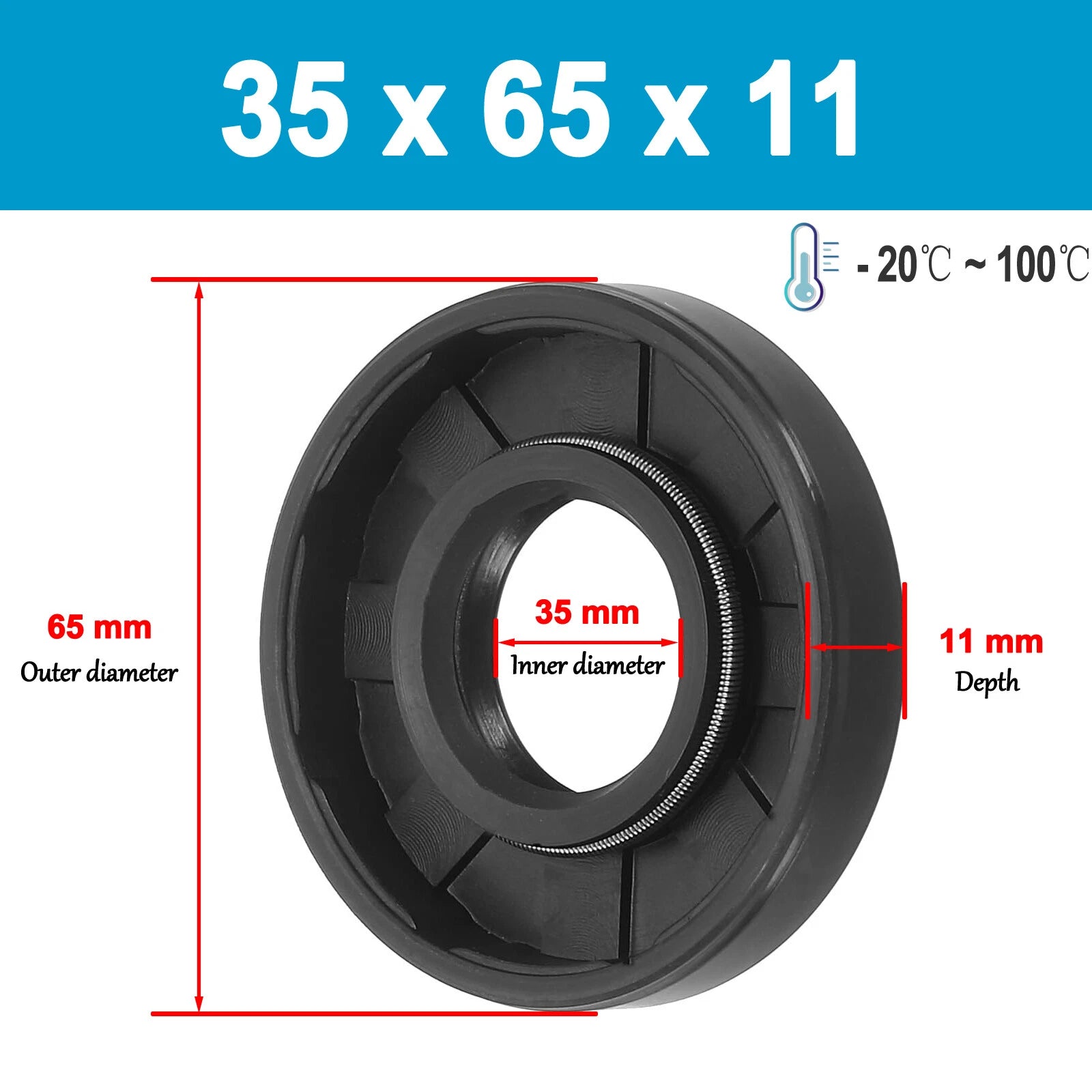
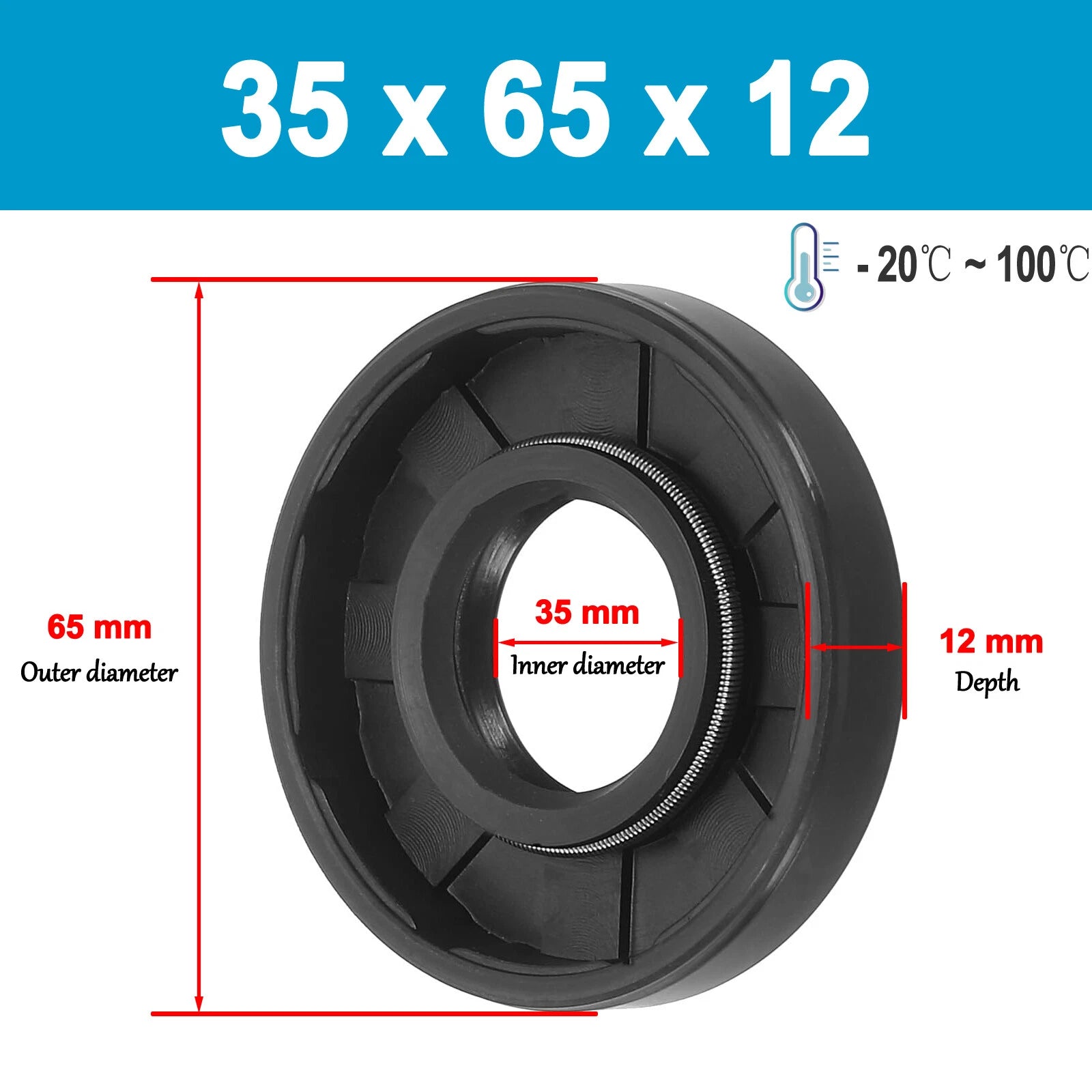
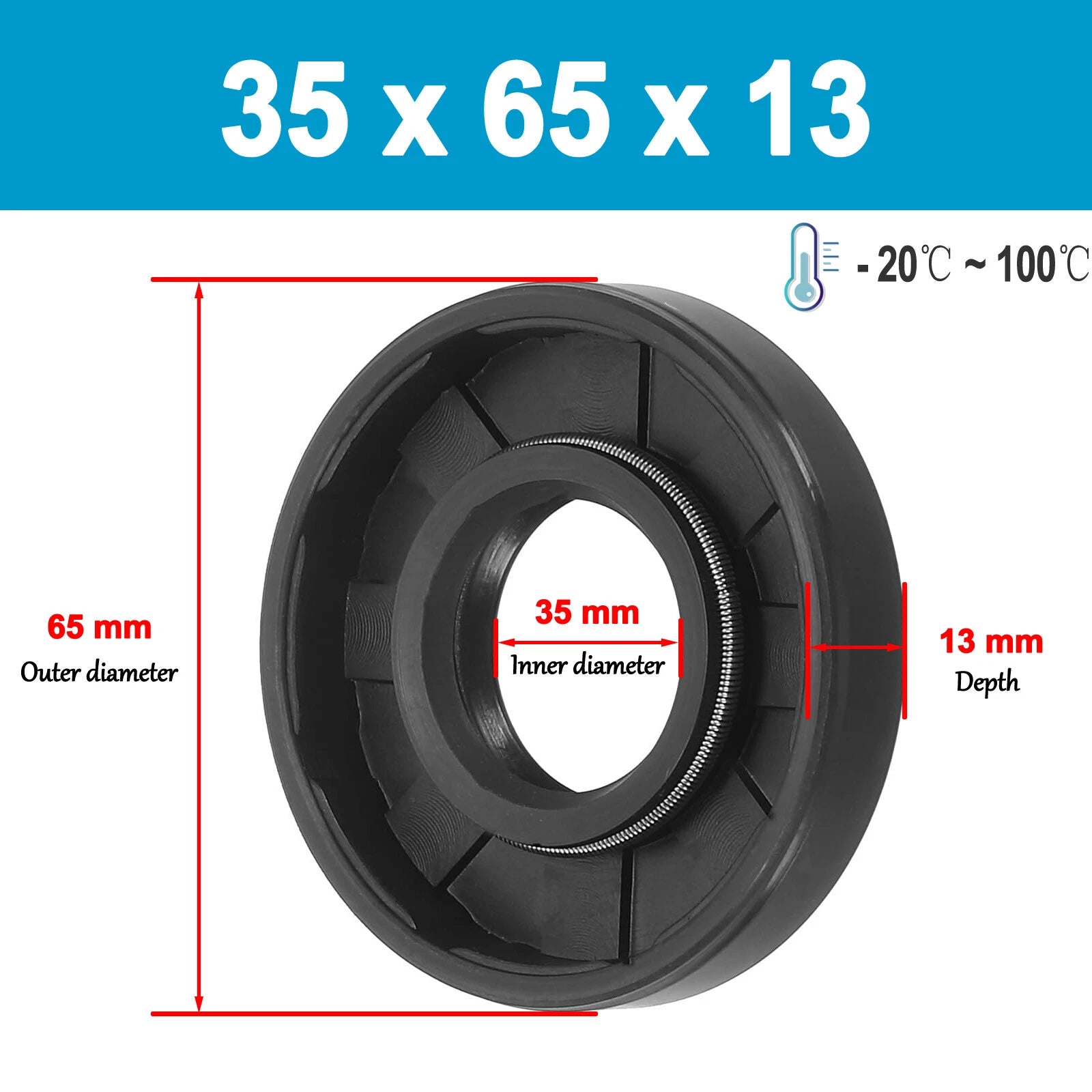
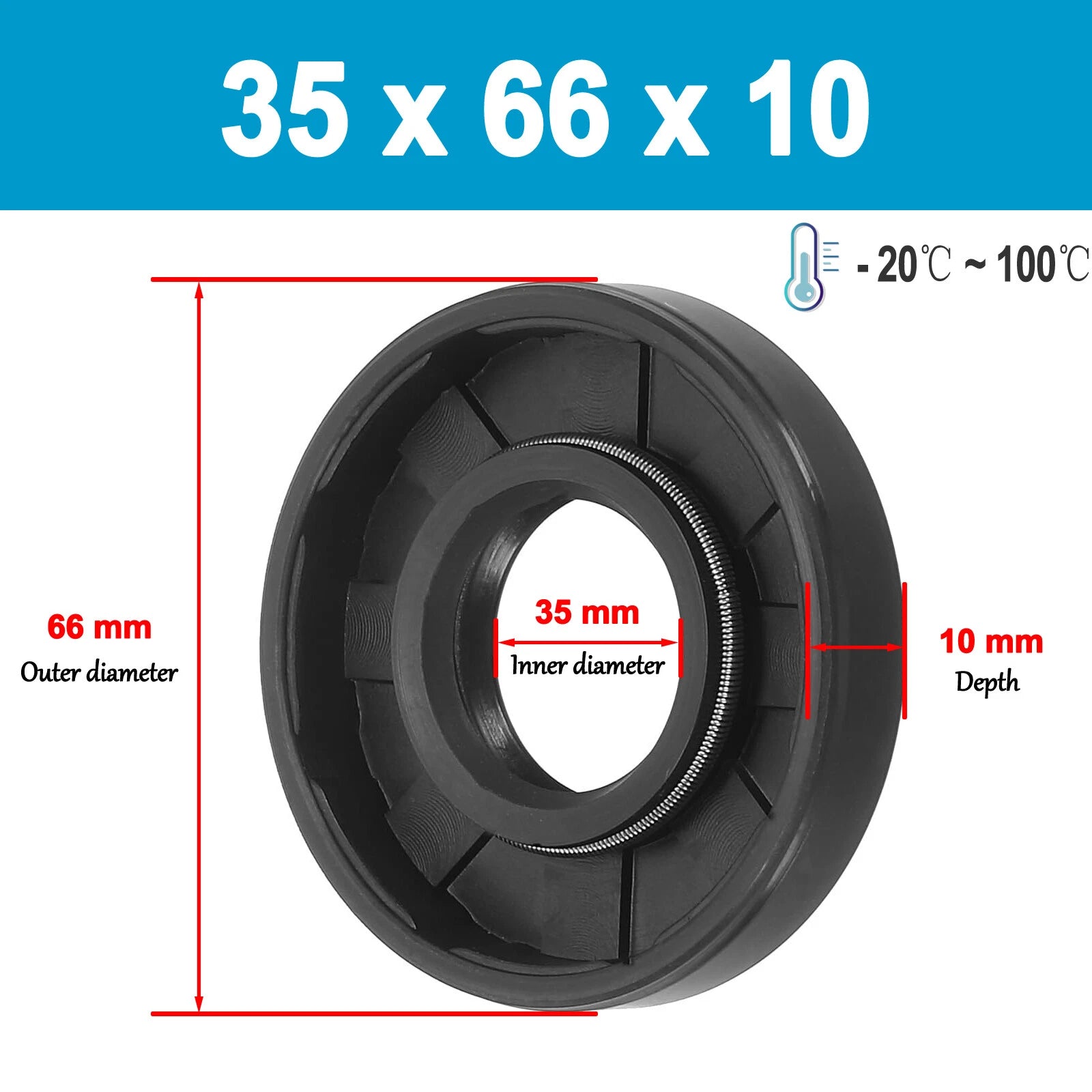
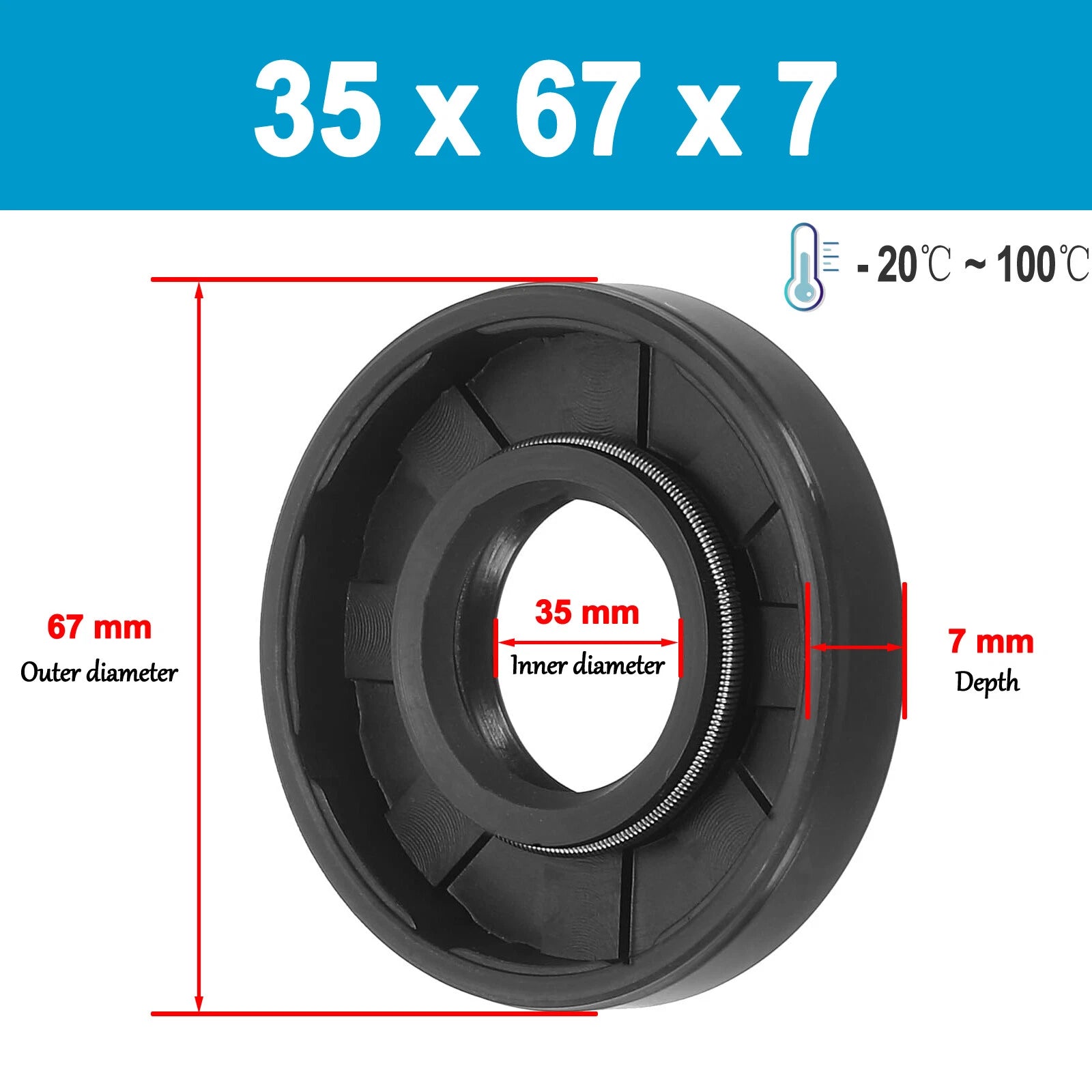
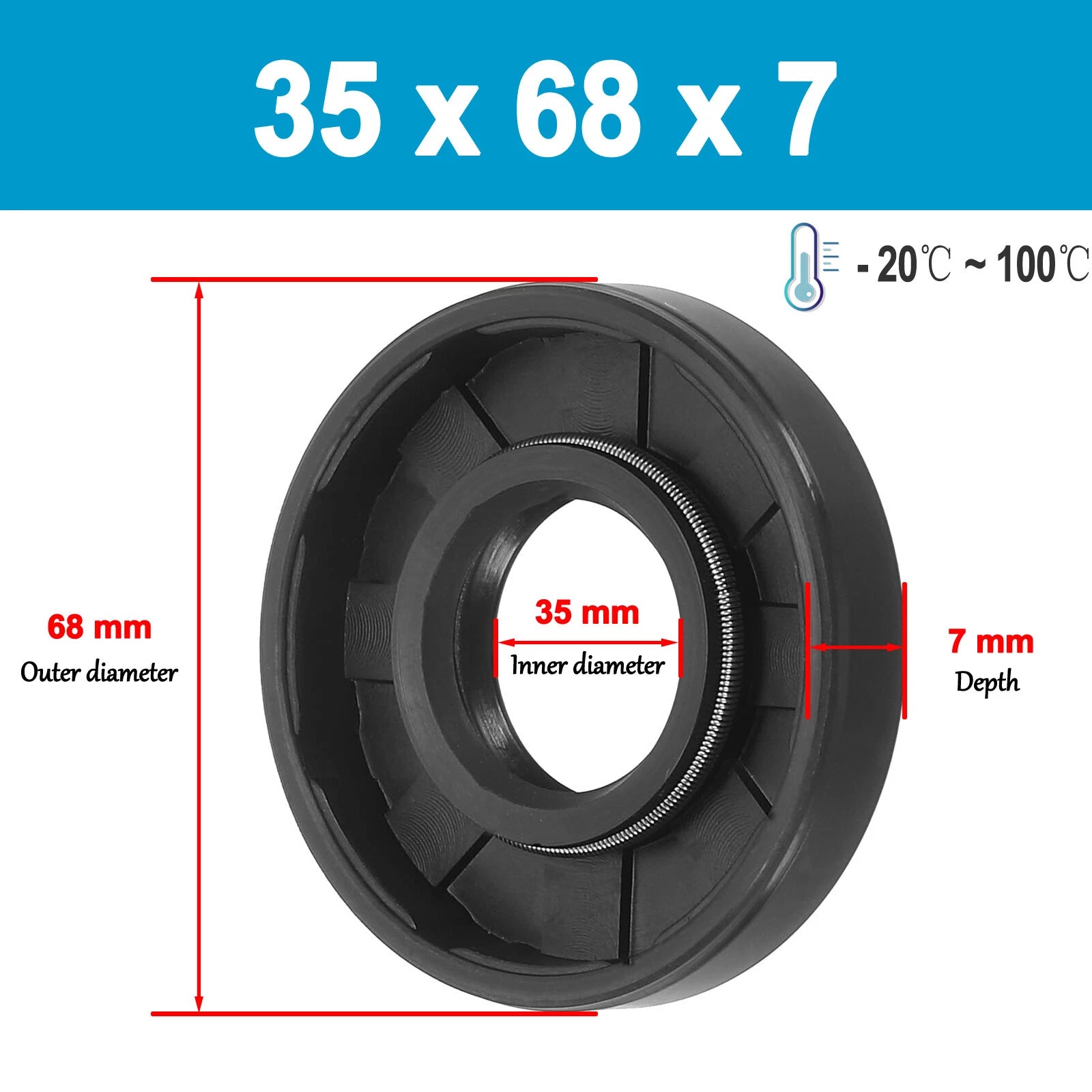
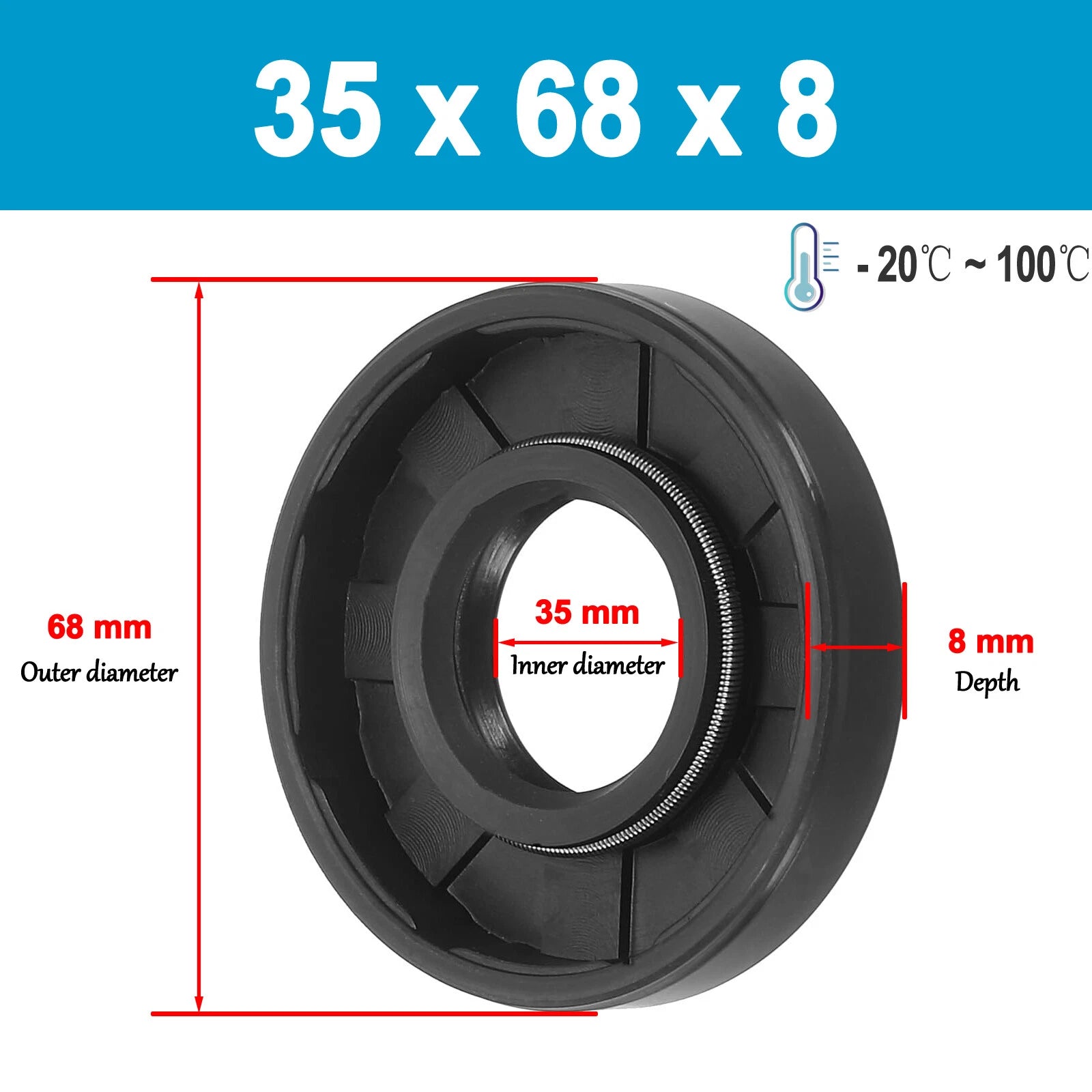
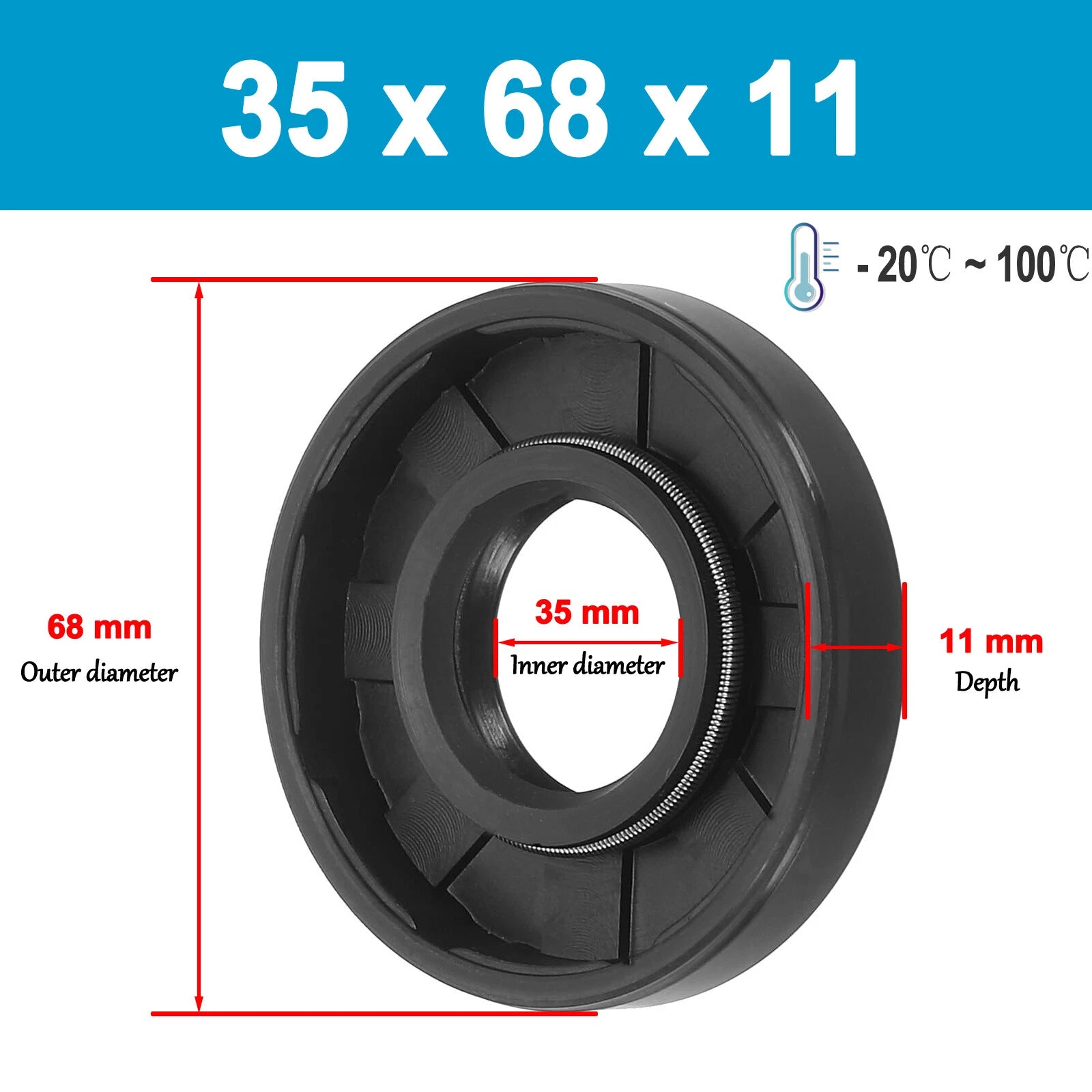
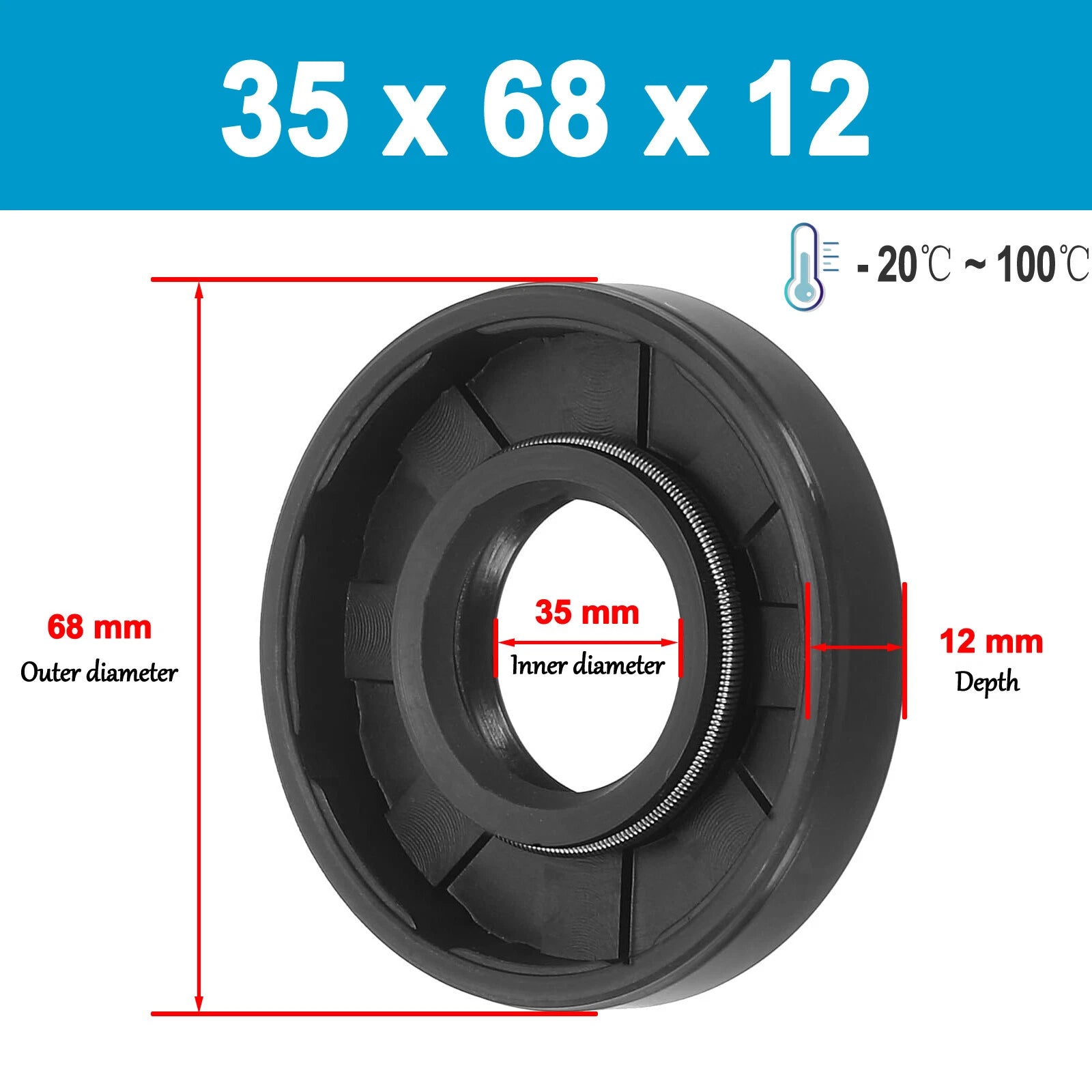
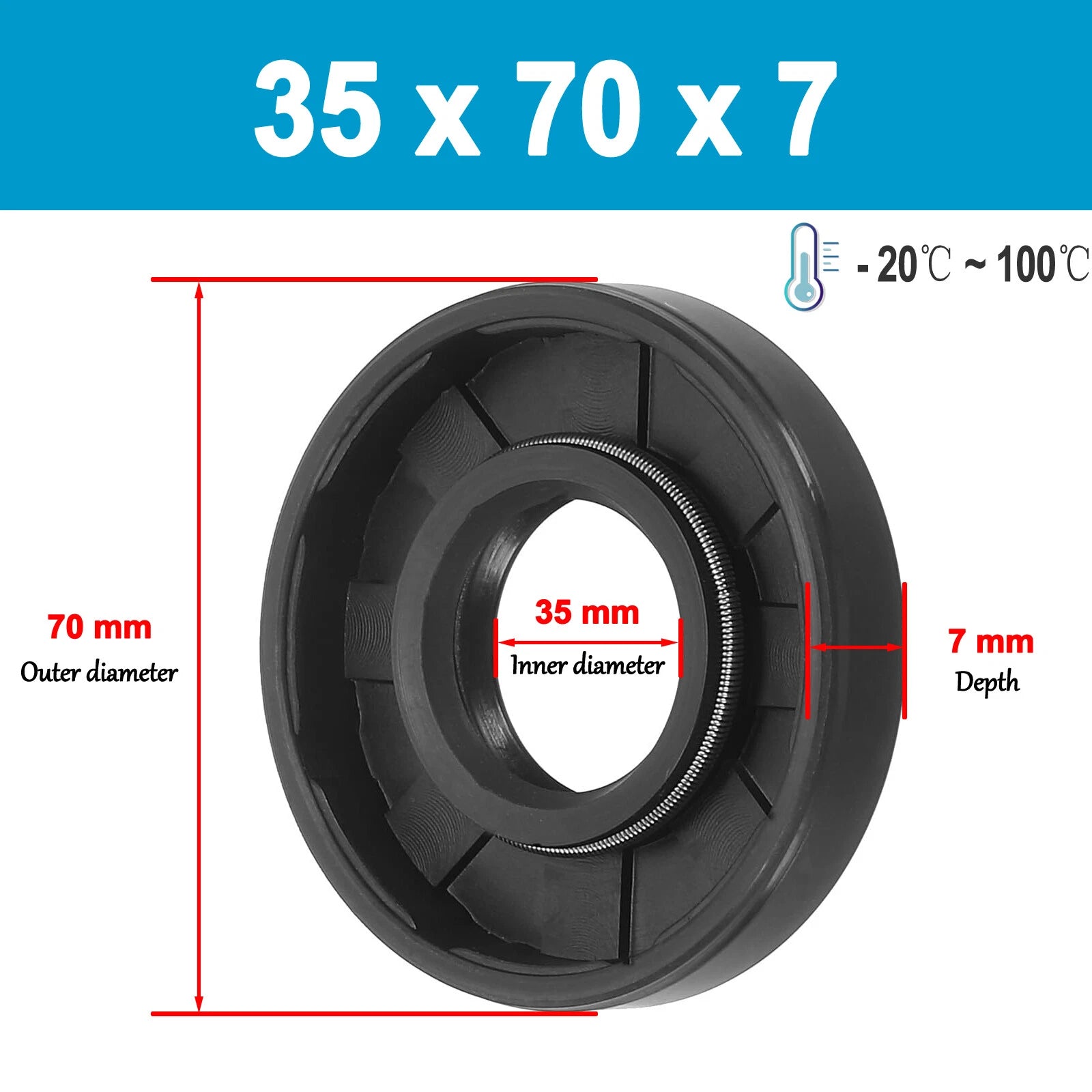
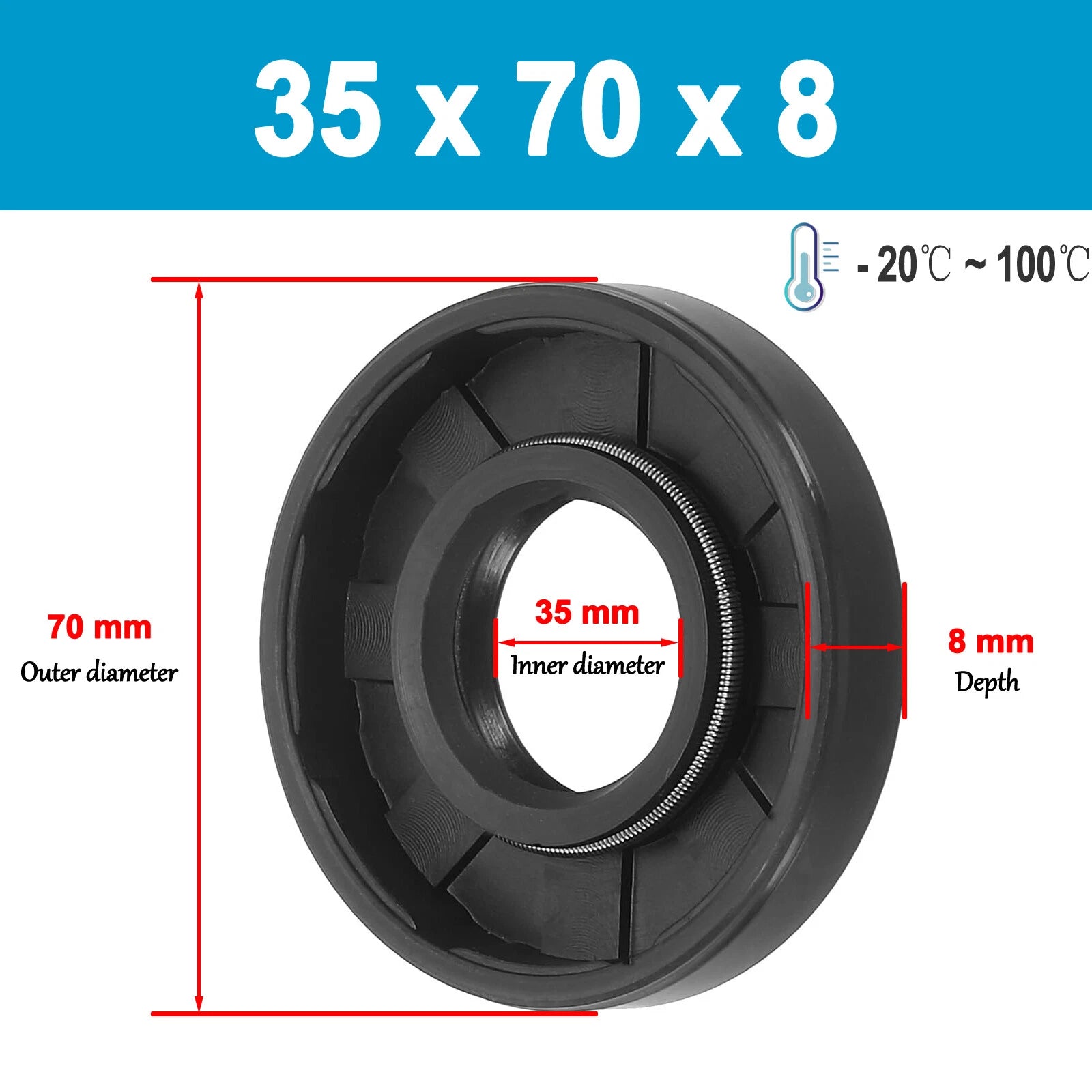
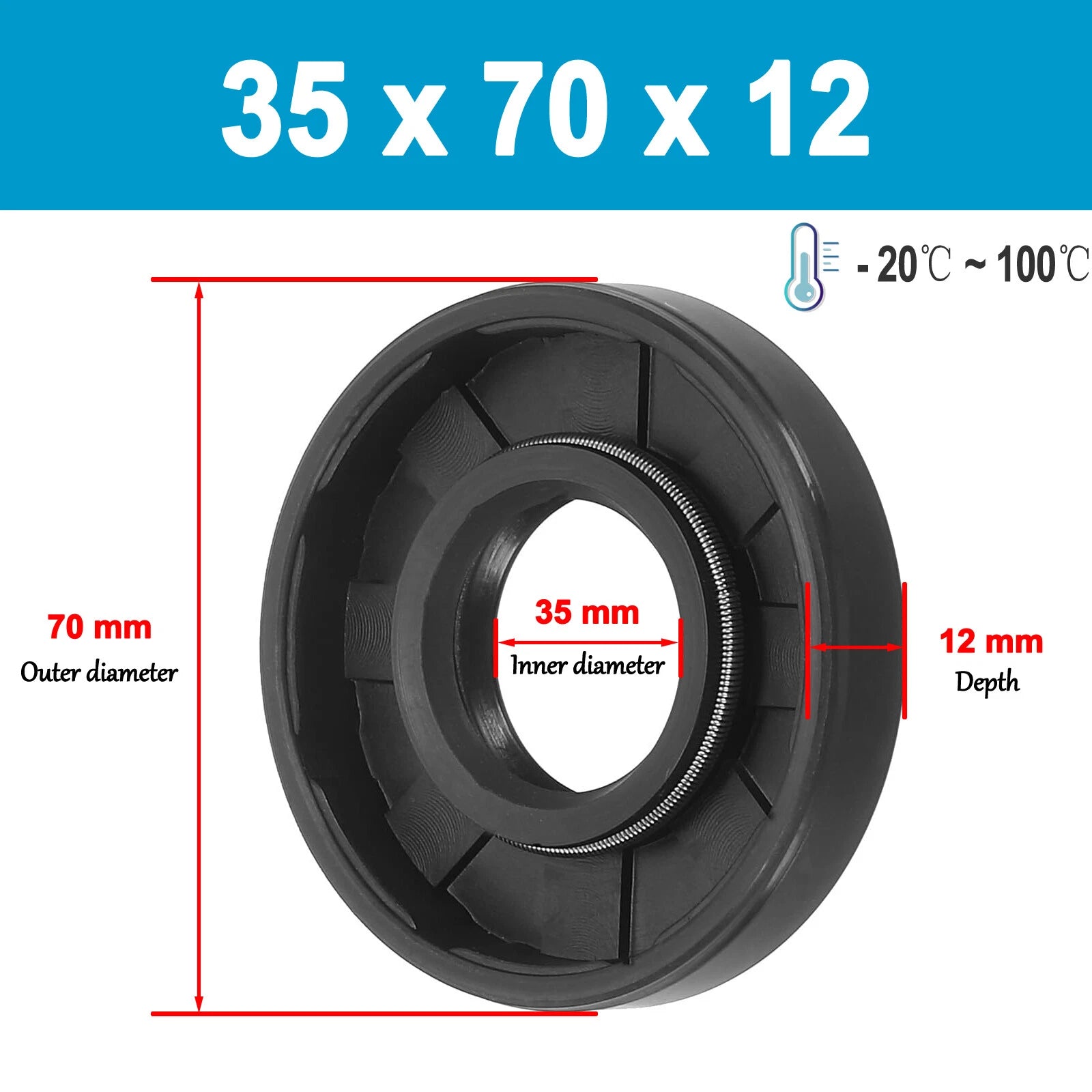
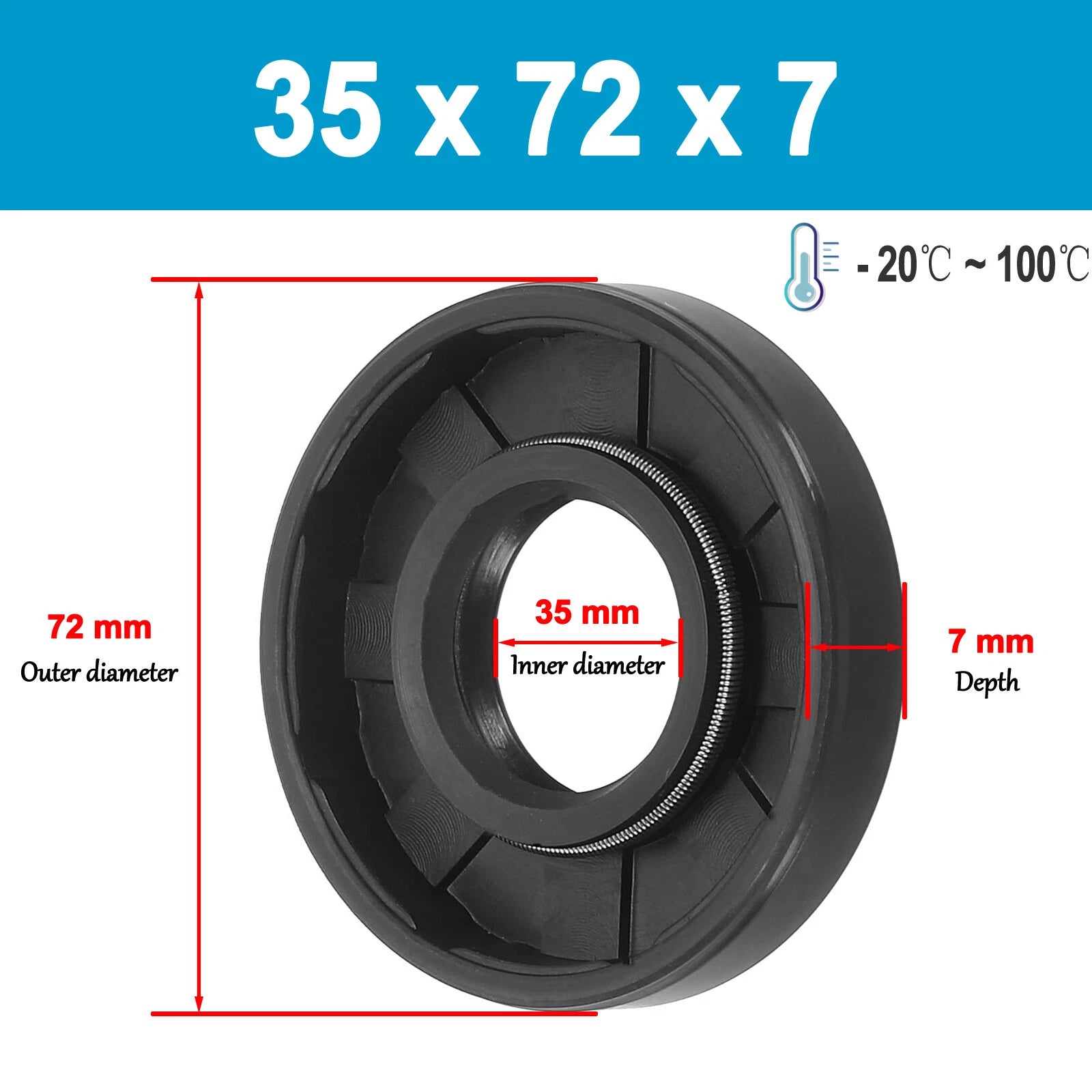
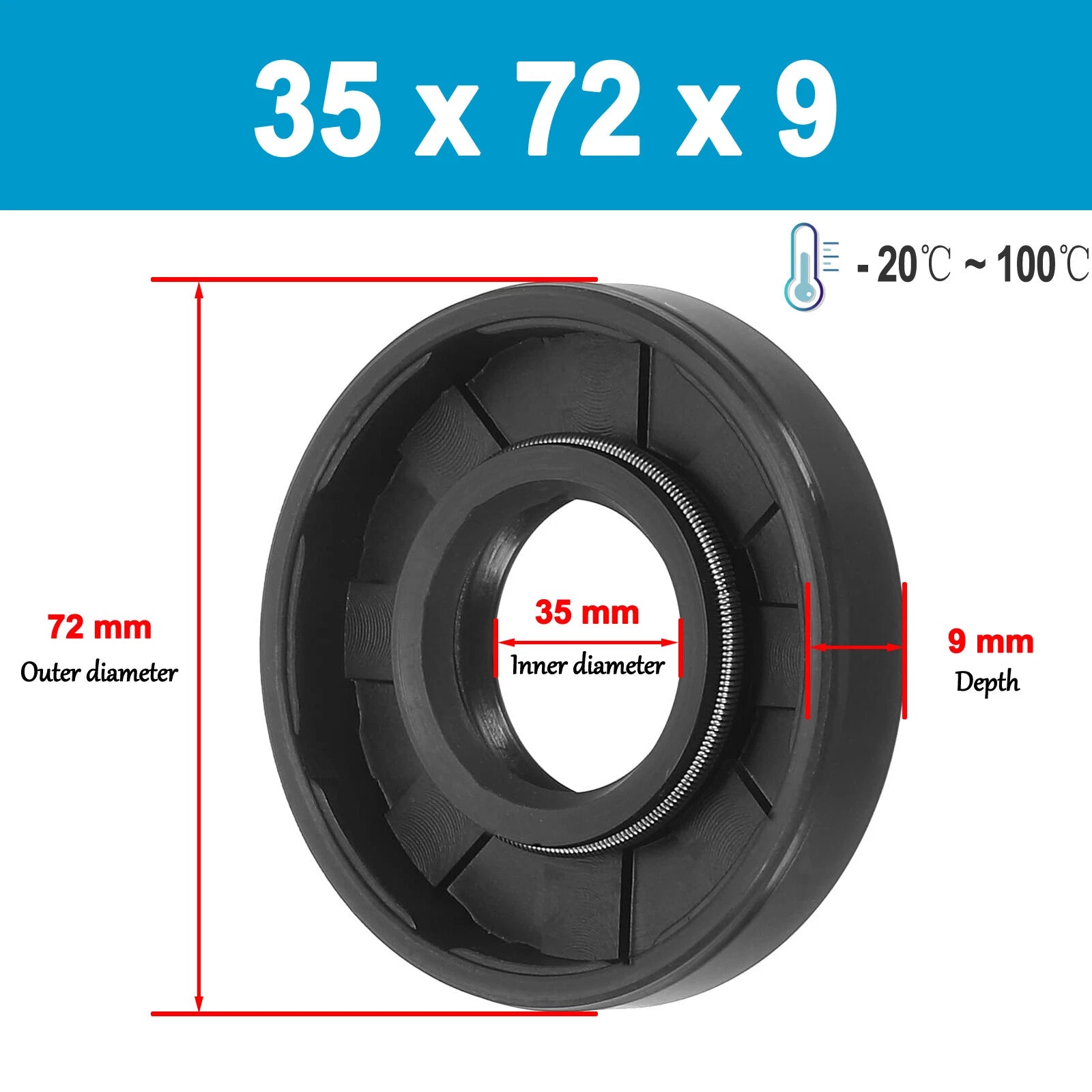
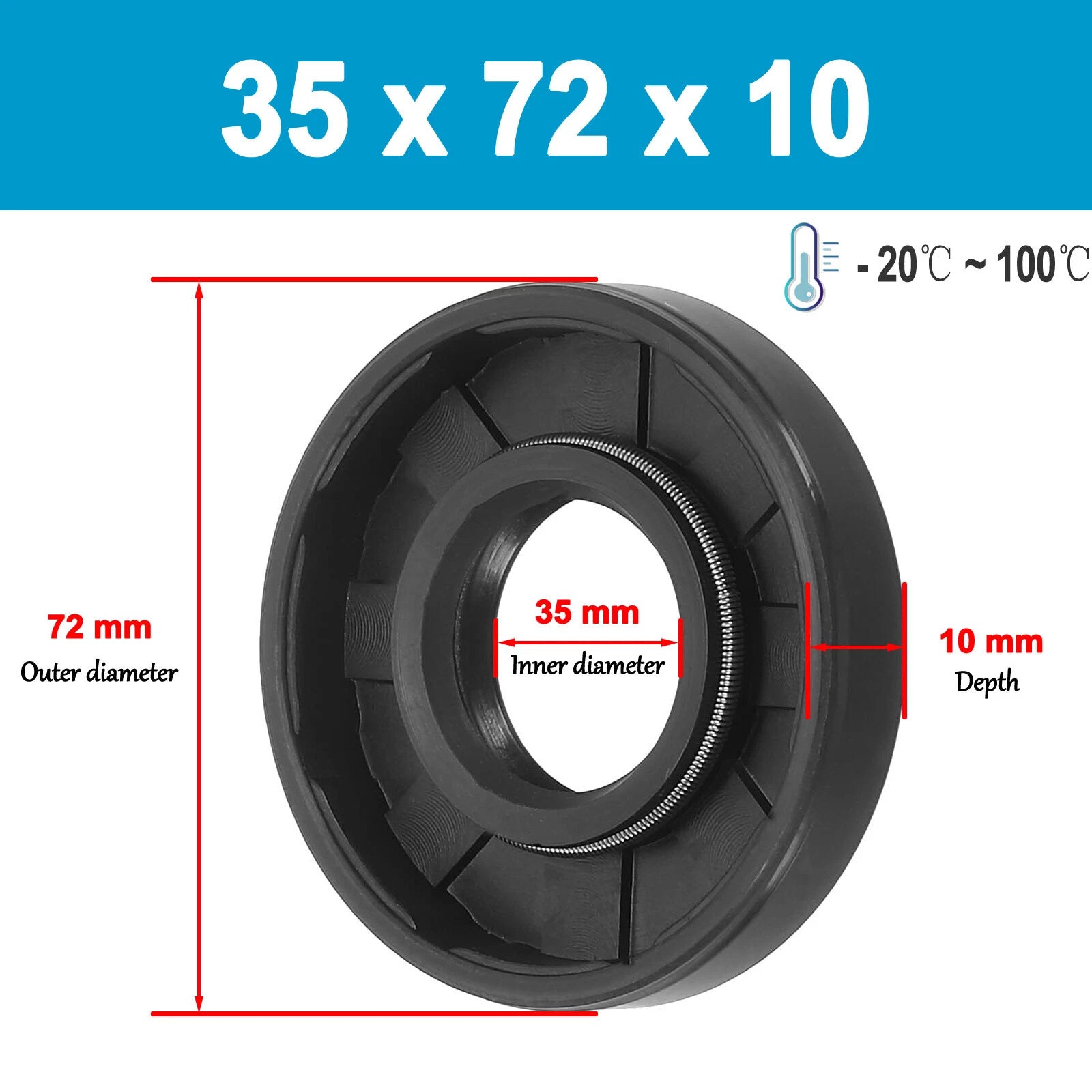
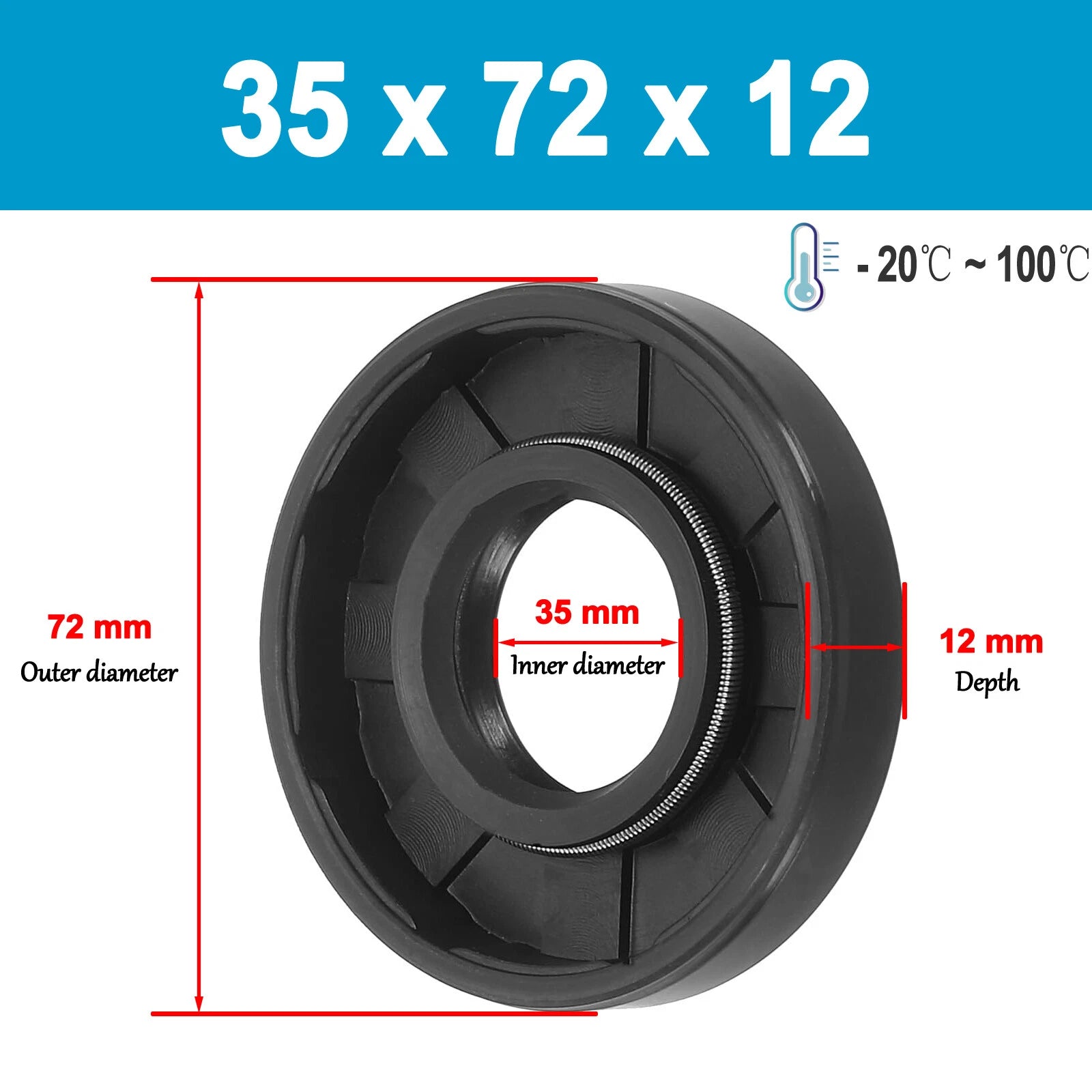
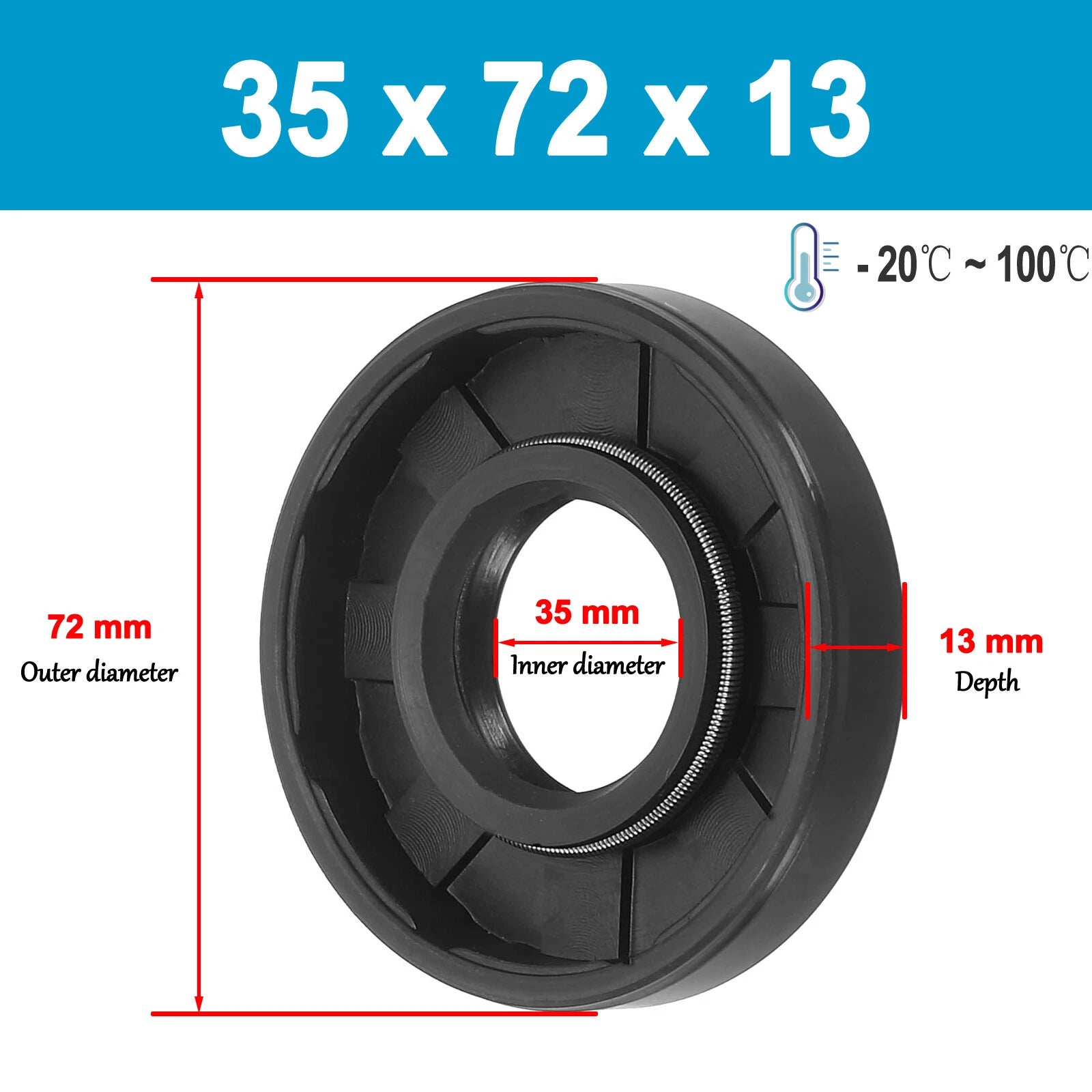
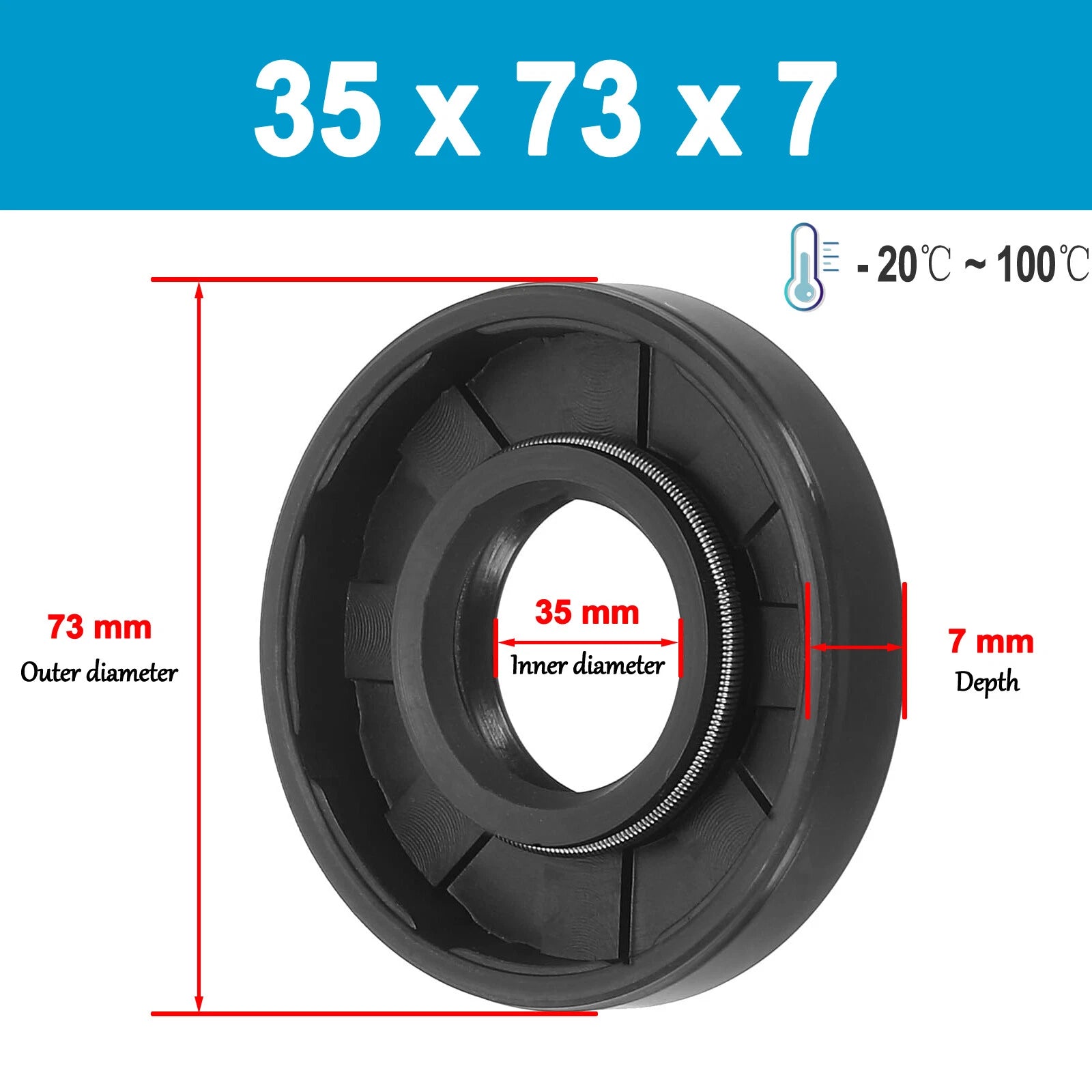
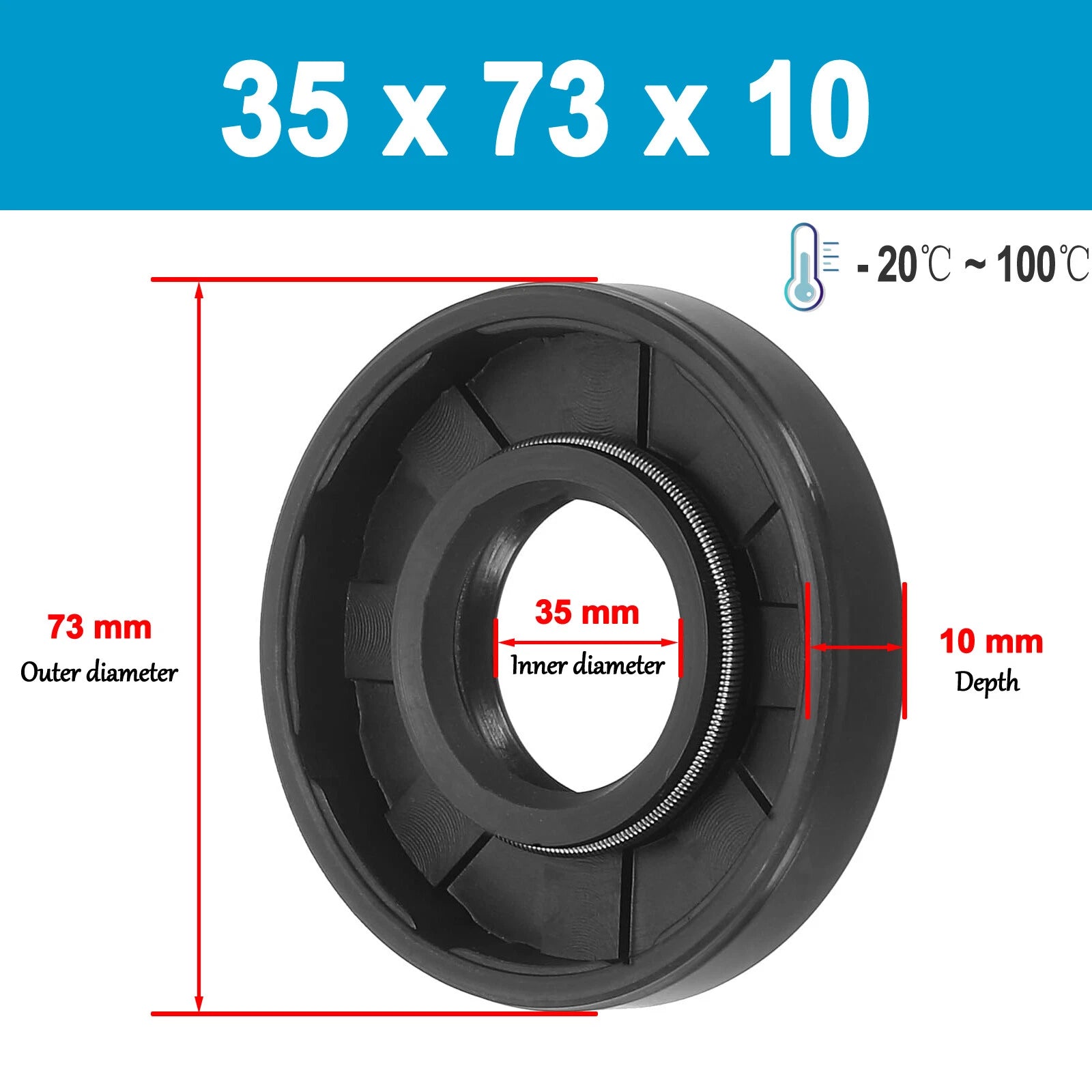
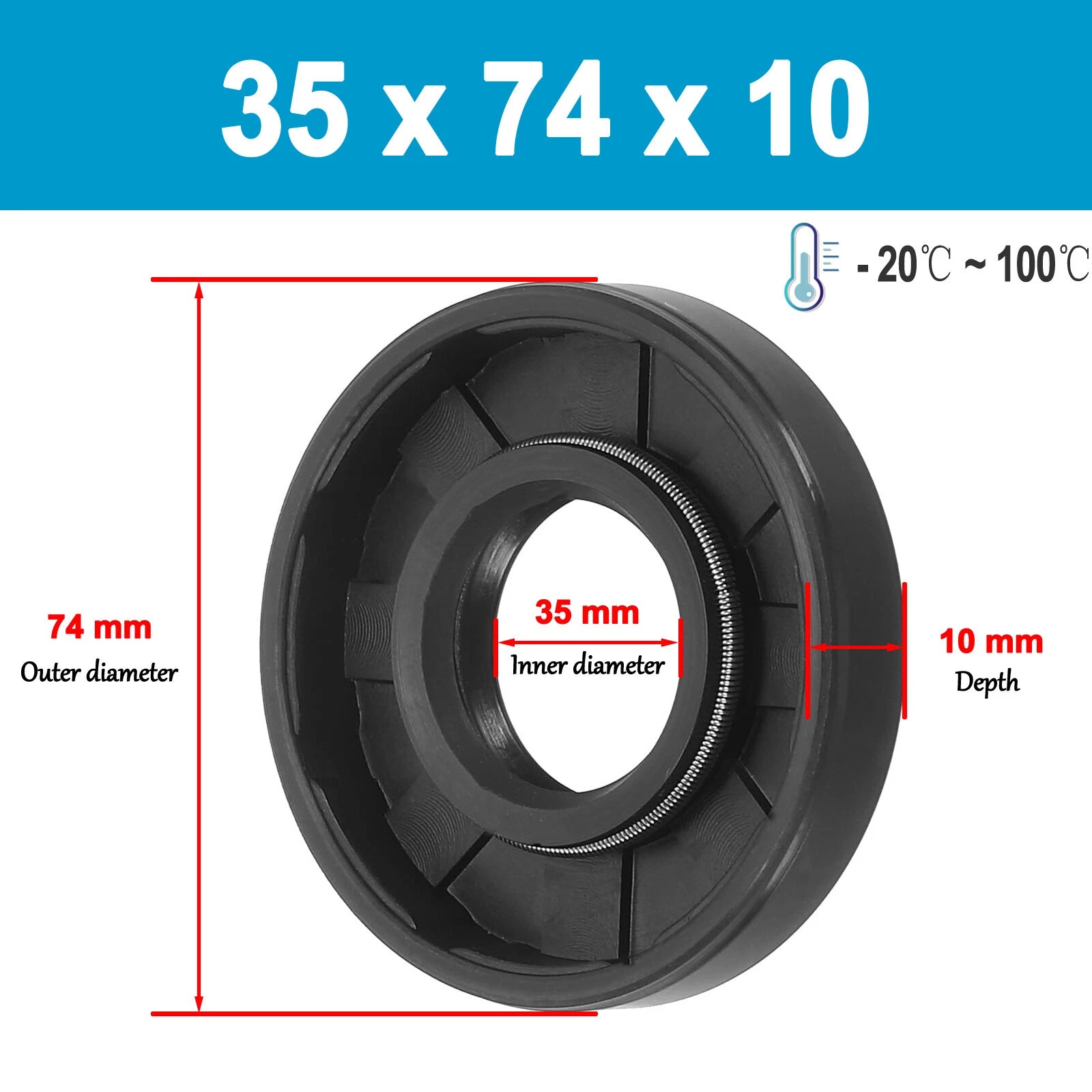
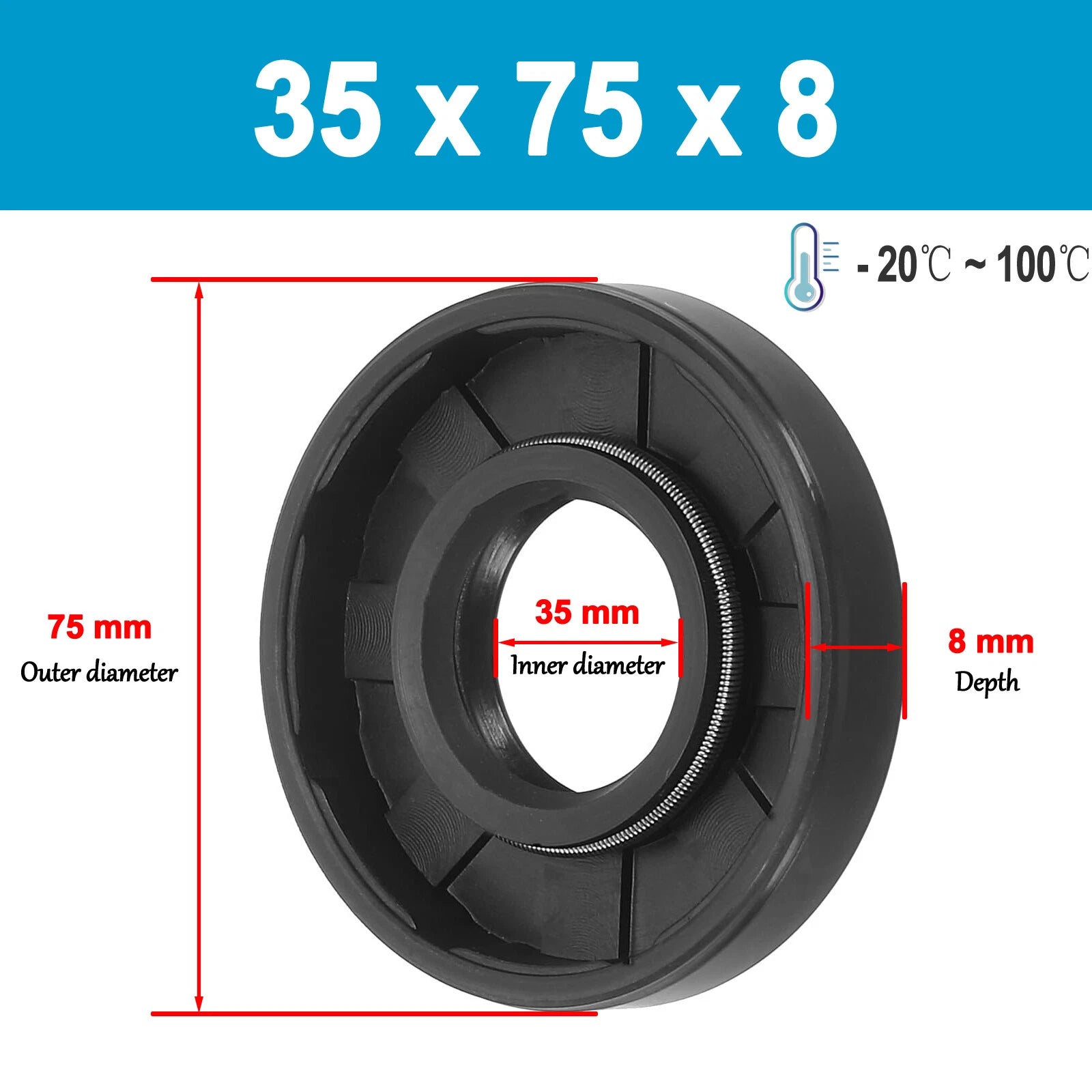
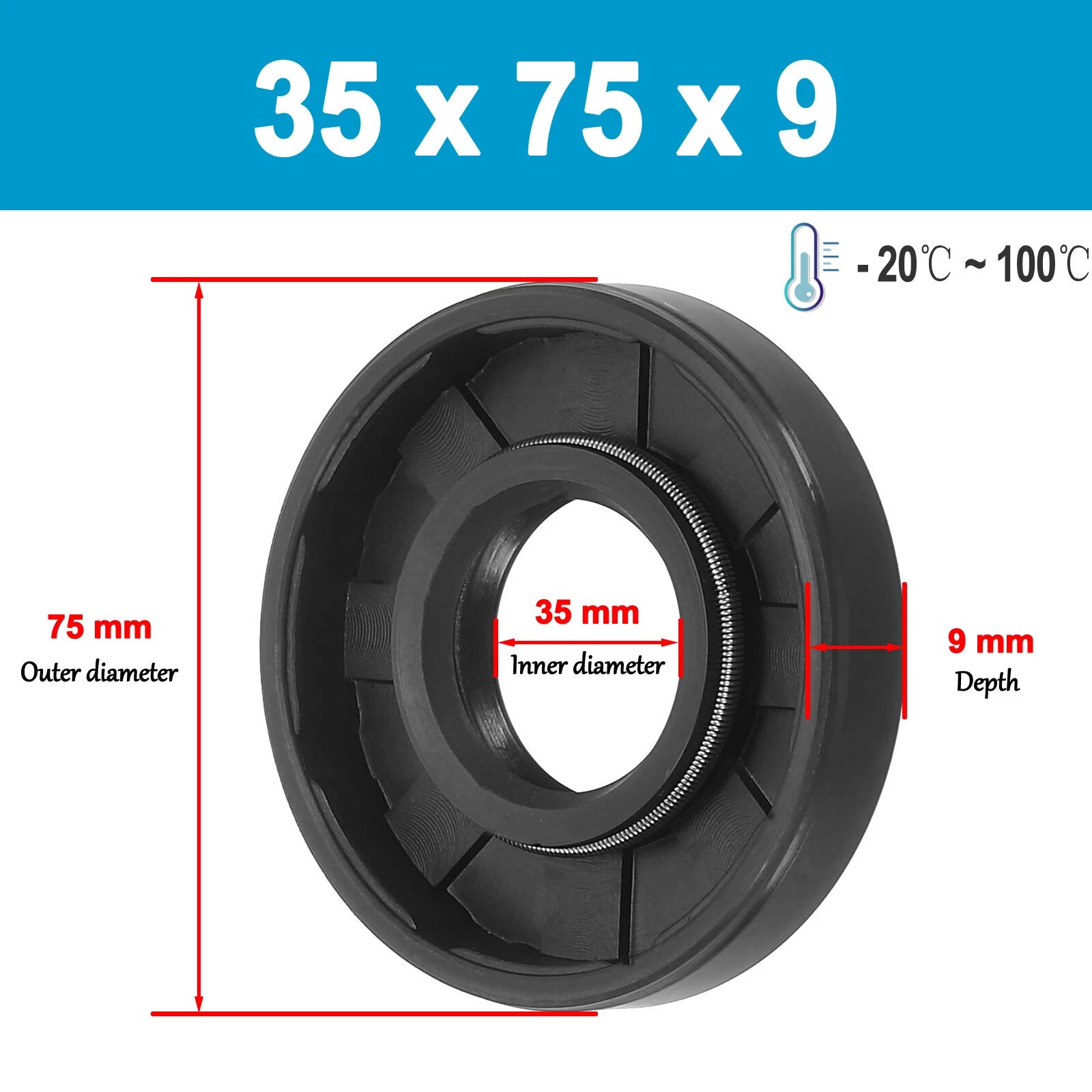
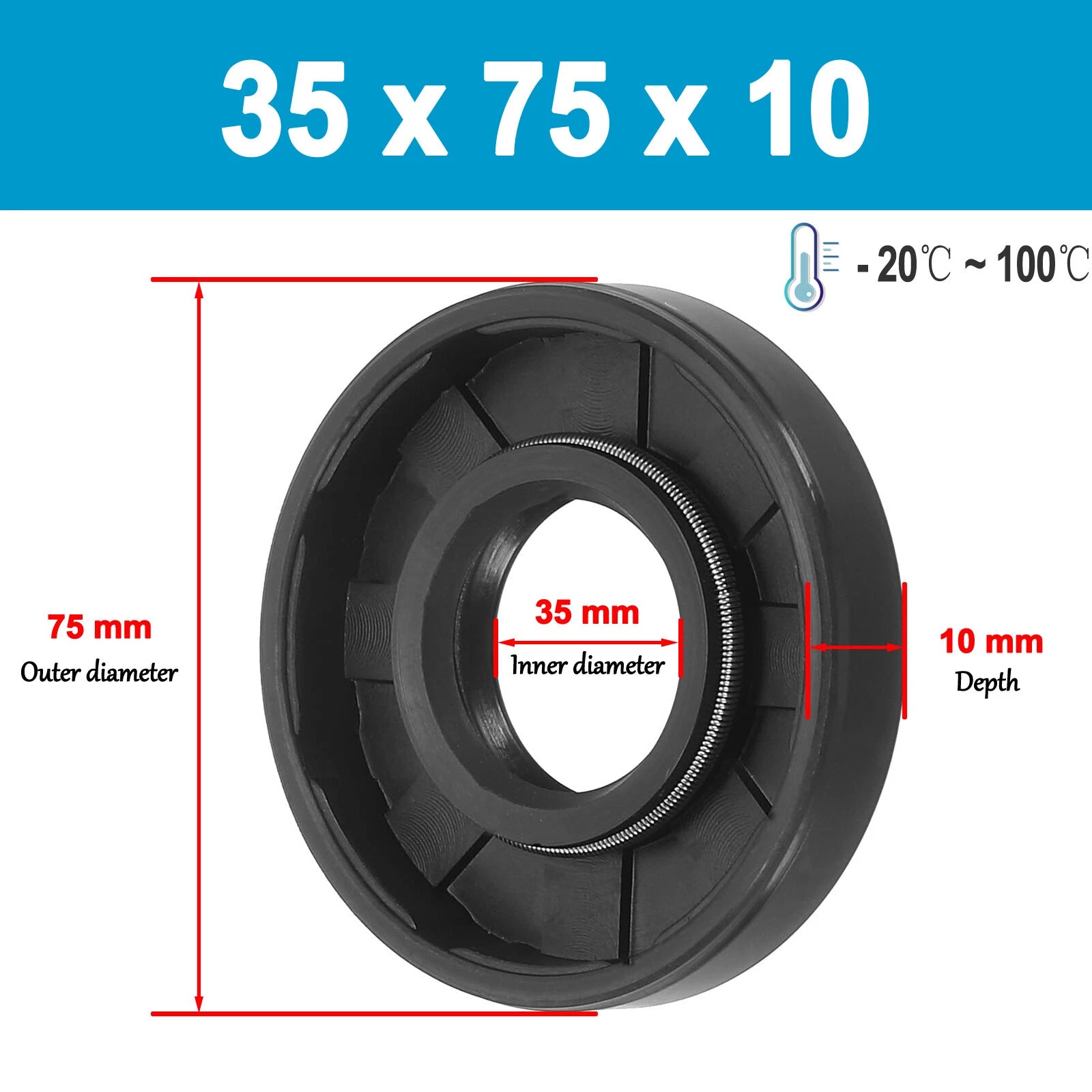
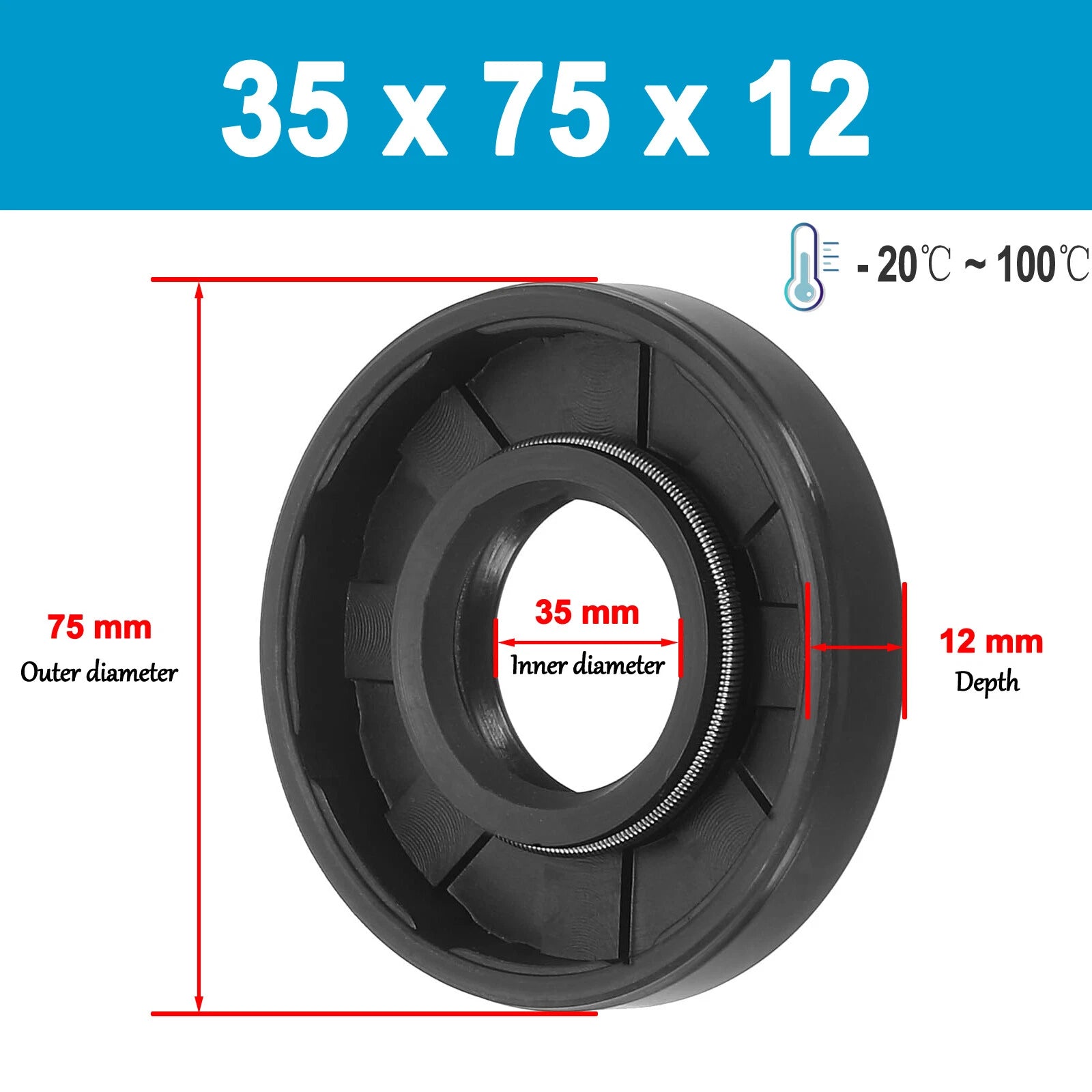
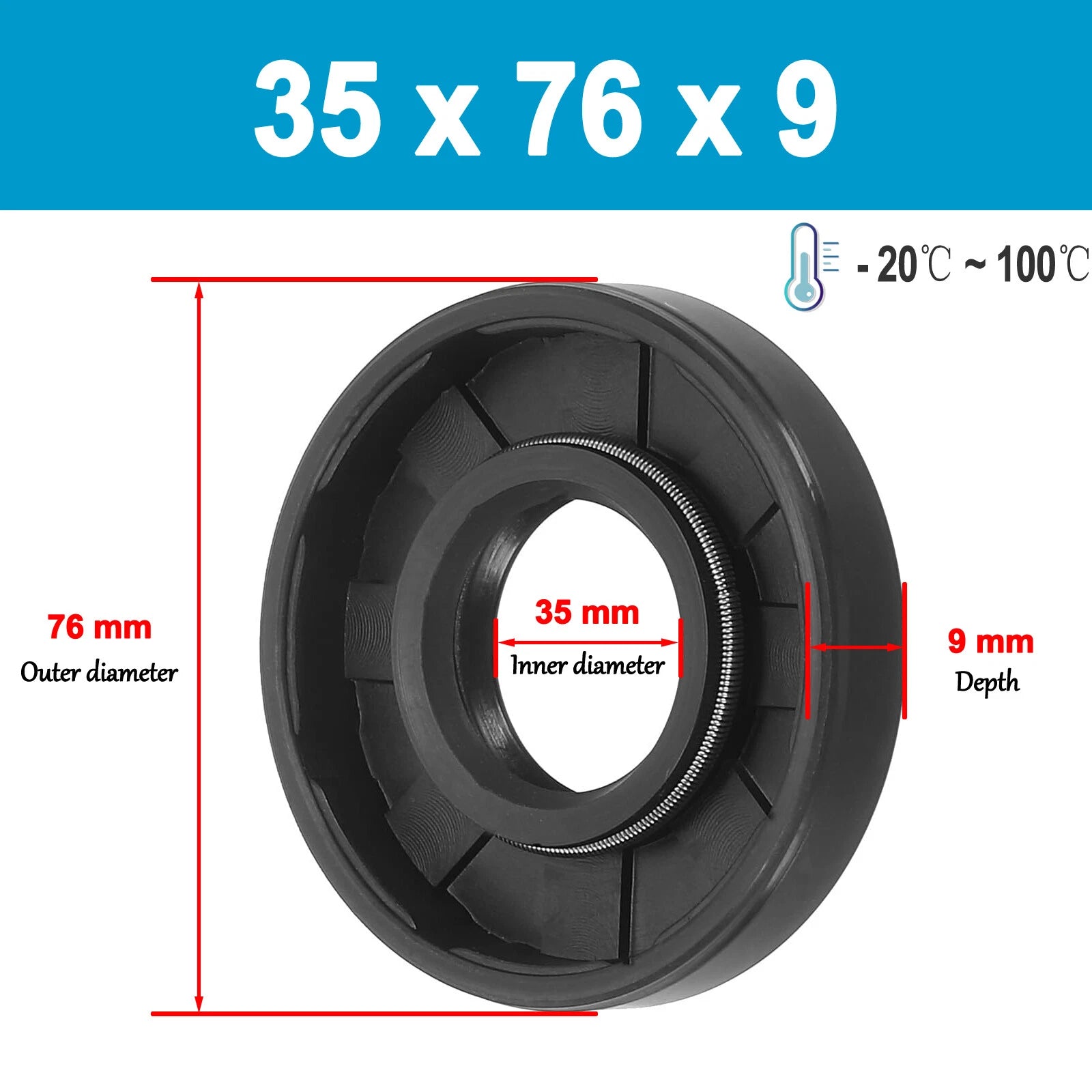
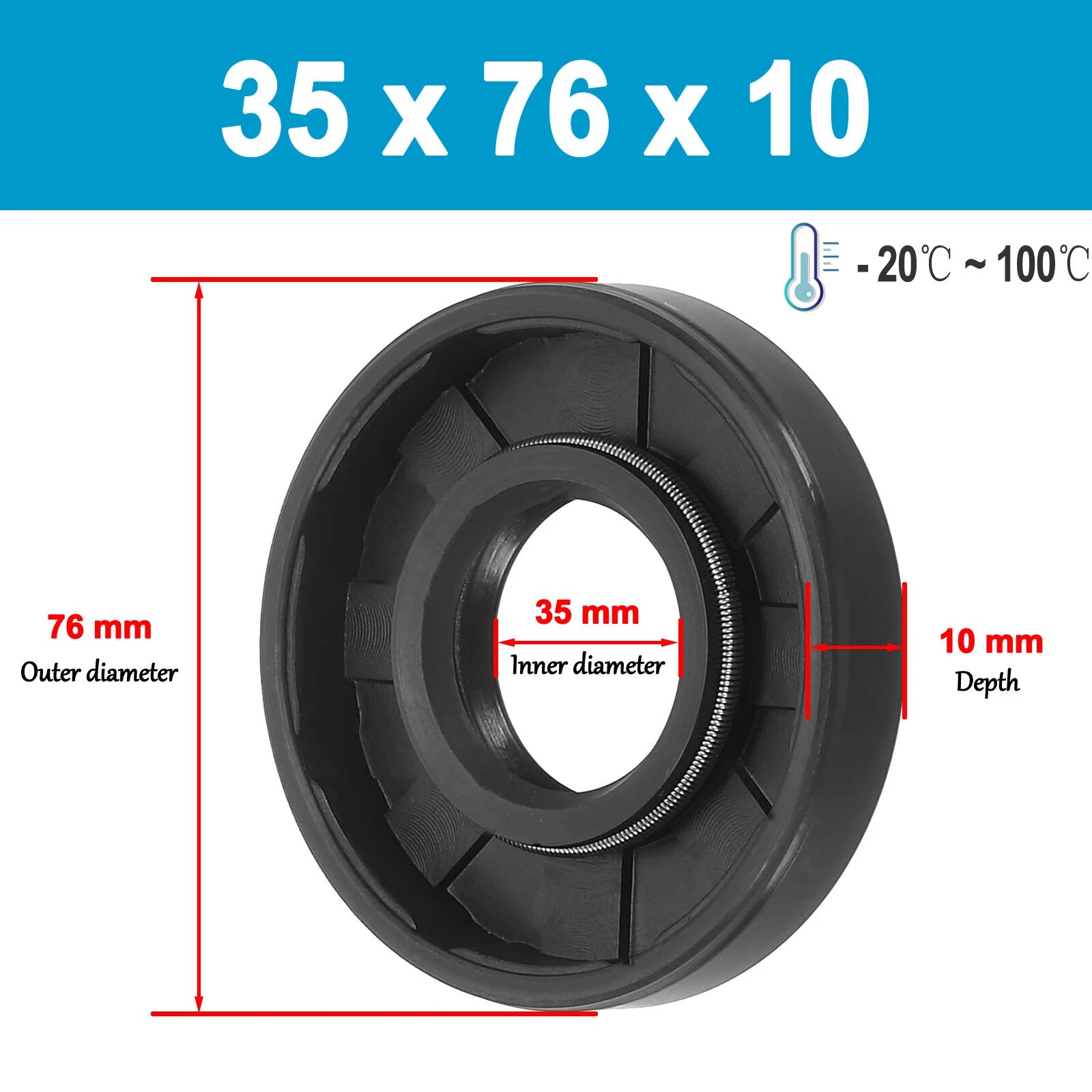
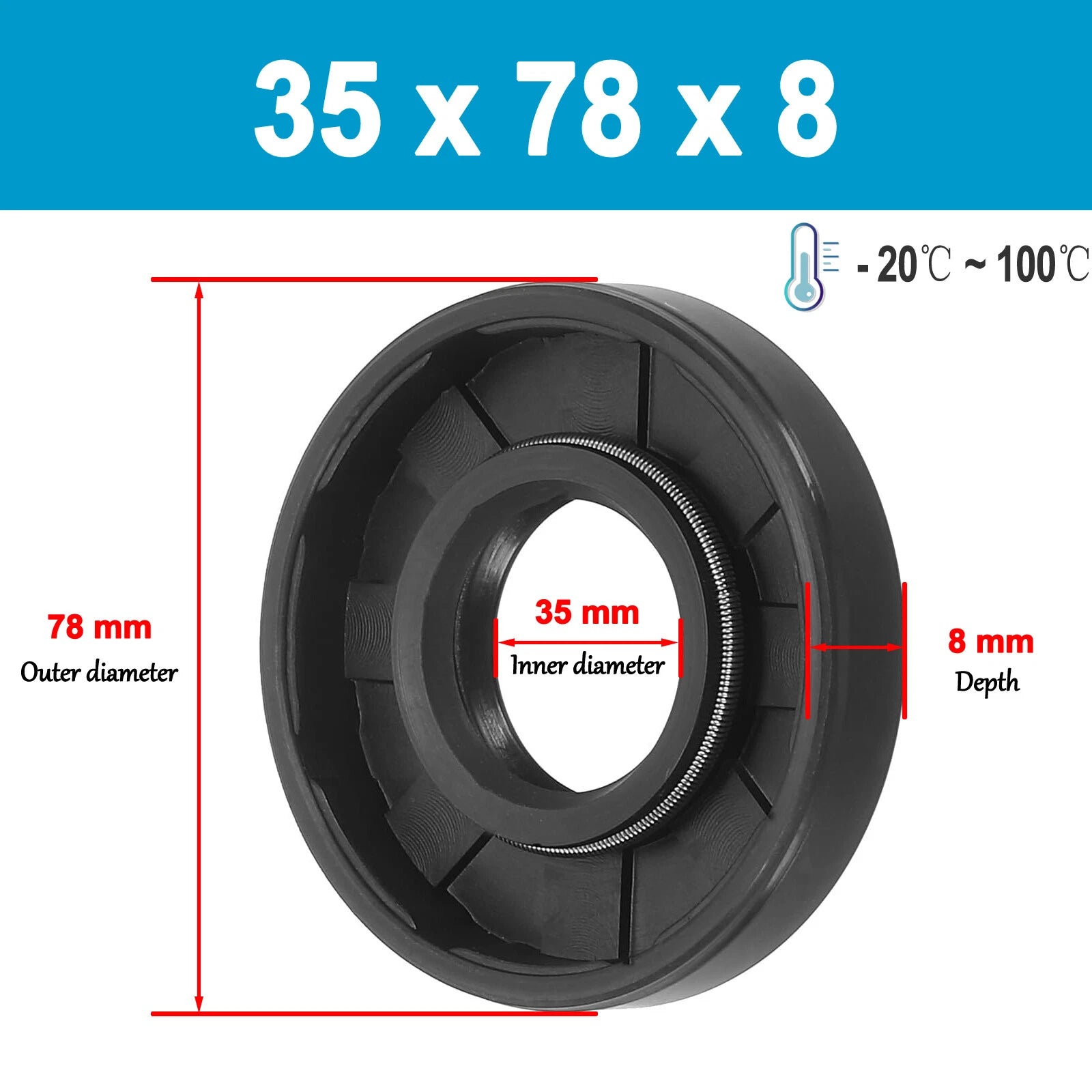
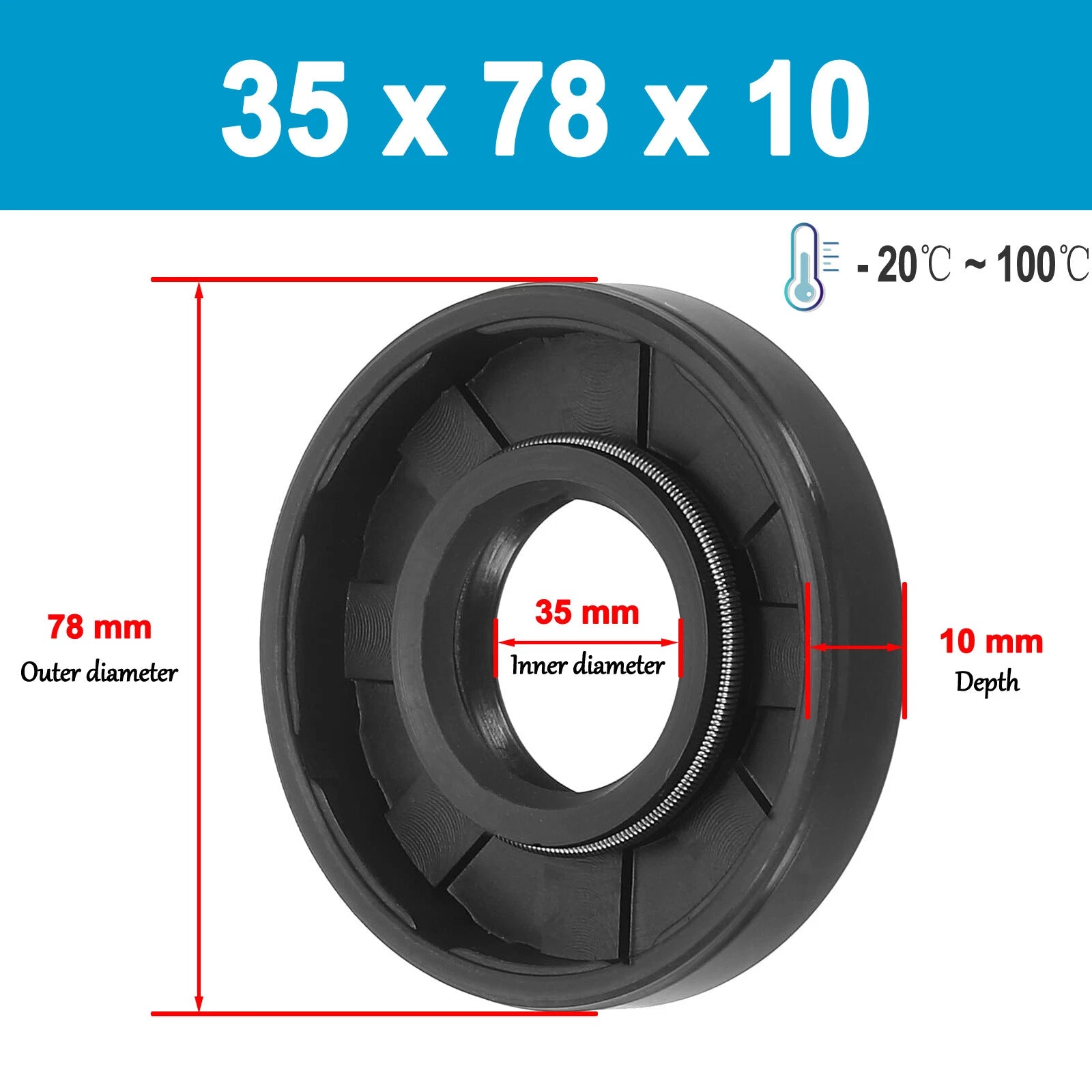
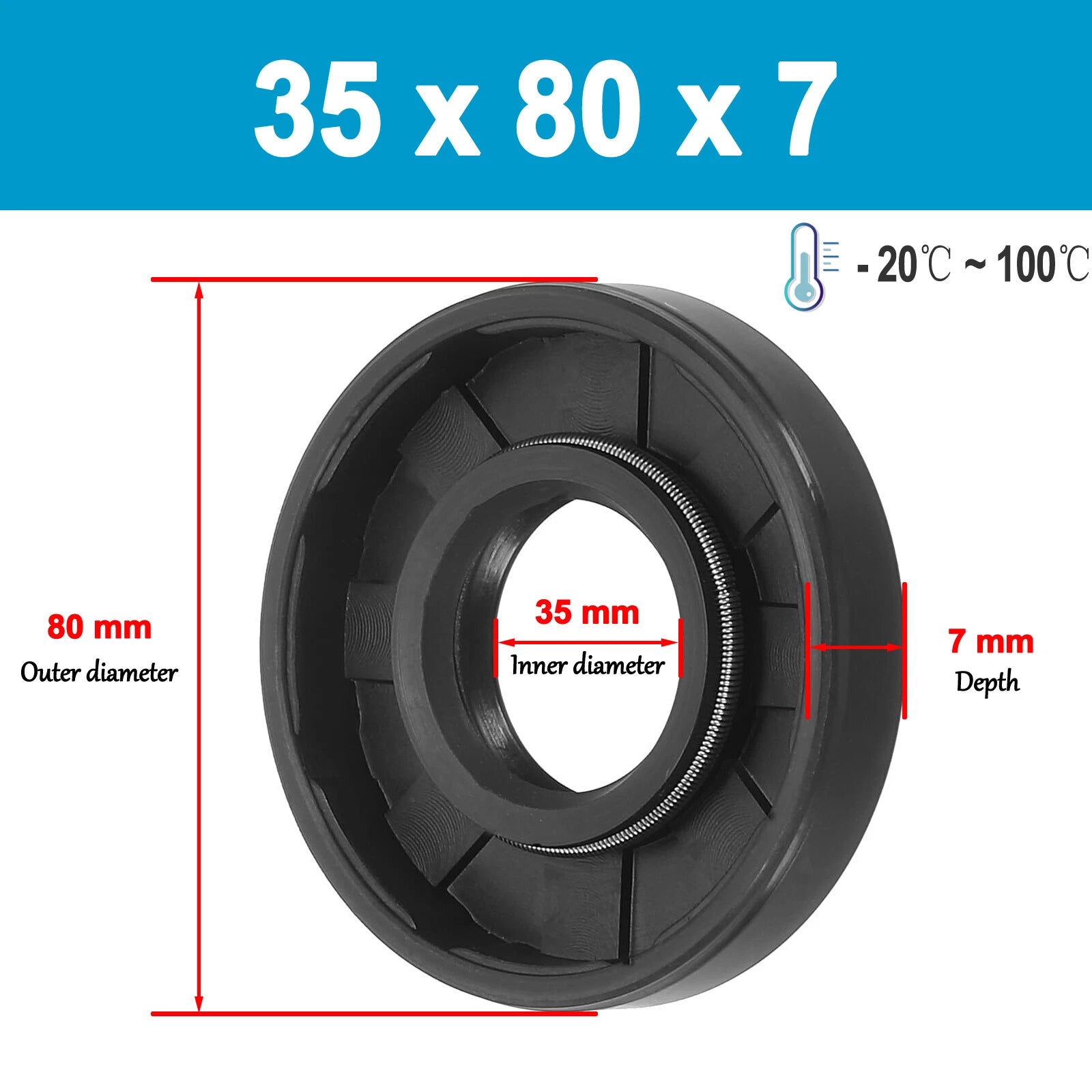
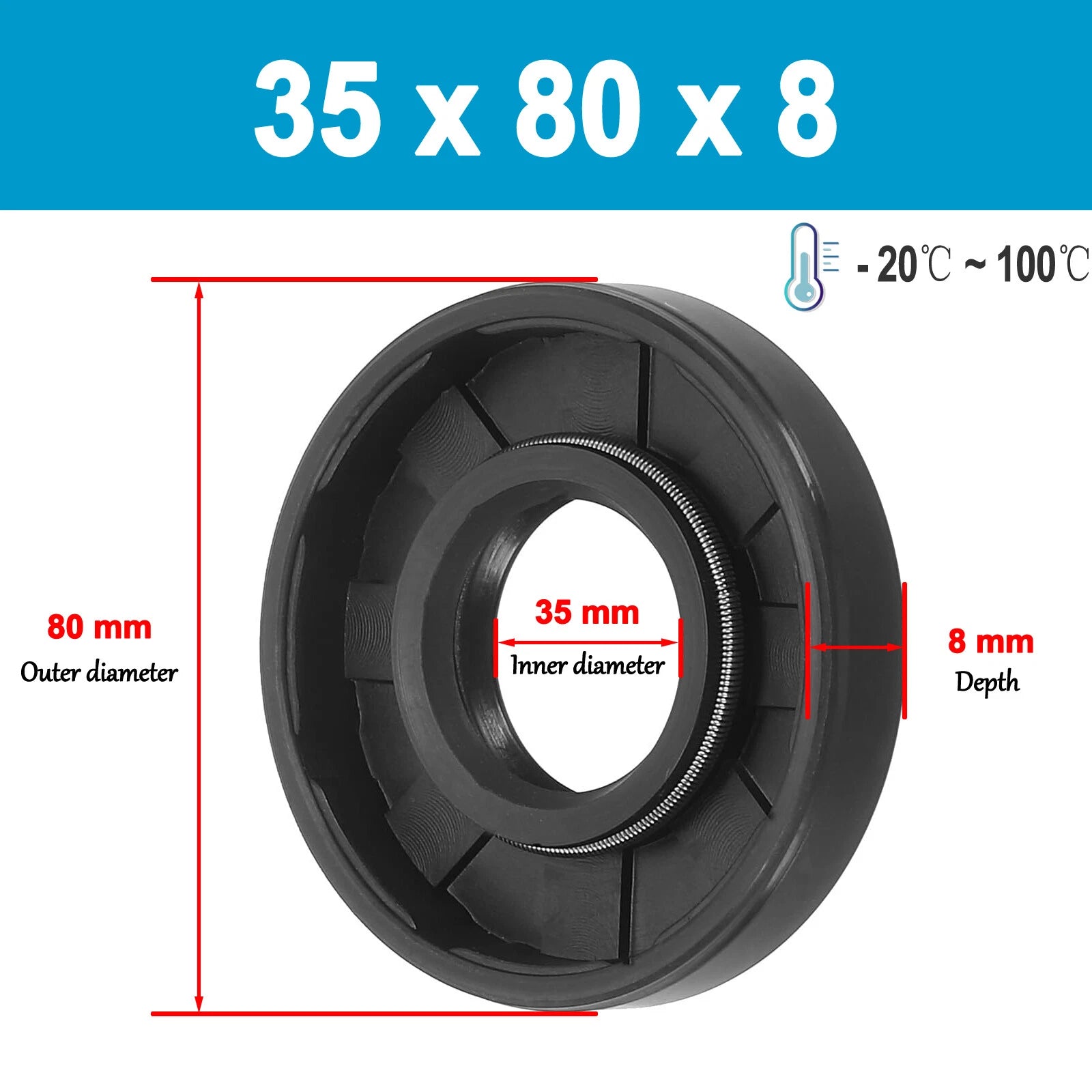
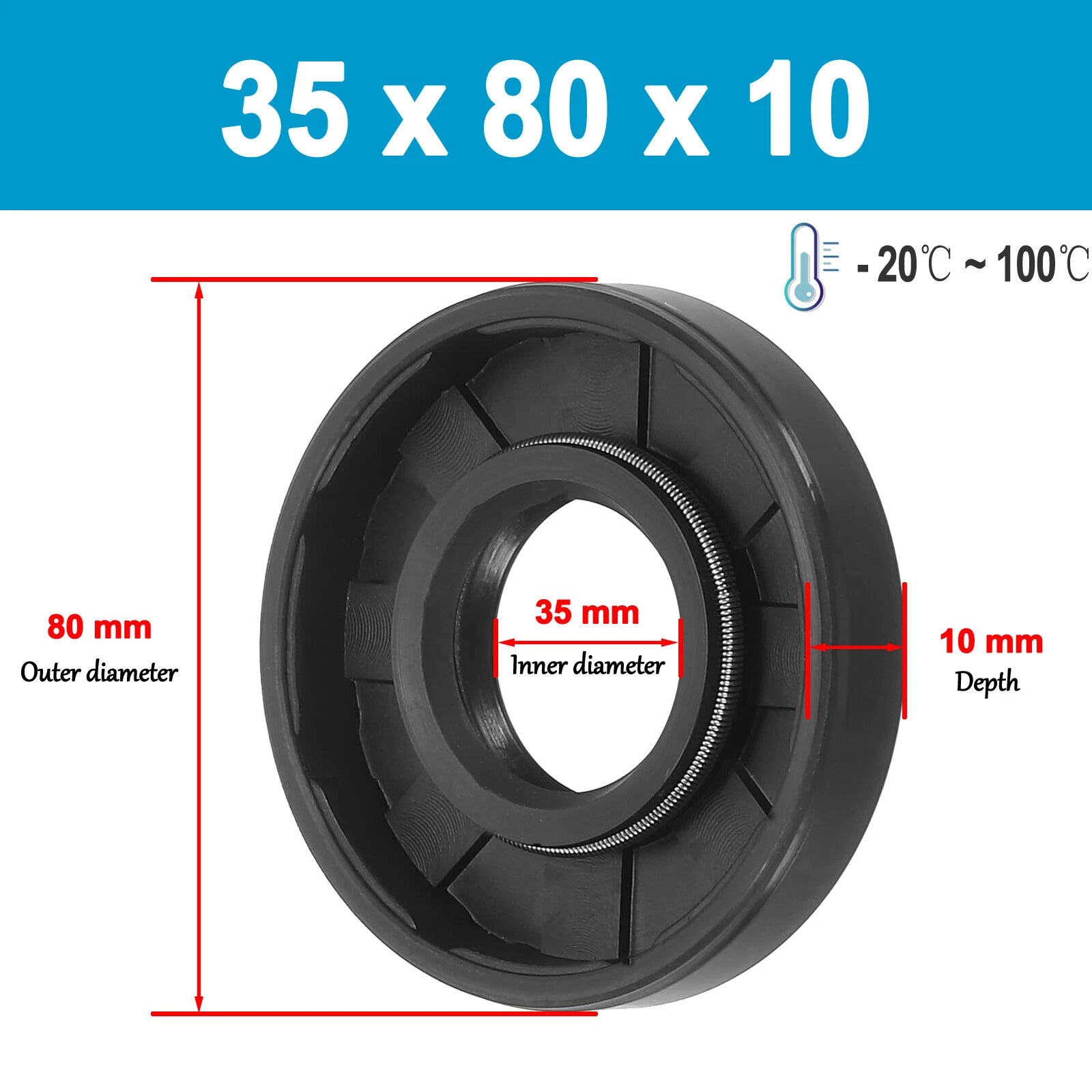
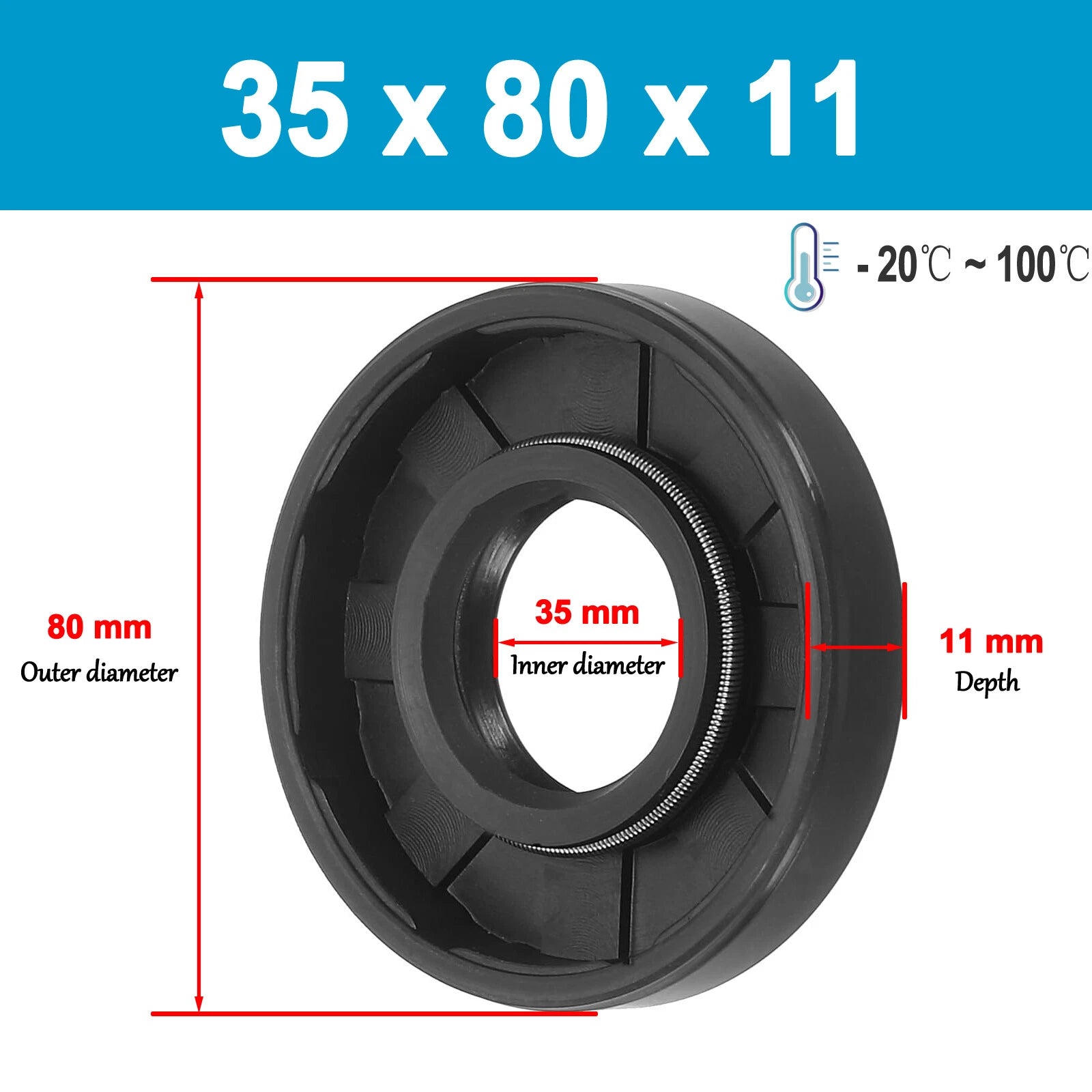
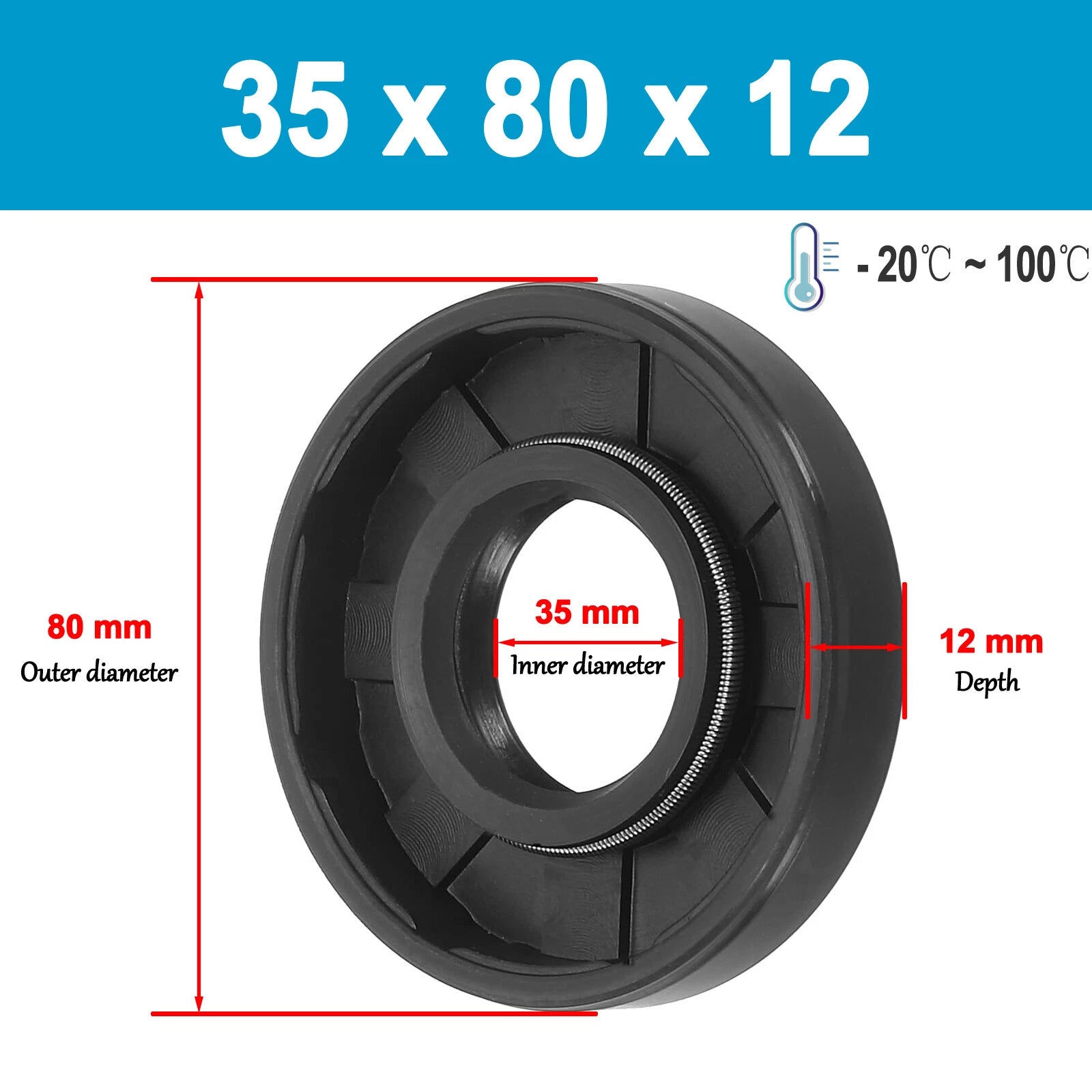
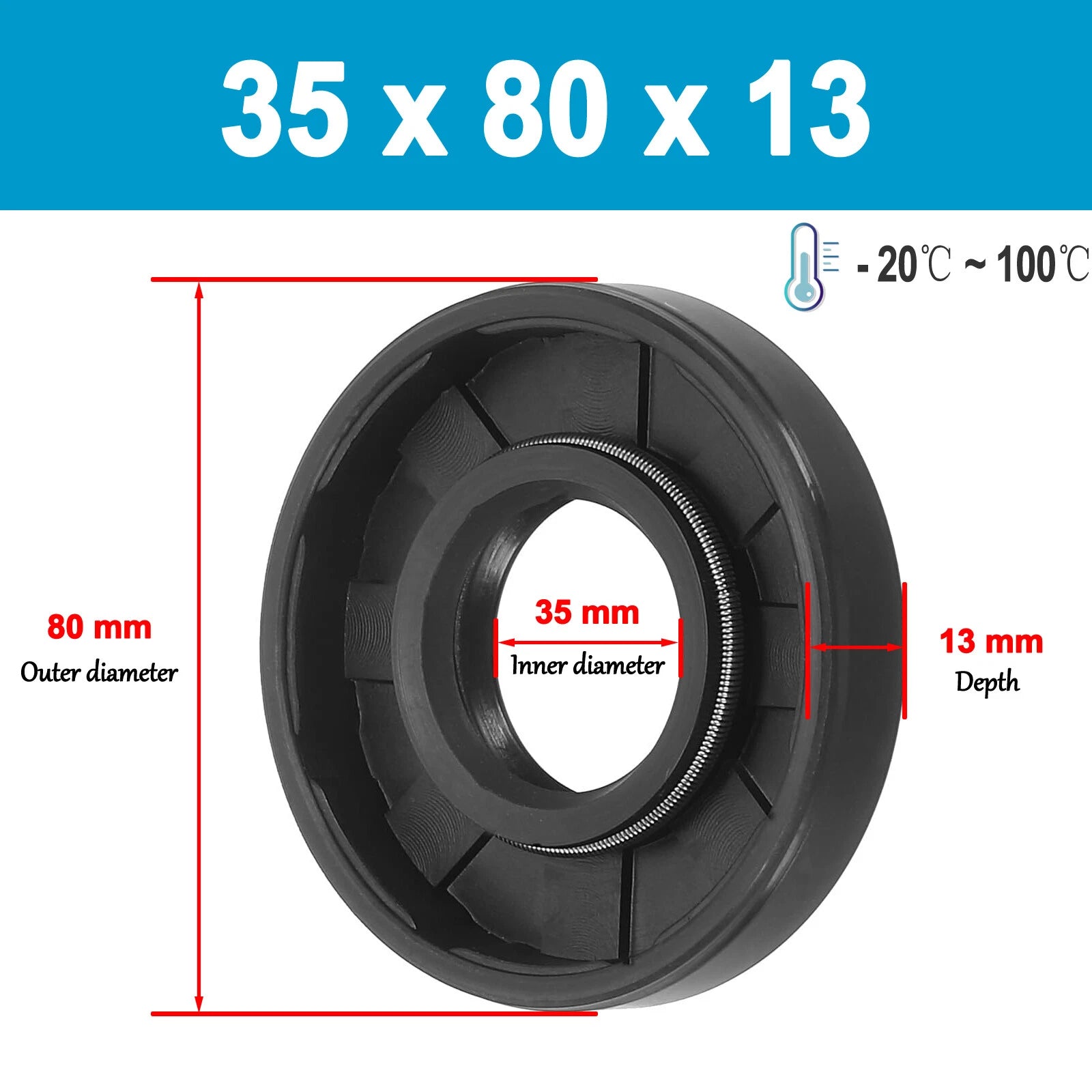
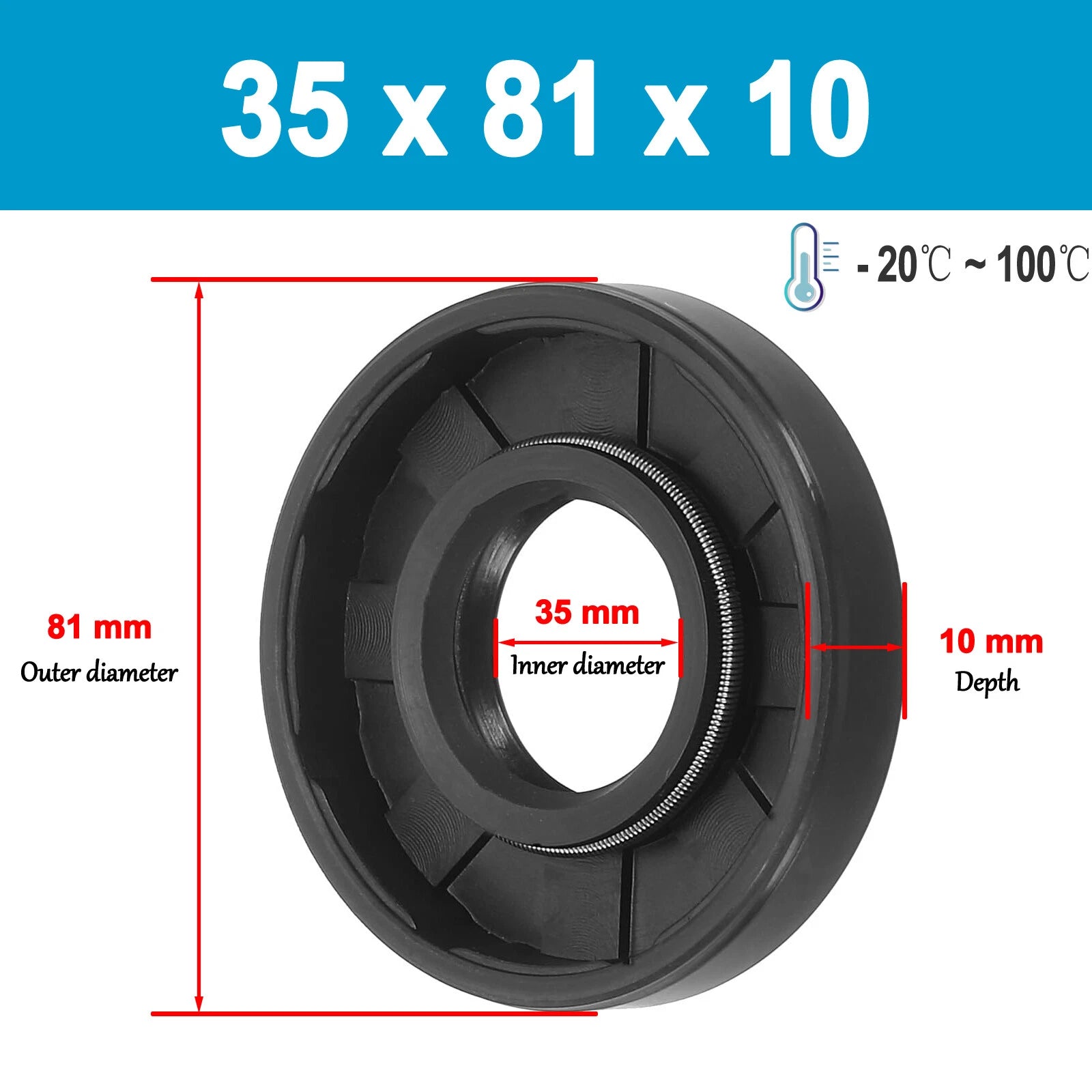
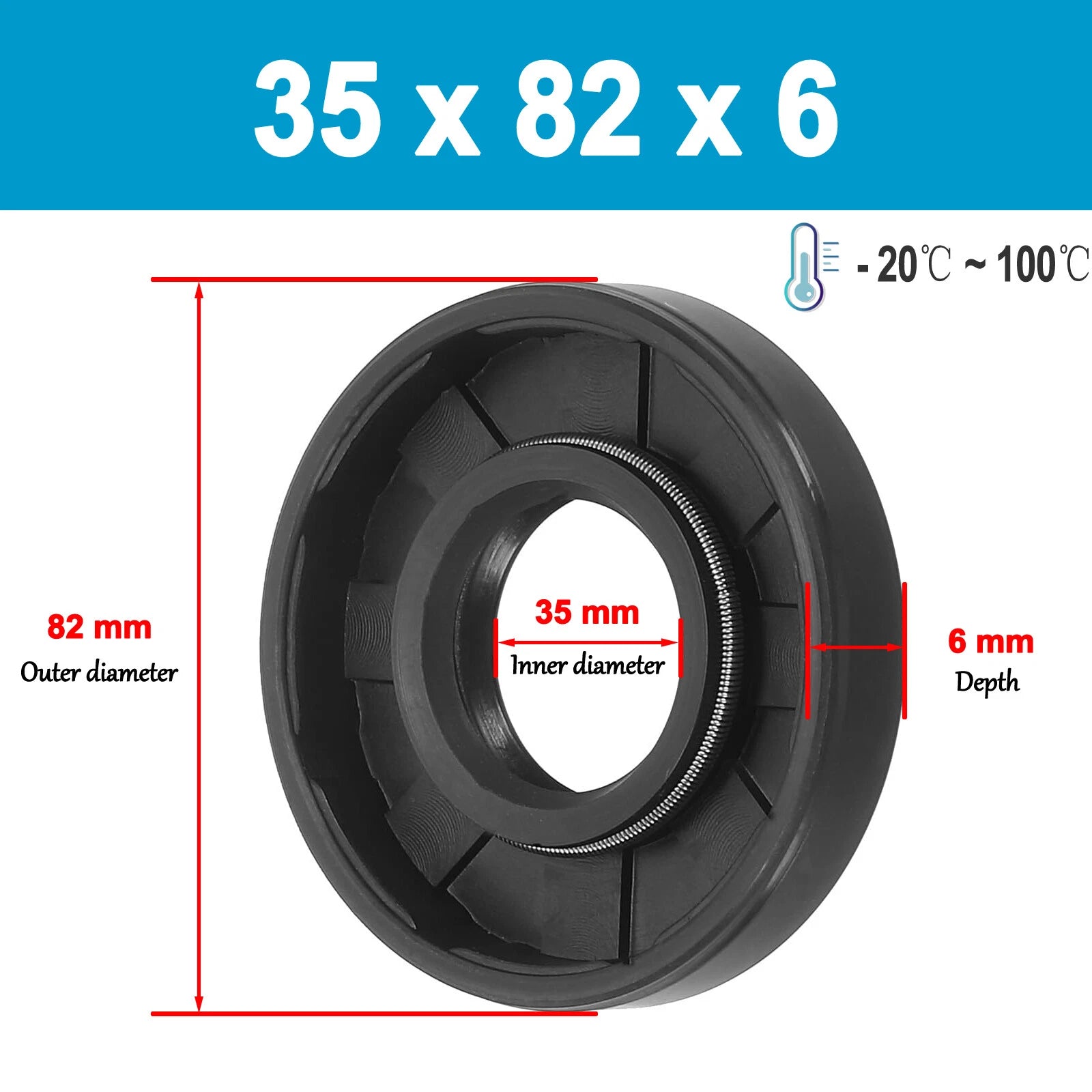
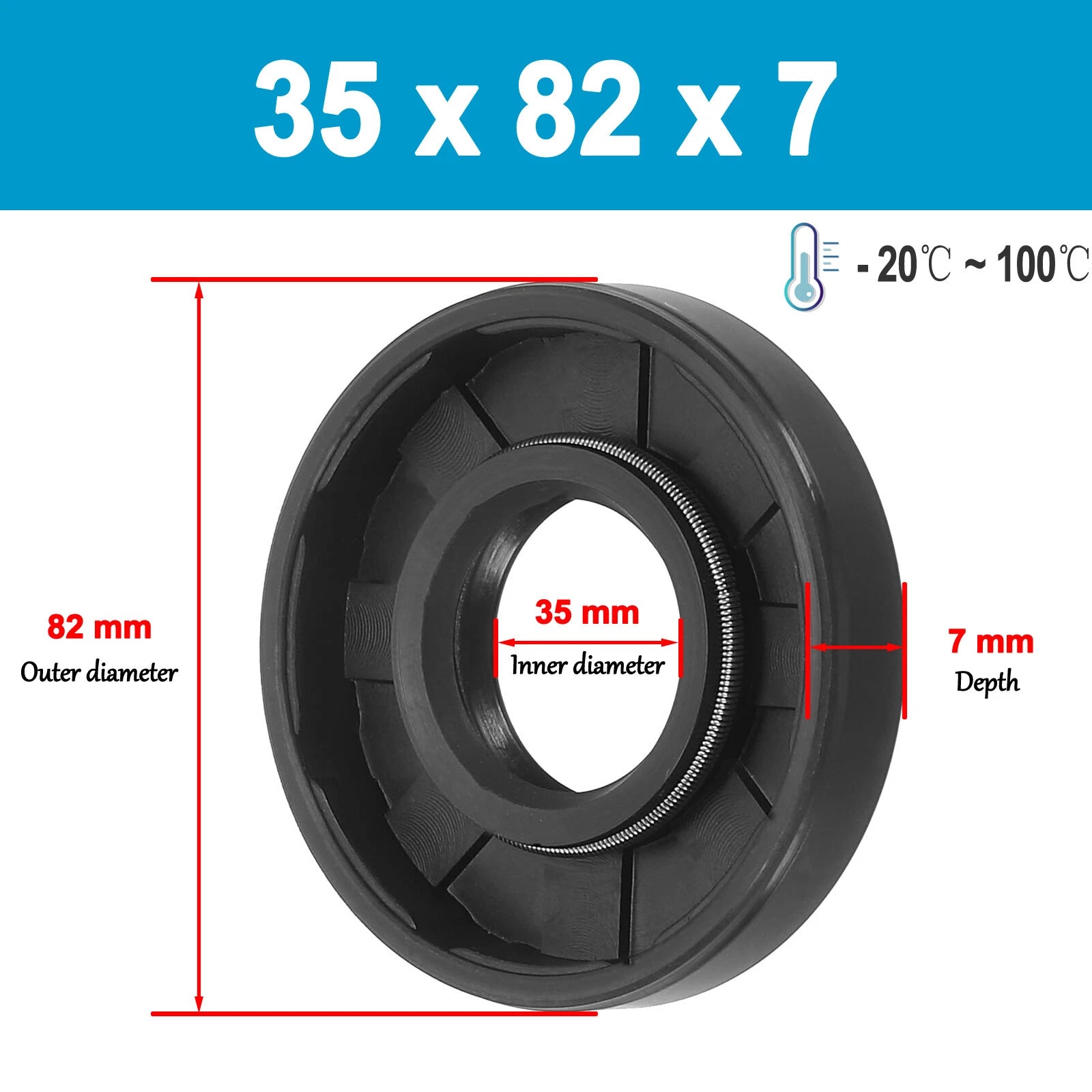
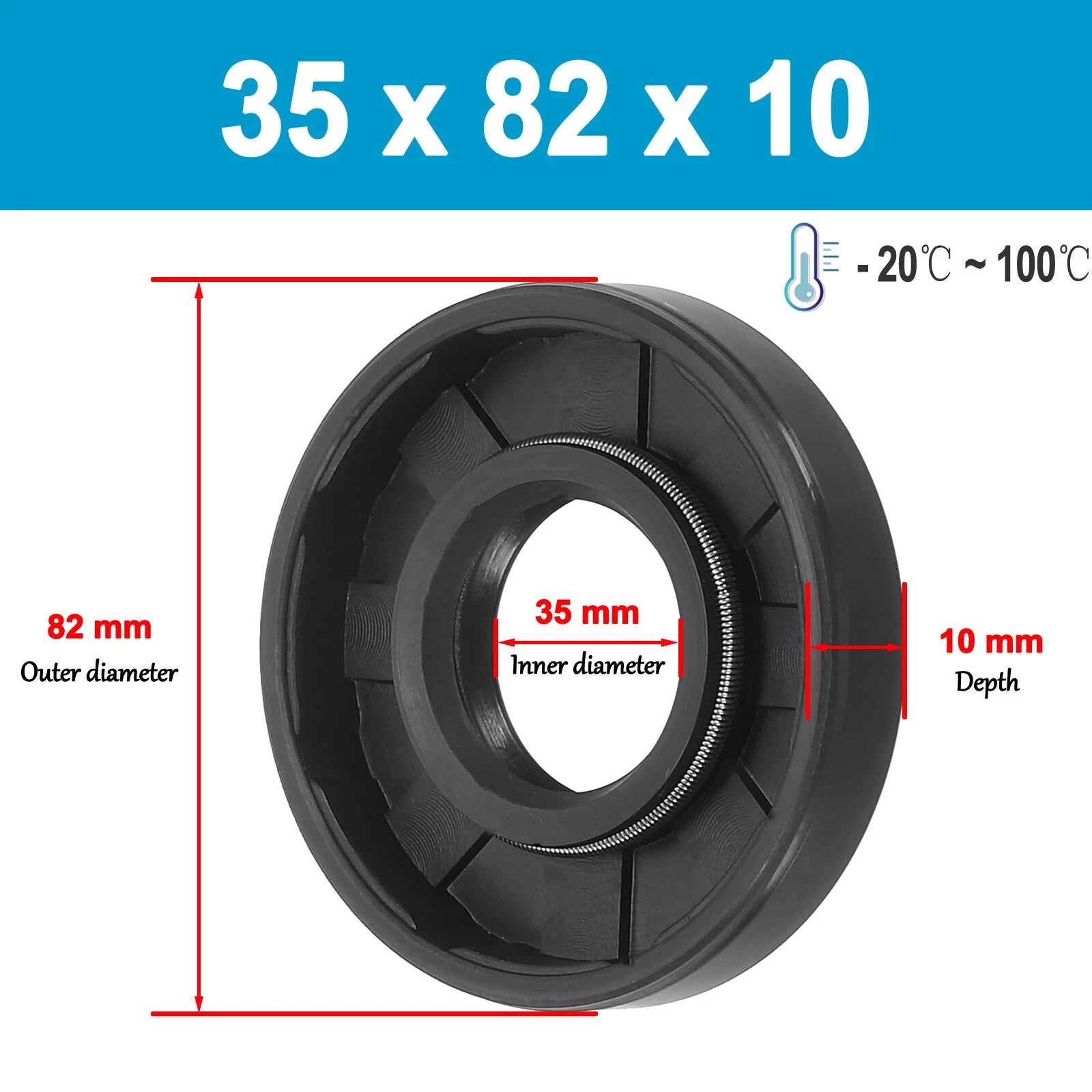
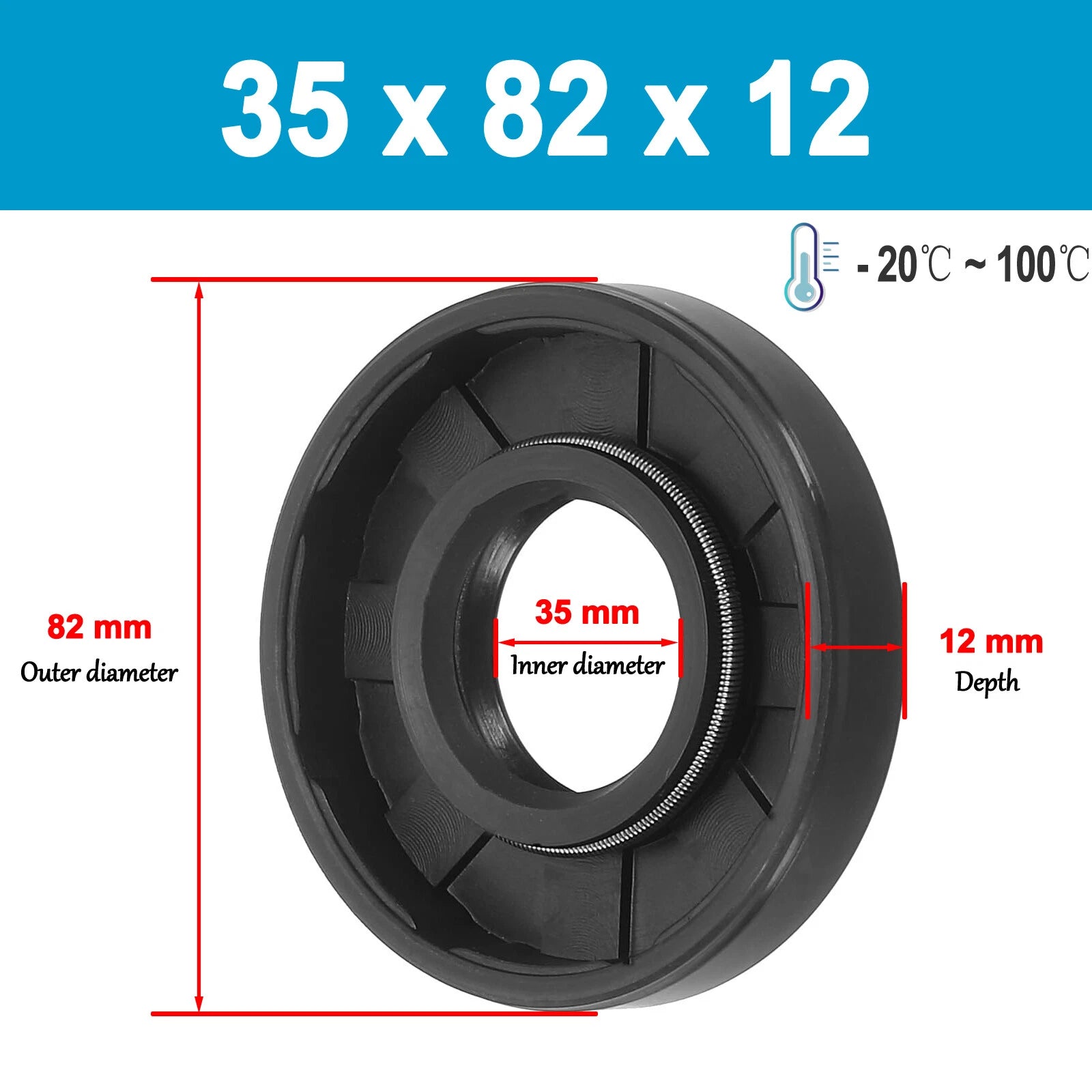
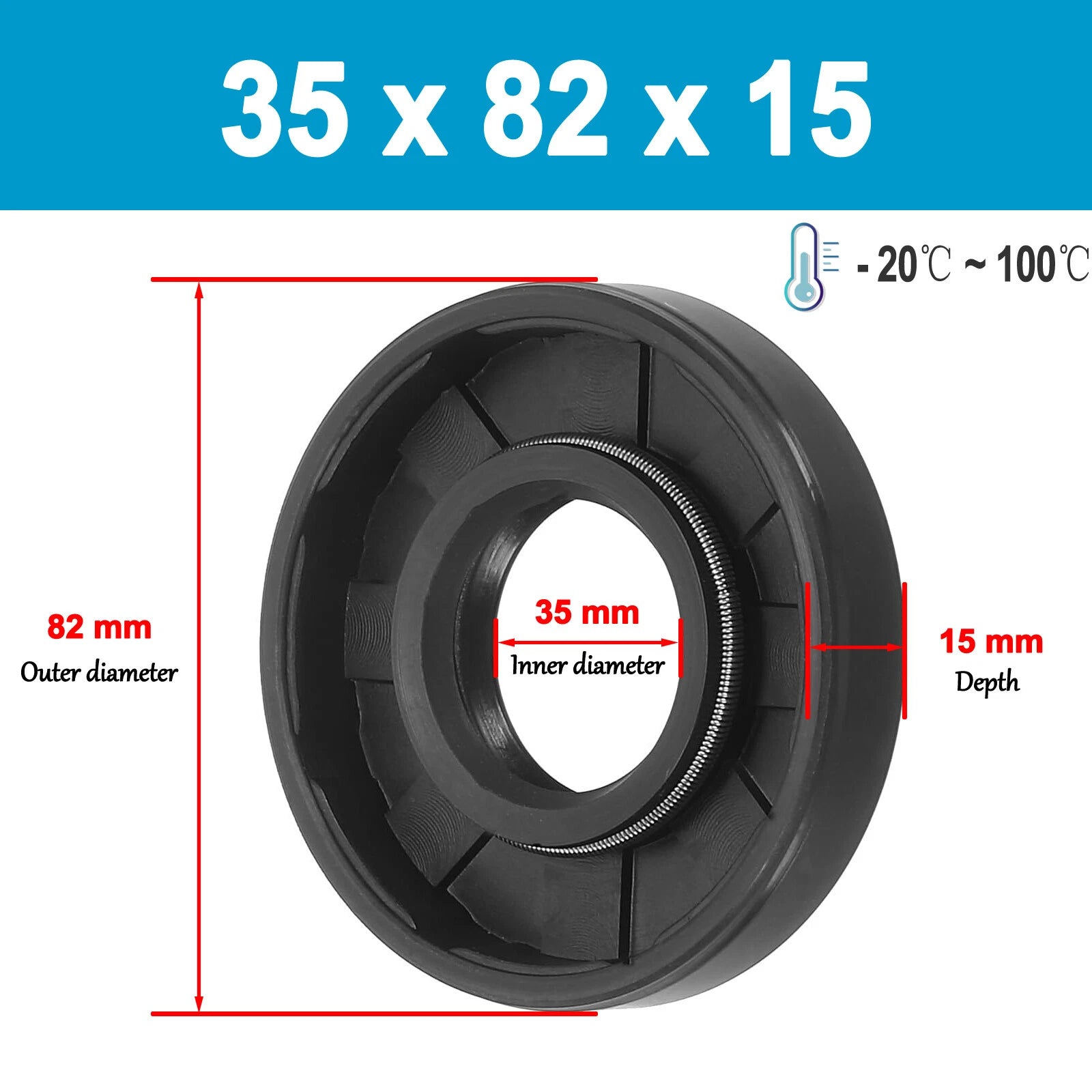
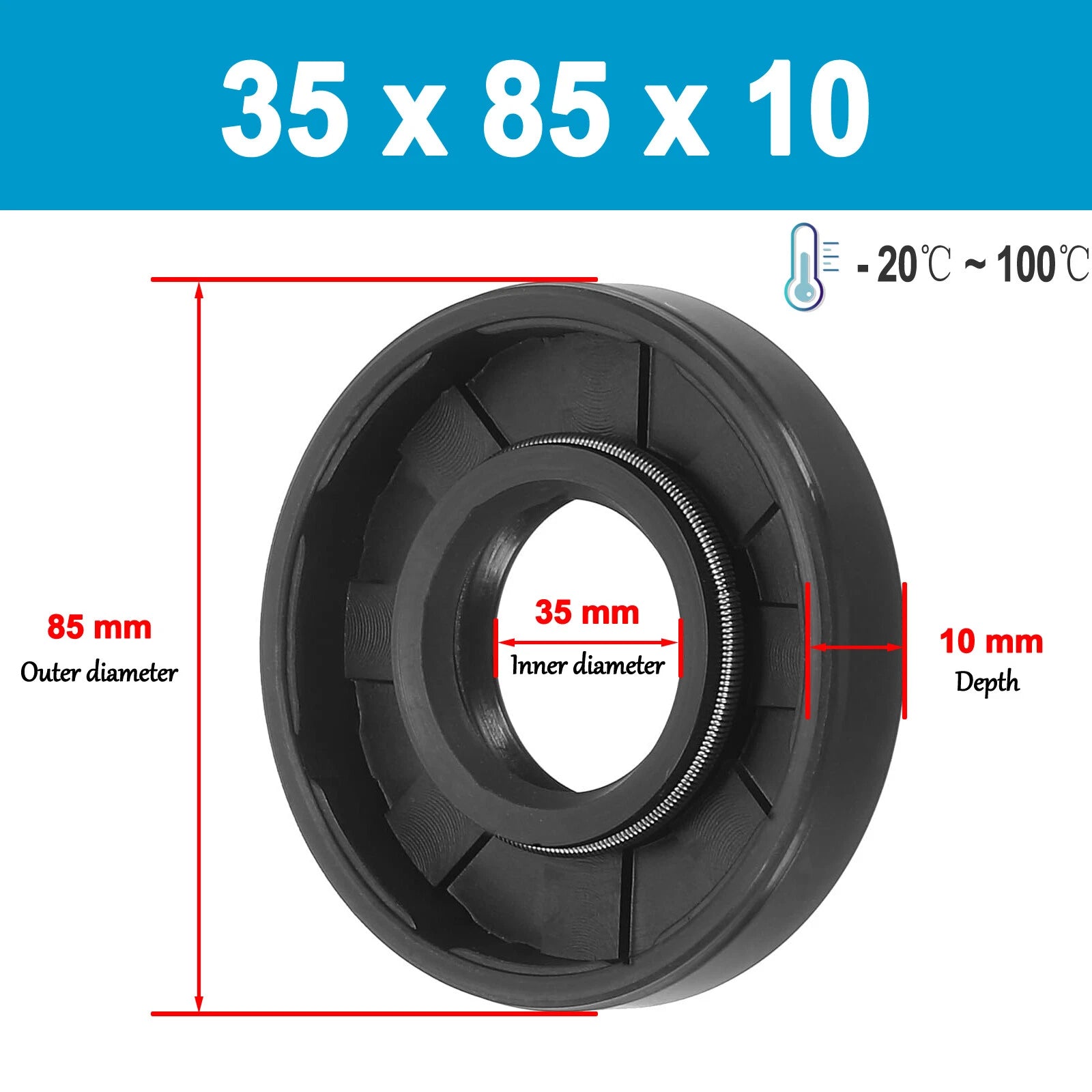
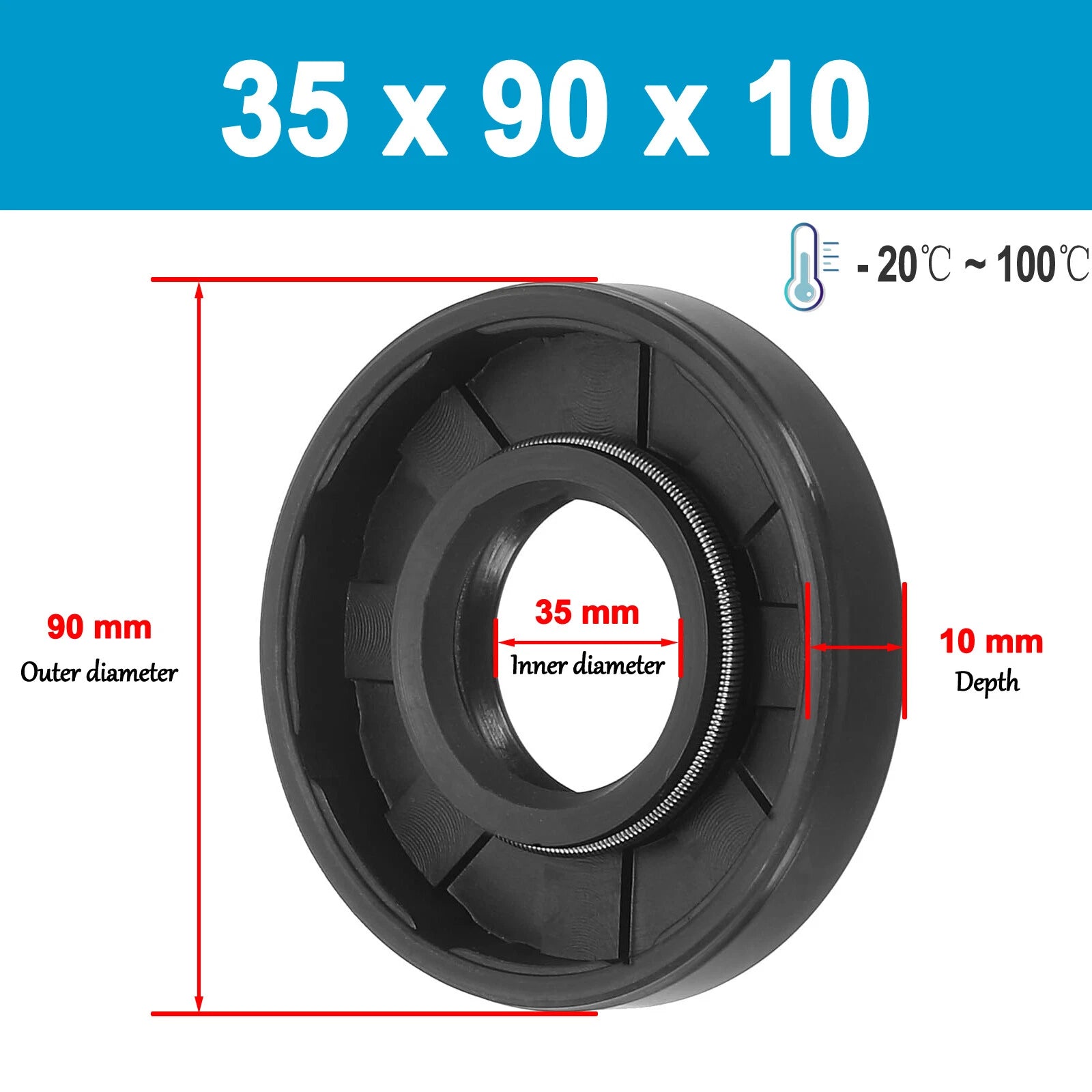
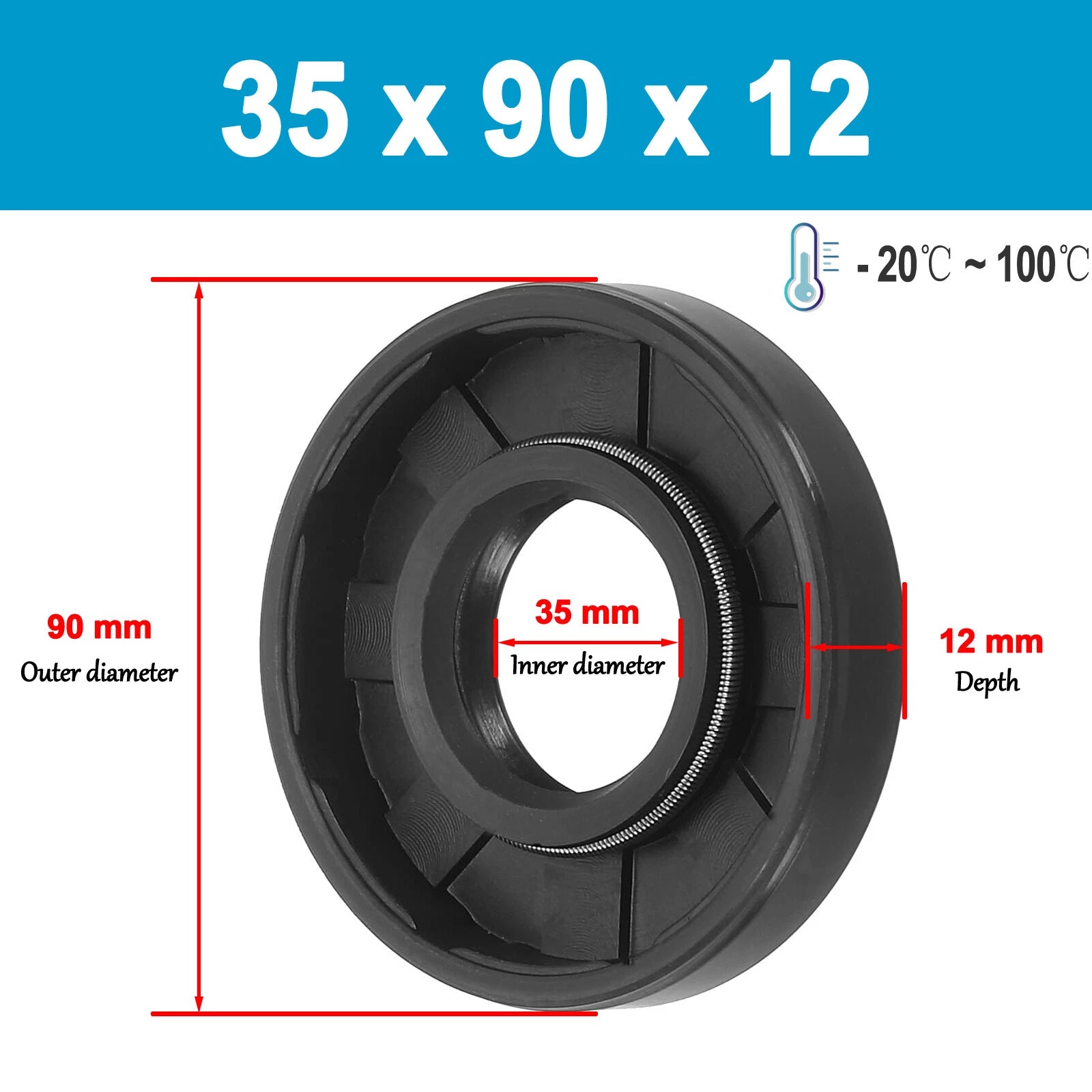
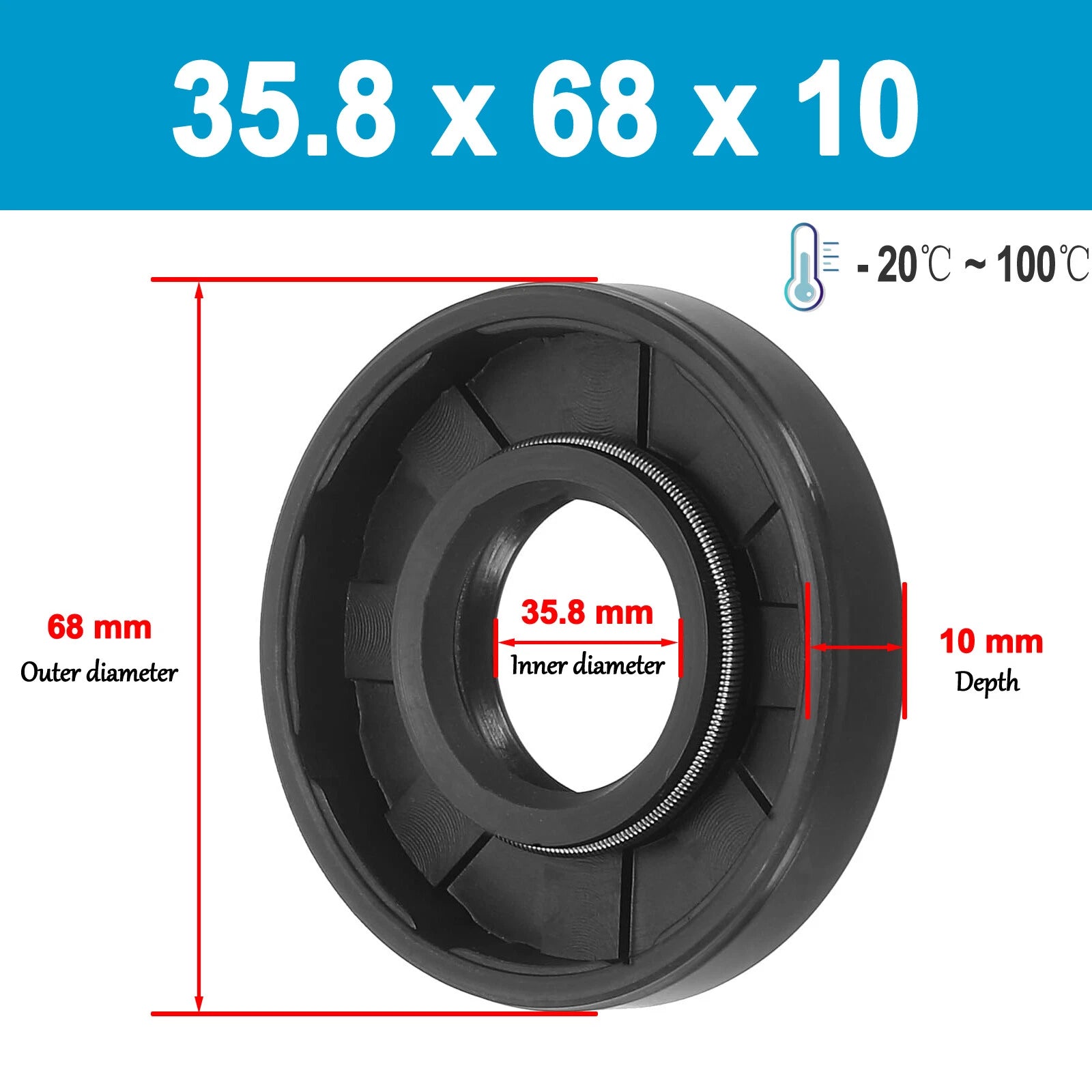
Each seal is constructed from nitrile rubber (NBR) compound bonded to a carbon steel case, with a garter spring-loaded primary lip and a secondary dust-exclusion lip — the classic TC / R23 / TTO double-lip configuration. Inner diameter is fixed at 35 mm (1.378 in); outer diameters range from 41 mm to 90 mm (1.614 in – 3.543 in); seal depth (width) ranges from 4 mm to 17 mm (0.157 in – 0.669 in), with 243 size combinations available across this listing.
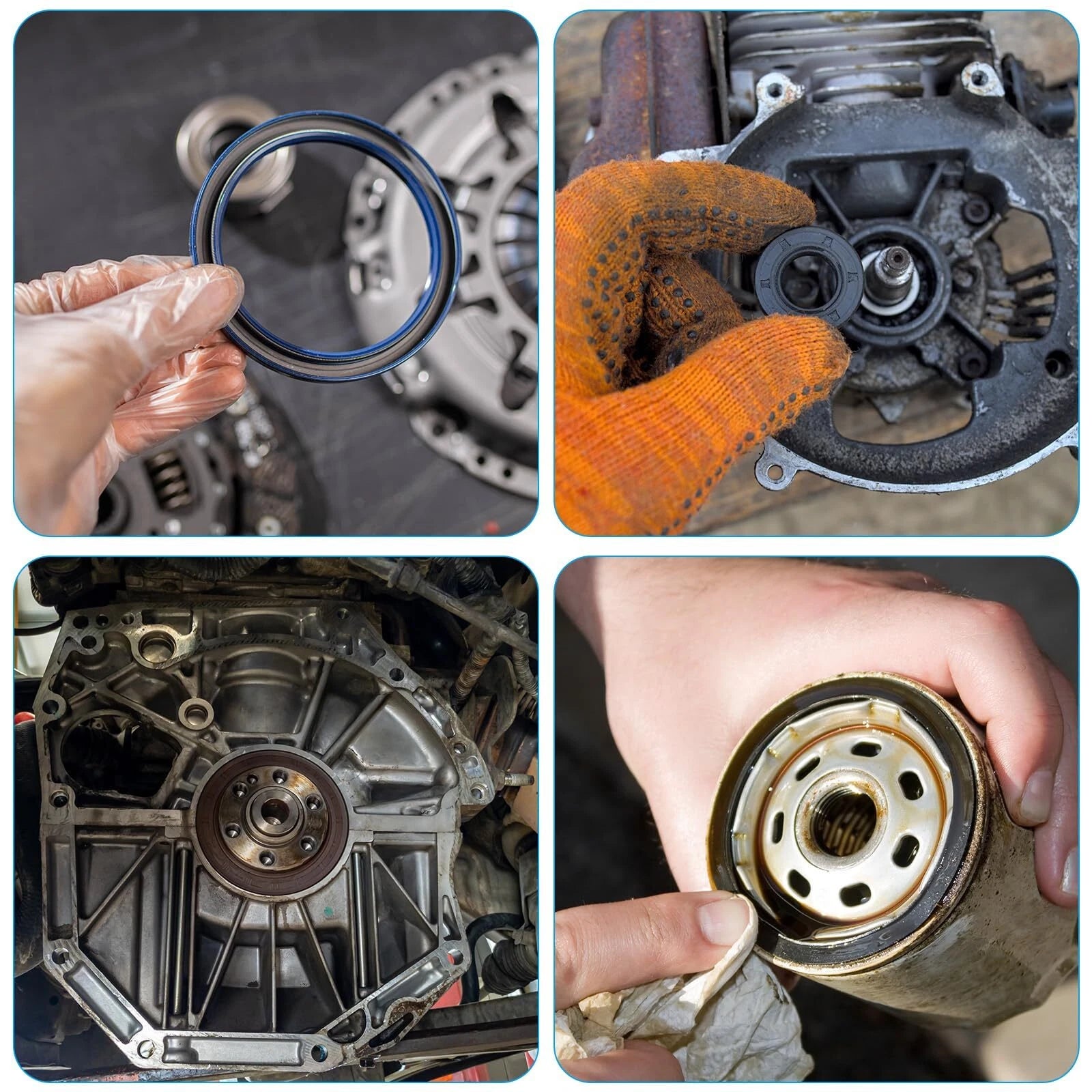
Typical use cases include replacing shaft seals on agricultural gearboxes and PTO shafts, sealing the output shaft of hydraulic pumps and motors, and servicing differential or transfer-case housings on light vehicles and machinery — all scenarios where a 35mm shaft double lip oil seal replacement or a TC oil seal 35mm bore gearbox search leads you here.
| Inner Diameter (Bore) | 35 mm (1.378 in) |
|---|---|
| Outer Diameter Range | 41 mm – 90 mm (1.614 in – 3.543 in) |
| Seal Depth (Width) Range | 4 mm – 17 mm (0.157 in – 0.669 in) |
| Seal Type | TC / R23 / TTO — Double Lip with Garter Spring |
| Lip Material | Nitrile Rubber (NBR) |
| Case Material | Carbon Steel |
| Operating Temperature | Typically −40 °C to +120 °C (−40 °F to +248 °F) |
| Compatible Fluids | Petroleum-based oils, greases, mild hydraulic fluids |
| Shaft Speed | See variant options |
| Exact Size | See variant options (Inner Ø × Outer Ø × Depth) |
| Packing Quantity | 5 pcs or 10 pcs (selectable) |
| Installation Method | Press-fit into housing bore |
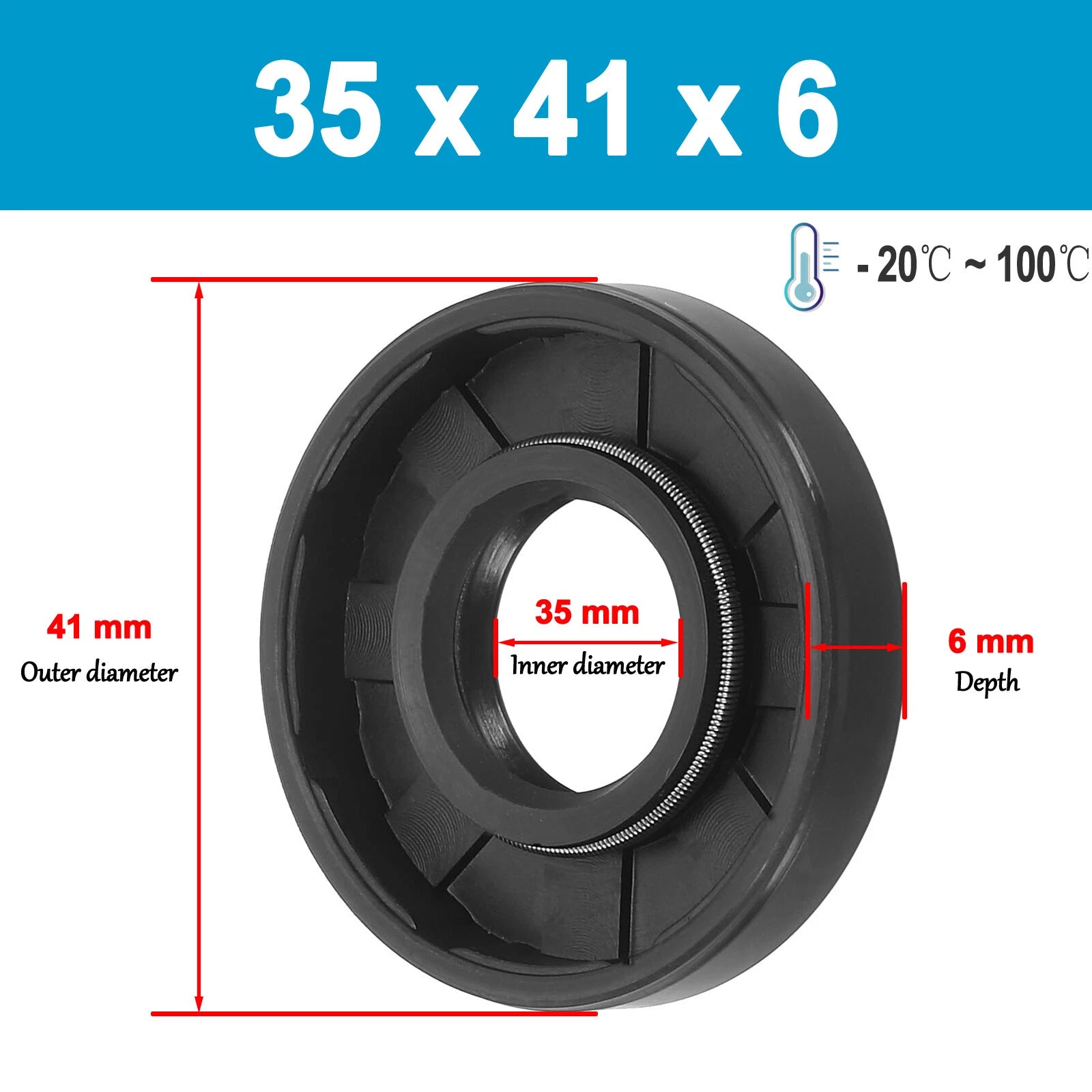
Measure three dimensions on your existing seal or housing: the inner diameter (shaft size — should be 35 mm for this listing), the outer diameter (housing bore), and the depth (width of the seal). Match these to the Inner Ø × Outer Ø × Depth option in the variant selector. If your old seal is worn, measure the housing bore for the outer diameter and the shaft for the inner diameter, then check the groove depth for the seal width.
TC (also designated R23 or TTO in some standards) refers to a double-lip seal with a garter spring. The primary lip is spring-loaded to maintain contact with the rotating shaft and retain lubricant; the secondary lip faces outward to exclude contaminants such as dust and water. This is the most common configuration for general-purpose rotating shaft sealing.
These seals use standard NBR (nitrile rubber) compound, which is compatible with petroleum-based mineral oils and greases. Compatibility with fully synthetic oils (PAO, ester-based) or automatic transmission fluids varies — NBR can swell or degrade with some synthetics. For synthetic fluid applications, contact us to confirm suitability or consider a Viton (FKM) alternative.
Standard NBR TC seals are typically rated for shaft surface speeds up to approximately 4–6 m/s under normal lubricated conditions. Actual performance depends on shaft finish (Ra 0.2–0.8 µm recommended), concentricity, and operating temperature. For higher-speed applications, contact us to confirm the specific variant's rating.
Clean the housing bore and shaft thoroughly. Lightly lubricate the seal lip with the fluid it will be sealing. Press the seal squarely into the housing bore using a seal driver or a flat plate — never hammer directly on the seal face. Ensure the seal is flush or slightly below the housing face as required by your application. Avoid nicking the lip on shaft keyways or splines during installation.
Yes. The secondary dust lip on TC seals provides a degree of protection against water splash and dust ingress, making them suitable for agricultural equipment, outdoor machinery, and light marine applications. For continuous water immersion or high-pressure washdown environments, additional sealing measures may be required.
If you are servicing multiple machines, stocking a workshop, or working on equipment where seals are replaced as a scheduled maintenance item, the 10-piece pack offers a lower per-unit cost and ensures you have spares on hand. The 5-piece pack is ideal for a single repair or when you need to trial a size before committing to larger stock.