The chain is fine...but I ordered the wrong size. Nine links of the chain I ordered equals six of the size I wanted. My error...
How can I straighten out the springs? I can't use them coil uo as is.
Your payment information is processed securely. We do not store credit card details nor have access to your credit card information.
Get fitment advice & recommendations
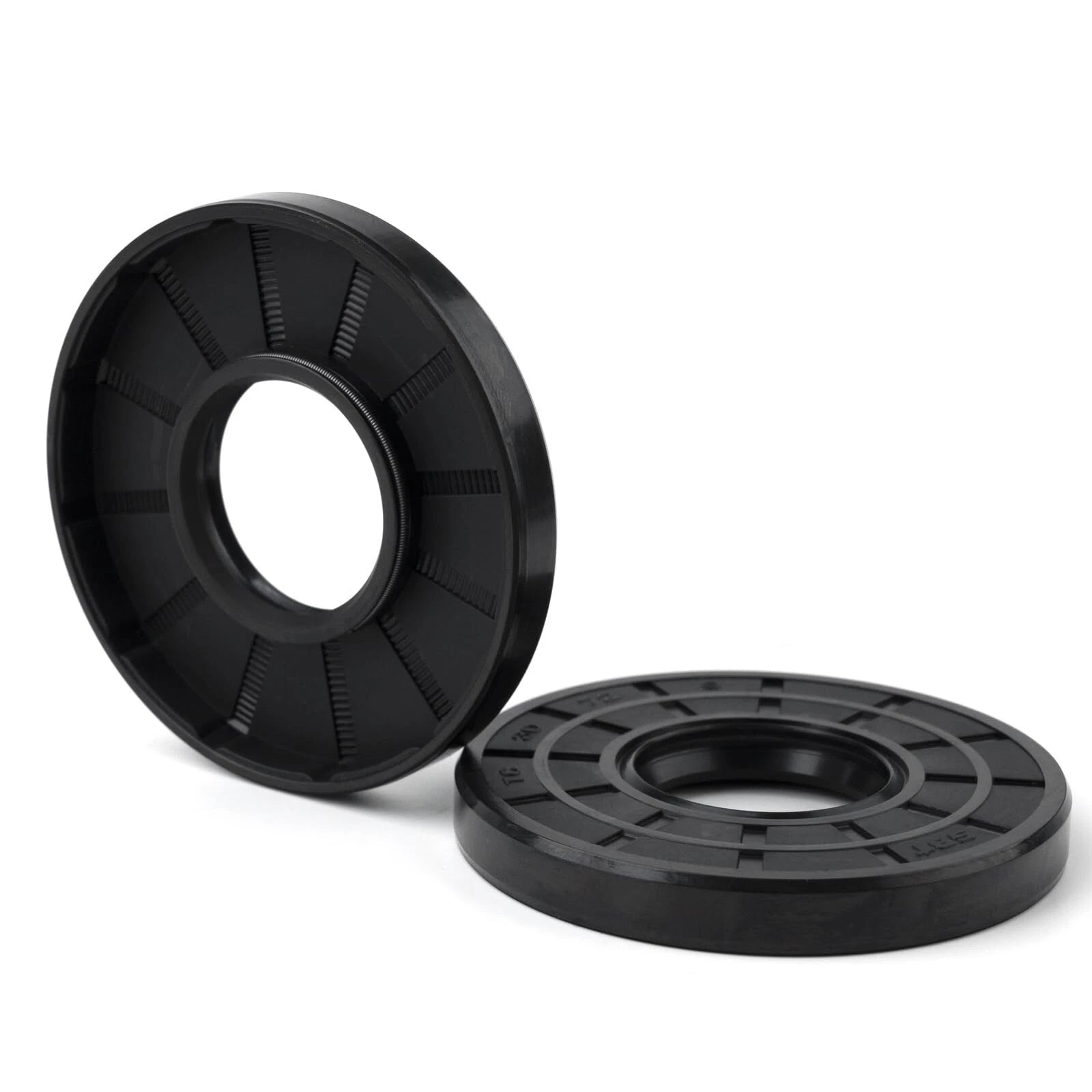
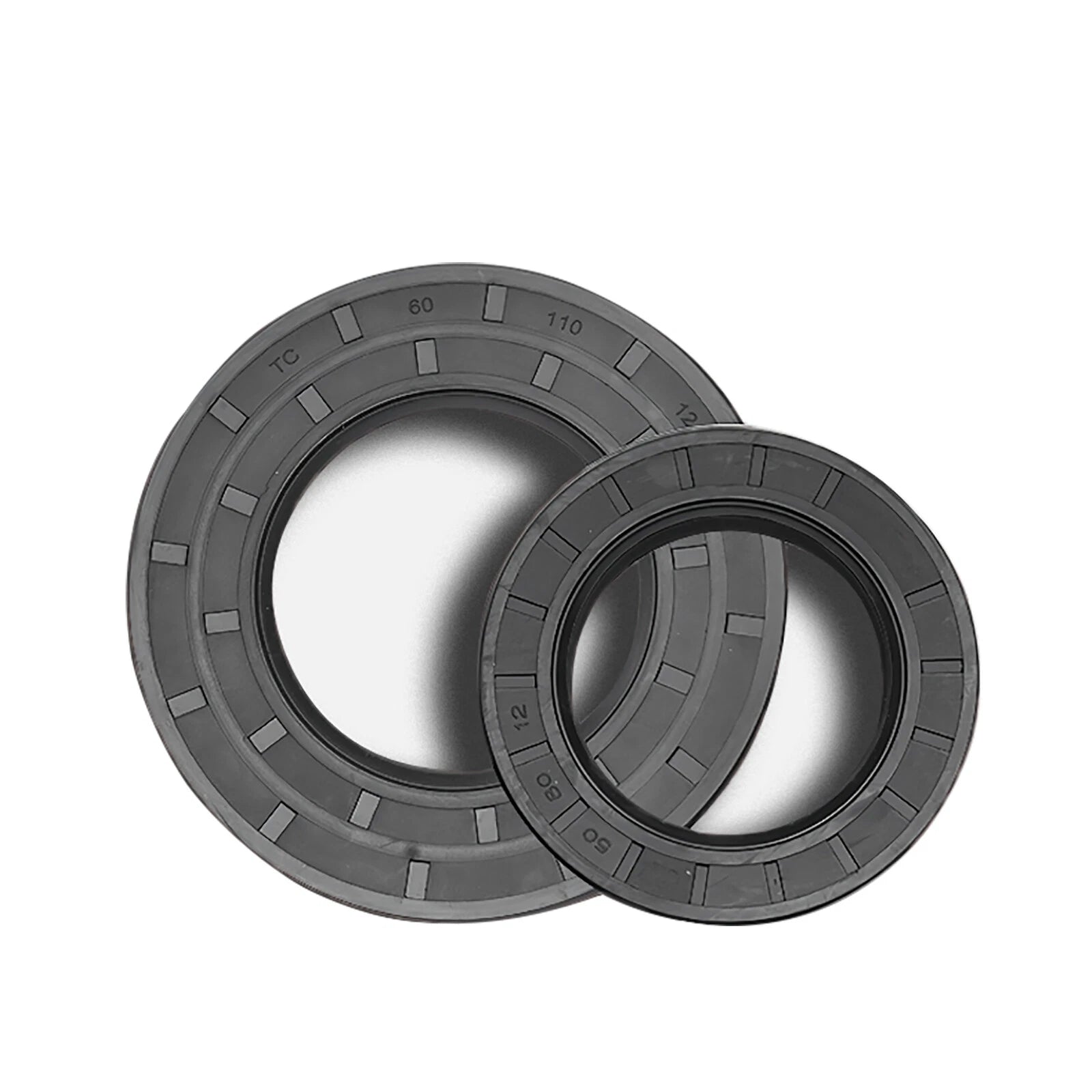
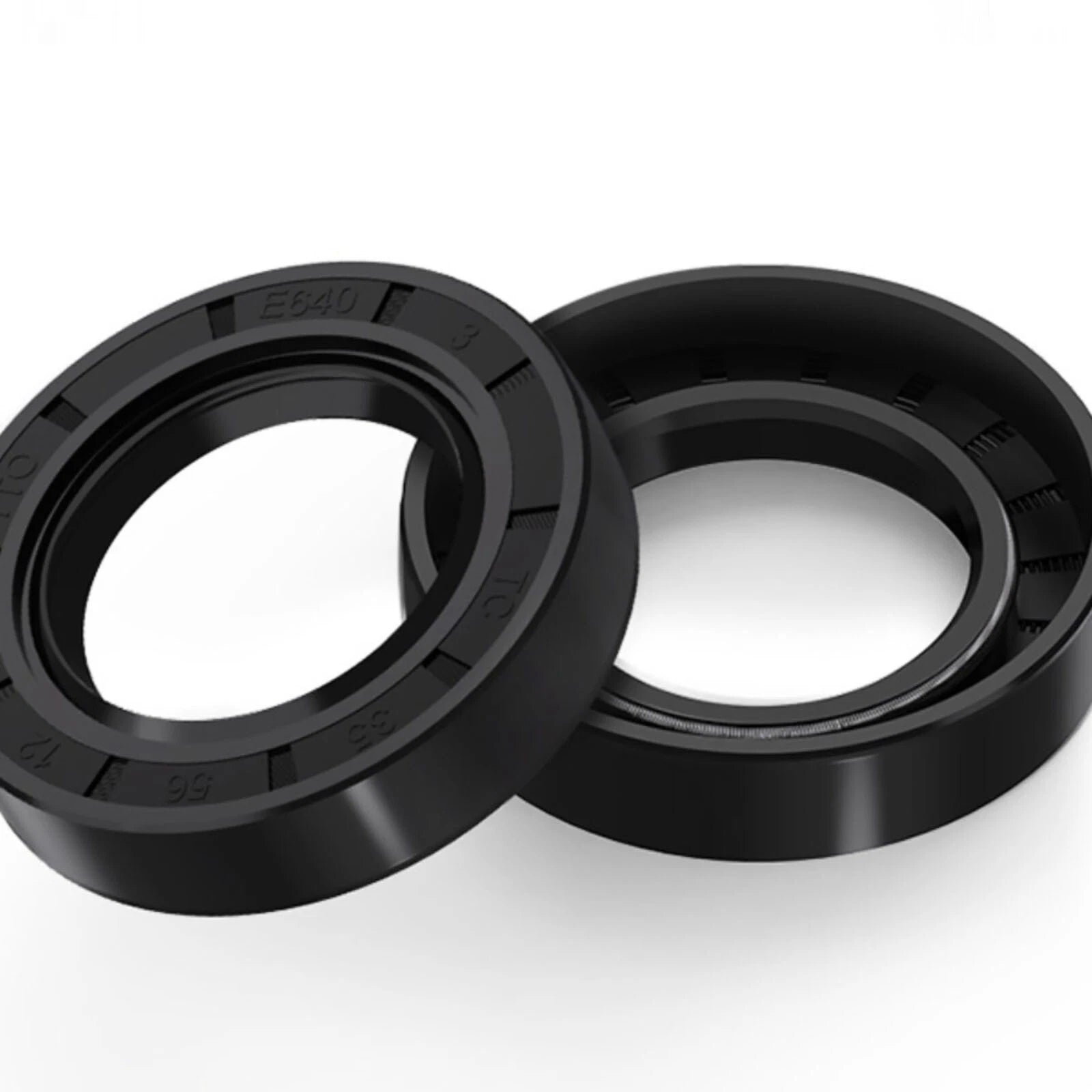
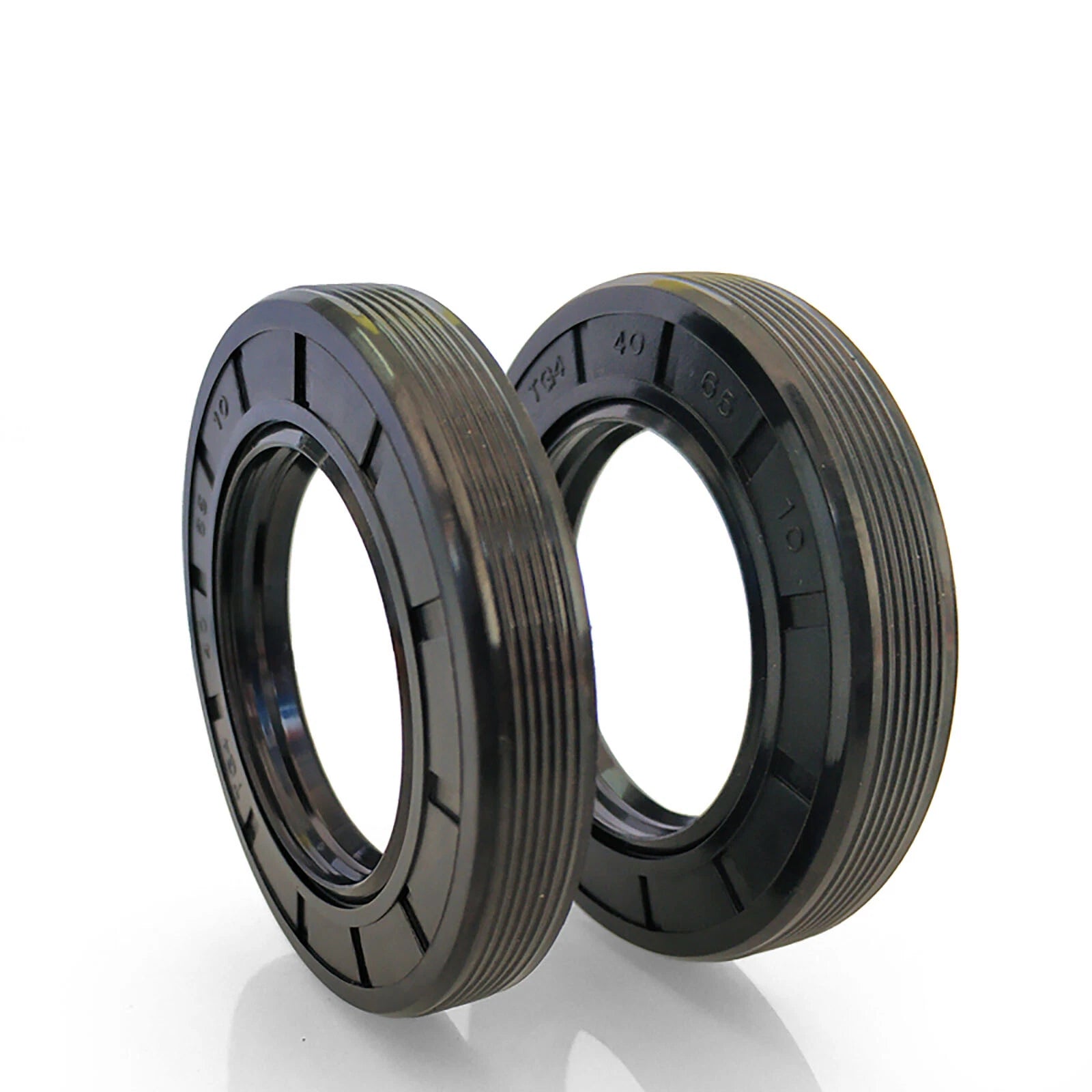
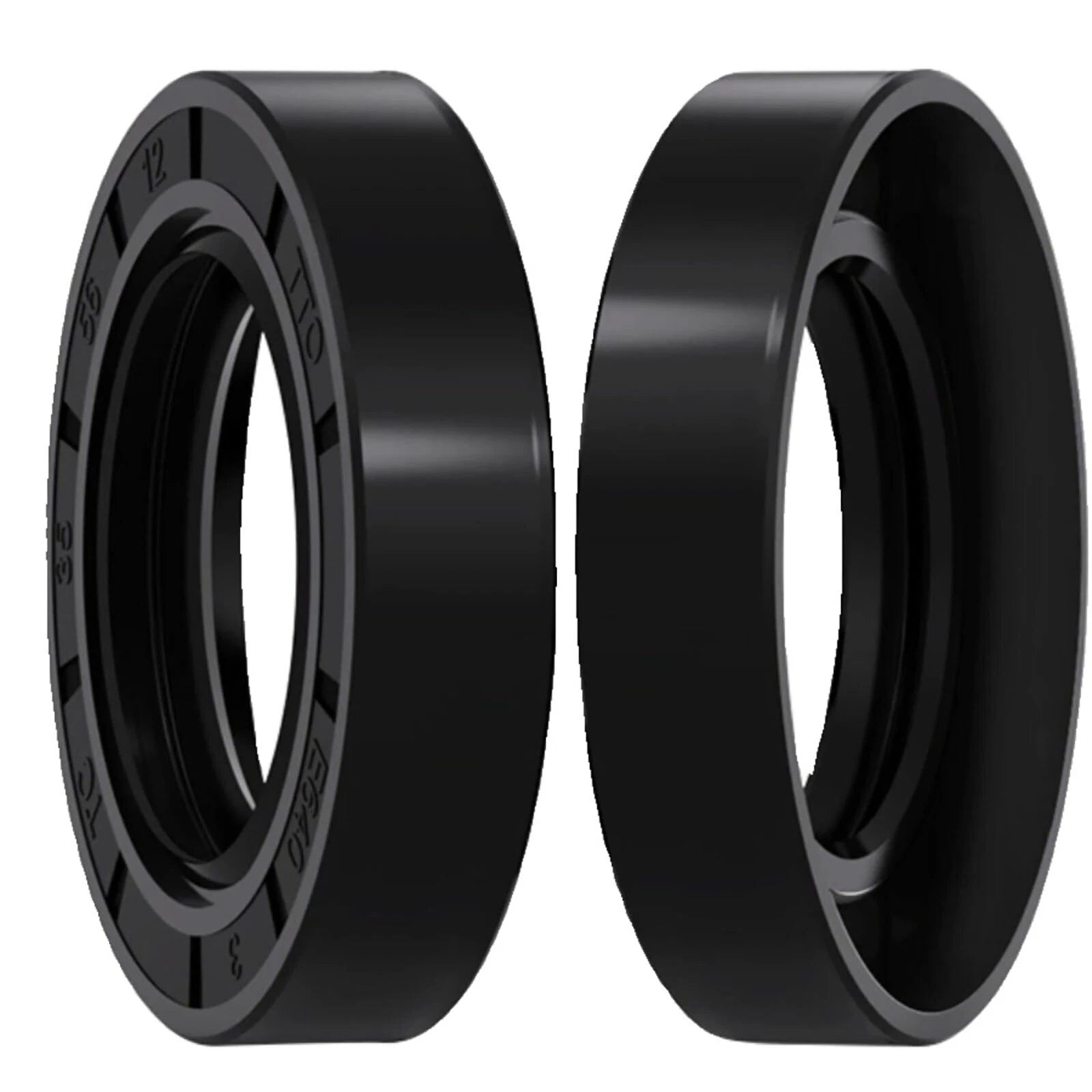
When a worn or incorrectly sized shaft seal causes lubricant leakage, contamination ingress, or premature bearing failure, the downstream cost in downtime and repairs far exceeds the part itself. Engineers, mechanics, and maintenance technicians working on gearboxes, axles, pumps, and rotating machinery need a dimensionally accurate, dual-lip seal they can trust to hold under continuous rotation and pressure. This Metric R23 TC oil seal is designed for exactly that application.
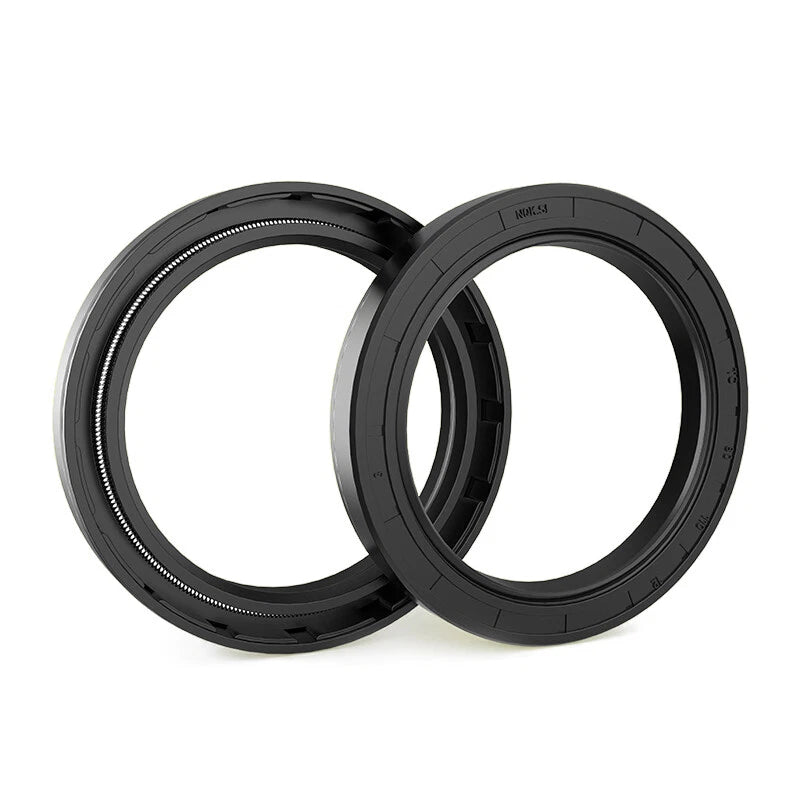
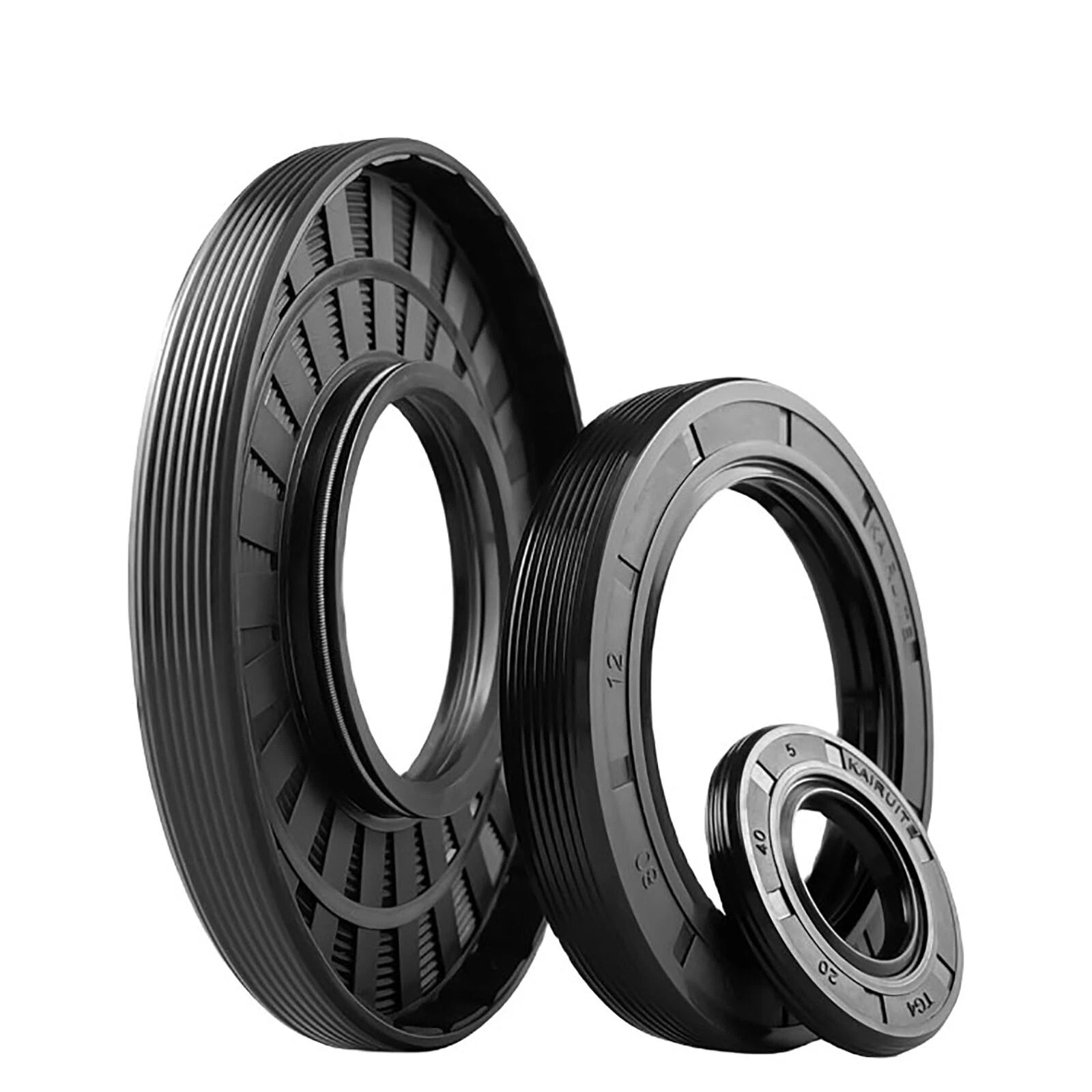
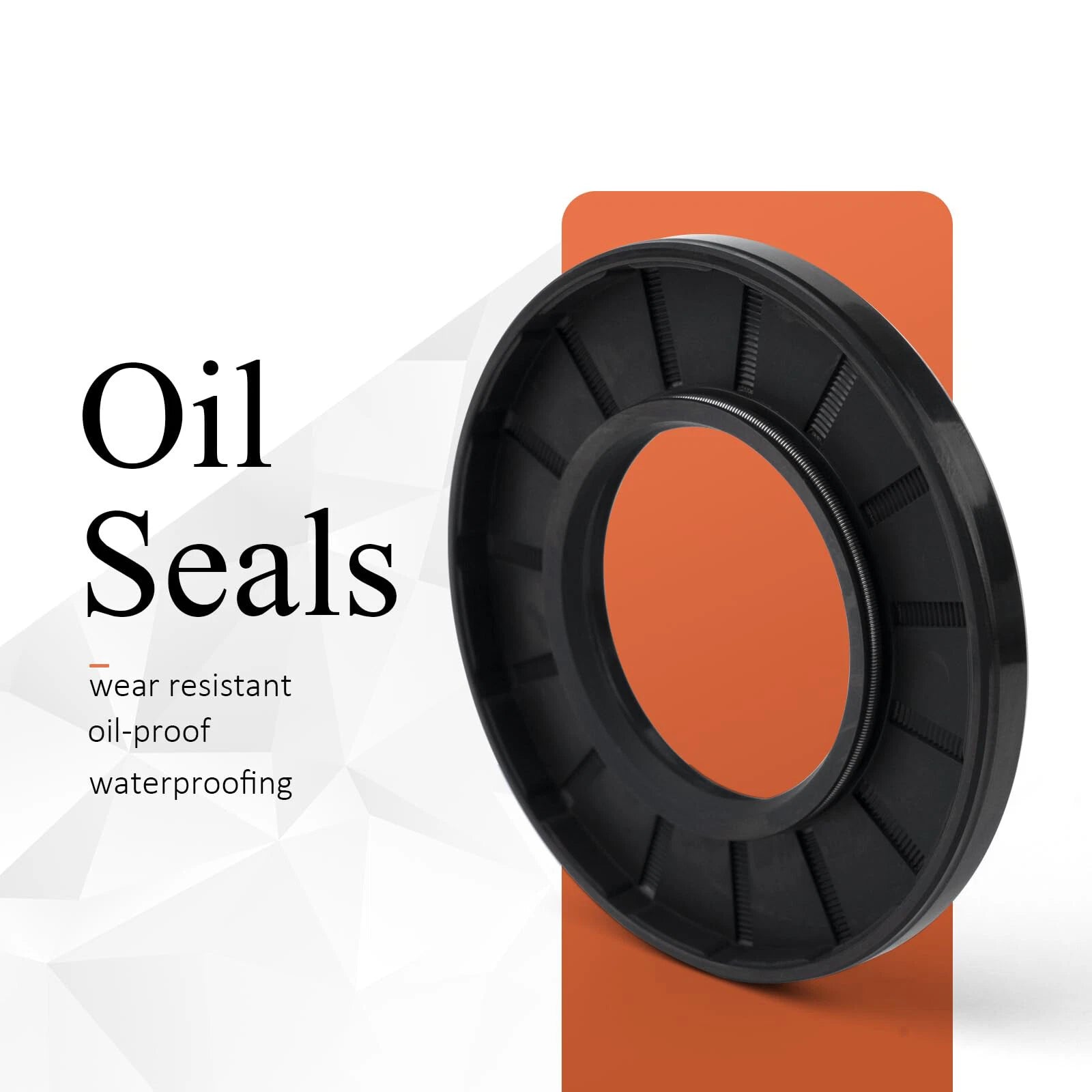
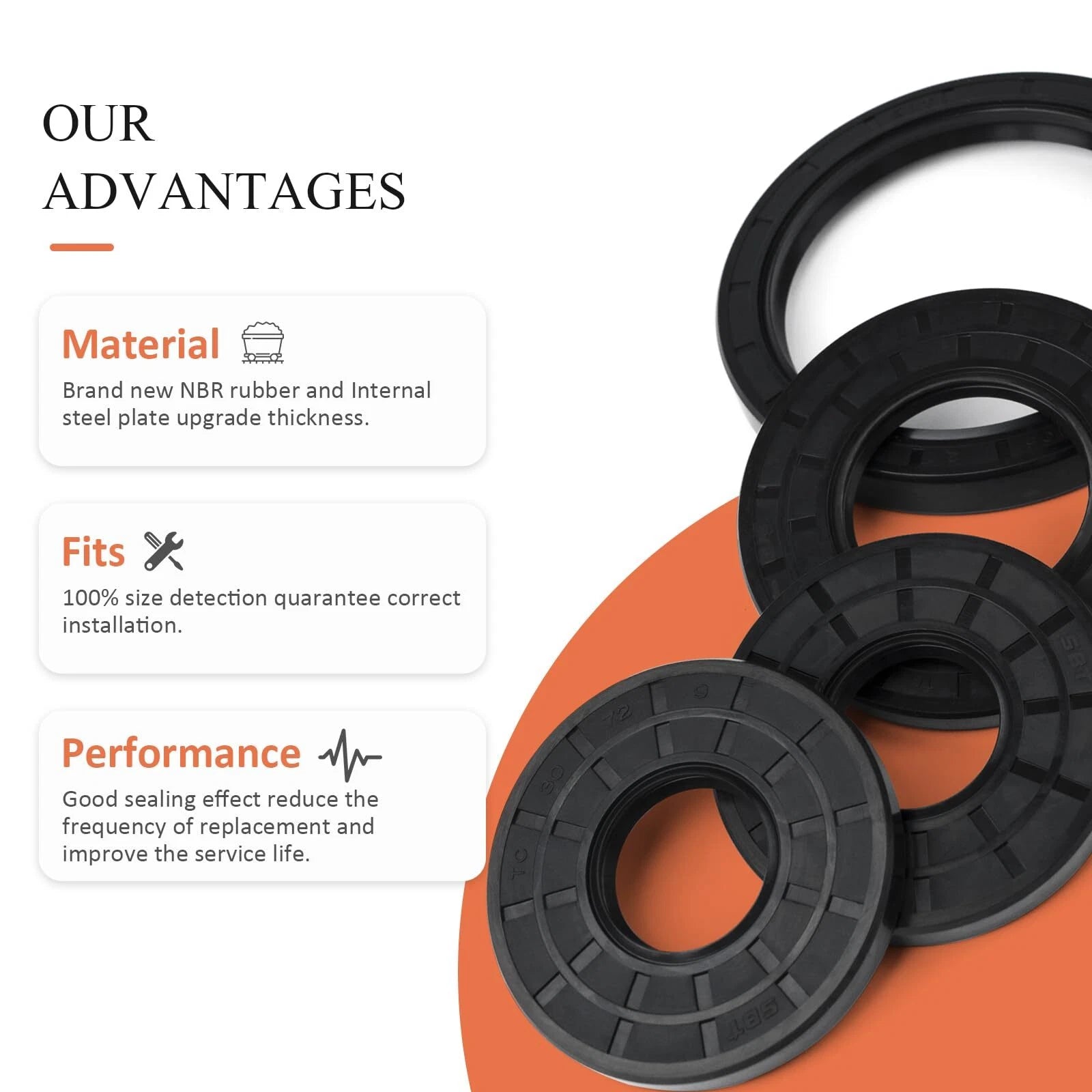
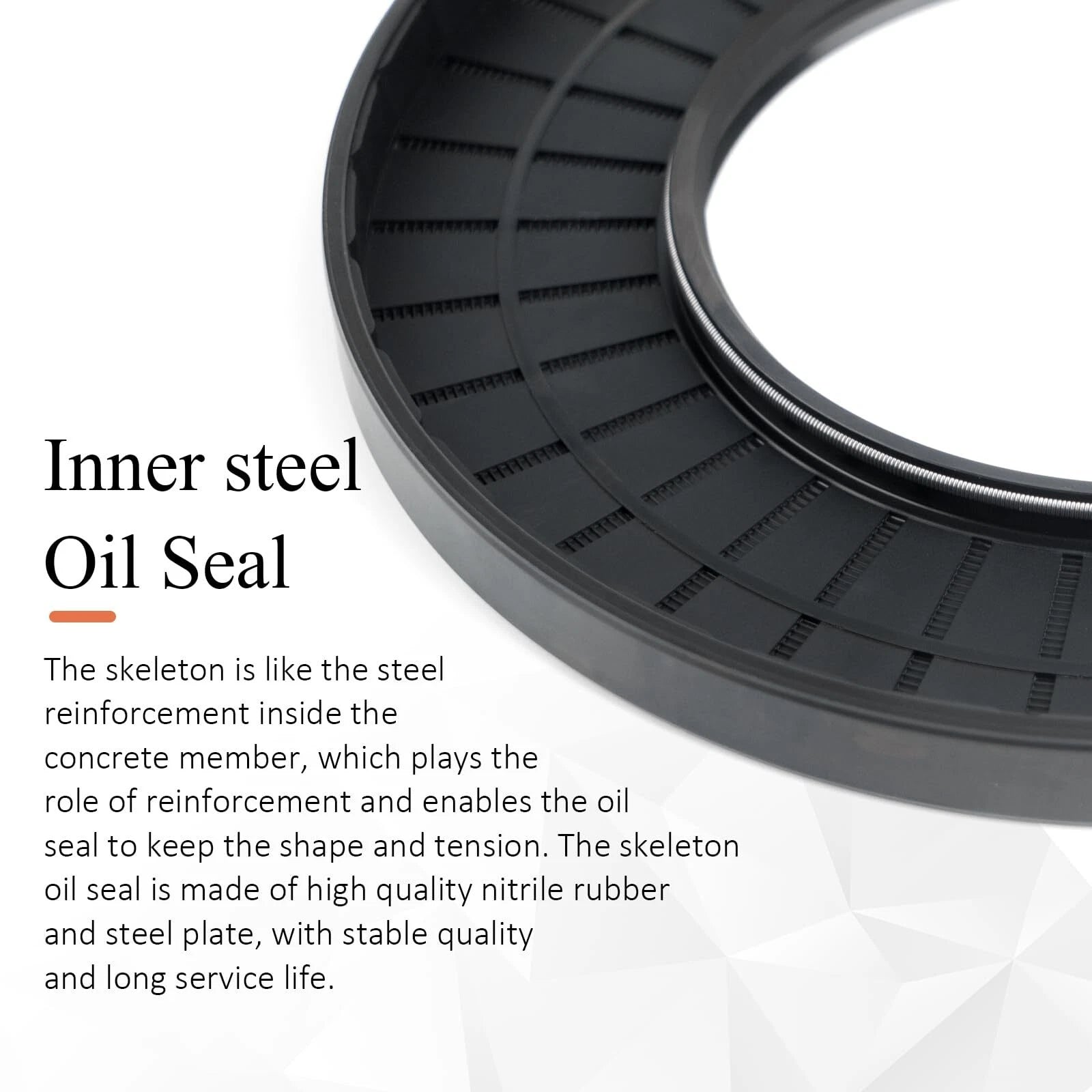
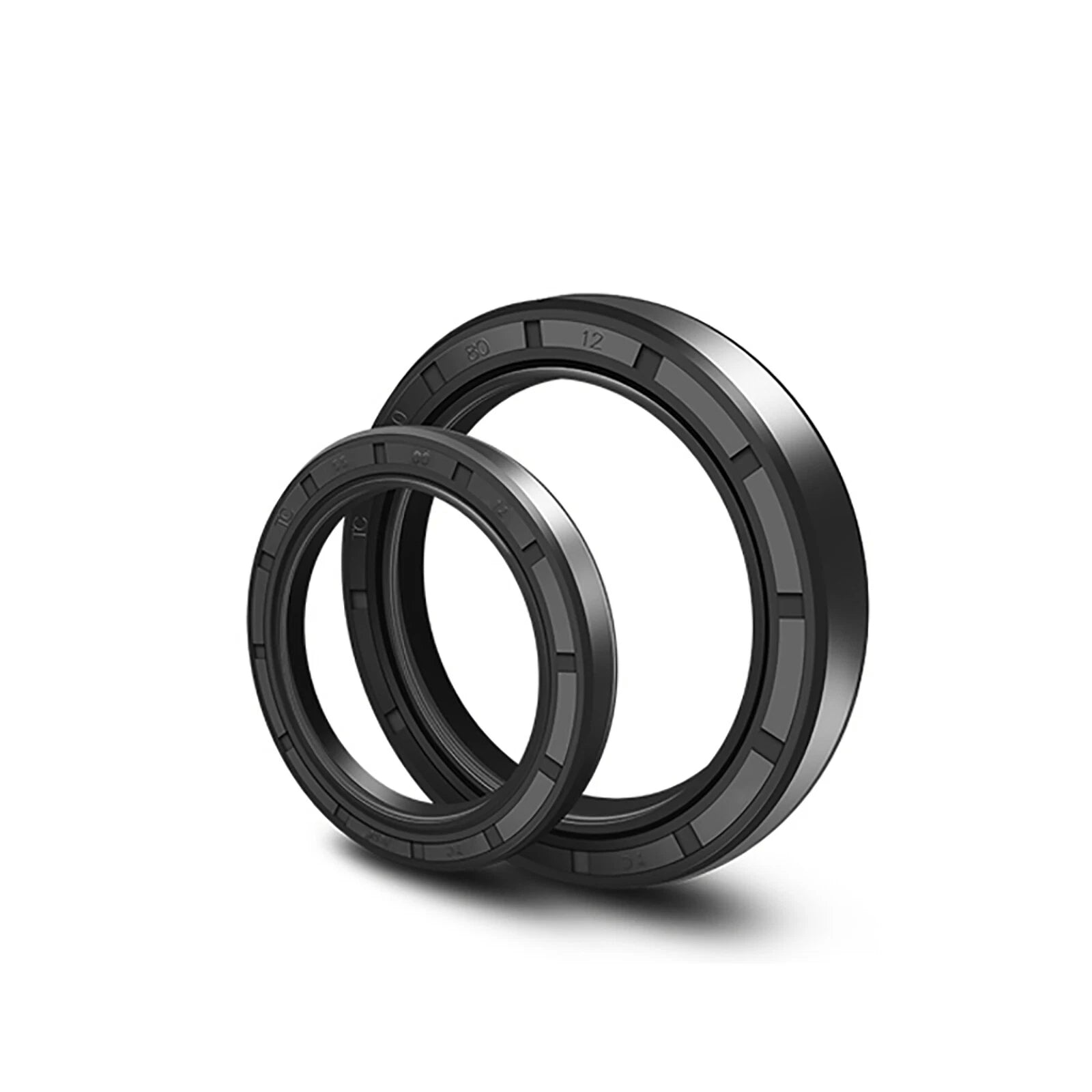
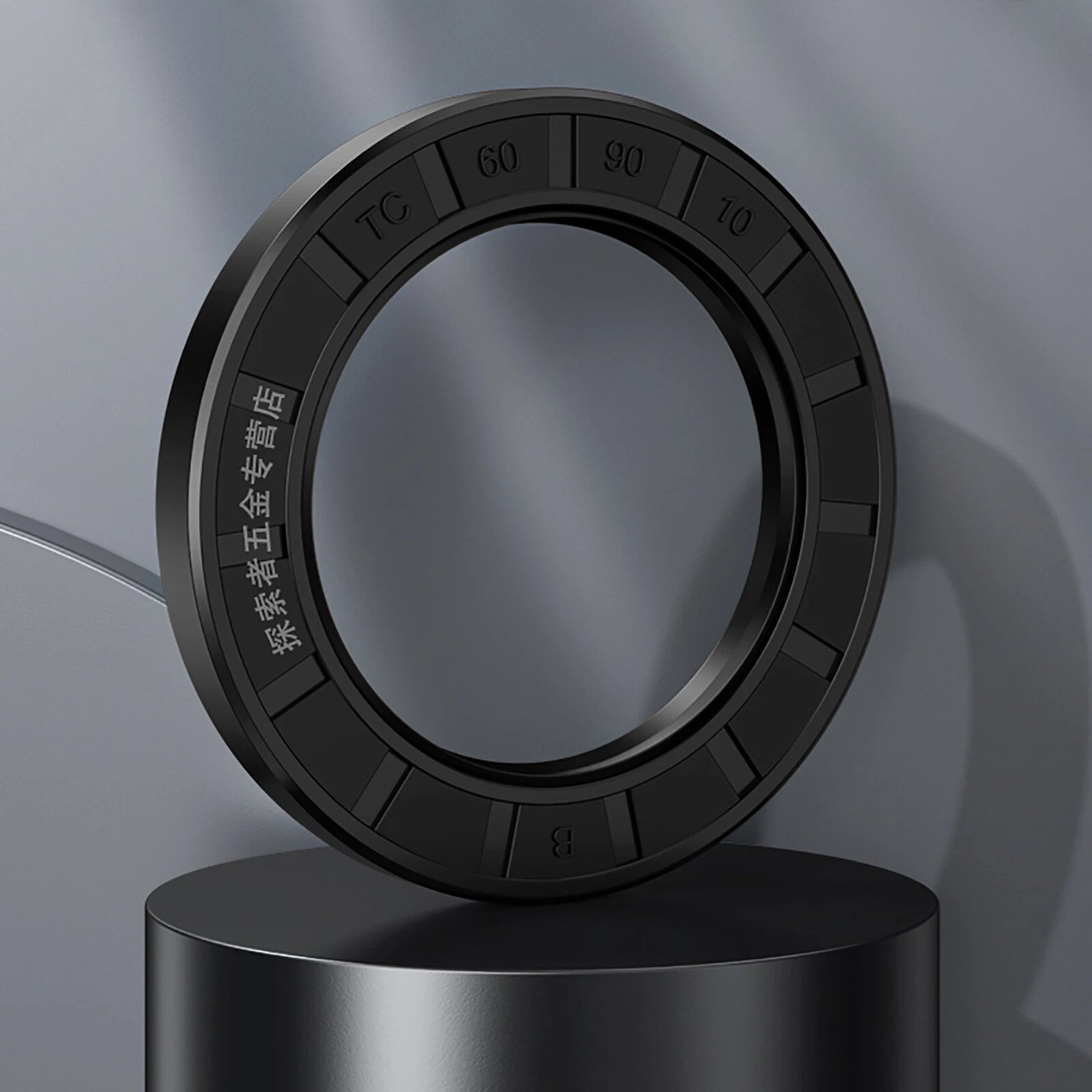
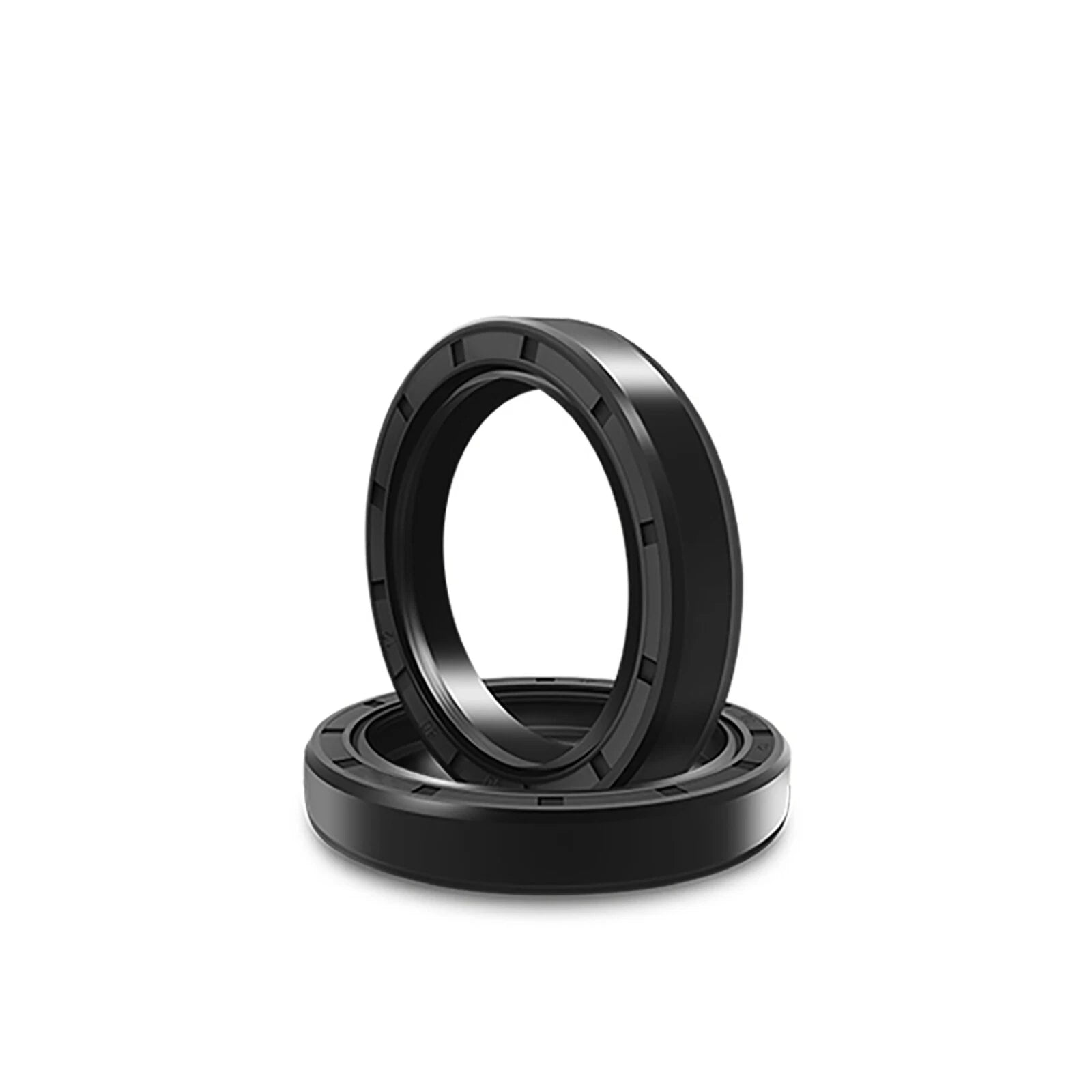
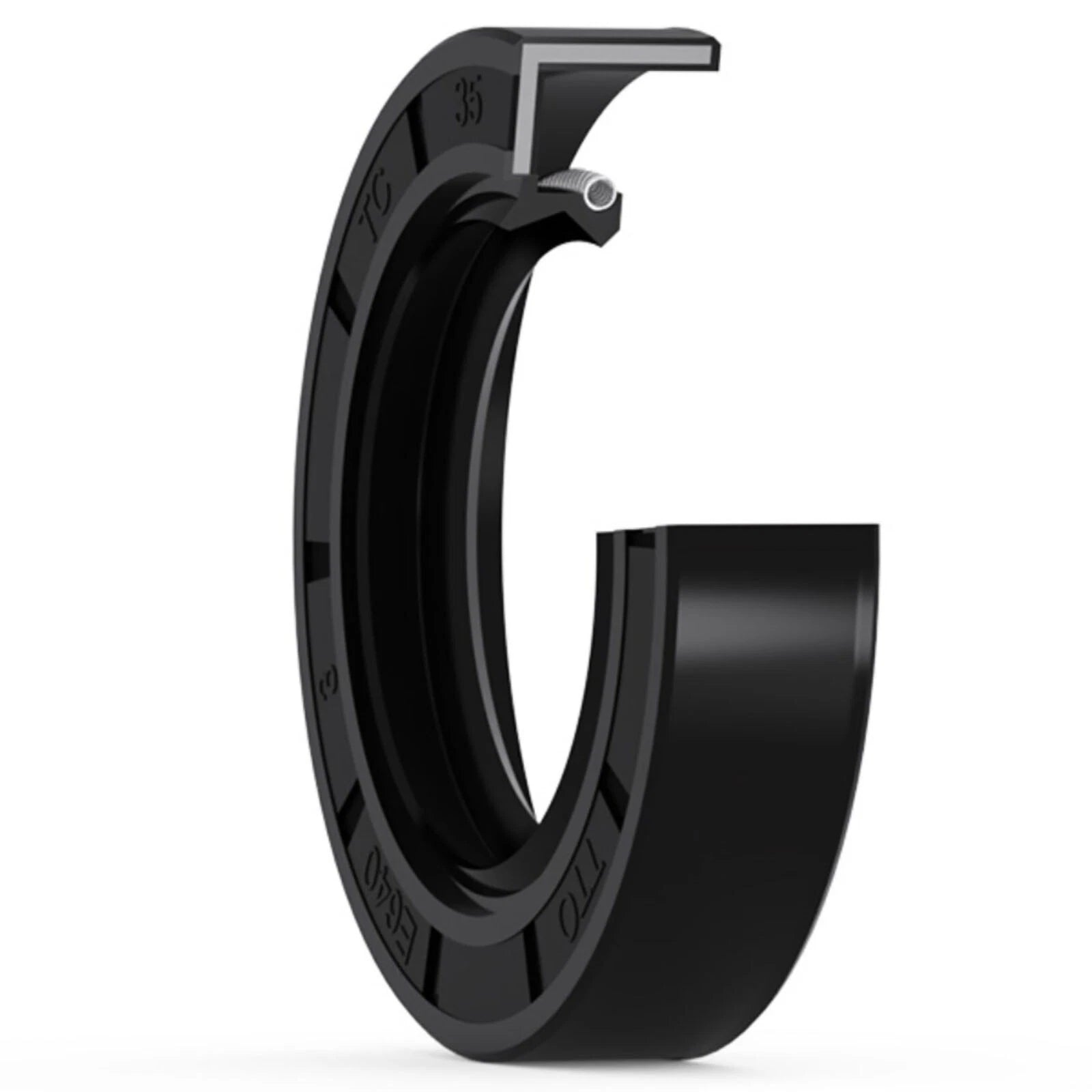
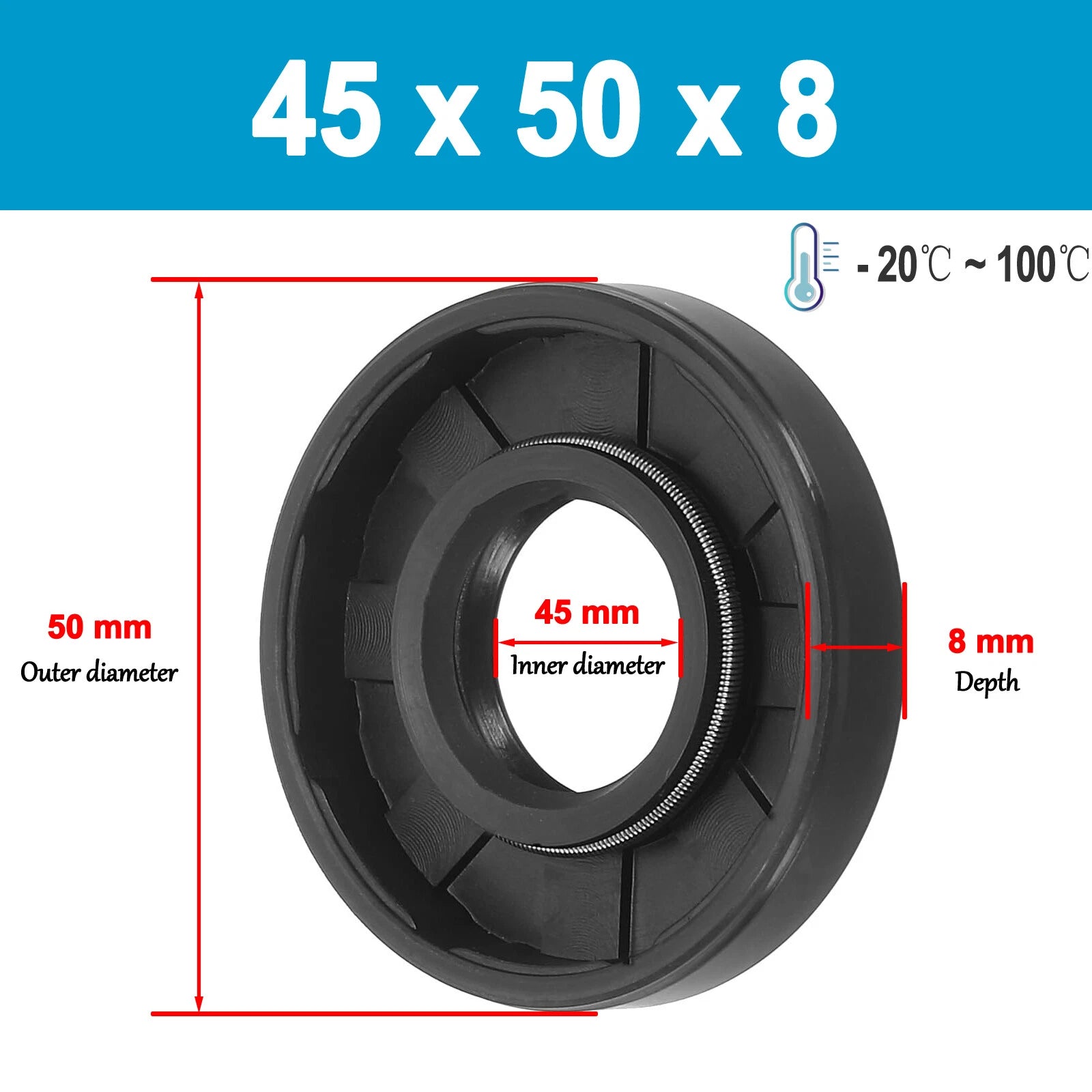
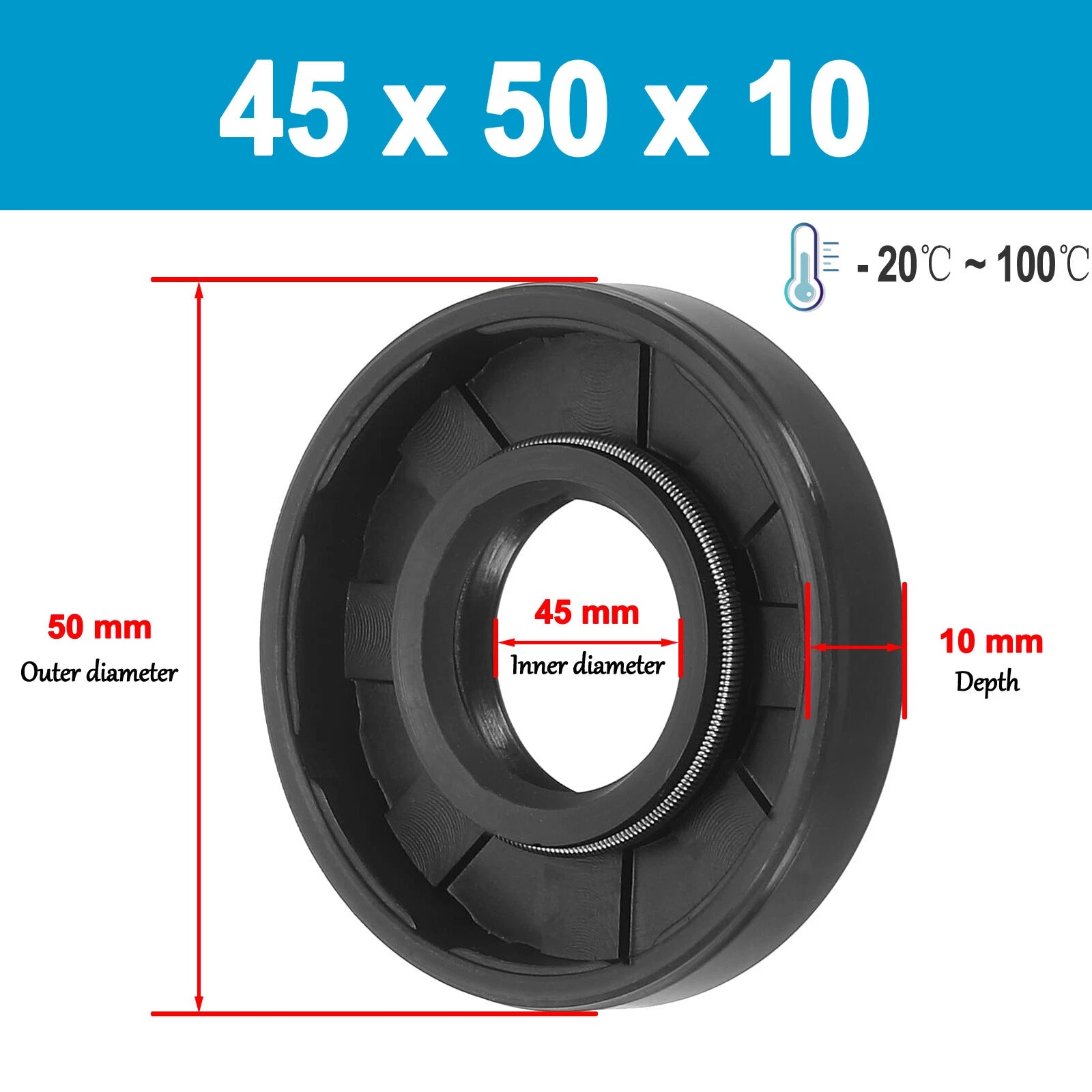
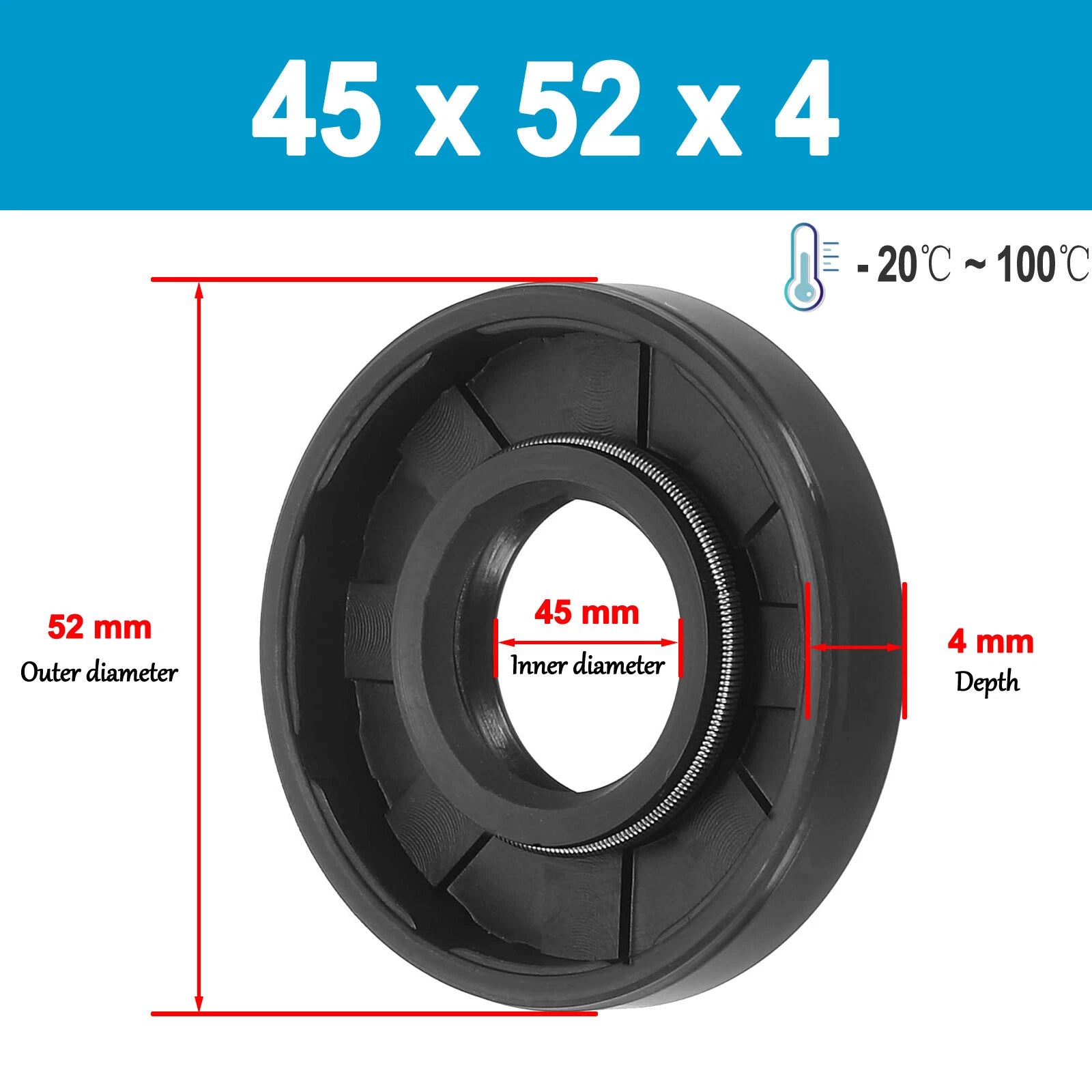
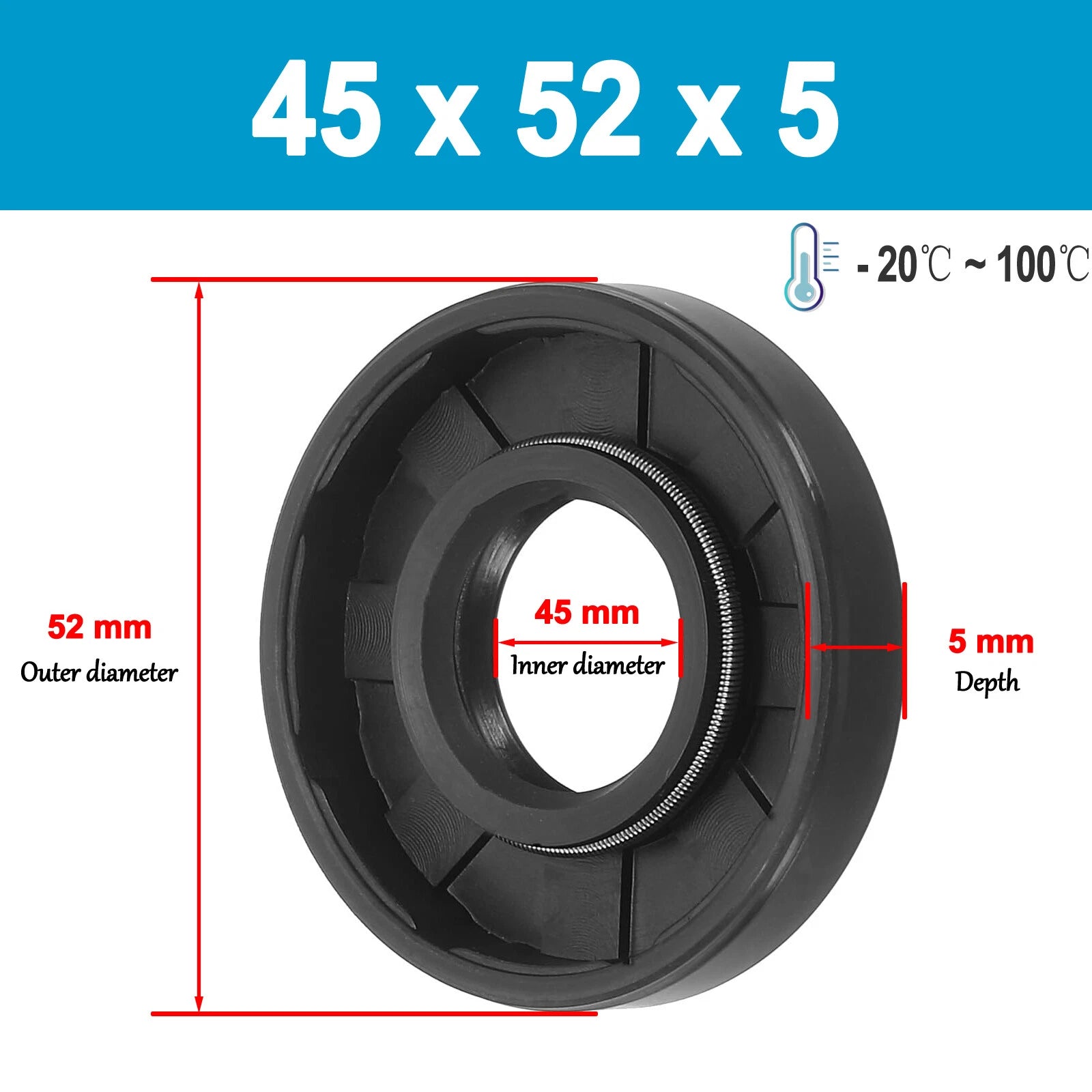
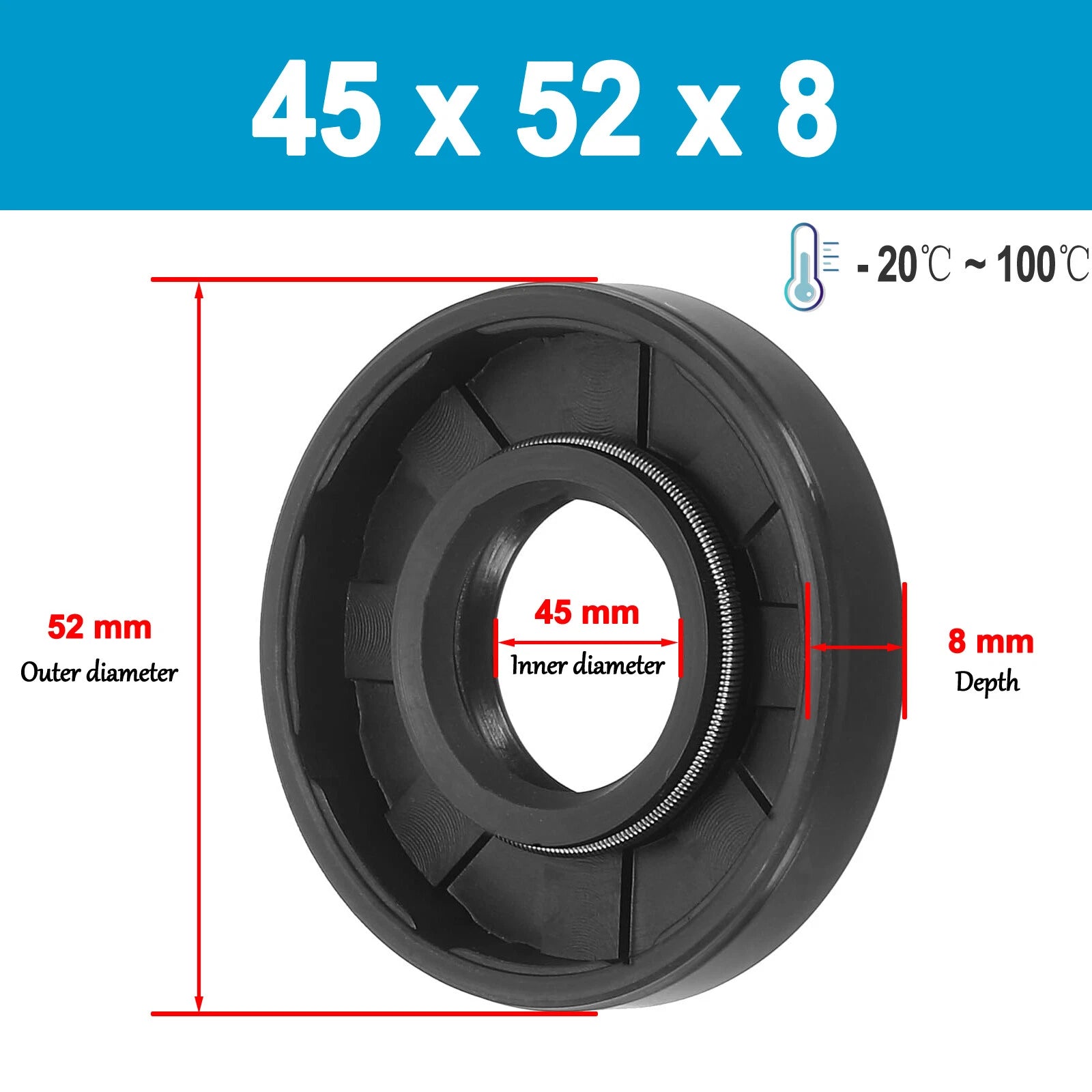
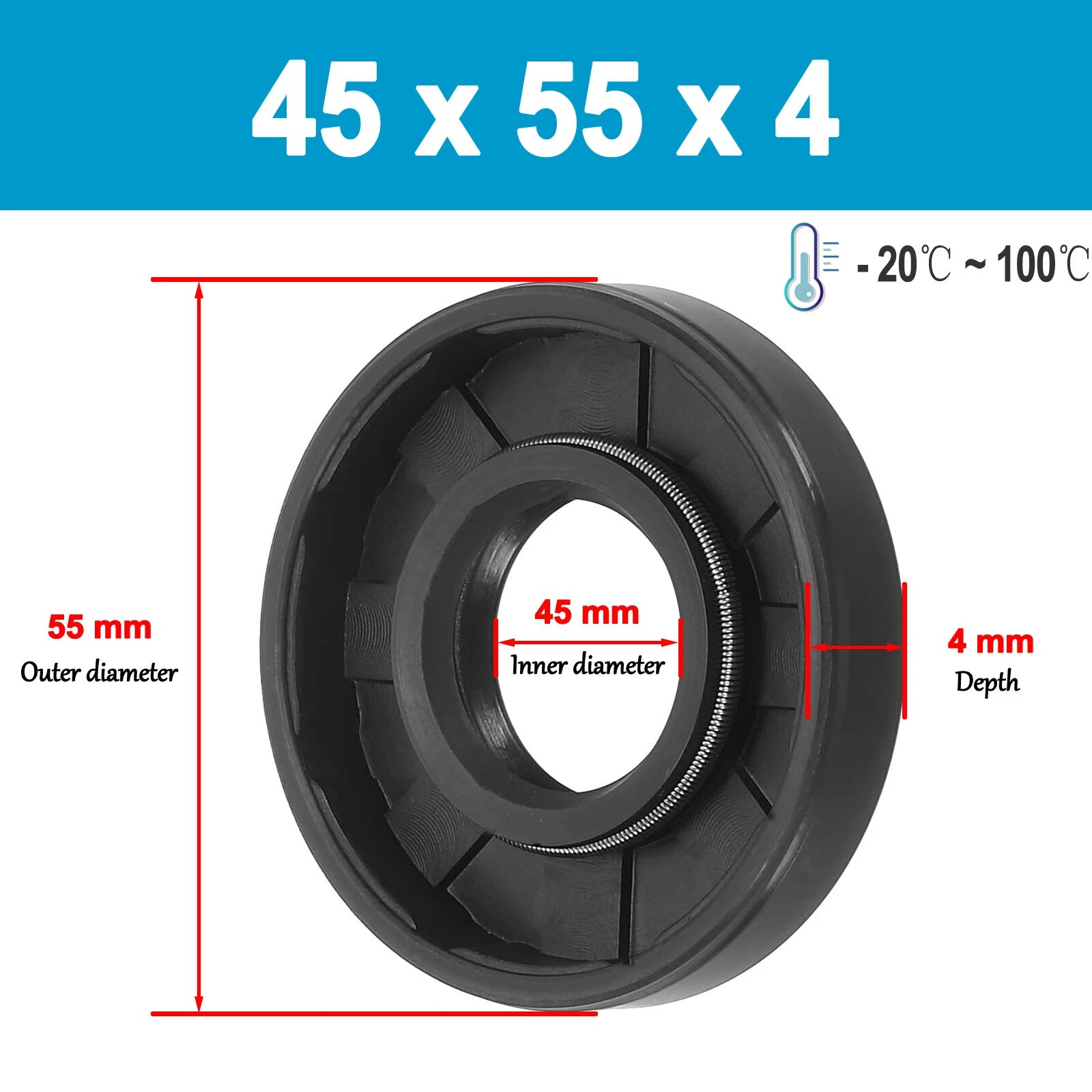
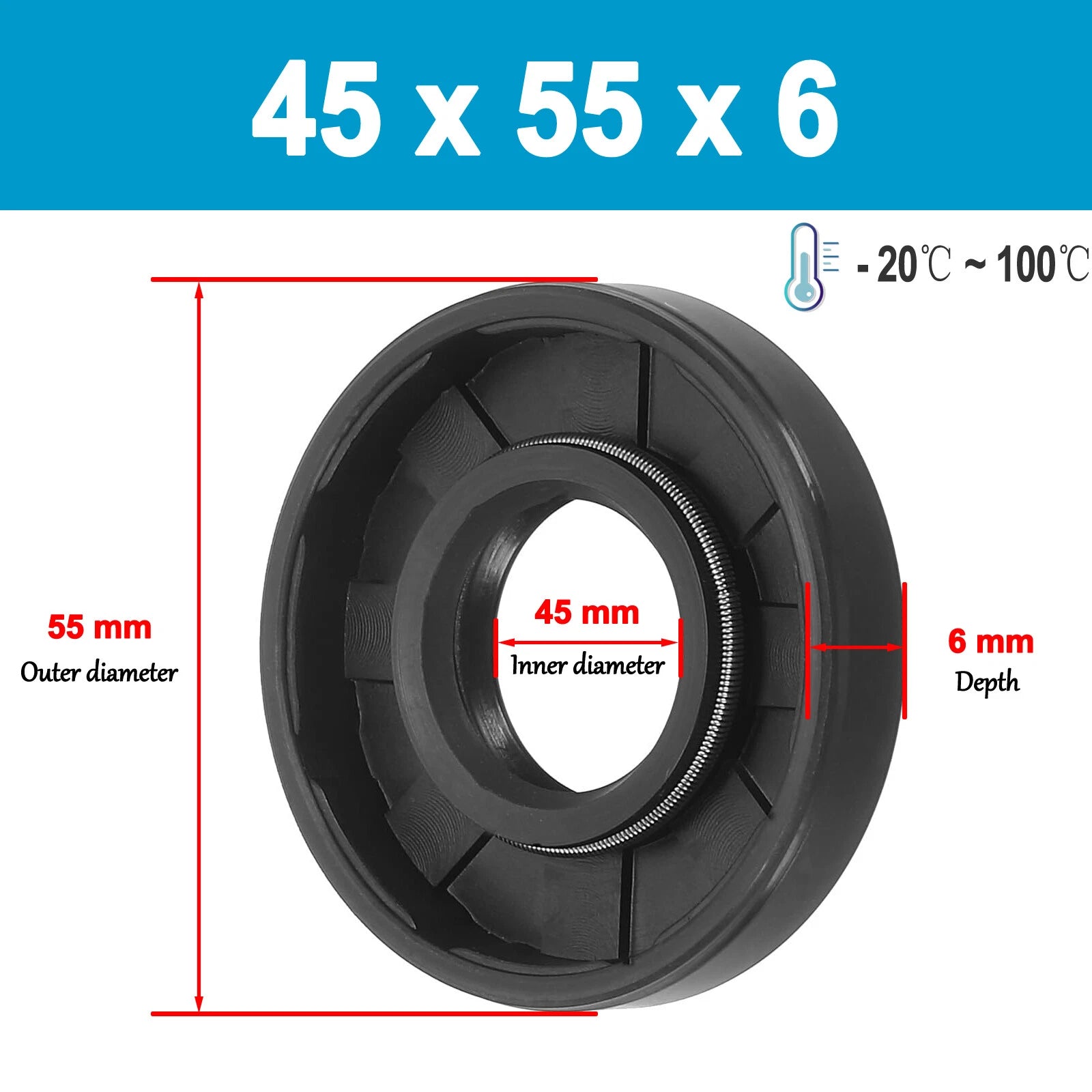
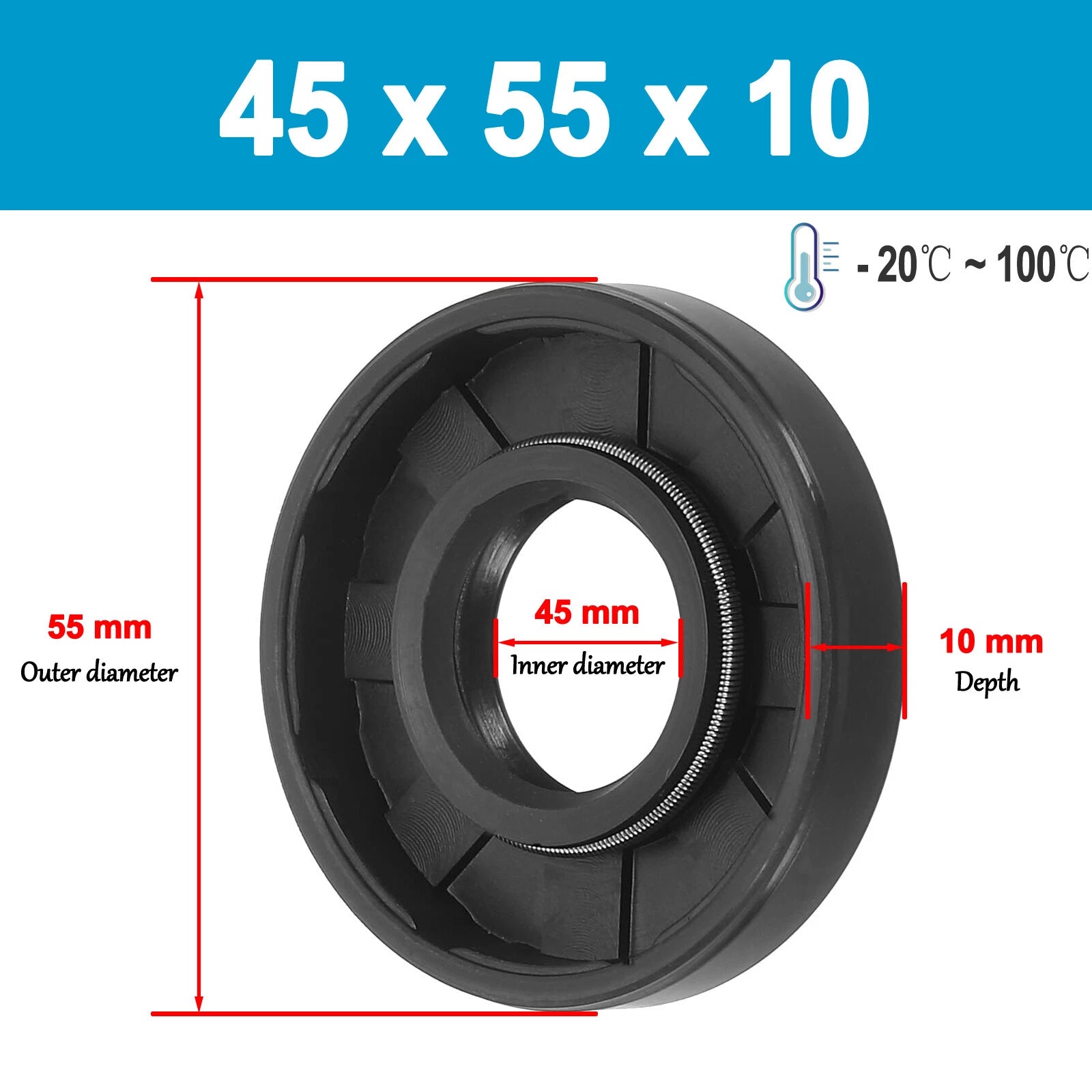
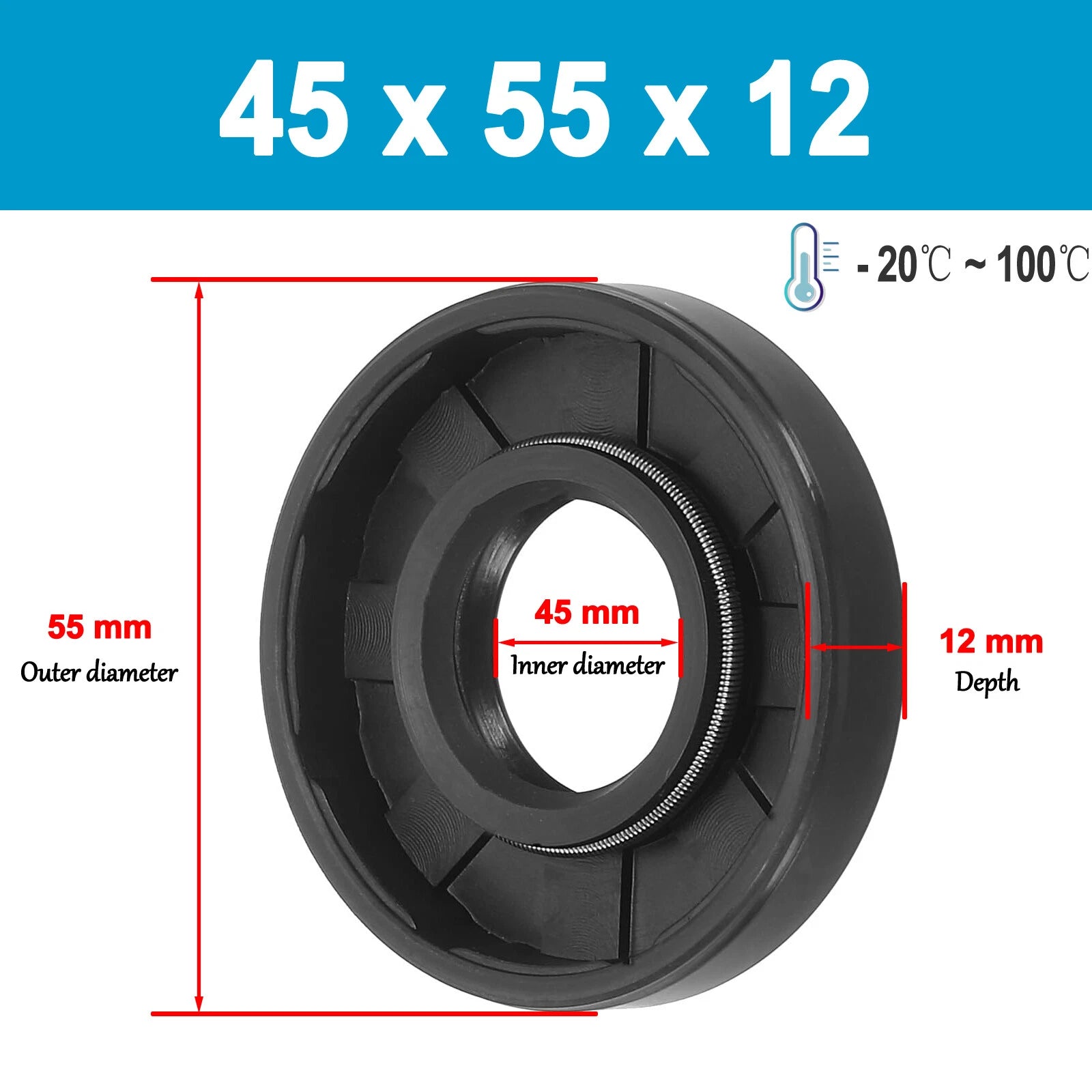
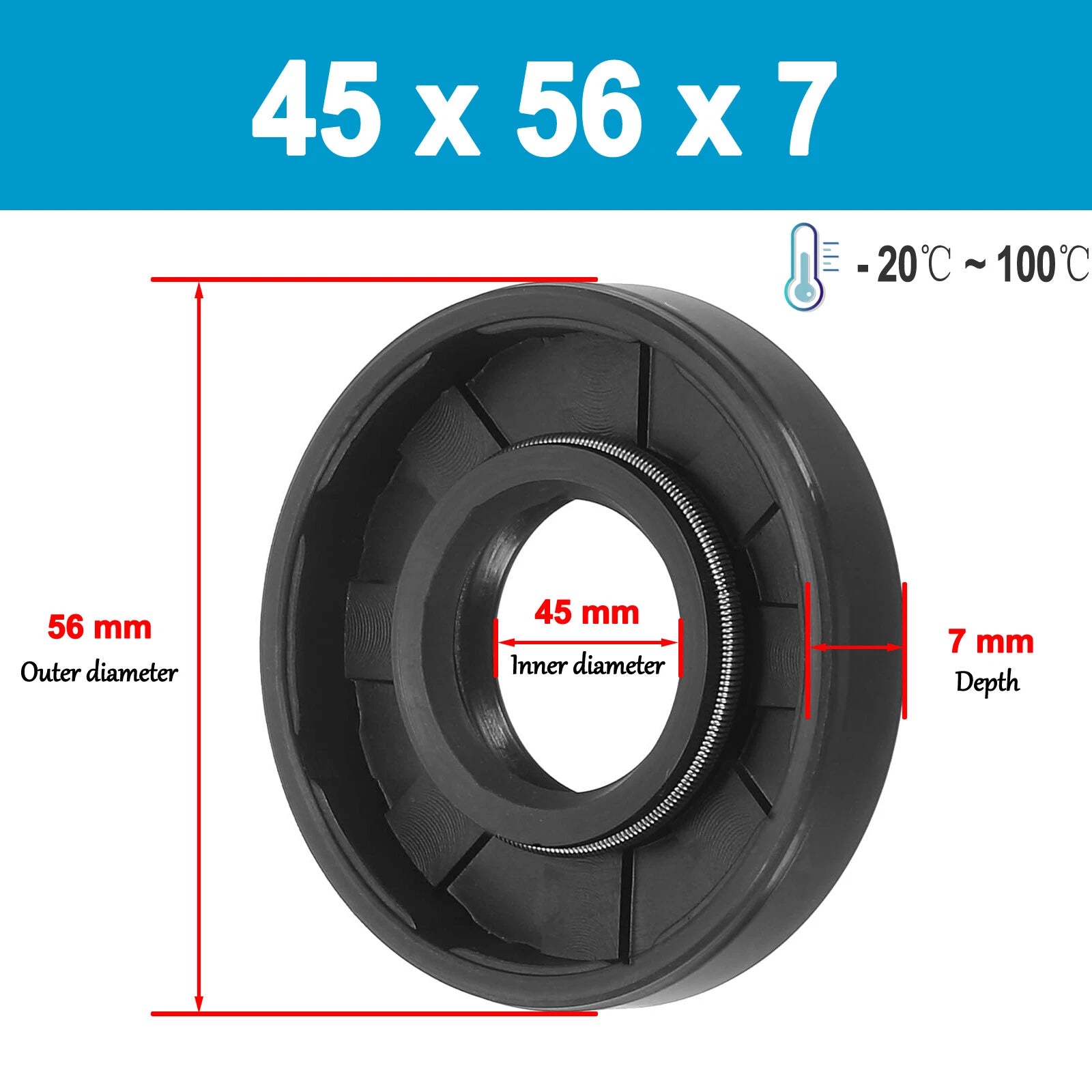
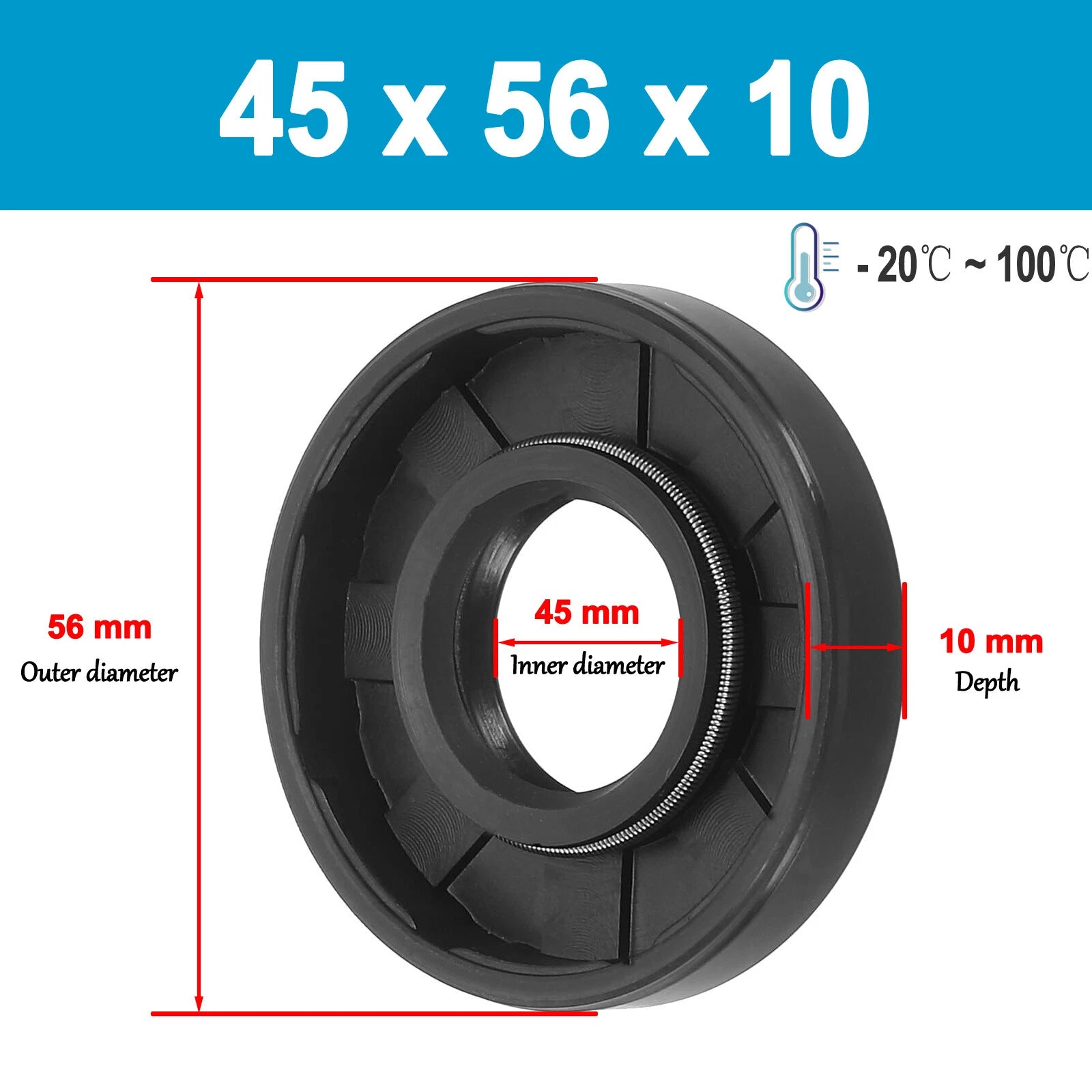
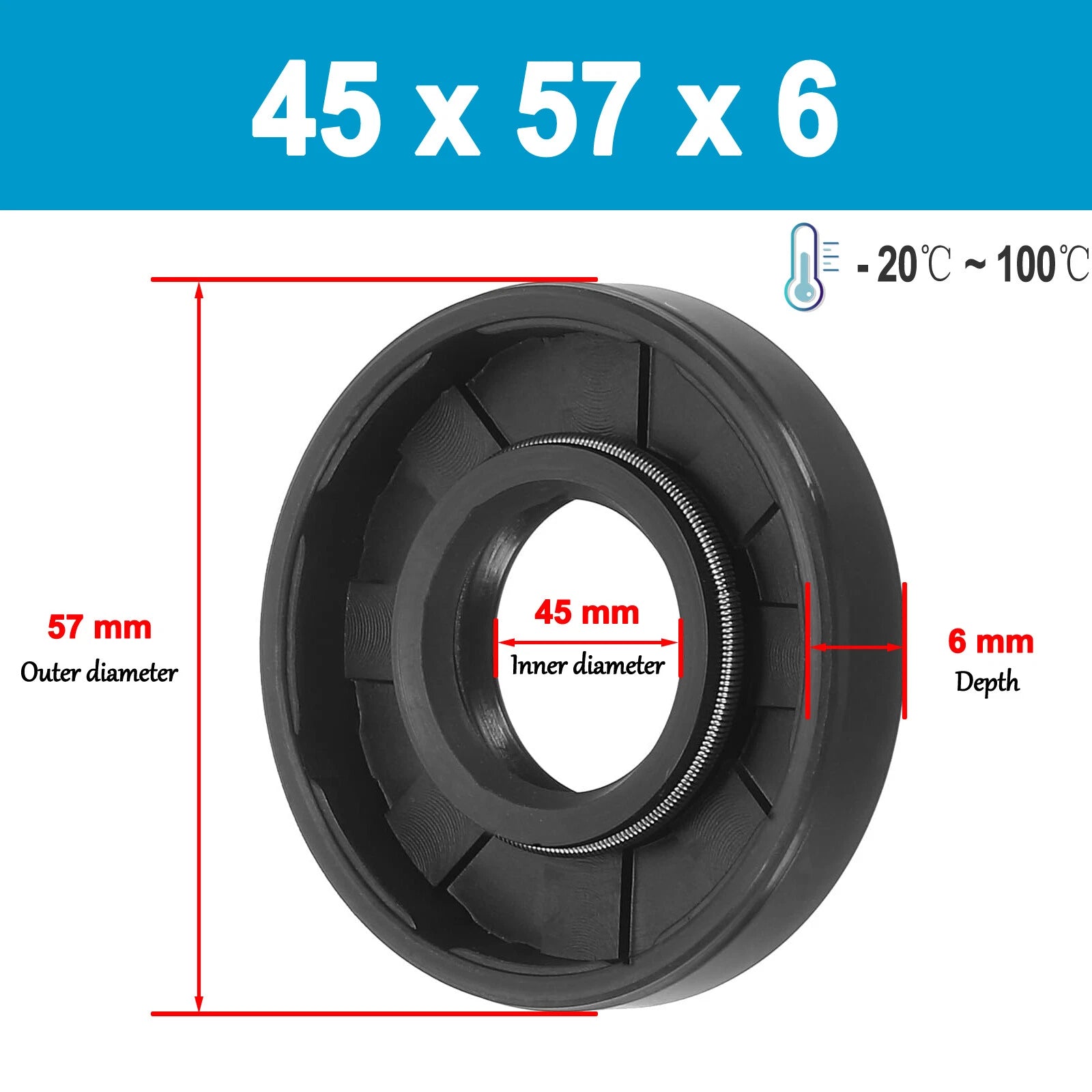
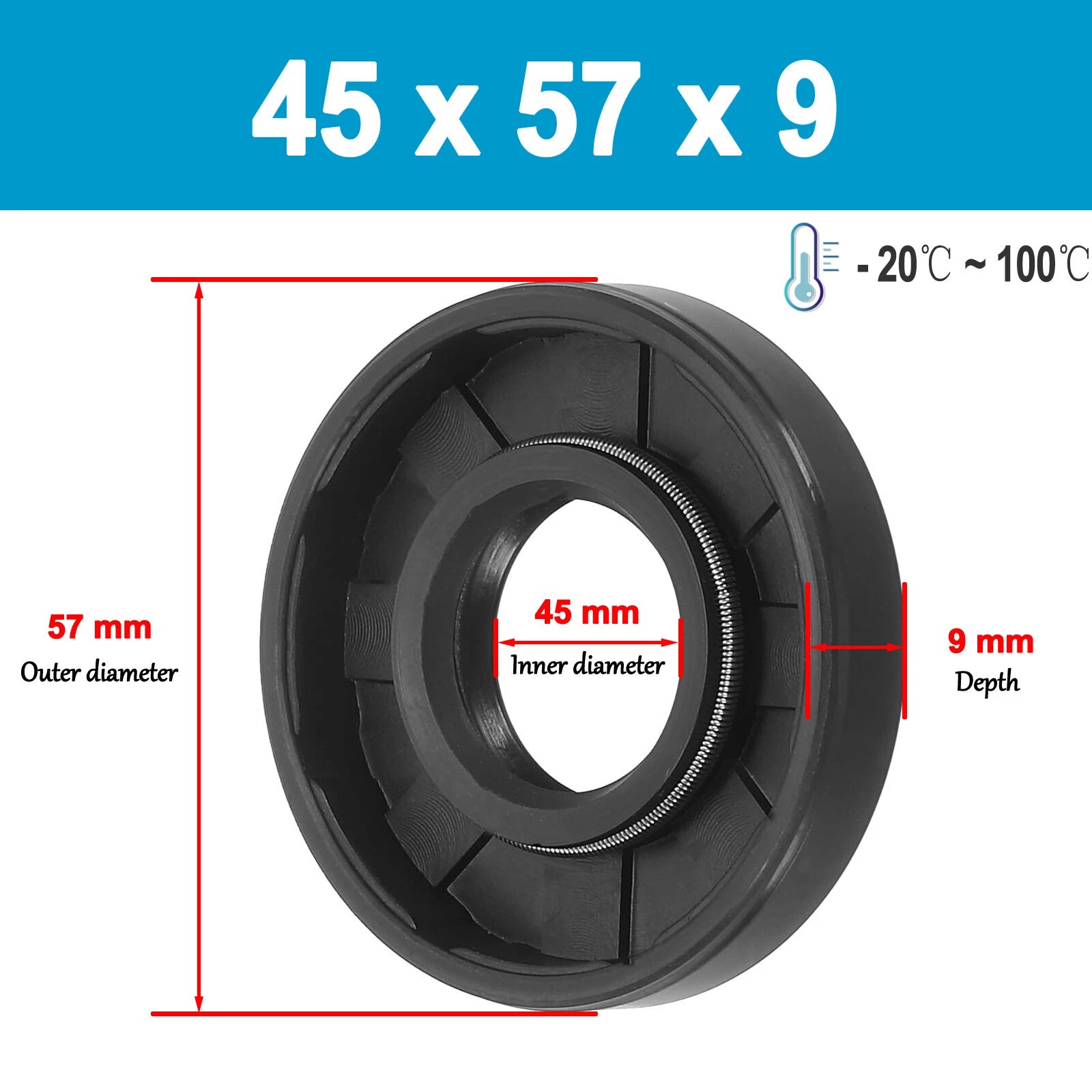
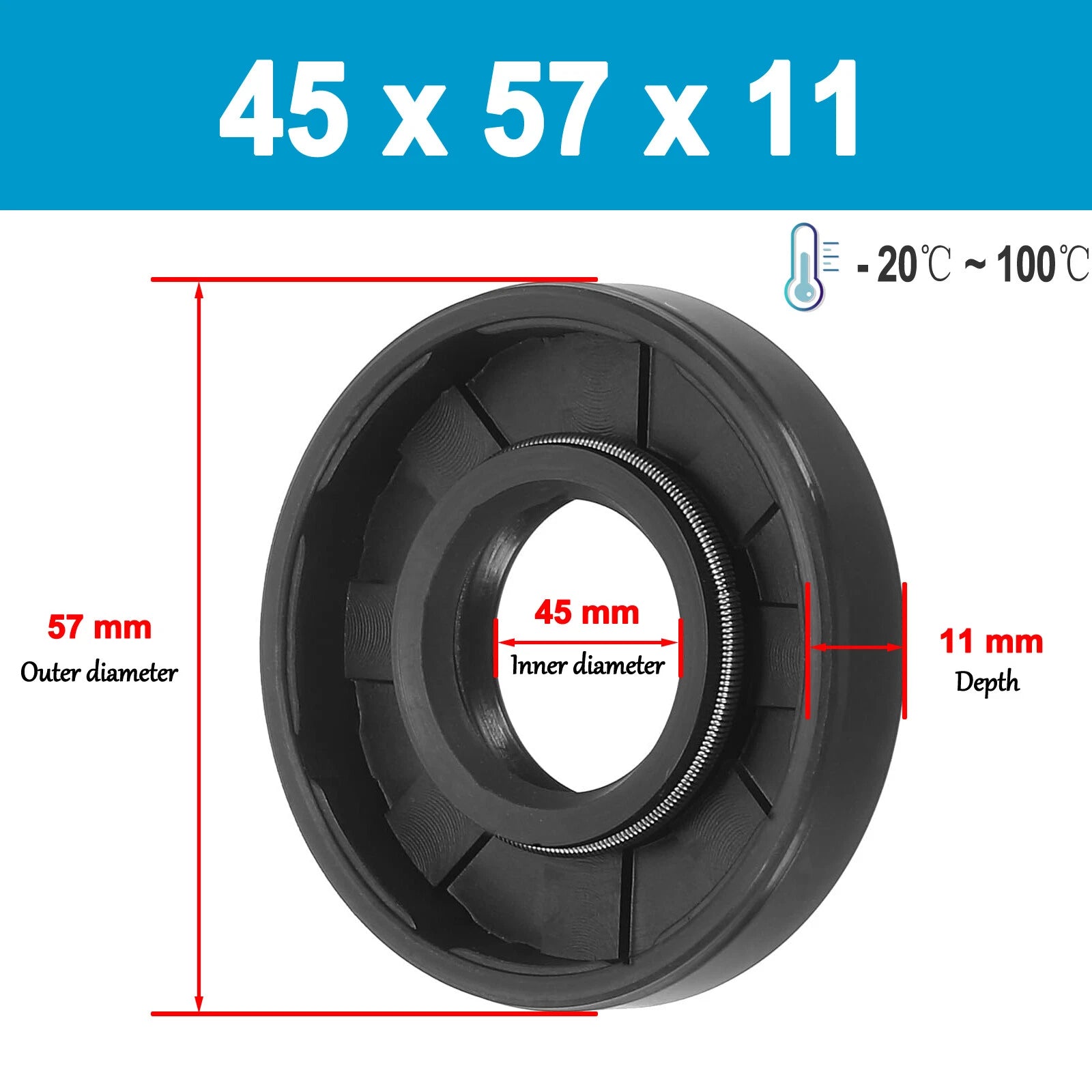
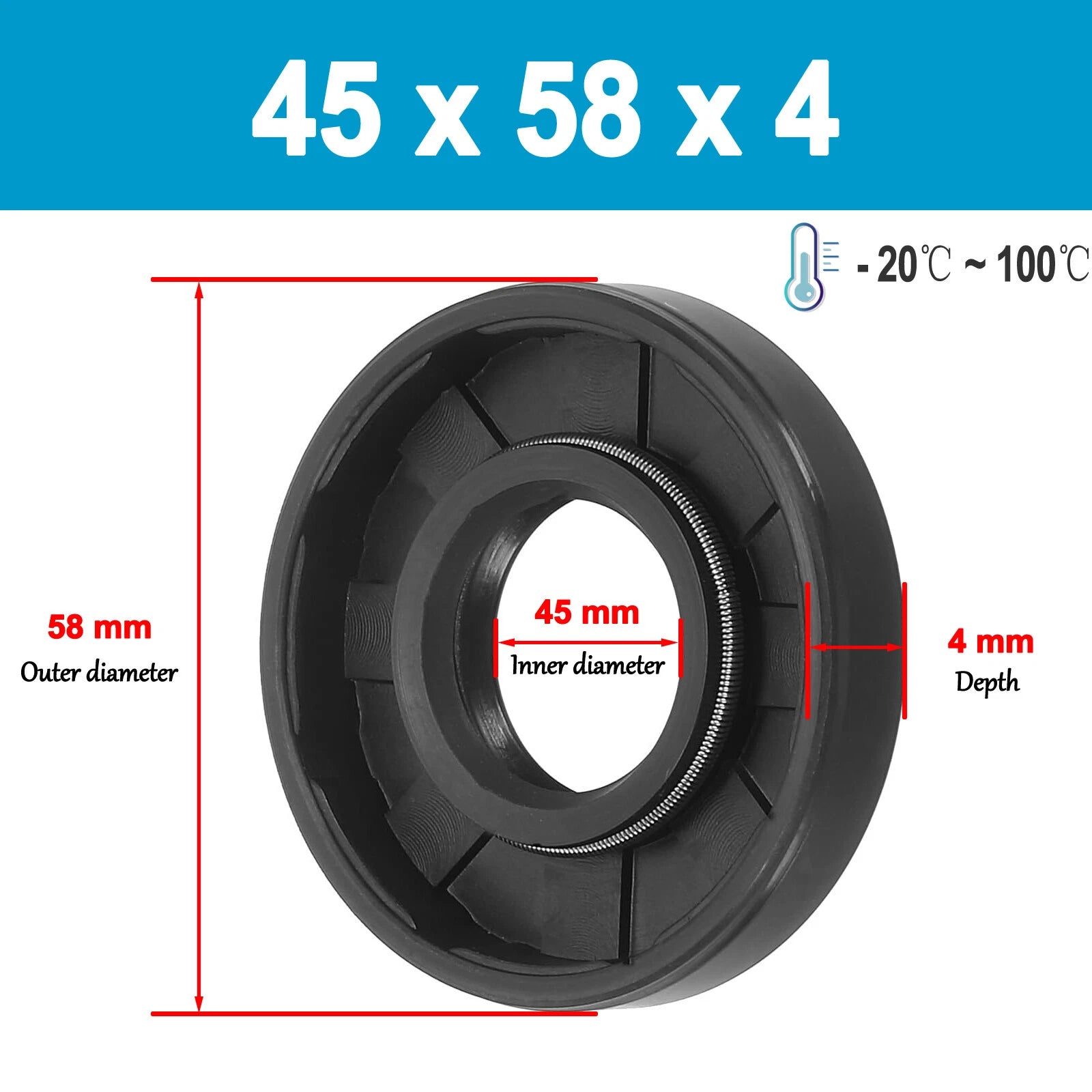
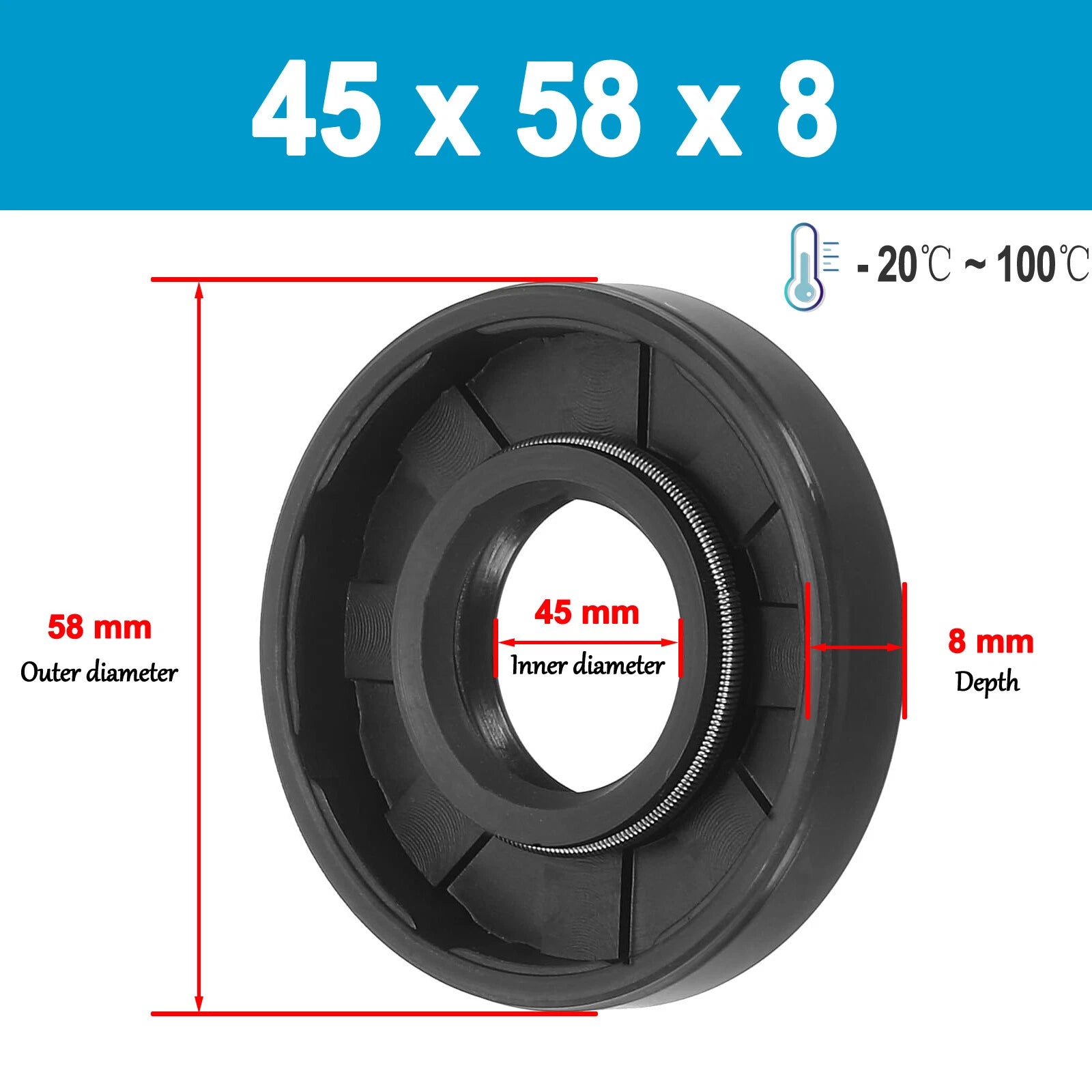
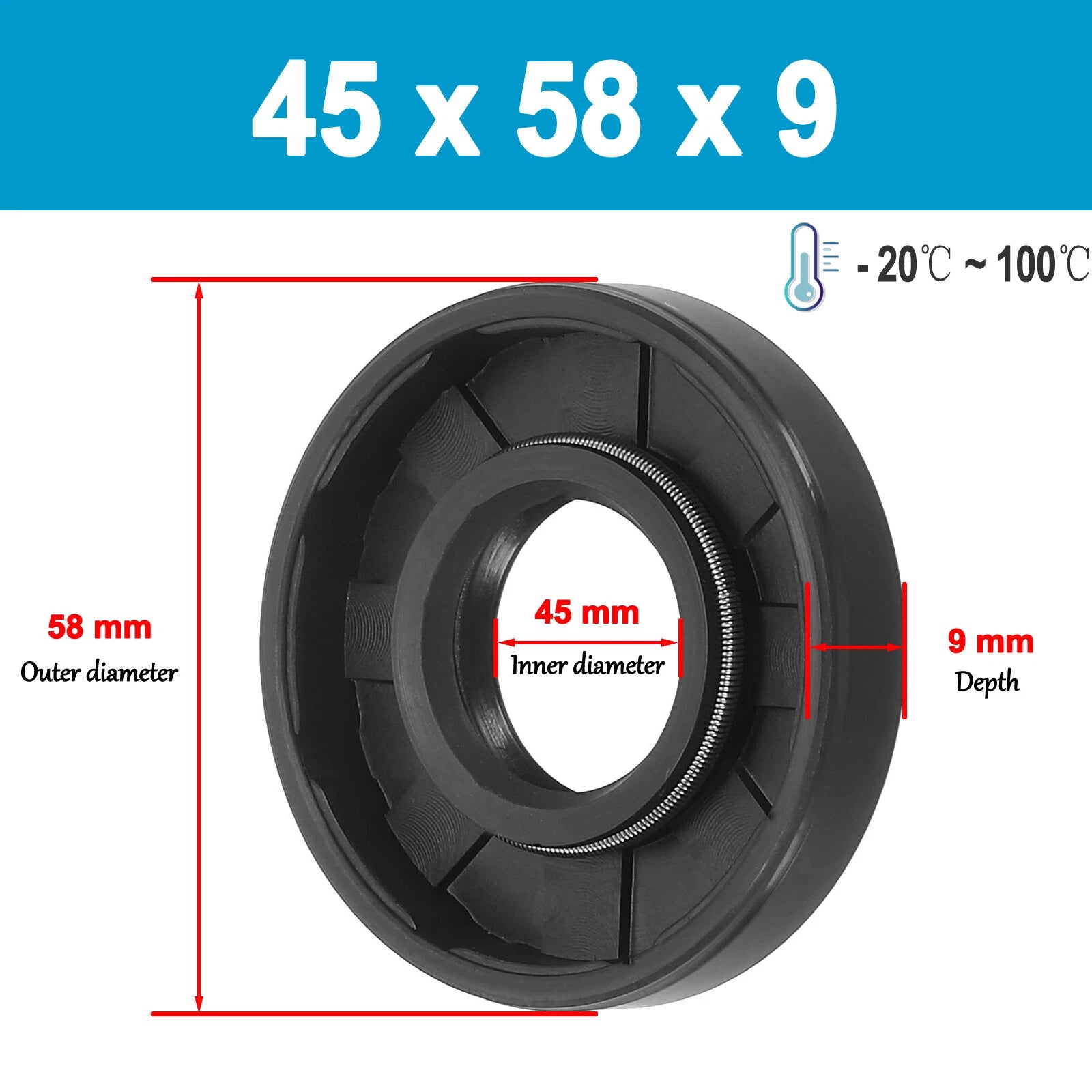
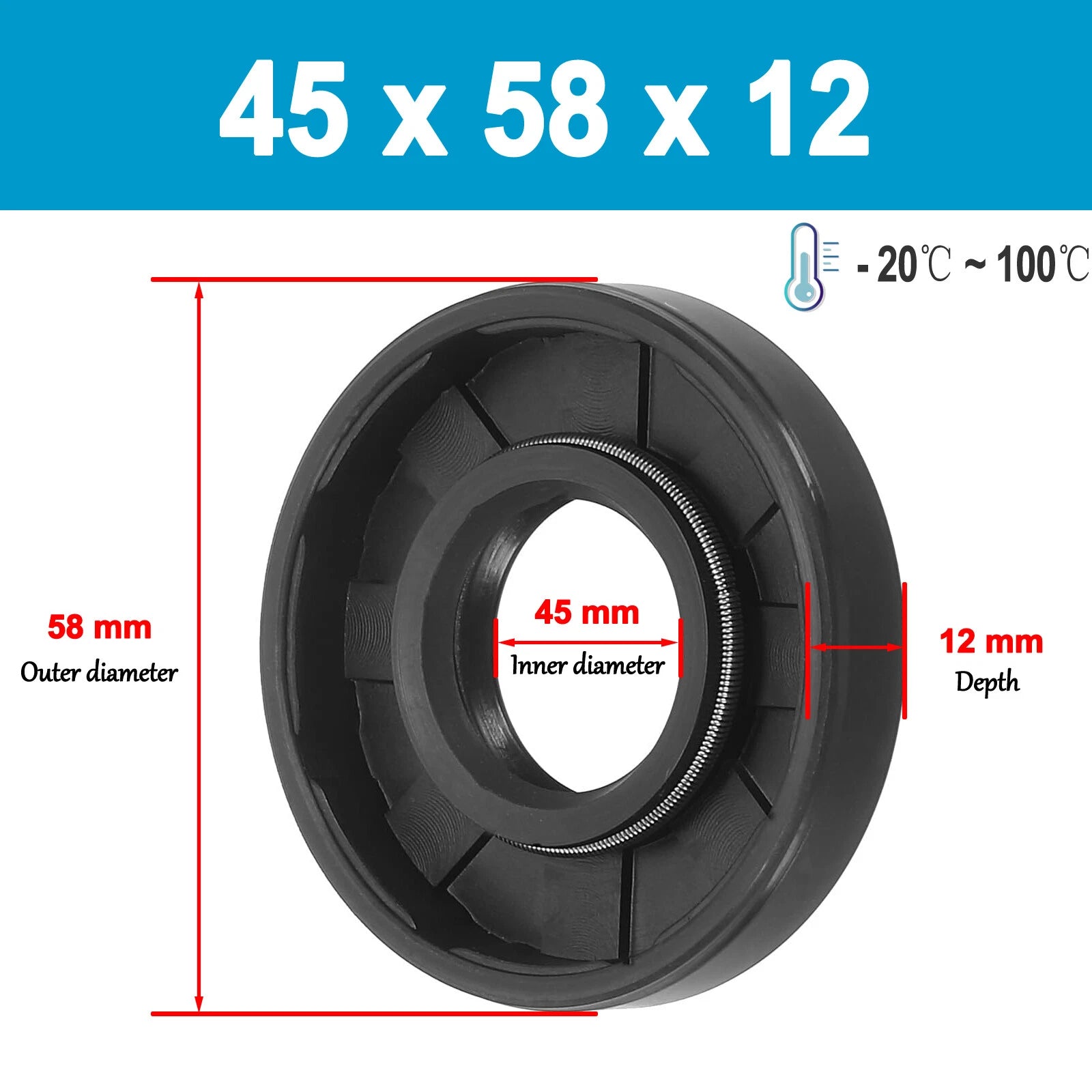
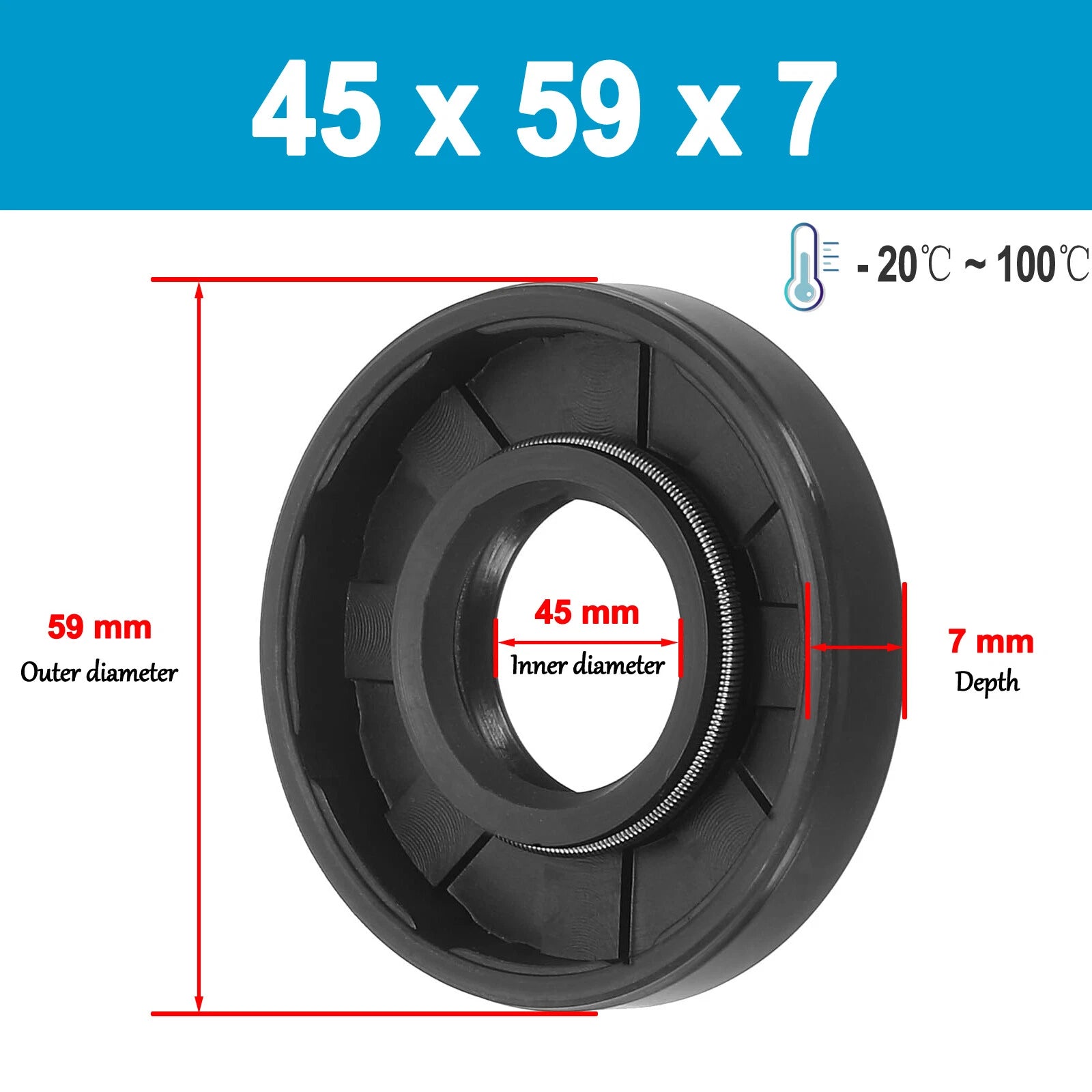
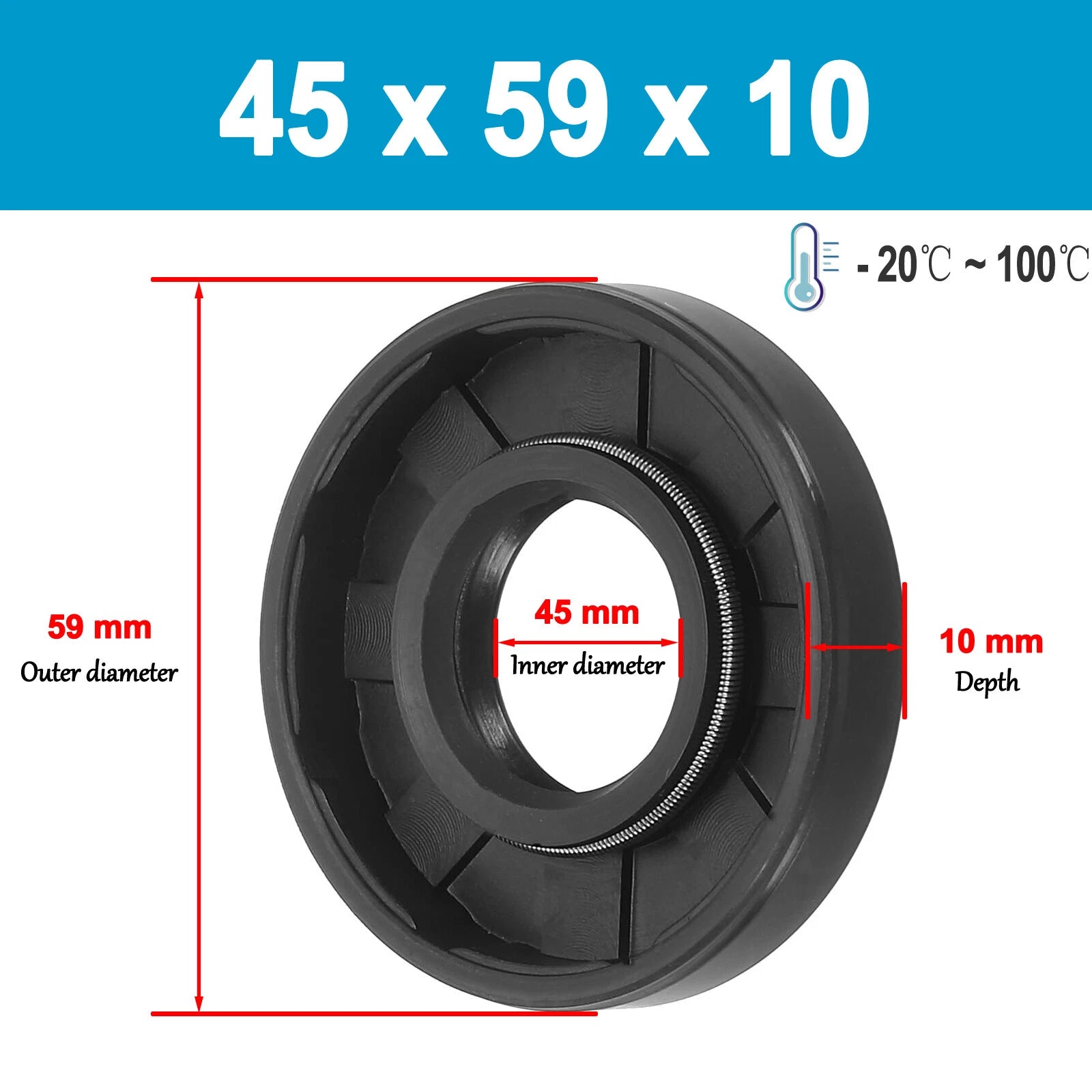
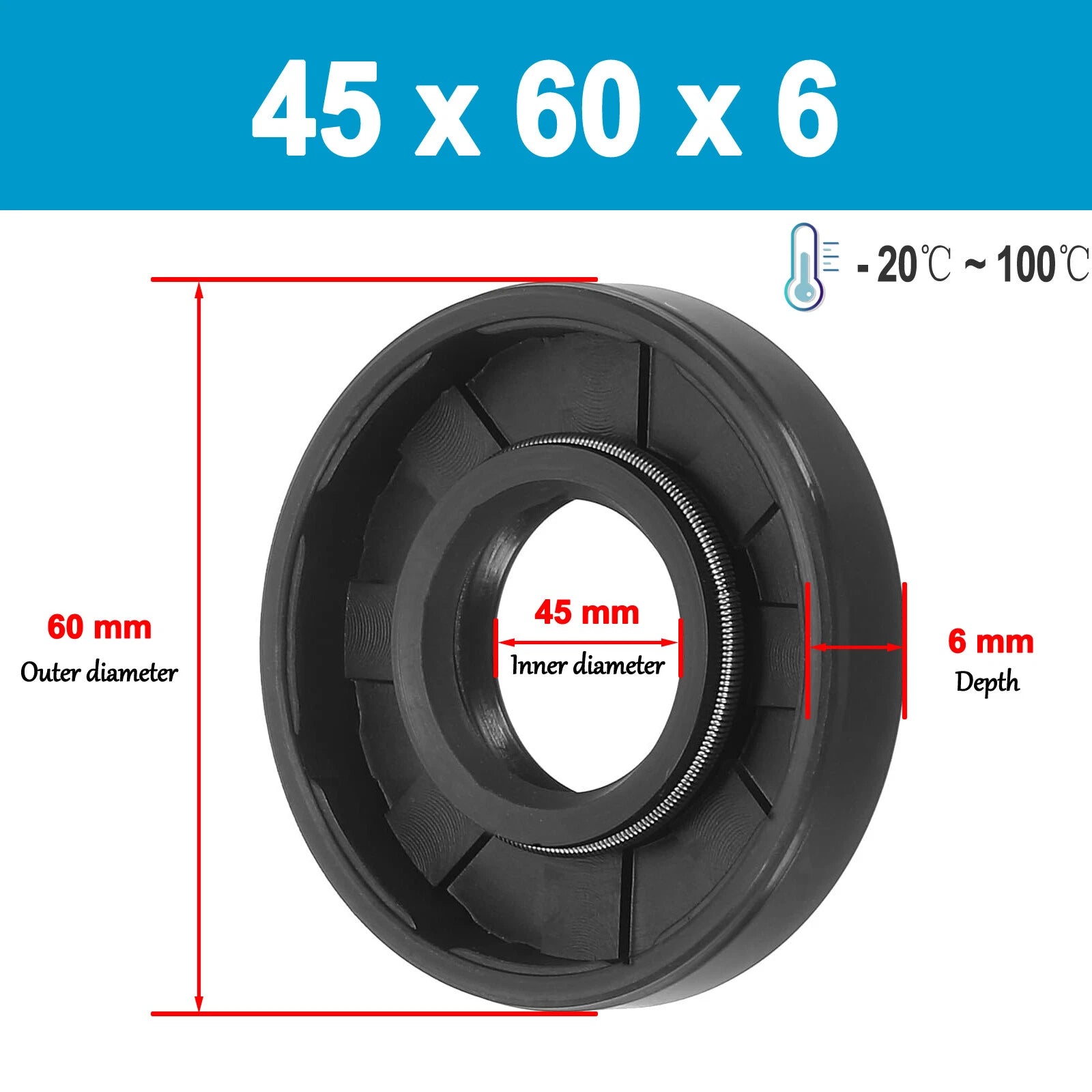
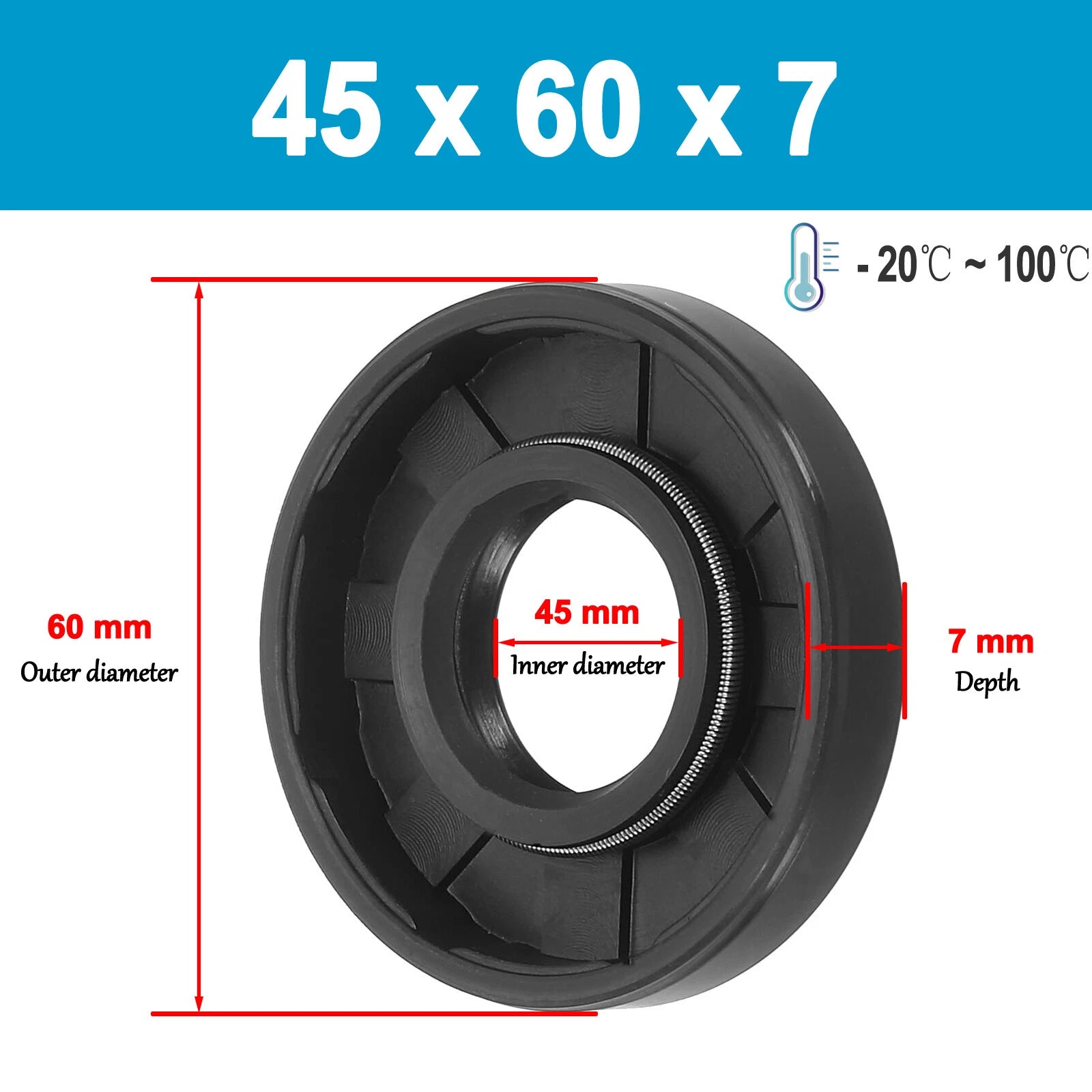
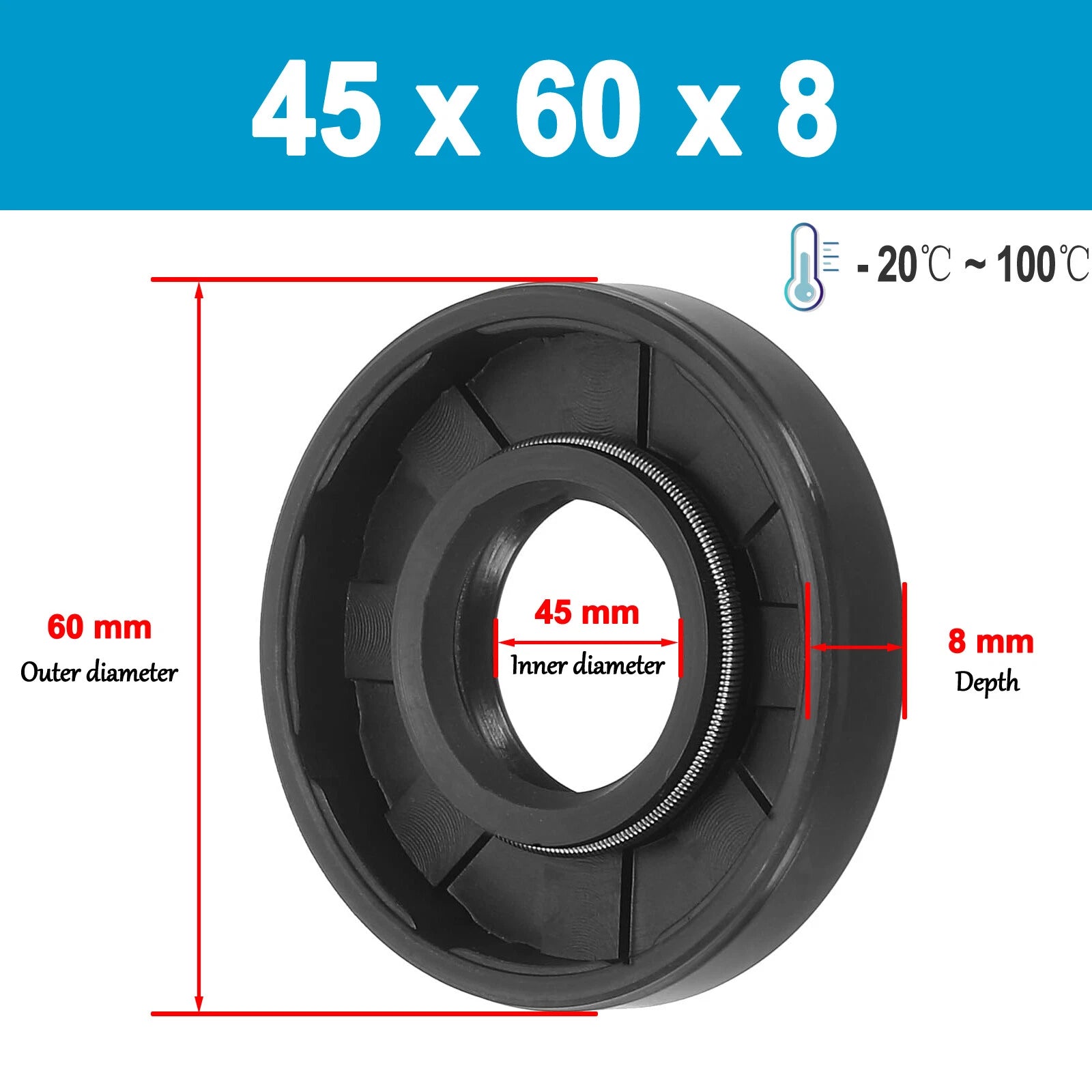
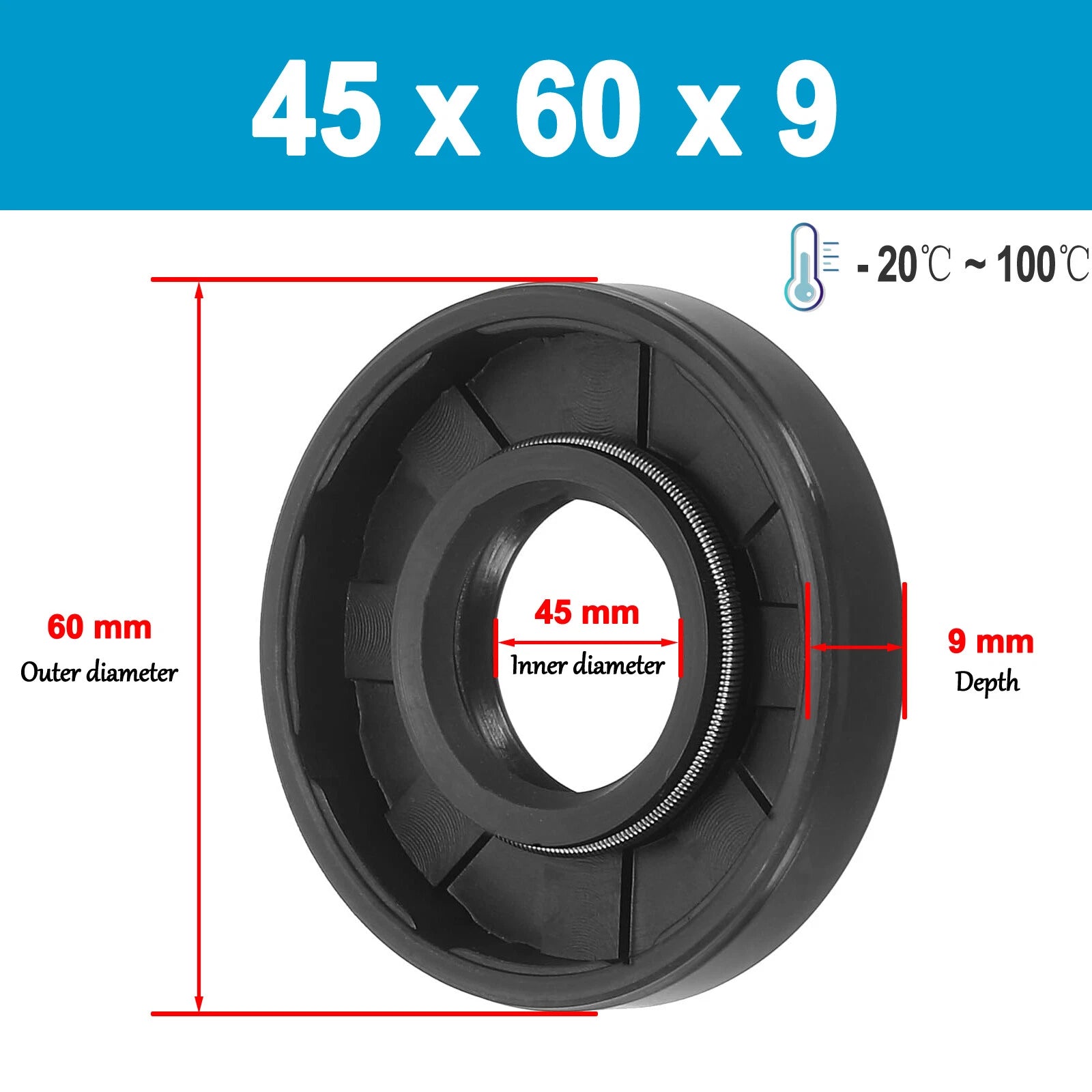
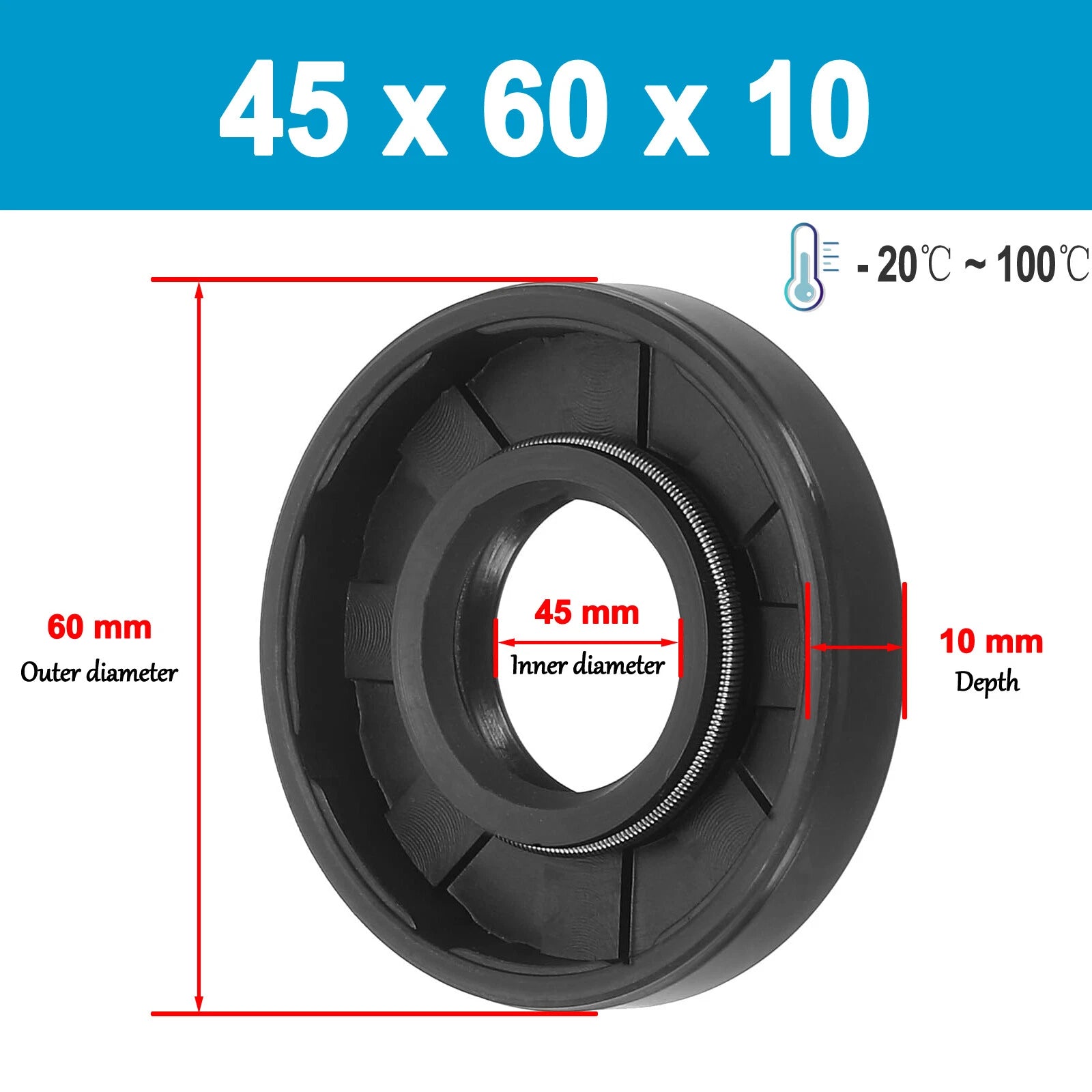
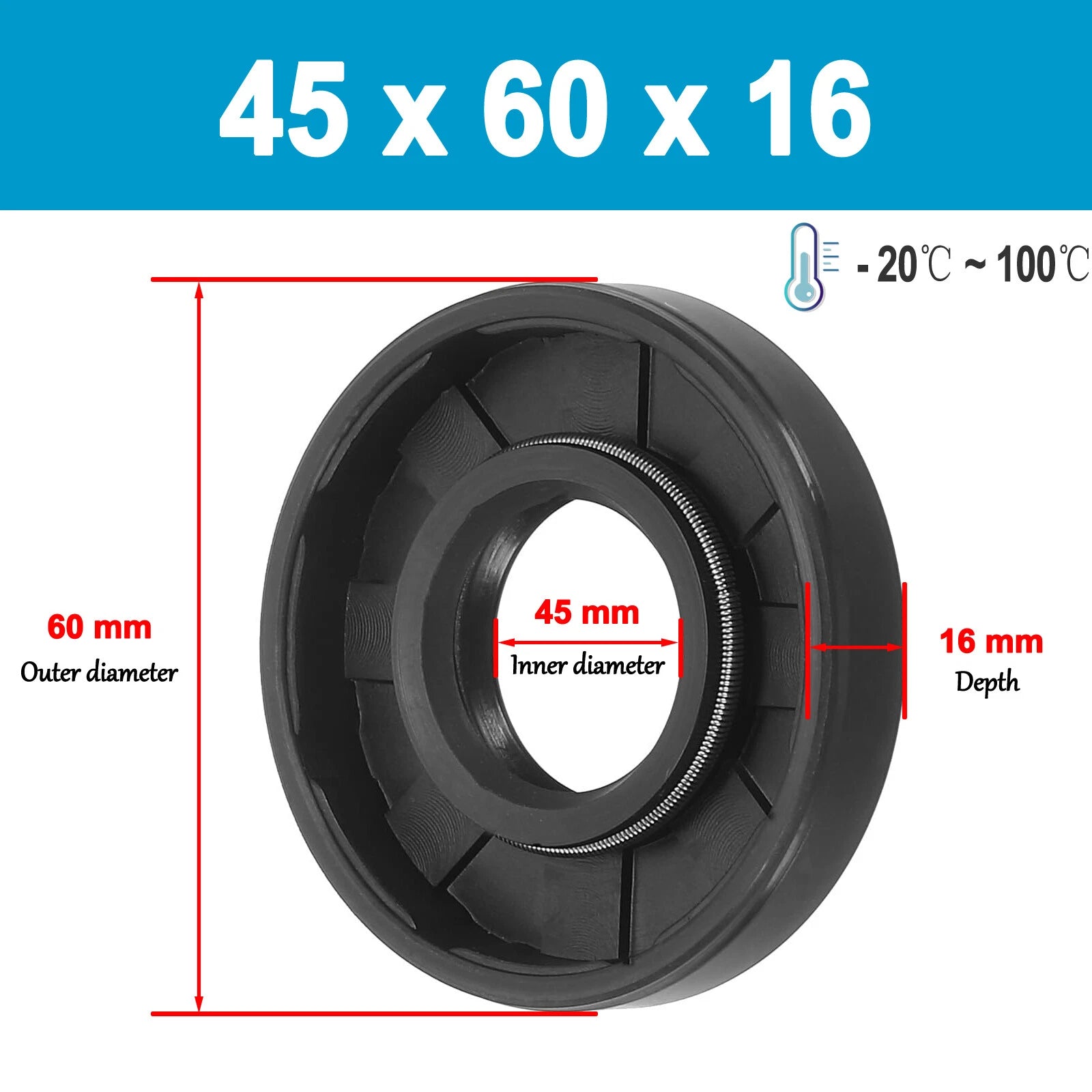
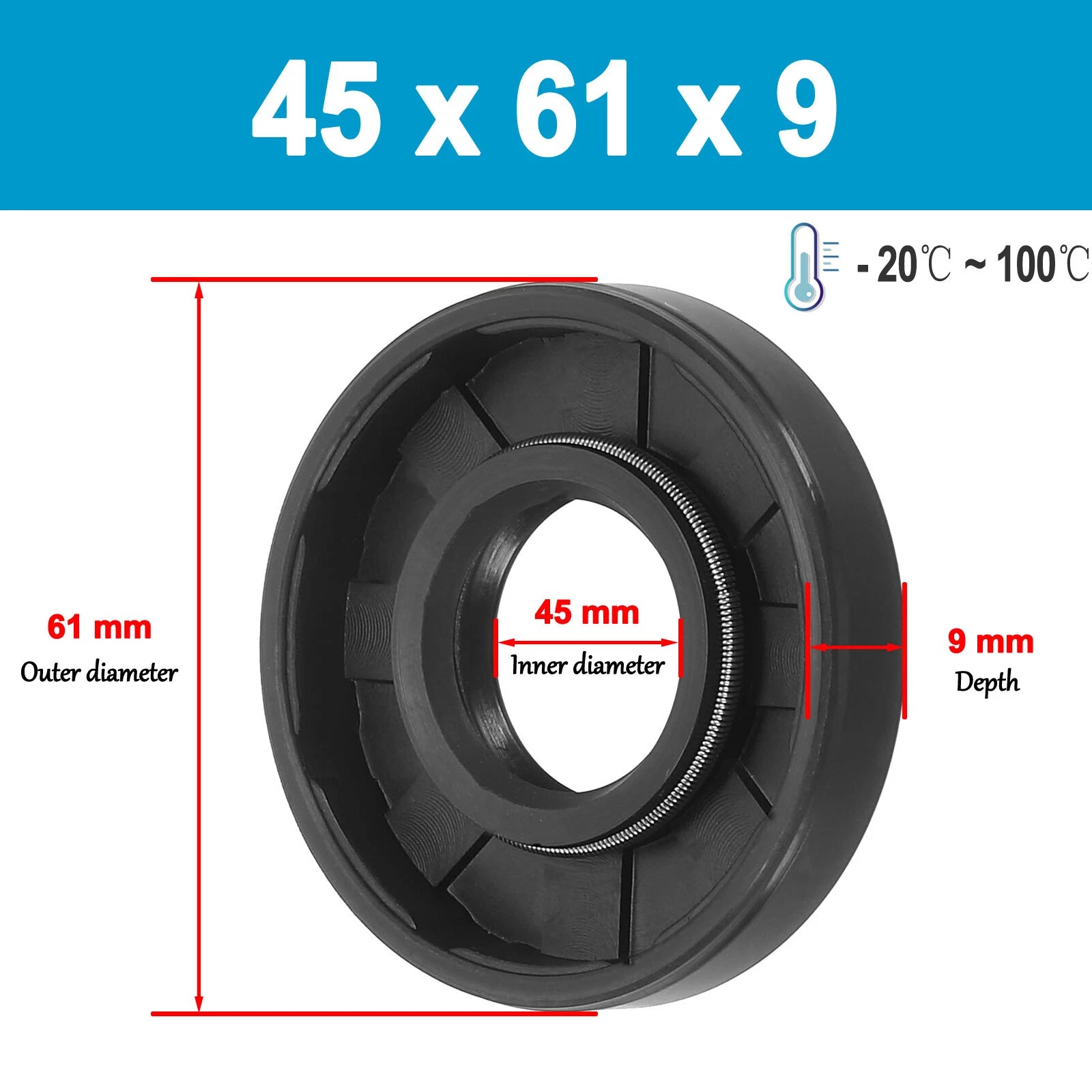
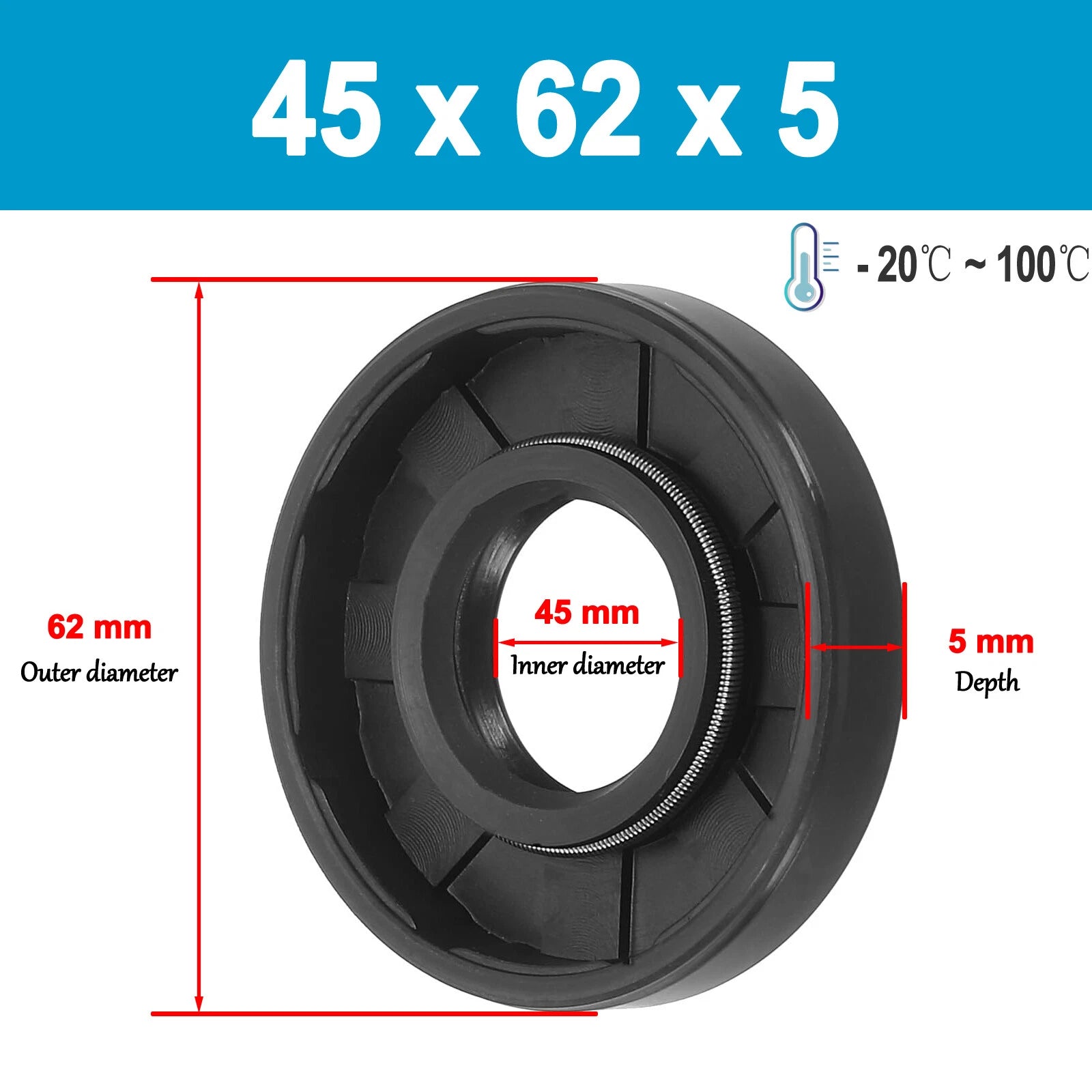
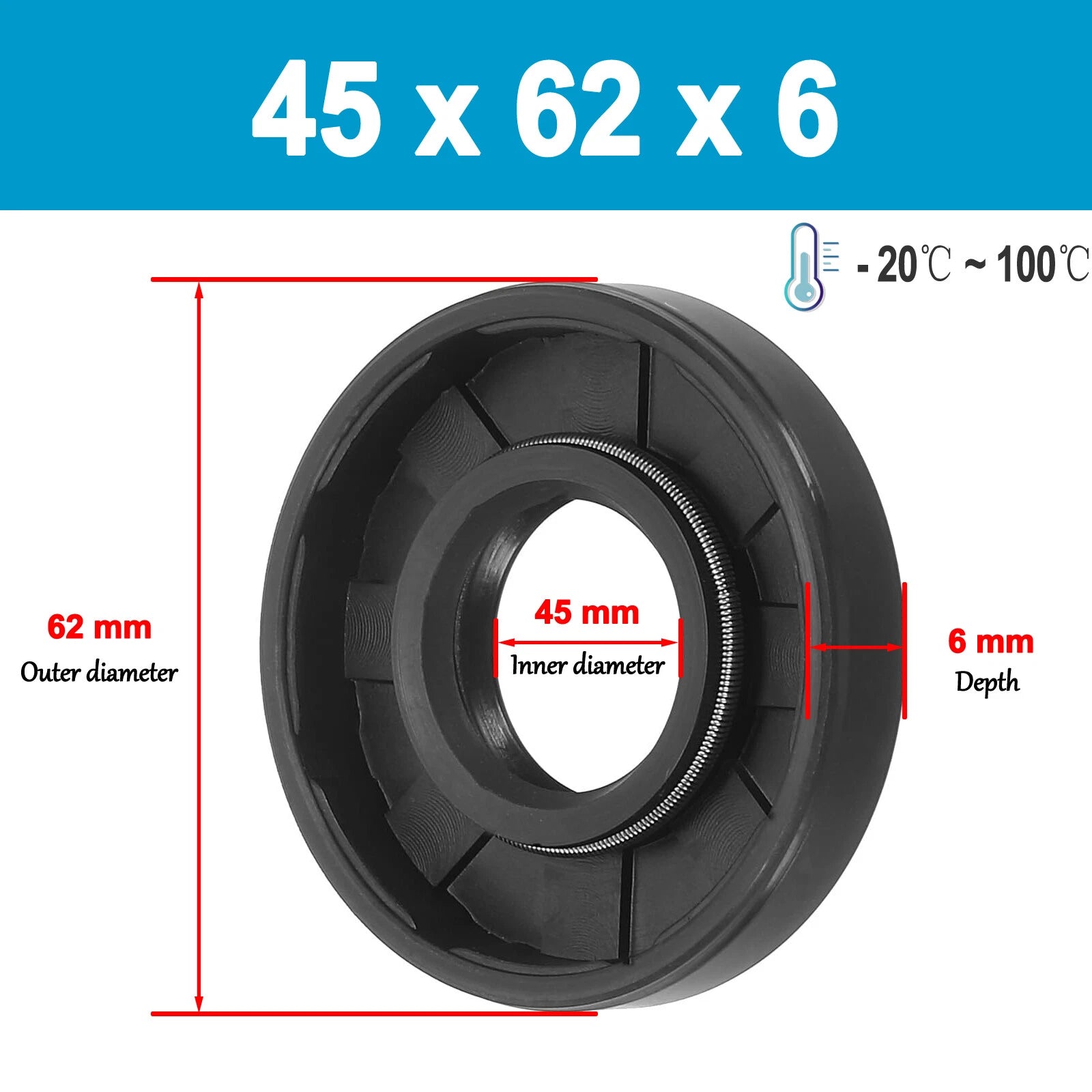
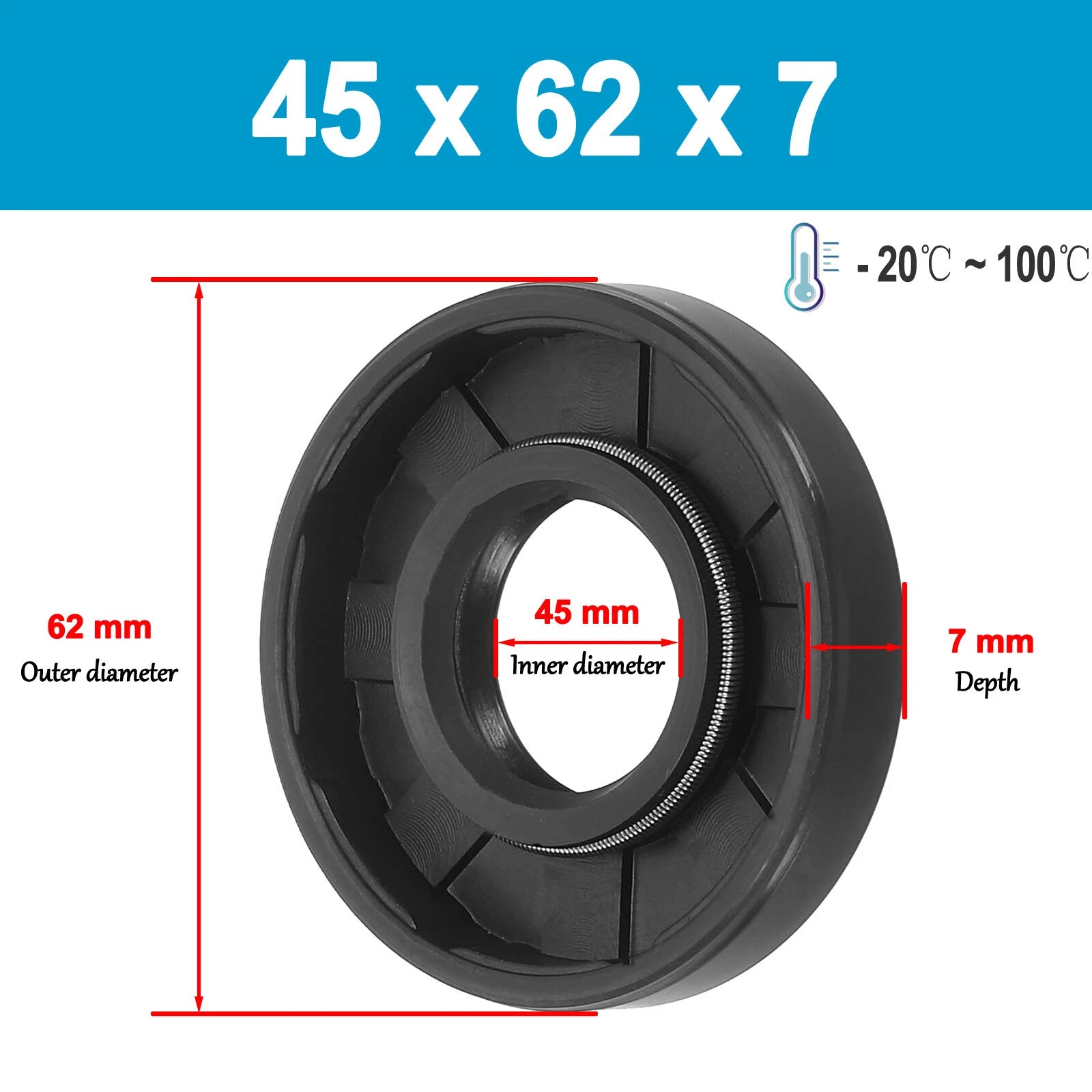
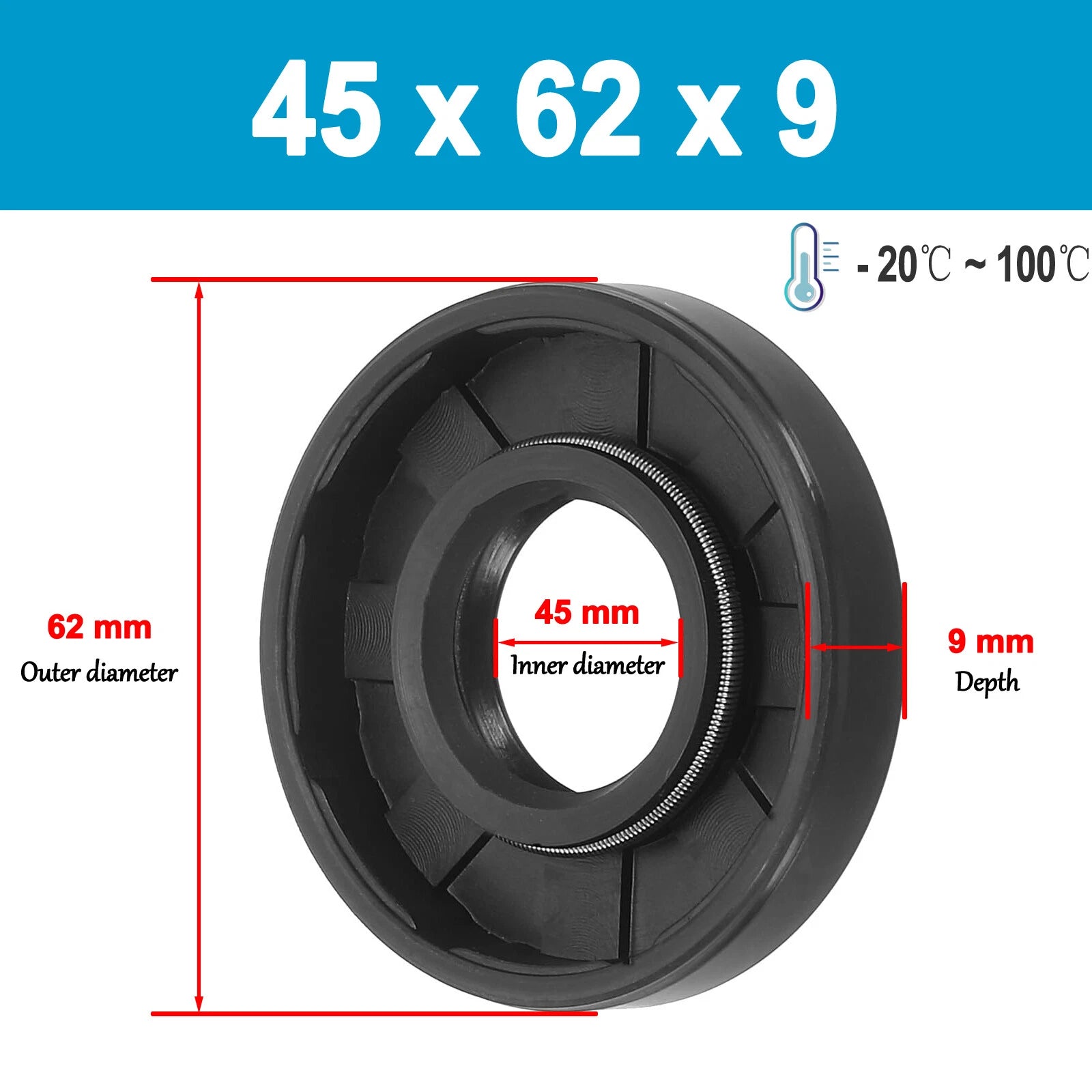
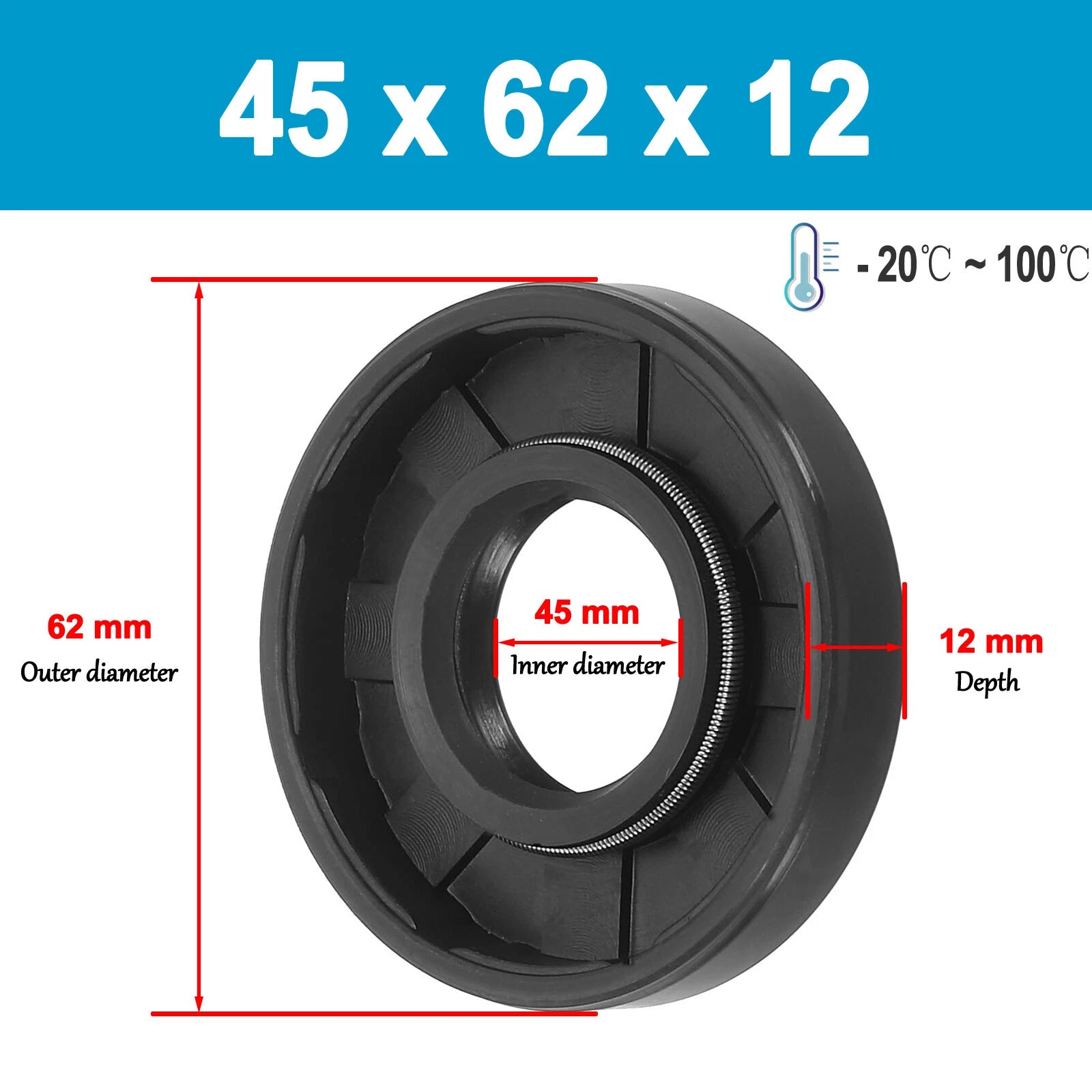
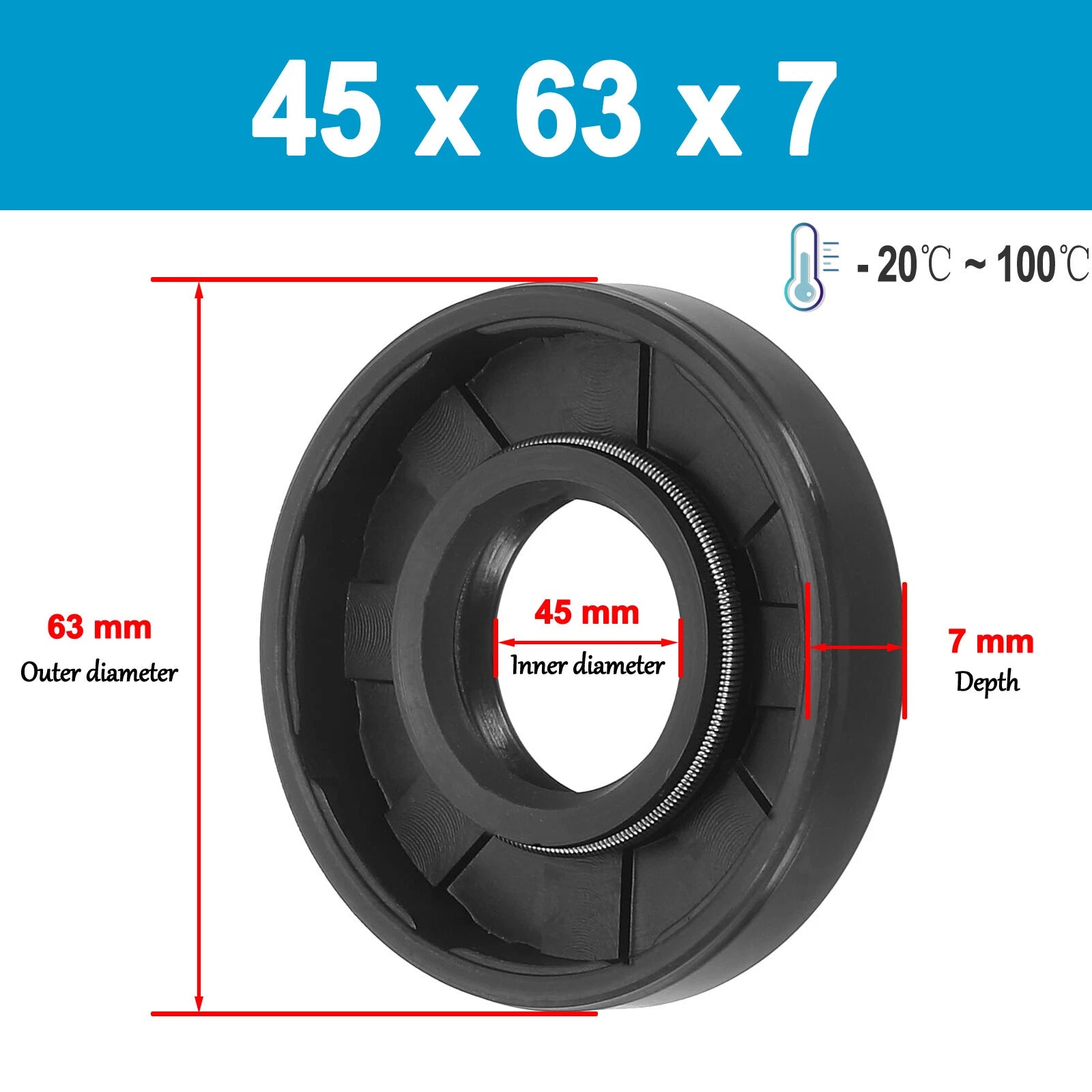
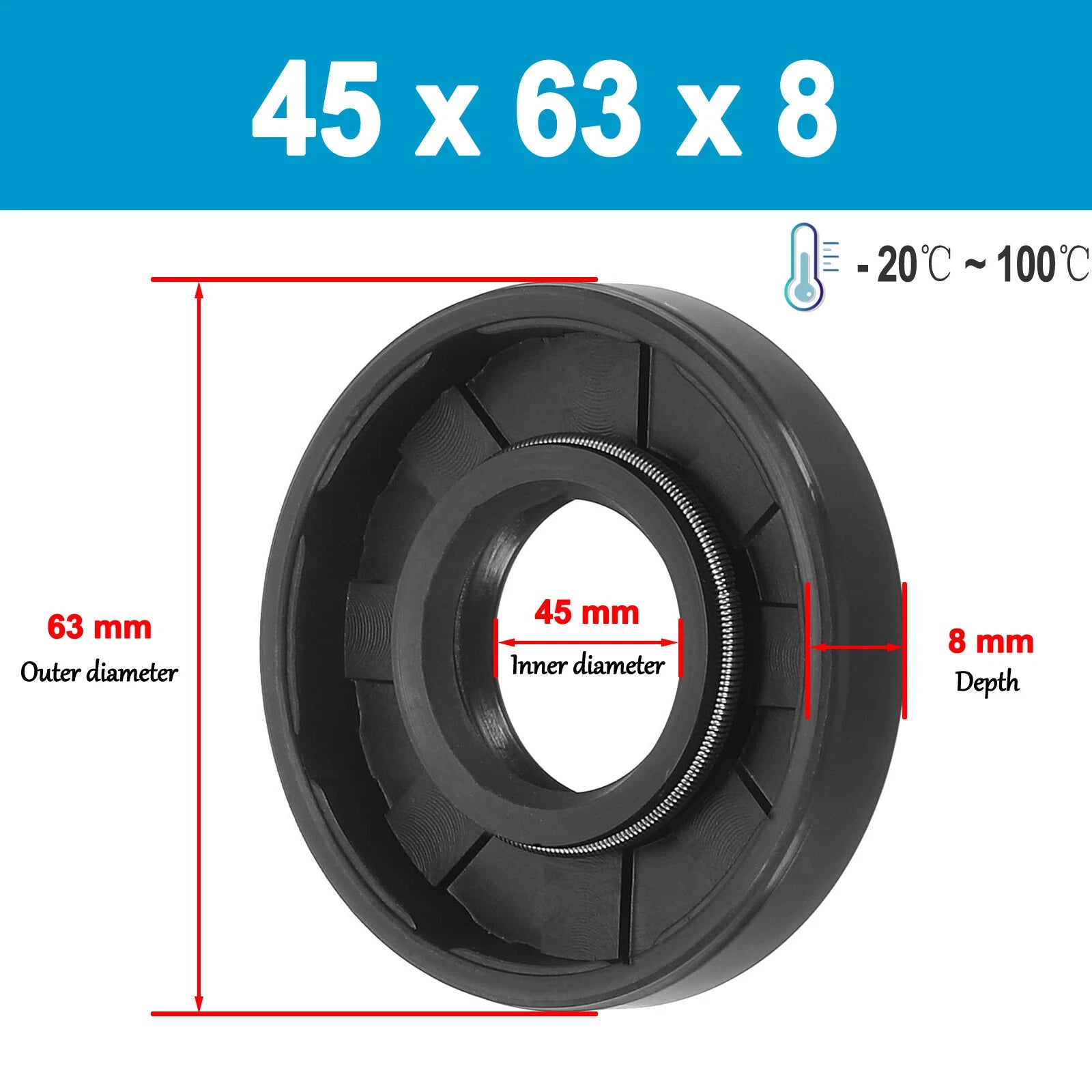
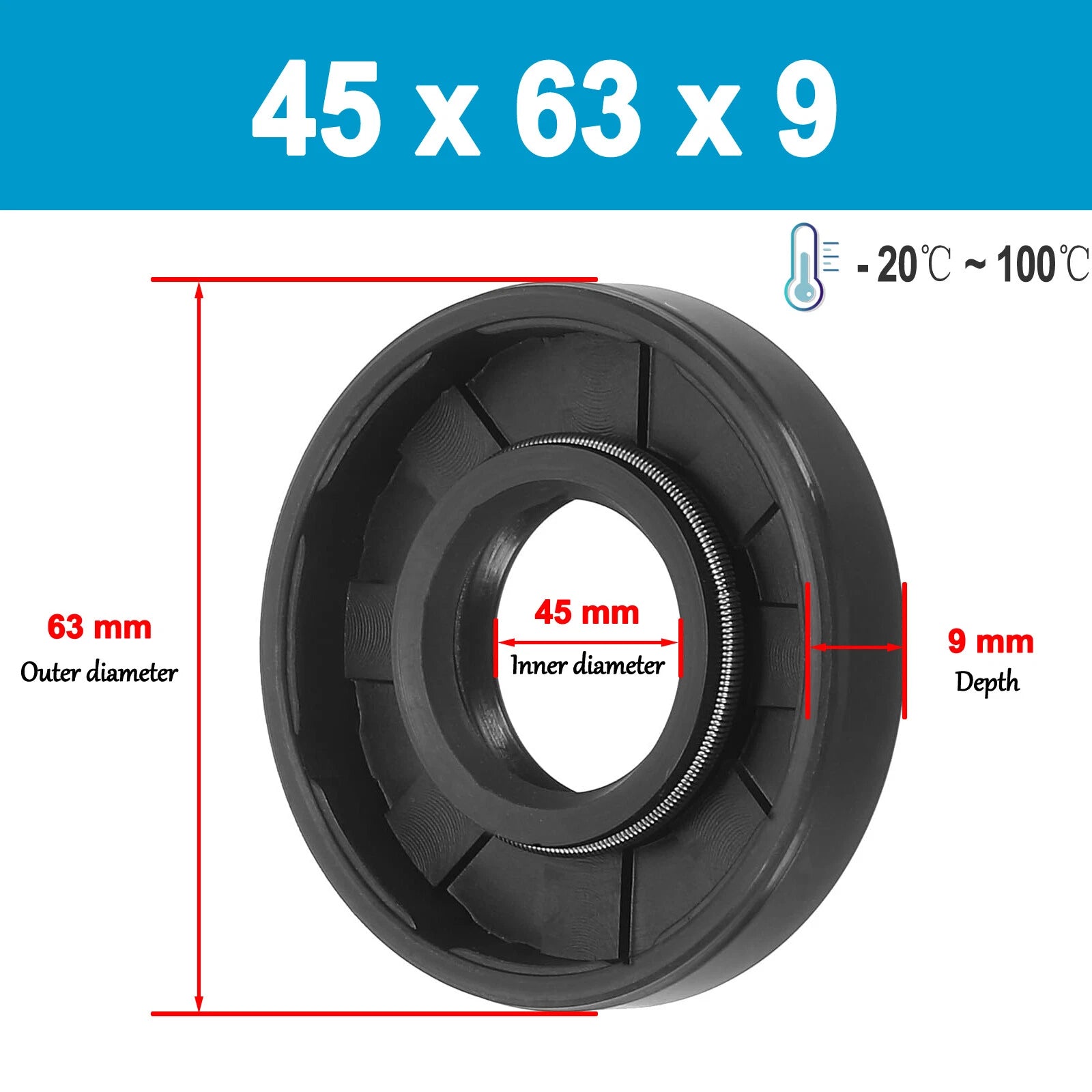
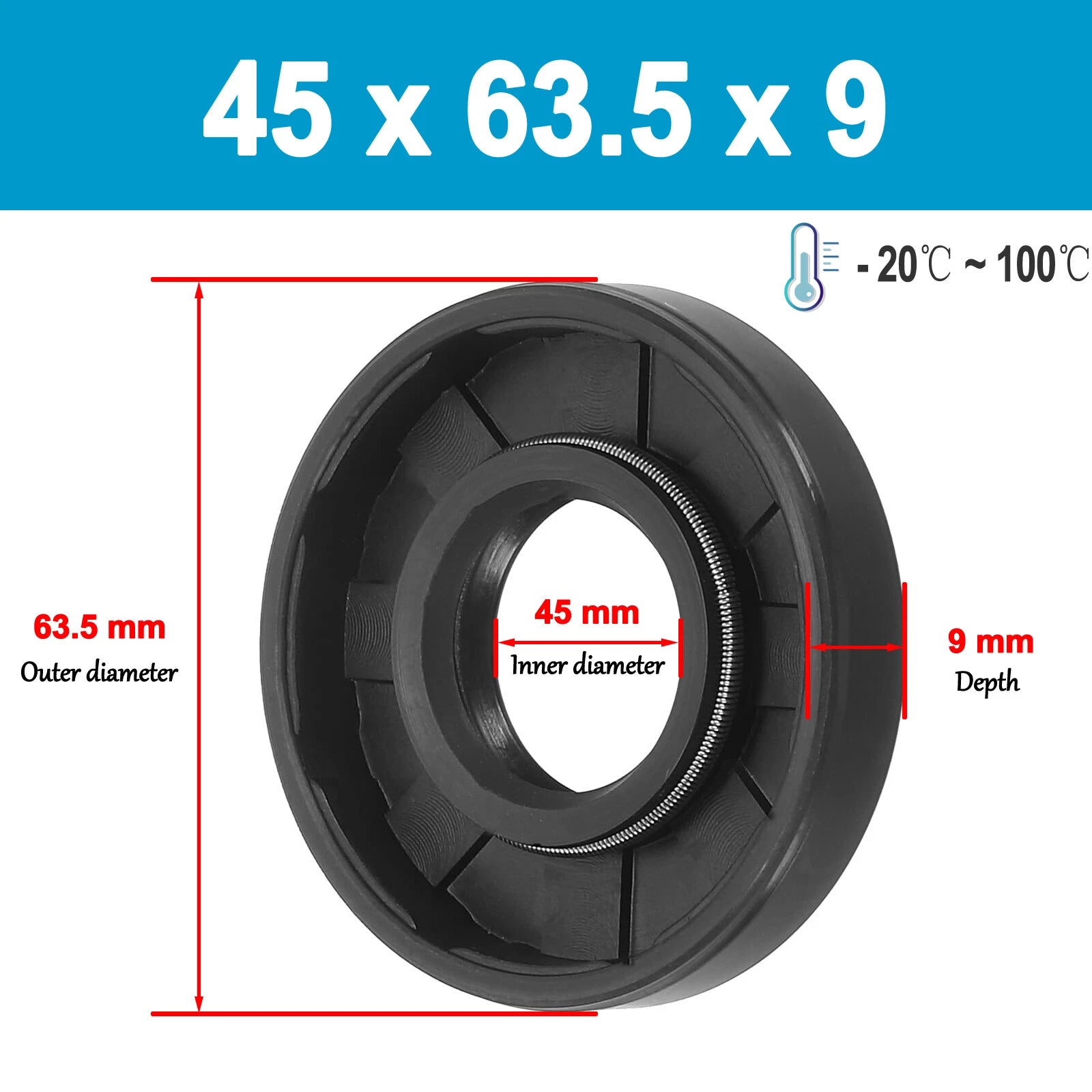
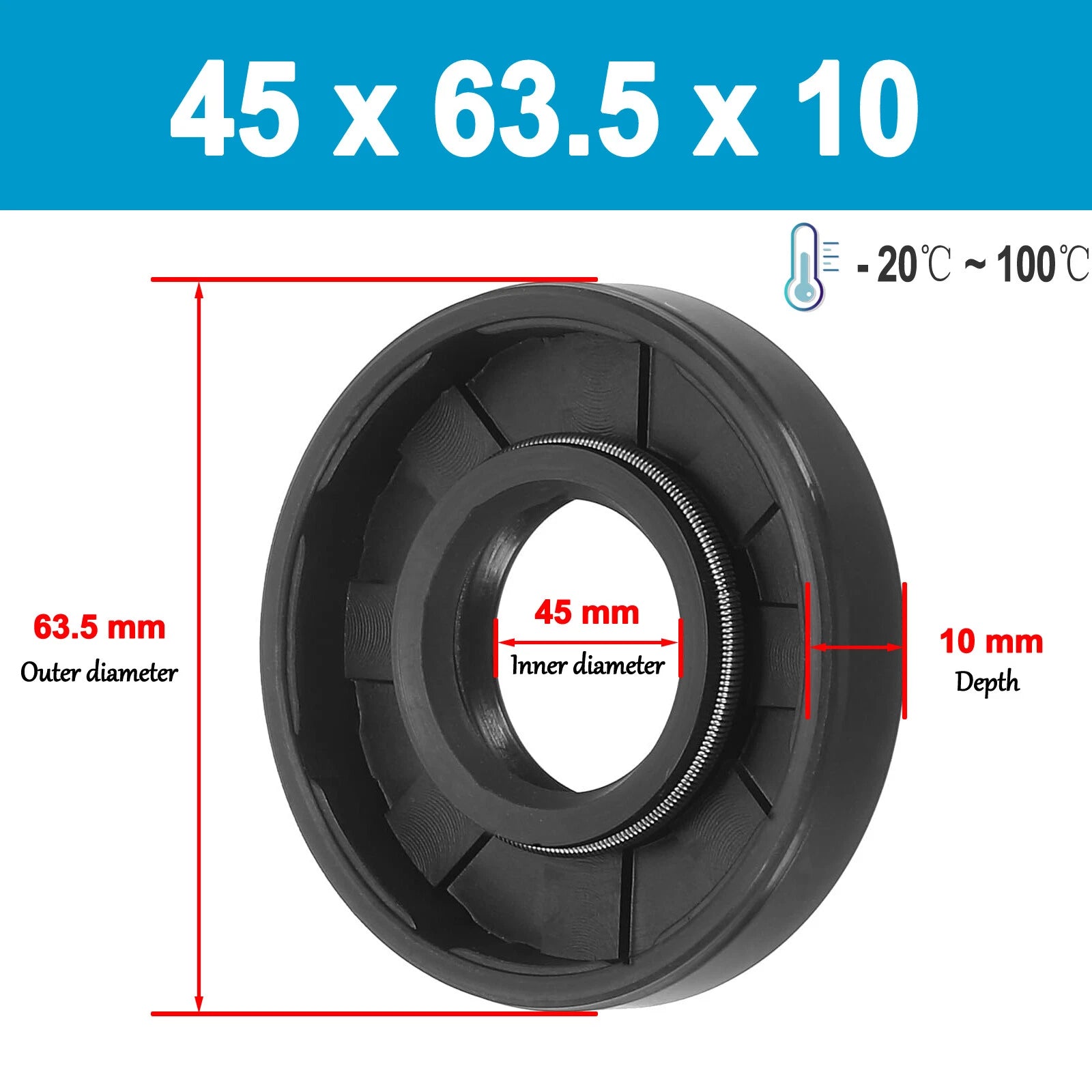
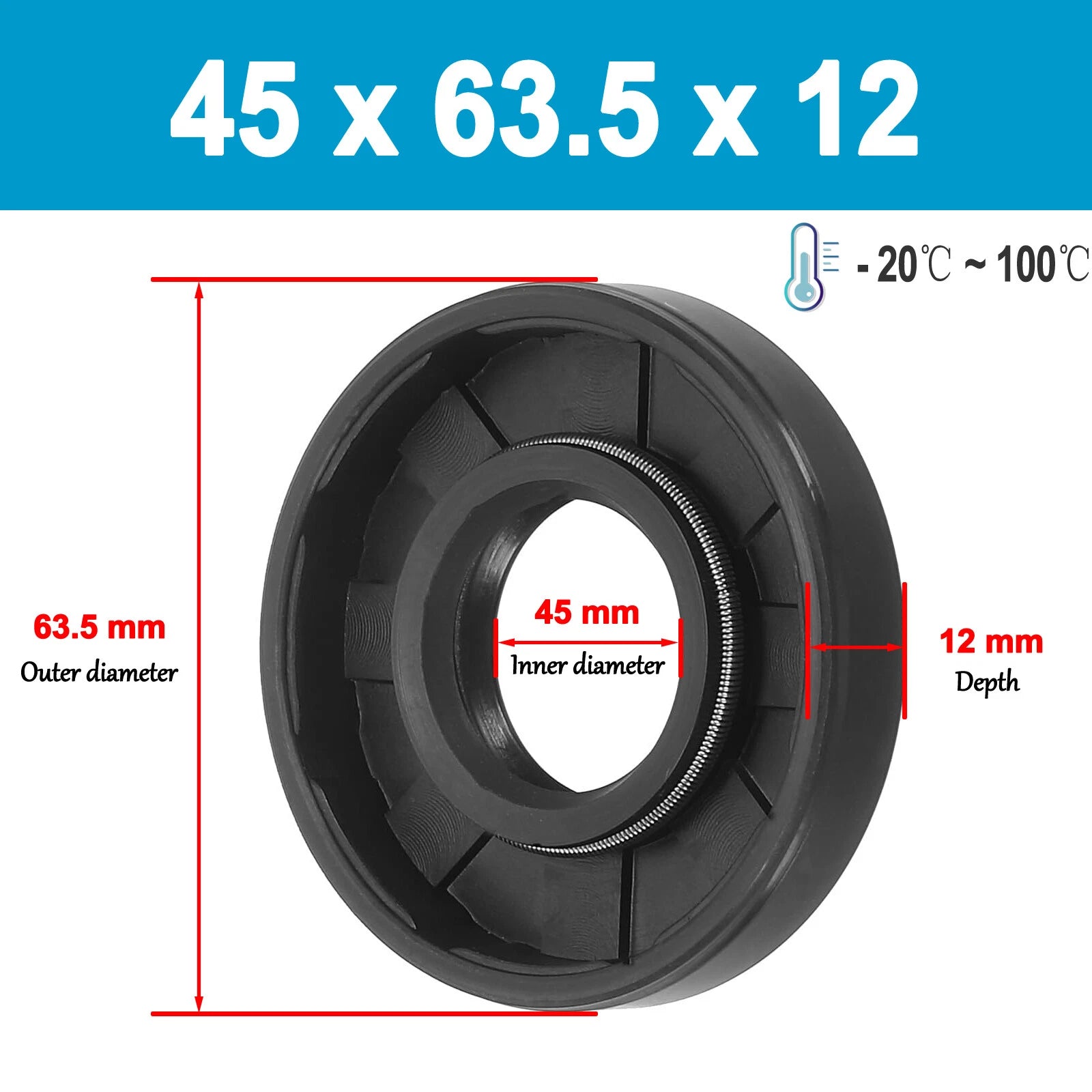
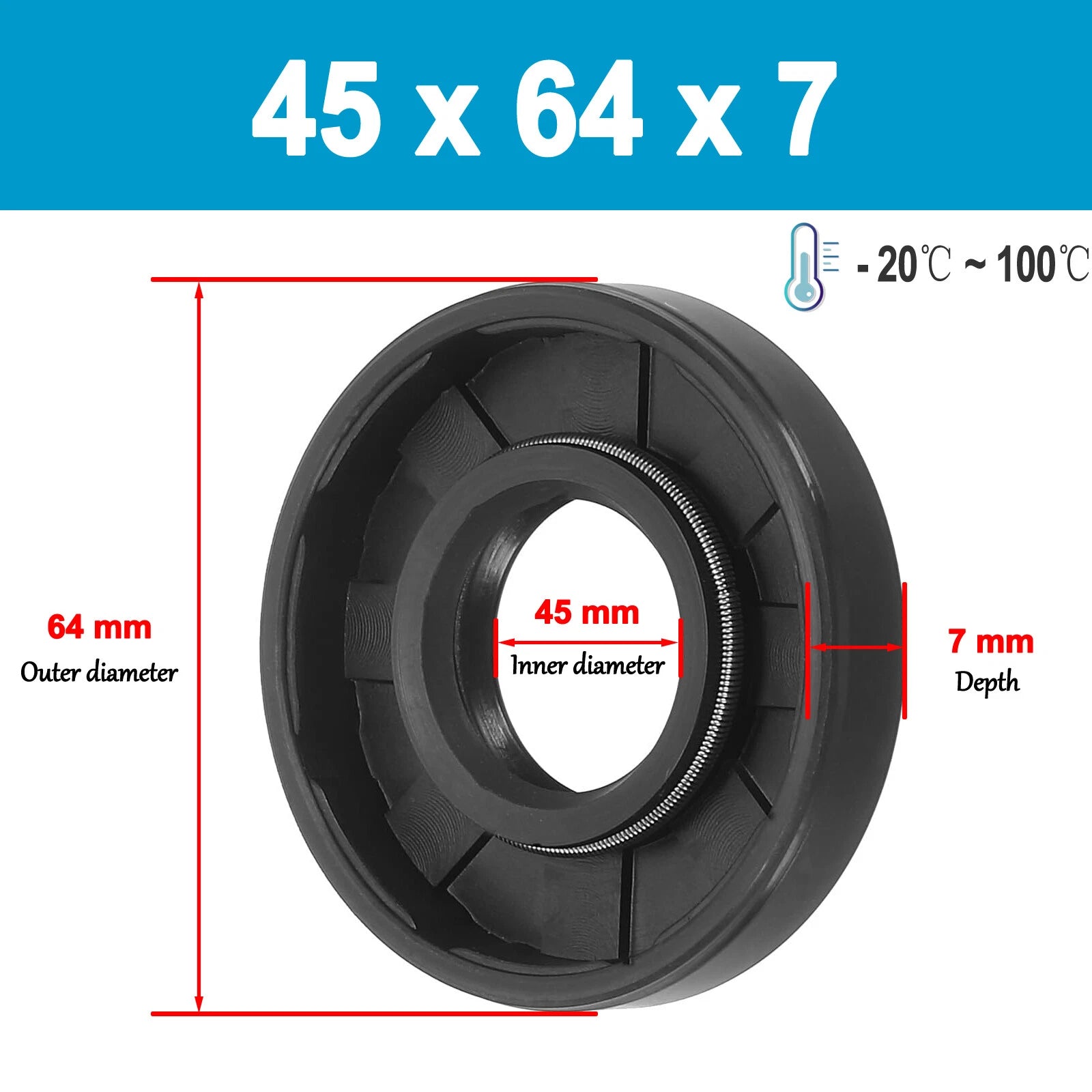
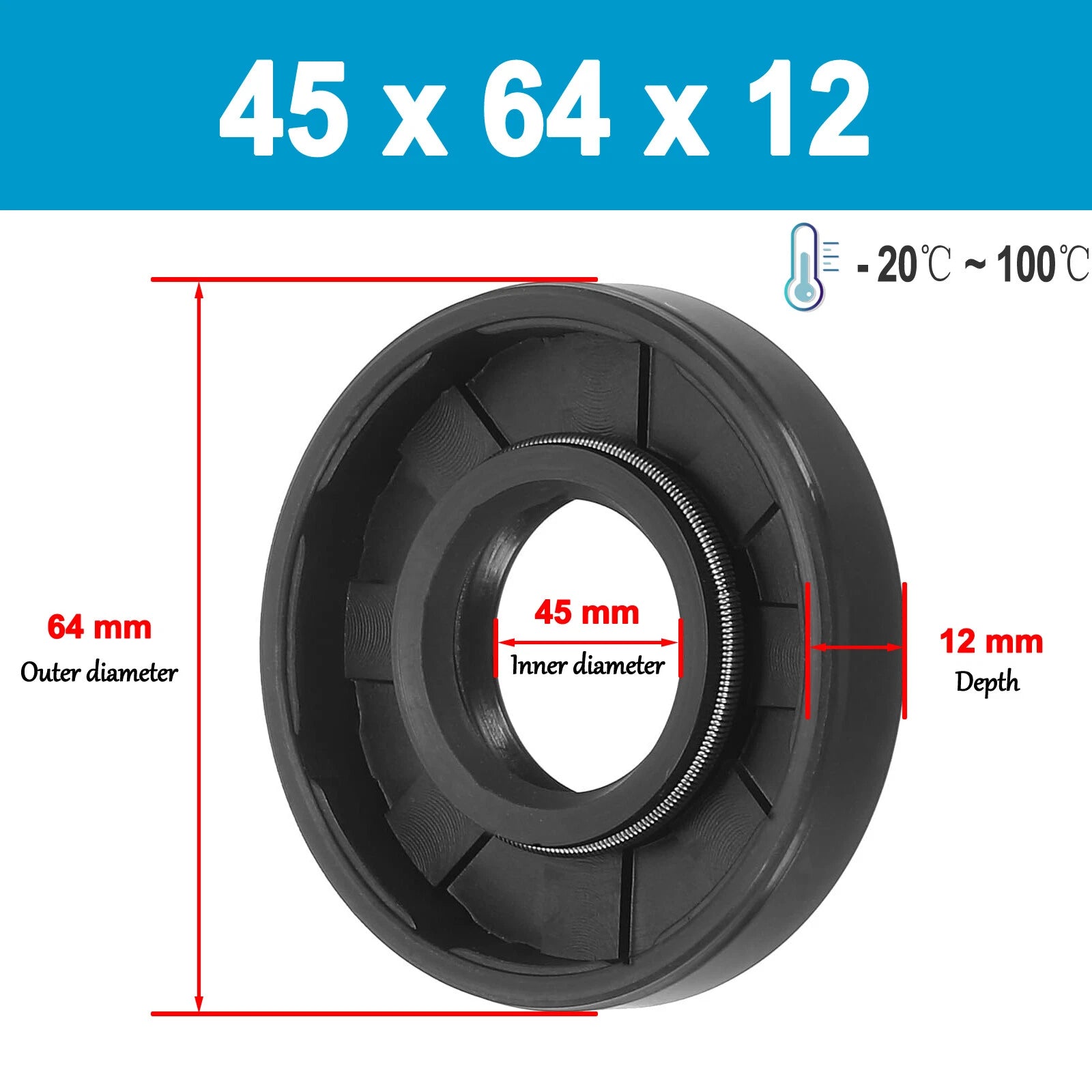
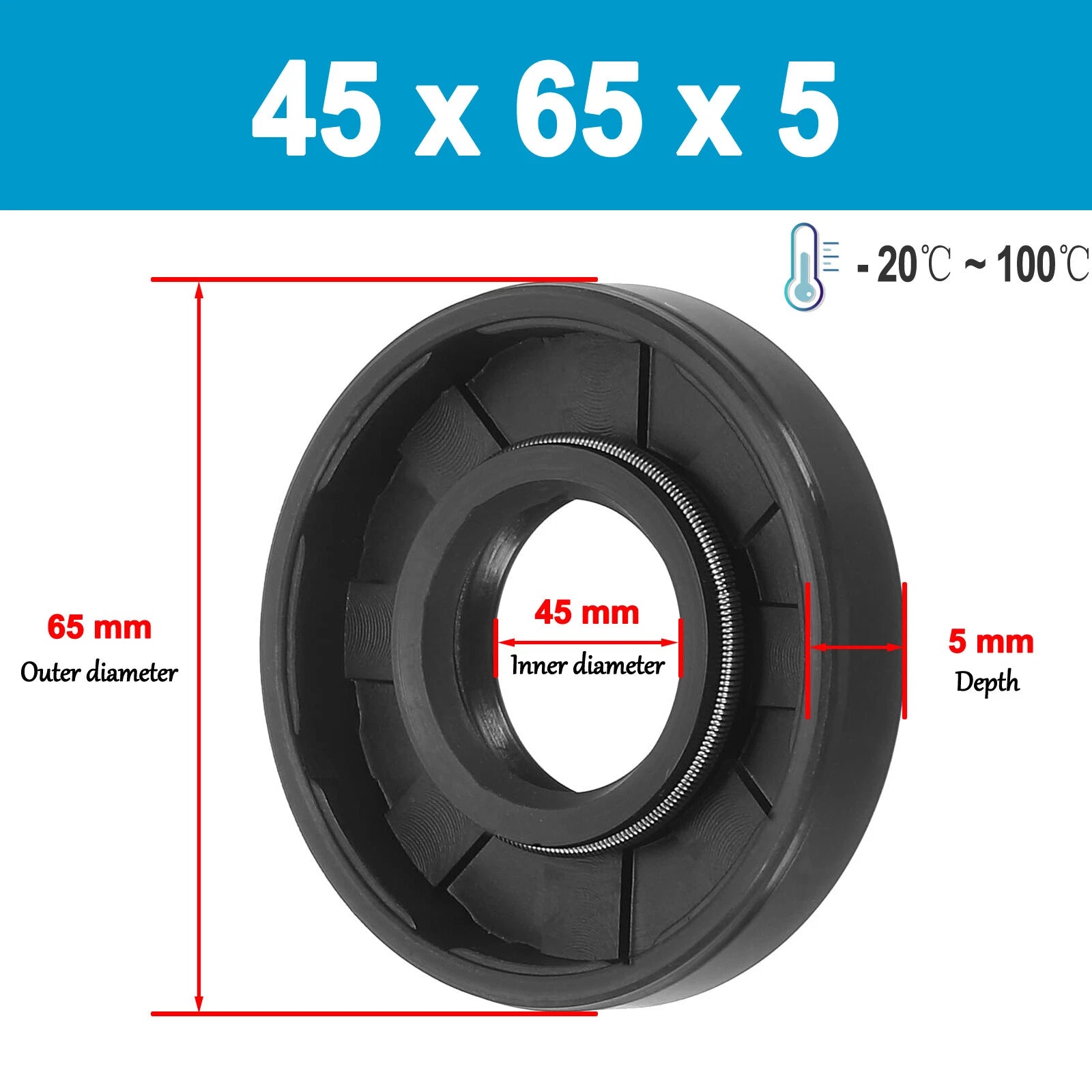
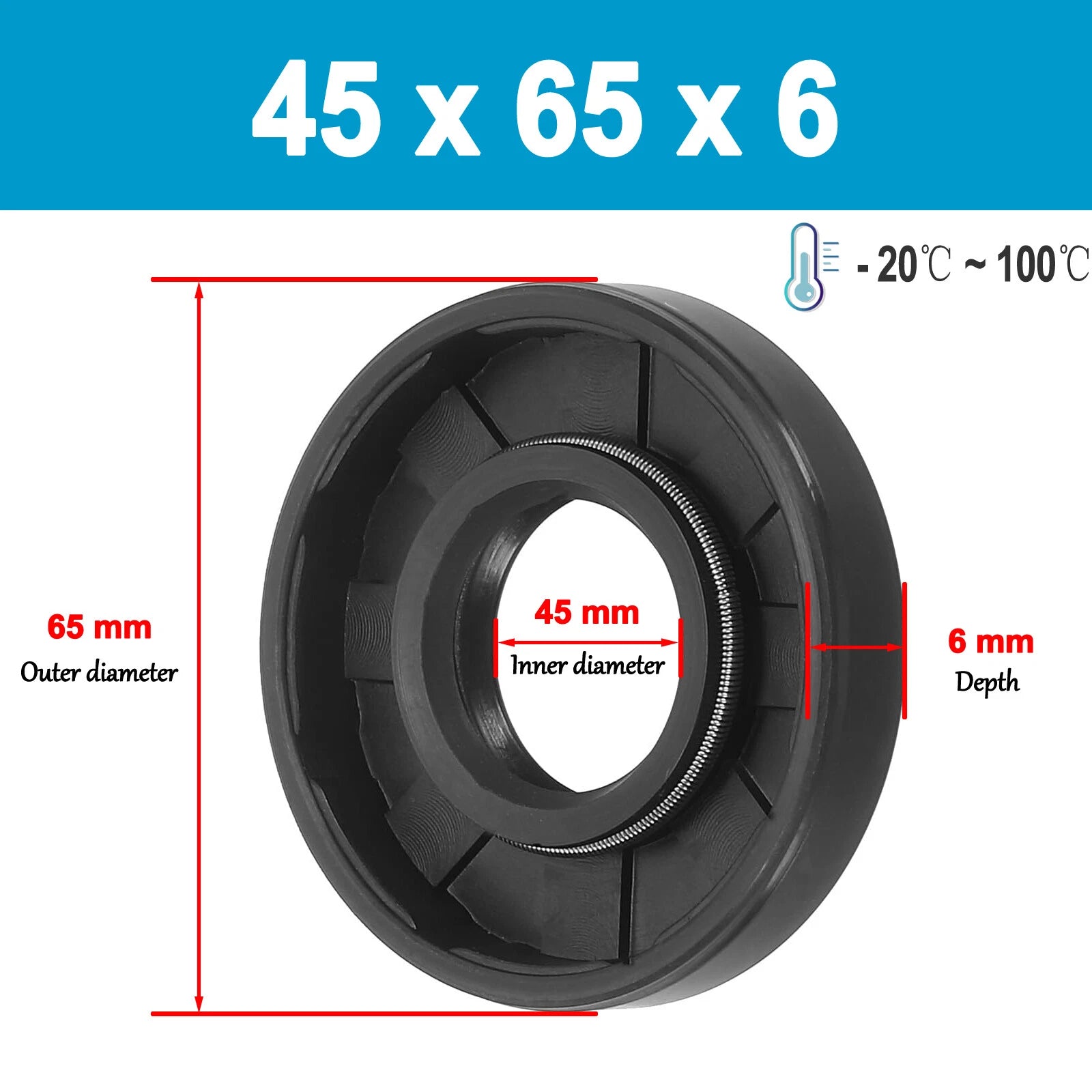
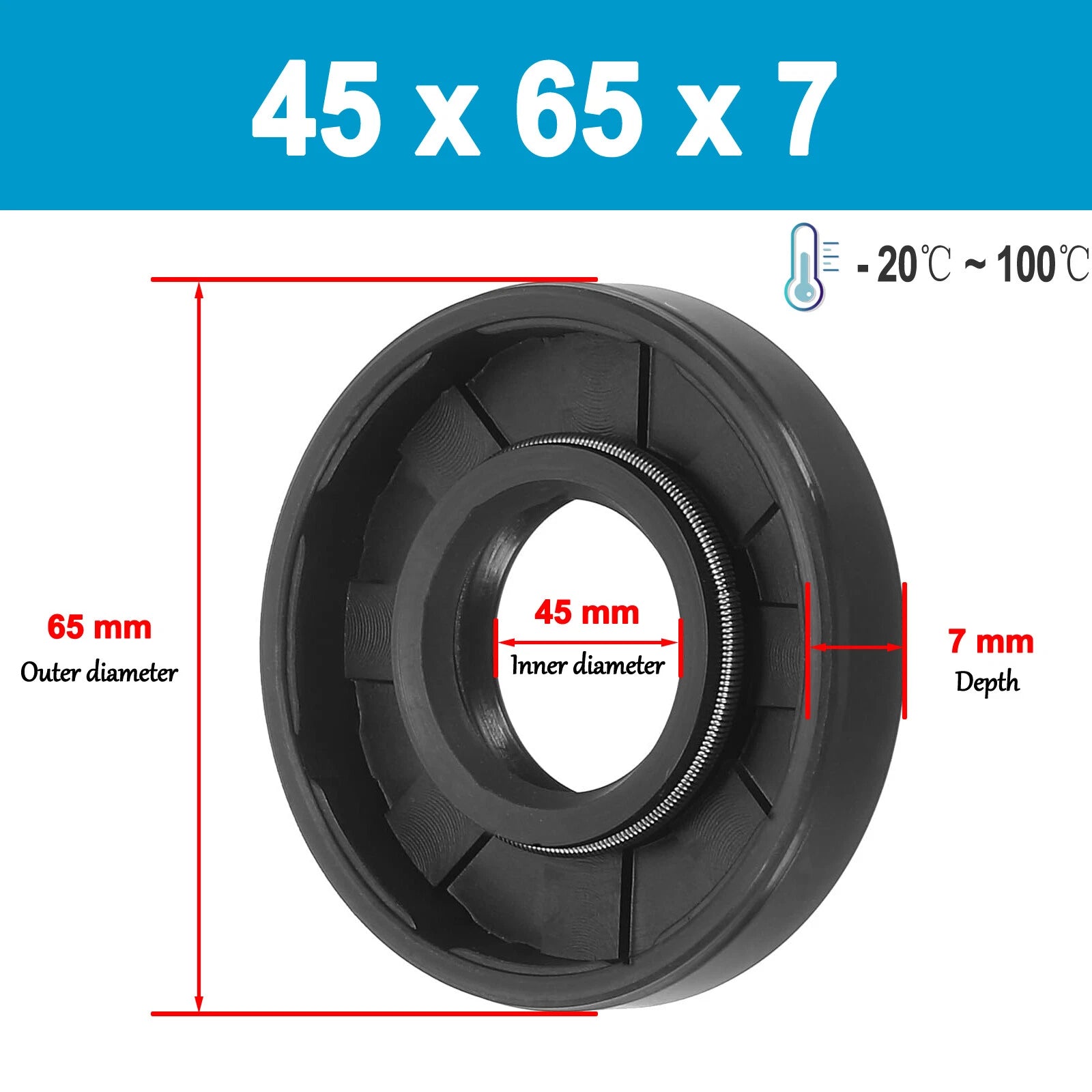
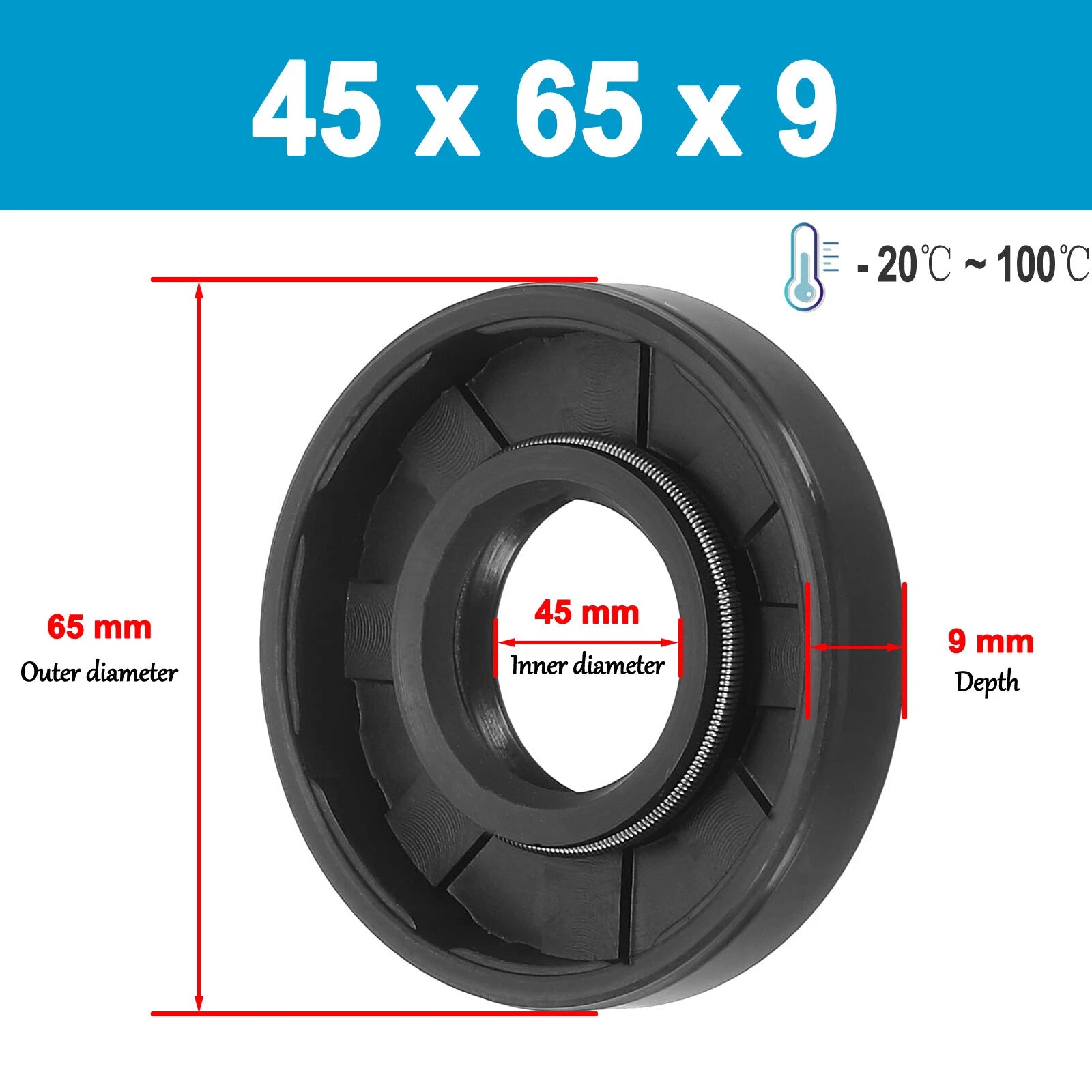
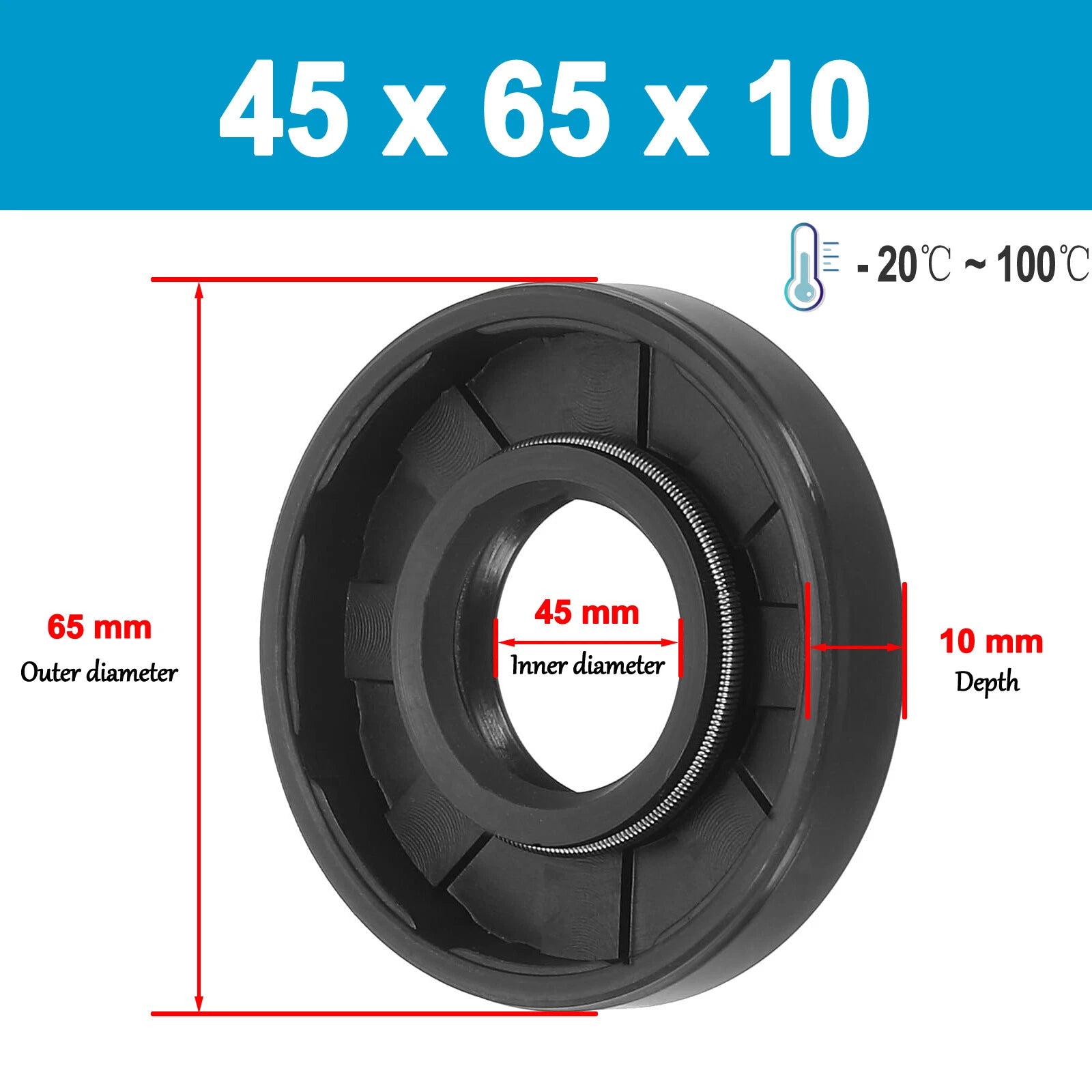
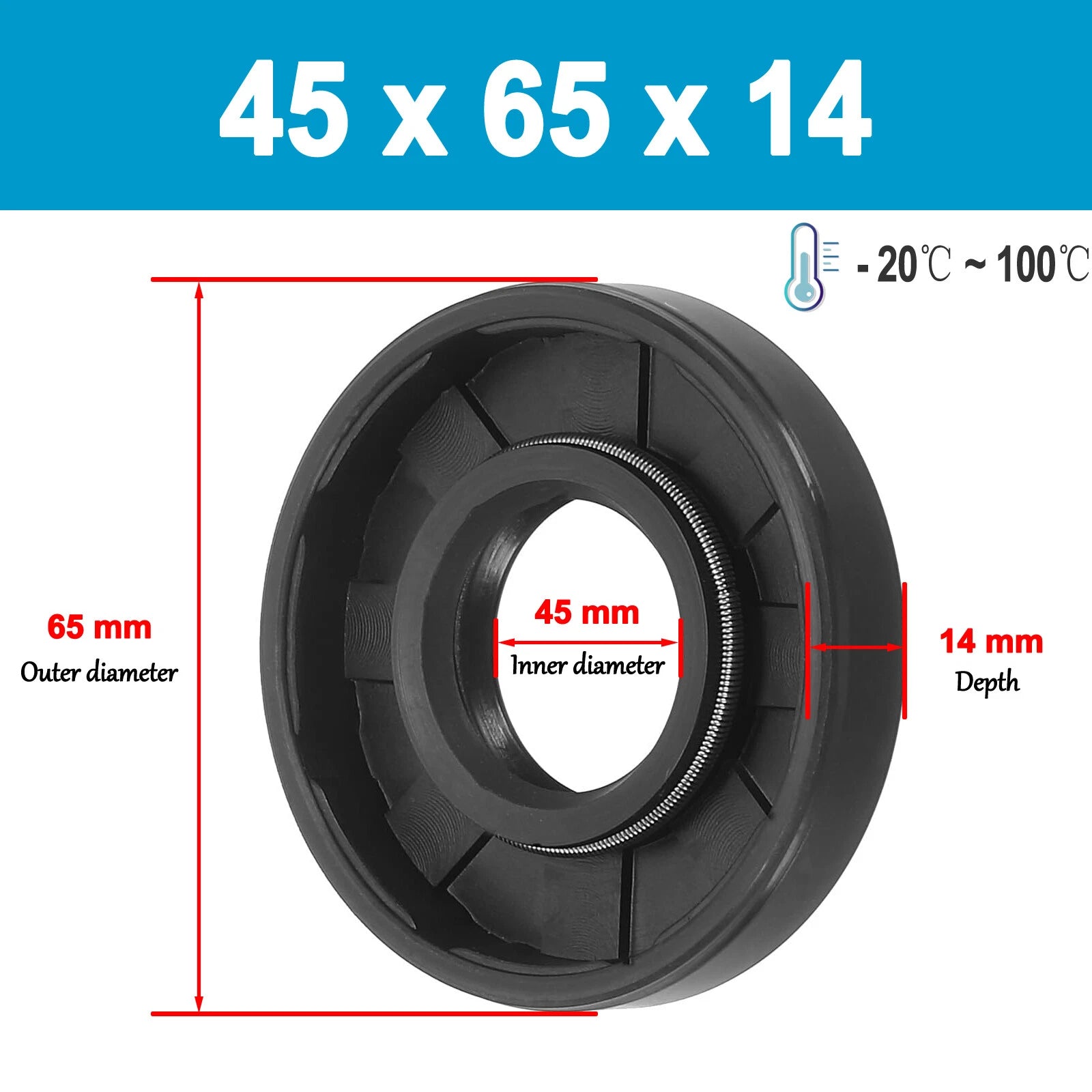
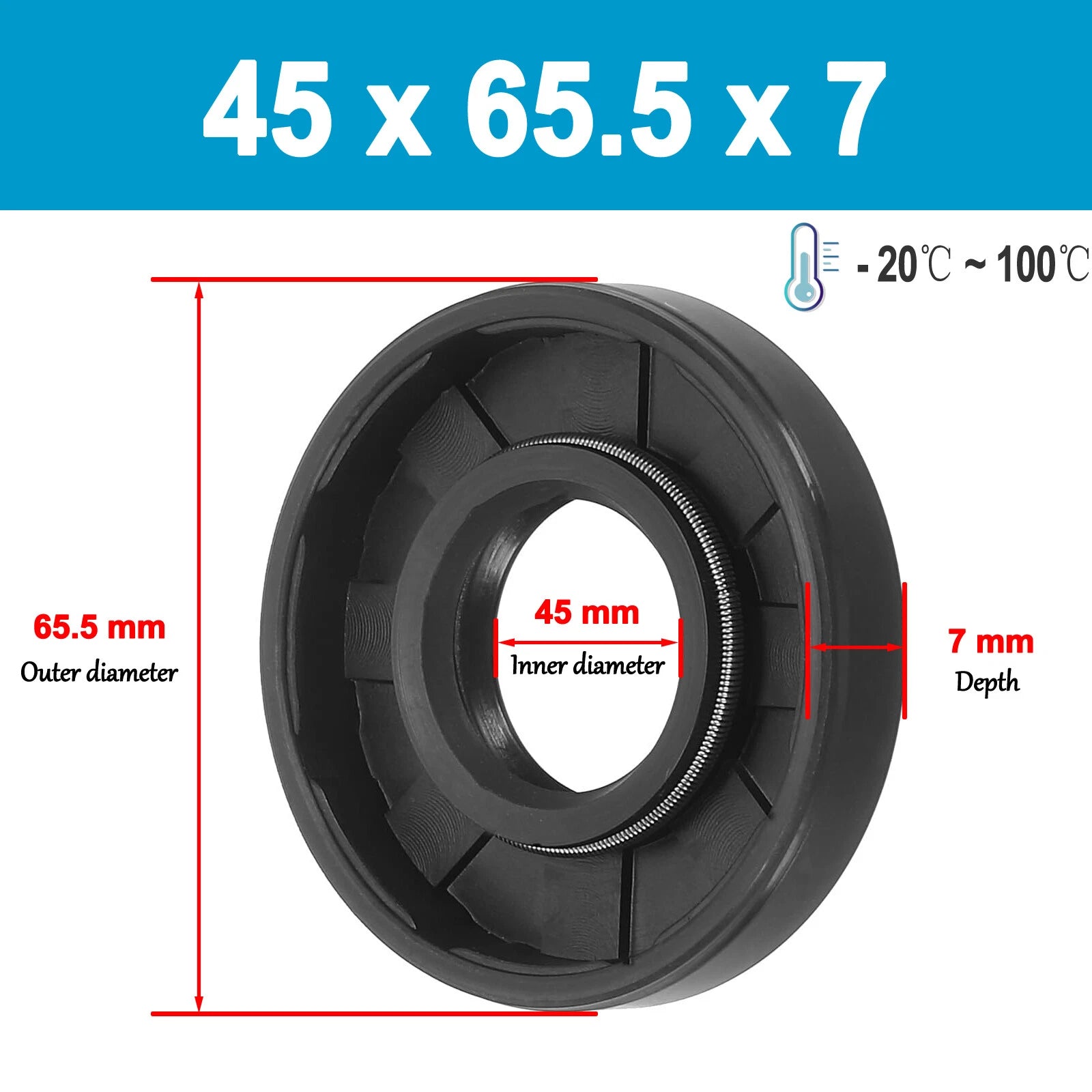
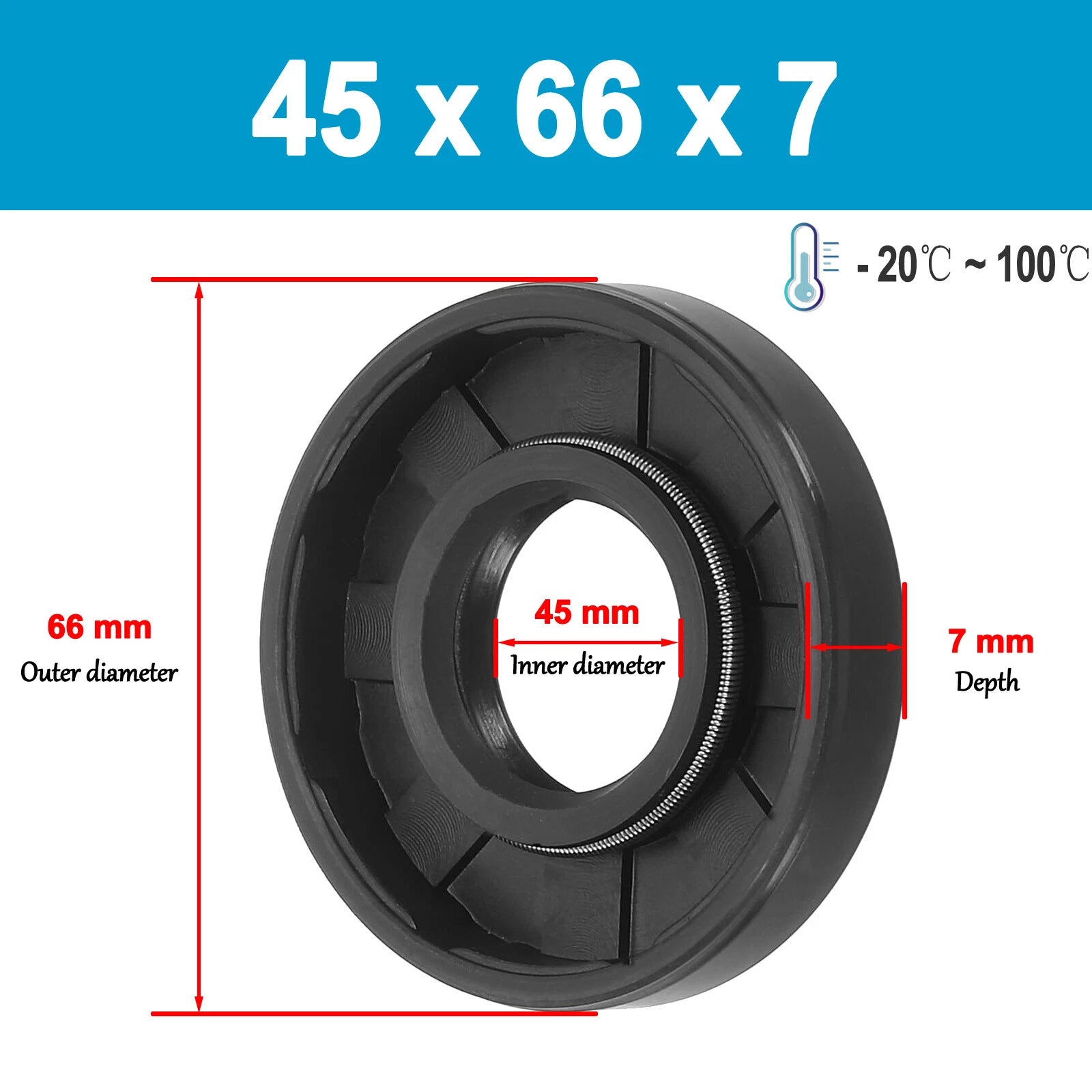
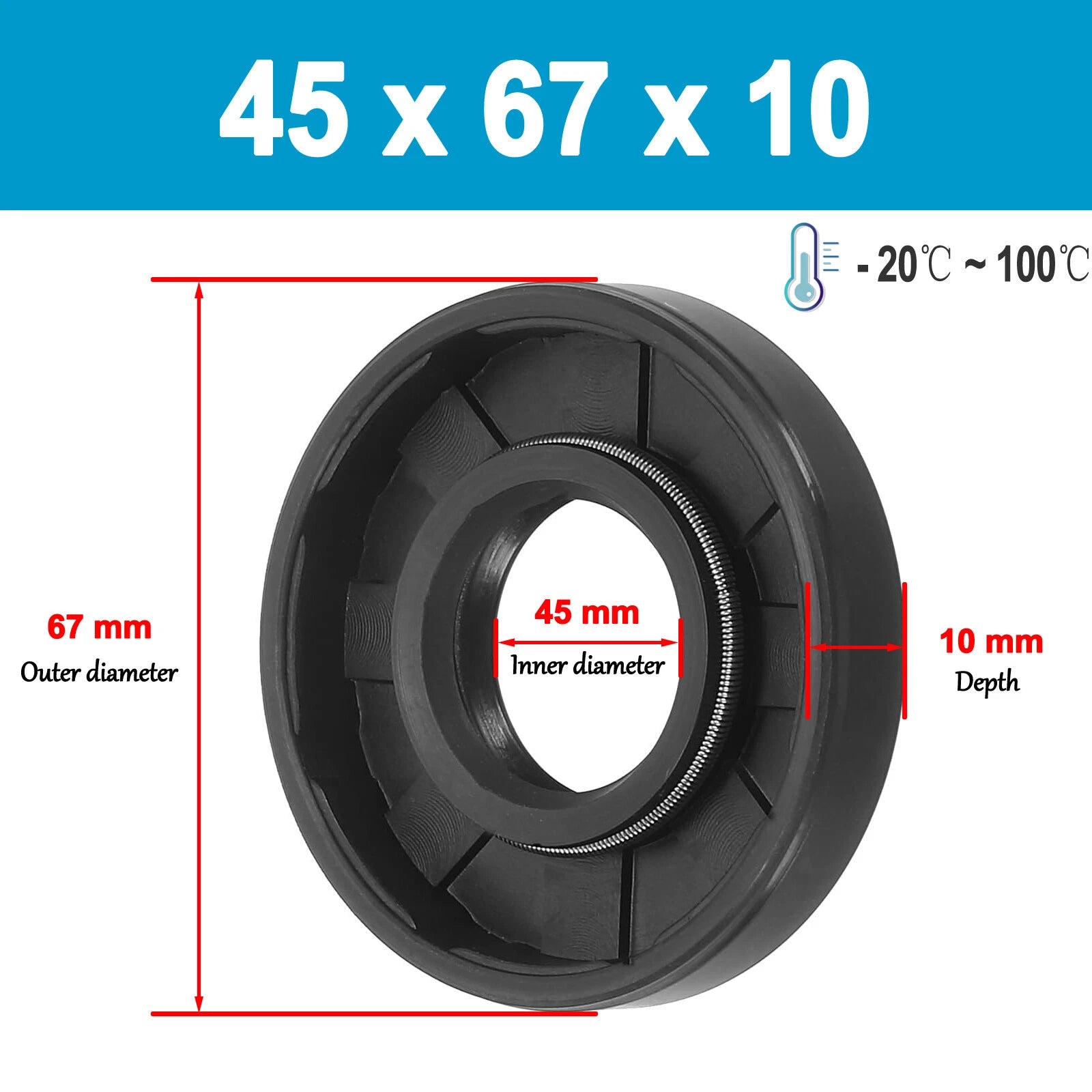
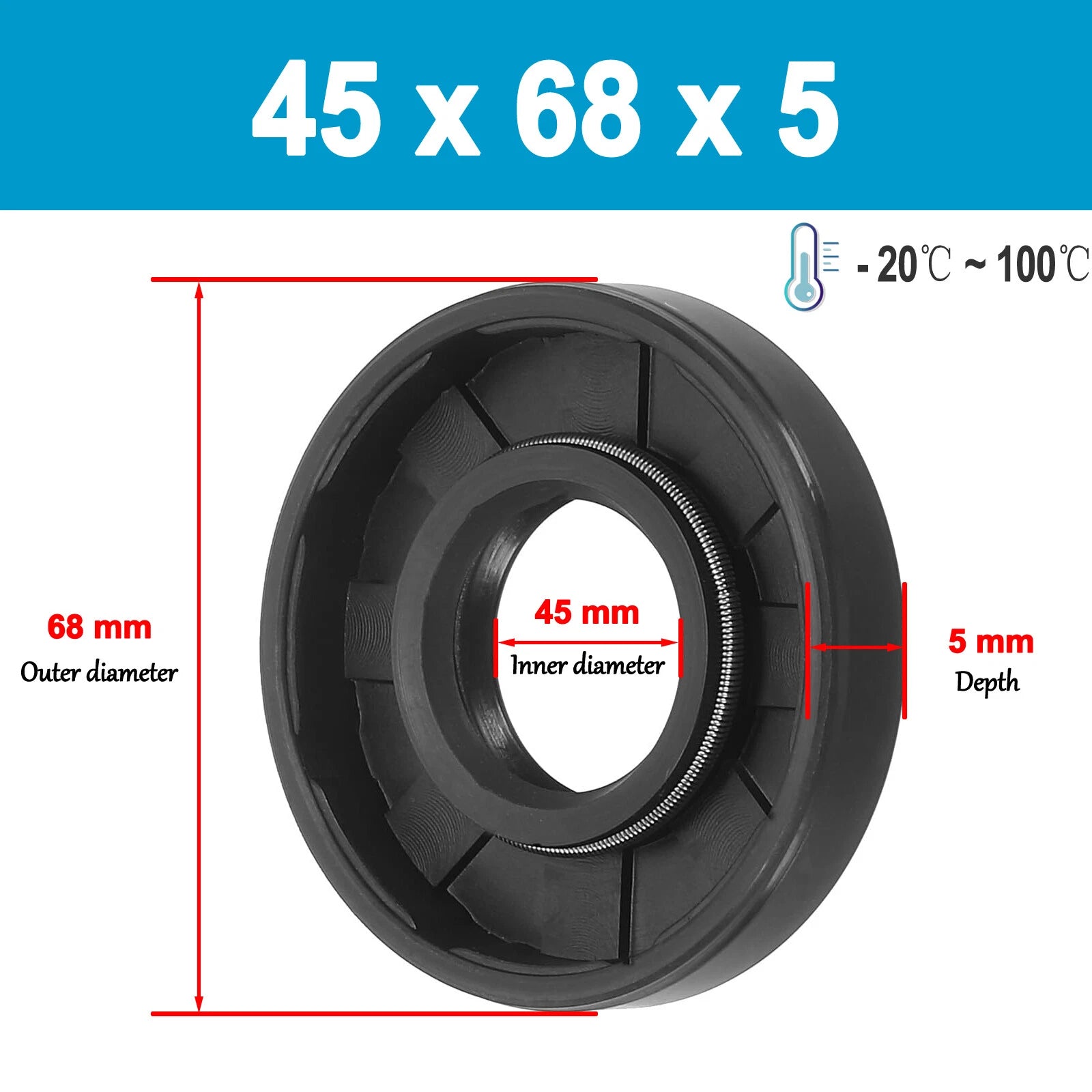
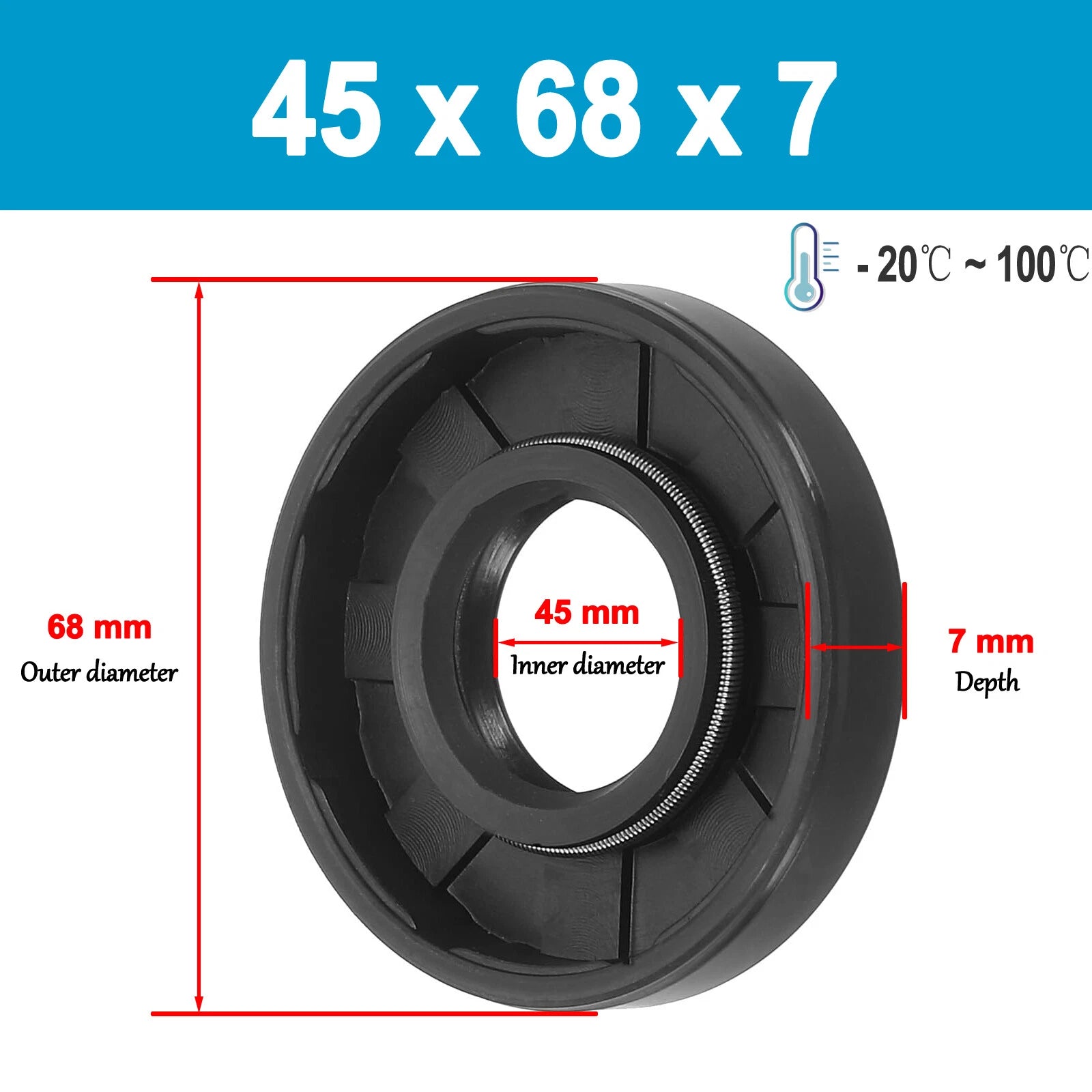
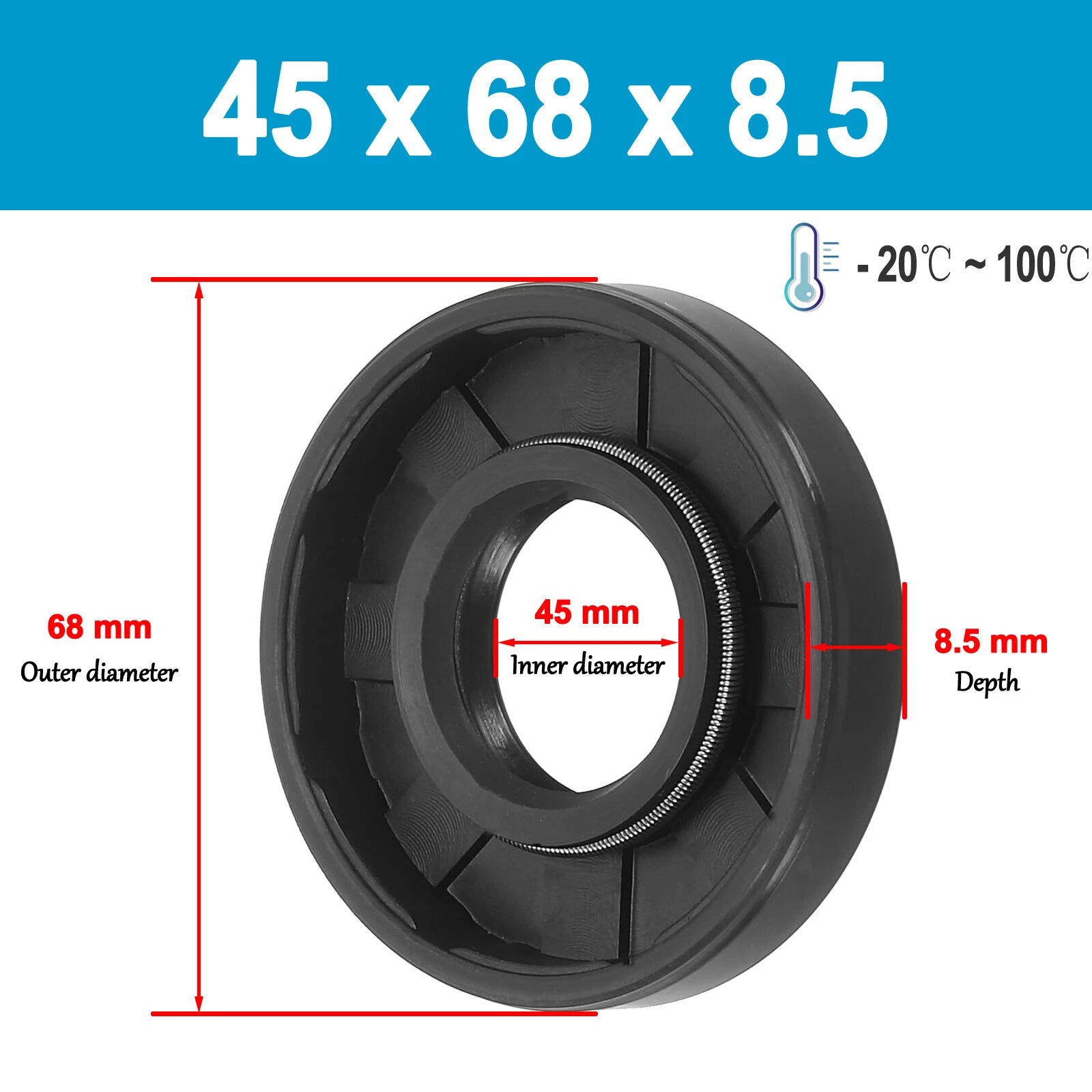
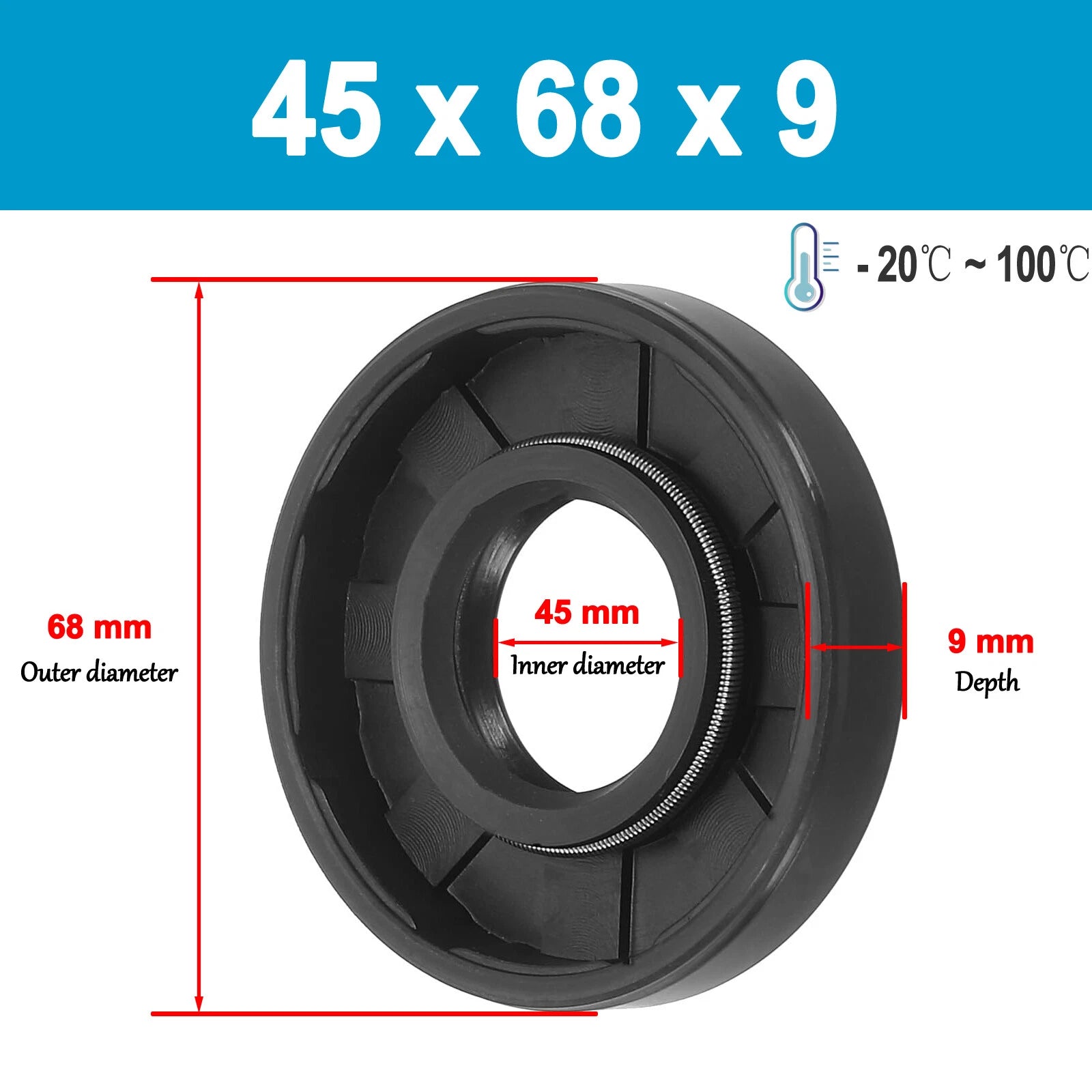
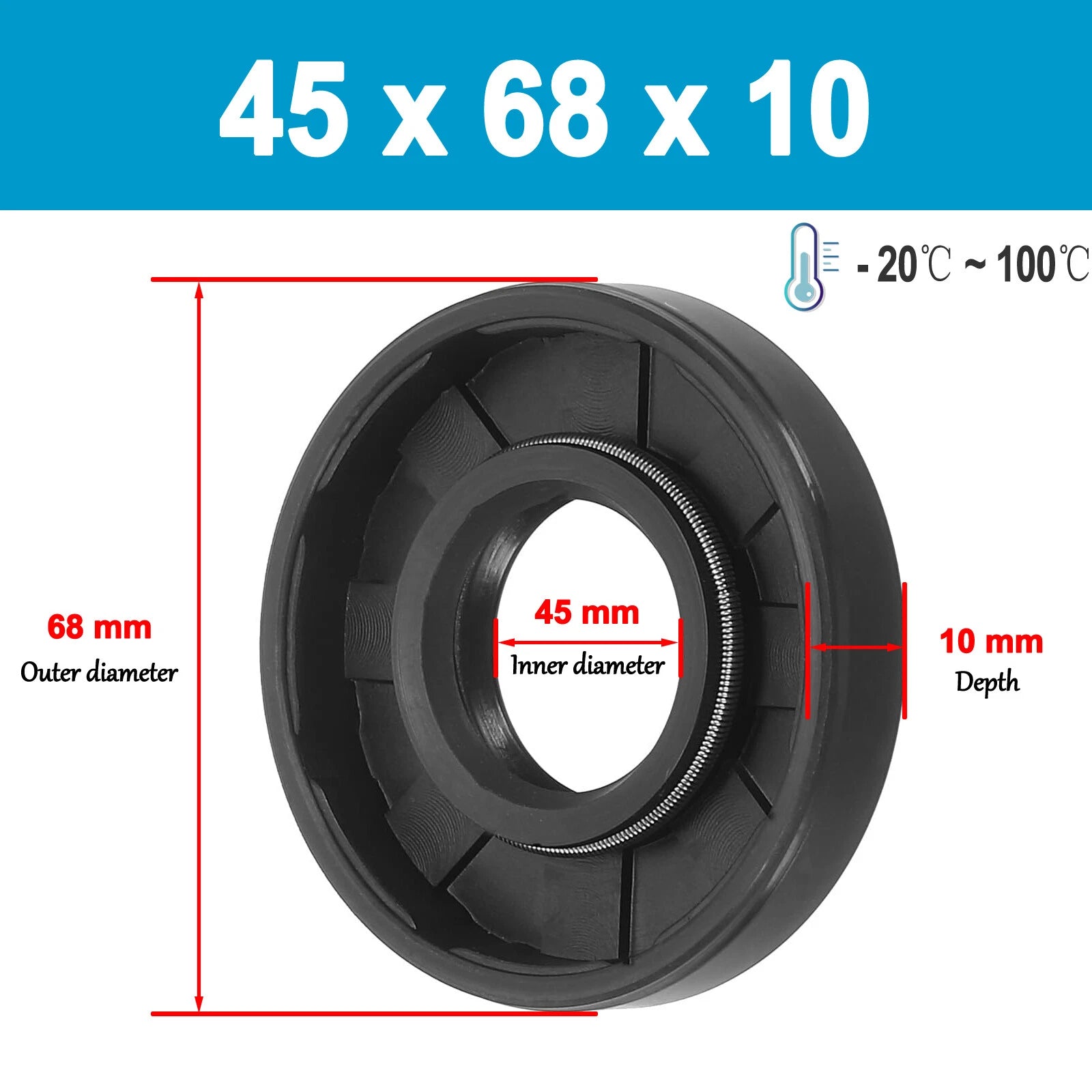
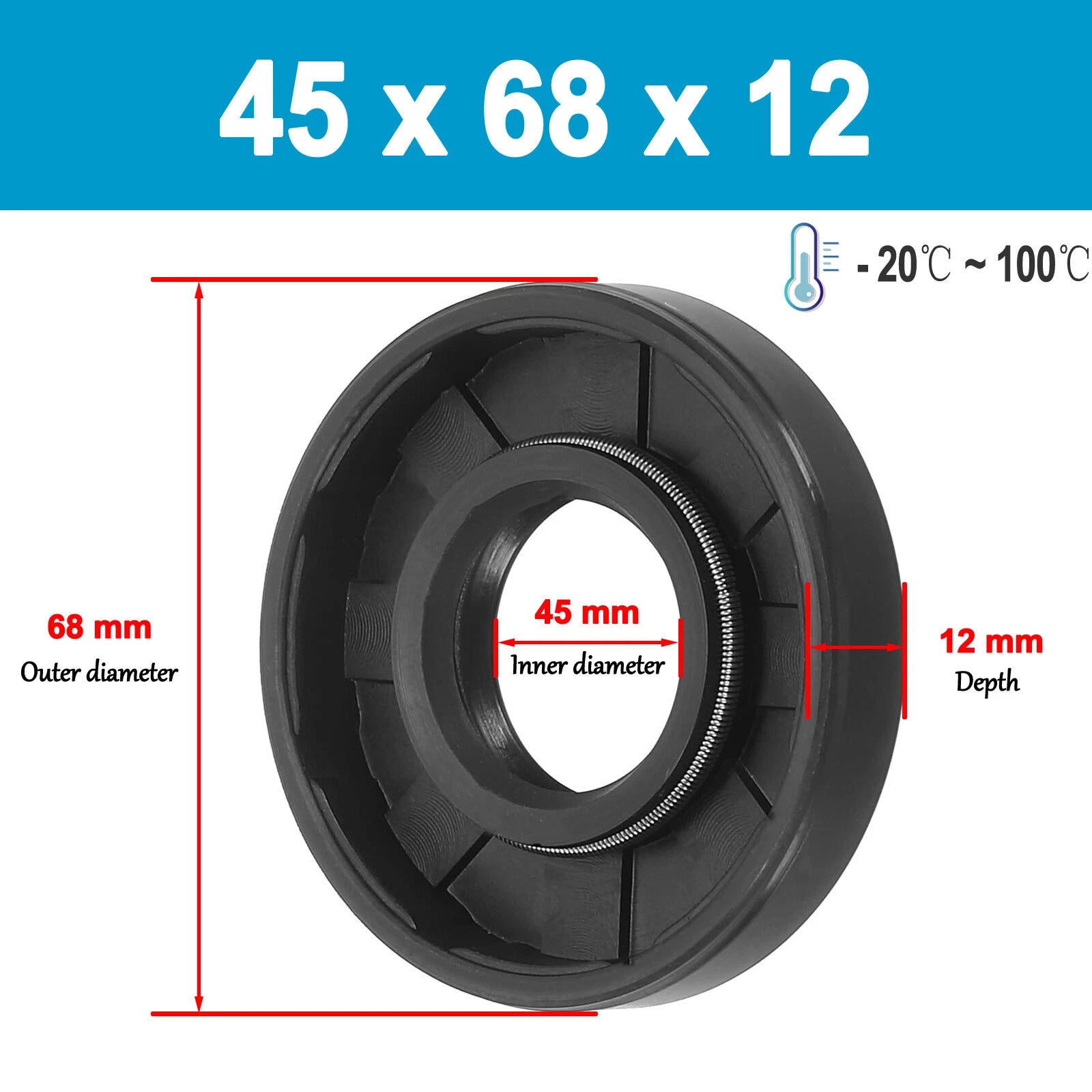
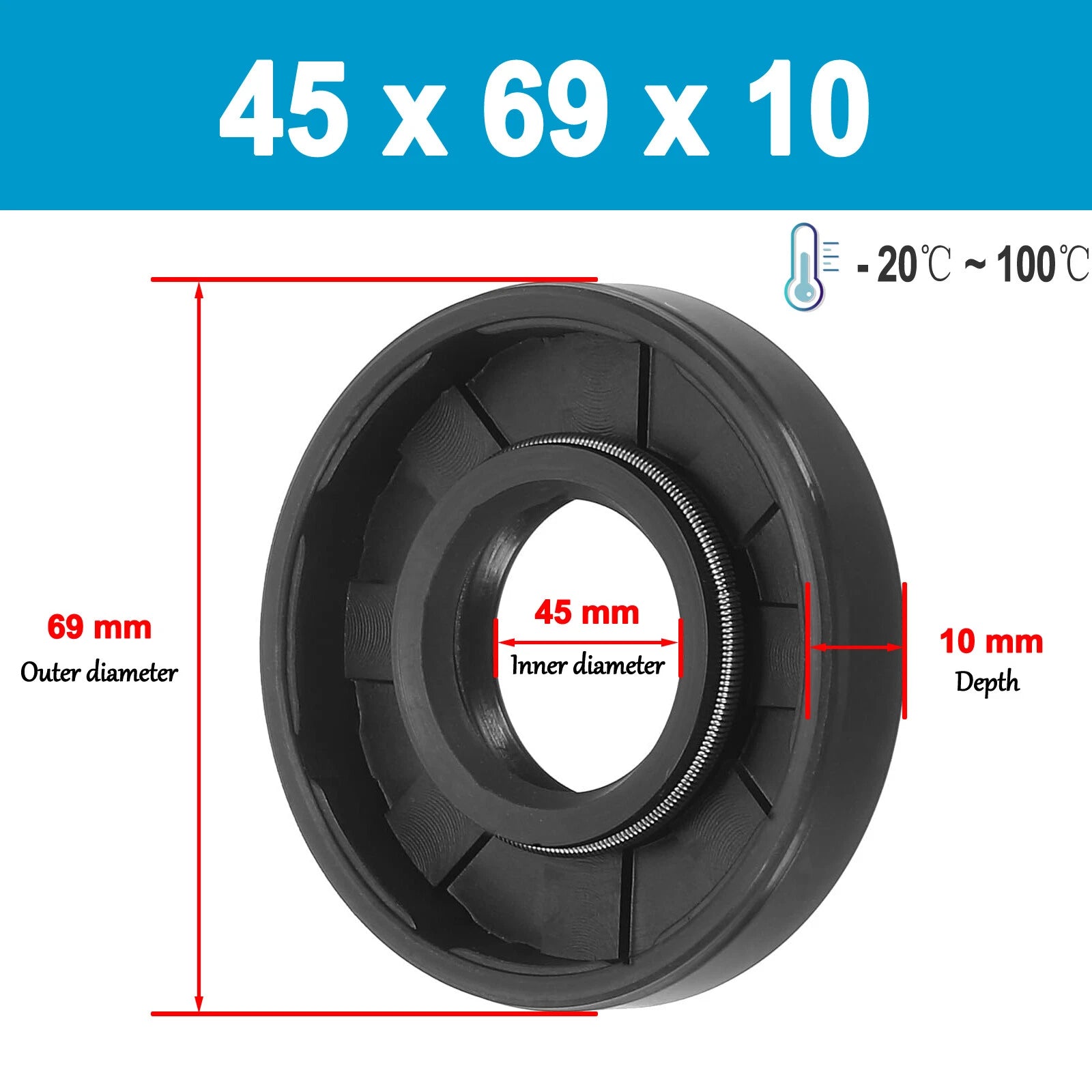
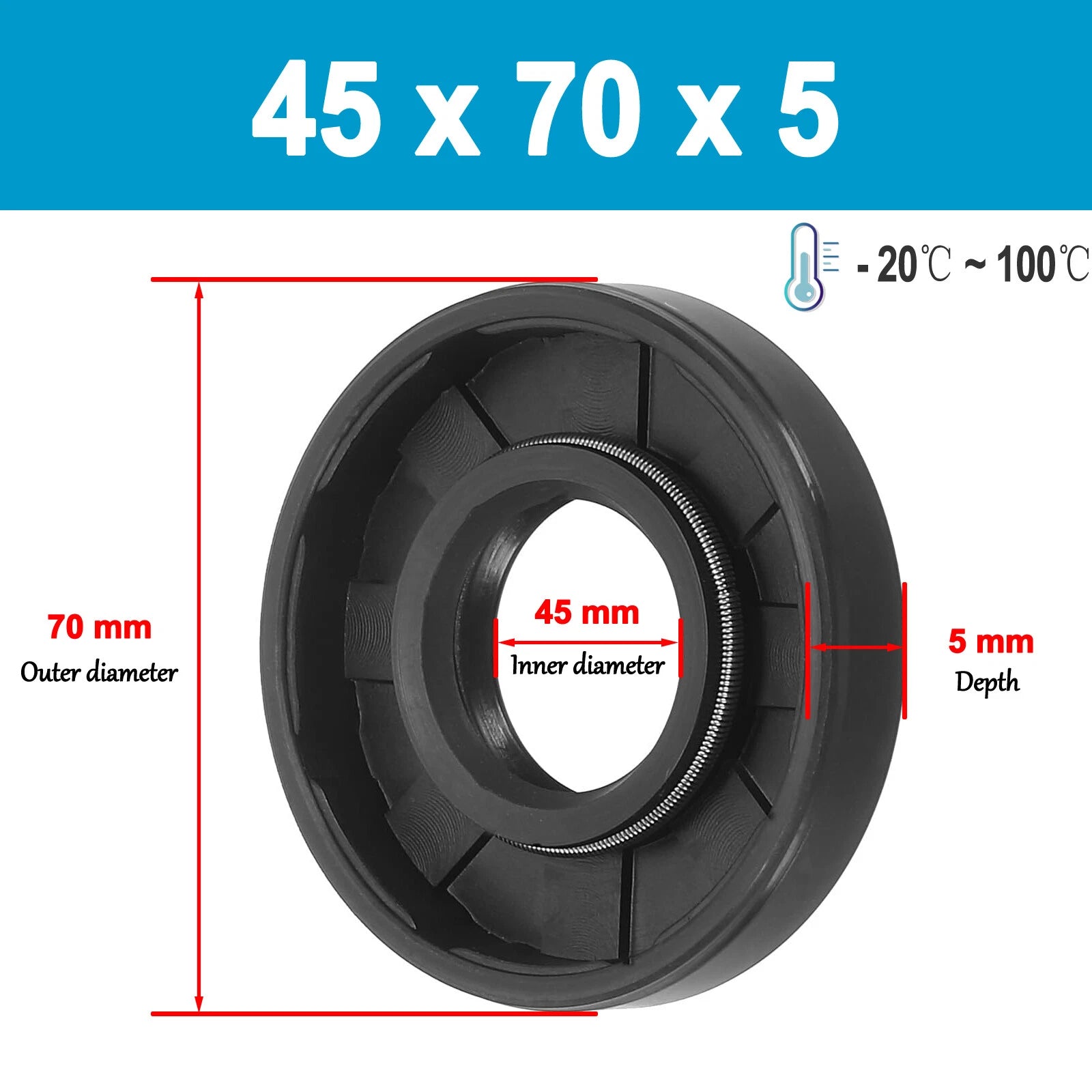
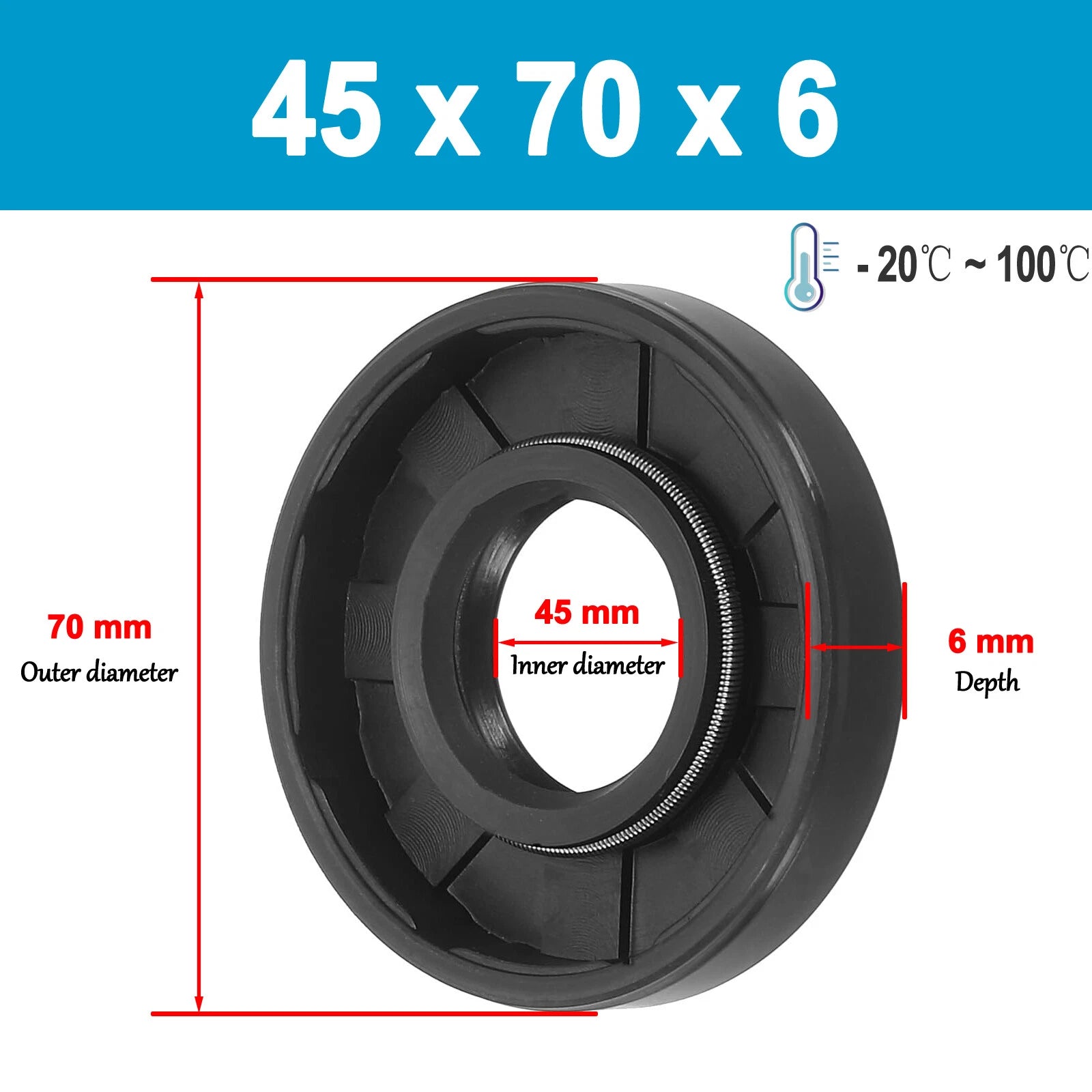
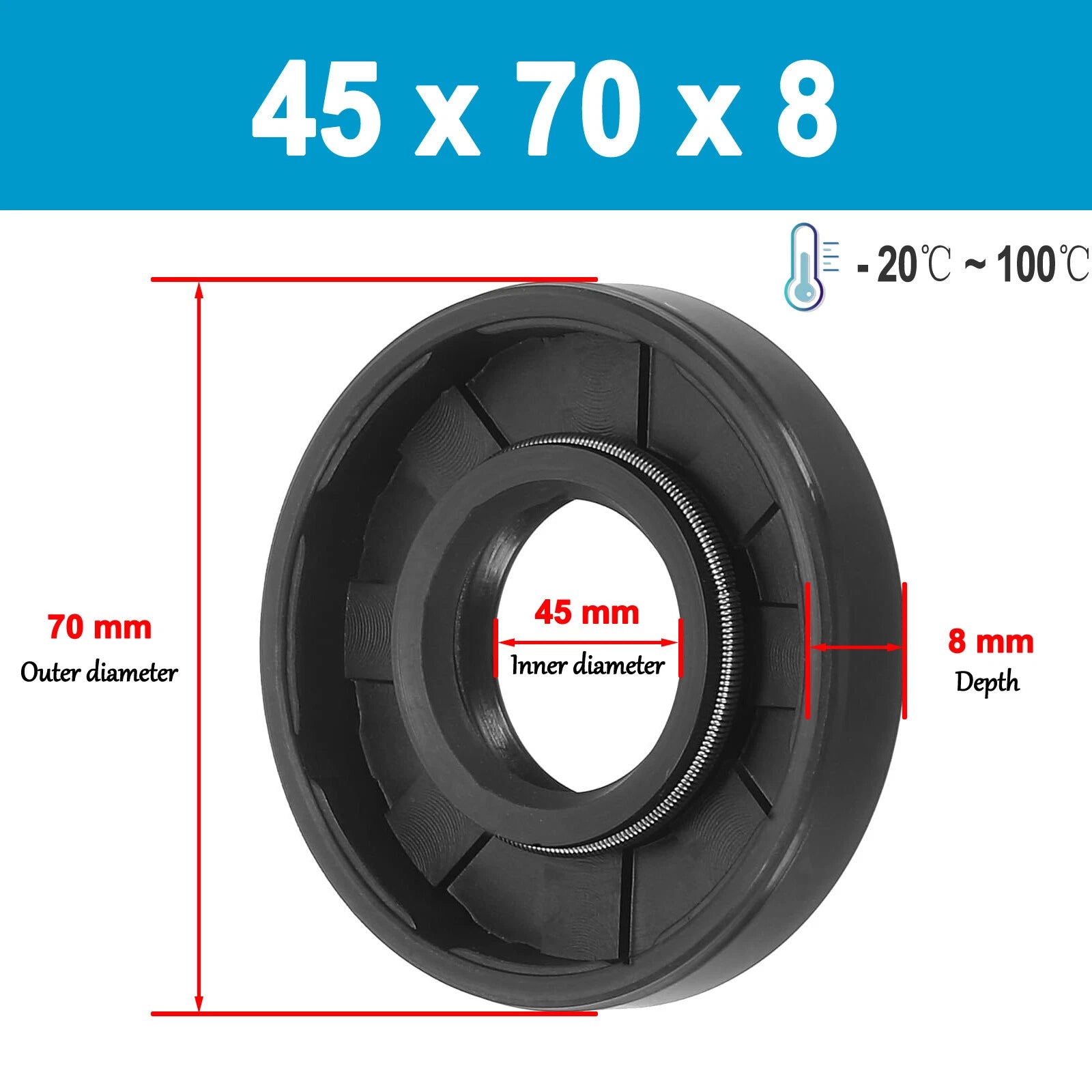
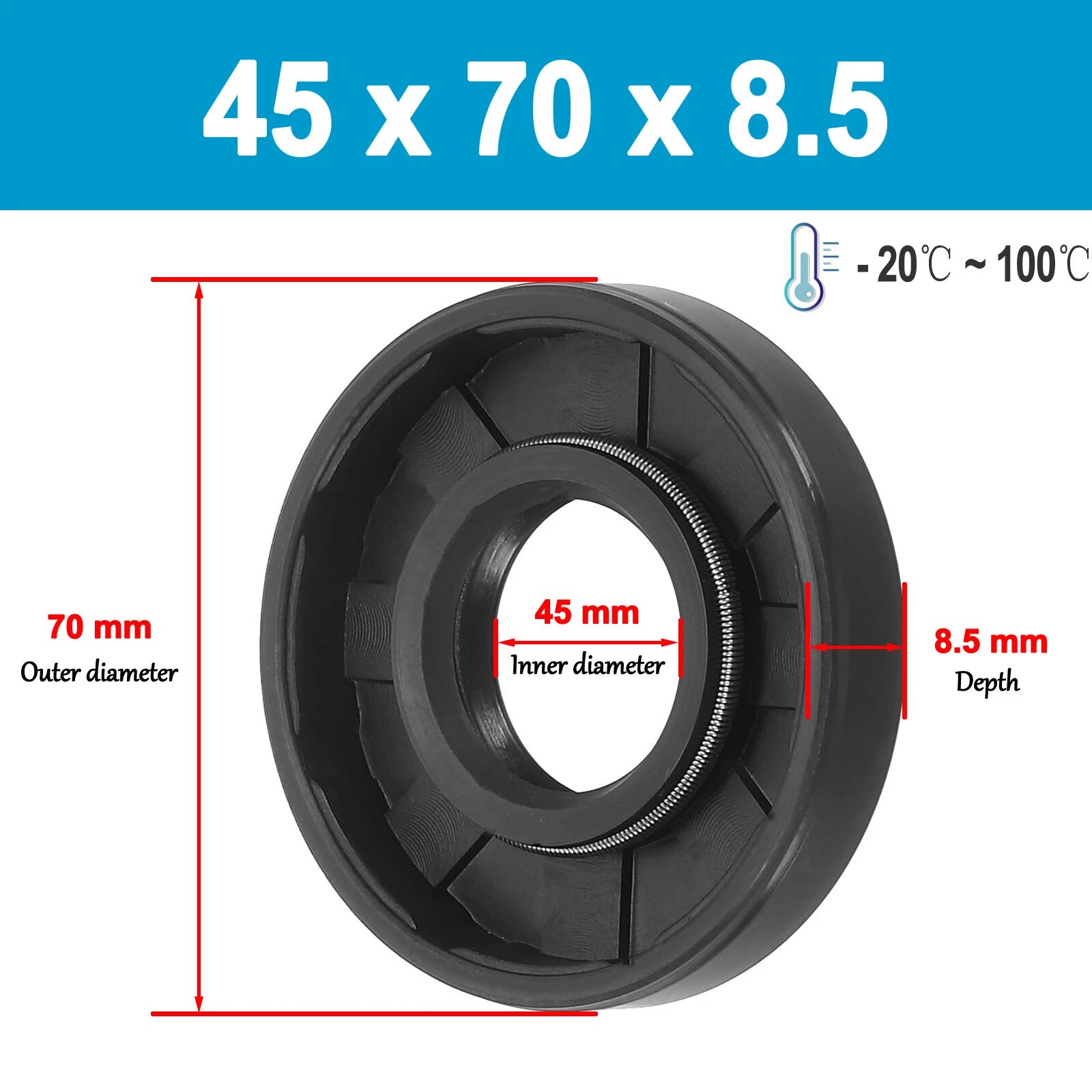
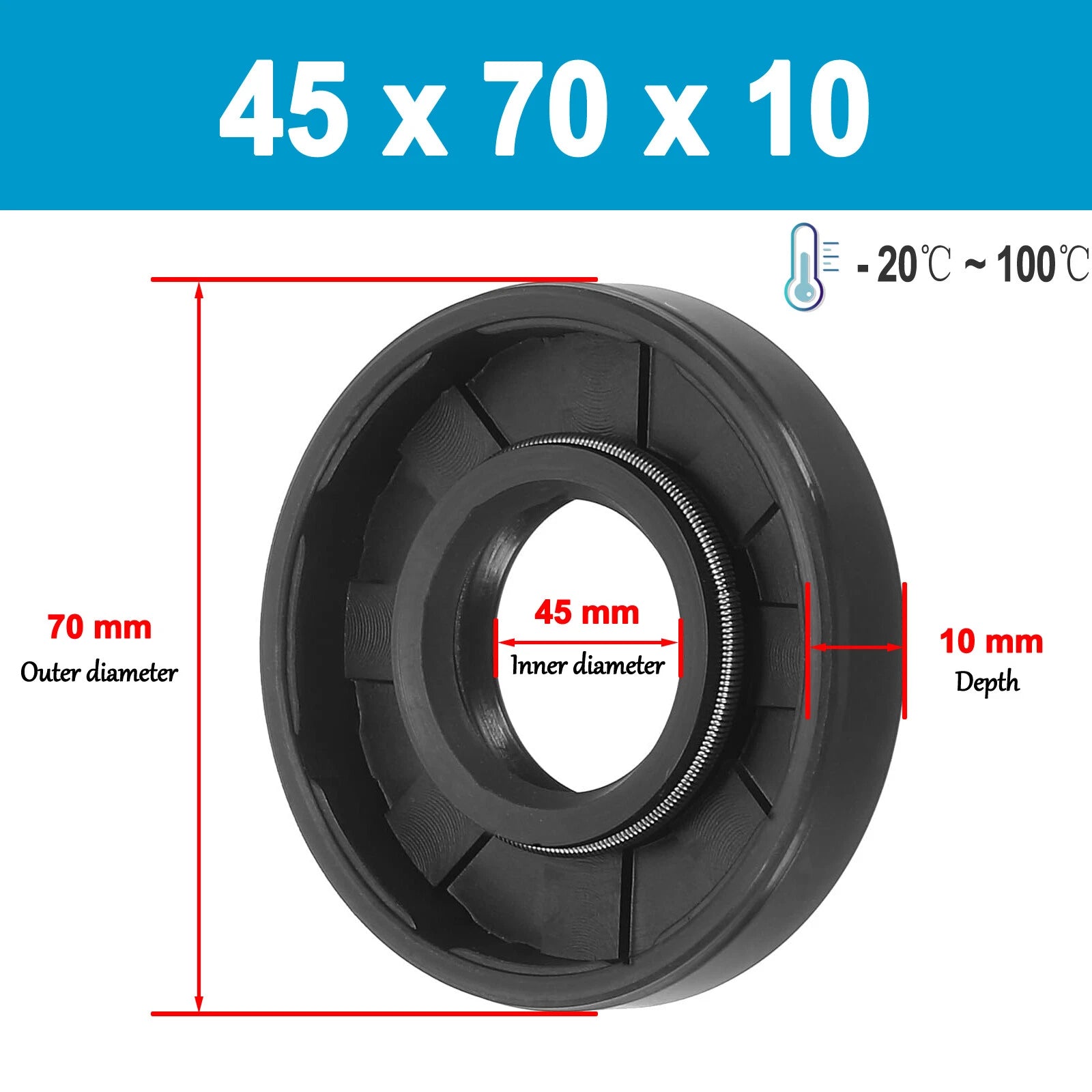
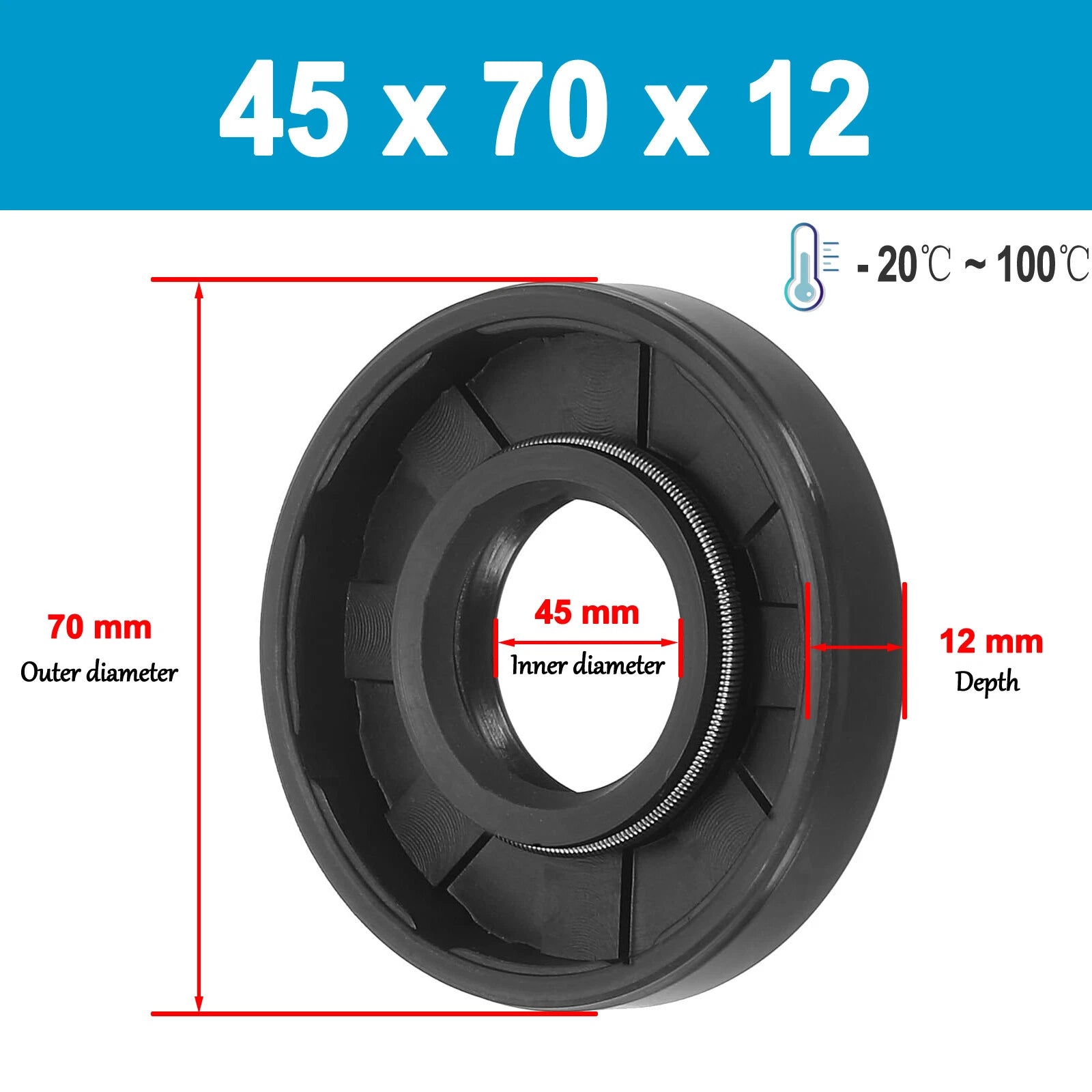
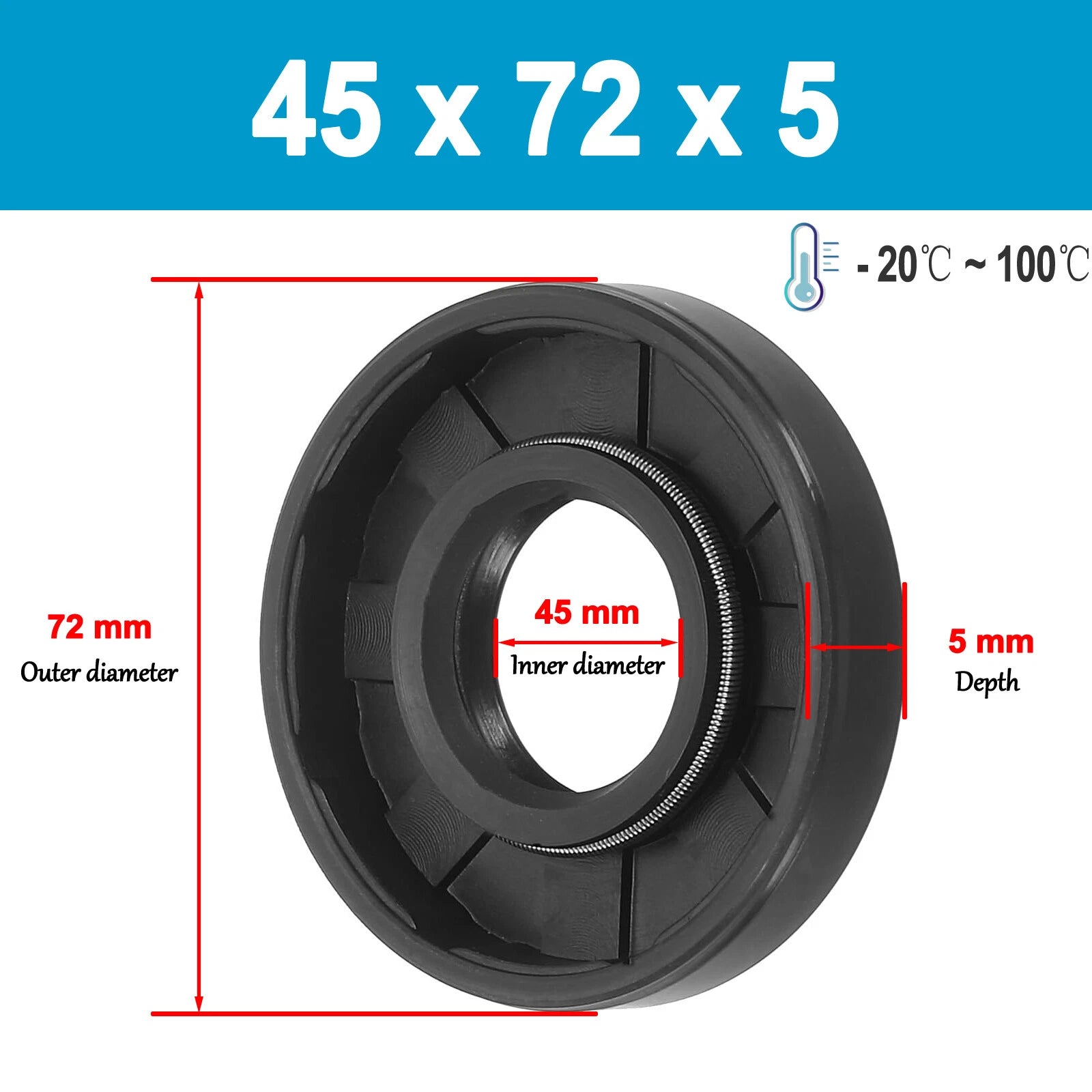
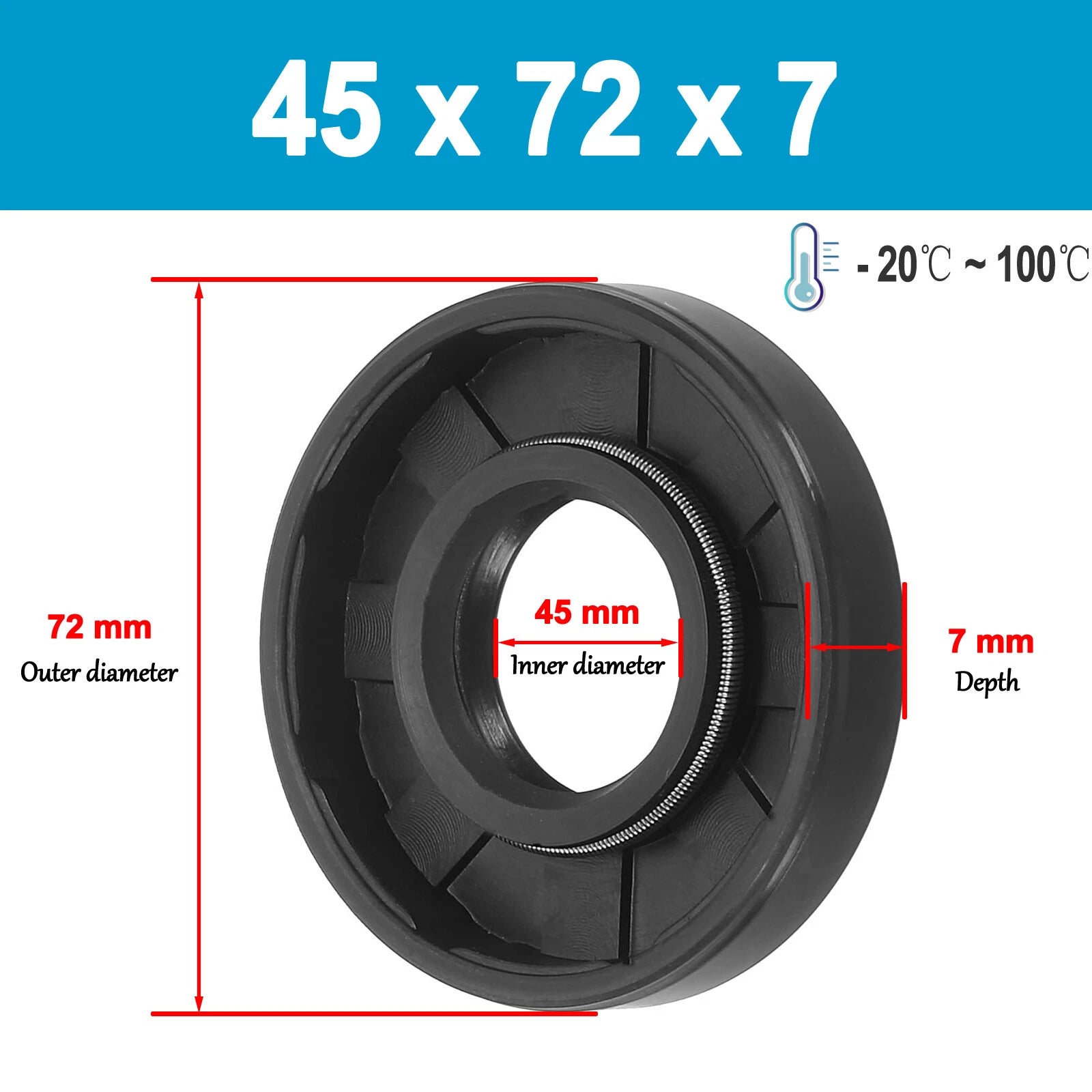
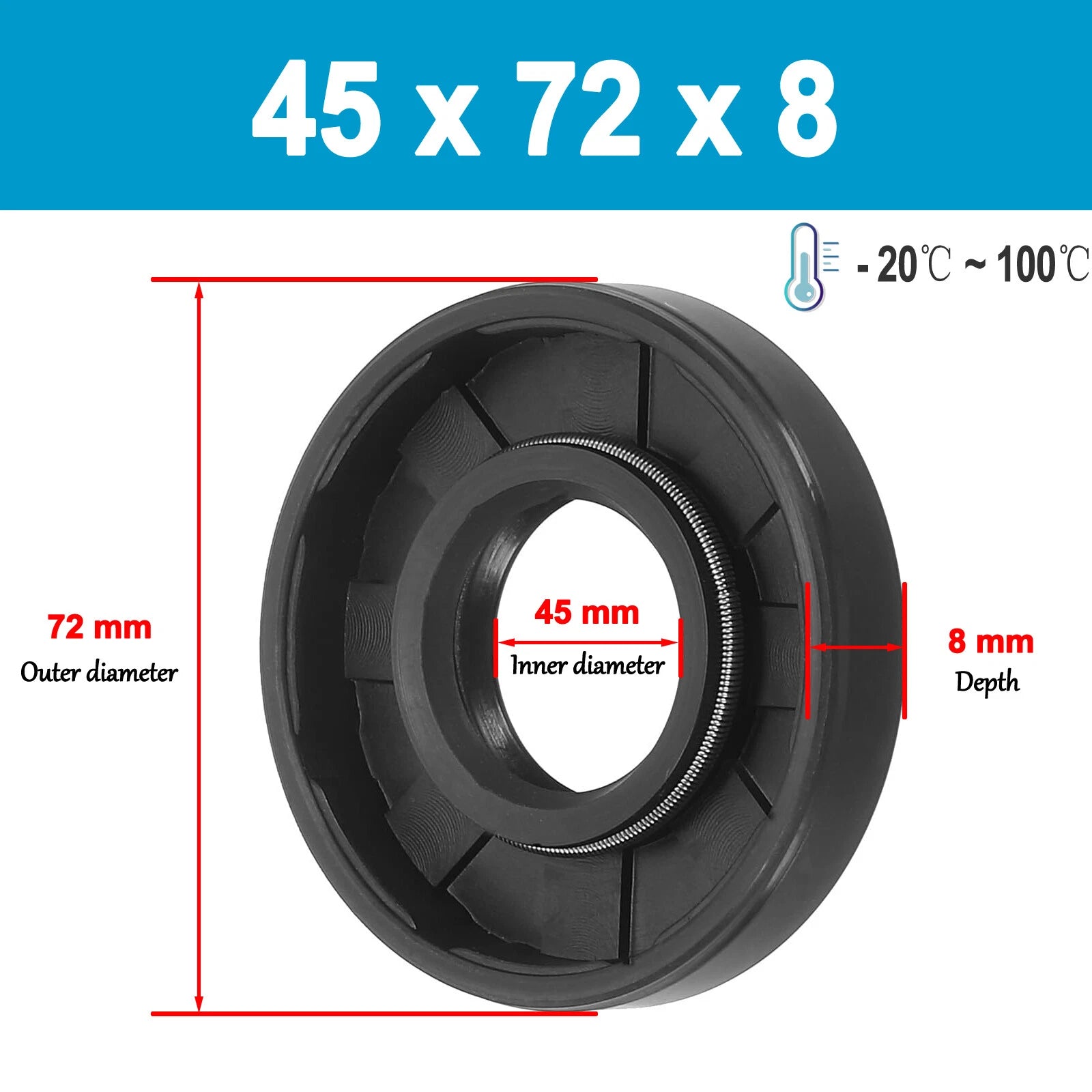
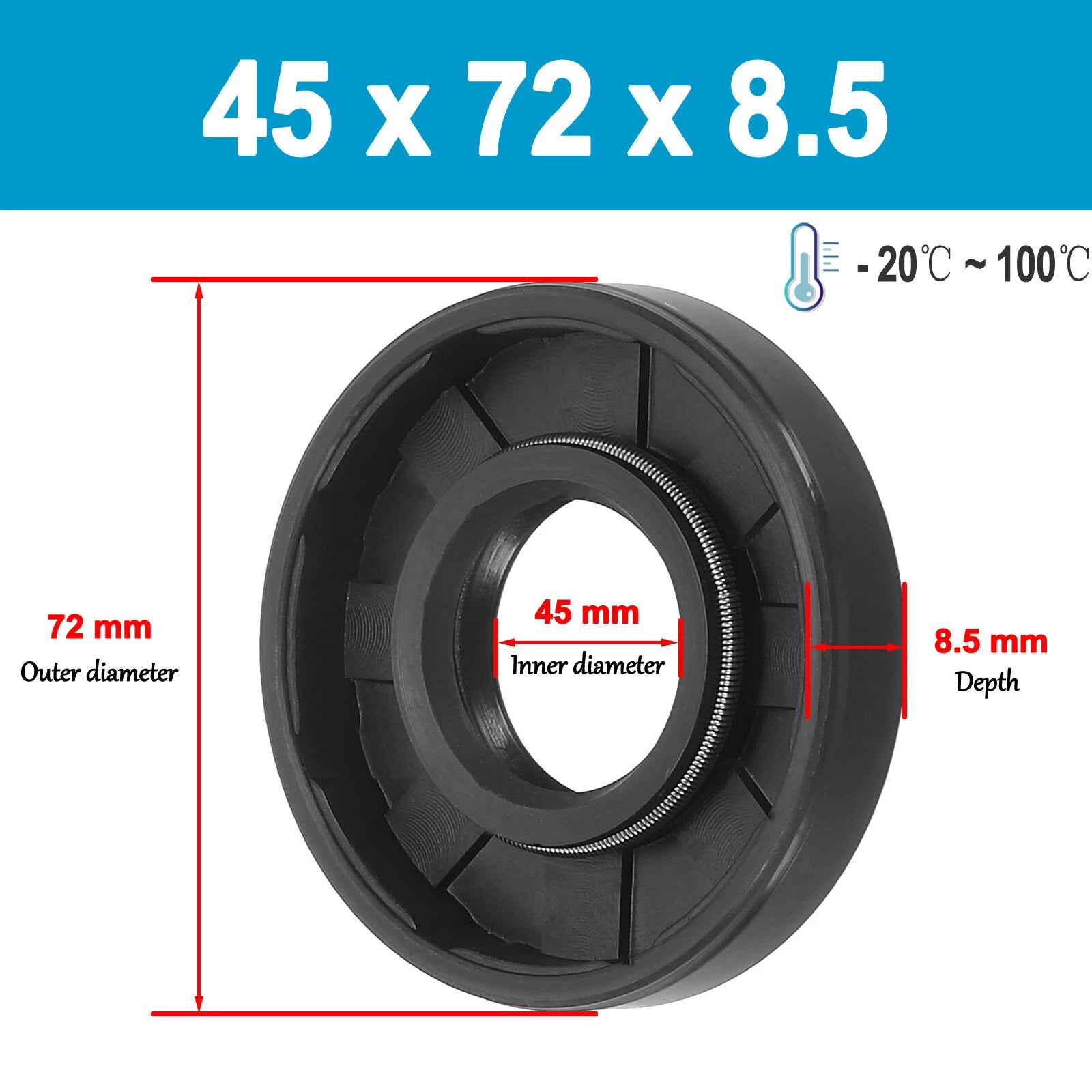
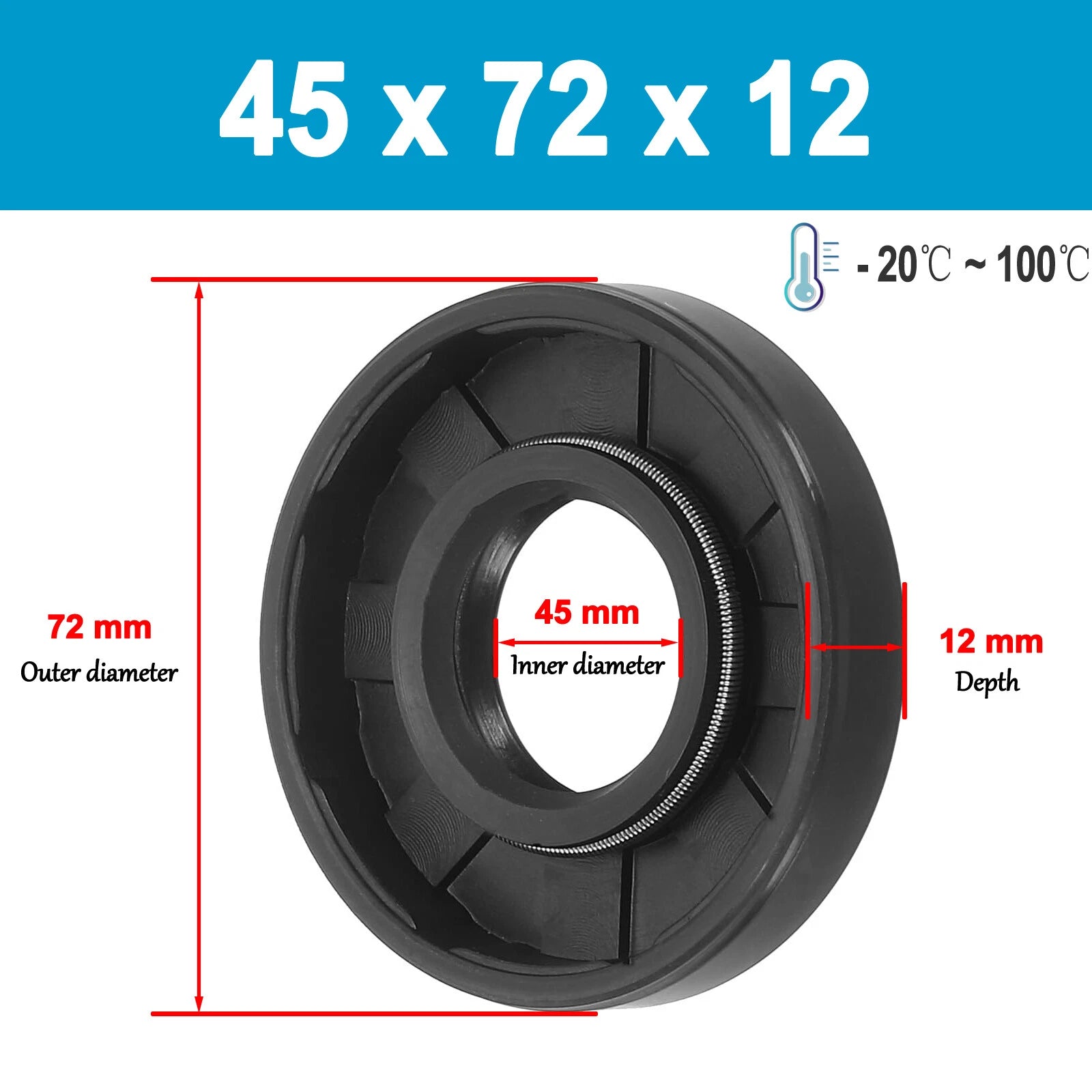
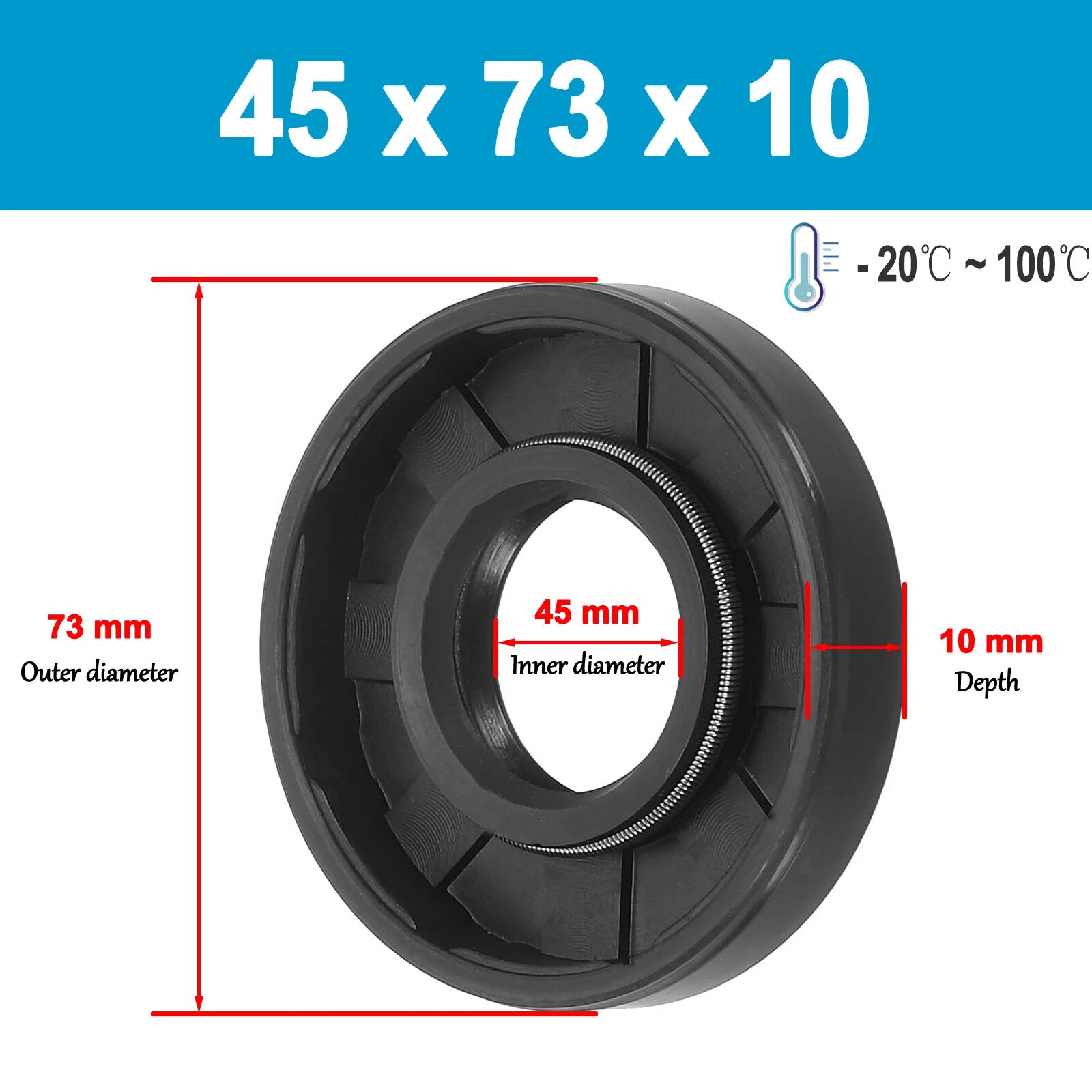
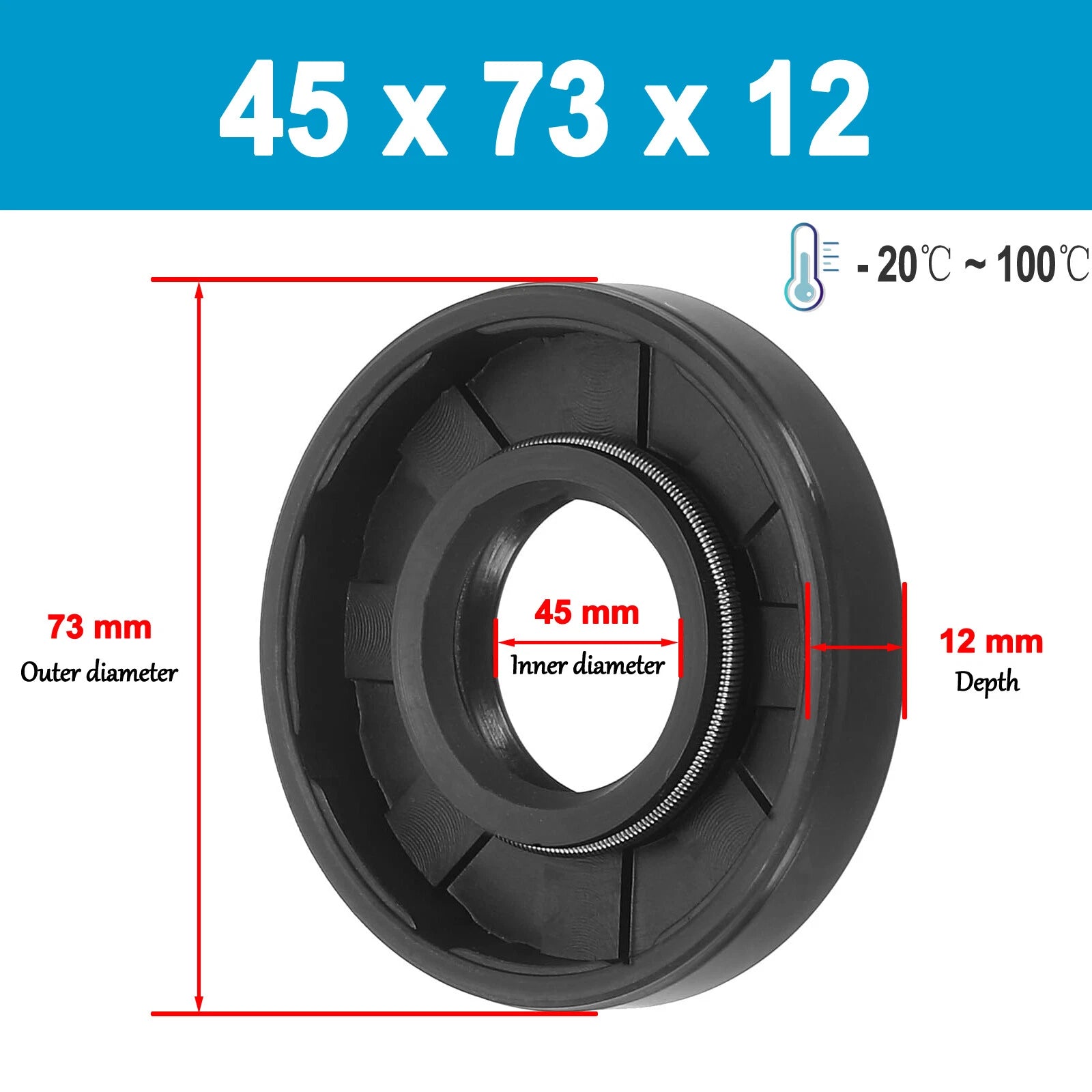
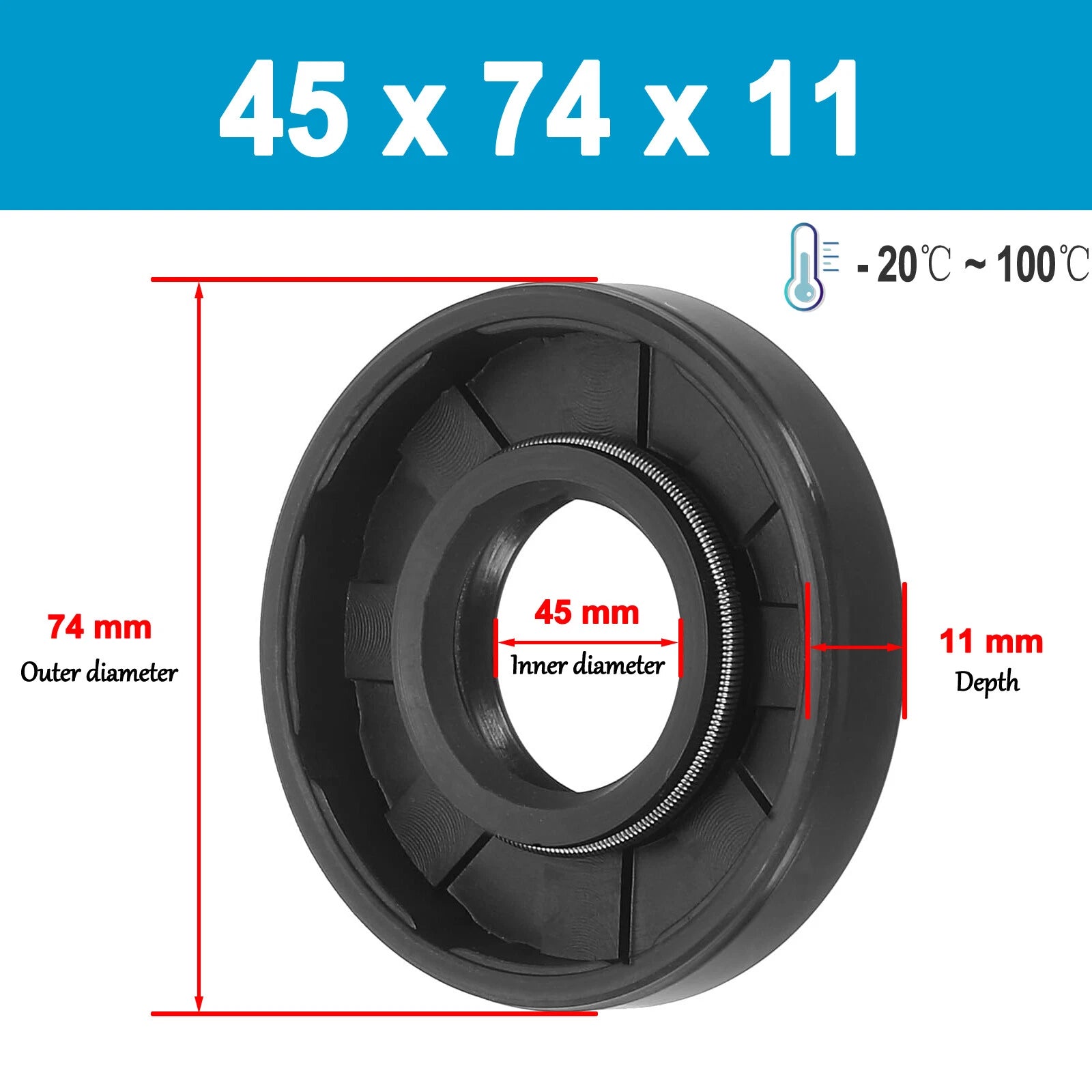
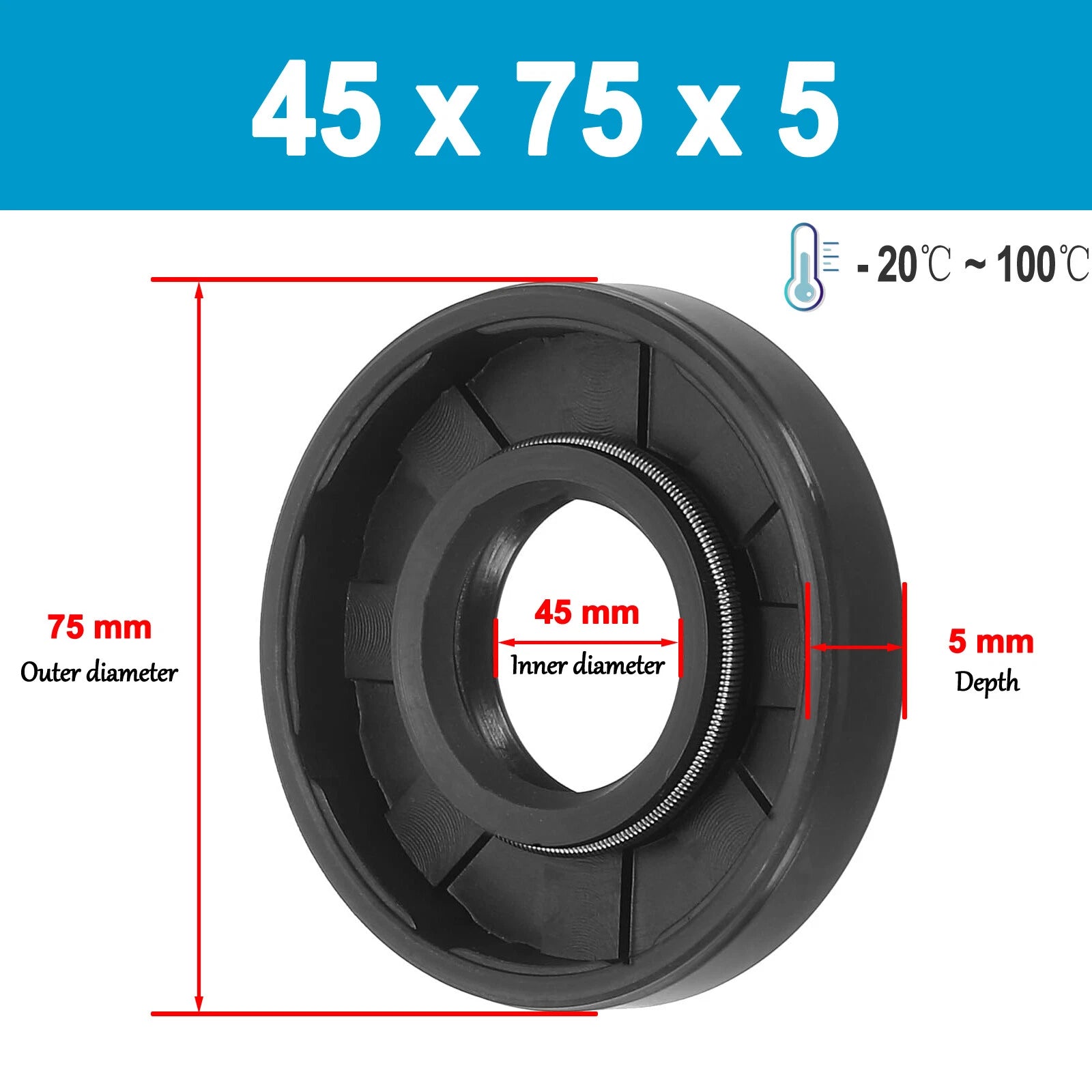
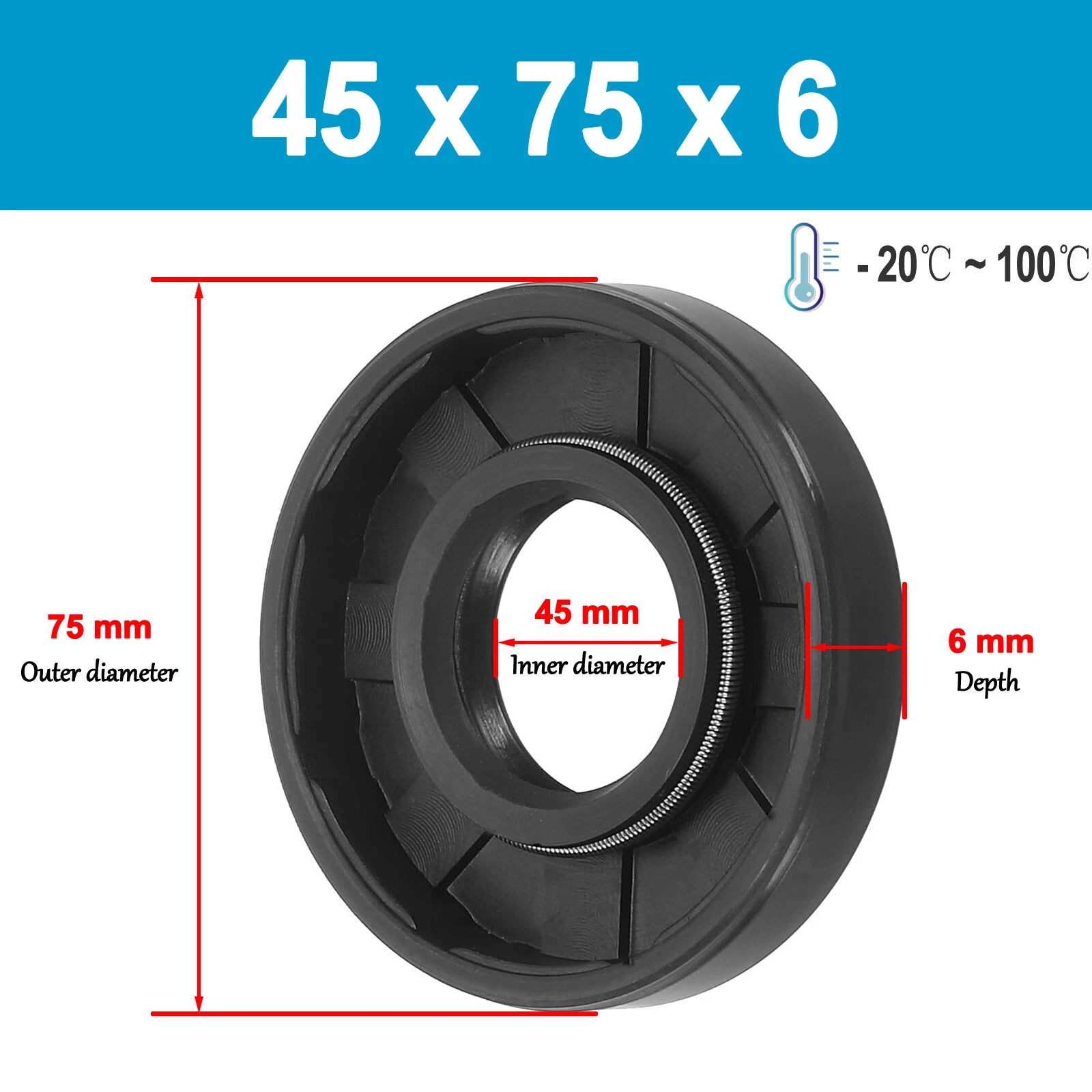
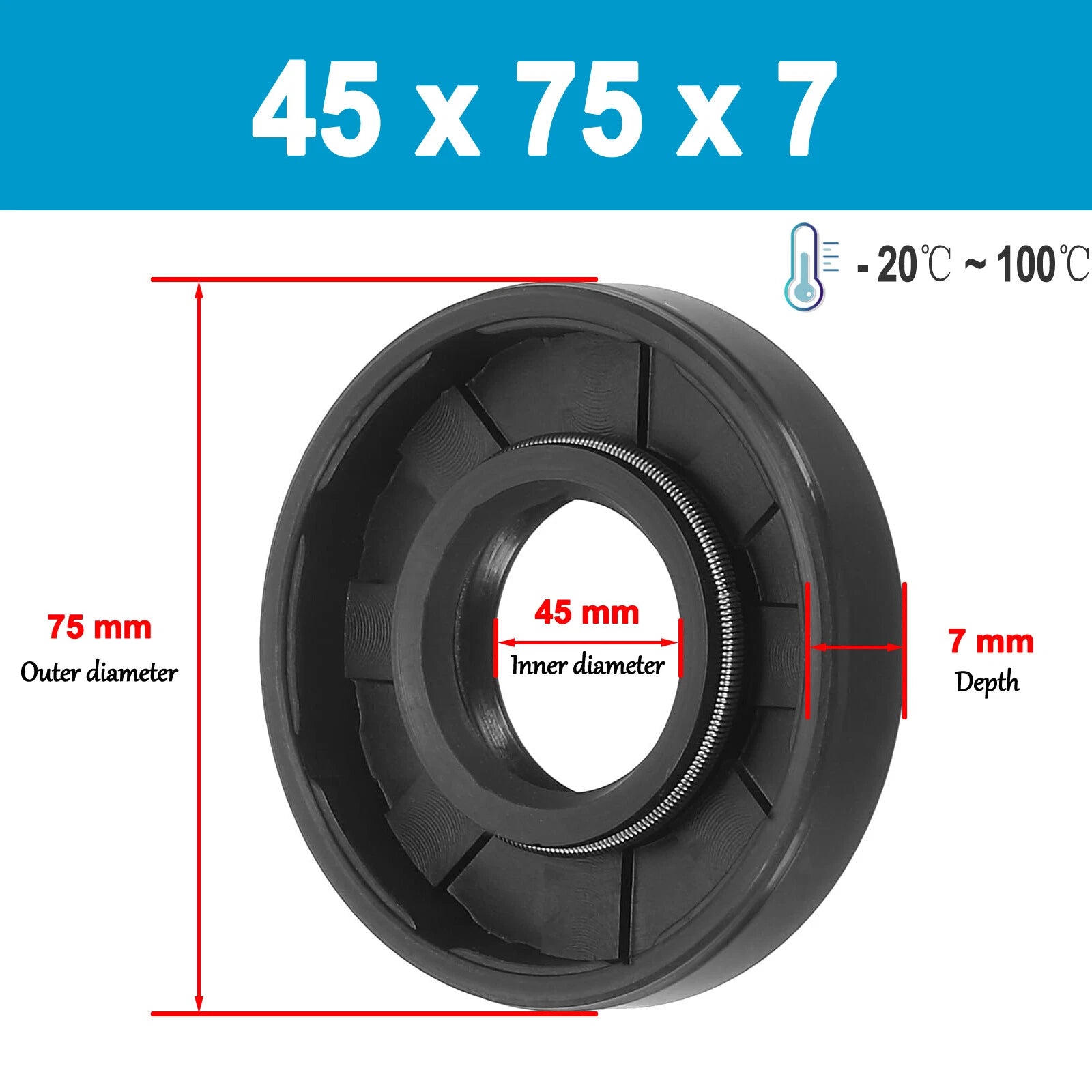
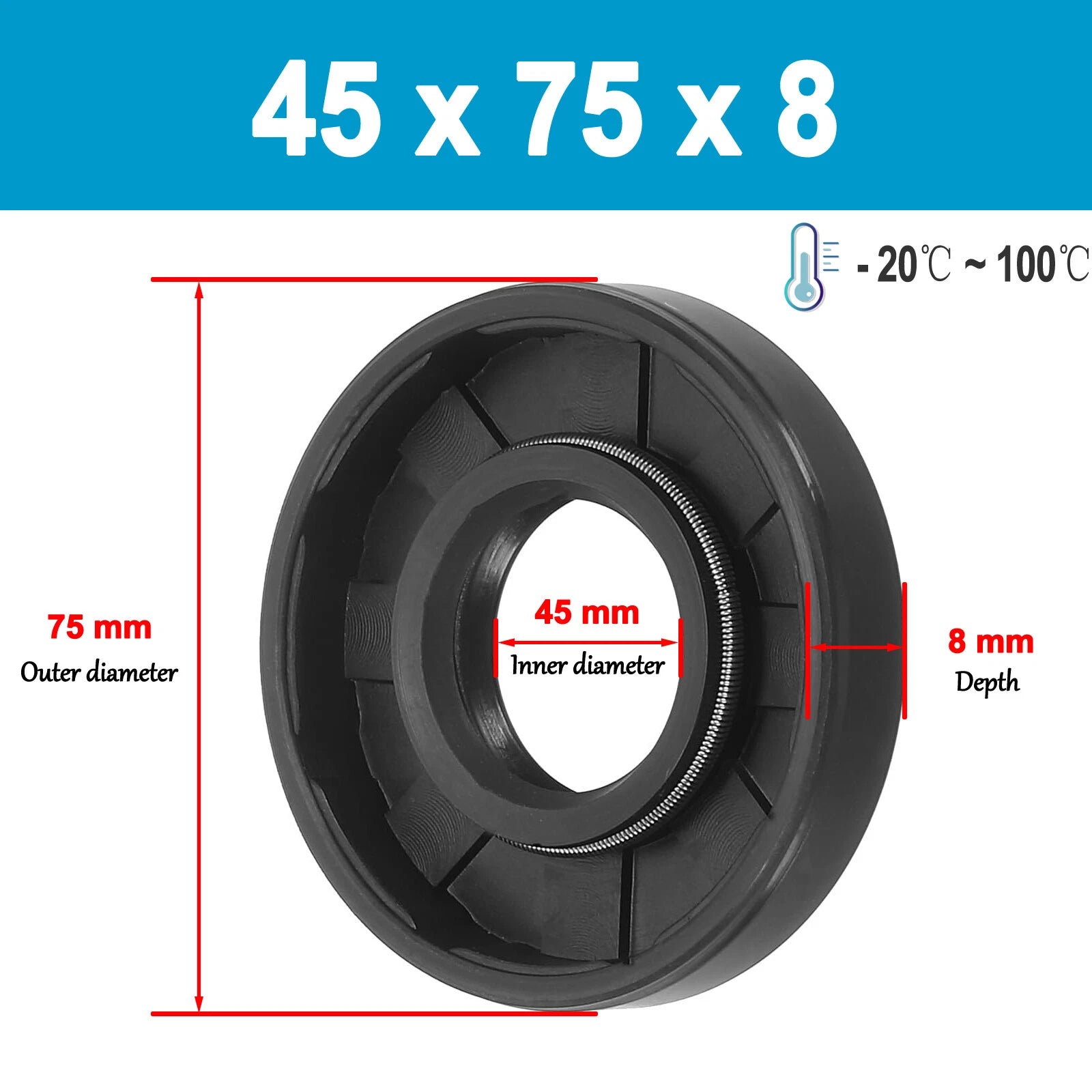
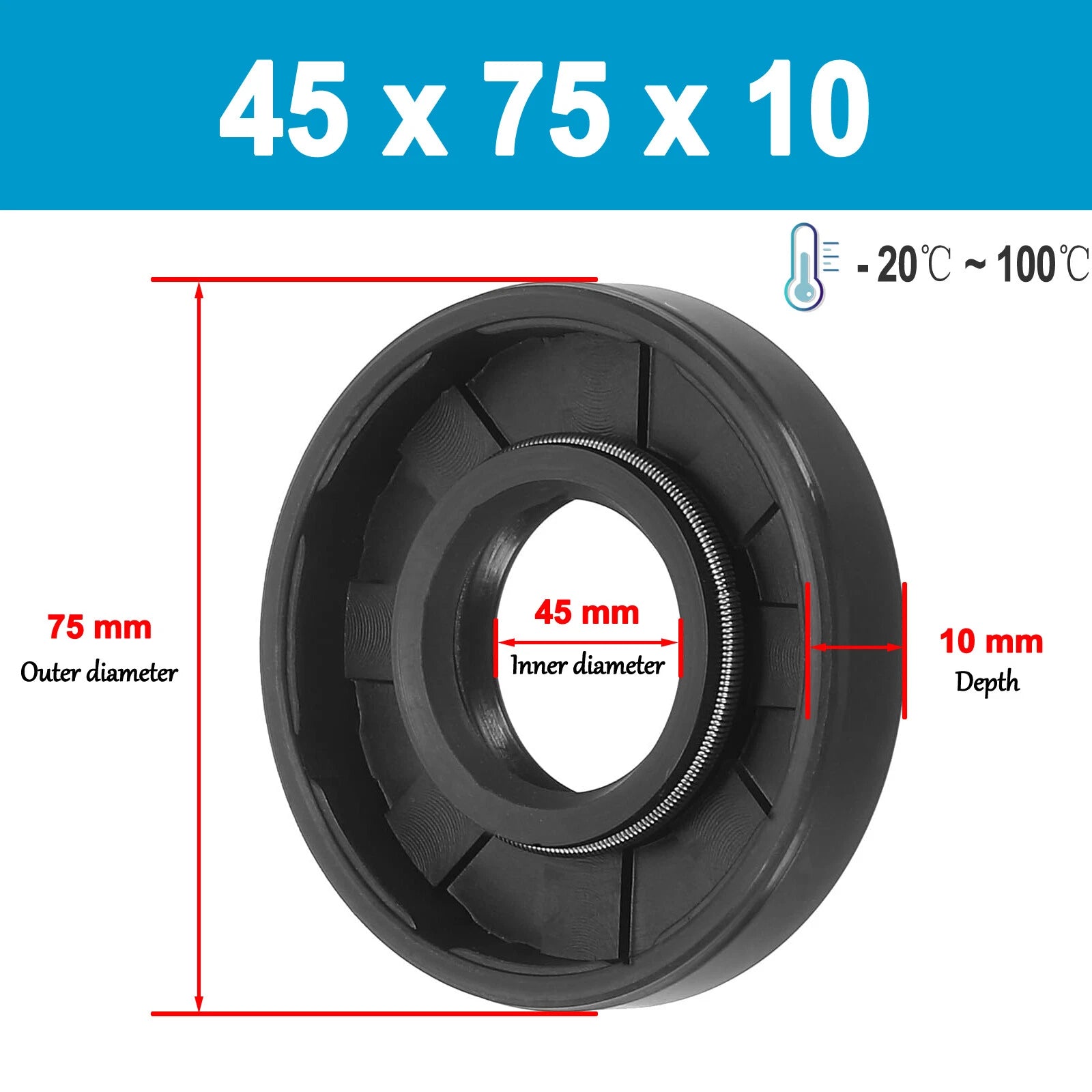
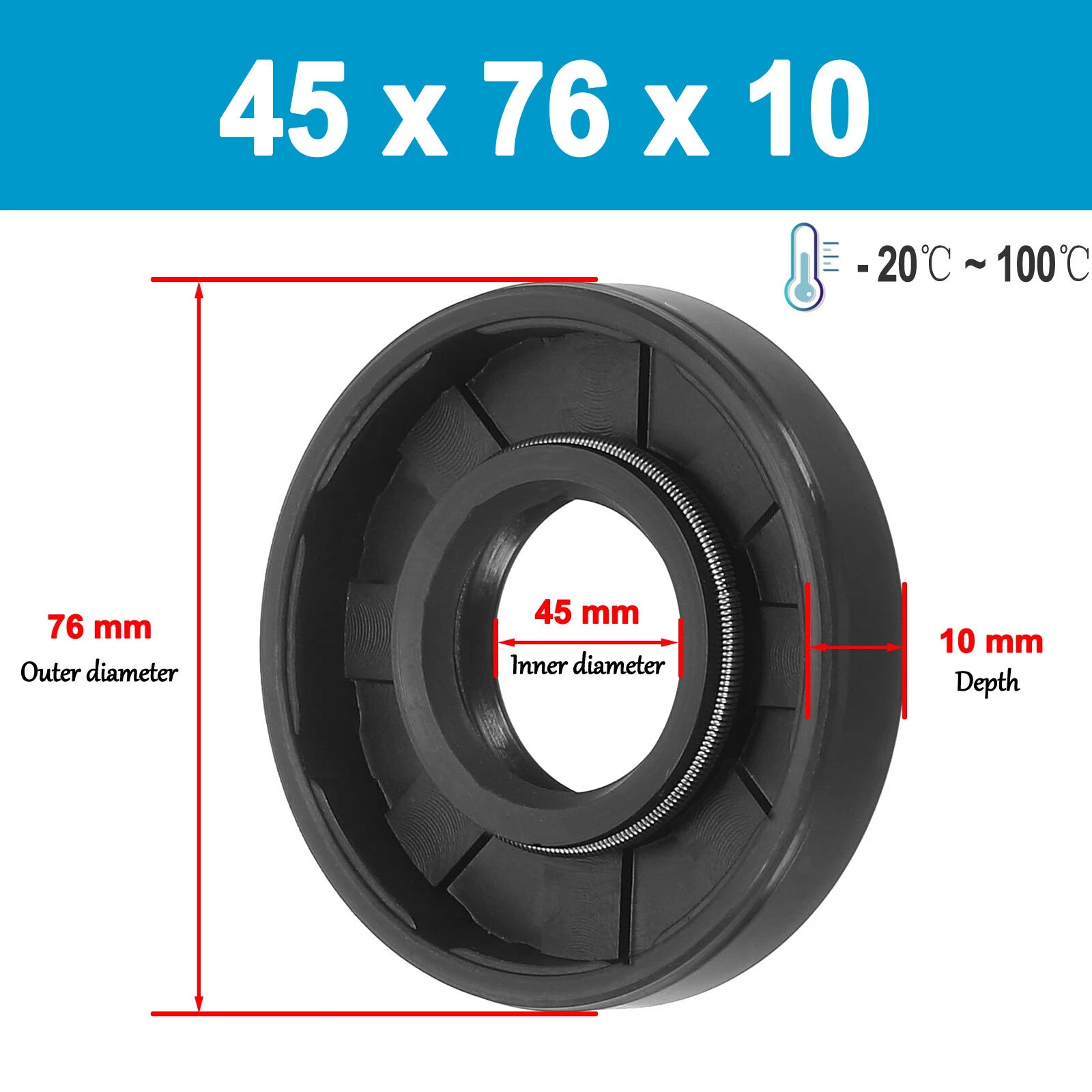
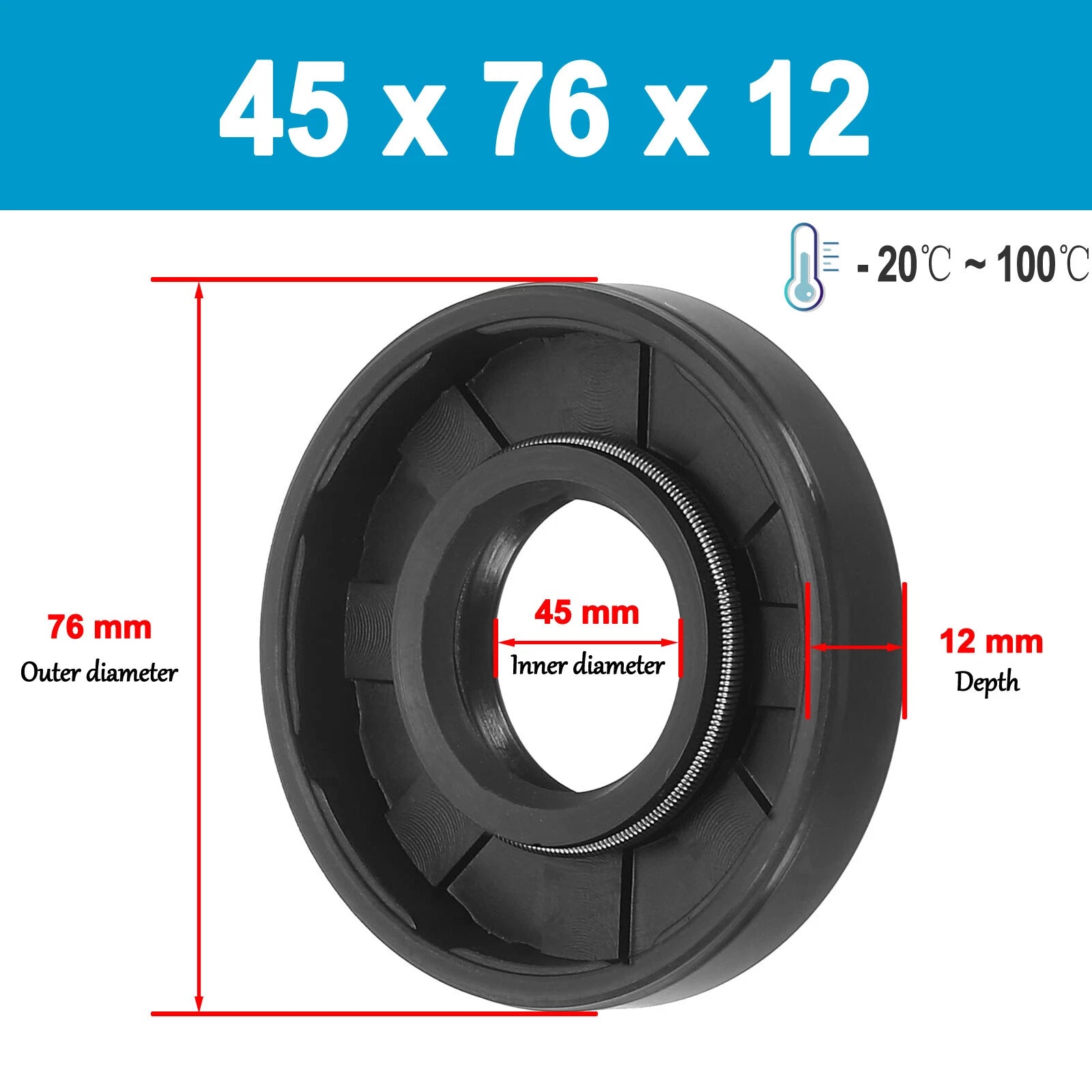
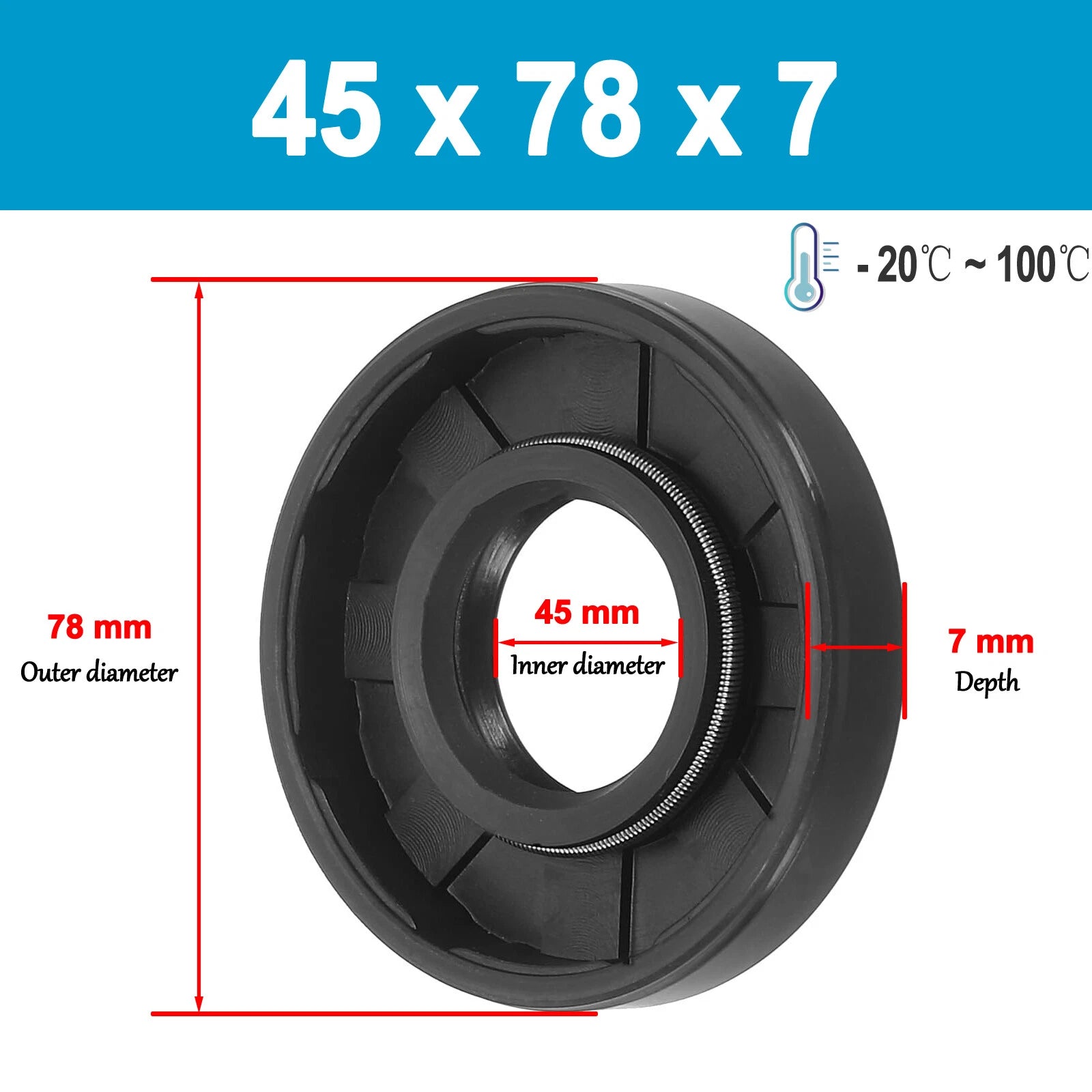
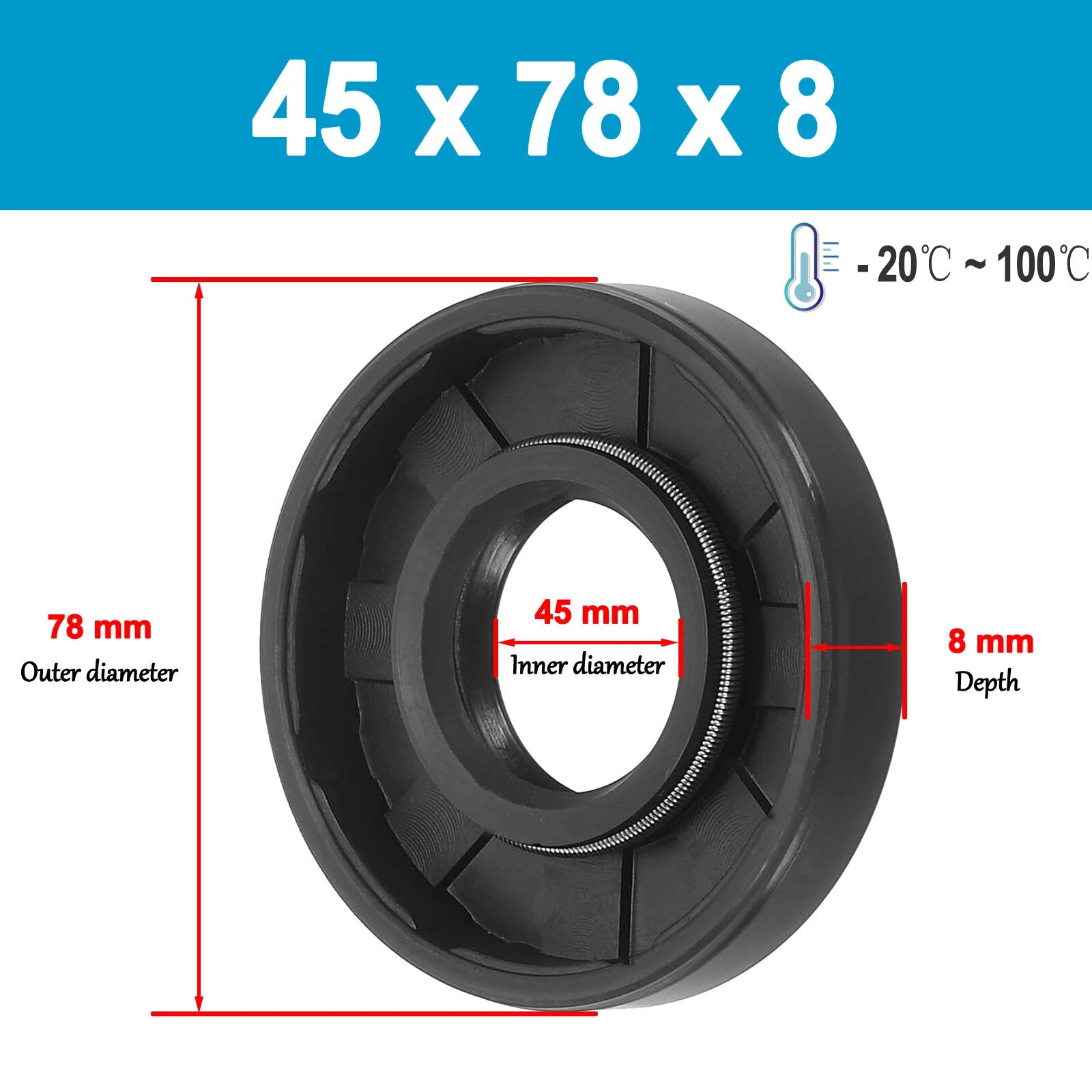
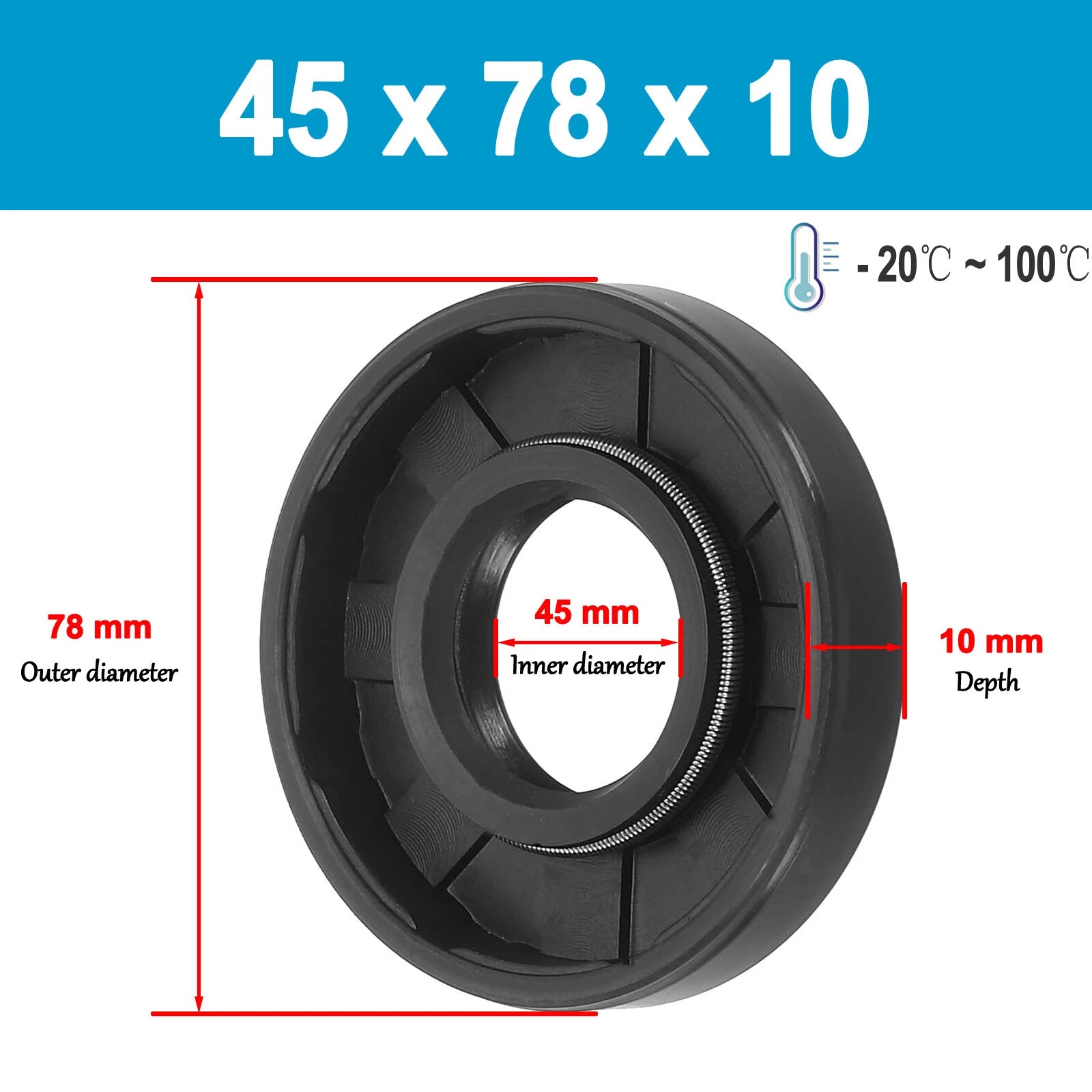
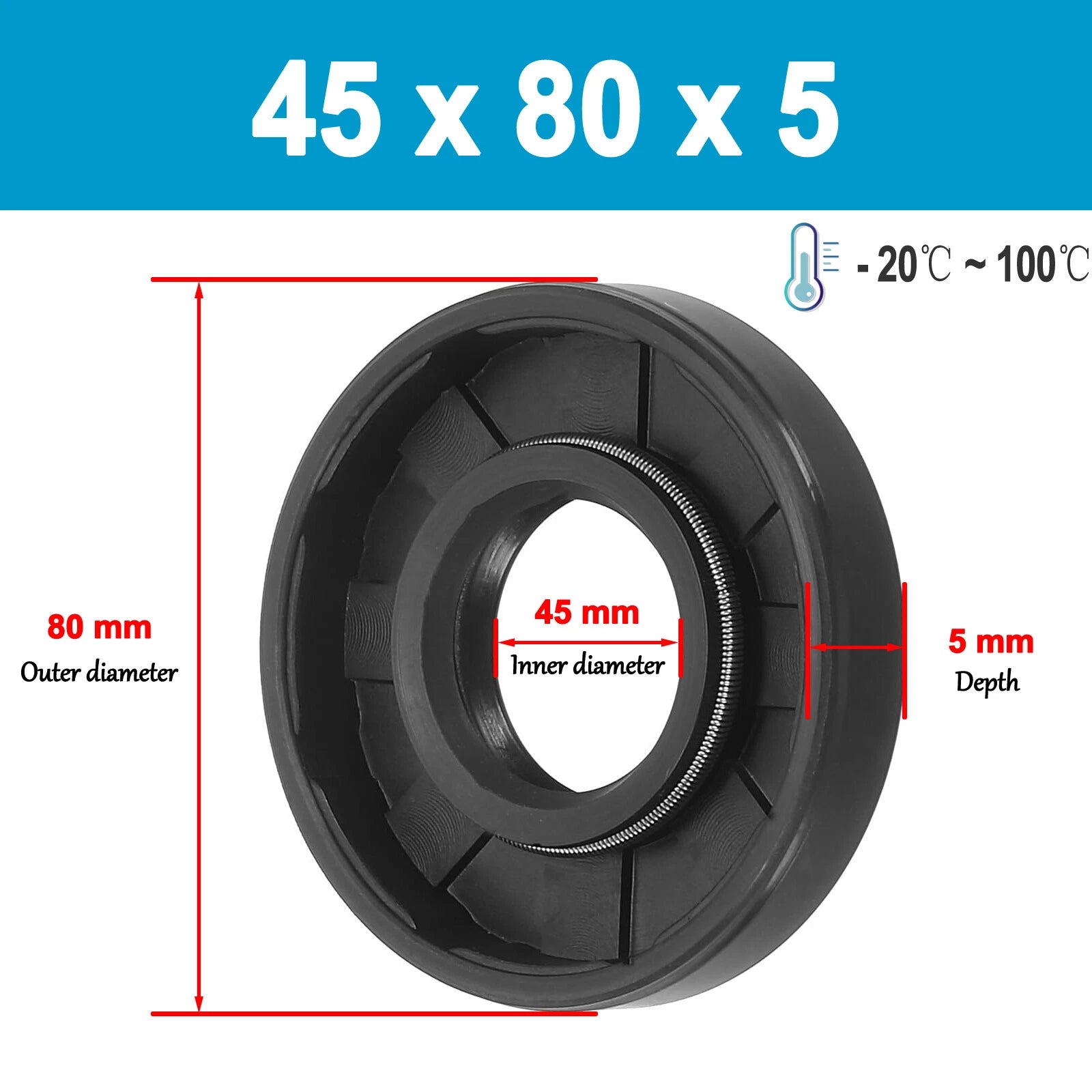
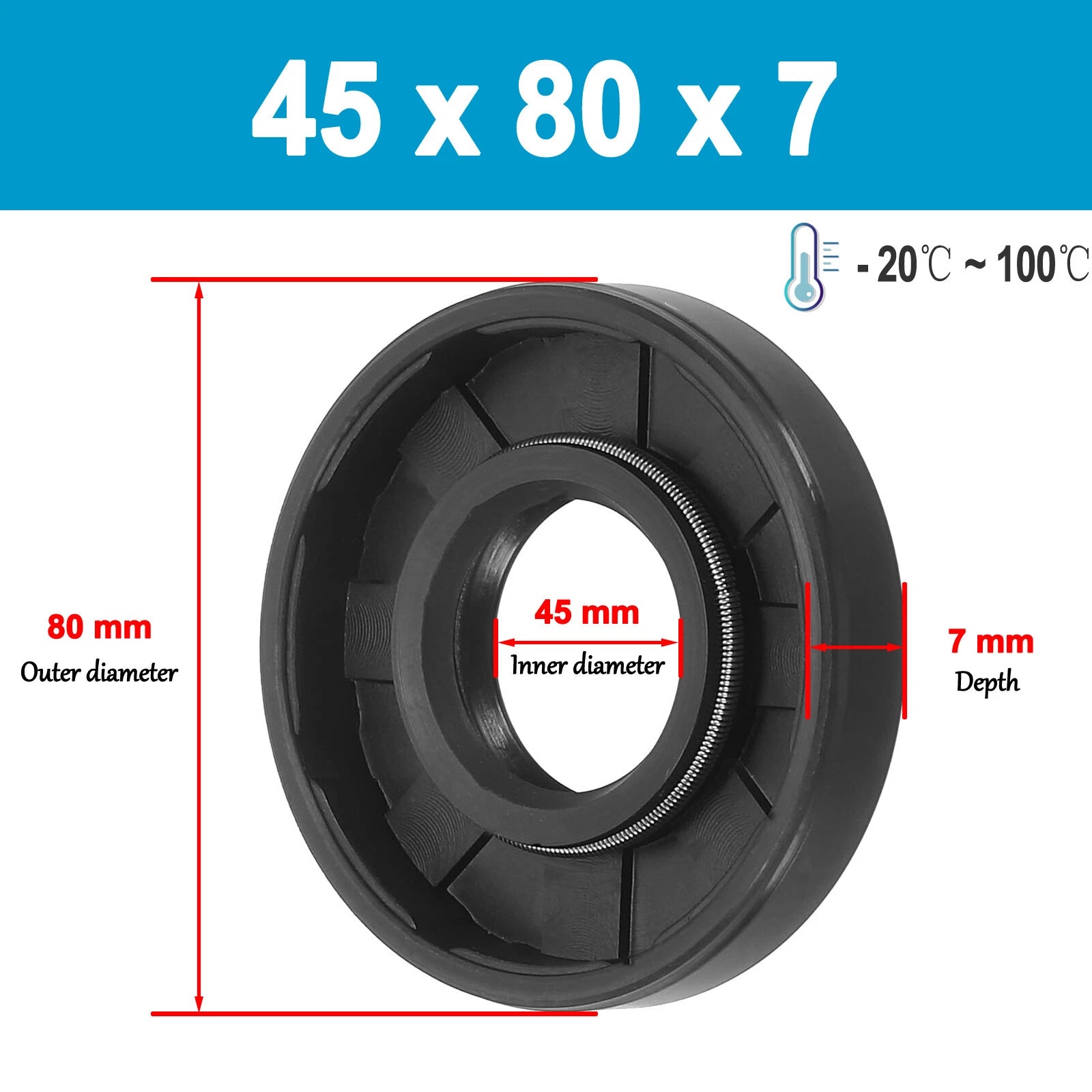
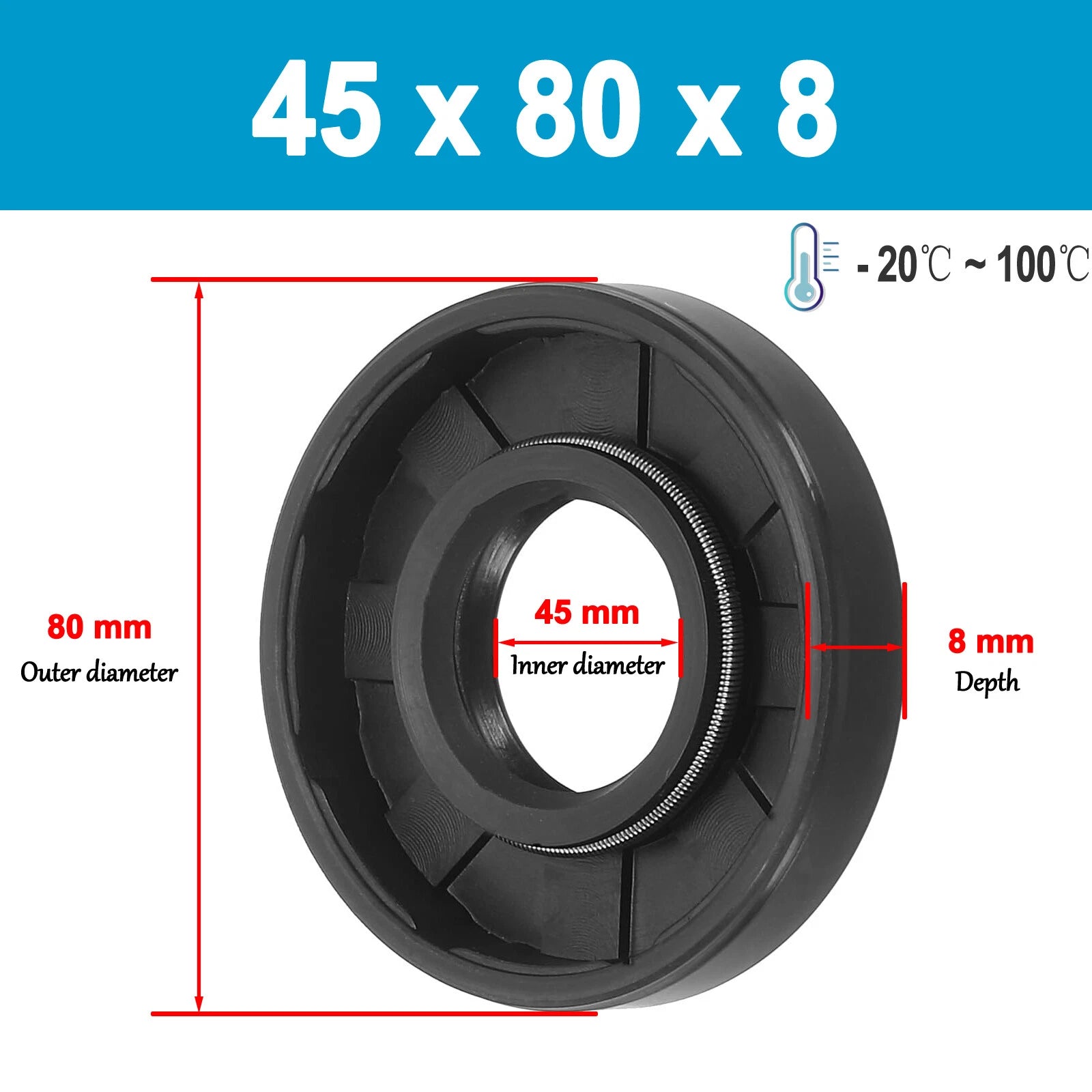
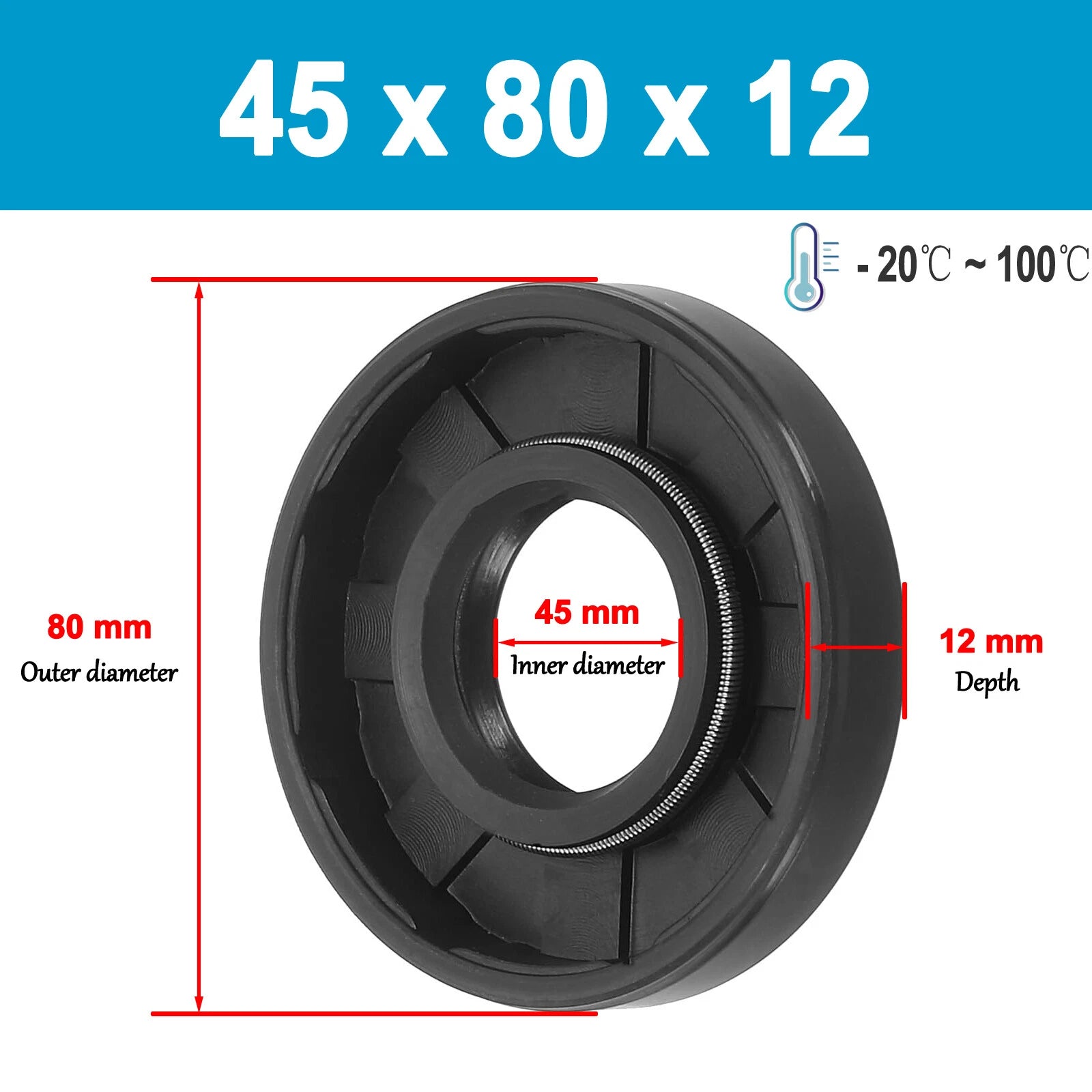
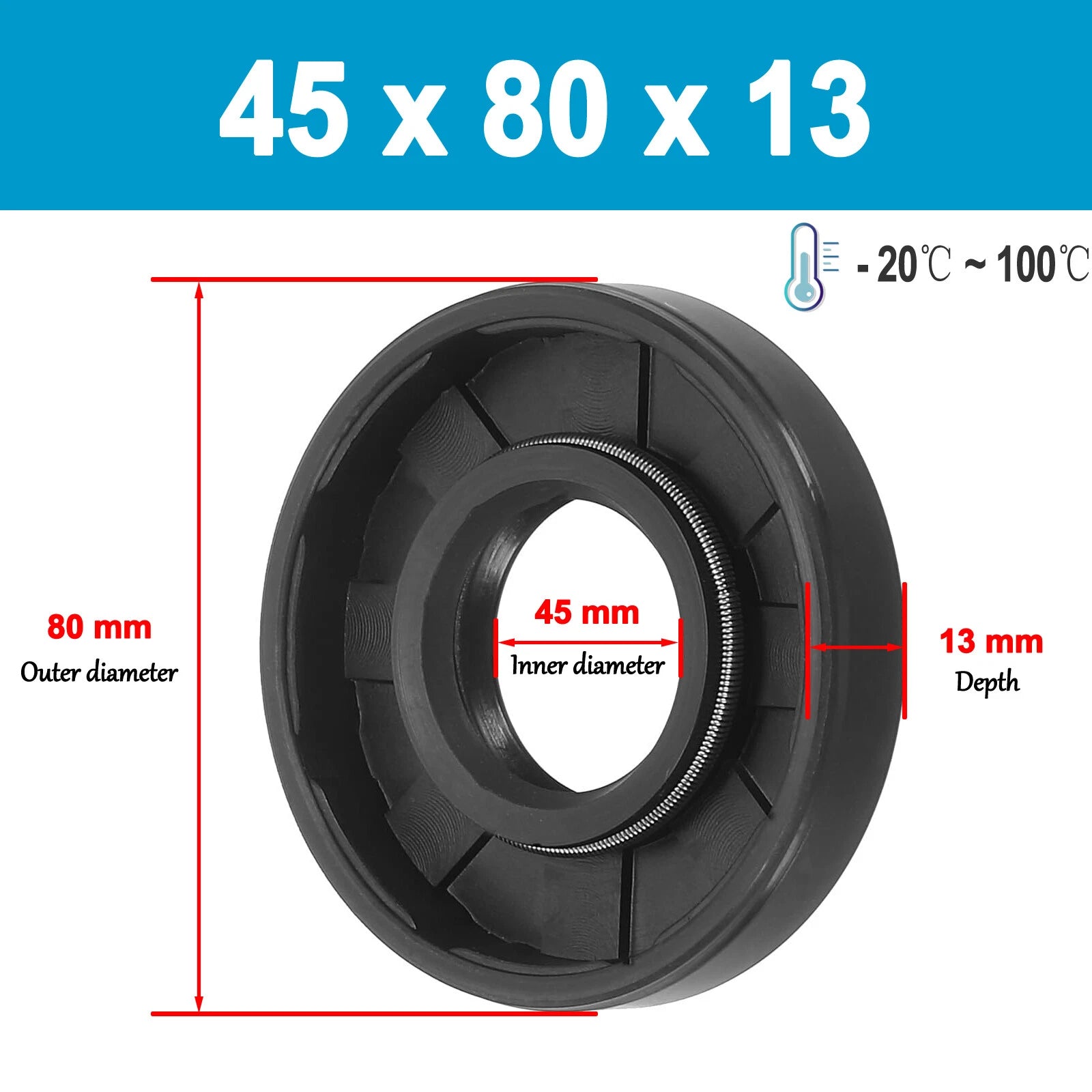
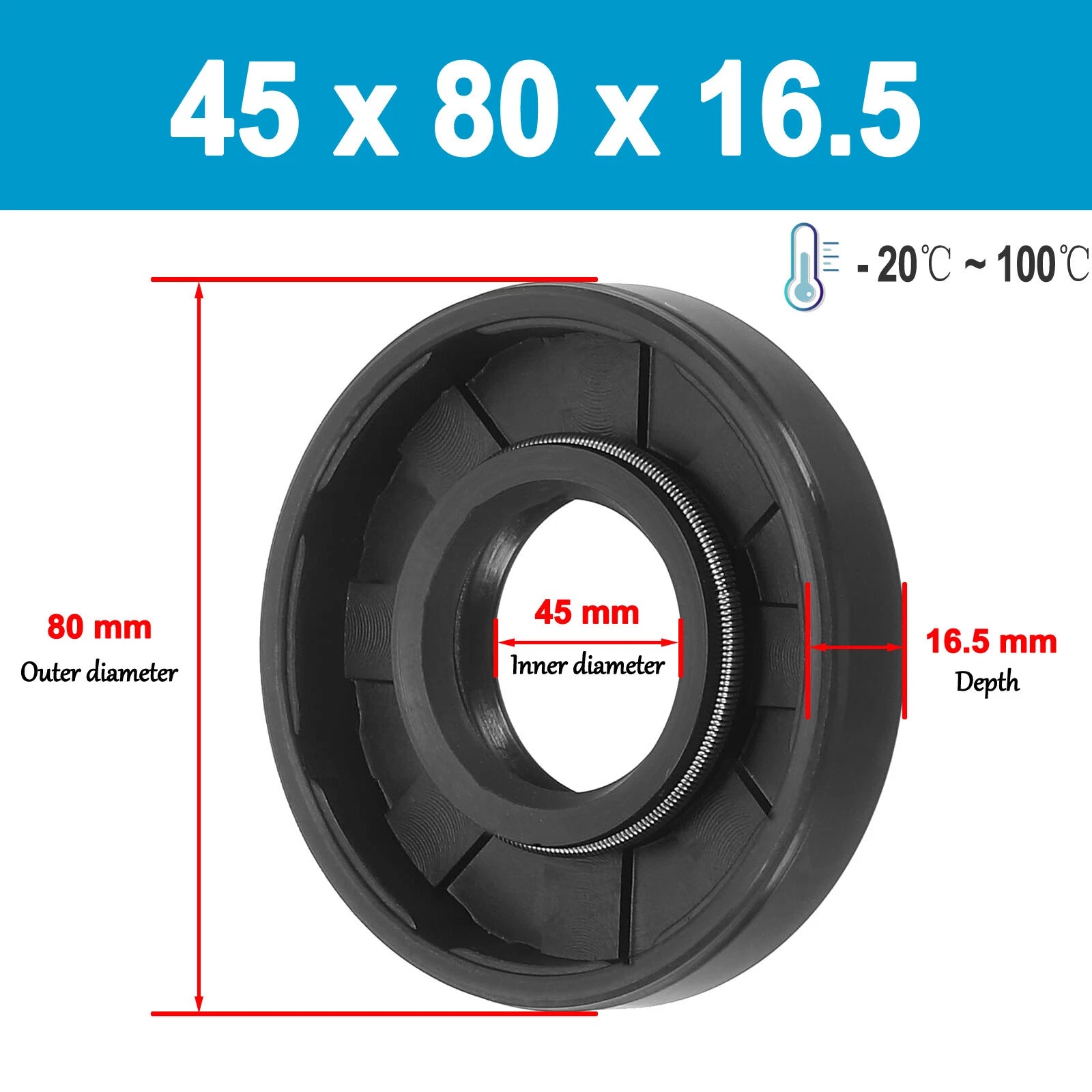
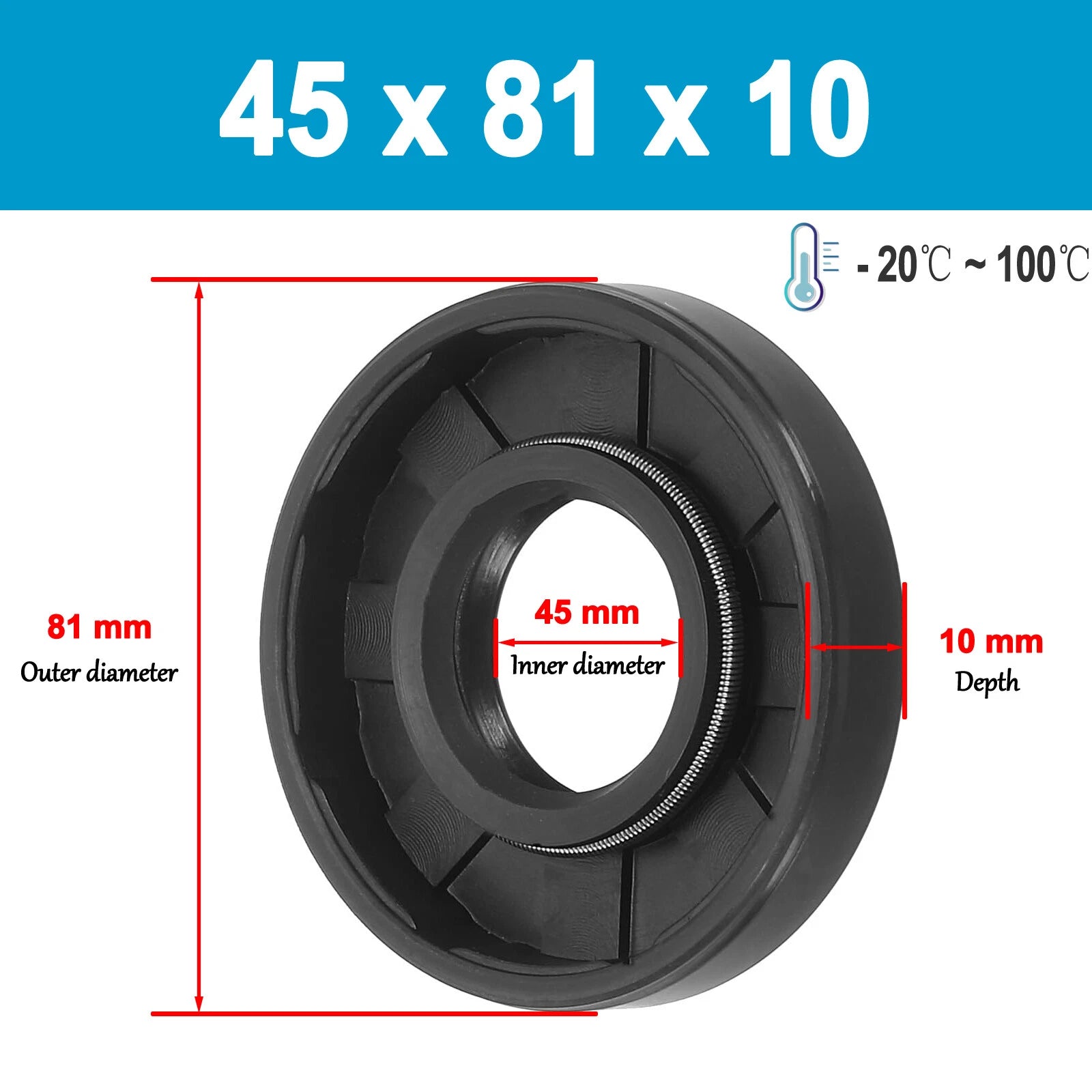
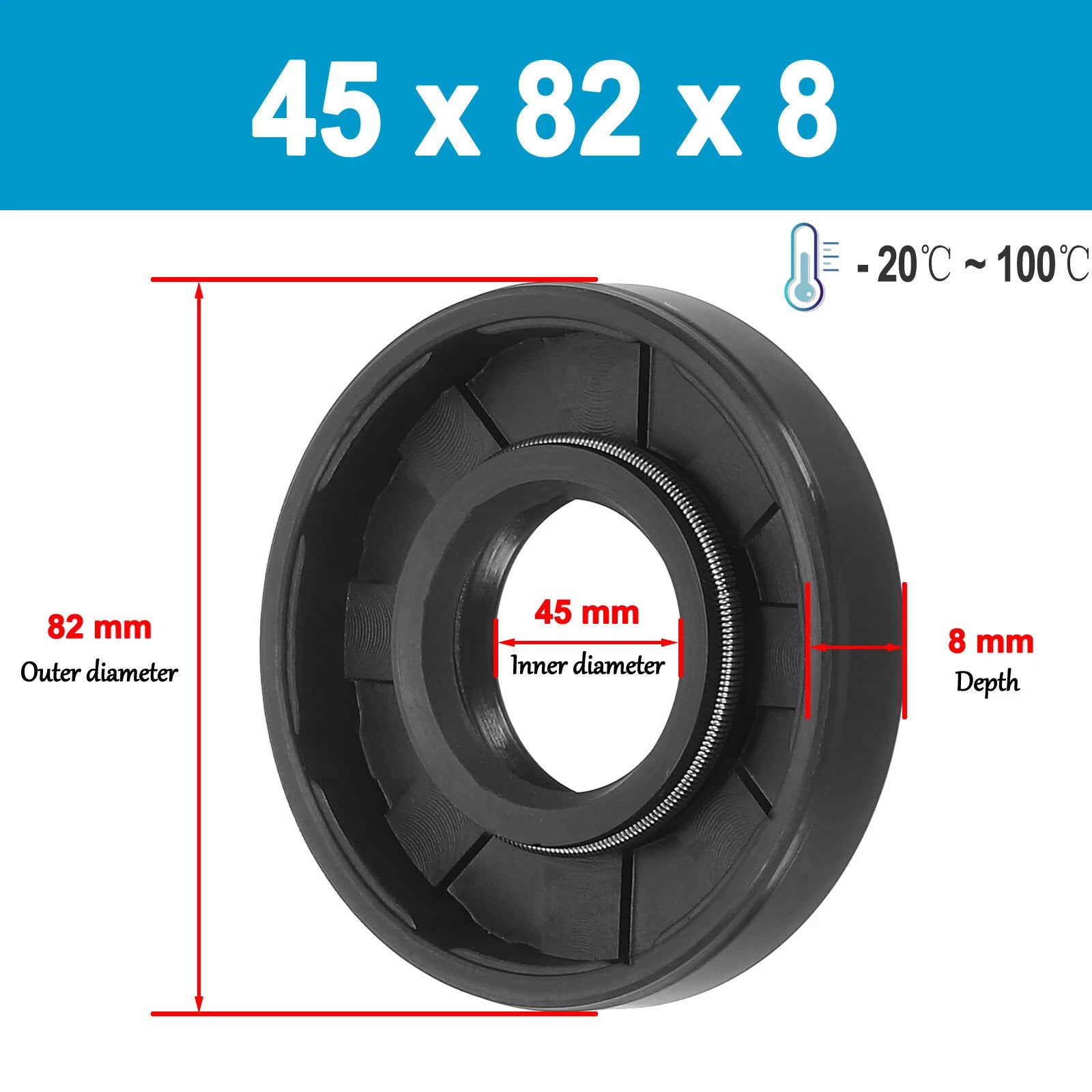
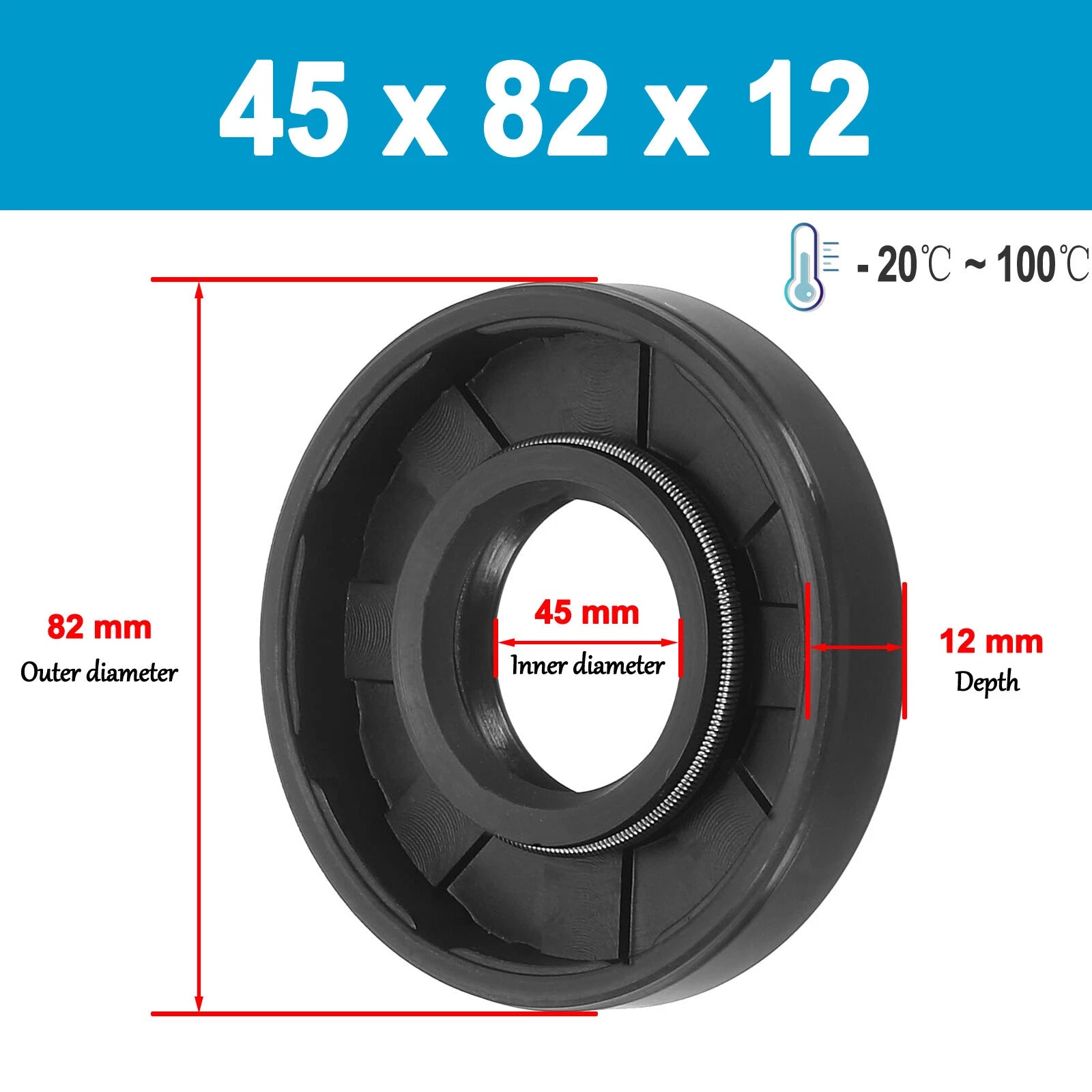
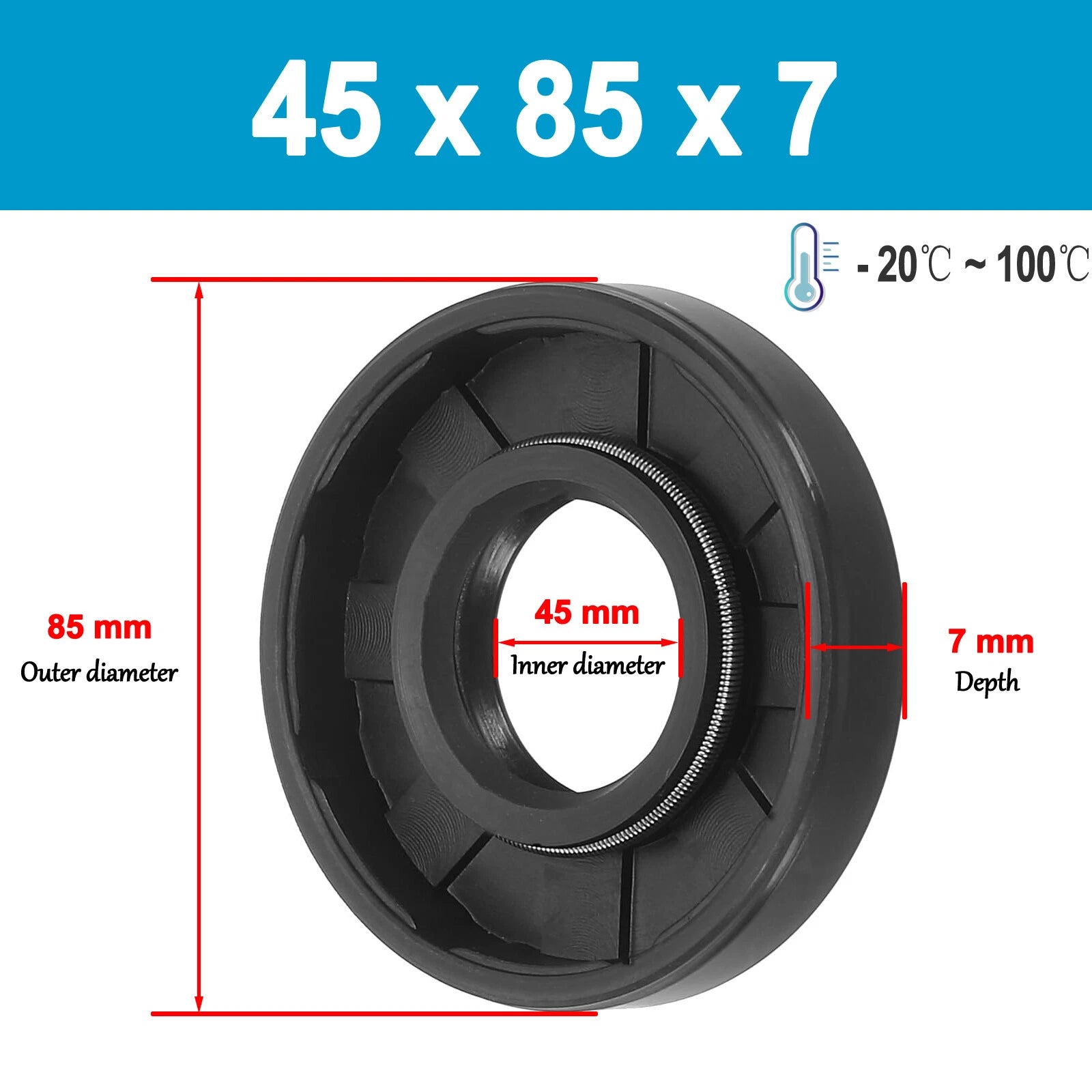
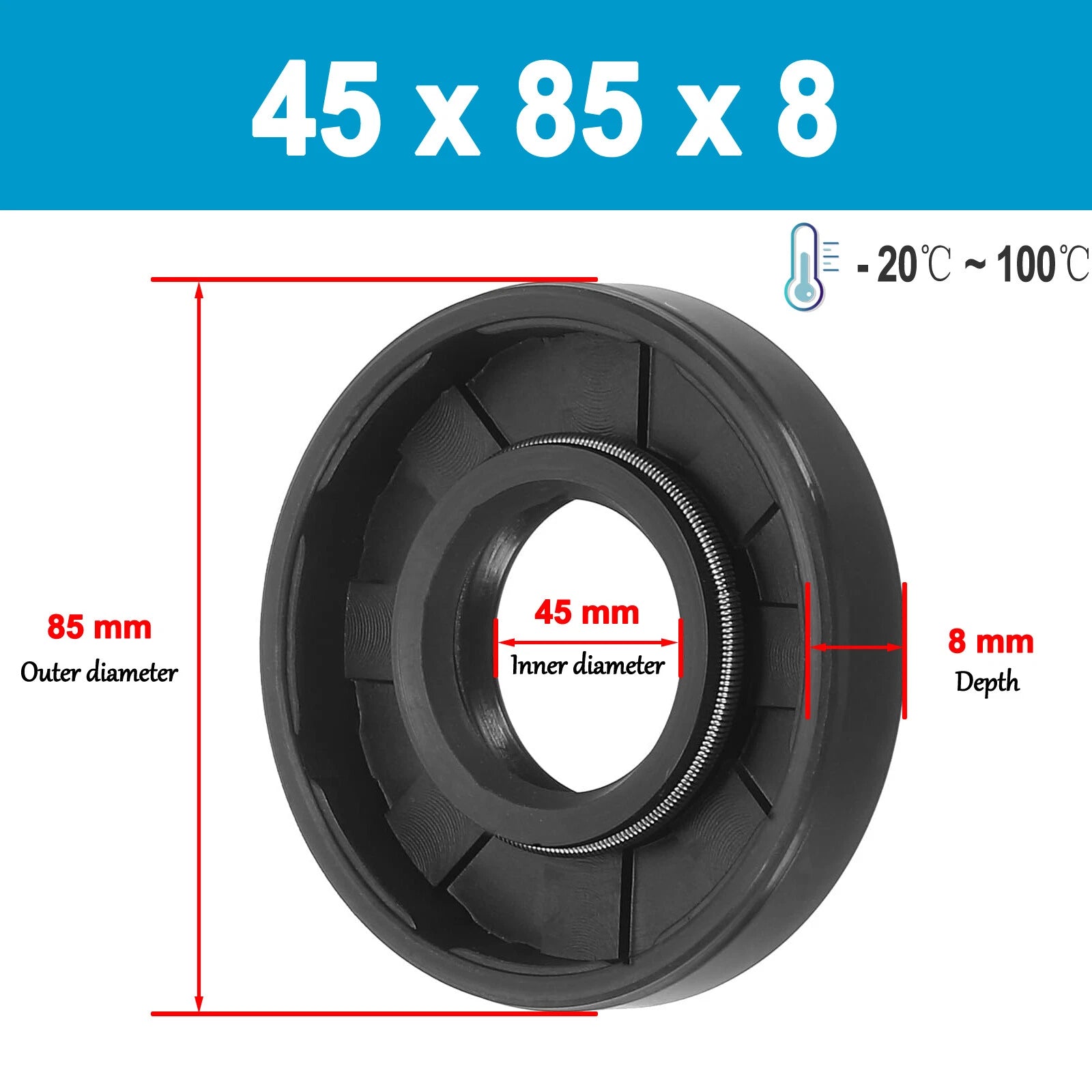
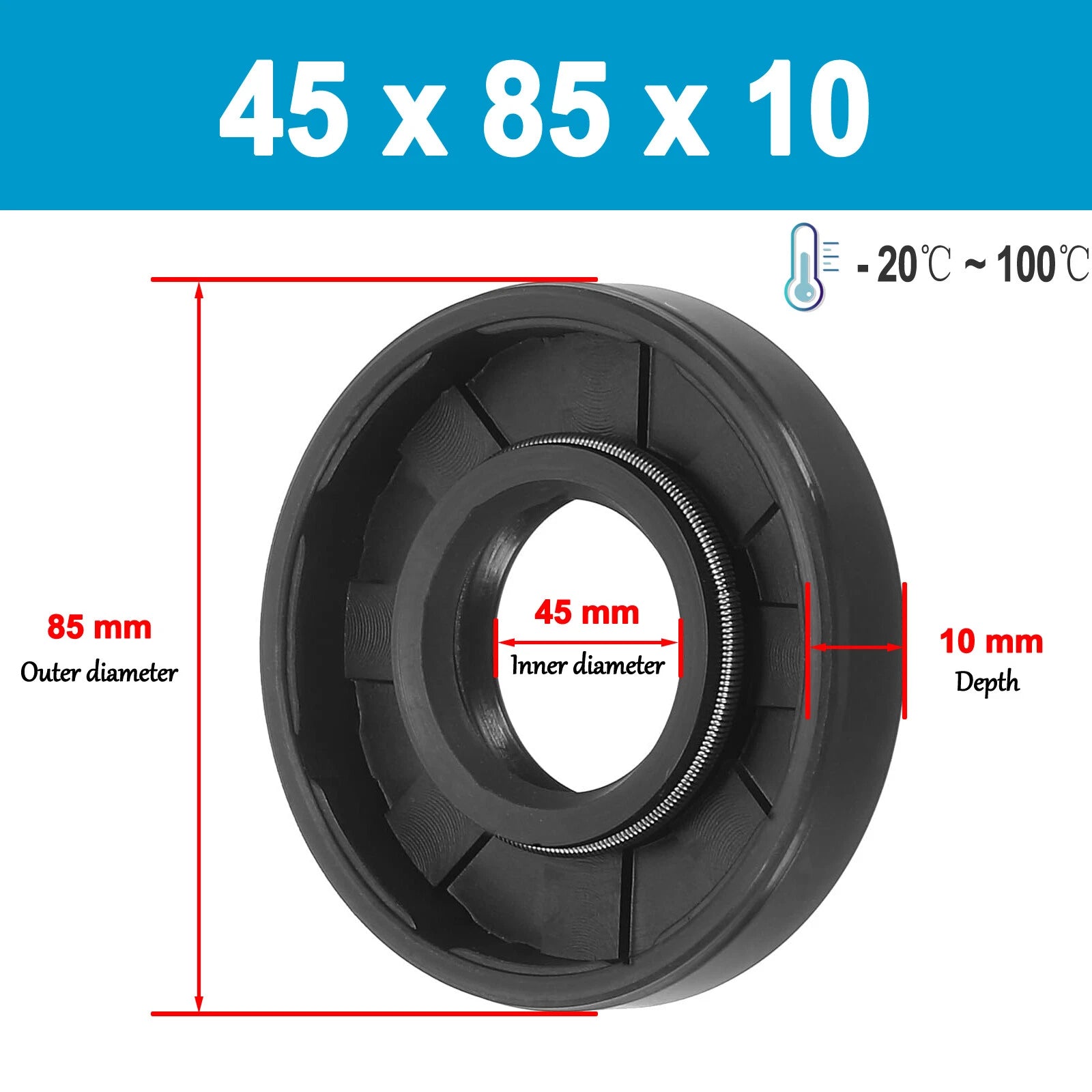
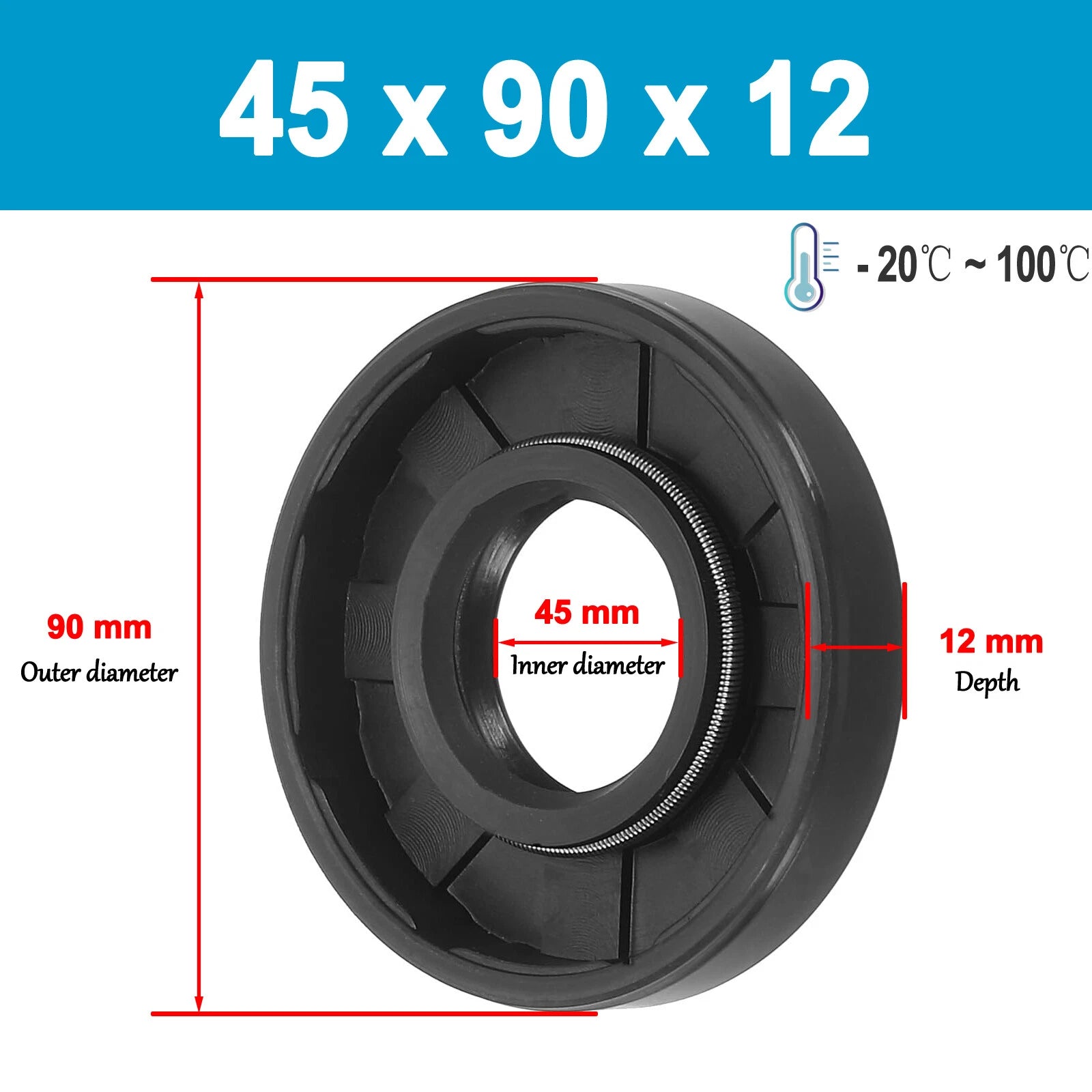
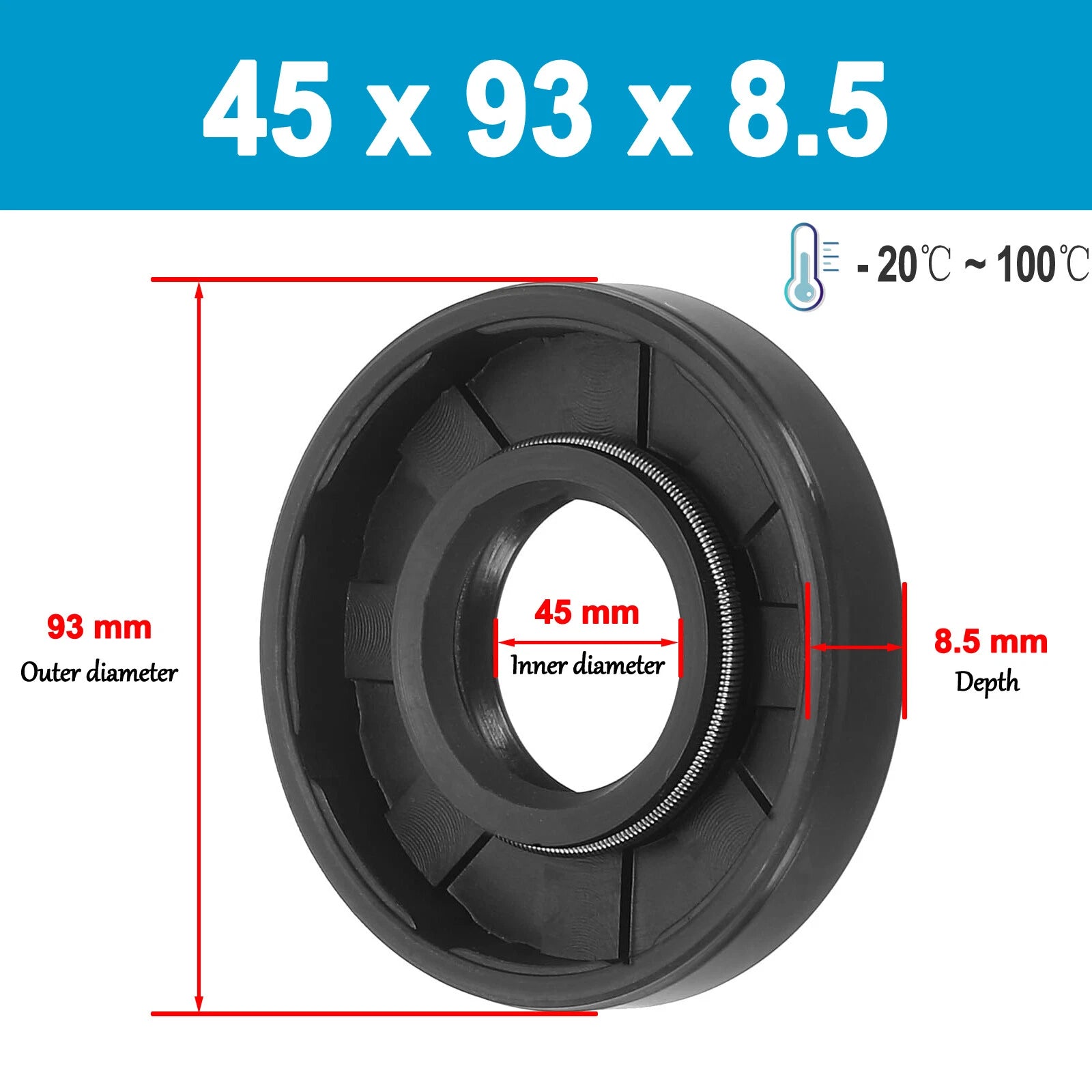
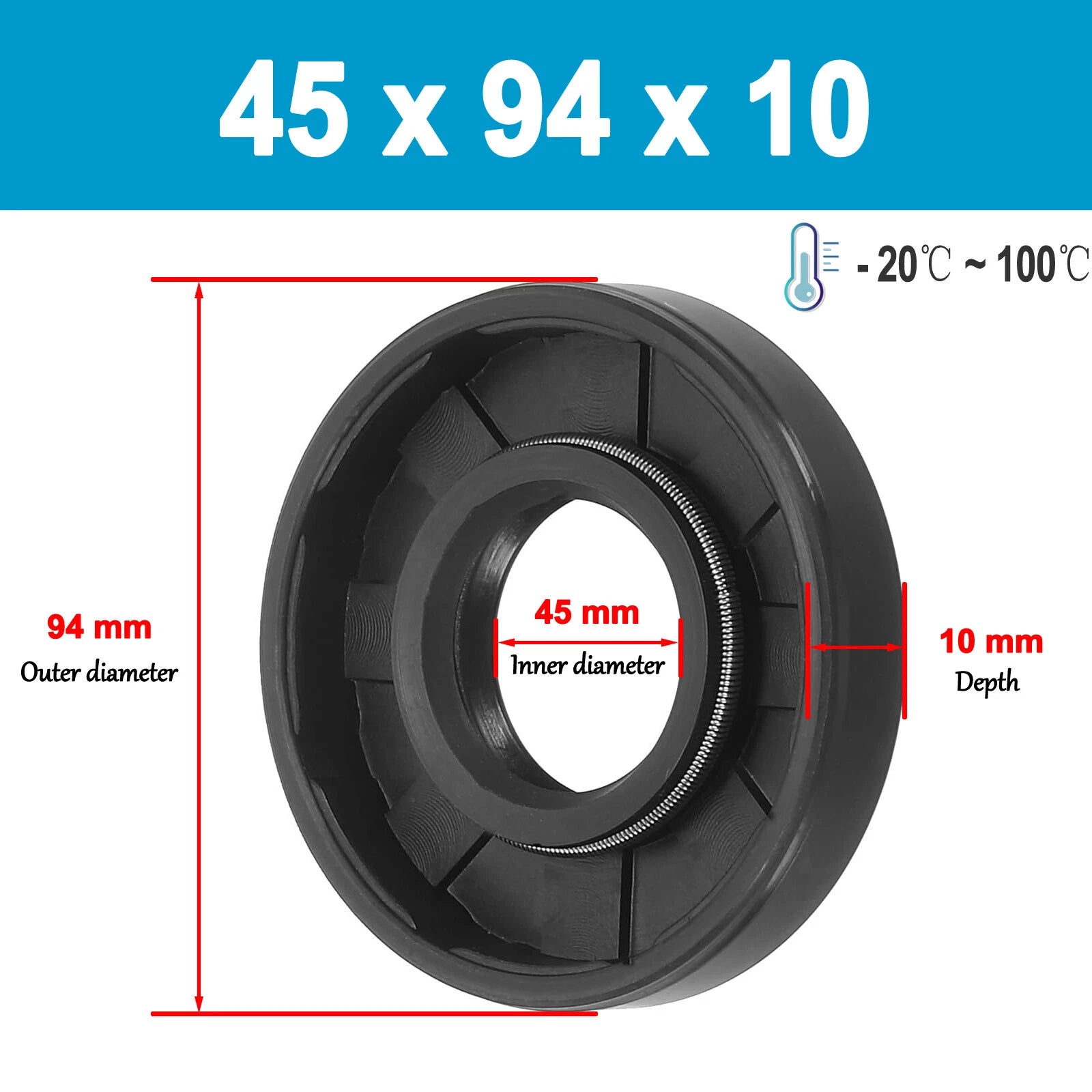
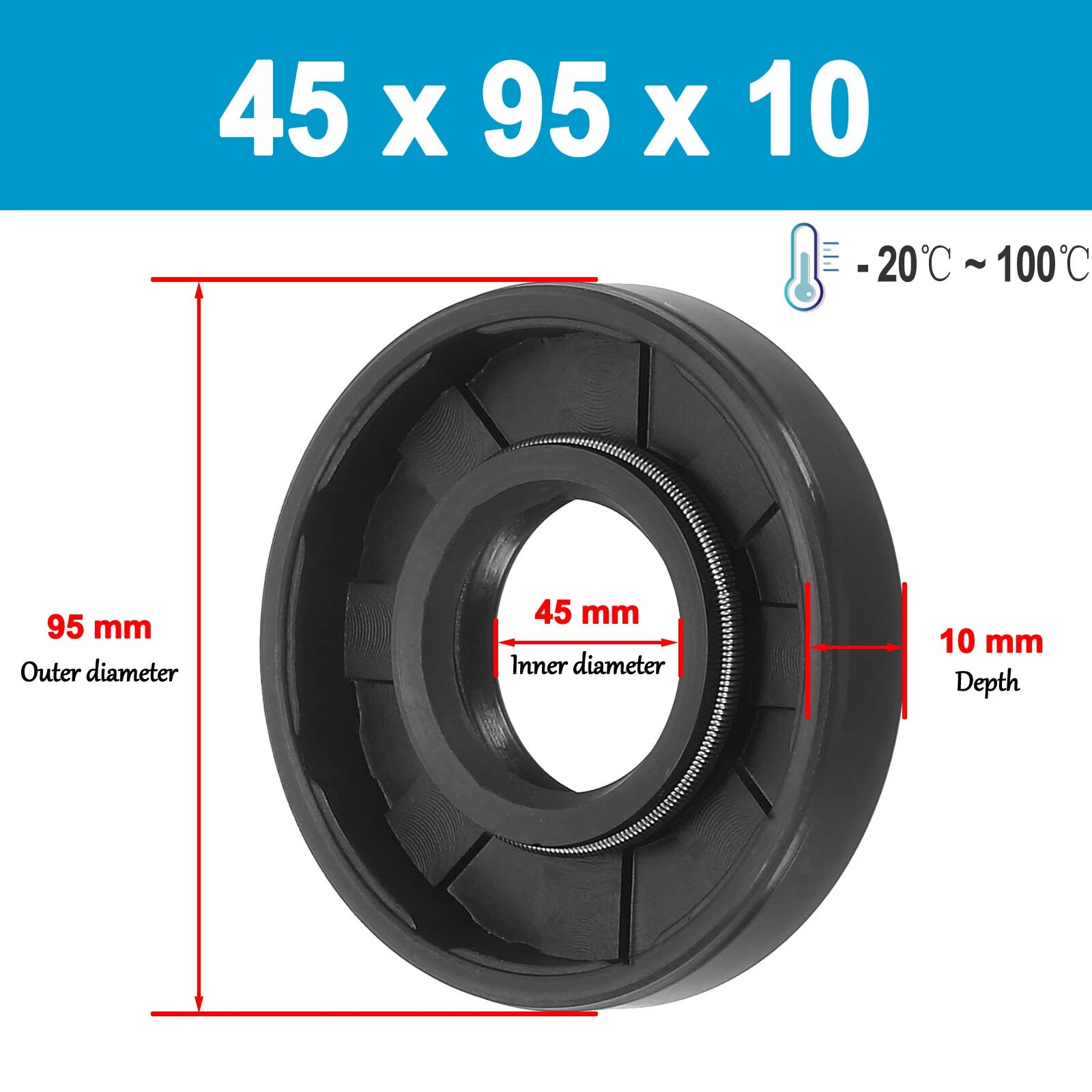
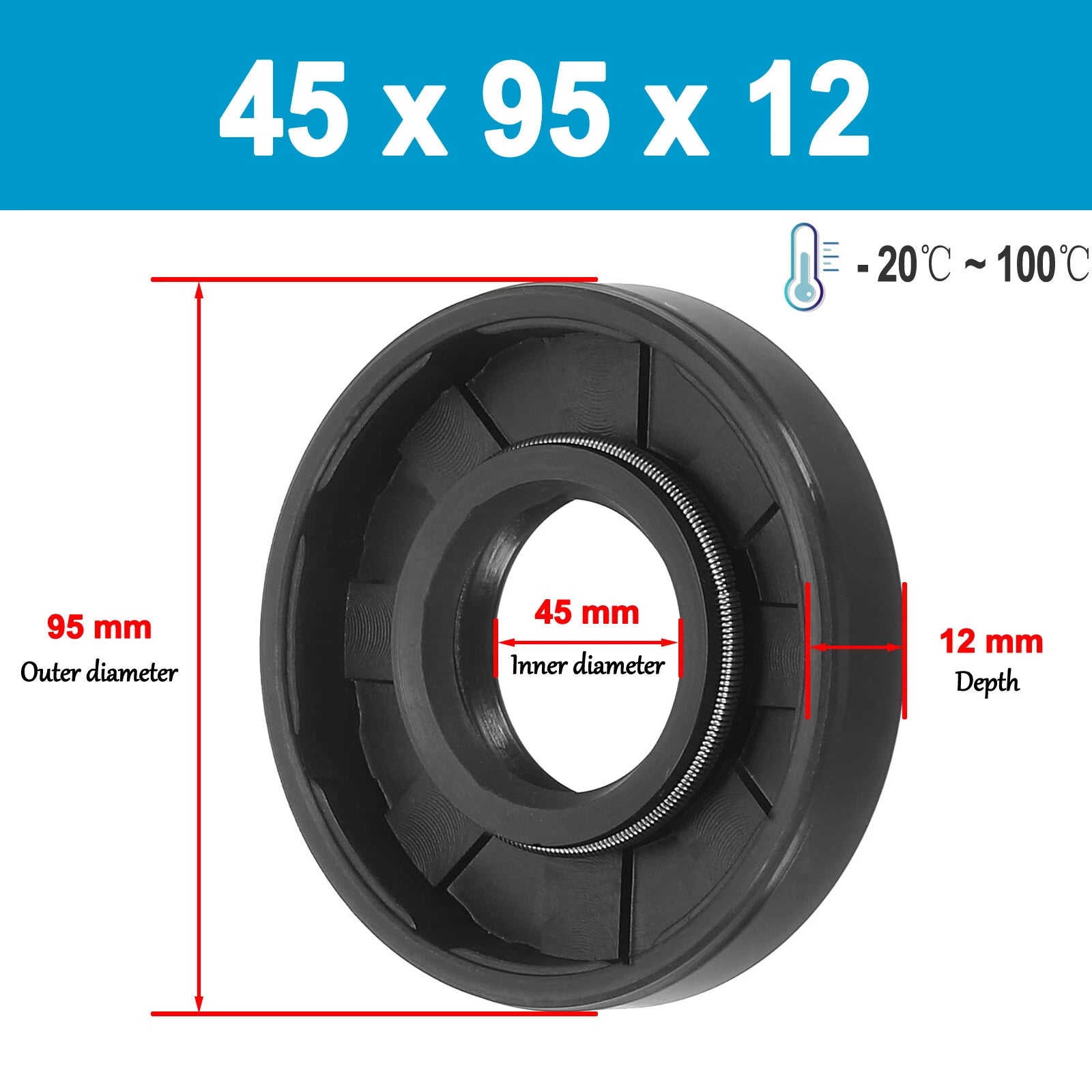
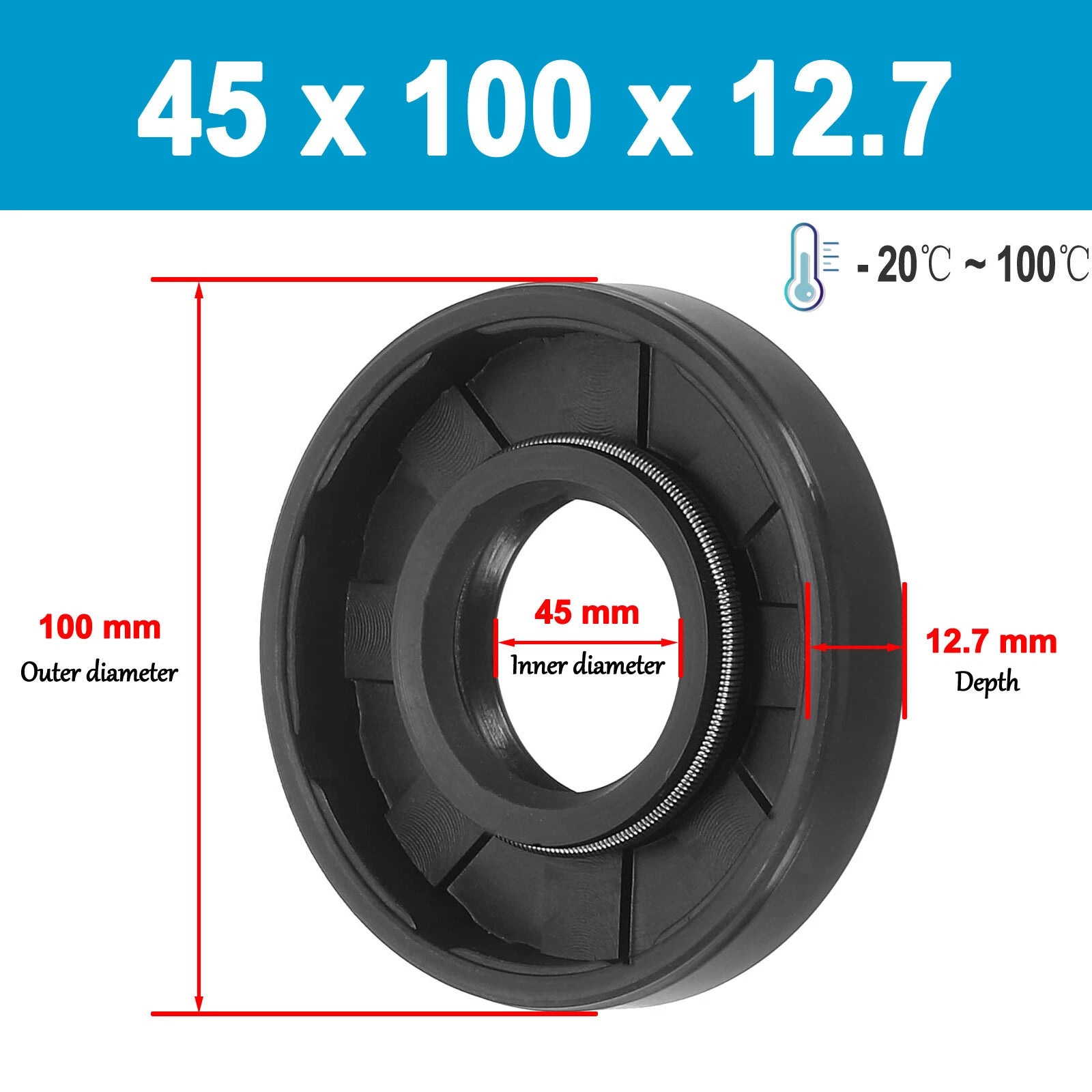
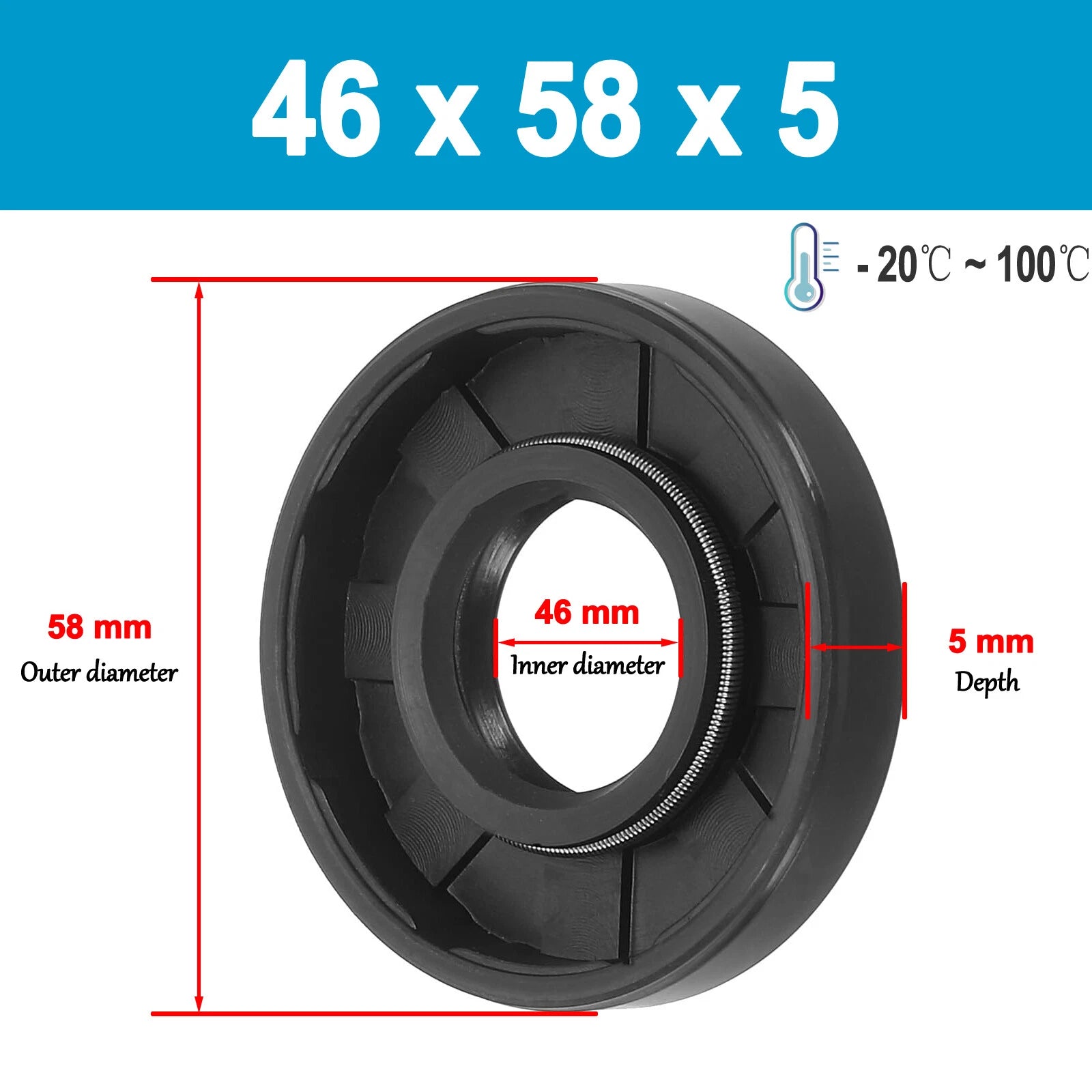
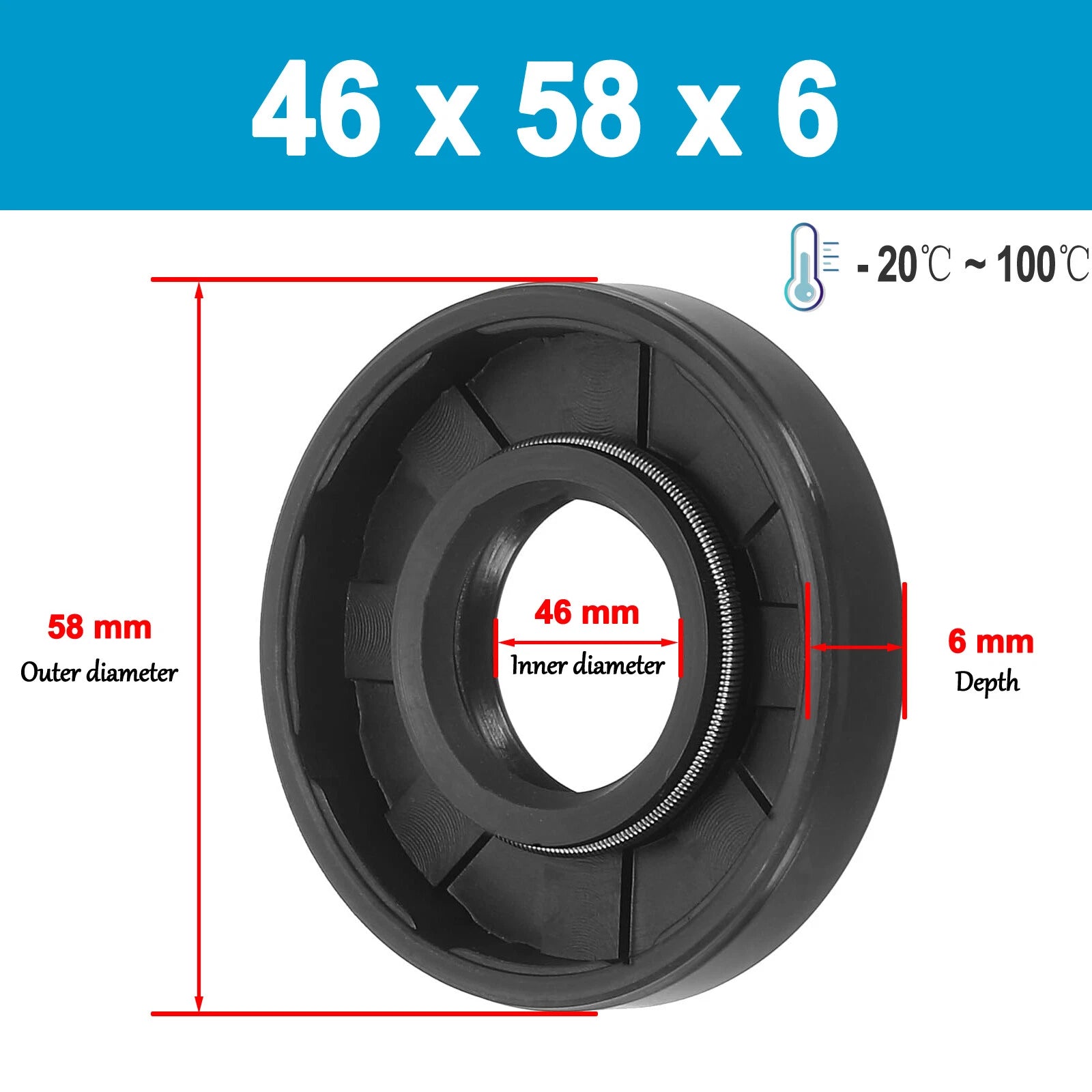
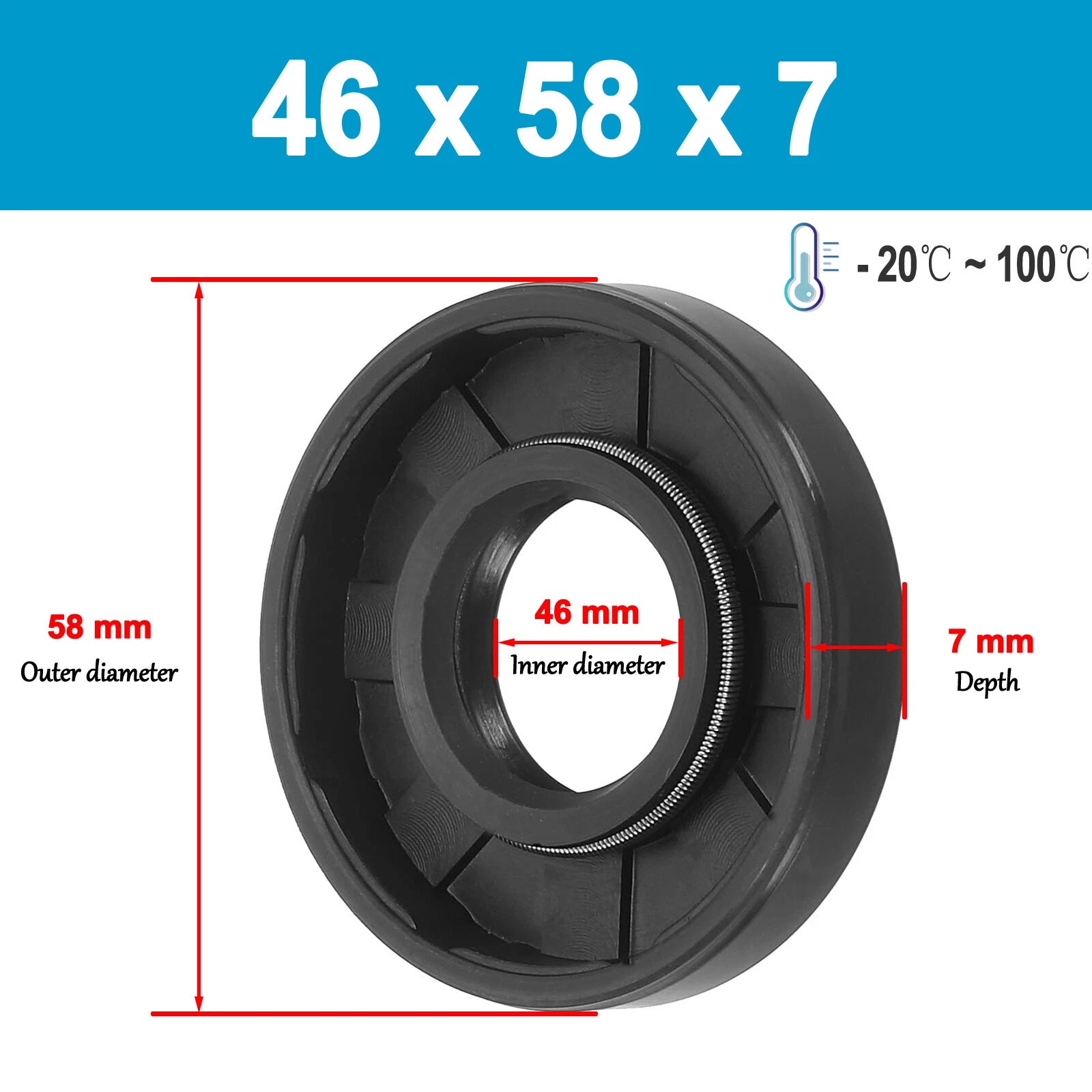
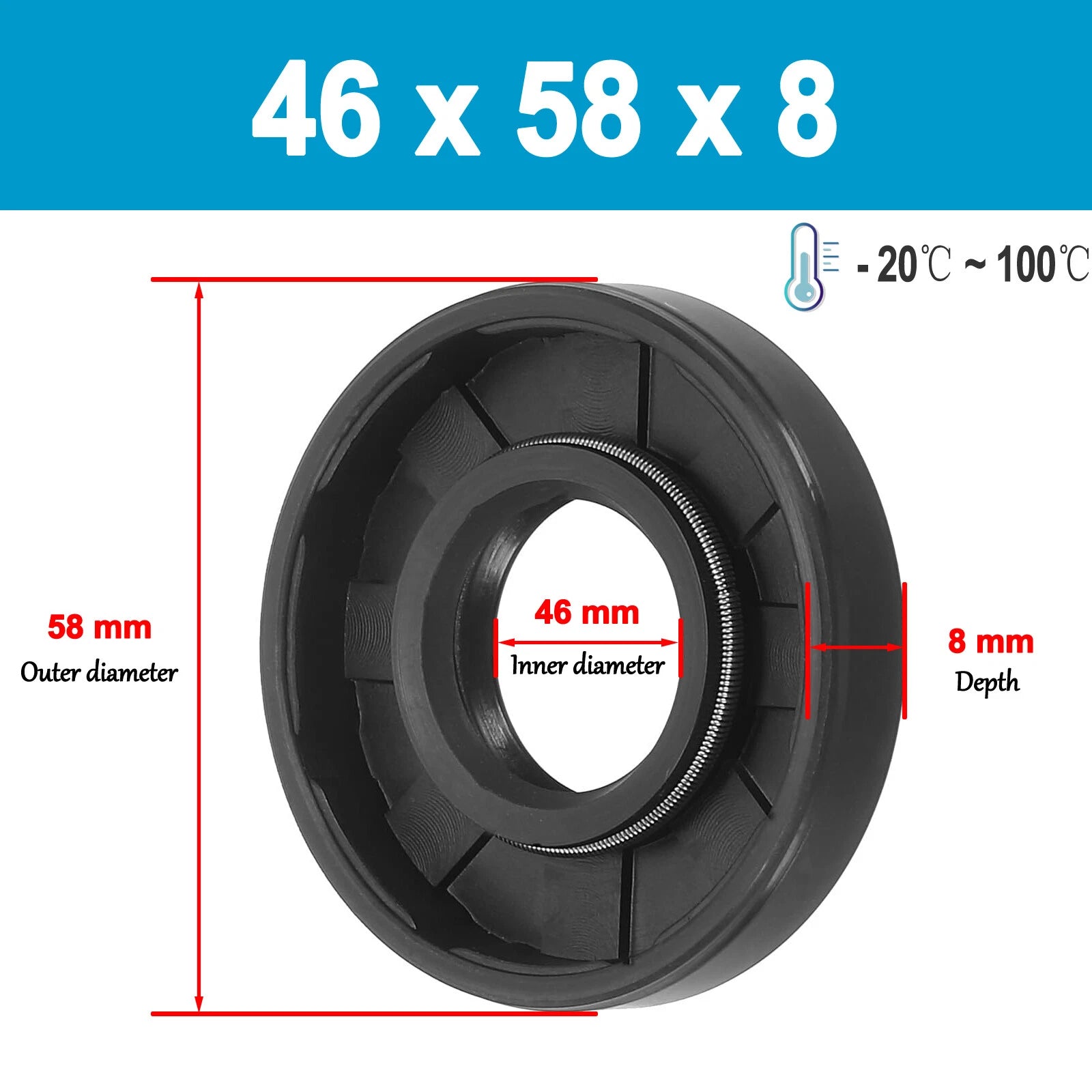
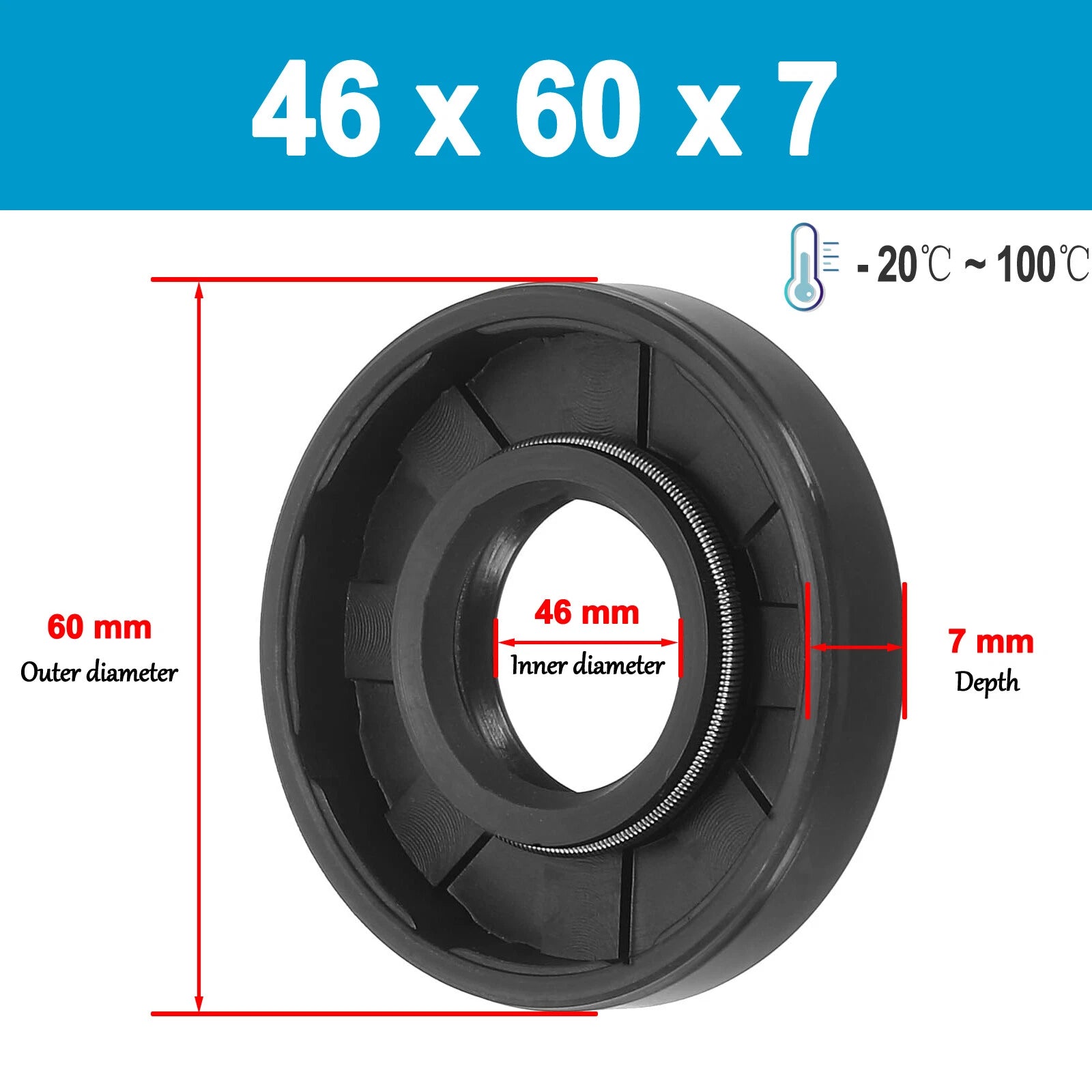
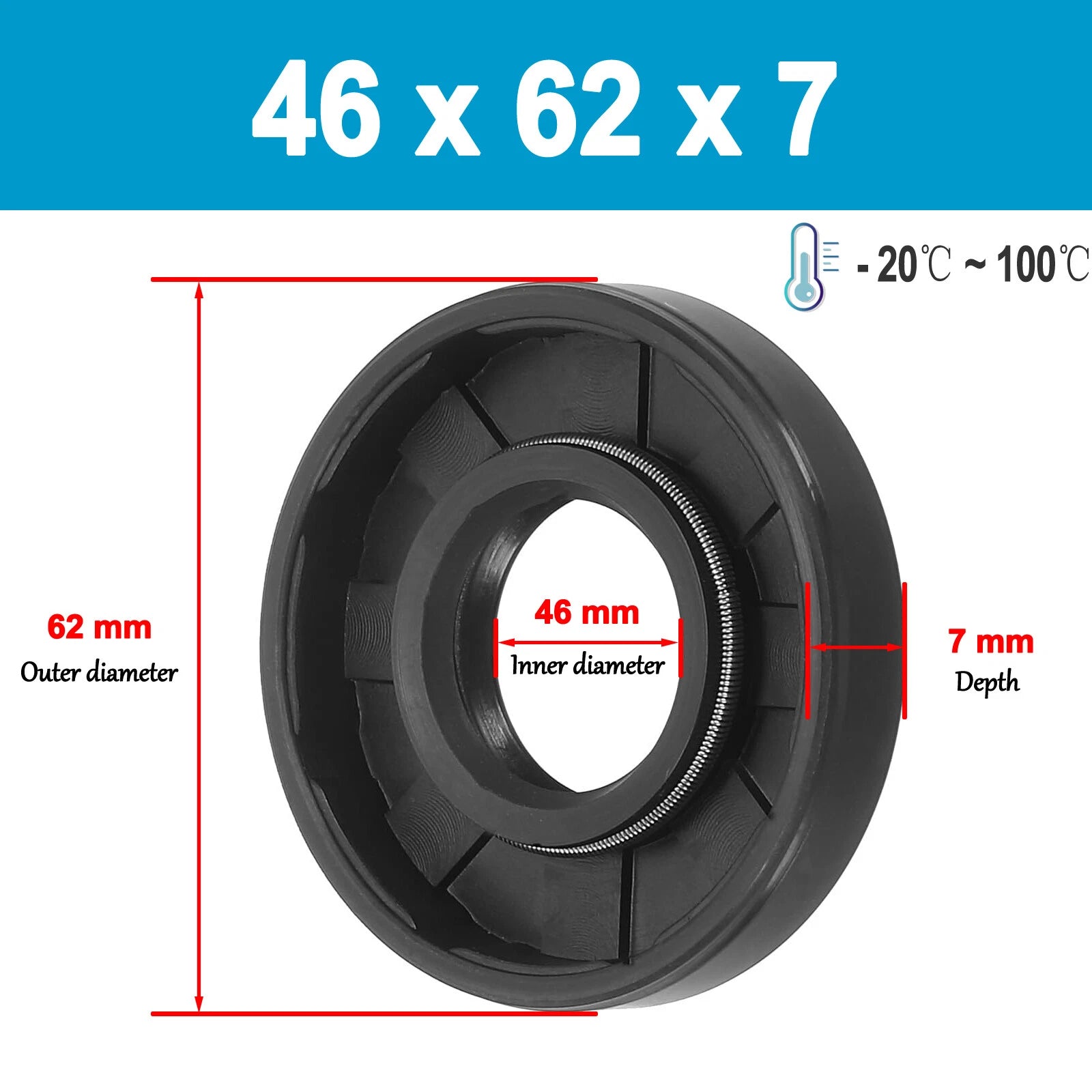
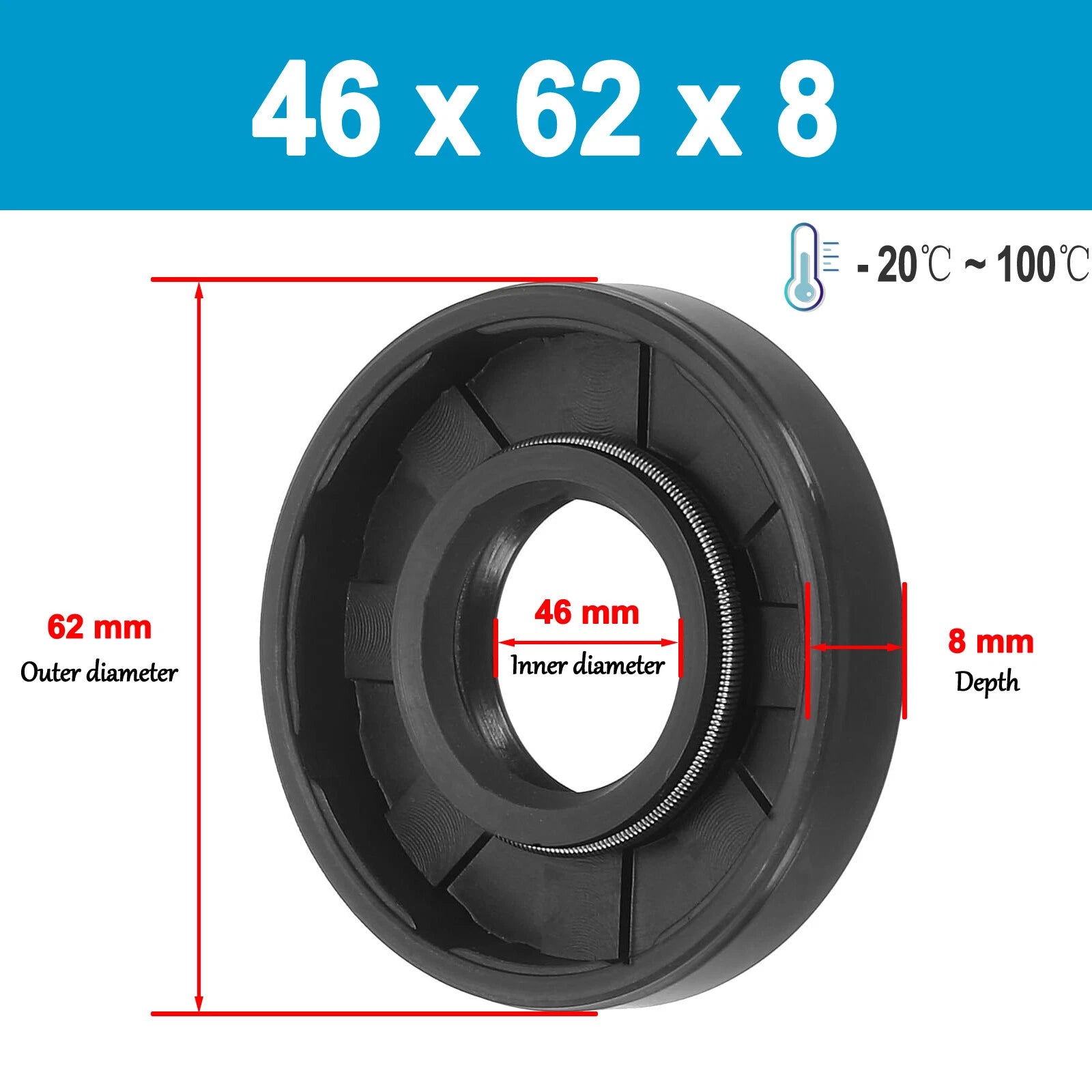
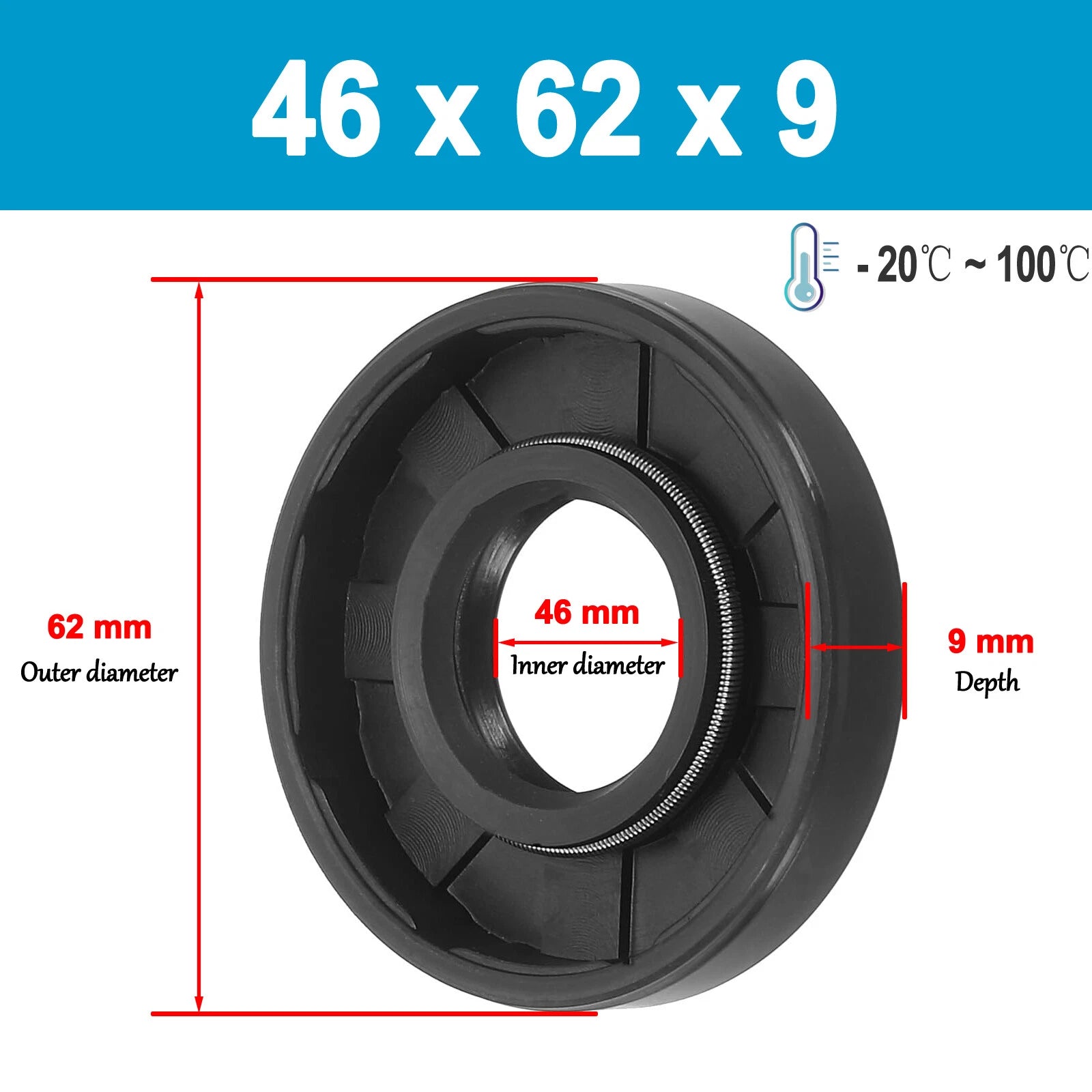
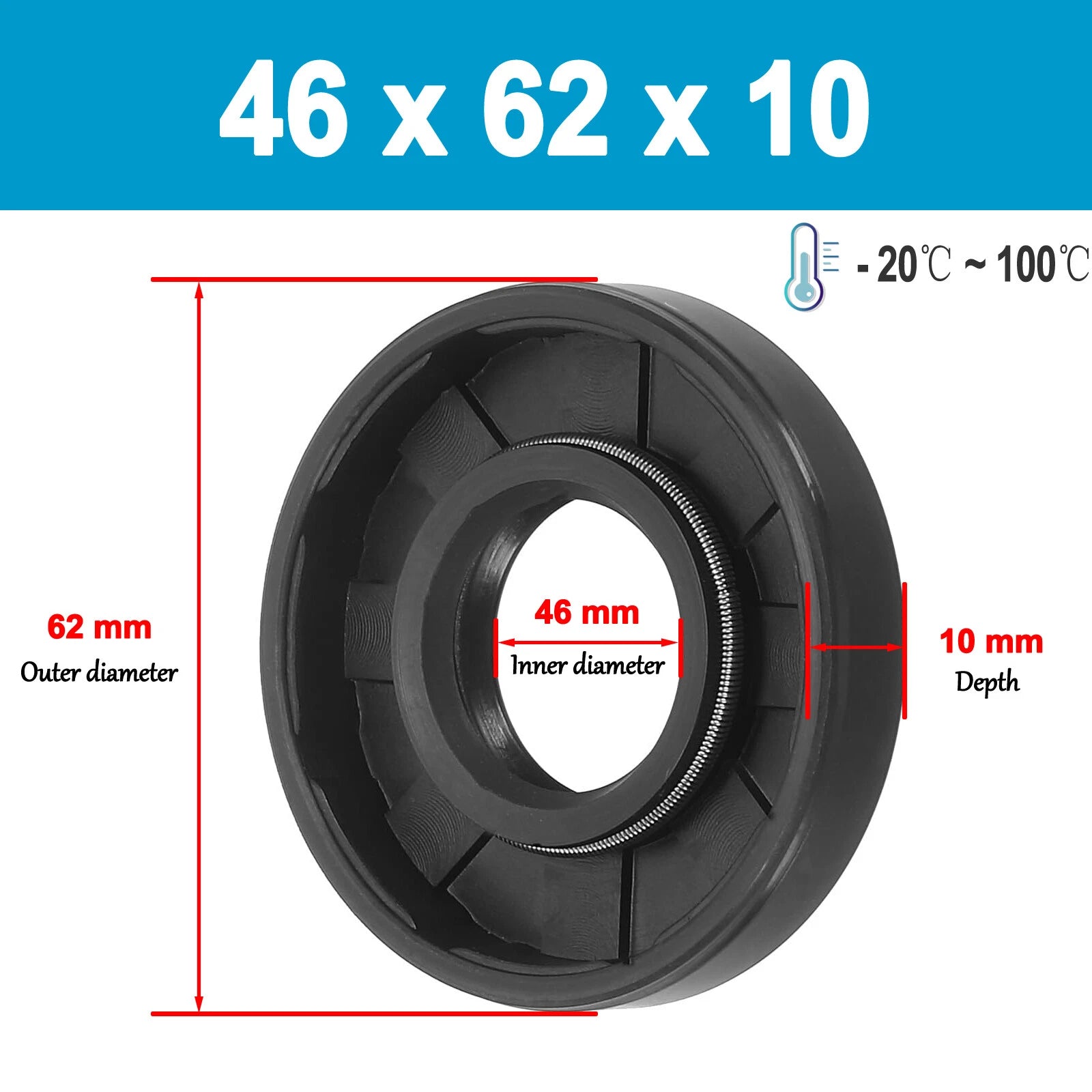
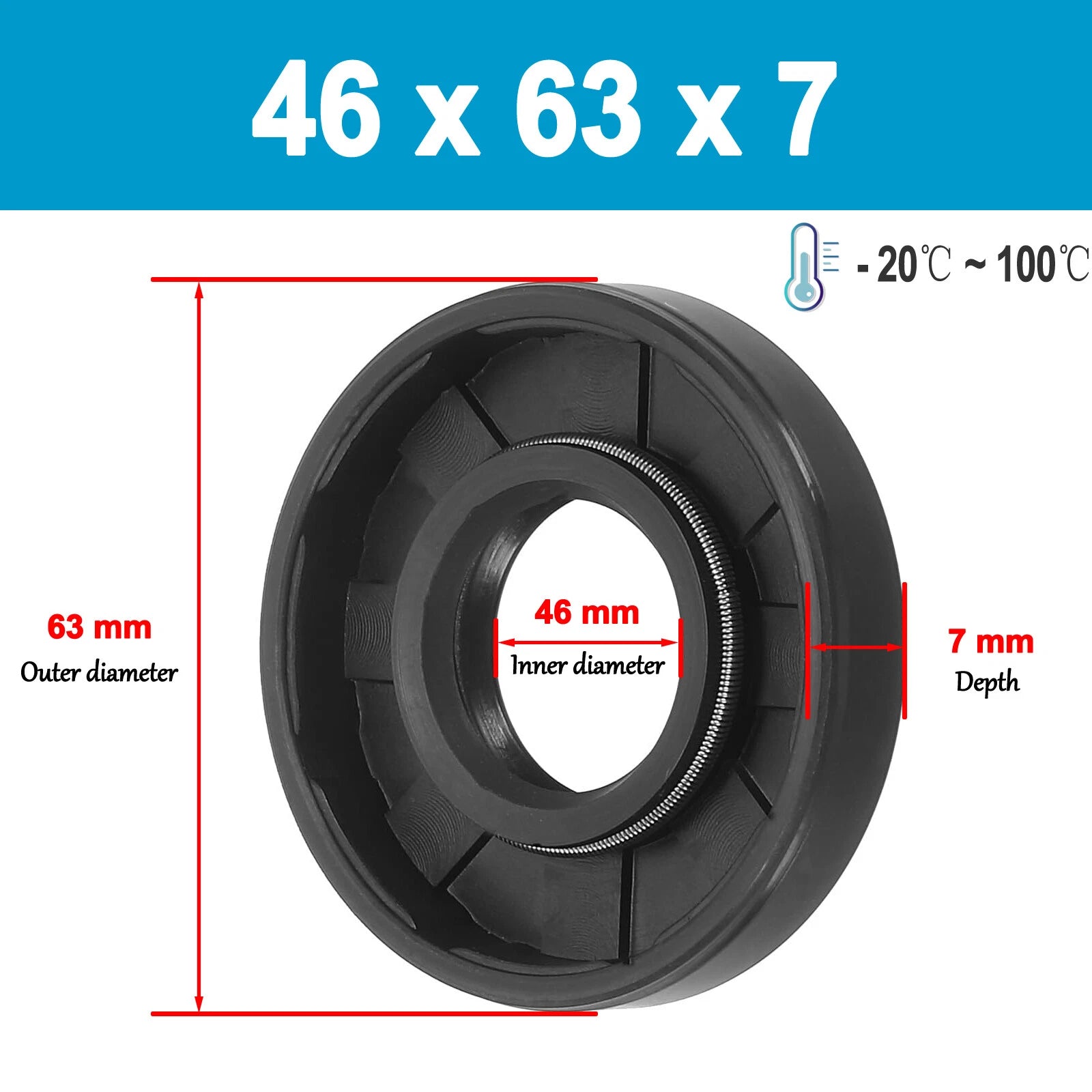
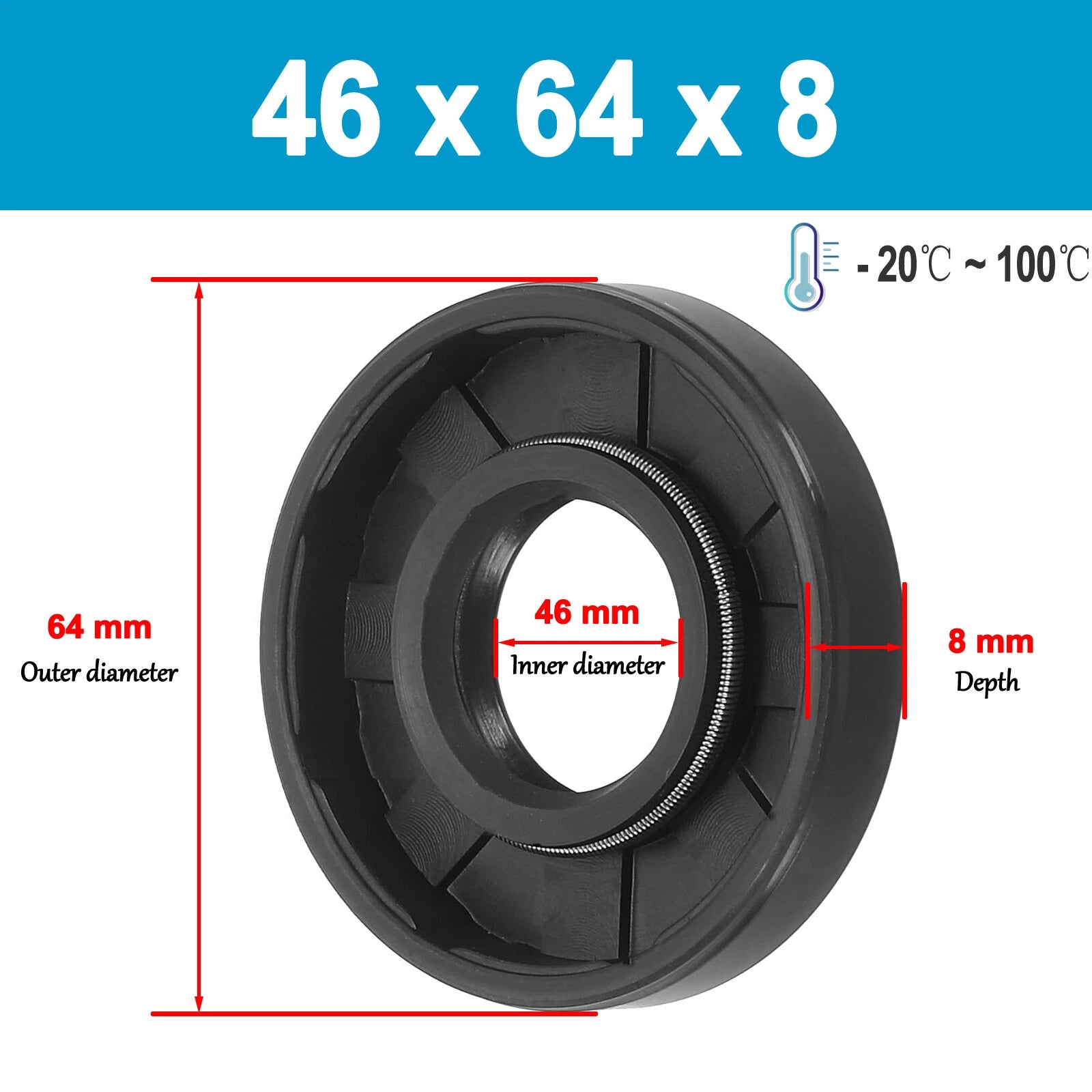
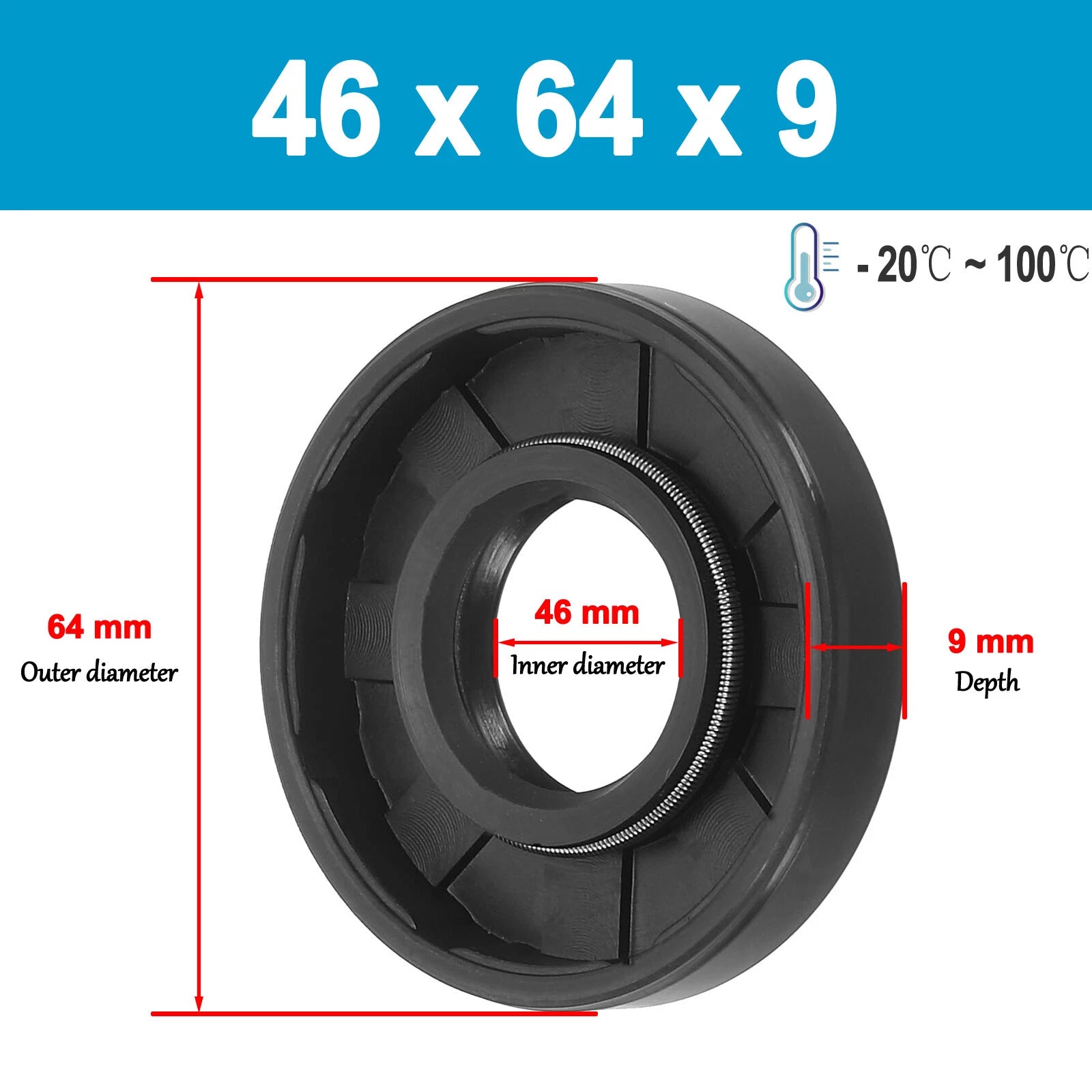
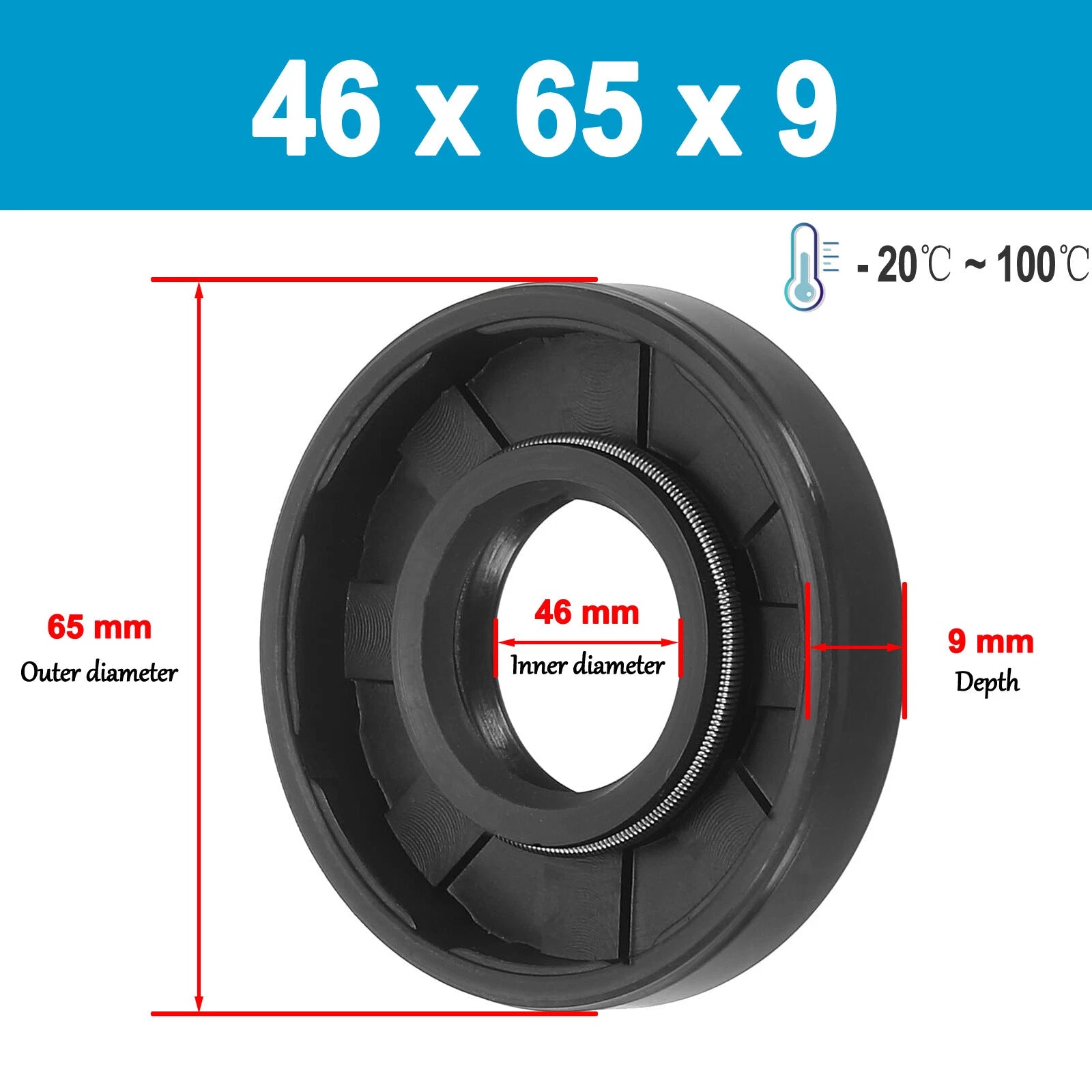
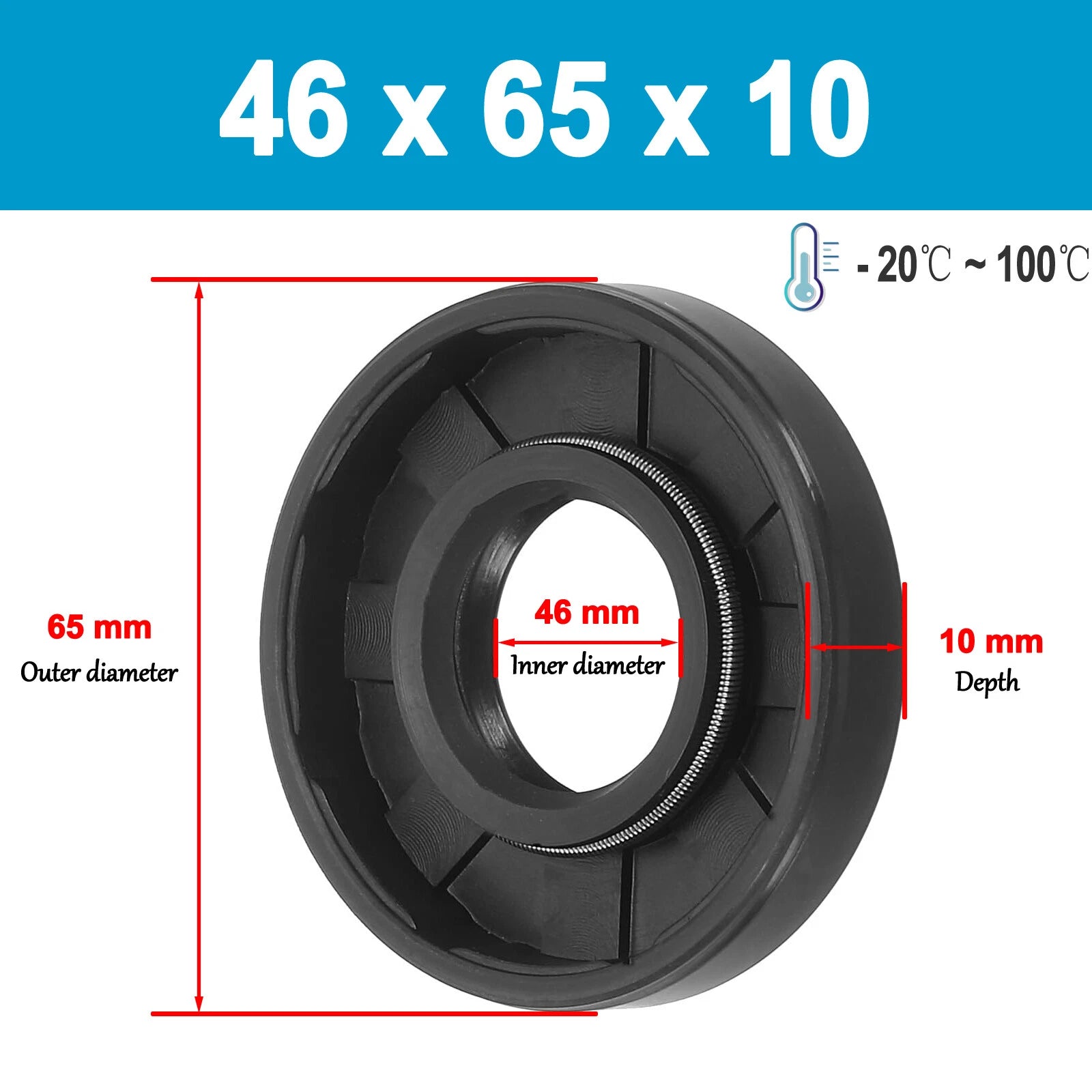
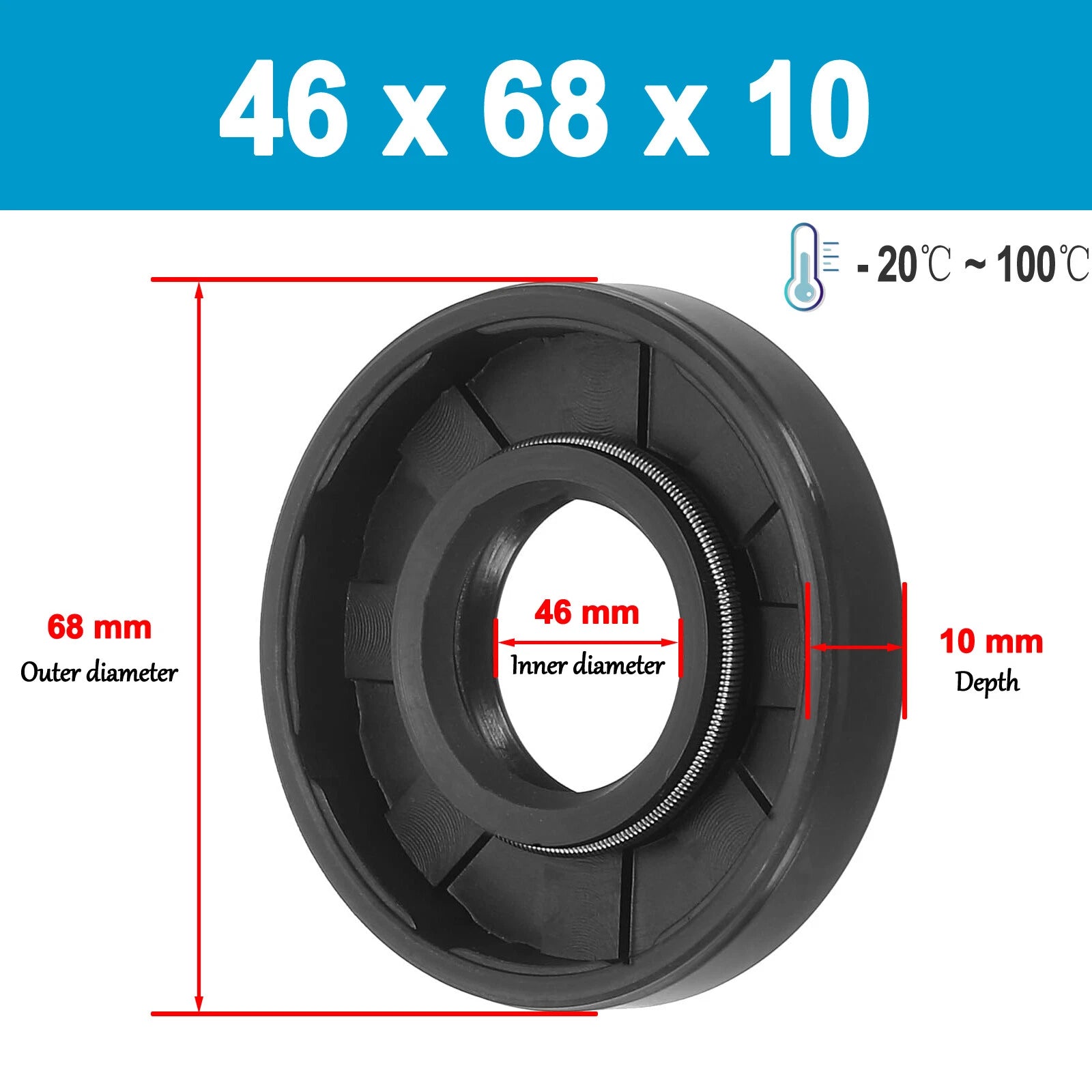
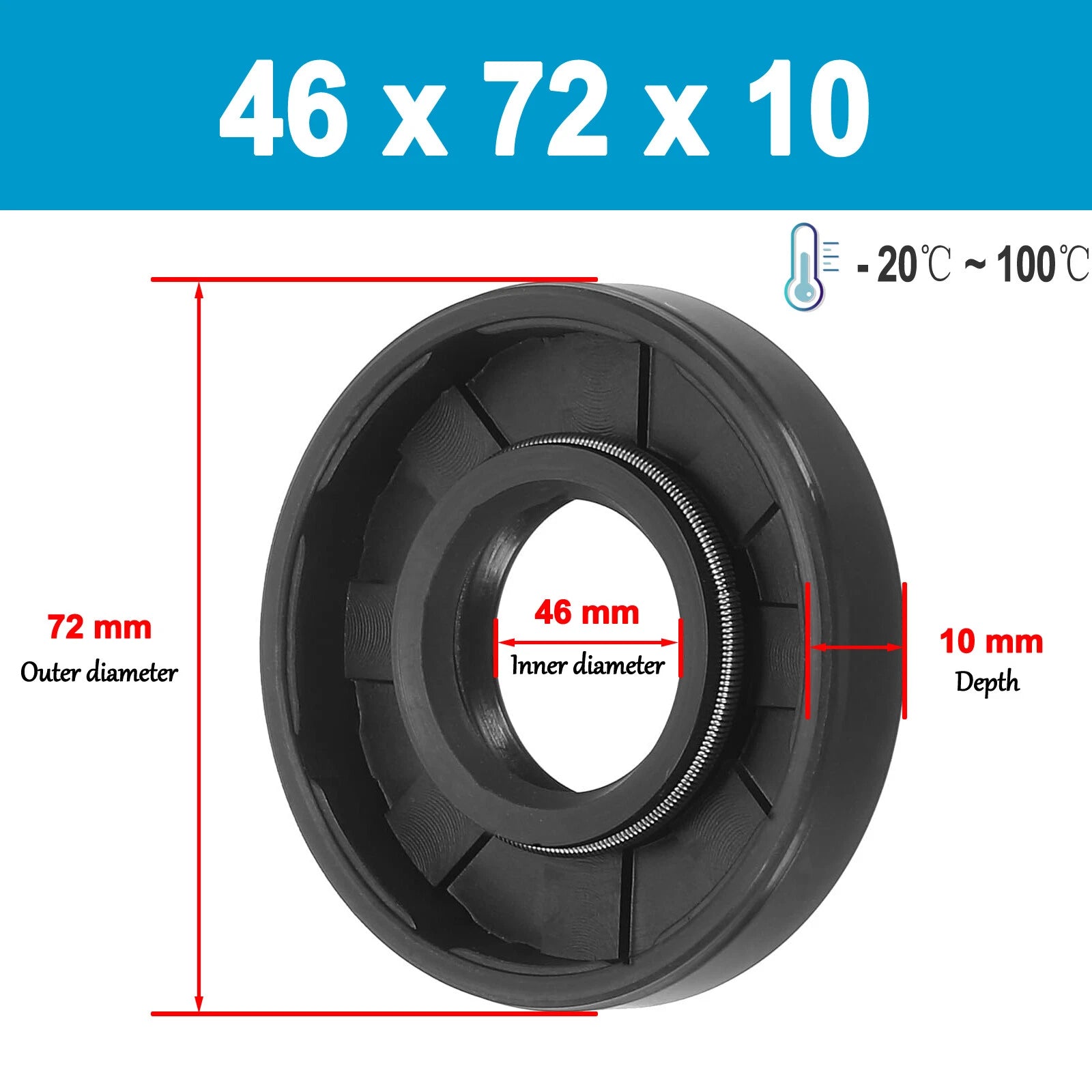
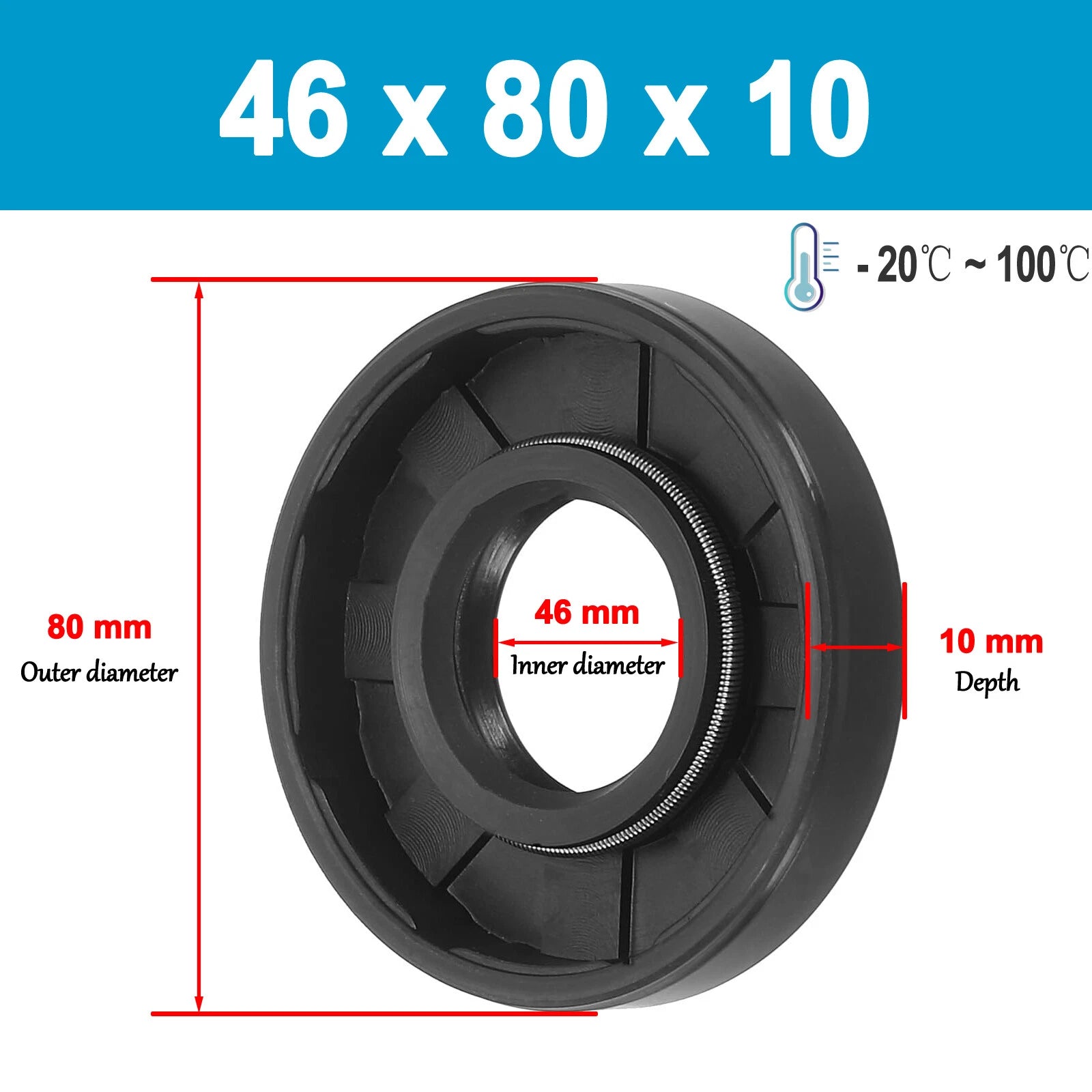
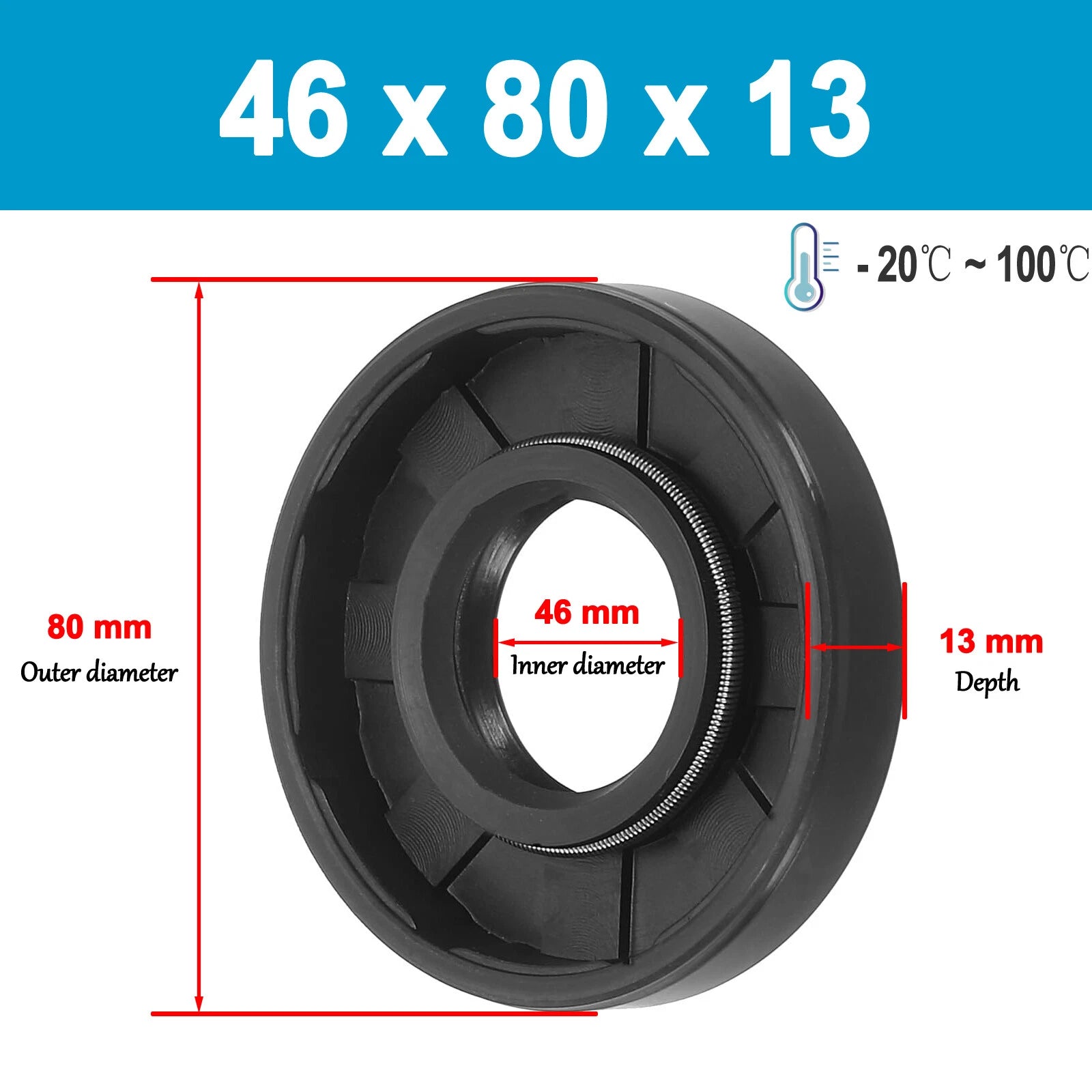
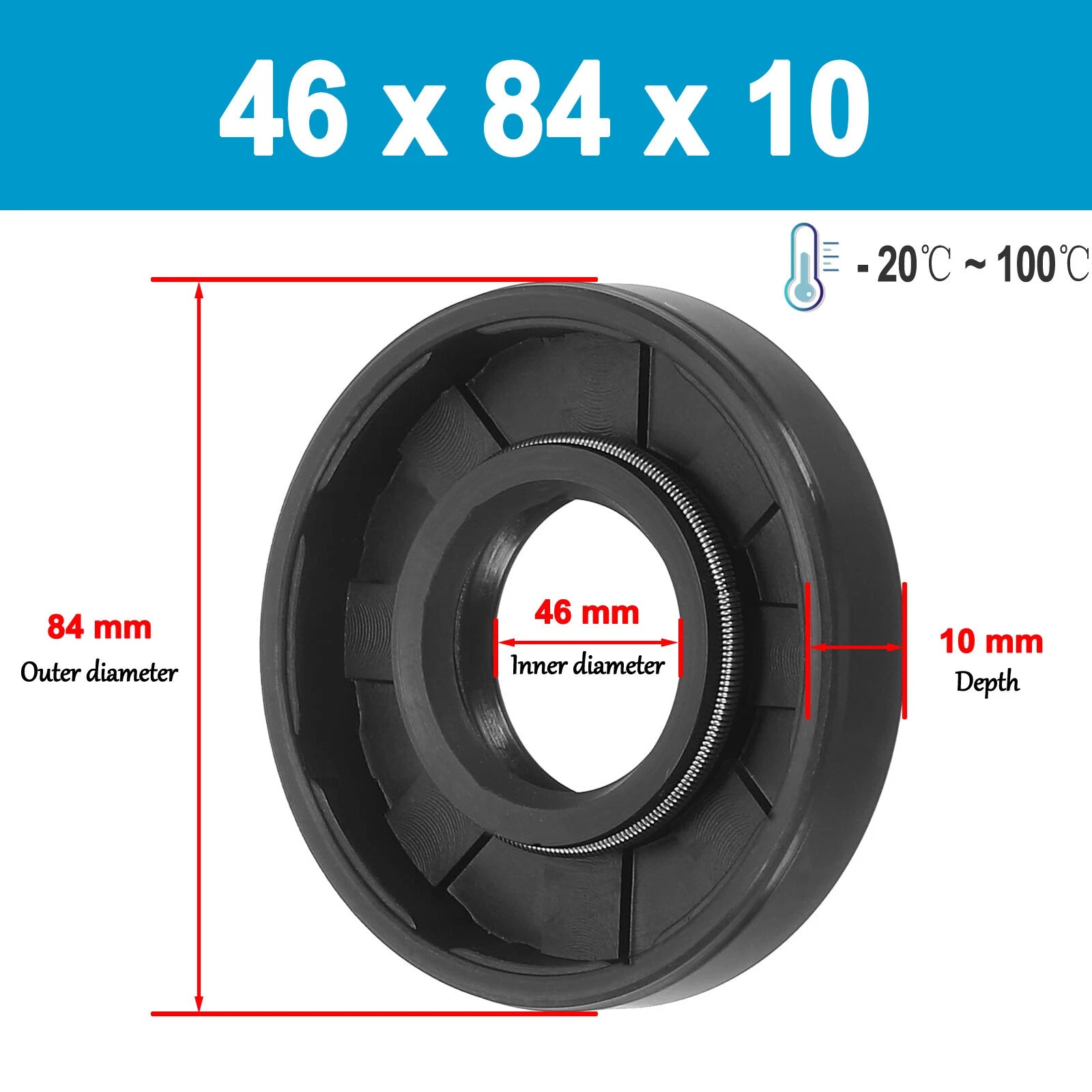
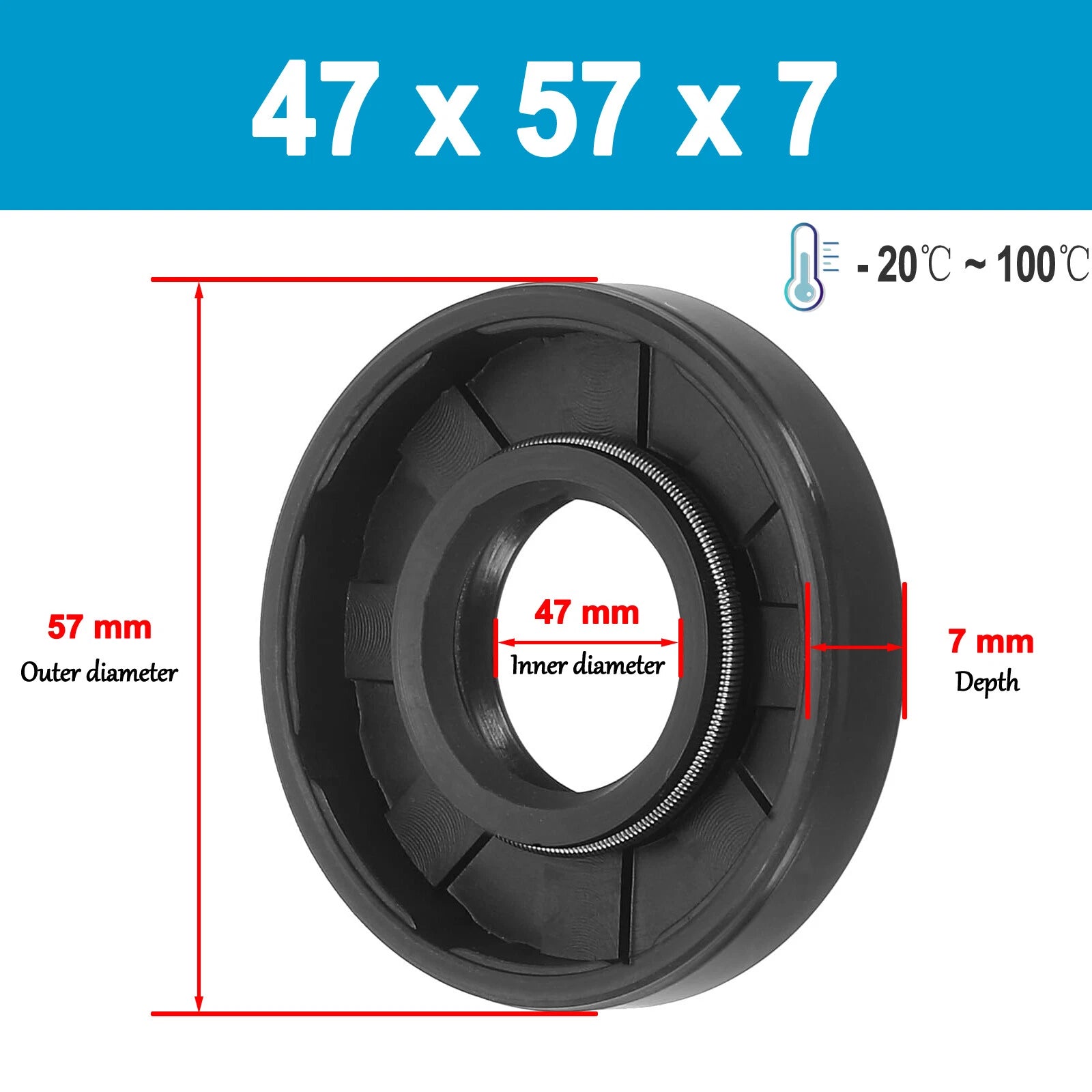
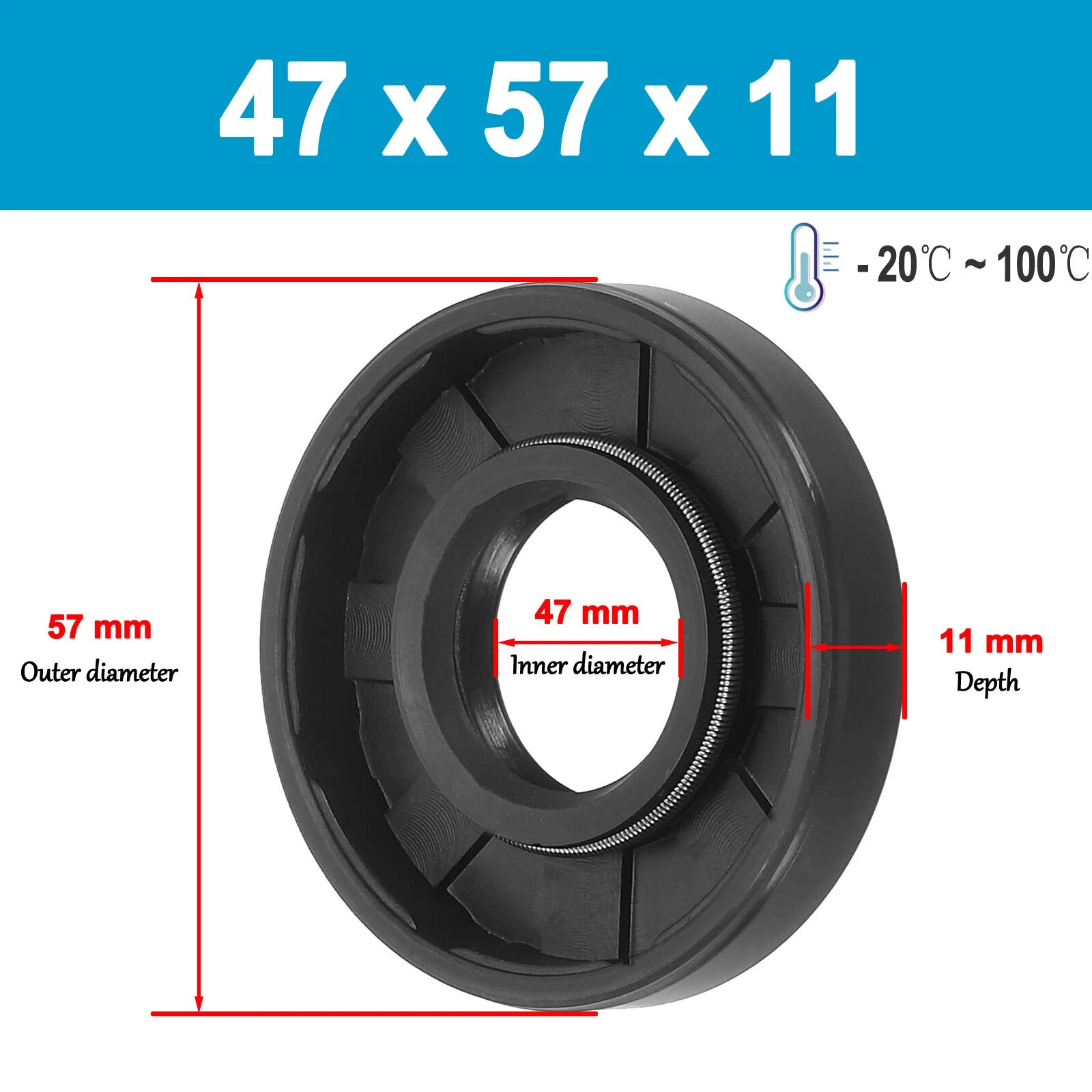
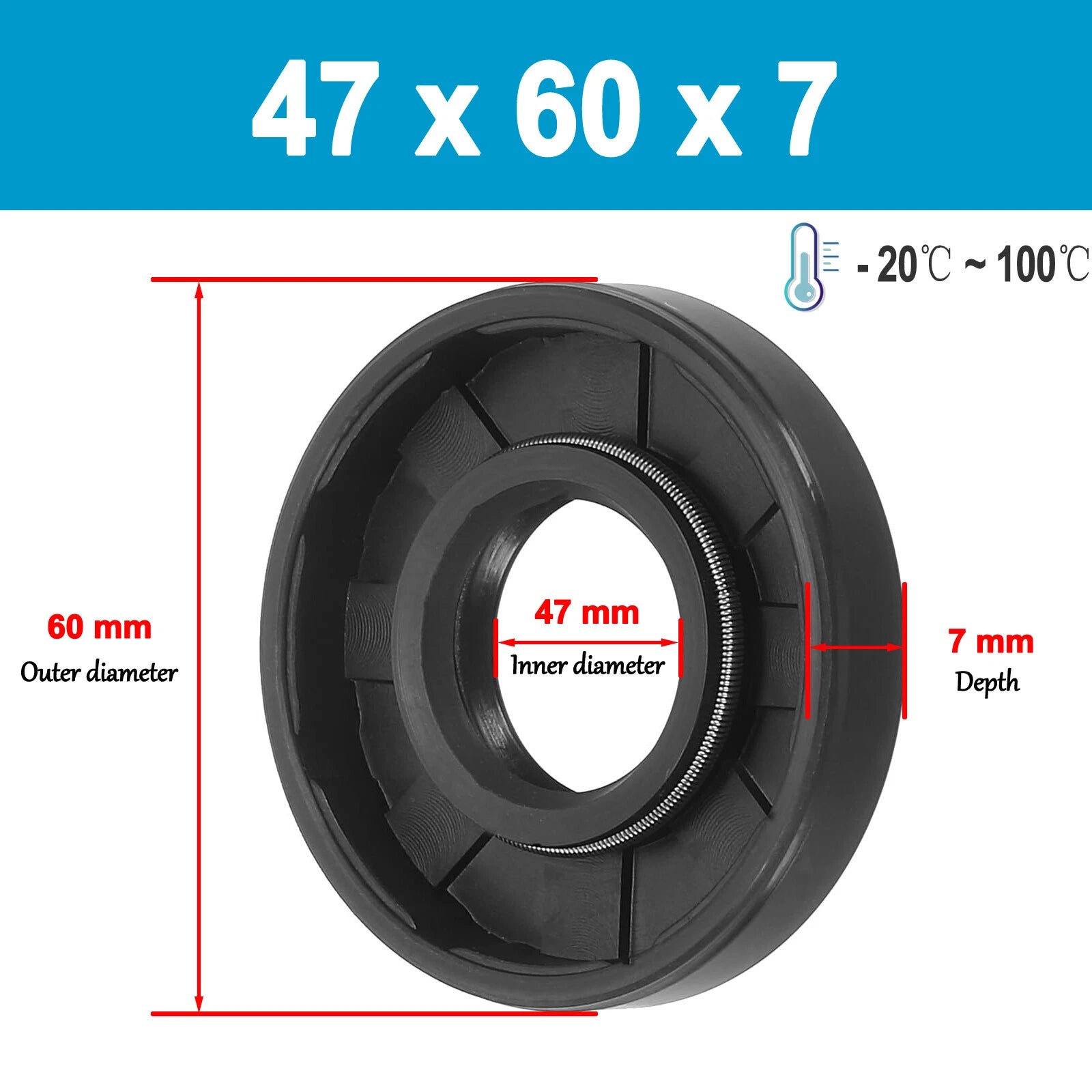
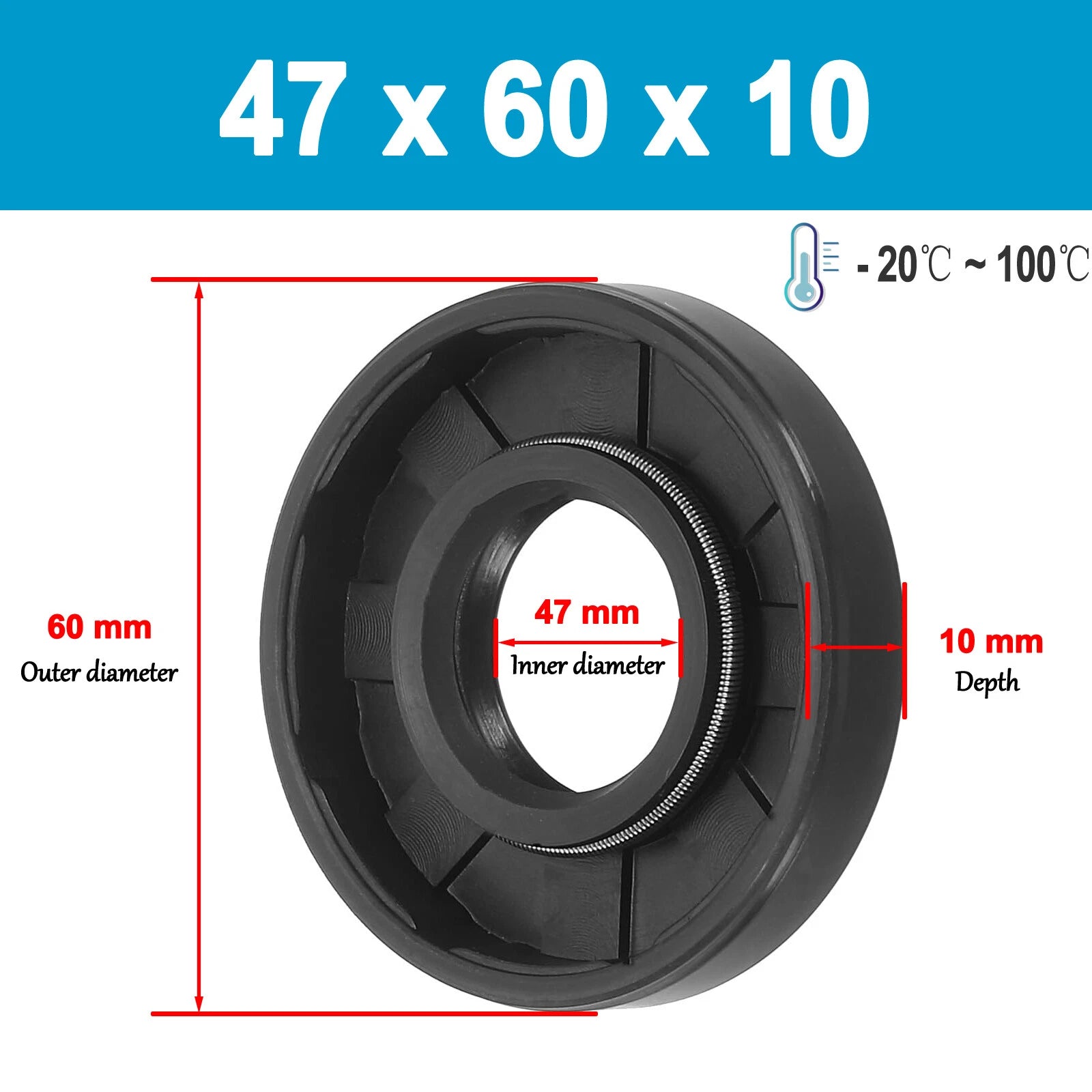
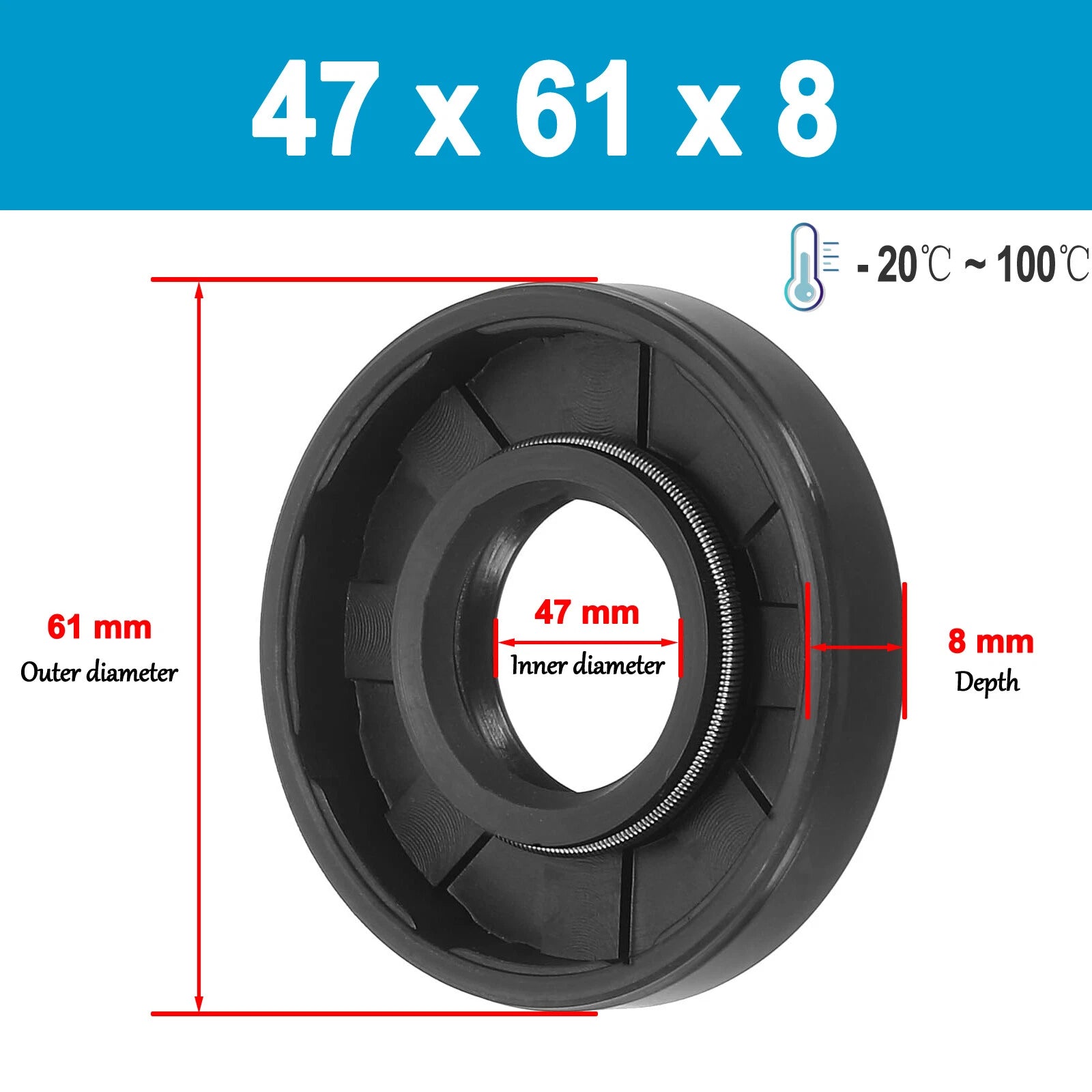
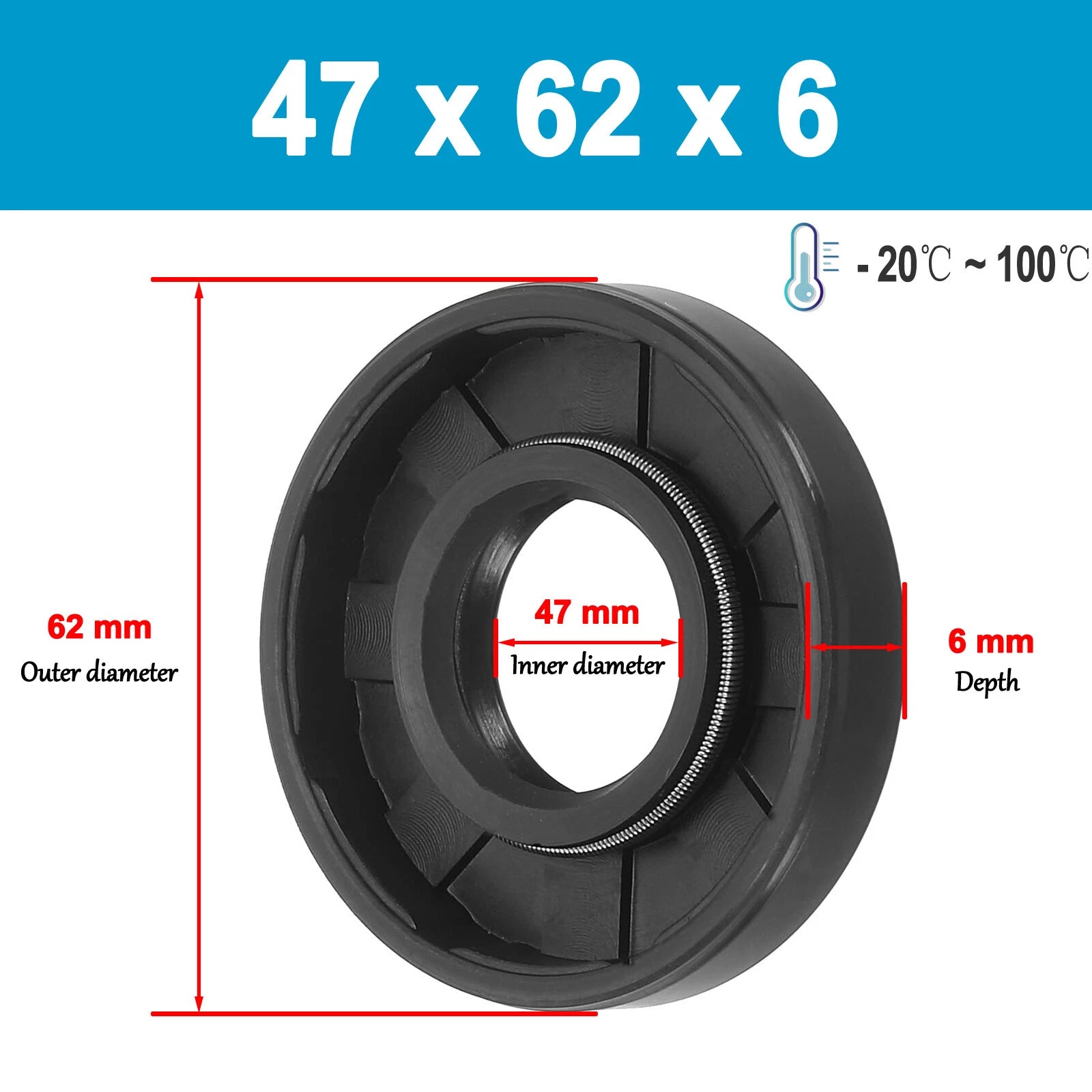
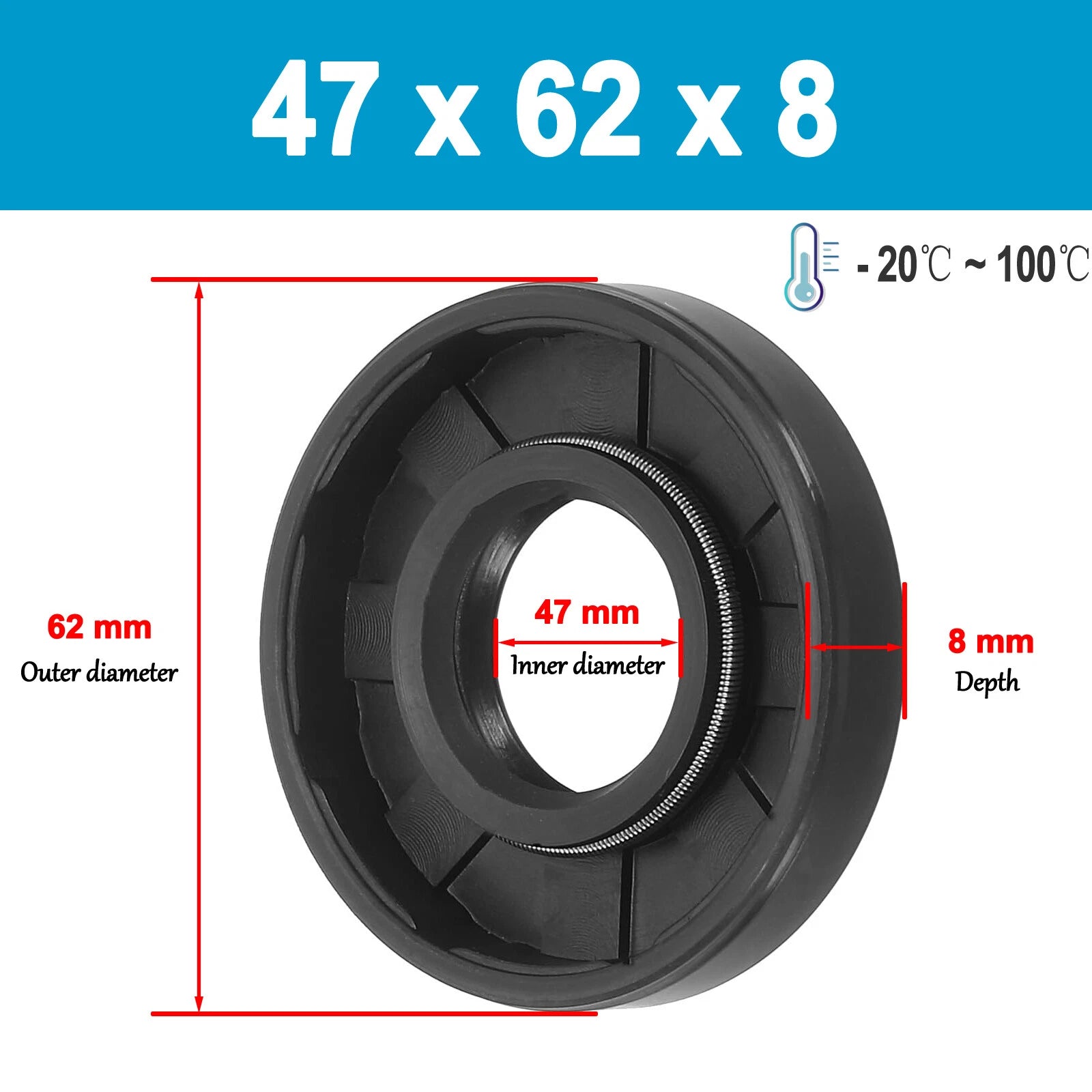
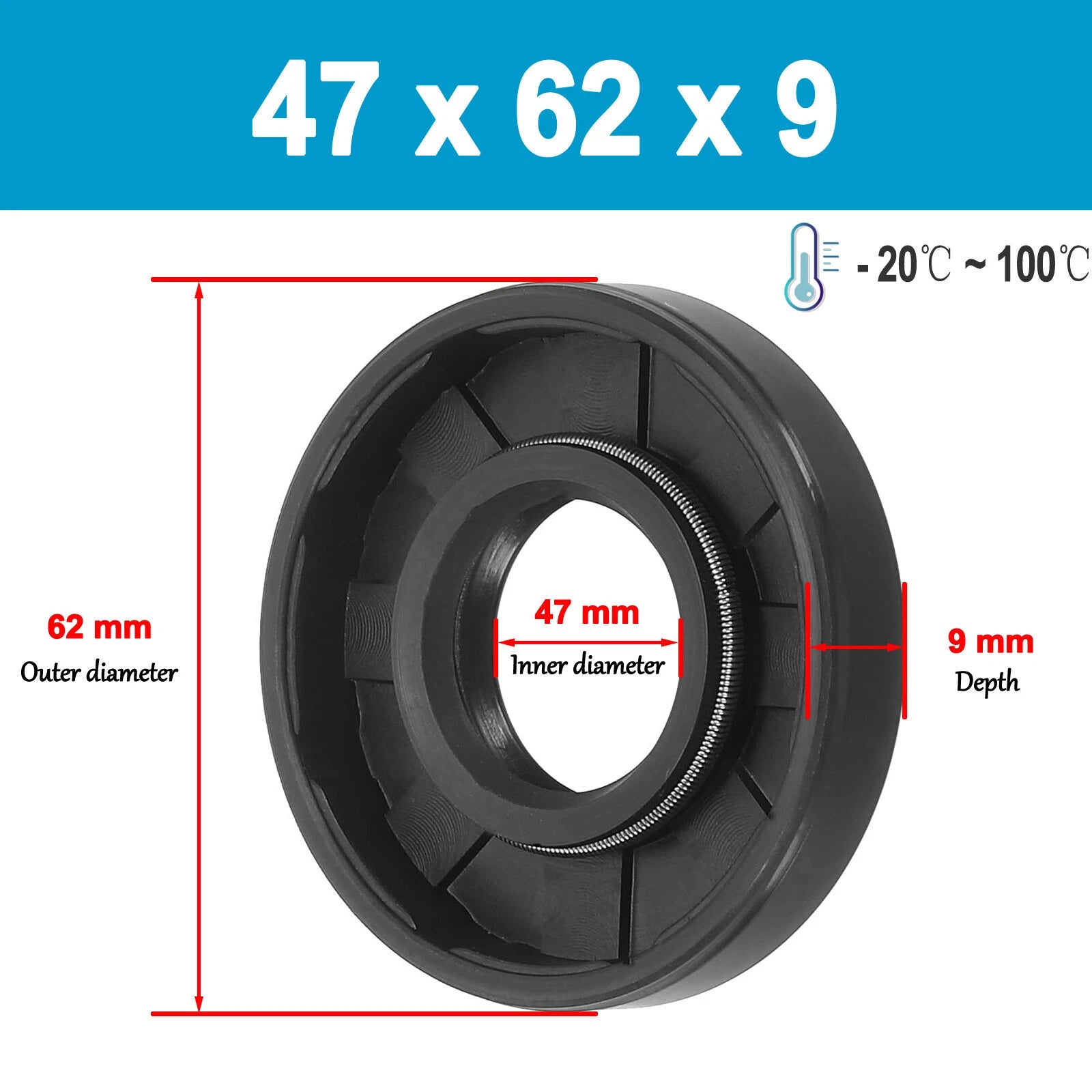
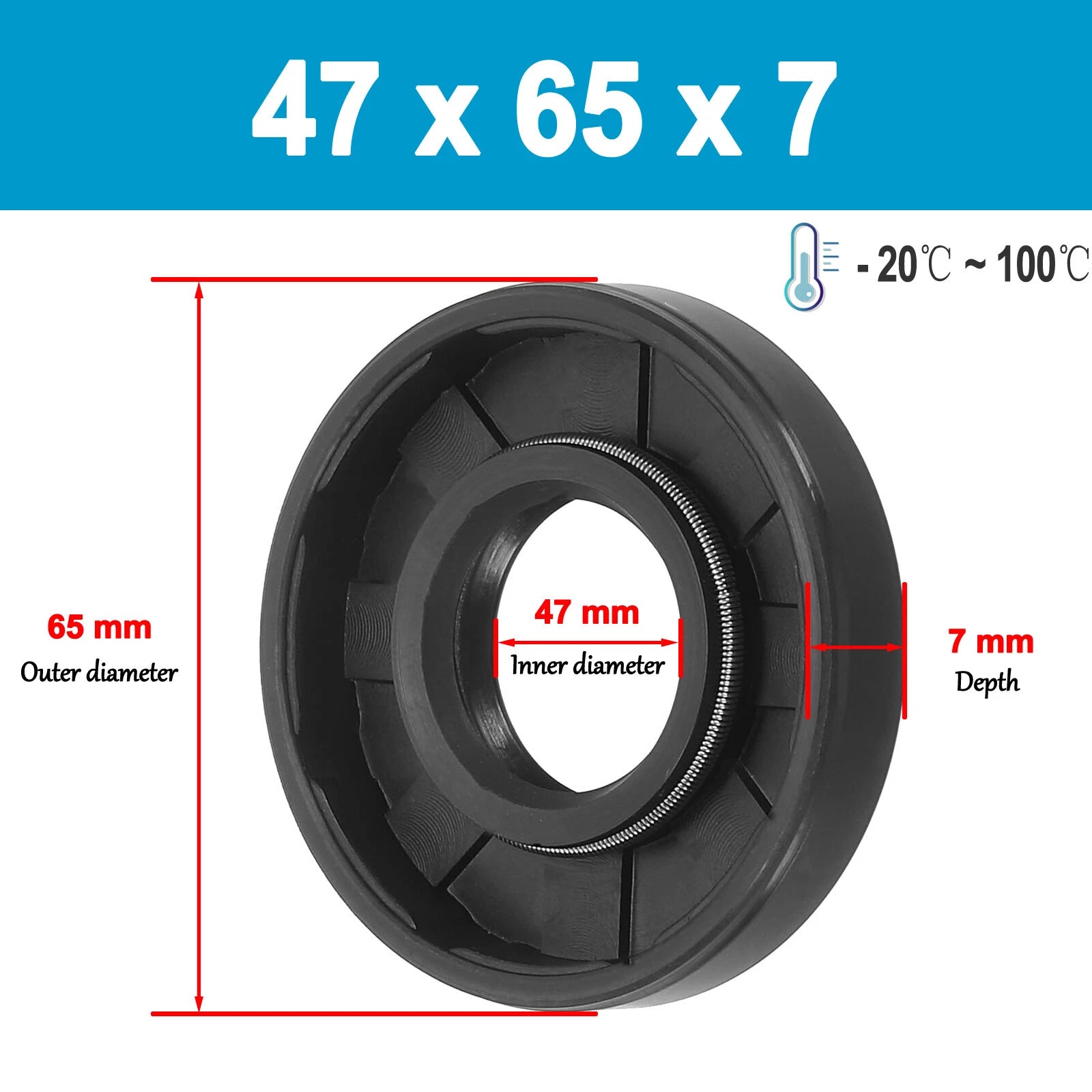
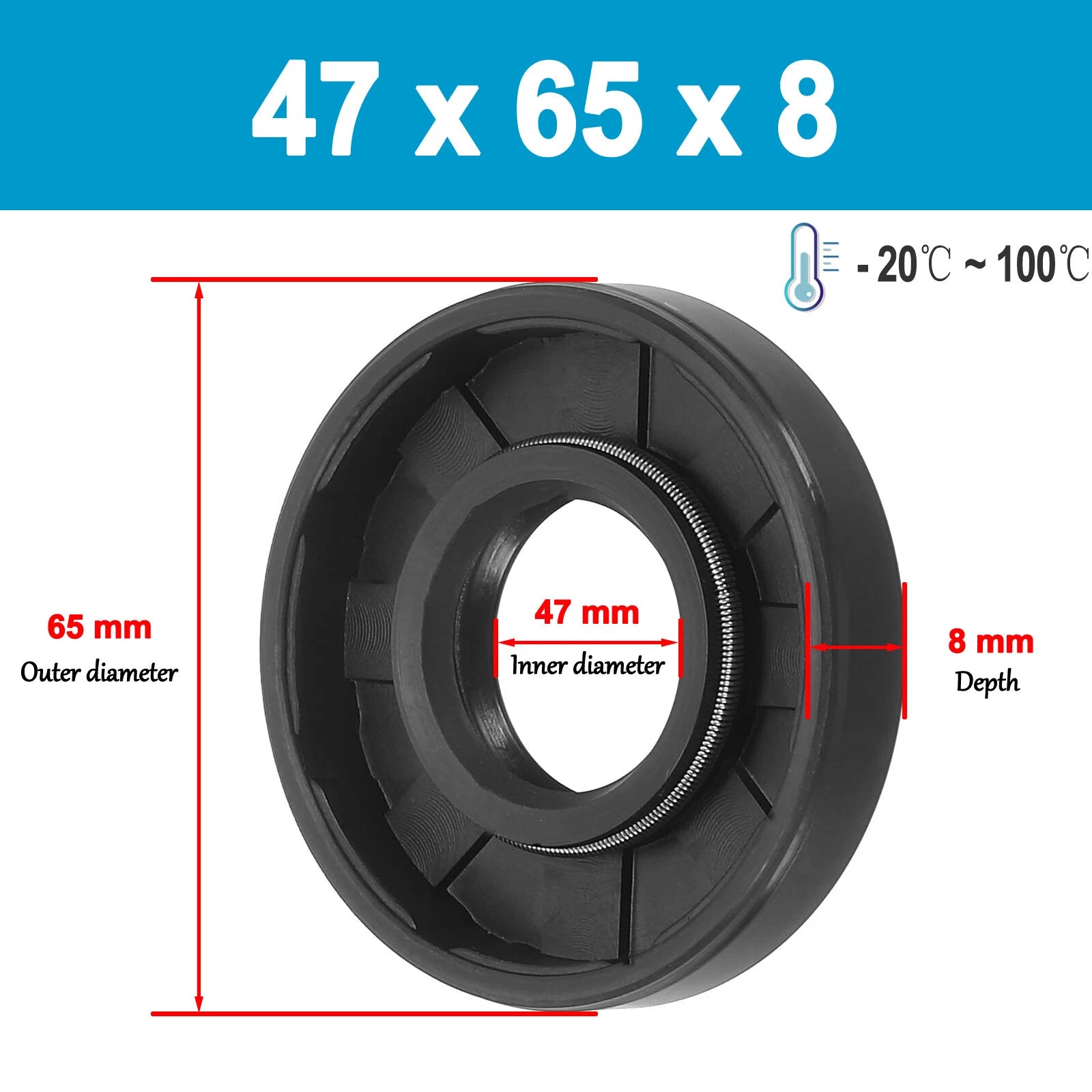
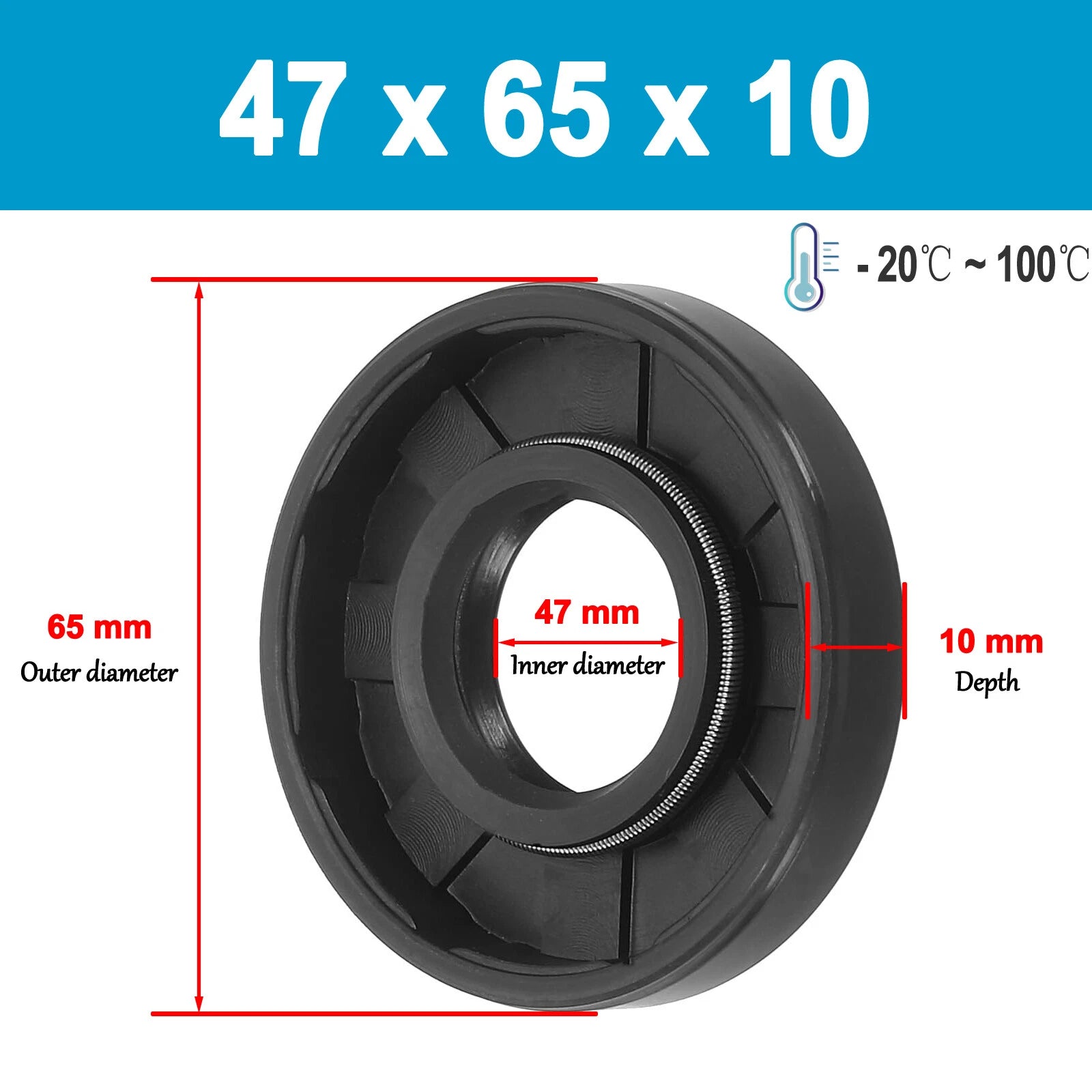
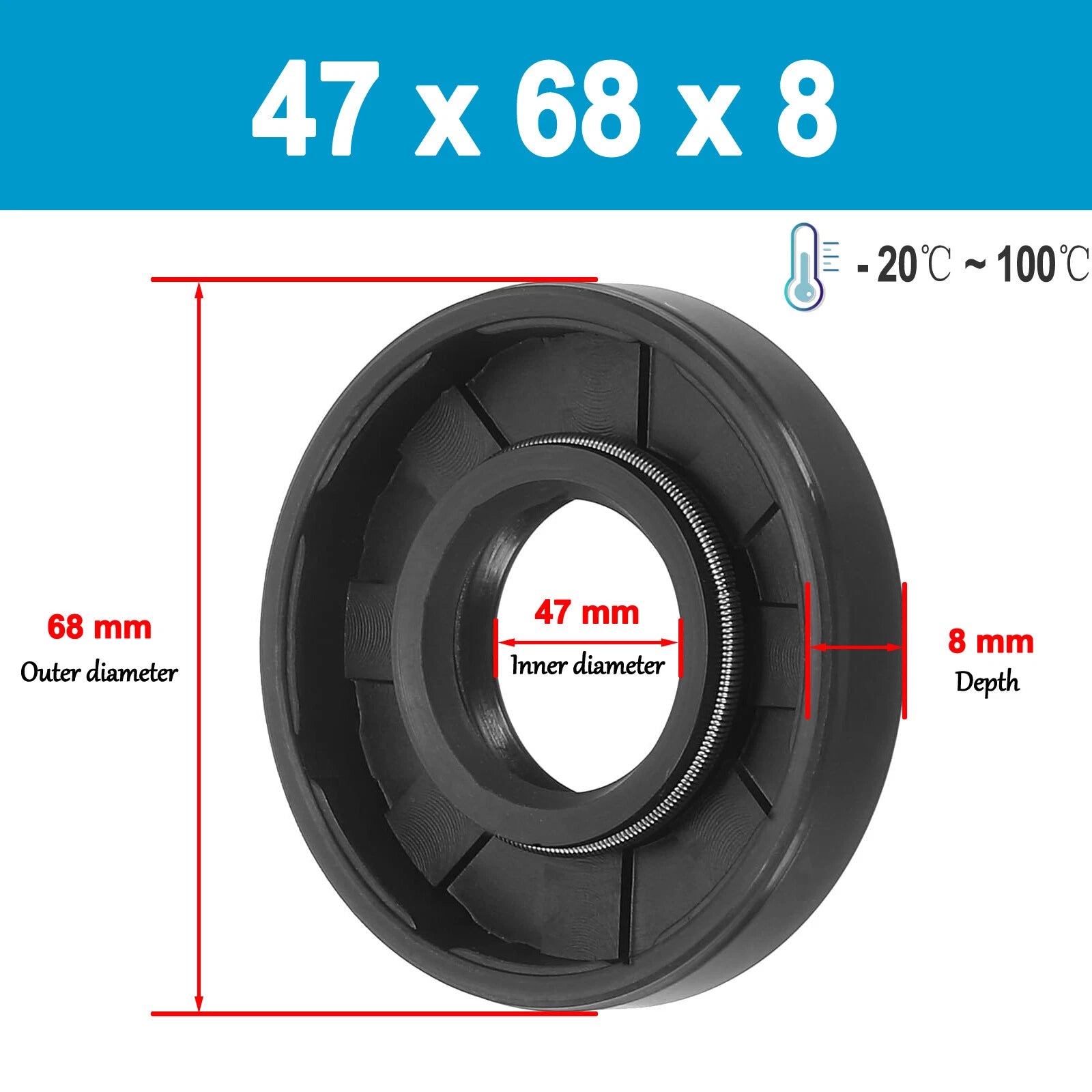
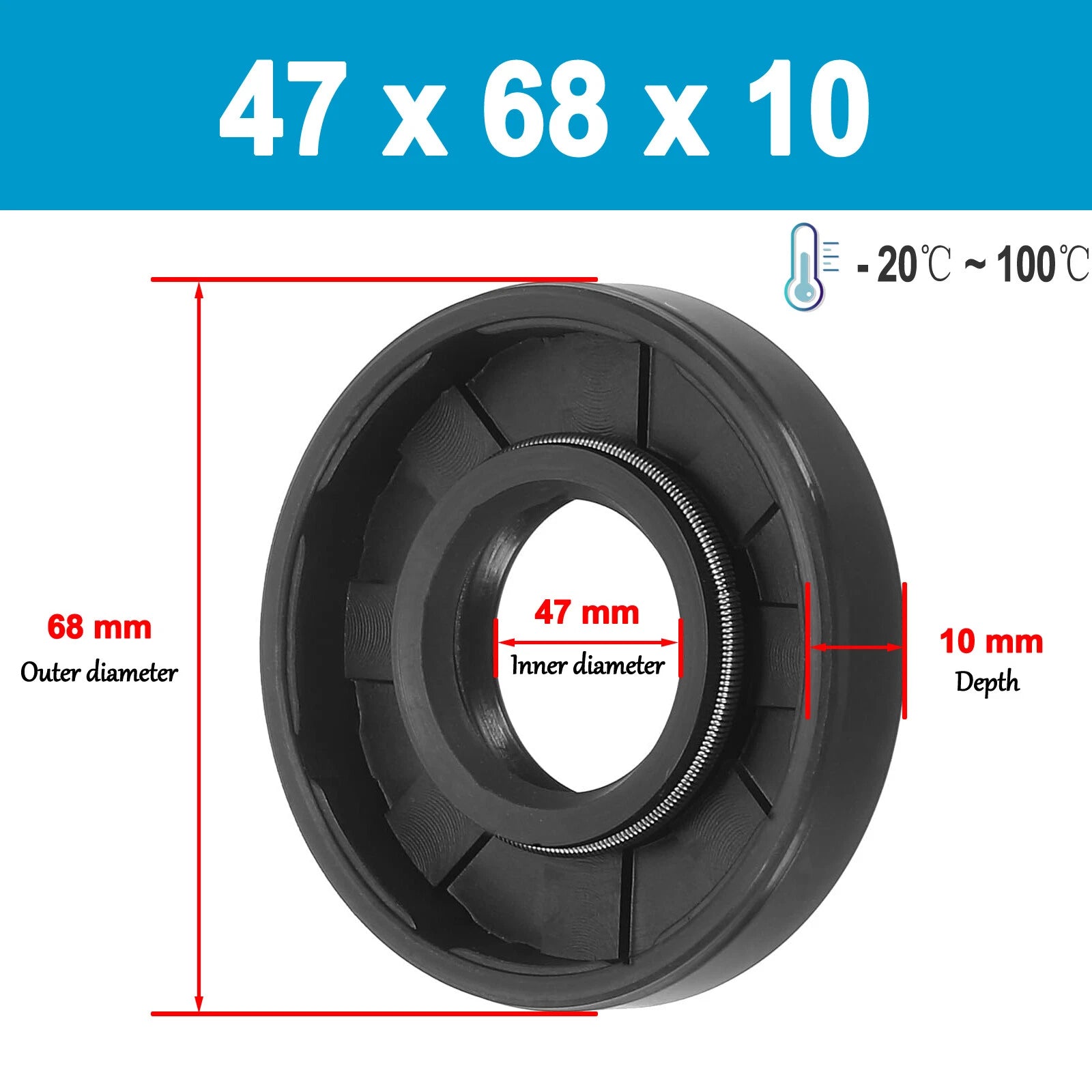
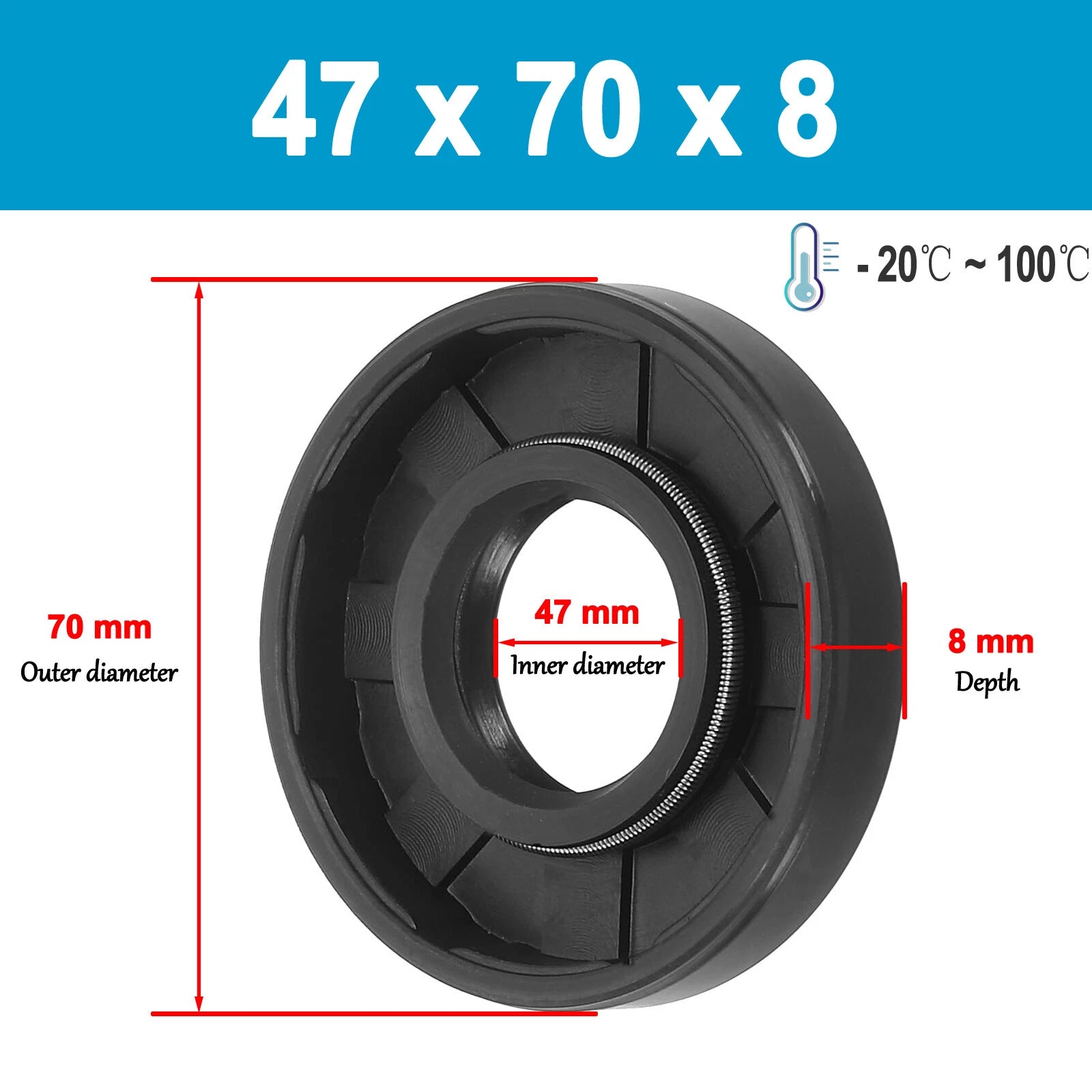
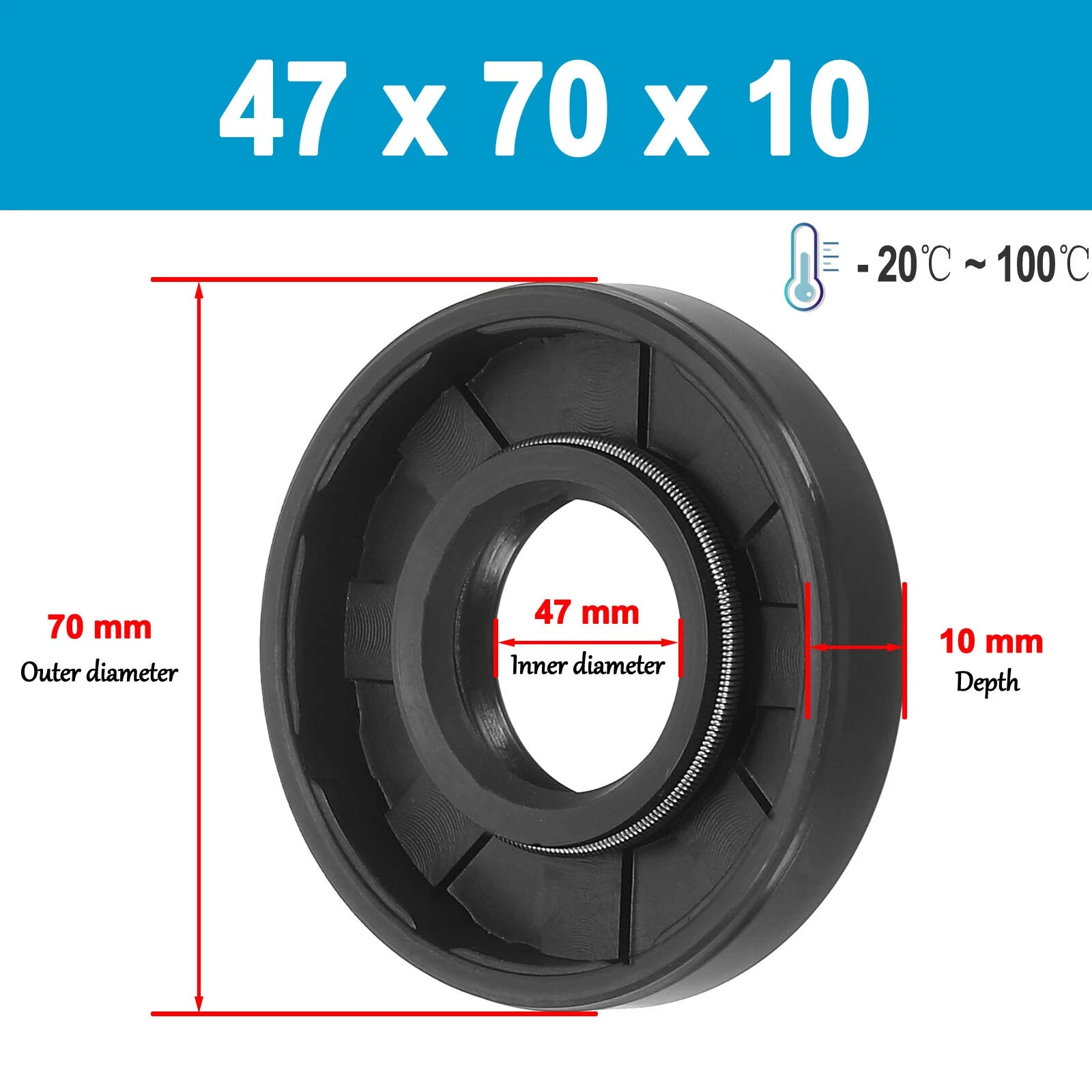
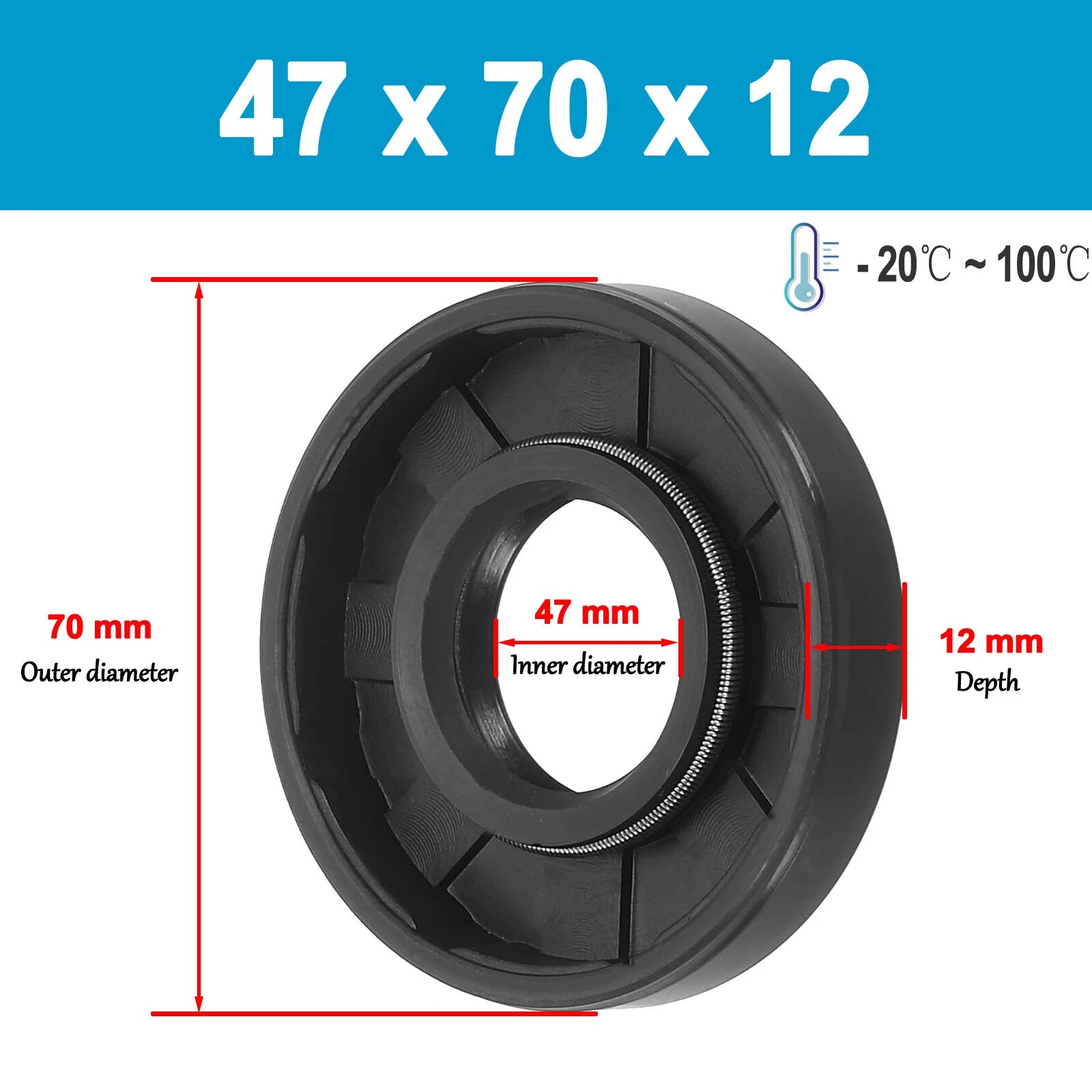
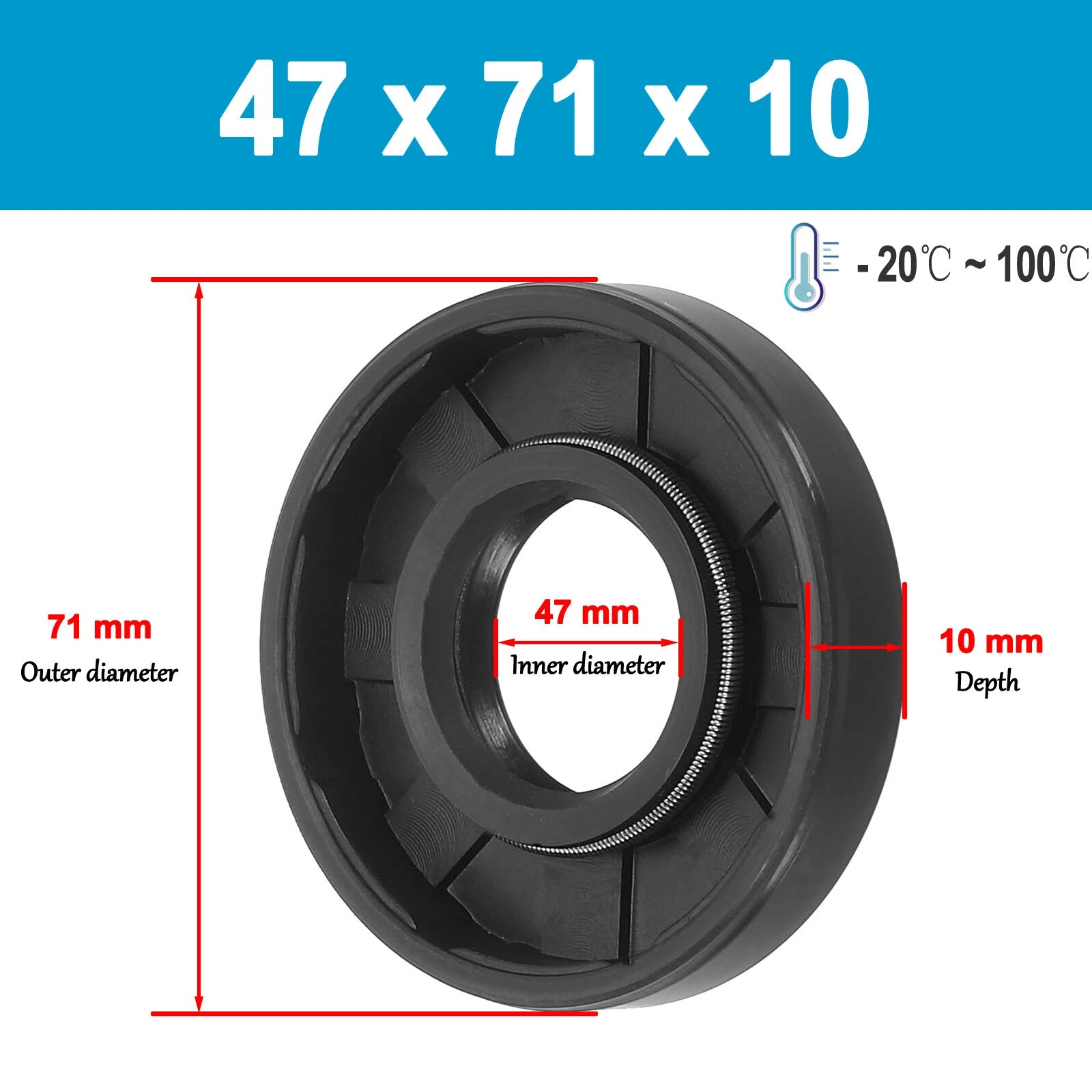
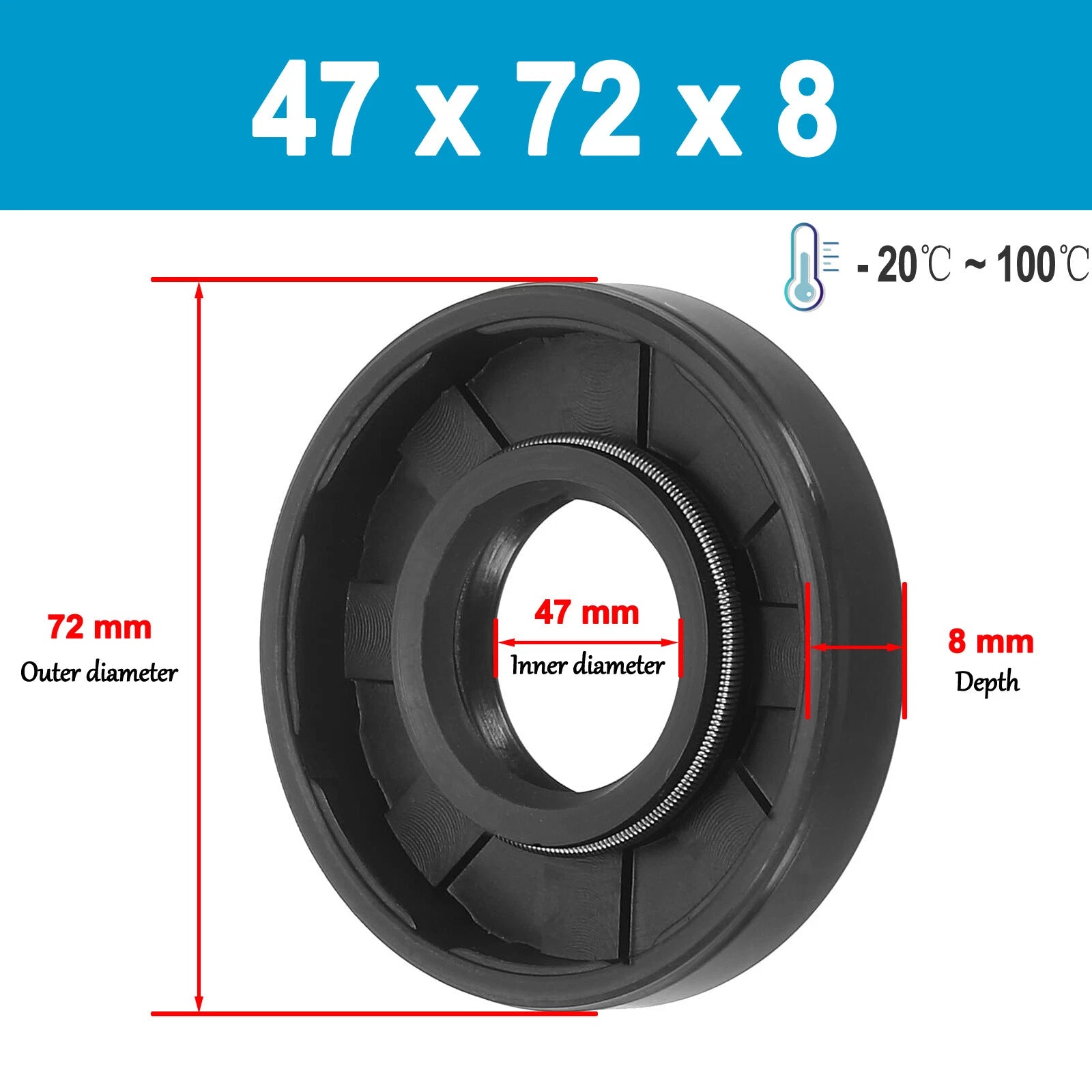
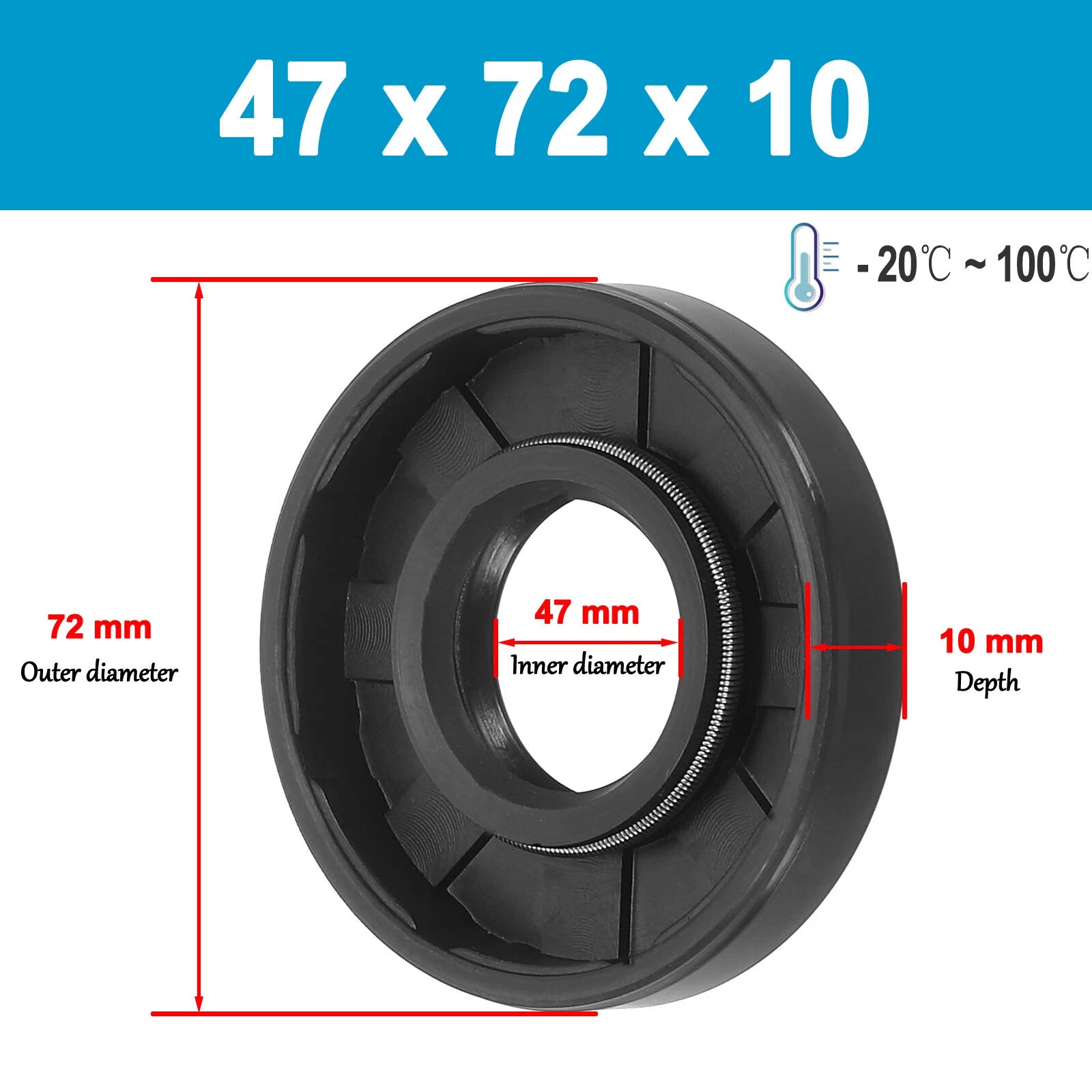
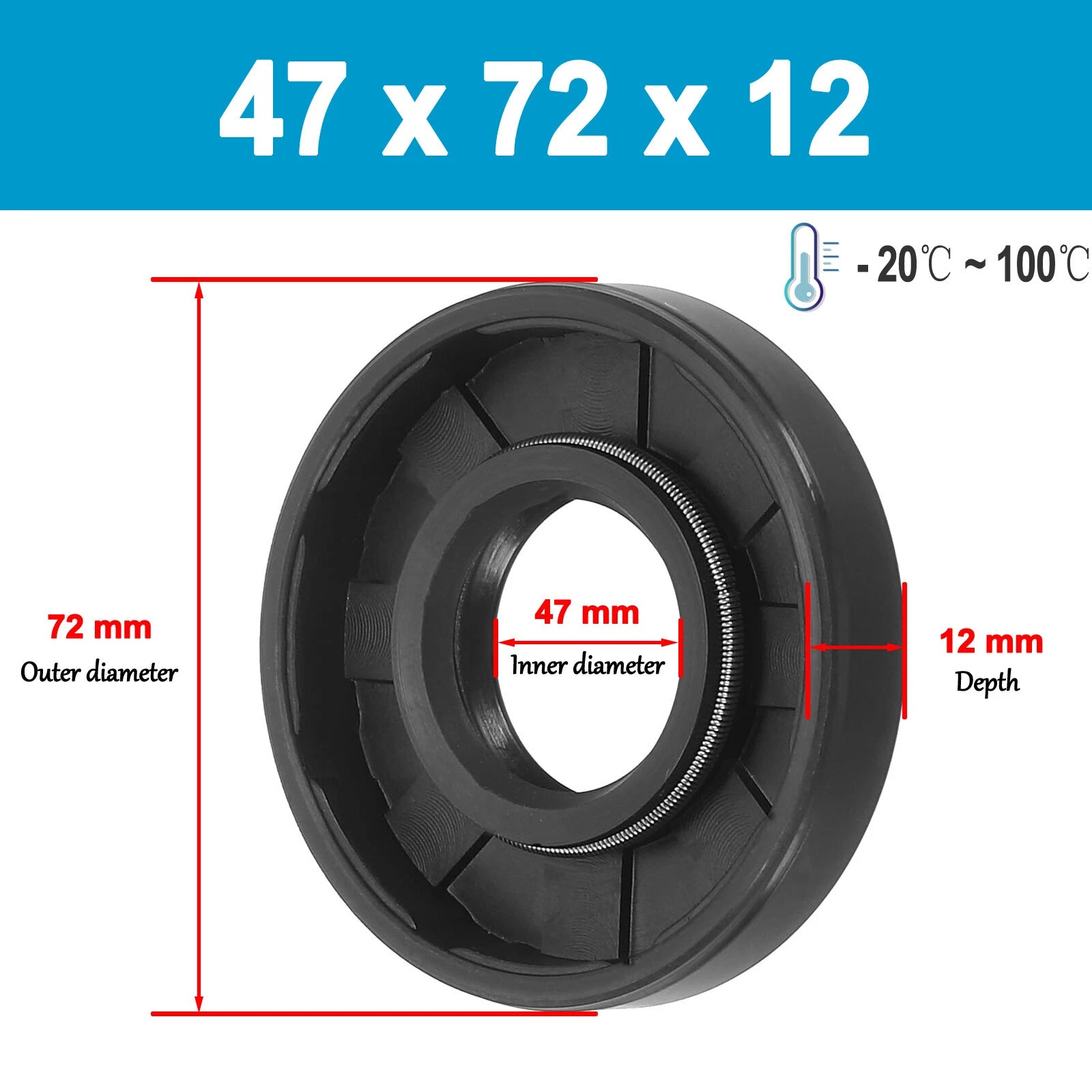
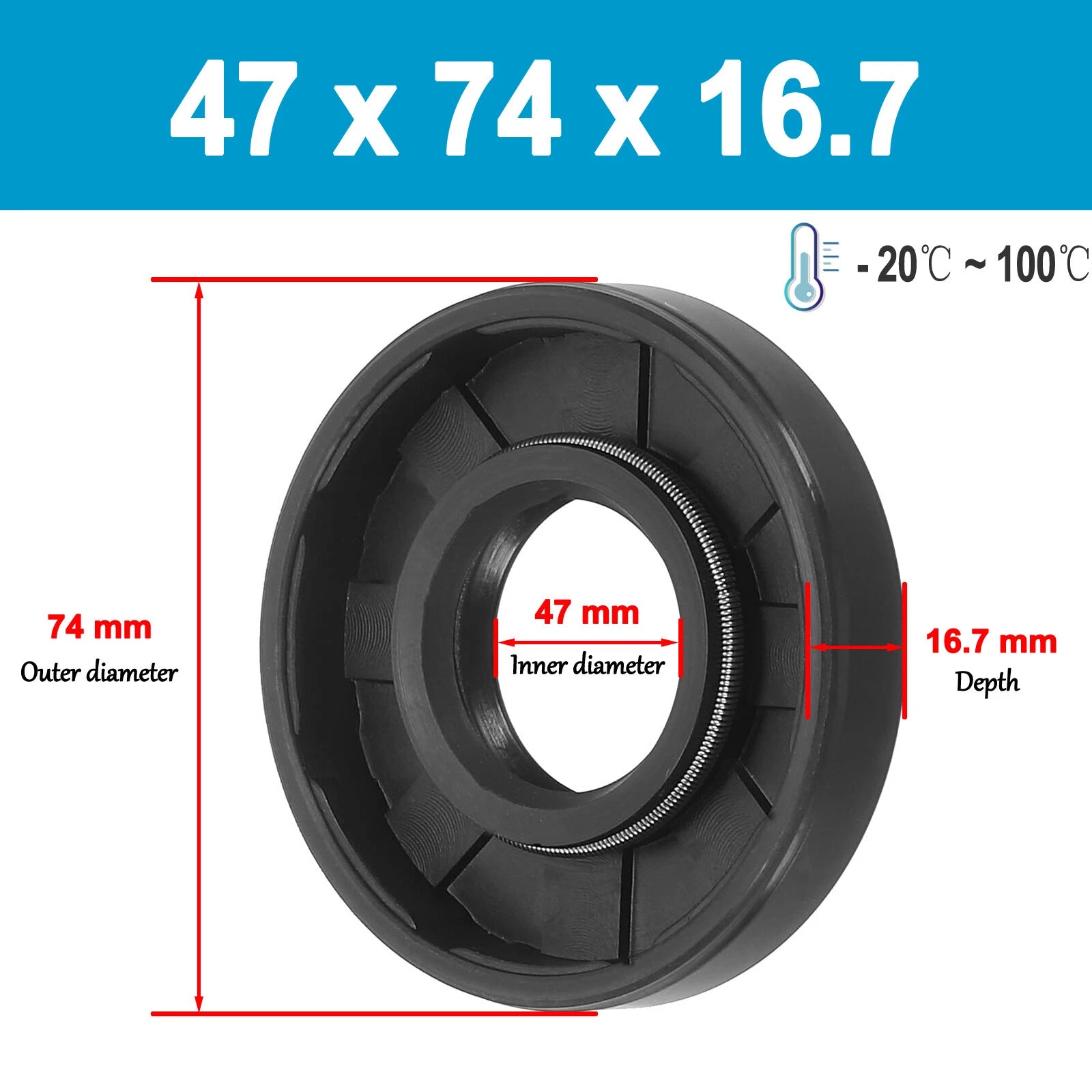
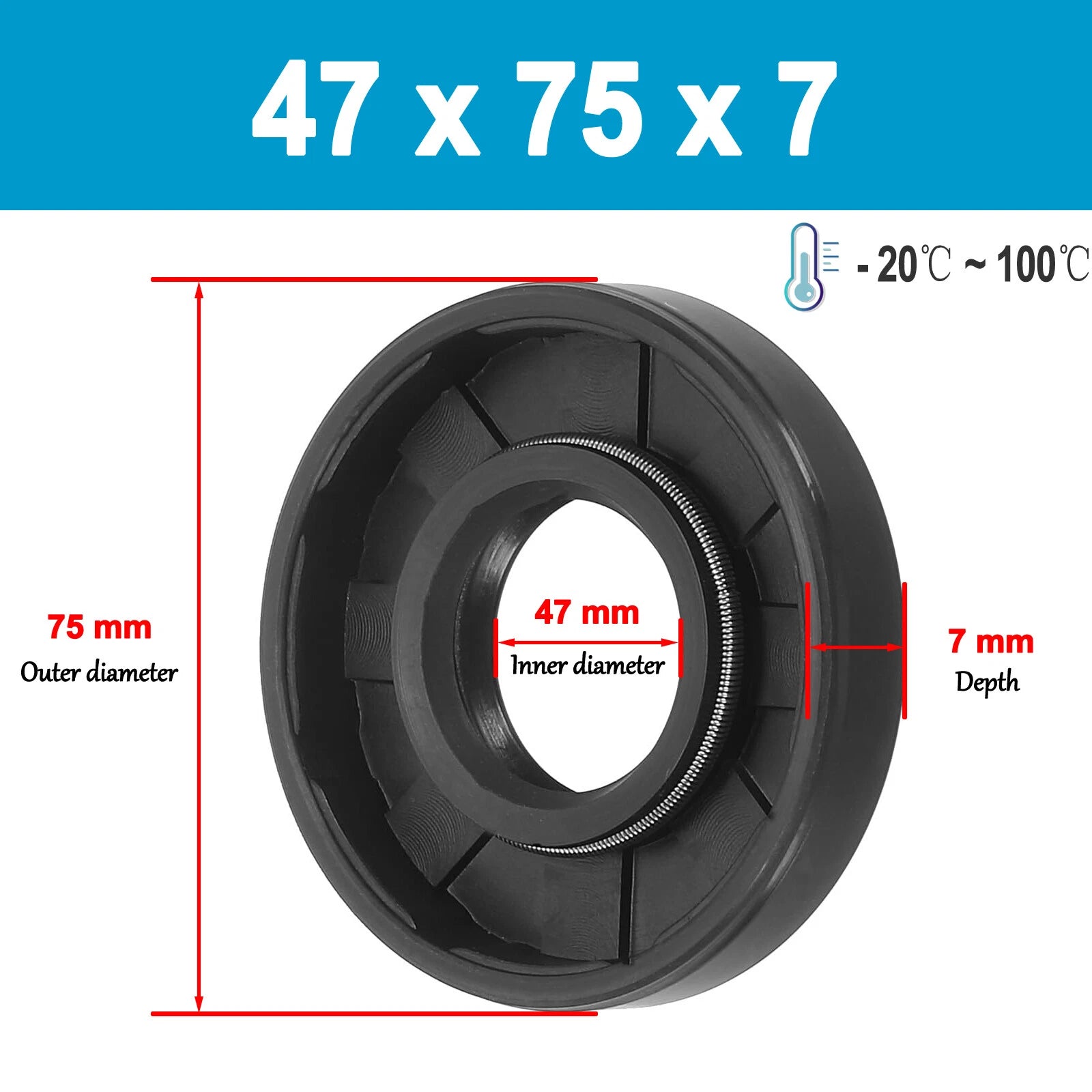
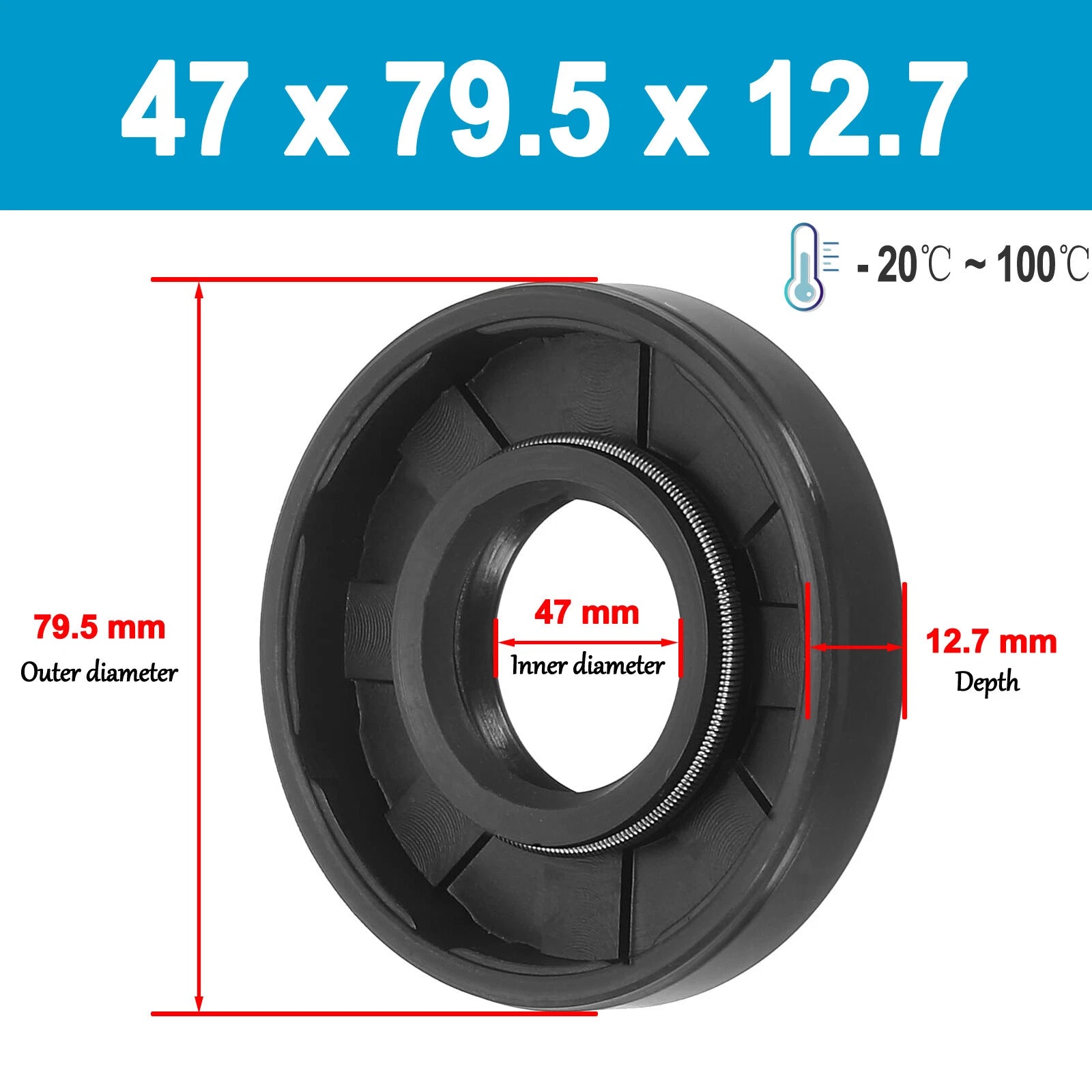
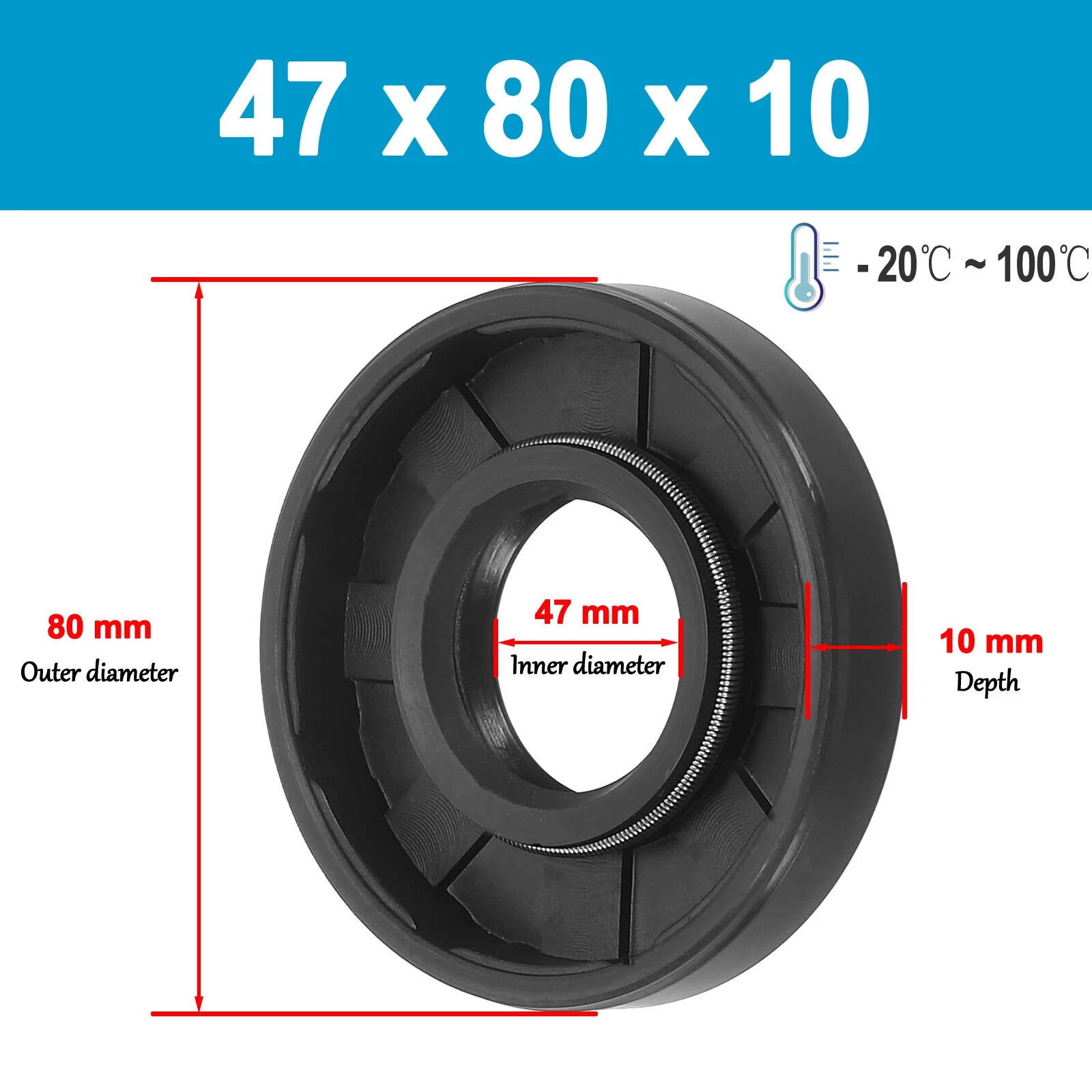
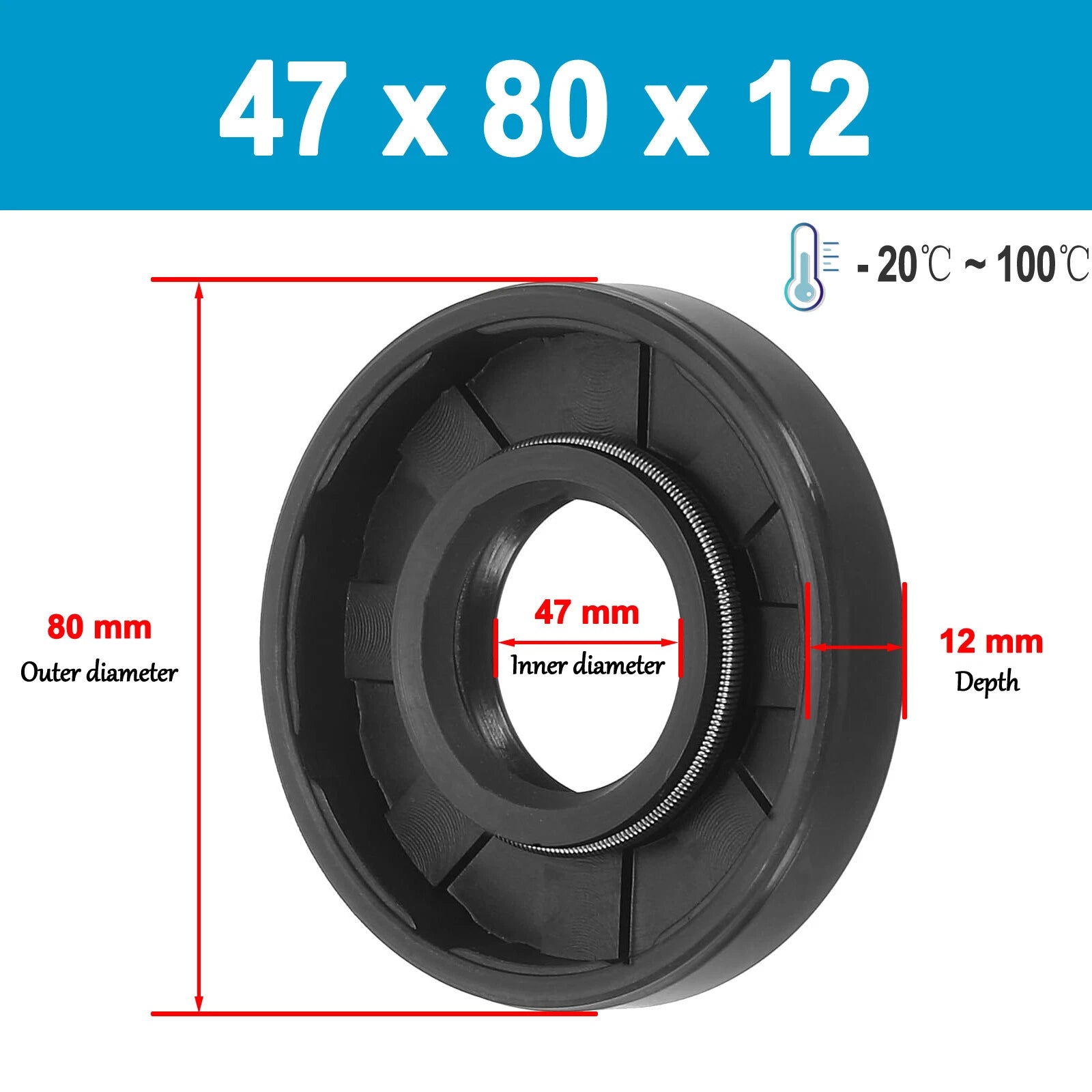
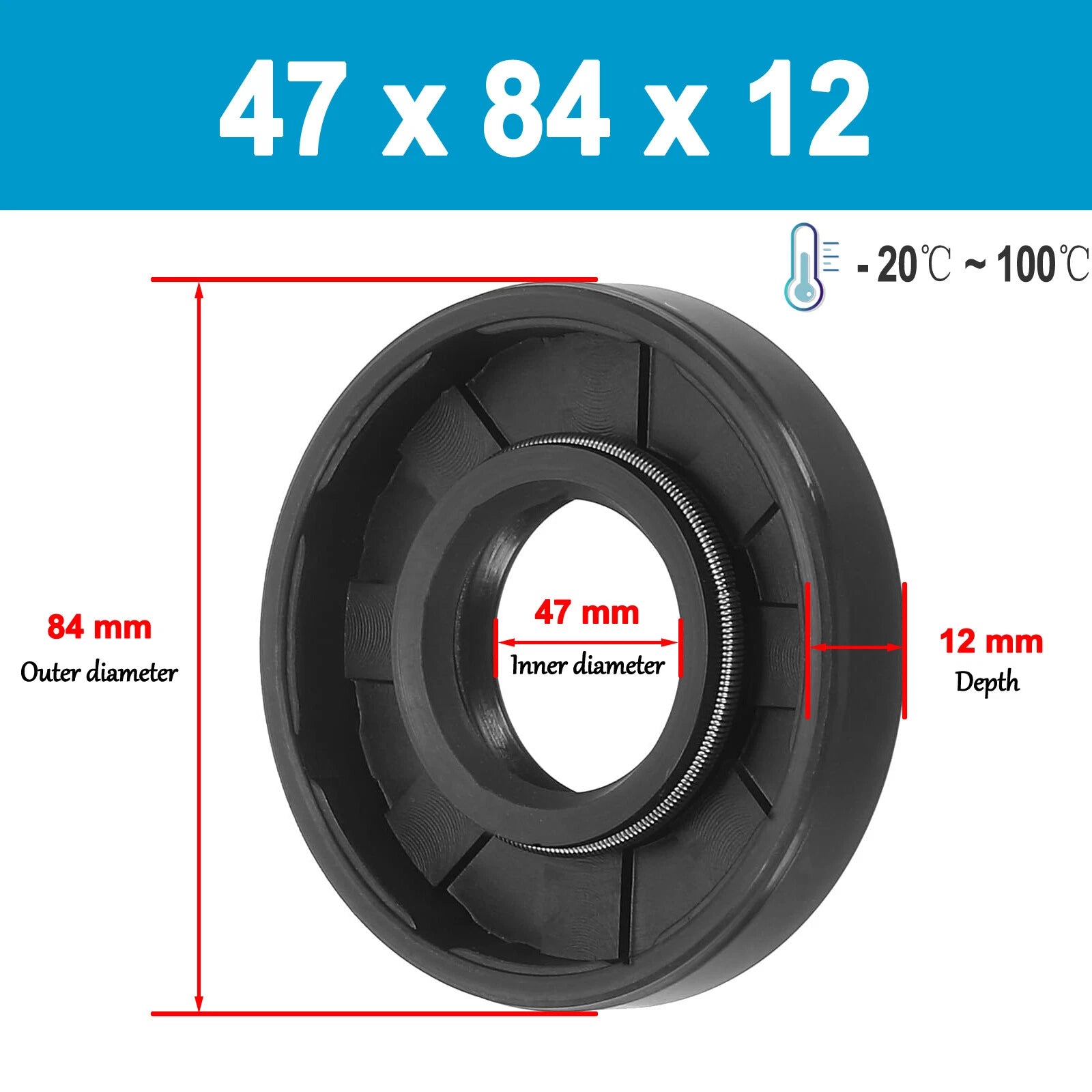
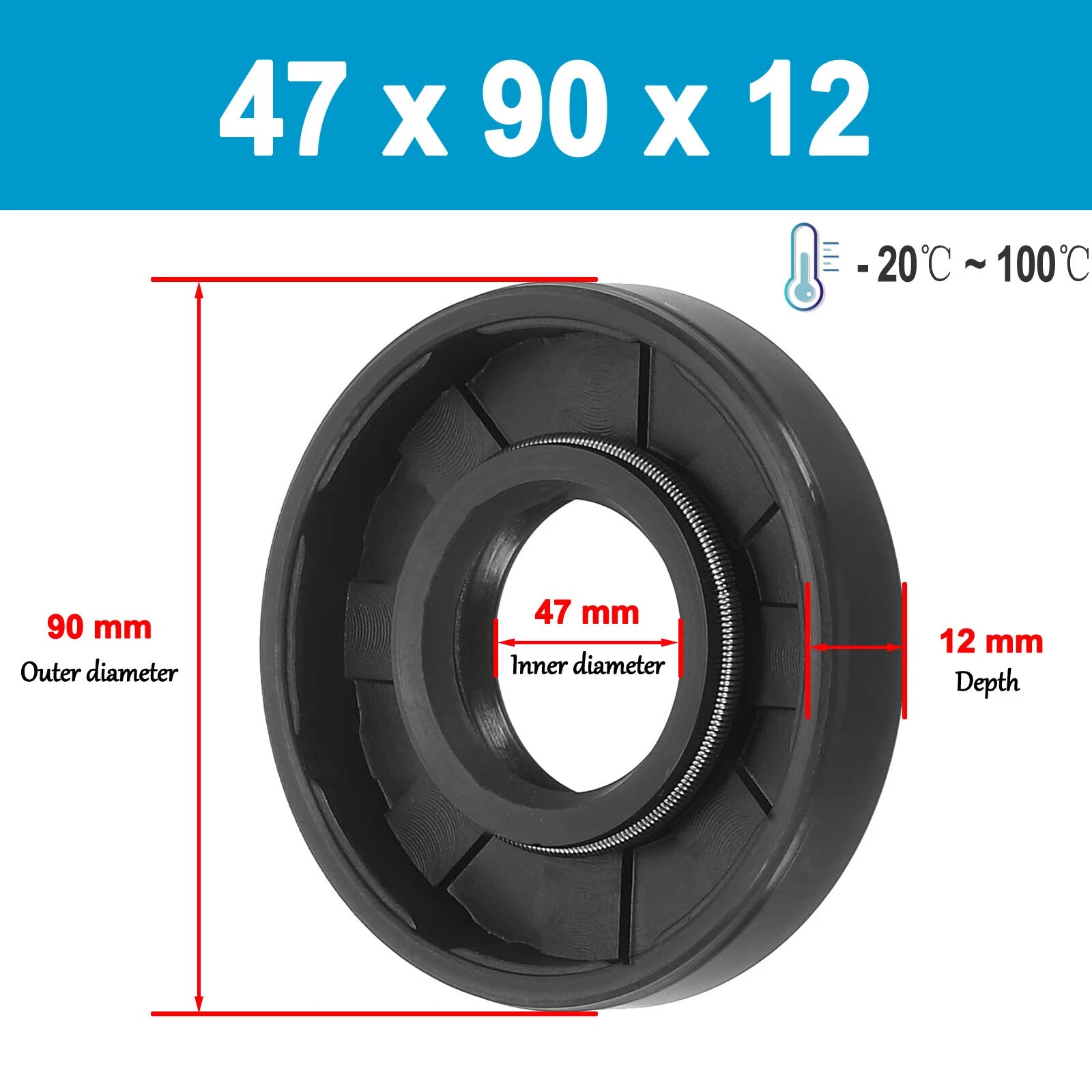
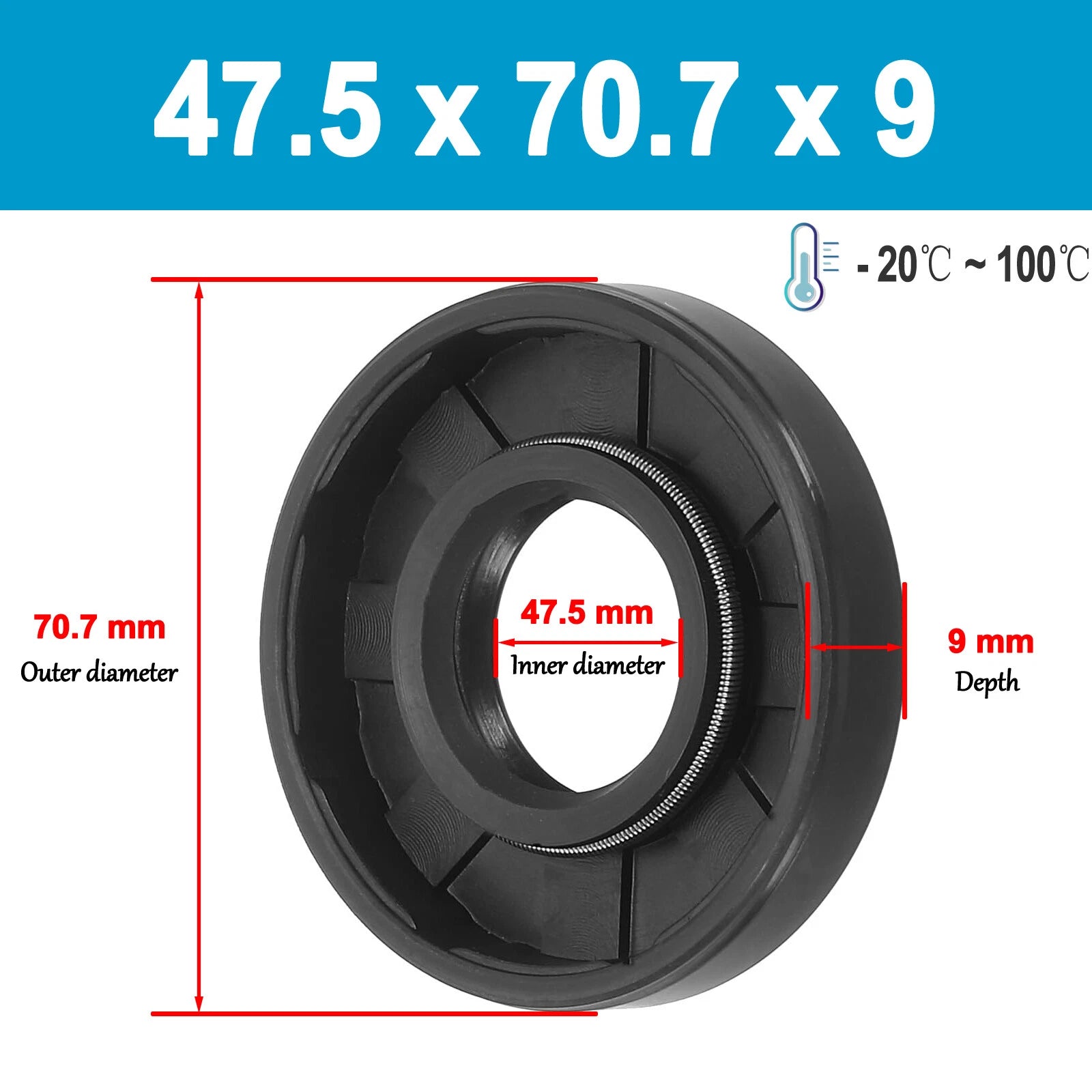
Each seal follows the R23 TC (twin-contact lip) arrangement, featuring a primary sealing lip and a secondary dust-exclusion lip, manufactured from nitrile rubber (NBR) bonded to a steel case. The inner diameter spans 45mm, 46mm, and 47mm (approximately 1.77–1.85 in), with outer diameters ranging from 50mm to 100mm (approximately 1.97–3.94 in) and cross-section depths from 4mm to 16.7mm (approximately 0.16–0.66 in) depending on the variant selected.
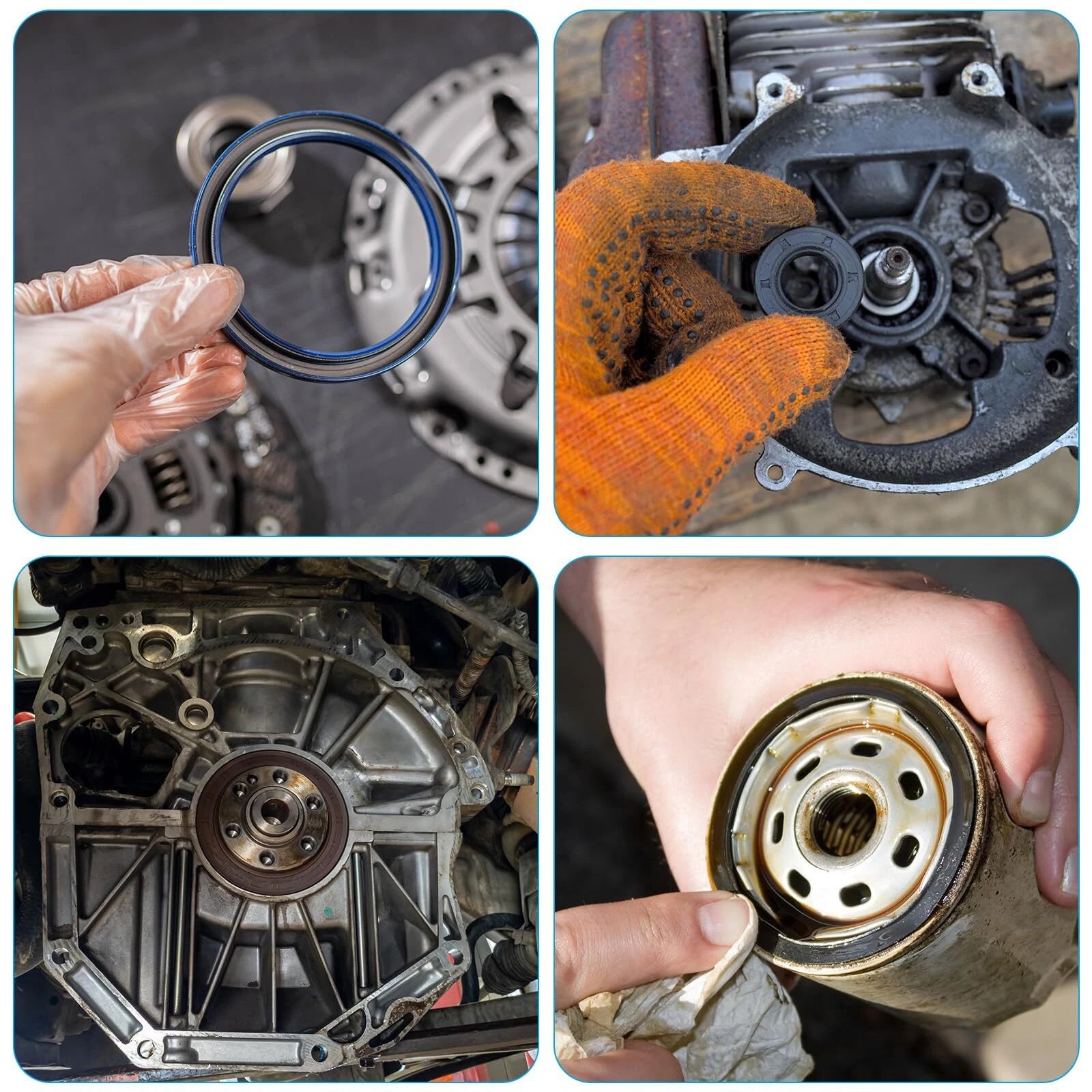
Typical use cases include automotive rear axle and differential sealing, industrial gearbox output shaft sealing, hydraulic pump shaft sealing, and agricultural or construction equipment drivetrain maintenance — all scenarios where long-tail search terms like "metric TC oil seal 45mm bore" or "R23 rotary shaft seal replacement" reflect real purchasing intent.
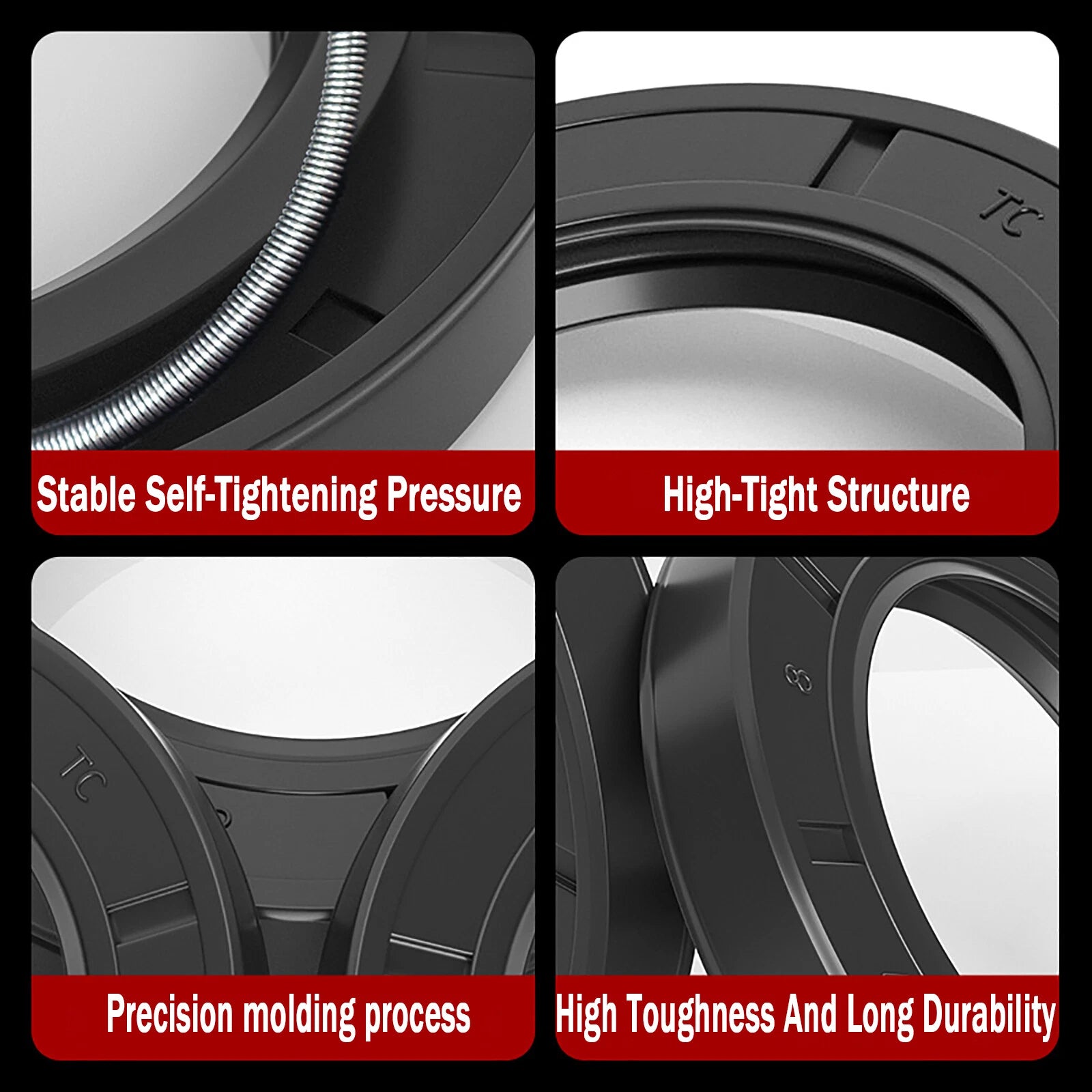
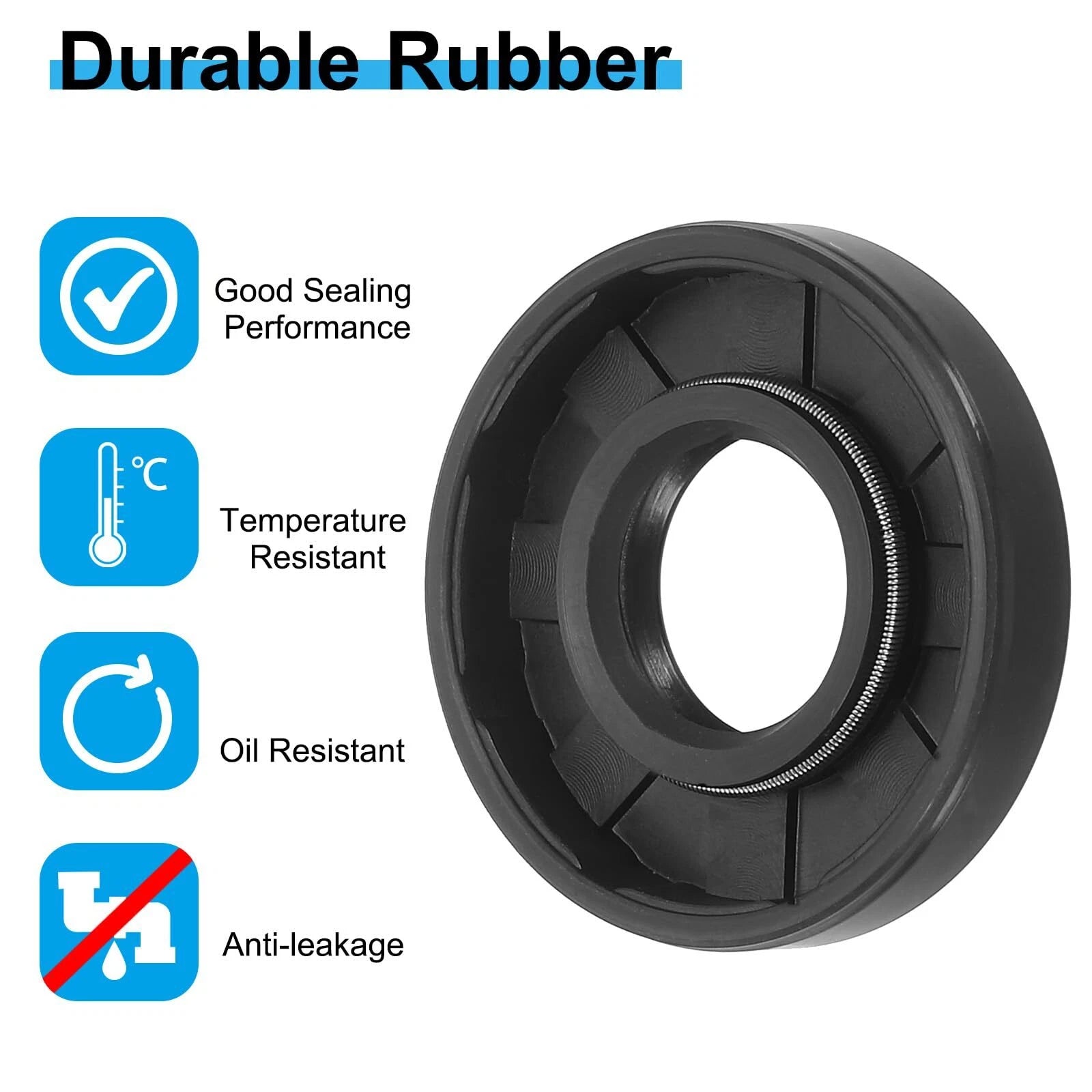
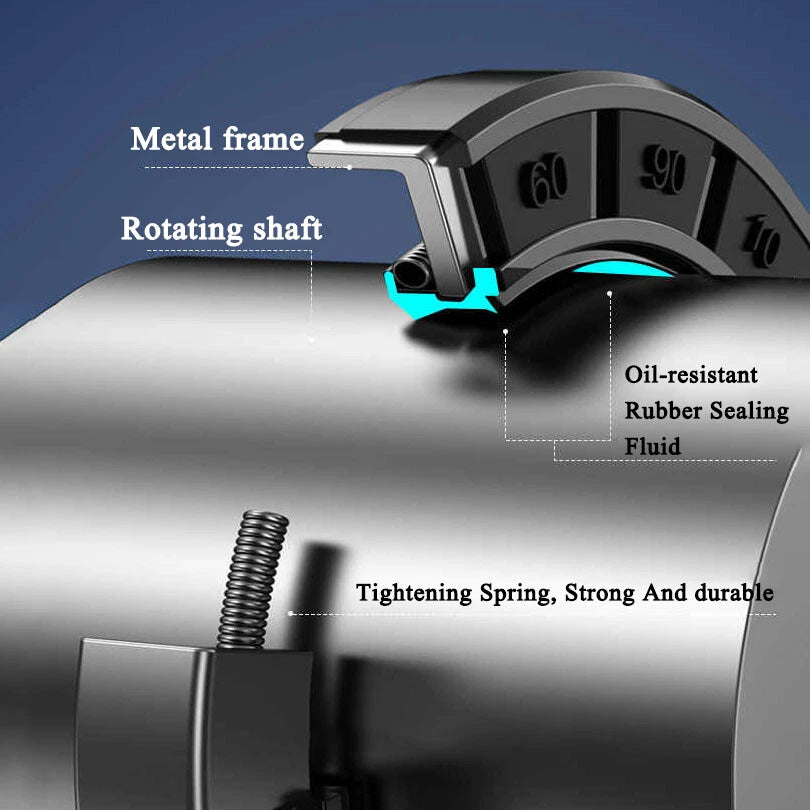
R23 twin-contact lip design provides a primary sealing lip to retain lubricant and a secondary lip to exclude dust, dirt, and moisture — reducing contamination-related bearing wear.
Inner diameters of 45mm, 46mm, and 47mm with outer diameters from 50mm to 100mm and depths from 4mm to 16.7mm — covering a broad spectrum of metric shaft and housing combinations.
Nitrile rubber (NBR) lip material offers resistance to petroleum-based oils, greases, and hydraulic fluids across a typical operating temperature range of approximately −40°C to +120°C (−40°F to +248°F).
A rigid steel outer case ensures accurate press-fit installation into the housing bore, maintaining concentricity and preventing seal walk-out under dynamic load.
Available in packs of 5 or 10 pieces per order, allowing you to stock the right quantity for single repairs, scheduled maintenance kits, or workshop inventory.
Dimensioned to metric standards for straightforward replacement of OEM seals in European, Asian, and metric-spec machinery without adapter sleeves or machining.
| Seal Type | TC (Twin-Contact Lip / R23 Arrangement) |
|---|---|
| Inner Diameter (ID) | 45mm / 46mm / 47mm (see variant options) |
| Outer Diameter (OD) | 50mm – 100mm (see variant options) |
| Depth / Width | 4mm – 16.7mm (see variant options) |
| Lip Material | Nitrile Rubber (NBR) |
| Case Material | Steel |
| Operating Temperature | Typically −40°C to +120°C (−40°F to +248°F) |
| Fluid Compatibility | Petroleum-based oils, greases, hydraulic fluids |
| Dimension Standard | Metric (mm) |
| Packing Quantity | 5 pcs or 10 pcs (see variant options) |
| Spring Type | See variant options |
| Max Shaft Speed | Contact us to confirm |
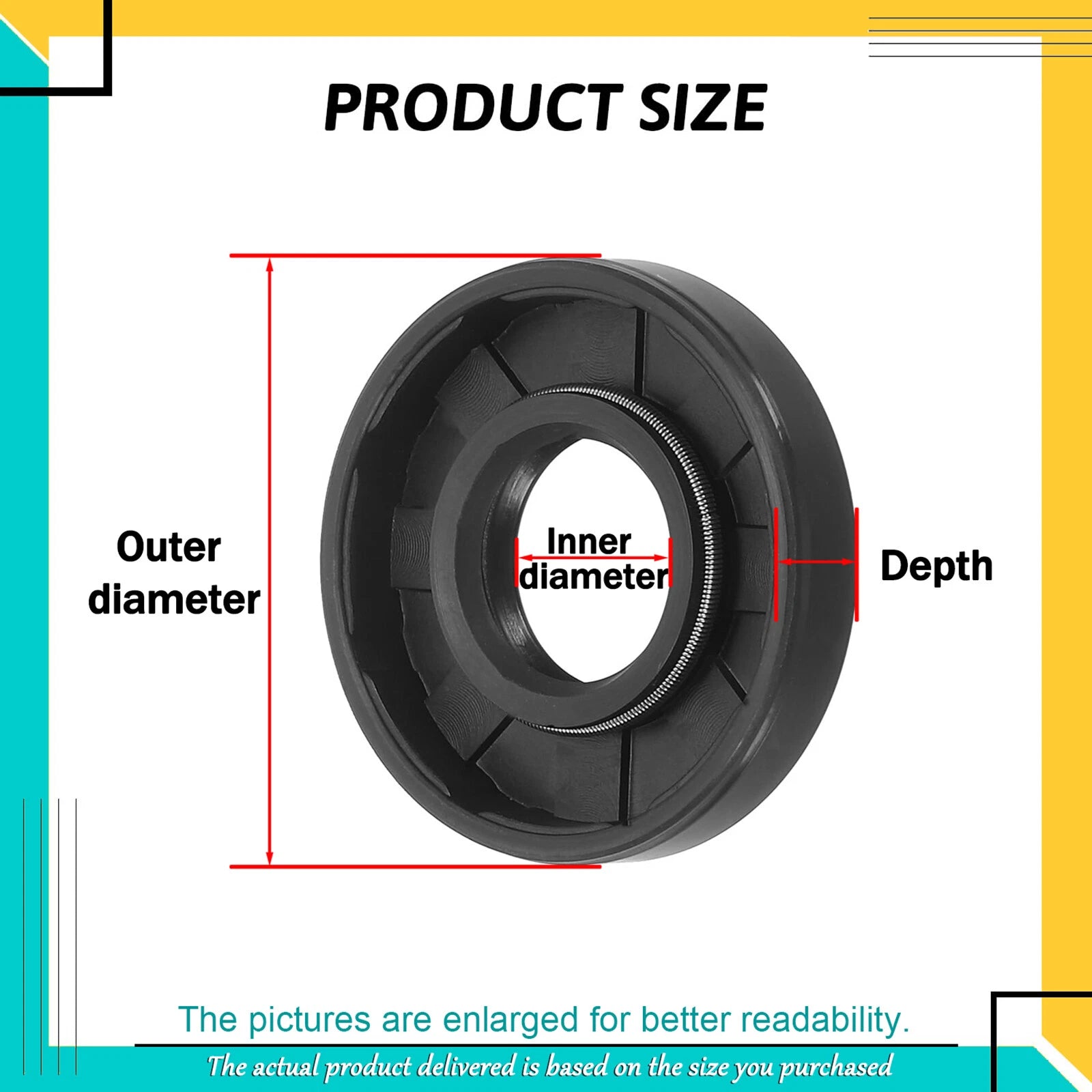
Measure three dimensions on your existing seal or housing: the inner diameter (ID) that contacts the shaft, the outer diameter (OD) that presses into the housing bore, and the depth (axial width). Match all three to the variant listed as Inner Ø × Outer Ø × Depth. If your seal is worn, measure the shaft OD directly — that equals the seal ID you need.
"TC" refers to a twin-contact lip arrangement (also designated R23 under ISO/DIN standards). It means the seal has two sealing lips: a primary lip that retains lubricant on the inboard side, and a secondary dust lip that prevents external contaminants from entering. This dual-lip design is the most common configuration for rotating shaft applications.
The NBR (nitrile rubber) lip material is compatible with petroleum-based mineral oils, gear oils, greases, and most hydraulic fluids. The typical operating temperature range is −40°C to +120°C (−40°F to +248°F). NBR is not recommended for use with synthetic esters, phosphate-ester hydraulic fluids, or ketone-based solvents. If your application uses these fluids, contact us to confirm suitability or discuss alternative lip materials.
Clean the housing bore and shaft thoroughly. Lightly lubricate the seal lip with the same oil or grease used in the application. Press the seal squarely into the bore using a seal driver or a flat plate of the same OD — never hammer directly on the seal face. Ensure the seal sits flush or slightly below the housing face. Avoid dragging the lip over sharp keyways or threads; use a sleeve or tape to protect the lip during installation.
TC oil seals with NBR lips are suitable for moderate-to-high shaft surface speeds, typically up to approximately 4–8 m/s depending on the specific diameter and operating conditions. Maximum allowable shaft speed decreases as shaft diameter increases. For high-speed applications above these ranges, contact us to confirm suitability for your specific variant and operating conditions.
Yes — provided the three key dimensions (ID, OD, and depth) match your original seal exactly. These seals are manufactured to metric dimensional standards and are designed as direct replacements for OEM seals in automotive differentials, gearboxes, axles, pumps, and industrial rotating equipment. Always verify all three dimensions before ordering, as even a 1mm difference in OD can affect the press-fit and sealing performance.
The 5-piece pack suits single-vehicle repairs or low-volume workshop use where you need a spare on hand. The 10-piece pack offers a lower per-unit cost and is ideal for fleet maintenance, scheduled service intervals, or workshop inventory where the same seal size is used repeatedly. Both pack sizes contain identical seals — only the quantity differs.