The chain is fine...but I ordered the wrong size. Nine links of the chain I ordered equals six of the size I wanted. My error...
How can I straighten out the springs? I can't use them coil uo as is.
Your payment information is processed securely. We do not store credit card details nor have access to your credit card information.
Get fitment advice & recommendations
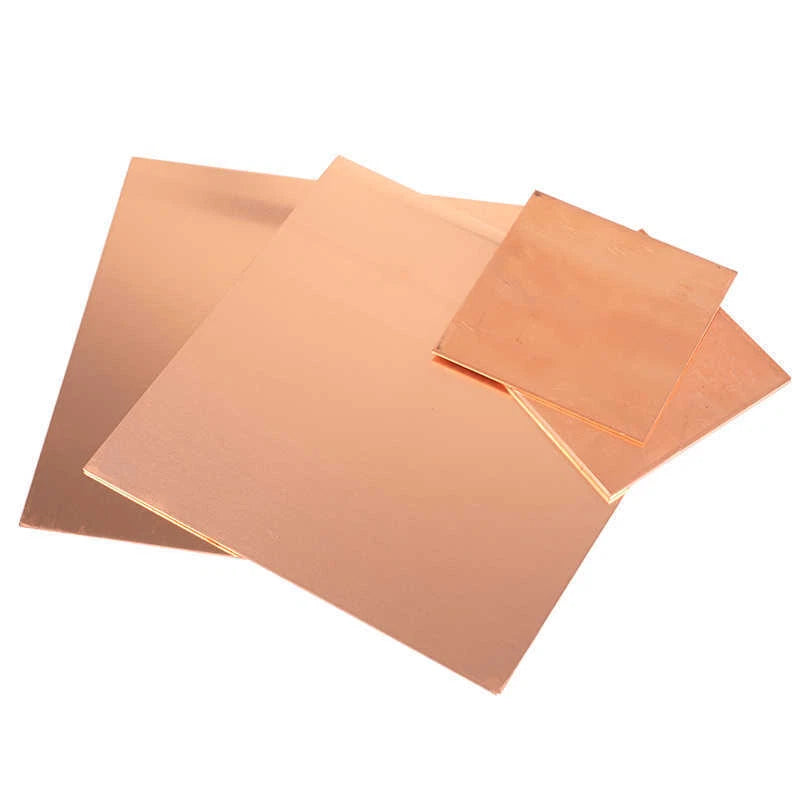
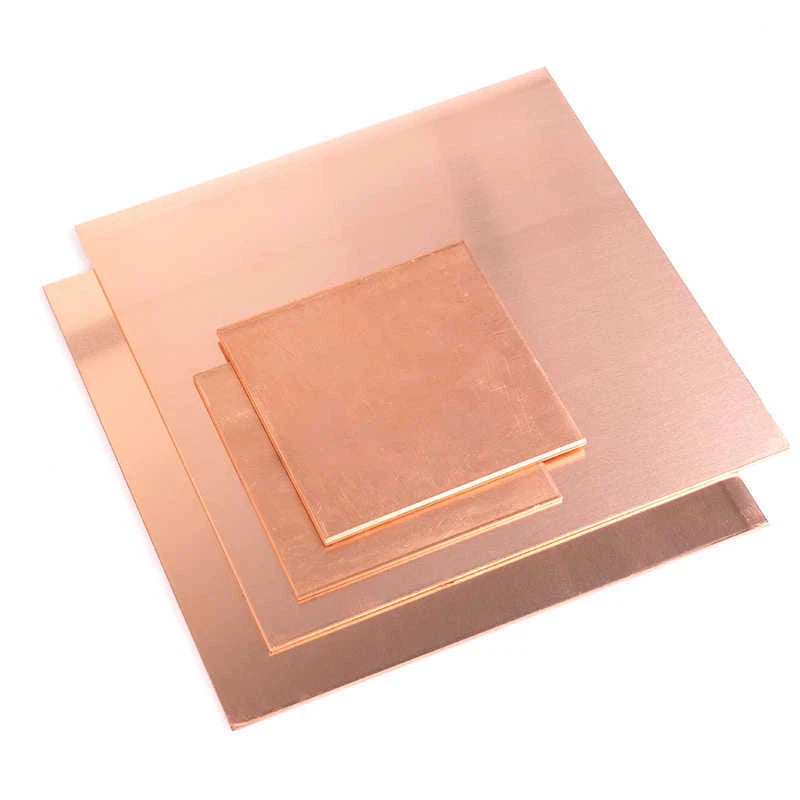
When your project demands reliable electrical conductivity, corrosion resistance, and a material that cuts cleanly every time, generic sheet stock simply falls short. Whether you are a maker building custom PCB shielding, a jeweler forming thin copper blanks, or a hobbyist crafting heat-spreader pads, these 99.9% pure copper sheet metal pieces give you the exact starting point you need — no guesswork, no waste.
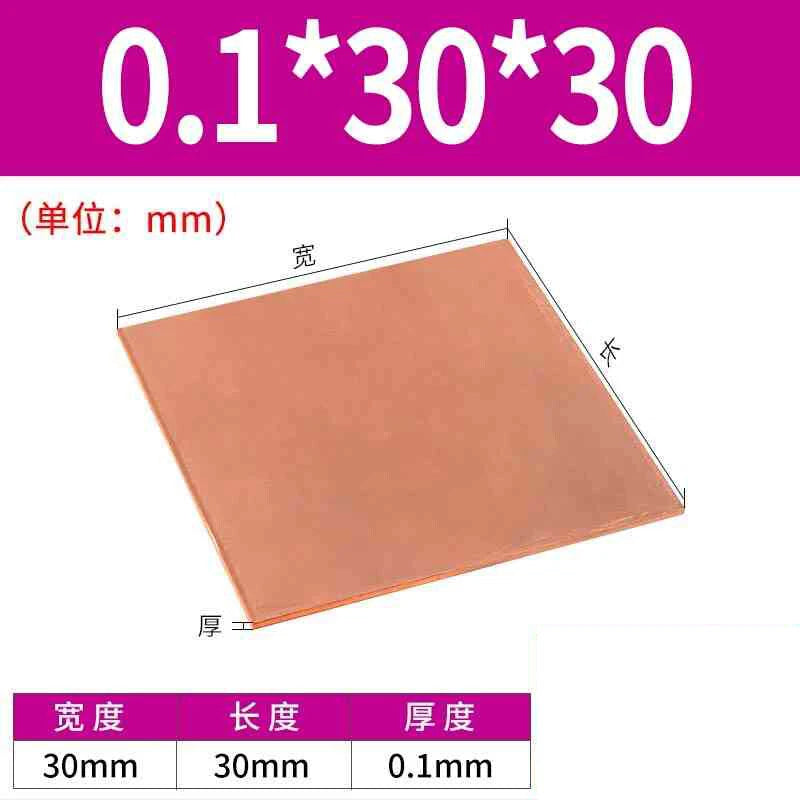
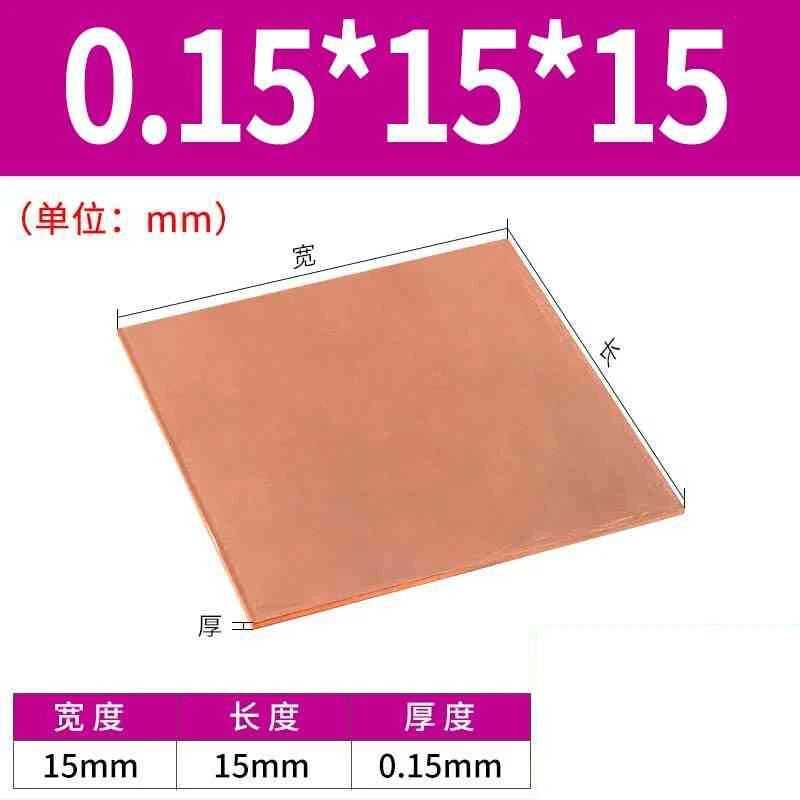
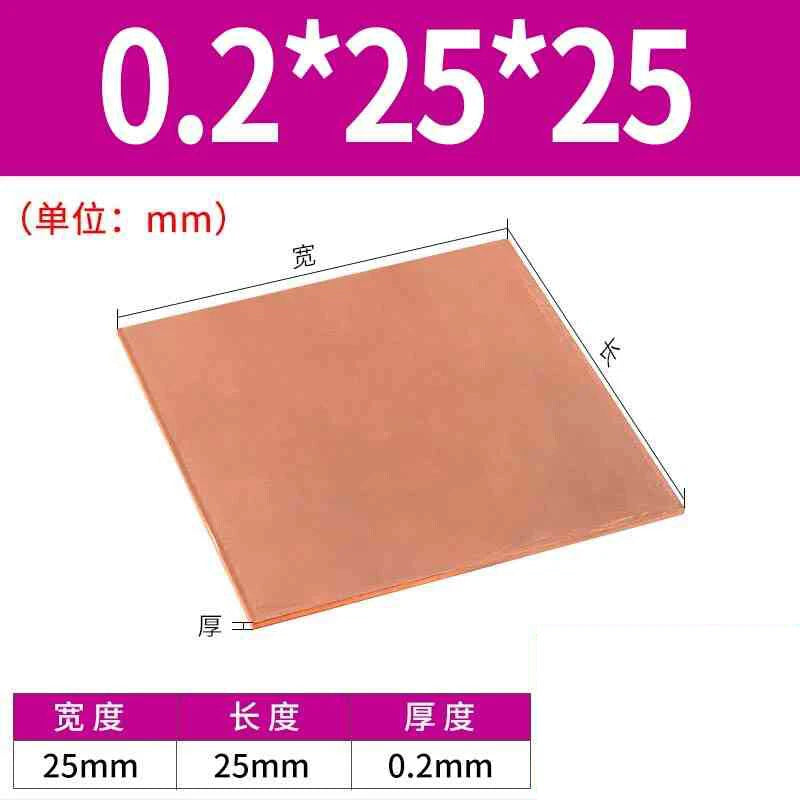
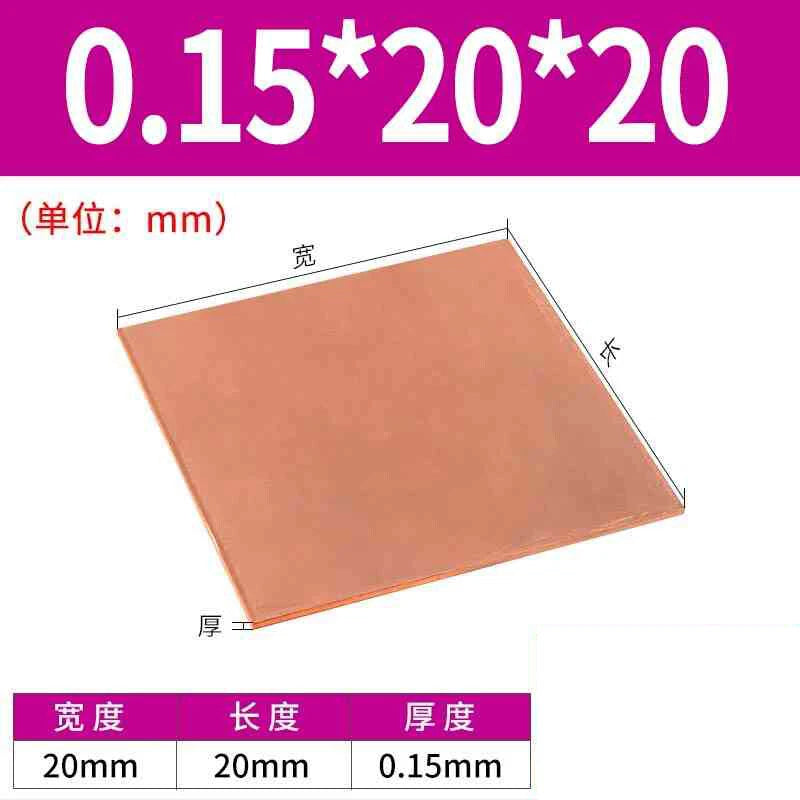
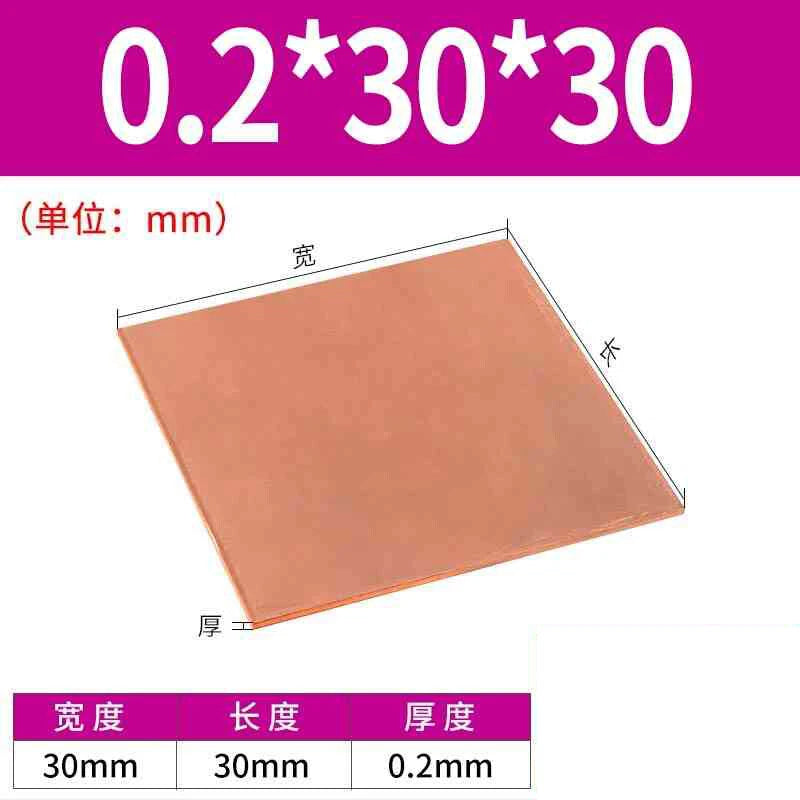
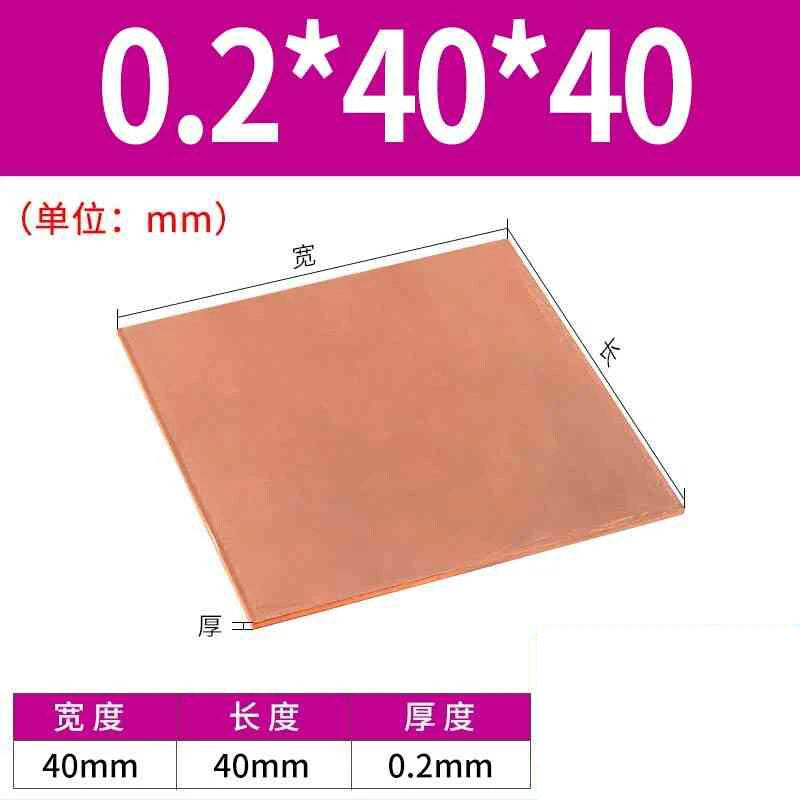
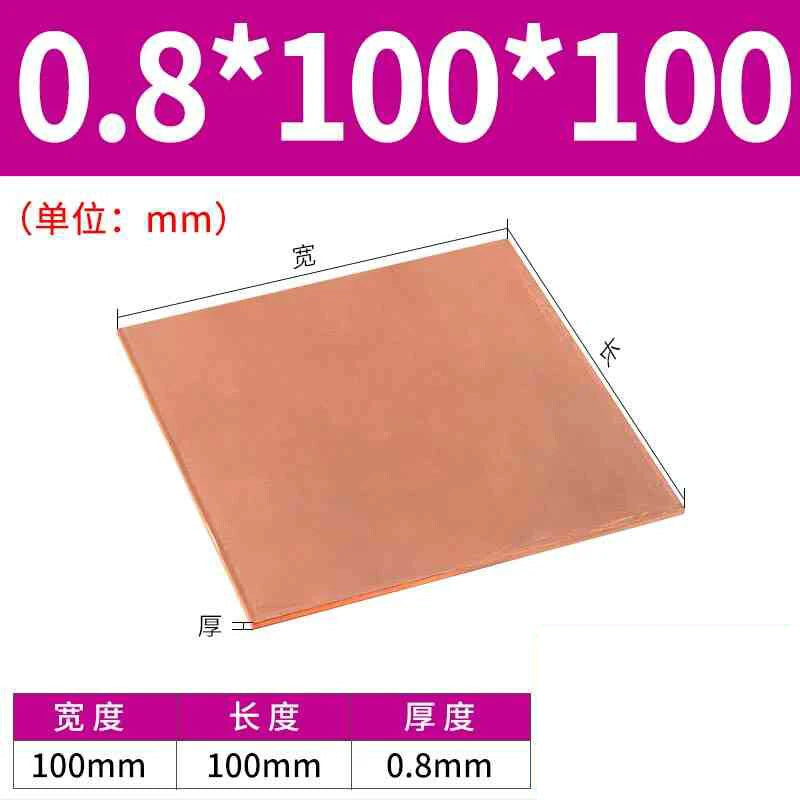
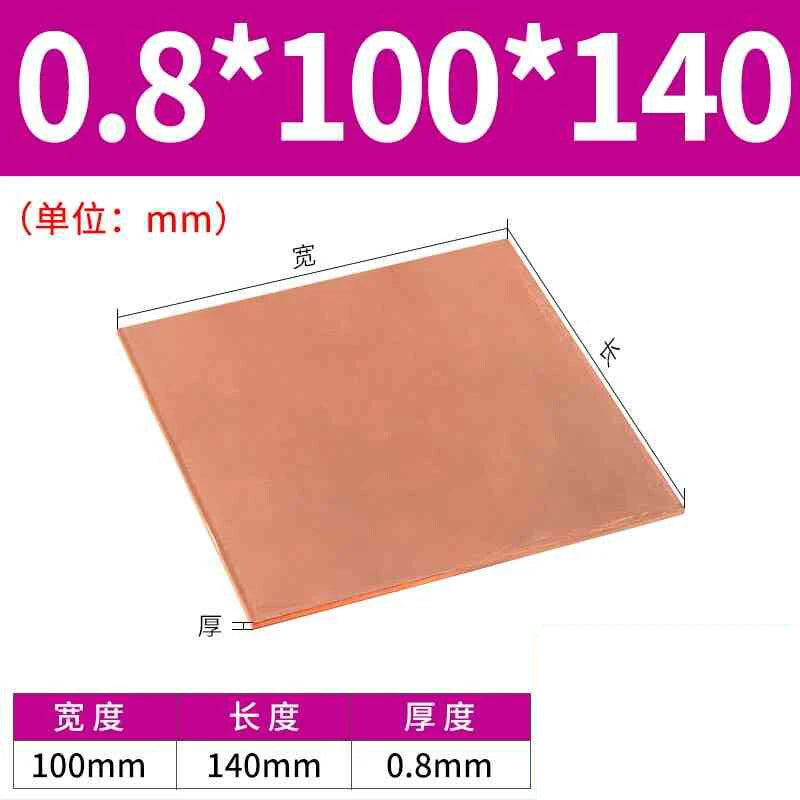
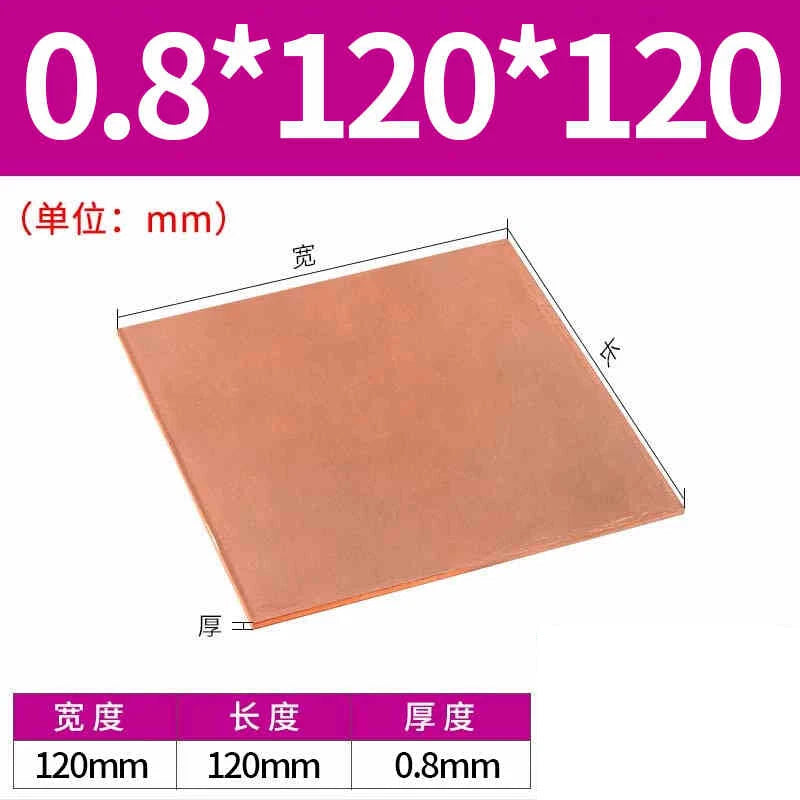
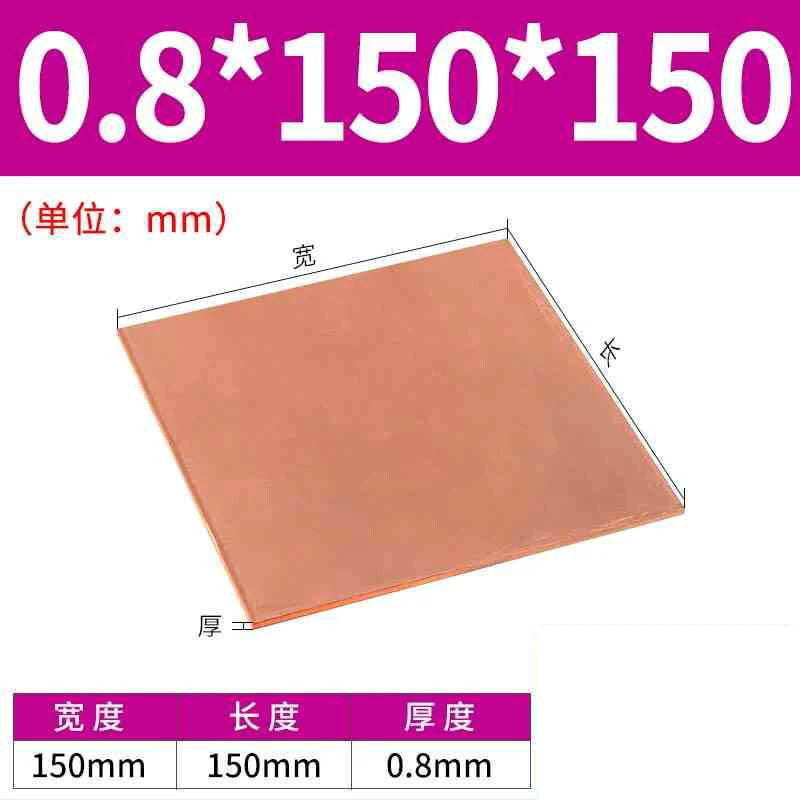
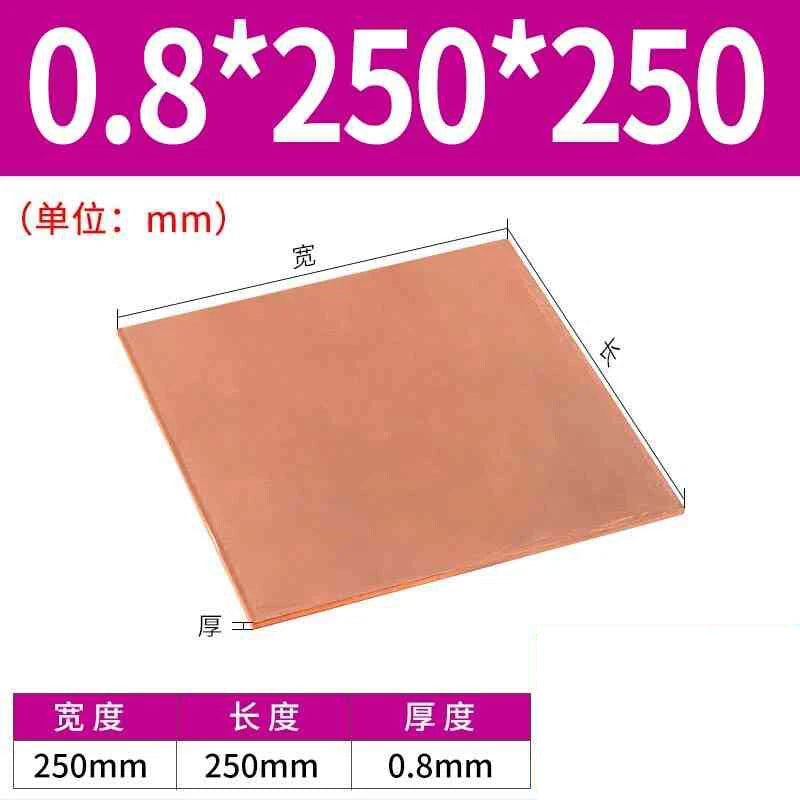
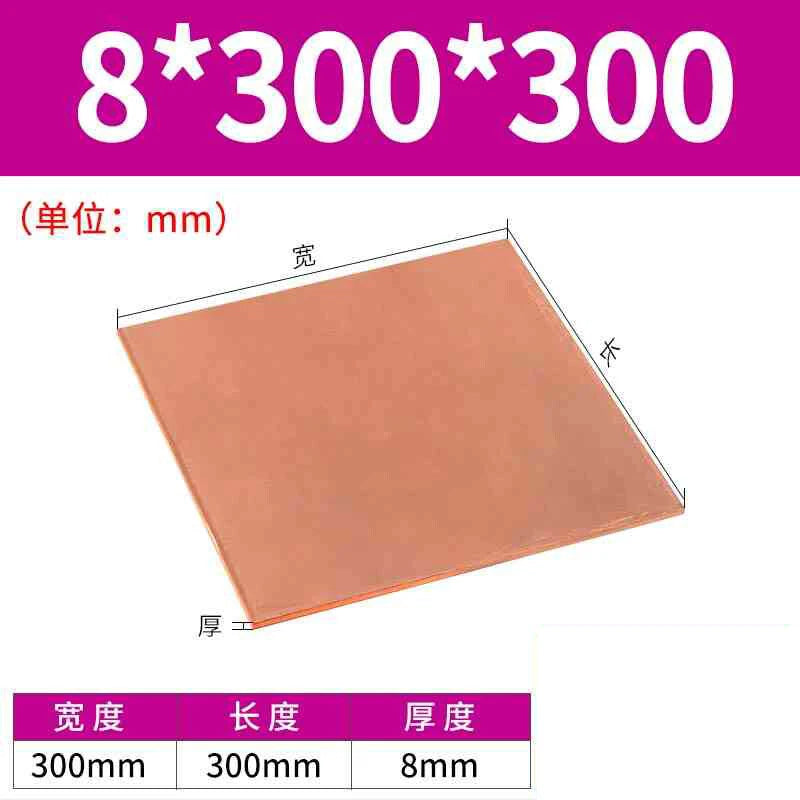
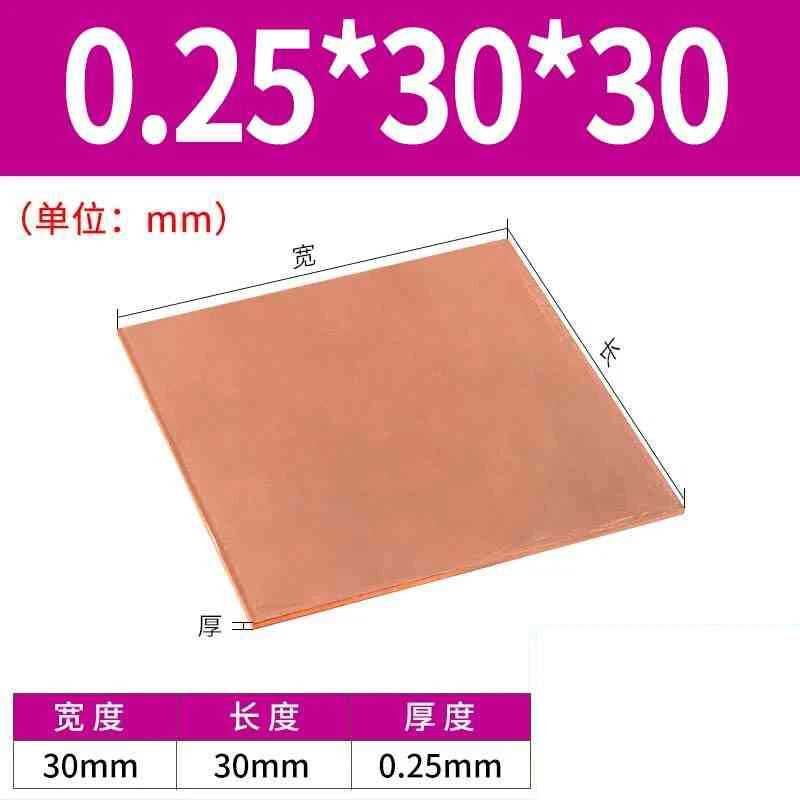
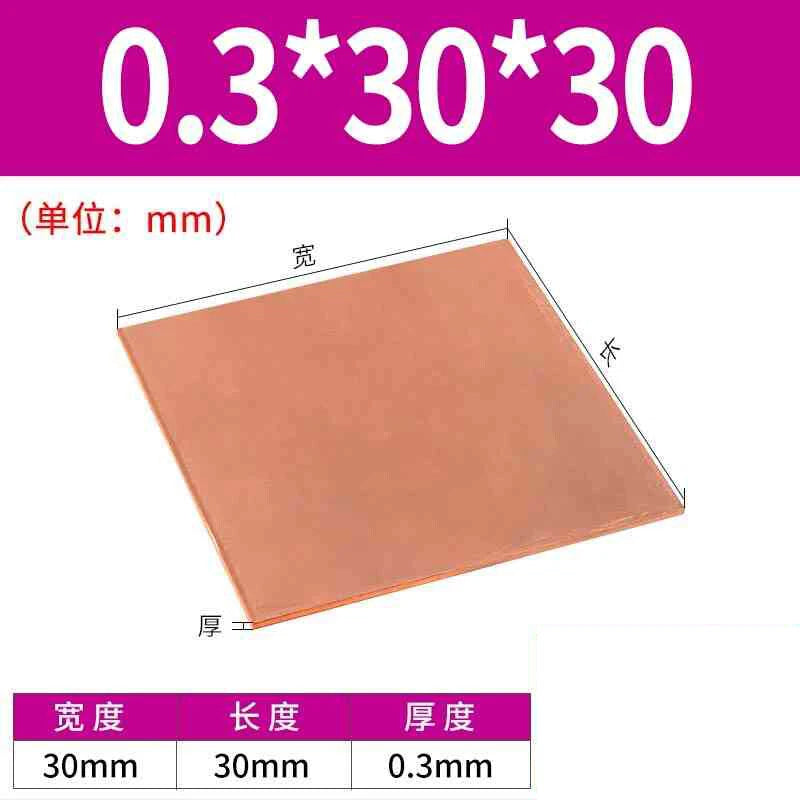
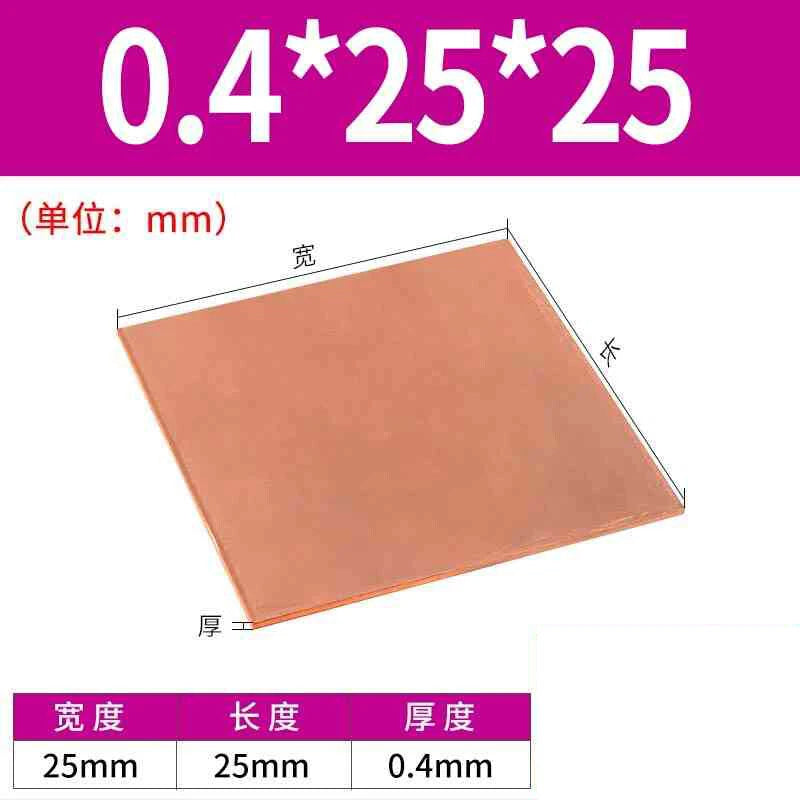
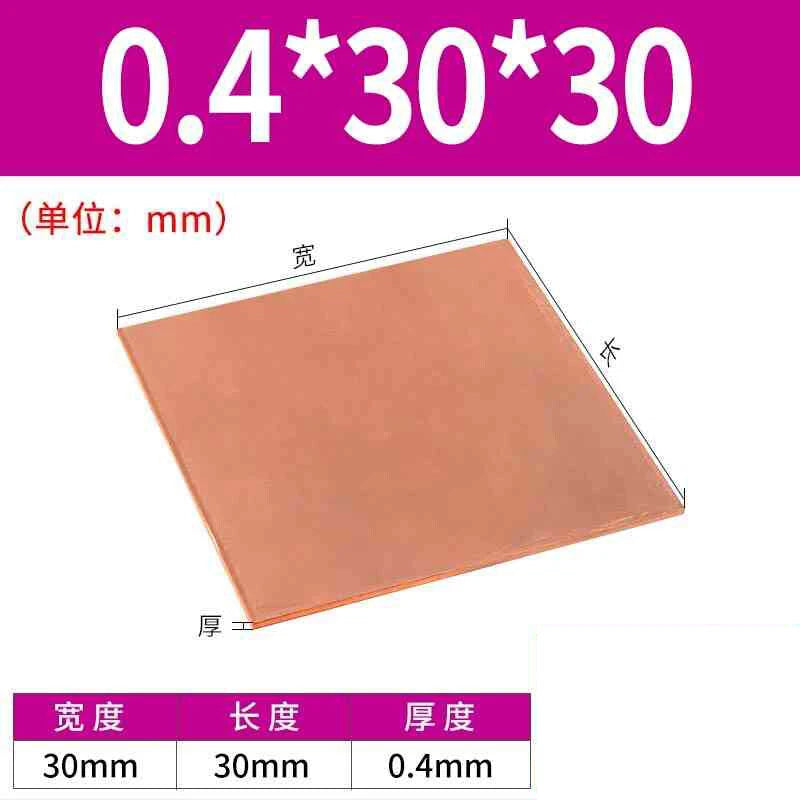
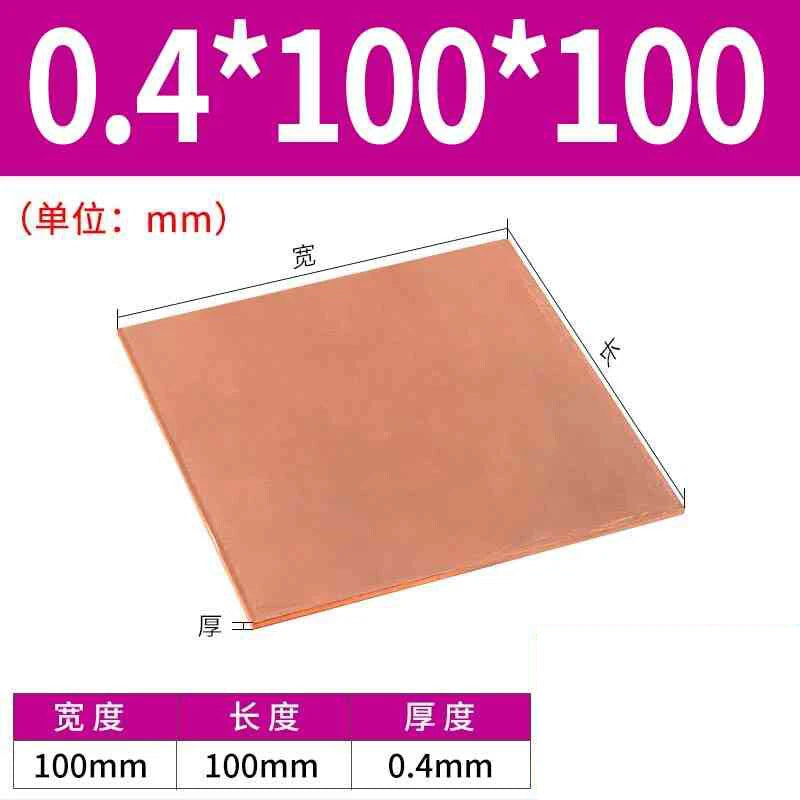
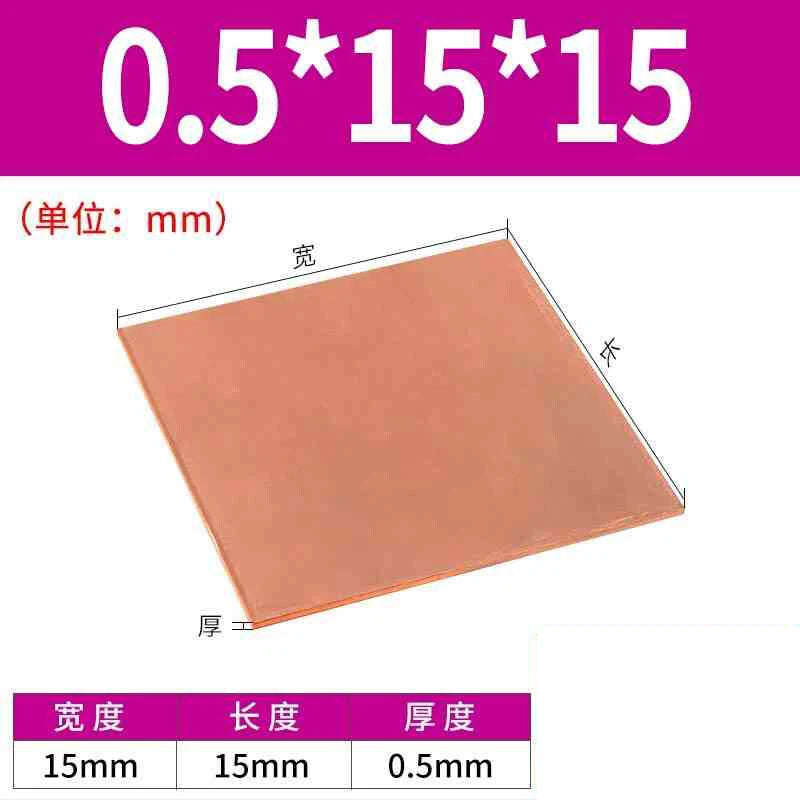
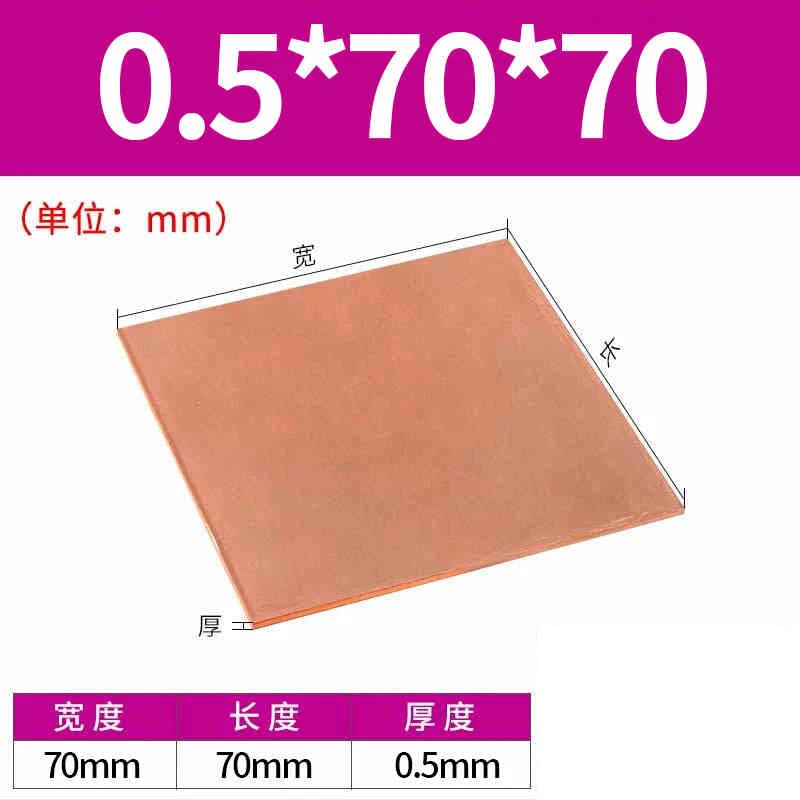
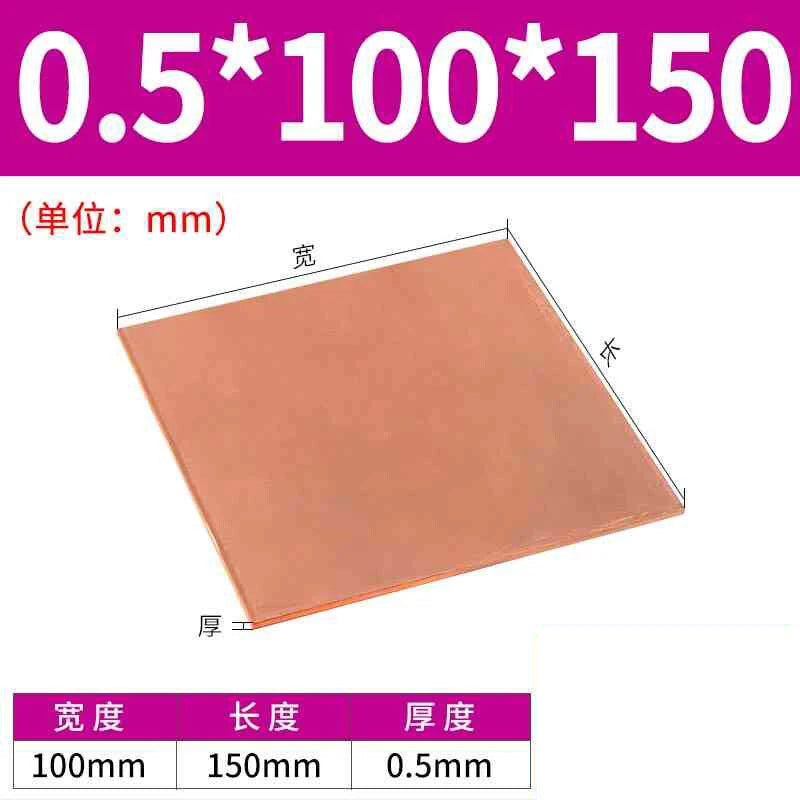
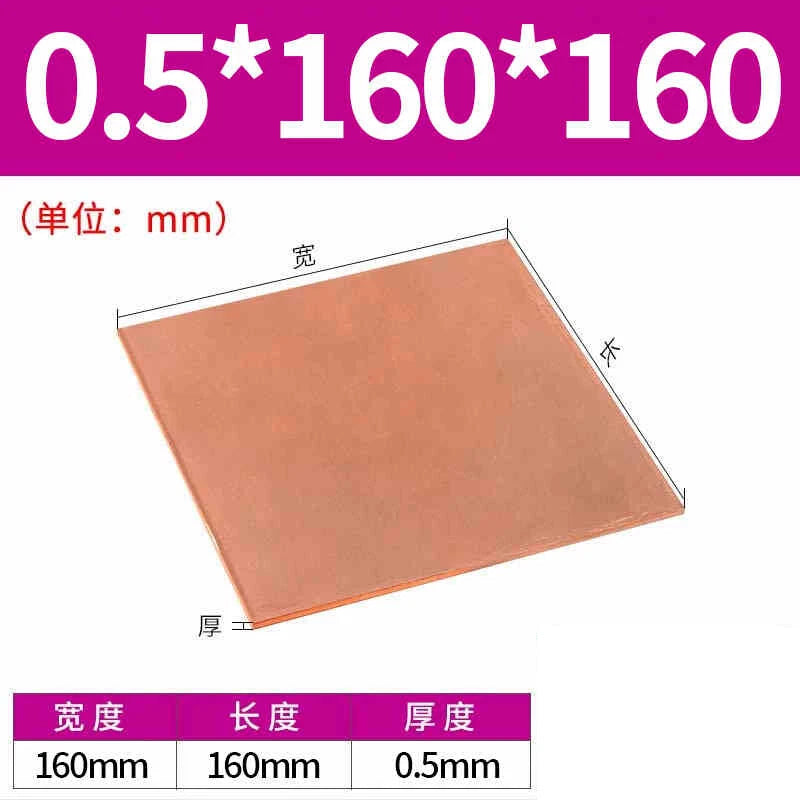
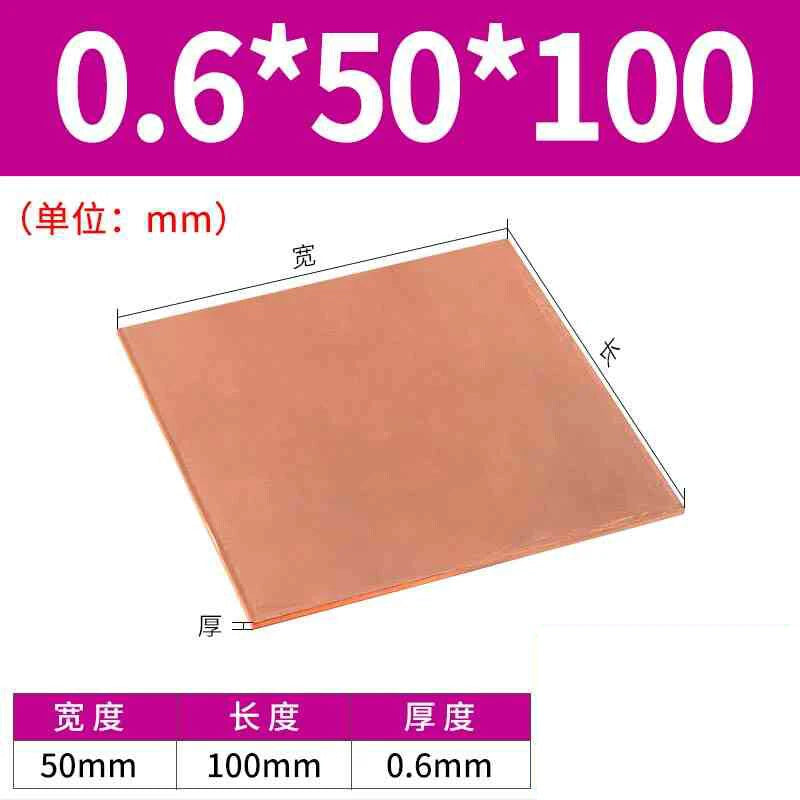
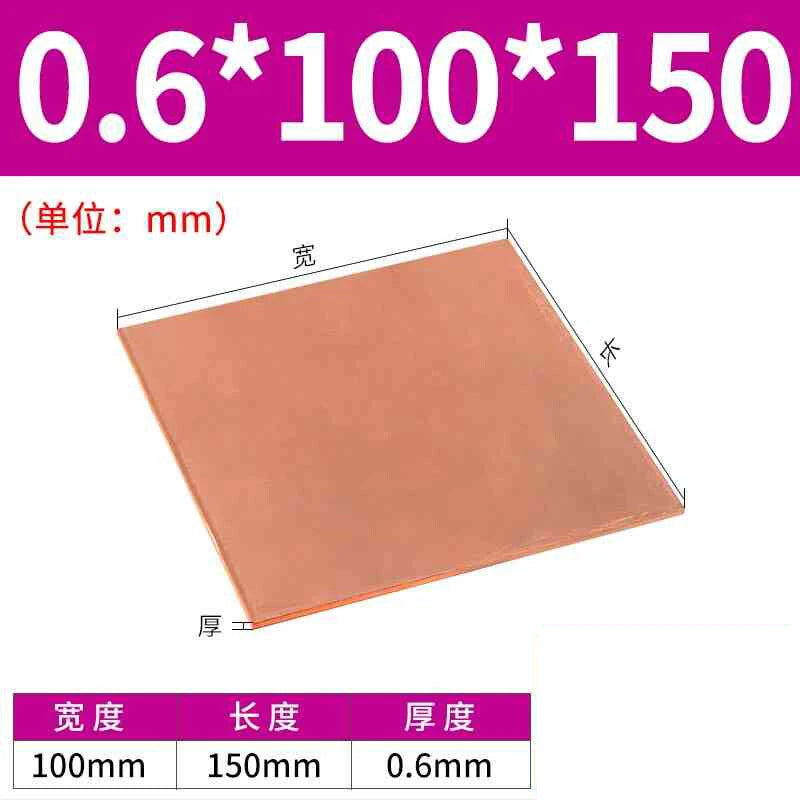
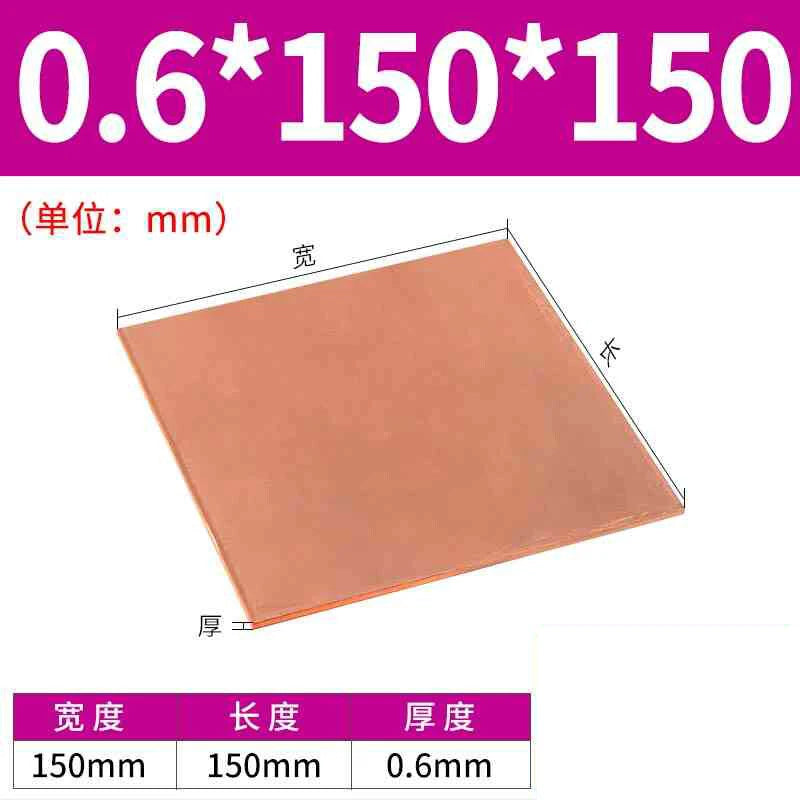
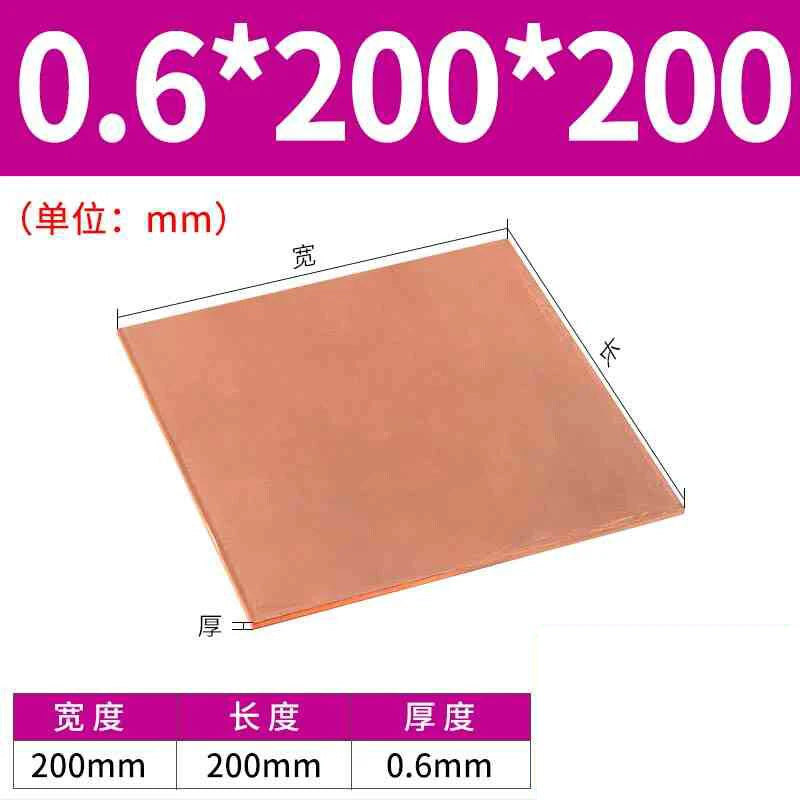
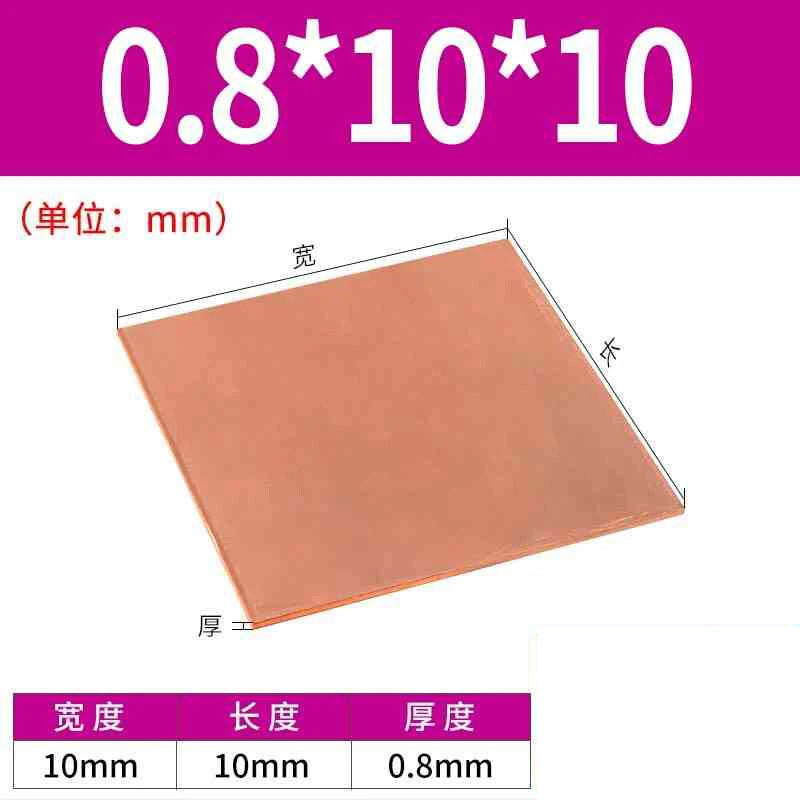
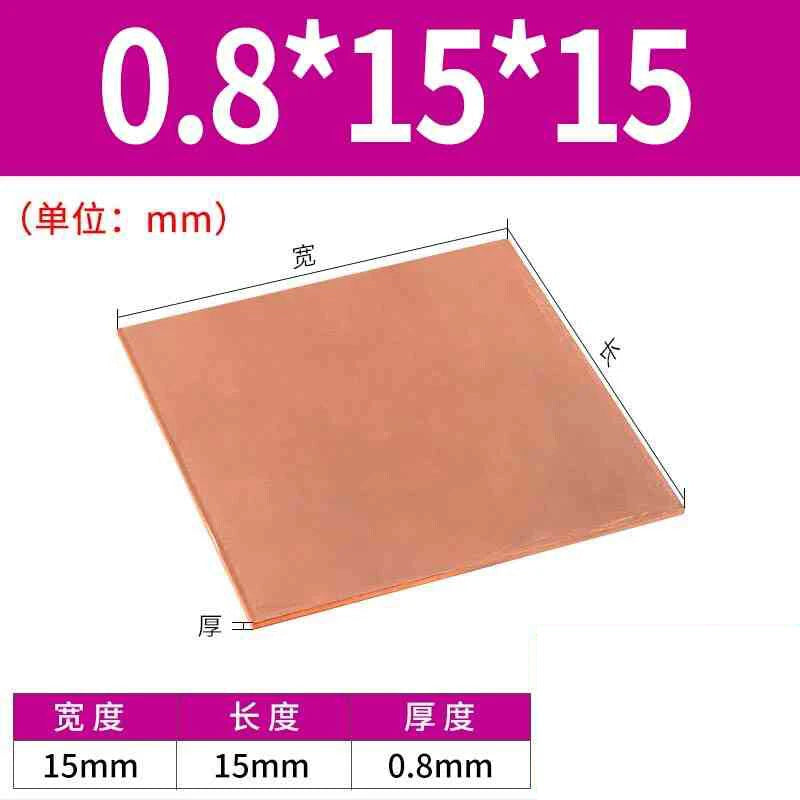
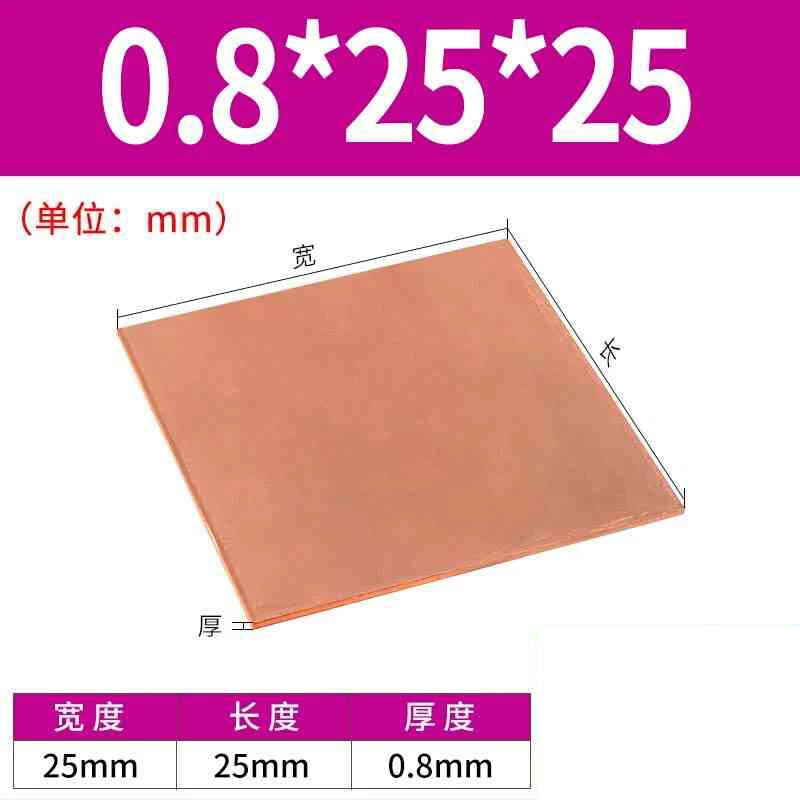
Each piece is guillotine-cut from solid 99.9% pure copper stock. Thickness ranges from 0.1 mm (approx. 0.004 in) to 0.8 mm (approx. 0.031 in), and sheet dimensions span from compact 10×10 mm (0.39×0.39 in) squares up to large 300×300 mm (11.8×11.8 in) panels, with rectangular options such as 200×300 mm (7.9×11.8 in) also available. The guillotine shearing process produces straight, burr-minimized edges ready for immediate use or further finishing.
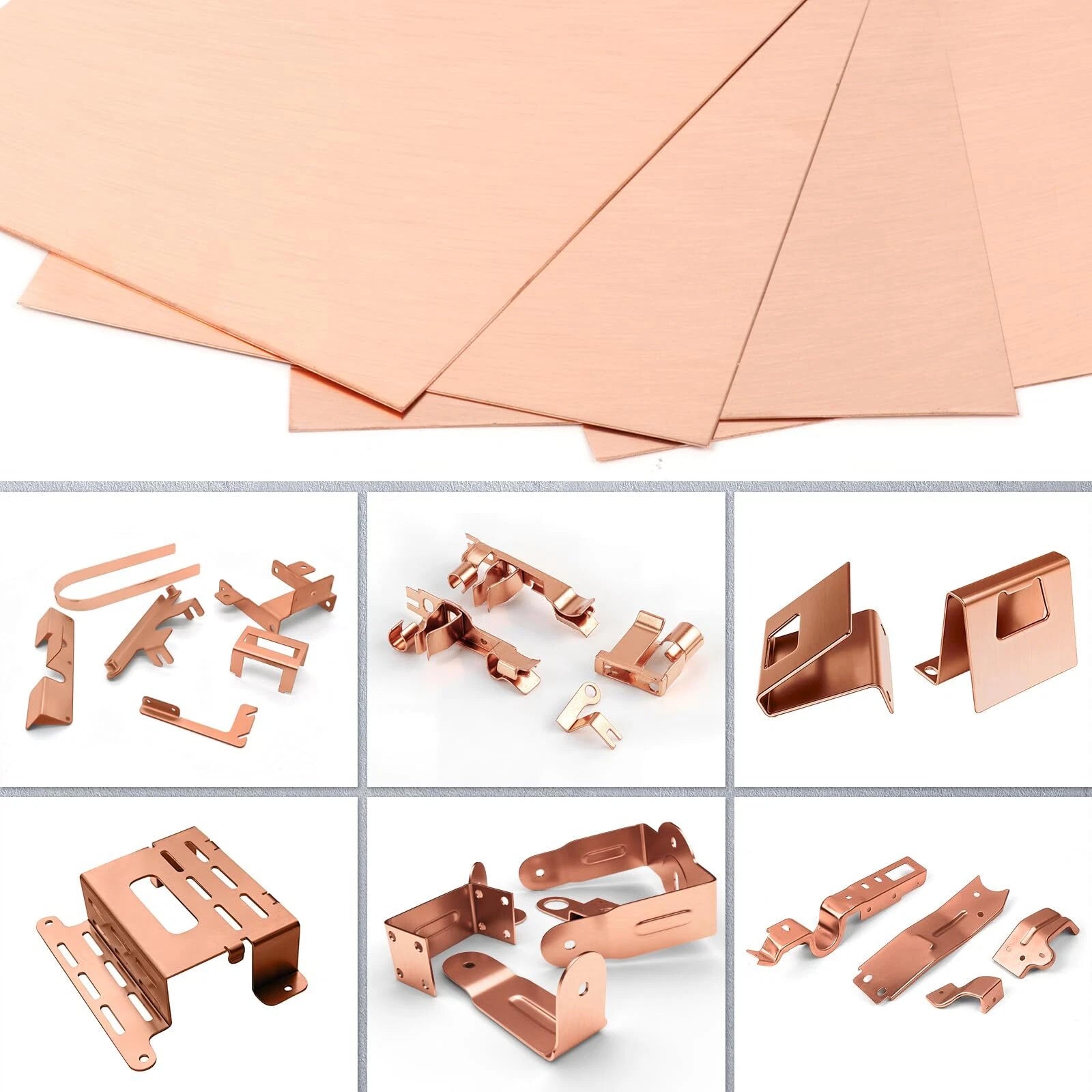
Typical applications include thermal interface pads for CPU and GPU cooling builds, RF shielding enclosures, custom electrical bus bars, decorative metalwork and etching blanks, and precision gasket stock for small-engine or laboratory equipment. The wide size and thickness selection makes these sheets a go-to raw material for electronics prototyping, jewelry fabrication, and architectural model-making.
| Material | 99.9% Pure Copper (C11000 equivalent grade) |
|---|---|
| Thickness Range | 0.1 mm – 0.8 mm (0.004 in – 0.031 in) |
| Available Thicknesses | 0.1 / 0.15 / 0.2 / 0.25 / 0.3 / 0.4 / 0.5 / 0.6 / 0.8 mm |
| Sheet Size Range | 10×10 mm up to 300×300 mm (see variant options) |
| Cutting Method | Guillotine shear cut |
| Surface Finish | Mill finish (bare copper, no coating) |
| Electrical Conductivity | ≥58 MS/m (typical for 99.9% Cu) |
| Thermal Conductivity | Approx. 385–400 W/(m·K) |
| Hardness | See variant options |
| Quantity per Pack | 1, 2, or 4 pieces (see variant options) |
| Color | Bright copper / reddish-orange |
For electrical shielding and RF enclosures, 0.1–0.2 mm is typically sufficient. For thermal interface pads and heat spreaders, 0.3–0.5 mm offers a good balance of conductivity and rigidity. For structural bus bars or gaskets that need mechanical strength, 0.6–0.8 mm is recommended. If you are unsure, start with 0.3 mm as a versatile mid-range option.
99.9% pure copper is relatively soft compared to brass or bronze, which makes it excellent for forming, bending, and stamping. For purely structural load-bearing applications, thicker gauges (0.6–0.8 mm) are advisable. For gaskets, shims, and thermal pads, even the thinner gauges provide adequate mechanical integrity.
Copper naturally oxidizes when exposed to air and moisture, forming a patina that ranges from brown to green (verdigris). This oxide layer actually protects the underlying metal from further corrosion. For applications requiring a bright finish, apply a clear lacquer or store sheets in sealed packaging. For electrical contacts, light sanding or flux application before soldering restores conductivity.
Yes. 99.9% pure copper solders and brazes exceptionally well. Use a rosin-core or water-soluble flux appropriate for copper, and standard 60/40 or lead-free solder. For brazing, silver-bearing brazing alloys work well. Clean the surface with isopropyl alcohol or fine abrasive before joining to ensure a strong bond.
The guillotine-cut edges are straight and relatively clean, but thin metal edges can still be sharp, especially on thicker gauges (0.5 mm and above). We recommend wearing cut-resistant gloves when handling sheets, particularly larger panels. Light deburring with a fine file or sandpaper takes only seconds and makes handling much safer.
Order the next size up from your finished dimensions to allow for cutting and any edge cleanup. For example, if your finished part is 45×45 mm, order the 50×50 mm sheet. For rectangular parts, choose the rectangular sheet option (e.g., 50×100 mm or 100×200 mm) that best fits your blank layout to minimize waste.
Absolutely. The 0.1–0.3 mm thicknesses are popular for jewelry blanks, metal etching, and decorative embossing. The soft temper of 99.9% pure copper means it can be shaped, domed, and textured with standard jewelry tools. Thicker sheets (0.4–0.8 mm) suit sculptural and architectural model work where more rigidity is needed.