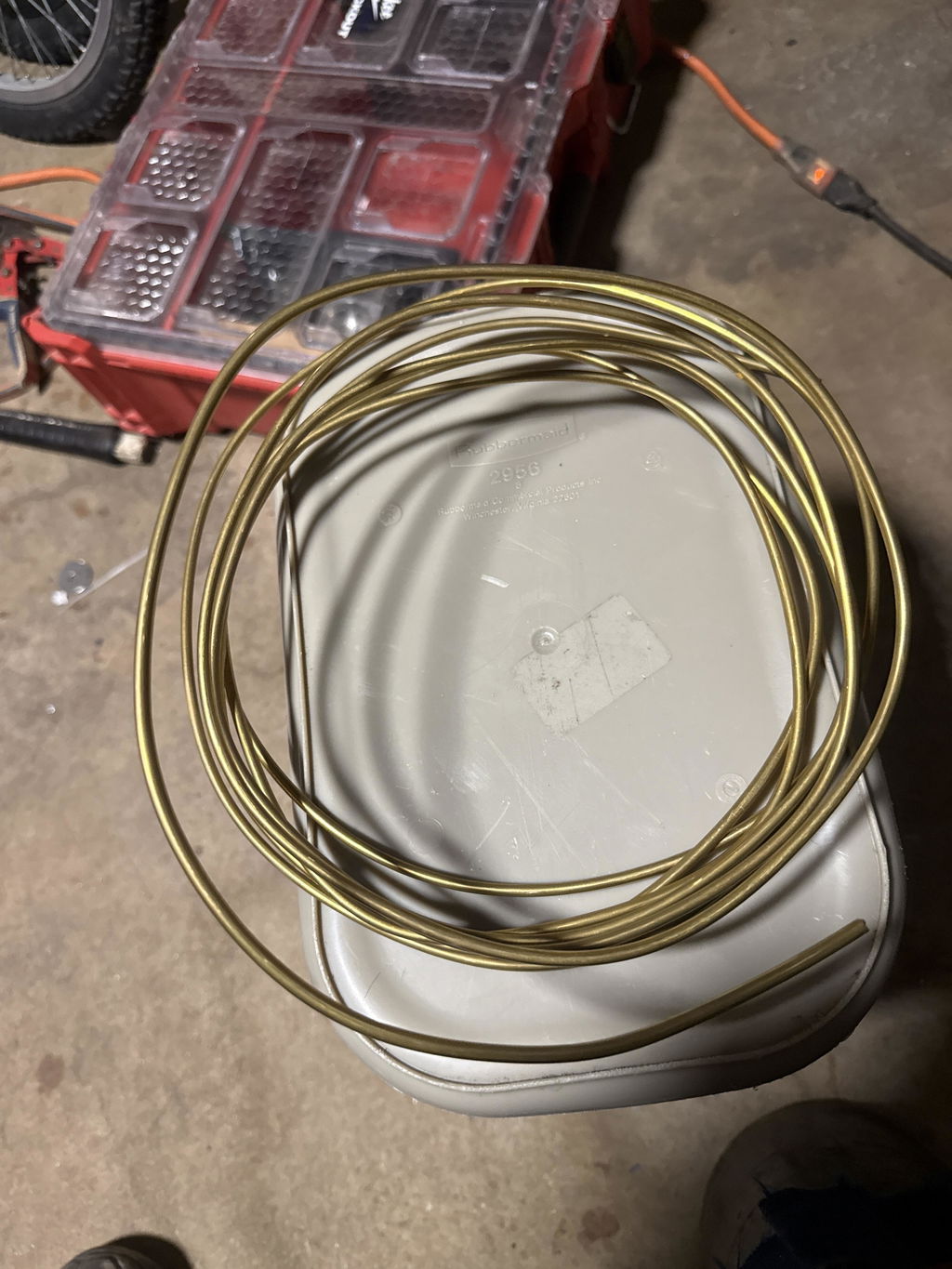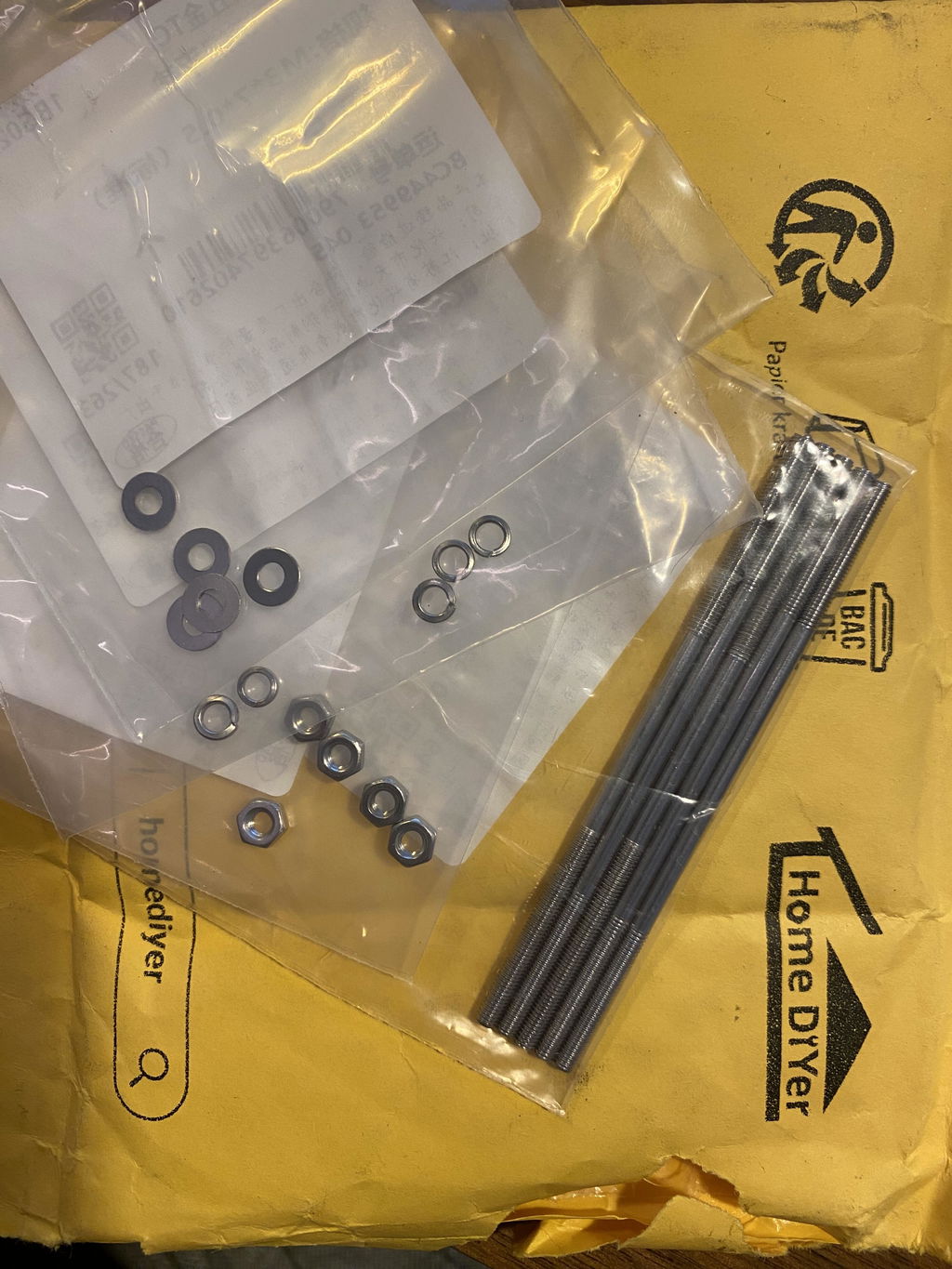
The chain is fine...but I ordered the wrong size. Nine links of the chain I ordered equals six of the size I wanted. My error...
How can I straighten out the springs? I can't use them coil uo as is.
Your payment information is processed securely. We do not store credit card details nor have access to your credit card information.
Get fitment advice & recommendations
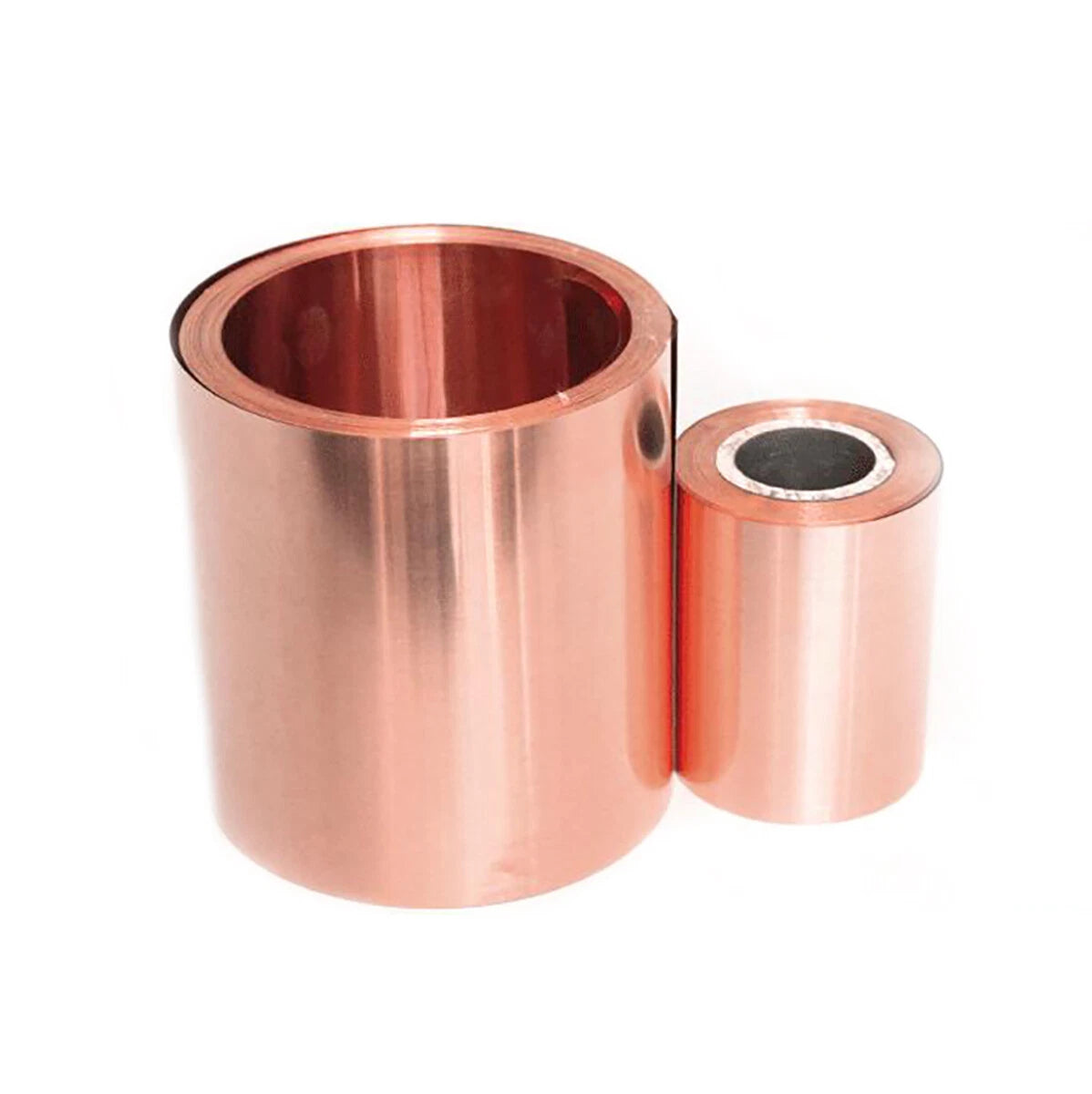
When your project demands a conductor that bends, cuts, and conforms without cracking, finding the right copper foil thickness in the exact dimensions you need can be a real challenge. Whether you are a hobbyist building RF shielding enclosures, an electronics technician patching PCB traces, or a craftsperson working with stained glass or decorative metalwork, this pure copper sheet metal foil strip roll gives you the dimensional flexibility to match your exact application.
Each piece is made from commercially pure copper (Cu ≥99.9%), available in thicknesses ranging from 0.03 mm to 0.8 mm (approximately 0.001" to 0.031") and widths from 100 mm to 305 mm (roughly 3.9" to 12"). Lengths run from 100 mm up to 1000 mm (3.9" to 39.4"). The surface is smooth-rolled with a bright finish, offering excellent electrical conductivity and good solderability straight out of the package.
Typical use cases include EMI/RFI shielding tape for electronics enclosures, copper foil for stained glass art and jewelry making, thin shim stock for mechanical gap-filling and alignment, and conductive grounding strips in DIY electrical projects. Long-tail searches like "thin copper strip roll for PCB repair" and "flexible copper foil sheet for shielding" describe exactly what this product delivers.
| Material | Pure Copper (Cu ≥99.9%) |
|---|---|
| Thickness Range | 0.03 mm – 0.8 mm (0.001" – 0.031") |
| Width Options | 100 mm, 200 mm, 305 mm (3.9" / 7.9" / 12") |
| Length Options | 100 mm – 1000 mm (3.9" – 39.4") |
| Surface Finish | Smooth bright-rolled |
| Temper | Soft annealed |
| Conductivity | See variant options |
| Packing QTY | 1 PCS or 2 PCS (see variant options) |
| Weight per Piece | See variant options |
For EMI/RFI shielding and grounding straps, 0.05 mm – 0.1 mm is typically sufficient. For PCB trace repair or conductive tape applications, 0.1 mm – 0.3 mm offers a good balance of flexibility and conductivity. For shim stock or structural gap-filling, 0.3 mm – 0.8 mm provides more rigidity. If you are unsure, start with 0.1 mm or 0.2 mm as a versatile middle ground.
Yes. The bright-rolled surface of this pure copper foil accepts solder without flux pre-treatment in most cases, though using a mild rosin flux will improve wetting and joint quality. Standard electronics solder (60/40 or lead-free) works well. Thinner gauges (0.03 mm – 0.1 mm) require a lower iron temperature to avoid burning through the foil.
Yes. Pure copper foil is the standard material used in the Tiffany-style copper foil method for stained glass. The 0.03 mm – 0.1 mm thicknesses are most commonly used for wrapping glass edges before soldering. The soft-annealed temper makes it easy to press and conform around curved glass edges without tearing.
Copper naturally oxidizes when exposed to air and moisture, developing a patina over time. For electrical applications where conductivity must be maintained, store unused foil in a sealed bag and apply a thin coat of conformal coating or lacquer after installation. For decorative applications, the natural patina is often desirable. The foil does not rust, as it contains no iron.
Yes. Thin copper foil (0.05 mm – 0.2 mm) is widely used to line wooden, plastic, or composite enclosures for EMI/RFI shielding. Cut the foil to size, adhere it with conductive adhesive or double-sided tape, and connect it to a ground point. The 200 mm × 1000 mm and 305 mm × 1000 mm sizes are particularly convenient for lining larger panels.
For straight cuts, use a metal ruler and a sharp craft knife or rotary cutter on a self-healing mat. Scissors work well for thicknesses up to 0.3 mm. For thicker gauges (0.5 mm – 0.8 mm), tin snips or heavy-duty scissors give cleaner edges. Score-and-snap is not recommended for foil this thin — always cut in a single smooth stroke.
The 305 mm width (approximately 12") is the standard "12-inch" sheet width commonly used in metalworking and electronics shielding projects where wider coverage is needed. The 200 mm width (approximately 8") suits narrower applications such as strip shielding, battery tab replacement, or decorative banding. The 100 mm width is ideal for narrow strips and trace repairs. Choose based on the widest single piece you need to cut from the sheet.