
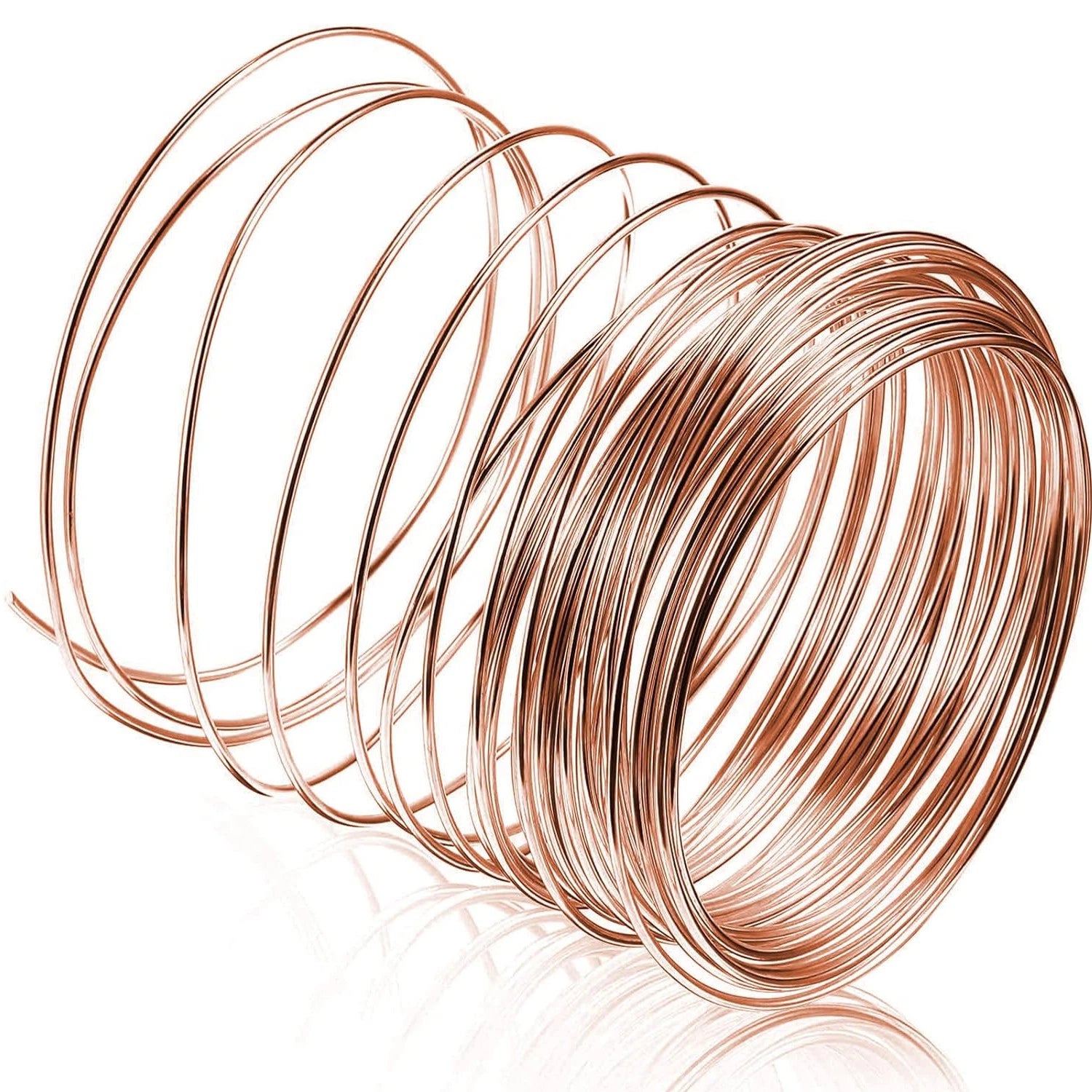
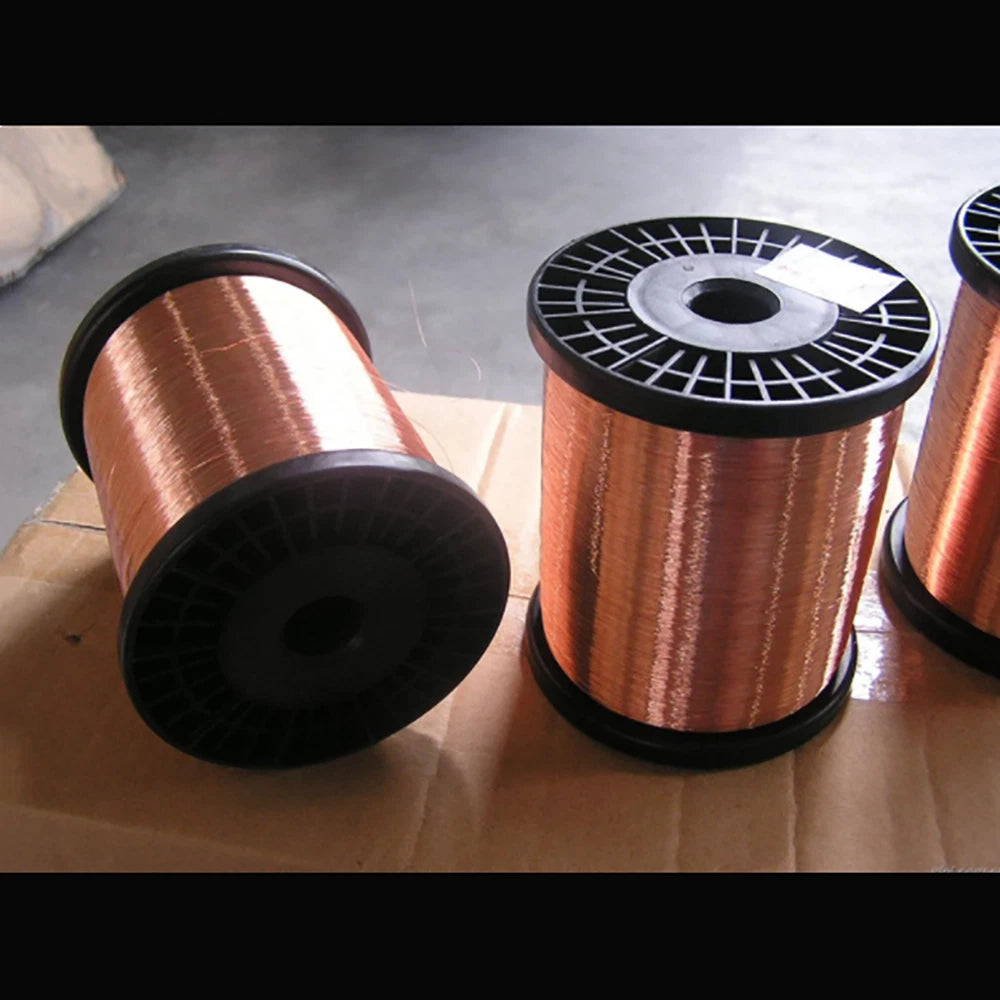
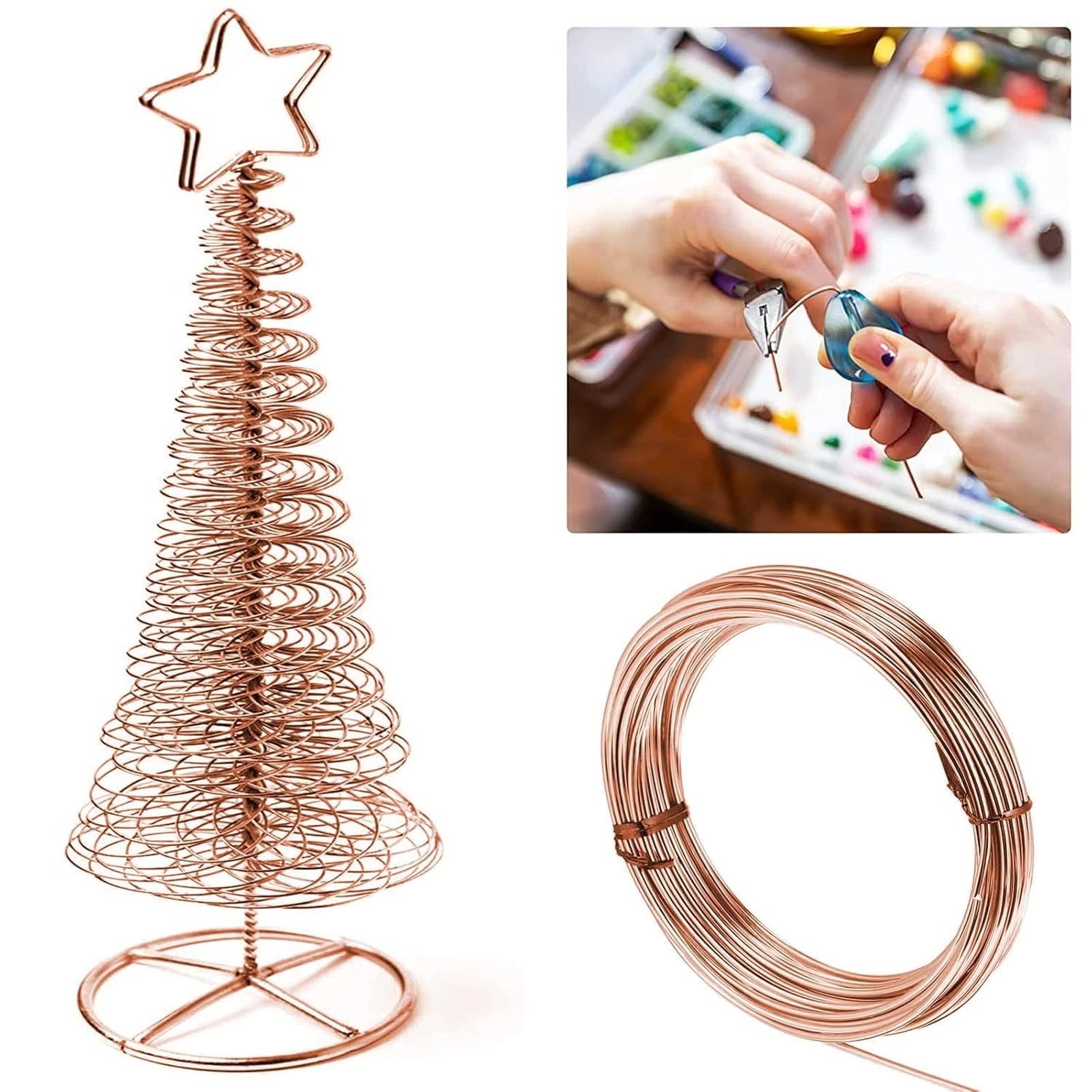
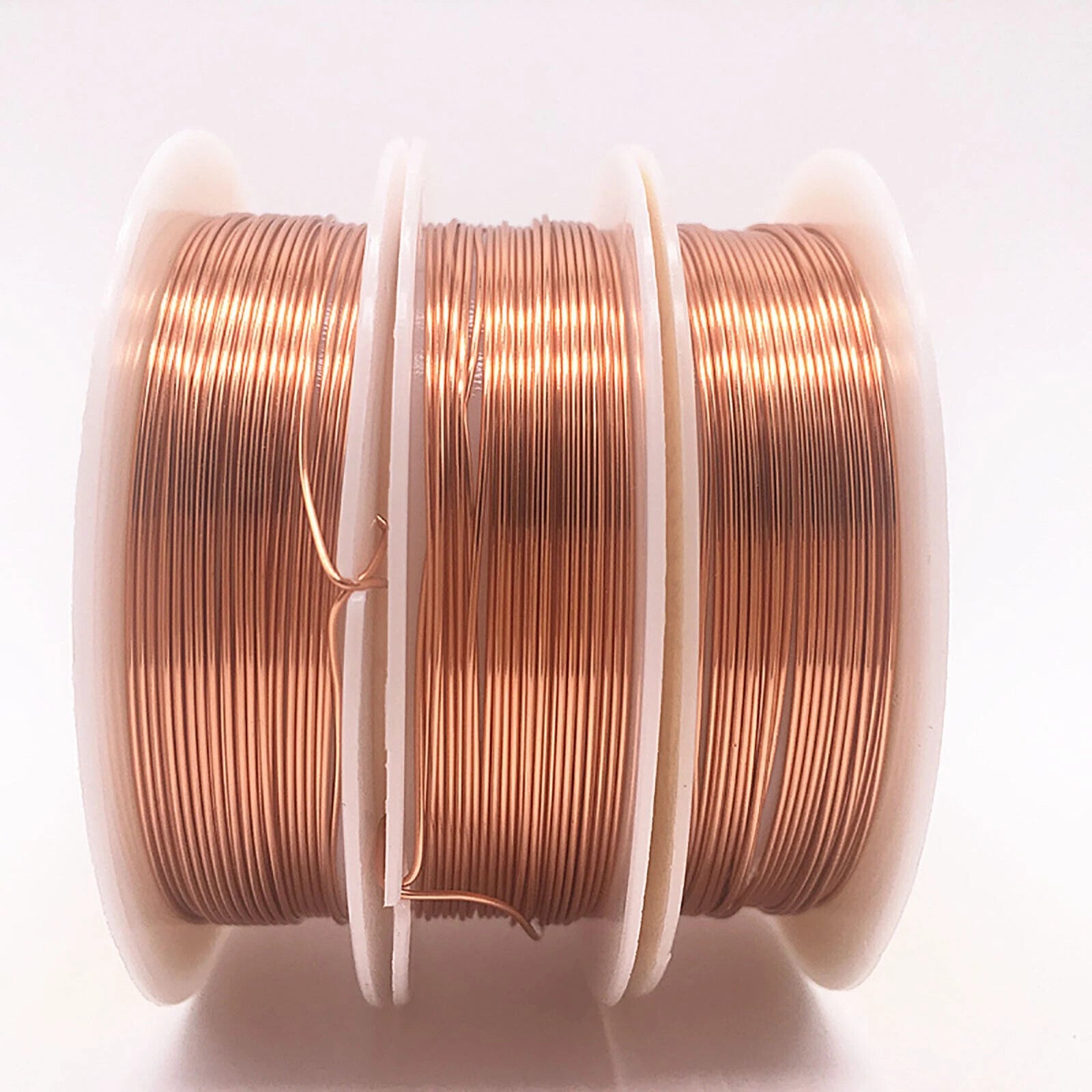
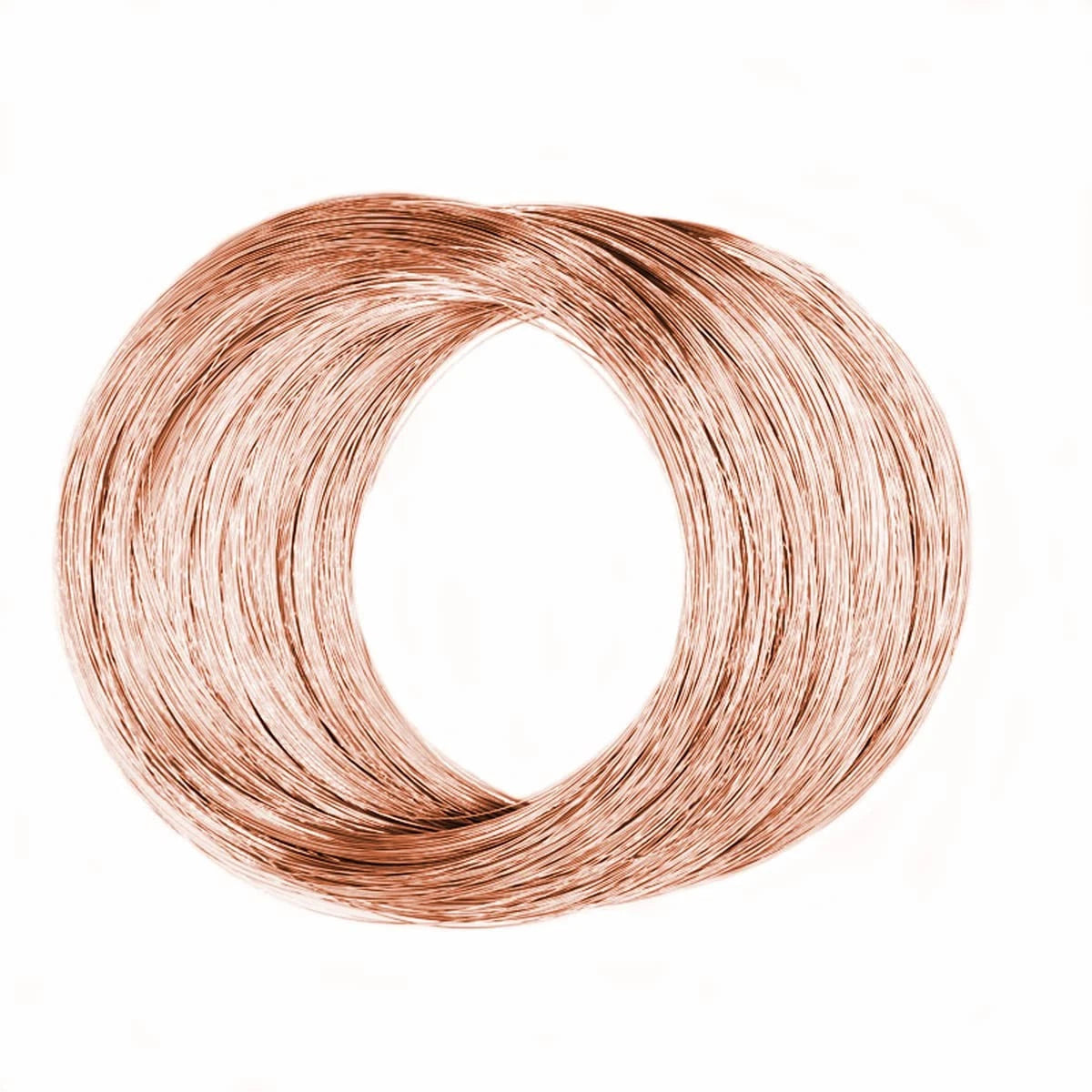
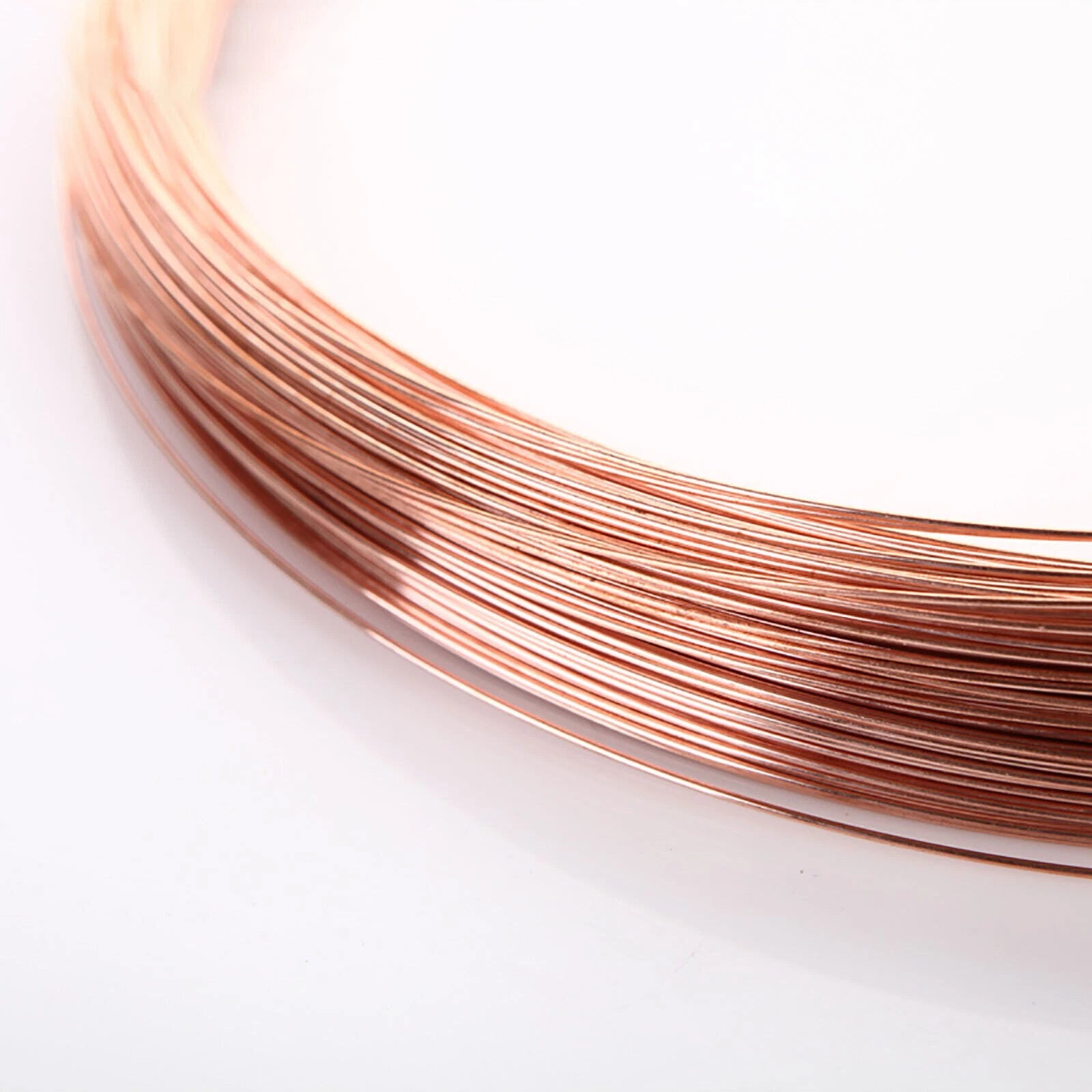
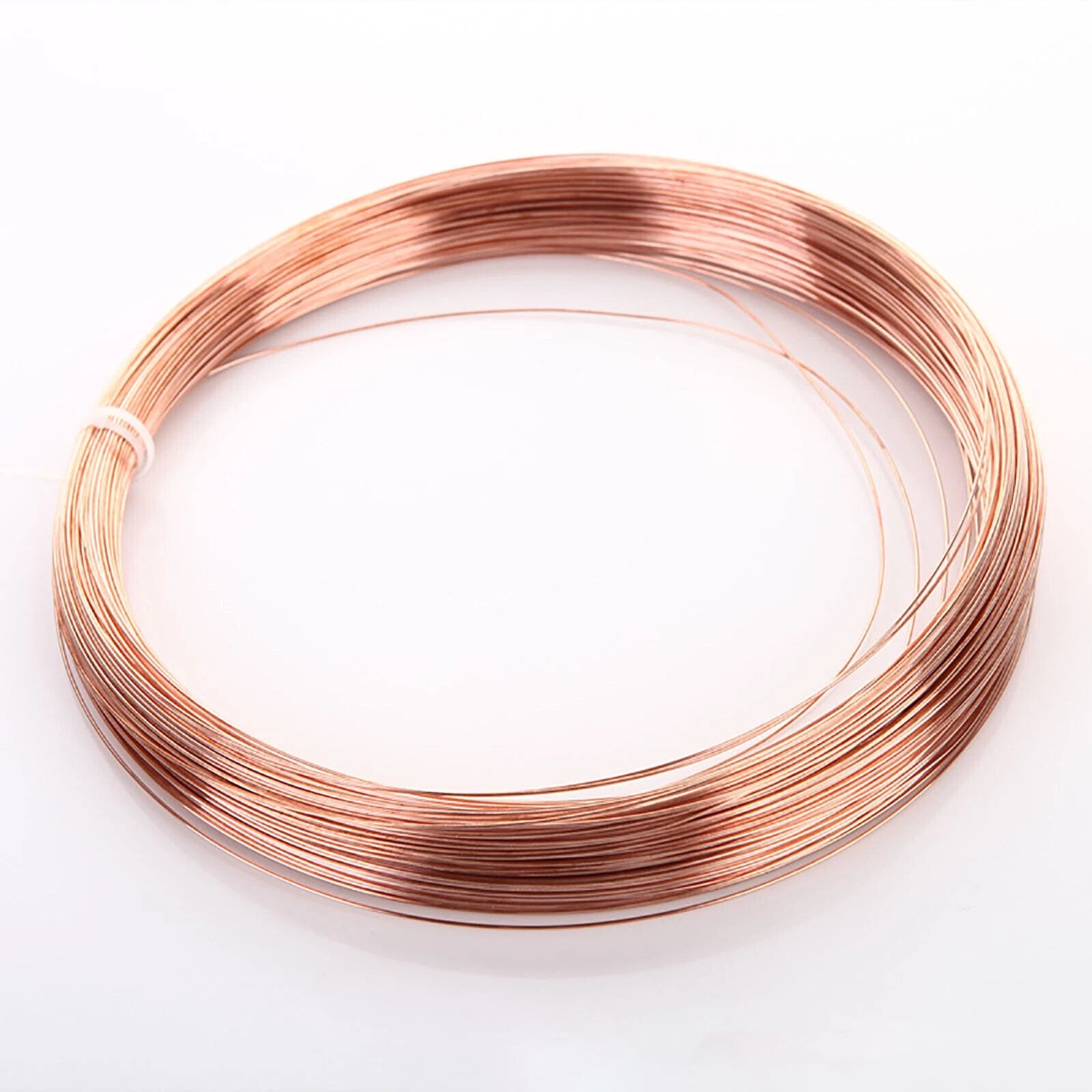
Pure Copper Wire Bare Uncoated Assorted Sizes Ø0.2mm-6mm Round Solid Copper Wire

No reviews

Price:
Sale price$3.74 USD
Stock:
In stock (500 units), ready to be shipped

Payment & Security

Ach Direct Debit Amazon American Express Apple Pay Bancontact Diners Club Discover Google Pay iDEAL Wero Mastercard PayPal Shop Pay USDC Visa

Your payment information is processed securely. We do not store credit card details nor have access to your credit card information.

Quantity Discount Promotion
🎯 BULK DISCOUNT: Buy More, Save More!
Buy 2 Items
5% OFF
Buy 4 Items
10% OFF
Buy 6 Items
15% OFF
Expert

DIY Expert Support

Get fitment advice & recommendations

Mon-Fri, 8:30AM-8PM
24-Hour Fast Ship
🚚
Arrives in 3-14 days
🌍
Global Reach
↩️
30-Day Returns
🌱 1 tree planted with every purchase

Description

Pure Bare Copper Wire Ø0.2–6mm — Uncoated Round Solid Wire for Electrical, Craft & Jewelry Use

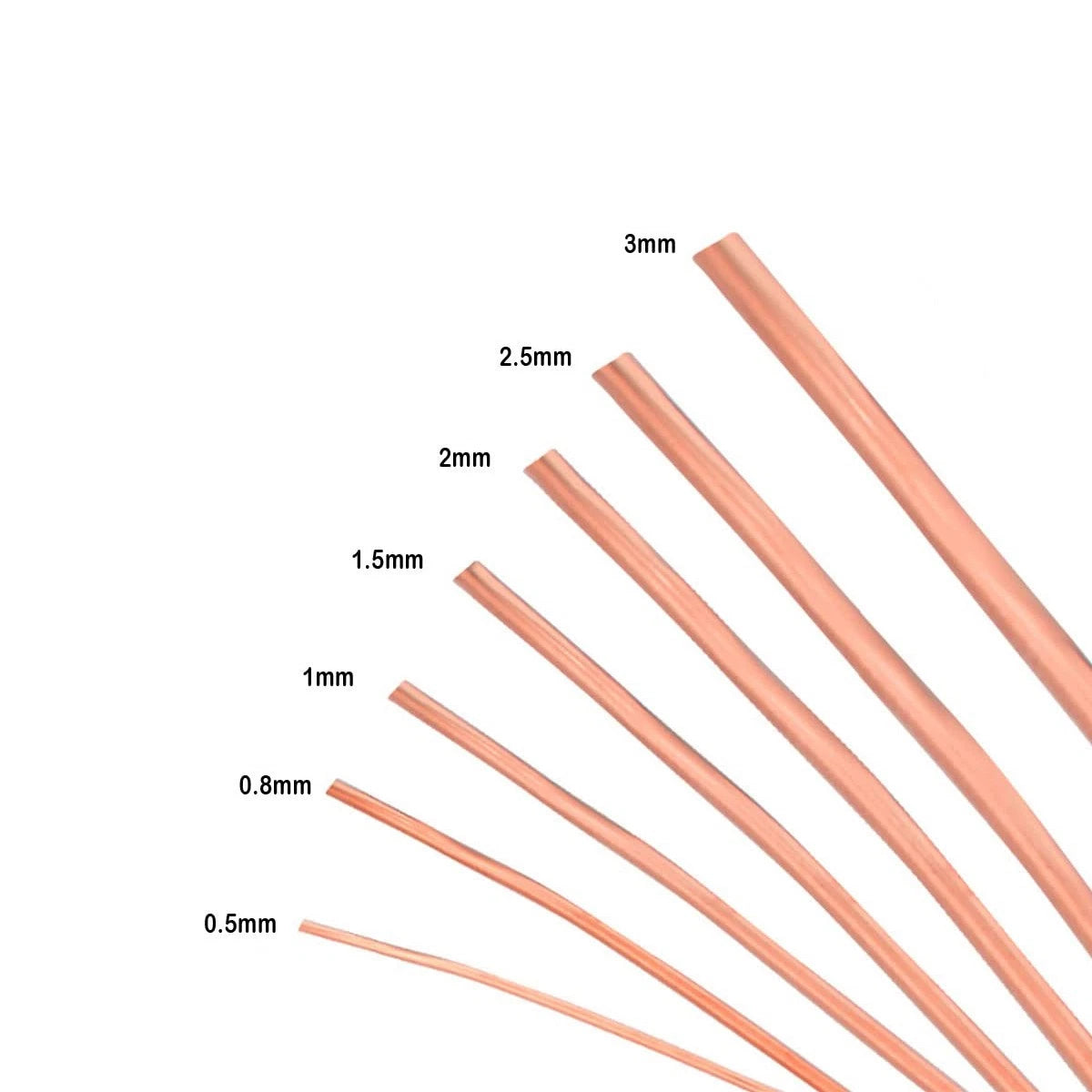
When your project demands reliable conductivity without coatings or platings getting in the way, finding bare copper wire in the exact diameter you need can be frustrating. Hobbyists, electricians, jewelers, and makers who work with grounding runs, wire-wrapping, or custom coil winding all face the same problem: most wire comes pre-insulated or in limited gauges. This pure bare copper wire is stocked in 24 diameters from 0.2mm to 6mm (approximately AWG 32 down to AWG 2) and in three cut lengths — 1M, 5M, and 10M — so you can order exactly what the job calls for.

Each spool or cut length is solid round copper wire, uncoated and unplated, with a bright bare finish. Diameters range from 0.2mm (~0.008 in) up to 6mm (~0.236 in). Thinner gauges (0.2mm–1mm) are flexible enough for intricate wire-wrapping and jewelry forming, while mid-range gauges (1.2mm–3mm) suit craft armatures, bonsai training wire, and antenna elements. Heavier gauges (3.5mm–6mm) are suited to grounding conductors, bus bars, and structural electrical work.

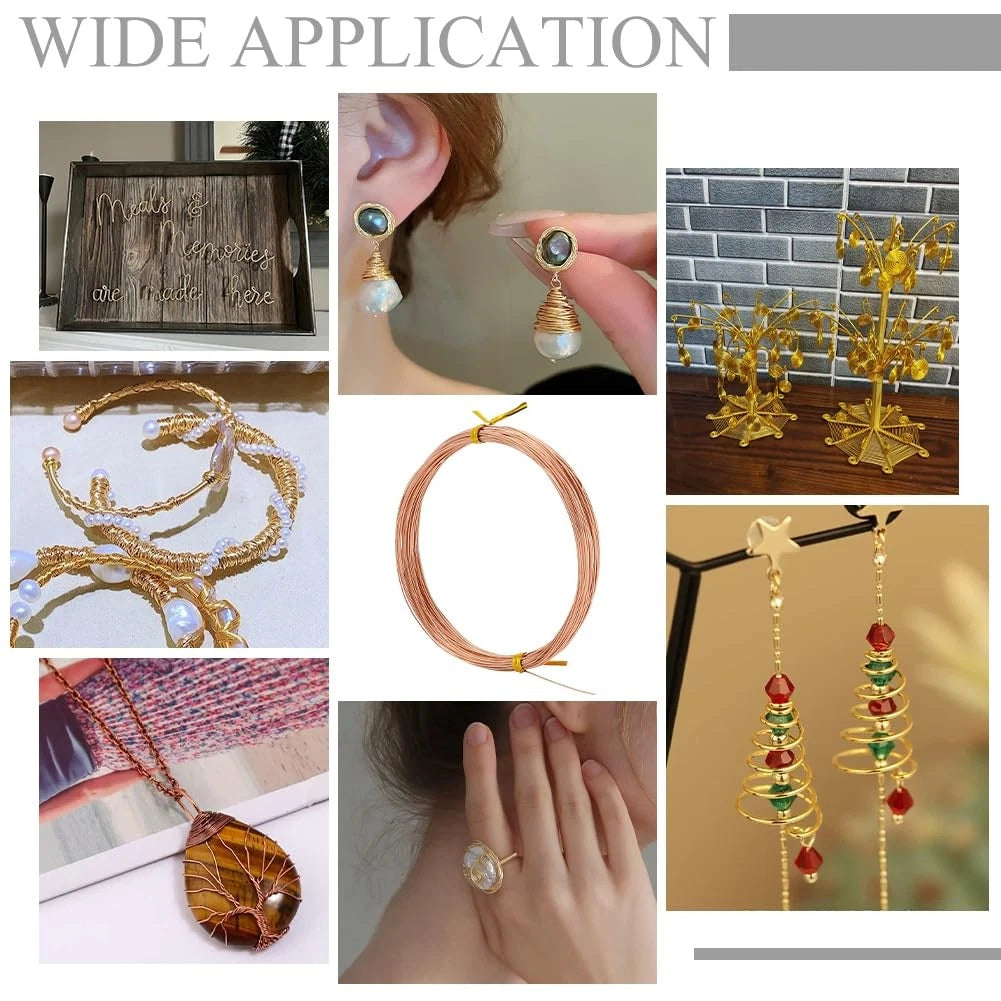
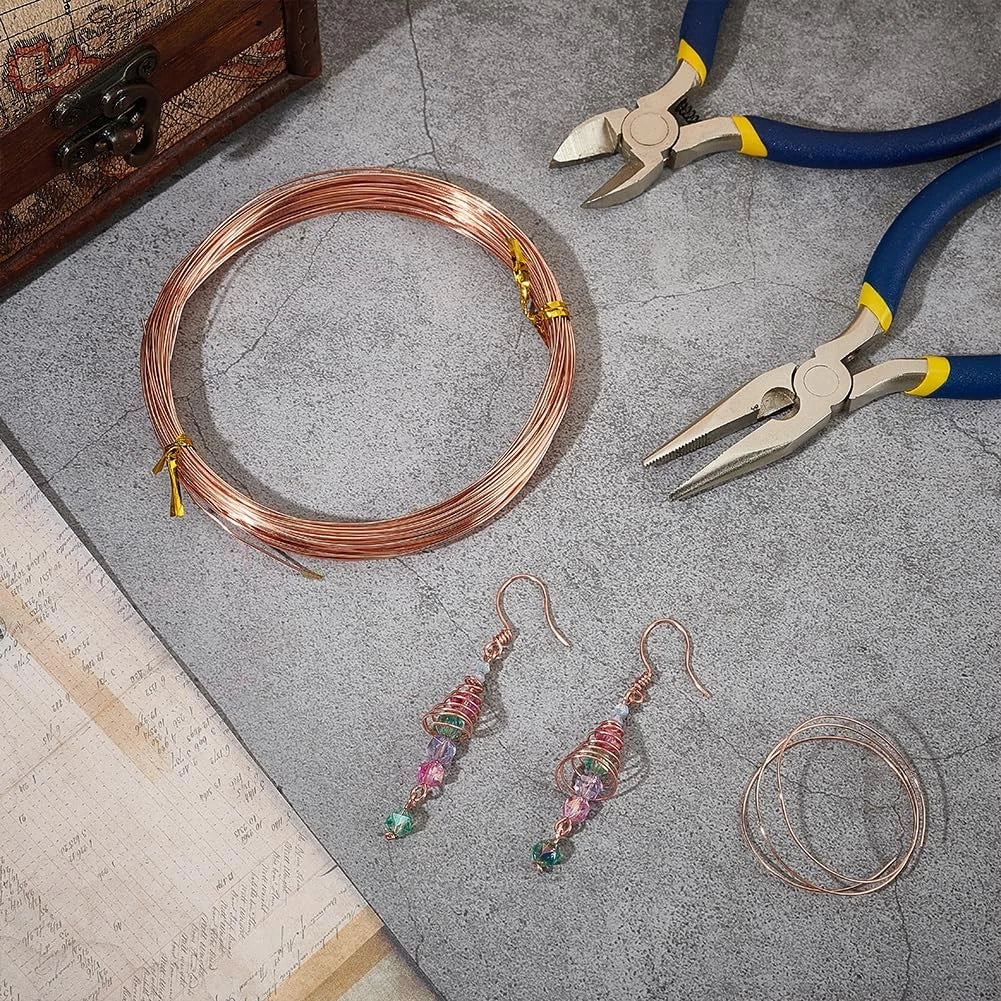
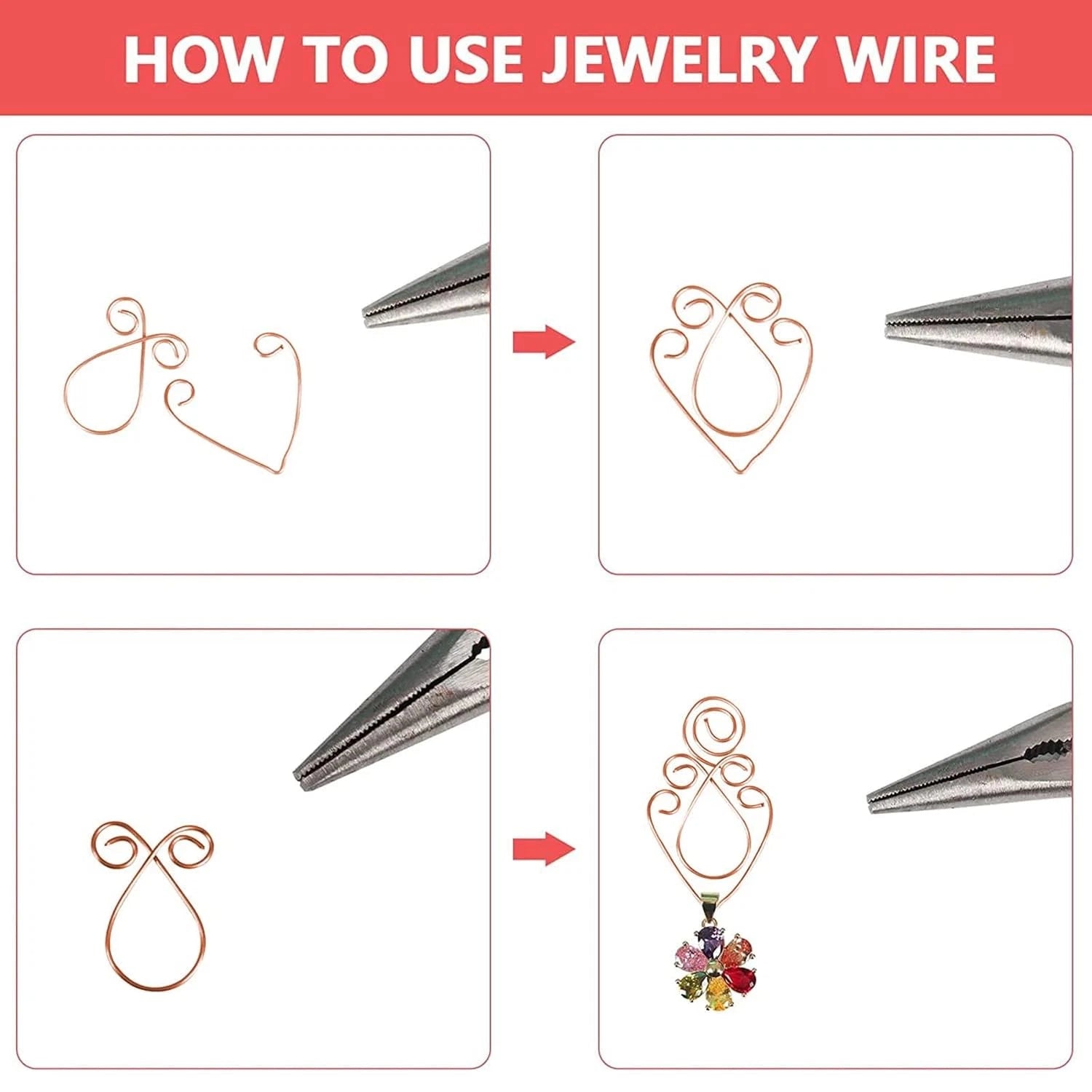
Typical use cases include DIY grounding and earthing runs where bare copper is a code requirement, handmade jewelry and wire-sculpting where the natural copper tone is part of the aesthetic, and electronics prototyping such as winding custom inductors or transformer coils. The uncoated surface also makes this wire a practical choice for scientific and educational demonstrations of electrical conductivity.

Compatibility note: This is uninsulated bare copper wire. It is not suitable as a direct replacement for insulated hook-up wire in live mains circuits. Always verify gauge and current-carrying capacity against your local electrical code before use.

✅ Key Features of These Pure Bare Copper Wire Spools

  • 🔩 24 diameters in one listing — 0.2mm through 6mm (approx. AWG 32–2), covering fine jewelry wire up to heavy grounding conductor in a single product page.
  • 📏 Three cut lengths available — 1M, 5M, and 10M options let you buy only what you need, reducing waste on short prototype runs or topping up stock for longer projects.
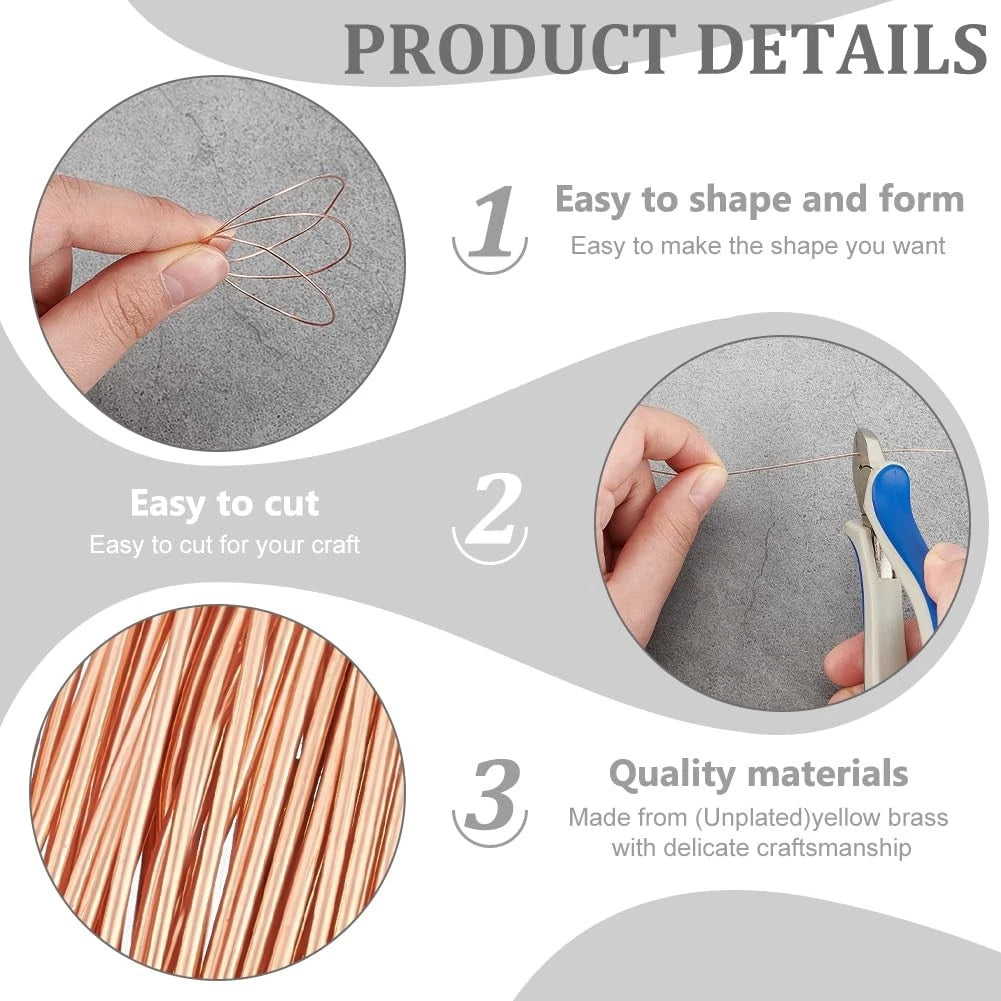
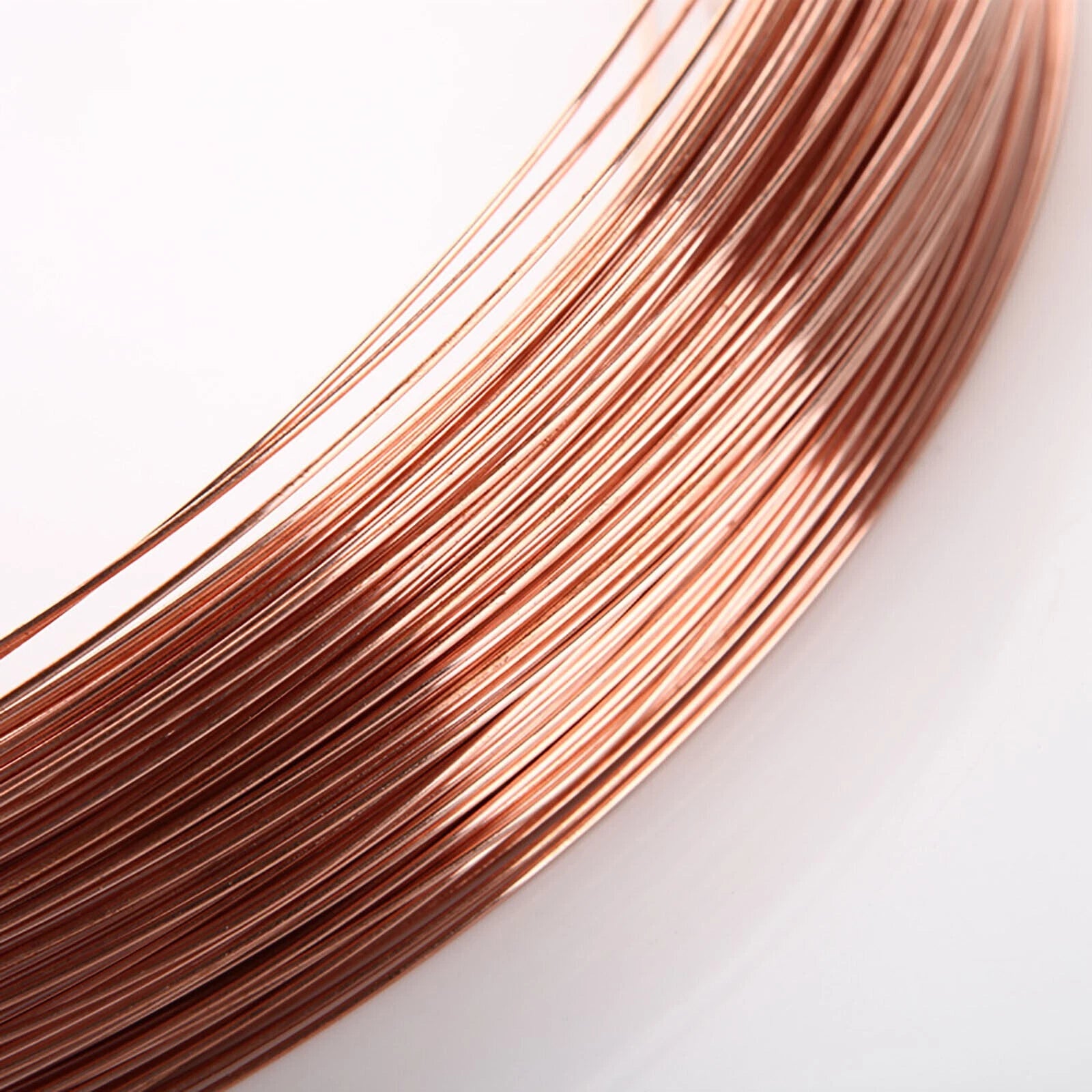
  • Bare uncoated surface — no enamel, no PVC jacket, no tin plating. The exposed copper surface gives direct electrical contact and accepts solder, patina treatments, and oxidation finishes without stripping.
  • 🔄 Solid round cross-section — consistent circular profile throughout the length makes bending, coiling, and forming predictable. Holds shape after forming, unlike stranded wire.
  • 🎨 Natural bright copper finish — the uncoated surface shows the characteristic warm reddish tone of copper, suitable for decorative wire art, jewelry, and visible architectural wire work where appearance matters.
  • 🛠️ Wide application range — used in electrical grounding, jewelry making, bonsai training, coil winding, craft armatures, antenna construction, and educational conductivity experiments.

📐 Technical Specifications — Bare Copper Wire

Material Copper (bare, uncoated, unplated)
Wire Form Solid round
Surface Finish Bare / bright uncoated
Diameter Range 0.2mm – 6mm (approx. AWG 32 – AWG 2)
Available Diameters 0.2, 0.3, 0.4, 0.5, 0.6, 0.7, 0.8, 0.9, 1.0, 1.2, 1.3, 1.4, 1.5, 1.6, 1.8, 2.0, 2.3, 2.5, 3.0, 3.5, 4.0, 4.5, 5.0, 6.0 mm
Available Lengths 1M (~3.3 ft), 5M (~16.4 ft), 10M (~32.8 ft)
Insulation None — bare wire
Electrical Conductivity Good (copper, uncoated)
Flexibility See variant options (varies by diameter)
Tensile Strength See variant options
Weight per Unit See variant options

❓ Frequently Asked Questions

Which diameter should I choose for jewelry wire-wrapping?

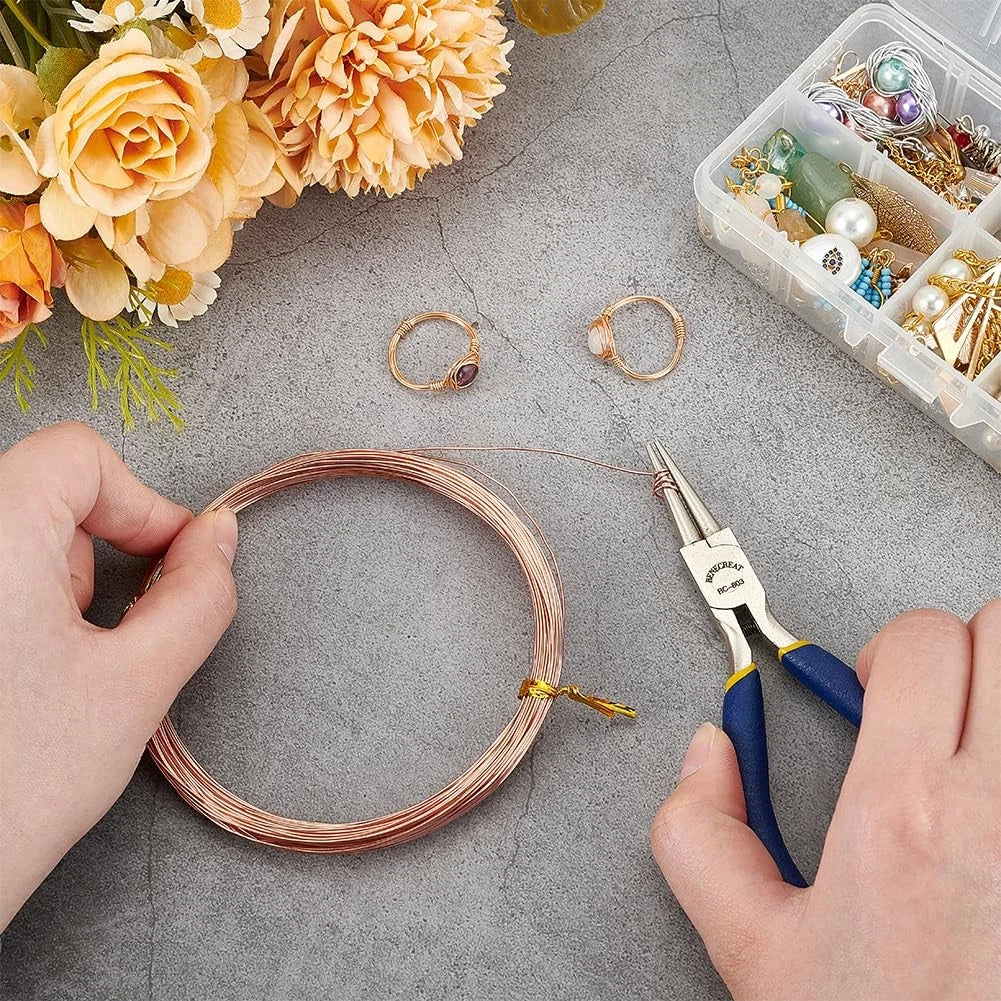
For most wire-wrapping and bead-weaving work, diameters between 0.3mm and 0.8mm (approximately AWG 28–20) offer a good balance of flexibility and structural hold. Finer gauges (0.2mm–0.4mm) are suited to delicate weaving and coiling around small stones, while 0.6mm–1mm works well for structural frame elements that need to hold their shape after forming.

Is this wire strong enough for grounding and earthing applications?

Bare copper is the standard material for grounding conductors in many electrical codes. For grounding use, select a diameter appropriate to the current-carrying requirement specified by your local code (e.g., NEC in the US). Heavier gauges such as 3.5mm–6mm are typically used for main grounding electrodes and bonding conductors. Always consult a licensed electrician and verify compliance with local regulations before installation.

Will bare copper wire corrode or oxidize over time?

Yes — uncoated copper naturally oxidizes when exposed to air and moisture, developing a darker patina over time. For electrical grounding applications this is generally acceptable and does not significantly impair conductivity at connection points when properly terminated. For decorative or jewelry use, the patina can be part of the aesthetic, or you can apply a clear lacquer or wax coating after forming to slow oxidation. Store unused wire in a sealed bag to minimize tarnishing.

Can I use this wire for bonsai training?

Copper wire is a traditional choice for bonsai training because it holds its shape firmly after bending and grips bark without slipping. Diameters between 1mm and 3mm are most commonly used for bonsai, with thicker gauges for primary branches and thinner gauges for secondary and tertiary branches. The rule of thumb is to use wire approximately one-third the diameter of the branch being trained.

Is this wire compatible with soldering?

Yes. Because the surface is bare copper with no coating or plating to burn off, it accepts solder readily with standard rosin-core or no-clean flux solder. Clean the wire surface with fine abrasive or flux before soldering if the wire has developed surface oxidation from storage. This makes it suitable for coil winding, antenna construction, and electronics prototyping where soldered joints are needed.

How do I choose between the 1M, 5M, and 10M length options?

The 1M length is practical for single jewelry pieces, short grounding jumpers, or testing a new gauge before committing to more. The 5M length suits small craft projects, bonsai work on a few trees, or a batch of wire-wrapped pendants. The 10M length offers the best value per meter for ongoing projects, coil winding, or when you regularly use a specific gauge and want to minimize reordering. Note that not all diameters are available in all lengths — check the variant selector for the combination you need.

What is the difference between solid and stranded copper wire, and which should I choose?

Solid wire (this product) has a single continuous conductor. It holds its shape after bending, making it ideal for forming, sculpting, grounding runs, and coil winding. Stranded wire consists of multiple thin wires twisted together, making it more flexible and resistant to fatigue from repeated bending — better for applications where the wire moves, such as appliance cords or robotics wiring. For static installations, jewelry forming, and coil work, solid wire is the correct choice.

🛒 Select your Diameter and Length above, then add to cart.

You may also like

Recently viewed





