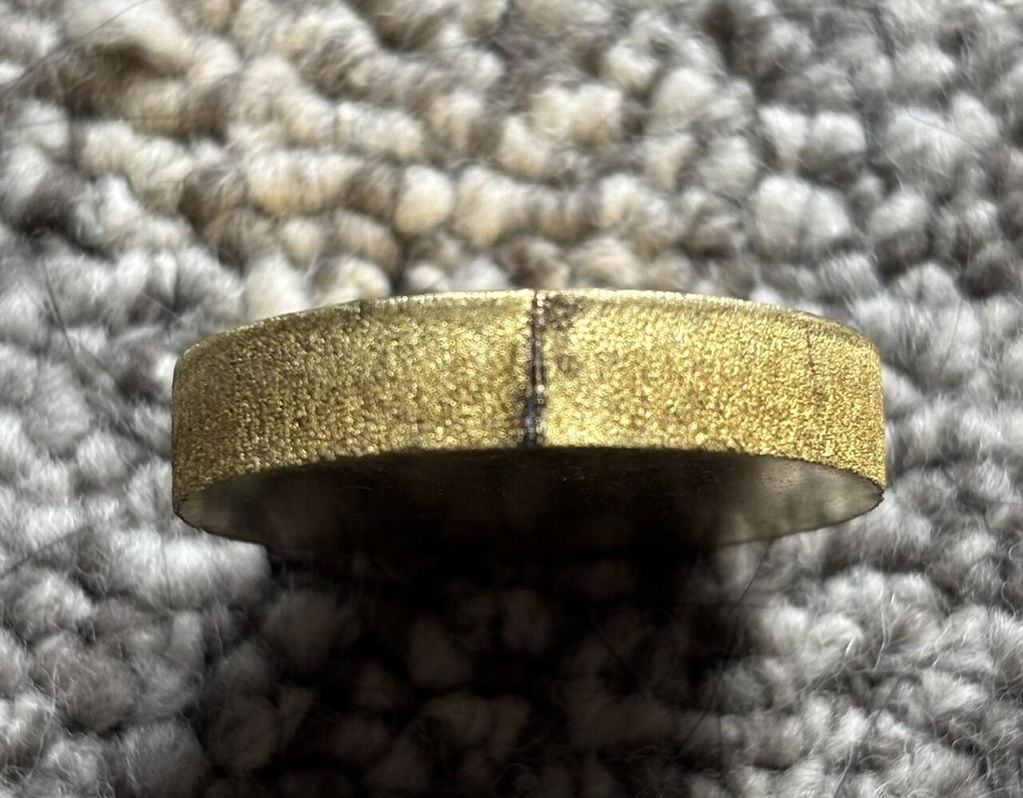
The chain is fine...but I ordered the wrong size. Nine links of the chain I ordered equals six of the size I wanted. My error...
How can I straighten out the springs? I can't use them coil uo as is.
Your payment information is processed securely. We do not store credit card details nor have access to your credit card information.
Get fitment advice & recommendations
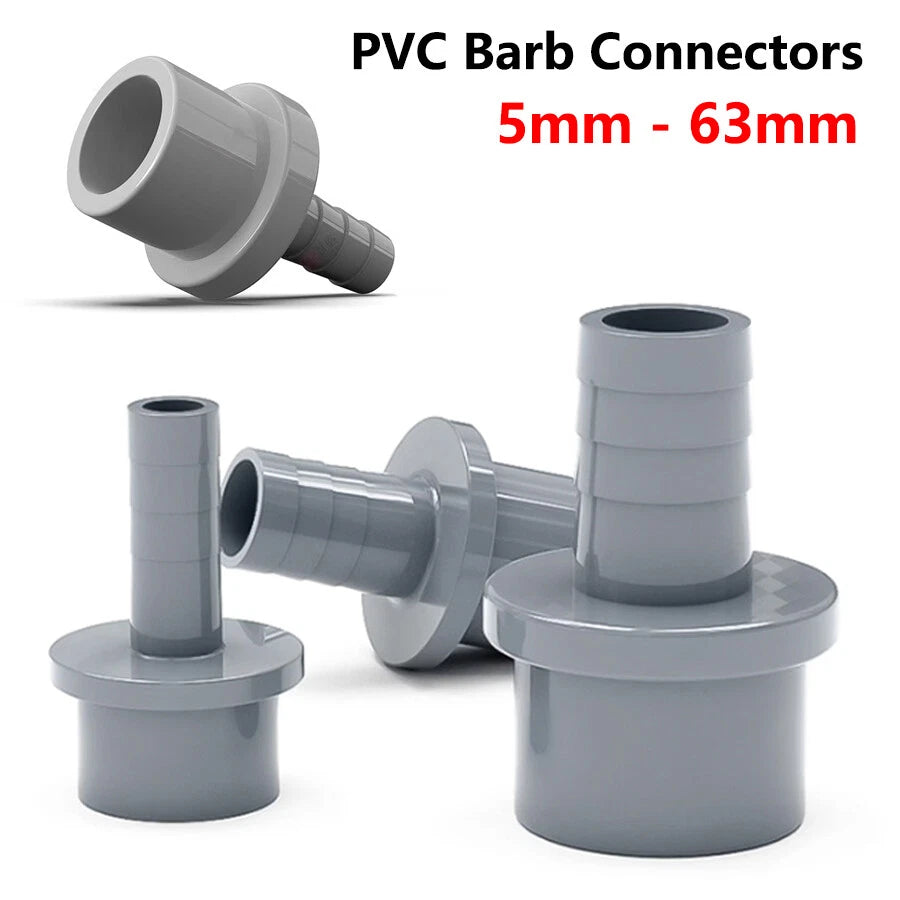
When your irrigation line, garden hose, or plumbing run demands a clean step-down from one tube diameter to another, a mismatched or brittle fitting can mean leaks, wasted water, and frustrating rework. These PVC barb hose connectors are designed for DIYers, hobbyists, and small workshop builders who need a dependable, push-fit reducer sleeve that holds firm under normal water pressure without tools or adhesive.
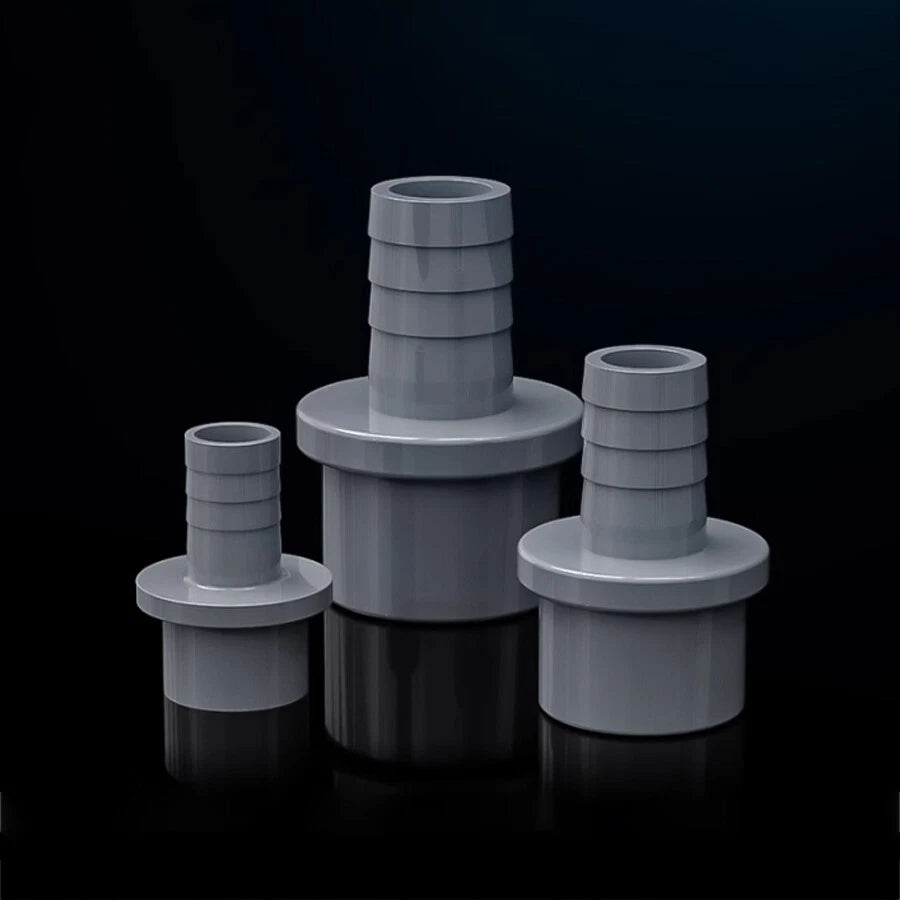
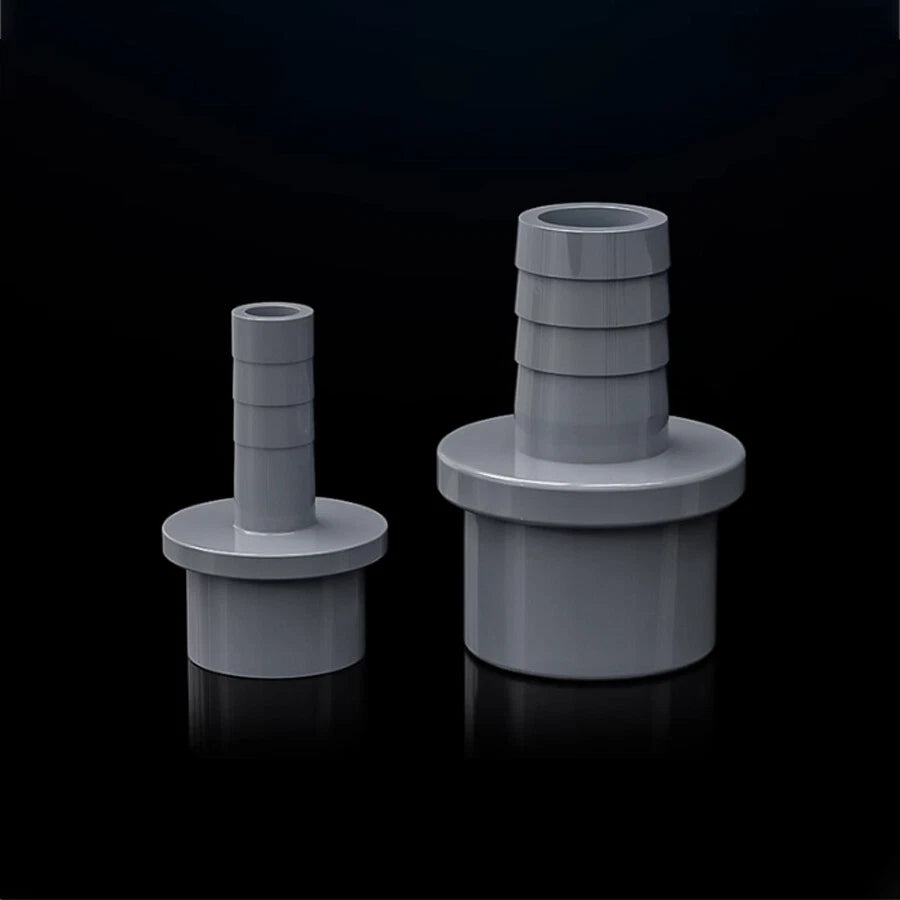
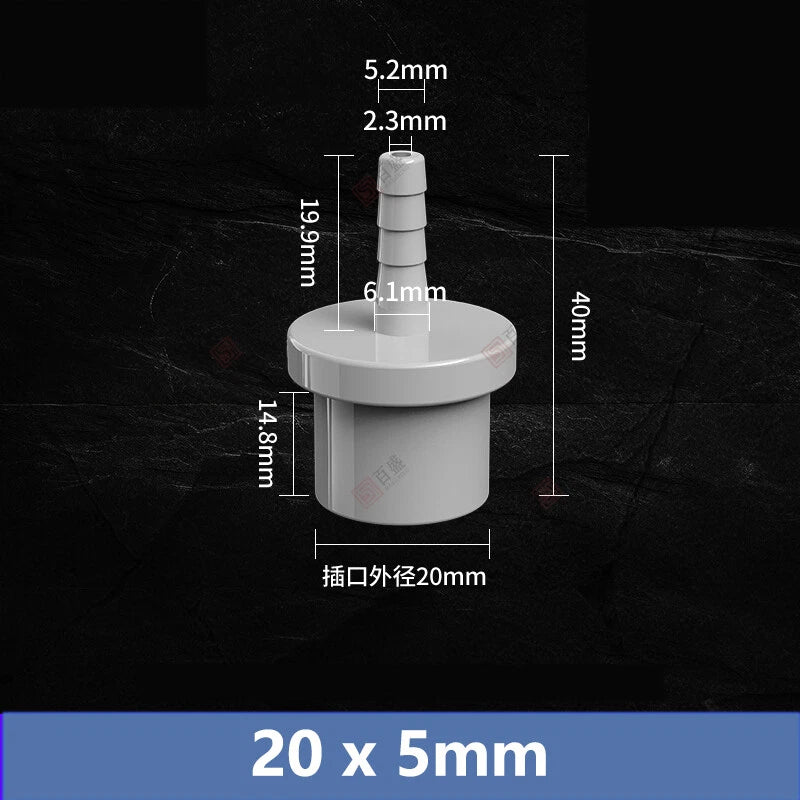
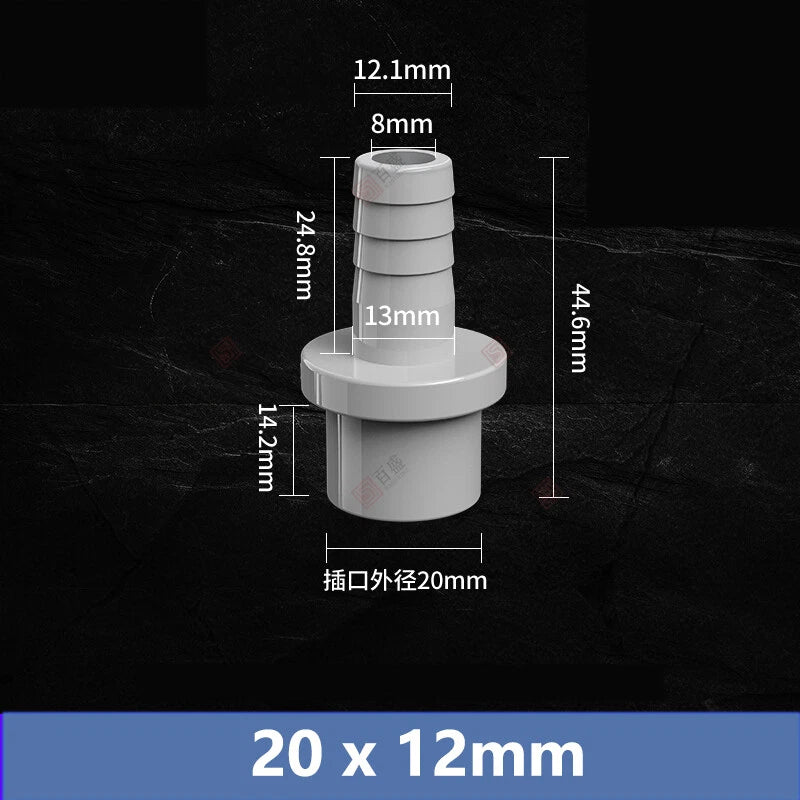
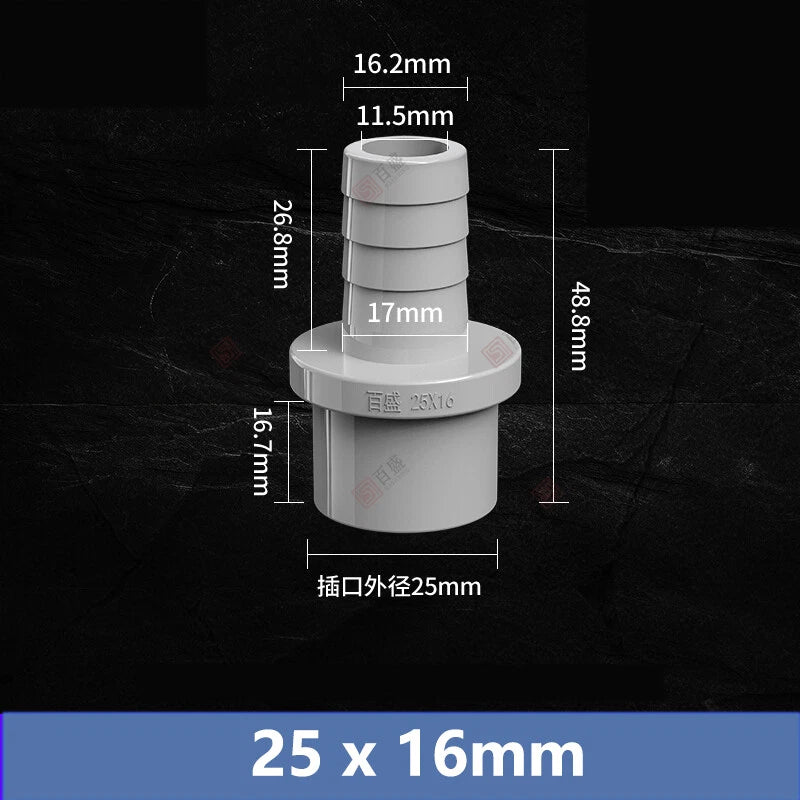
Each connector is molded from Polyvinyl Chloride (PVC) in a grey finish. The barbed ends grip the inner wall of flexible tubing securely. Available sizes span from 20 mm (approx. 0.79 in) big-end down to 5 mm (approx. 0.20 in) small-end, up to 63 mm (approx. 2.48 in) big-end to 50 mm (approx. 1.97 in) small-end, covering the most common reducer combinations used in residential and light-commercial pipe runs. Wall thickness is typically 1.5–3 mm depending on the size selected.
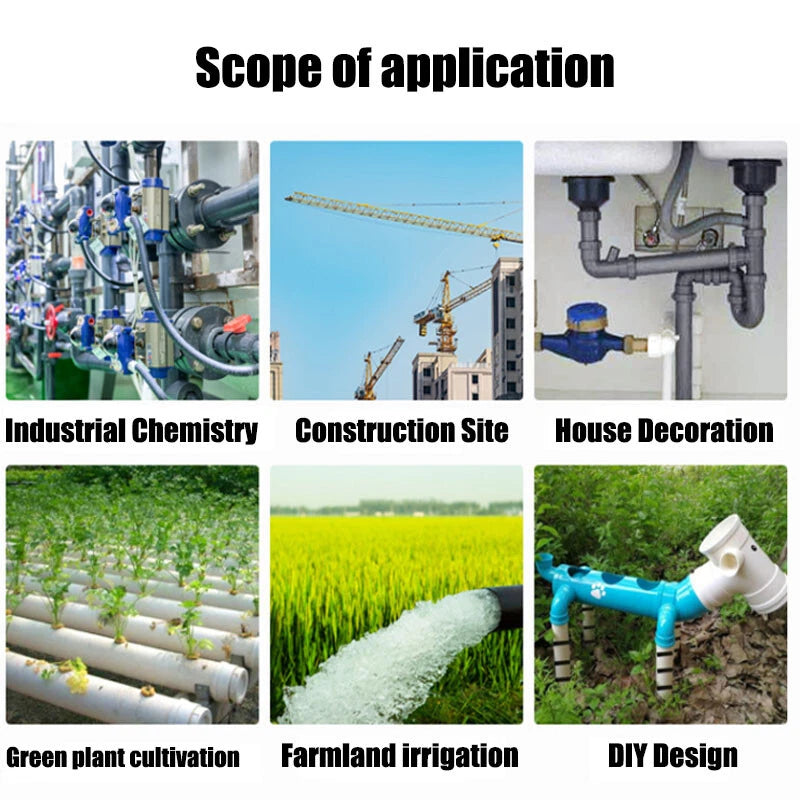
Typical use cases include drip irrigation reducer fittings for garden beds, aquarium and pond tubing step-down connectors, and low-pressure water transfer lines in workshop or utility setups — all scenarios where a lightweight, corrosion-resistant PVC barb sleeve outperforms metal alternatives.
| Material | Polyvinyl Chloride (PVC) |
|---|---|
| Color / Finish | Grey |
| Big End Diameter Range | 20 mm – 63 mm (0.79 in – 2.48 in) |
| Small End Diameter Range | 5 mm – 50 mm (0.20 in – 1.97 in) |
| Wall Thickness | Typically 1.5 – 3 mm (varies by size) |
| Connection Type | Barb push-fit (both ends) |
| Fitting Type | Reducer / Step-down sleeve |
| Recommended Tubing | Flexible PVC, PE, soft rubber hose |
| Max Working Pressure | See variant options |
| Operating Temperature | See variant options |
| Packing Quantity | 1 / 2 / 3 / 5 / 10 / 20 / 50 Pcs (select above) |
Match the barb end diameter to the inner diameter (ID) of your flexible tubing. The "Big End" connects to the larger tube and the "Small End" connects to the smaller tube. If your tubing ID is between listed sizes, size down to the nearest barb for a tighter grip. Always test-fit before finalizing your installation.
These PVC barb connectors are suited for low-to-moderate pressure applications such as drip irrigation, garden hose runs, and aquarium systems. For high-pressure plumbing (above approximately 60 PSI / 4 bar), we recommend using hose clamps over the barb ends or selecting a threaded fitting rated for your pressure. Check your system's working pressure before installation.
PVC does not rust or corrode in the way metal fittings do. It resists most household chemicals, mild acids, and salts. Prolonged direct UV exposure can cause surface chalking over many years; for outdoor above-ground runs, wrapping with UV-resistant tape or routing through conduit extends service life.
These fittings work with flexible PVC tubing, polyethylene (PE) hose, and soft rubber tubing whose inner diameter matches the barb end. They are not designed for rigid PVC pipe (which requires solvent-weld or threaded fittings) or for high-temperature silicone tubing applications.
For low-pressure gravity-fed or drip systems, the barb grip alone is typically sufficient. For any pressurized line or vibration-prone environment, adding a stainless steel hose clamp over the tubing at each barb end is strongly recommended to prevent pull-off under pressure spikes.
If you need a single repair or prototype connection, the 1 Pcs option keeps cost low. For irrigation layouts, aquarium builds, or workshop plumbing with multiple junction points, the 10, 20, or 50 Pcs packs offer a lower per-unit cost and ensure you have spares on hand. The size and quantity are selected independently, so you can mix and match as needed.
These connectors are intended for water and mild liquid transfer. Use in compressed air or gas lines is not recommended without verifying the pressure rating and chemical compatibility for your specific application. Consult a qualified professional for gas-line installations.