The chain is fine...but I ordered the wrong size. Nine links of the chain I ordered equals six of the size I wanted. My error...
How can I straighten out the springs? I can't use them coil uo as is.
Your payment information is processed securely. We do not store credit card details nor have access to your credit card information.
Get fitment advice & recommendations
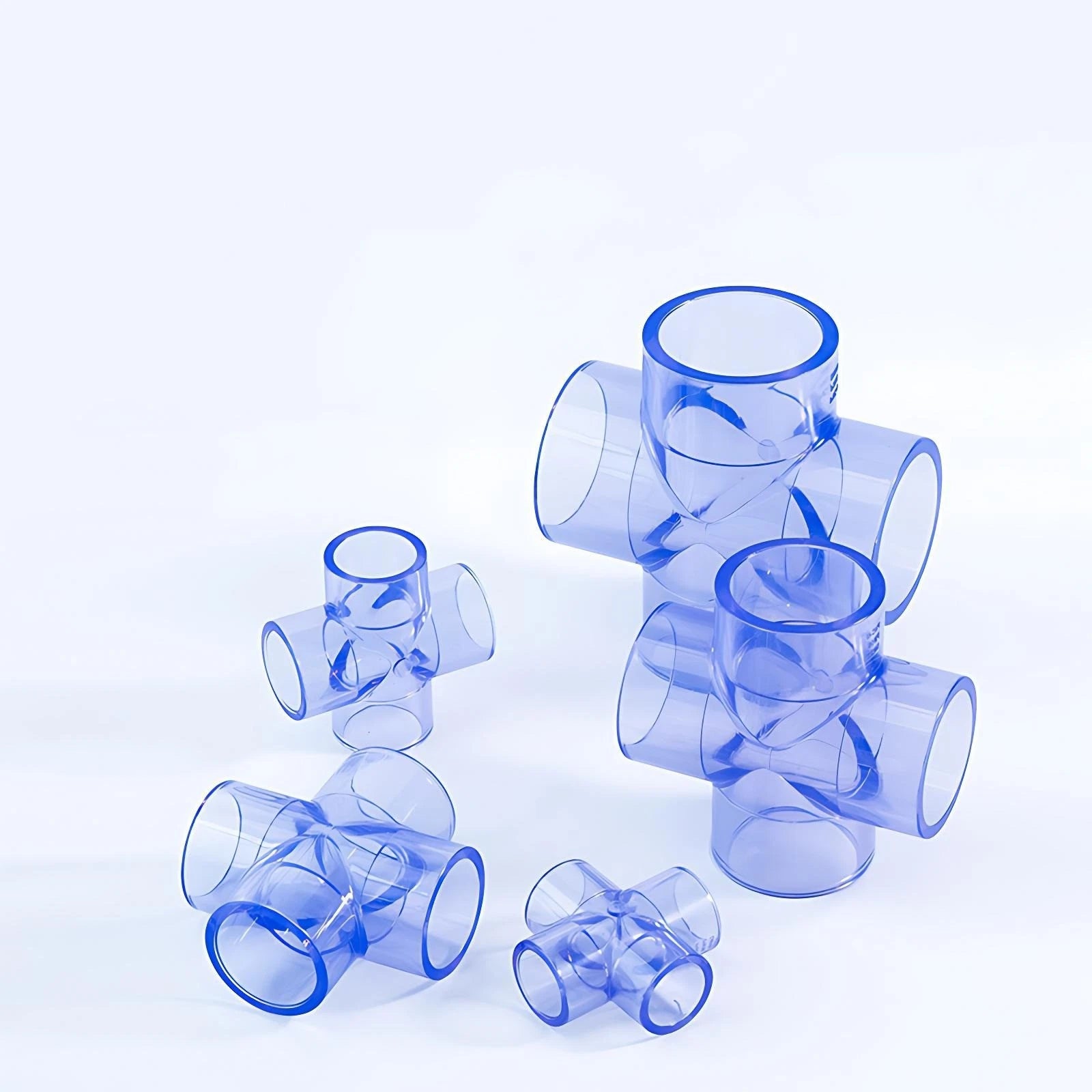
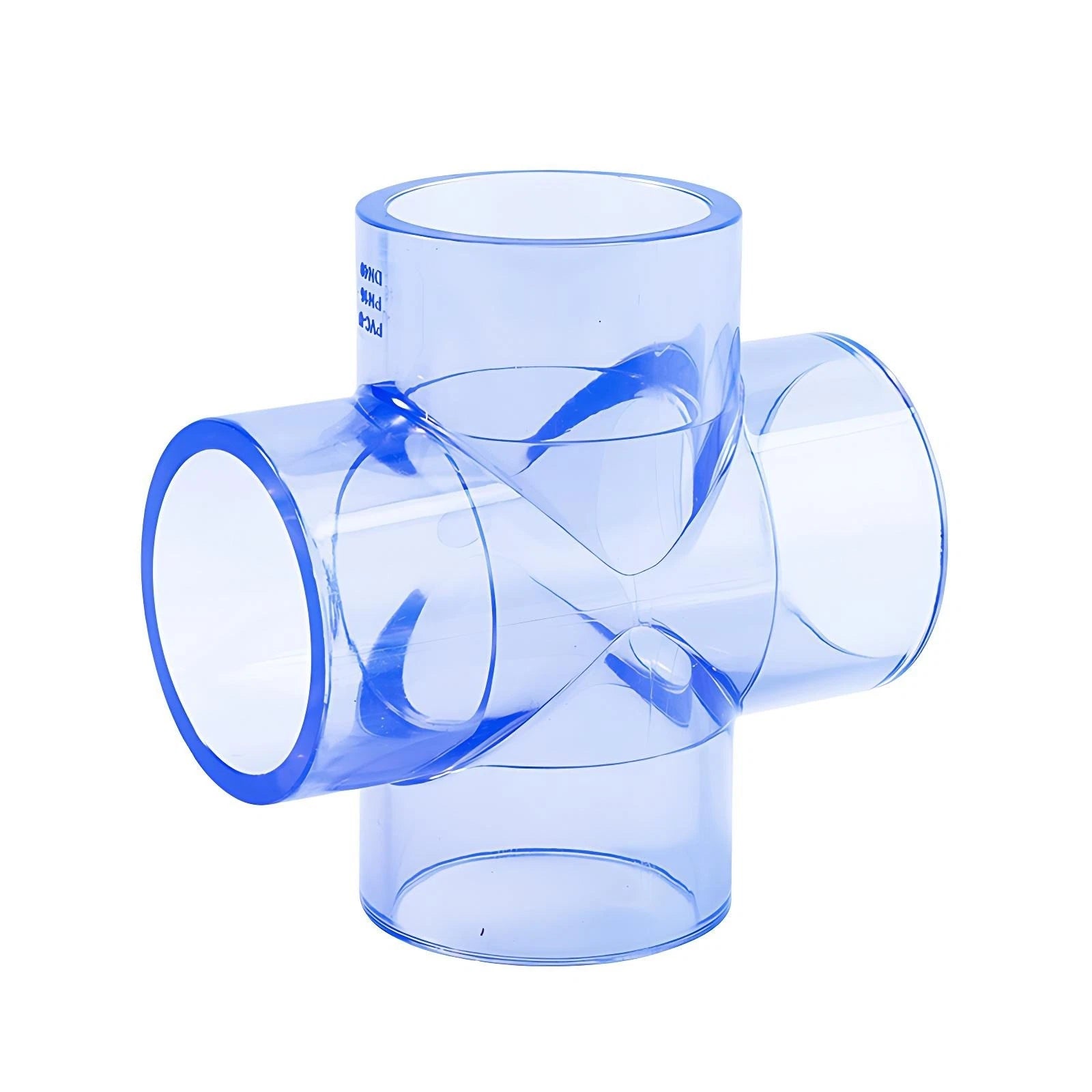
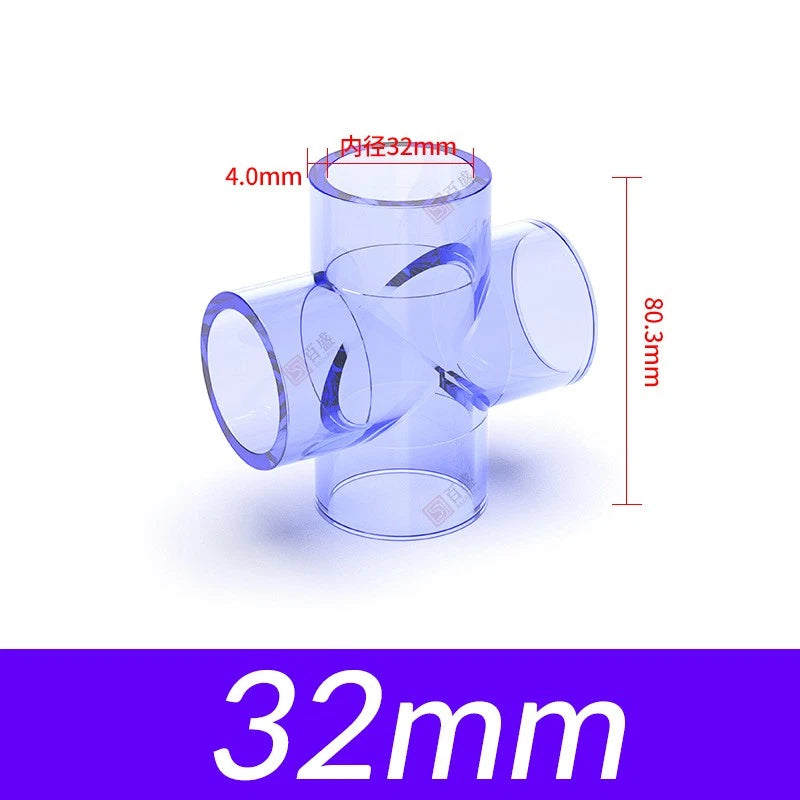
When a leaking joint or a missing branch connection stalls your plumbing or irrigation project, you need a fitting that goes in once and stays put. DIY builders, garden irrigators, and workshop plumbers rely on solvent-weld cross fittings to split a single pipe run into four directions without threading tools or clamps.
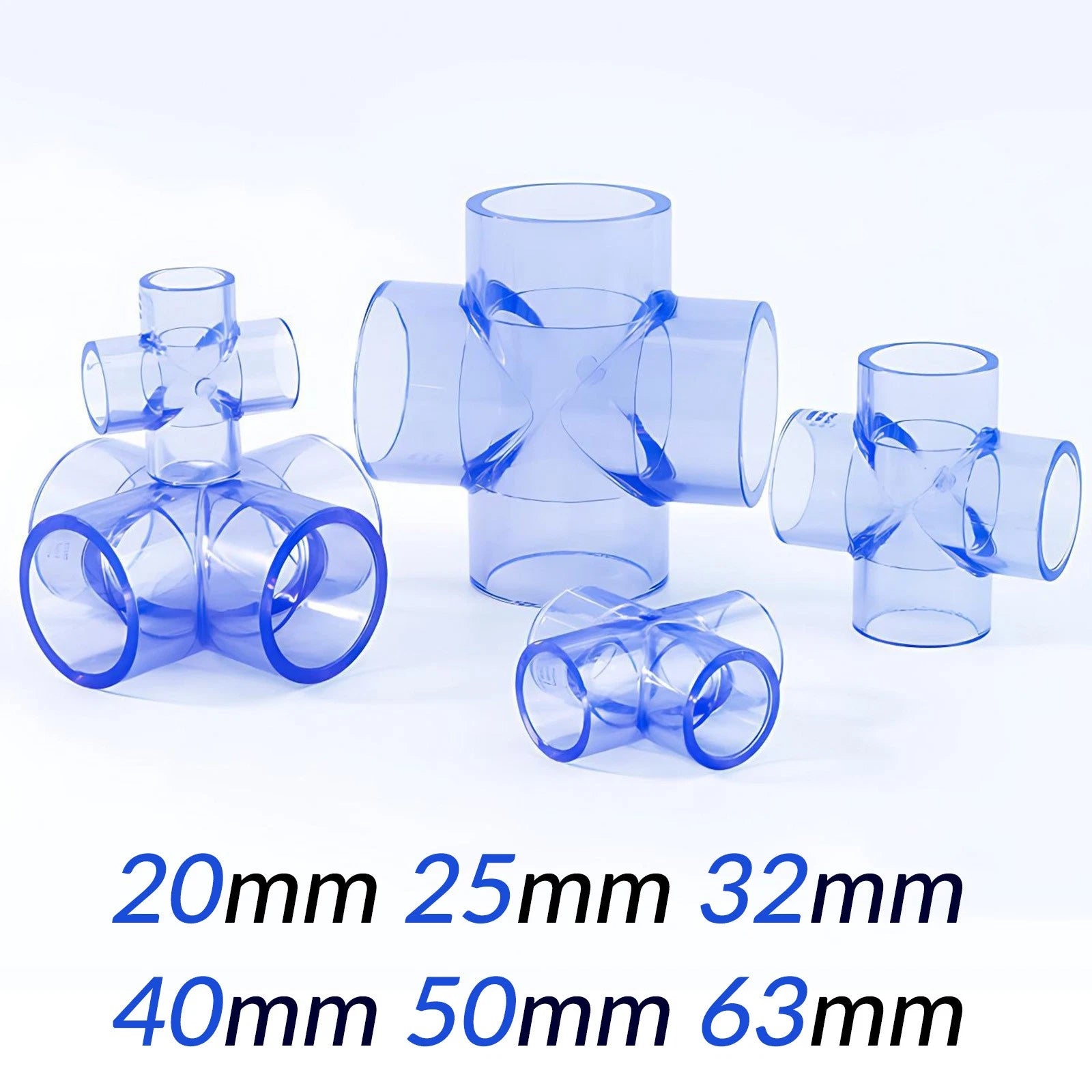
These PVC cross fittings use a solvent-weld (glue) connection method and are available in inner diameters ranging from 20mm (~¾ in) to 63mm (~2½ in). Each fitting is molded from rigid PVC, offering a smooth internal bore to minimize flow restriction. Wall thickness is proportional to pipe diameter — typically 2–4mm depending on the size selected.
Typical applications include residential cold-water supply lines, drip and sprinkler irrigation manifolds, aquaponics and pond plumbing, and workshop compressed-air distribution lines where PVC-rated pressure is not exceeded.
| Material | Rigid PVC (Polyvinyl Chloride) |
|---|---|
| Connection Type | Solvent Weld (Glue / Cement) |
| Configuration | Cross / 4-Way (equal ports) |
| Available Inner Diameters | 20mm, 25mm, 32mm, 40mm, 50mm, 63mm |
| Wall Thickness | See variant options |
| Outer Diameter | See variant options |
| Pressure Rating | See variant options |
| Temperature Range | 0°C – 60°C (32°F – 140°F); cold water use only |
| Color | White / Light Grey (standard PVC) |
| Compatible Pipe Standard | Metric PVC pressure pipe (DIN 8062 / ISO 1452 equivalent) |
| Available Quantities | 1 pc, 2 pcs, 3 pcs, 5 pcs |
| Weight (per piece) | See variant options |
Measure the outer diameter (OD) of your existing pipe, then match it to the fitting's inner diameter (ID). For standard metric PVC pipe, the pipe OD is slightly larger than its nominal size — for example, a 25mm nominal pipe typically has a 25mm OD that slides into a 25mm ID fitting socket. If in doubt, bring a pipe sample to your hardware store or contact us to confirm before ordering.
These fittings are made from rigid PVC, which is widely used in cold-water plumbing. However, potable-water suitability depends on local regulations and the specific PVC compound grade. Please verify compliance with your local plumbing code before use in drinking-water systems. For irrigation, pond, or non-potable applications, these fittings are well suited.
Use a standard PVC solvent cement rated for the pipe diameter and application (e.g., Weld-On 705, Tangit PVC-U, or equivalent). For larger diameters (40mm and above), applying a PVC primer before cementing improves bond strength. Always follow the cement manufacturer's cure time before pressurizing the joint — typically 15–30 minutes for low pressure, 24 hours for full rated pressure.
No. Rigid PVC begins to soften above approximately 60°C (140°F) and is not rated for hot water, steam, or high-temperature applications. For hot-water systems, use CPVC or brass fittings instead. These cross fittings are designed for cold-water supply, irrigation, and similar low-temperature uses.
PVC fittings can be used in low-pressure compressed-air systems in workshop settings, but this application carries risk — PVC can shatter under sudden pressure surges or impact. Many safety guidelines advise against using PVC for compressed air above 50 psi. Always check local safety codes and consider CPVC or metal fittings for compressed-air applications.
Count the number of 4-way branch points in your pipe layout — each cross fitting serves one junction where a main line splits into two lateral branches simultaneously. Use the quantity selector (1 / 2 / 3 / 5 pcs) to order the exact number you need. Multi-pack options offer a lower per-unit cost for larger installations such as irrigation manifolds or multi-zone water distribution systems.
Rigid PVC is inherently corrosion-resistant and does not rust, scale, or react with most household water chemistries. It is unaffected by chlorinated tap water and common fertilizer solutions used in irrigation. The smooth internal bore also resists mineral deposit buildup better than metal alternatives, helping maintain consistent flow over the long term.