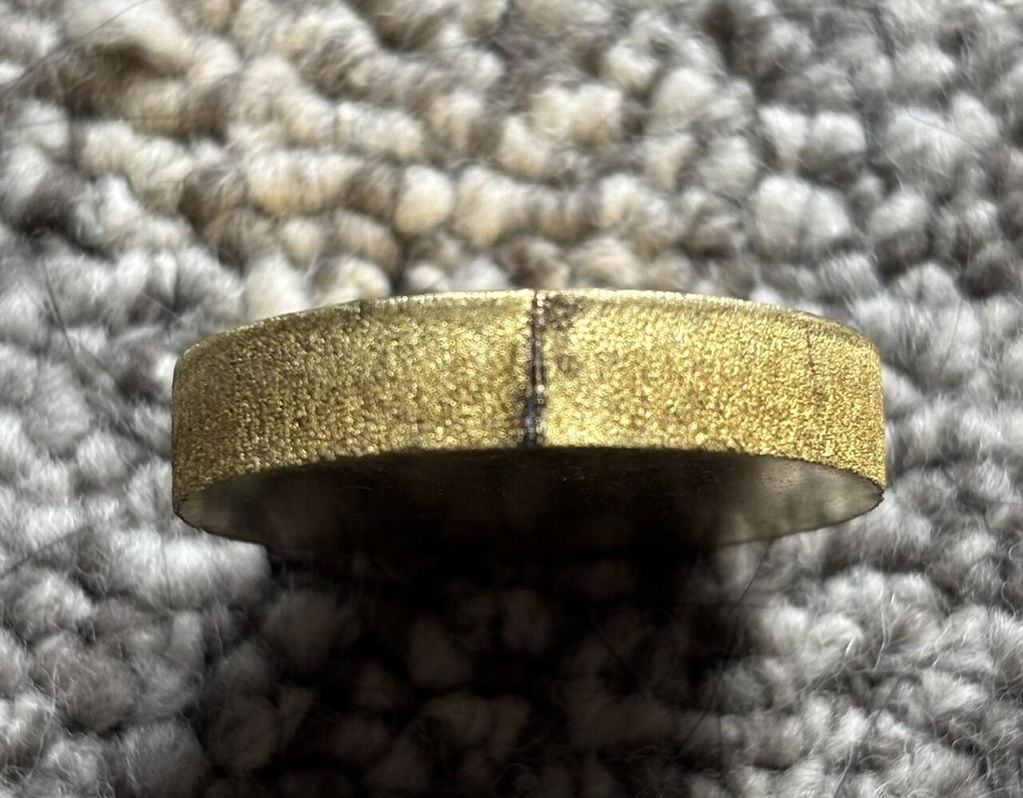
The chain is fine...but I ordered the wrong size. Nine links of the chain I ordered equals six of the size I wanted. My error...
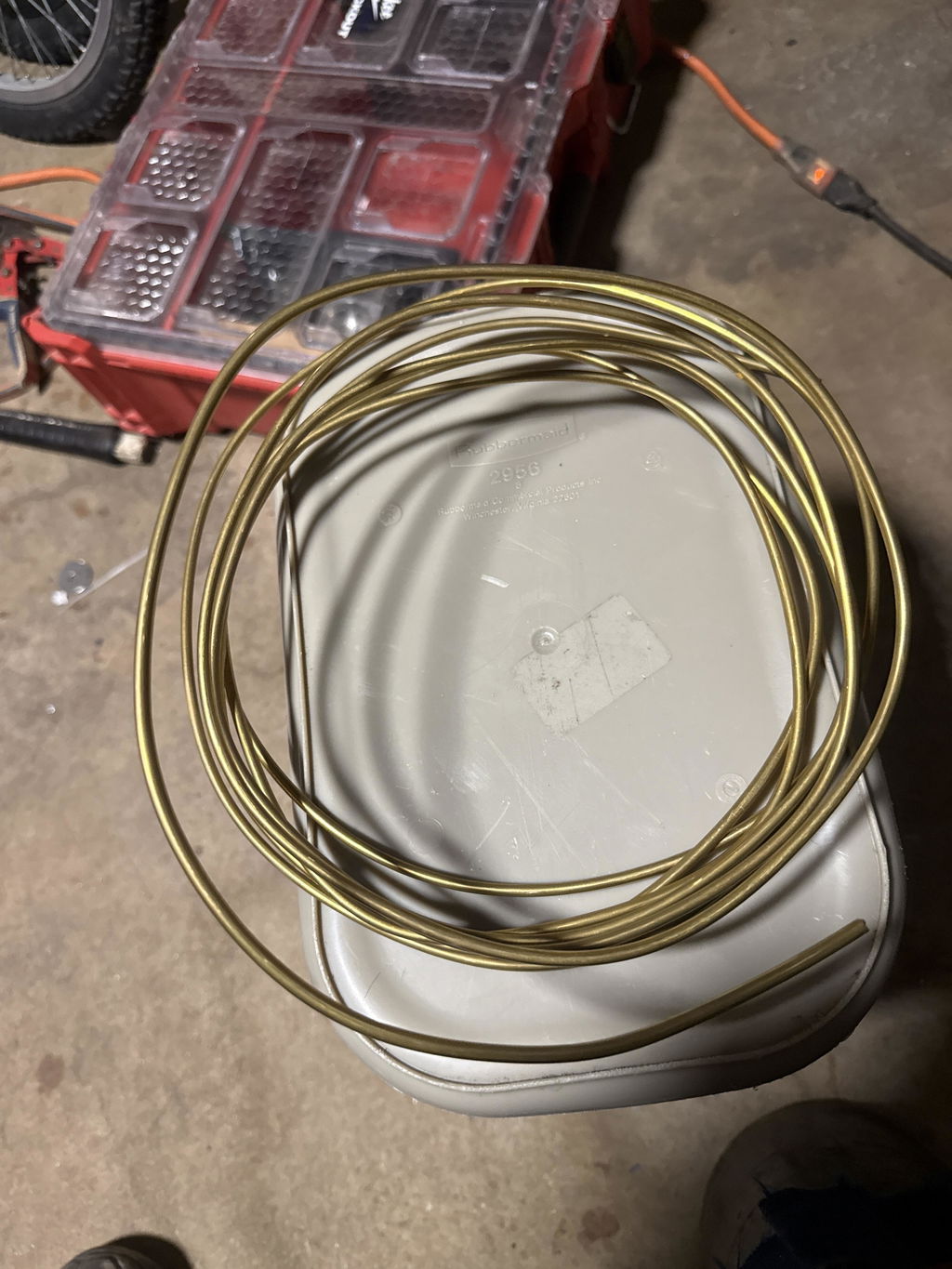
How can I straighten out the springs? I can't use them coil uo as is.
Your payment information is processed securely. We do not store credit card details nor have access to your credit card information.
Get fitment advice & recommendations
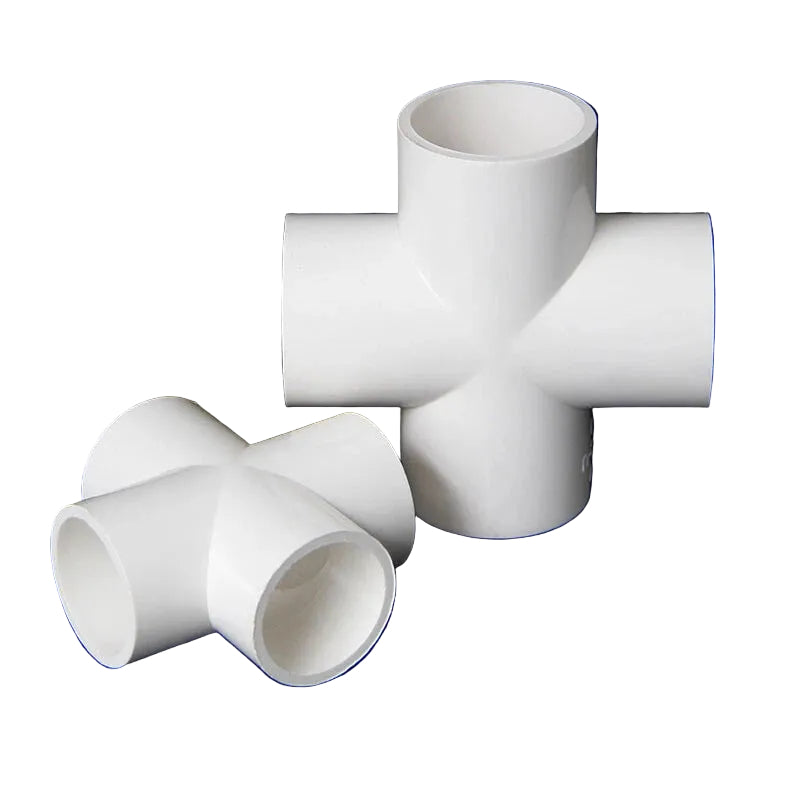
When a plumbing run needs to split in two directions at once, a poorly matched fitting becomes the weakest point in the entire system. Whether you are building a recirculating fish pond, a garden irrigation network, or an industrial fluid-distribution line, these PVC cross 4-way solvent weld pipe fittings give you a leak-free, rigid junction that holds pressure without flex or creep.
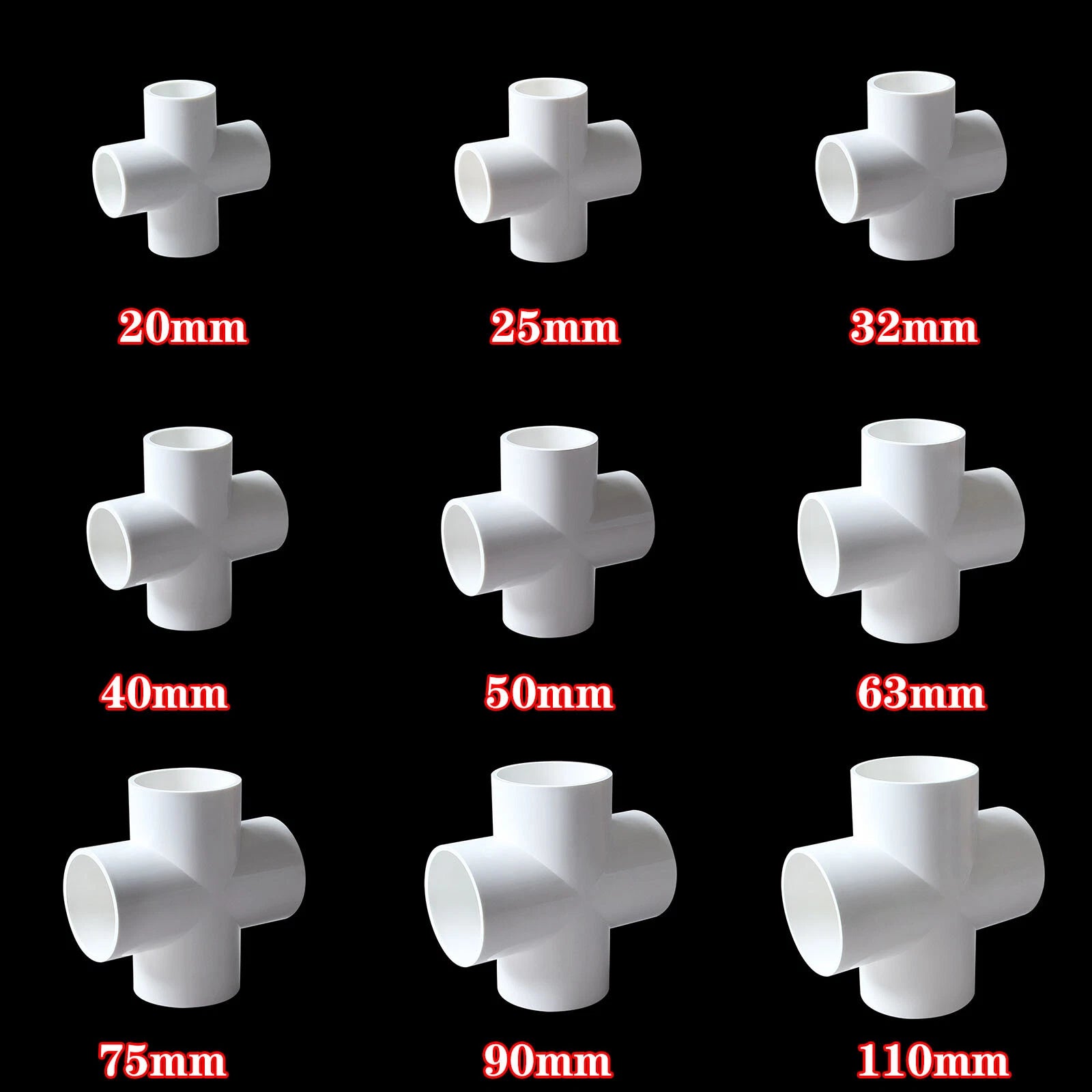
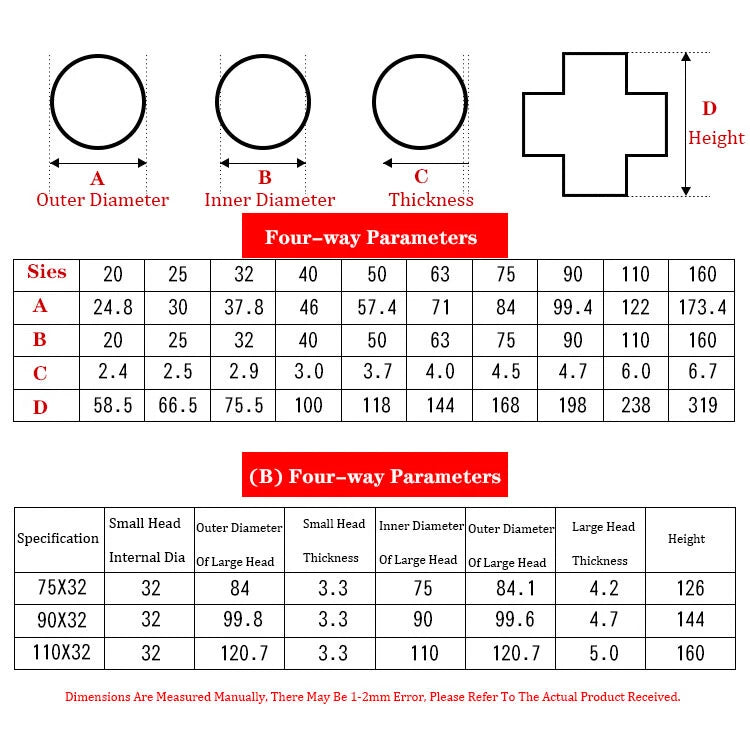
Each fitting is moulded from rigid white PVC (polyvinyl chloride) and accepts standard solvent-weld cement for a permanent, chemical-fused bond. The range covers equal-bore sizes from 20 mm (approx. ¾ in) up to 160 mm (approx. 6¼ in), plus reducing cross options at 75×32 mm, 90×32 mm, and 110×32 mm for branch-line step-downs — all sold individually so you order exactly what you need.
Typical applications include koi pond and aquaculture filtration manifolds, drip-irrigation and sprinkler distribution headers, workshop compressed-air ring mains, and light-duty industrial process pipework where a four-way branch point is required. Long-tail use cases such as "PVC cross fitting for fish pond filter" and "4-way solvent weld pipe junction industrial" are served across the full size range.
| Material | Rigid uPVC (unplasticised polyvinyl chloride) |
|---|---|
| Colour | White |
| Connection Type | Solvent weld (socket) |
| Configuration | 4-way cross (equal bore & reducing) |
| Available Sizes | 20 / 25 / 32 / 40 / 50 / 63 / 75 / 90 / 110 / 160 mm (equal); 75×32 / 90×32 / 110×32 mm (reducing) |
| Wall Thickness | See variant options |
| Pressure Rating | See variant options |
| Operating Temperature | Typically 0 °C to 60 °C (32 °F to 140 °F) |
| Chemical Resistance | Resistant to dilute acids, alkalis, and salts; not suitable for ketones or aromatic solvents |
| Quantity per Order | 1 piece |
| Finish | Smooth bore, plain white exterior |
Measure the outside diameter (OD) of your existing pipe in millimetres. The fitting size refers to the pipe OD it accepts, not the bore ID. For example, a 32 mm fitting accepts pipe with a 32 mm OD. If you are unsure, use a vernier calliper or wrap a tape measure around the pipe and divide by π (3.14) to get the OD.
Yes. Once the solvent cement has fully cured (allow at least 24 hours before filling with water), rigid uPVC is non-toxic and does not leach plasticisers. It is widely used in koi ponds, aquaponics, and recirculating aquaculture systems worldwide.
Use a PVC solvent cement rated for pressure pipe (e.g., medium-bodied or heavy-bodied PVC cement with primer for larger sizes). When applied correctly, the solvent fuses the pipe and fitting into a single piece — the joint typically exceeds the burst pressure of the pipe itself, making it the strongest point in the system rather than the weakest.
White uPVC has moderate UV resistance and performs well in sheltered outdoor locations (under eaves, inside enclosures, or buried). For prolonged direct sunlight exposure, painting the fitting with a water-based exterior paint or wrapping with UV-protective tape will extend service life significantly.
Equal-bore crosses (e.g., 75 mm) have all four sockets the same diameter — ideal when all four branches carry the same flow. Reducing crosses (e.g., 90×32 mm) have two larger sockets on the straight run and two smaller sockets on the branch arms, allowing you to step down to a smaller branch line without adding extra reducers.
Rigid uPVC is commonly used for low-pressure compressed-air ring mains and light-industrial process lines carrying dilute acids, alkalis, and salt solutions. It is not recommended for ketones, aromatic solvents, or high-temperature steam lines. Always verify the pressure rating for your specific size variant before use in pressurised systems.
Solvent-weld joints are permanent — the cement chemically fuses the surfaces together. If you anticipate needing to disassemble the line in future, consider adding a union fitting or a threaded adaptor at a strategic point in your run rather than relying on the cross fitting itself to be removable.