The chain is fine...but I ordered the wrong size. Nine links of the chain I ordered equals six of the size I wanted. My error...
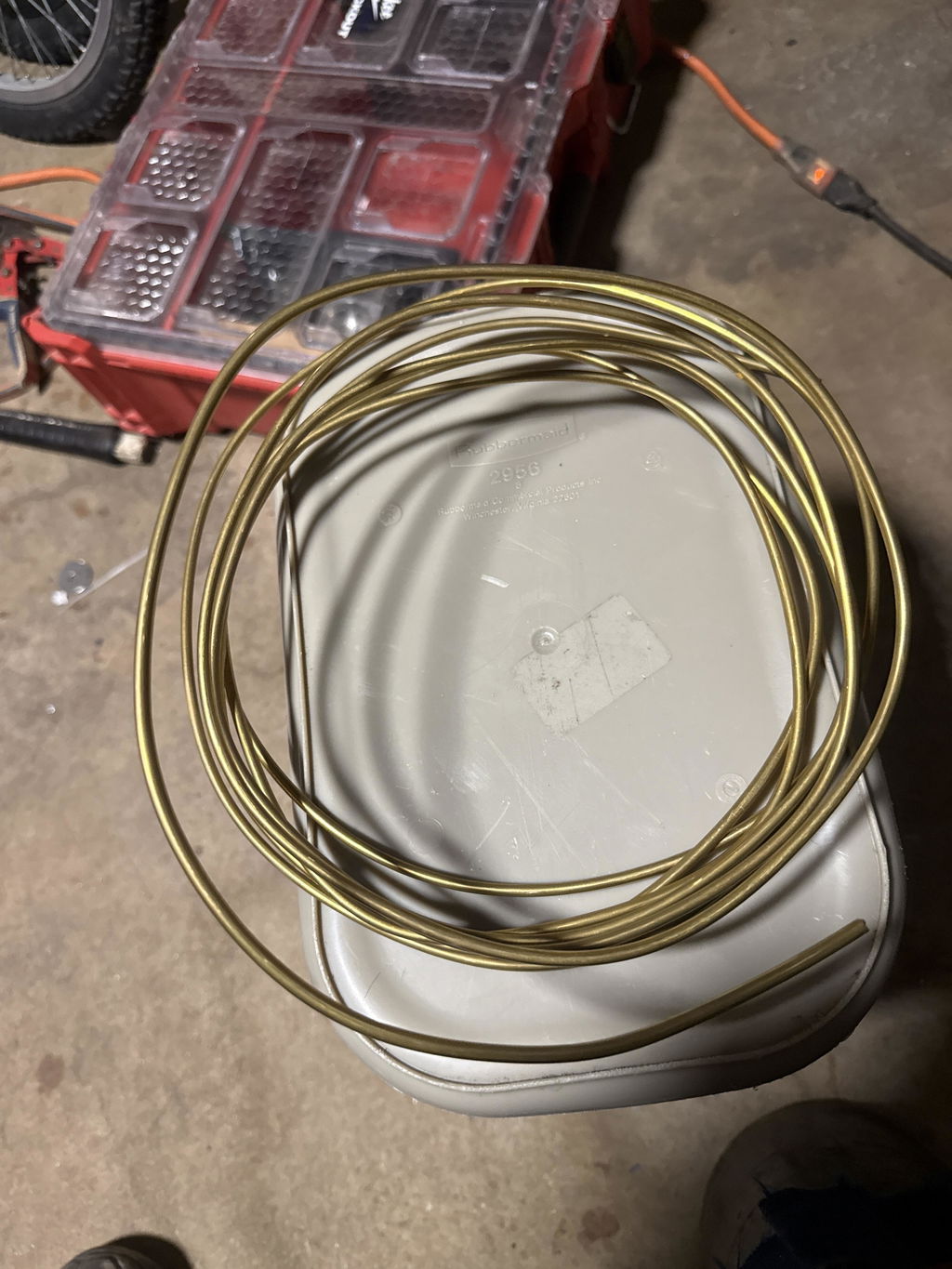
How can I straighten out the springs? I can't use them coil uo as is.
Your payment information is processed securely. We do not store credit card details nor have access to your credit card information.
Get fitment advice & recommendations
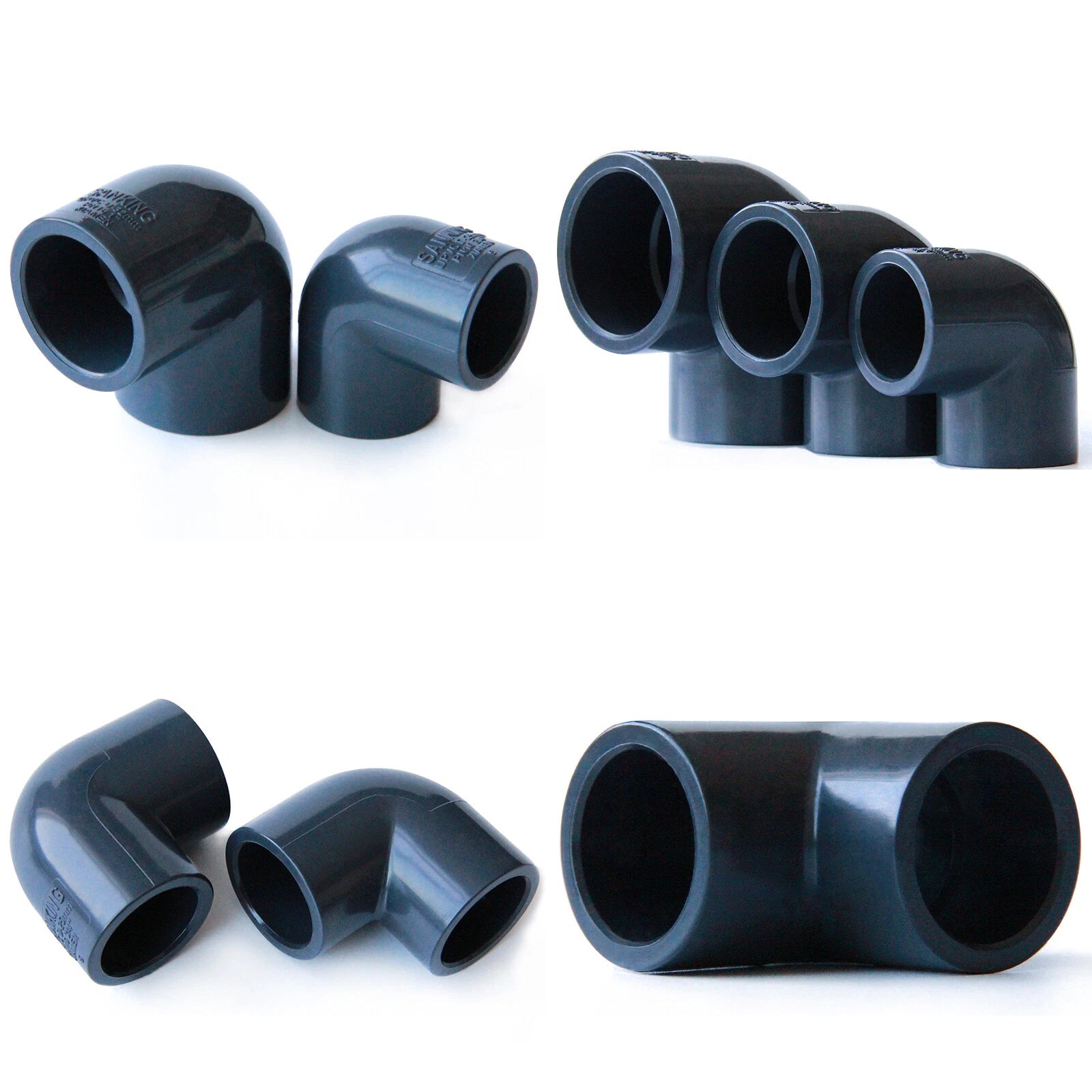
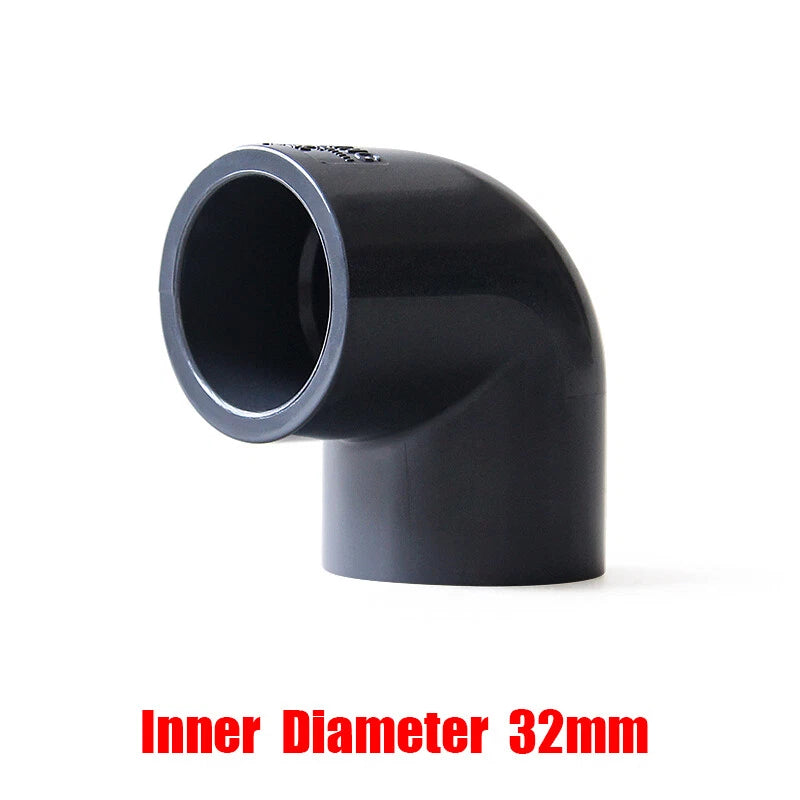
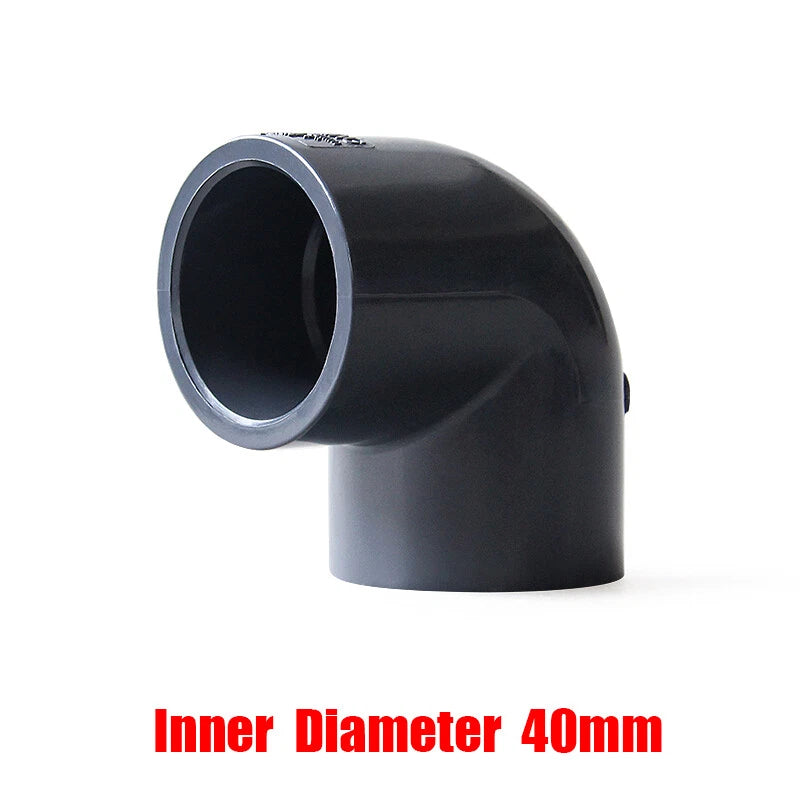
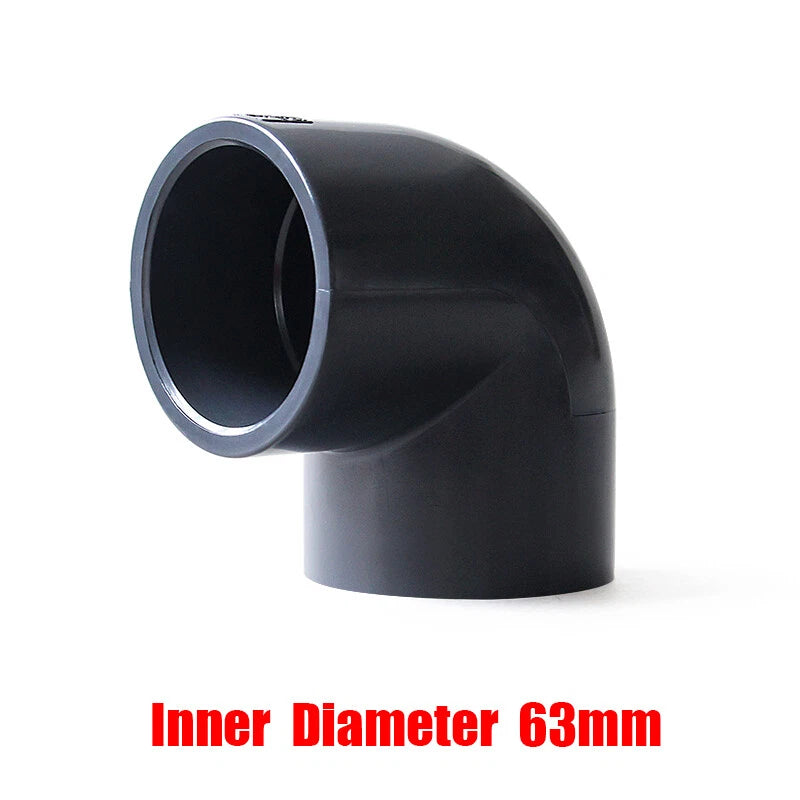
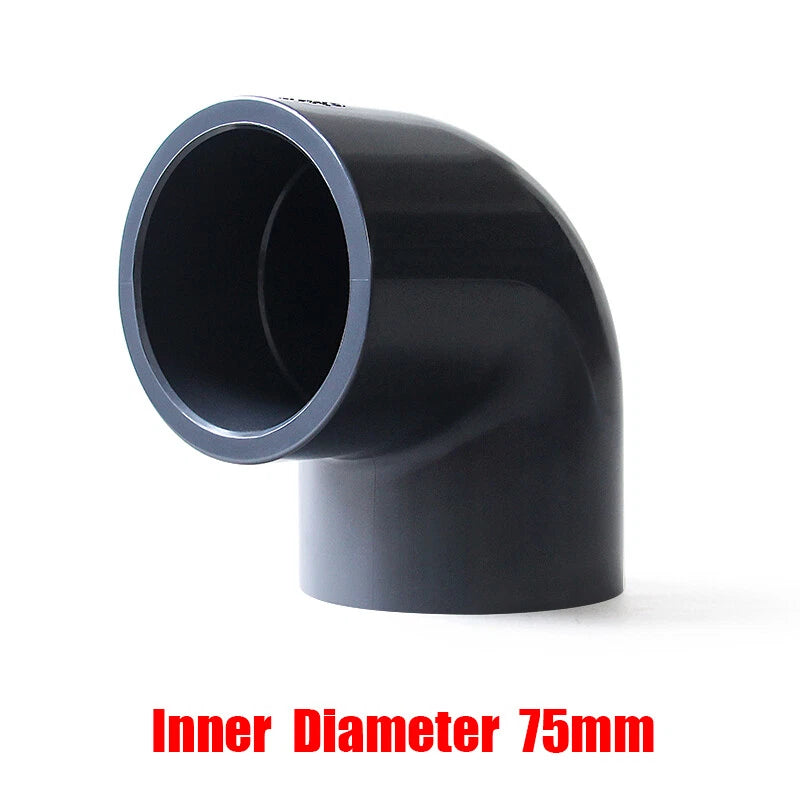
When a water line needs to change direction without losing flow pressure, a poorly fitted elbow can mean leaks, cracked joints, or a flooded fish room. These PVC elbow pressure pipe fittings are designed for hobbyists, pond builders, and DIY plumbers who need a dependable solvent-weld connection that holds under continuous water pressure.
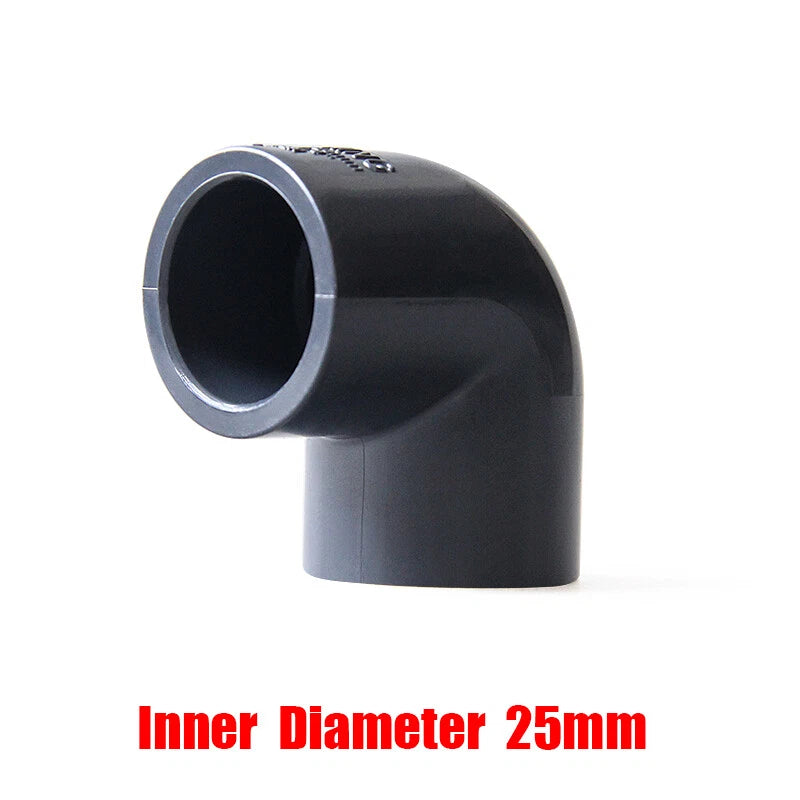
Each elbow is manufactured from rigid PVC (polyvinyl chloride), offering a lightweight yet structurally solid 90° bend. Available in nine sizes ranging from 20mm (~¾ in) to 110mm (~4⅓ in), the fittings accept standard solvent cement for a permanent, watertight bond. Wall thickness and pressure rating vary by diameter — see variant options for exact specifications.
Typical applications include aquarium sump return lines, koi pond filtration loops, irrigation manifolds, and residential grey-water drainage. Whether you are routing flow around a cabinet corner in a reef tank build or connecting a pond pump to a UV clarifier, these PVC elbow fittings deliver a clean, code-friendly solution for solvent-weld pipe systems.
| Material | Rigid PVC (Polyvinyl Chloride) |
|---|---|
| Connection Type | Solvent Weld (socket ends) |
| Elbow Angle | 90° |
| Available Sizes | 20mm, 25mm, 32mm, 40mm, 50mm, 63mm, 75mm, 90mm, 110mm |
| Approximate Inch Equivalents | ¾", 1", 1¼", 1½", 2", 2½", 3", 3½", 4⅓" |
| Wall Thickness | See variant options |
| Pressure Rating | See variant options |
| Color | White / Light Grey (standard PVC) |
| Temperature Range | 0°C – 60°C (32°F – 140°F) |
| Suitable Fluids | Cold & warm water, pond treatments, irrigation solutions |
| Quantity per Order | 1 piece (per unit selected) |
Match the elbow size to the outer diameter (OD) of your existing PVC pressure pipe. For example, if your pipe is marked 20mm OD, select the 20mm elbow. If you are unsure, measure the pipe OD with calipers or check the markings printed on the pipe wall. Solvent-weld fittings are not adjustable, so an exact size match is essential for a leak-free joint.
Yes. These are pressure-rated PVC fittings designed for use in pressurised pipe systems. The exact working pressure varies by diameter — larger bores typically carry a lower pressure rating. For typical aquarium return pumps and garden pond pumps operating below 3 bar (43 psi), all sizes in this range are suitable. Check the variant specifications or contact us if you need confirmation for a specific pressure requirement.
Rigid PVC is highly resistant to corrosion and will not rust, pit, or leach harmful metals into the water. It is stable in the presence of chlorinated tap water, common pond treatments (algaecides, dechlorinators), and fertiliser solutions used in aquaponics. UV exposure over many years can cause surface chalking on above-ground outdoor installations, but this does not affect structural integrity for typical pond or aquarium use.
Use a PVC solvent cement rated for pressure pipe applications. For best results, apply a PVC primer first to clean and soften the mating surfaces, then apply the cement to both the pipe end and the fitting socket. Push the pipe firmly into the socket with a slight twist, hold for 30 seconds, and allow a full cure time of at least 24 hours before pressurising the system. Do not use ABS or CPVC cement — these are not compatible with rigid PVC.
No. These elbows have plain solvent-weld socket ends only — they are not compatible with push-fit (compression) or threaded (BSP/NPT) connections. If your system uses threaded fittings, you will need a threaded-to-solvent adaptor to transition between the two systems. Contact us if you need guidance on compatible transition fittings.
These fittings are rated for use up to approximately 60°C (140°F). They are suitable for cold and warm water applications such as aquariums, ponds, and garden irrigation. They are not recommended for domestic hot water (DHW) systems, underfloor heating, or any application where sustained temperatures exceed 60°C. For high-temperature applications, consider CPVC or ABS fittings instead.
No specialist tools are required. You will need a pipe cutter or fine-tooth saw to cut the pipe square, a deburring tool or sandpaper to smooth the cut end, PVC primer, and PVC solvent cement. All of these are widely available at hardware stores. The solvent-weld process is straightforward and well-suited to first-time DIY builders as well as experienced plumbers.