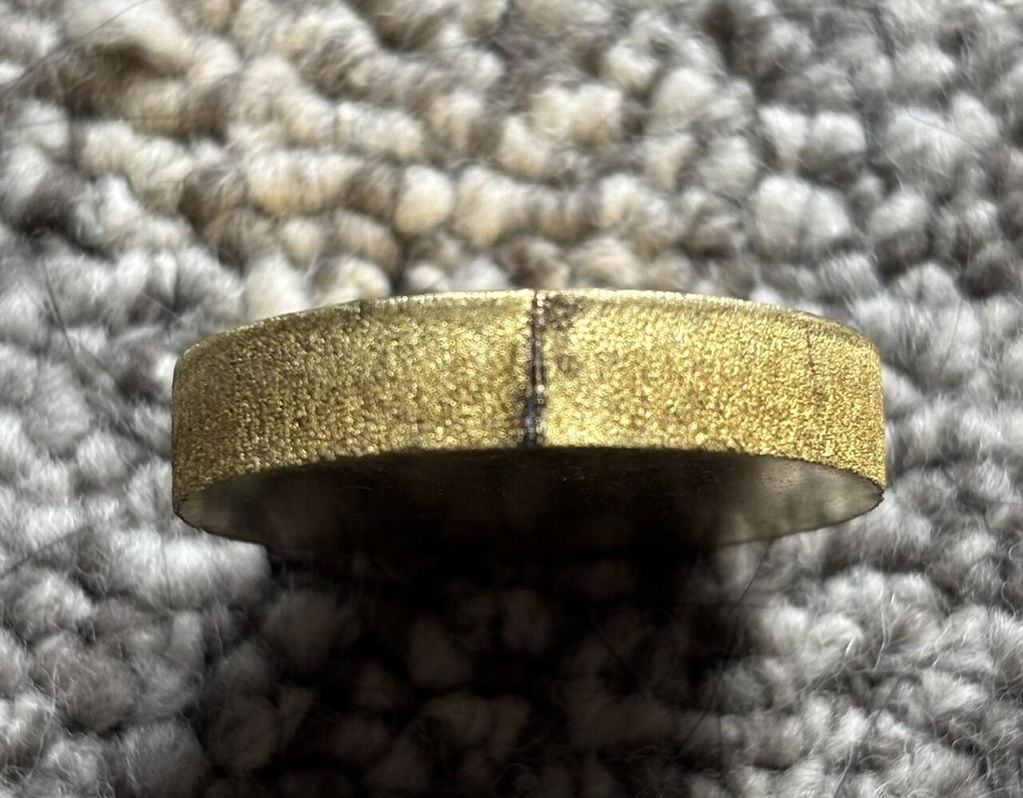
The chain is fine...but I ordered the wrong size. Nine links of the chain I ordered equals six of the size I wanted. My error...
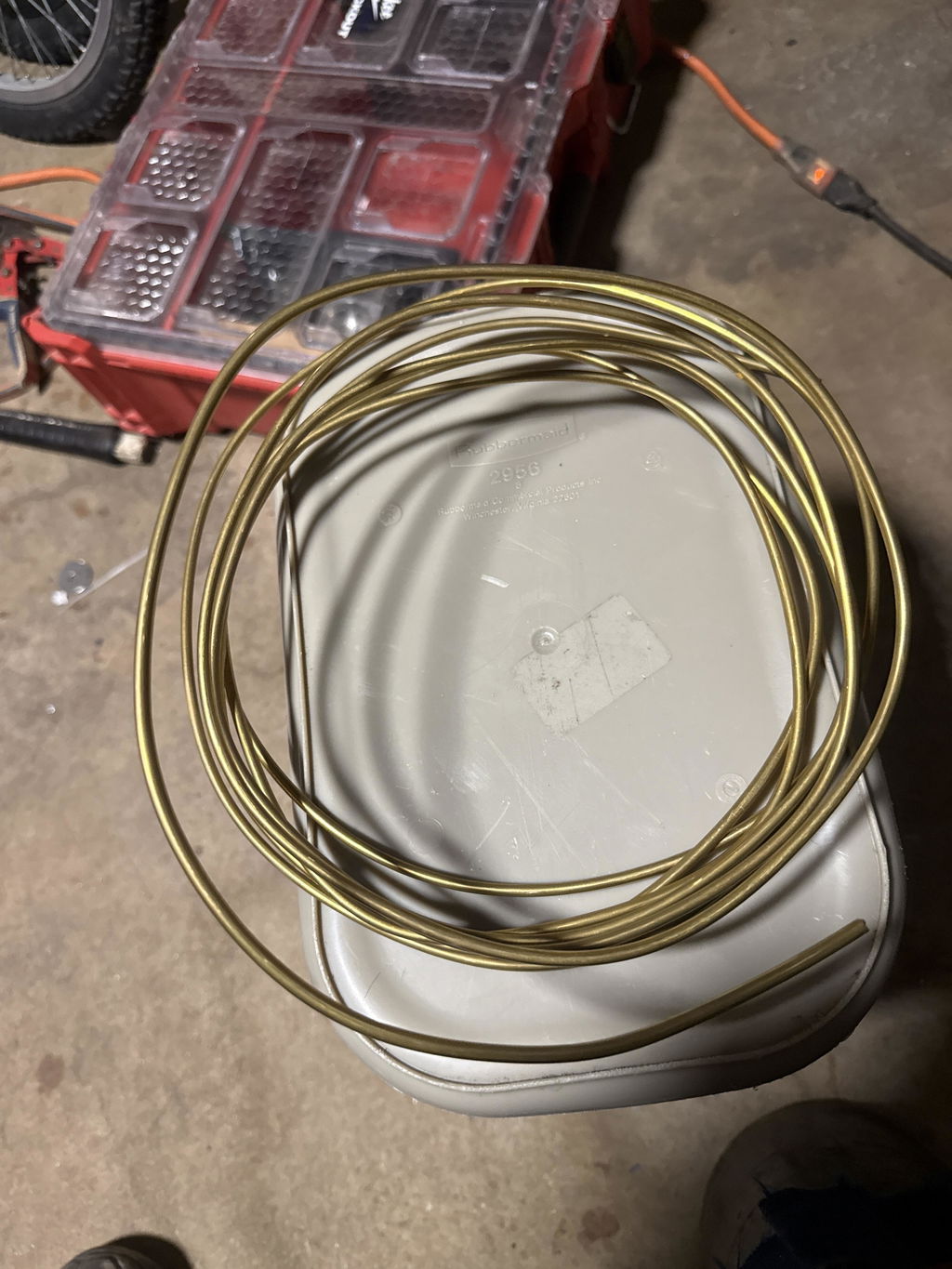
How can I straighten out the springs? I can't use them coil uo as is.
Your payment information is processed securely. We do not store credit card details nor have access to your credit card information.
Get fitment advice & recommendations
When a leaking joint or a missing connector brings your irrigation build, aquarium setup, or home plumbing project to a halt, you need fittings that go together cleanly and hold under pressure. These PVC solvent-weld pipe fittings are designed for makers, hobbyists, and tradespeople who need reliable, chemical-resistant connections without the complexity of threaded systems.
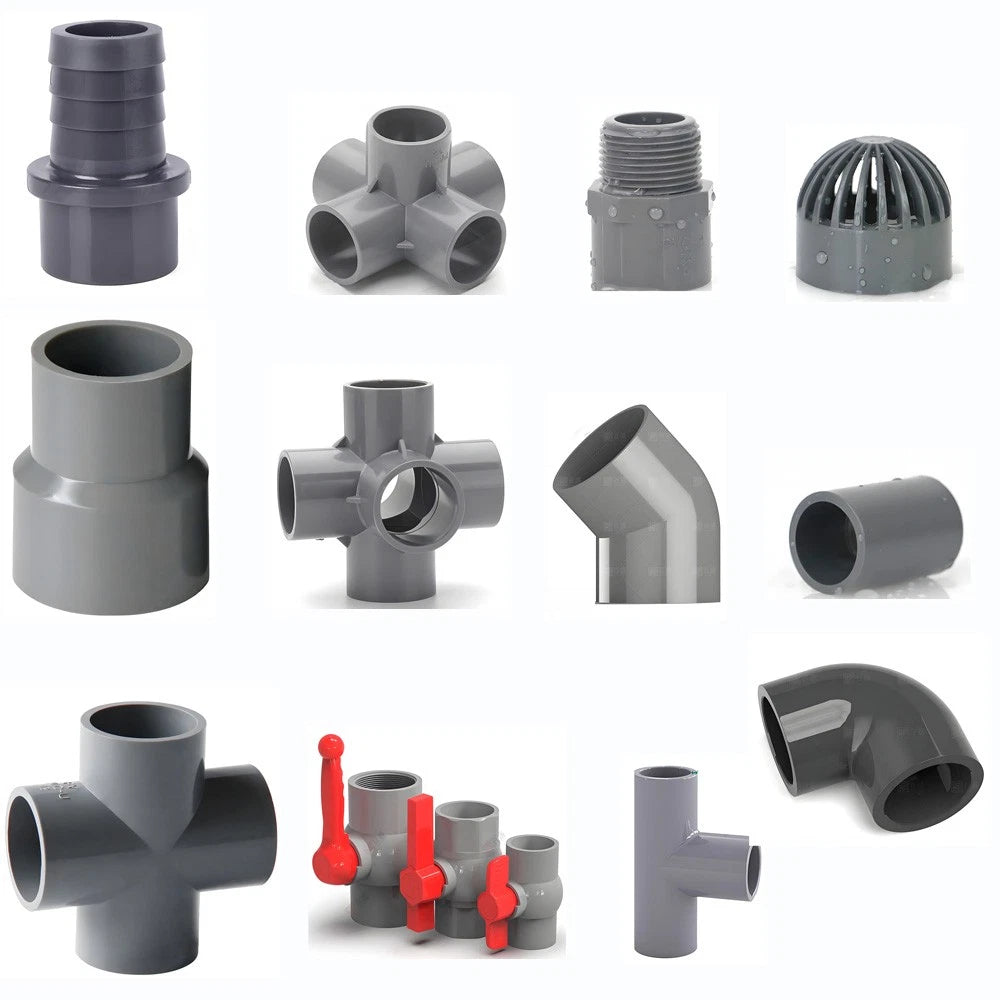
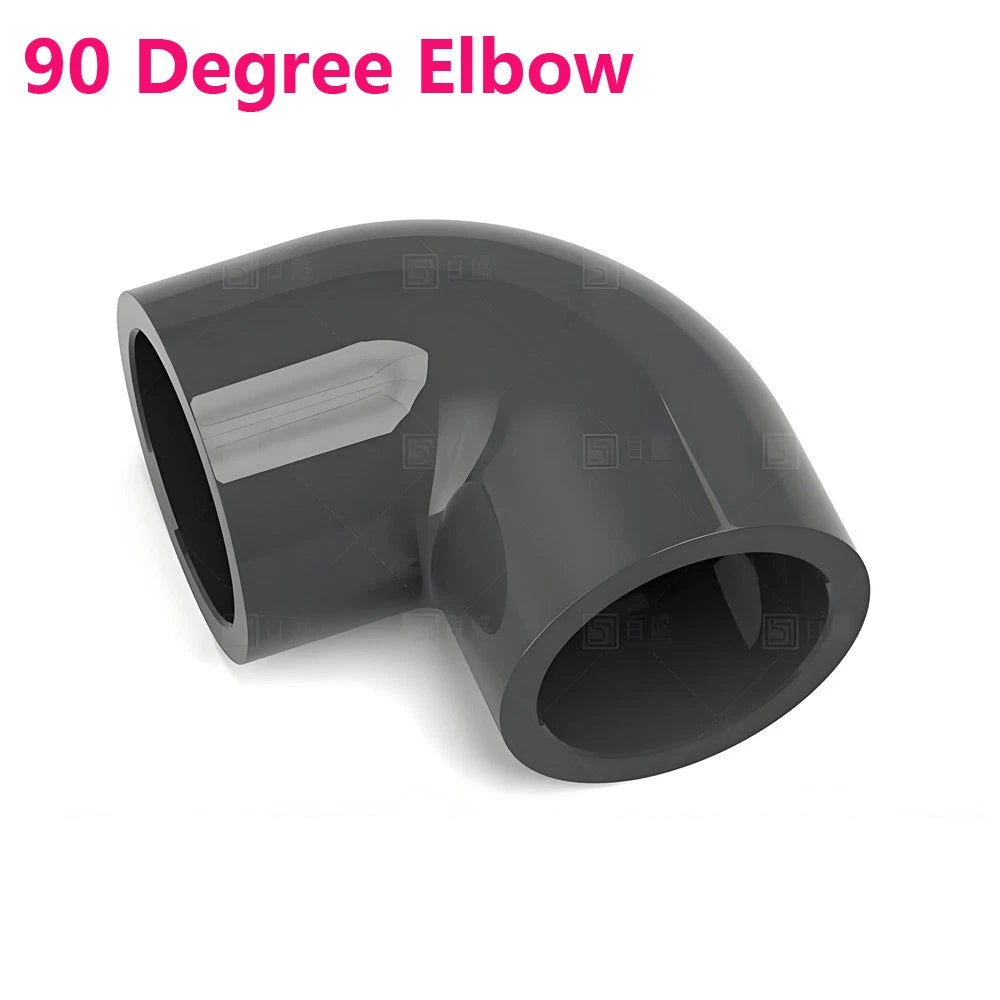
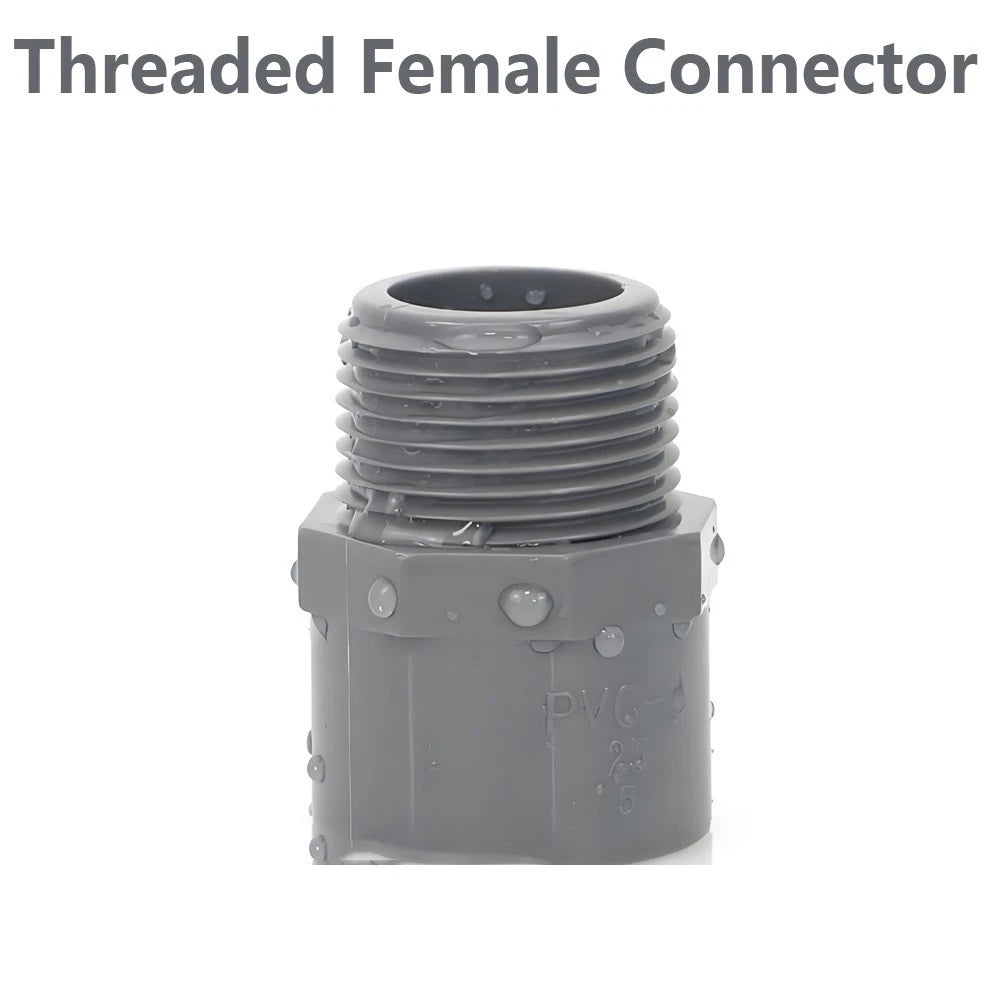
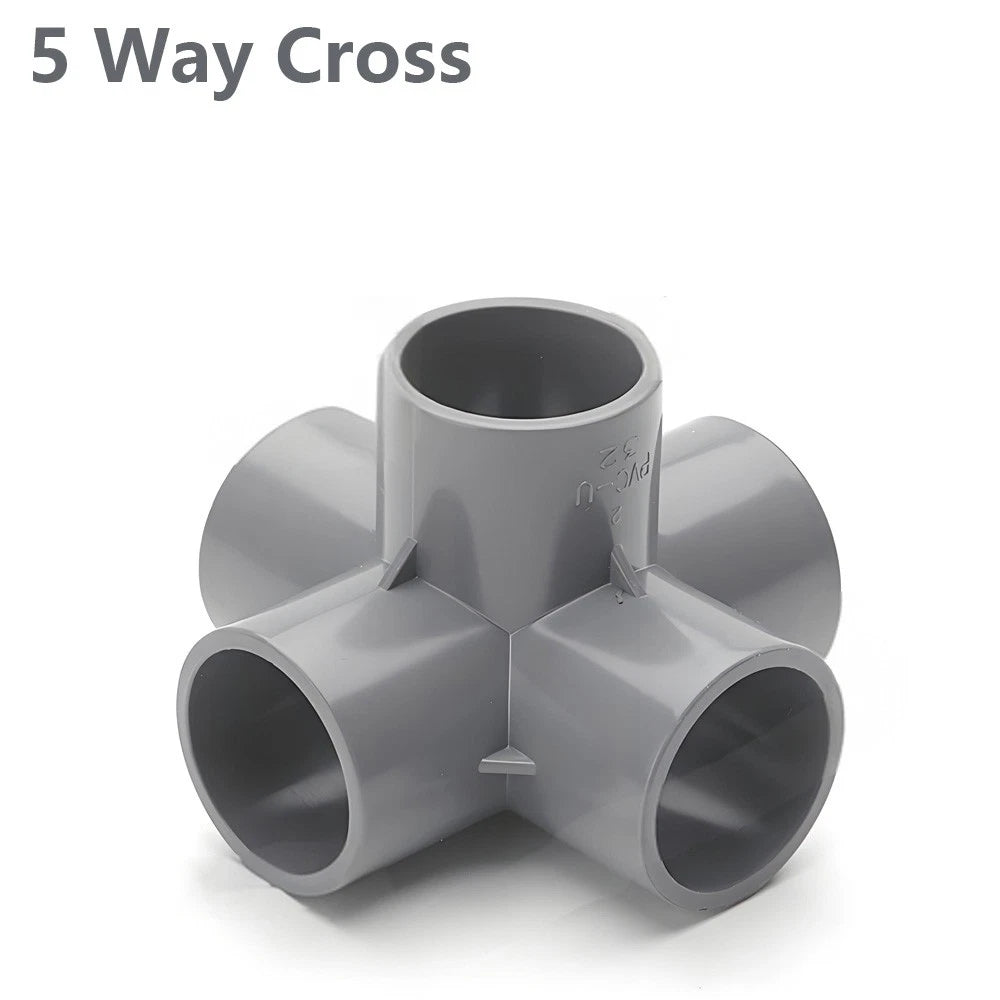
Each fitting is manufactured from rigid PVC (polyvinyl chloride), offering a smooth bore interior and uniform wall thickness. Sizes span 20 mm (approx. ¾ in) through 200 mm (approx. 7⅞ in), with connection types including straight couplings, reducers, 90° and 45° elbows, tees, 4-way and 5-way and 6-way crosses, threaded adapters, hosetail spigots, aquarium filter caps, and ball valves — all using a push-and-glue solvent-cement joint.
Typical use cases include garden drip-irrigation manifolds requiring PVC solvent-weld tee fittings, aquarium sump plumbing using PVC elbow fittings and filter caps, and residential grey-water or rainwater-harvesting systems using PVC reducer fittings and ball valves for flow control.
Choose from straight couplings, reducers, 90°/45° elbows, tees, 4/5/6-way crosses, threaded adapters, hosetail spigots, aquarium filter caps, and ball valves — all in a single, easy-to-navigate product.
From compact 20 mm (¾ in) lines to large-bore 200 mm (7⅞ in) mains, this range covers the majority of residential and light-commercial metric PVC pipe diameters.
PVC resists corrosion, scale build-up, and a broad range of chemicals, making these fittings suitable for water, mild acids, and aquarium-safe applications without rusting or degrading.
The push-and-glue solvent-weld method creates a permanent, leak-free bond that is stronger than the pipe wall itself — no clamps, no threads, no special tools required beyond PVC cement.
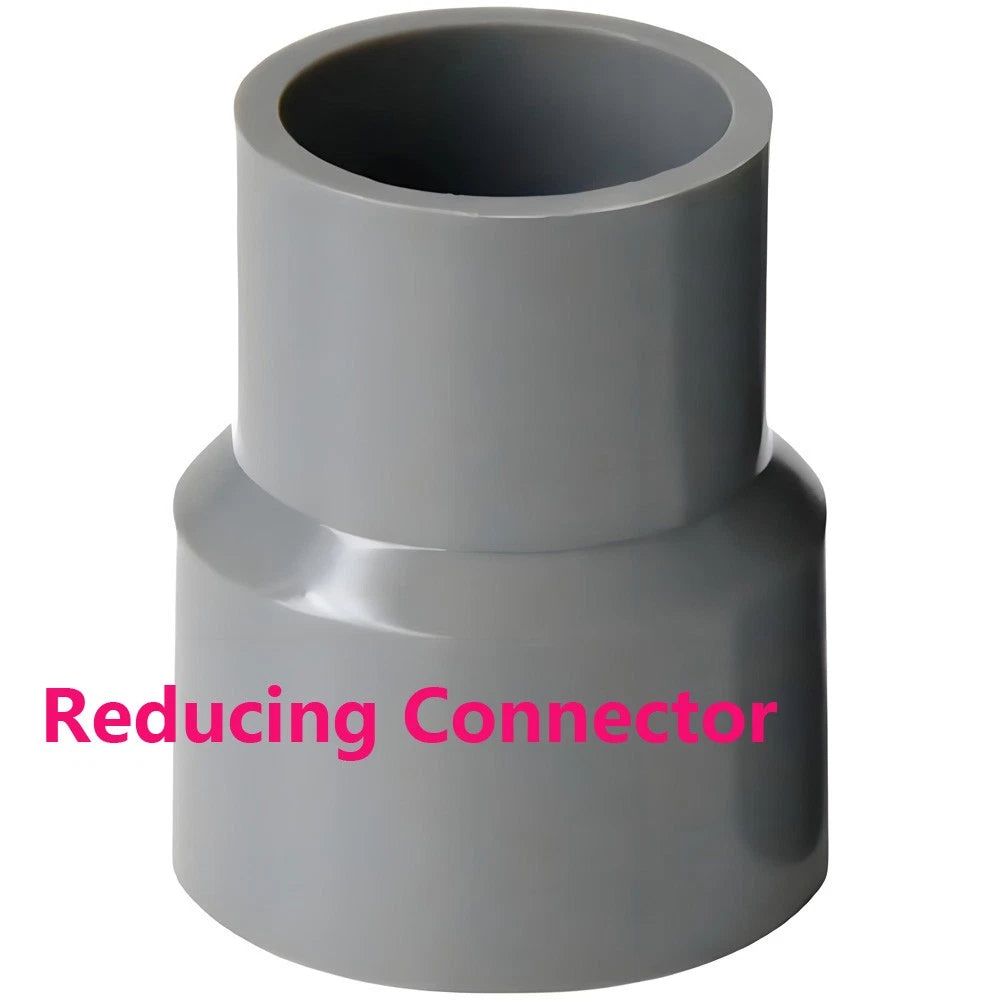
Reducer fittings step down from larger to smaller pipe diameters (e.g., 63 mm to 32 mm), while threaded adapters bridge metric PVC to BSP-threaded fittings or hose barbs for flexible system design.
Aquarium filter caps and hosetail spigots are included for sump and canister filter builds; ball valves allow precise flow shutoff for irrigation zones or maintenance isolation.
| Material | Rigid PVC (Polyvinyl Chloride) |
|---|---|
| Connection Method | Solvent-cement weld (push-fit glue joint) |
| Available Fitting Types | Straight coupling, reducer, 90° elbow, 45° elbow, tee, 4-way cross, 5-way cross, 6-way cross, threaded adapter, hosetail spigot, aquarium filter cap, ball valve |
| Size Range | 20 mm – 200 mm (approx. ¾ in – 7⅞ in) |
| Reducer Size Combinations | See variant options |
| Threaded Adapter Thread Standard | BSP (British Standard Pipe) |
| Hosetail Barb Sizes | 8 mm, 10 mm, 12 mm, 14 mm, 16 mm, 18 mm, 20 mm (on 20–25 mm body) |
| Wall Thickness | See variant options |
| Pressure Rating | See variant options |
| Color | Grey |
| Suitable Fluids | Cold water, irrigation water, aquarium water, mild chemical solutions |
| Compatibility | Standard metric PVC pressure pipe (PN10 / PN16) |
Measure the outer diameter (OD) of your existing pipe. Standard metric PVC pipe is sold by nominal size, which corresponds to the socket size of these fittings. For example, a 20 mm fitting accepts 20 mm OD pipe. If you are stepping between two pipe sizes, select a reducer fitting and choose the variant that lists your larger pipe size first (e.g., "32 mm to 20 mm").
Rigid PVC solvent-weld fittings are widely used in pressurised cold-water systems. When correctly bonded with PVC solvent cement, the joint typically exceeds the burst strength of the pipe itself. For specific pressure ratings, refer to the pipe manufacturer's data sheet and match the fitting size to your pipe's pressure class (PN10 or PN16).
PVC is inherently corrosion-resistant and does not rust, scale, or react with most household chemicals, fertilisers, or aquarium-safe treatments. It is not recommended for hot water above approximately 60 °C (140 °F) or for concentrated solvents and strong oxidising acids.
Yes — select the "Gewindeverbinder" (threaded adapter) variant. These fittings have a solvent-weld socket on one end and a BSP-threaded connection on the other, allowing you to transition between metric PVC pipe and BSP-threaded metal or plastic fittings. Match the metric size to your PVC pipe and the BSP size to your threaded component.
Use a PVC solvent cement (also called PVC glue or CPVC cement) rated for rigid PVC pipe. Apply a thin, even coat to both the pipe end and the fitting socket, push together with a slight twist, and hold for 30 seconds. Allow the joint to cure for at least 15 minutes before handling and 24 hours before pressurising.
Rigid PVC is widely regarded as aquarium-safe once fully cured. Allow solvent-cemented joints to cure for a minimum of 24–48 hours and rinse thoroughly with clean water before introducing to an aquarium environment. The aquarium filter cap variants are sized by inner diameter (ID 20 mm, 25 mm, 32 mm, 40 mm, 50 mm) to fit standard canister filter inlet/outlet tubing.
The "Einfaches Kugelventil" (simple ball valve) fittings have solvent-weld sockets on both ends and a quarter-turn lever handle. A 90° turn fully opens or closes the flow, making them ideal for isolating individual irrigation zones, draining sections of pipe for maintenance, or controlling flow in aquarium sump systems. Sizes range from 20 mm to 160 mm.