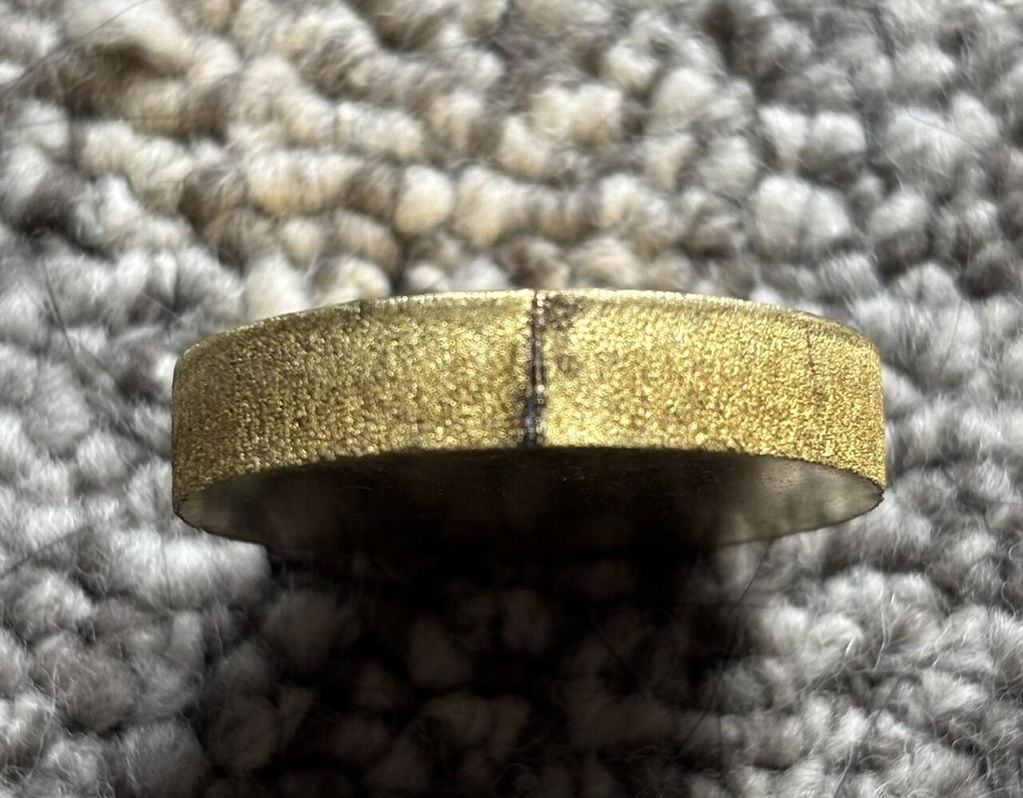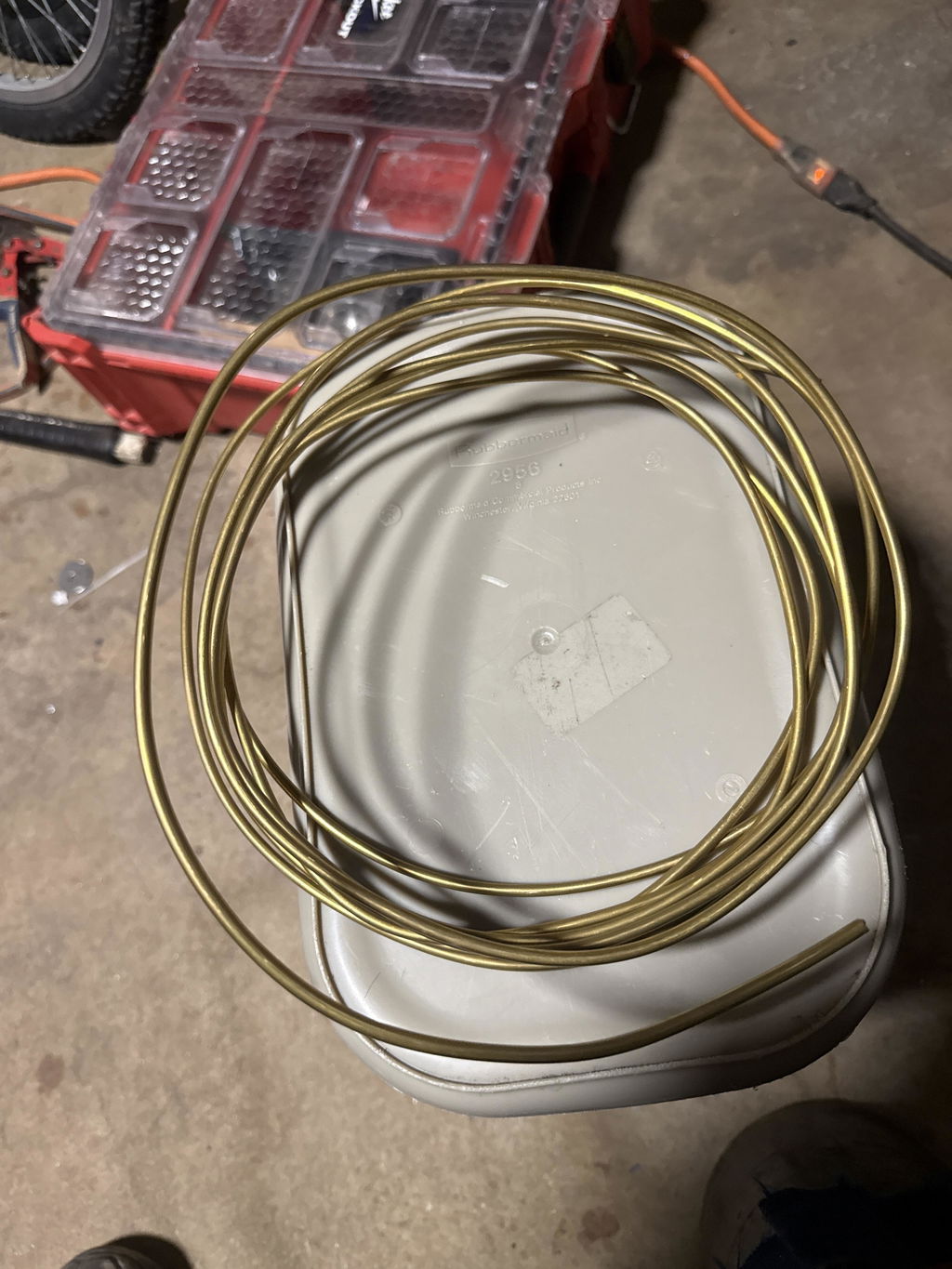
The chain is fine...but I ordered the wrong size. Nine links of the chain I ordered equals six of the size I wanted. My error...
How can I straighten out the springs? I can't use them coil uo as is.
Your payment information is processed securely. We do not store credit card details nor have access to your credit card information.
Get fitment advice & recommendations
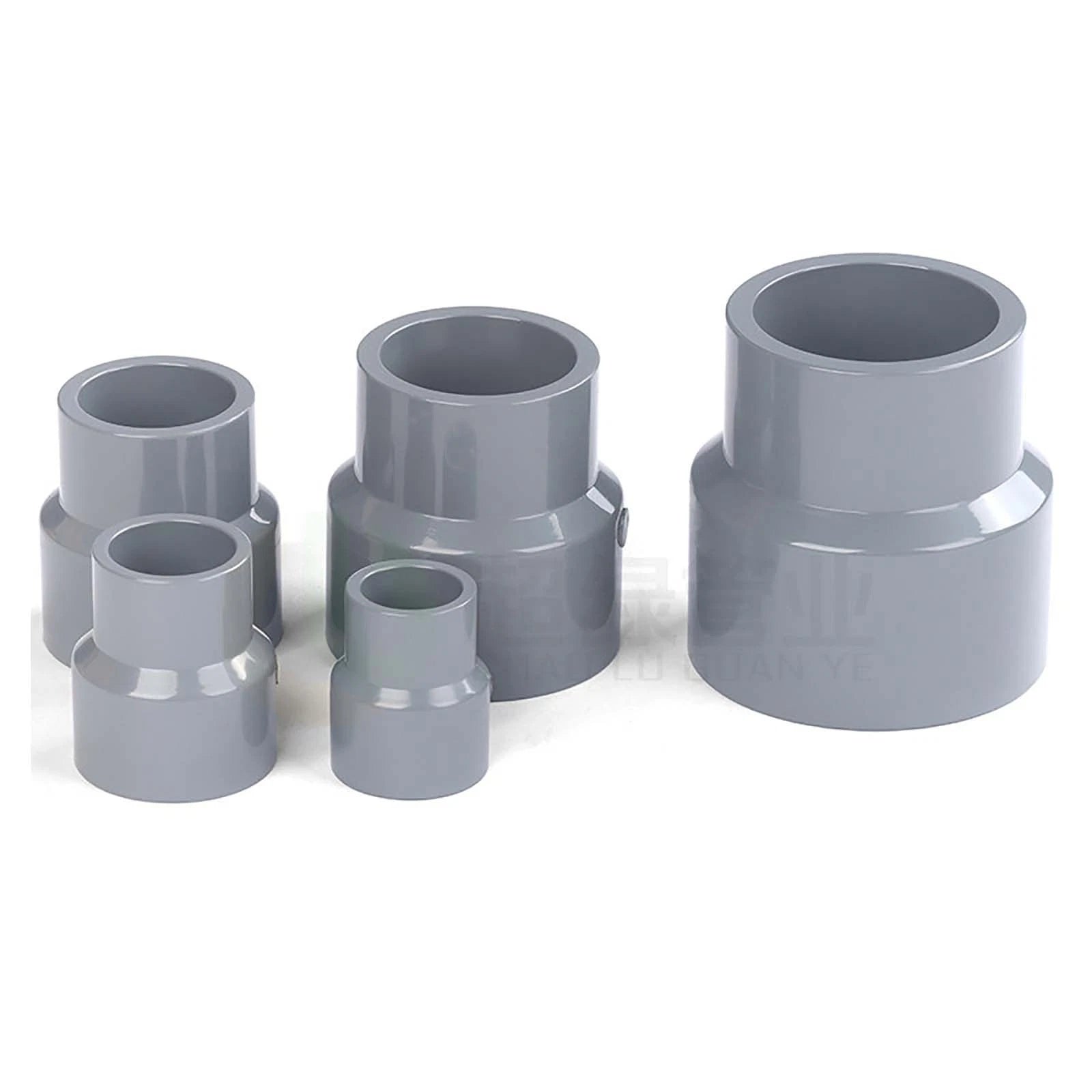
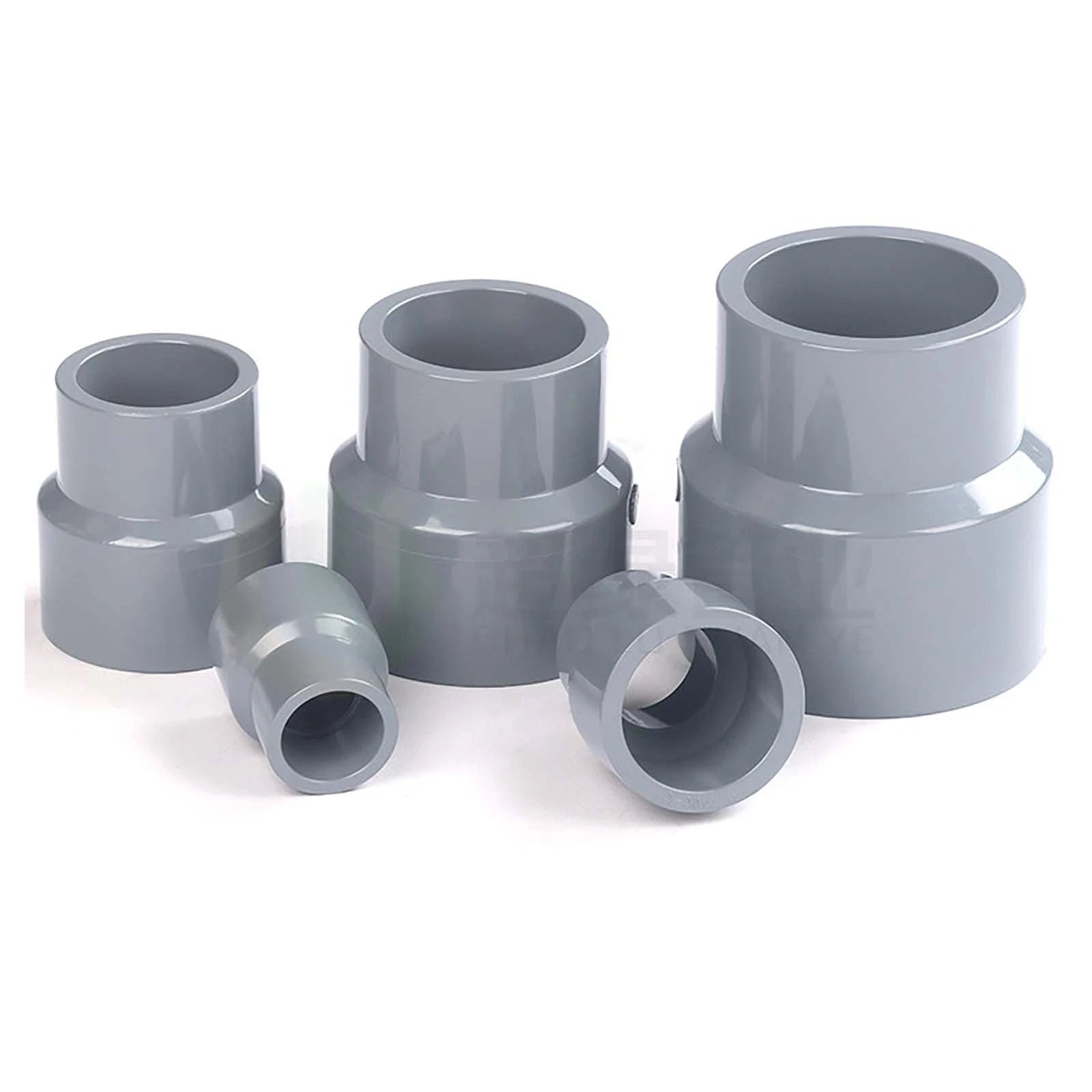
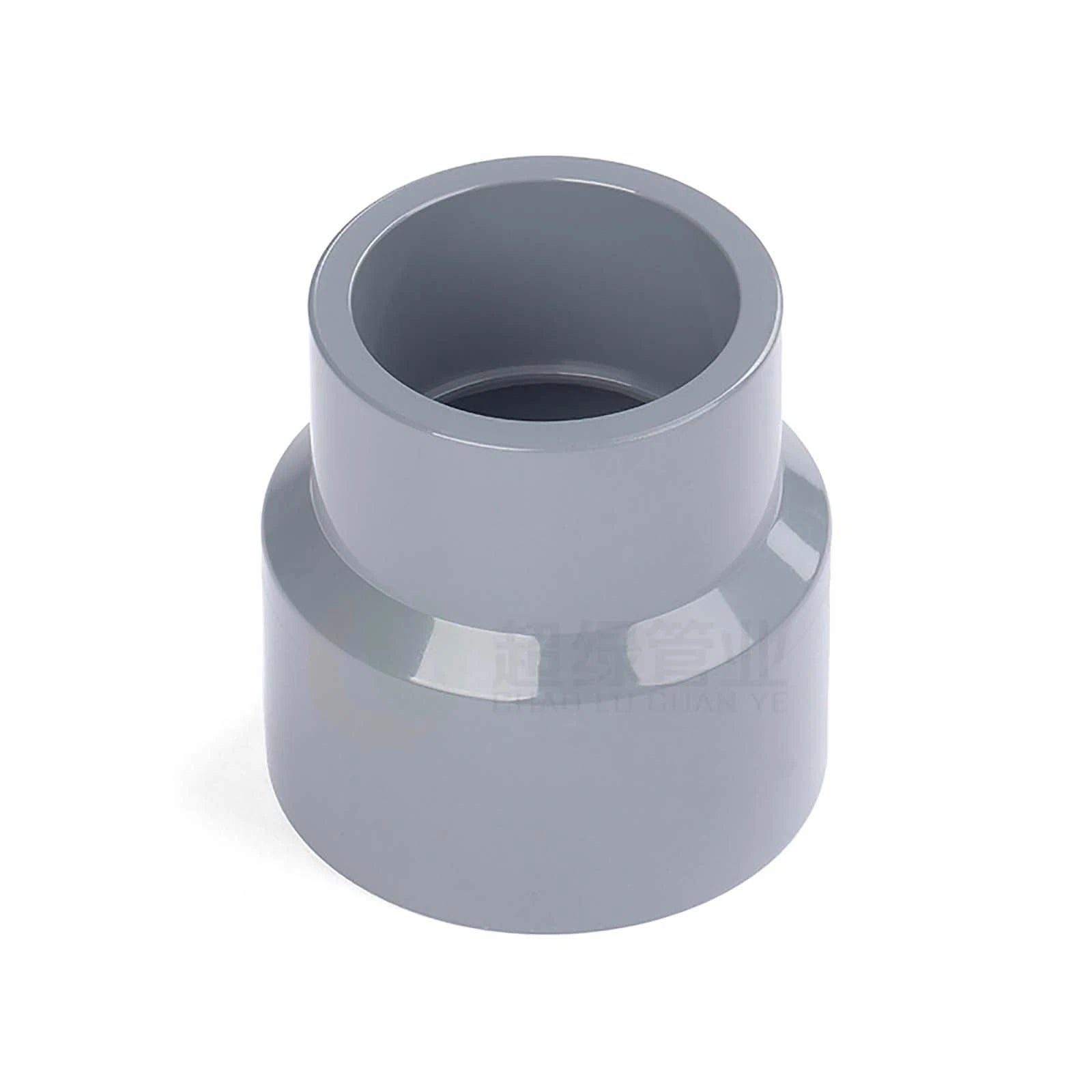
When your plumbing or irrigation project calls for a clean, leak-free transition between two different pipe diameters, a mismatched fitting can mean hours of rework. DIY builders, plumbers, and irrigation installers who need a dependable, long-lasting reducer socket will find these grey PVC tapered fittings a straightforward solution for any pipe-size change.
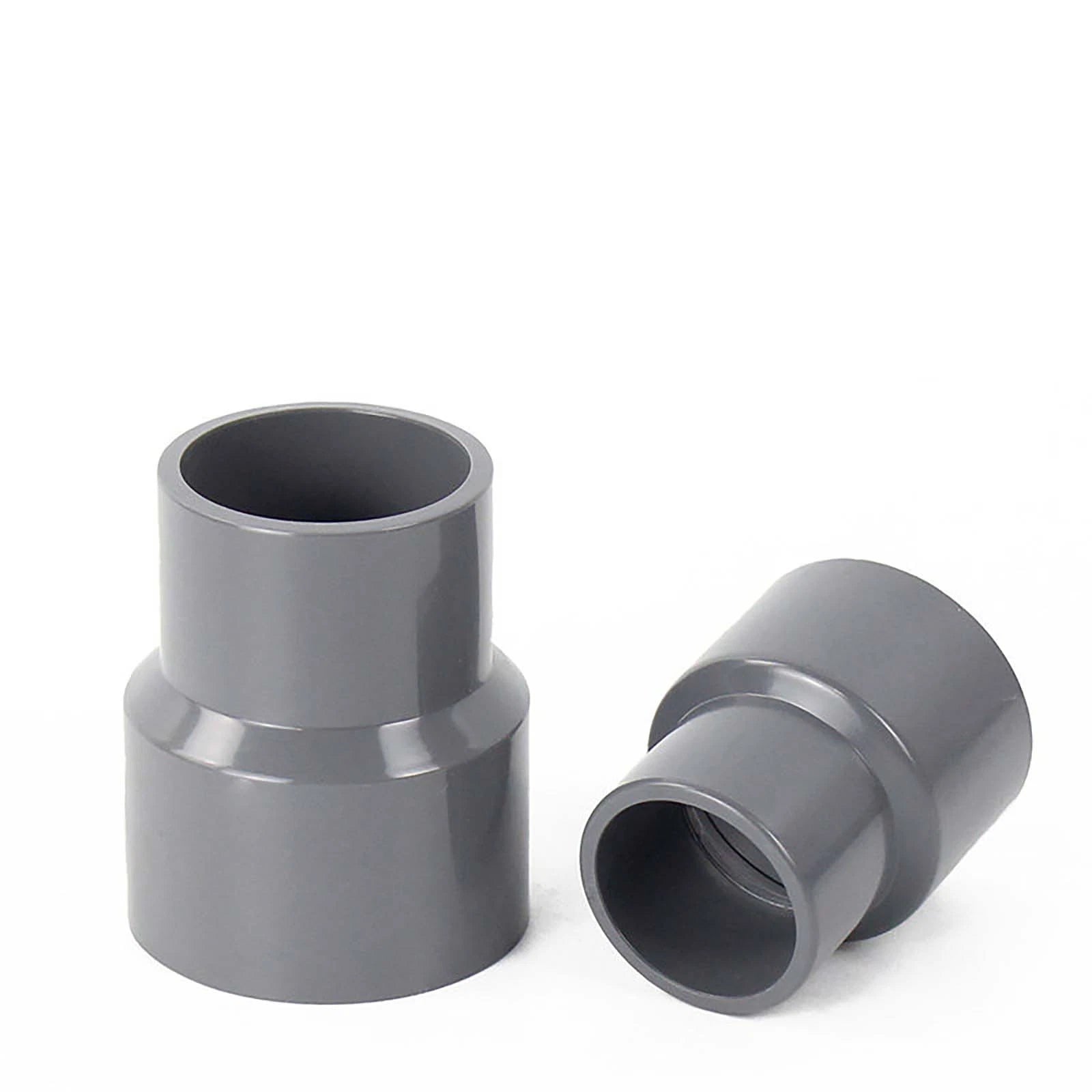
Each PVC reducer socket is moulded from rigid grey PVC (polyvinyl chloride) with a long, tapered cone profile that ensures a deep, secure solvent-weld bond. Inner diameter combinations range from 25 × 20 mm (~1" × ¾") up to 200 × 160 mm (~8" × 6¼"), covering the most common metric pipe sizes used in residential and light commercial systems. Wall thickness is proportional to pipe diameter, typically 2–5 mm depending on the size selected.
Typical use cases include cold-water supply line step-downs in home plumbing, reducing headers in drip-irrigation manifolds for garden and greenhouse setups, and diameter transitions in grey-water drainage or rainwater harvesting systems — all scenarios where a solvent-weld PVC reducer socket fitting delivers a permanent, maintenance-free joint.
| Material | Rigid PVC (Polyvinyl Chloride) |
|---|---|
| Colour / Finish | Grey |
| Connection Type | Solvent Weld (Klebefitting) |
| Profile | Long tapered cone (konisch lang) |
| Inner Diameter Range | 25 × 20 mm to 200 × 160 mm (see variant options) |
| Wall Thickness | See variant options (typically 2–5 mm) |
| Operating Temperature | 0 °C to +60 °C (cold water / drainage use) |
| Pressure Rating | See variant options (PN10 typical for larger sizes) |
| Standard | DIN 8061 / DIN 8062 compatible |
| Pack Quantity | 1 / 2 / 3 / 5 / 10 pieces (select above) |
Measure the outer diameter (OD) of both pipes you need to join. The inner diameter (ID) of the fitting socket should match the OD of the corresponding pipe. For example, a 50 × 32 mm reducer socket accepts a 50 mm OD pipe on the larger end and a 32 mm OD pipe on the smaller end. Check your pipe markings or use a calliper for an accurate measurement before ordering.
A correctly made solvent-weld joint chemically fuses the pipe and fitting into a single piece, typically achieving tensile strength comparable to the pipe wall itself. When properly cured (allow at least 24 hours before pressurising), the joint is permanent and will not loosen over time — unlike push-fit or threaded connections.
Yes. Rigid PVC does not rust, corrode, or scale like metal fittings. It is also resistant to most household acids, alkalis, and fertiliser solutions, making it well-suited for irrigation, drainage, and cold-water supply applications. Avoid prolonged exposure to strong solvents or UV light without protective coating.
No. These grey PVC reducer sockets are rated for cold-water and drainage use (up to approximately 60 °C). They are not suitable for hot-water supply lines, steam, or compressed-air systems. For those applications, please look for CPVC or ABS fittings rated for higher temperatures and pressures.
These fittings are designed for standard metric PVC pressure pipe conforming to DIN 8061 and DIN 8062, which is widely used across Europe and many other regions. They are compatible with PN10 and PN16 rated pipe in the corresponding diameter. If you are working with imperial or ASTM-standard pipe, please verify the outer diameter matches before ordering.
No special power tools are required. You will need a pipe cutter or fine-tooth saw to cut the pipe square, fine-grit sandpaper or a deburring tool to clean the cut end, PVC primer (recommended), and PVC solvent cement. Apply primer to both surfaces, brush on solvent cement, push the pipe firmly into the socket with a slight twist, and hold for 30 seconds. Allow the joint to cure fully before use.
Ordering in packs of 2, 3, 5, or 10 reduces the per-unit cost and ensures you have spares on hand for future repairs or extensions. For larger irrigation or drainage projects, having extra fittings avoids project delays caused by waiting for a single replacement piece.