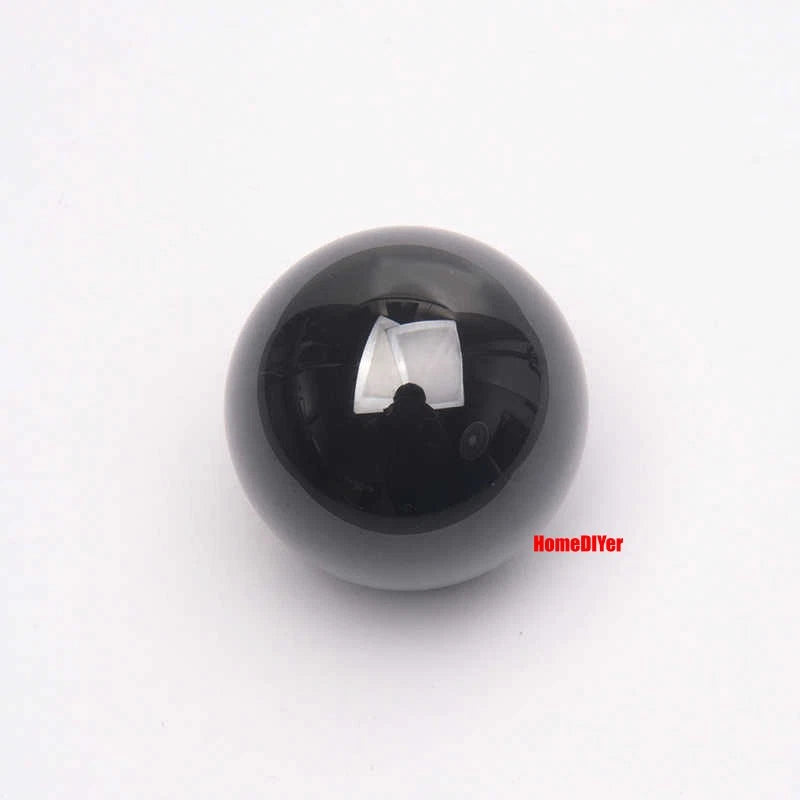
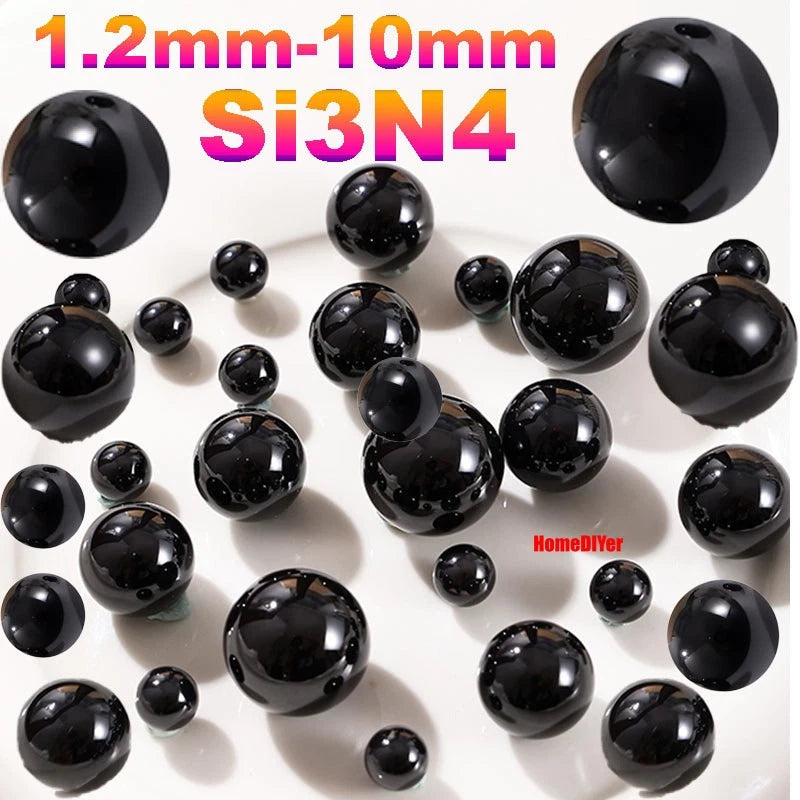
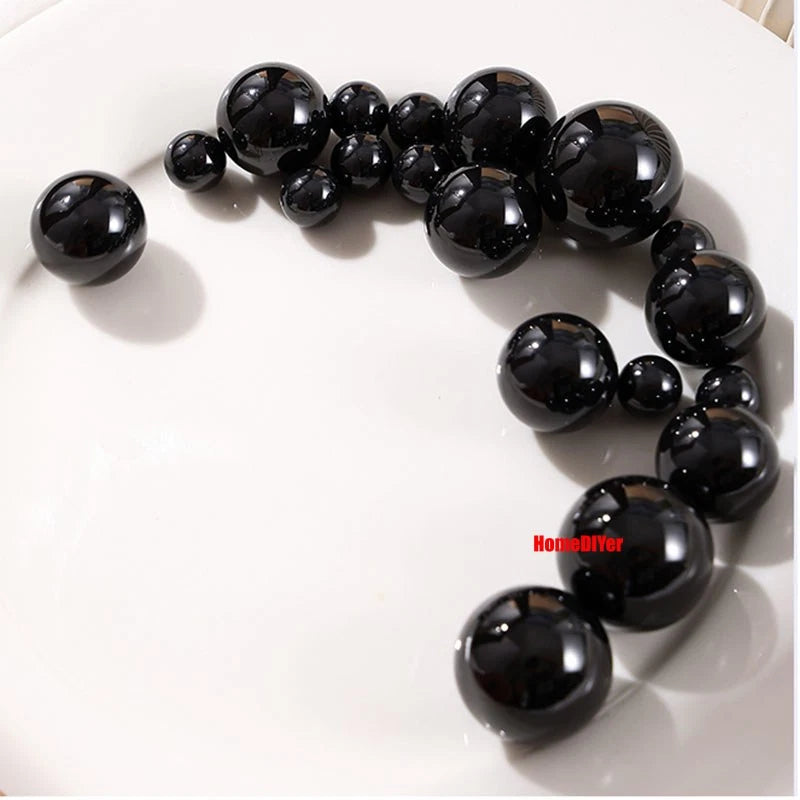
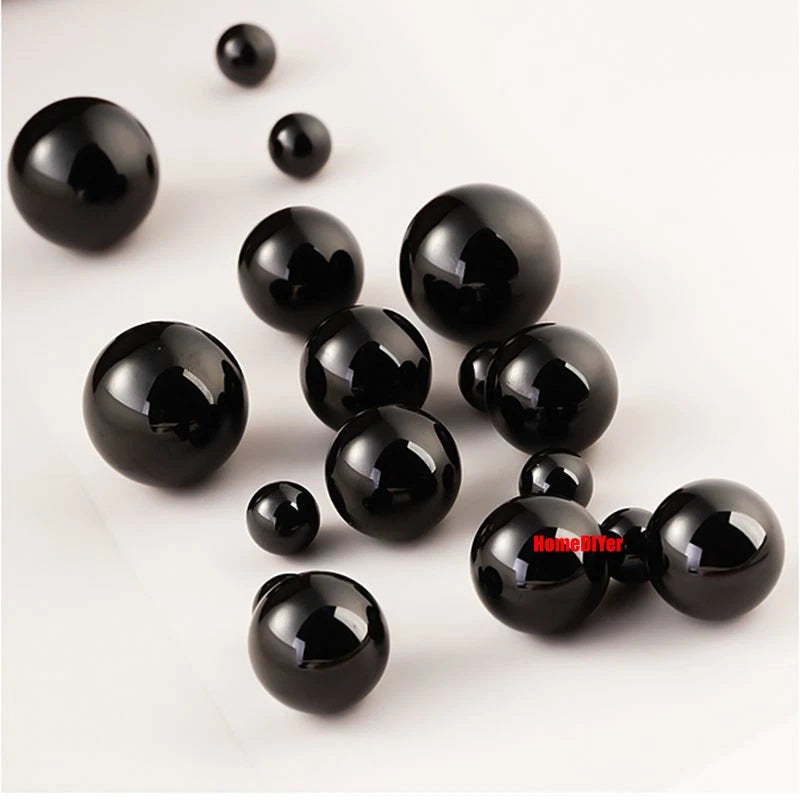
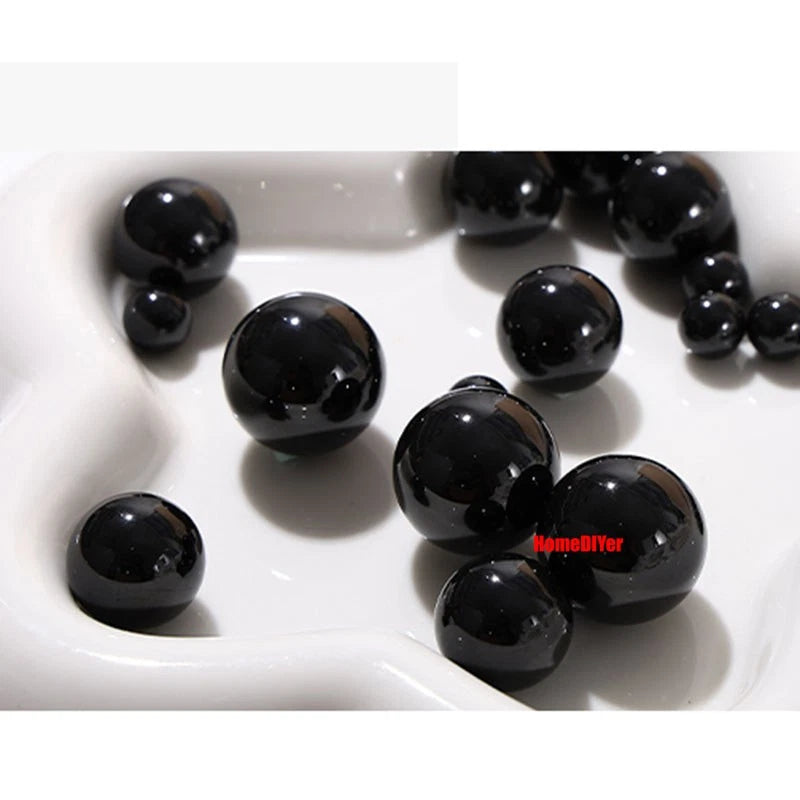
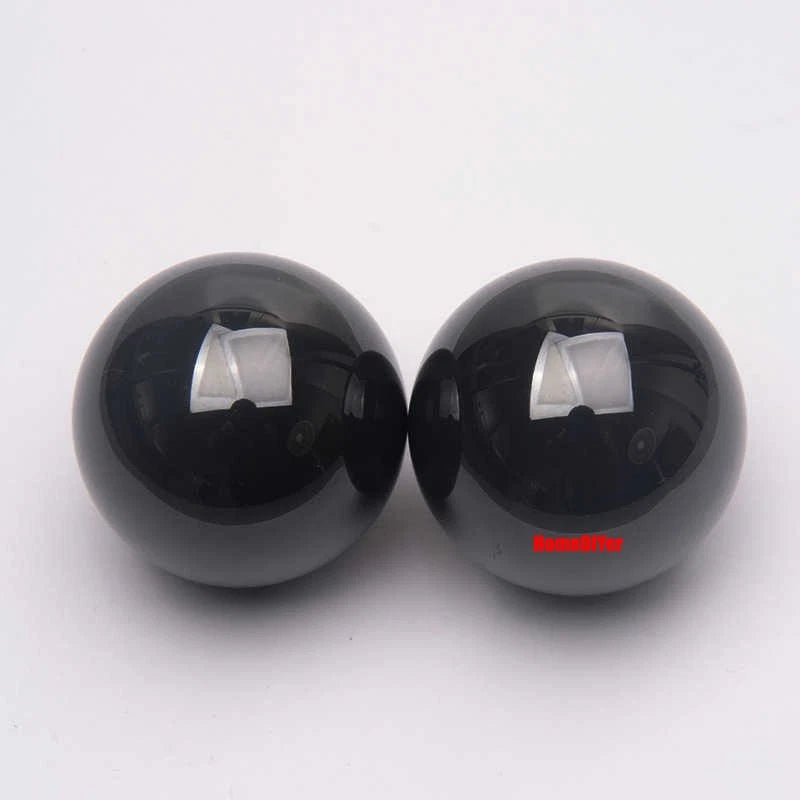
Si3N4 Ball Bearings Silicon Nitride Ceramic Balls Grade 5 Precision Dia 1.2-10mm

No reviews

Price:
Sale price$10.09 USD
Stock:
In stock (500 units), ready to be shipped

Payment & Security

Ach Direct Debit Amazon American Express Apple Pay Bancontact BLIK Diners Club Discover EPS Google Pay iDEAL Wero JCB Maestro Mastercard Multibanco MobilePay PayPal Przelewy24 Shop Pay Twint Union Pay USDC Visa

Your payment information is processed securely. We do not store credit card details nor have access to your credit card information.

Limited Offer — Spend More, Save More
Spend $55+
Save $5
Spend $100+
Save $10
Spend $200+
Save $25
HomeDIYer DIY Expert Support

DIY Expert Support

Get fitment advice & recommendations

Mon–Fri  8:30 AM – 8:00 PM
24-Hour Fast Ship
Arrives in 3–14 Days
Worldwide Shipping
30-Day Returns
1 tree planted with every purchase

Description

Si3N4 Silicon Nitride Ceramic Balls — Grade 5 Precision for Demanding Bearing Applications

Engineers and maintenance professionals who rely on rolling element bearings in corrosive, high-speed, or electrically sensitive environments know the frustration of steel balls that corrode, conduct electricity, or require constant lubrication. Si3N4 silicon nitride ceramic balls deliver a measurable performance advantage in exactly these conditions, making them a go-to upgrade for precision spindles, medical devices, and semiconductor equipment.

These Grade 5 silicon nitride (Si3N4) ceramic balls are manufactured to ABEC/ISO Grade 5 tolerances, with diameters spanning 1.2 mm to 10 mm (approximately 0.047 in to 0.394 in). Each ball is finished to a sphericity and surface roughness consistent with Grade 5 classification, ensuring drop-in compatibility with standard bearing races across the full size range.

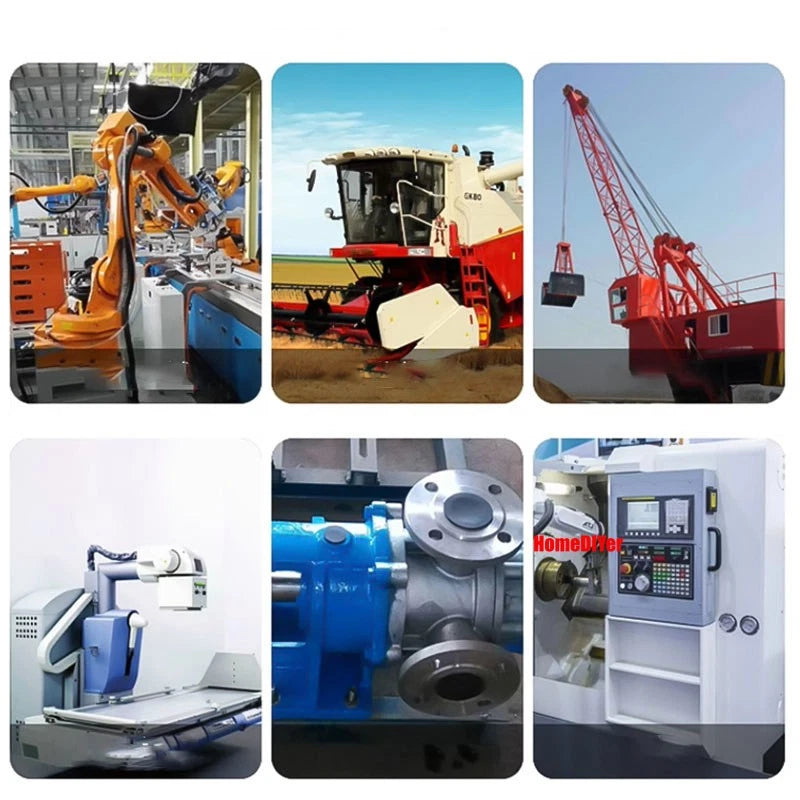
Typical use cases include high-speed spindle bearings in CNC machining centers where reduced centrifugal force extends race life, hybrid ceramic bearings in electric motors and generators where electrical insulation prevents current-induced pitting, and corrosion-resistant bearing assemblies in food processing, chemical handling, and marine environments where steel balls would degrade rapidly.

⚙️ Compatibility: Designed as drop-in replacements for steel balls in standard bearing races. Verify bore diameter and ball complement count before ordering. Suitable for hybrid ceramic bearing assemblies and full-ceramic bearing configurations.

✅ Key Features of These Si3N4 Silicon Nitride Ceramic Balls

  • Grade 5 Dimensional Accuracy — Sphericity and diameter tolerance held to Grade 5 (G5) standards, enabling direct substitution in precision bearing races without rework or shimming.
  • Silicon Nitride (Si3N4) Composition — Fully dense hot-pressed or sintered Si3N4 ceramic; density approximately 3.2 g/cm³ versus 7.8 g/cm³ for steel, reducing centrifugal load on outer races at high RPM.
  • Electrical Insulation — Volume resistivity typically exceeding 10¹² Ω·cm, preventing stray current passage through bearing assemblies in motors, generators, and inverter-driven equipment.
  • Corrosion and Chemical Resistance — Inert to most acids, alkalis, and salt solutions; suitable for wet, humid, or chemically aggressive environments where steel balls would pit or rust.
  • Low Thermal Expansion — Coefficient of thermal expansion approximately 3.2 × 10⁻⁶/°C, roughly one-third that of bearing steel, maintaining tighter clearances across temperature cycles.
  • Wide Diameter Selection — Available in 30 diameter steps from 1.2 mm to 10 mm, covering the most common miniature and small bearing ball sizes in a single product line.

📐 Technical Specifications — Si3N4 Ceramic Balls

Material Silicon Nitride (Si3N4) Ceramic
Grade Grade 5 (G5) Precision
Diameter Range 1.2 mm – 10 mm (0.047 in – 0.394 in)
Density Approximately 3.2 g/cm³
Hardness Typically HV 1400–1600 (Vickers)
Flexural Strength Typically 700–900 MPa
Fracture Toughness Typically 5–7 MPa·m½
Max Operating Temperature Typically up to 800 °C (1472 °F) in non-oxidizing conditions
Coefficient of Thermal Expansion Approximately 3.2 × 10⁻⁶/°C
Electrical Resistivity Typically > 10¹² Ω·cm (electrically insulating)
Surface Finish (Ra) See variant options
Quantity Options 5 / 10 / 15 / 20 / 25 / 30 / 40 / 50 / 80 / 100 PCS
Color Gray / Black (typical for Si3N4)
Application Hybrid ceramic bearings, full-ceramic bearings, precision spindles, medical devices, semiconductor equipment

❓ Frequently Asked Questions

How do I select the correct ball diameter for my bearing?

Measure the existing steel balls with a micrometer or refer to your bearing's part number datasheet. The ball diameter is listed in the bearing specification (e.g., a 608 bearing uses 3.175 mm balls). Match the diameter exactly — even a 0.1 mm deviation will affect preload and race contact geometry. If you are unsure, contact us with your bearing part number and we can confirm the correct size.

Are these balls strong enough to replace steel balls in load-bearing applications?

Si3N4 ceramic has a flexural strength of typically 700–900 MPa and hardness of HV 1400–1600, which exceeds most bearing steels in hardness. However, ceramic is more brittle than steel under impact or shock loads. These balls are well-suited for steady radial and axial loads in precision spindles, motors, and instruments. For heavy shock-load applications (e.g., hammer mechanisms), consult a bearing engineer before substituting ceramic for steel.

Do Si3N4 ceramic balls resist corrosion in wet or chemical environments?

Yes. Silicon nitride is chemically inert to most acids (except concentrated hydrofluoric acid), alkalis, salt solutions, and organic solvents. This makes Si3N4 balls an effective choice for food processing equipment, marine bearings, chemical pump bearings, and laboratory instruments where steel balls would corrode and contaminate the process fluid.

Are these balls compatible with standard steel bearing races?

Yes — this is the standard hybrid ceramic bearing configuration. Si3N4 balls run in standard steel inner and outer races. The combination reduces weight, lowers friction, and adds electrical insulation without requiring custom races. Full-ceramic configurations (ceramic balls in ceramic races) are also possible but require ceramic races sourced separately. Verify the ball complement count and cage design with your bearing supplier before ordering.

Why choose ceramic balls over steel for electric motors and inverter-driven equipment?

Variable-frequency drives (VFDs) and inverters generate high-frequency shaft voltages that discharge through bearing balls, causing electrical discharge machining (EDM) pitting on races — a leading cause of premature bearing failure in inverter-driven motors. Si3N4 ceramic balls have electrical resistivity typically exceeding 10¹² Ω·cm, effectively breaking the current path and eliminating EDM damage. This is one of the most cost-effective solutions for VFD-induced bearing failure.

How should I handle and store Si3N4 ceramic balls to avoid damage?

Ceramic balls are harder than steel but more sensitive to point impact and thermal shock. Store them in the original packaging away from hard metal tools. Handle with clean, dry gloves or tweezers to avoid contamination. Do not drop balls onto hard surfaces or subject them to sudden temperature changes. For installation, use a bearing press or arbor press rather than hammering. Clean races and cages before installation to prevent abrasive contamination.

What quantity should I order for a single bearing replacement?

The number of balls per bearing varies by bearing type and size. Common miniature bearings (e.g., 608, 6000, 6001 series) typically use 7–9 balls. Larger bearings may use 10–15 balls. Check your bearing's specification sheet or count the existing balls before ordering. We offer quantities from 5 PCS to 100 PCS so you can order exactly what you need, with extras for future maintenance.

🛒 Select your Diameter(mm) and Quantity(PCS) above, then add to cart.


You may also like

Recently viewed