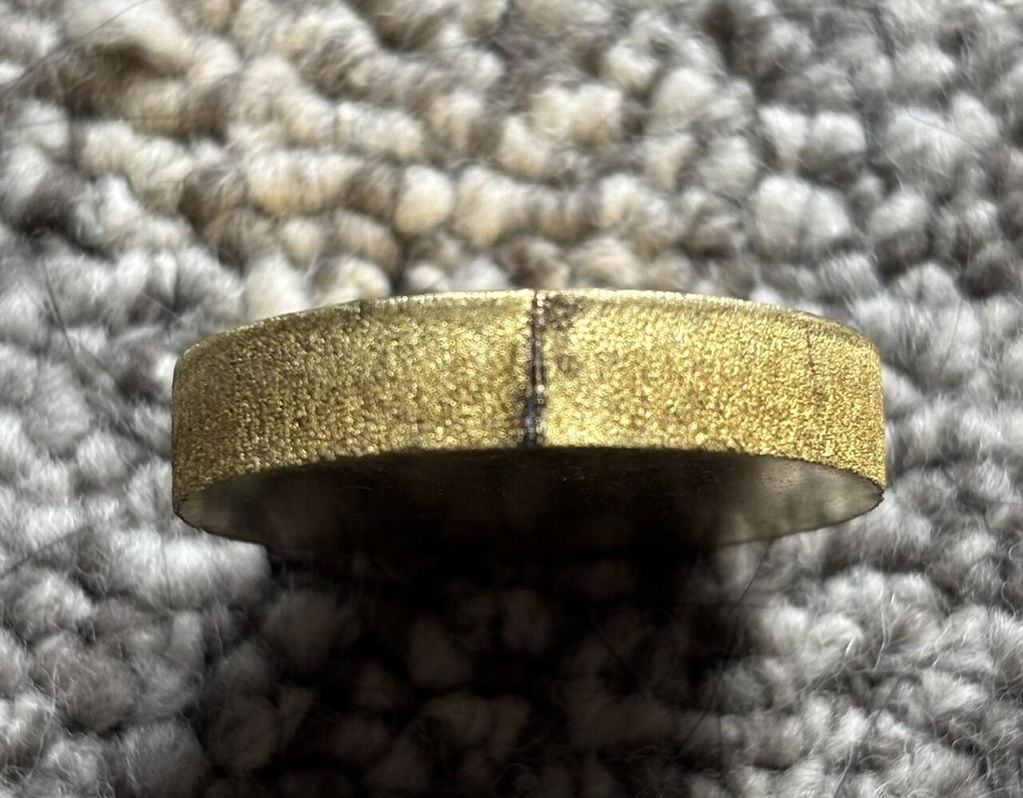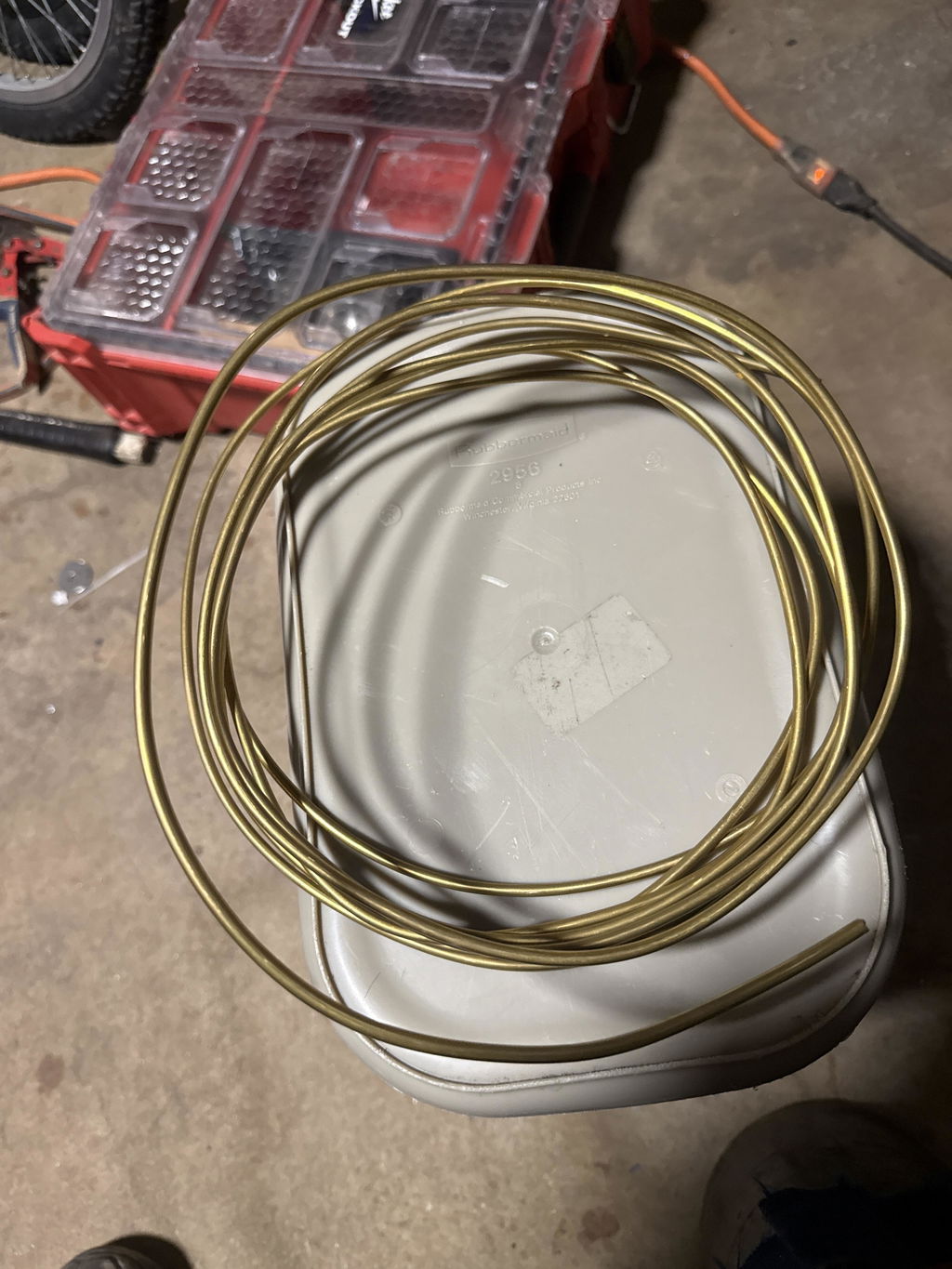
The chain is fine...but I ordered the wrong size. Nine links of the chain I ordered equals six of the size I wanted. My error...
How can I straighten out the springs? I can't use them coil uo as is.
Your payment information is processed securely. We do not store credit card details nor have access to your credit card information.
Get fitment advice & recommendations
When a seized bearing brings a conveyor, motor shaft, or pump to a halt, the cost is never just the part — it's the downtime. Engineers and maintenance technicians who specify SKF deep groove ball bearings 2Z do so because these bearings are built to stay in service longer, run quieter, and tolerate the radial and axial loads that cause generic alternatives to fail prematurely. Whether you're replacing a worn unit on a production line or sourcing for a new build, selecting the correct bearing number from the 6000-2Z or 6200-2Z series eliminates guesswork.
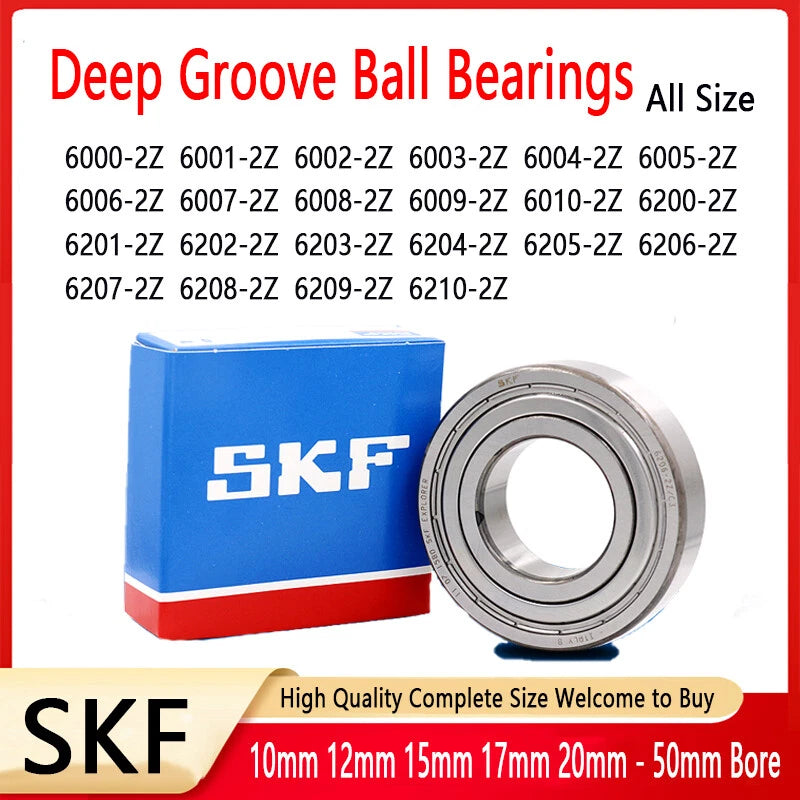
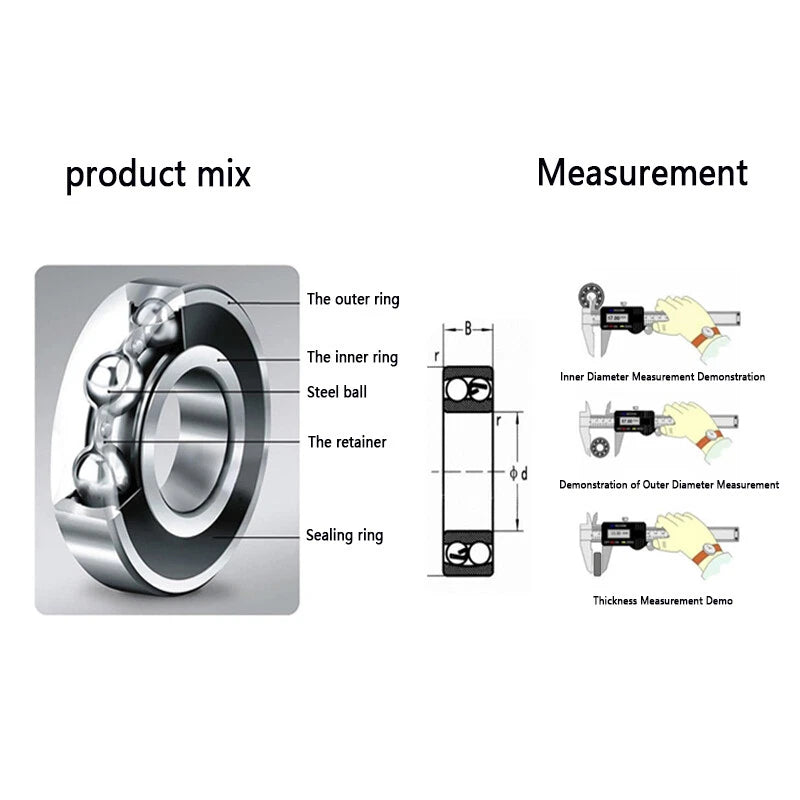
Each bearing in this listing is a single-row, radial deep groove ball bearing with two metal shields (2Z designation), manufactured to SKF tolerances. The 6000-2Z series covers bore diameters from 10 mm (0.39 in) to 50 mm (1.97 in) with outer diameters from 26 mm (1.02 in) to 80 mm (3.15 in) and widths from 8 mm (0.31 in) to 16 mm (0.63 in). The 6200-2Z series covers bore diameters from 10 mm (0.39 in) to 50 mm (1.97 in) with outer diameters from 30 mm (1.18 in) to 90 mm (3.54 in) and widths from 9 mm (0.35 in) to 20 mm (0.79 in). Both series use steel balls running in precision-ground raceways packed with grease and sealed by pressed-steel shields on both sides.
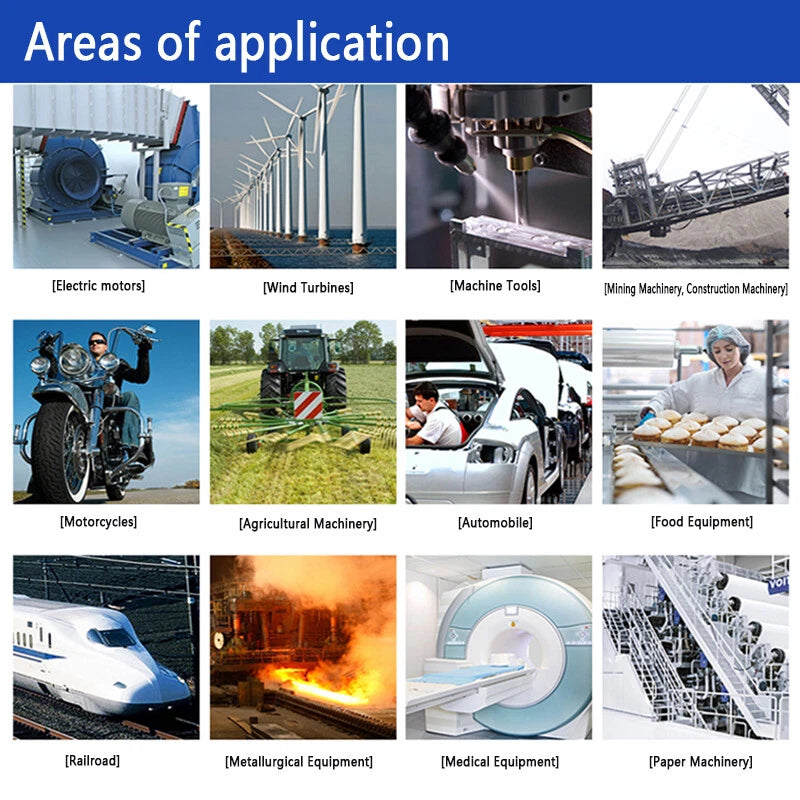
Typical applications include electric motor end shields, centrifugal pump impeller shafts, gearbox input and output shafts, HVAC fan assemblies, and light agricultural equipment drives — anywhere a compact, grease-lubricated radial bearing with moderate axial capacity is required. The 2Z shield configuration makes these bearings well-suited for environments with airborne particulates or light splash exposure where a sealed-for-life solution is preferred over an open bearing requiring periodic relubrication.
Pressed-steel shields on both sides retain factory grease fill and block ingress of dust and light contaminants, extending service intervals in industrial environments.
The deep-groove profile supports both radial loads and moderate bidirectional axial loads in a single compact unit, reducing the need for separate thrust elements in many designs.
Twenty-two bearing numbers covering bore diameters from 10 mm to 50 mm let you source the correct fit for small instrument motors through mid-size industrial shafts from a single listing.
Bore, outer diameter, and width conform to ISO 15 standards, ensuring drop-in interchangeability with housings and shafts designed to metric bearing fits.
Factory-filled with bearing grease rated for continuous operation across a broad temperature range, these units require no field relubrication under normal operating conditions.
Precision-ground raceways and consistent ball complement geometry support stable operation in motors, pumps, fans, and gearboxes running continuous or high-cycle duty profiles.
| Bearing Type | Single-row deep groove ball bearing |
|---|---|
| Shield Configuration | 2Z (metal shields, both sides) |
| Series Covered | 6000-2Z series (6000–6010), 6200-2Z series (6200–6210) |
| Bore Diameter (I.D.) | 10 mm – 50 mm (0.39 in – 1.97 in) |
| Outer Diameter (O.D.) | 26 mm – 90 mm (1.02 in – 3.54 in) |
| Width (Thickness) | 8 mm – 20 mm (0.31 in – 0.79 in) |
| Material — Rings & Balls | Bearing-grade steel |
| Shield Material | Pressed steel |
| Lubrication | Grease-filled, sealed for life |
| Load Direction | Radial (primary); axial (moderate, both directions) |
| Dimensional Standard | ISO 15 |
| Brand | SKF |
| Quantity per Order | See variant options |
The primary difference is the outer diameter for a given bore size. For example, a 6200-2Z bearing with a 10 mm bore has a 30 mm O.D., while the 6000-2Z with the same bore has a 26 mm O.D. Choose the 6200-2Z series when your housing requires a larger outer diameter or when you need a higher load rating in the same bore size. Choose the 6000-2Z series when space is constrained and a smaller envelope is required.
The 2Z suffix indicates that the bearing has pressed-steel shields on both sides of the bearing. These shields retain the factory grease fill and prevent coarse contaminants from entering the raceway. Unlike rubber seals (2RS designation), metal shields do not contact the inner ring, resulting in lower friction and slightly higher permissible speeds, but they do not provide the same level of contamination exclusion as contact seals.
Yes. The 2Z metal shield design produces lower friction than contact-seal variants, making these bearings appropriate for higher-speed applications such as electric motor end shields and fan assemblies. Permissible speed limits vary by bearing number and lubrication; refer to the SKF bearing catalogue for the specific limiting speed of your selected bearing number.
Deep groove ball bearings can accommodate moderate axial loads in both directions in addition to their primary radial load capacity. They are not designed for predominantly axial load applications — for those, angular contact or thrust bearings are more appropriate. For combined radial and moderate axial loads, the 6000-2Z and 6200-2Z series perform reliably in most standard machinery configurations.
Yes. Both the 6000-2Z and 6200-2Z series conform to ISO 15 dimensional standards, which means bore diameter, outer diameter, and width are identical across all ISO-compliant manufacturers for the same bearing number. This allows direct substitution in existing housings without modification, provided the replacement bearing meets the same or equivalent tolerance and clearance class.
No. The 2Z shield configuration encloses a factory grease fill that is designed to last the service life of the bearing under normal operating conditions. Field relubrication is not possible without removing the shields. If your application involves elevated temperatures, heavy contamination, or very long service intervals, contact us to confirm suitability or consider a bearing with replaceable seals.
Measure the shaft diameter (bore), the housing bore (outer diameter), and the available axial space (width) on the existing bearing or in the design drawing. Match these three dimensions to the size table in the variant options. If you are replacing an existing bearing, the bearing number is typically stamped on the outer ring face and can be matched directly to the listing variants.