The chain is fine...but I ordered the wrong size. Nine links of the chain I ordered equals six of the size I wanted. My error...
How can I straighten out the springs? I can't use them coil uo as is.
Your payment information is processed securely. We do not store credit card details nor have access to your credit card information.
Get fitment advice & recommendations
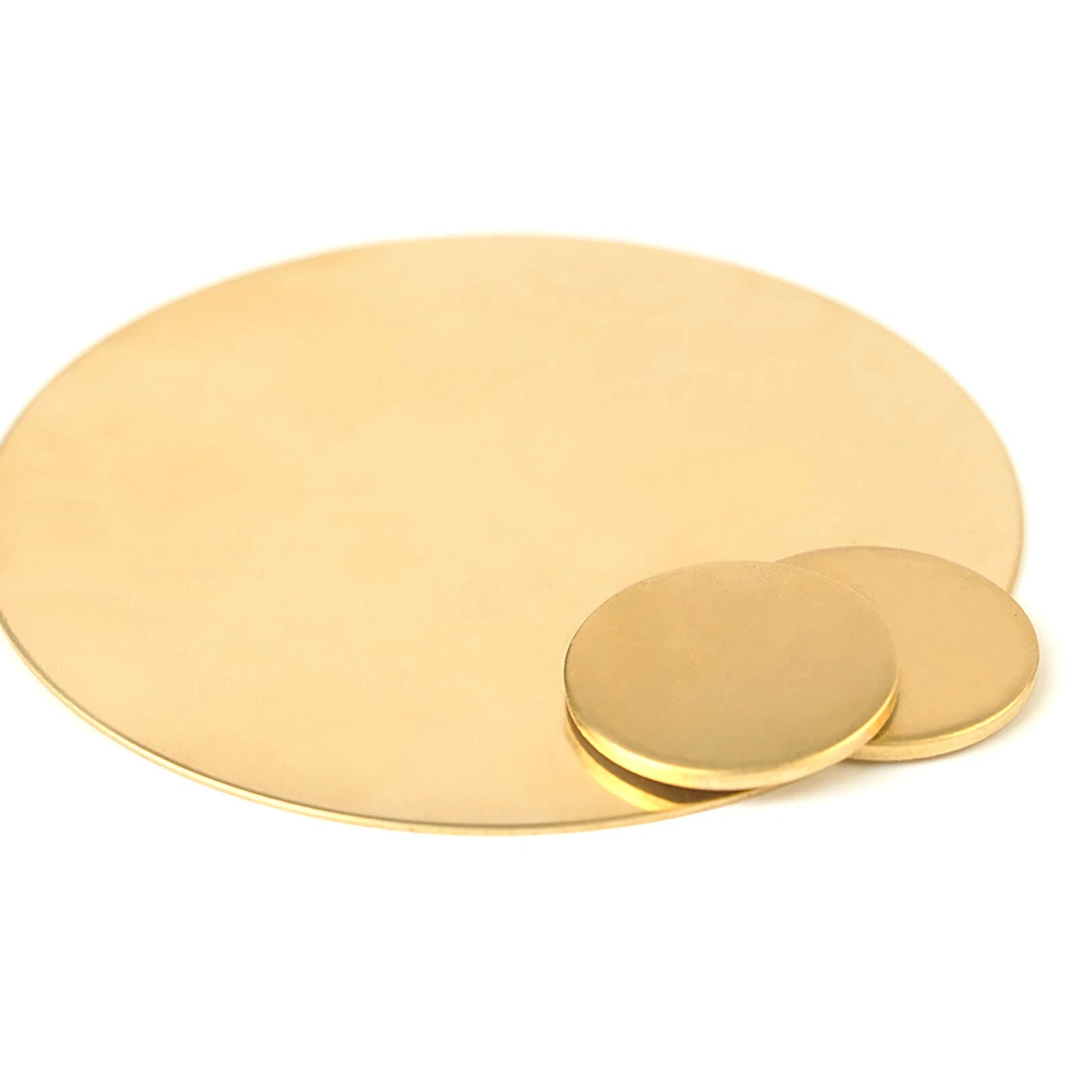
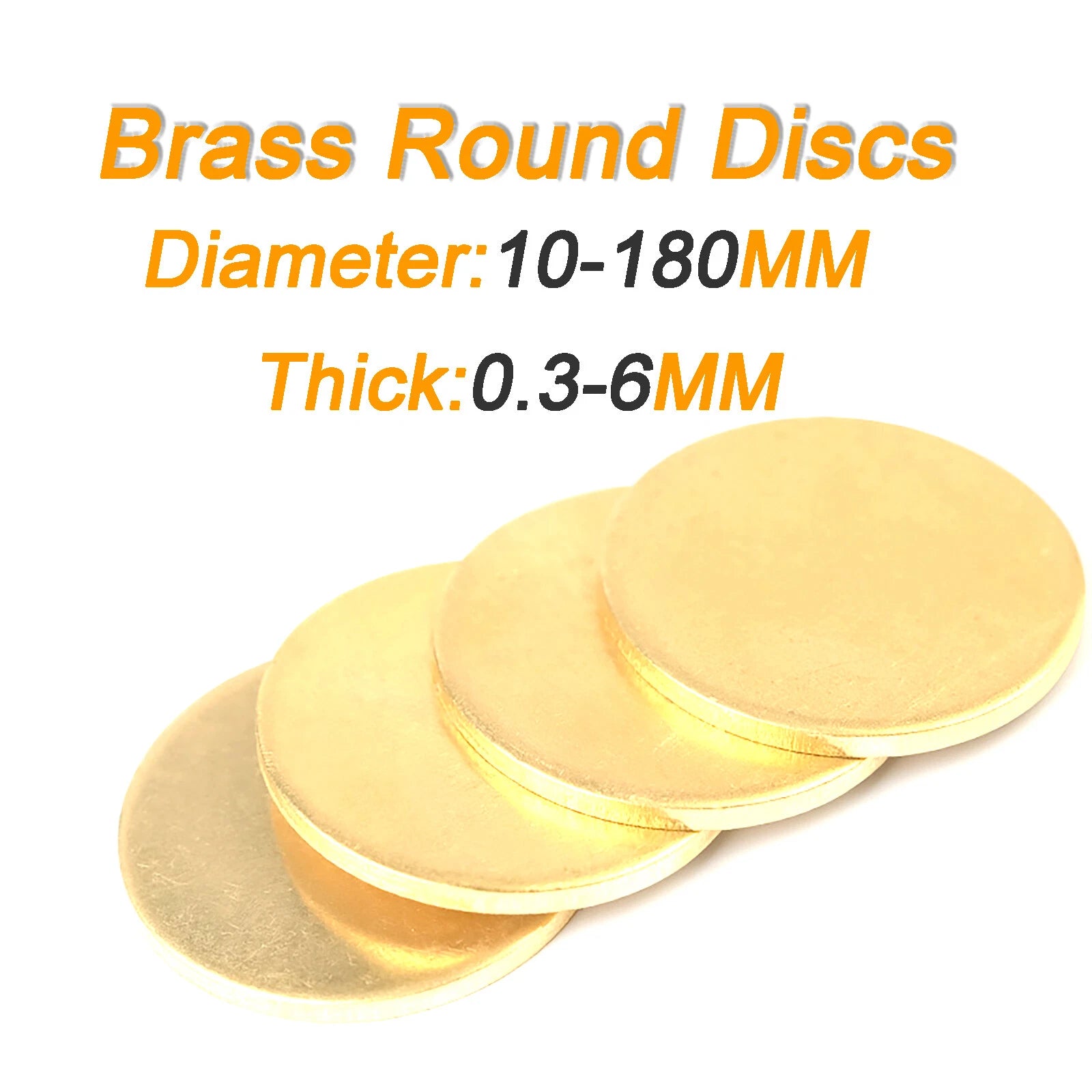
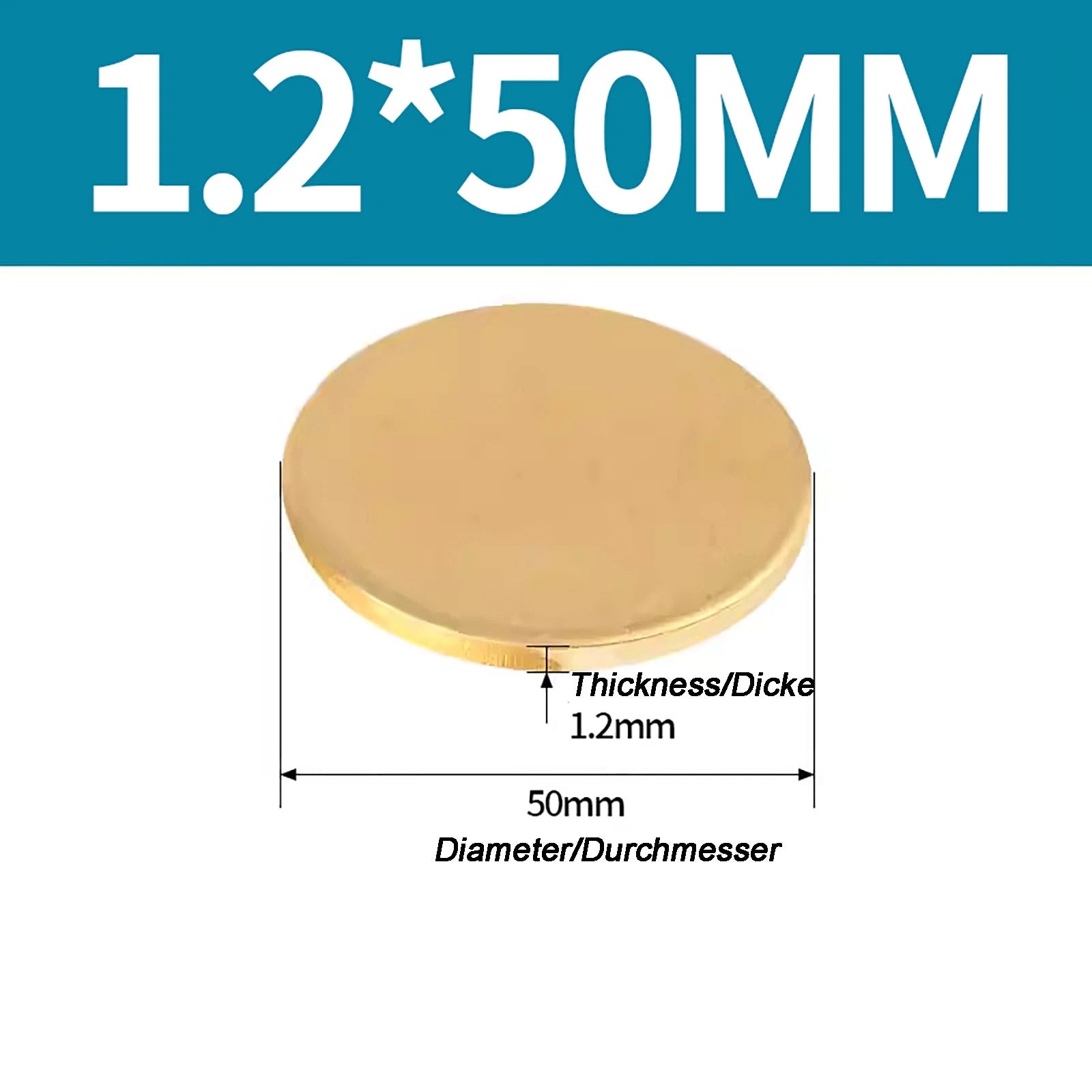
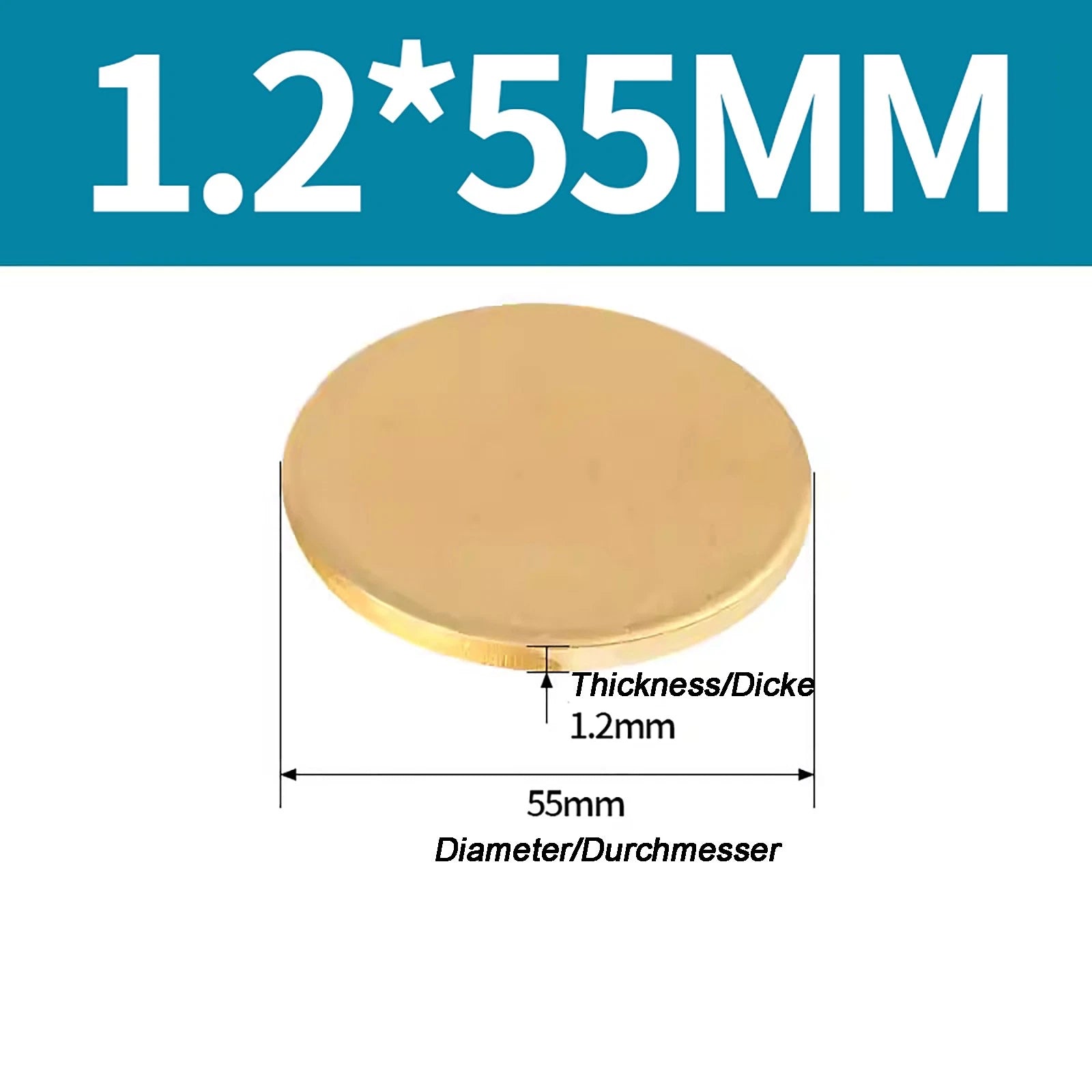
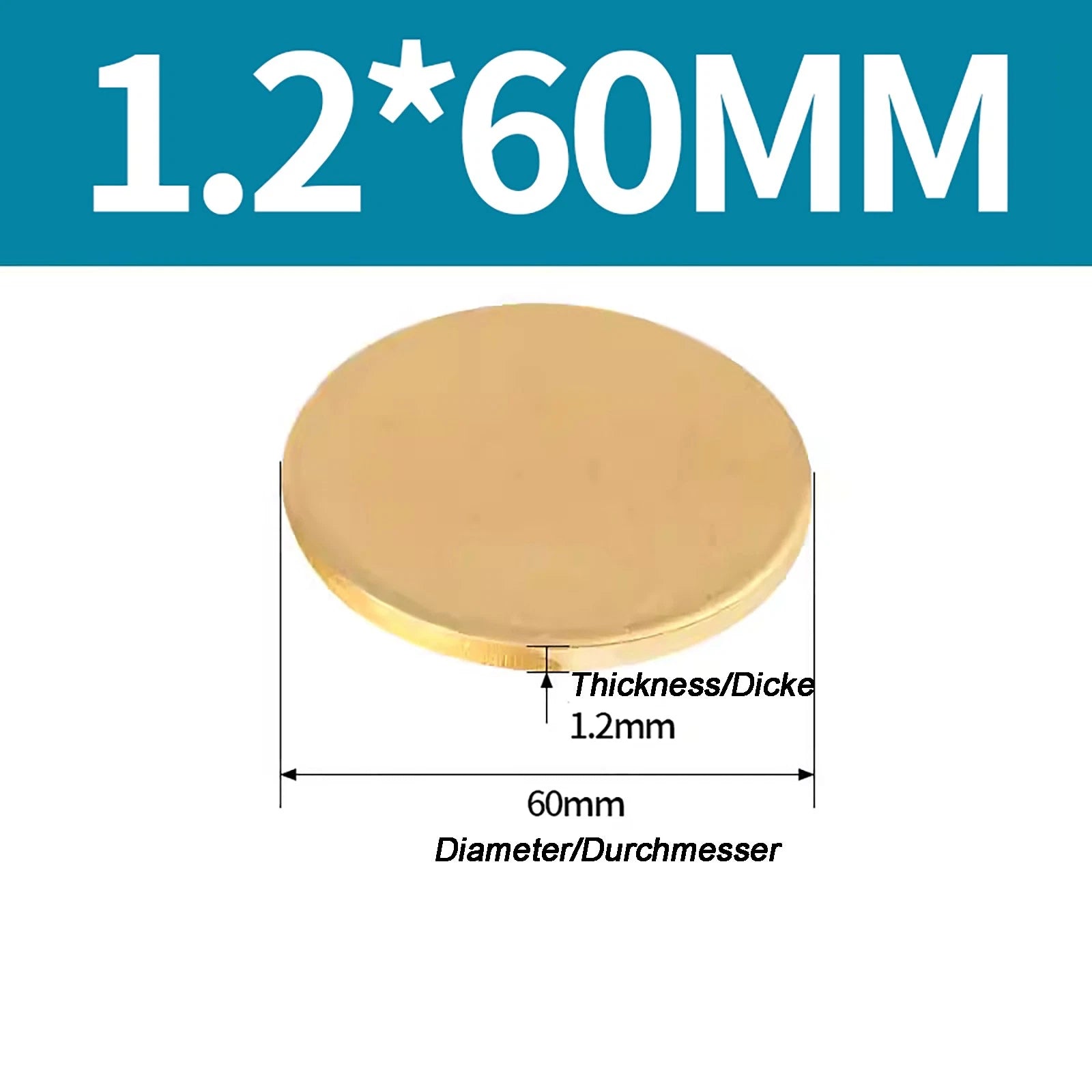
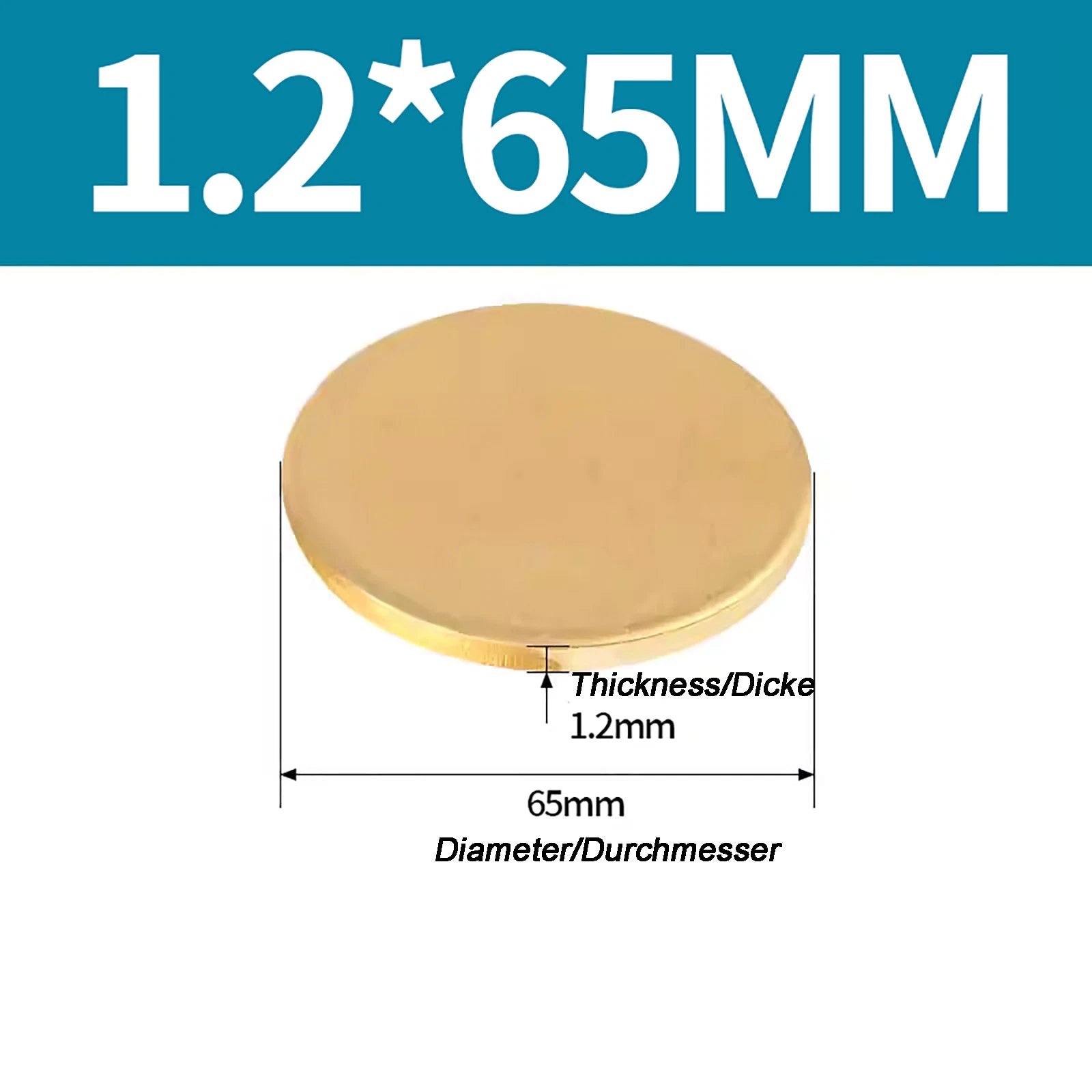
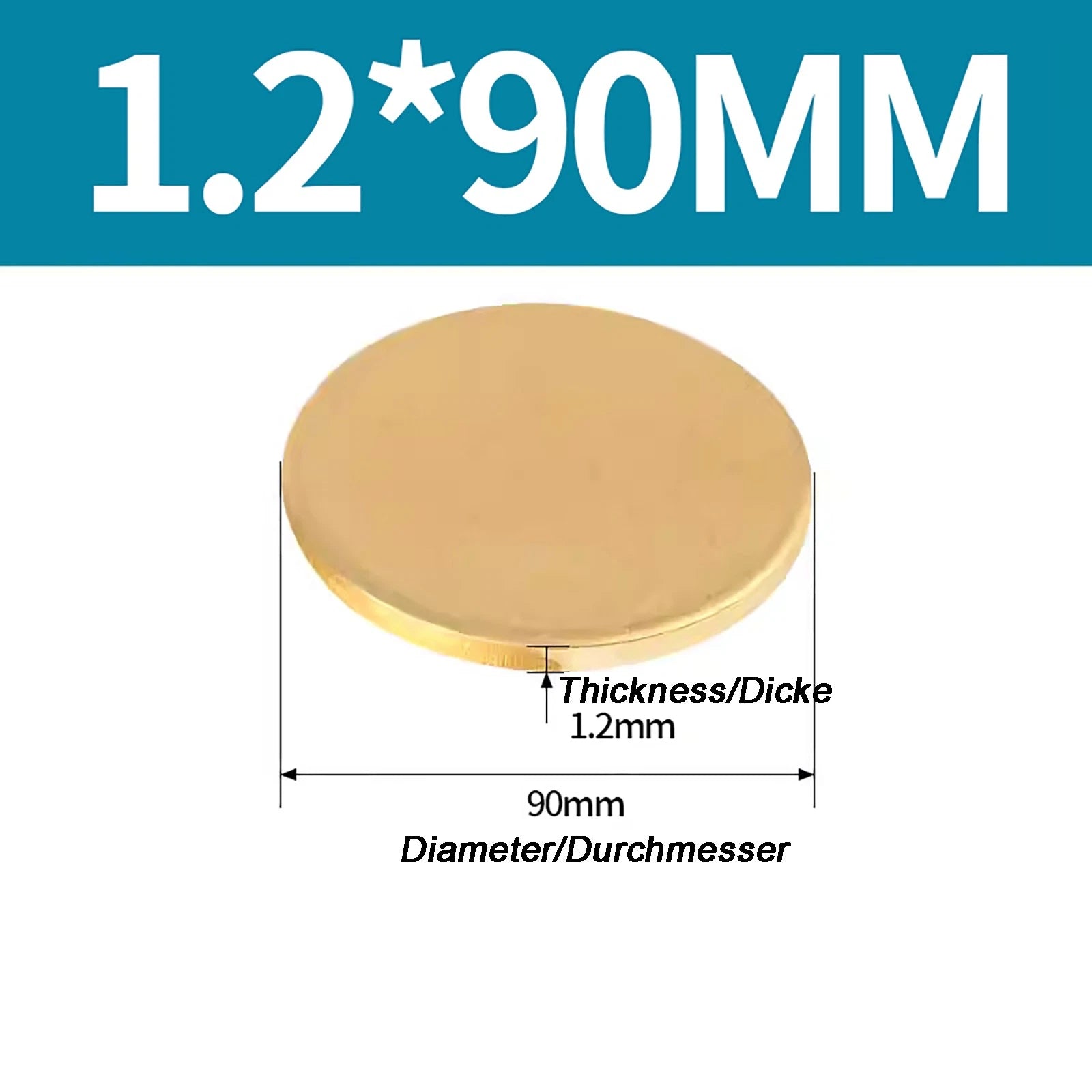
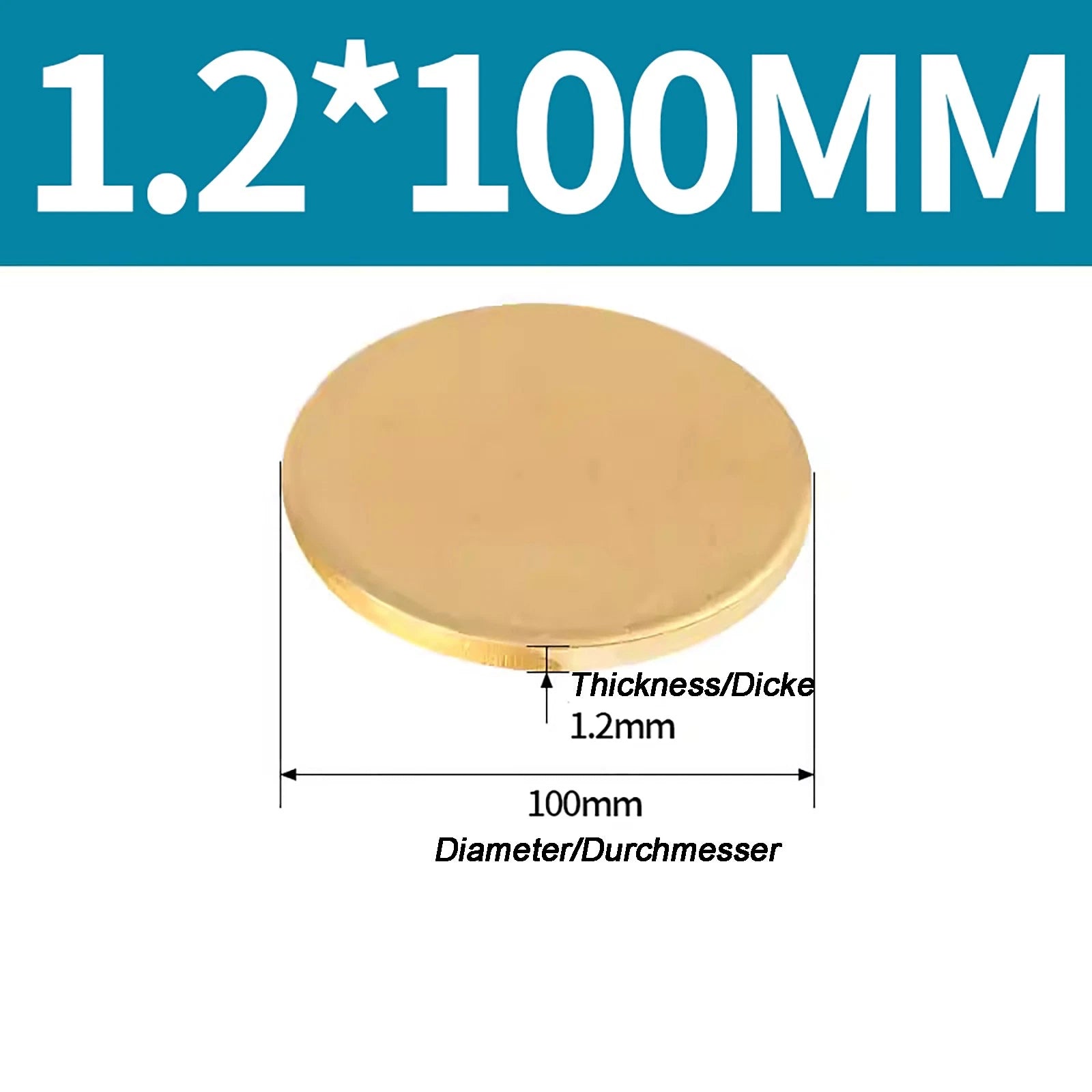
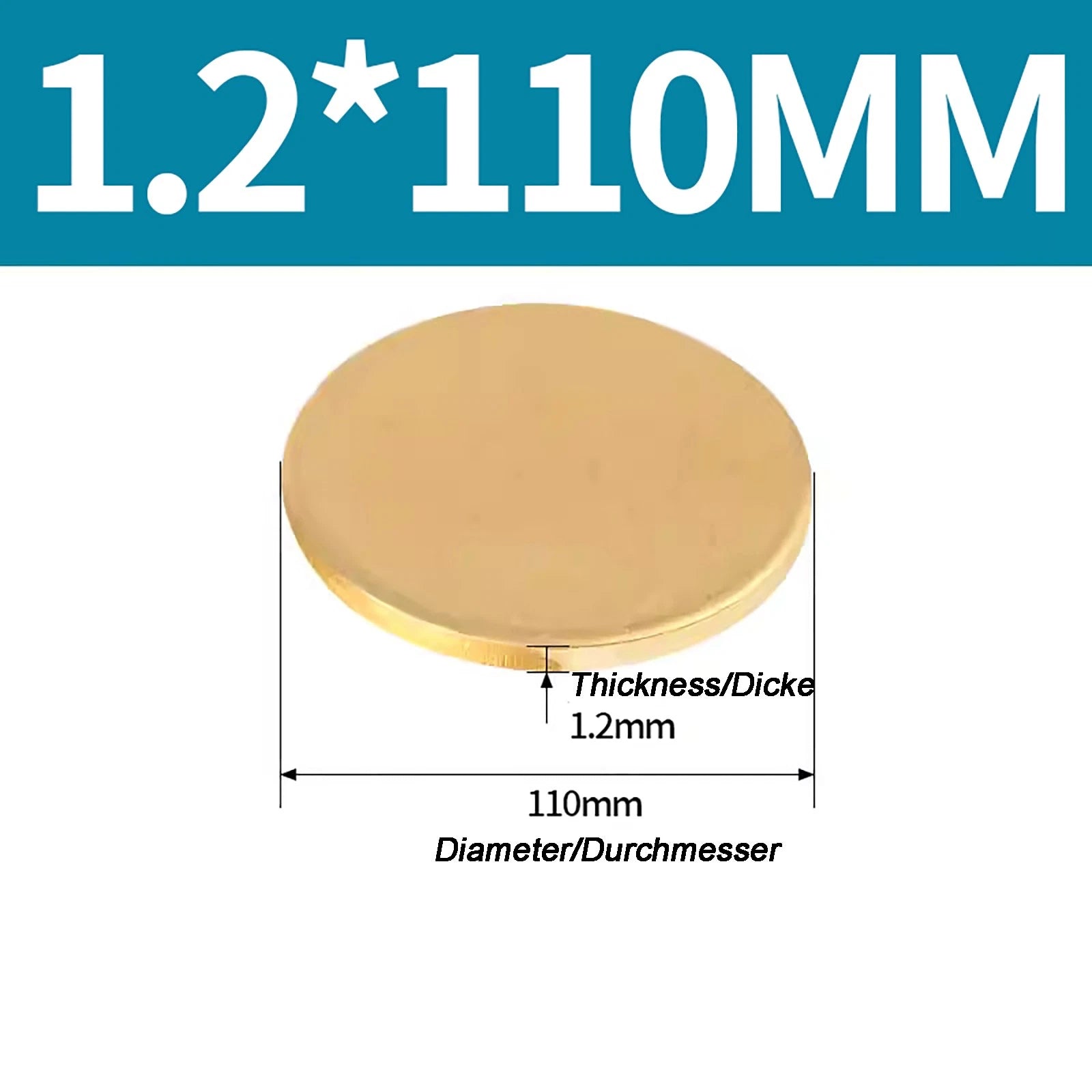
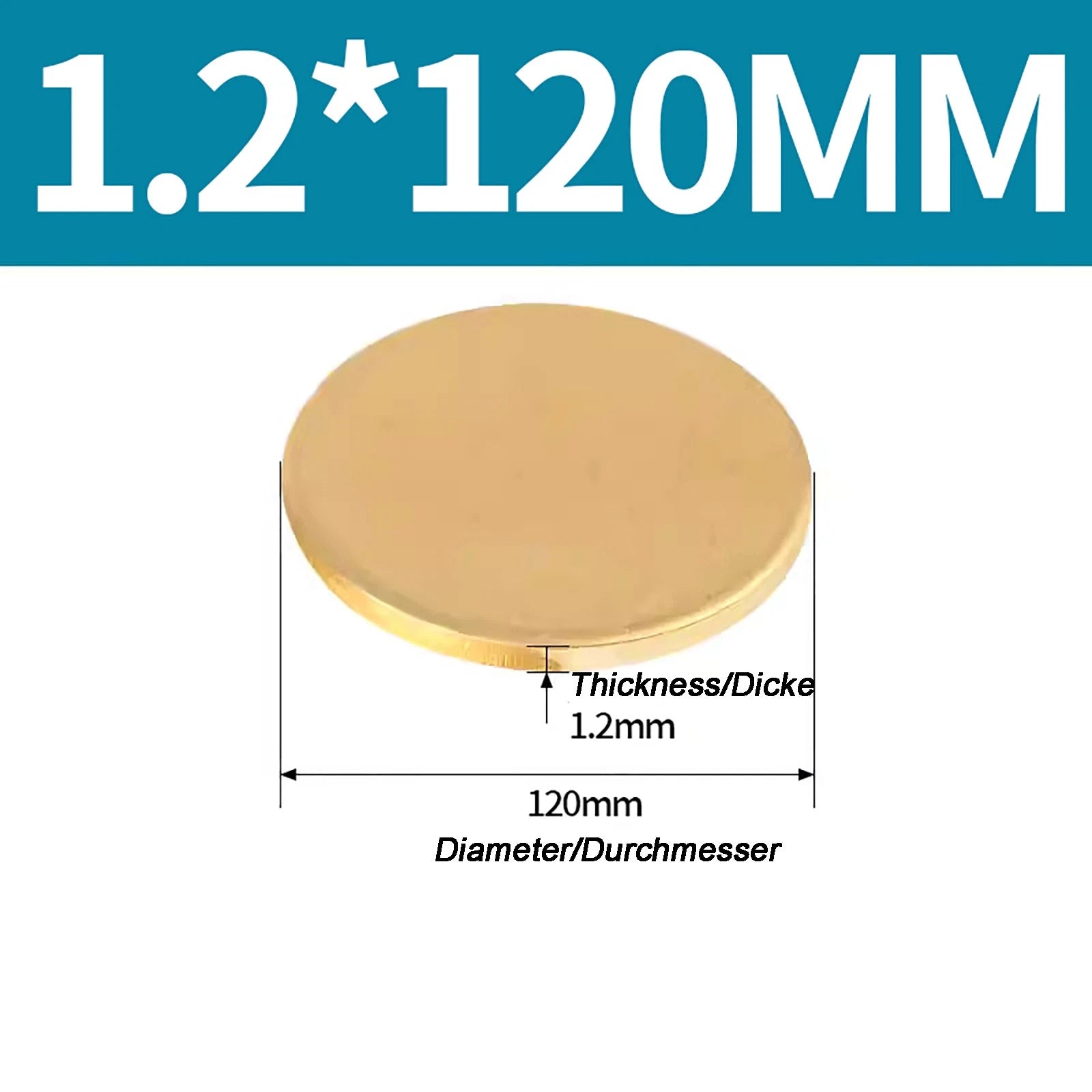
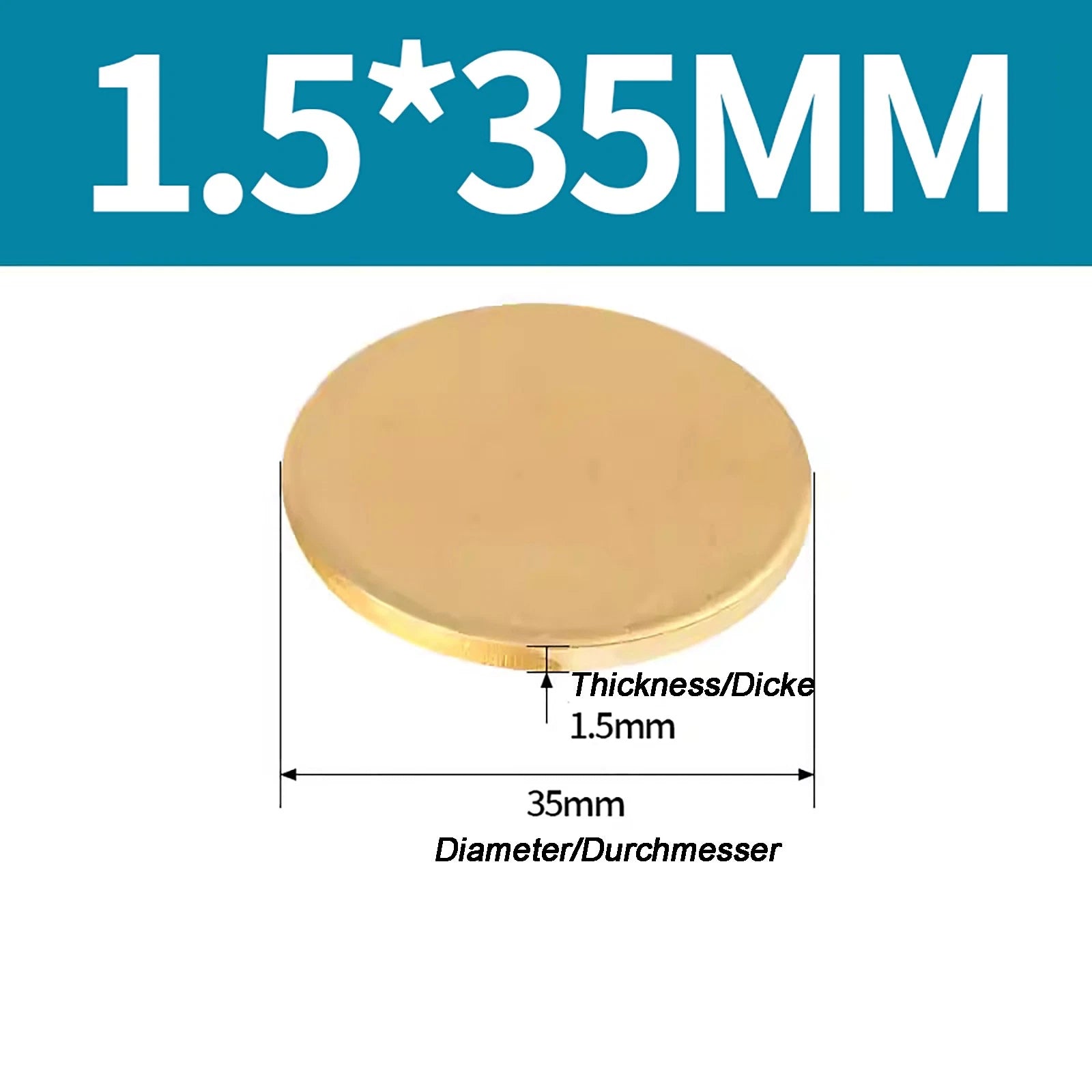
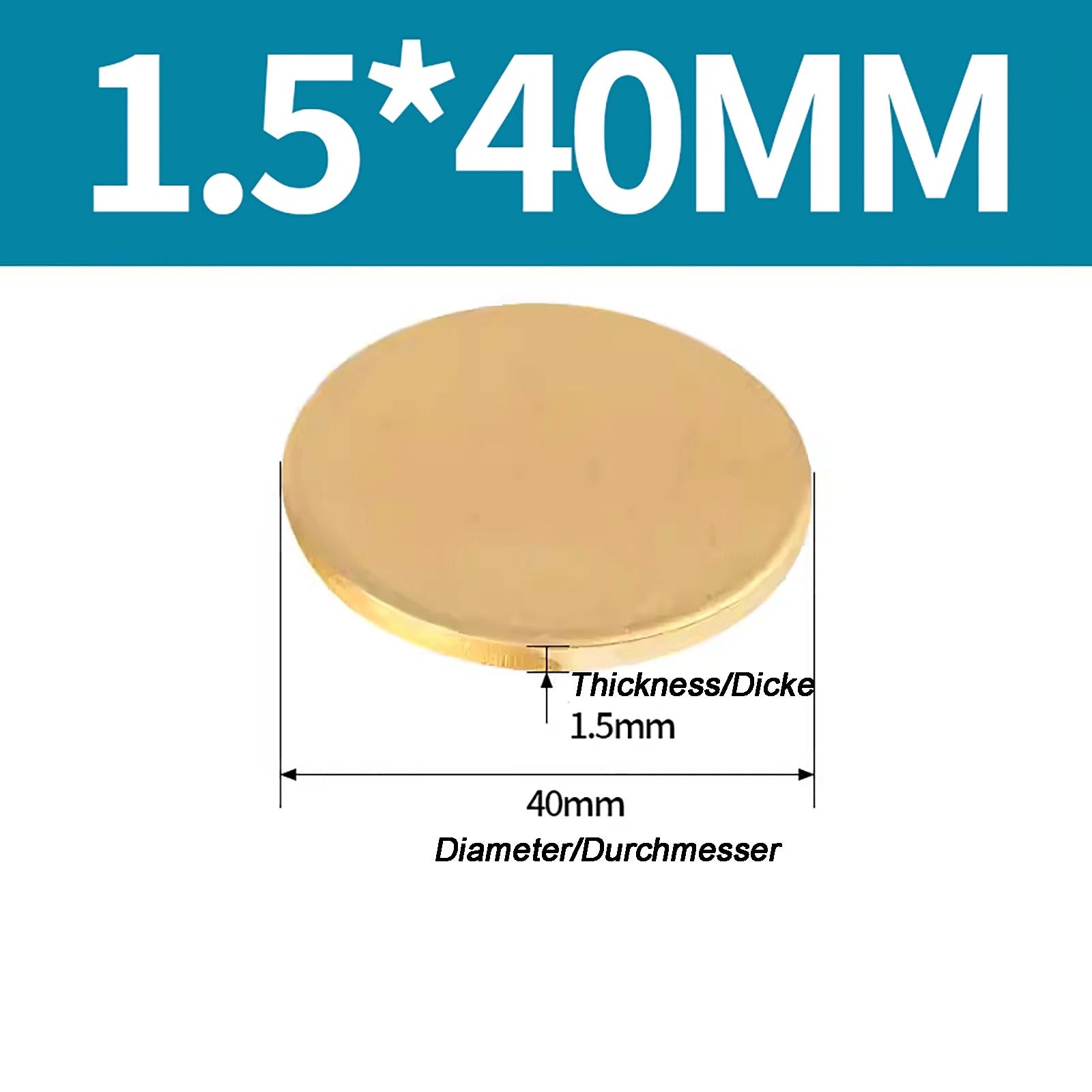
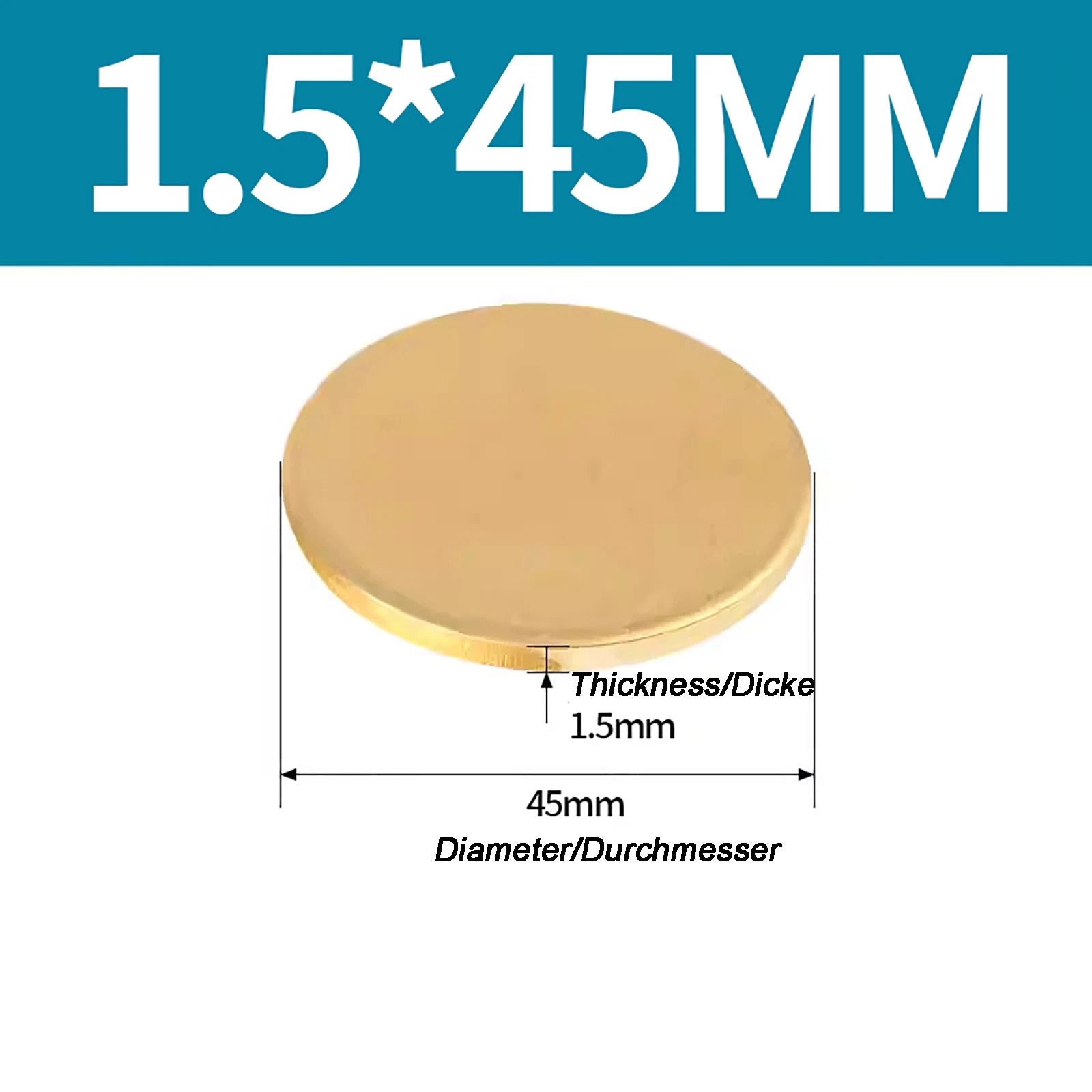
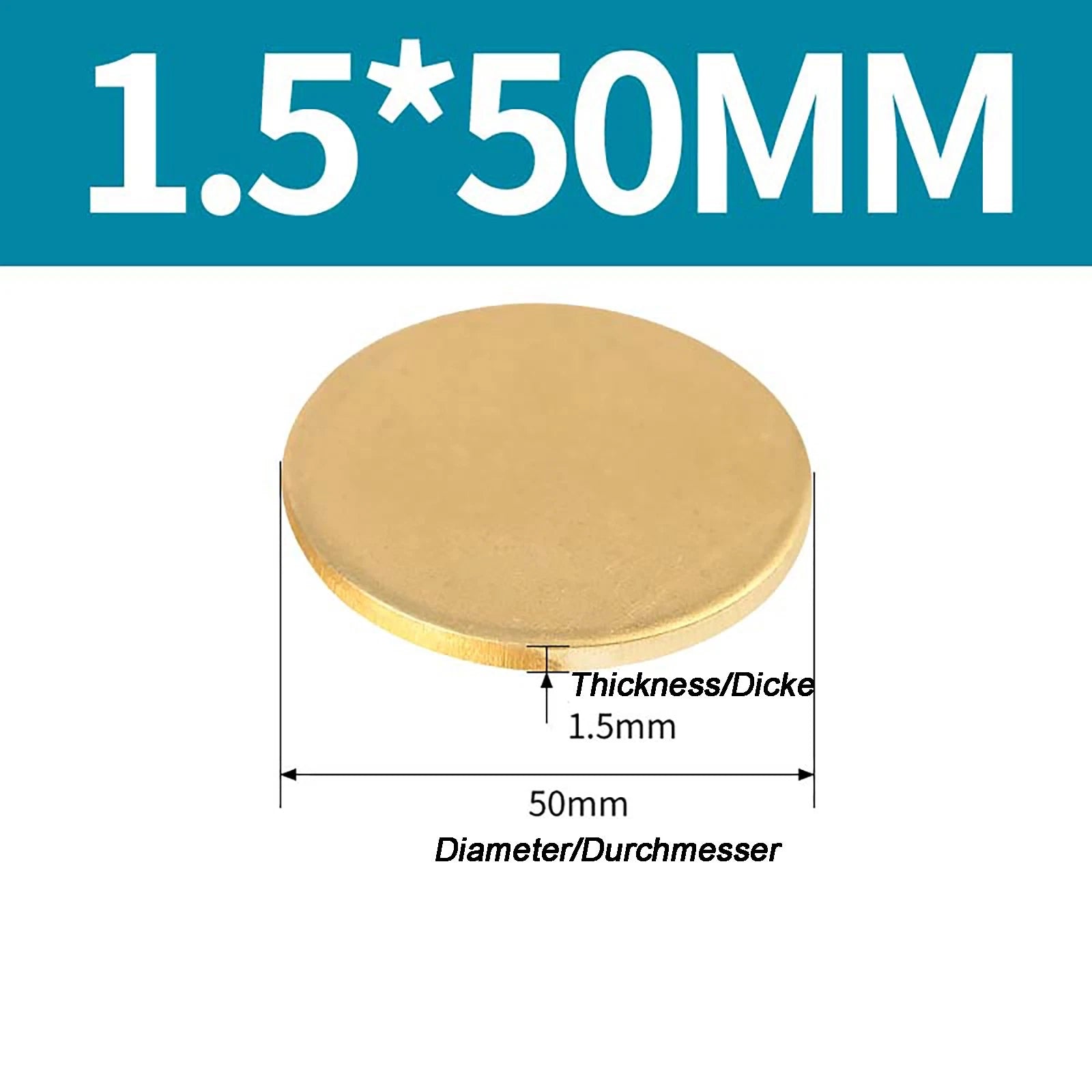
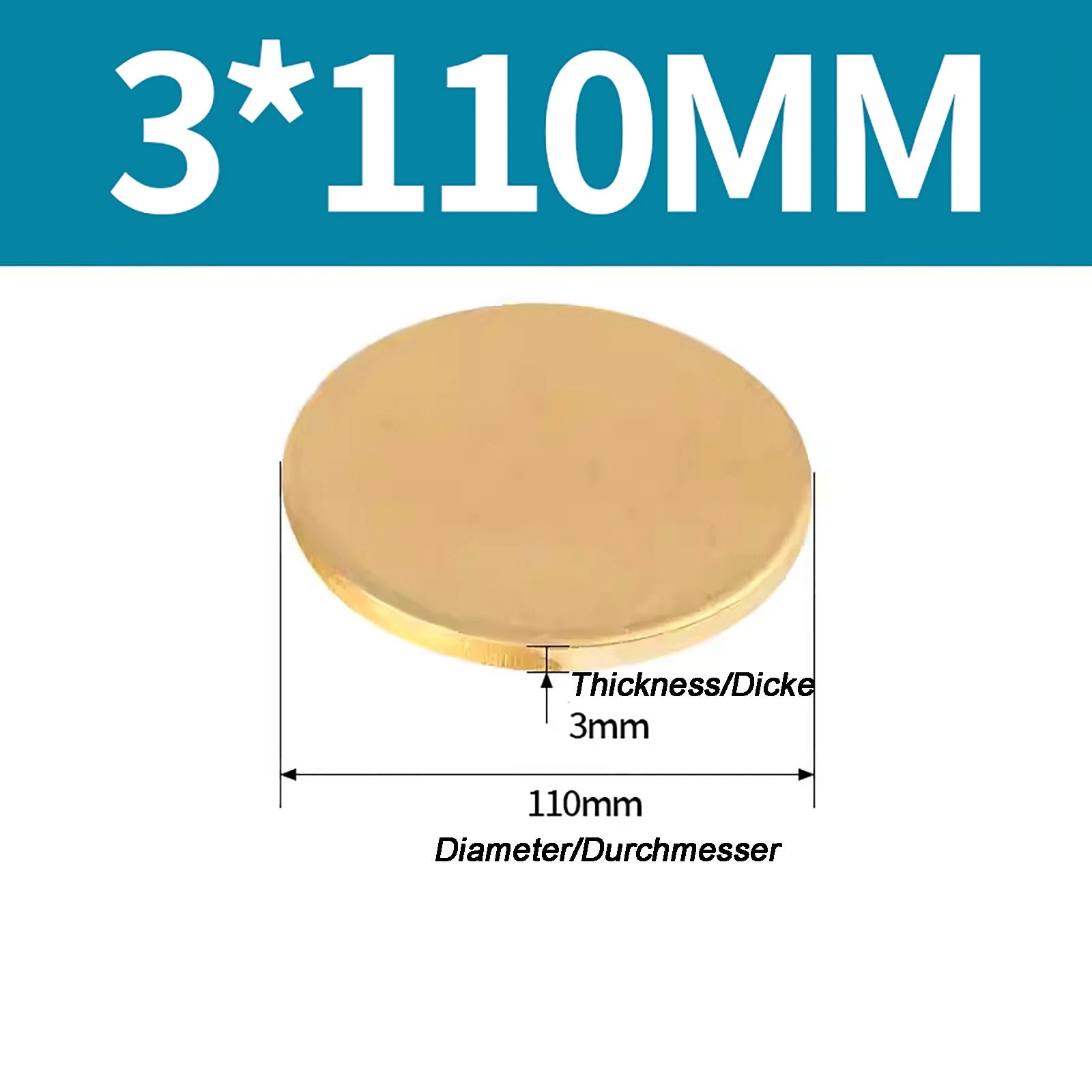
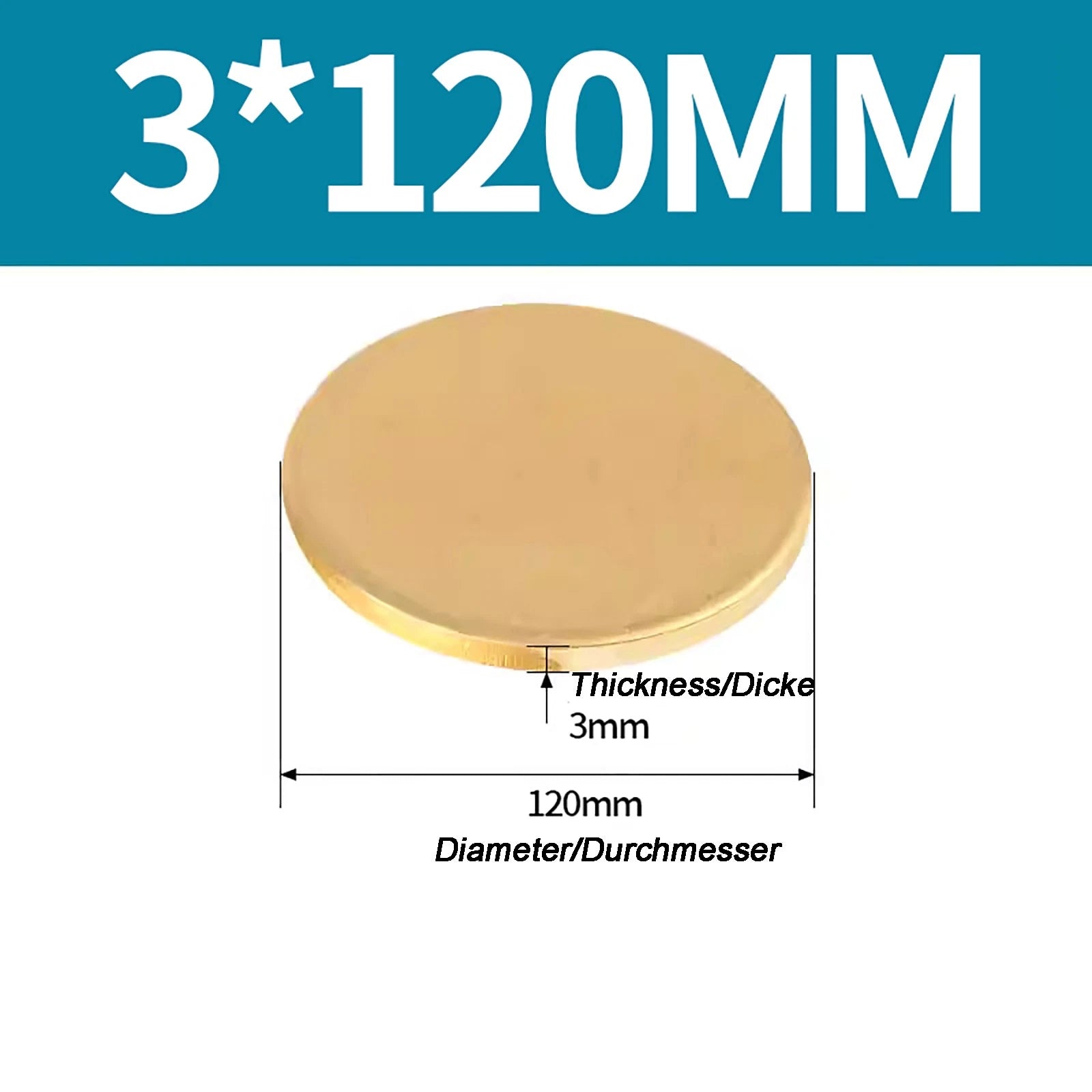
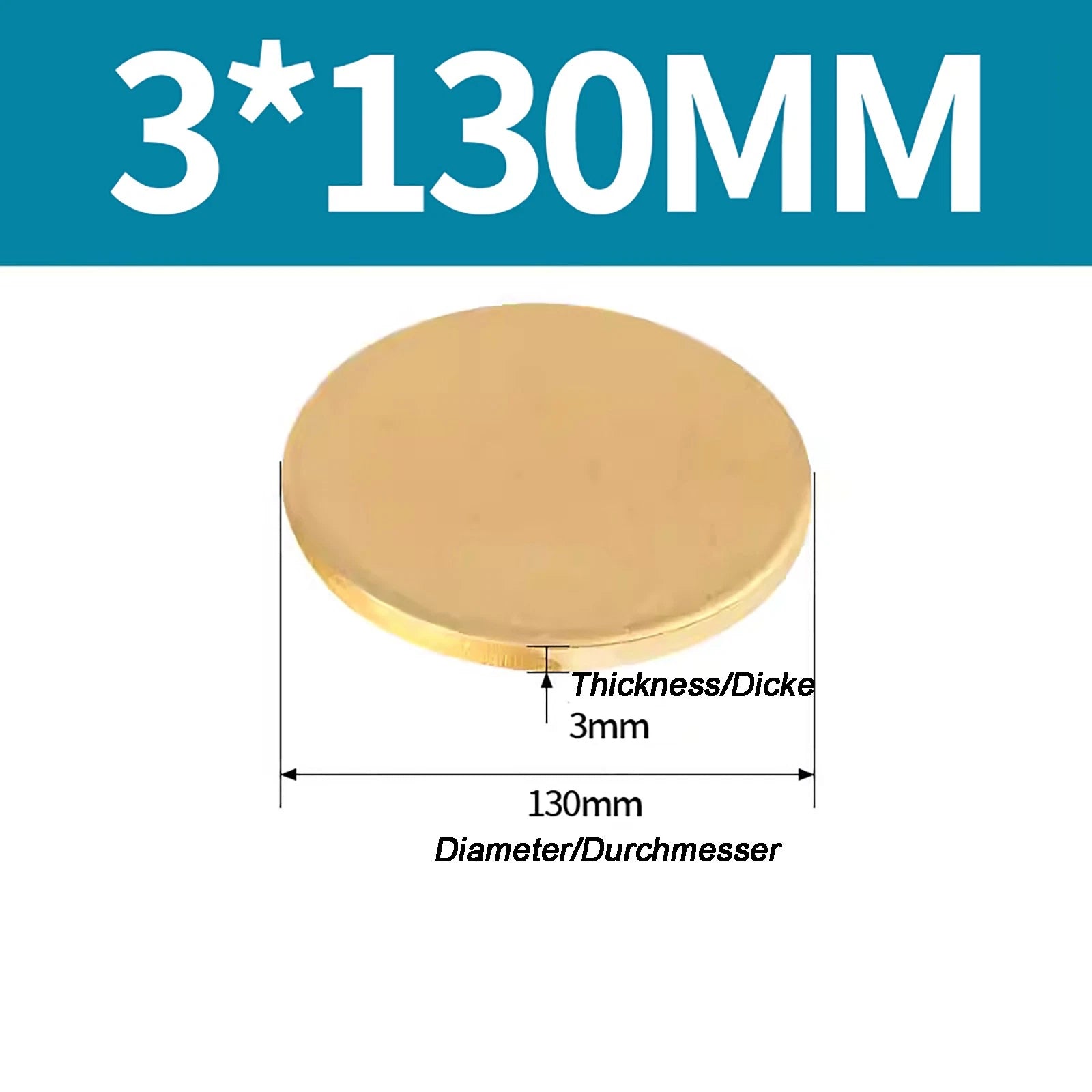
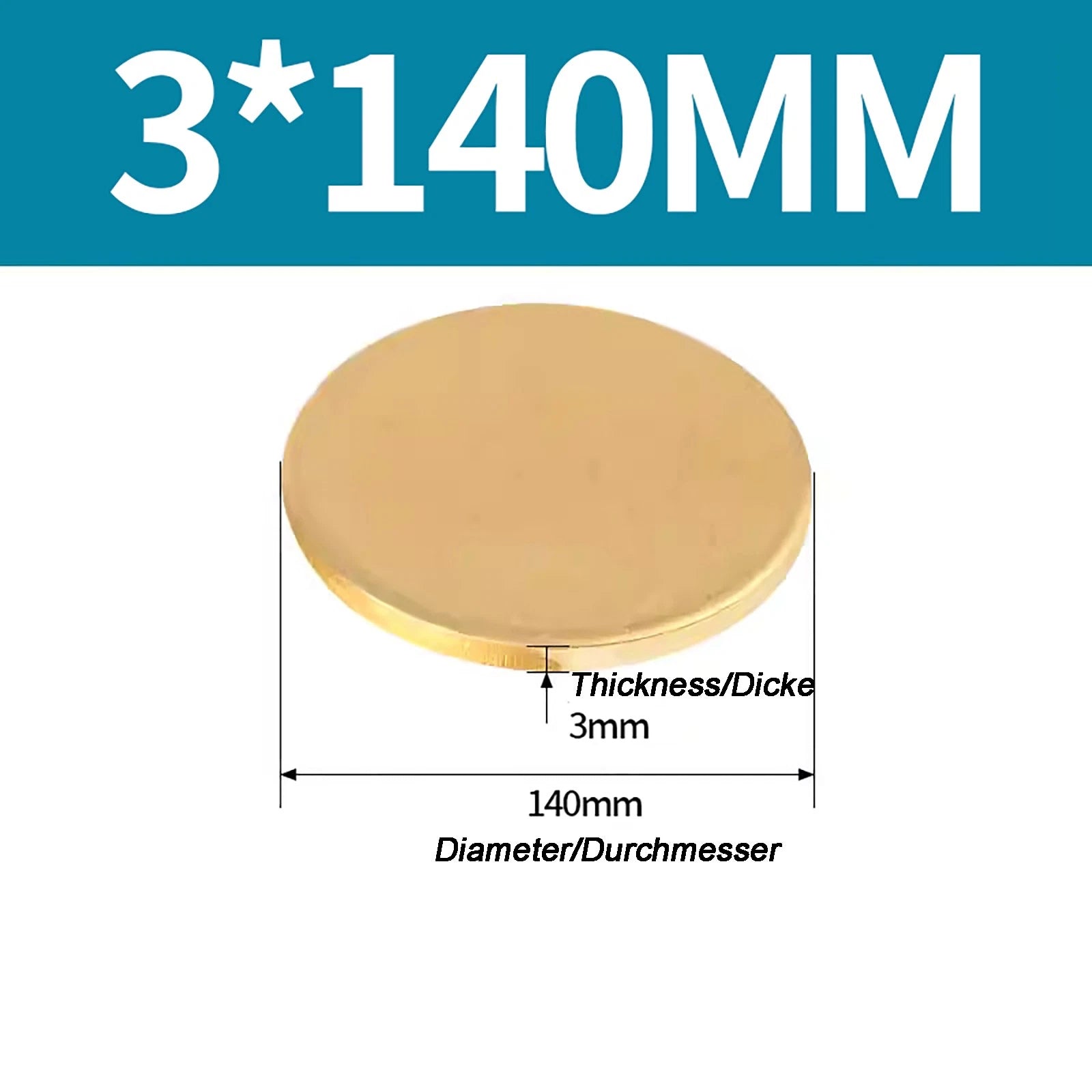
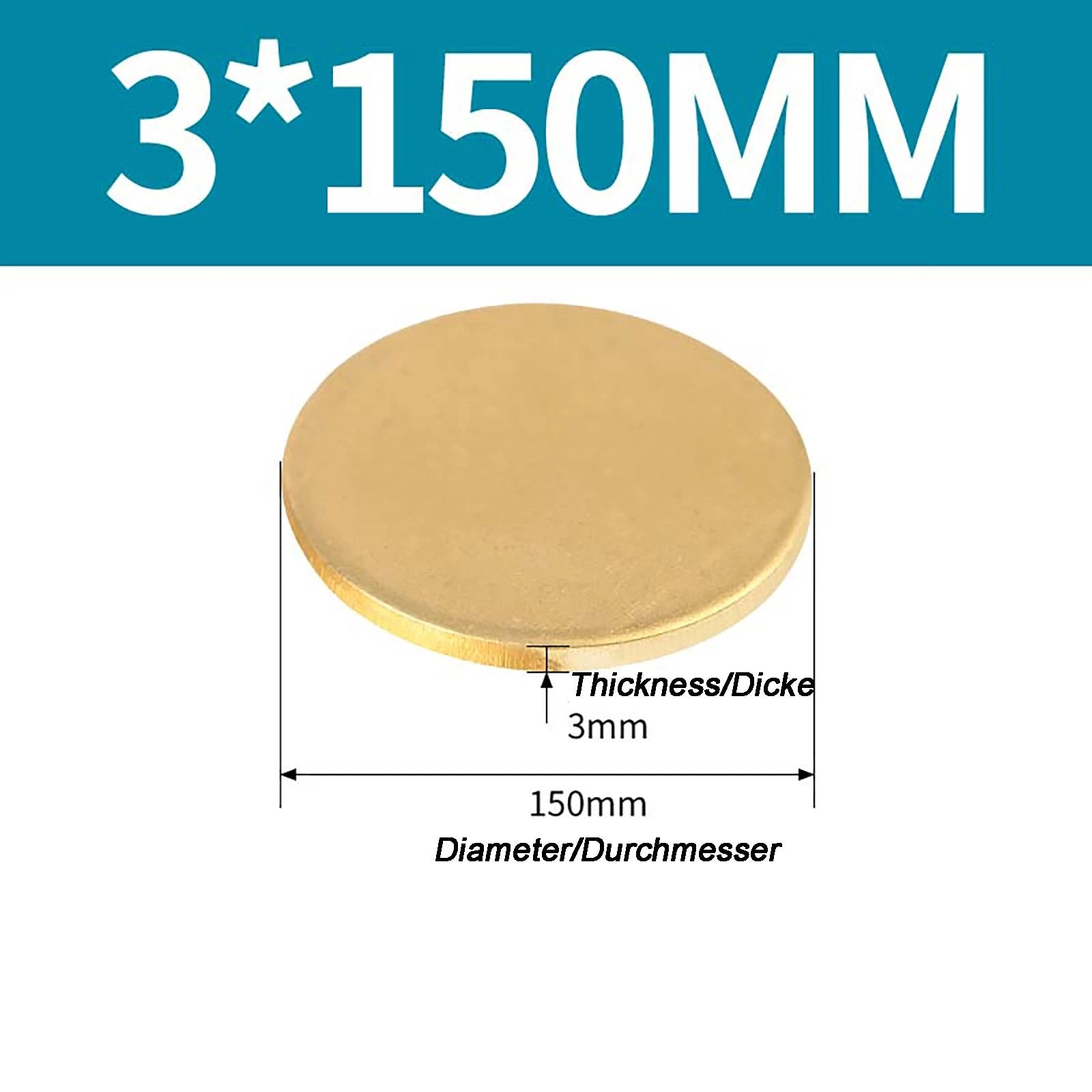
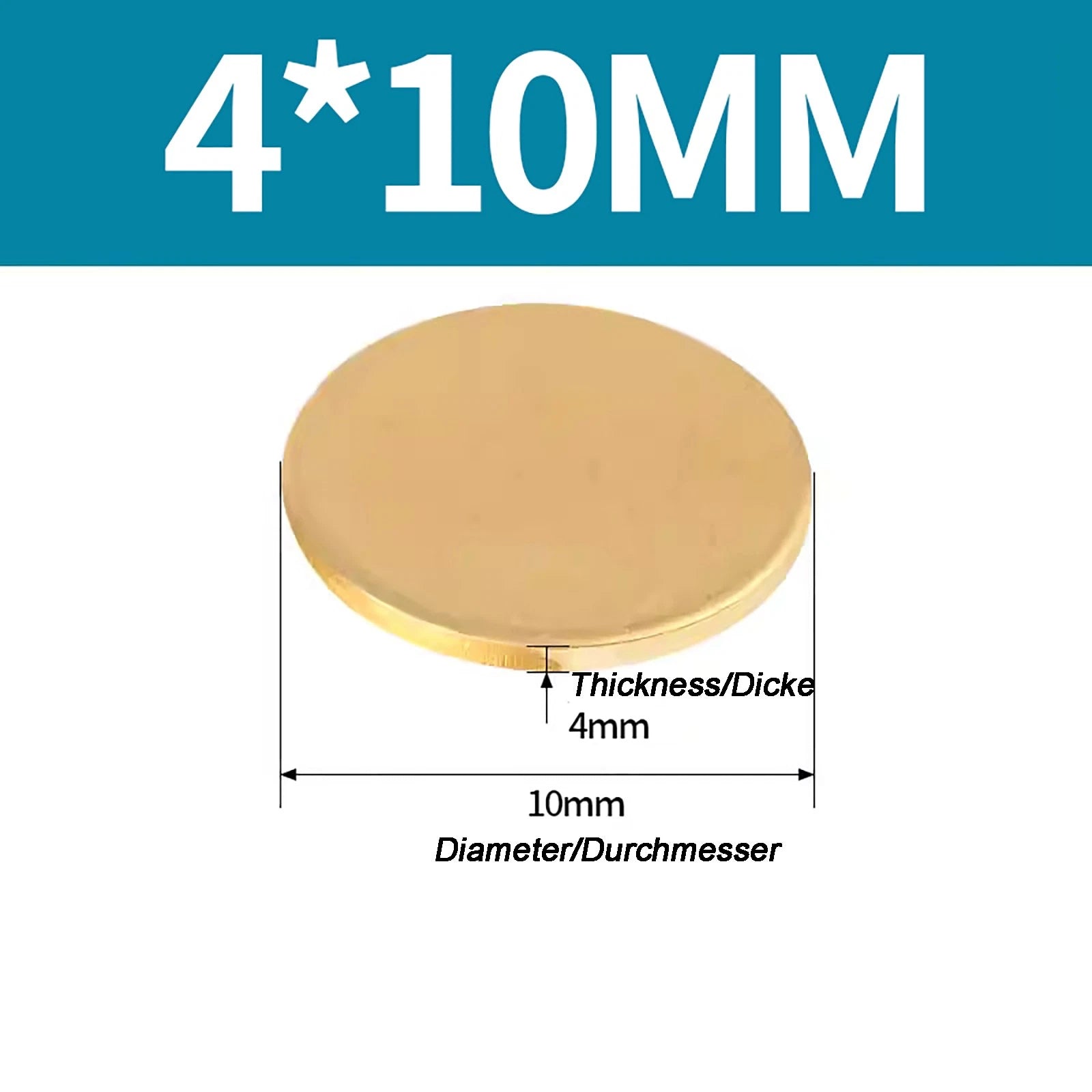
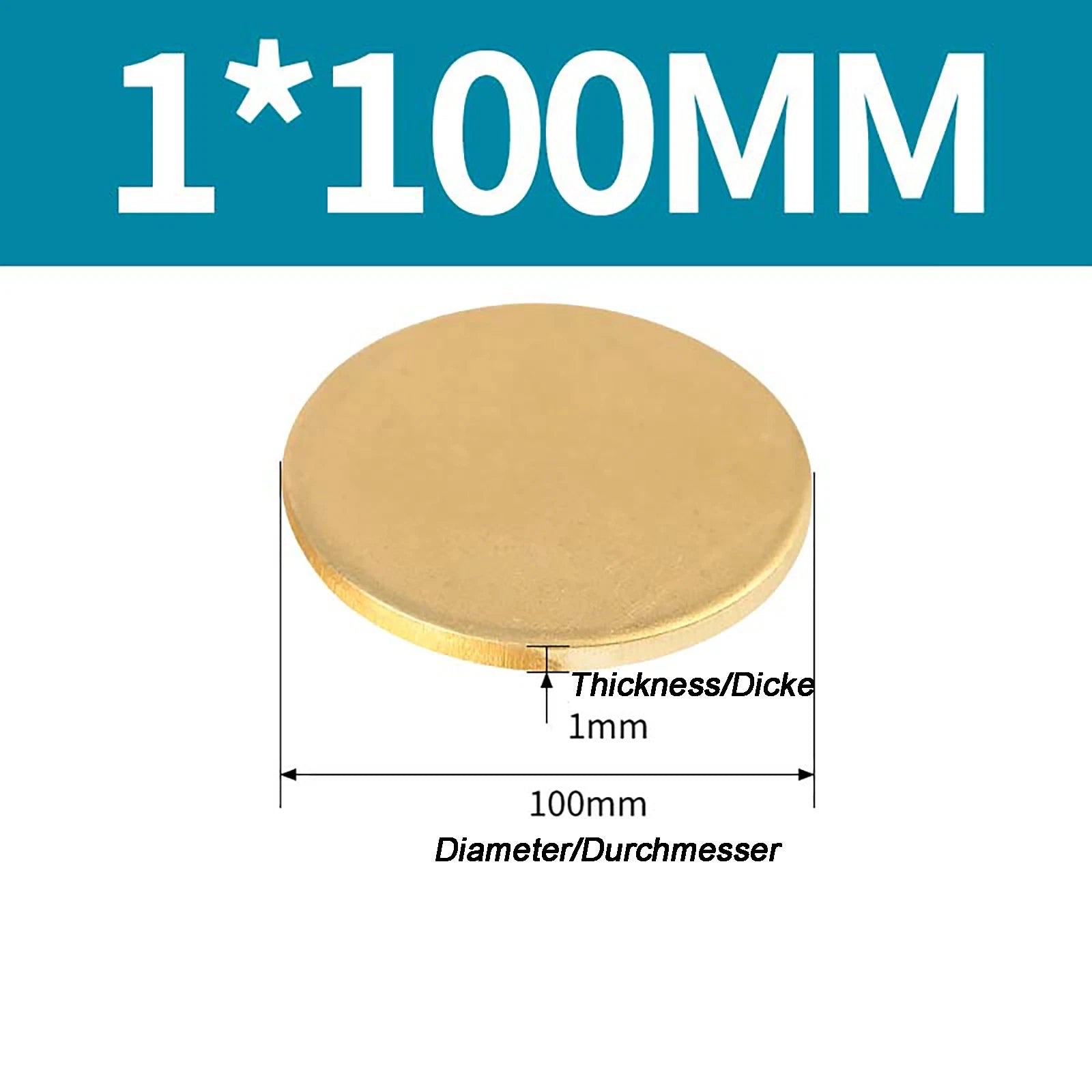
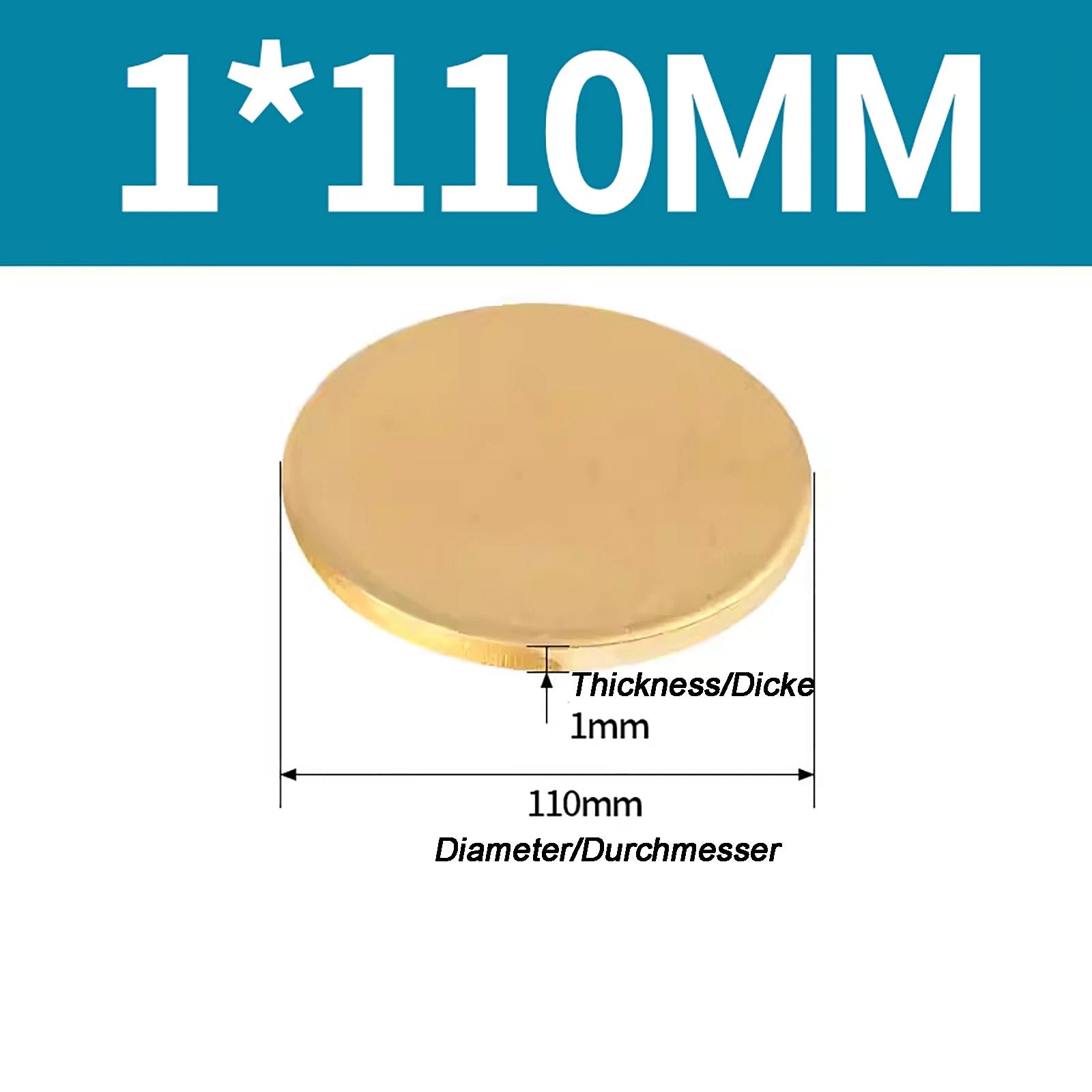
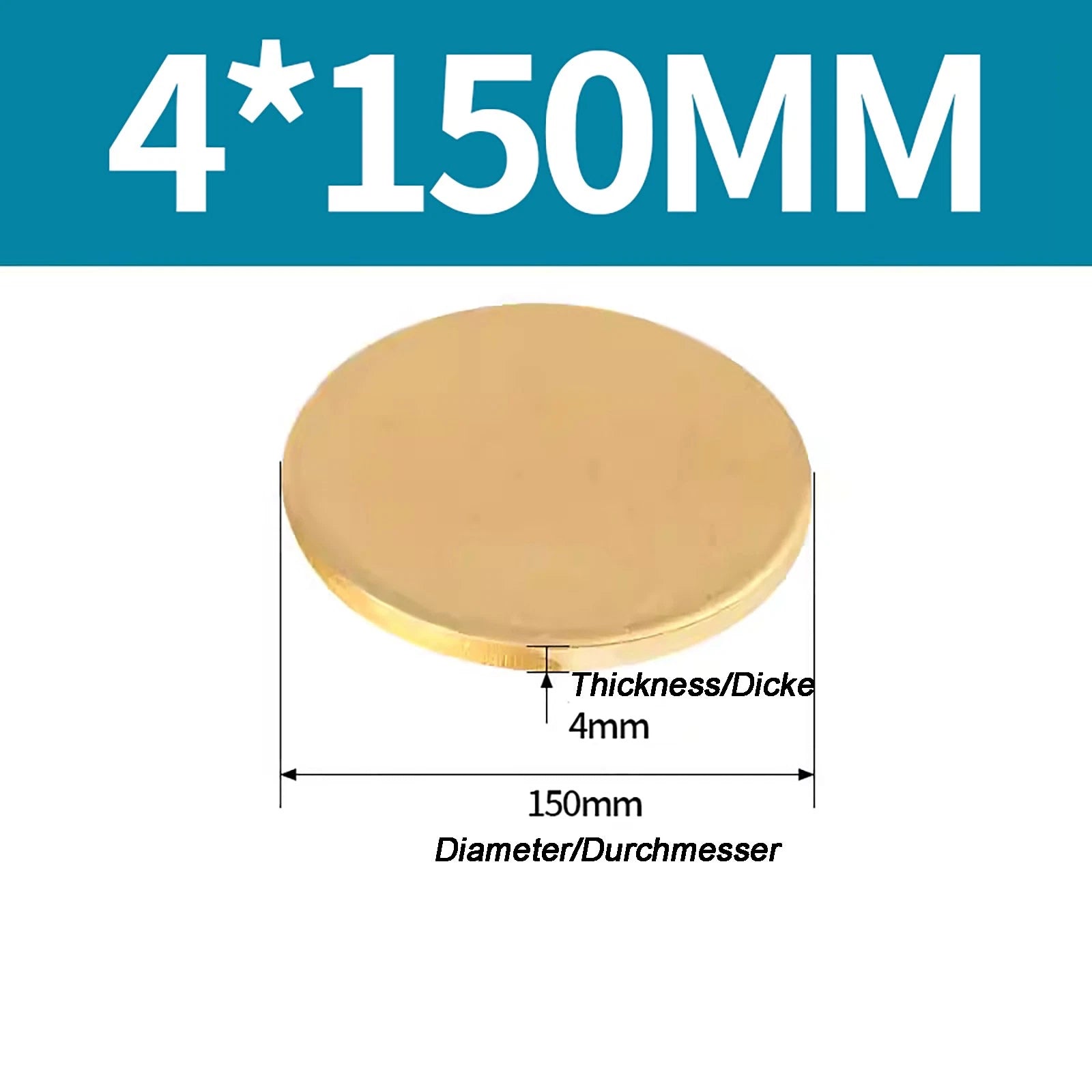
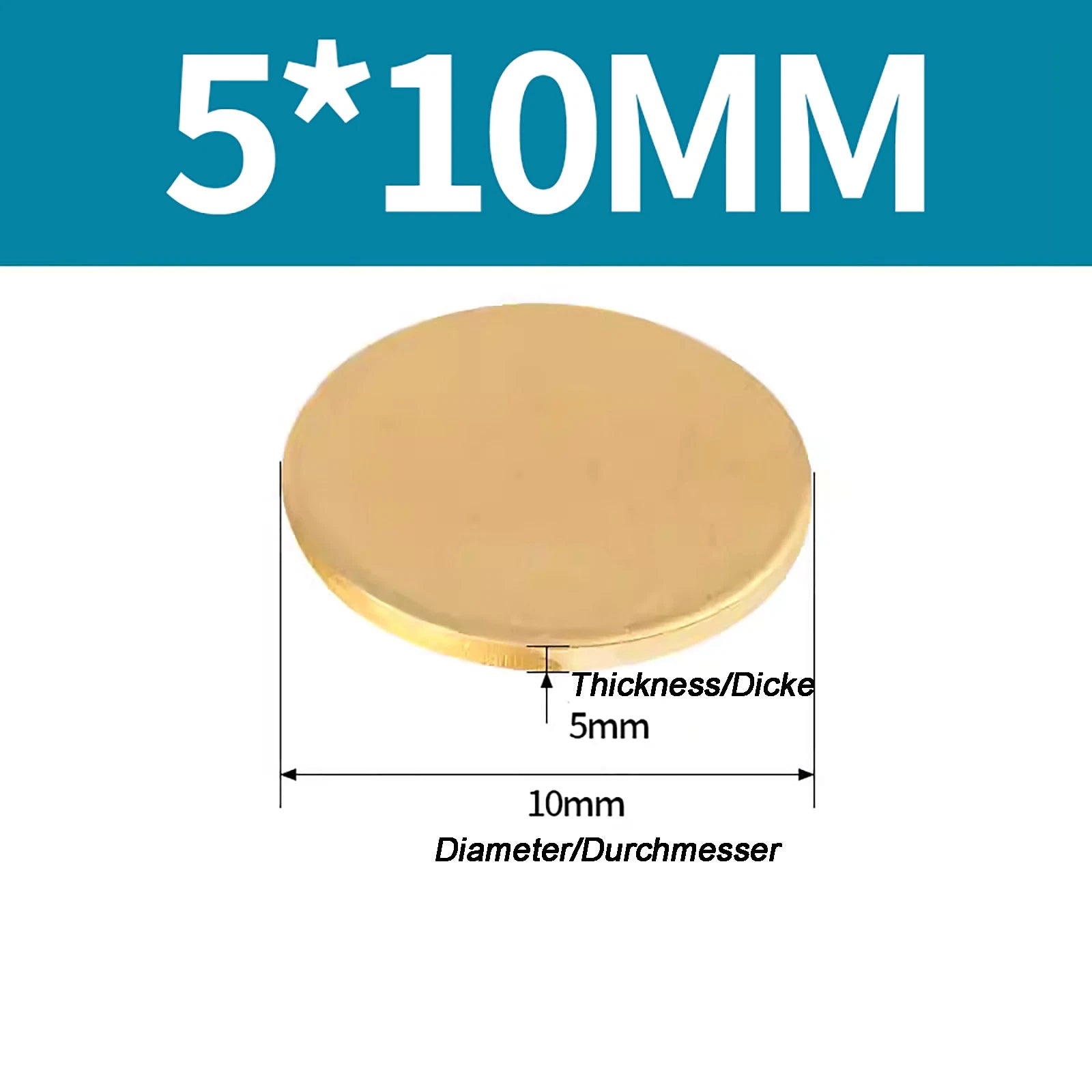
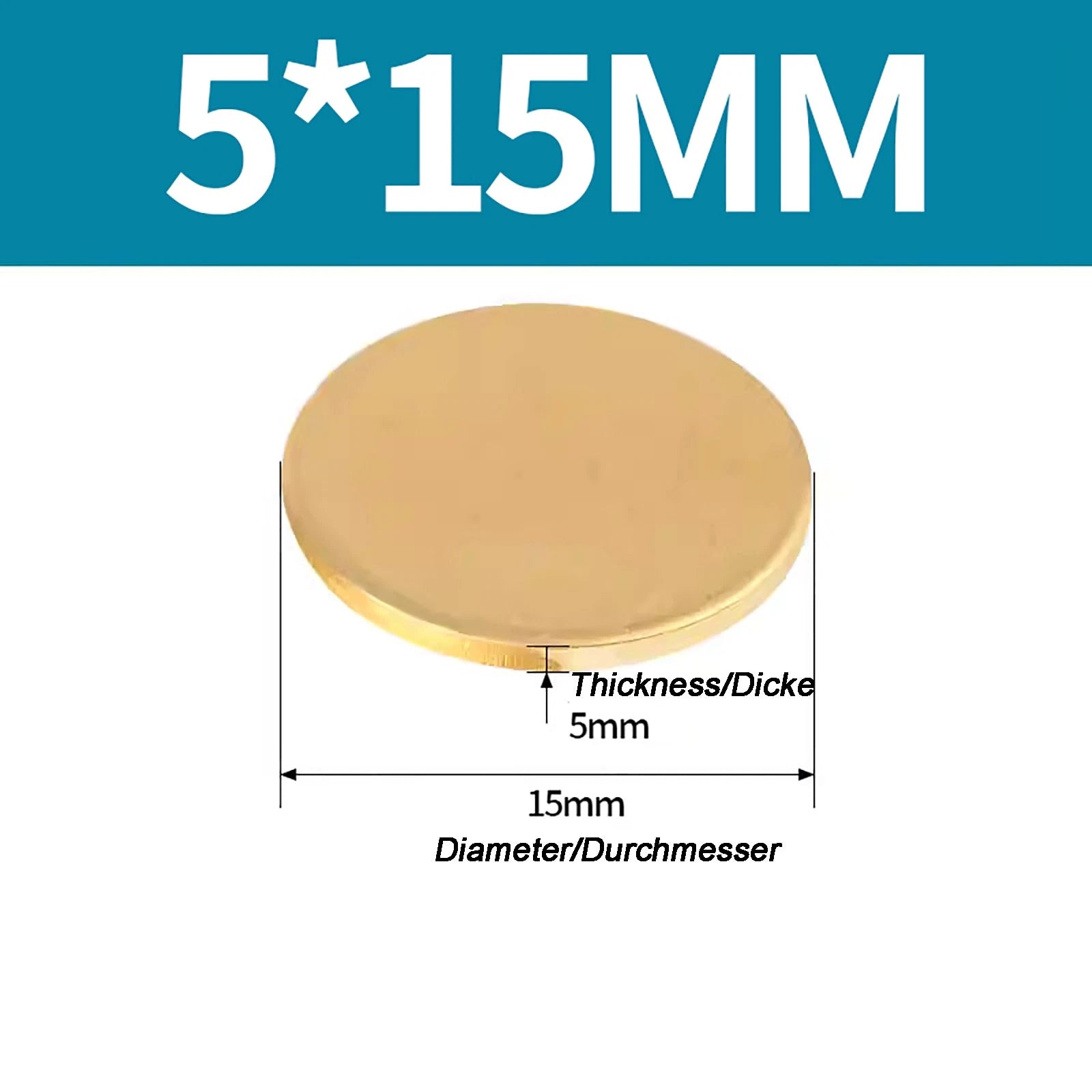
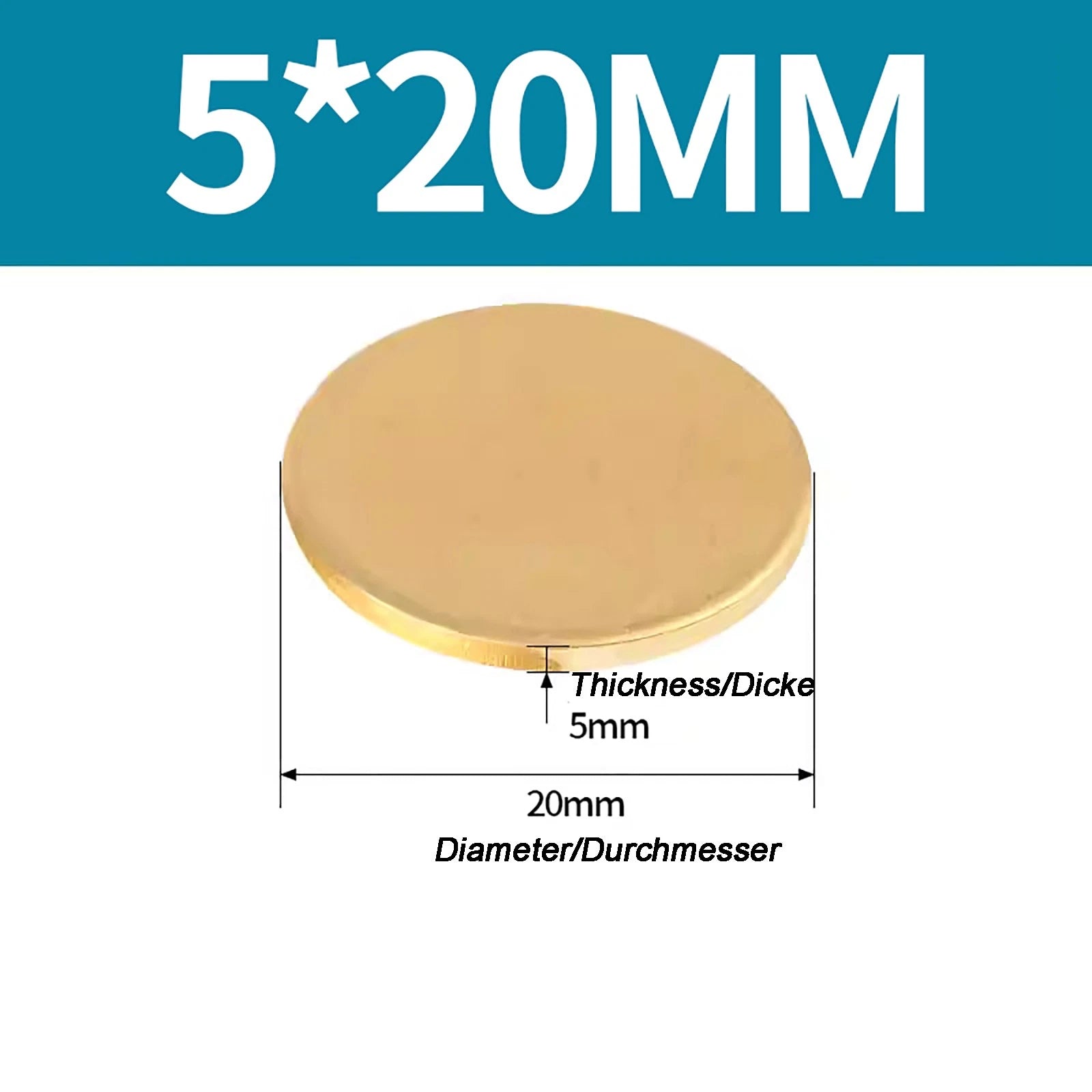
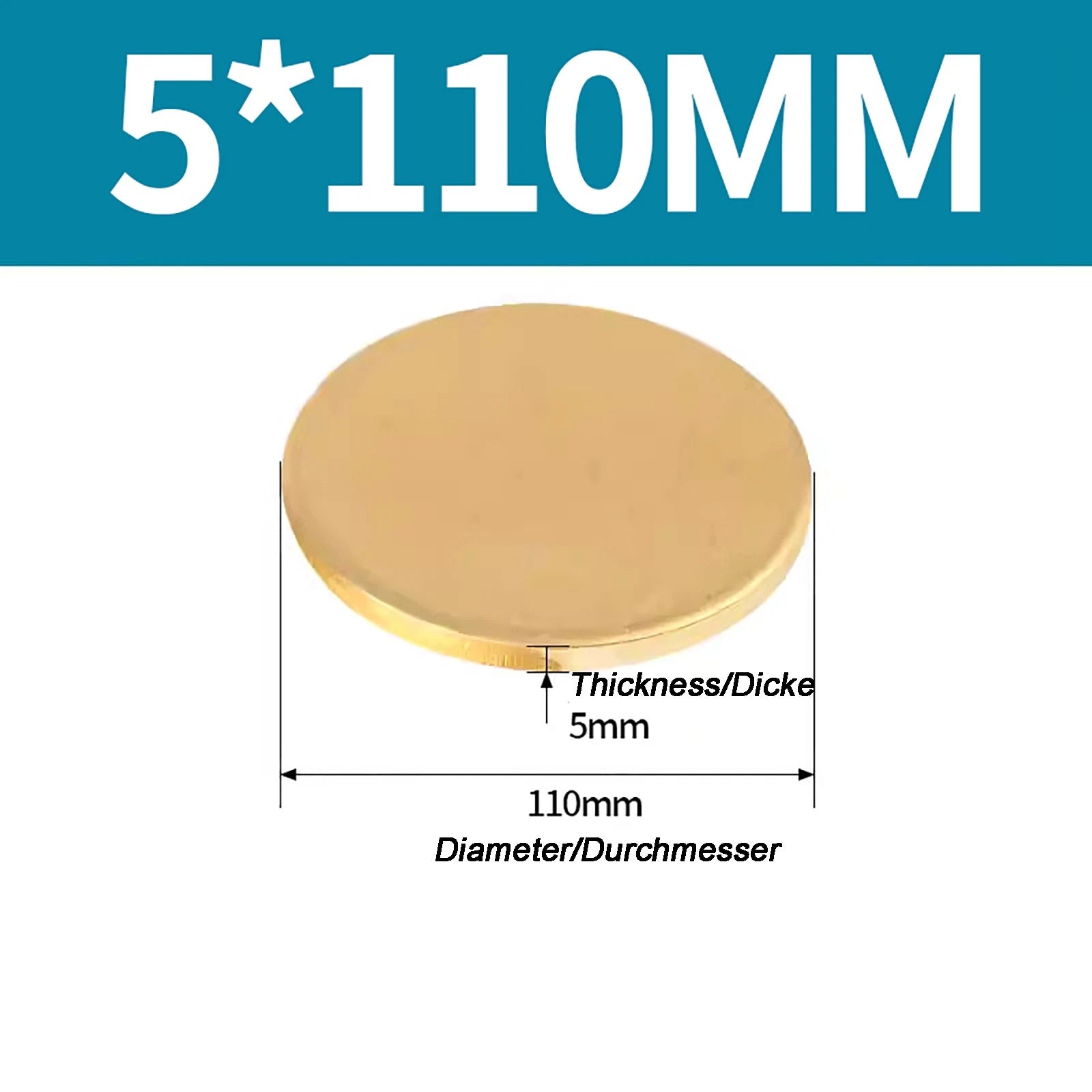
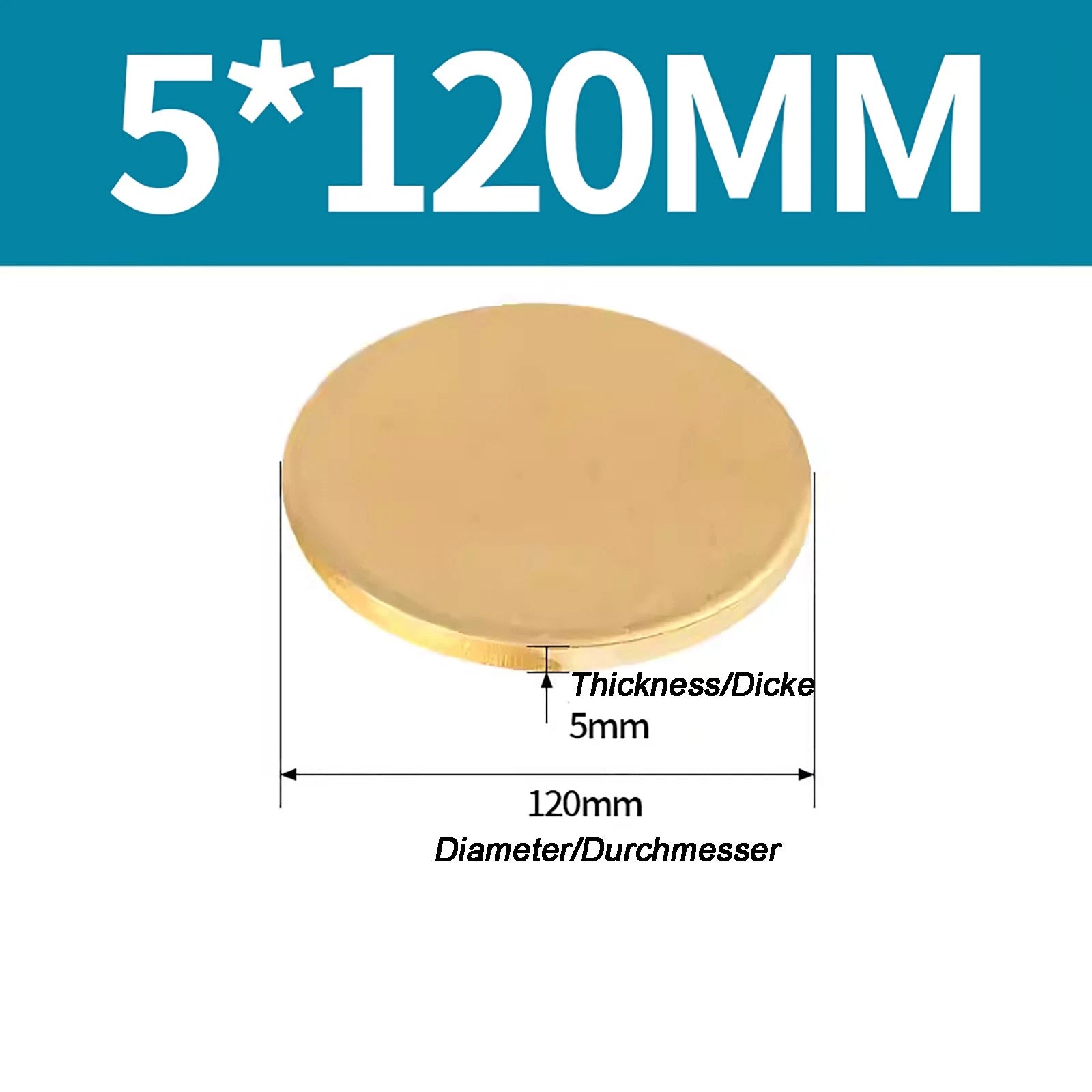
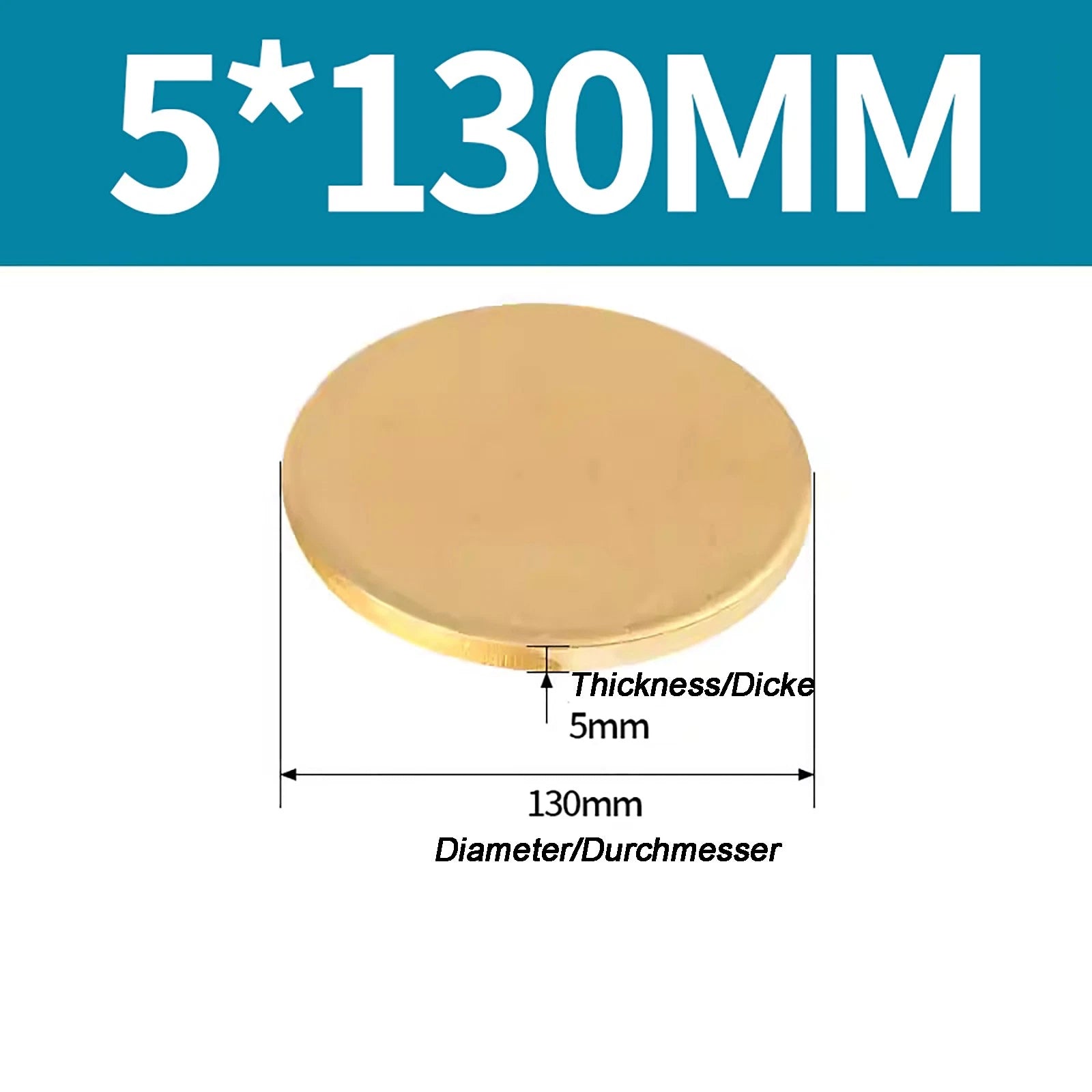
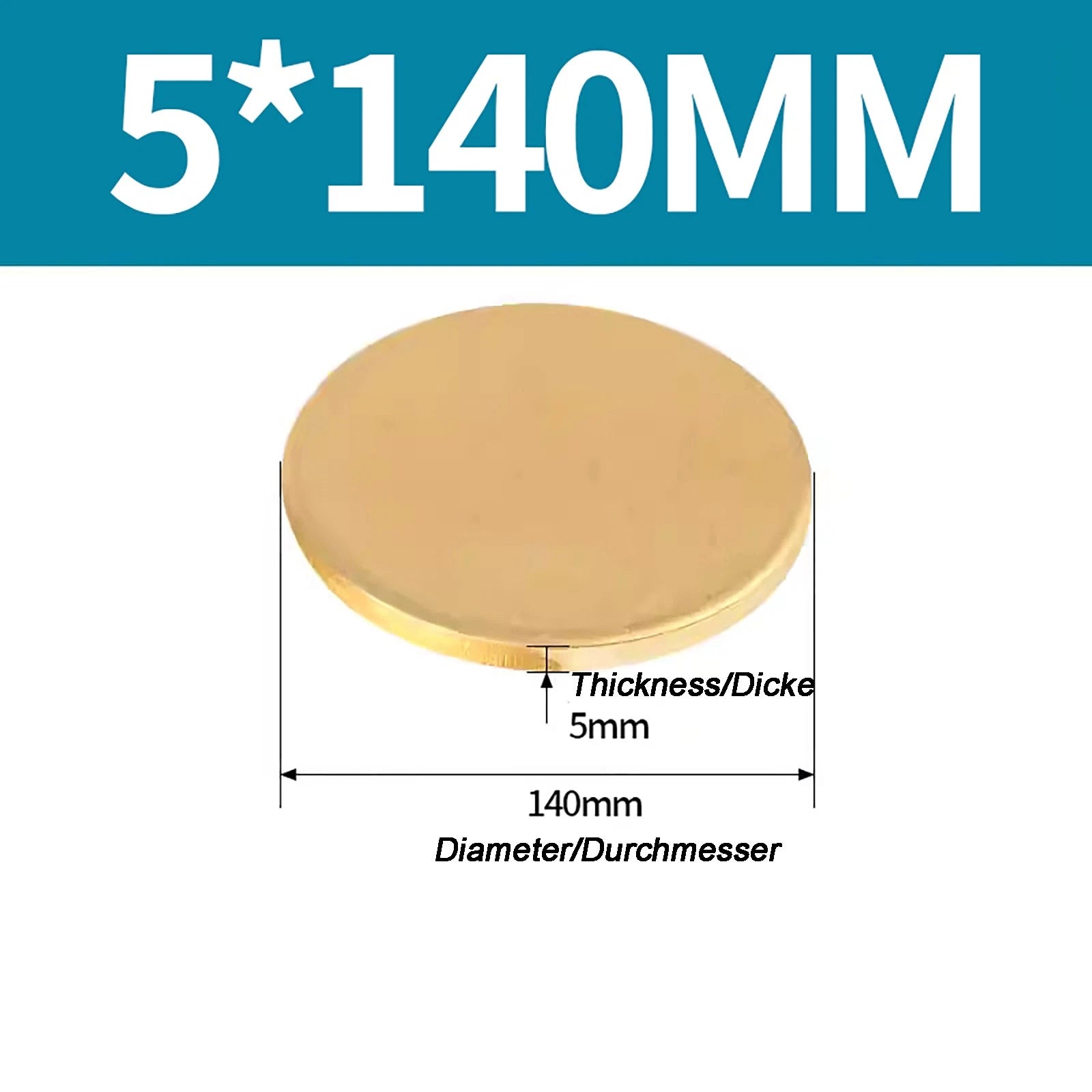
When your project demands a flat, true-round metal blank that machines cleanly, stamps without cracking, and holds a polish, finding the right thickness and diameter in one place can be a real time-sink. Whether you are a jeweler cutting custom pendants, a model engineer turning flanges, or a maker repairing worn components, these solid brass disc blanks give you a ready-to-use starting point without the waste of cutting from sheet stock.
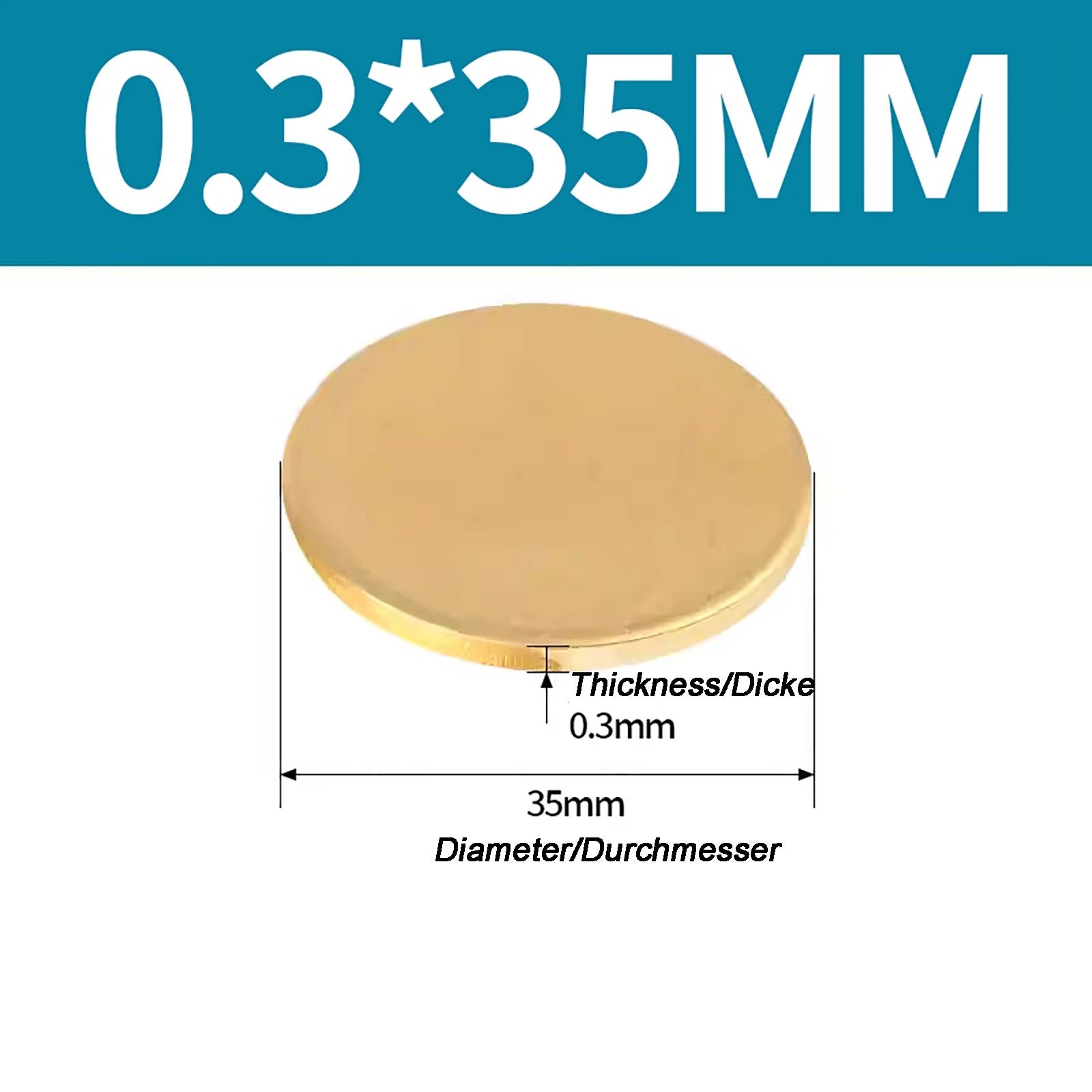
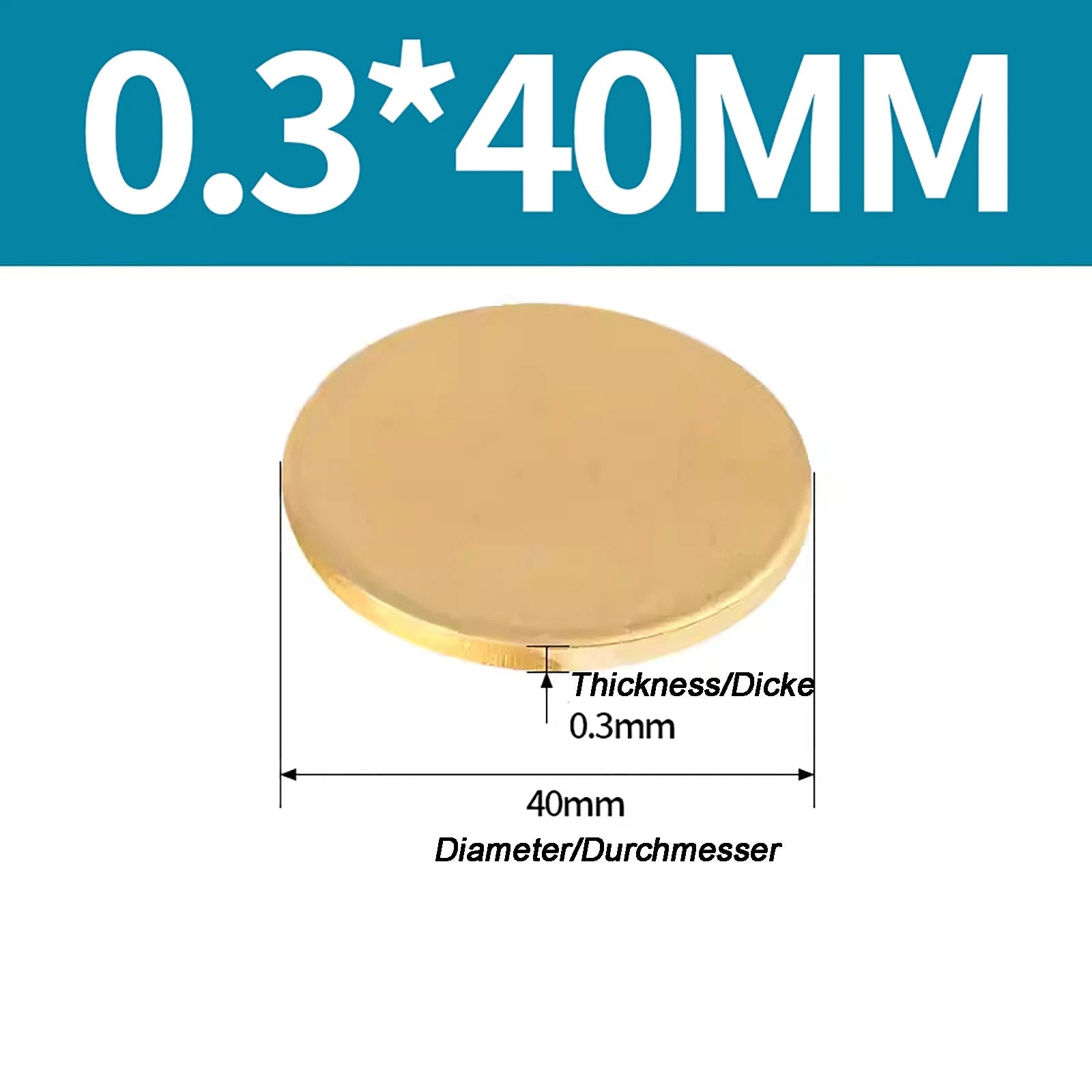
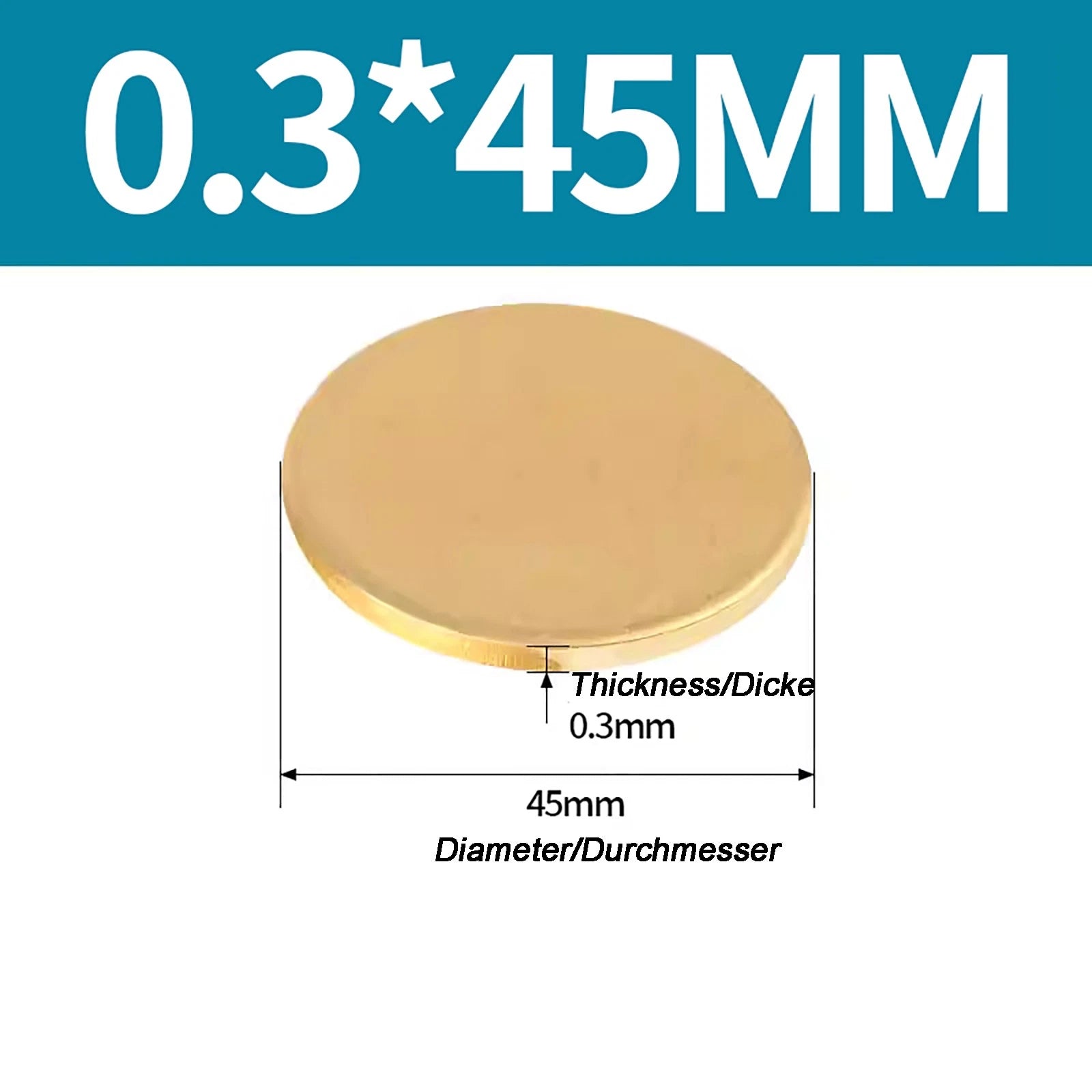
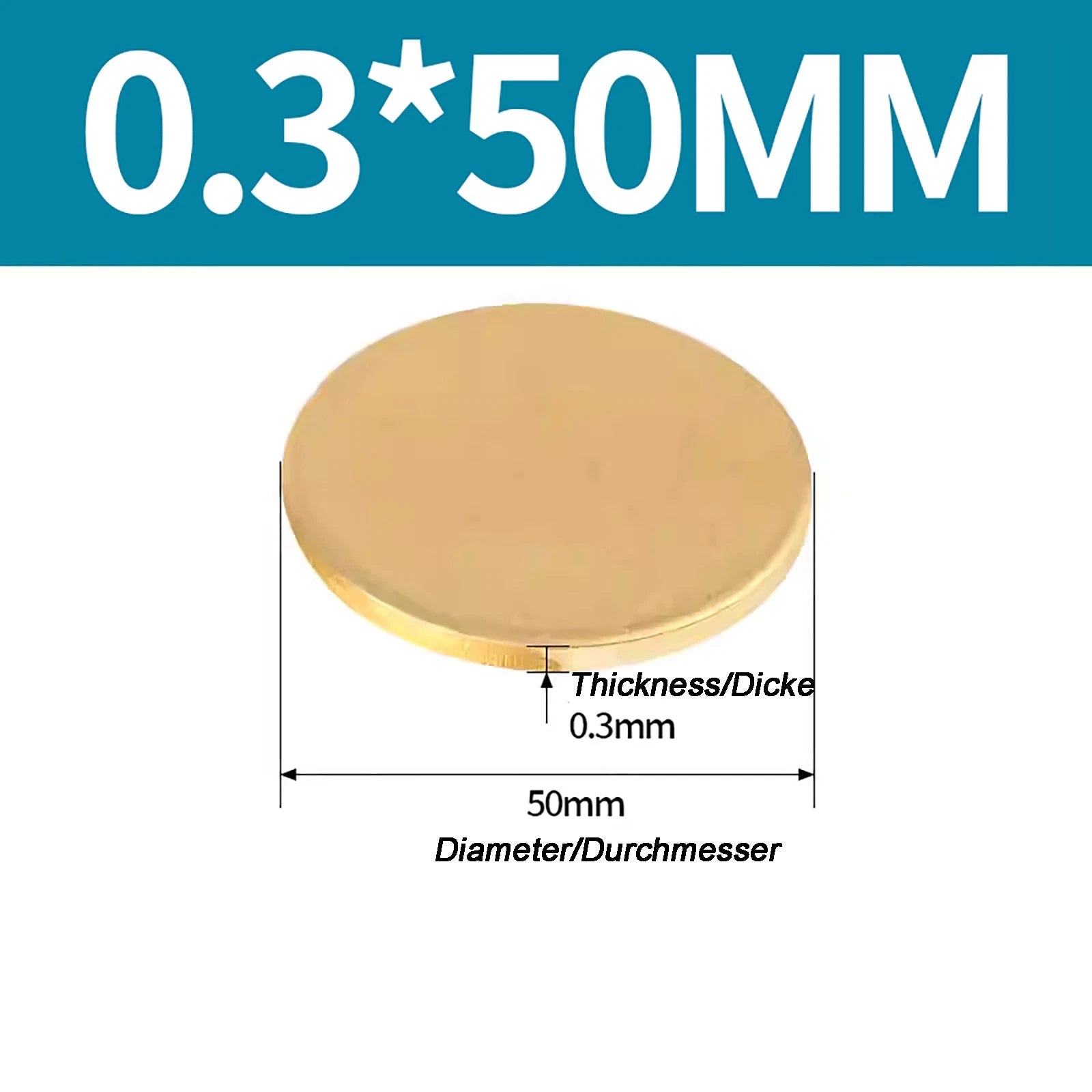
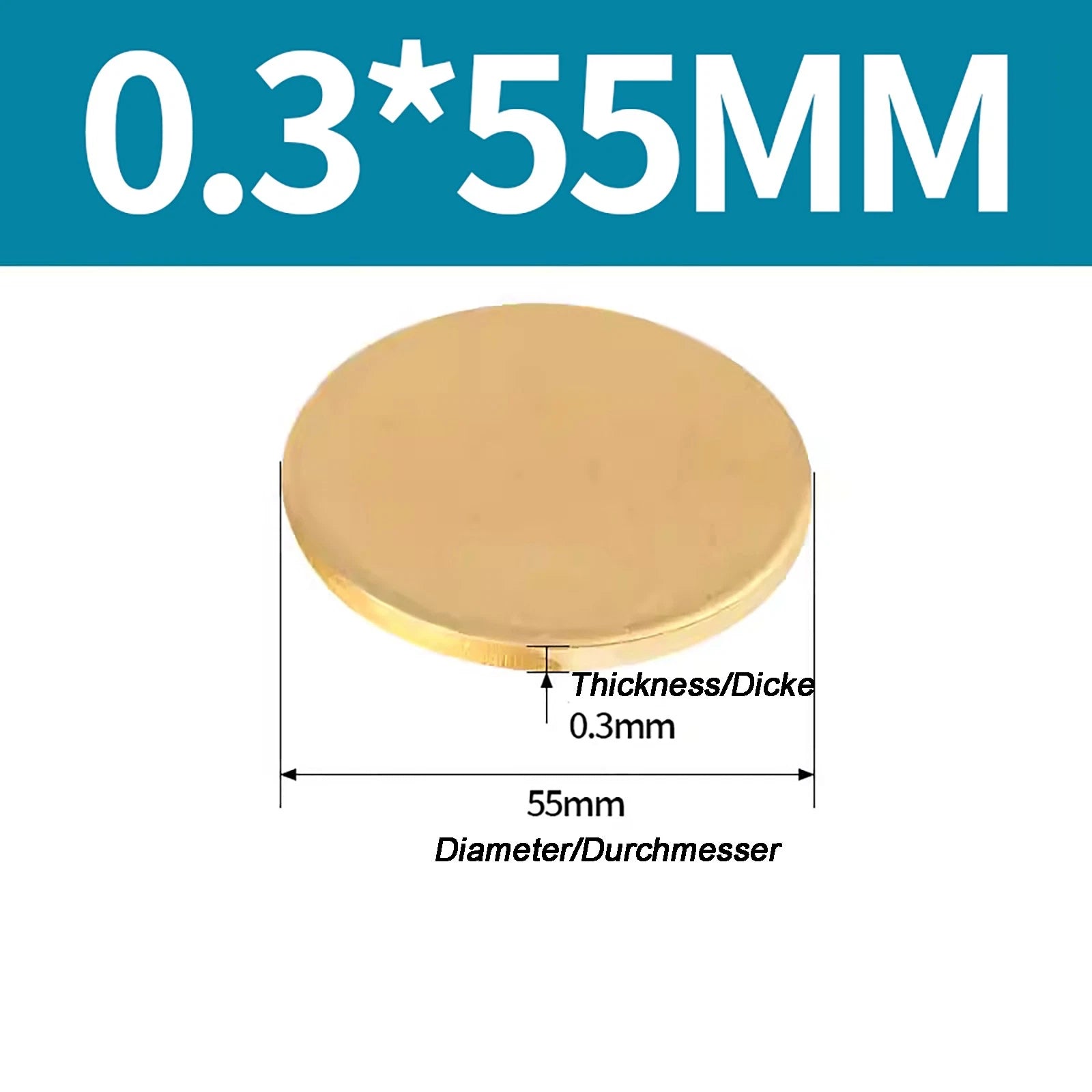
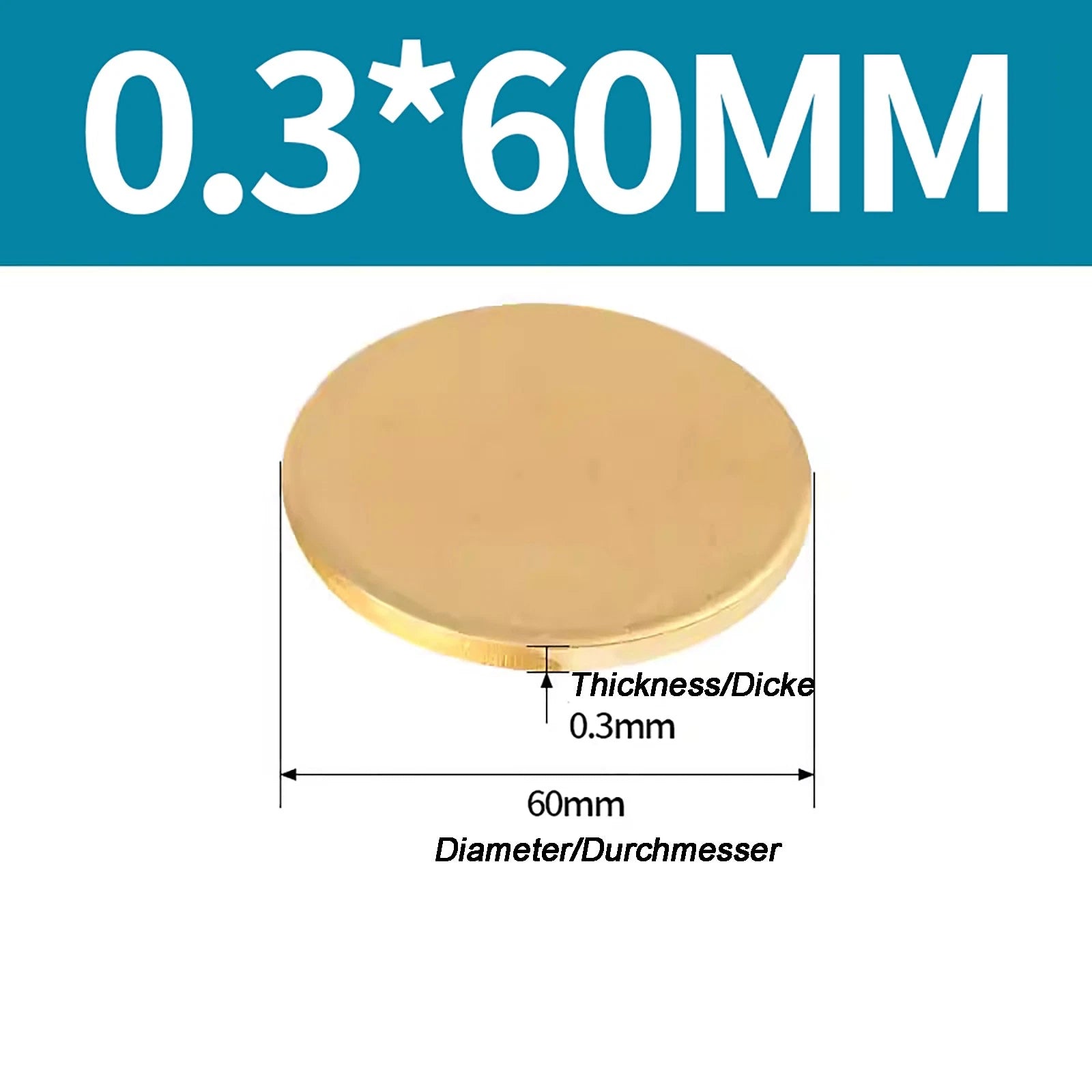
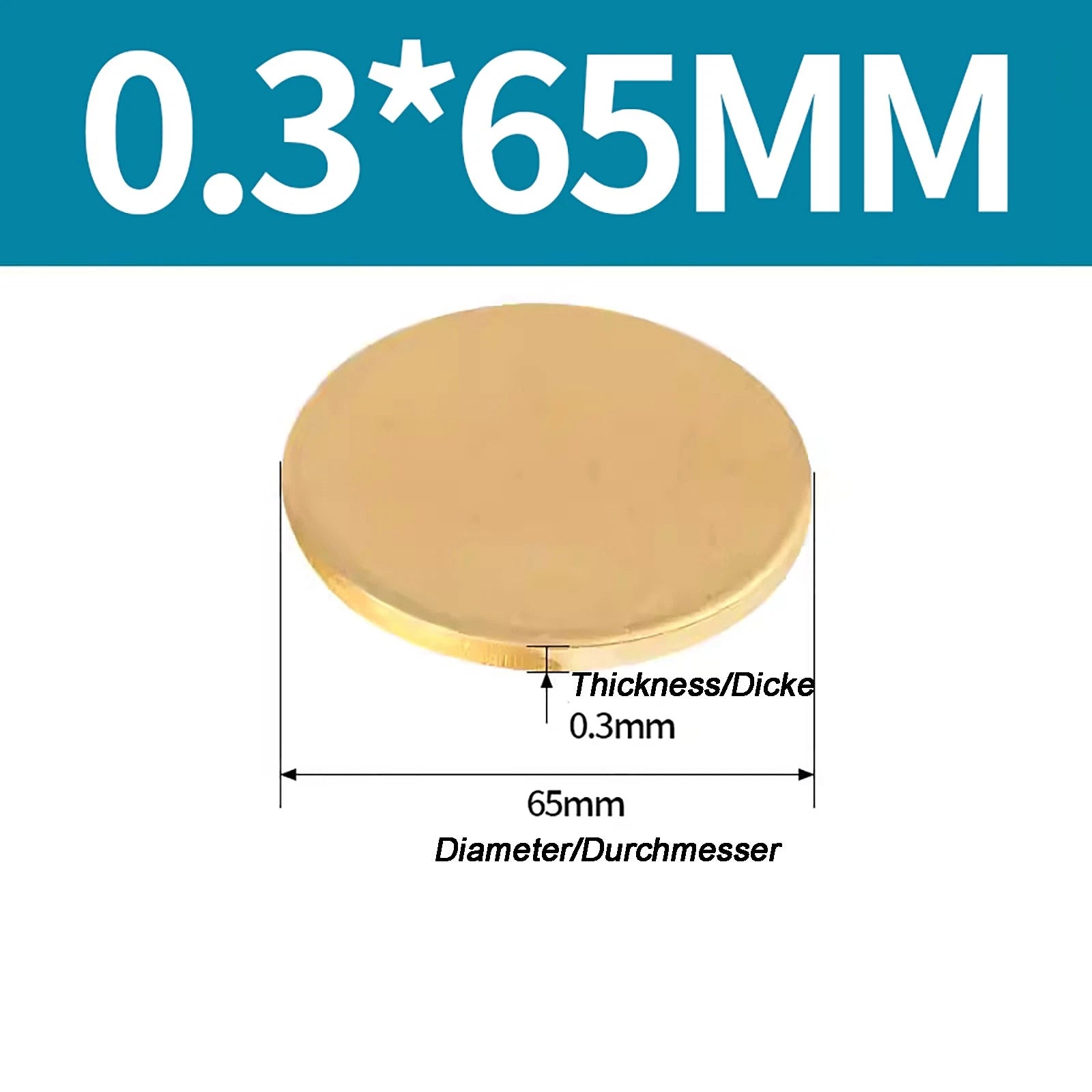
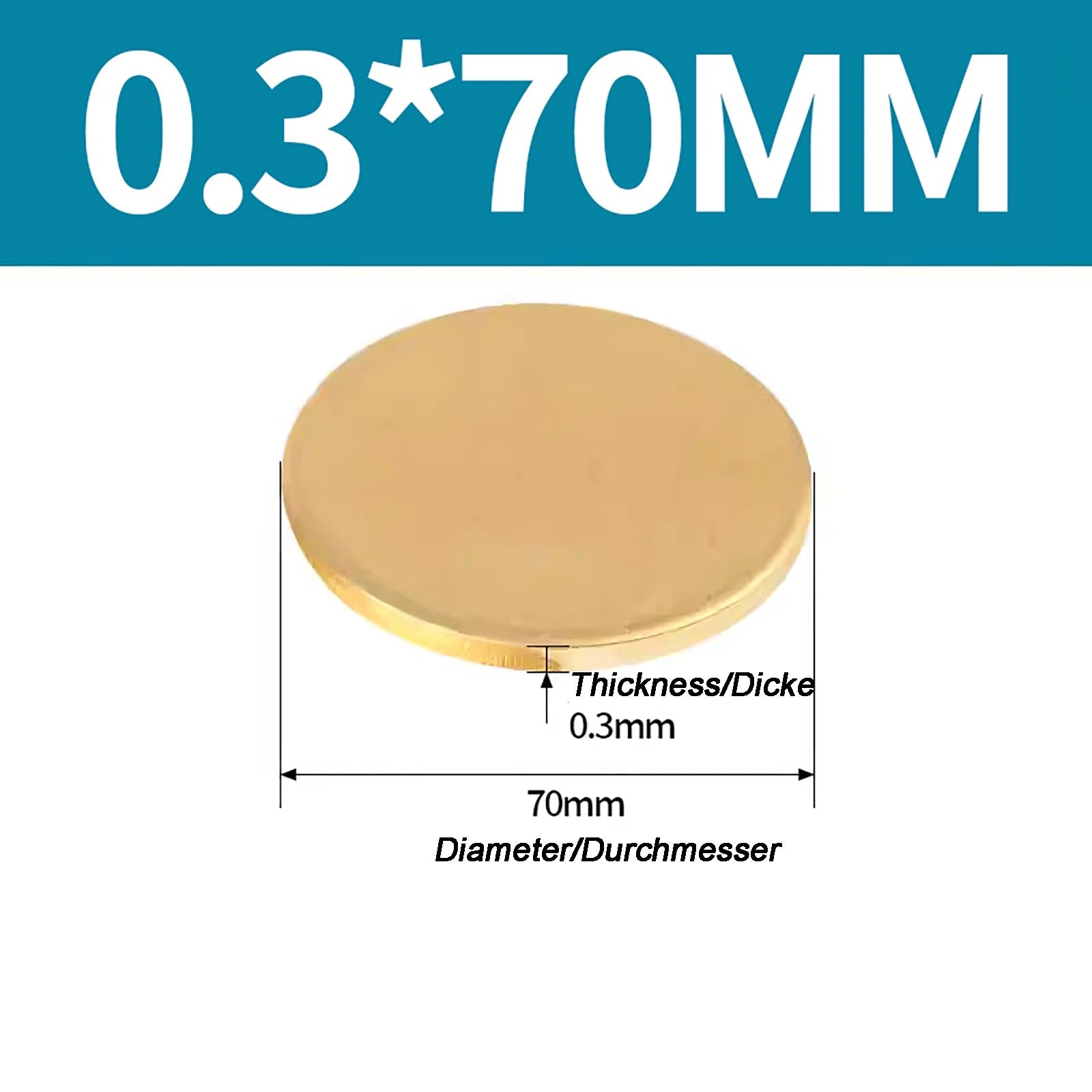
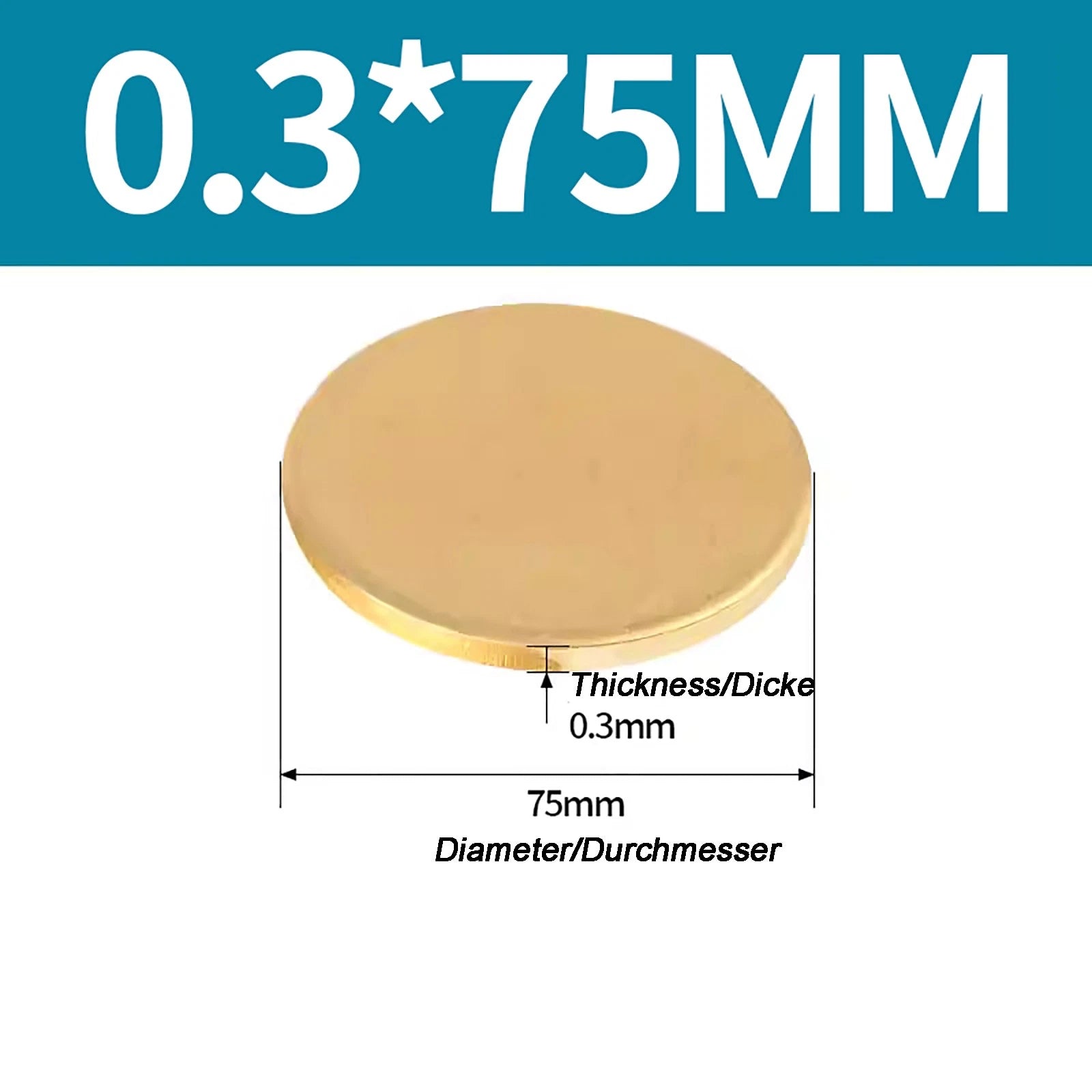
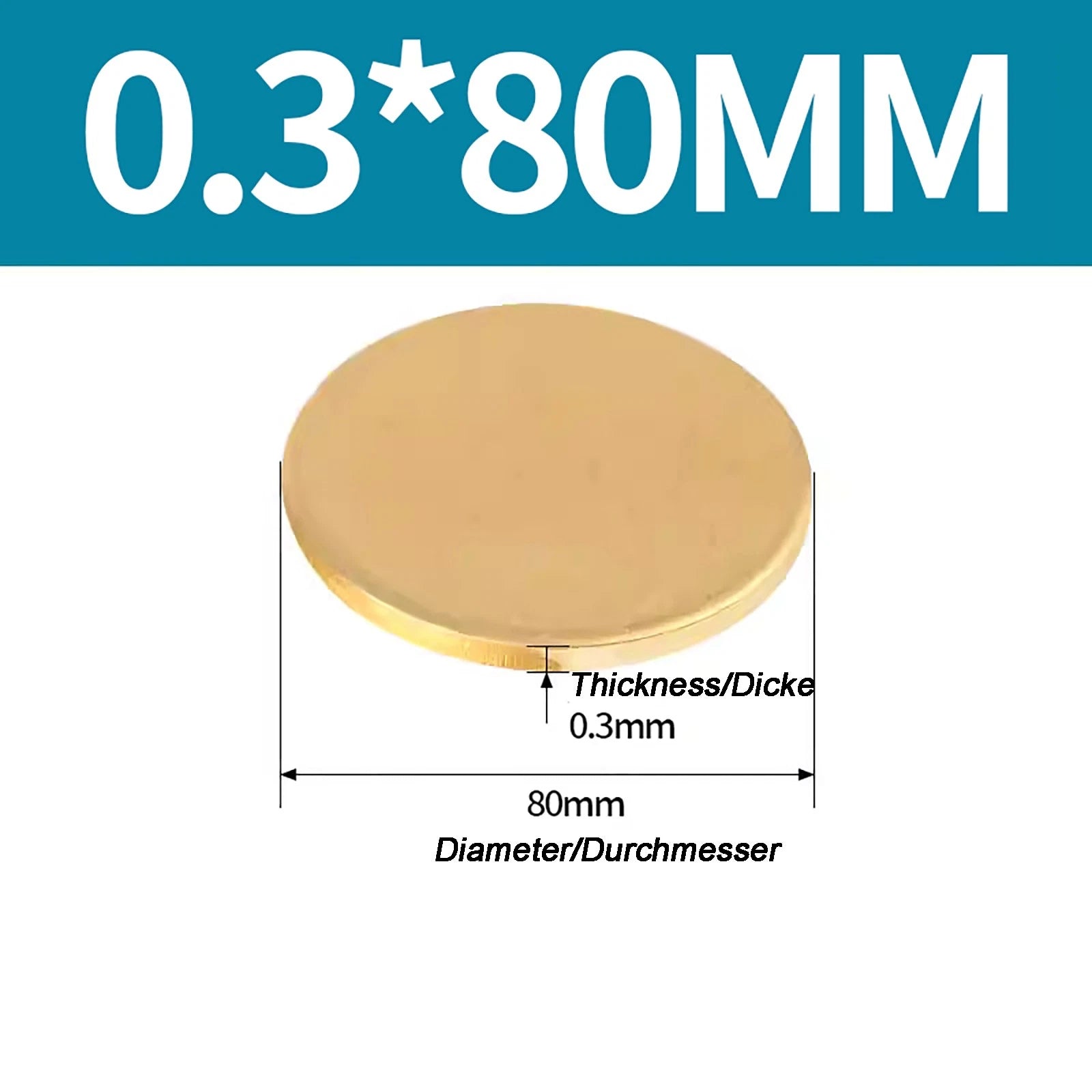
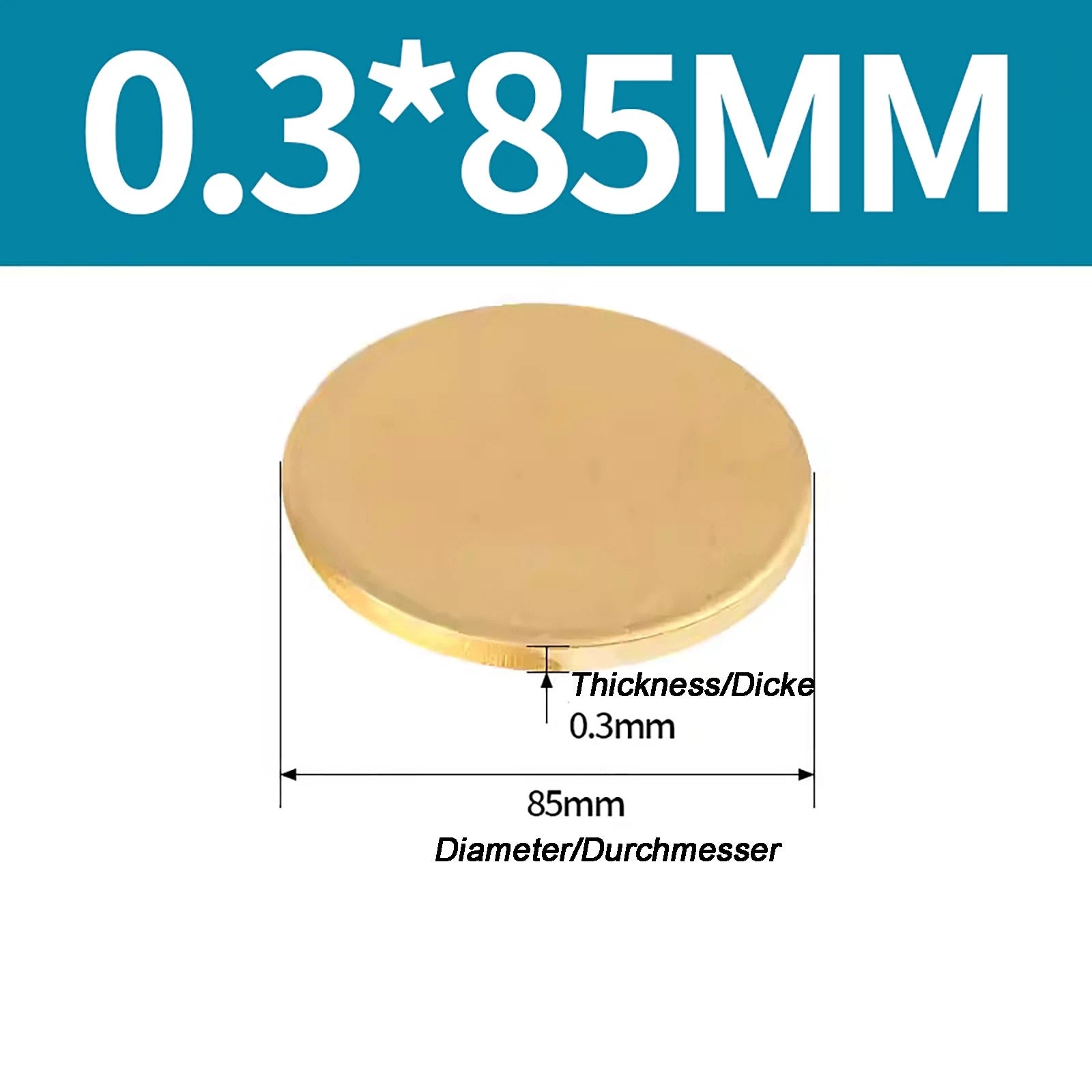
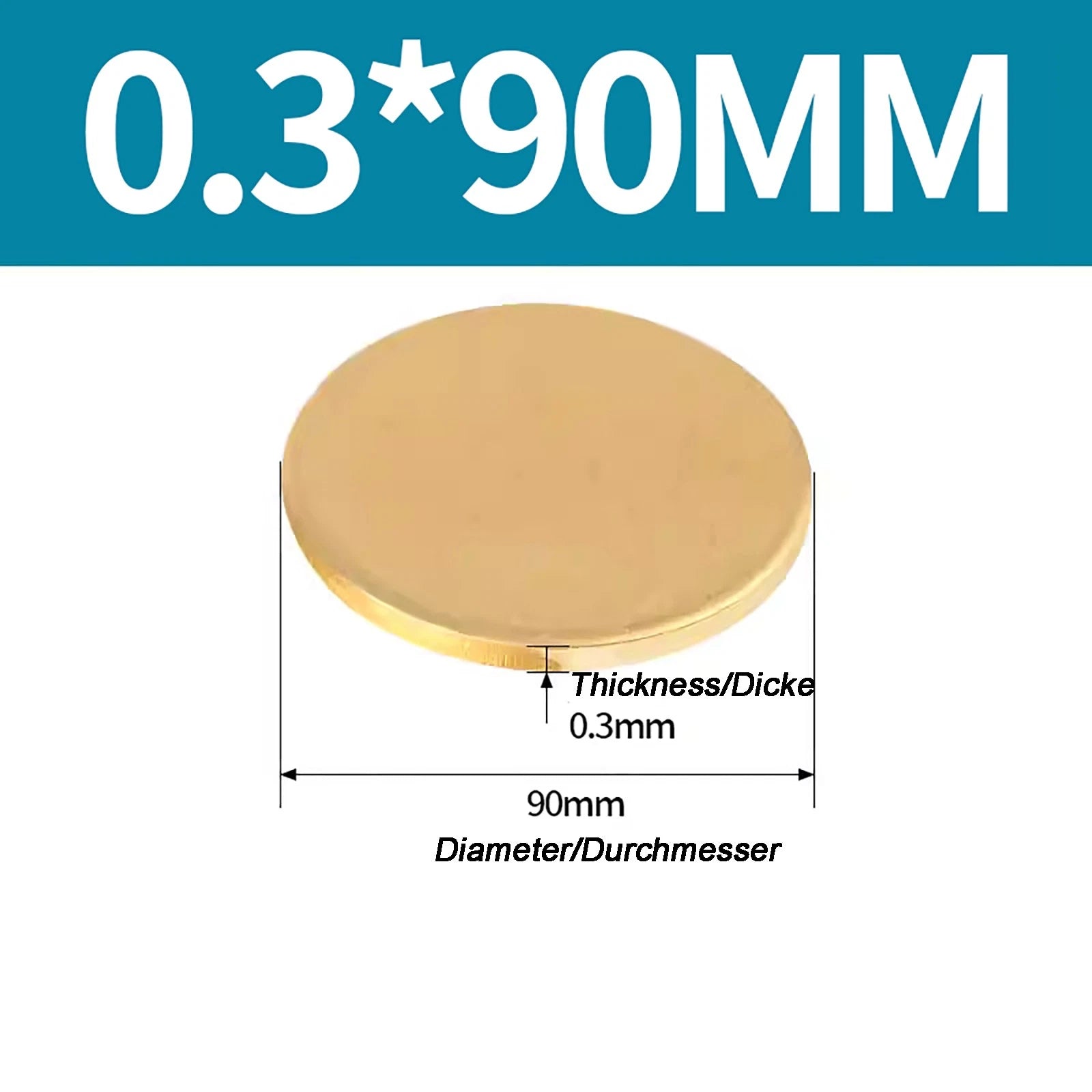
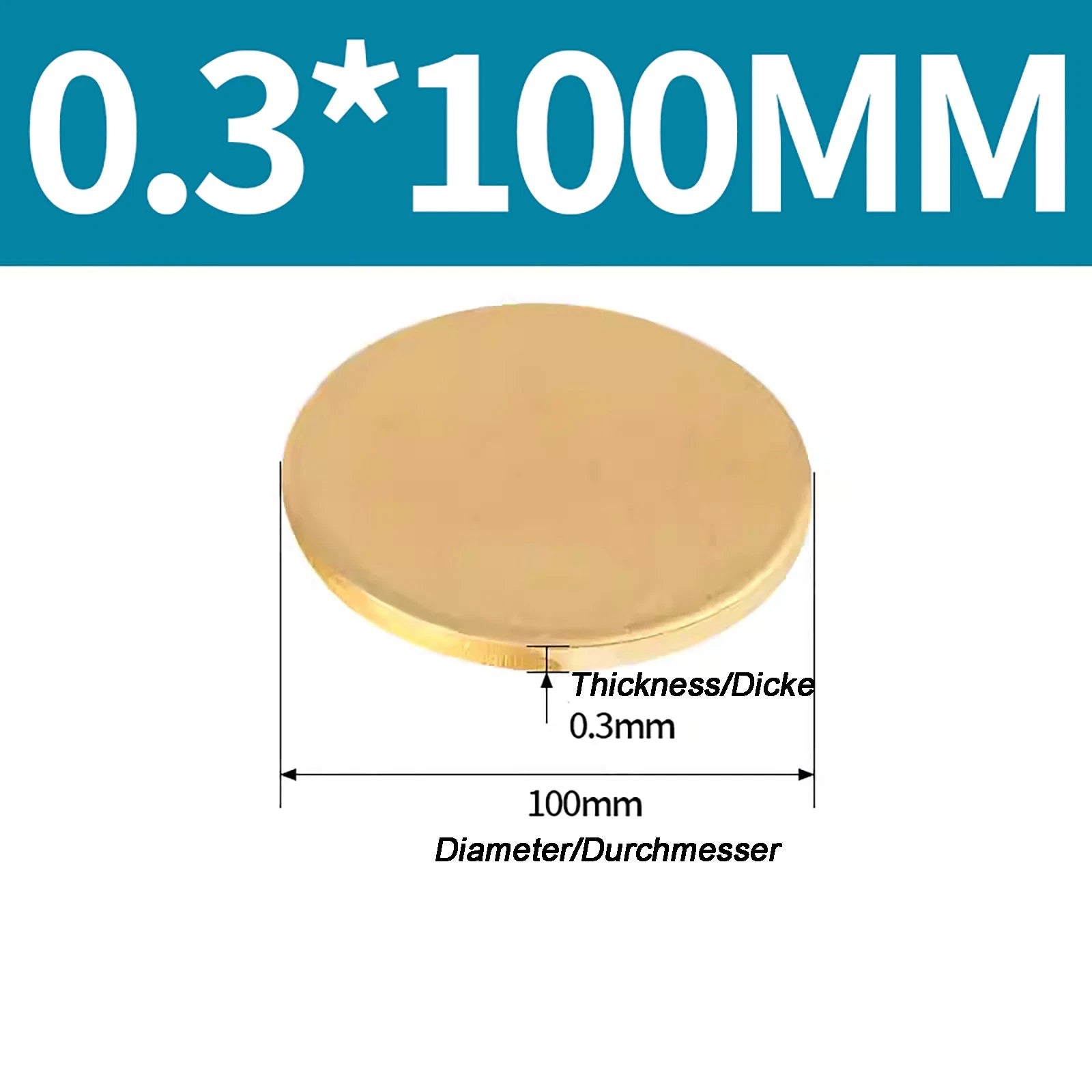
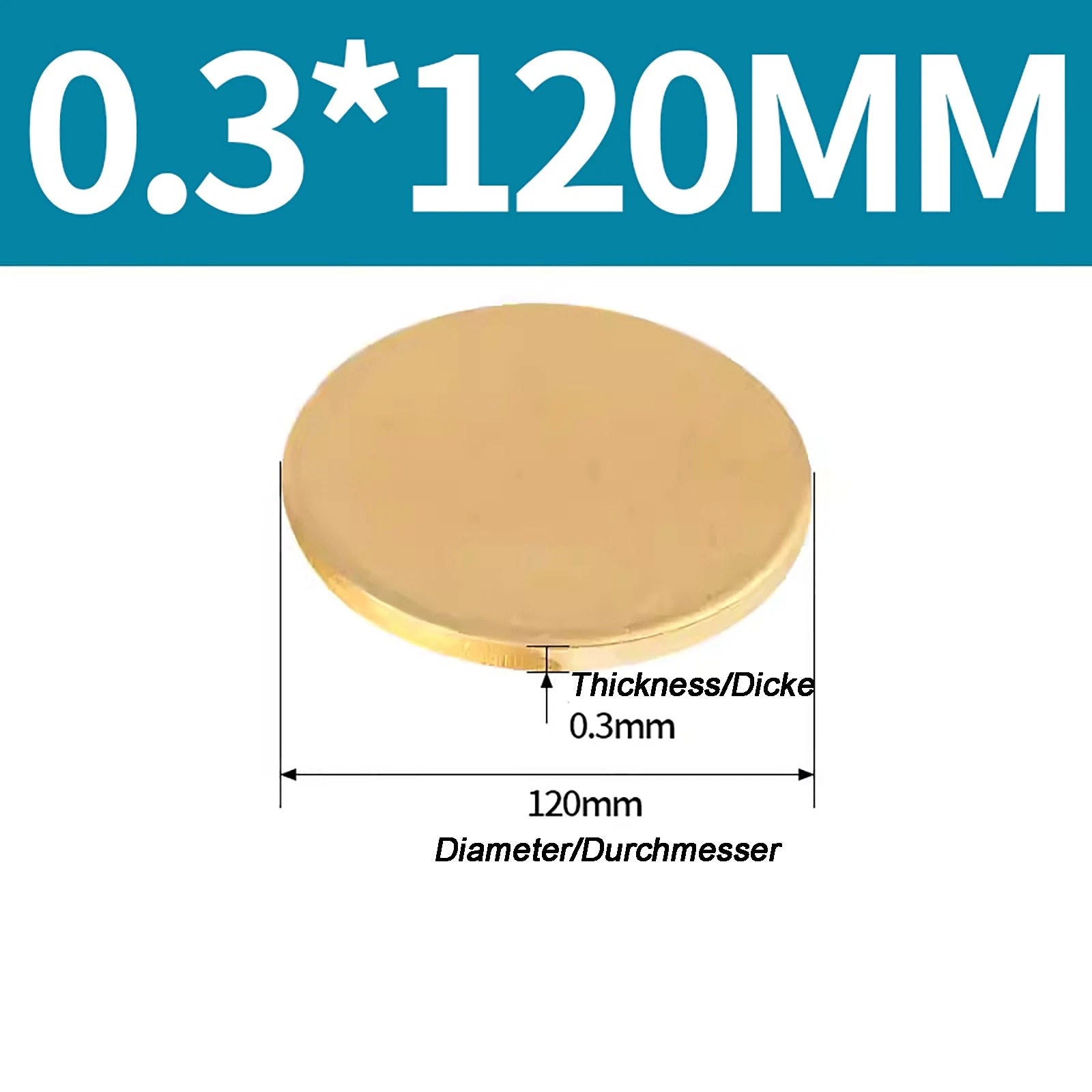
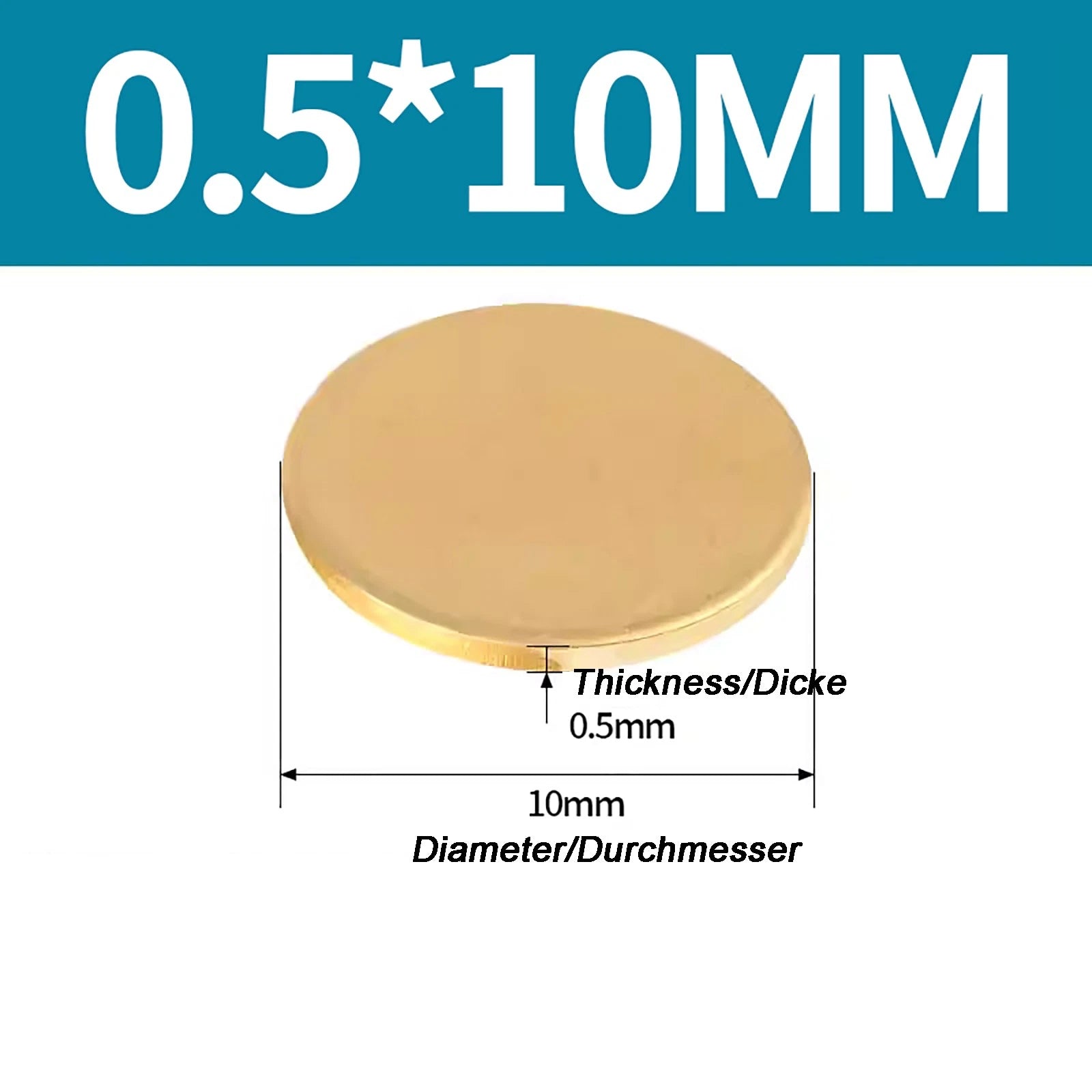
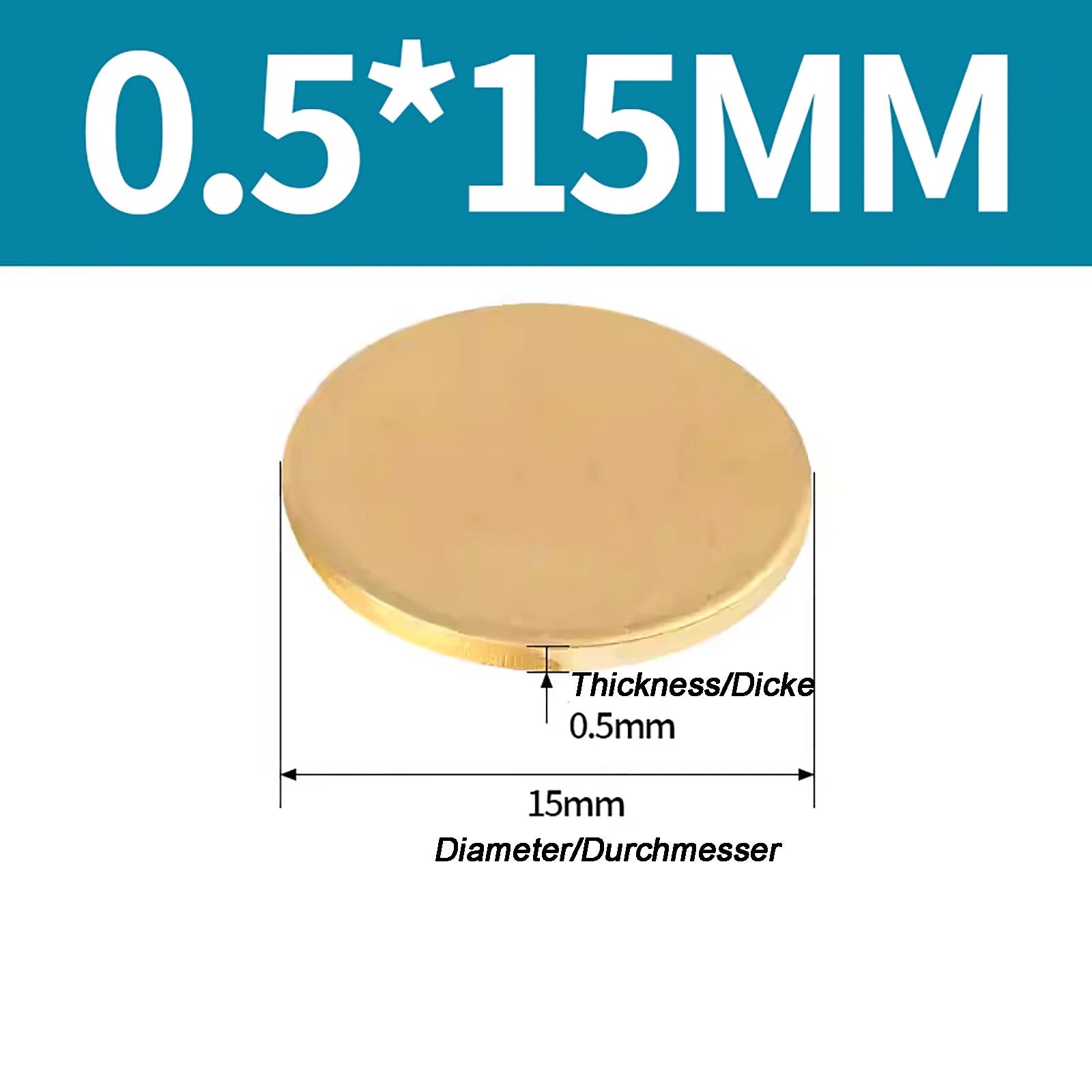
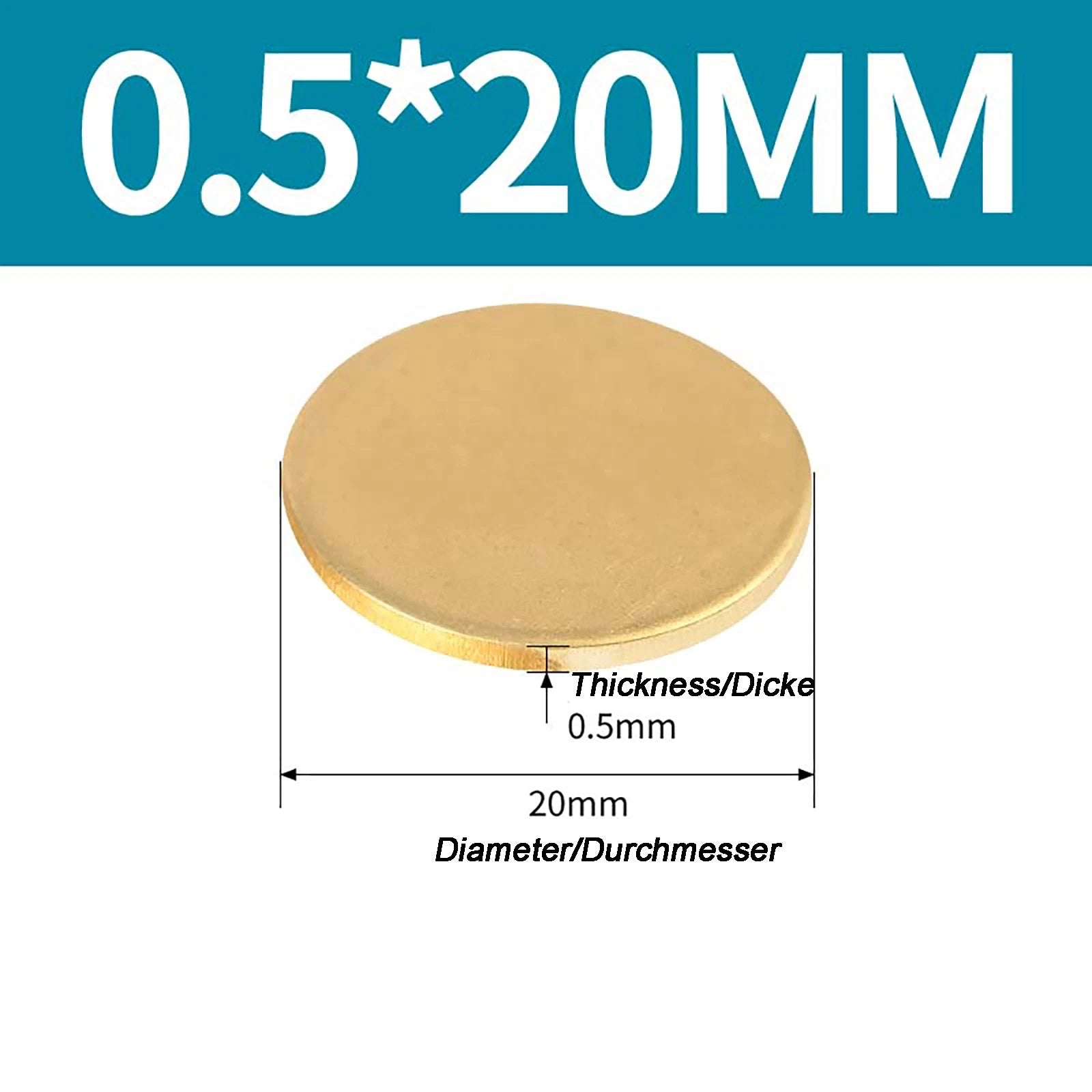
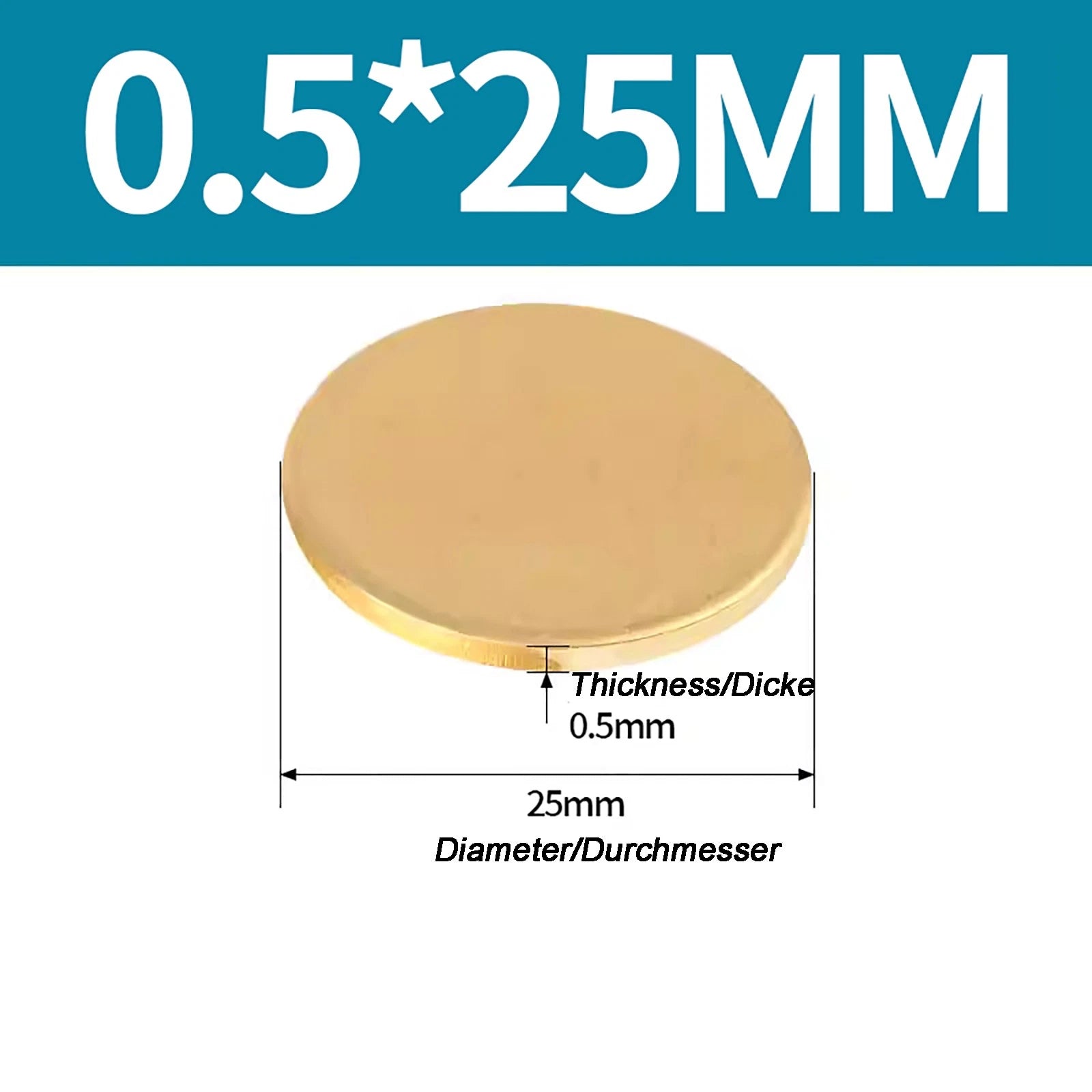
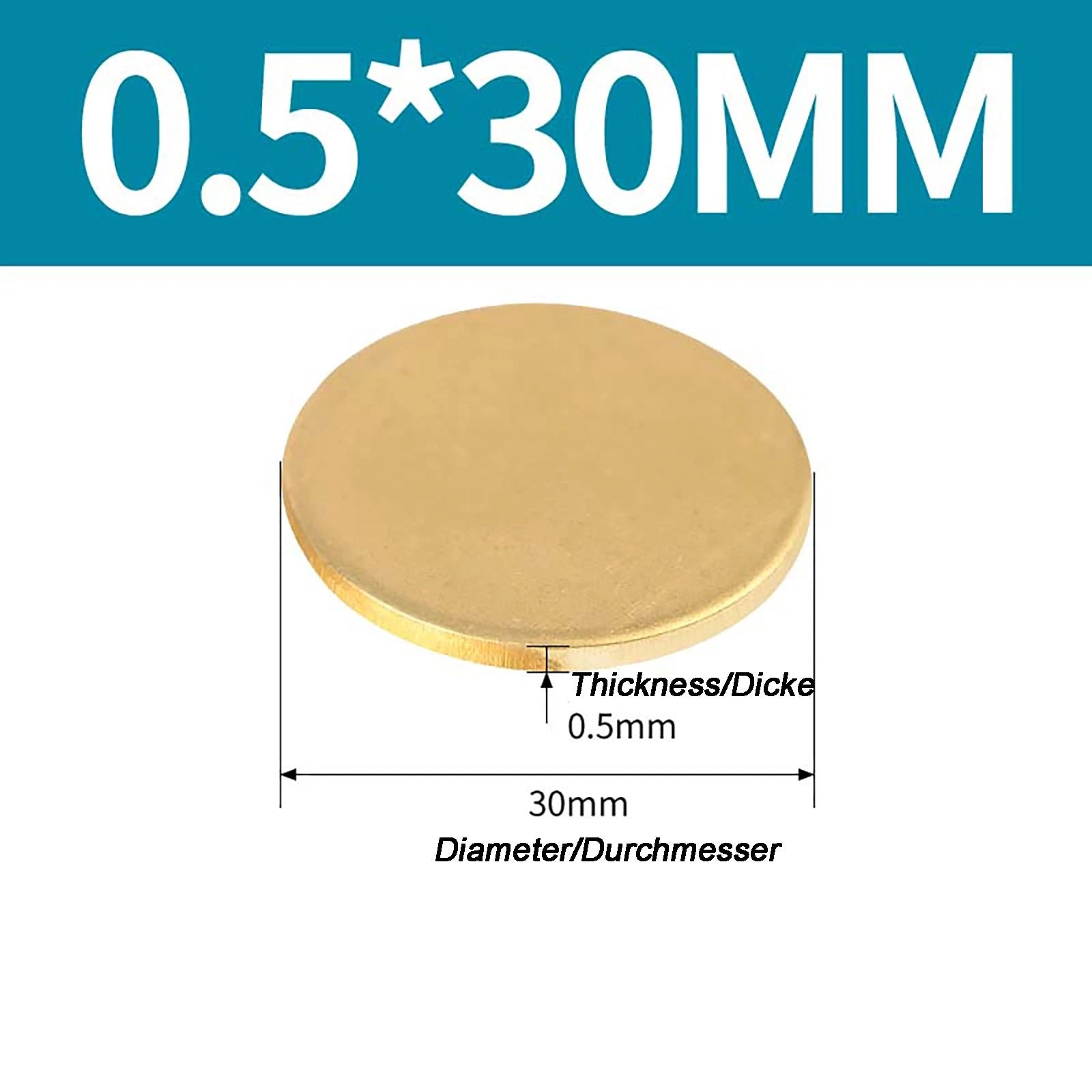
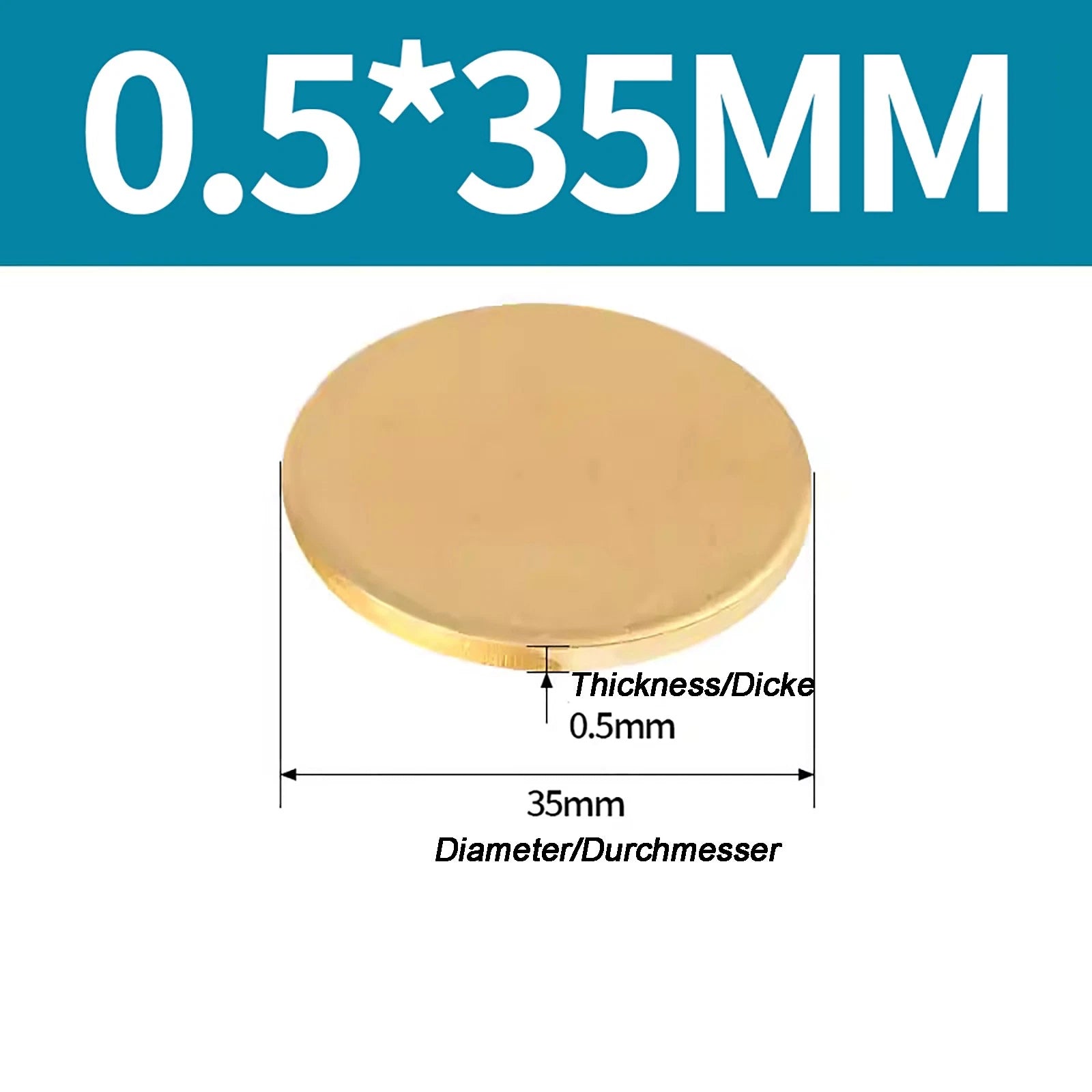
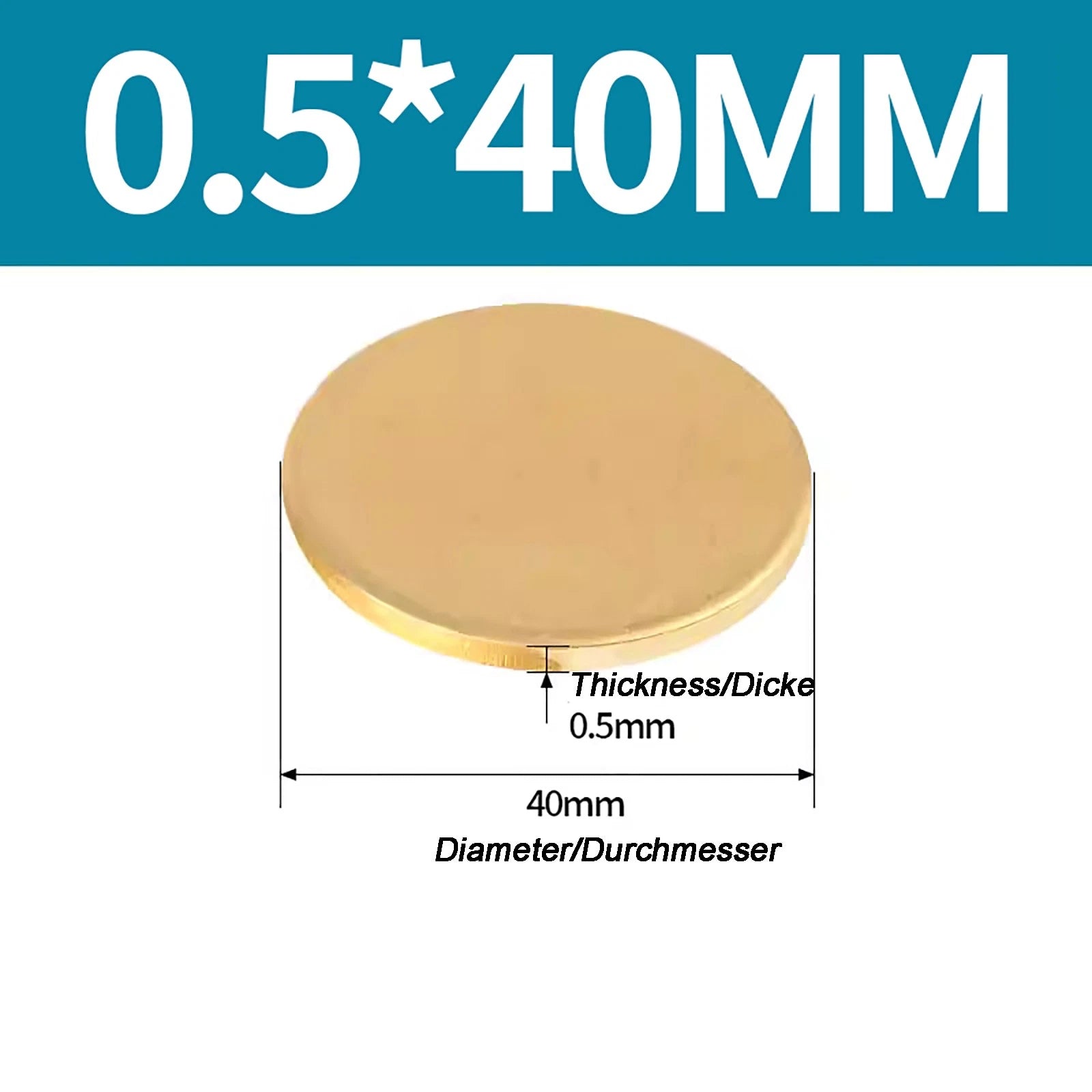
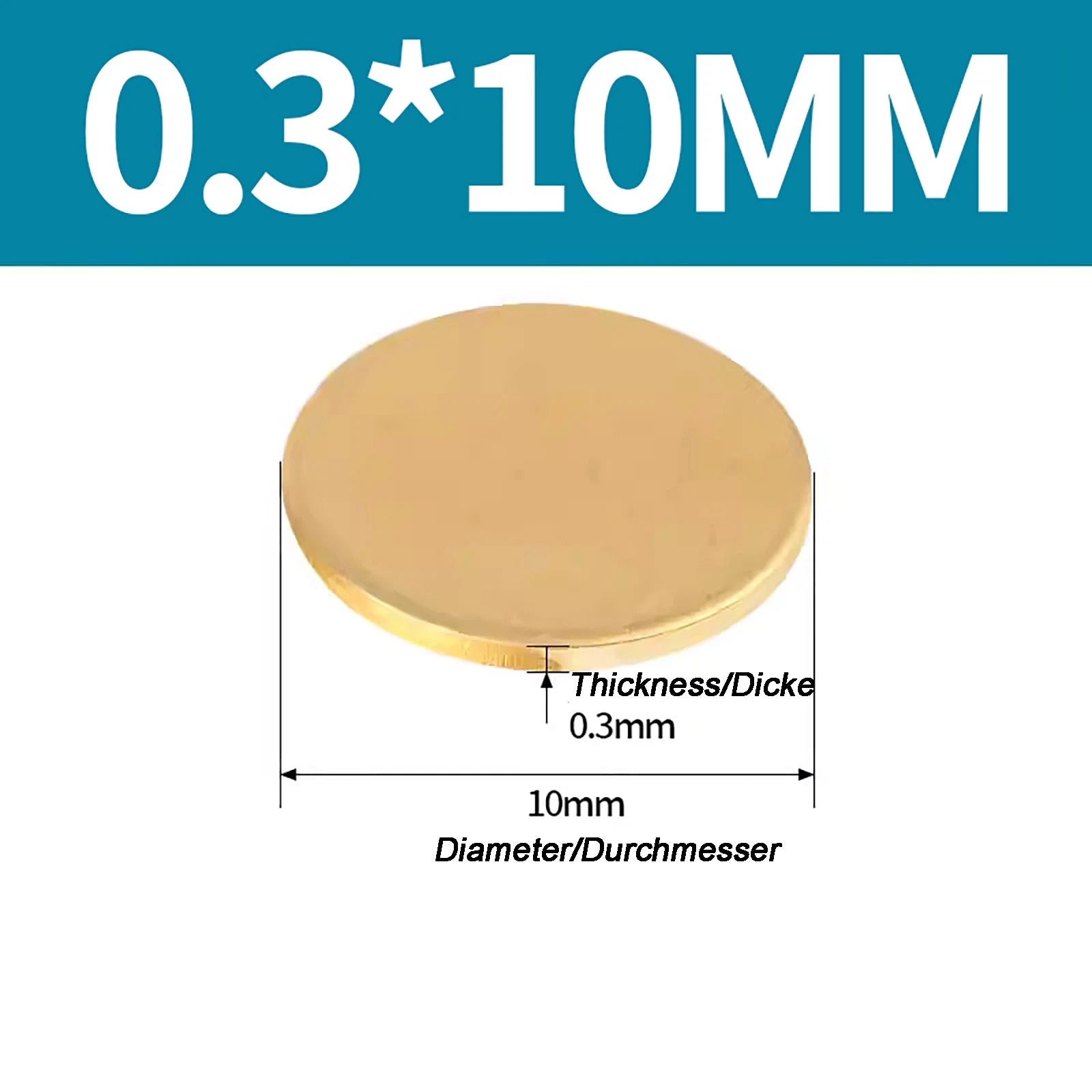
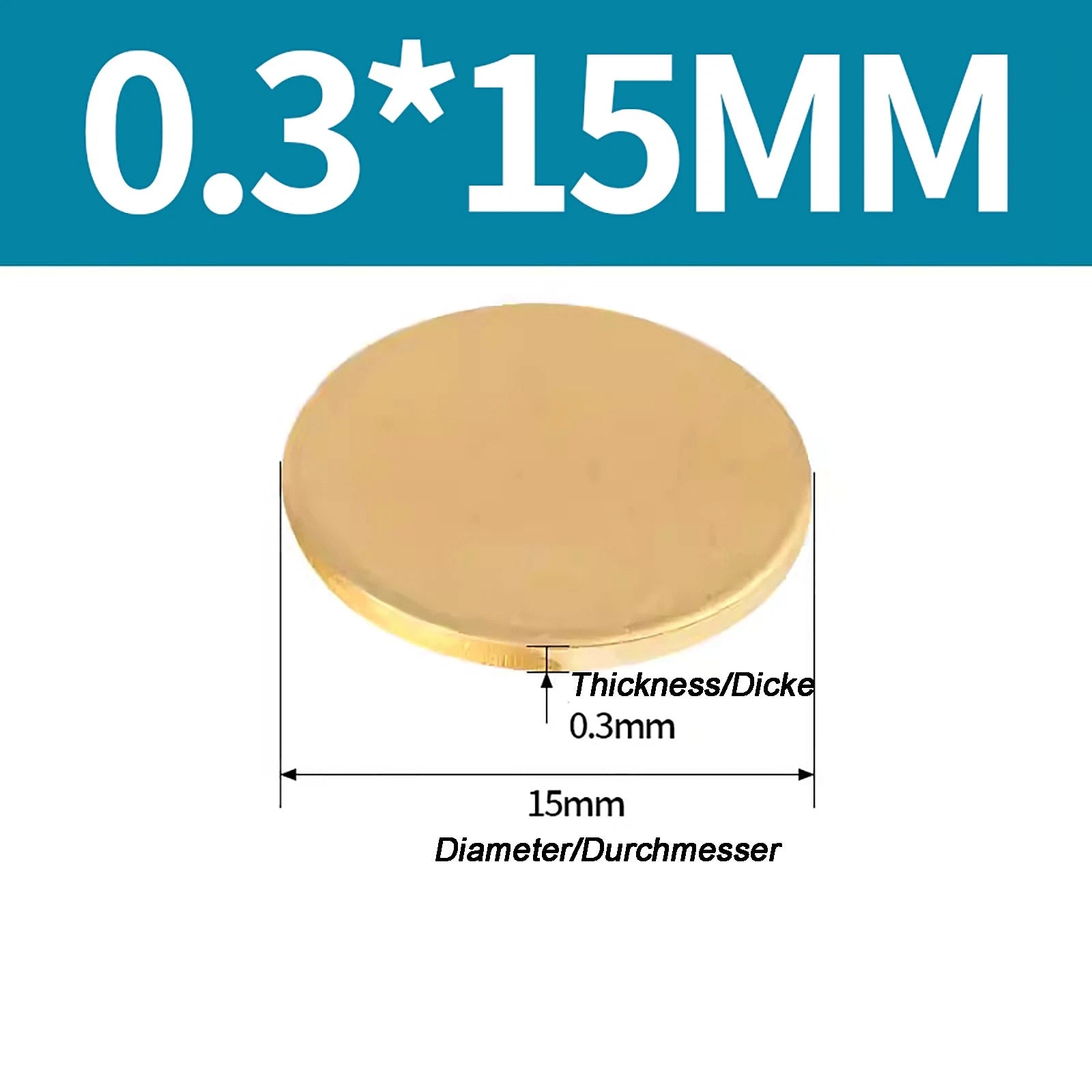
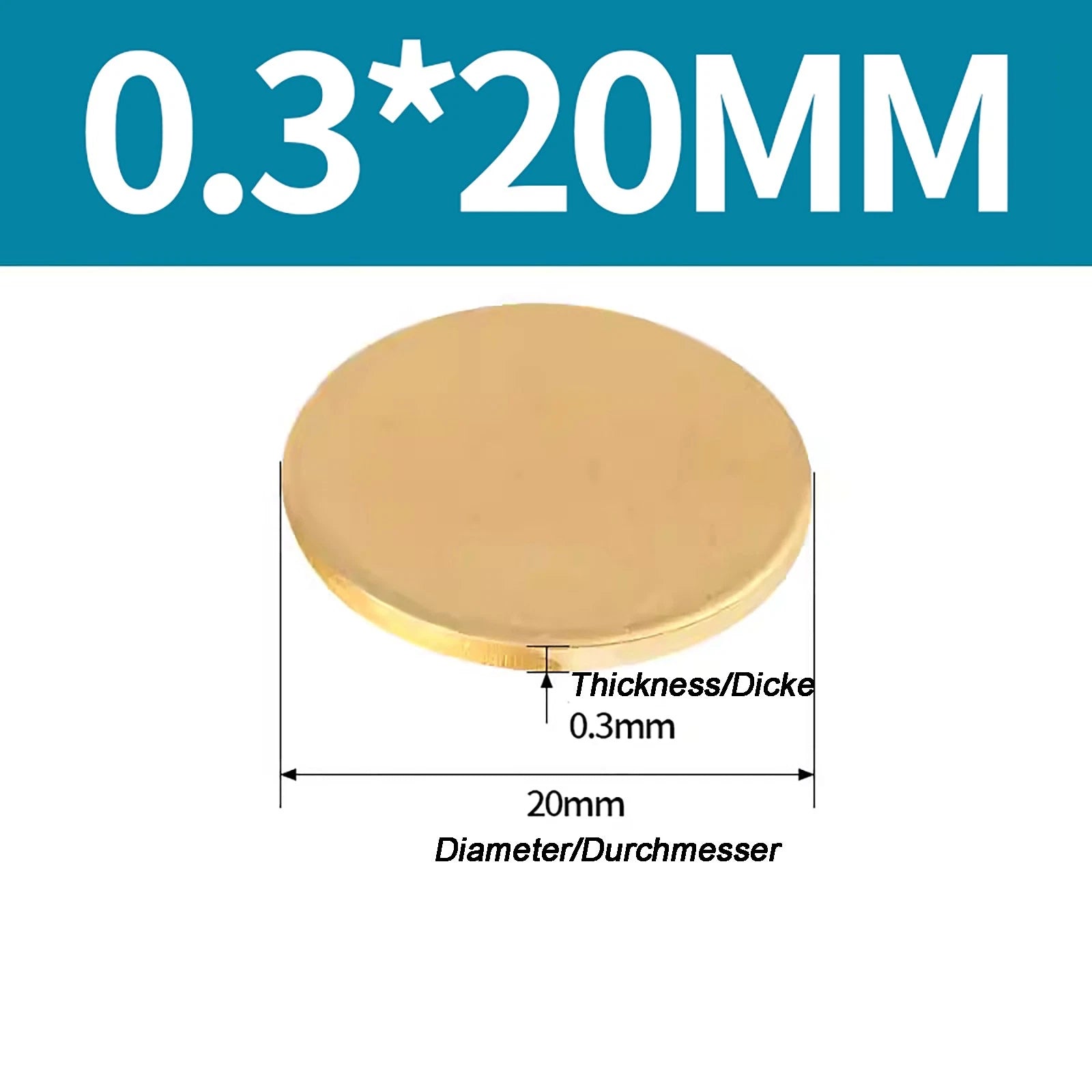
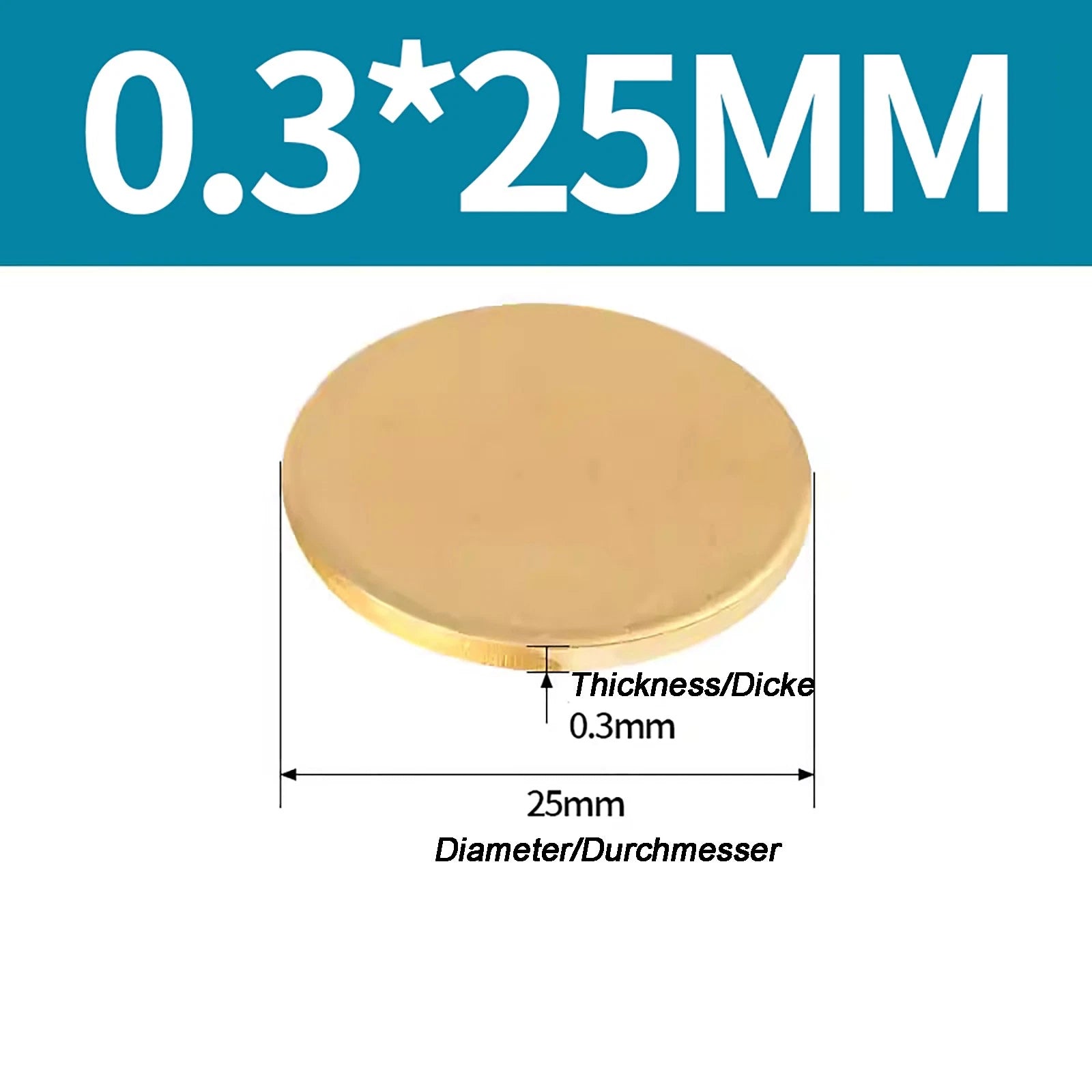
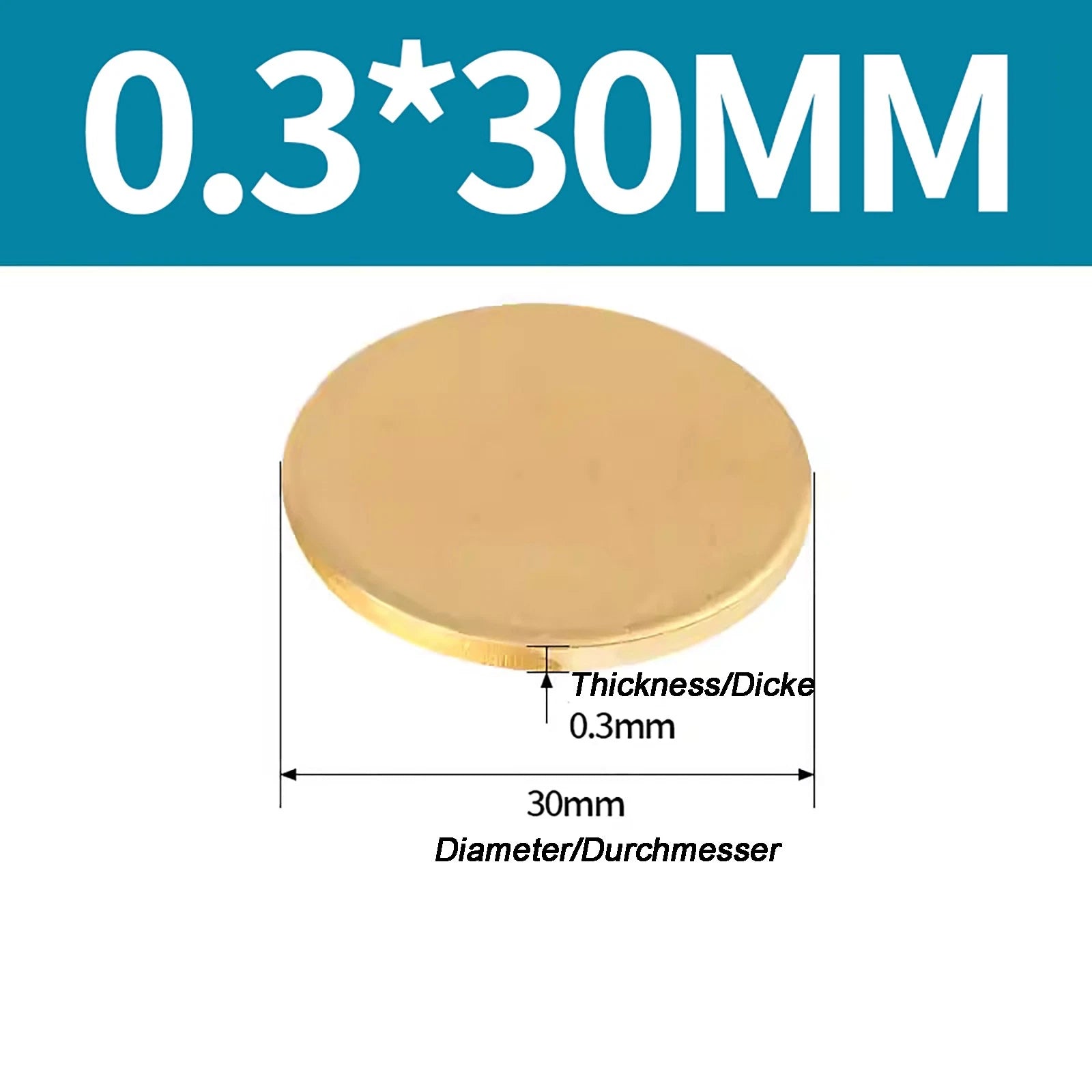
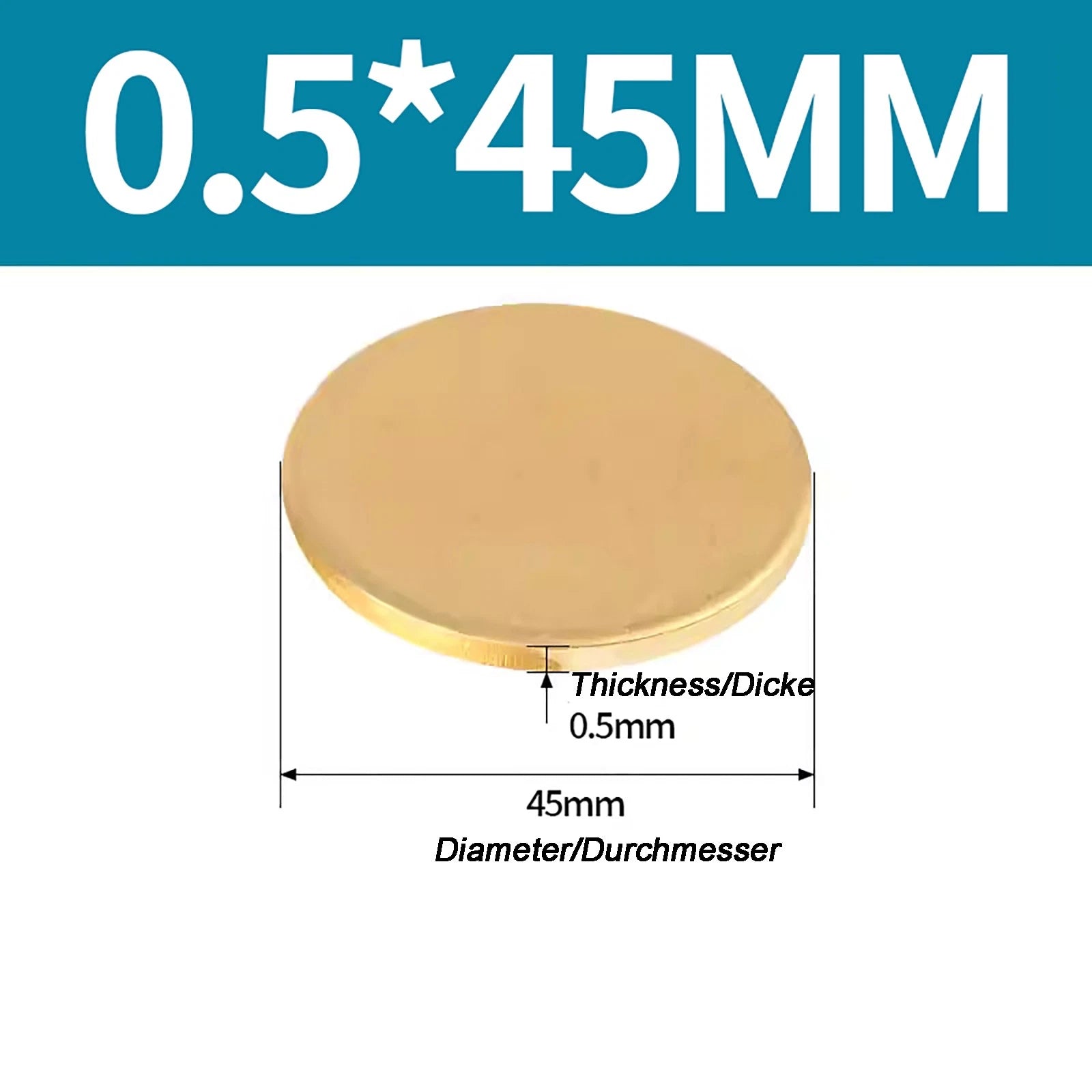
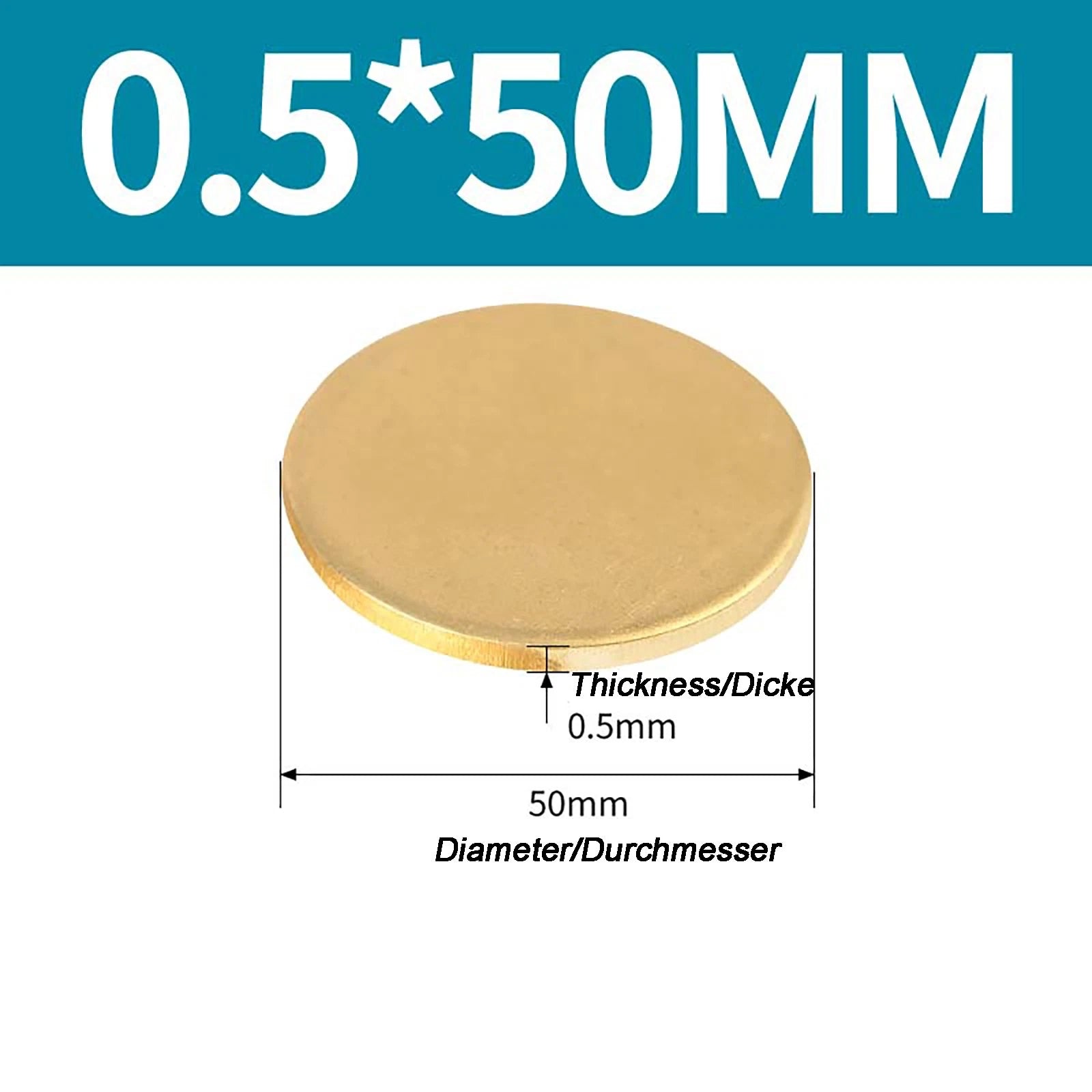
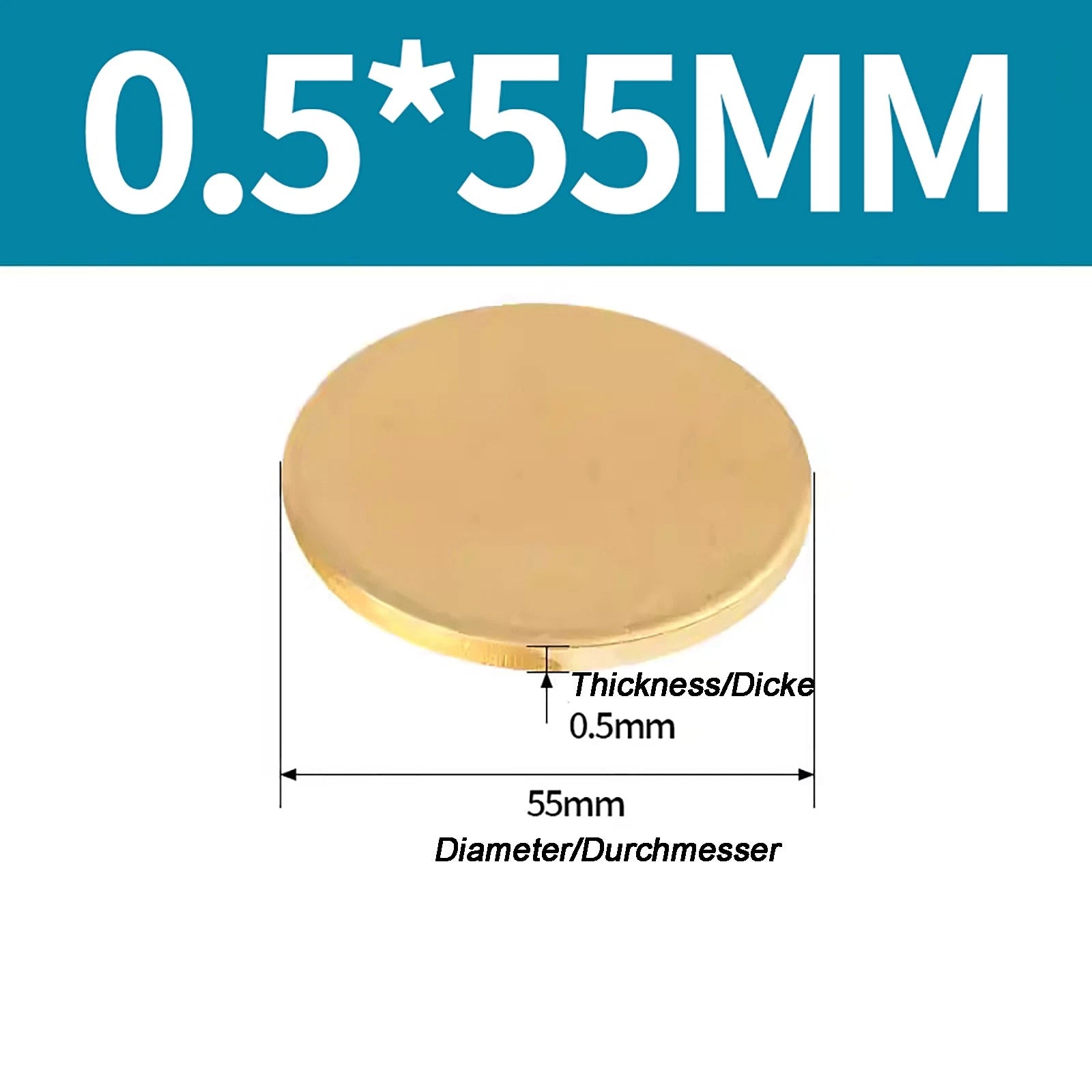
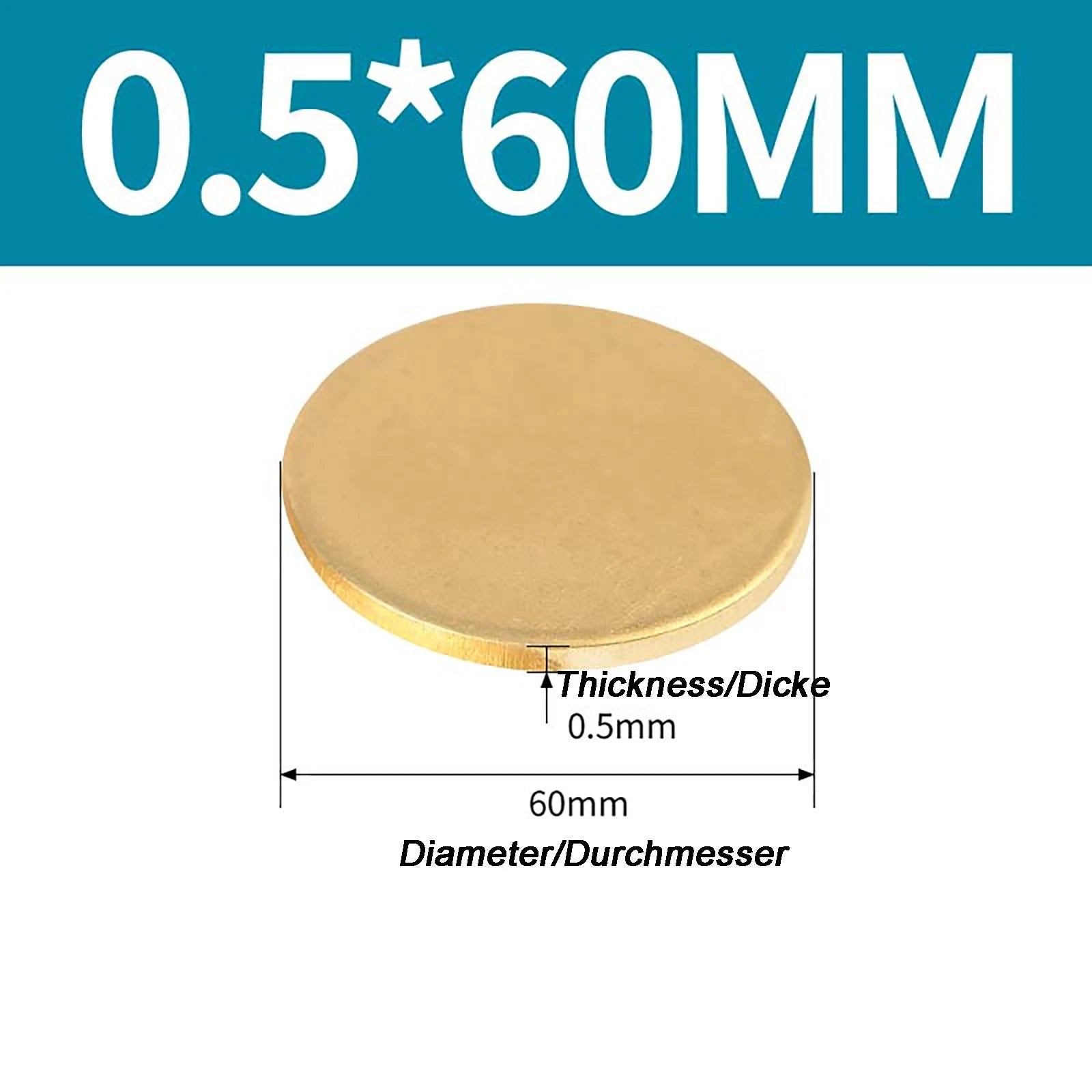
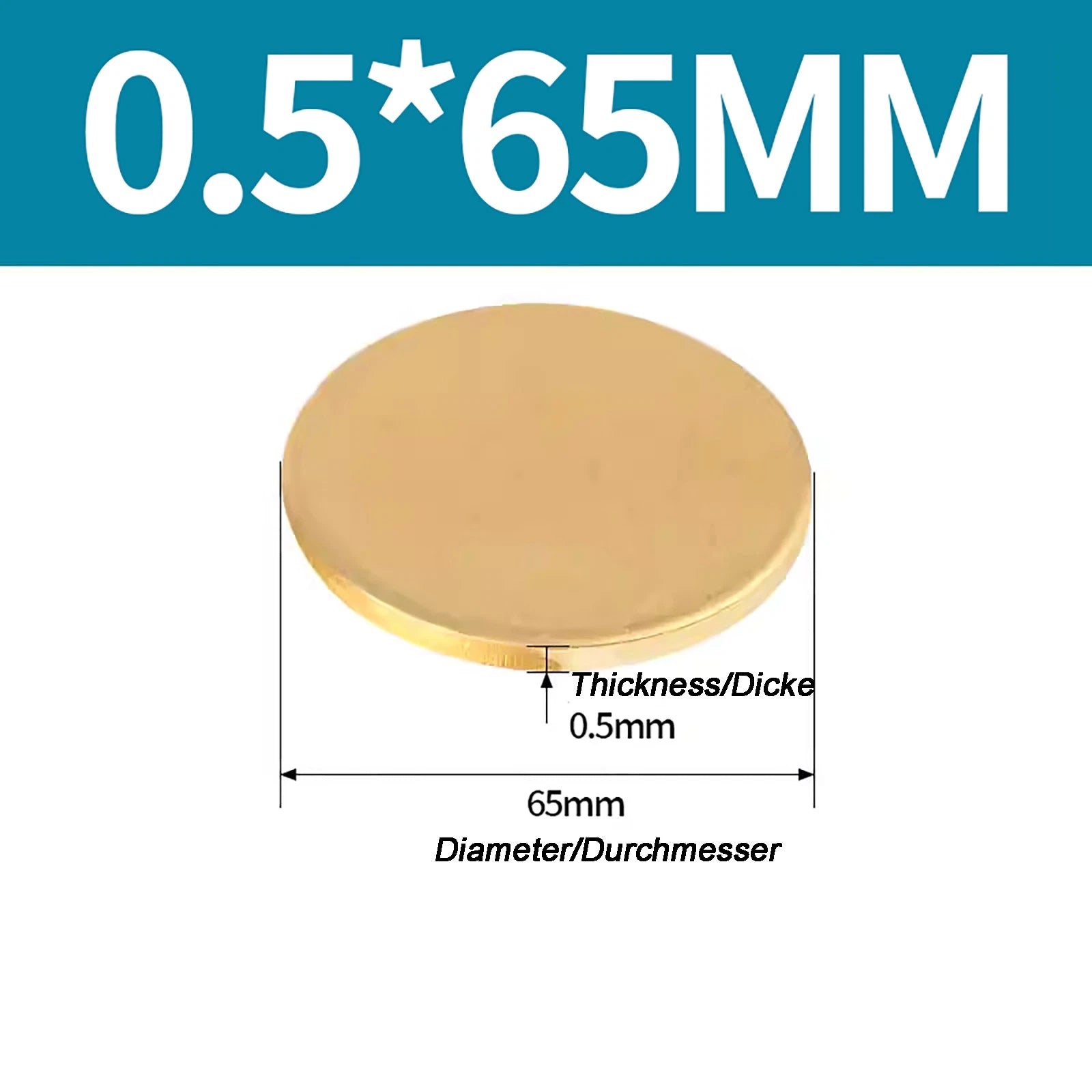
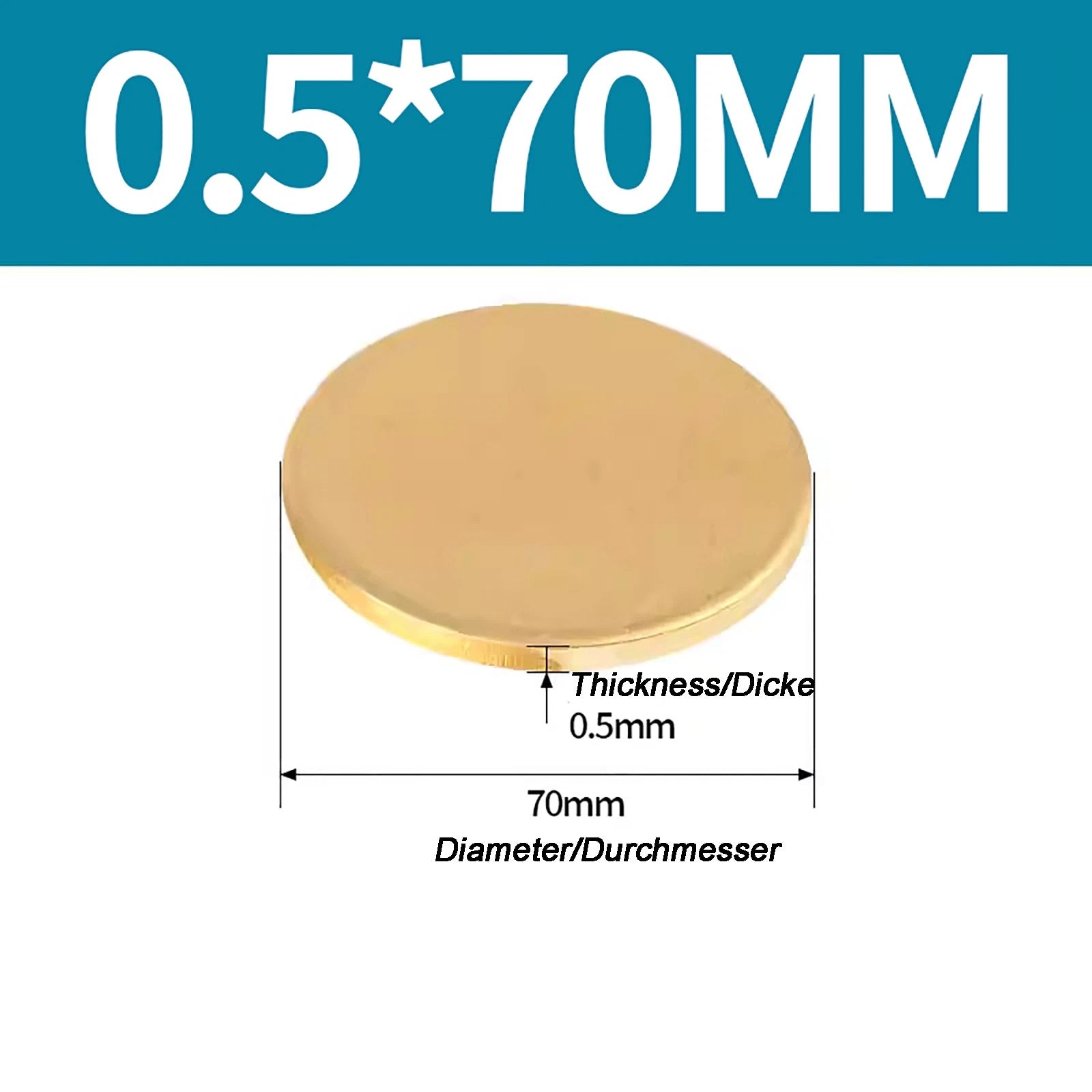
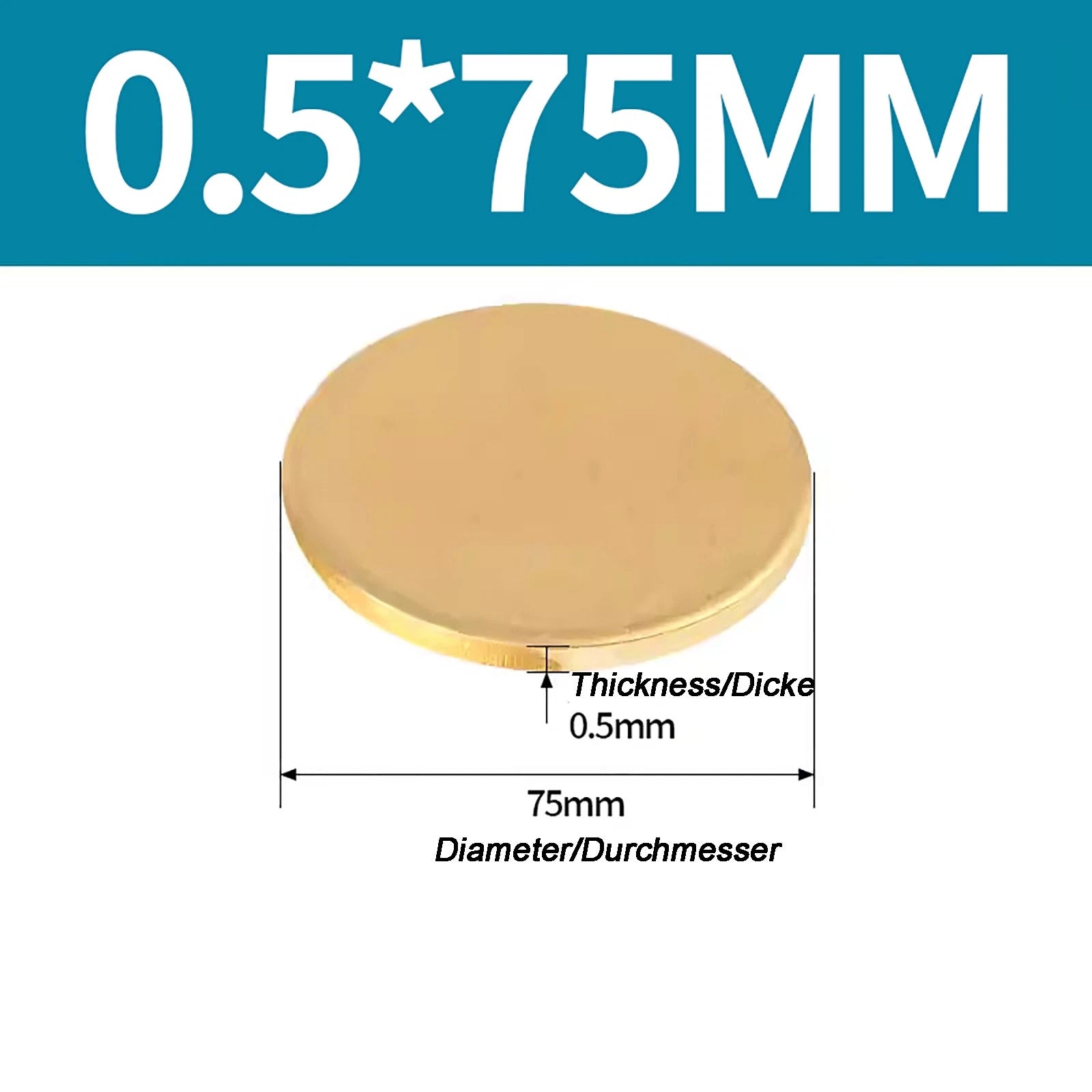
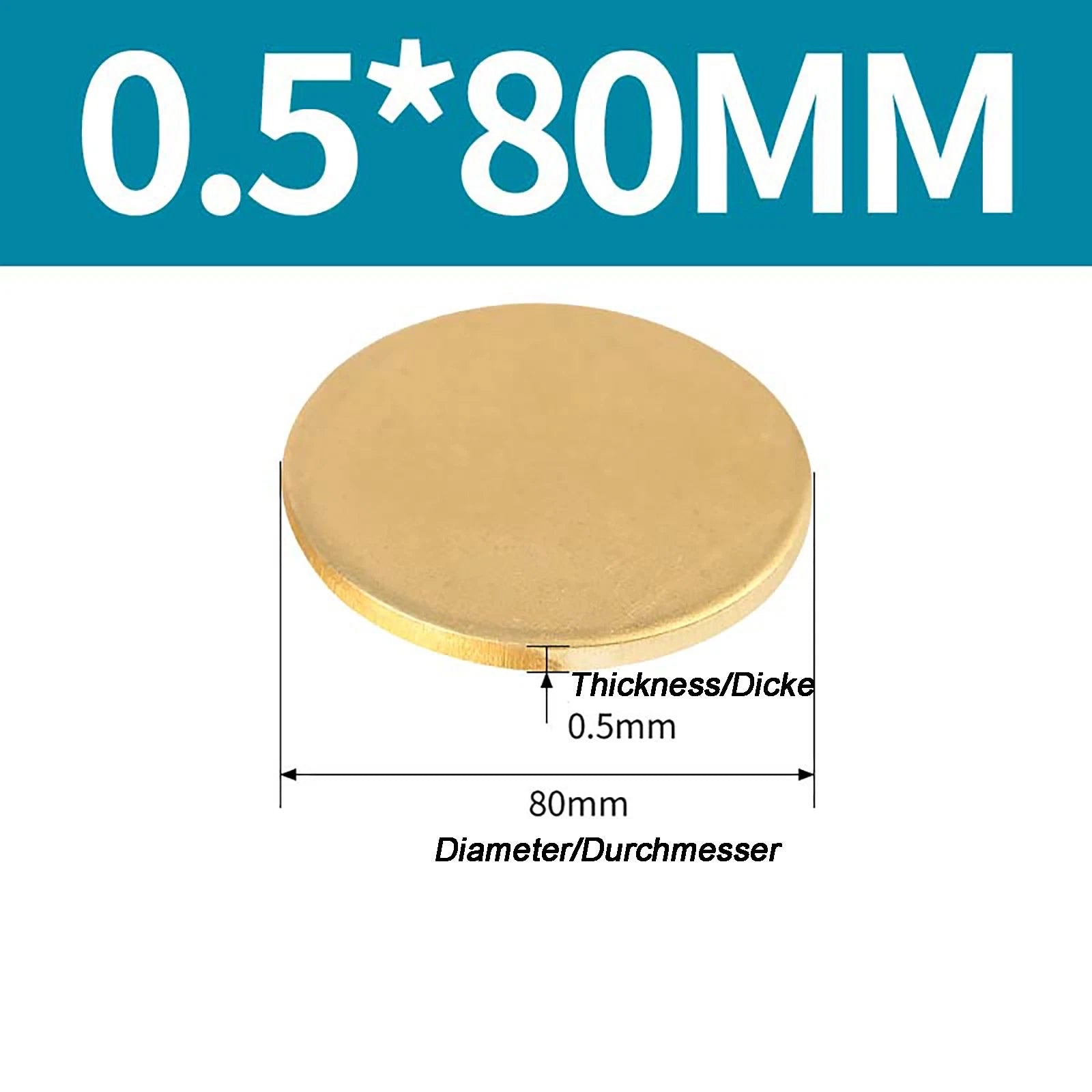
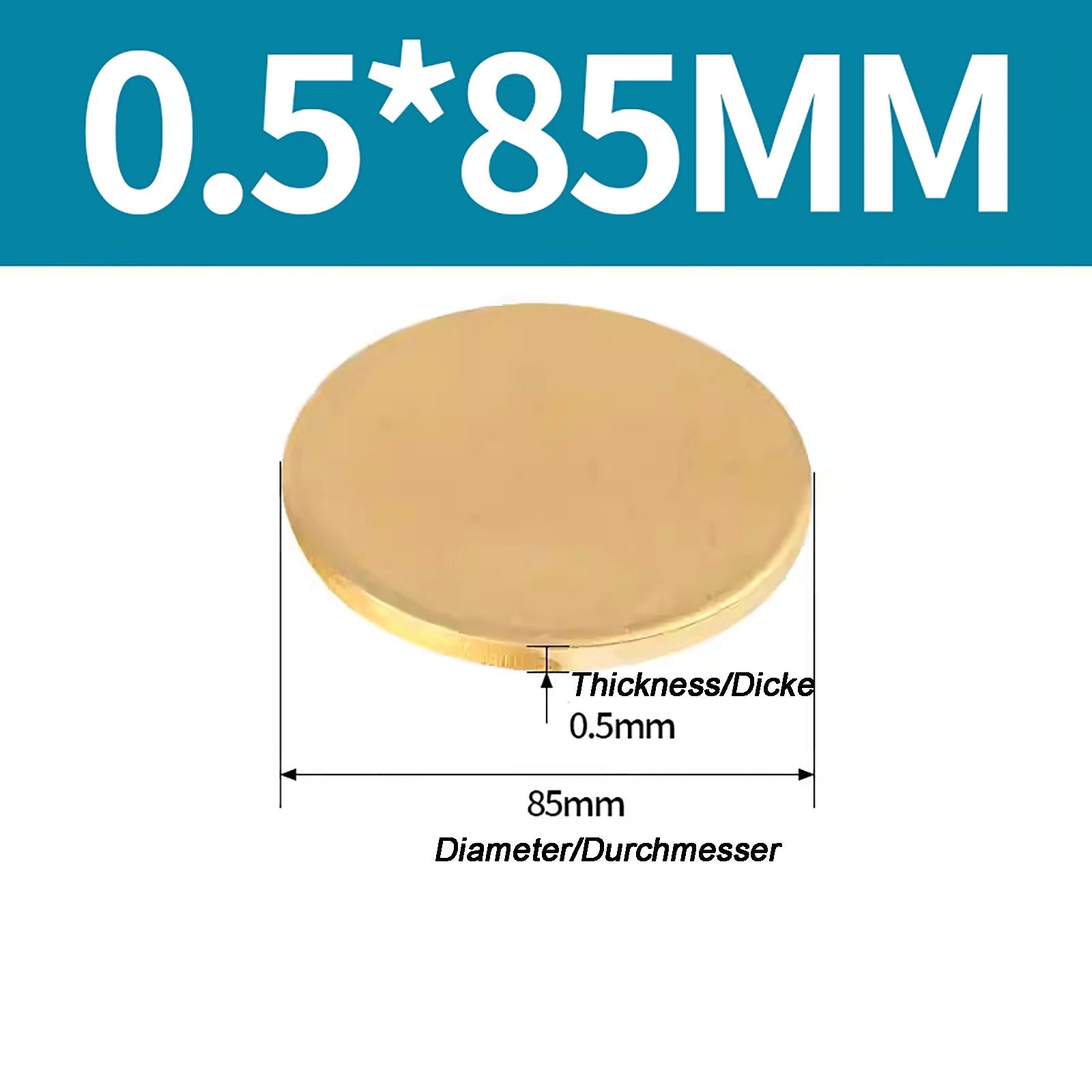
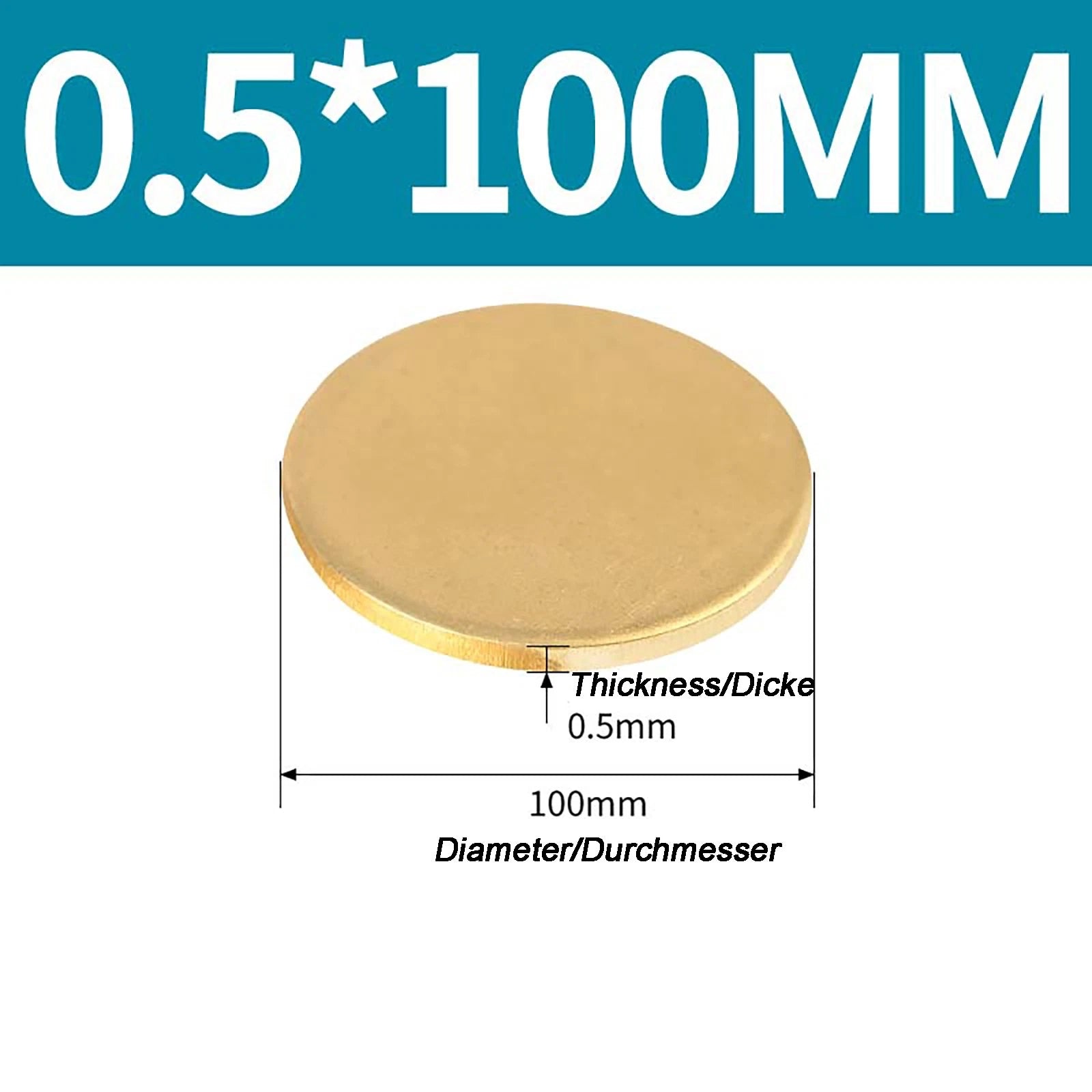
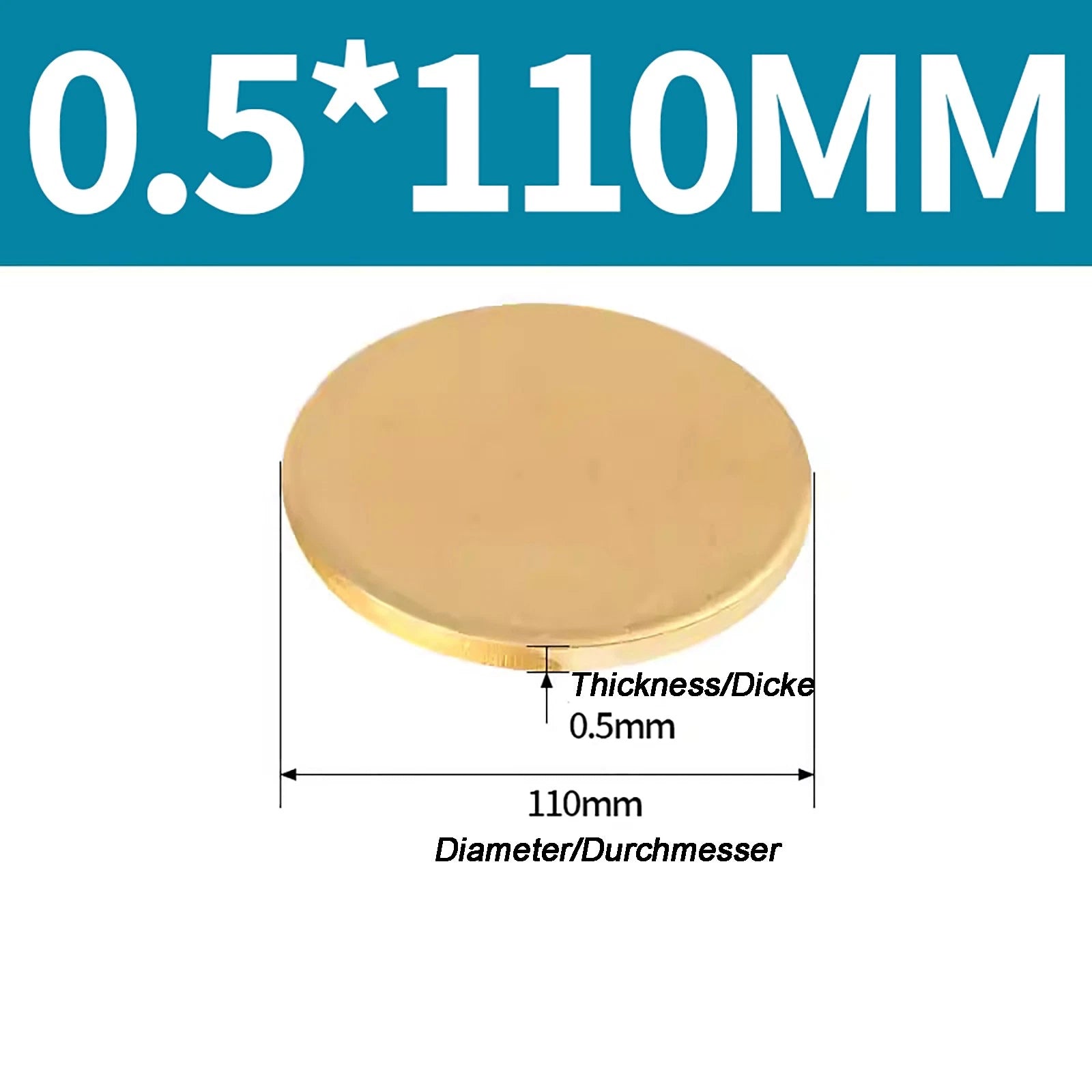
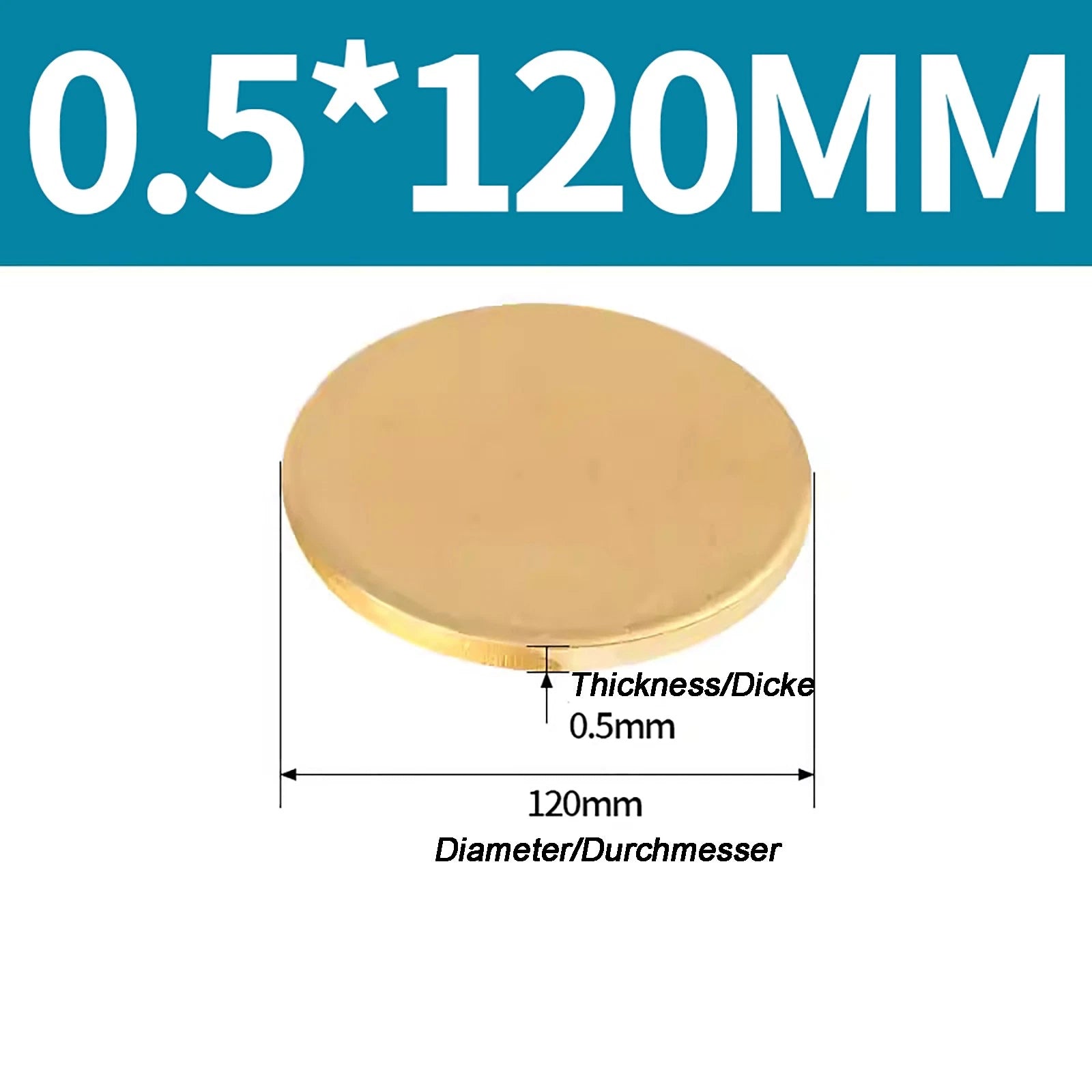
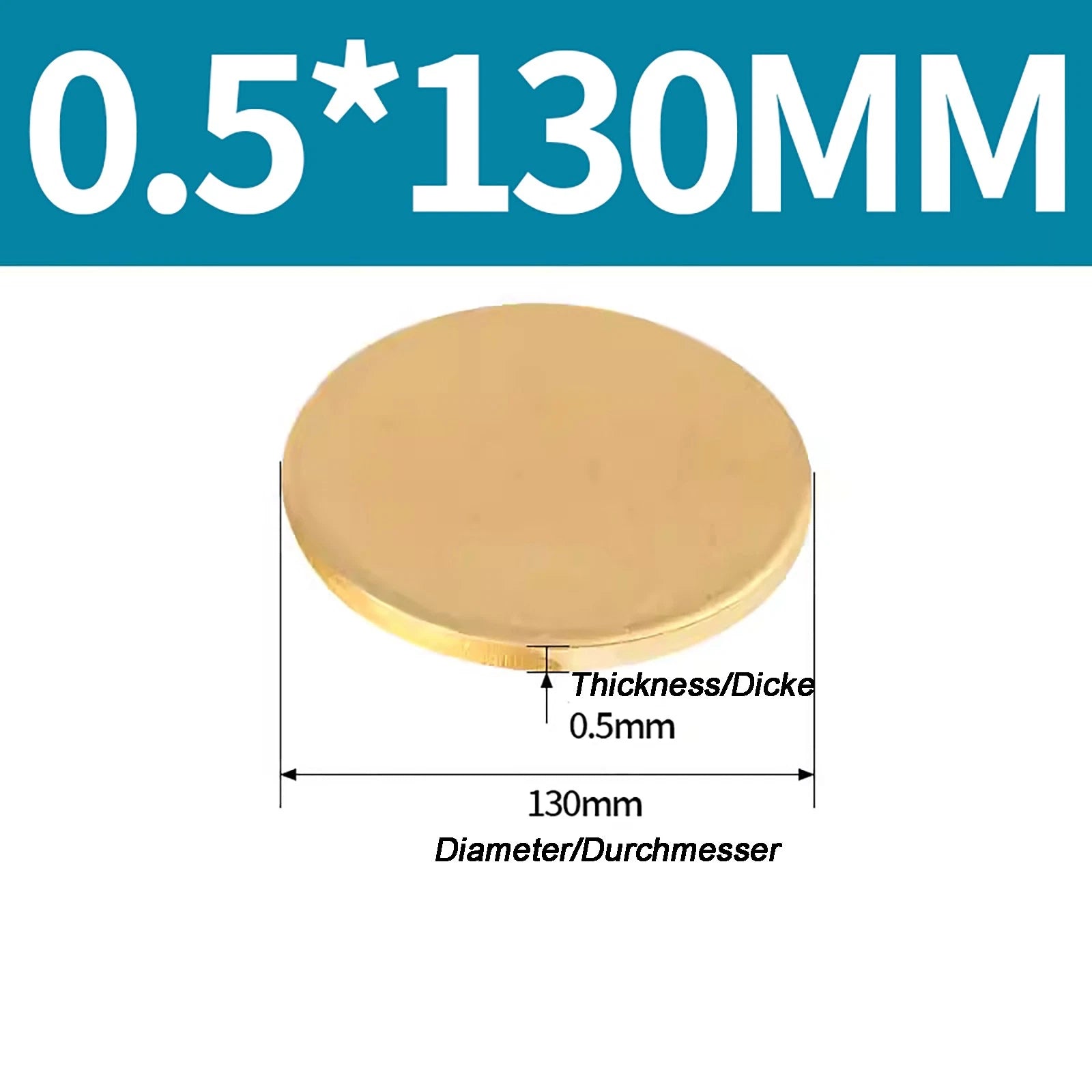
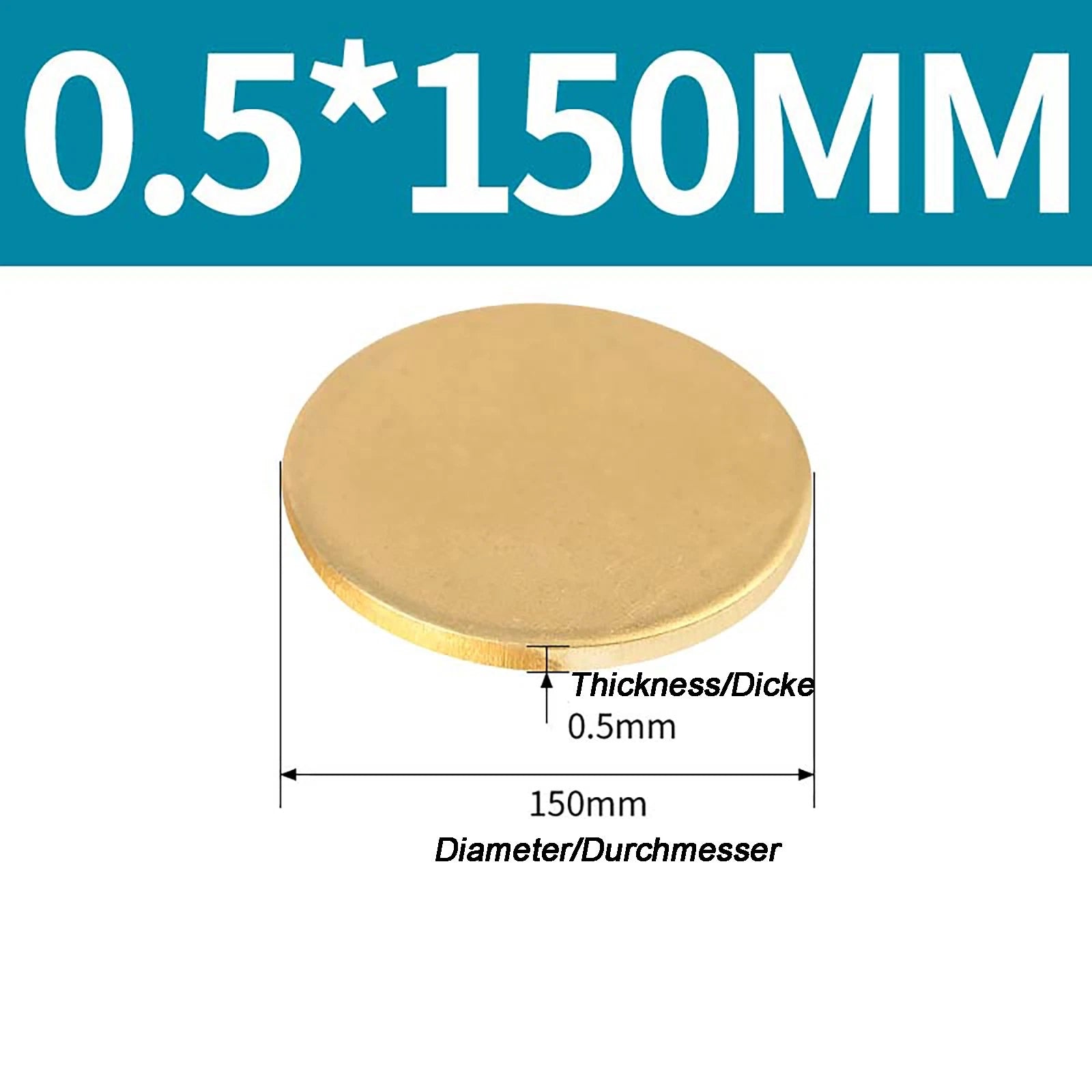
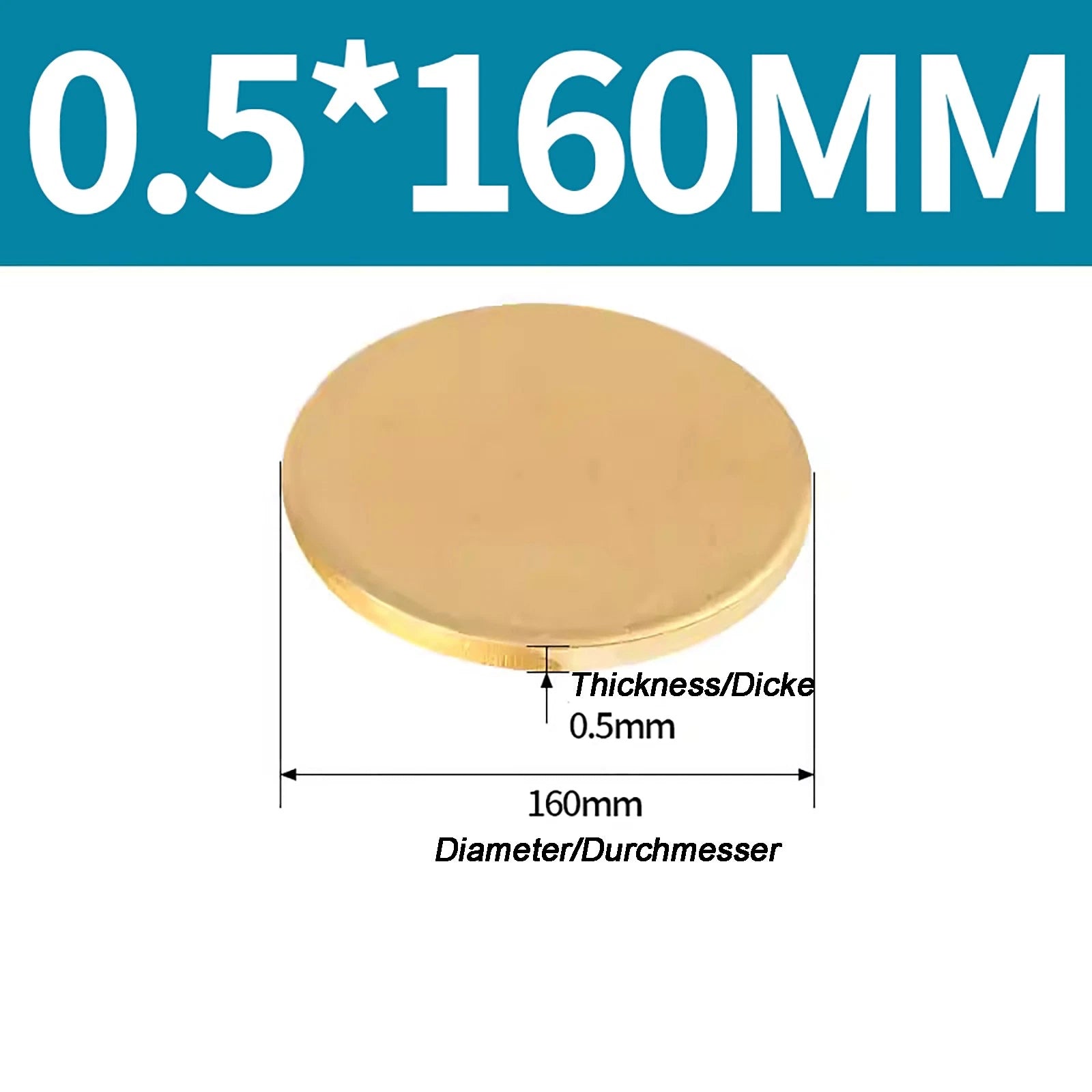
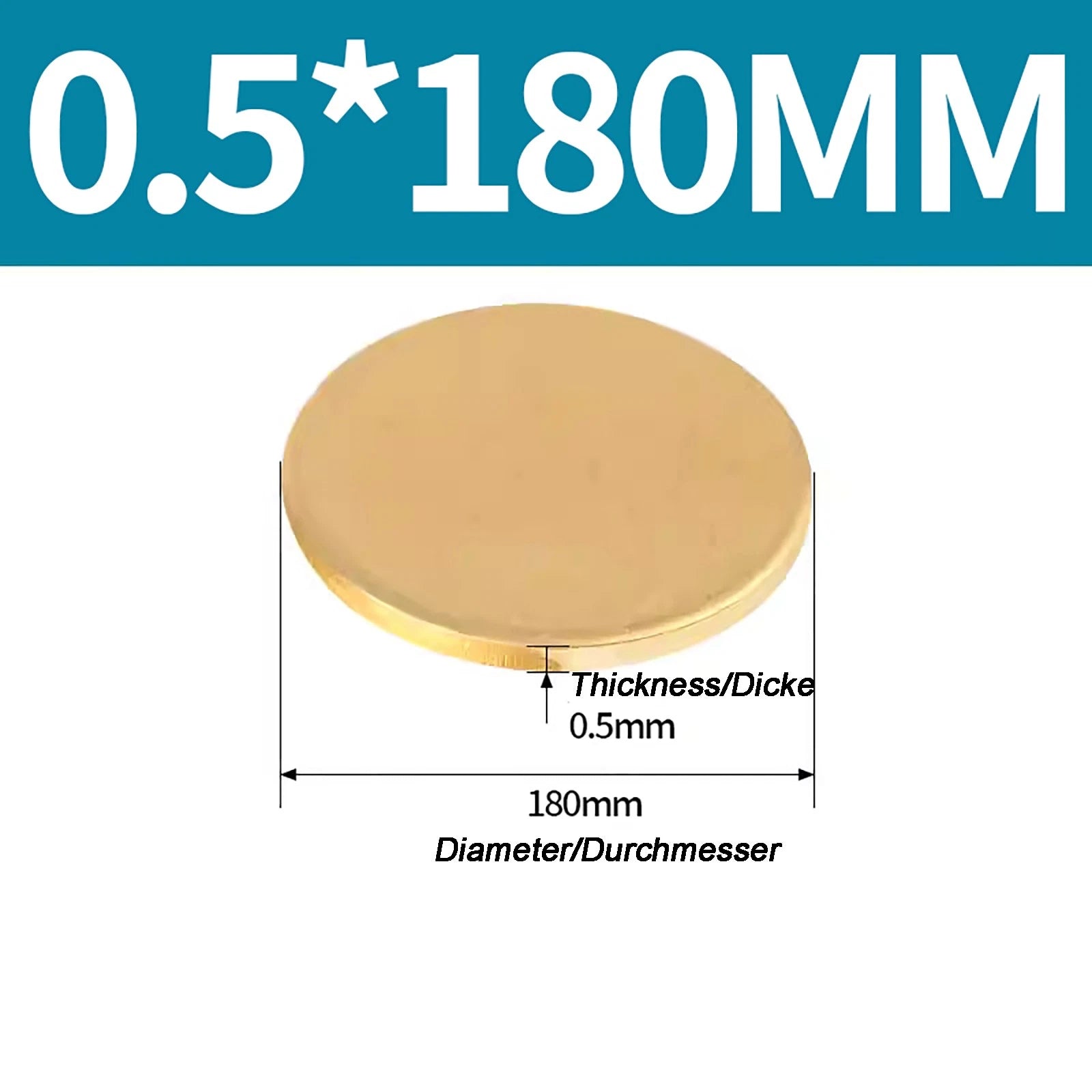
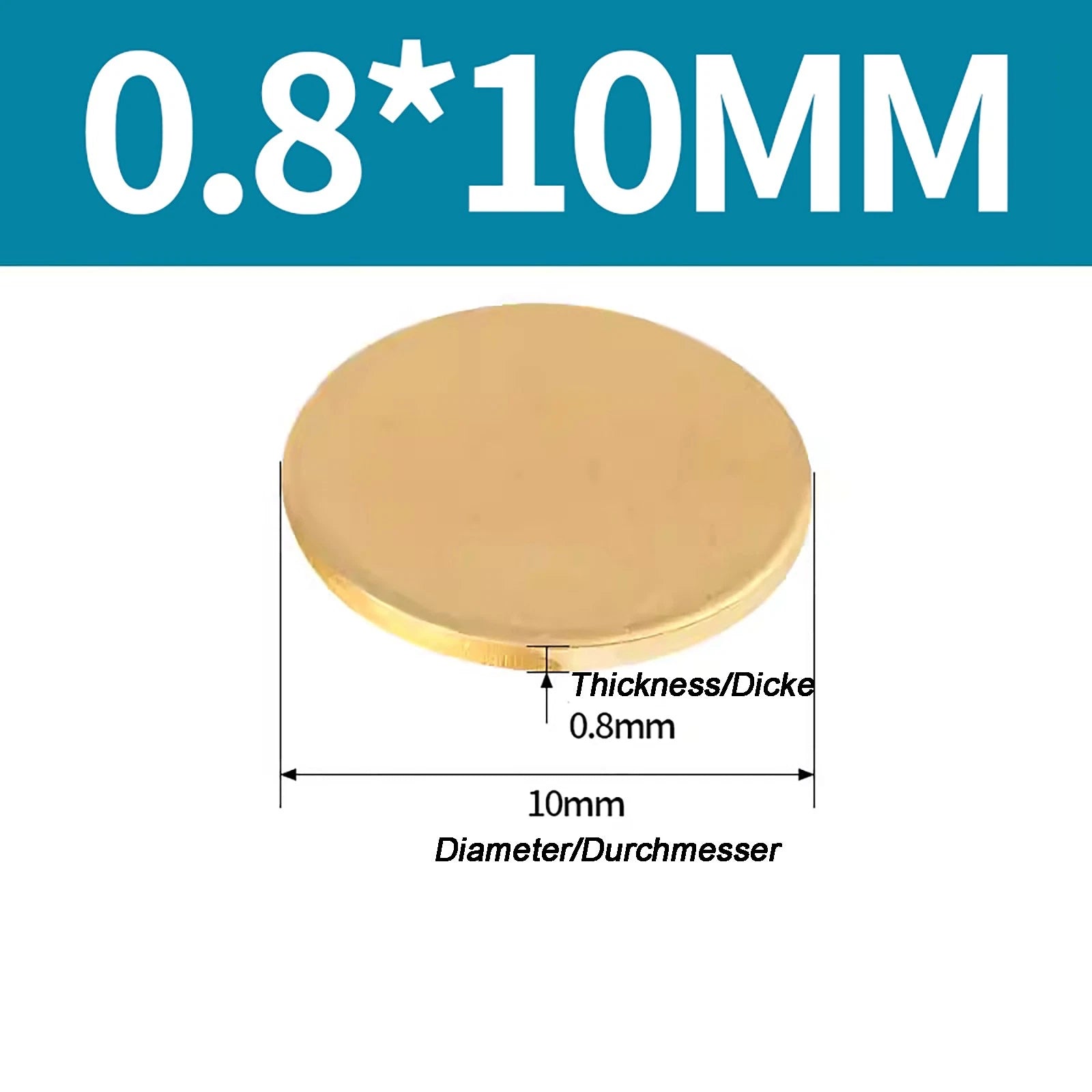
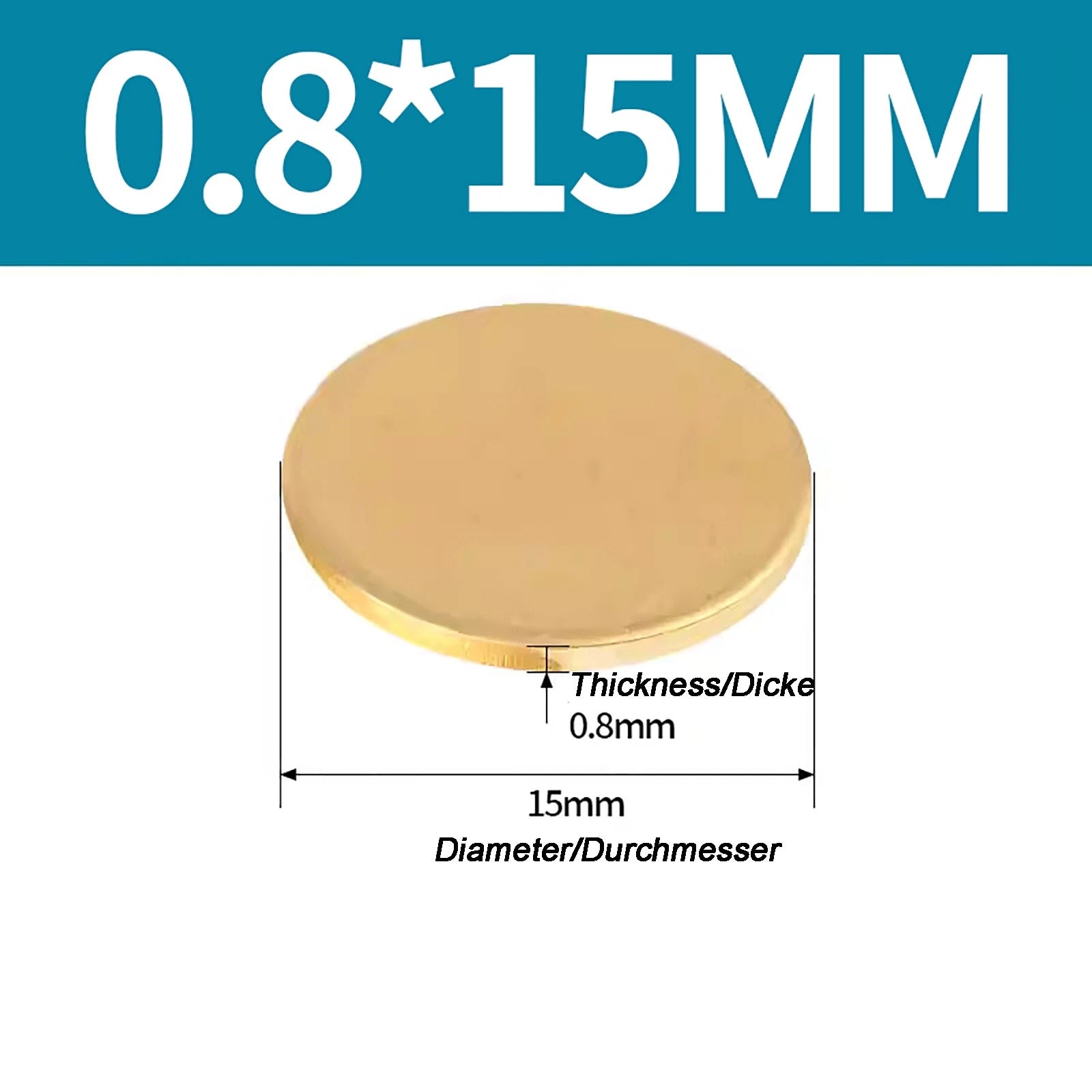
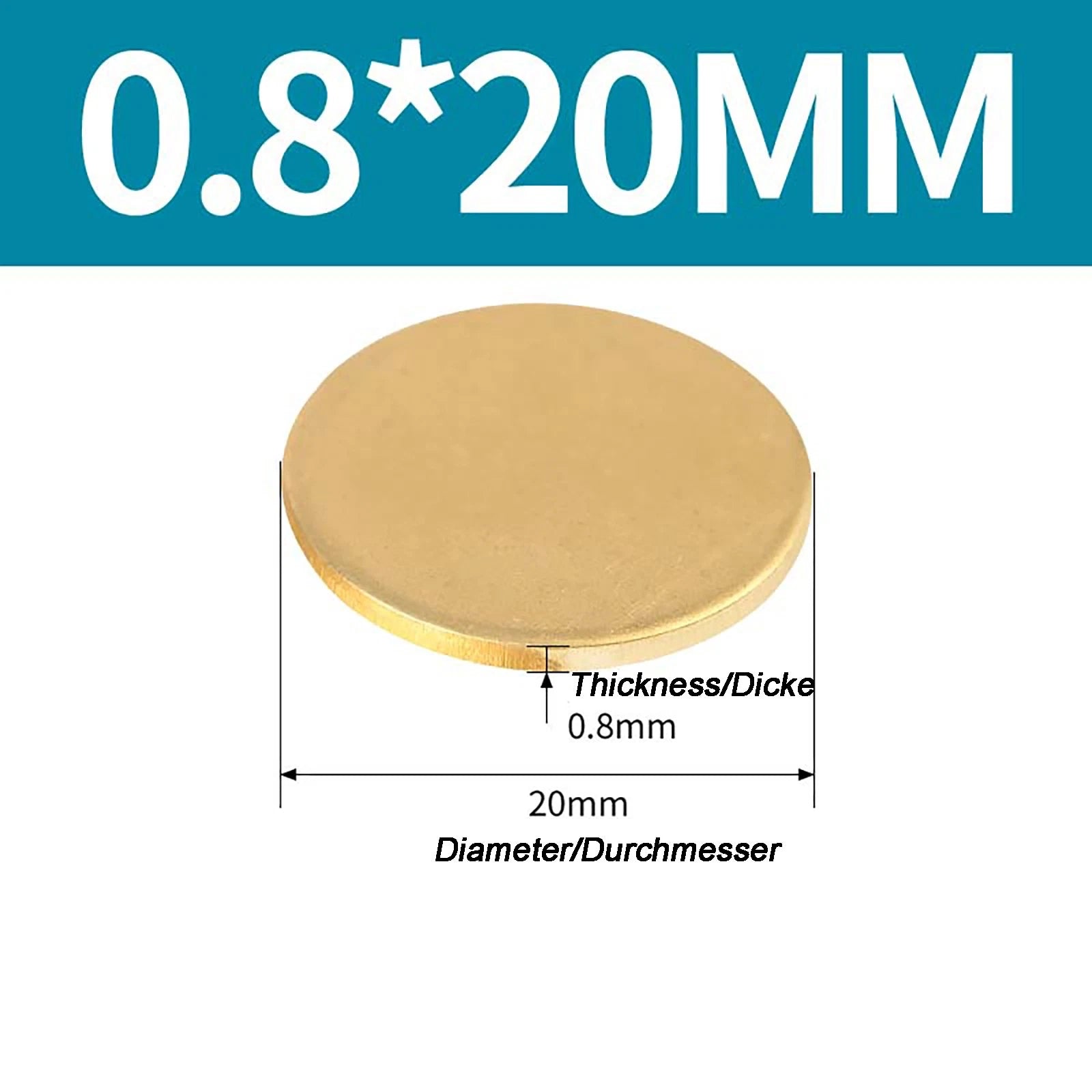
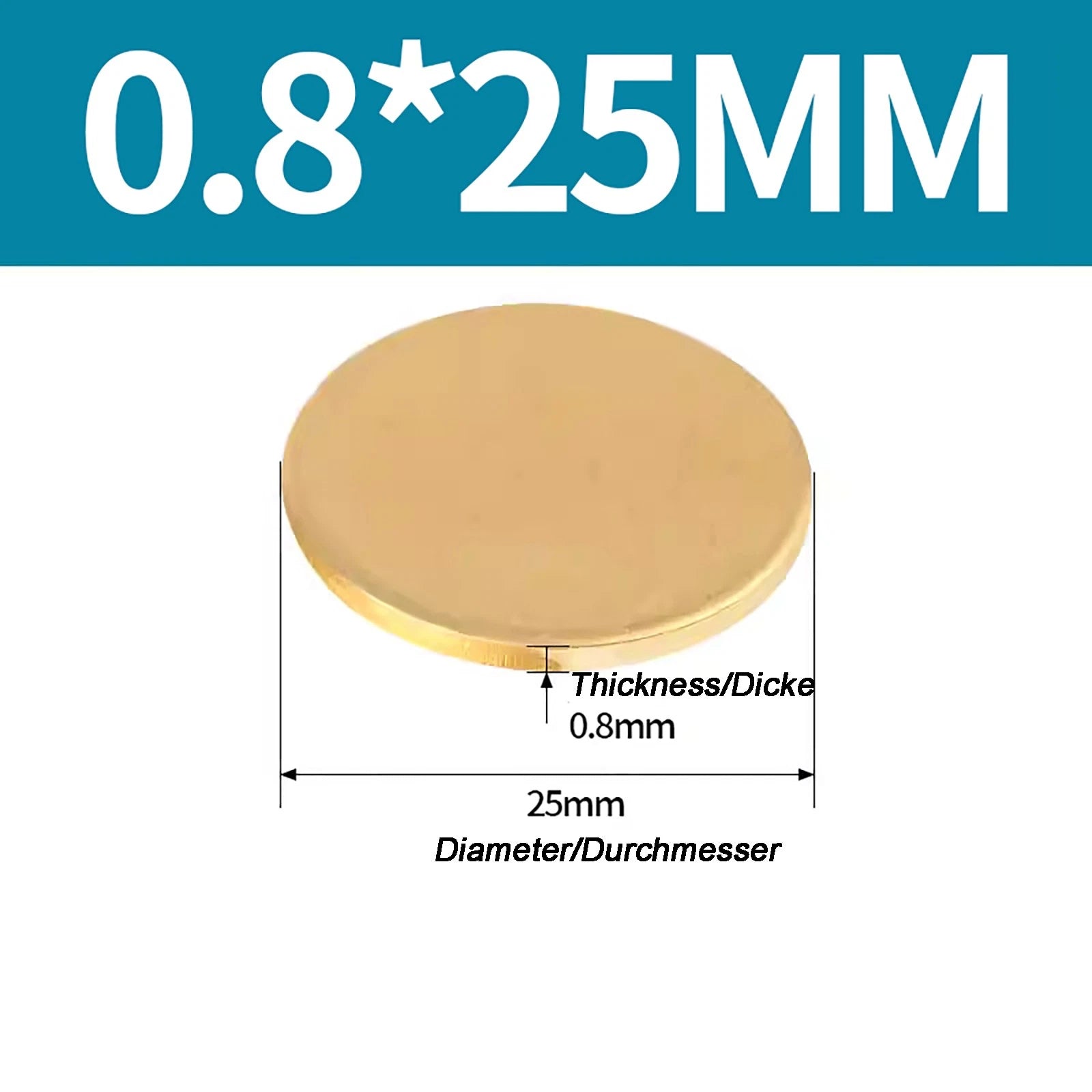
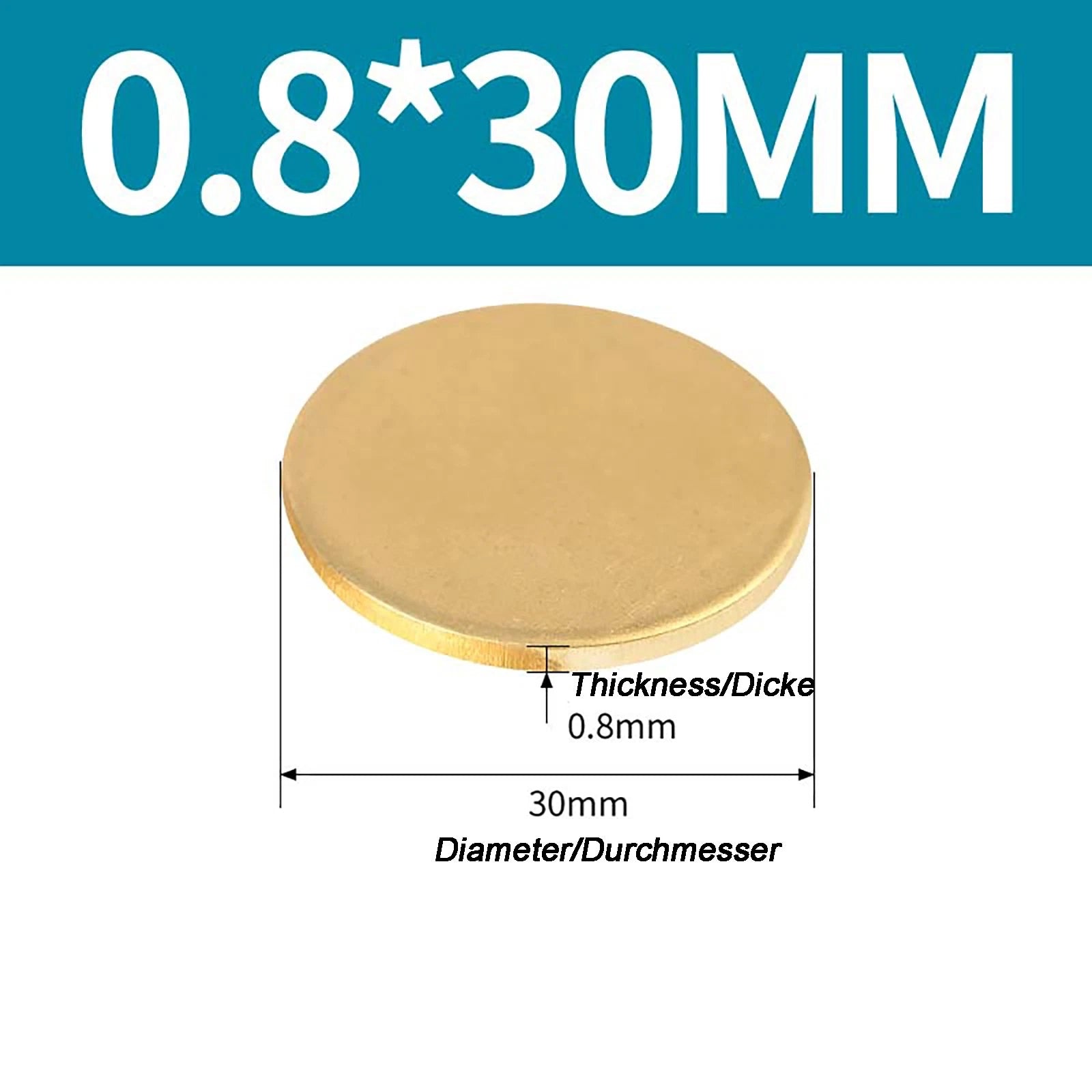
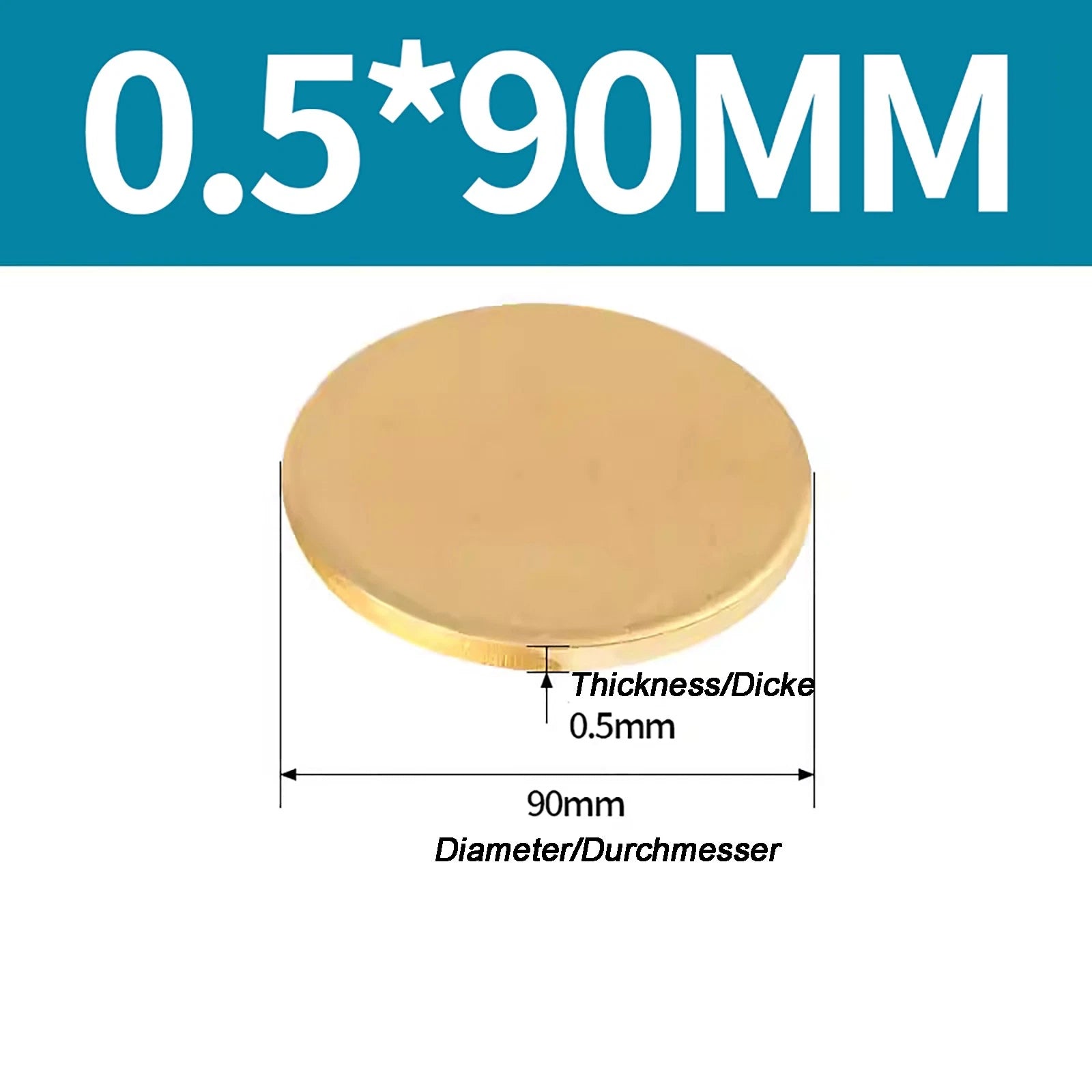
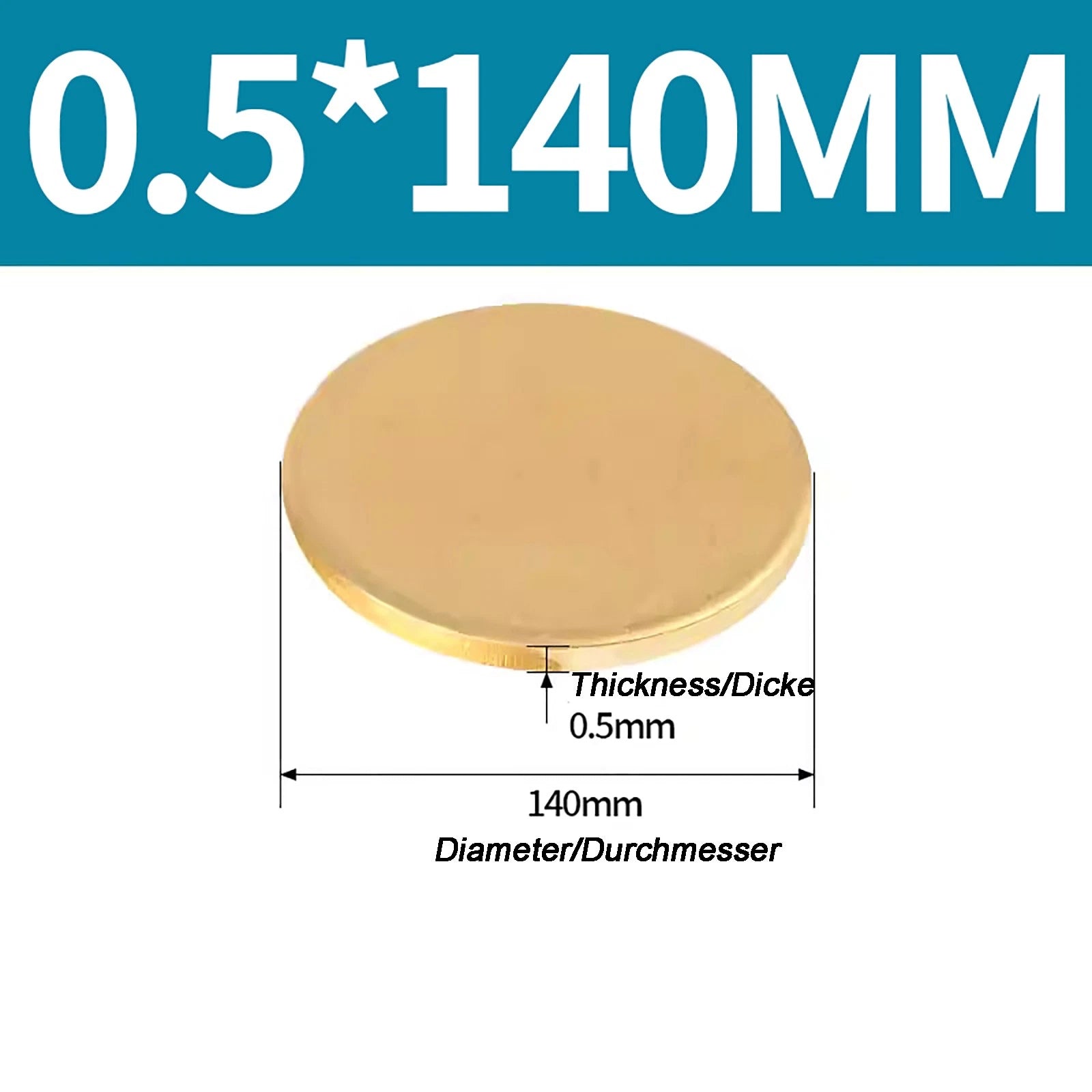
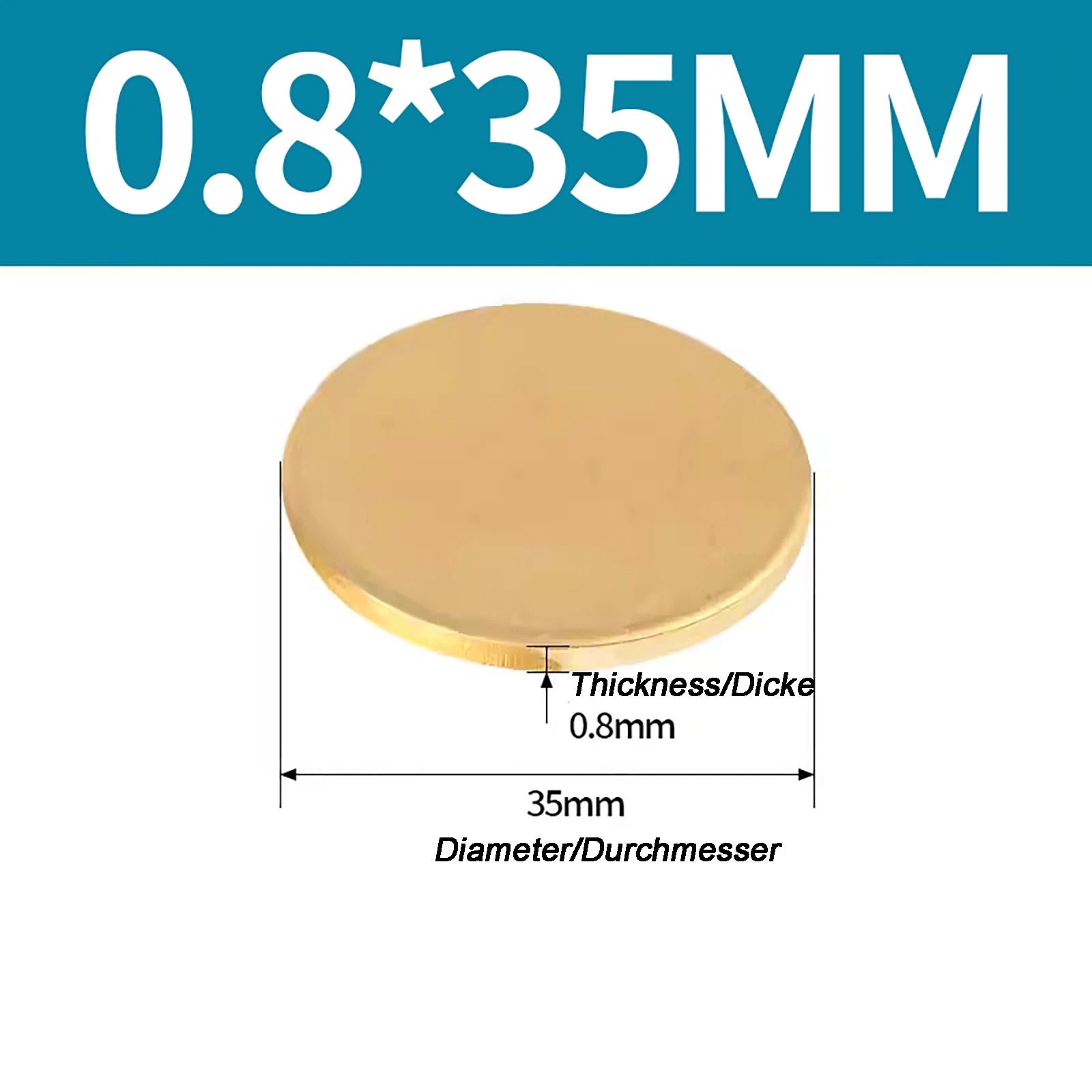
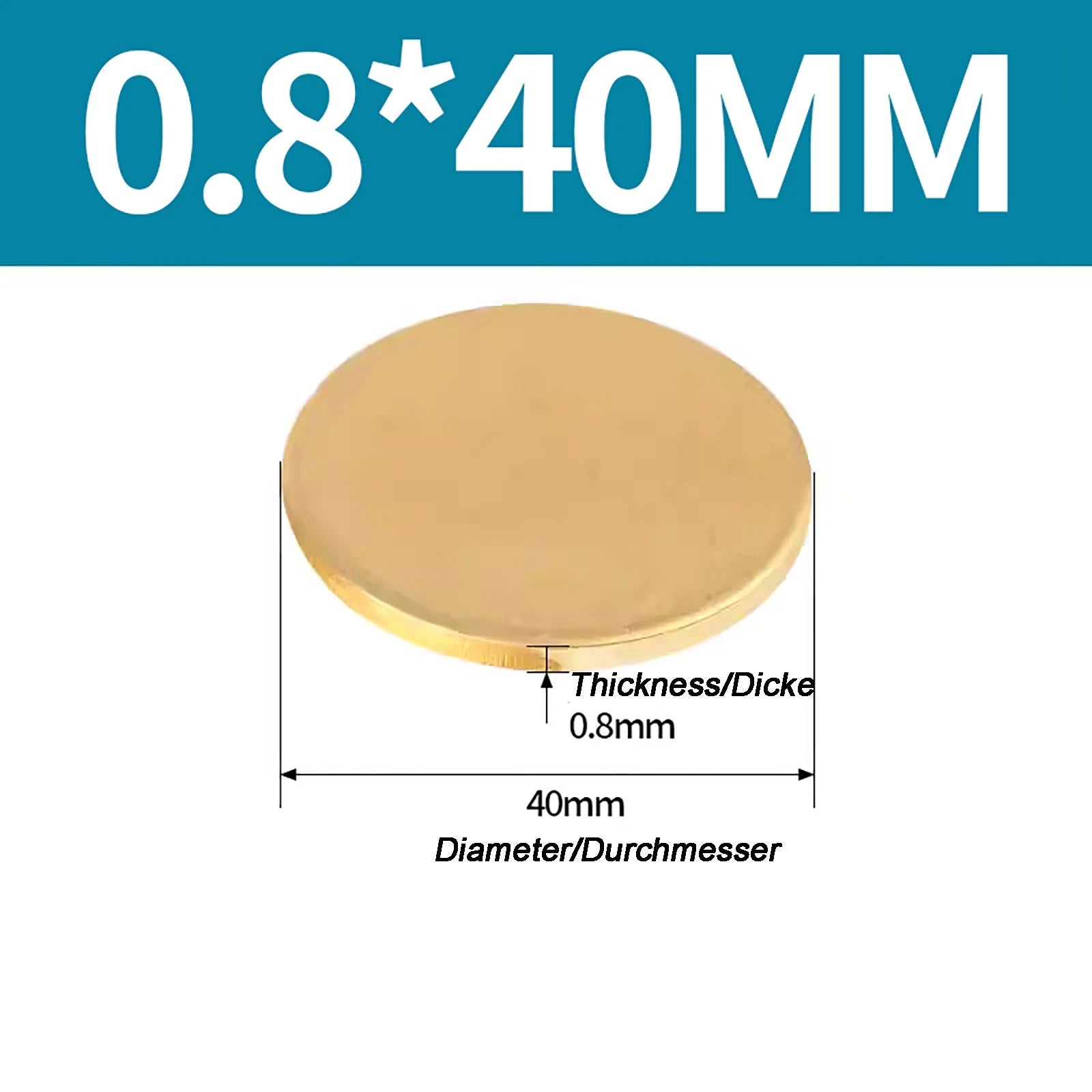
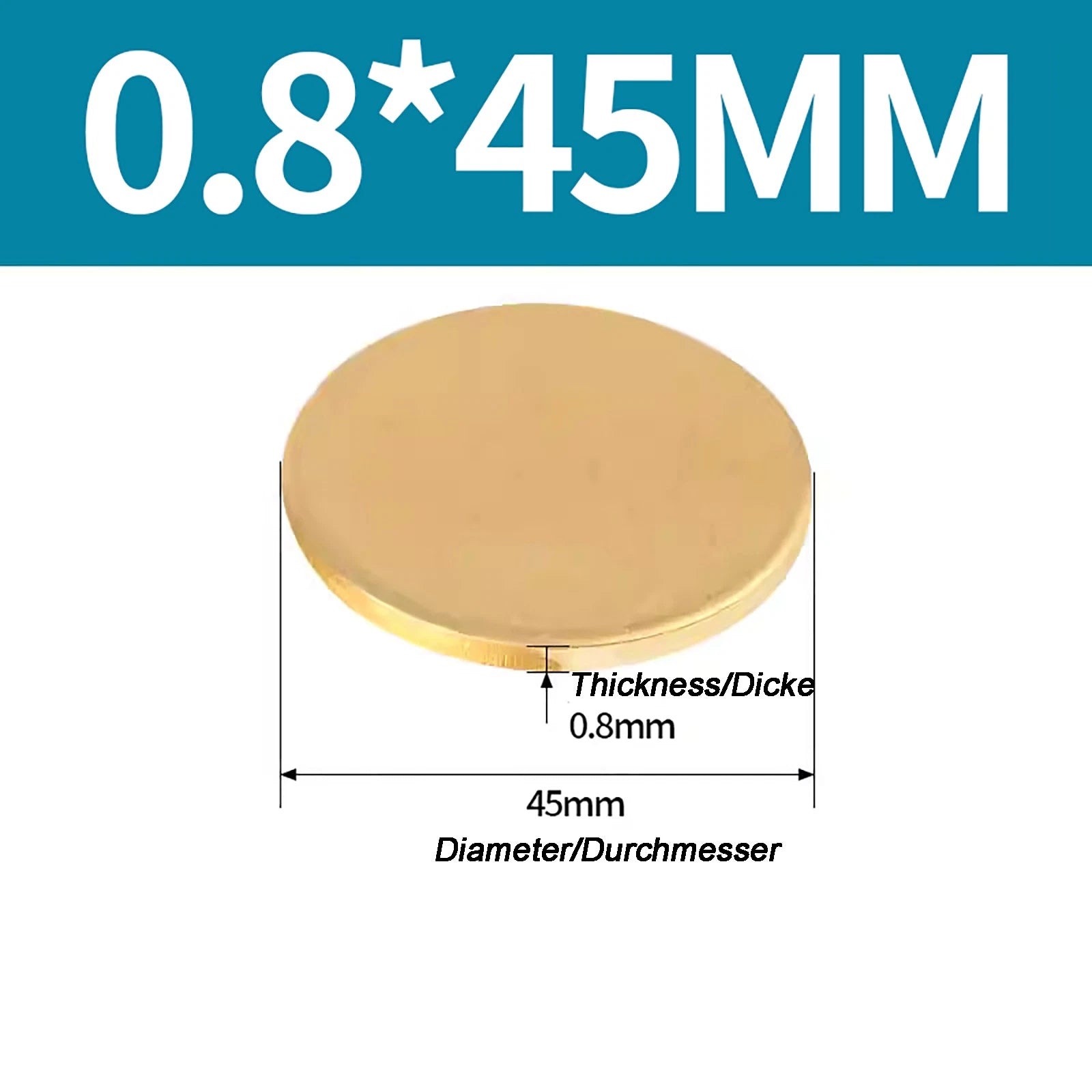
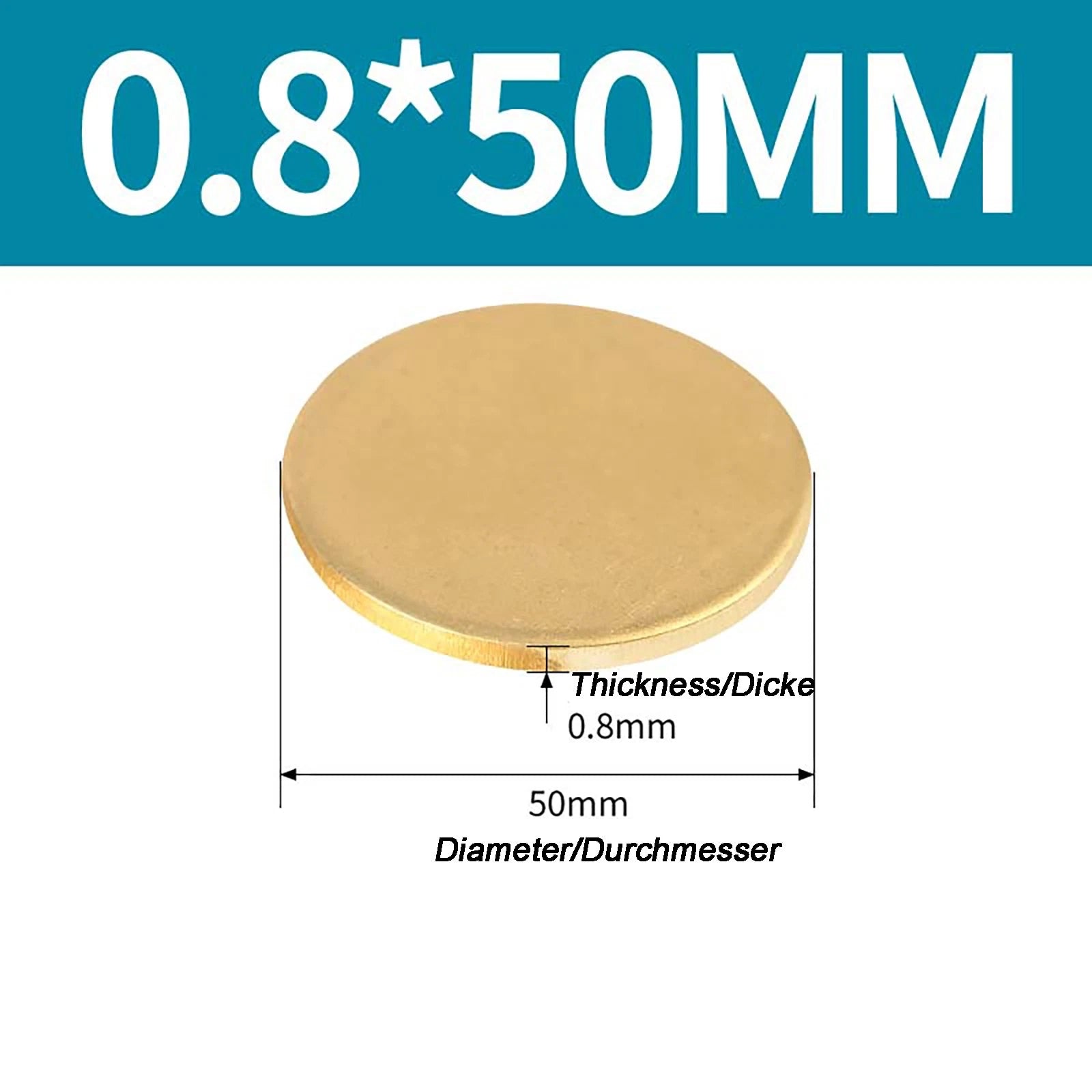
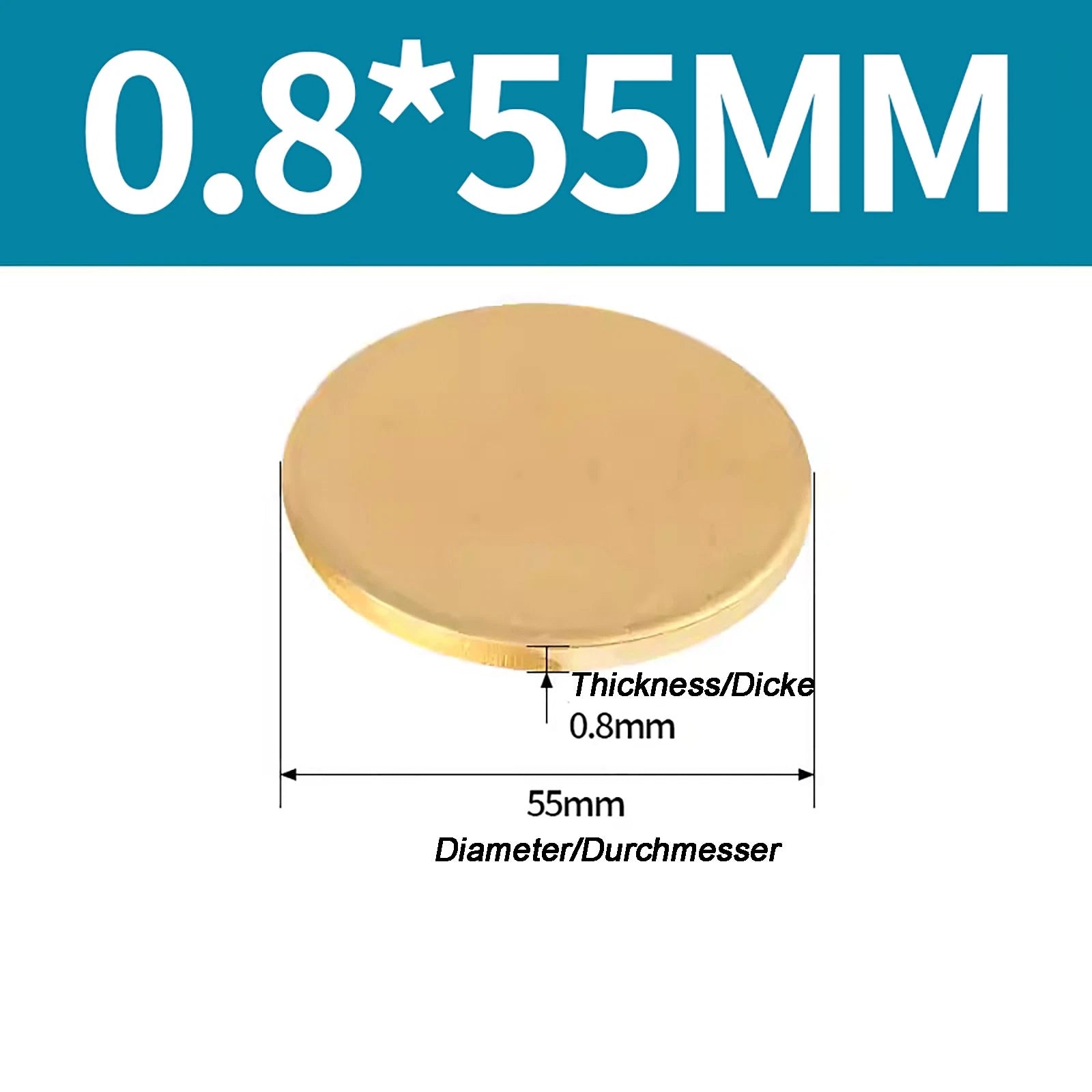
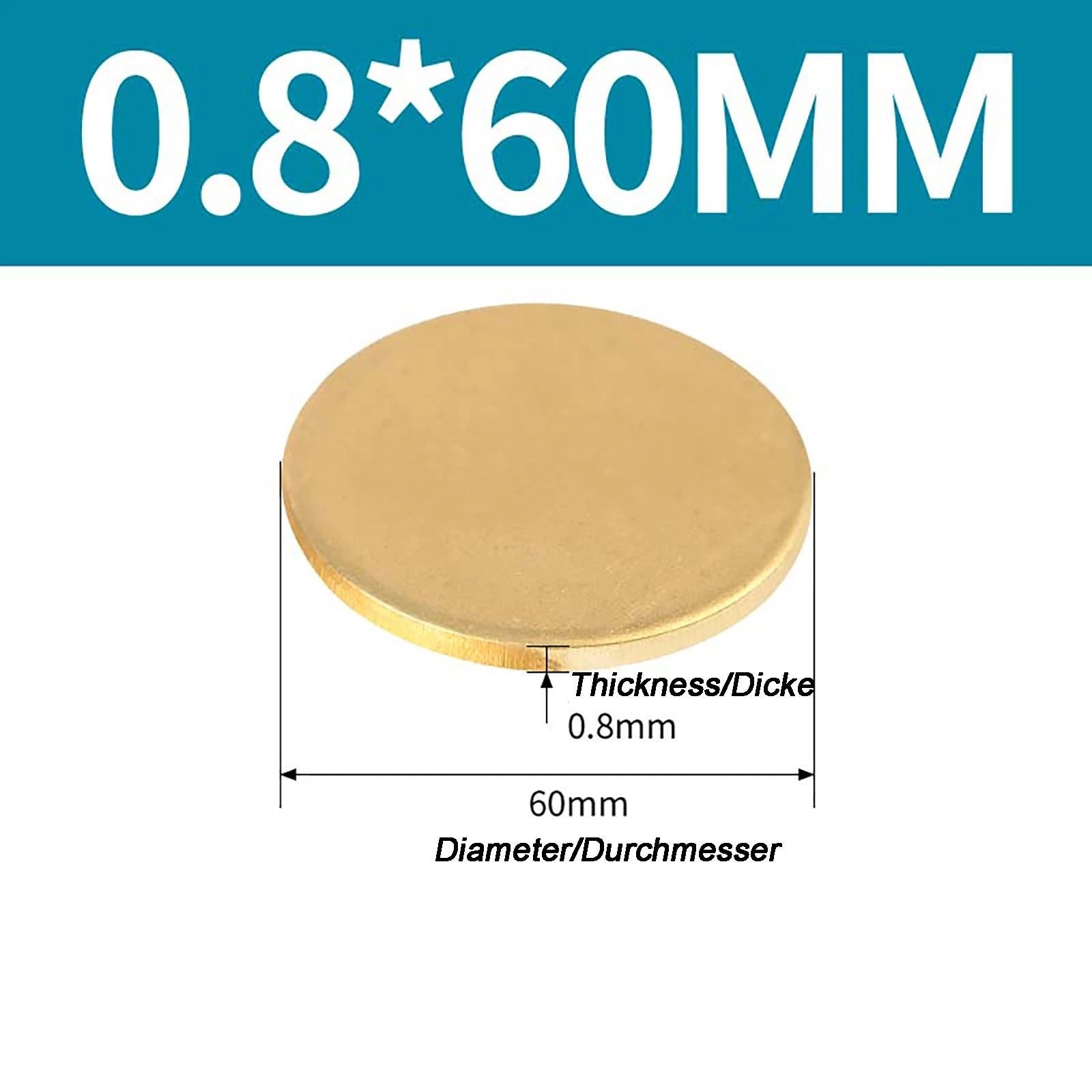
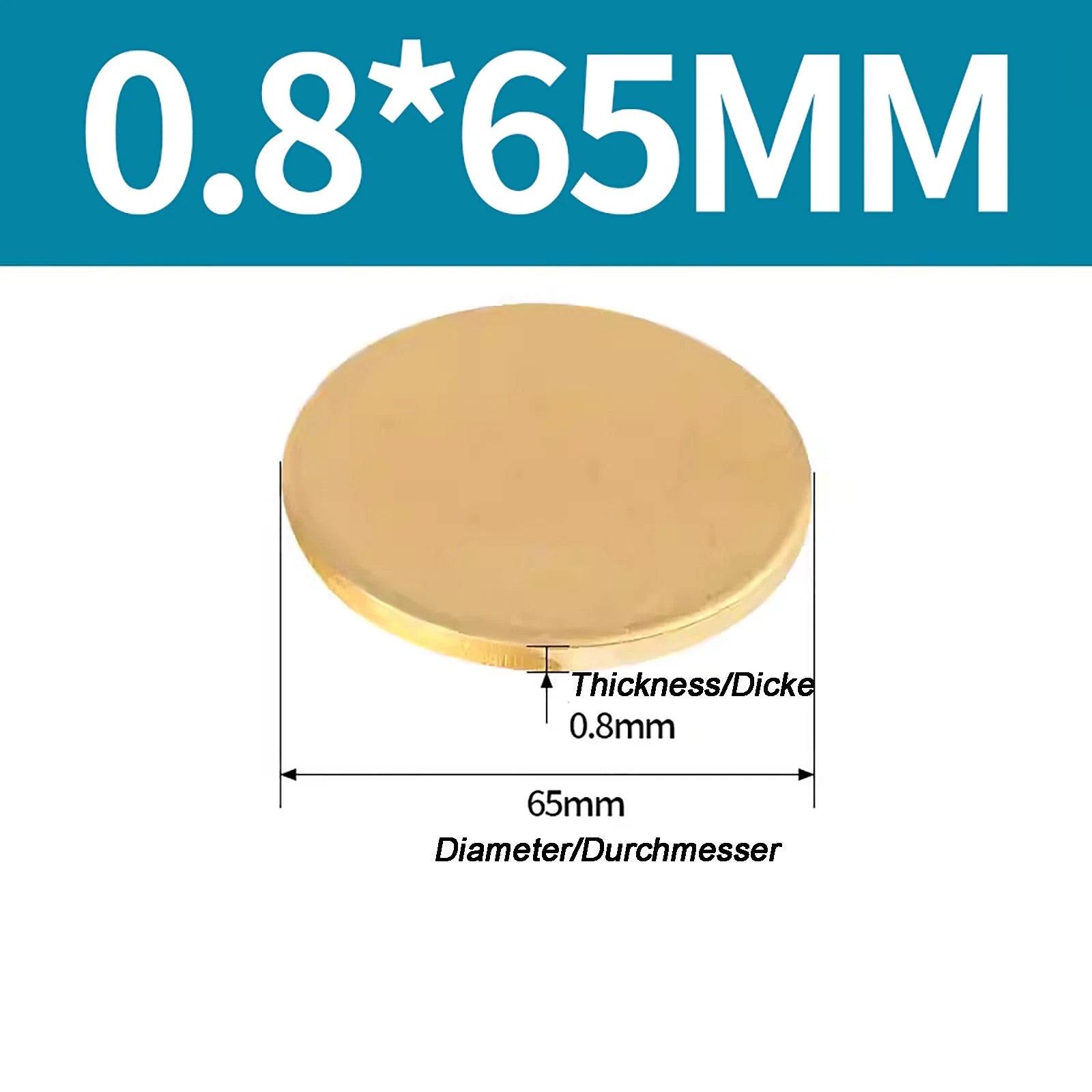
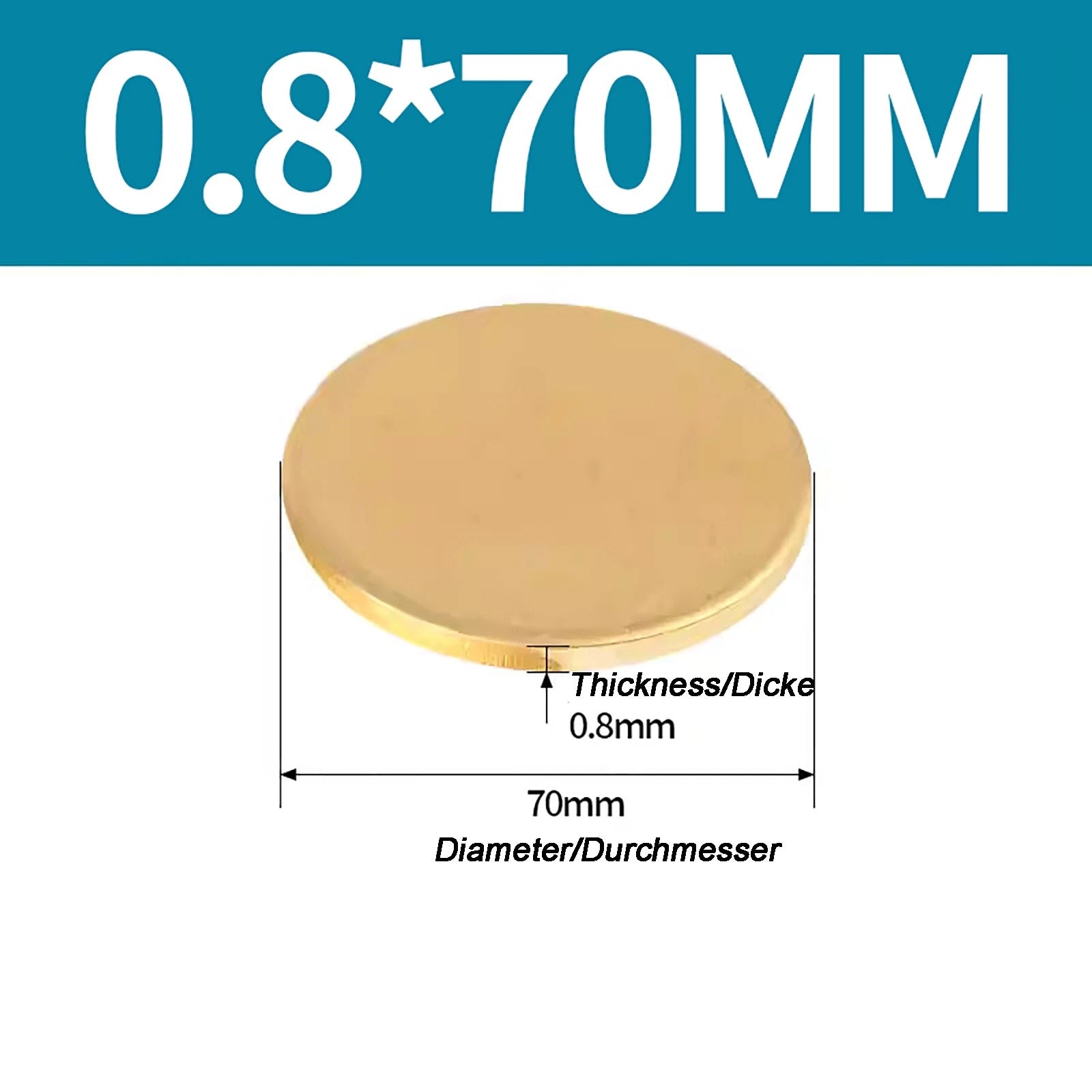
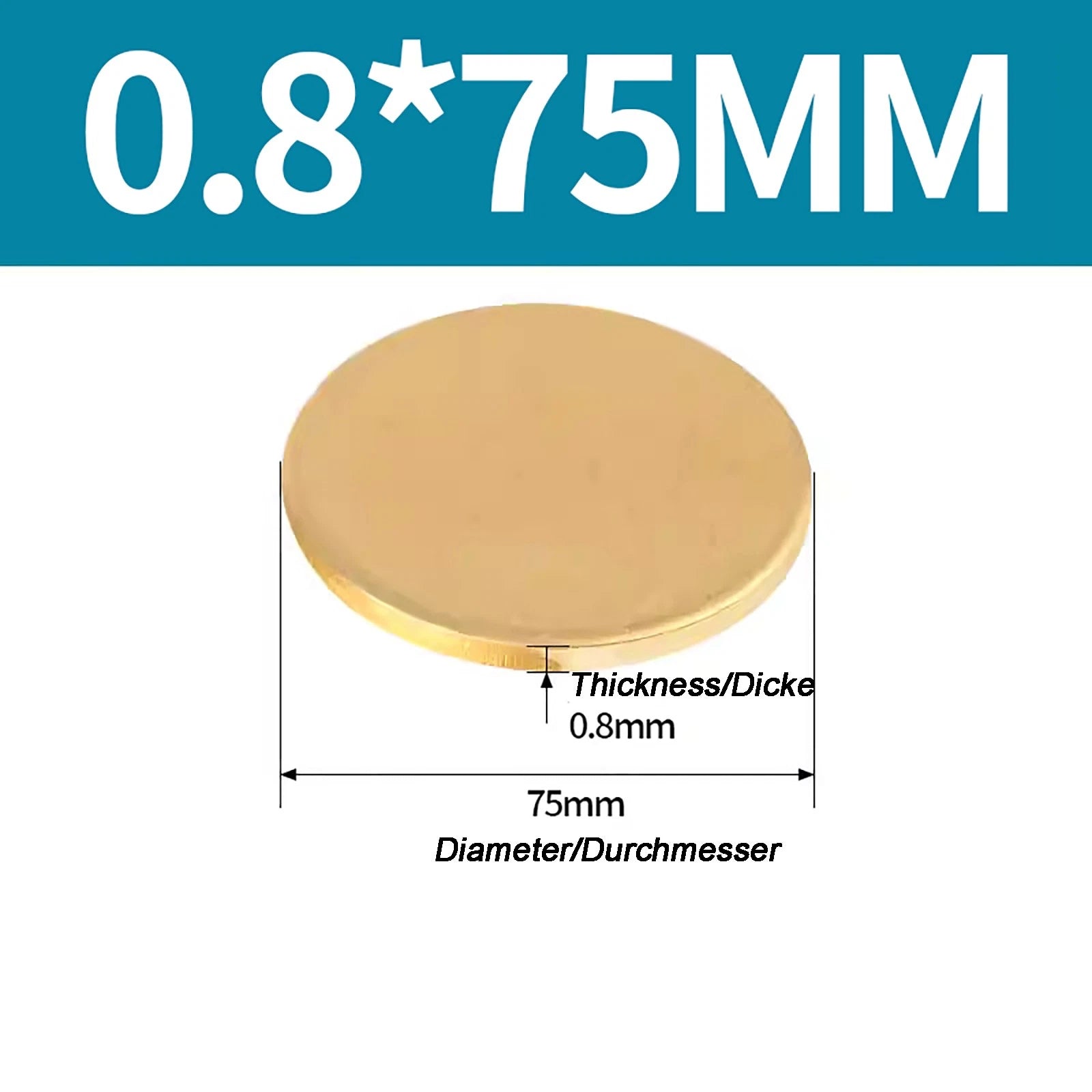
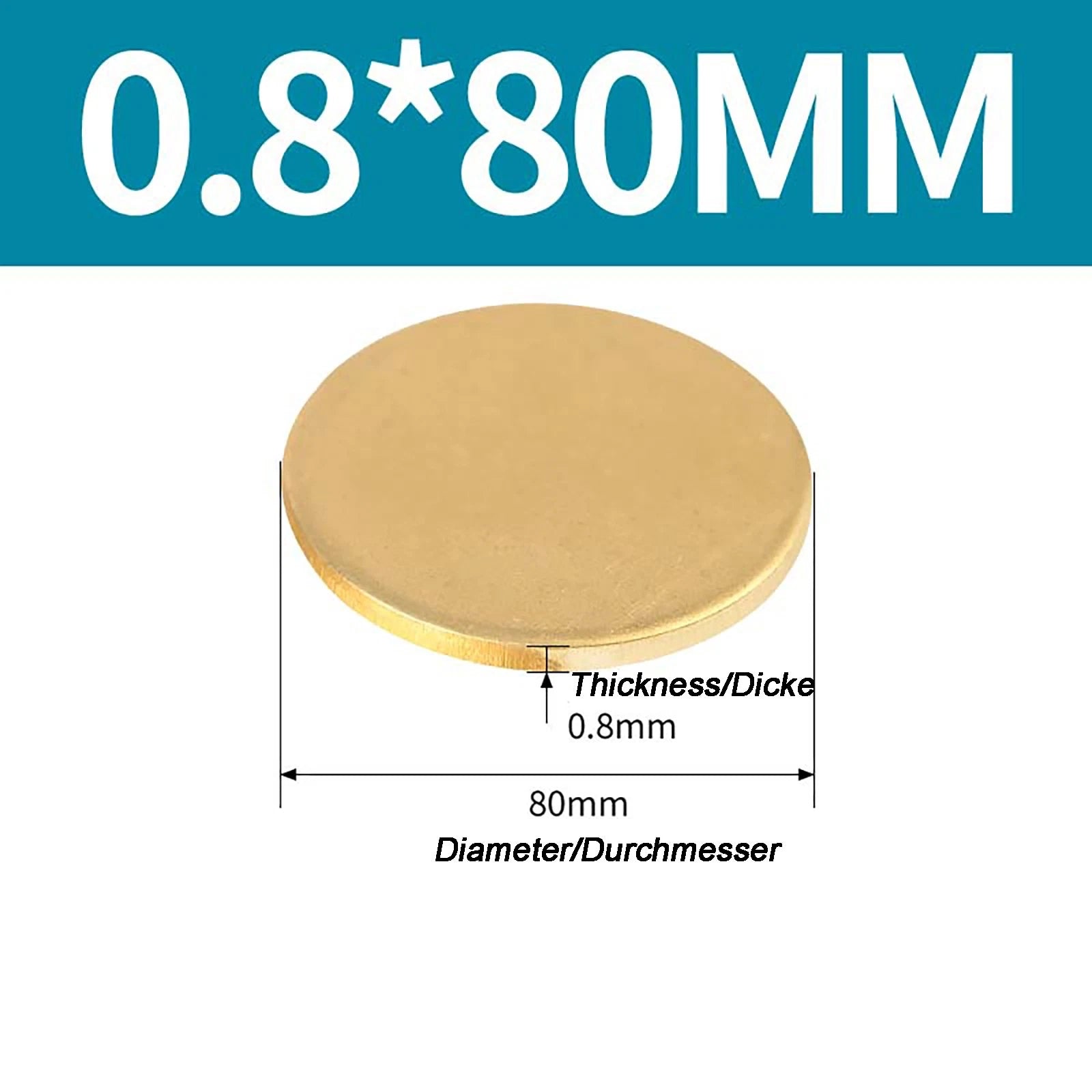
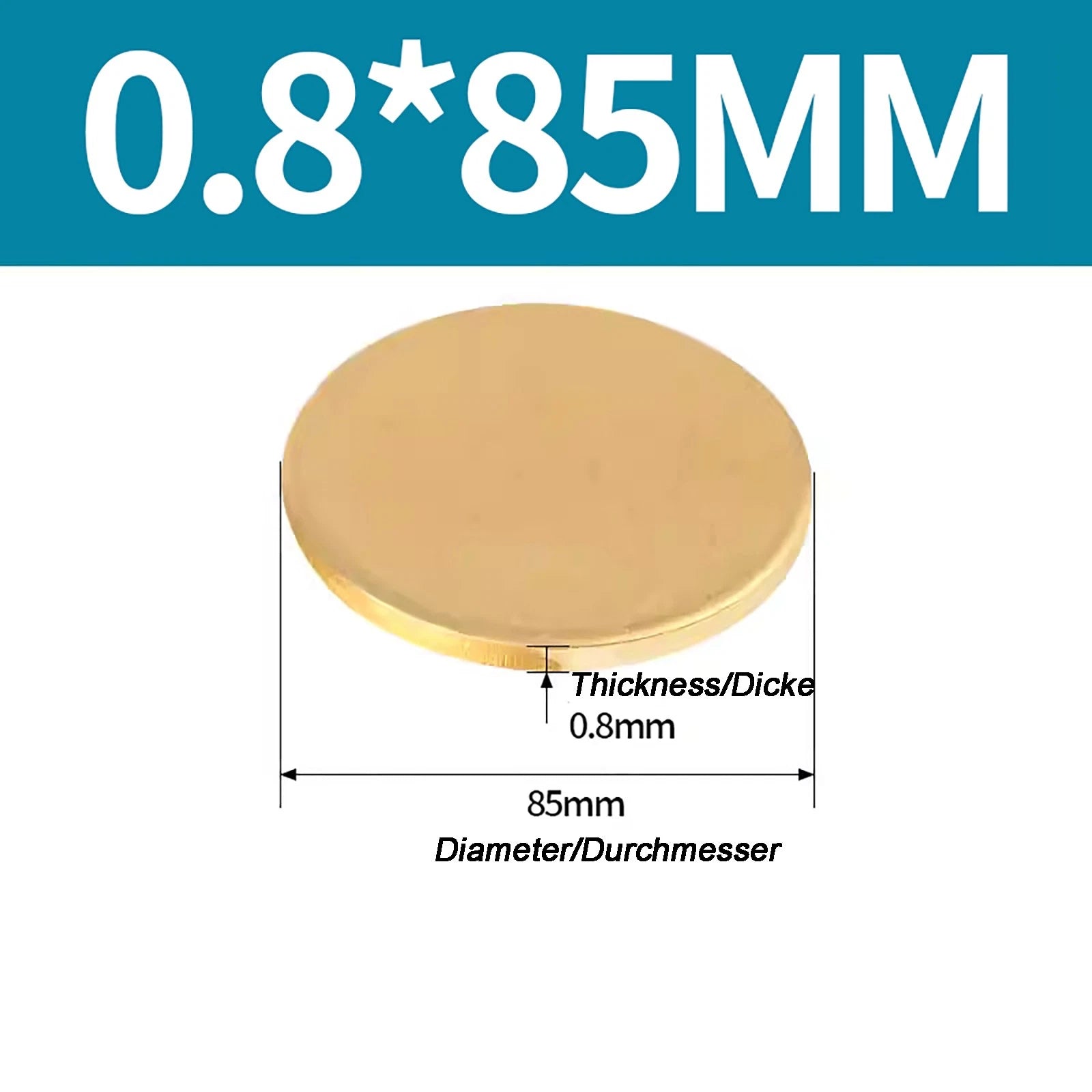
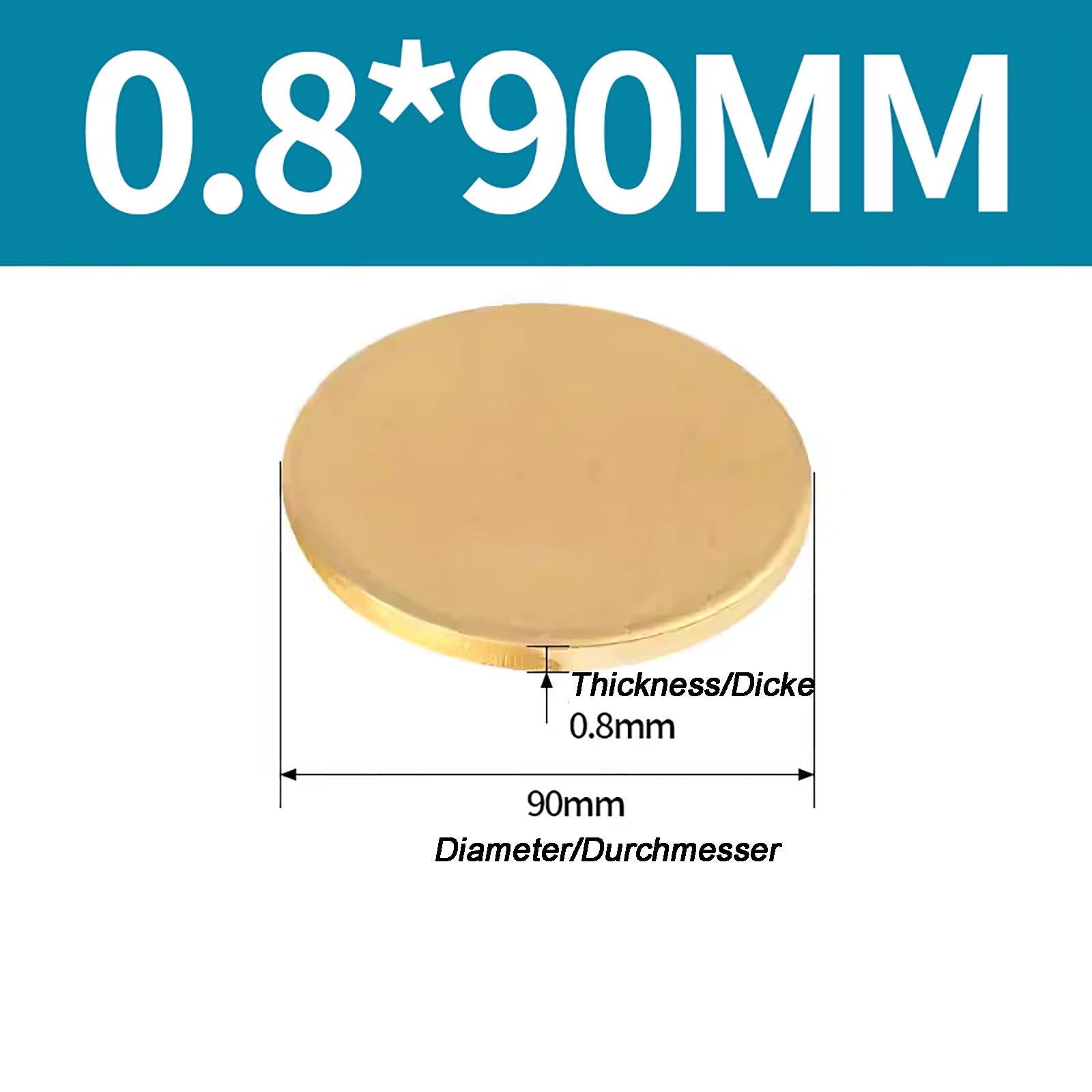
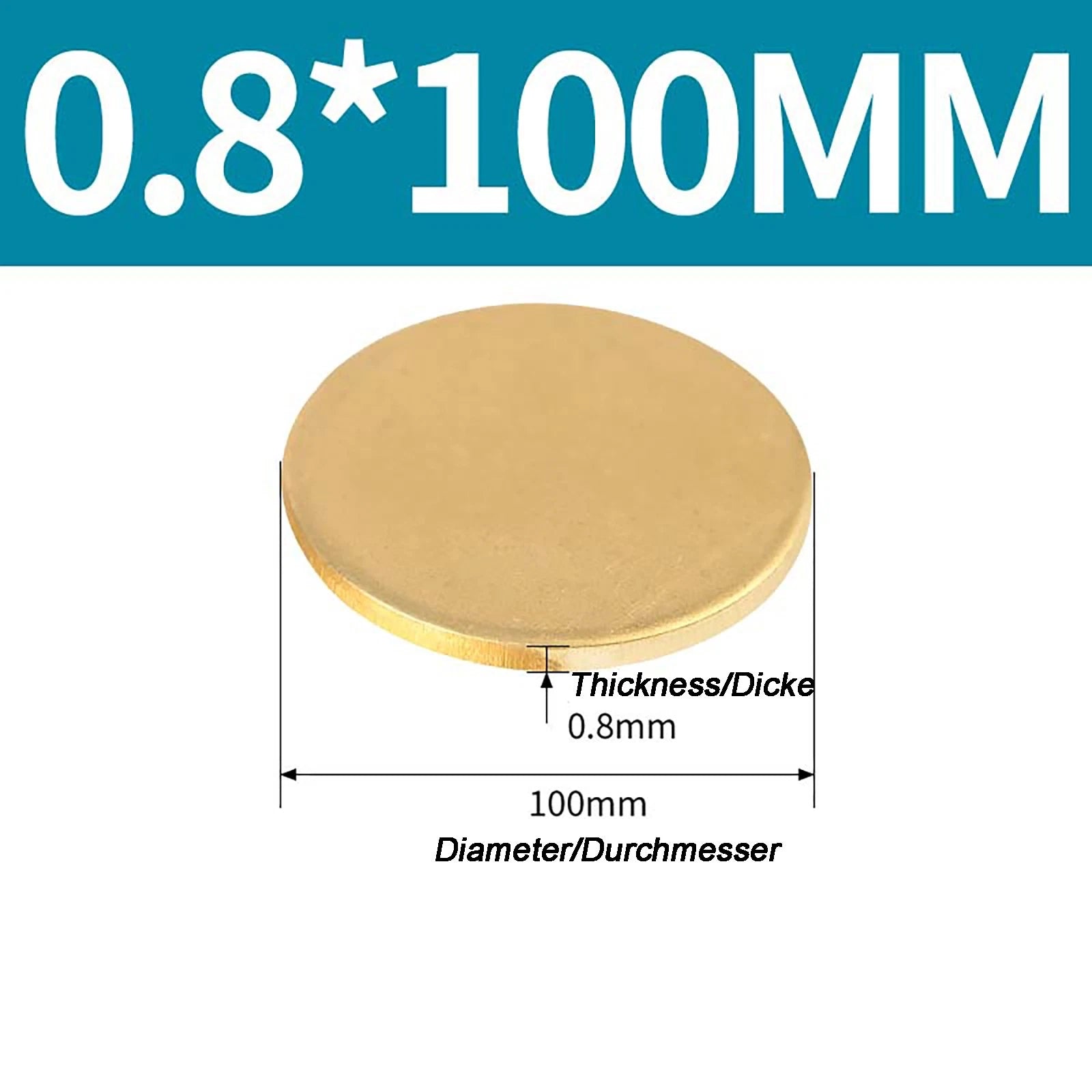
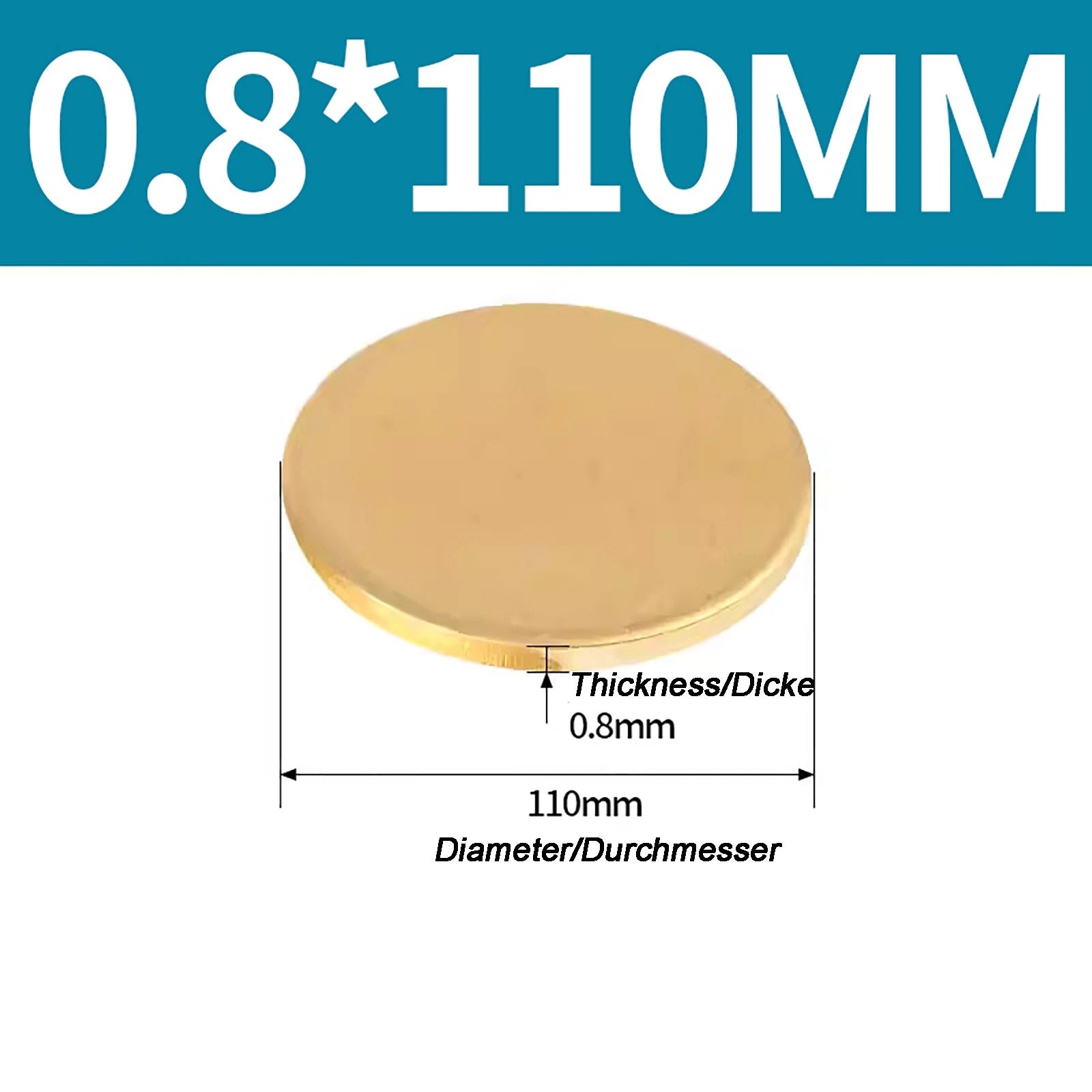
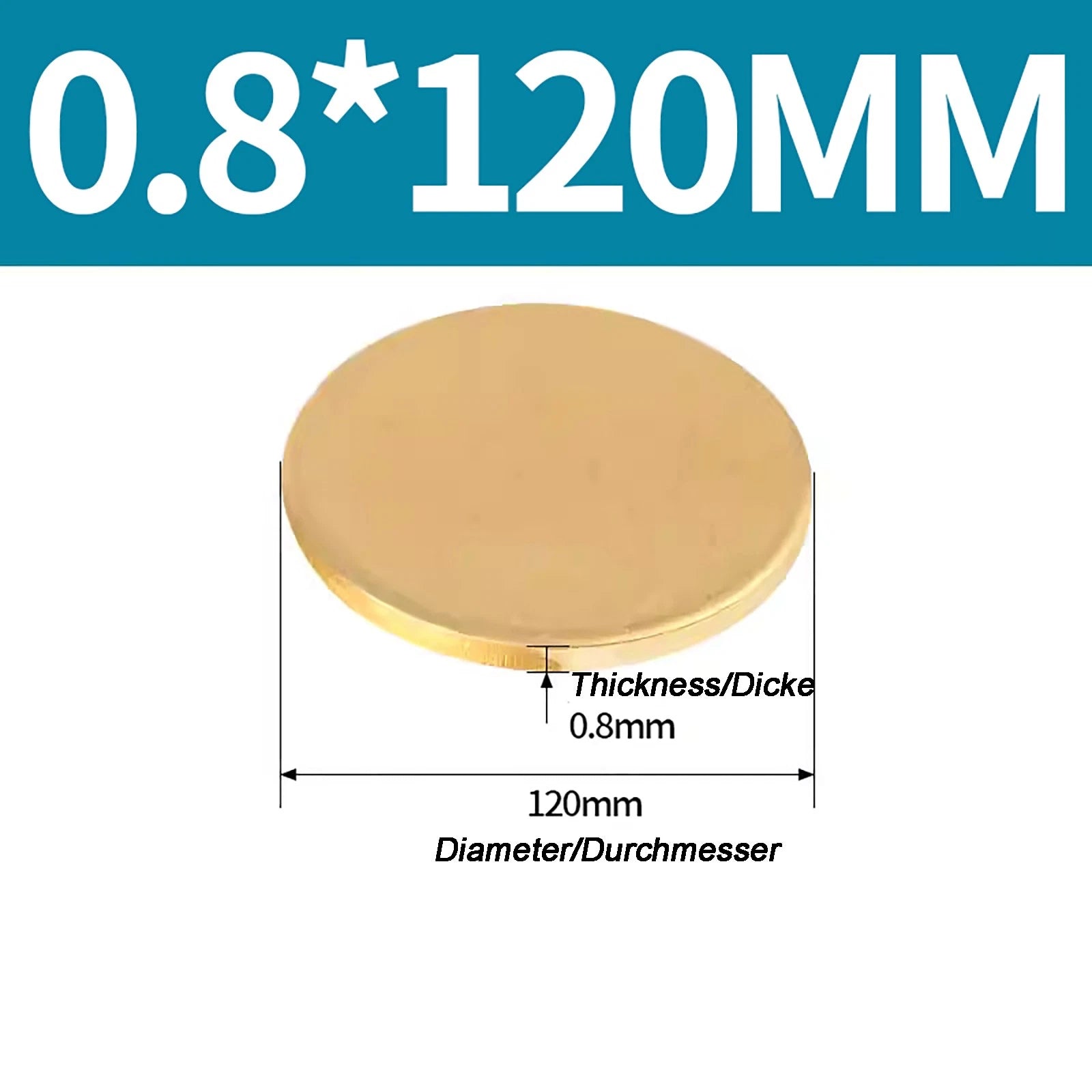
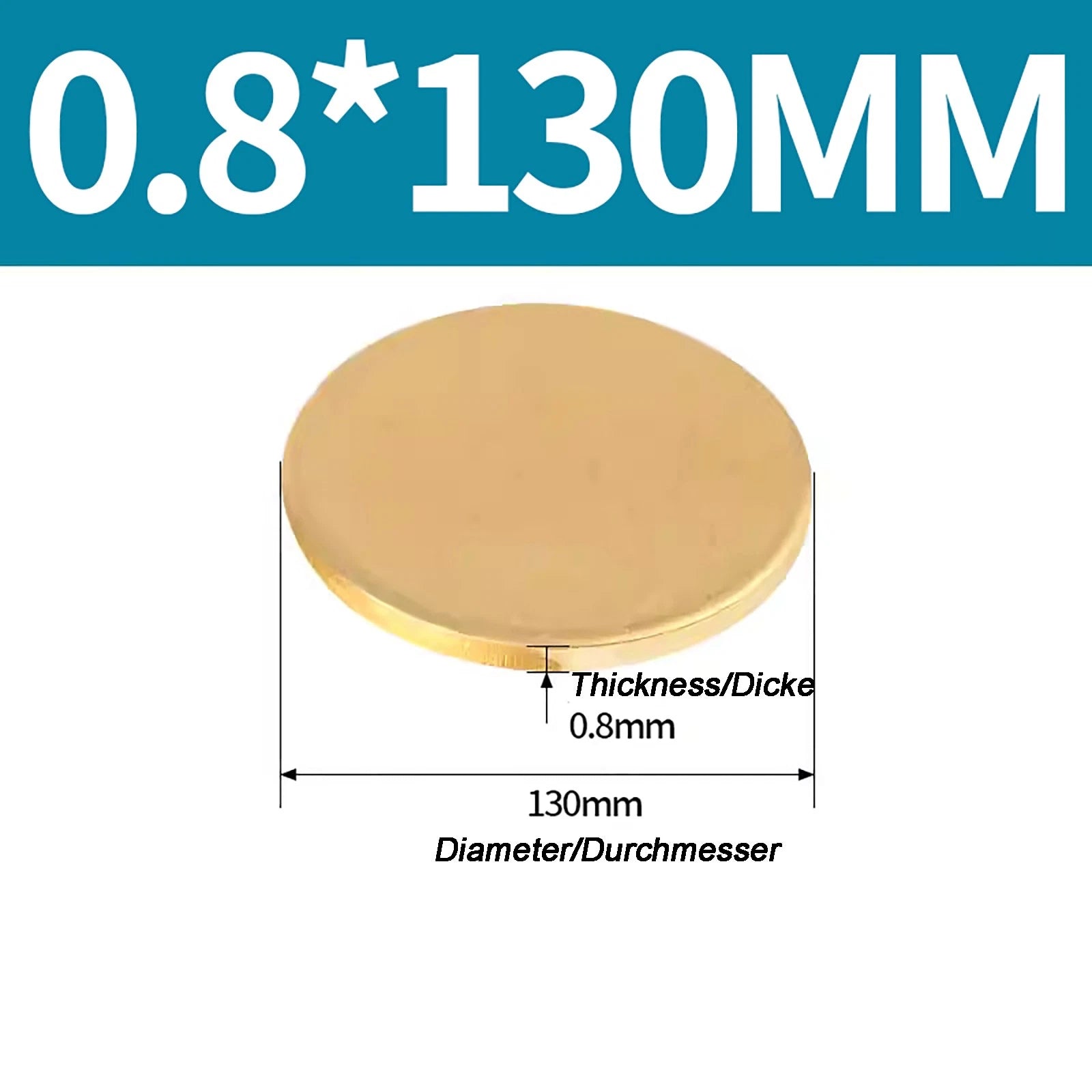
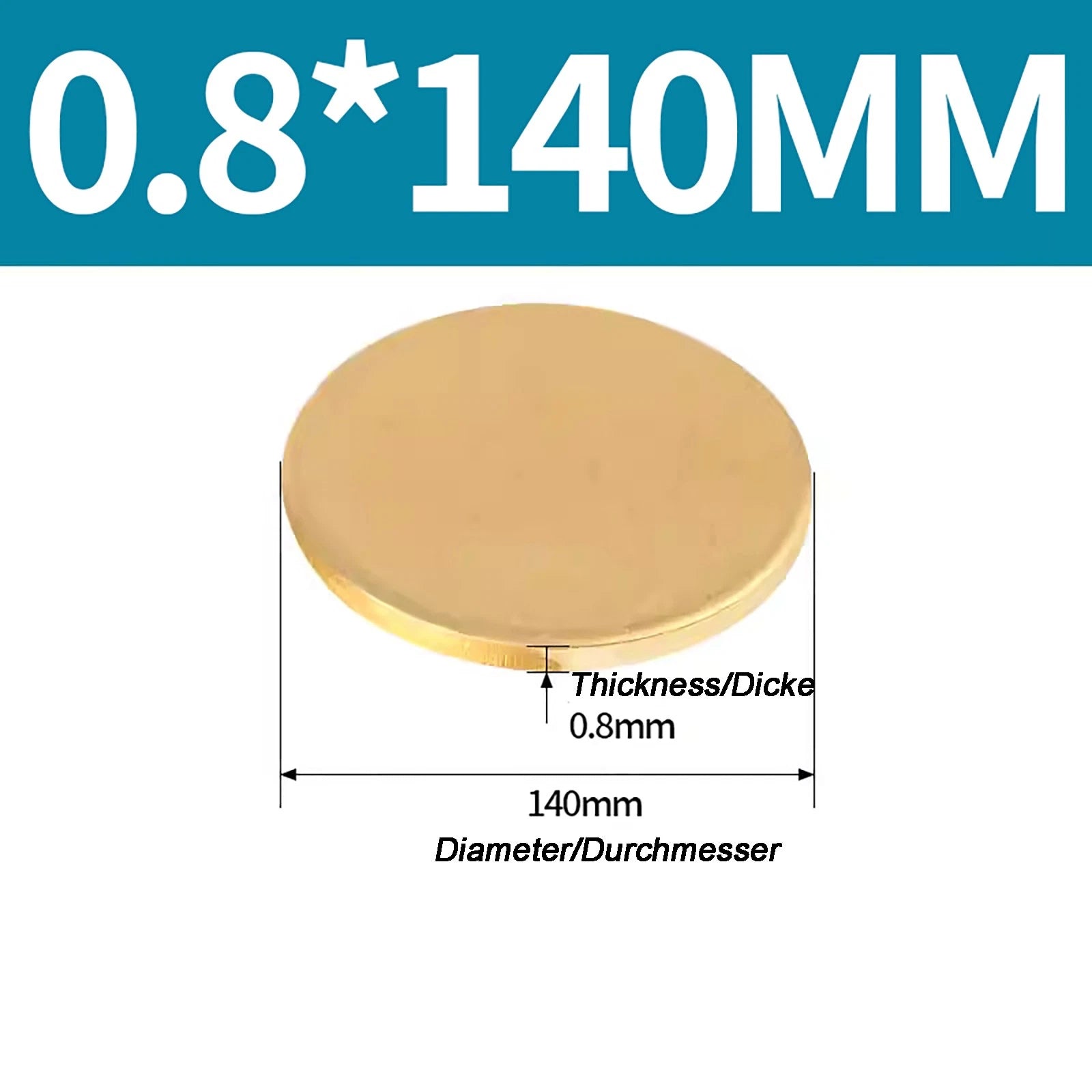
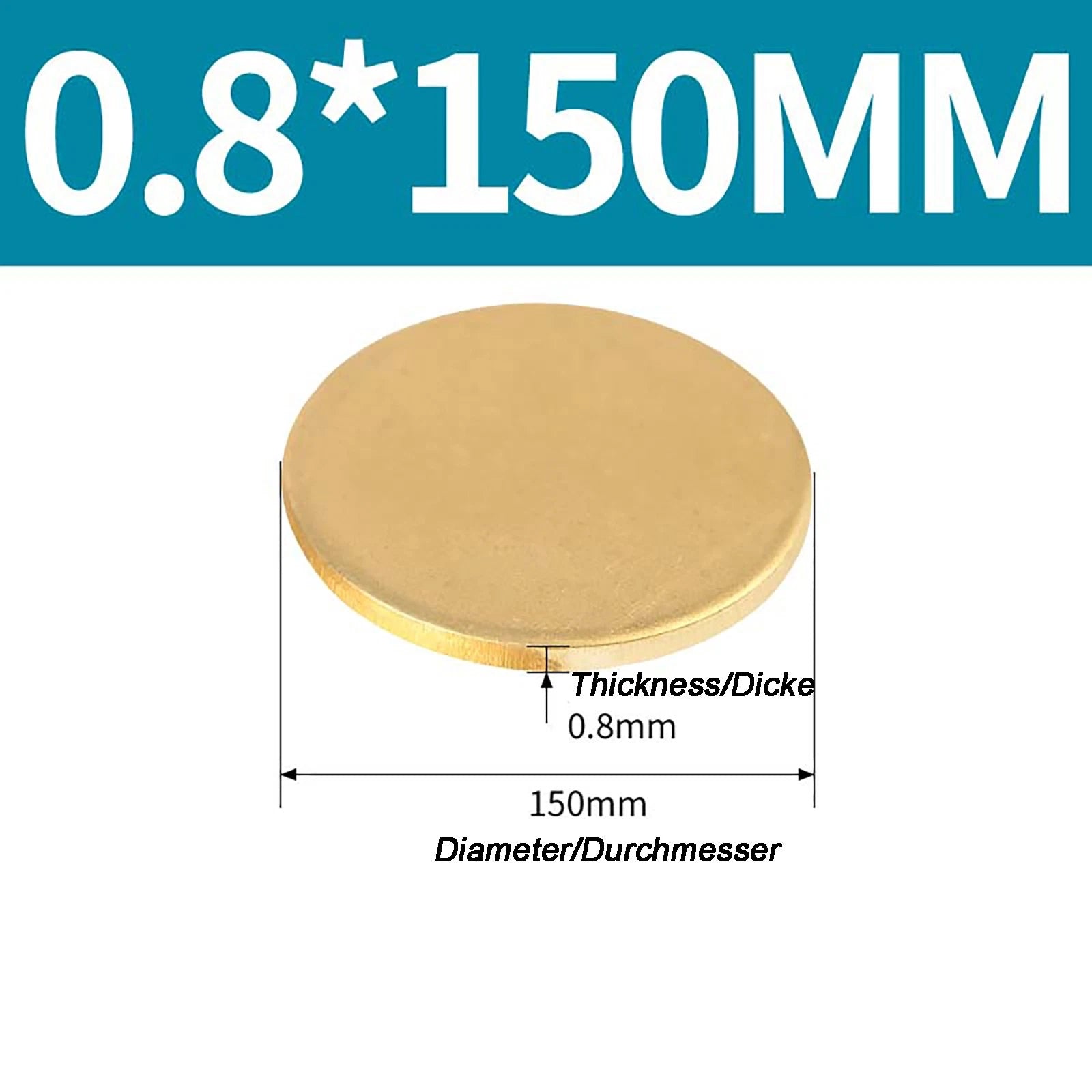
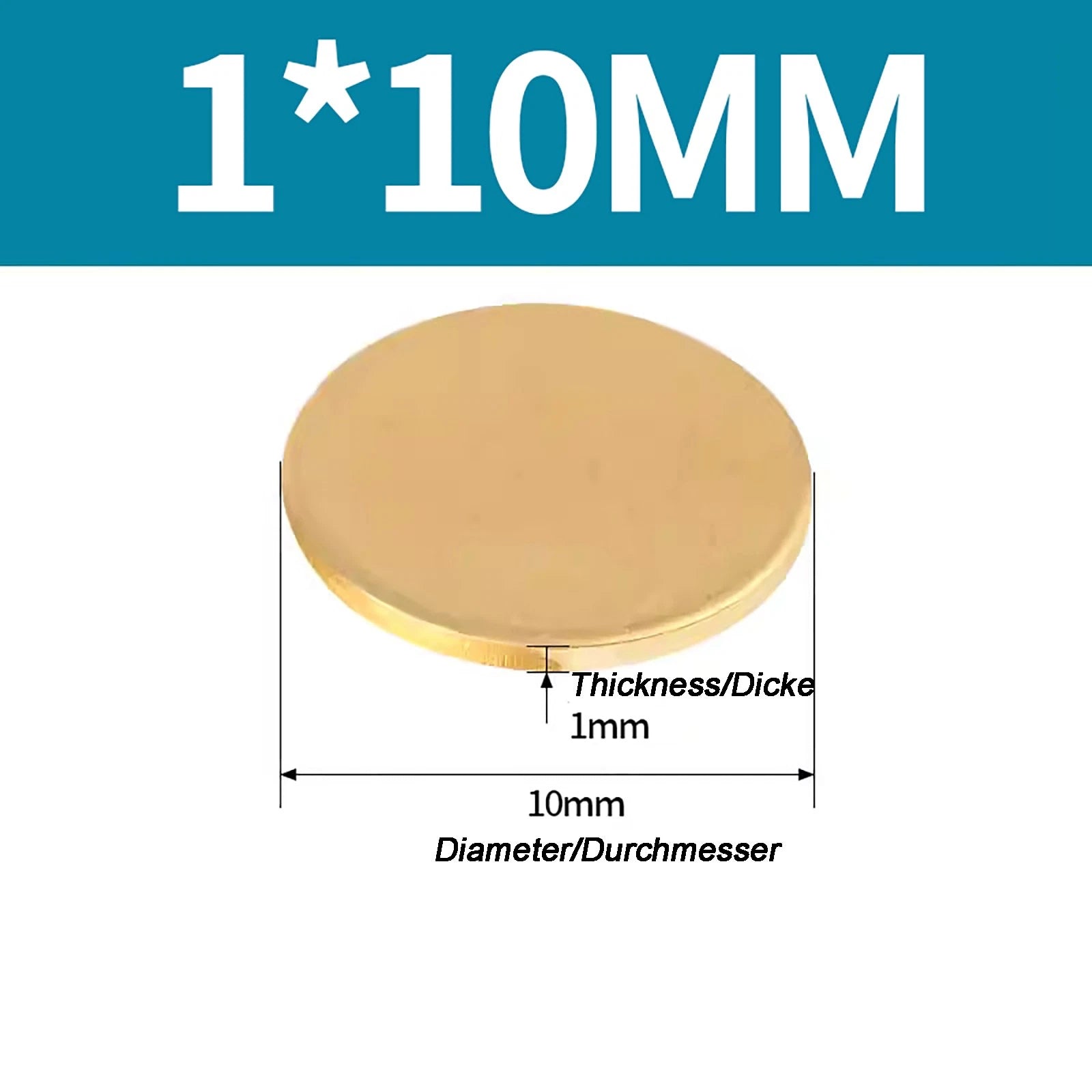
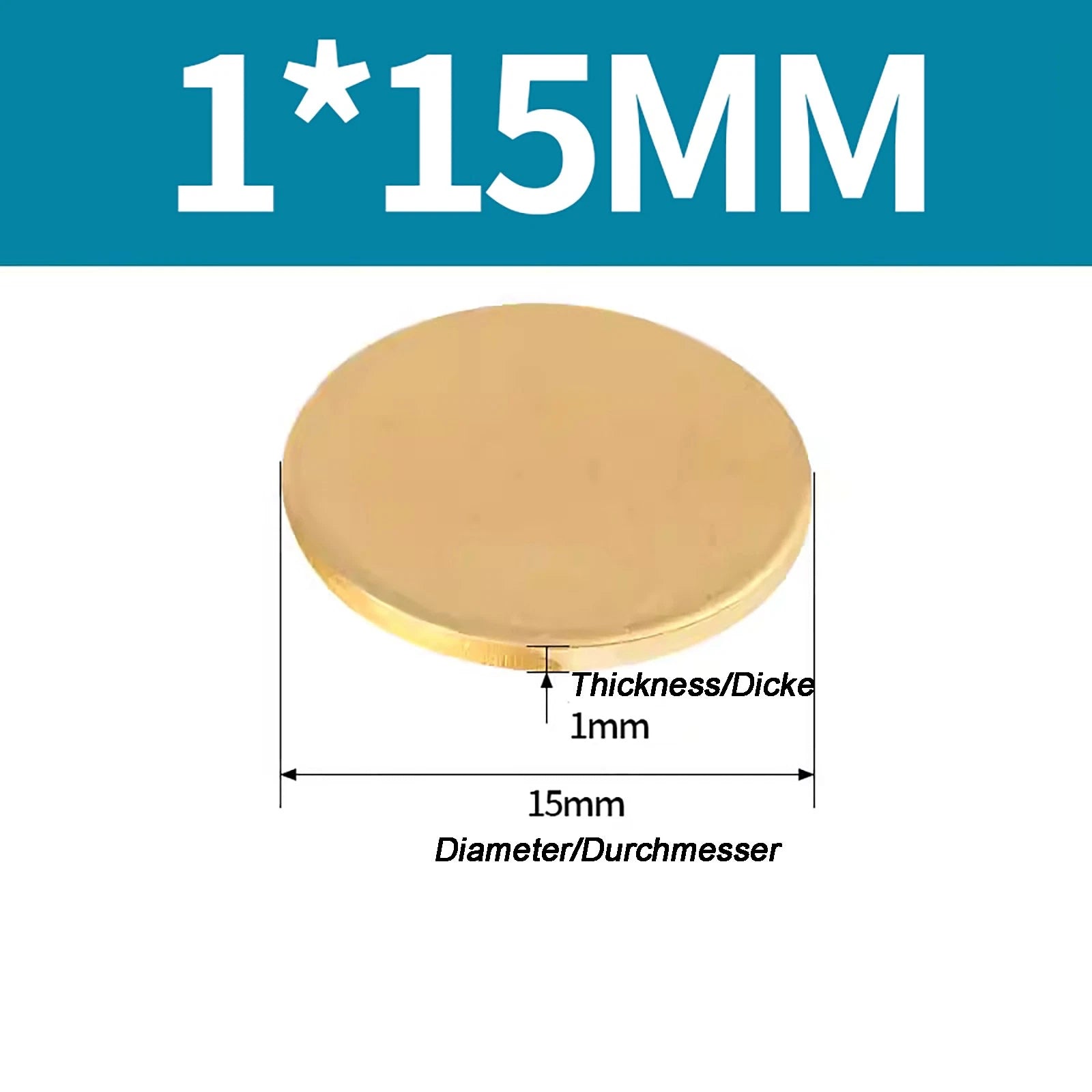
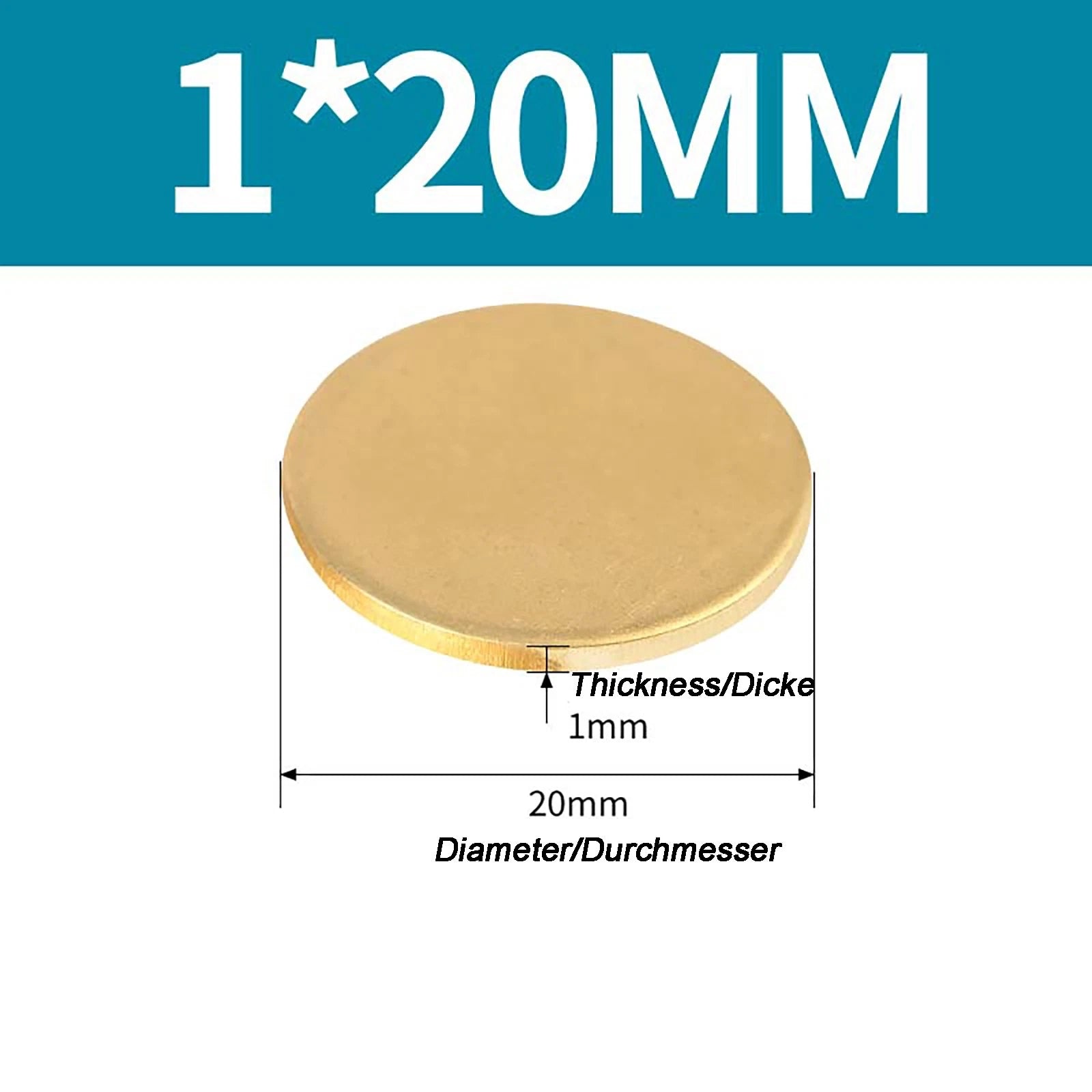
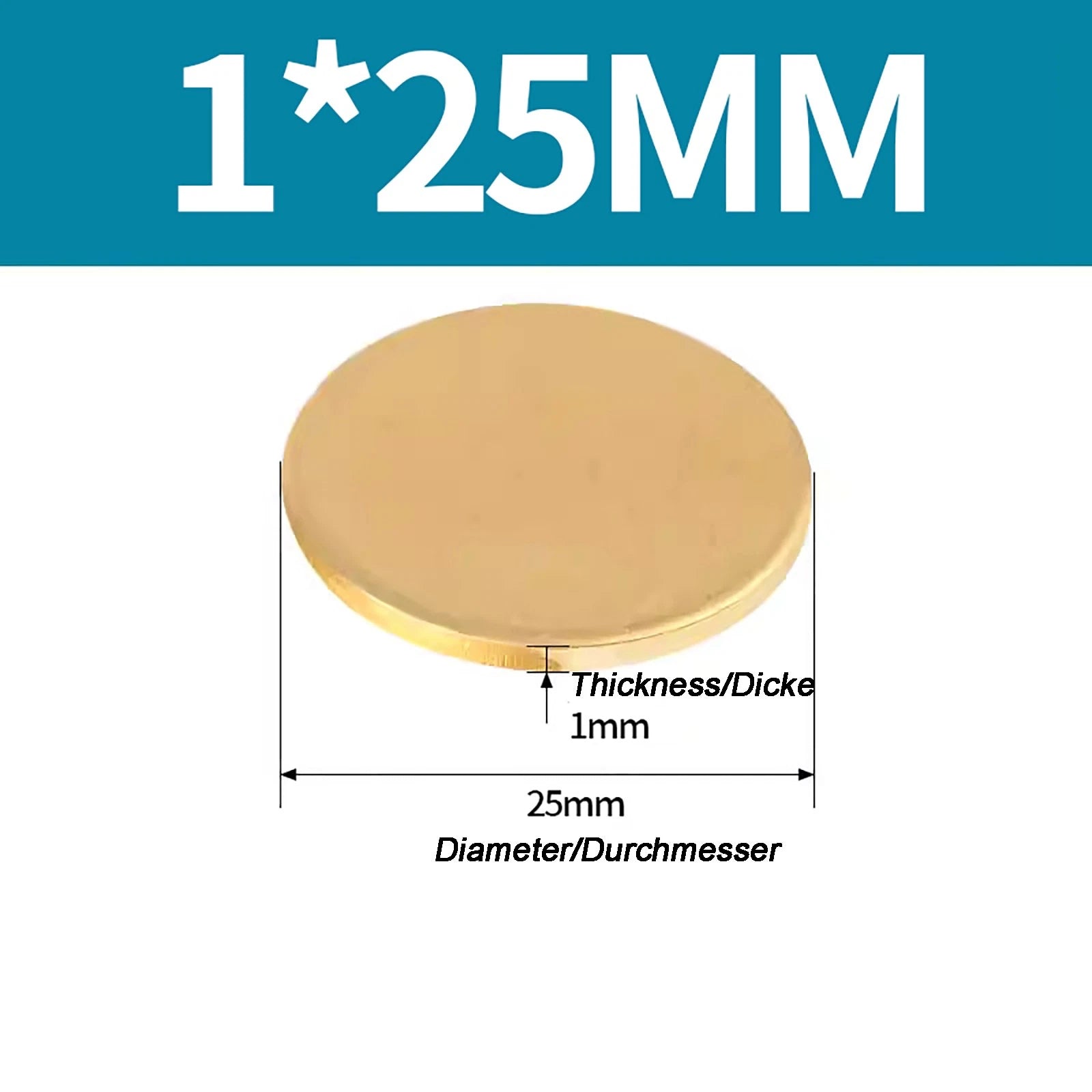
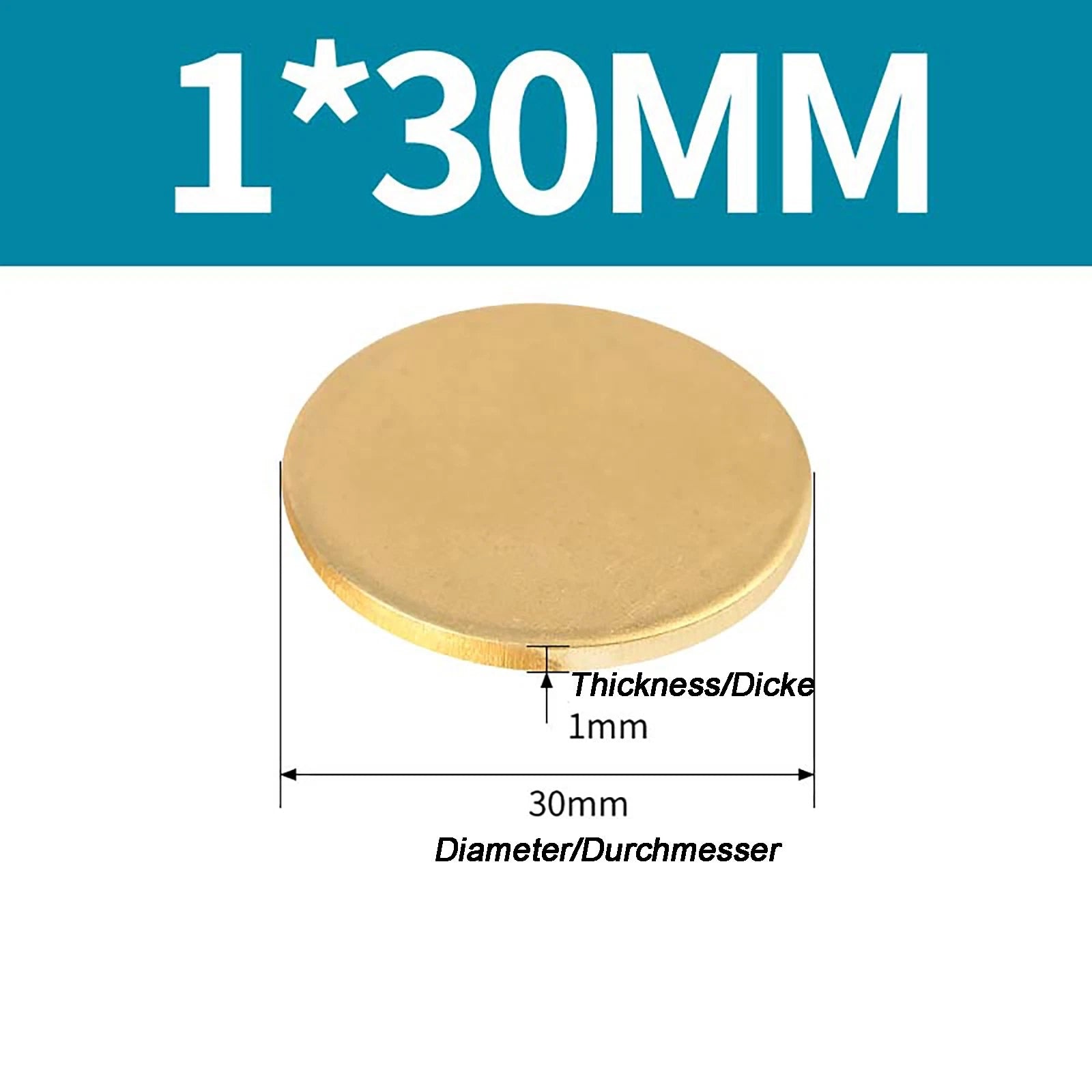
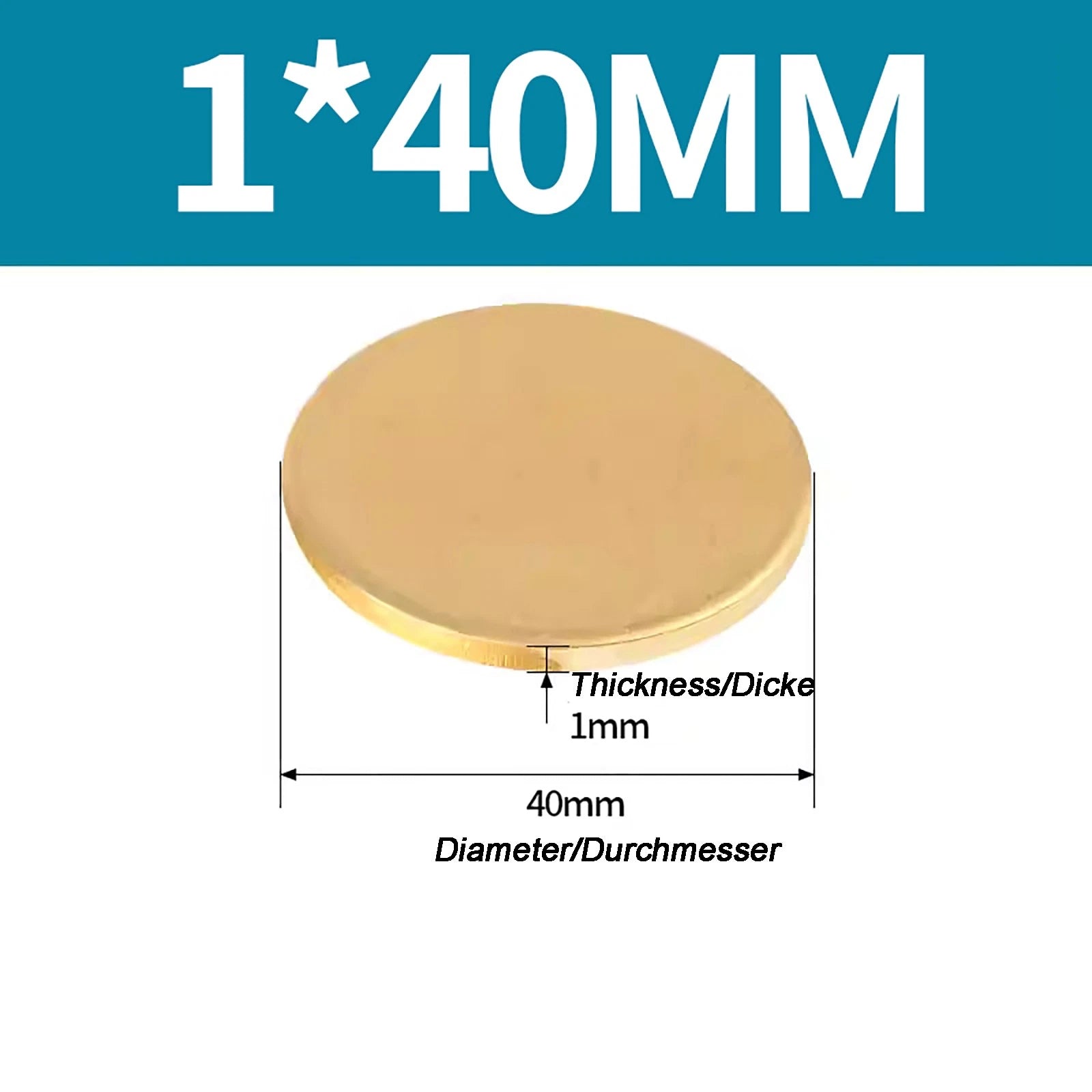
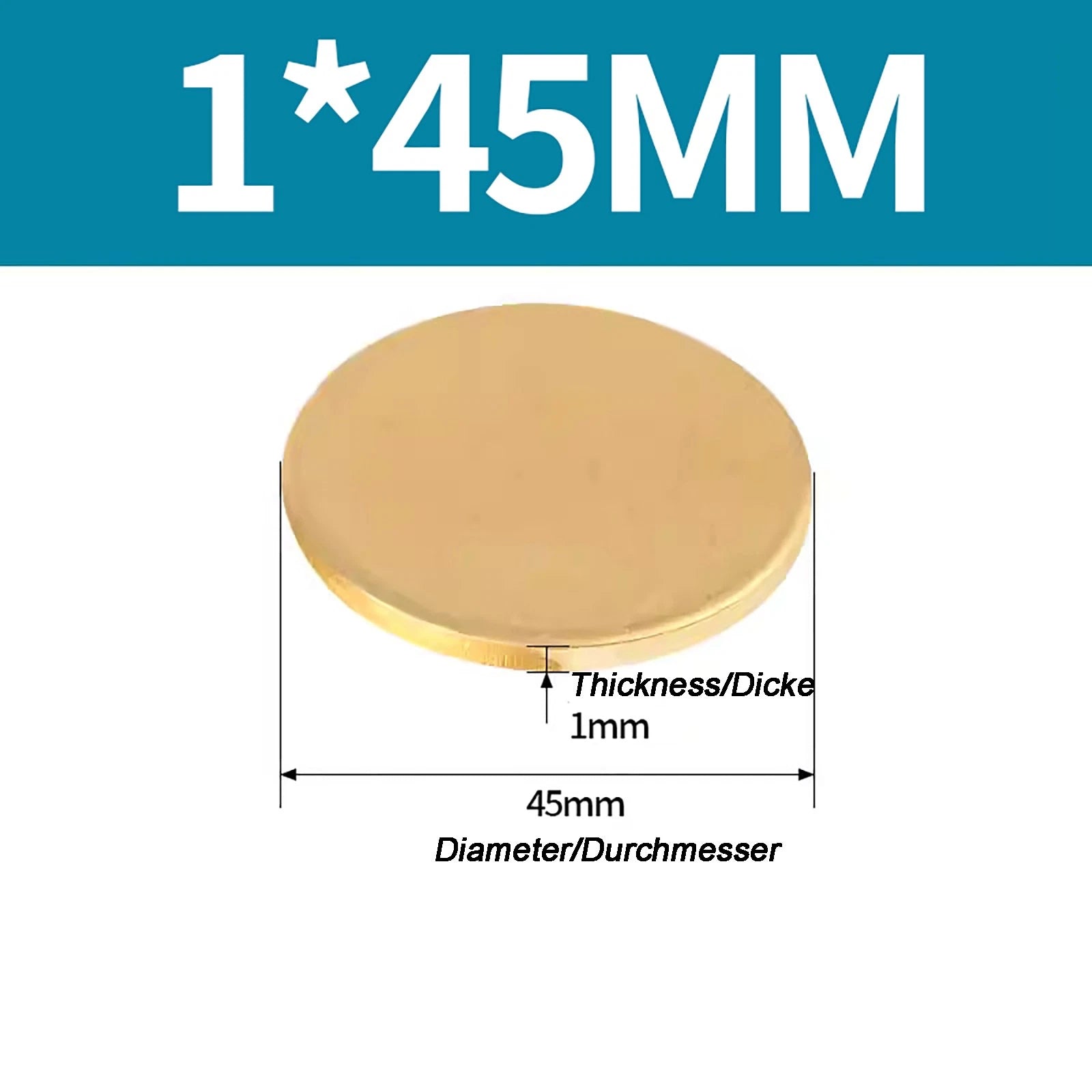
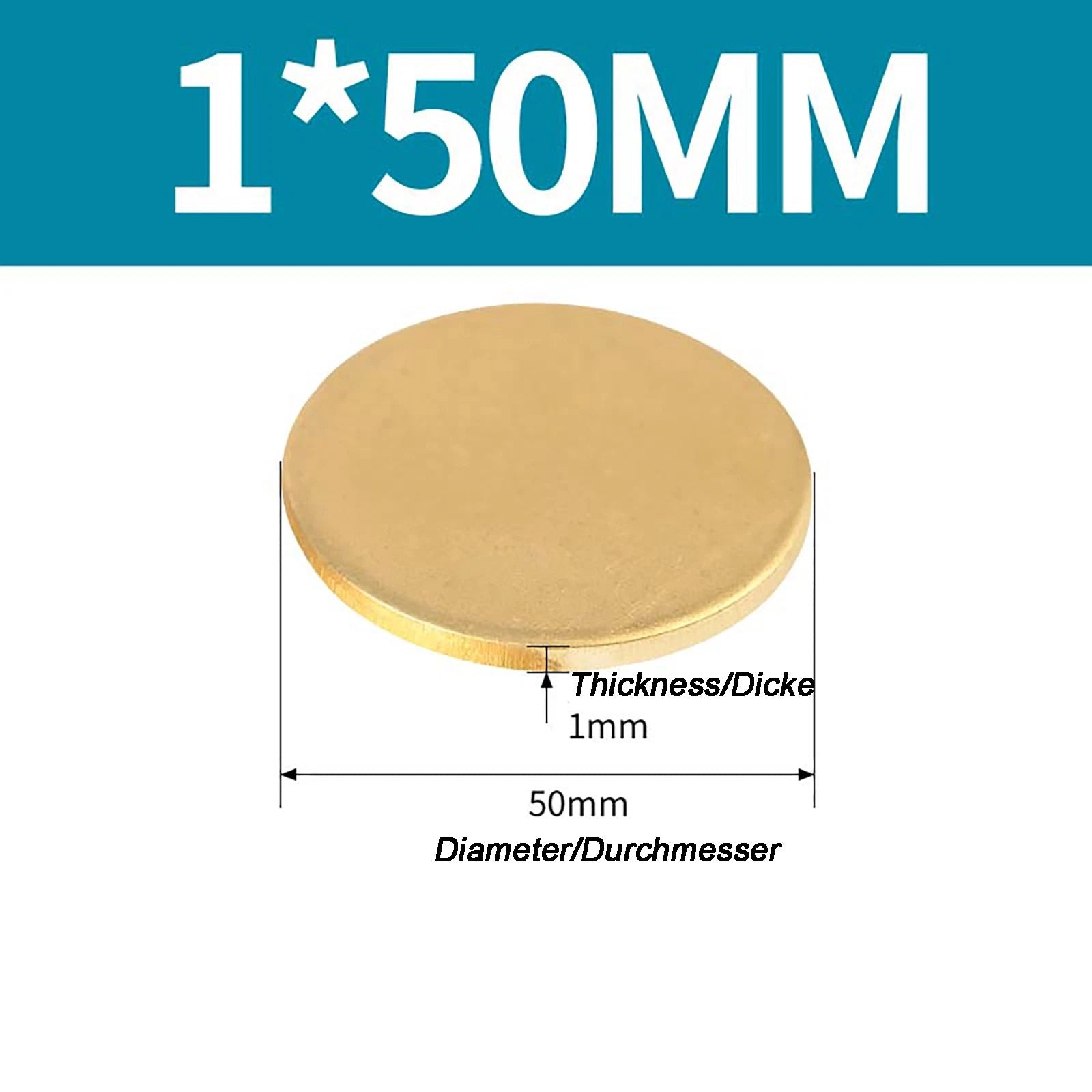
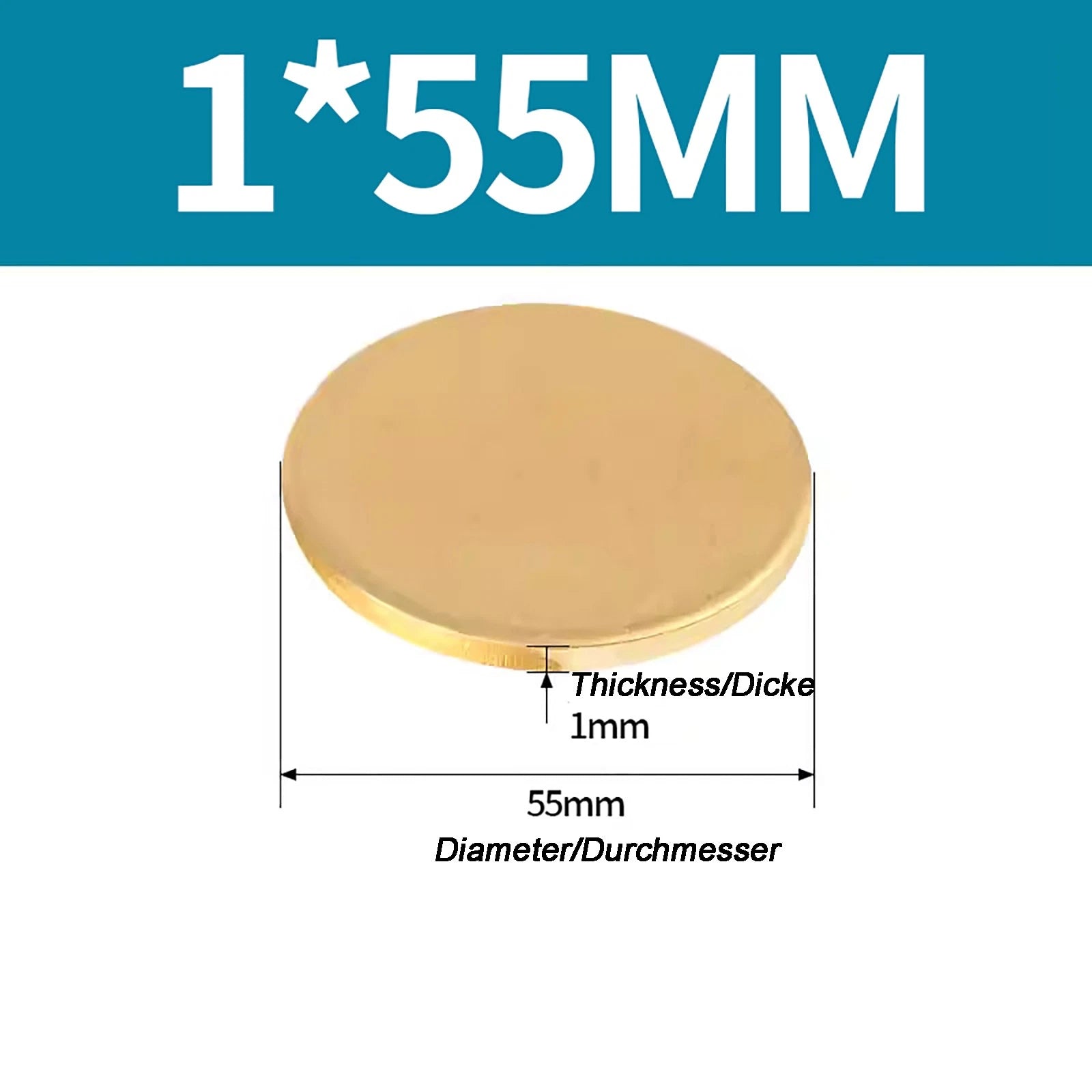
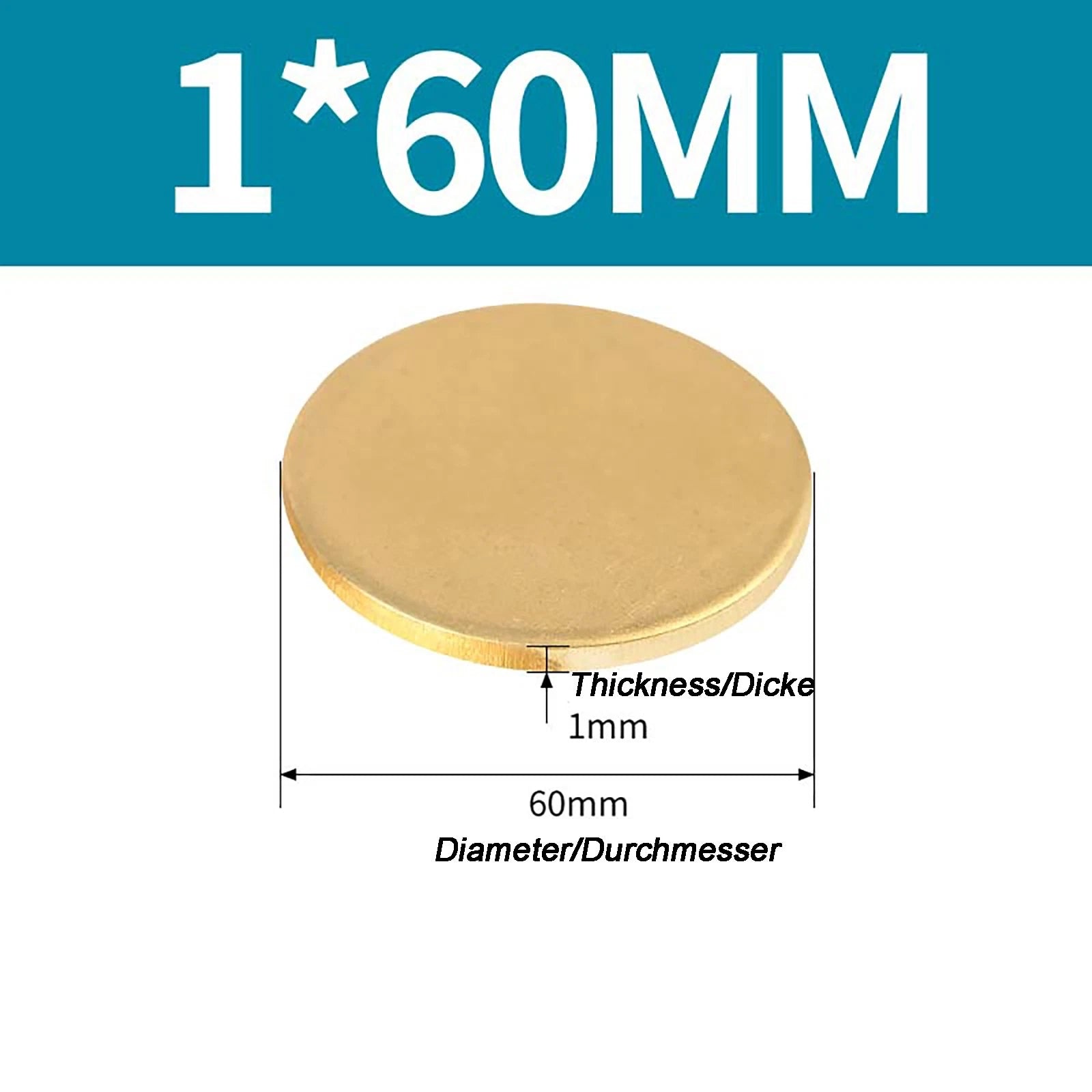
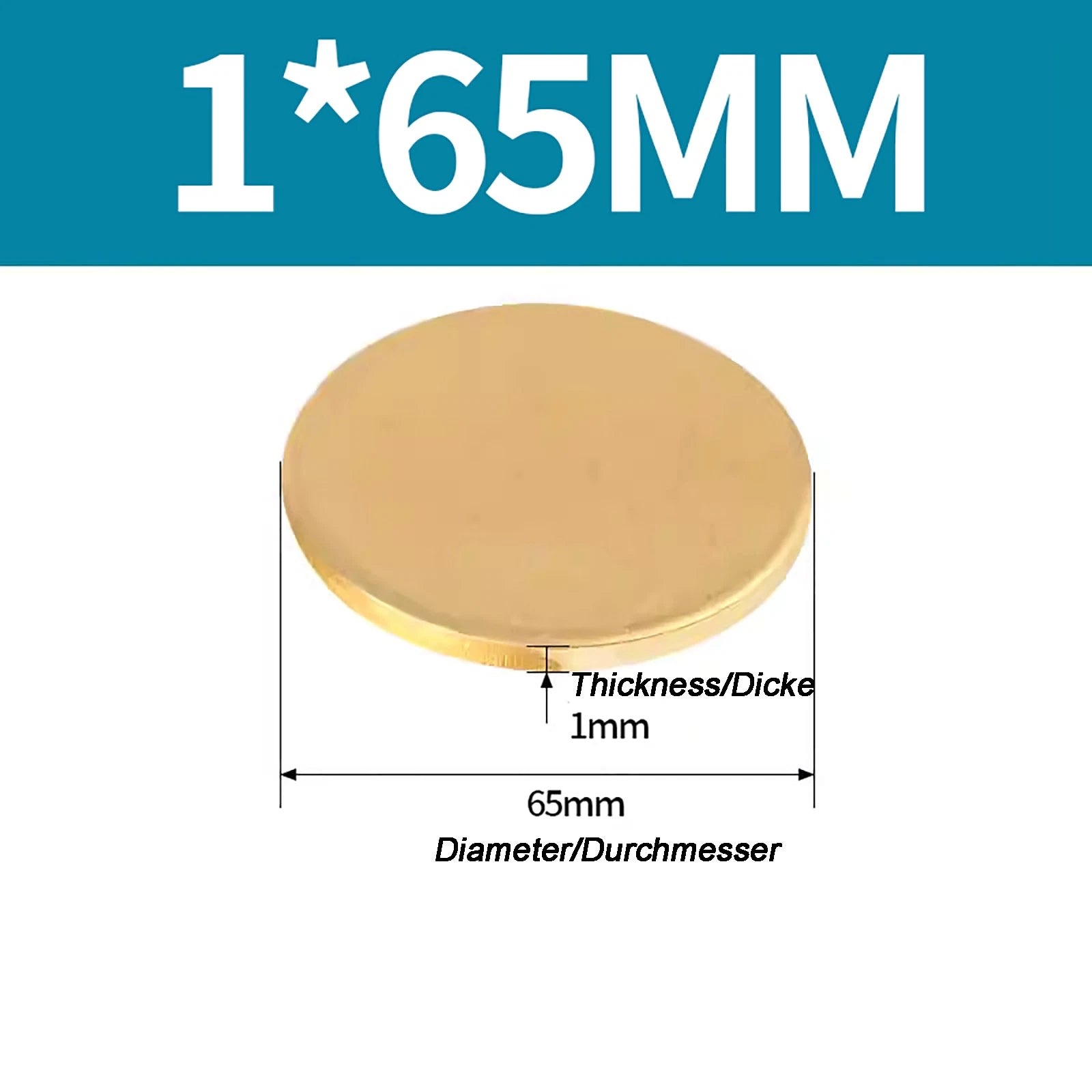
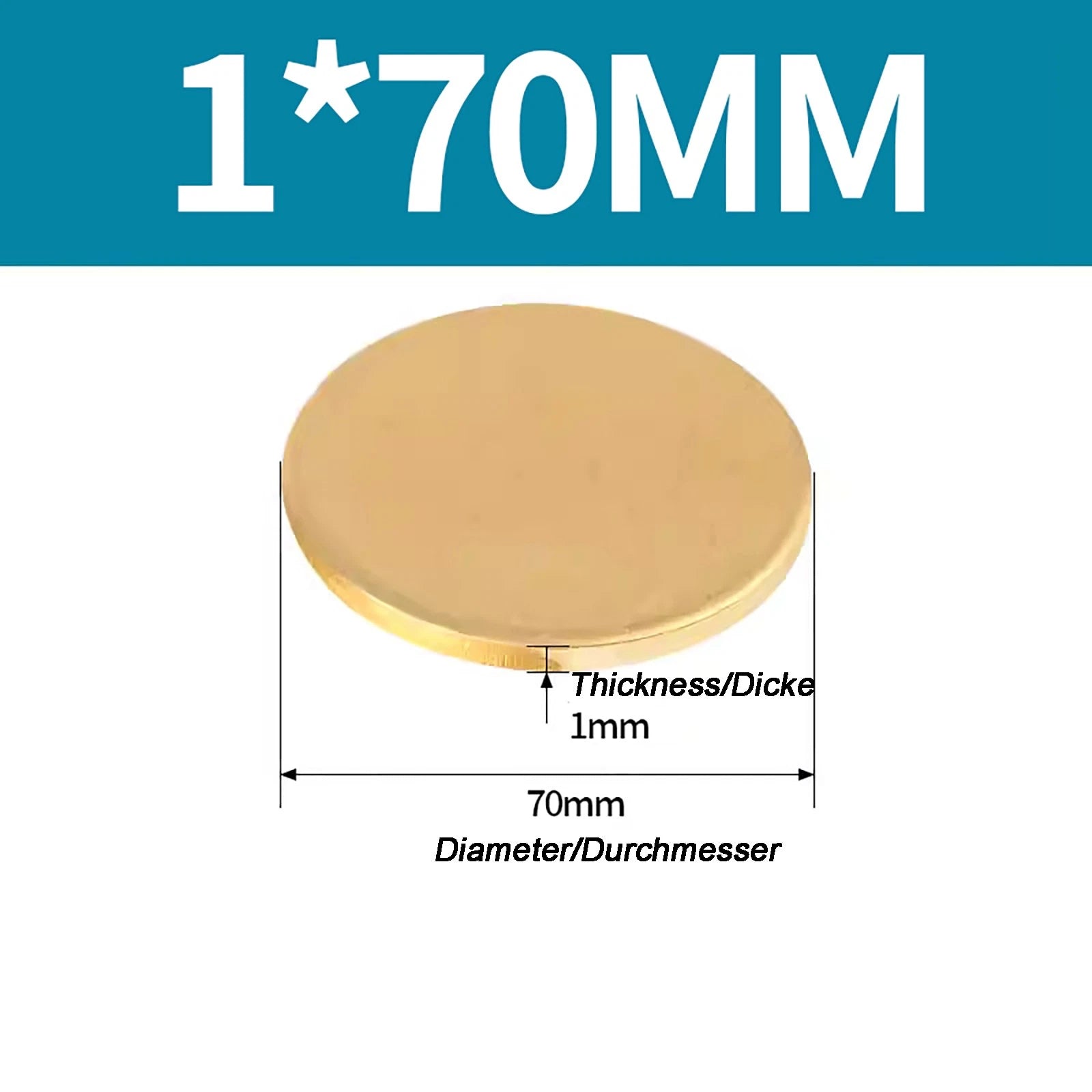
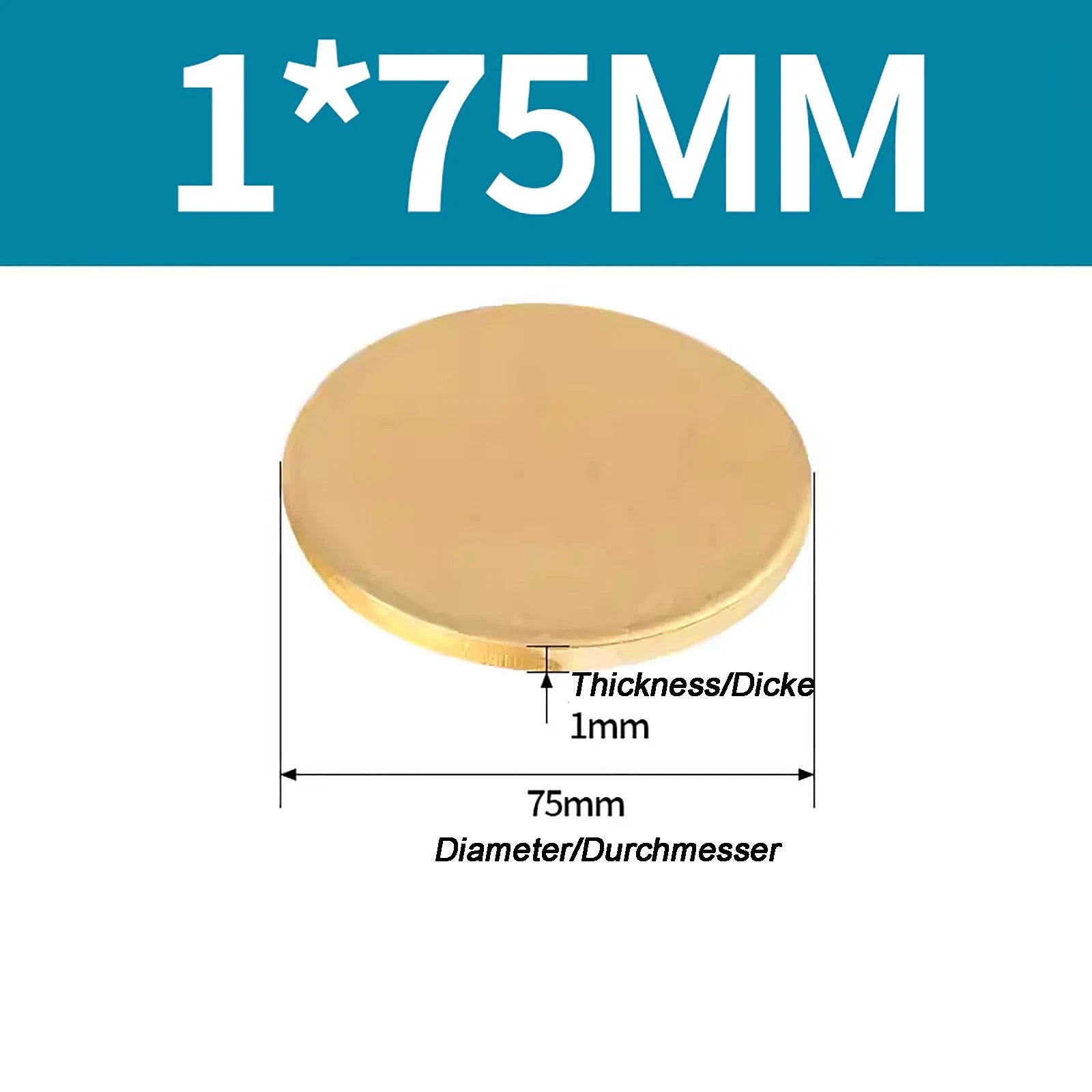
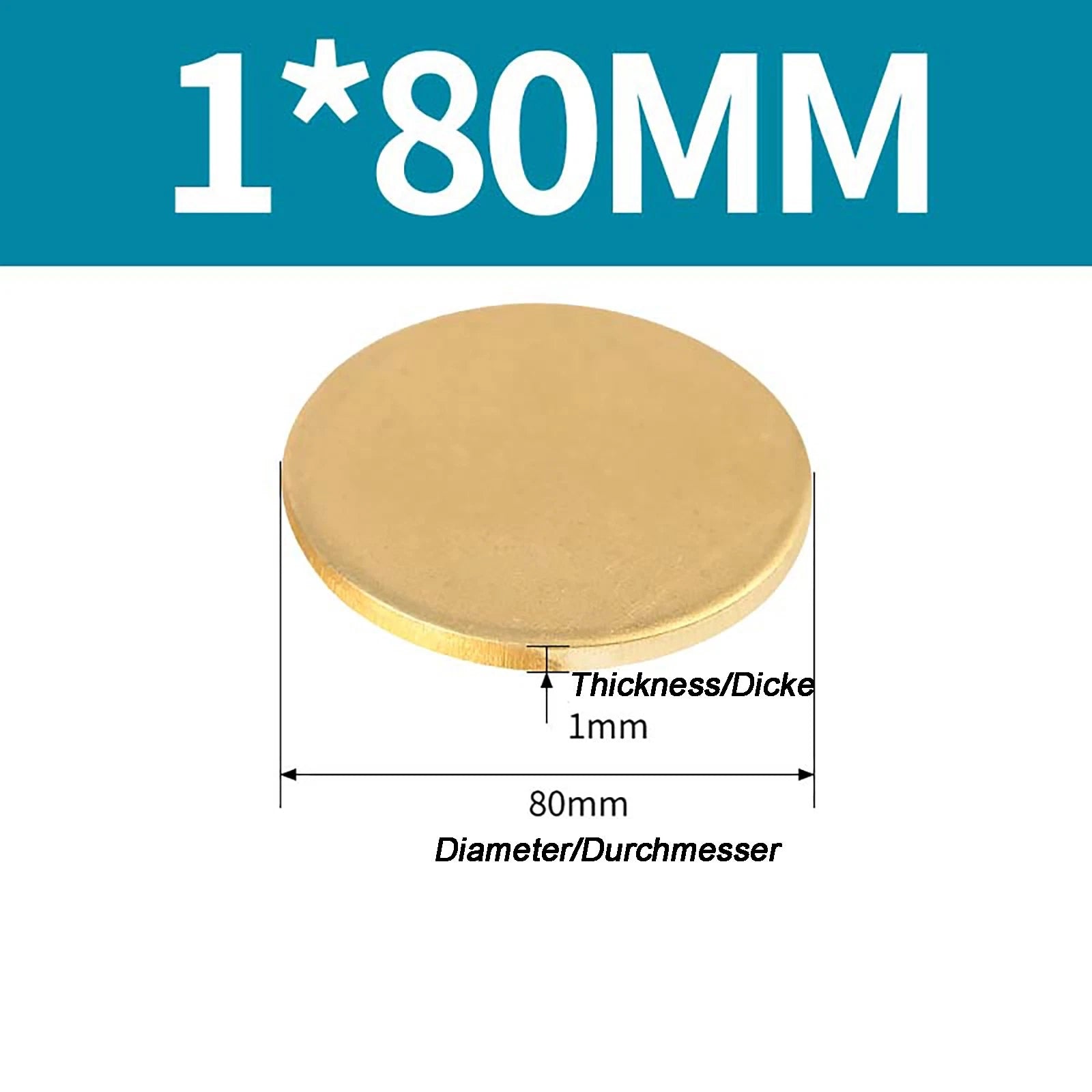
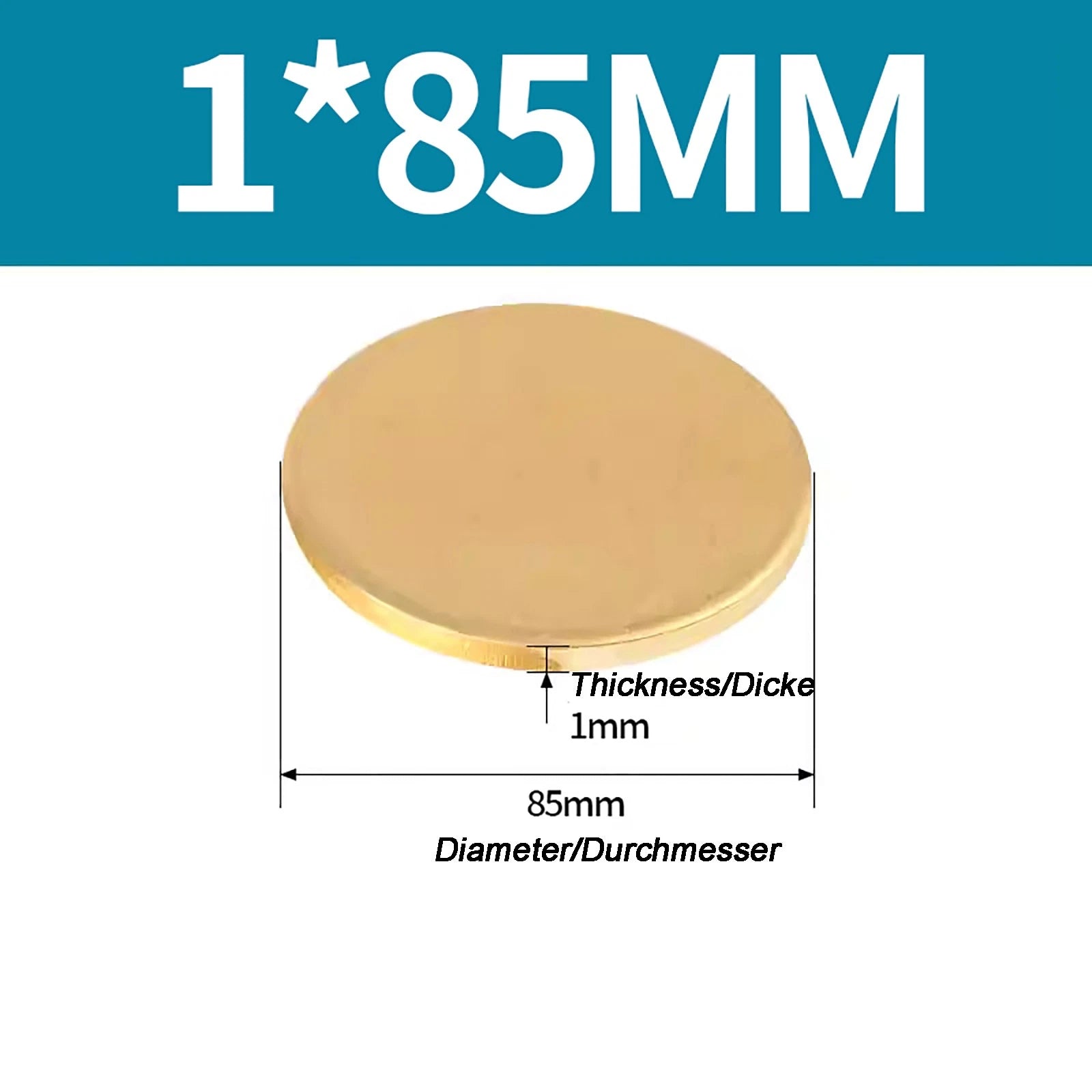
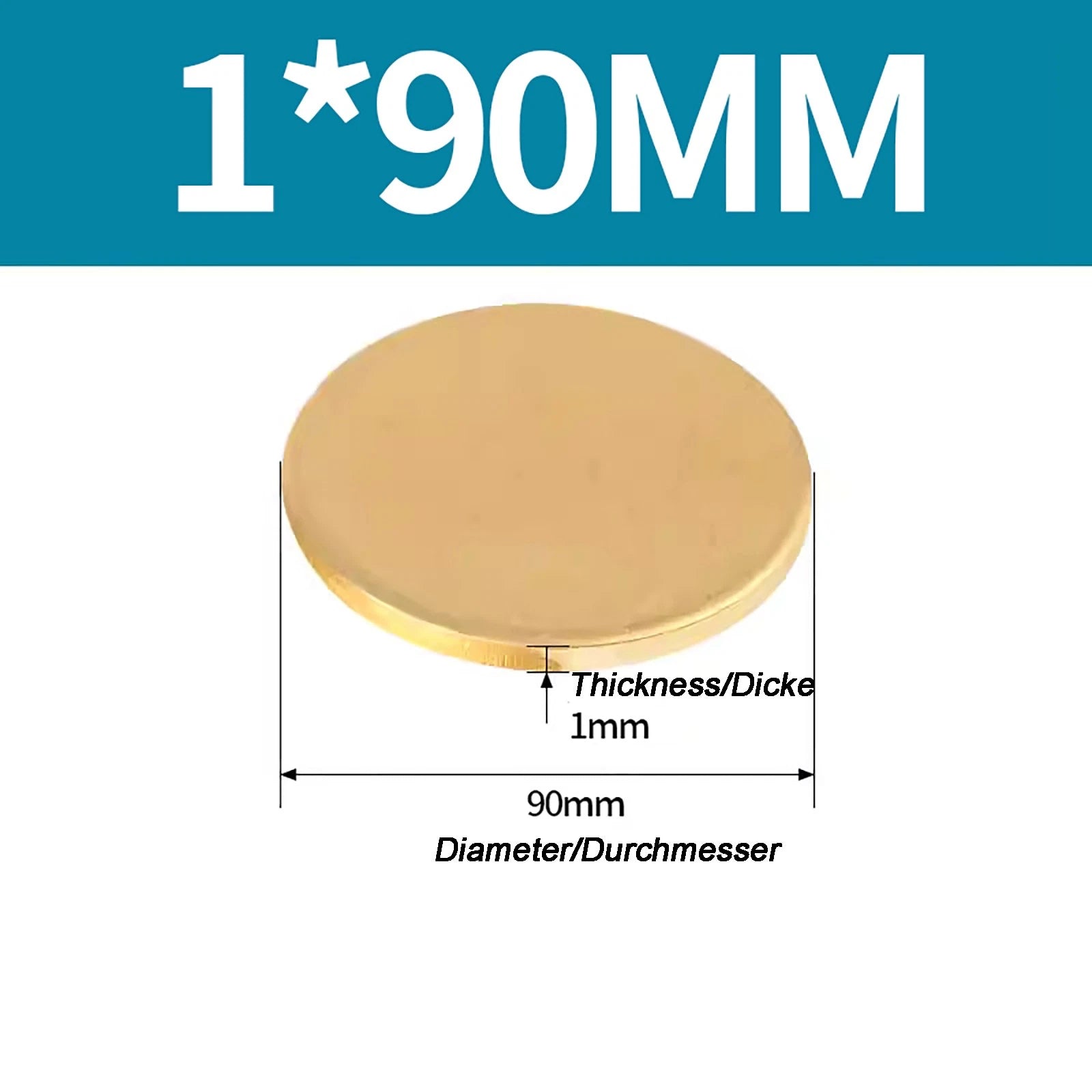
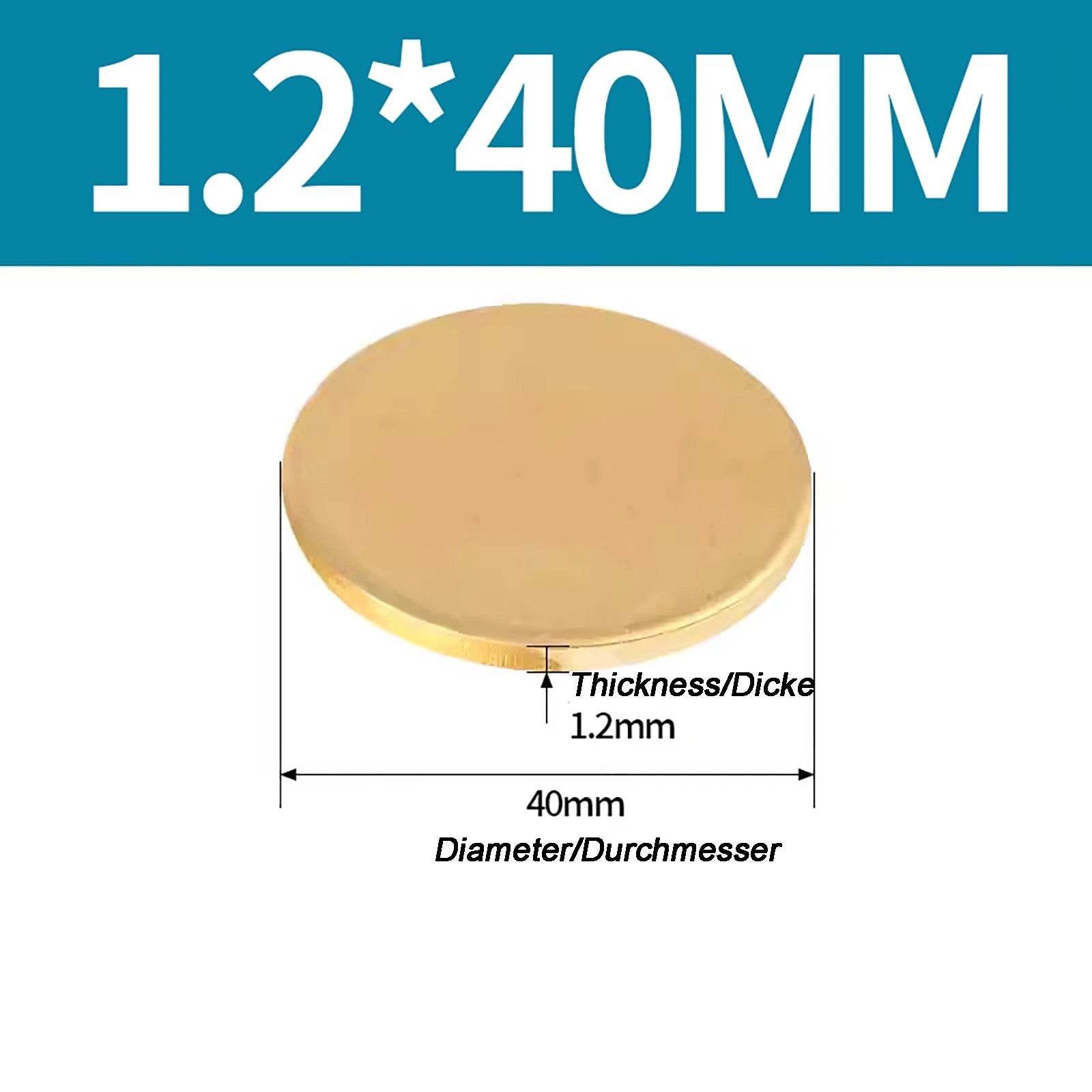
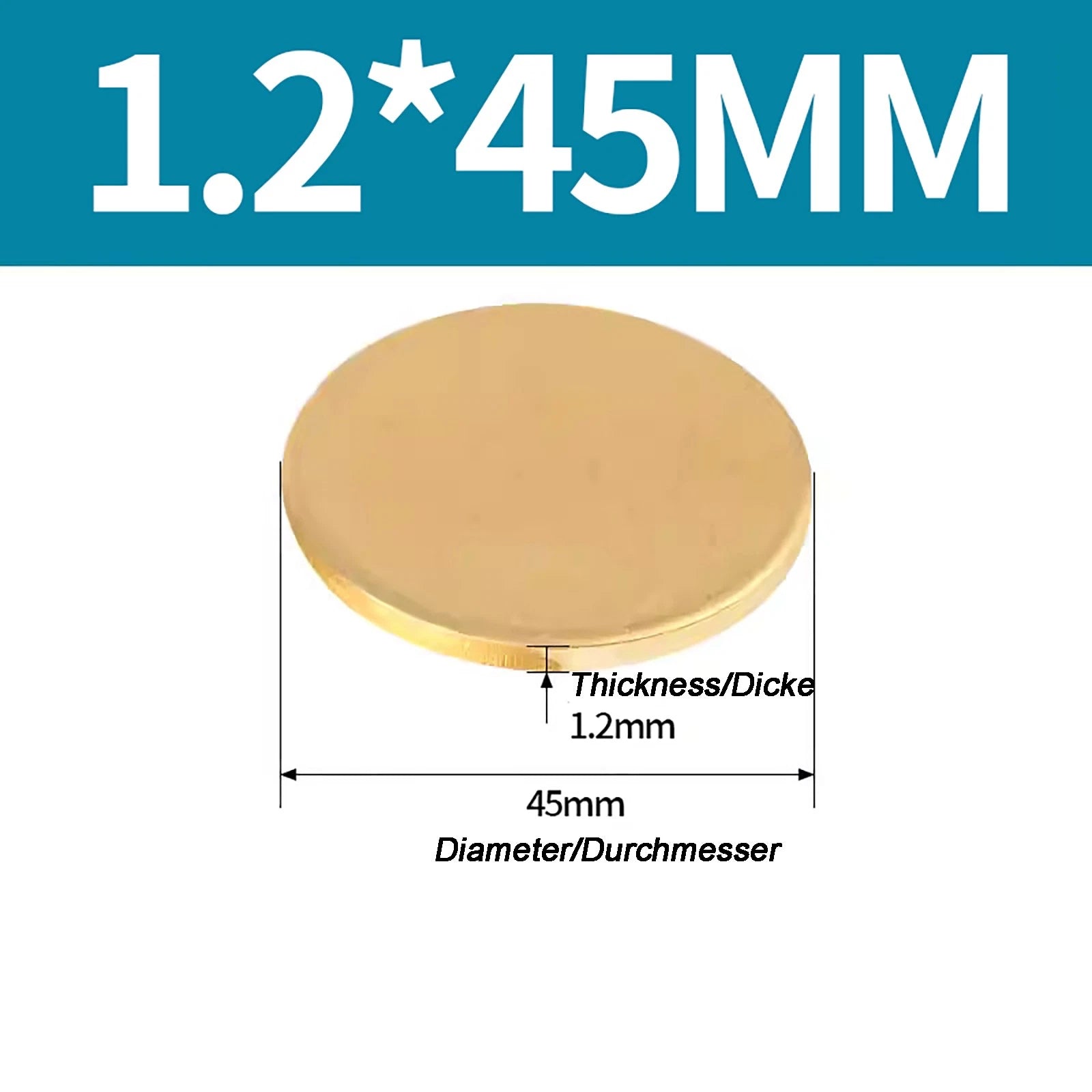
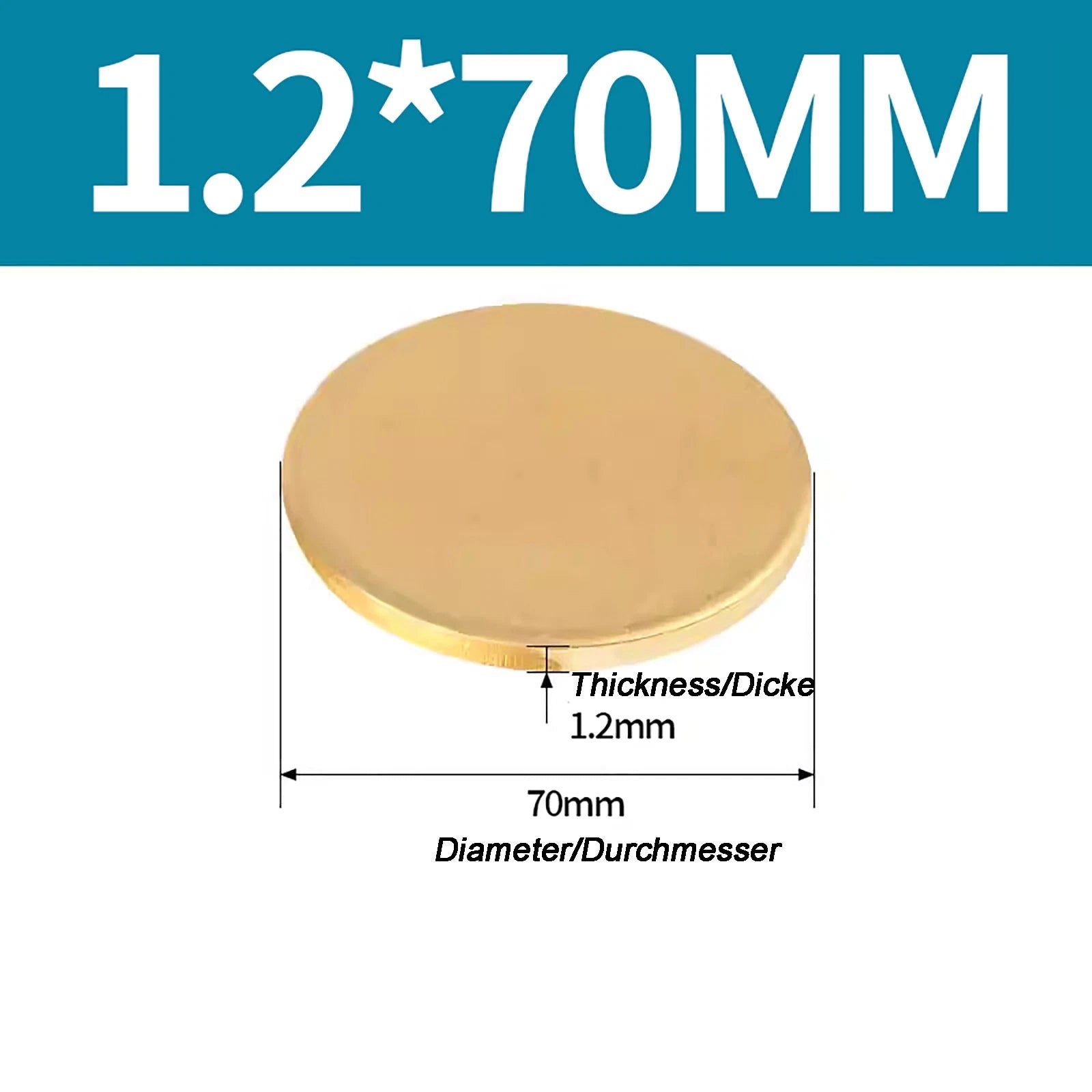
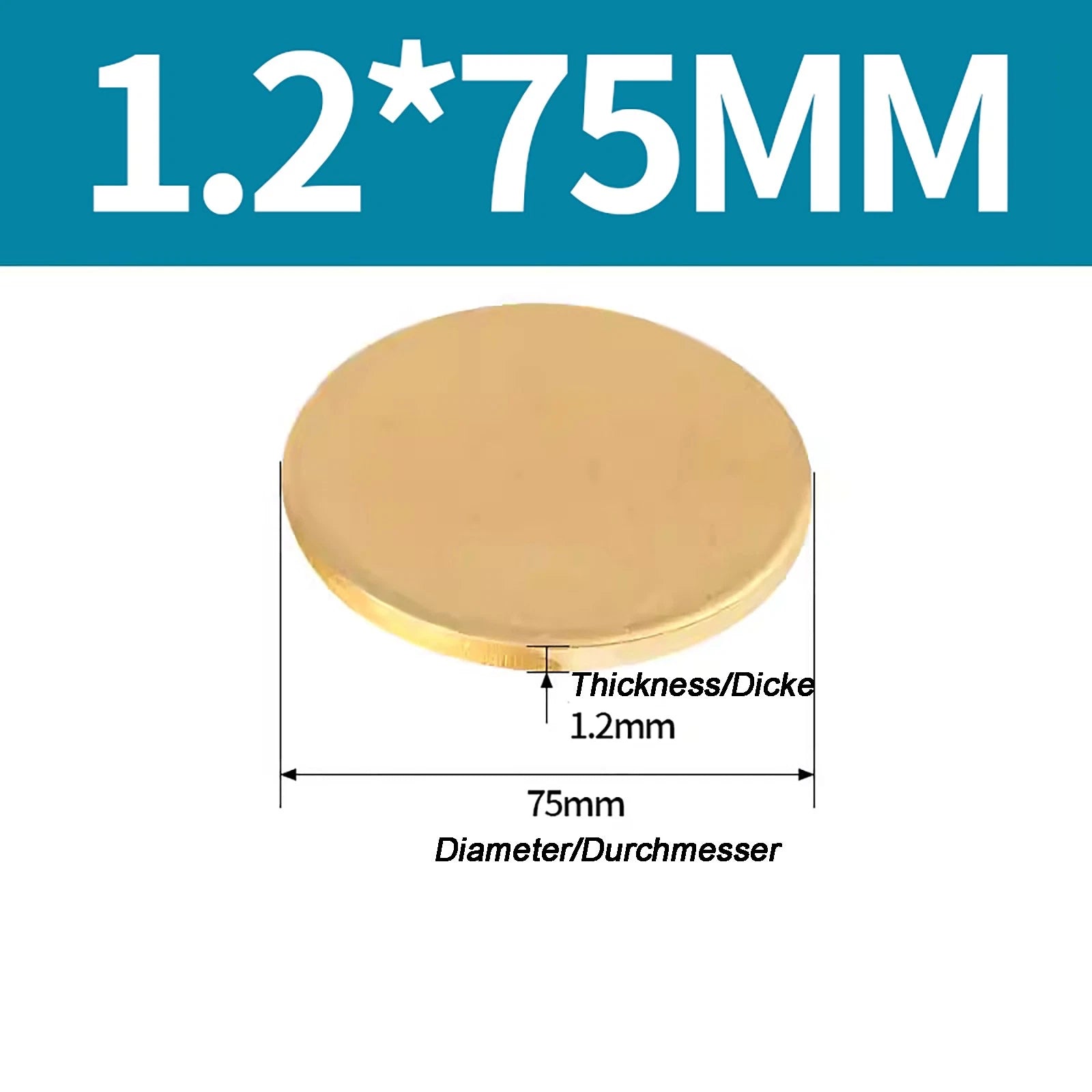
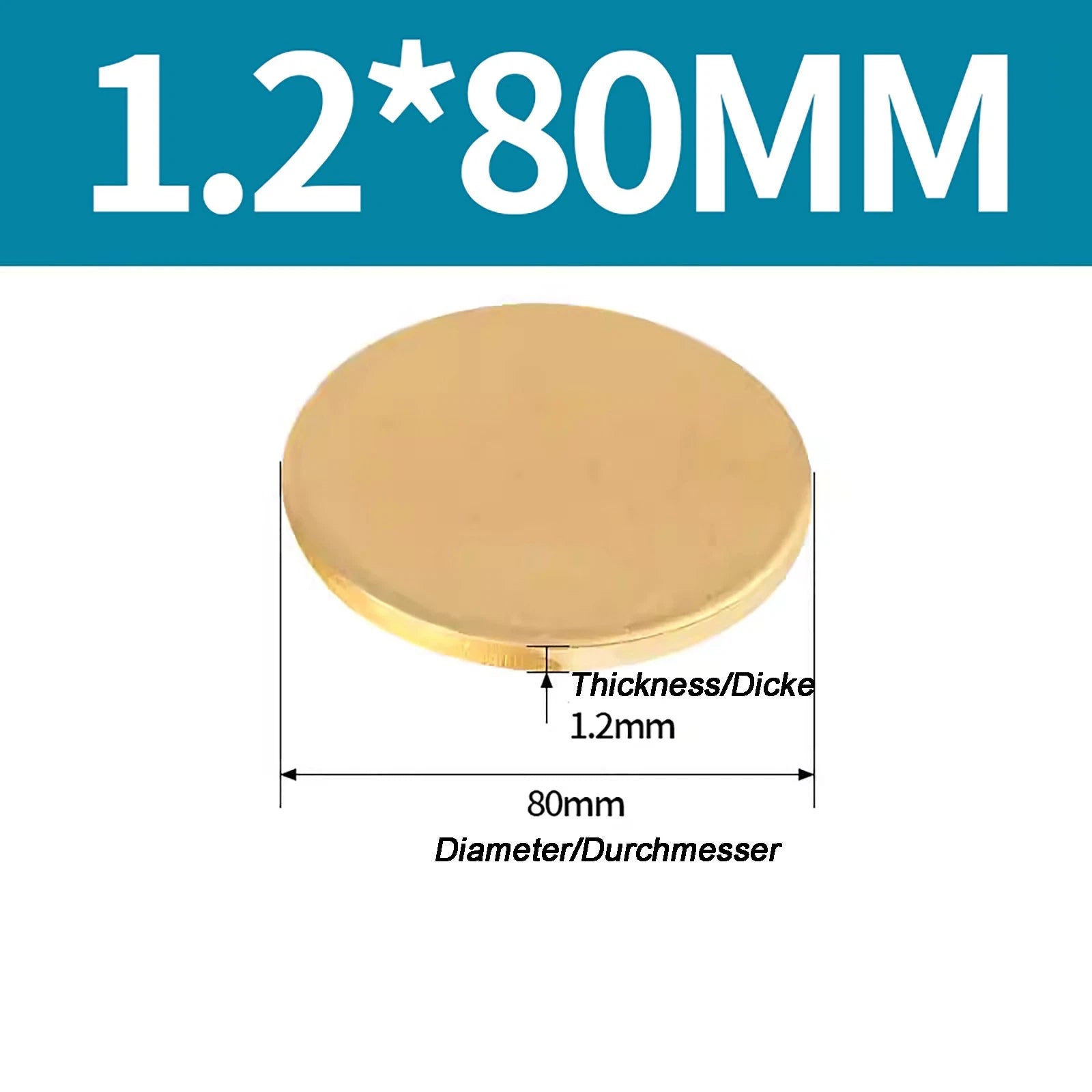
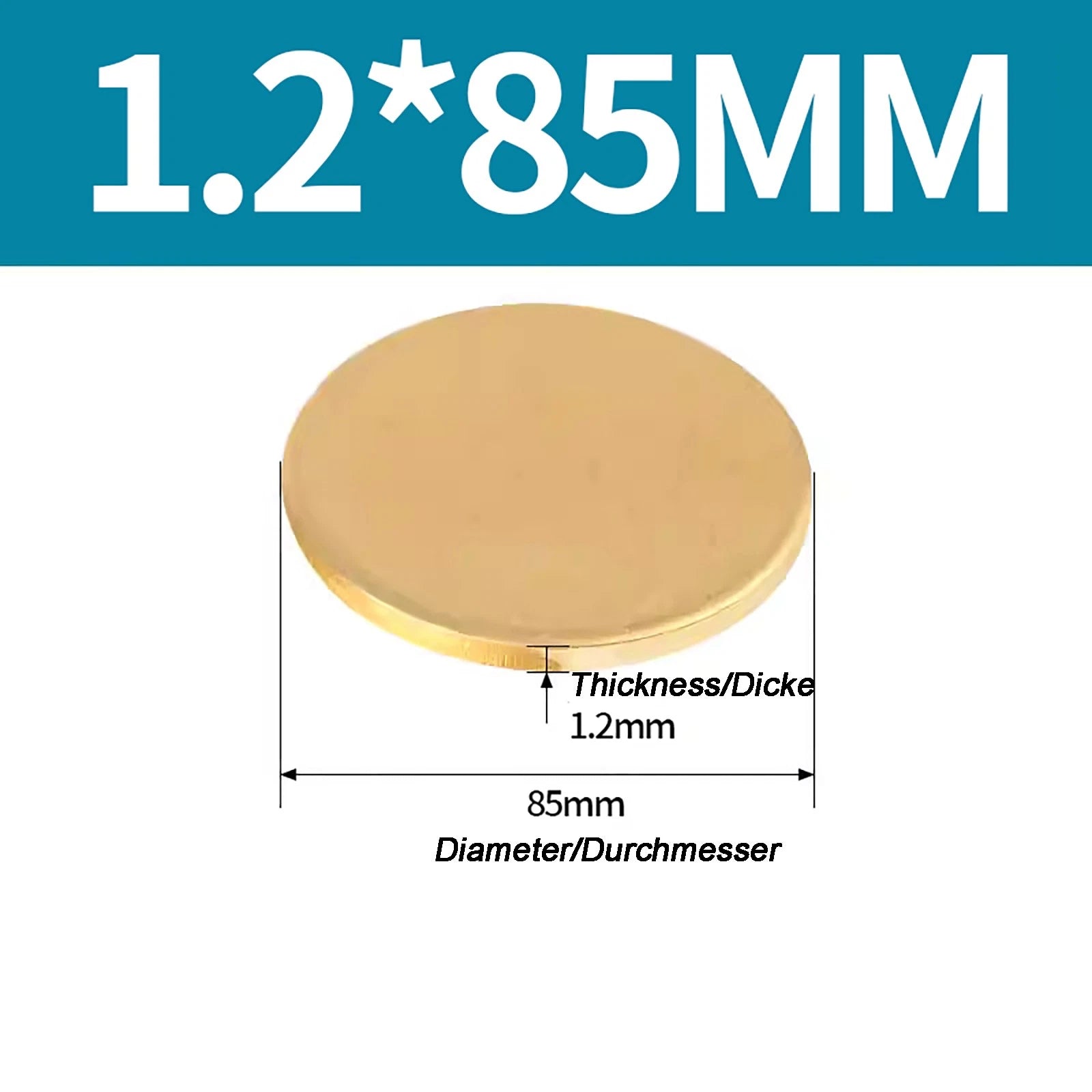
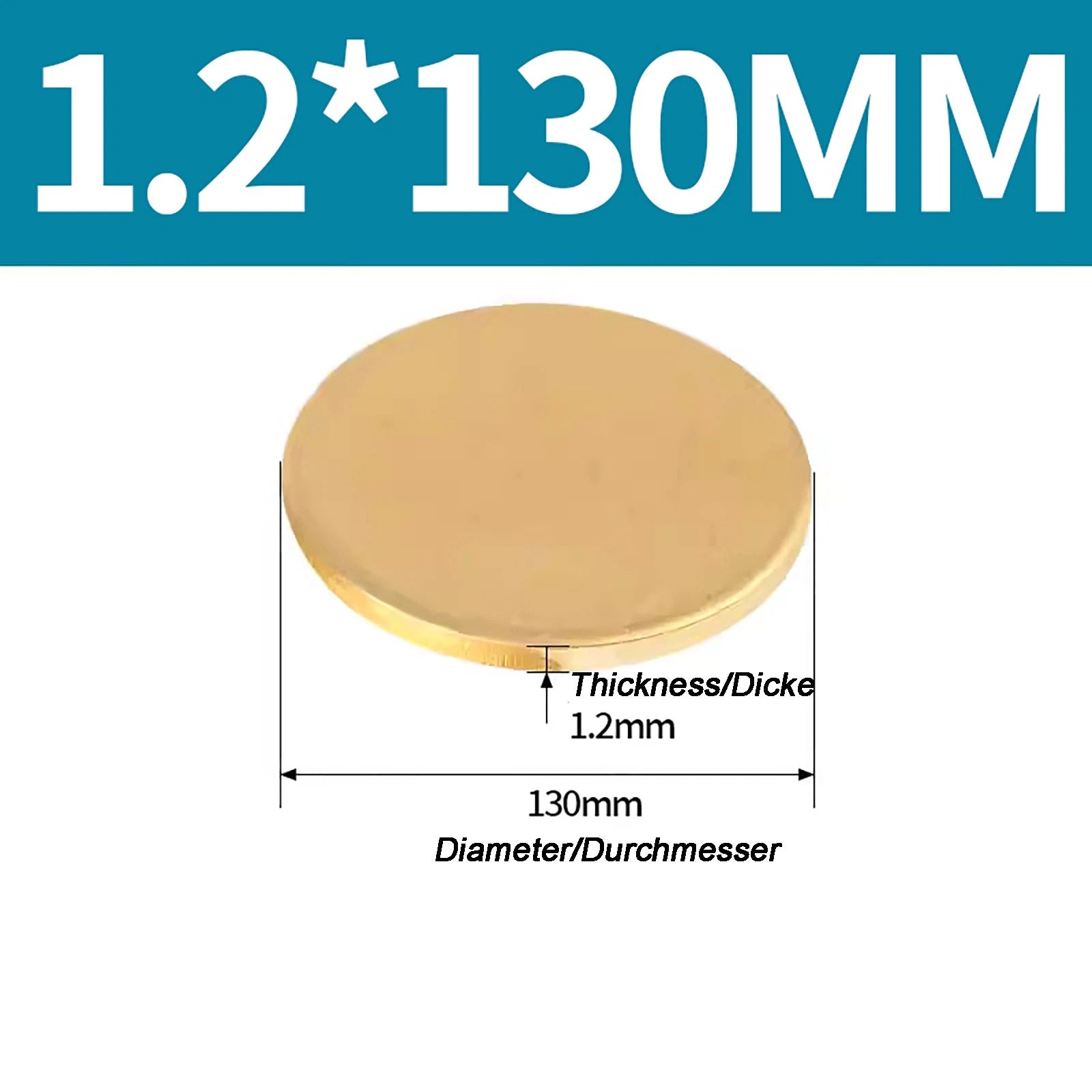
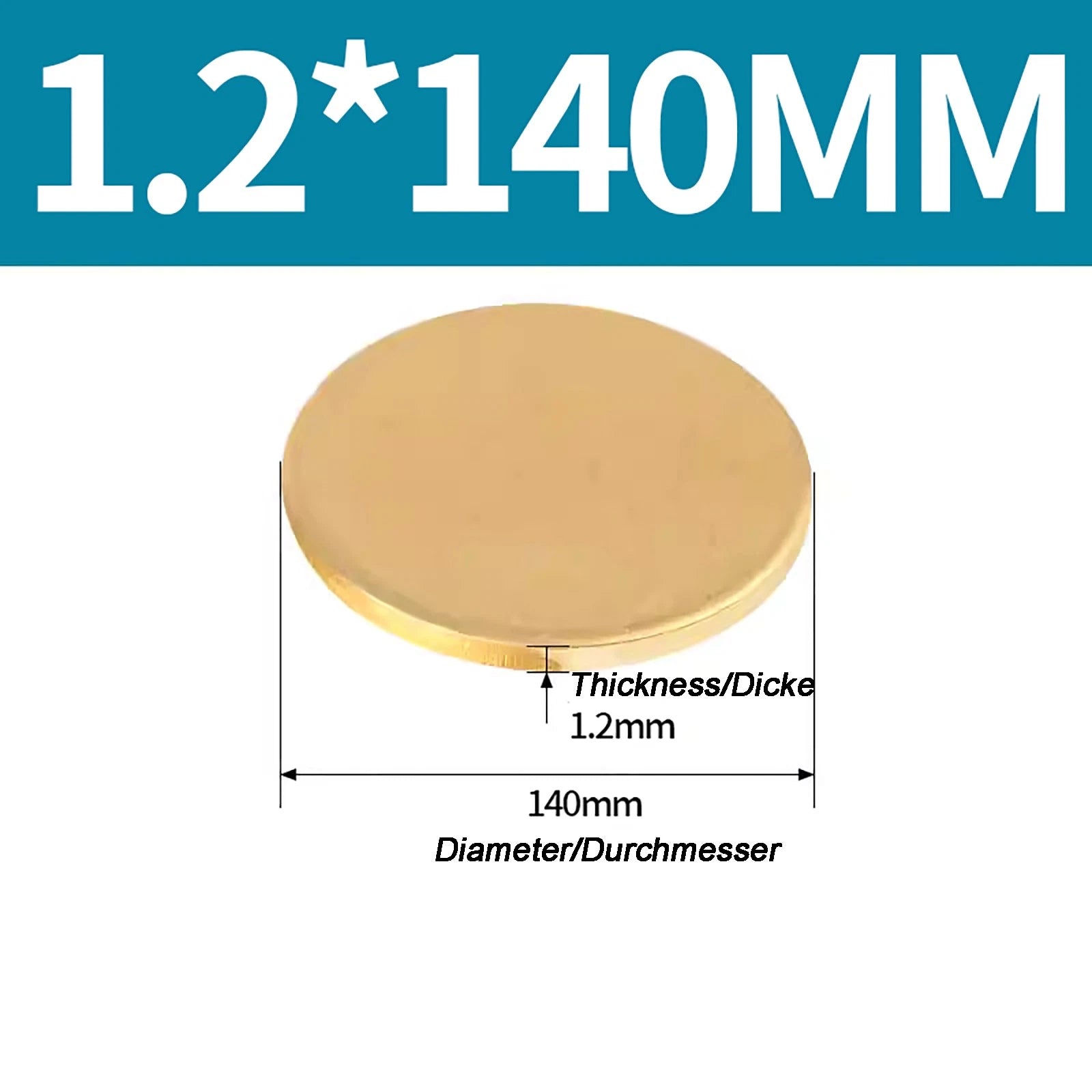
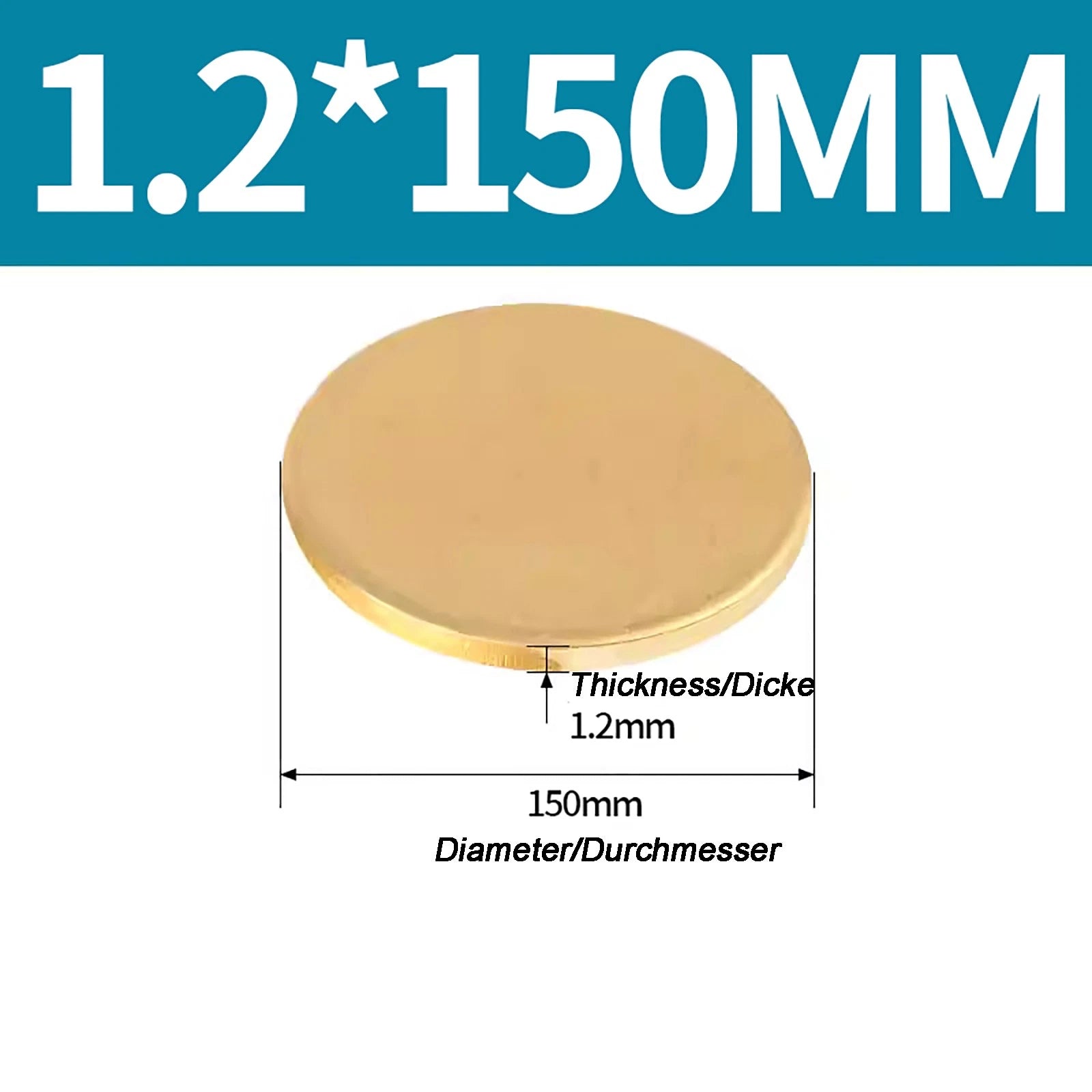
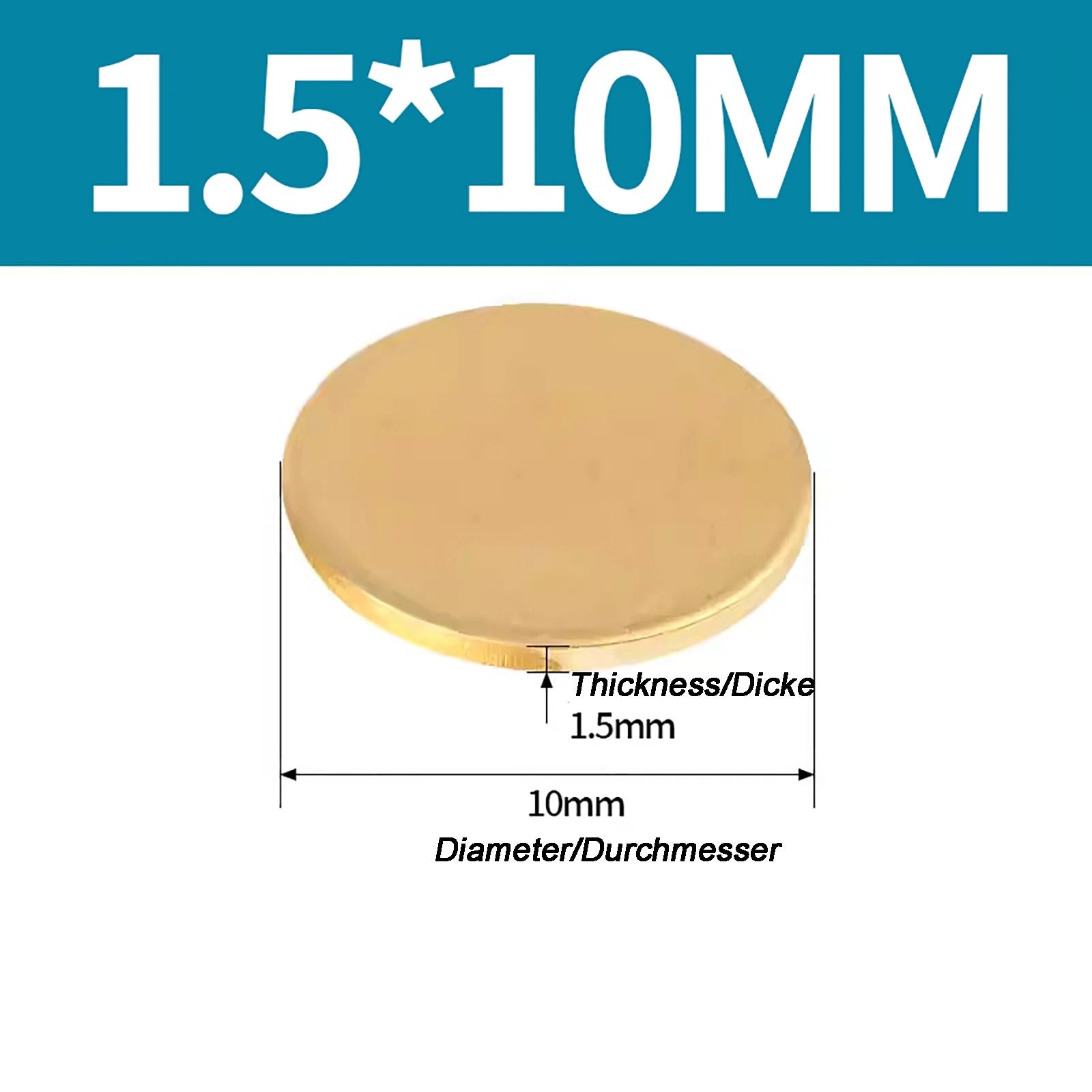
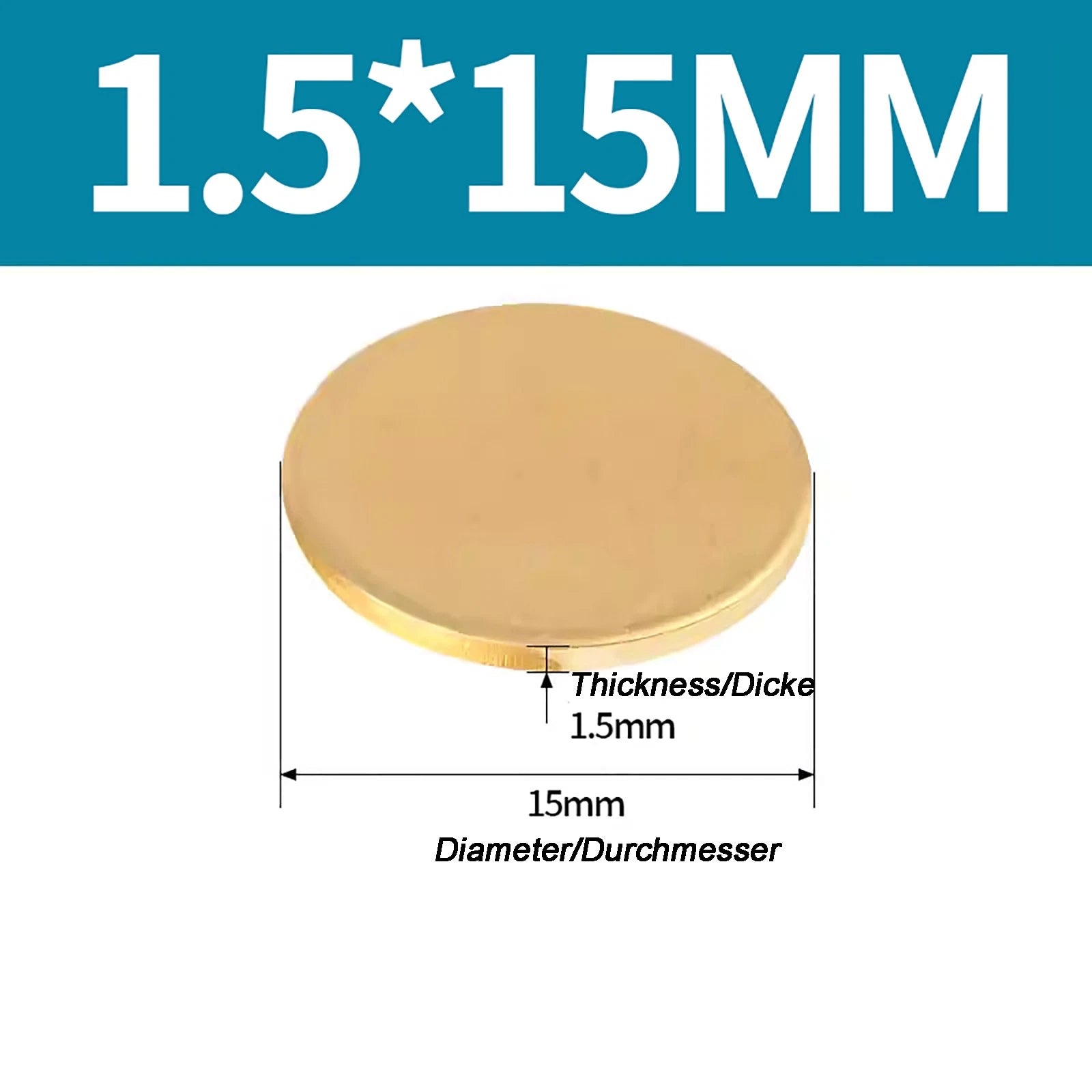
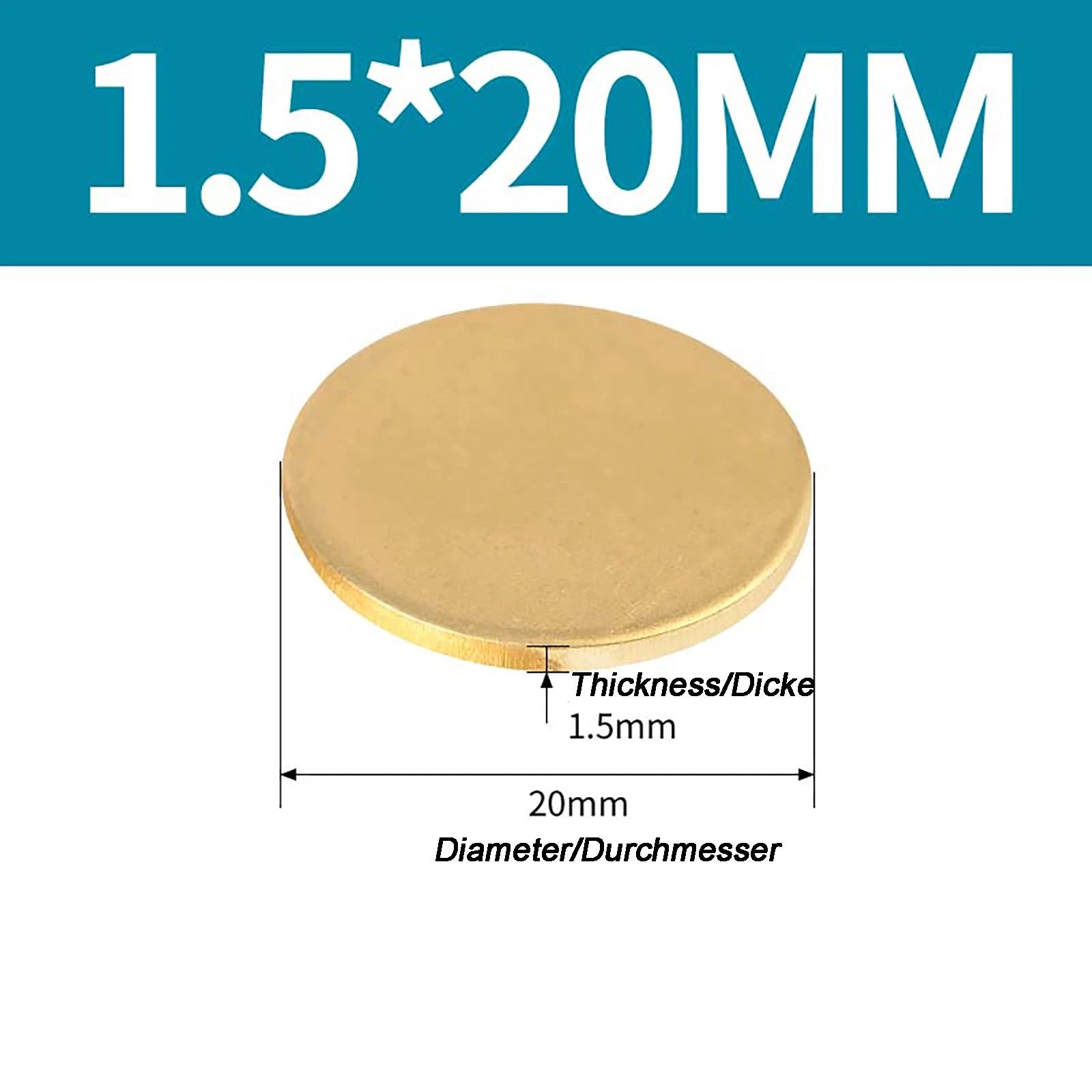
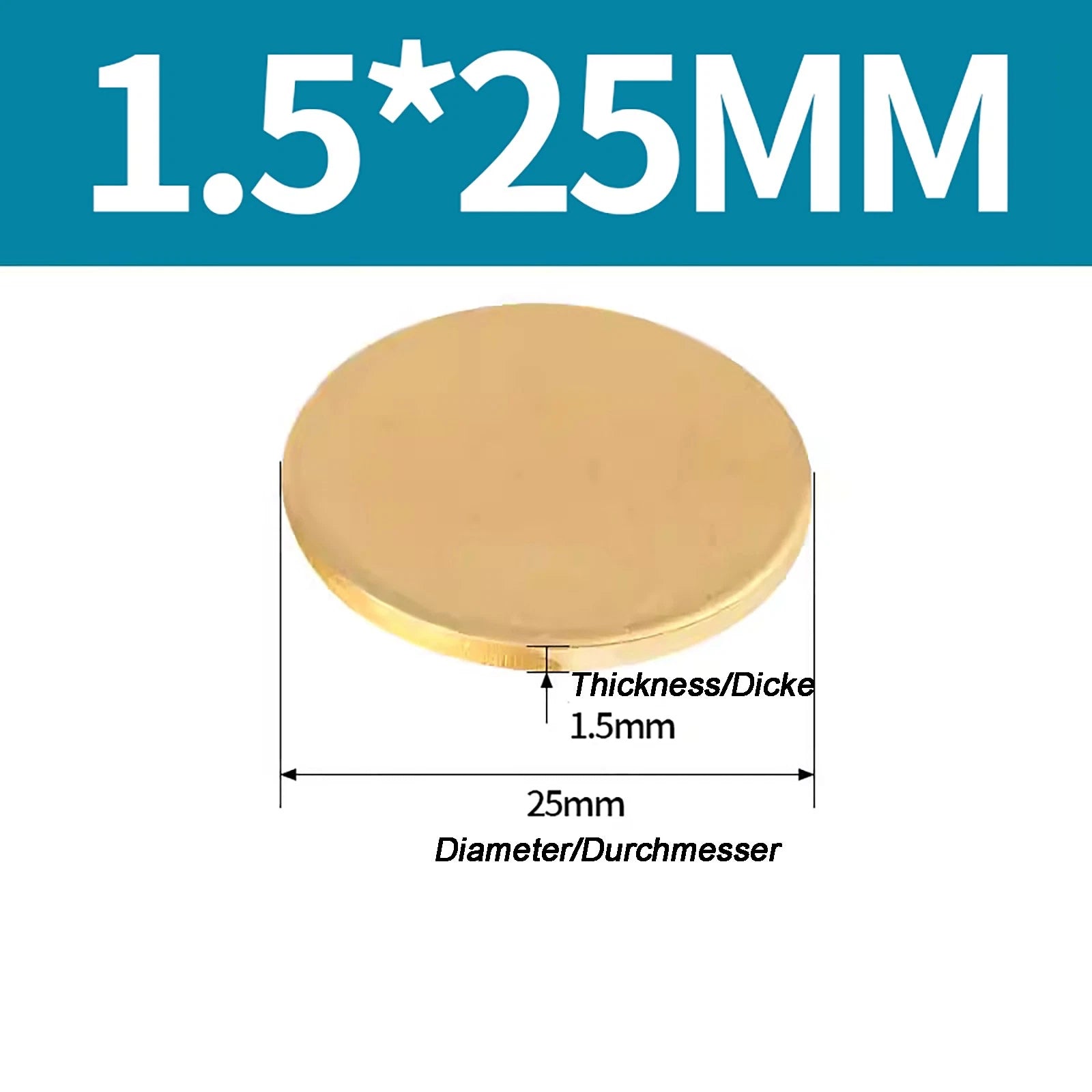
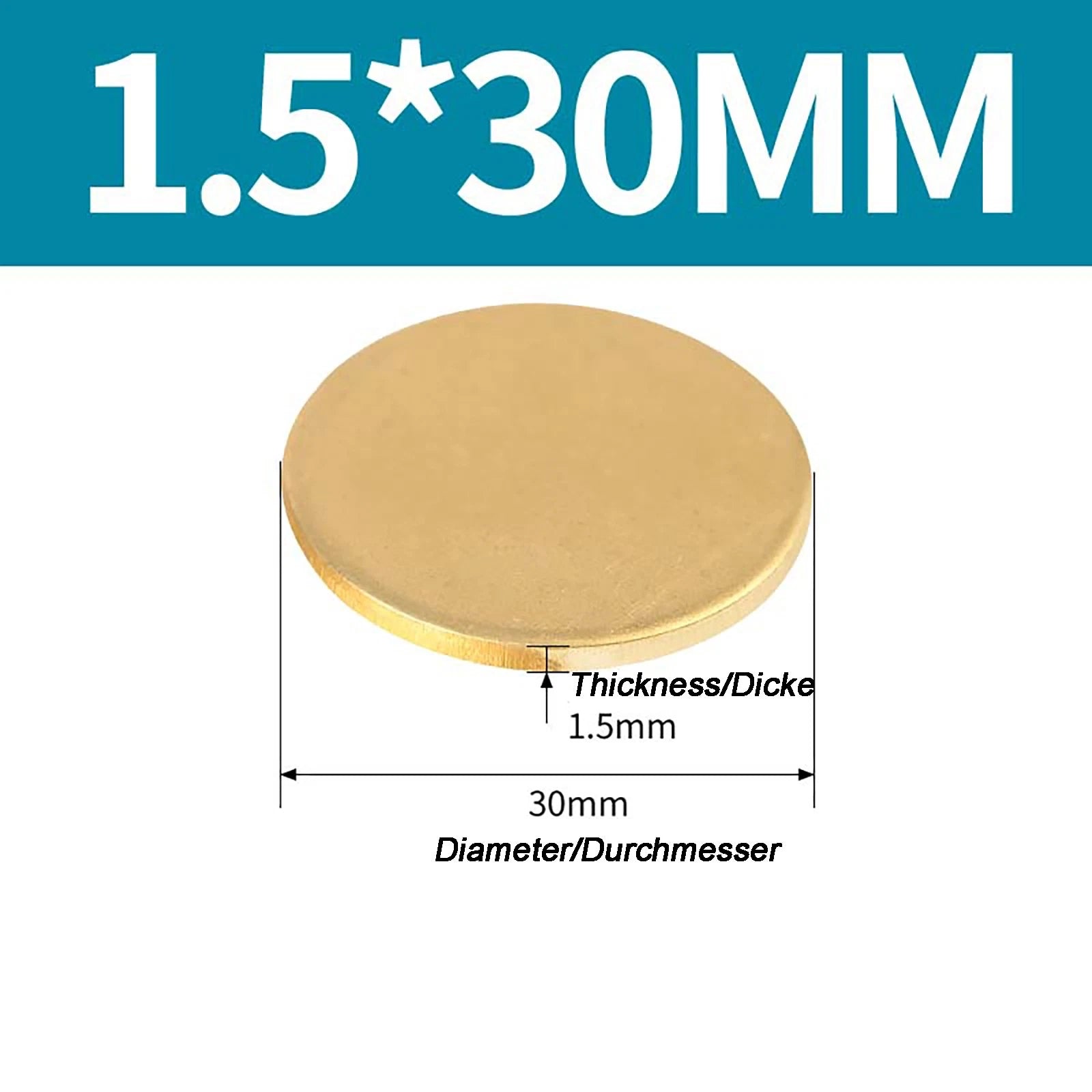
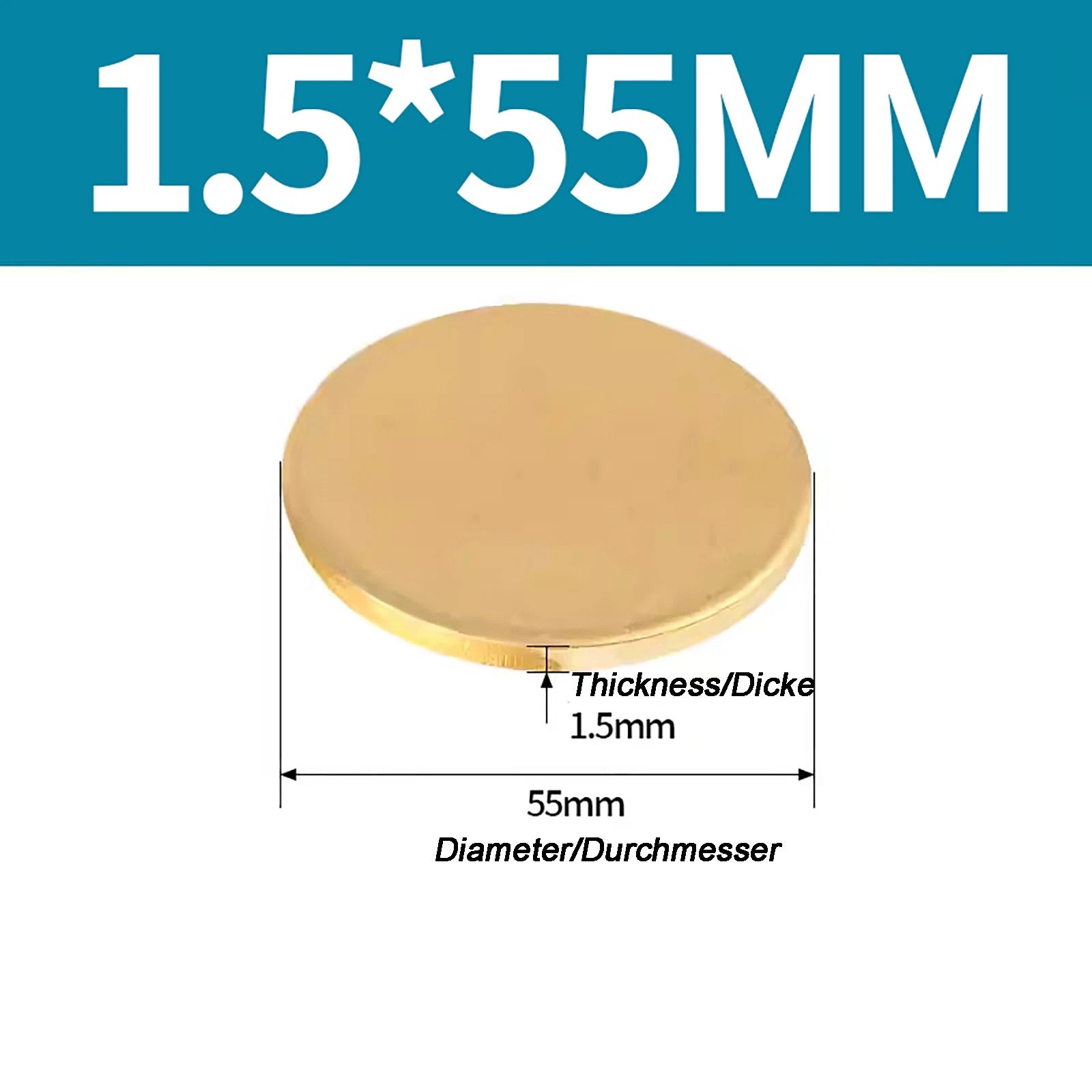
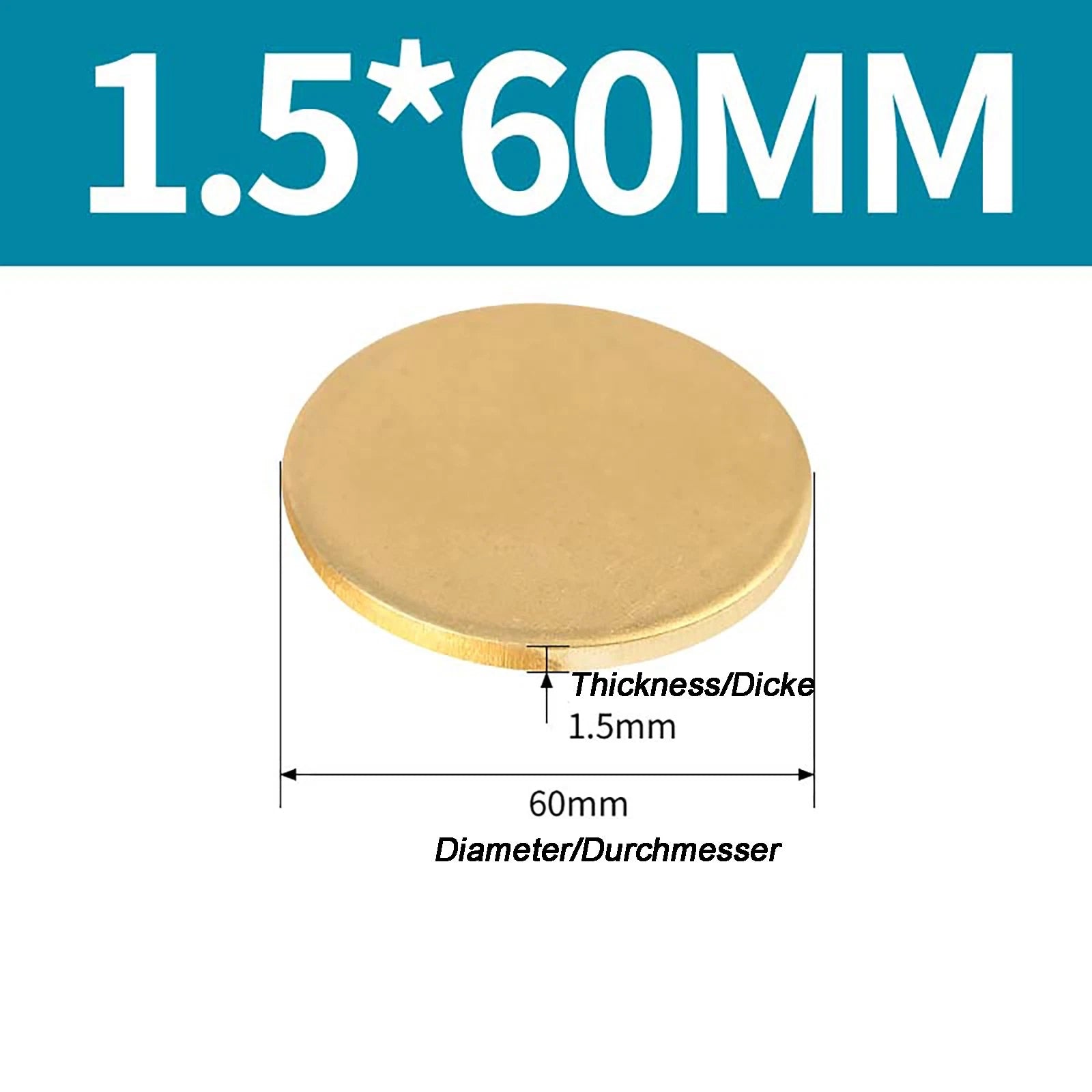
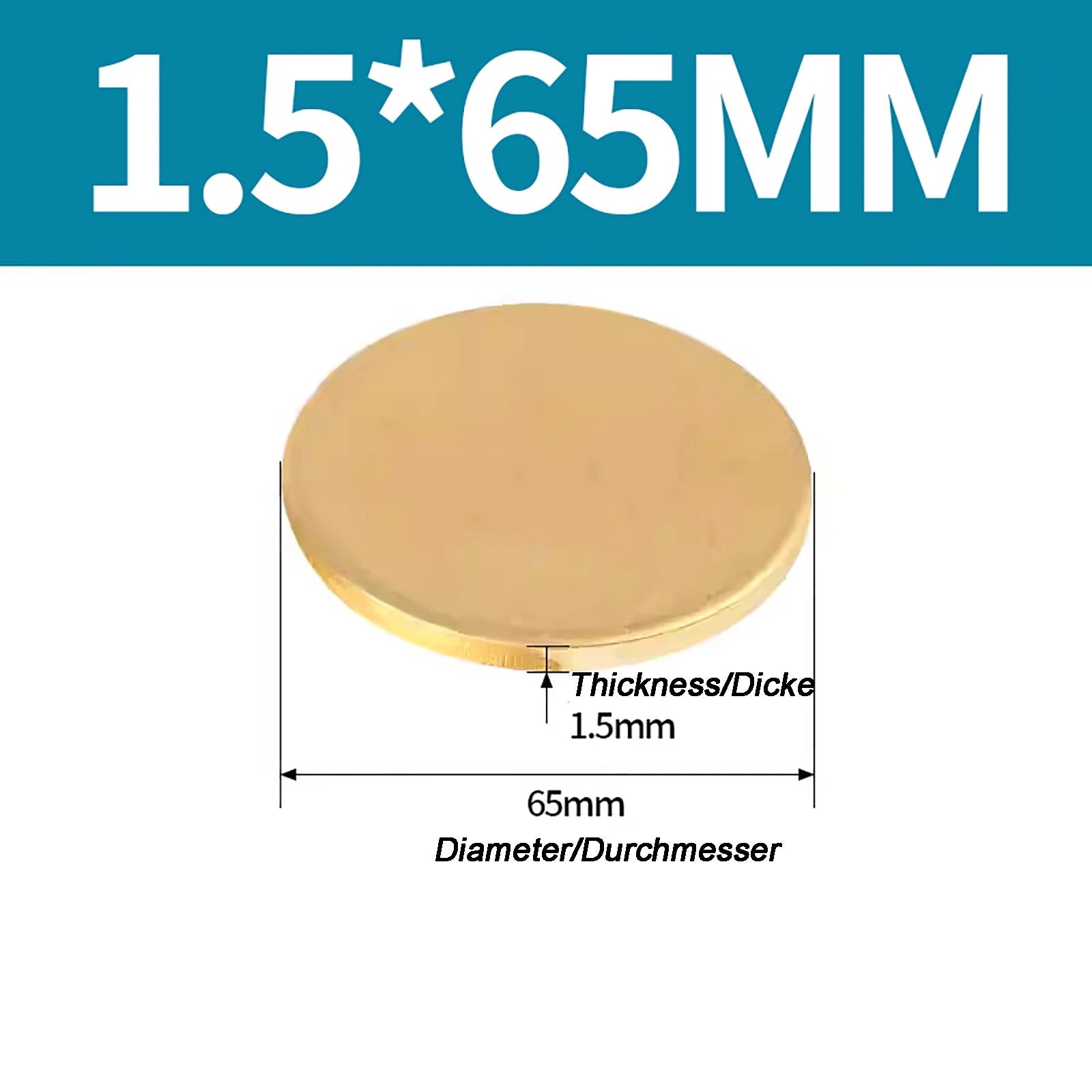
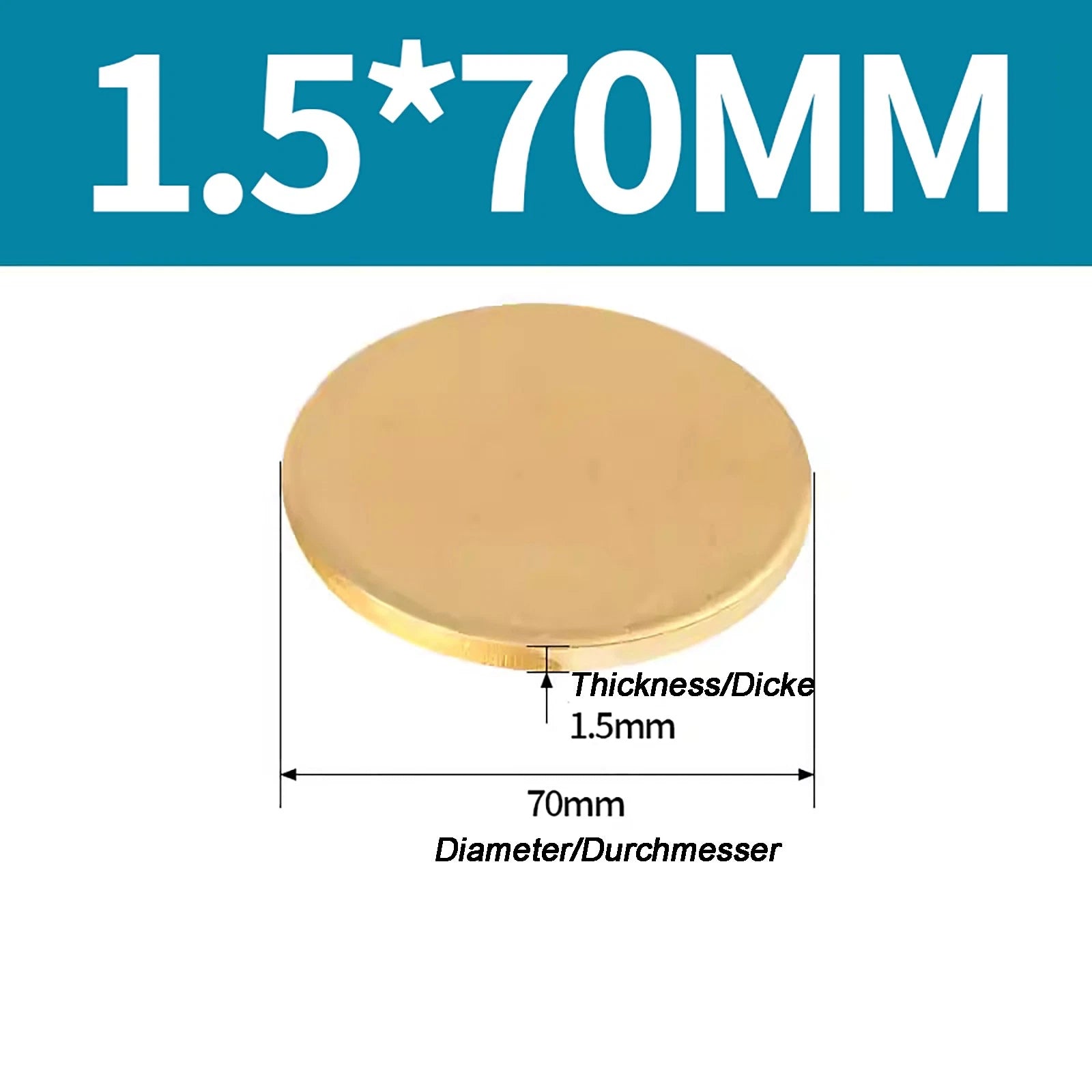
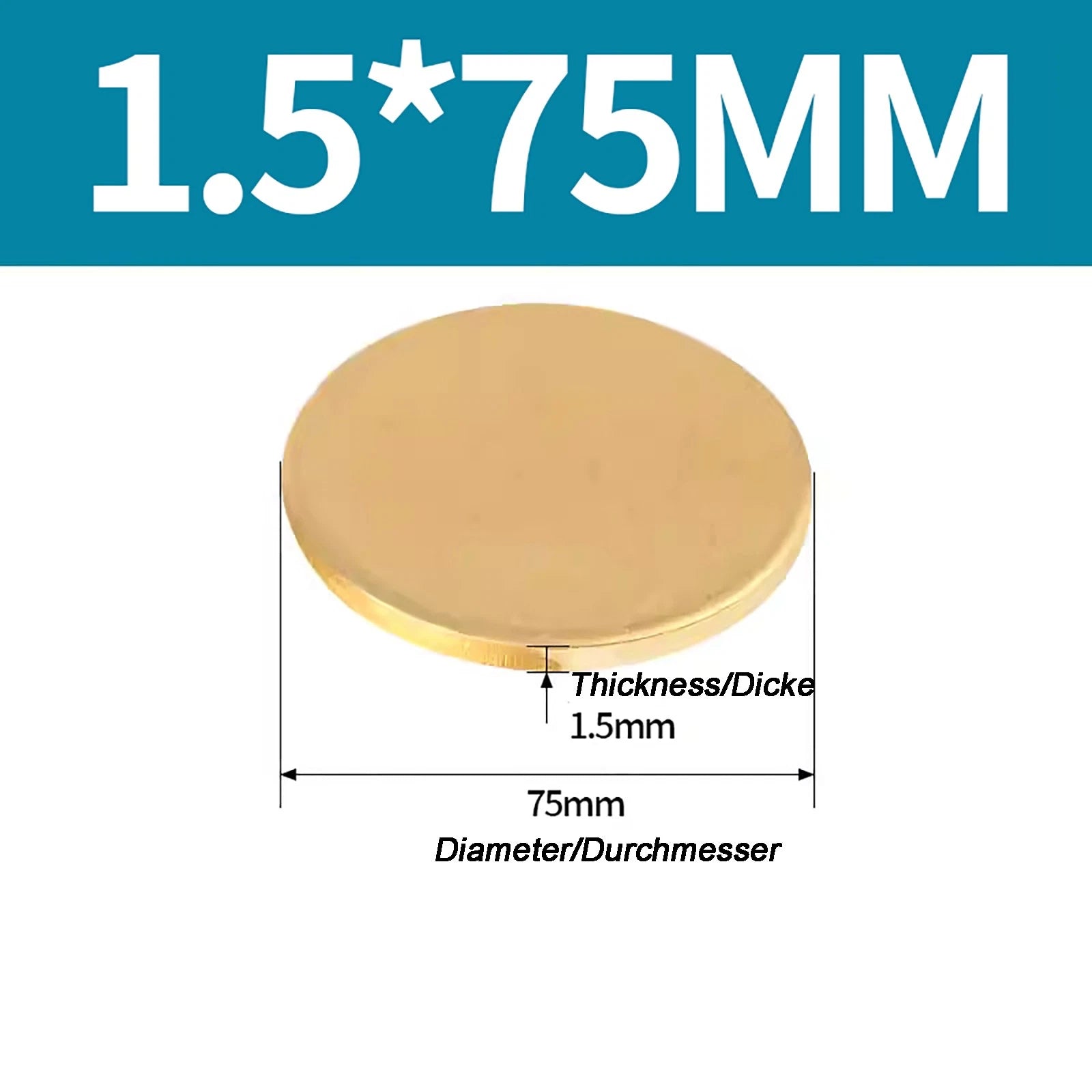
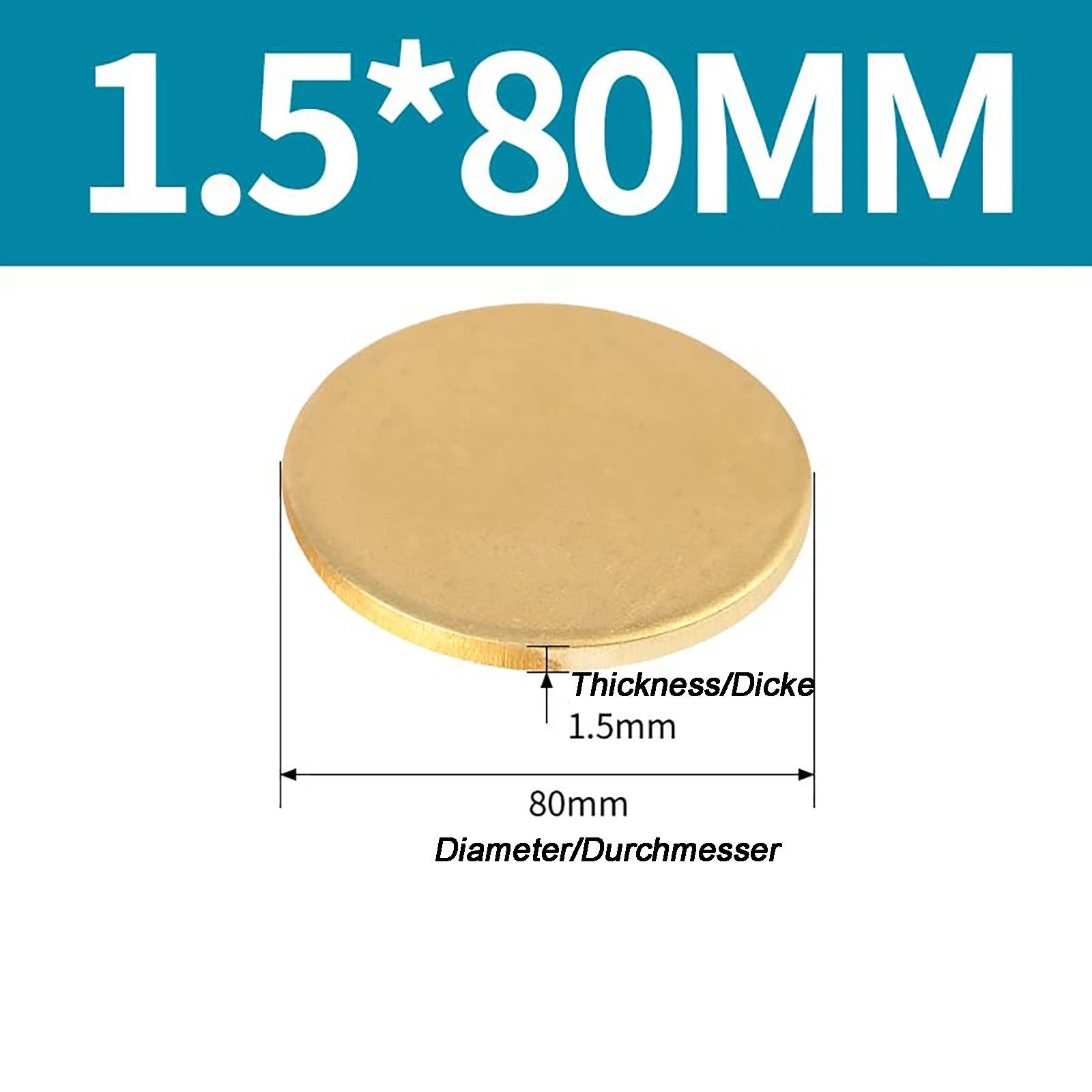
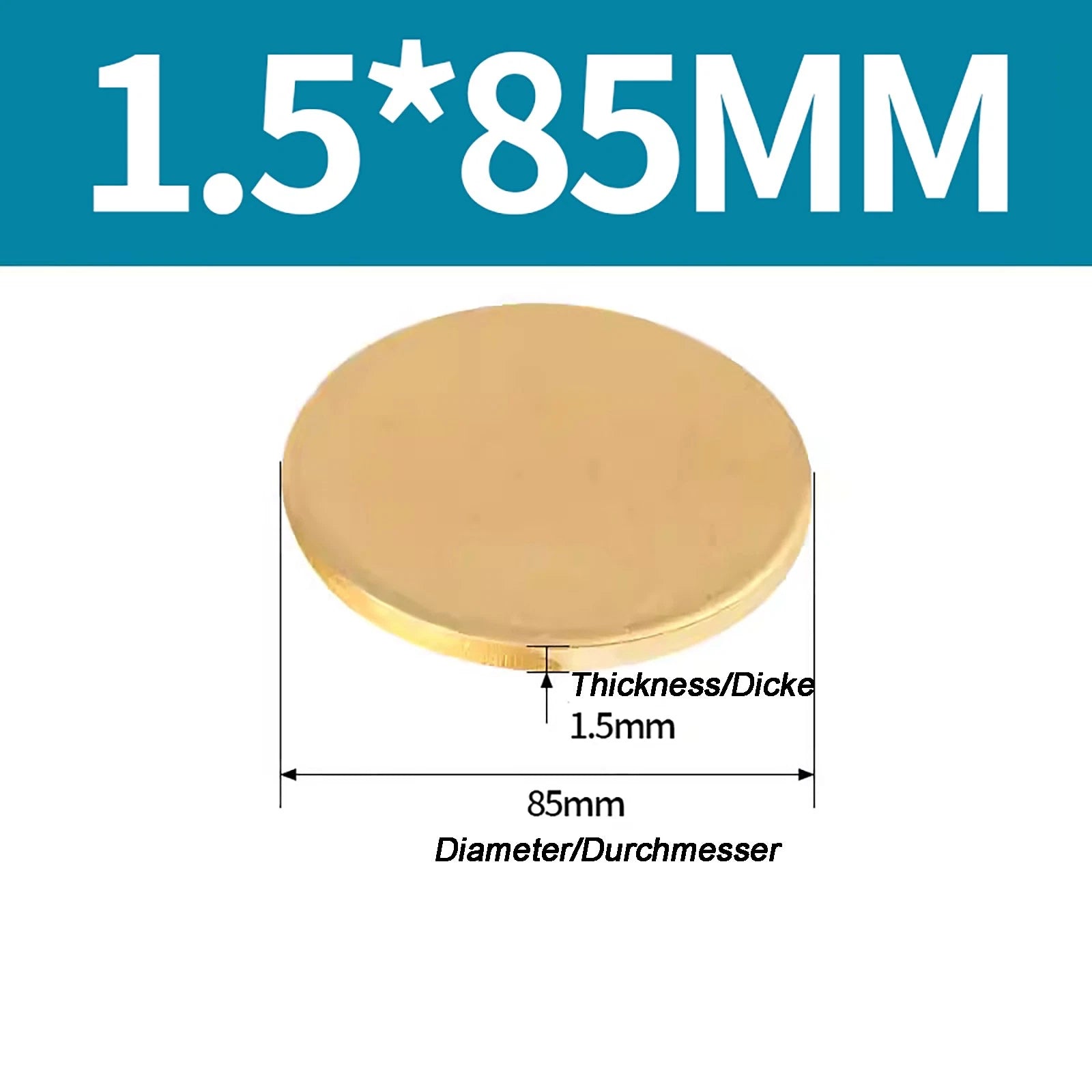
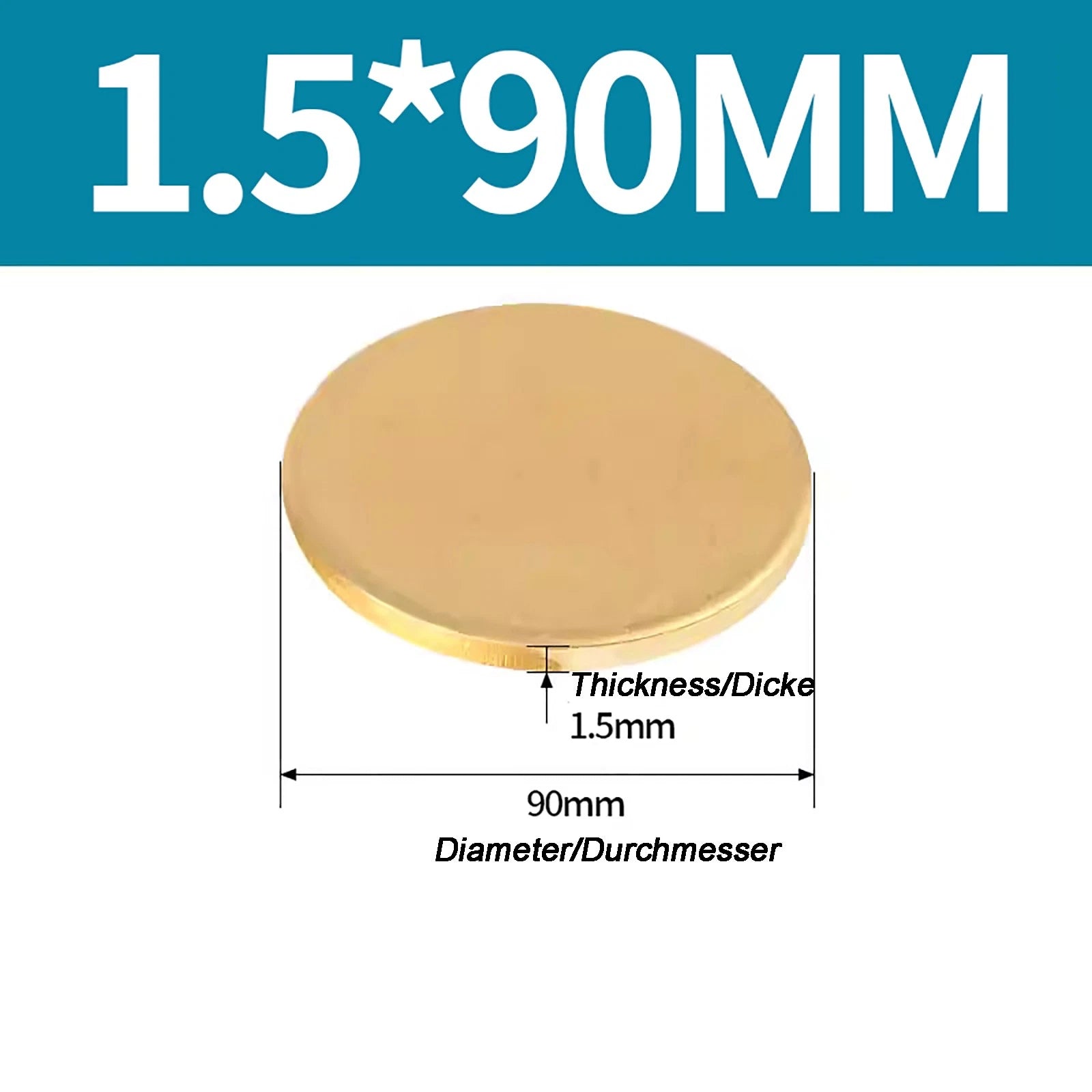
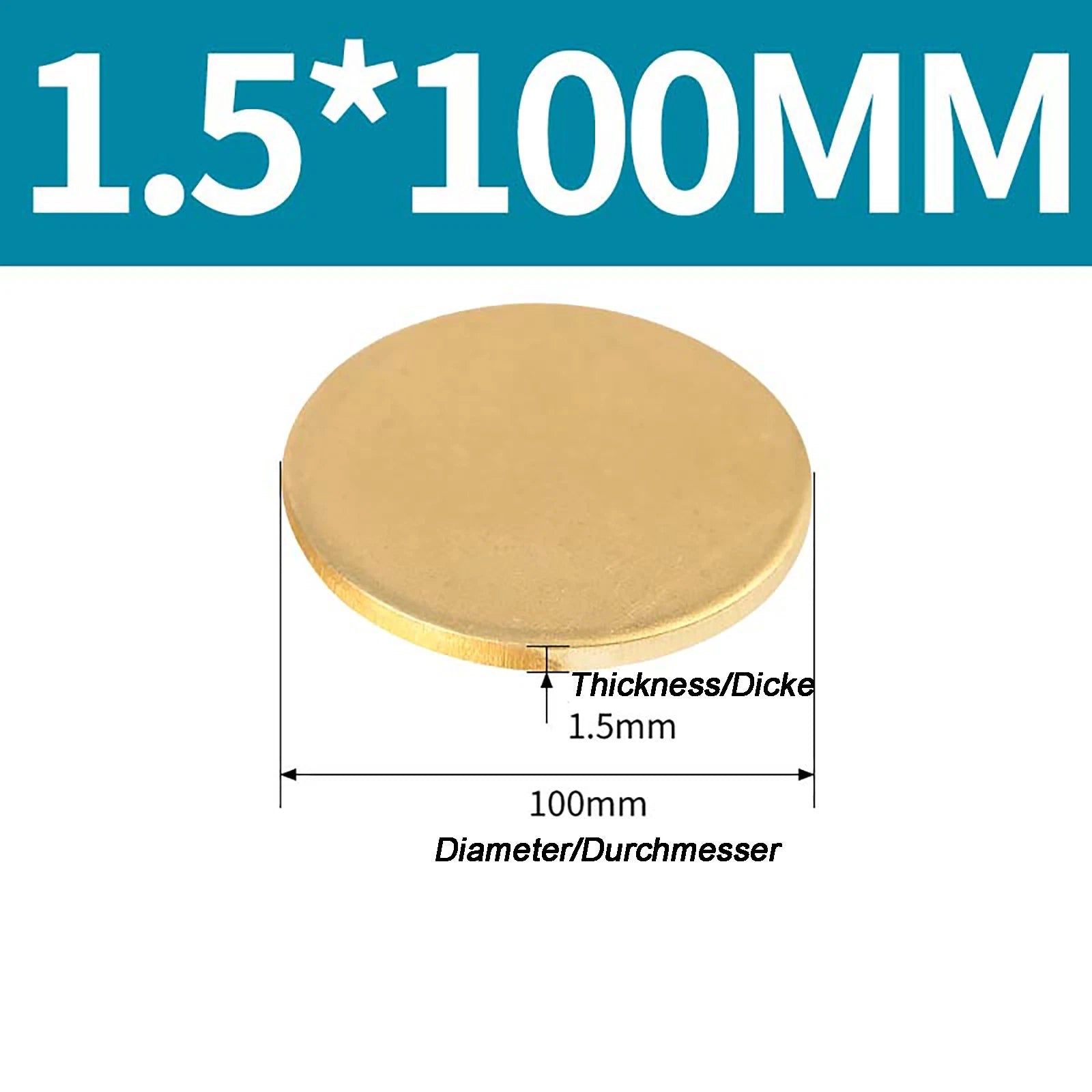
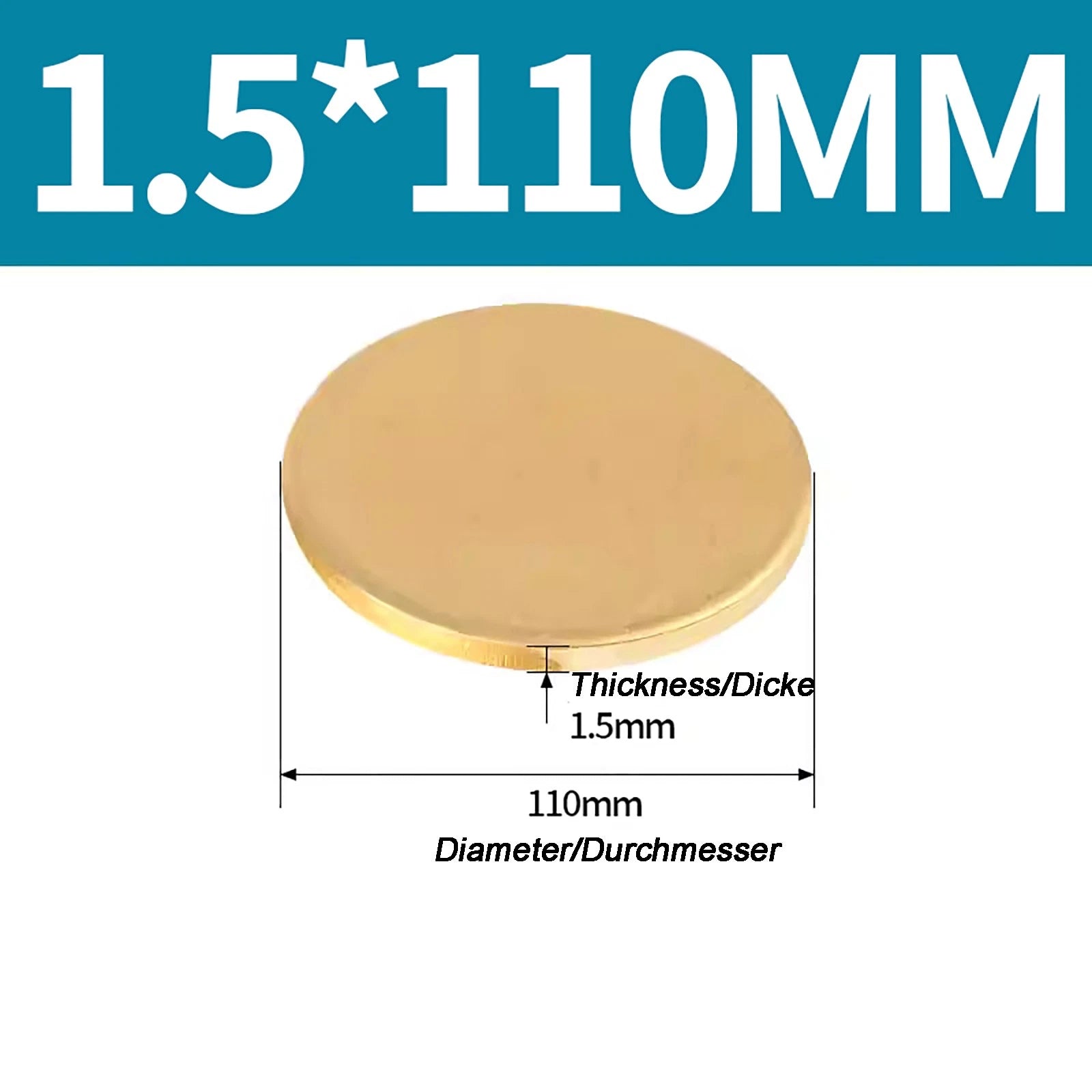
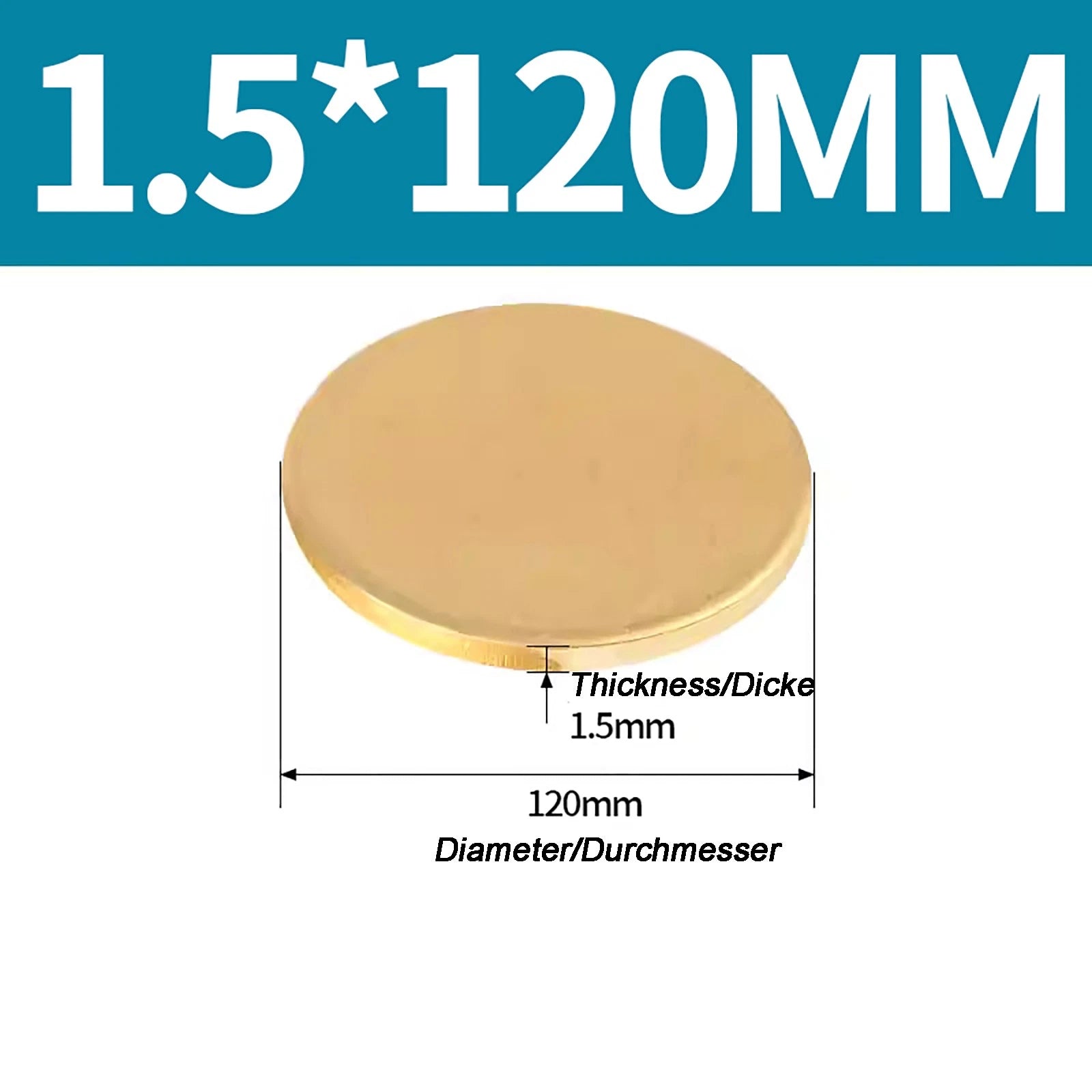
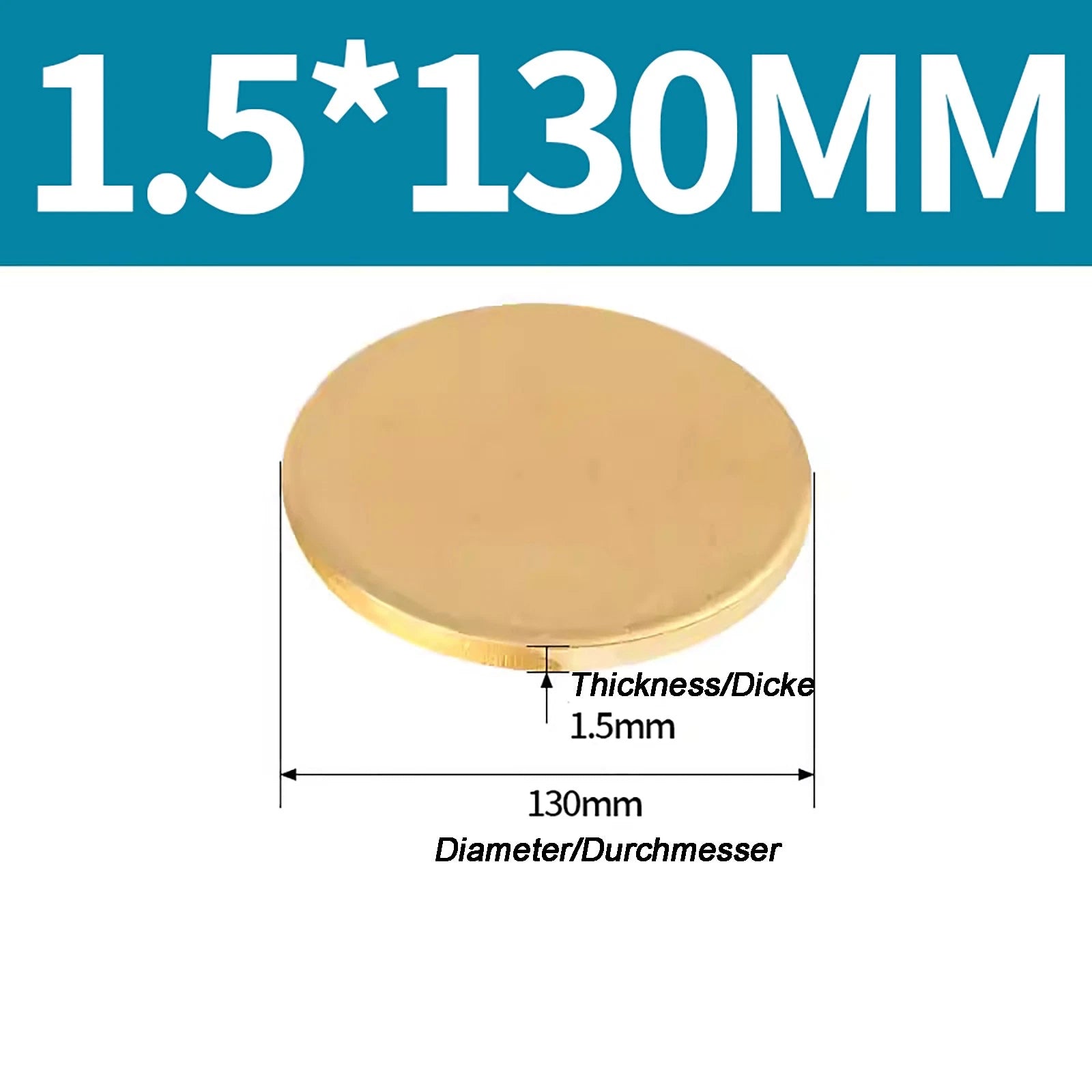
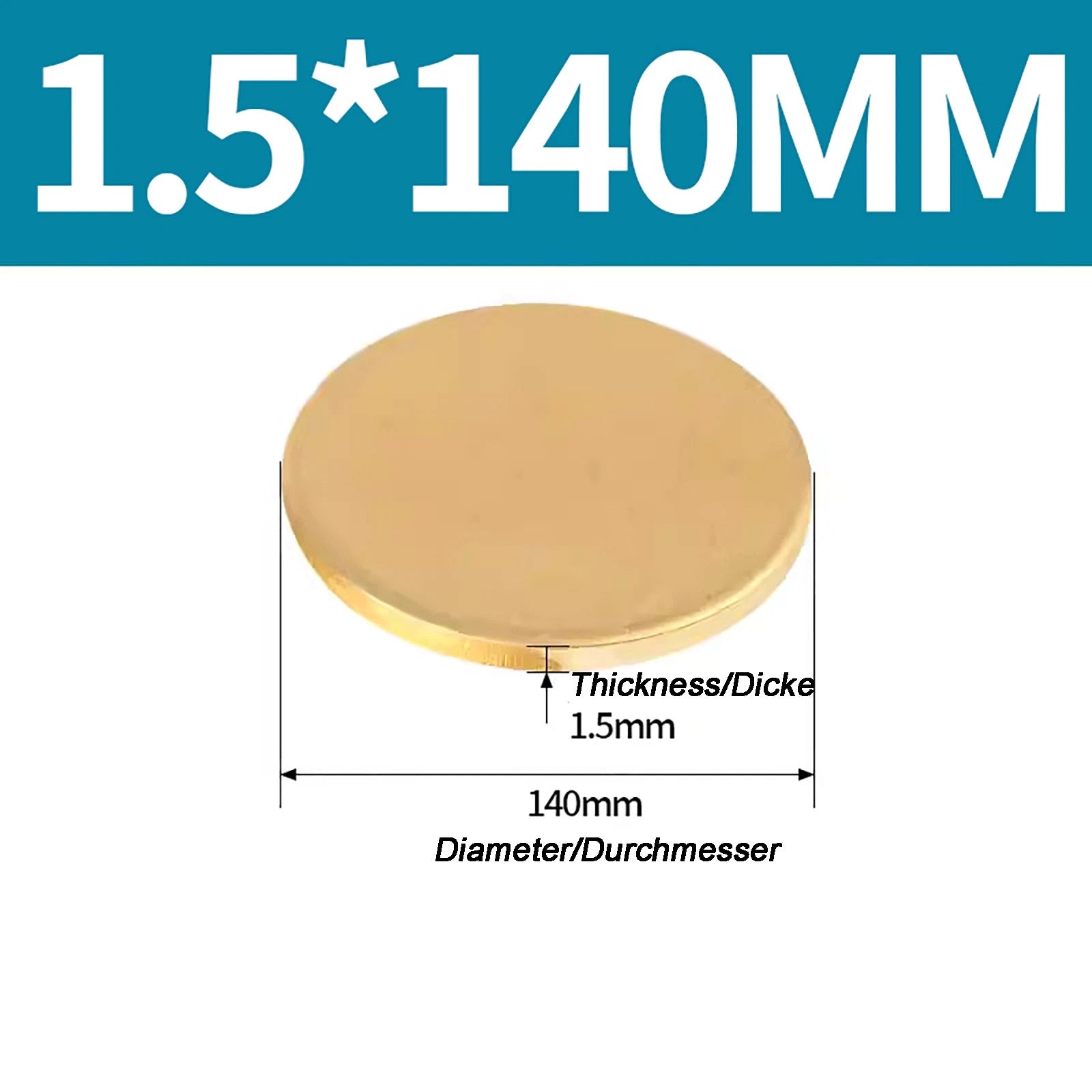
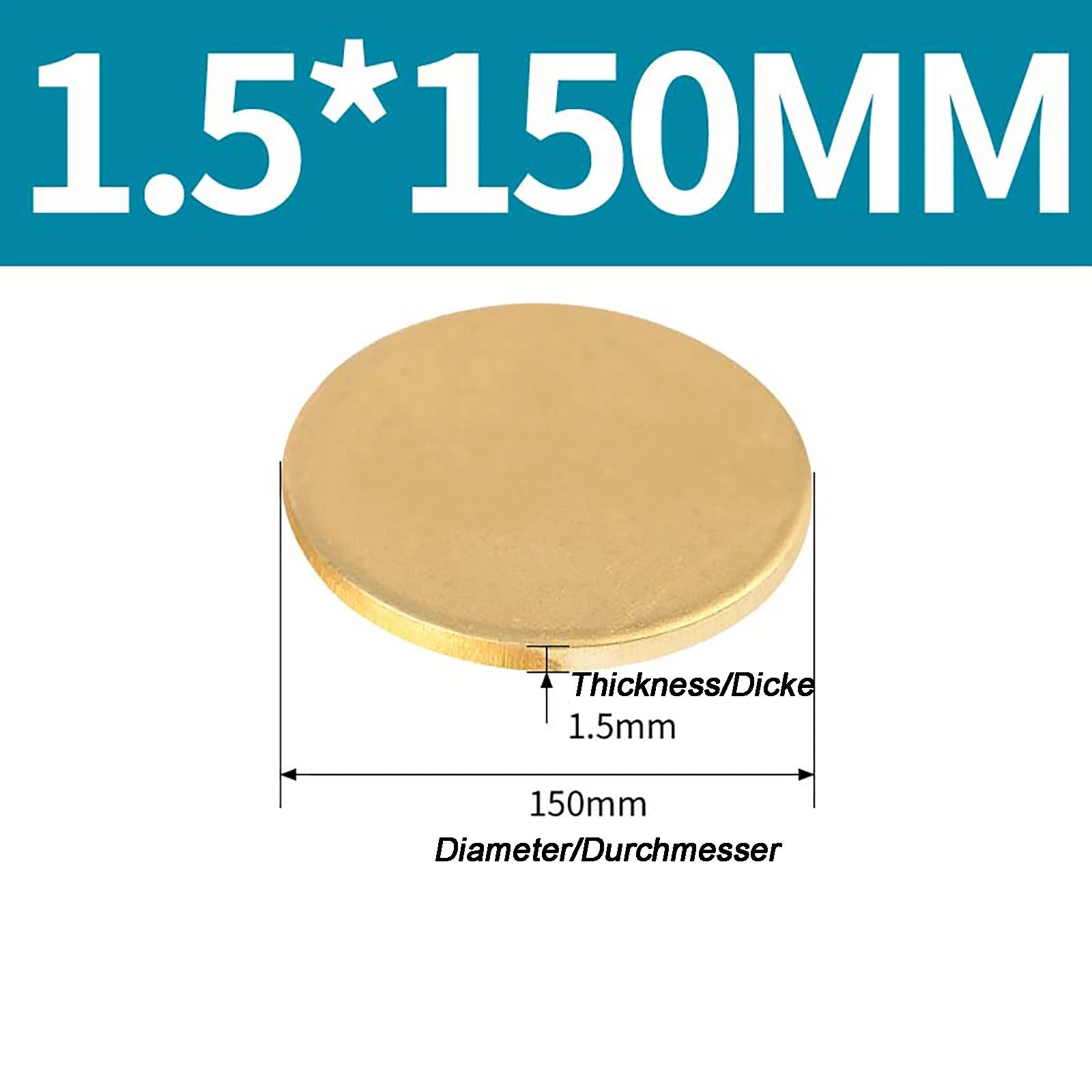
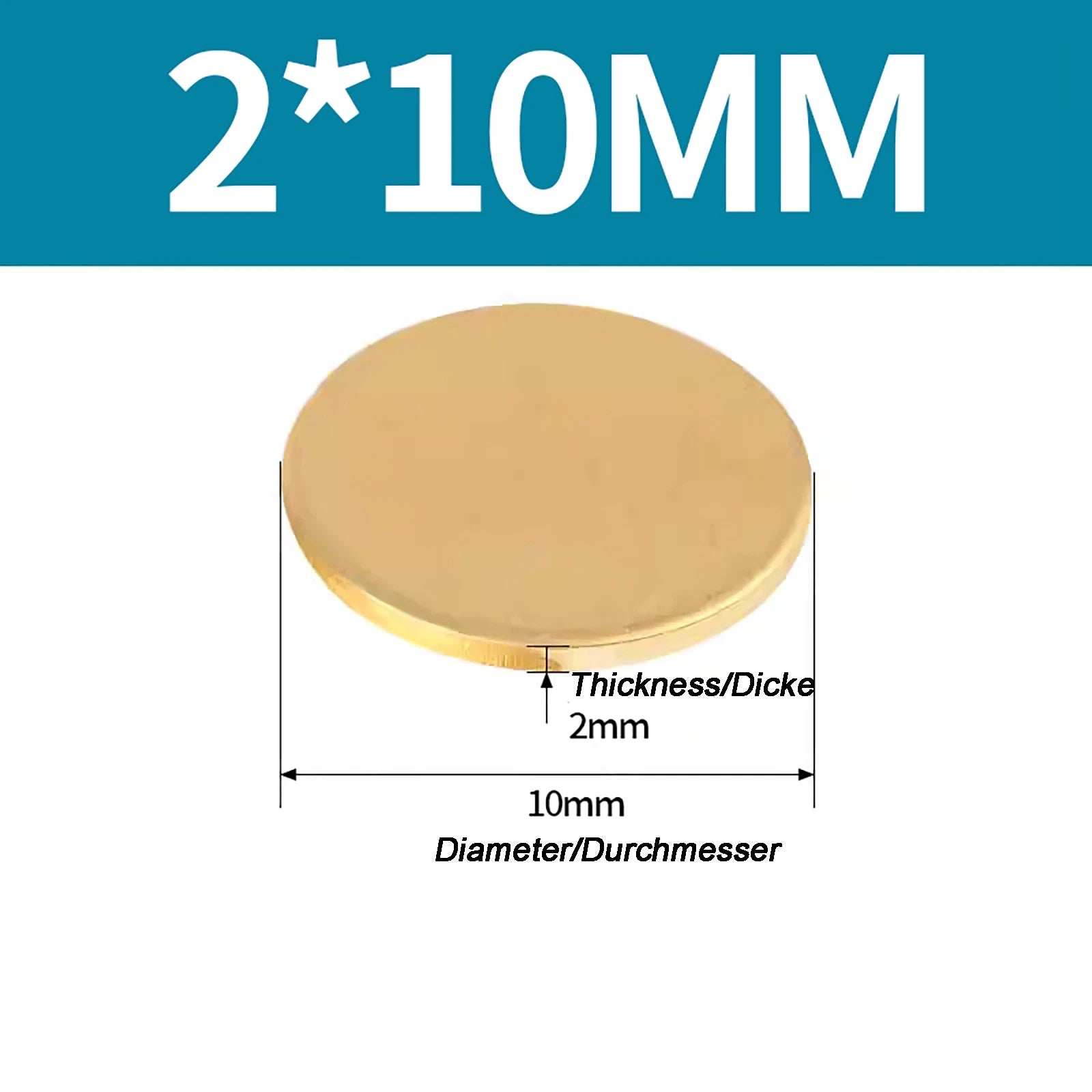
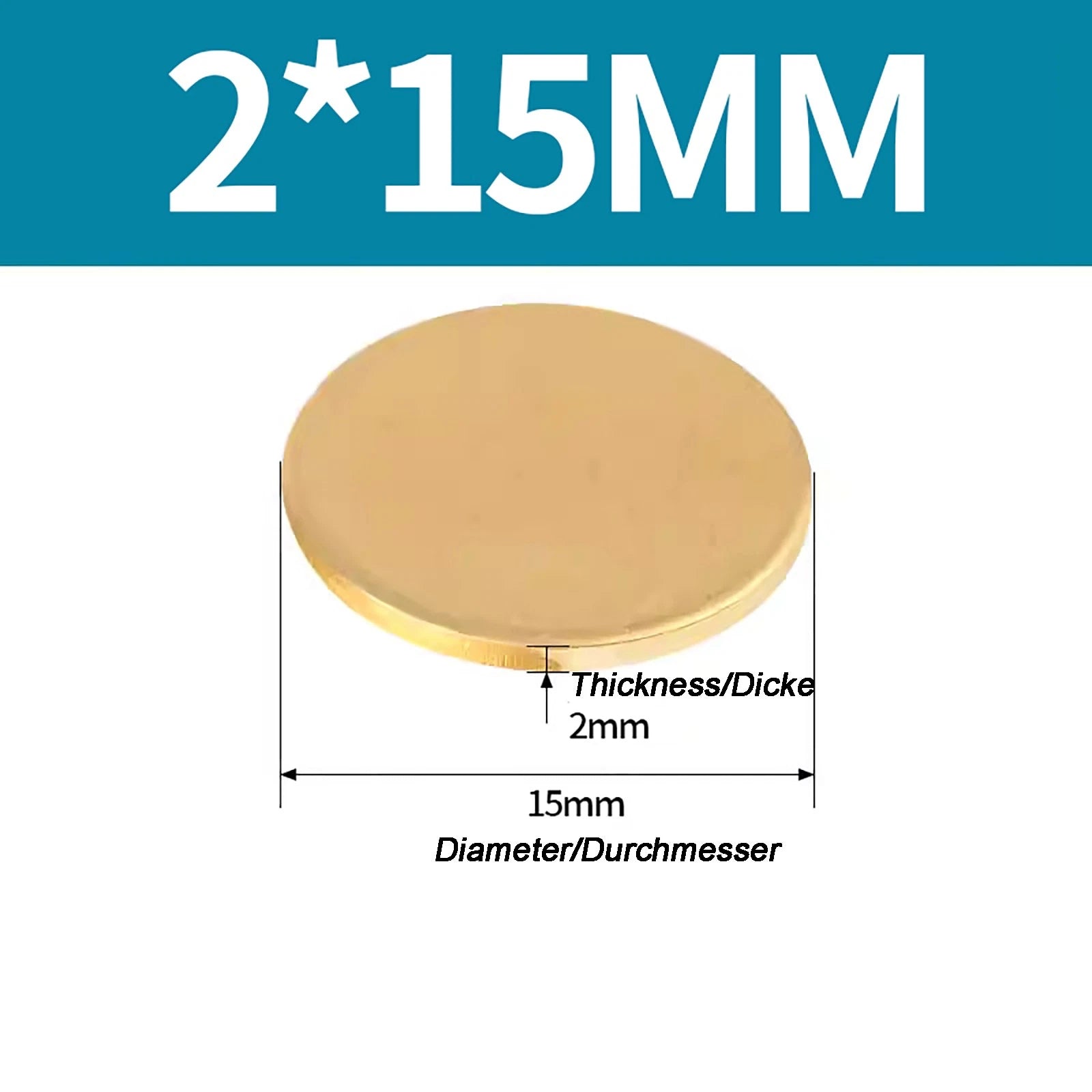
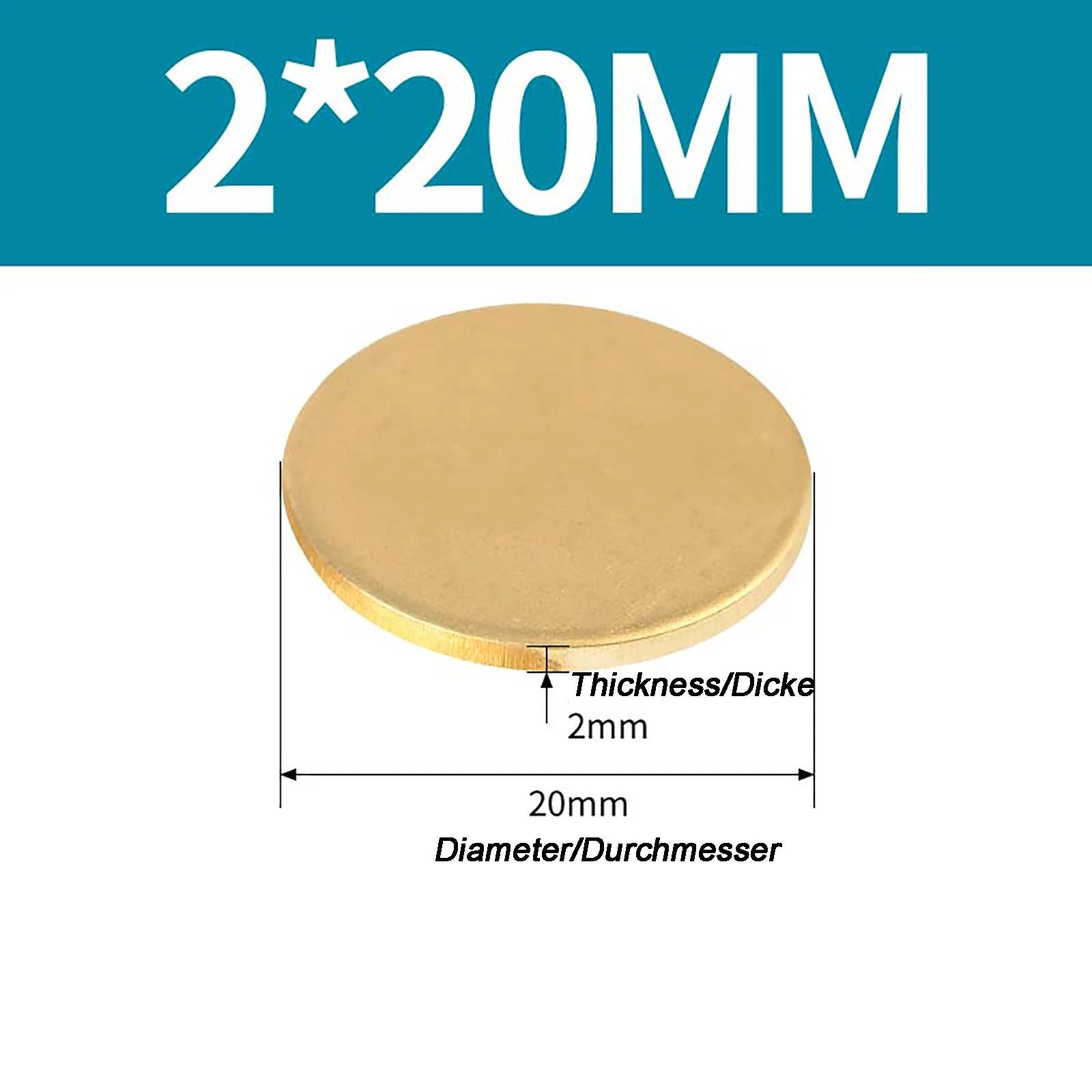
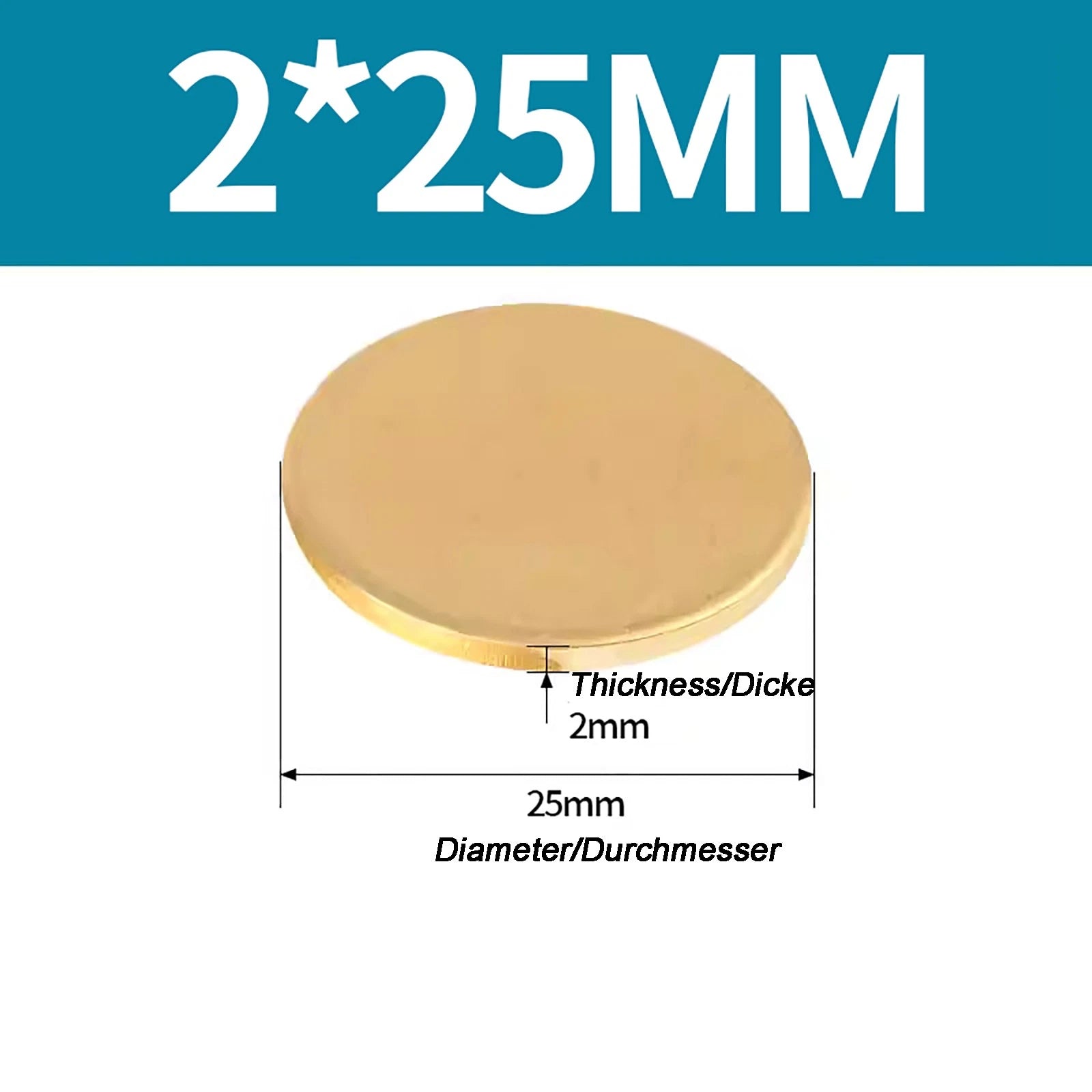
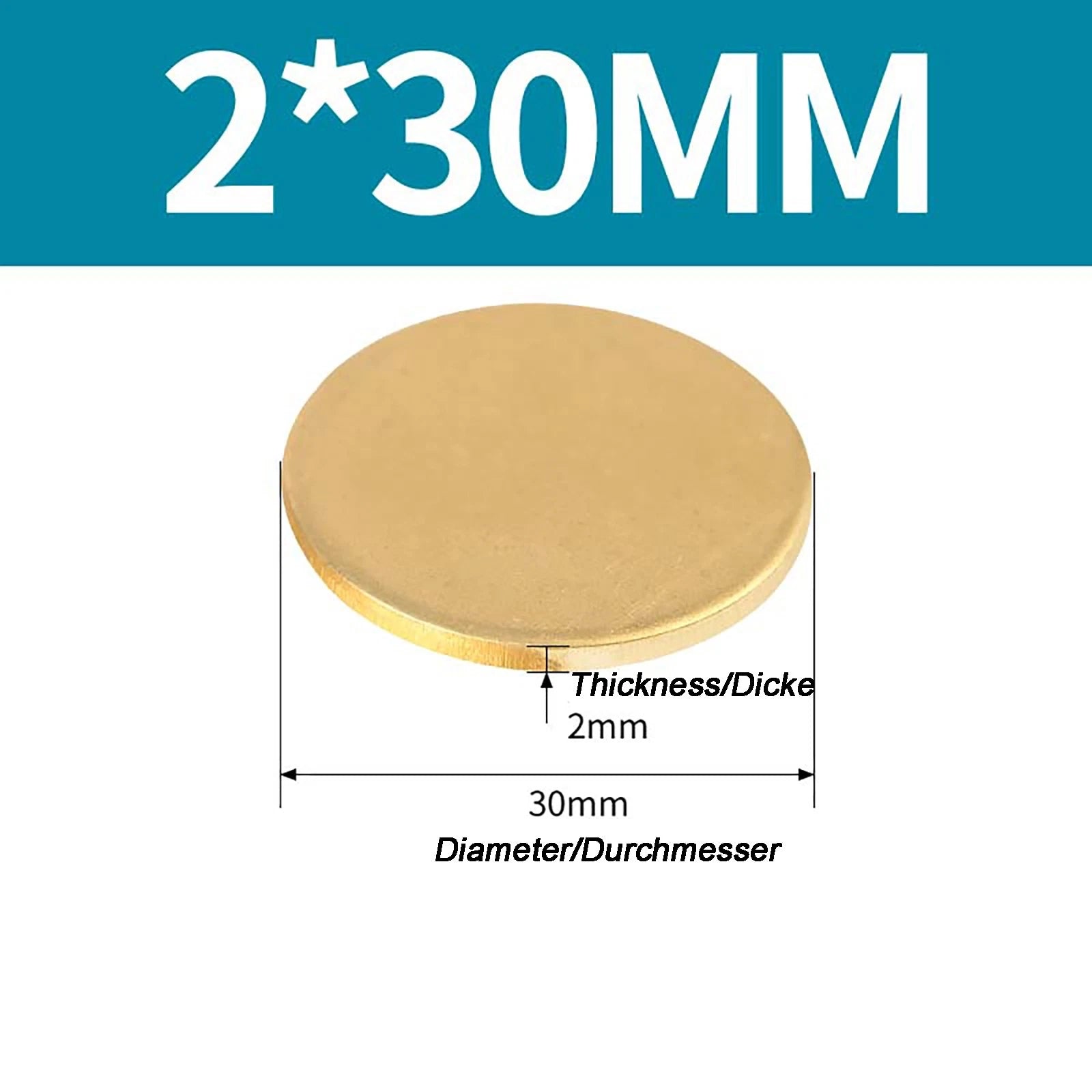
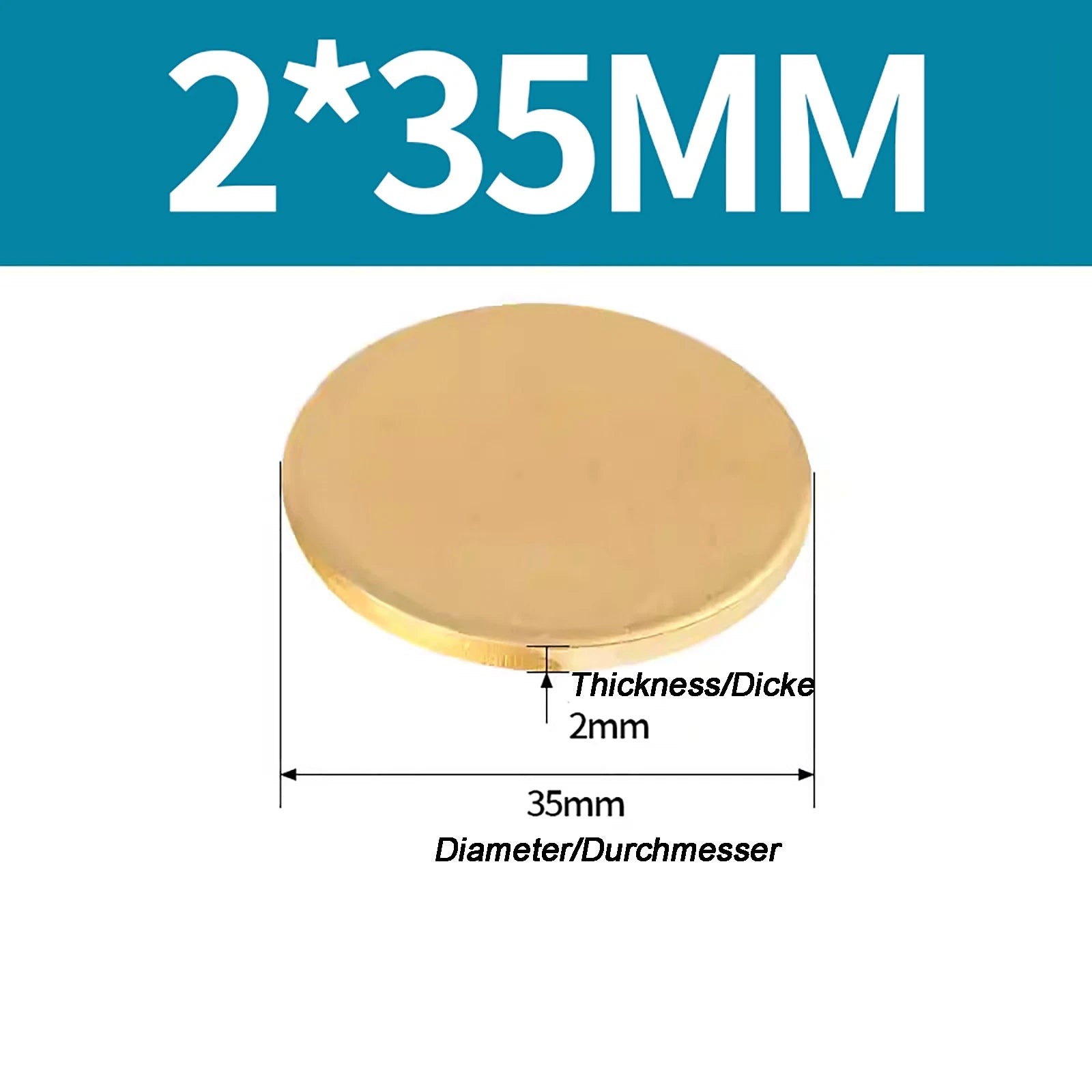
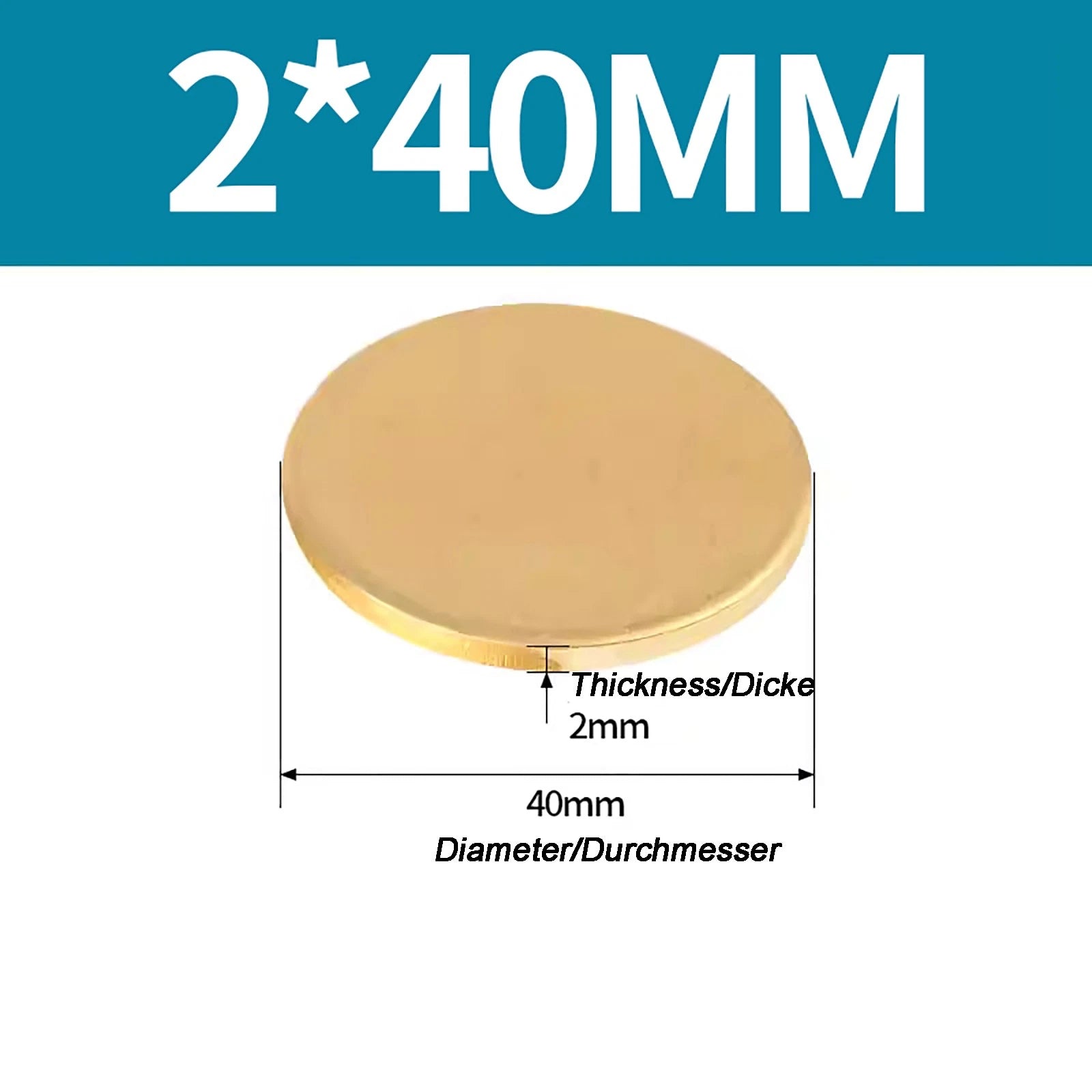
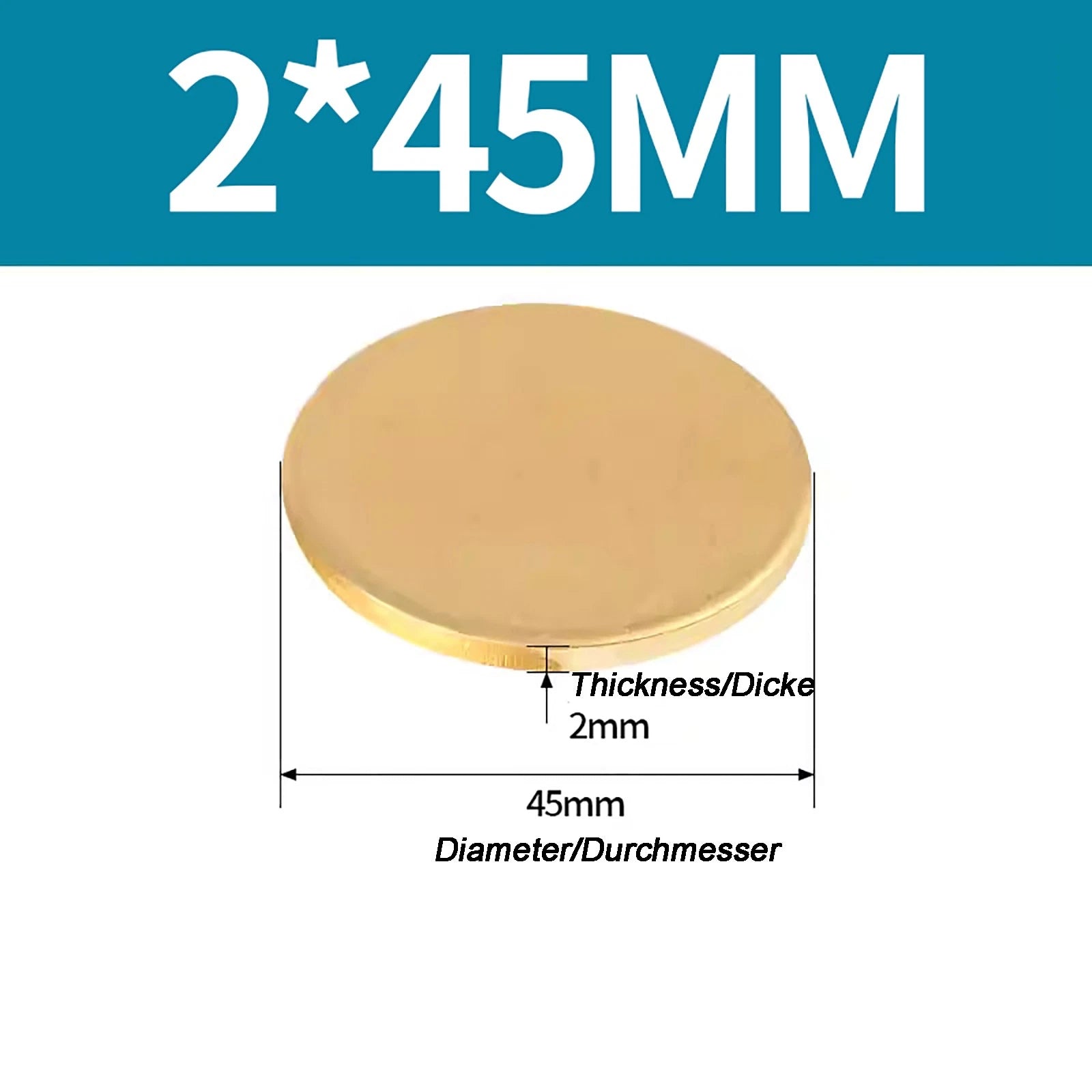
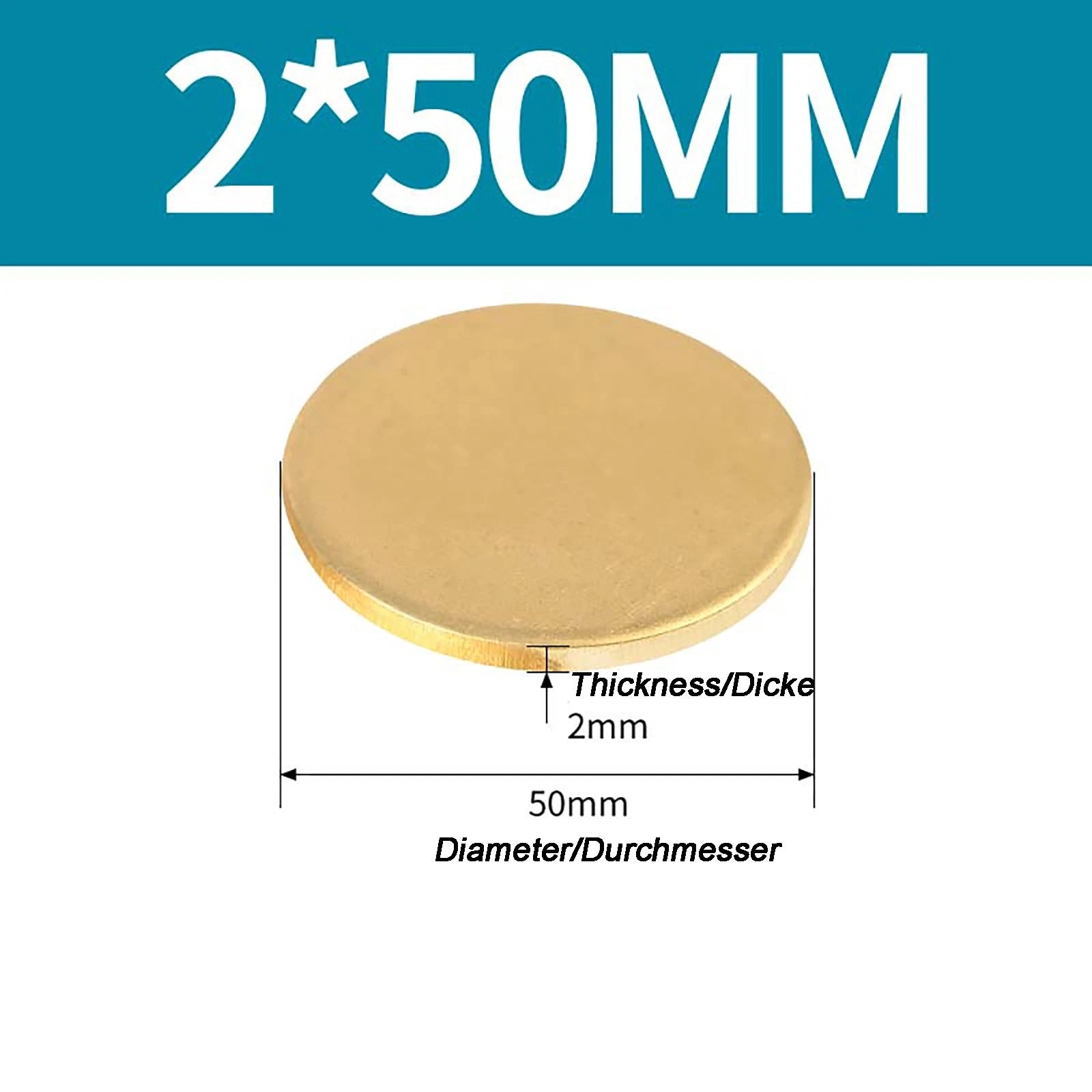
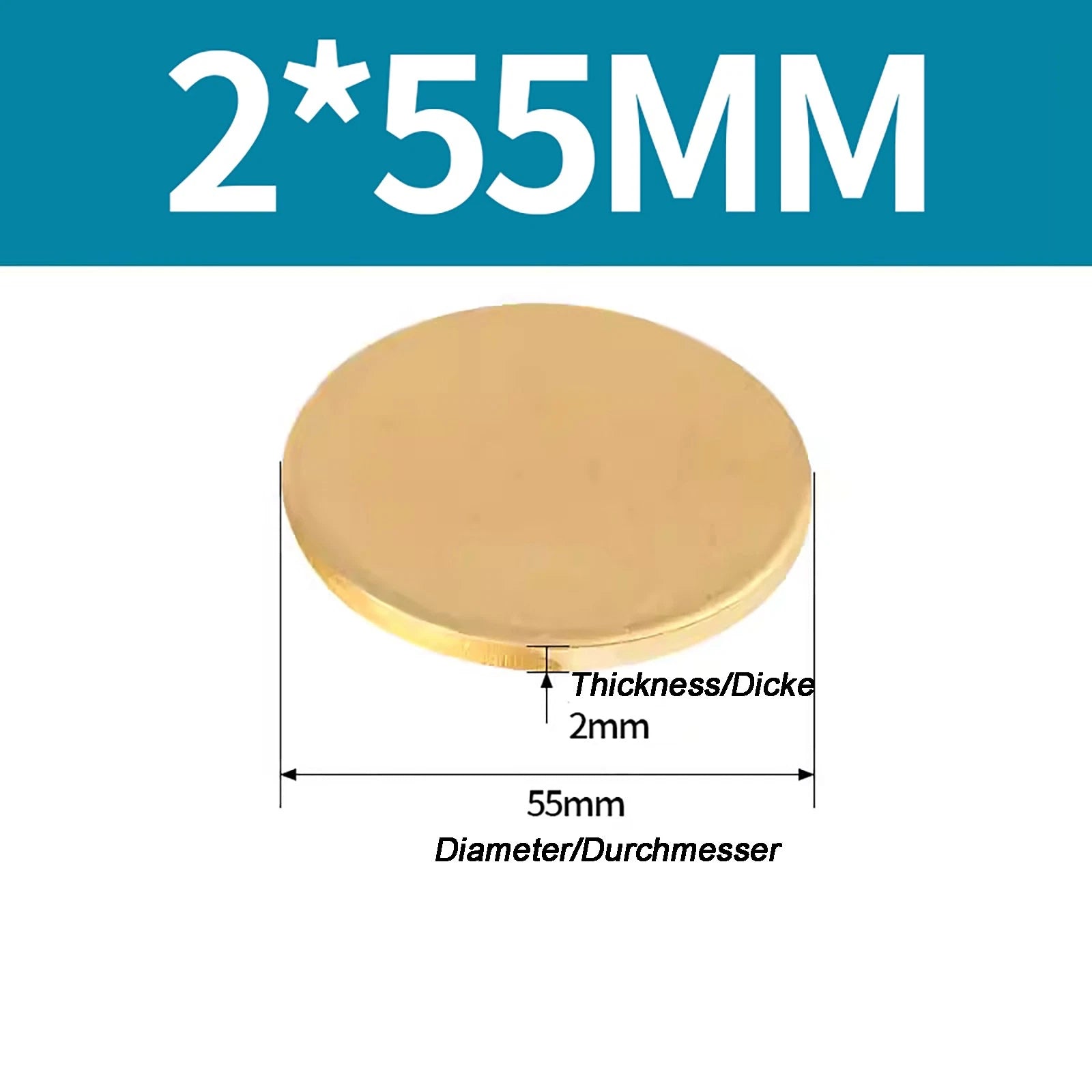
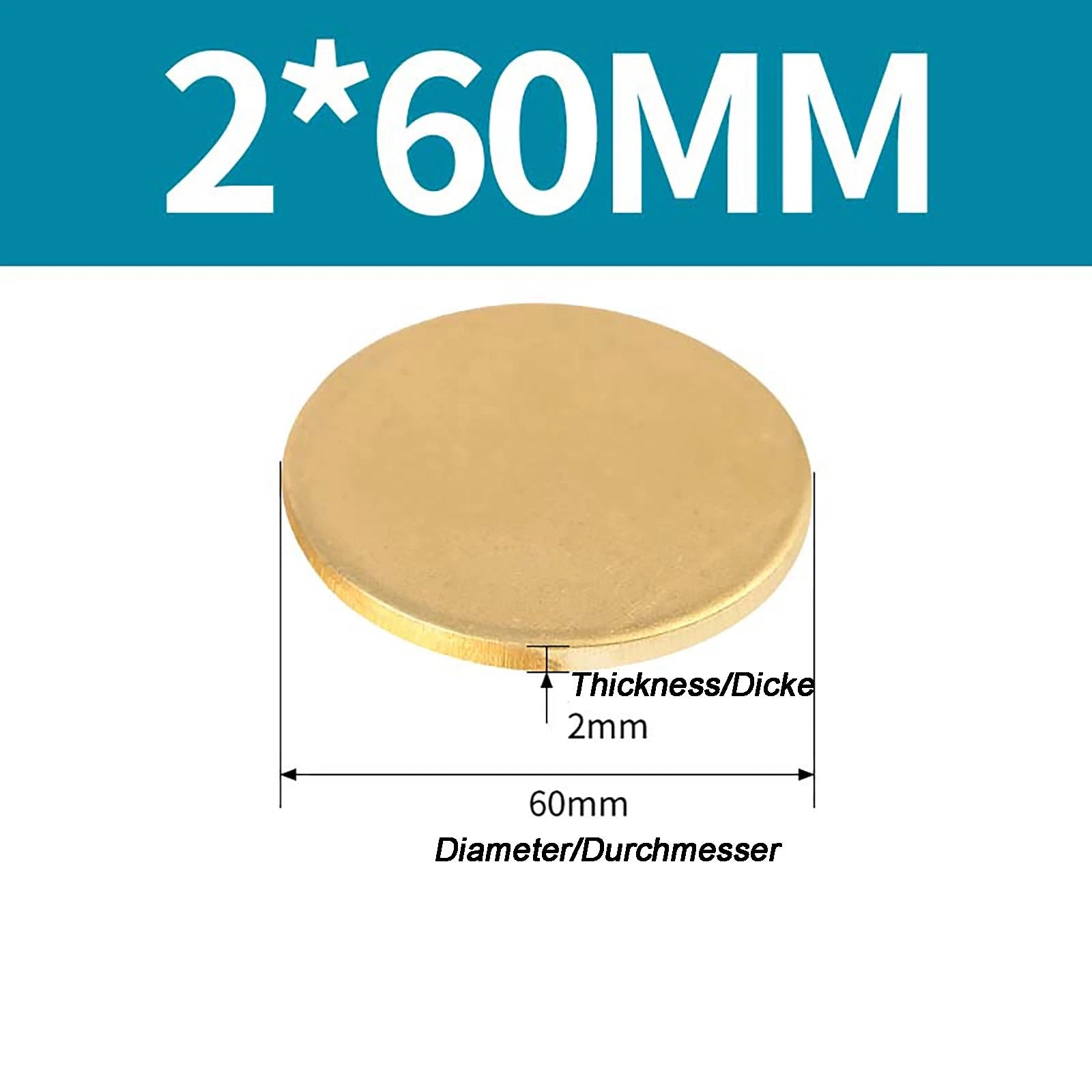
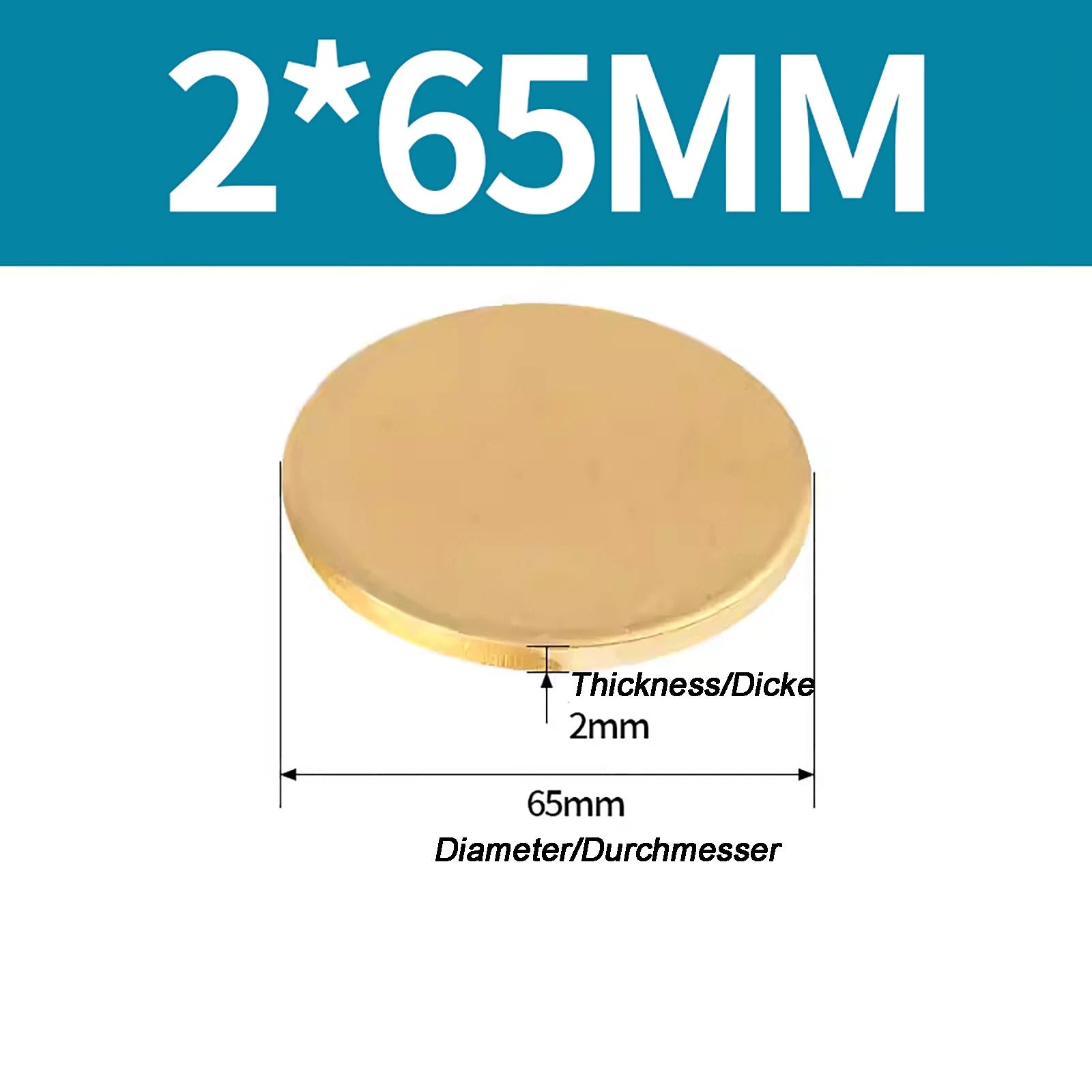
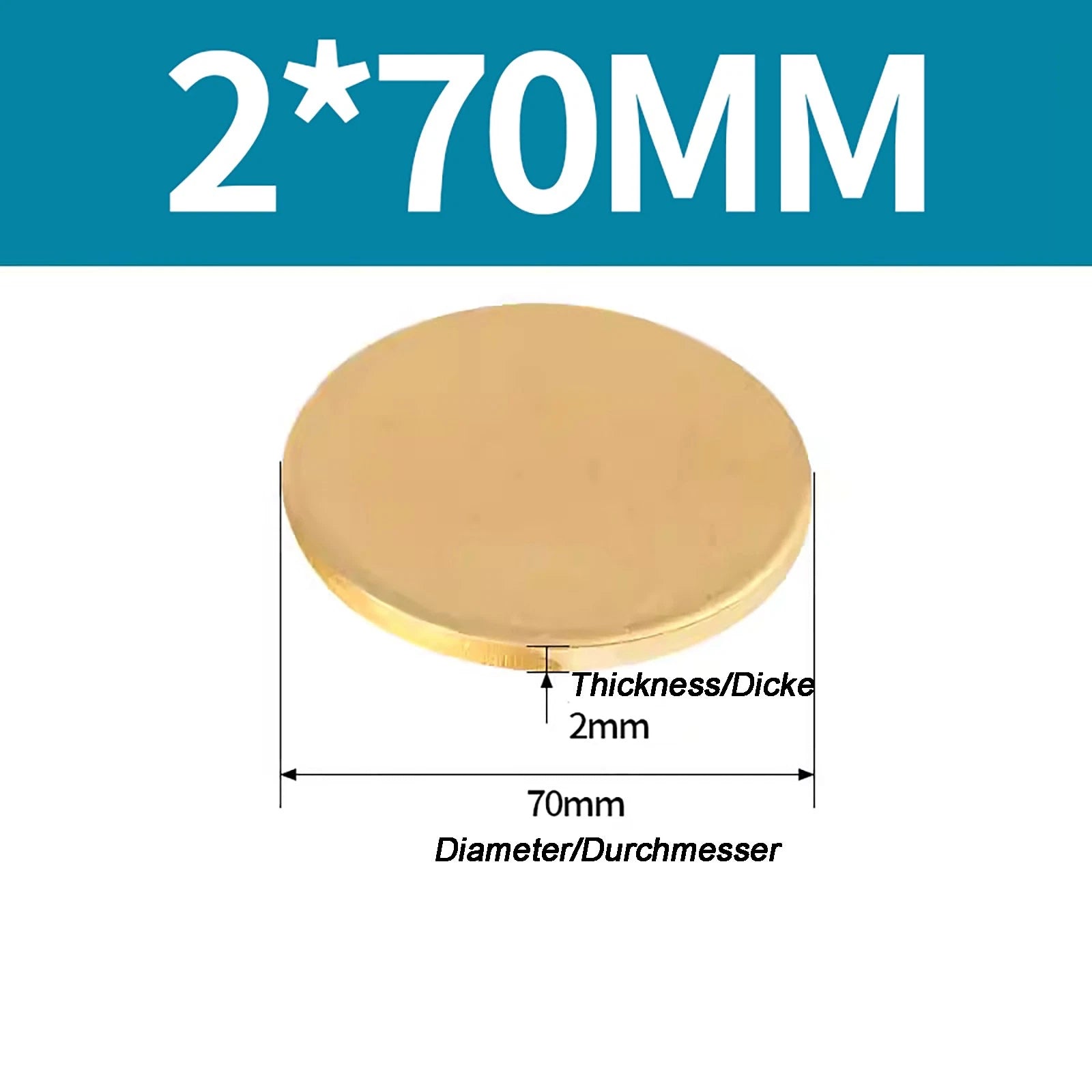
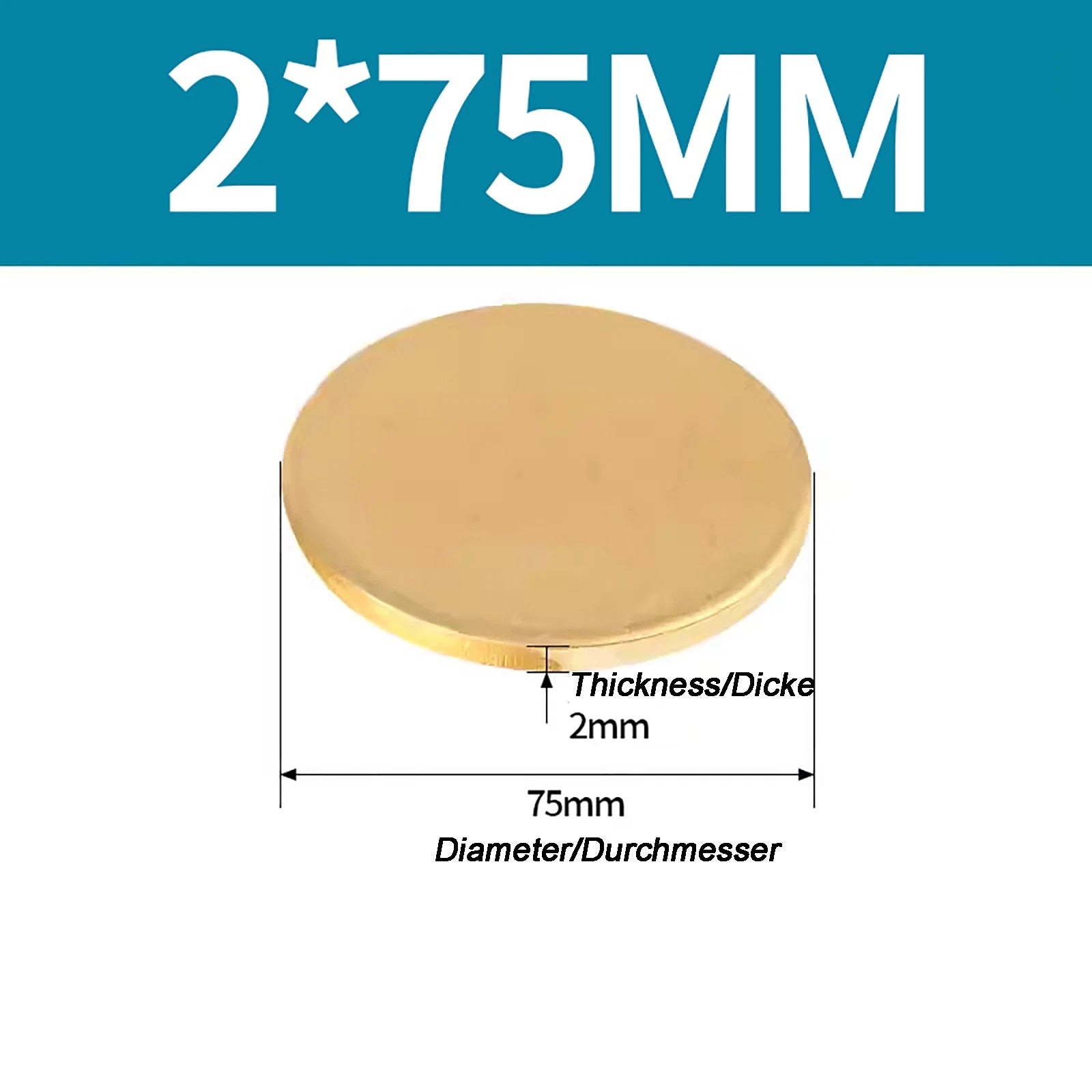
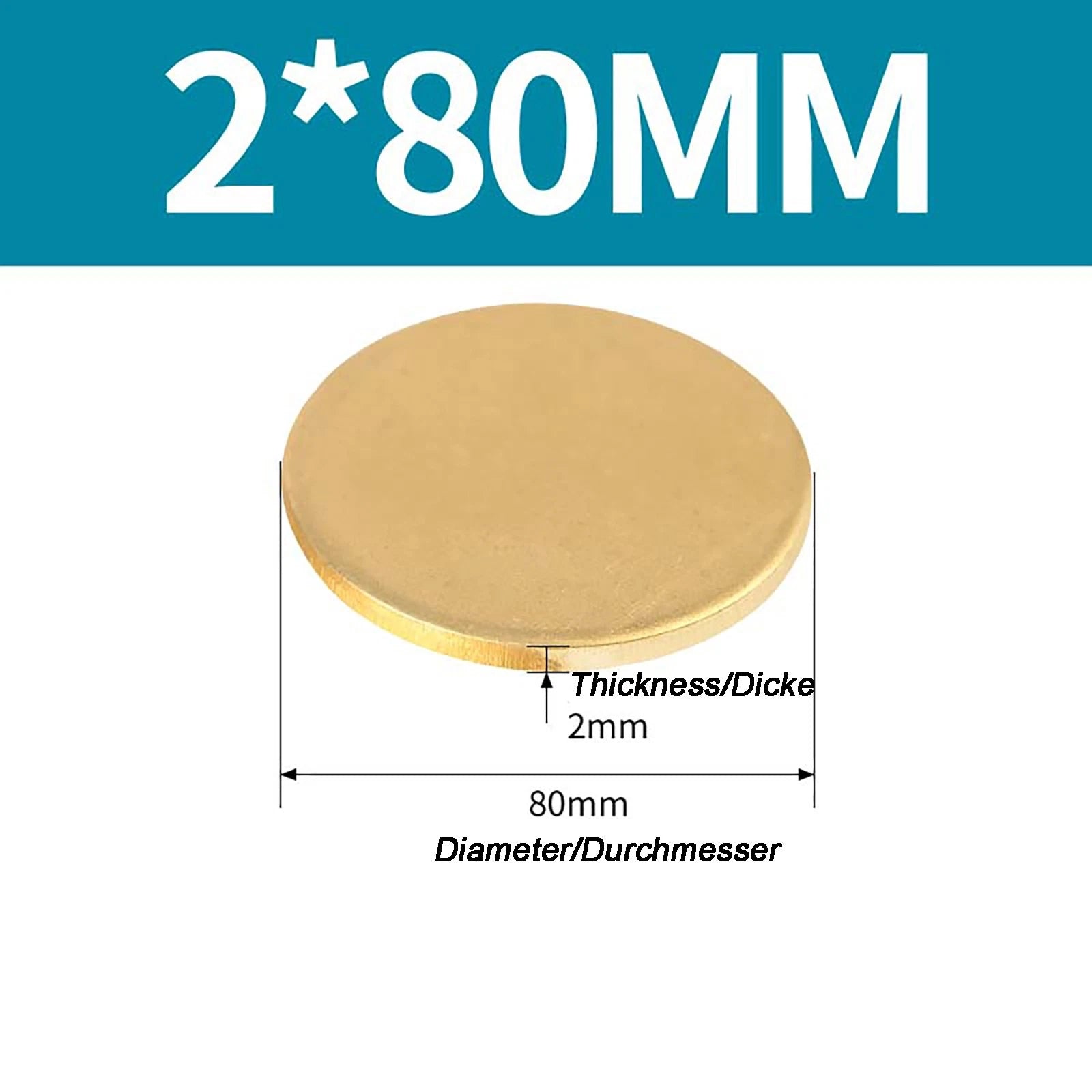
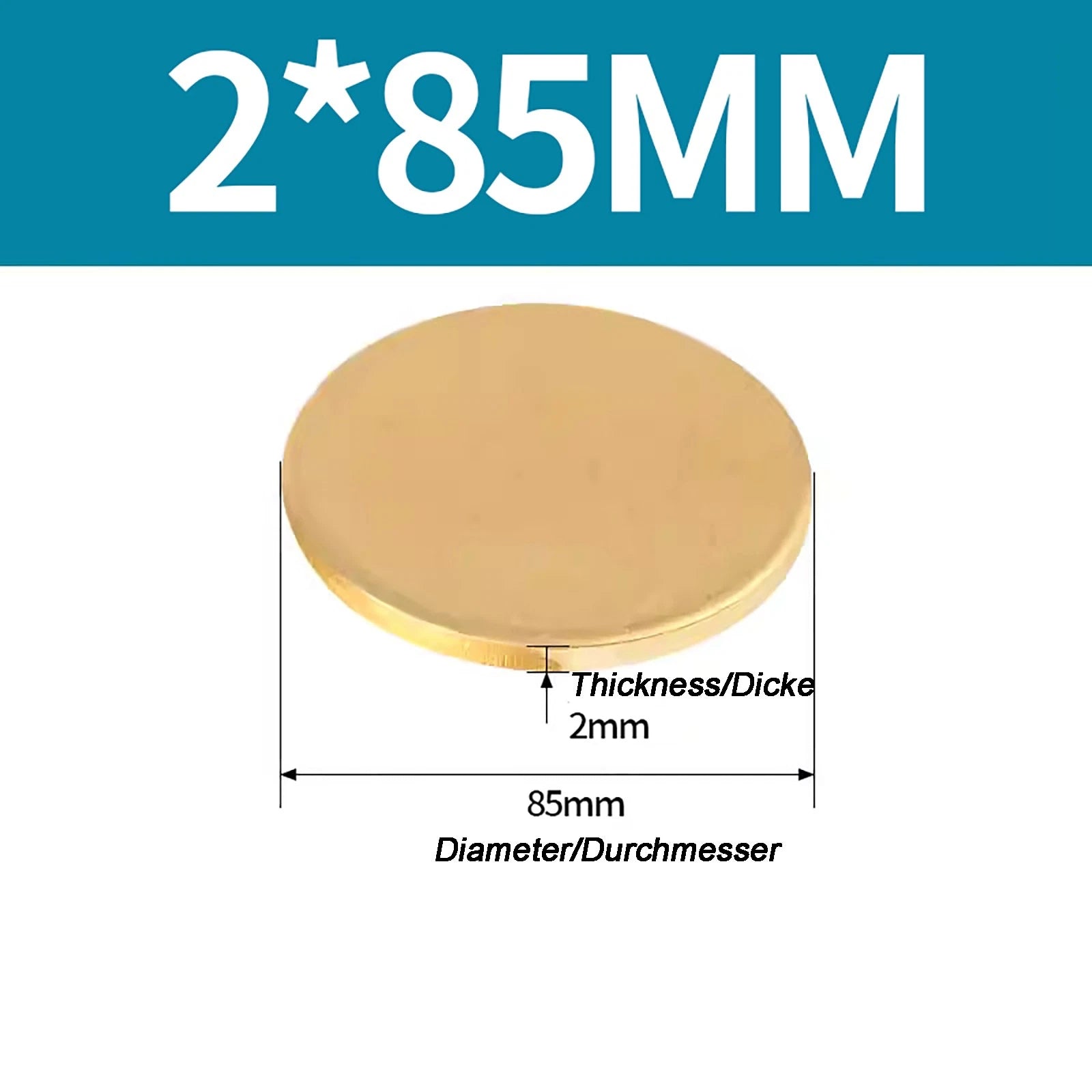
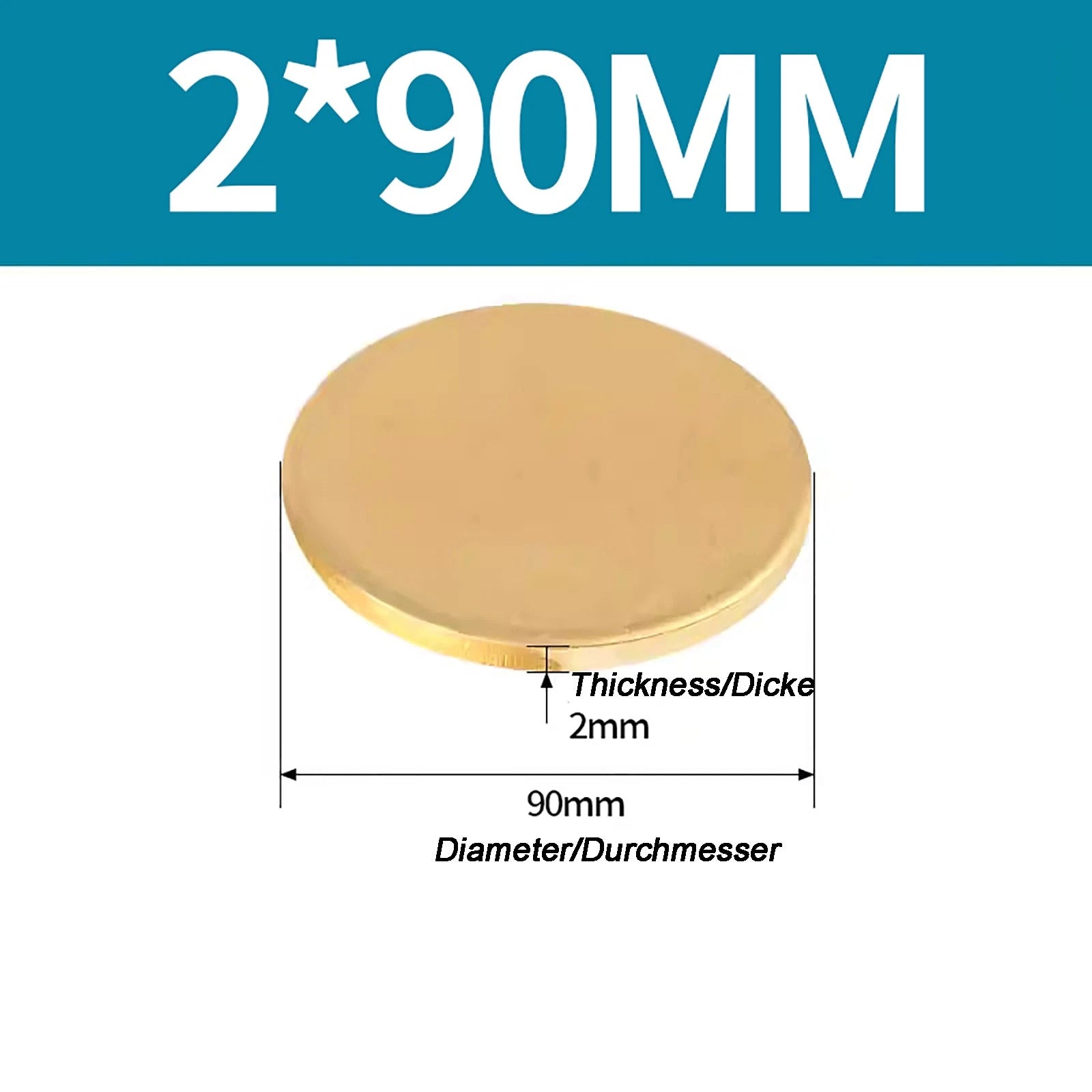
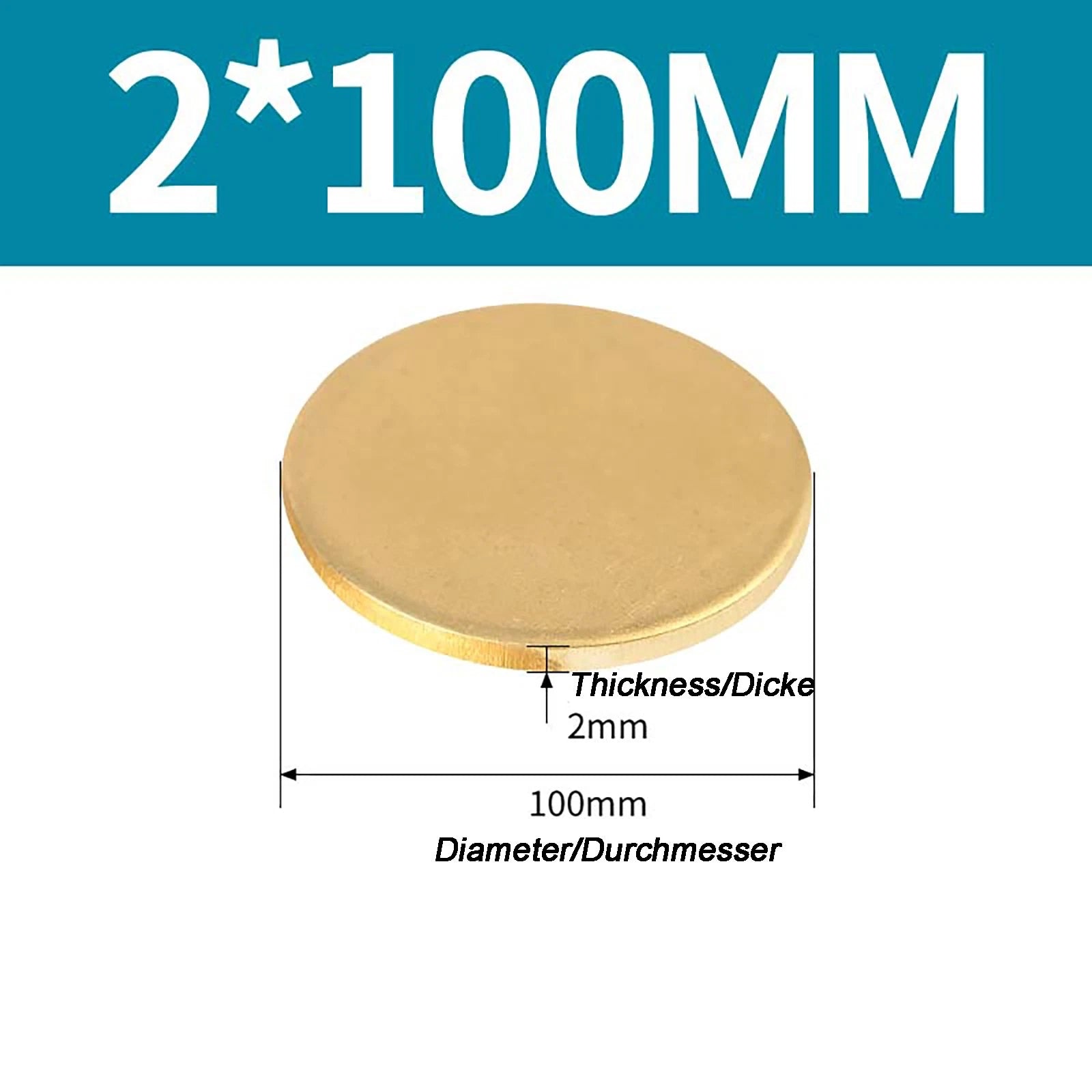
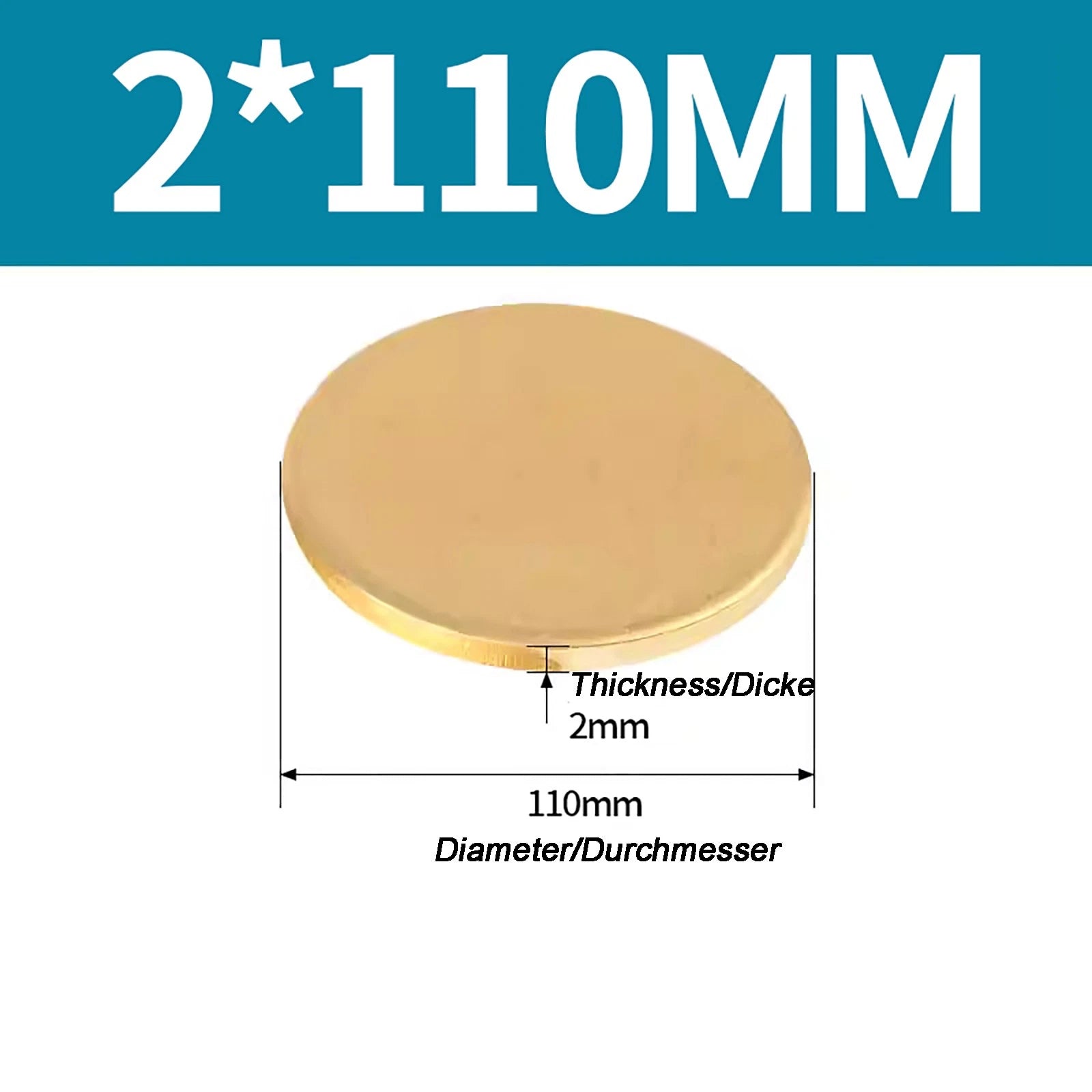
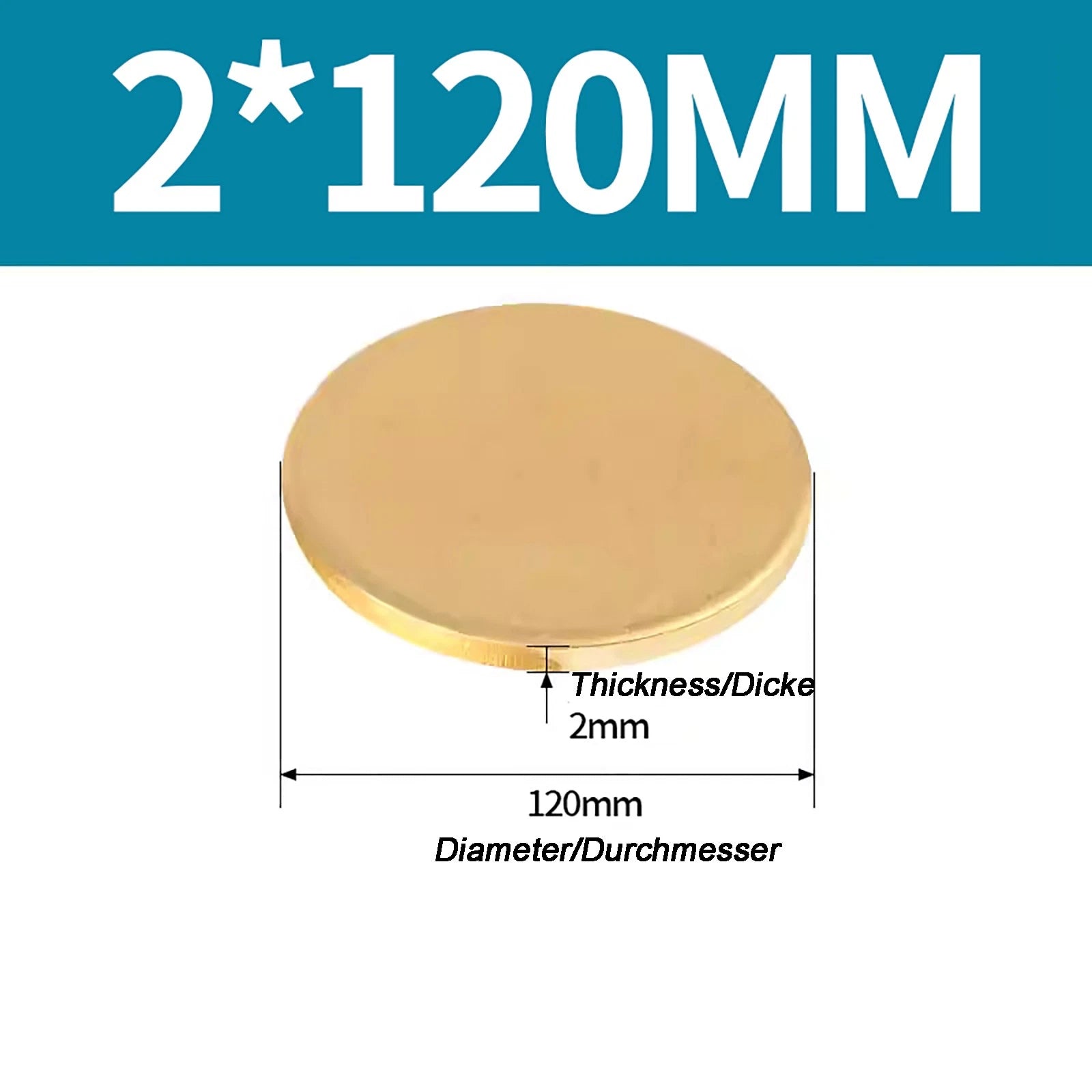
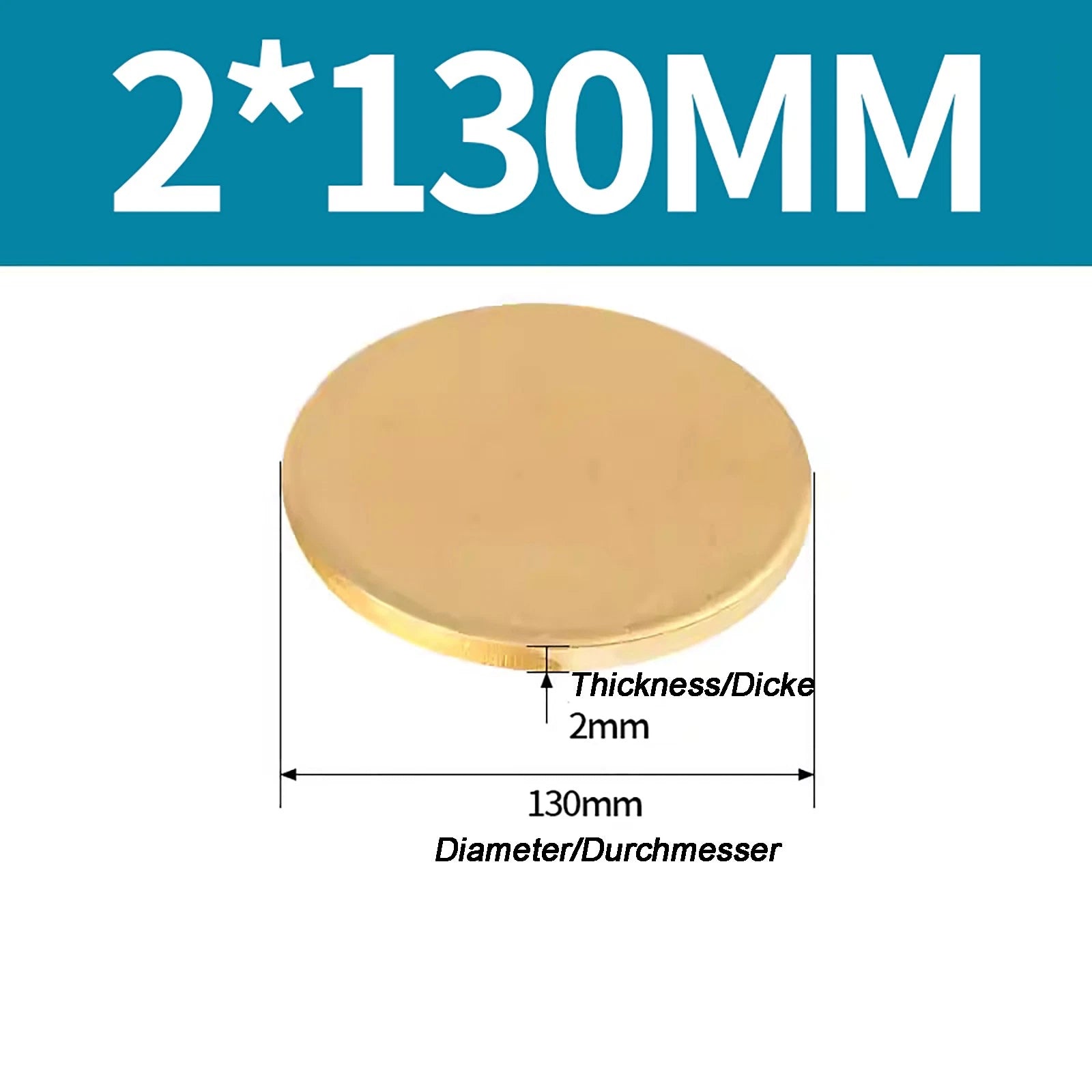
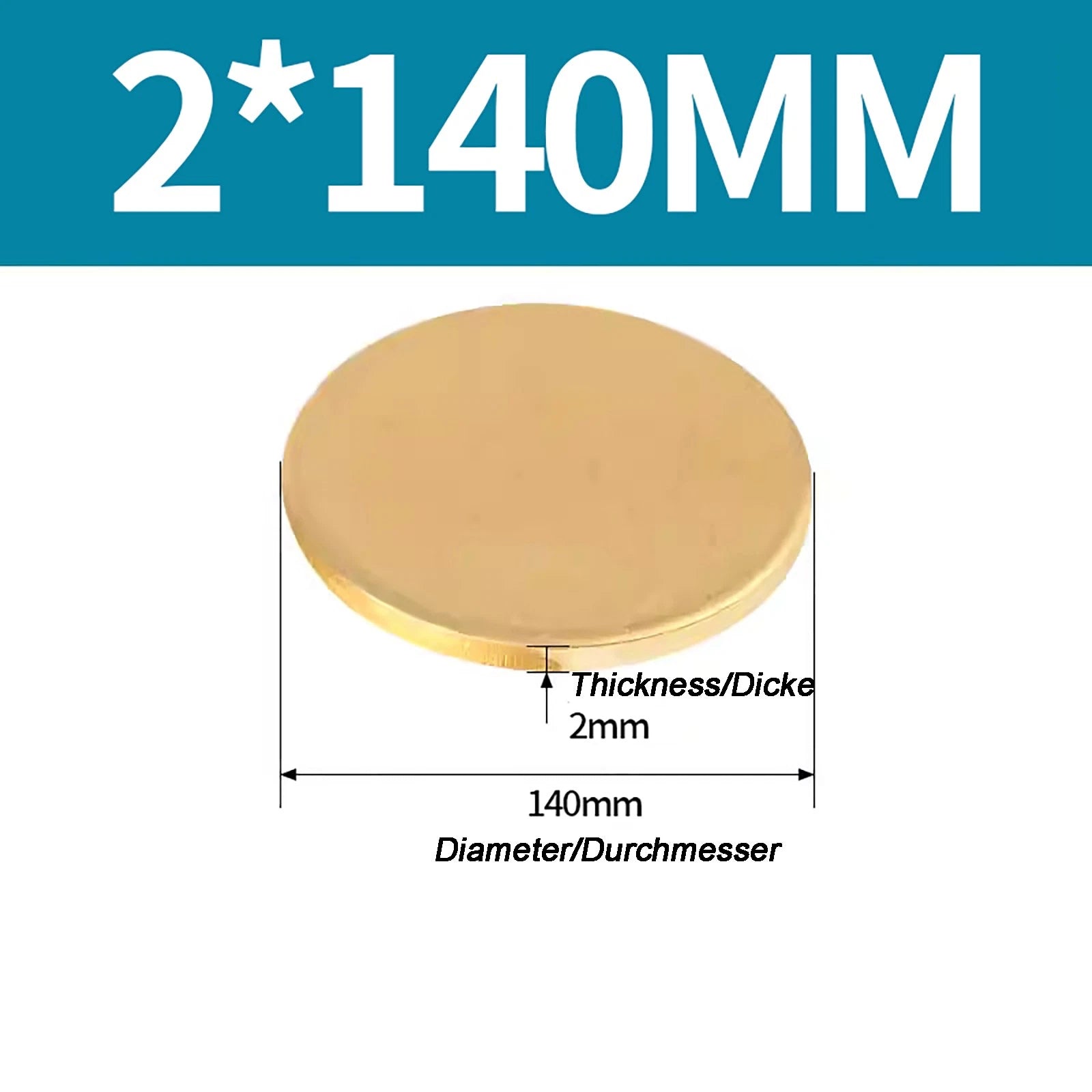
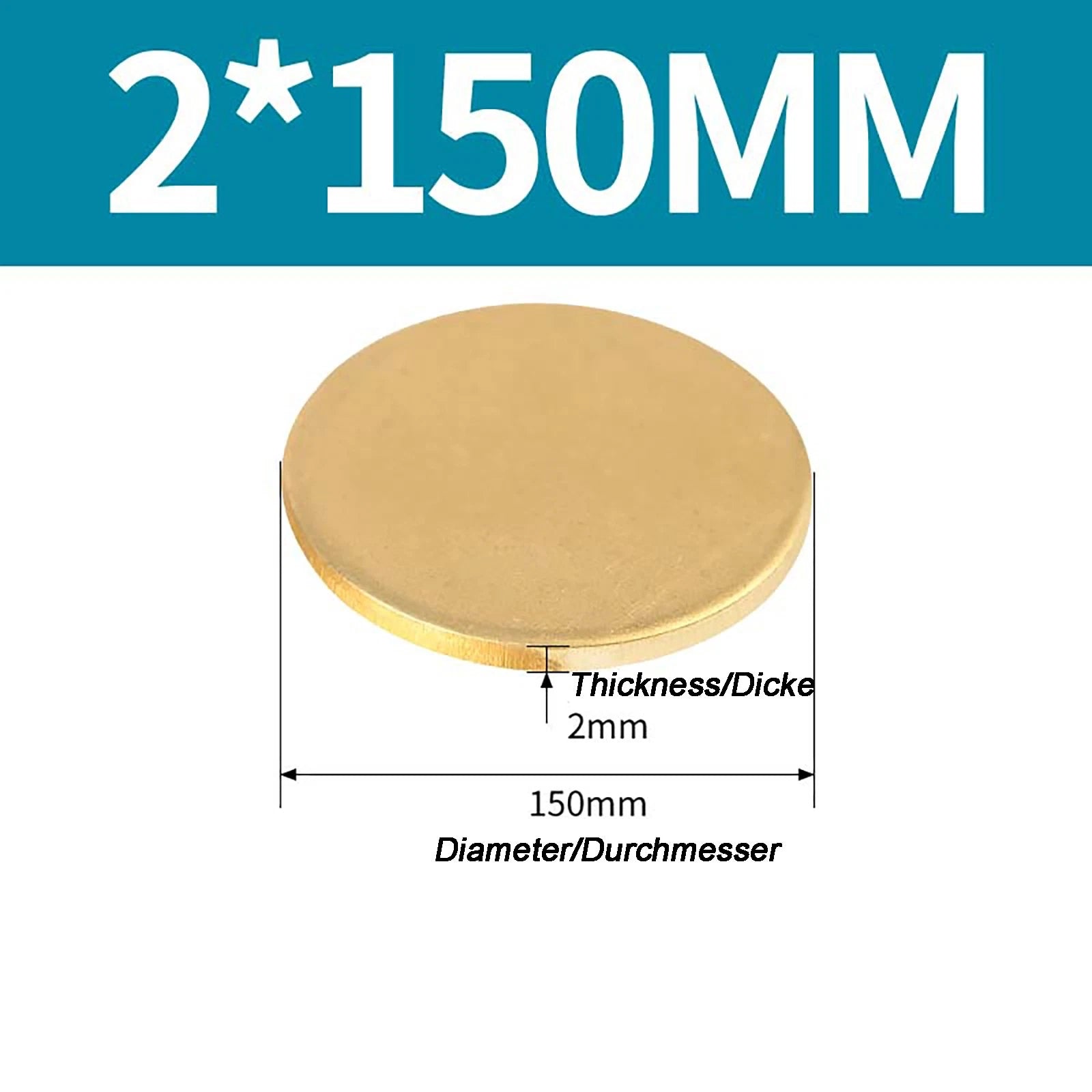
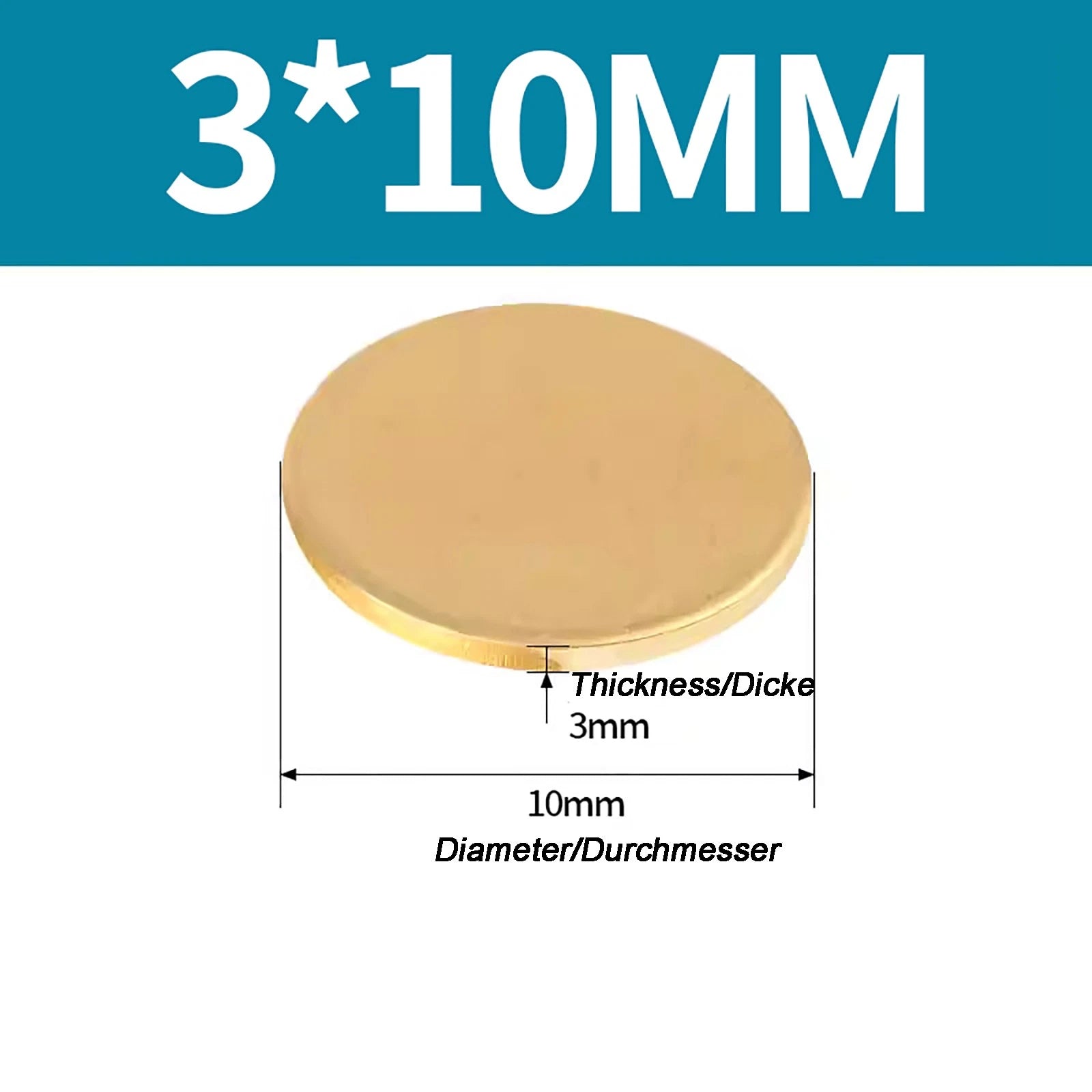
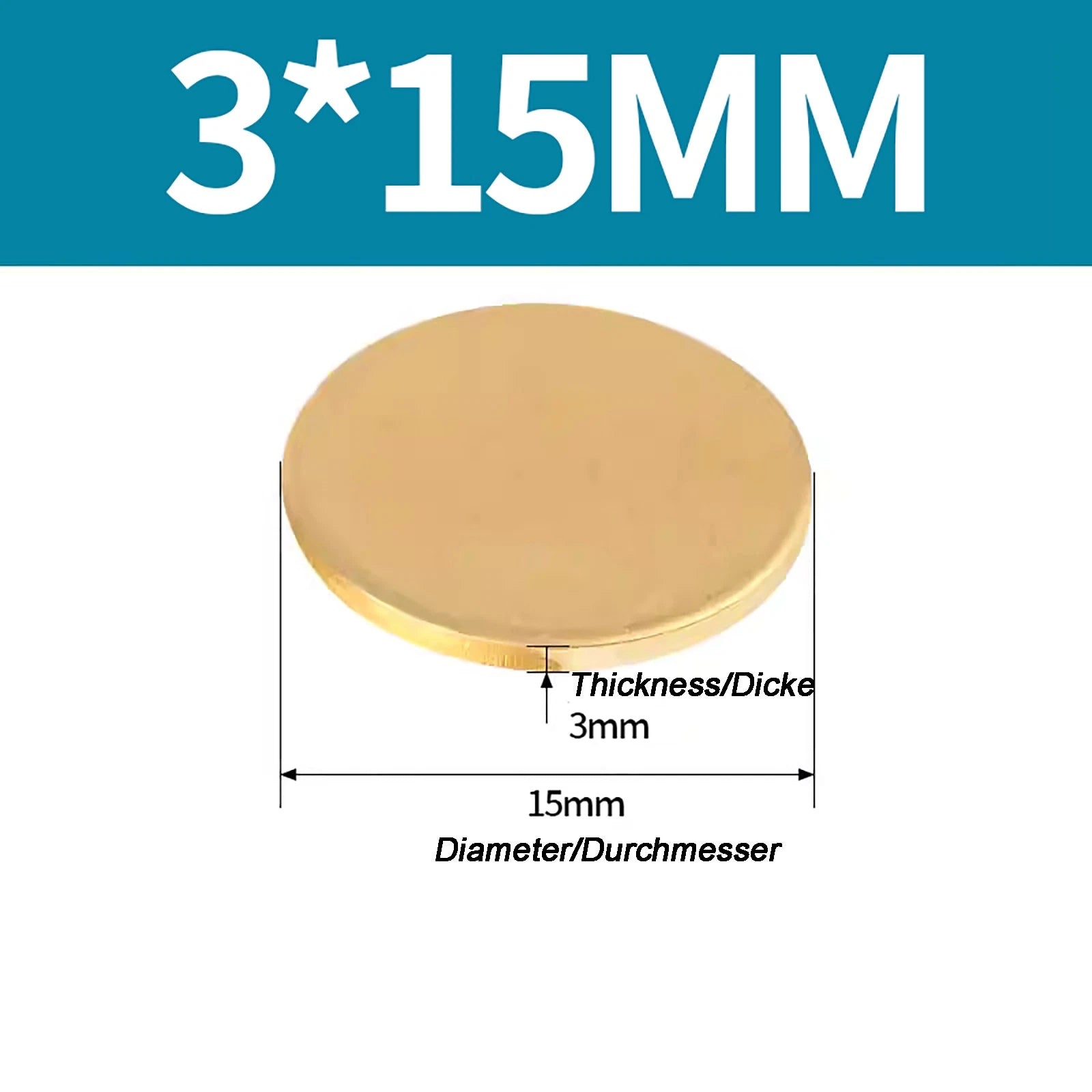
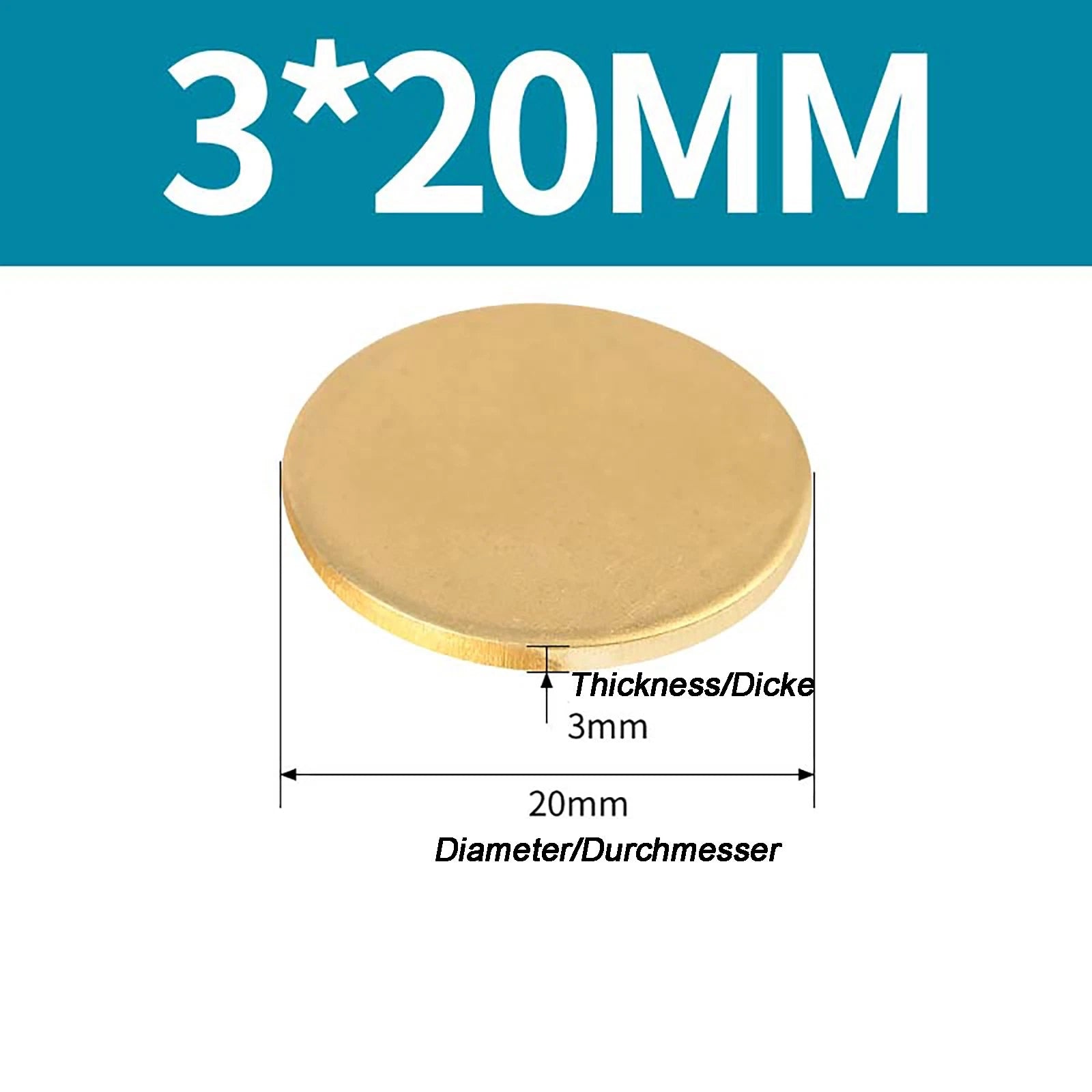
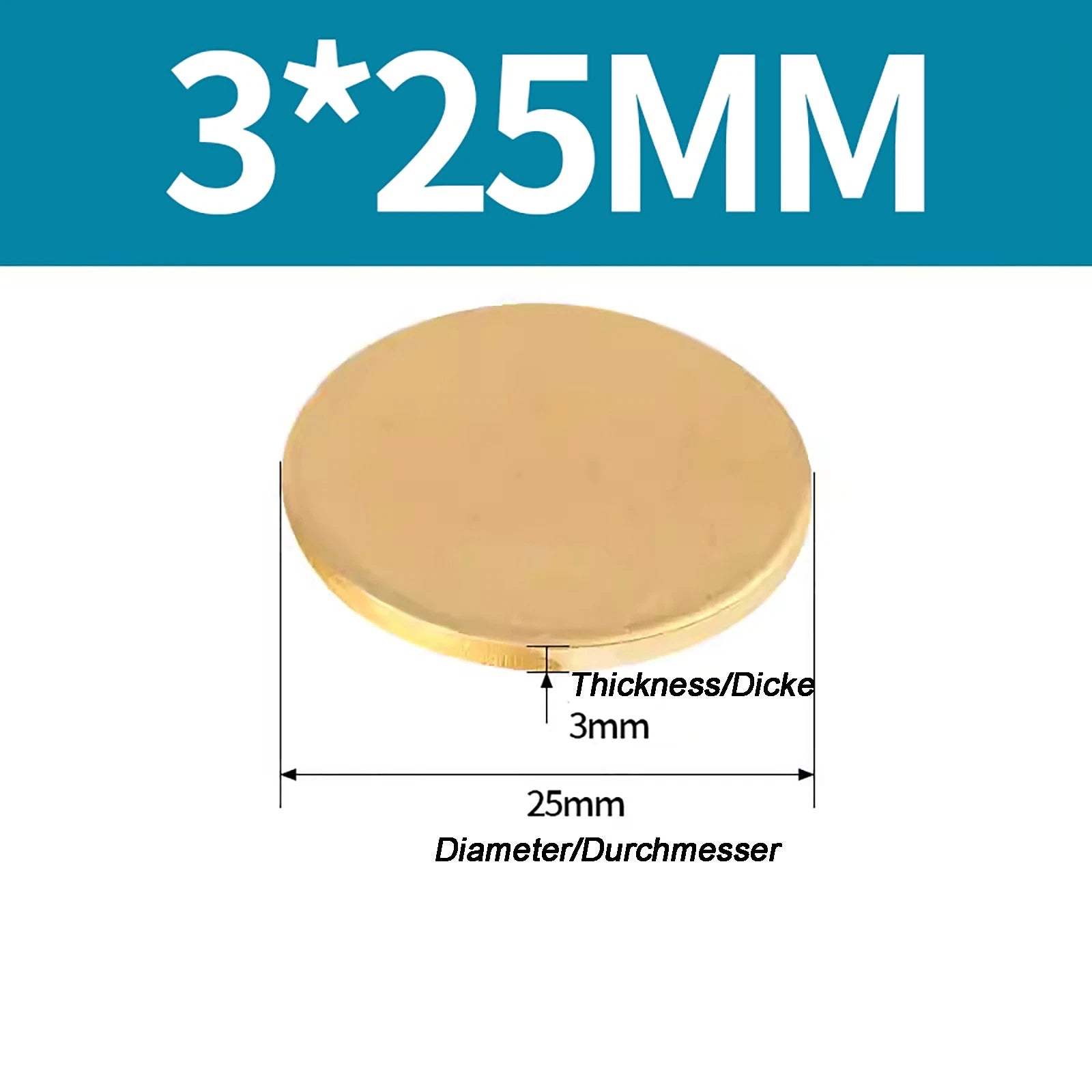
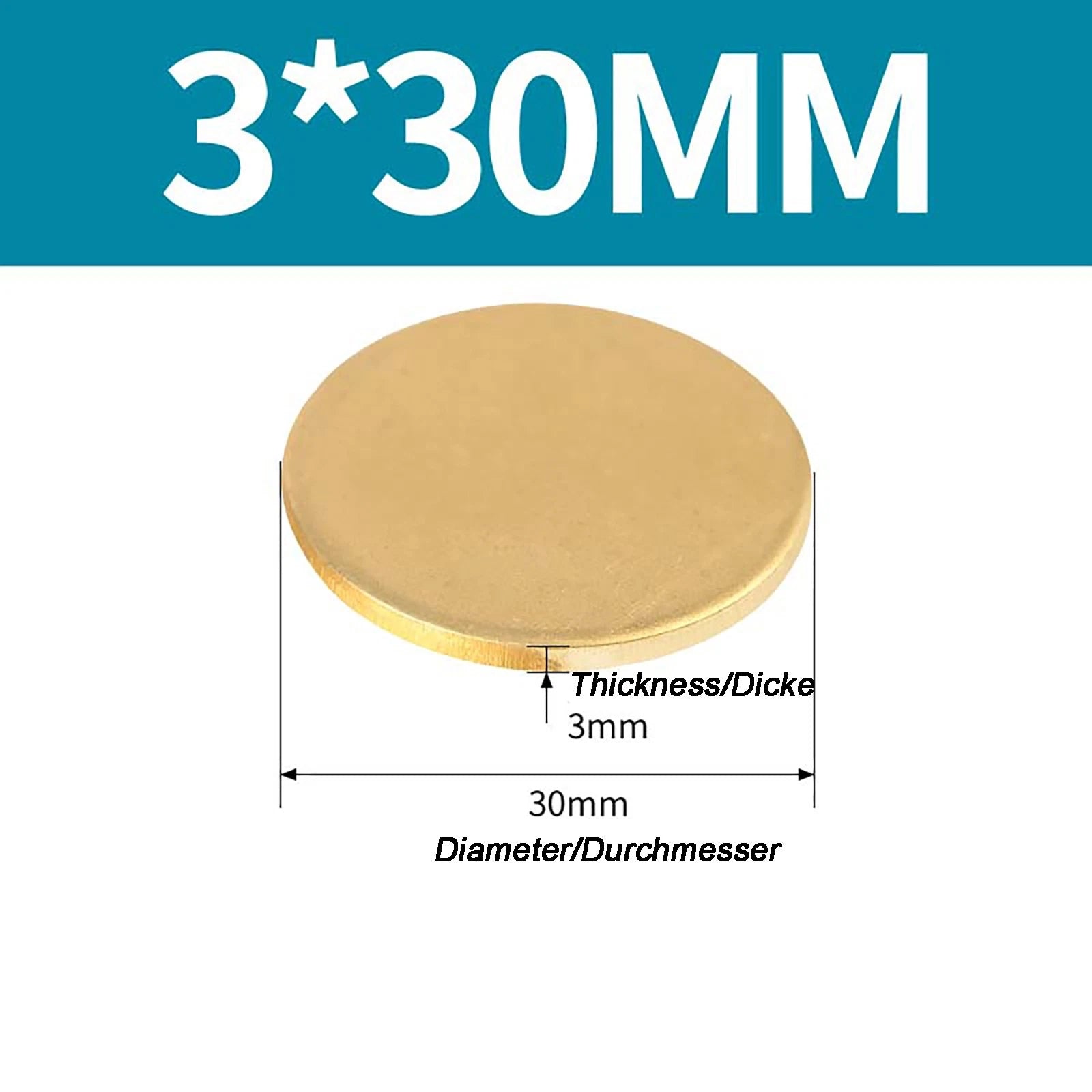
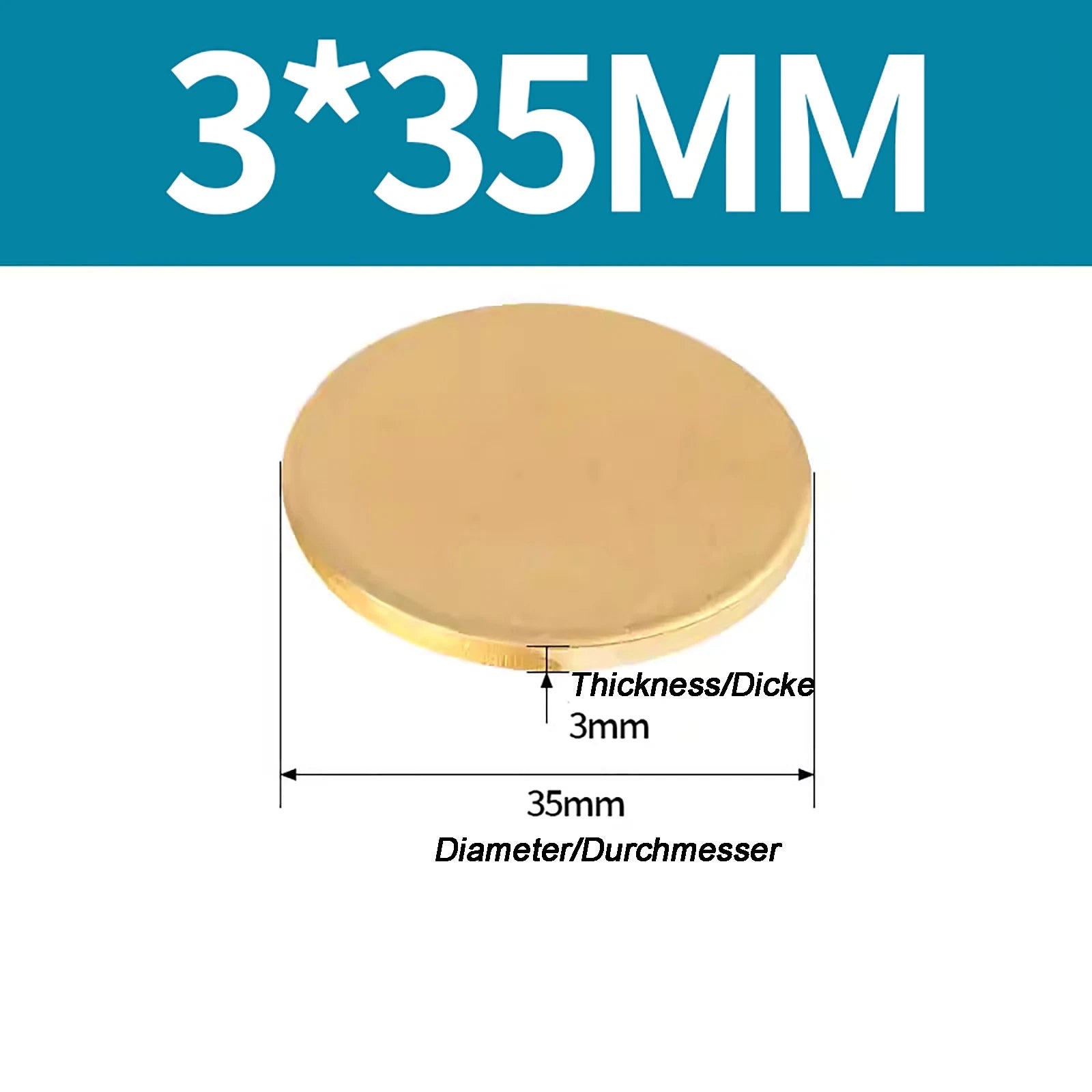
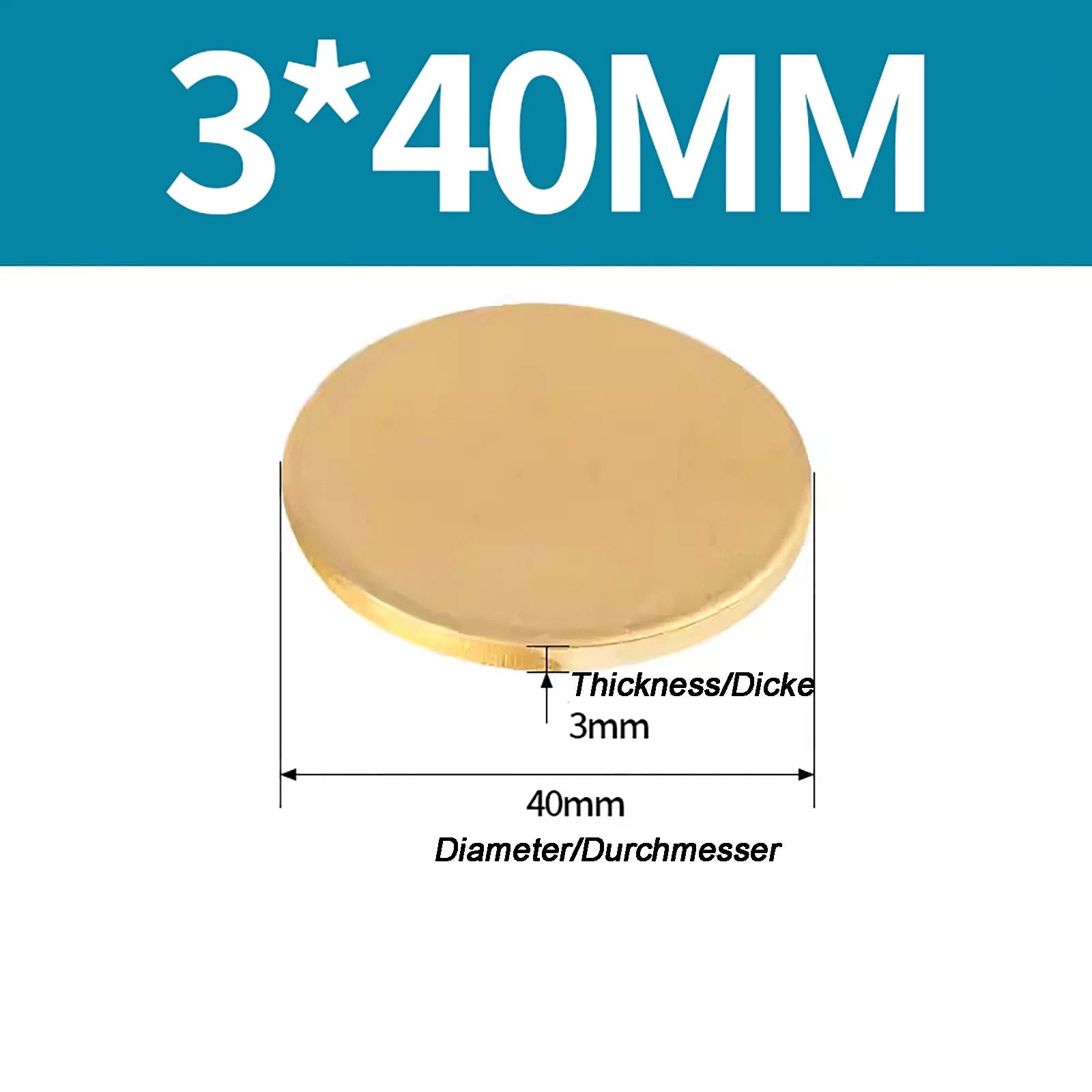
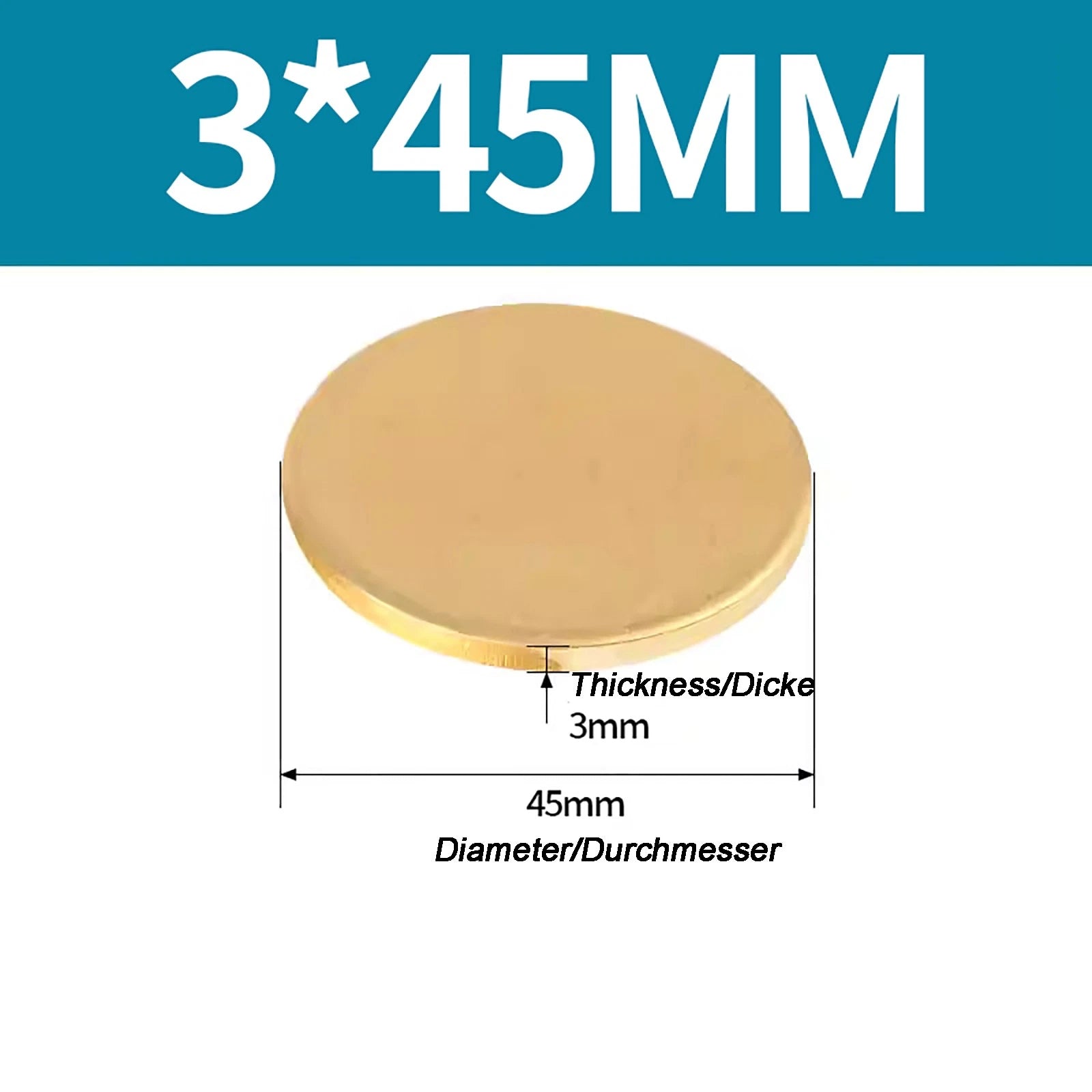
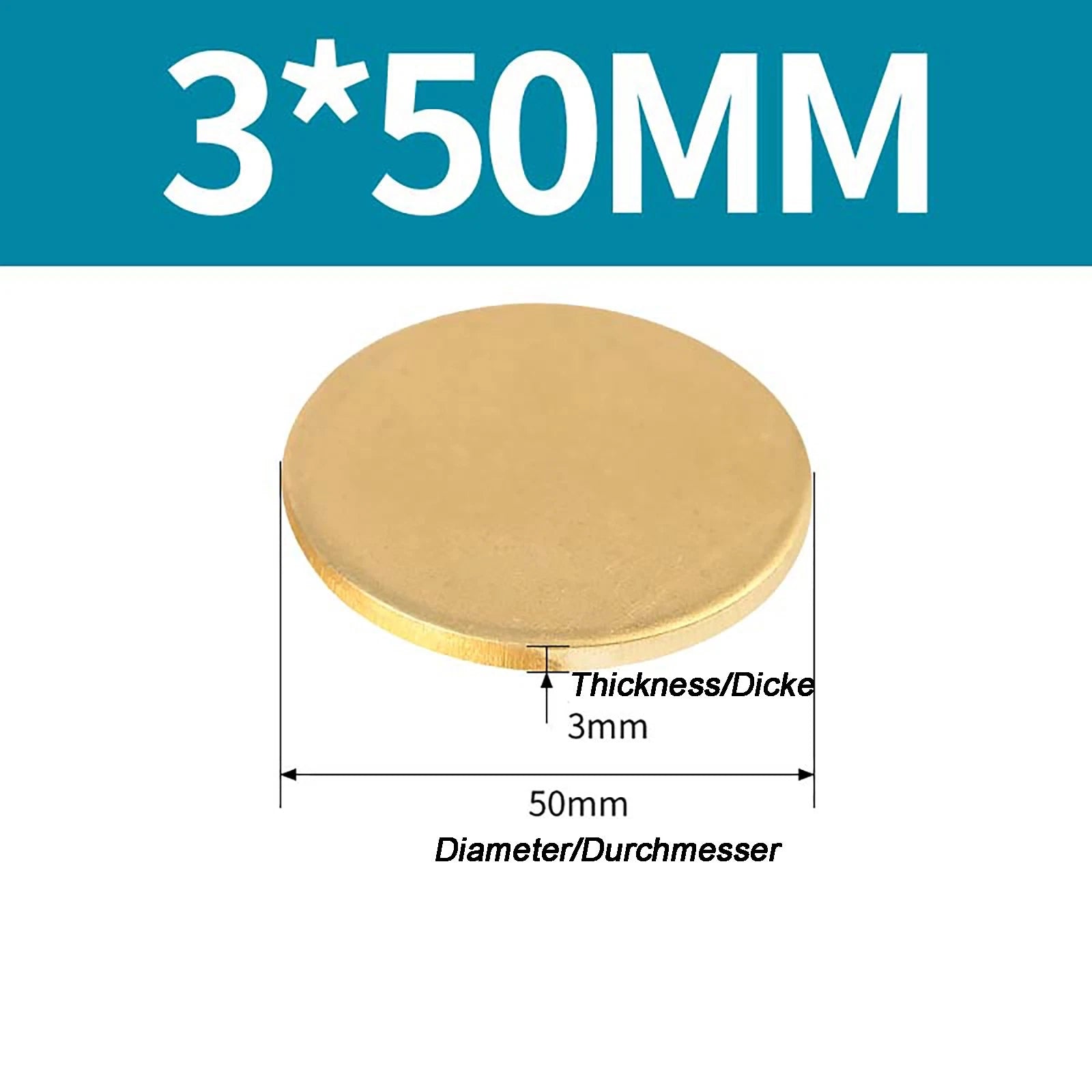
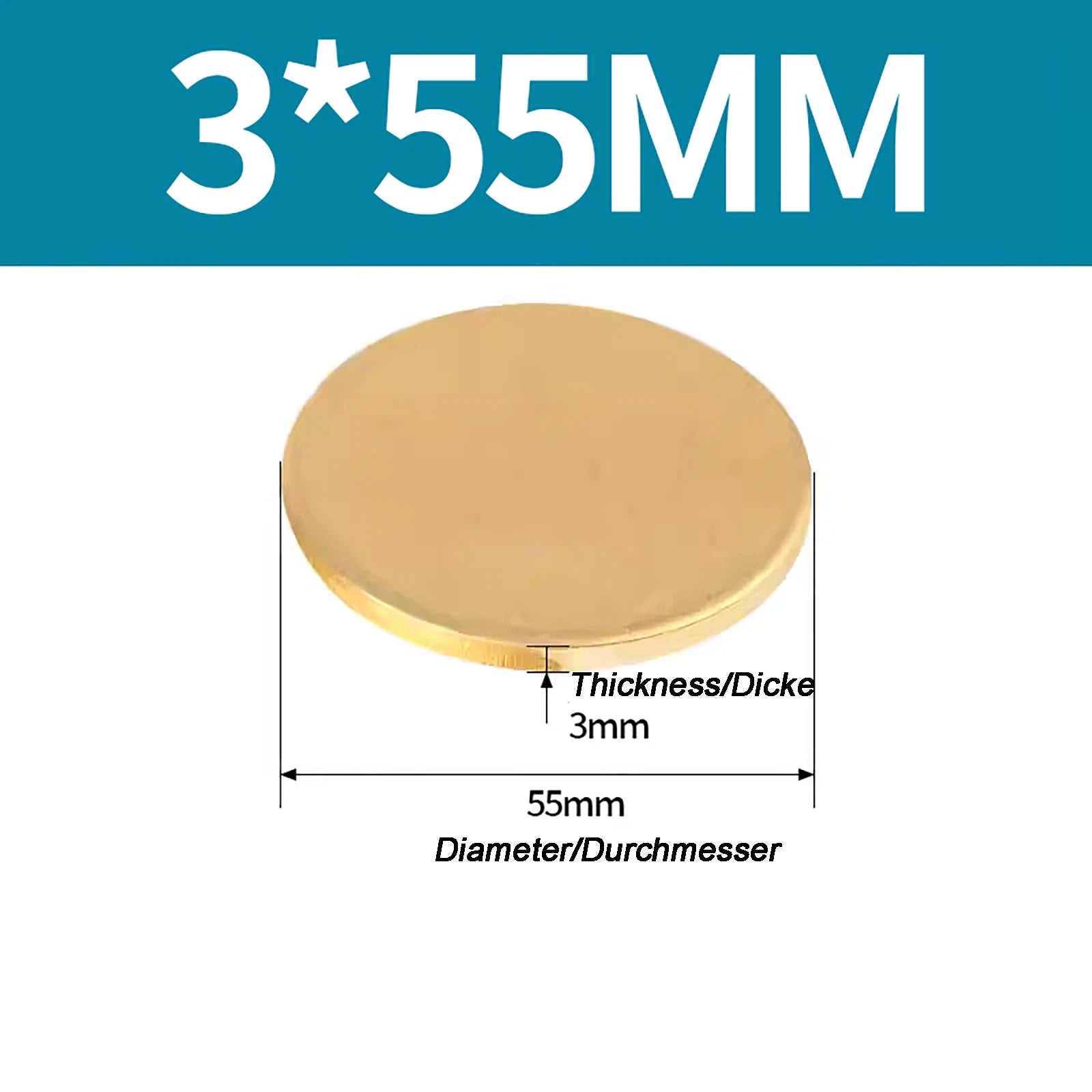
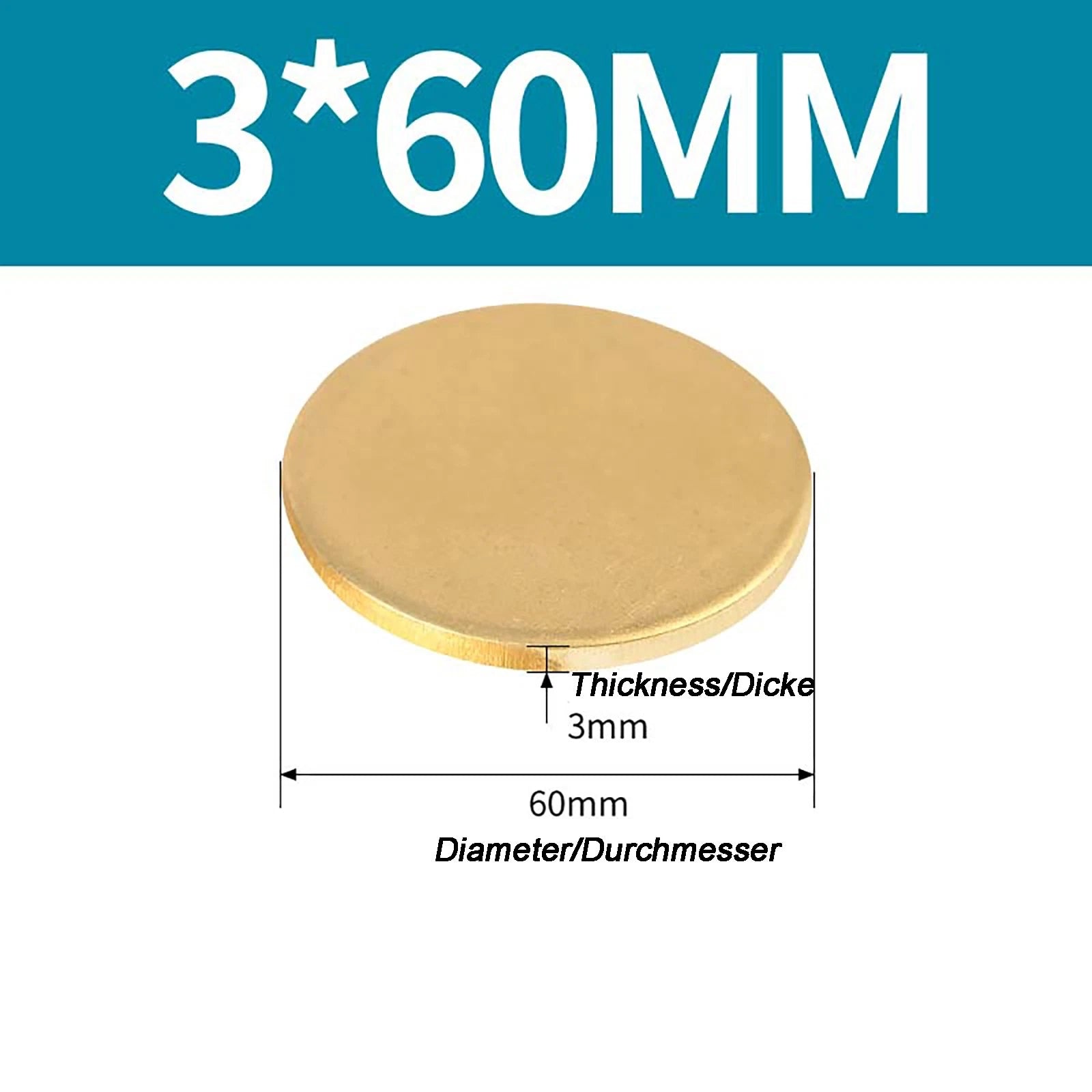
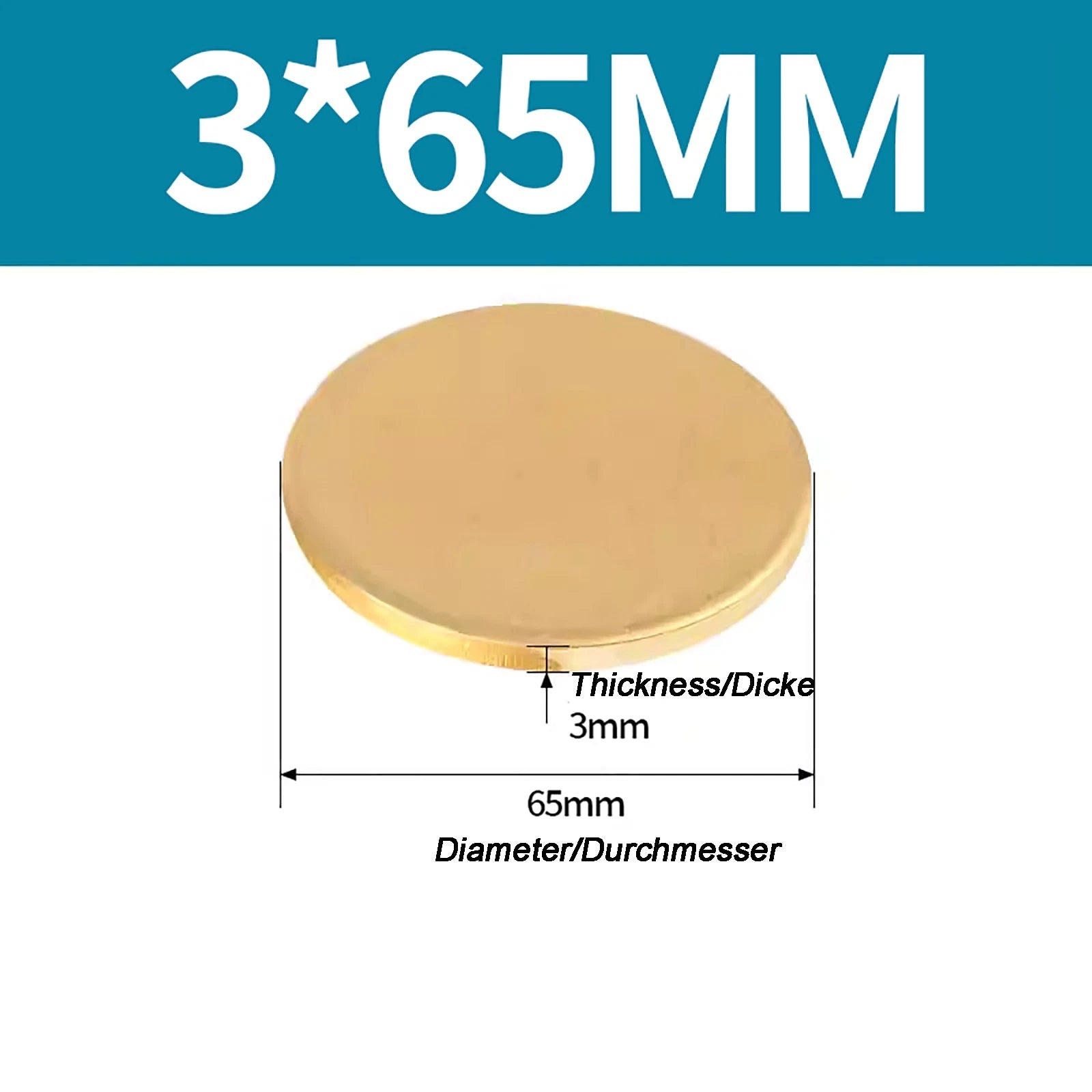
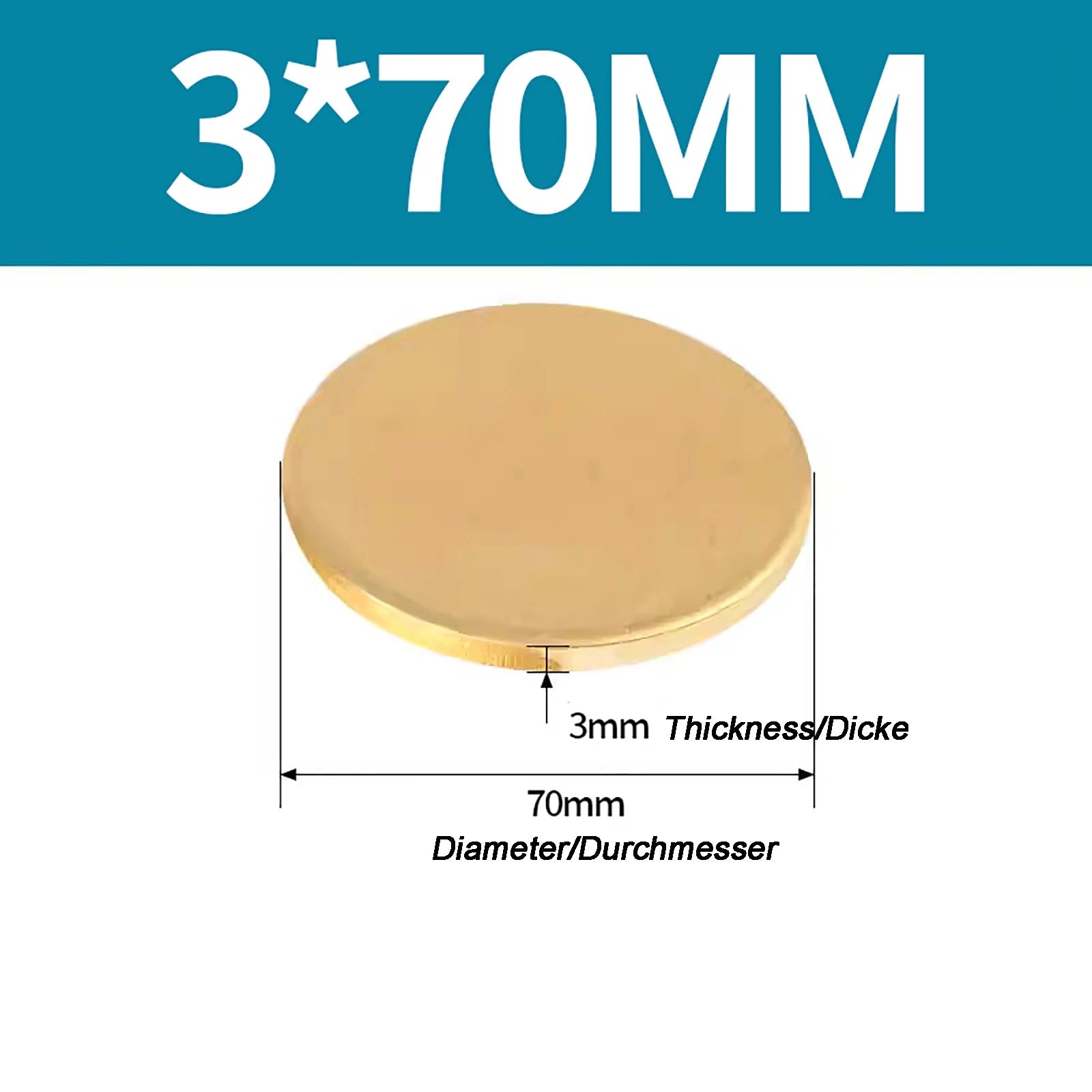
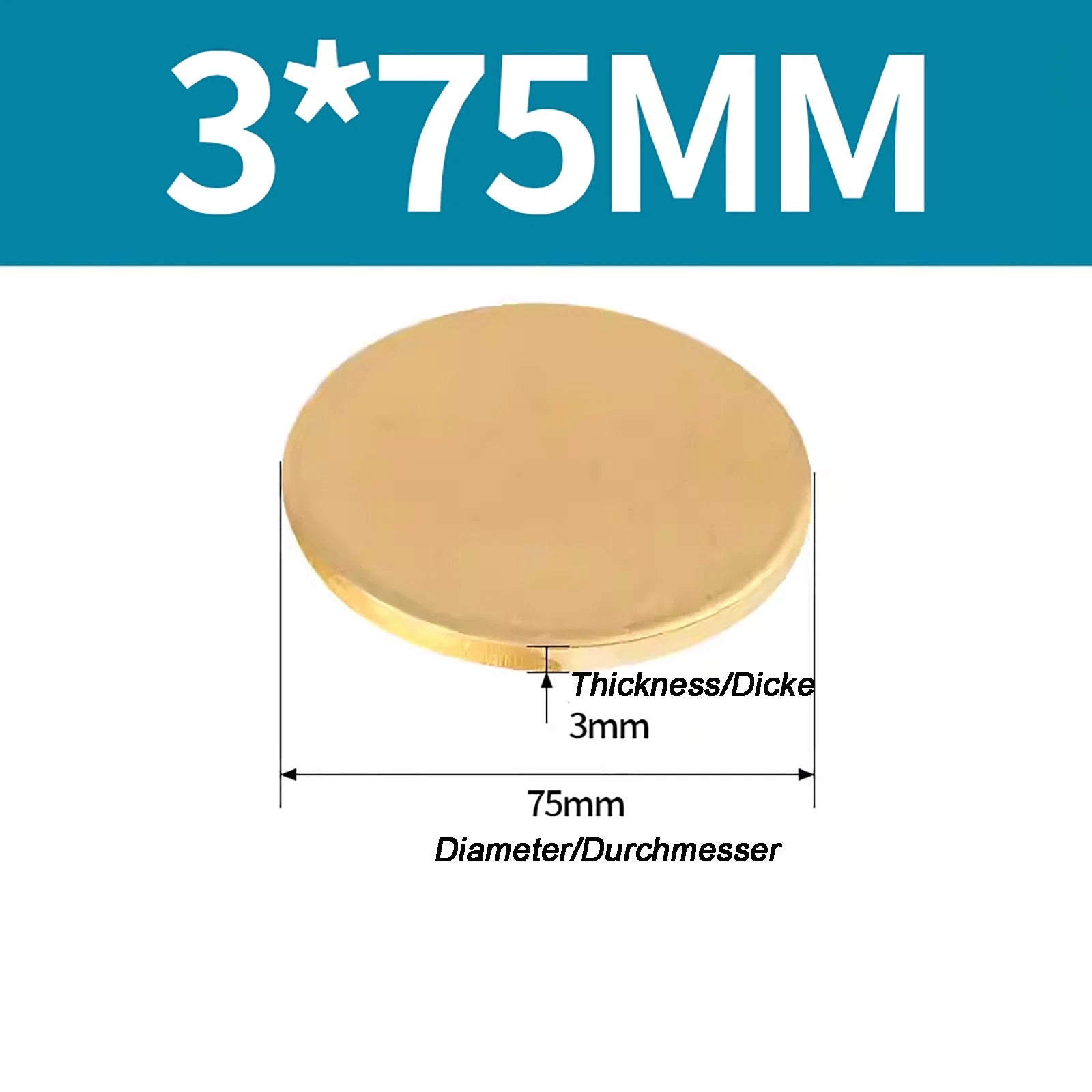
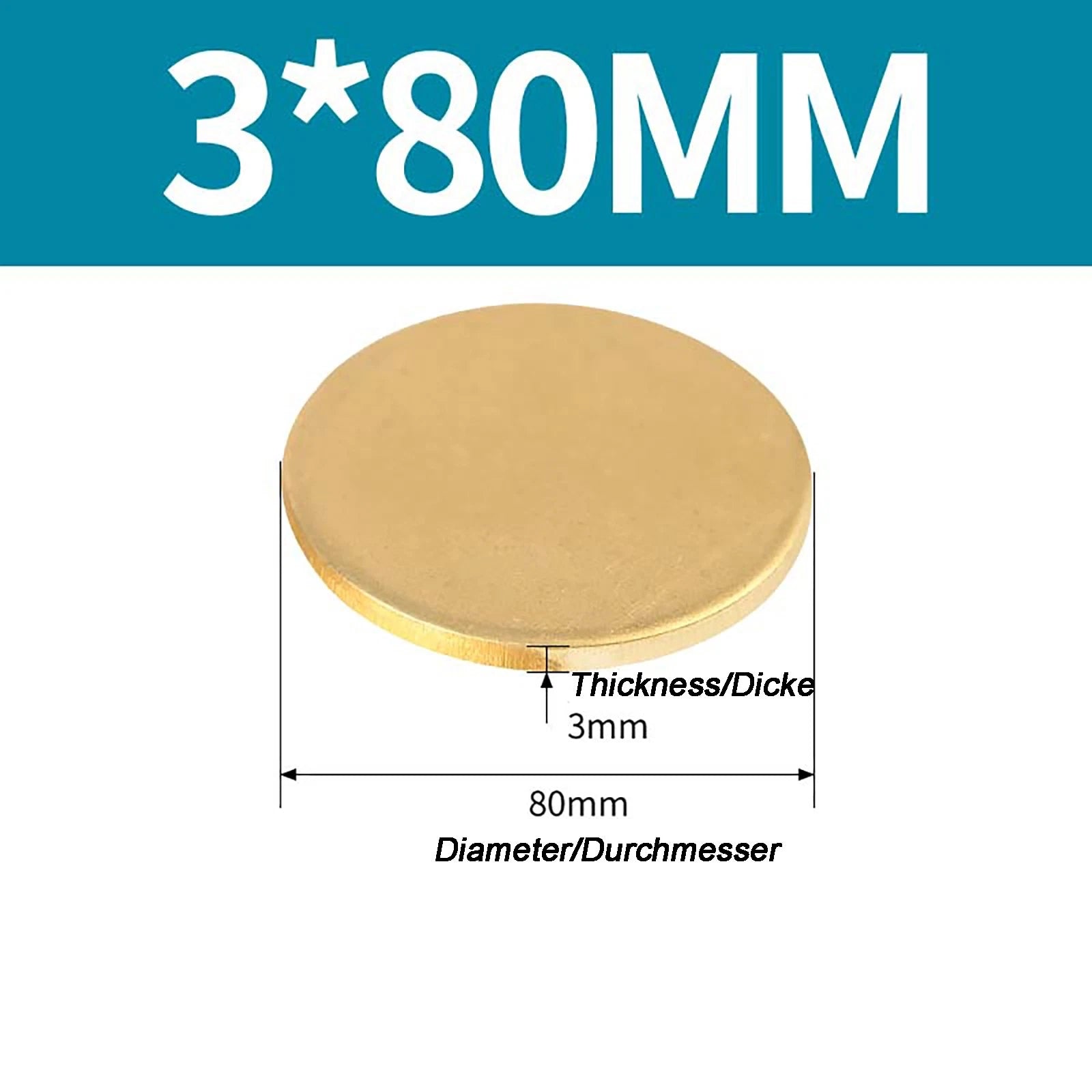
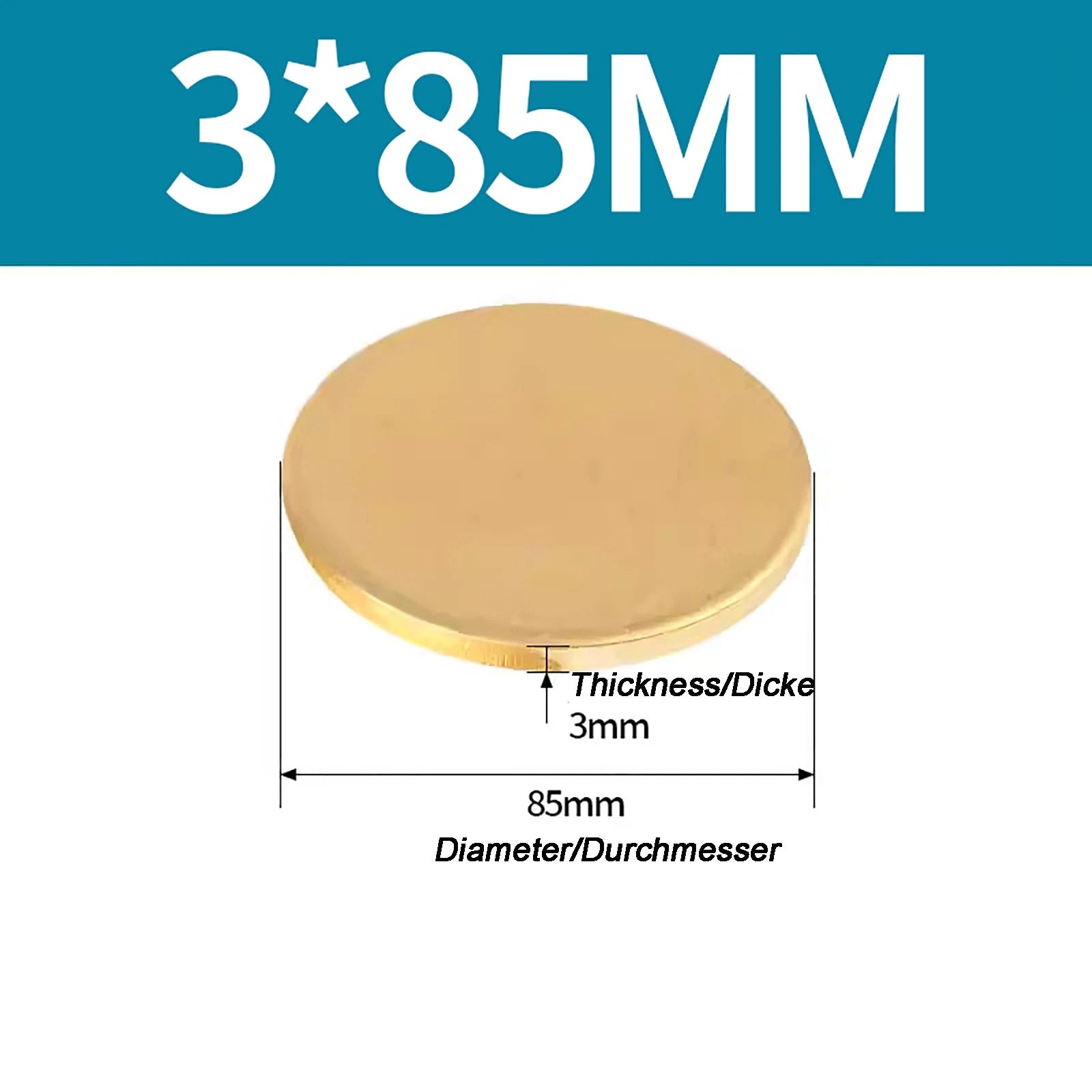
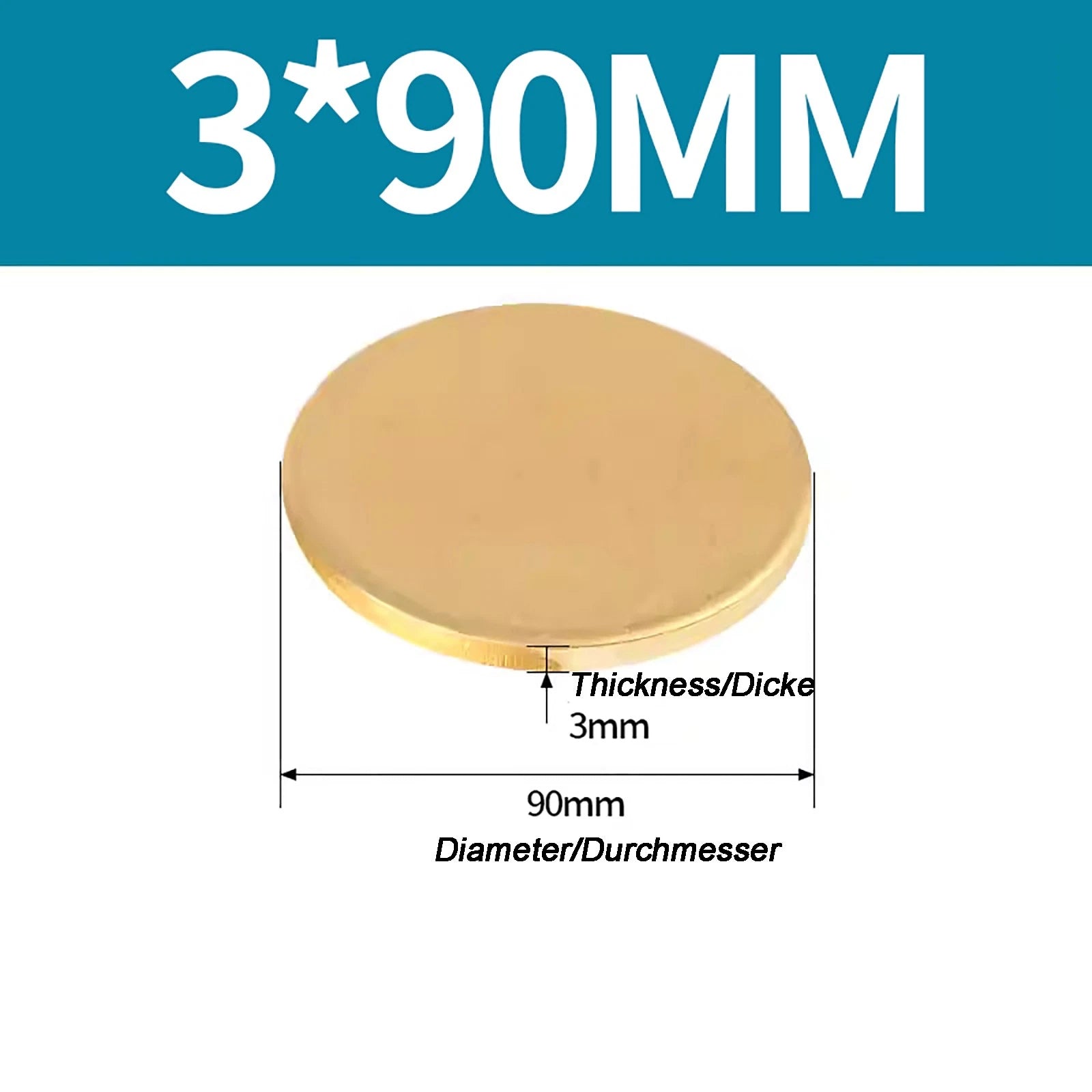
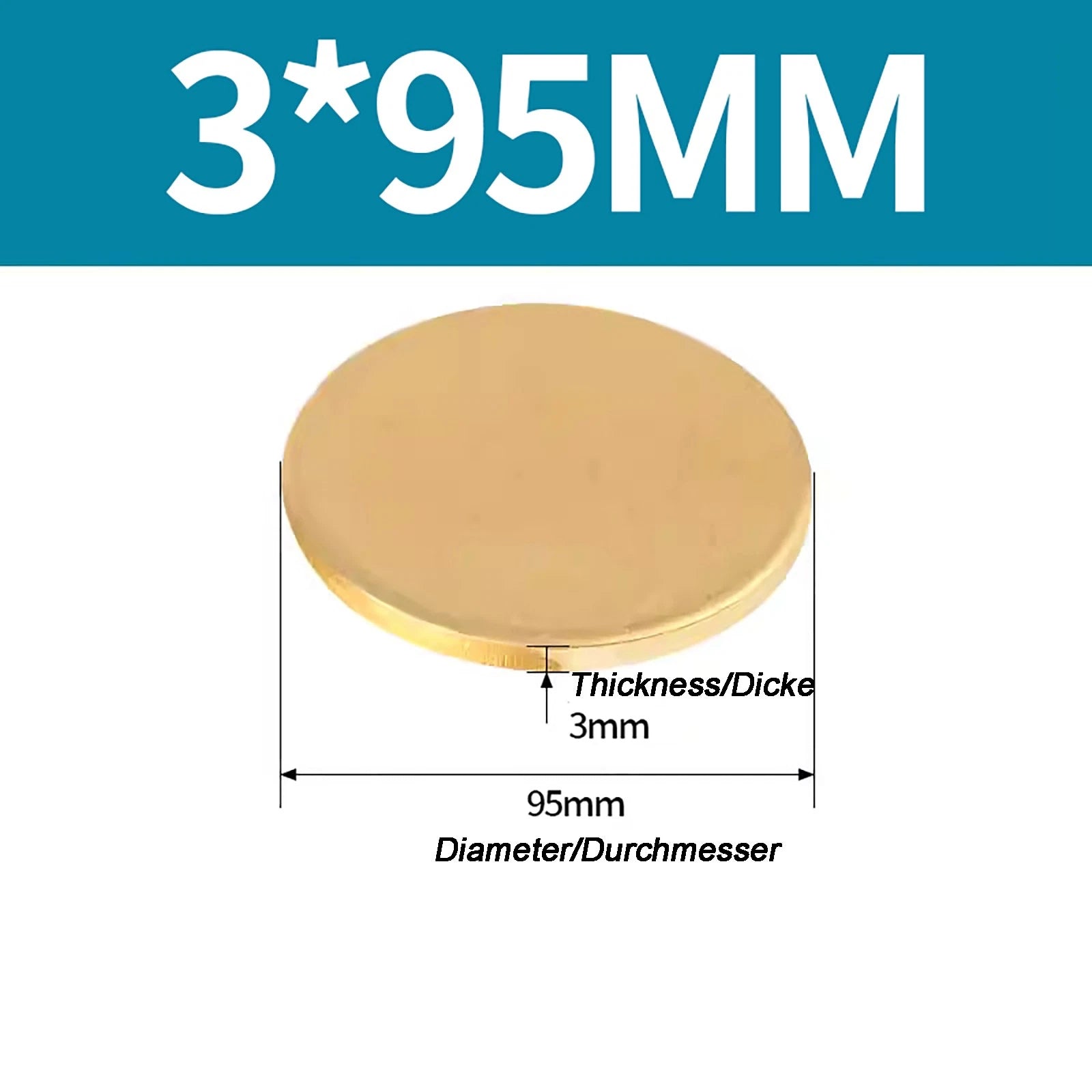
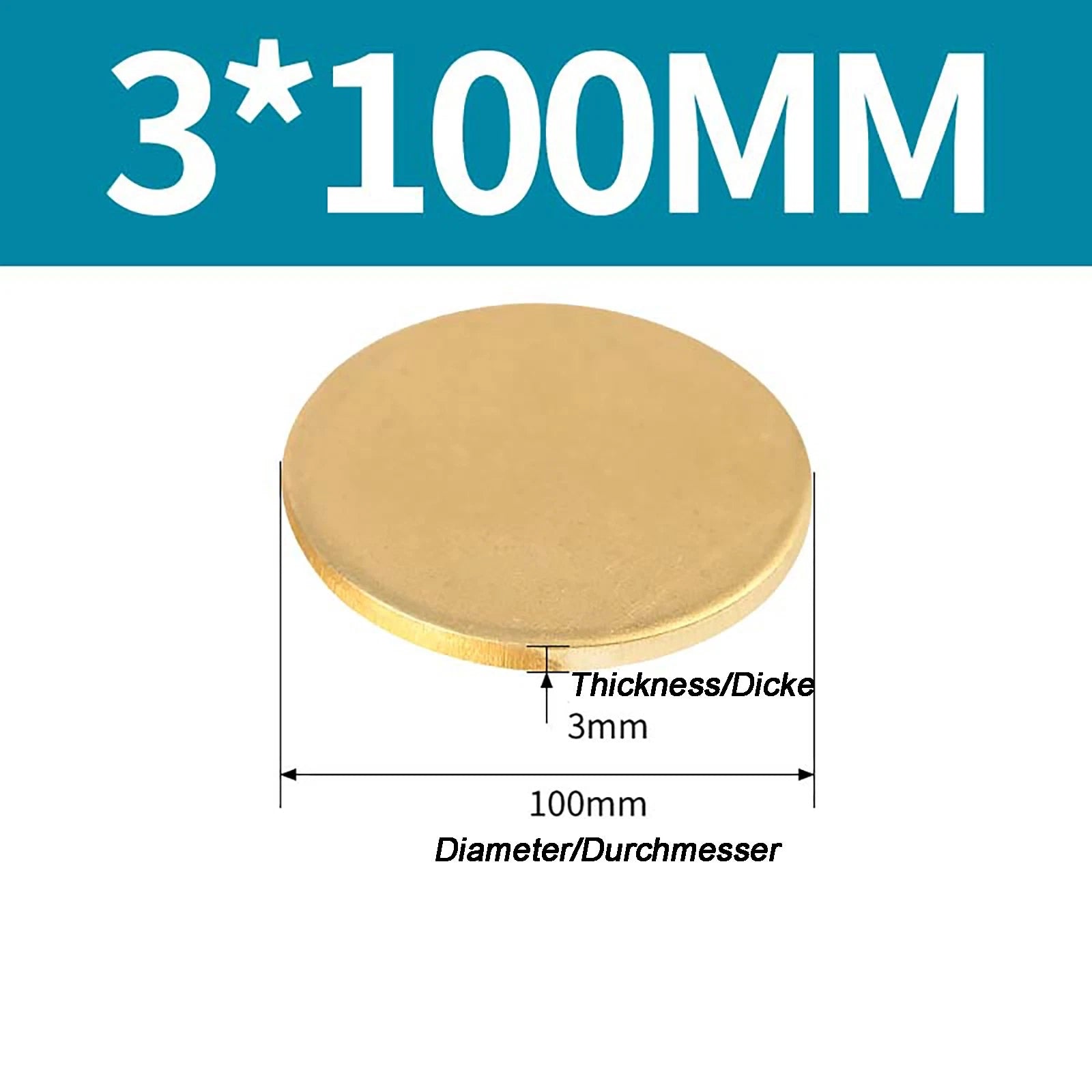
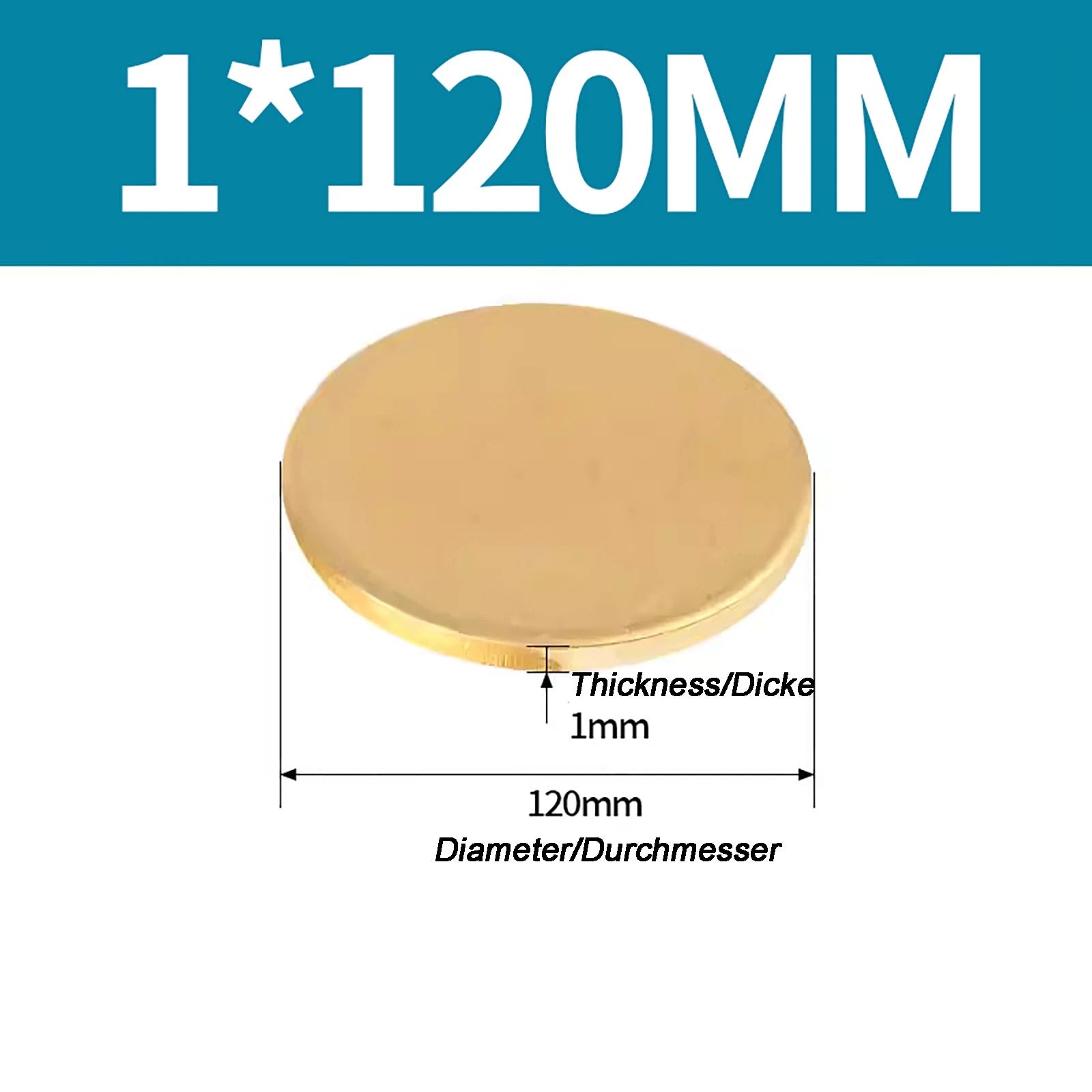
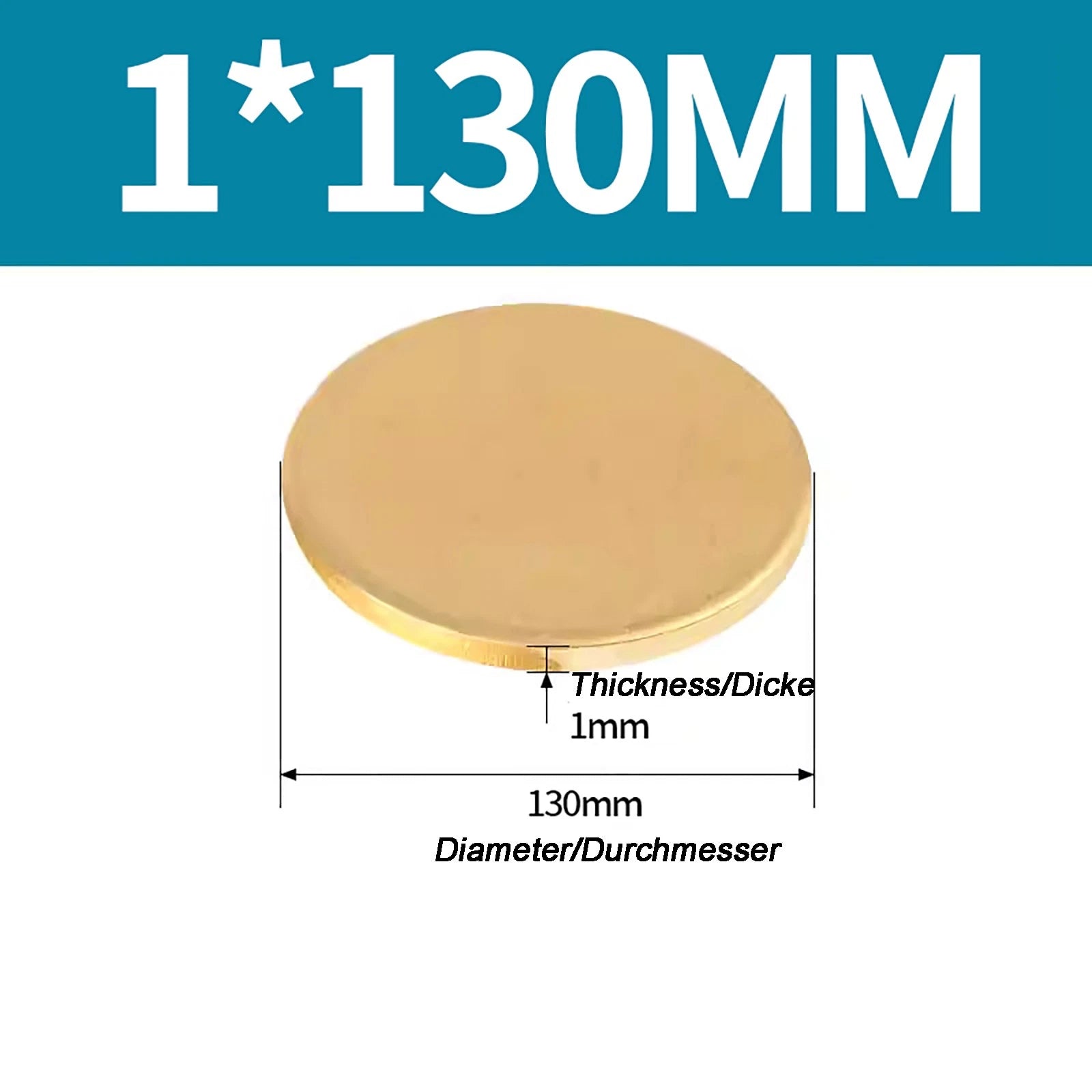
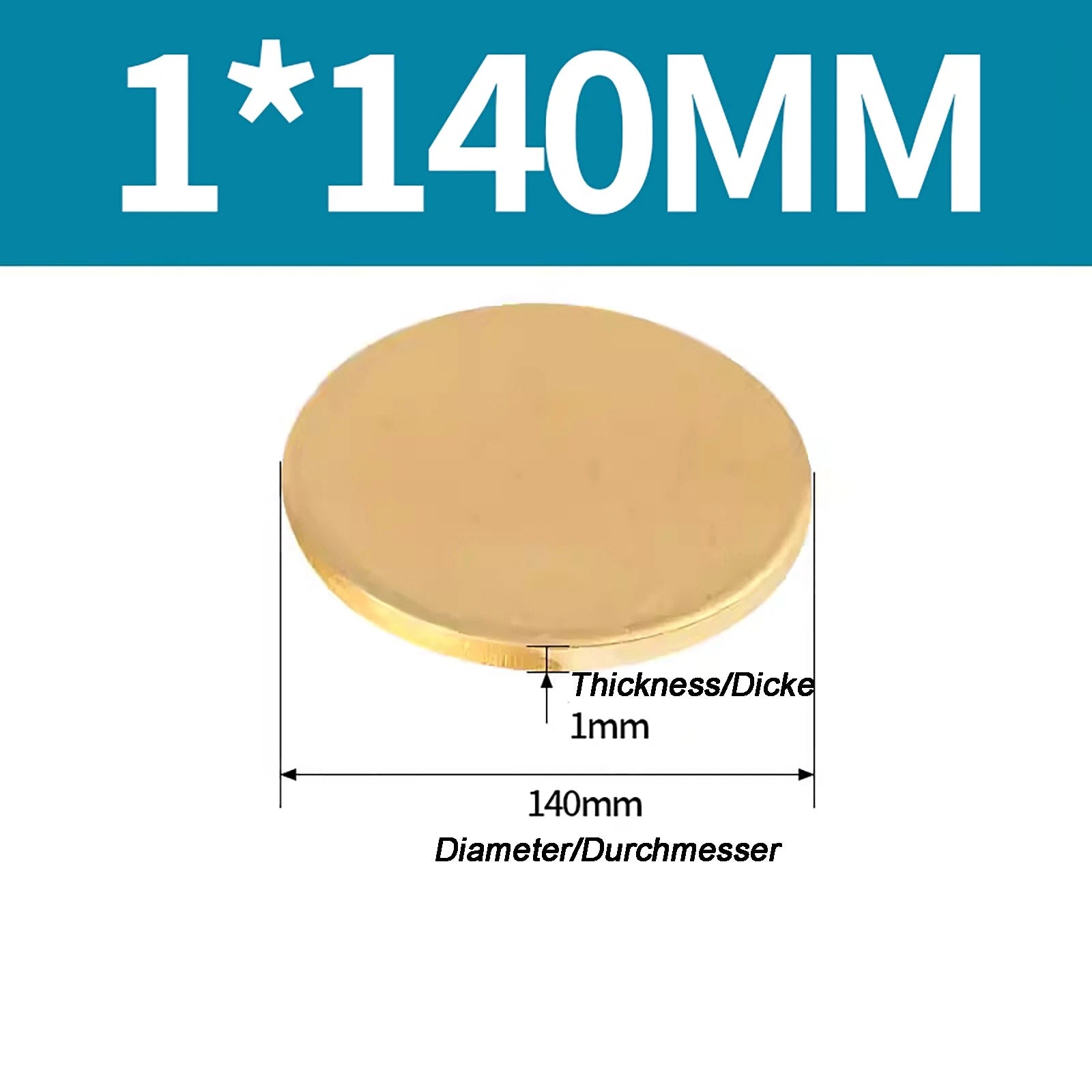
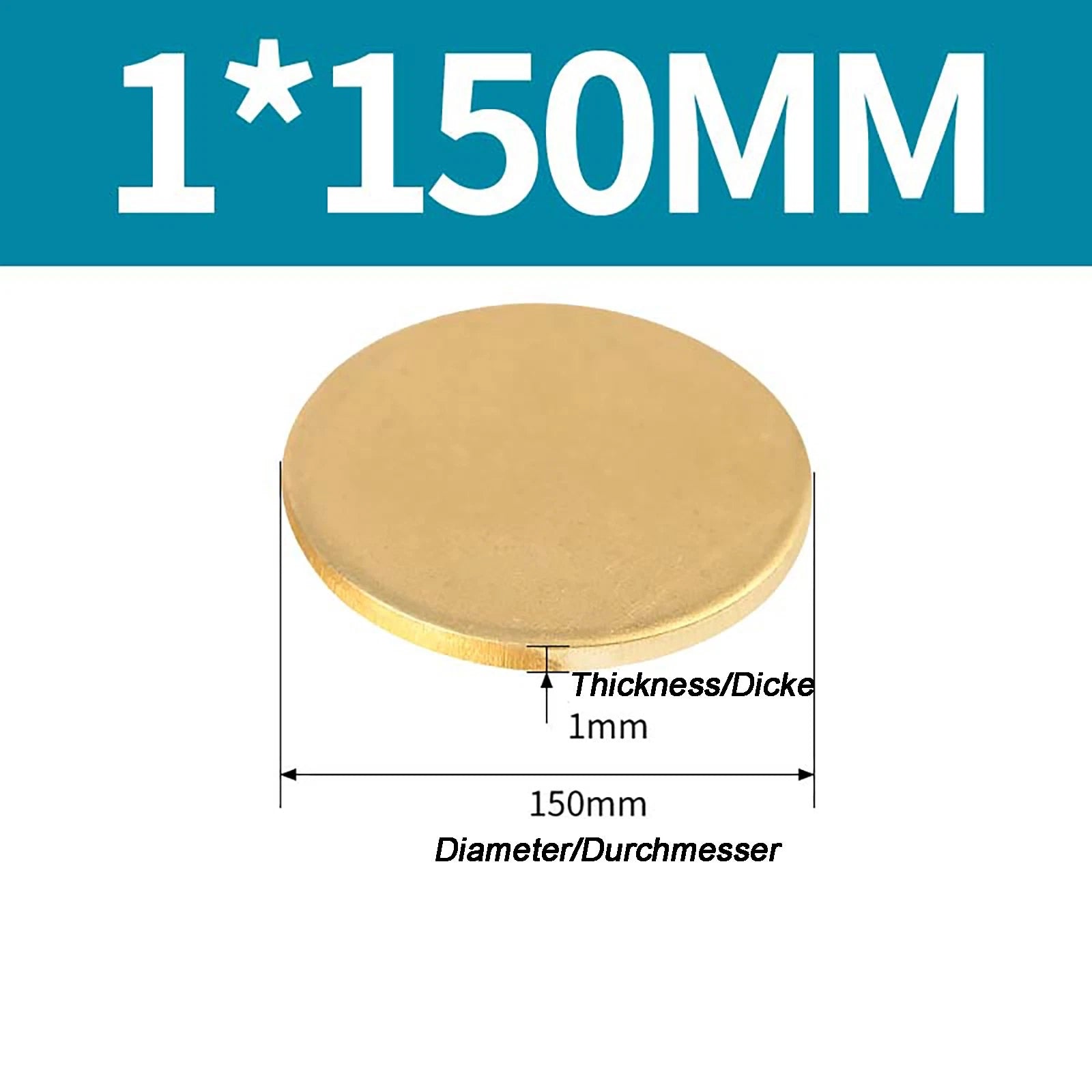
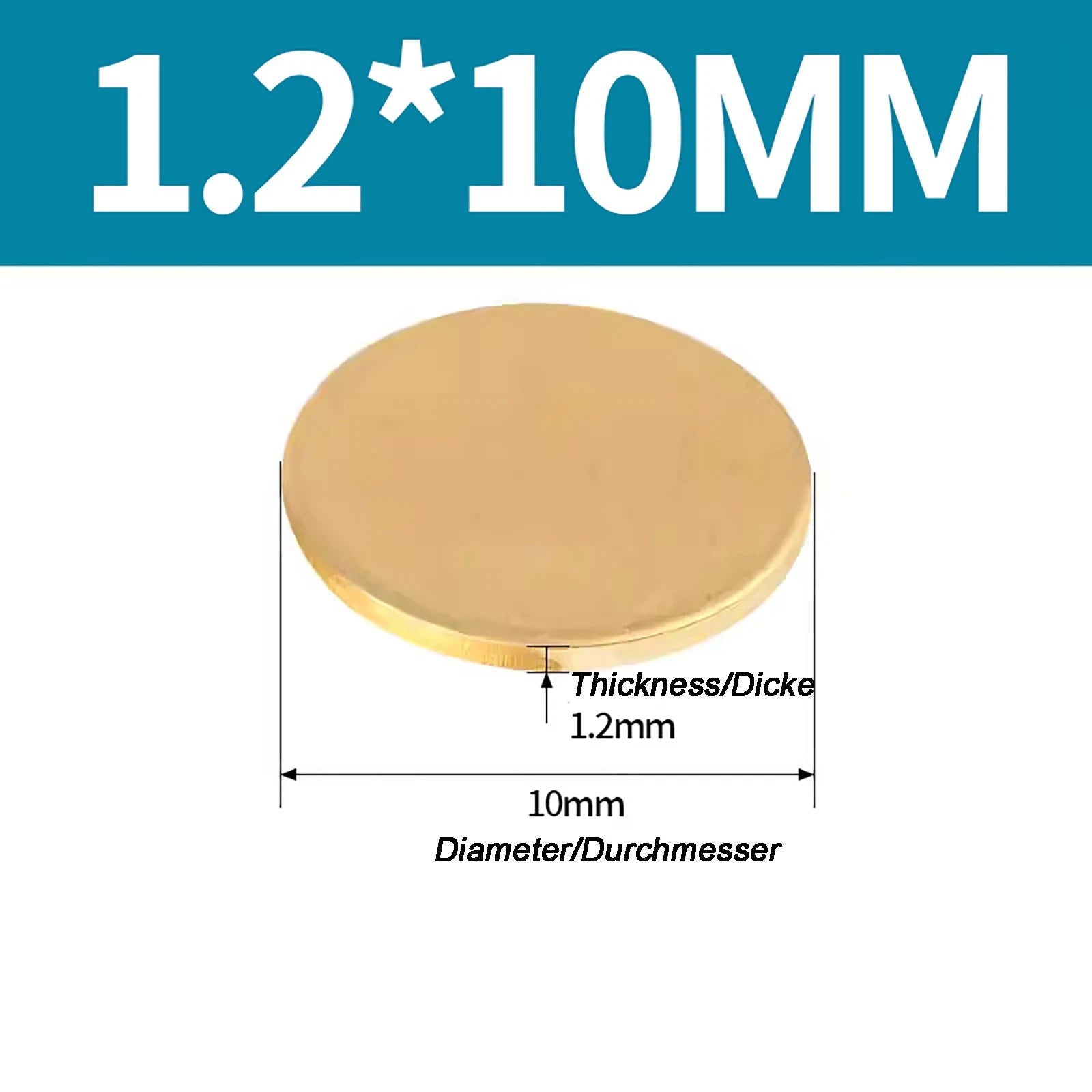
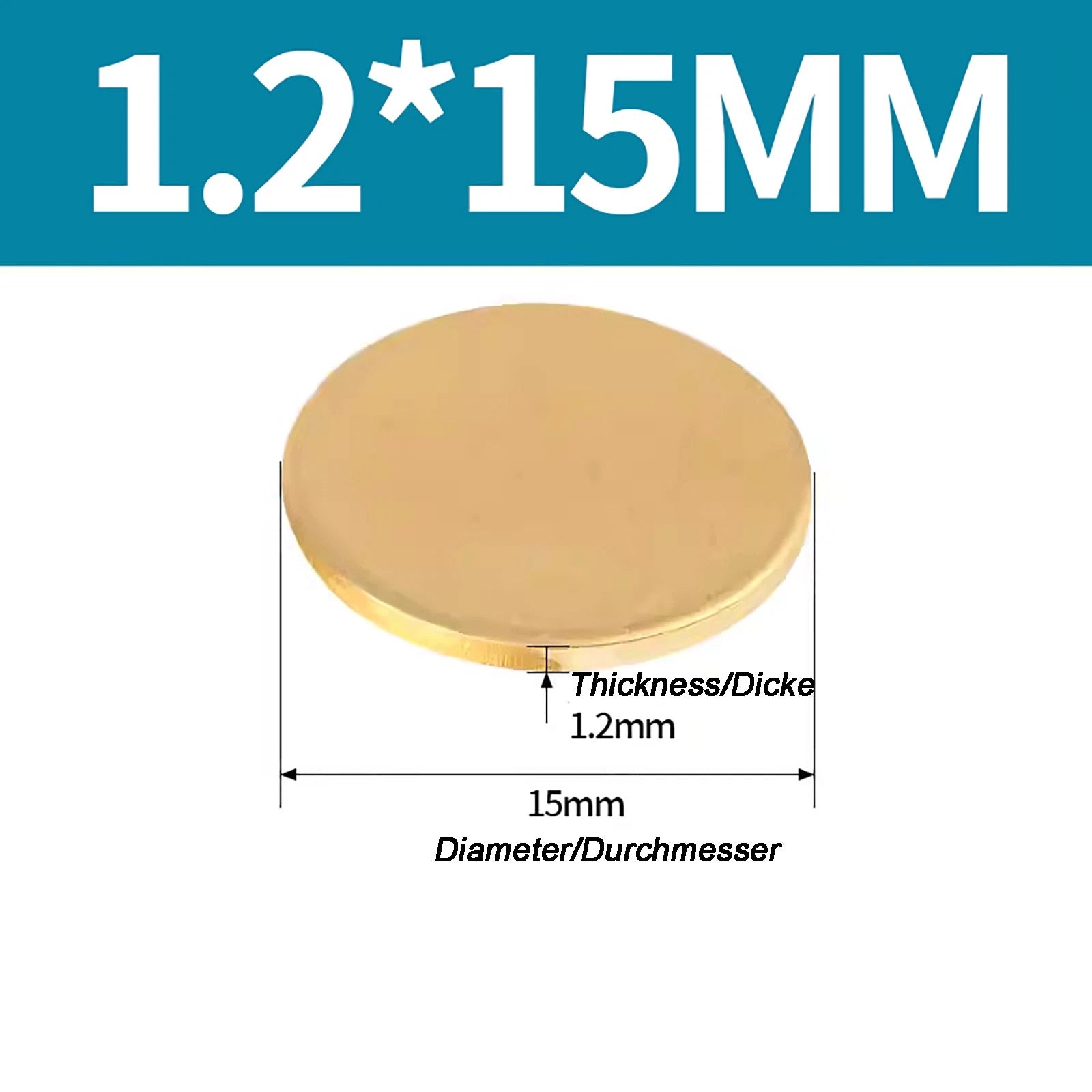
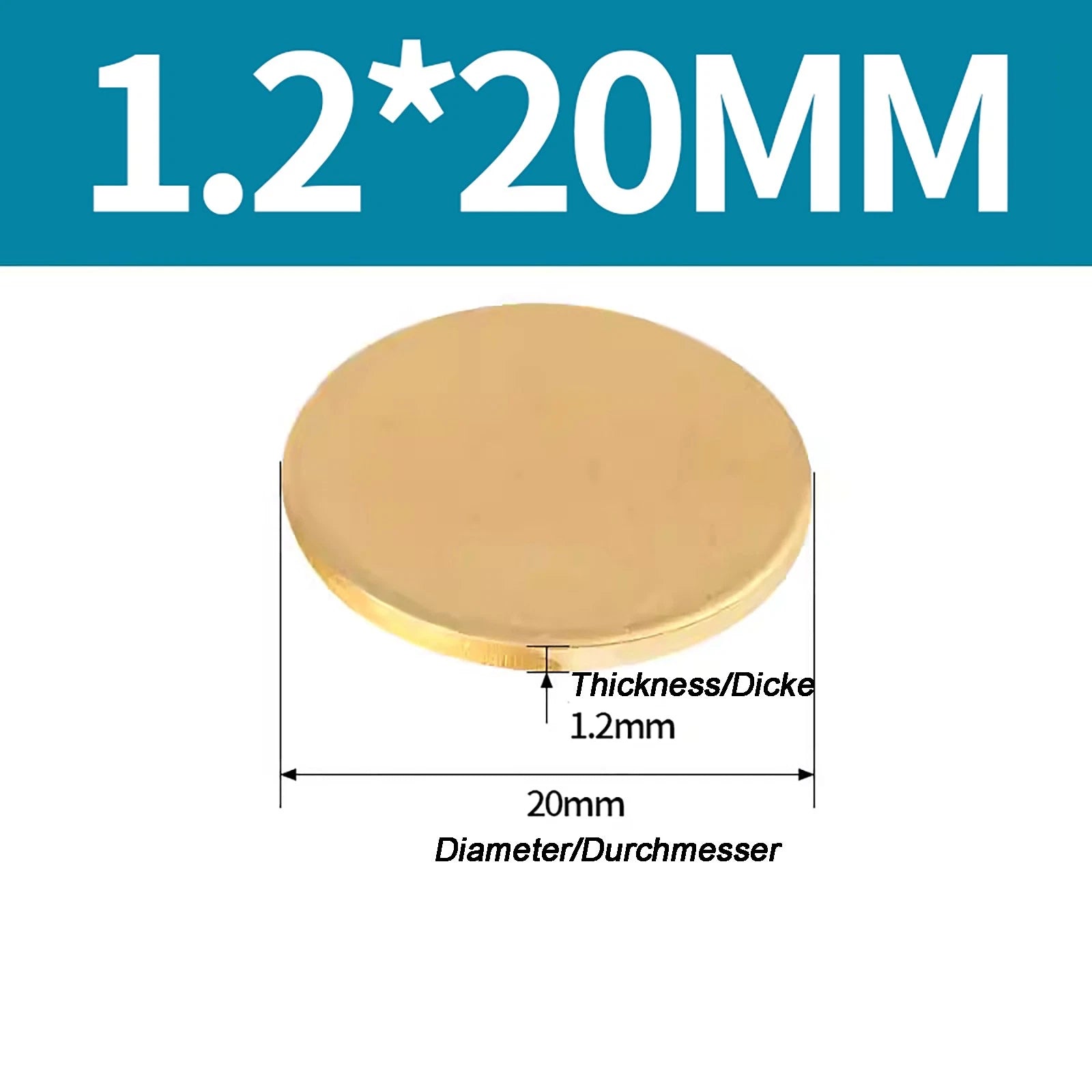
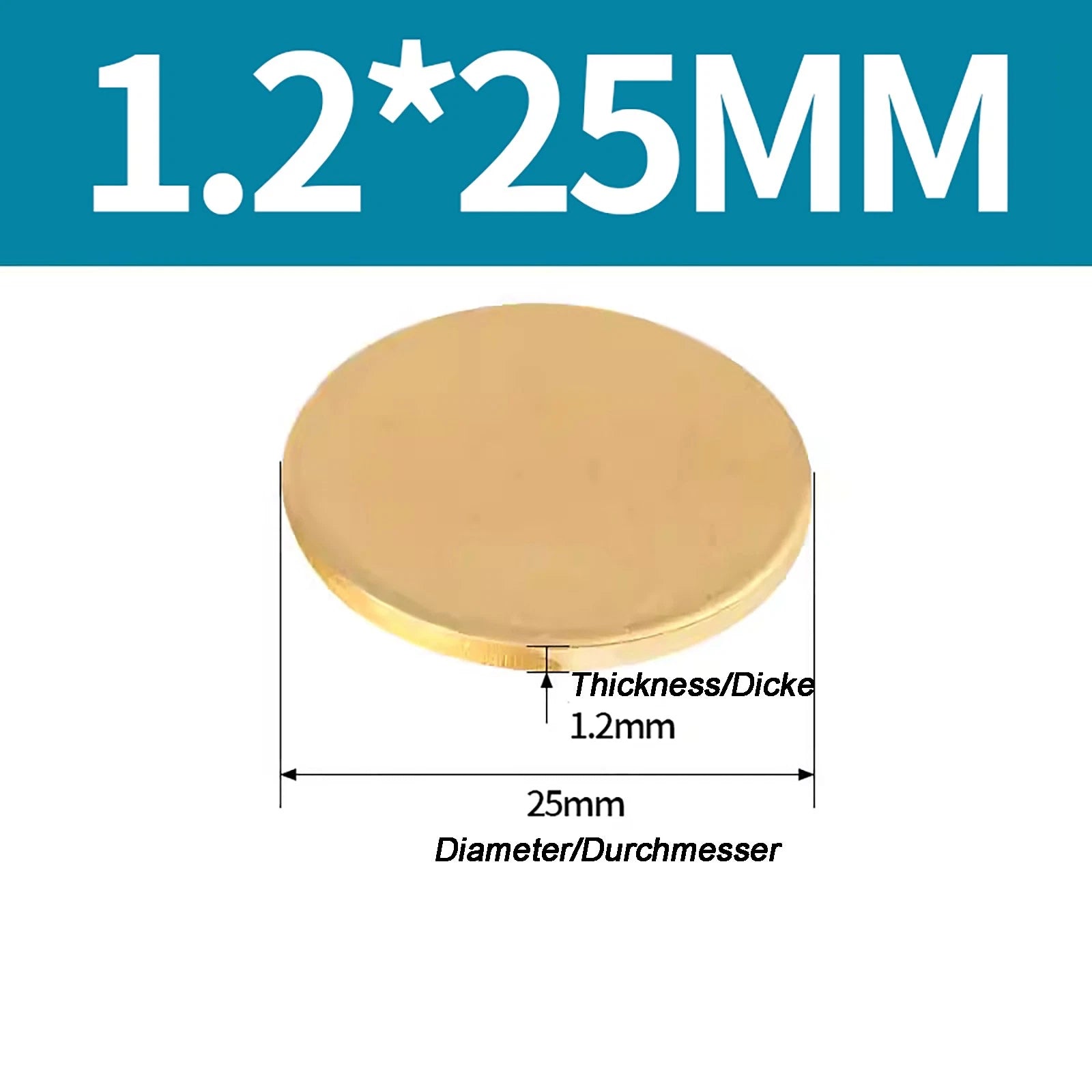
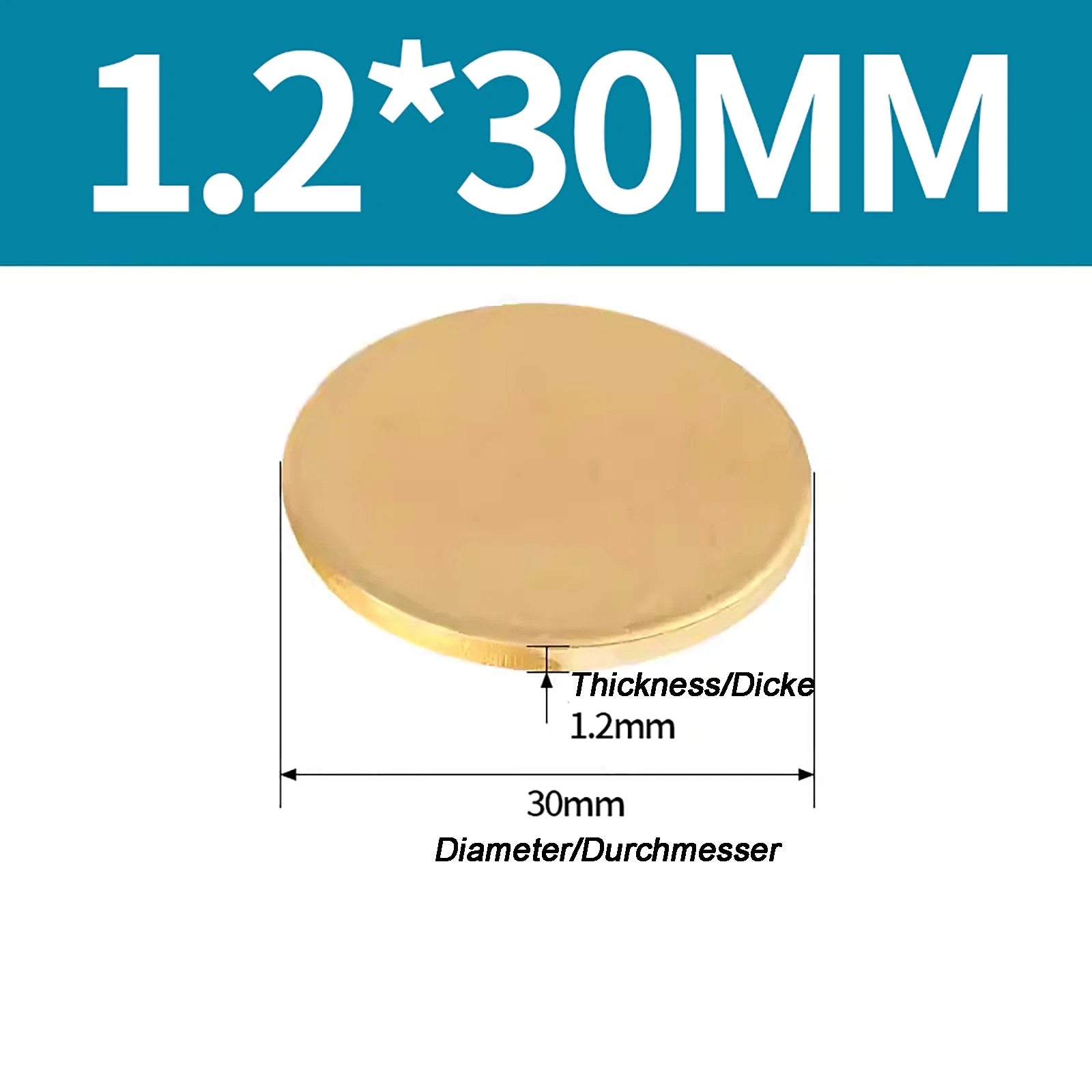
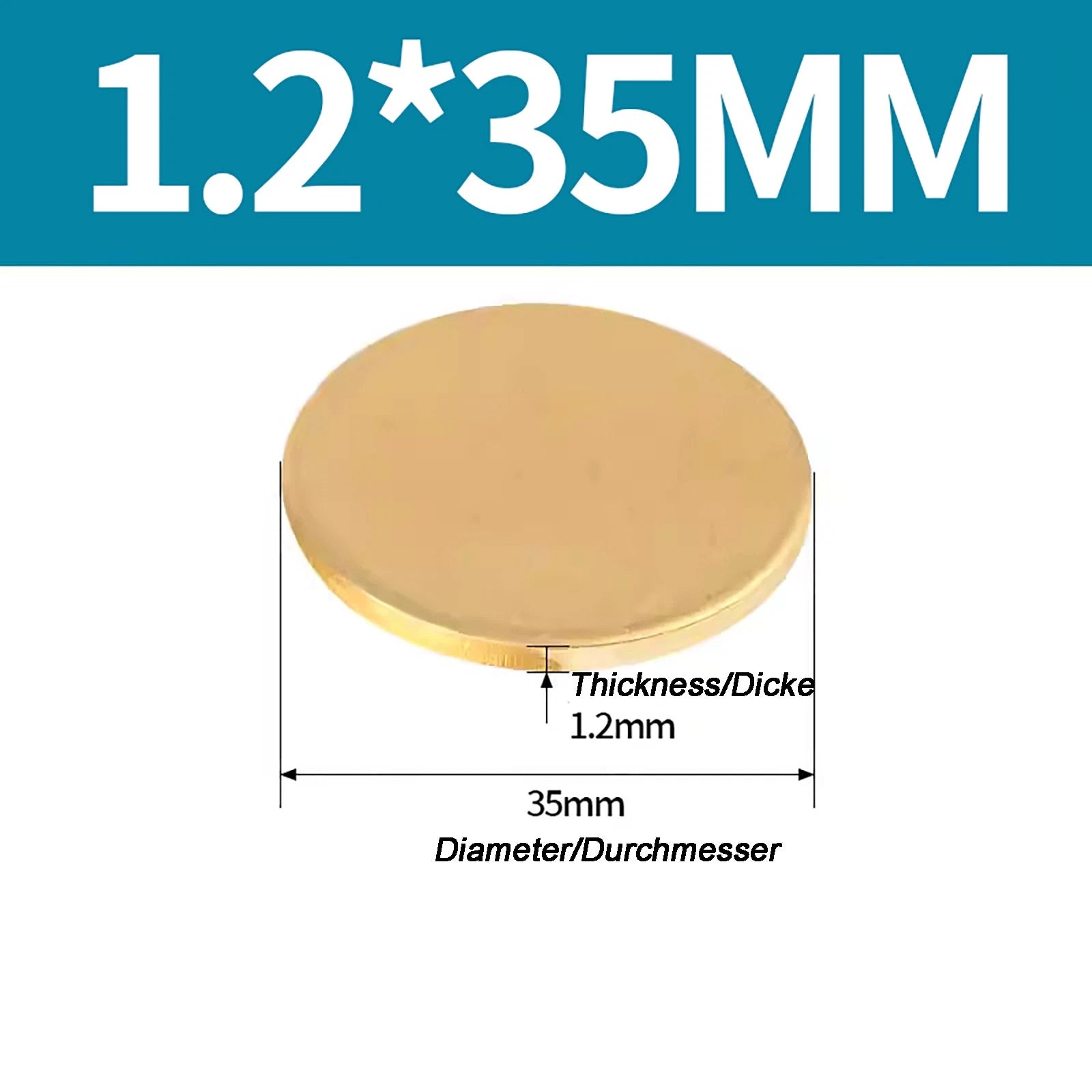
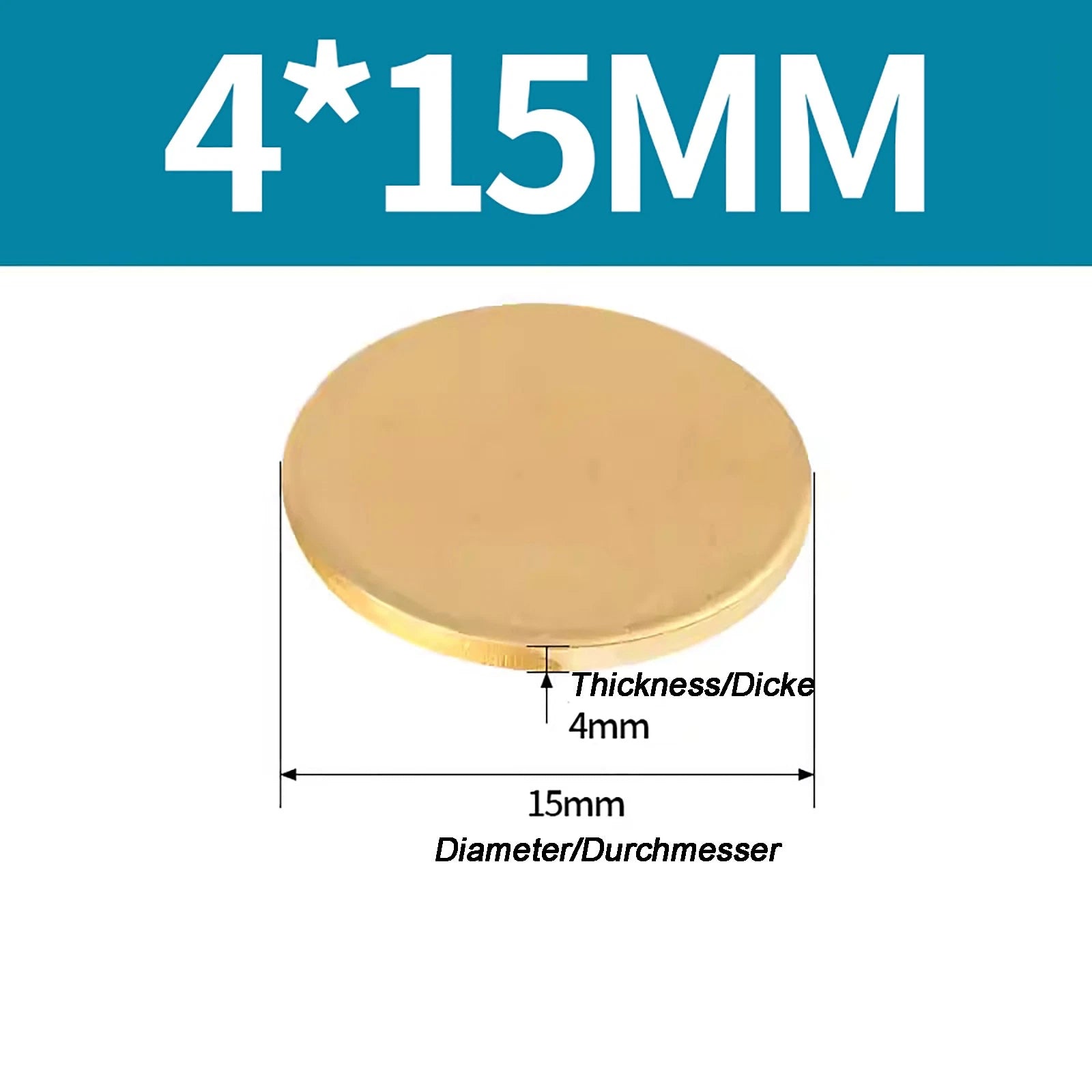
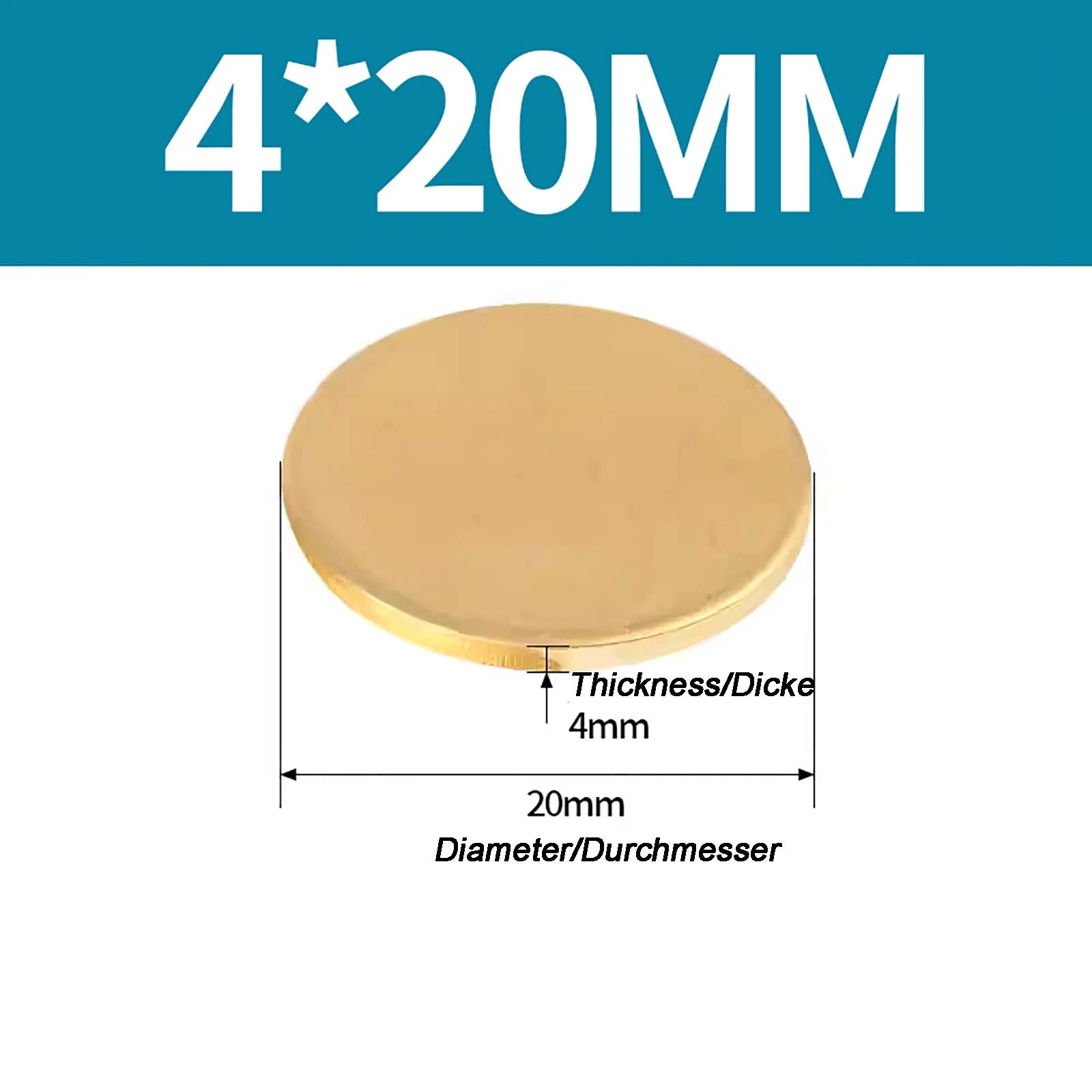
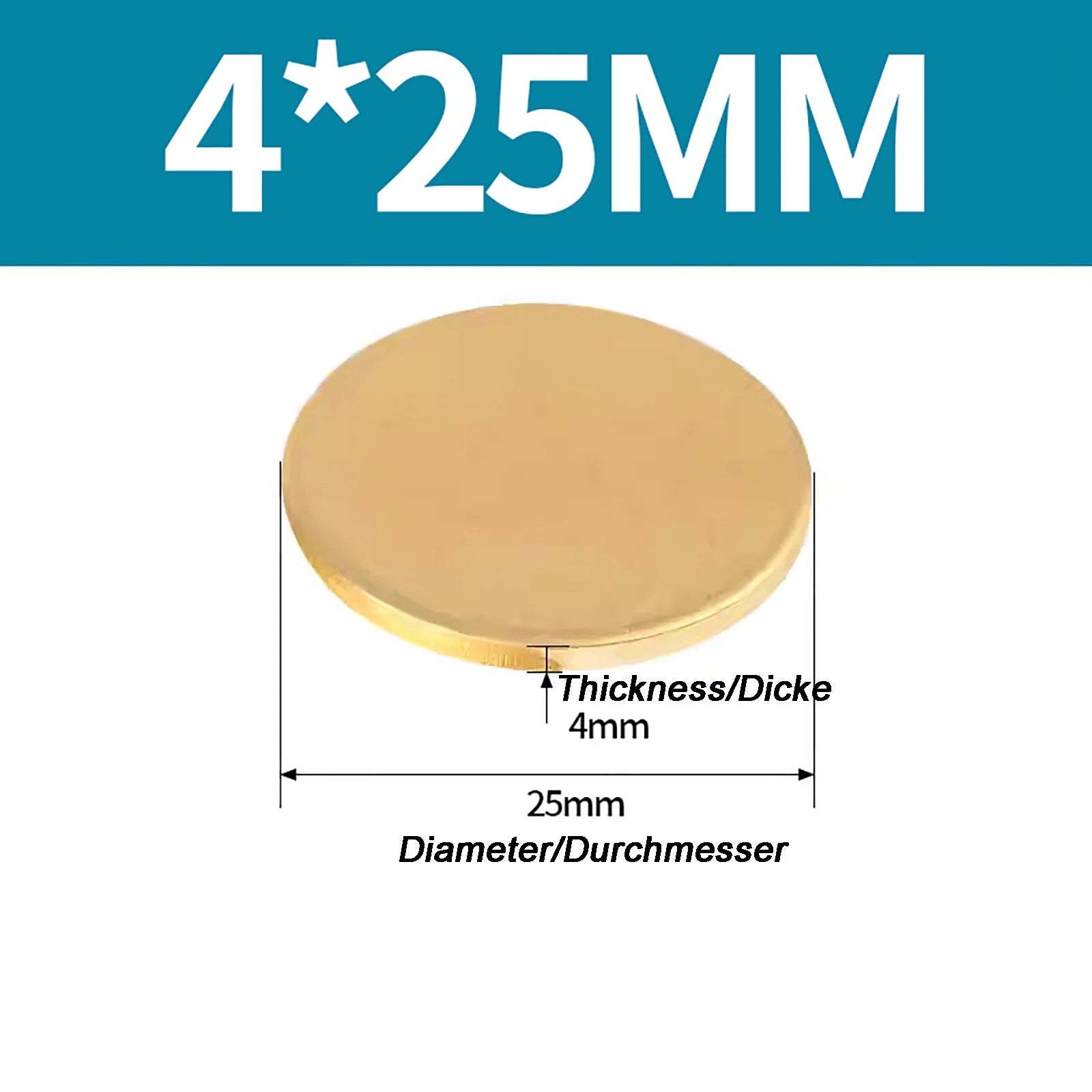
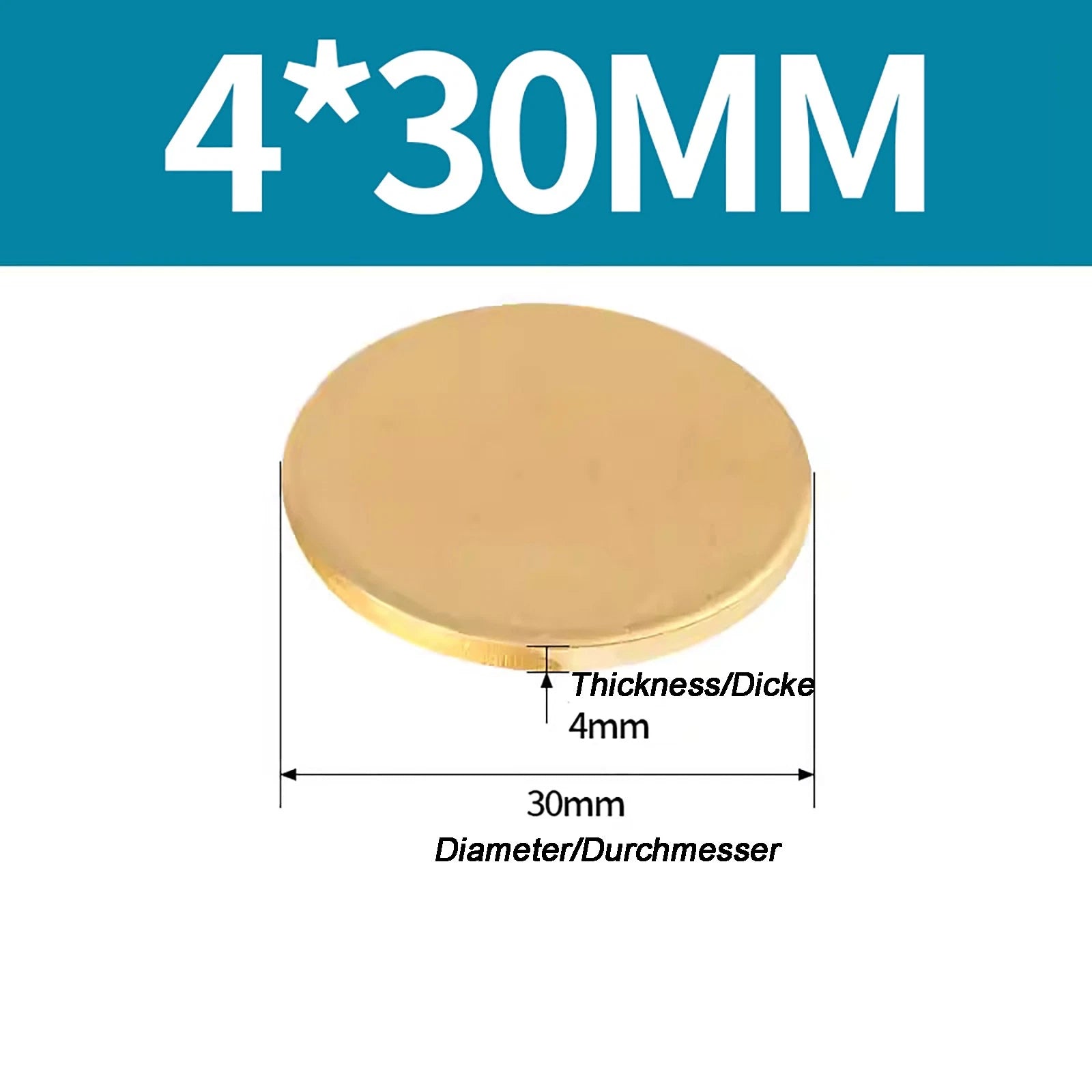
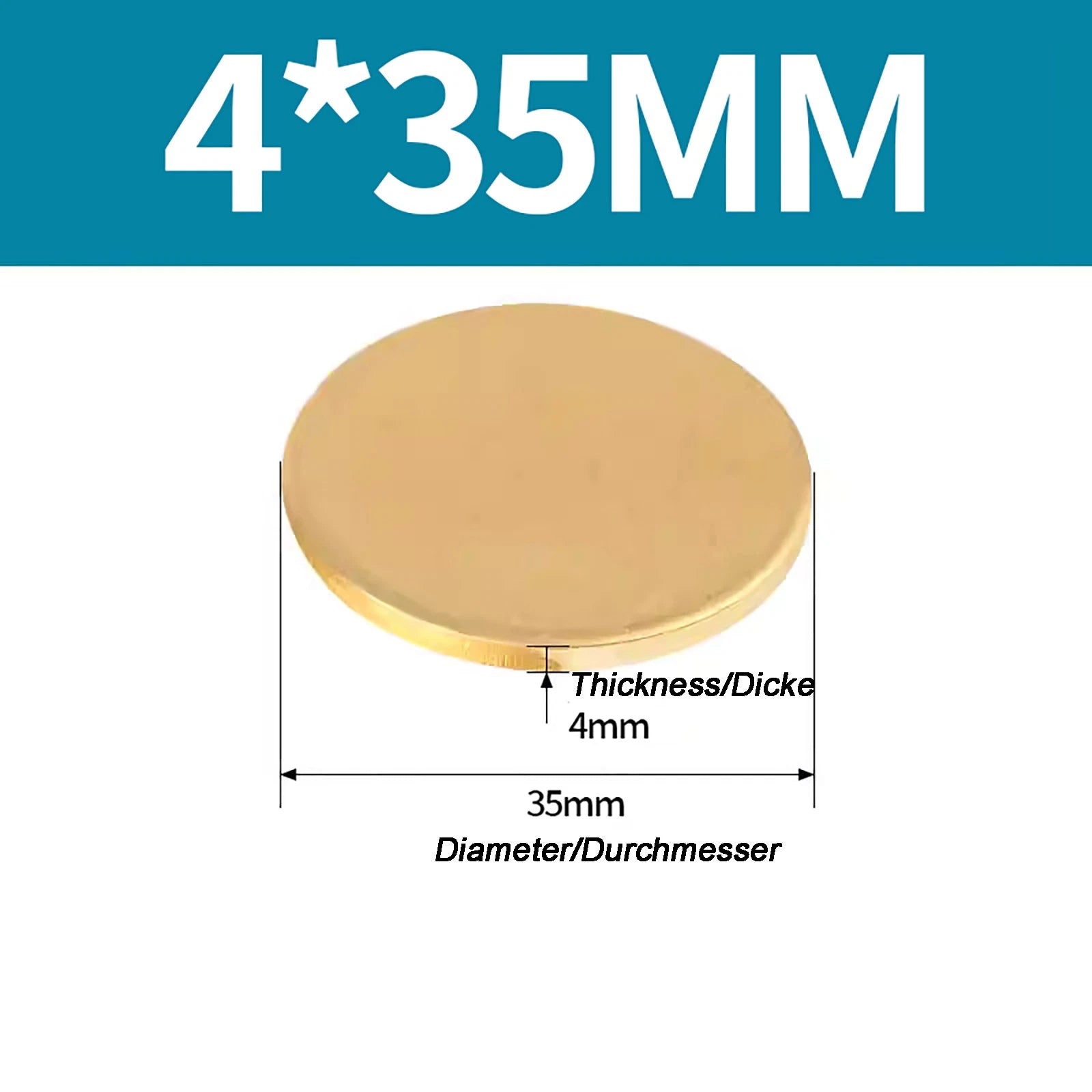
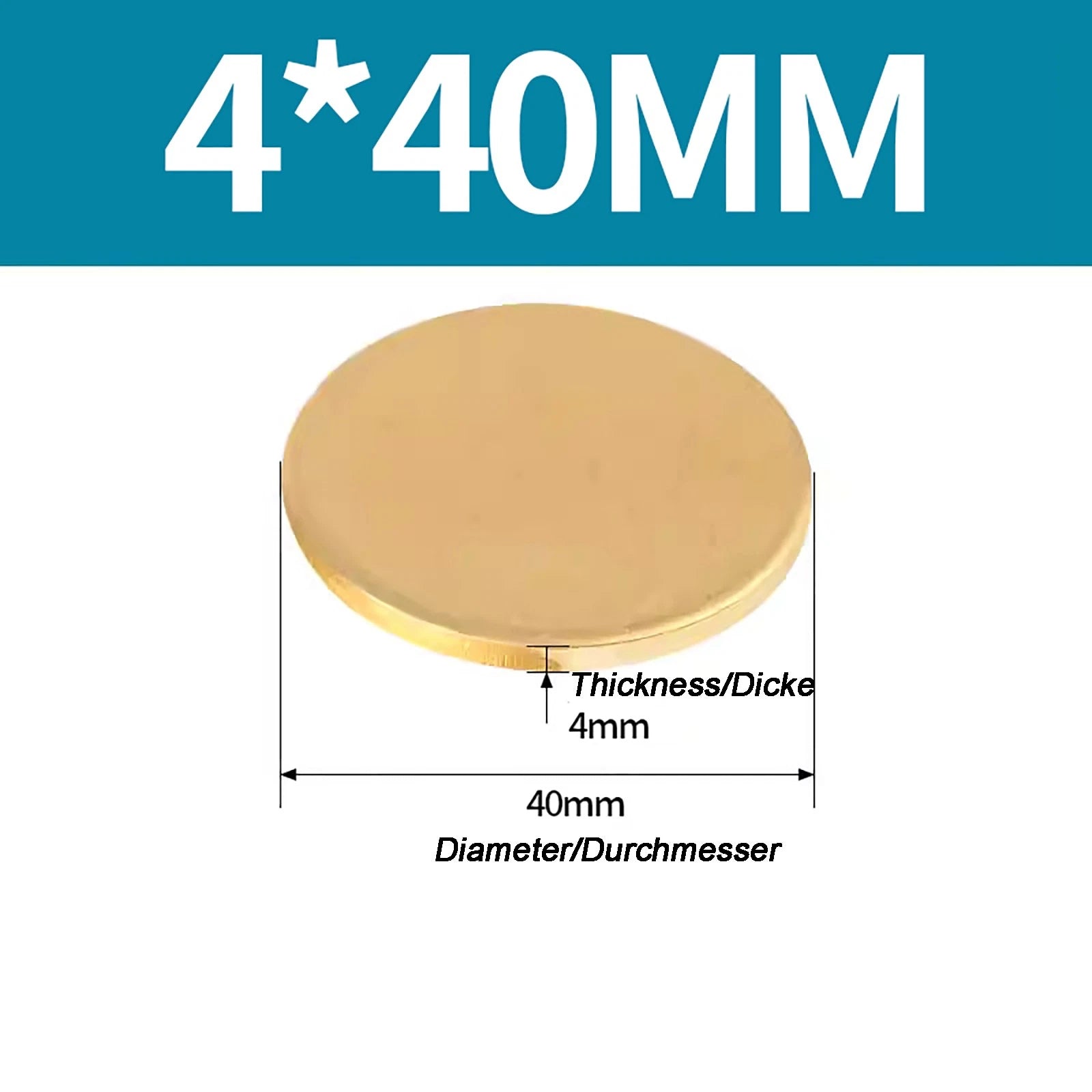
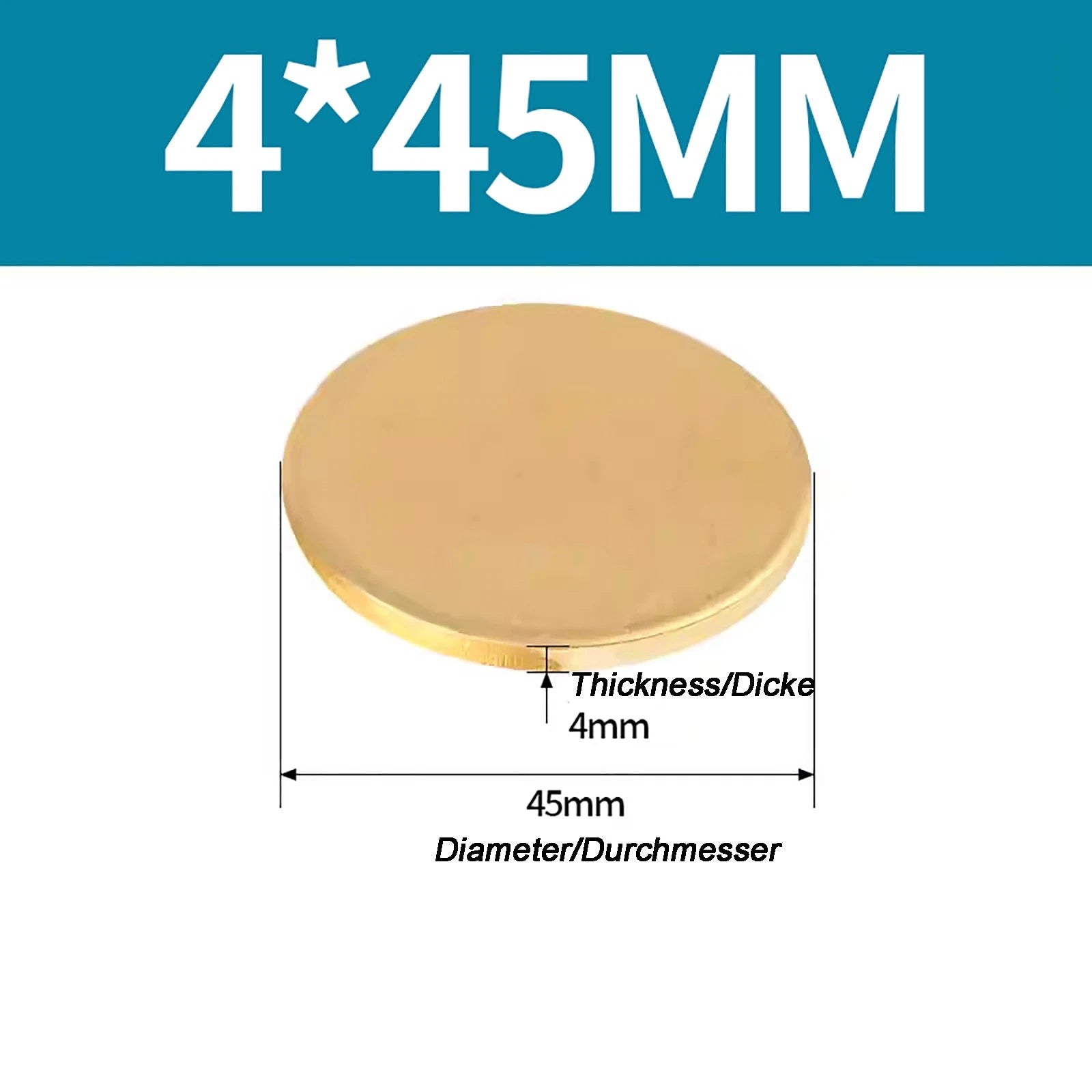
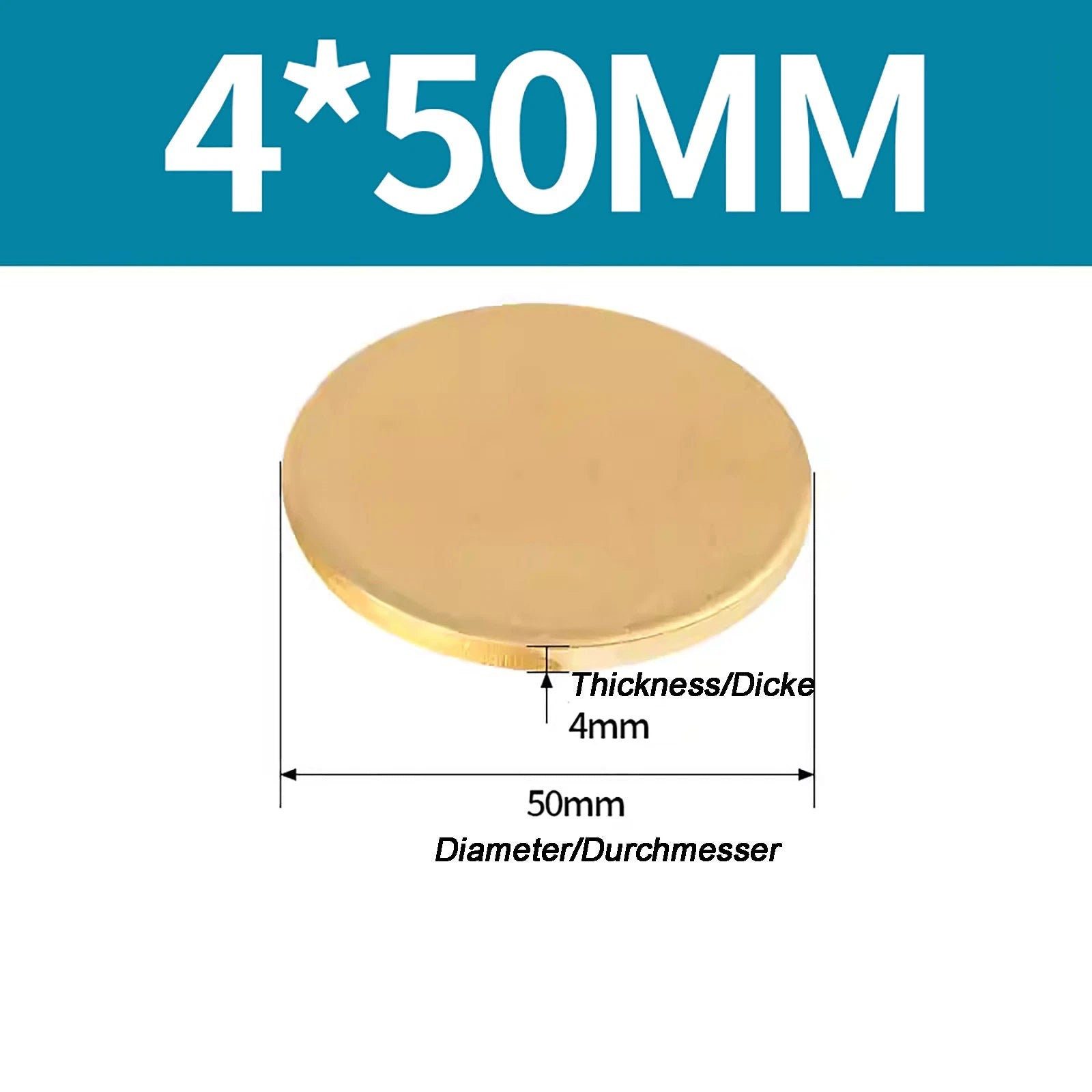
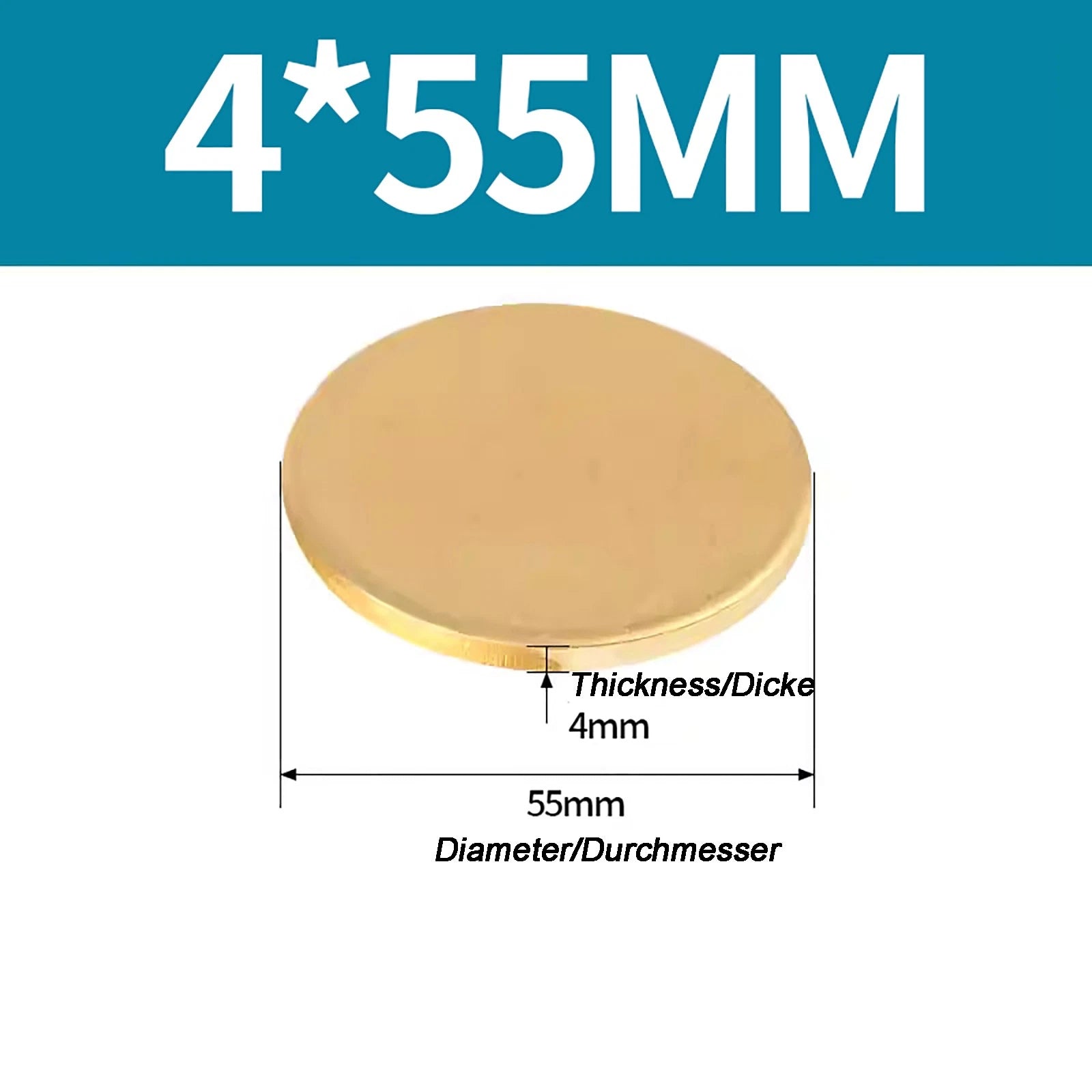
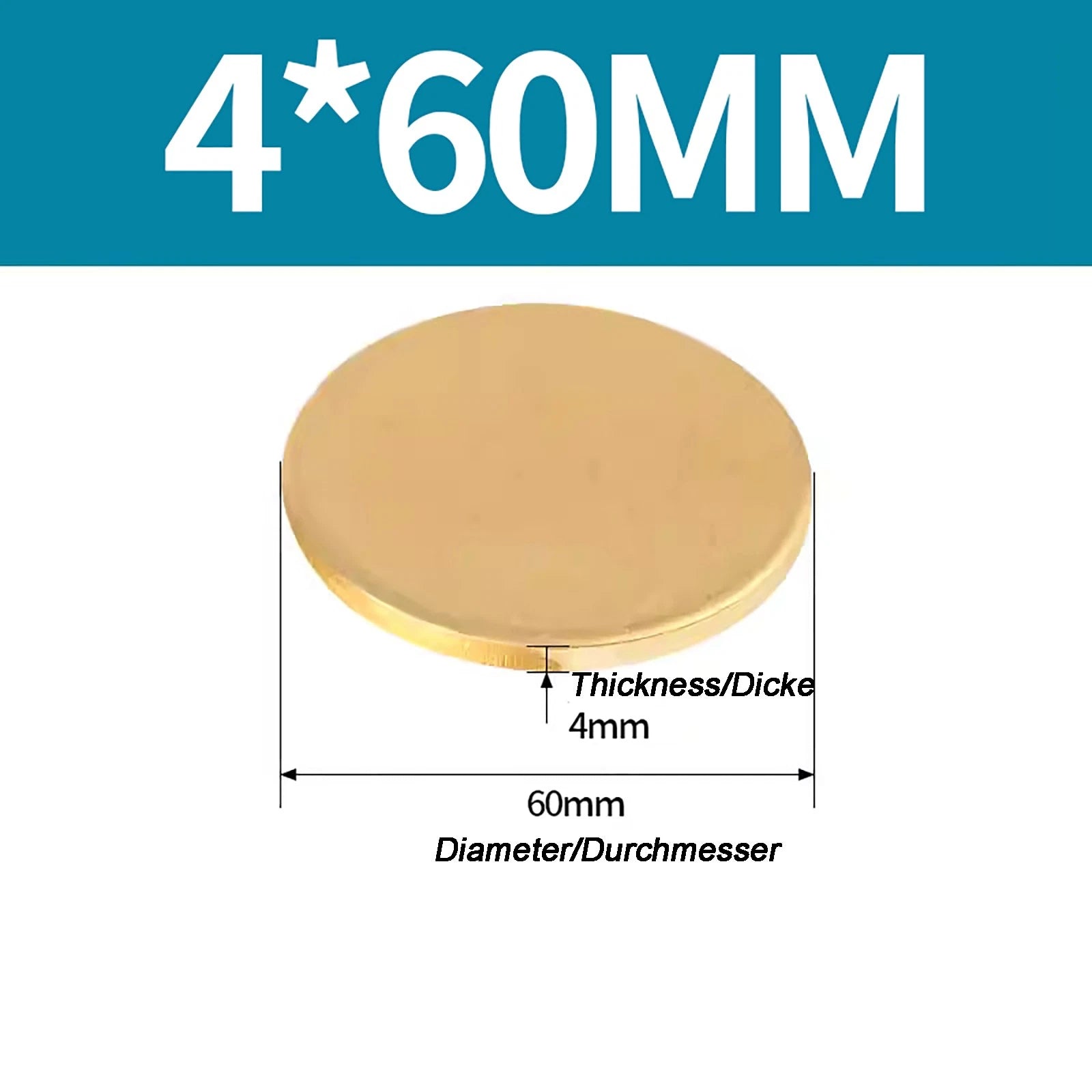
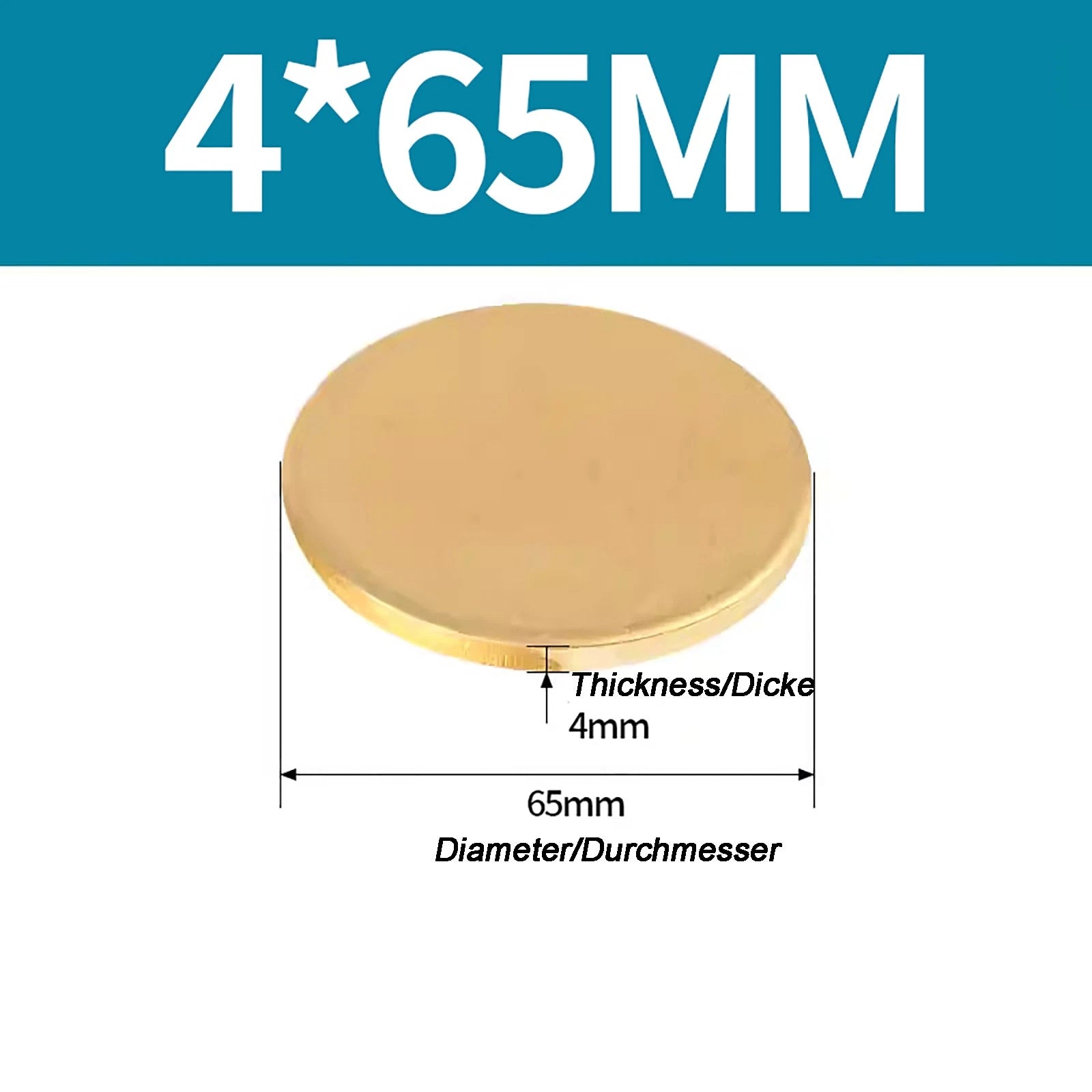
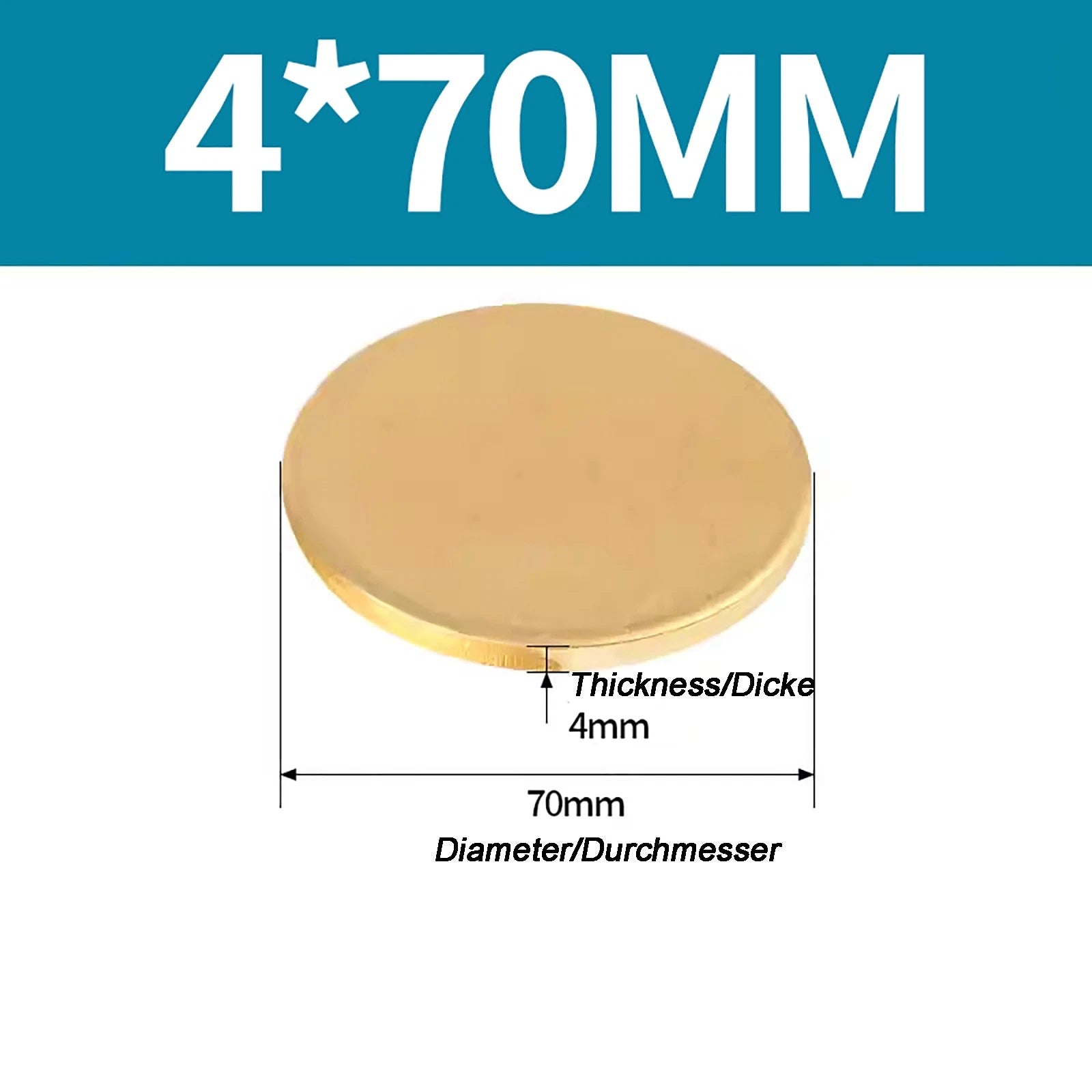
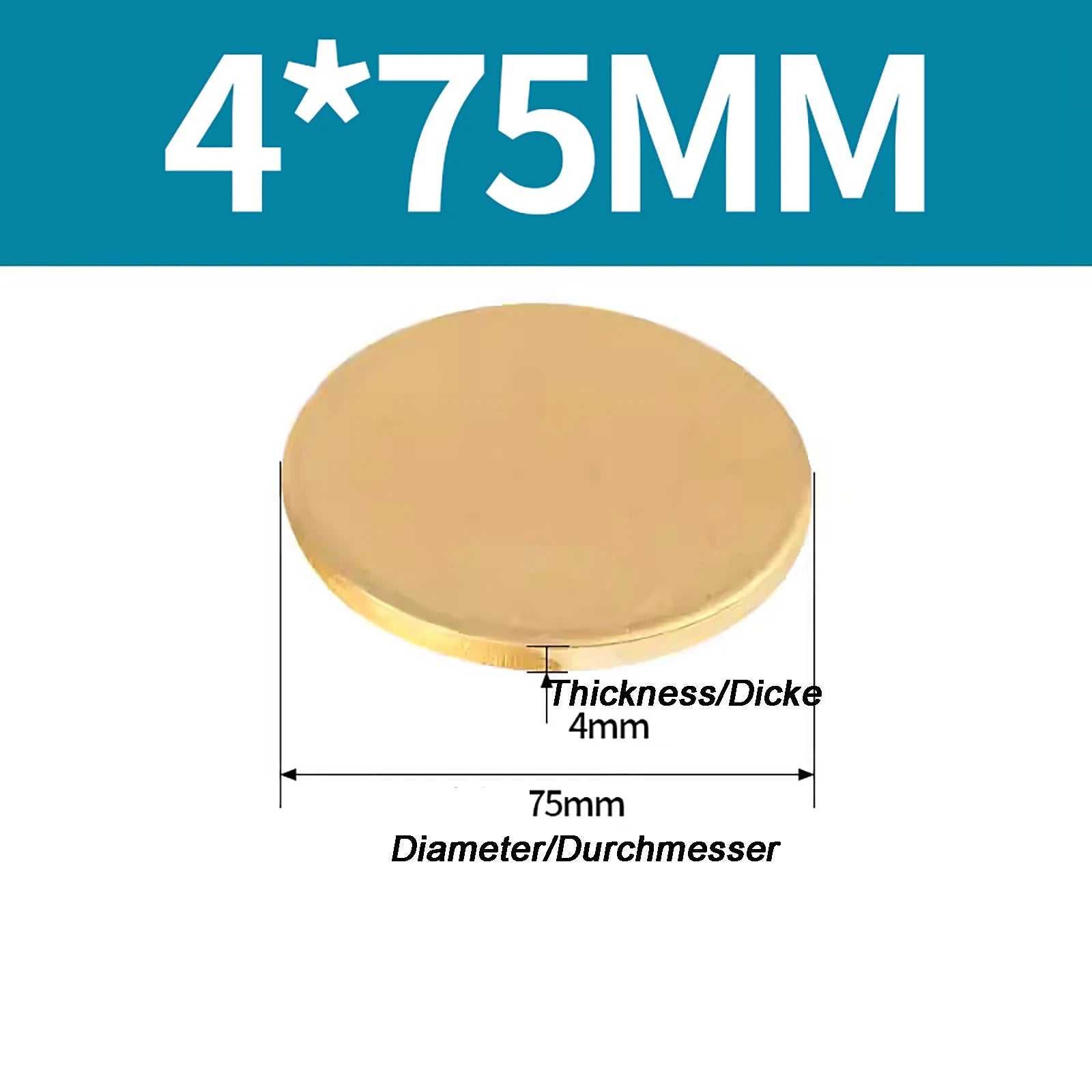
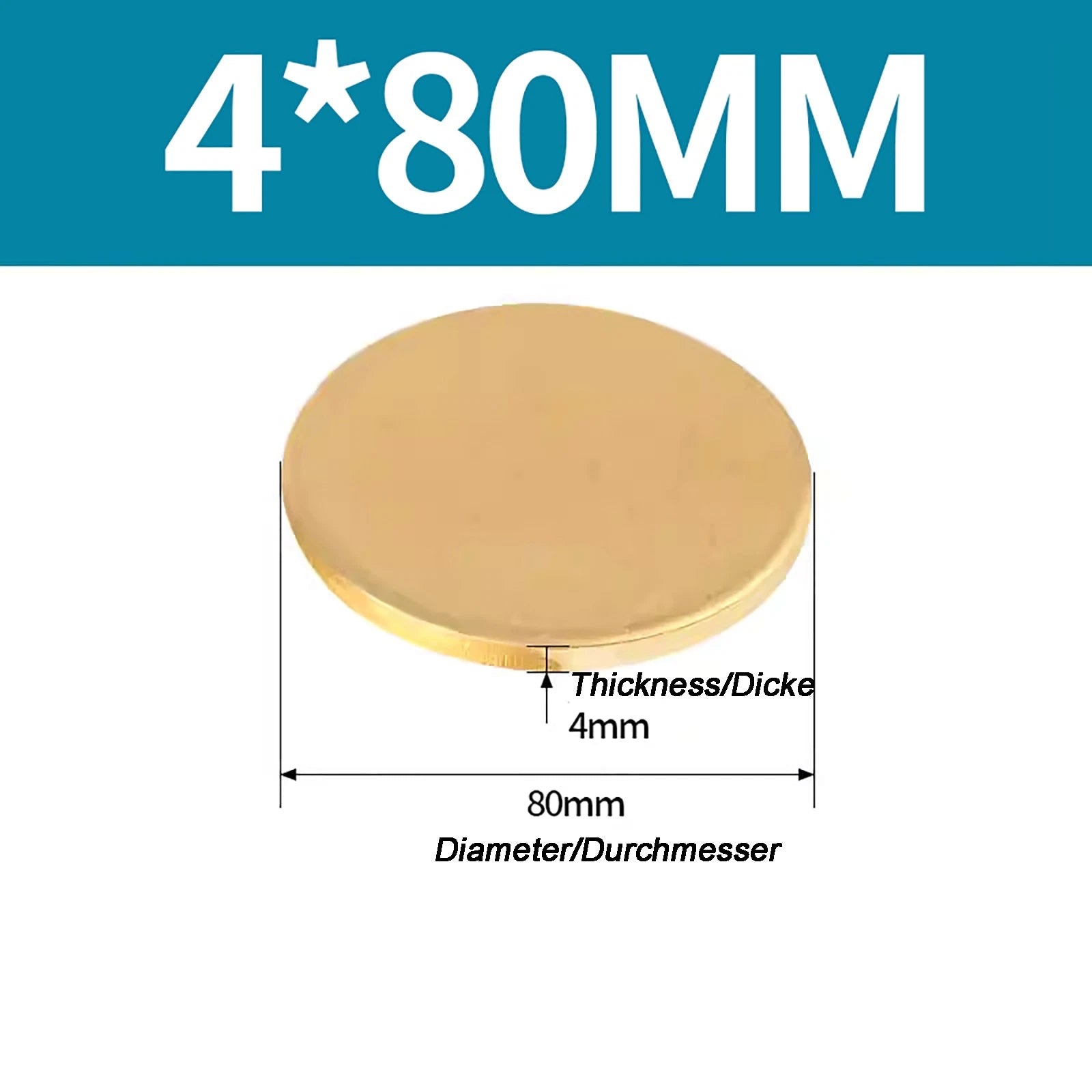
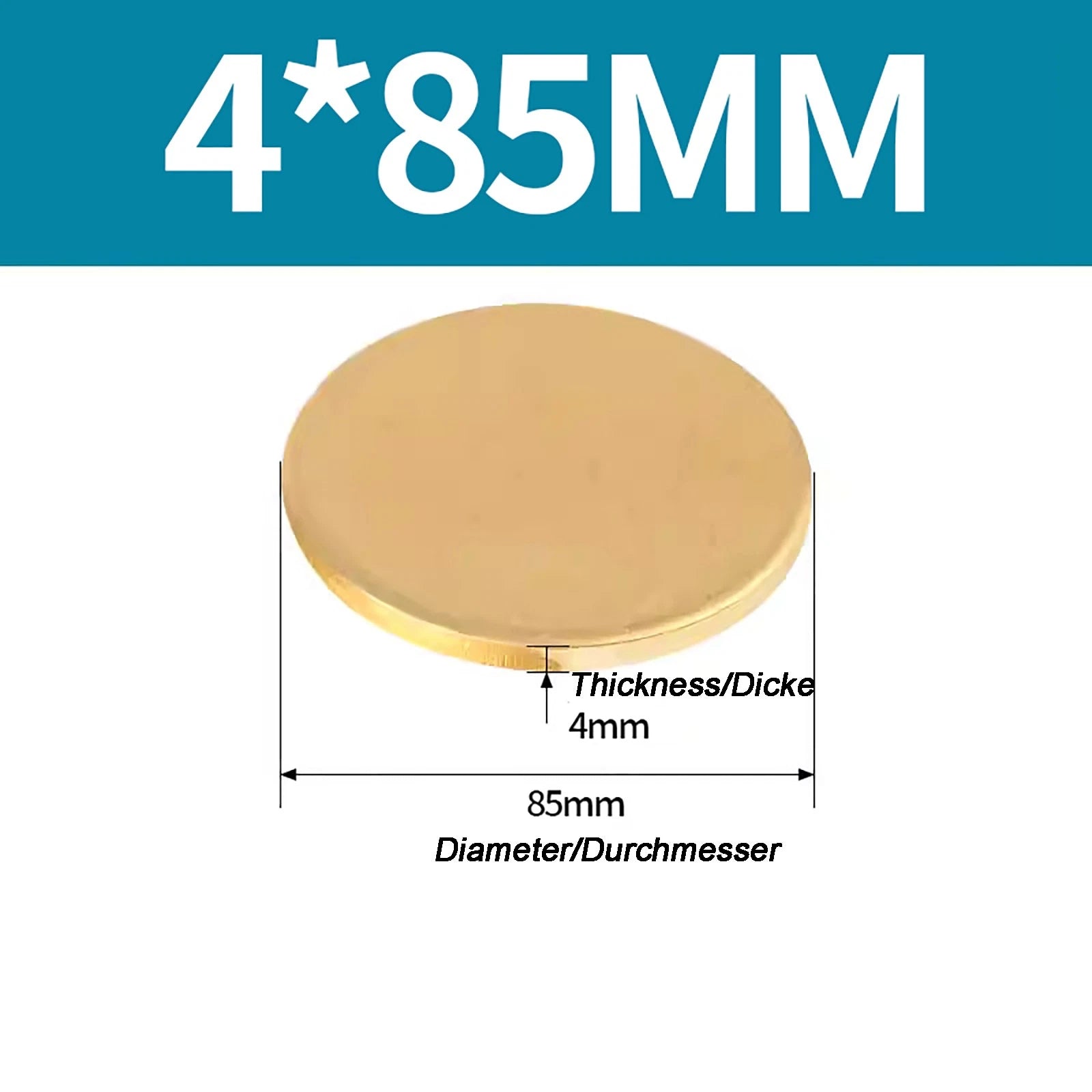
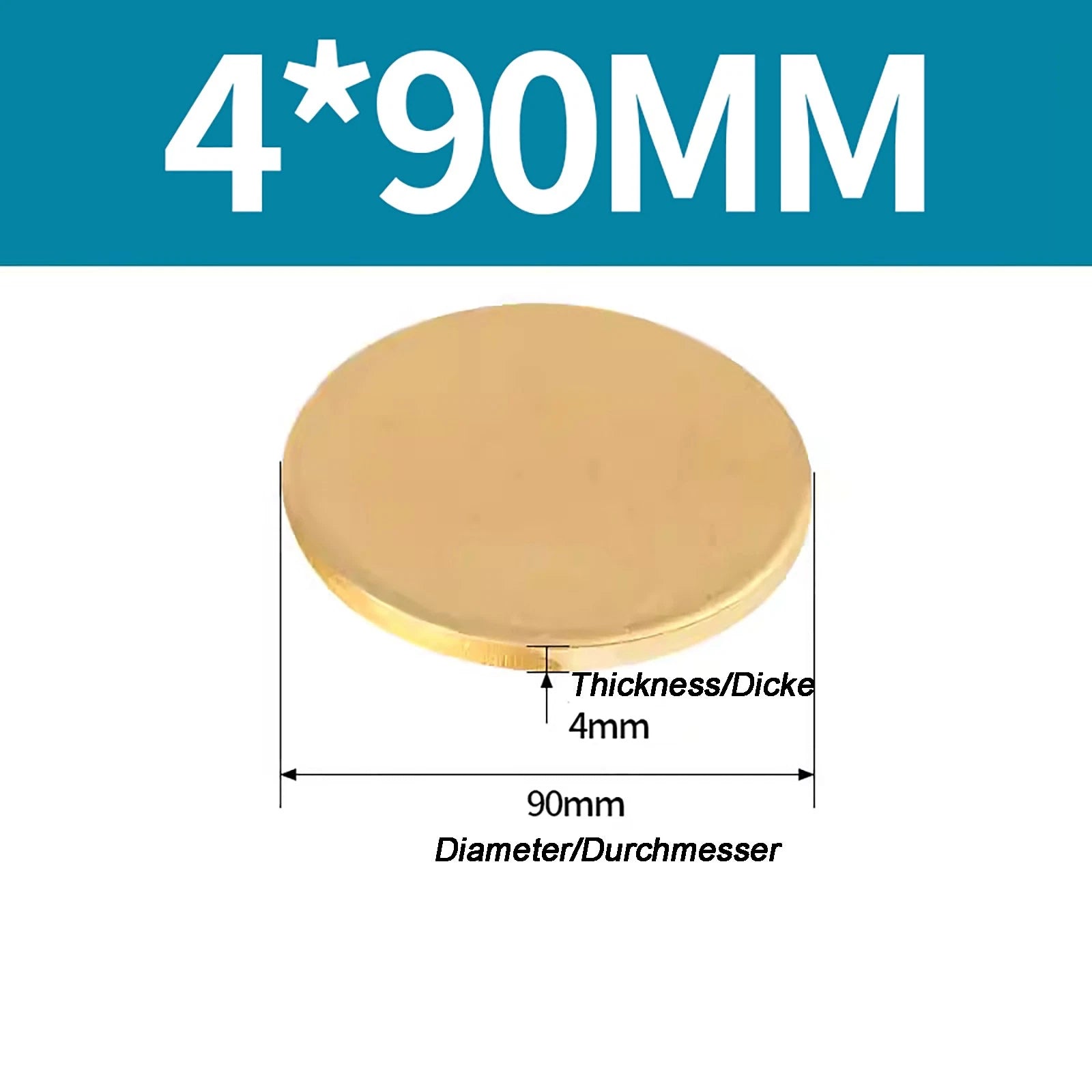
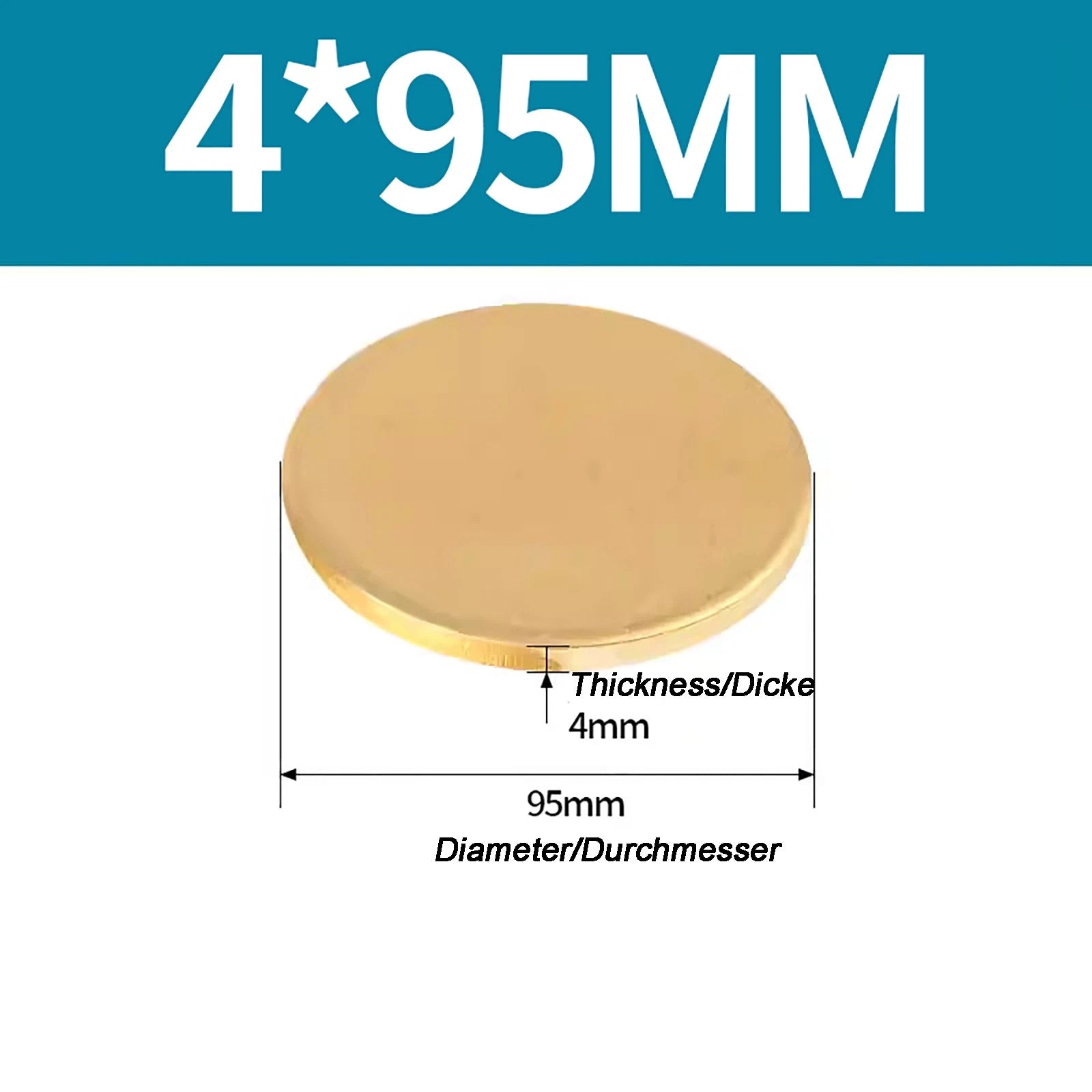
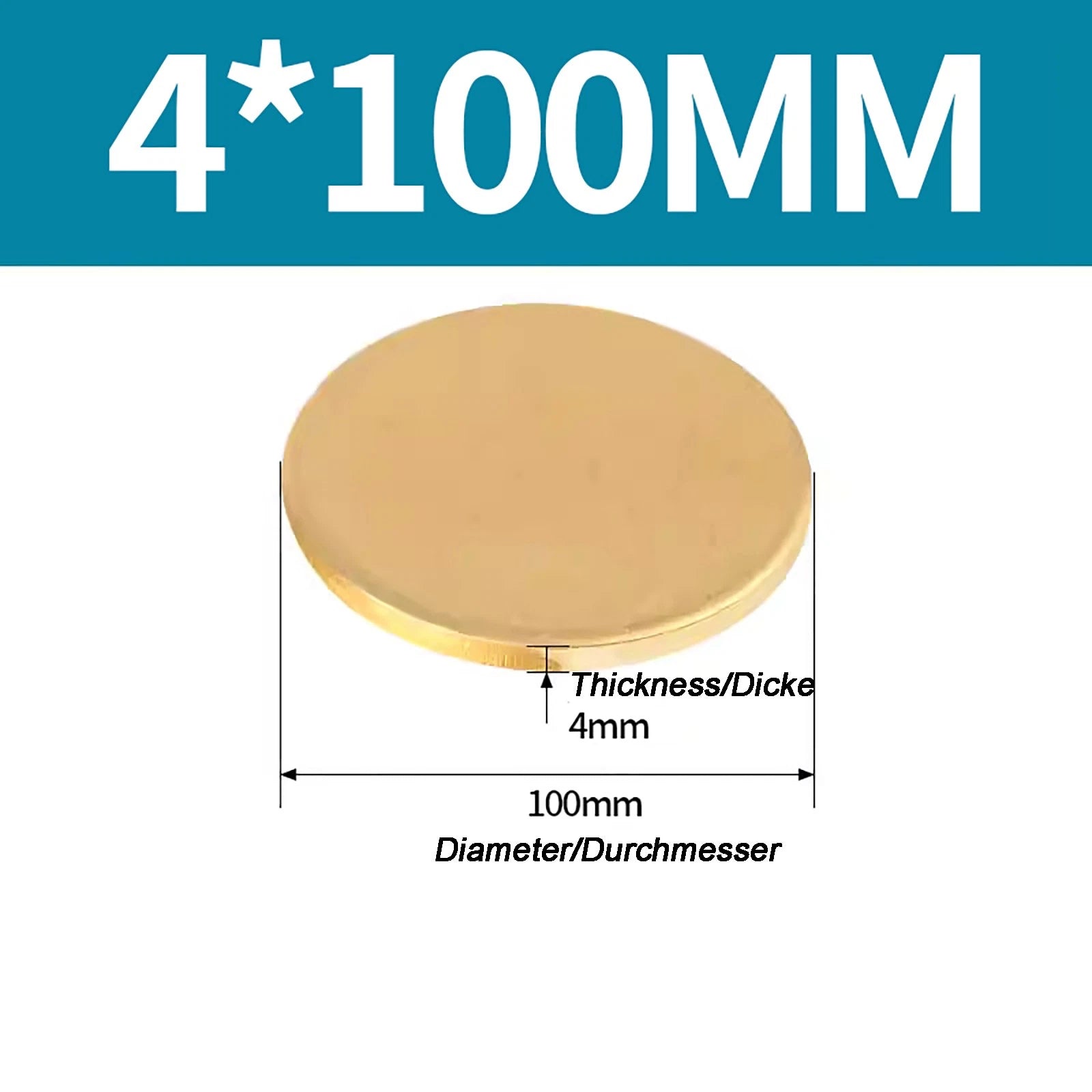
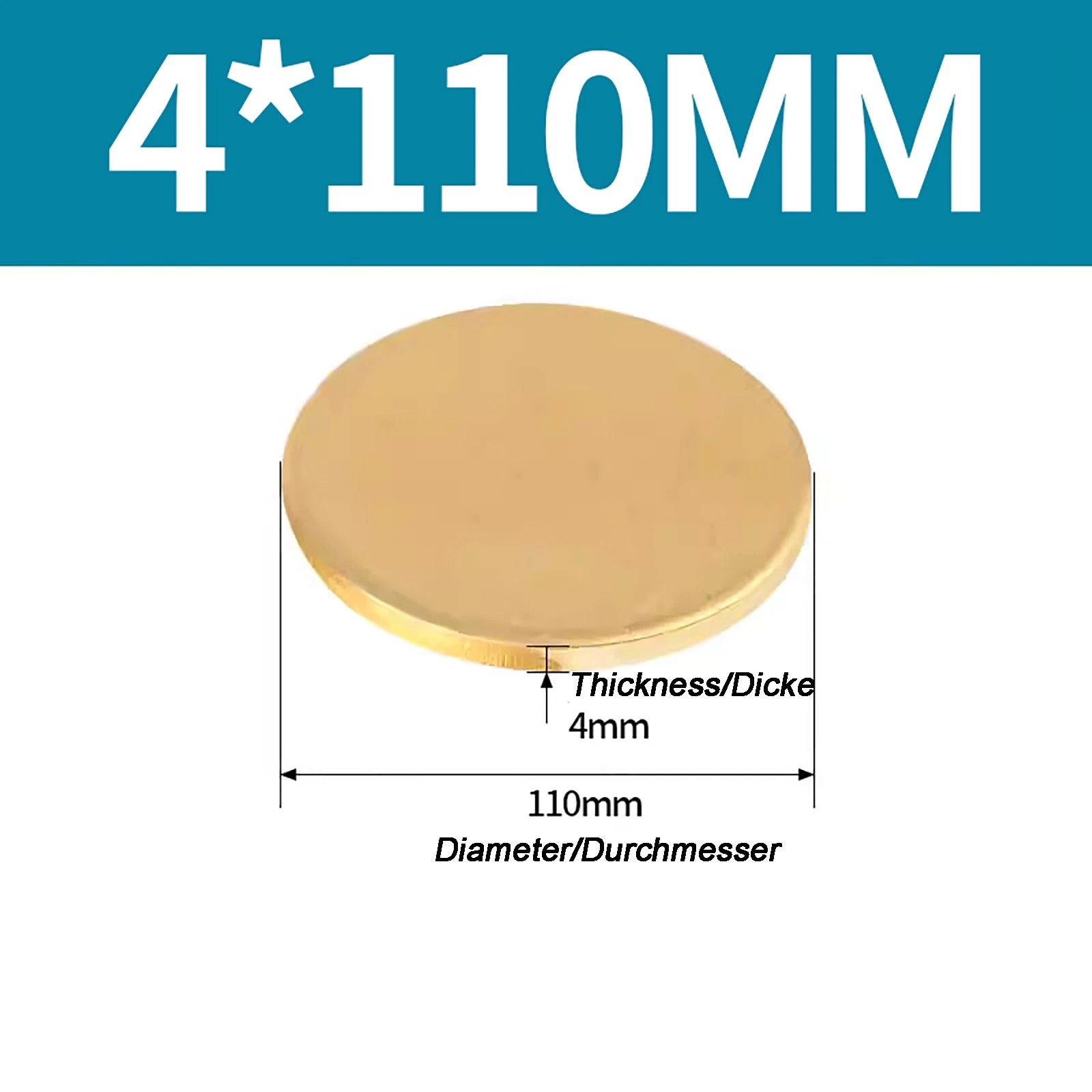
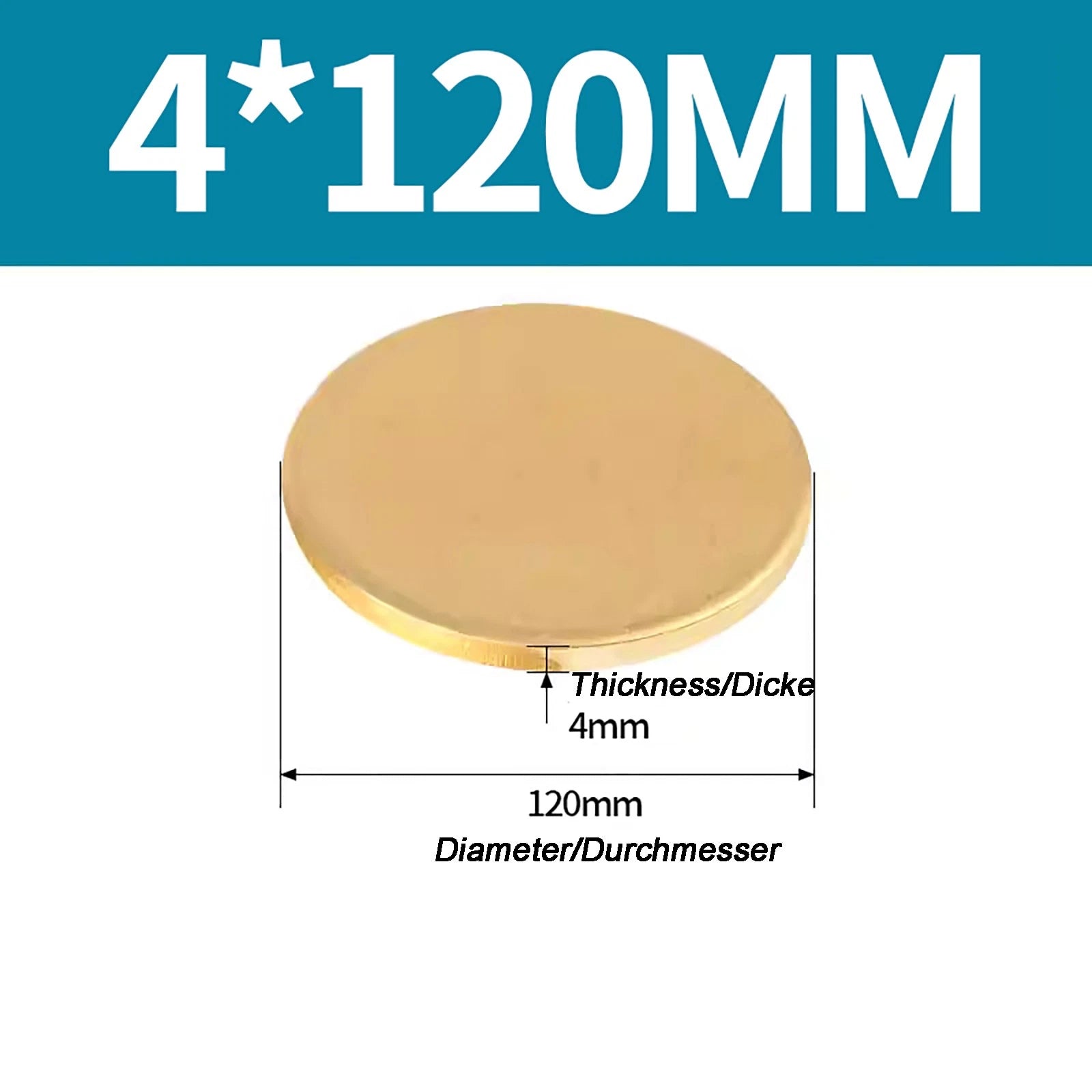
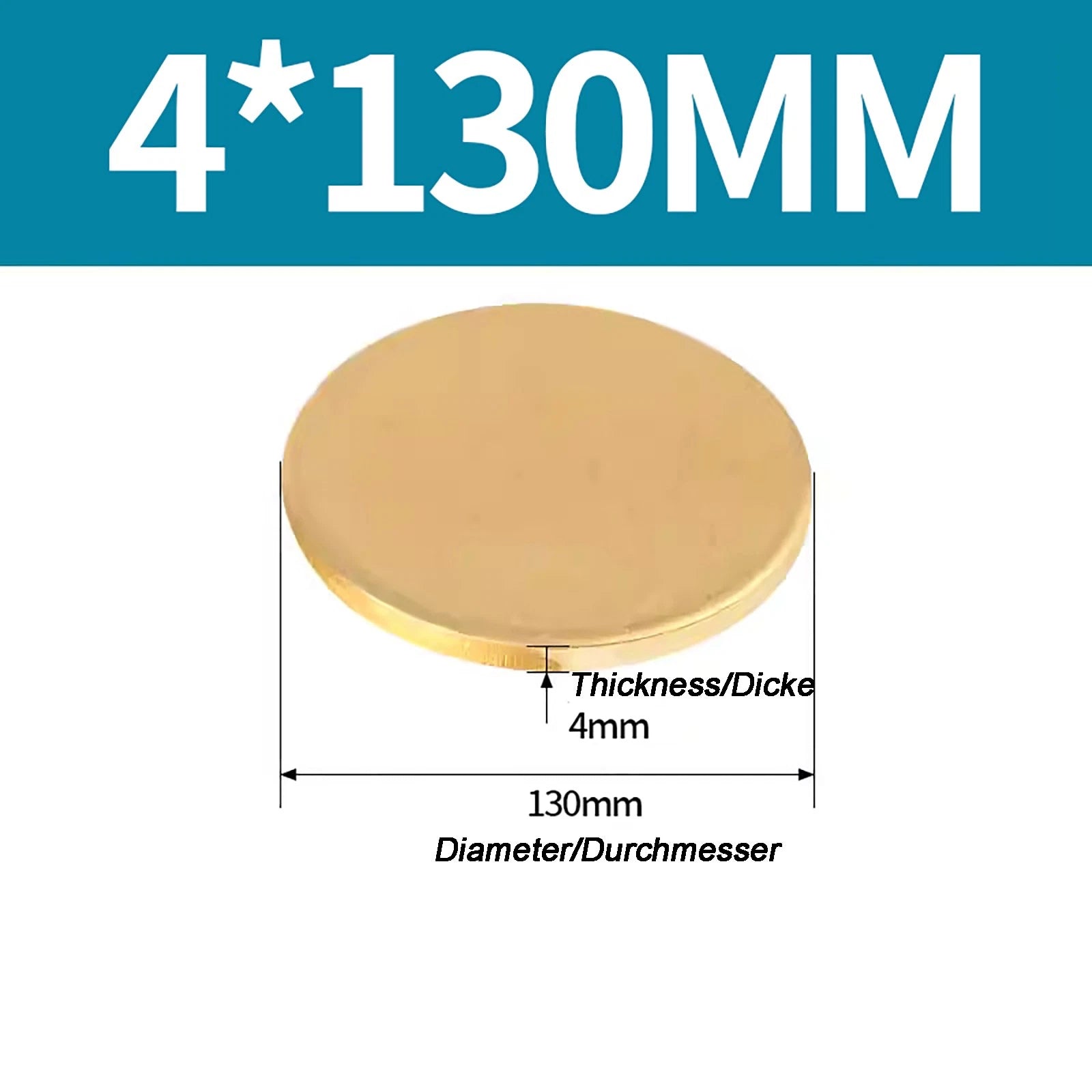
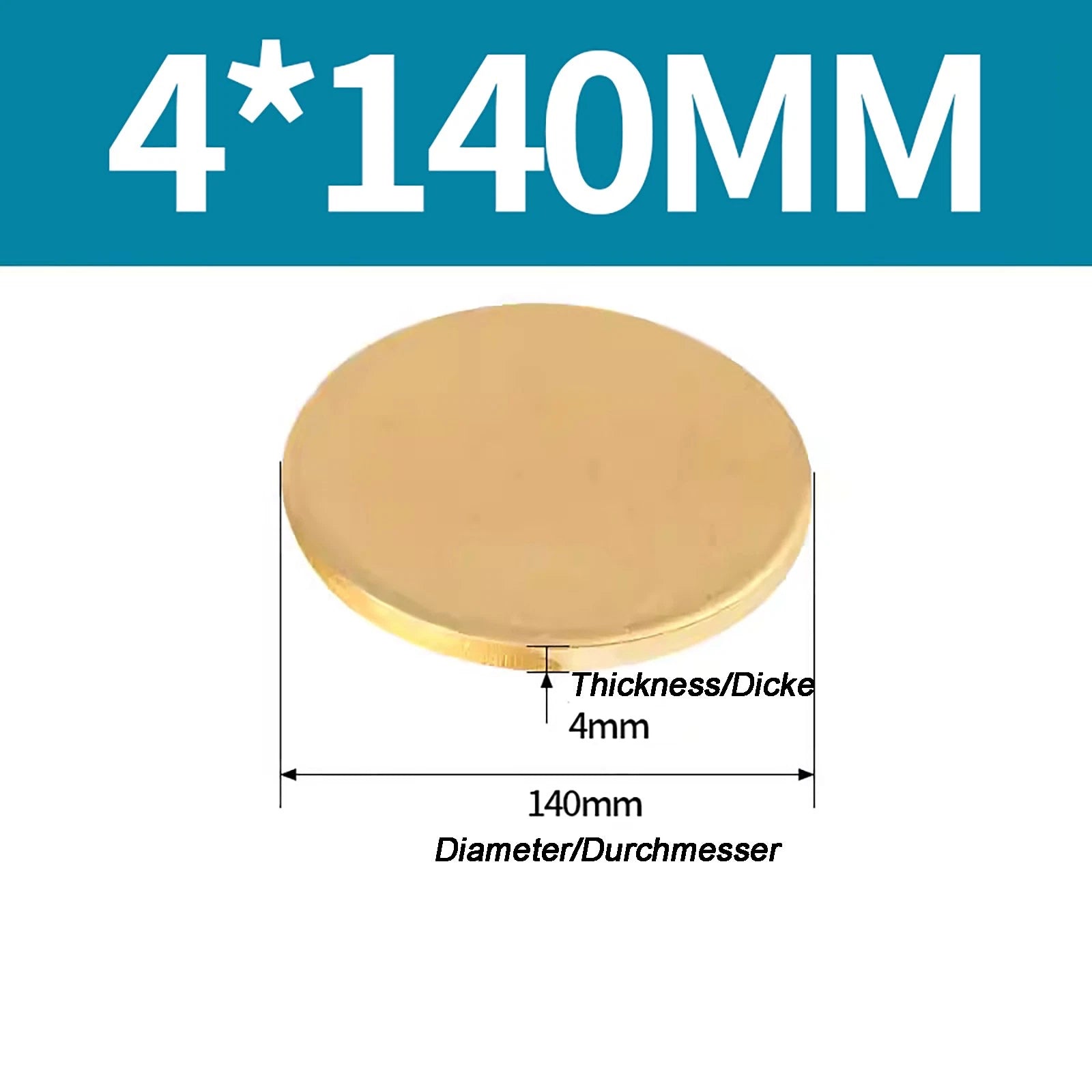
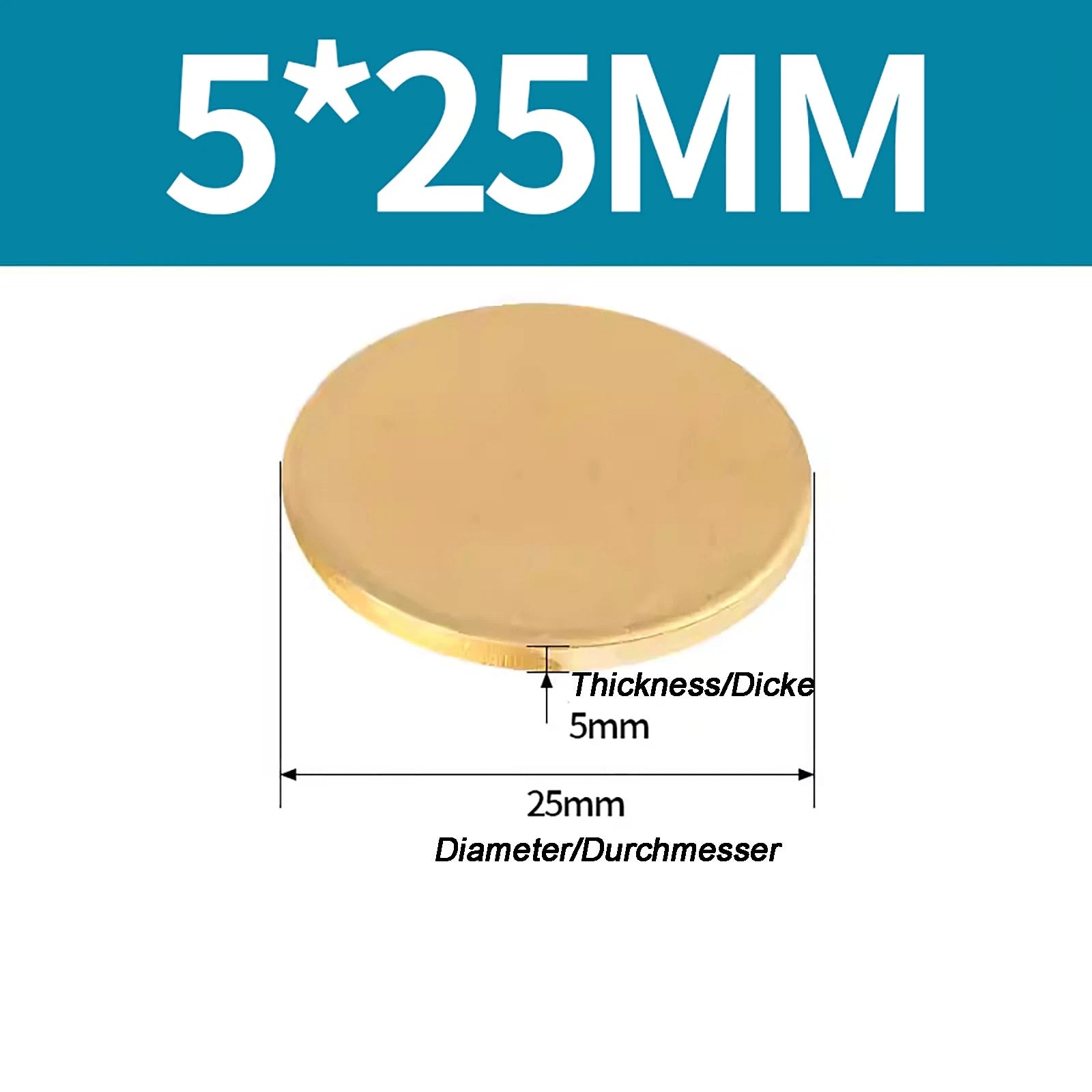
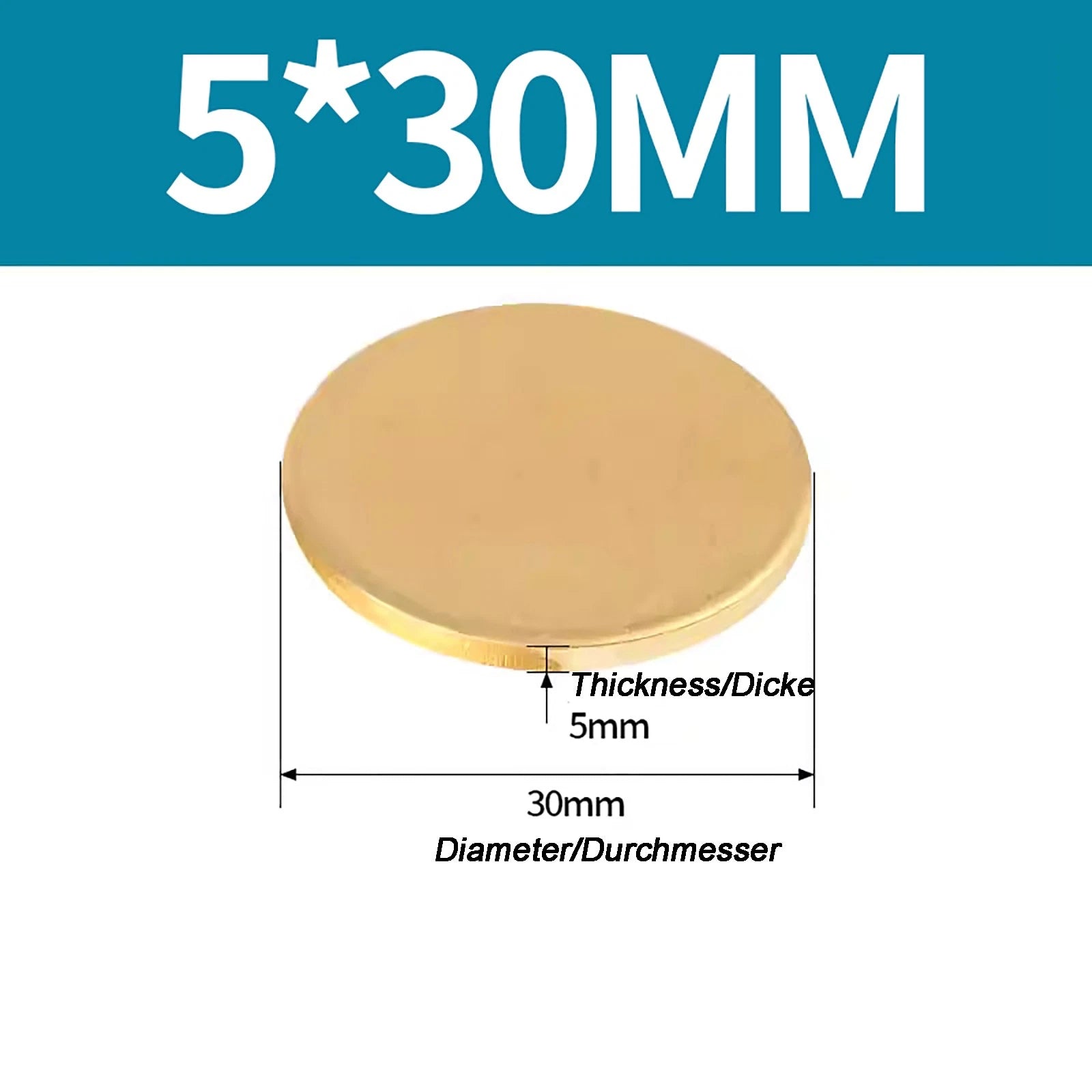
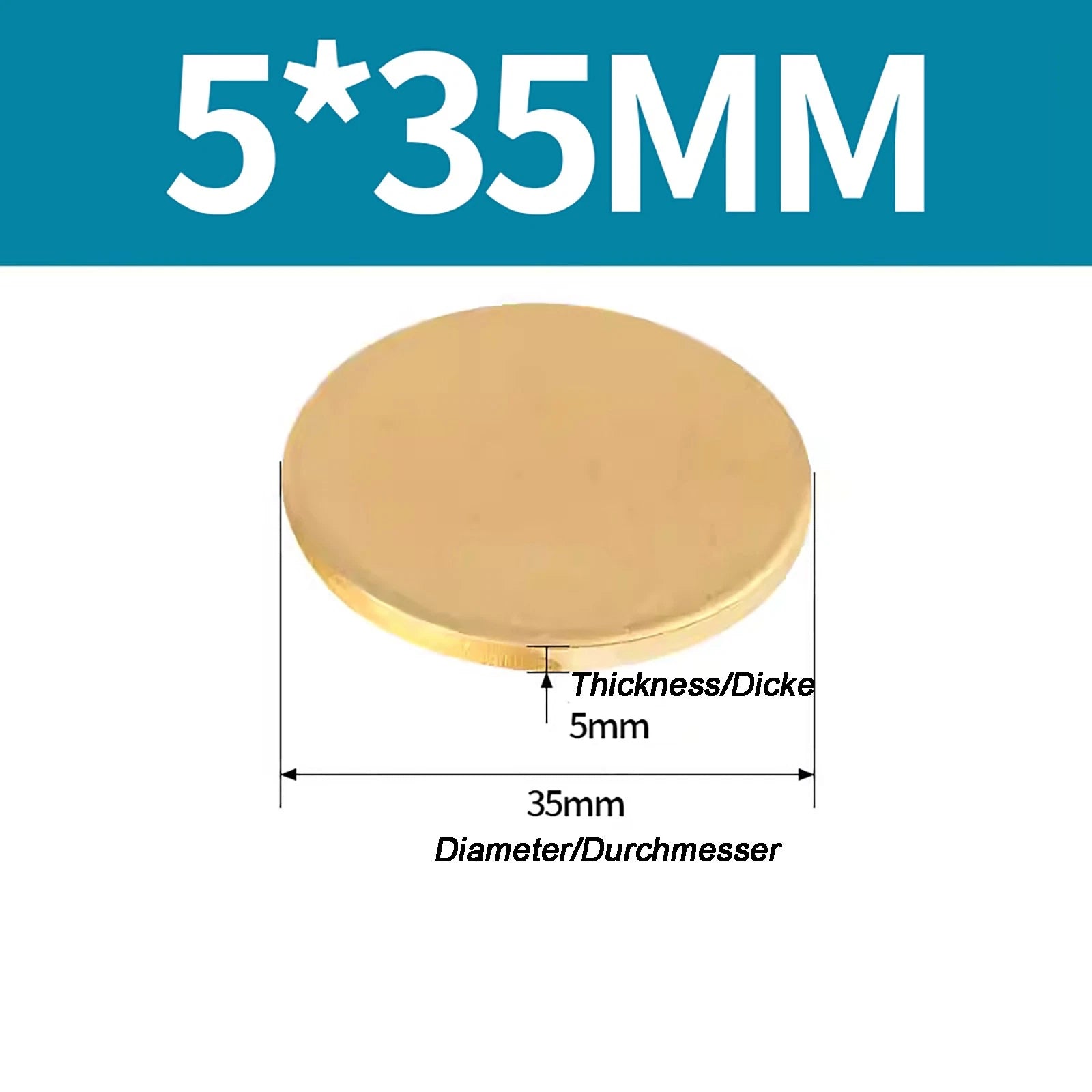
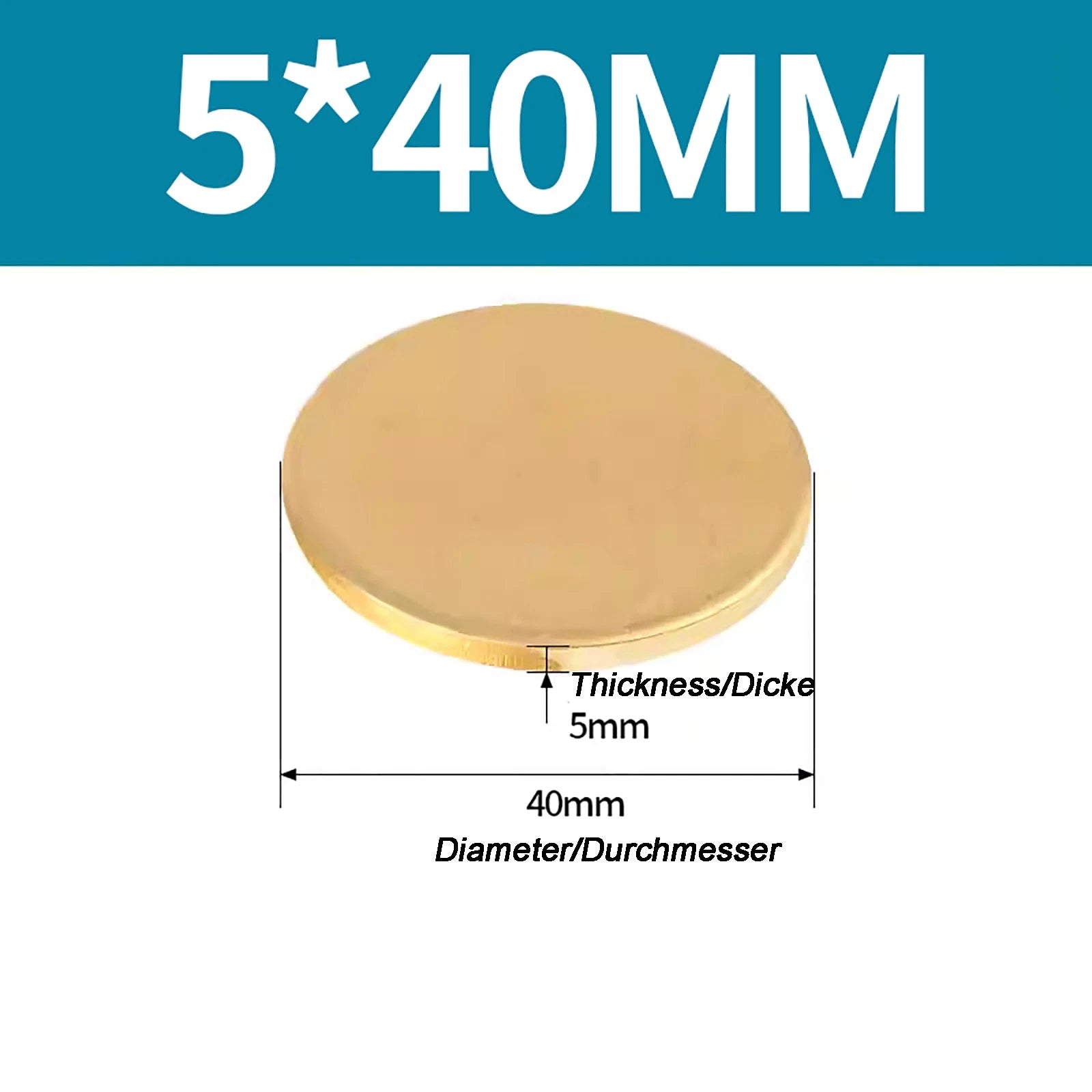
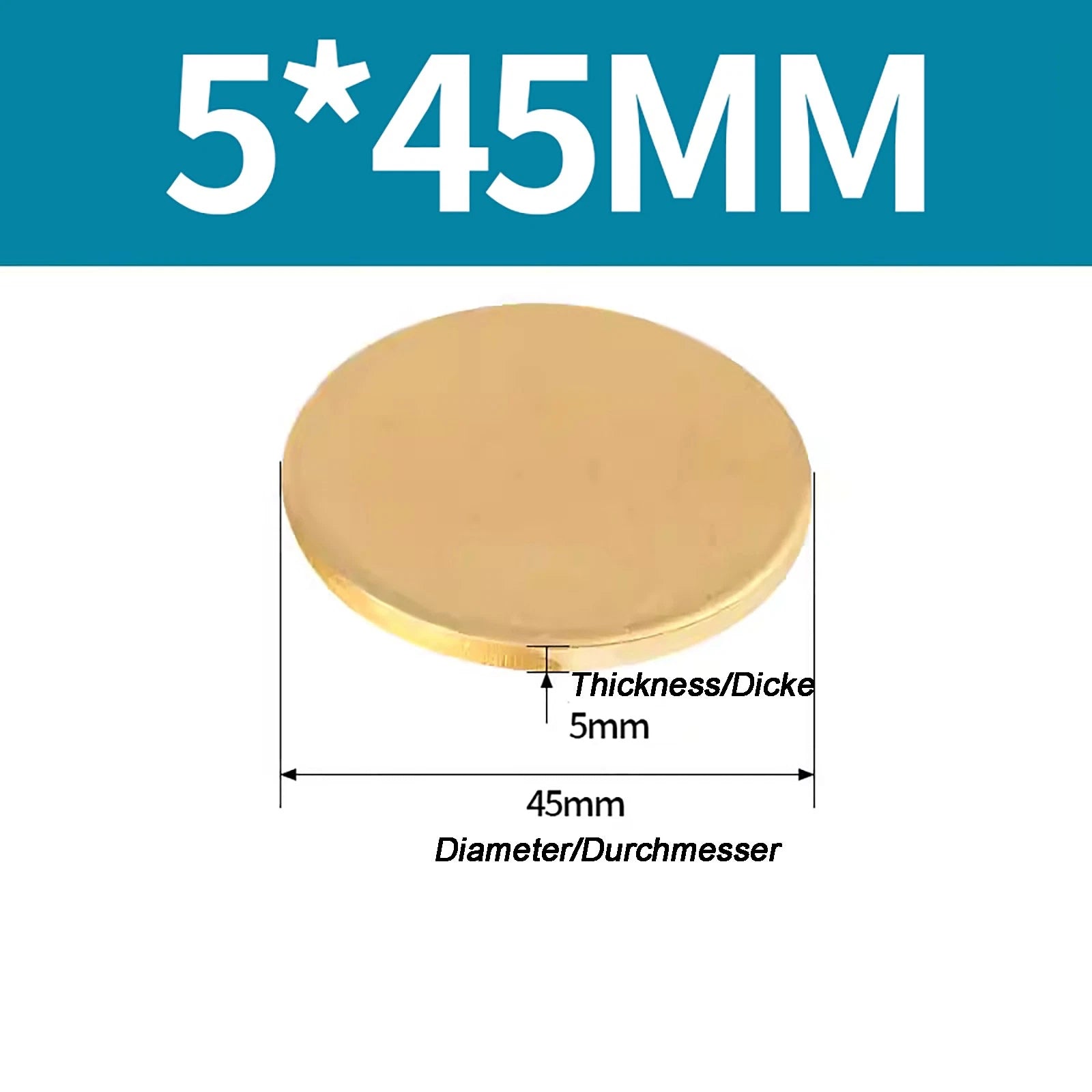
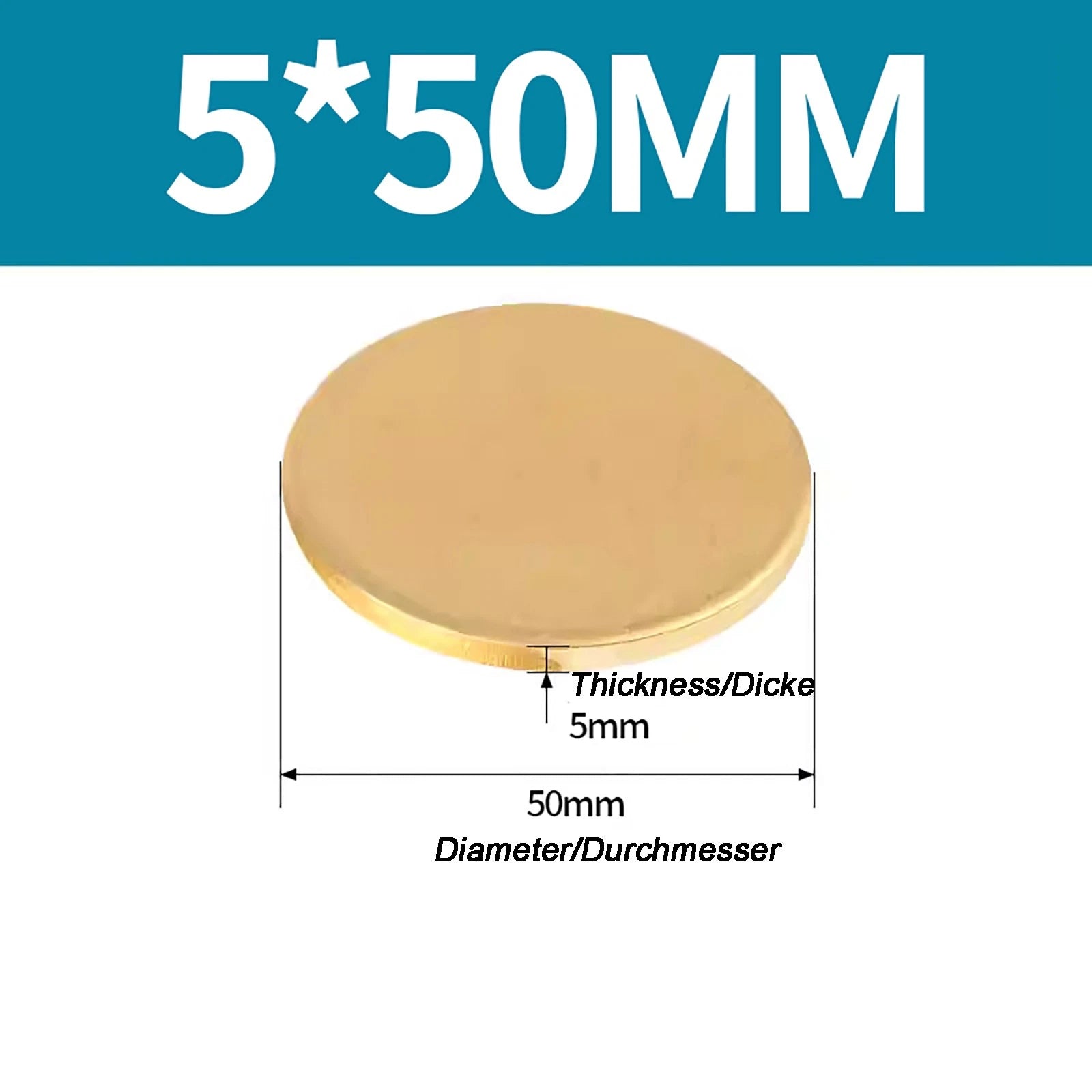
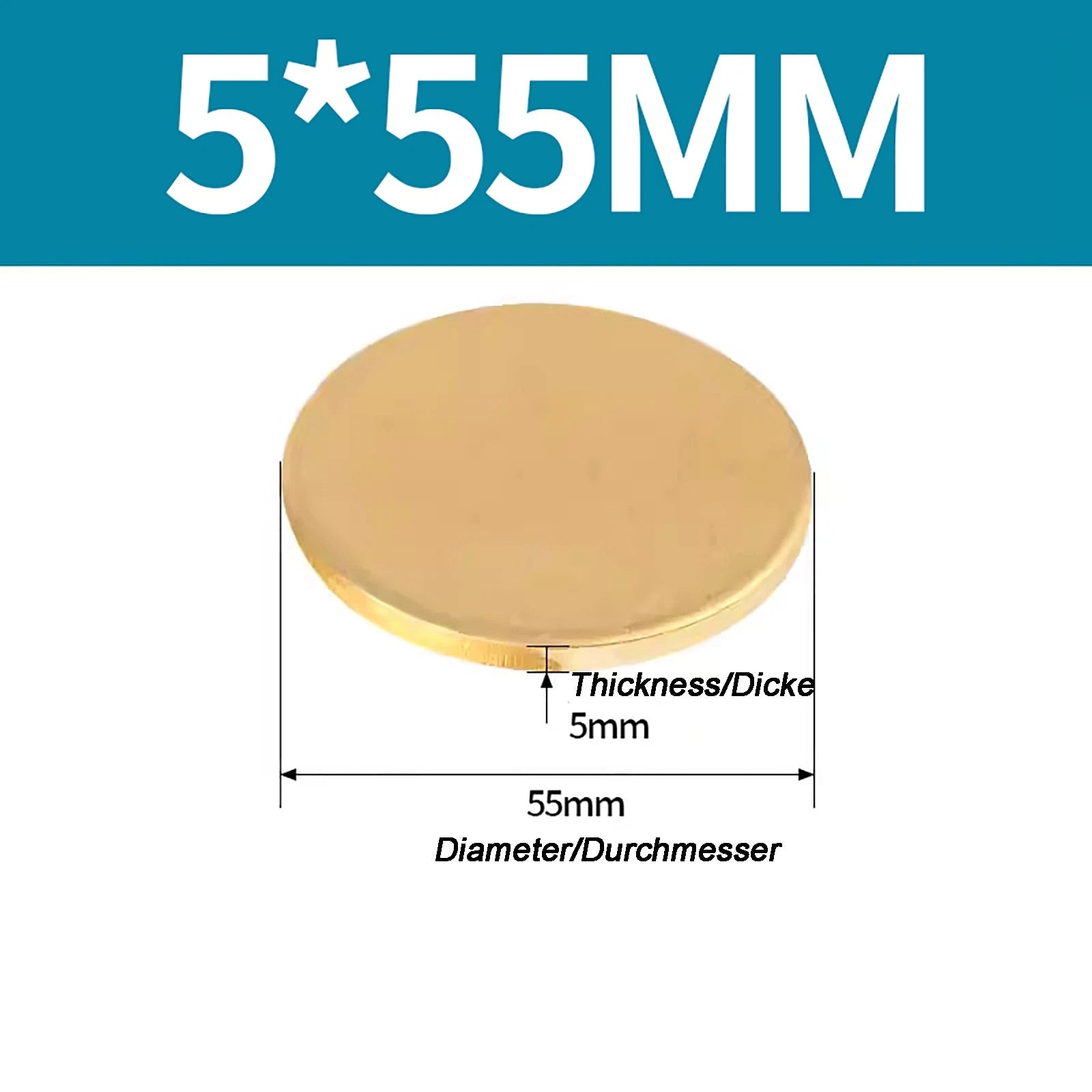
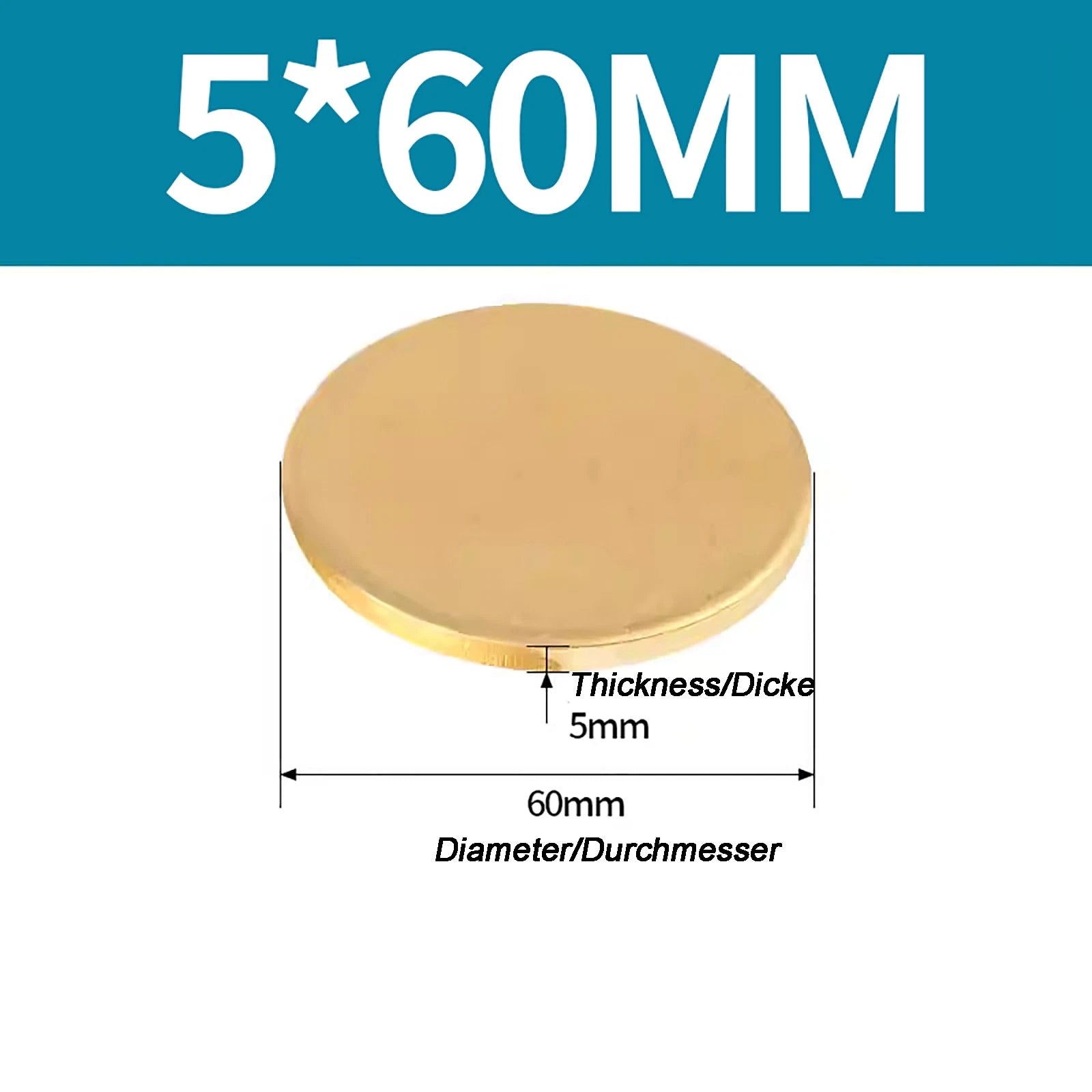
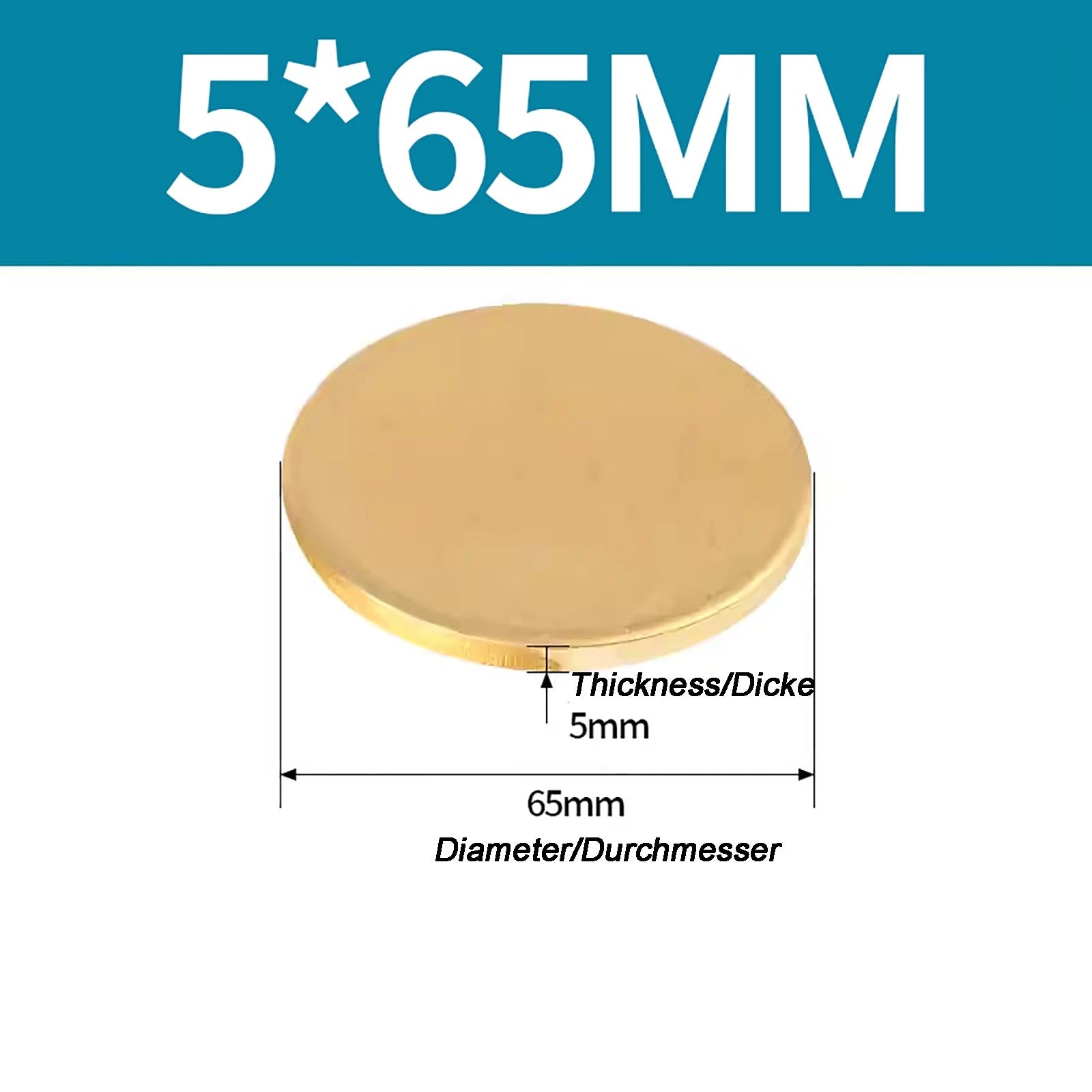
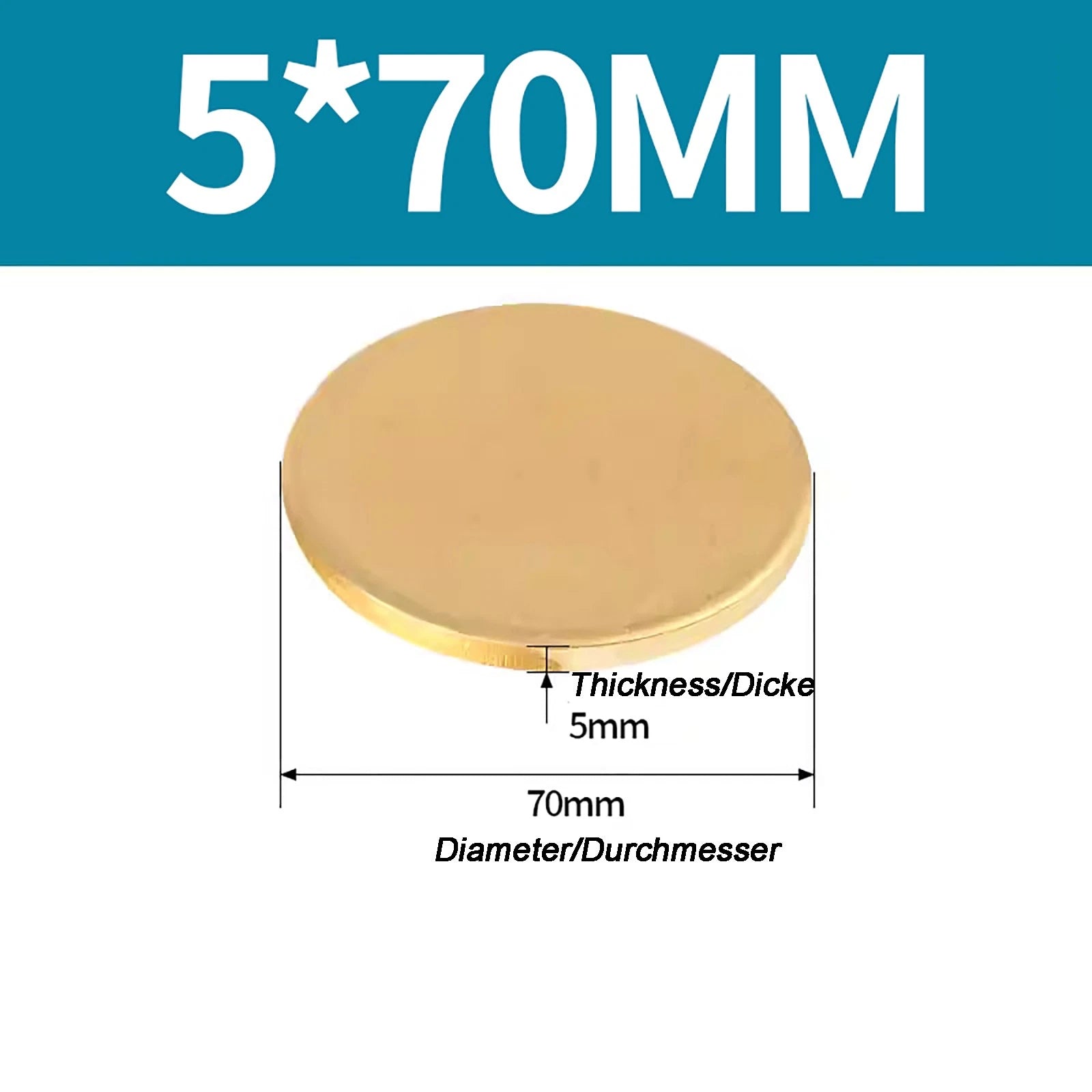
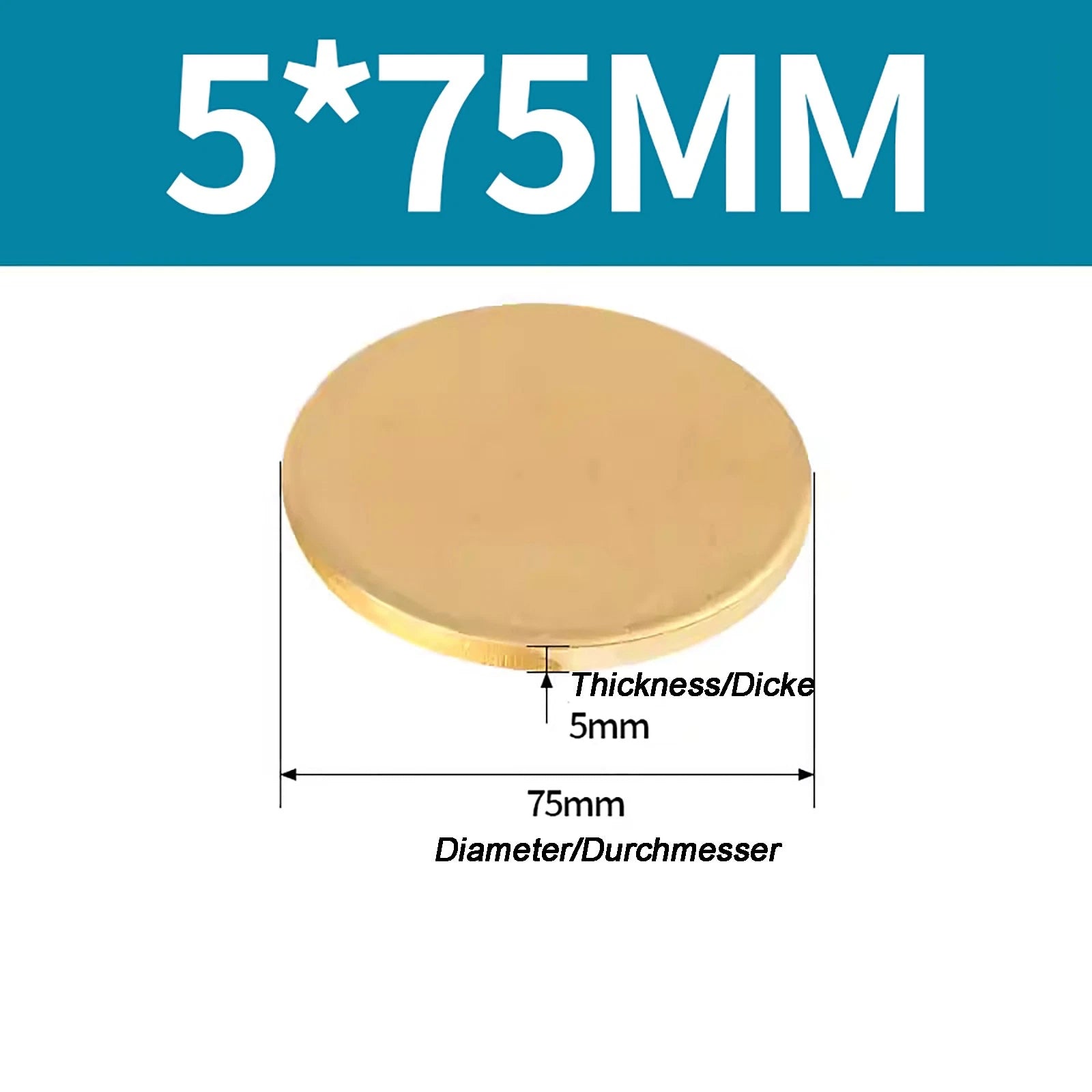
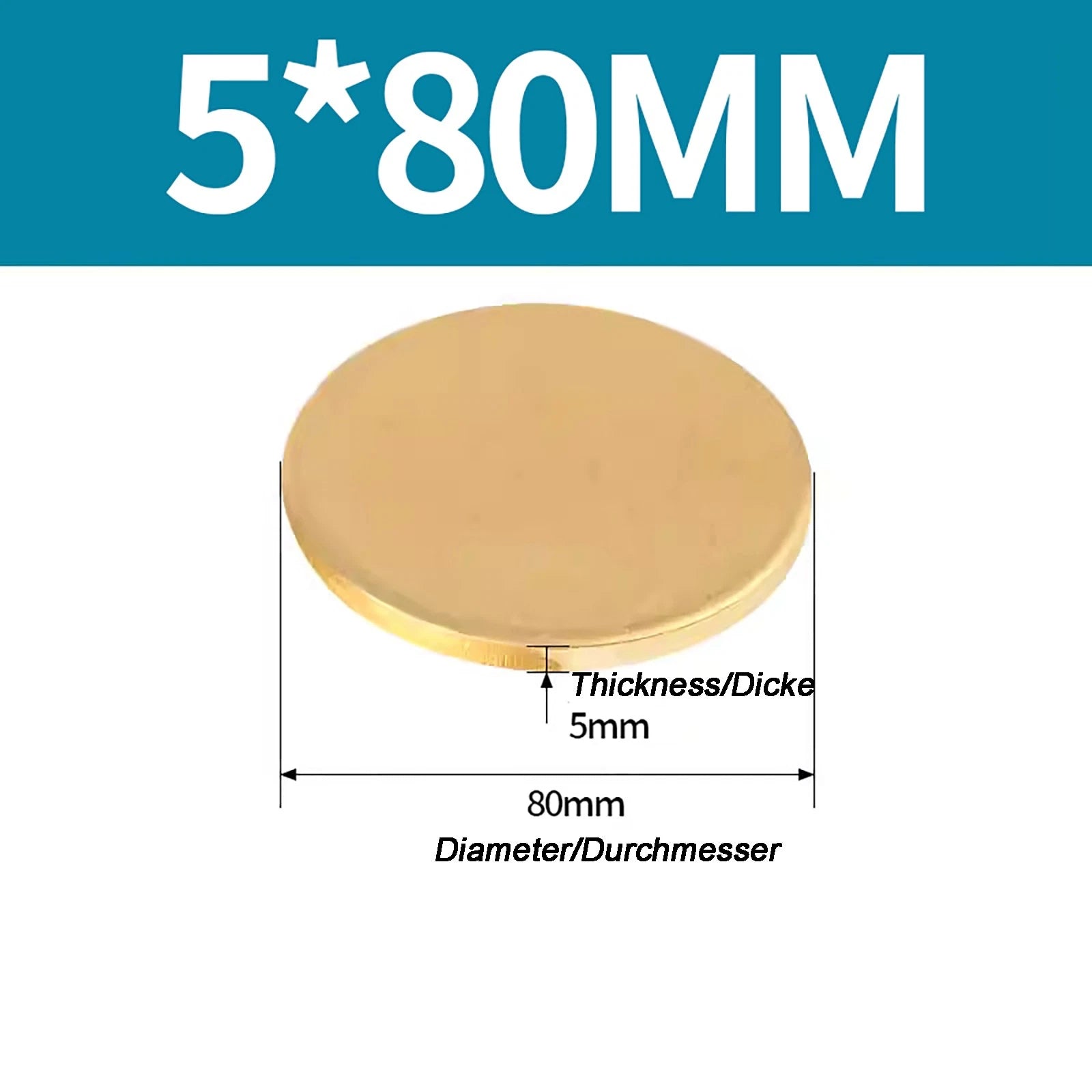
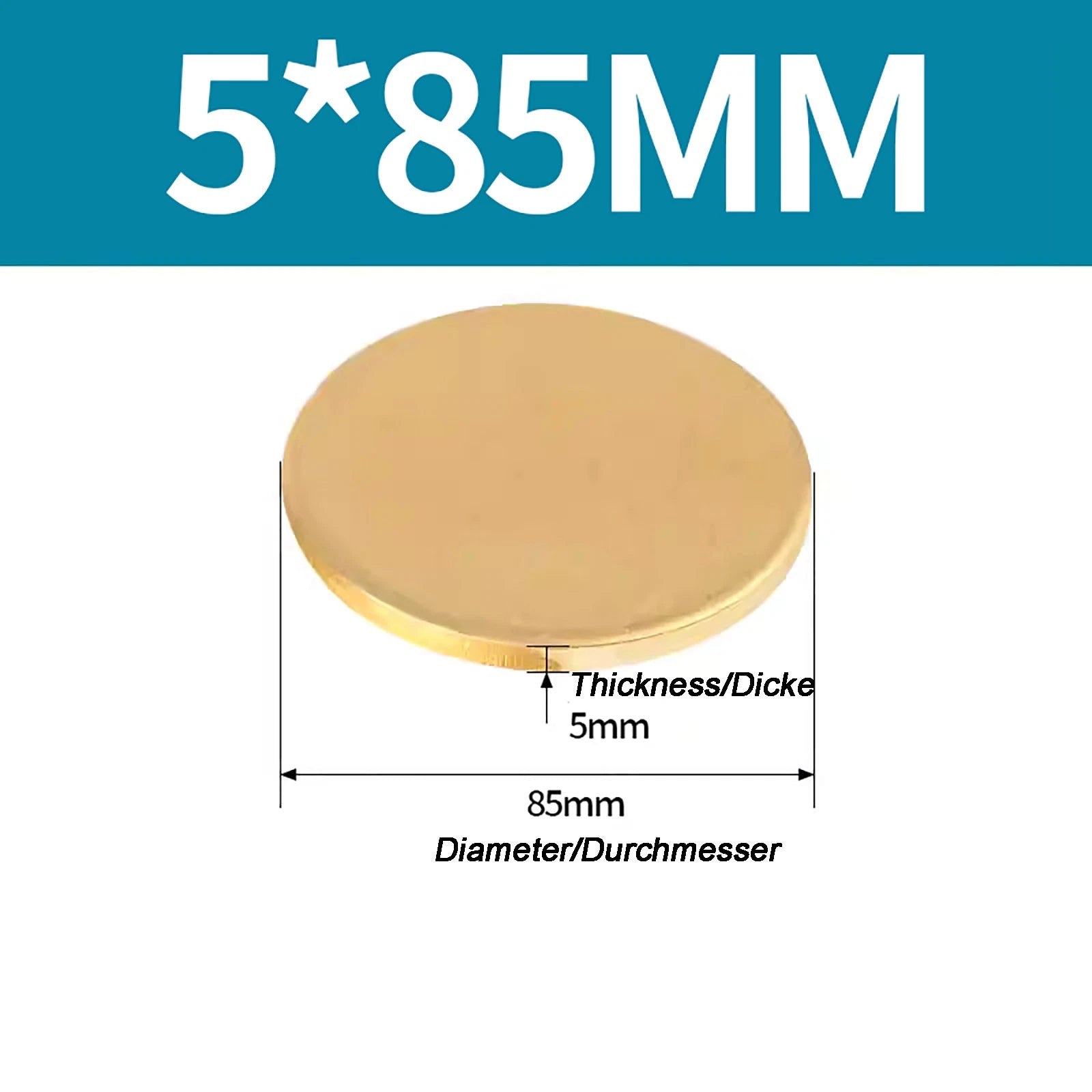
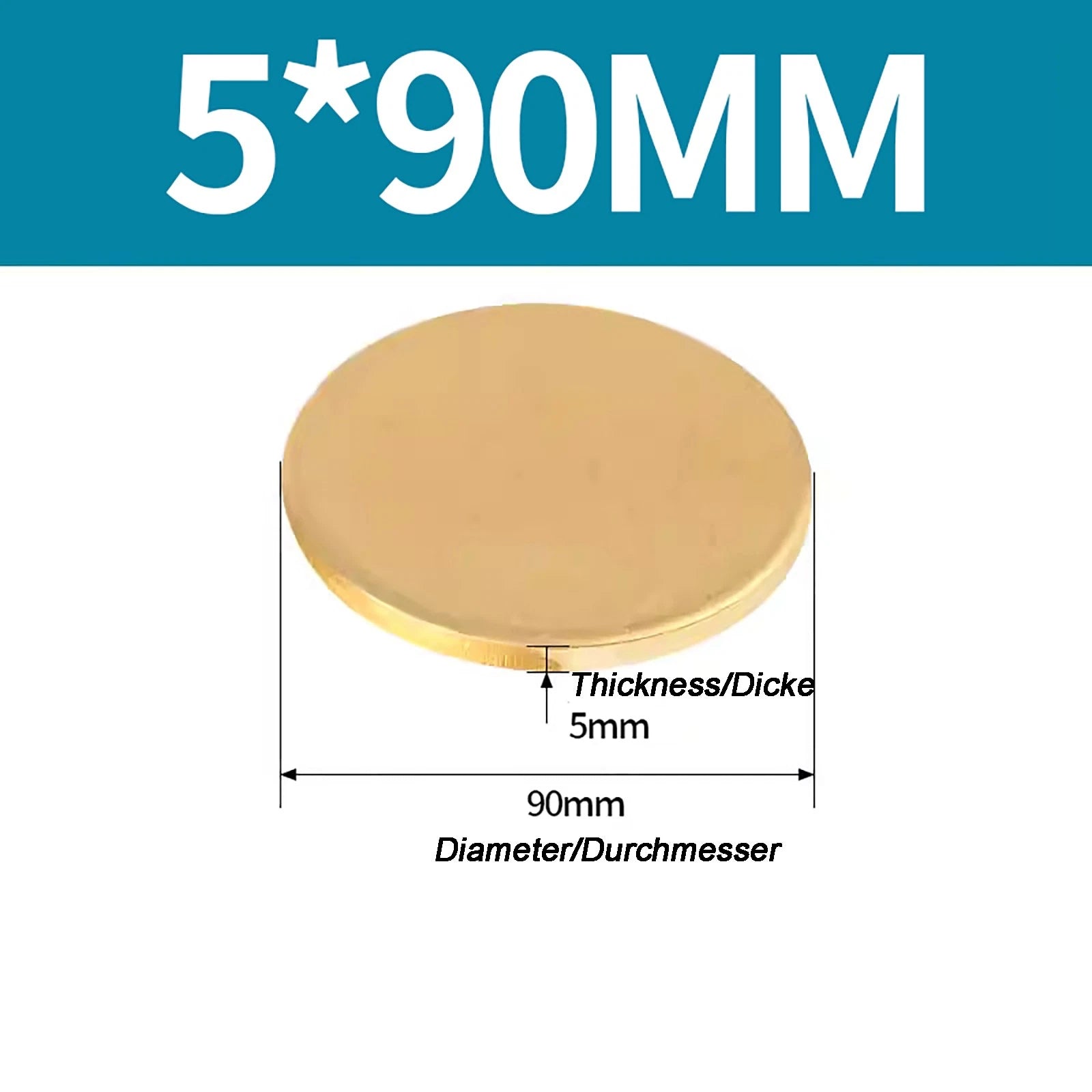
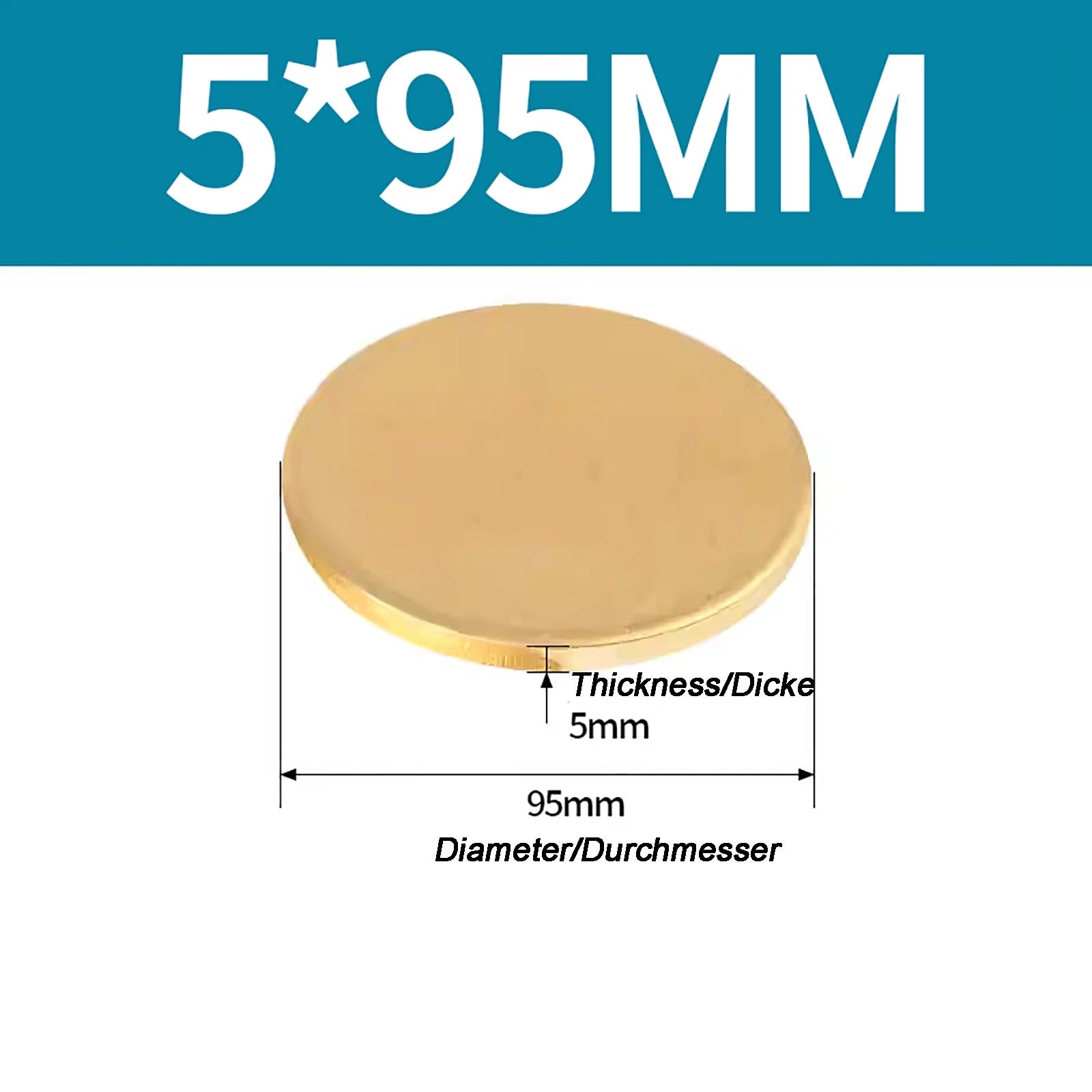
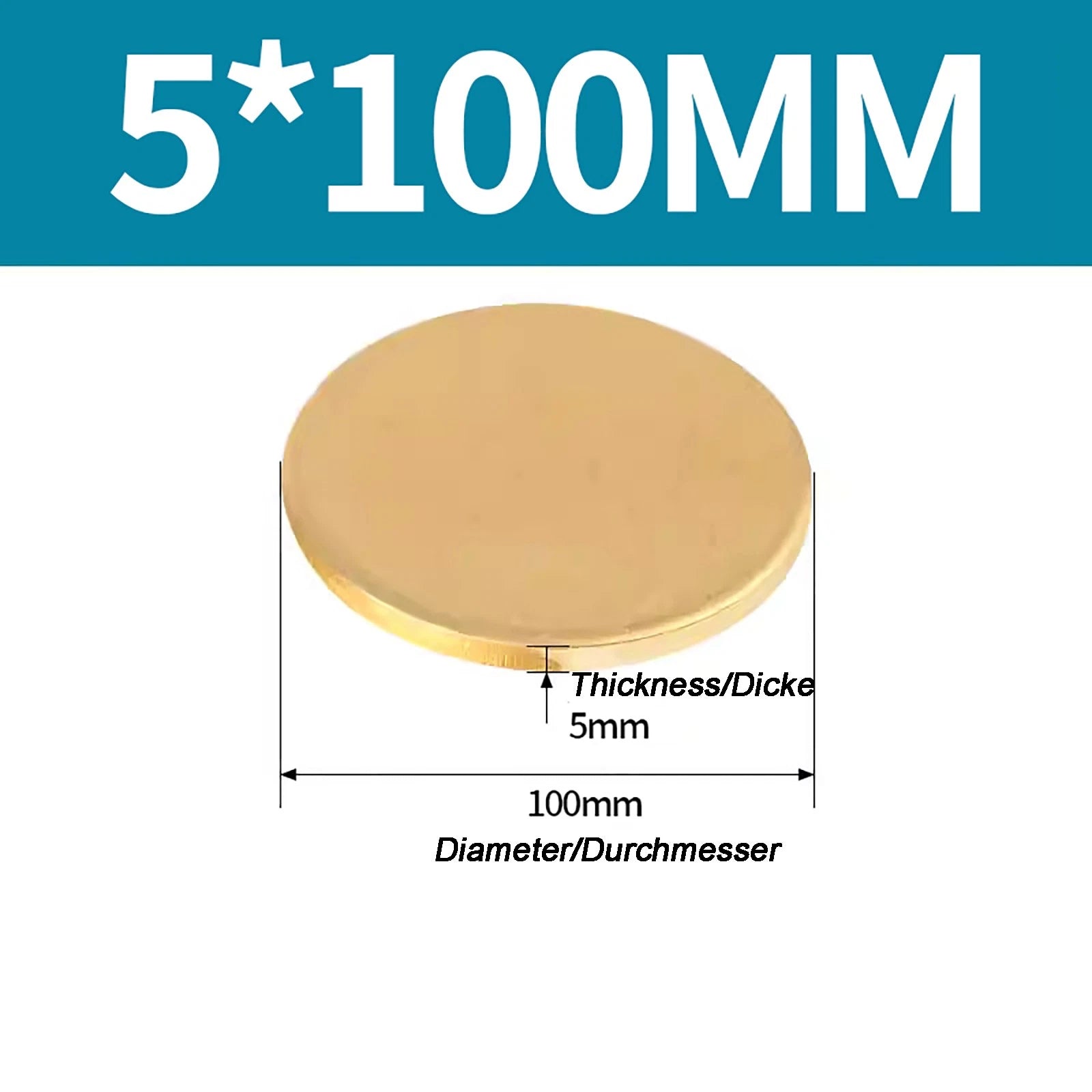
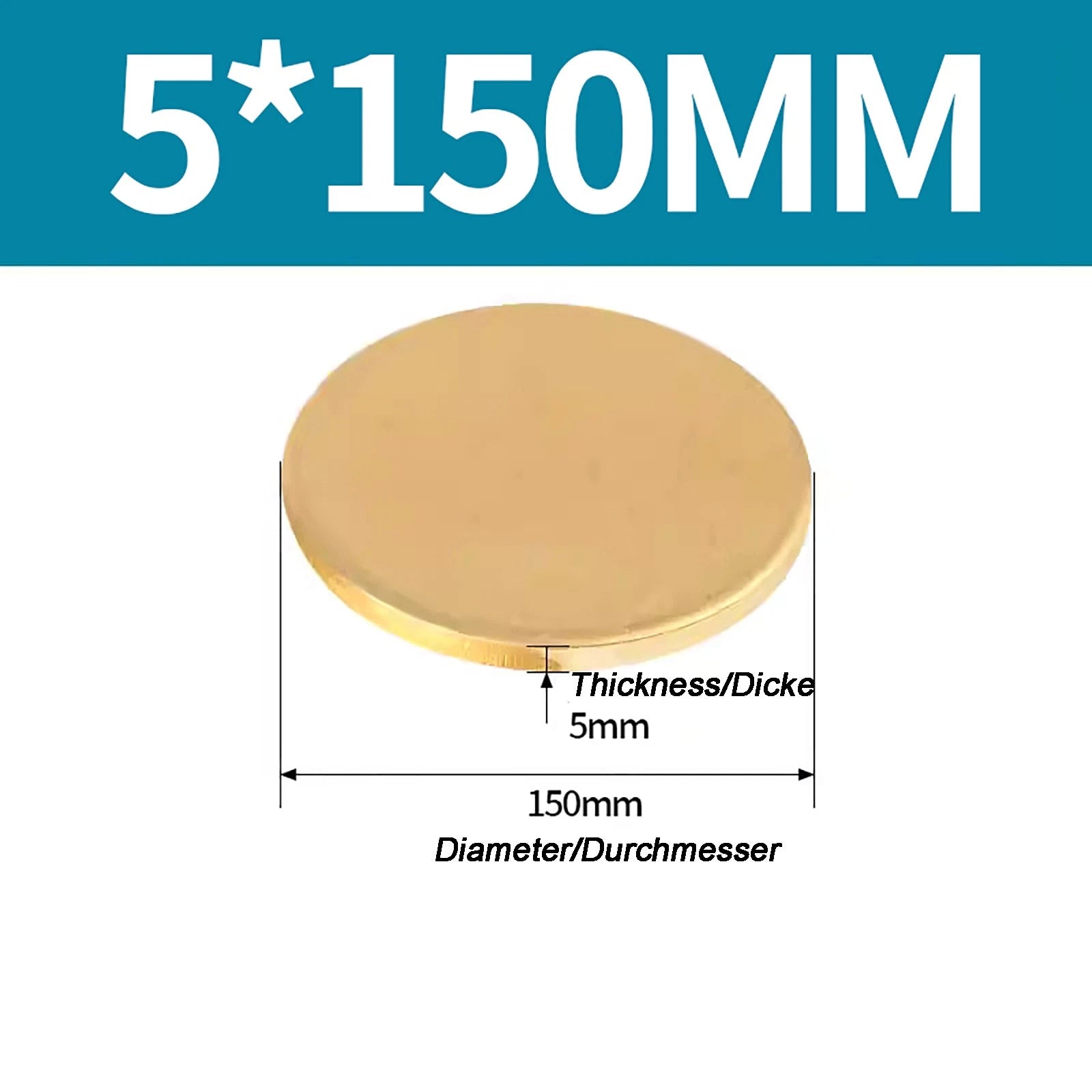
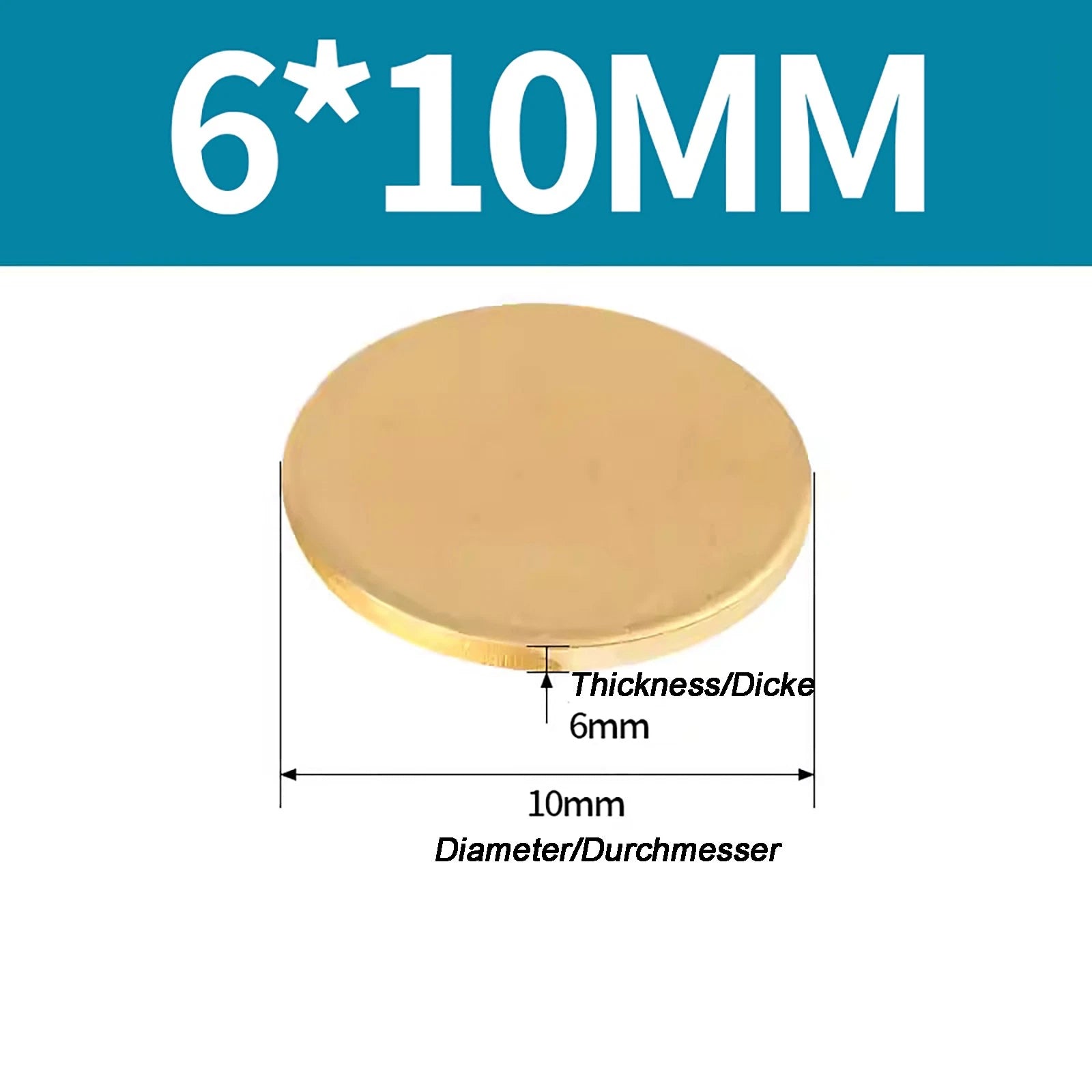
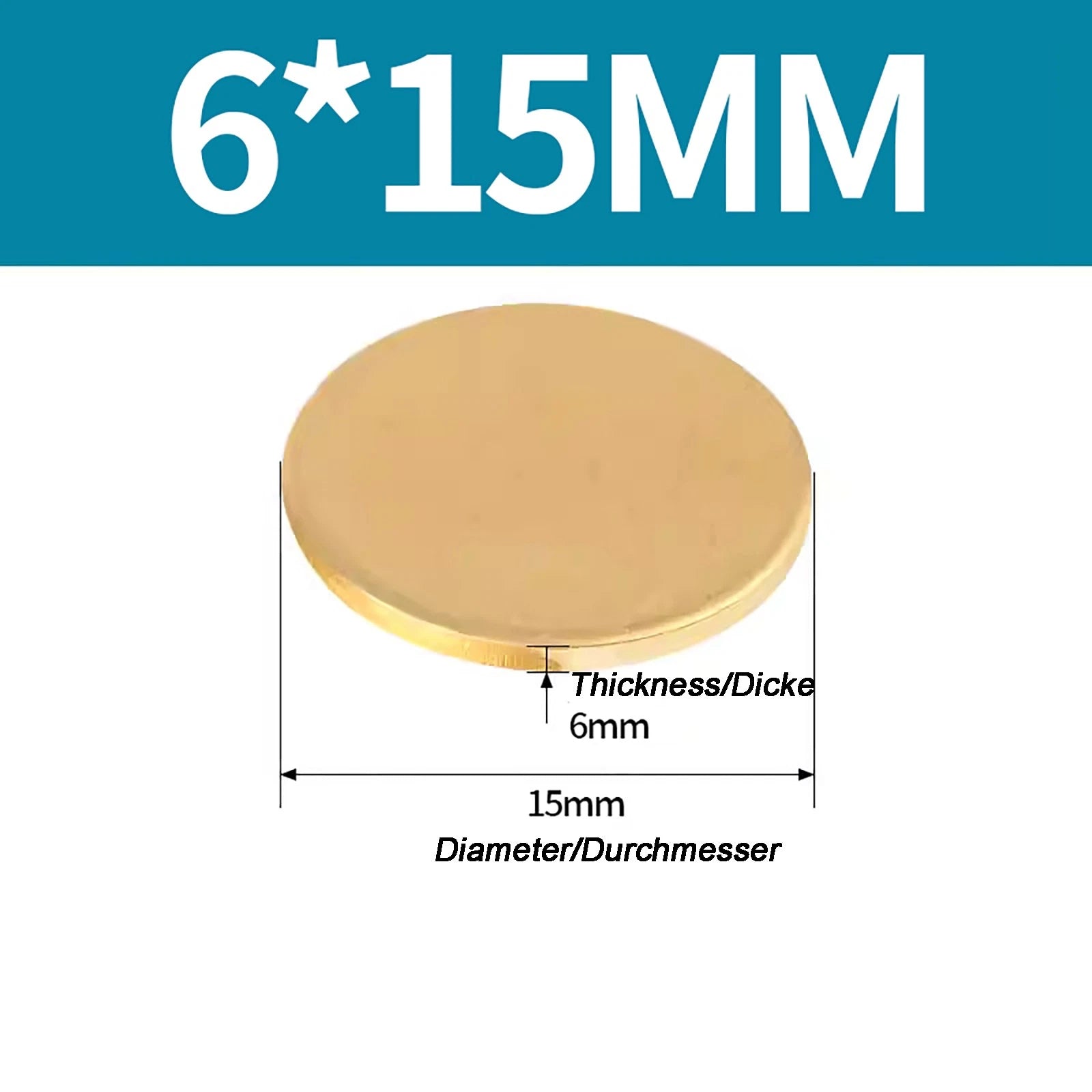
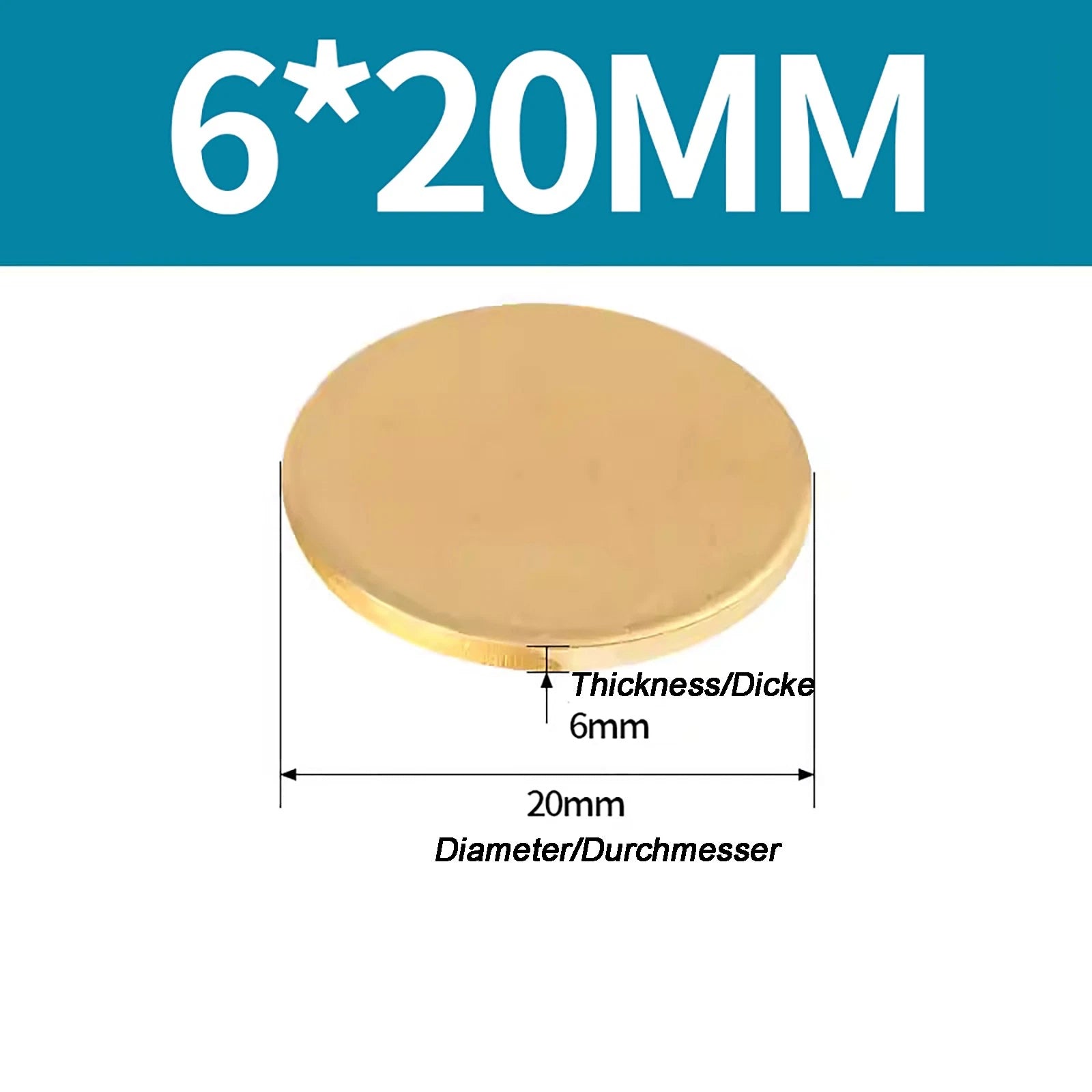
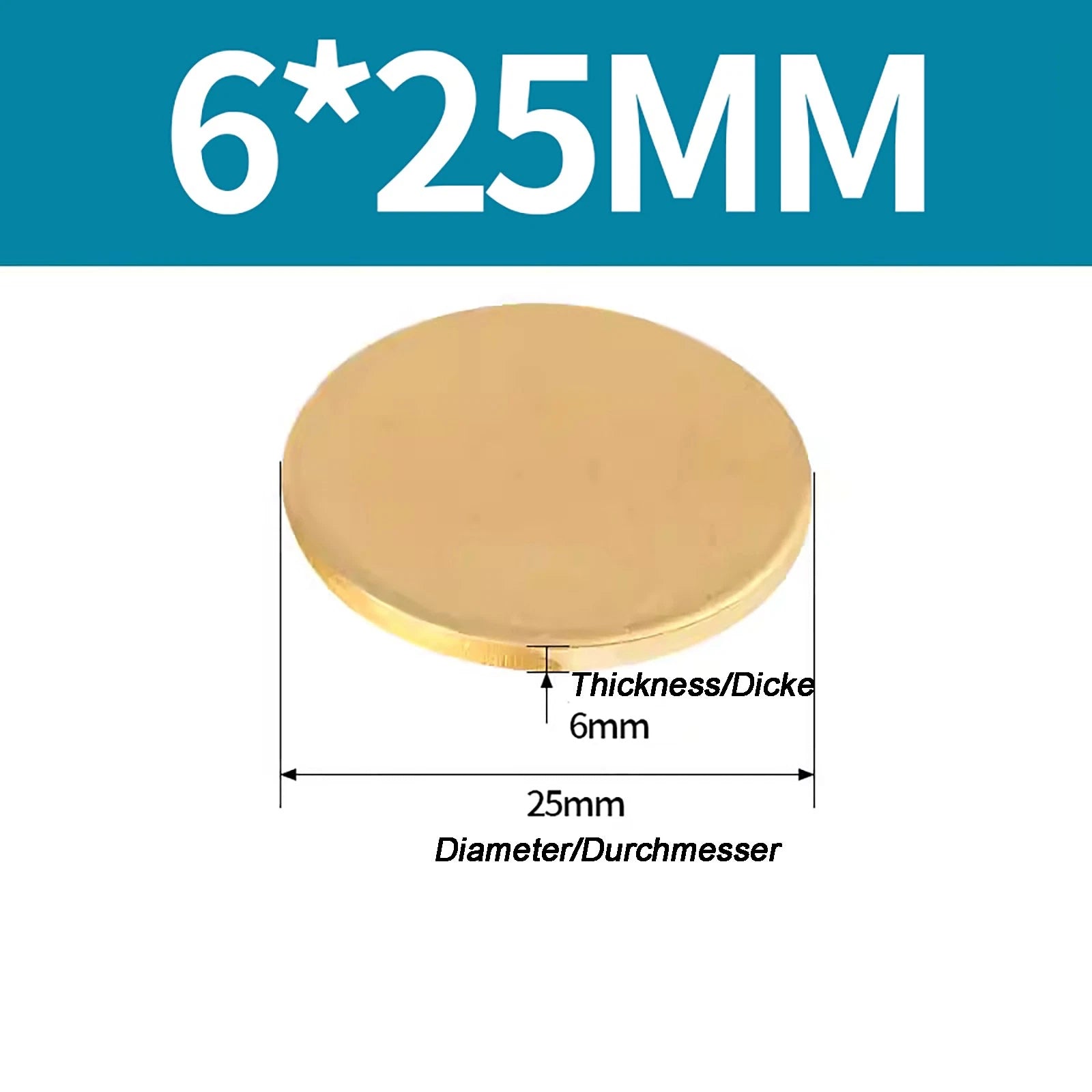
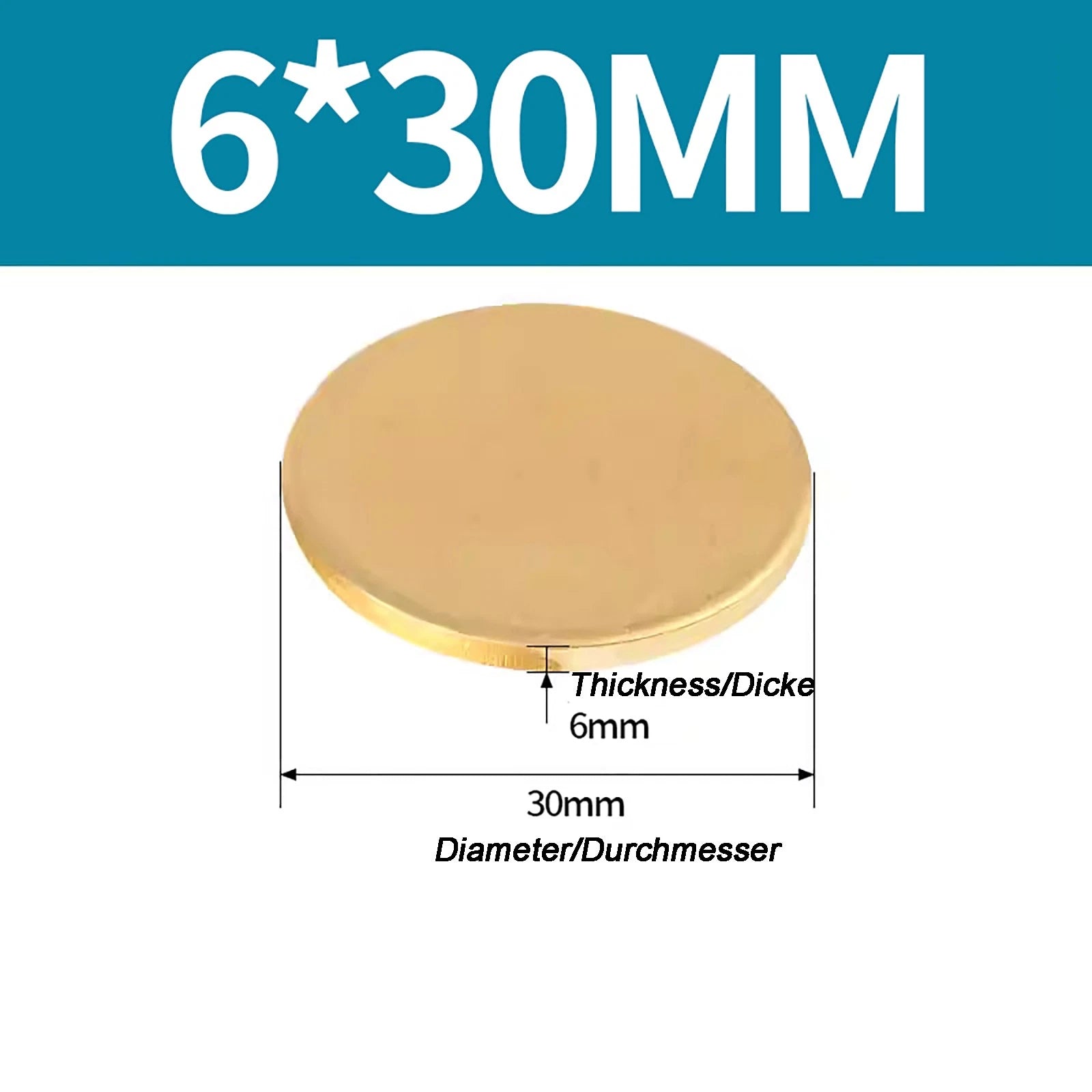
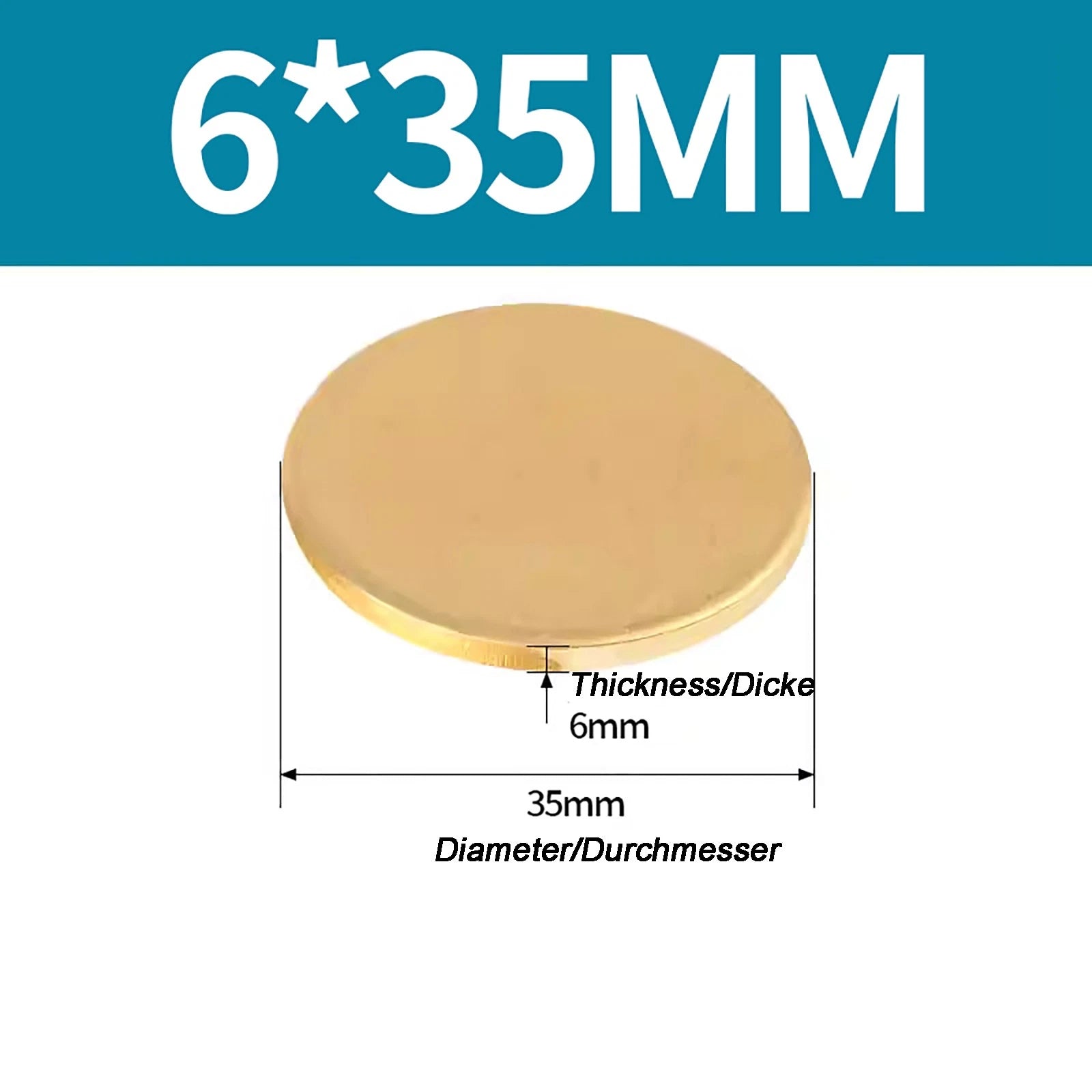
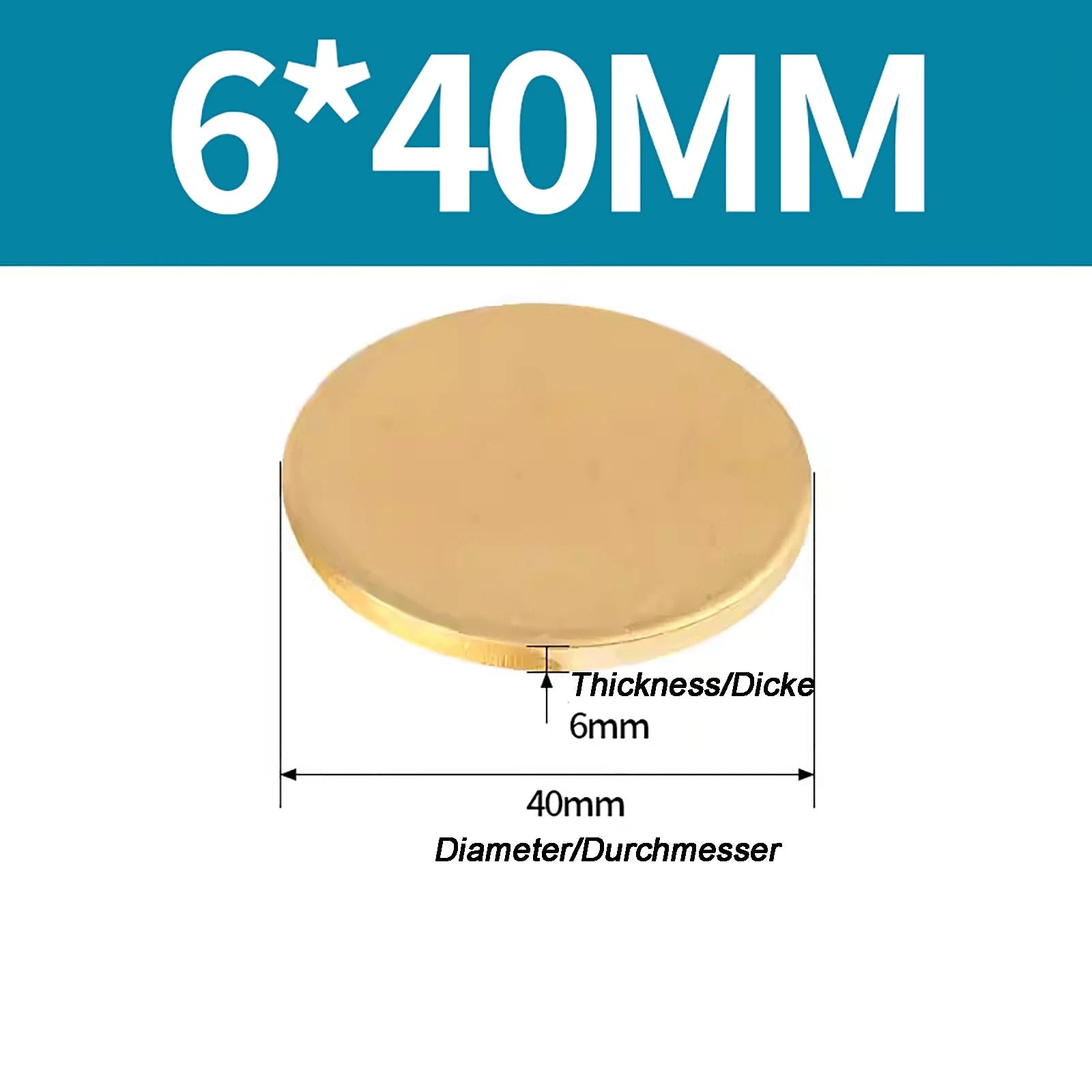
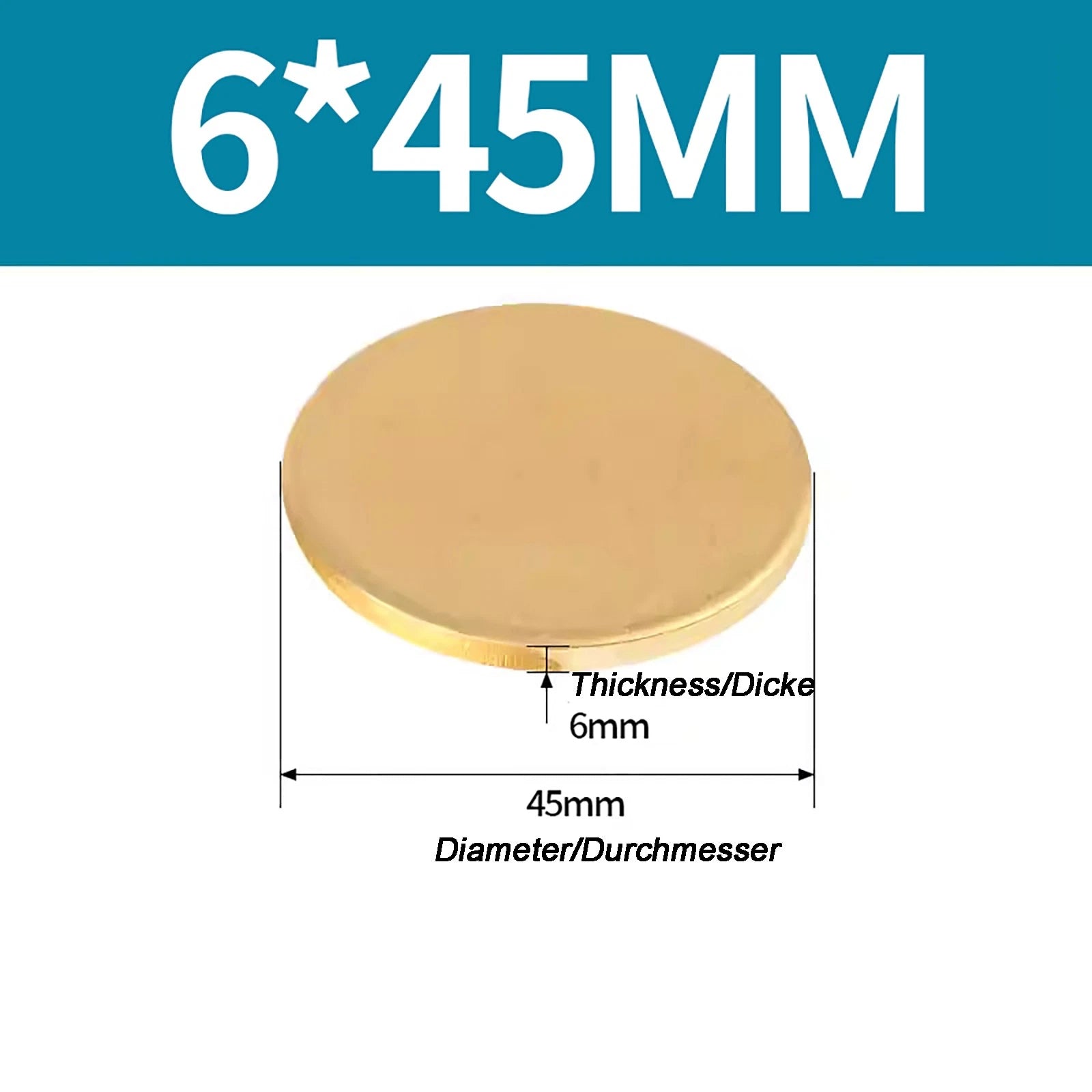
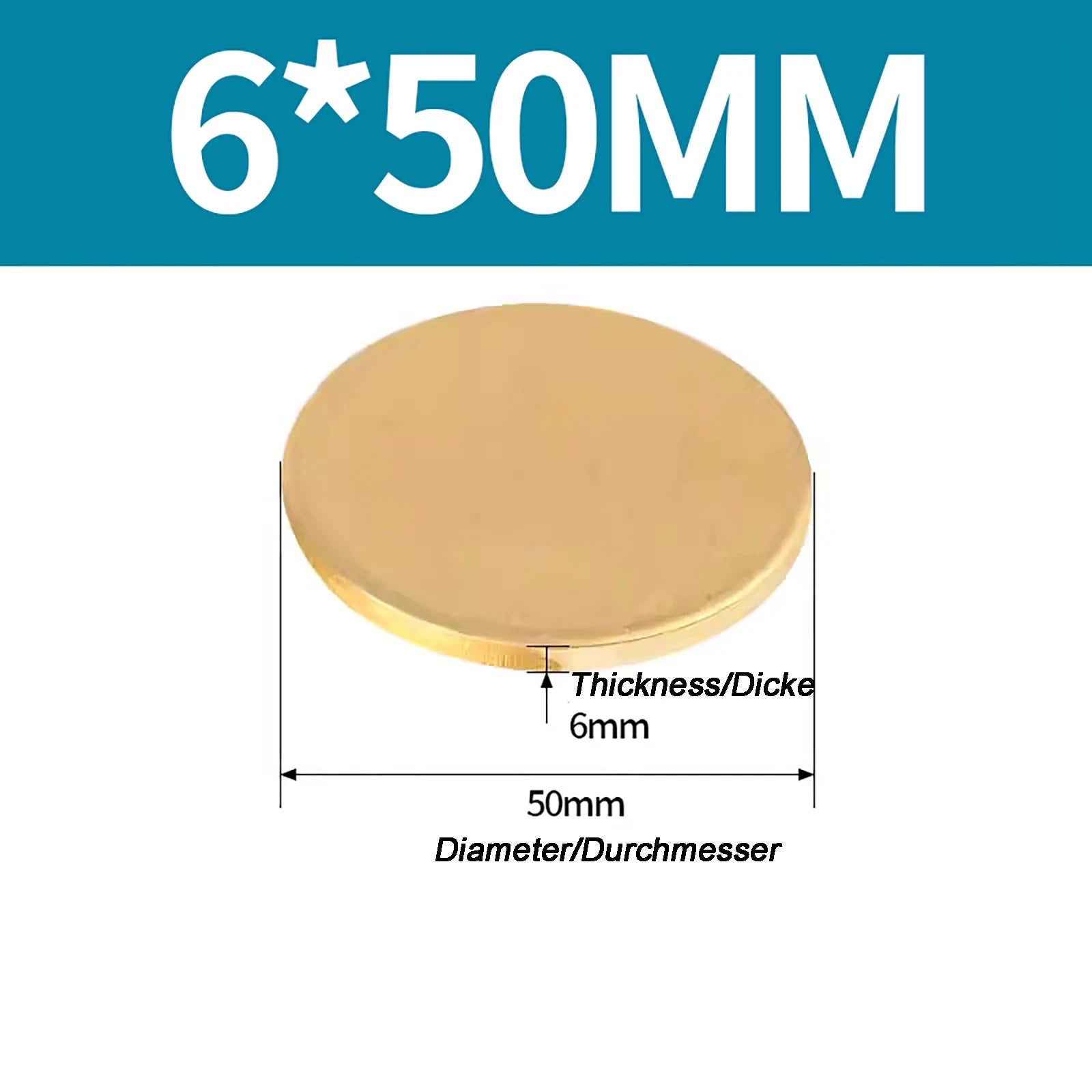
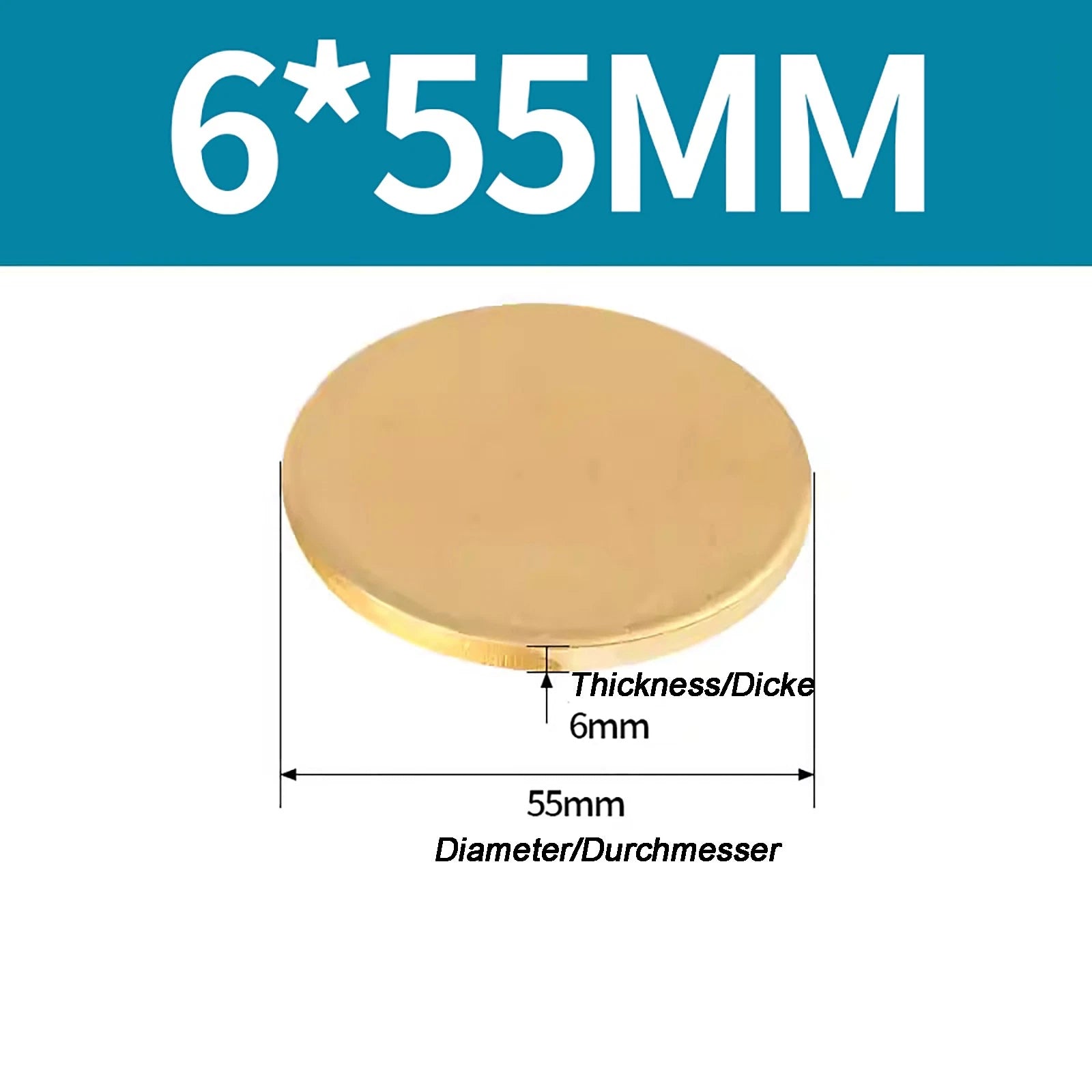
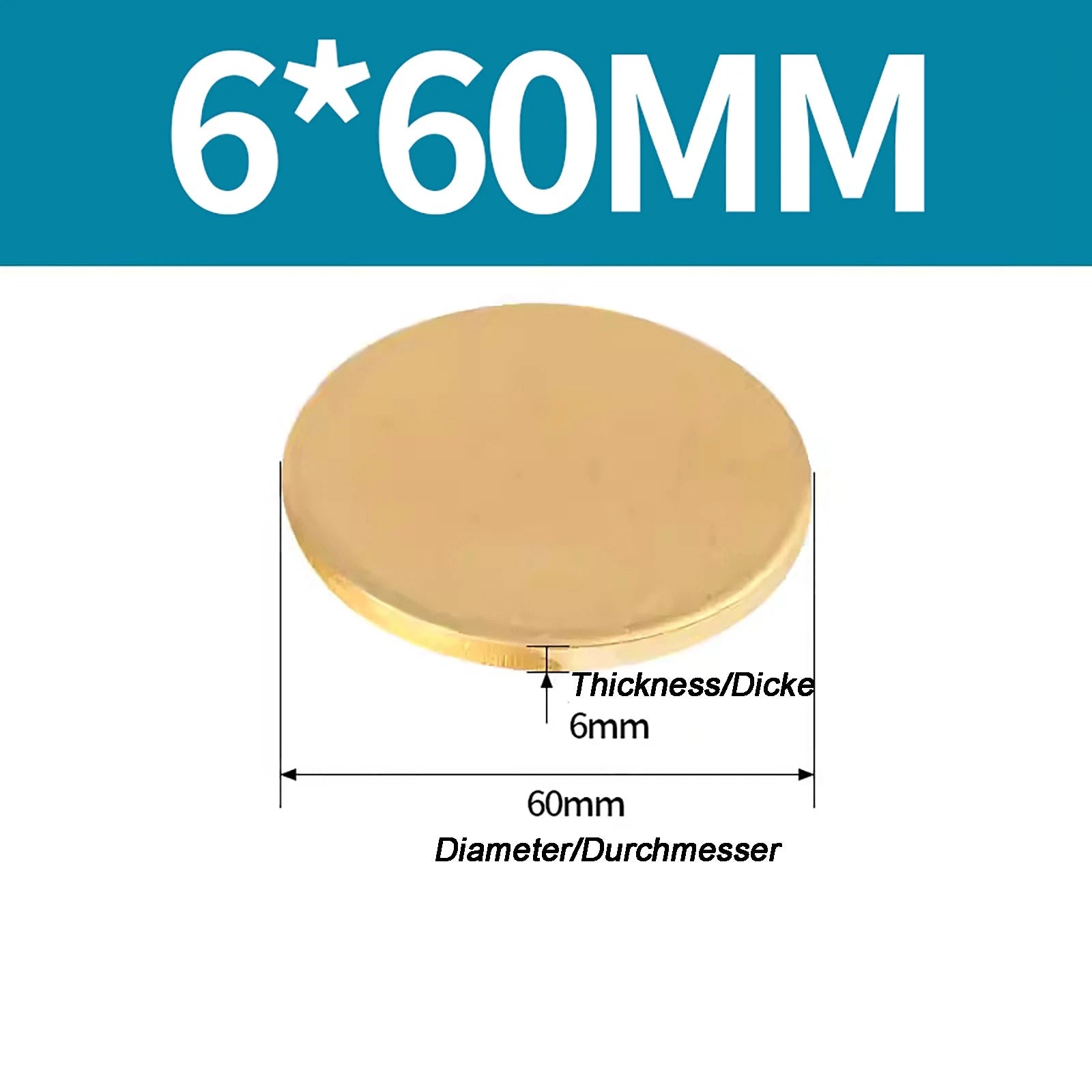
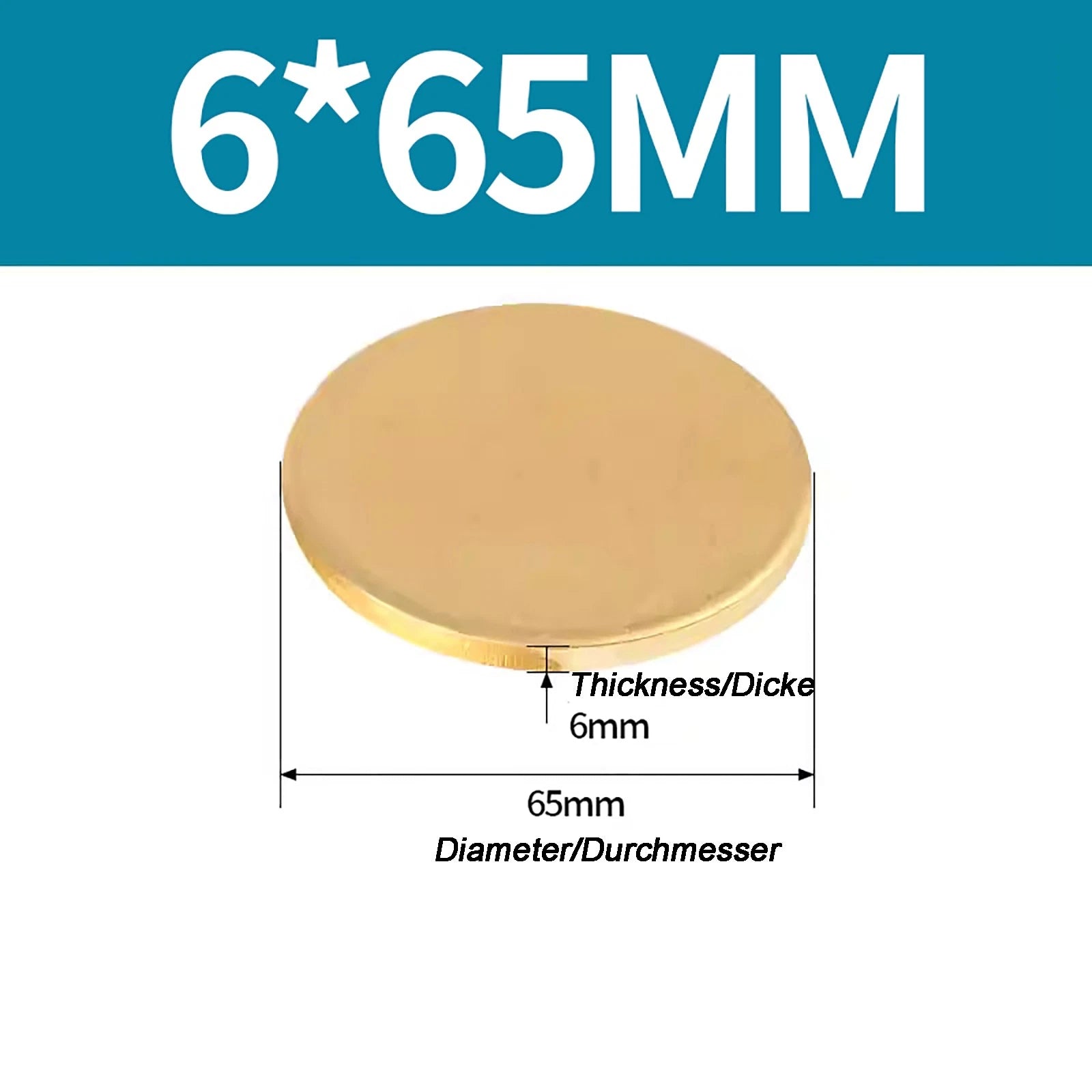
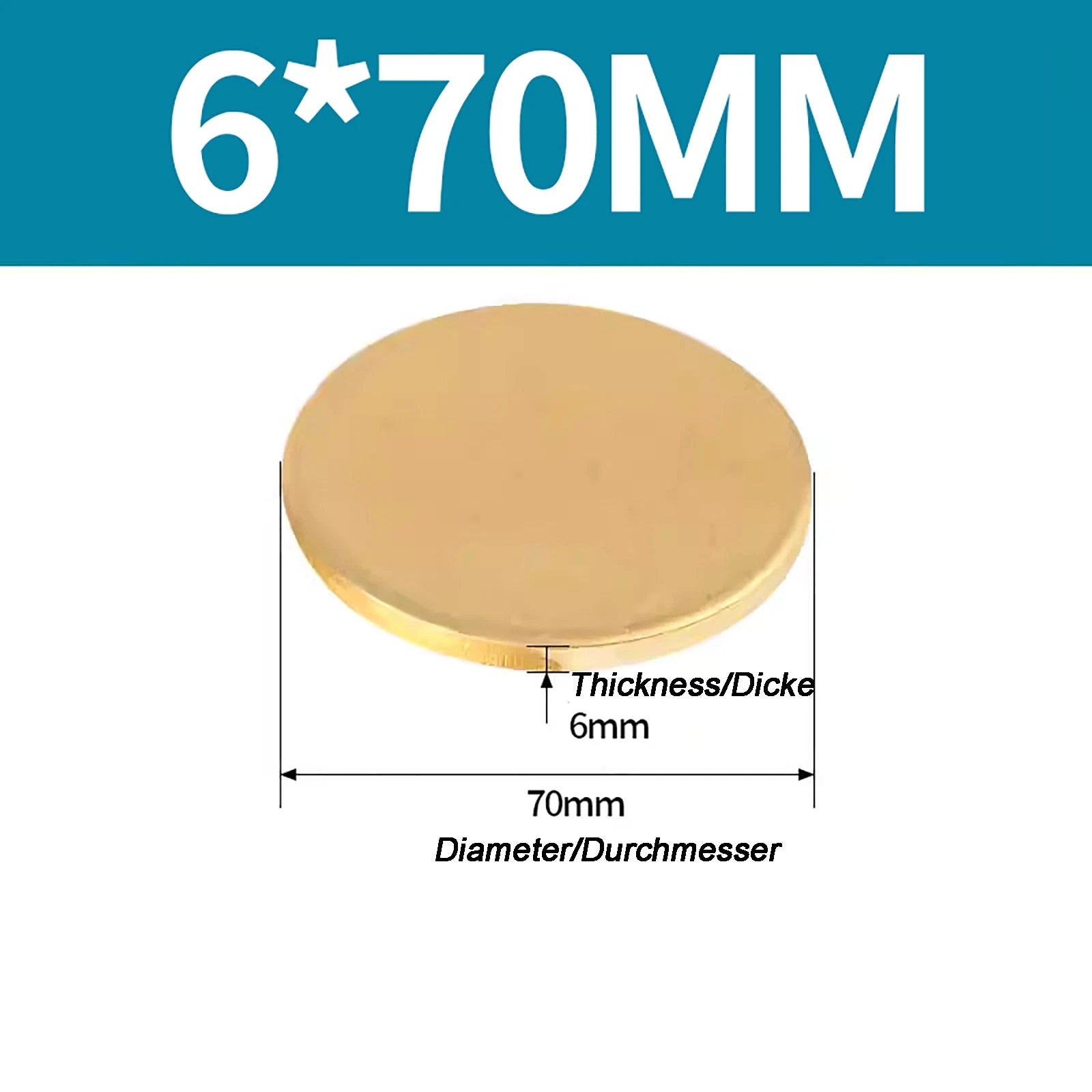
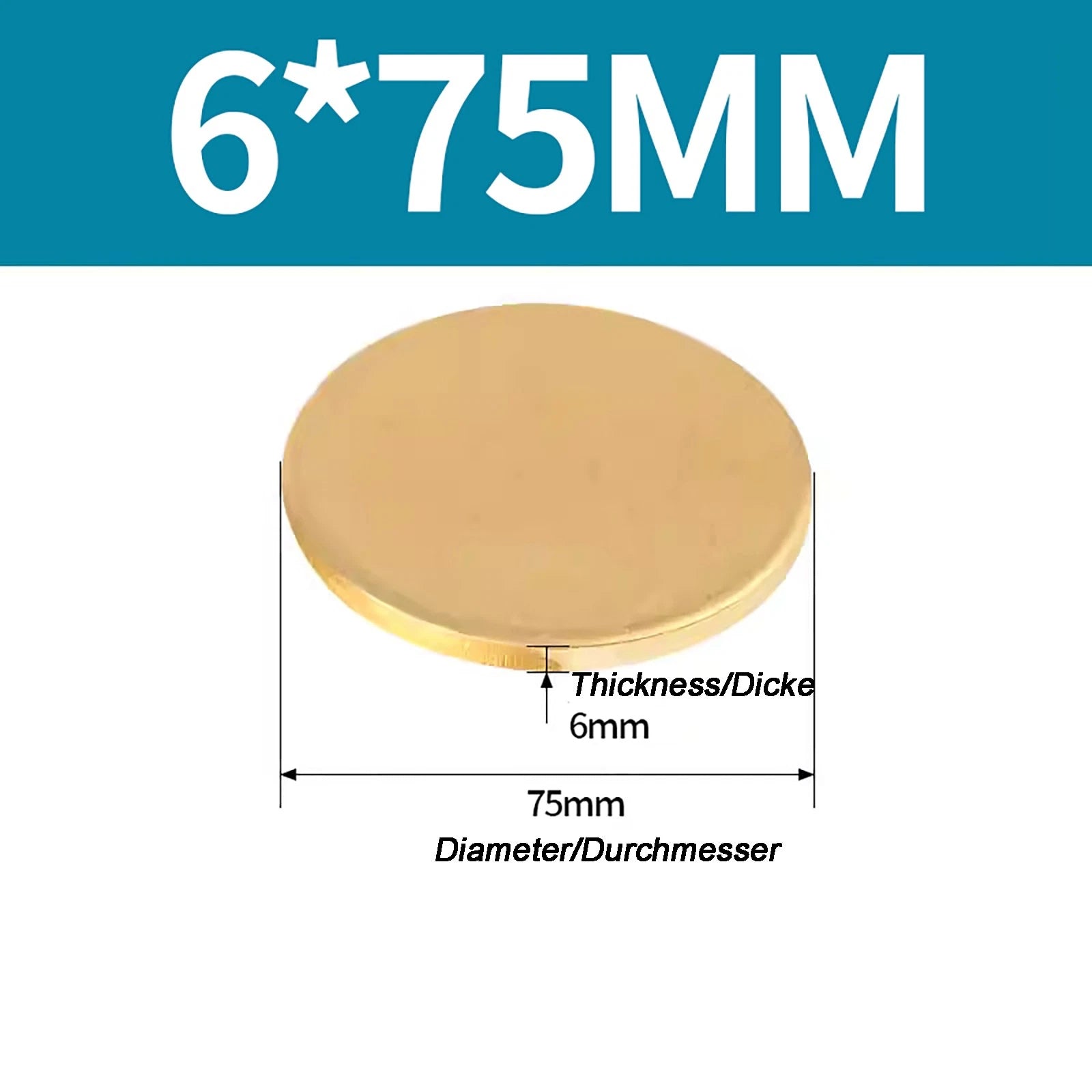
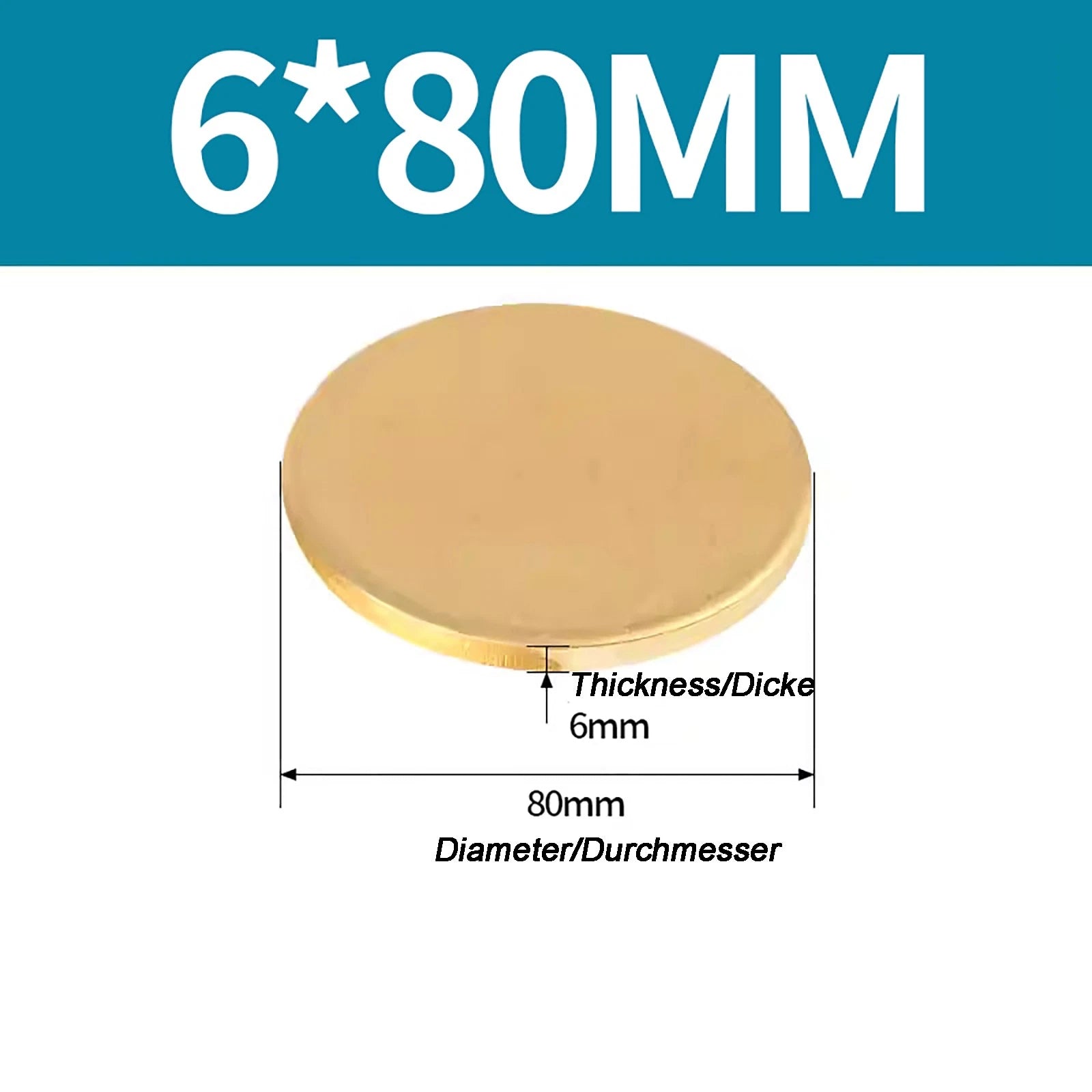
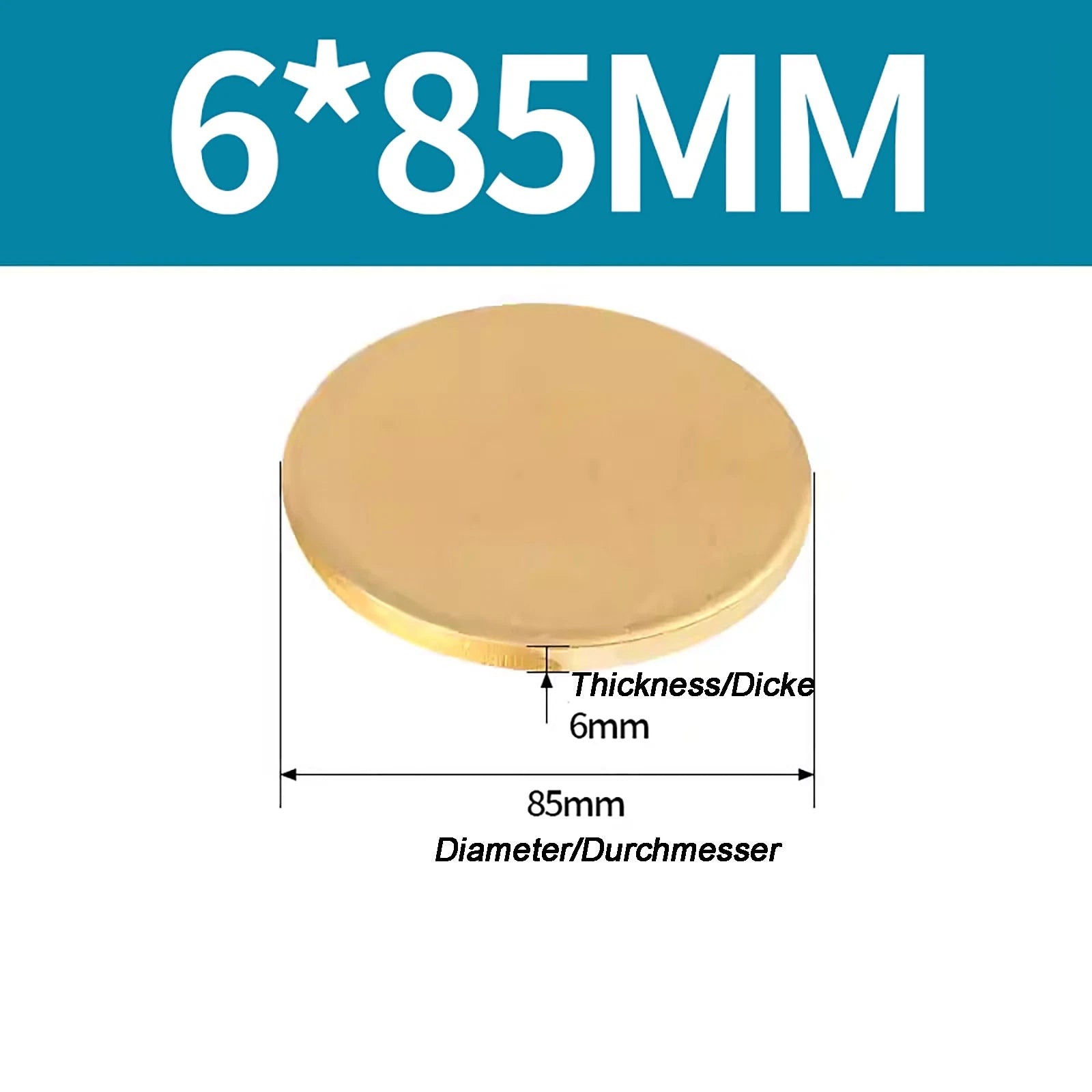
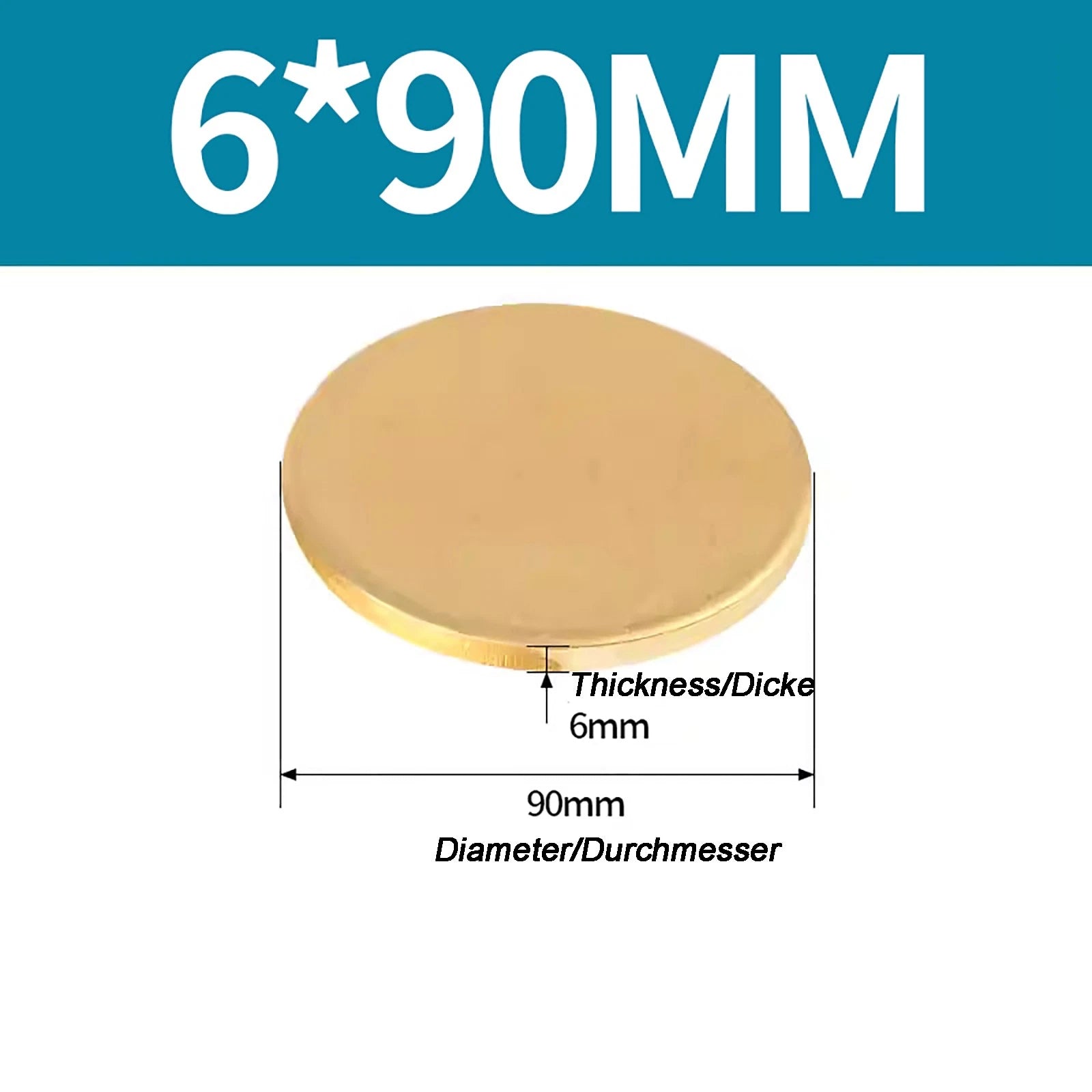
Each disc is cut from solid brass flat stock with a thickness range of 0.3 mm to 6.0 mm (approximately 0.012 in to 0.236 in) and a diameter range of 10 mm to 180 mm (approximately 0.39 in to 7.09 in). The brass alloy offers a warm golden appearance, good machinability, and moderate corrosion resistance suitable for indoor and light outdoor applications.
Typical use cases include handmade jewelry and pendant blanks for stamping or engraving, spacer and shim stock for mechanical assemblies, decorative inlay discs for woodworking, clock and instrument face blanks, and prototype parts for small-batch engineering projects requiring a non-ferrous round blank.
Cut from solid brass flat stock — not plated or laminated — so you get consistent material all the way through for drilling, turning, or stamping.
Thickness from 0.3 mm to 6.0 mm and diameter from 10 mm to 180 mm covers thin shim work right through to substantial engineering blanks in a single product listing.
Pre-cut circular form saves setup time compared to cutting discs from rectangular sheet, reducing material waste and machining steps.
Brass machines freely with standard HSS or carbide tooling, producing clean edges and smooth surfaces with minimal burring on most thickness options.
Brass naturally resists oxidation in dry and mildly humid environments, making these discs suitable for decorative, craft, and light mechanical applications without additional coating.
Available in packs of 1, 2, or 4 pieces depending on the size selected, so you can order exactly what your project needs without over-buying.
| Material | Brass (copper-zinc alloy) |
|---|---|
| Item Type | Flat stock disc / round blank |
| Thickness Range | 0.3 mm – 6.0 mm (0.012 in – 0.236 in) |
| Diameter Range | 10 mm – 180 mm (0.39 in – 7.09 in) |
| Surface Finish | See variant options |
| Hardness | See variant options |
| Tolerance | See variant options |
| Pack Quantity | 1 Pcs / 2 Pcs / 4 Pcs (size-dependent) |
| Condition | New |
For thin shims, gaskets, or decorative overlays, thicknesses of 0.3 mm to 0.8 mm work well. For jewelry pendants and light stamping, 1.0 mm to 1.5 mm is a common choice. For structural spacers, turned parts, or heavier engraving, 2.0 mm to 6.0 mm provides the rigidity needed. If you are unsure, select the variant closest to your existing component thickness.
Measure the outer diameter of the area you need to cover or the finished part size you require. For turned parts, choose a diameter slightly larger than your target finished size to allow for machining. For direct-use applications such as decorative discs or shims, match the diameter as closely as possible to your requirement.
Brass is softer and less strong than mild steel, with a tensile strength typically in the range of 300–500 MPa depending on alloy and temper. It is well suited for non-load-bearing mechanical parts, decorative applications, and components where machinability and corrosion resistance matter more than raw strength. For high-load structural applications, steel or stainless steel would be more appropriate.
Brass naturally develops a patina over time when exposed to air and moisture, shifting from bright gold to a darker amber tone. In dry indoor environments this process is slow. If you want to maintain the original bright finish, apply a clear lacquer or metal polish after any machining. For outdoor or humid environments, a protective coating is recommended.
Yes. Brass solders and brazes readily using standard silver solder or brass brazing rod with appropriate flux. Fusion welding is possible but requires care to avoid zinc fuming — ensure adequate ventilation and use appropriate PPE. For most craft and light engineering joins, silver soldering is the recommended method.
Yes. Standard HSS twist drill bits work well on brass. Use a slow to moderate feed rate and avoid excessive pressure to prevent the drill from grabbing. For lathe turning, standard HSS or carbide inserts with a slightly negative rake angle are recommended. Brass cuts cleanly and produces short chips, making it easy to work with on most benchtop machines.
Pack quantity varies by size — smaller and thinner discs are available in packs of 2 or 4 pieces, while larger and thicker discs are typically sold individually. Check the variant selector for the pack quantity associated with your chosen size. If you need a larger quantity for a production run or bulk project, ordering multiple packs is the straightforward approach.