The chain is fine...but I ordered the wrong size. Nine links of the chain I ordered equals six of the size I wanted. My error...
How can I straighten out the springs? I can't use them coil uo as is.
Your payment information is processed securely. We do not store credit card details nor have access to your credit card information.
Get fitment advice & recommendations
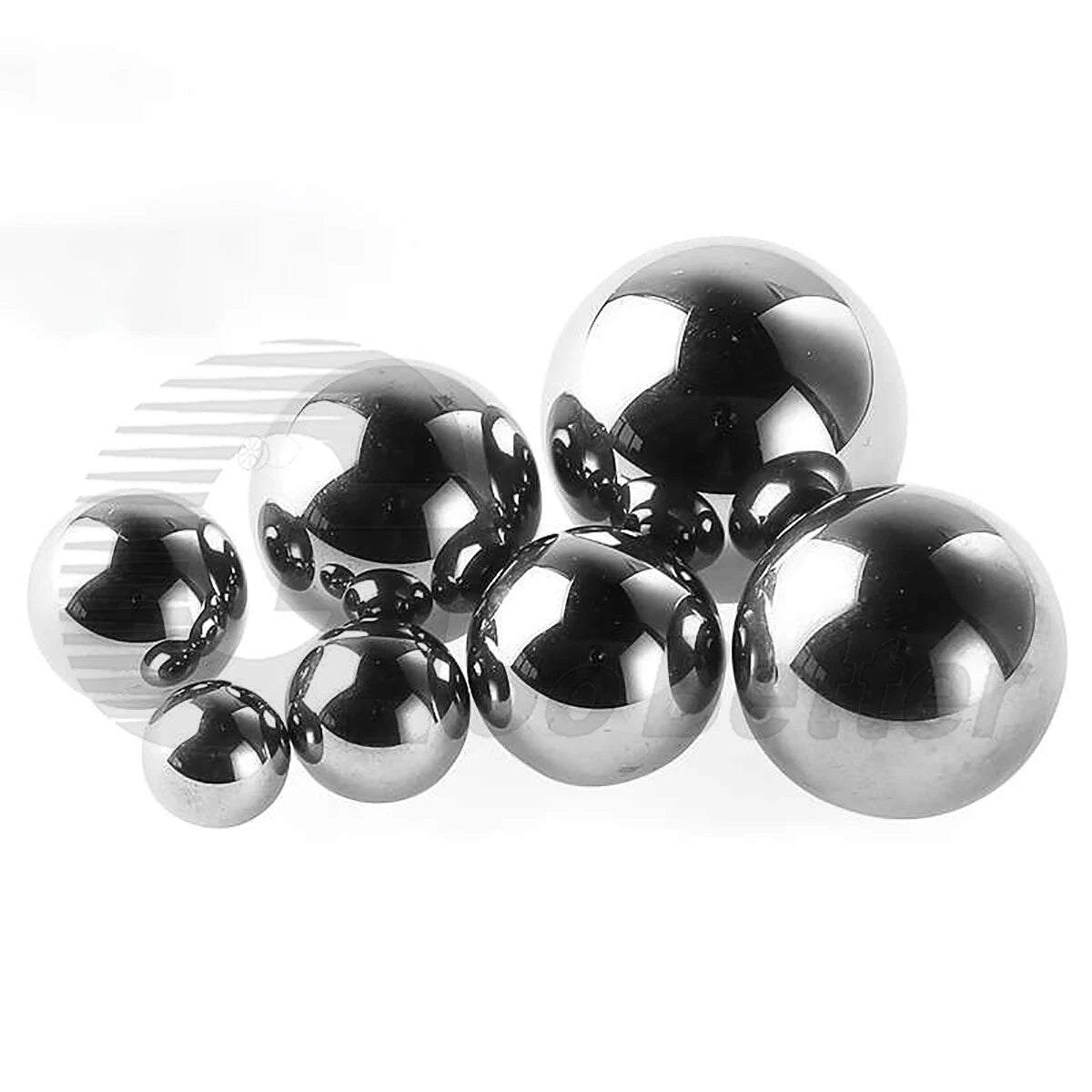
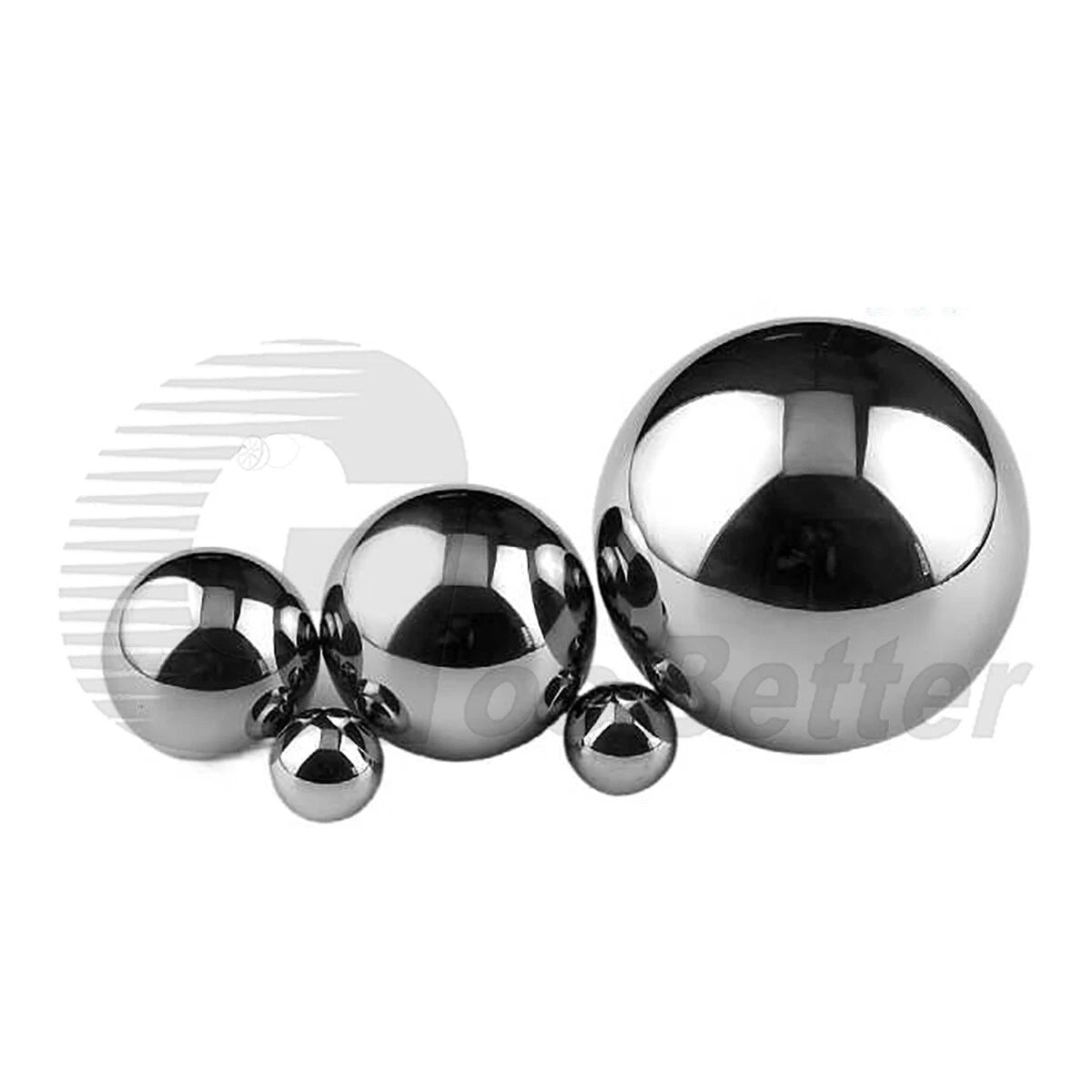
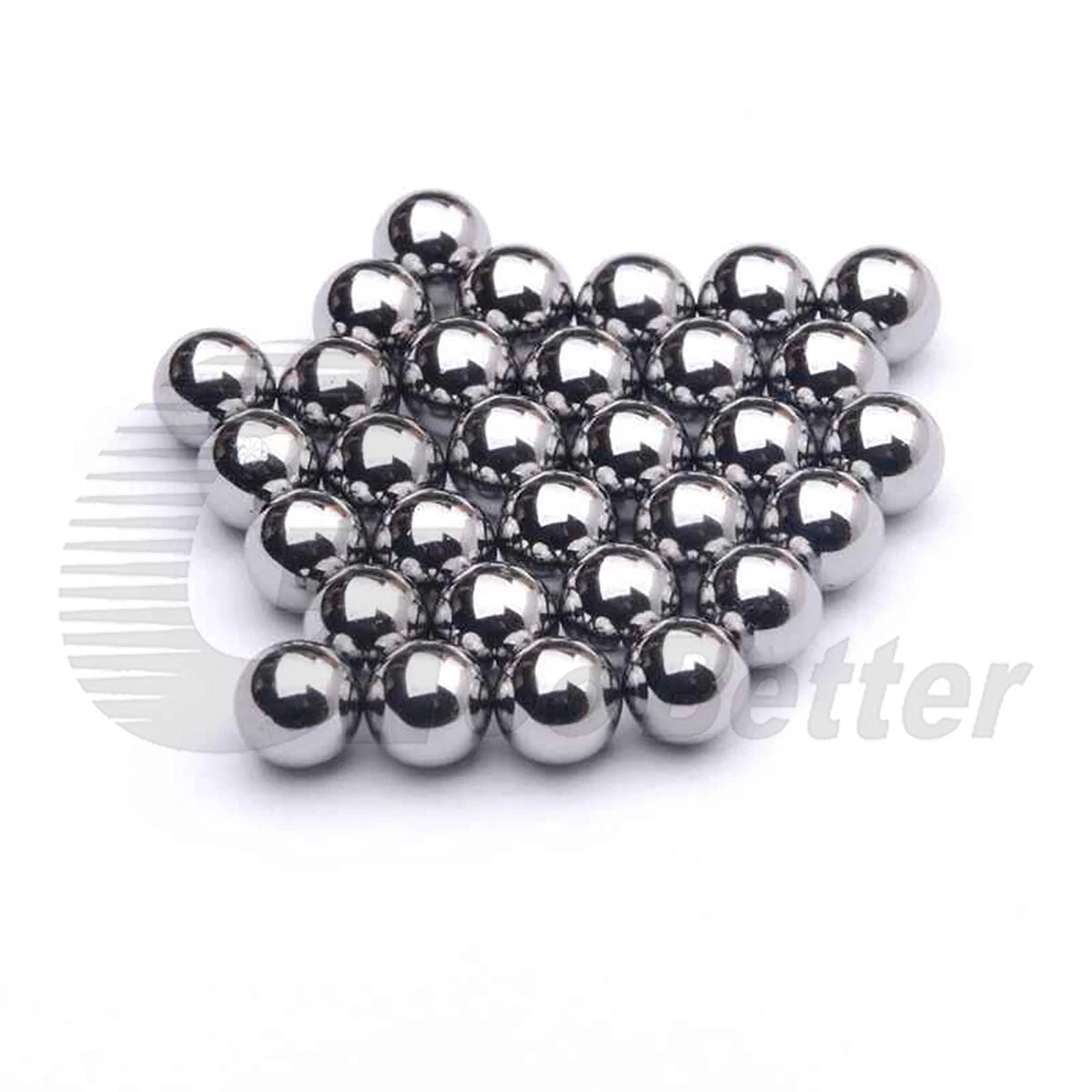
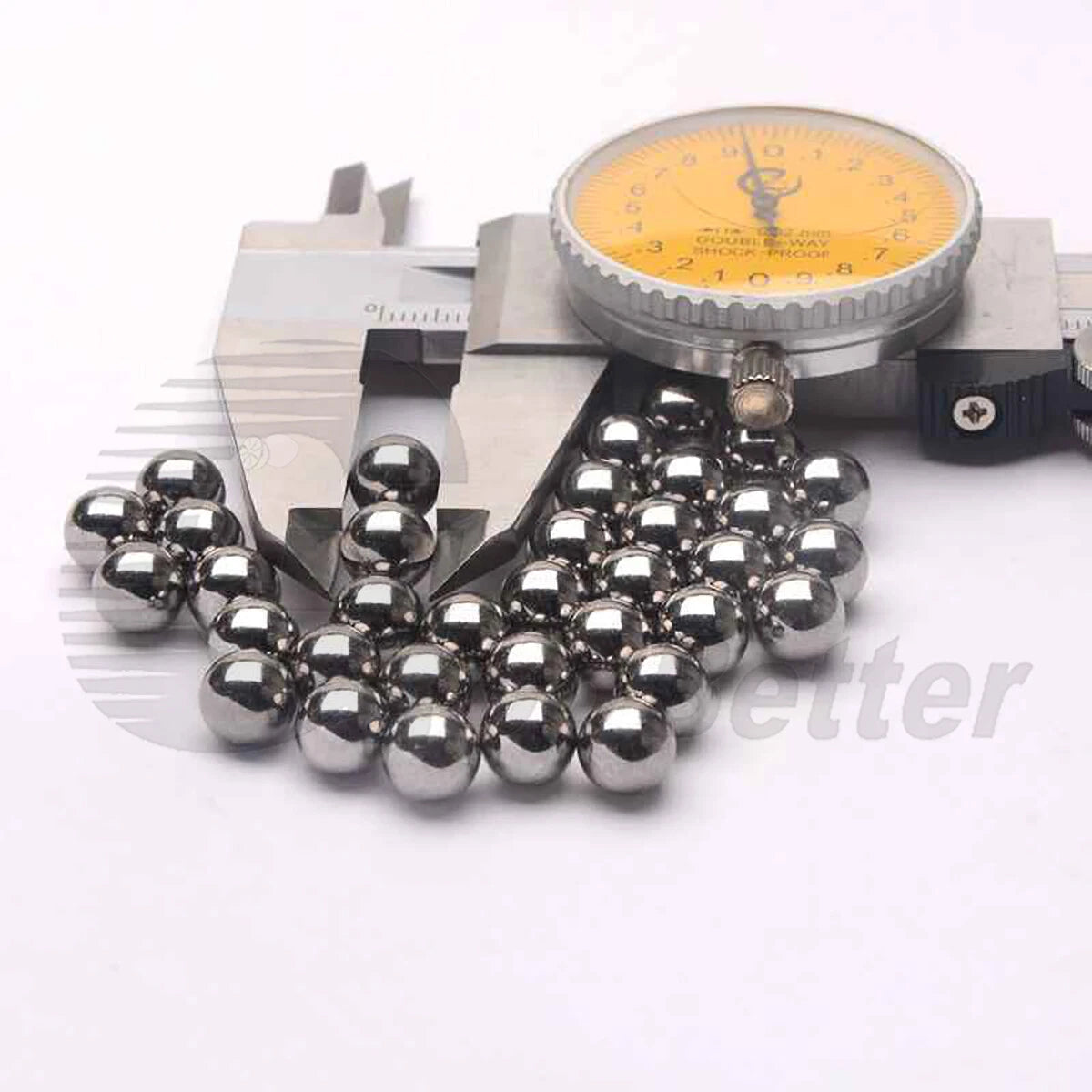
When your project demands dimensional accuracy down to the hundredth of a millimeter, standard hardware simply won't do. Engineers, machinists, and precision-assembly technicians working on valves, gauges, linear slides, and custom bearing housings need solid carbide ball bearings and steel ball beads they can trust to hold tolerance run after run.
These solid round balls are available in a wide diameter range from 0.5 mm (approx. 0.020 in) up to 40 mm (approx. 1.575 in), covering both metric and inch-equivalent sizes. The lineup includes carbide grades suited for extreme hardness applications as well as steel grades for general-purpose rolling and load-bearing use. Packing quantities range from 1 PCS to 20 PCS per order to match prototype and production needs alike.
Typical use cases include replacement rolling elements in miniature ball bearings, check-valve seats in hydraulic and pneumatic circuits, precision gauge calibration references, and tooling fixtures requiring repeatable contact points. The broad size selection also makes these balls well-suited for hobbyist CNC builds, robotic joint assemblies, and custom linear-motion systems where off-the-shelf bearing sizes are unavailable.
| Diameter Range | 0.5 mm – 40 mm (approx. 0.020 in – 1.575 in) |
|---|---|
| Material | See variant options (Carbide / Steel) |
| Shape | Solid sphere (no hollow core) |
| Surface Finish | Polished; specific Ra value — See variant options |
| Hardness | See variant options |
| Tolerance Grade | See variant options / Contact us to confirm |
| Packing Quantity | 1 PCS / 2 PCS / 10 PCS / 15 PCS / 20 PCS |
| Typical Applications | Ball bearings, check valves, gauge calibration, linear motion, tooling fixtures |
| Weight per Ball | See variant options (varies by diameter and material) |
Measure your housing bore diameter and subtract the designed radial clearance (typically 0.005–0.020 mm for precision applications). The resulting value is your target ball diameter. For raceway-groove housings, also verify that the groove radius is 51–53% of the ball radius to ensure proper contact geometry. If you are replacing an existing ball, measure the worn ball with a micrometer and select the next standard size up if the original is undersized.
Carbide balls (typically tungsten carbide) offer significantly higher hardness (typically 85–92 HRA) and wear resistance, making them suitable for abrasive environments, high-cycle valve seats, and precision gauging where dimensional stability over time is critical. Steel balls are more economical and sufficient for general rolling-element, load-distribution, and moderate-cycle applications. If your application involves corrosive media or extreme surface hardness requirements, carbide is the appropriate choice.
The polished steel balls carry a smooth surface finish that provides moderate resistance to oxidation in ambient humidity. For continuous exposure to water, mild acids, or salt environments, carbide grades offer better chemical inertness. For highly corrosive media (strong acids, chlorinated fluids), contact us to confirm the appropriate material grade before ordering.
Yes. Solid round balls are a standard seating element in poppet-style check valves. Select a ball diameter that is 10–20% larger than the valve orifice diameter to ensure full seating coverage. Carbide balls are preferred for high-cycle hydraulic applications due to their resistance to deformation under repeated impact loading. Confirm operating pressure and fluid compatibility with us if you are unsure which grade to specify.
For prototyping and fit-checking, the 1 PCS or 2 PCS options let you validate diameter and material before committing to larger quantities. For small production runs or maintenance stock, the 10 PCS or 20 PCS packs offer a lower per-unit cost. The 15 PCS option is available for select larger diameters. Choose the quantity that matches your immediate need — you can reorder the same SKU for consistent batch-to-batch dimensions.
Use a calibrated outside micrometer or ball micrometer to measure the diameter at three orthogonal axes. For precision bearing applications, all three readings should agree within your specified tolerance band. Surface roundness can be checked by rolling the ball on a flat surface plate — any wobble indicates out-of-round condition. Contact us to confirm the tolerance grade shipped with your specific diameter if you require documentation for quality records.
Yes. The product line includes several sizes that correspond to common inch fractions: 1.5875 mm (1/16"), 3.175 mm (1/8"), 4.763 mm (3/16"), 6.35 mm (1/4"), 7.938 mm (5/16"), 9.525 mm (3/8"), 11.1125 mm (7/16"), 12.7 mm (1/2"), 14.288 mm (9/16"), 15.875 mm (5/8"), 17.4625 mm (11/16"), 19.05 mm (3/4"), 22.225 mm (7/8"), and 25.4 mm (1"). Select the diameter that matches your inch specification directly from the variant dropdown.