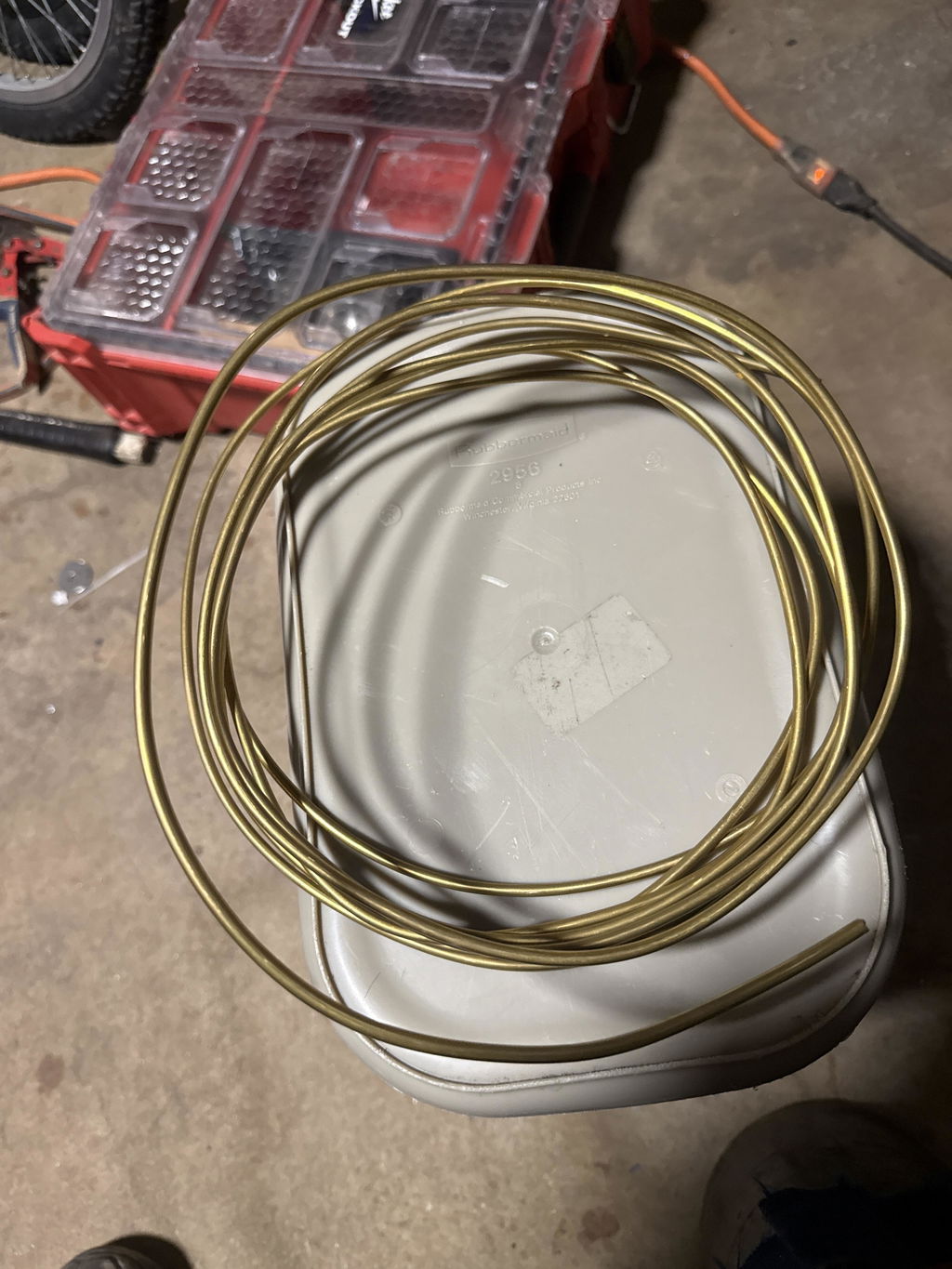
The chain is fine...but I ordered the wrong size. Nine links of the chain I ordered equals six of the size I wanted. My error...
How can I straighten out the springs? I can't use them coil uo as is.
Your payment information is processed securely. We do not store credit card details nor have access to your credit card information.
Get fitment advice & recommendations
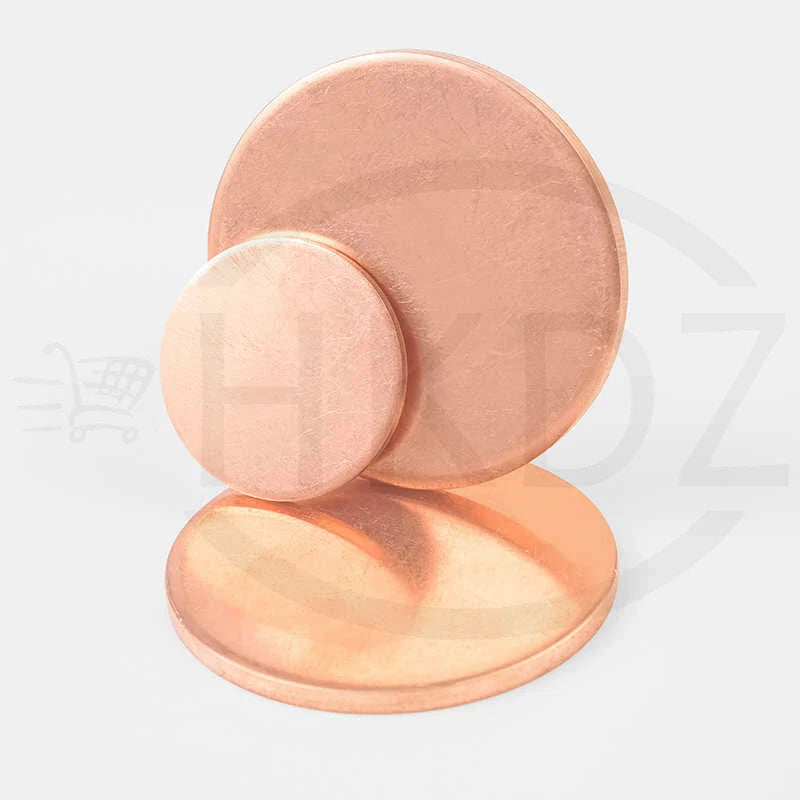
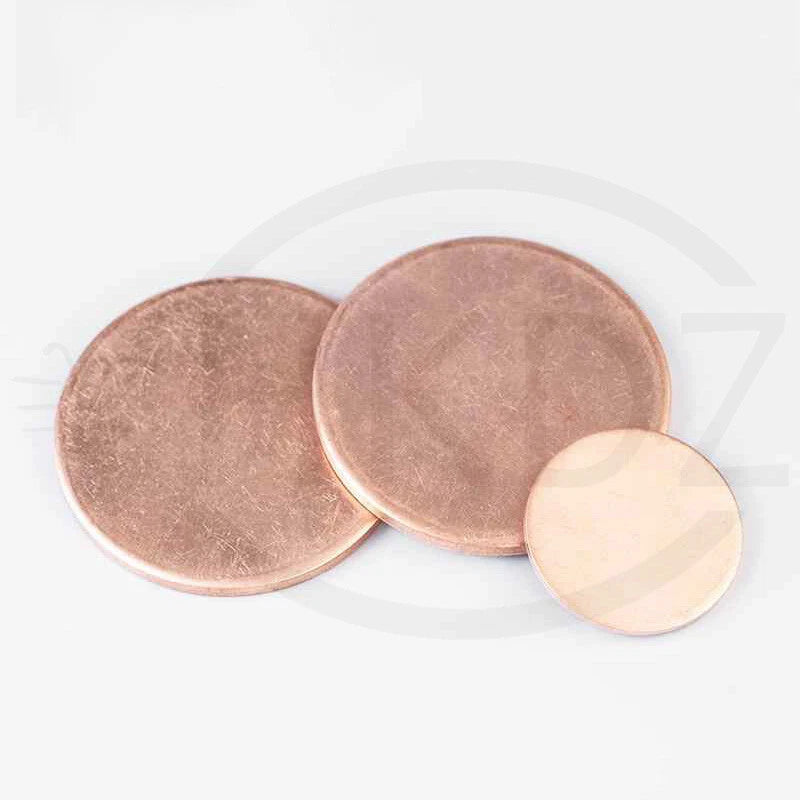
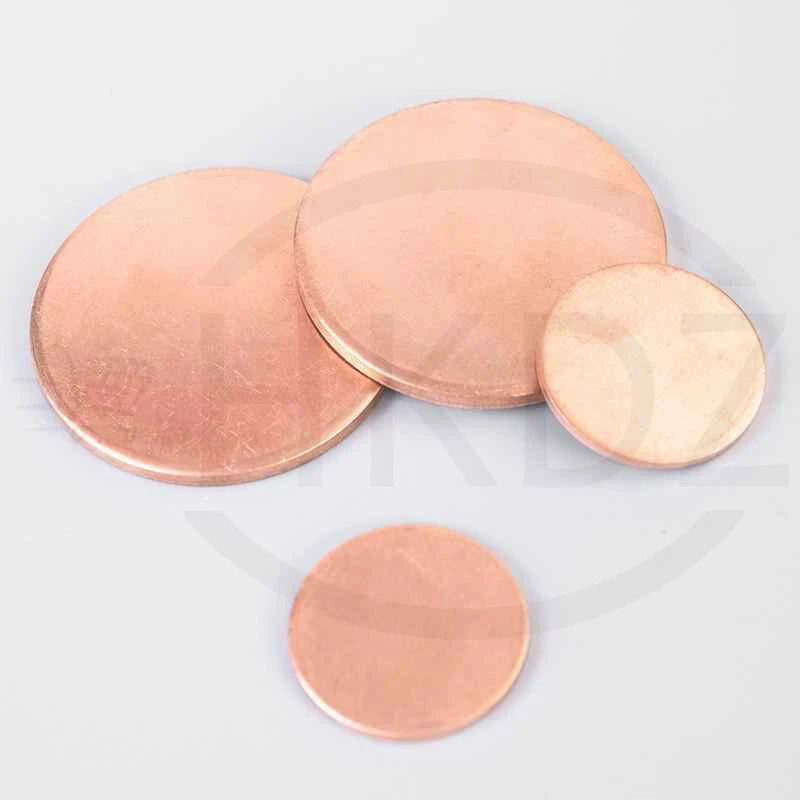
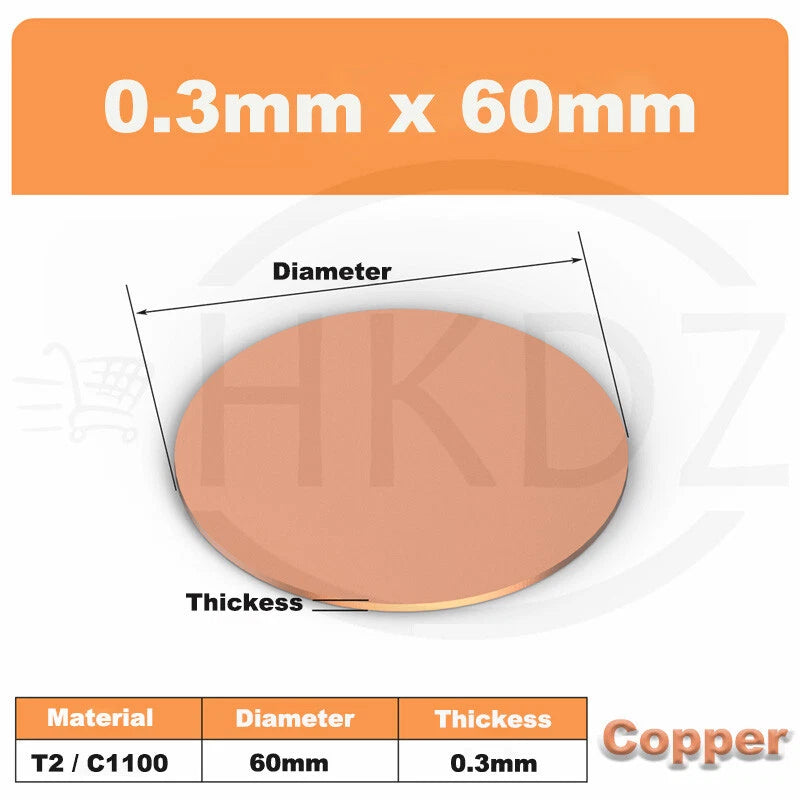
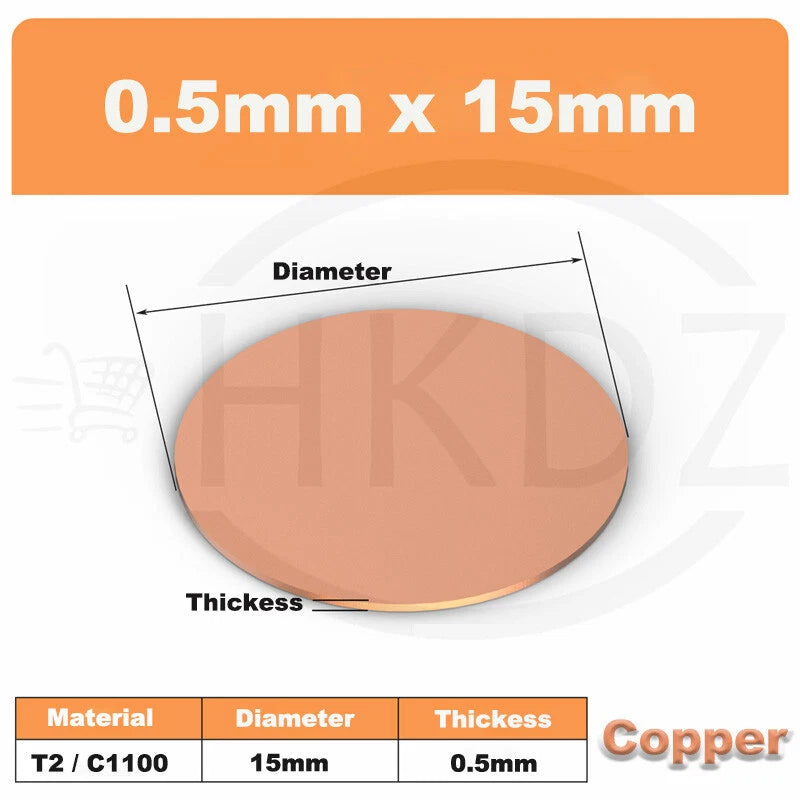
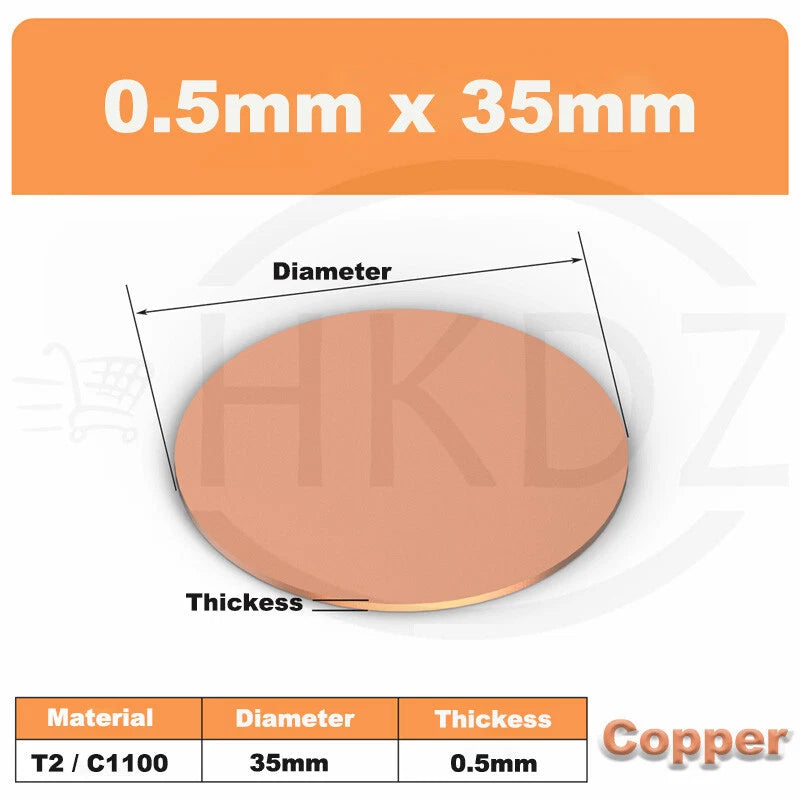
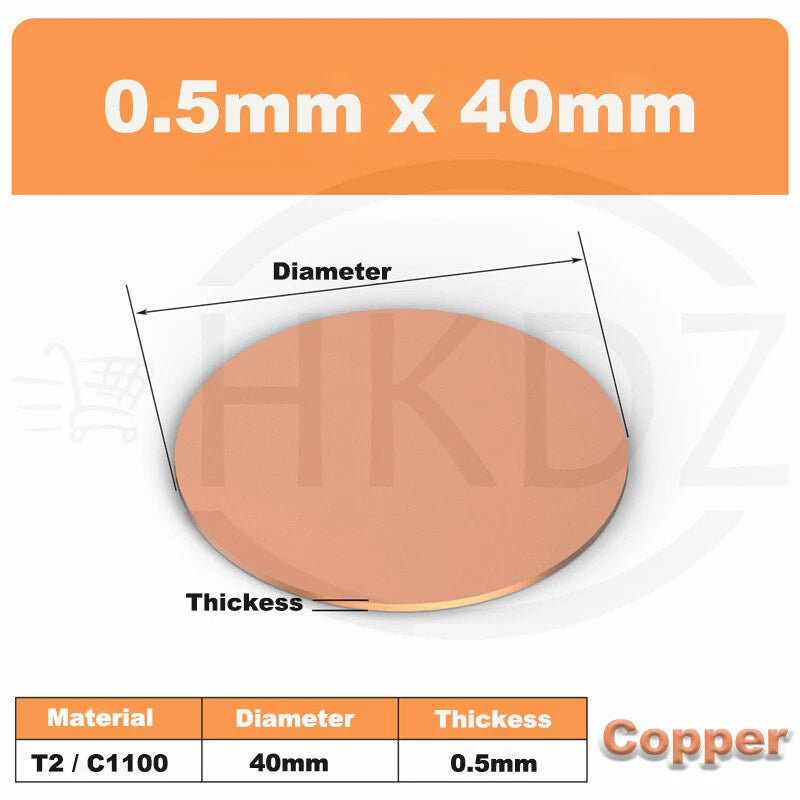
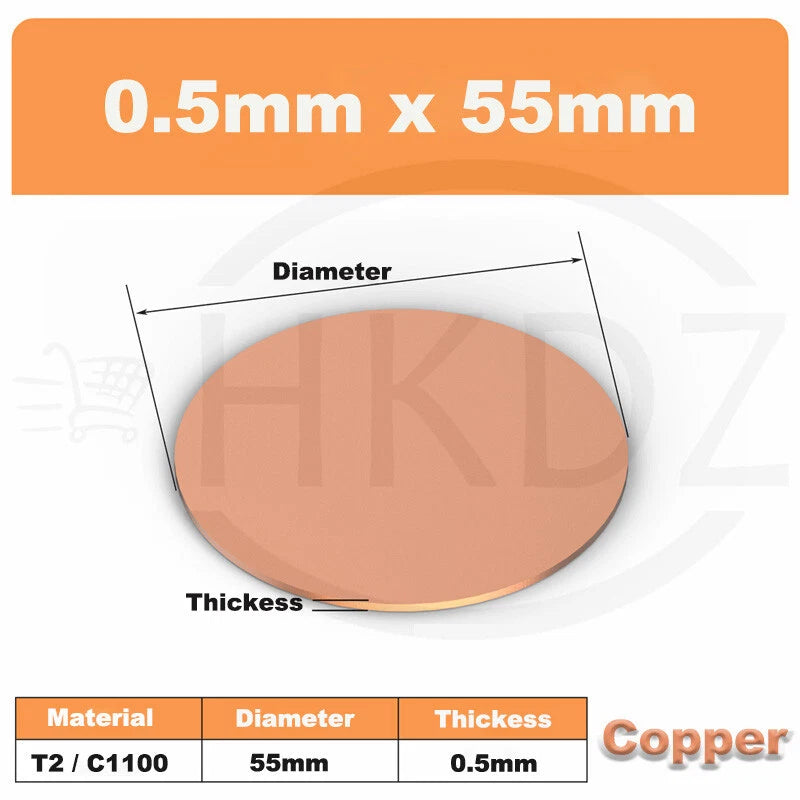
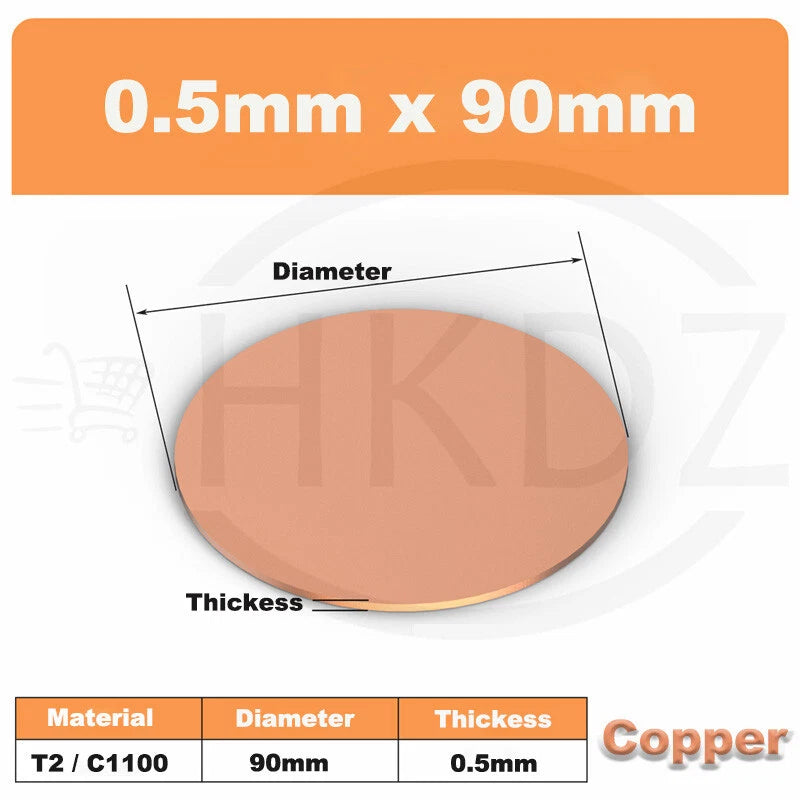
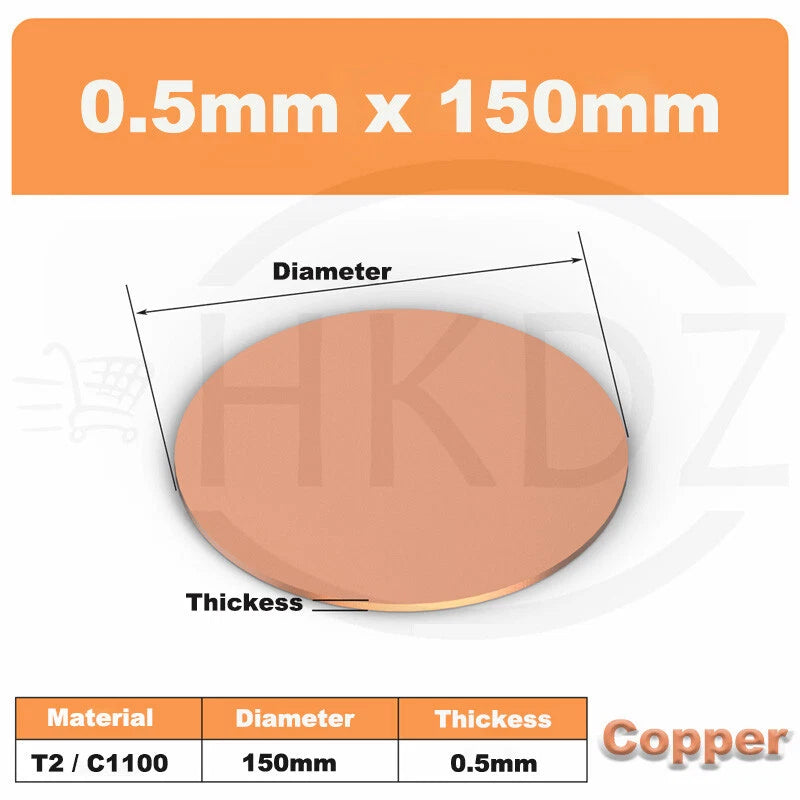
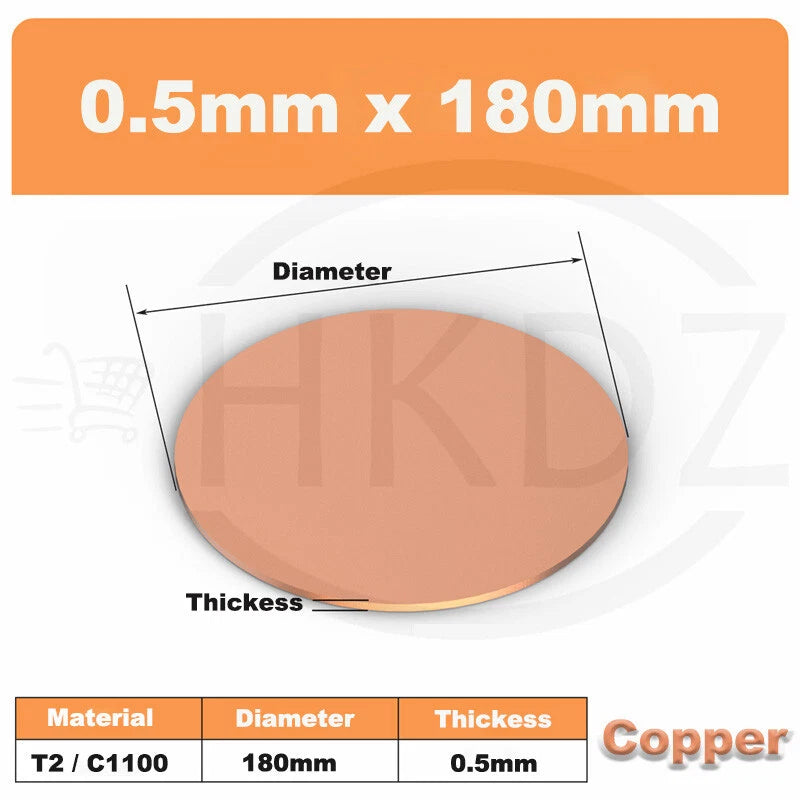
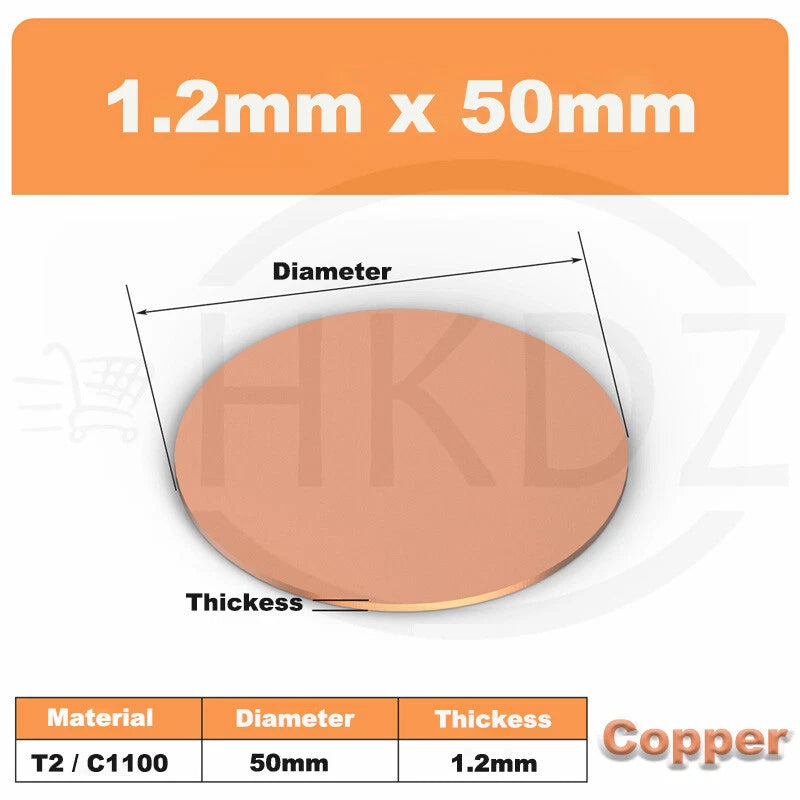
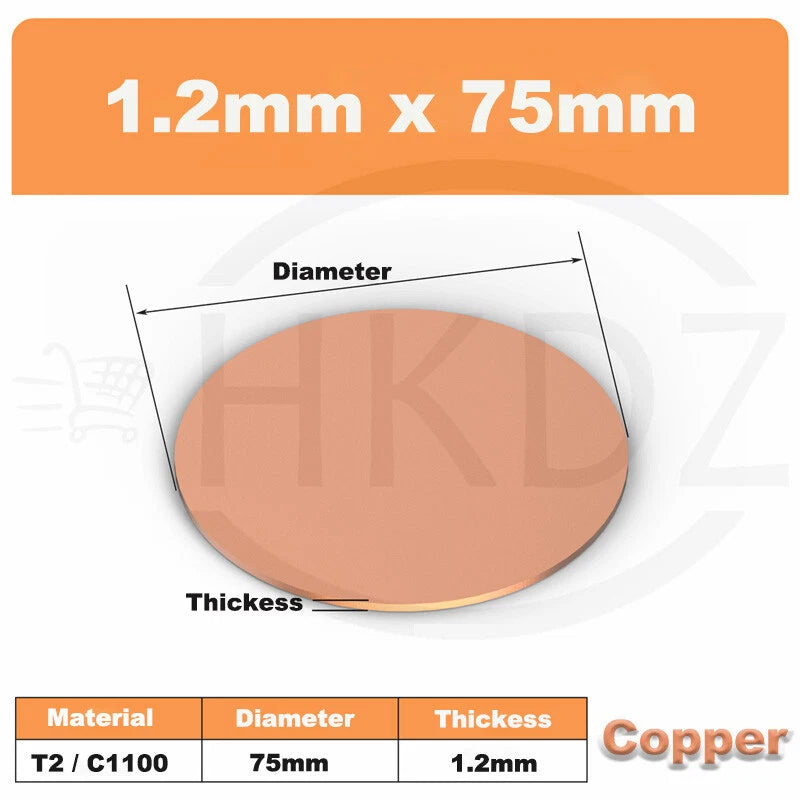
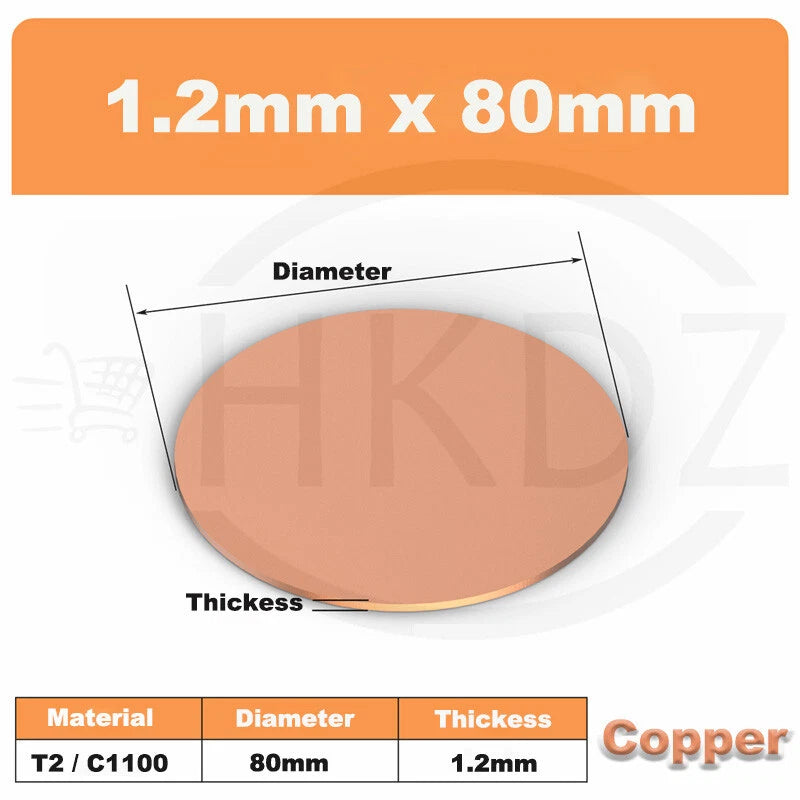
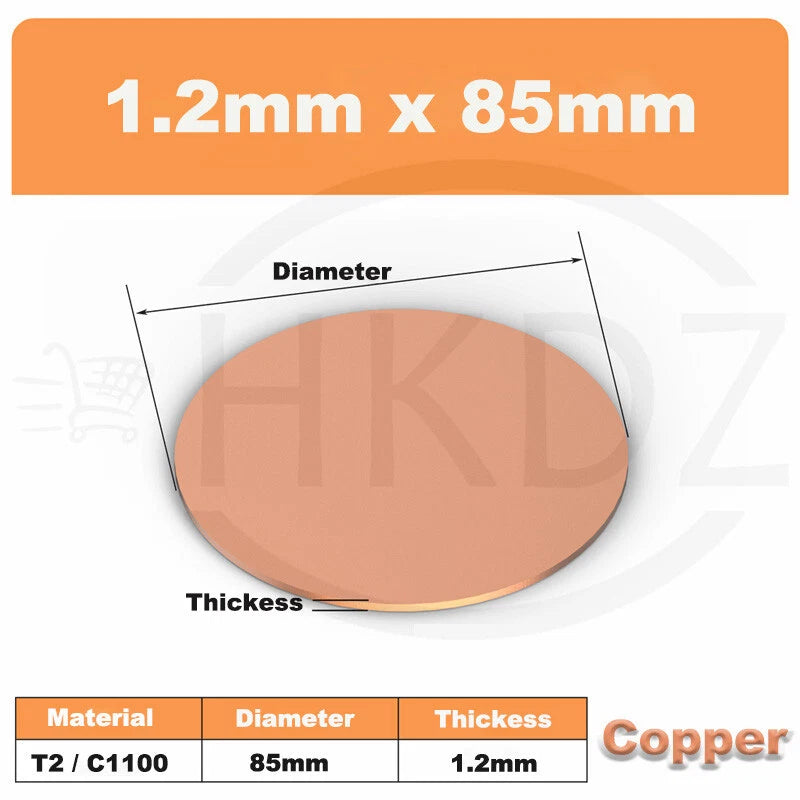
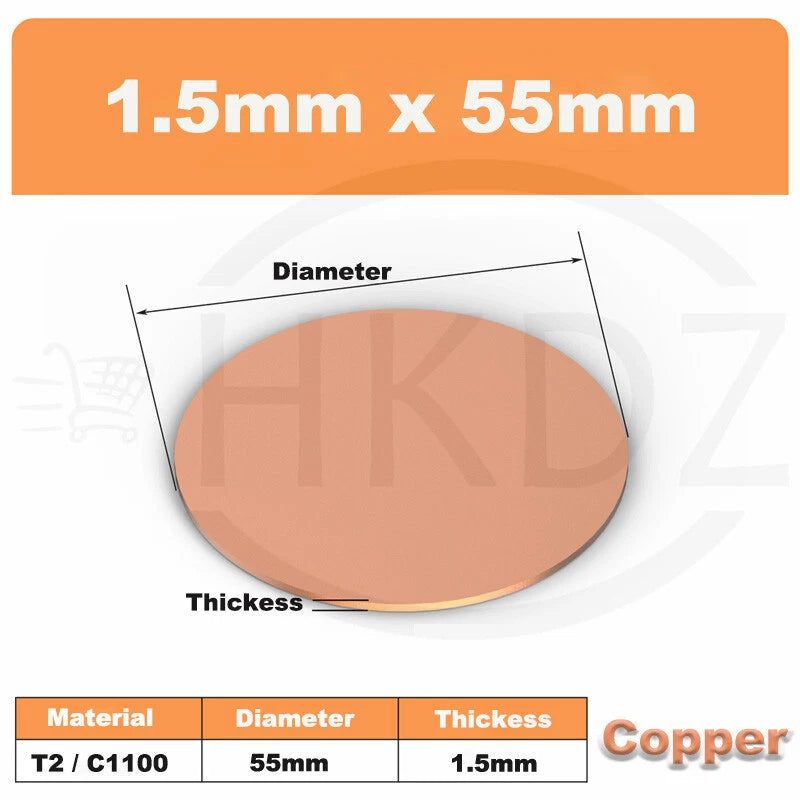
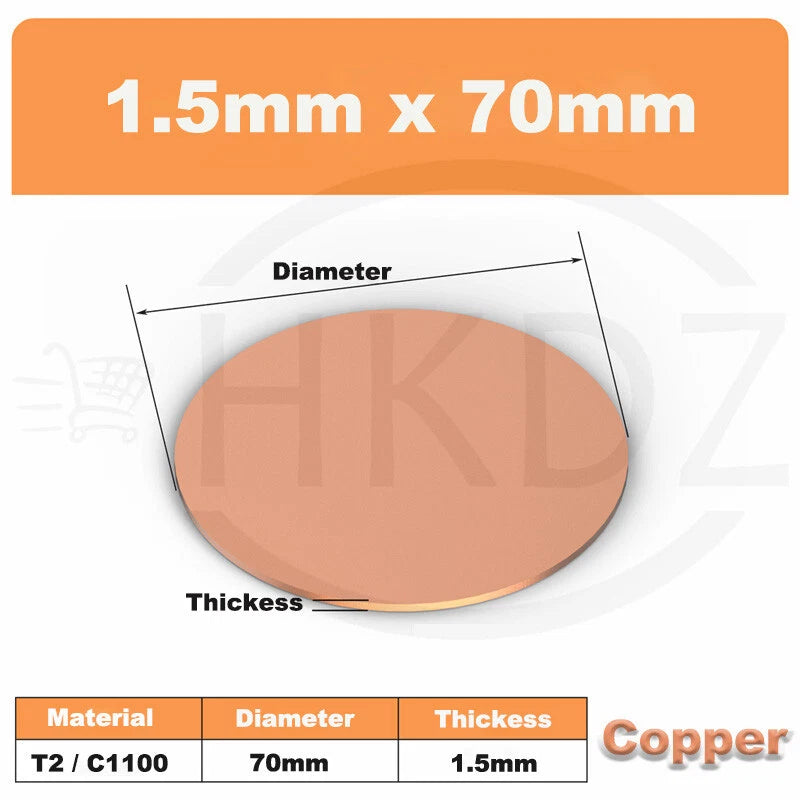
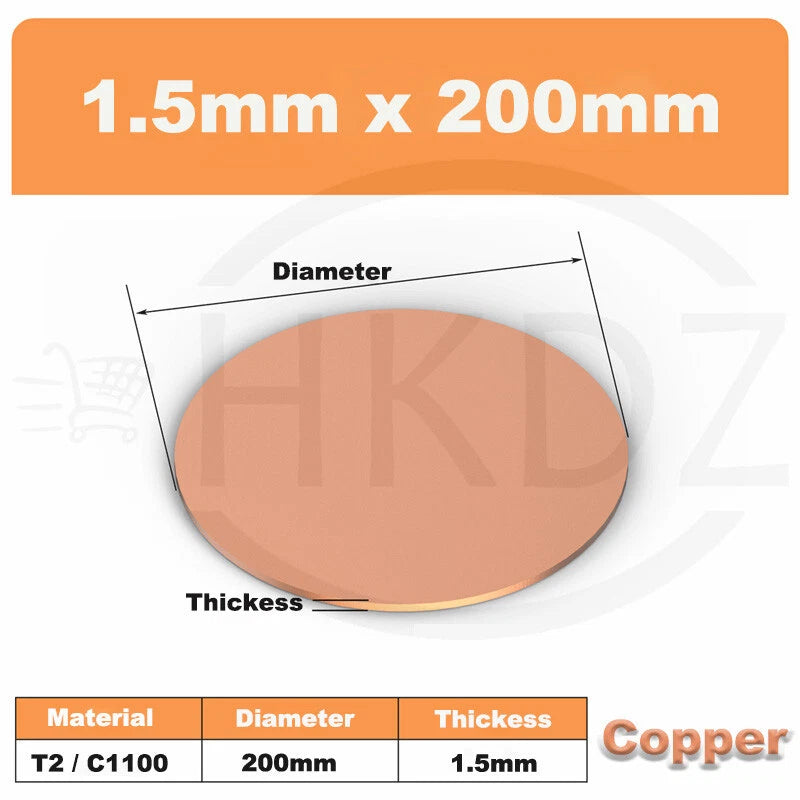
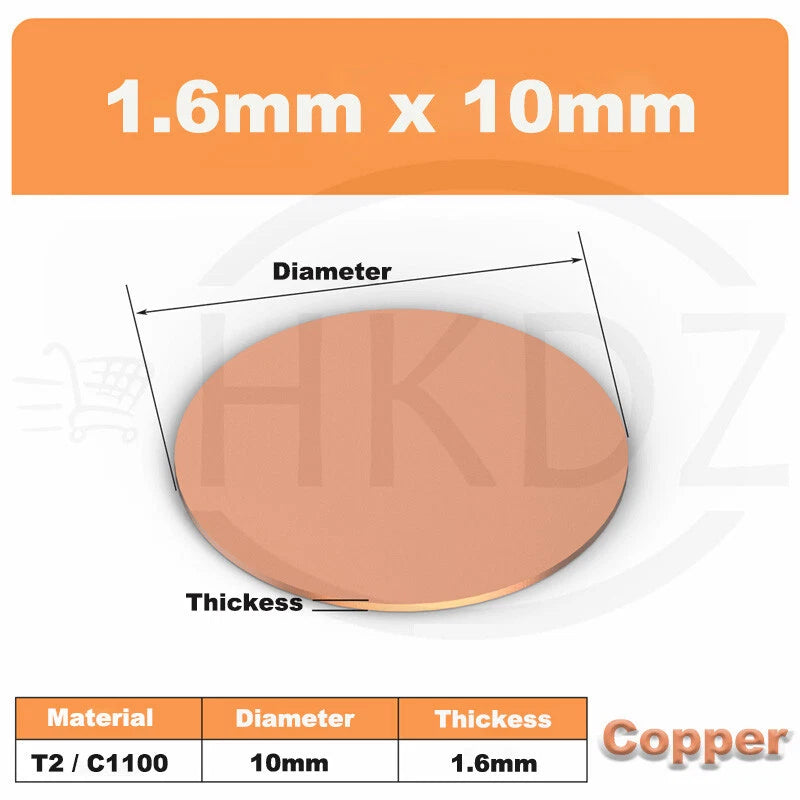
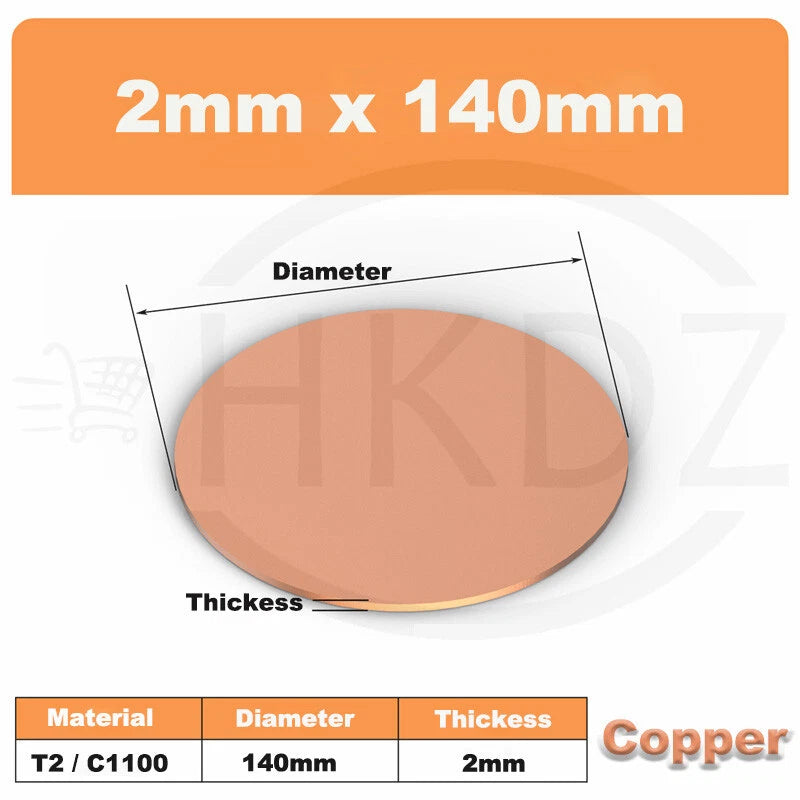
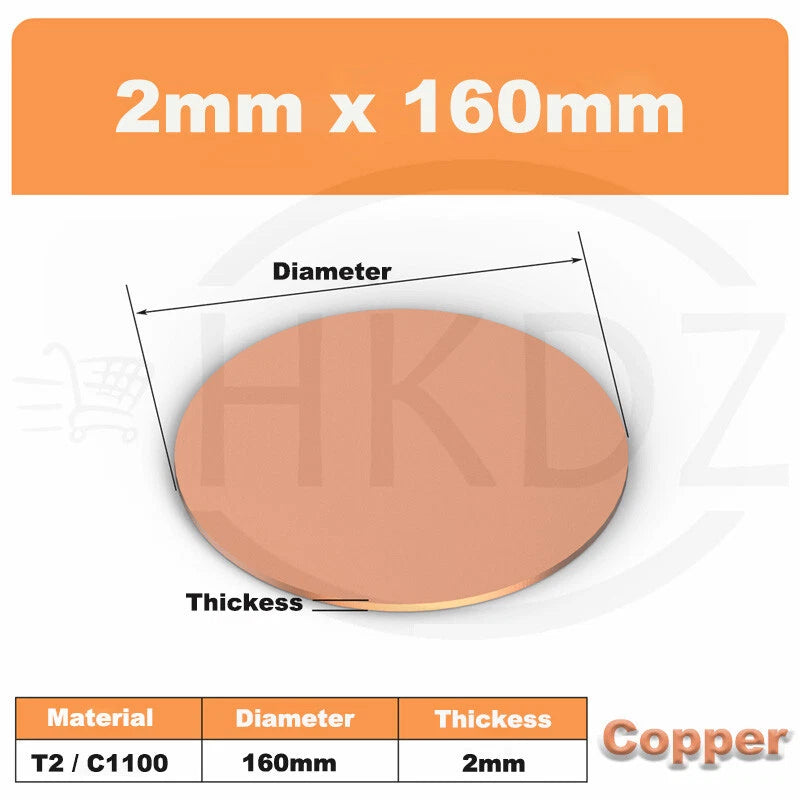
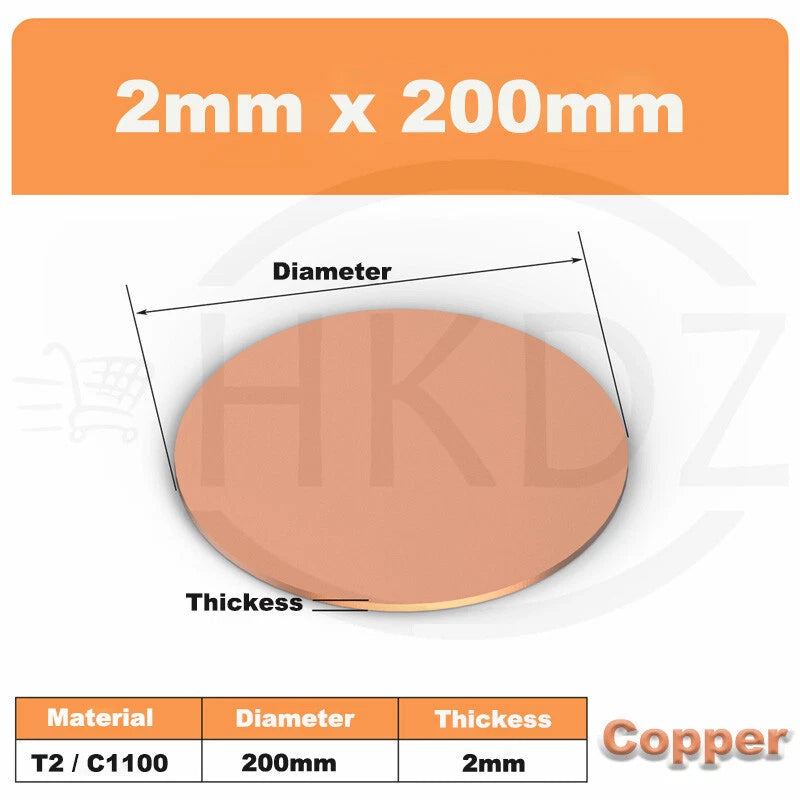
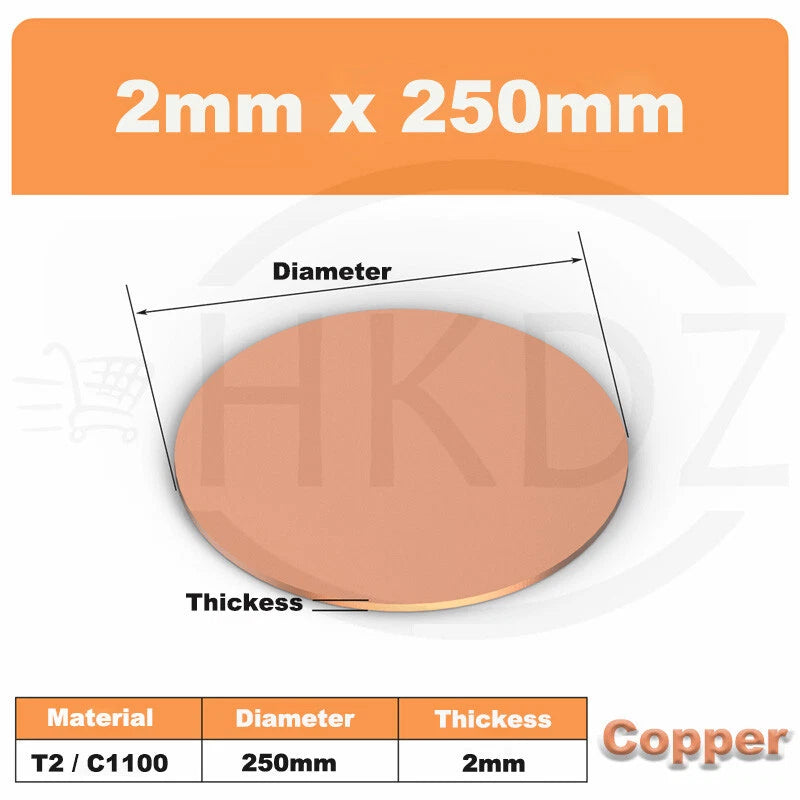
When your project demands a reliable, conductive, and workable metal blank, finding the right thickness and diameter in one place can be a real challenge. Whether you are a jeweler, electronics hobbyist, blacksmith, or workshop maker, these solid pure copper disc blanks give you a ready-to-use starting point without the hassle of cutting sheet stock yourself.
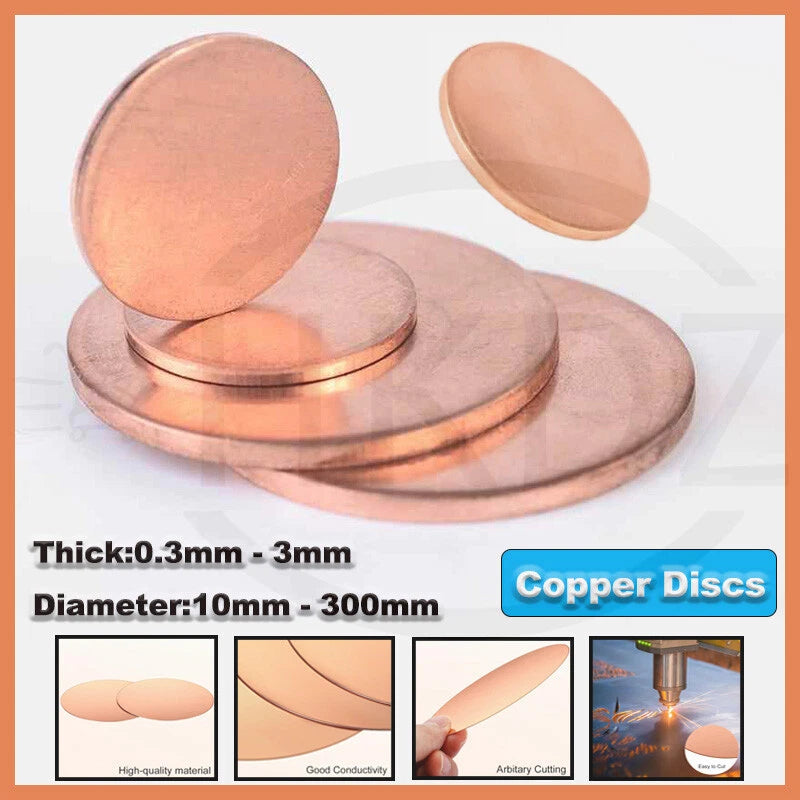
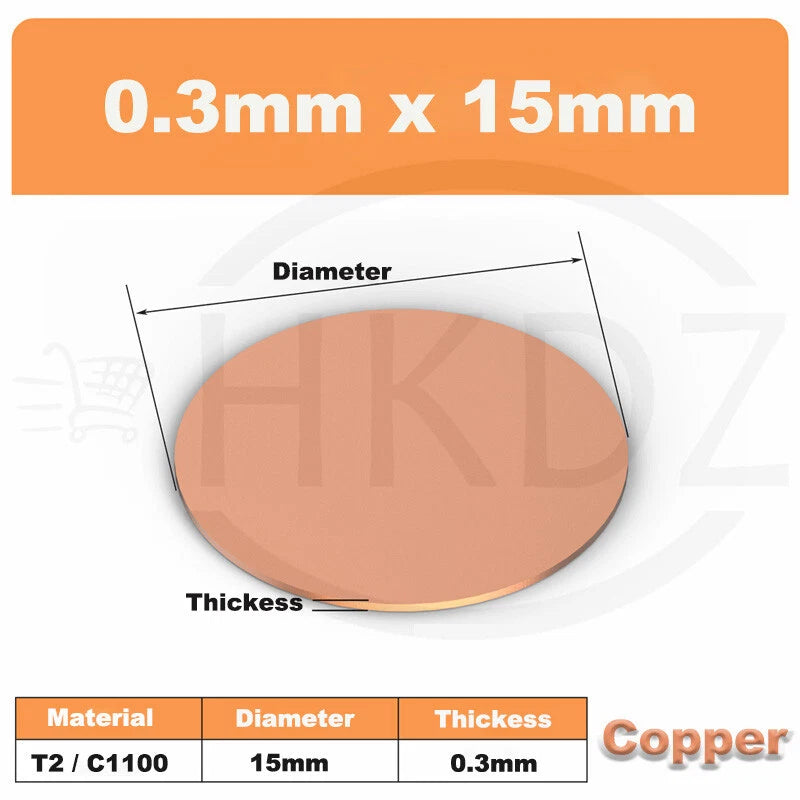
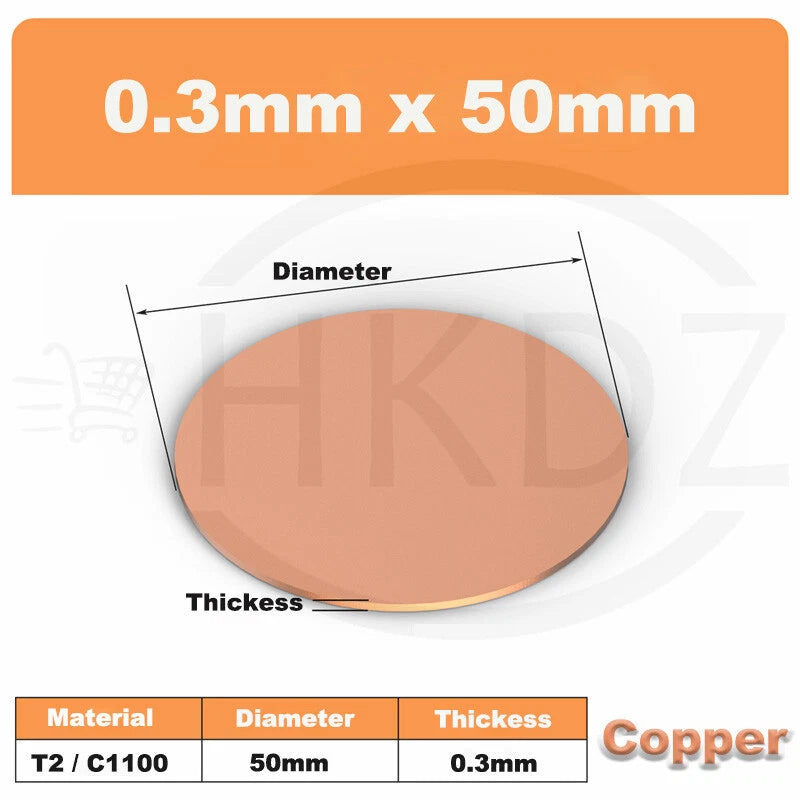
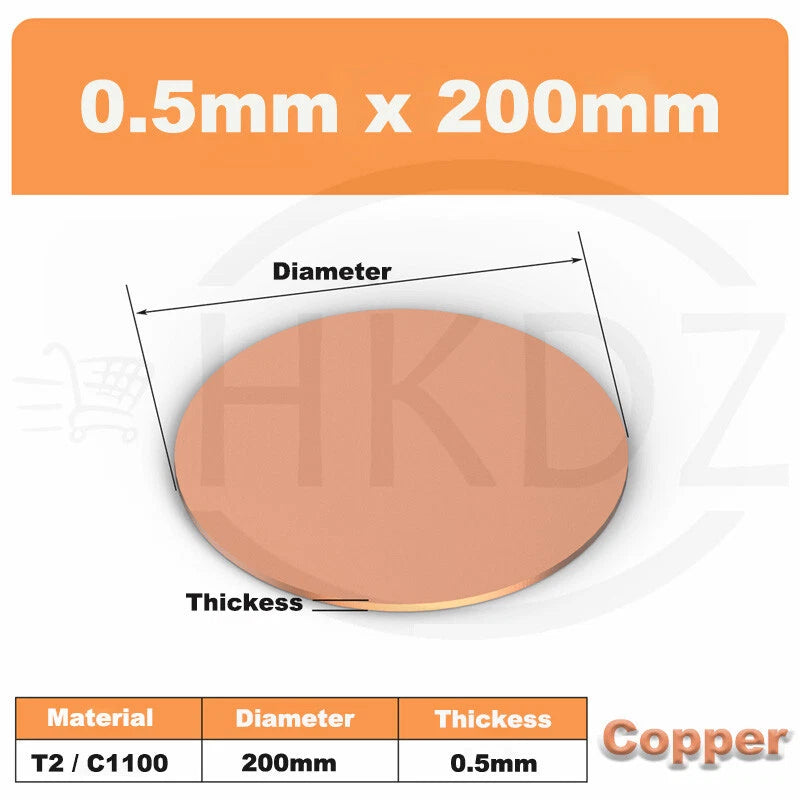
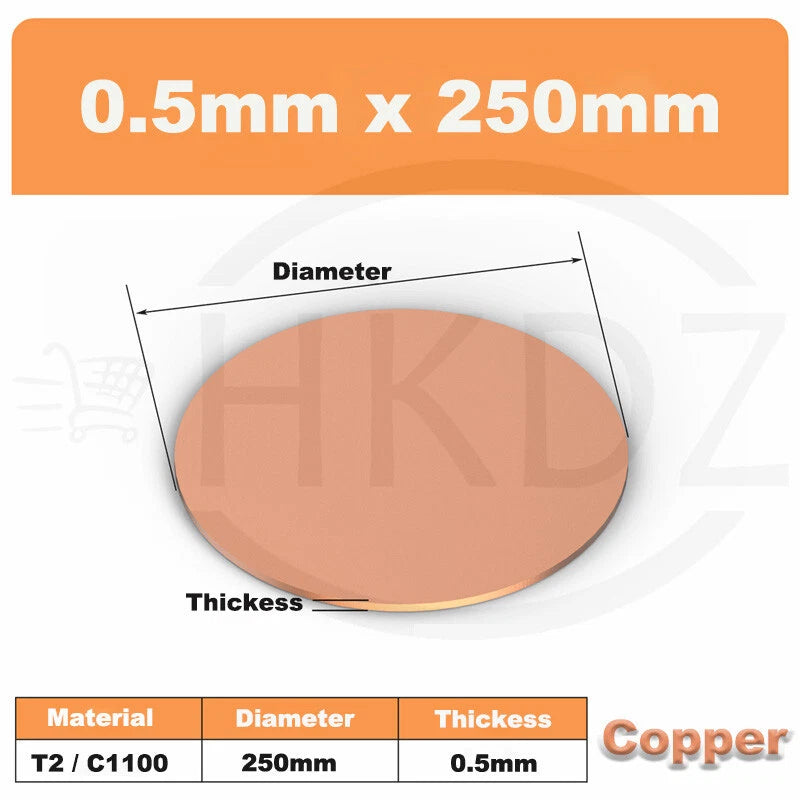
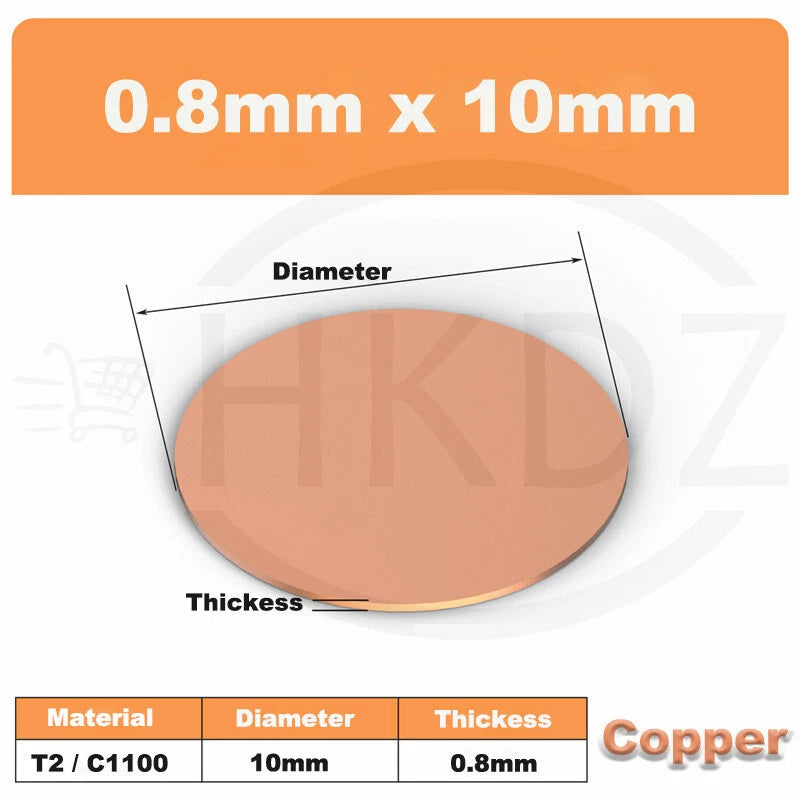
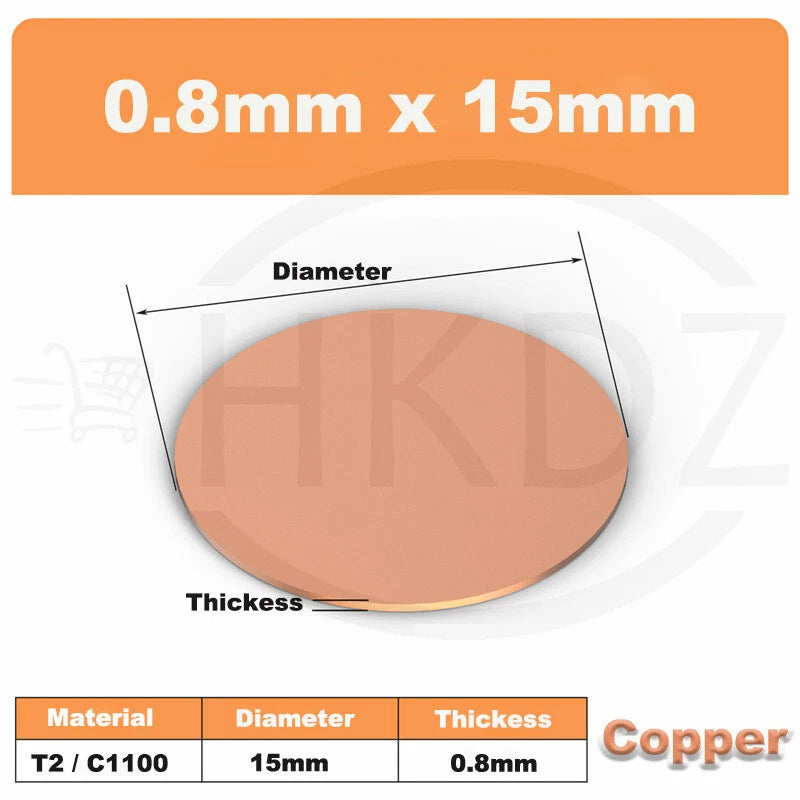
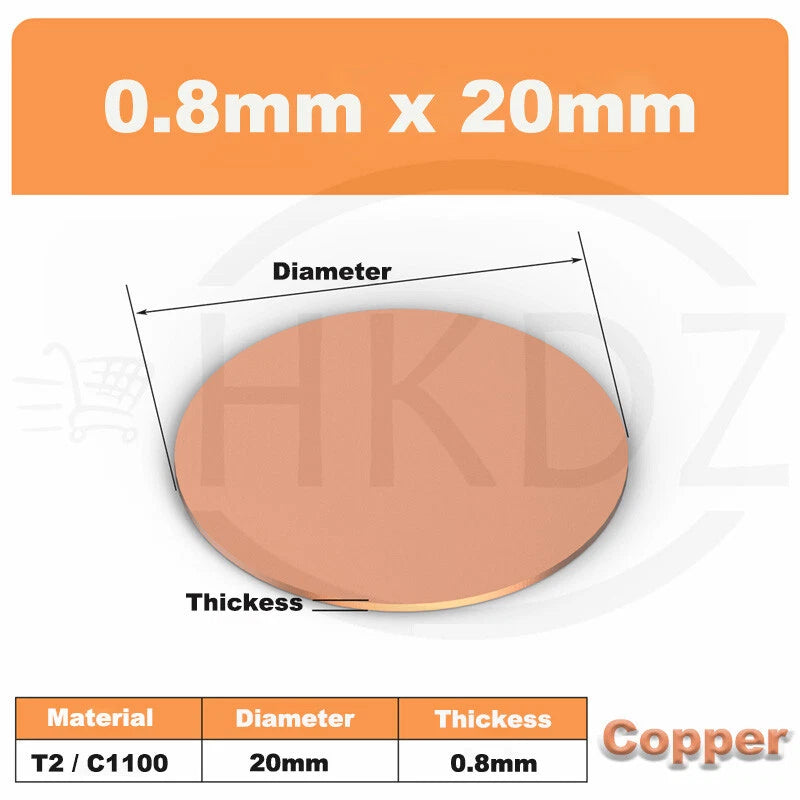
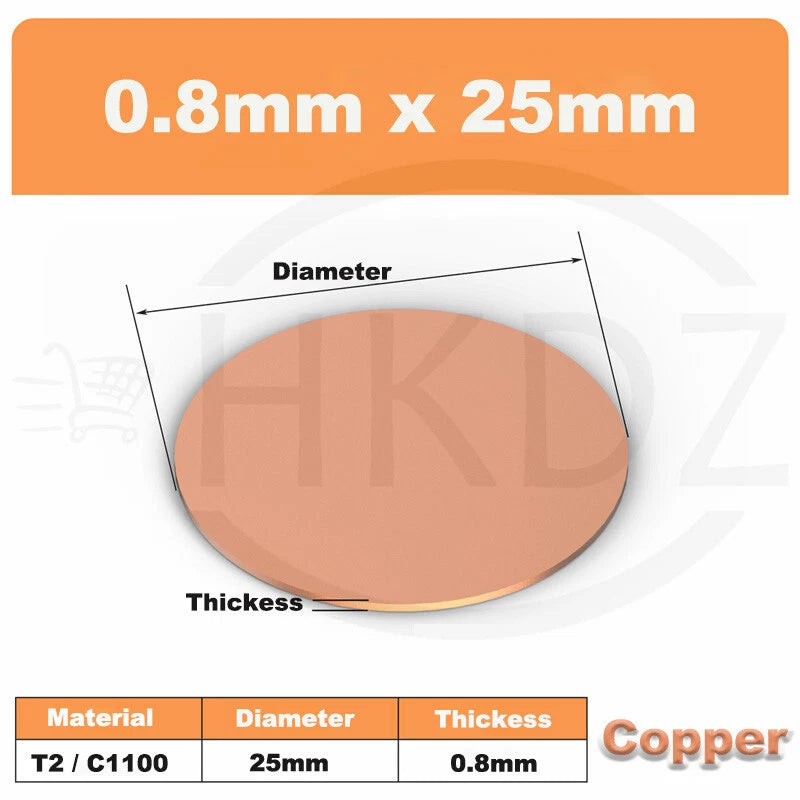
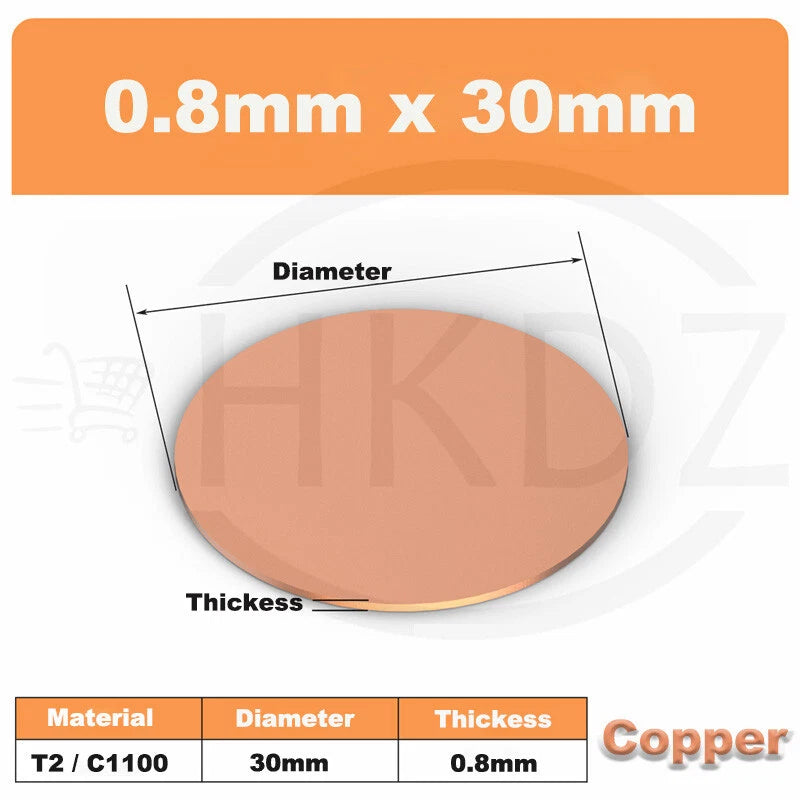
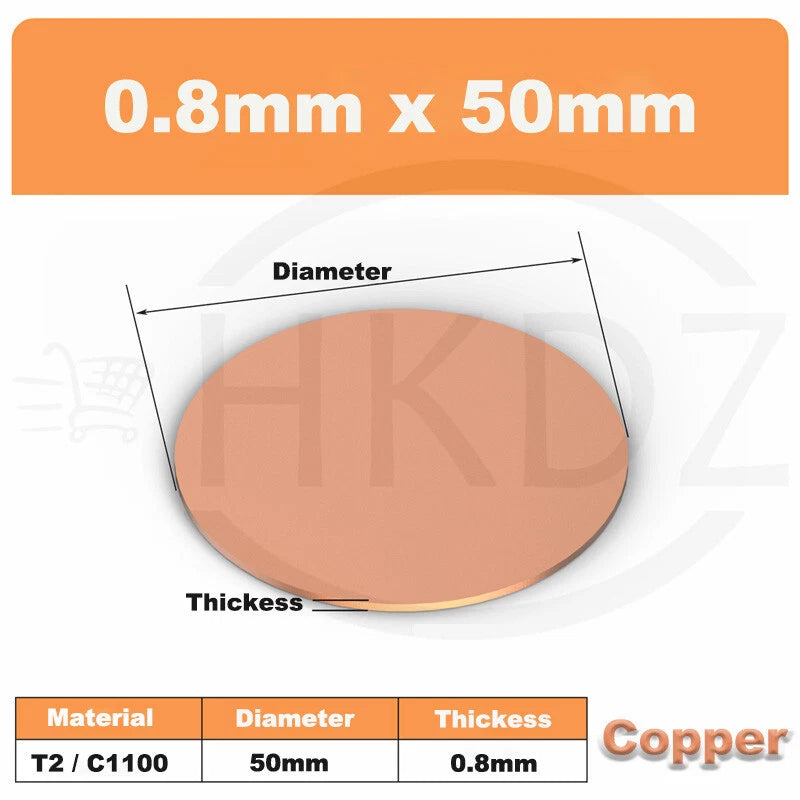
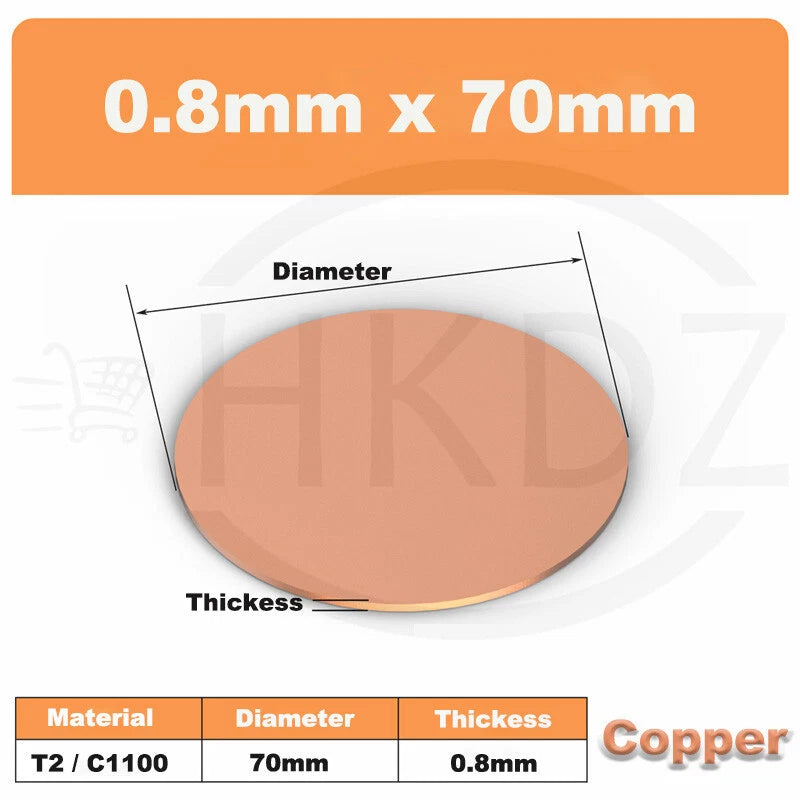
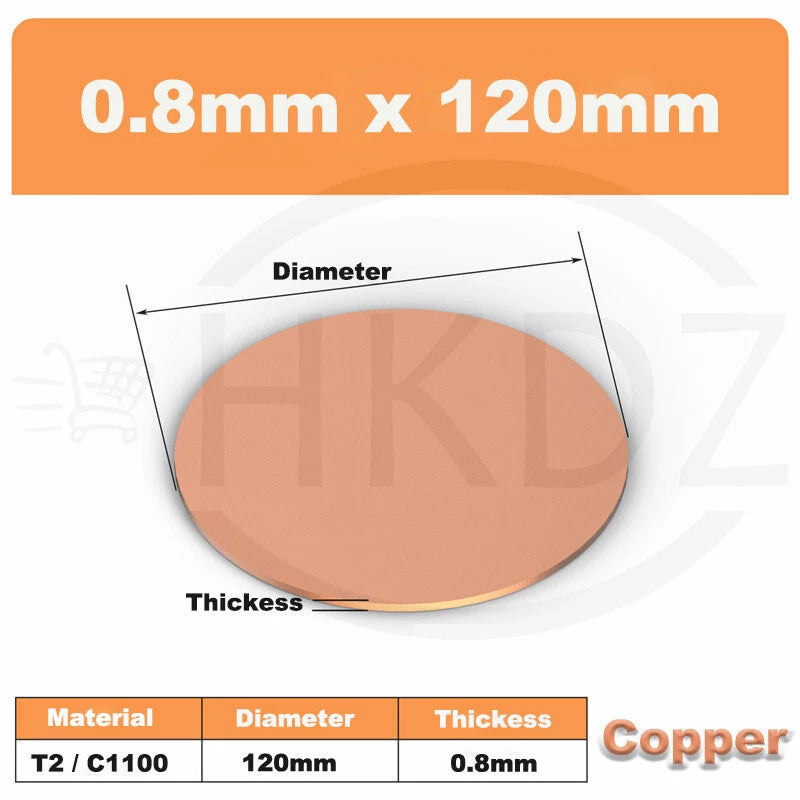
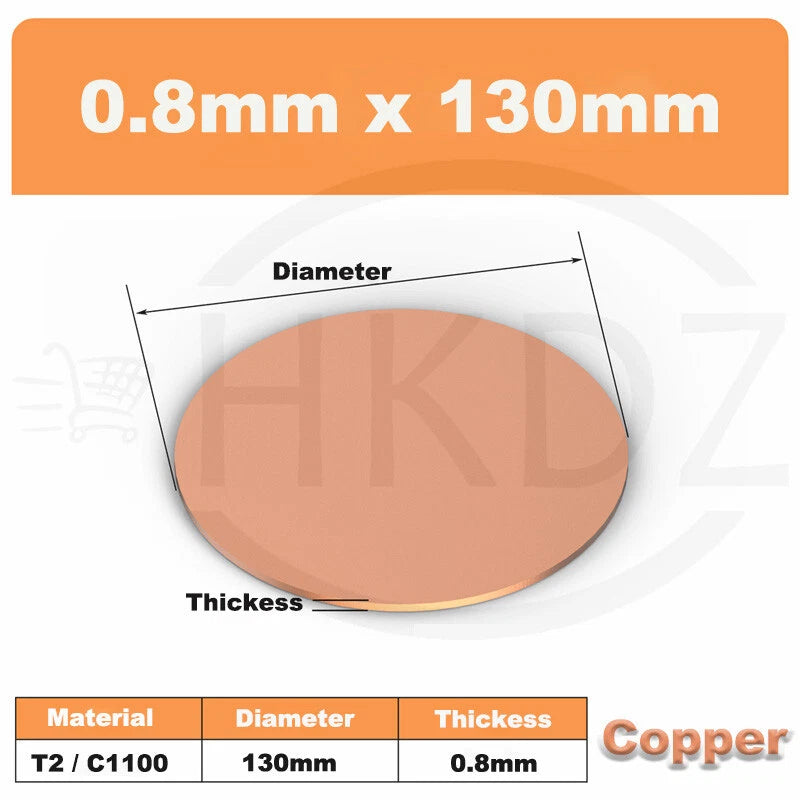
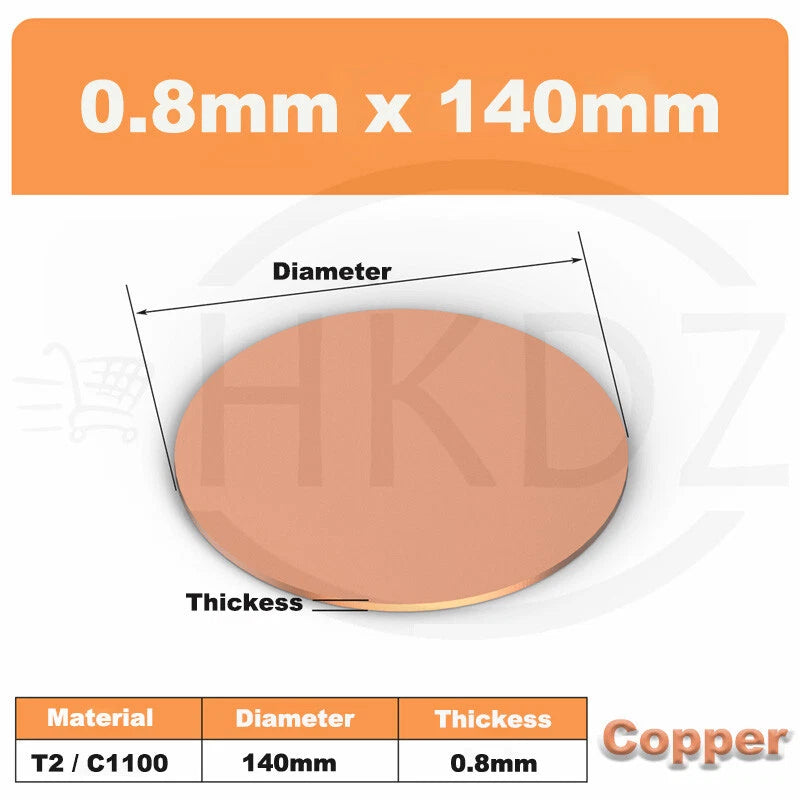
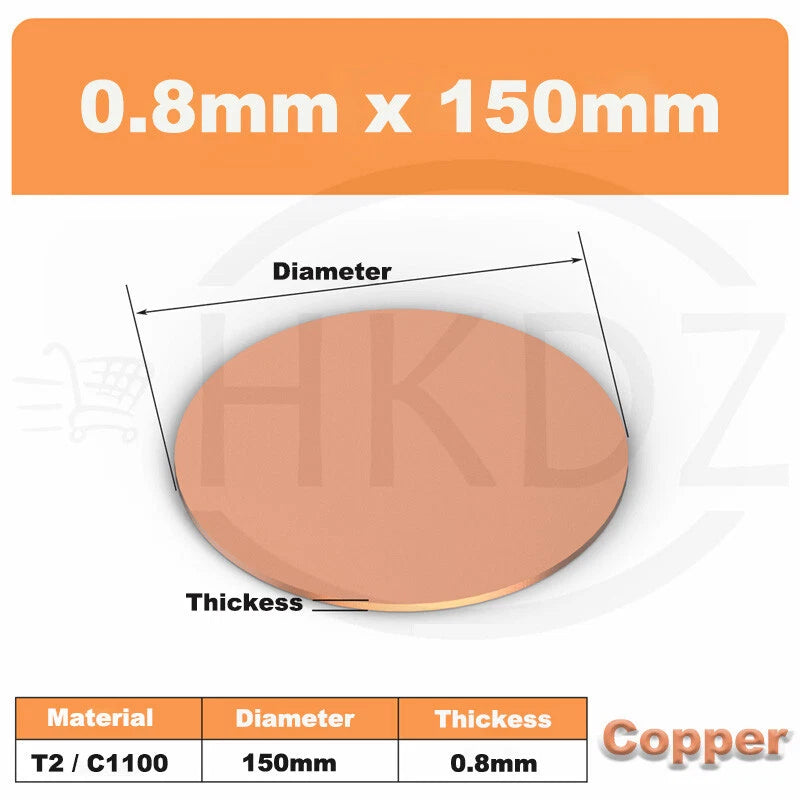
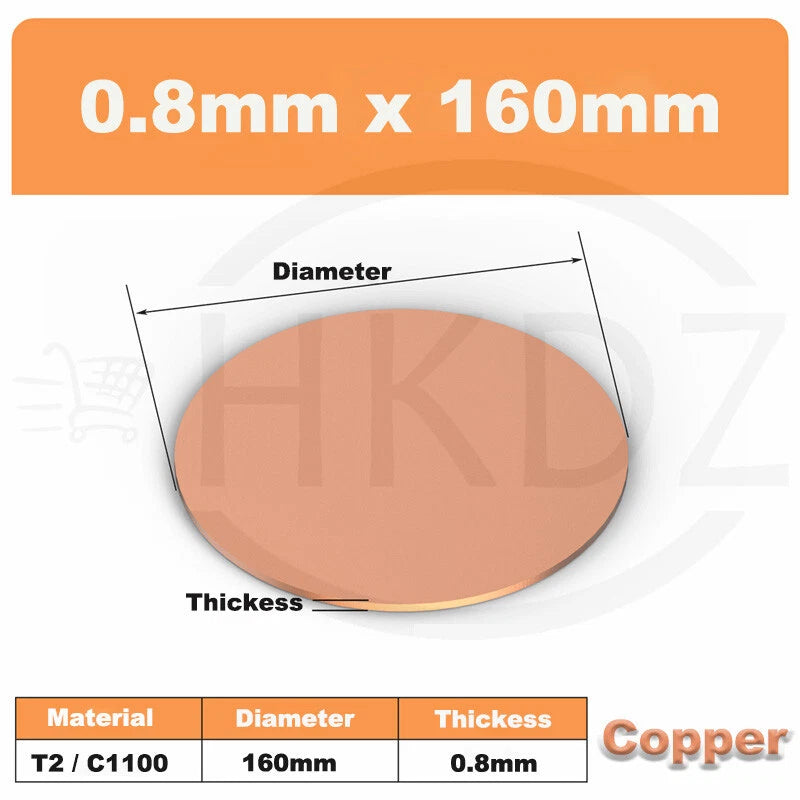
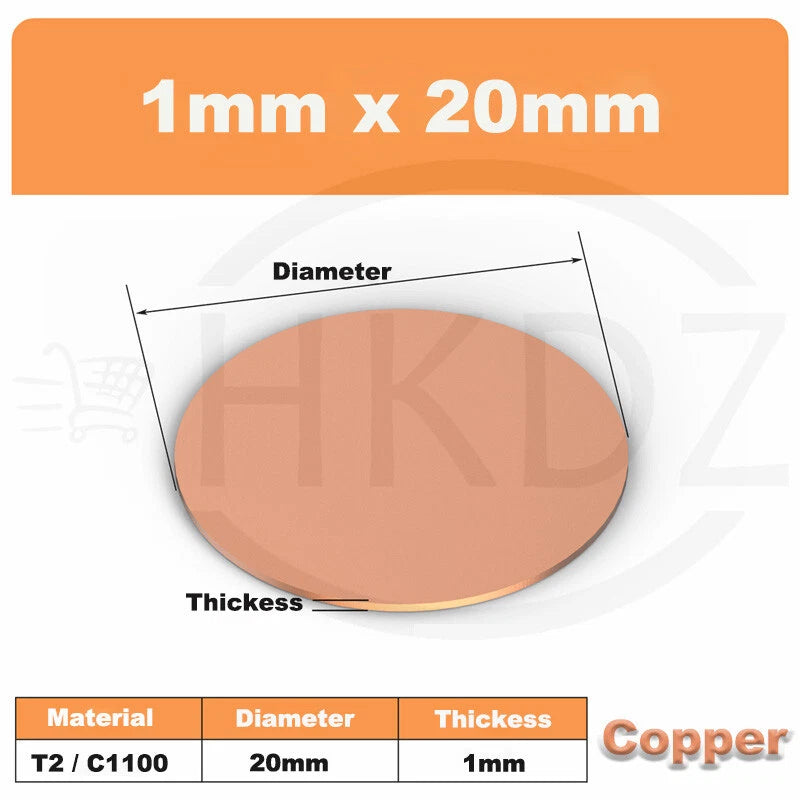
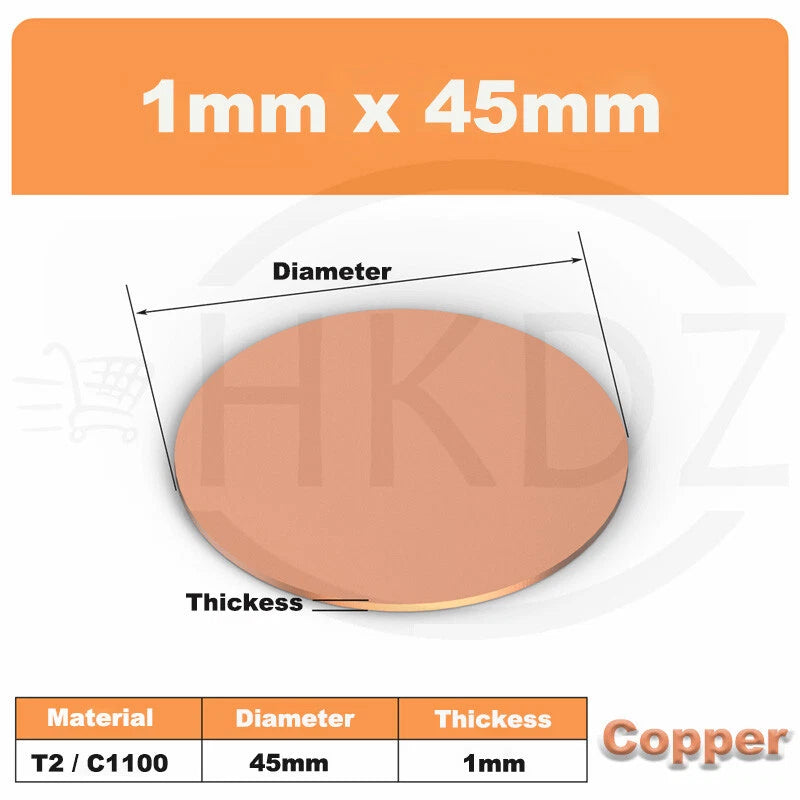
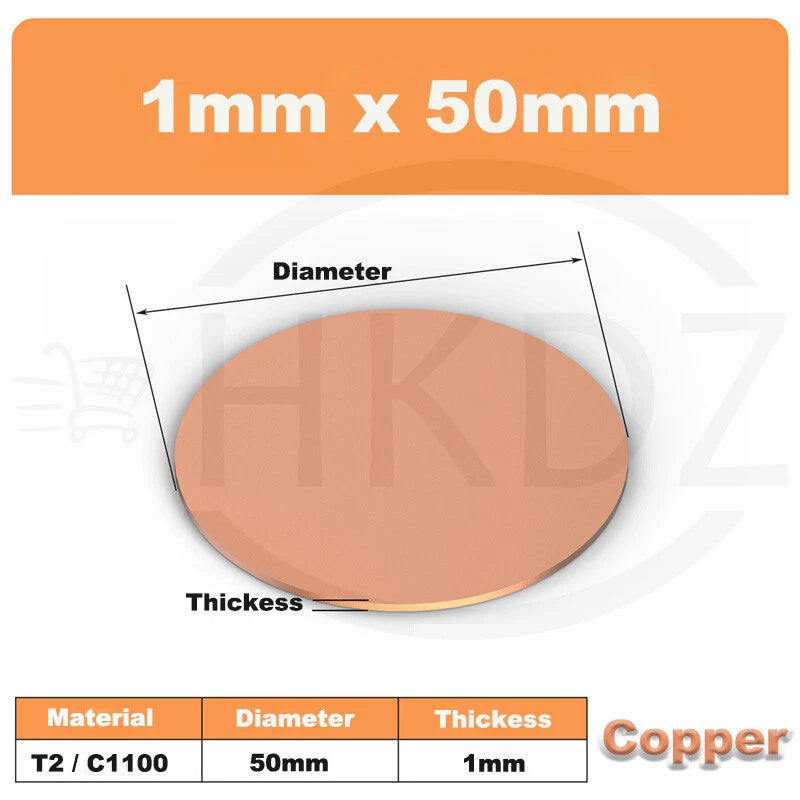
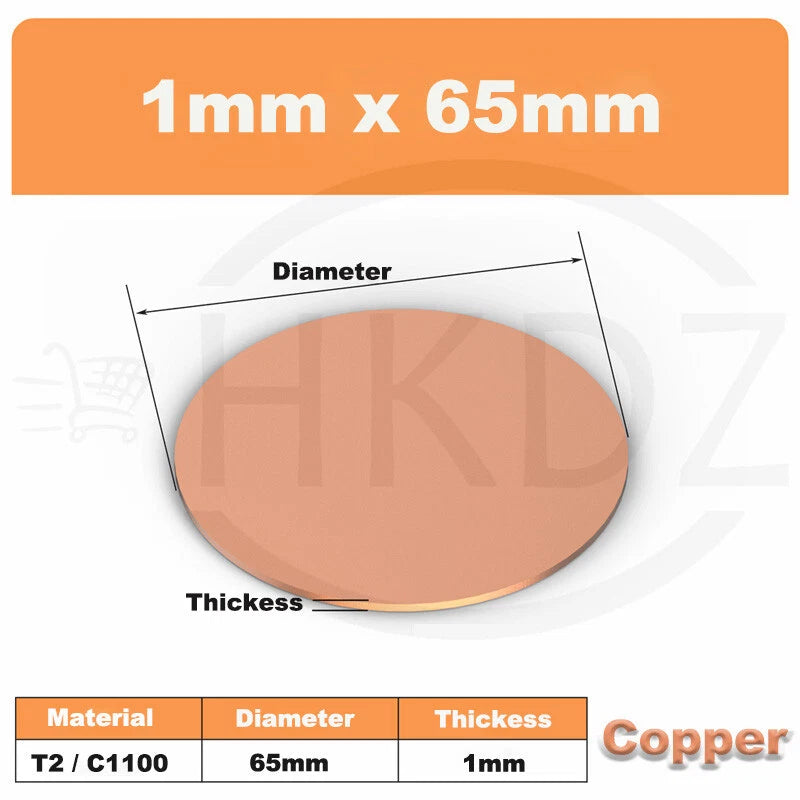
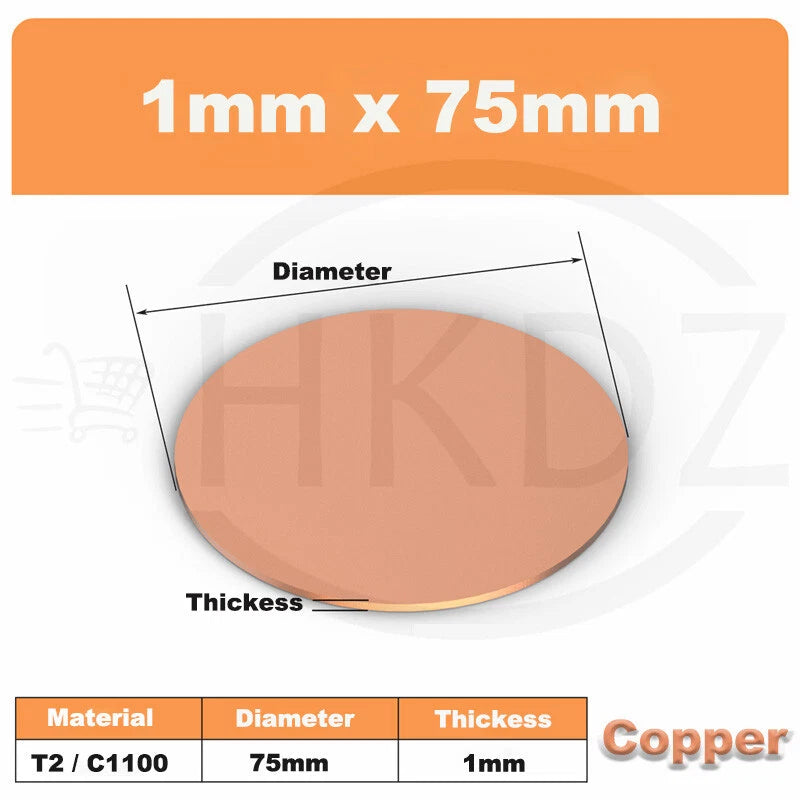
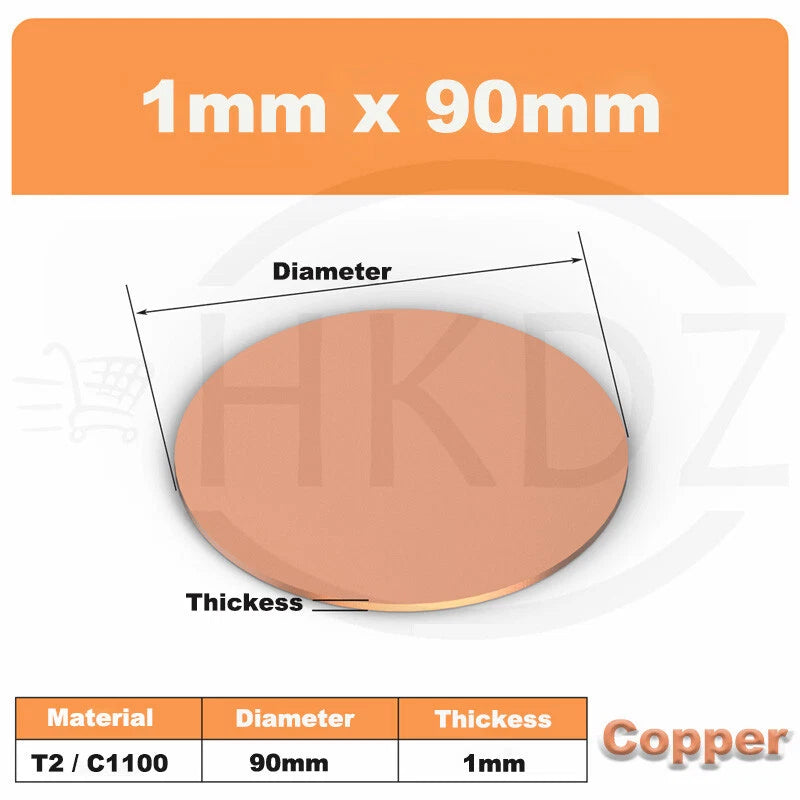
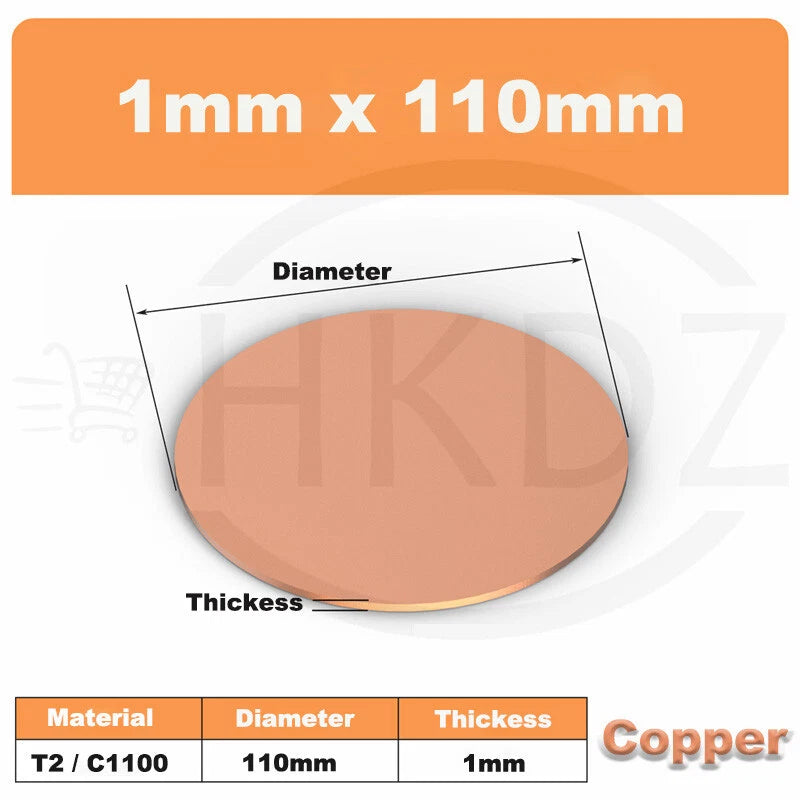
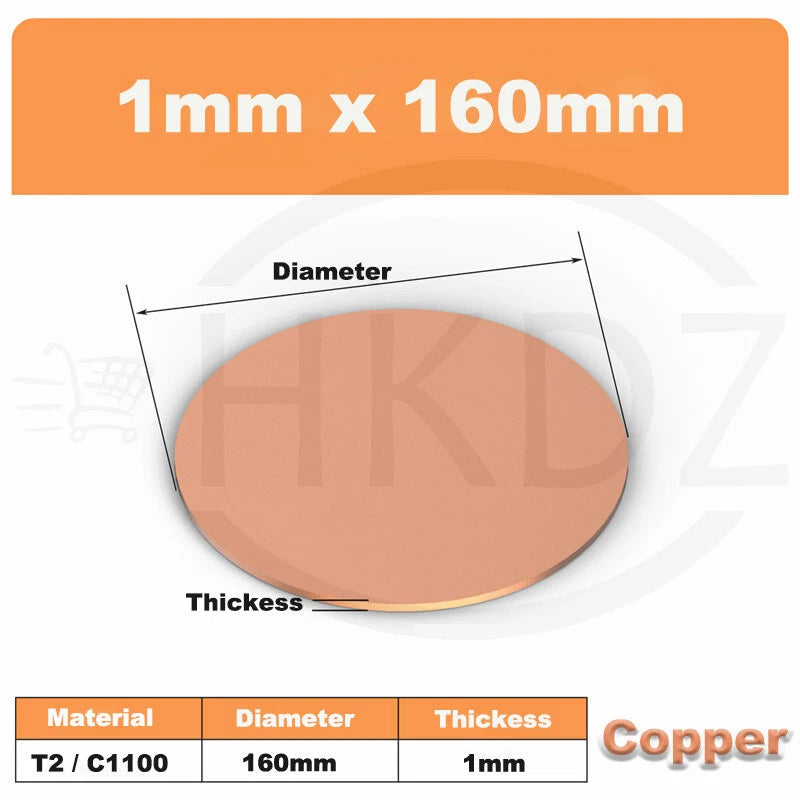
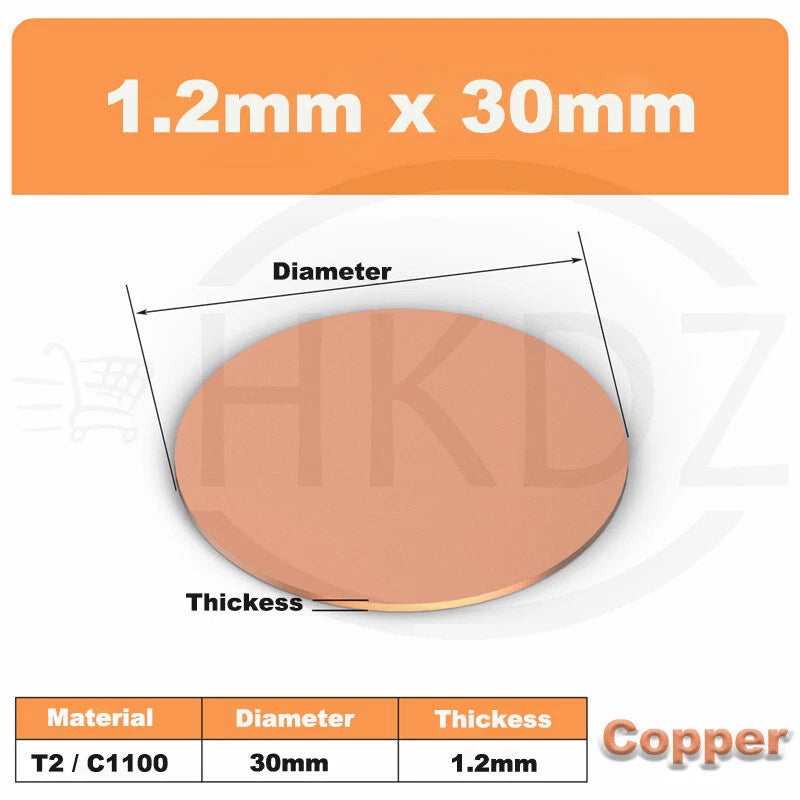
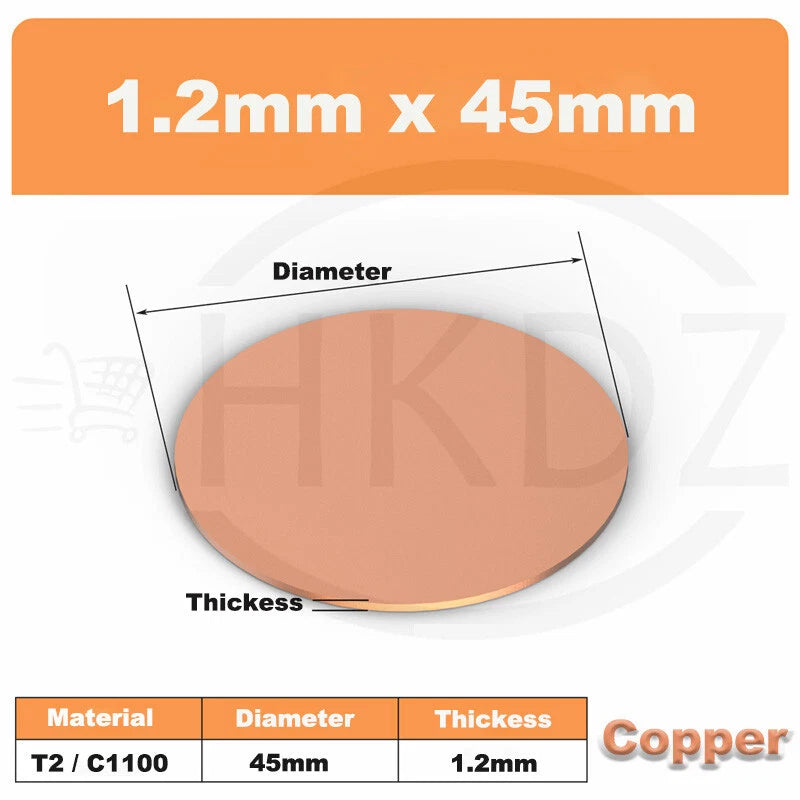
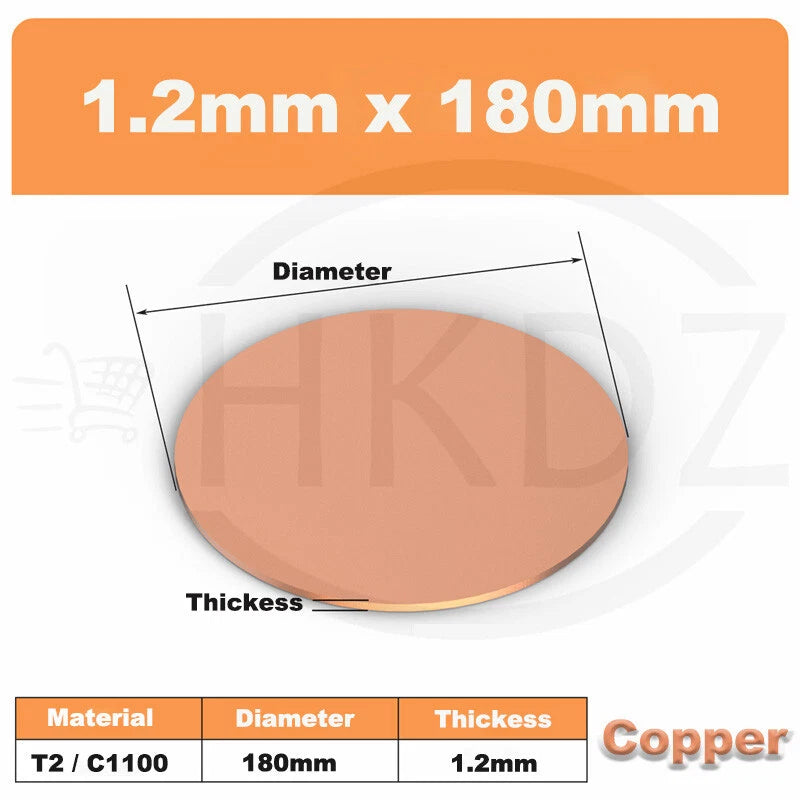
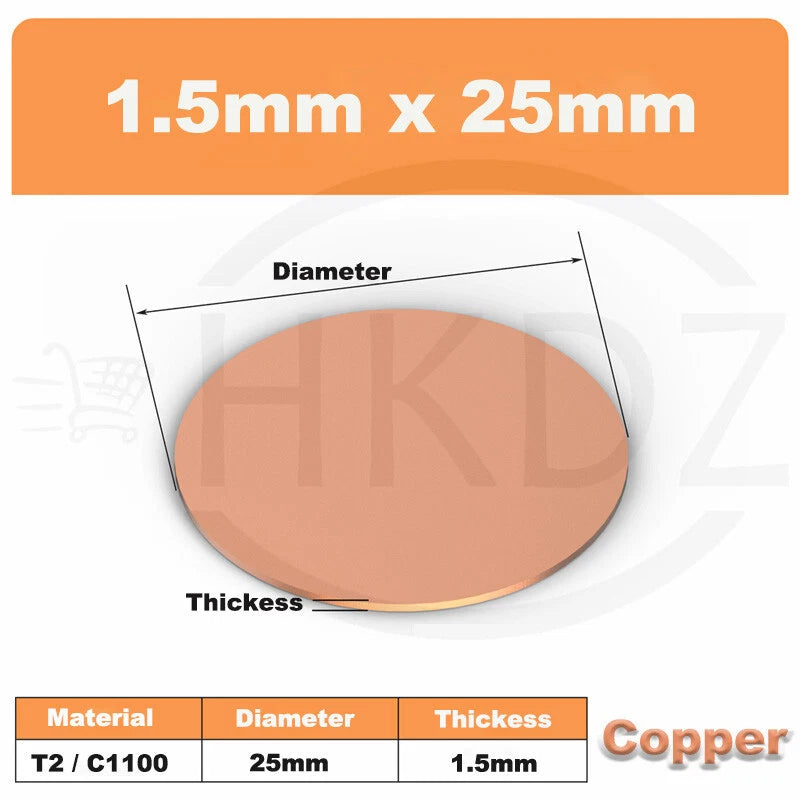
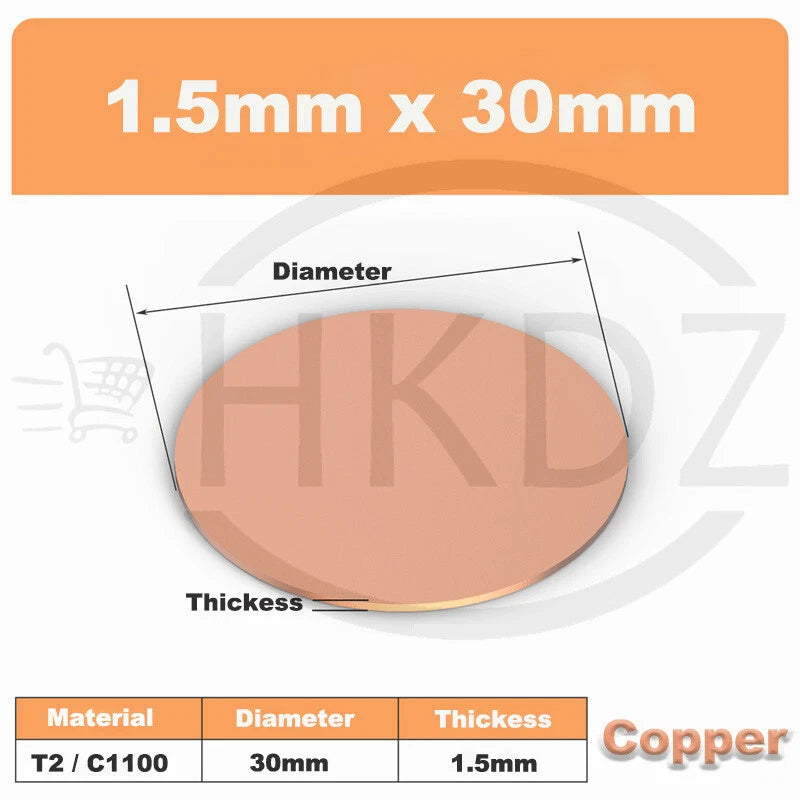
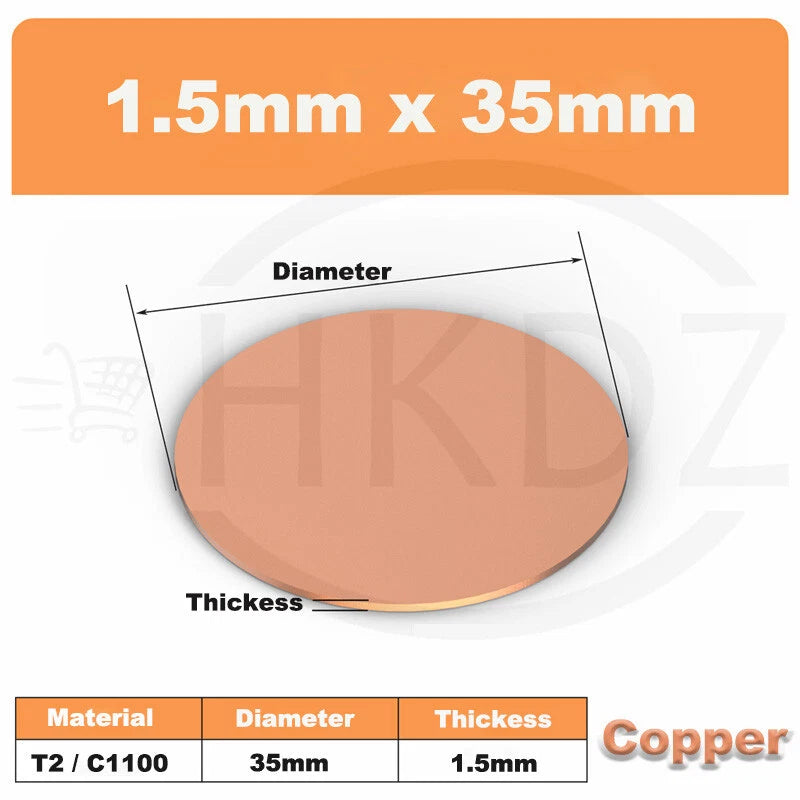
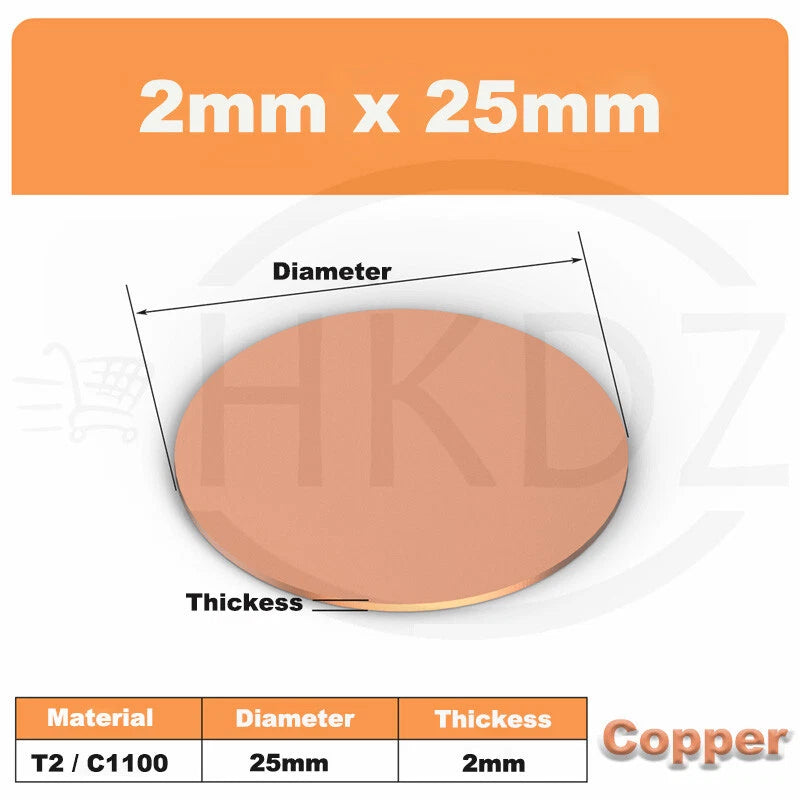
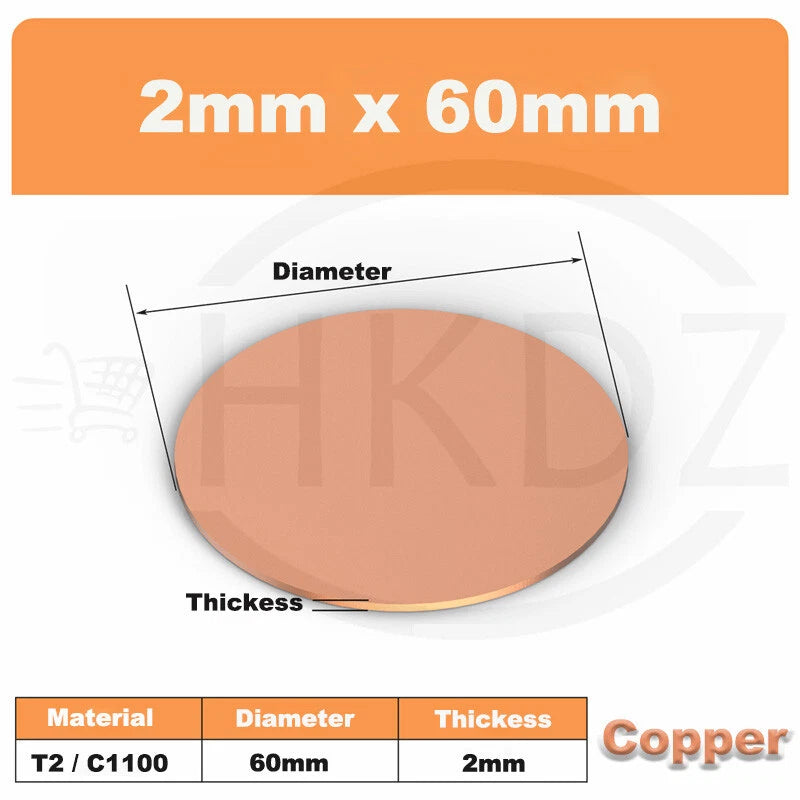
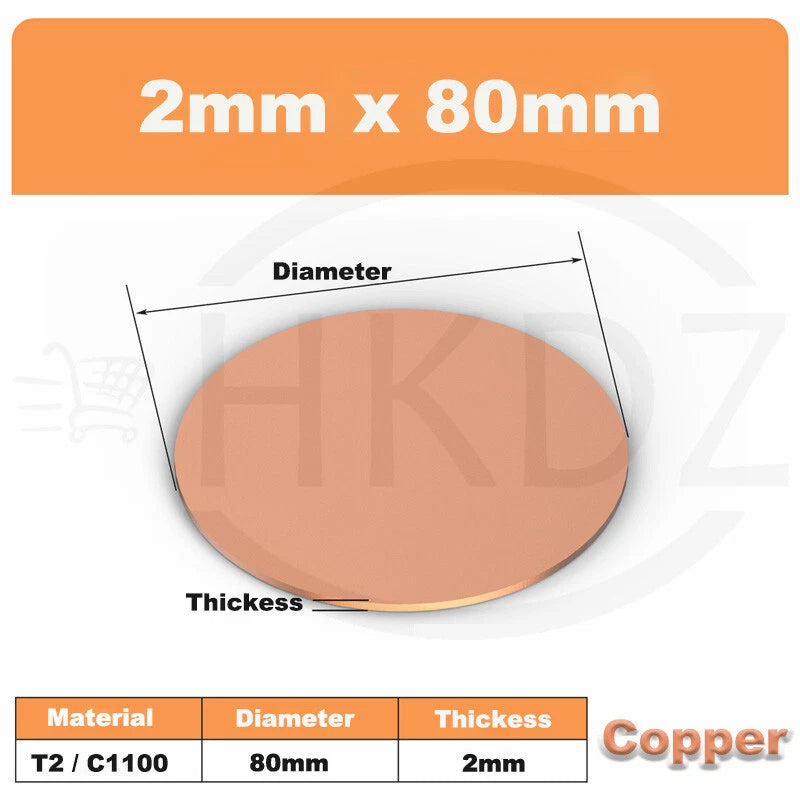
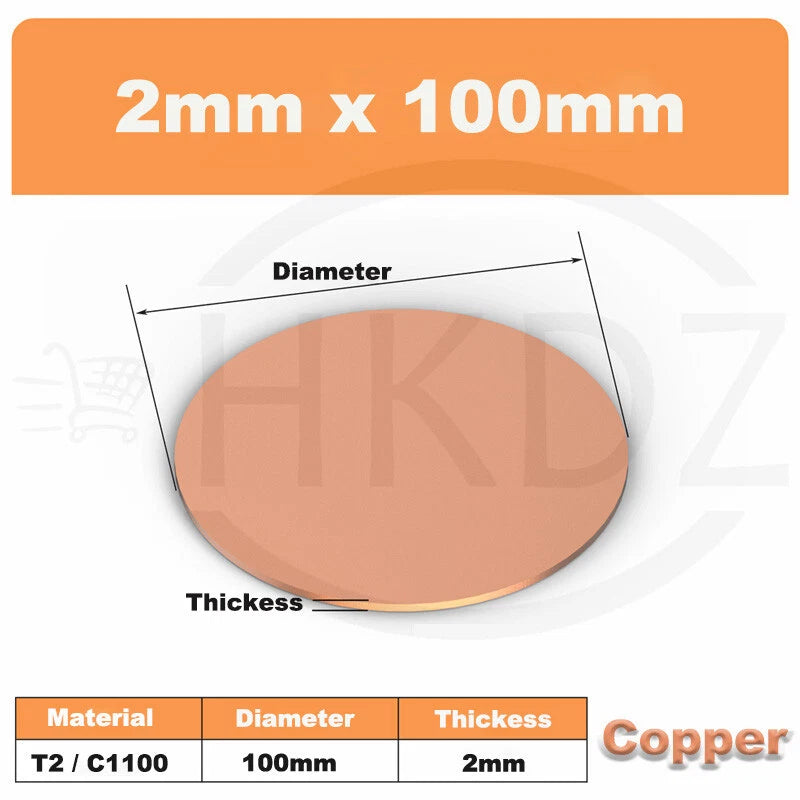
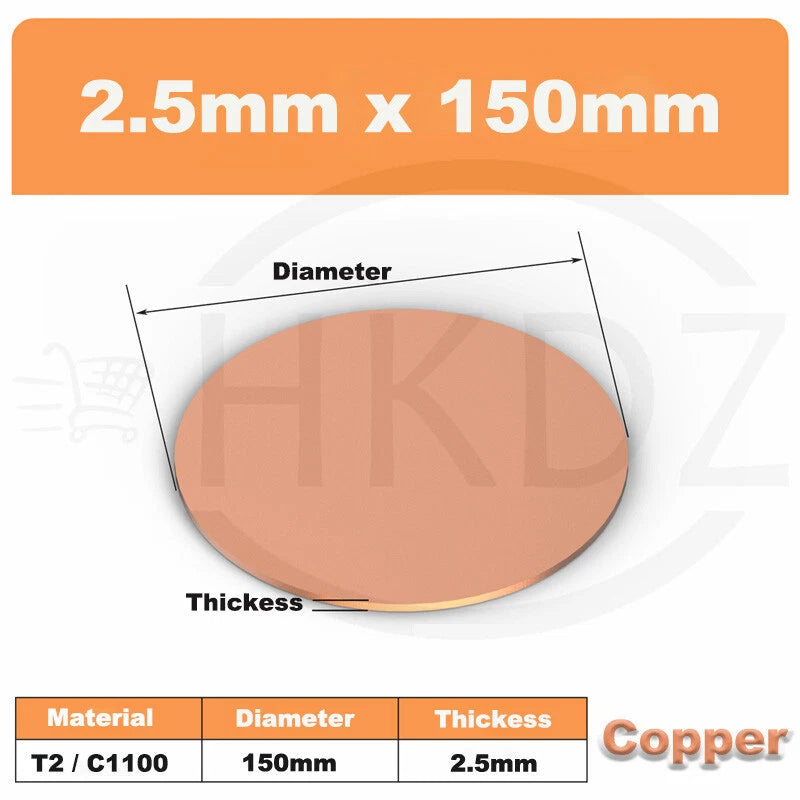
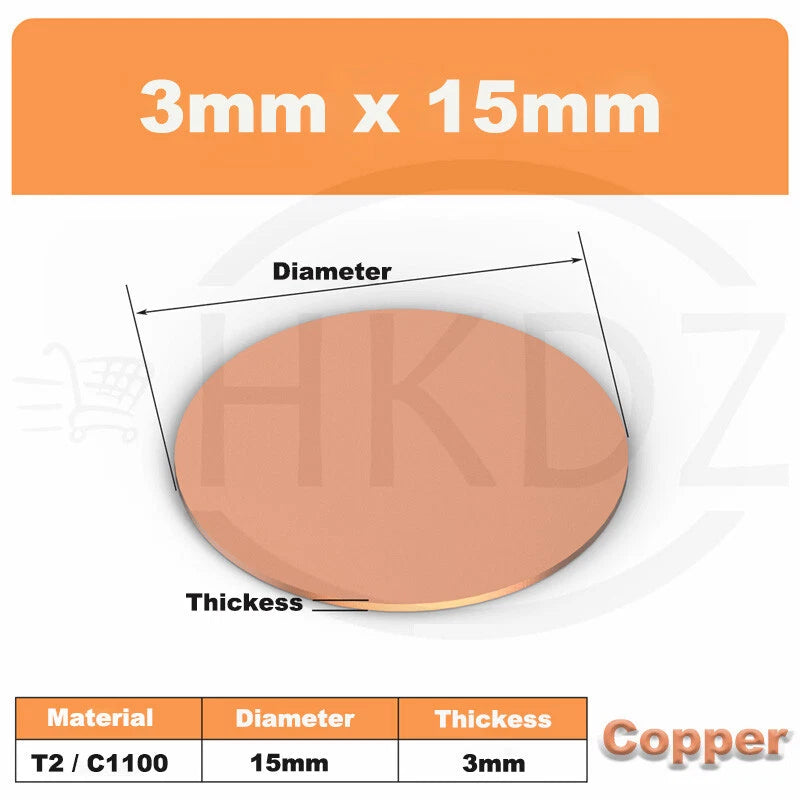
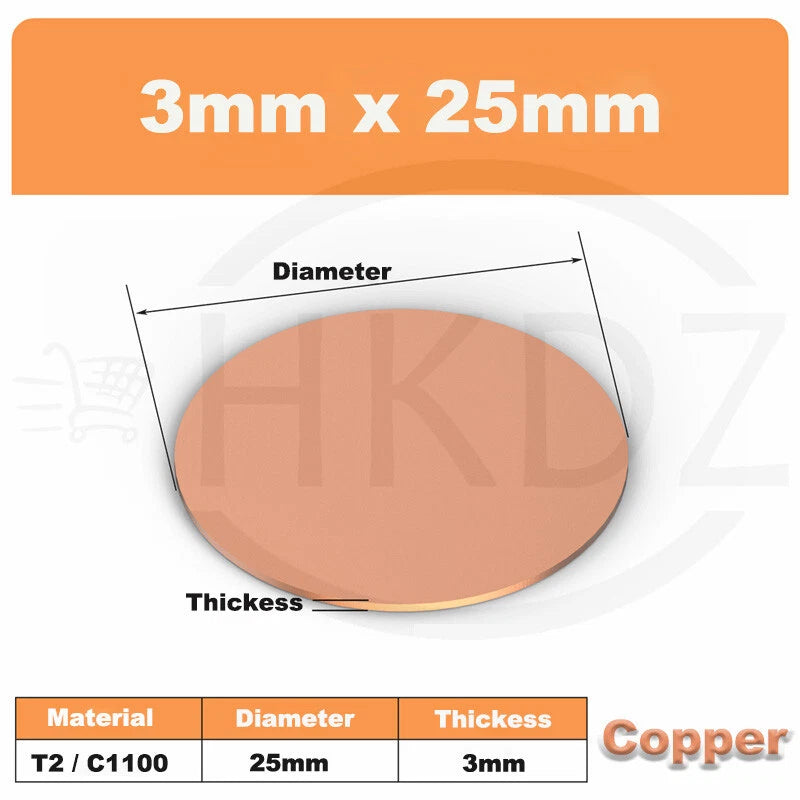
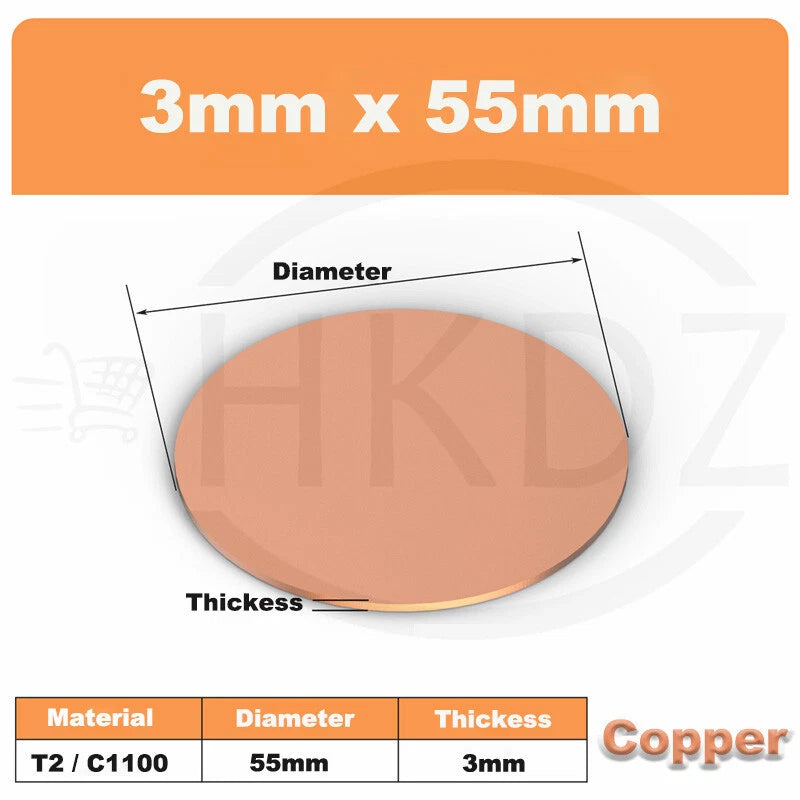
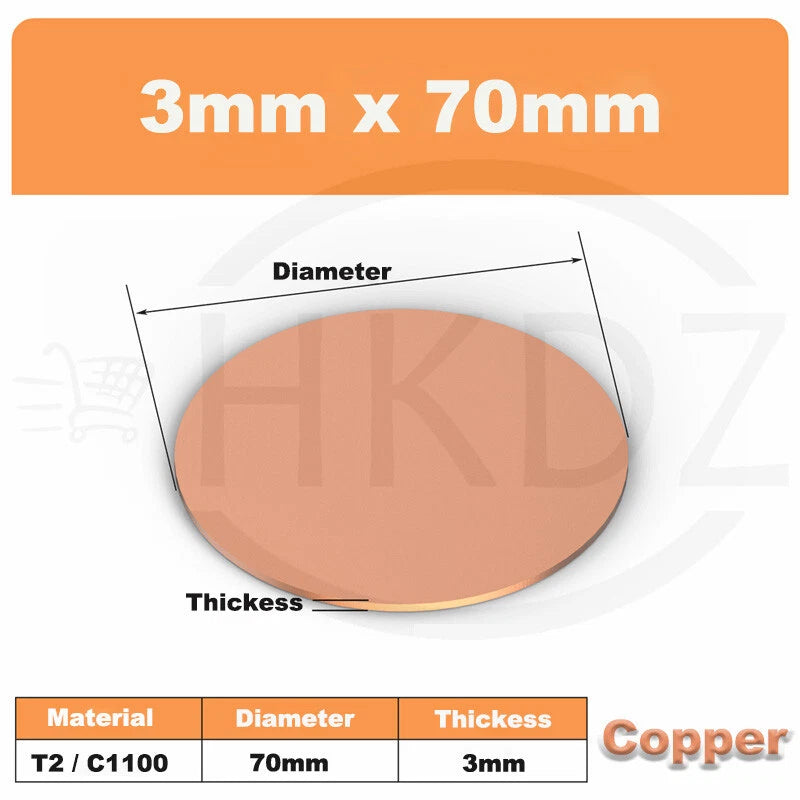
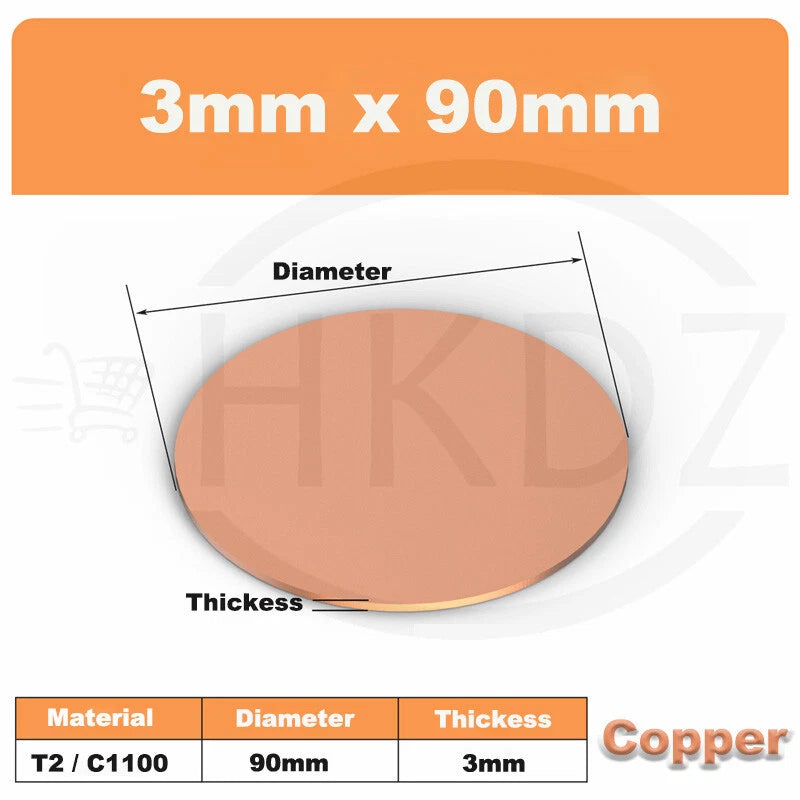
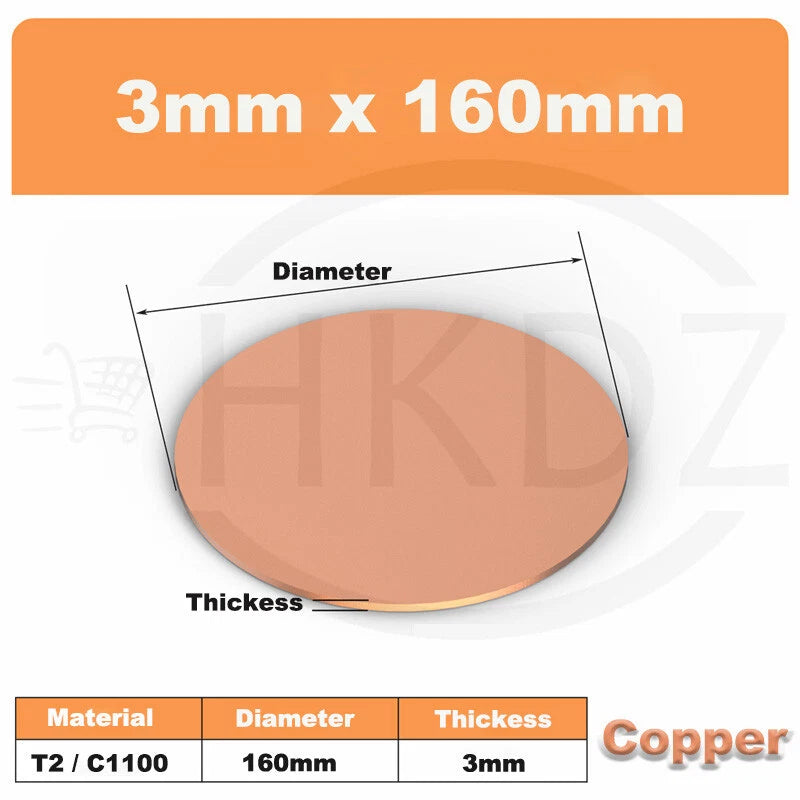
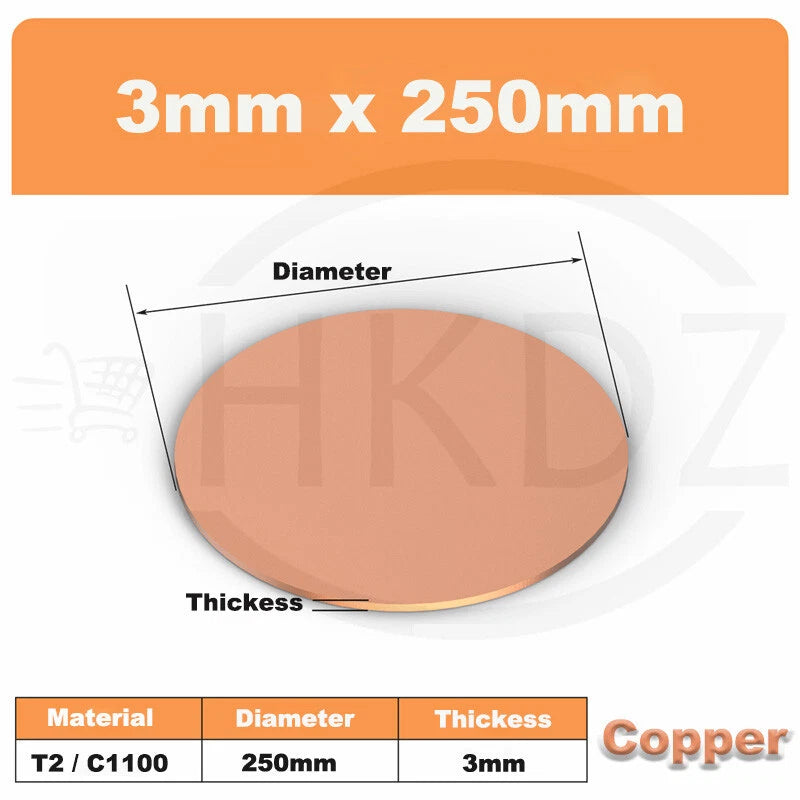
Each disc is cut from solid pure copper (typically 99%+ Cu), available in wall thickness ranging from 0.3 mm to 3 mm (~0.012 in to ~0.118 in) and outer diameters from 10 mm to 300 mm (~0.39 in to ~11.81 in). The flat, round plate form factor makes them easy to stamp, drill, solder, anneal, or shape with standard metalworking tools.
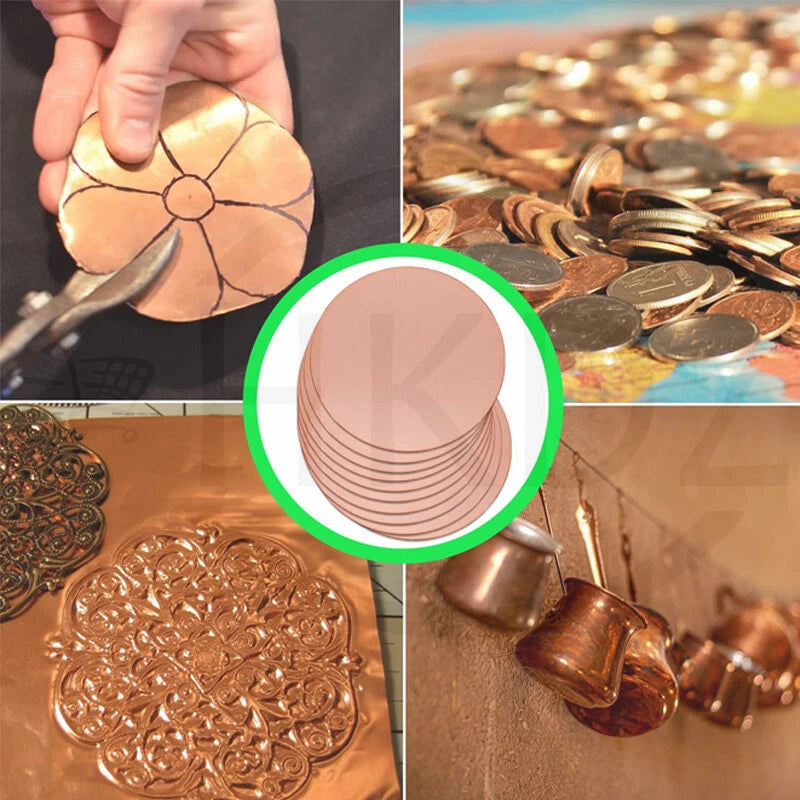
Typical use cases include copper disc blanks for jewelry making and metal stamping, round copper plates for electrical bus bars and grounding pads, and copper sheet circles for DIY craft projects, heat spreaders, and decorative inlays.
| Material | Solid Pure Copper (Cu) |
|---|---|
| Purity | Typically 99%+ Cu |
| Shape | Round / Disc (Flat Plate) |
| Outer Diameter (OD) | 10 mm – 300 mm (approx. 0.39 in – 11.81 in) |
| Thickness | 0.3 mm – 3 mm (approx. 0.012 in – 0.118 in) |
| Surface Finish | See variant options |
| Tolerance | See variant options |
| Quantity per Pack | 1 pcs / 2 pcs / 4 pcs (see variant options) |
| Applicable Processes | Stamping, drilling, soldering, brazing, annealing, forming |
| Typical Applications | Jewelry blanks, electrical contacts, grounding pads, heat spreaders, decorative inlays |
Thinner discs (0.3–0.5 mm) are ideal for jewelry stamping, decorative work, and flexible electrical contacts where formability matters. Mid-range thicknesses (0.8–1.5 mm) suit general metalworking, craft projects, and light structural uses. Thicker discs (2–3 mm) are better for bus bars, heat spreaders, and applications requiring rigidity. When in doubt, select a thickness that matches the gauge used in your existing project materials.
Measure the required disc OD in your project before ordering. The OD listed (10–300 mm) is the finished outer diameter of the disc. If you need a specific fit inside a housing or frame, allow for your machining or finishing tolerance. For stamping blanks, the OD should be slightly larger than your finished stamped piece to account for material flow.
Pure copper is a relatively soft, ductile metal. These discs are well-suited for electrical, thermal, and craft applications, but are not recommended for high-load structural or mechanical fastening roles. For applications requiring higher strength, consider copper alloys such as brass or bronze instead.
Pure copper naturally oxidizes and develops a patina (darkening or greening) when exposed to air and moisture over time. This surface oxidation does not significantly affect electrical conductivity in most applications. To maintain a bright finish, store discs in a dry environment and apply a clear lacquer or anti-tarnish coating as needed.
Yes. Pure copper is highly solderable and brazeable. Use a copper-compatible flux and standard soft solder (tin-lead or lead-free) for low-temperature joining, or silver brazing alloy for higher-strength joints. Clean the surface with fine abrasive or flux before soldering to ensure a good bond.
For prototyping or testing a single design, the 1 pcs option lets you validate fit and function before committing to larger quantities. The 2 pcs option is useful for small batch work or when you need a spare. The 4 pcs option offers better value for repetitive stamping, jewelry production runs, or when you anticipate scrap during machining.
Pure copper can be CNC machined with appropriate tooling (sharp carbide tools, proper feeds and speeds, and cutting fluid). Laser cutting copper is more challenging due to its high reflectivity and thermal conductivity — fiber lasers with sufficient power are typically required. For most DIY and small-shop applications, drilling, sawing, and stamping are the most practical methods.